There’s no better feeling than connecting with students in a meaningful way. I’m fortunate to teach — these days, at TU Dublin. And to have students who really want to learn!
Teaching architecture students has always been my passion, as they love to learn.
Lately, I’ve been teaching Building Information Modelling to mature students, and they are also lots of fun.
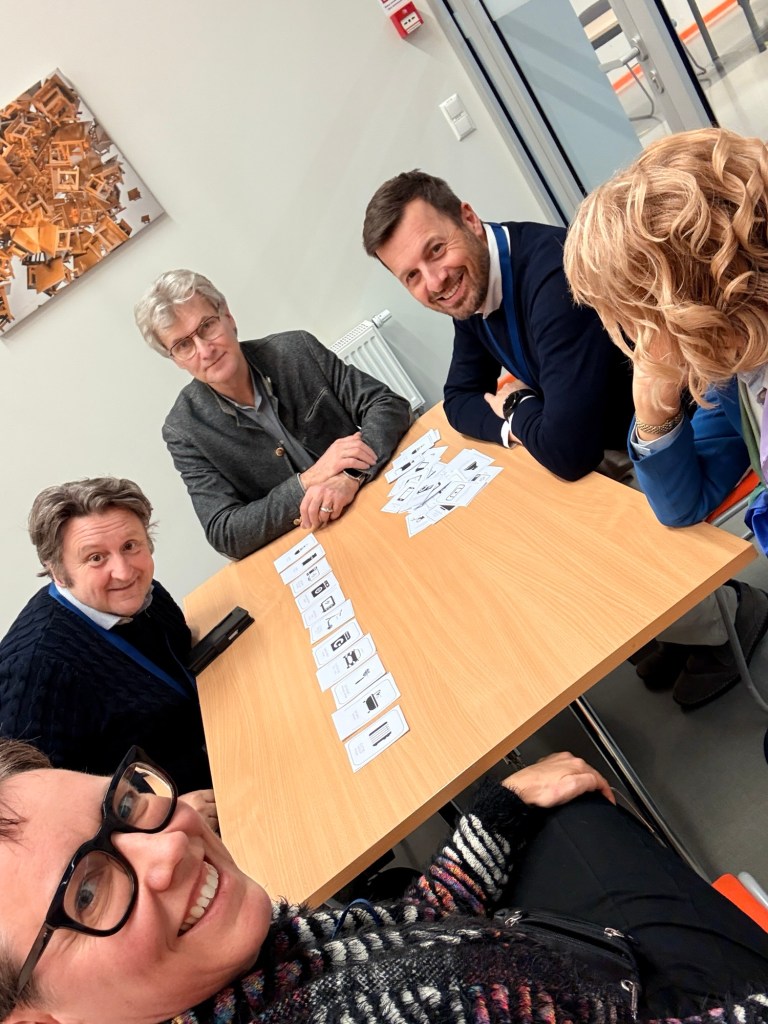
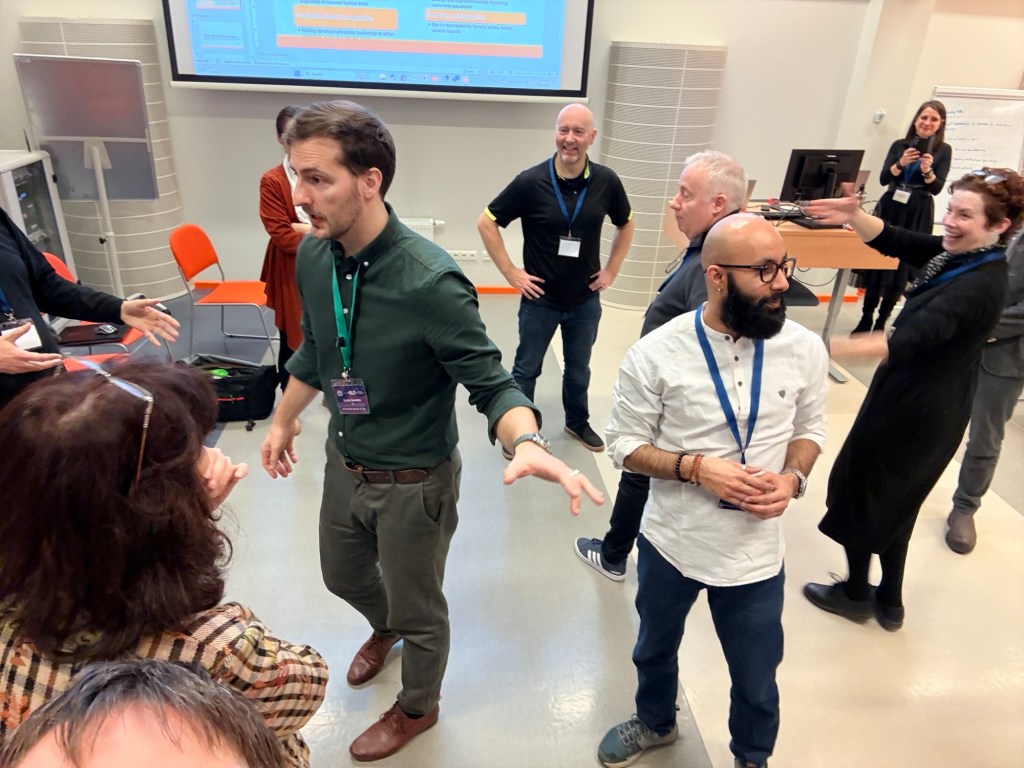
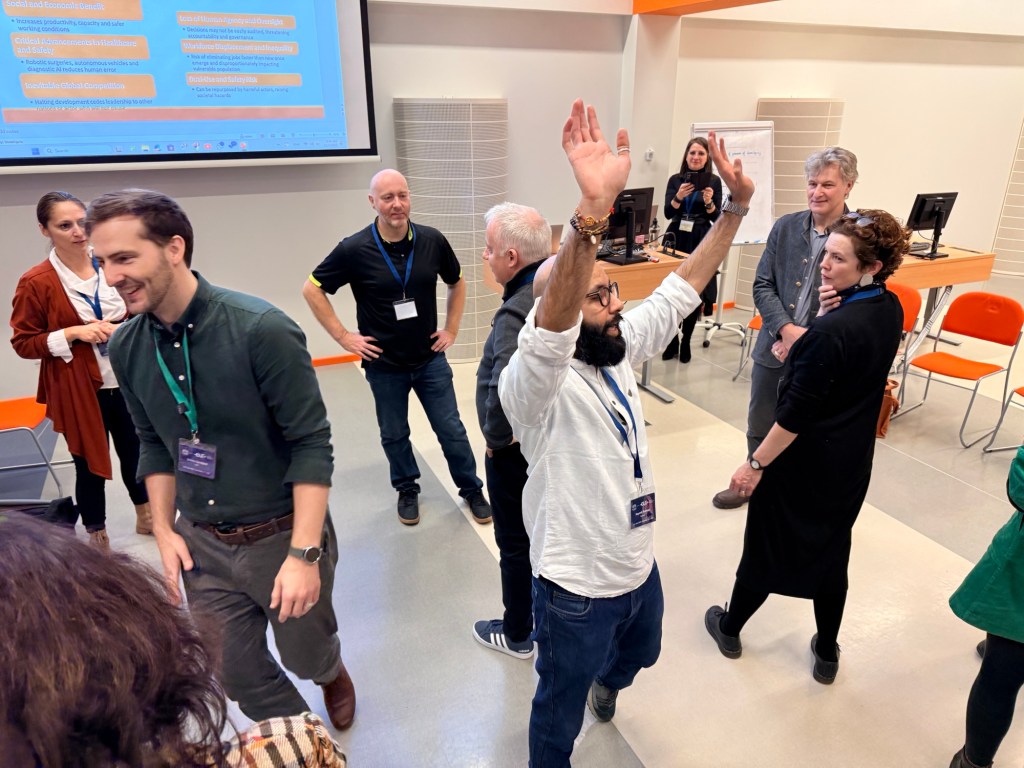
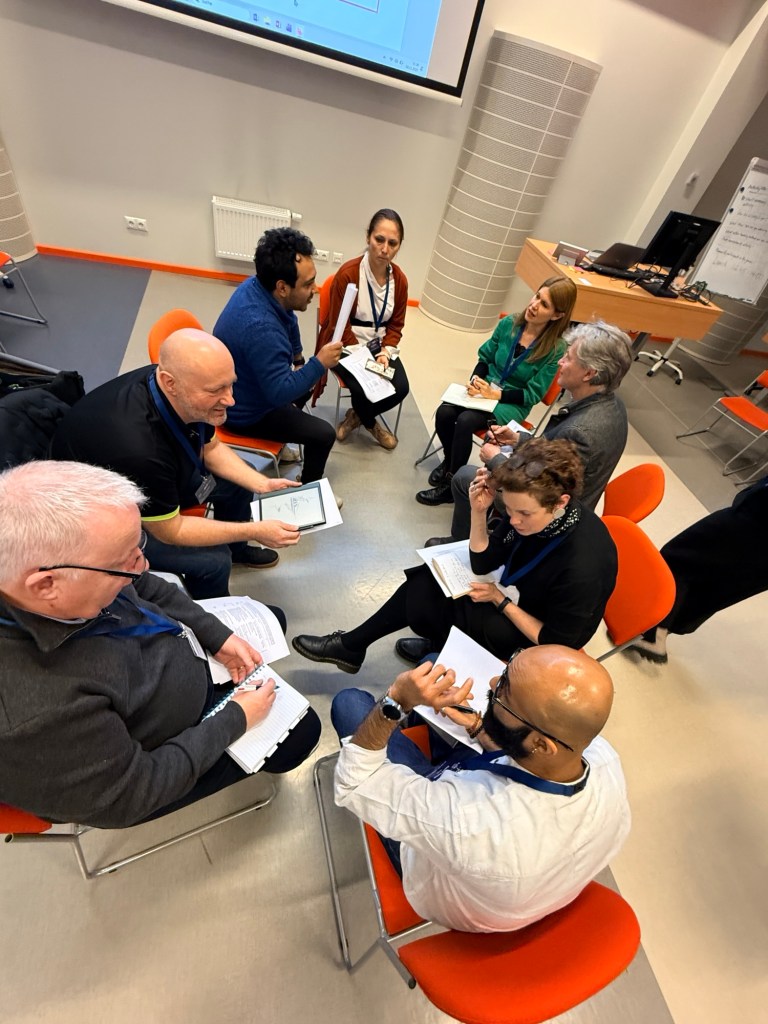
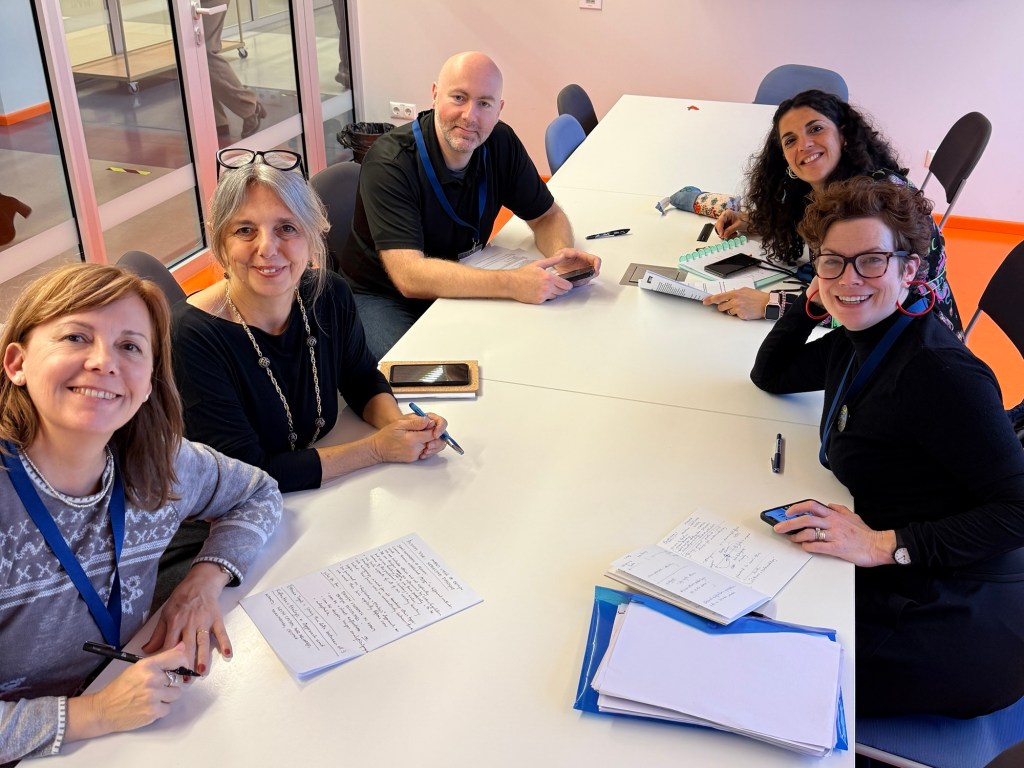
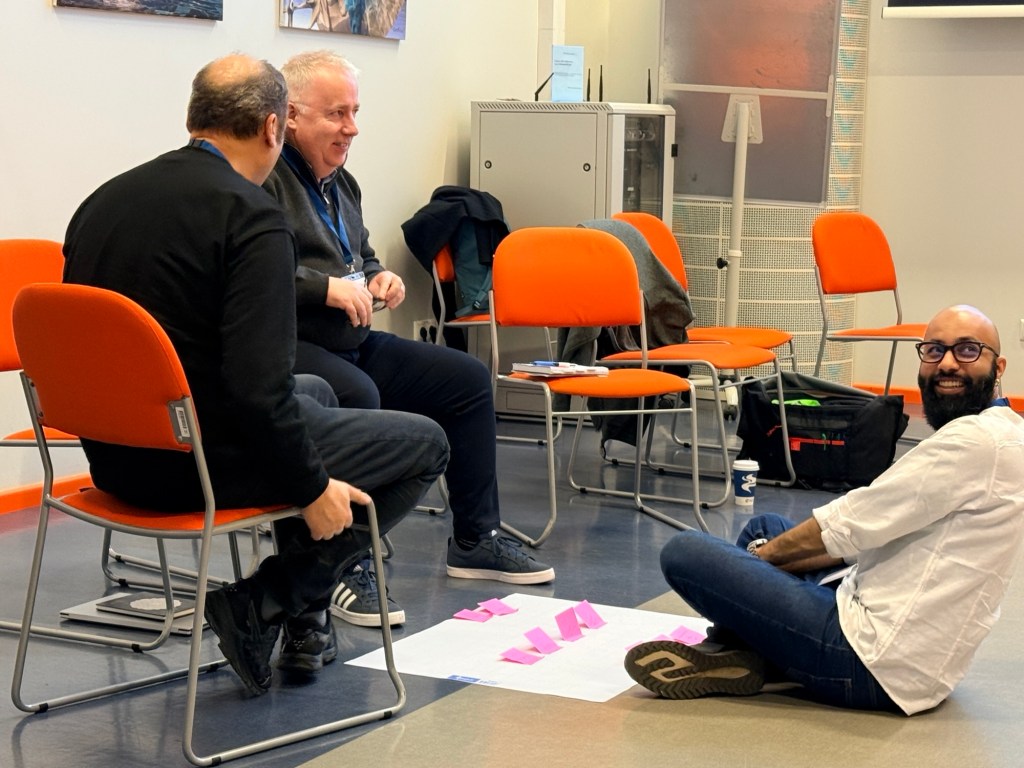
Here is a photo from our most recent class meeting, during a breakout session to apply the lessons we’d covered in a lecture. They all jumped right in! (Even despite it being 4PM on a Friday!)
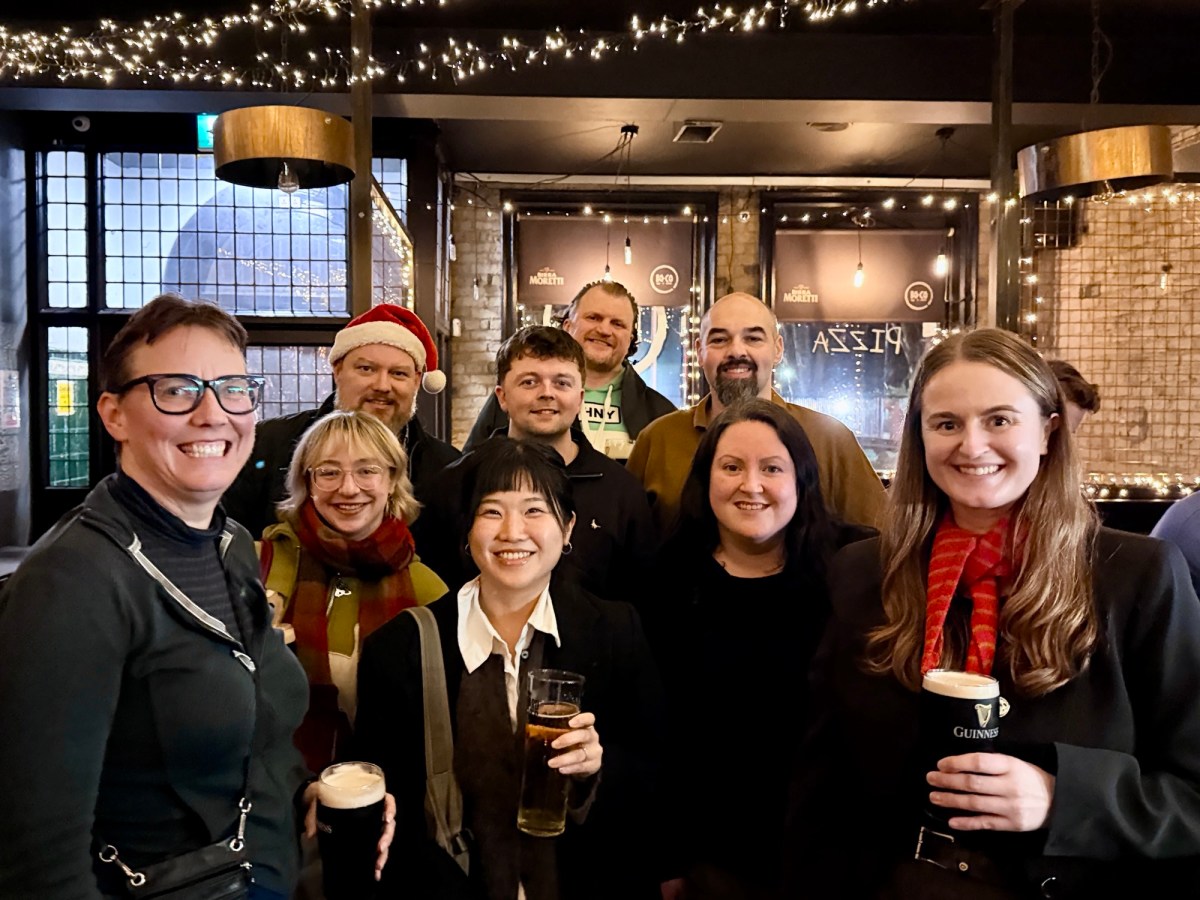
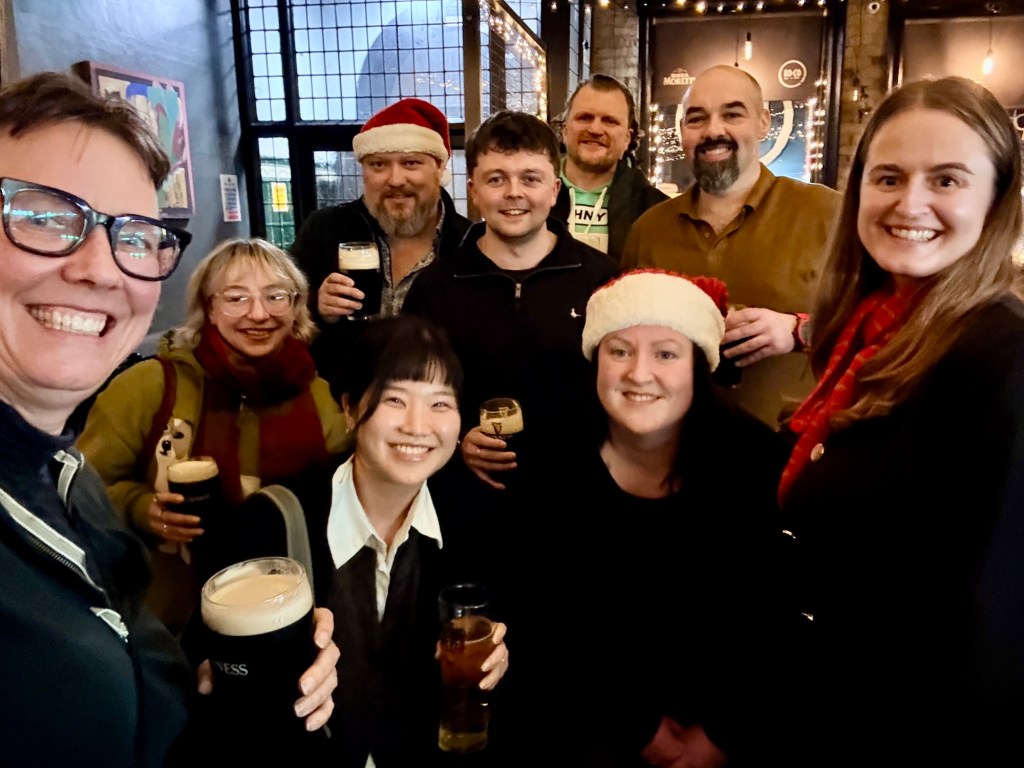
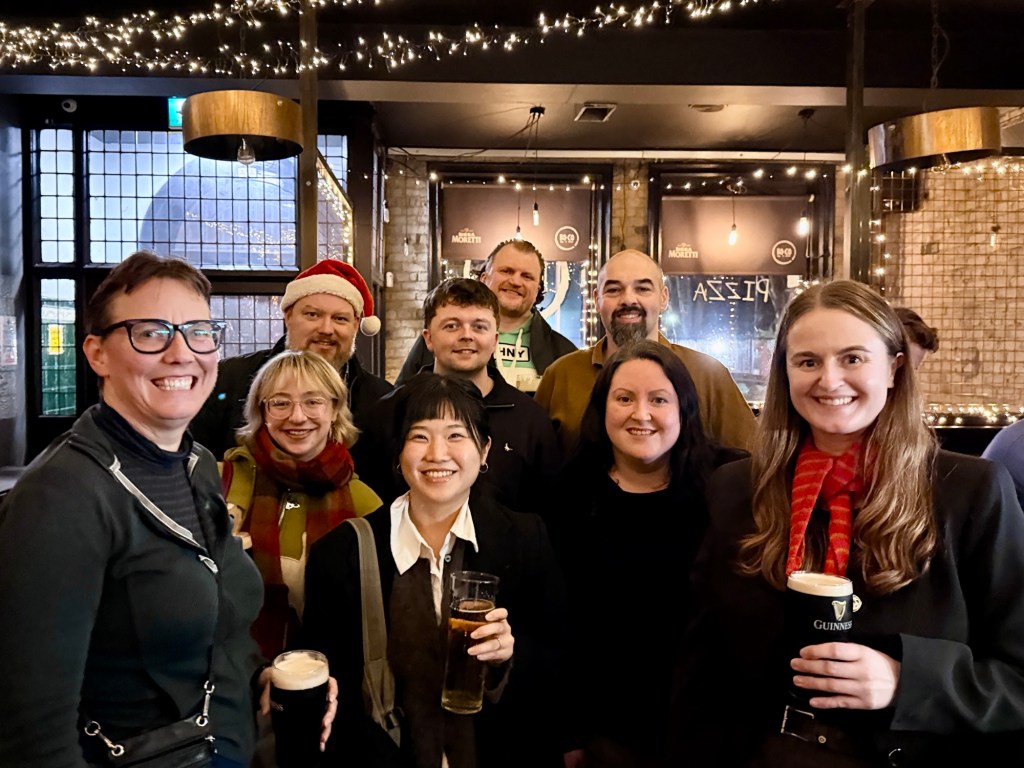
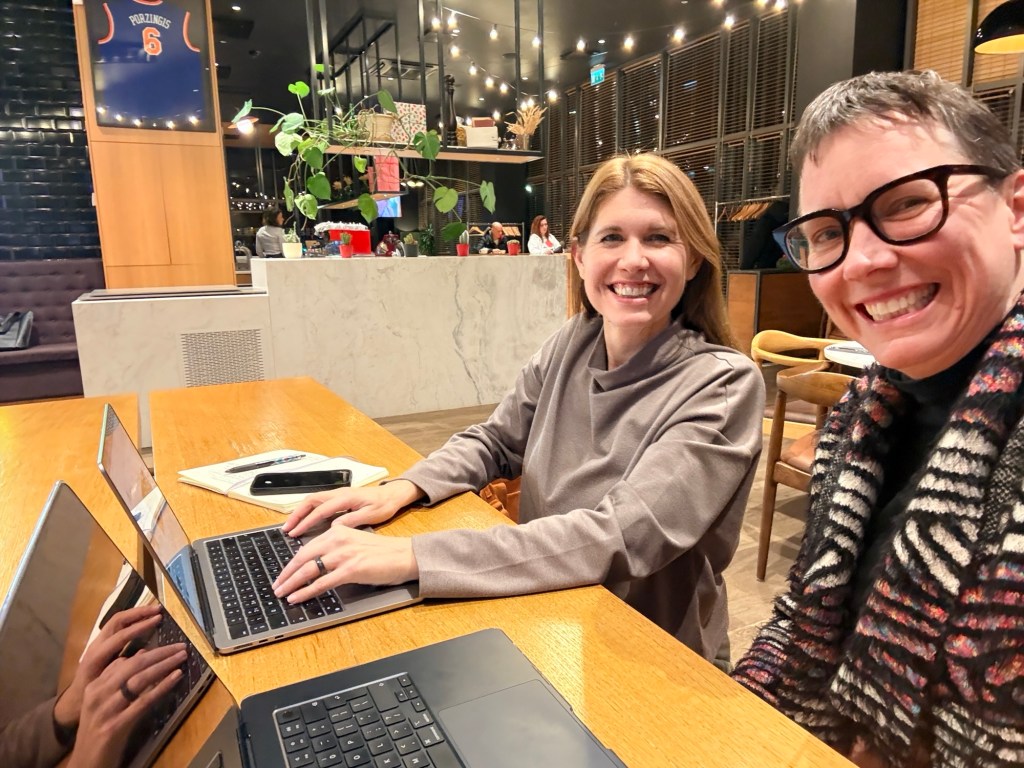
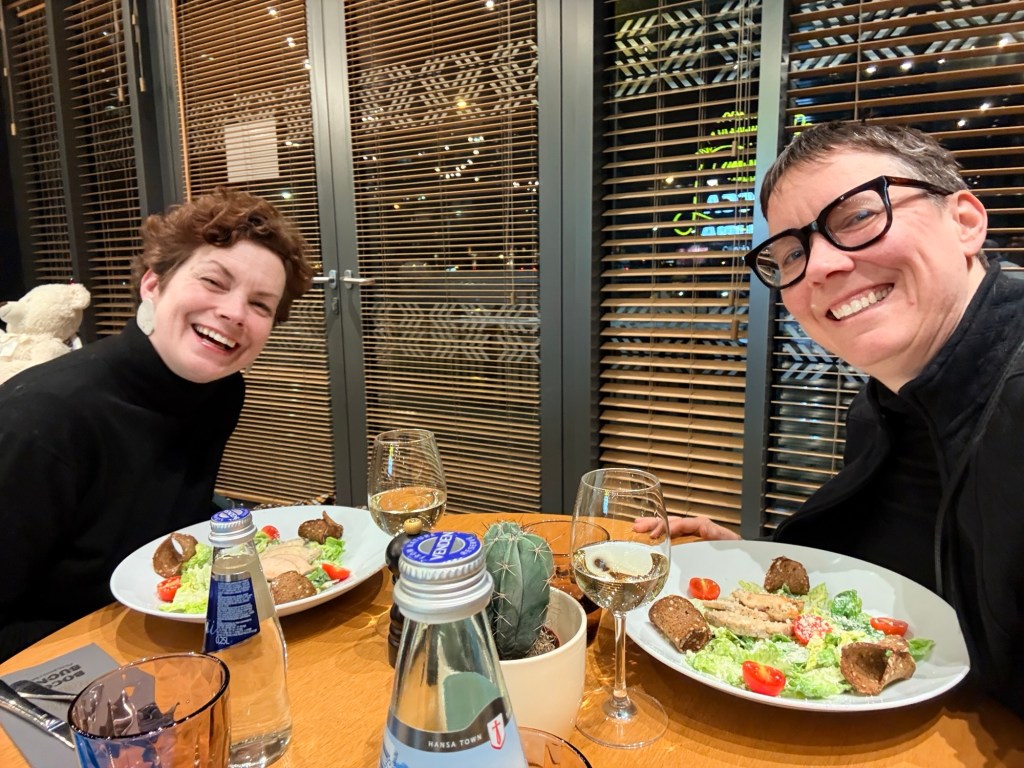
With the holiday coming up, a bunch of us went to a nearby restaurant, BoCo, to celebrate and socialize after class.
Here’s to life-long active learning!
And, many thanks to these energetic students and my fabulous co-teacher, Claire Simpson, for making class worthwhile and fun this semester!
What an amazing week at Riga Technical University (RTU) in the charming capital city of Latvia!
I designed and co-delivered an intensive “Education Forum”, as part of the European University of Technology (EUt+) “Riga Week,” held December 1-5, 2025.
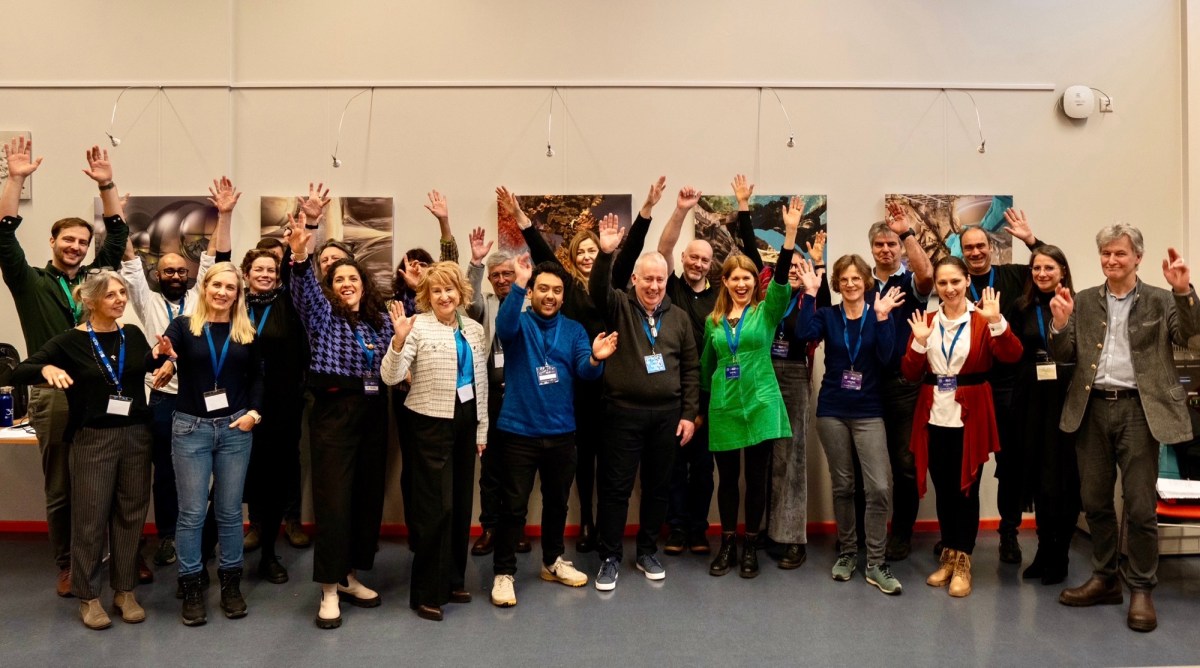
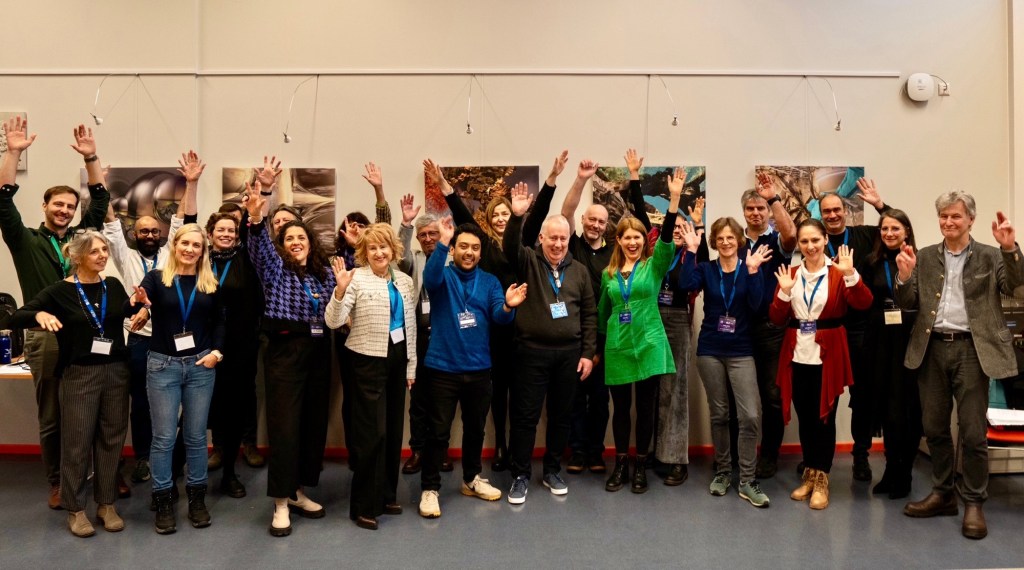
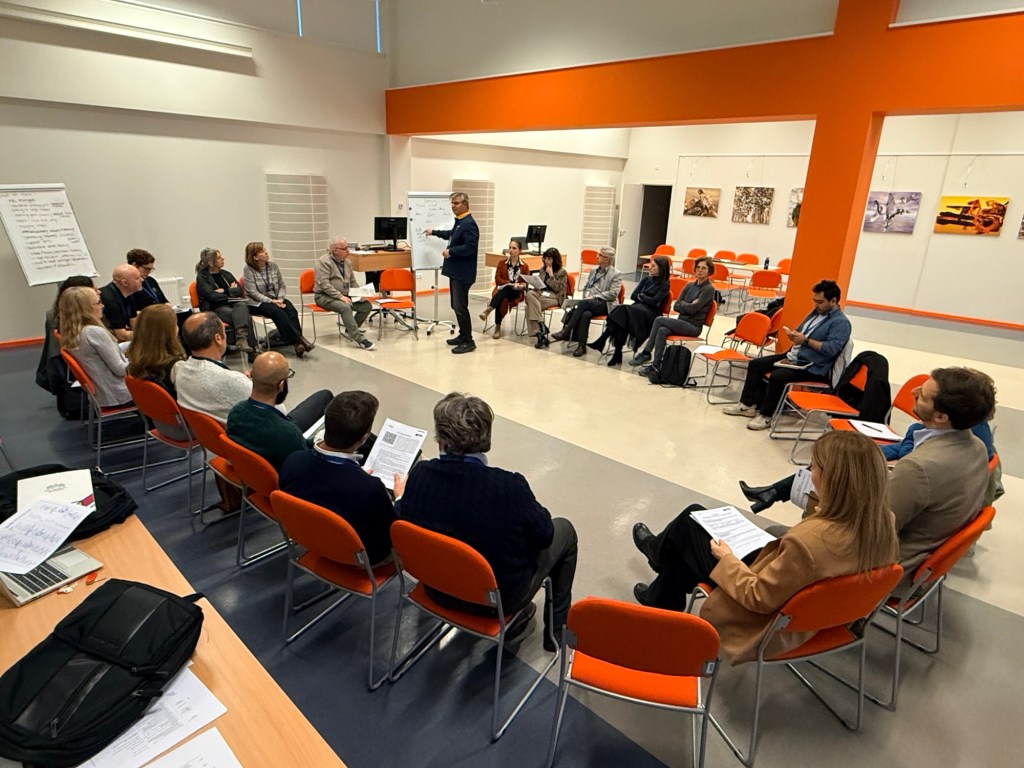
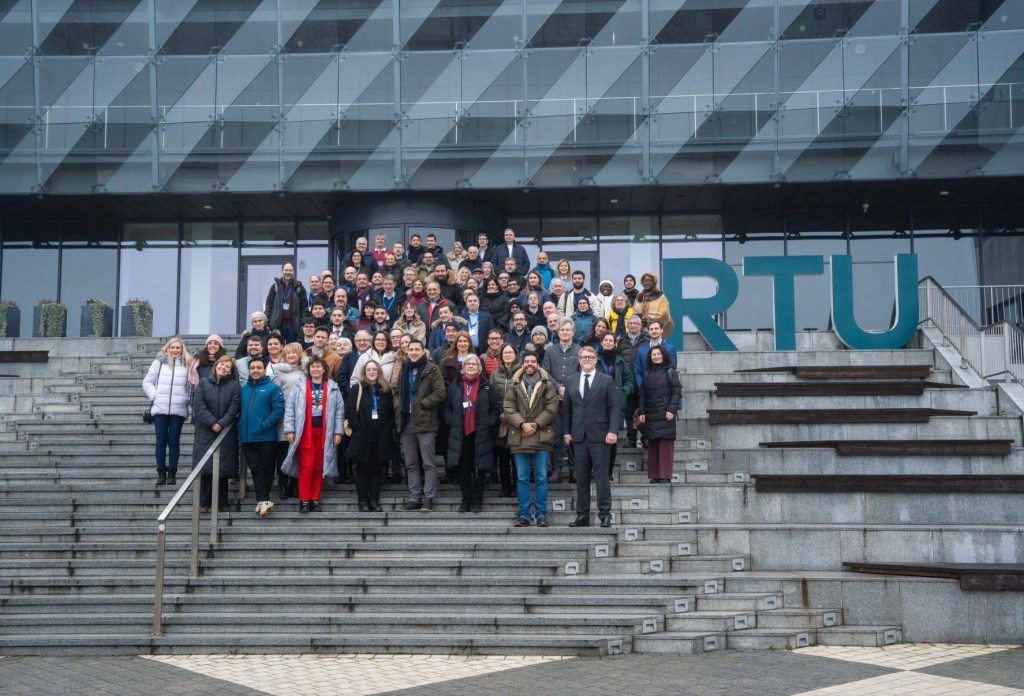
Here’s our Forum group on the final day!
This teacher training Forum brought experts from the European Society for Engineering Education (SEFI) and TU Dublin to help educators from EUt+ member universities experience and apply new pedagogical approaches.
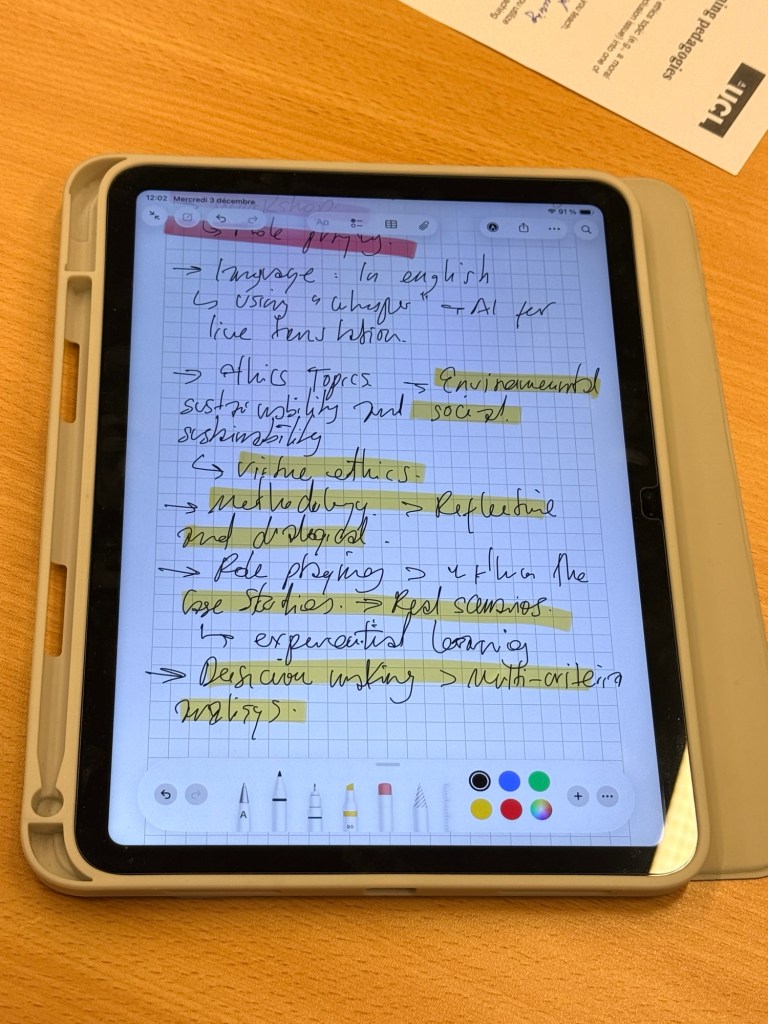
We utilized innovative teaching methodologies—case studies, problems and challenges, service-learning, and arts-based, dialogical and reflexive approaches as well as games-based and flipped classroom formats—to integrate ethics topics into the courses we teach. And of course, we also practiced interdisciplinarity.
Designing it, I drew from knowledge and experience gained at the Symposium. For Riga, I used a similar format—a fun and immersive three-day series of hands-on workshops and mini-keynote presentations. I am grateful to the SEFI experts who helped me design the SEFI symposium format, Drs. Diana Martin and Mircea Tobosaru. (Diana was also scheduled to help facilitate the Forum in Riga, but a winter flu kept her from joining us.)
Learning together — actively and fully engaged
Ultimately, 21 educators travelled to Riga from Cluj-Napoca, Sofia, Cassino, Darmstadt, Cartagena, Dublin, Troyes, along with Sarah from the UK. We assembled for the first ever SEFI/EUt+ Engineering and Technology Education Forum. Dr. Sarah Hitt (of SEFI), Miriam Delaney (of TU Dublin), and Edmund Nevin (of both) helped me facilitate the Forum.
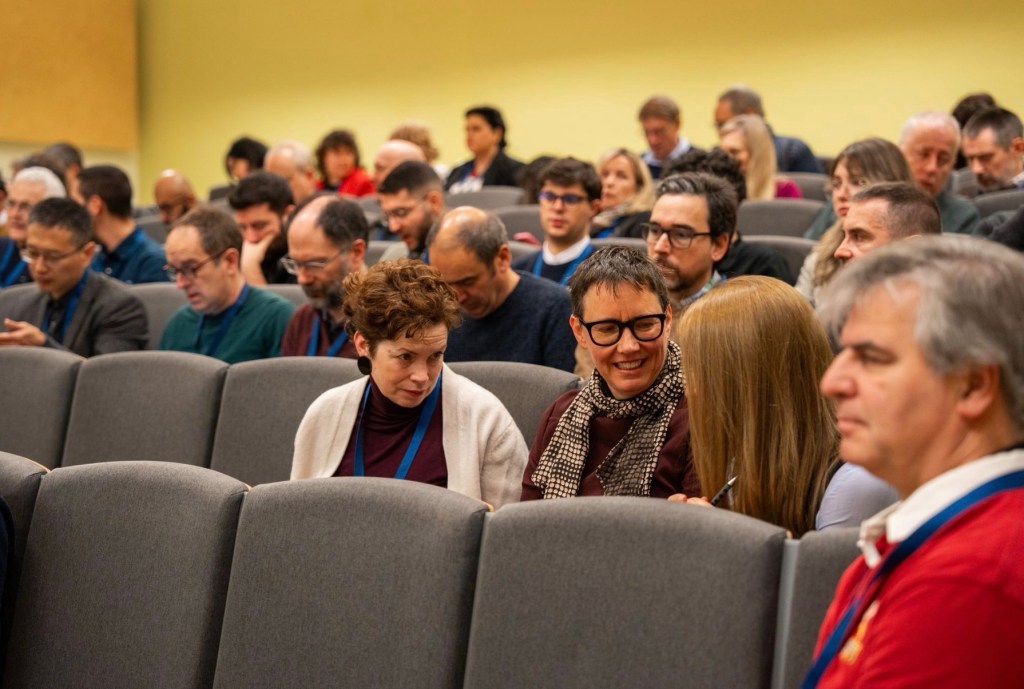
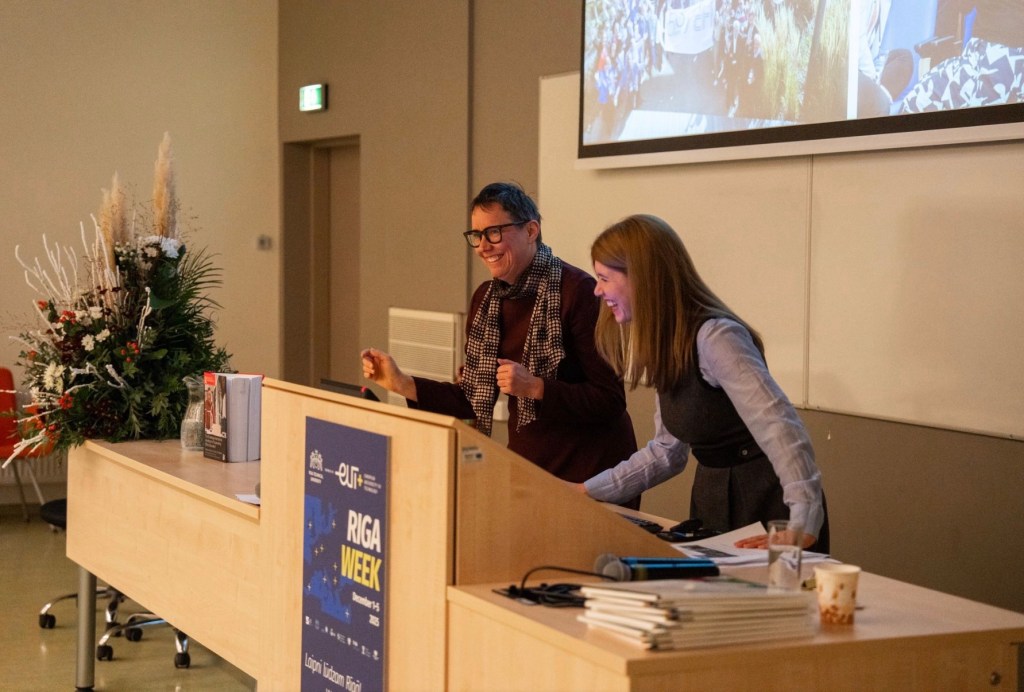
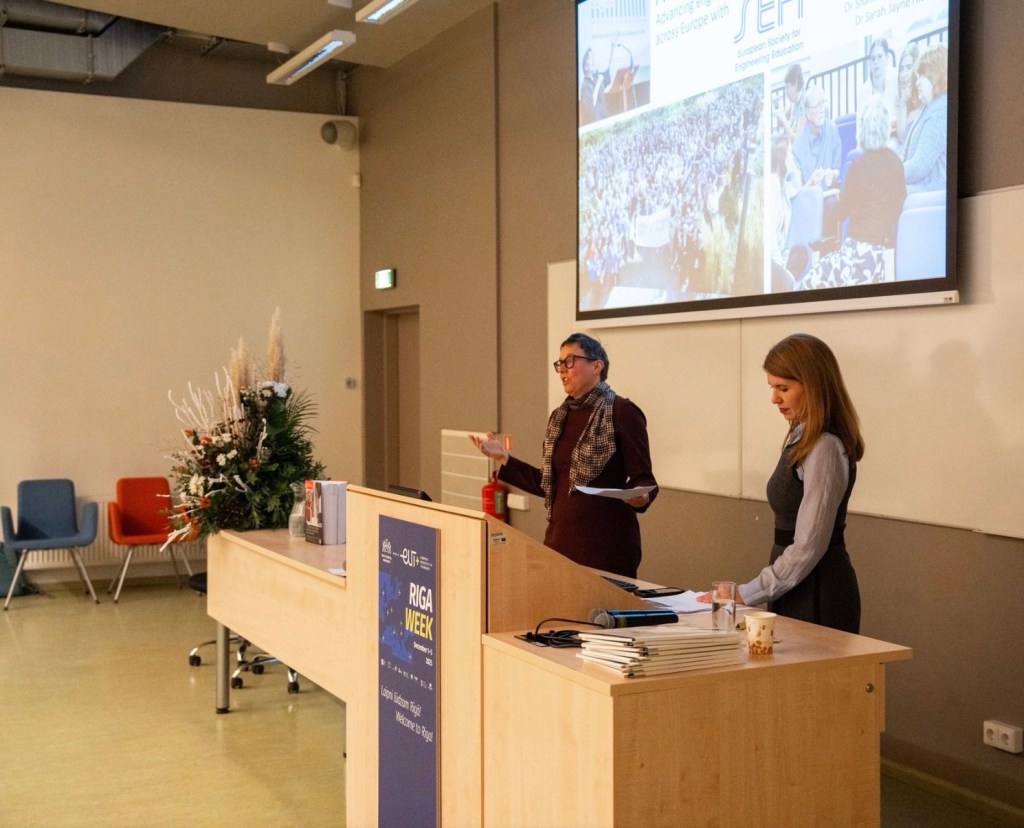
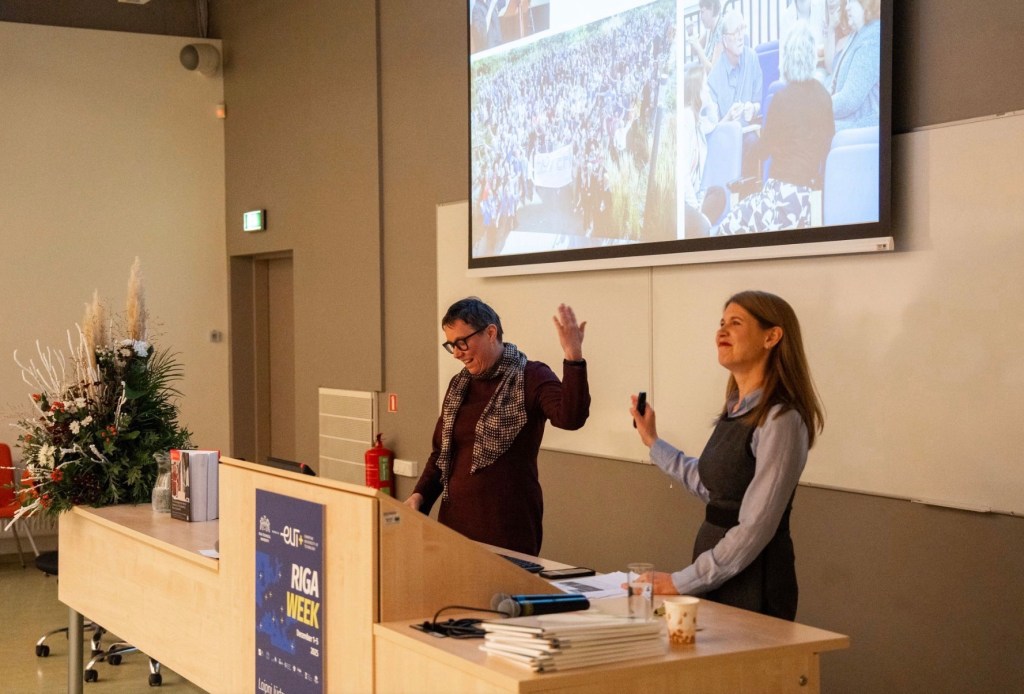
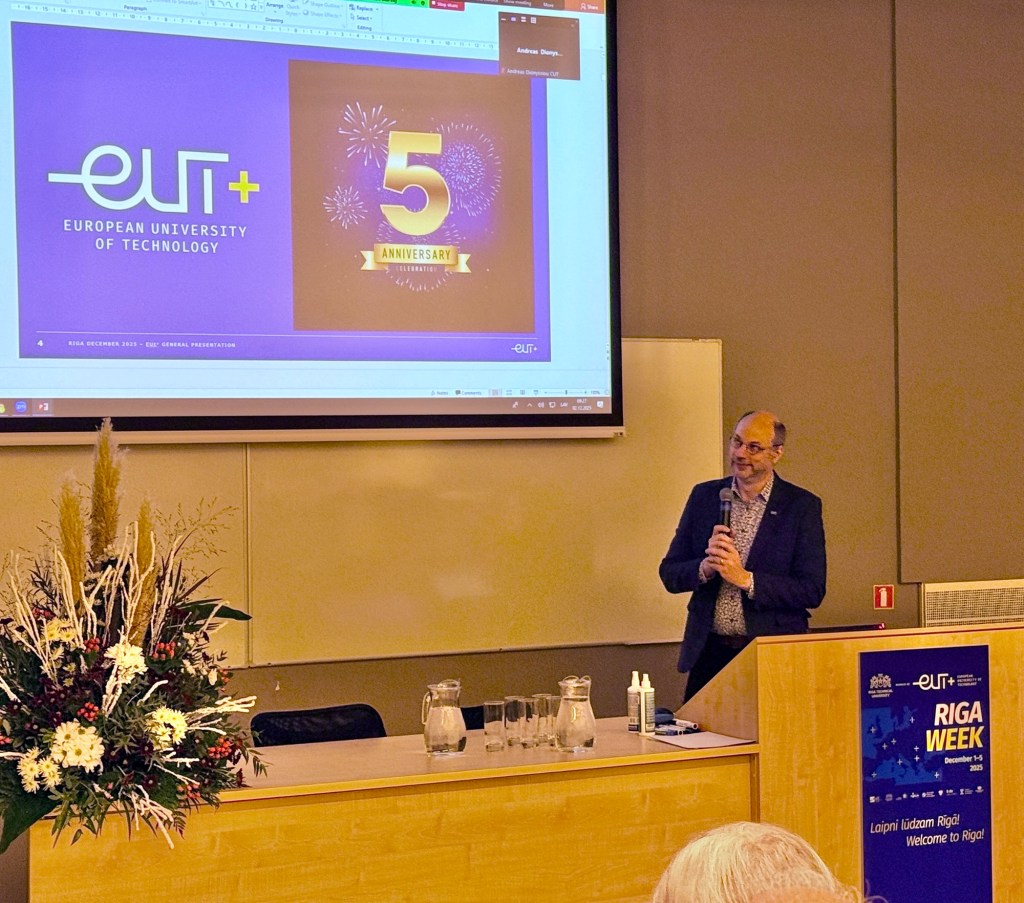
Before the Forum got underway, Sarah Hitt and I delivered the opening address for the larger event. We used the same delivery format that Dr. Tom Børsen and I developed for our keynote at the recent SEFI conference, which you can watch here. Sarah is such a great collaborator. We worked really well together preparing and delivering the General Seminar address, debriefing between Forum sessions and passing the baton back and forth across the three workshop days.
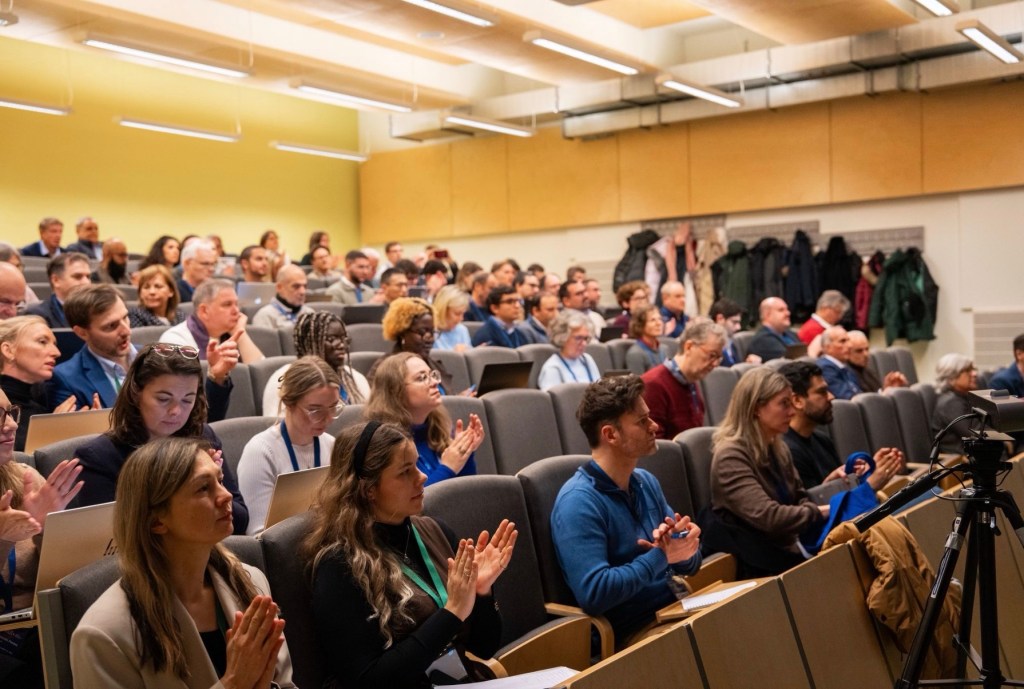
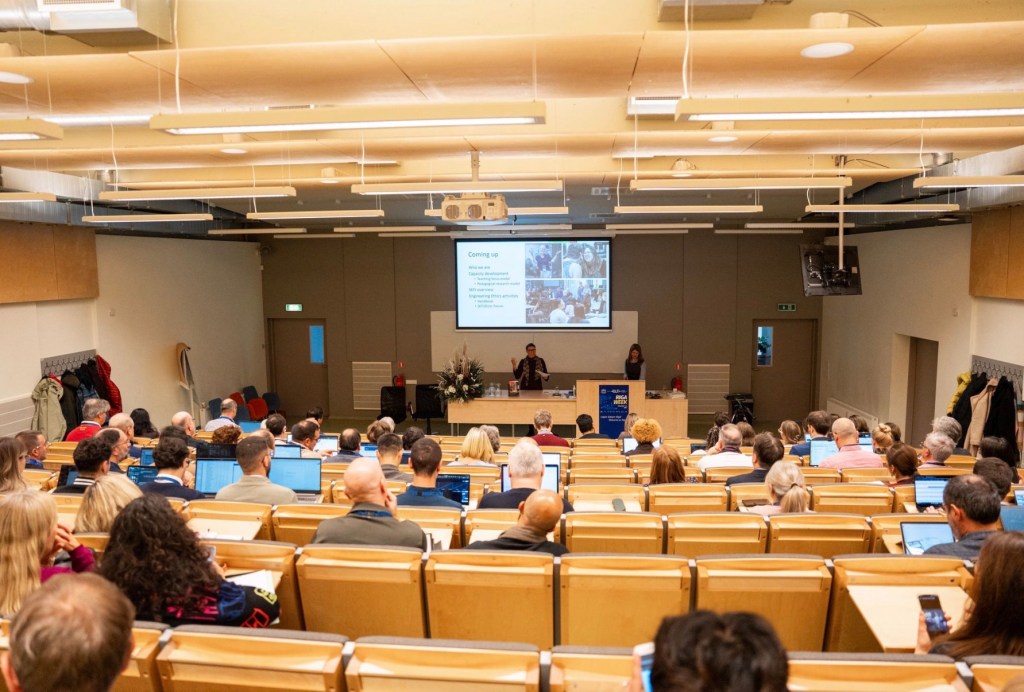
Preparations Riga Week audience Catching up beforehand Presenting……a topic we love…to an engaged audience!And loving every minute!
In total, about 80 people came to the “Riga Week.” They arrived from all around EUt+, an alliance of nine technological universities across Europe. They came to work on projects, refine approaches, and align systems. Many who attended this particular EUt+ Week are involved in disciplinary clusters (like biomedical or electrical and electronics engineering).
EUt Riga Week familyTimothèe Toury in actionChristmas market Exploring with SarahSharing stories with Mariam
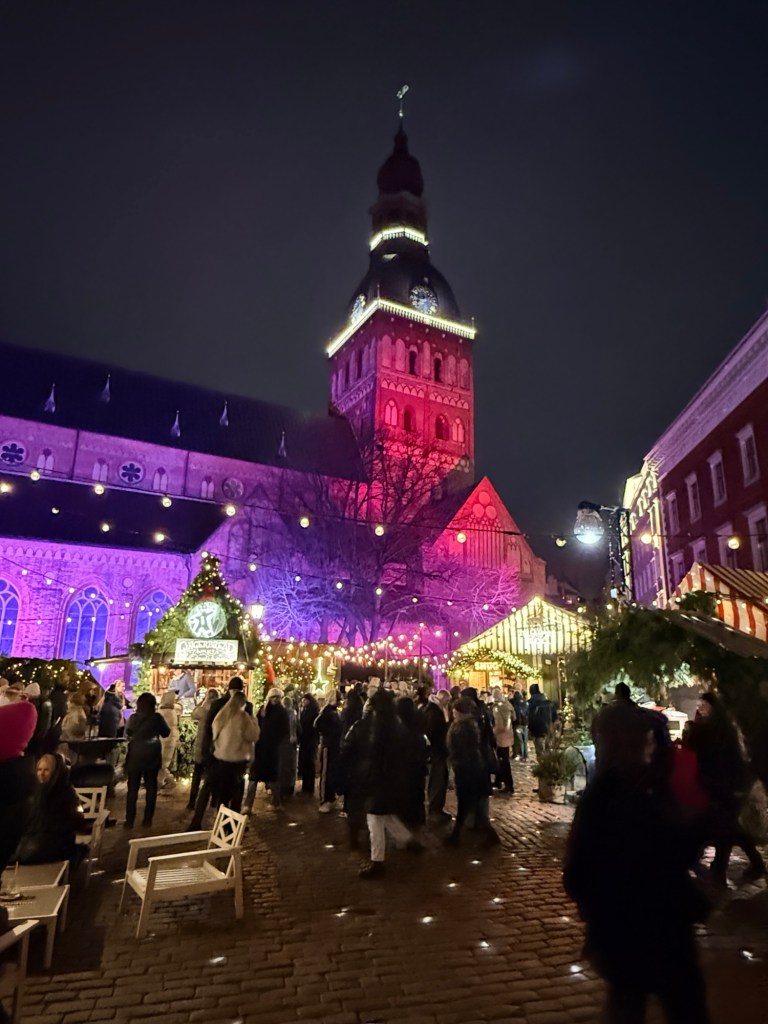
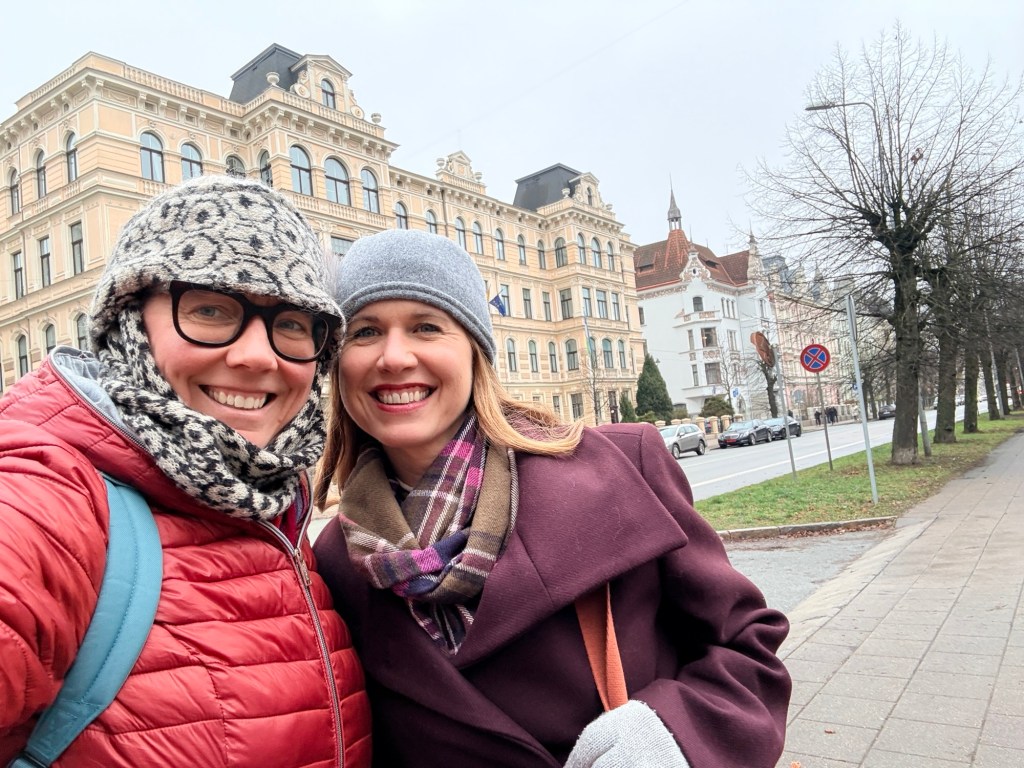
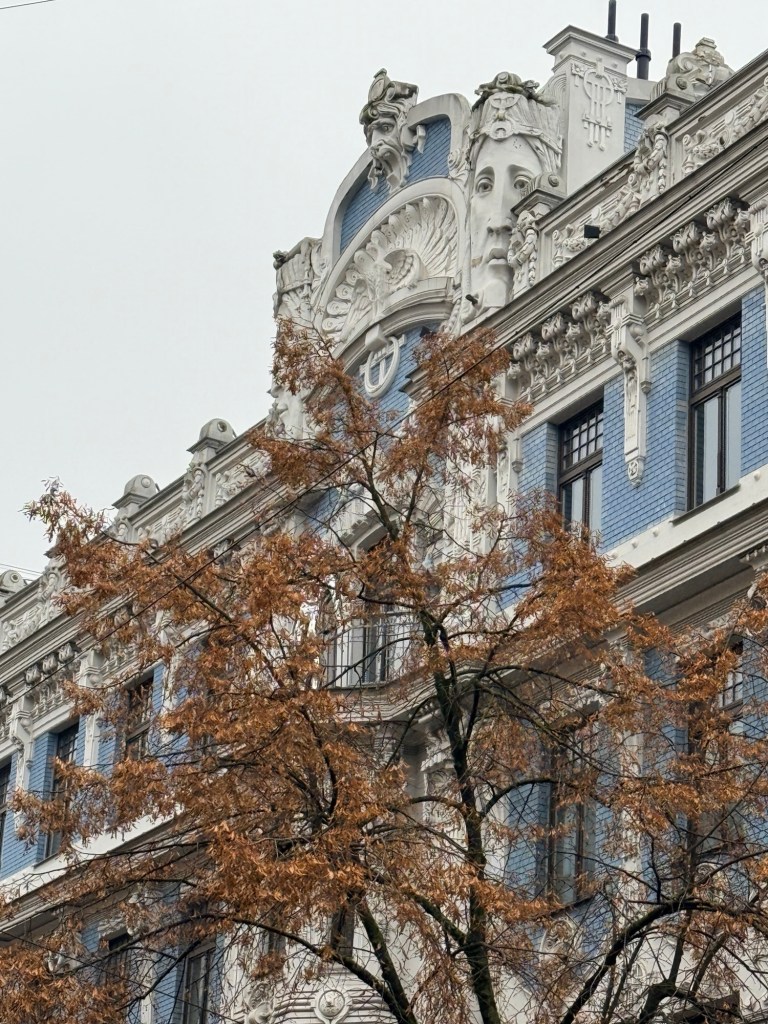
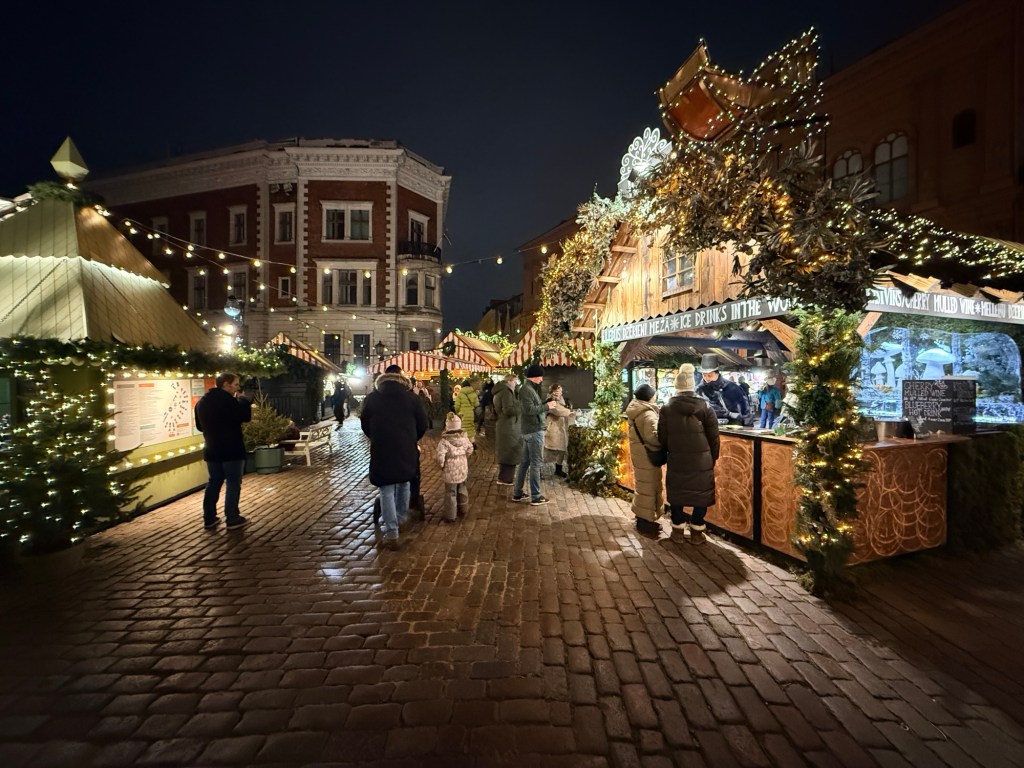
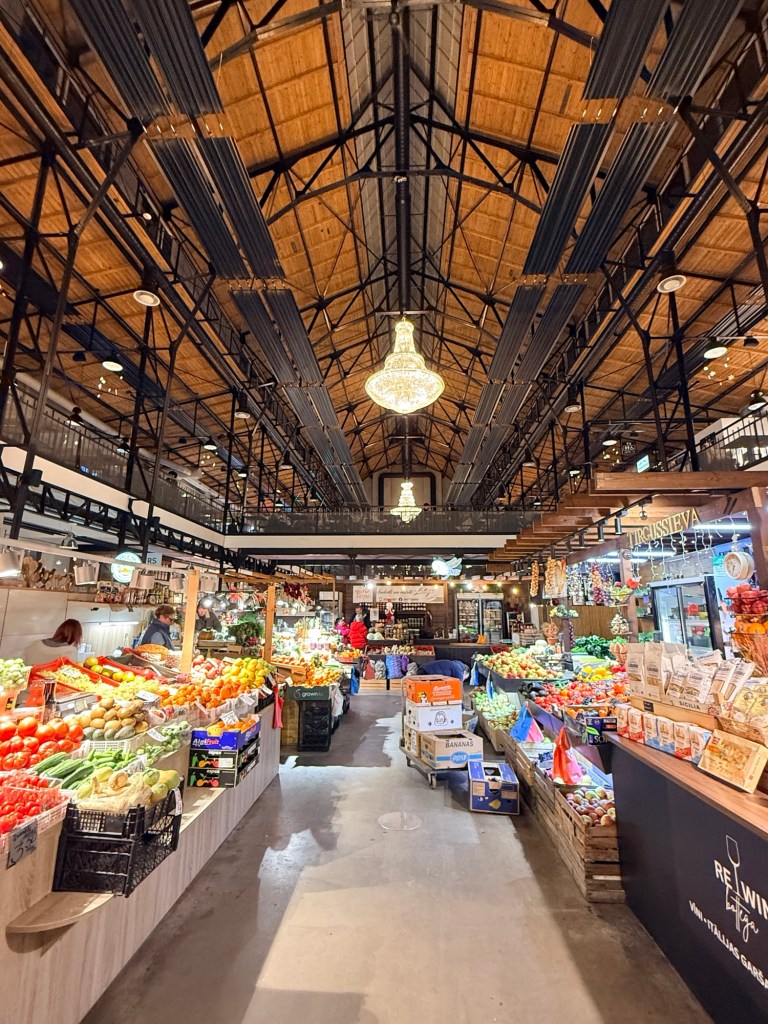
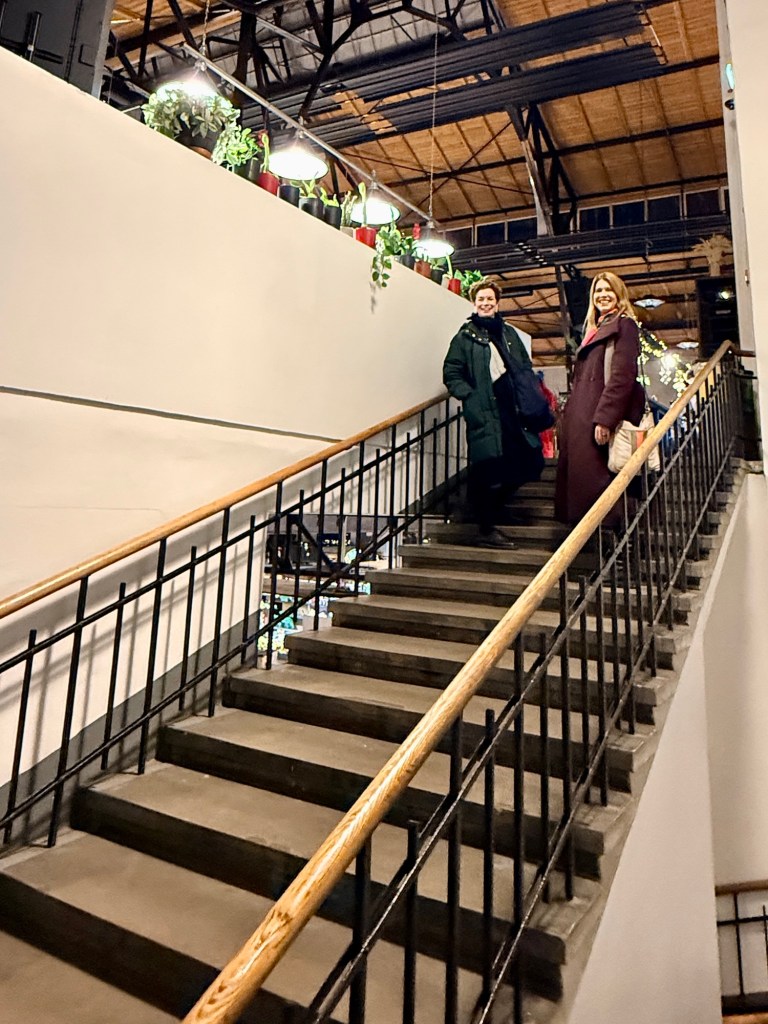
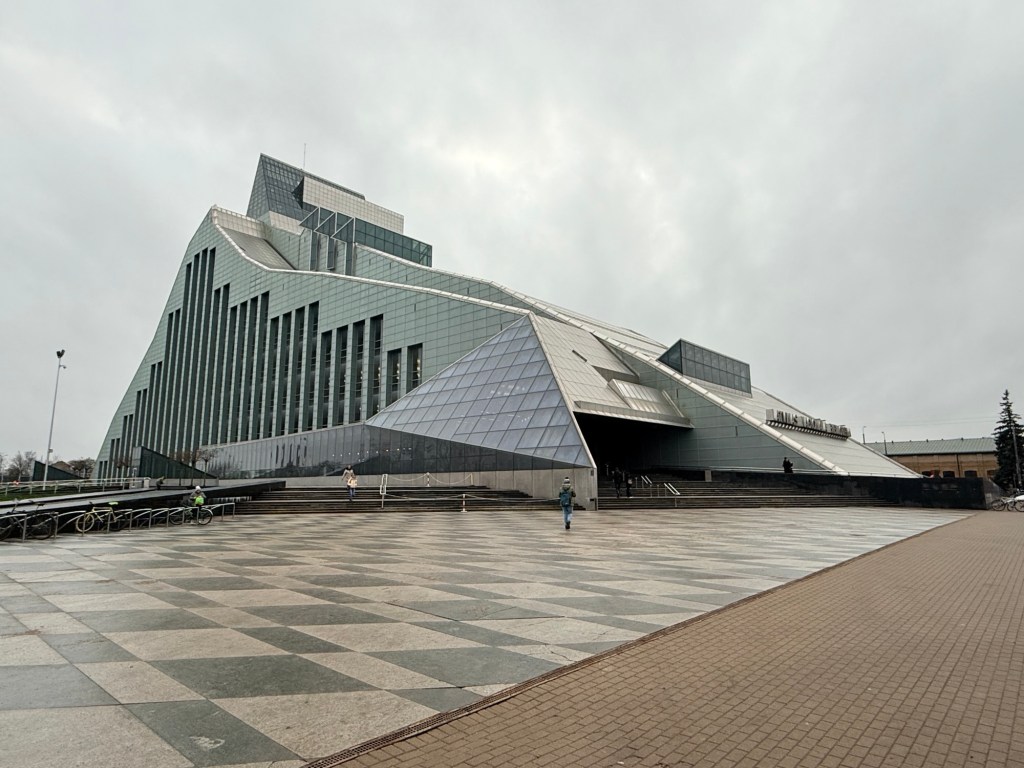
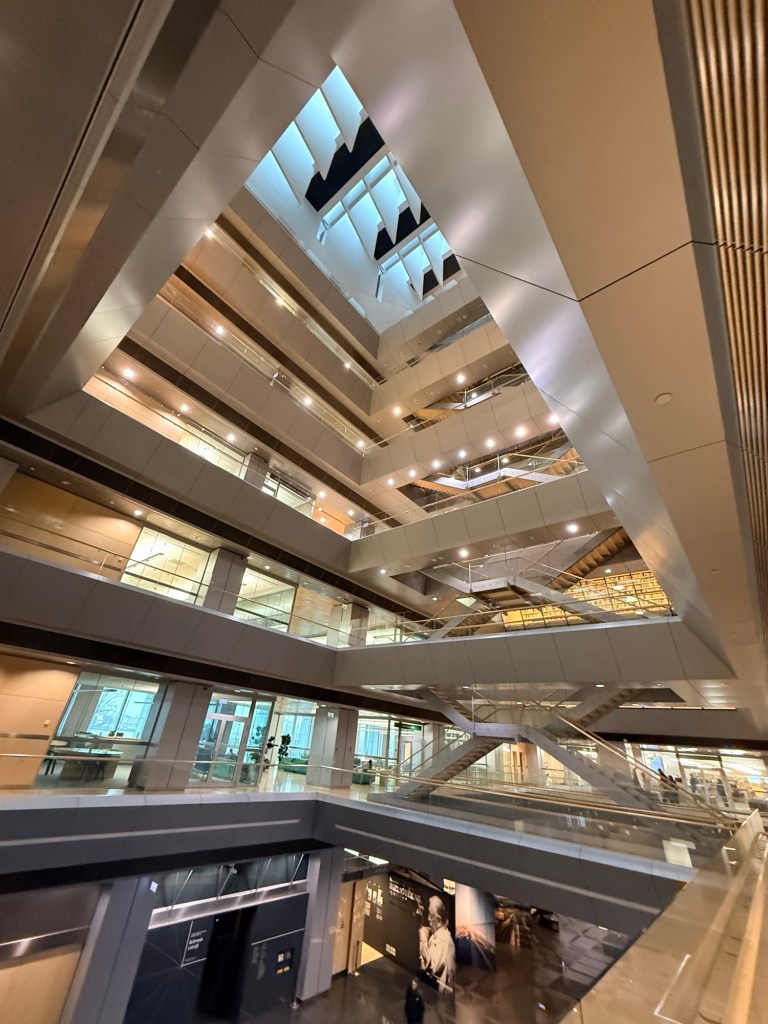
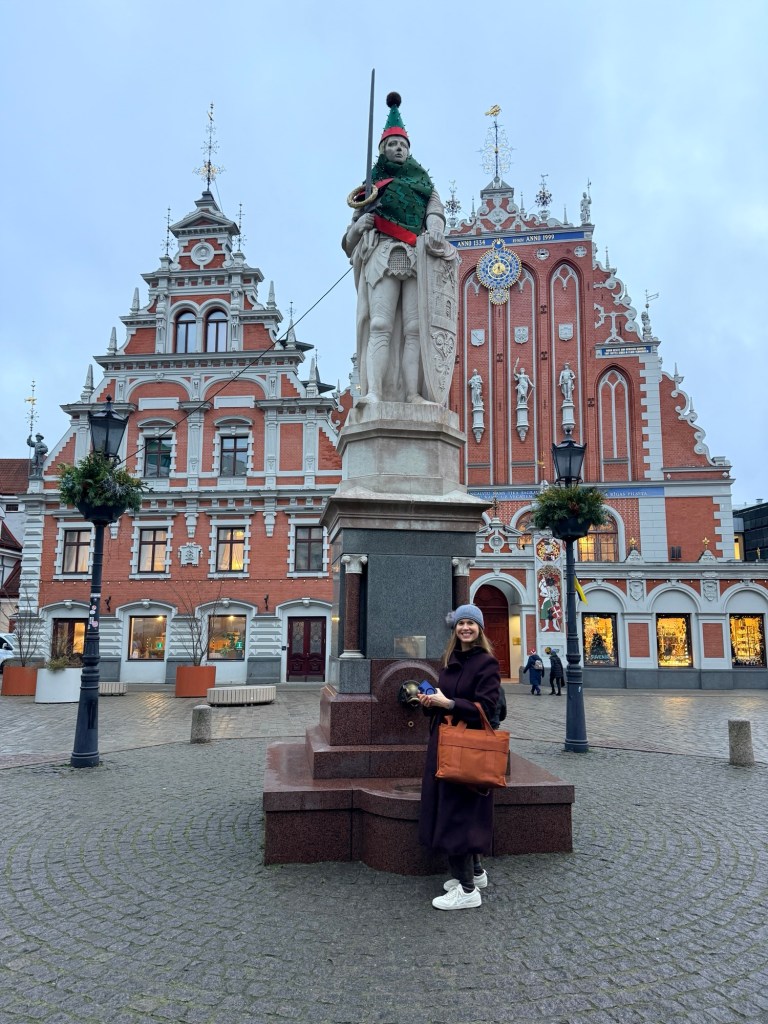
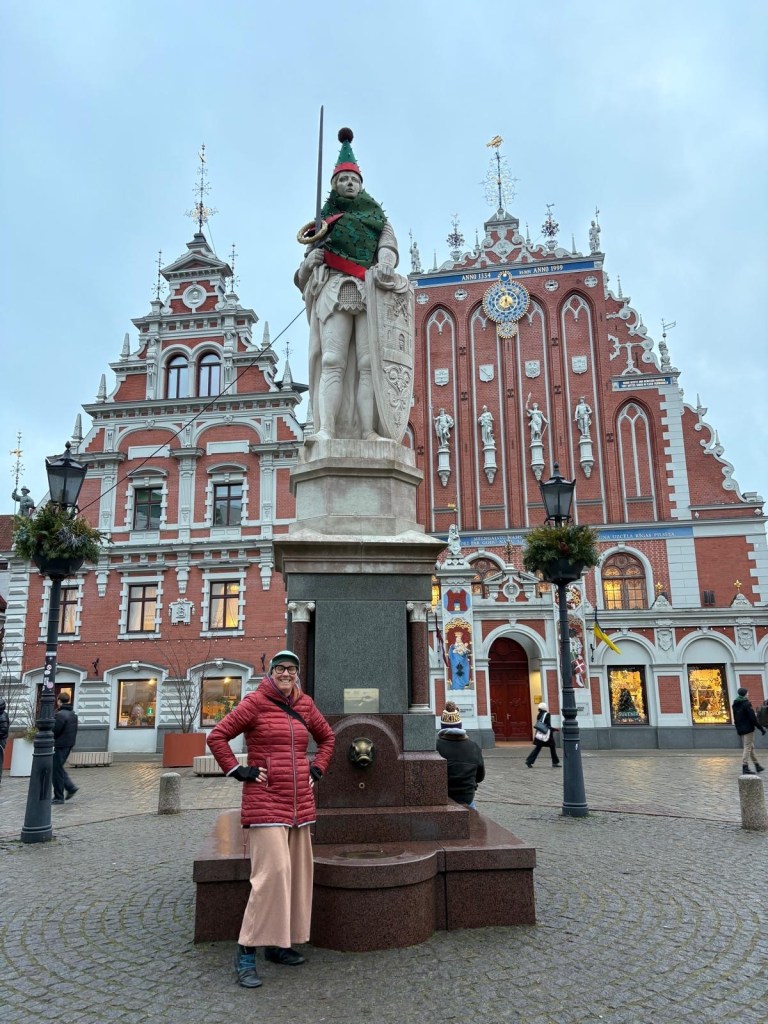
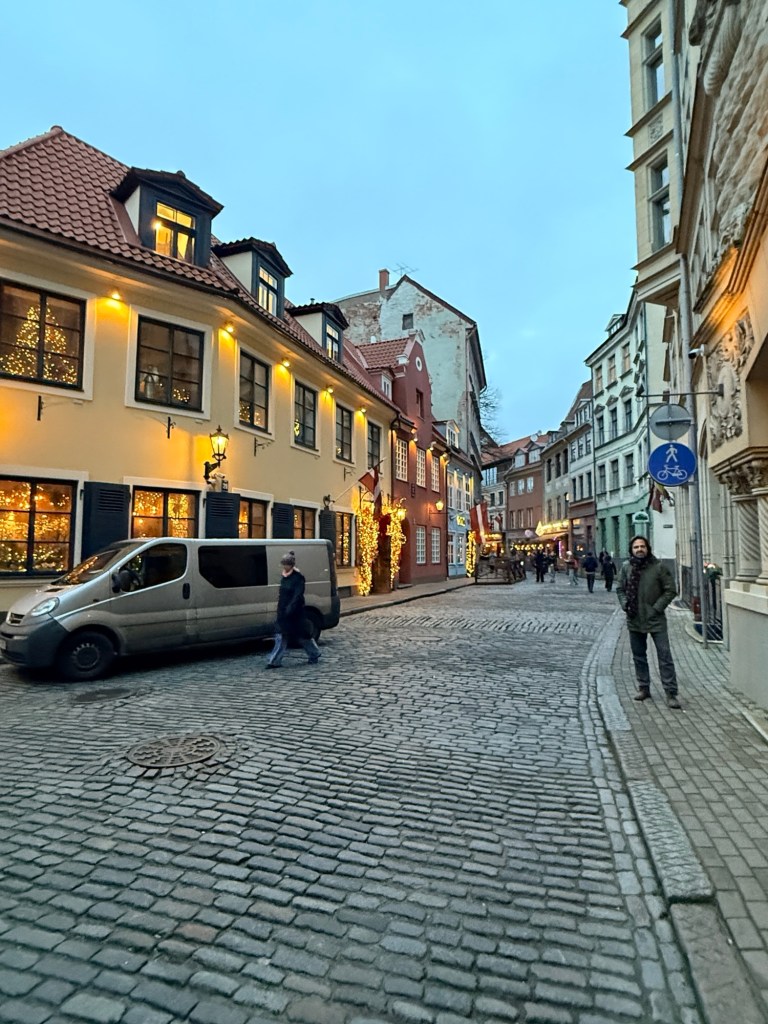
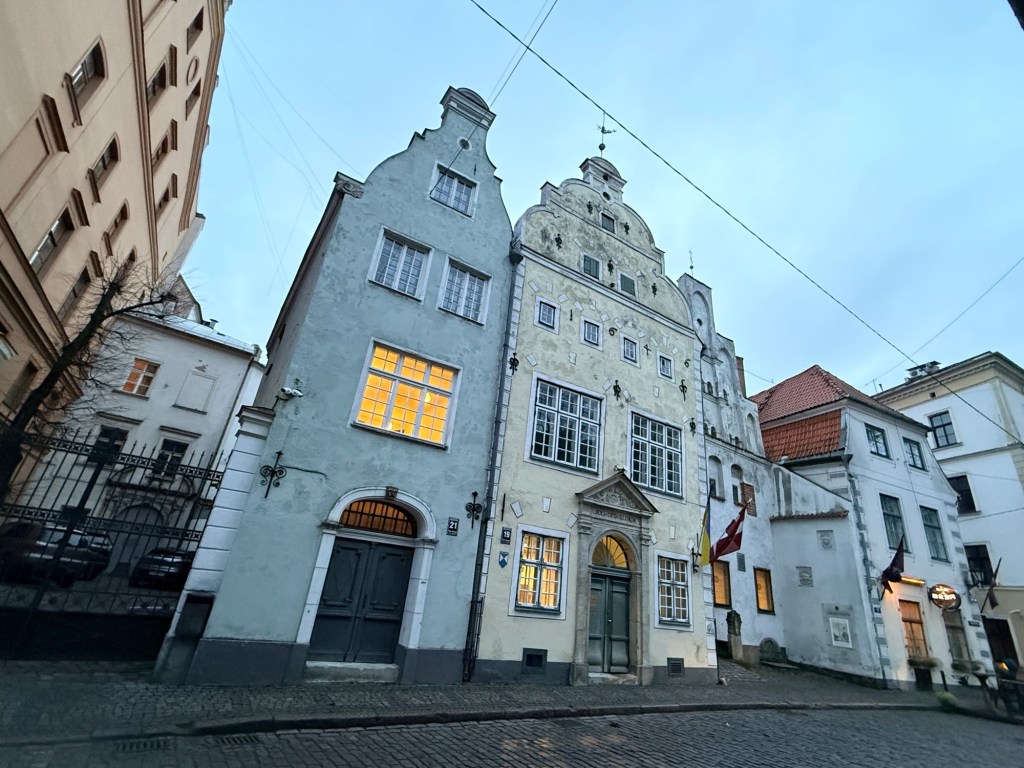
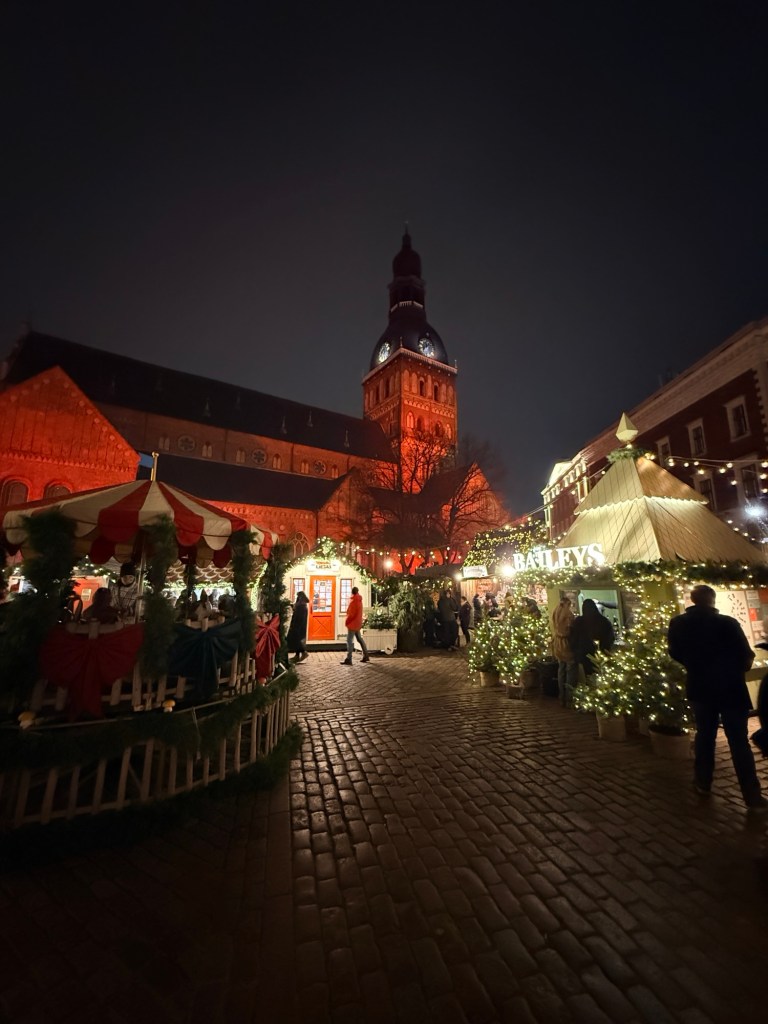
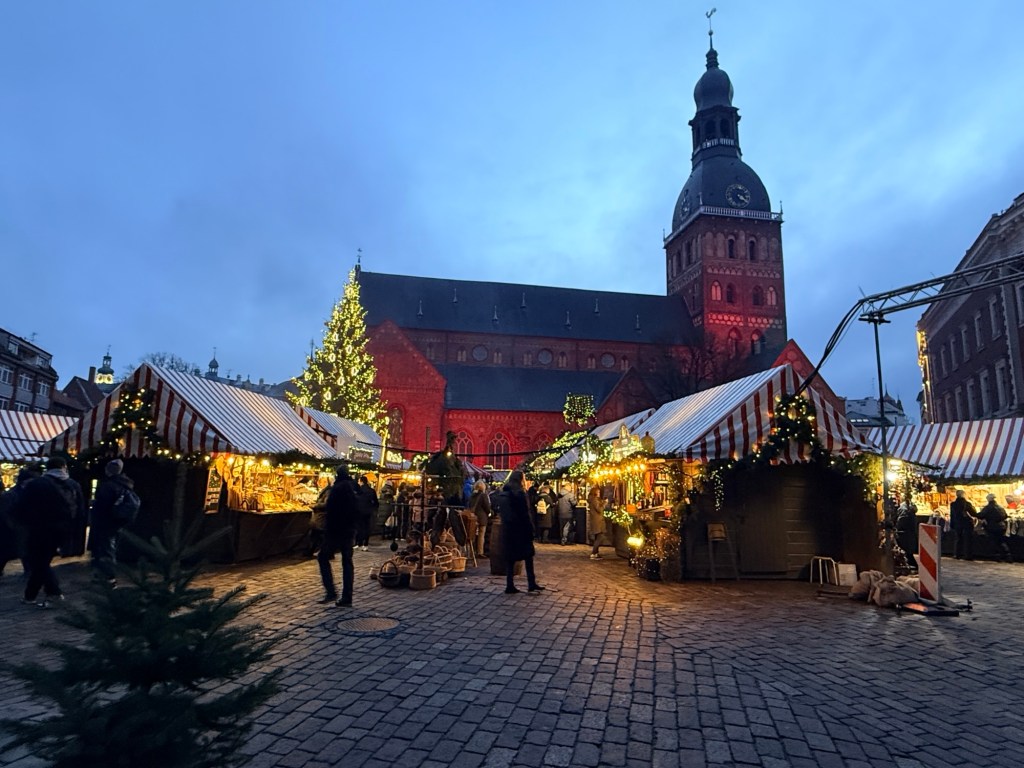
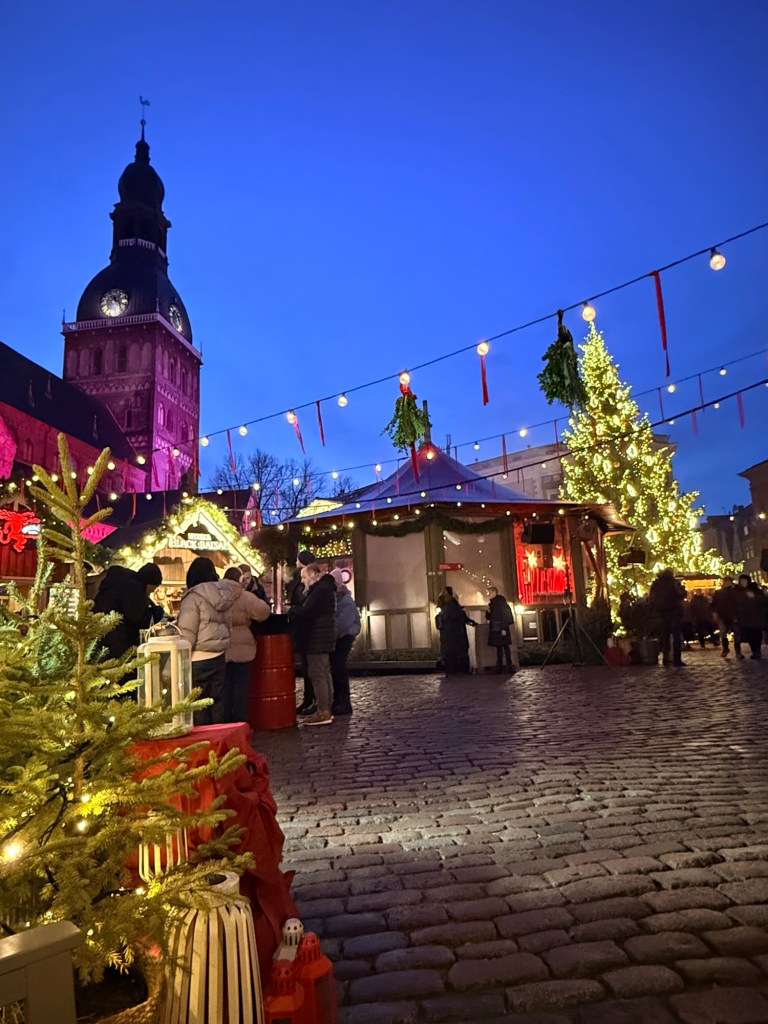
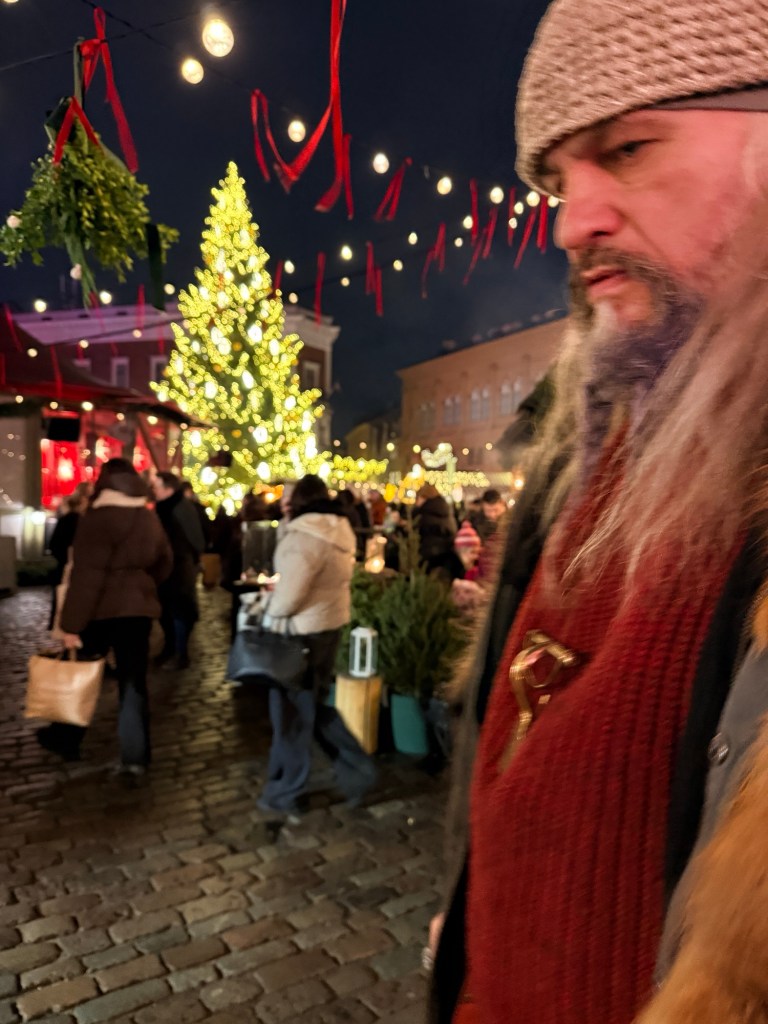
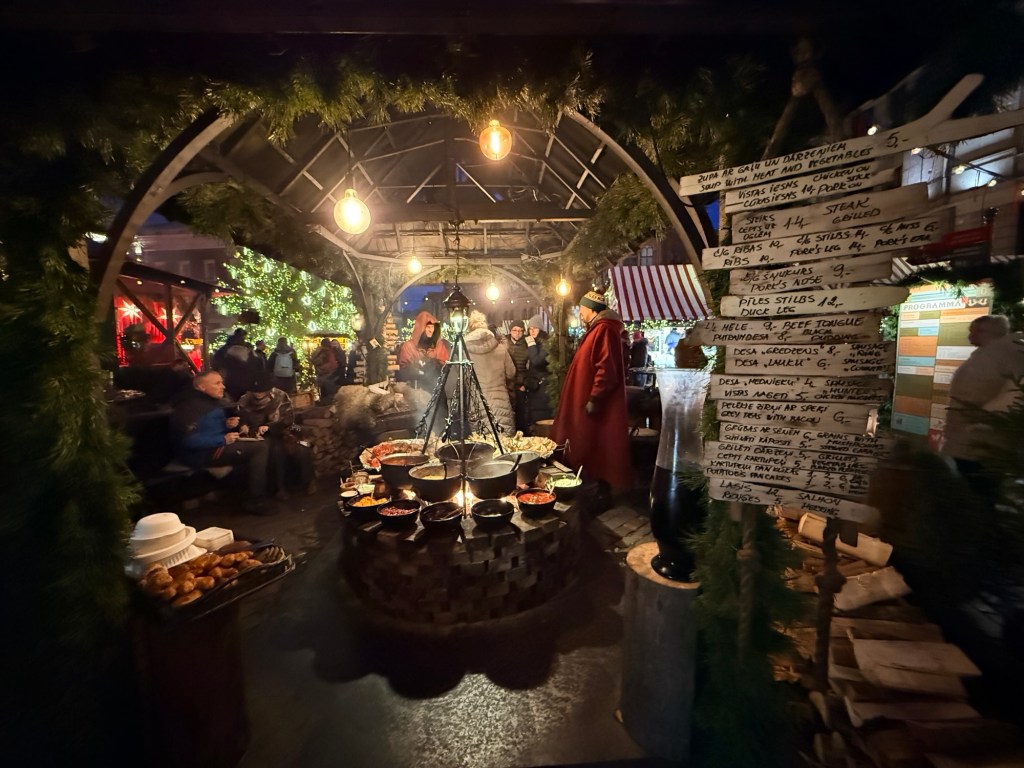
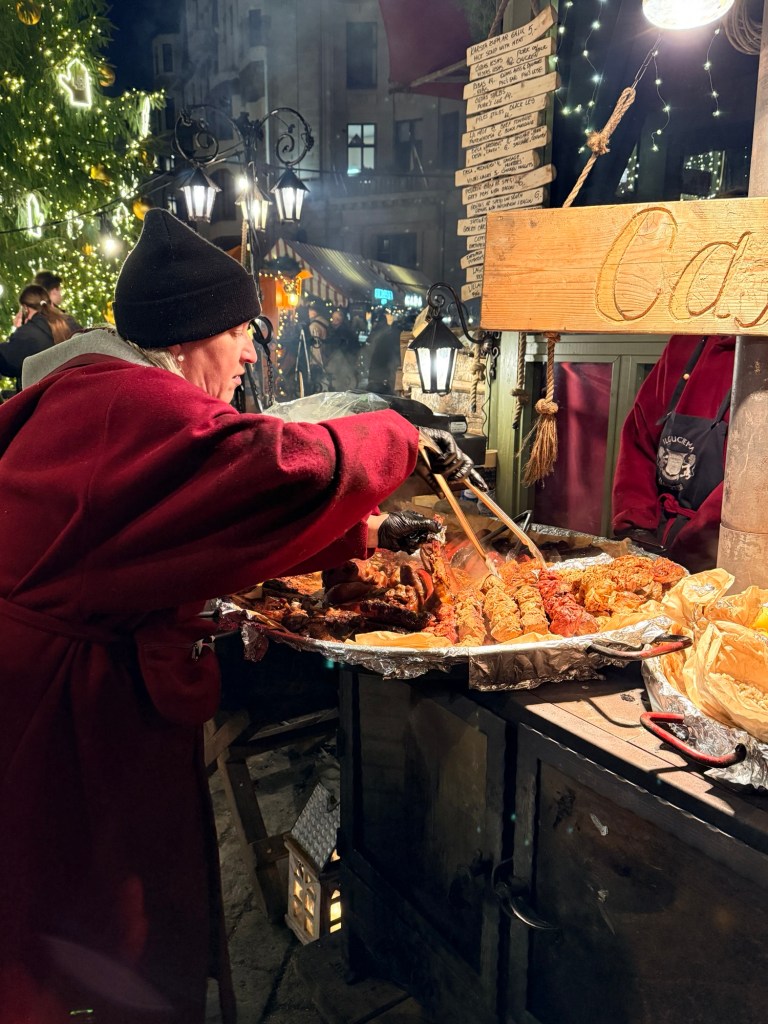
And what a lovely place to hold a conference. Riga has stunning architecture and a lively Christmas market.
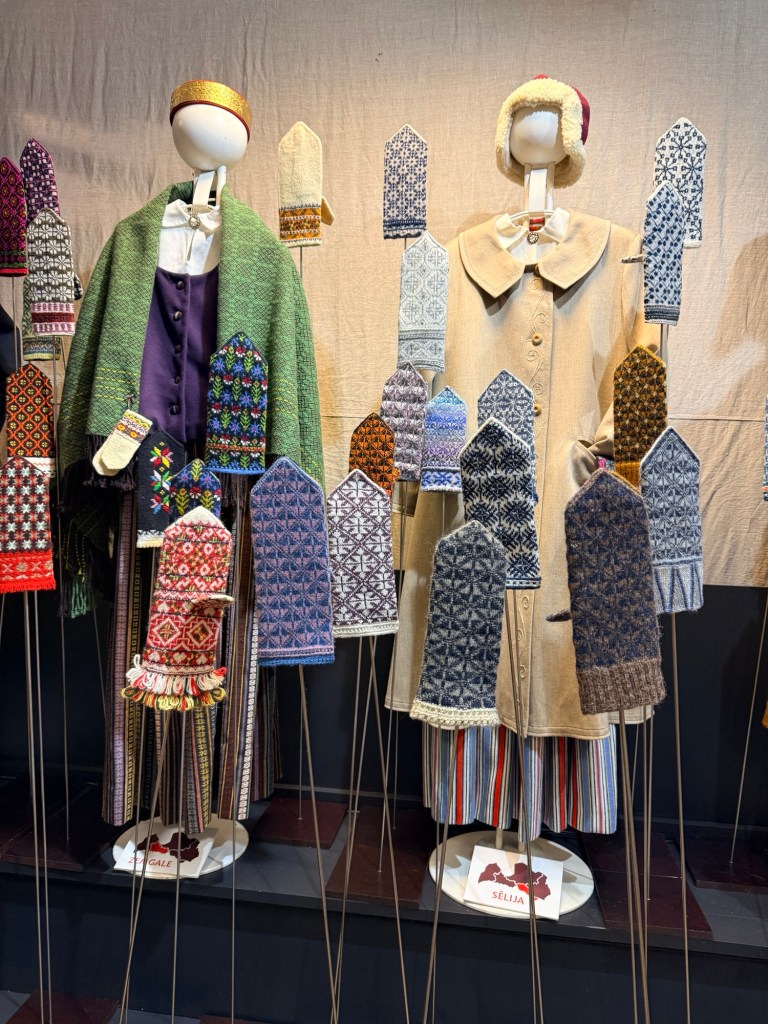
Riga design and culture — you might even glimpse Santa!
This alliance is one of the many funded via the European Commission to enable partnerships, collaboration, and some degree of standardization across European institutions. It is part of Erasmus, the teaching arm of the European Union’s development of higher education. (Up until now, I’ve been involved in programs funded under the parallel research arm.)
EUt+ is the brainchild of Dr. Timothèe Toury, the “Secrétaire général de l’Alliance Université de technologie européenne” (Secretary General of EUt+). He has played a central role in shaping the vision, leading it at global level, and advocating externally for what we do and how transformative we aim to be.
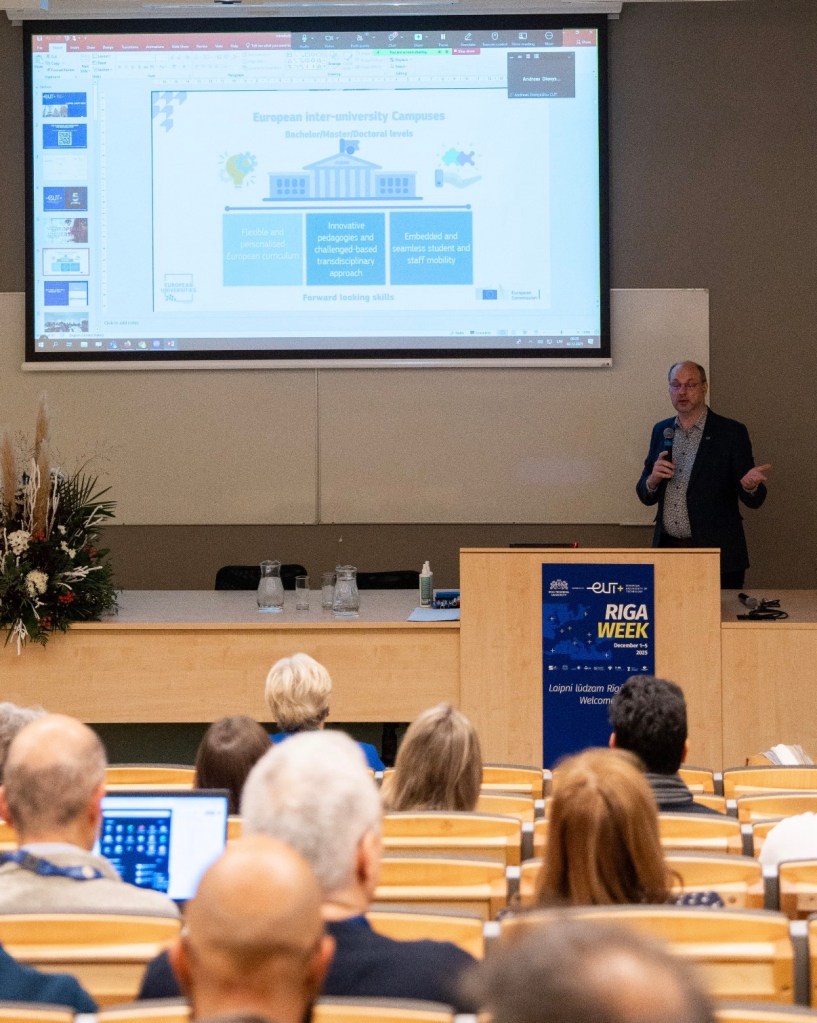
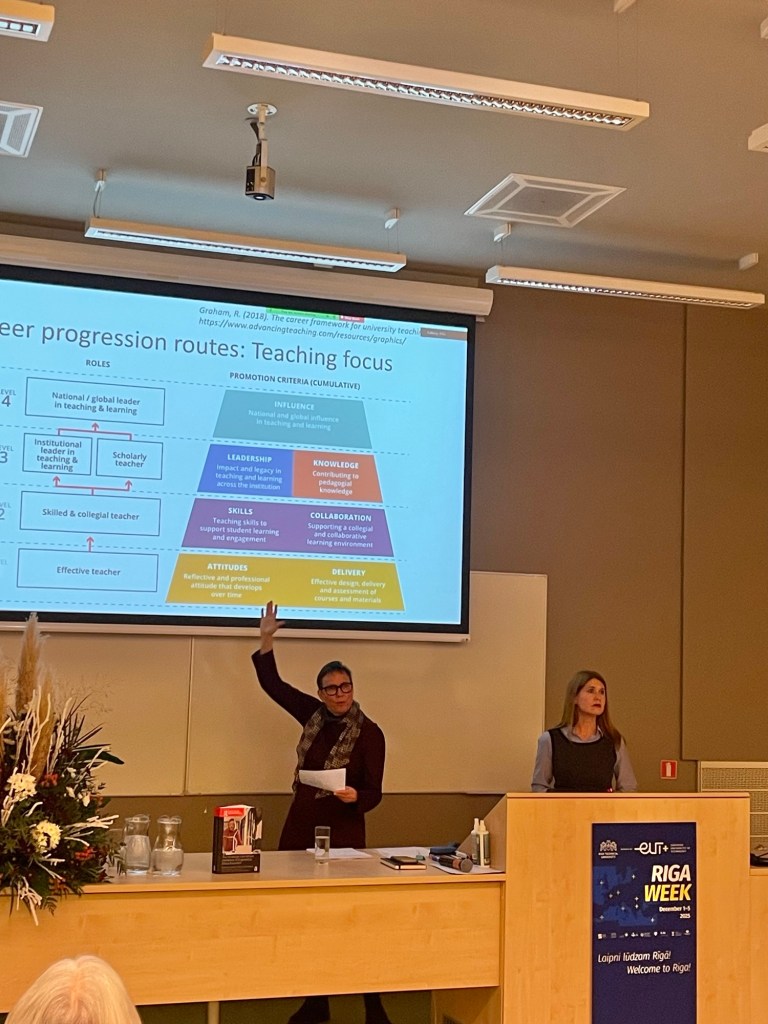
Timothèe providing historical context Shannon sharing a teacher development model
I think it was Timothèe who conceived the idea of combining our campuses into one streamlined university where students can (someday?) flow uninterrupted, taking modules on any campus that contribute toward their degree. That said, EUt+ can be seen as a genuinely collective effort. This includes the wider Secretariat General team (Drs. Rafael Toledo, Karine Lan, and others), as well as representatives from the member institutions, including rectors and colleagues, who have actively designed and contributed to substantial parts of the proposal and its development.
Although there are many university alliances funded by Europe, ours is unique in its vision for the members to unite into one single university. One organization—in multiple, extremely diverse, locations—with aligned curricula and a powerful and unique teaching approach that sets EUt+ apart. We want to foster an exemplary student experience and to advance engineering and technology knowledge-how across Europe, empowering our graduates with transferable skills like teamwork/collaboration, critical thinking, and project management. And, I hope, well-integrated arts, social sciences, and humanities approaches to boot!
This can’t happen without updating and enhancing the way engineering and technology are taught in our member campuses. Lecture-based approaches simply won’t suffice to equip the engineers of tomorrow.
Deeply meaningful learning experiences are required.
And that’s what our facilitation team aimed to deliver at the SEFI/EUt+ Forum.
Helping us organize behind the scenes was the EUt+ staff, particularly Timothèe, Rafael, and Karine but also Dr. Santiago Perez, Ms. Eleanor Asprey, and Dr. Emilija Sarma and a host of others helping on the ground, once we arrived in Riga. (Karine couldn’t attend but sent helpful hints throughout Riga Week by WhatsApp… an angel in my shoulder!)
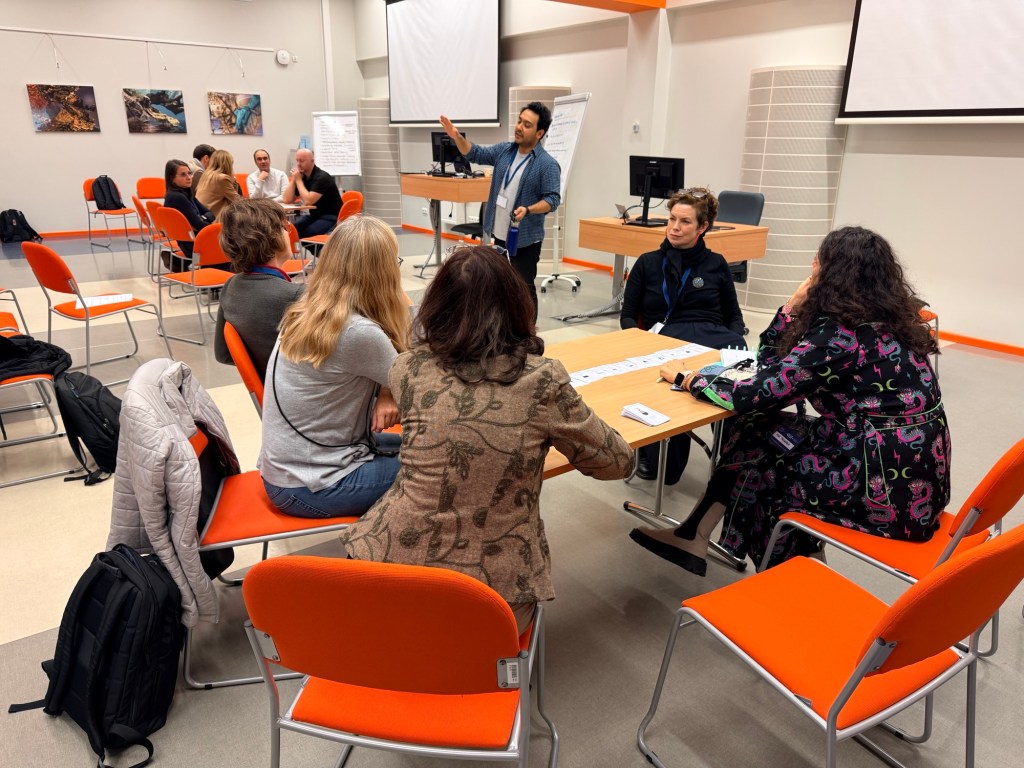
At the SEFI Education Forum, teachers got the chance to experience the student side of the equation.
Forum participants each brought their own unique skills and ideas to the event, and shared them with each other. It was like a pot-luck dinner where everyone contributed!
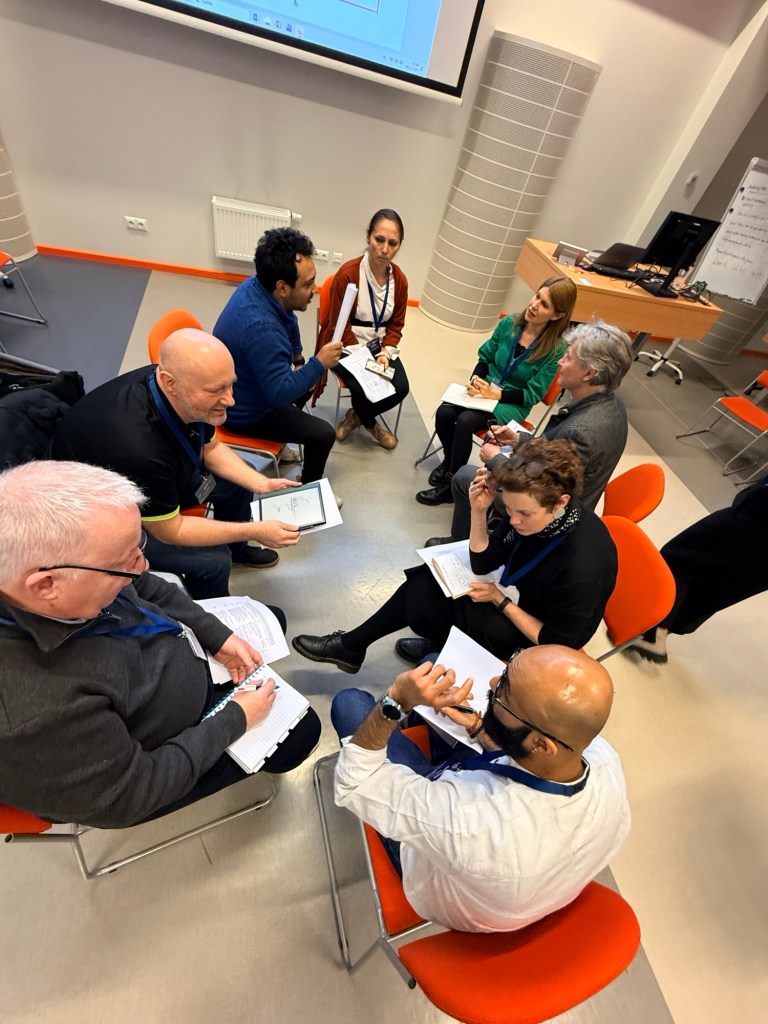
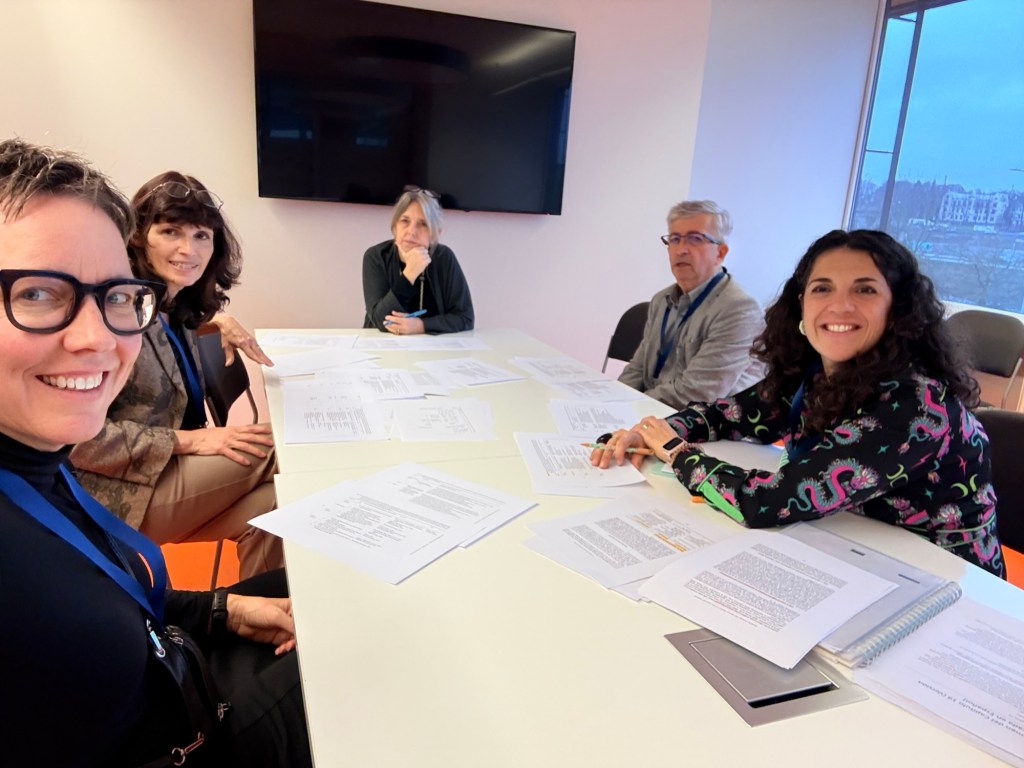
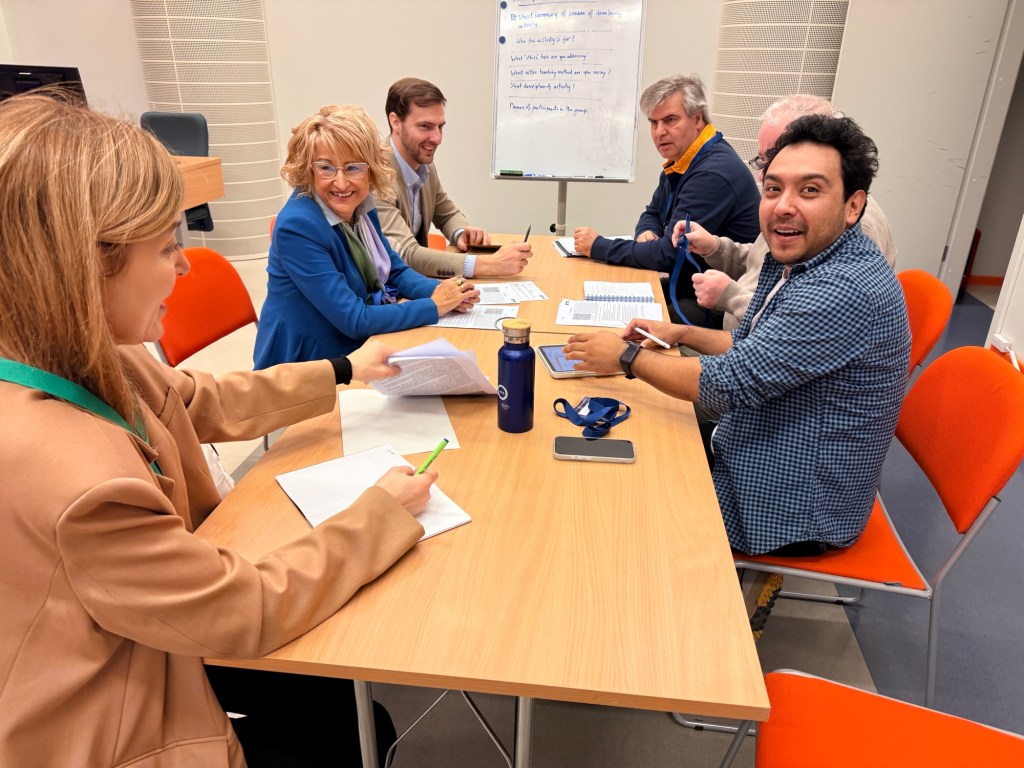
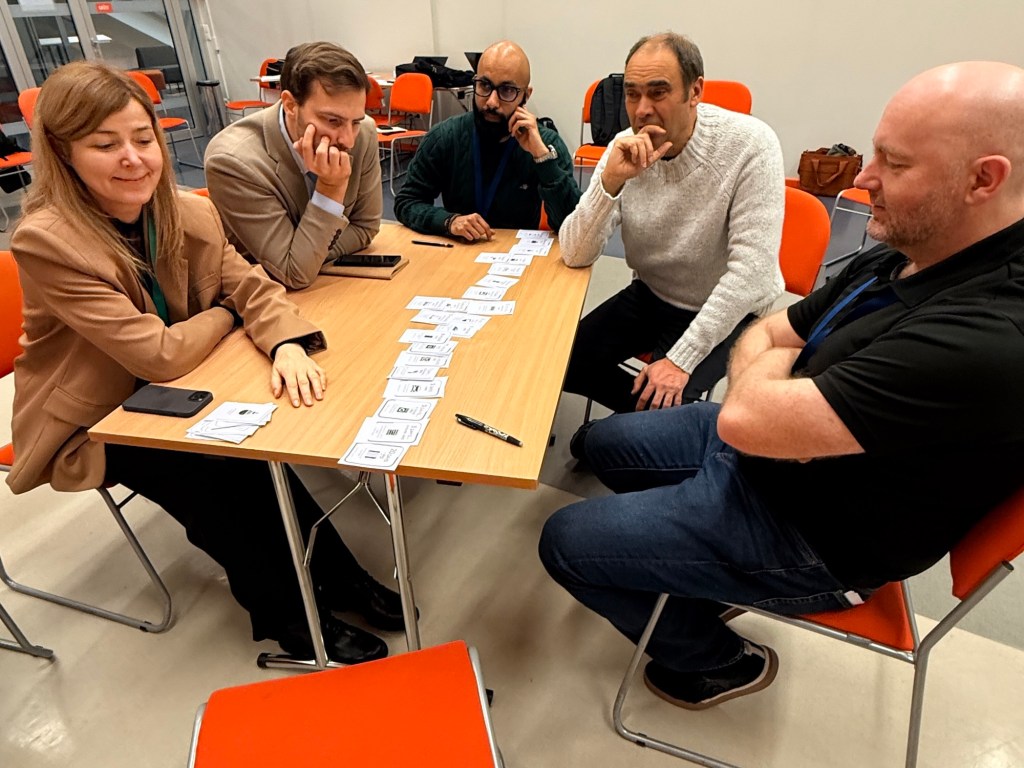
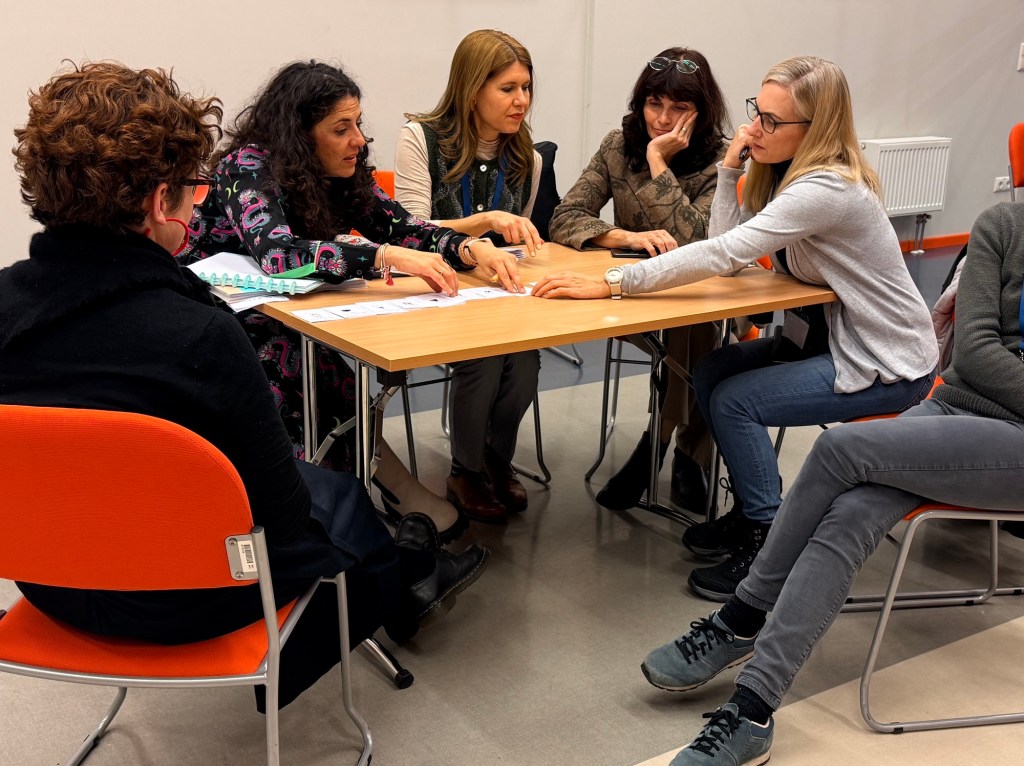
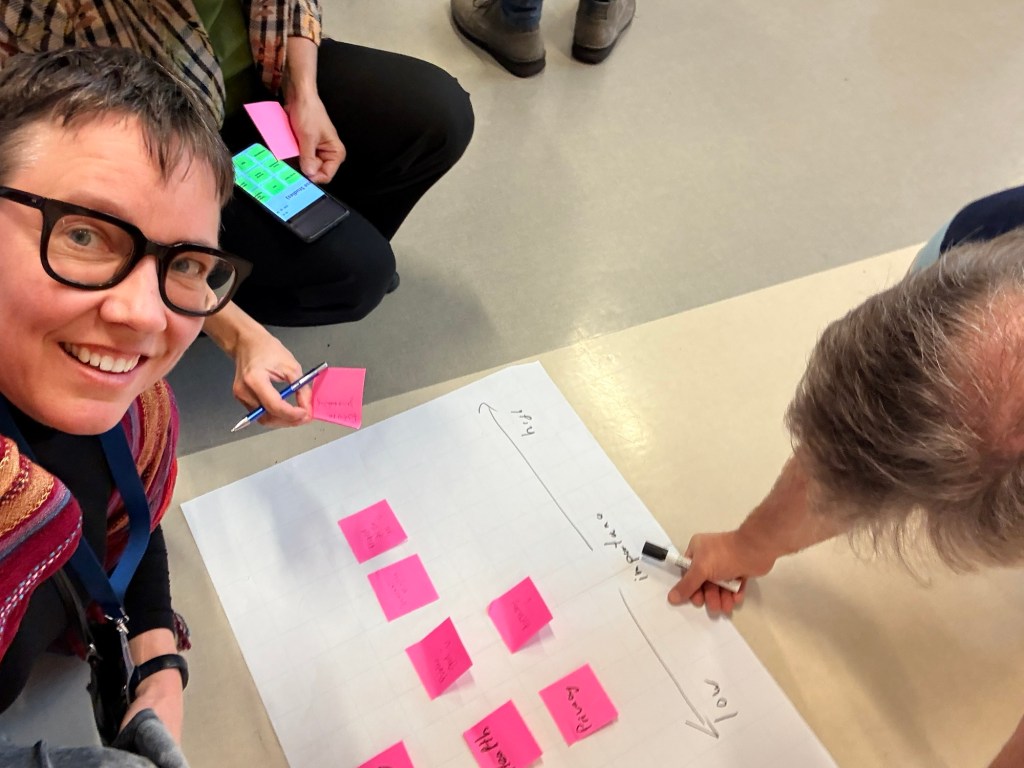
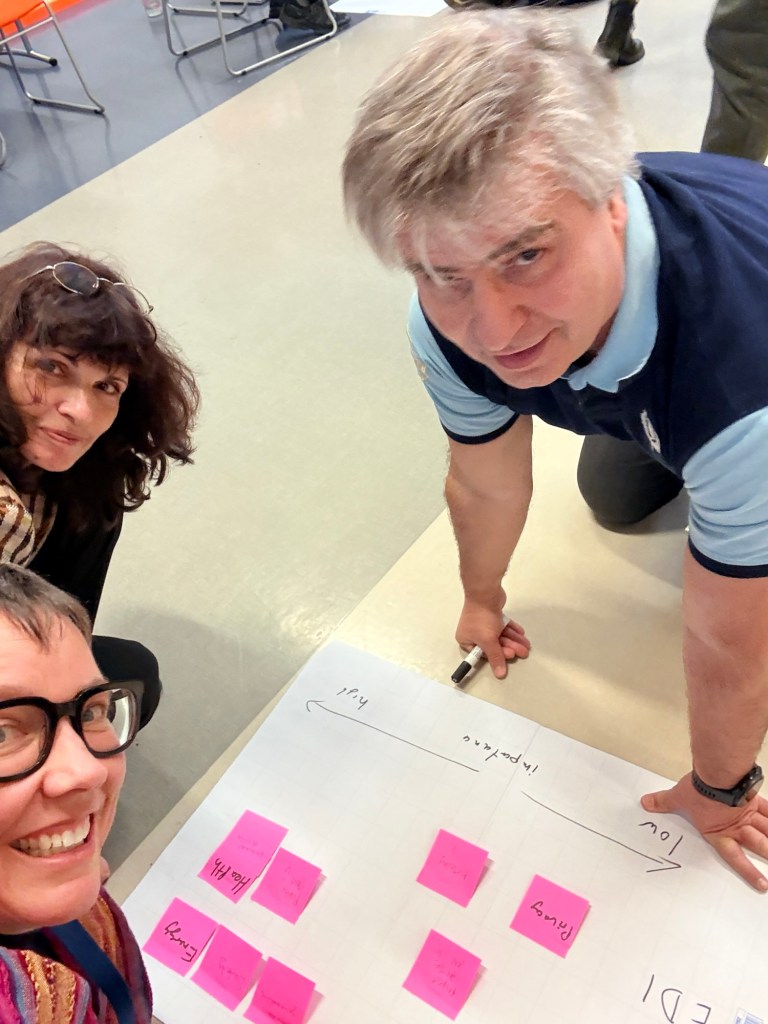
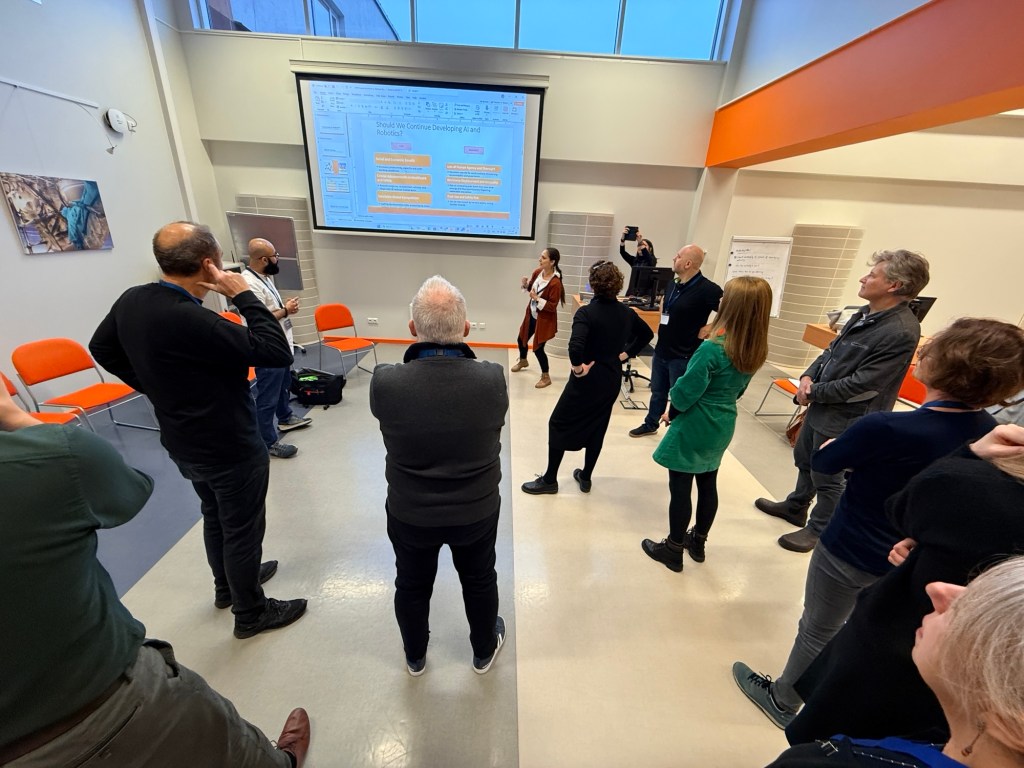
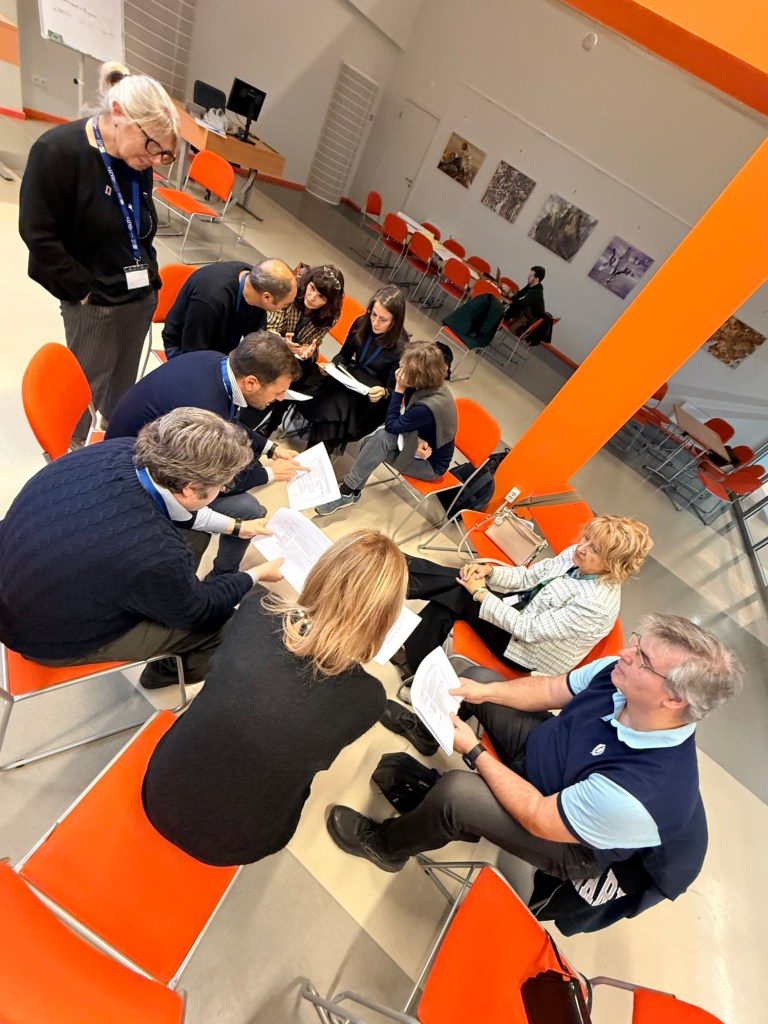
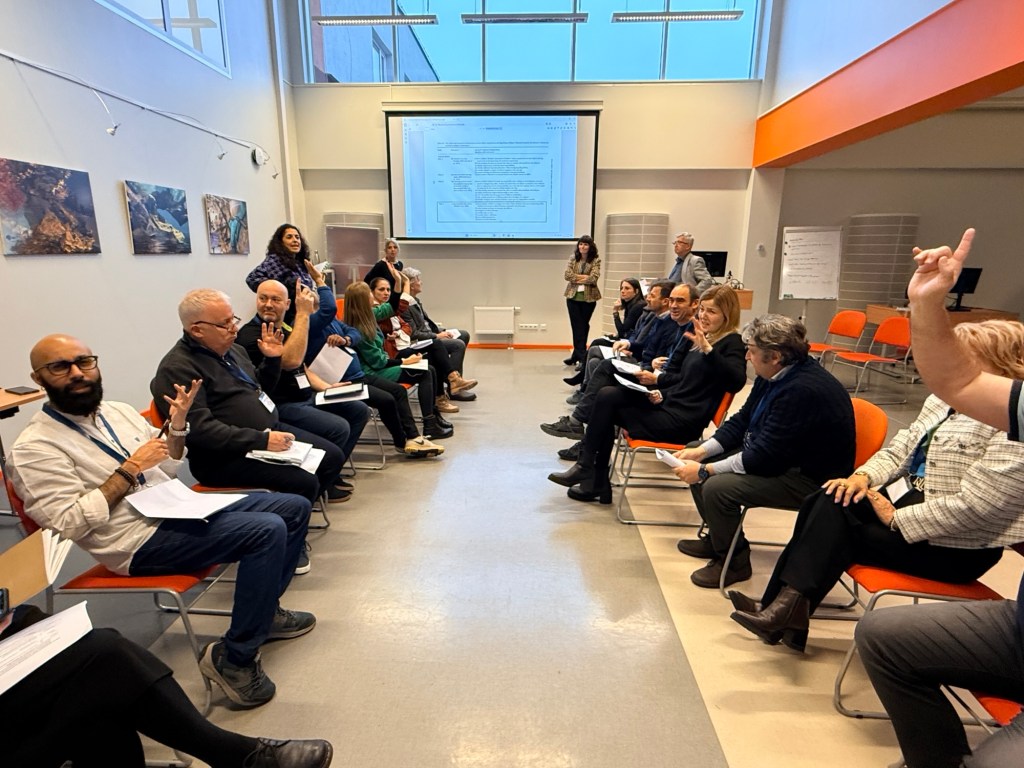
For example, every participant (and facilitator) read several chapter of the Handbook prior to the Forum, so we could discuss these in groups. I designed these discussions like “book clubs.” The various book-club groups each designed an activity for all the other participants on some aspect of their assigned chapters. On the third day, each group facilitated their activity for the rest of us.
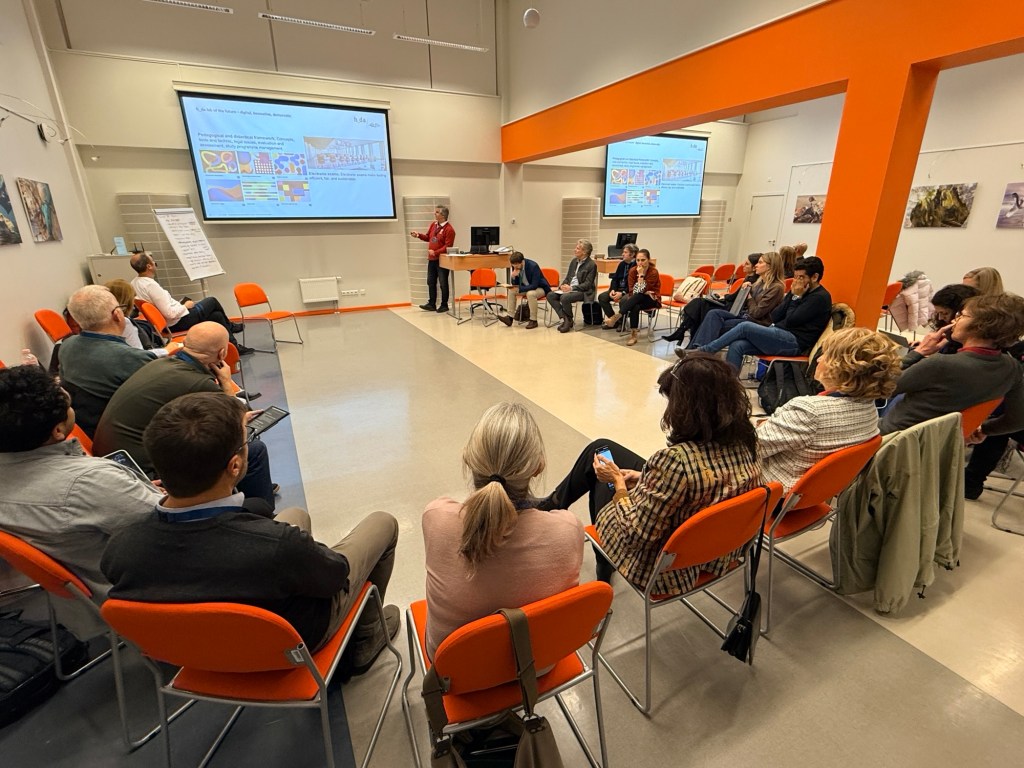
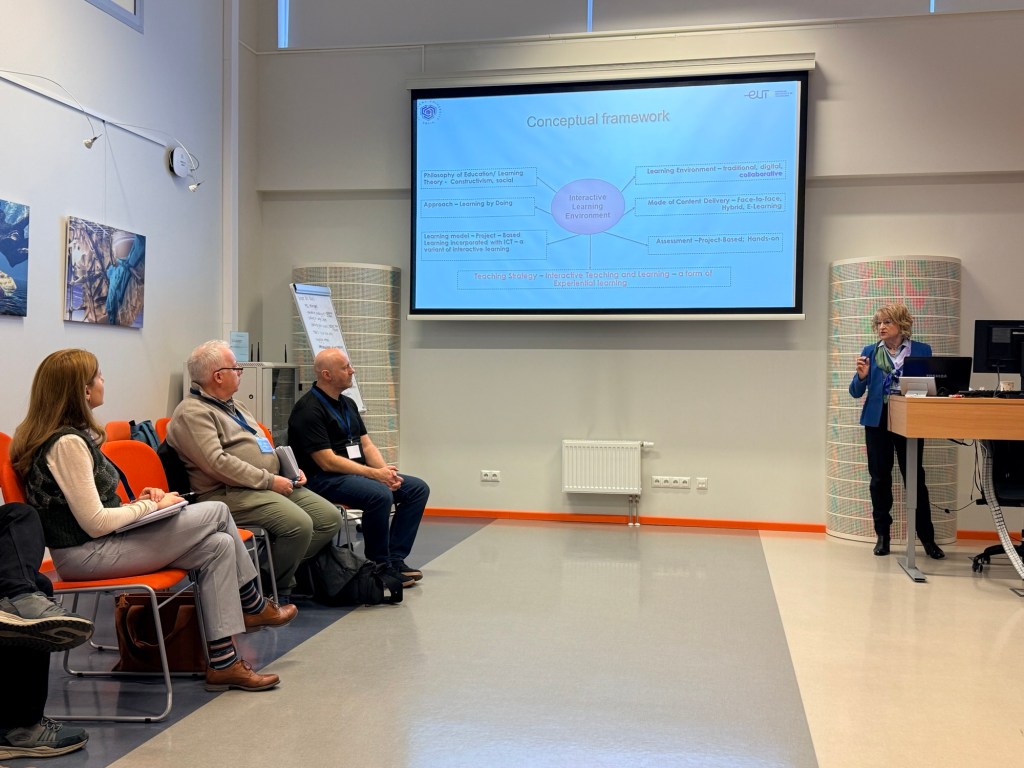
At the start of each of the nine working sessions that comprised the Forum, one participant delivered a 15-minute “mini-keynote” on a topic of particular relevance to the group.
Catching them in full action below:
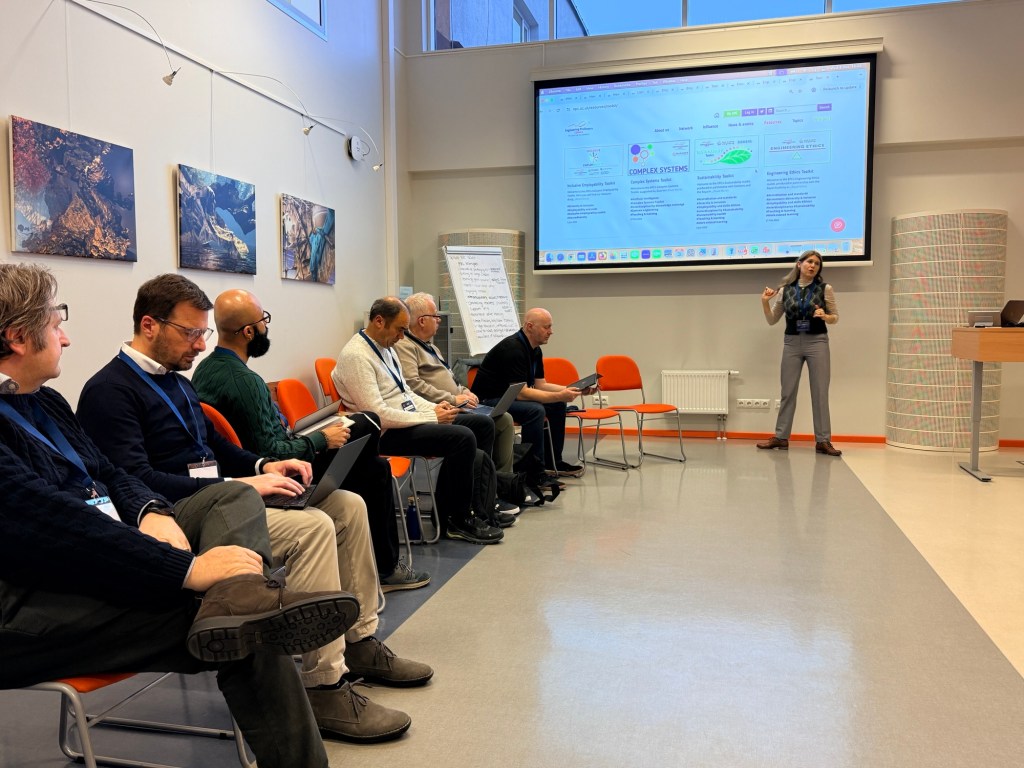
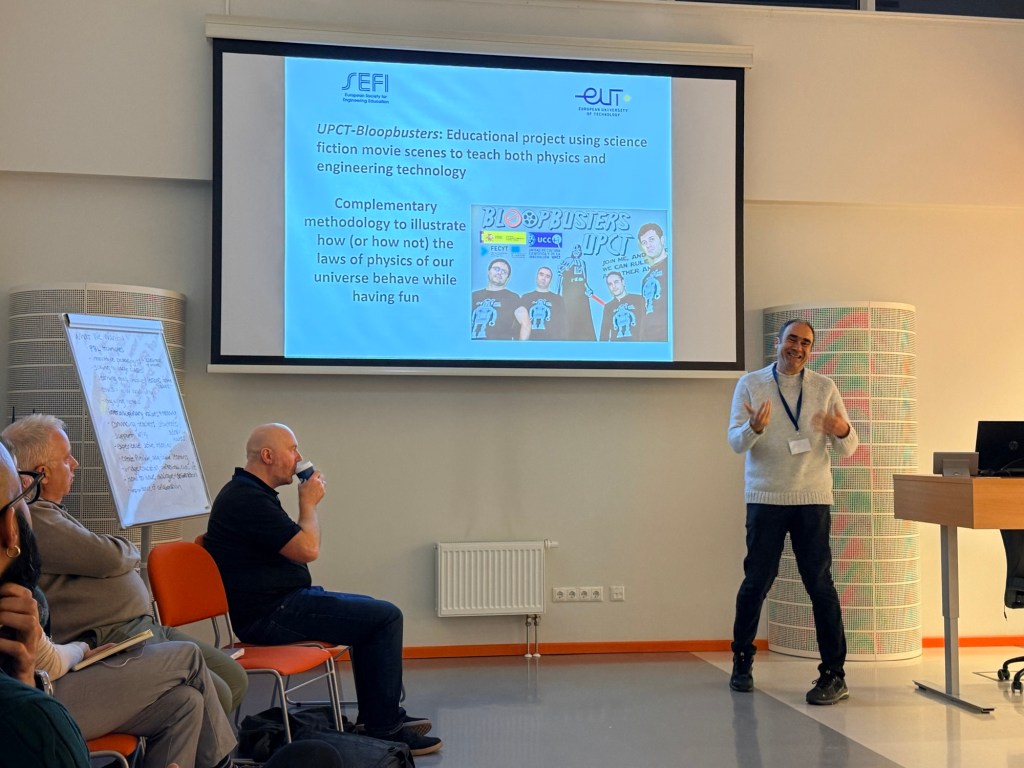
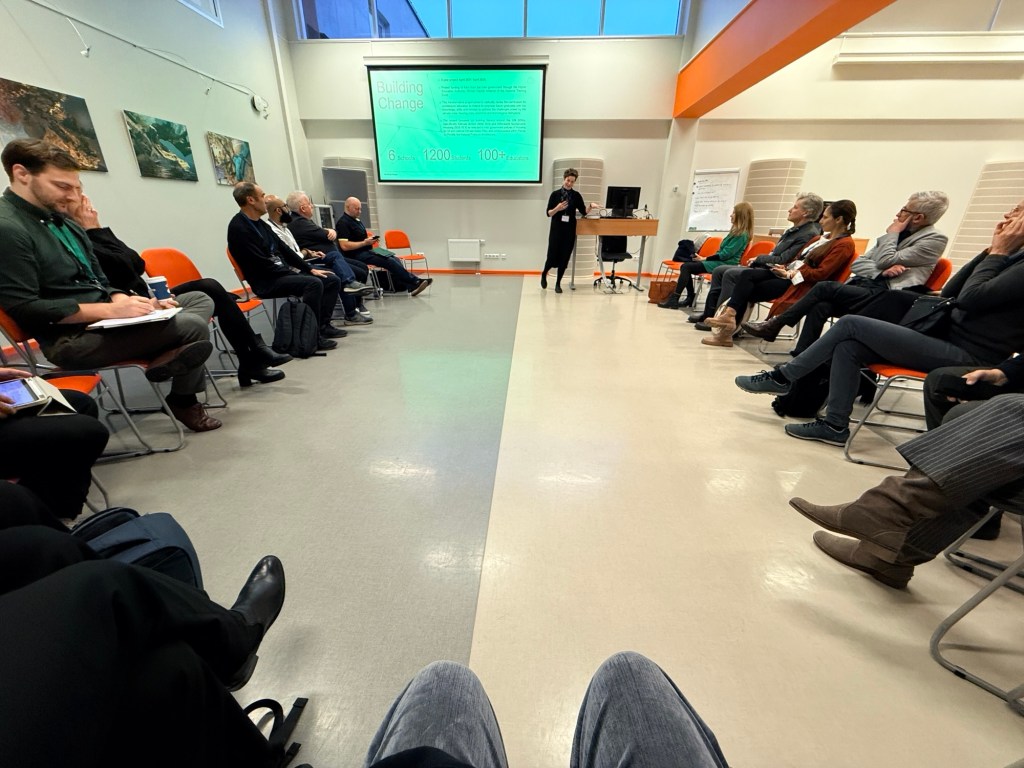
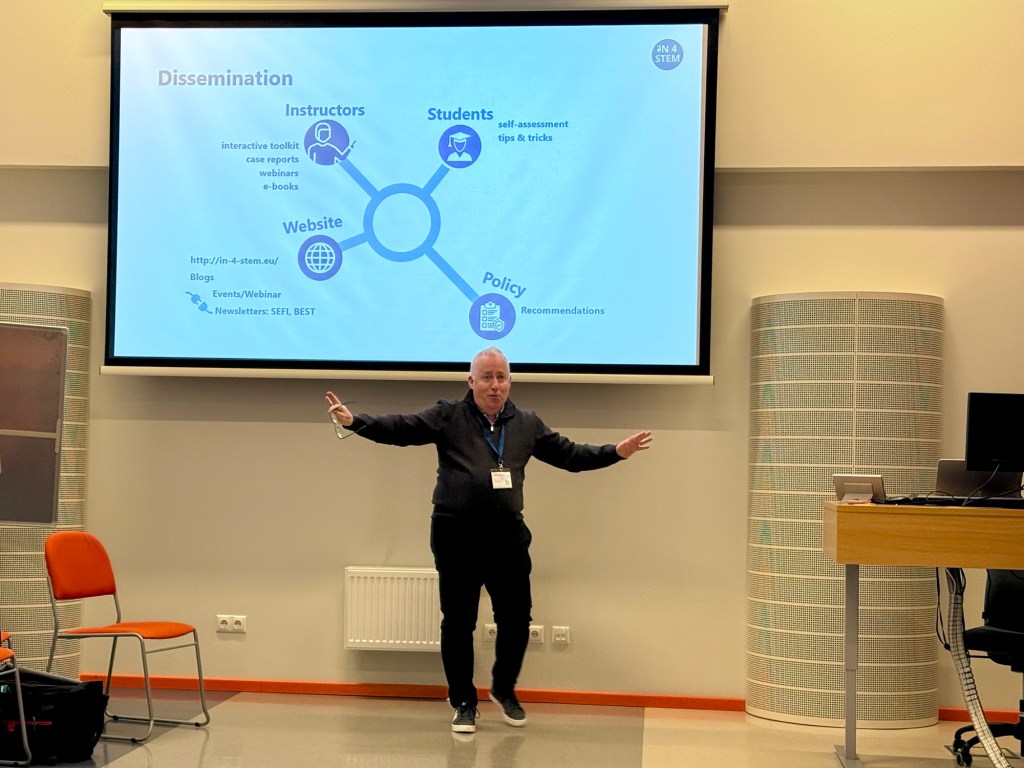
Dr./Prof. Matthias Veit shared frameworks he and his colleagues in Darmstadt are using to facilitate curricular change.Dr. Kalina Belcheva described learners as digital content creators in educational settings.Dr. Sarah Hitt showed us how to use the Sustainability and Ethics Toolkits she developed for the Engineering Professors Council.Dr. José Luis Serrano presented on using film excerpts to teach (test and challenge) physics concepts as presented in popular movies. He calls this activity “Bloopbusters”!Ms. “soon-to-be-Dr.” Miriam Delaney showcased Building Change, a curriculum change initiate across all the schools of architecture in Ireland to support sustainability, housing, and climate resilience.Mr. Edmund Nevin described an Erasmus project he’s part of, focused on supporting students in their transition from second to third-level education.
The Forum also included interactive workshops.
I started the Forum off with a mini-keynote on the Handbook followed by a workshop on applying targeted teaching methods to integrate ethics content into the subjects our participants teach.
Santi’s Revolt game
Dr. Santiago Perez delivered an ethics game he developed, called Revolt.
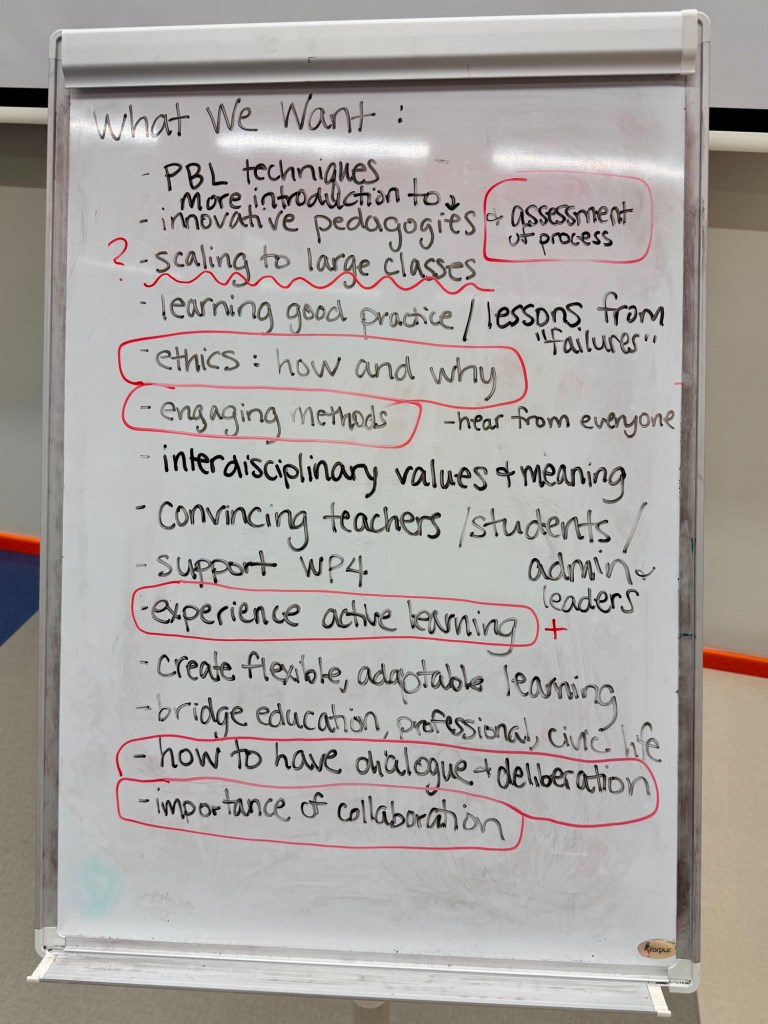
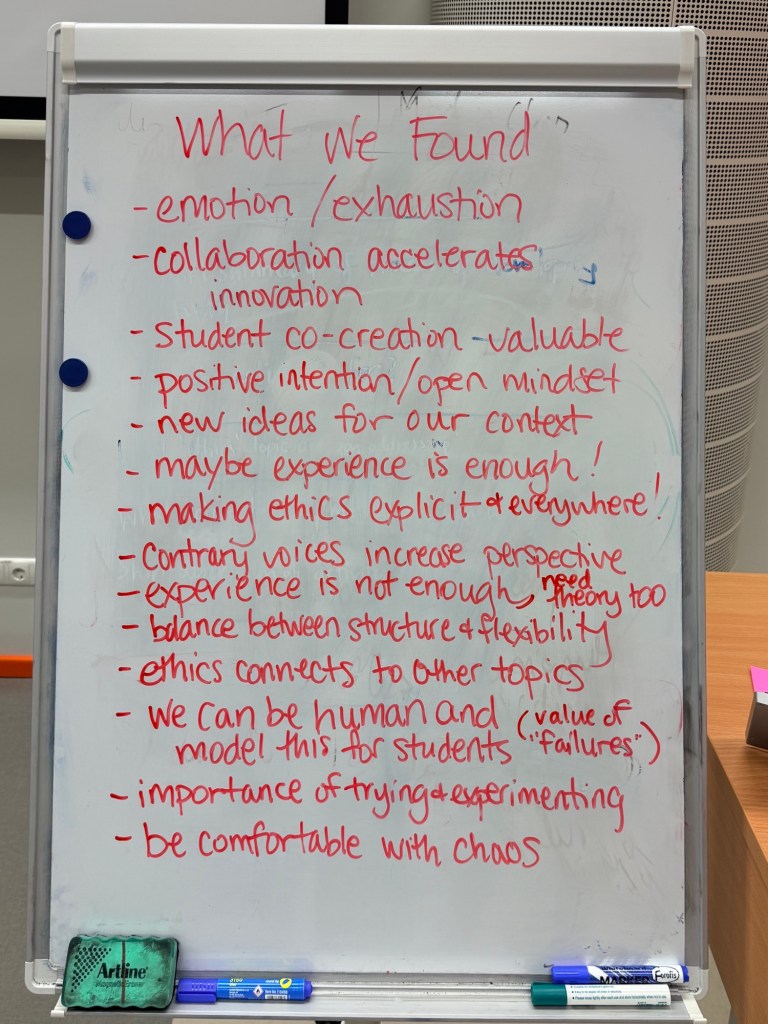
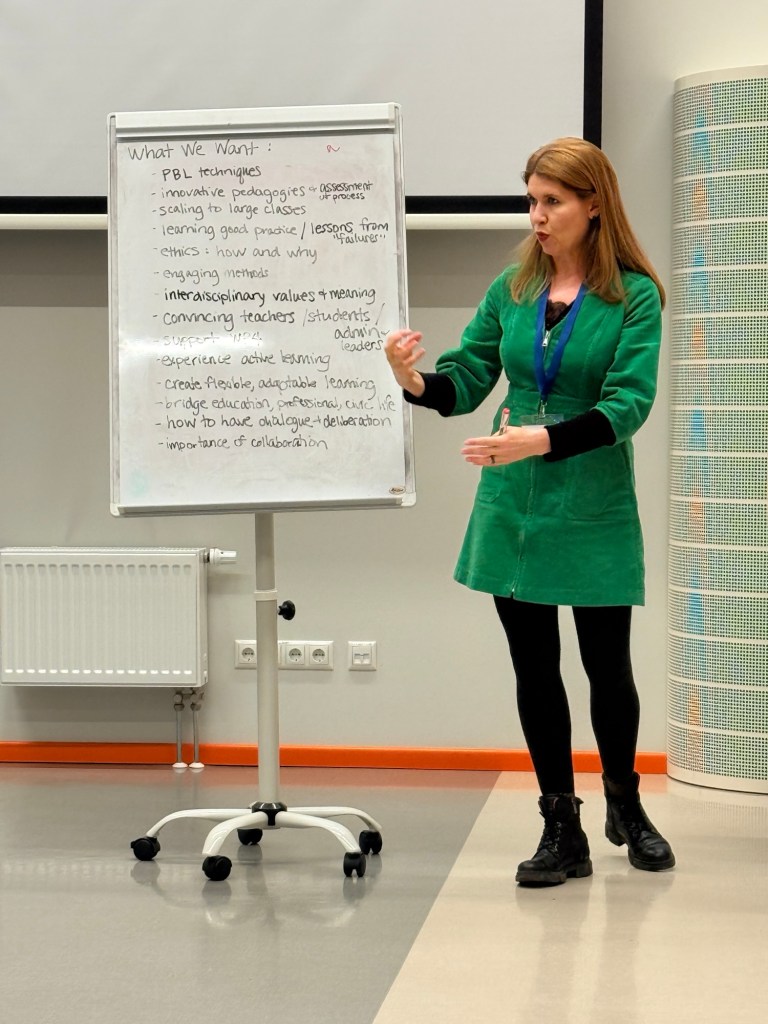
We all learned so much, as described on the whiteboards.
At the very beginning of the Forum, following introductions, Sarah Hitt and I helped the group identify learning goals for the week. Together, we co-designed a strategy that used the pot-luck “dishes” we’d each brought with us (readings, keynotes, workshop outlines, prior experience and innovative spirit). At the end of the week, Sarah helped us assess how well we’d succeeded in covering the topics we’d defined.
I have to say, Sarah was an absolute superstar! She’s a natural leader and event facilitator. I invited her because she was an author on our handbook and she teaches at NMITE, the New Model Institute for Technology & Engineering, based in the UK. They teach using all the featured pedagogies, so I figured she’d have the necessary skills—but wow! Was I impressed beyond expectations!
Sarah Jayne was a Hitt!
Miriam and Edmund also did a fabulous job facilitating. Their (book club / workshop design) group discussions were lively and engaging.
I was also extremely pleased with the contributions my other TU Dublin colleagues, Mr. Keith Colton and Dr. Mayank Parmar, made to the Forum.
The Forum succeeded overall, though, due to the wholehearted engagement of the EUt+ educators who travelled from near and far! The 21 of us attending put in our all, and as a result we all left with new ideas and experiences and inspiration to evolve our teaching.
Some of us are already working on follow-up conference session and grant proposals together, and hopefully we’ll have more successes to report to you in the coming semester!
Thanks, EUt+, Timothèe, Rafa, and Karine, for working so hard to include use and showcase what SEFI engagement can give the EUt+ community!



 Ireland by Chance