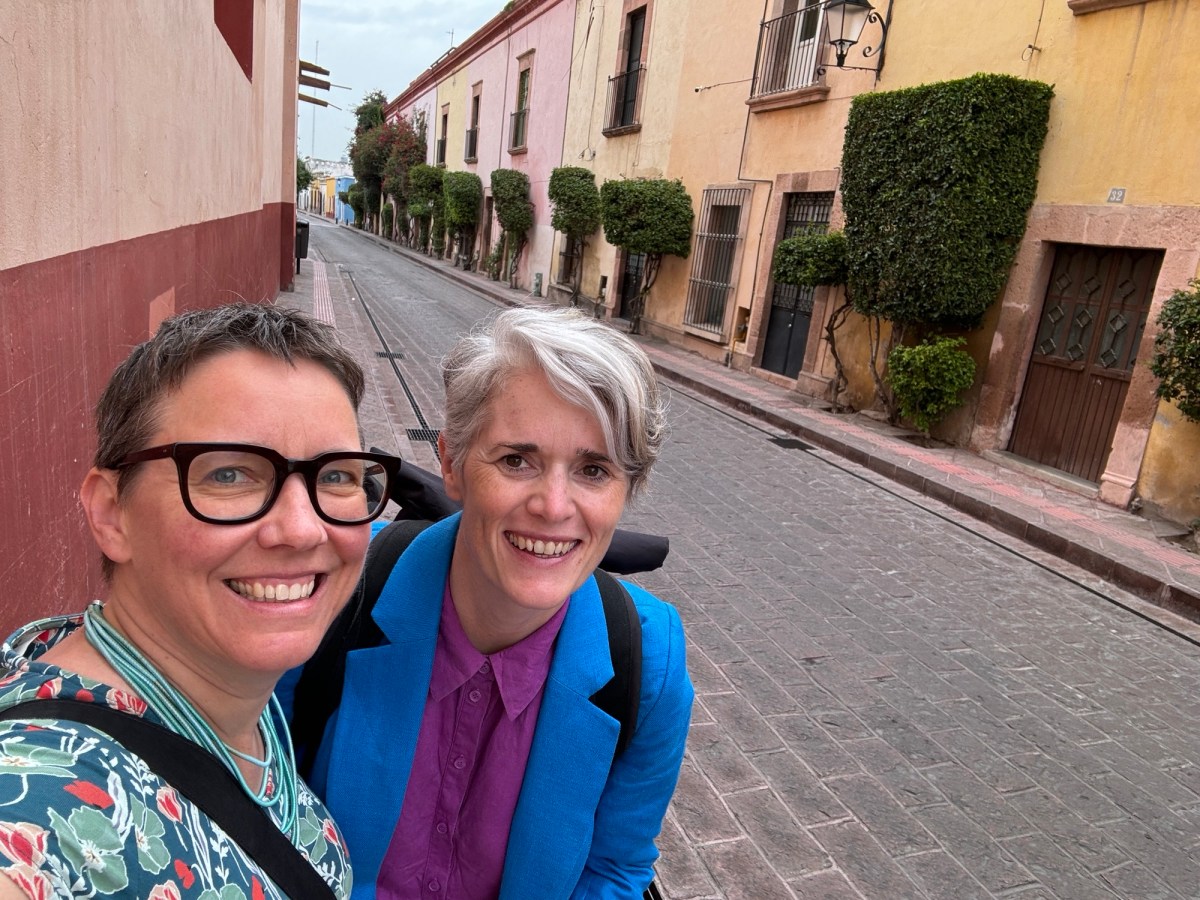
Studying architecture in Mexico with Emma and ASCA

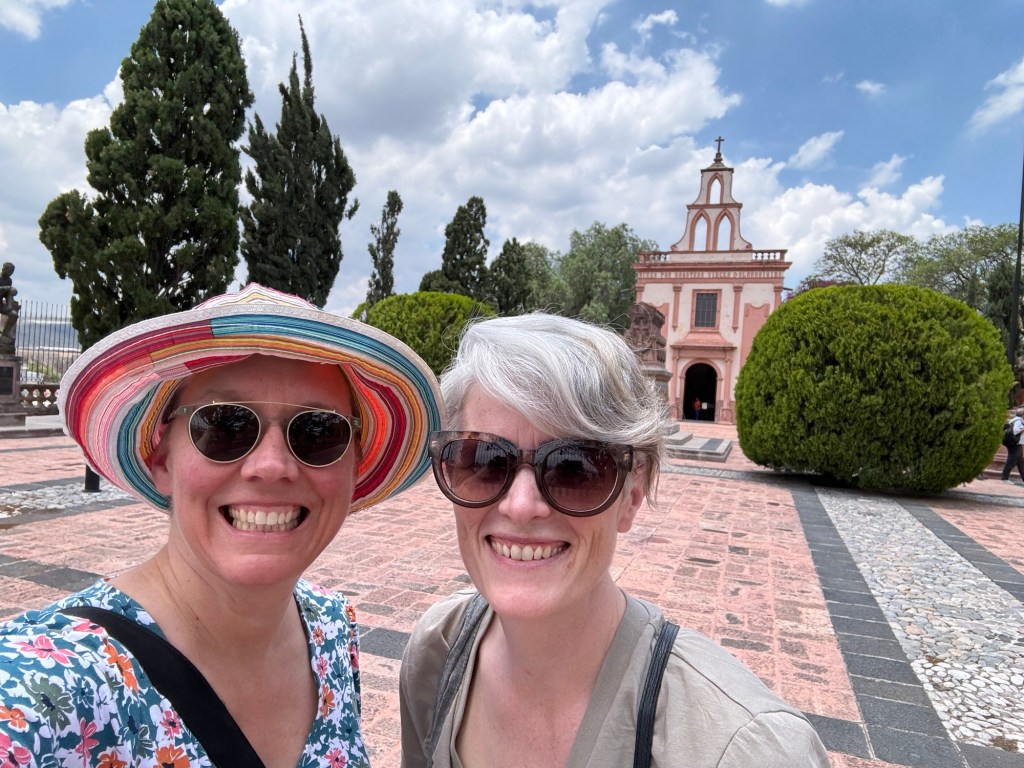
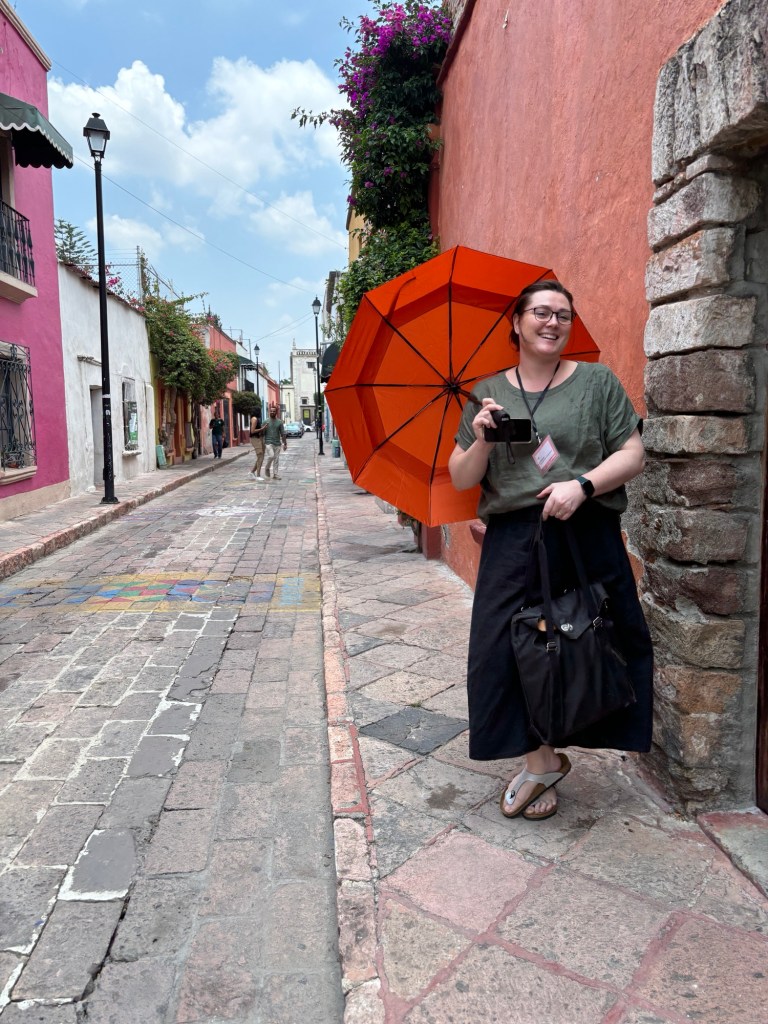
I spent last week exploring architectural topics and sites in Mexico, alongside my TU Dublin colleague and Head of Architecture, Emma Geoghegan.

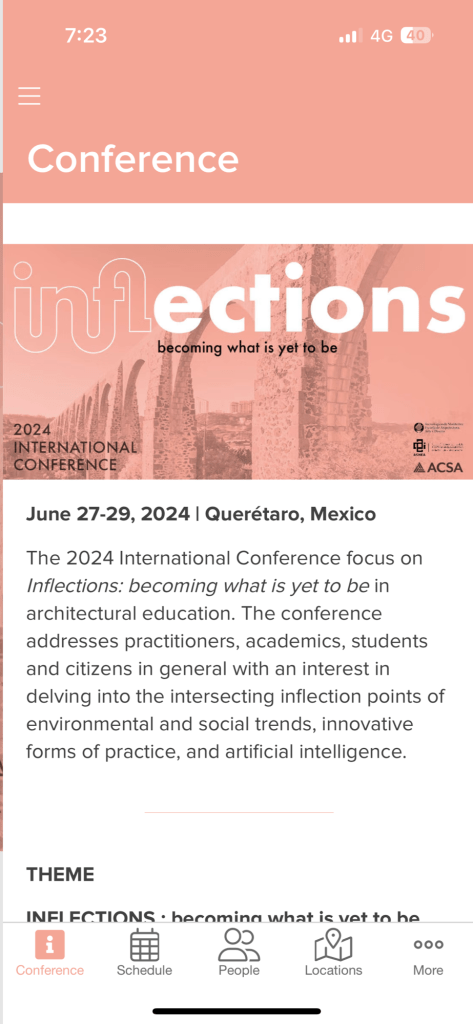
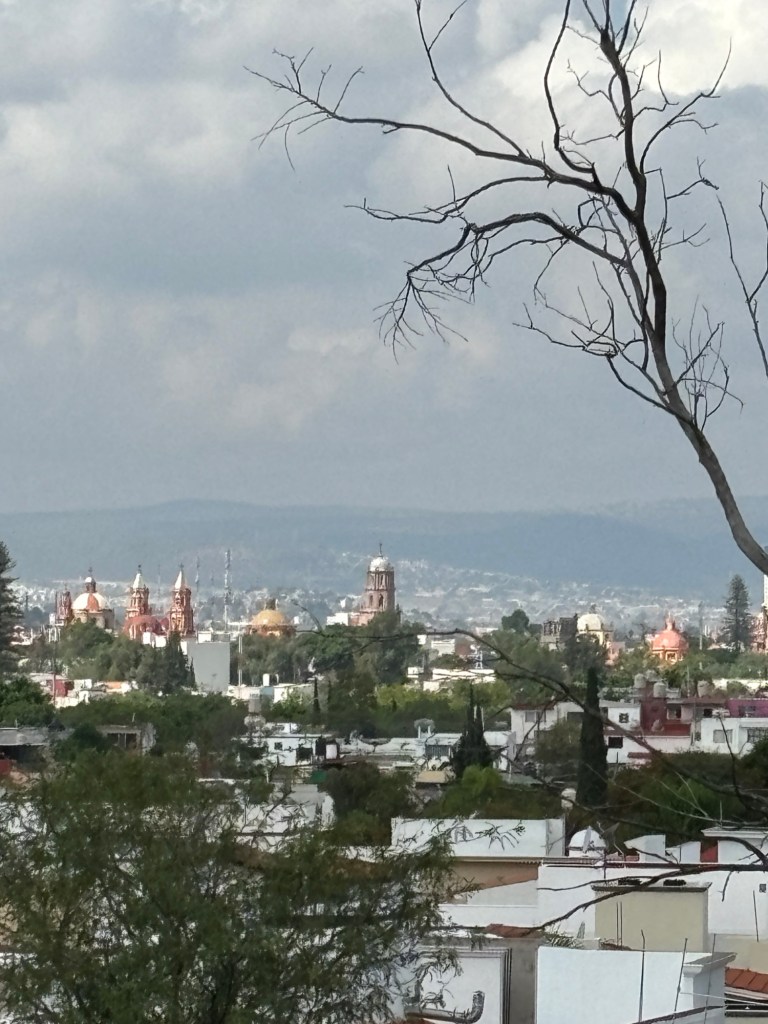
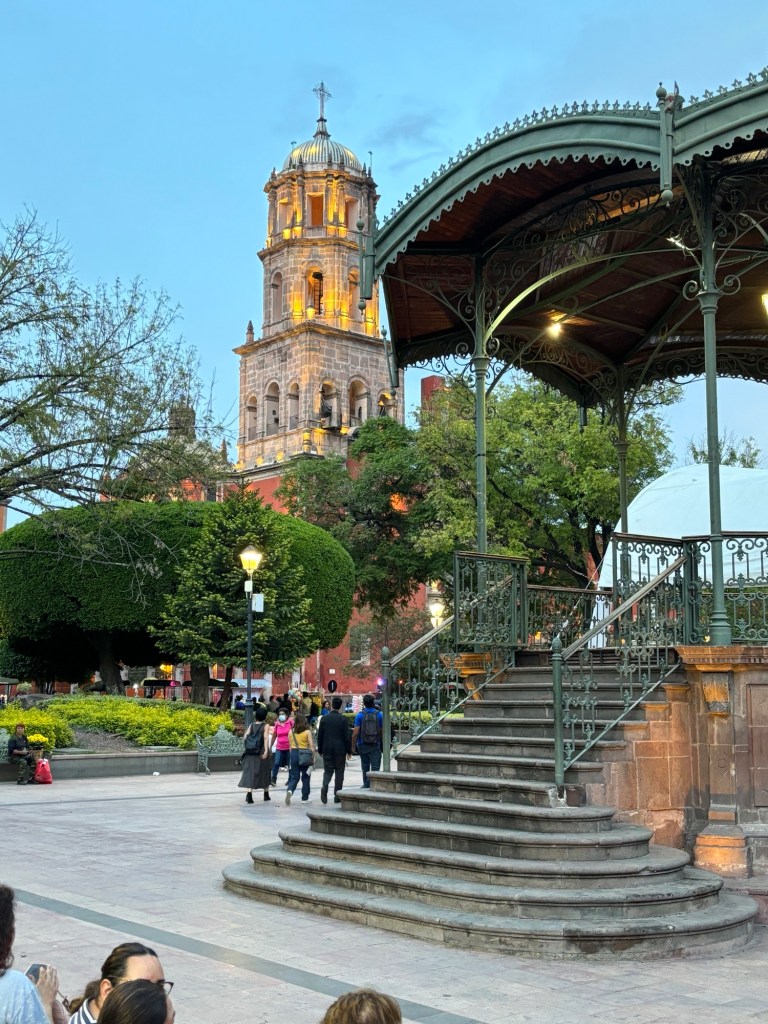
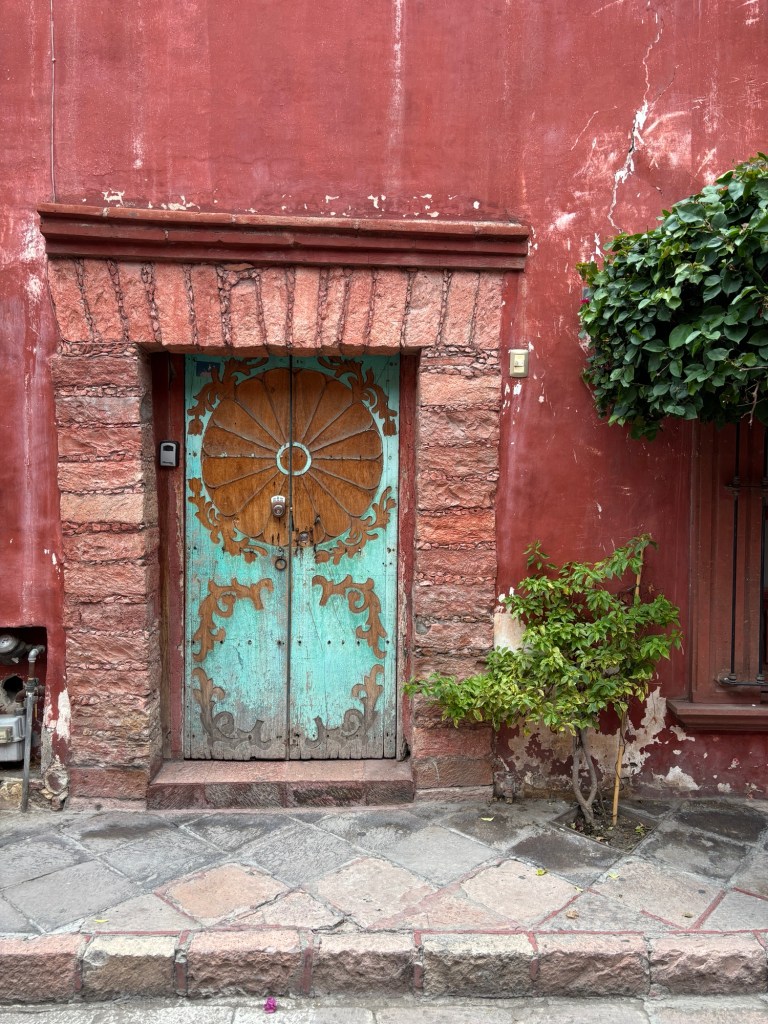
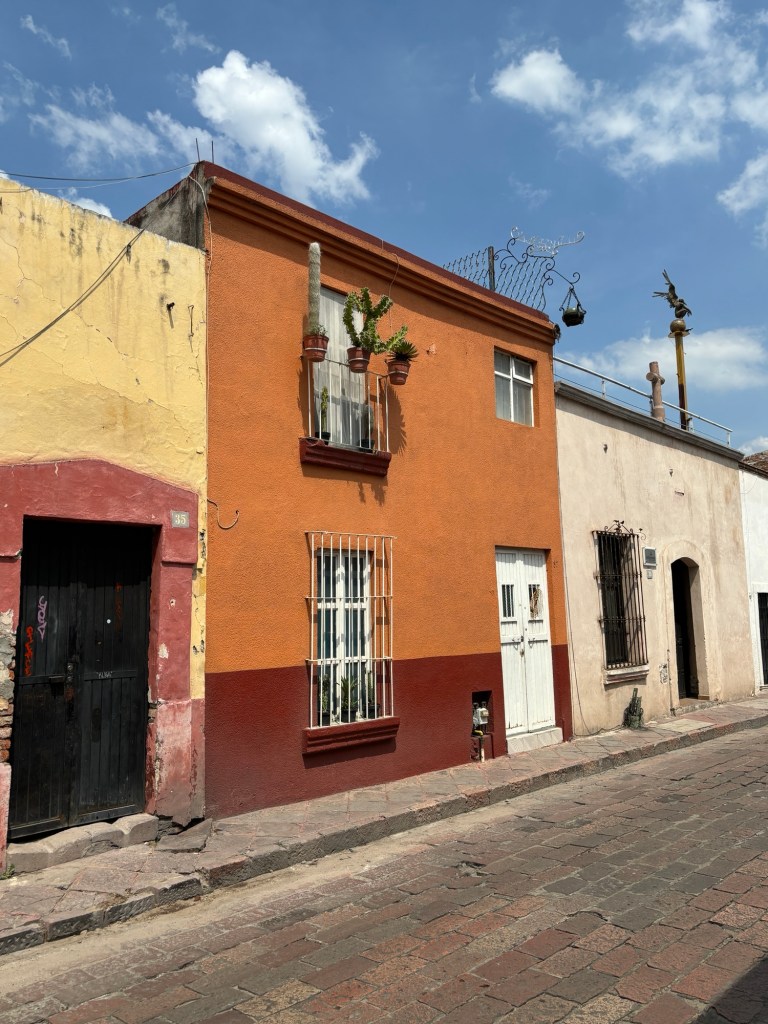
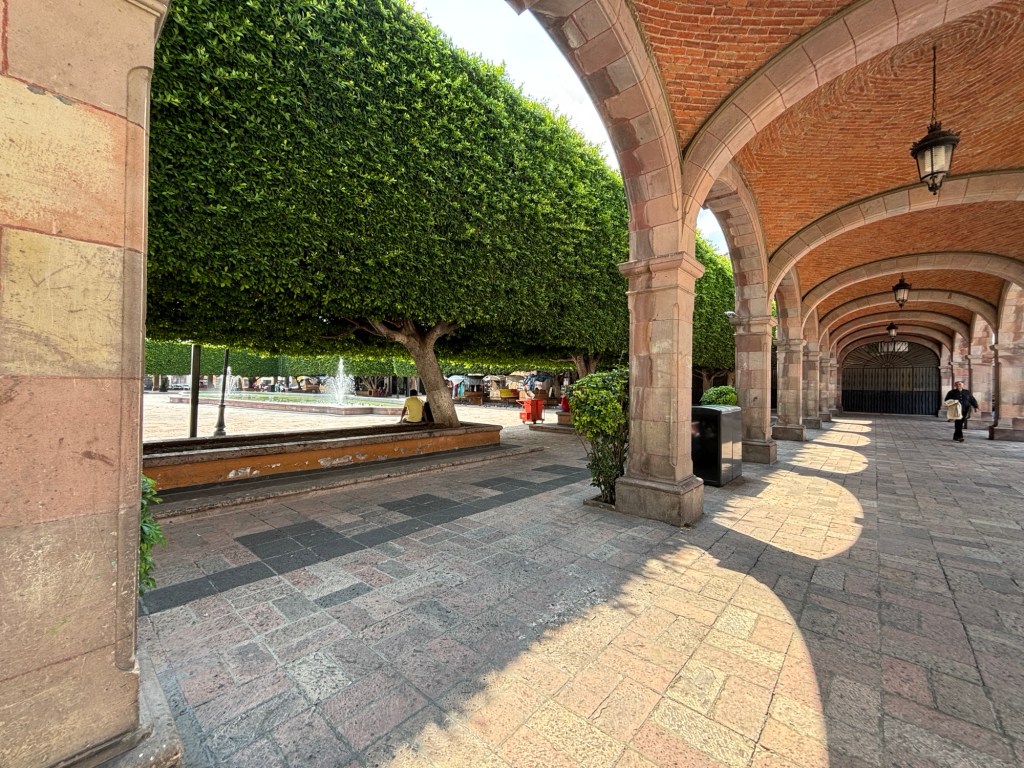
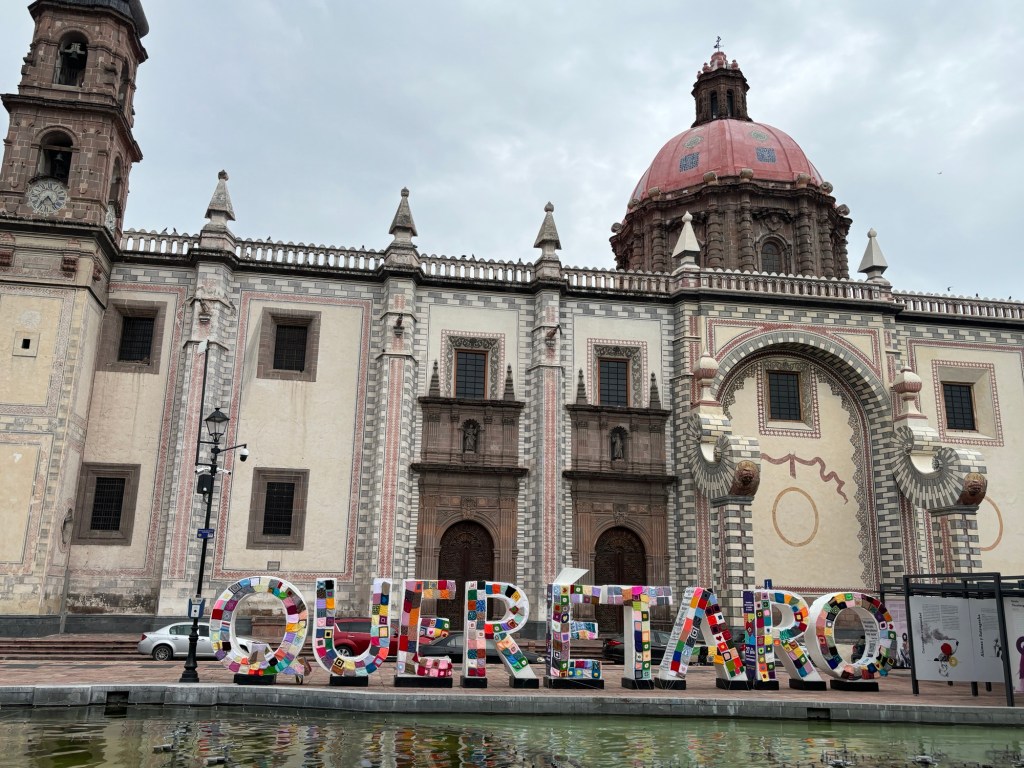
Emma and I met up in Mexico, to attend a three-day conference in Querétaro, a UNECSO world heritage city and one with a population similar in size to our home base of Dublin, Ireland.

The conference was hosted by the Technológico de Monterrey and the US-based Association of Collegiate Schools of Architecture (ACSA). I was a member of ACSA from 1999-2014, when I taught architecture in the States. I have represented ACSA with the National Architectural Accrediting Board (NAAB) and am still invited to serve annually, though the trip to the USA is prohibitively long.

Yet, this summer, I wanted to attend the organization’s conference to reconnect with ACSA, brush up on my architectural vocabulary and earn continuing education credits to support my Virginia-based architecture license, extend my professional network into Latin America, and learn more about the homeland of my PhD student, Sandra Cruz.

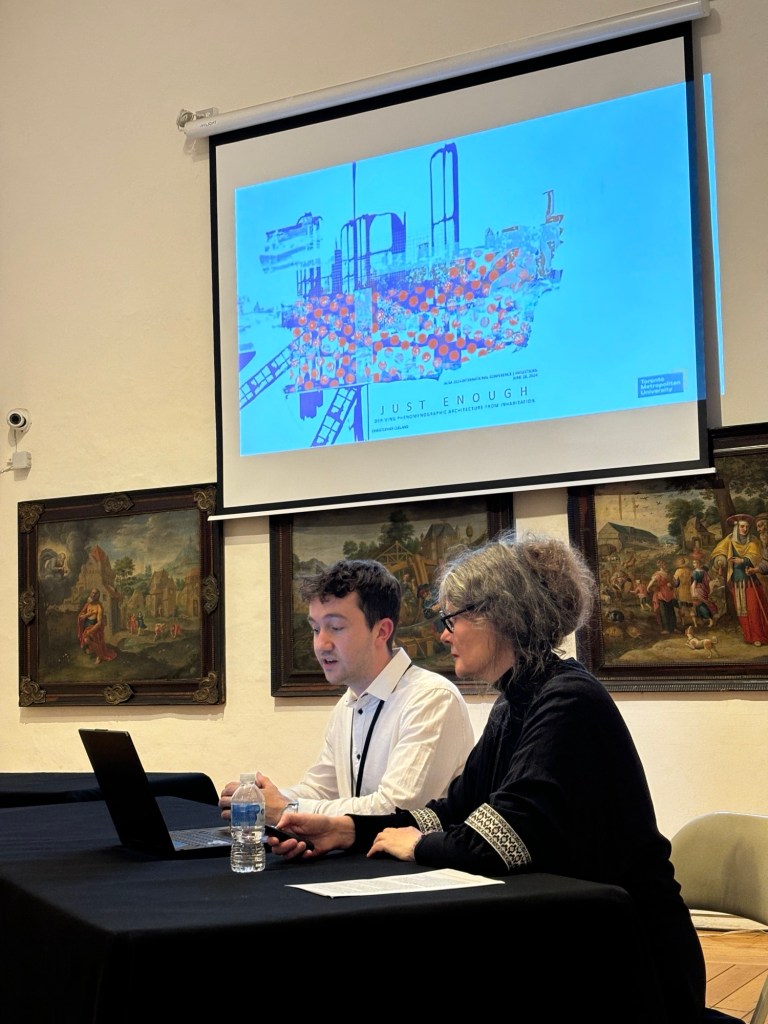
I asked Emma to join me for the trip, and she submit a paper to ACSA that was successful and, subsequently, very well received! Based on her submission, she was also invited to serve on an international panel of architectural education leaders (administrators and deans). She presented her ideas to the entire assembly of this ACSA International conference!
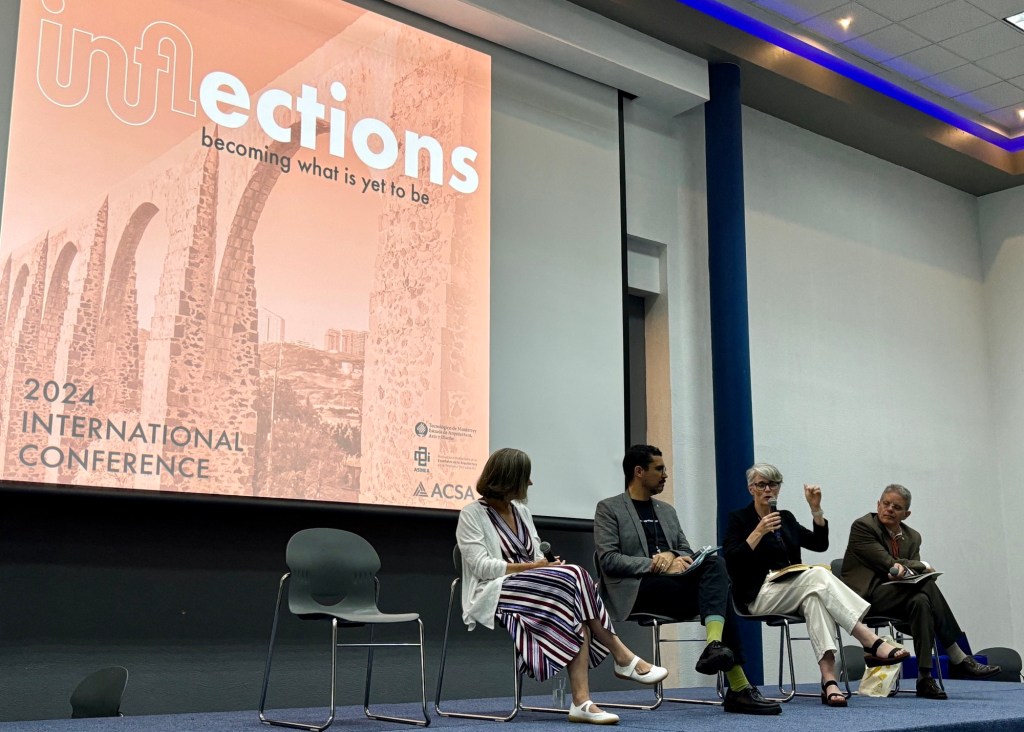
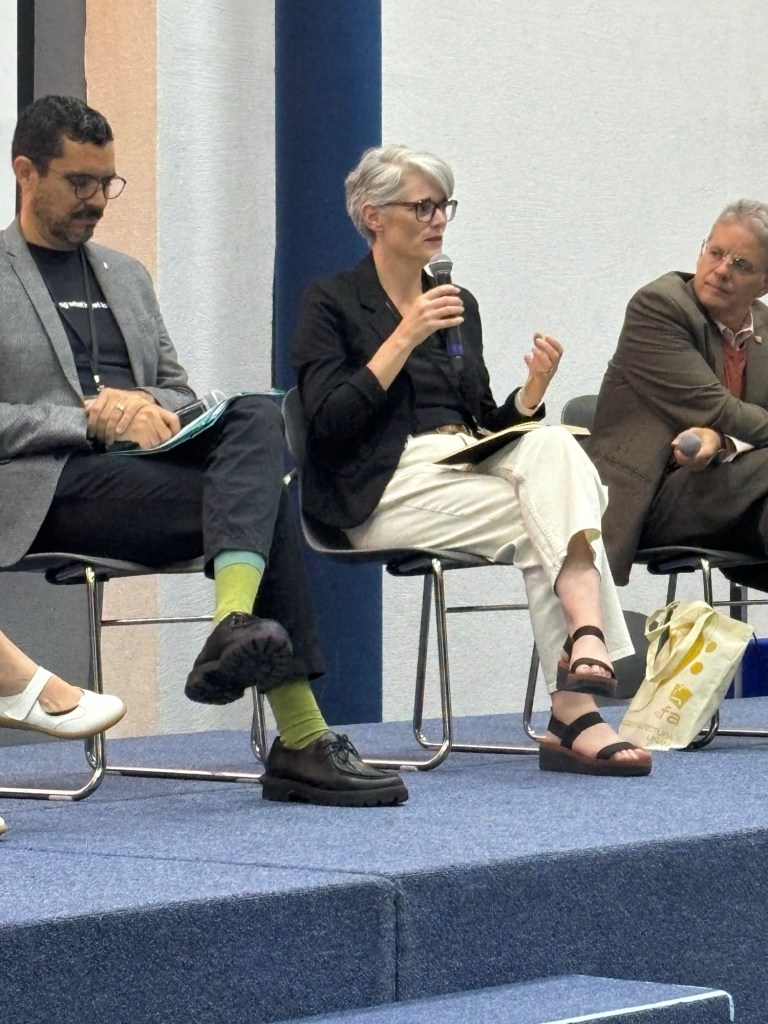
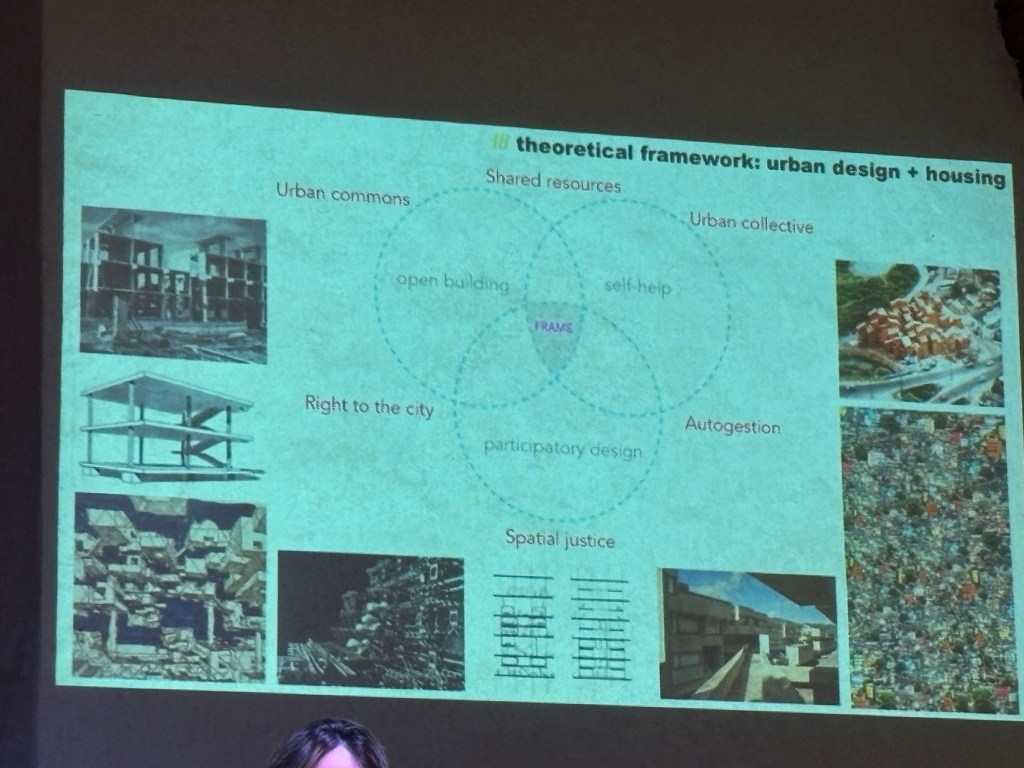
Emma’s work and her engaging delivery were a hit in both sessions. Her paper presentation garnered a packed, standing-room only, no-more-space-to-enter-the-room crowd. This was likely due to the popularity of both her engaging panel discussion and her paper topic (educational transformation for resilience and long-term sustainability, with a focus on housing and environment).

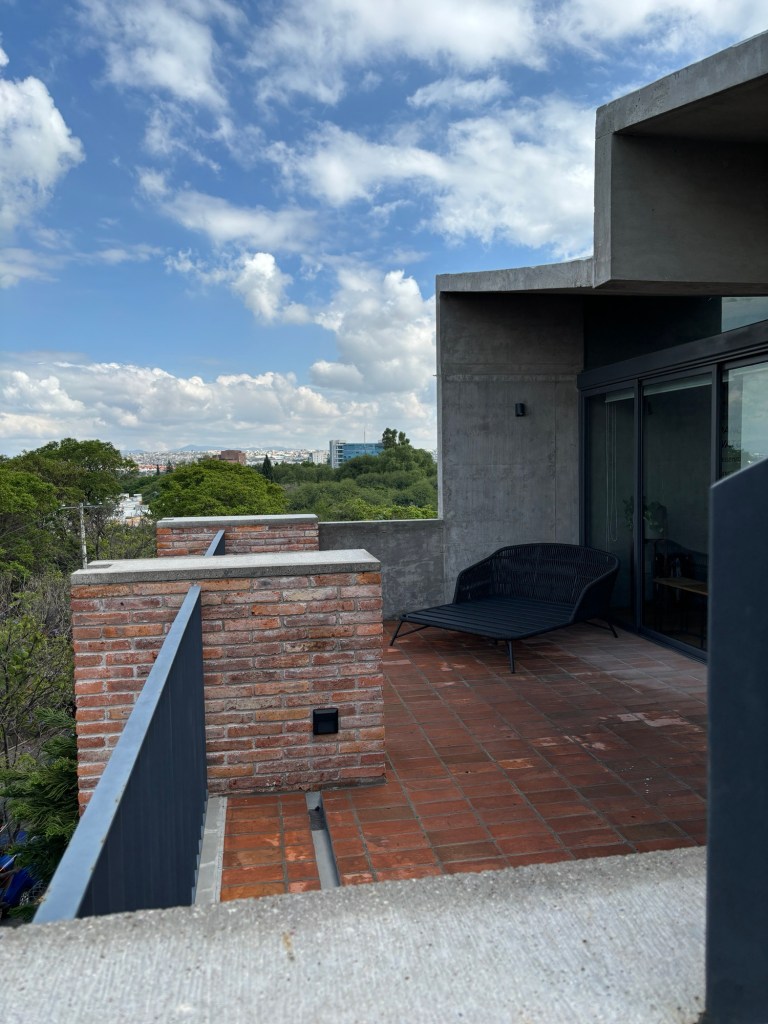
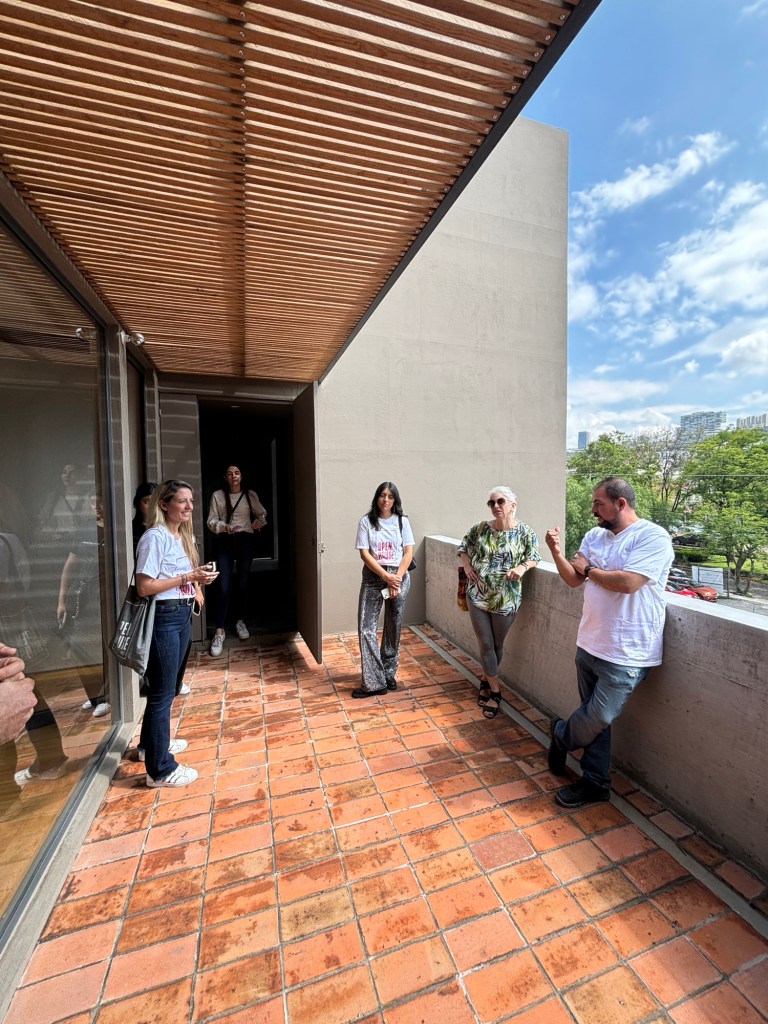
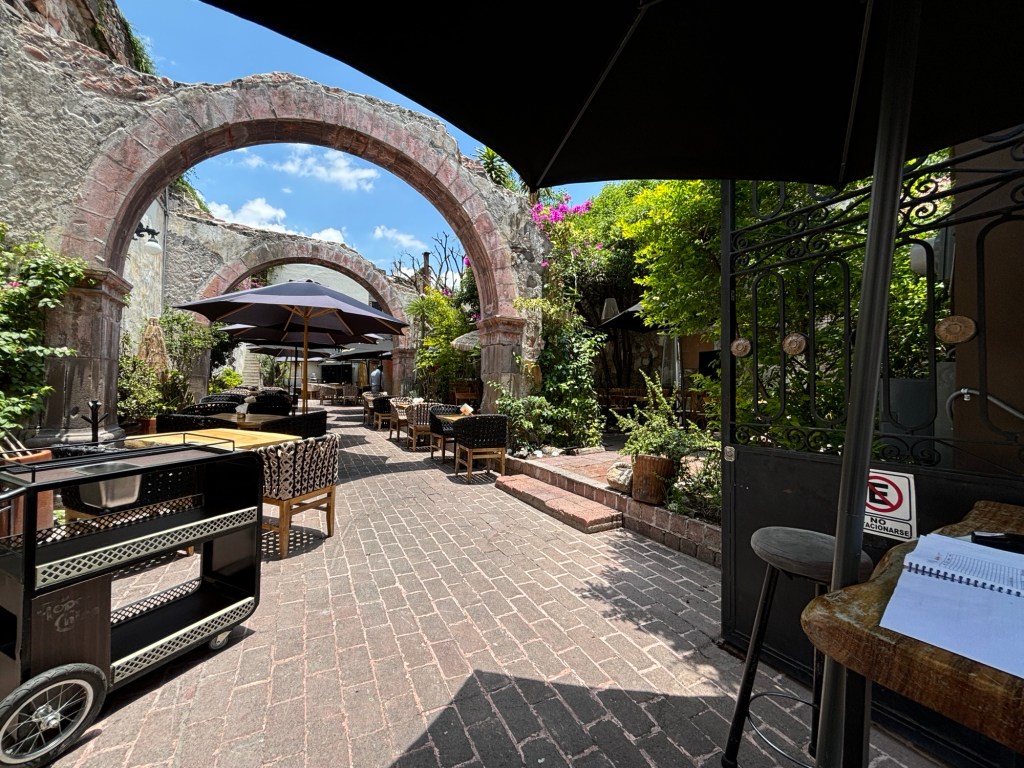
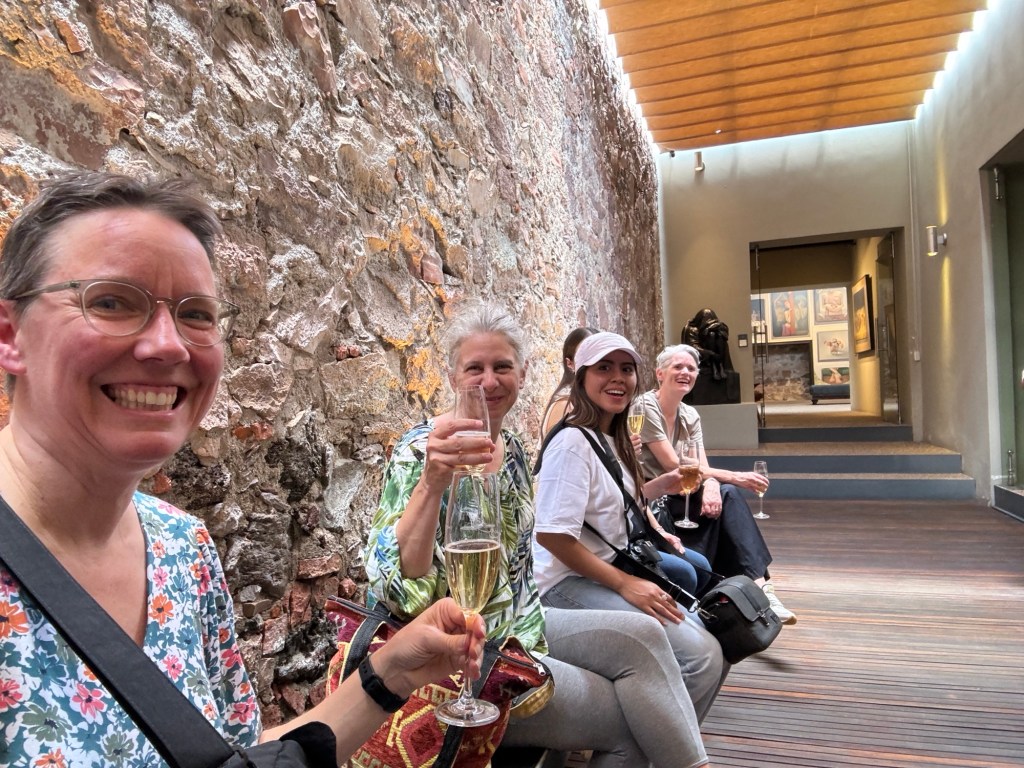
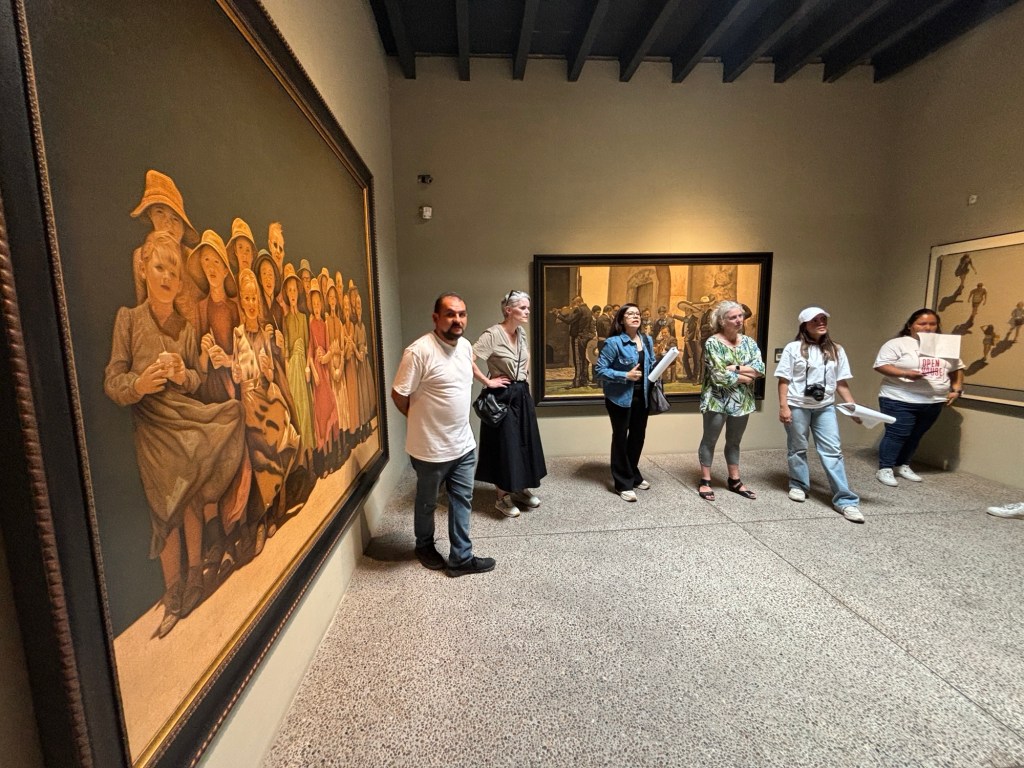
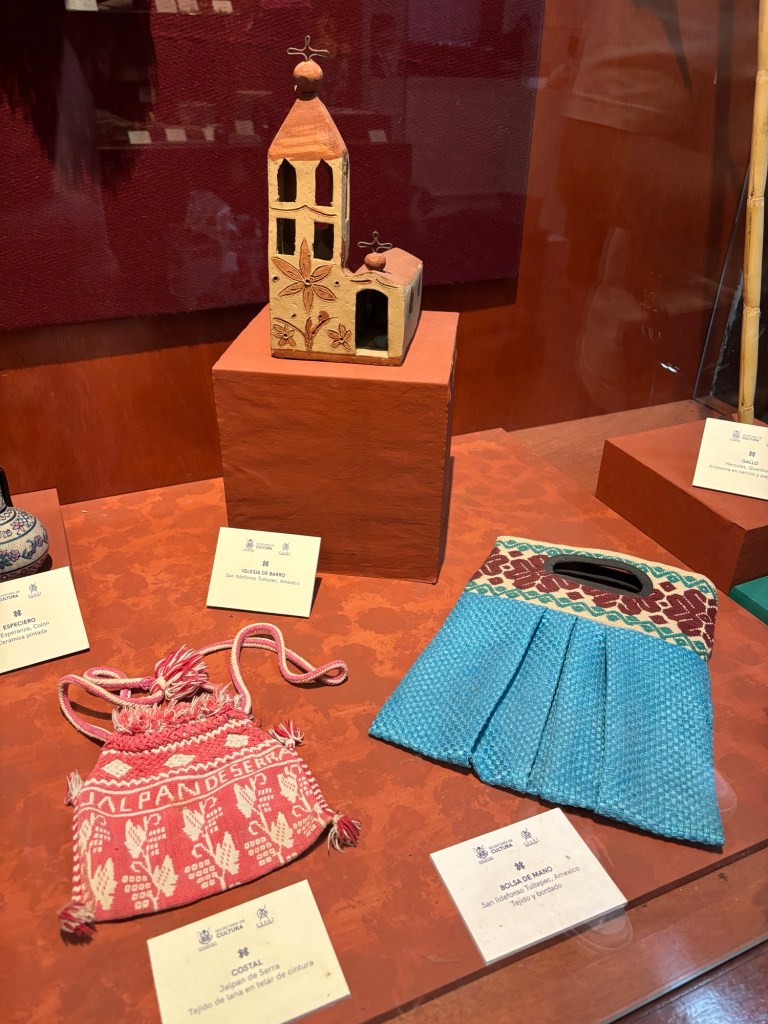
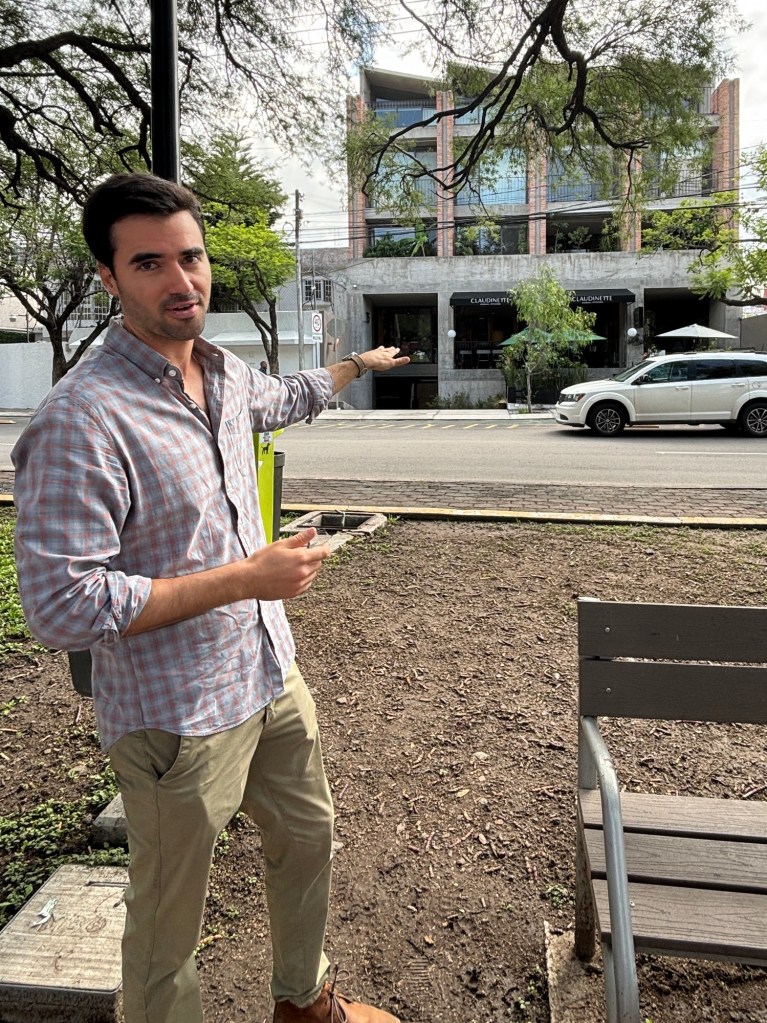
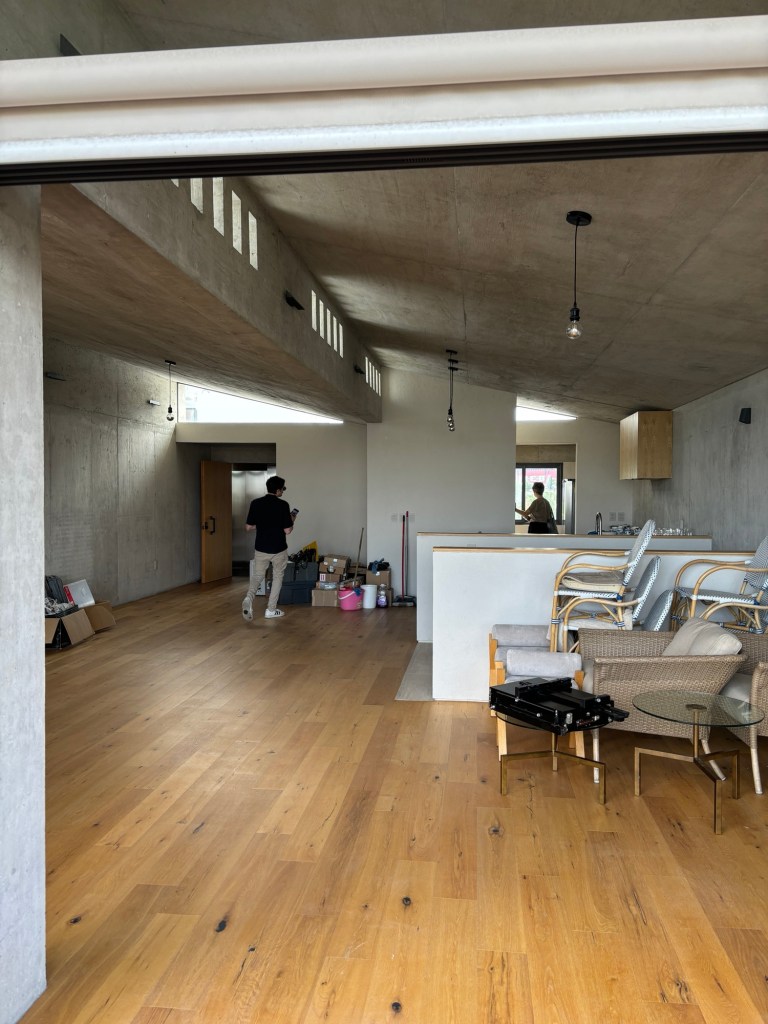
But before all the sessions got rolling, on Thursday morning, Emma and I started our conference experience with an Open House tour. Architects and developers from Querétaro taught us about the architectural and urban design history of the city and brought us to visit several contemporary architectural projects. We got to tour a mixed-use housing project, an environmentally sensitive adaptive reuse project, and a courtyard house turned into an art museum that was chock full of artistic treasures that combine painterly style with contemporary themes!
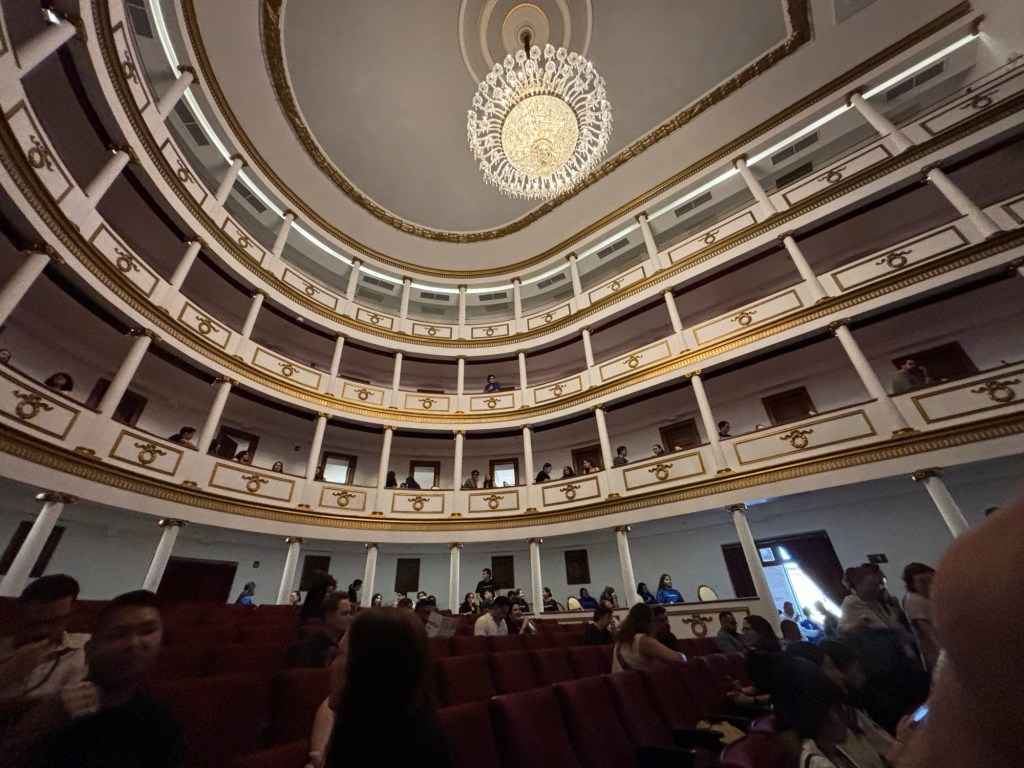
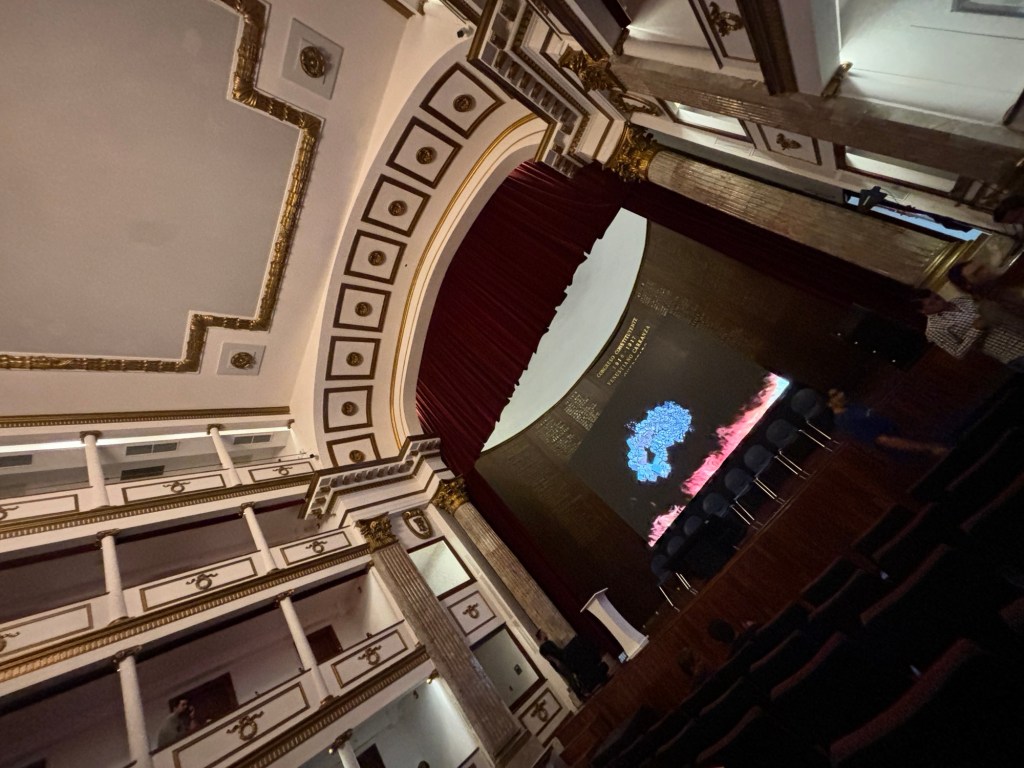
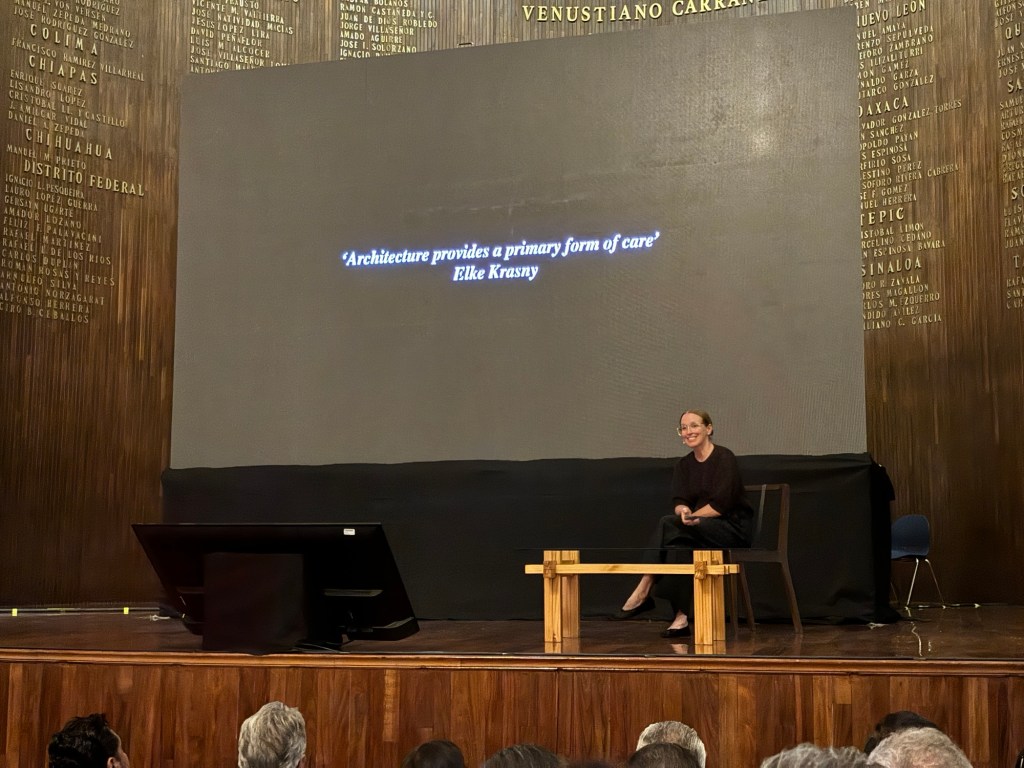
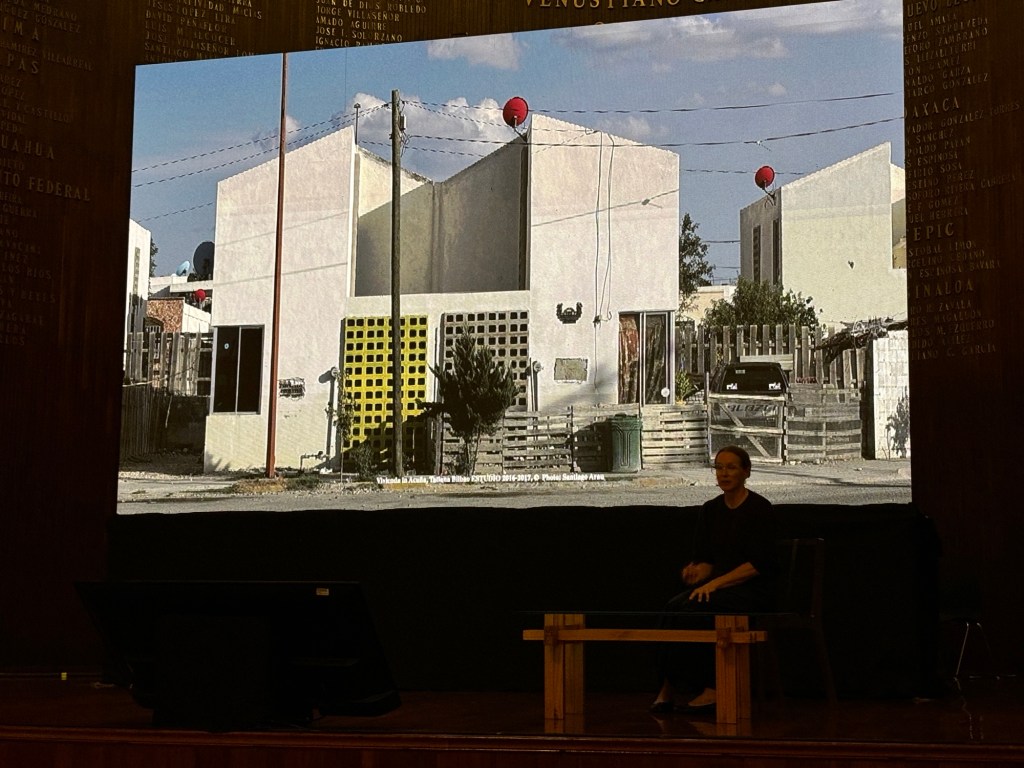
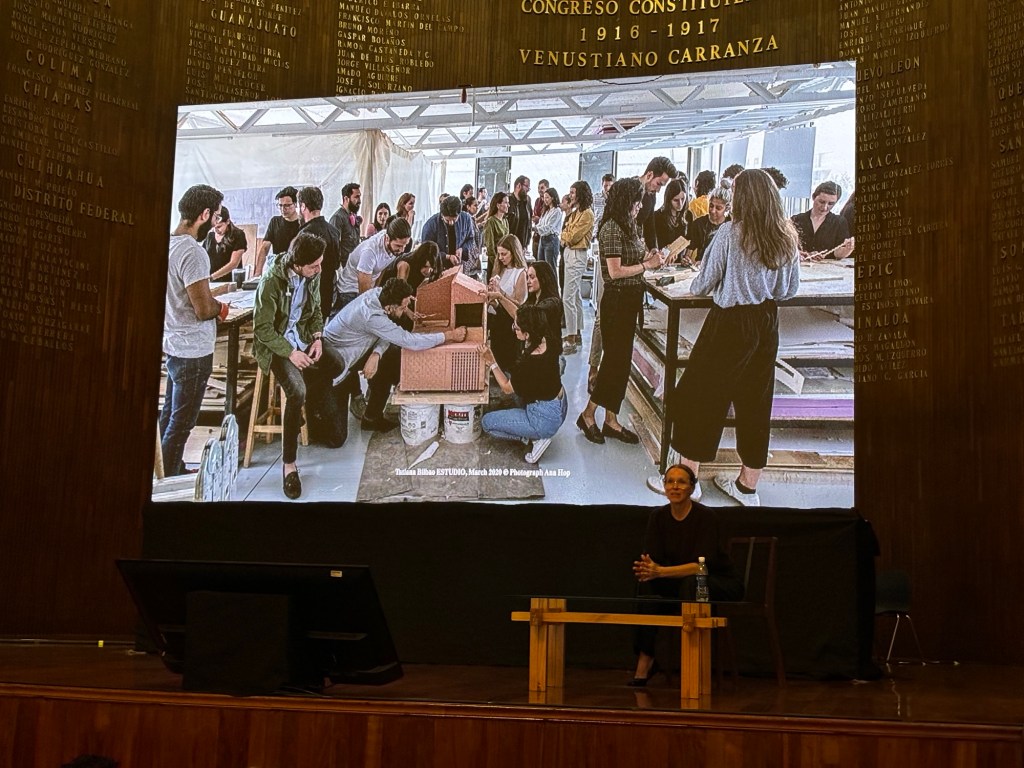
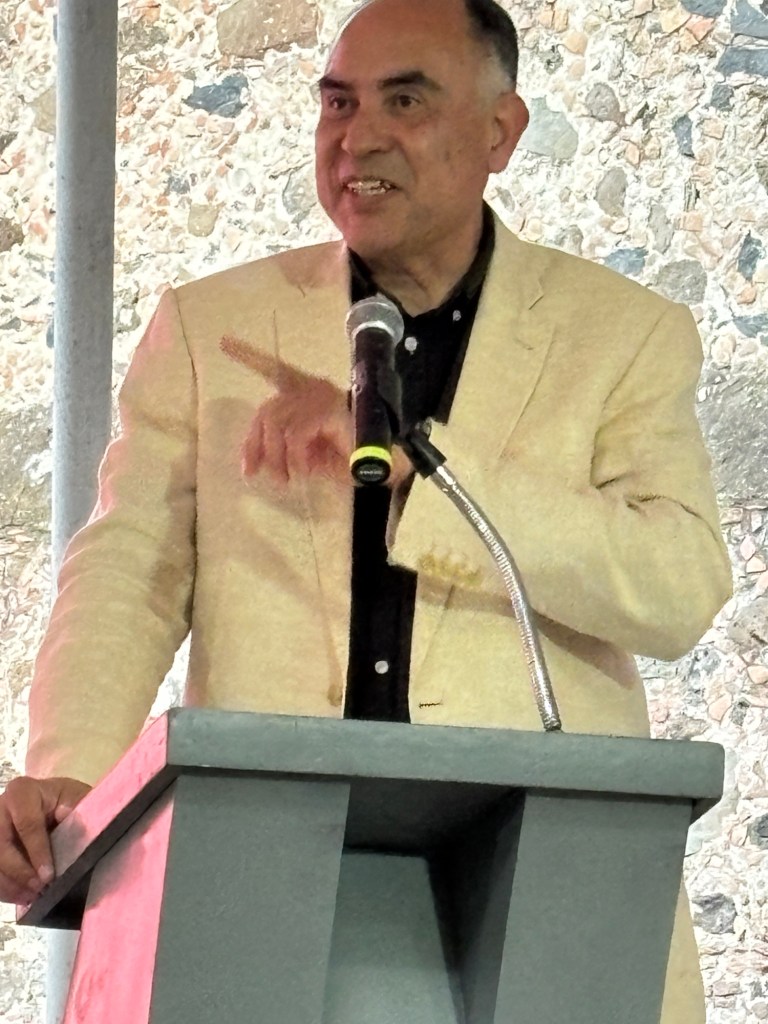
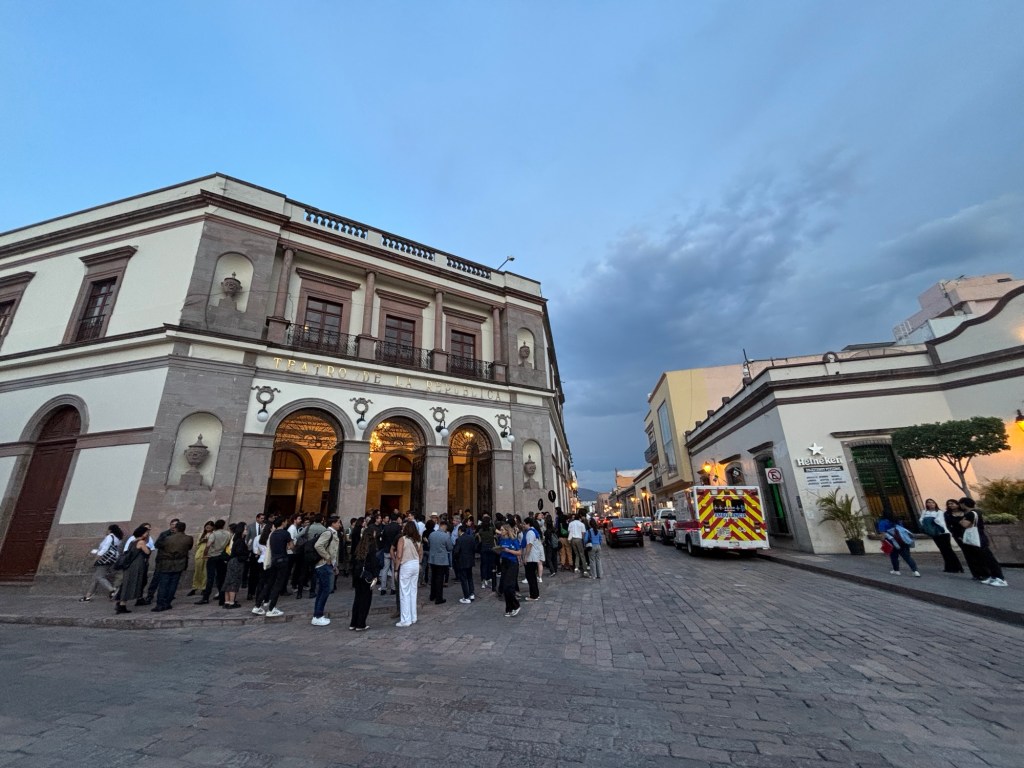
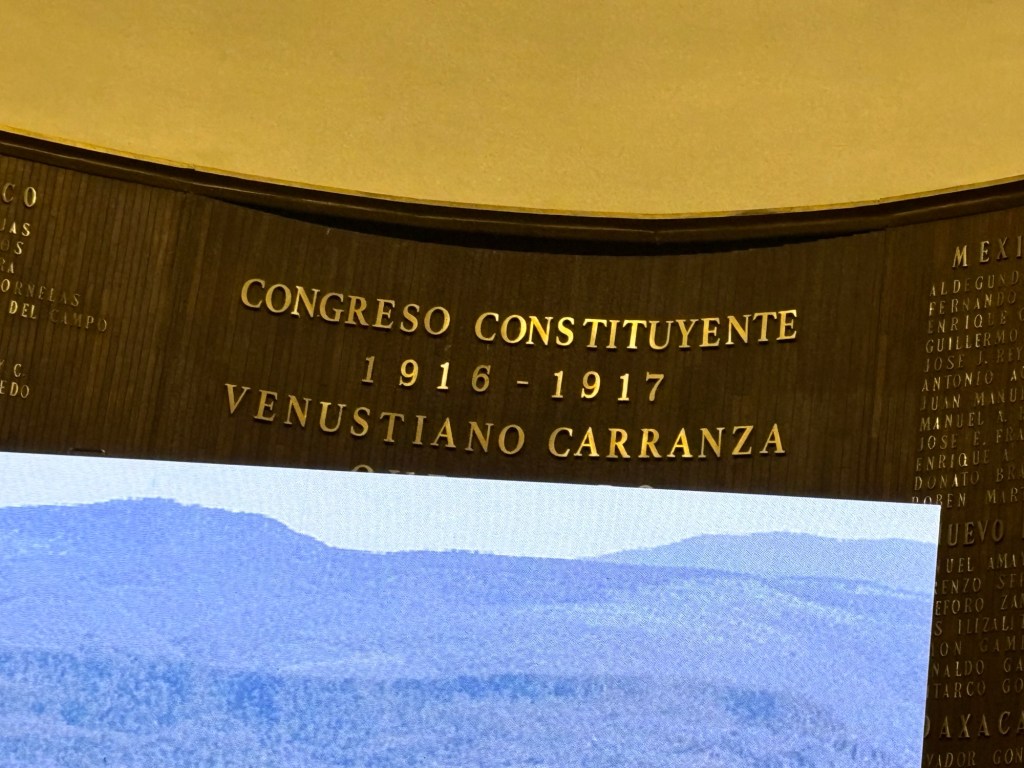
The Open House tour was followed by an opening reception and keynote address in Querétaro’s very famous and protected Teatro de la Republica where (at least part of) the country’s constitution was signed. The keynote by Tatiana Bilbao was thought-provoking, with the architect advocating liberation from named or pre-determined programmatic elements, to produce evocative enclosures for inhabitants to mold and adapt. The open reception was at another architectural heritage site, the Museo Regional de Querétaro.
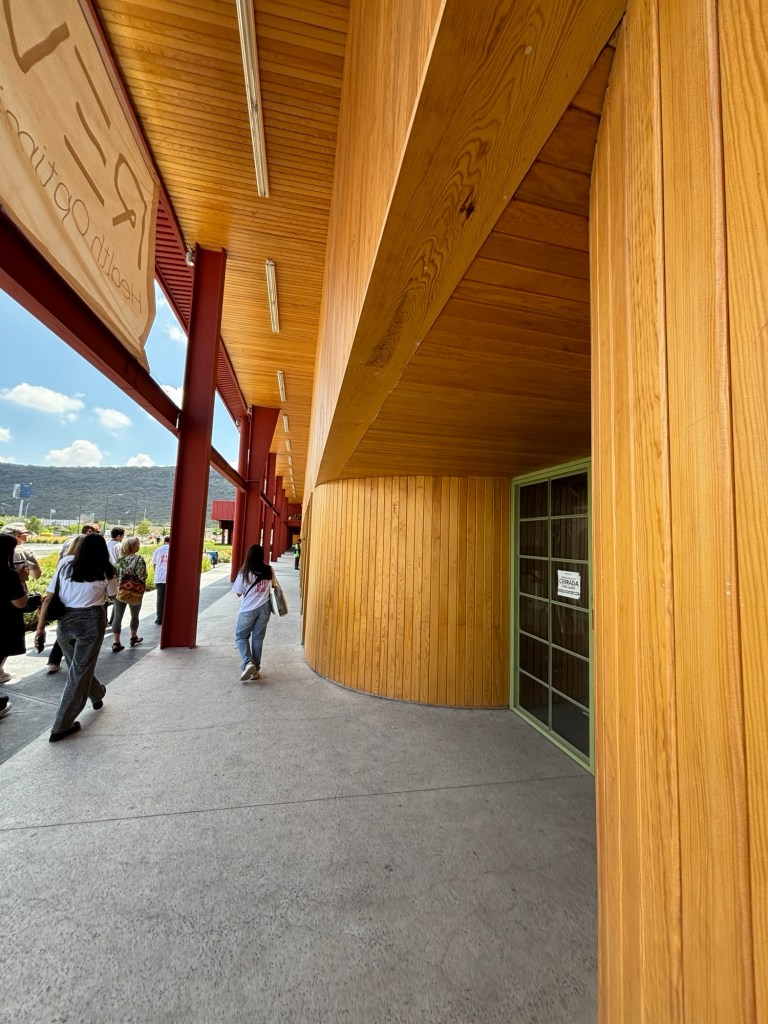
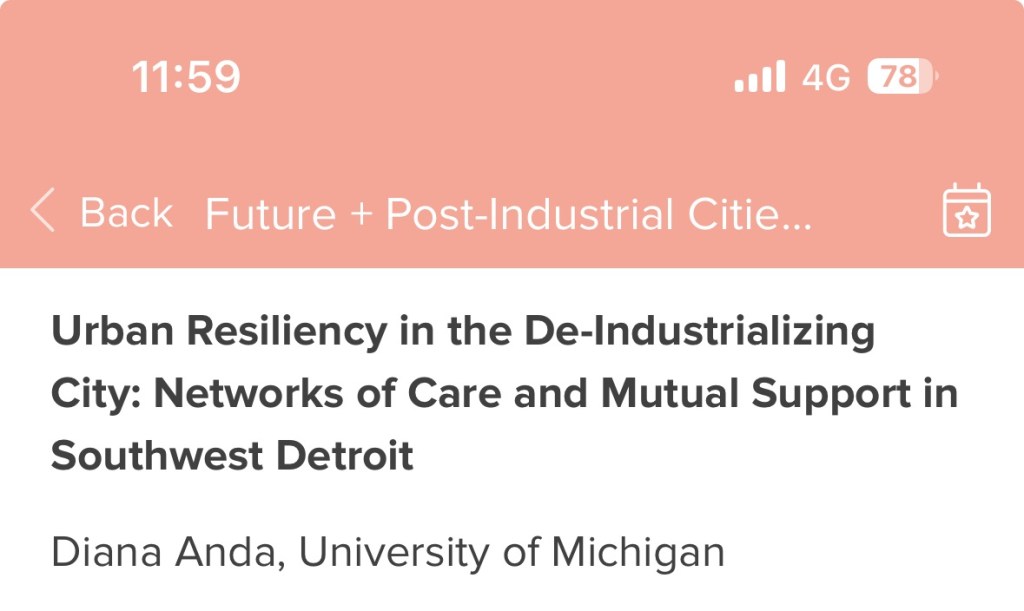
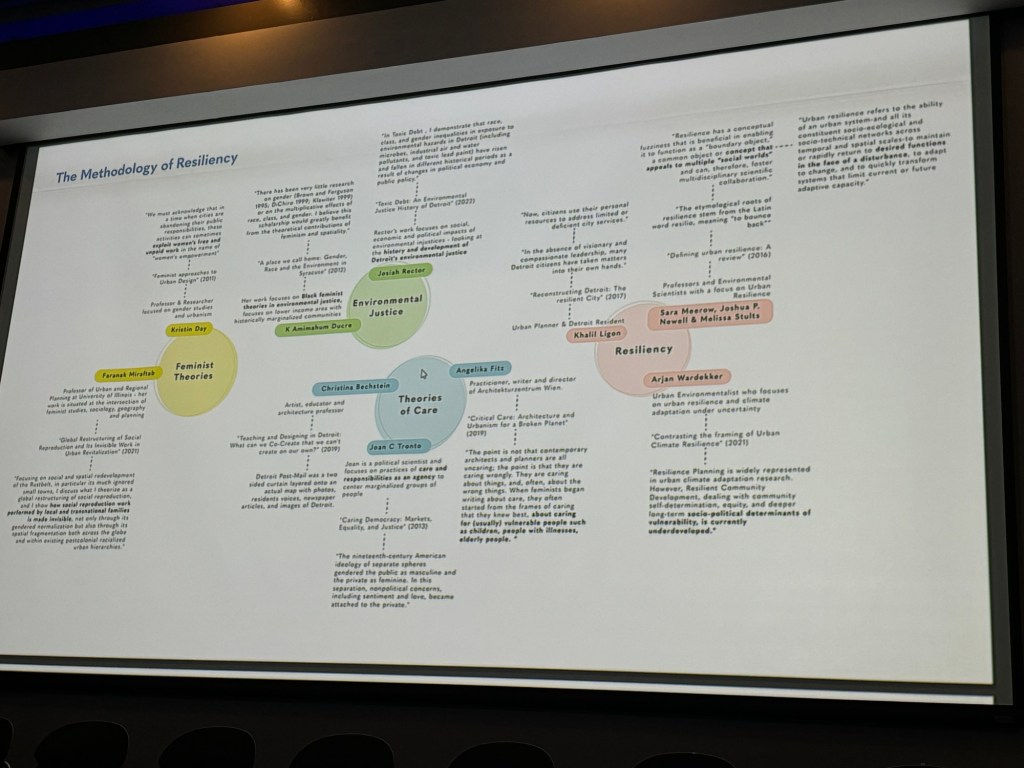
The second day started with the Deans’ panel on “tradition and radical innovation” that included Emma, followed by paper sessions. I attended the sessions on “Future + Post-Industrial Cities.” These two sessions were held at the university’s modern campus on the outskirts Querétaro. We travelled there and back by bus.

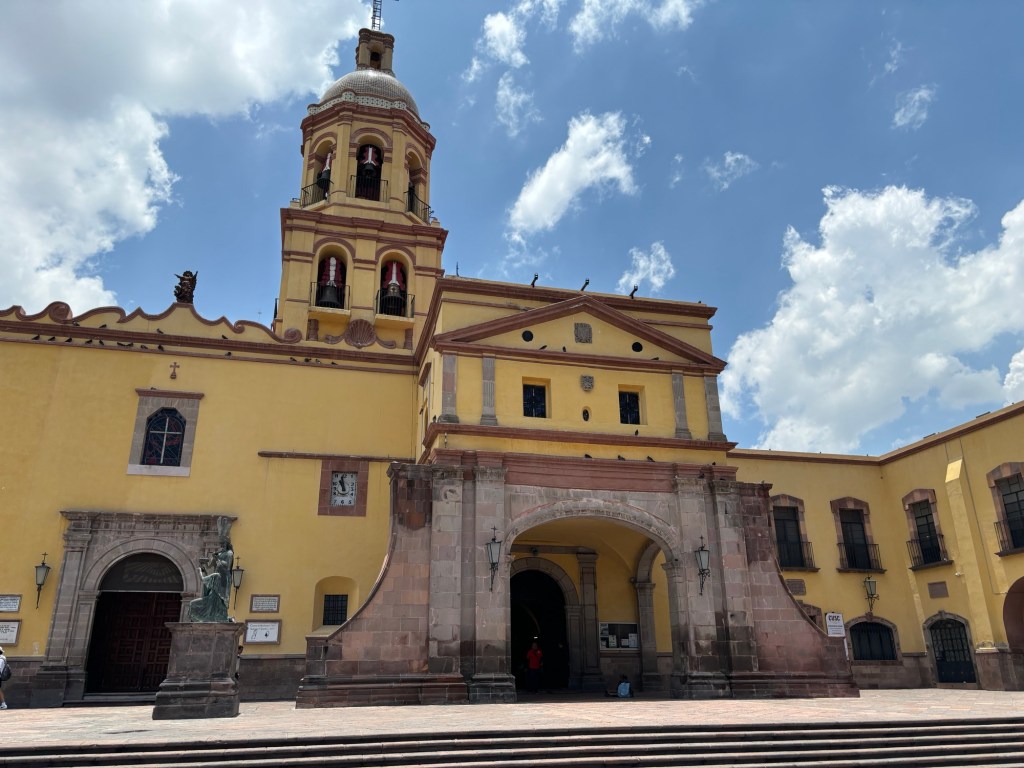
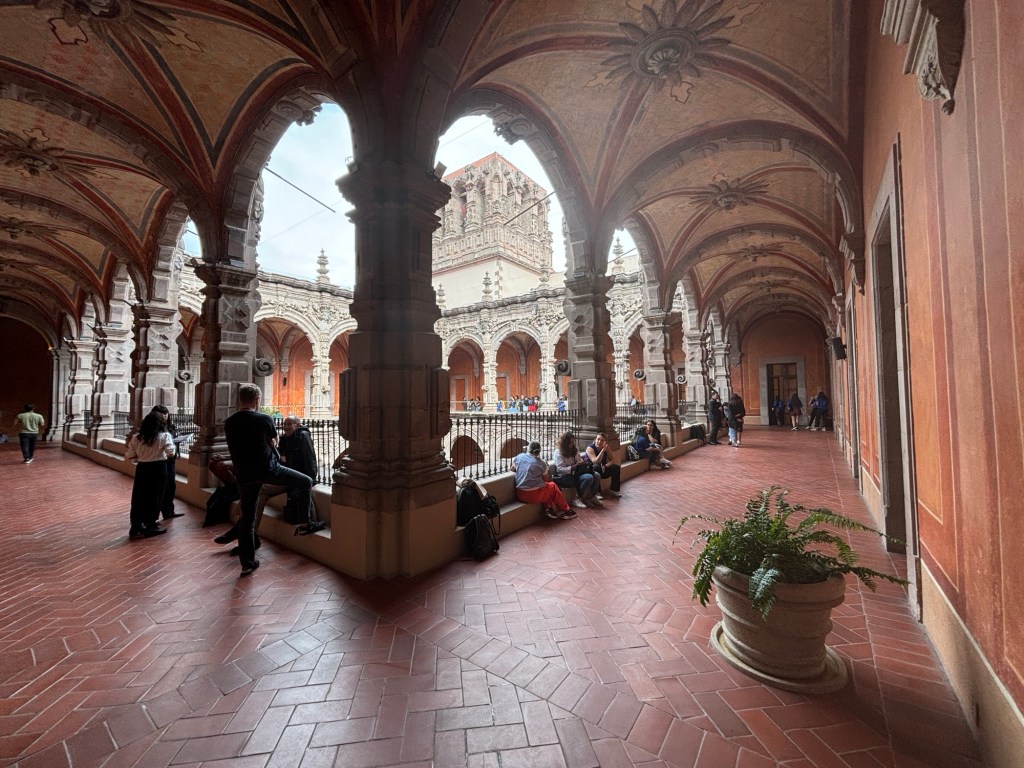
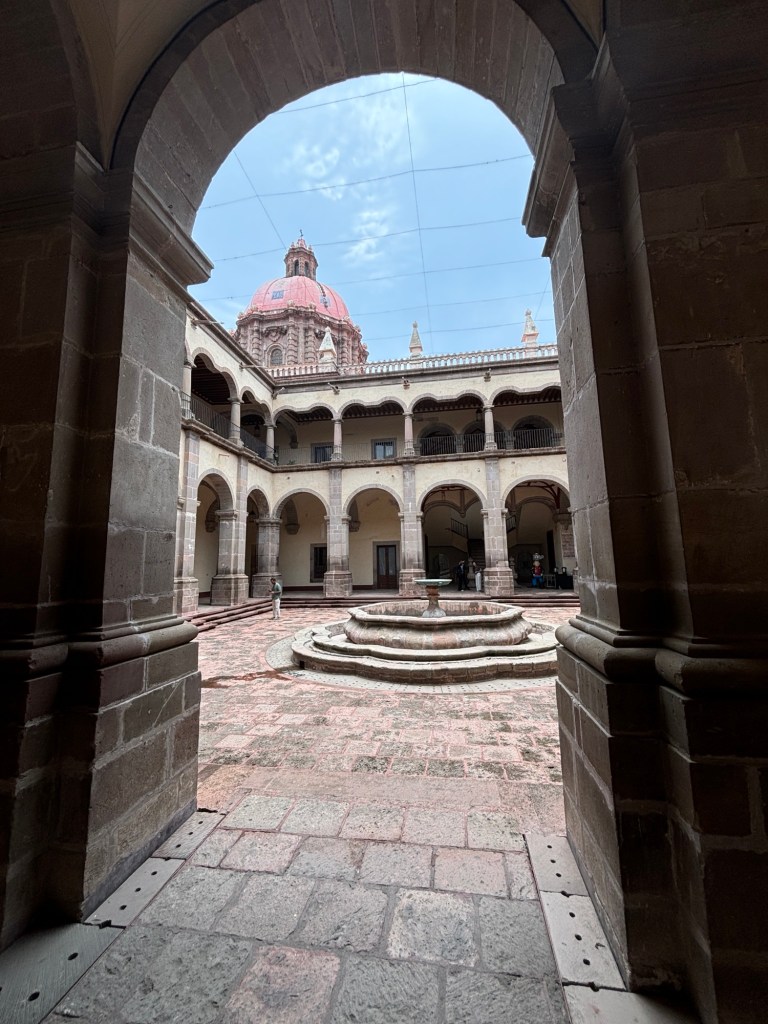
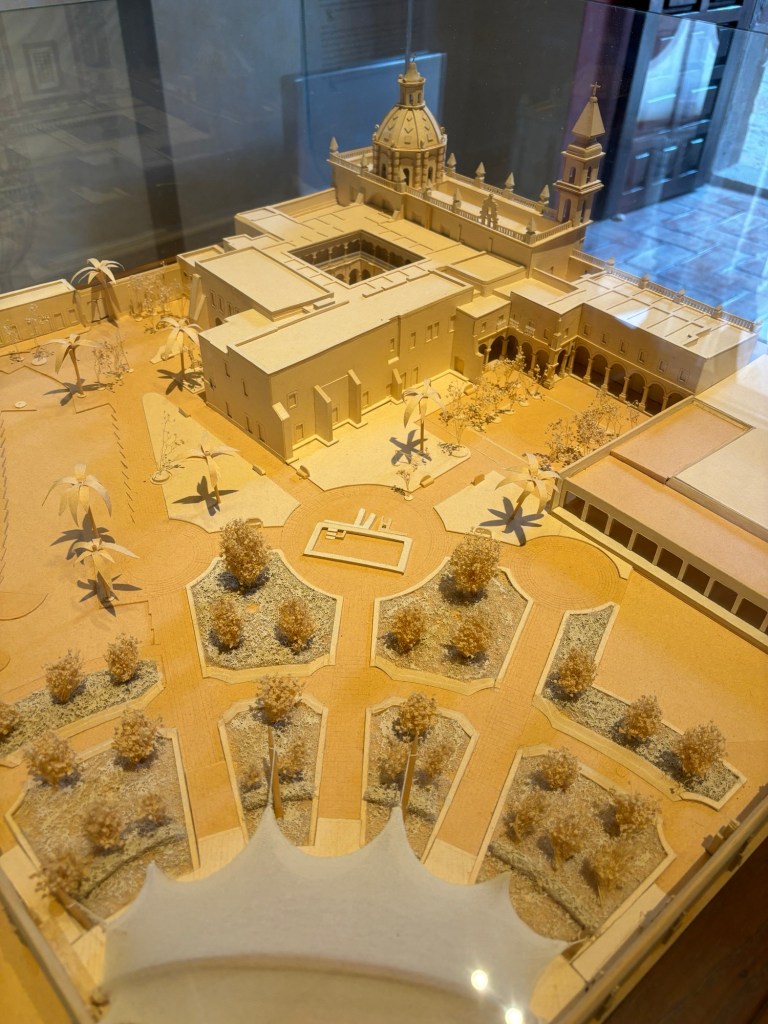
After a relaxing lunch break, we enjoyed afternoon paper sessions in a magnificent former cloister now used as the Mueso de Arte de Querétaro. I attended “Spatial Decoding: Beyond Measurement” and “Experiments for Urban Futures.”
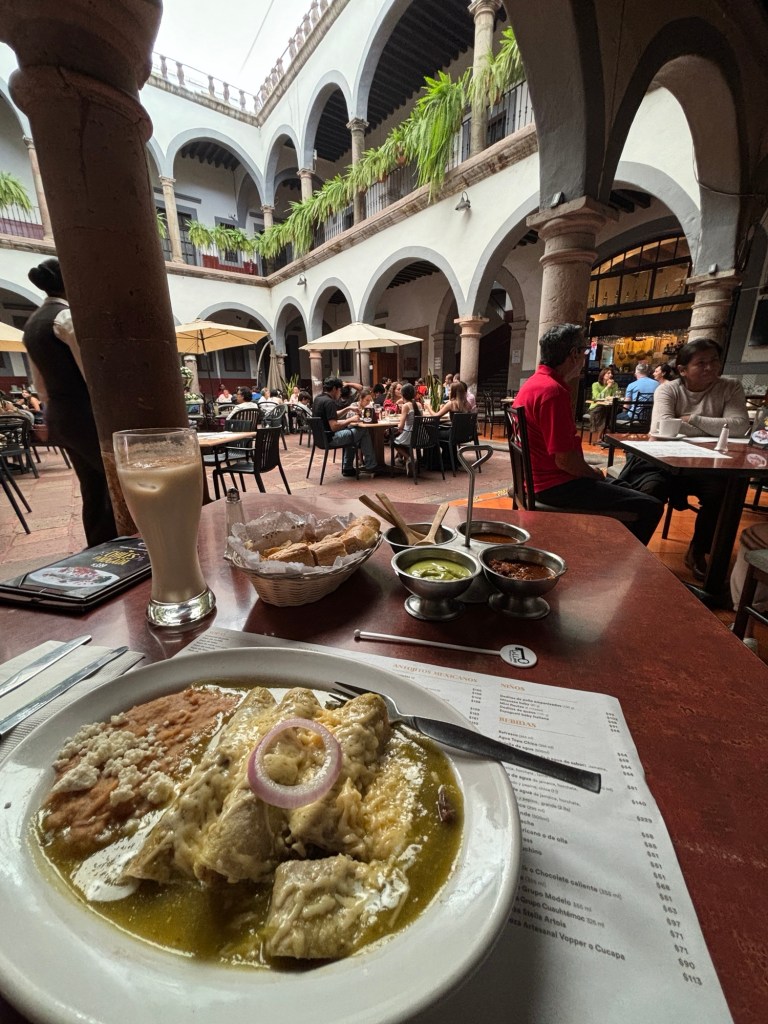
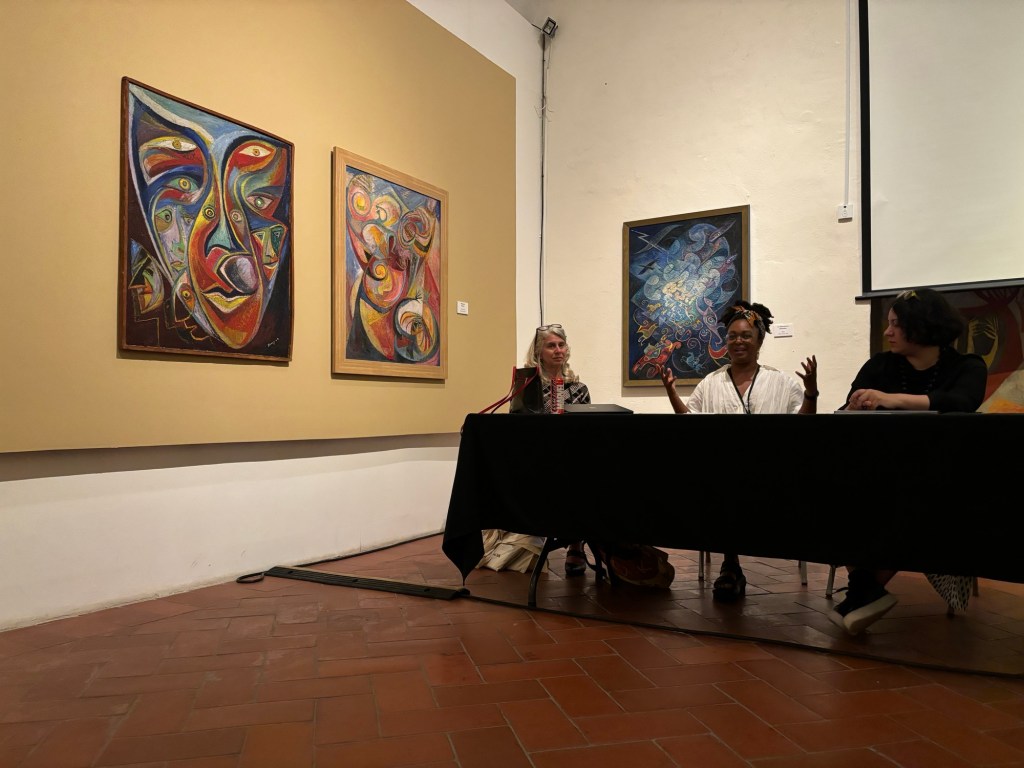
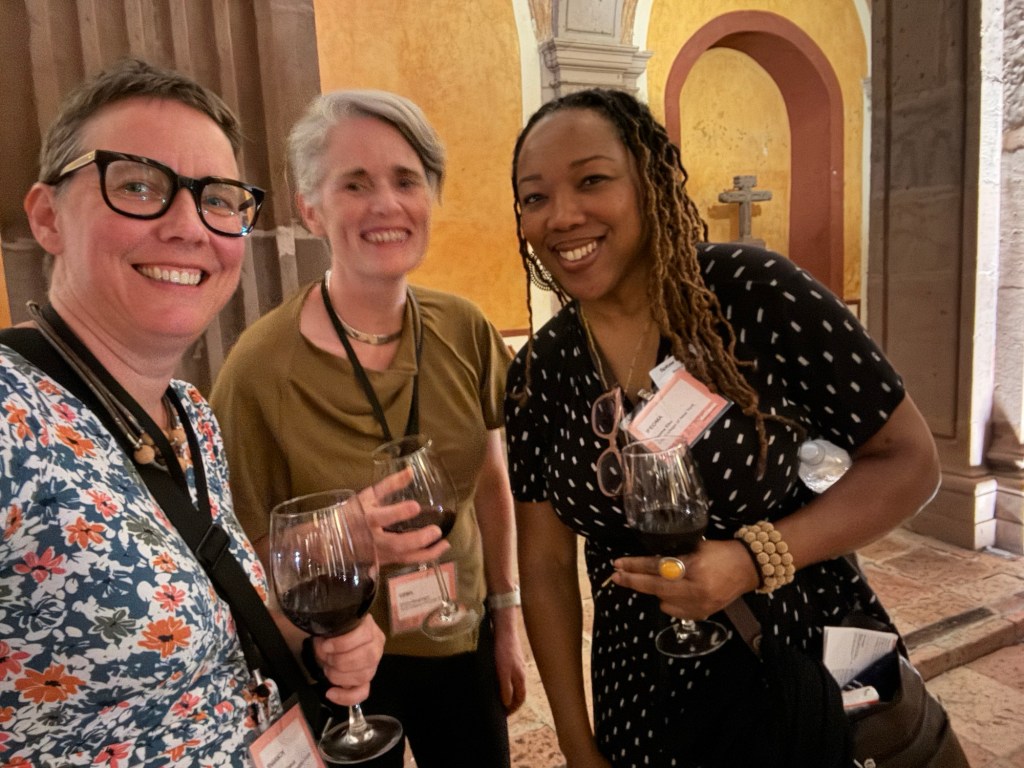
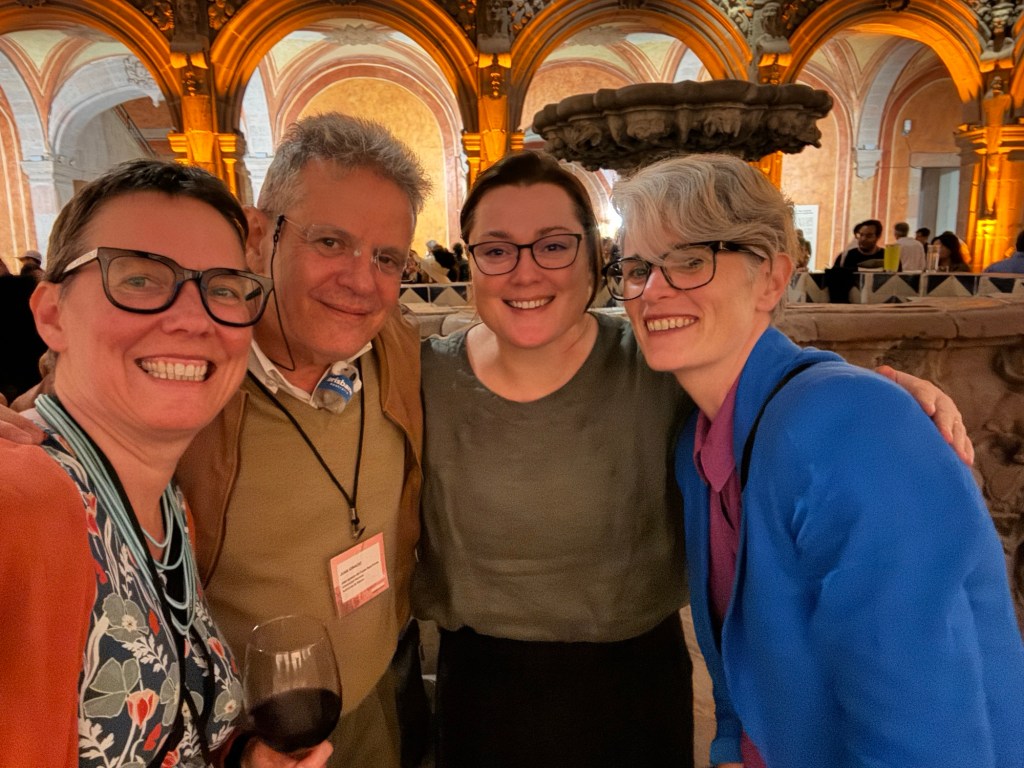
The entire time, Emma and I were meeting lovely and passionate architecture educators from Mexico, the US, and Canada, as well as graduate students from around the world. We also got to know and admire the host for the next iteration of this ASCA International conference that will be held in Brisbane, Liz Brogden.
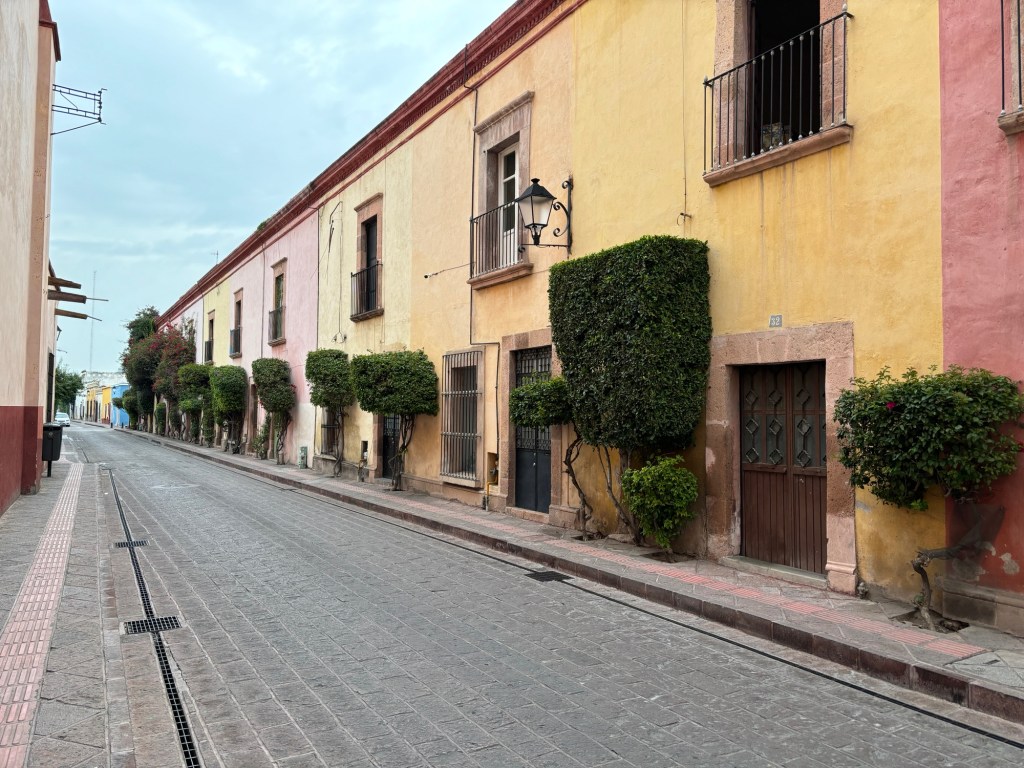
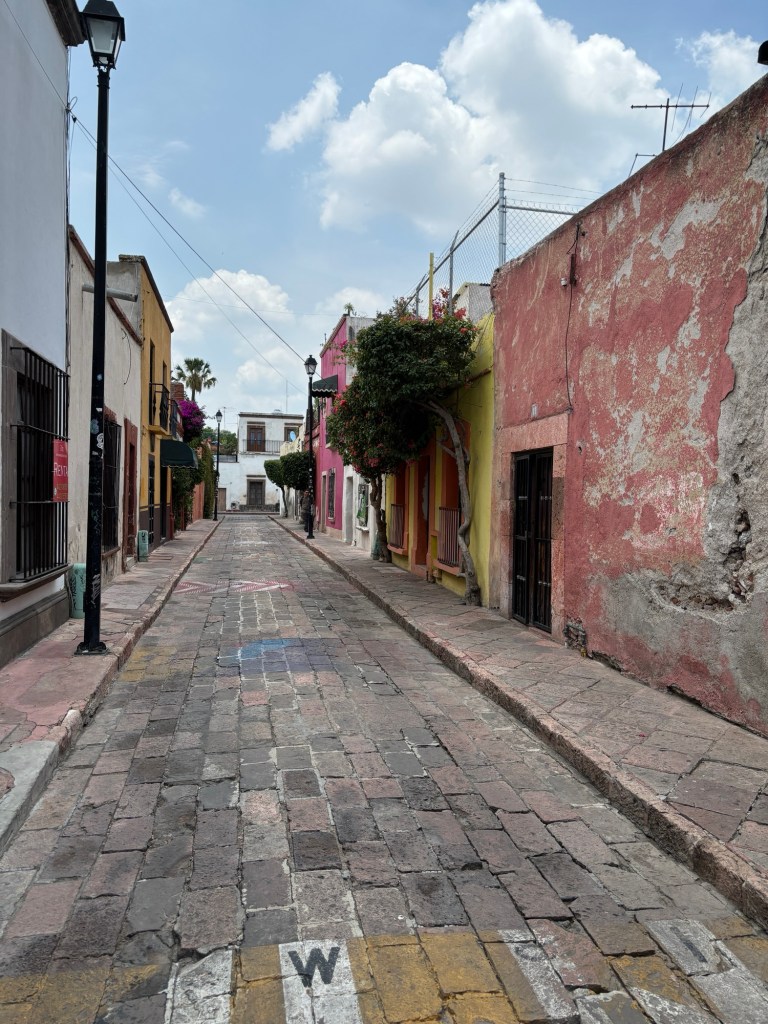
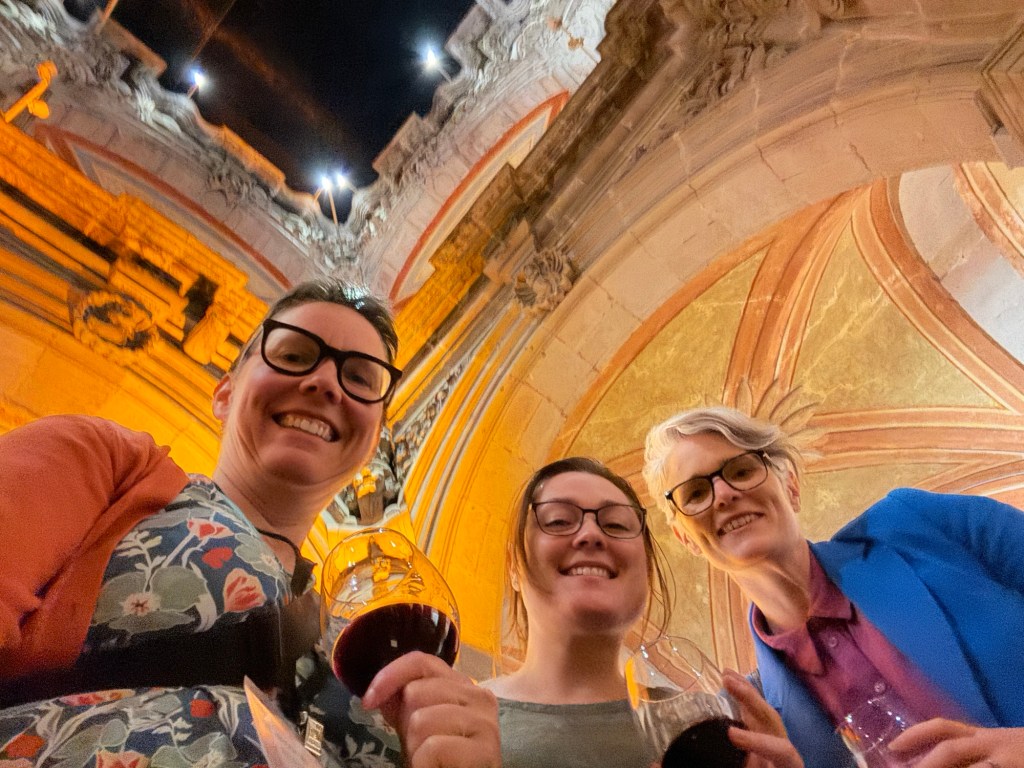
Liz, Emma, and I were guests of the conference organizers for tapas and drinks Friday night at Hercules, a former textile factory converted into an entertainment venue. We had the pleasure to sit between Michael Monti, the executive director of ACSA, and Luis Francisco Rico-Gutierrez, Dean of Architecture at Iowa State, who brought this conference to his hometown of Querétaro. Luis carefully assembled a conference program with cultural, social, urban, and critical feminist underpinnings.

ACSA Director, Michael Monti, who has a doctorate in philosophy and expertise in Heideggerian phenomenology!

Bravo to these leaders for pulling off such a magnificent event in collaboration with the local organizers, including Roberto Íñiguez Flores, and the DC-based ACSA team!

Programming for the third day ran 9 AM to 10 PM. We attended paper sessions, including Emma’s, at the Centro de las Artes de Querétaro Santa Risa de Viterbo. We started off with “New Imaginaries, Speculations, Machinations” where Emma spoke. Then I attended “Housing, Dwelling and Domesticities.”
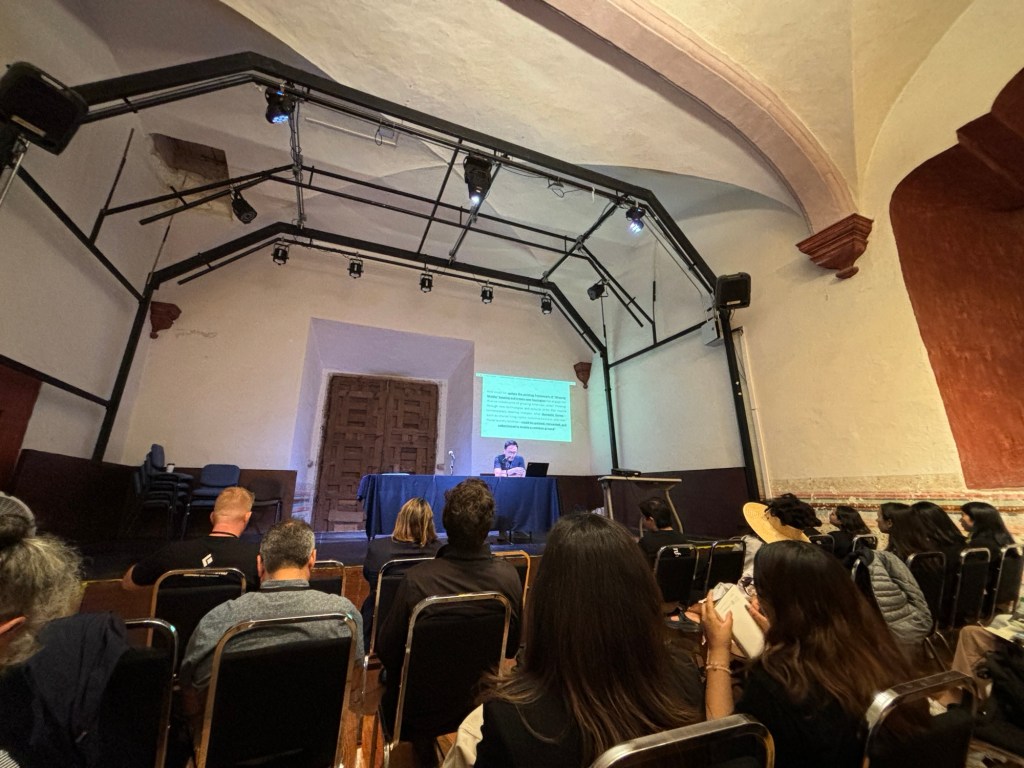
After lunch I attended “DESIGNING DISSENT: Feminist Counternarratives in the City.” This critical feminist urbanism panel session was particularly insightful. It was held with one presentation in English and two in Spanish. There were AI-generated English subtitles at the second of these, but for the one without subtitles, I put my Duolingo to work.

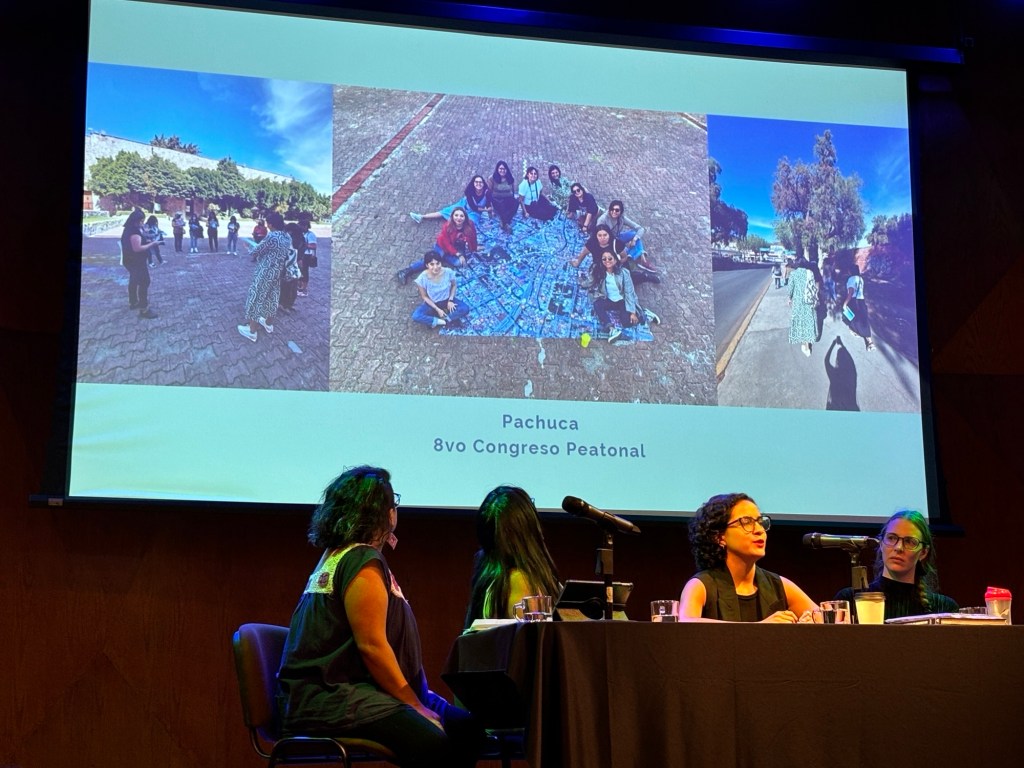
I have been studying Spanish using Duolingo for 254 days now, in preparation for this trip. I understand reasonably well, although I can’t yet speak in Spanish. My elementary knowledge of Italian interferes with my ability to start sentences in Spanish, but I persevere. The helpful slide images helped me deduce more complex meanings.

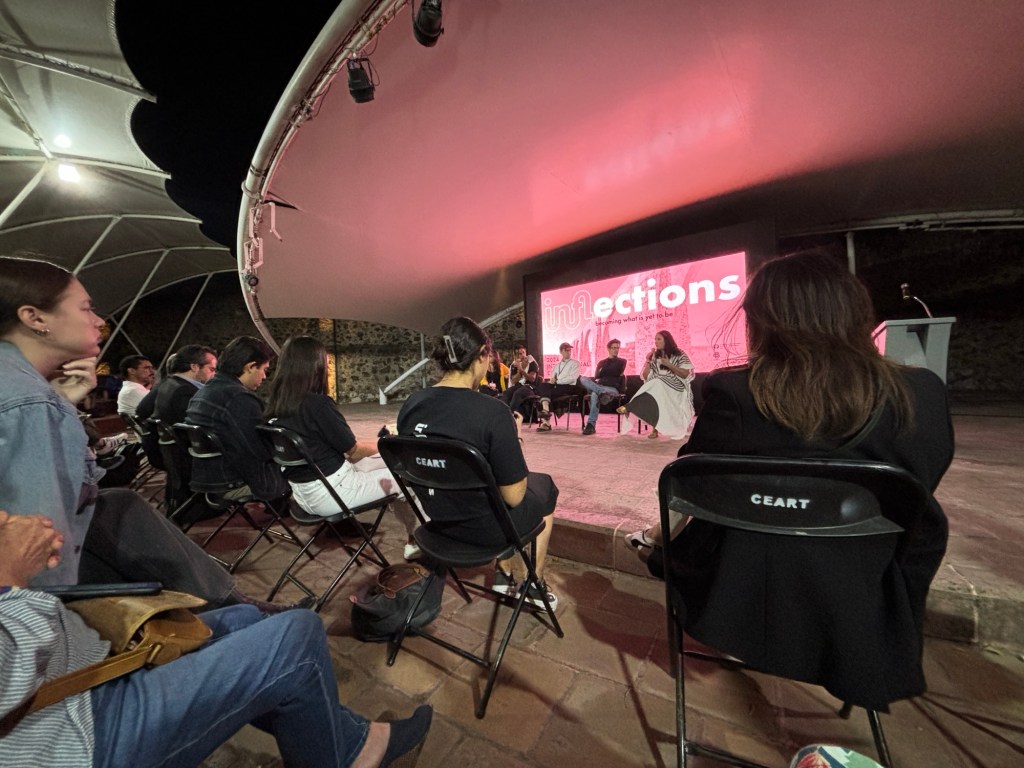
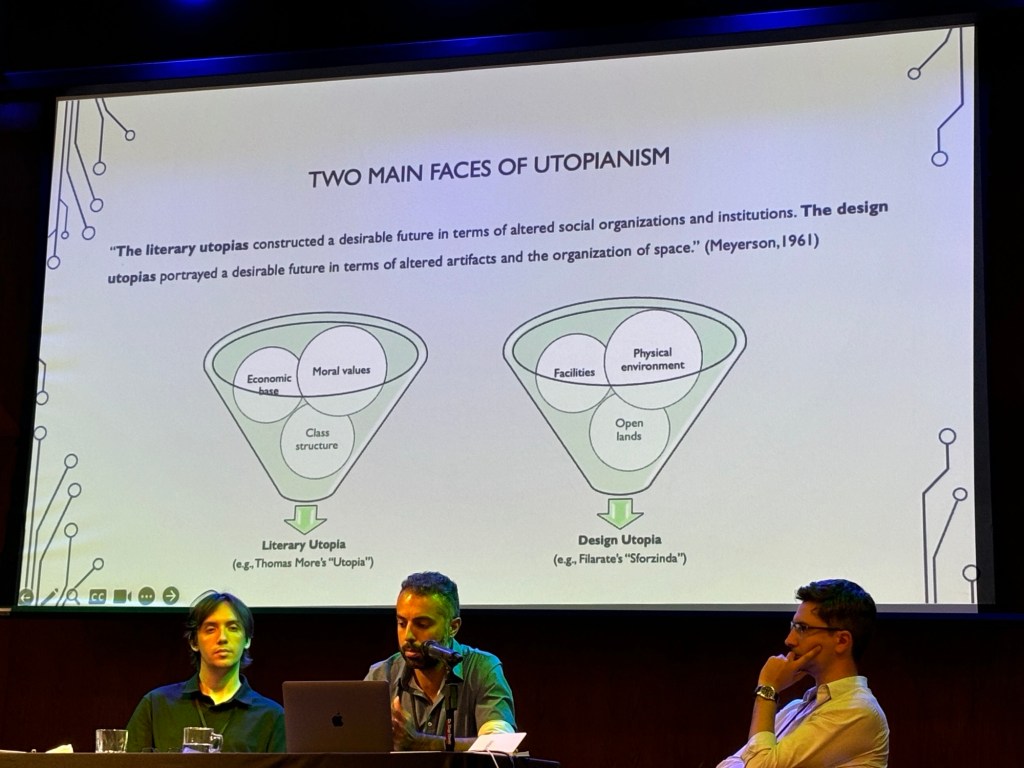
I also attended “Co-creation with AI.” Then, this third and final day wrapped up with an all-conference panel on contemporary issues in Mexican design at the outdoor amphitheater at the cloistered museum. The title was “ILLUMINATING THE OVERLOOKED: Unconventional Practices for Responsible Futures.”
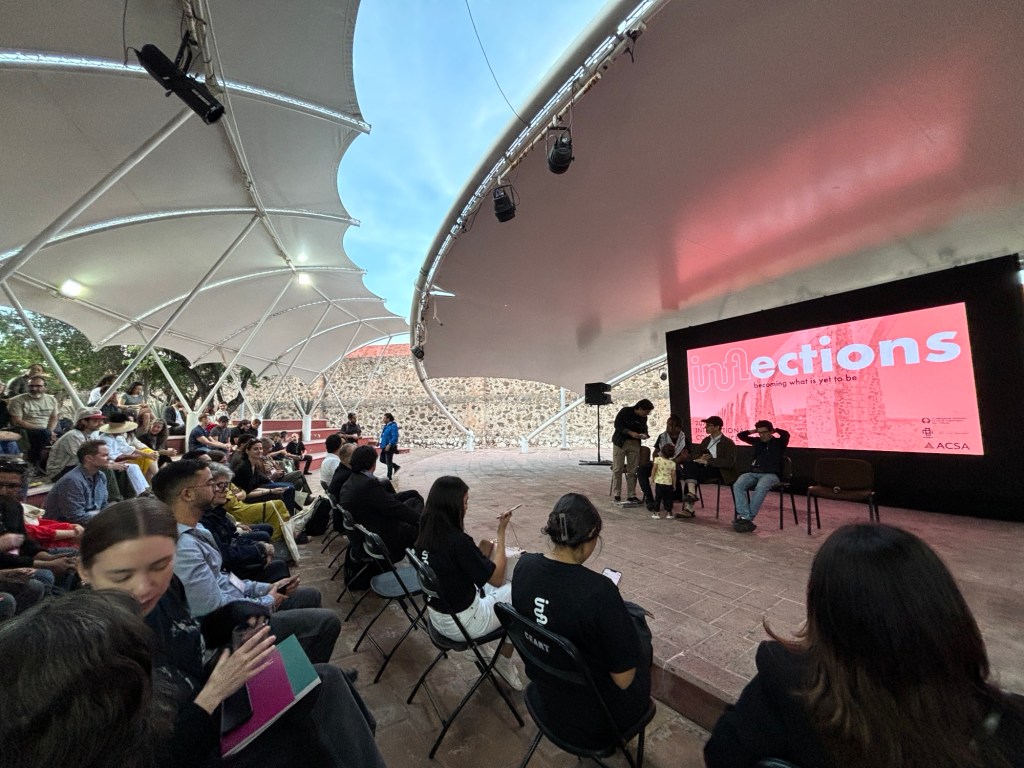
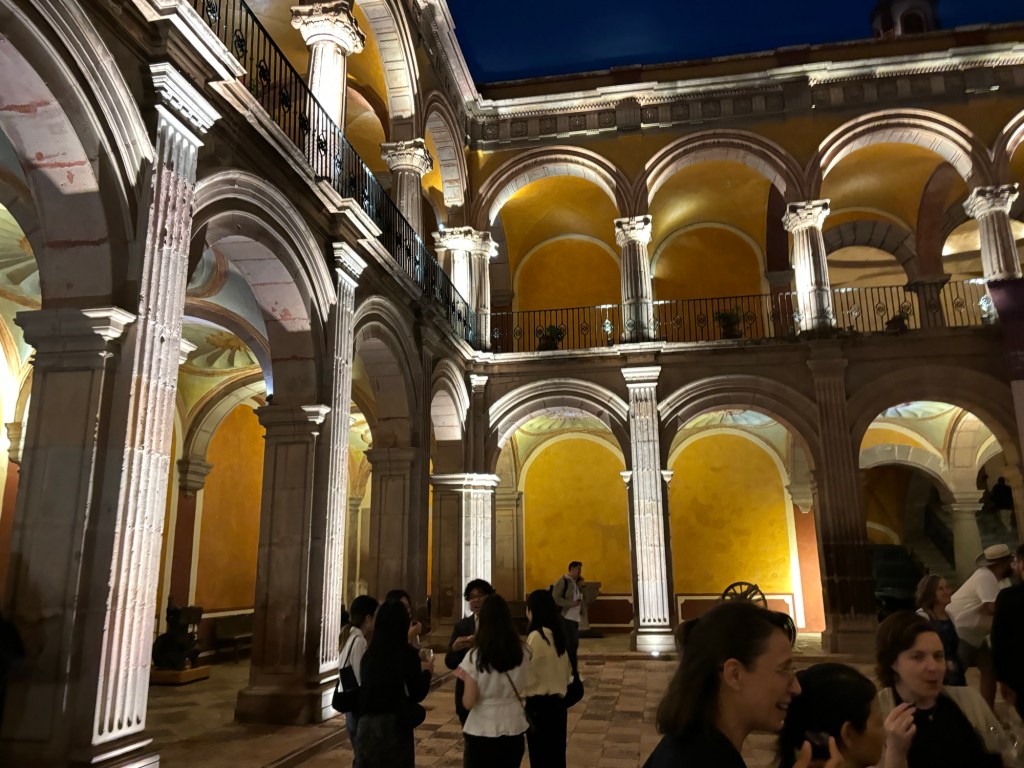
The closing reception was held at the Museo de Arte de Querétaro courtyard. After it, Emma, Liz and I headed for a last supper together that didn’t end until after midnight. We’re learning Spanish ways!

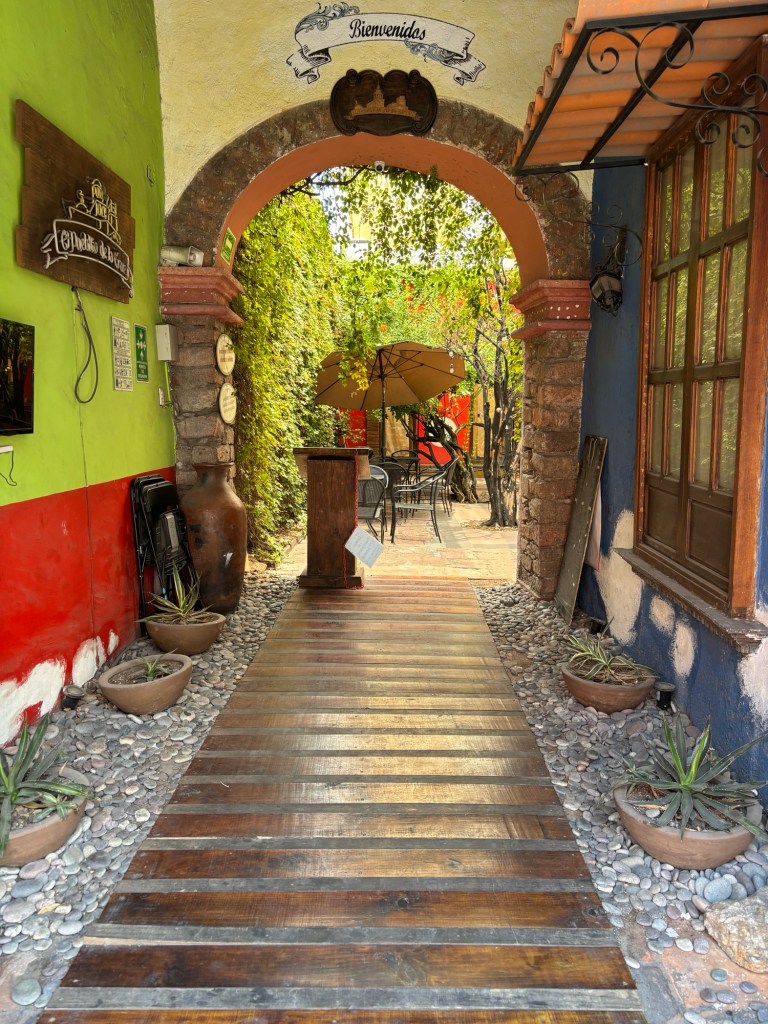
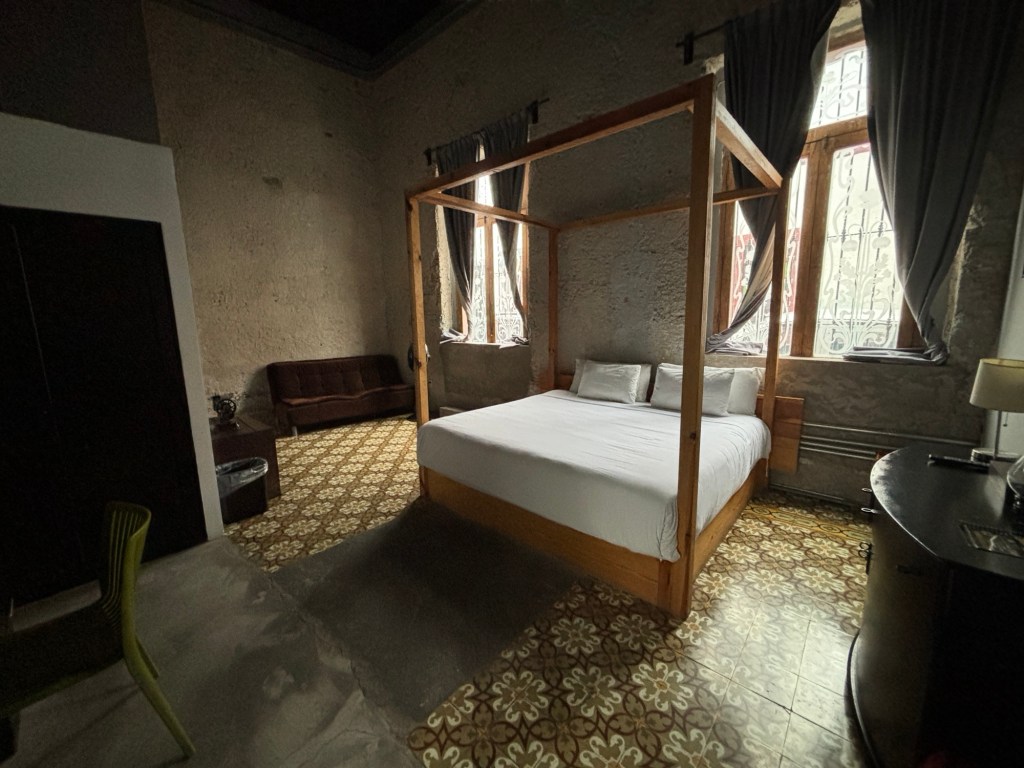
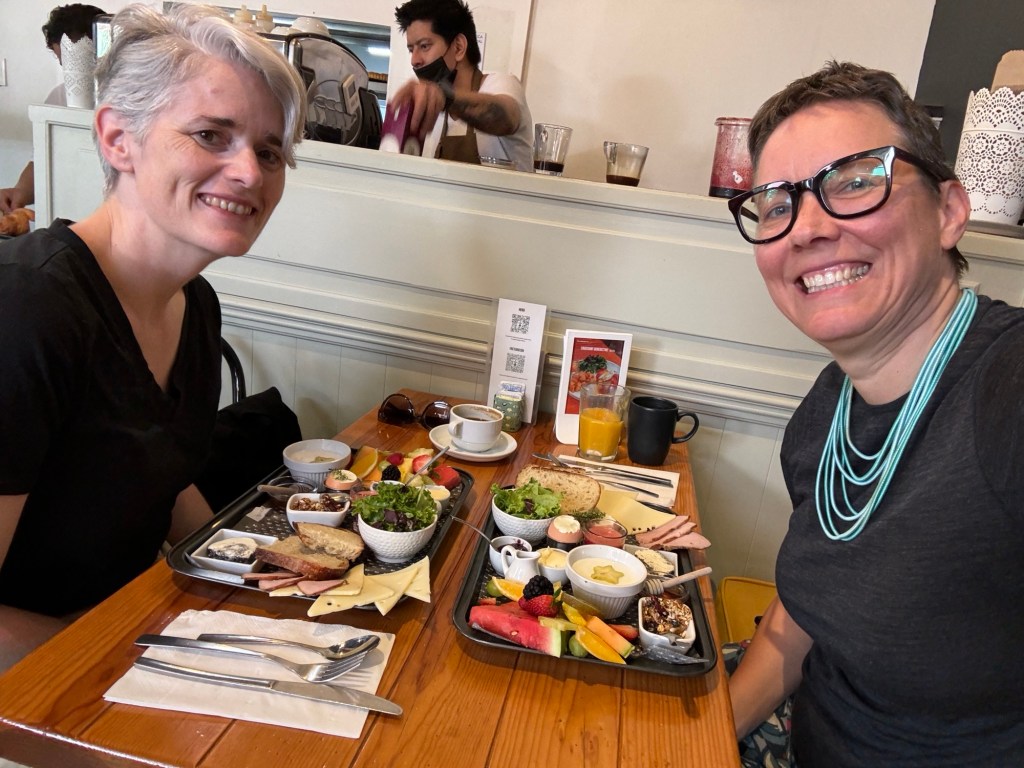
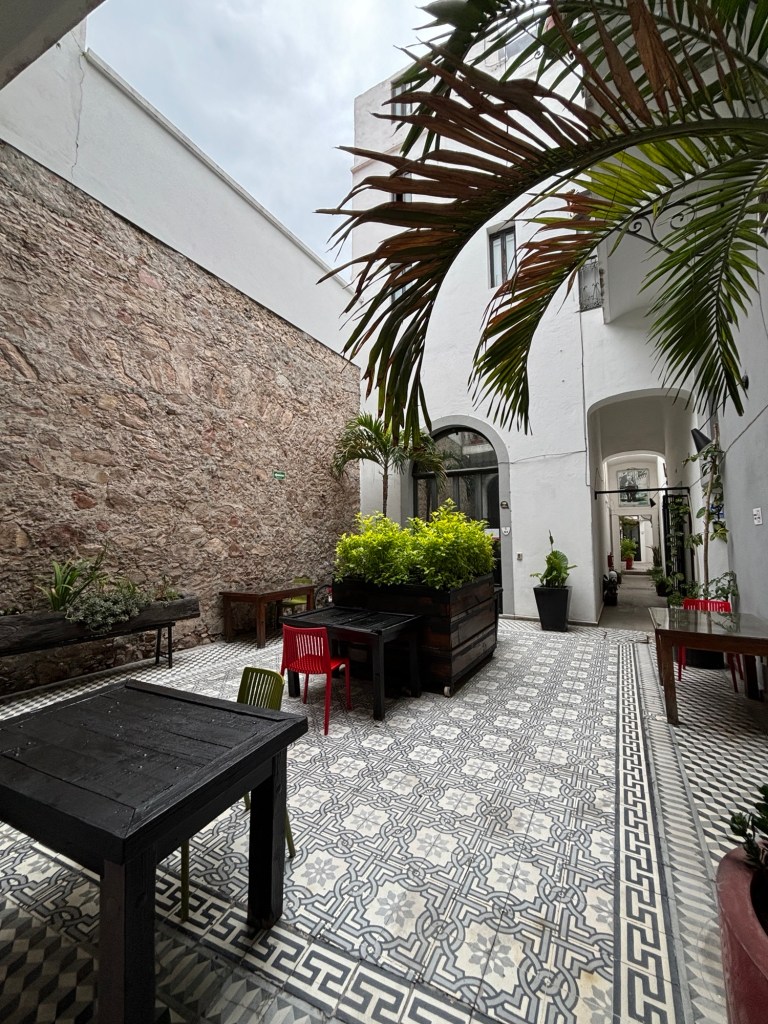
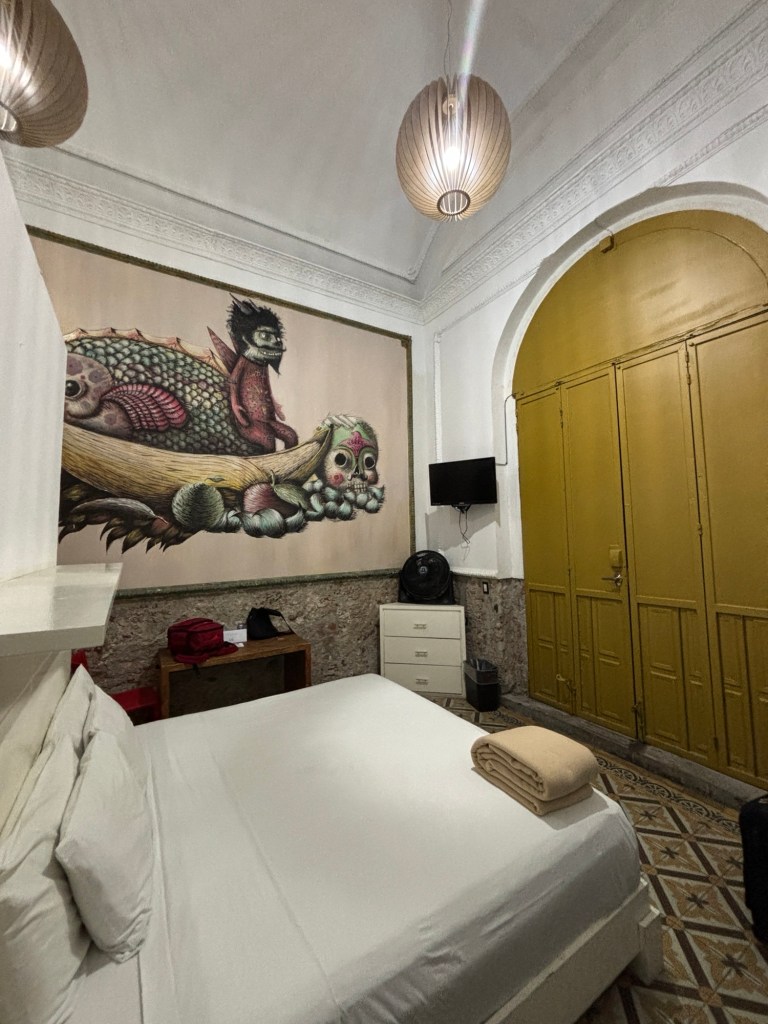
As a side note, I always try to stay central and conserve my budgets when I select hotels regardless of who is paying. This was no exception and I picked a cheap and cheery courtyard hotel in the city’s historic core. It is nestled among the cultural heritage conference venues. Thankfully Emma is the best of sports and appreciated the authenticity as it was, as you’ll recall, cheap and cheery. It is surrounded by nice eateries which we enjoyed.
Thanks a million to everyone who contributed to the organization of this conference — including Luis, Roberto, and ACSA’s Michael, Michelle, Eric, and Danielle — and to the local students, architects, teachers, and residents who came out in force. Their enthusiasm and collective effort made our visit to Querétaro extraordinary special.

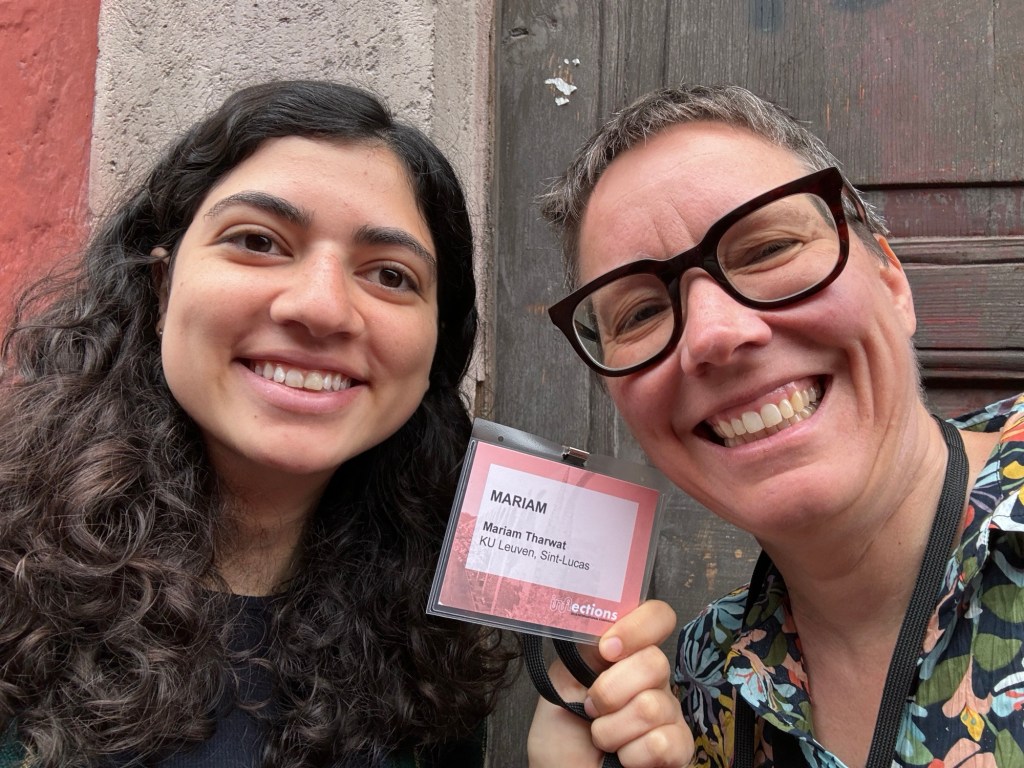
Emma and I look forward to seeing all our new ASCA colleagues — Sharon, Dino, Liz, Luis, Mariam, Diana, Ifioma, Faye, Tania, Jori, Erandi, and many others — at the ACSA International meeting in Brisbane in 2026!
My global network of architects

As mentioned in my last post, the change of pace caused by the pandemic has had some silver linings – I’ve gotten better connected with global communities discussing and influencing architecture and construction and how we teach it. In this post, I’ll discuss architectural highlights of the past few weeks.

Pivot to Online learning with the ACSA

On May 7th, I was part of the online discussion series “Pivot to Online Learning” being hosted by the Association of Collegiate Schools of Architecture (ACSA) across North America. This organization has an odd name, but is a rough equivalent of the Engineers Professors Council in the UK.

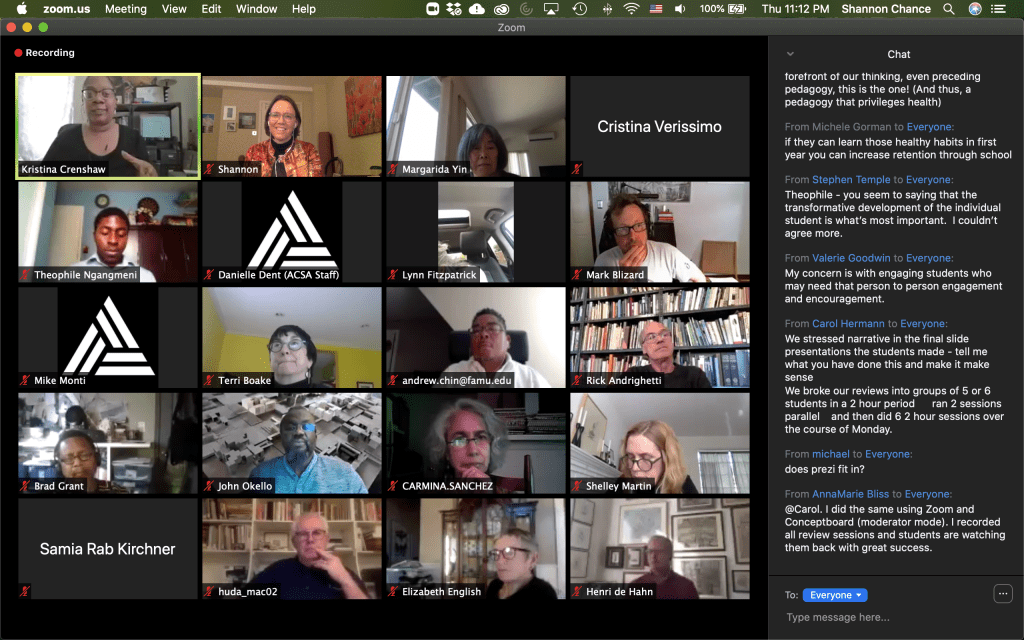
The topic of the night was “New Possibilities for 1st Year Design Studio.” Video of the event is available online and you can also download the chat (by clicking here).

As the evening’s lead facilitator, Brad Grant, explained in the session’s abstract, “1st Year Design Studio is an especially challenging class to shift from the traditional teaching environment to remote and online teaching.  Introducing the design process, skill building and studio culture to beginning students remotely requires us to transform our traditional teaching practices in novel and in a variety of ways. In this session we will discuss and look to the ways used and imagined to make this leap from the physical studio setting to the online setting for the 1st year design curriculum.”

The ASCA session was 90 minutes long and we had 100 participants the entire time — the maximum number the Zoom room would hold! In fact, attendees started logging in and sharing ideas up to half an hour before the official start, and the ACSA organizers were hard pressed to wrap up after 90 minutes.

Participants were really jazzed up about sharing ideas. I was, too, and it was 2 AM Dublin time when we finished! It was truly a dialogue among peers, following very short presentations by:

  • Bradford Grant, Professor, Howard University
  • Kristina Crenshaw, Adjunct Assistant Professor, Howard University
  • Dr. Shannon Chance, Lecturer and Programme Chair, Technological University Dublin
  • Margarida Yin, Lecturer, Cal Poly State University, San Luis Obispo
  • Theophile Ngargmeni, 1st year student, Howard University

This was an amazing experience for me. The 100 participants included so many of my past teachers and teaching colleagues. On the screen above, you can see a few — Brad Grant, Carmina Sanchez, and Ronald Kloster who I taught with at Hampton University. Mark Blizard and Shelly Martin who taught me at Virginia Tech. Andrew Chin, who I’ve been in contact with ever since I chaired the 20th National Conference on the Beginning Design Student at Hampton University in 2004. So many other familiar faces and names were in the audience — Steven Temple, Bob Dunay, Jori Erdman, Norma Blizard….

It was touching to be in a virtual room full of people who have shaped my life. As I told them, one of my biggest passions in life is Second Year Architecture. I don’t get to teach it these days, and I miss it! Those couple hours are forever in my memory. A true honor and privledge.

New topics are being explored weekly via this ACSA forum. You can view plans and schedules on the ACSA web page for the “Pivot to Online Learning” DISCUSSION SESSIONS + VIDEOS.

Architectural Engineering curriculum design

Over the past months, I’ve also been working on a project with University College London, where we’re designing two new engineering programs — one in architectural engineering and a second in electrical engineering. Our curriculum development team is coming together and we’ve started meeting fortnightly (that’s every other week for those of us who speak American English!). I’m currently focused on designing the AE.1.1 “Introduction to Architecture, Environment and Construction” laboratory module. The curriculum is for a new university in Cairo, Egypt.

NAAB service and NCARB studies

Just before the lockdown, I did a little work for the National Architectural Accrediting Board (NAAB), reviewing a university’s proposal to modify its course requirements. Serving the NAAB on visiting teams as well as smaller projects like this keeps me up-to-date with policies and procedures surrounding accreditation of architecture programs in North America and beyond (via substantial equivalency).

The lockdown has provide they type of slowing down I needed to wrap up my periodic Continuing Professional Development as an Architect as well. Although I constantly attend architecture programs and lectures, the Commonwealth of Virginia requires Registered Architects to complete learning units structured and monitored for quality in very specific ways. This isn’t so easy to achieve while living in Europe.

The easy way to earn CDP units is to attend big conference and check in at the sessions. I’d hoped to attend the AIA Europe conferences this year in Porto or Cork, but the pandemic put those plans on hold. Instead, I completed over 16 hours of study using monographs from NCARB (the National Architectural Accrediting Board) and completing online tests.

The NCARB short monographs are good quality, but the tests leave something to be desired — they don’t really assess understanding of critical concepts. Rather they often test on nit-picky wordings using multiple choice designs. But I know well that writing test questions requires skill — skill I’ve learned slowly and deliberately over time. In writing assessment instruments now, I seek to help students lock their new understandings into place as they reflect upon, write about, or calculate answers. A test, if well composed, becomes a mechanism for more robust learning.

By the end of this testing experience, I was frustrated enough that I emailed NCARB my concerns — they agreed with my assessment and fixed both problems I’d flagged. They even asked me to let them know about issued I’d found in other tests I’d taken. So now, I need to dig through my notes and send them info to help fix a couple other items.

Fulbright birthday call

In the days just after I’d completed architectural license, I attended my first AIA (American Institute of Architects) convention in LA alongside Tarrah Beebe who provided me a place to stay. I’d met Tarrah at an accreditation visit to USC, the University of Southern California. She was representing the student voice as a student leader. I told her about the Fulbright-Hays programm I was planning — bringing 25 architecture students from the USA to Tanzania to study for five weeks. She was enthusiastic, and asked her new employer for a delayed start date.

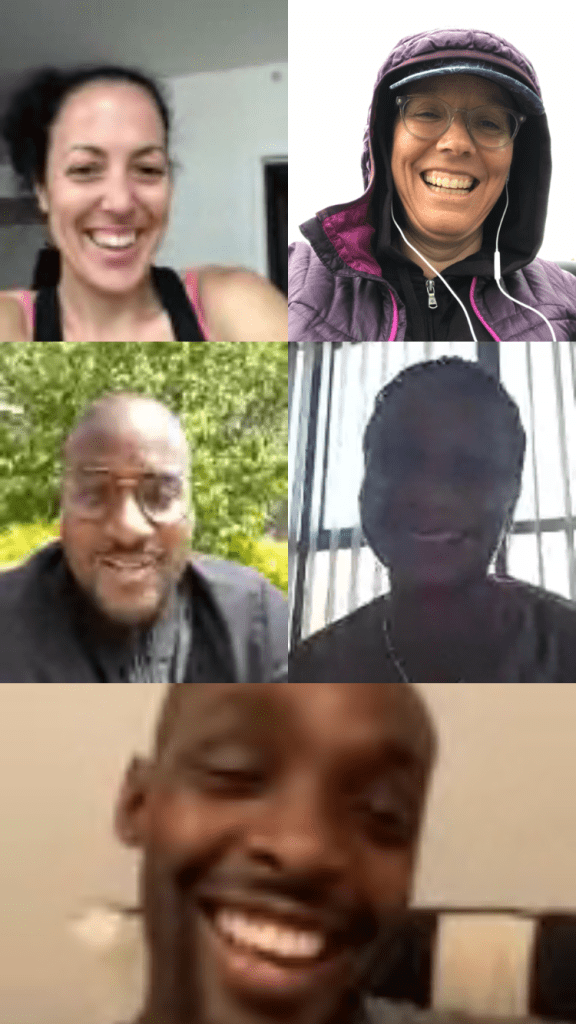
Tarrah had a birthday this past Sunday, and she invited five of us from that trip to an online birthday party. Zoom was down, but Facebook Messenger did the trick! As we are a global group of architects, Tarrah had to dial in at 7AM Pacific time. It was 3 PM Dublin time, so I tuned in from Sandymount after cycling to the far edge of my 5km radius, the extent to which we’re allowed from home for exercise. It was overcast and a bit cool outside, but I needed some sun and weekends afford the time!

Round-the-world Birthday Celebration with: Tarrah in LA; Shannon in Dublin, Ireland; Donald in Brooklyn, NY; Violet in Dar es Salaam, Tanzania; and Thomas in Bangkok, Thailand.

Why so early a call for Tarrah? You see, our colleague Thomas A. Allen, AIA, MSRE, LEED AP is currently over in Bangkok, Thailand. He’d earned a travel Fellowship from the University of California and has been able to set himself up working as an architect from a laptop. Today he’s able to serve his existing clients from anywhere in the world, and his client base is growing. He doesn’t expect to go home anytime soon. In fact, he’s waiting for the borders of Australia to re-open; in the meantime he may well visit Singapore or Malaysia.

The lovely and talented architect Violet Mafuwe tuned in from Dar es Salaam. Violet recently made a week-long series of posts on @beyondthebuilt on Instagram. She is the Creative Designs Director at Space Consult Architects in Tanzania.

A photo of Violet with students, showing them her project for a bank. She works daily on site 3D (interior and outside). The project will be completed late this year (2020).

Several of the birthday participants have been featured on Instagram’s @beyondthebuilt, including Tarrah and Thomas. In one of her posts, Tarrah wrote:

The experience that I am most grateful for was a 5 week long Fulbright-Hayes trip to Dar Es Salaam. I was asked to apply in my last semester of grad school by @shanchan7 and I said no, that I had just accepted my job at @kfalosangeles. I couldn’t even locate Tz on a map. Then a little voice told me I needed to do this.
Along with architecture students mainly from Kansas State and Hampton University, I got on that plane, knowing no one with no idea what to expect.
Our project was to work with Tanzanian architecture students at Ardhi University to come up with a vision of the informal settlement of Keko Magurumbasi. This settlement was slated for demolition and redevelopment. We were trying to help the residents show the government that it was a better option to provide infrastructure to what was already there rather than rebuild from scratch.
Besides the incredible experience of working with students from Tanzania, the collaboration among American students was a complex and powerful experience as well. There were such valuable lessons in urban design but also race, tolerance, diversity, and above all, listening.
I am still friends with many people from this trip, American and Tanzanian. One of my Tanzanian friends @vaimafuwe even came to the US to visit me! I have been back to Tanzania a few times since then, which I will get into in my second Tz post. Every time I get off the plane, I feel a little bit of home.
So I can say, hands down, this trip changed my life.

Tarrah posted many photos, including the flier I’d made to publicize the trip:

Image may contain: 1 person, text and outdoor

Another smiling face on our call, Donald Roman, is Project Manager at LIGHTING WORKSHOP INC. in Brooklyn, NY. Donald and his wife, Fabiola, were featured in the New York Times for their design flair. Donald was my student at Hampton University and addition to traveling to Tanzania on this program, we spent a lot of time together during his five years at Hampton University. These days Donald specializes in lighting design and business is booming, despite the pandemic.

Though not in the snapshot above, our friend Kelly Thacker also joined the birthday call for a few minutes, dialing in from a car in Detroit, with the help of her sister who she was driving to the airport. Kelly is Associate Director Housing Operations at Wayne State University; she wasn’t studying architecture when we travelled to Tanzania but was learning to support students via university programs. In 2005, Kelly was working on her MSc in Counseling and Student Development, and she completed a PhD in the subject in 2012.

It was a great experience for us all — the trip and the birthday call — and we hope for a repeat soon!

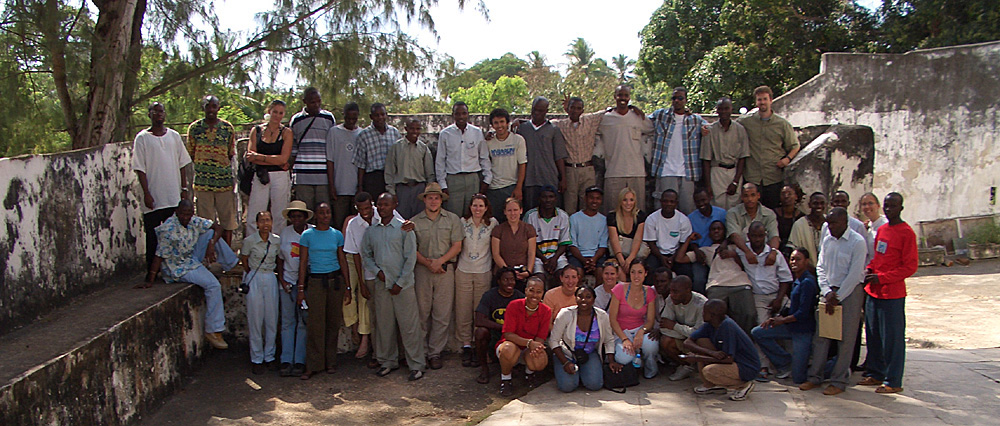
Photo of the US and Tanzanian students and teachers together in 2005, visiting Bagamoyo. Kelly and Tarrah are center front. I’m second from the right. Donald is top row, third from the right, and Thomas it the top row, second from the left. Our photo is missing Violet, though she was with us that day.