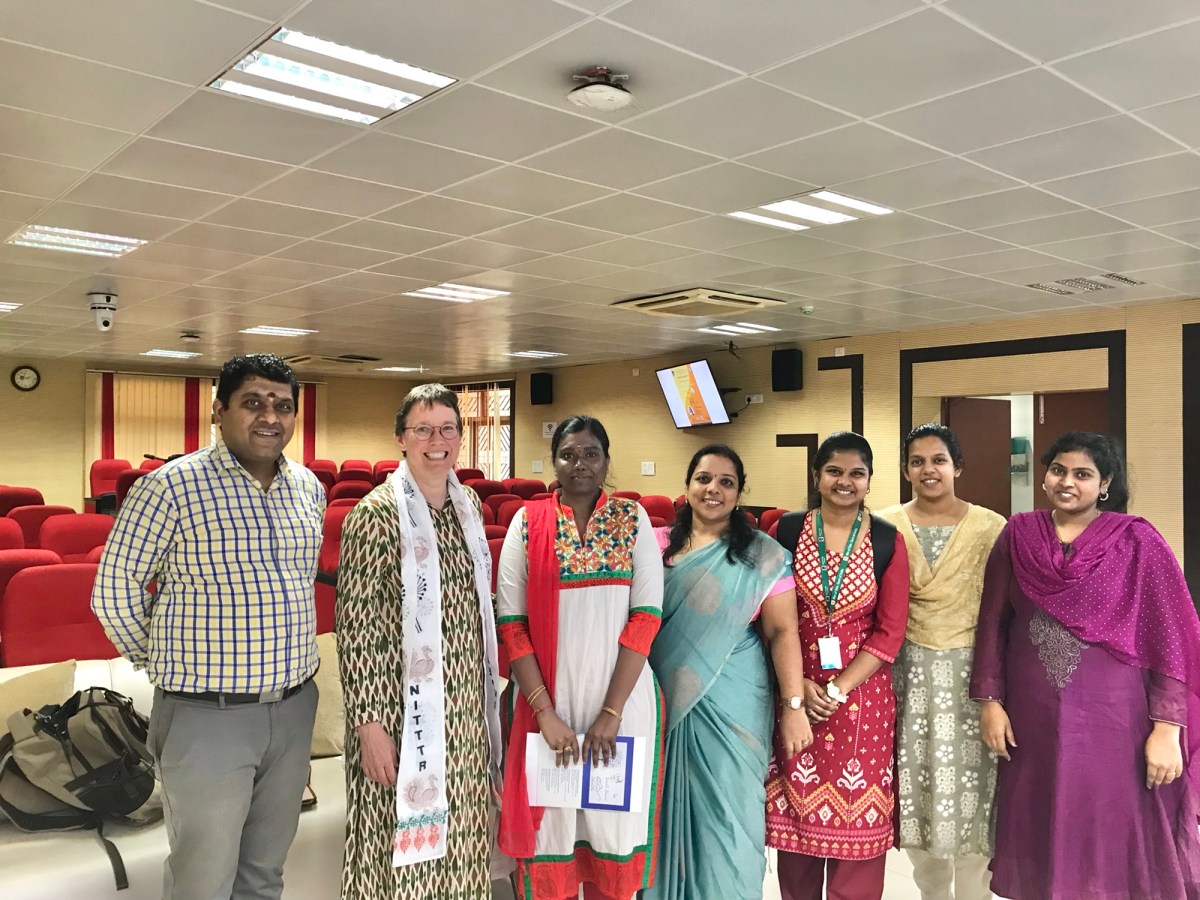
The National Institute of Technical Teachers Training and Research (NITTTR) in Chennai, India has been working to enhance the delivery of technical education in India for 60 years. NITTTR is hosting a year’s worth of “Diamond Jubilee” events, and I was the opening keynote speaker for the Jubilee!
I had the pleasure of meeting NITTTR staff in Blacksburg, Virginia (USA) last summer at the ethics symposium coordinated by Virginia Tech professors Diana Bairaktarova and Tom Staley. In Blacksburg, Renukadevi (Renuka) Selvara and Janardhanan (Jay) Gangathulasi invited me over to Chennai when they heard I planned to attend the 2024 Research in Engineering Education Symposium (REES 2024) in Hubballi, Karnataka, India in January 2024.
Renuka is a Professor of (Engineering) Education and the Head of NITTR’s Centre for Academic Studies and Research. Jay is Professor of Civil and Environmental Engineering and is also a leader of the Centre.

I was truly honored to be invited as the keynote for the launch (on January 8, 2024) of the year-long Jubilee celebration to speak about the work I’m doing with engineering ethics education. The audience comprised future teachers of technical subjects (NITTR students) and their teachers (NITTR staff).

This day-long Jubilee-opening event started with short introductions by Renuka, Jay, Ursa the Director, and me. Then, right before my talk, Dr. K. N. Shoba delivered an exceptionally nice introduction about me — she studied my curriculum vita in great depth and showed she understood it extremely well. I felt so honored by her effort.
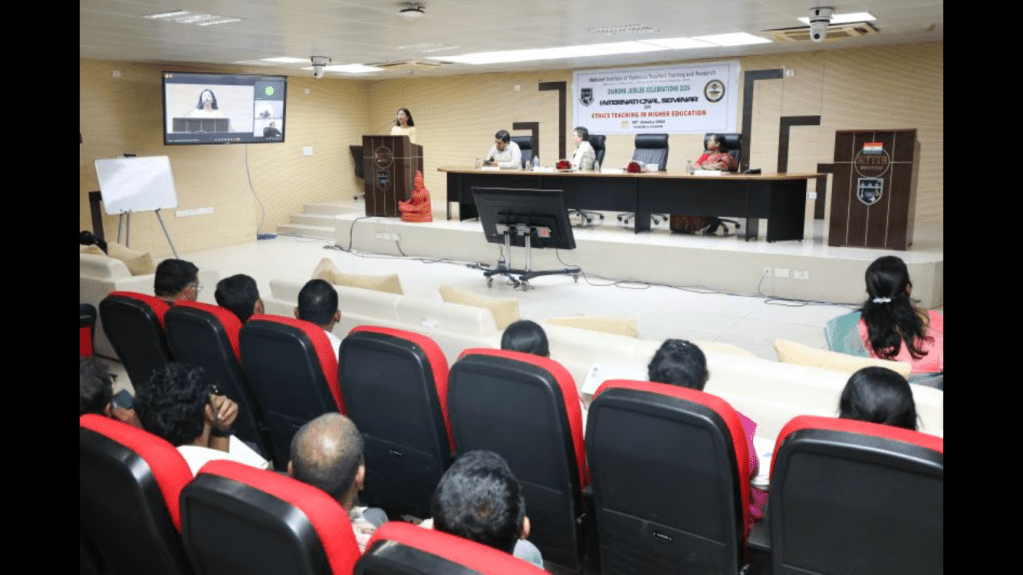
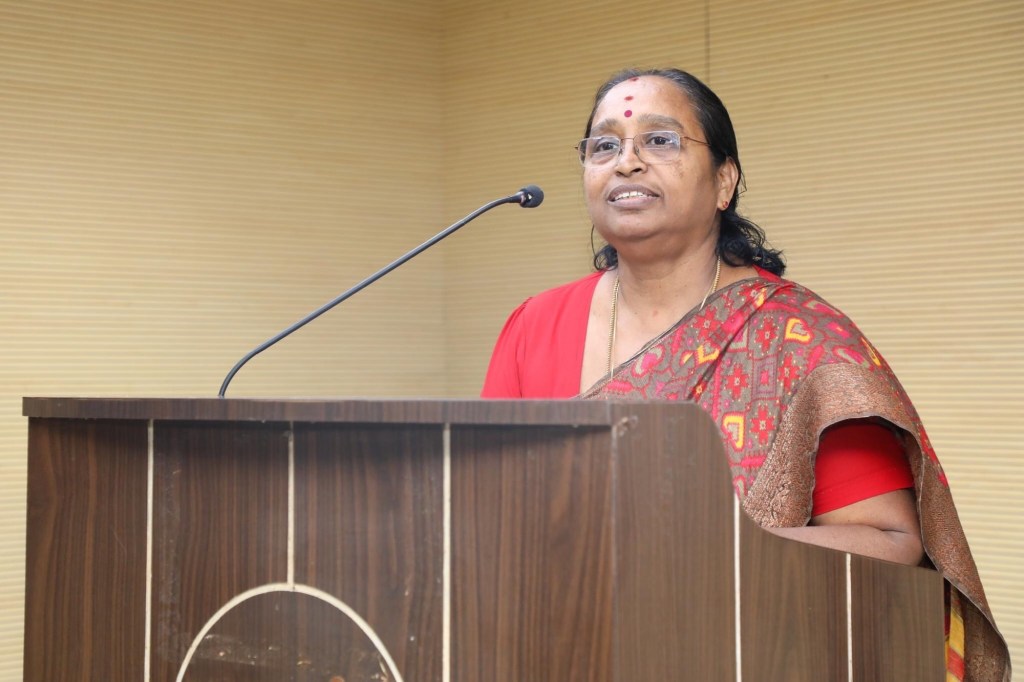

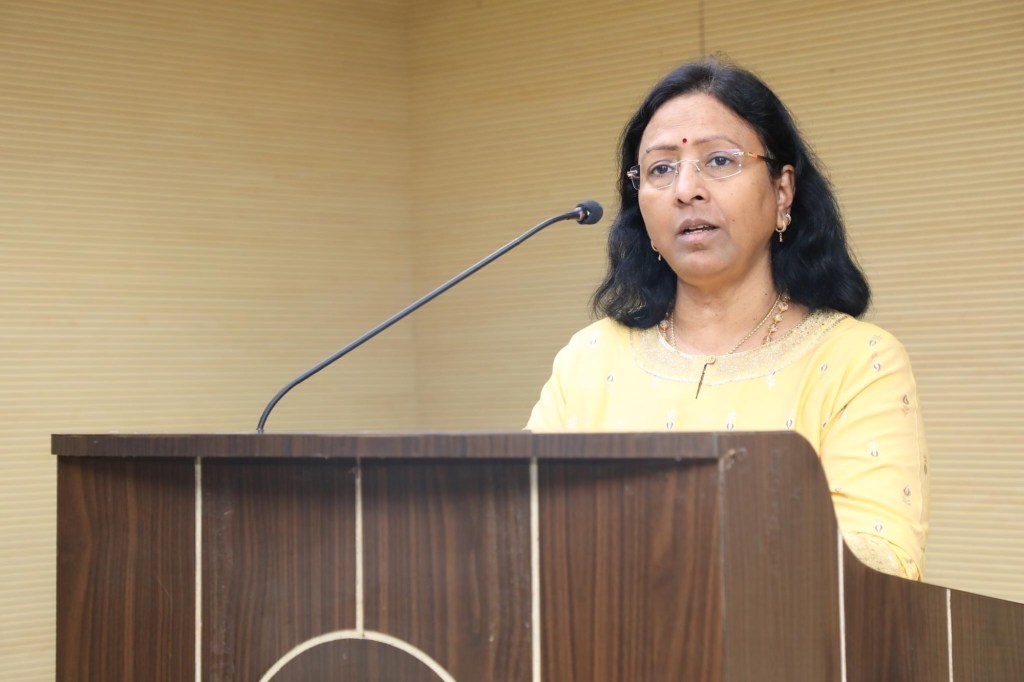
My keynote presentation integrated some active learning techniques (evidently new to the NITTR audience) to explore “Ethics Teaching in Higher Education.”
After discussing the definition of ethics and showing slides about how I have taught ethics (including environmental and social aspects) to students of architecture, engineering, and education, the audience and I did some group activities.
Participants discussed what do ethics in engineering look like to them, and how they define ethics.


Next, I introduced the topic of education research and identified specific resources for educators who want to teach students about ethics. I briefly described my own shift into engineering ethics education research. For instance, I showed them the special focus issues of journals that I have spearheaded related to ethics, and then summarized findings of my study on Ethics & Responsibility in Civil Engineering, published in AJEE.
Then I showed slides to illustrate how I am integrating ethics into the Architectural Engineering curriculum I’ve been designing for NewGiza University (NGU) in Egypt. I described curricular innovations (e.g., challenges and scenarios) that we’re drawing from University College London’s Integrated Engineering Programme (IEP) into the design of the NGU course.

Lastly, the audience and I delved into the forthcoming “International Handbook of Engineering Ethics Education” that I am editing alongside Tom Børsen (Aalborg University), Diana Martin (UCL), Roland Tormey (EPFL), Thomas Lennerfors (Uppsala University) and Gunter Bombaerts (TU Eindhoven).
I distributed guides to the various Teaching Methods that will be covered in our handbook. There are individual chapters to help teachers who want to use these methods:
Chapter 19) Literature review of teaching methods
Chapter 20) Case studies and dilemmas
Chapter 21) Project-Based Learning (PBL)
Chapter 22) Value Sensitive Design (VSD) & Design-Based Learning (DBL)
Chapter 23) Service-learning & humanitarian
Chapter 24) Arts-based methods
Chapter 25) Reflective & dialogue-centered approaches
Chapter 26) Moral development via Challenge-Based Learning (CBL)
The audience, particularly the students, were enthusiastic and seemed genuinely interested in learning more about these teaching methods.
The forthcoming International Handbook of Engineering Ethics Education is slated for release by Routledge publishing house in late 2024. It will be available free of charge in digital format and for purchase in print versions. The handbook is geared toward teachers, researchers, and educational managers — and I hope you’ll read it as well!
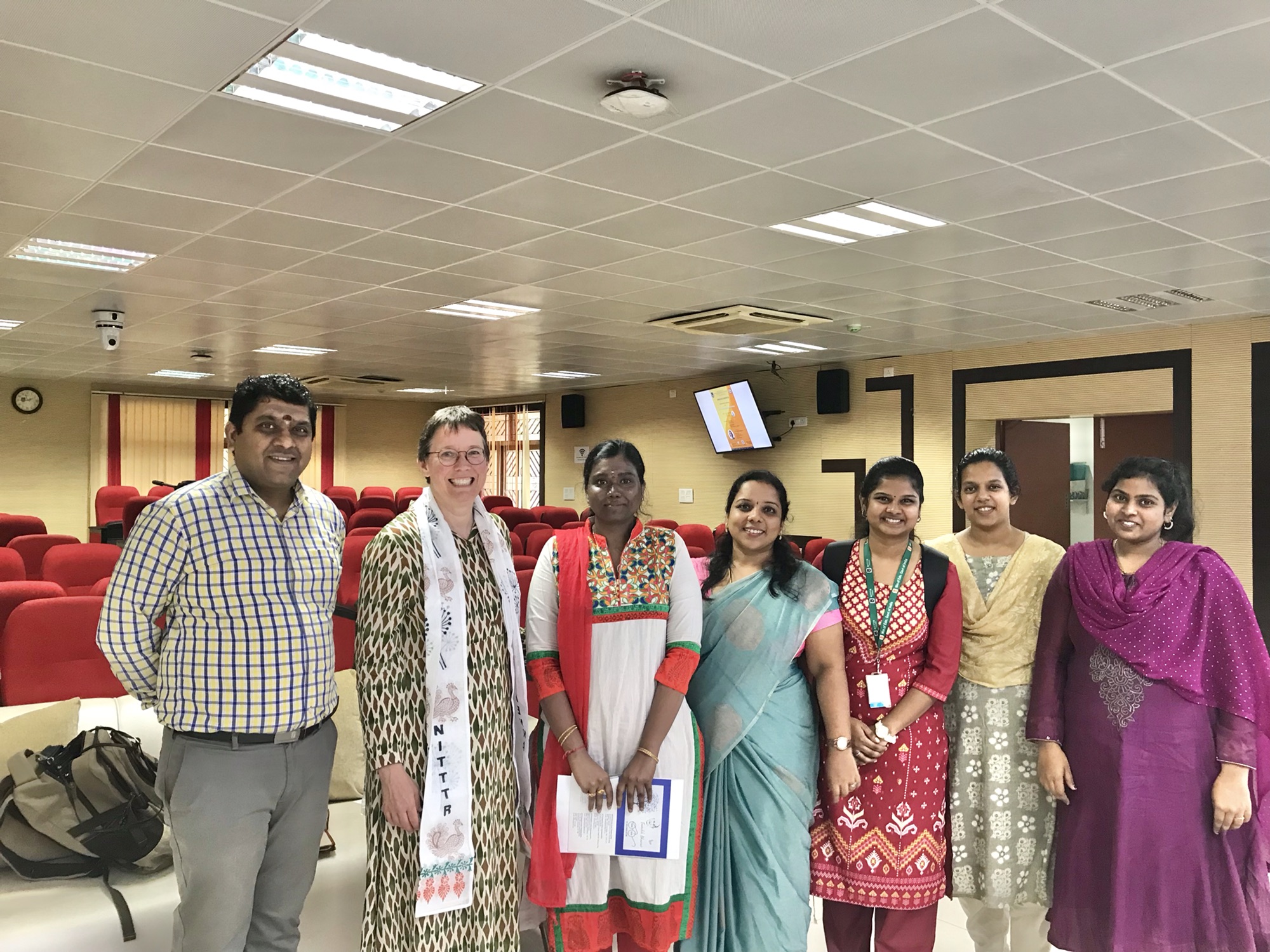
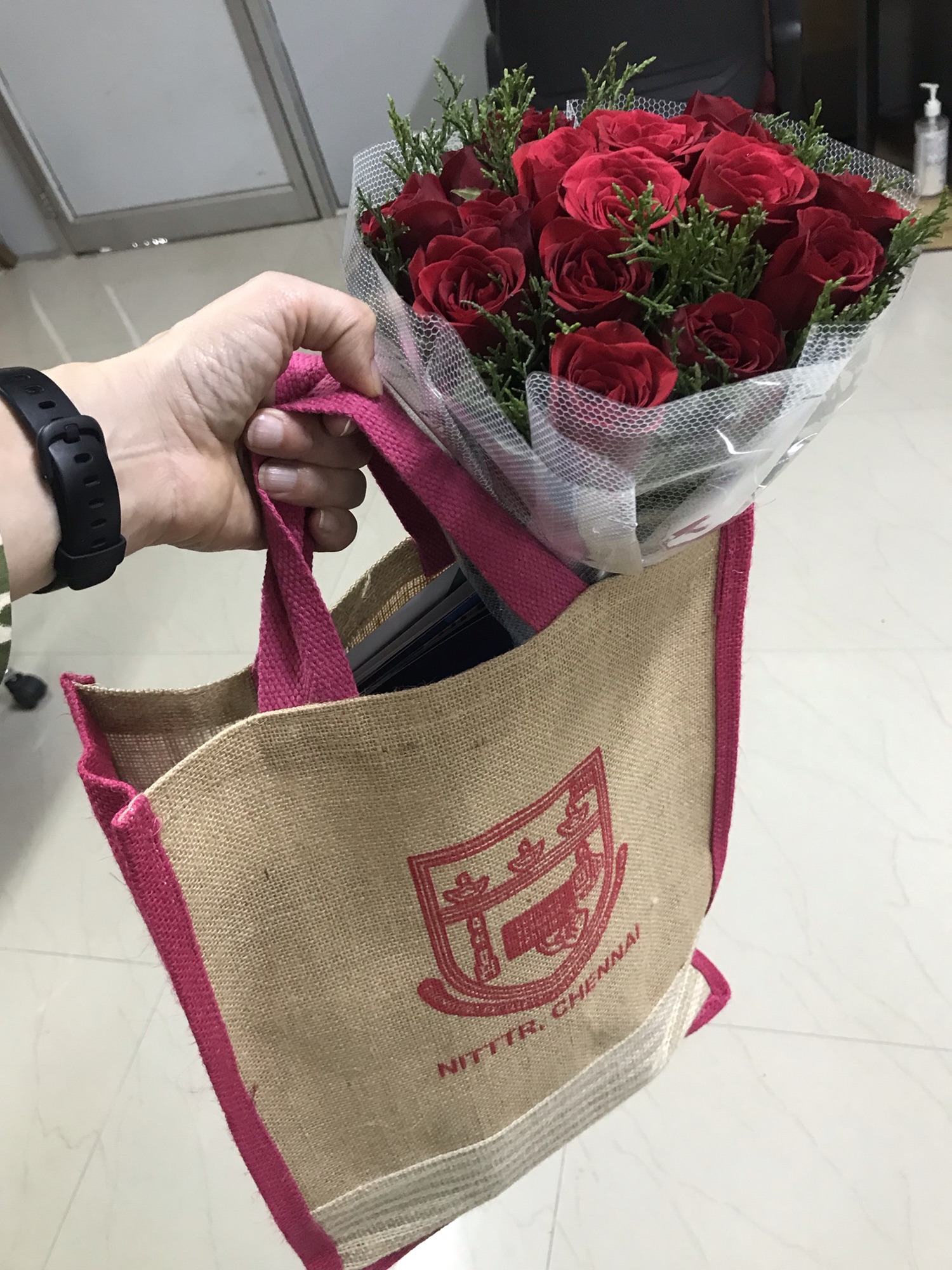
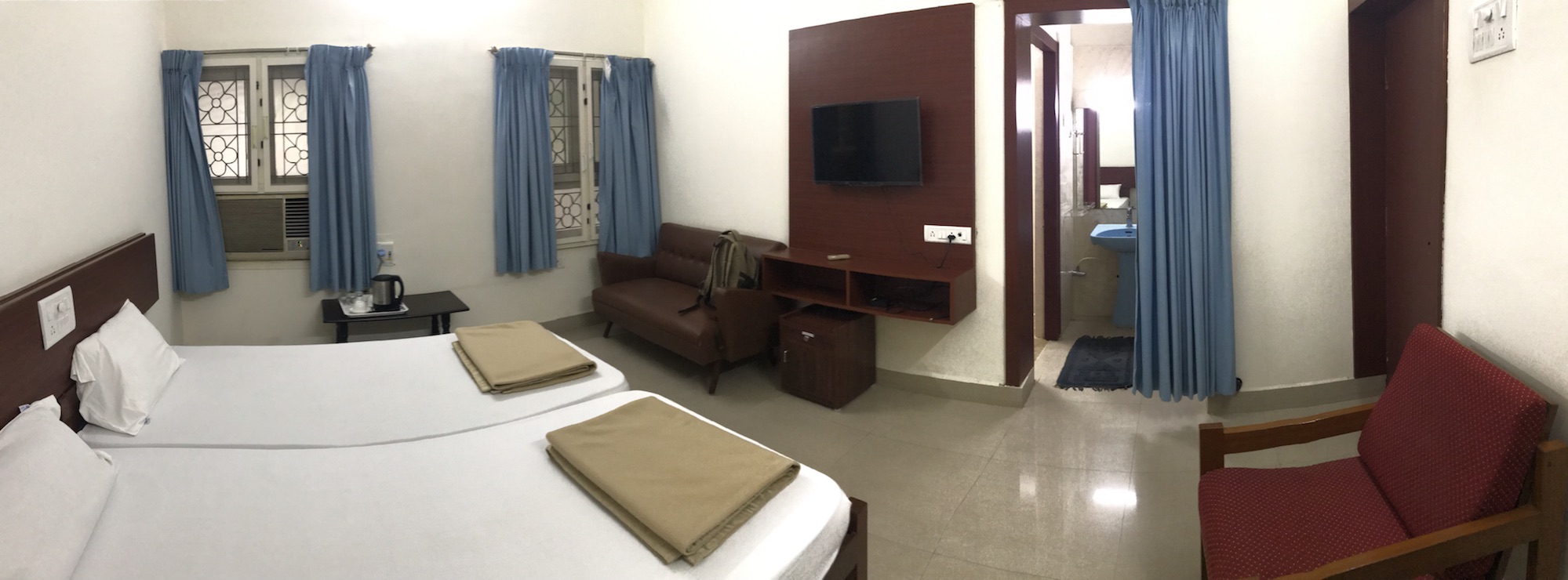
I thoroughly enjoyed my day at NITTTR, including the conversation over lunch with Renuka and Jay. I was honored to meet Prof. Dr. Ursa and the students and teachers of NITTTR. I thank them all for their delightful hospitality and also thank Vellore Institute of Technology (VIT) and Dr. Nithya Venkatesan and Dr. Shanmuga Sundaram for helping make this visit to NITTTR possible. VIT funded many of the costs of my travel, provided me meals, accommodation, transportation, warm collegiality, and logistical support to help make my visit to both NITTTR and VIT possible.
I enjoyed connecting with NITTTR staff and students and I look forward to future opportunities to learn together!
 Ireland by Chance
Wonderful!
LikeLike
❤️
LikeLike
It’s inspiring to hear about the global connections and collaborations fostered by educational initiatives. The exchange between NITTTR staff and professionals in Blacksburg, Virginia, demonstrates the power of networking and knowledge-sharing across borders. As we look towards events like the REES 2024 Symposium in Hubballi, Karnataka, it’s evident that such gatherings serve as catalysts for innovation and progress in education. In the local context of Schools in Jalahalli, nurturing similar partnerships can enhance educational practices and contribute to the holistic development of students.
LikeLike