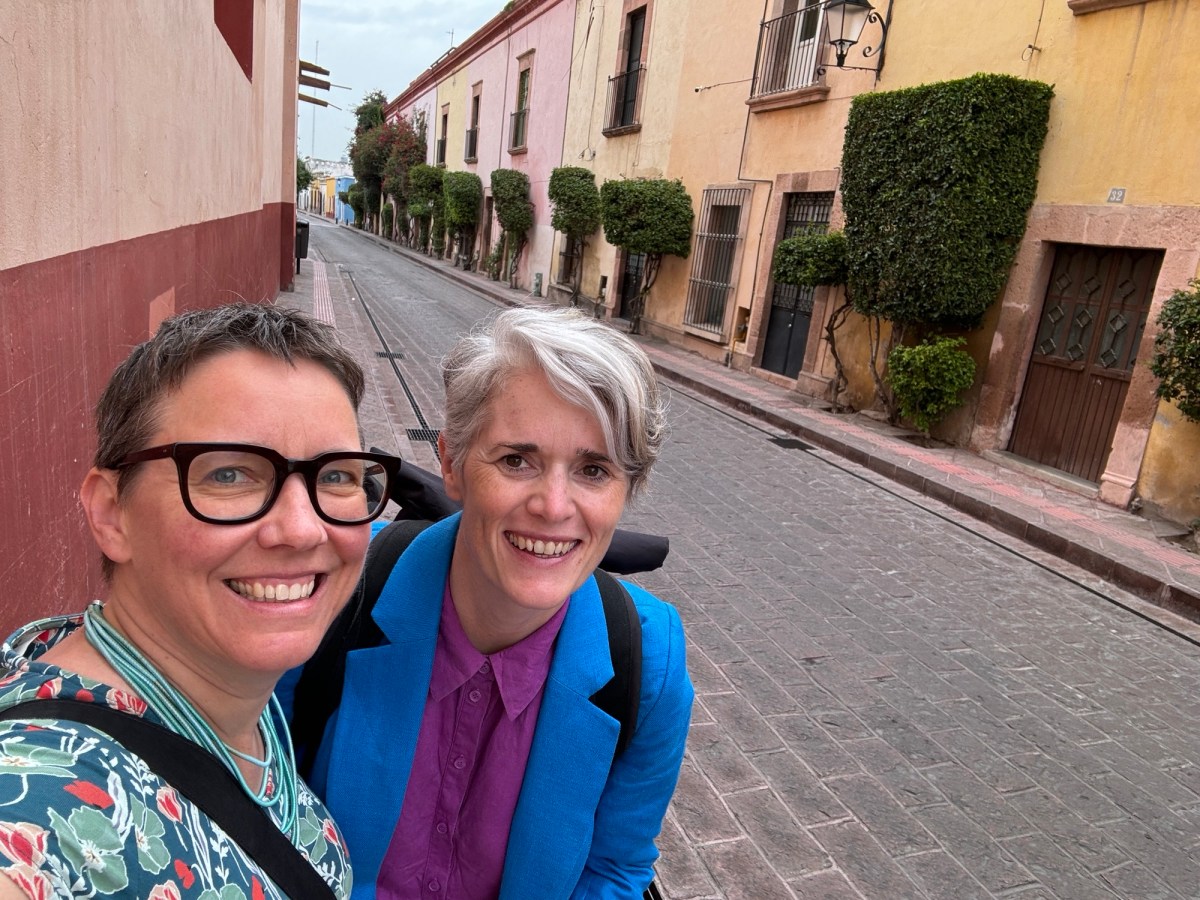
I spent last week exploring architectural topics and sites in Mexico, alongside my TU Dublin colleague and Head of Architecture, Emma Geoghegan.

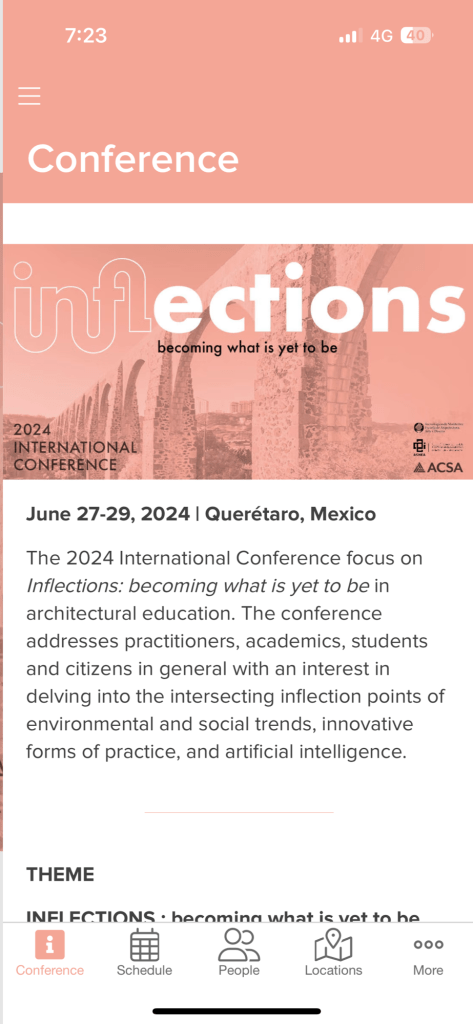
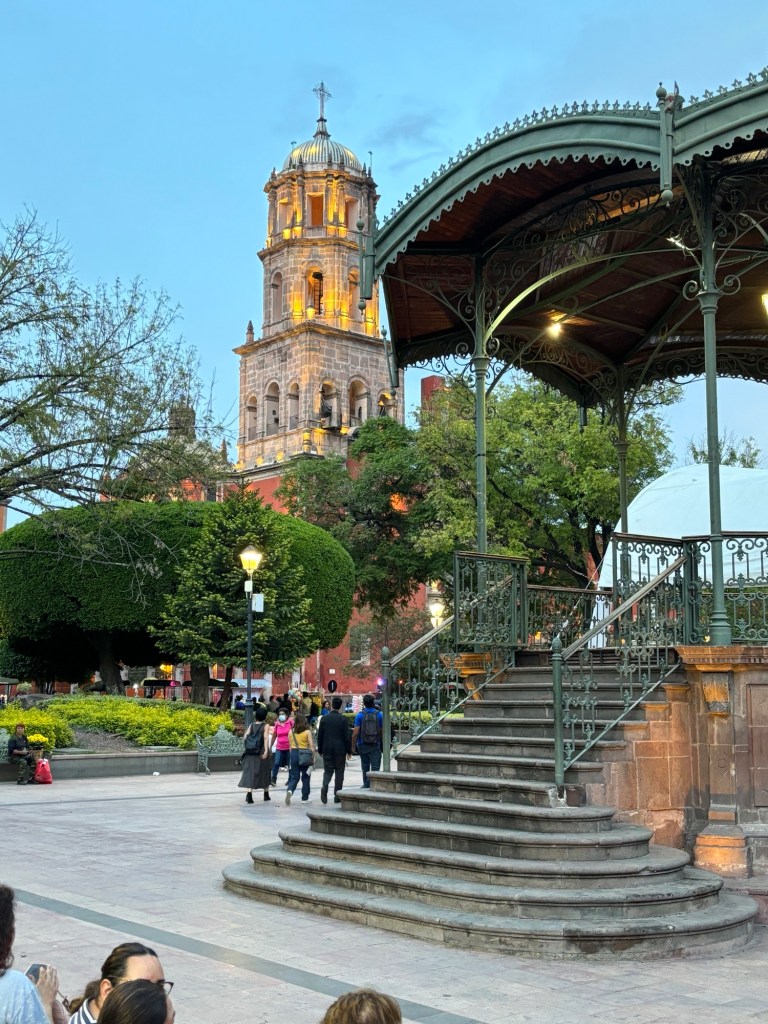
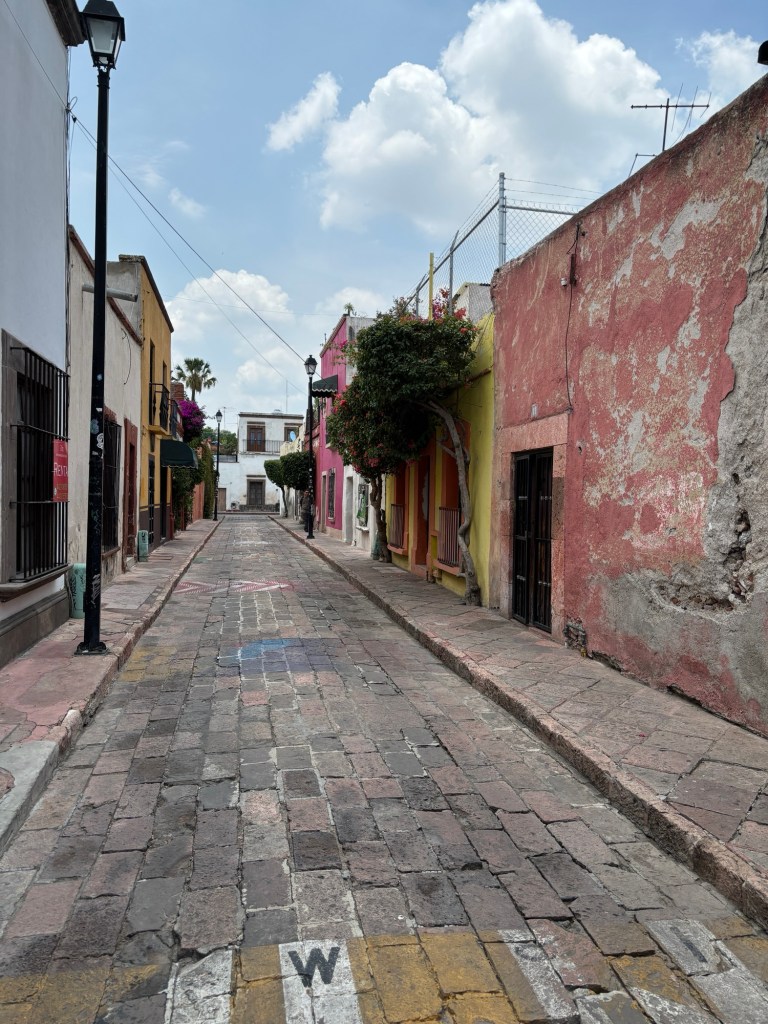
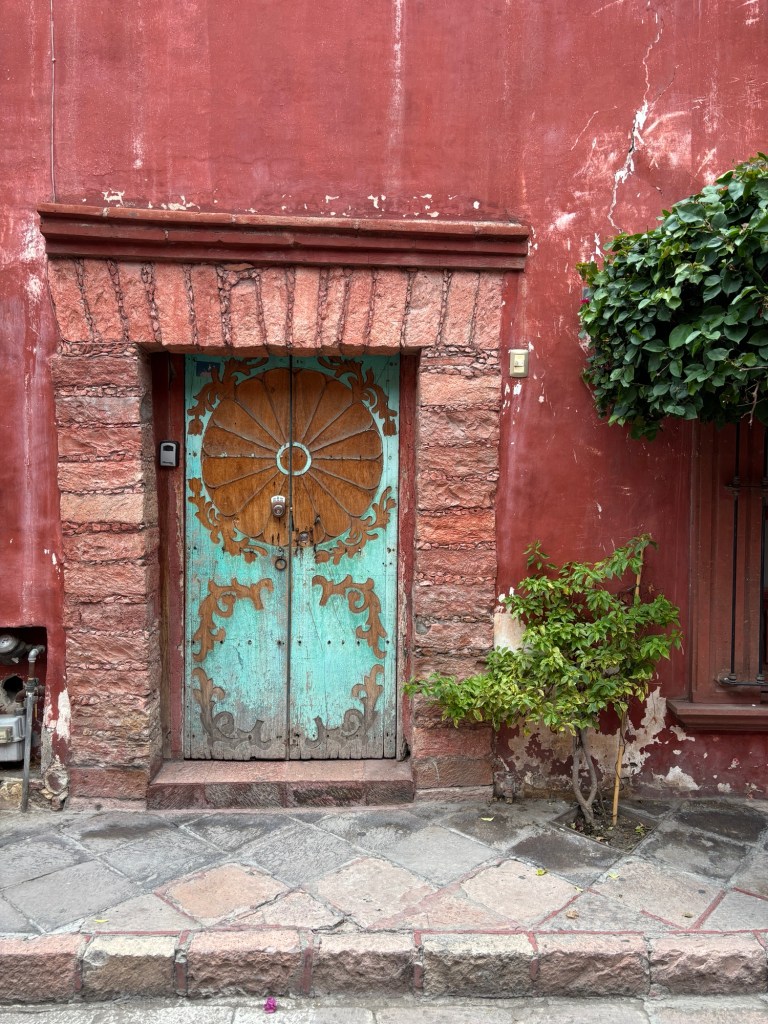
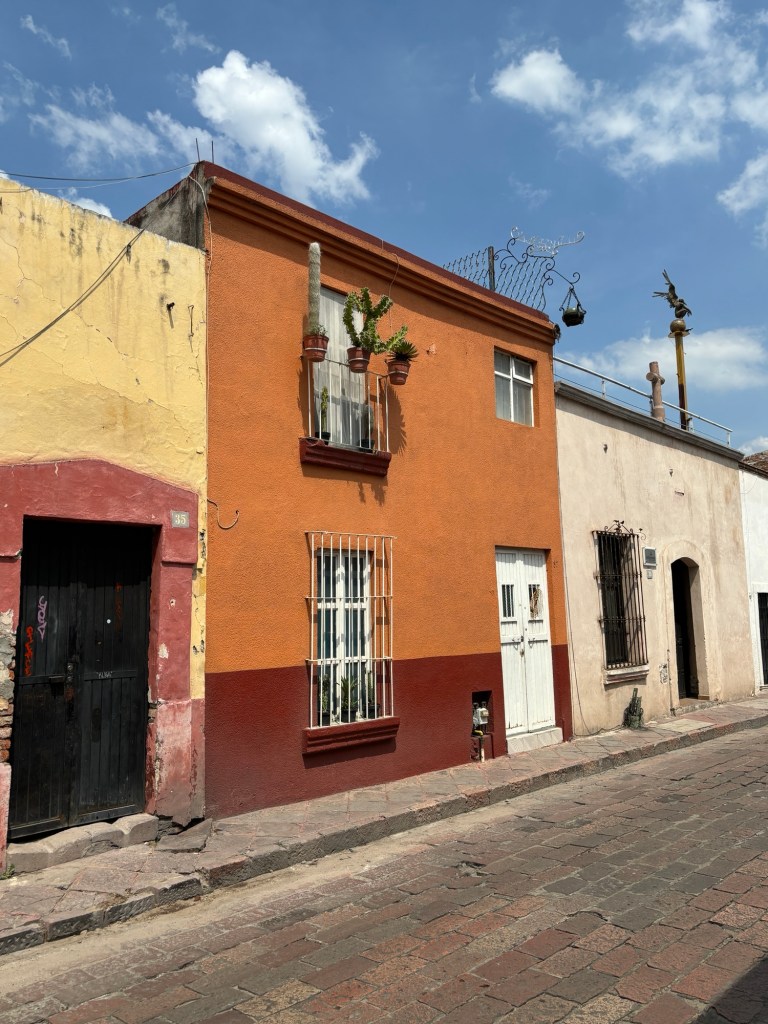
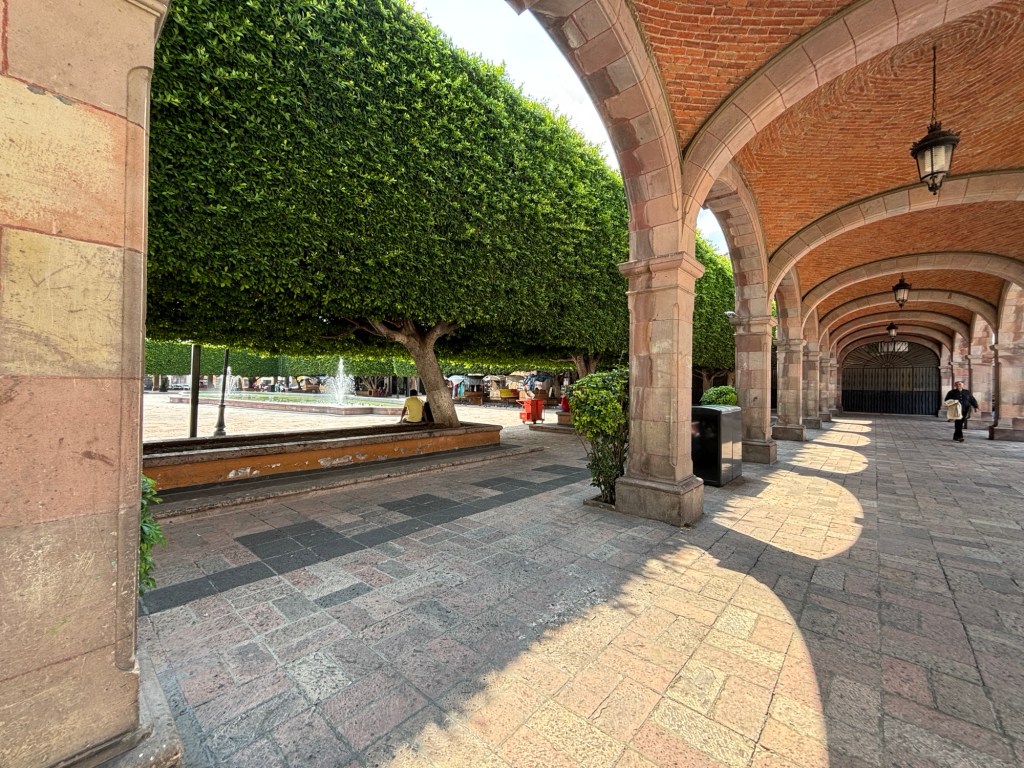
Emma and I met up in Mexico, to attend a three-day conference in Querétaro, a UNECSO world heritage city and one with a population similar in size to our home base of Dublin, Ireland.
The conference was hosted by the Technológico de Monterrey and the US-based Association of Collegiate Schools of Architecture (ACSA). I was a member of ACSA from 1999-2014, when I taught architecture in the States. I have represented ACSA with the National Architectural Accrediting Board (NAAB) and am still invited to serve annually, though the trip to the USA is prohibitively long.
Yet, this summer, I wanted to attend the organization’s conference to reconnect with ACSA, brush up on my architectural vocabulary and earn continuing education credits to support my Virginia-based architecture license, extend my professional network into Latin America, and learn more about the homeland of my PhD student, Sandra Cruz.
I asked Emma to join me for the trip, and she submit a paper to ACSA that was successful and, subsequently, very well received! Based on her submission, she was also invited to serve on an international panel of architectural education leaders (administrators and deans). She presented her ideas to the entire assembly of this ACSA International conference!
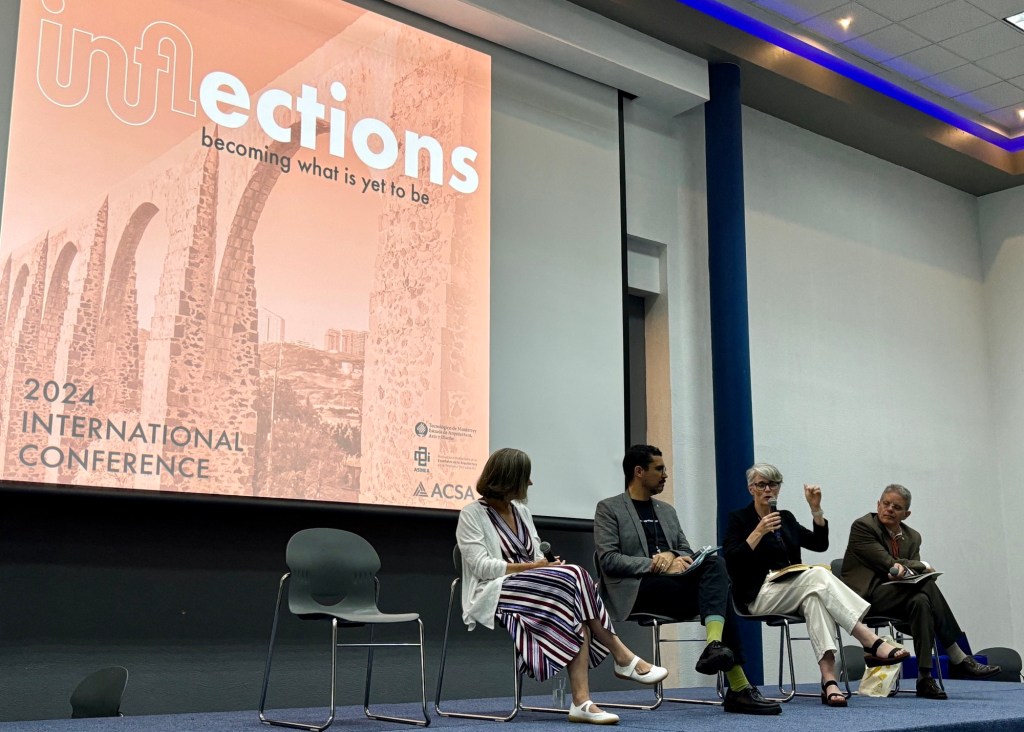
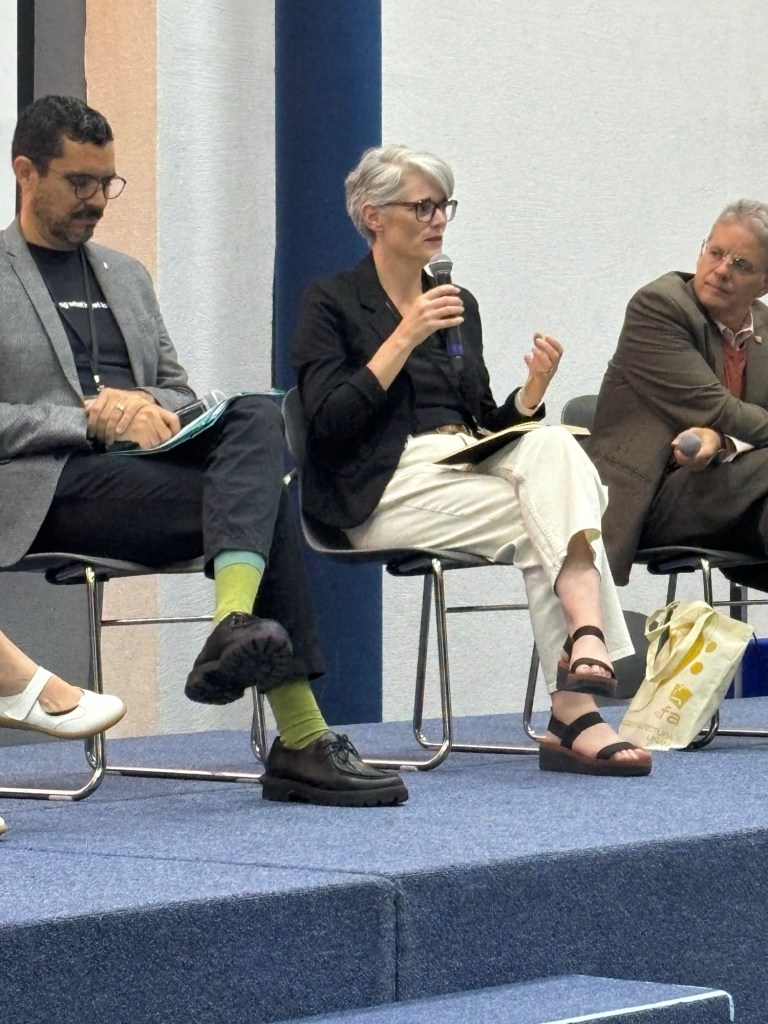
Emma’s work and her engaging delivery were a hit in both sessions. Her paper presentation garnered a packed, standing-room only, no-more-space-to-enter-the-room crowd. This was likely due to the popularity of both her engaging panel discussion and her paper topic (educational transformation for resilience and long-term sustainability, with a focus on housing and environment).
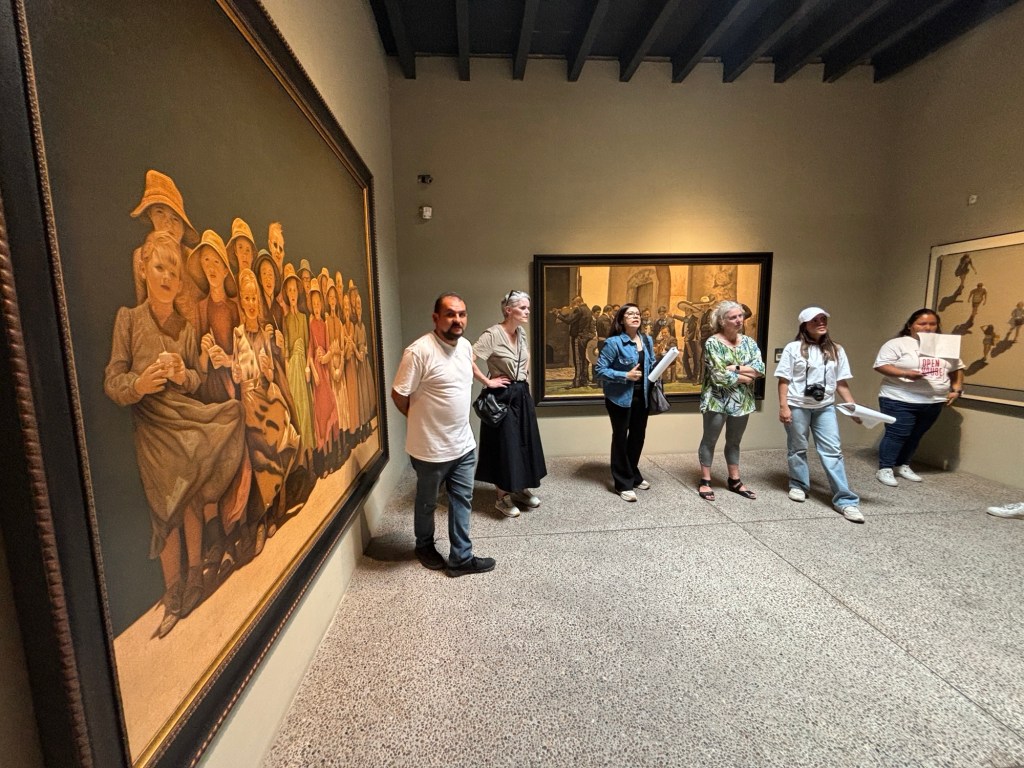
But before all the sessions got rolling, on Thursday morning, Emma and I started our conference experience with an Open House tour. Architects and developers from Querétaro taught us about the architectural and urban design history of the city and brought us to visit several contemporary architectural projects. We got to tour a mixed-use housing project, an environmentally sensitive adaptive reuse project, and a courtyard house turned into an art museum that was chock full of artistic treasures that combine painterly style with contemporary themes!
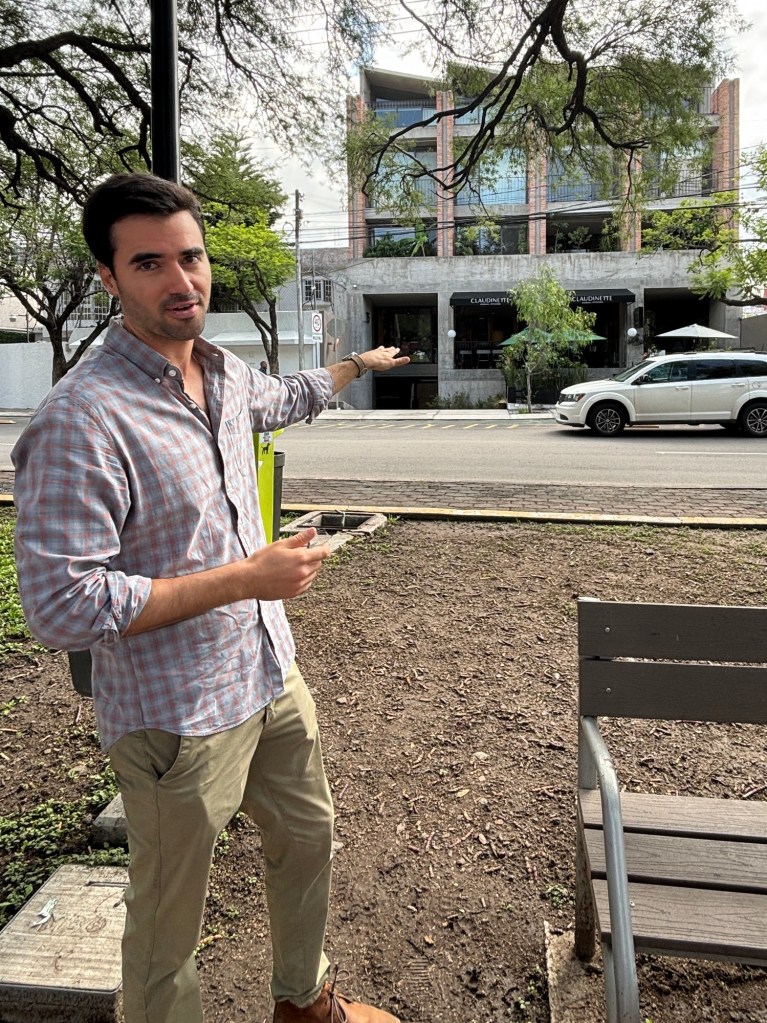
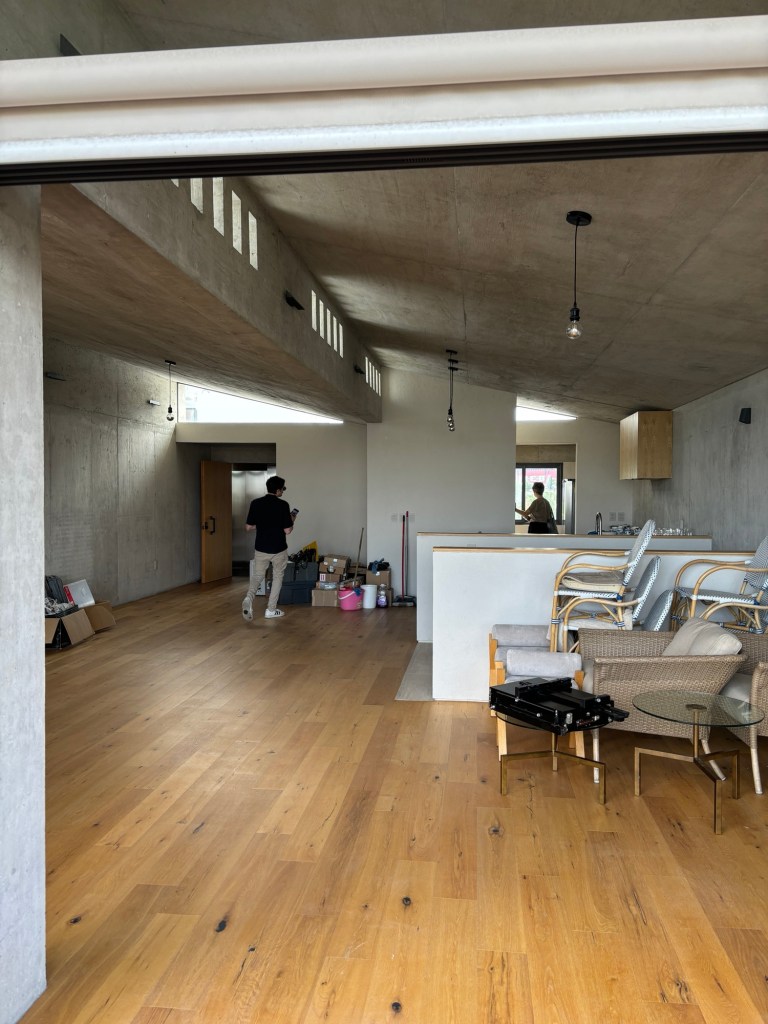

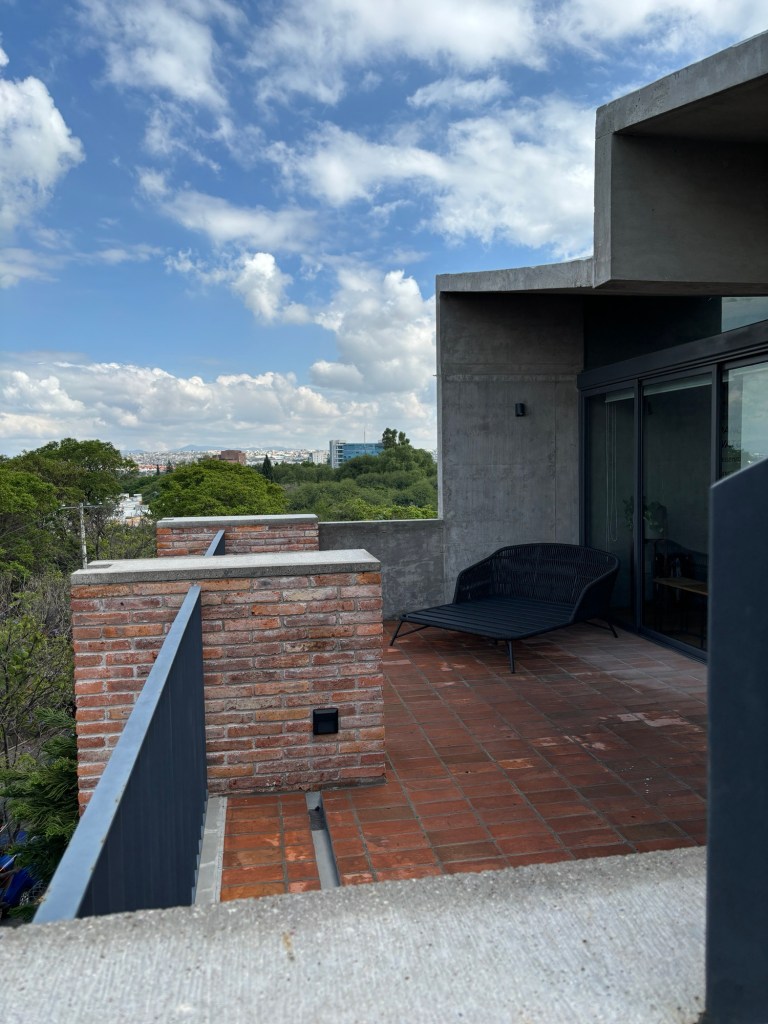
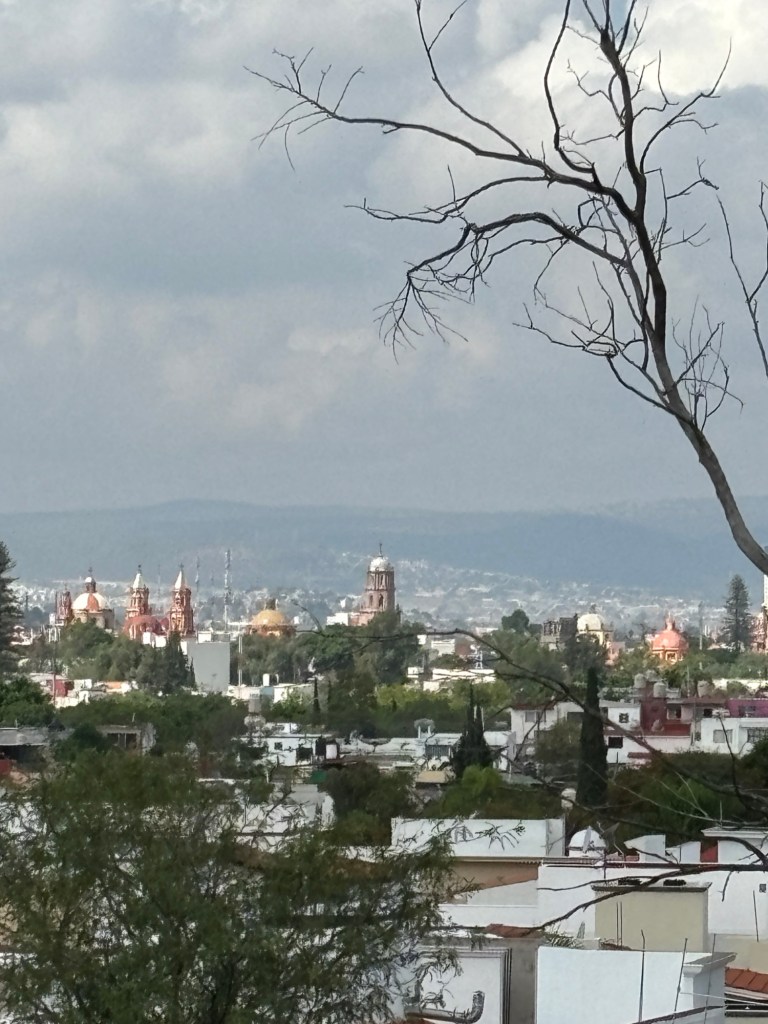
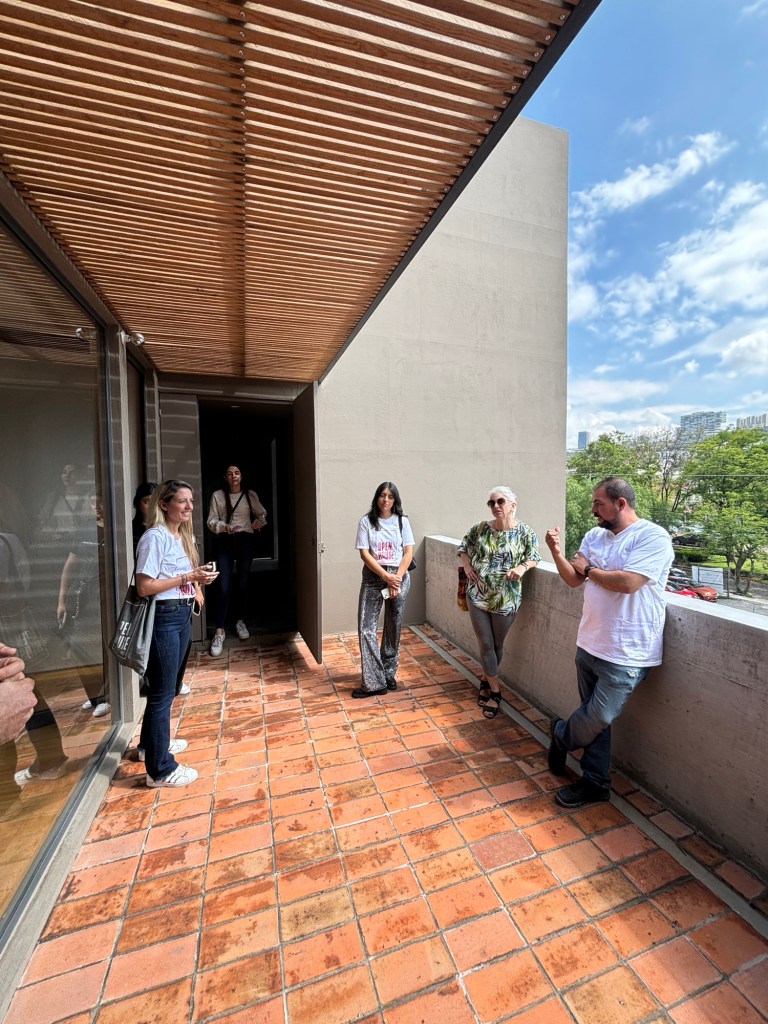
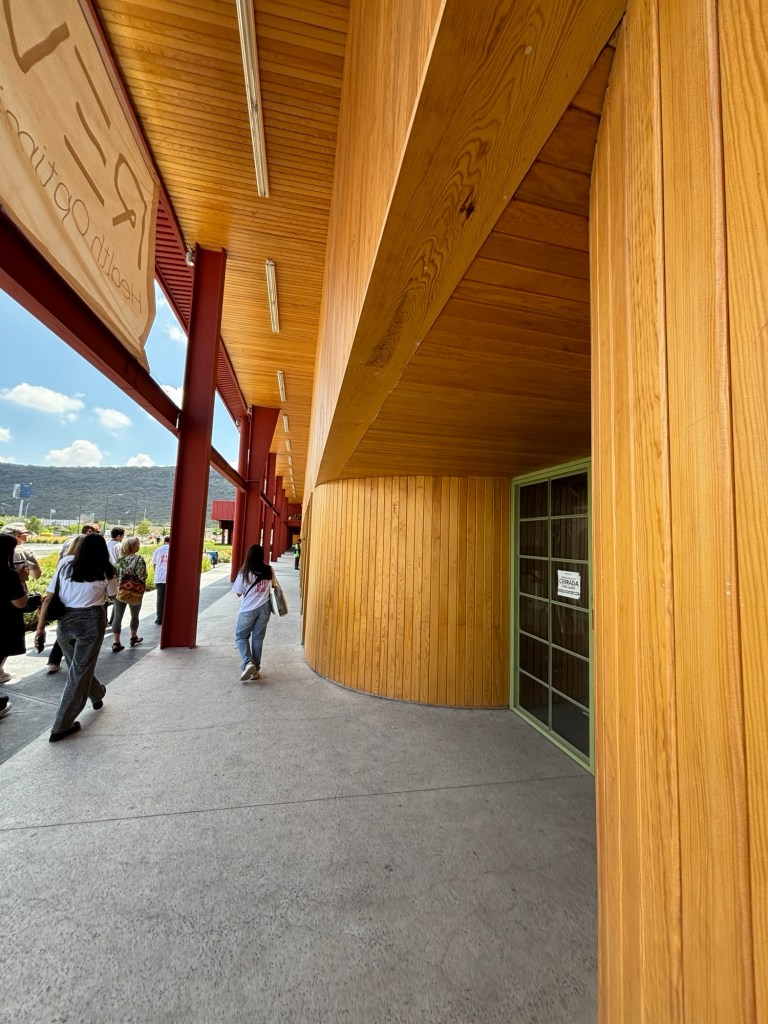
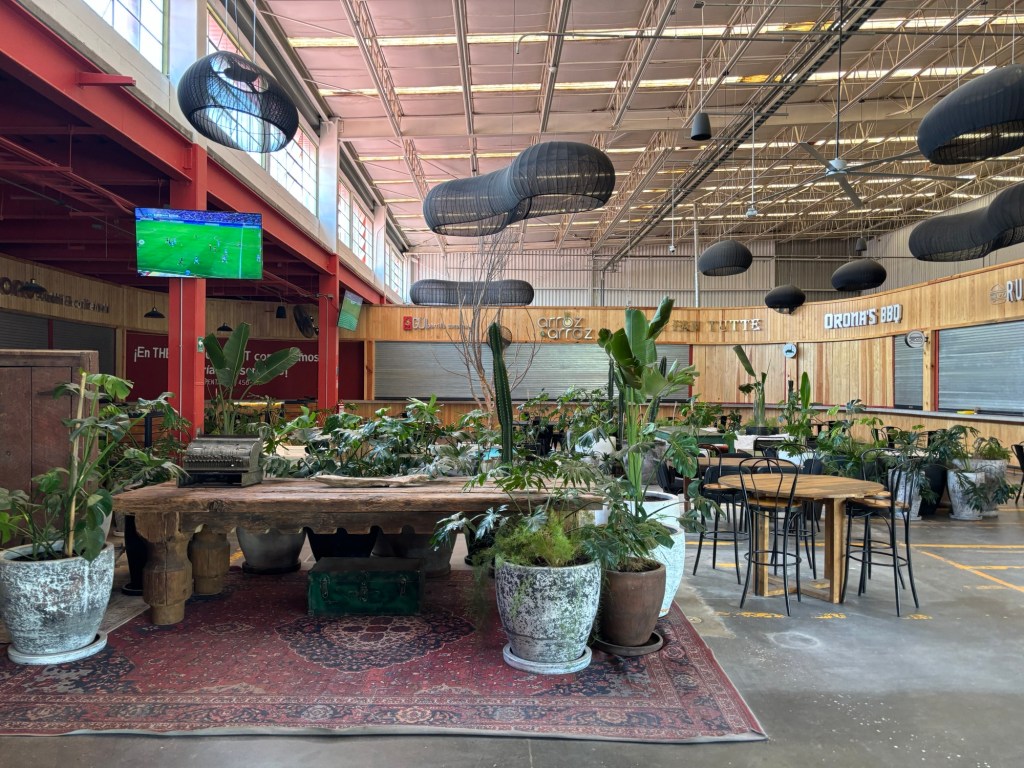
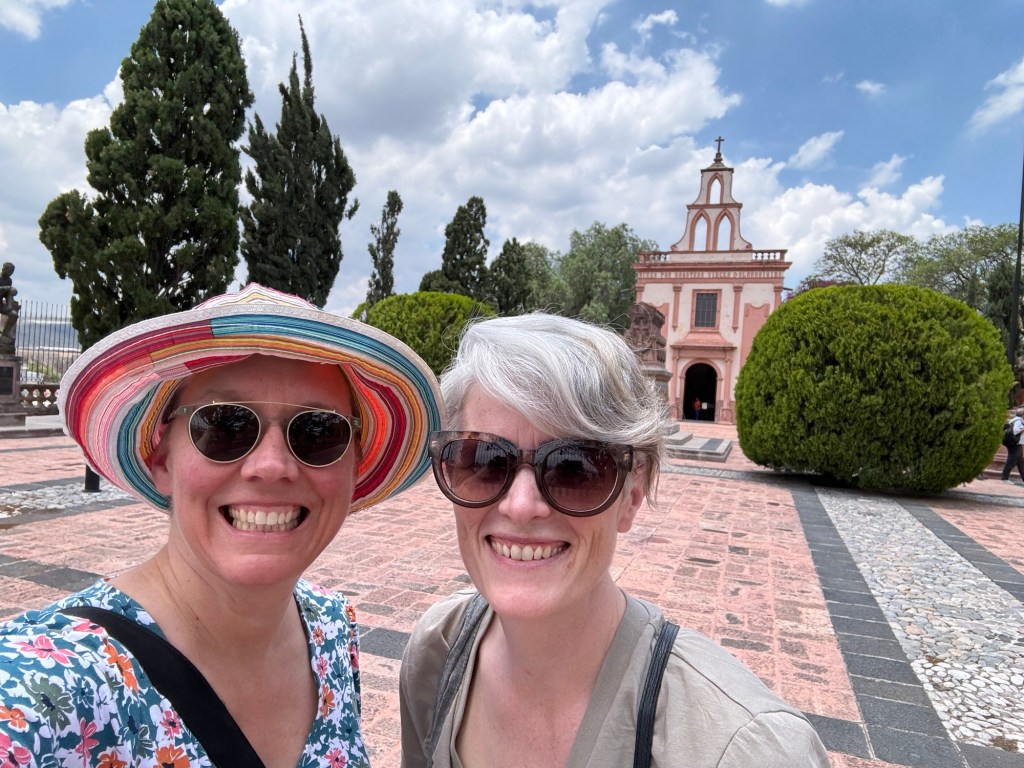
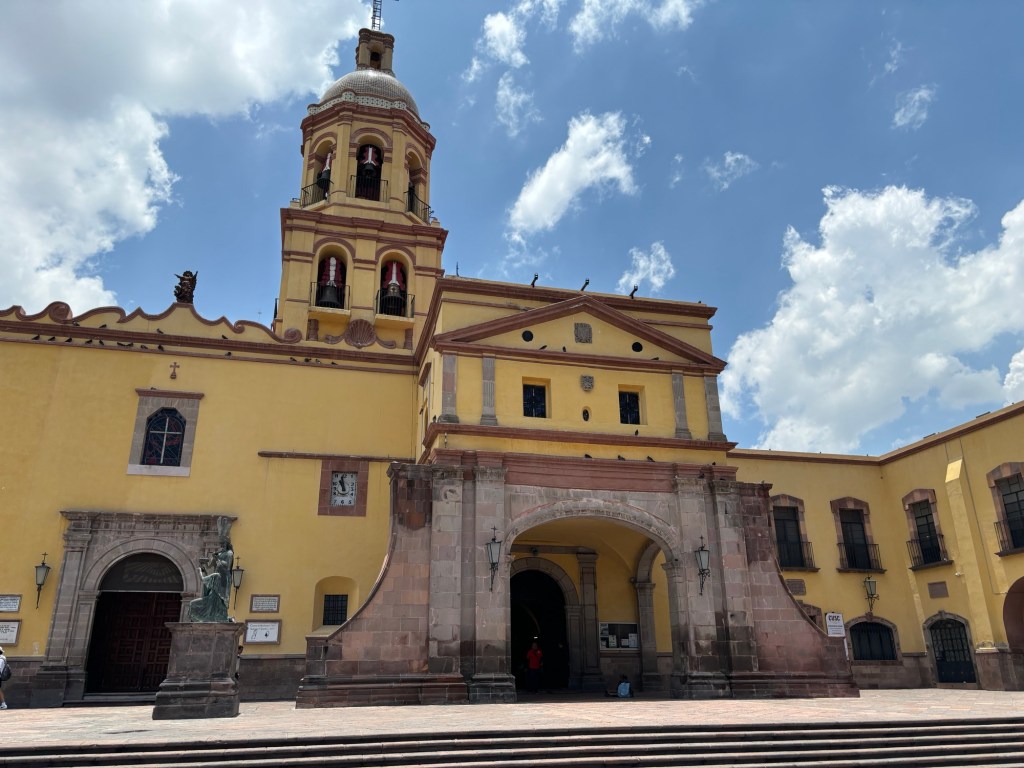
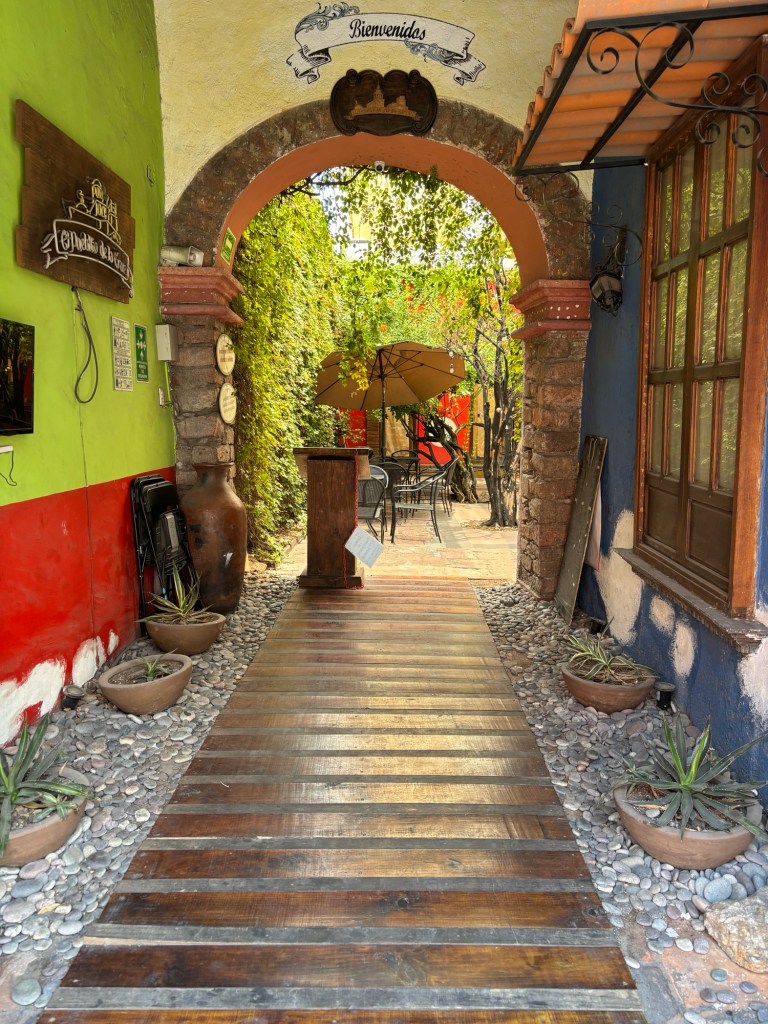

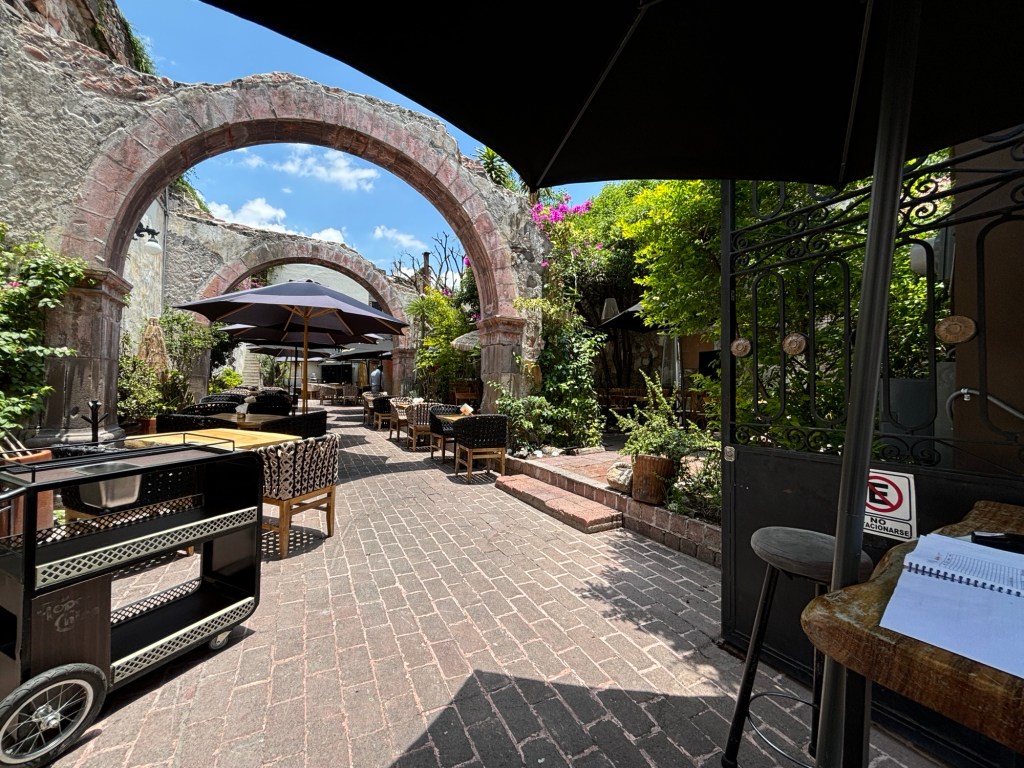

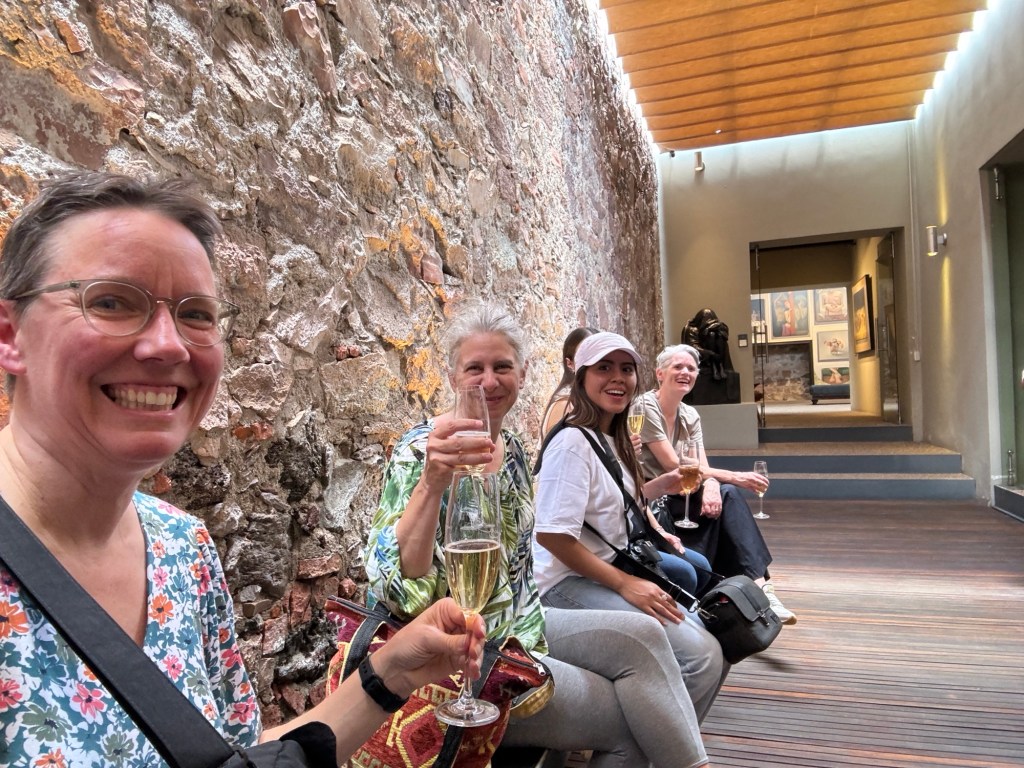

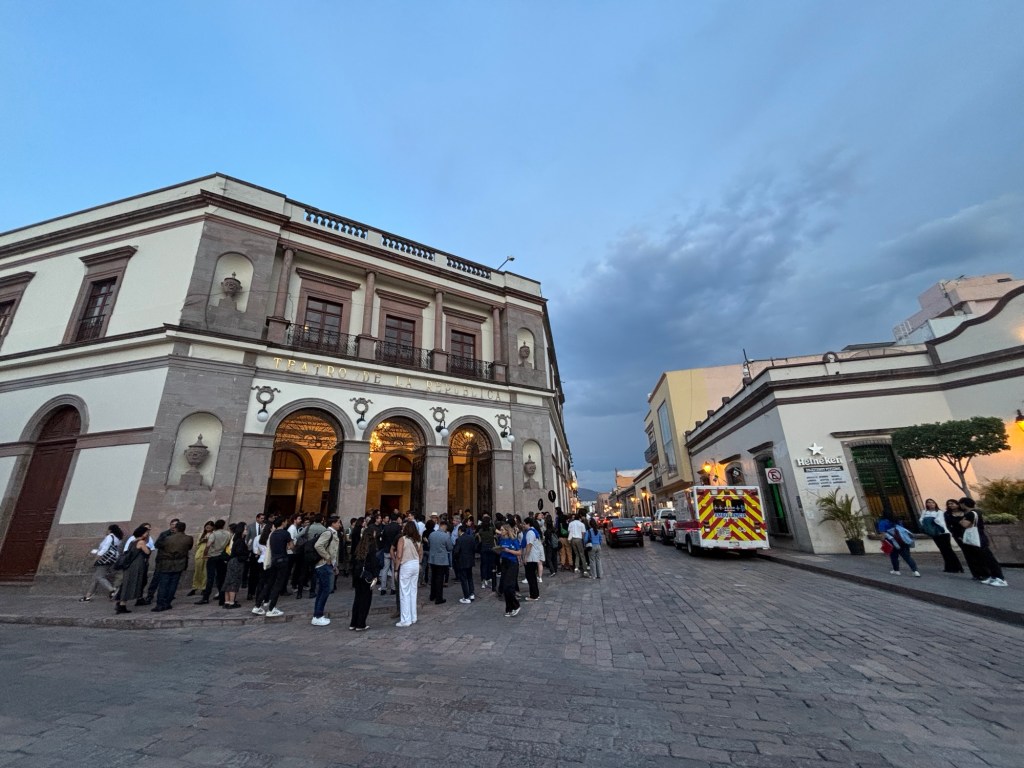
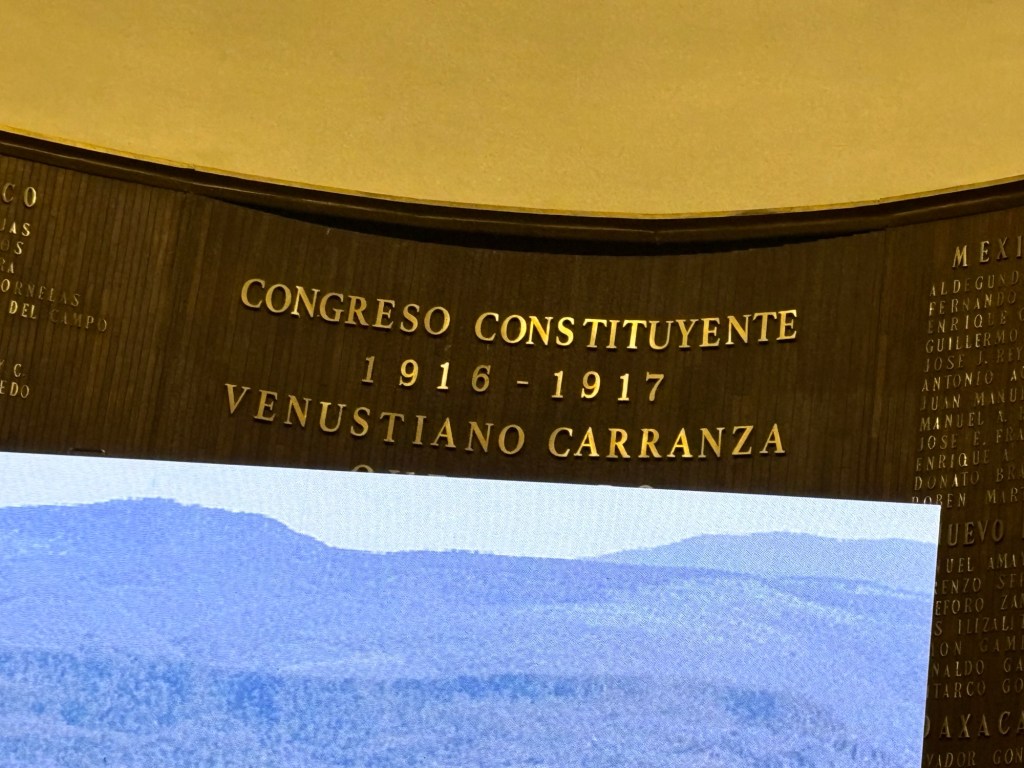
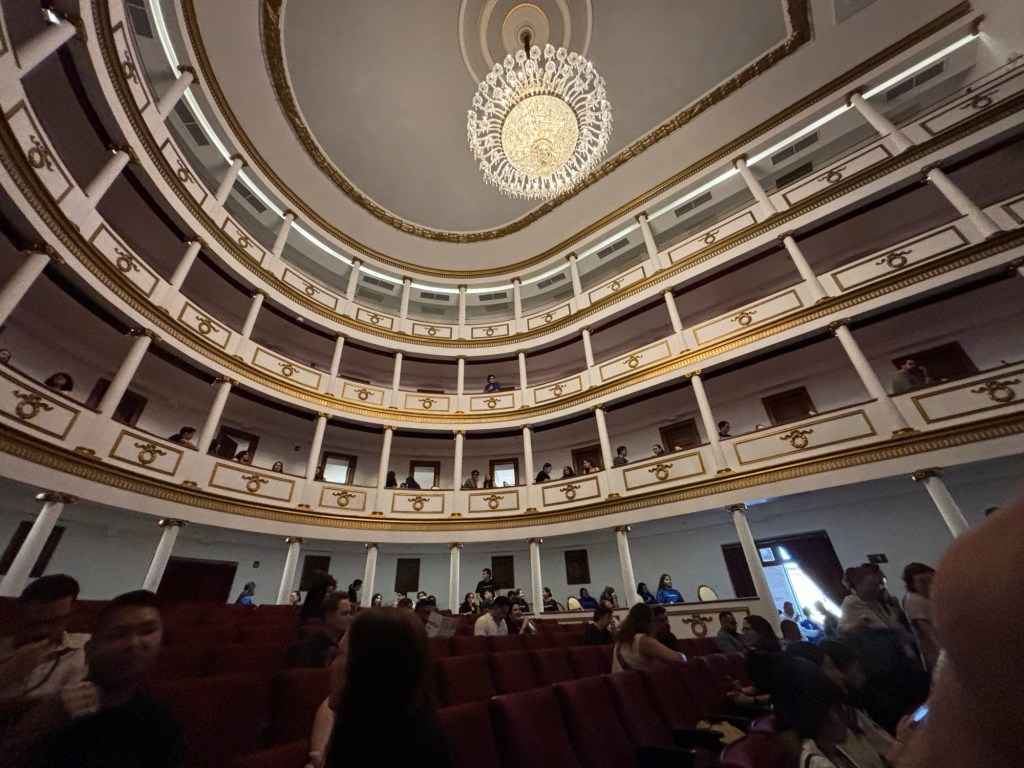
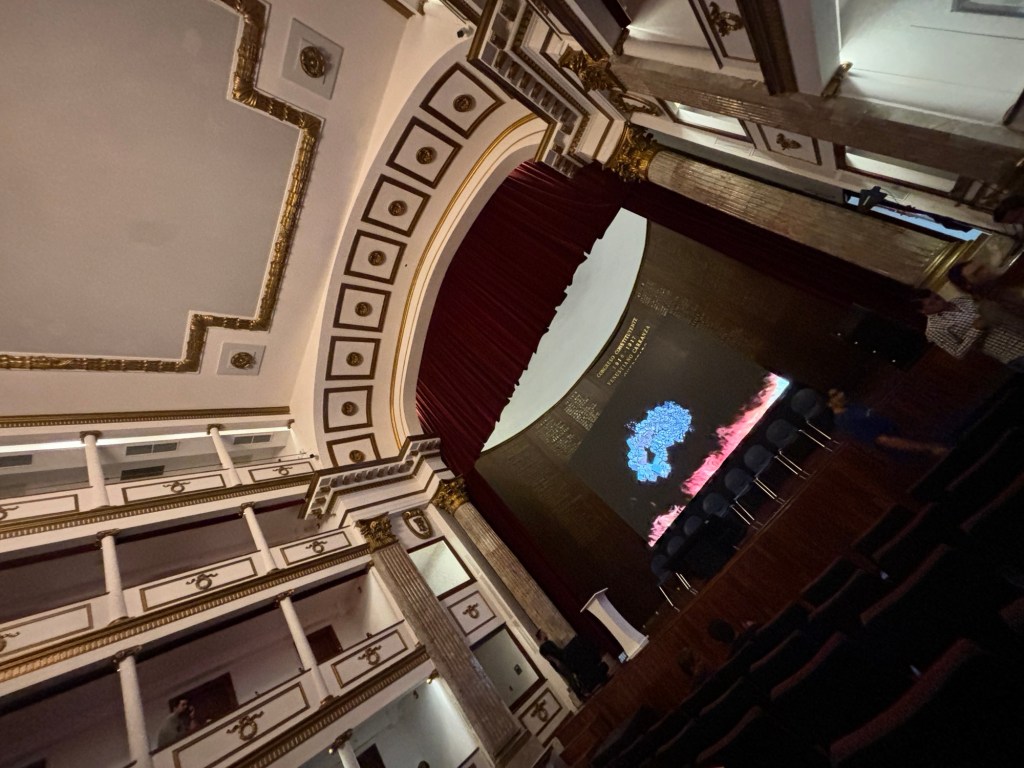
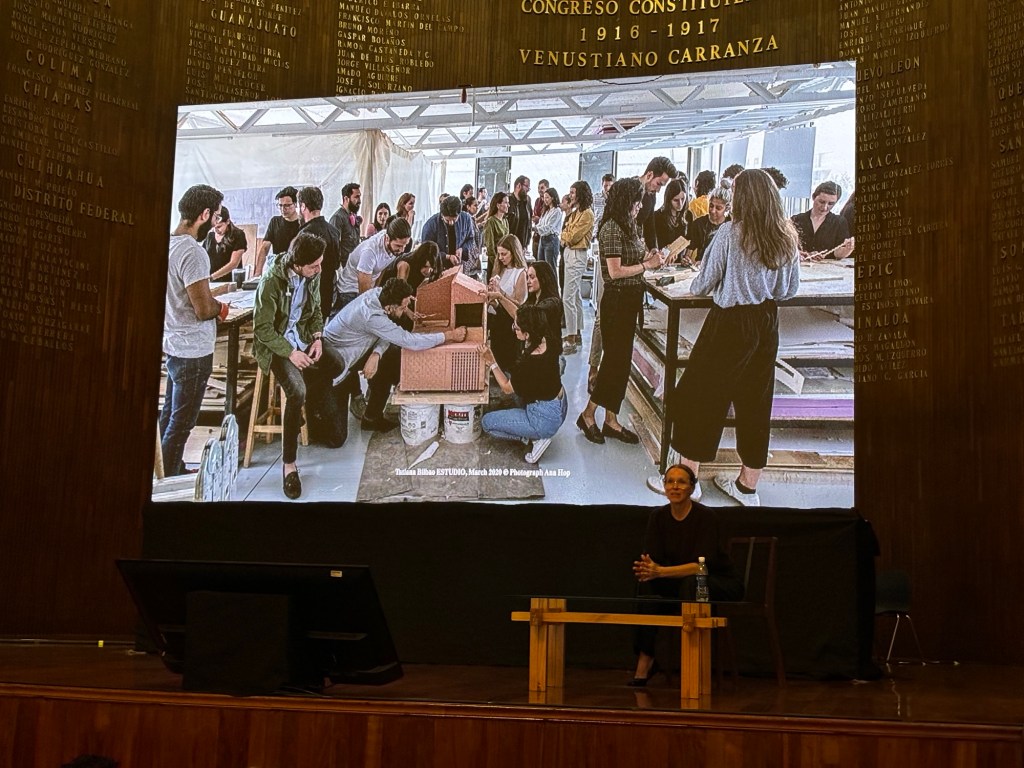
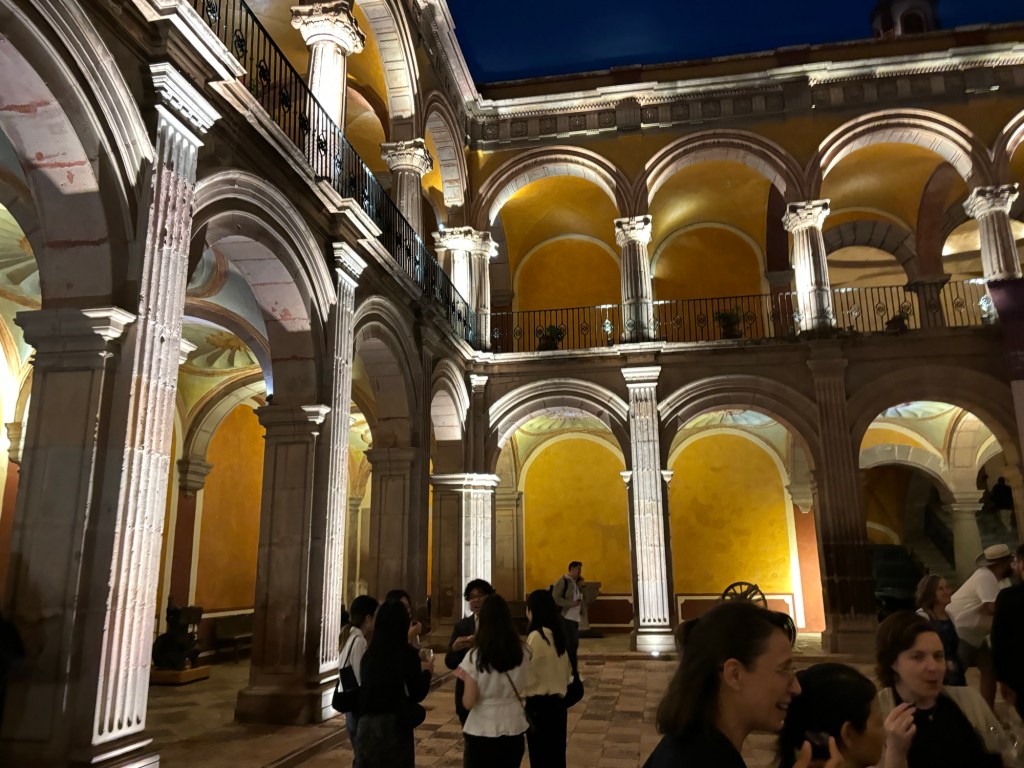
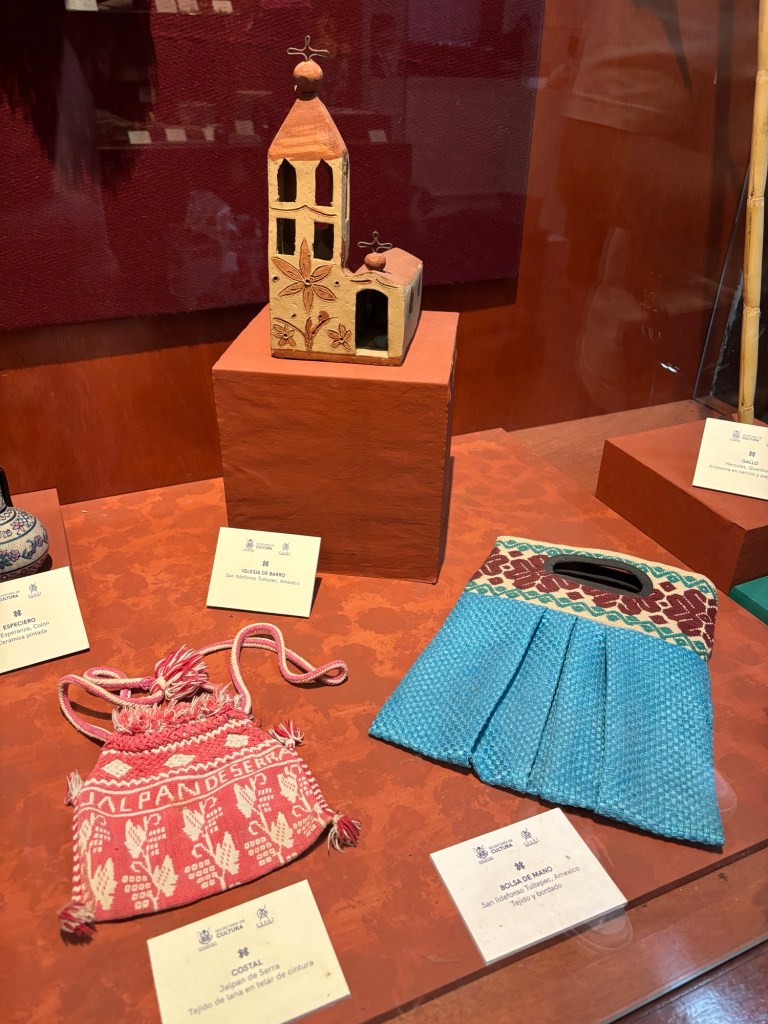
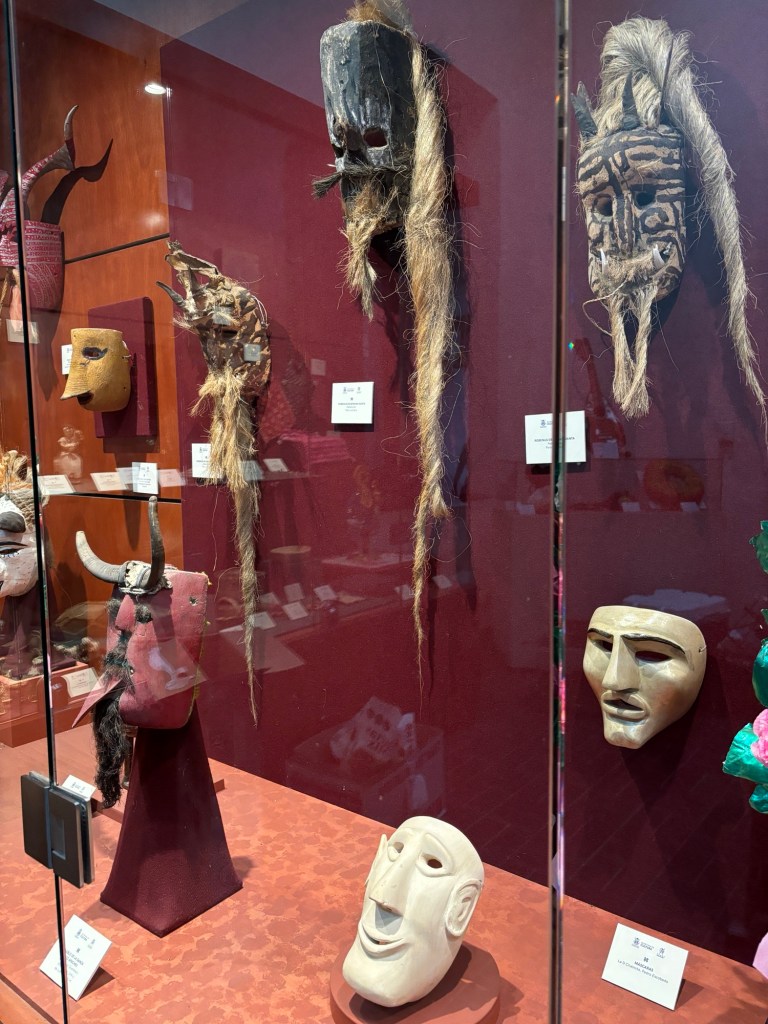
The Open House tour was followed by an opening reception and keynote address in Querétaro’s very famous and protected Teatro de la Republica where (at least part of) the country’s constitution was signed. The keynote by Tatiana Bilbao was thought-provoking, with the architect advocating liberation from named or pre-determined programmatic elements, to produce evocative enclosures for inhabitants to mold and adapt. The open reception was at another architectural heritage site, the Museo Regional de Querétaro.

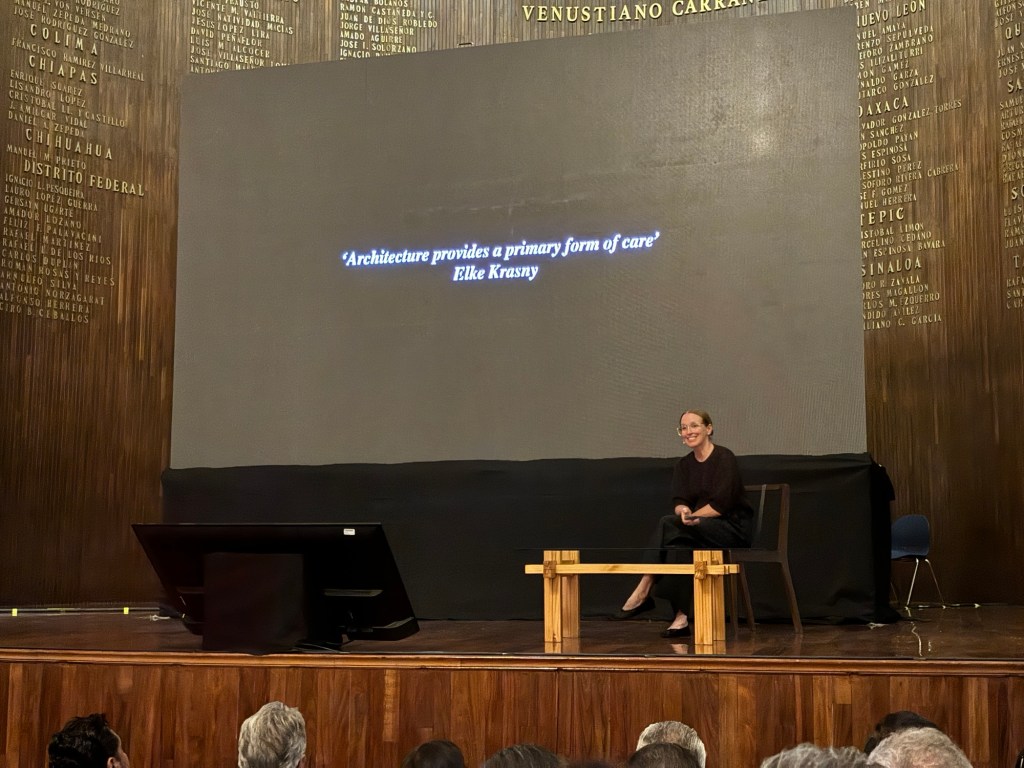
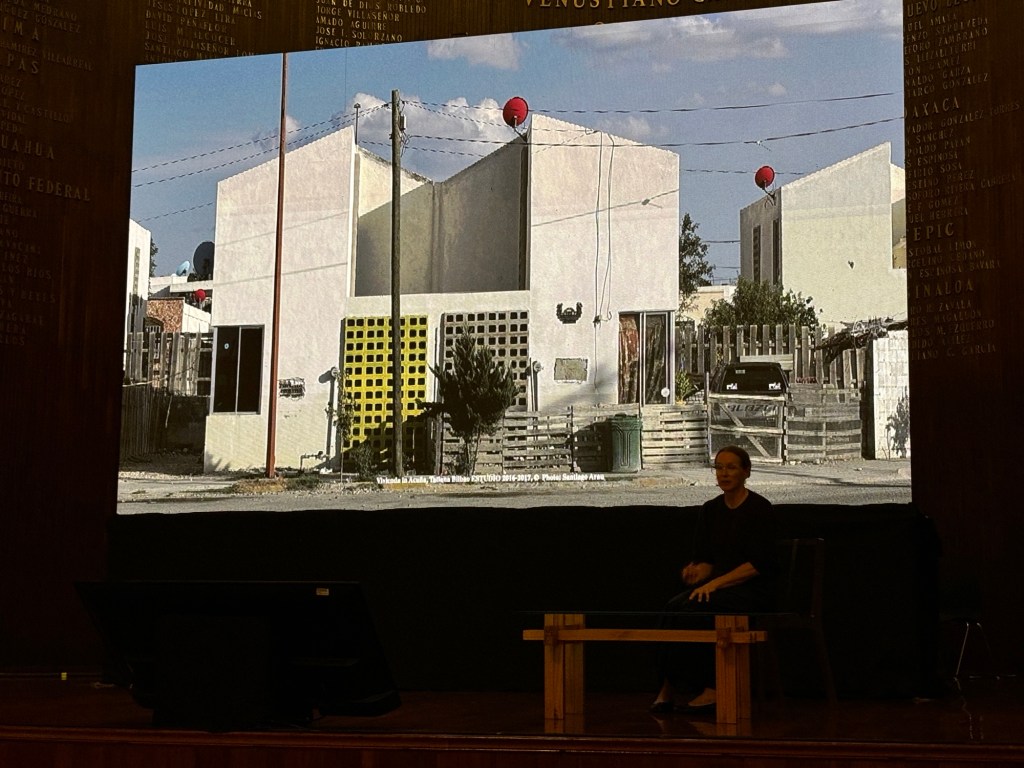
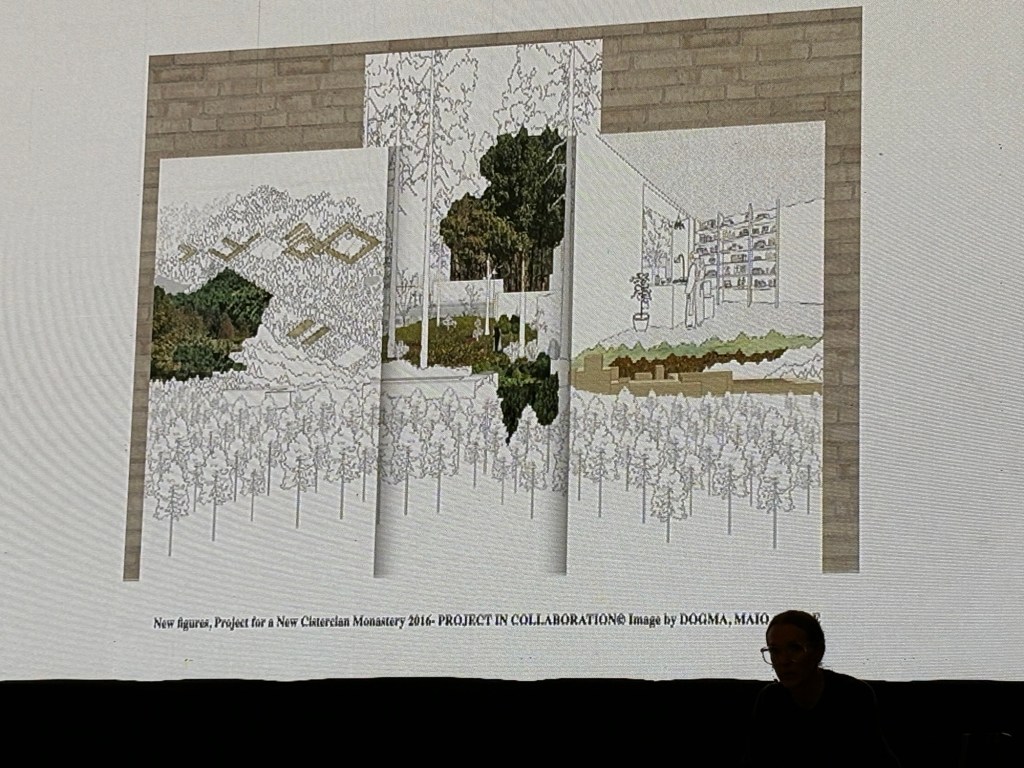
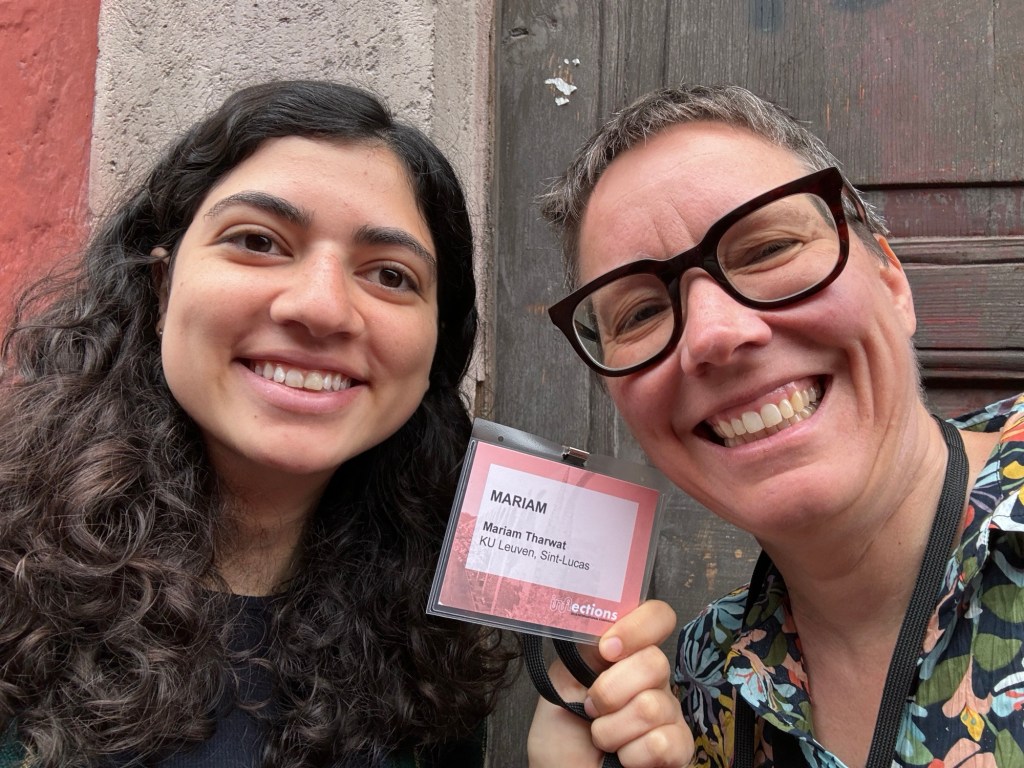
The second day started with the Deans’ panel on “tradition and radical innovation” that included Emma, followed by paper sessions. I attended the sessions on “Future + Post-Industrial Cities.” These two sessions were held at the university’s modern campus on the outskirts Querétaro. We travelled there and back by bus.


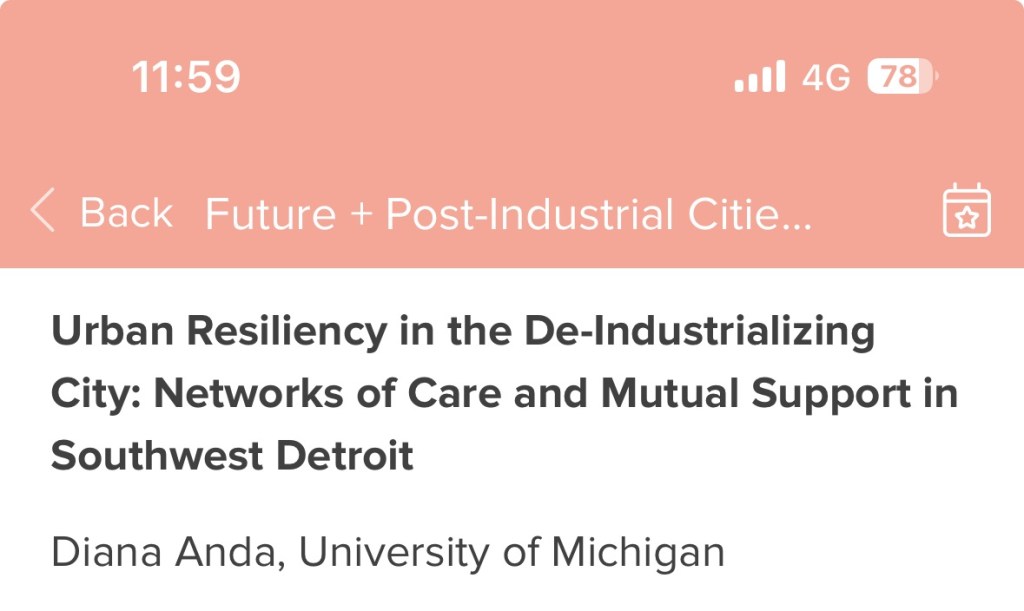
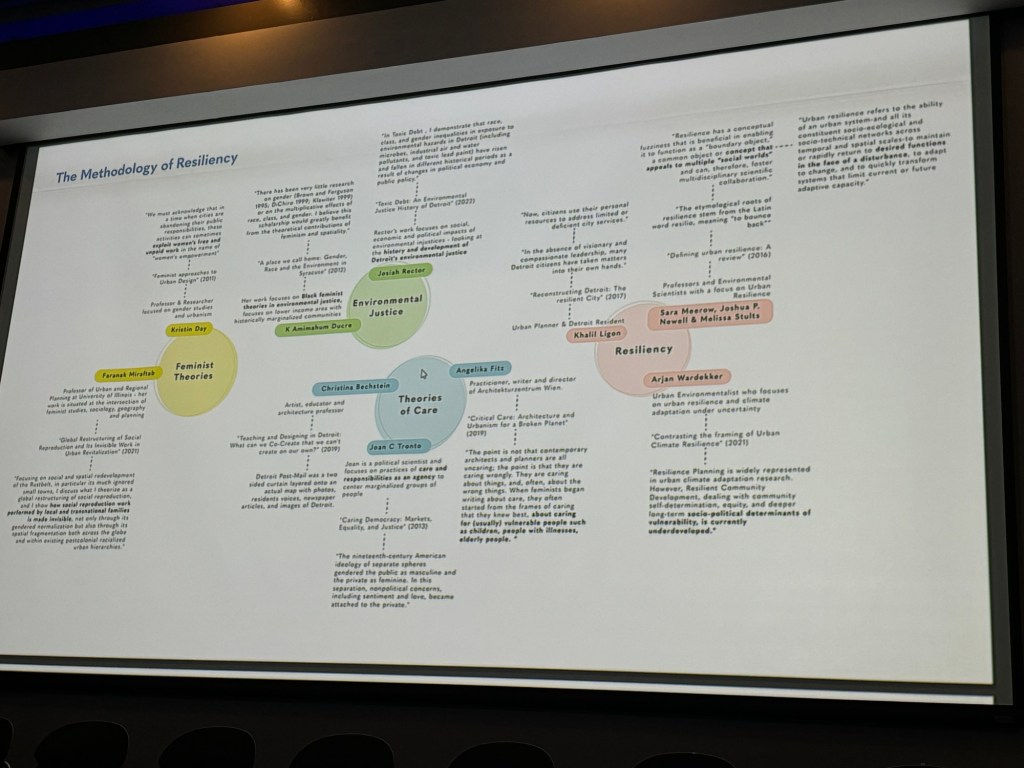
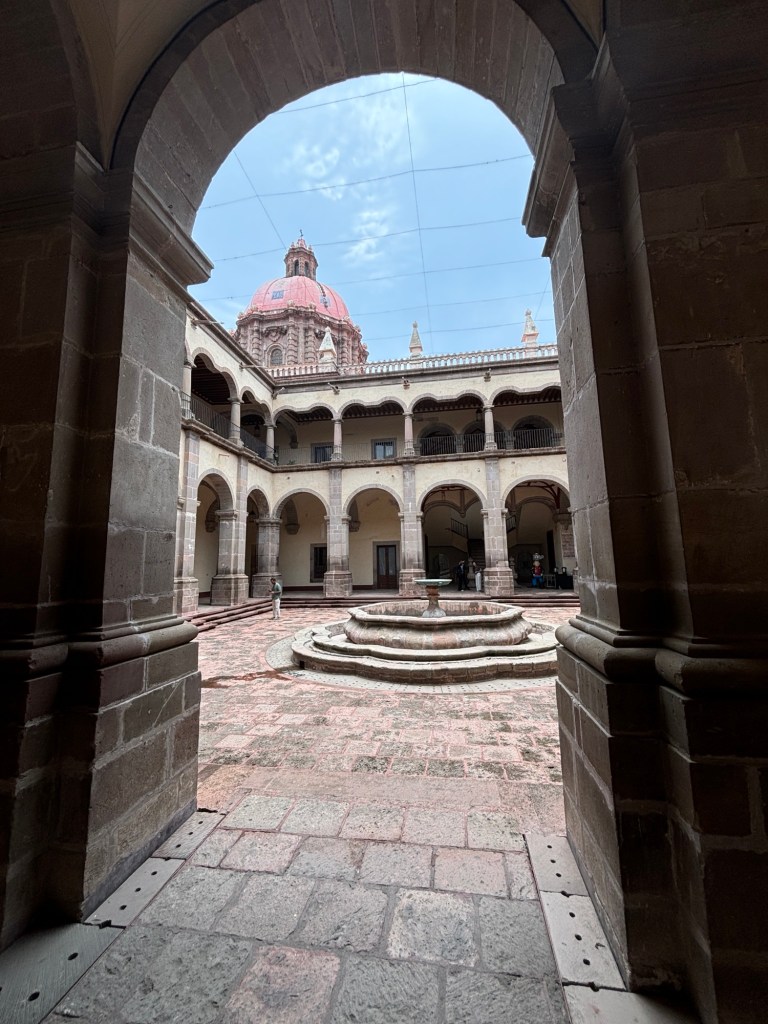
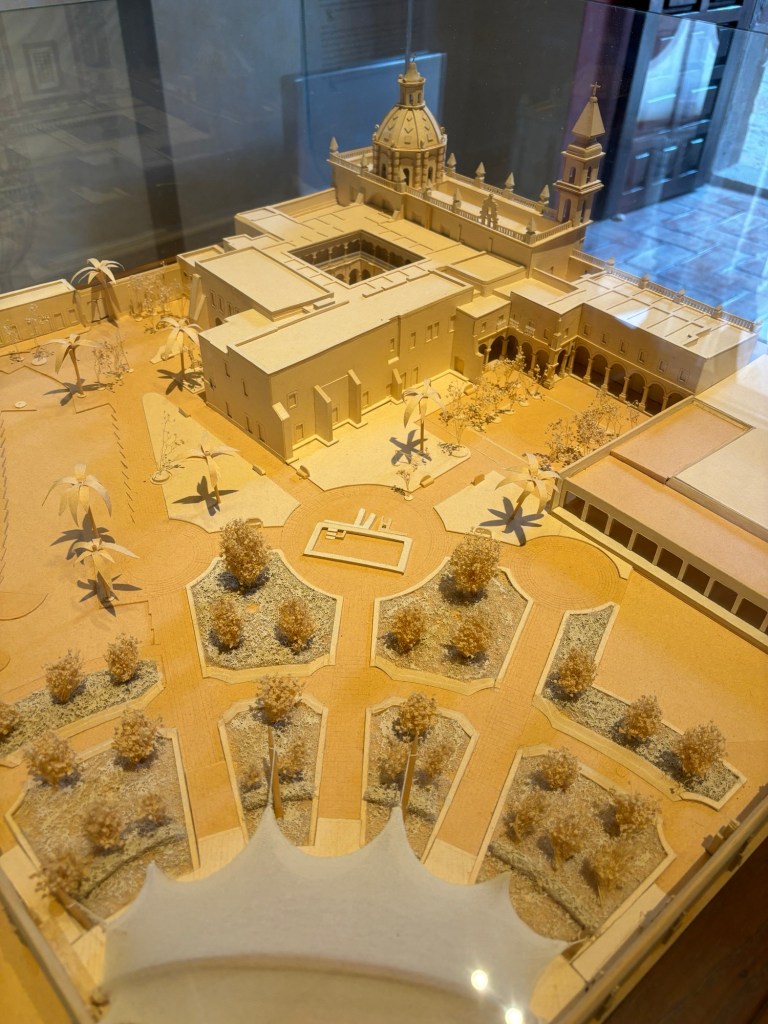
After a relaxing lunch break, we enjoyed afternoon paper sessions in a magnificent former cloister now used as the Mueso de Arte de Querétaro. I attended “Spatial Decoding: Beyond Measurement” and “Experiments for Urban Futures.”
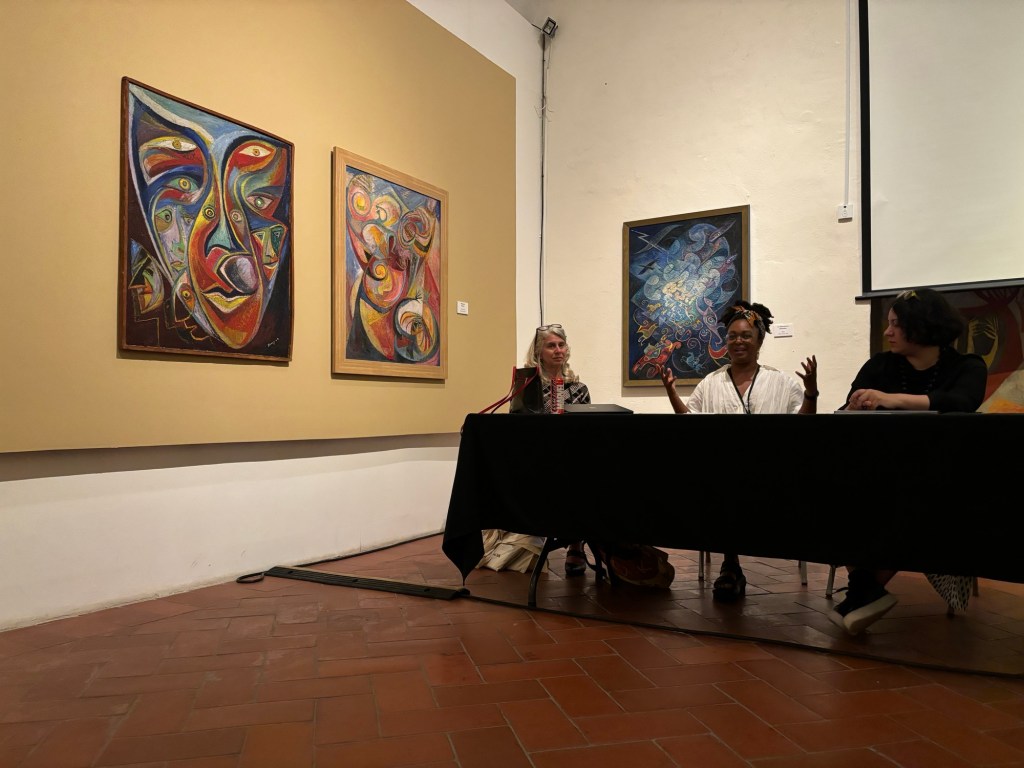


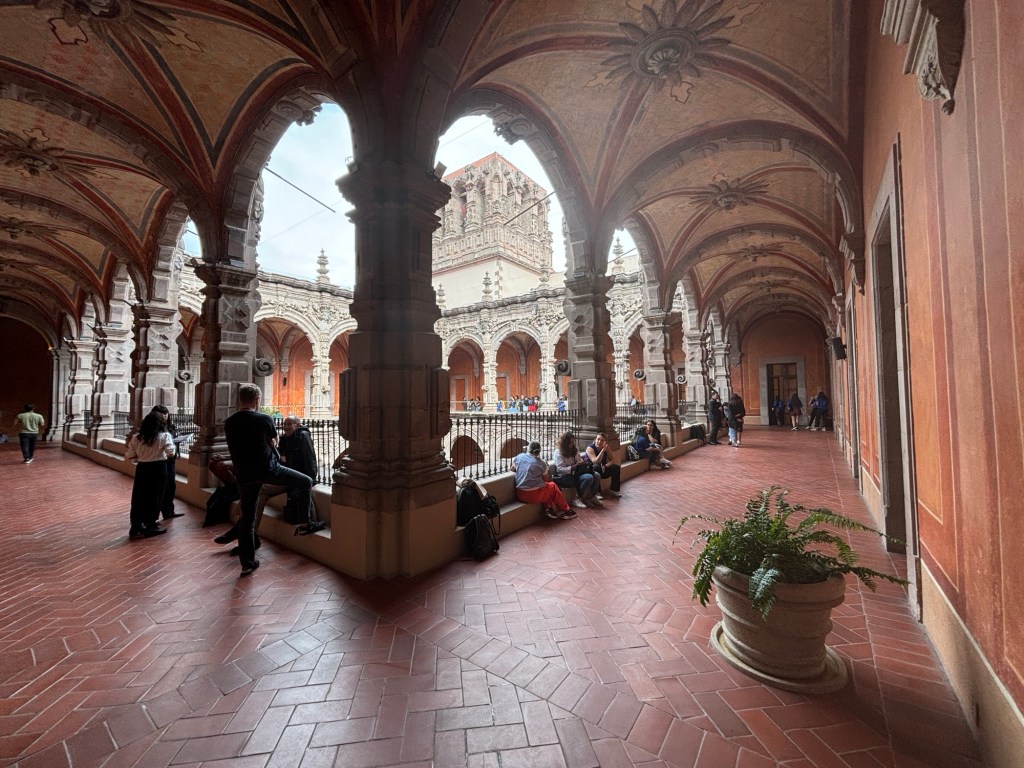
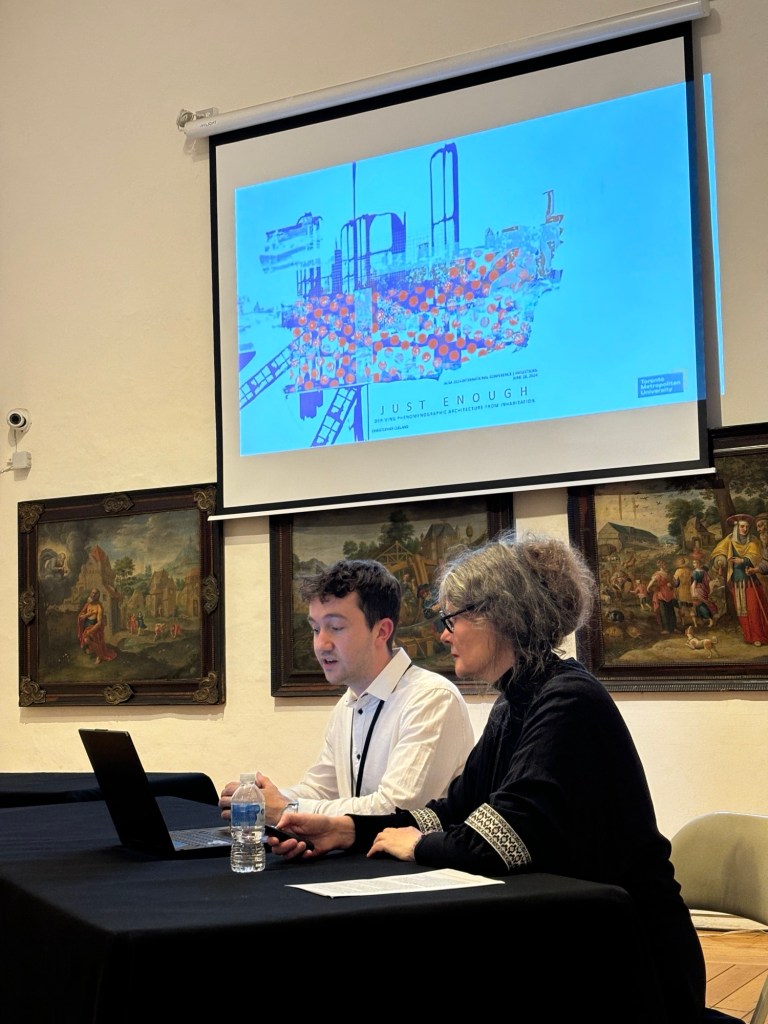
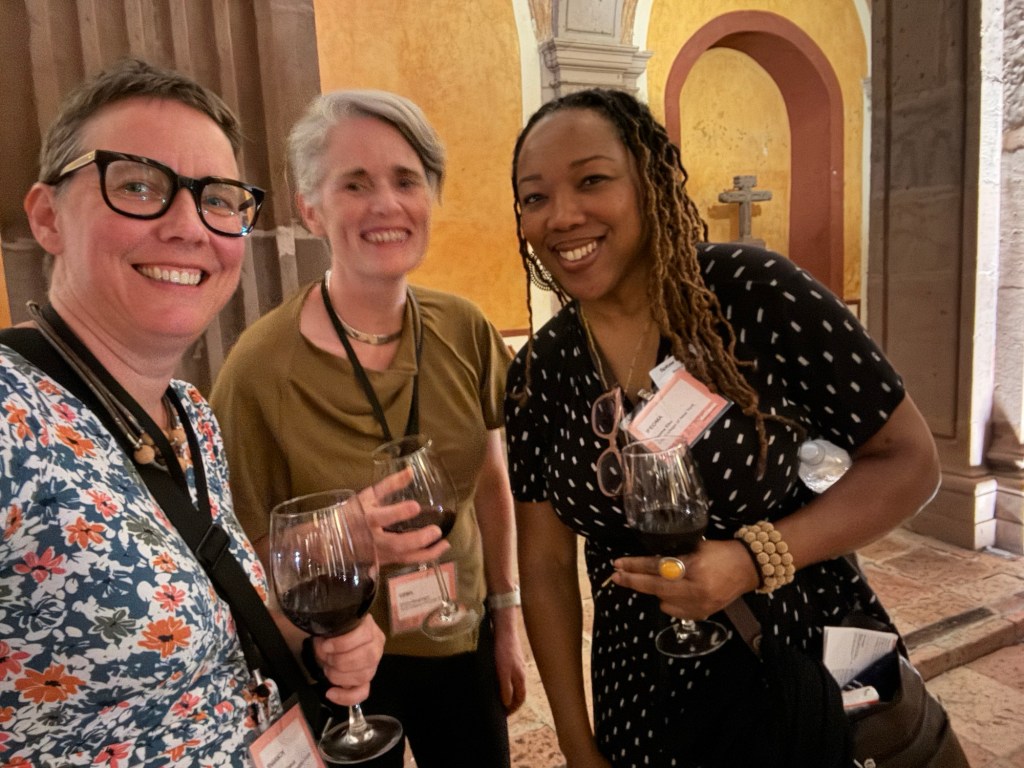
The entire time, Emma and I were meeting lovely and passionate architecture educators from Mexico, the US, and Canada, as well as graduate students from around the world. We also got to know and admire the host for the next iteration of this ASCA International conference that will be held in Brisbane, Liz Brogden.
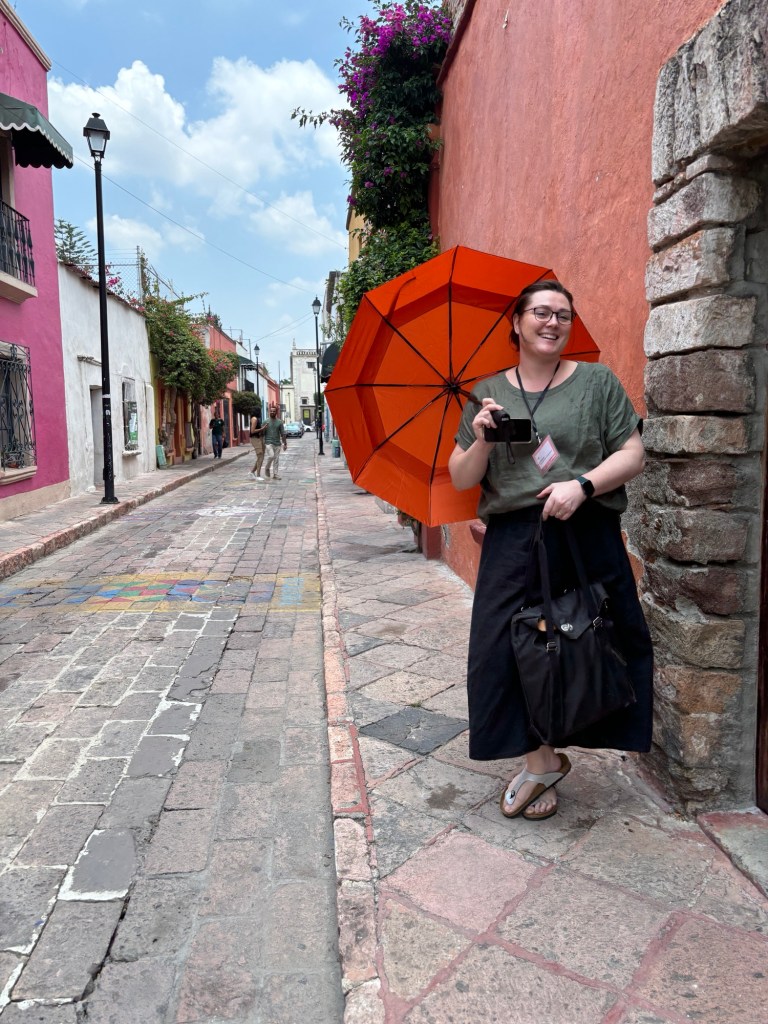
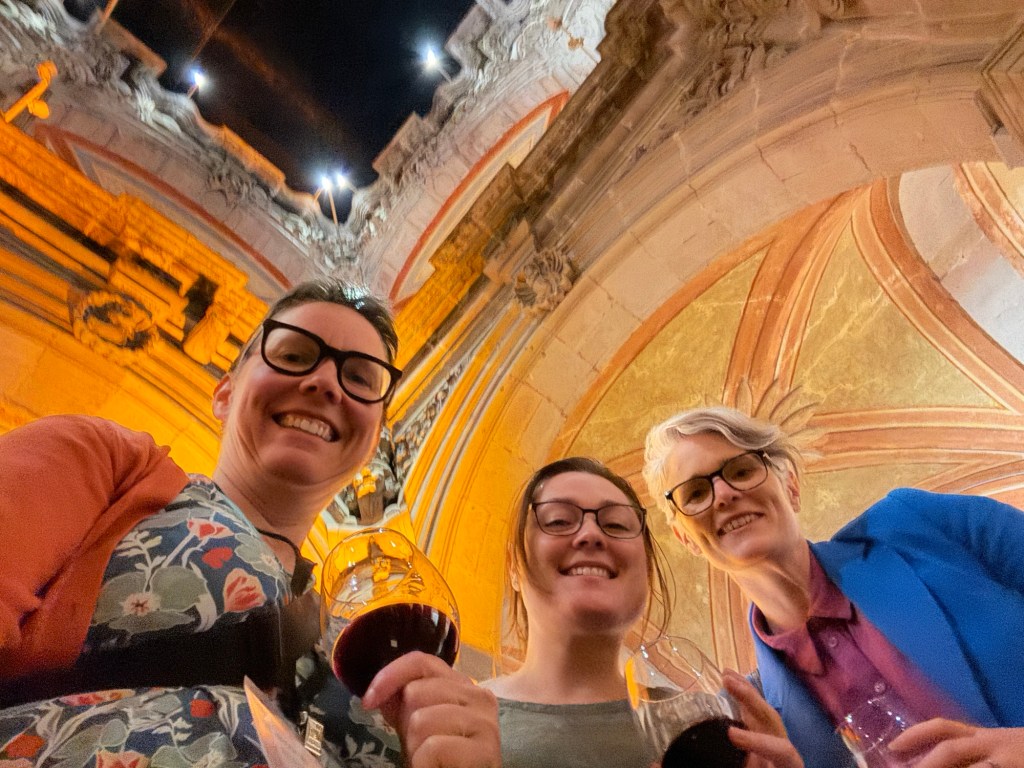
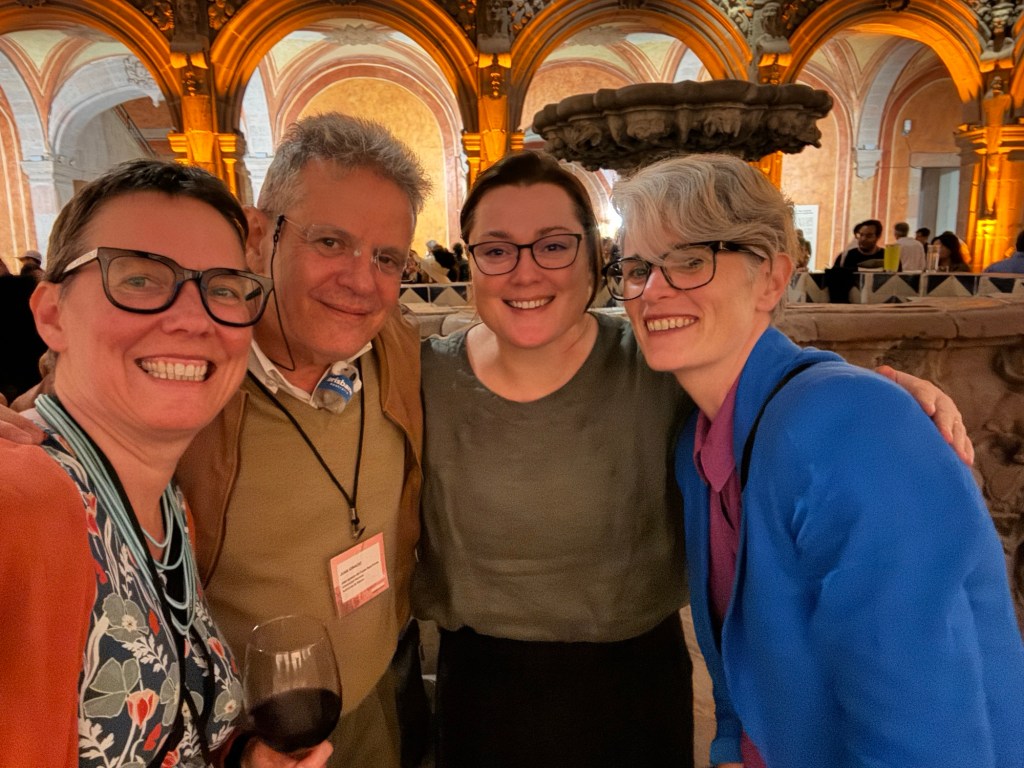
Liz, Emma, and I were guests of the conference organizers for tapas and drinks Friday night at Hercules, a former textile factory converted into an entertainment venue. We had the pleasure to sit between Michael Monti, the executive director of ACSA, and Luis Francisco Rico-Gutierrez, Dean of Architecture at Iowa State, who brought this conference to his hometown of Querétaro. Luis carefully assembled a conference program with cultural, social, urban, and critical feminist underpinnings.

Bravo to these leaders for pulling off such a magnificent event in collaboration with the local organizers, including Roberto Íñiguez Flores, and the DC-based ACSA team!
Programming for the third day ran 9 AM to 10 PM. We attended paper sessions, including Emma’s, at the Centro de las Artes de Querétaro Santa Risa de Viterbo. We started off with “New Imaginaries, Speculations, Machinations” where Emma spoke. Then I attended “Housing, Dwelling and Domesticities.”
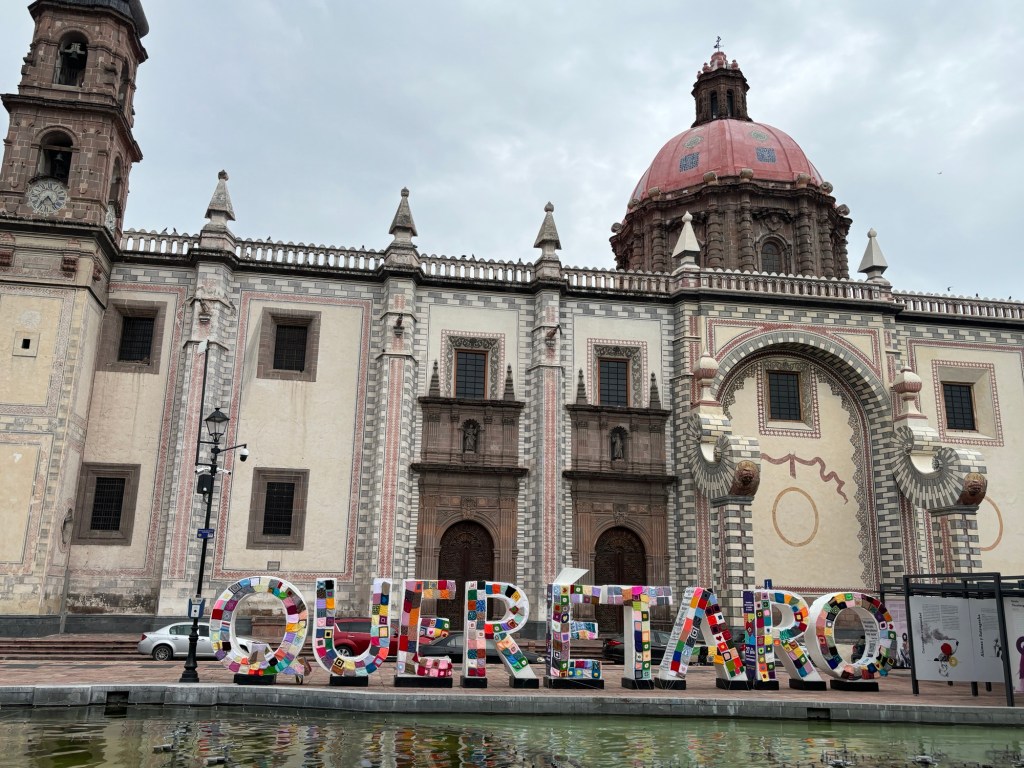
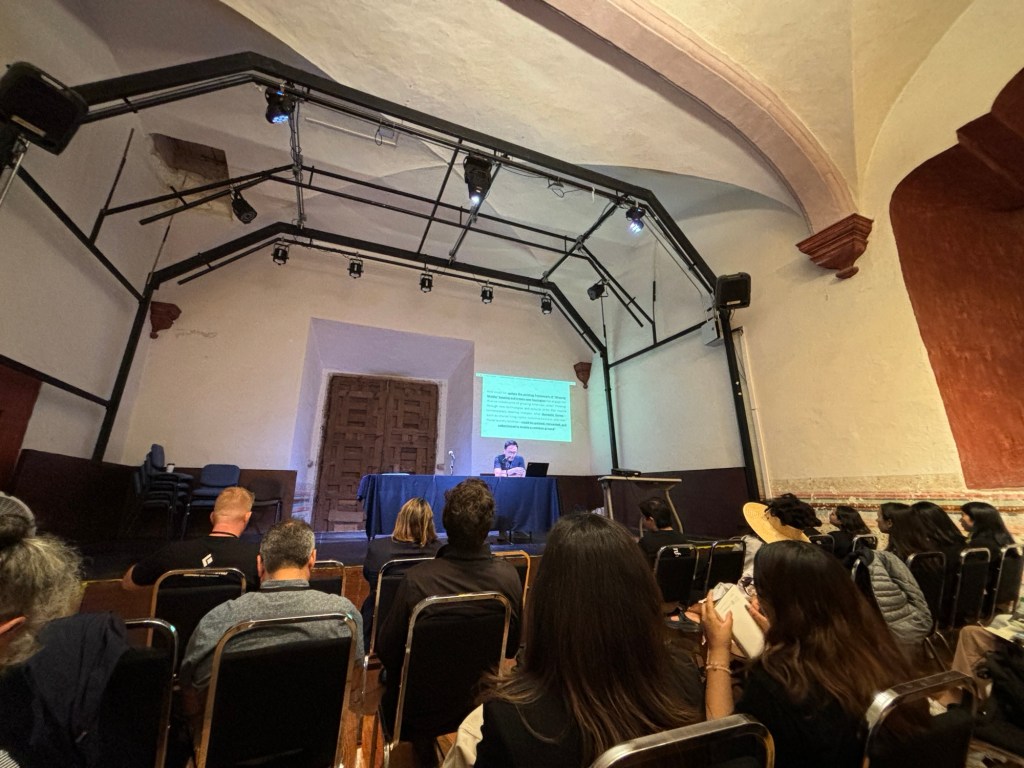
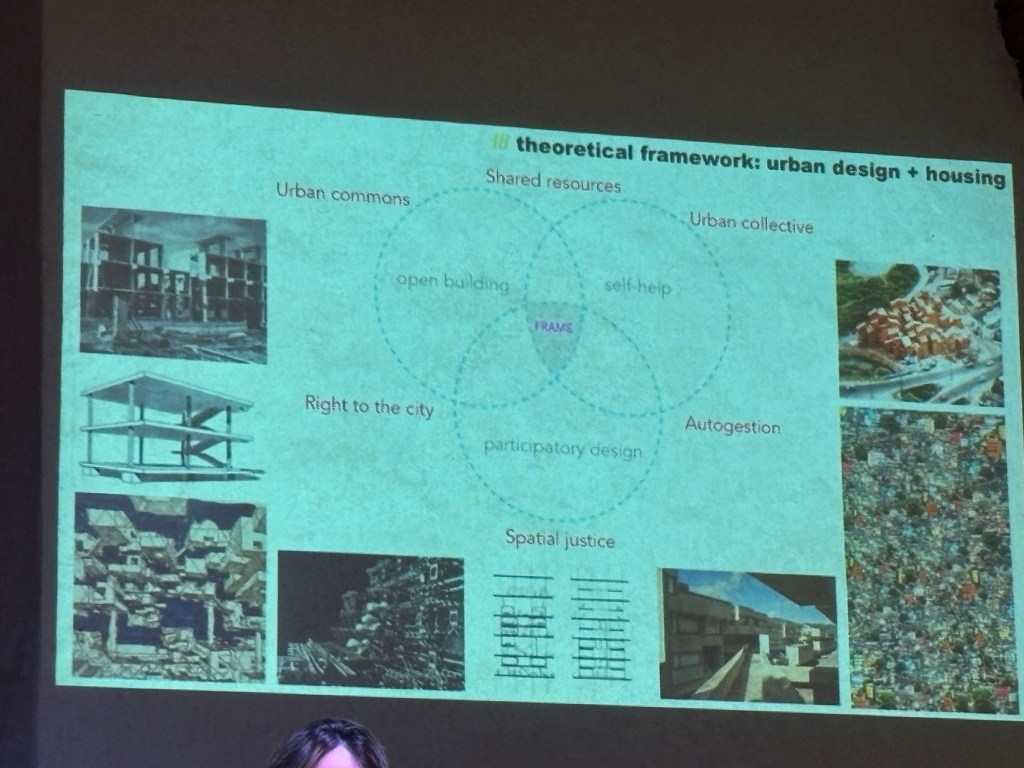

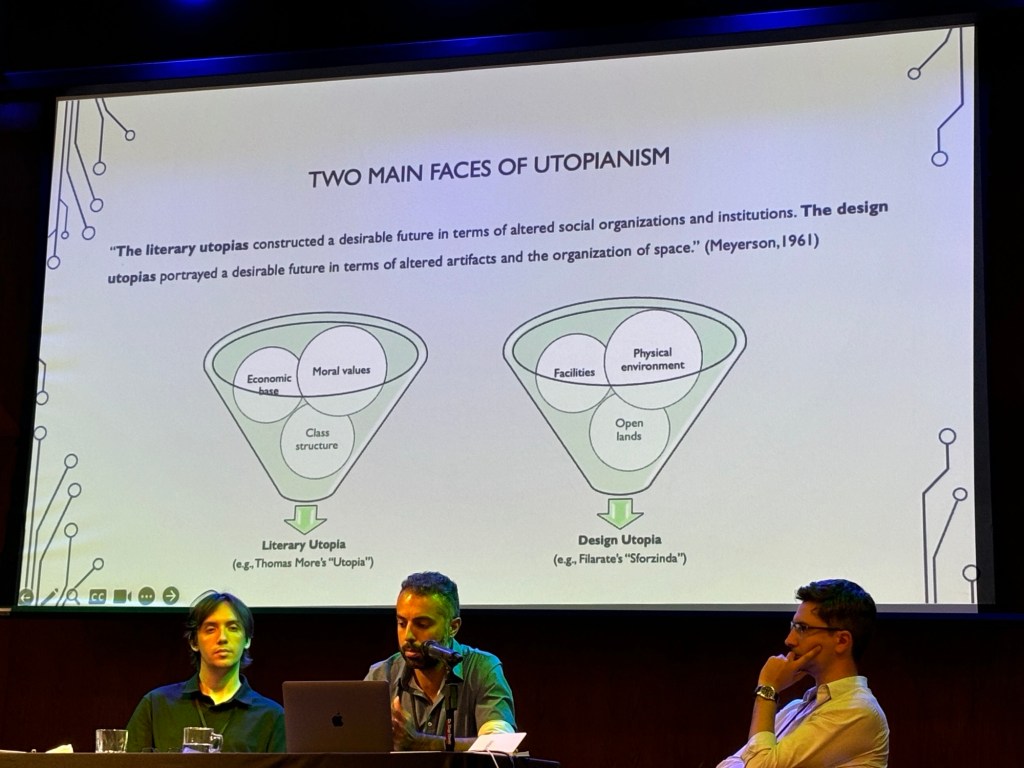
After lunch I attended “DESIGNING DISSENT: Feminist Counternarratives in the City.” This critical feminist urbanism panel session was particularly insightful. It was held with one presentation in English and two in Spanish. There were AI-generated English subtitles at the second of these, but for the one without subtitles, I put my Duolingo to work.

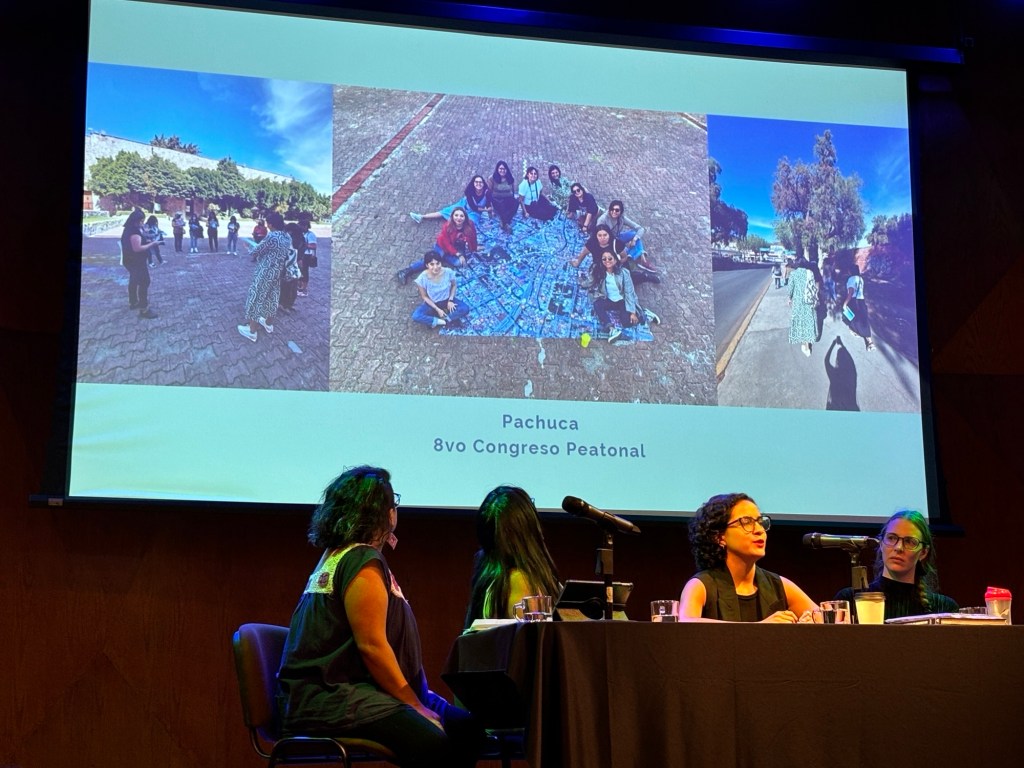
I have been studying Spanish using Duolingo for 254 days now, in preparation for this trip. I understand reasonably well, although I can’t yet speak in Spanish. My elementary knowledge of Italian interferes with my ability to start sentences in Spanish, but I persevere. The helpful slide images helped me deduce more complex meanings.
I also attended “Co-creation with AI.” Then, this third and final day wrapped up with an all-conference panel on contemporary issues in Mexican design at the outdoor amphitheater at the cloistered museum. The title was “ILLUMINATING THE OVERLOOKED: Unconventional Practices for Responsible Futures.”
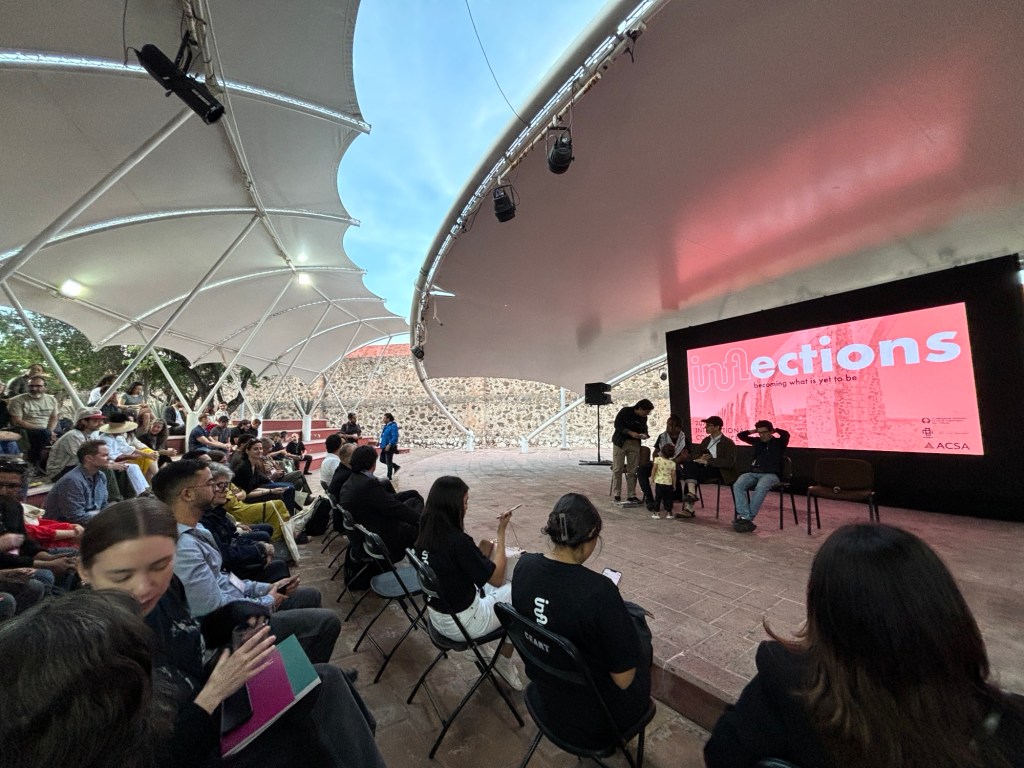
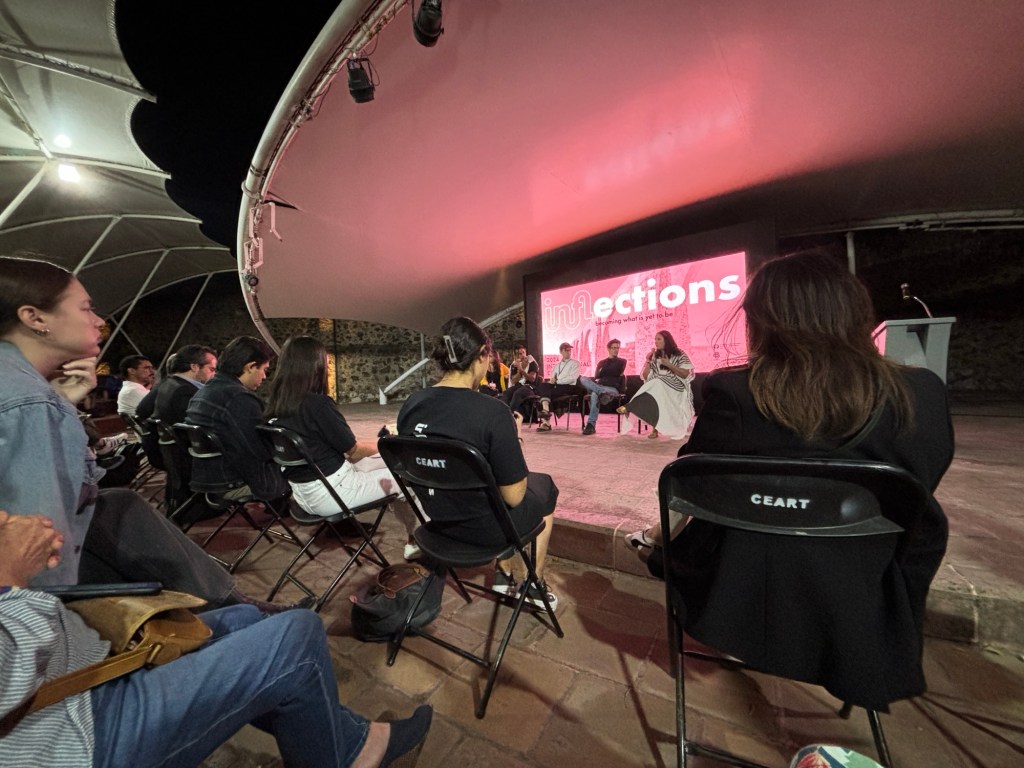
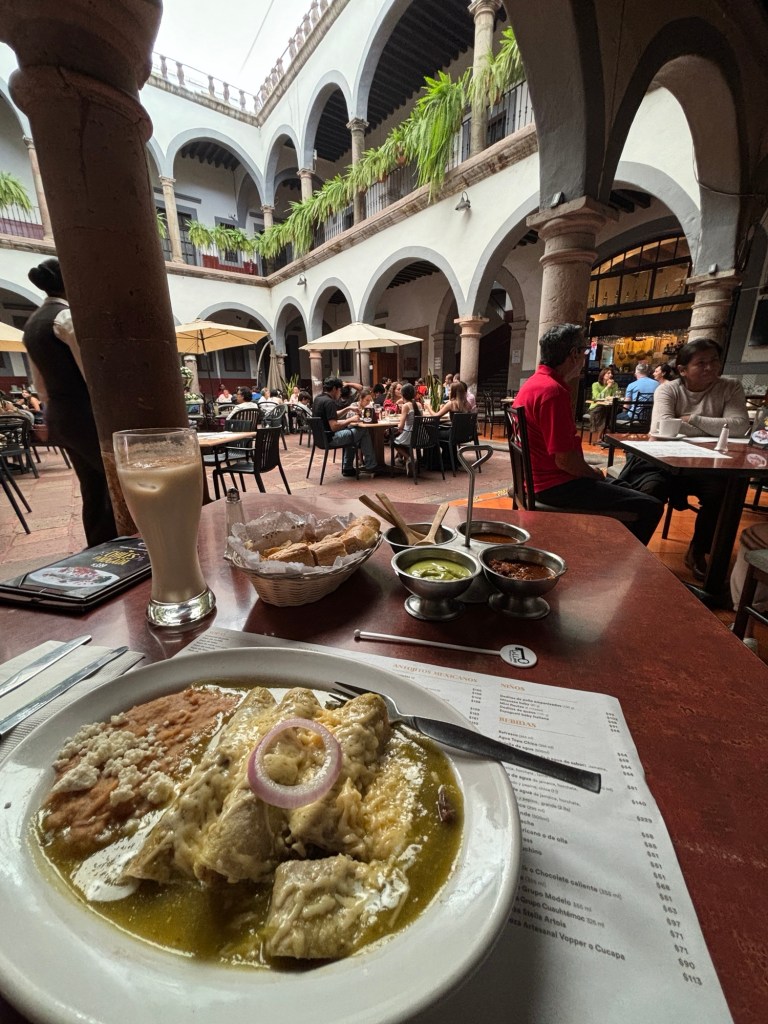
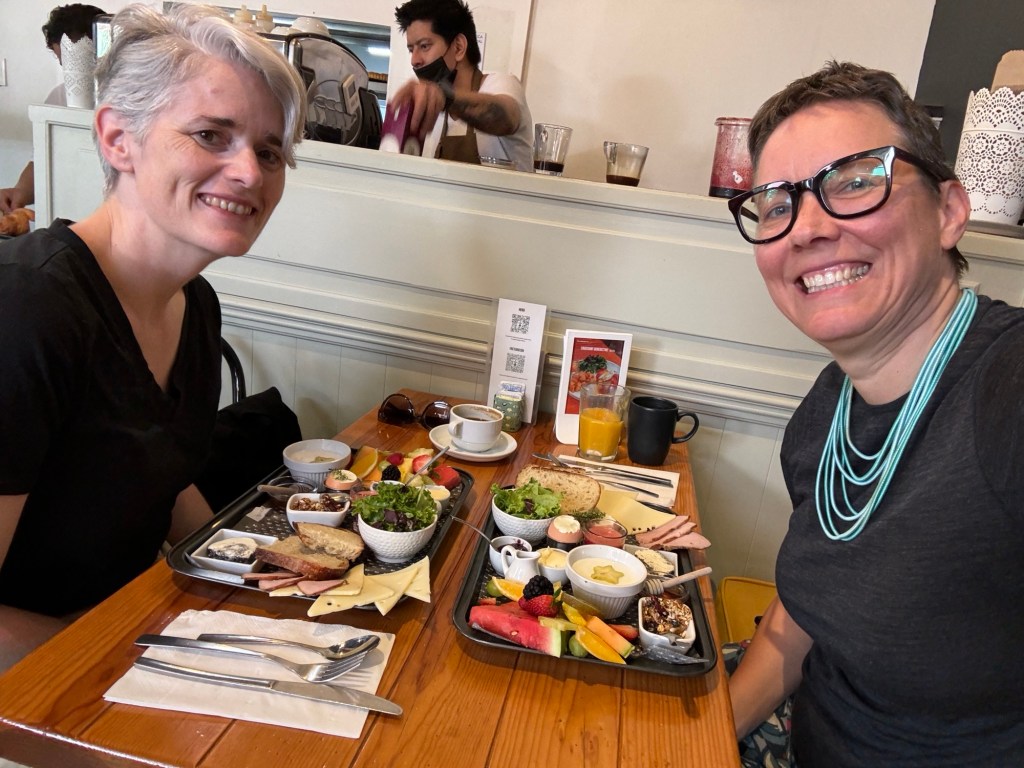
The closing reception was held at the Museo de Arte de Querétaro courtyard. After it, Emma, Liz and I headed for a last supper together that didn’t end until after midnight. We’re learning Spanish ways!

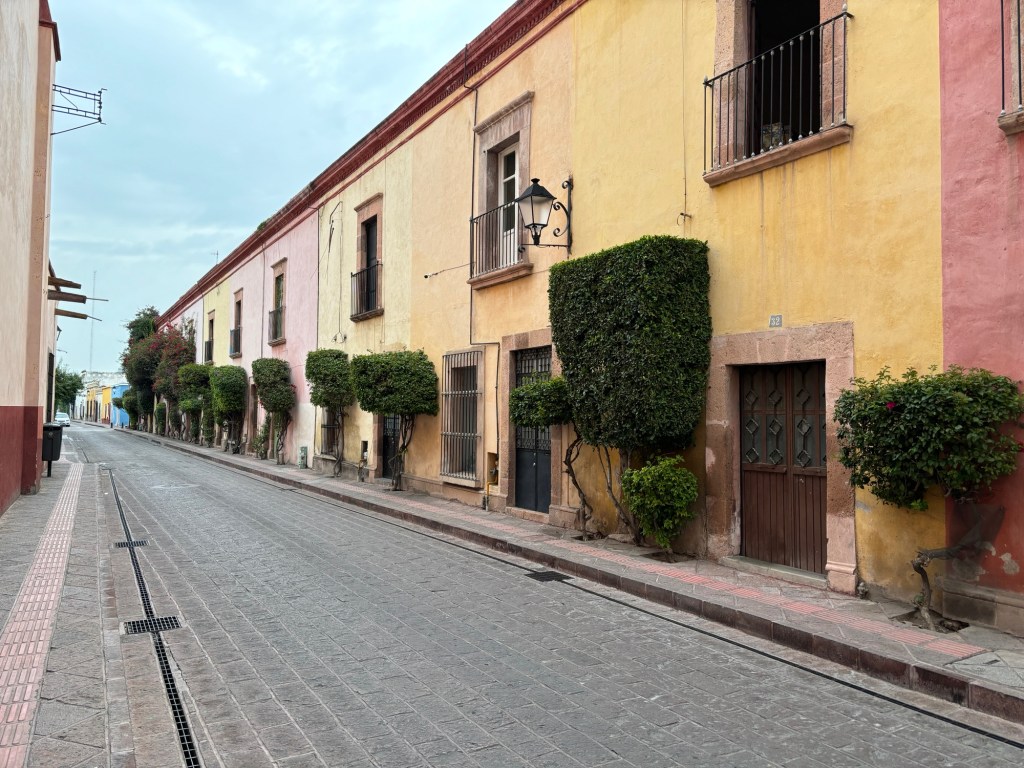
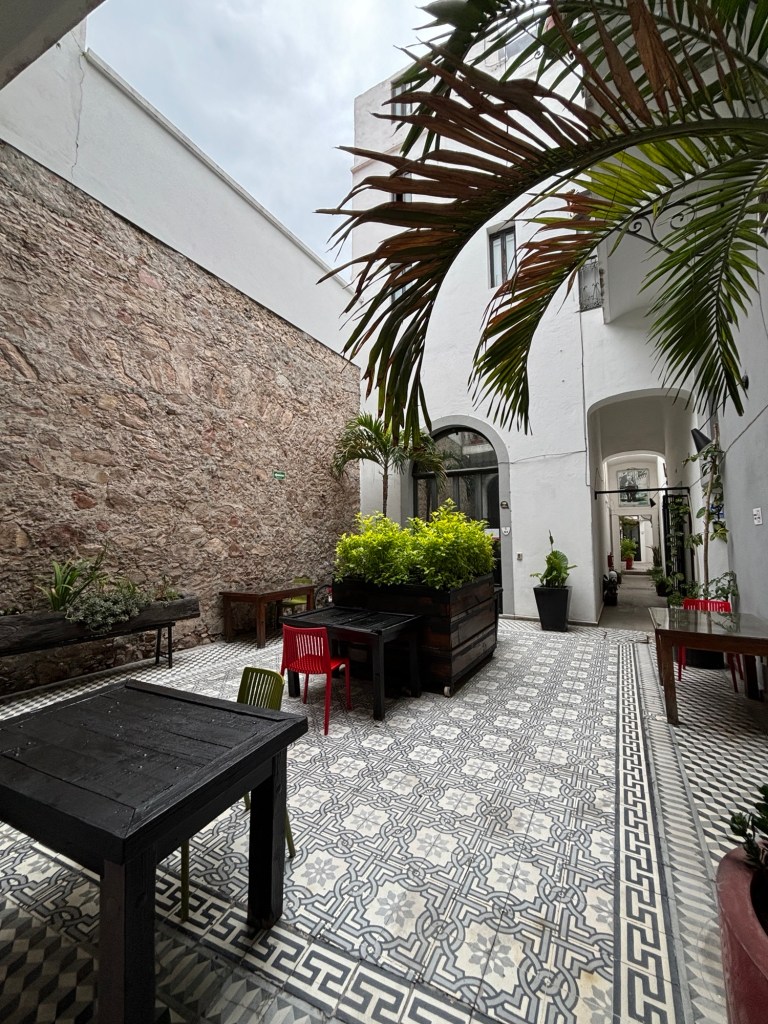
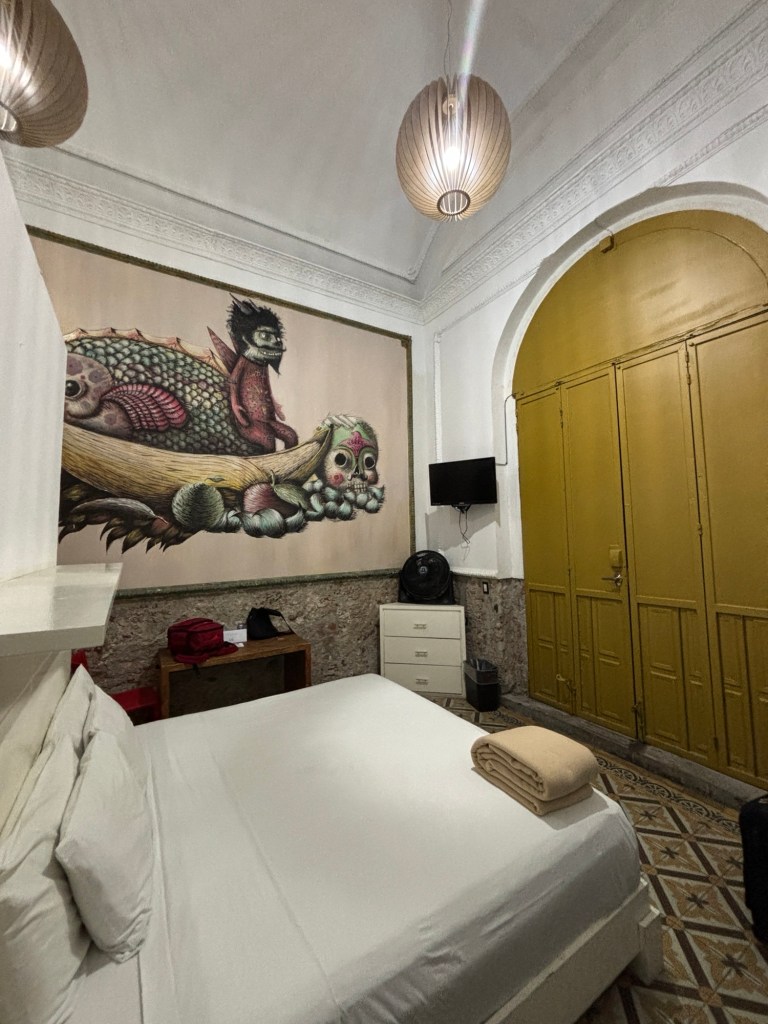
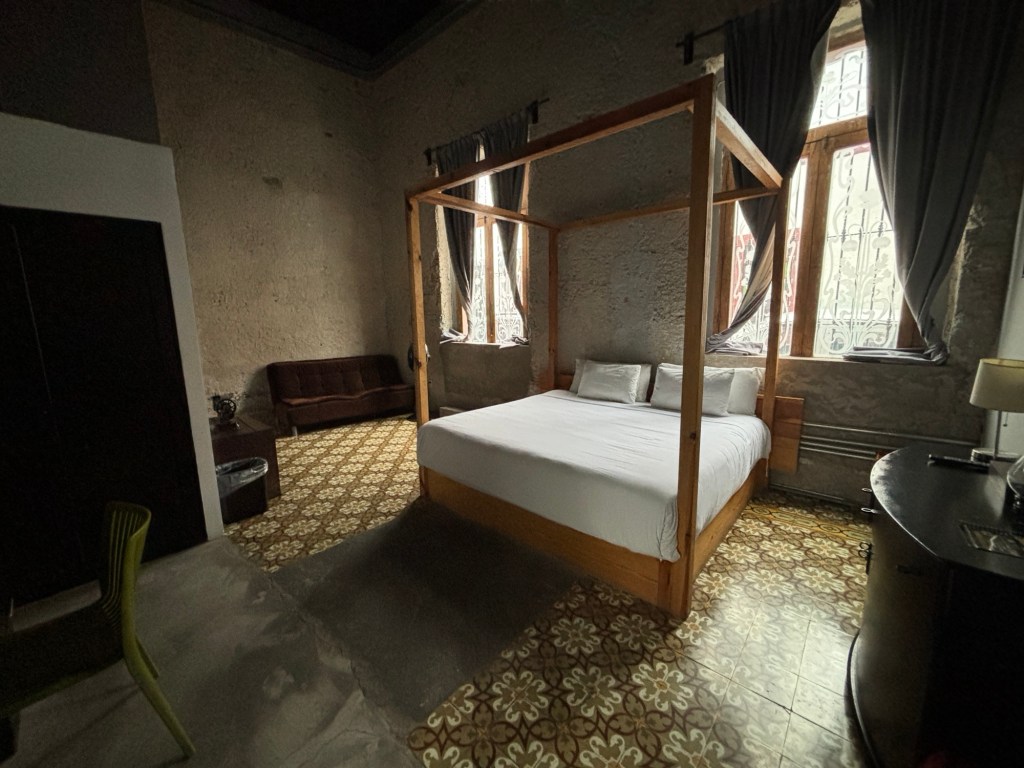
As a side note, I always try to stay central and conserve my budgets when I select hotels regardless of who is paying. This was no exception and I picked a cheap and cheery courtyard hotel in the city’s historic core. It is nestled among the cultural heritage conference venues. Thankfully Emma is the best of sports and appreciated the authenticity as it was, as you’ll recall, cheap and cheery. It is surrounded by nice eateries which we enjoyed.

Thanks a million to everyone who contributed to the organization of this conference — including Luis, Roberto, and ACSA’s Michael, Michelle, Eric, and Danielle — and to the local students, architects, teachers, and residents who came out in force. Their enthusiasm and collective effort made our visit to Querétaro extraordinary special.
Emma and I look forward to seeing all our new ASCA colleagues — Sharon, Dino, Liz, Luis, Mariam, Diana, Ifioma, Faye, Tania, Jori, Erandi, and many others — at the ACSA International meeting in Brisbane in 2026!




 Ireland by Chance