I had the honor of traveling to Riga Technical University (RTU) last week to observe an innovative experiment in European education: the “TEDS Lite” short-term mobility program. As part of the wider European University of Technology (EUt+) alliance, TEDS (the Technology studies, Engineering and Design School) is a vision for a future where students and teachers move seamlessly across borders and learn to tackle global challenges through transversal, challenge-based learning.
The focus of this intensive week was “Bio-Mechanical Cyber Systems”. To get here, 32 (mostly) undergraduate students from Romania, Latvia, Spain, Italy, France, and Poland spent five weeks learning online about CAD simulations, robotics, and sustainability. Once we all assembled in Riga, I felt the students’ energy and enthusiasm immediately.
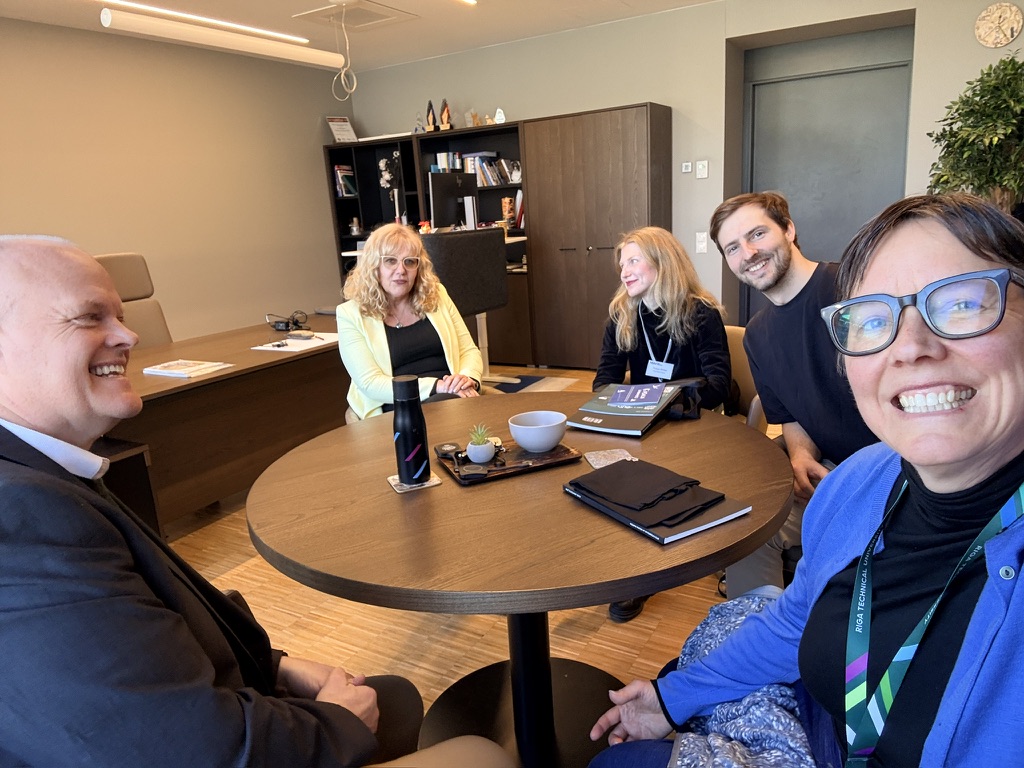
Ervīns Gorelovs, the project manager leading the charge, coordinated a rigorous and engaging schedule that pushed these students to learn new skills and develop new competencies. Ervīns went to heroic lengths to ensure the success of this TEDS Lite program.
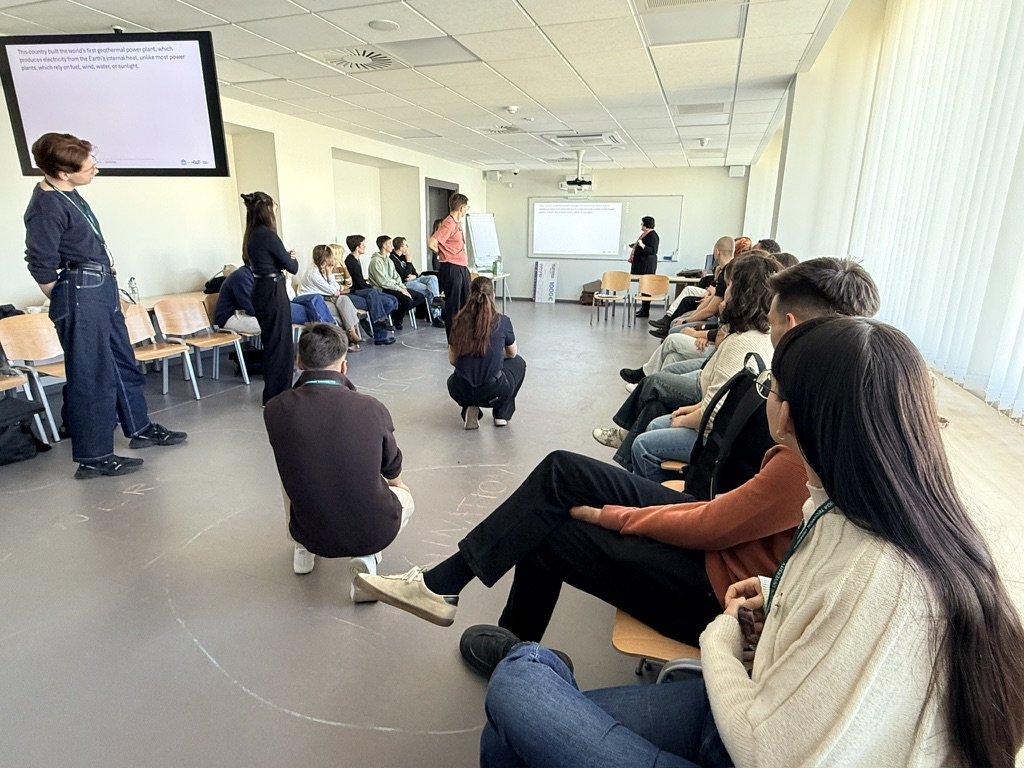
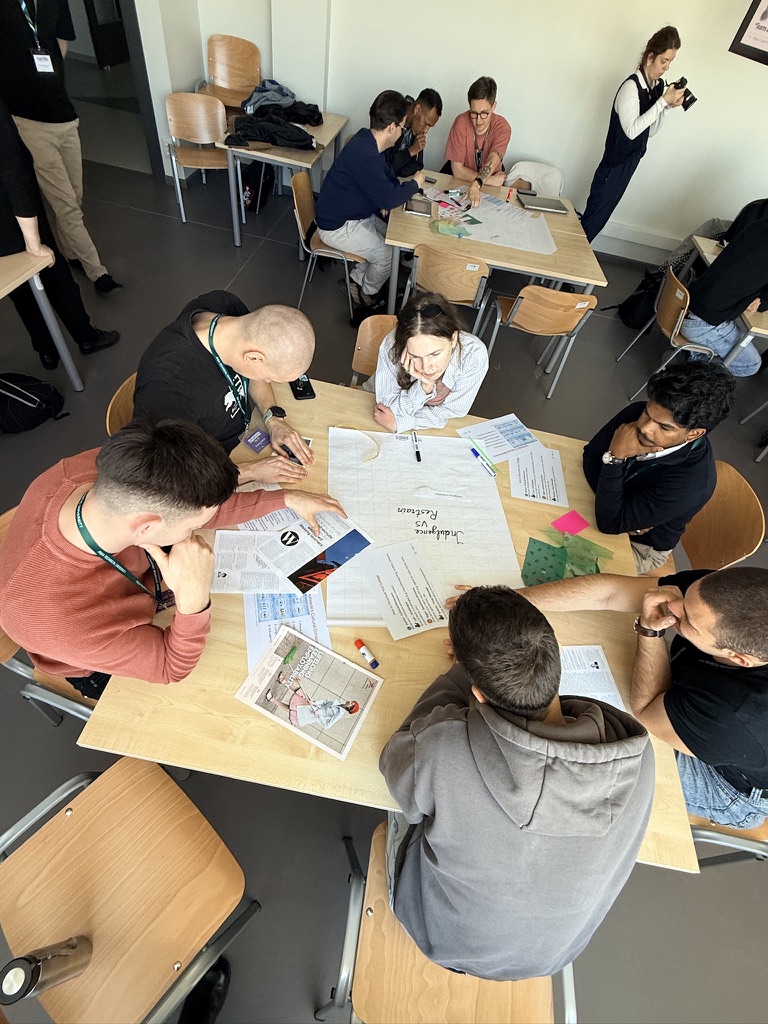
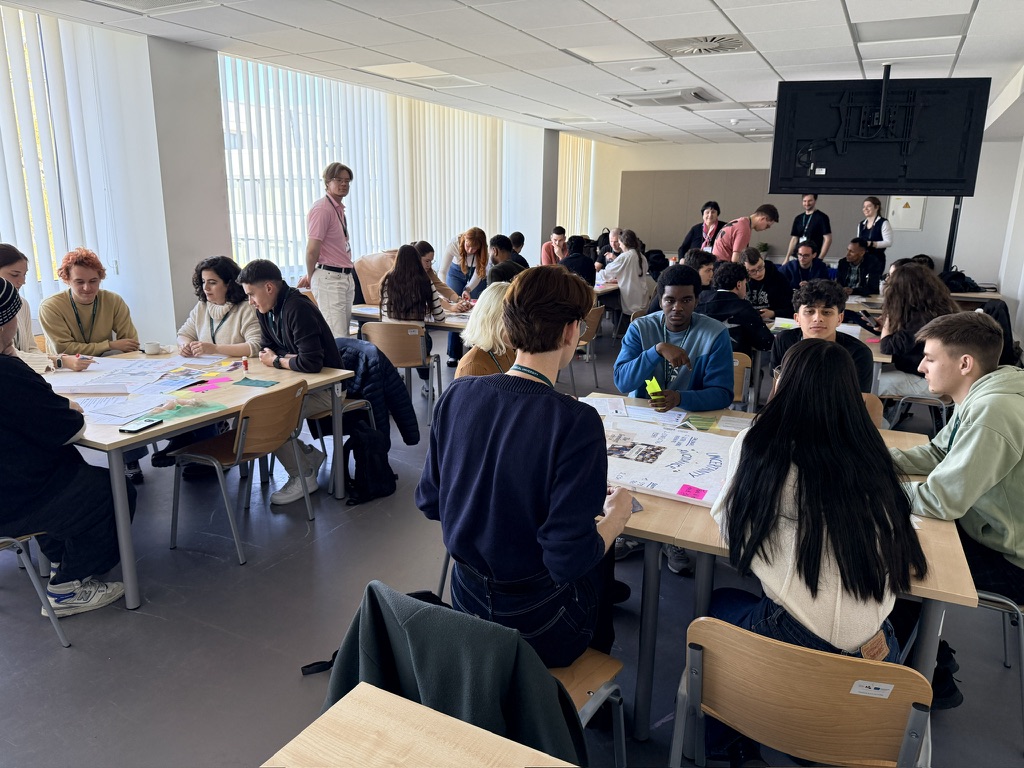
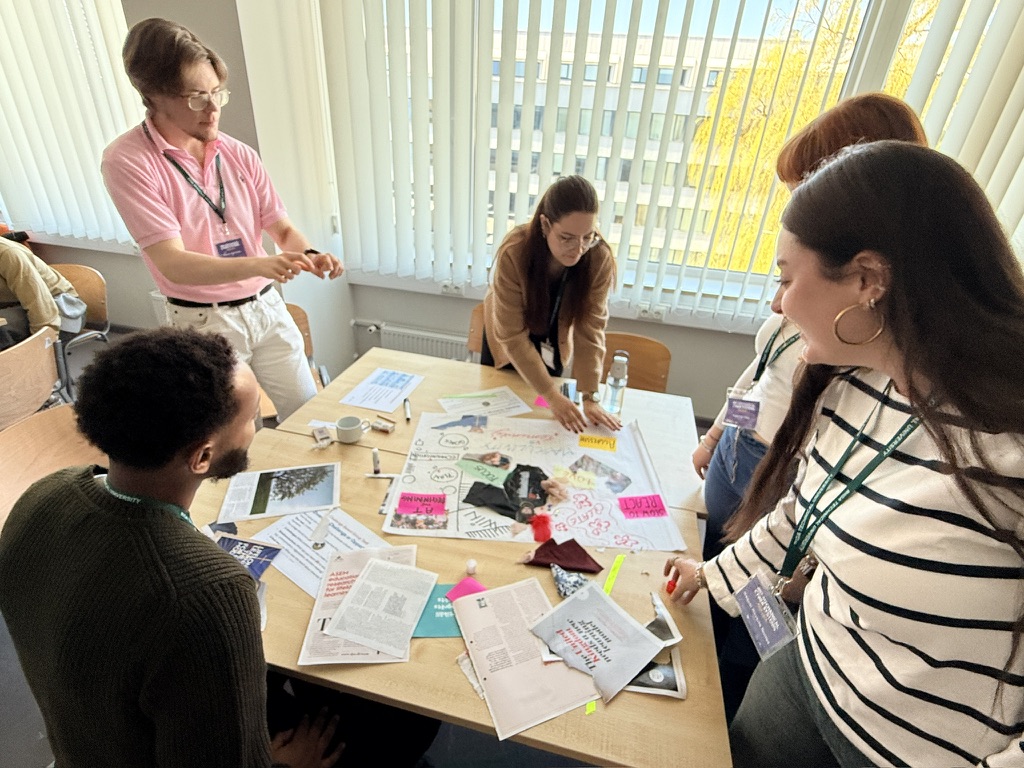
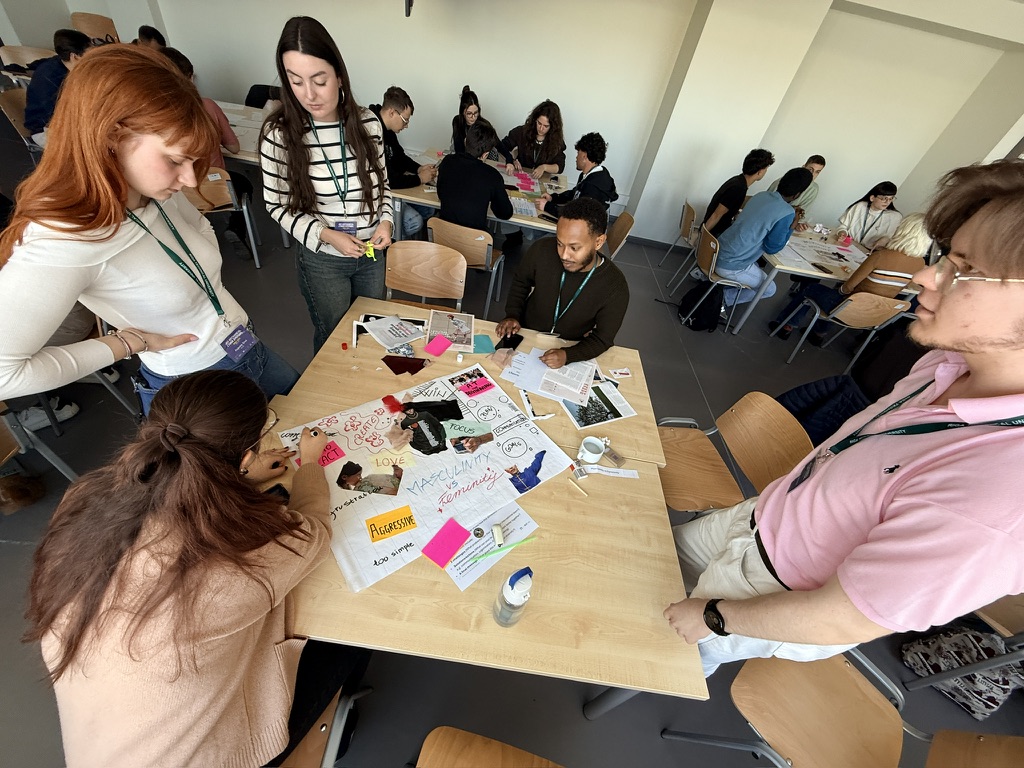
Our week began with a dive into Riga’s history and architecture, followed by an exploration of the value of cultural diversity in engineering. Throughout the week, the students attended expert-led workshops and tours. Overall, the week felt more like a professional hackathon than a traditional classroom — and much, much more fun!
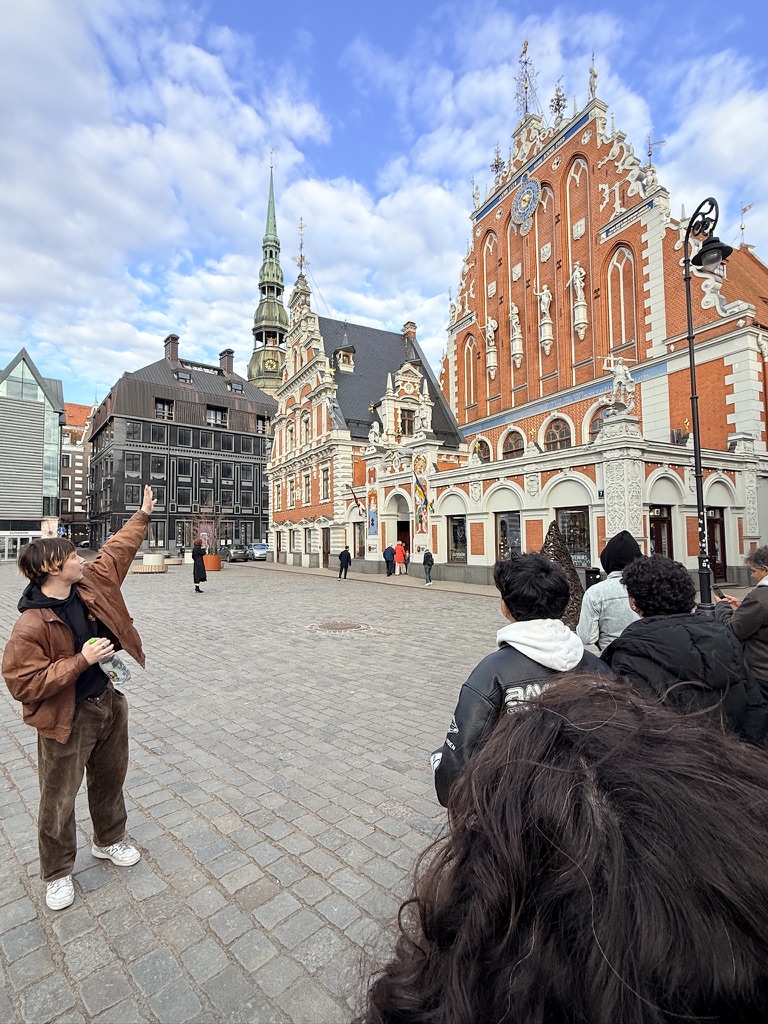
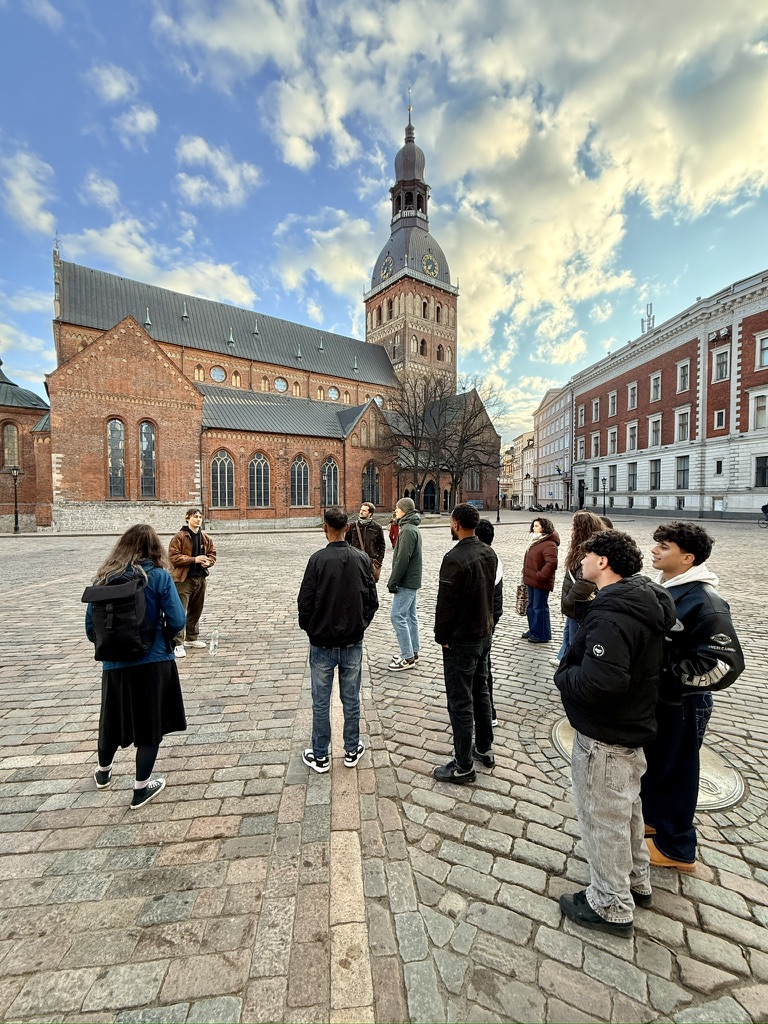
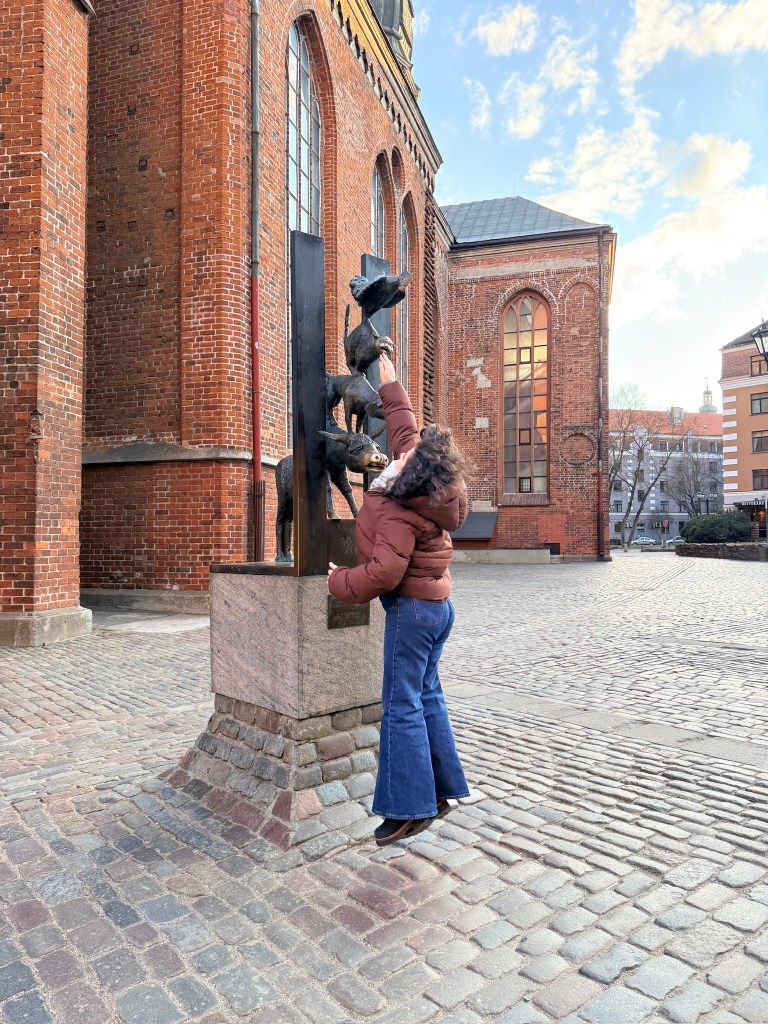
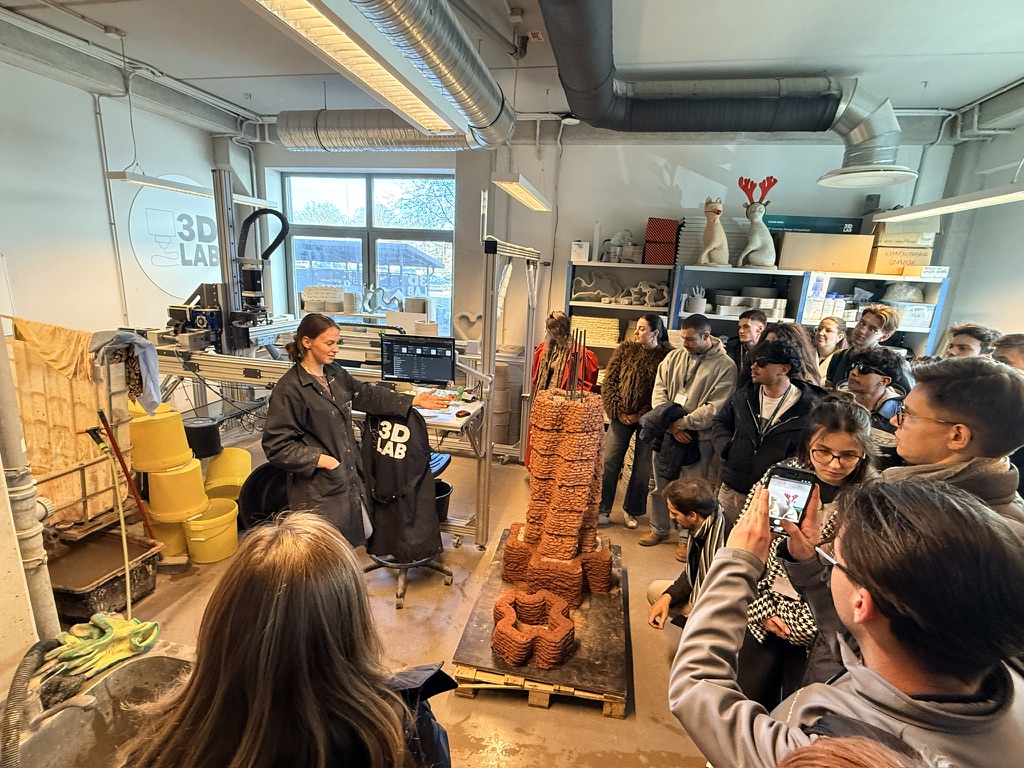
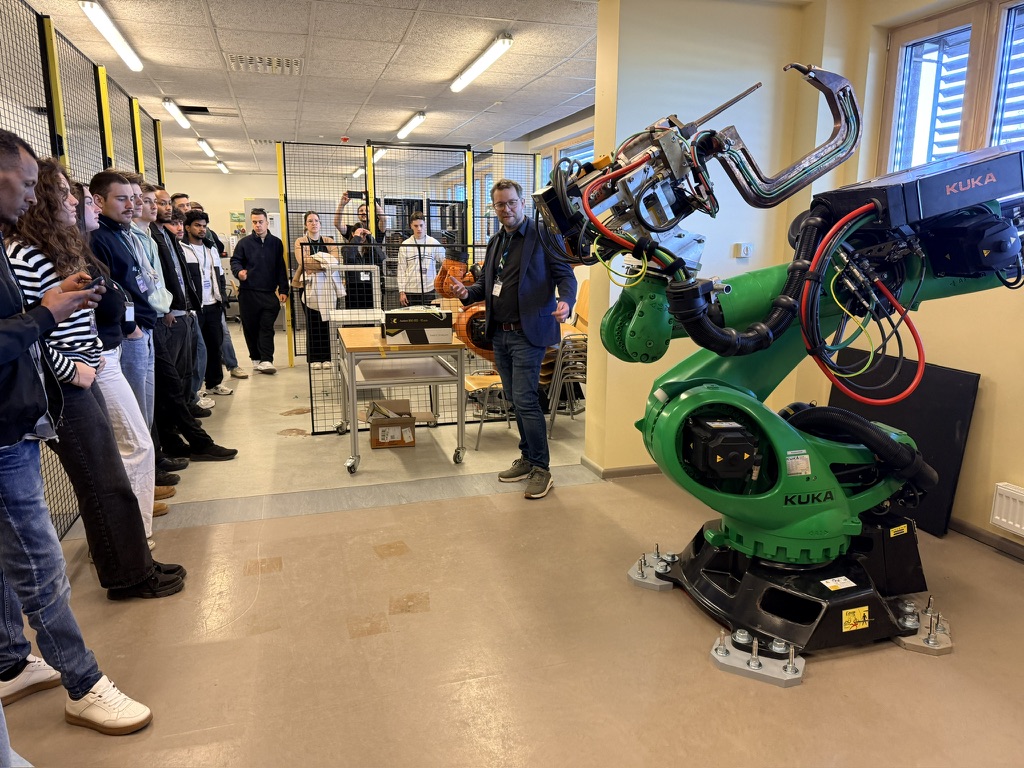
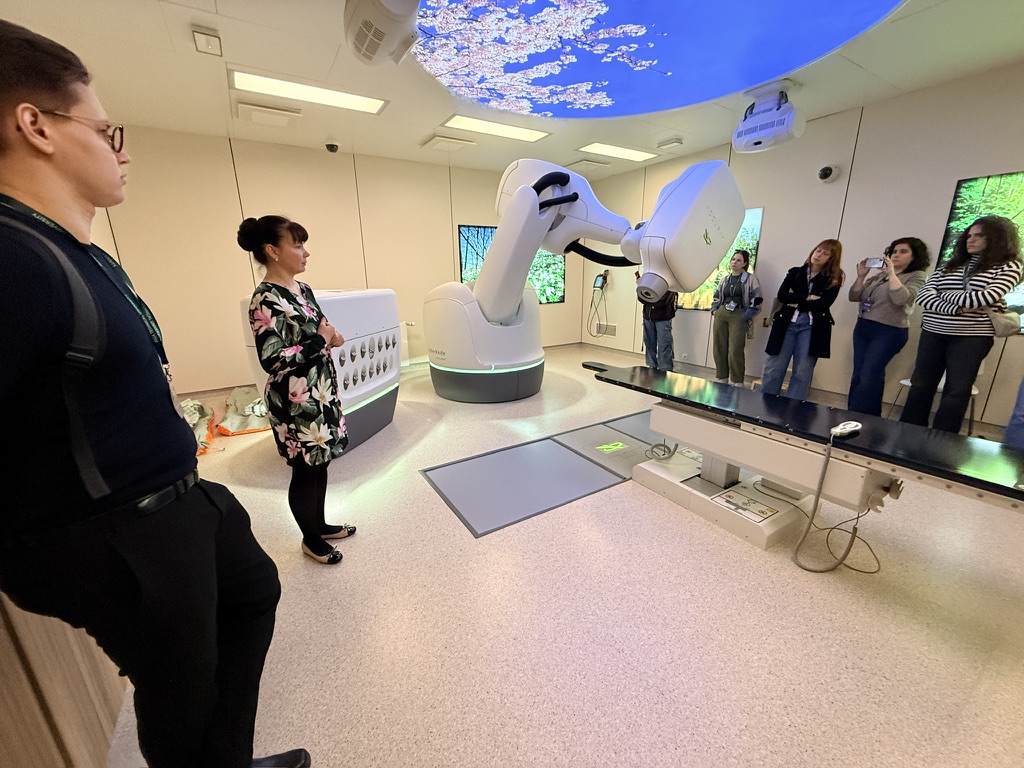
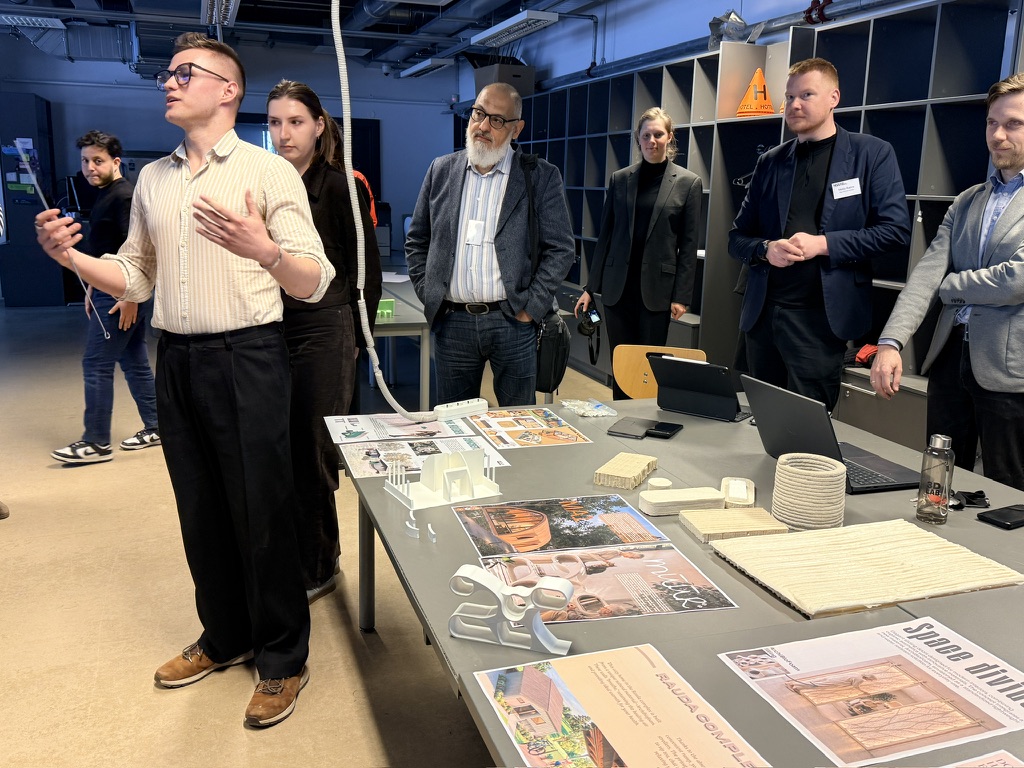
We toured civil and mechanical engineering labs, including a 3D concrete printing lab and a decommissioned helicopter on a campus rooftop. We even traveled with Professor Aleksejs Kataševs to the nearby town of Sigulda to see “CyberKnife” photon beam therapy in action.
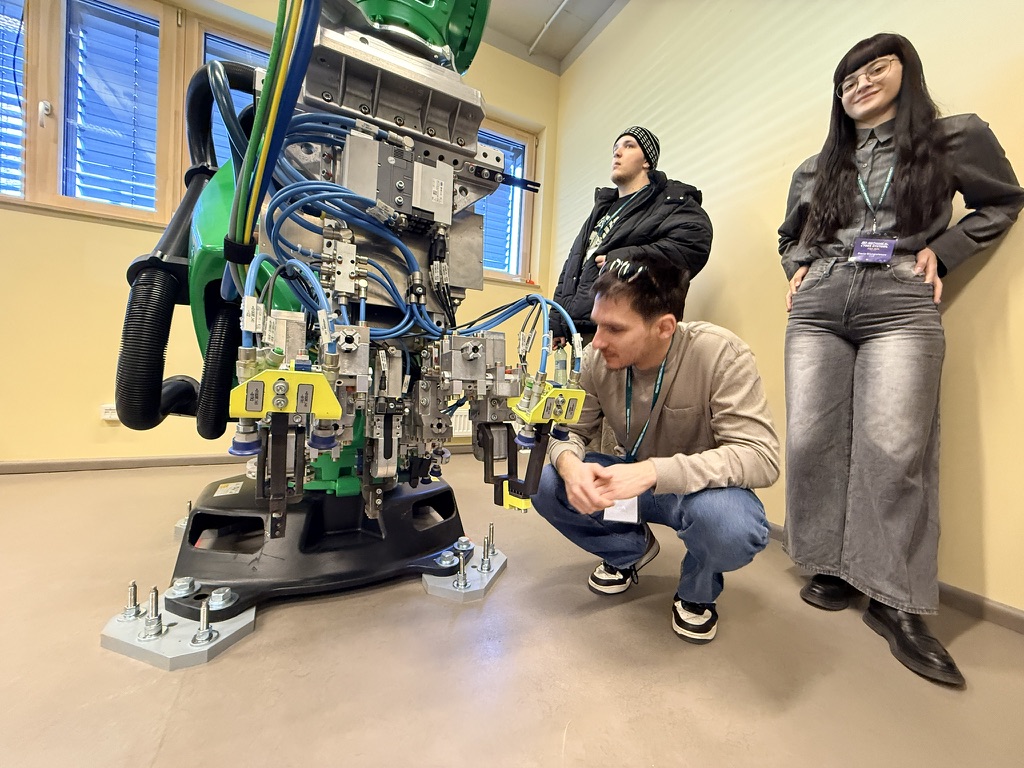
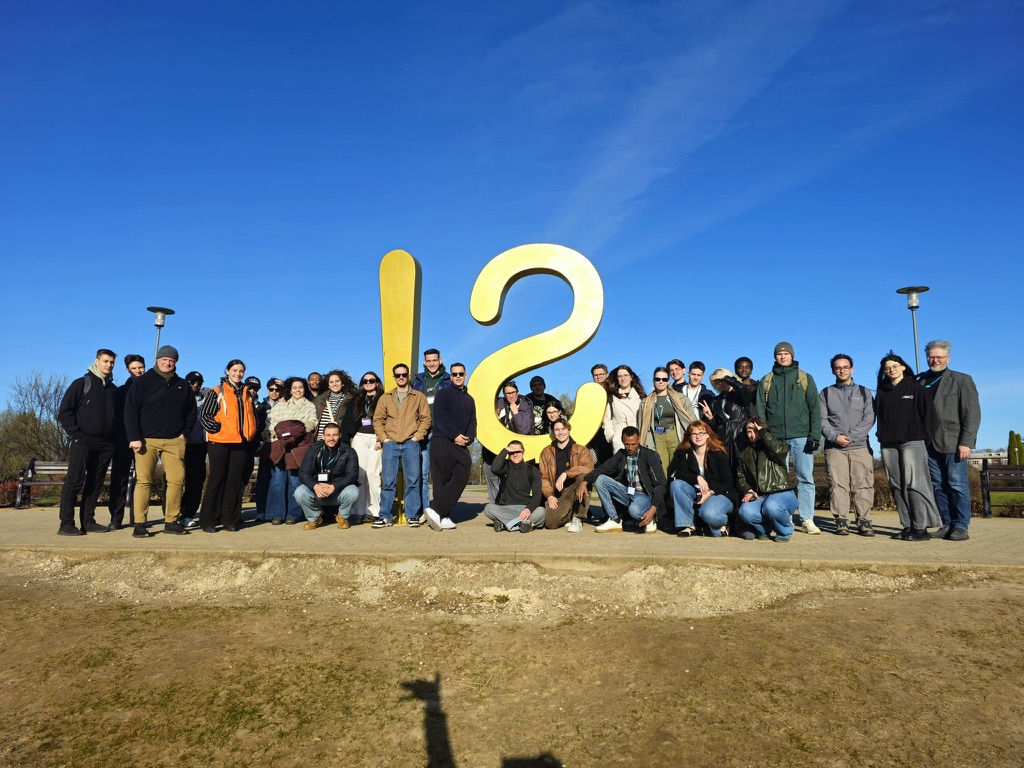
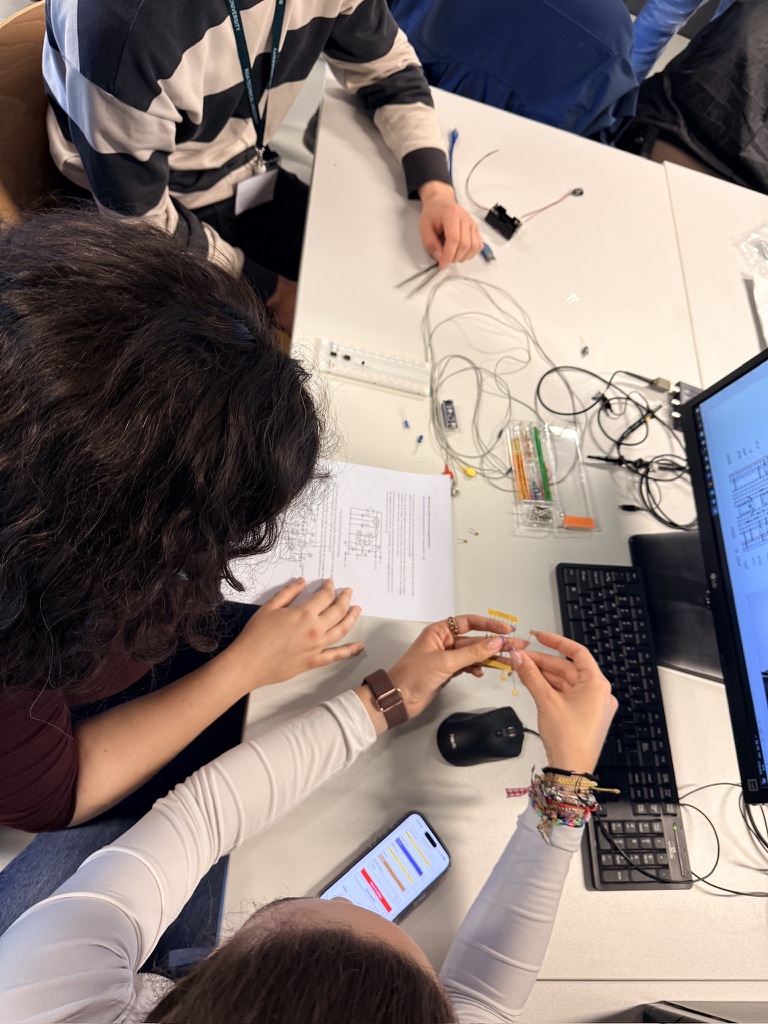
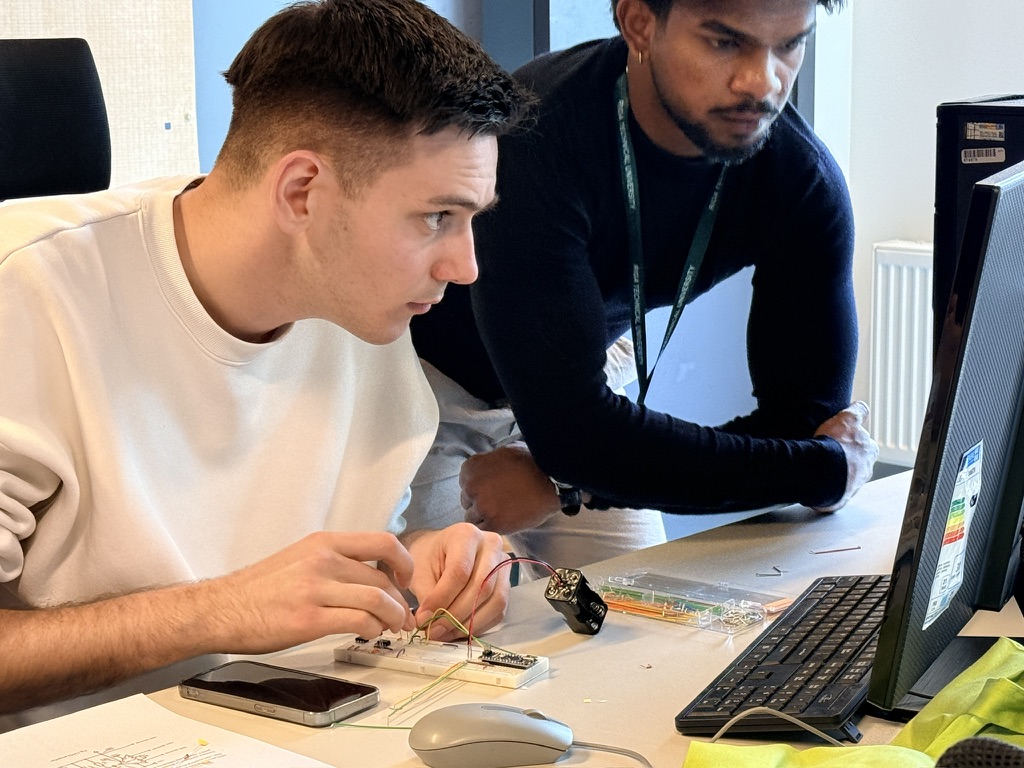
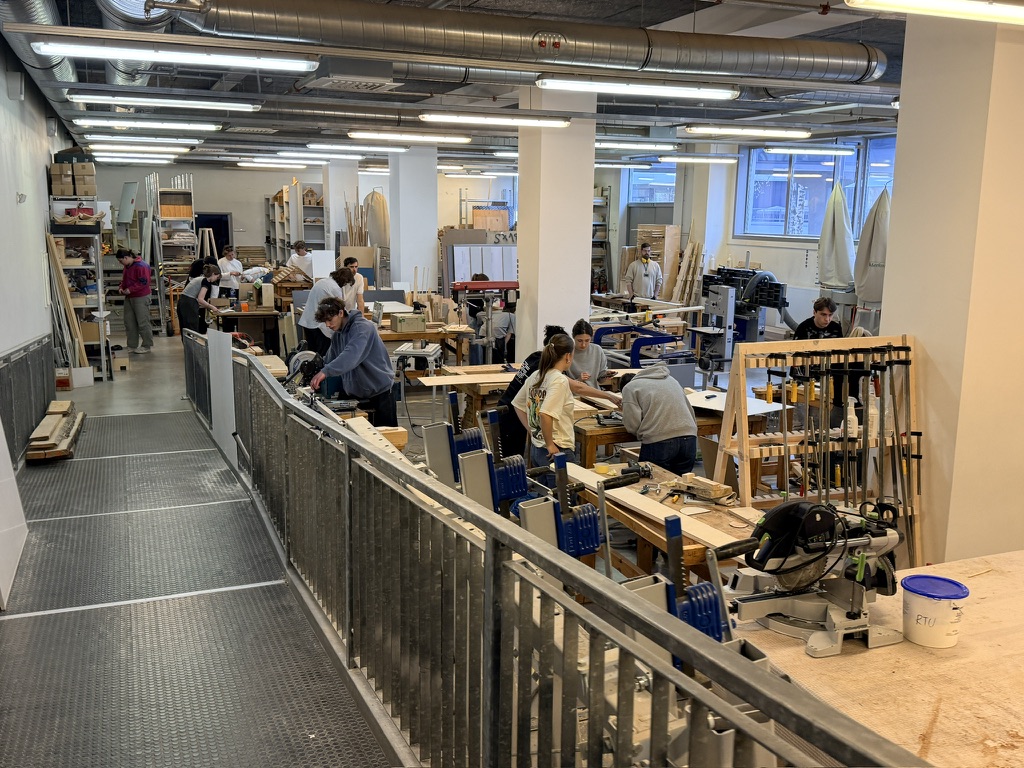
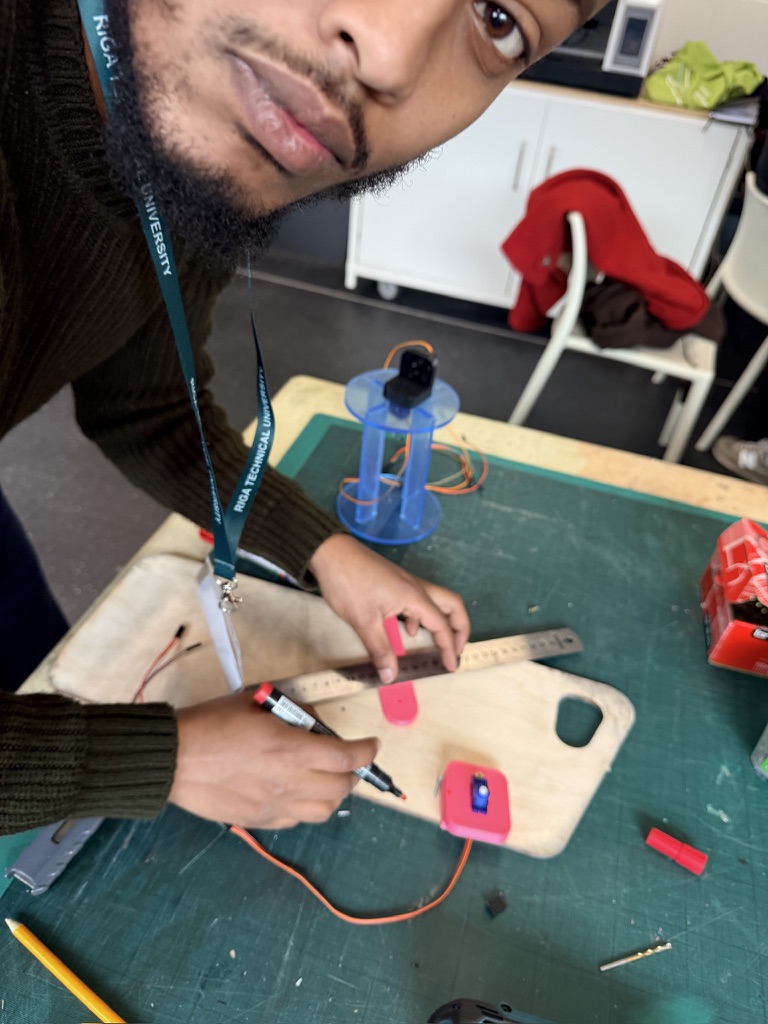
The heart of the program was the project brief: teams were to design and prototype a system that translates human muscle activity (EMG) into mechanical movement. Watching these diverse teams work in the fabrication studio was heartwarming. They were supported by an insightful group of academics and PhD students who led workshops on mechatronics, CAD, and sustainability.
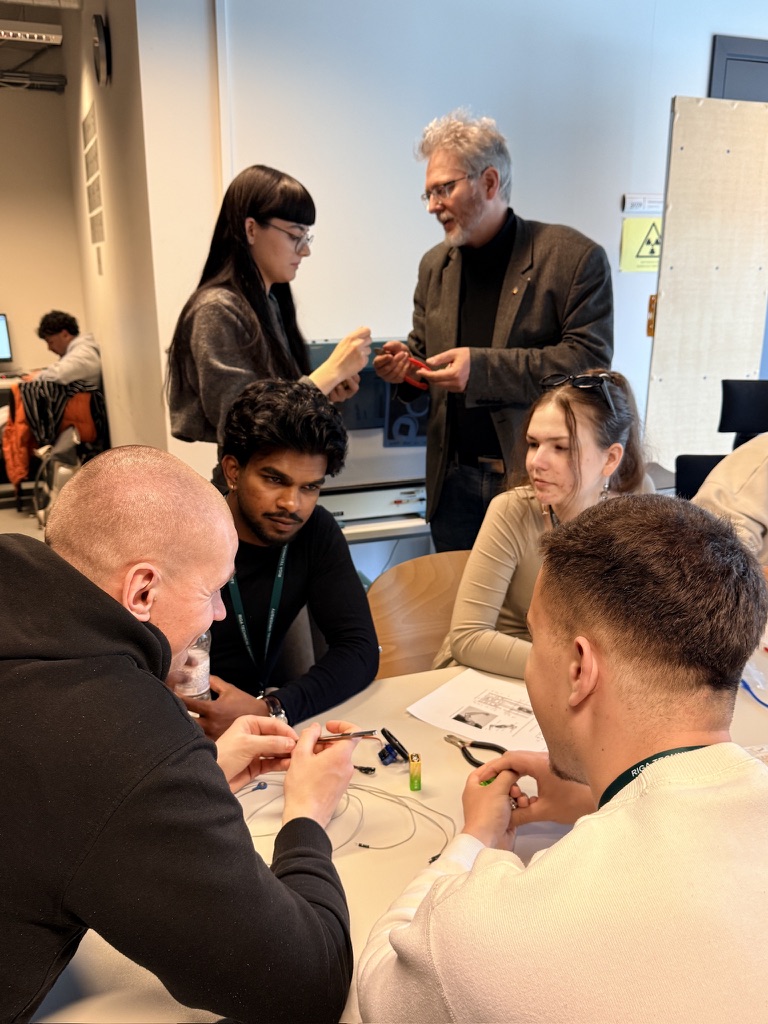
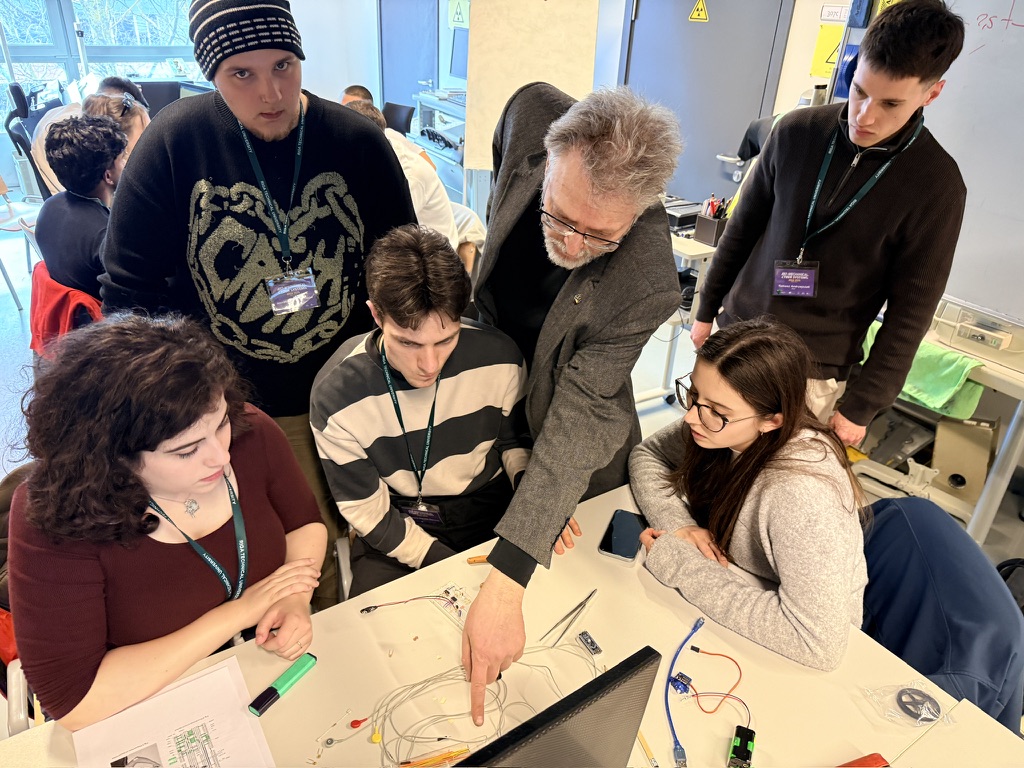
What made the atmosphere even more vibrant was seeing the parallel streams of activity at RTU’s School of Architecture. While our TEDS students were building cyber-limbs, other study abroad groups on campus were exploring textile engineering with sustainable hemp yarn, timber fabrication, and housing plus furniture design for an aging population. The palpable enthusiasm of the architecture school’s leader, Māra Liepa-Zemeša, and the collaborative spirit of the teachers across all of the study abroad programs happening this week made the building feel alive with innovation.
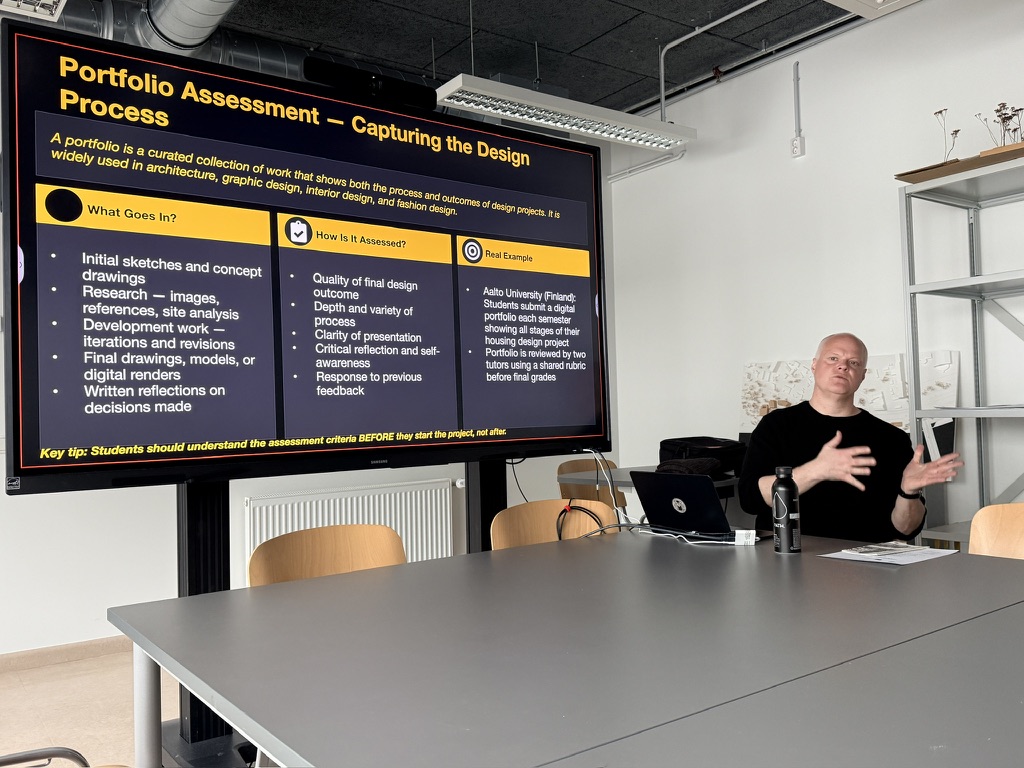
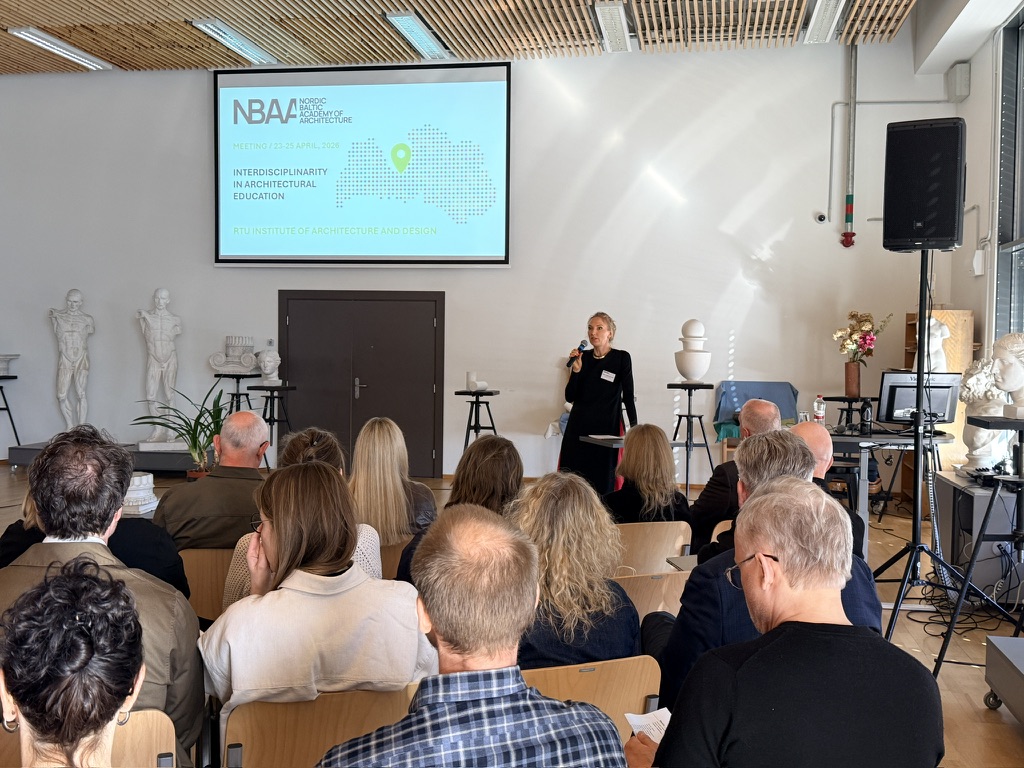
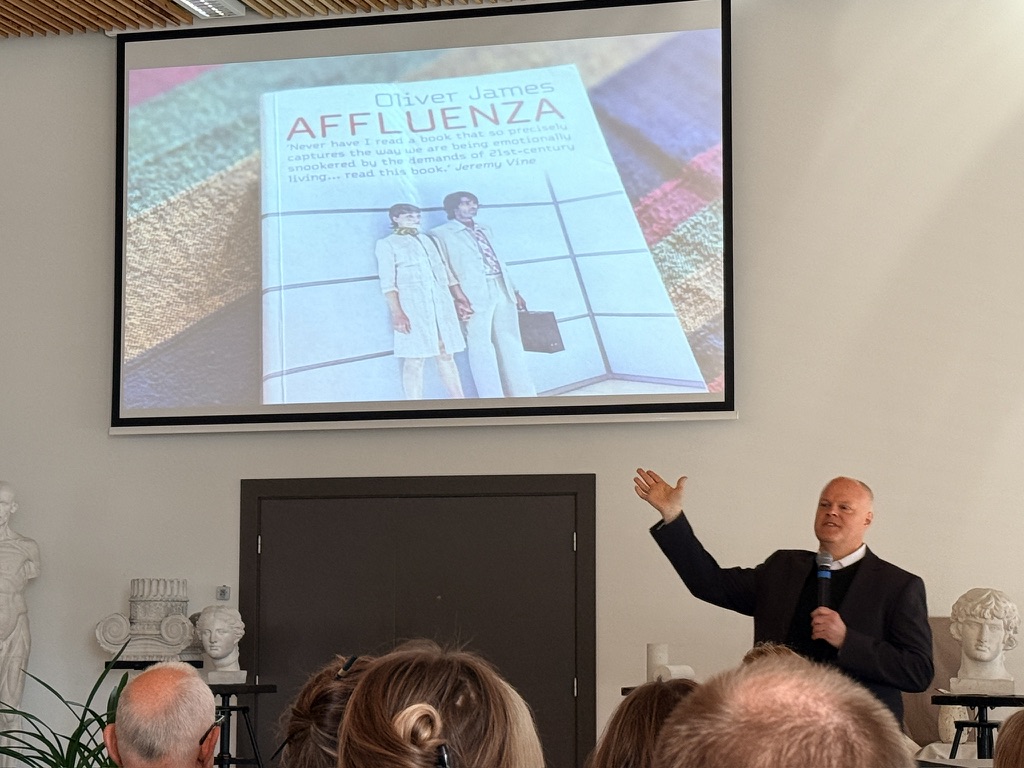
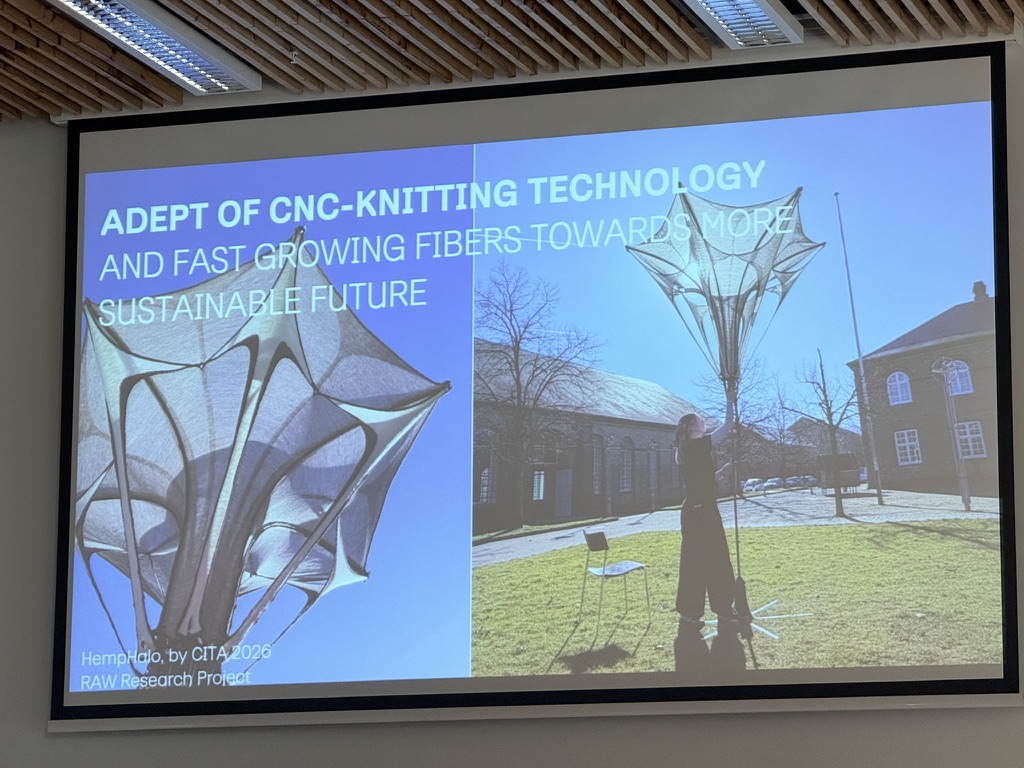
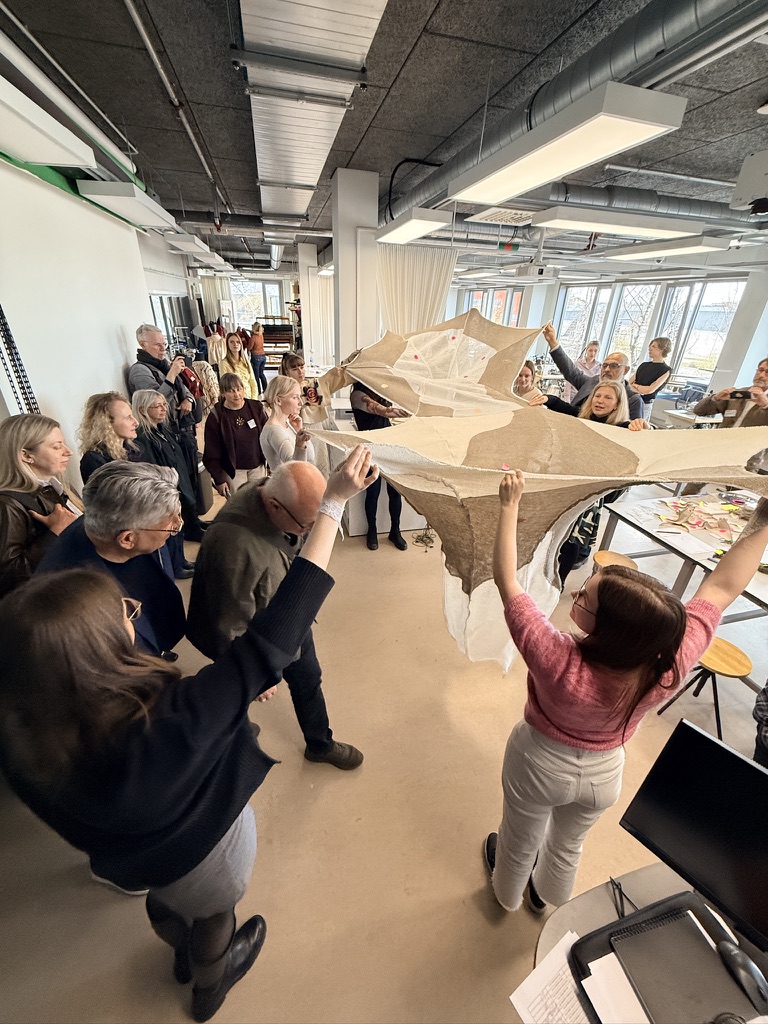
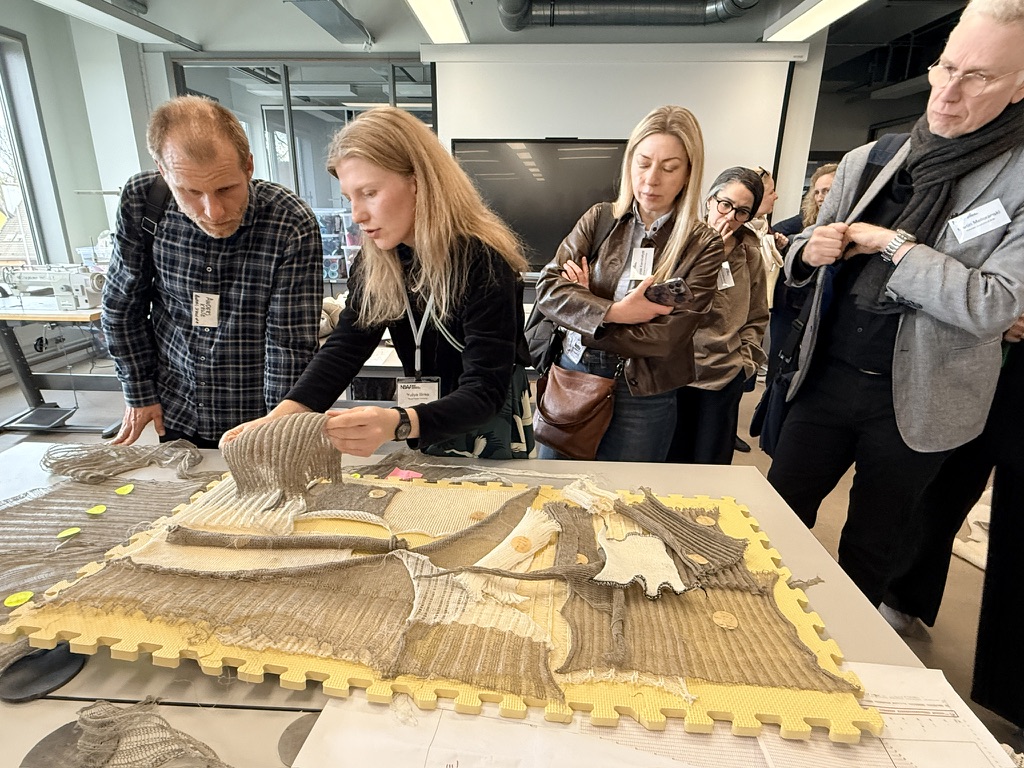
The students themselves were the true stars of the week. They were bright, sincere, and highly engaged, jumping into every challenge with a desire to learn from one another. Their resilience and kindness left a lasting impression on me. In fact, as I was flying home, I couldn’t help but send them a quick message to share how much their hard work meant to me:
“Just touched down in Dublin and I want to thank you, all, for such a great week. You impressed me with your kindness, patience with each other and with us, and with your desire to challenge yourselves and learn. In these crazy times, you’ve restored a bit of my faith in humanity. Cheers, and have fun tomorrow!”
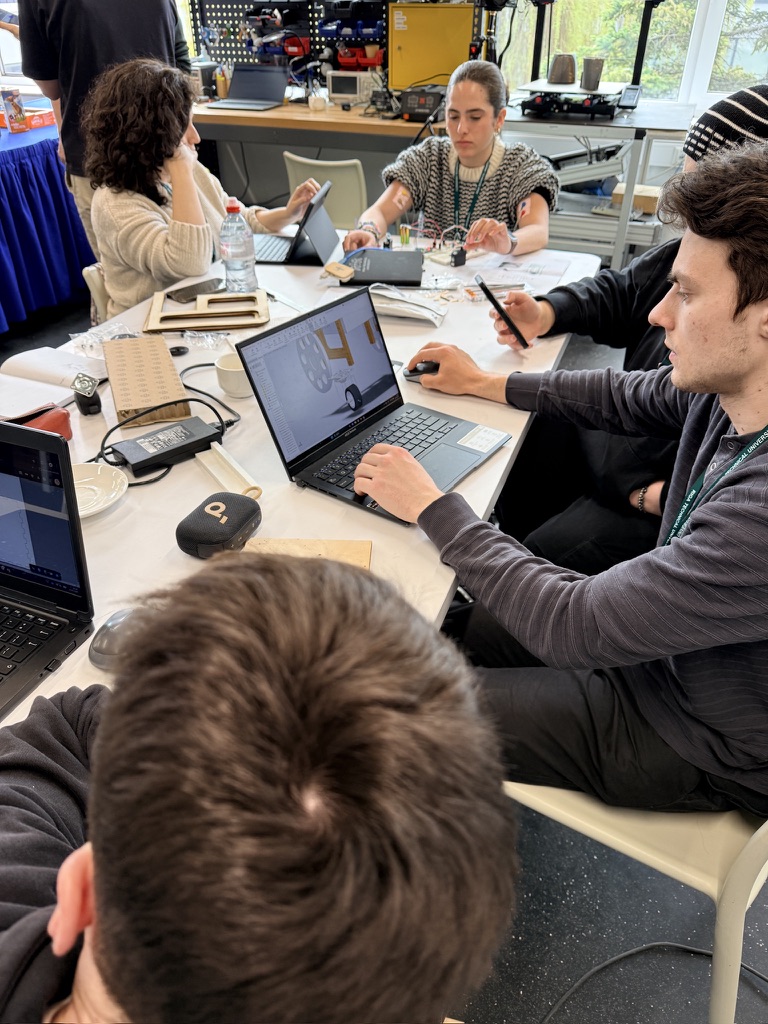
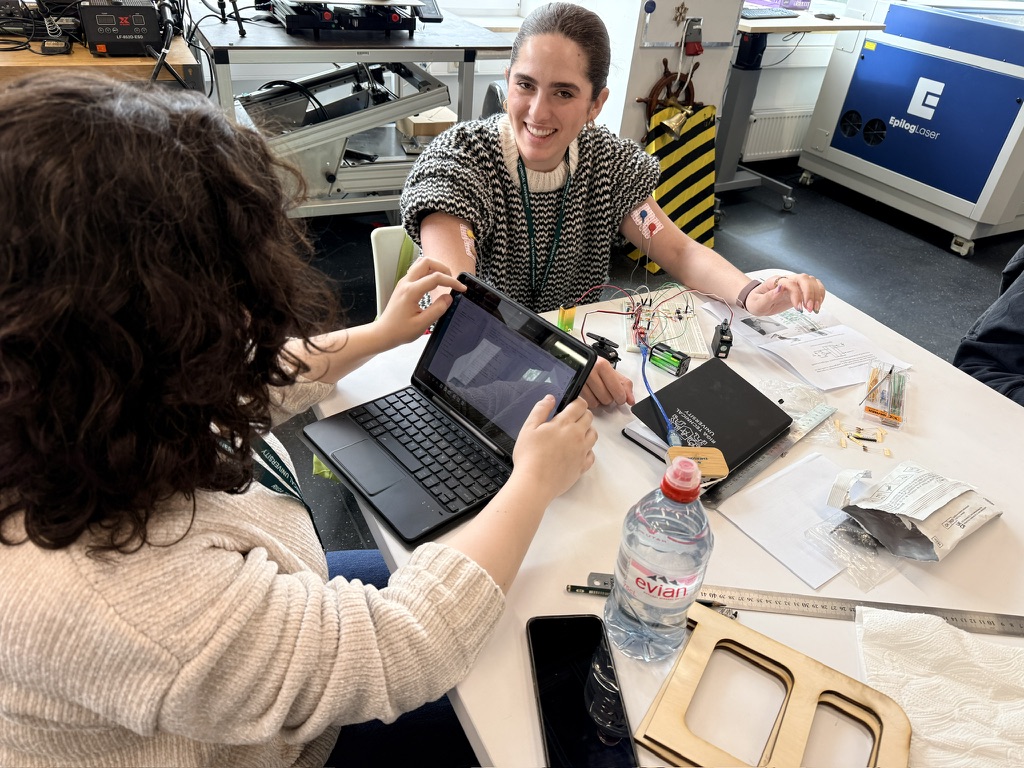
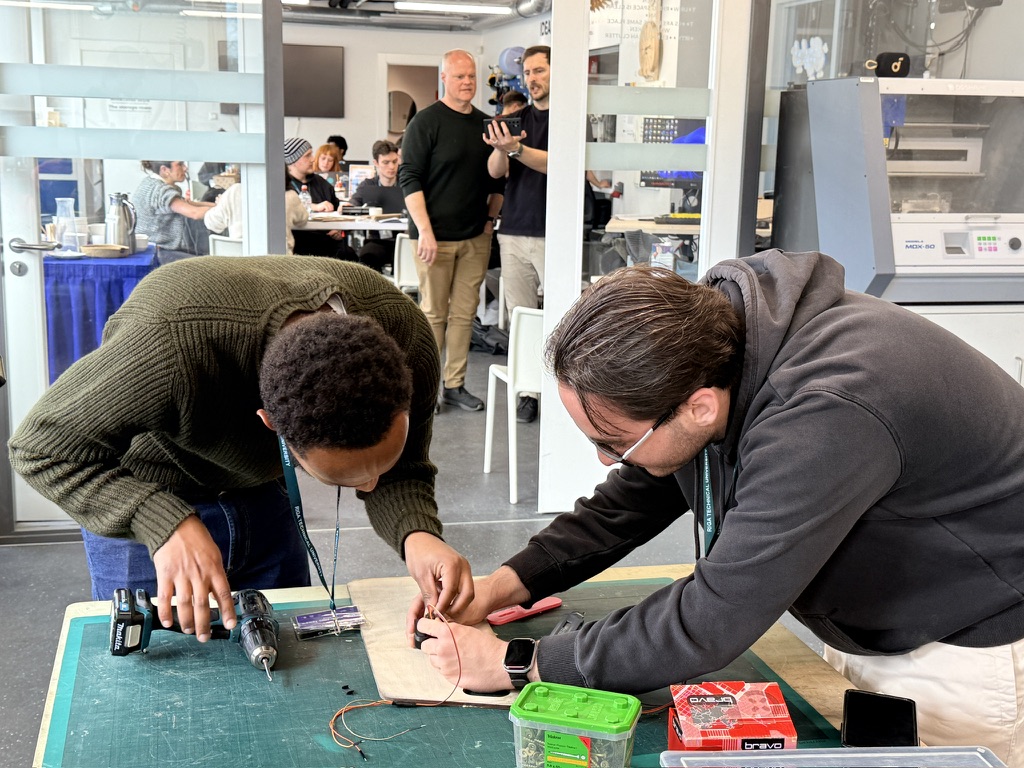
Overall, I believe that the recent TEDS Lite short-term mobility program in Riga served as a significant first step in operationalizing the vision for transversal, challenge-based learning within the EUt+ alliance. I am so proud of the work Ervīns and his colleagues at RTU have done to create meaningful learning experiences for students in a way that brings people from all across Europe together (including some, like me, who are Europeans by choice rather than by birth).
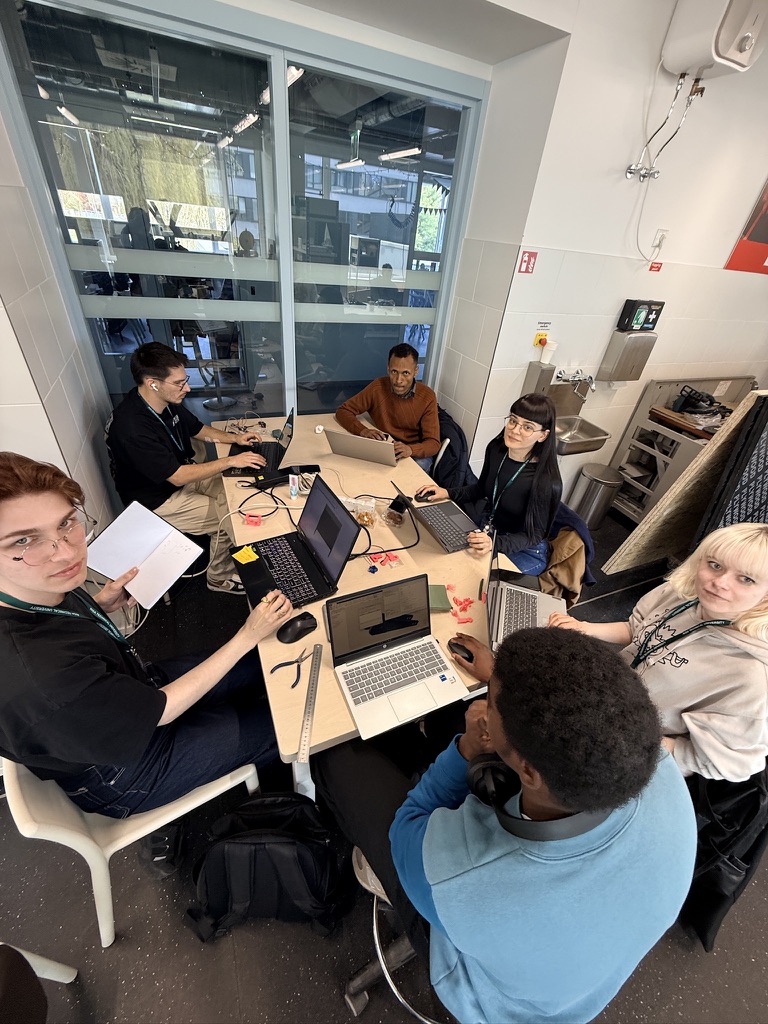
The energy and engagement I observed during the week highlight the strong potential for TEDS Lite to serve as a foundation for future innovative educational offerings by EUt+.
Read more about the program and see some fabulous photos at https://www.rtu.lv/en/university/for-mass-media/news/open/how-do-we-bridge-the-gap-between-abstract-engineering-and-human-needs-cross-disciplinary-student-teams-solve-complex-bio-mechanical-challenges-in-weeklong-teds-lite-programme!


Great!
LikeLike