Lunch with the Fowlks

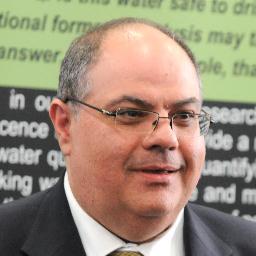
Reconnecting with Hampton University’s Dr. Edison Fowlks is always great fun.  I’m perpetually intrigued by his radiance and his zest for learning and teaching.  For several years, our image anchored HU’s faculty page:

Hampton University _ Faculty

The three of us (pictured above) are all still going strong.  In fact, the third professor in the picture, Dr. Francisco Cornell, was just recognized with Hampton University’s highest teaching award.
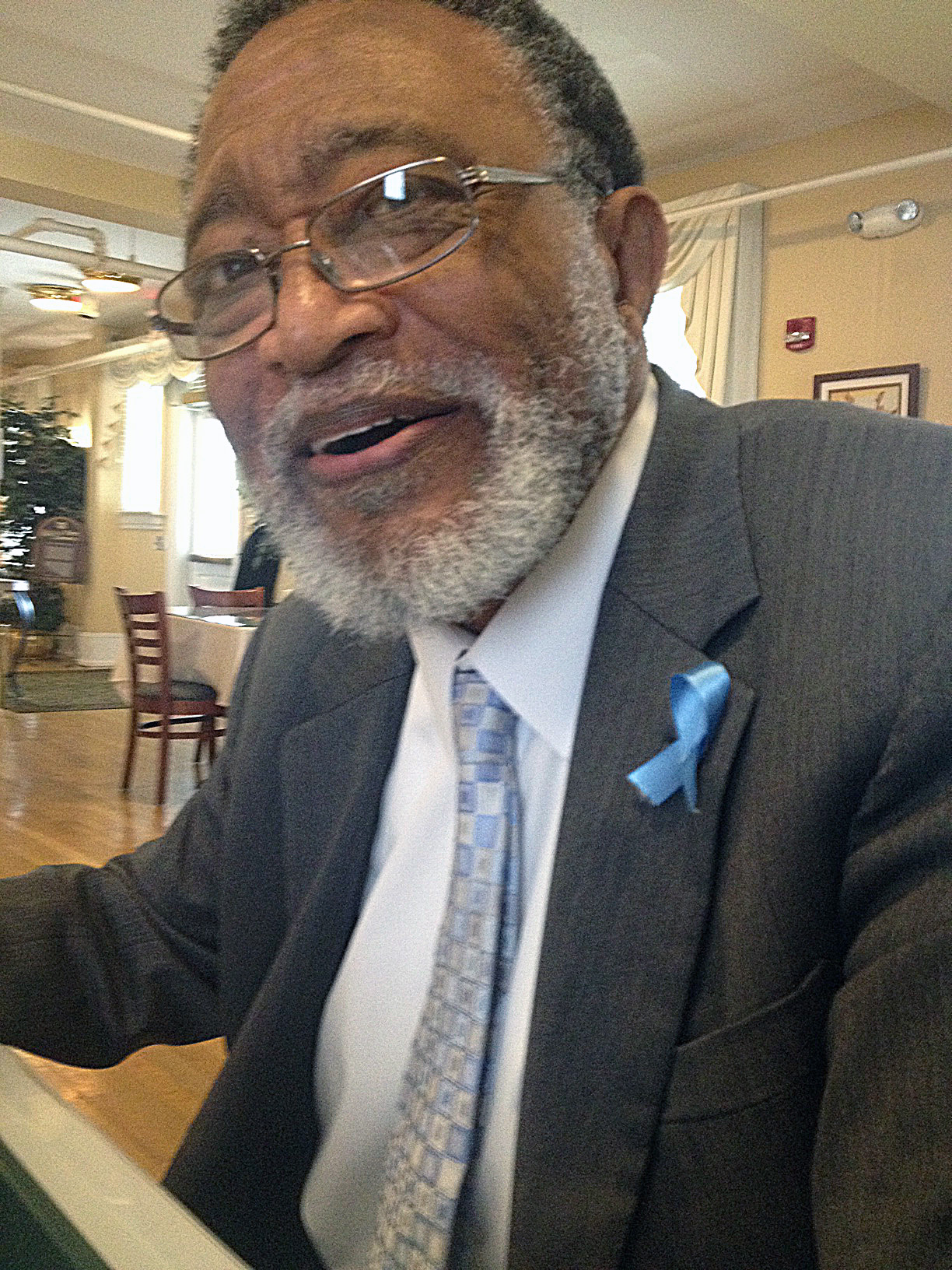
Dr. Edison Folks

Dr. Edison Folks

Recently, I had opportuity to share lunch time with Dr. Fowlks and to hear about his many new studies.  He’s teaching botany this semester, which he’s never done before.  His eyes sparkle and he radiates joy as he explains the new concepts he’s teaching and how he’s getting the students to learn.

“Problem-Based Learning” techniques are second nature to Dr. Fowlks.  Seems he’s always been a hands-on teacher.

Today, he’s teaching his students to isolate genes in soybeans and splice together new combinations.  He building new knowledge in genome sequencing and “synthetic biology.”

I recall he was once working to get cotton to grow blue so it wouldn’t need to be dyed.  I’ll have to remember to ask how that went.

Dr. Fowlks recently led a summer camp on synthetic biology. He took students to Yale for ten days last summer to work in a lab.  He’s also a member of the Genome Consortium.
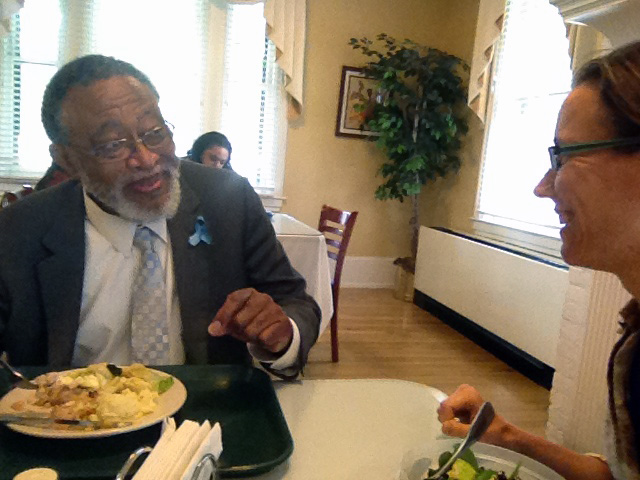
Fun over lunch.

Fun over lunch.

At lunch last week, we discussed bio-remediation and using living gardens to purify water.  I’ve been wondering if we could use the techniques to help an art professor who came to a sustainability lunch I held a few weeks back.

Over lunch on this particular day, Dr. Fowlks also introduced me to the concepts of “the new bio economy” and “metagenomics” which means “around genomics.”  One of his friends actually coined the term metagenomics.

I often remind myself how fortunate we are to have this genius and teacher extraordinare here at HU. He does his namesake (Edison) proud, and I’m certain he could be working anywhere he’d like.  A glance over his bio on the Hampton University’s website makes that much clear:

Dr. Fowlks received the Ph.D. degree in Plant Pathology from the Ohio State University. For four years he was a Postdoctoral Fellow in Plant Molecular Biology at Michigan State University and in Molecular Virology at the University of California at Berkeley. At Michigan State and UC Berkeley, he studied the primary structure of ribosomal and viral RNAs respectively. Later at Bishop College, research in his laboratory led to the development of a two-dimensional RNA fingerprinting technique for studying mammalian RNA viruses. At Hampton University, he and his students use the tools of genomics, metagenomics, bioinformatics, and synthetic biology to focus on some unanswered questions in biology and medicine. Moreover, he is establishing DNA Microarray and Bioinformatics labs to serve as models for teaching biology as an information science and organisms as networks or circuits, and blending computer science, mathematics, and genetics into the curriculum. Dr. Fowlks instructs Principles of Heredity, Bioinformatics and Genomics and Advanced Genetics and is the director of The Howard Hughes Medical Institute (HHMI) Undergraduate Education Program housed in the Department of Biological Sciences at Hampton University.
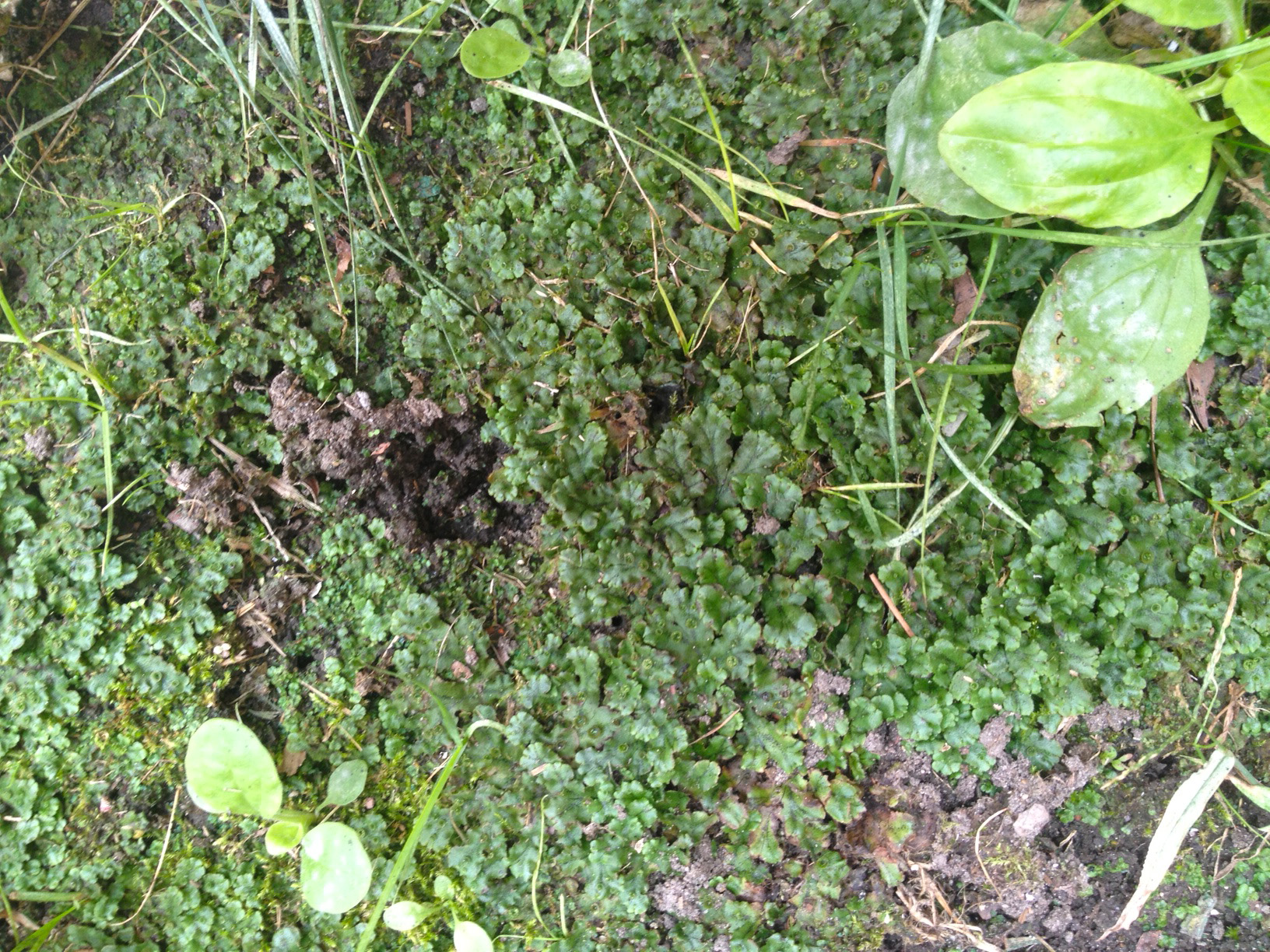
We made a special journey over to see the liverwort outside Armstrong-Slater Hall.  It's one of the oldest strains of plant anywhere.

We made a special journey over to see the liverwort outside Armstrong-Slater Hall. It’s one of the oldest strains of plant anywhere.
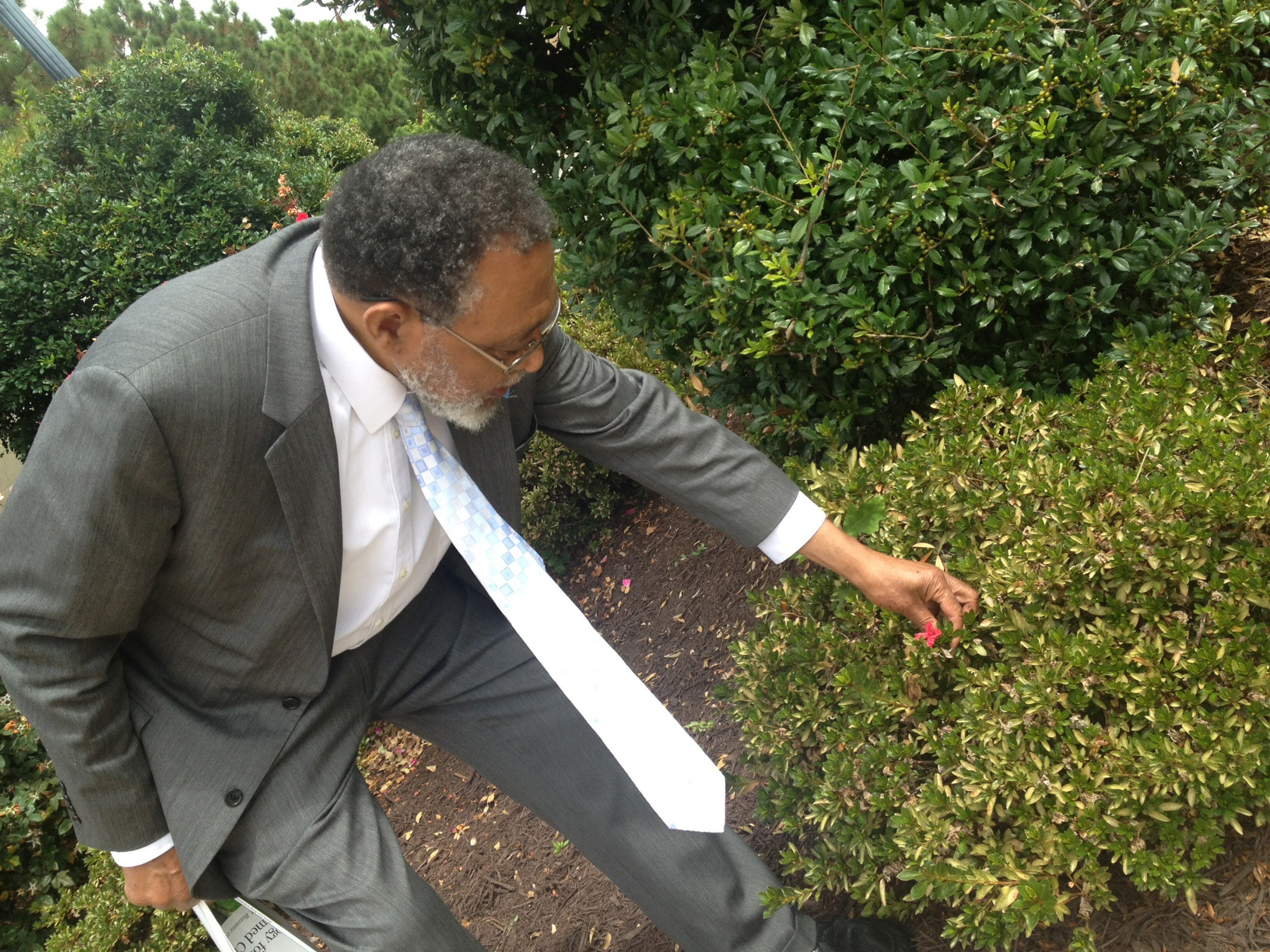
Walking back to our academic buildings, Dr. Fowlks and I stopped to investigate botanical wonders--like this bloom that sprouted out of season.

Walking back to our academic buildings, Dr. Fowlks and I stopped to investigate botanical wonders–like this bloom that sprouted out of season.
Reflections on Water, Light, Time & Teams

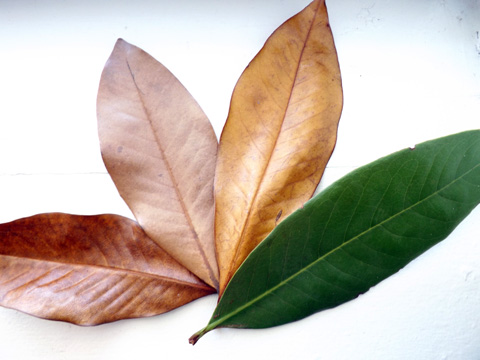
Discovering time in ordinary and extraordinary objects.

Discovering time in ordinary and extraordinary objects.

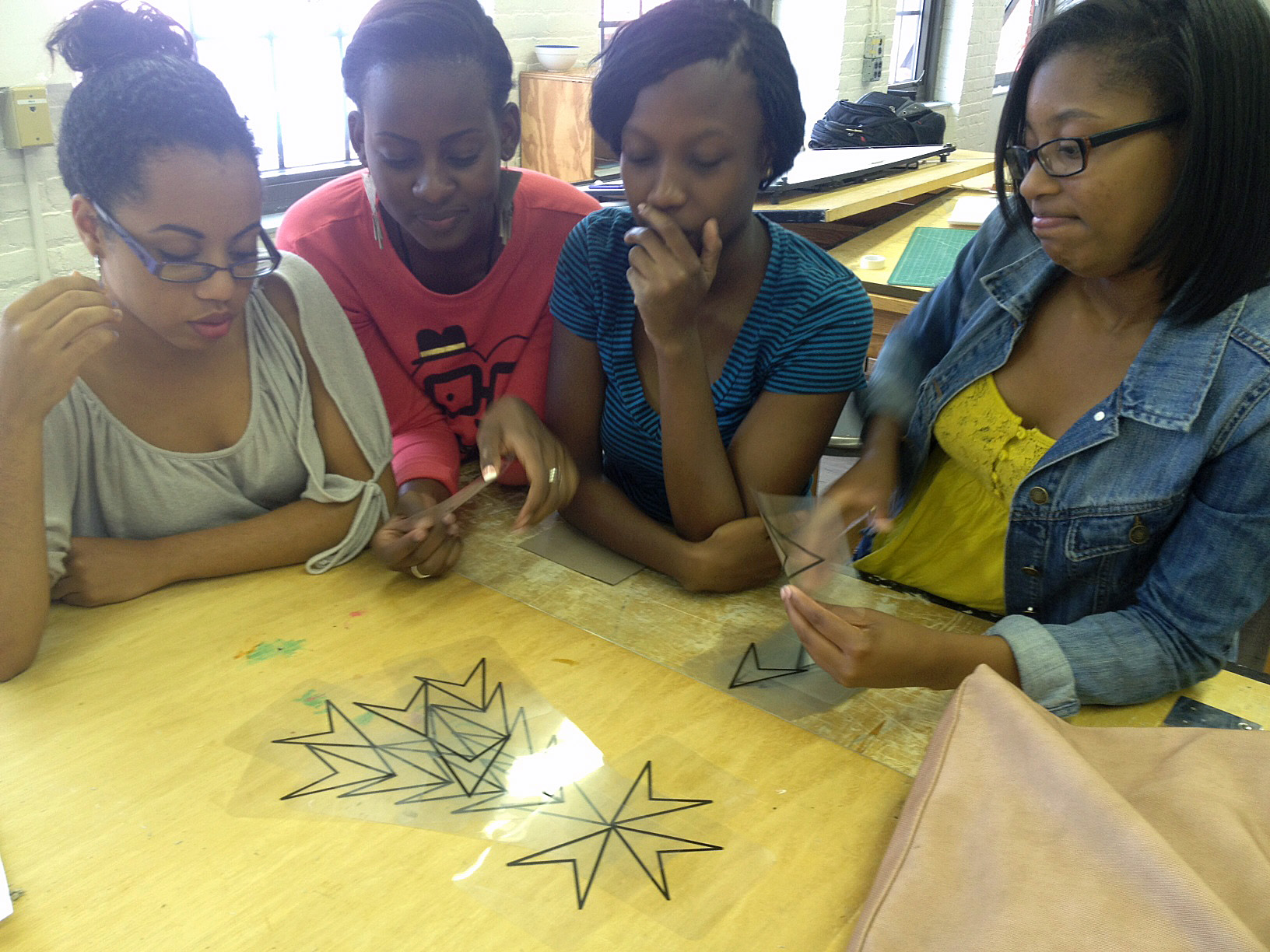
Janine, Khadjia, Shanice, and Sheldyn in a team-building activity lead by MIT grad student Derek Ham.

Janine, Khadjia, Shanice, and Sheldyn in a team-building activity lead by MIT grad student Derek Ham.

My students’ teamwork skills are improving by leaps and bounds.   The group of students pictured to the left makes teamwork and design look like so much fun.   In this photo they were doing a team-building exercise under the direction of Derek Ham.  Derek earned a Bachelor of Architecture degree at Hampton University in 2001. He went on to each a Master’s of Architecture at Harvard and teach at HU and FAMU. Today, he’s a PhD student at MIT. He came to talk with our students about overlaps between design and computation.

SELF-DIRECTED LEARNING

The overall goal of all this team work is to master skills in design, collaboration, and self-directed learning. In self-directed learning a (person or) group can identify what it needs to learn and how to learn it. It’s even better when the (person or) group simultaneously identifies what it wants to learn as well. That’s when learning gets to be really fun!

Members of this particular group did a nice job answering the question posted on this blog 1.5 weeks ago by prof. Steven Temple from the University of Texas at San Antonio. He asked if we’d posted findings of our water study yet.  Finally, here some are….

We’d done five studies in studio to date.  We’ve explored properties of water, light and time.  And, we’ve drawn our project site and studied/documented various monuments that use/express time/sun.  The images posted represent a few of the items this team has made in studio this semester.
So: What has the studio found that’s unique to water, light, and time?  Last weekend I asked my students to summarize their findings in words.  Here’s the response provided by Janine, Khadjia, and Sheldyn.

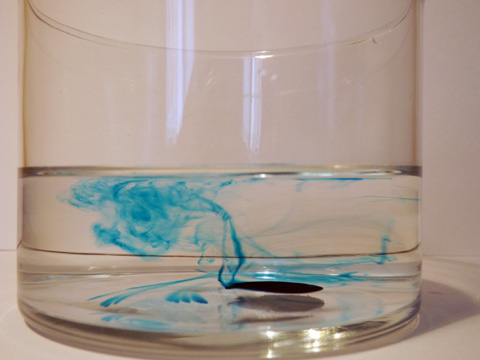
Capturing the essence of water.

Capturing the essence of water.

ONE TEAM’S FINDINGS FROM VIGNETTES

Water Vignette:

For this project, we decided to explore the way water moves. We wanted to highlight the seemingly random and beautiful motion of water and that other liquids also exhibit when placed in water. We used different colored dyes to show this. We observed that water and other liquids interact with each other in different ways, and that the density of the liquids mainly governed their behavior with each other. We observed a beautiful, smoke-like motion of the ink until it diffused and all the water became a diluted color of the dye. We also noted the way that water takes the shape of whatever vessel it is contained in, and that at any angle the water level will always stay perpendicular to the pull of gravity.

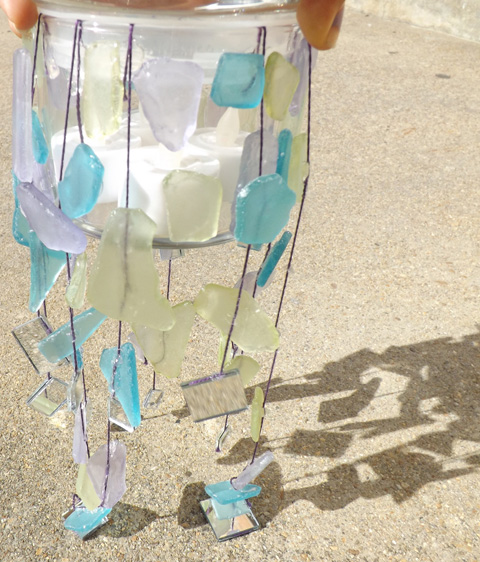
Capturing the essence of light.

Capturing the essence of light.

Light Vignette:

We wanted to highlight the behavior of light in terms of shadow and through different media. We mainly focused on shadows or the fact that light travels in straight lines and does not bend around objects. We also explored the reflection and absorption of light and how it filters through translucent media. We discovered that the effects of all these things differ with natural and artificial light. We also wanted to exhibit movement through light and observed this through the way light bounced off the mirrors and made shadows when our hanging objects moved.

Time Vignette:

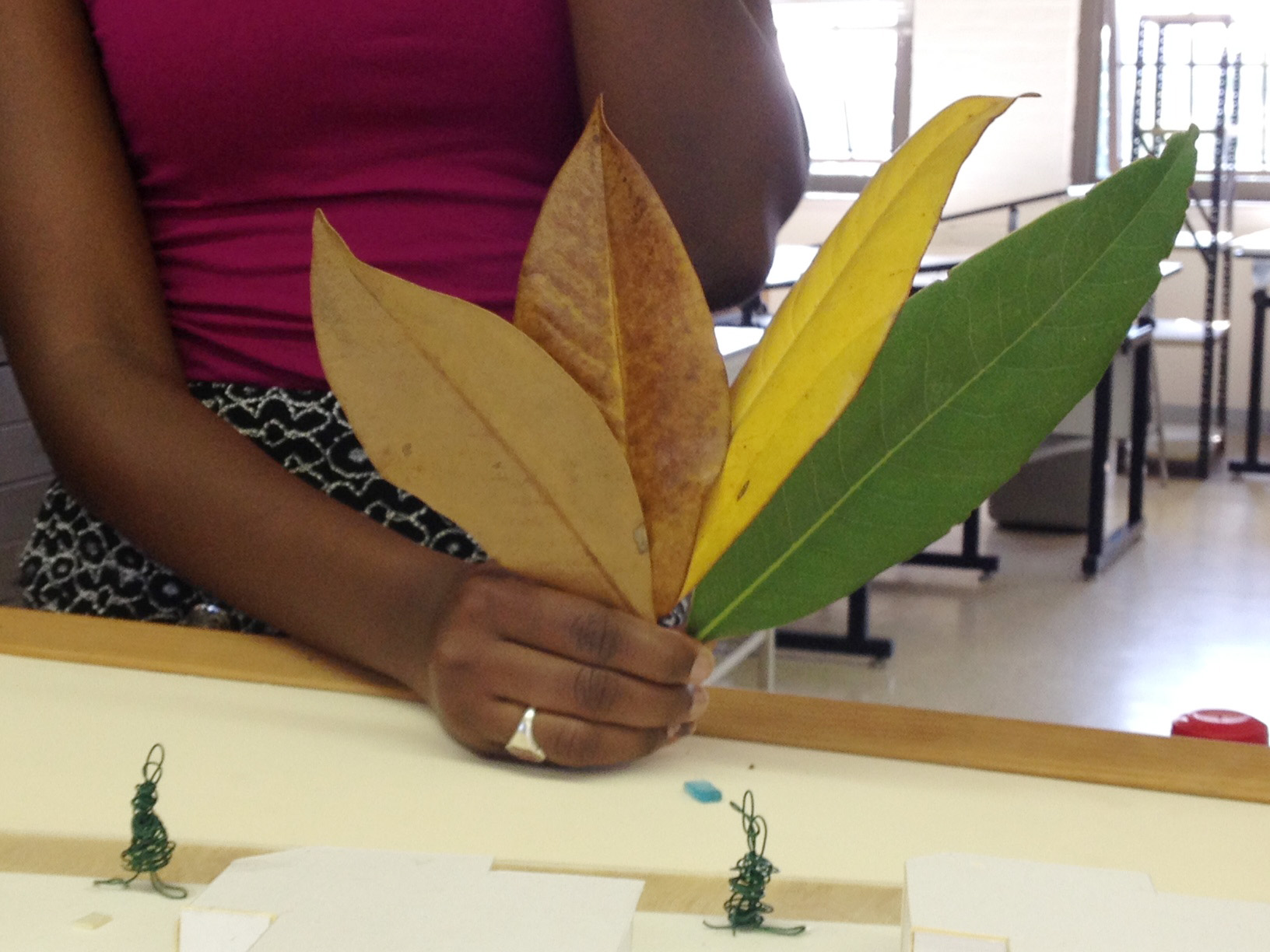
We wanted to focus on decay as a major indicator of time. We chose leaves that clearly indicated a full life cycle. They showed the progression from a rich green, whole sturdy leaf all the way to a brown, crinkled leaf. Age was indicated in the color, texture, size and shape of the leaf. We discovered that they also showed a sense of hierarchy in the appearance of the leaf. The youngest, freshest leaf was also the largest and had a strong, durable presence whereas all the other leaves got progressively smaller, duller and more brittle. They seemed to fade and disintegrate before our eyes.

Capturing the essence of time.

Capturing the essence of time.

How They Relate:

The water project exhibited all three concepts or elements. It showed water and its behavior with other liquids, it showed the behavior of light in water and also time, through the motion and eventual diffusion of the dye over time. The light project mainly exhibited light and time. It showed the behavior of the objects at different times, as they looked different during the day and at night. It also subtly exhibited time and wind as the positions of the objects and their shadows and reflections were constantly moving and changing. The time project also incorporates all three elements because with the passage of time, light is reflected differently off the leaves, shown by their color and texture, as the younger leaves shine because of their smooth texture and the older leaves don’t because they are dry and crinkled. Water was also shown in this project because the absence and presence of water within the leaf indicated its age. Younger leaves had more water and smoother, more elastic textures and older leaves were dryer and contorted with the absence of water to hold their shape.

Dreaming Big over BBQ

‘Tis the season for summer cook outs and barbeques all across the Western hemisphere.  Yesterday, I went to two.  One at Drs. Pam Eddy and Dave Pape’s house in Williamsburg, and another at the home of John and Tammy Lifsey in Portsmouth.

The main difference in these events is what we call them:  John and Tammy had a “porch party” while Pam and Dave had a “Higher Ed picnic”.  These reminded me of the “BBQ” I recently enjoyed in Dublin that was hosted by Mike and Mai Murphy (I’ve posted photos of the event).  My sister, Heather, came along with me.

On this particular night we were discussing our dreams of setting up a new research center.  I’ll keep you posted on the progress we make with that.

Whatever the name and wherever the place, it’s nice to have friends to visit and to share ideas with!

Ecology Rocks! (Especially in a Flipped Classroom)

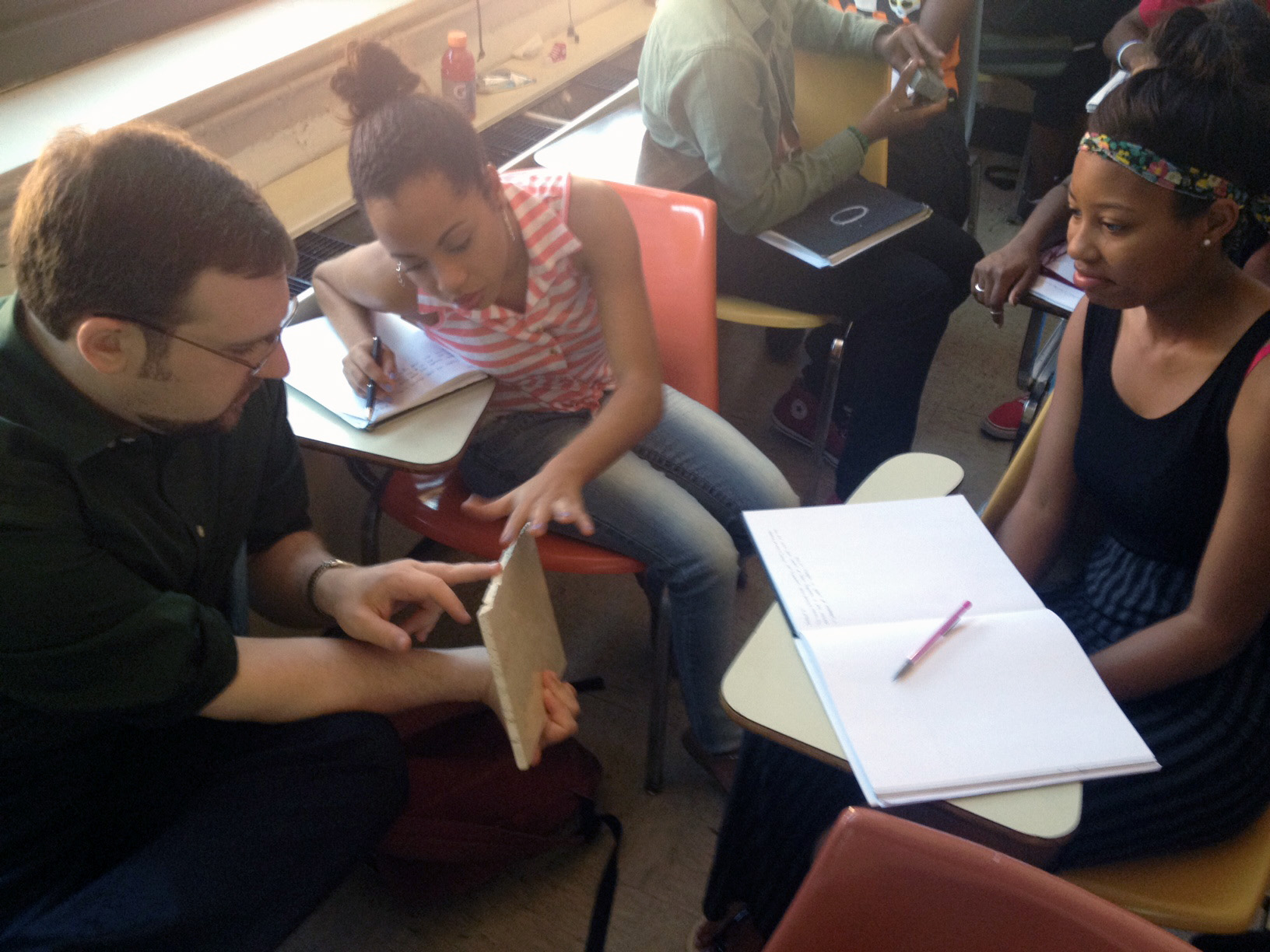
This group realized there was a fill material in the crevices of their "Roman Travertine" tile sample.

This group realized there was a fill material in the crevices of their “Roman Travertine” tile sample.

Today we discussed “natural factors” that affect architectural design, such as rock and soil composition. This tied directly to yesterday’s studio class on the HU Point. Today, I was using a technique known as the “flipped classroom” to teach Architectural Ecology. I learned about this technique during my Fulbright fellowship at DIT.

I had assigned my students to read a chapter before class. When they arrived, we started class with ten minutes of journaling.  I asked them to write about the aspect of the chapter they thought was most important to them regarding our site at the Hampton University Point, and to explain why.  I also asked them to identify a topic in the chapter that they didn’t fully understand and explain why/what they didn’t understand about it.

Journaling is my own way of assessing students’ level of understanding of the content.  After ten minutes, I collected journal papers then “flipped the classroom”.  Each student joined the other members of his/her learning group, discussed the issues of confusion they’d each identified, explained to each other what they understood (this is known as “peer teaching”), and researched information on line using their laptops and smart phones.

I circulated around the room, listening, observing,  pointing them in the right direction where necessary,  and making sure they were achieving accurate interpretations.

It became clear that soil and rock composition was the major topic of confusion, so I went ahead and distributed the rock samples I have on hand.  Each group got their own unique rock type to analyze, research, and introduce to the rest of the class. The students did a great job of staying on topic in their discussions, learning, and teaching leach other.

They made sense of sedimentary, igneous, and metamorphic rock. They began to understand issues of texture, particle size, expandability, drainage, and bearing capacity while they were talking among themselves with my guidance.

A member of each group presented findings to the class and we discussed overarching issues.

Then I projected the Prezi file on the screen, which I’d formatted using a table of contents so we could zoom directly into whichever specific issues were causing confusion. In this case, we needed to go over the soil classification pyramid a bit, but they had already developed pretty strong understanding through the group discussions and rock presentations.

Amazingly, everyone stayed engaged for 1.25 hours!

I didn’t have to nag students to pay attention.

By the end, they seemed to have very good understanding of all the content of the chapter.  I found I had ten minutes to spare at the end to bush on topics of my choice (ones I thought a student or two might still have misconceptions about).

I am loving this new, more interactive, way of teaching.

It’s called “flipping the classroom” because the content is delivered before class (in this case, through a reading), and class time is used to gauge accuracy and depth of understanding and to build upon that base.  It seems to be a much better us of time than presenting everything with equal emphasis, before assessing if the students already understand it!

Not everyone came into the class having read, unfortunately. This problem should correct itself in the future because each student gets a grade for each journal entry. They have to show basic understanding of the reading in order to earn points. They generally start seeing the importance of this after a day or two.

Constructing a Student-Centered Studio

The incoming second year architecture studio cohort at Hampton University.

The incoming second year architecture studio cohort at Hampton University.

Today I applyed what I learned about problem-based learning (PBL), group learning, and student-centered pedagogies while I was on my Fulbright fellowship at Dublin Institute of Technology. I met the students in my second year architecture studio for the first time. Studio looked unlike Day One of this class (ARC201) ever looked before!

We started outside, with team building activities and a name game. Then we formed the teams (i.e., learning groups) that we’ll use for the first five weeks of this semester.

Next, we conducted initial site analysis in a way that was much more engaging than normal. We held a “scavenger hunt” to identify qualities of our project site (the Hampton University Point) that have to do with water.  The students managed to generate a much more interesting list of factors than I’ve ever been able to get them to achieve before; 63 about water alone!

For Friday, each team (of three students) has two assignments due.

Assignment 1 is to draw a plan of our project site to an architectural scale to fill an 18″x24″ sheet of paper.

This problem prompt is pretty specific (close-ended), but it still leaves a number of variables for students to consider and make choices about.  I hope they’ll get a bit competitive and prove they have pride in their work!  I asked the groups to follow a standard PBL format in starting work on this assignment. I asked them to figure out:

  1. What is this assignment asking?
  2. What will we need to know to do this?
  3. What do we already know about this?
  4. What will we need to learn/find out?
  5. What resources will we need?
  6. Who will do what and when?
  7. How will we check for accuracy before it’s due?

Assignment 1 is more straightforward than you might expect for an architecture studio. However, it will lay groundwork for upcoming activities, and it will help me assess where the students are skills-wise and with regard to collaboration. The second assignment is much more open-ended.

Assignment 2 is to make a beautiful object that reveals the essence of water.

I asked the groups to start by watching one of the YouTube videos listed below, and assume that the astronaut/scientist had made the video in response to this assignment. I asked the students to consider the questions above (which are intended to foster “self-direcetd learning”) and to bring to our next studio meeting a final, beautiful object as well as at least three study models that investigating the “essence of water”.  I’ve got my fingers crossed!

The students were more  active, engaged, and enthusiastic about learning than is typical on Day One of this course and I have high hopes for this new method of teaching.

NASA: Amazing Experiments with Water in Zero Gravity – YouTube

NASA: Amazing Experiments with Water Balloons in  – YouTube

Dreaming of Birmingham

Birmingham UK 4

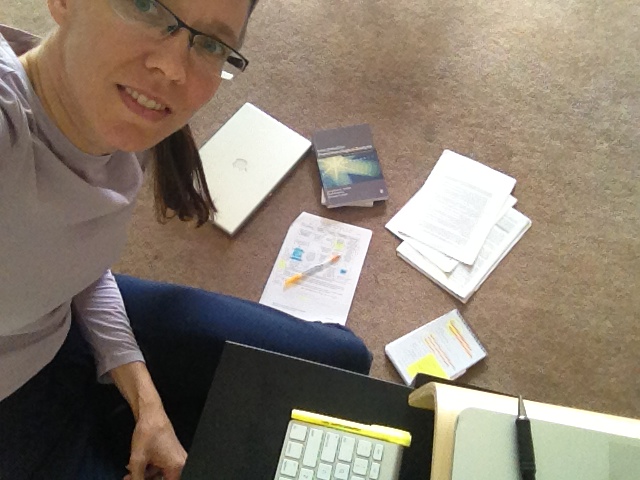
Shannon burried in books and papers.

Shannon swimming in books and papers.

I’ve been buried in books and papers for days.

I’m working overtime on a research proposal… trying to find funds to return to Dublin so that I can follow up on findings I’ve made and keep learning new research skills by working with experts and doc students here.

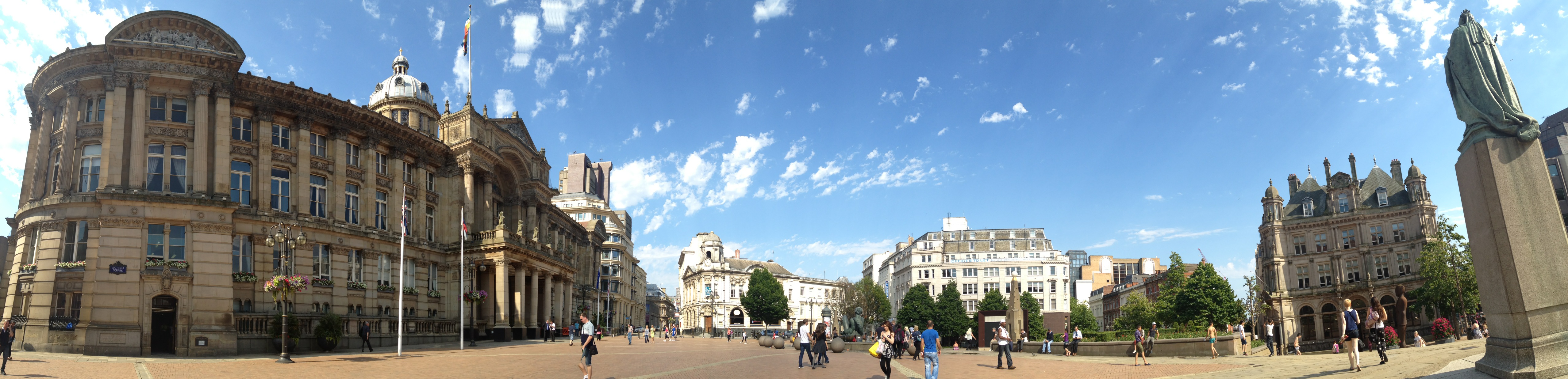
The last time I got to go outside and explore was last week in Birmingham.  Wikipedia explains that Birmingham is:

city and metropolitan borough in the West Midlandsof England. It is the most populous British city outside the capital London with 1,074,300 residents (2011 census), an increase of 96,000 over the previous decade.[2] … A medium-sized market town during the medieval period, Birmingham grew to international prominence in the 18th century at the heart of the Midlands Enlightenment and subsequent Industrial Revolution, which saw the town at the forefront of worldwide developments in science, technology and economic organisation, producing a series of innovations that laid many of the foundations of modern industrial society.[5] By 1791 it was being hailed as “the first manufacturing town in the world”.[6]

I’ll share pictures of that city today, in all its splendor….

Leading SEFI at the University of Birmingham, UK

Prof. Kamel Hawwash

Prof. Kamel Hawwash

Last week I travelled over to the UK to visit professor Kamel Hawwash, the incoming president of the European Society for Engineering Education (SEFI).

Prof. Hawwash has done a great deal of  work in attracting and retaining diverse students in engineering, a topic known as “attractiveness” in the UK, and one in which I’m aiming to do more research.

Prof. Hawwash’s SEFI presidency will focus on two main topics:

1) employability and skills

2) attractiveness

We had much to discuss and we met for nearly two hours!  After our meeting, I had a chance to look around the University of Birmingham campus and then explore the city before flying back to Dublin via Ryanair.

Undercover in Rome

Many thanks to Daisy for inspiring me to draw so much on my trip to Rome… we have always been very productive at sketching when we travel together. In this post, I’ve included photos of one of our many dinner outings.

On my last  night in Rome, Daisy and I headed over to Trastevere–stopping for a glimpse of the basilica (dedicated to Santa Maria, where mass was in session) before heading on to our favorite dinner spot.  As is generally the case when Daisy and I are traveling with architecture students, we  brought our sketchbooks along to discuss.

I’ve included photos of Daisy’s beautiful work, that caught the attention of our waitress.  She studied every page!

Daisy’s area of expertise is architectural representation, as is evident in her drawings!  Mine, on the other hand, is educational research… that’s what I presented to Daisy’s students in the lecture I delivered.

As a result of our exchange, I woke up inspired to draw on my last day in Rome.

It was hot, hot, hot, though.  I had to sketch quickly to keep ahead of the heat!  By the afternoon, the sky opened up and the rain poured down.  Thankfully our fore bearers built plenty of sheltered spots in Rome that have lovely views!  I made three sketches on my parting day–two are shown below.

Reshaping a Roman Site

I’m wrapping up my week as “Scholar in Residence” for the University of Oregon’s study abroad program in Rome. It’s been a fun and informative learning experience.

I’m posting images from the studio review we had on Thursday, to give you an idea of what it’s like to be an architecture student or professor.

These students have completed second year of a five-year professional degree program (leading to the Bachelor’s of Architecture degree). They will start third year in the fall.

They’ve done some very nice design work so far in their three-credit architecture studio class in Rome. Their site is an embankment wall, built in the late 1800s to keep the Tiber River from flooding the city as it has done for centuries.

According to Wikipedia:

The Tiber was once known for its floods — the Campus Martius is a flood plain and would regularly flood to a depth of 2 metres (6 ft 7 in). The river is now confined between high stone embankments which were begun in 1876. Within the city, the riverbanks are lined by boulevards known as lungoteveri, streets “along the Tiber.”

Roman Dreams-Come-True

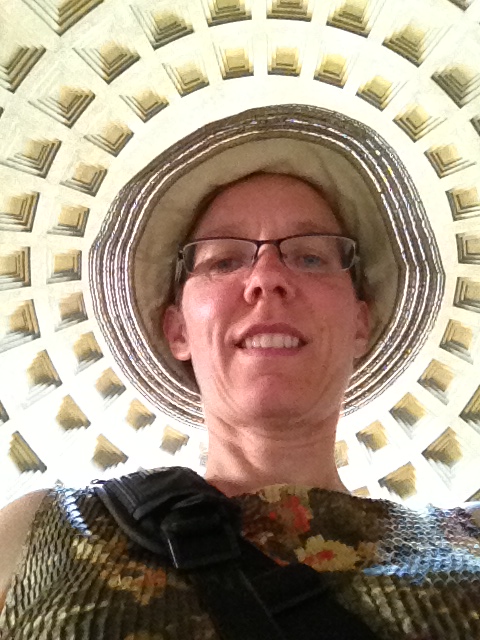
...on my way to the Pantheon (my favorite building in the world!)

At the Pantheon

After sketching yesterday morning, I spent almost all of the day editing the article we hope to have published in the Journal of Engineering Education.

I was inspired by emails that Mike Murphy, Eddie Conlon, and I received from the editor of the book we’ve written a chapter for.  He emailed us:

The chapter is a very timely, central and relevant chapter for Springer vol II. It would also have fitted nicely into vol I section I. The chapter has a clear, logical, and coherent structure, is well written and very interesting to read. In particular in clarifying the confusion surrounding the engineer and engineering technologist distinction the chapter provides new and useful insights. Moreover there is a good integration between theoretical positions mentioned in the introductory framing of the identity issue and the remaining part. Research problems and methods are clearly stated.

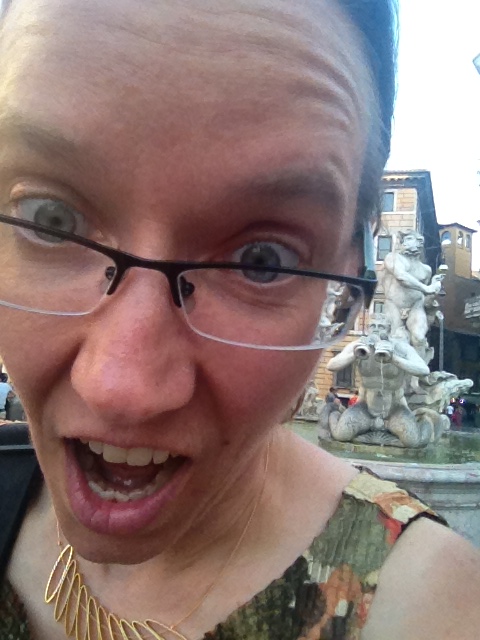
...where I nearly got clubbed by a Roman!

I nearly got clubbed by a Roman!

The chapter is accepted for publication in its present form. Congratulations.

and then the next day:

Your chapter is very good and there is absolutely no reason to change anything. My congratulations to you and your co-authors. Well done.

These messages were a dream come true!  They helped keep me focused through many hours of editing yesterday.

At 4:30 PM, I headed out for a tour of the Villa Farnese, a sandwich and ice cream (I hadn’t eaten since breakfast), and a little stroll through the city.

I haven’t shown it here, but I strolled past the site I often use for projects with my Hampton University students. There’s been construction activity on the site for the past two years, because a parking garage was planned. For years, they’ve been excavating here (because there are Roman ruins under the ground everywhere here and they have to study and document them). The signage surrounding the site is now different from it was last summer and last September (when I last visited). I’m hoping this change means someone important decided against installing a parking garage; it would be a travesty to put such a structure on Via Gulia!