Scholarly, useful research is the name of the game in Europe!
These are the standards for research published in the European Journal of Engineering Education (EJEE), and they serve as a good guide for researchers in general.
This post sheds light on what makes a conference paper stand out. It shares the story of soon-to-be-Dr Sandra Ieri Cruz Moreno, who won the top research award from the European Society for Engineering Education (SEFI) in 2025.
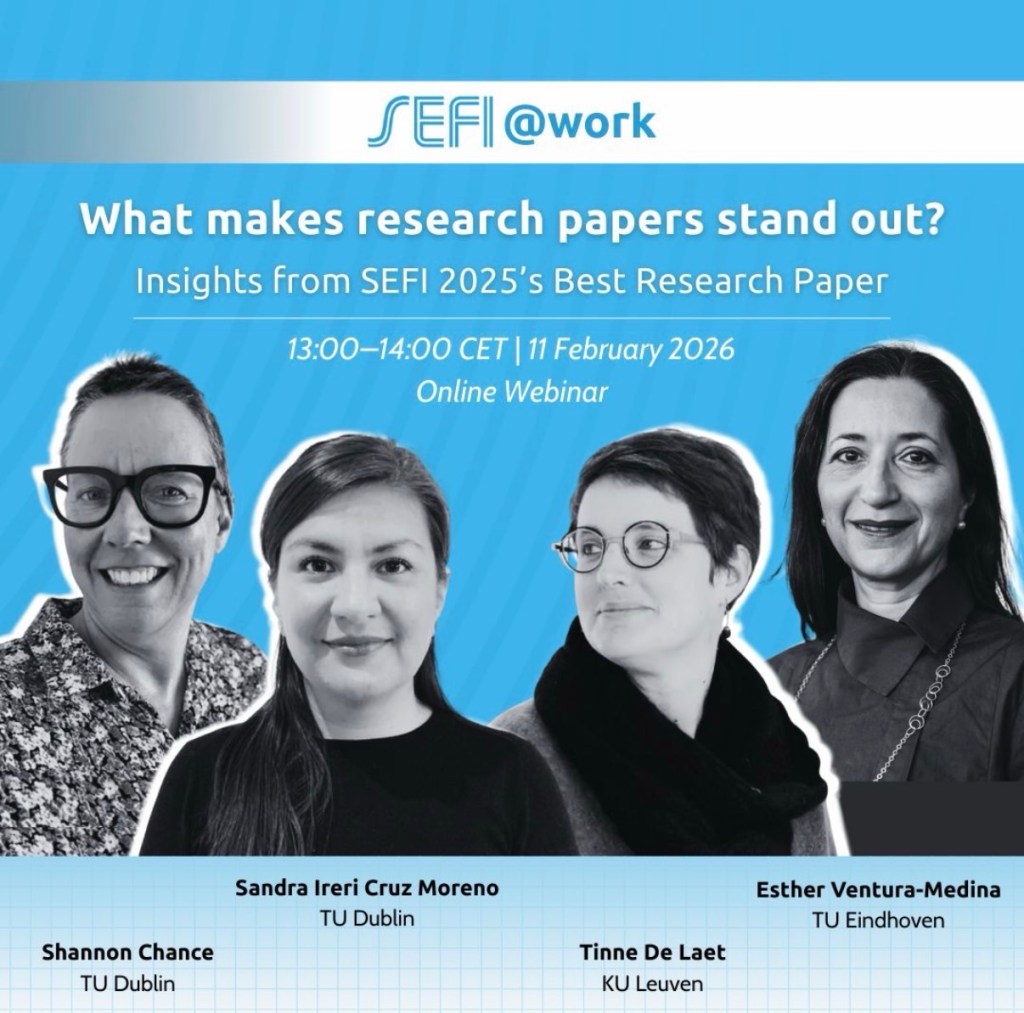
SEFI’s special interest group on Engineering Education Research featured the work Sandra and I have done last week, in an online workshop, and the information is worth sharing more broadly — so here it is!
Workshop overview
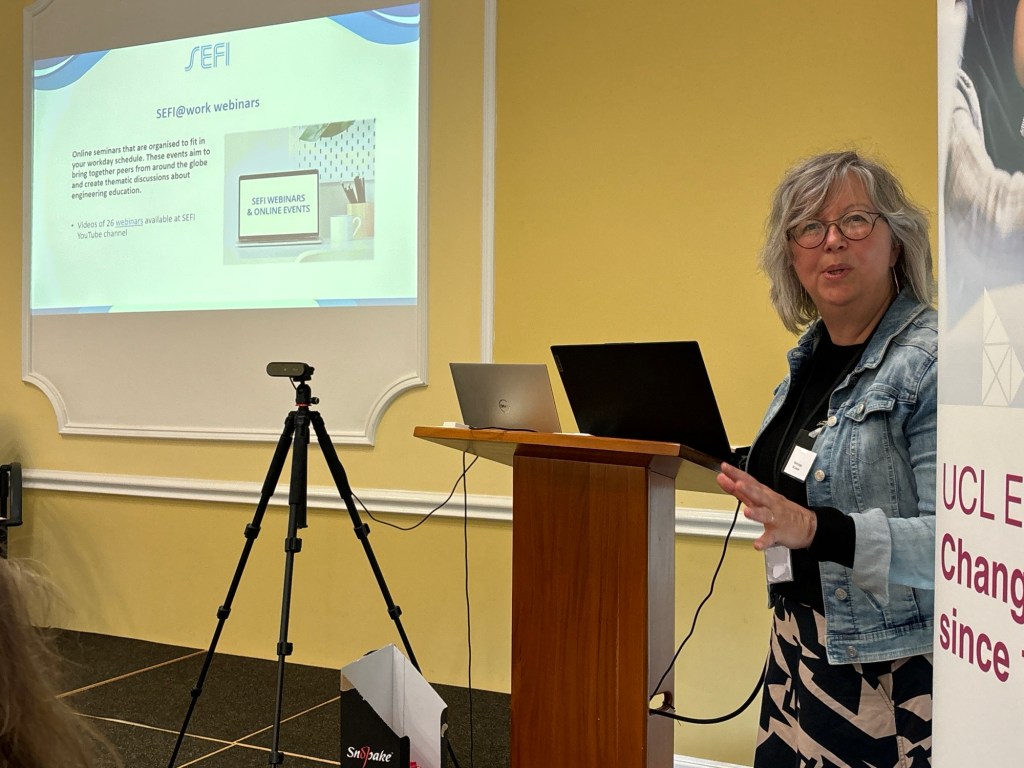
Last week, Sandra (my PhD supervisee) and I presented this workshop as part of the SEFI@work learning series. We reported on one strand of Sandra’s PhD thesis research.
During the workshop, Sandra engaged the audience with questions about their own research to help transfer the successful part of our experience to the researchers who attended.
The workshop was great practice for Sandra’s viva voce (called a ‘dissertation defense’ in the USA), scheduled for March 10.
Unfortunately, vivas are closed-door events in Ireland. That means our colleagues can’t attend, so this online workshop was the main way to let our SEFI community know about the amazing work Sandra has done.
I reported on the overall SEFI conference and my surprise and elation at winning this award in a September blogpost.
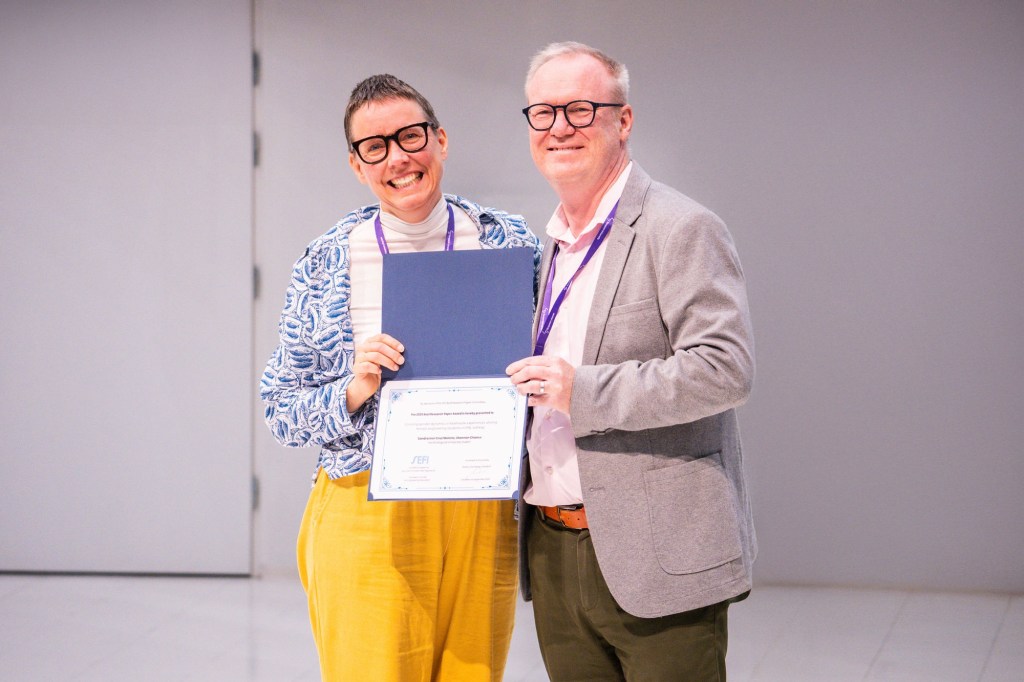
I accepted the award on Sandra’s behalf at SEFI 2025.
Now, the organizers of the online workshop asked us to share some secrets to our success. That was tricky!
SEFI advertised widely, and over 80 people registered to attend.
We hadn’t set out to win an award, just to make a scholarly summary of part of Sandra’s thesis study!
Although it felt intimidating to explain how to win, we went in with the confidence that the paper had been nominated in all three categories it was eligible for last year, and each category has a separate panel of judges.
We were beyond delighted — and completely surprised — to win.
It helped reassure us that the thesis research was ready to wrap up and report.
Workshop content
You can watch a video of the workshop, to hear in Sandra’s own words what is most interesting and valuable about her work and her research process:
And you’re able to download Sandra’s slides, to jump straight into the content, by clicking here:
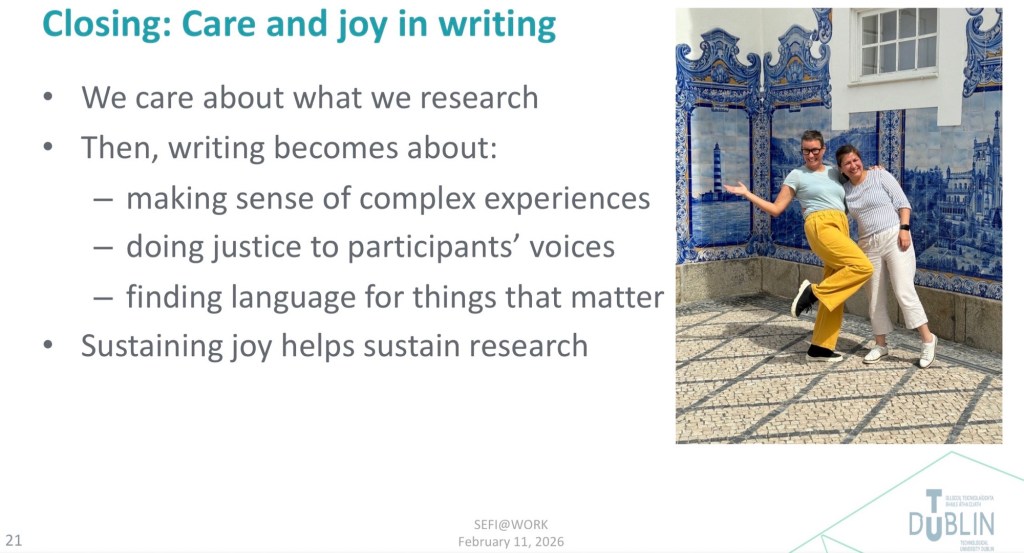
One slide from Sandra’s presentation.
Sandra’s achievements
I couldn’t be prouder of Sandra and all she has accomplished in four short years. Since starting her doctoral studies in January 2022, she has delivered two babies into the world and developed an award-winning research study and a fully written thesis.
Sandra’s special contributions include introducing sociological techniques and perspectives into engineering education research. She has broadened the focus of our discourse on the usefulness and applicability of phenomenology as a research method, and she has shed valuable new light regarding the experiences of female students in our engineering courses at Technological University Dublin.
The findings of her PhD research hold applicability well beyond TU Dublin, however. They show us how the social dynamics of teamwork evolve over time — how students develop meaningful friendships that help them personally and professionally.
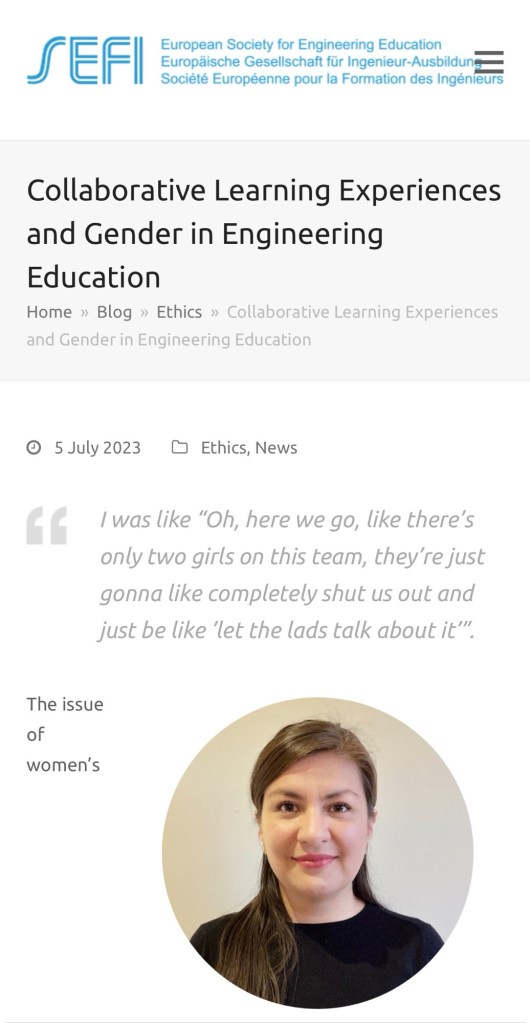
Sandra used the “Gender at Work” framework to better understand students’ experiences with Problem-Based Learning and other collaborative learning approaches. Using this framework, she found that the 22 women I’d interviewed (longitudinally over a period of four years):
had experienced uneven access to engineering content before entering university,
lacked female engineers in their families who could serve as role models,
experienced some biased team dynamics that influenced what jobs got assigned to whom by the team, and that the need to prove themselves on teams grew less but nonetheless persisted across their four-year matriculation, and
received increased recognition for their credibility over time, which helped them challenge stereotypes and shift team dynamics in a favorable direction.
Sandra’s SEFI 2025 paper complemented papers we’ve published and presented at earlier conferences, including:
Soon, you’ll be able to read Sandra’s final thesis and learn about the impressive contributions she has made to the literature and to the engineering education research community.
I am honored to call Sardar Cruz Moreno a friend and colleague. I look forward to calling her “Dr” and to watching her flourish in the coming years!
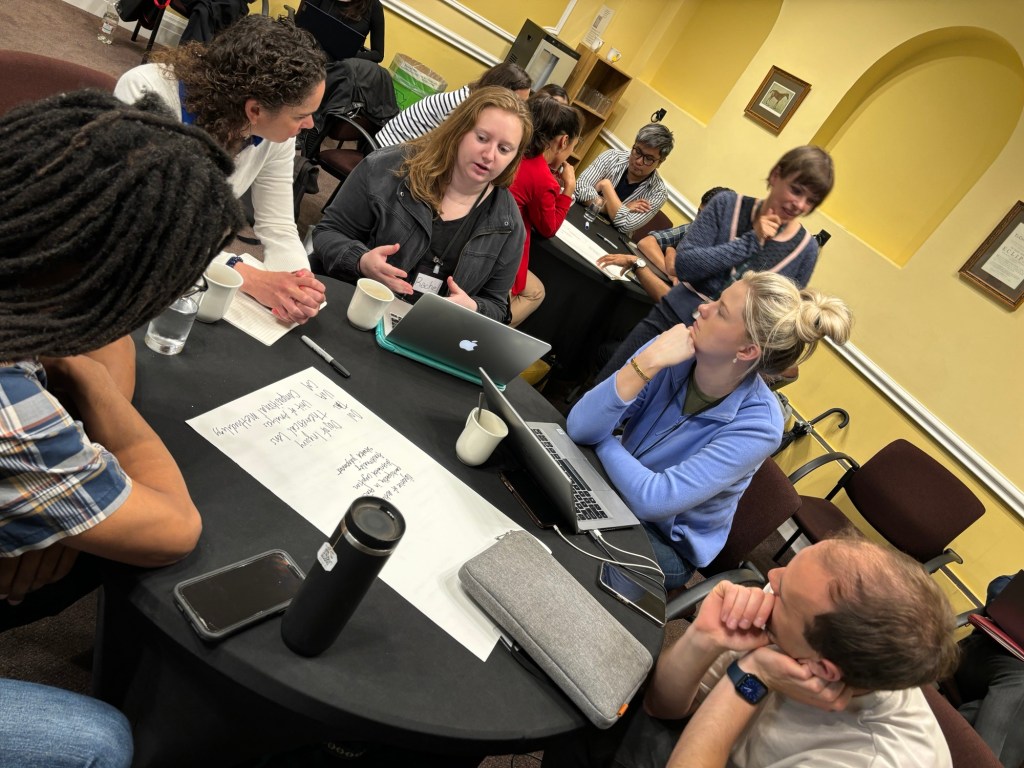
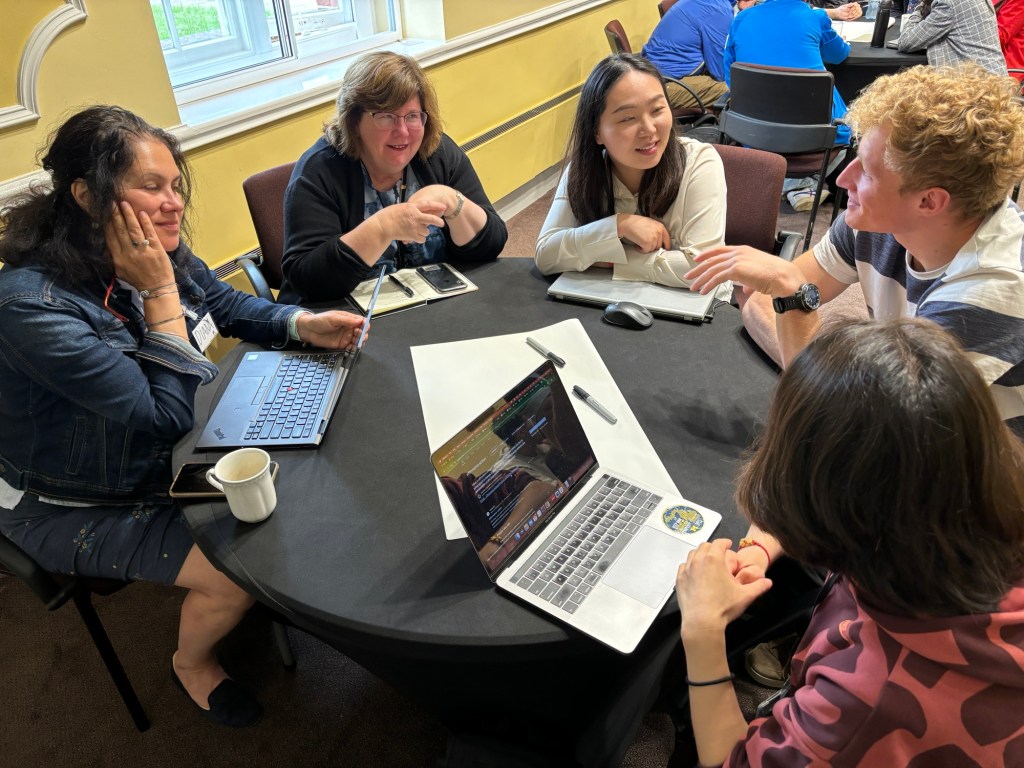
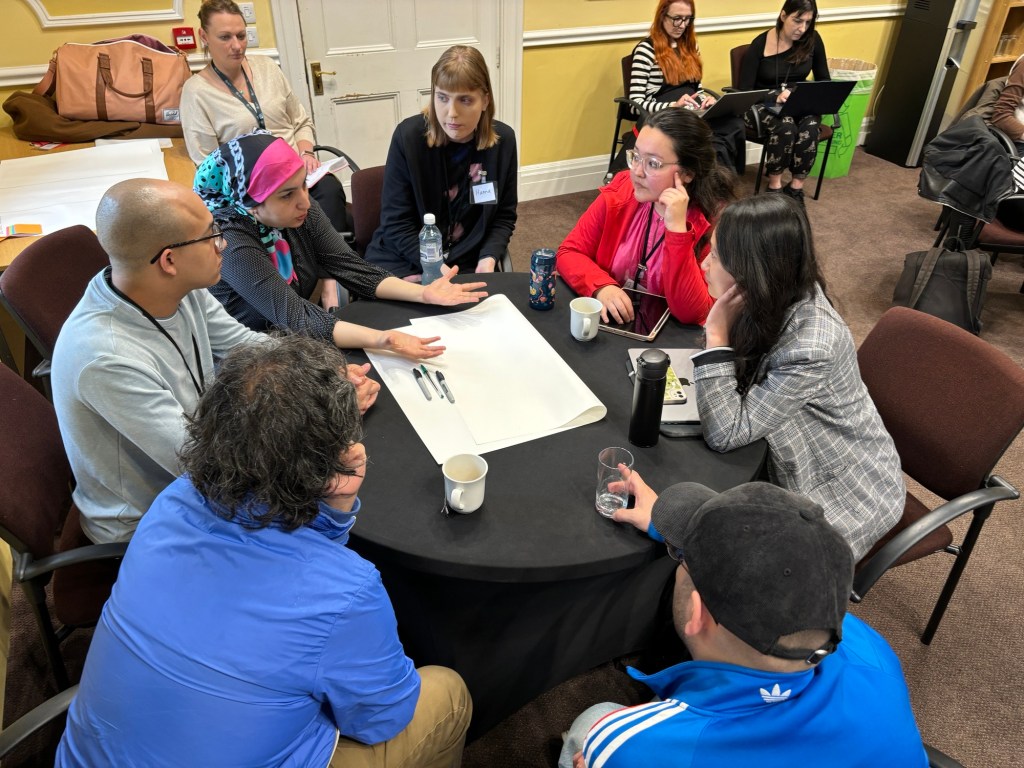
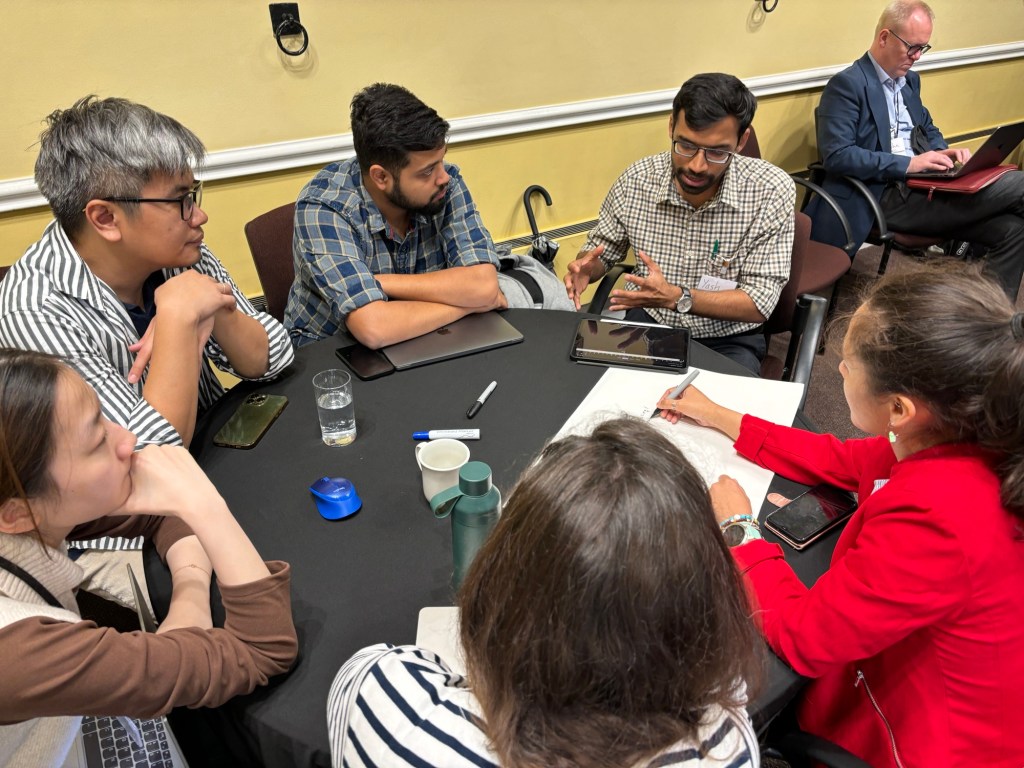
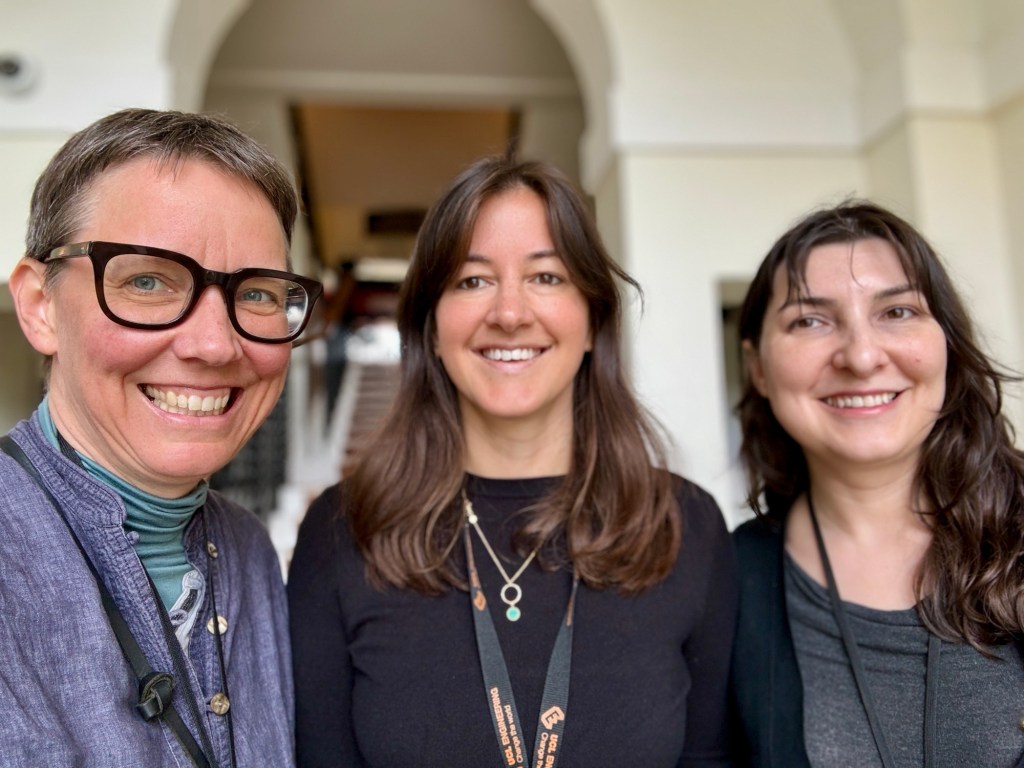
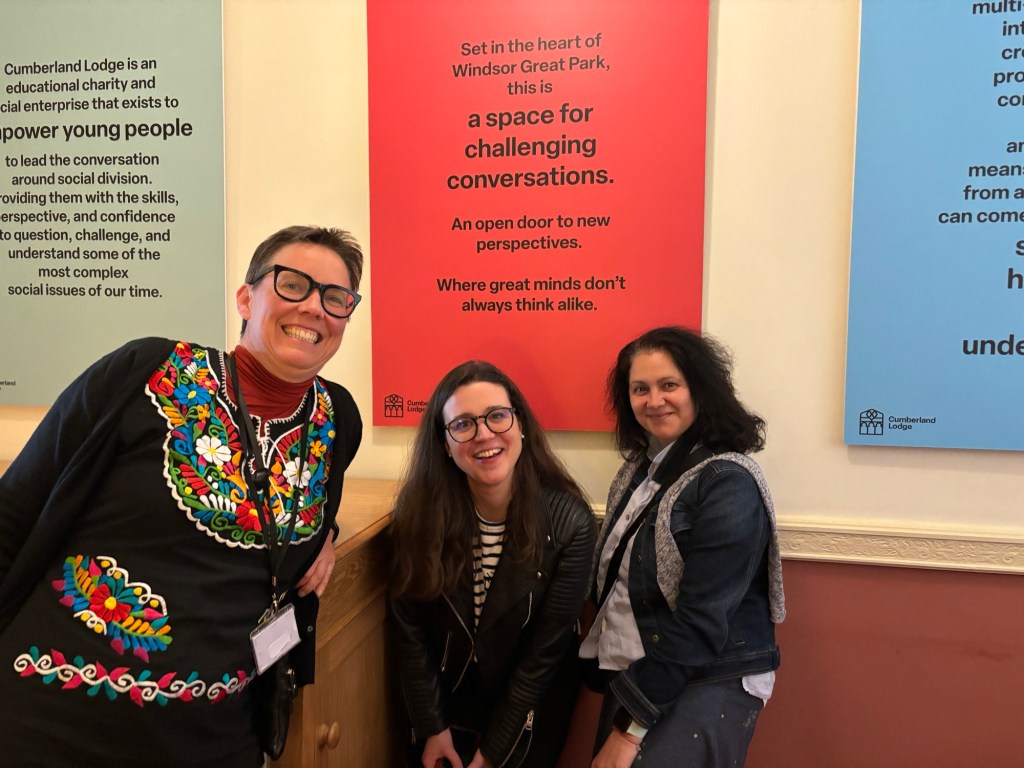
Four days of learning and laughing at Cumberland Lodge at the UK’s Great Windsor Park—the hallmarks of a great event!
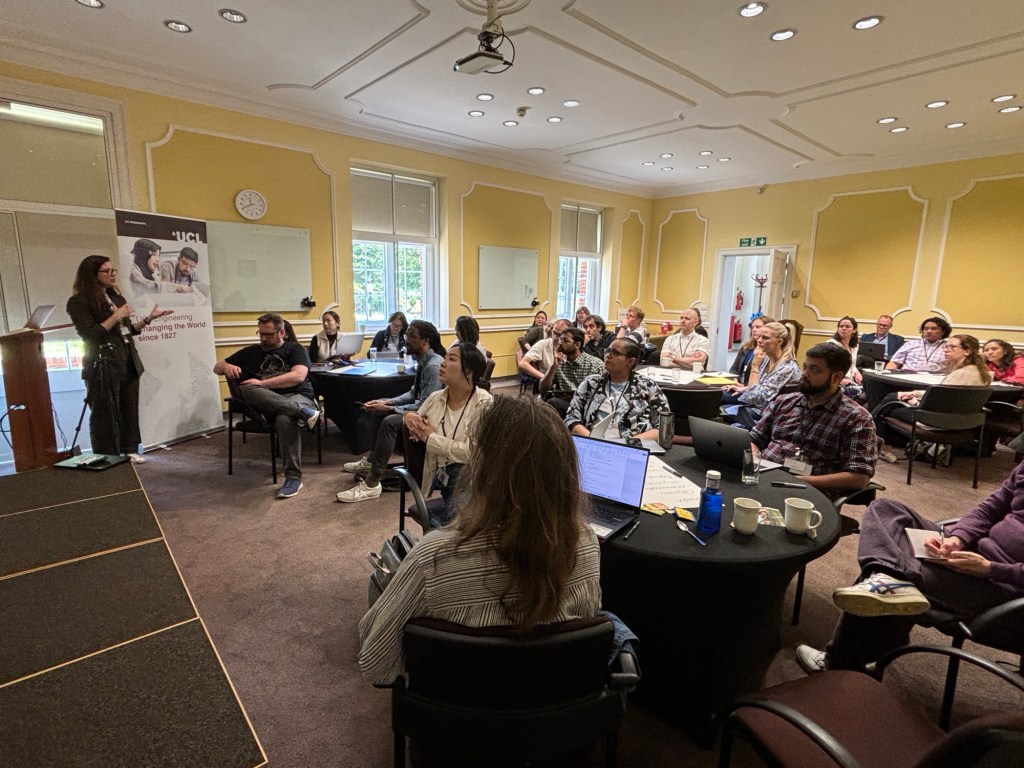
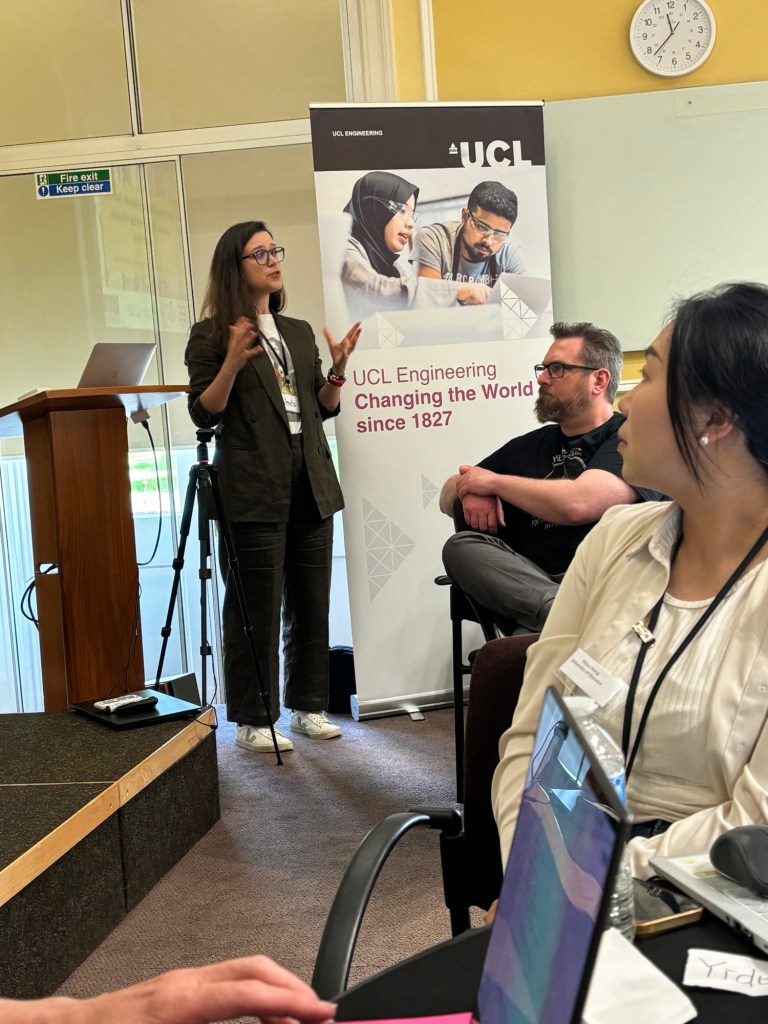
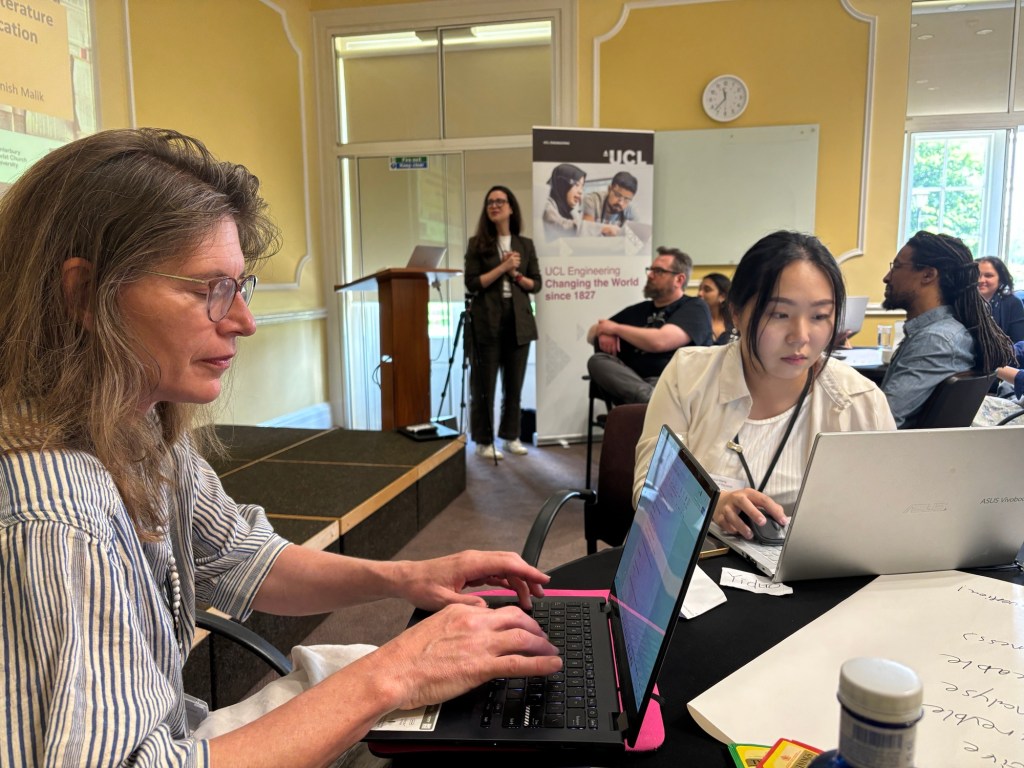
The UCL Centre for Engineering Education (CEE) hosted the 2024 doctoral Summer School on engineering education research (EER). It was second doctoral Summer School delivered via SEFI, the European Society for Engineering Education. The first Summer School, held in 2022, was organized by SEFI Vice President Greet Langie, and conducted at the Irish College of KU Leuven in Belgium.
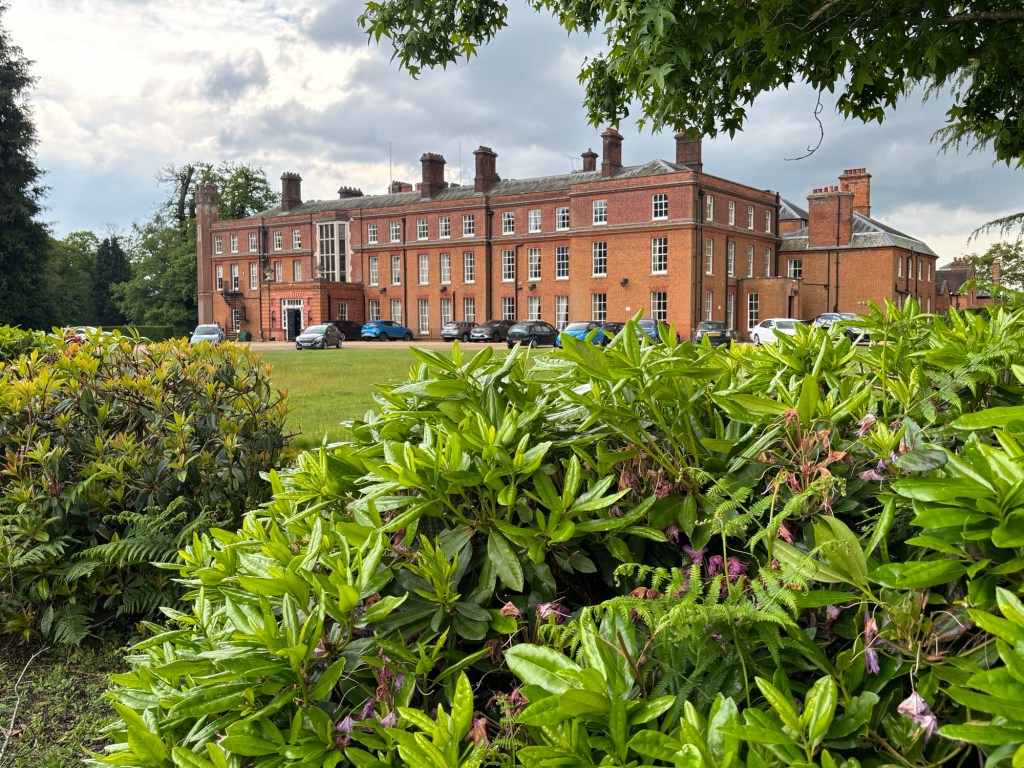
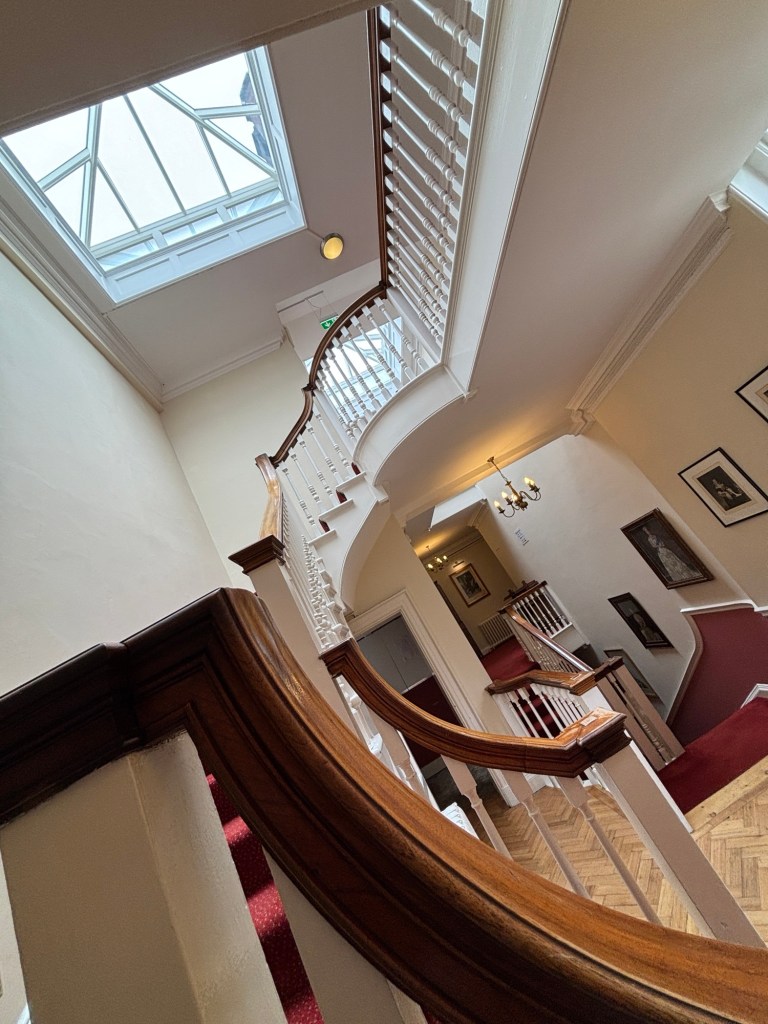
The UCL team organizing the 2024 event sought to provide a collaborative learning environment similar to 2022’s event. We selected Cumberland Lodge, a former royal residence dating back to the 17th century that is used today for educational programs for young people. The Lodge promotes discussions around ethics and social justice.
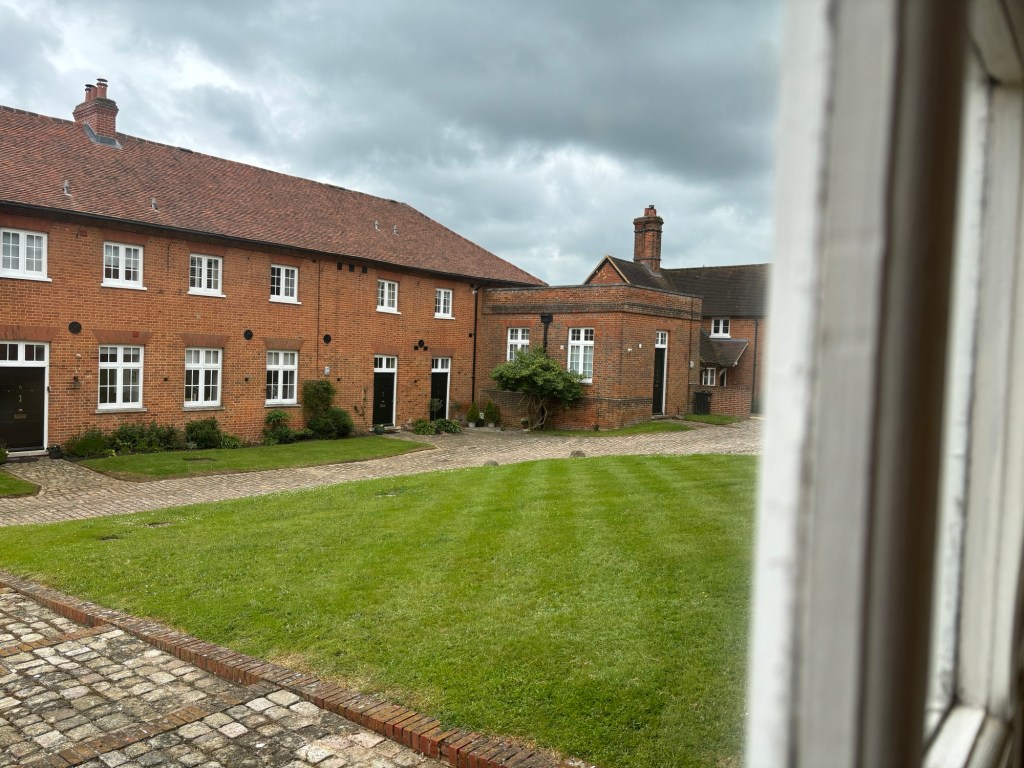
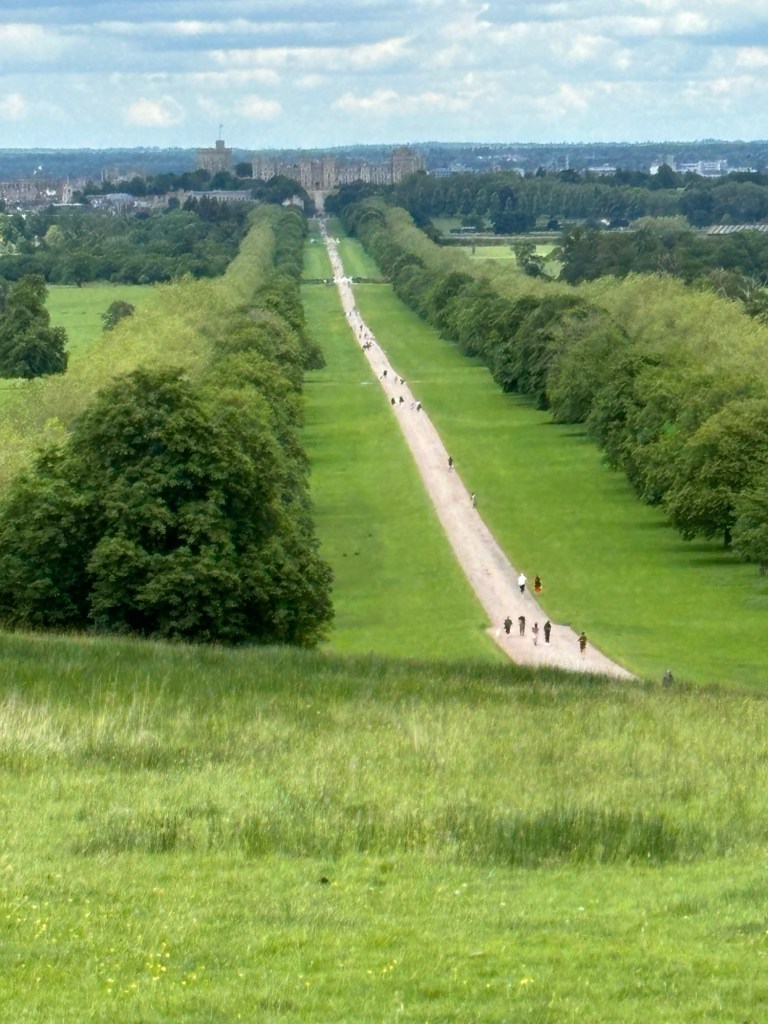
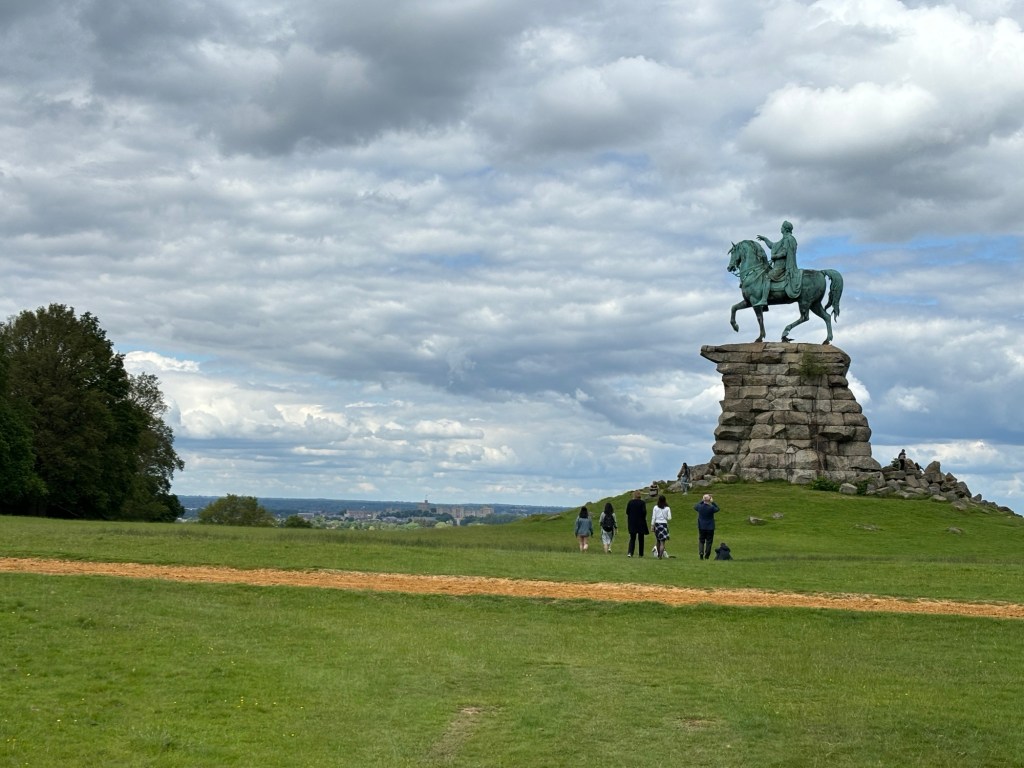
Cumberland Lodge is surrounded by the vast Windsor Great Park. Windsor Castle is located at one end of the Great Park, beside the village of Windsor. It is a spectacular place — a real joy to experience and a tranquil sanctuary just outside the borders of London.
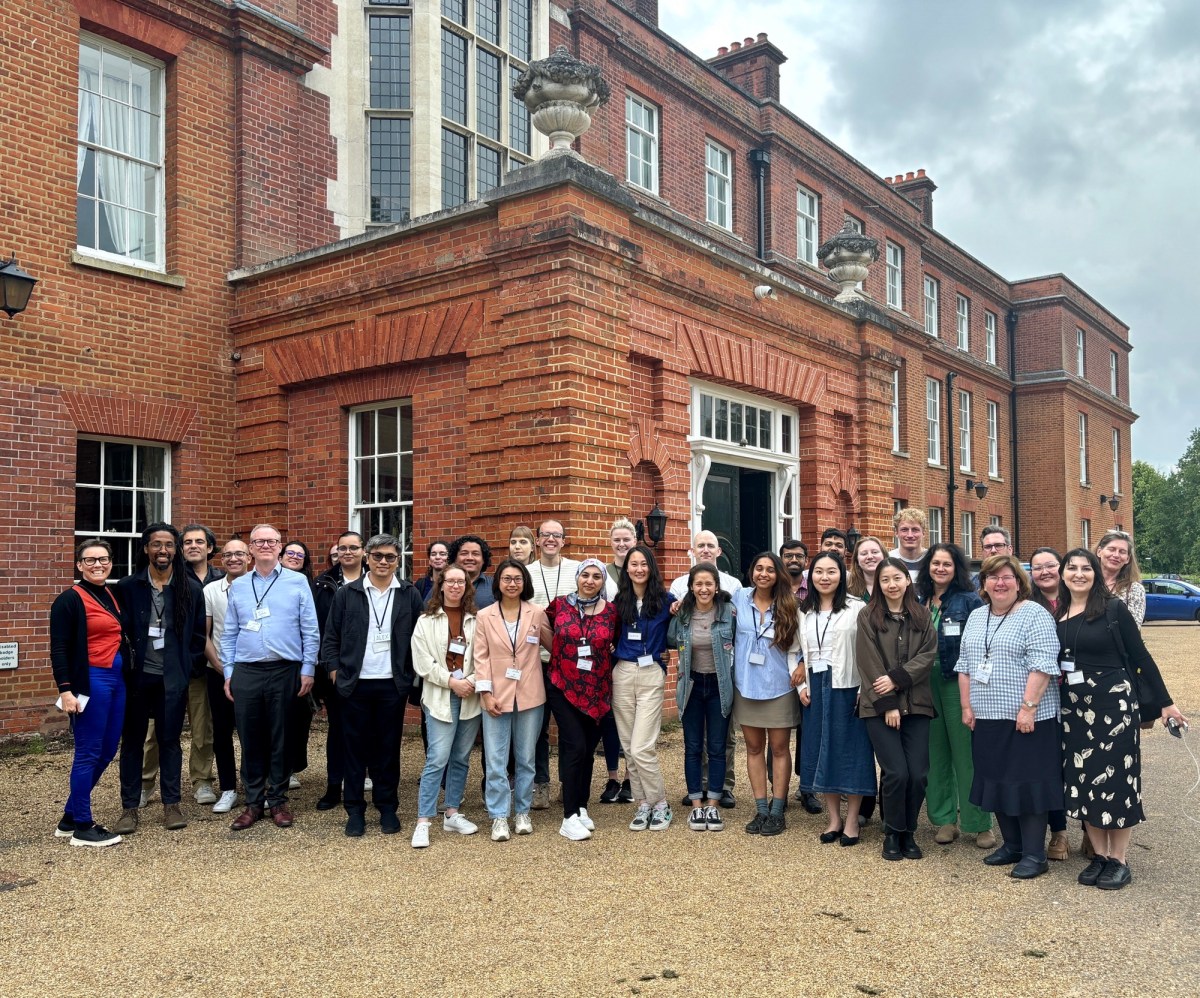
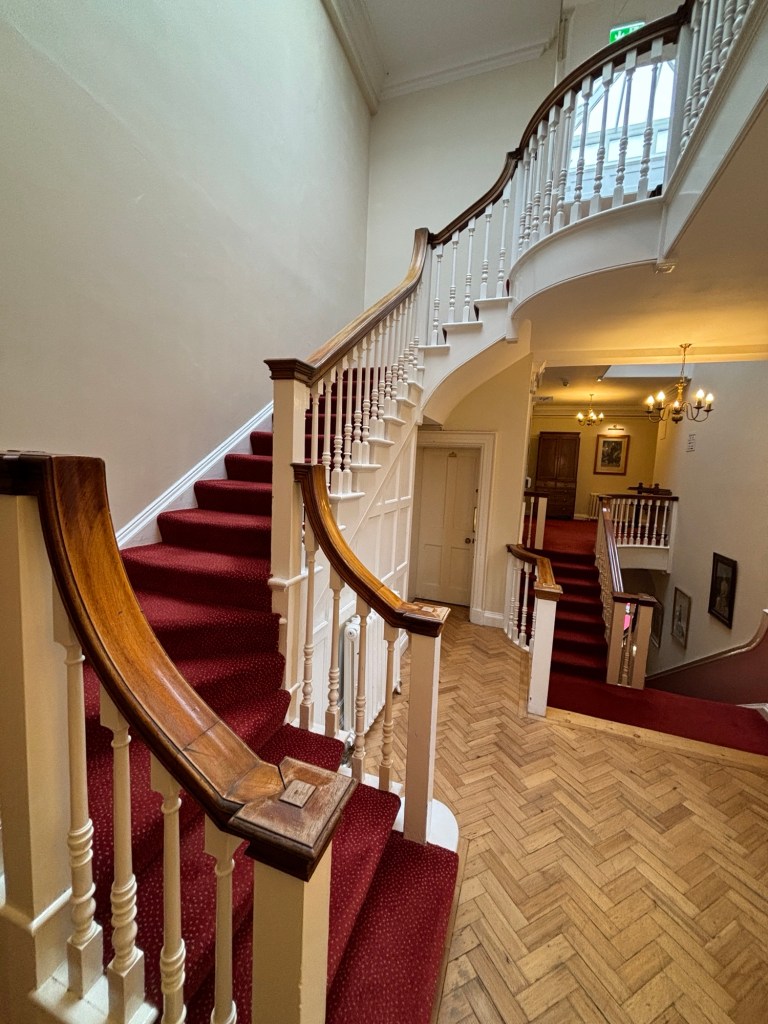
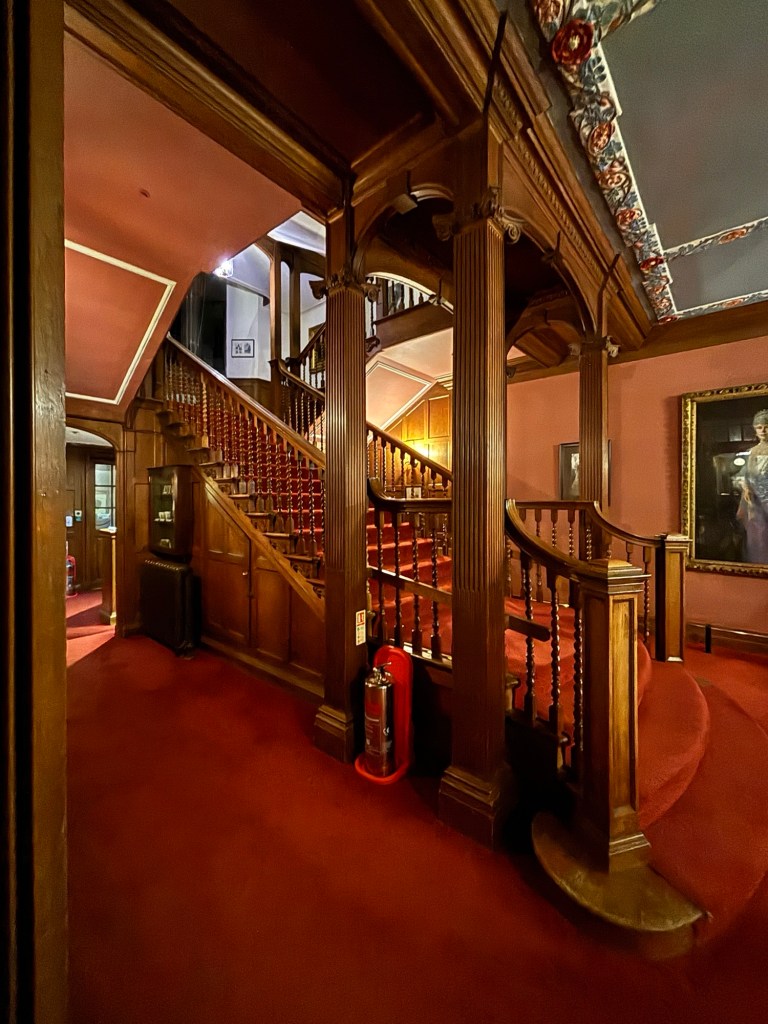
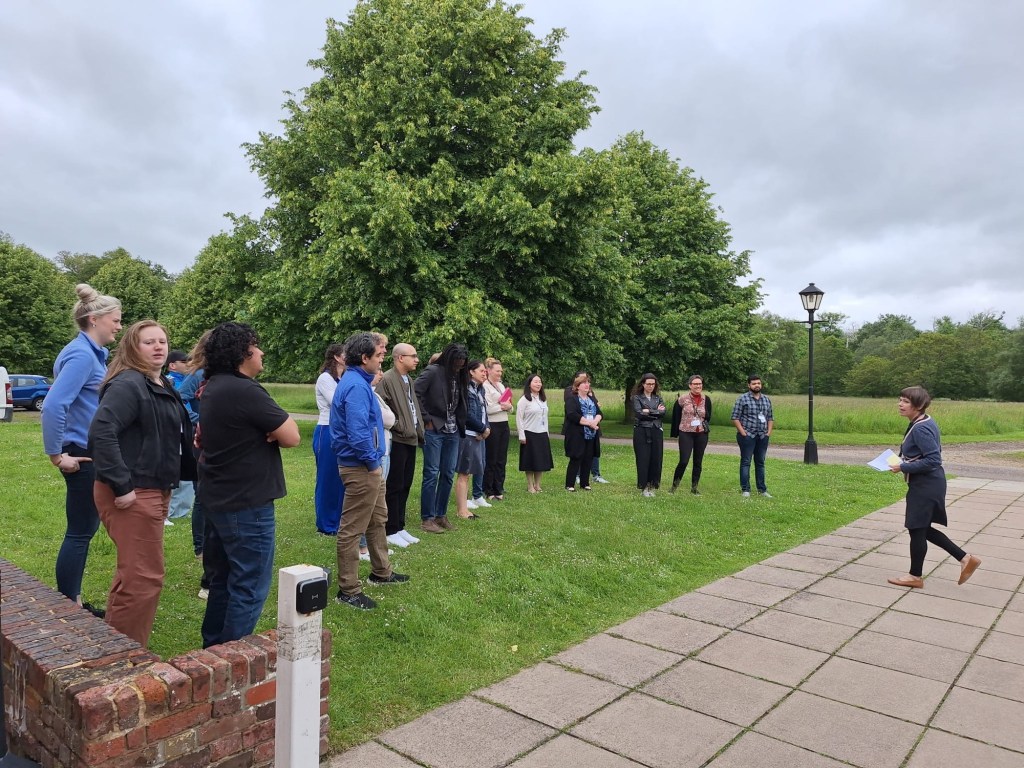
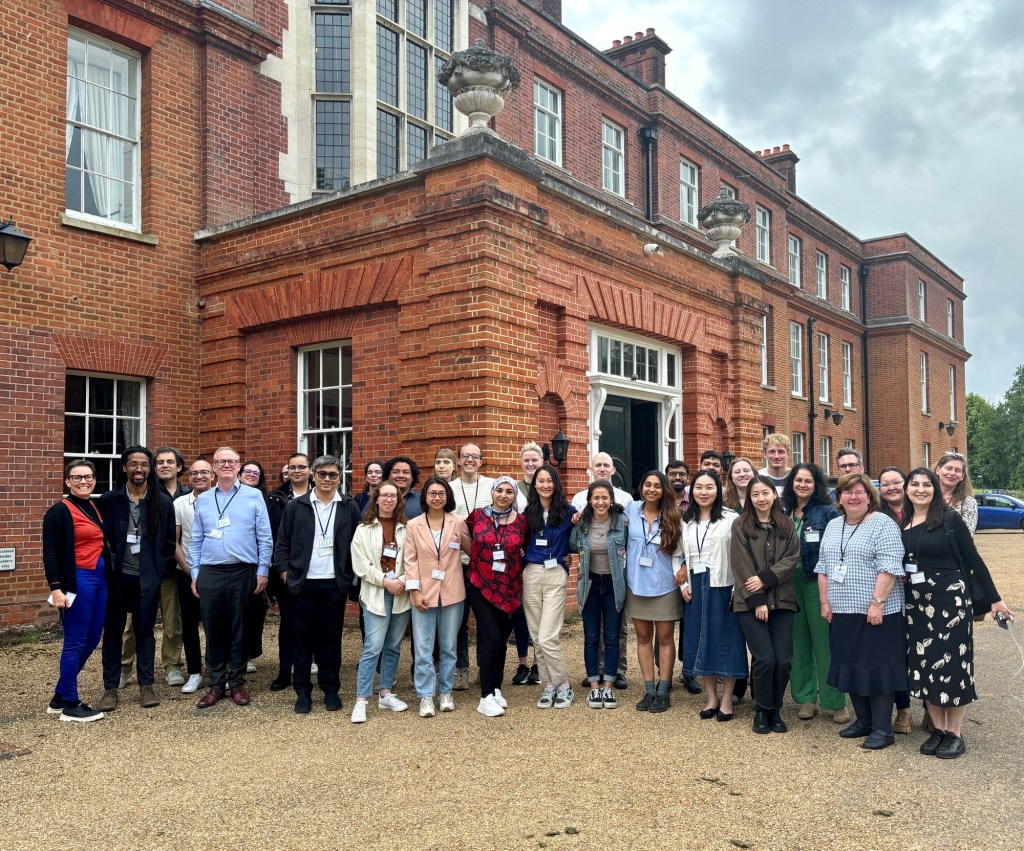
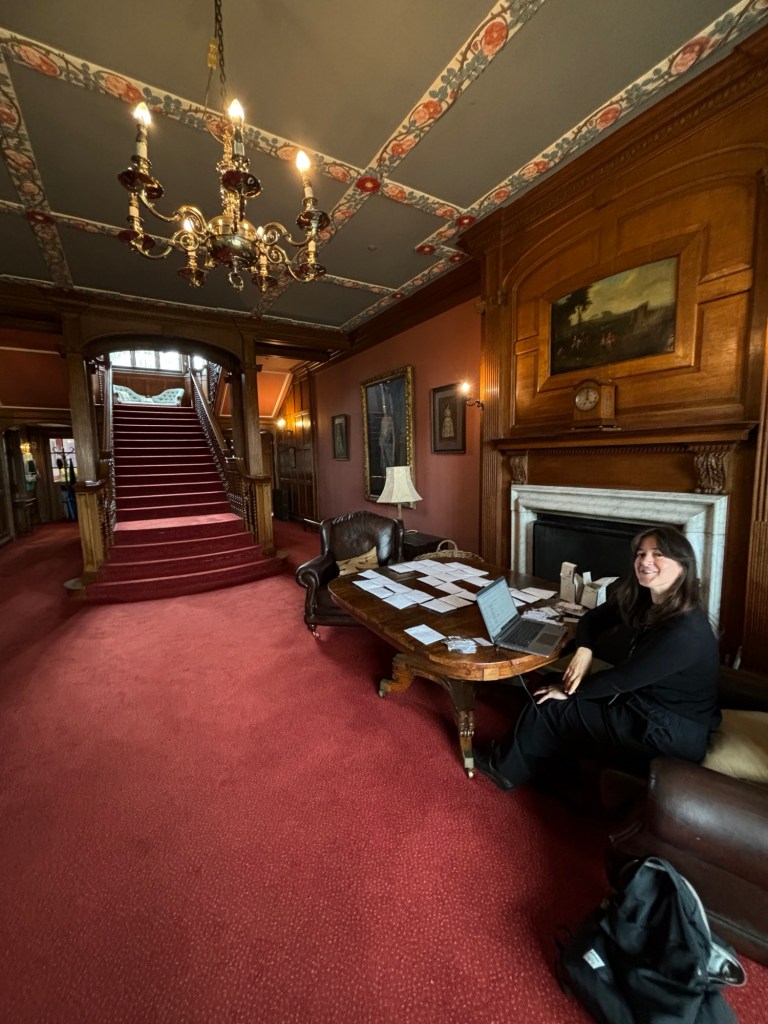
Outside Cumberland LodgeKicking off the Summer SchoolInside Cumberland LodgeCumberland Lodge is glorious!
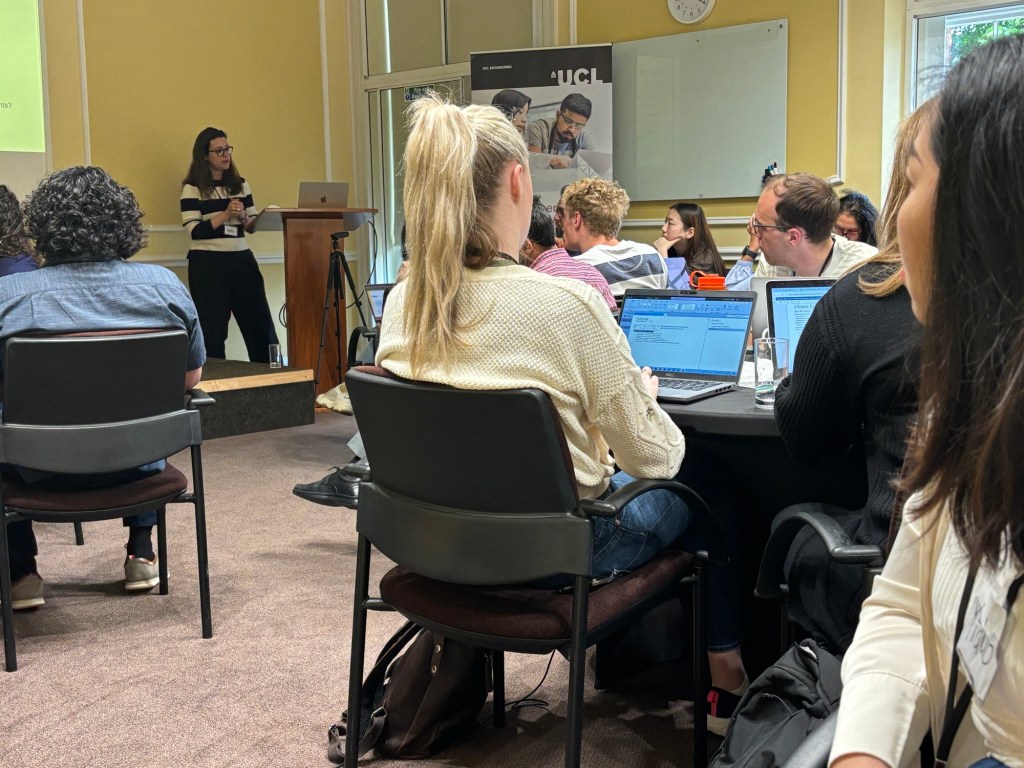
To facilitate the 2024 School, John Mitchell of UCL brought together current and past UCL staff. He also welcomed guest experts from the US and Australia who volunteered to help. Together, our team provided structured training for this year’s 29 PhD student-participants. The students are all working on research degrees in engineering education, and they travelled to Windsor from across Europe and indeed across the globe.
In addition to representing perspectives from various corners of Europe, participants also brought experiences living and studying in South Africa, Mexico, the Philippines, Malaysia, India, Iran, the USA, and elsewhere!
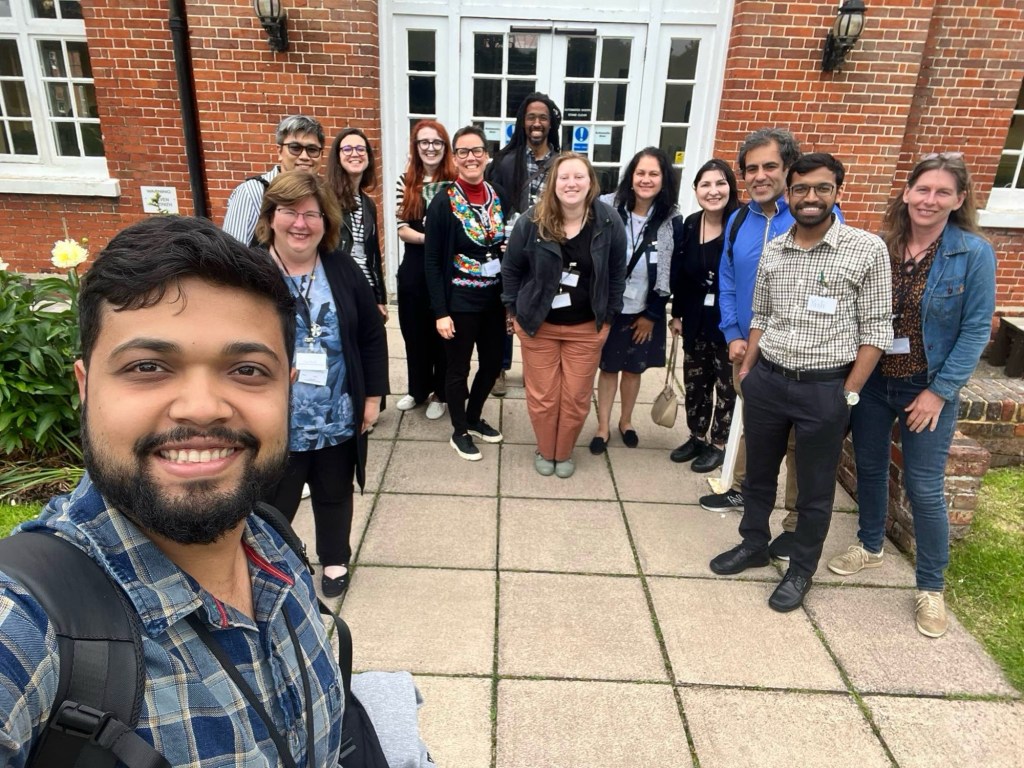
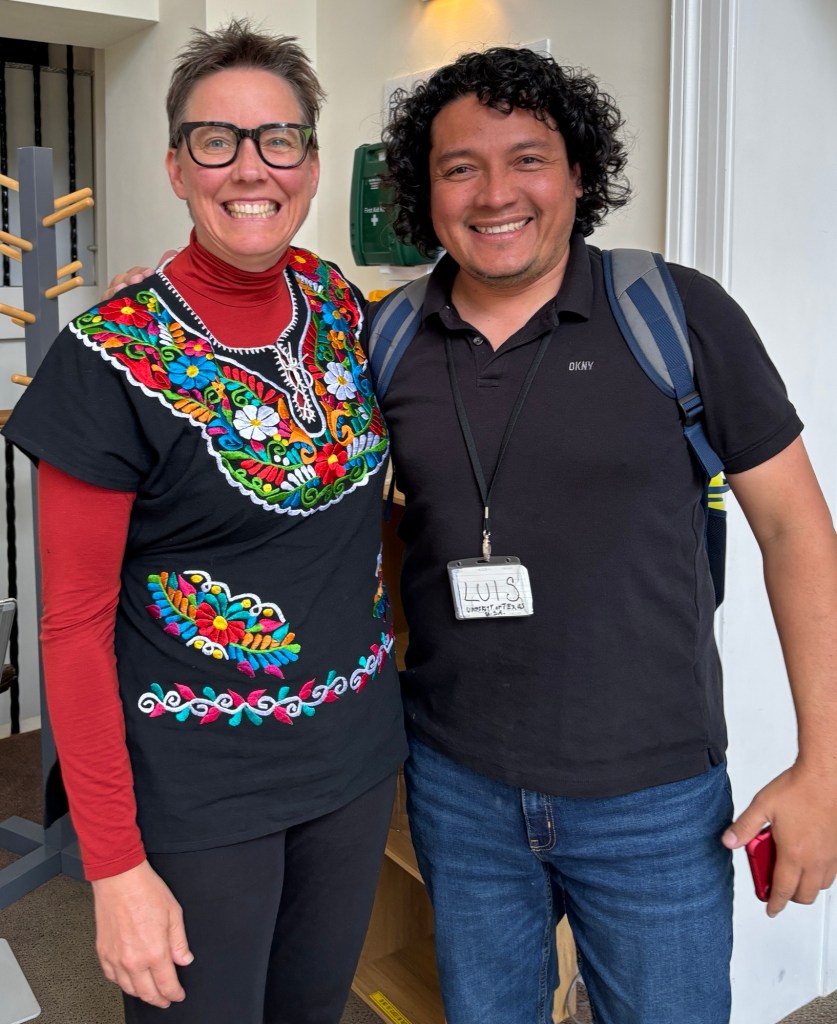
Sid and our gang at the end of the week. Shannon, Sid, Diana M, and YashLuis gave me a truly lovely shirt (I’m wearing it while writing this blog post from a train in Ireland today!)Lots of break out discussion. A breakout with Diana B and Anne Gardner.
Overall, the UCL team hosting, organizing, and facilitating the 2024 Summer School included exemplars Prof. John Mitchell, Dr. Diana Adela Martin, Prof. David Guile, Dr. Natalie Wint, and our centre manager Helen Bhandri. UCL honorary appointees Dr. Inês Direito and I (Prof. Shannon Chance) also pitched in wholeheartedly, facilitating several sessions each and supporting sessions conducted by others by, for example, facilitating discussion in breakout groups. Inês is now employed at the University of Aveiro and I at TU Dublin, yet we are always treated as full member of the CEE team. John Mitchell is an incredible leader who enables us, helps keep us officially recognized as honorary (researcher and professor, respectively) and helps achieve cohesion across our team.
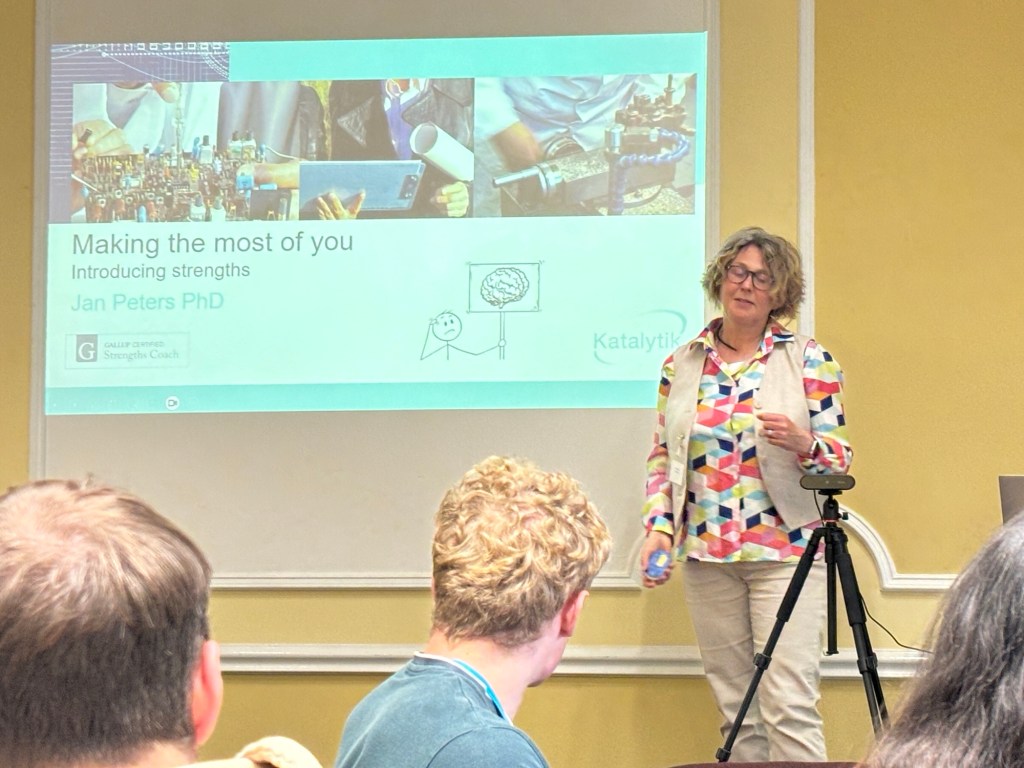
From beyond UCL, Prof. Greet Langie (SEFI Vice President) and Dr. Jan Peters, MBE (a consultant with Katalytick in the UK) provided informative and engaging sessions. Prof. Anne Gardner (an Associate Dean who is involved with the Australasian Association for Engineering Education, AAEE) and Dr. Diana Bairaktarova (Associate Professor at Virginia Tech) participated fully as well, and helped facilitate breakout groups throughout the week.
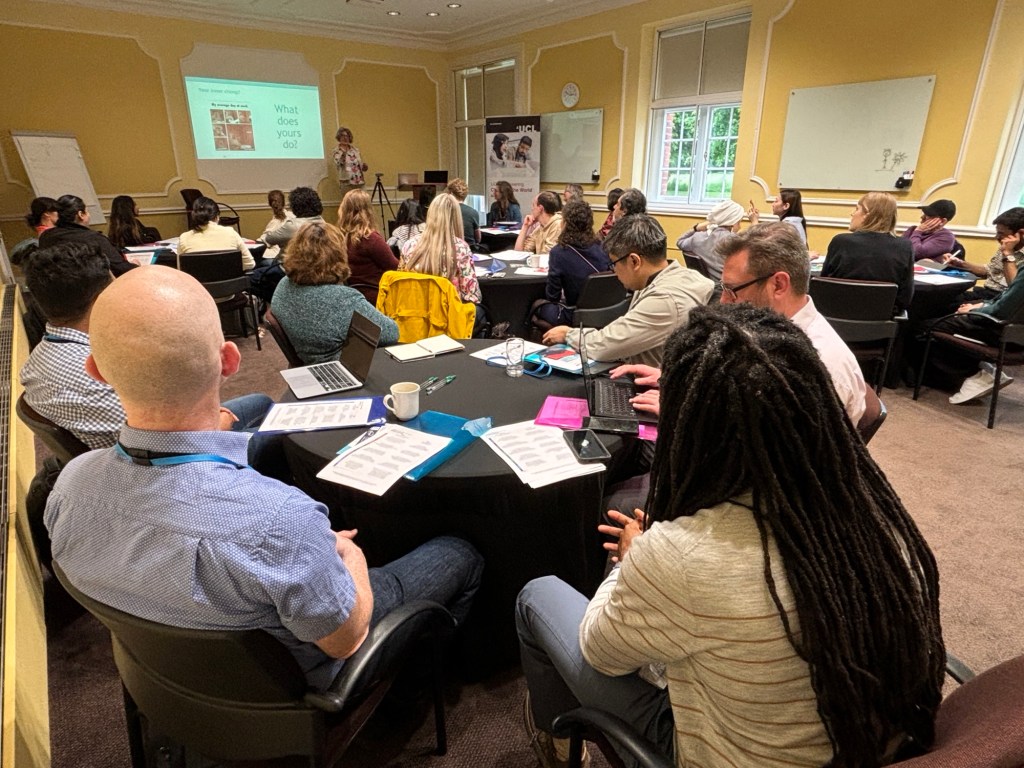
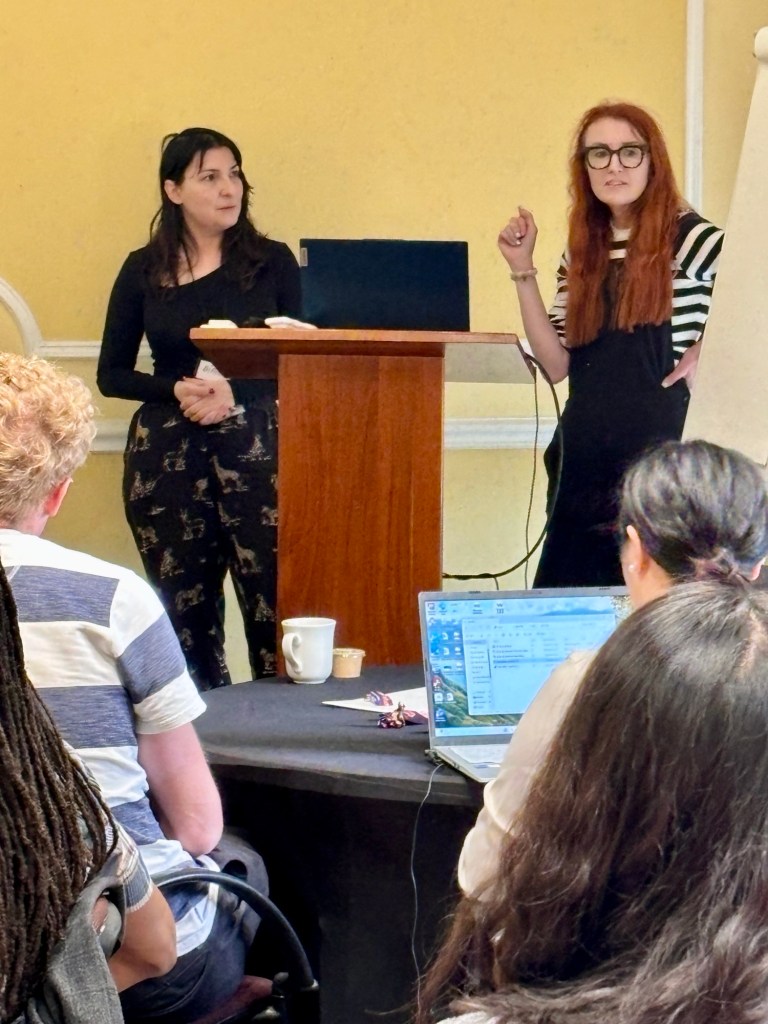
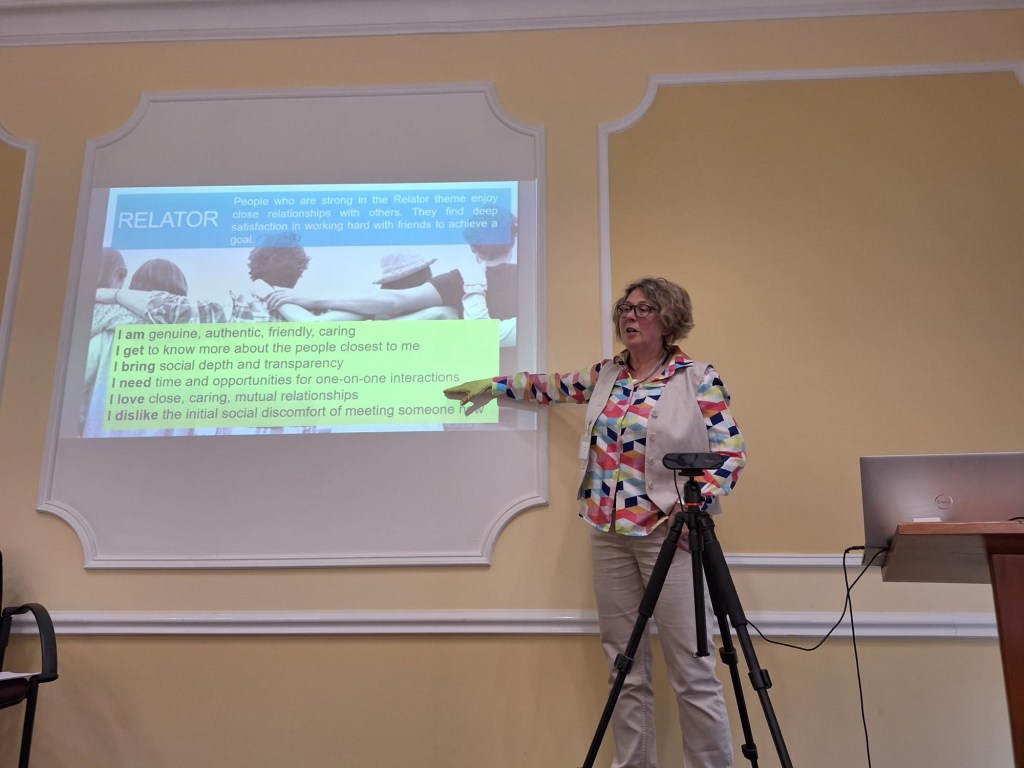
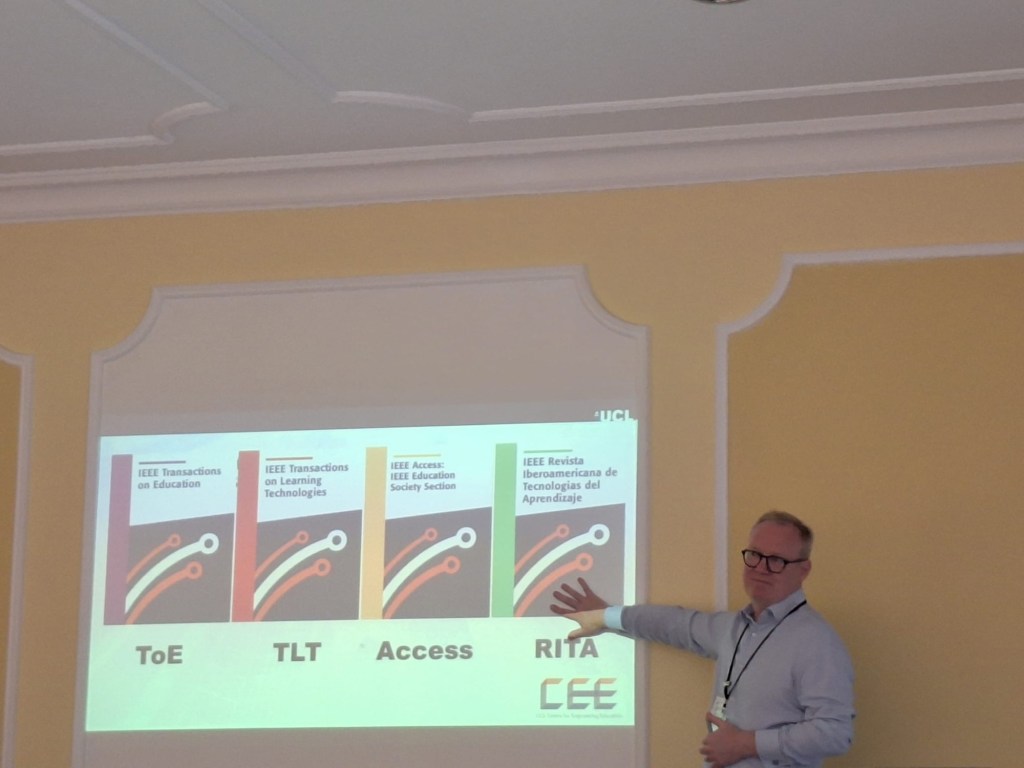
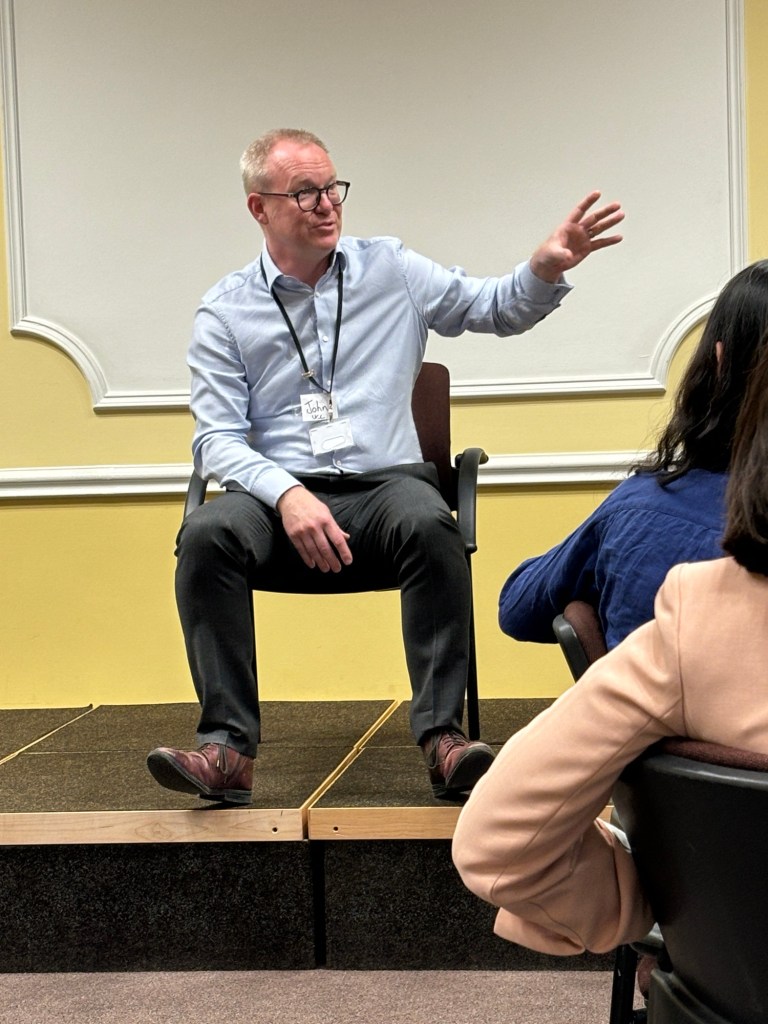
Diana M and Nat on ethics. Jan on finding your strengths.Shannon on research basics. Ethics activity with Cumberland Lodge staff. John Mitchell on EER publications. John on his career journey. Most all the 2024 Summer School participants.
Since finishing the event, the CEE team has received thank you notes from many of the participants. One came from Sid and another from Yash. They are studying at Purdue University, and I met them both at REES in India this past January.
Yash wrote to say that “As a first-year Ph.D. student and new entrant into the field, I felt warmly welcomed into the European Society of Engineering Educators and thoroughly absorbed in the program and its activities.” He praised “the design of the activities and the schedule,” which he said “offered a great balance of information and a chance to reflect and discuss with other members during the afternoon walks or even during the evening free time.”
Yash also loved the evening quiz that Diana Martin facilitated. She had contacted EER superstars and requested photos from their grad school days. Guessing their identities was a hoot, and Yash said the activity “was very creative and personally valuable because it gave me an opportunity to see [these well-known scholars] when they were my age or starting their careers in research.” He praised the way Diana, “filled the room with … energy and enthusiasm made the activity come to life” and I couldn’t agree more!
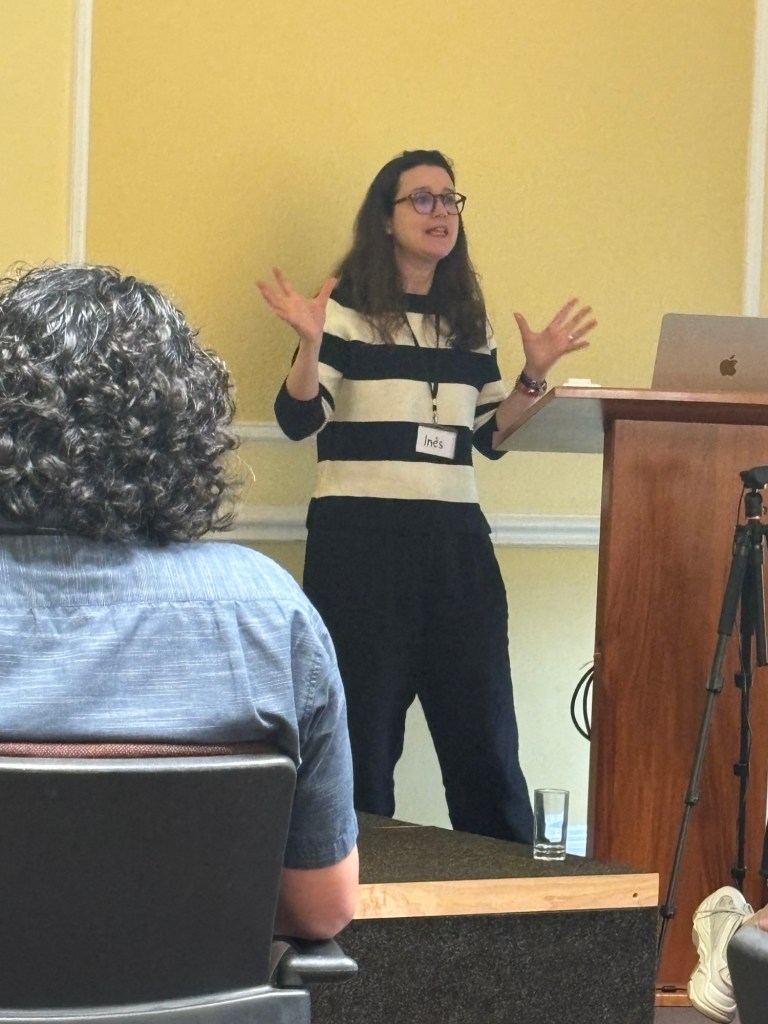
Yash described the value of elements from the workshops Inês and I conducted on literature reviews and positionality statements, as well, and also the sessions on ethics by Diana Martin, Nat Wint, and Cumberland Lodge staff.
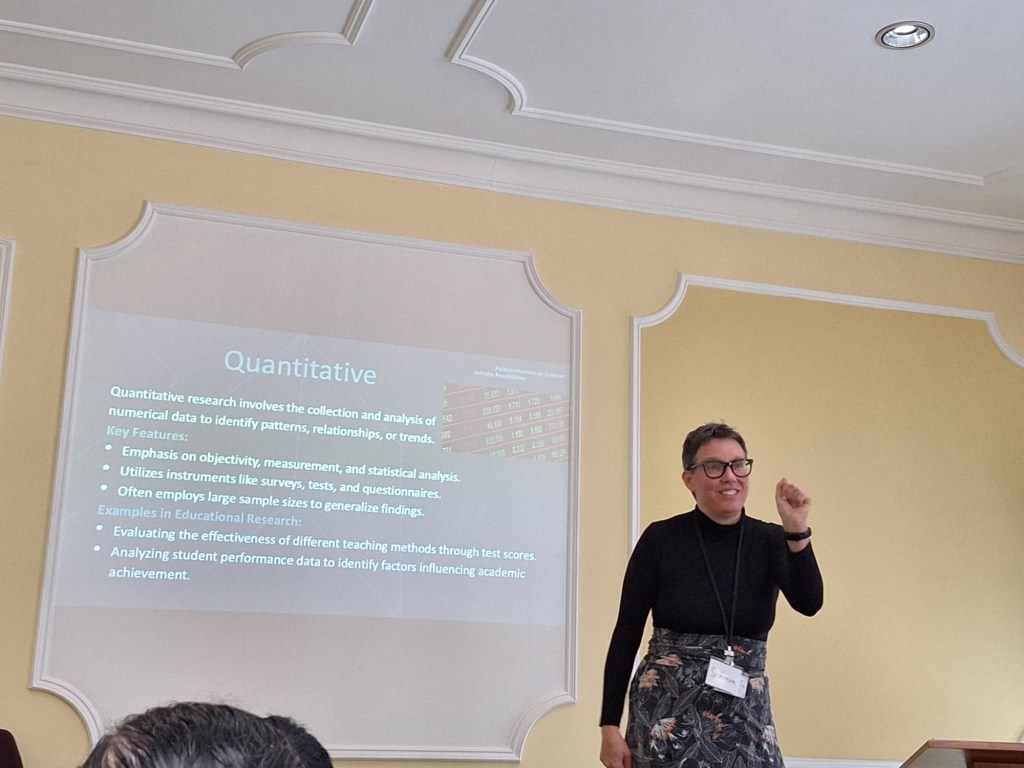
During the week, I also delivered session on the structure of dissertations, differences in the way PhD education is structured around the Western world, conceptual and theoretical frameworks, and research paradigms — and another on incorporating gender considerations in your research and teaching. The first of these two sessions included small group discussions and a debate comparing the merits of qualitative and quantitative research.
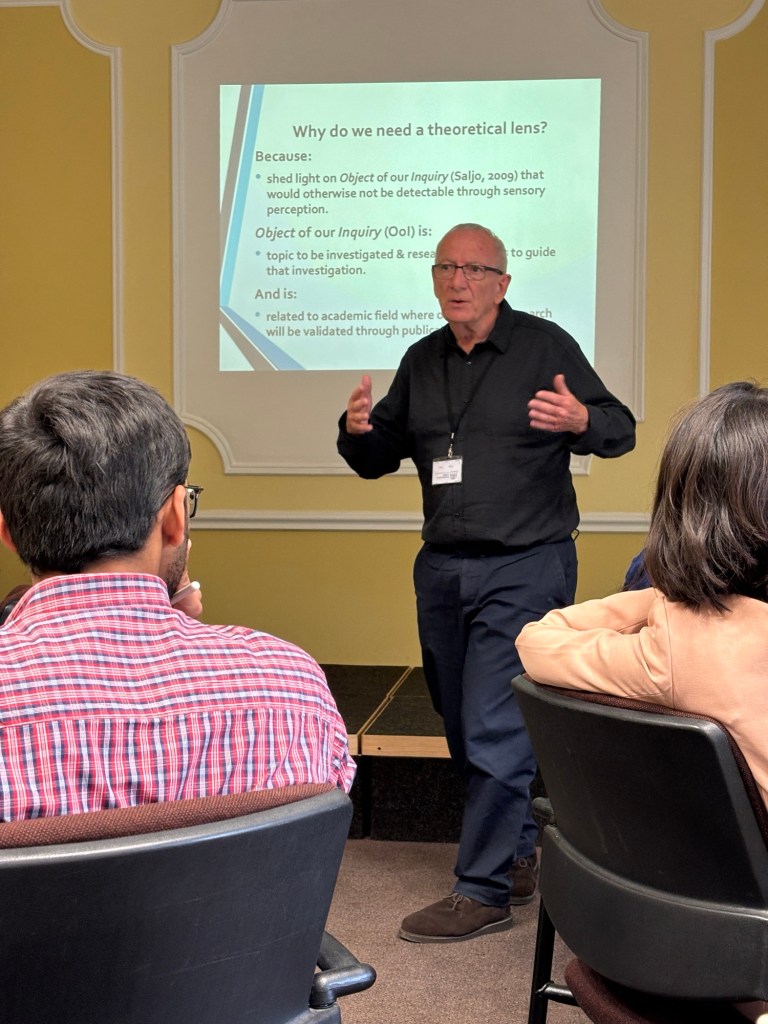
John Mitchell and the UCL team provided guidance on selecting journals to publish in, preparing articles for publication, and conducting peer reviews. David Guille delivered a highly provocative session on “assembling your theoretical lens.” Earlier in the week, Greet provided the opening welcome to the school and a brief orientation to SEFI. Jan taught us about CliftonStrengths and facilitated a race-car-building competition.
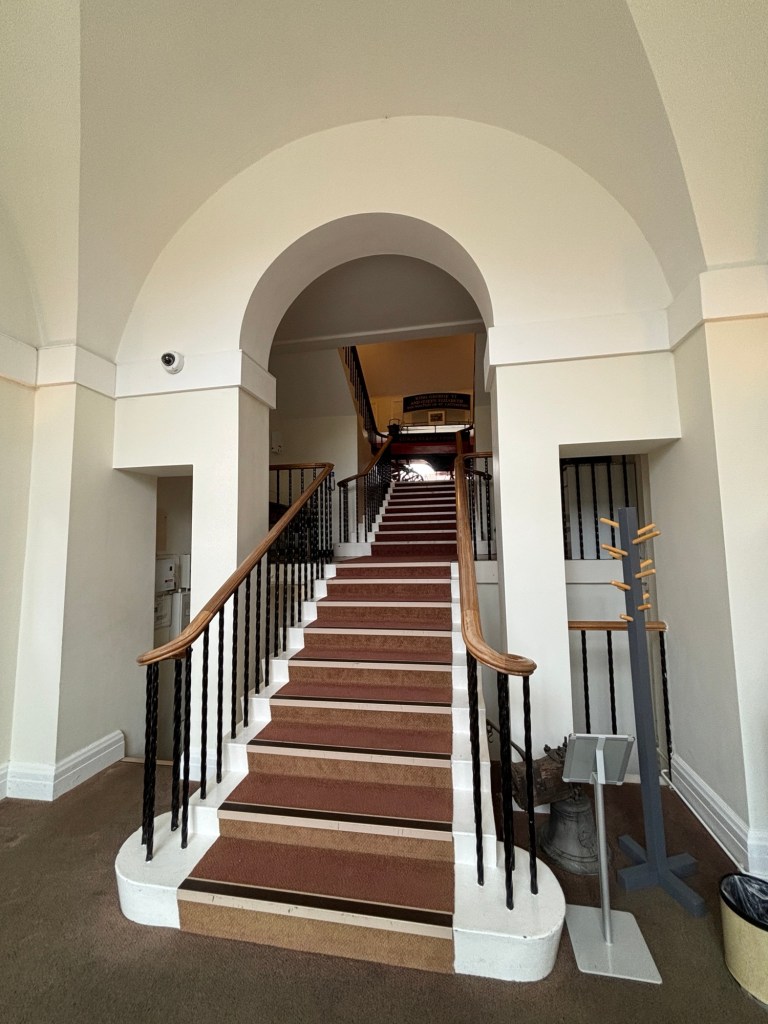
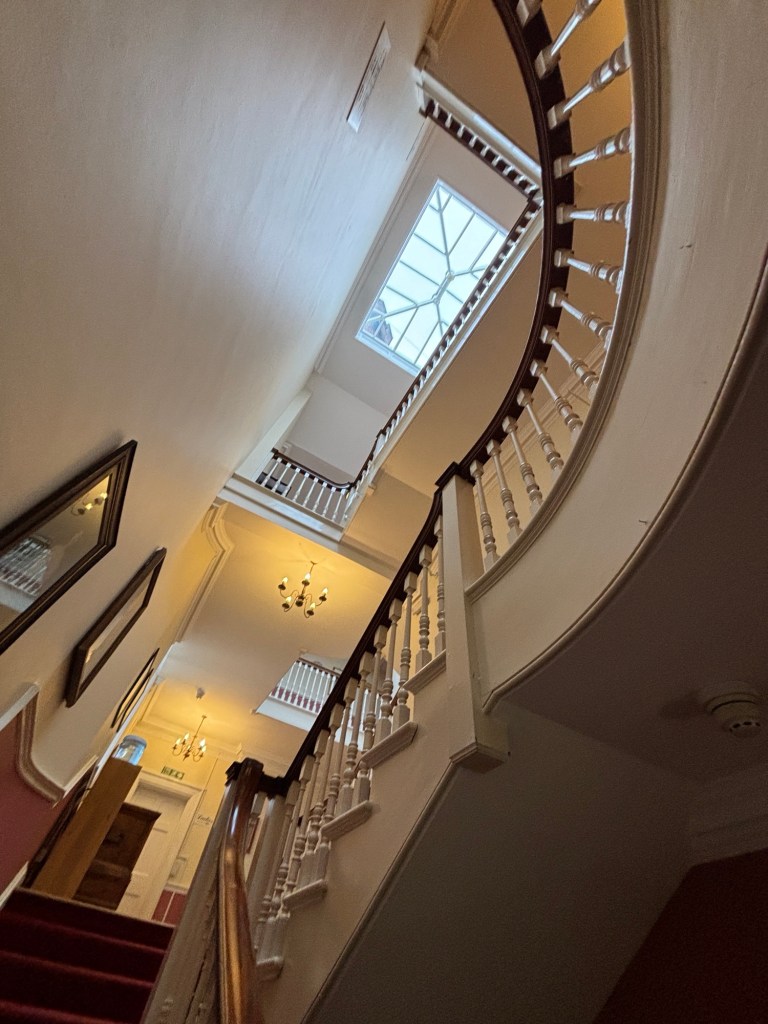
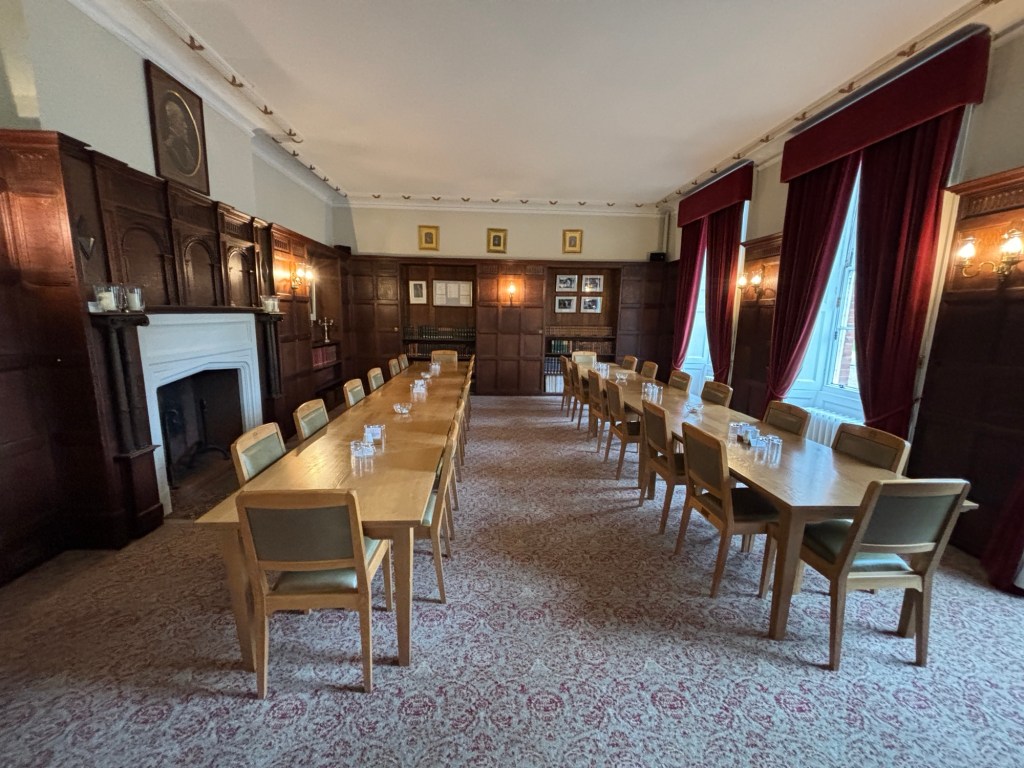
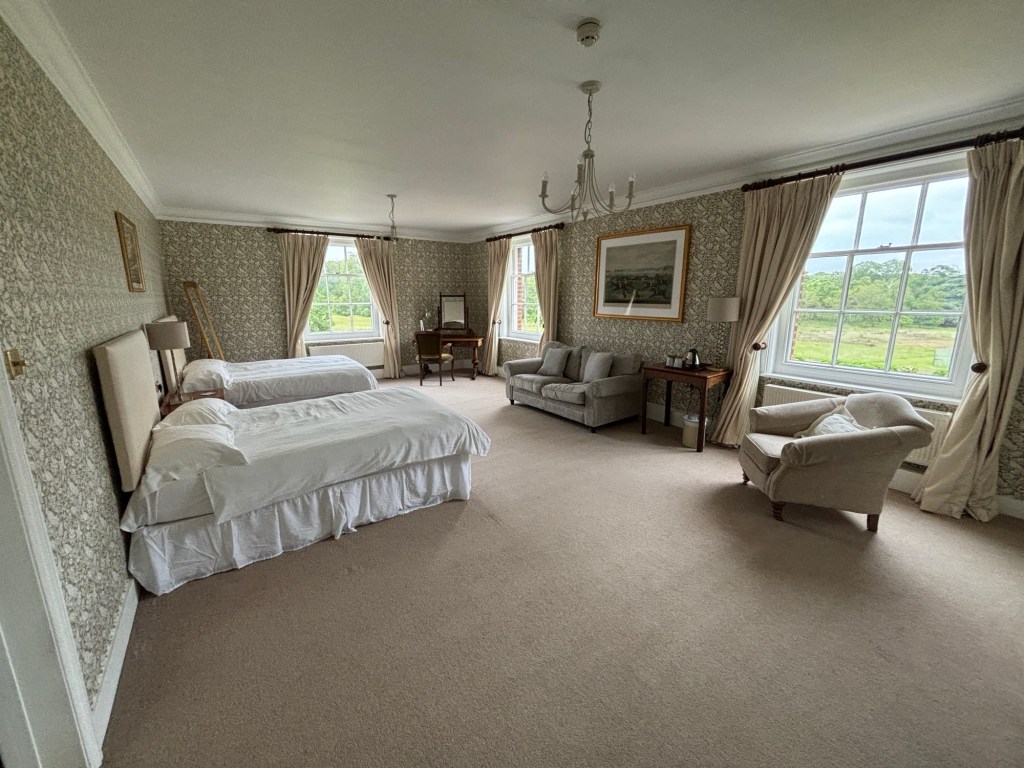
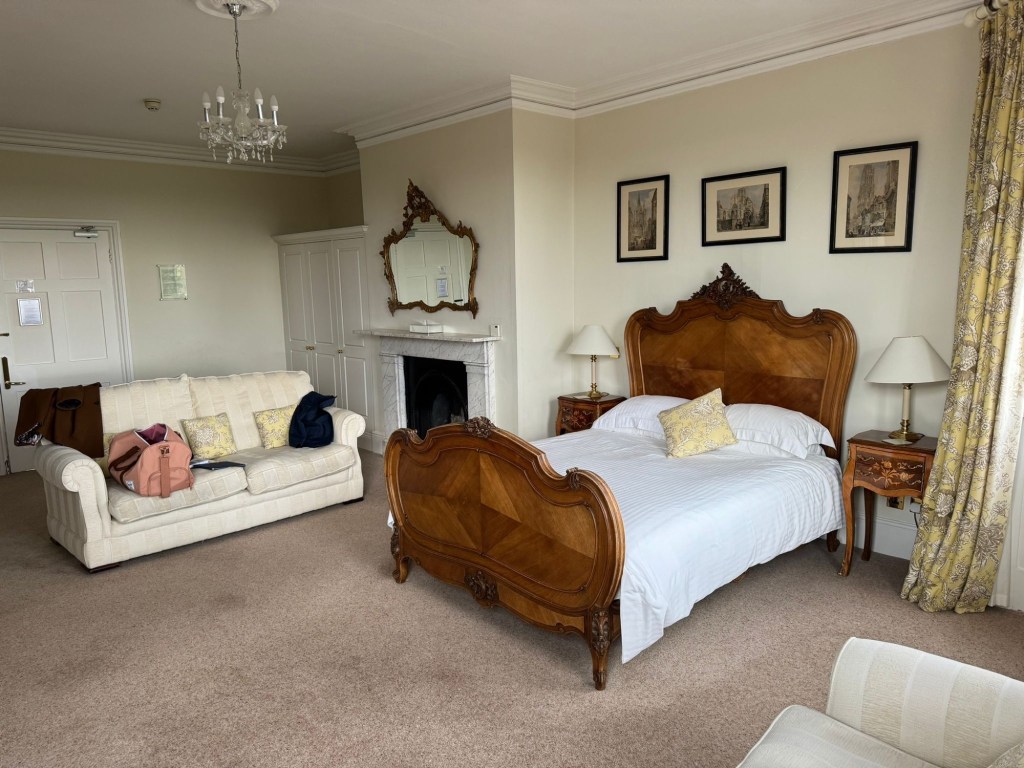
David Guile on assembling theoretical lenses. Inês on positionality. Inês on literature review. Inês on literature review.The students brought home lots of notes!Grand stair at Cumberland Lodge.Another stair at Cumberland Lodge.Dining hall at Cumberland Lodge.Example accomodations at Cumberland Lodge.Example accomodations at Cumberland Lodge.Jan Peter’s presentation.Greet Langie’s welcoming address.Shannon and Diana aside the amazing Helen B. Welcoming participants with name tags and facilities orientation, our very own Helen B.
Near the end of the week, we provided a session where “all the organizers shared their journeys into the field of engineering education,” which Yash described as “very powerful. … Such exchanges are rare and provide a chance to view the person, the human being behind the researcher. It made me feel that I belong in this field of engineering education because I, too, share similarities and seeing someone who has become successful by overcoming similar challenges is very encouraging.”
I wish we had recorded these stories because they were so rich and heartfelt. A dozen participants came to me on the day following this journey session with thanks for our openness, collegial spirit, and willingness to share what they described as valuable insight.
An example was emailed to us by Alison from the University of Cape Town: “Thank you for a magnificent four days. I so appreciated being part of a community and learning from each of you…. I am inspired and excited to consolidate what I can contribute in South African engineering education…. I also SO appreciated each one of your stories and the way in which you demonstrated a complementary and accepting team – working to one another’s strengths – with space for others to contribute. It makes for an inviting and exhilarating ecosystem for us all to grow in.” High praise, indeed, and accurate!
Yash, Sid, and Alison have attended prior engineering education events, but some newcomers to our global EER community were part of this cohort, too — like Somayeh, who is currently studying at Umeå University. You may know that I have a distinct interest in supporting women from the Middle East who study engineering in Europe because I’ve come to know many at TU Dublin.
Somayeh is from Iran, although studying in Sweden today. She wrote “It was an honor for me to have a talk with you and be in your energetic class. I have learned a lot and [the experience] made me challenge myself and rethink about different aspects of my research.”
Following the event, I was delighted to hear from Somayeh’s PhD supervisors, Johanna and Maria. They emailed thanks to our team for taking great “care of our PhD student Somayeh during the summer school. She returned home with a lot of new knowledge, but also greater self-confidence, sense of belonging to the field, and sense of legitimacy as a PhD student. We knew she’d be in the best of hands, and we’d like you to know that your hard work has made a big difference for her (and us as supervisors)!” This I feel is the highest praise possible, and written by a scholar I admire immensely.
I loved my conversations with so many of the students — Luis, Julia, Hannah — the list goes on and on. So many fabulous memories!
It was a huge honor to be part of these emerging scholars’ education and to be so well received and appreciated. It was an invigorating week, and I learned tons myself!
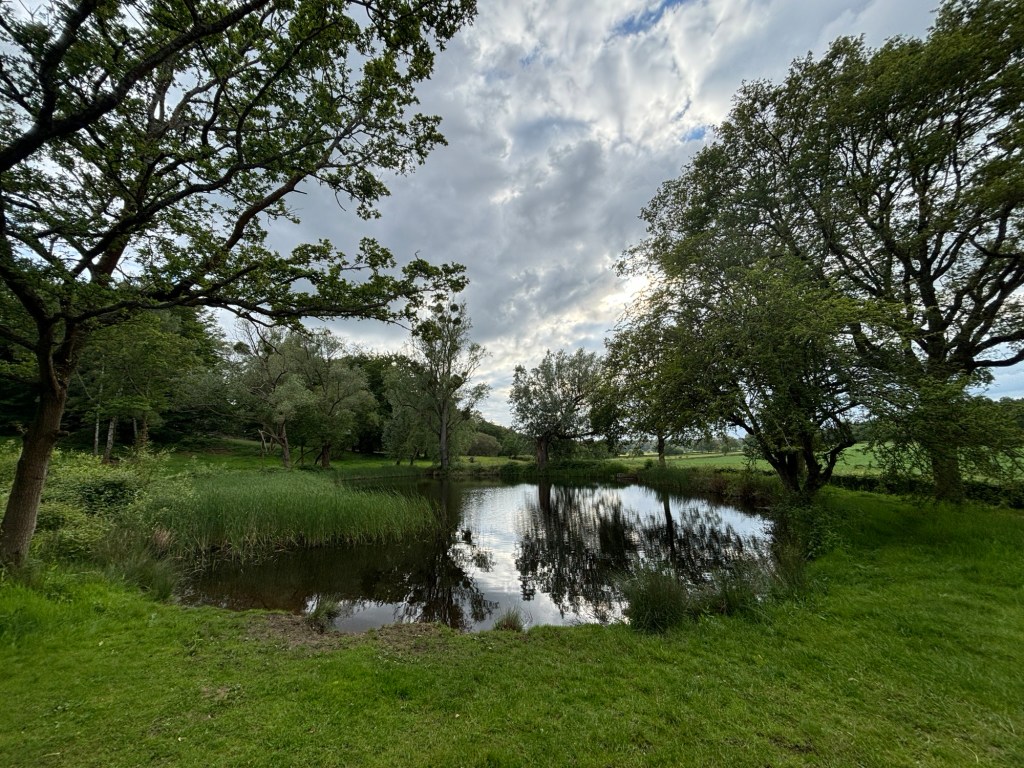
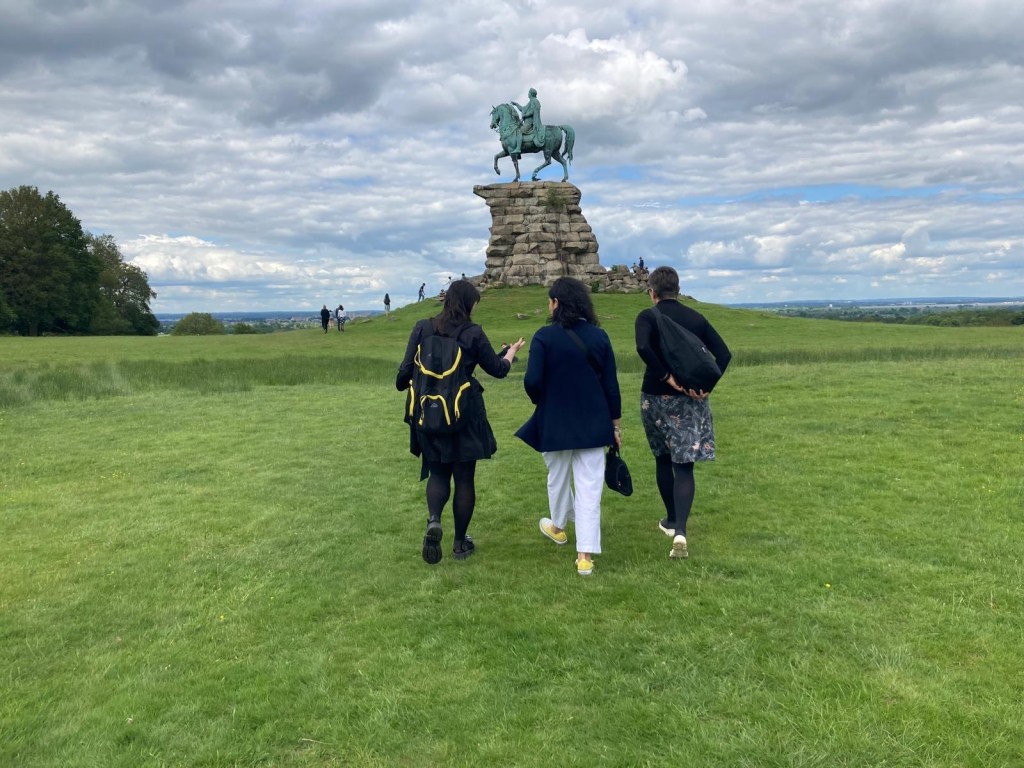
It was also healthy. I enjoyed several enchanting walks through the forest with colleagues. I particularly enjoyed a long walk with Eugene, a PhD student who teaches engineering at a community college in California and studies at Purdue University, and another long walk with the whole cohort. The scenery of this park is spectacular and the conversations were deeply intriguing.
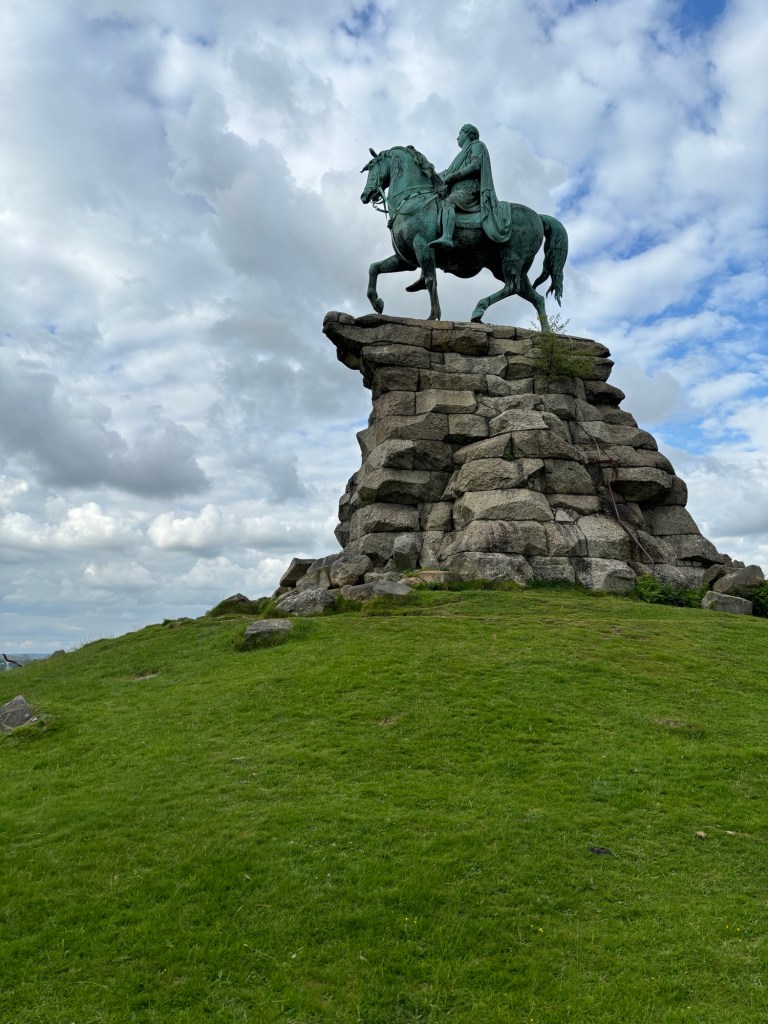
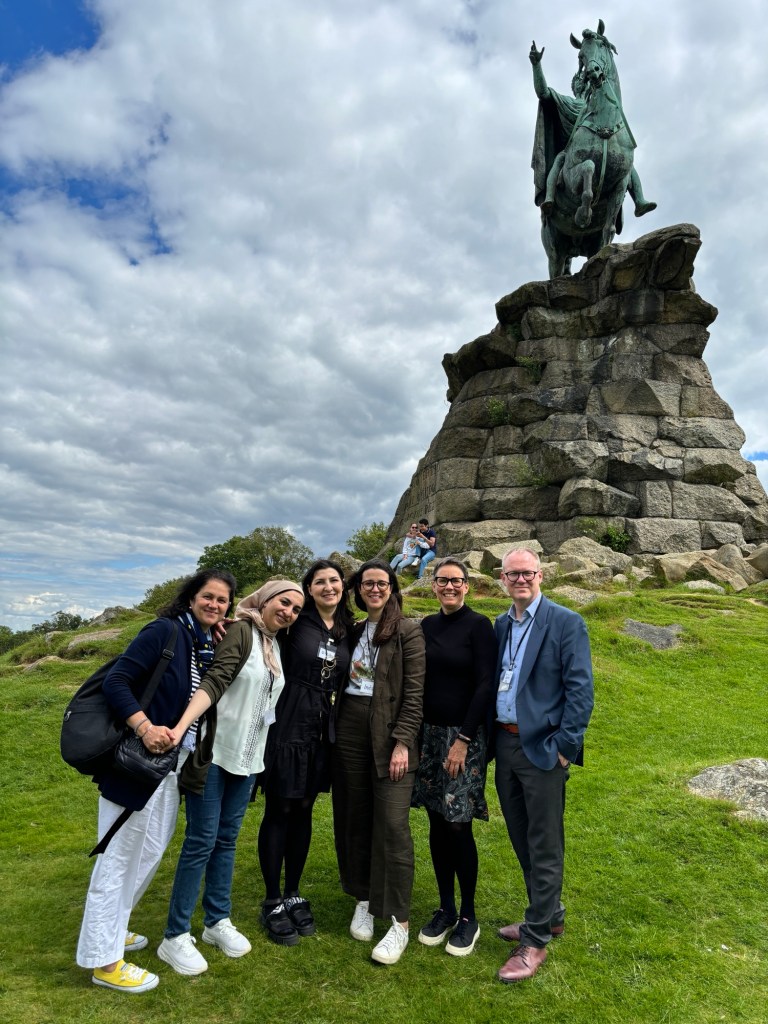
A walk and talk with Eugene. Twin smiles and shared passion for serving ‘non-traditional’ college students.Windsor Great Park. Diana, Diana, and Shannon at Windsor Great Park.Windsor Great Park.Facilitators with Somayeh.Windsor Castle in the distance. An impressive monument with astounding views.Pre-class dinner at Cumberland Lodge……with another impressive view!
The peaceful setting with fresh air, healthy food, and collegial banter brought out the best in us all. I will seek to return to this special place.
During the week, I had so much to do. I actually taught two online night classes for BIM students at TU Dublin — as part of my Research Methods module. I’m fortunate to have a knowledgeable colleague, Claire Simpson, helping me deliver the module (particularly since a storm dropped the Thursday night connection several times).
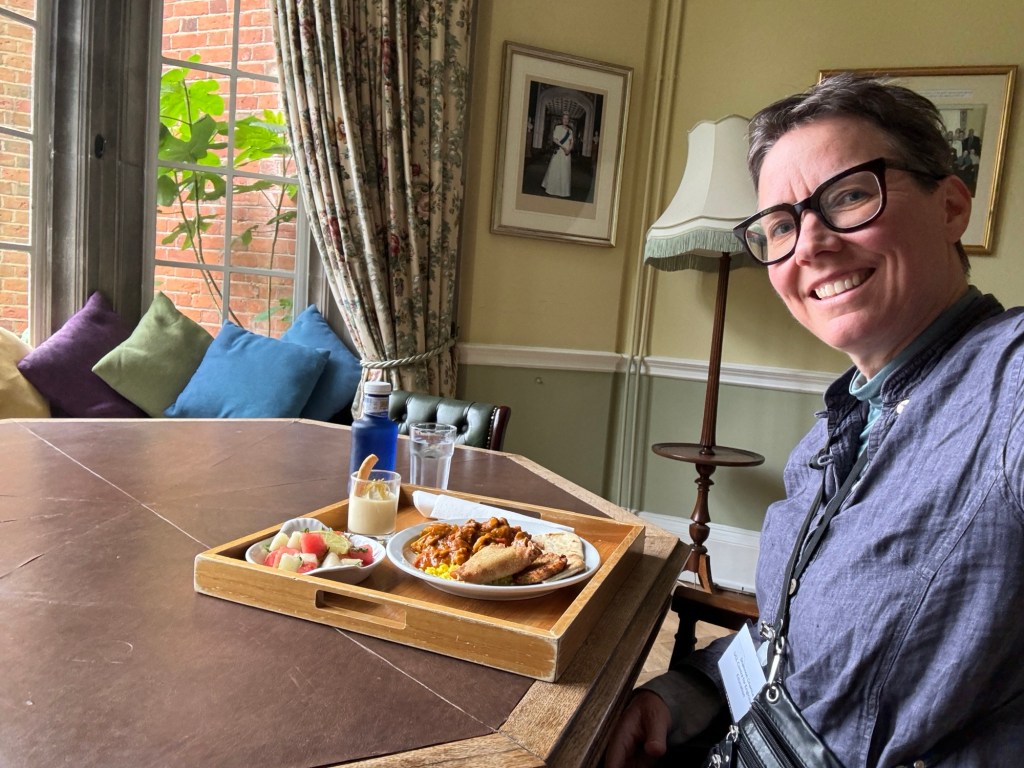
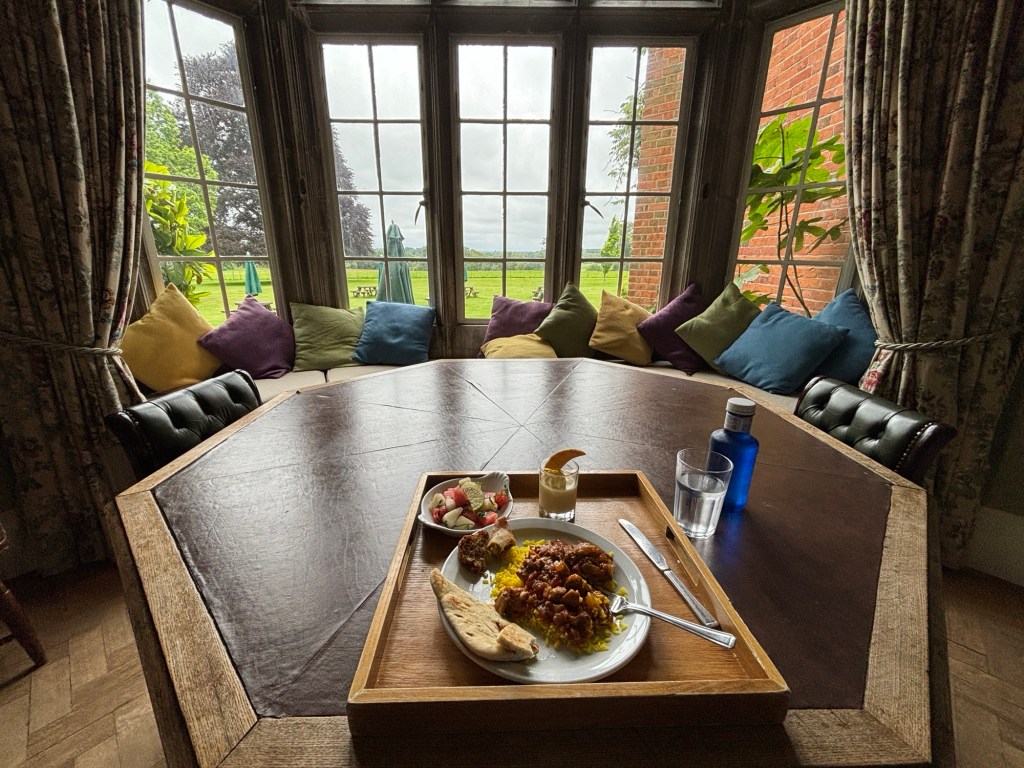
Cumberland Lodge took great care of me, preparing dinner plates Tuesday and Thursday, since my three-hour class overlapped dinner time in the Harry-Potteresque dining room.
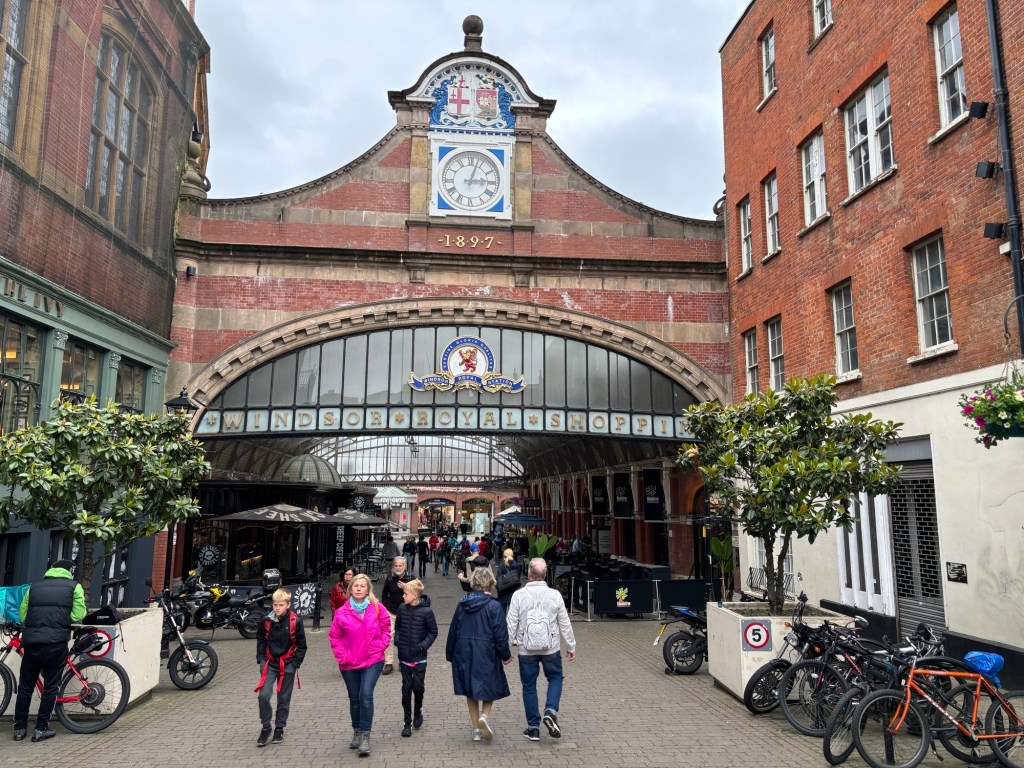
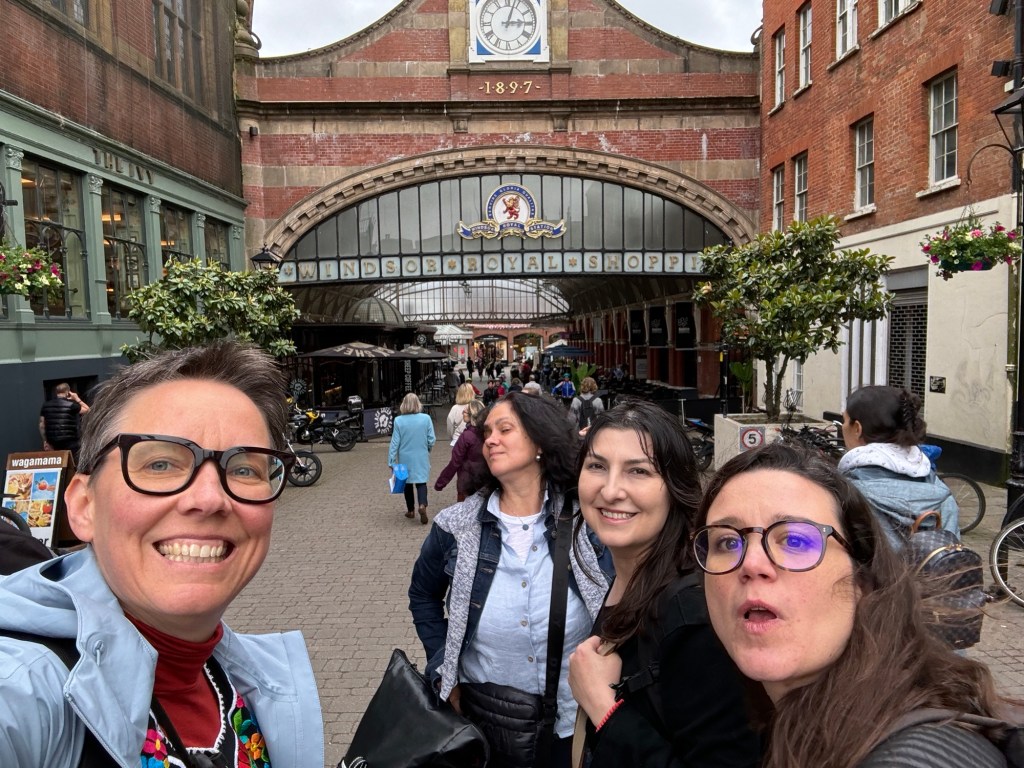
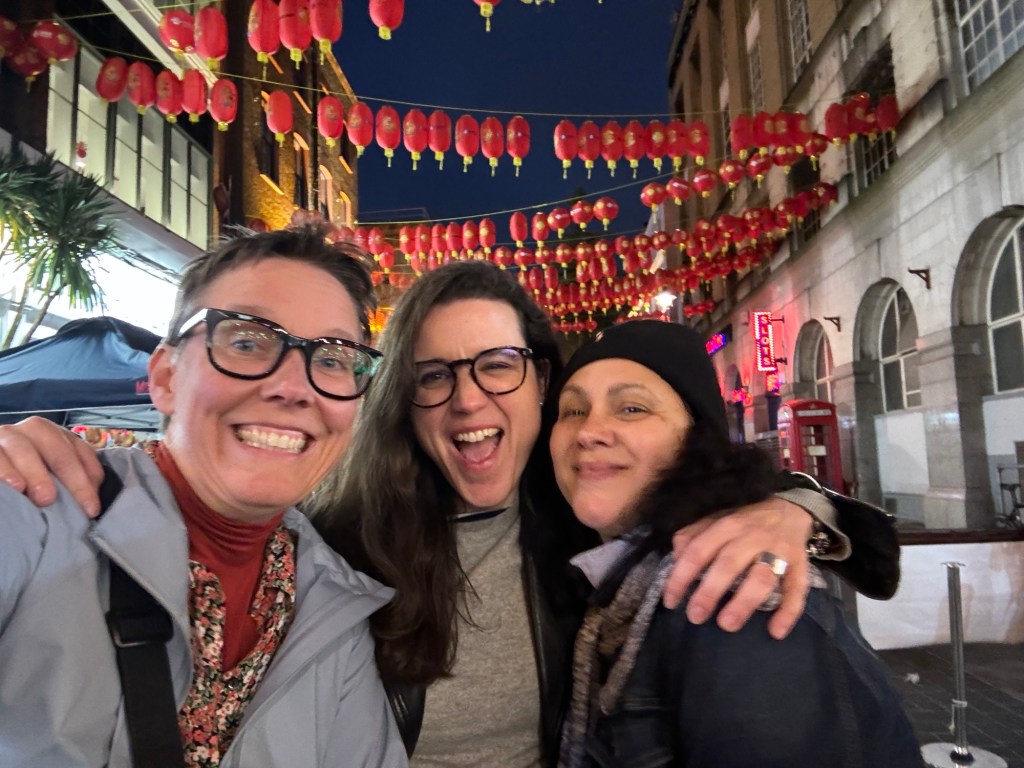
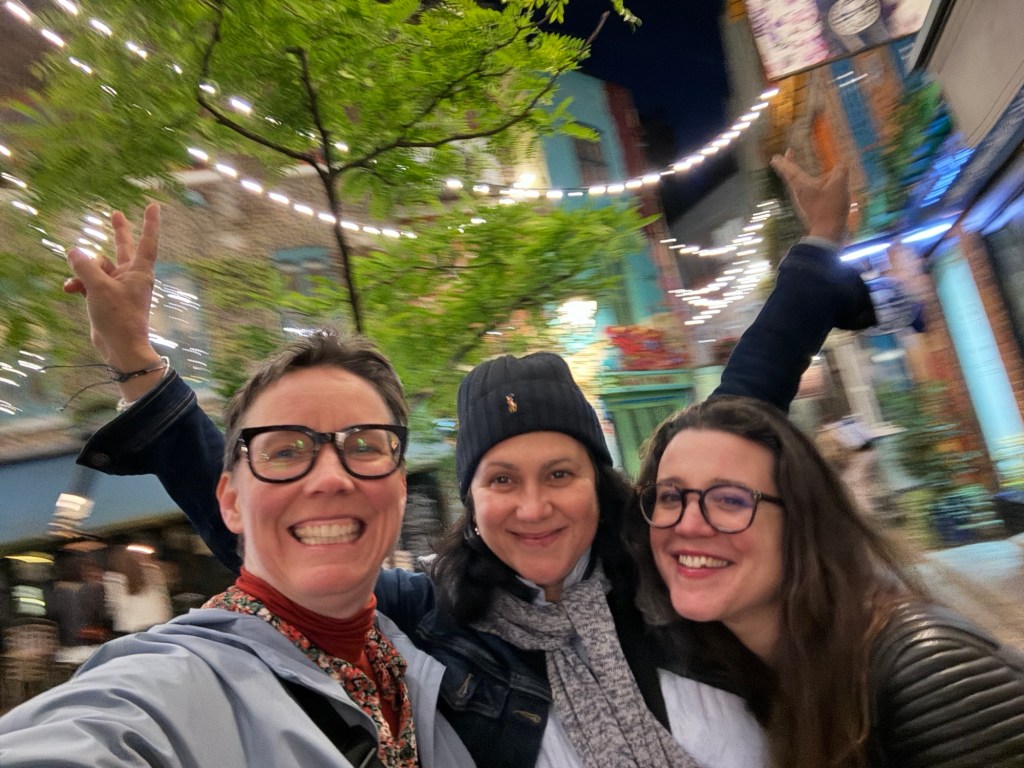
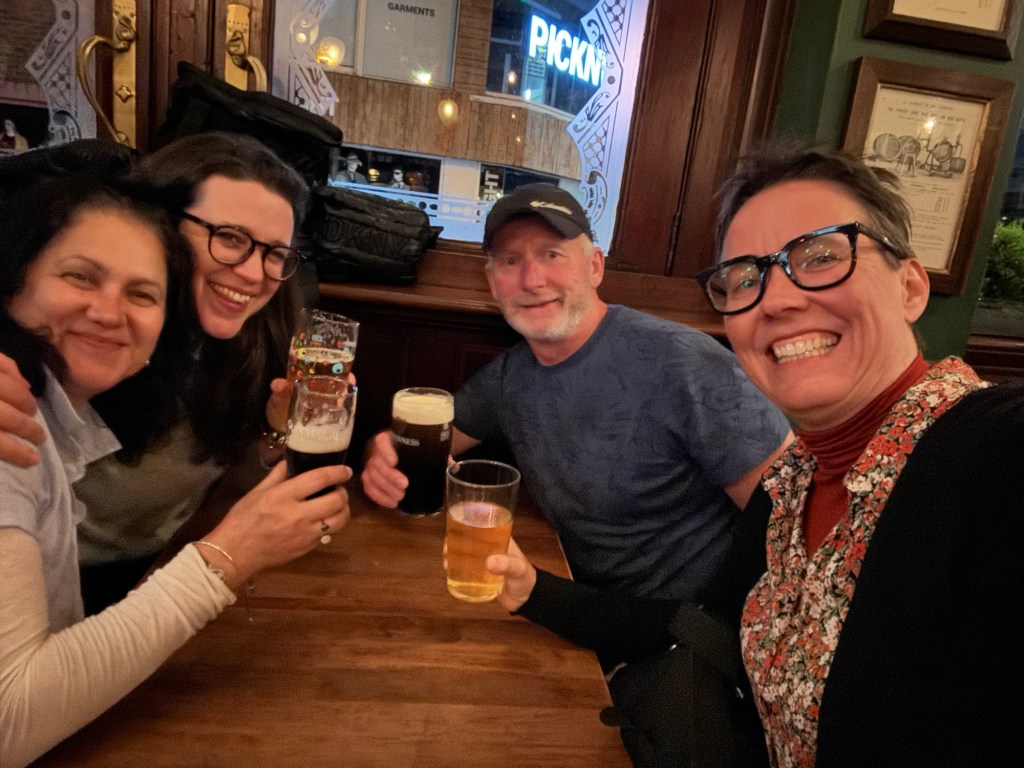
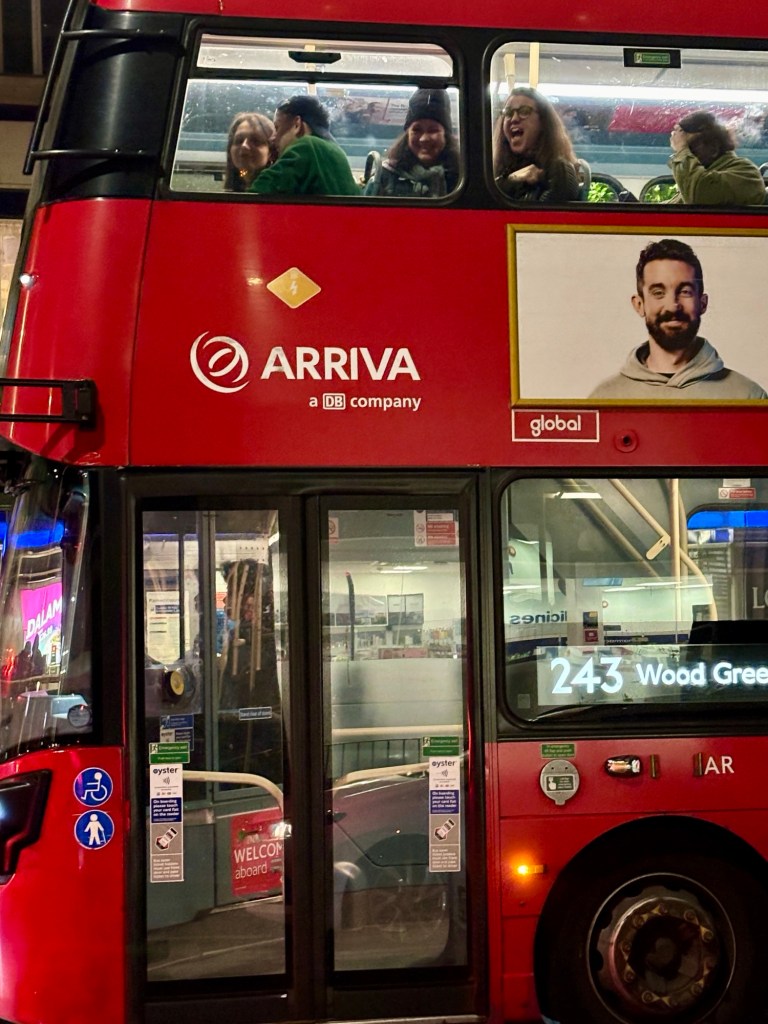
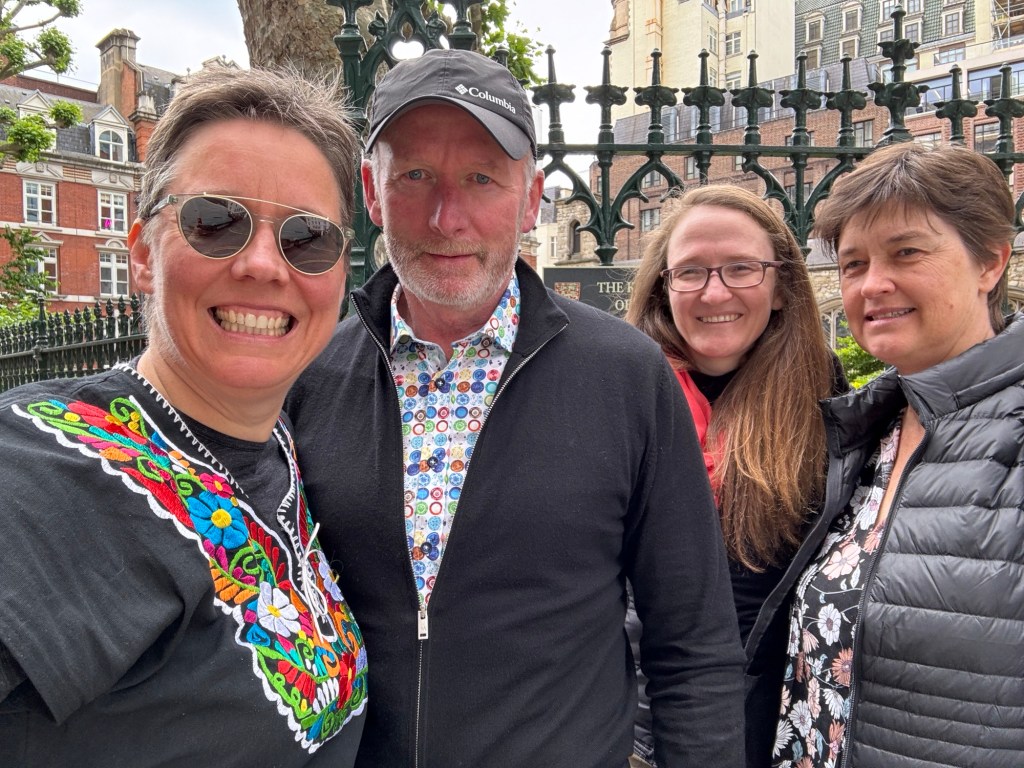
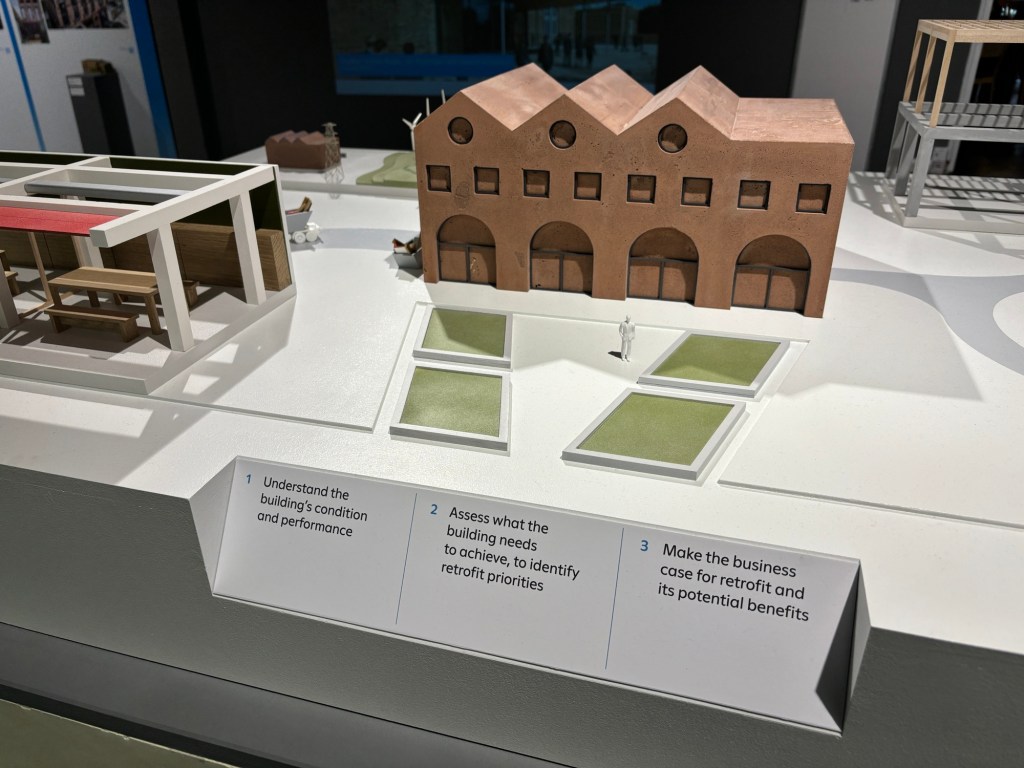
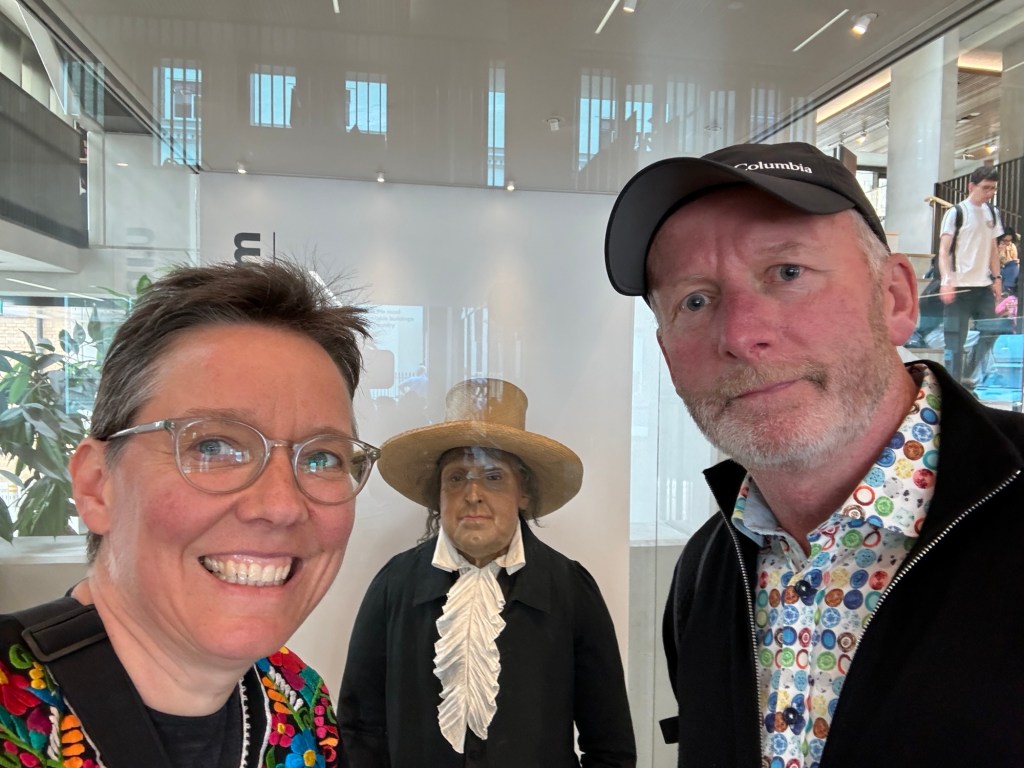
Wrapping up the School with Inês and Diana B. Leaving Windsor village. Striking a pose on our way into the Windsor train station.Diana B’s first night ever in London! Hamming it up in Soho with Inês and Diana B.Neal’s Yard with my pals.Aongus found us at the Anchor! Nothing like a double-decker — see my friends up top.Working breakfast with Lelanie and Nicky.My South African colleagues.Brushing up on LEED for retrofit at the Building Centre with Aongus. Introducing Aongus to Jeremy Bentham when leaving UCL’s campus.
It’s been nine days since the Summer School ended, and honestly, I’m still a bit worn out! I did spend some time exploring London with Inês and Diana B after the School — after all, it was Diana’s first time in London!
And my fabulous partner, Aongus Coughlan join us and also came to meet my colleagues, Dr. Lelanie Smith and Dr. Nicky Wolmarans from South Africa down near the Engineers Professors Council on Savoy Street (before their two-day symposium on integrated engineering curriculum design, also organized by UCL’s CEE). Looking forward to seeing Lelanie and Nicky in South Africa in November 2025 (yes, we plan ahead!)!
In all, the School will go down in my memory as a highlight of 2024 and I couldn’t be happier that John Mitchell included me and that I got to work with this incredible cohort and facilitation team.
I have an exceptional PhD supervisee at TU Dublin, Sandra I. Cruz Moreno. She is an internally motivated, self-driven learner who needs little to no prompting from me. Supervising her for the past two years has been pure joy.
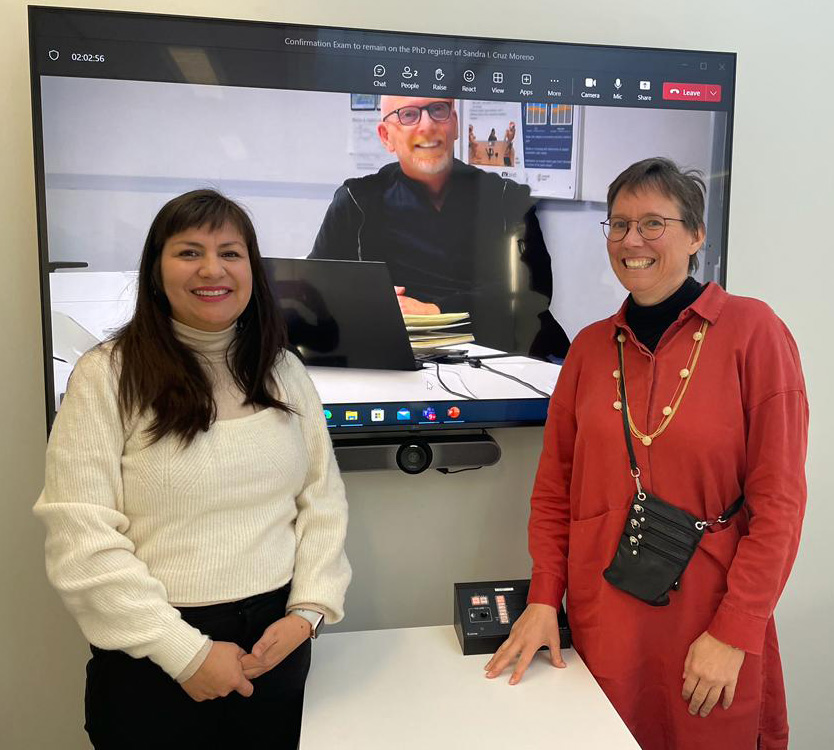
I am extremely pleased to report that Sandra achieved a major milestone yesterday because she very successfully “defended her Ph.D. proposal” (the term we use in the USA). Here, it’s called a confirmation examination to confirm that a student is on track and suitable to continue onward.
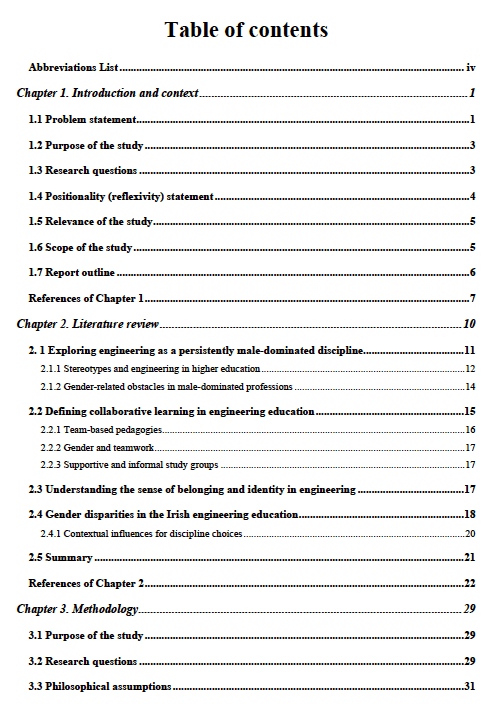
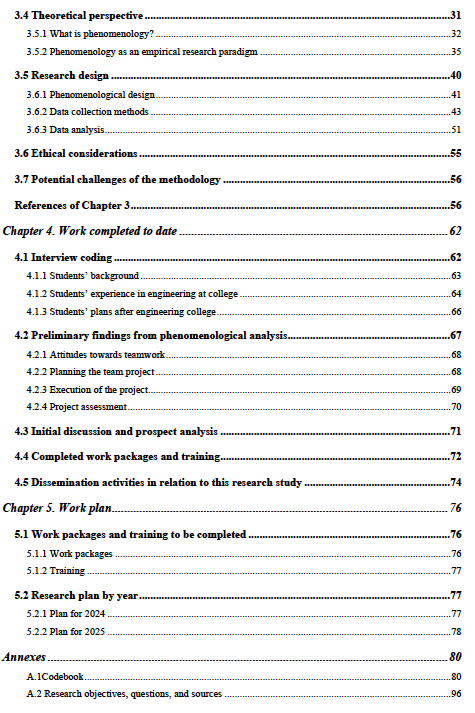
Sandra needed to submit an extensive report. The report is a bit more elaborate than a proposal back home, as it must include the work plan in addition to the first three chapters of the dissertation. She also included preliminary analyses of existing interview data.
TU Dublin is funding Sandra’s PhD so that she can analyze extensive interview data I collected from women studying engineering over the years since 2015. It’s such an enormous amount of data that I’ve never been able to wrap my arms around it fully. Sandra, a sociologist who has worked as a research consultant on rural development for the United Nations and similar organizations, is well-prepared to handle this large dataset. She has embraced the challenge and has made great strides forward.
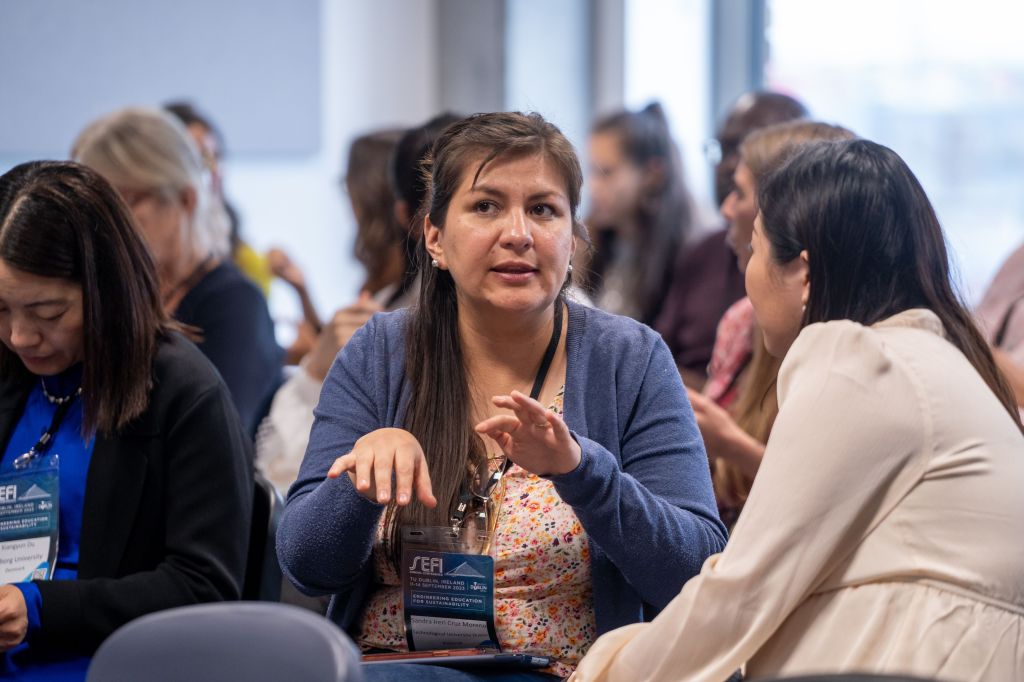
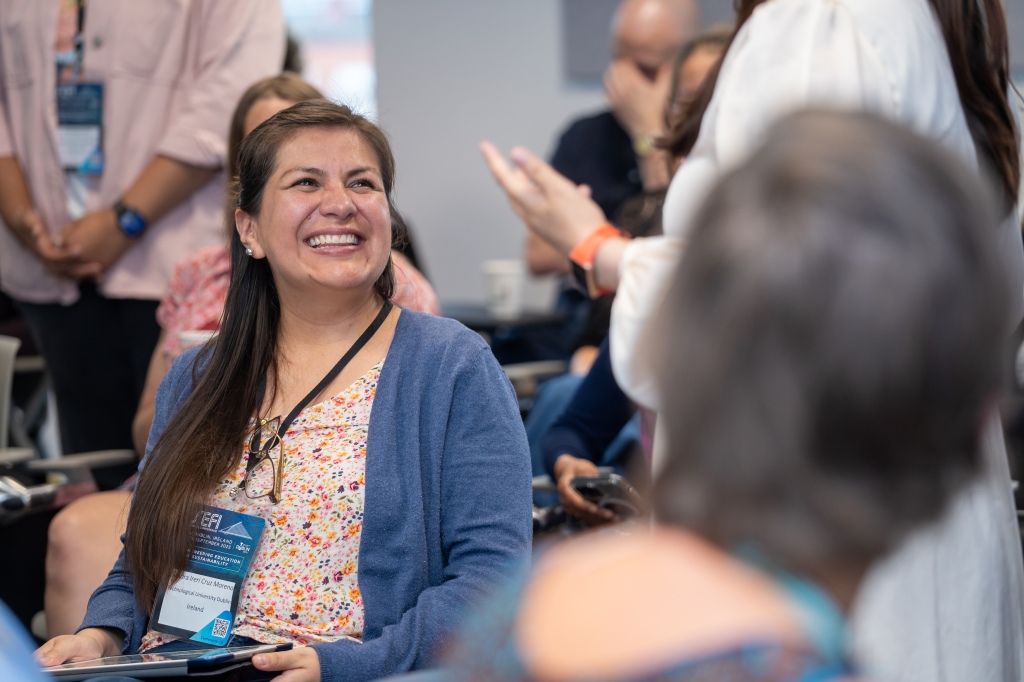
Sandra Cruz at SEFI 2023, where she presented her research (left) and engaged thoroughly in events like the pre-conference Doctoral Symposium (center and right).
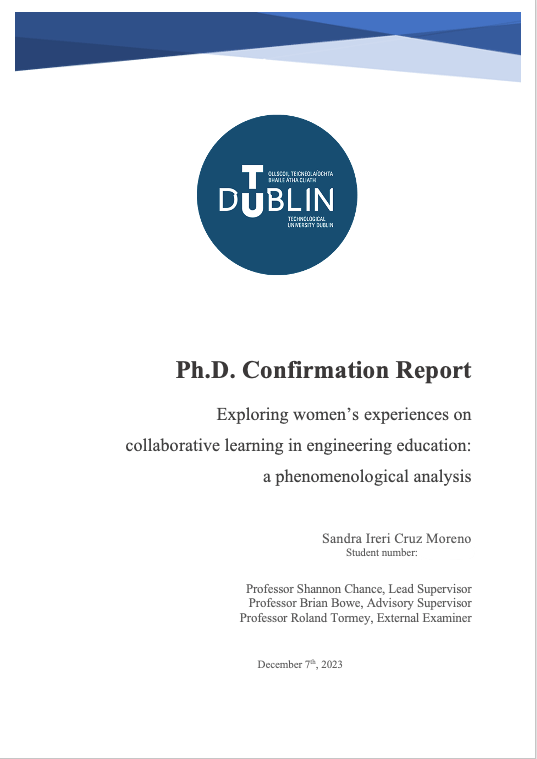
Sandra’s study is titled “Exploring Women’s Experiences on Collaborative Learning in Engineering Education: A Phenomenological Analysis.” She submitted written reports of the coursework she has done to date, as well as a five-chapter document presenting her research. Both of Sandra’s supervisors, as well as our college’s head of research and the external examiner from the Swiss Federal Institute of Technology Lausanne (EPFL), all read and critically analyzed Sandra’s submission.
The result of this review and of yesterday’s two-hour oral examination concluded that her “Proposed research and progress [are] suitable for [Sandra] to remain on the higher register” and proceed into the final stage of her doctoral research. That’s fancy talk for “It’s a go!” and “Full speed ahead!”
Sandra Cruz with her external examiner, Dr Roland Tormey and lead supervisor, Prof/Dr Shannon Chance, on the day of examination.
Regarding the research Sandra has produced to date, the external examiner’s evaluation states:
The report is very well structured and extremely well written. It demonstrates a high degree of scholarship in dealing with quite a few challenging concepts while, at the same time, managing to make them accessible. There is a very good balance between methodology and methods in chapter three in particular.
The data available is suitable for completing of the PhD and the initial analysis carried out shows quite a lot of promise.
-External Examiner Roland Tormey, PhD
Our advisory supervisor, Prof/Dr Brian Bowe, couldn’t attend the examination (he’s the university registrar, after all, and the end of Semester 1 is an extremely busy time of year). Nevertheless, his guidance to Sandra and me has been essential throughout the process. The advice he provides is targeted and highly applicable. Sandra and I have benefited from having him on the team.
I was delighted, but not at all surprised, to hear about the successful outcome. Congratulations, the result reflects your hard work and dedication.
–Prof/Dr Brian Bowe, Head of Academic Affairs at TU Dublin
I have included the cover and table of contents of Sandra’s report so you can see the level of detail required. The report is 96 pages long. While Sandra was rehearsing for the examination, I was off in India delivering a paper she authored on policy to address gender gaps in engineering — policy at the European and Irish levels. The policy paper generated great interest and will form part of the PhD study, although it wasn’t a major component of the confirmation report. In fact, there were a number of topics she researched that didn’t need to be explained in detail at this point, such as critical feminism, which will inform her work going forward.
Working with and learning with and from Sandra is an honor and a privilege. I am grateful to TU Dublin for providing the grant to fund Sandra’s research activity. I am grateful to Brian, Roland, and Marek for the support they have lent Sandra and me. And most of all, I am grateful to Sandra for her diligence, perseverance, openness, and sincerity. I have learned so much from her and from working with her!
Very soon I’ll get to call my colleague Dr. Martin, instead of ‘just’ Diana. Today, she submitted the “minor corrections” requested by external examiners on her doctoral thesis during her viva.
Dr. Diana Adela Martin
We have different ways of speaking about all this in the States. We’d say she needed to make some minor amendments to the text following her dissertation defense. Actually, back home, as everyone makes minor adjustments after their defense, these aren’t usually considered “corrections”. They are considered fully normal!
Some days I feel like an international thesaurus, since so many terms vary from the US, to Ireland, and again to the UK. Divided by a common language, we often say over here.
In Europe, the rules and expectations for punctuation are even different than in the States! I’m constantly walking (writing on?) a tightrope. Consider that English is my first (and pretty much only) language, and that Diana has been writing, studying, and conducting empirical research in a non-native language. It makes her accomplishments all the more impressive.
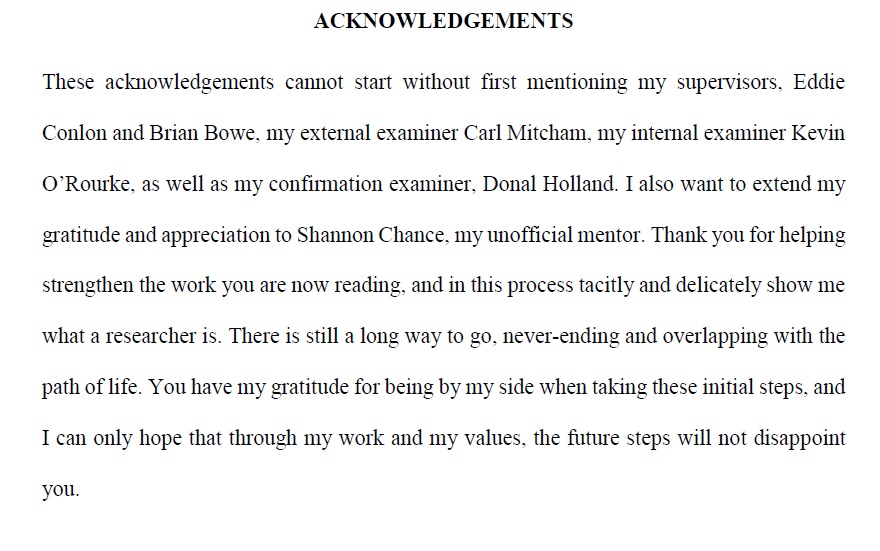
So, the deadline for Diana’s changes popped up, seemingly out of nowhere… and she delivered! I just received an email saying she’d gotten it all submitted, along with this screenshot:
I can’t really say how much it means to be mentioned in Diana’s thesis. It deeply touched me and let me know that all the hours of interaction mattered to both of us. I’m quite often the “unofficial” mentor but the lack of formal status doesn’t stop me from giving my all at it. In this case, her lead supervisor did ask me to serve as mentor when she joined our institution.
This type of work often goes undocumented, and we know it disproportionately falls to women and early career academics, who are expected to be good supports for others — empathetic and able to share freely. Too often, this expectation holds those unacknowledged mentors back from tasks that get higher recognition in institutions. Being the liaison to a student group can take a lot of time, with little to no formal reward in, for example, tenure and promotion deliberations (the US way of putting it). For me, I am glad to be at a point in life where I don’t worry too much about accolades — I’ve already earned tenure, currently hold a permanent position, and was made Full Professor back in 2014 — and I feel enabled to allocate my time to things I value.
I spend a great deal of time on diversity and inclusion, ethics, and sustainability — and on supporting early career researchers and entry-level teaching staff whenever I can. When I don’t hear from my informal mentees (Inês, Lelanie, Carlos, Canaria, and Diana) or my formal supervisee (Thomas), my week is half as alive.
Mentoring a fun and very important role, and I think we should have more mentorship programs. There is a new term emerging around the world for “promoters”, and this term is starting to grow on me. It is, in fact, what I do.
Diana’s message also evoked memory this image, which I recently shared on Facebook:
The caption for this image is: “When you see something beautiful in someone, tell them. It may take a second to say, but for them it may last a lifetime.”
I follow that advice with my mentees and supervisees, and I think it makes a world of difference.
The superstars in my own life (my own lead PhD supervisor, Prof/Dr Pamela Eddy, for one) have given this type of support to me. Indeed, Pam should have been listed as my #1 supervisor, though something slipped through the cracks.
Overall, positive attitude is important.
It’s infectious in the best of ways.
Expressing gratitude and thanks is good for everyone’s soul.
And yes, it’s also important to remain critical and reflective, and to stick up for yourself and others who are not getting the credit deserved. You’ll see this is why I pay attention to the order authors are listed on the projects where I’m involved: the final listing should accurately reflect the actual proportion of effort each person has contributed. I don’t take kindly to those with established reputations taking advantage and listing themselves ahead of those who actually delivered. Regarding such, I frequently take a stand. I see an instance where I will need to take such a stand looming on the horizon. Although I dread conflict, I know I’ll have to stand up for the emerging scholars who actually delivered, and to make sure they are not listed below any individual who left us hanging. I find it’s easier to stick up for others getting their due share of recognition than when it’s just for myself, and that I grow clearer on all this over time.
So, back to Diana’s thesis.
It looks like I need to upload the text to iPad or Kindle soon.
My friend, the late Wayne Ringer, felt compelled to read my entire dissertation when he was mentioned on my acknowledgements page. Him reading it was completely unexpected as he was a lawyer, not a higher education or green building guru who would benefit from the material. Nevertheless, he said if you’re acknowledged in a work, you should naturally read it. He and his daughter, Morgan, also attended my PhD graduation from William and Mary back in 2010. Boy, do I miss them.
So, my reading plan is clear. I’d better hit this new book of Dr. Martin’s, as soon as it’s off the presses!
Today, Diana is already shaping the agenda for research and practice in engineering ethics, not just following the crowd. And she’s headed to a new institution, to do a postdoc on ethics in engineering. She’s blazing new trails!
This level of leadership is impressive for what we in the USA would call a “baby doc”, a newly minted PhD!
When you’re supervising a Ph.D. student, s/he usually comes to you for meetings. In my case, however, I travel over to LSBU twice a month to meet with my supervisee, Thomas, and his primary supervisor, Professor Shushma Patel. I’m doing this for several reasons:
It helps ensure Thomas gets effective advice that coincides. That helps since Thomas’ work and his conceptual thinking are very complex and we can work together to make sure all the parts fit together coherently.
As part of my Marie Curie Fellowship, I’m also in training myself. As part of Work Package 4, Training, I’m supervising Thomas. This is an excellent way to build skills supervising students. Once Tomas successfully completes his Ph.D., I’ll be eligible to serve as a primary Ph.D. supervisor at TU Dublin and other institutions. This will surely make my applications for future funding more enticing to grantors, in cases where I’m proposing to “train” others in research.
In this case, I get to learn from Professor Patel, Thomas’ primary supervisor, who has impressive experience guiding doc students. I’m the second supervisor.
Meeting with Thomas and Shushma is loads of fun!
In advising Thomas, I get to draw from many aspects of my past experience–design creativity, environmental sustainability, engineering teamwork, and higher education (its organization and inner workings).
We usually spend about two hours in each meeting, as there are multiple facets to our work:
Most importantly, Thomas is writing a thesis (which in the United States we call a “dissertation”). It will include case studies of innovative engineering production. This is the central focus of our work.
We’ve had an abstract accepted for a conference on product design education and we are developing it into a full paper, to submit in early March.
These meetings are delightful! We connect lots of synapses and we most definitely grow our brains while discussing complex inter-related issues.
The appetizer for the main-course meeting at LSBU each week is the trip there. I take a different route than I take to work daily and, on these days, I enjoy getting a bit of exercise. The fastest route to their campus is by way of the DLR, which is a 15-minute walk away from our flat
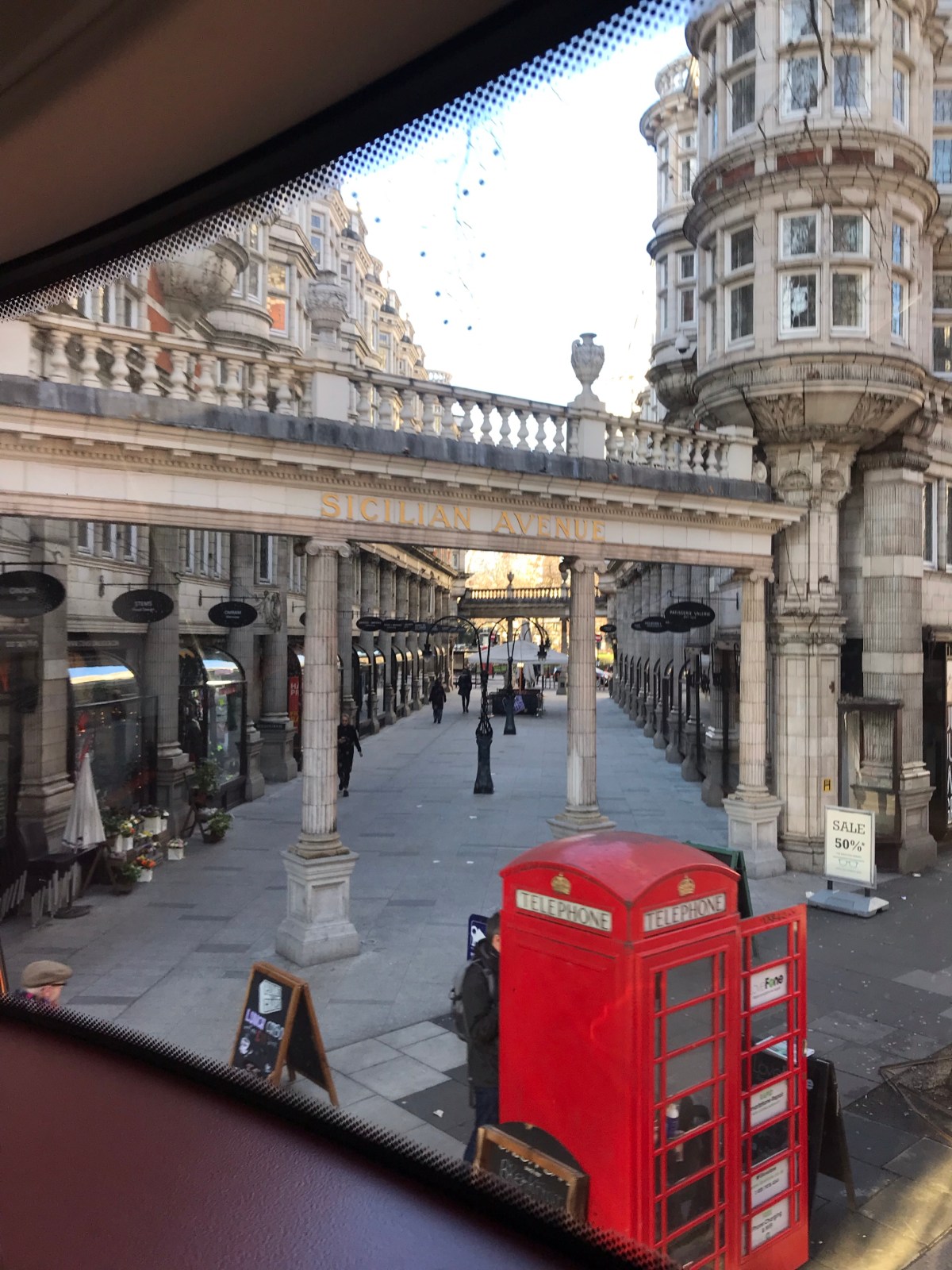
The cake-and-icing of the day? The double-decker-bus trip back to UCL! I love taking the London Bus from LSBU near Elephant and Castle, past Waterloo and the London Eye (the city’s giant Ferris wheel), across the Thames, over Strand Street, past Holburn Station and then straight north, through Bloomsbury, past Russel Square, to Tavistock Square. Then, it’s a short walk to the Engineering Front Building.
All parts of the journey are full of interesting sights!
Today on the big red bus, I got my very favorite seat–right above the bus driver, perched high above the street. The lovely sunlight today helped me overlook the bitter cold, and enticed me to snap even more photos than usual. You can see shots of the trip overall, with a frame-by-frame of some of my favorite areas.
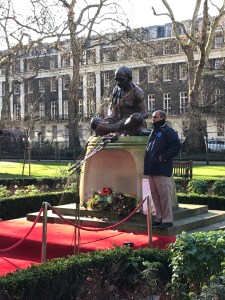
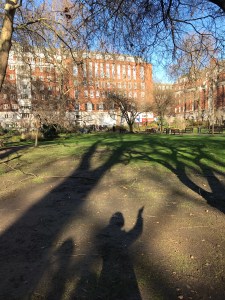
I disembarked at Tavistock Square where a ceremony to commemorate Gandhi, held on the anniversary of his death, was concluding. The Square was magical and I felt Gandhi’s presence and the sense of peace he cherished–until I slipped on some black ice and nearly took a fall. Thankfully, I–or perhaps the spirit of Gandhi–caught me on the way down. I escaped injury.
Lessons of the day:
Completing a Ph.D. is a journey, best done with a collegial group of curious, knowledgeable, creative, and good-natured people.
A Fellowship also provides a gateway from the ordinary day-to-day routine and facilitates journey into the unknown.
There’s no better way to traverse the city on such a day than London Bus.
Seize the day and enjoy the journey. Make the very best of it you can.
AND:
BE THE CHANGE YOU HOPE TO SEE IN THE WORLD! –Mahatma Gandhi
Gavin Duffy and Rob Howard discussing Gavin’s conceptual framework.
We’re making definite progress on our research, Gavin and I.
Last week’s meeting with Dr. Rob Howard was a success, I’d say. Gavin had a good “statement of purpose” to share with his dissertation advisor. During our lunch meeting, the three of us were able to produce a diagram for the study (i.e., a conceptual framework model) that I hope will help speed the writing along.
It’s so inspiring to see Gavin make progress on his PhD! Kind of makes you want to write a dissertation yourself, doesn’t it?
I wouldn’t mind writing another! That lucky because my current research project actually feels like a dissertation study. I’m happy to report progress on it as well.
Last week I emailed the outline, theoretical models, and introduction to my supporting authors and Dean Murphy. I’m hoping to get feedback from them over lunch today.
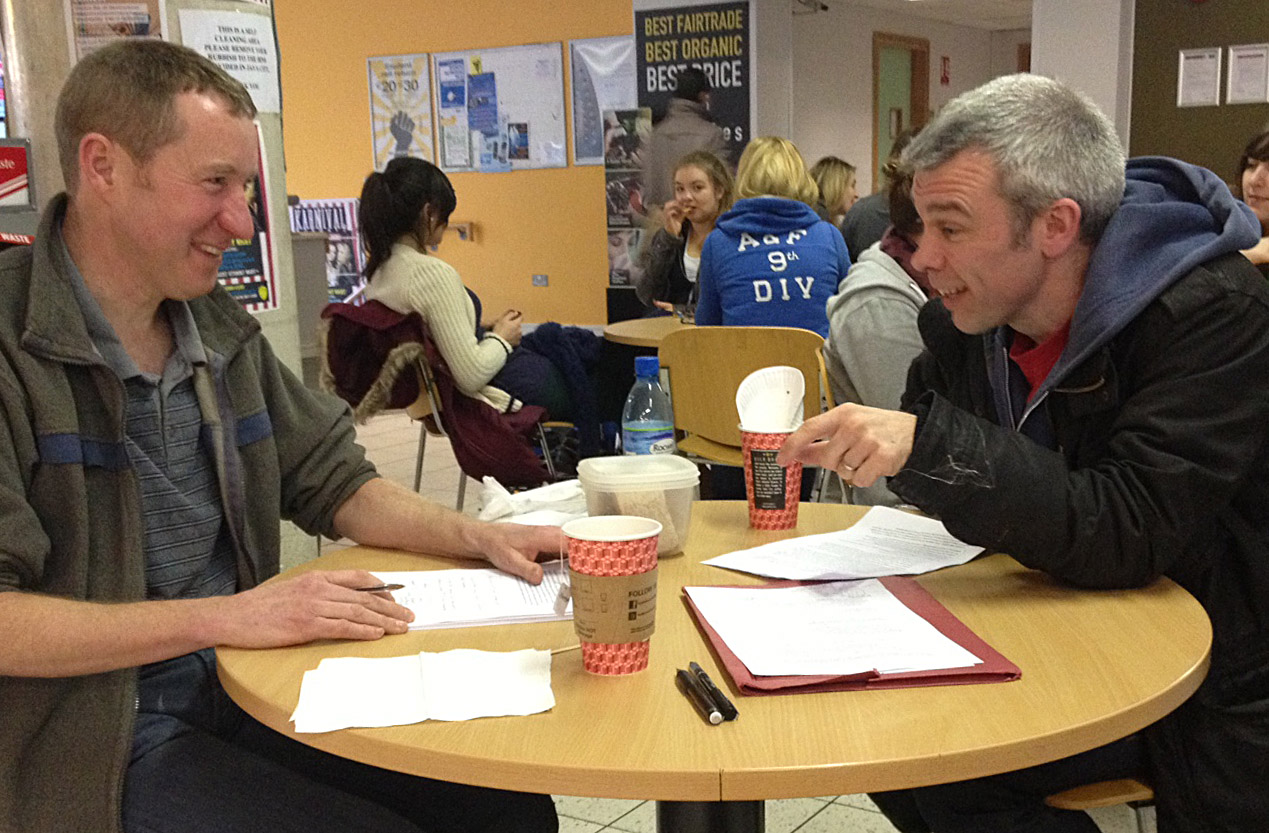
Shannon Chance and Joe Dennehy at the Scholars Cafe on Aungier Street.
I’m putting the research to good use already, though. Right after the meeting with Rob Howard, I was in the faculty cafeteria at the School of Business.
A very energetic professor, Joe Dennehy, bounded over to ask follow-up questions to the Teaching Fellowships keynote I delivered. Joe wants to coordinate a group like the one I’ve been studying and asked my advice.
Every time I discuss the study I learn more. And fortunately my graphic models worked well for communicating core ideas to Joe.
His zest for new ideas is contagious. How can you not love someone who writes of “the joyful serendipity of running into you on my way to see” the Head of School.
I plan to keep the conversation going with Joe… maybe I’ll soak up some knowledge about housing economics (which he teaches) while I’m helping him coordinate his faculty learning group in the spring.







 When you’re supervising a Ph.D. student, s/he usually comes to you for meetings. In my case, however, I travel over to LSBU twice a month to meet with my supervisee, Thomas, and his primary supervisor, Professor Shushma Patel. I’m doing this for several reasons:
 The appetizer for the main-course meeting at LSBU each week is the trip there. I take a different route than I take to work daily and, on these days, I enjoy getting a bit of exercise. The fastest route to their campus is by way of the DLR, which is a 15-minute walk away from our flat
 All parts of the journey are full of interesting sights!
 Lessons of the day:



 Ireland by Chance