Feel the spirit! STEM Ensemble at Dublin Maker 2025

Most years, right before the beginning of the new academic year, I have the chance to be part of Dublin Maker. It’s a festival that celebrates the creative flair of people from all around Ireland. I’ve been attending Dublin Maker since 2015 and it never fails to delight.

The 2025 edition of Dublin Maker happened last weekend at Leopardstown Racecourse, on the south side of Dublin.
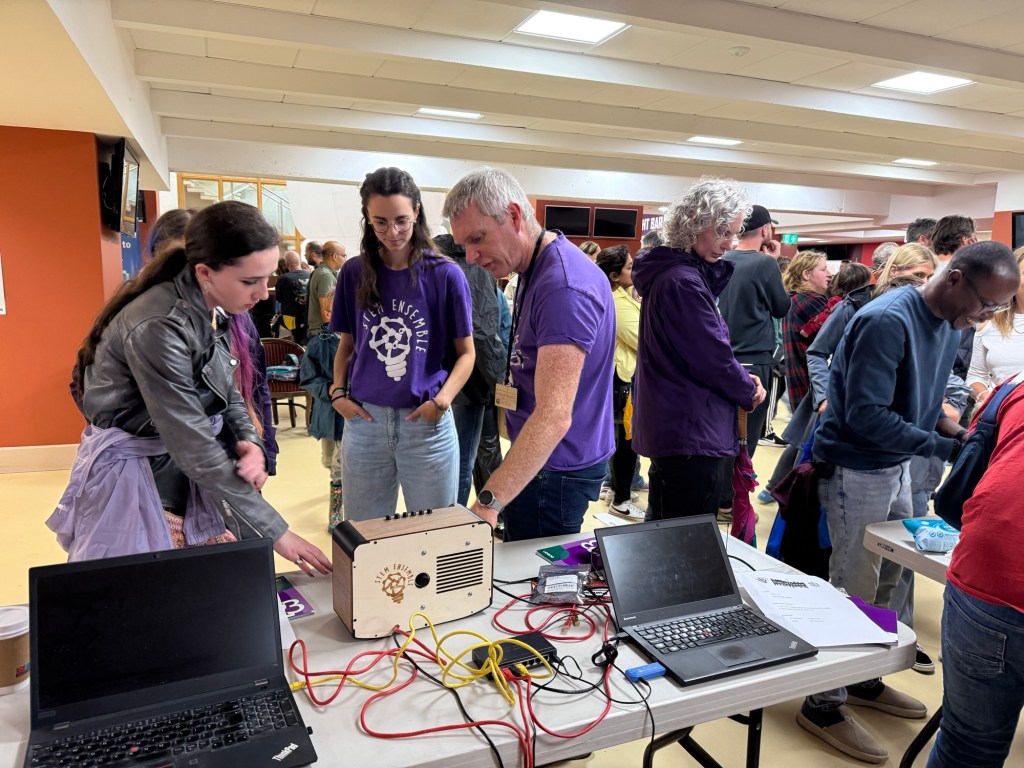
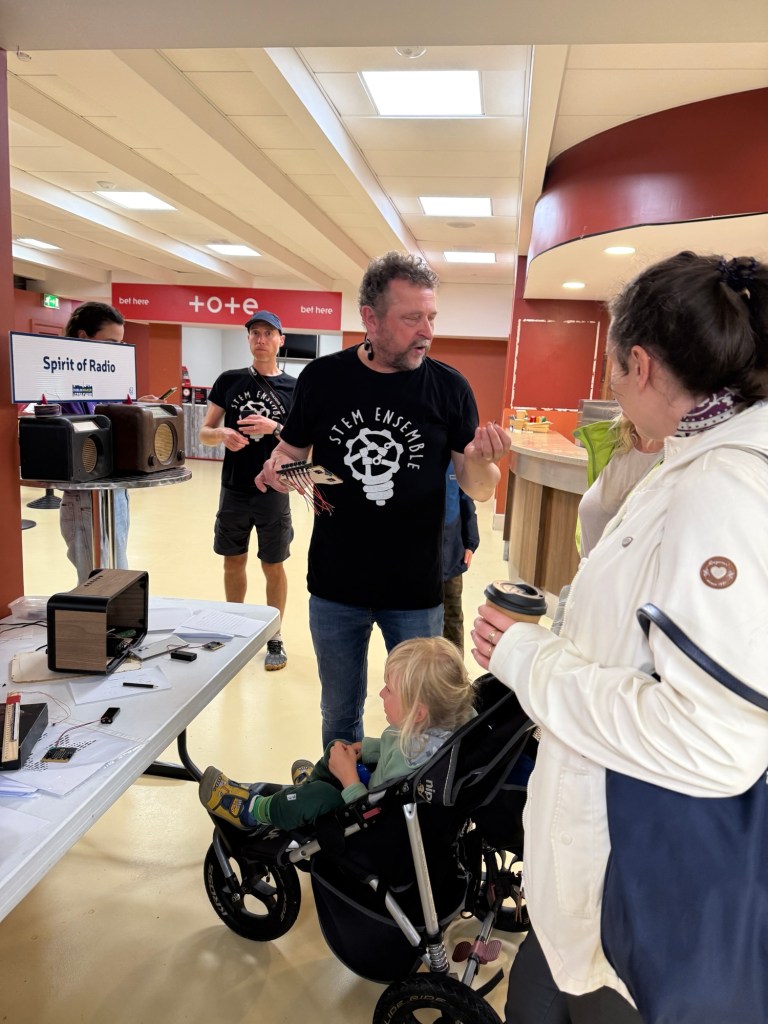
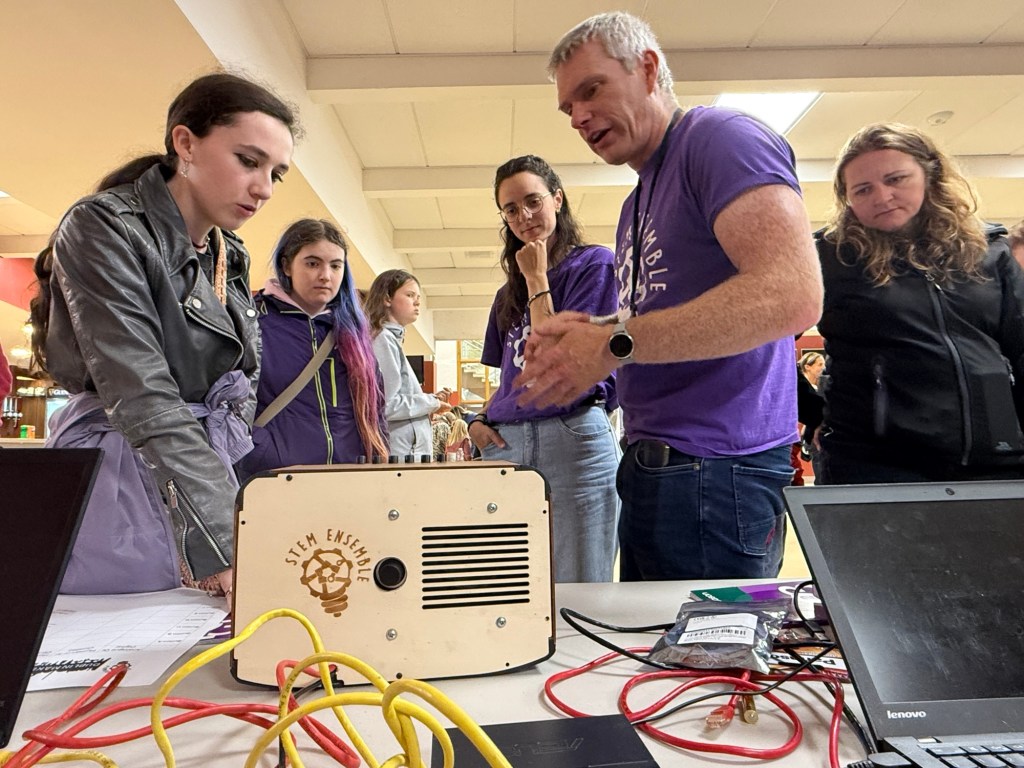
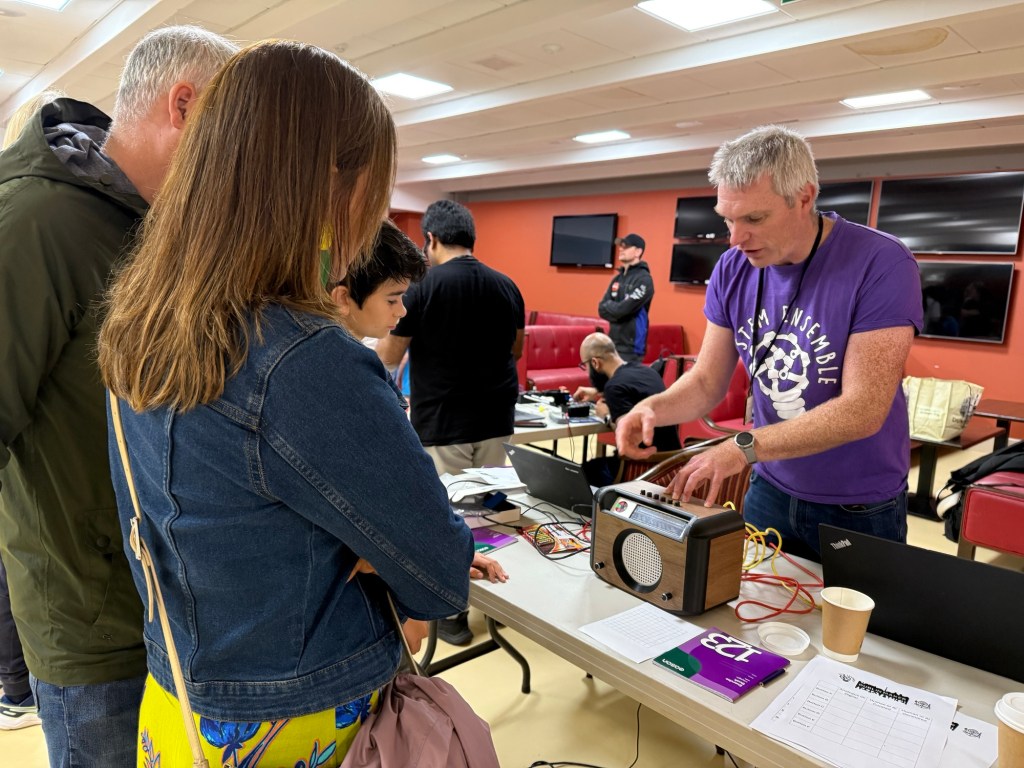
David Powell explaining how the radio features work. It’s designed to facilitate continual upgrade and ongoing R&D.

The open, participatory nature of Dublin Maker really appeals to me. As an education researcher, I’m all about the social construction of new knowledge and Dublin Maker epitomizes this phenomenon!

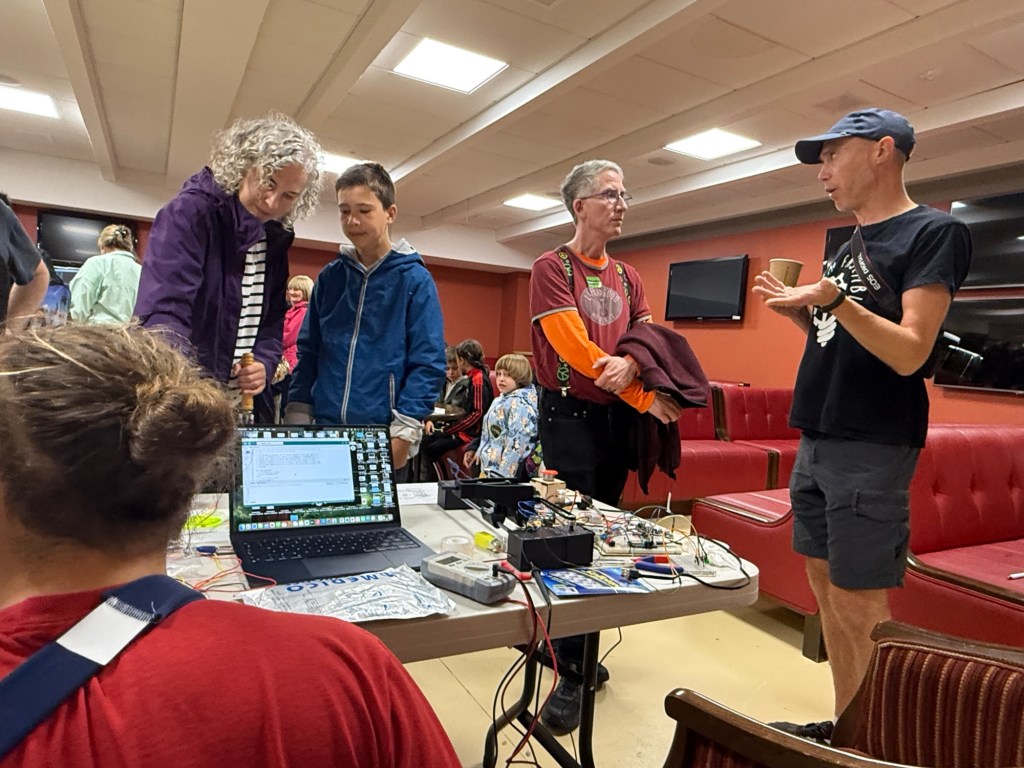
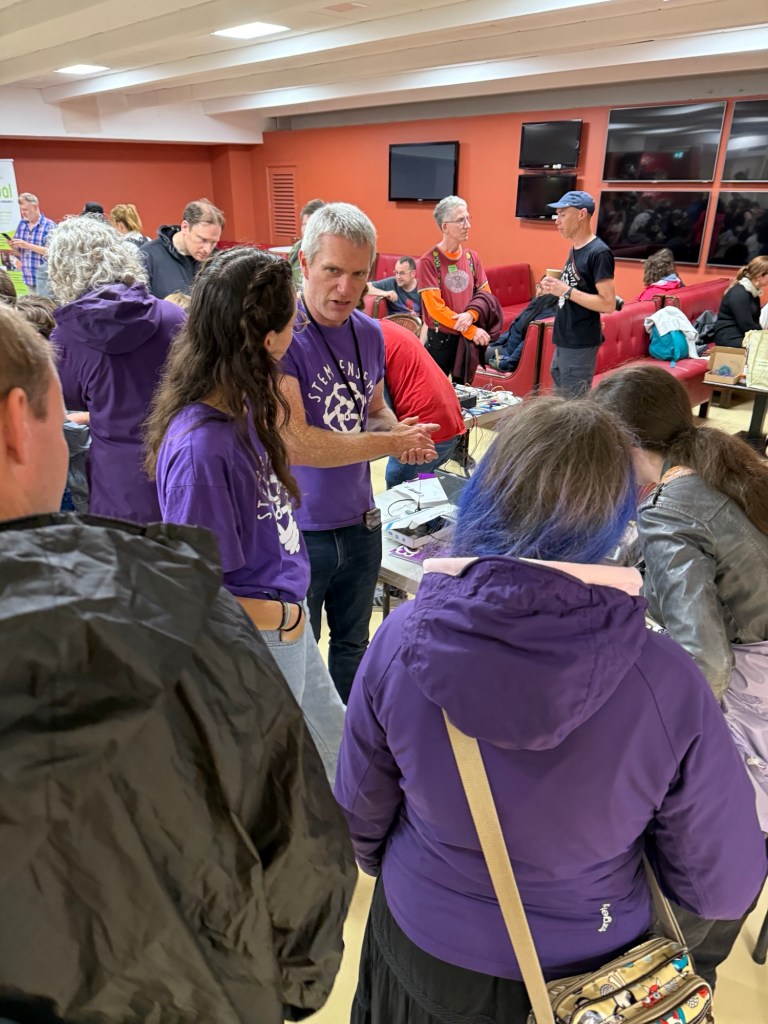
The venue was packed this year, as usual, and I think we’ve benefited from the rain outside. I attended Saturday (of the two-day event) and observed thousands of visitors engaged in hands-on technology, arts, craft, engineering, and science learning.

The exhibition halls buzzed as makers of all ages shared their projects, demonstrated new ideas, and connected with other creative enthusiasts. Exhibitors showcased everything from polished inventions to prototypes and works in progress.

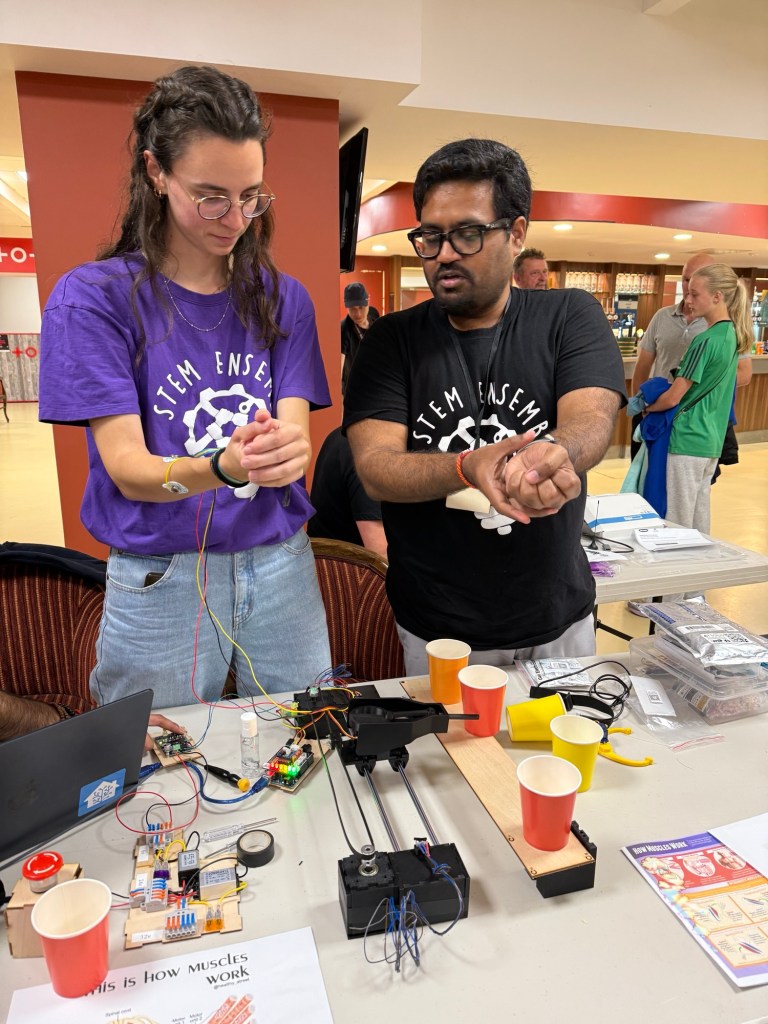
Postdoc Patricia (Patri) Lucha Farina, Assistant Lecturer Mayank Parmar, and Senior Researcher Harish Kambampati working together.

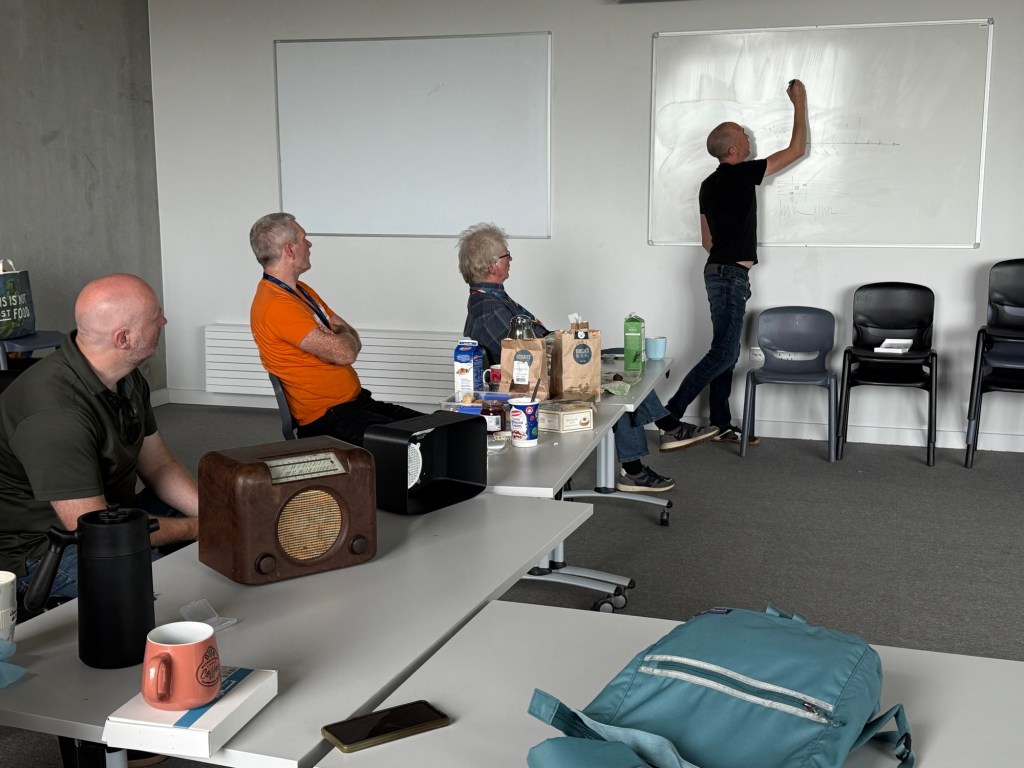
Heaven knows my colleagues always work to the very last minute, creating new aspects of their projects (even though they’ve all been enthusiastically working for months to prepare)! I’ve provided photographic evidence of our July meeting below. ⬇️
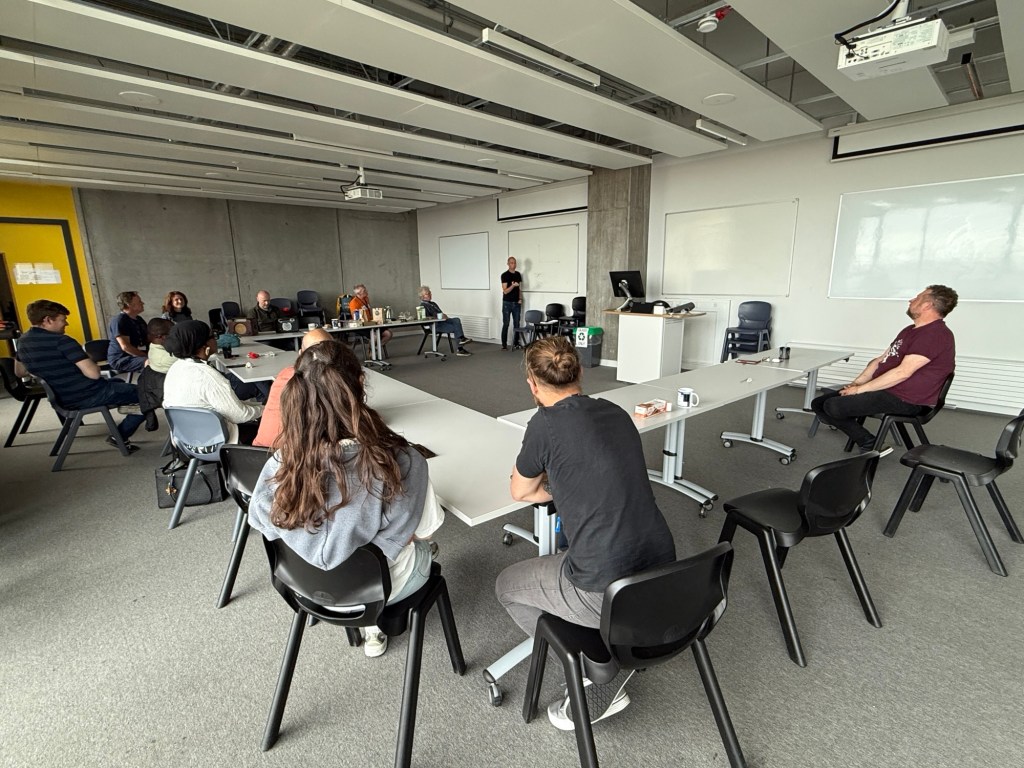
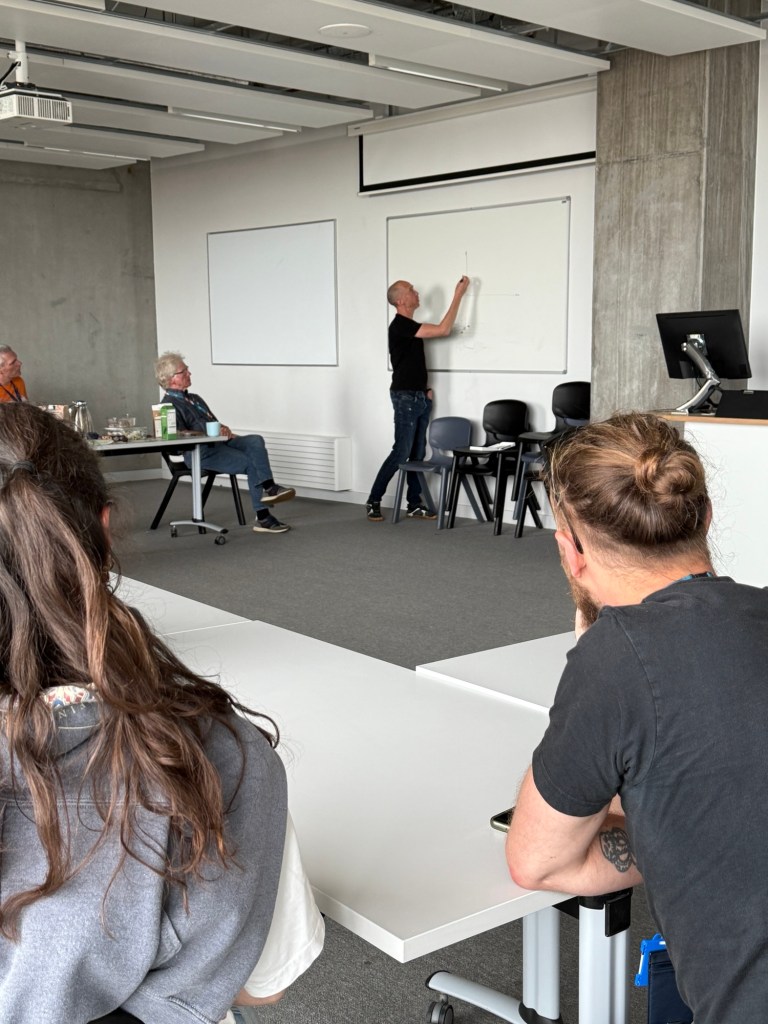
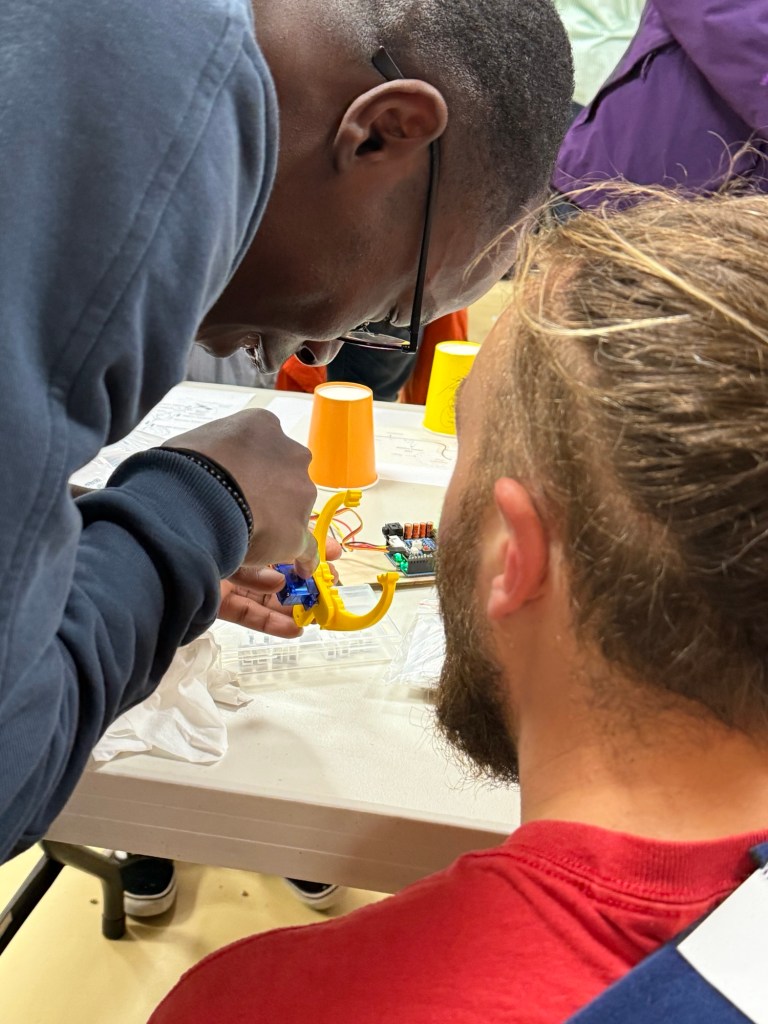
This year was no exception as our makers worked to perfect the biomedical engineering projects they’d brought to share. Several of our group’s new lecturers and researchers worked together on this table.

Our researchers, Mayank Parmar and Dr. Harish Kambampati, demonstrating biomedical technologies.

I typically help with communicating the ideas to a younger audience or contributing something that’s more on the artistic or spatial side (since I’m an architect, who loves to hang out with these creative engineering types).

In the early years of Dublin Maker, 2015-2018, you would’ve seen us under the banner of RoboSlam. Our booth usually has several tables of displays with hands-on activities, grouped together under some sort of theme.

One year, we hosted the “RoboSlam Cafe” where attendees could build their own robots from low-cost kits—we wanted to provide firsthand experience in robotics. We like to demystify how everyday “smart” devices are made by showing people what’s “under the hood” and making it understandable.

Two of my personal favorites among our past exhibits have been “fractleismus” (generating images from attendees’ sketches using a fractal algorithm) and the “vaporwave fotobooth”, both presenting creations by Ted Burke. ⬇️
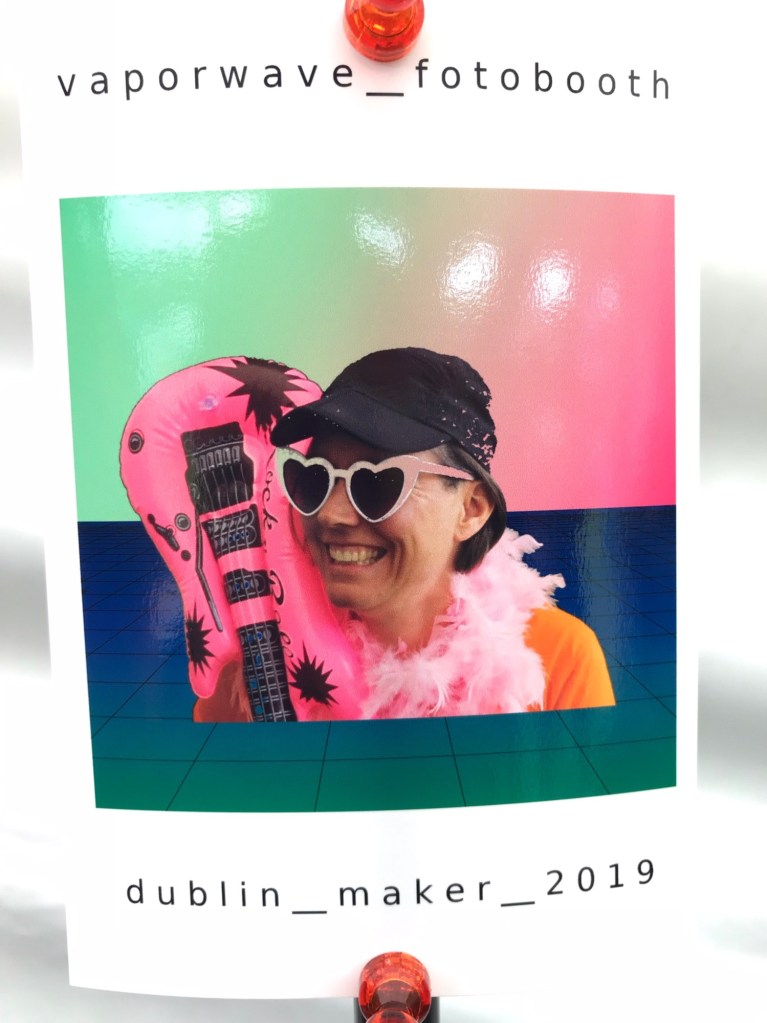
From the FotoBooth in 2019.

The fortune teller and subsequent Talking Head booth developed by Shane Ormonde, which integrated AI, were also quite intriguing. The second of these demonstrated generative AI work in real time, back in chat, GPT was just emerging. ⬇️
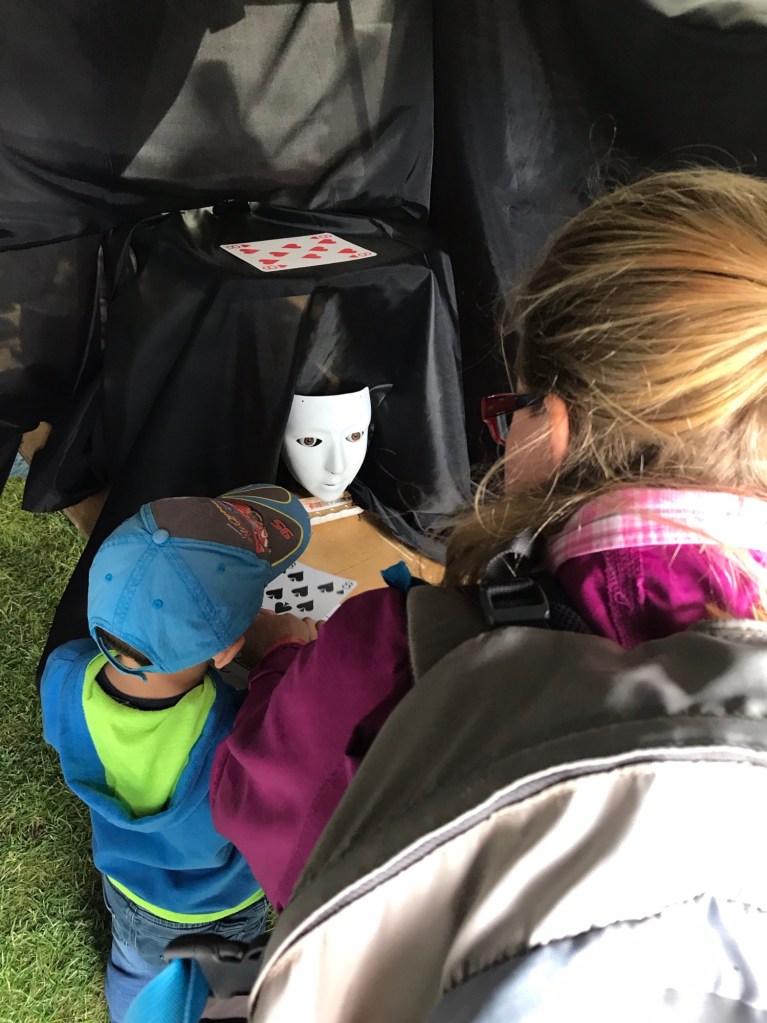
Shane Ormonde’s fortune teller from 2019.

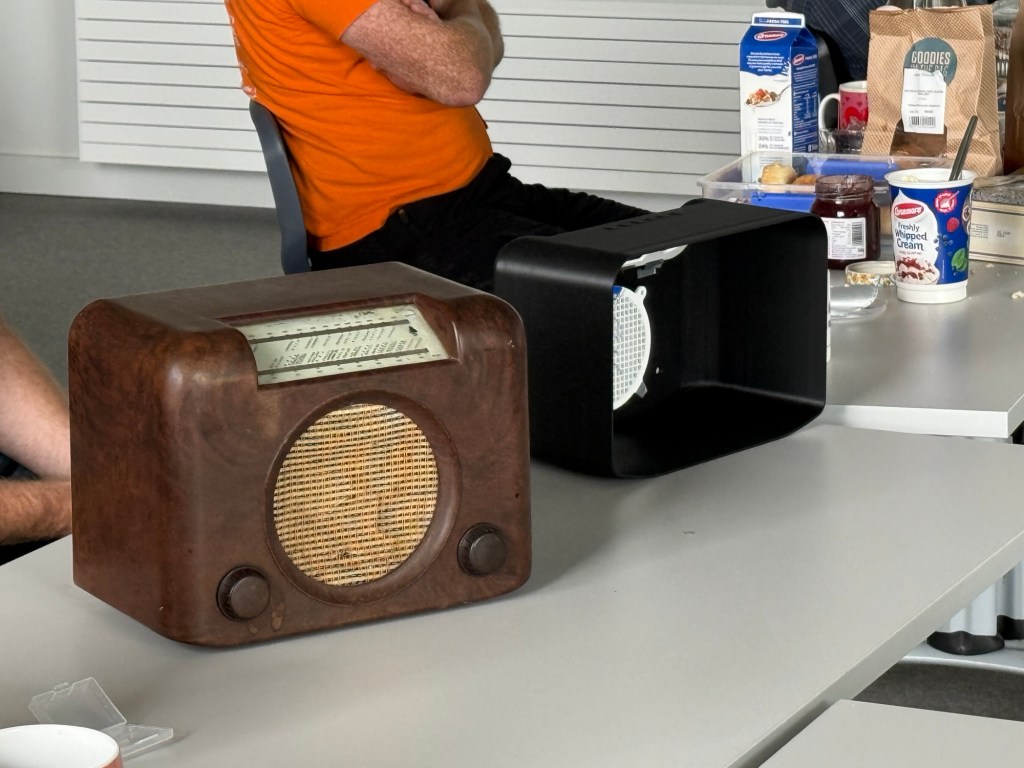
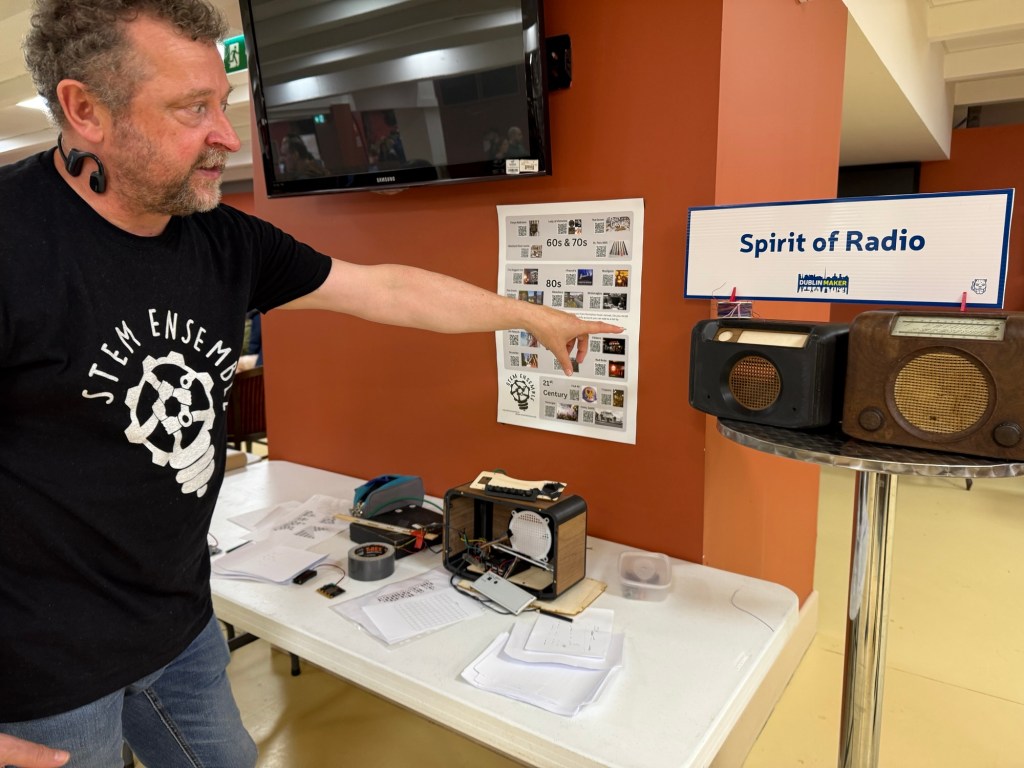
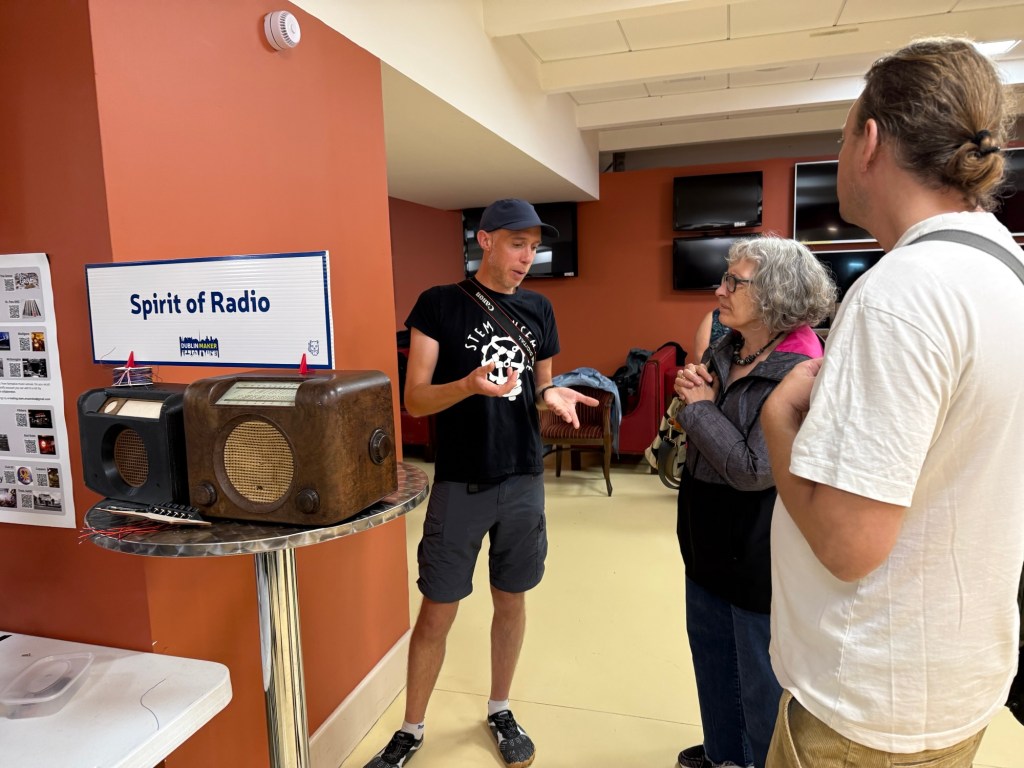
This year, our major theme was the “Spirit of Radio”.

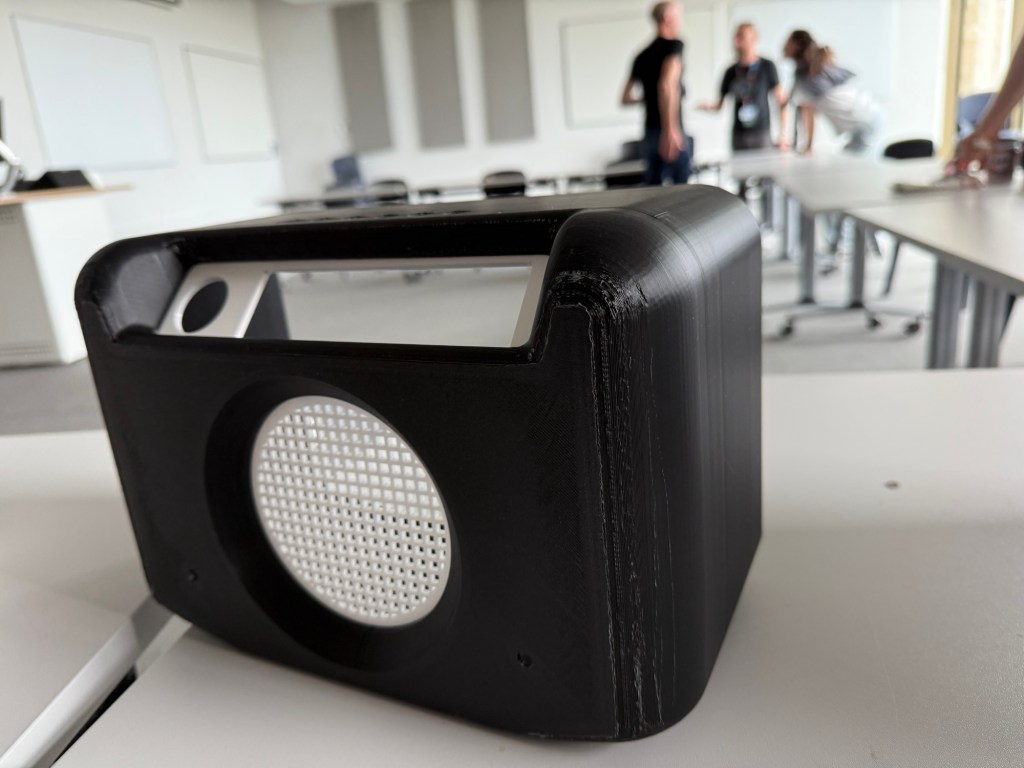
My STEM Ensemble colleagues have been working hard to develop a radio that has analog feature features as well as AI enabled digital features. This is related to a project that Paula Kelly is leading to introduce senior citizens to AI and help them understand the technology.

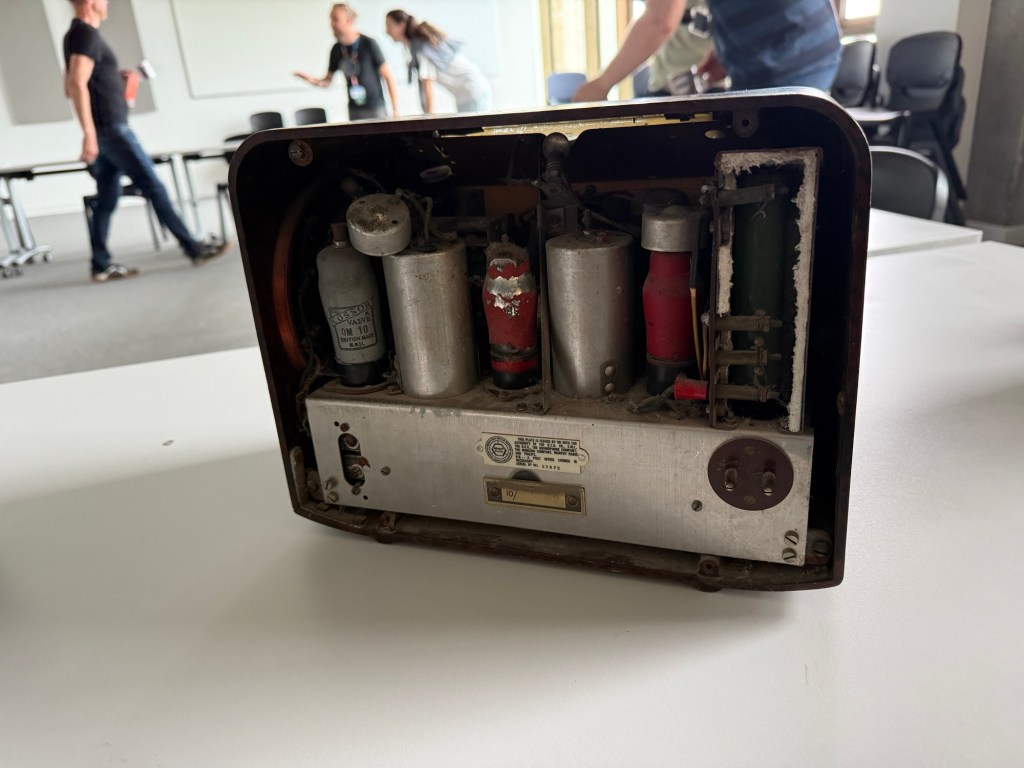
David Powell with our new (left) and antique (right) radios.

The radios that we displayed this year were predominantly developed by David Powell, Keith Colton, Frank Duignan, Shane Ormonde, Ted Burke, Richard Hayes. Of course, many other people provided ideas and advice during our STEM Ensemble meetings.

I’ve been attending the meetings, although I can’t contribute much on this topic. Nevertheless, I go to learn and soak in the maker spirit!

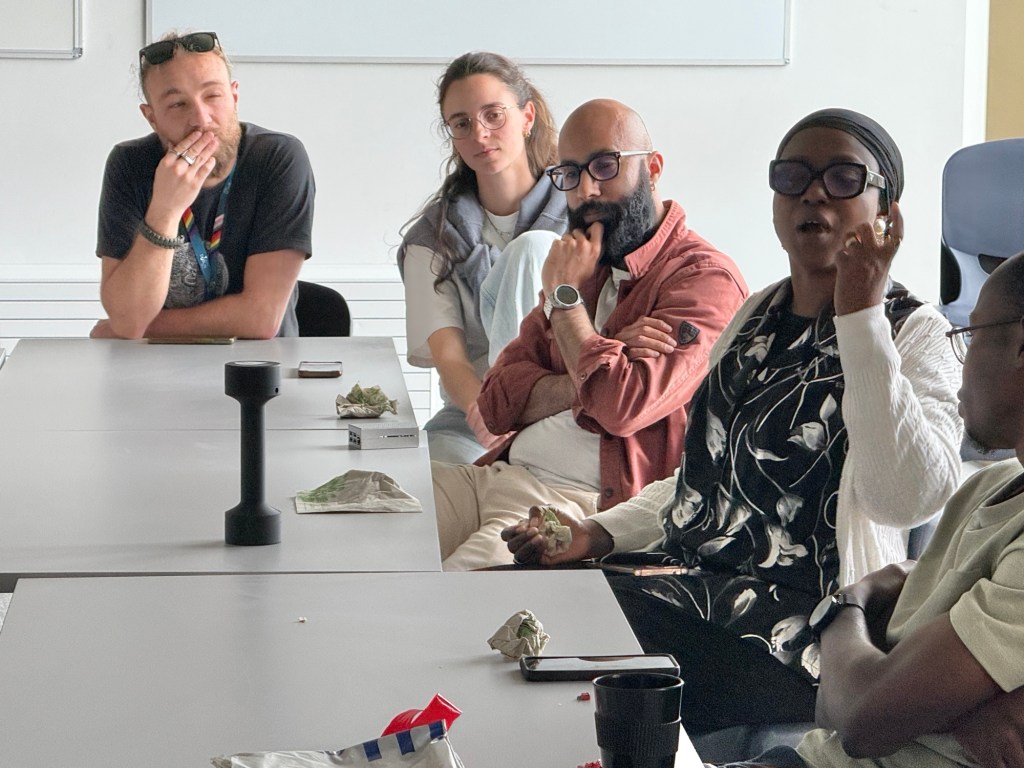
Some of the STEM Ensemble at Dublin Maker, giving me a good laugh!

Since we’re no longer just about robotics, we shifted our name from RoboSlam to “Dublin STEM Ensemble”. Our group is associated within the School of Electrical and Electronic Engineering at Technological University Dublin. It’s also associated with the university’s tPOT research group (“tPOT” stands for “toward people oriented technology”), to which I belong.

STEM Ensemble is group of staff, students, and alumni who reflect TU Dublin’s long-standing commitment to inspiring public interest in science, technology, engineering, and mathematics. Damon Berry holds tPOT and the STEM Ensemble together—he’s a great leader!

By engaging directly with attendees, our group encouraged new perspectives and fostered a spirit of creative inquiry.

We are hoping see you at Dublin Maker next year!

Elected: SEFI Board of Directors

The European Society for Engineering Education (SEFI) announced the results of recent voting. I’ve been elected to serve on this prestigious organization’s Board of Directors for three years! Many thanks to Mike Murphy, former SEFI President and TU Dublin Dean, for prompting me to run, and to Una Beagon (TU Dublin), Inês Direito (UCL), and Tom Børsen (Aalborg University) for formally endorsing my candidacy. This post gives you a peek into my:

Colleagues on the Board

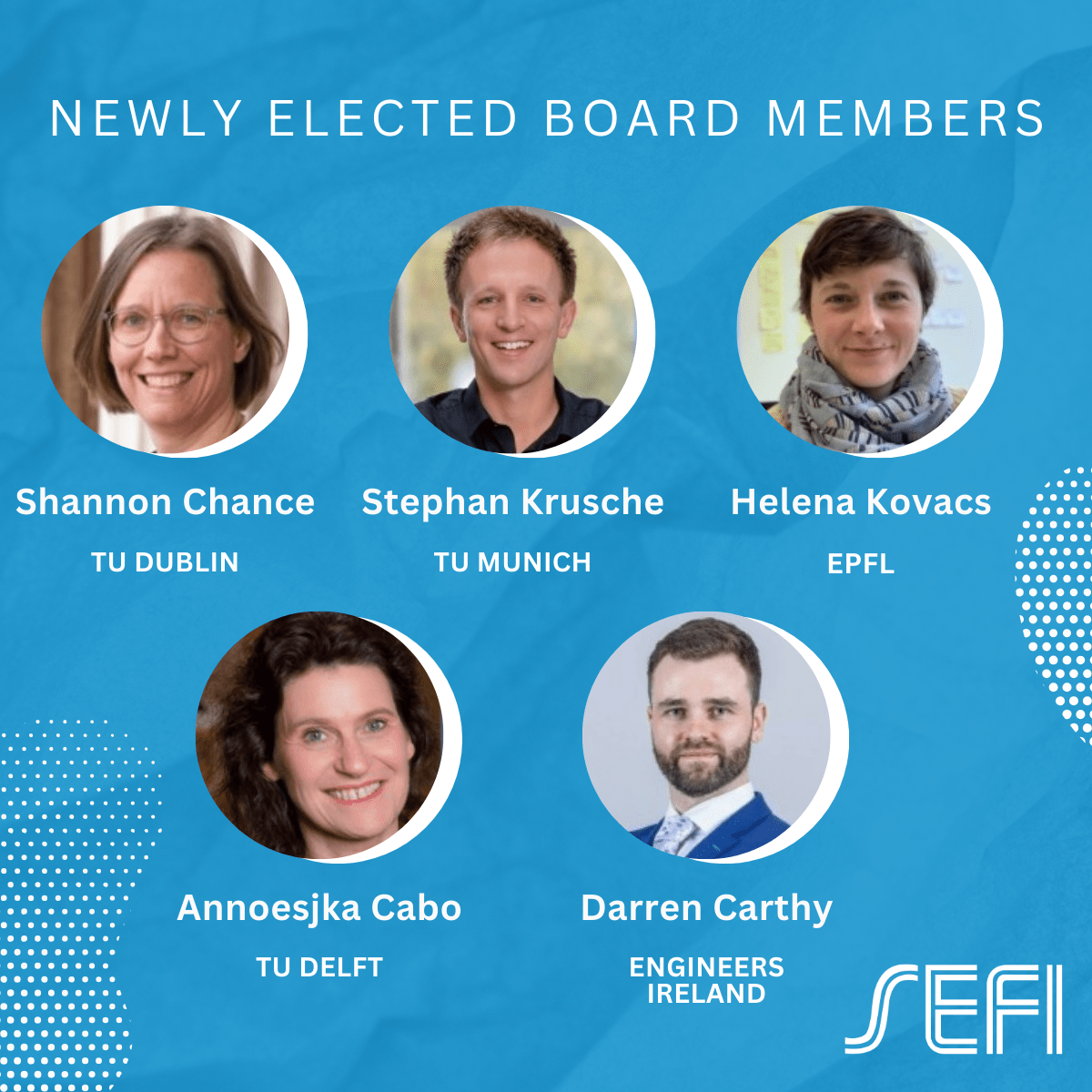
I met several other candidates at an August orientation meeting organized by the SEFI Director General, Klara Ferdova, including incoming Board members Stefan Krusche (who created a really inspiring candidate video!) and Annoesjka Cabo.

Darren Carthy, from Engineers Ireland, who earned his PhD at TU Dublin and has been part of TU Dublin’s CREATE research group with me, was also elected.

Helena Kovacs, an author of a chapter in the handbook I recently edited, was too.

I’ll serve under the leadership of the effervescent Nagy Balázs (President) and the energetic and accomplished Emanuela Tilley and Greet Langie (Vice Presidents). Sitting SEFI Board members who I look forward to collaborating with include Inês Direito and Roland Tormey.

Shannon Chance facilitating a workshop at SEFI 2024

Motivation to Serve

I first joined this community in 2012 at the SEFI conference in Thessaloniki, where I enjoyed a welcome so warm and enthusiastic that I decided to stay in Europe and embrace engineering education research (EER). I left behind a tenured professorship in the United States to join this vibrant community dedicated to enhancing learning and teaching engineering across Europe, and indeed influencing how engineering is taught far beyond Europe’s borders. 

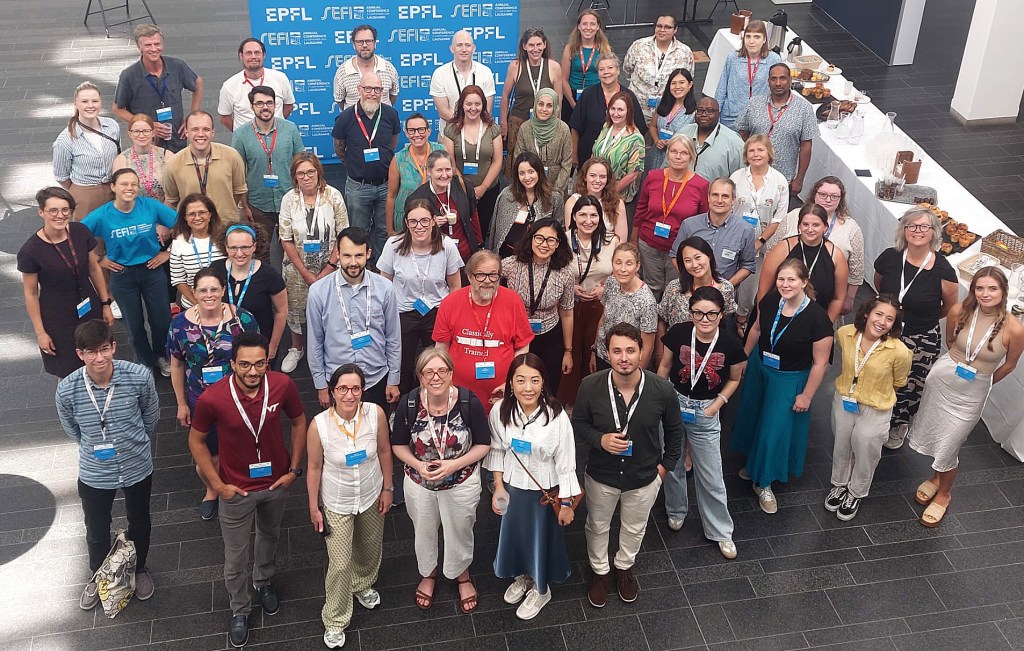
Group photo of participants (mentors and mentees) at the 2024 SEFi Doctoral Symposium, organized by Jonte Bernhard, Kristina Edström, Tinne de Laet, and Shannon Chance.

In my letter of motivation for this role, I highlighted three recent experiences that helped me prepare for the Board:

  • Chairing REEN – as part of the Research in Engineering Education Network’s Governing Board and its Chair for multiple years, I grew new skills and made positive contributions by significantly expanding REEN’s geographic representation, leading capacity-development initiatives (spawning EERN-Africa and organizing a series of capacity-building workshops for the nascent organization), supporting the delivery of REES (our bi-annual Symposium), and co-organizing events like the Big-EER Meet Up at the outset of the pandemic.
  • Cultivating our community’s publication skills by serving SEFI’s European Journal of Engineering Education as Deputy Editor, organizing and delivering workshops and doctoral symposia to the SEFI community to support newcomers to EER, guest editing special issues of IEEE Transactions on Education and the Australasian Journal of Engineeirng Educaiton (AJEE), and mentoring emerging scholars (as an individual and via SEFI and JEE).
  • Engaging with SEFI as a participant and leader – serving on the steering boards of the special interest groups for Ethics, Diversity and Inclusion, and Research Methods, helping organize the SEFI 2024 conference at TU Dublin, attending and presenting at Spring Schools, and – most recently – serving as co-editor of the forthcoming Routledge International Handbook of Engineering Ethics Education.

I sought to join the Board to:

  • Nurture collaboration and facilitate more mentoring and capacity-building programmes for teachers and researchers in engineering education.
  • Help educators infuse ethics and sustainability across engineering curricula.
  • Enhance diversity and inclusion in SEFI – for instance by developing additional channels for bringing people from Eastern European countries into SEFI and supporting SEFI members from low-income countries in participating fully in SEFI activities.

With my collaborative, can-do spirit — and my keen passion for supporting students’ design, epistemological, and identity development — I will use the EER projects I have underway on these topics to inform and enhance my work with the SEFI Board.

Candidacy Video

You can view my candidacy video, which I recorded between conferences in Mexico during summer 2024:

Architecture Scribble Book now at booksellers

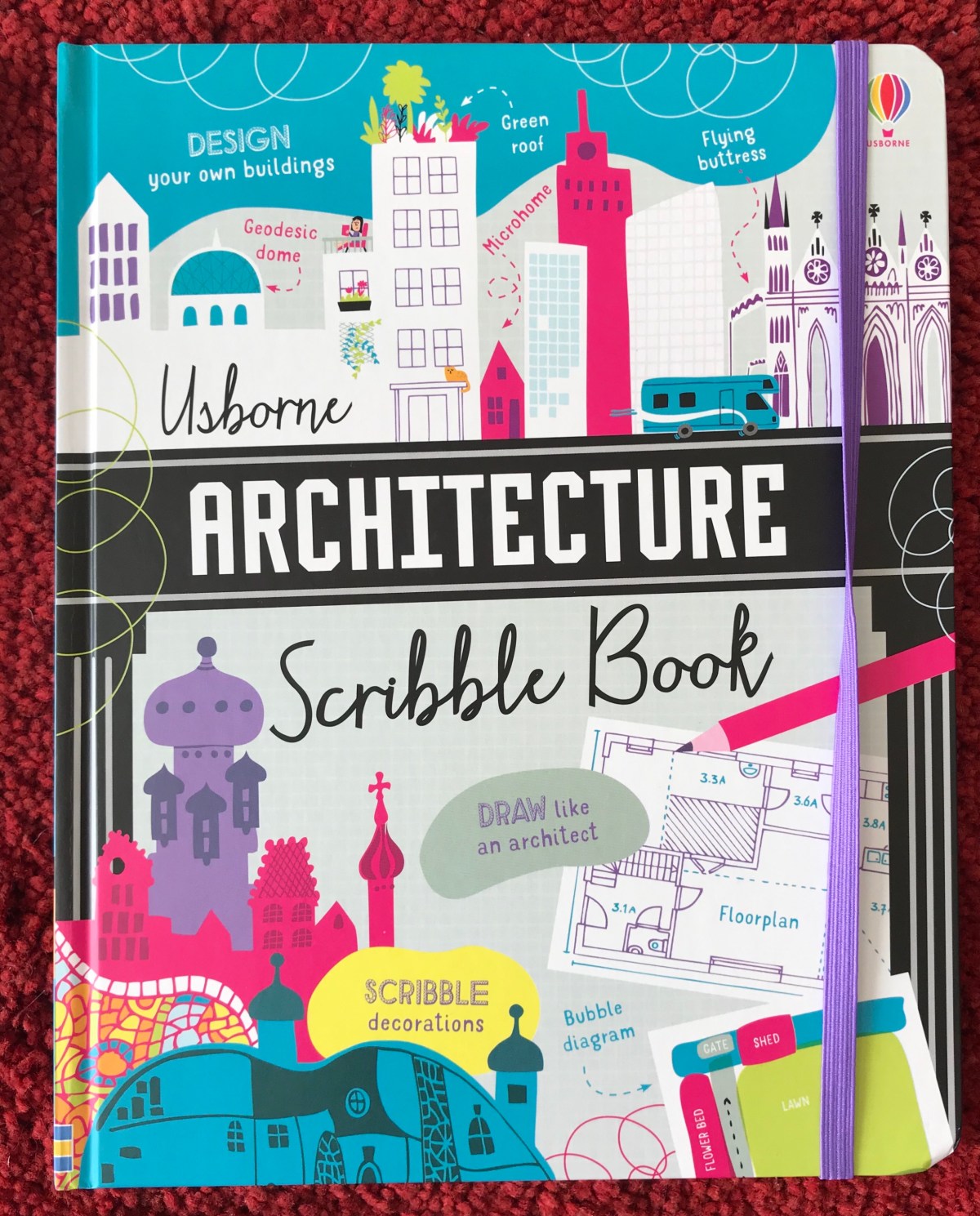
Introducing the “Architecture Scribble Book” — a brand new book from Usborne Publishers.

As with the “Engineering Scribble Book” published in 2018, I served as consultant on the content and presentation for this book project. These are outreach projects I completed during my Marie Curie fellowship at University College London.

The front cover of “Architecture Scribble Book”

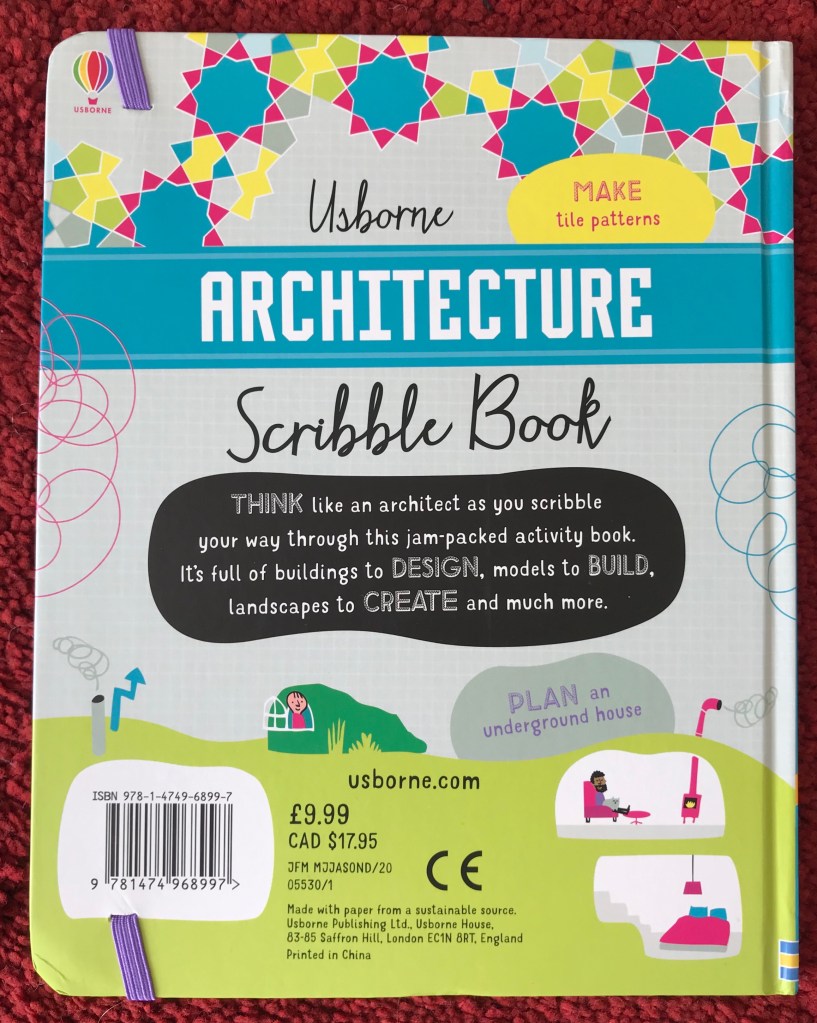
The “Architecture Scribble Book” is an activity book for kids, chock full of principles we teach architecture students at university level, presented in a way that is fun and easy-to-understand.

Pages from “Architecture Scribble Book”

Much like the “Engineering Scribble Book”, this “Architecture Scribble Book” aims to give kids a taste of this STEM-oriented career. STEM stands for science, technology, engineering and mathematics. Some people like to add an A to STEM, making it STEAM, to make sure the art and architecture side of things doesn’t get overlooked. These books show that architecture and engineering are both highly creative fields!

Covers of both “Scribble Architecture” and “Scribble Engineering”

With this architecture activity book, kids get to learn about design and technology as they build skills and understanding, and learn about the values architecture need to hold to do their jobs well.

Here’s a video by Usborne Publishers on the architecture book:

Lessons include spatial planning, daylighting, geometry, structural properties, material reuse, universal design, effective use of materials, and much more.

Kids also learn basic conventions of representation, such as those used in floor plans, elevations, and perspective drawings.

Pages from “Scribble Engineering”

These concepts are similar in some ways to those covered in the “Engineering Scribble Book”, but the content is unique. Together the make a very nice set.

All said, the “Architecture Scribble Book” is a lovely addition to the Usborne series, and could make a great gift for the children on your Christmas gift list.

Here’s a video by the publisher on the engineering book:

New EER Meet Up: June 23

I’m delighted to announce a new EER Meet Up Tuesday 23rd June 3pm UTC for International Women in Engineering Day! It’s been organized by University College London (UCL) with support from the Research in Engineering Education Network (REEN).

Info and link for registration: https://sway.office.com/6ADiAvKVyCcvJl59?ref=Link

Keynotes:

  • Prof. Dr. Petra Lucht on De-Entangling Gender & Engineering Education Through Research-Based Learning and Teaching
  • Anika Gupta with Analysis of students’ ratings of teaching quality to understand the role of gender and socio-economic diversity in higher education
  • Robin Fowler and Trevion Henderson presenting There are many “I”s in TEAM: Considering gendered experiences in team-based pedagogy

Plus breakout discussions:

  • Gender Inclusive Student Teamwork
  • Gender implications of improving students’ spatial visualization skills
  • Moving forward, planning for change – a discussion on the “ASEE & SEFI Joint Statement on Diversity, Equity, and Inclusion: A Call and Pledge for Action.”

Please register and join us on the 23rd. Everyone interested in engineering, STEM, teaching, and/or education research is welcome! And it’s free!

Inaugurating a pioneer in engineering education research, Dr. Bill Williams

img_2510

Bill’s workshop on getting published in EER

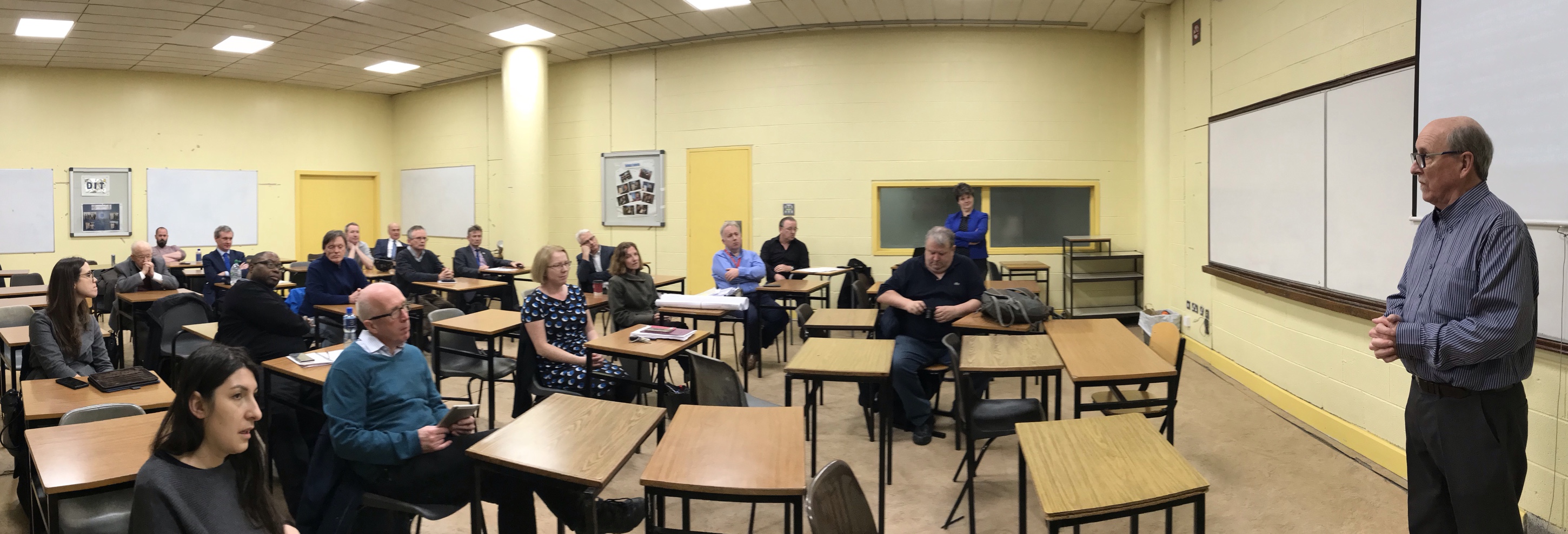
Thanksgiving Day had a different look and feel this year. Here in Dublin, we welcomed Dr. Bill Williams to give his inaugural lecture as Visiting Professor in DIT’s School of Multidisciplinary Technologies.

Bill is an energetic and knowledgeable colleague, a close friend, and an excellent mentor to me. We have been working together on various projects since the day we first met, at a SEFI conference in 2012. Bill hosted my 2013 visit to five universities in Portugal, and we are currently co-editing a special focus issue of the journal IEEE Transactions on Education, the second special focus issue we’ve organized together. Because Bill has been so helpful in supporting my development over the years, I wanted others at DIT to benefit from his knowledge, experience, and helpful advice as well. He’s got a can-do attitude that is uplifting and infectious. And so, I nominated him for this prestigious appointment at DIT and am delighted it finally came to pass!

He arrived in Dublin Wednesday, which gave us a bit of time to catch up and compare notes on various projects. We enjoyed a very tasty vegetarian dinner at the newly-expanded Brother Hubbard, to get the ball rolling. If you’ve not eaten there, do hurry! You’re really missing out!

img_2433

Bill’s life path

Bill and I started Thanksgiving Day with a strategy meeting with our schools’ senior leaders, then we met with colleagues, welcomed guests from near and far, and settled in for Bill’s insightful lecture on “14 ways engineers bring value” to society.

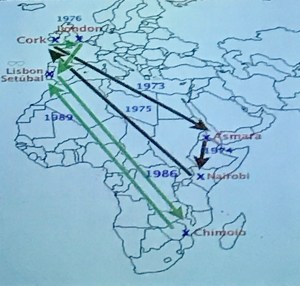
Bill described his trajectory into engineering education research, via two stints in Africa where he taught Chemistry. Although he’s originally from Cork, Ireland, he has lived and worked for the past few decades in Barreiro, Portugal. In Lisbon, he earned his Ph.D., just shortly before retiring. Now, I’m quite happy to report, he’s still incredibly active in research and in advising and mentoring researchers new and old. We’ve now made it official by appointing him as an adjunct professor here at DIT!

img_2455-1

After an interesting set of lecture topics followed by Q&A with lively discussion, a small group of the international guests joined Bill and the event organizers for dinner in Dublin’s Italian Quarter–so I had Thanksgiving dinner surrounded by dear friends after all!


img_2458

Dr. Abel Nyamapfene (UCL) and Professor John Heywood (Trinity)

I was delighted that we had 22 attendees at Bill’s Thursday lecture and nearly as many at the follow-up workshop on Friday–a great turn-out, particularly given the long distances many traveled to attend! Bill himself traveled in from Portugal for the two-day event.

My UCL colleagues, Drs. Inês Direito and Abel Nyamapfene, came across from London. They work with me at the Centre for Engineering Education at University College London.

Dr. John Heywood (Professor Emeritus at Trinity and a global leader in the field of education research) made the trip up from Bray, Ireland.


img_2463-1

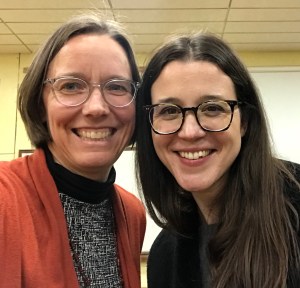
Drs. Shannon Chance (DIT and UCL) and Inês Direito (UCL)

Dr. Dónal Holland (Assistant Professor at the UCD School of Mechanical & Materials Engineering and an Associate at the Harvard School of Engineering and Applied Sciences) came up from University College Dublin both days.

All these guests were joined by a host of enthusiastic DIT staff from the Kevin Street, Grangegoreman, and Bolton Street campuses.

Still abuzz from the lecture on Thursday, we prepared to focus on research publication strategies on Friday via a workshop led by Bill. But first, Inês, Abel, and Bill came for lunch at my flat and this provided me a semblance of a Thanksgiving gathering around my own table.

img_2465

Professor Brian Bowe (DIT) with Drs. Dónal Holland (UCD and Harvard) and Gavin Duffy (DIT)

Nevertheless, the main event for Friday was a workshop on getting research published in engineering education. Bill ran this half-day seminar for DIT’s CREATE research group. CREATE seeks to make Contributions to Research in Engineering and Applied Technologies Education. It is based at Dublin Institute of Technology (DIT, soon to be Technological University Dublin, TU Dublin).

Across these two days, we enjoyed sharing ideas informally as well as formally. Bill met with Professor Brian Bowe (the head of CREATE at DIT) and with a number of Ph.D. students and emerging researchers, and with senior leaders of the School.

I photographed some of the memorable moments and have shared them in the gallery below.

Learning London: Science Museum

IMG_7290

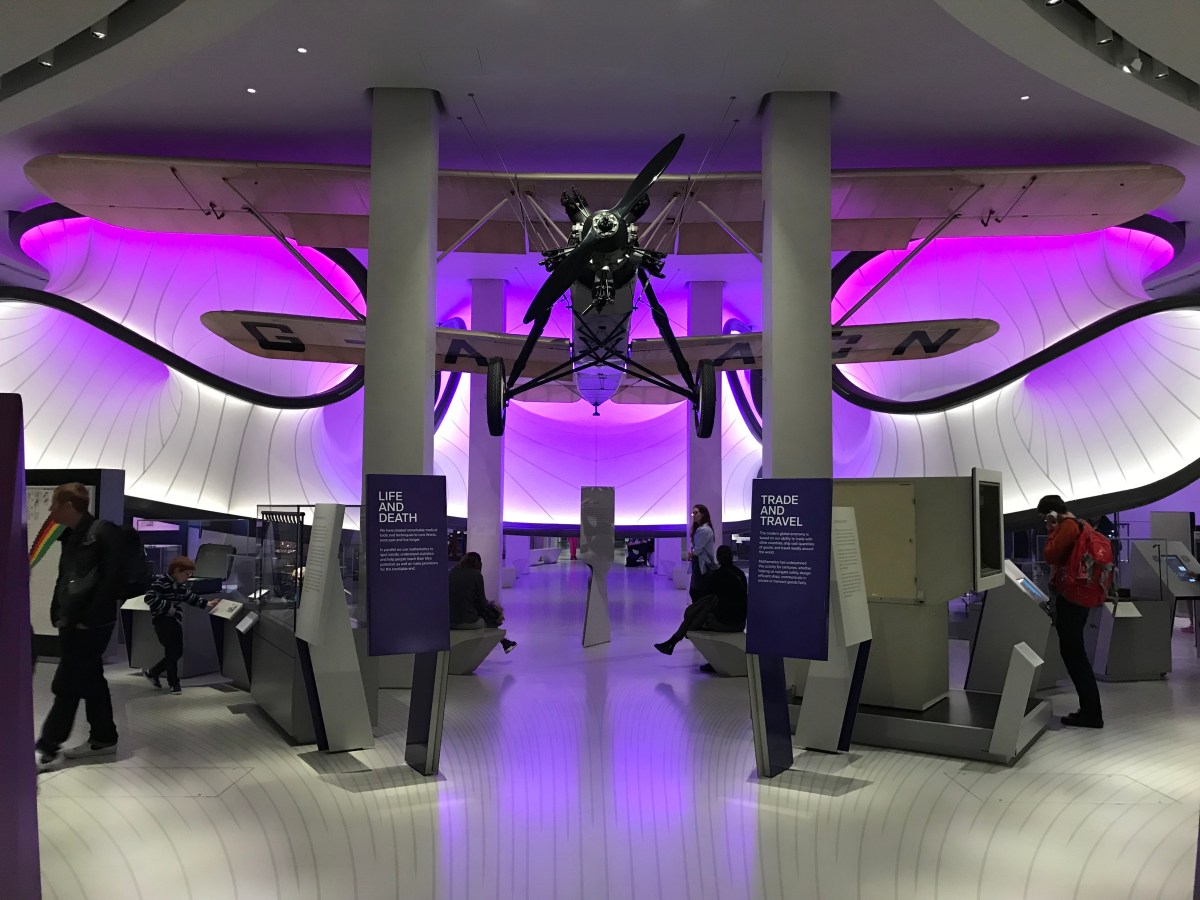
The Mathematics gallery, designed by Zaha Hadid and partners.

London’s Science Museum is so interesting that we went two days in a row. We hadn’t had our fill after just one visit, so we woke up Sunday morning and said “Let’s go back!” Incidentally, entry is by donation, so you can give what you like.

In the photo gallery below, you’ll see the Science Museum’s spacious entry hall and some images on the display about space exploration. You’ll see images from other parts of the museum that cover technological developments over time (related to transportation, homes, and appliances).

There’s special exhibit on Mathematics that includes visualization of air flow around a small aircraft (a display designed by the late/great architect Zaha Hadid) and there are displays about bridge and tower design.

I’ve included a few images from the special exhibition on technology in India–feeding my fascination with step wells. We also visited the exhibit on “Superbugs” to better understand the evolution of bacteria resistant to antibiotics.