Learning London: Science Museum

IMG_7290

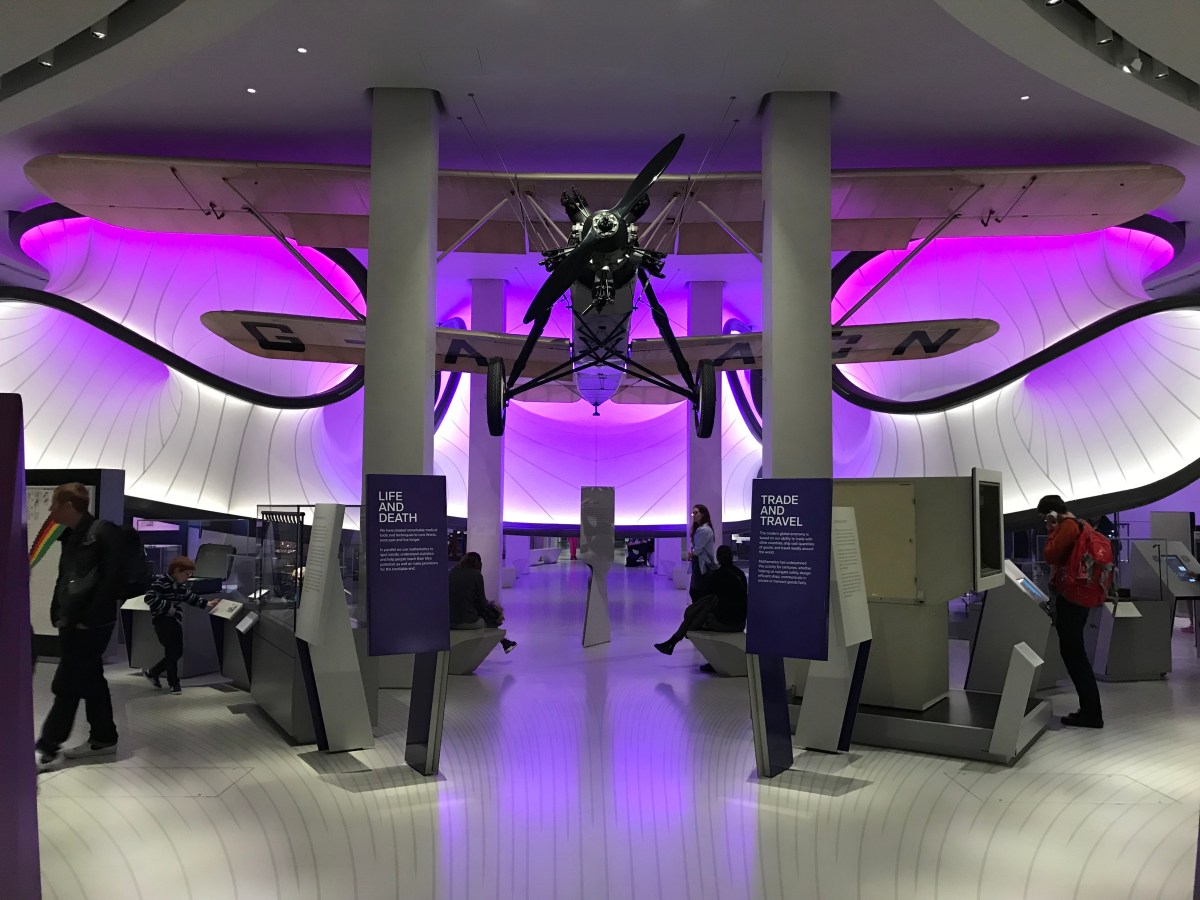
The Mathematics gallery, designed by Zaha Hadid and partners.

London’s Science Museum is so interesting that we went two days in a row. We hadn’t had our fill after just one visit, so we woke up Sunday morning and said “Let’s go back!” Incidentally, entry is by donation, so you can give what you like.

In the photo gallery below, you’ll see the Science Museum’s spacious entry hall and some images on the display about space exploration. You’ll see images from other parts of the museum that cover technological developments over time (related to transportation, homes, and appliances).

There’s special exhibit on Mathematics that includes visualization of air flow around a small aircraft (a display designed by the late/great architect Zaha Hadid) and there are displays about bridge and tower design.

I’ve included a few images from the special exhibition on technology in India–feeding my fascination with step wells. We also visited the exhibit on “Superbugs” to better understand the evolution of bacteria resistant to antibiotics.

The Brains Building Technology: Meeting the Greats at Inspirefest 2015

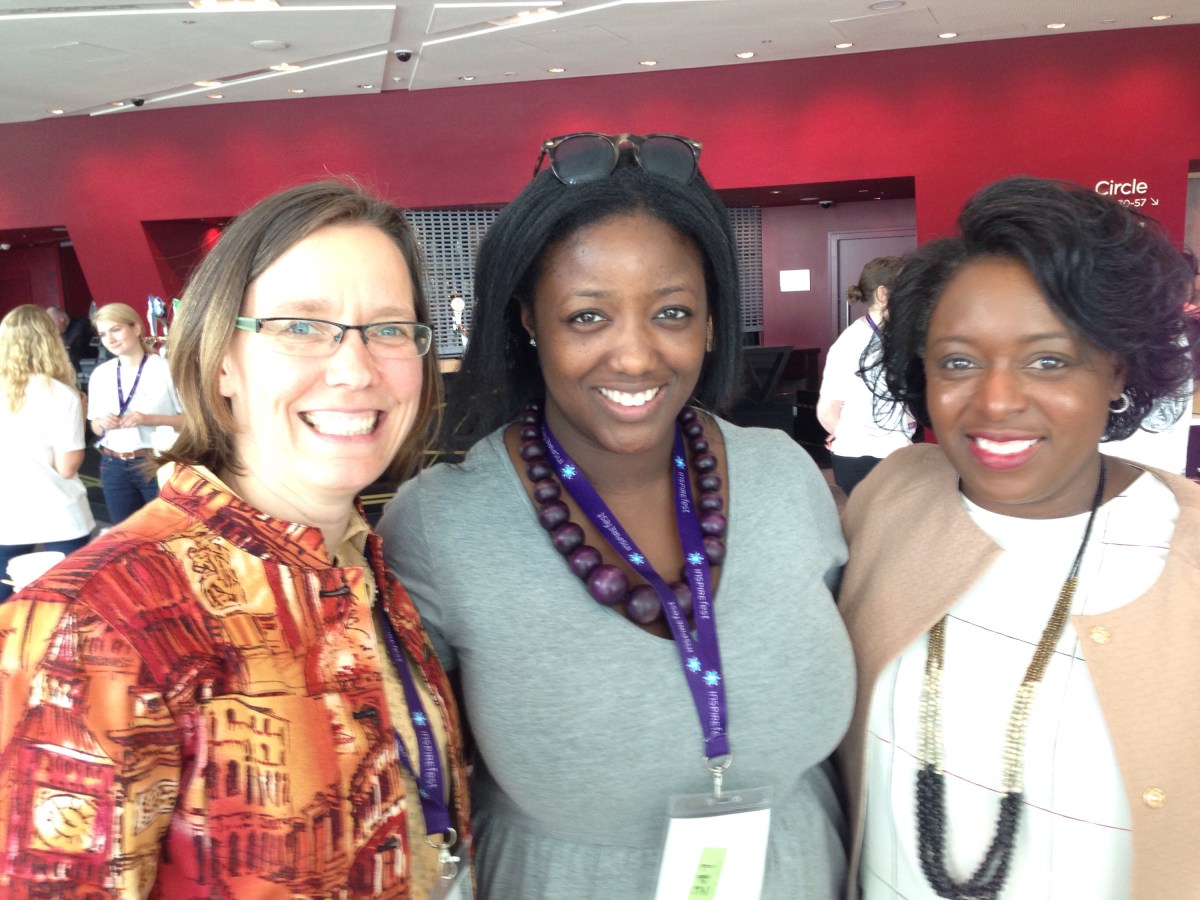
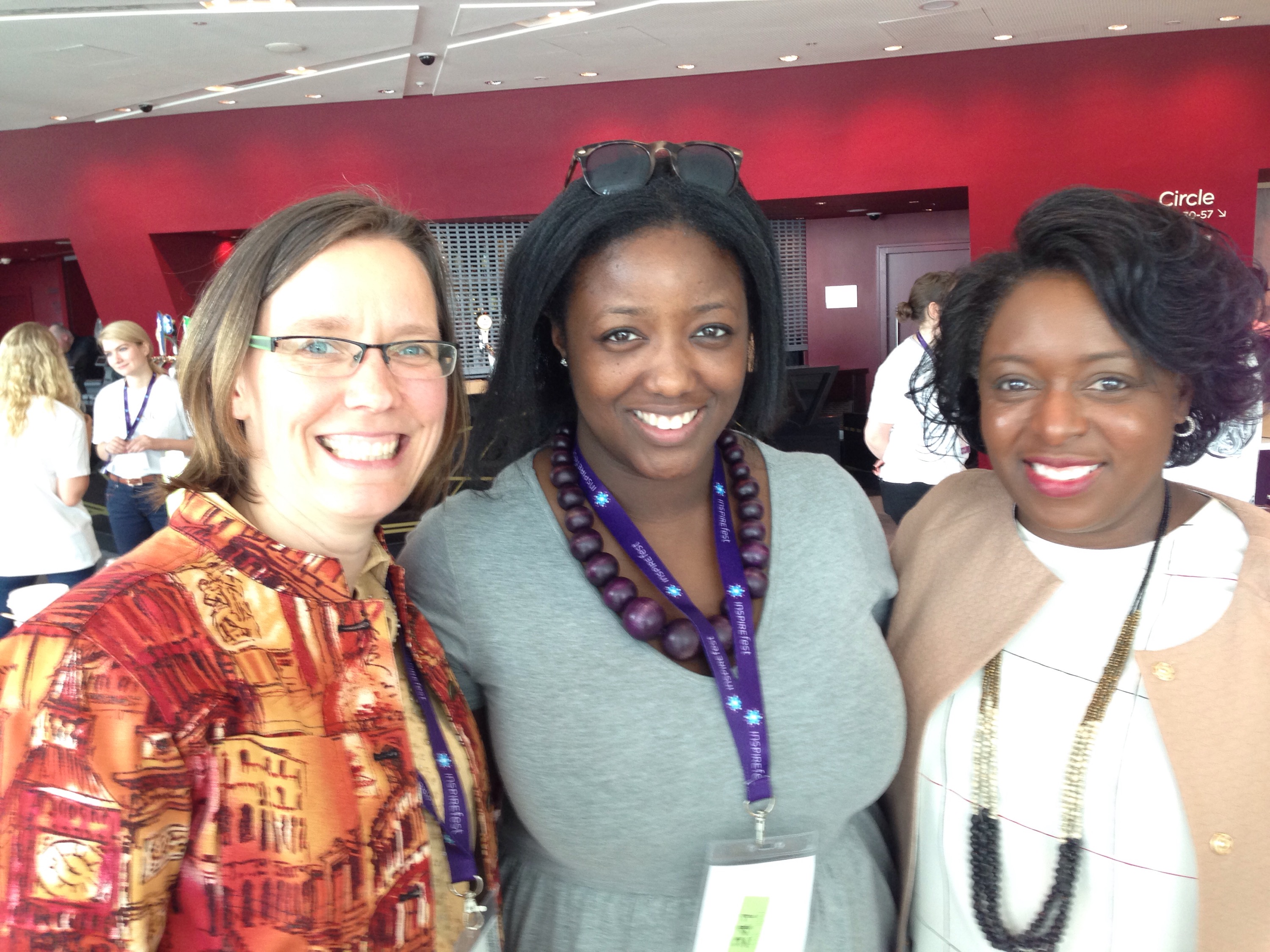
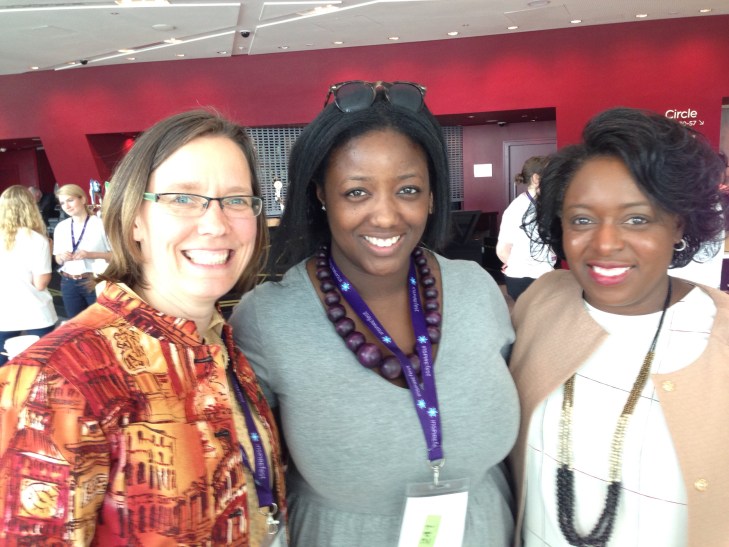
Shannon Chance with the founders of STEMettes (Anne-Marie Imafidon, center) and Black Girls Code (Kimberly Bryant, right).

Shannon Chance with the founders of STEMettes (Anne-Marie Imafidon, center) and Black Girls Code (Kimberly Bryant, right).

Silicon Republic hosted the first ever Inspirefest last week in Dublin, celebrating women’s achievements in STEM. A world-class line up of speakers of all ages from across Europe and the Americas graced Dublin’s Bord Gais Theater stage for two information-packed days proving many inspirational and eye-opening discoveries for an architect and educational researcher like me. Many thanks to Ann O’Dea for creating Inspirefest for us to enjoy!
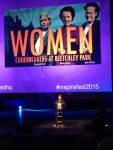
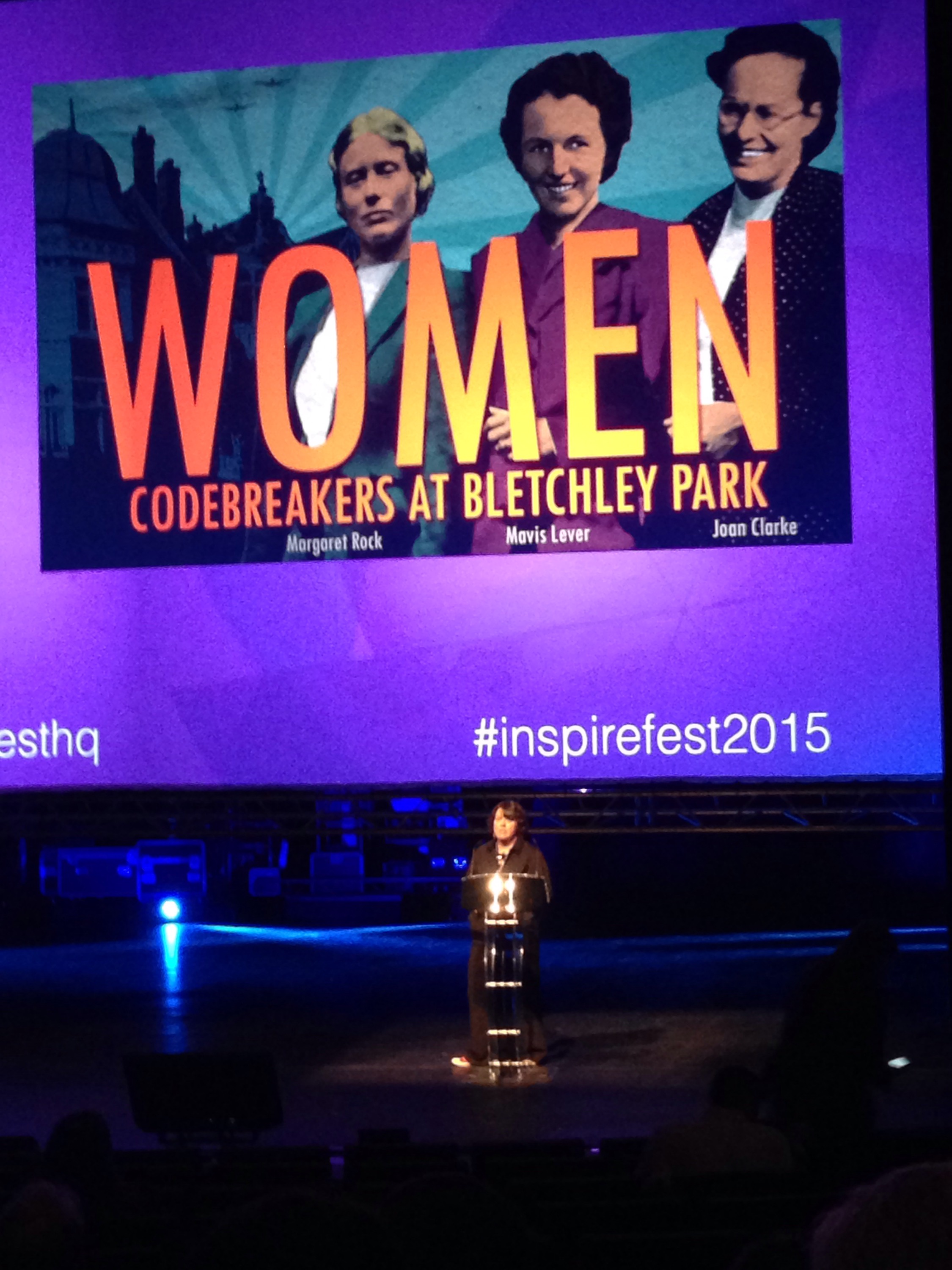
Kerry Howard described women codebreakers at Bletchley Park.

Kerry Howard described women codebreakers at Bletchley Park.

Offering lessons from history, Kerry Howard talked about women codebreakers at Bletchley Park, and in the evening we viewed the documentary “Code-Breakers” and had Q&A with its director.

Kathy Kleiman described the women “computers” who helped break the German codes in WWII and developed *the* first programmable computers.

Dr. Nina Ansary presented the new book, The Jewels of Allah: The Untold Story of Women in Iran.
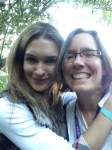
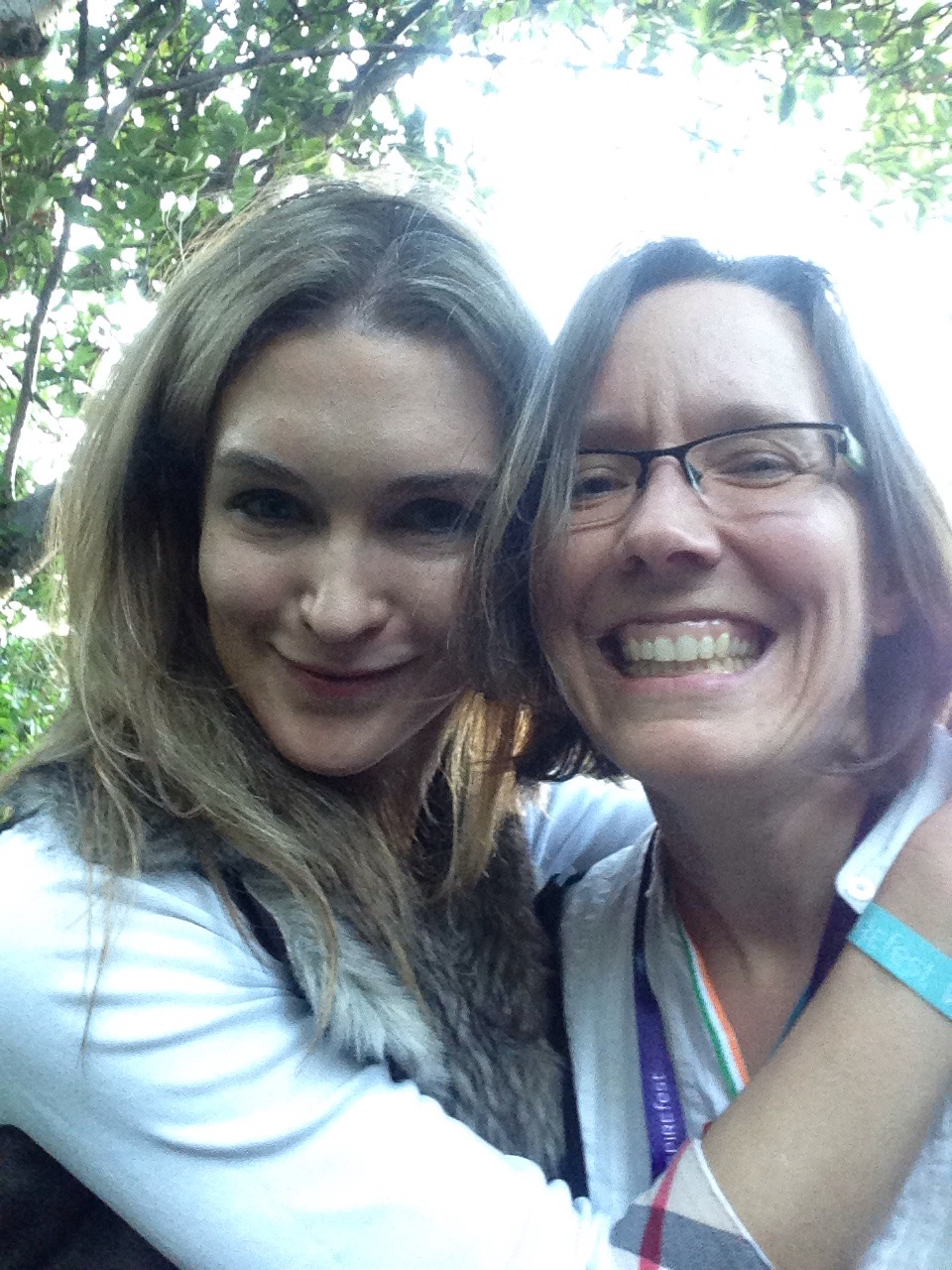
Hamming it up on an evening tour of Merrion Square with Intel VP Margaret Burgdorff.

Hamming it up on an evening tour of Merrion Square with Intel VP Margaret Burgdorff.

Margaret Burgraff, a VP for Intel discussed leadership, Bethany Mayer (CEO of Ixia) gave pointers on navigating the “glass maze,” Shelly Porges talked about working with and for Hillary Clinton, and Carolan Lennon shared experience from her work as Managing Director of eircom Wholesale.

At this conference, 30% of the audience — and the speakers — were men. They included panelists like Prof. Brian MacCraith, the president of DCU of whom I’m a fan due to his knowledge about pedagogy.

The keynote by Steve Neff of Fidelity Investments pinpointed the ways diversity pays. His points were extended by panelists John Basile (Fidelity), Ryan Shanks (Accenture), Marie Moynihan (Dell’s Diversity Chief & VP of Talent), Prof Mark Ferguson (SFI), and Fionnuala Meehan (who leads a team of 450 at Google).
Lauren Boyle, EU's Digital Girl of the Year

Lauren Boyle, EU’s Digital Girl of the Year

Then some truly amazing young people joined the stage.

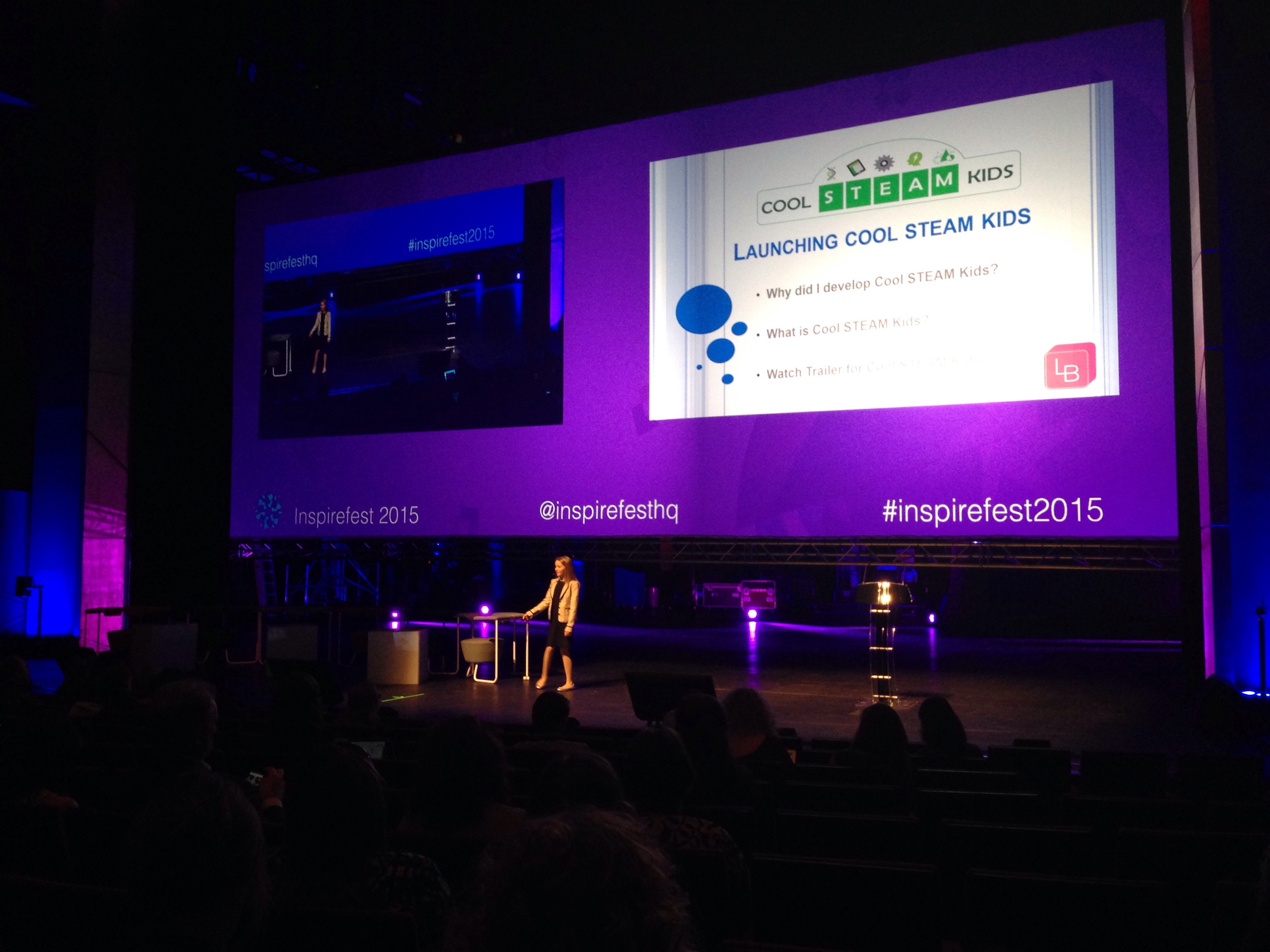
Ten-year old Lauren Boyle, EU’s Digital Girl of the Year, demonstrated her new website, Cool Kids Studio, for developing new life skills.

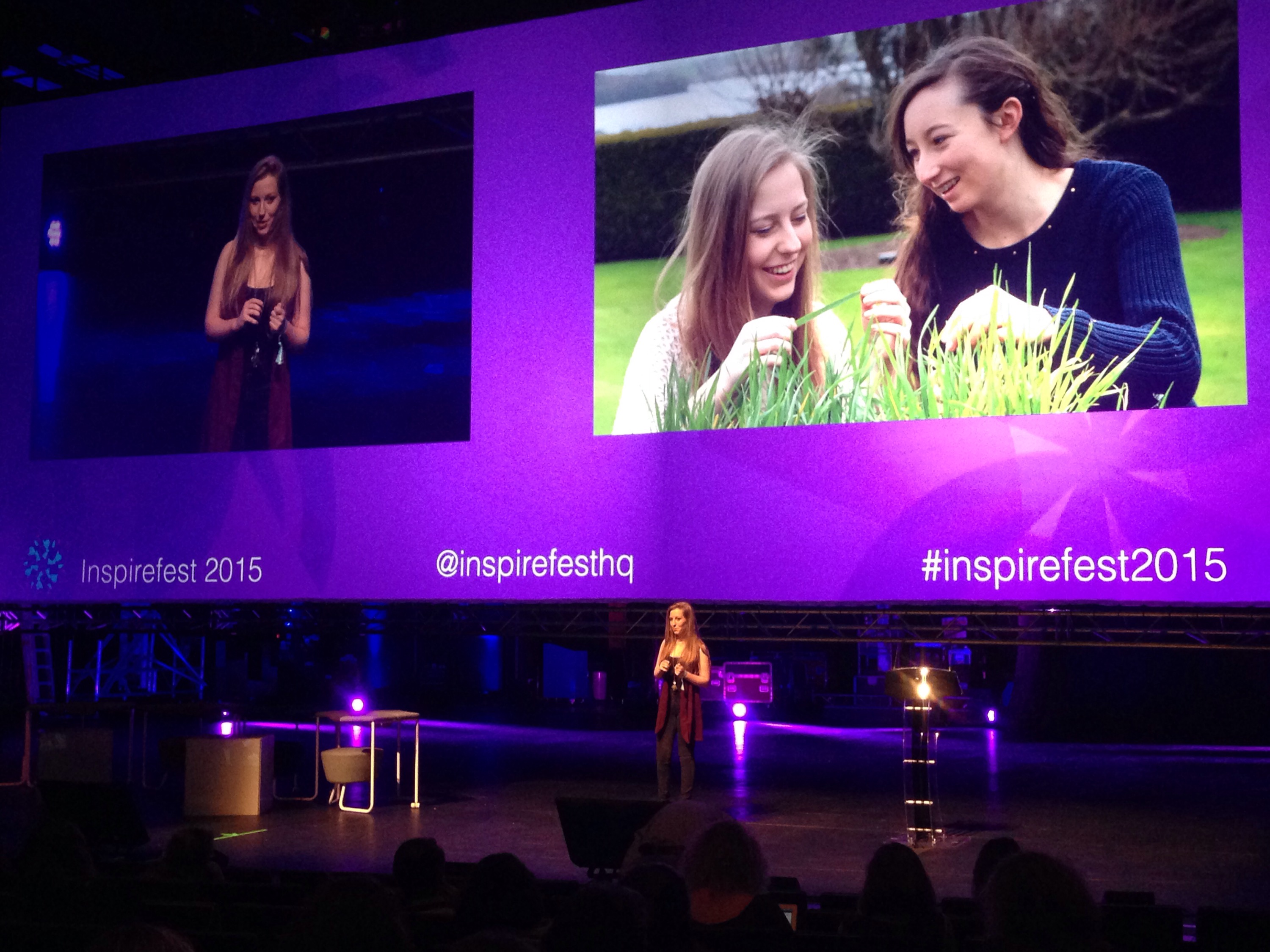
Emer Hickey and Ciara Judge, who founded Germinaid Innovations

Emer Hickey and Ciara Judge, who founded Germinaid Innovations

High school student Emer Hickey, along with her classmate Ciara Judge, recently launched Germinaid Innovations. This company provides “agricultural solutions for a brighter future.” Emer and Ciara developed technology that is drastically increasing crop yield using natural bacteria and won a global science competition.

They were on a panel with Anne-Marie Imafidon, founder of STEMettes, who is running a summer program for which I recently recruited participants. I’m thrilled that at least five girls who I connected to the program (from Ireland and Poland) have been accepted for the upcoming Outbox Incubator business development program in London. In all, 118 girls ages 11-22 will participate in this 5 week program.
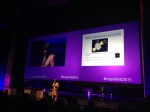
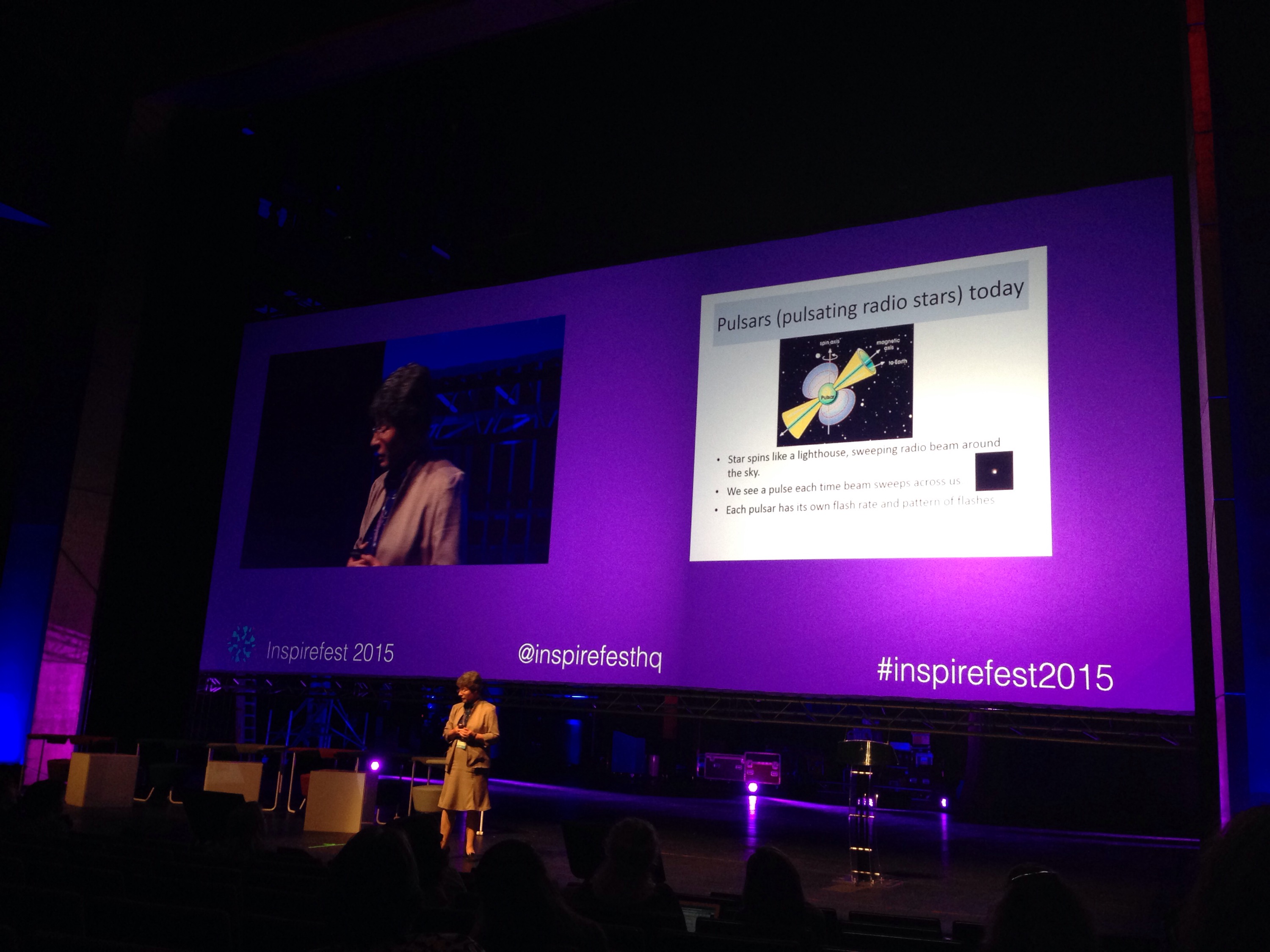
Dame Jocelyn Bell Burnell discovered pulsars

Dame Jocelyn Bell Burnell discovered pulsars

Can you believe that we heard about all this in just the first 5 hours of the conference?!

During a break I had the chance to meet Anne-Marie, Mary Carty (a major contributor to the Outbox Incubator), and Kimberly Bryant (the founder of the Oakland-based Black Girls Code).

Later in the conference we heard from Dame Jocelyn Bell Burnell, the astrophysicist who discovered pulsars and Susan McKenna Lawlor (of Space Tech Ireland) who developed equipment that is collecting data on a comet that is hurling through space at this very moment. MC Leo Enright and panelists Dr. Lucy Rogers and Ariel Waldman (who once worked for NASA and later founded spacehack.org) rounded out the session on space exploration and science.

Highlights from the second day included:

Ireland’s Taoiseach (i.e., prime minister) Enda Kenny, who described Ireland’s position in the tech world.

Robin Hauser Reynolds who described the life of Ada Lovelace, the world’s first computer programmer.

Dr. Sue Black who wrote the book Saving Bletchley Park, actually saved this historic campus, and founded TechMums.
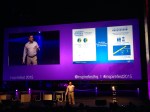
Suraj Shah with Intel's

Suraj Shah with Intel’s “She Will Connect” project

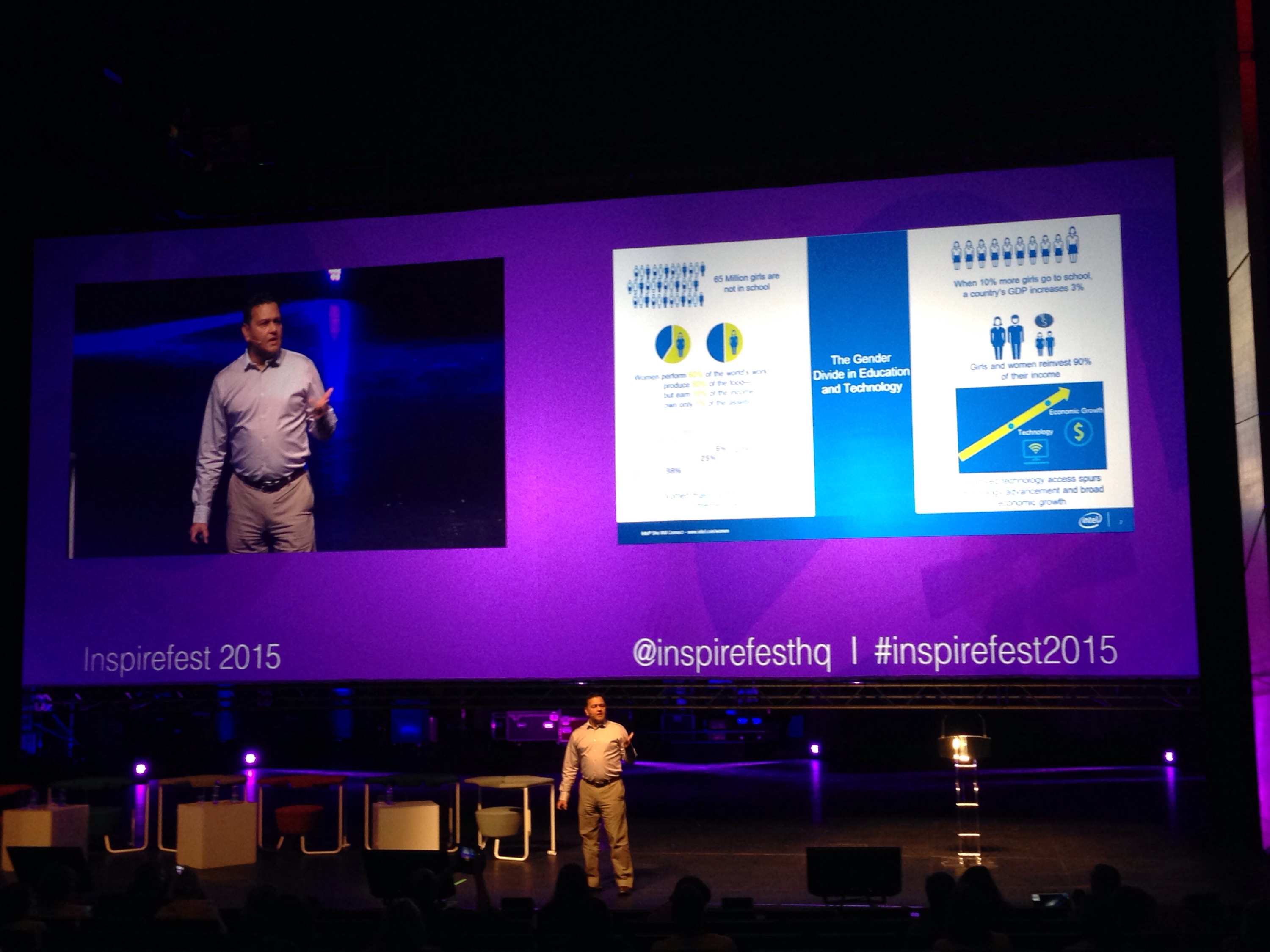
Intel’s Suraj Shah who works in Africa on the “She Will Connect” project.

Louise Kenny founder of the Irish Centre for Fetal and Neonatal Translational Research in Cork.

Panelists Mary Moloney head of Coderdojo, Sheree Atcheson founder of Women Who Code, and Kimberly Bryant of Black Girls Code, who all shared their passion for coding.

Prof Linda Doyle and panelists Kathryn Parkes (SWRVE), Dr Annie Doona (President of the art college IADT), Susan Schreibman (Irish Research Council) coined a new term that I’ve adopted to describe the union of Design and STEM. D-STEM! Ain’t it grand?!

We learned about objects and wearables that collect data to help planners, policy makers, and designers from Gaia Dempsey (CEO and co-founder of DAQRI), Philip Moynagh (VP of Intel’s Internet of Things group), Jessica McCarthy, and students Laura Browne, Alex Casey, and Oisin O Sullivan.

Brianna Wu (co-founder of Spacekat Games) discussed intense challenges (and opportunities) for women in the digital game industry.

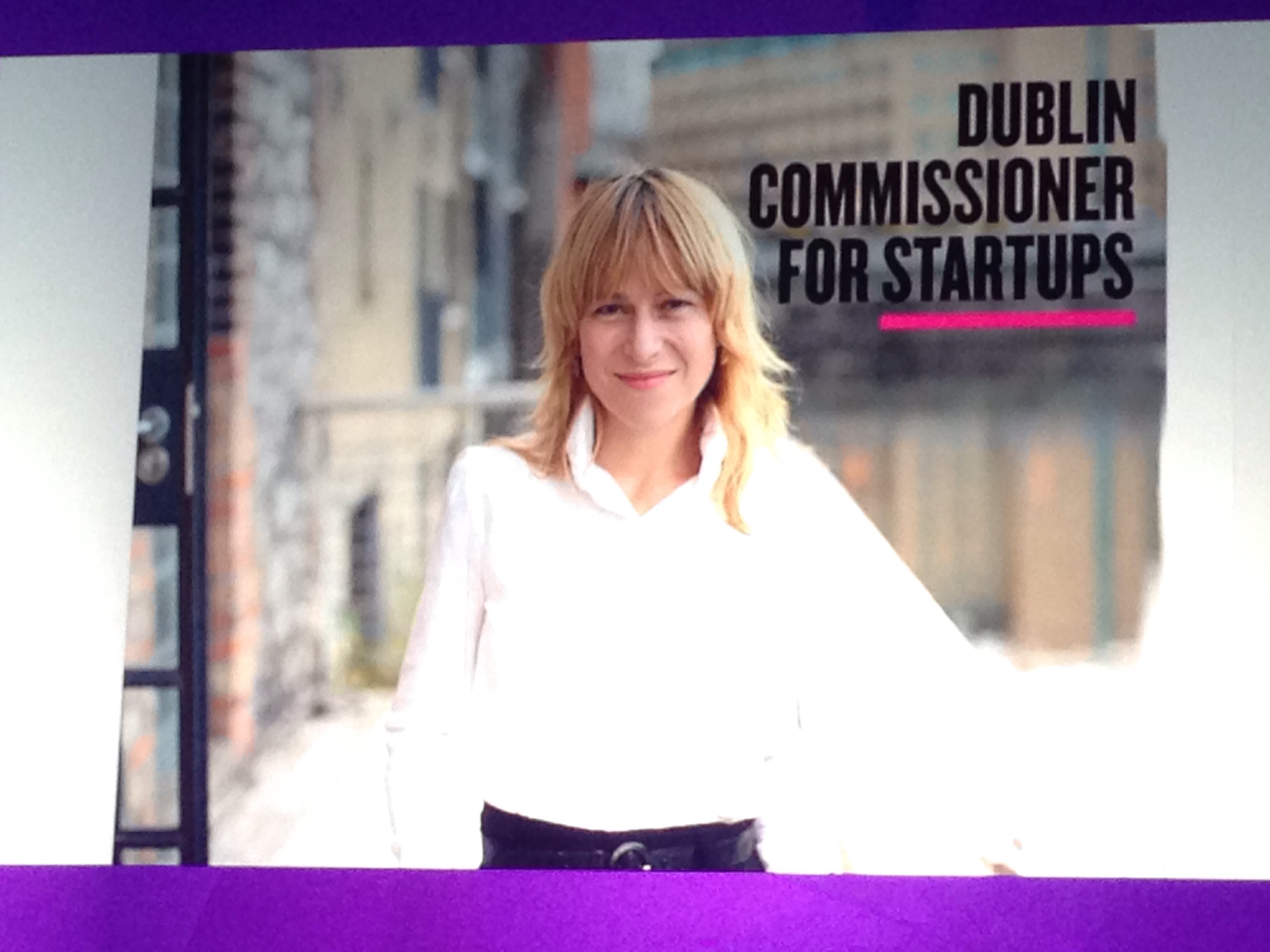
Niamh Bushnell, Dublin Start-up Commissioner

Niamh Bushnell, Dublin Start-up Commissioner

We also heard from business founders Elena Rossini and Elian Carsenet (of GapGrader), Laetitia Grail (of MyBlee Math), Ciara Clancy (of Beats Medical), and Niamh Bushnell (who is now the Start-up Commissioner for Dublin).

Investors and venture capitalists provided advice: Sharon Vosmek (ASTIA), Adam Quinton (Lucas Point Ventures), Nnamdi Okike (645 Ventures), and Julie Sinnamon (Enterprise Ireland).

Cindy Gallop, founder of Make Love Not Porn, provided a riveting final keynote on Making Money while Doing Social Good. She also has a TED talk.

Inspirefest 2015 lived up to its promise. It sent us back into the world full of new ideas and networks and knowledge!
Sheryl Sorby Spotlights Spatial Skills

Dr. Sheryl Sorby‘s groundbreaking research on spatial visualization brought awareness of spatial reasoning to engineering education worldwide.  Sheryl’s work highlights the importance of educational research and illustrates how applied research can make a real difference in the way we learn and teach.

Sheryl is a pioneer in engineering education research — the area where I’m now working to establish myself.  She was doing this type of research long before Engineering Education Research (EER) was recognized as a distinct field of study.  As such, she helped pave the way for all of us who are working to understand how people learn engineering and design today.  Today, she’s actively leading research teams on this topic.

Last year, Sheryl served as Ireland’s Fulbright Scholar in Engineering Education (that’s the post I held the year before) and she made noteworthy contributions. Whereas I applied for the Fulbright position when I was a “baby doc” (straight out of grad school), Sheryl brought the wealth of experience of a professor emerita (which essentially means she retired with academic kudos).  Awards she has received include the 2011 Sharon Keillor Award for Women in Engineering Education bestowed by the American Society for Engineering Education (ASEE).

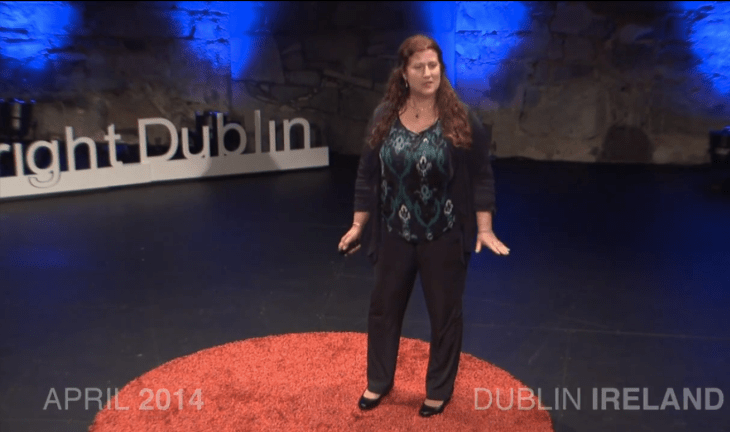
Recently, Sheryl delivered a TED talk at the 2014 TEDxFulbrightDublin event organized by the Fulbright Commission in Ireland, an event pictured above.  The TEDx talk, “Recruiting Women for Science, Engineering, Technology and Maths,” is available on YouTube. YouTube also features her webinar presentation on “The Importance of Spatial Skills.”

Her TEDx talk describes ways spatial-thinking skills correspond to academic performance in engineering. Her research has identified gender-related discrepancies in spatial visualization skills and, as a result, she has developed and implemented programs to help alleviate students’ weaknesses in this area. Her work has made a clear and measurable difference!  (I hope someday, I can say the same of mine!)

Sheryl researches other engineering topics as well.  Michigan Tech’s website explains she “is known for preparing engineering students and middle school students to think like engineers. Her research interests include advanced composite materials for use in civil infrastructure and 3-D computer graphics for visualization of complex behaviors.”

The National Science Foundation has supported many of her projects, and she even worked (or, “did a rotation”) at the NSF headquarters, as Program Director in NSF’s Division of Undergraduate Education.

I’m proud to walk in Sheryl’s footsteps, and thankful for the work she’s done!


New “RoboSlam for Facilitators” Workshop

Ted, Damon, and I have been gearing up for future RoboSlam workshops.   We have been looking for sponsors to help us continue and scale up our work.  For now, we’ll have to keep things fairly small and simple.  We’re not letting the lack of funds hold us back too much!  We’ve got to keep our momentum going!

During my Fulbright fellowship, I had several official projects. Along the way, I adopted a number of other projects–like RoboSlam–where I could learn and also contribute.

Ted and Damon are so talented and passionate about what they do that it’s impossible not to want to contribute to the success of their project.

While I was away studying in Rome, Ted and Damon hosted a workshop for people we hope will want to become facilitators of RoboSlam.  It’s part of our strategy for getting more people involved in the project.

MOOCs, TED, and Online Courses

I’ve been following the development of online education and MOOCs, in part because I hope someday soon there will be a way for me to earn a certificate or degree in structural engineering using an online format.  I’d love to learn from the very best professors in the field! The tools for assessment are developing beautifully.

Salman Khan’s TED talk, about the Khan Academy, blew my mind. What this man is achieving and offering to society is absolutely amazing.

I’ve been intrigued to learn, also by watching TED videos, about Corsera‘s new achievements. Five of Corsera’s programs were recently endorsed for meeting the standards of university coursework.

The image below illustrates what I’d already heard: college costs six times more than it did the day I started.  This spike began while I was in college, and I faced mid-year tuition hikes. How do students in the US manage to repay their loans?

TED’s website explains:

Daphne Koller is enticing top universities to put their most intriguing courses online for free — not just as a service, but as a way to research how people learn. With Coursera (cofounded by Andrew Ng), each keystroke, quiz, peer-to-peer discussion and self-graded assignment builds an unprecedented pool of data on how knowledge is processed.

I recently received a request via email to share some images with you — I’ve included a thumbnail below that you can click to view.

Hi Dr. Chance,

I wanted to reach out to connect with you about a graphic that I helped create which takes a closer look at MOOCs and their recent growth in the education space.

I came across this post on your site: shannonchance.net/2012/11/13/whats-a-mooc-and-can-it-save-humanity/ – and given that you might have an interest in the topic, I wanted to see if you’d be interested in taking a look and/or sharing the piece with your readers. If so, let me know and I’d love to pass it along!

Thanks,
Allison M.

RoboSlam Ratings

The organizer of last week’s events at DIT wrote to those of us who conducted the RoboSlam robot hacking workshop. She said:

In fact, in the survey I conducted at the end, 61.8% of 34 participants said it was ‘excellent’ and 35.3% said it was ‘very good’. One student said it was ‘good’ (2.9%) and that was the lowest score Roboslam got. It even beat Wednesday’s visit to the Aviva Stadium which, in the week of the Heineken Cup, is saying something! A whopping 67.6% of participants said it was their favourite on-campus activity and, interestingly,  11 students now say that electronic engineering would be their preferred choice of engineering discipline, up from 8 students at the start of the week…

To read more, please see the RoboSlam blog on this topic.

Robot Programming and Testing

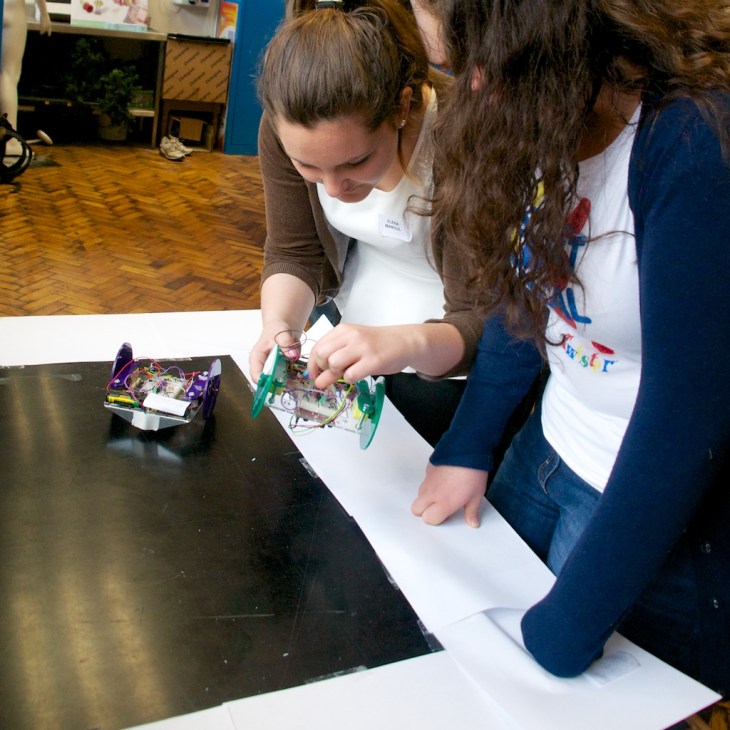
Please visit the RoboSlam blog to see the newest photos of our recent robot programming and testing activities. Here’s one of the featured photos form that post:

Engineering lecturers Frank Duignan and Mick Core explaining concepts to two Transition Year students at our May RoboSlam.

Engineering lecturers Frank Duignan and Mick Core explaining concepts to two Transition Year students at our May RoboSlam.

PBL at the Polytechnic School of Águeda

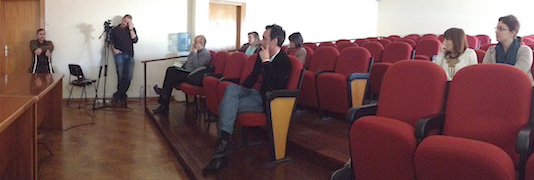
The audience was composed of experts and students in engineering and education.

The audience was composed of experts and students in engineering and education.

Visiting Portugal’s University of Aveiro some weeks ago provided me opportunities to speak with doctoral students and professors of engineering and education.

After I delivered a formal presentation to a small but enthusiastic group at the University of Aveiro’s Department of Education, my host, José Manuel Nunes de Oliveira drove me to the University’s satellite campus, known as the Polytechnic School of Águeda (or Escola Superior de Tecnologia e Gestão de Águeda, Universidade de Aveiro) where he teaches engineering.

Jose and his colleagues use Problem-Based Learning to teach engineering students.  They have formatted their classrooms to support group-based learning.  (My DIT colleague, Gavin Duffy, visited Jose and his campus earlier in the year to see how they use space. He wanted their advice to help in the programming phase of DIT’s new engineering facilities.)

What impressed me most in touring the buildings and grounds of the Águeda campus, though, was that the students were all working in groups–and that they seemed to be doing so on every type of project.

Jose says that after the teachers introduce the group-learning approach in the first year, students embrace it and want to do everything this way.

I thought that Jose said that students receive credit for their topic courses (i.e.,those with specific engineering content), but not for their project work (I was wrong, as I explain in my subsequent blog). In architecture we refer to these technical/topic classes as “support courses.”

All the courses a students take in a semester at the Escola Superior de Tecnologia e Gestão de Águeda help support the project they have been asked to do in groups. They are able to apply what they learn in the projects they design… but they don’t get formal credit for the design activities. In architecture in the USA, the design activities are assigned the most credit (typically 5-6 credit hours per semester) while each support course is generally worth just 3 credits. The architecture community tends to value the project or “design studio” work above all else.

International Lecture Tour

In less than two days, I fly out of Dublin for a two-week “lecture tour”.  I’m being sponsored though Fulbright Portugal next week and Fulbright Belgium the week after.  This is part of the larger Fulbright Inter-Country Lecturing program.

We have an exciting, action-packed schedule outlined.

In addition to speaking and learning about how other people teach architecture, engineering, and education, I’ve also got a heavy load of homework to carry along.

While I’m away, I’ll hopefully find time to write three conference abstracts, finalize and submit a funding proposal, and prepare for the class I’m co-teaching in May.

Wish me luck!

Lisbon

Lisbon (photo downloaded from Cunard Cruise line)

PORTUGAL 

Wednesday, April 10

Visit to Escola Superior de Tecnologia do Barreiro of the Instituto Politécnico de Setúbal.

Thursday, April 11

Round-table talk at Setubal Polytechnic Institute (IPS).

Friday, April 12

Presentation on Tools for Assessing Design Students’ Cognitive Development to Architecture PhD students at Instituto Superior Técnico (IST). 

Monday, April 15

Presentation on The Use of Staff Learning Groups to Transform Engineering Education at the Dublin Institute of Technology to the Department of Education at the University of Aveiro and engineers from the Polytechnic School of Águeda.  I’ll also meet some of the students and teachers using Problem-Based Learning at the Polytechnic School in Aveiro and/or Águeda (25km away).

Tuesday, April 16

Meet with engineering teachers at the Universidade do Minho engineering campus in Guimarães.

Leuven

Leuven (photo downloaded from KU-Leuven website)

BELGIUM

Wednesday, April 17

Meet with the president of the European Society of Engineering Educators (SEFI), an engineering professor at Katholic University of Leuven who also directs KU-Leuven’s Teaching and Learning Department.

Thursday, April 18

Deliver a presentation 7-9 PM on Research Paradigms: Filtering What We See and Know to the architecture school (I will discuss major research paradigms and then provide examples of studies I’ve done that used methods aligned with positivism, interpretivism, constructivism, and critical realism.  Presentation includes examples of work I’ve done in Africa).

Monday, April 22

Presentation on Tools for Assessing Design Students’ Cognitive Development to members of the LESEC (the Teaching and Learning Department) at KU-Leuven.

Tuesday, April 23

Interview with Fulbright Belgium for use on their websites.

Group-Based Learning in Action

I’m becoming a bigger and bigger believer in collaborative learning!  Last semester I did lot of research about how engineering professors (i.e., lecturers) here at Dublin Institute of Technology worked together to develop new ways of teaching electrical engineers.  I was amazed to discover how incredibly much they learned by working together.

Such impressive knowledge gain is the premise behind Project-Based Learning and other group-based learning formats.

Orla and Shannon in the throws of course planning.

Orla and Shannon in the throws of course planning.

My day today was filled with meetings about collaborative research and teaching projects.

With the help of five different tech guys, I got SPSS up and running so that I will be able to help analyze data on that Mike Murphy and I collected from engineering and engineering technology students. We asked them what they saw themselves doing in the future, how well prepared they feel to start work, and what kinds of things they’ve focused their efforts on over the past few years.

After lunch I met with Orla Hanratty of DIT’s Learning, Teaching and Technology Centre (LTTC) and introduced her to Brian Bowe. She’ll be co-teaching a course (i.e., module) with us in May.  We aim to increase the usage and visibility of Problem-Based Learning at DIT by teaching more teachers to use Problem-Based Learning in their own classrooms.

And now, tonight, I’ve been working on a proposal for funding with Ted Burke and Damon Berry.  It’s an opportunity that the college’s head of research, Marek Rebow, told me about yesterday and it has to be completed immediately.

I rallied the troops. Ted drafted some text. Then Damon and I were adding our own contributions to it using Google Docs.  It was so strange… Damon and me editing the same document at the same time.  It turned into a bit of an academic chat session.  We tossed ideas back and forth, discussing budget, objectives, and ways to improve what we’ve already got in place.

We’ll do more of that tomorrow, when the three of us meet to hash this out… and have some fun learning in the process.