Toasting Joyce Martin with an Alpine Style Christmas

Raclette!

Raclette!

The Star Barn the day after Christmas 2012.

The Star Barn the day after Christmas 2012.

It seems fitting to celebrate Christmas in Pennsylvania Dutch country with traditions imported from the old world.

In this case, we imported some of them ourselves.  Every year my mom, sister, husband, friend Leslie, and I celebrate Christmas together with raclette for dinner.

Raclette is a specialty that my Swiss host families introduced me to when I was an exchange student there in 1994.  Following that exchange, I returned to Switzerland many times and frequently partook in the cheesy treat.

Dave and I enjoyed raclette together with my former boss’s daughter Simone, in Carona, Switzerland in February 1997. Mom developed the taste for it when the two of us spent Christmas 1996 in Switzerland with the Sterchi and Ehernsperger families.

Before Christmas each year now, Dave and I purchase raclette imported from Switzerland or France by Mandros Foods in Lancaster, PA.  Then we pull out the raclette grill that Dave ordered as a gift for me many years ago (he bought it from a place in Minnesota).  Once my red raclette grill heats up, we melt the cheese in the little pans and eat it along with potatoes and a variety of pickled vegetables.

The first time I ate raclette I’d been in Switzerland just three weeks. The Land Jugend, which works in collaboration with the International Four-H Youth Exchange (IFYE) program to host exchange students from around the world, invited us “up the Alp” for a weekend adventure.  We milked cows, cooked cheese in a huge copper kettle, and celebrated the weekend with a variety of characters who spend their summers on this particular mountaintop.

Our group had assembled in a parking lot in the valley near Wengen, Switzerland.  We had hiked up, up, up — emerging above the tree line to a place where streams form from melting snow and tufts of summer grass peek through the rocky terrain.

We had arrived in the land of Heidi.

You may recall that in the children’s storybook, Heidi and her grandpa went up the Alp with the cows.  They would have lived in a chalette without electricity — milking the cows and storing the milk as cheese — while folks down in the valleys gathered the summer hay.

The Swiss do this so their cows can eat the grass that grows in un-harvestable places, thus preserving the grass in the flatter (harvestable) lands to cut, dry, and store for use in the cold, winter months.

My first raclette was quite authentic:  up on this Alp, in a house where the barn and the living quarters lie under the same roof, we built a roaring August fire.  We placed a half wheel of raclette cheese near the open flame.  Once the exposed surfaces of the cheese wheel melted, we scraped the gooey part onto plates to eat with red-skinned potatoes, gerkins, baby corn, and the like.

Melt, scrape, repeat… all evening long!

My biological family enjoyed the raclette tradition as much as my hosts.  So, we make it part of our Christmas gathering every year now.  In addition to raclette, we often celebrate Christmas with the candleholders that the Sterchi family sent Mom some years back. (In Switzerland, many families use real candles with real flames to light their trees.  When we have a live tree, we do, too, but with tremendous care.)

I was such a lucky kid to be able to live in Switzerland on a cultural immersion program.  I’m incredibly grateful for that five months of 1994 when I had opportunity to live with six wonderful families.  I hope to one day find them all again.

My hosts are listed below. I’ve stayed in contact with the first family, but I’ve lost touch with the others.  (You’ll recall my November blogs about Esther’s visit to Dublin. )

I’ve temporarily gone blank on a couple of names (I’ll come back and fill them in when they return to my mind).  If you can help me locate any of them, please email me at shannonchance (at) wm (dot) edu.

  • Esther, Erich, Anja, Marcus, and Karin Sterchi who live in Ferenberg near Bern (Swiss-German speaking)
  • Nigel, Elsbeth, Jan, and Mike Evershed in LaVaux on Lake Geneva (the French-speaking region)
  • Tommy, Helena, Ramona, and Marion — in Aeschi near Soloturn (Swiss-German speaking)
  • Vreni, Henier, Sabina, and Peter Ehernsperger in Hegi near Winterthur and Zurich (Swiss-German speaking)
  • Maurizio, Lucia, Nora, Francesco, and Alice Lorenzetti in Maggia, Ticino  (the Italian-speaking region)
  • Vreni and Alfred Buchi in Boltshausen, canton Thurgau (Swiss-German speaking)

I am so incredibly thankful to each of these families for taking me in, sharing their traditions, and showing me the ropes of being a global citizen.

I am also eternally grateful to my 4-H extension agent, Dr. Joyce Martin, who made many learning opportunities possible for me in my youth.  Dr. Martin passed away this very morning after a 14-month bout with pancreatic cancer.  She was one of my earliest mentors and she made a world of difference in my life.

Had it not been for Dr. Martin, I might never have been an IFYE.

I have fond memories of traveling with Dr. Martin to the 1985 International Egg and Poultry Convention in Louisville, KY .  I was competing in egg cookery demonstration and — with her coaching and encouragement — I garnered third place in the national competition.  She was so proud because I was one of the youngest participants, and held my own against a group of contestants ranging from 15-19 years old.

I couldn’t have done so well without her!  My parents also helped me prepare (by buying many eggs and by heckling me while I rehearsed so I could learn to ignore distractions).

And, my grandmother (Lillian “Ma” Massie) made huge contributions. Ma hand-sewed my apron and two dresses especially for the trip.  I was the height of 4-H fashion in 1985!

Here’s a little tribute to the family traditions around the world, sent out today in honor of Joyce Martin and Lillian Massie:

Friendships Etched in Stone

Cathy Whittington and Dave Chance, fast friends since their days working at Superior Marble and Stone.

Cathy Whittington and Dave Chance, fast friends since their days working at Superior Marble and Stone.

Dave met Cathy Whittington when they worked together at Superior Marble and Stone. The two have been fast friends ever since. Dave and I always enjoy getting together with Cathy and her husband Bill. Sometimes we go out, but what we love most is when they invite us over for a home-cooked meal. Cathy Whittington is an extraordinary hostess and cook!

Cathy and Bill Whittington

Cathy and Bill Whittington

Her hostessing prowess probably comes from her years of dedicated work as a flight attendant. She knows how to put people at easy and anticipate their every need.

Dave and I visited Cathy and Bill in their Suffolk home before Christmas.

Following that, we also took a trip over to Superior to say “hi” to Dave’s former boss, Mary Thompson.

Seeing my photo hung on the wall reminded me to tell you this story:
Cathy joined the staff at Superior in the weeks Dave and I were away on two-week trip to Italy (sponsored by Superior). Dave called in to the business several times while we were traveling. One day Buddy and Mary asked if we’d been to Pisa yet.

When Buddy said he’d like a picture of me with the leaning tower, we spun the car around and headed for Tuscany.

A picture Dave took of me hangs in the Superior showroom to this day.

Bringing Prague Home

Inside Outside Spaces

You can view the whole set of boards I produced after our one-week trip by clicking here.

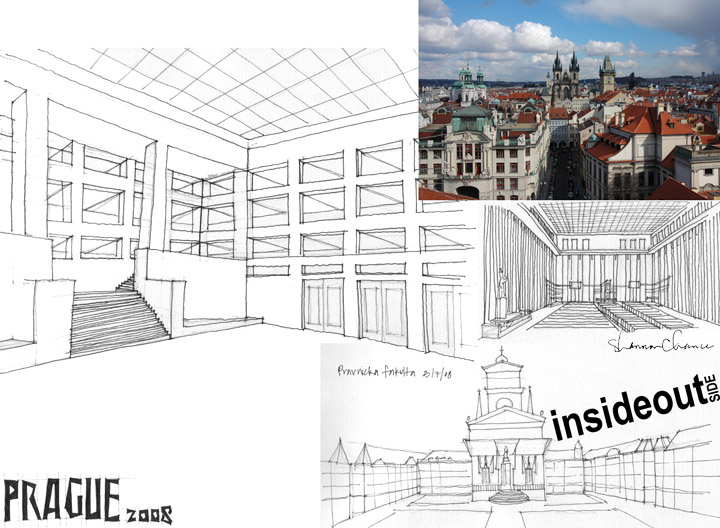
Here are some photos of the exhibit that my Hampton University architecture students assembled after our 2008 spring break trip to Prague.  In addition to the exhibit, we also delivered a lecture on campus and another for the local chapter of the American Institute of Architects (AIA).  Those talks were about the urban issues each of us studied on our one-week trip.

With the help of Lenka Schulzova, an alumna of our program who was born in the Czech Republic, I’d planned an itinerary that included lots of warm spaces inside where we could draw (Prague is chilly in March) as well as outside spaces.

It was truly amazing how this group came together during this trip.  Everyone on the trip embraced the challenge to practice sketching as much as possible.  Daisy Williams (a truly amazing teacher who is now working at the University of Oregon) provided instruction on drawing before and during the trip.

Each day of our trip, the students eagerly explored the city.  They frequently asked to stop to make sketches.  And they enthusiastically discussed and critiqued each other’s work.  We developed so much skill and knowledge during this trip!  And we brought what we learned home to share with others.

Prague is remarkable in that so many grand, public spaces are available indoors.  It also has lovely courtyards embedded inside the blocks of streets.  This is the case in many cities, but in Prague the courtyards are often accessible to the general public — which is a great treat for visitors and residents alike!

Discovering all this, I titled my series of boards “insideout|side spaces” and described different qualities of these Czech spaces on each board.

Learning from Prague

Jože Plečnik

The modernism of Jože Plečnik.

Cubism is one of the aspects that makes Prague’s skyline so energetic.  I’ve uploaded a gallery of boards I made following the week-long study abroad program I organized to the Czech city.

The travel group was energetic, too.  We had such fun sketching and learning.  I asked each traveller study one specific aspect of the urban environment.  My own assignment was to capture characteristics unique to Prague.

I made these boards for the exhibit our group posted in Hampton University’s Bemis Laboratories building.  We also presented the work at the Hampton Roads AIA Pecha Kucha Night.

Cubism under a Chilly Sky

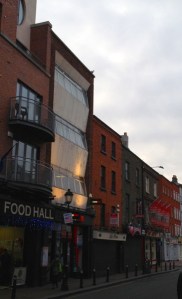
I noticed this cubist-inspired building facade this morning, while walking down Liffey Street in Dublin.

After the dazzling sunrise Thursday morning, a covering of clouds had rolled in.  This cover suspended the melting process, extending the pre-dawn frost into the morning.

I was scurrying along en route to an all-day seminar.  The topics being covered (leadership and change) are central to the paper I’m writing at the moment.  So I’d signed up to attend this event hosted by DIT’s Learning, Teaching, and Technology Centre to see how Irish folks talk about the topic and frame the issues.

On this particular morning the sidewalks — which the Irish refer to as footpaths — were still slick.  A thin layer of frozen mist remained.

This distracted me from capturing images for the first few blocks of my walk.

It wasn’t too long, however, before a facade that I’d never-before noticed captured my gaze.  I dug around for my camera and started to compose.  I was eager to show you this built example of cubism.

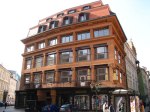
The Cublist Museum in Prague, a built example of cubist. Photo downloaded from Portal of Prague.

The Cublist Museum in Prague, a built example of cubist. The building is known as the House of the Black Madonna. Photo downloaded from Radio Prague website.

Unlike most styles of art, cubism never really flourished in architecture.  It’s rare to find built expressions of cubism most anywhere but Prague.  Portal of Prague explains, “Prague is the Mecca of Cubism lovers. This is not only because some of the Prague pre war art collectors were in favour of this style but mainly due to the fact that Prague is the only city with so many cubist buildings. The worlds unique buildings were build within four years from 1911 until the beginning of the First World War.”

I speak from experience when I say that the sky in Prague is often chilly.  I visited with a group of Hampton University students one chilly week in March several years ago.

Here in Dublin on this particular morning, the lights on this facade brought the building to life.  The cubist facade glowed warmly against the steel-grey sky.

The chilly sky actually helped me to see something I’d overlooked many times before.

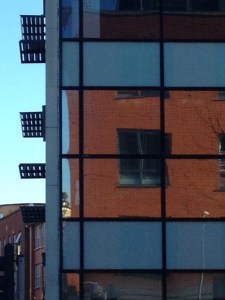
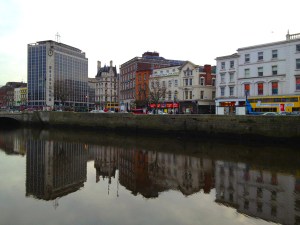
Juxtaposed buildings.

Reflection of skyline in the Liffey River.

Exploring Material Ethics

A progress review in Patrick’s 4th year studio at the DIT. Patrick, Shannon, and Connor are clearly captivated by this student’s presentation.

I asked the architecture students to tell me what interested them most from the lecture on Materials that I gave today in the studio coordinated by Patrick Flynn.  They said Dave Chance’s images!

I’d been asked to talk about materials in a way that would help students with designing schools.  So I started by downloading pages from Dave’s website.  He travels the world photographing materials in relation to light.

To prepare for this lecture I also attended a review of the class’s proposed designs last Friday.  Patrick invited me as a guest critic, but my primary goal was to find out how I could tailor today’s presentation to their needs and interests.

A slide using Dave Chance’s photograph from the American Cemetery at Omaha Beach in Normandy. (Copyright Dave Chance Photography.)

I decided to present my thoughts using: (1) Dave’s images to provide inspiration and (2) images of schools as a tool for conveying more pragmatic content.

I structured the talk around themes of Material Ethics, Teaching Capacity of materials, the need to Generate Knowledge regarding materials, Authenticity, and Sustainability.  I titled it “How an Architect’s Material Palette Can Enhance Student Learning” with the subheading “Cultivating an Ethics of Materiality.”

Thankful

Today I am so thankful for so many different things.

Dave is one I am ever so thankful to have in my life.  He’s turning 40 this Saturday, and I’m sad to be missing it. Here’s a little tribute to the love of my life.

Don’t Cry for Me Thessaloniki… The Truth Is I Never Left You

The places I’ve been live on in my soul.  Glimpses of them flash across my mind throughout the day, inspiring me to be part of making great places and to live life to the fullest.

When I was in Thessaloniki, I tried video recording a cool reflection I found.  (You’ll want to turn the sound down–I don’t have software for editing these yet and the street noise is a bit loud.)

But see how much the reflections change with the slightest shift of perspective or moment in time?

Stillness

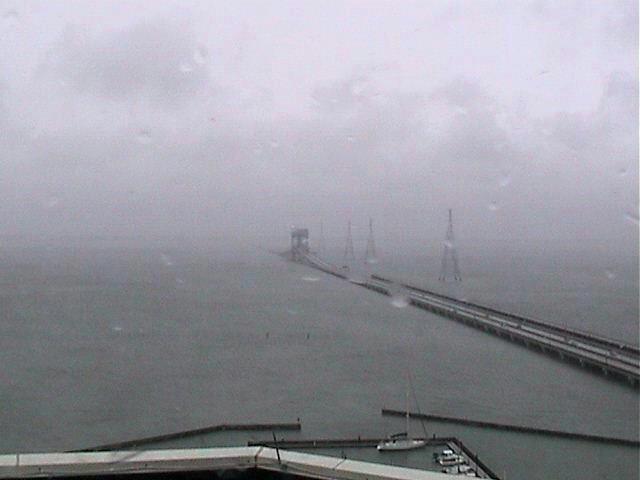
The James River bridge nearly underwater. Image posted on Facebook yesterday by Operation Homefront of the Virginias.

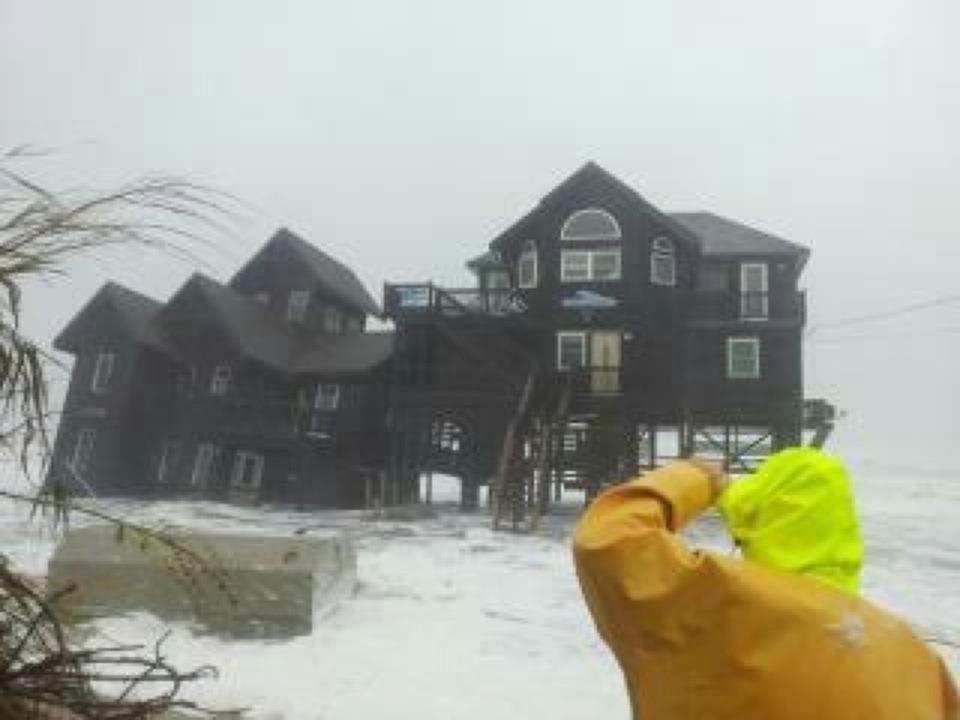
There’s a huge hurricane barreling toward the east coast of Virginia today. Everything there is closed and Dave is hunkered down at home with the kitties.  So that means he’s fixated on the computer screen for the day. Fortunately for my little workaholic, his power supply hasn’t gone out.

We live in the coastal area of Virginia, but our home is six blocks from the water. Since we’re on the mouth of the Elizabeth River rather than the ocean front, we’re not susceptible surges (historically speaking, that is). Our home isn’t in the “100 year flood plain,” although the ones on the next block are.

When Dave did leave home last night to grab sushi for dinner before the big part of the storm hit (that’s how people without kids prepare for a storm, by the way), he came home to find our cat Sienna asleep on his keyboard. He’d been keeping it nice and warm for her!

It’s very, very quite here in Dublin, too, and it feels a lot like hurricane days at home.

Here, it’s a “bank holiday.” Many places are closed. I haven’t left the house. In fact, I only stepped out twice in three days, and just for short jaunts (yoga and brunch).

The weather in Dublin is glum and drizzly. Which is actually okay, as I’ve spent the weekend working up lecture outlines, a Prezi file, a recommendation letter, and transcribing and making some progress on proposals for possible talks and exhibits.

If some of those come through, I’ll get to travel to “the Continent” to speak.  That will be fun!  I’m posting a memory from Rome to rekindle memories of a sunny day in Rome. I’ve been keeping up with the people who commented on the sketch via Facebook throughout the storm. Thankfully even the one who lives on the ocean front (Chris Bonney) is okay at this point. He’s still posting view of the storm….

A photo posted to Facebook by David Waterfield. Taken near Buxton, North Carolina yesterday.

Emergency Catnap!!!
Siena asleep on Dave’s computer yesterday.

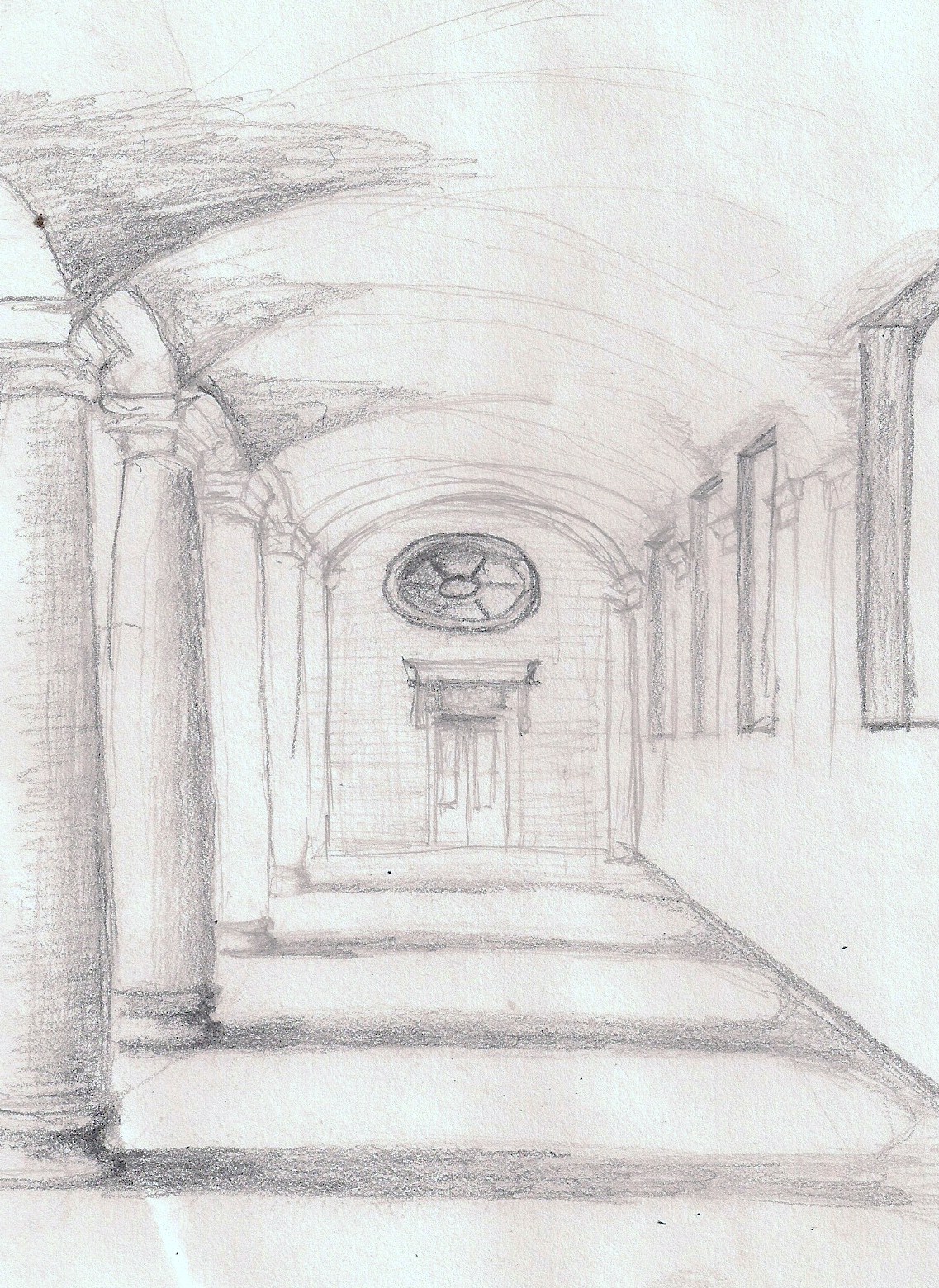
A sketch I made in the courtyard of Rome’s Spada Gallery, home to the famous Borromini perspective.

My Incredible HU Students

I’m so glad to have Facebook so I can stay connected with family, friends, colleagues, and past students. Several of the students I coached in a Disney design competition work as Disney Imagineers today.  Nikk and Nicole Smith crafted this fine image of the Obama family (and yes, they had the blessing of Pixar).

The Obamas as Incredibles, copyright Nikkolas and Nicole Smith.

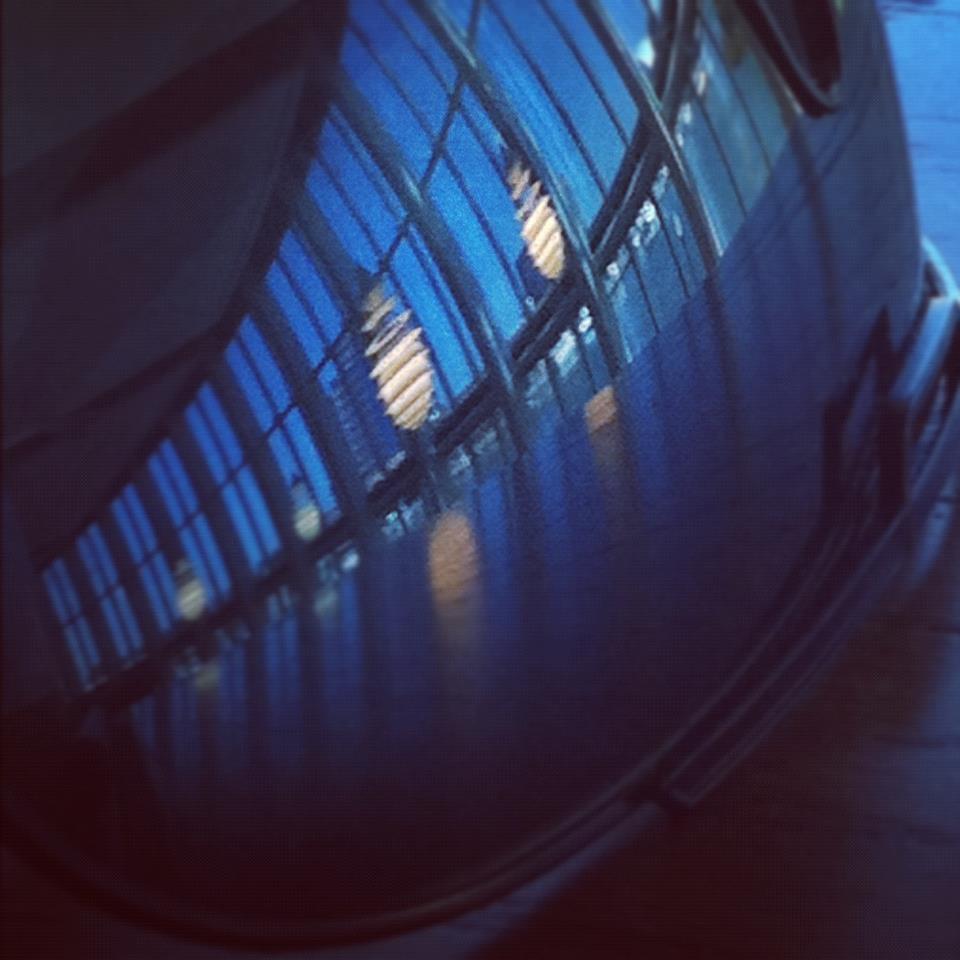
Carlton Copeland, who travelled to Italy with me last May, posted a reflection shot of his own last week, and acknowledged my contribution.  🙂

Carlton’s caption on Facebook for this shot was:
“An addiction taught by @shannonchance — with Shannon Massie Chance.”

He’s part of Hampton University’s Solar Decathlon team.  You can see his work from our summer design studio at Urban Push. His team’s proposal for a new development in Romewas great. Below are a few of his photos and sketches from the trip, and the banner shot form his Facebook pag

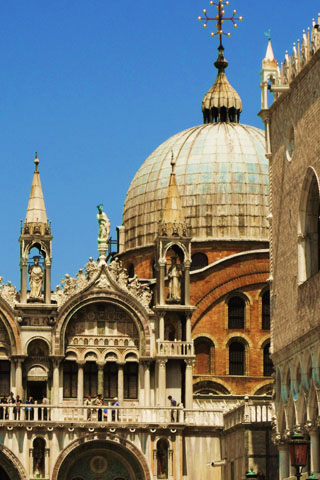
From Piazza San Marco, Venice (copyright Carlton Copeland, 2012).

Carlton’s Facebook banner — a photo from our May 2012 trip to Italy.

A sketch Carlton made in Rome (copyright Carlton Copeland, 2012).

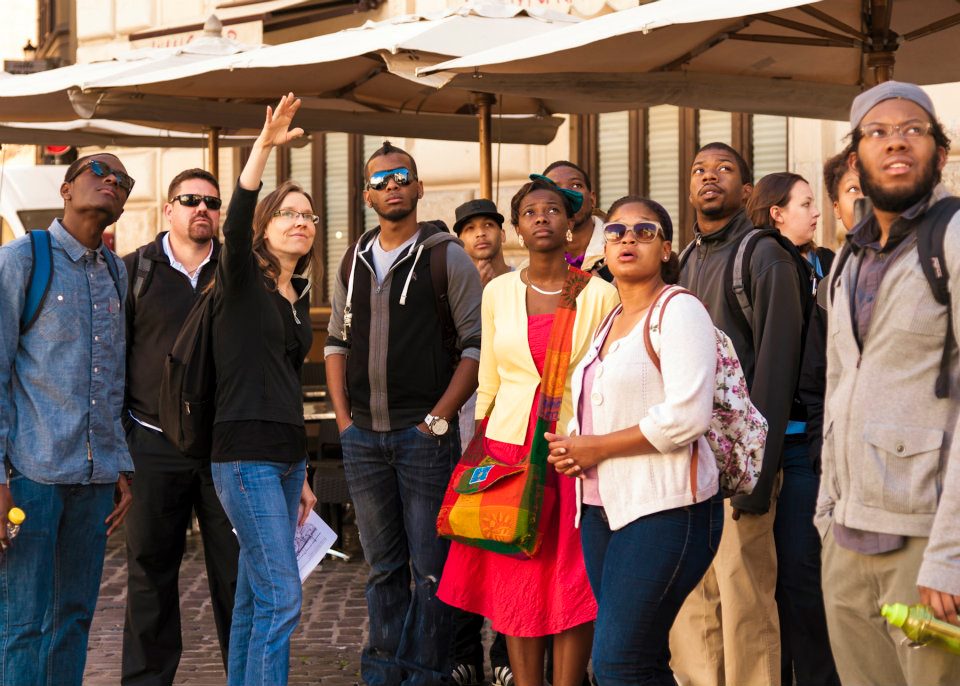
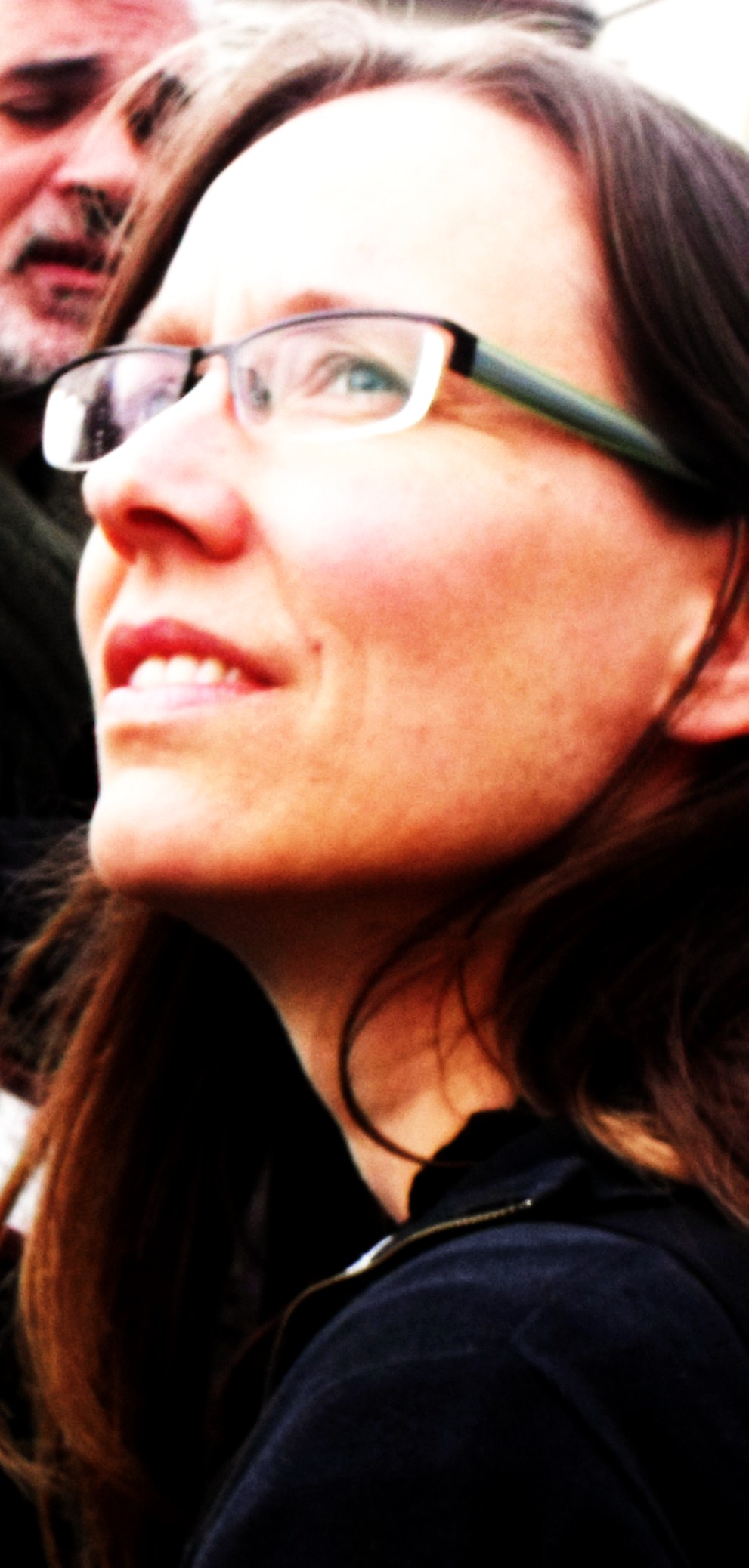
Carlton’s photo of me in Italy  (copyright Carlton Copeland, 2012).

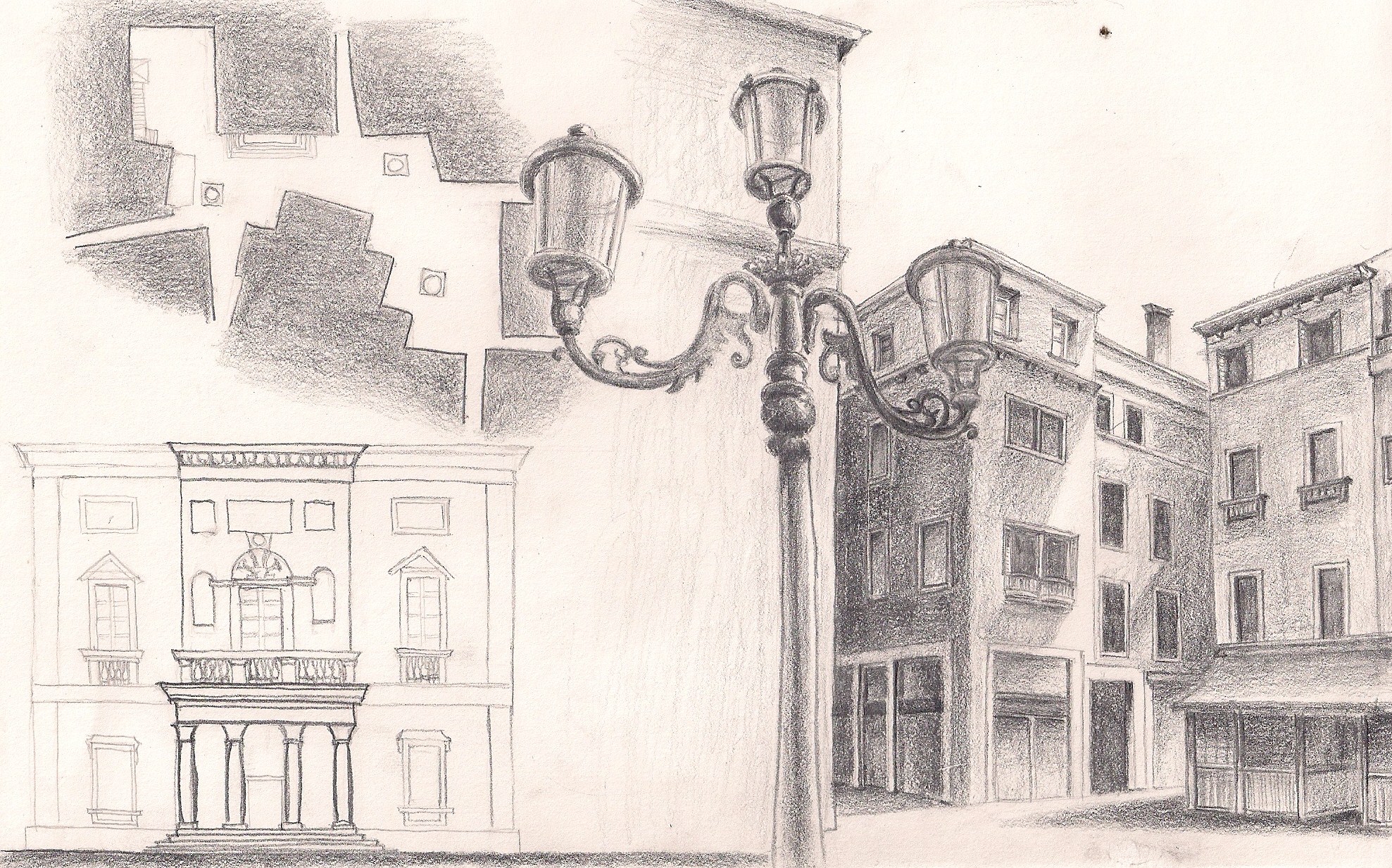
Sketch of Piazza Fenice, in Venice (copyright Carlton Copeland, 2012).