Father Al and the Internationals

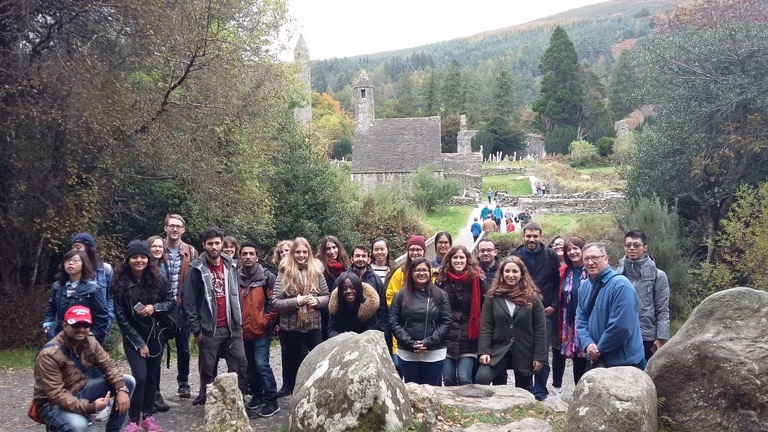
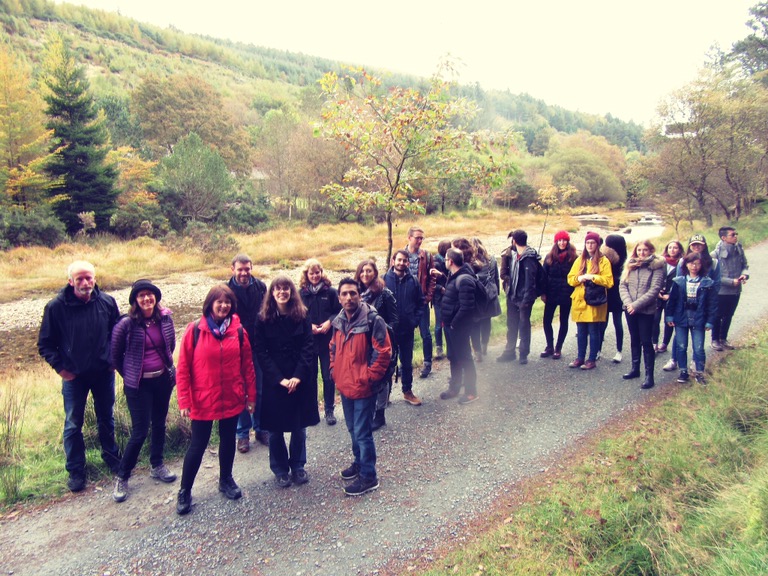
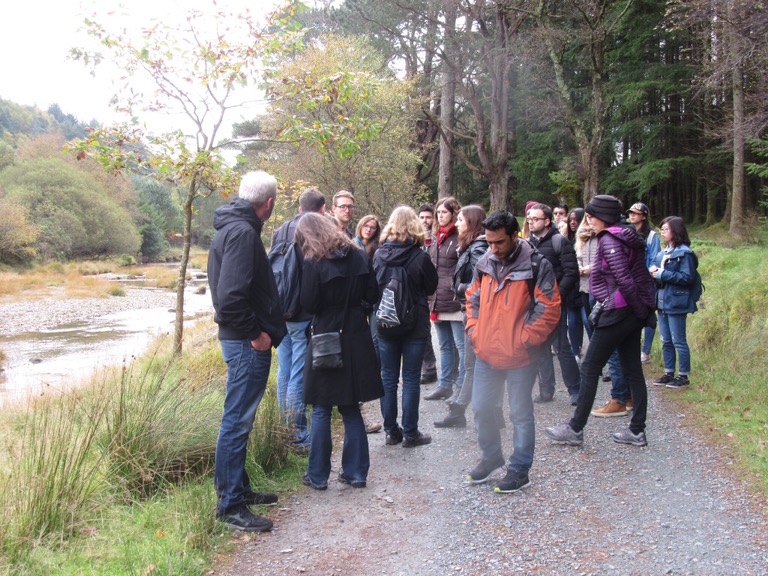
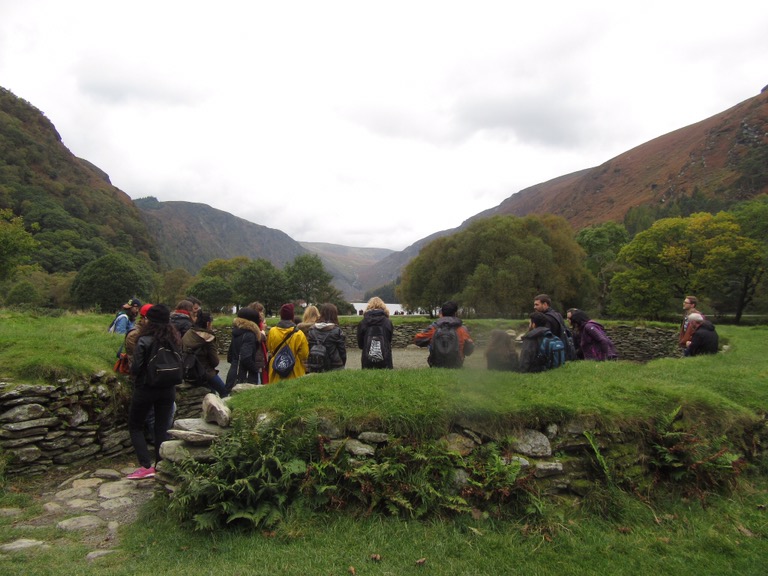
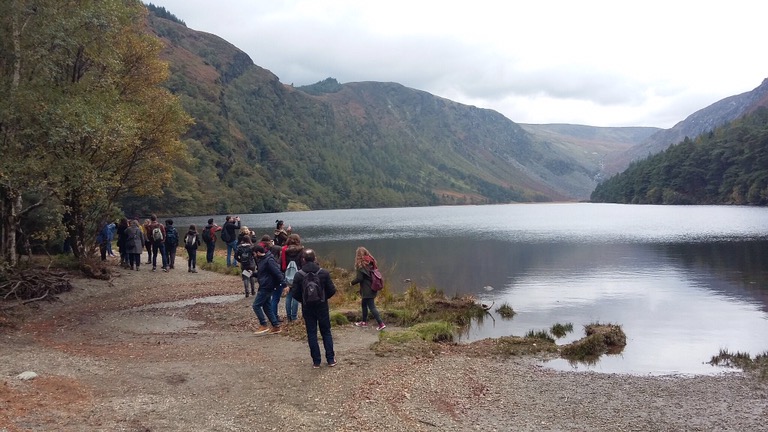
The chaplaincy of Dublin Institute of Technology, Fr. Alan Hilliard, Susie Keegan, and Suzanne Greene the administrative assistant, assist DIT’s visiting students, who come from all around the world. The chaplains organize trips and events in addition to providing helpful advice and pastoral assistance. 

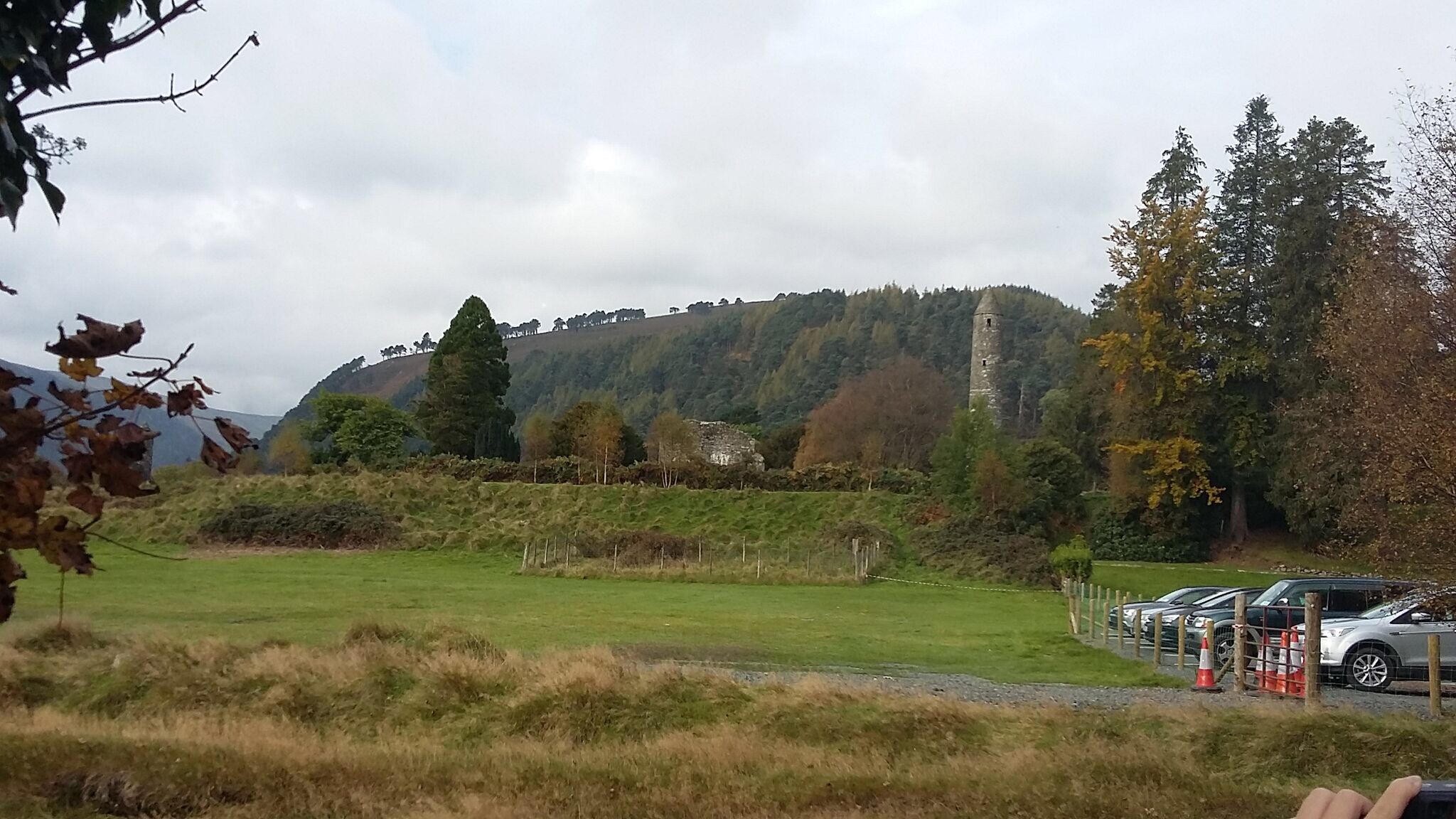
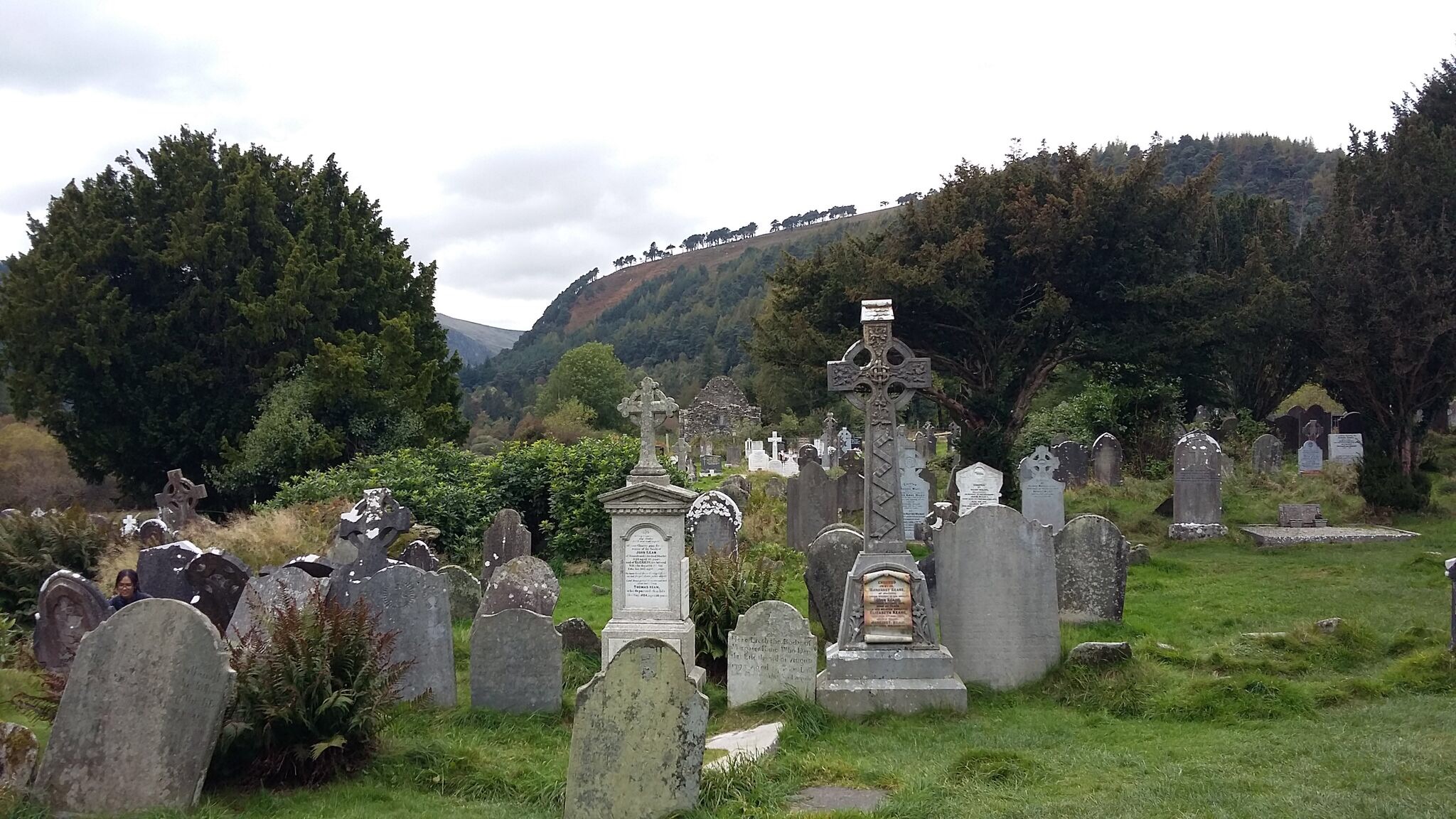
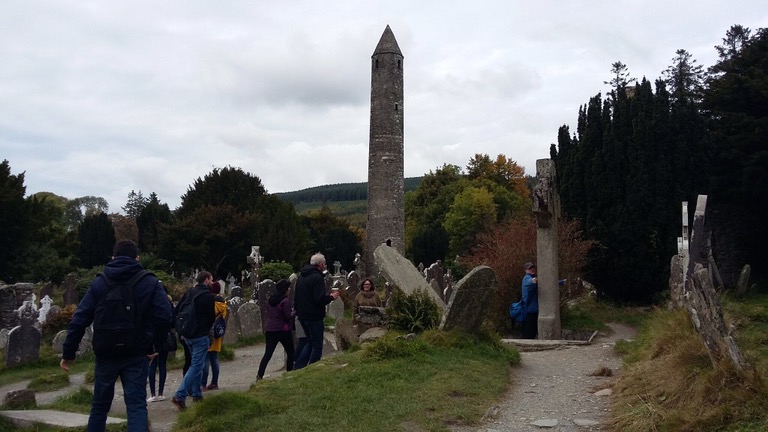
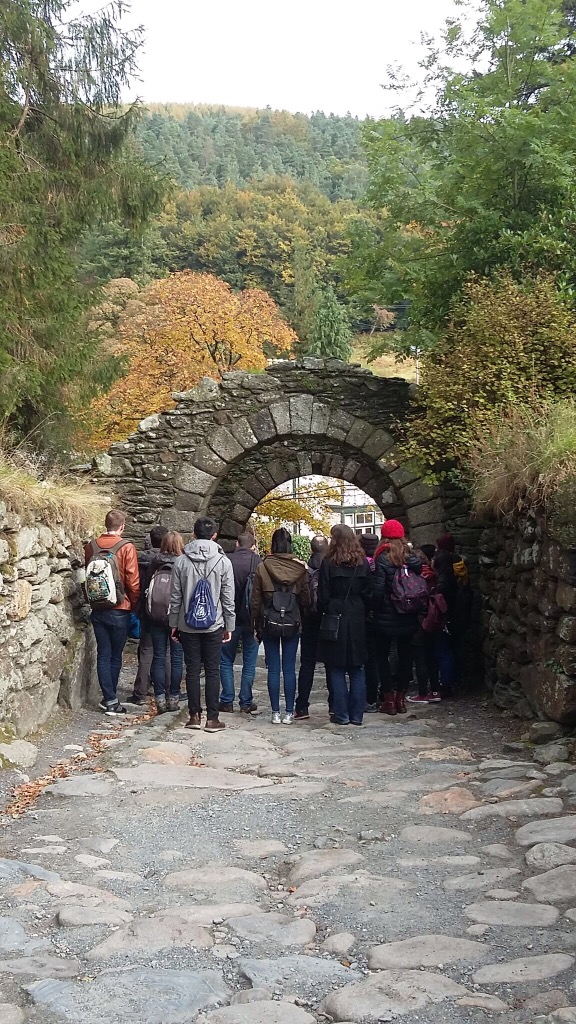
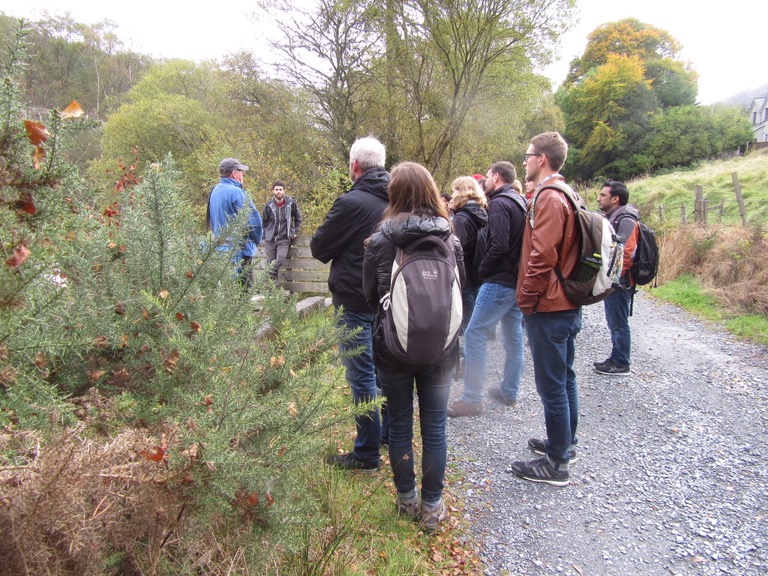
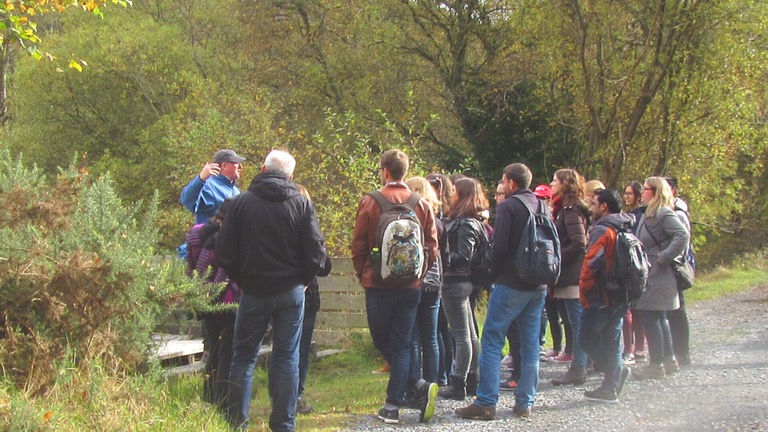
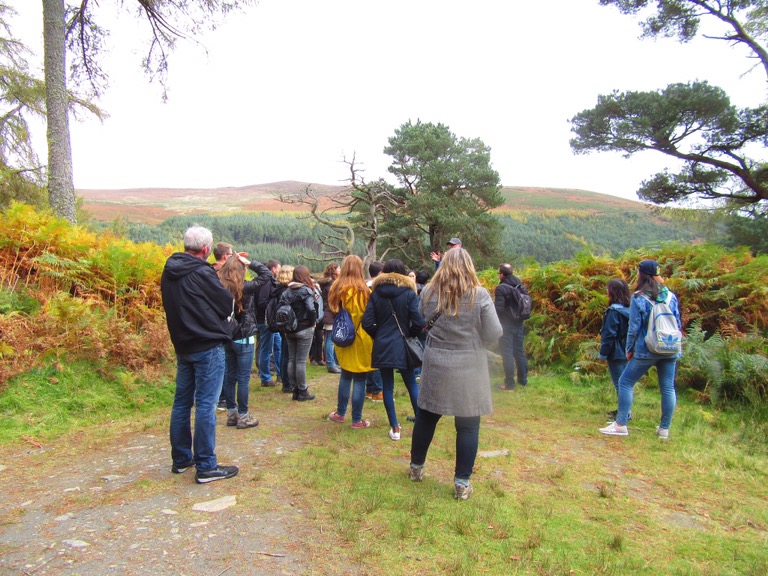
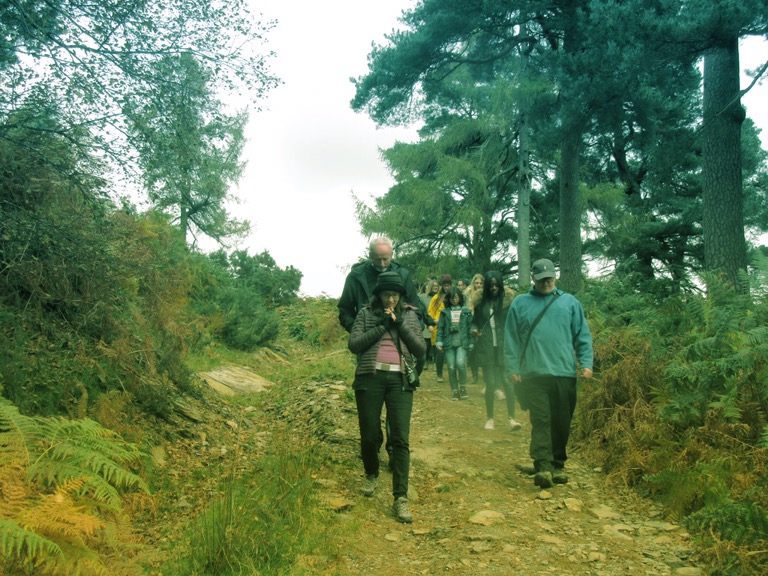
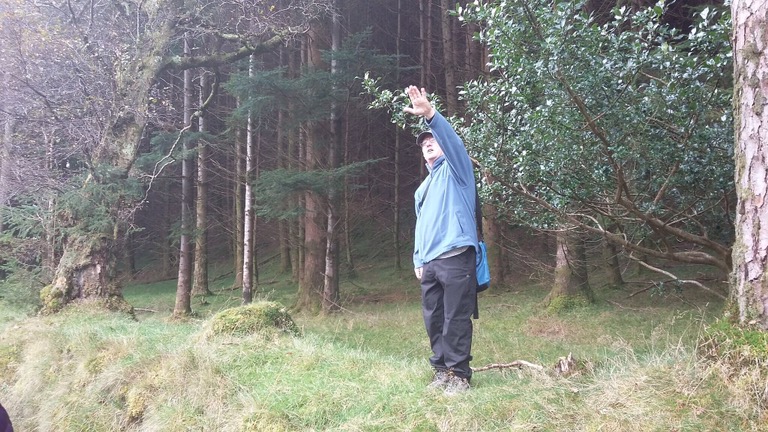
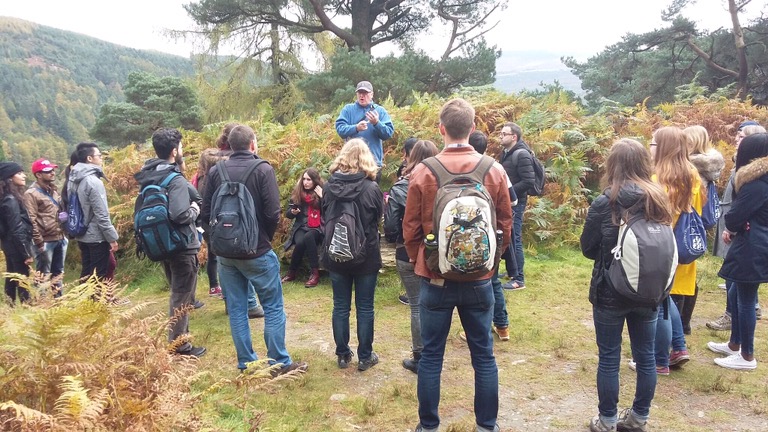
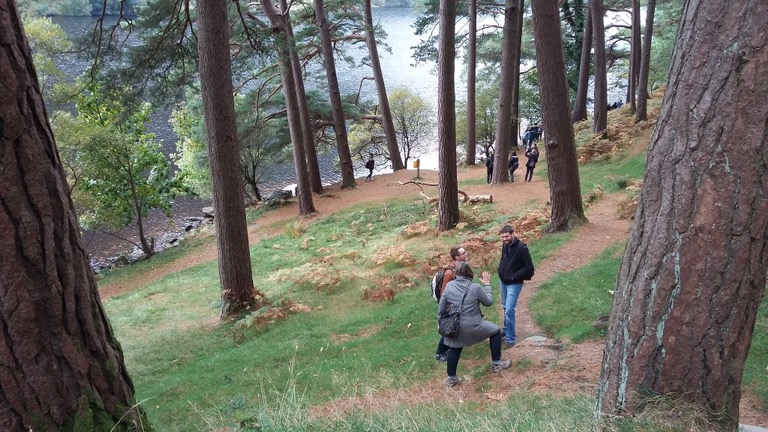
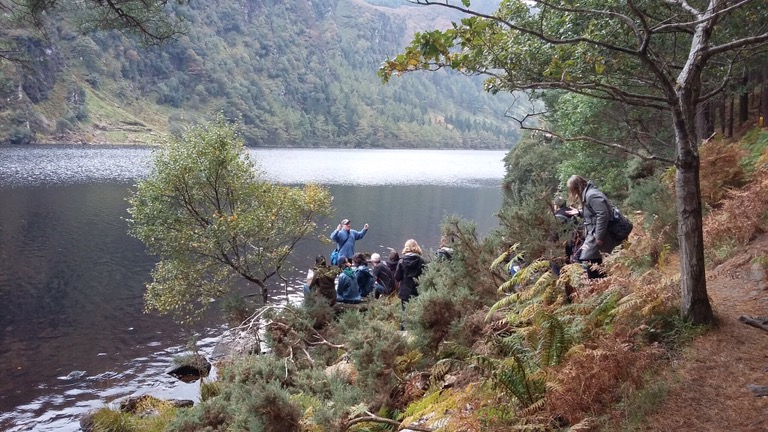
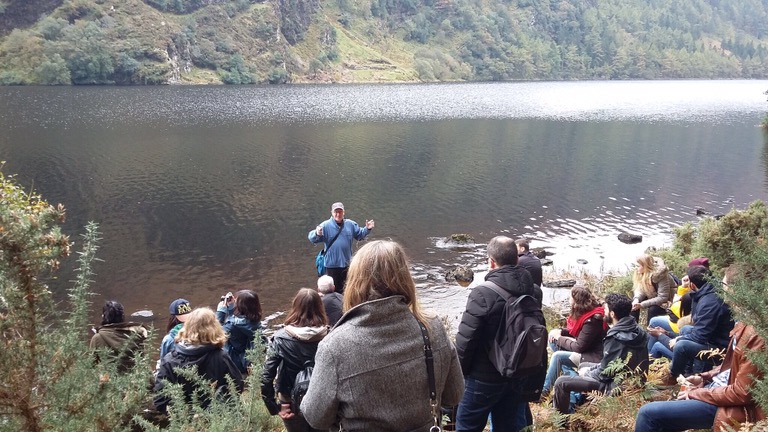
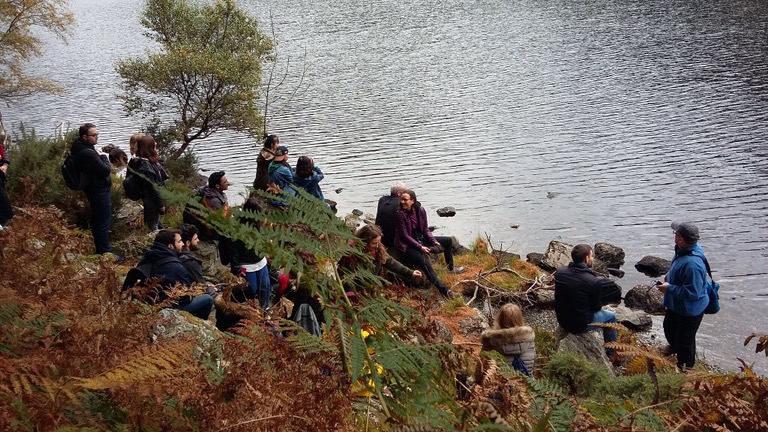
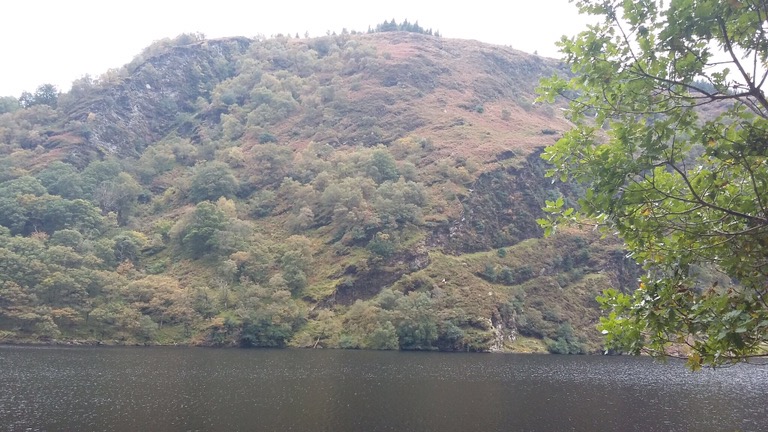
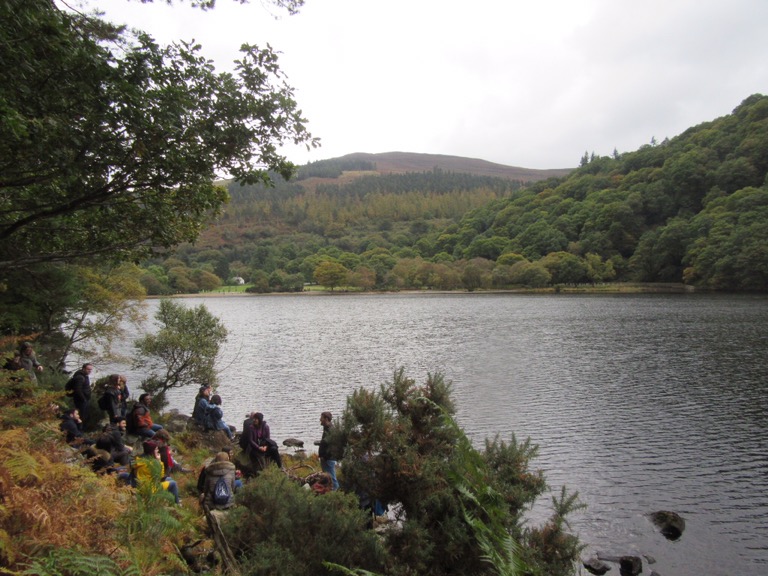
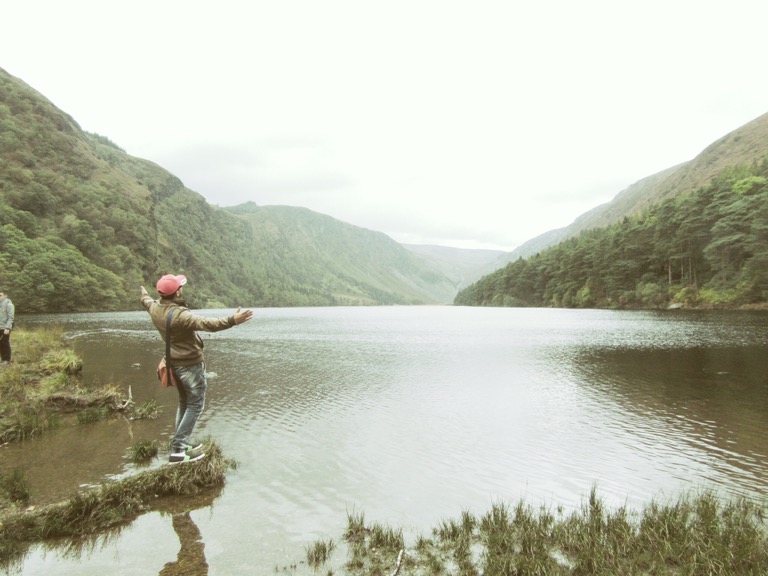
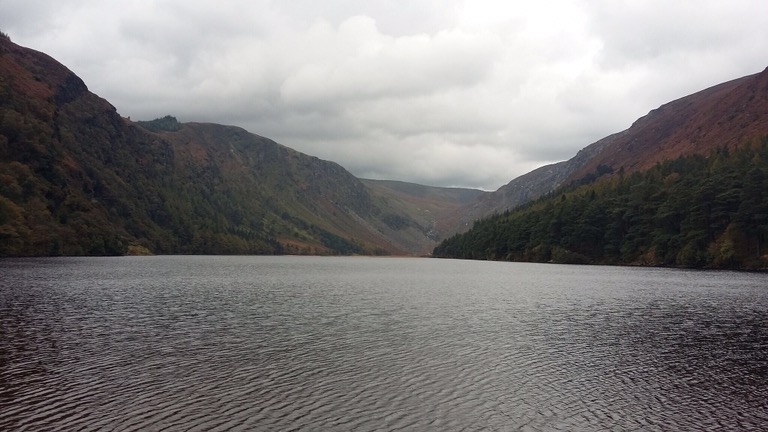
So far this year, I’ve helped out with two events they organised–a trad music event at the back room of the Cobblestone pub, and a day trip to Glendalough national park and ancient monastic city.

The Talented Don McClure Presenting at Maynooth University

As a young researcher, Don McClure lived in my Dublin flat while he was collecting data for his PhD. Now that he’s finished his project, and earned his doctoral degree, he’s working as an Assistant Professor at St. John’s University in New York.

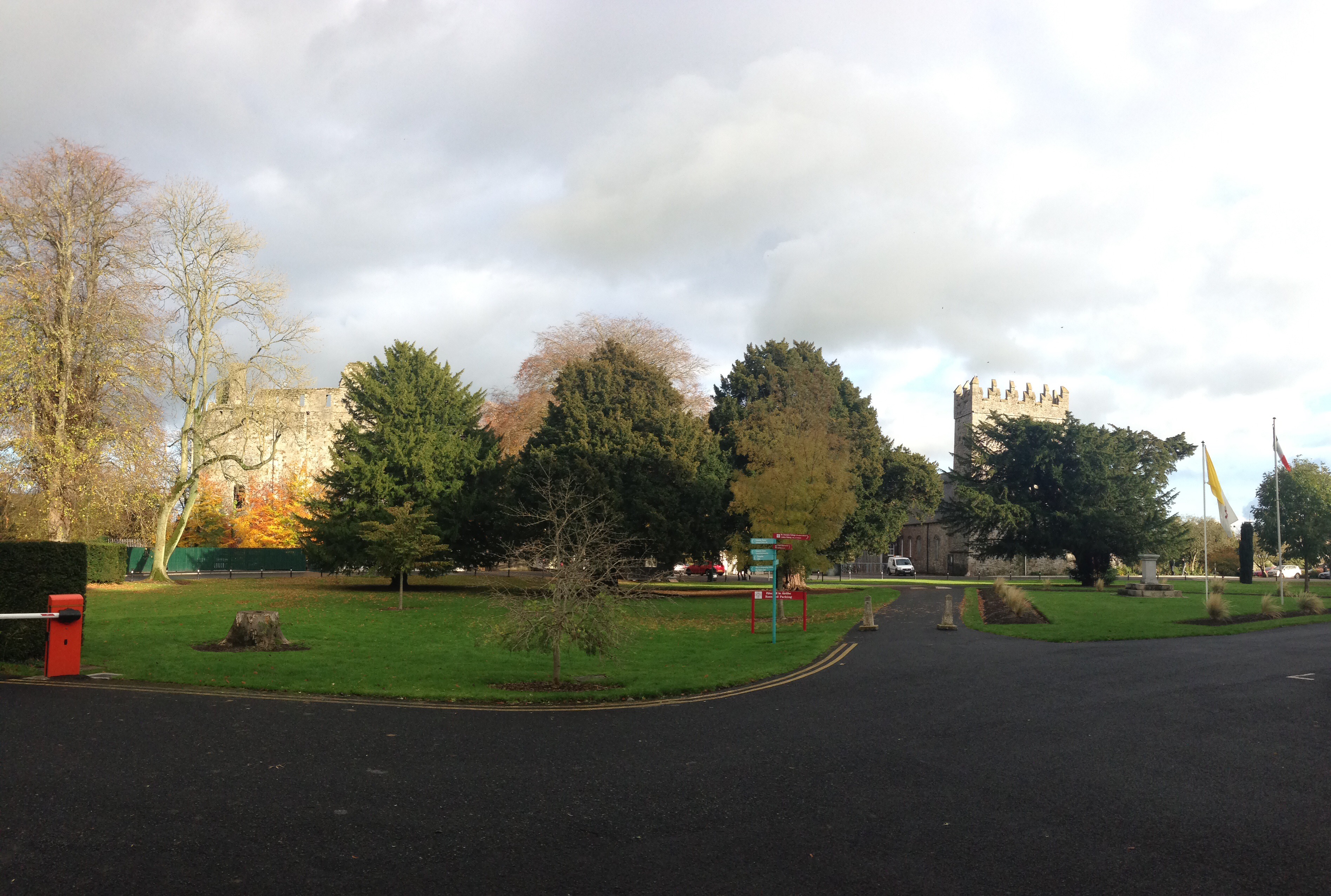
Recently, Dr. McClure was selected to present his findings at a conference held at the School of Education at Maynooth University.   Today was the big day, so Aongus and I headed out to the institution bright and early to hear Don speak.

Both presentations in his session were superb, and afterward we had a chance to chat with Don over coffee.

As Don headed back to his sessions, Aongus and I went out into the day, to explore the campus.

Turns out, it was graduation day and the chapel was open to the public. What an amazing site!

I realized immediately that this was a significant design. Turns out, indeed one of a kind. The University’s website states:

Built between 1875 and 1891, this Chapel has 454 carved stalls, making it the largest of its kind in the world. 

The place reminded me of the wooden theater in Parma, with a Hogwarts sort of mystique. What a treasure!

The webpage is well worth a read.

More Weekend Fun

In addition to the St. Anne’s ParkRun and tour of the Botanical Garden and Cemetary in Glasnevin, we also explored Dublin city over the weekend and had a fun dinner party at my place, hosted by my flat mate, Maurizio.

I’ve attached some highlights, from various adventures in town, but Mau’s lasagna stole the show!


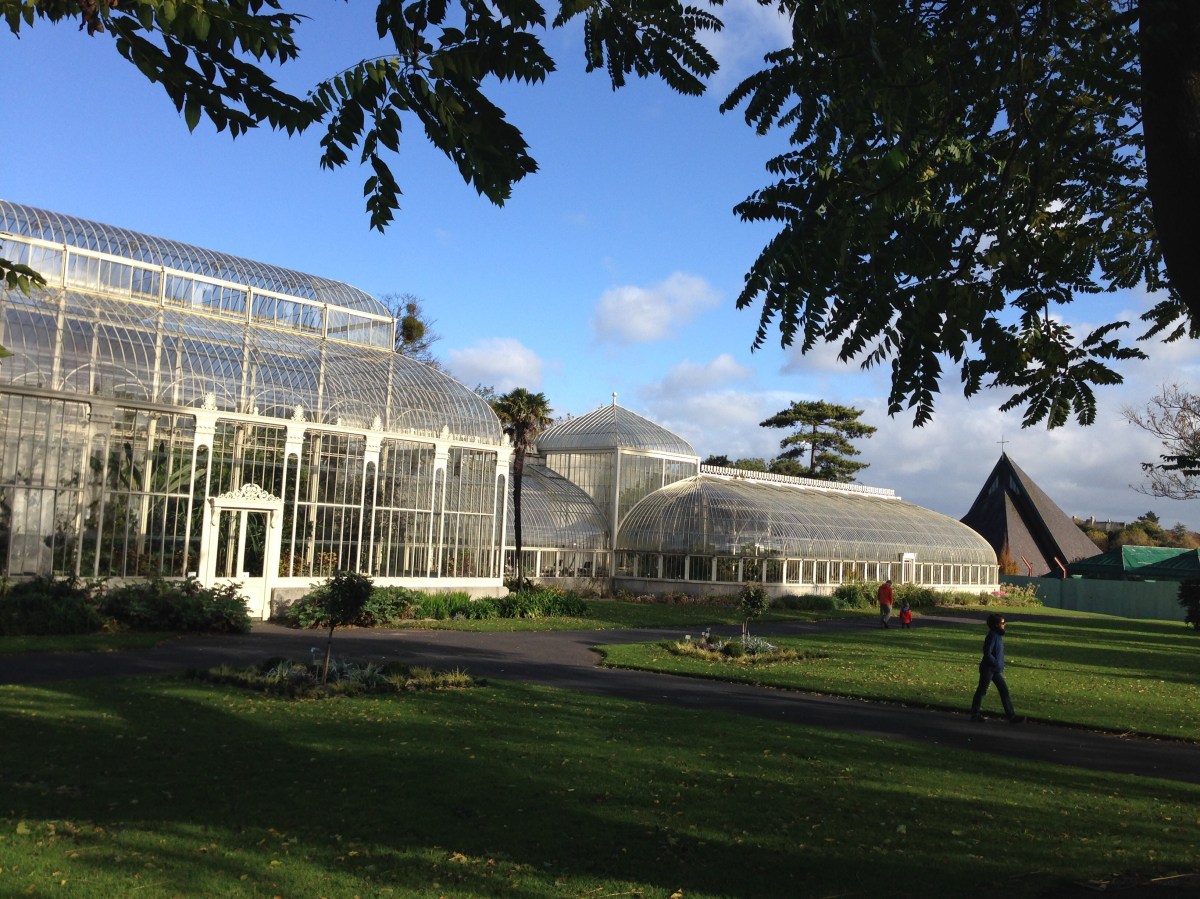
Dublin’s Botanical Garden in its Autumn Glory

img_5149-1The Dublin sun shone again today, making the Botanical Garden ideal to visit. The Victorian-age green houses, sprawling green lawns, and falling leaves drew crowds of enthusiastic park-goers. We strolled the paths, viewed plants from around the world (including many sorts of Venus fly-trap), enjoyed the sensations and colors,  and played in mountains of leaves.

img_5164Then, Aongus and I took a break in the Garden cafe for lunch, and wrapped up our trip to this part of town with a jaunt into the adjacent Glasnevin Cemetary for a stroll, a history lesson, and coffee (with his beloved “coffee slice”). By sunset, when we left the Cemetary, the gate back into the Garden was locked, so we took the side exit out, beside The Gravediggers pub and stopped in for a pint and a half of Guinness.

I’m the half pint!

ParkRun for Some Sun

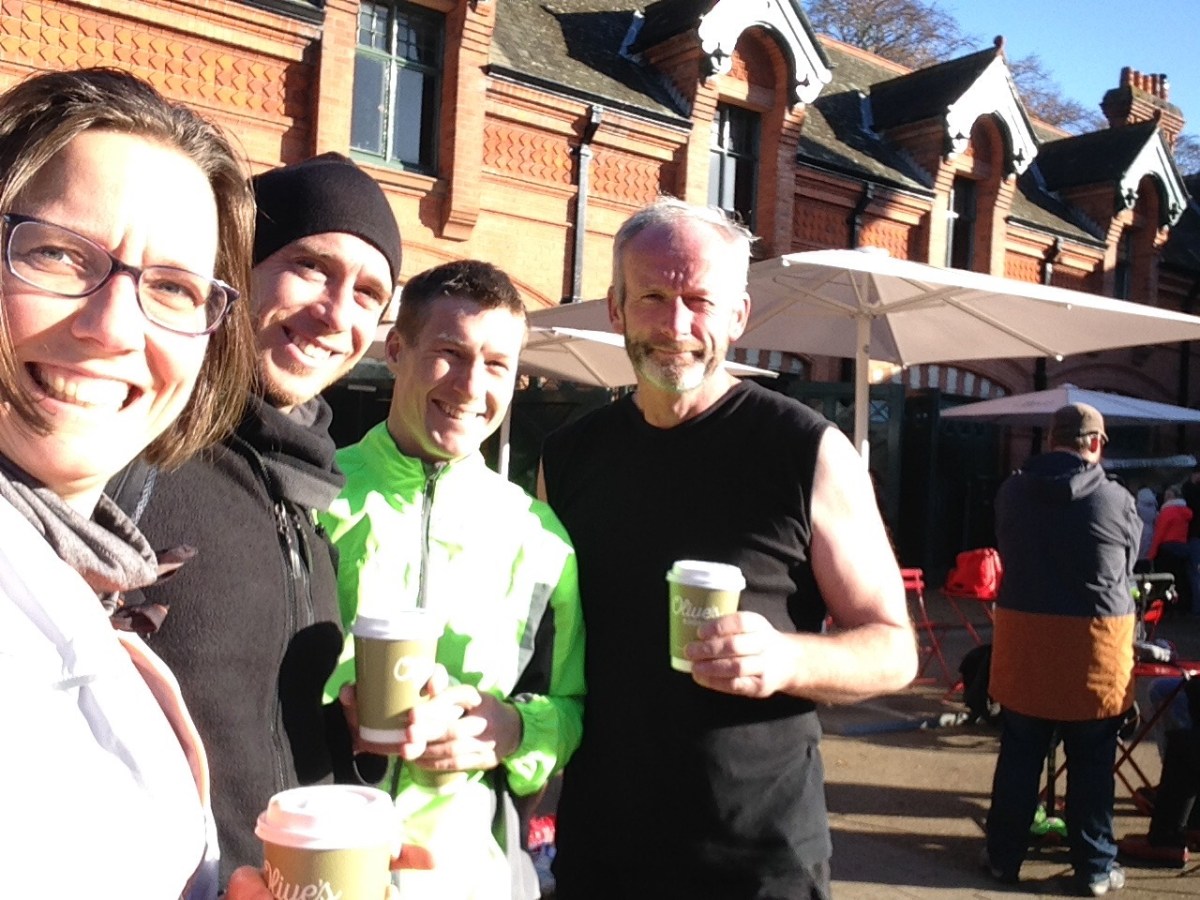
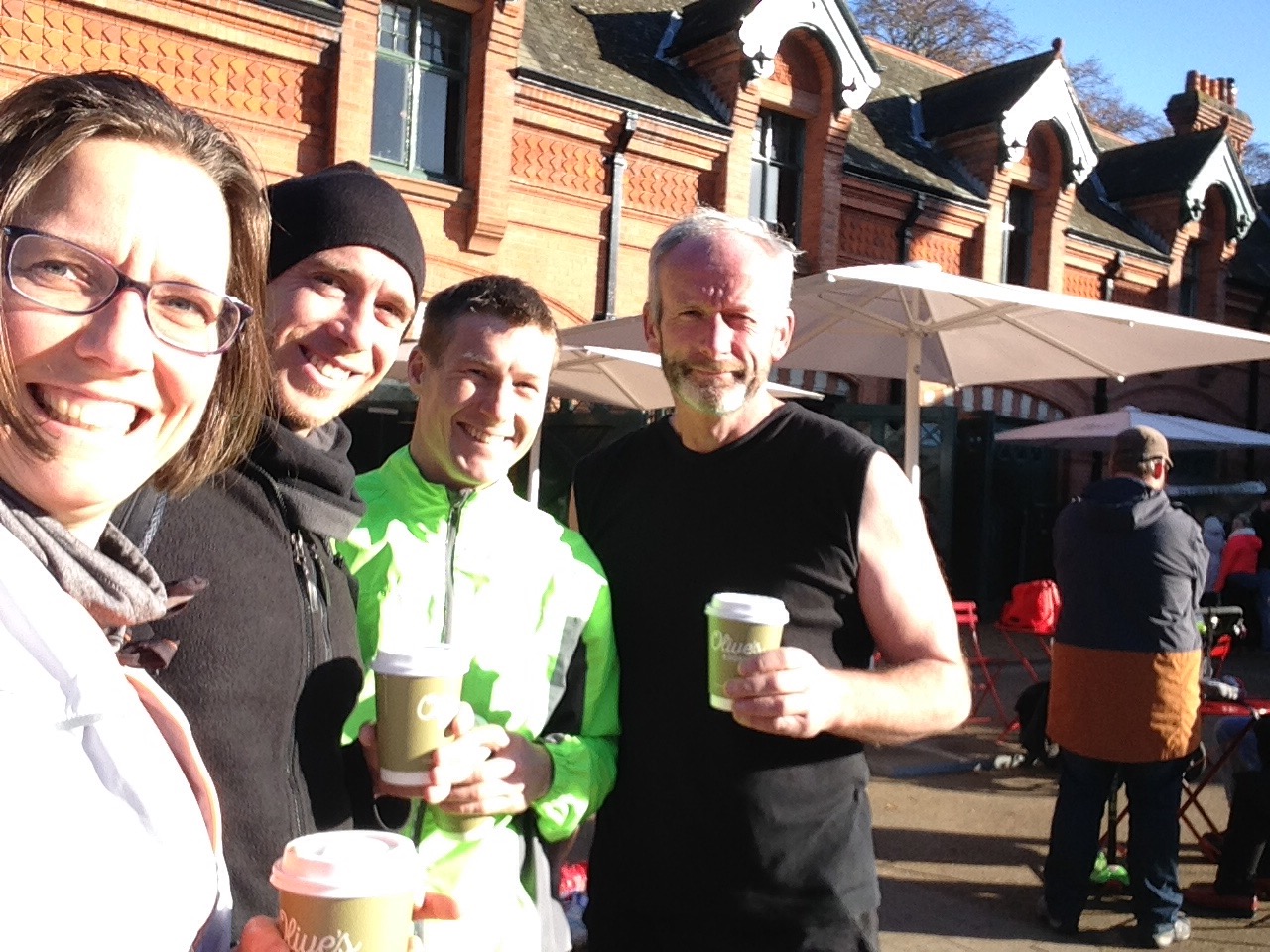
Shannon Chance, Ted Burke, Dave Doorn, and Aongus Coughlan after the St. Anne’s ParkRun

St. Anne’s Saturday morning Park Run in the crisp autumn air–what a treat!  I can’t say I actually ran, though. It was more of a jog! But I didn’t stop to walk even once and, for a 5k, I’ll consider that a success.

My DIT colleague Dave Doorn came in 4th in the field of 303, with a time of 18 minutes, 2 seconds. Ted Burke was 10th, today which is amazing considering last week he ran the Dublin Marathon (in just 3 hours and 12 minutes!). I also saw my colleague and office mate, Kevin Furlong, along the way. As he passed me!

I’ll not post my ranking today, but will celebrate finishing with a smile! It was my second 5k, ever. The previous one was at the Malehide ParkRun, which is also a beautiful site.

Thanks to Aongus for the inspiration to run and sticking by my side for the inaugural run. I just may get the hang of this yet!


Research Methods of Historians

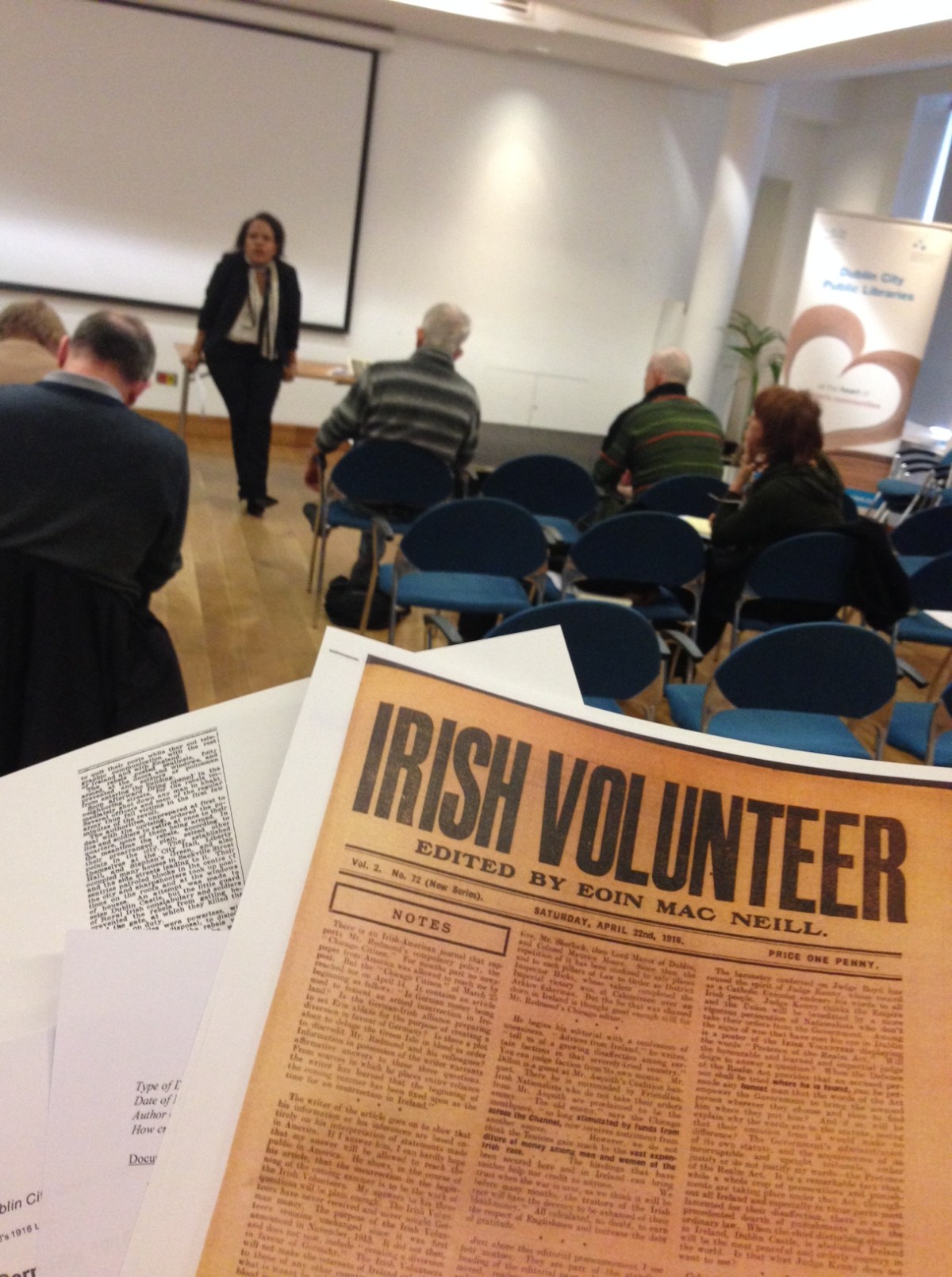
Cecilia Hartsell, an inspiring historian and PhD candidate conducting research here in Dublin, chaired a workshop on Saturday (February 27, 2016) to help people learn about the use of primary documents in research conducted by historians. This was one of six separate events Cecilia is organizing to celebrate the 100th anniversary of the 1916 Uprising that eventually garnered Ireland’s independence from British rule.

The event was held at the Pearce Street Library (a street named for one a hero of the 1916 Uprising) included a keynote lecture by a historian from Trinity College Dublin named Brian Hanley, tea and coffee, a short talk on the evaluation and usefulness of primary documents by Cecilia Hartsell, and time for participants to work in small groups to study primary documents related to the uprising. In the end, each group presented its findings and we discussed what we’d learned.

I’m looking forward to Cecilia’s upcoming events!

From Lockdown to Lisbon

Lisbon 1Over Thanksgiving week, I was part of a panel to evlauate EU grant applications. These events are normally held in Brussels, and since the flight and accommodations were both cheaper starting on Saturday, I flew in early. Suffice it to say, I arrived just in time for the lockdown. Our evaluation activities were not held in person as a result, but nevertheless, our  panels conducted all the necessary meetings using online tools. We successfully completed all our evaluations on schedule, using software that I believe was to be implemented in January in any case.

The highlights of my time in Brussels are captured in the attached photo gallery, which includes a gratuitous cat photo to mark Brussel’s cat postings on Twitter. The authorities asked citizens not to post info on their activities, so the folks in Brussels posted fun pictures of their cats’ activities during the lockdown, including quite a few PhotoShopped images just for fun. I didn’t have any time free to PhotoShop, but I Tweeted this cat photo in solidarity.

After spending a full week indoors–evaluating work, attending online meetings, submitting reports, reviewing and approving reports, finalizing and submitting my own grant proposal to Science Foundation Ireland, and finishing my read of a PhD thesis (what we in the USA call a dissertation)–I was more than ready to hail a cab to the airport and fly off to Lisbon.

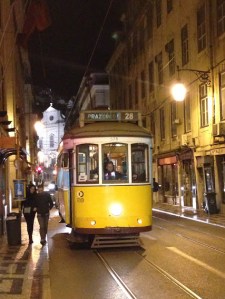
The sunshine, good cheer, and fabulous food of Lisbon were so very welcome after a cold and lonely week alone in Brussels. I’ve attached a gallery of snapshots from Lisbon and, in a post to follow, I’ll tell you about the thesis evaluation panel I attended there.

In the Know on Assistive Technologies with Dr. Matteo Zallio

Dr Matteo Zallio seminar at DIT 4Assistive technologies can help us age more safely and gracefully, and live independently for much longer than we could on our own. My colleagues in engineering have been involved in growing these technologies. They’ve established the tPOT research group here at DIT to facilitate innovation in this area.

I recently attended a seminar at DIT by Dr. Matteo Zallio who has done very interesting research. Matteo is an architect with a PhD in assistive technologies and he spoke about “Environments and Smart Objects: Ambient Assisted Living for Long Lives of People.”

Matteo has developed a rating system to help people assess how well various products and places support aging. The rating system is hypothetical at this point–it’s been well-developed but not yet adopted for implementation. I’m hoping it will be soon.

I’ve researched facilities and designs to support aging in place in the past, so I had many questions and comment at the end of Matteo’s presentation. I even Skyped with him following his lecture to answer questions he had about moving to Dublin. I’m pleased to say he’ll be joining the tPOT group as a postdoctoral fellow next fall!

Pictures from his lecture, and his impressive book, are posted in this photo gallery:

A Portrait of Engineering (and Architecture) in Warsaw

That's when dad and I were building an experimental aircraft. (that's still half done, I'm sorry to say).

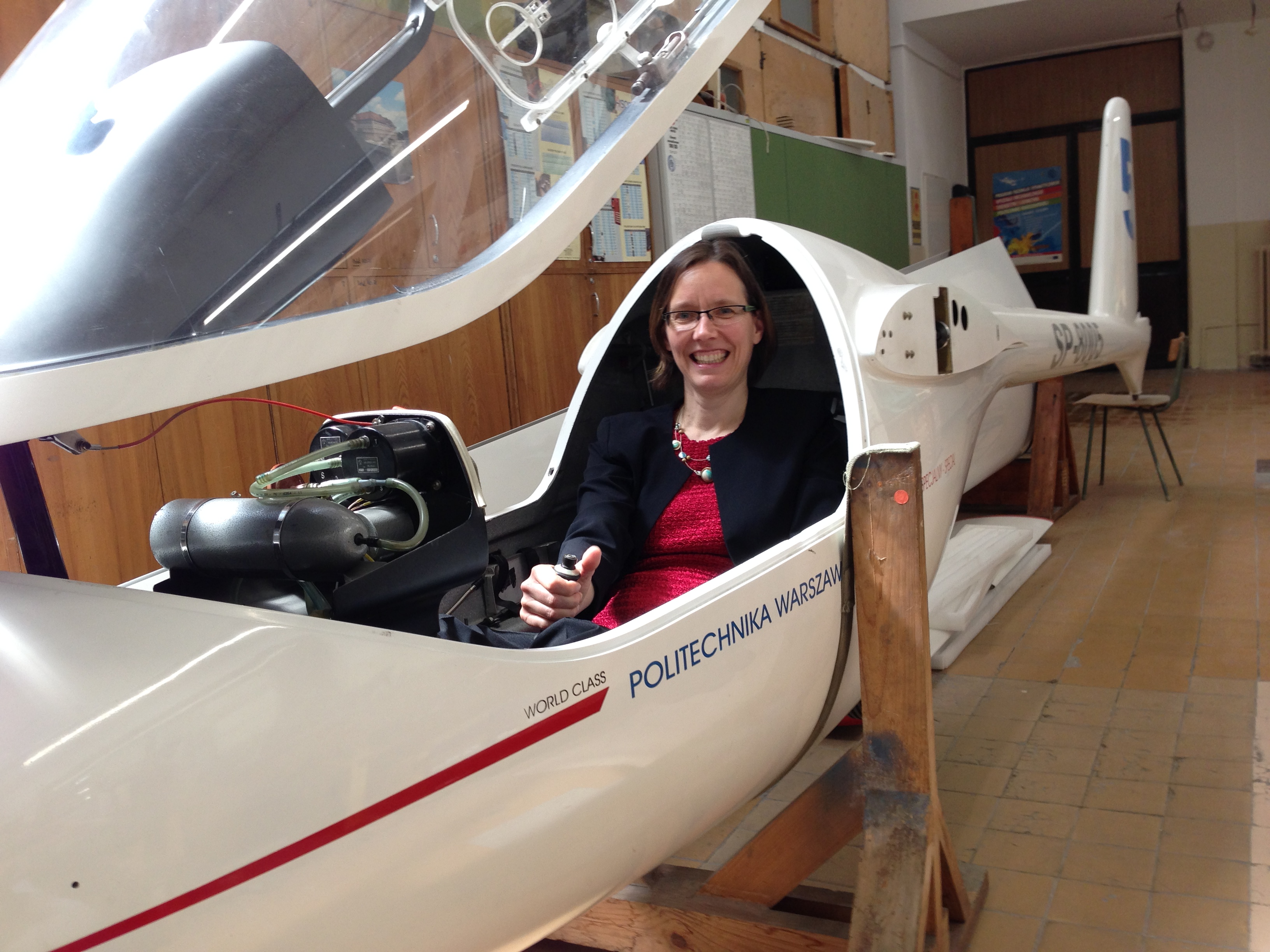
Me and WUT’s PW-5.

I just spent a most unexpectedly sublime week in Warsaw. What a beautiful, walkable, and livable city! Just the right density — useful public transport, affordable bike rentals, green space at regular intervals, and architectural monuments galore.

My primary task was to conduct interviews with budding engineers. Over the course of the week, eleven Polish women (who are studying various sorts of physics and engineering) each volunteered an hour and a half to share their experiences with me. It was amazingly insightful to discover similarities and difference with the experiences of the 10 Irish and 11 foreign-born women I’ve interviewed at Dublin Institute of Technology. (I also have 11 interviews recorded with Portuguese women, but these must still be translated.)

Fortunately for me, the students in Poland can opt to take their classes in Polish, or English, or a mixture of both. These Polish women spoke English very well and were bold enough to grant me interviews in my own native tongue.

In the evening hours I had time to explore some sites, depicted in the photos below.

Crafting Lisbon

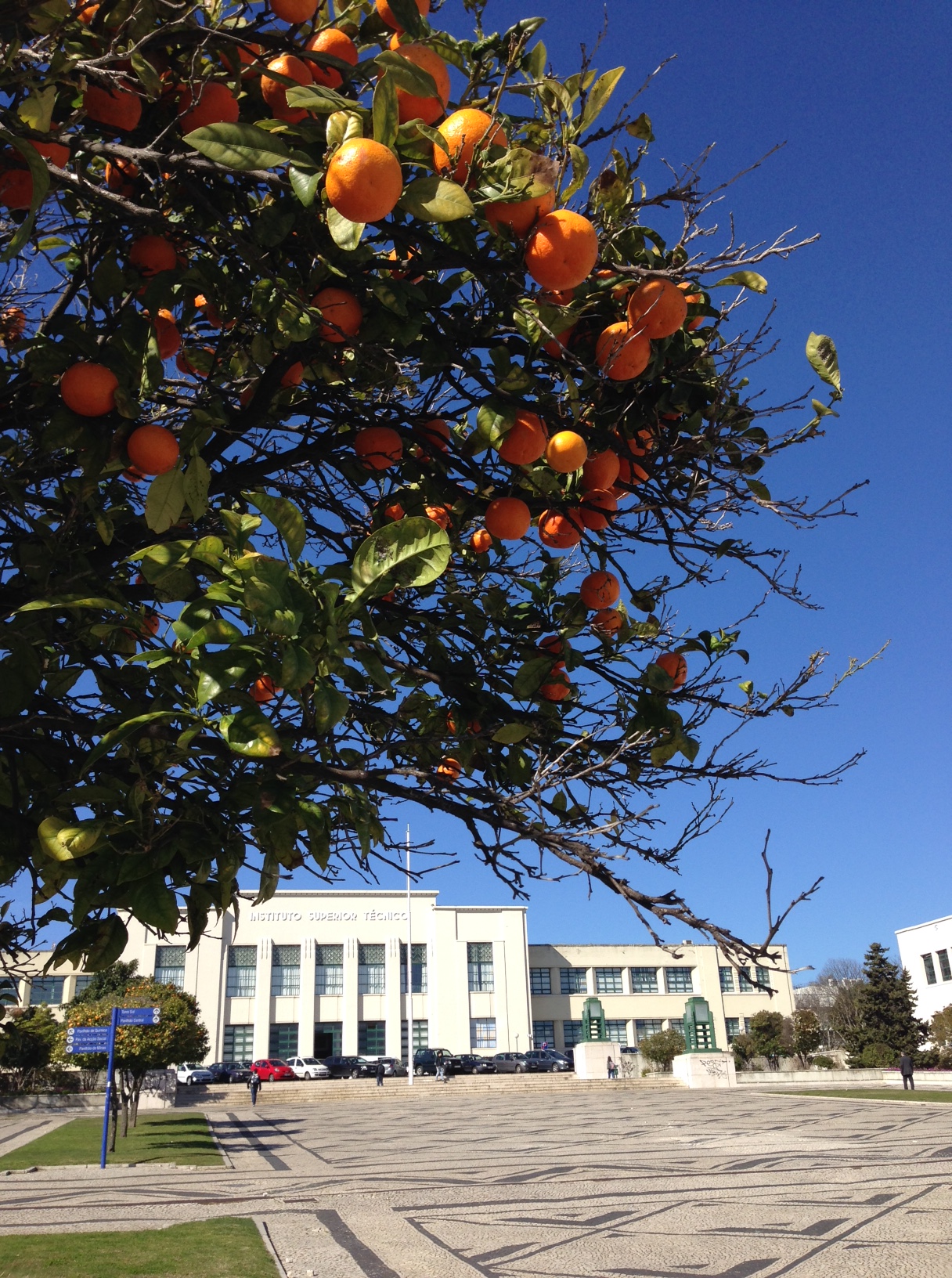
Orange trees along the entry IPS.

Orange trees along the entry IPS.

My Friday visit to the architecture school of the Instituto Superior Técnico (IST) was icing on the cake after a week of engineering interviews, conducted across the bay from Lisbon at Escola Superior de Tecnologia do Barreiro (a branch of the Instituto Politécnico de Setúbal, where I had interviewed students their experiences as engineering students as part of my Marie Curie research project).

You might recall that I delivered workshops at IPS and IST as a Fulbright scholar, back in 2013 (click here for more).

For a little more fun on my last day in Lisbon on this trip, I took the Metro over to IST. There, I visited the first year studio to hear student teams present their urban analyses of Lisbon districts. I toured the 2nd-5th year studios with my gracious faculty hosts and I wrapped up the afternoon discussing recent work with PhD students from the Architecture Research Group who I’d met on my previous trip to Portugal. The doctoral students — Maria Bacharel Carreira, Luisa Cannas da Silva, Mafalda Panheco, and Sajjad Nazidizaji — and thier professor Teresa Valsassina Heitor took me for a beer at the end of the day.

IPS's Escola Superior de Tecnologia do Barreiro

IPS’s Escola Superior de Tecnologia do Barreiro (image from http://www.estbarreiro.ips.pt/)

Many thanks to my colleagues at IPS, Bill Williams and Raquel Barreira, who helped arrange and conduct interviews. Thanks also to the ISP students who provided interviews and the IST teachers and students who shared their work with me. I can’t wait to visit again!