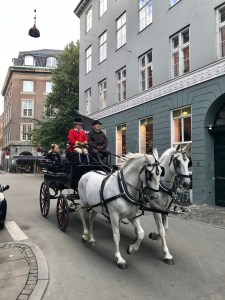
Copenhagen
Following last week’s meeting of the European Society for Engineering Education (SEFI) in Copenhagen, I enjoyed a post-conference dinner with colleagues, explored Copenhagen’s old town in the morning, and then jetted off to Greece for a second international conference–this one on Interactive Collaborative Learning (ICL). I spent a day in Athens en route, inspiring a deep sense of awe! For an architect like me, visiting the Acropolis is a must, and the experience was even more uplifting than I’d expected. I loved Athens and I will certainly return!
The photo album in this post includes photos of the day I spent cycling around Kos with my colleague, Dr. Stephanie Ferrall, and also from my one-day layover in Athens. It also provides a glimpse into the conference events to show what the work of a traveling researcher really looks like.
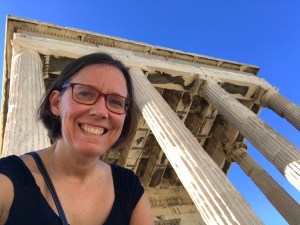
Athens
The highlight of the ICL conference was getting to know colleagues with similar interests. I particularly enjoyed getting to know the Portuguese and Sri Lankan delegations and the keynote speakers.
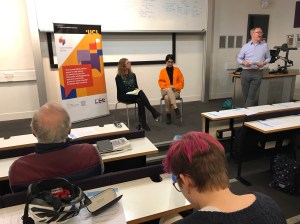
Presentations were interesting and informative and I’ve posted photos of Anuradha Peramunugamage (from Sri Lanka), Stephanie Ferrall (USA), Christina Aggor (Ghana), and Rovani Sigamoney (currently from France) presenting their work.
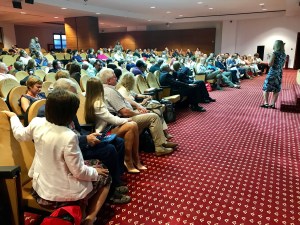
Dr. Ferrall’s ICL keynote
Stephanie was a big reason I attended. I submitted a paper for this conference after seeing she was listed as a keynote speaker. Stephanie and I were research fellows in Dublin together at DIT during the academic year 2014-2015. Stephanie is a world expert in engineering education pedagogy and in supporting LGBTQ+ students. She is currently the national president of the American Society of Engineering Education (ASEE). Her work focuses on inclusivity and “revolutionizing diversity” in engineering schools. Stephanie’s keynote speech at ICL focused on classroom diversity whereas the keynote she delivered the week before, at SEFI, described large-scale patterns and philosophies regarding diversity. At ICL, Stephanie was honored by the International Society for Engineering Pedagogy (IGIP) with its highest award, the Nikola Tesla chain.
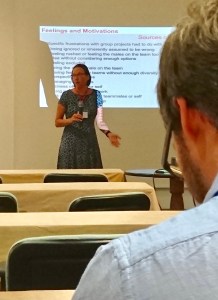
My ICL presentation
I was also drawn to this conference because much of my research has to do with engineering students’ experiences of collaborative learning and that is the core subject of the conference.
At the ICL conference, I presented one line of my analysis, a study of Middle Eastern women’s experiences studying engineering abroad in Ireland. I collected interviews with eight such women over a period of four years. You can download “Middle Eastern Women’s Experiences of Collaborative Learning in Engineering in Ireland” at this link: https://arrow.dit.ie/engschcivcon/109/. The citation for the paper is:
Chance, S. M., Williams, B. (2018). Middle Eastern Women’s Experiences of Collaborative Learning in Engineering in Ireland. International Conference on Interactive Collaborative Learning (ICL) in Kos Island, Greece, 2018.
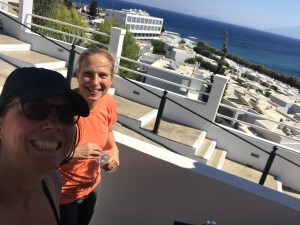
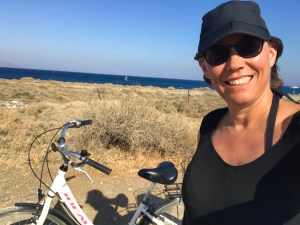
Bike tour of Kos Island
As there were a few days free between SEFI and ICL, I’d gotten to spend time exploring Kos with Stephanie before the second conference. I posted some photos of us on Facebook with a notable but unanticipated effect. A colleague of mine from the Centers for Disease Control (CDC) in the USA, Christopher Kochtitzky, took notice and reached out to connect with Stephanie since their goals for changing the world overlap.
 Thus, one of my top accomplishments of this conference was connecting my colleagues from the CDC and ASEE. Soon Stephanie and Chris will be working together. They will connect engineering educators and students with the CDC’s new initiatives to increase physical activity across the US population and to improve public transportation, particularly with regard to accessibility. Stephanie will be able to tap into Chris’s experience and policy research and Chris will access Stephanie’s national contacts to help achieve CDC goals.
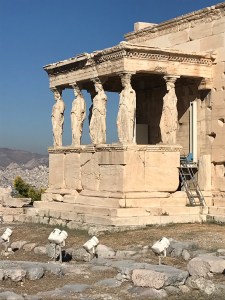
On the Acropolis in Athens
The best surprise of my trip to Kos was meeting and getting to know Rovani Sigamoney from the United Nations Educational, Scientific and Cultural Organization (UNESCO). This organization does amazing work. UNESCO was created following WWII to help preserve cultural monuments, artifacts, and places. Today it seeks to get better educational opportunities to the world population and to improve living conditions. I’ve always admired UNESCO’s work but saw it as a big, far-away organization. Now I see ways I can contribute, and I’m getting straight to work! Thanks, Rovaini, for the fine job you’re doing with the engineering division!
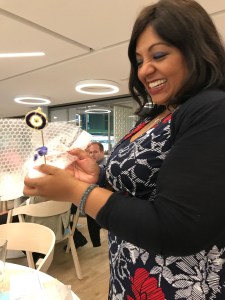
UNESCO’s Rovani Sigamoney
On the last evening of my trip, I dined alone. The waiters provided my favorite dessert, although it wasn’t on the menu, and they made it a gift. Shortly before that, I had snapped a photo of the Kos police station in the evening light (see the end of the photo gallery). Little did I know I’d be back at that station in the morning, to report that I’d dropped my purse.
Into every life, a little rain must fall, and in this case, my purse fell off the back of the e-bike I had rented to get around town on the last day. With the generosity of many different people, I managed to make my way back to London late Saturday night. Now I’m working to recover all those bank cards and government-issued photo IDs. Thankfully, though, I still have my health and my happiness and great memories of Copenhagen and Kos, and friends new and old.


 It’s been a hectic few weeks, beginning with


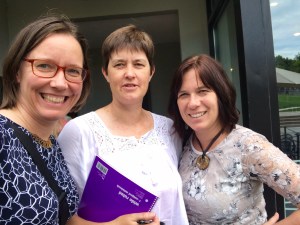


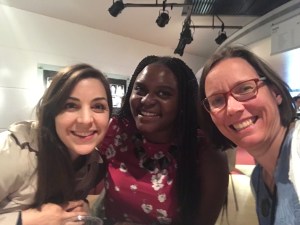


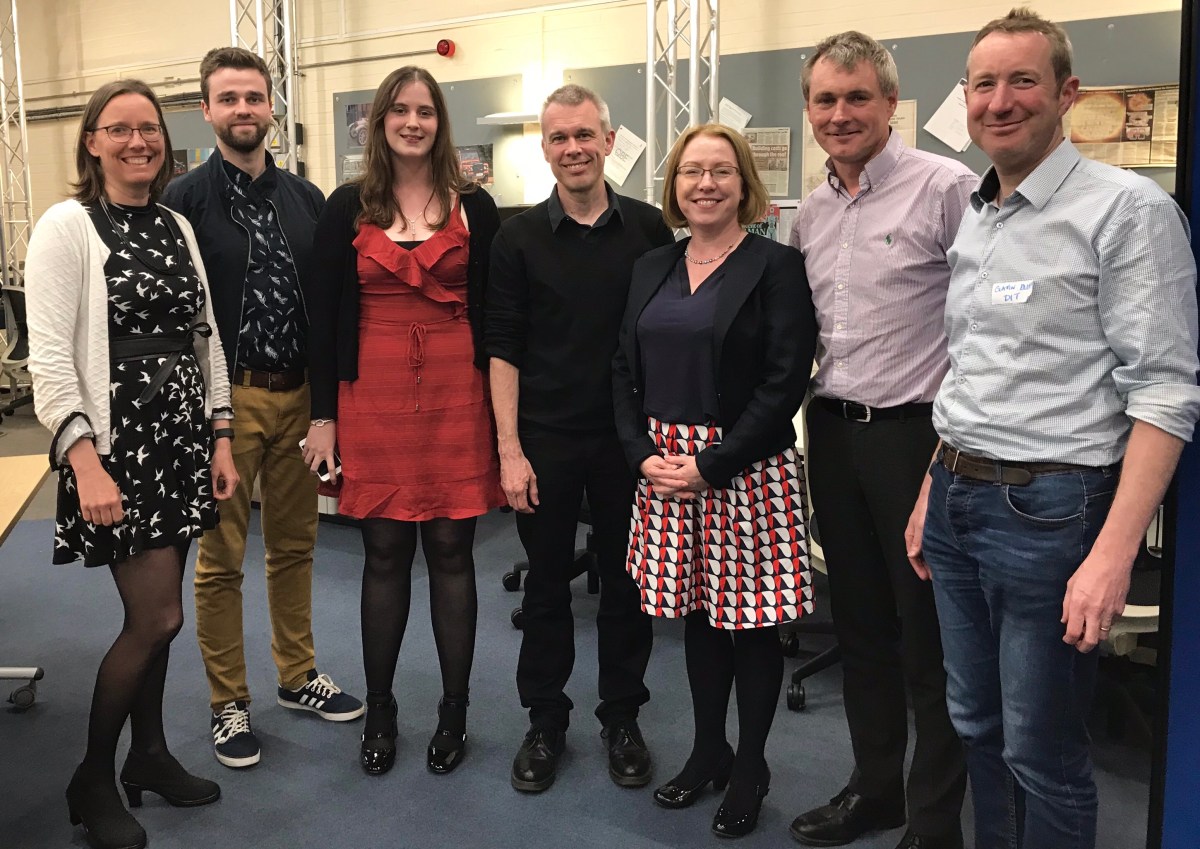
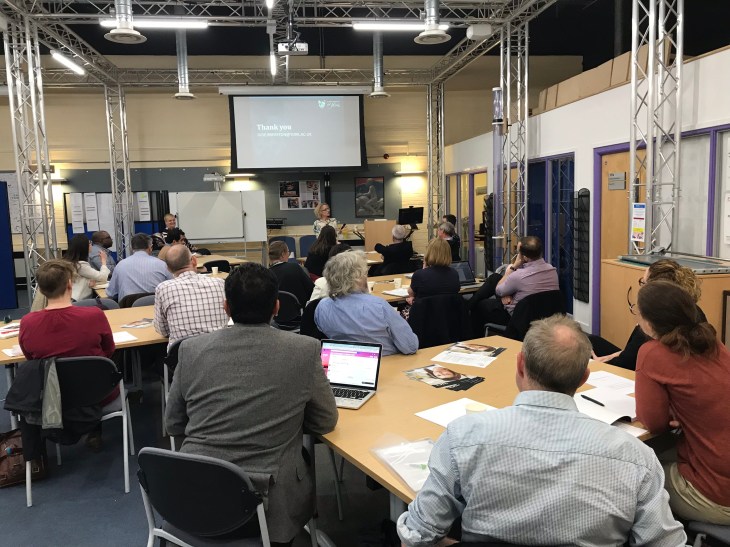

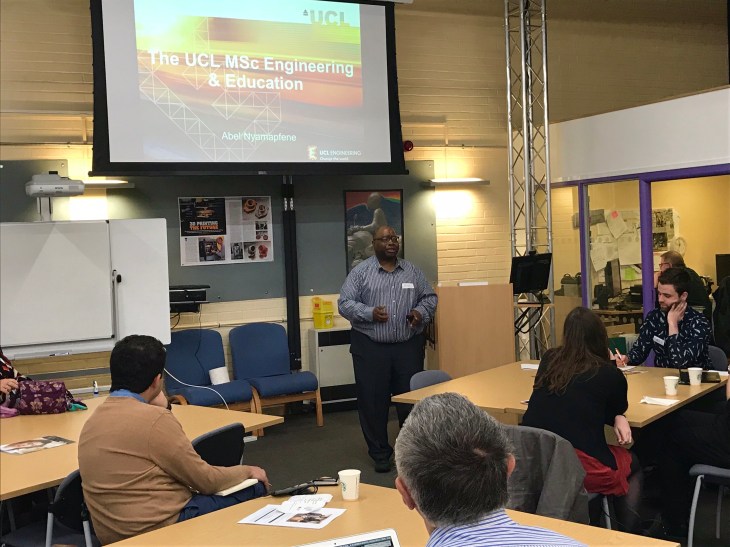
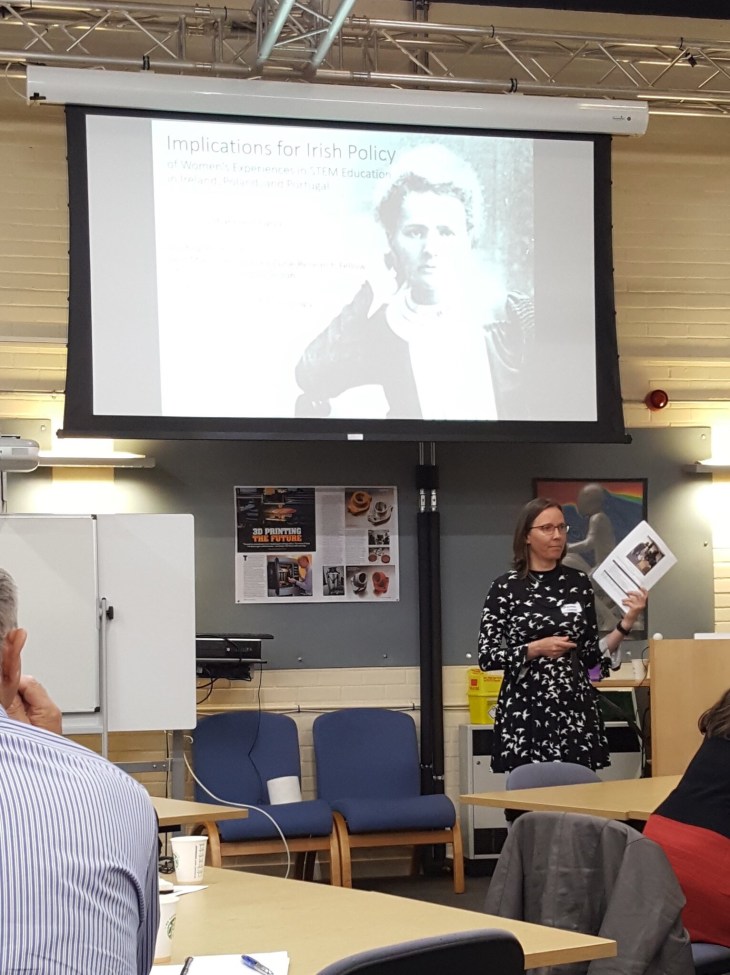
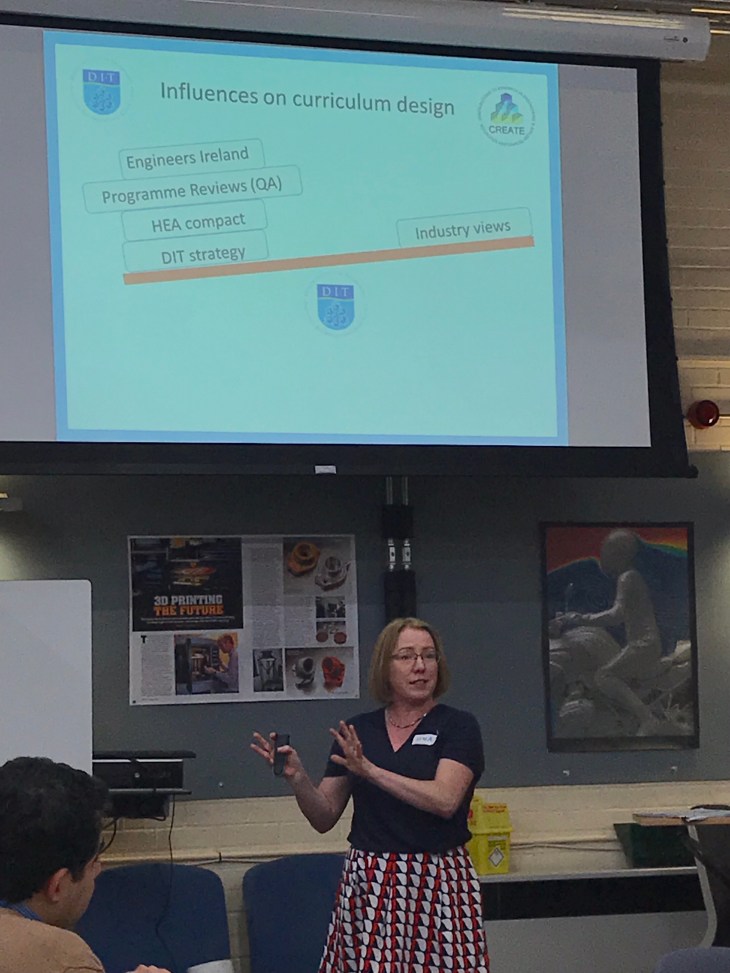
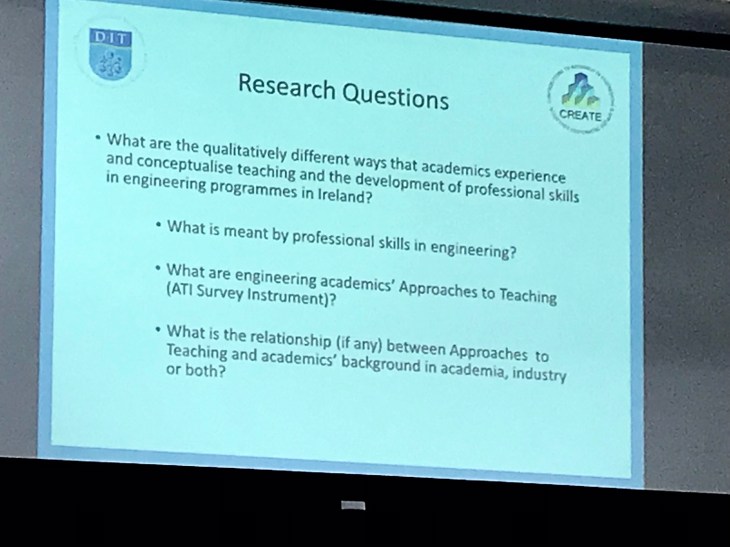
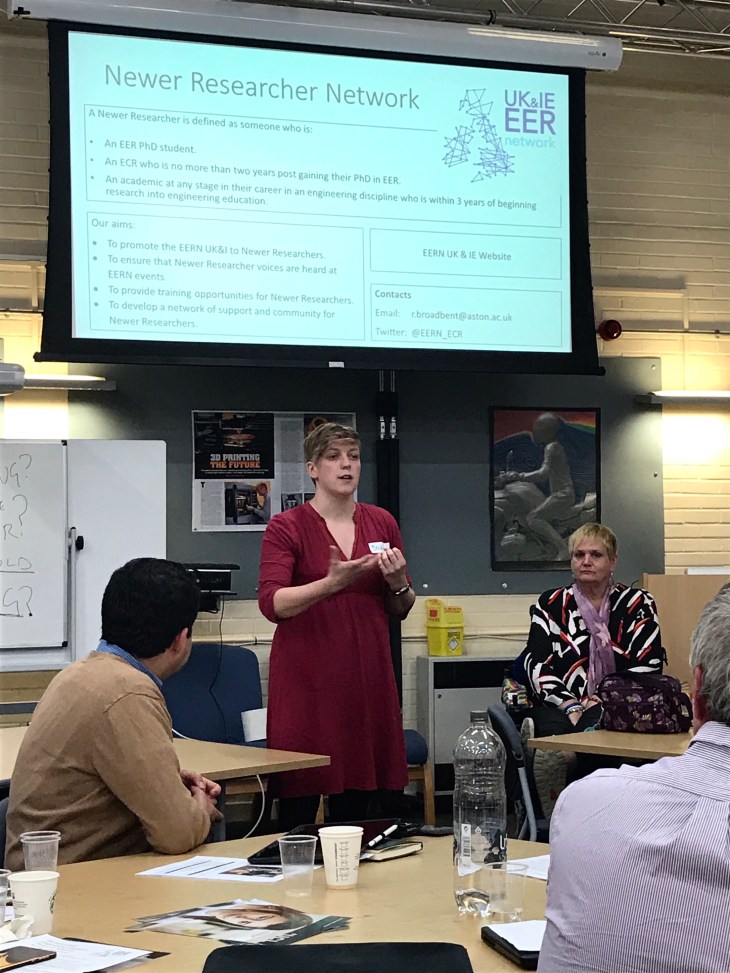
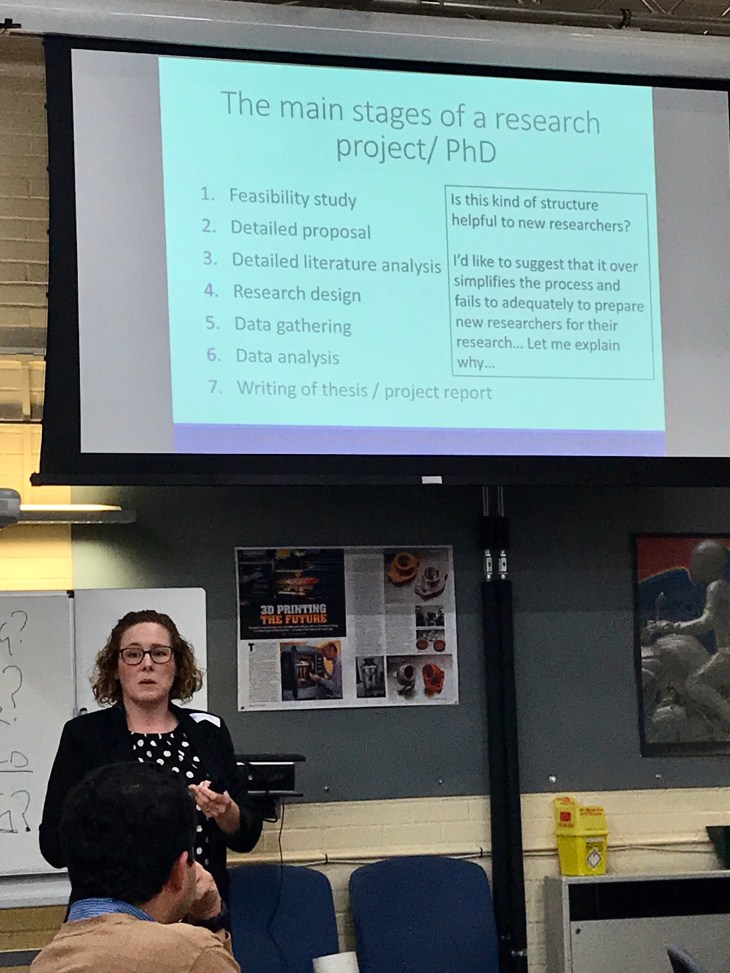
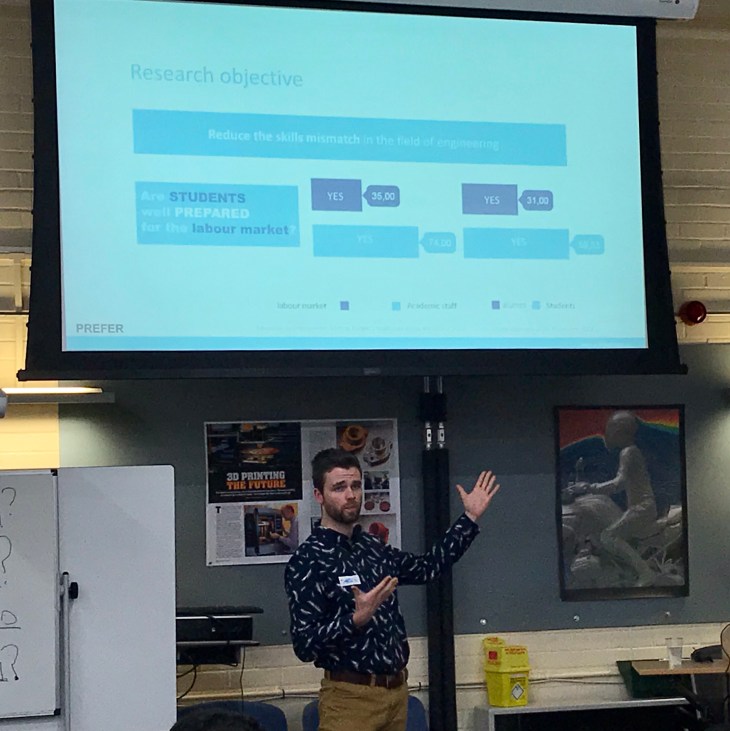

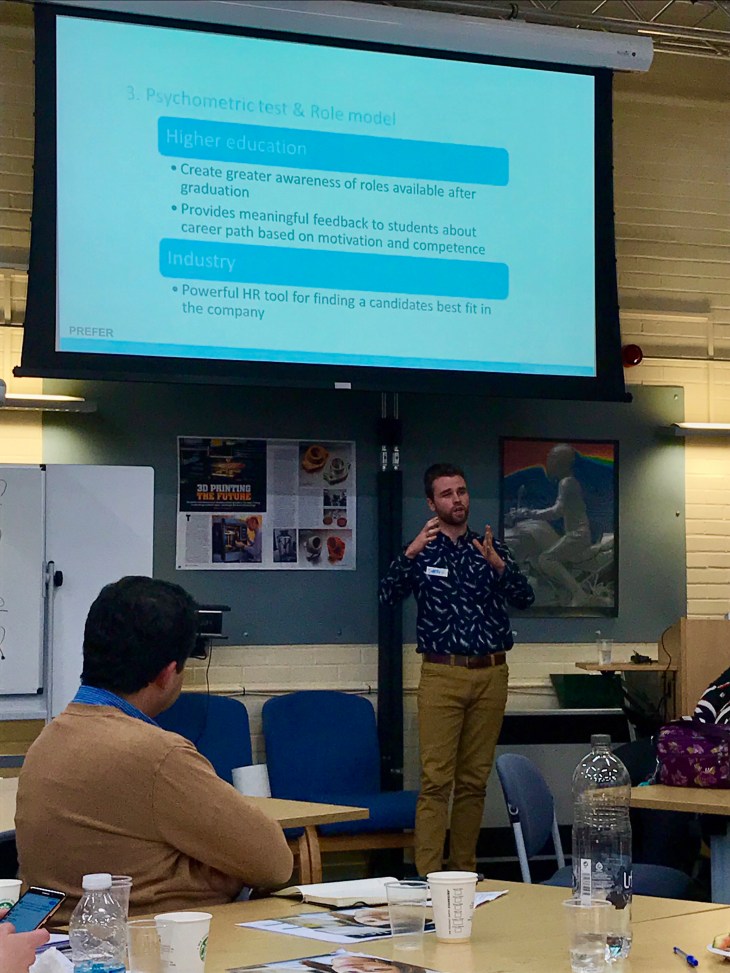


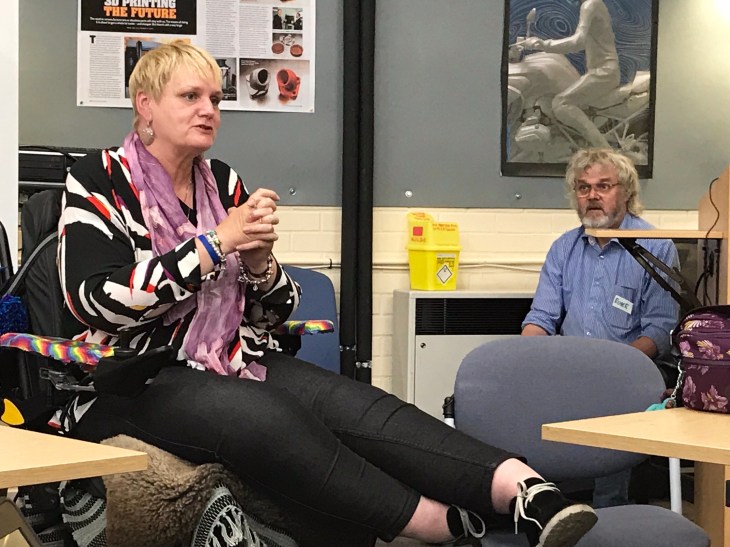
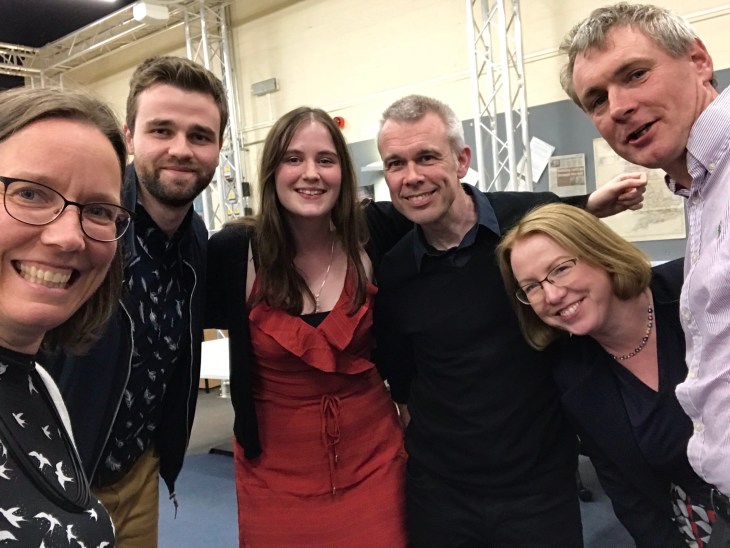

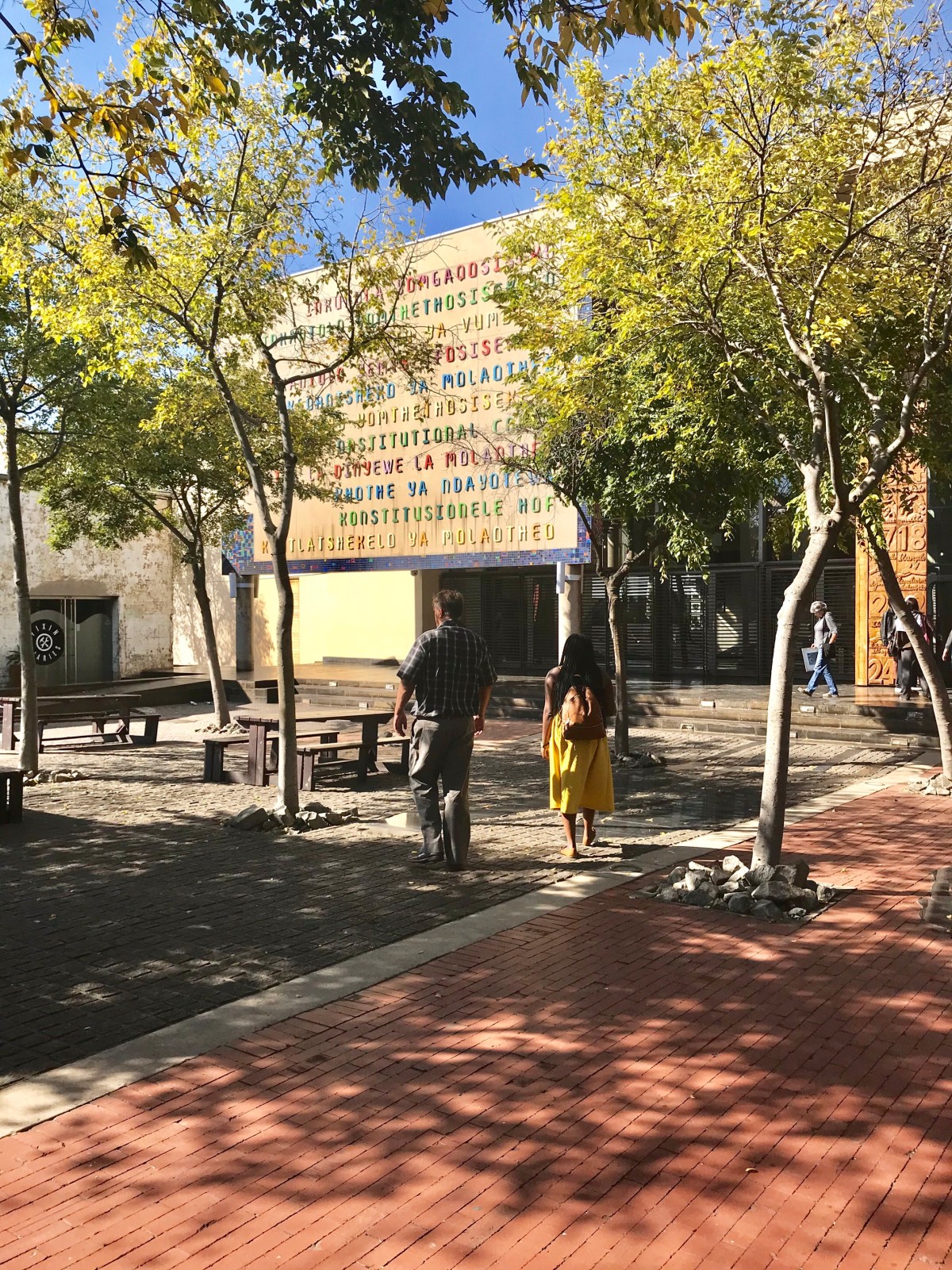


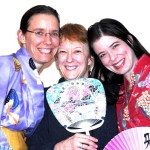
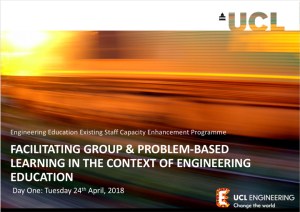 Similar to Heather, I was in Johannesburg this past week, facilitating a workshop for 26 engineering educators from all over South Africa.
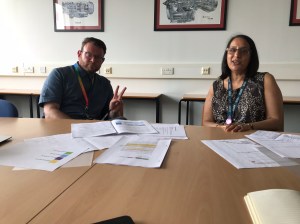
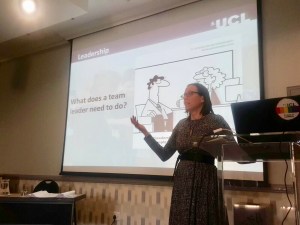
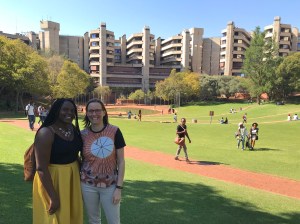
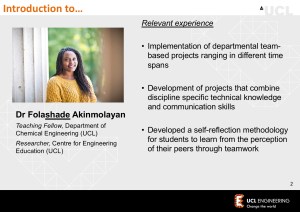
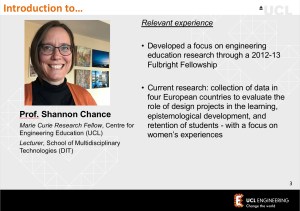
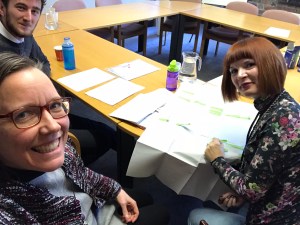
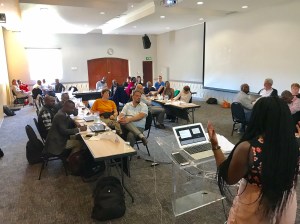 Shade and I were invited to teach this Master class (one of eight multi-day seminars on teaching and learning coordinated by South African engineering educators) because we are both part of UCL’s Centre for Engineering Education. Shade is a chemical engineer with a doctorate in engineering and a focus on team-based learning. She coordinates group- and problem-based learning for the Chemical Engineering Department at UCL, though she will soon move to a new university where she will contribute to the development of an innovative new curriculum in chemical engineering–from the ground up. As for me, I’m an architecture professor from the USA who uses group-based approached to teach students in architecture, engineering, and education. I’ve taught workshops on such topics to other higher ed teachers at DIT, Hampton U, and William and Mary.
 Shade and I found the 26 South African participants in our two-day workshop on facilitating teamwork in engineering education to be extremely energetic and engaged. They were passionate about teaching. They were enthusiastic about learning, sharing ideas, and creating new knowledge. We discussed ways to address the specific challenges they face and strategies to help support the range of diverse students in their classrooms. Drawing from experience teaching in many different places really helped.
 Although Shade and I had literally just met—finding each other at the airport as we departed London for Johannesburg—we made great use of the day we had before the workshop to refine our plans, get to know each other, and learn to work together.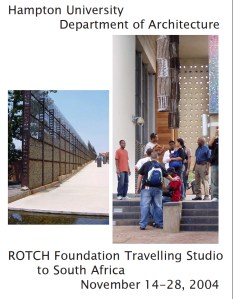




 Ireland by Chance