Scholarly, useful research is the name of the game in Europe!
These are the standards for research published in the European Journal of Engineering Education (EJEE), and they serve as a good guide for researchers in general.
This post sheds light on what makes a conference paper stand out. It shares the story of soon-to-be-Dr Sandra Ieri Cruz Moreno, who won the top research award from the European Society for Engineering Education (SEFI) in 2025.
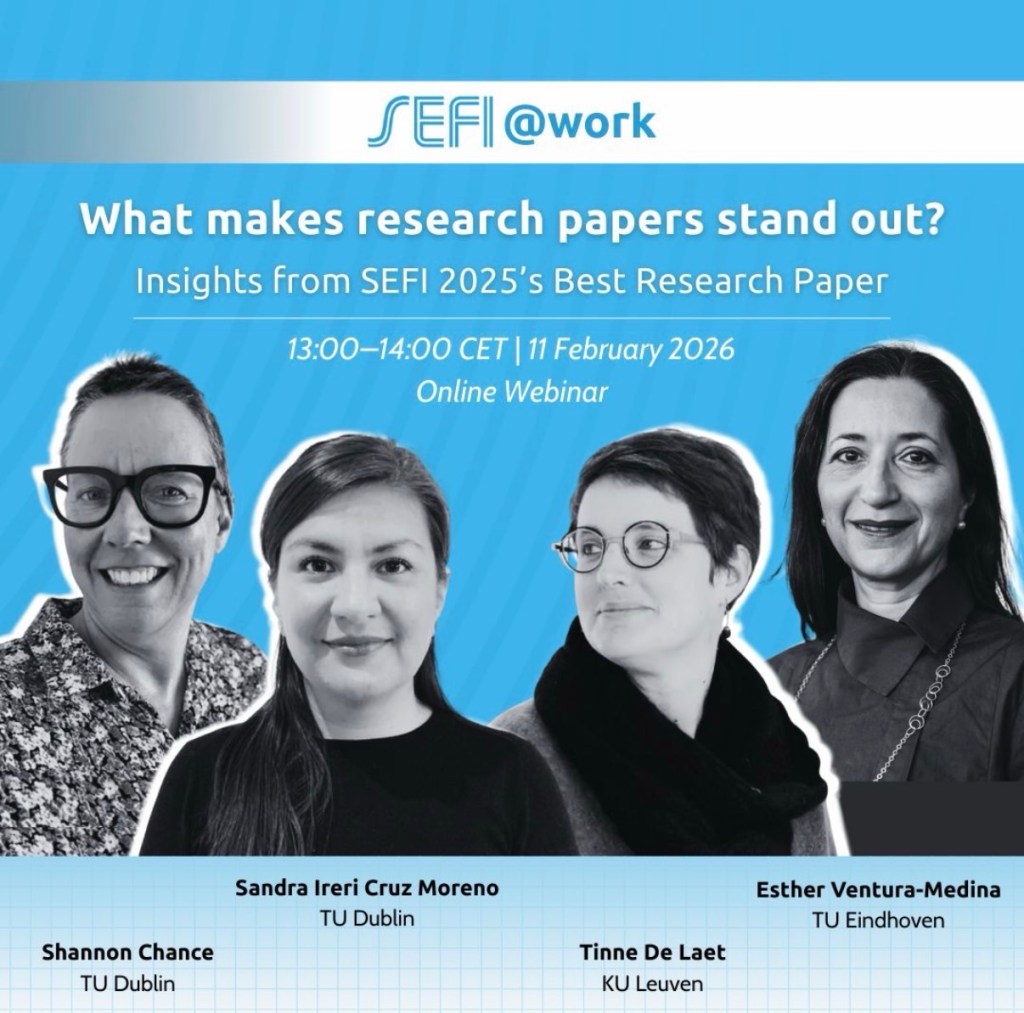
SEFI’s special interest group on Engineering Education Research featured the work Sandra and I have done last week, in an online workshop, and the information is worth sharing more broadly — so here it is!
Workshop overview
Last week, Sandra (my PhD supervisee) and I presented this workshop as part of the SEFI@work learning series. We reported on one strand of Sandra’s PhD thesis research.
During the workshop, Sandra engaged the audience with questions about their own research to help transfer the successful part of our experience to the researchers who attended.
The workshop was great practice for Sandra’s viva voce (called a ‘dissertation defense’ in the USA), scheduled for March 10.
Unfortunately, vivas are closed-door events in Ireland. That means our colleagues can’t attend, so this online workshop was the main way to let our SEFI community know about the amazing work Sandra has done.
I reported on the overall SEFI conference and my surprise and elation at winning this award in a September blogpost.
I accepted the award on Sandra’s behalf at SEFI 2025.
Now, the organizers of the online workshop asked us to share some secrets to our success. That was tricky!
SEFI advertised widely, and over 80 people registered to attend.
We hadn’t set out to win an award, just to make a scholarly summary of part of Sandra’s thesis study!
Although it felt intimidating to explain how to win, we went in with the confidence that the paper had been nominated in all three categories it was eligible for last year, and each category has a separate panel of judges.
We were beyond delighted — and completely surprised — to win.
It helped reassure us that the thesis research was ready to wrap up and report.
Workshop content
You can watch a video of the workshop, to hear in Sandra’s own words what is most interesting and valuable about her work and her research process:
And you’re able to download Sandra’s slides, to jump straight into the content, by clicking here:
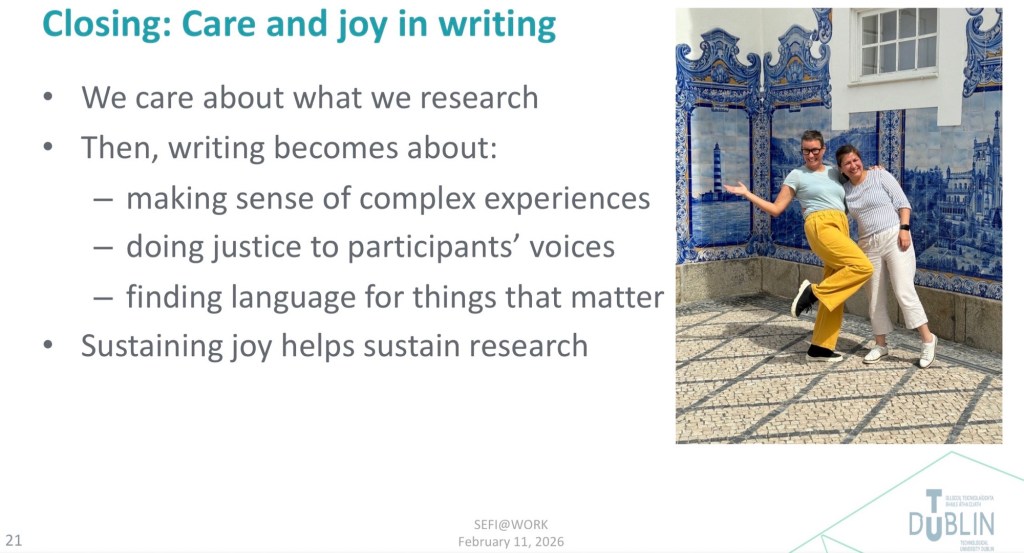
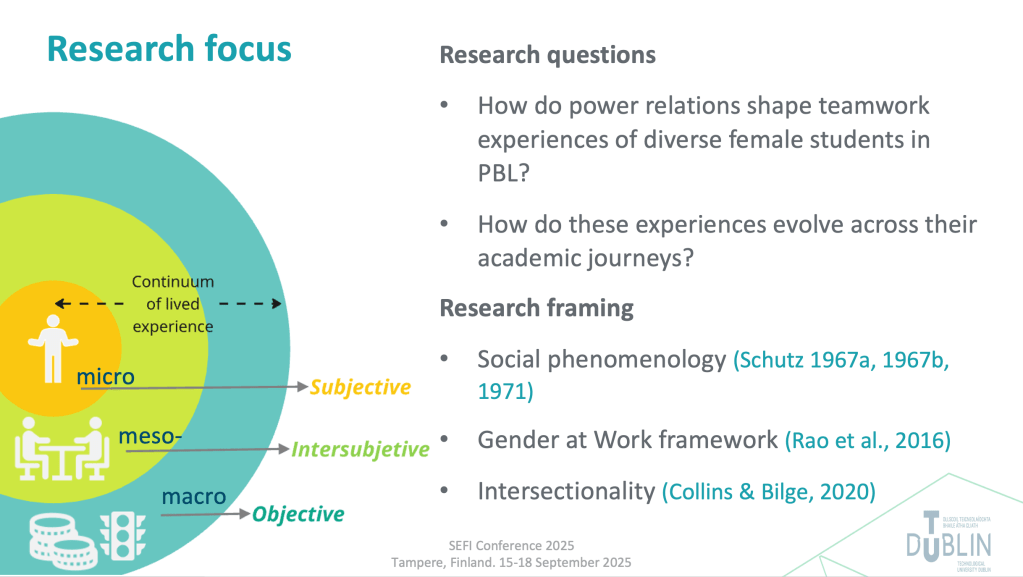
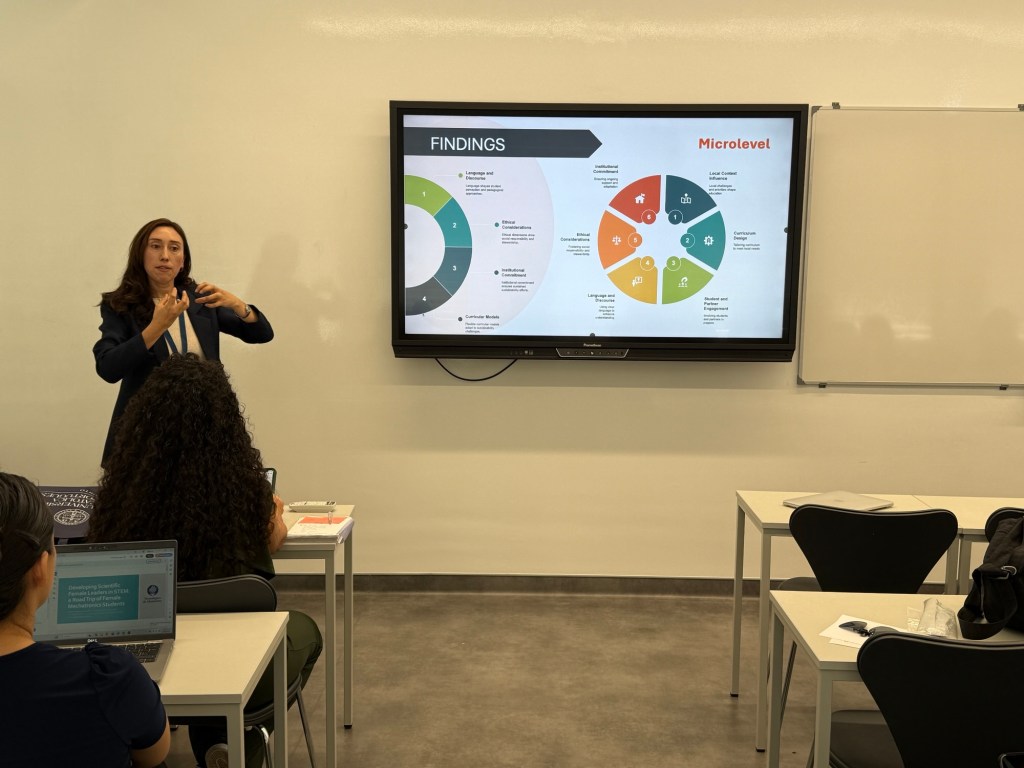
One slide from Sandra’s presentation.
Sandra’s achievements
I couldn’t be prouder of Sandra and all she has accomplished in four short years. Since starting her doctoral studies in January 2022, she has delivered two babies into the world and developed an award-winning research study and a fully written thesis.
Sandra’s special contributions include introducing sociological techniques and perspectives into engineering education research. She has broadened the focus of our discourse on the usefulness and applicability of phenomenology as a research method, and she has shed valuable new light regarding the experiences of female students in our engineering courses at Technological University Dublin.
The findings of her PhD research hold applicability well beyond TU Dublin, however. They show us how the social dynamics of teamwork evolve over time — how students develop meaningful friendships that help them personally and professionally.
Sandra used the “Gender at Work” framework to better understand students’ experiences with Problem-Based Learning and other collaborative learning approaches. Using this framework, she found that the 22 women I’d interviewed (longitudinally over a period of four years):
had experienced uneven access to engineering content before entering university,
lacked female engineers in their families who could serve as role models,
experienced some biased team dynamics that influenced what jobs got assigned to whom by the team, and that the need to prove themselves on teams grew less but nonetheless persisted across their four-year matriculation, and
received increased recognition for their credibility over time, which helped them challenge stereotypes and shift team dynamics in a favorable direction.
Sandra’s SEFI 2025 paper complemented papers we’ve published and presented at earlier conferences, including:
Soon, you’ll be able to read Sandra’s final thesis and learn about the impressive contributions she has made to the literature and to the engineering education research community.
I am honored to call Sardar Cruz Moreno a friend and colleague. I look forward to calling her “Dr” and to watching her flourish in the coming years!
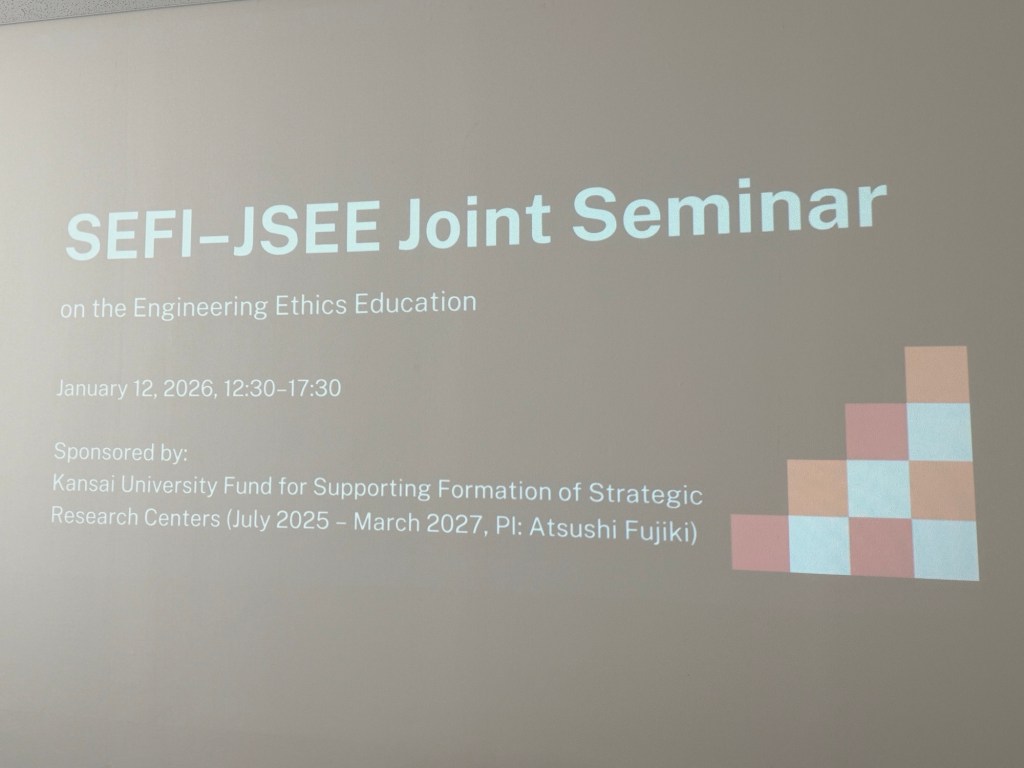
I had the immense honor of visiting Japan as a guest of the Japanese Society of Engineering Education, 6-16 January 2026.
This trip focused on engineering ethics, how it is conceptualized and taught, and how this differs between Eastern and Western cultures.
The purpose of the trip was to advance collaboration between Japan and Europe, expand professional networks, and better understand and ultimately improve how engineering ethics is described and taught to students.
The trip was significant because language differences, travel distances, and past cultural isolation mean there is still much to learn from each other.
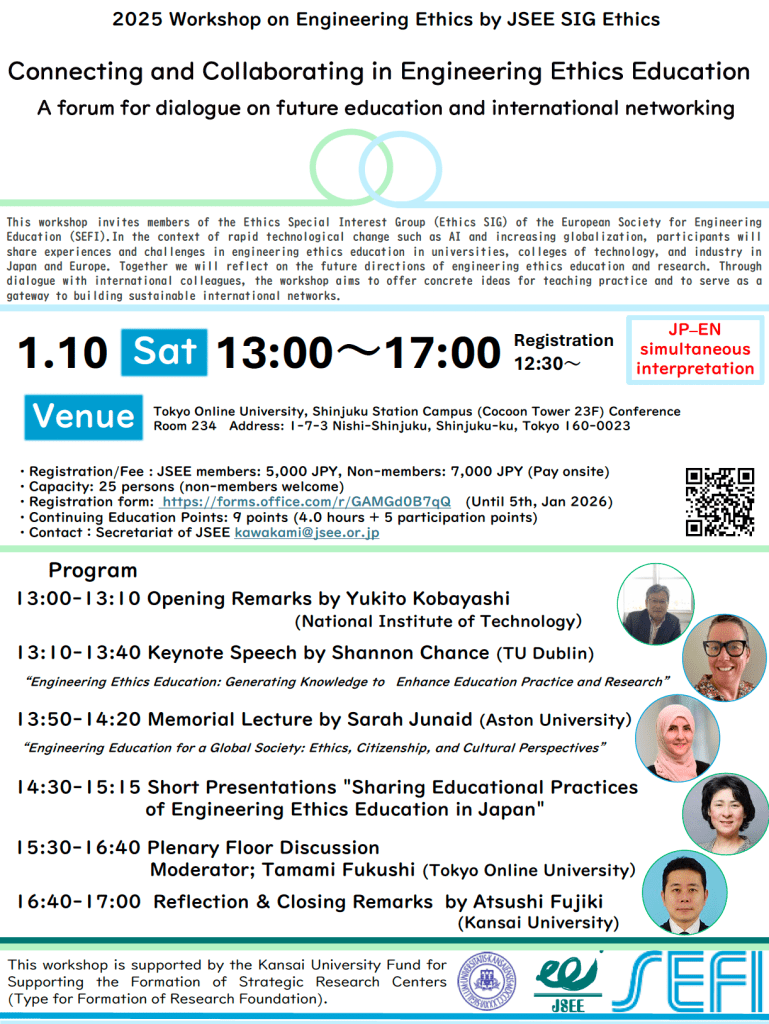
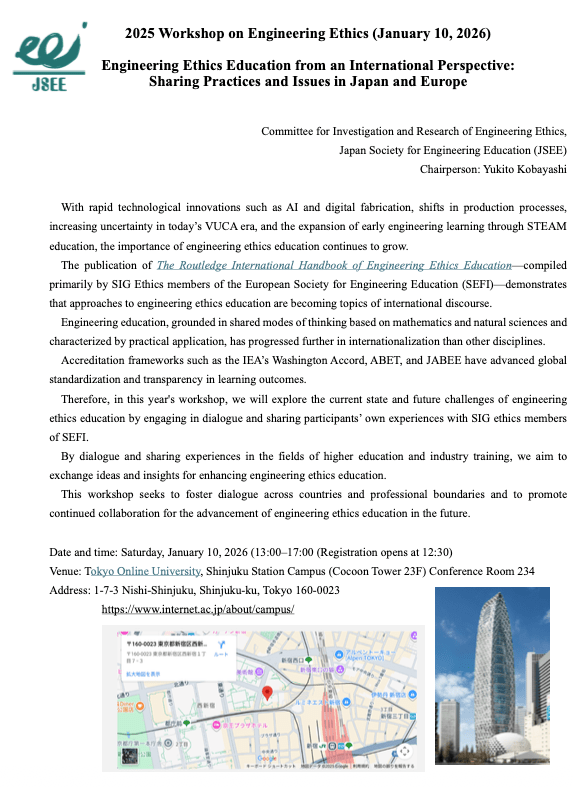
This was a collaboration between JSEE and SEFI, our European Society for Engineering Education. Practical info sent to JSEE members calling for participation at the conference.
For this ten-day trip around Japan, I represented the European Society for Engineering Education (SEFI) — to help build bridges connecting Japan, Europe, and the global engineering ethics education and engineering education research communities.
This blog post contains loads of detail and possibly a hundred photos. I felt it was important to document the activities for posterity and to help build greater cultural understanding.
This was only my second ever trip to Asia (the first being a 1999 conference in Seoul, South Korea).
On this trip, I met so many amazing people.
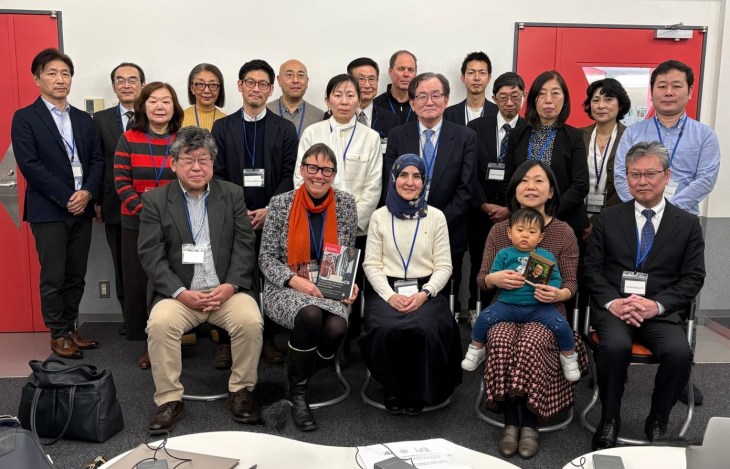
I want a chance to thank each of them and let them know how much the time together meant to me. Many of them are pictured below (from the main conference, which I’ll tell you more about below).
I have summarized the profound set of cultural and professional experiences as best I can.
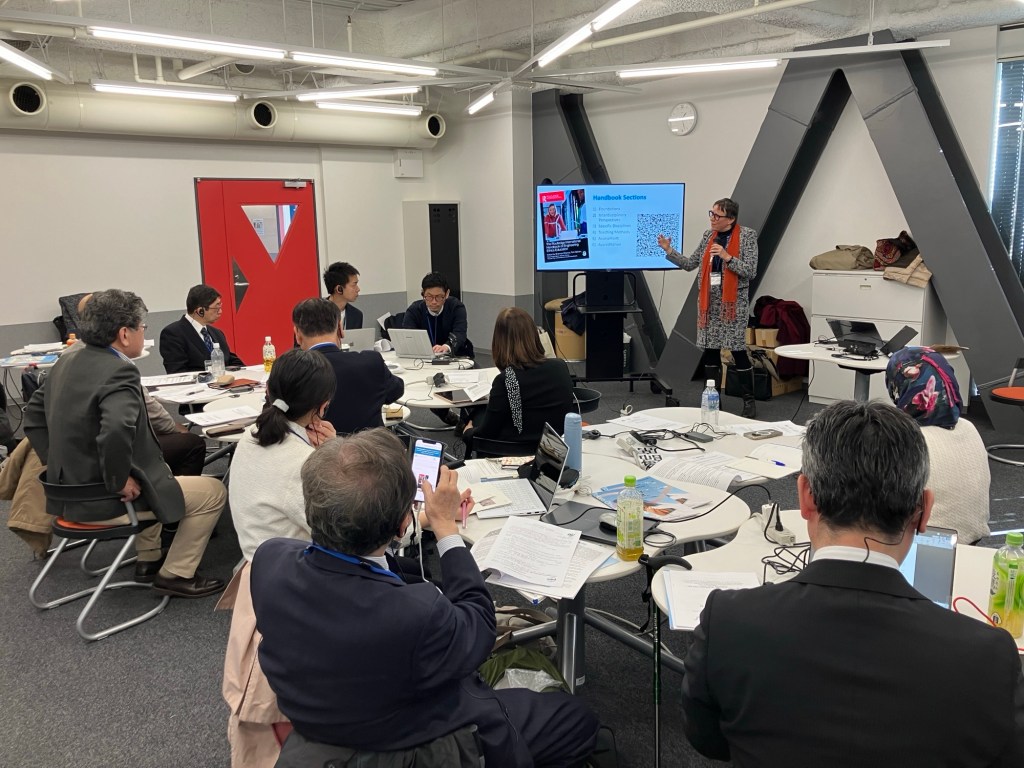
The participants of the main conference on engineering ethics education in Japan, from JSEE, with Sarah Junaid and Shannon Chance from SEFI.
I traveled alongside Dr. Sarah Junaid, a Reader in Biomedical Engineering at Aston University (Birmingham, UK). Sarah has travelled to Japan several times before, most recently as a Churchill Fellow, collecting data on engineering ethics education.
Sarah has cultivated a transcontinental team of academics who are researching the words used to describe ethics in engineering accreditation documents worldwide. This project has captivated me since I attended a paper presentation Sarah gave at the SEFI conference in Barcelona in September 2022.
Sarah’s efforts mirrored the focus on collaborative transcontinental capacity-building that I also cultivated as Chair of the global Research in Engineering Education Network (REEN).
Sarah served as a positive role model for me as I worked with the ethics handbook’s editorial team. When I explained this at the JSEE conference, I choked up; I don’t think I’d ever told Sarah how central she is to my worldview today.
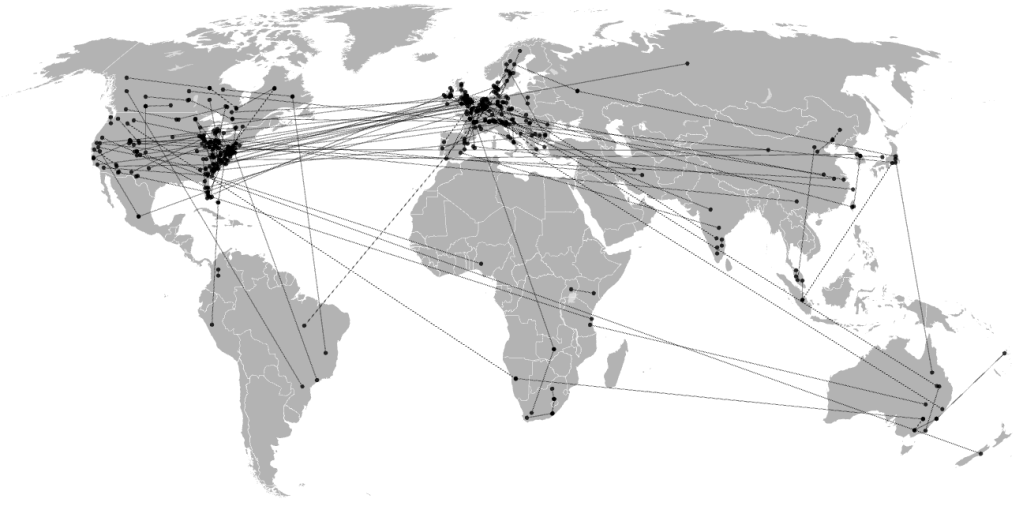
I made this map to show where the authors of our handbook have lived and/or worked. You can see we had some representation from Japan (Kenichi Natsumi and Fumihiko Tochinai), but could benefit from more collaboration in Asia and also across the global south.
In all. the presentations I delivered in Japan all emphasized the power of collaboration in enhancing the delivery of engineering education and our collective approaches to understanding, defining, learning, assessing, regulating, and expanding ethics.
I define engineering ethics as professional codes, laws, theories, and frameworks, as well as social and environmental sustainability, including equity, diversity, and inclusion, that underpin engineering practice and guide what we are and want to become.
It’s about making the best better, a motto I bring with me from my formative years in 4-H, empowered by life-long, hands-on, self-directed learning. I first dreamed of travelling to Japan through 4-H, but that never came to pass. Today, my work as an academic in engineering education research finally brought me to this exotic land.
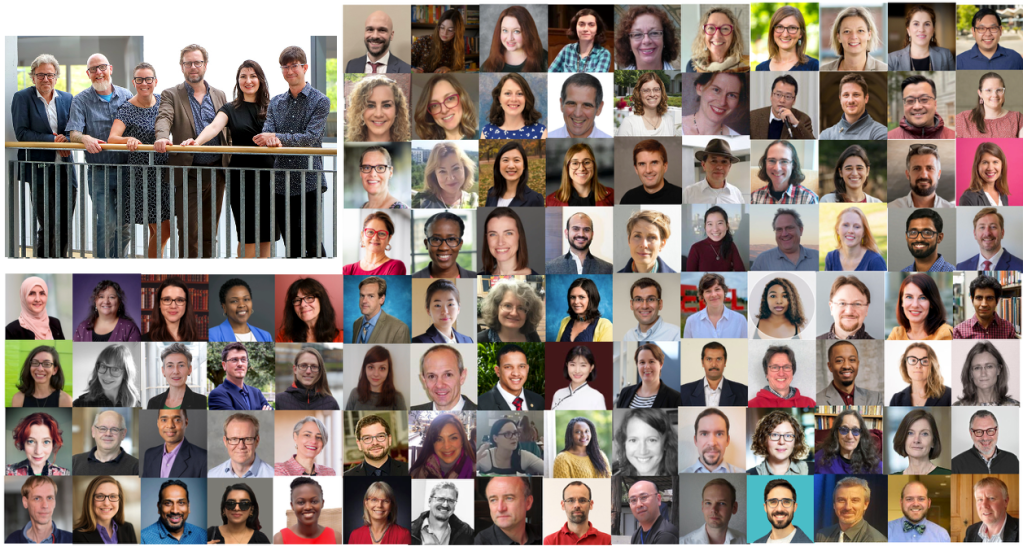
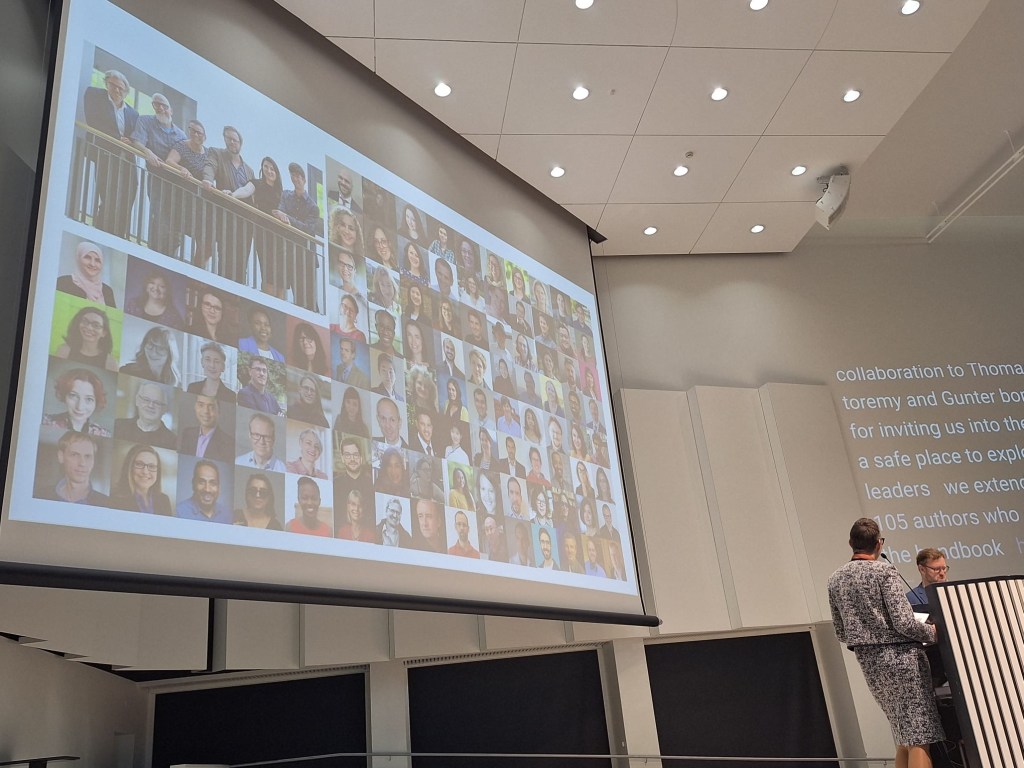
With 105 authors including 6 editors, our ethics handbook had impressive transcontinental representation.My keynote highlighted trancontinental aspects of the handbook and the need for collective action among engineers to reflexively define ethics and how to improve the way we deliver ethics education.
This team hosted us on behalf of the Committee for Investigation and Research of Engineering Ethics of JSEE; they were exceptional hosts during our visit.
A grant from the Kansai University Fund for Supporting the Formation of Strategic Research Centers, which Atsushi holds, funded our travel.
We hope to work together in the future, also collaborating with Mary Nolan from ATU Sligo, on educational games and the ethics of care.
Shinya Takehara at the SEFI Ethics Symposium, March 2025, alongside SEFI Ethics co-chairs Mircea Tobosaru and Diana Adela Martin.Shinya Takehara setting up, surrounded by close colleagues from Japan.
Atsushi works in the College of Engineering Department of Engineering Science and Mechanics at Shibaura Institute of Technology and runs a laboratory where “students can deepen their consideration of ethical, legal, and social issues (ELSI) associated with the development of science and technology, mainly from the humanities and social sciences, such as applied ethics, philosophy of technology, and social theories of science and technology.”
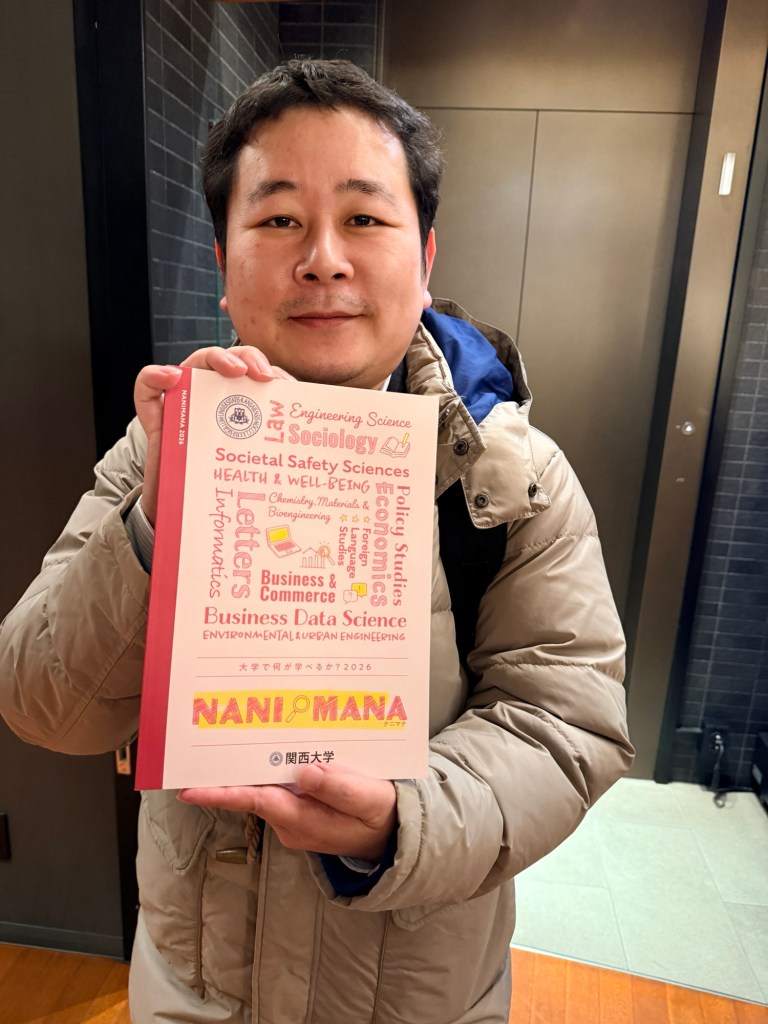
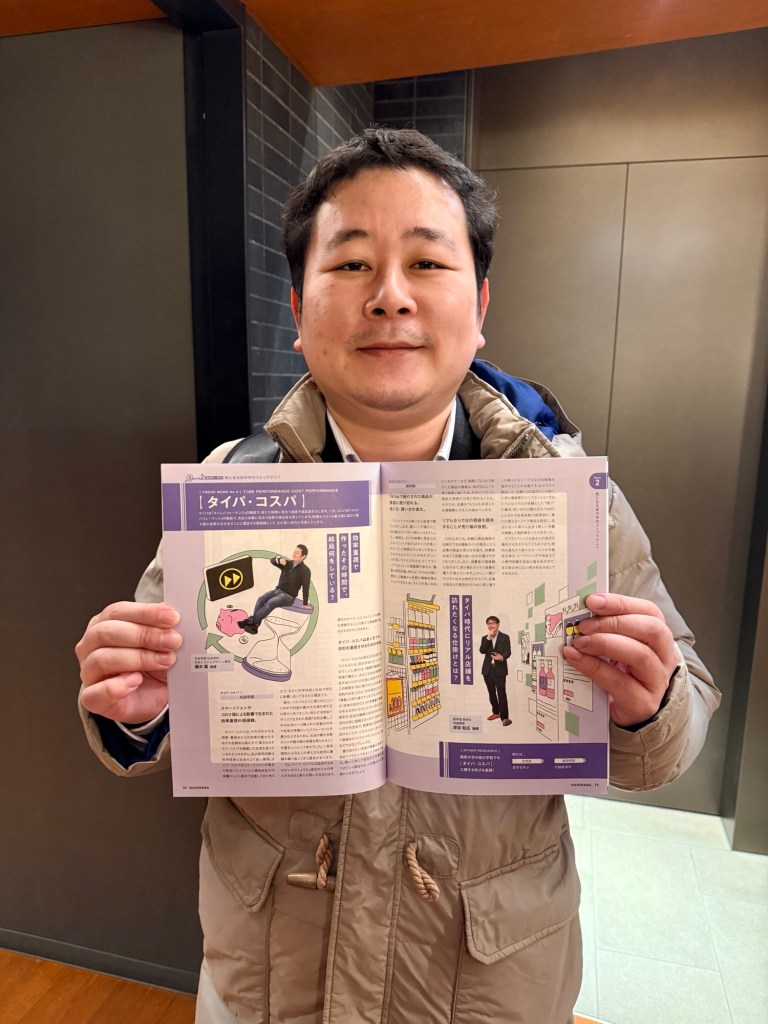
A publication we found in the University bookstore that featured Atsushi’s project.Atsushi is a social scientist.Atsushi was an amazing host. Here we see me, Shinya Takehara, Shinya Oie, Atsushi Fujiki, Stefané and Sarah.
Arriving in Japan
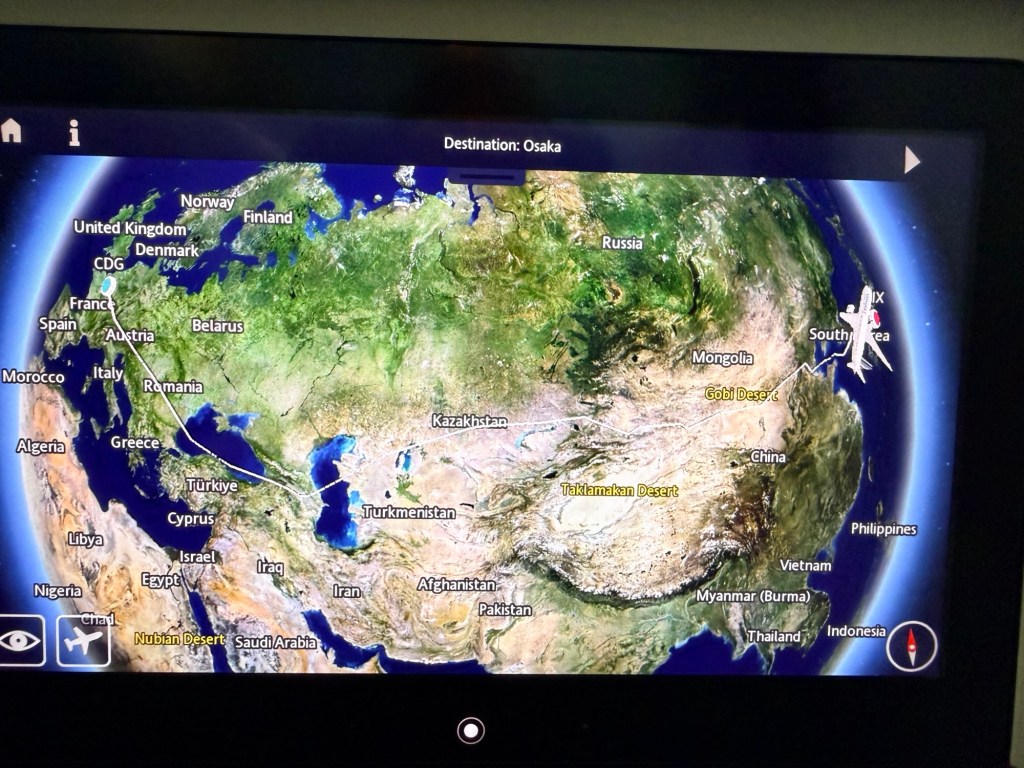
Flying into Japan from Europe, Sarah and I landed in Osaka.
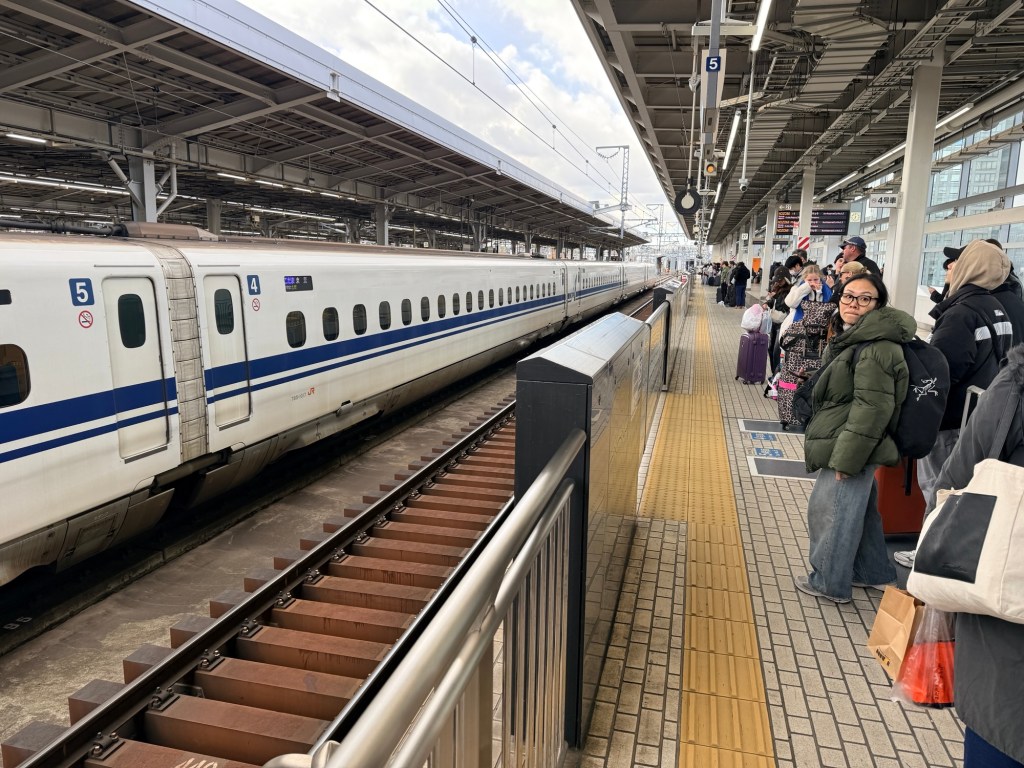
We met Shinya and Atsushi at the airport for a brief orientation, then took the train into Osaka for two nights, and onward via bullet train to Tokyo. Atsushi made sure we understood our way around and how to get food.
We used the first day to adjust to the dramatic time zone change and to explore Osaka a bit.
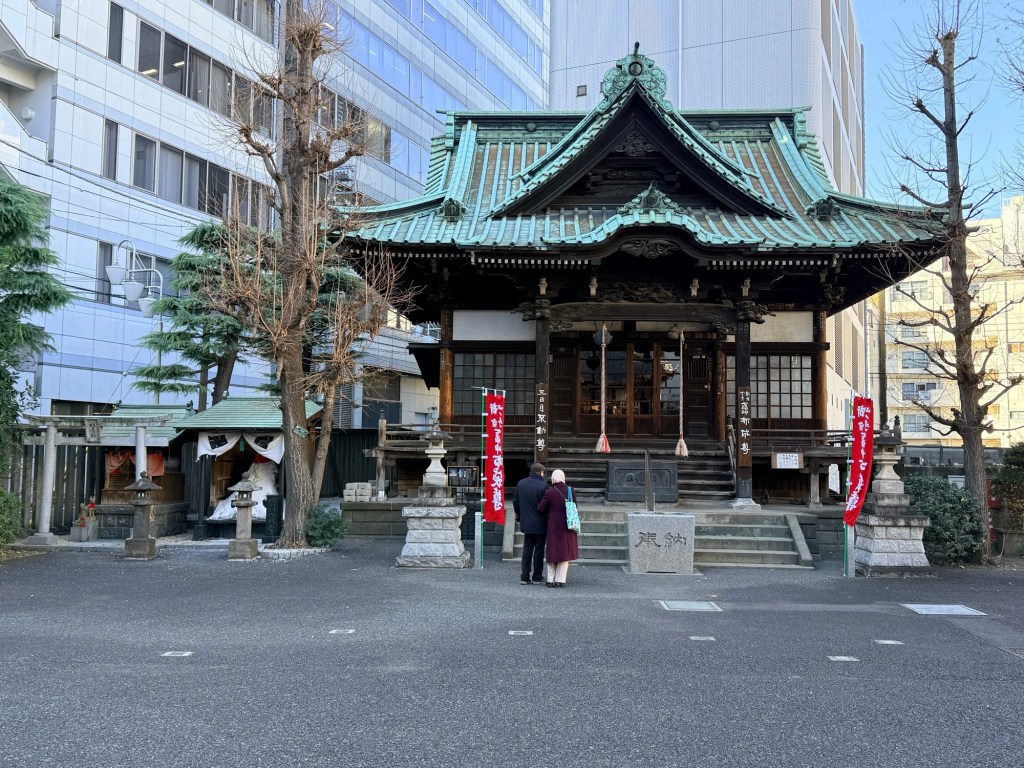
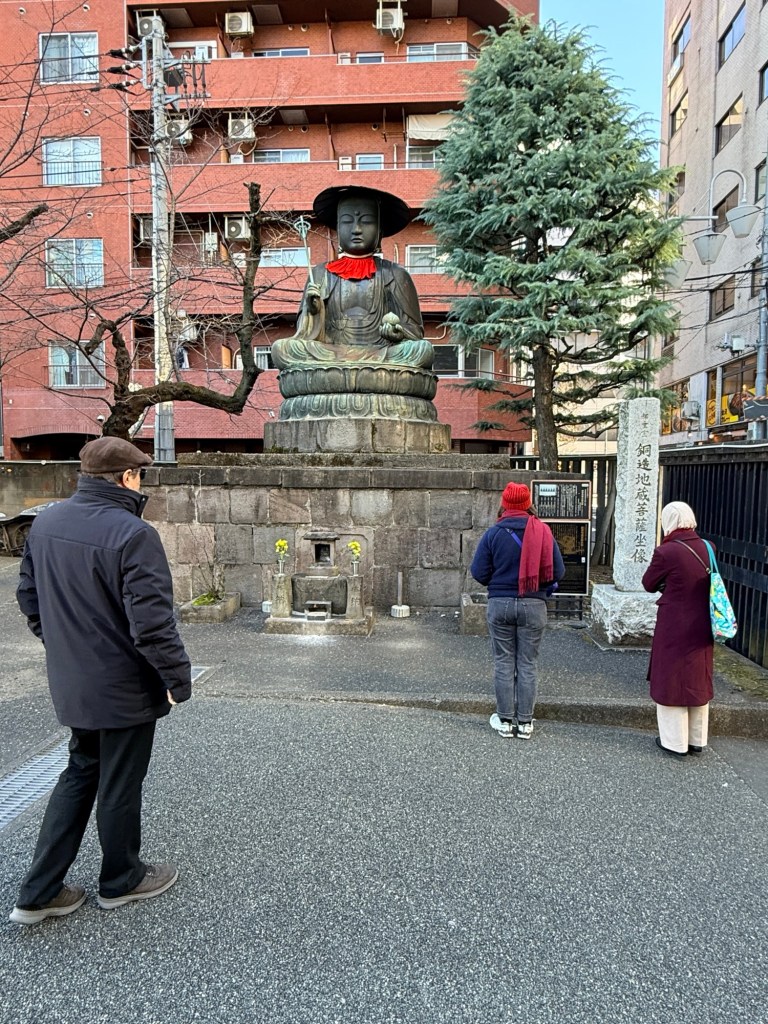
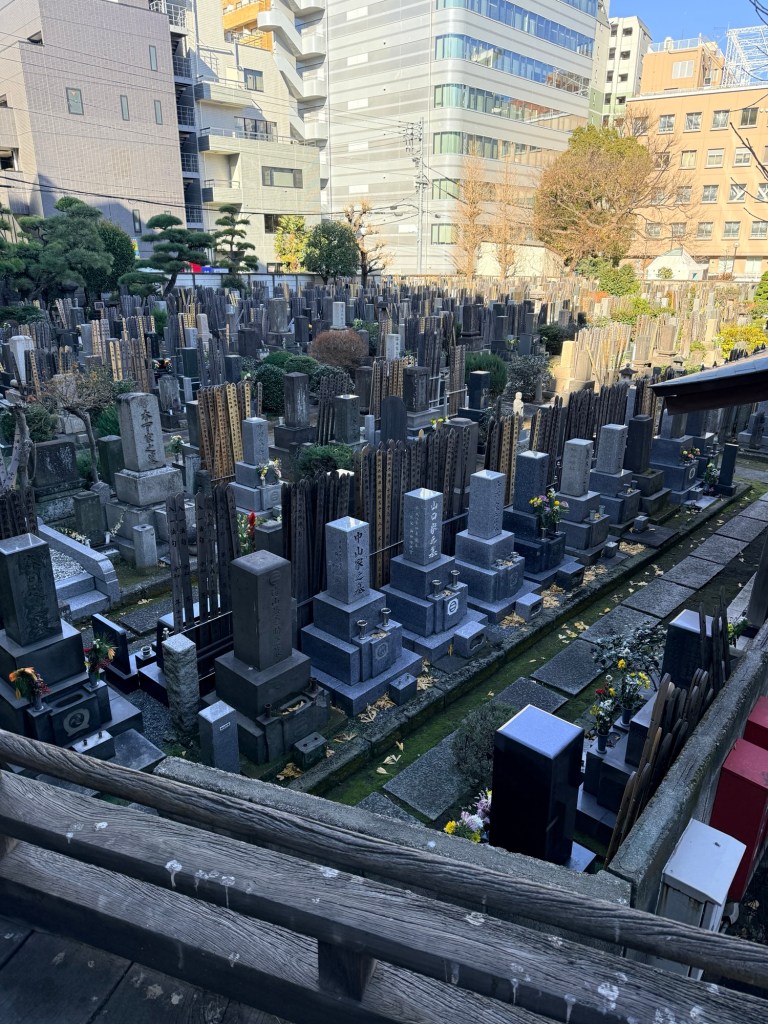
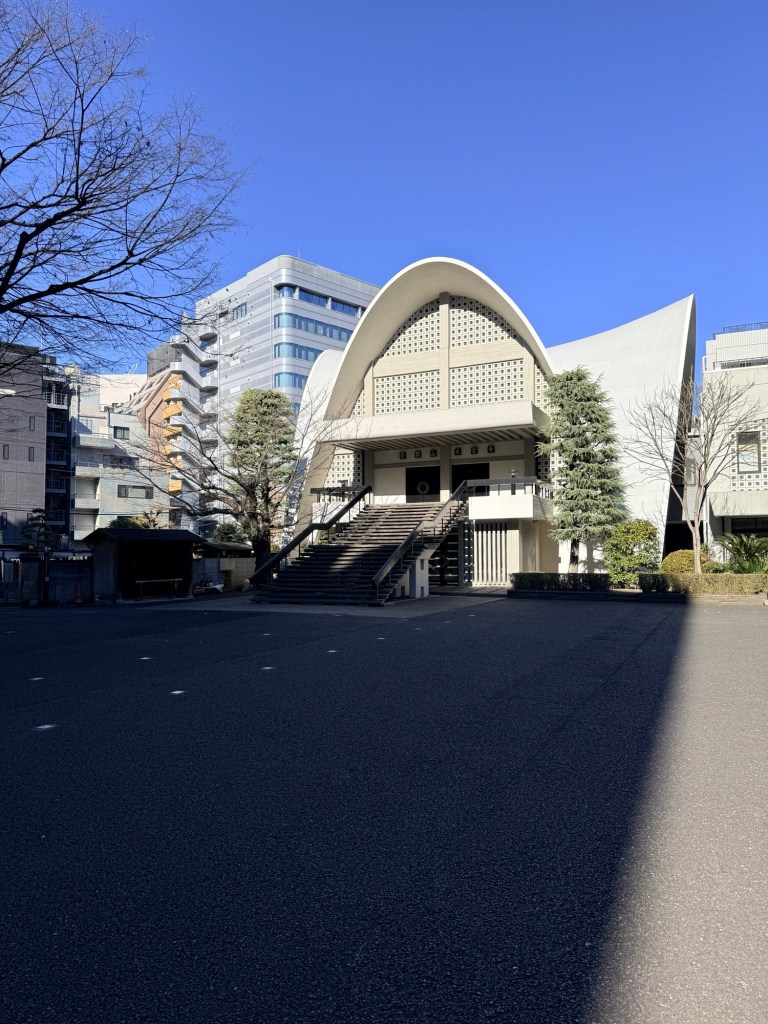
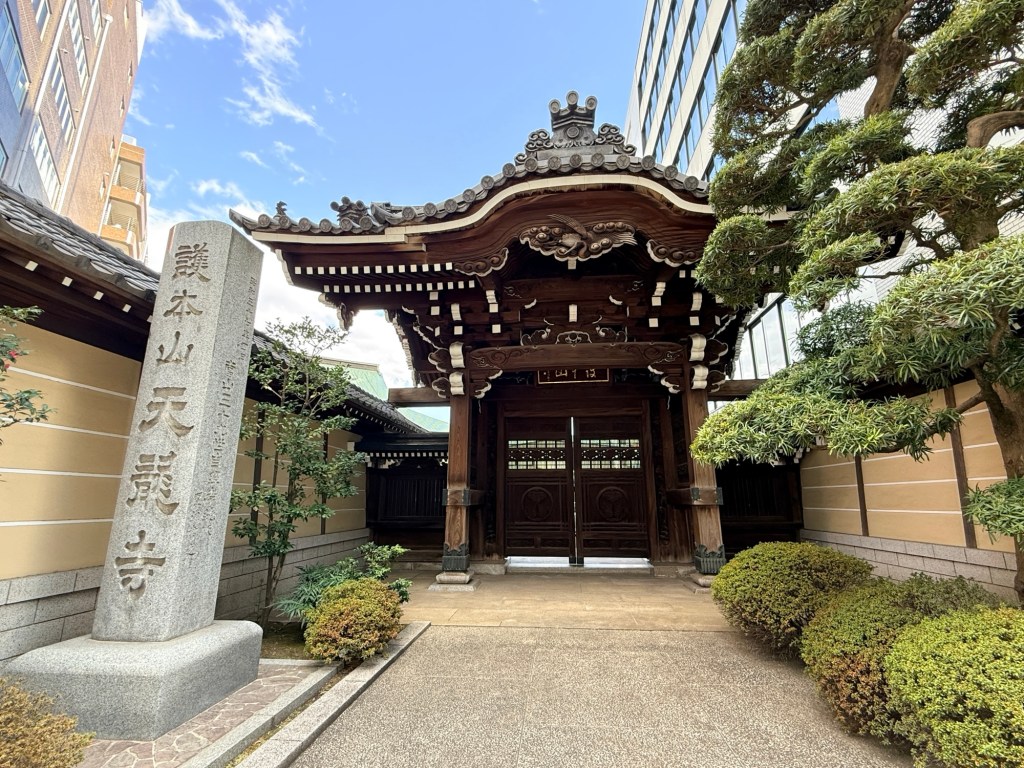
It was a long flight, and we changed nine time zones!In Osaka, we find sites like this shrine beside our hotel, which had traditoinal building forms,and statues,a cemetery, … and an unexpected architectural form. We took a bullet train to Tokyo. This shows only the back half of a bullet train!
Headline Event at the Cocoon Tower
We got oriented for our first major activity of the week, an international workshop at Cocoon Tower, where Tokyo Online University operates. Our host, Tamami, teaches there.
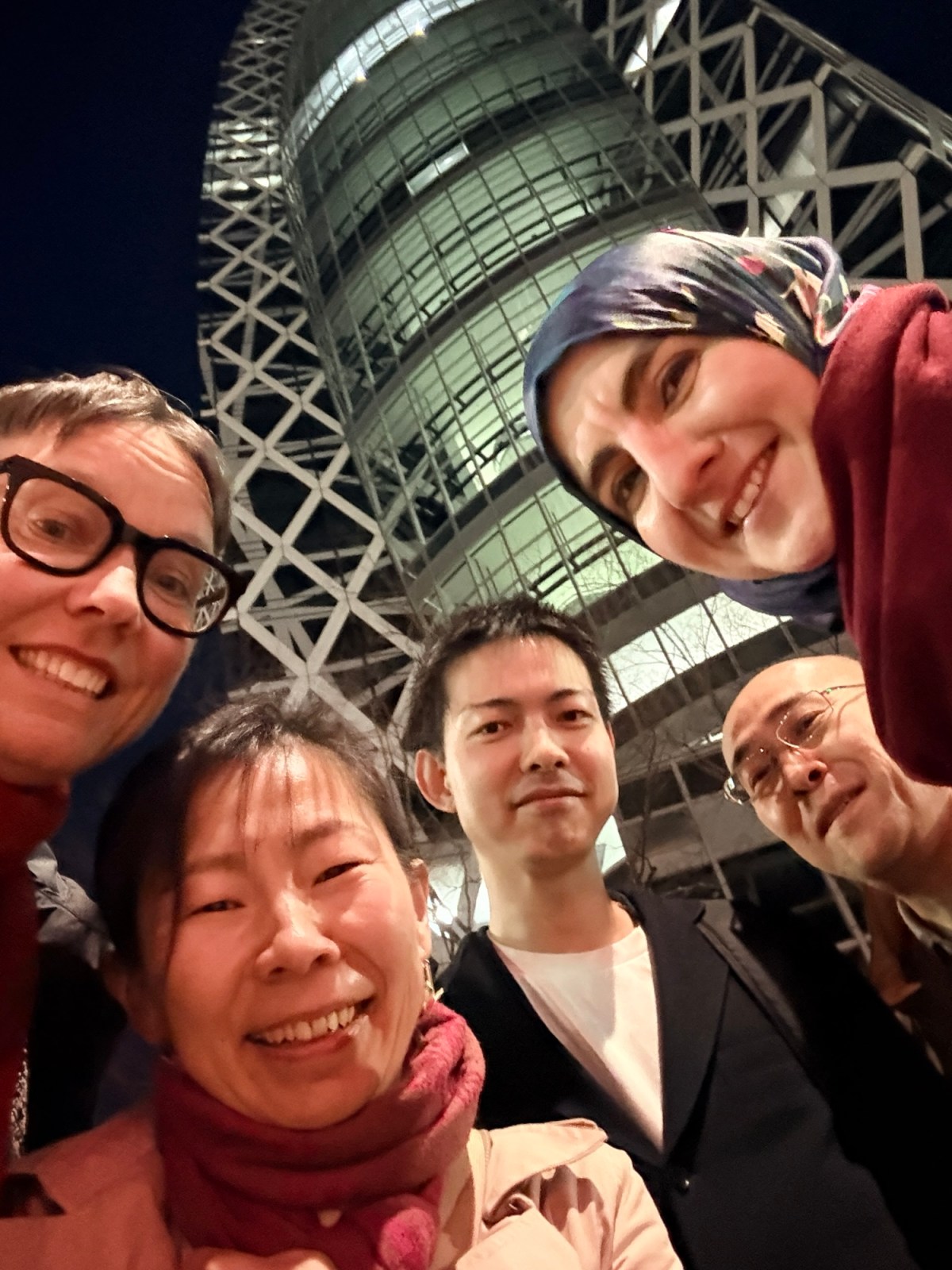
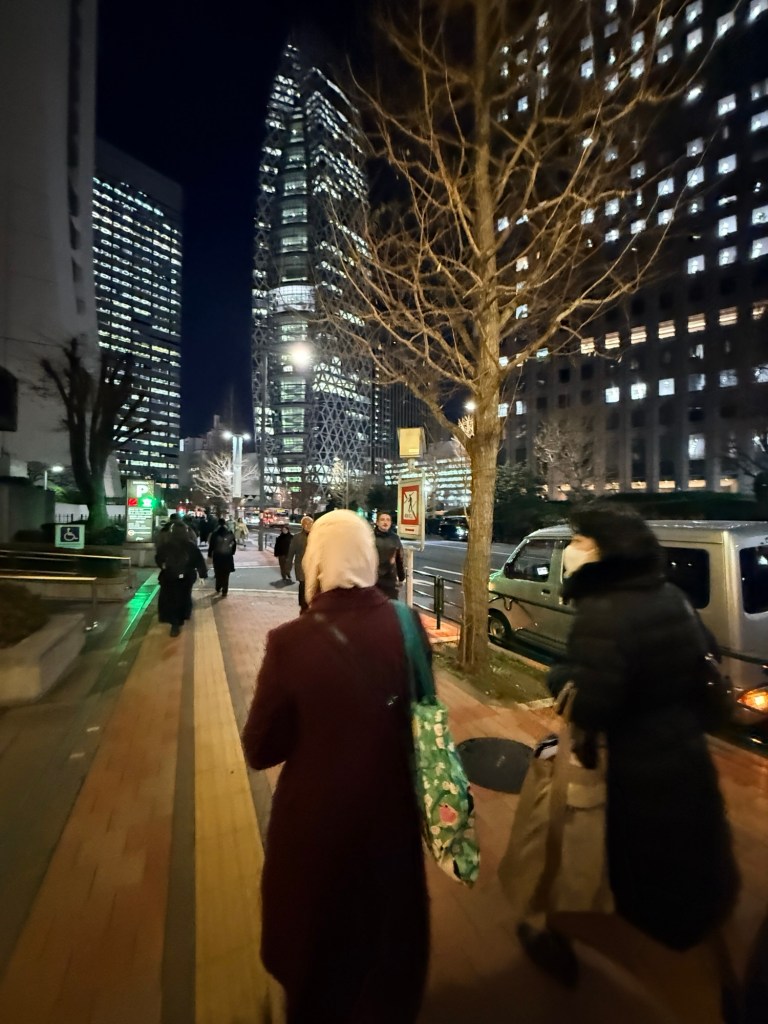
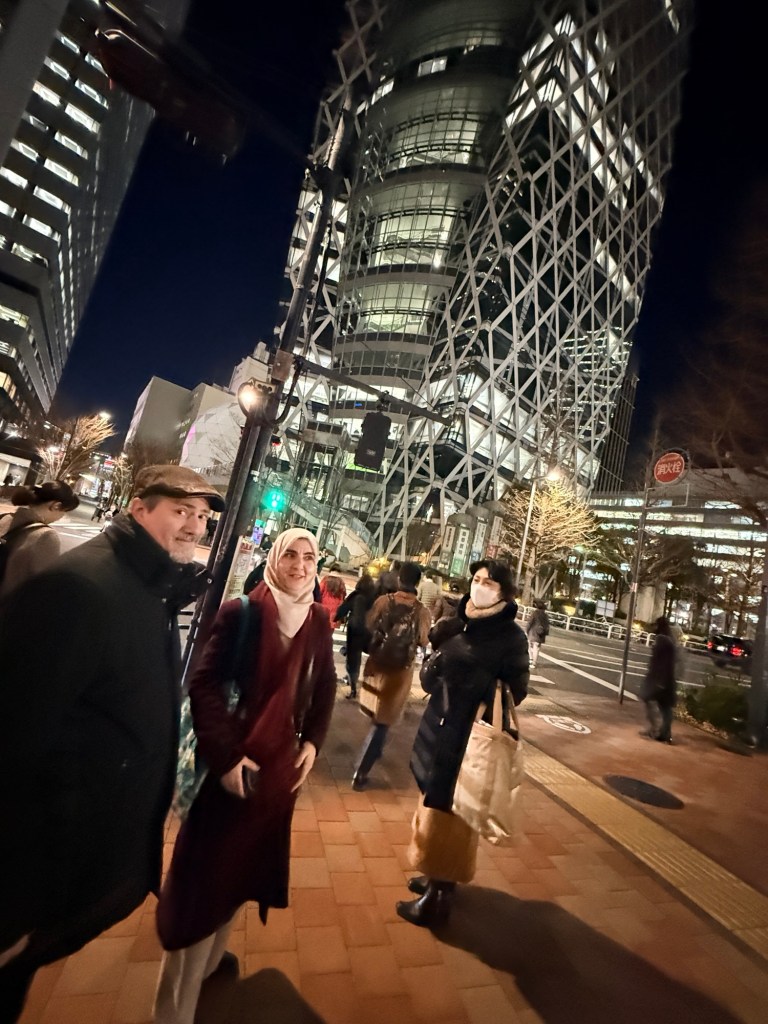
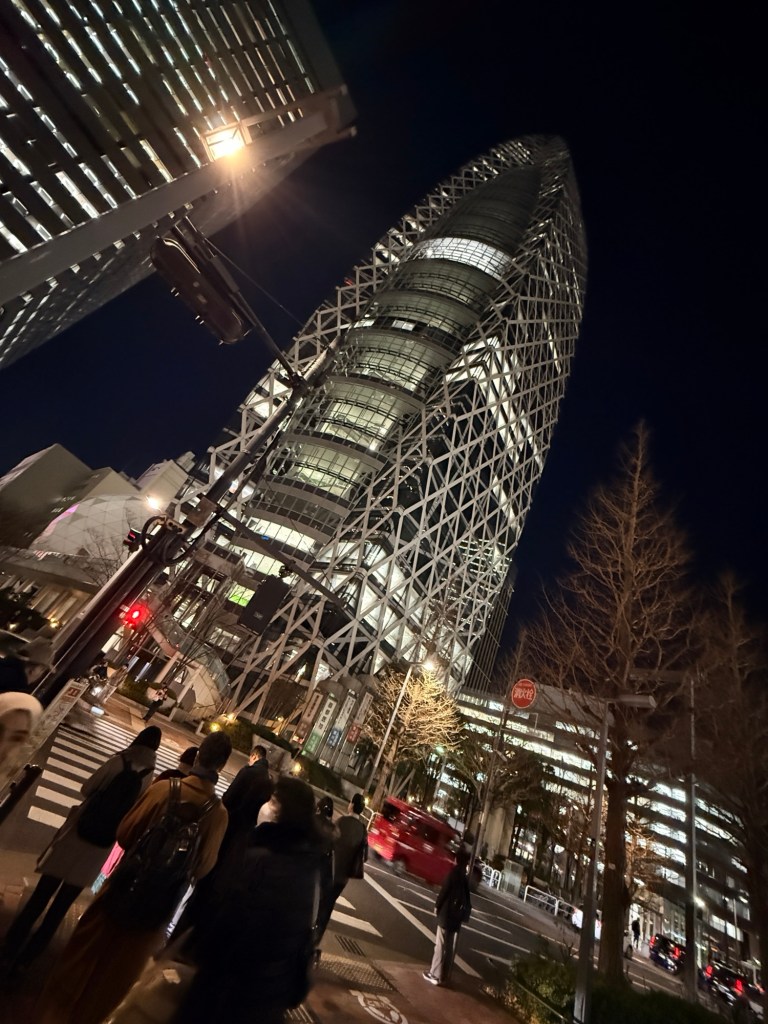
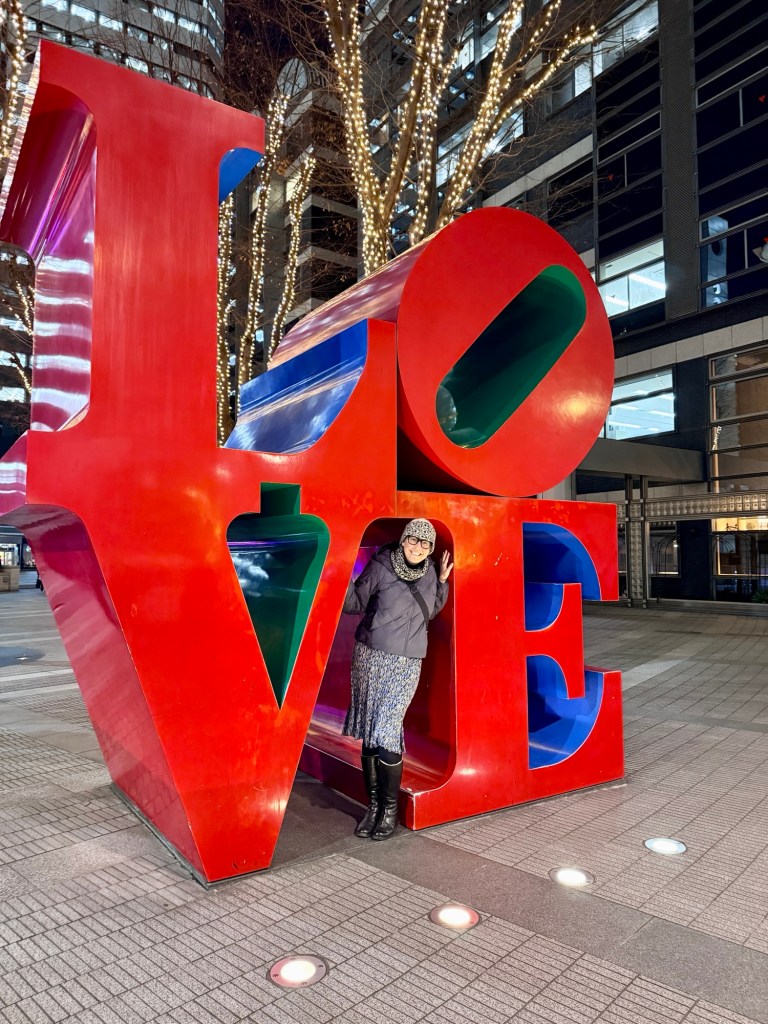
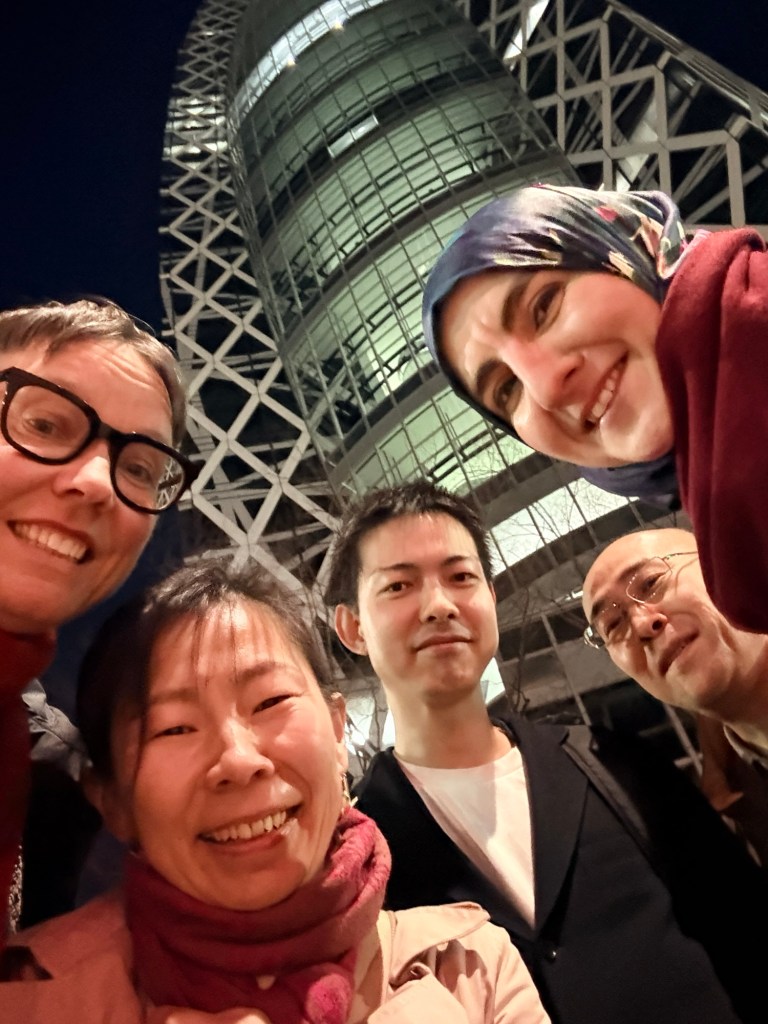
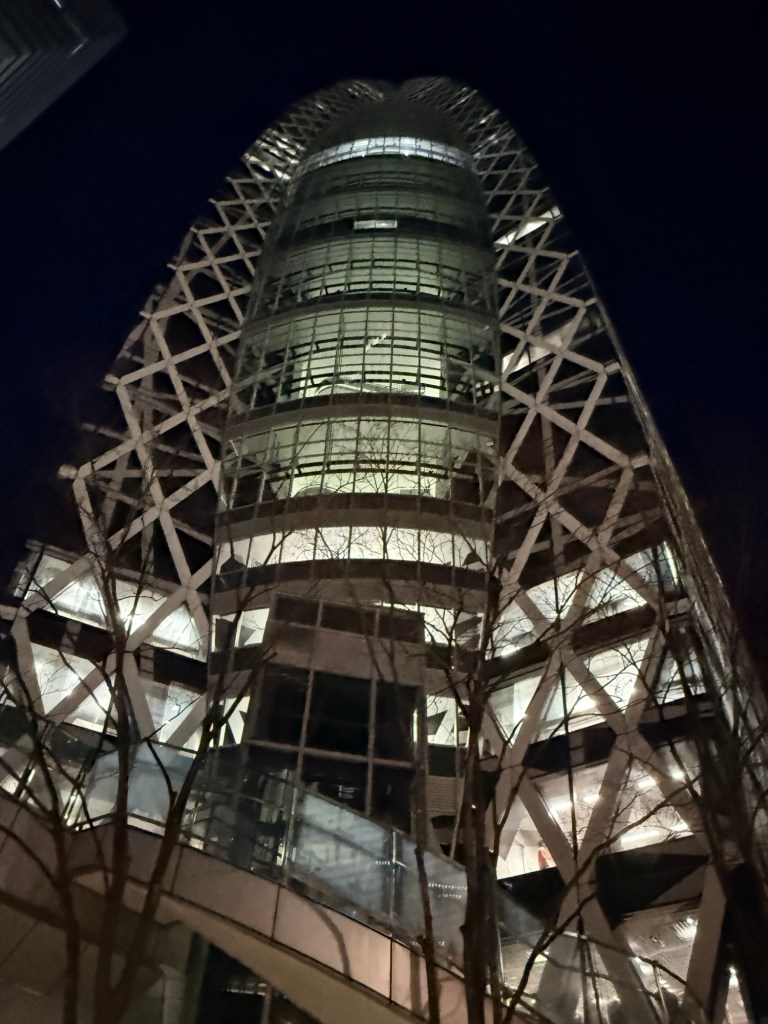
Headed to Cocoon Tower with Tamami.Stefané, Sarah and Tamami on the way.Lovely to view at night.With a quick stop at Tokoyo’s LOVE sign.
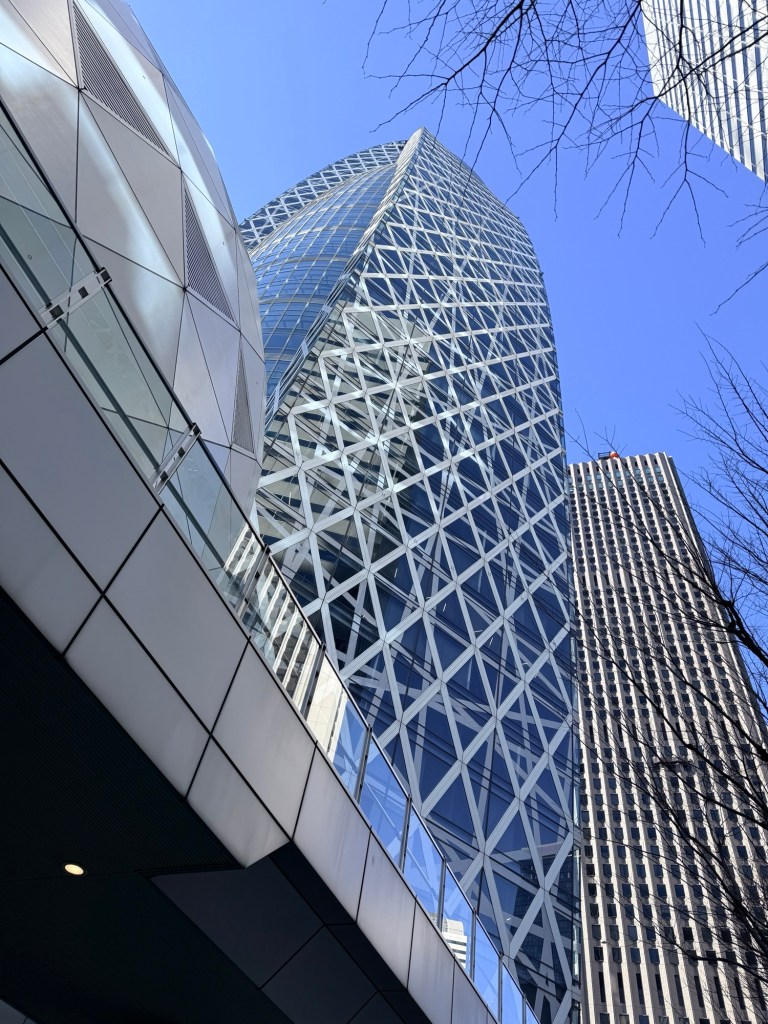
As an architect, I immediately recognized this building. It is quite famous and boy is it architecturally striking.
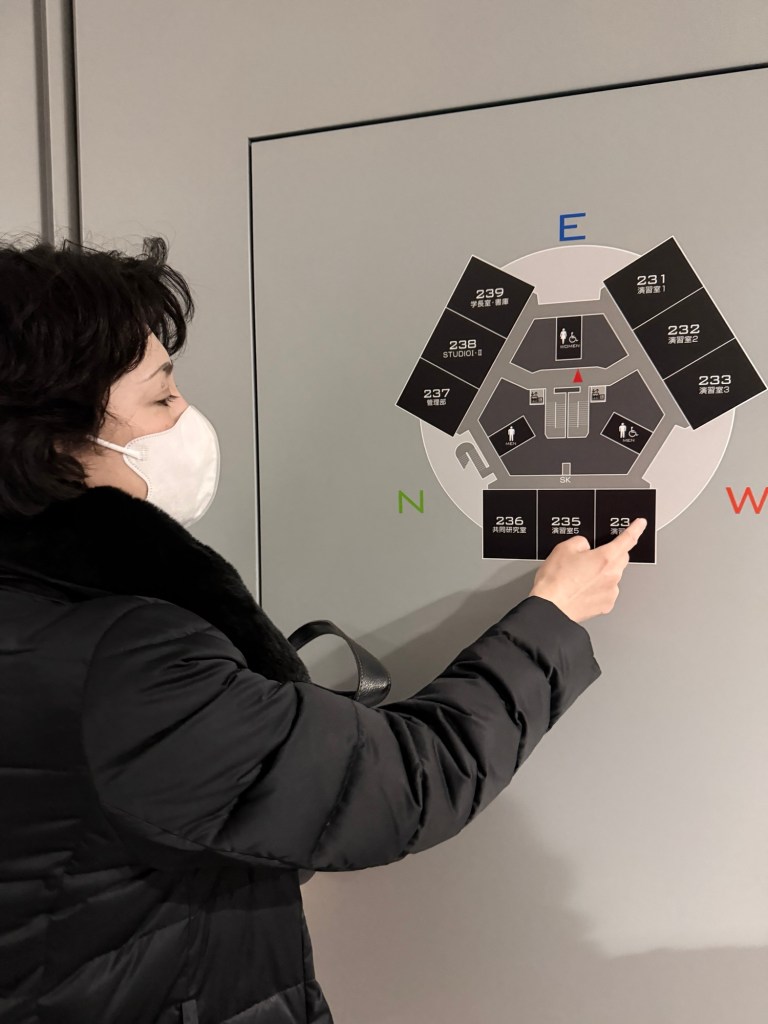
Tamami met us and gave us a tour of the building the night before the workshop.
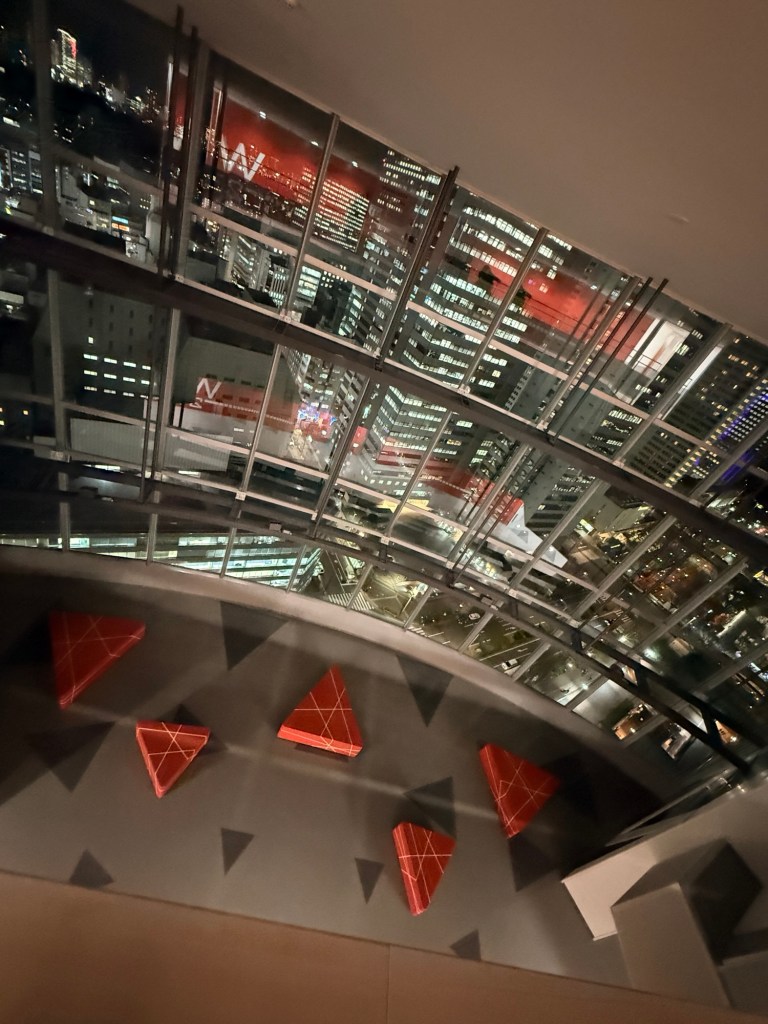
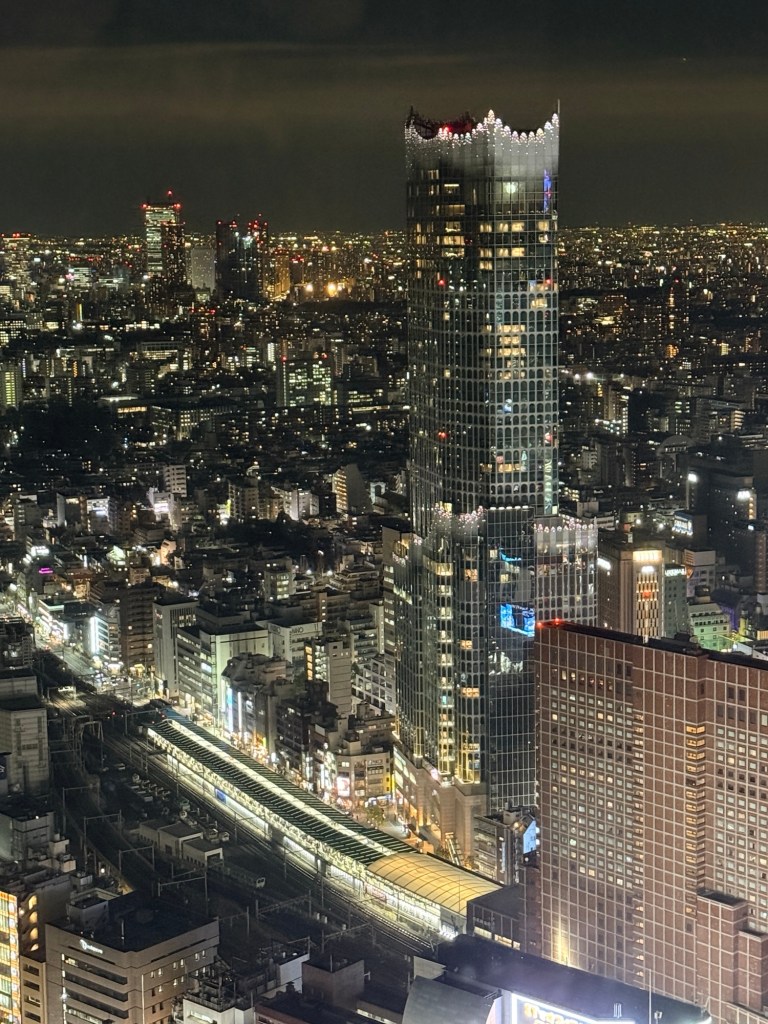
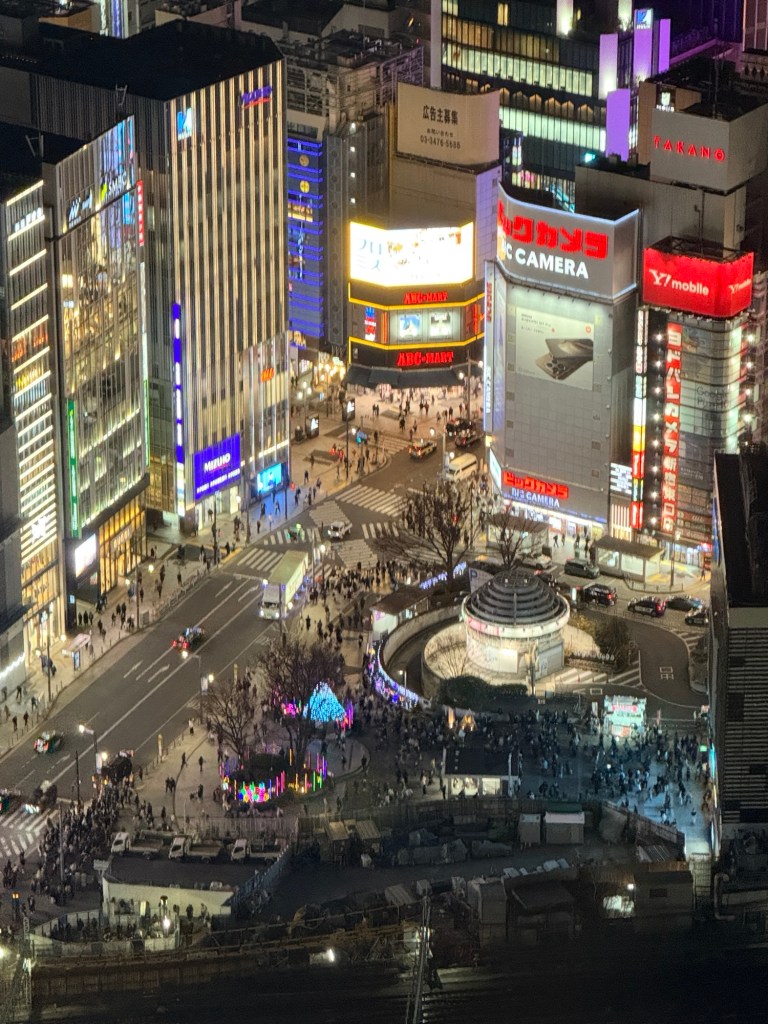
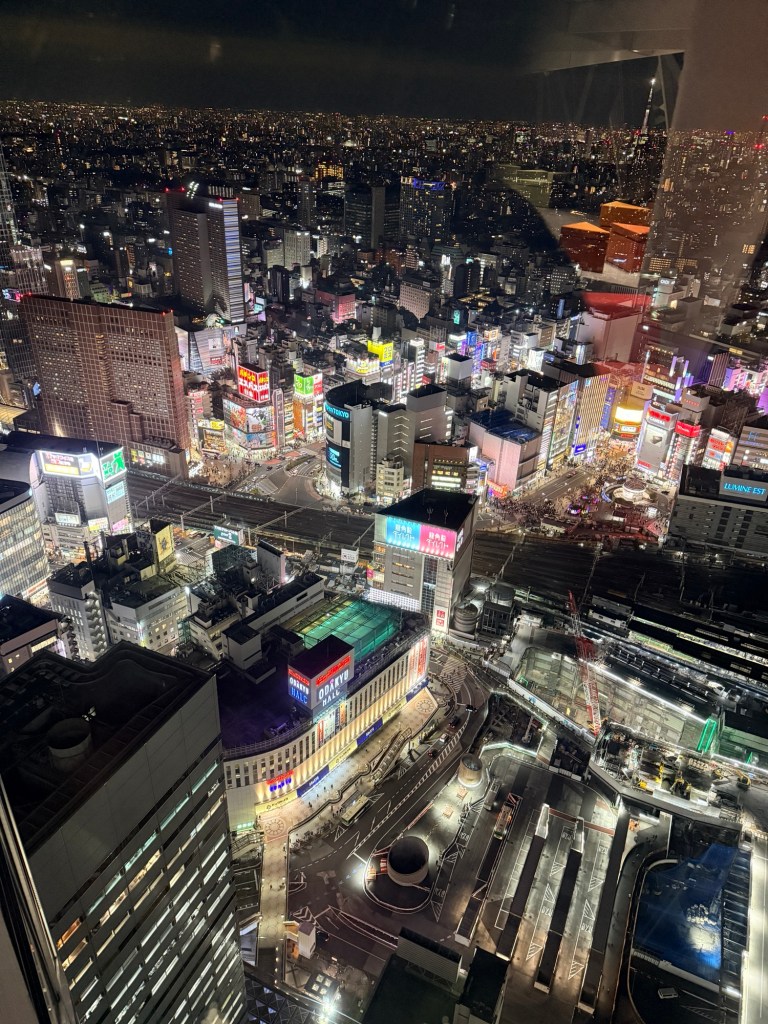
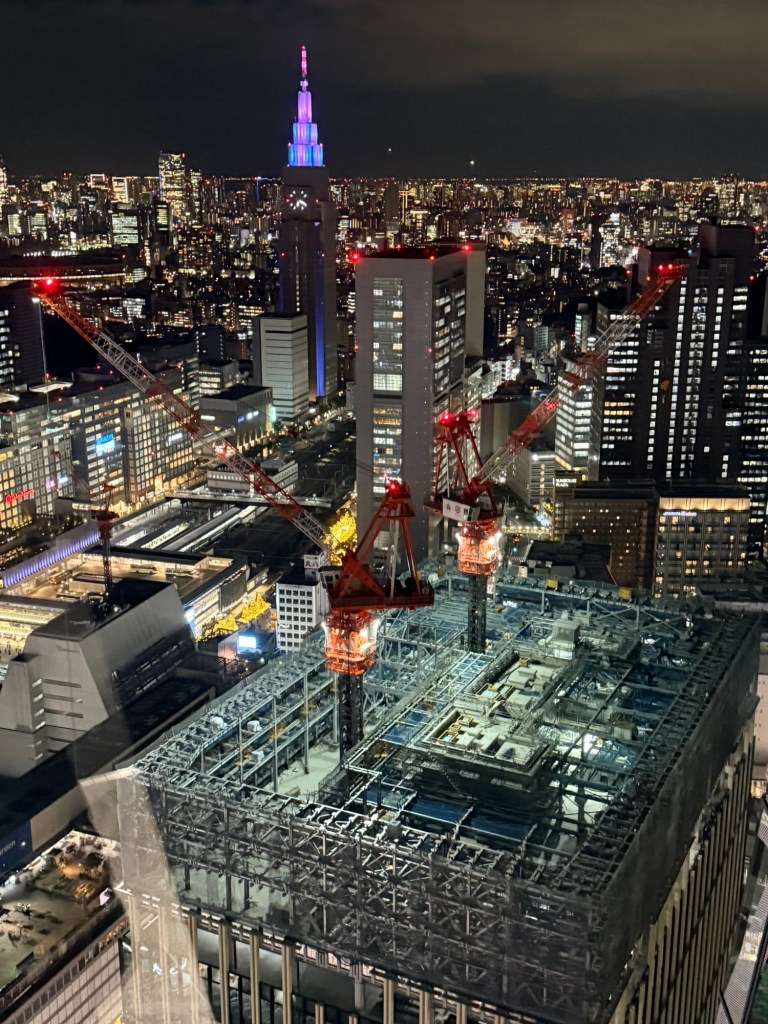
Tamami explaining the building’s organization. our event was to be held. These three-story high atriums offer sweeping views.But the best views are from teh top of the Cocoon Tower.A busy Tokoyo intersection. Buildings as far as the eye can see — the world’s biggest megalopolis!More buildings prinnign up that will block the views of and from the Cocoon Tower.
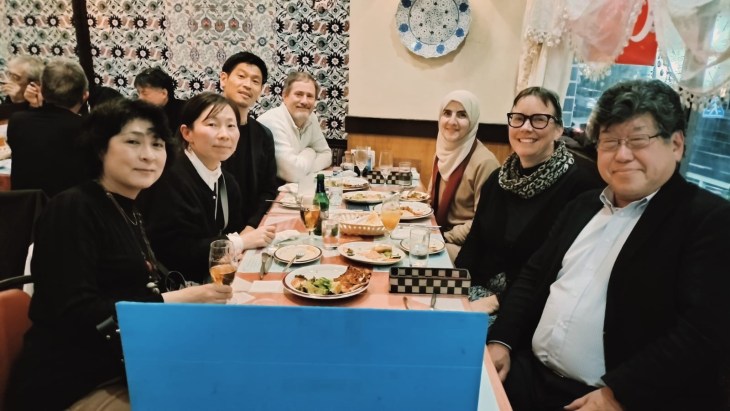
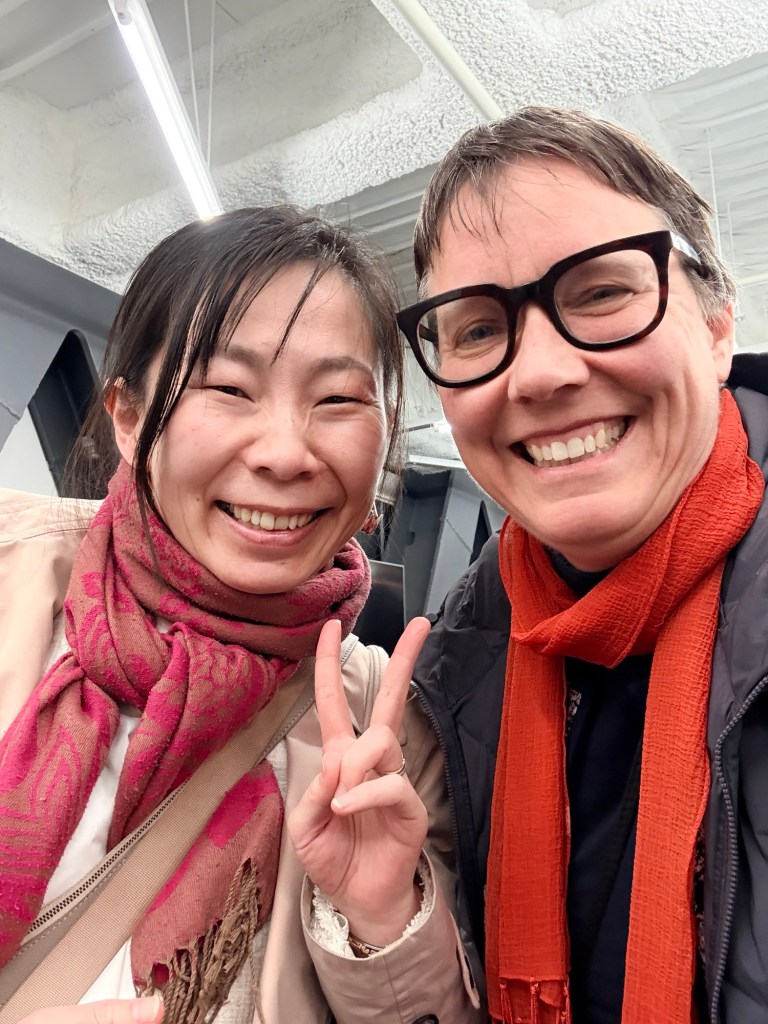
Following the tour, I enjoyed a lovely pre-conference dinner at a Turkish restaurant alongside Tamami, Dr. Asami Ogura (of the National Institute of Technology, KOSEN, branch in Hiroshima), Shinya, STefané, Sarah, Dr. Jun Fudano (whom I met last February in Virginia at the Association for Practical and Applied Ethics conference, as he helps lead APPE), and Misaki (a graduate of University College London’s Institute of Education, who helped translate several of our sessions) who took the photo below.
Preconference dinner with Tamami, Asami, Shinya, Stefané, Sarah, me, and Jun.
Sarah and I arrived at Cocoon Tower plenty early the next day and had breakfast near the venue. Eating so much for breakfast was a mistake with a big lunch on the horizon, but I didn’t want to risk being underprepared.
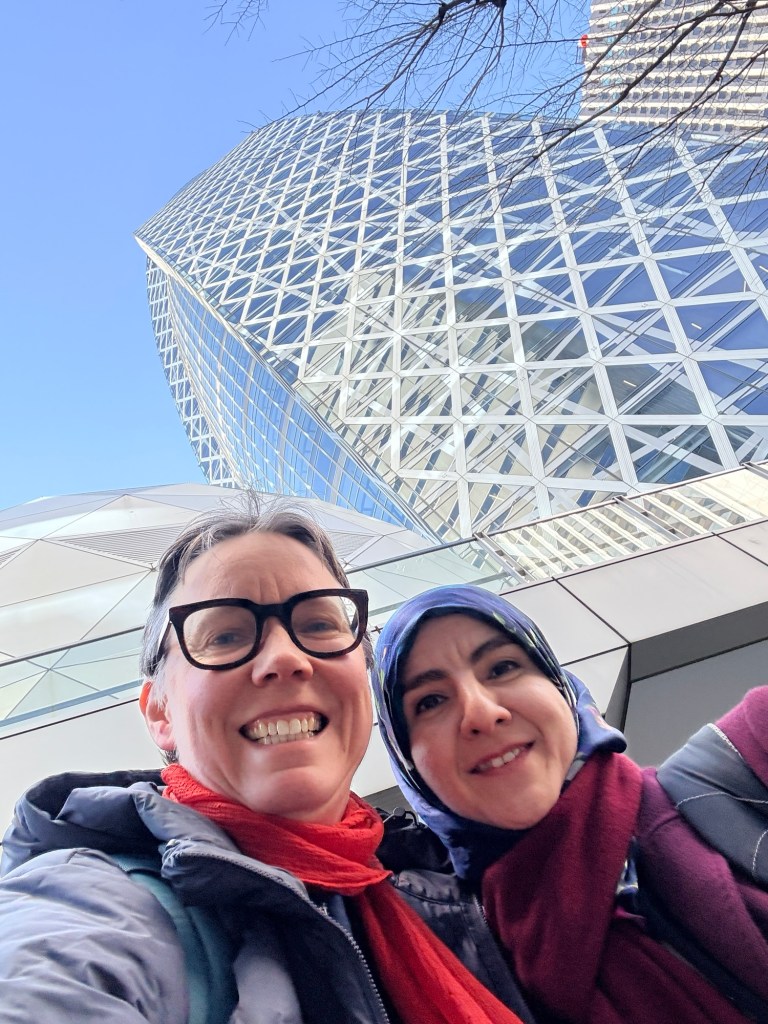
Sarah and me, headed to the venue the next day.The building is also lovely to view in the sunshine.
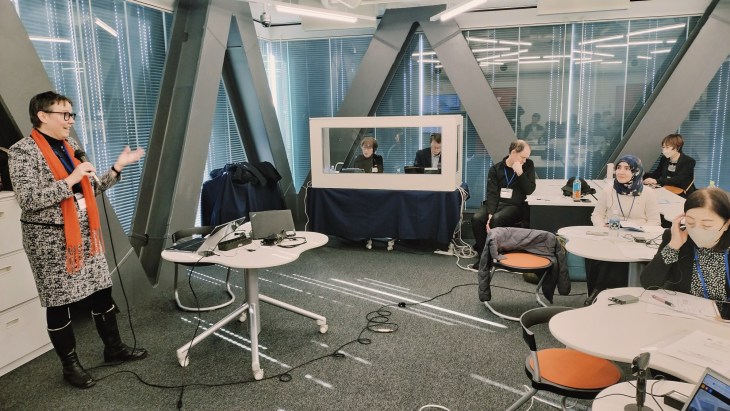
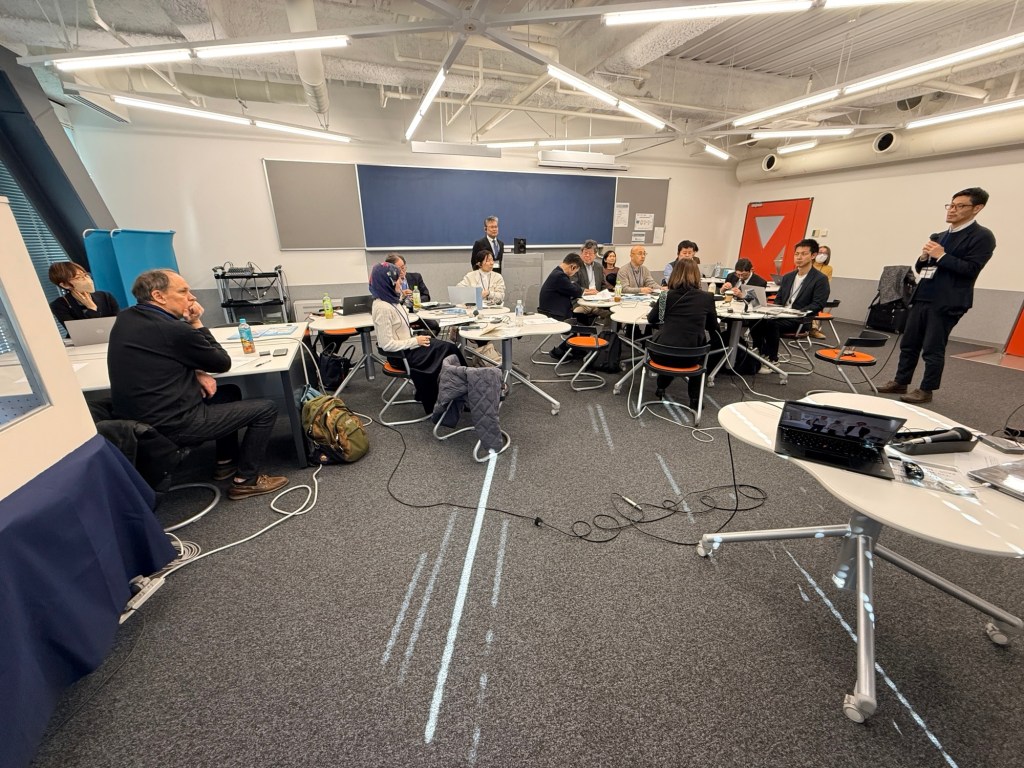
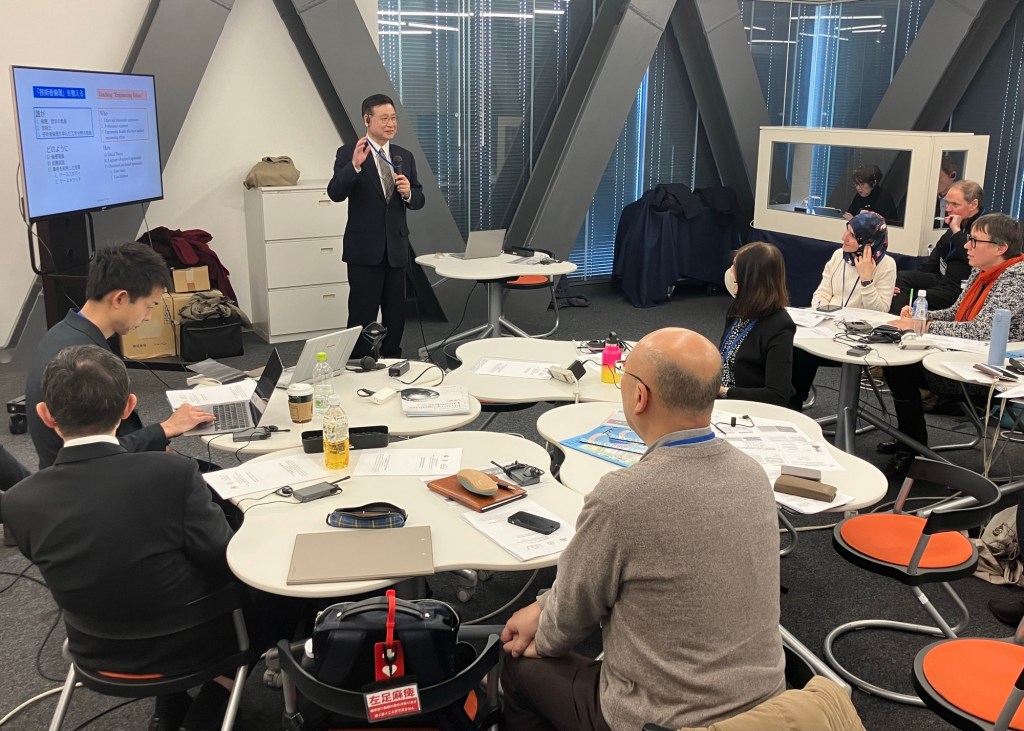
This was a spectacular event! So engaging. So well organized and translated.
The event included many interesting speakers and was well attended, with roughly two dozen colleagues travelling from all corners of Japan to participate.
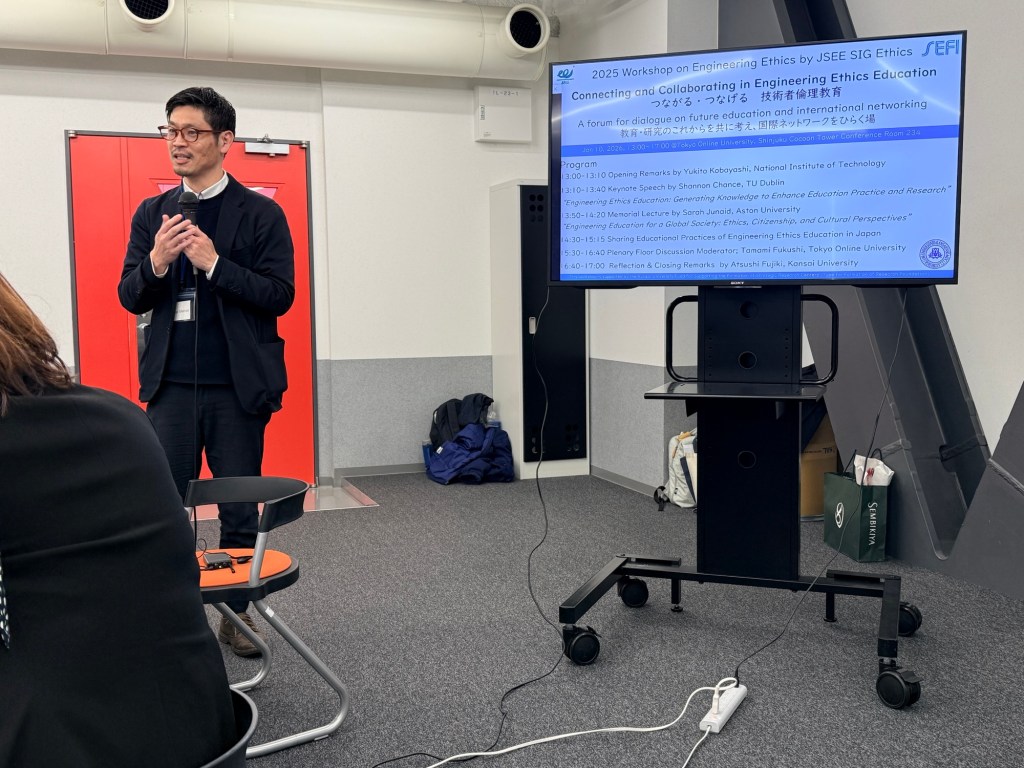
The event opened with a welcome from Shinya, followed by a keynote I delivered and a Memorial Lecture delivered by Sarah.
Atsushi’s grant paid for two professional translators, which made a world of difference in the quality and comfort of our day. We each had a headset so we could hear in real time what anyone in the other language was saying.
Translators hard at work!
This was an enormous support for effective communication — it represented a substantial investment but was essential to helping us understand and engage with each other in deeply meaningful ways.
Particpants ready to start the day!Shinya Takehara opening the event.
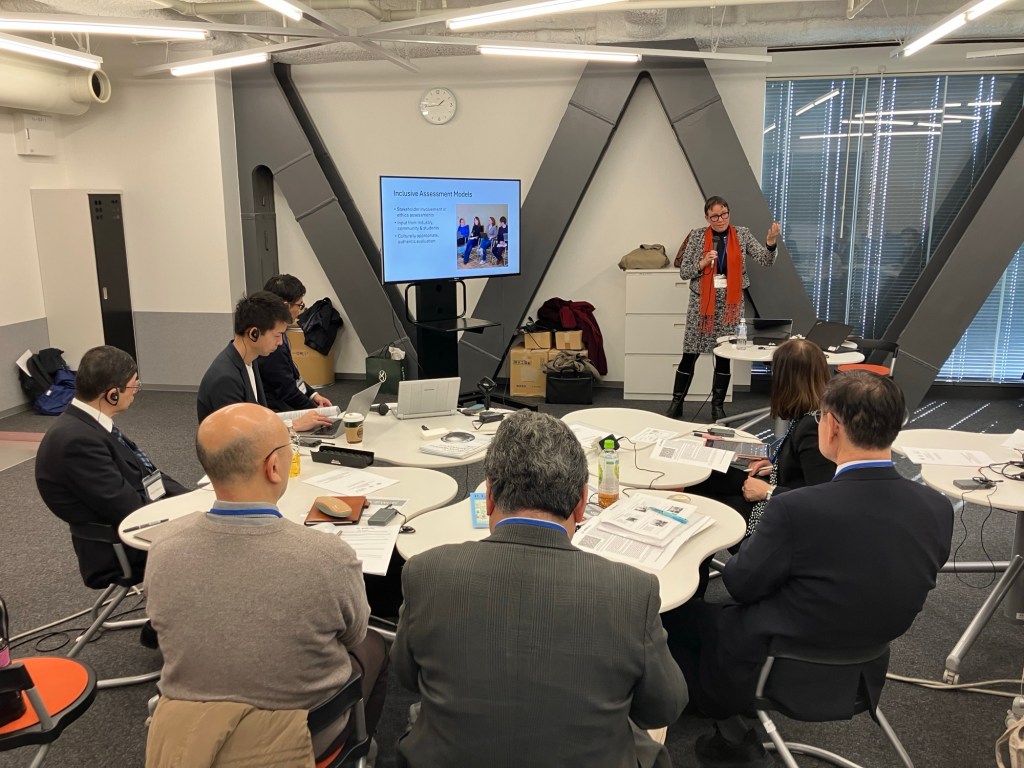
First up was my own keynote, a half-hour presentation summarizing topics that Tom Børsen and I presented at the SEFI conference last September. I helped the audience understand what SEFI is doing in engineering ethics education and invited our Japanese colleagues to join our SEFI Ethics projects and activities.
In the talk, I advocated for a shift from individual rule-following toward collective global responsibility and an “Ethics of Care” for the planet and future generations. I introduced some useful frameworks for navigating complex, high-stakes socio-technical challenges, including humble, reflexive dialogue and inclusive, culturally appropriate assessment models.
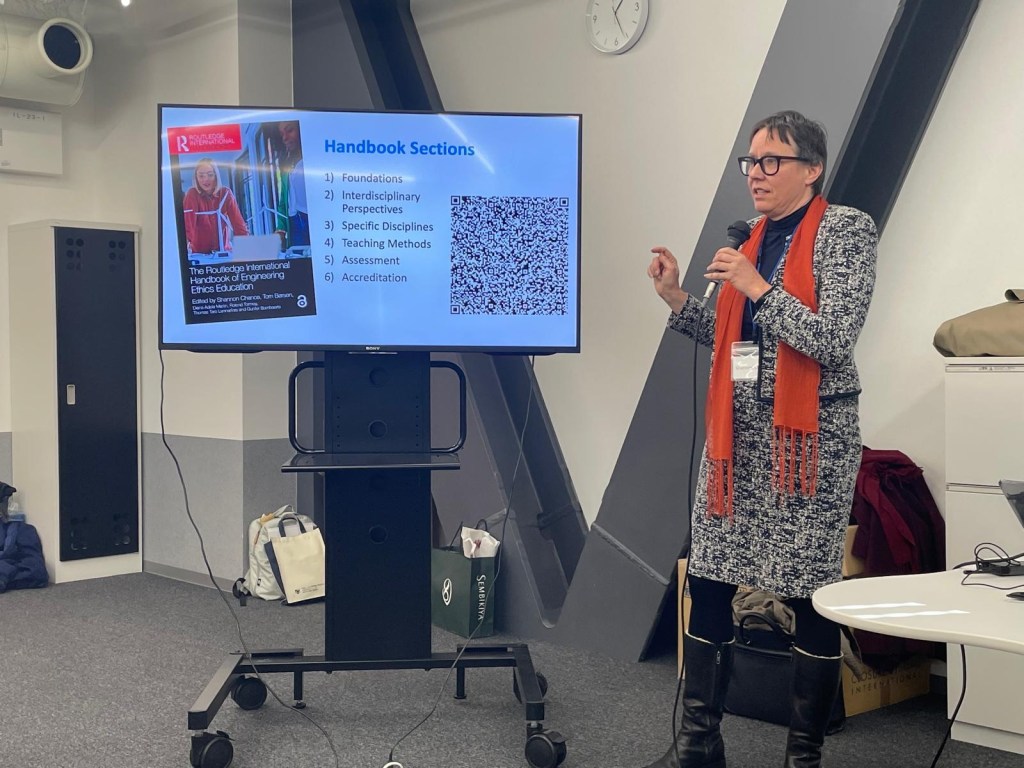
Discussing ways forward.Introducing the handbook.
I also honored the legacy of Japanese scholar Prof. Kenichi Natsume, calling on the international community to collaboratively integrate ethics into teaching to shape a more socially responsible future.
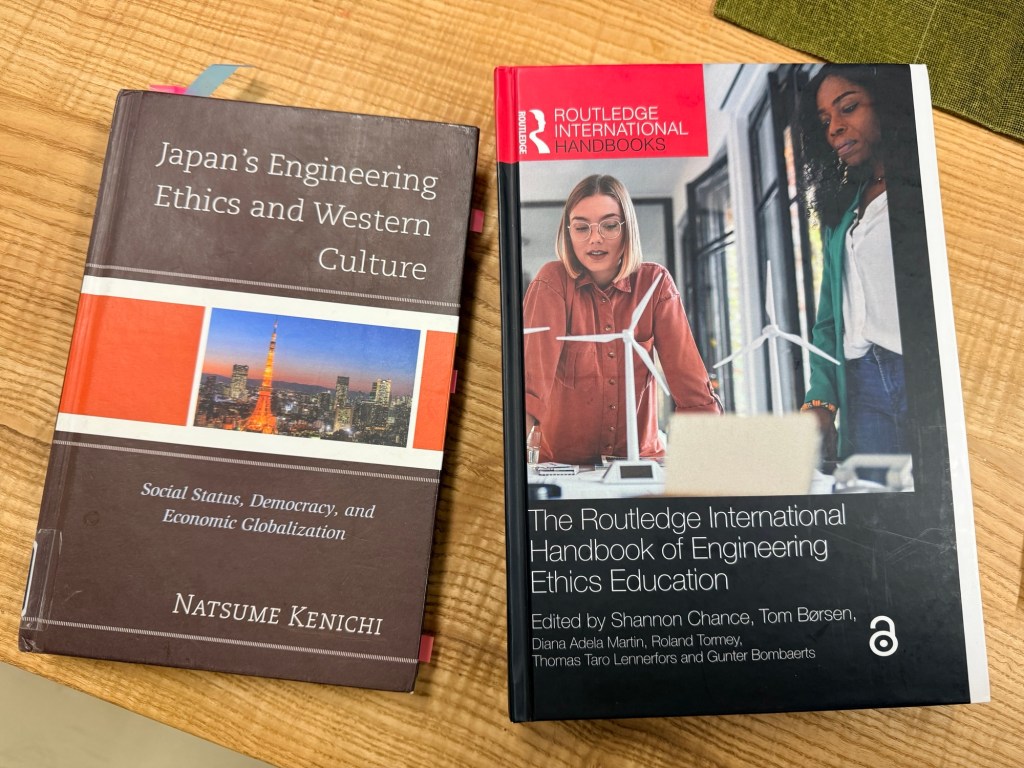
The next talk, the Memorial Lecture, presented by Sarah Junaid, paid tribute to Kenichi. He was a co-author on Sarah’s chapter of the engineering ethics handbook. The editors of the handbook dedicated it to Kenichi, in honor of the groundbreaking work he did bridging eastern and western perspectives on engineering ethics.
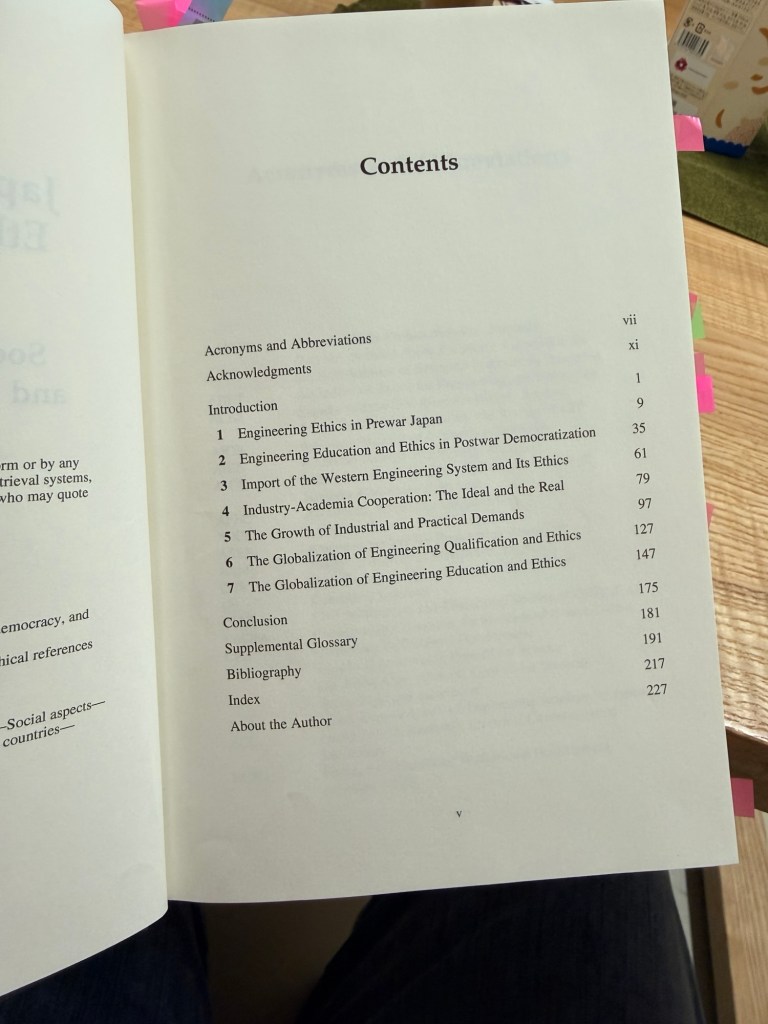
The table of contents of Kenichi’s book.The cover of Kenichi’s book and our co-authored handbook.
Sarah summarized Japan’s context as steeped in collective consciousness, a duty to others, and an embedded morality. The education system there has historically focused on ethics and morality in an intrinsic, embedded way, with a strong awareness and regard for others and loyalty to the group. There have been recent shifts to increase the focus on individual responsibility.
In contrast, Sarah described Western cultures as emphasizing individuality, liberalization, and challenges of social responsibility. Education has typically focused on capitalism and free markets, economies built on growth, individuality, and liberalization. Recently, there has been increased focus on social and collective responsibility, which was a major theme of my keynote as well.
“Global collaboration is needed,” Sarah asserted, “for shaping ethical engineers and global citizens.” During Sarah’s presentation, we learned that Kenichi was central in helping Sarah collect data at KOSEN institutes across Japan during her Churchill Fellowship, and the slides in her talk showed the two of them actively collaborating. Sarah and Kenichi exemplified the type of collaboration that is desperately needed.
Shinya noted that “together, we shared our commitment to carrying forward [Kenichi’s] legacy and reaffirmed the importance of sustained dialogue between JSEE and SEFI on engineering ethics education.”
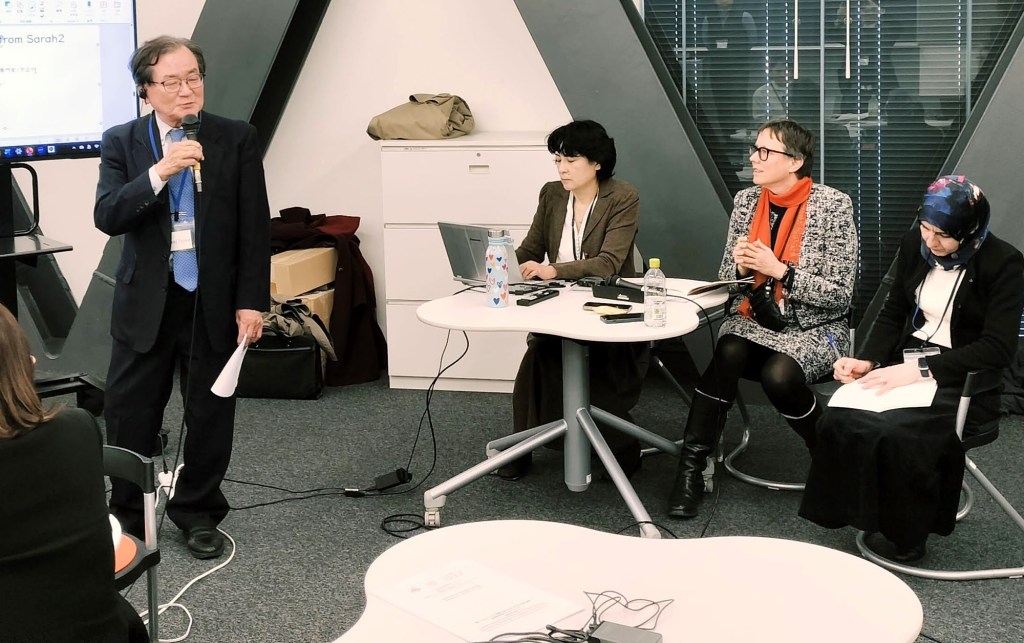
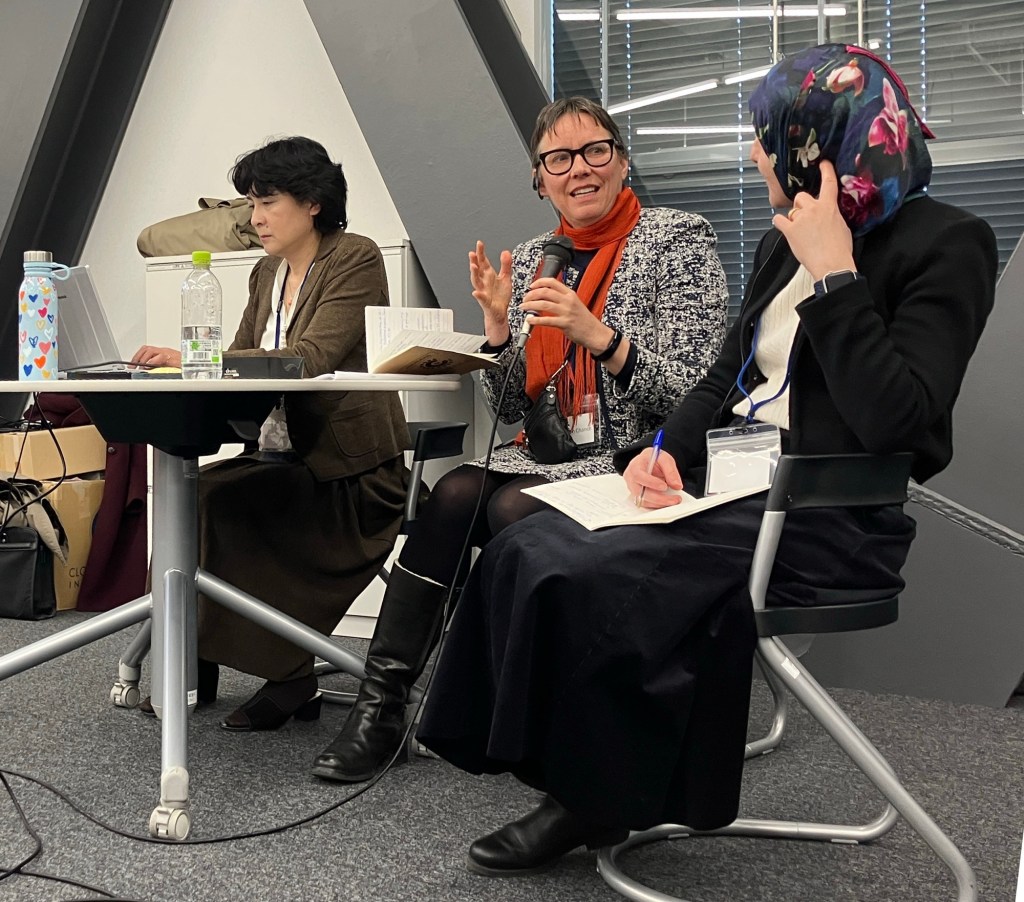
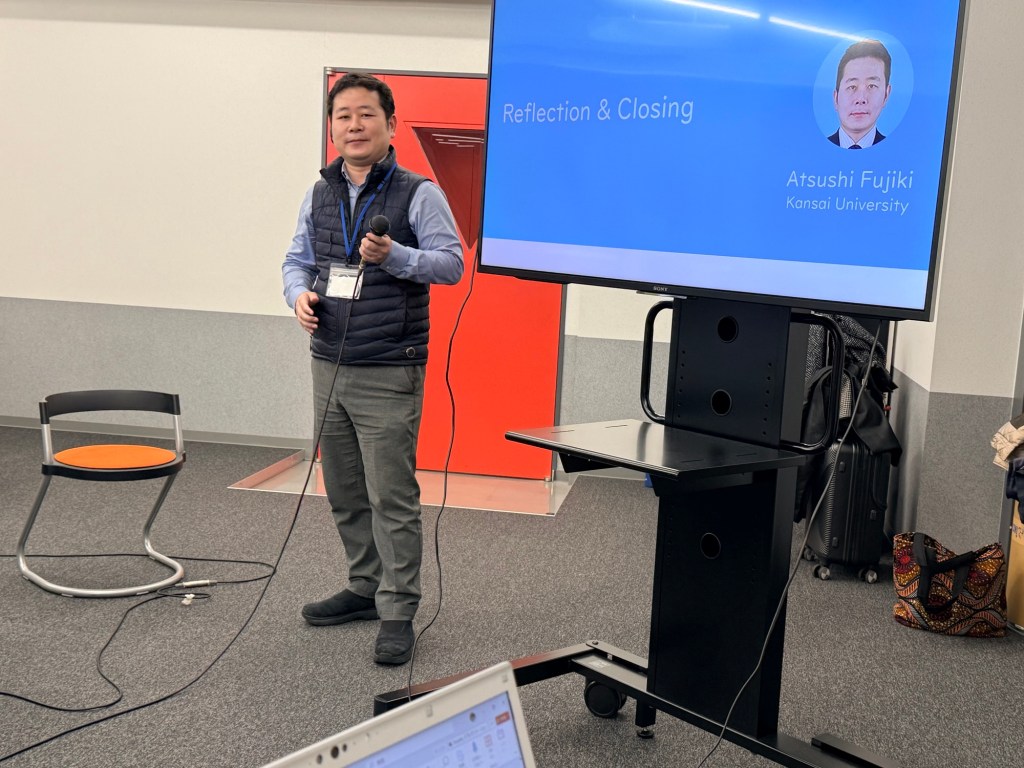
Participants posing questions to Sarah and me.Discussing questions posed.Atsushi summarizing the day’s discussions.
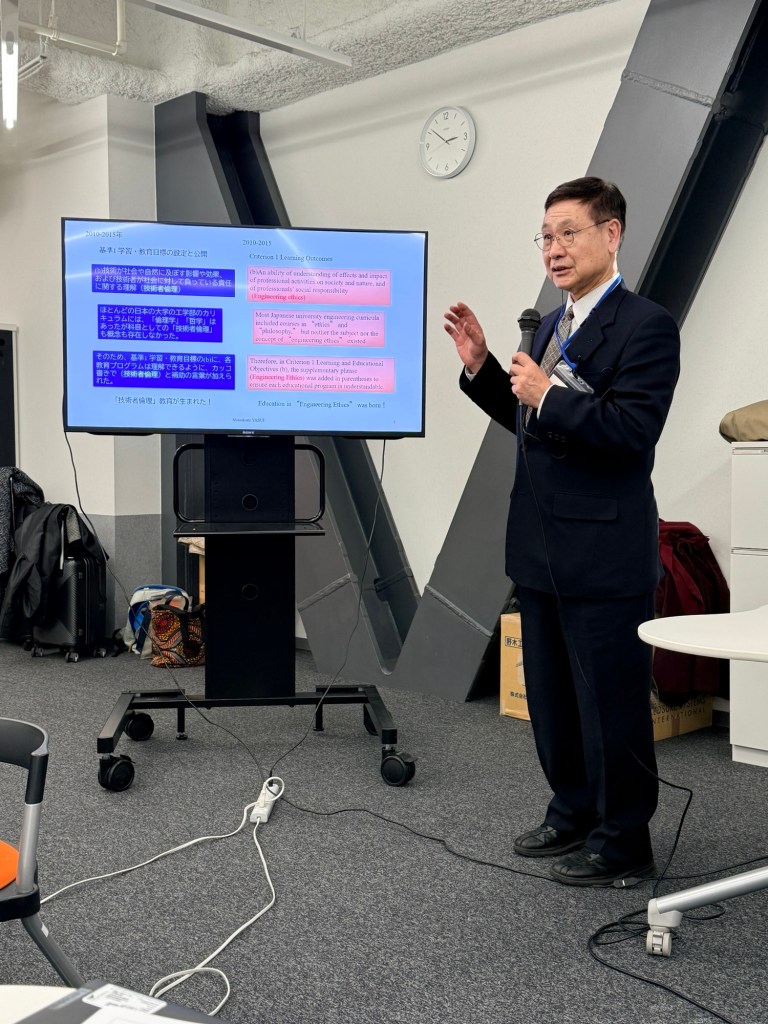
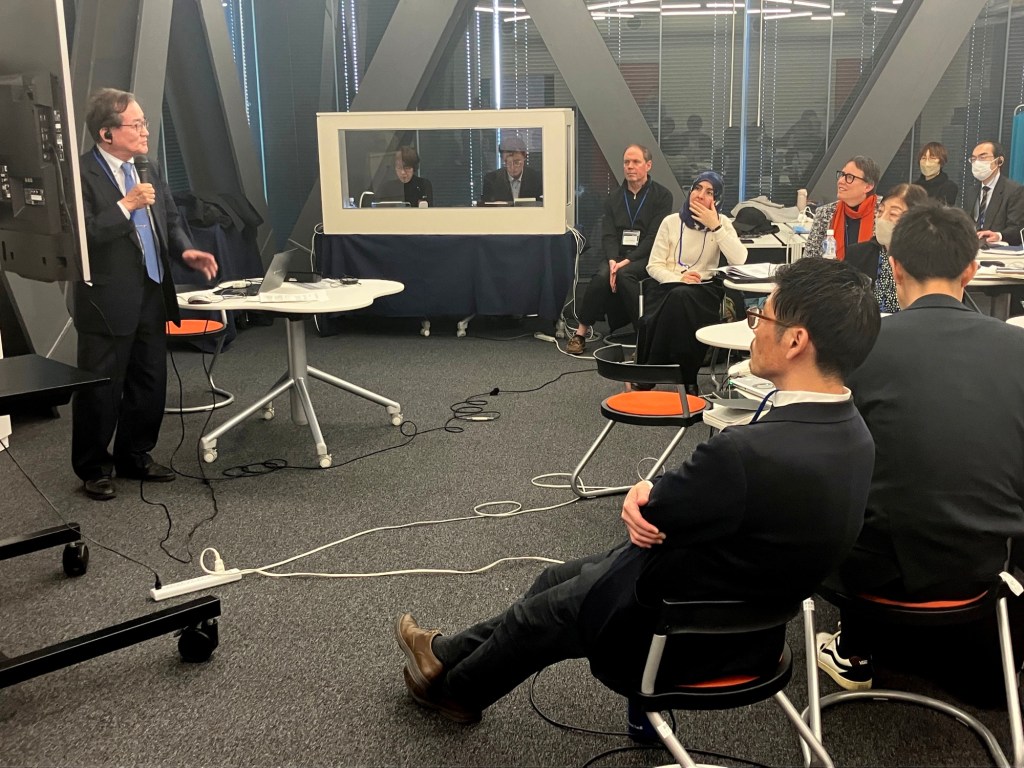
Following our talks, the first featured speaker from JSEE, Dr. Muraran Yasui (Department of Biology, Faculty of Science, Osaka University), discussed how engineering ethics is taught in Japan and how it aligns with global accreditation standards.
His group studies how this is done at many postsecondary institutions in Japan. He described Japanese efforts to foster “aspirational ethics” rather than just preventive ethics among future engineers. This concerns what engineers ought to do, not just what they are legally and professionally obligated to do.
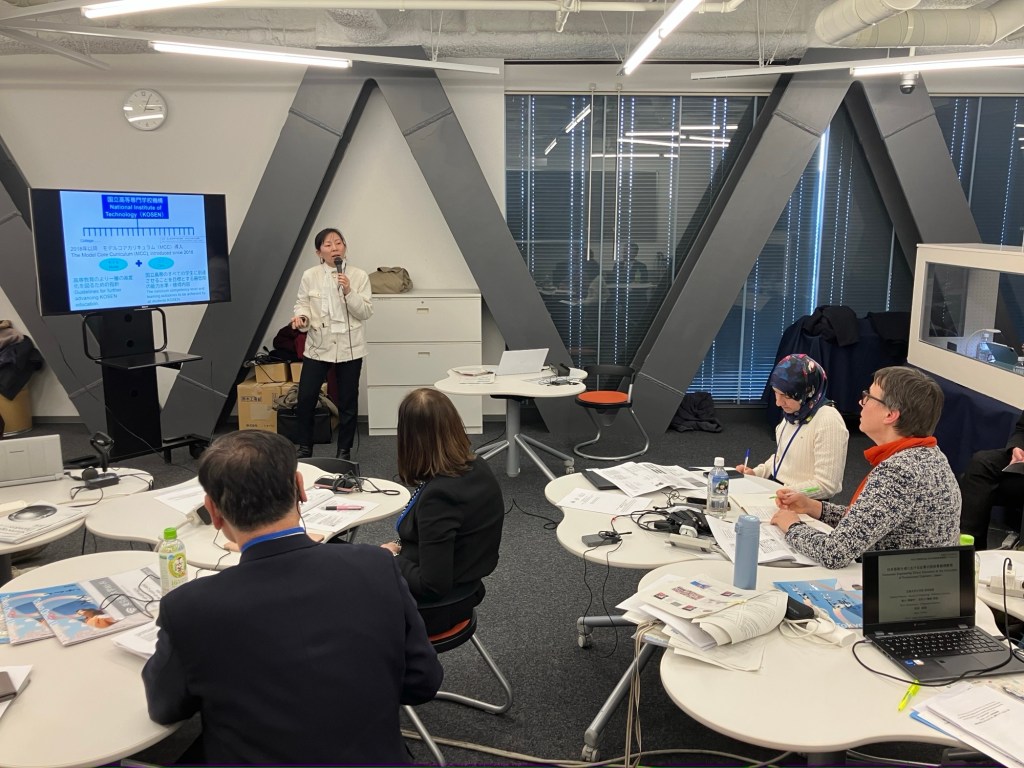
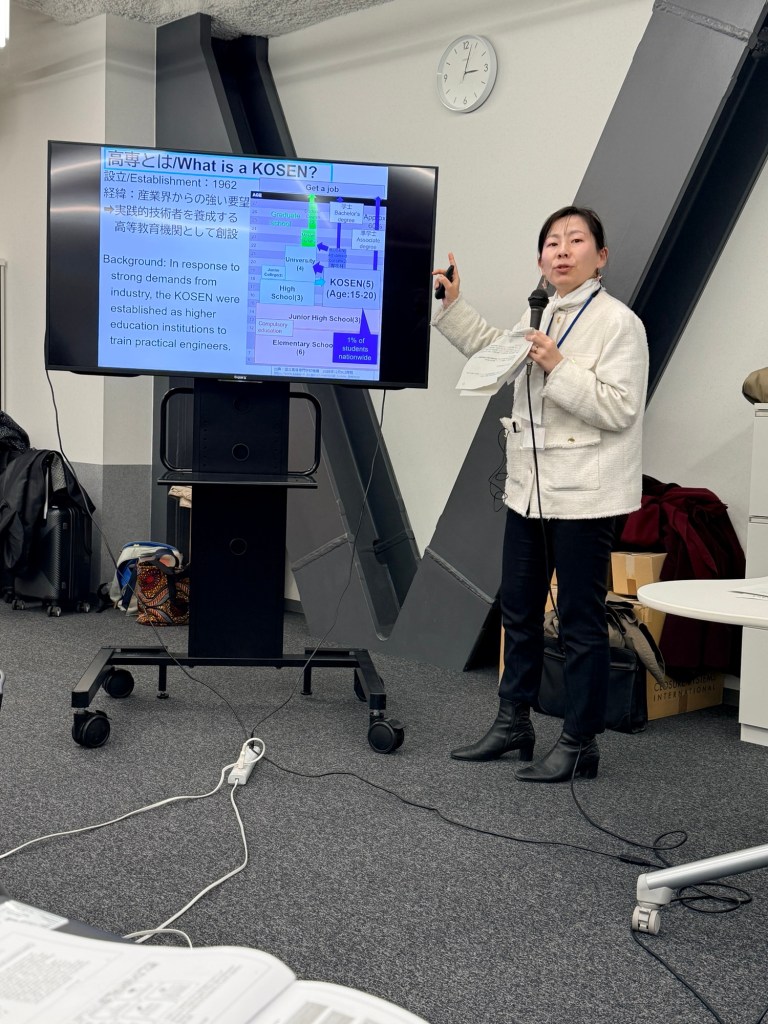
Next, Dr. Asami Ogura told us about KOSEN (the National Institute of Technology, with 51 colleges across Japan that teach students aged 15-20). Asami discussed how ethics is taught currently at KOSEN and how she believes that technology transfer can foster peace.
Dr. Asami Ogura
She also explained that KOSEN established a model core curriculum for ethics in 2018, identifying minimum competencies and learning outcomes, and providing guidance to teachers.
Asami’s work focuses on the overlap between environmental conservation, international understanding, and peacebuilding.
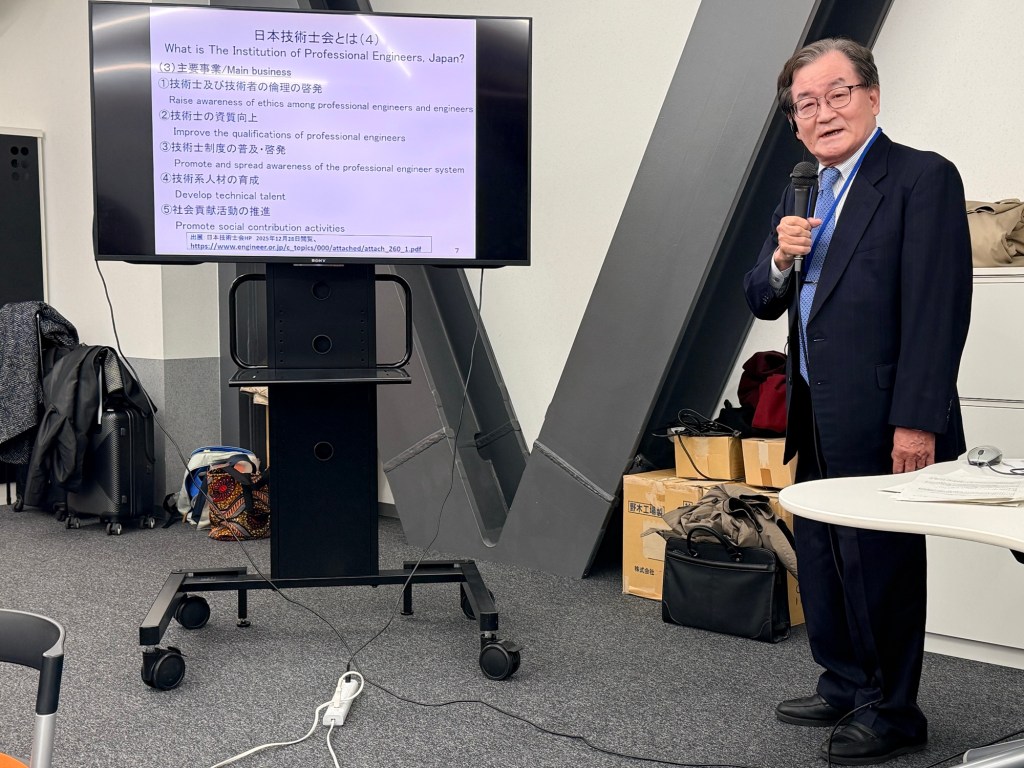
Third among the JSEE experts, Dr. Naoki Taoka discussed corporate engineering ethics. He is a leader in the Institution of Professional Engineers in Japan and a visiting professor at Hiroshima University.
Dr. Naoki Taoka
Naoki explained that the Institute’s main business is “to raise awareness of ethics among professional engineers and engineers,” as well as to improve their qualifications, promote and spread awareness of the professionalization system, develop technical talent, and contribute socially through activities.
Following the three JSEE presentations, Dr. Yukito (Happyman) Kobayasi and Atsushi also provided overview comments and insights.
Sarah and I were listening attentively to it all and making detailed notes, as we’d been asked to respond to Tamami’s questions from our European perspective.
We also provided feedback on the other speakers’ presentations, and then addressed questions from the very engaged audience.
Social Side of Events at Cocoon Tower
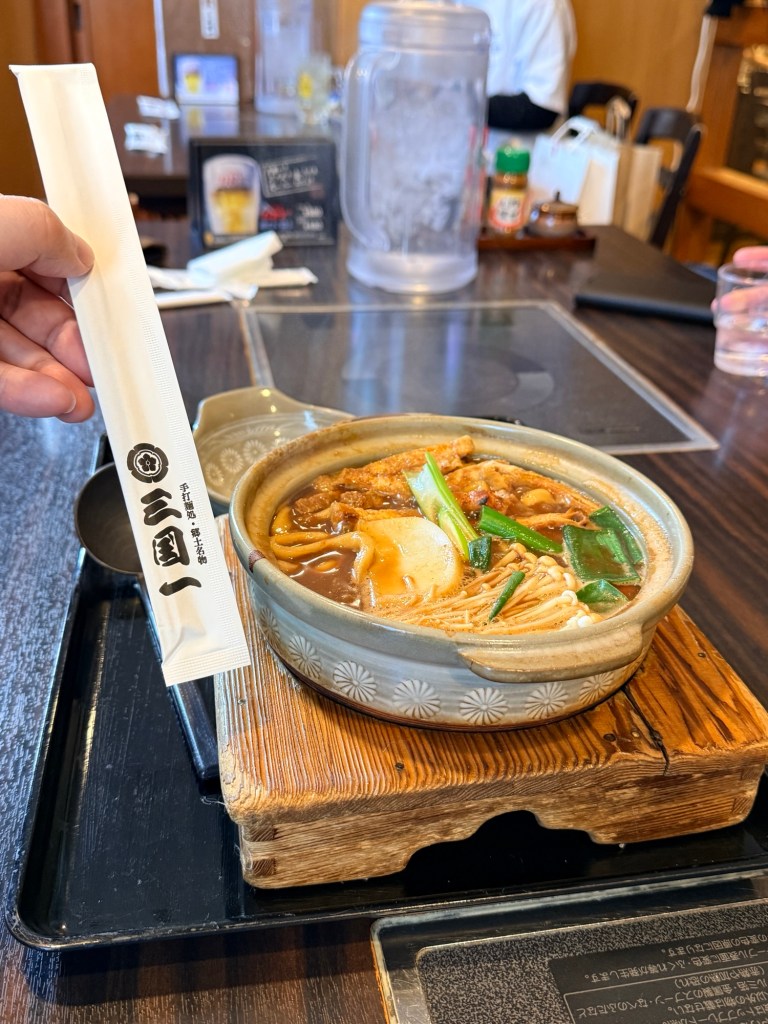
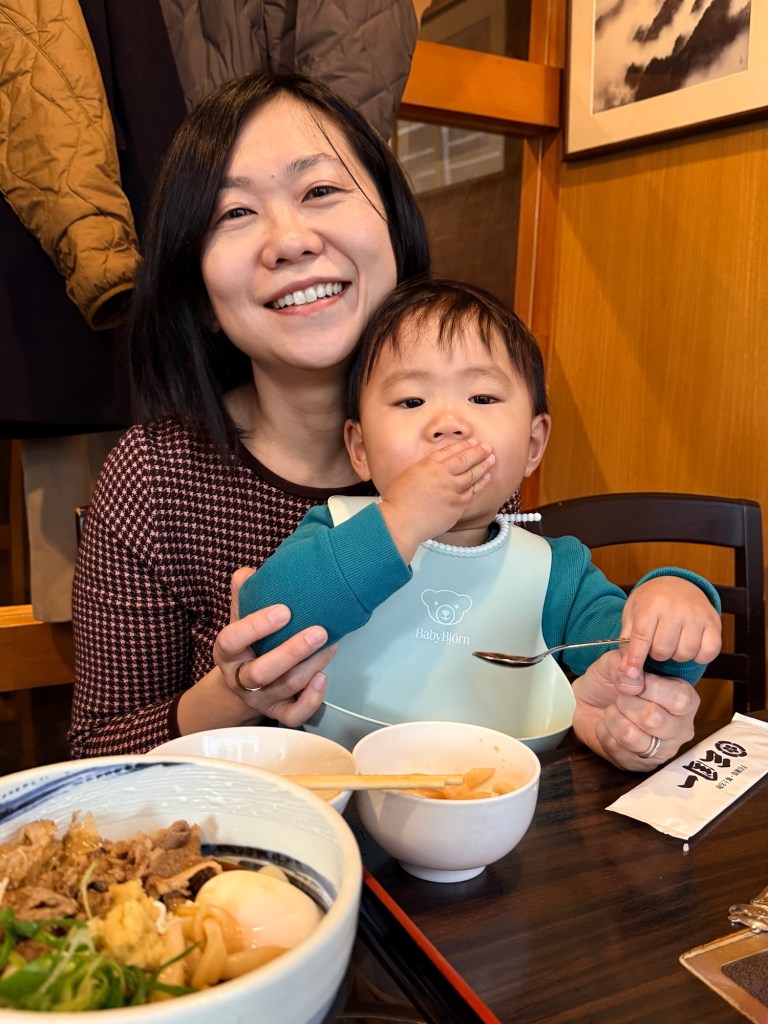
Overall, this was a very exciting day. Participants came from all over Japan, the event was held at the architecturally famous “Cocoon Tower”, and before the event, Sarah and I got to meet and enjoy lunch with the late Professor Kenichi Natsumi’s wife, Misaki Natsume, and son. We enjoyed a delicious ramen-type lunch with Misaki, Shinya, Atsushi, and some of the experts named above.
Invited speakers at lunch before the main event.A really yummy chicken soup.The Natsumis agree!
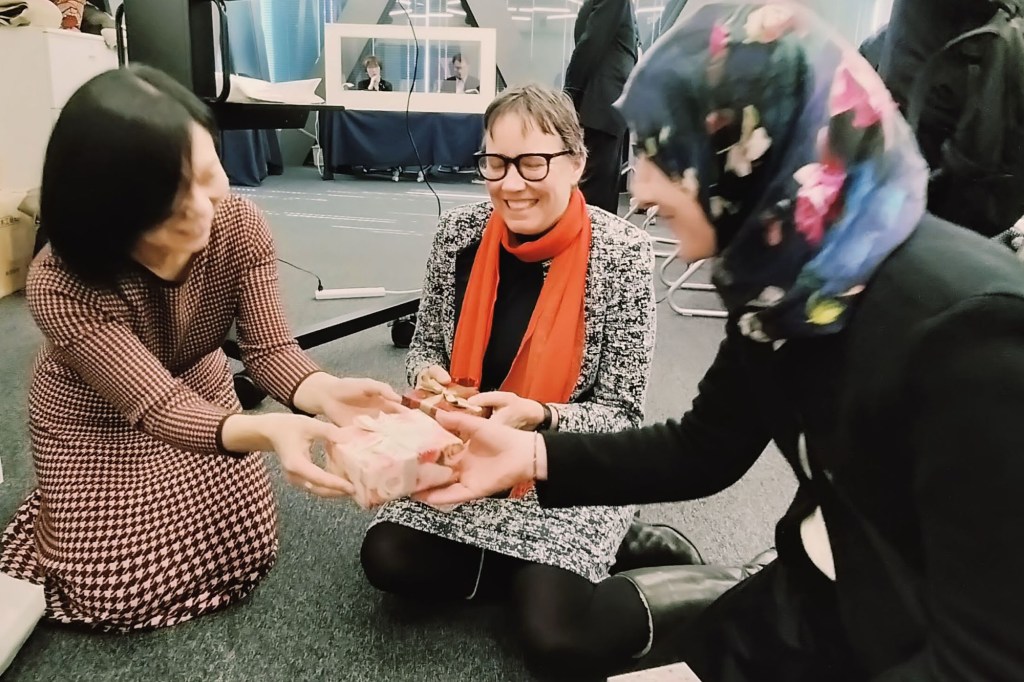
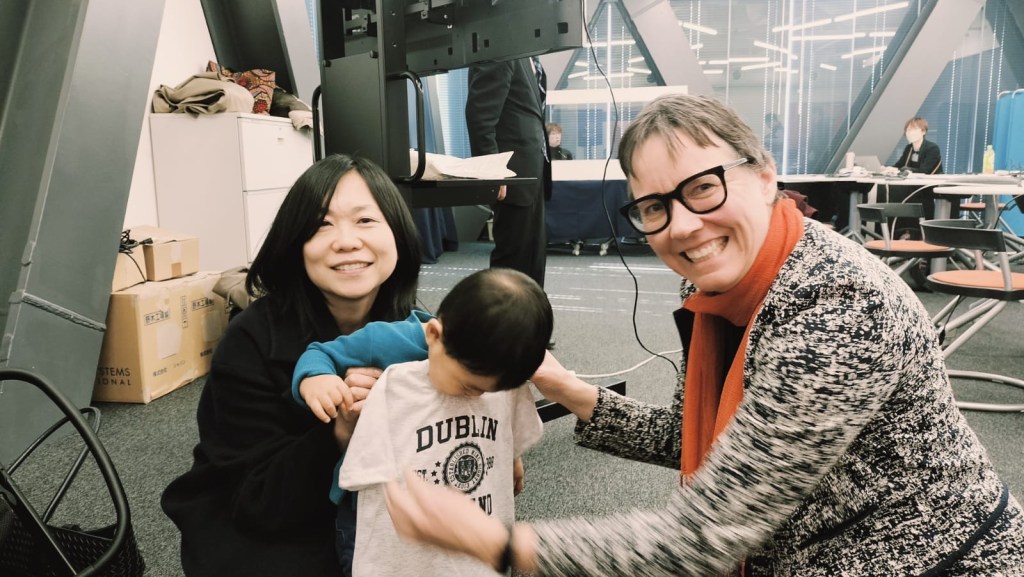
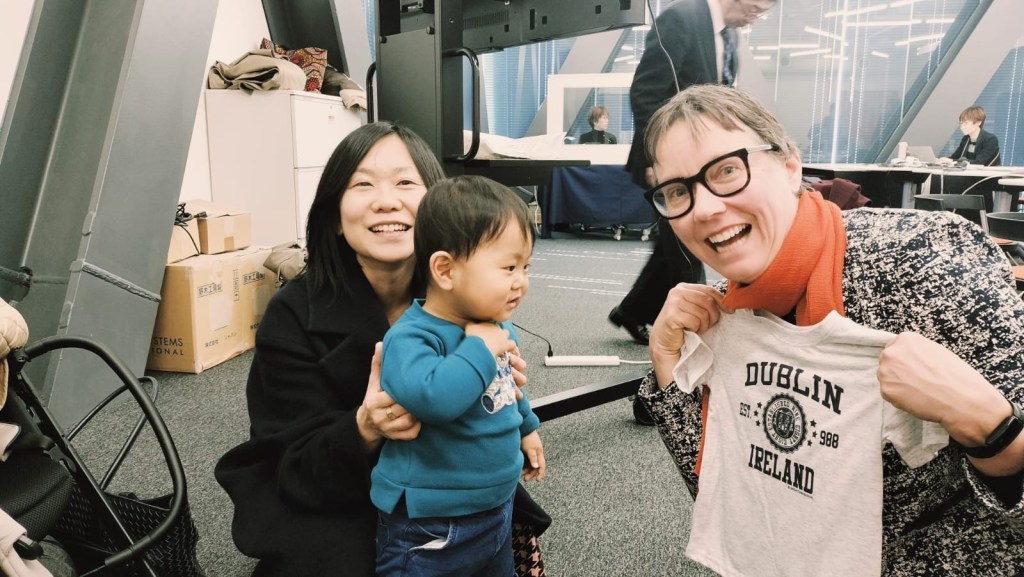
We also got to exchange gifts with Misaki and her son. She gave us the most sincere, heartwarming, handwritten notes describing, among other things, how much being part of the handbook project had meant to her husband.
We exchanged gifts with Misaki just before the main event.It’s not easy to find toddler-friendly gifts.But it looks like this t-short from Dublin will fit fine.
Dr. Fumihiko Tochinai also attended the event. He co-authored Chapter 30 of the ethics handbook, titled “Two criticisms of engineering ethics assessment,” with Rockwell Clancy, Xin Luo, and Chunping Fan.
Dr. Fumihiko Tochinai, co-author of handbook chapter 30, “Two criticisms of engineering ethics assessment,” attended the conference.
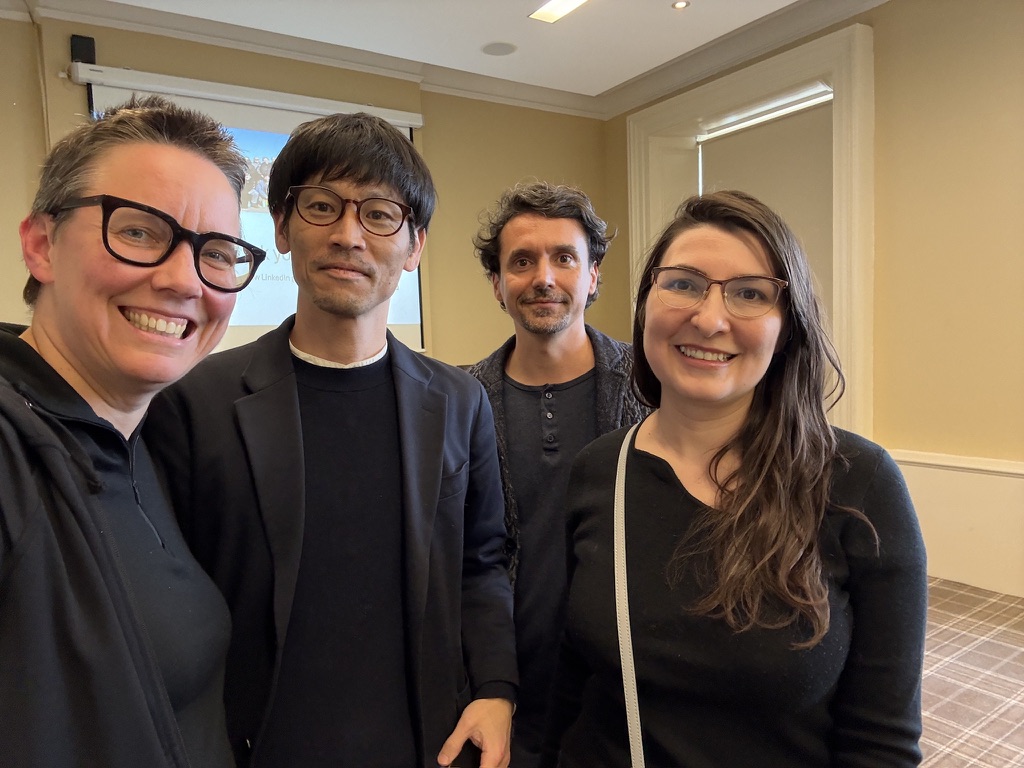
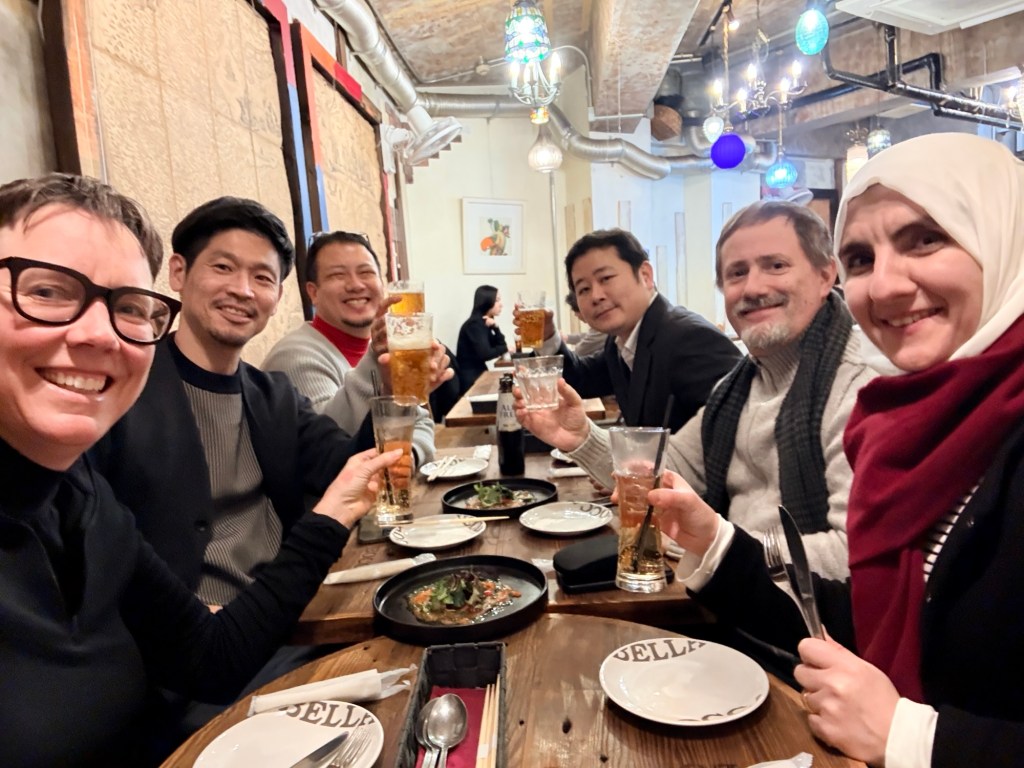
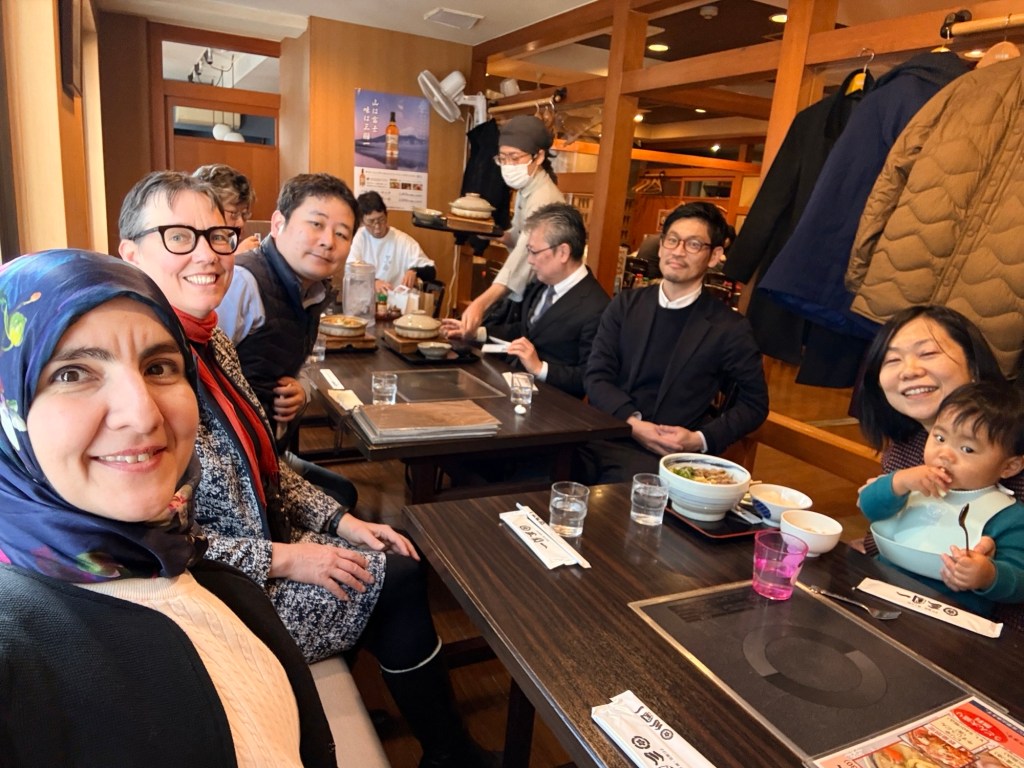
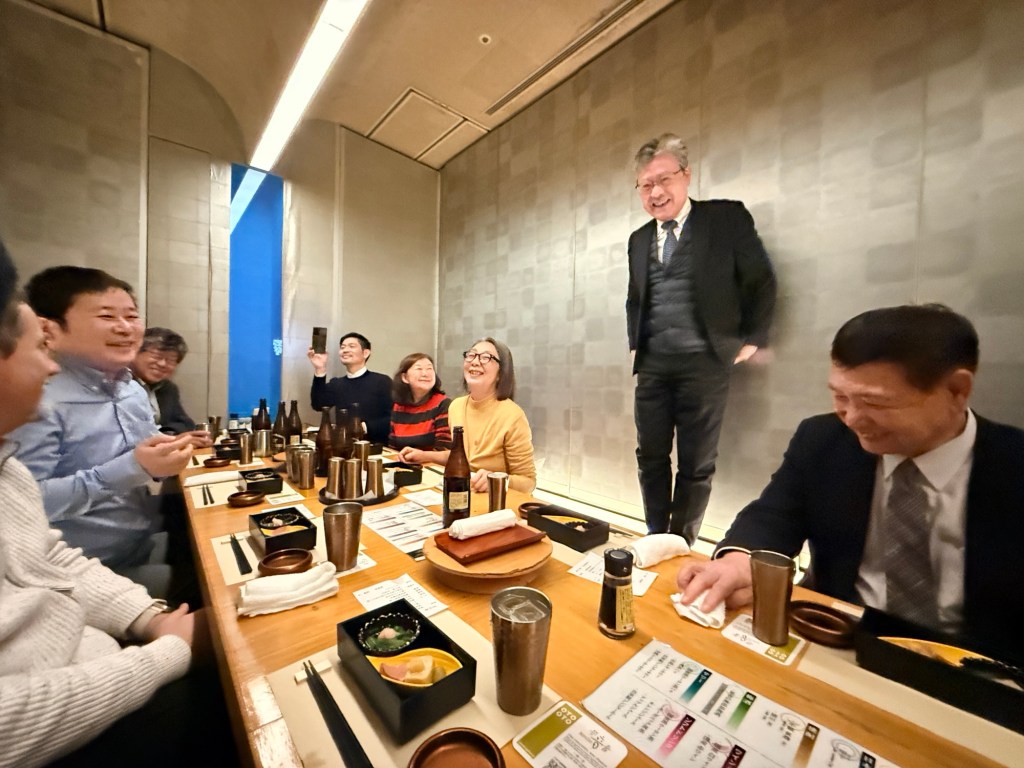
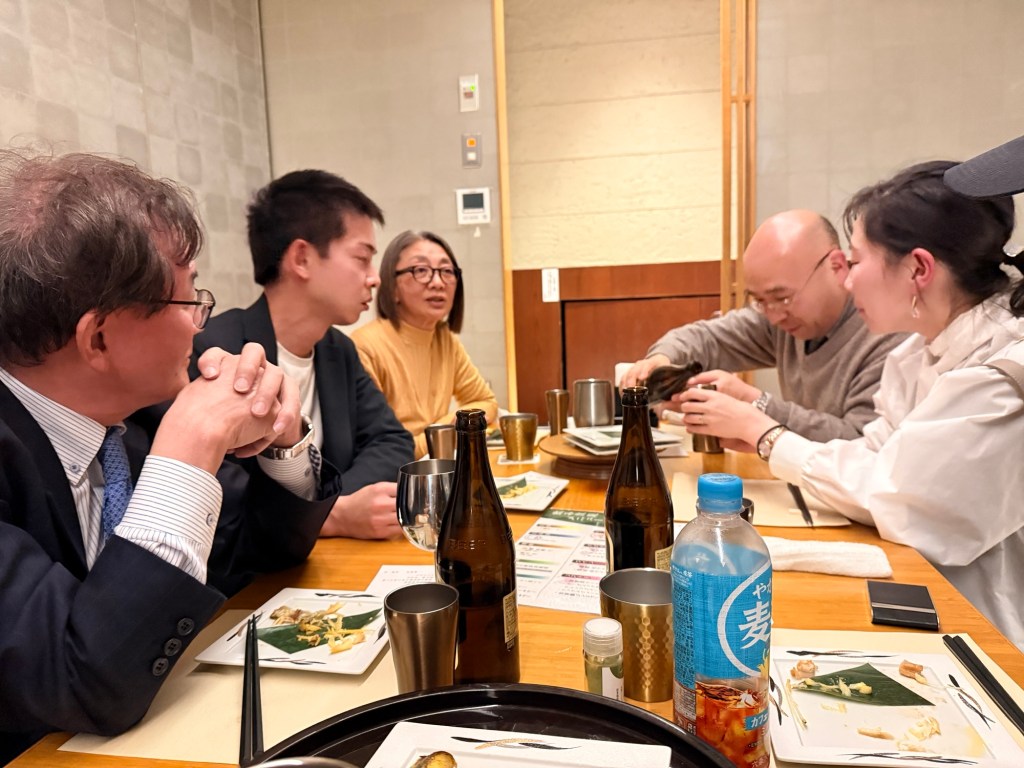
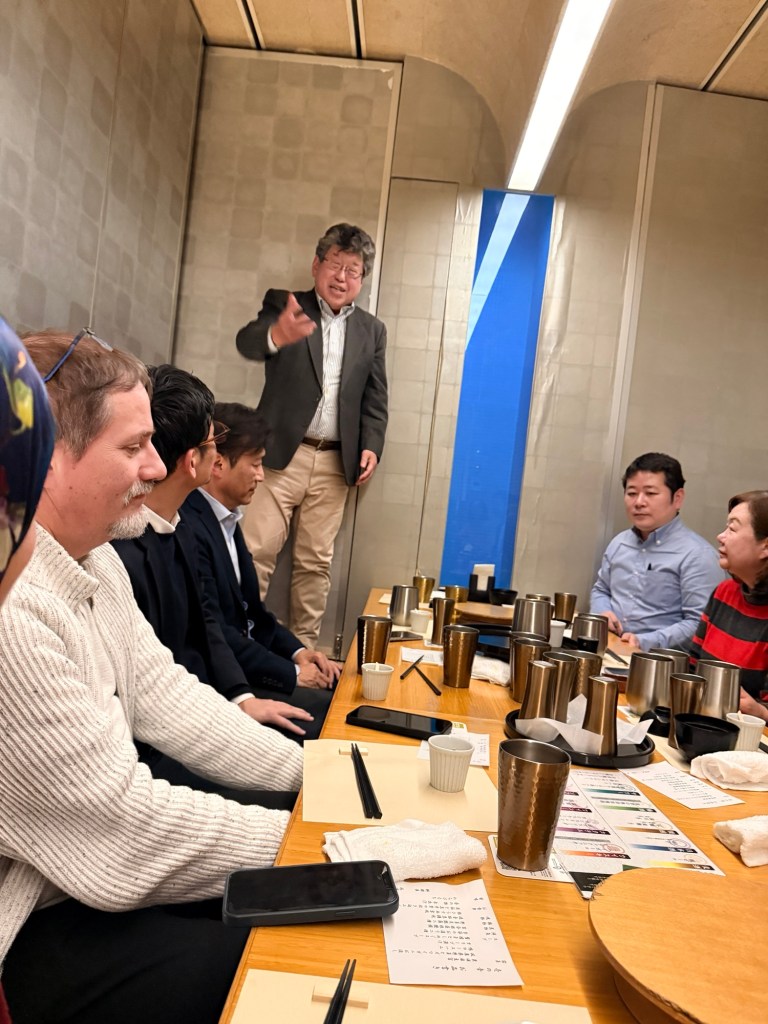
At the end of the event, we got a “family picture” and then headed off for a traditional Japanese meal together. It was a very special experience, and I learned some important cultural aspects (when and where to wear slippers versus socks only inside, how to pour beer for each other, and the like). One of the day’s attendees, Jeffrey S. Cross, an expat from the USA like me, helped me translate and explain nuances.
Headed out for a traditional Japanese dinner after the conference!Goodbye Cocoon!Dr. Yukito (Happyman) Kobayasi leading a toast at dinner after the event.Learning Japanese traditions.And about Japanese foods.A culminating toast by Jun.
Cultural Explorations
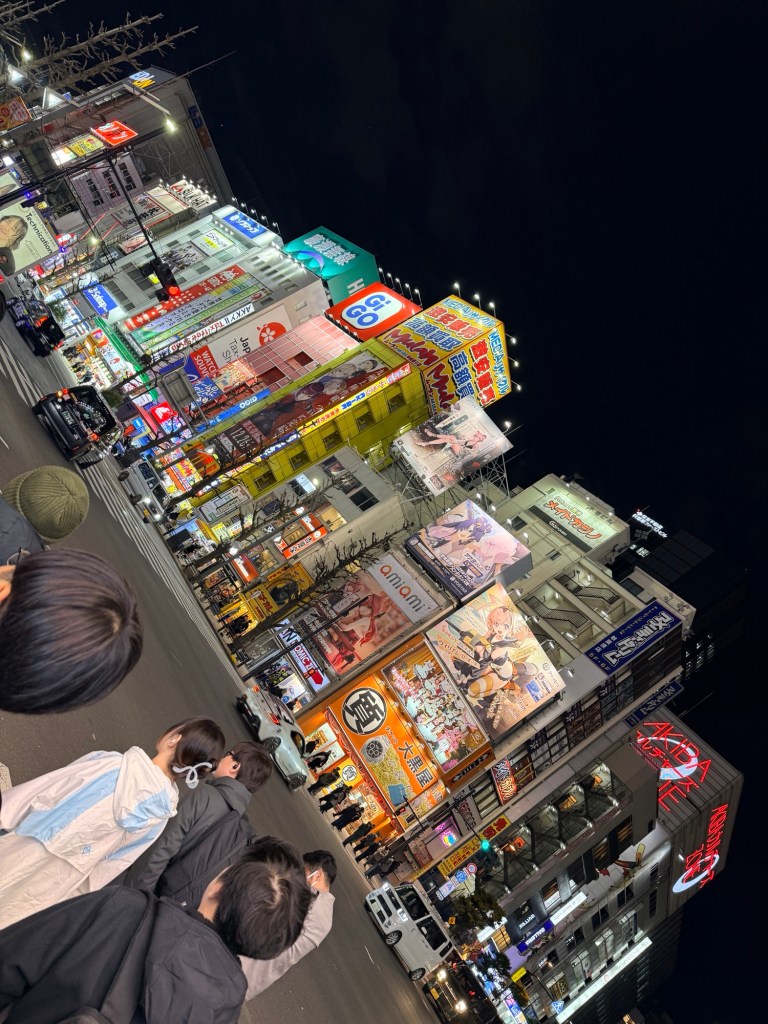
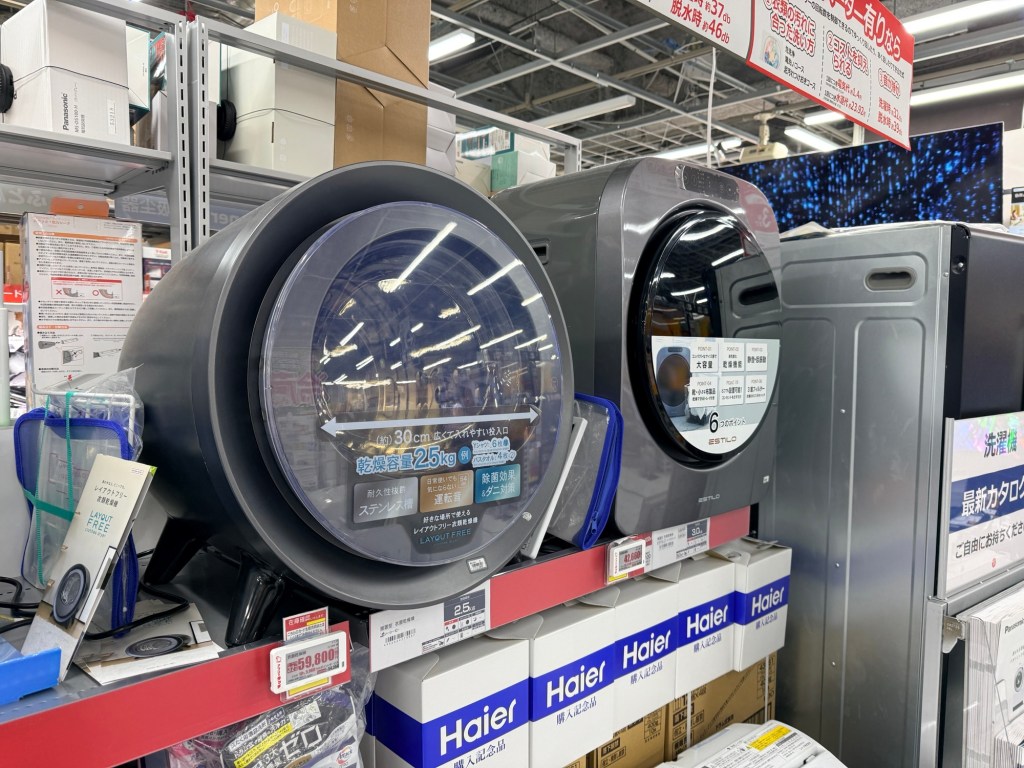
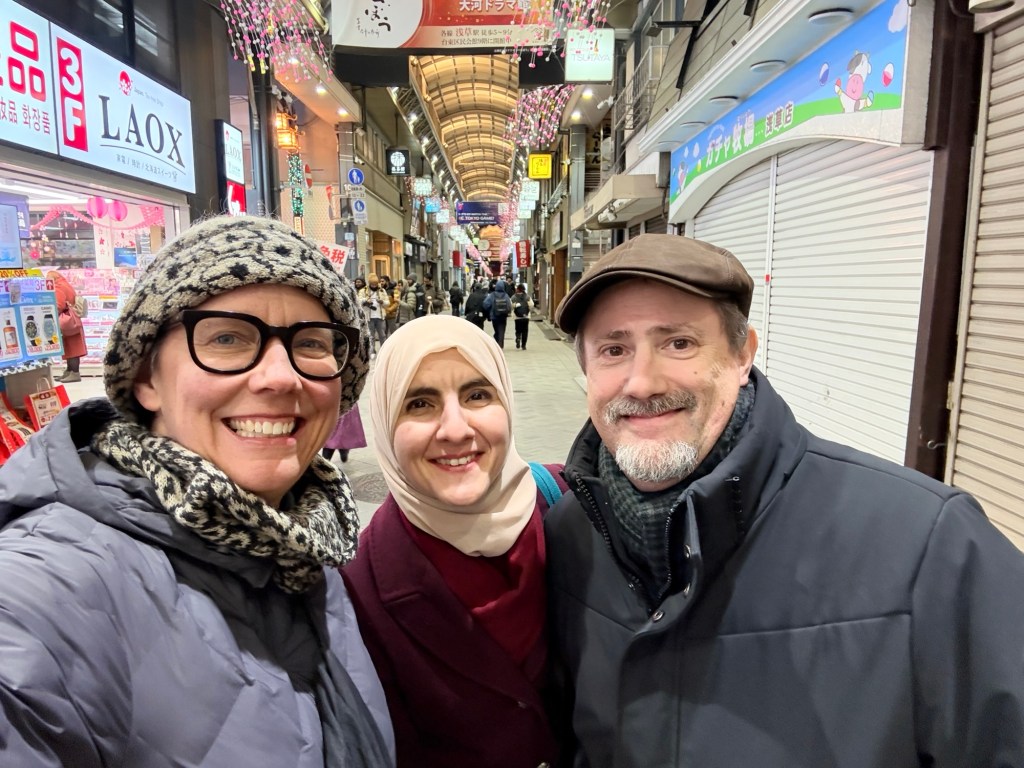
Following this big day of activity, Sarah and I, along with Sarah’s lovely newlywed husband, Stefané, who joined her for the trip, had a bit of time to explore Tokyo. We enjoyed exploring a huge electronics store together.
Getting to Tokyo…We explored an electronics store filled with all kinds of interesting gadgets, like these clothes washers. We had a special dinner, Sarah, her husband Stefané, and me.Sarah knew the ins and outs of getting around.In this arcade, we found delicious crepes and mochi balls.
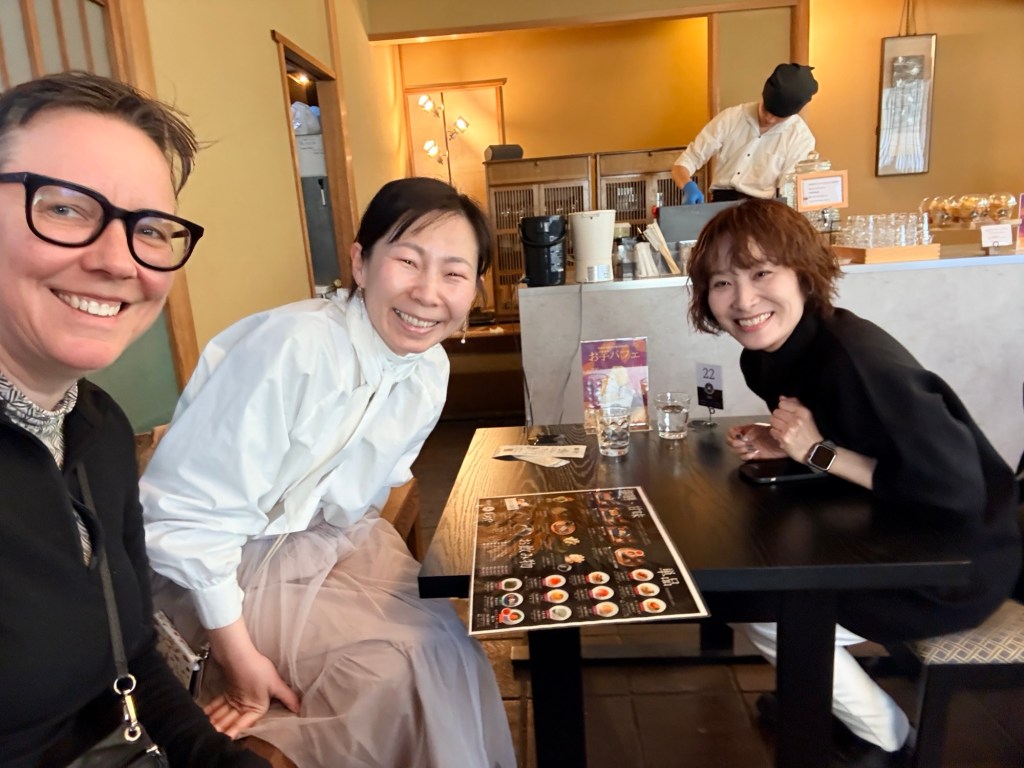
On our last morning in Tokyo, I visited the Shinjuku Goyen National Garden, where at the tea house, I bumped into Asami and a friend of hers.
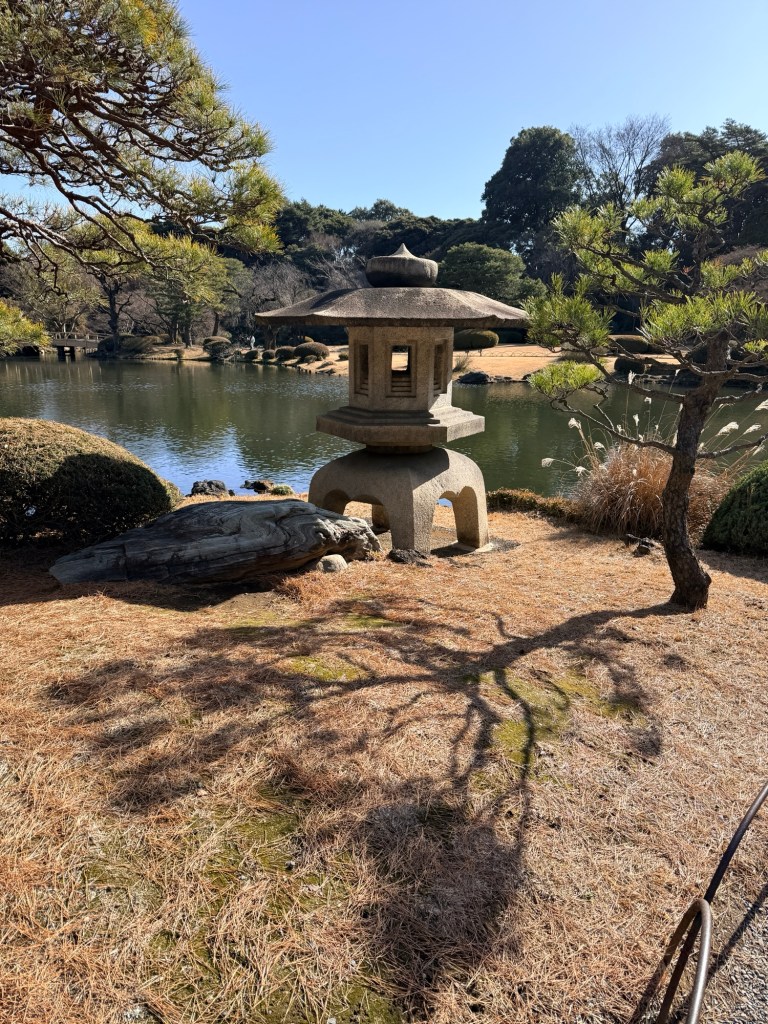
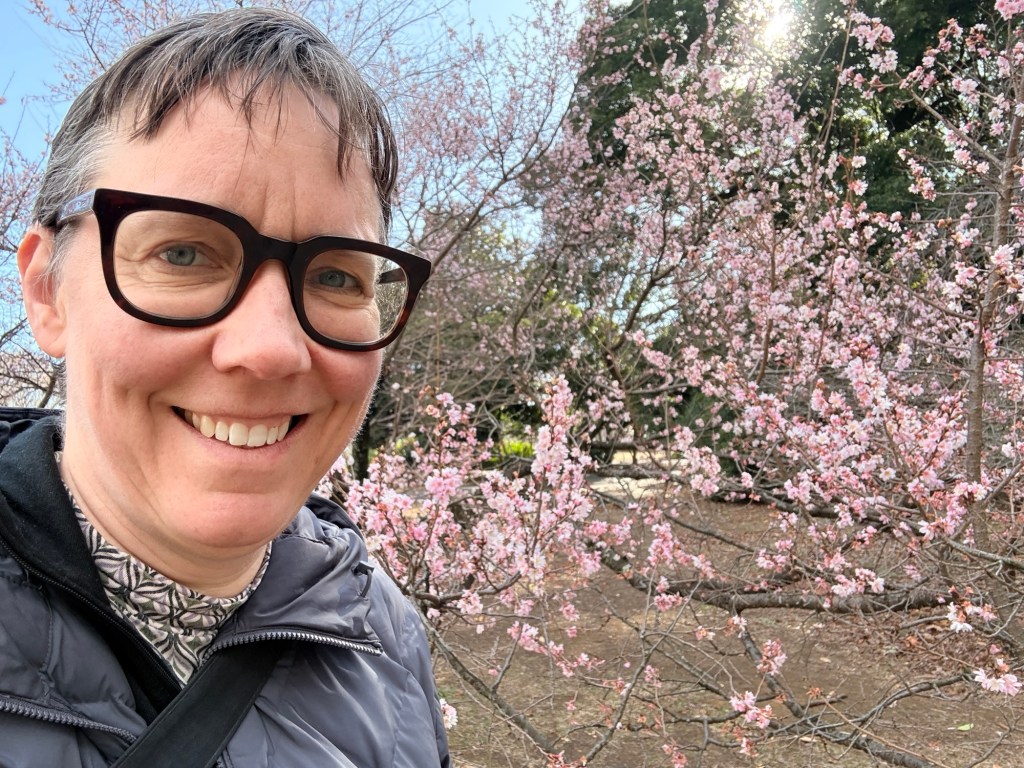
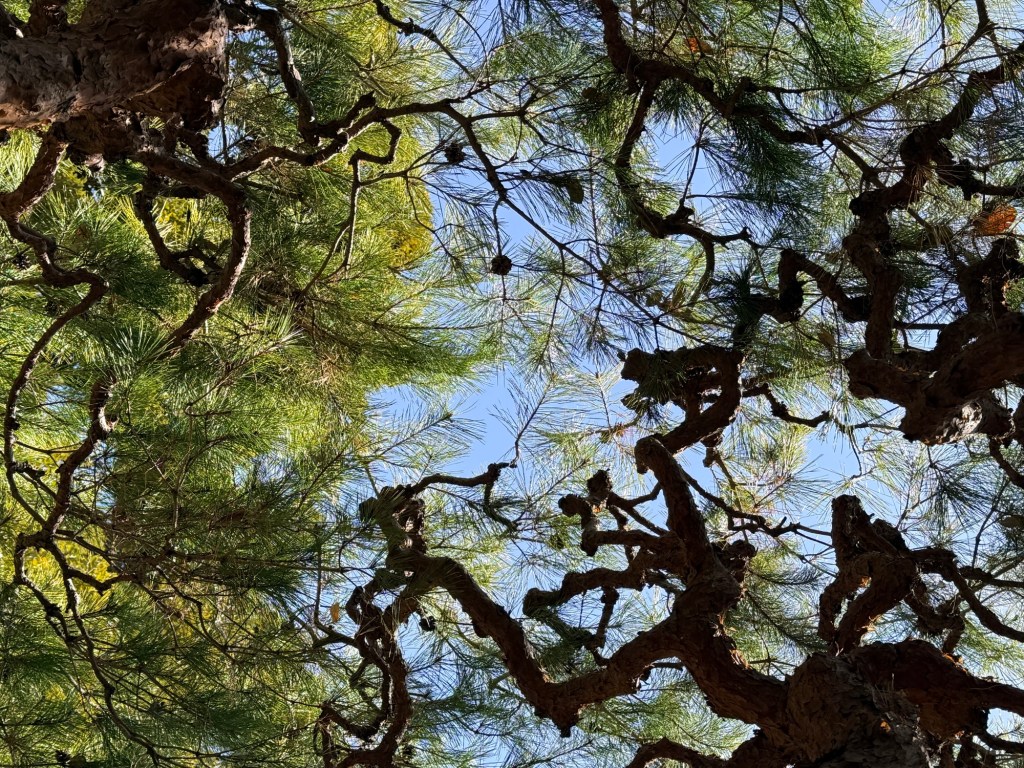
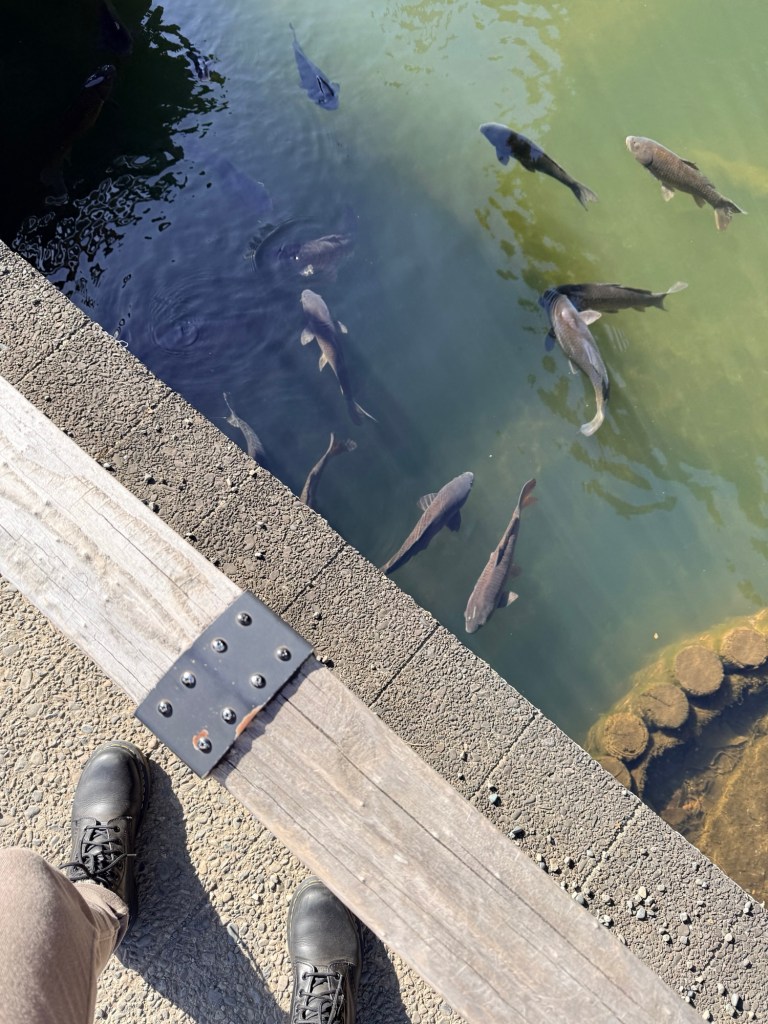
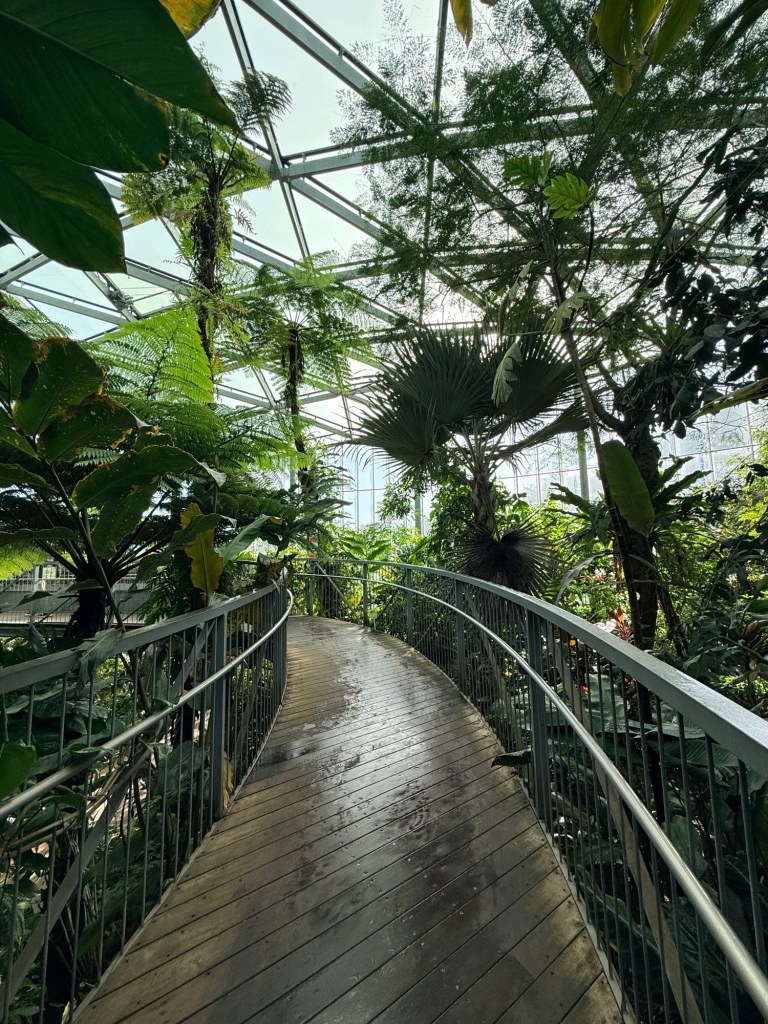
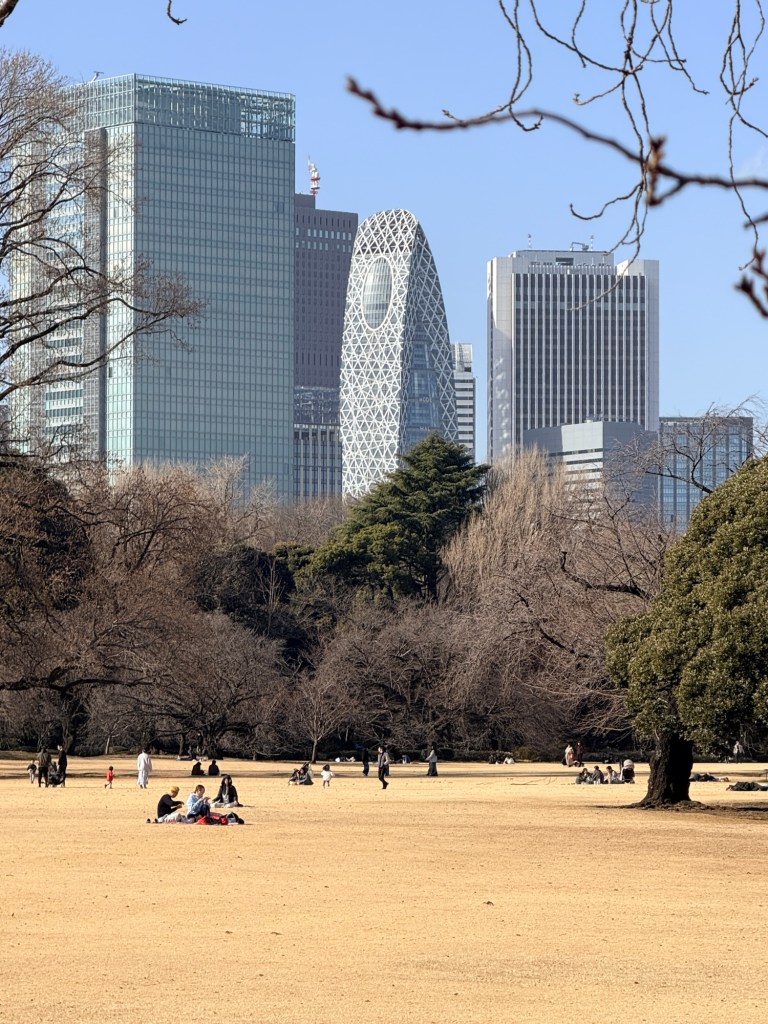
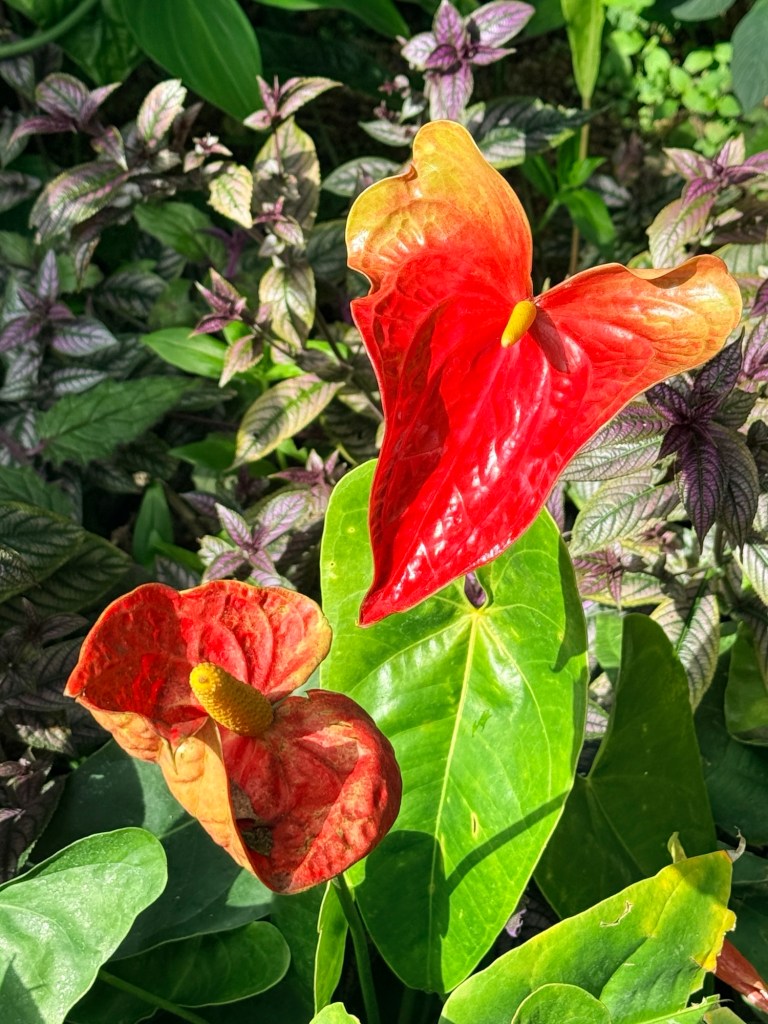
The Japanese garden.A few cherry blossoms left in the cold of winter.My favorite views are into the boughs.Enormous fish!A chance meet up with Asami at the tea house.The greenhouse.Views from the garden of Cocoon Tower.Colorful plants in the greenhouse.
Small-Scale Working Session
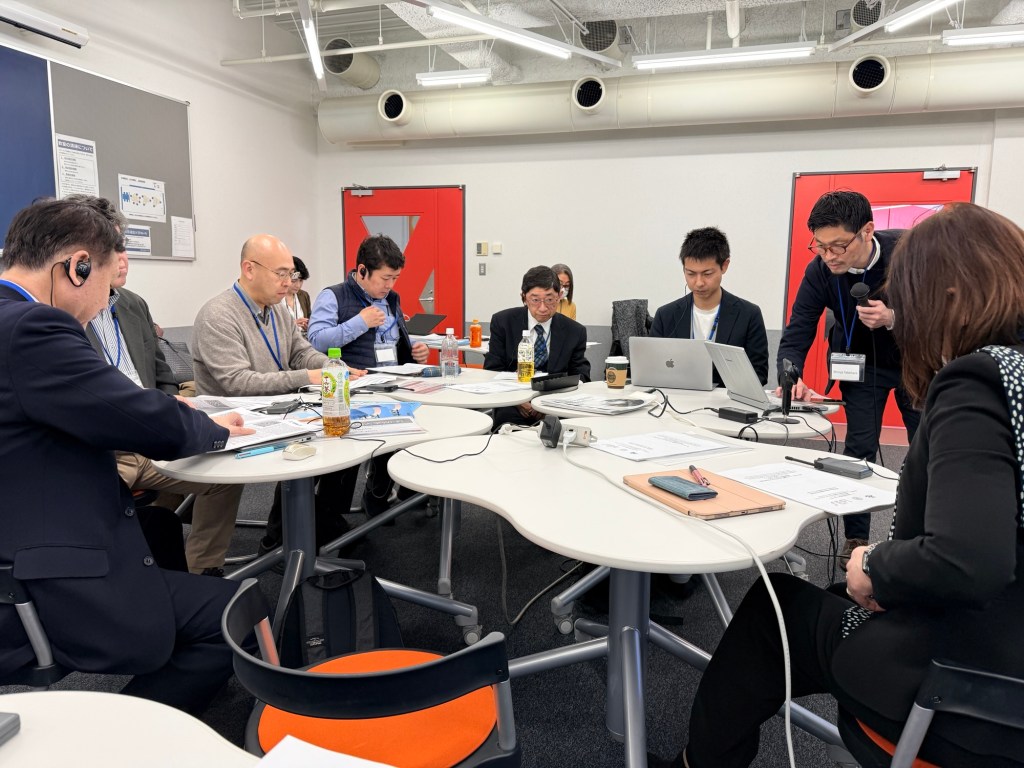
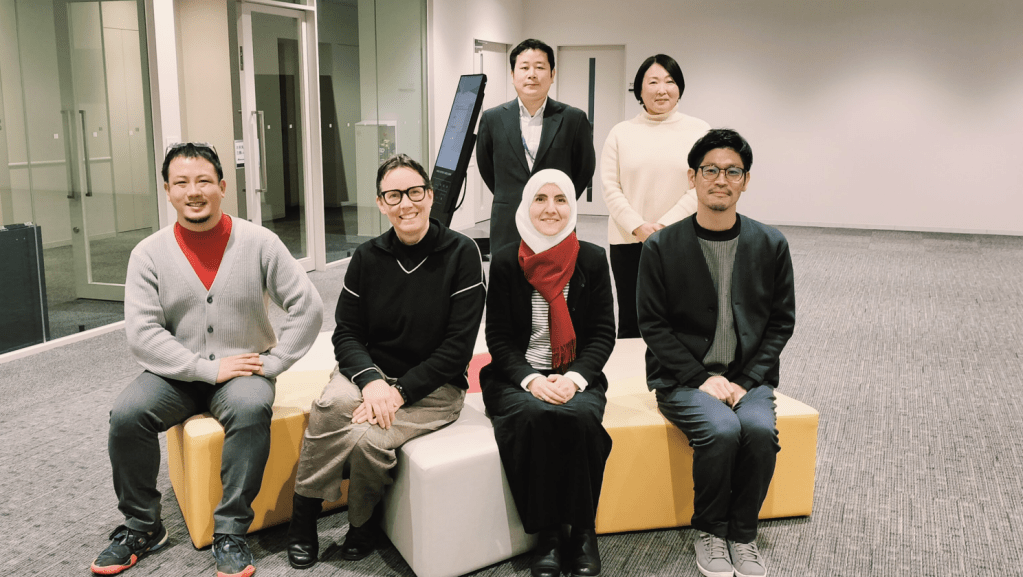
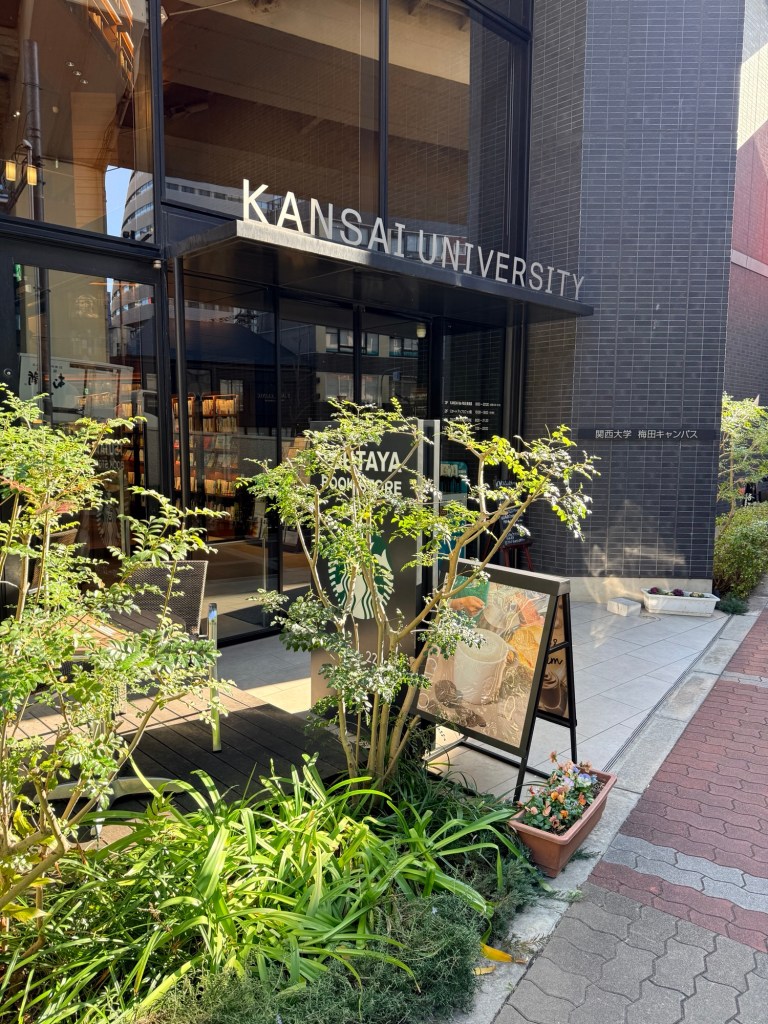
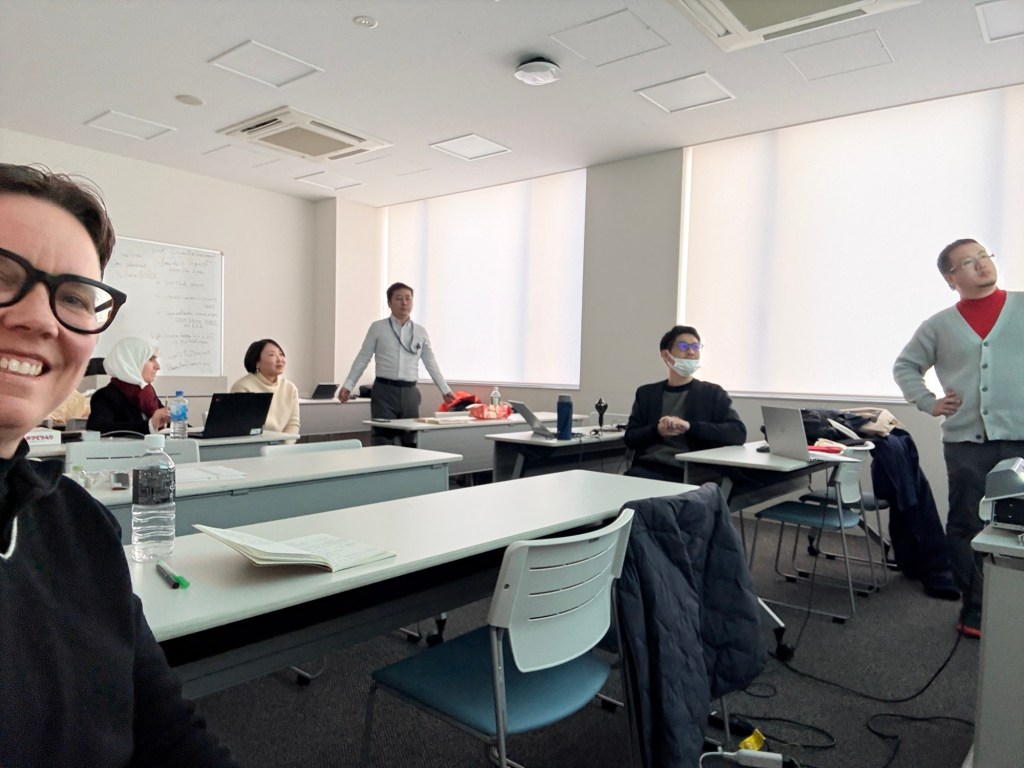
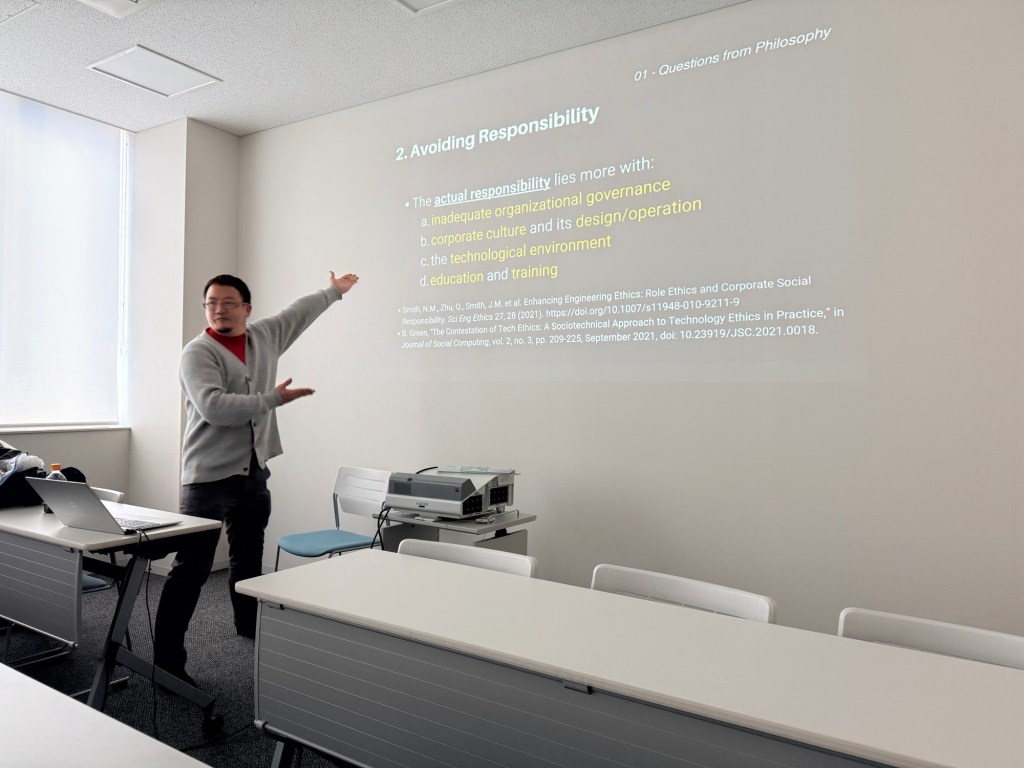
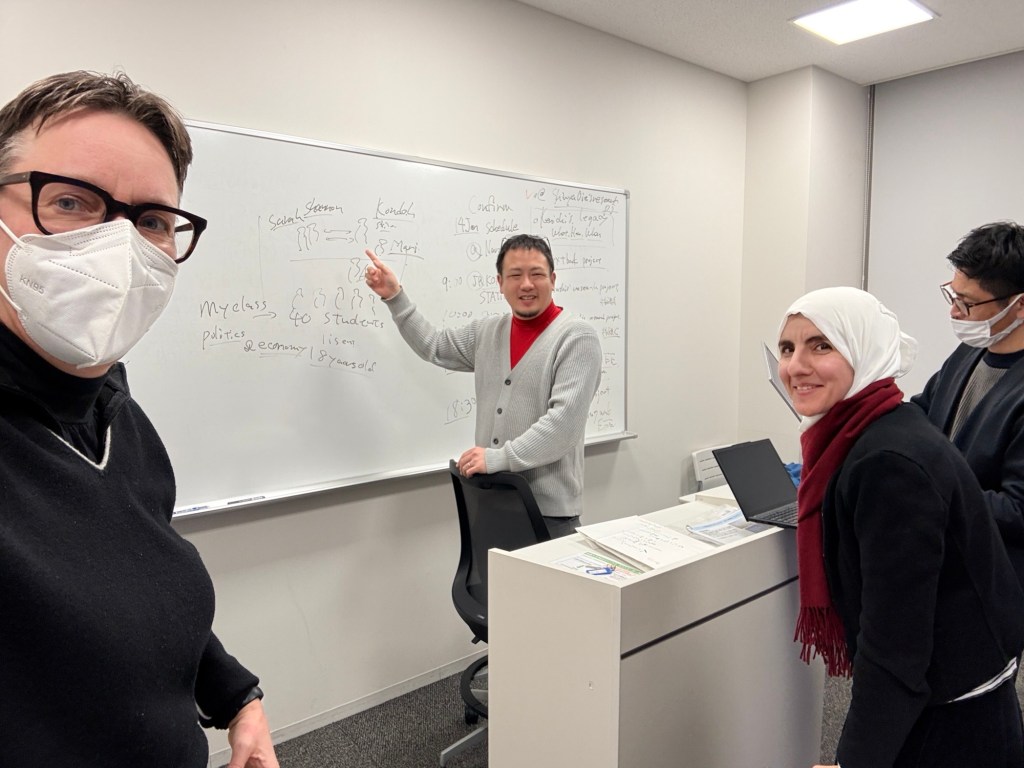
After I explored the greenhouses at the Garden, Sarah, Stefané, and I headed back to Osaka, where the following day we participated in a small-scale workshop to plan engineering ethics education activities for the future. The workshop was held at Kansai University’s Umeda Campus.
Mari Ito joined us as a language expert to help translate ideas between English and Japanese. She had also translated many of the written materials and slides for the full sequence of events during our trip.
The whole group at the end of our working session.
I really enjoyed the presentation that Dr. Shinya Oya delivered and the discussion of projects underway or envisioned in Japan where Sarah and I might be able to connect, ourselves and/or alongside our colleagues from Europe. “In this intimate setting,” Shinya explained, “we were able to deepen discussions on how future joint research might be shaped, building on insights from the Tokyo workshop.”
I enjoyed a (very popular) French crepe o the way to the workshop. KansaiThe opening of our Joint Seminar workshop. It was a small but hardworking group.Connecting Shinya Oie’s research to ours. He’s quite an energetic and demonstrative scholar! We had great discussion about his reserach.We discussed upcoming events and ideas for future projects together.
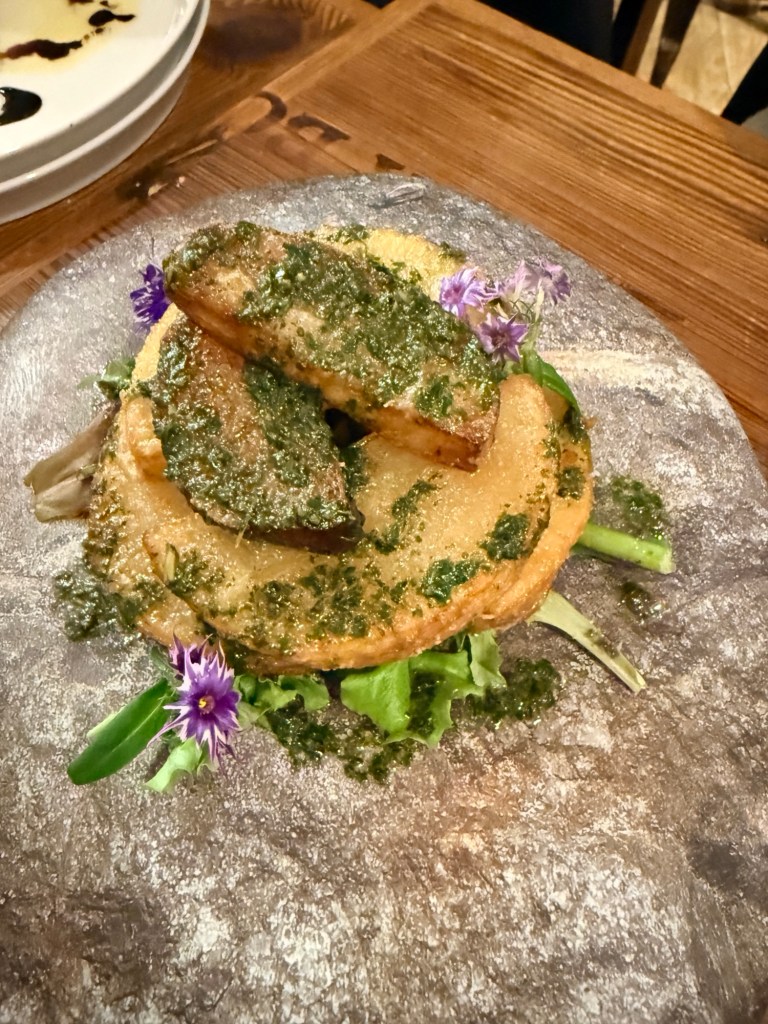
We all went out for Italian tapas together after the workshop. We each selected a couple of items from the menu and got a chance to taste a wide variety of foods. The presentation was beautiful!
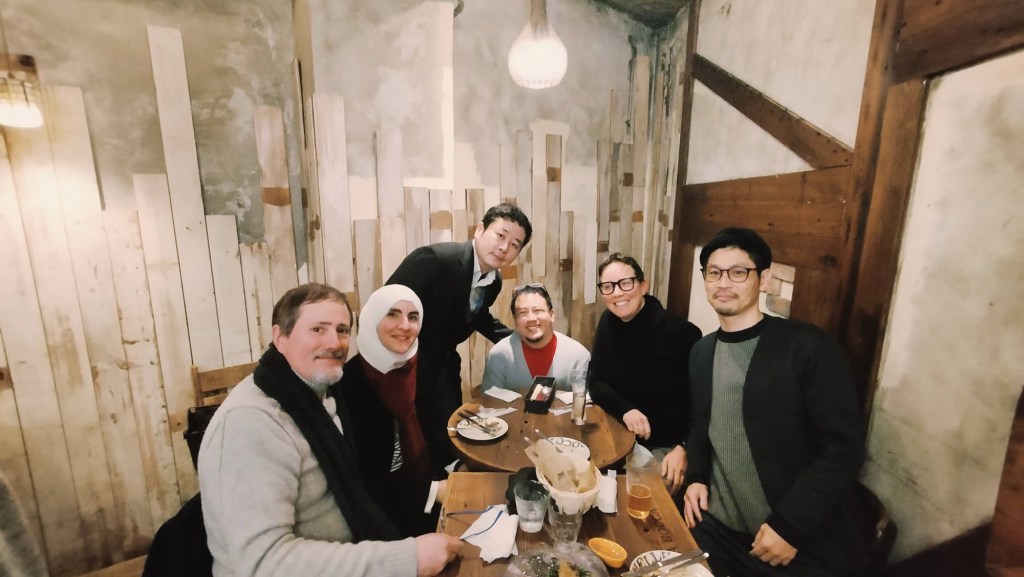
Tapas dinner with Shinya Takehara, Shinya Oie, Atsushi Fujiki, Stefané and Sarah.Such beautiful presentation!We each selected a couple of items from the menu.Still full of life after an intense day!
Visiting KOSAN Nara Campus
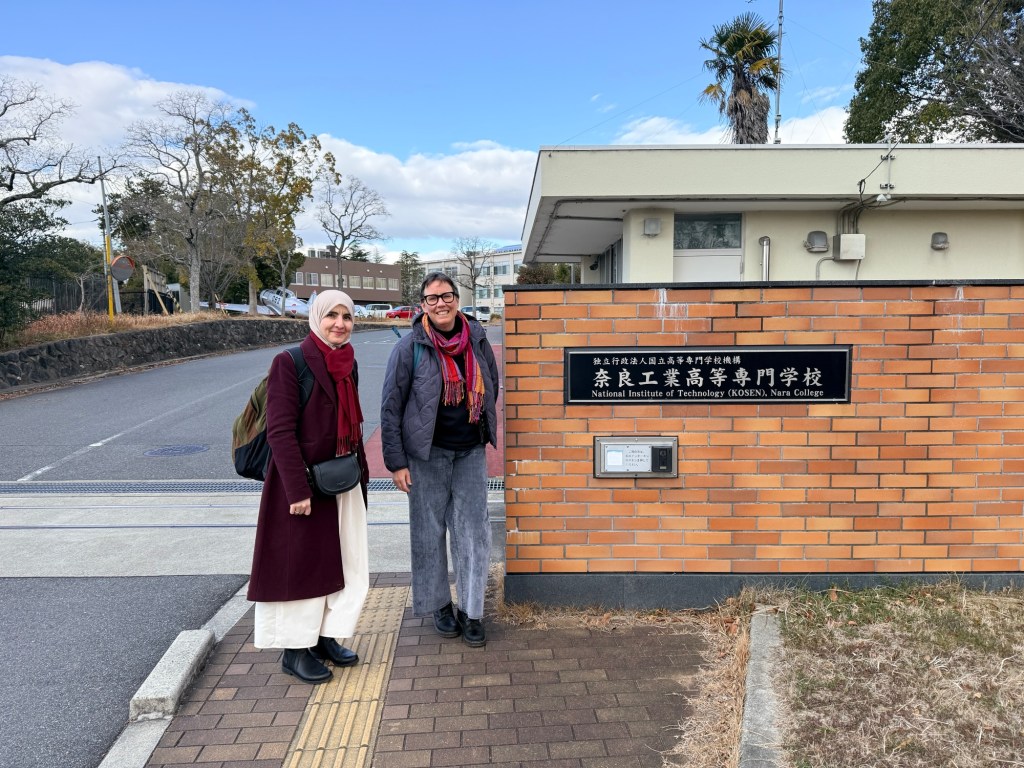
Leaving Osaka the next day, we headed to Nara to visit a branch of the Institute of Technology (KOSEN), where Shinya teaches. Sarah and I travelled with Shinya to his campus.
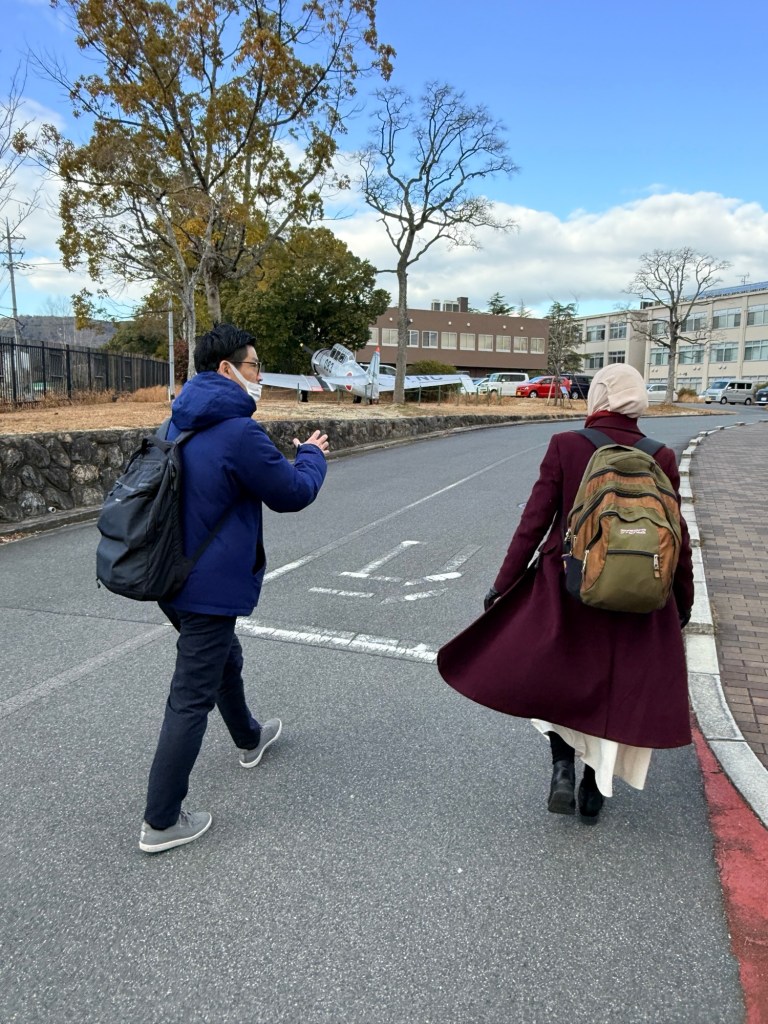
The walk from the train station to the campus was really beautiful. The town where the campus sits is a ‘castle town,’ still organized around the canal that looped the site and still with a castle on the hill.
Arriving on campus.A WWII airplane, which Shinya said was from the Allies.Entering the KOSAN Nara campus with Shinya.
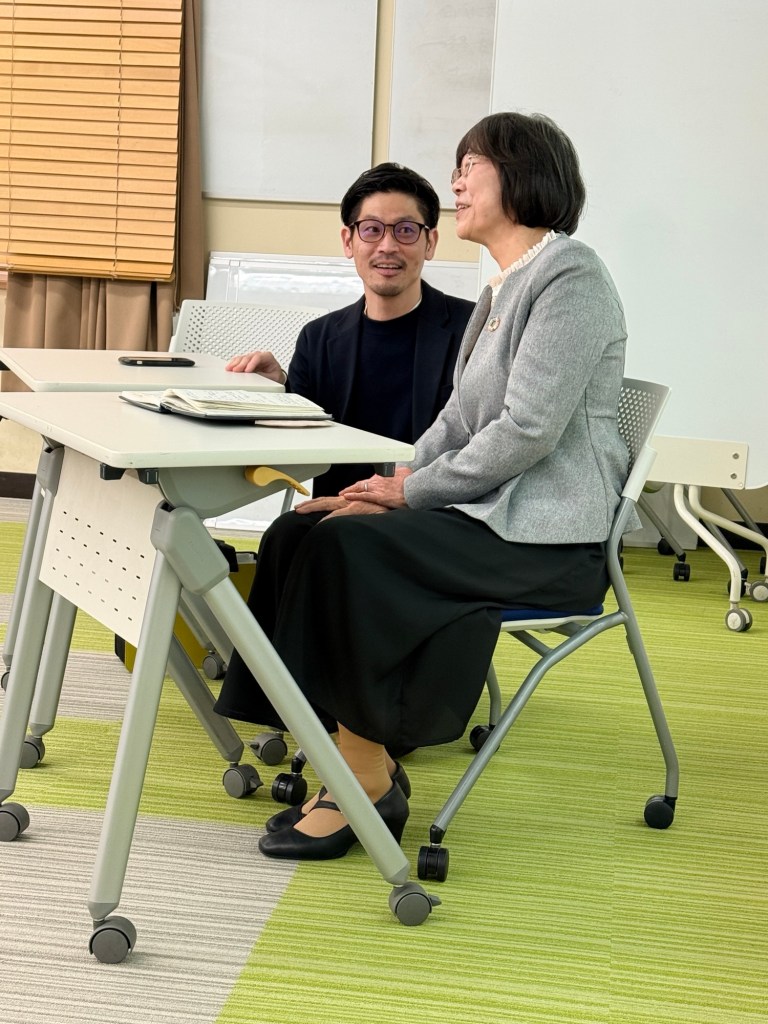
We had the immense honor of meeting Dr. Shinae Kizaka-Kondoh, a medical doctor and currently the Principal (president) of Nara National College of Technology.
She is also the Vice President of the Japan Network of Women Engineers and Scientists (JNWES).
Shinya Takehara with his university leader.
Shinae is a Japanese researcher, professor, and administrator known for her work in molecular imaging and tumor hypoxia, as well as her advocacy for women in STEM. She has published research on the challenges and solutions regarding the gender gap in science, technology, engineering, and mathematics (STEM) in Japan.
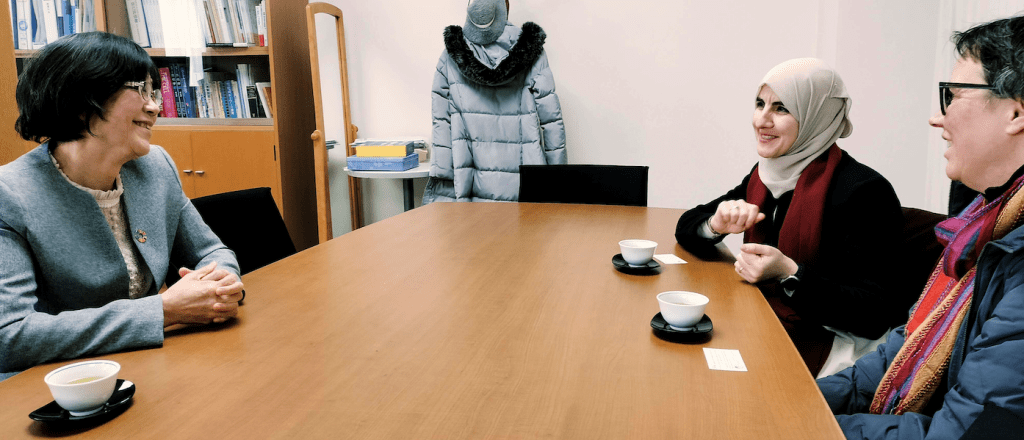
Tea with Dr. Shinae Kizaka-Kondoh
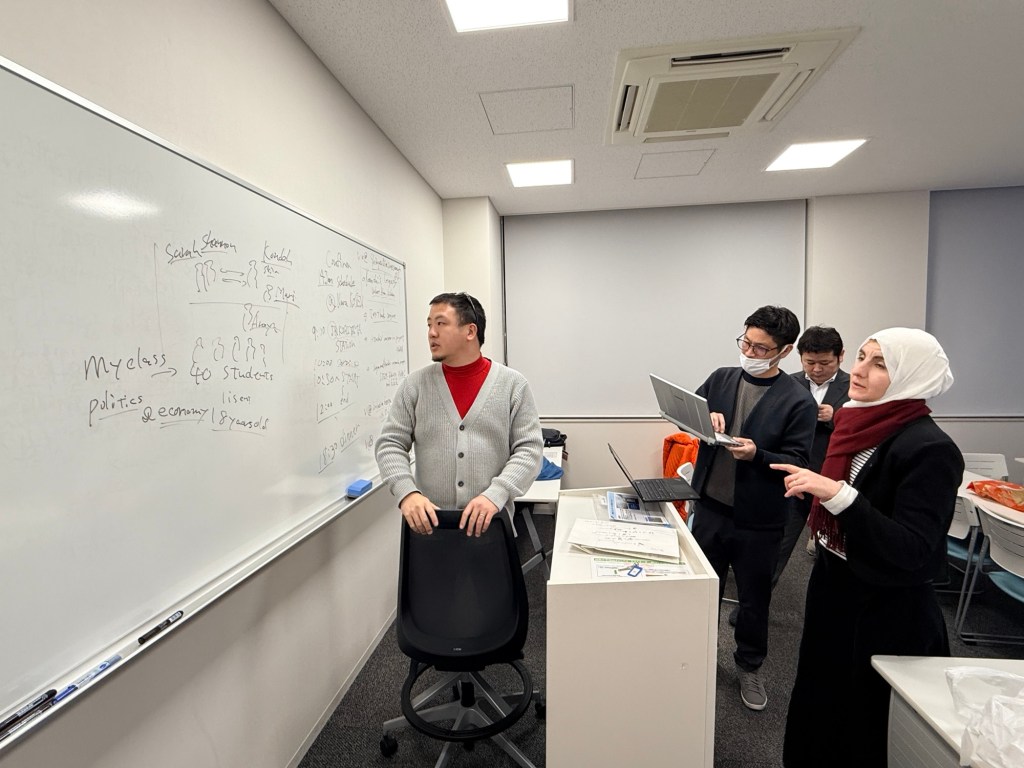
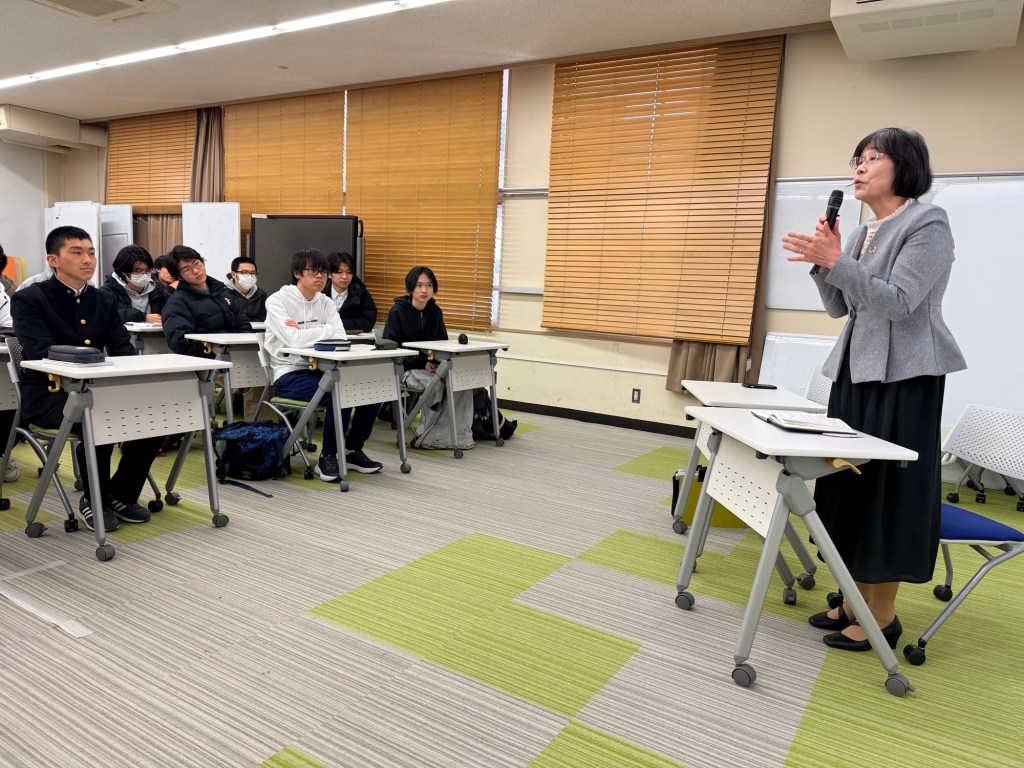
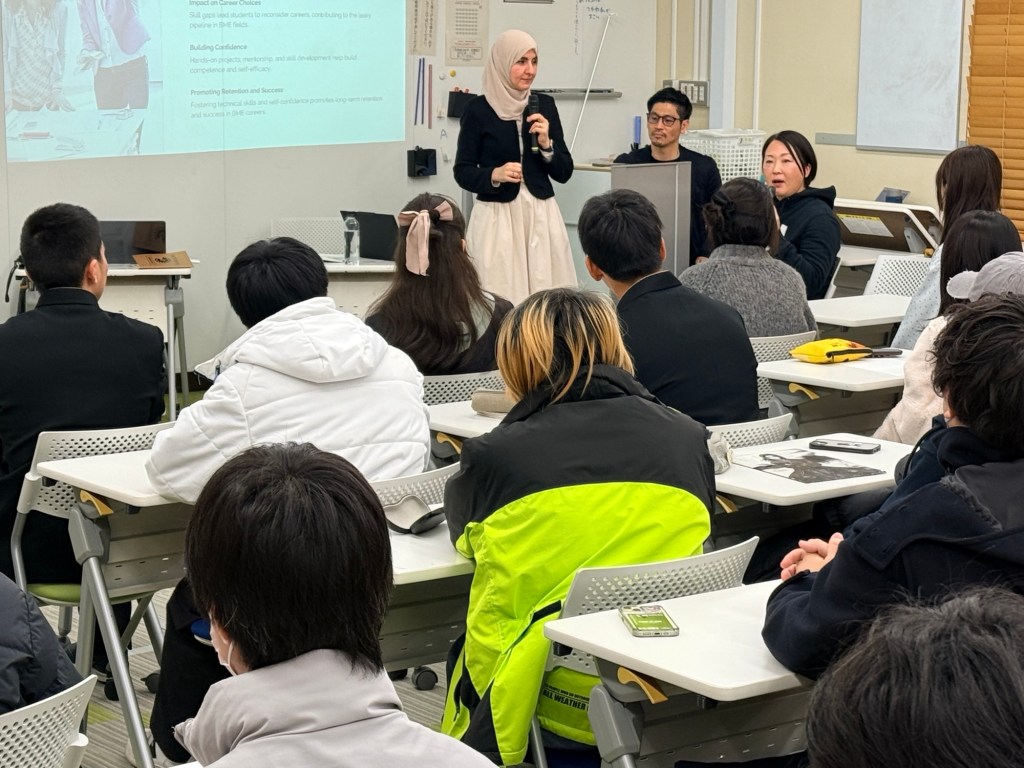
Shinae, Sarah, and I delivered talks to a class of about 40 Chemical Engineering students at KOSEN. The class is taught by Ryoko Uda. Chiyako Araya also spoke; she has done interesting research to quantitatively evaluate generic skills in active learning. She was also an important contributor to the event at the Cocoon Tower.
Dr. Shinae Kizaka-Kondoh and Chiyako Araya each presented their research.
During the class, we discussed gender and diversity related to engineering ethics and engineering education research.
Sarah presented research on gender aspects developed by a student she supervised.
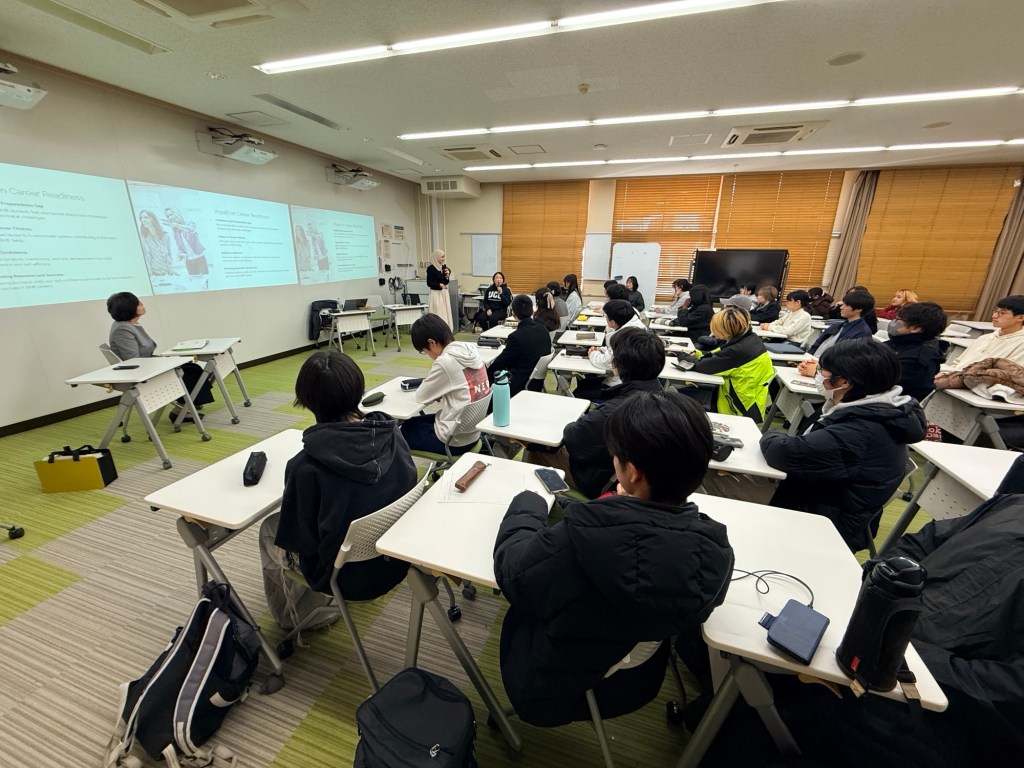
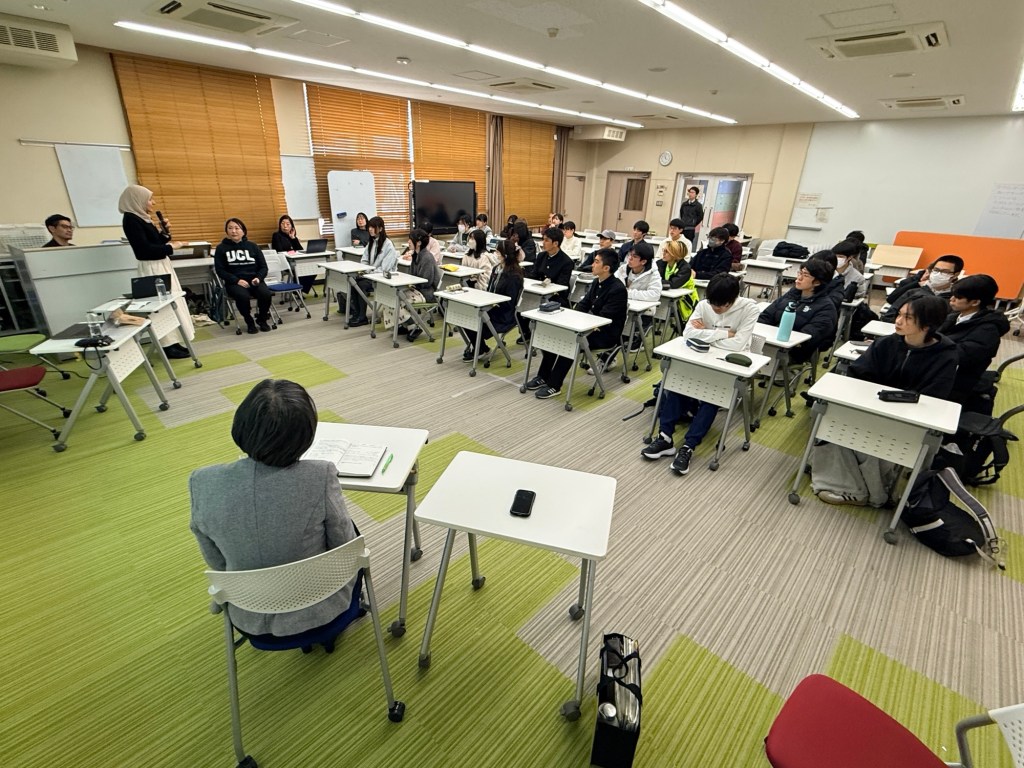
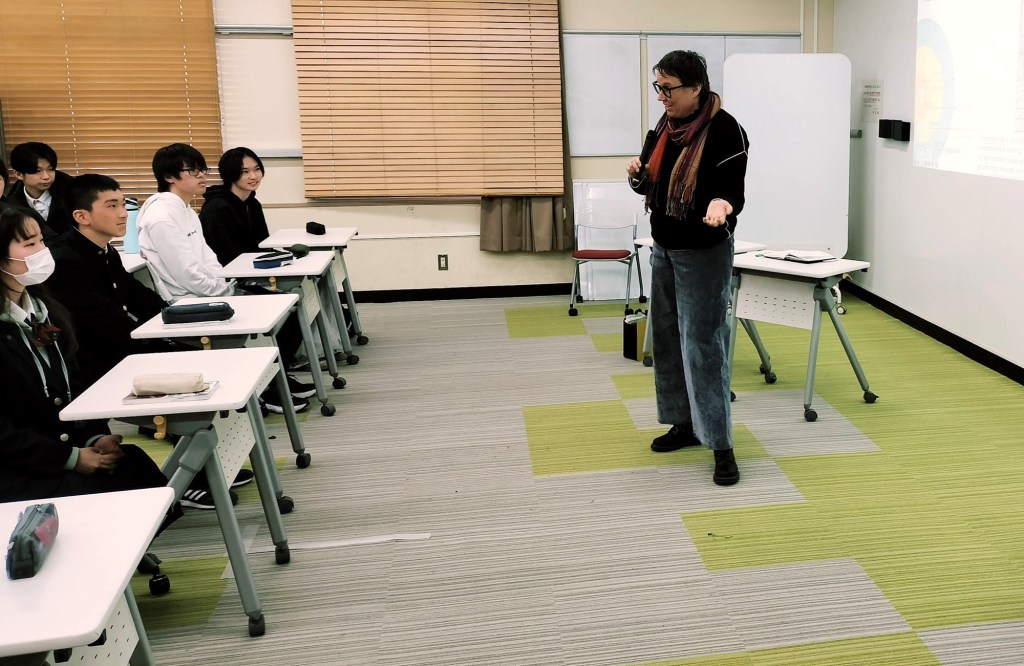
Students, spellbound by Sarah.It was a big audience of Chemical Engineering students. They loved the discussion questions that Sarah gave them.The students sat gender segregated, initially at the back fo the room. They willingly moved to the front when asked.
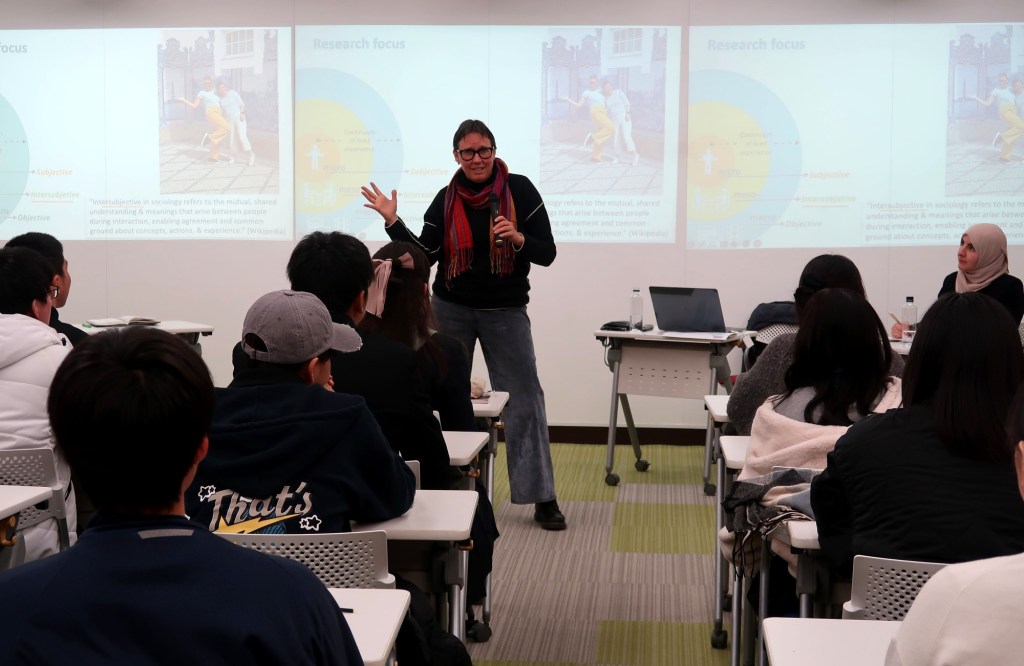
At the end of the class session, I had the opportunity to speak about the broader role of engineering education research. I also shared some of the research that Sandra Cruz Moreno and I have done together.
I presented our work in engineering education research to understand students’ experiences and assess how effectively students learn various engineering topics depending on how the content is delivered.
I spoke about the role of engineering education research more broadly. And I shared some of the research that Sandra Cruz Moreno and I have done together.
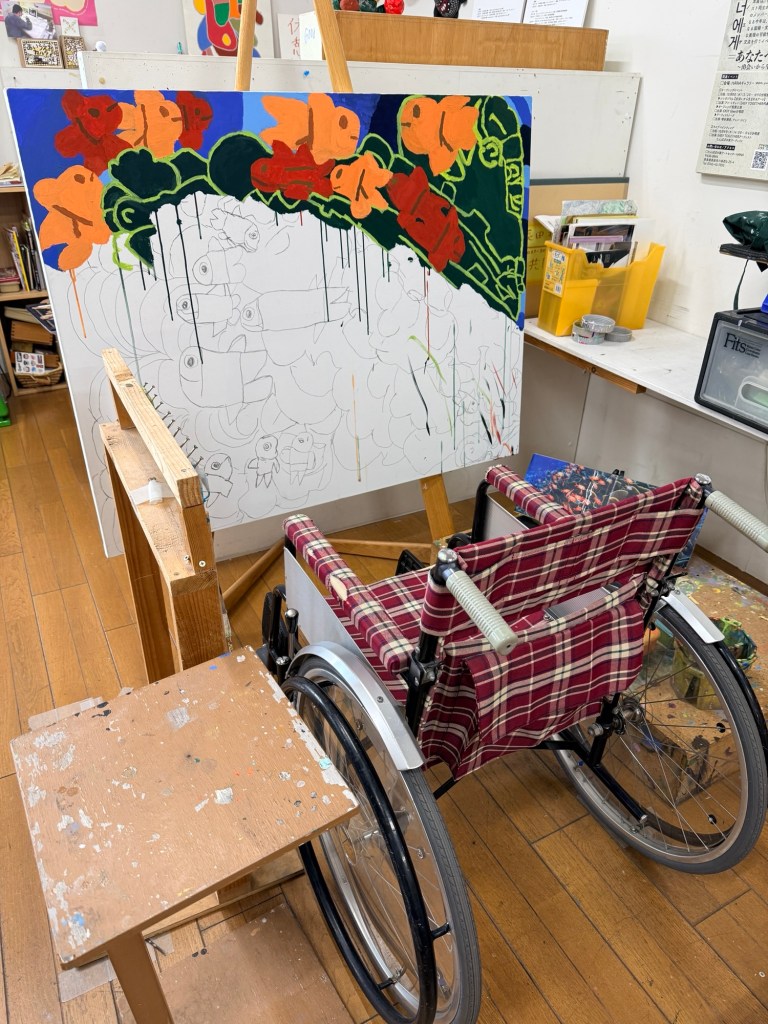
Touring Tanpopo, A Community of Disabled Artists
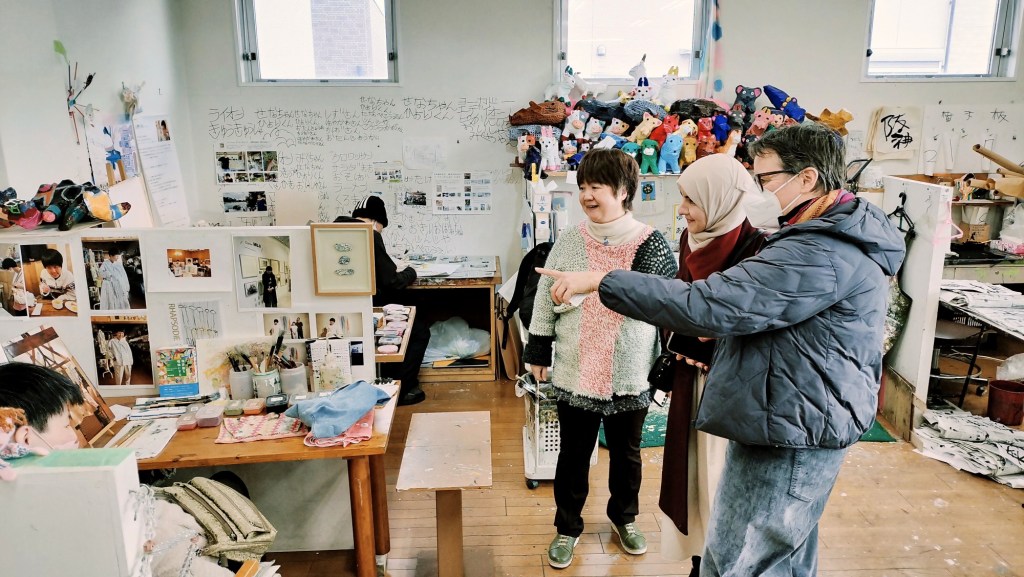
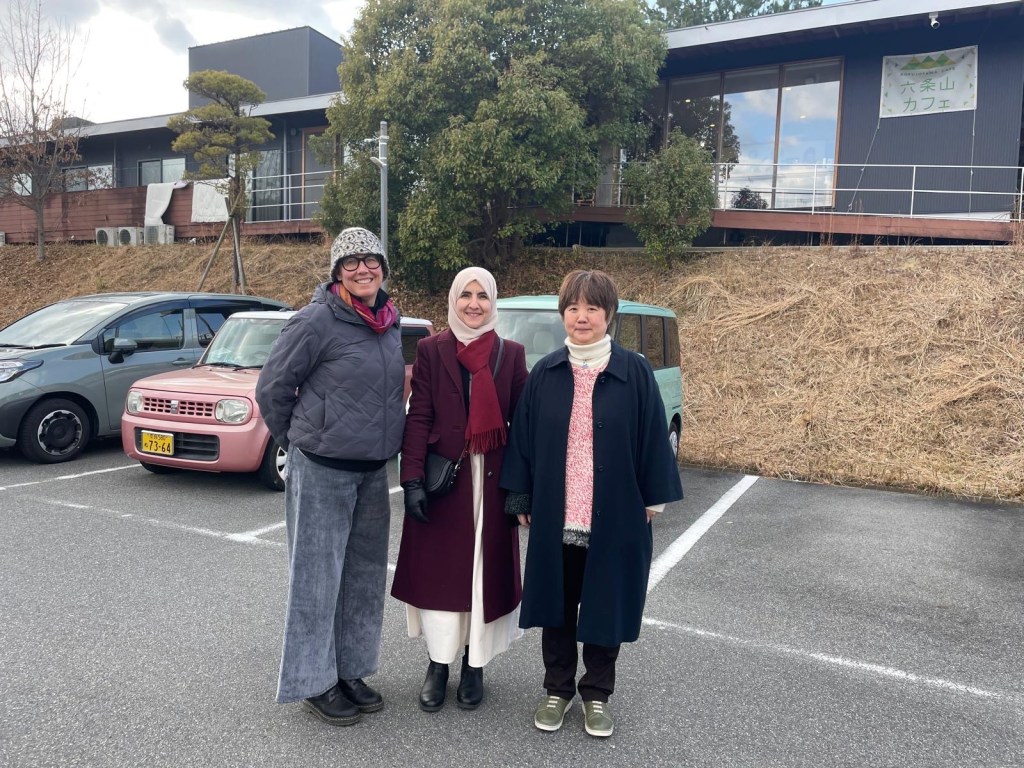
Leaving KOSAN, we (Shinya, Sarah, and I) stopped in at Tanpopo, a community center where disabled artists work and live.
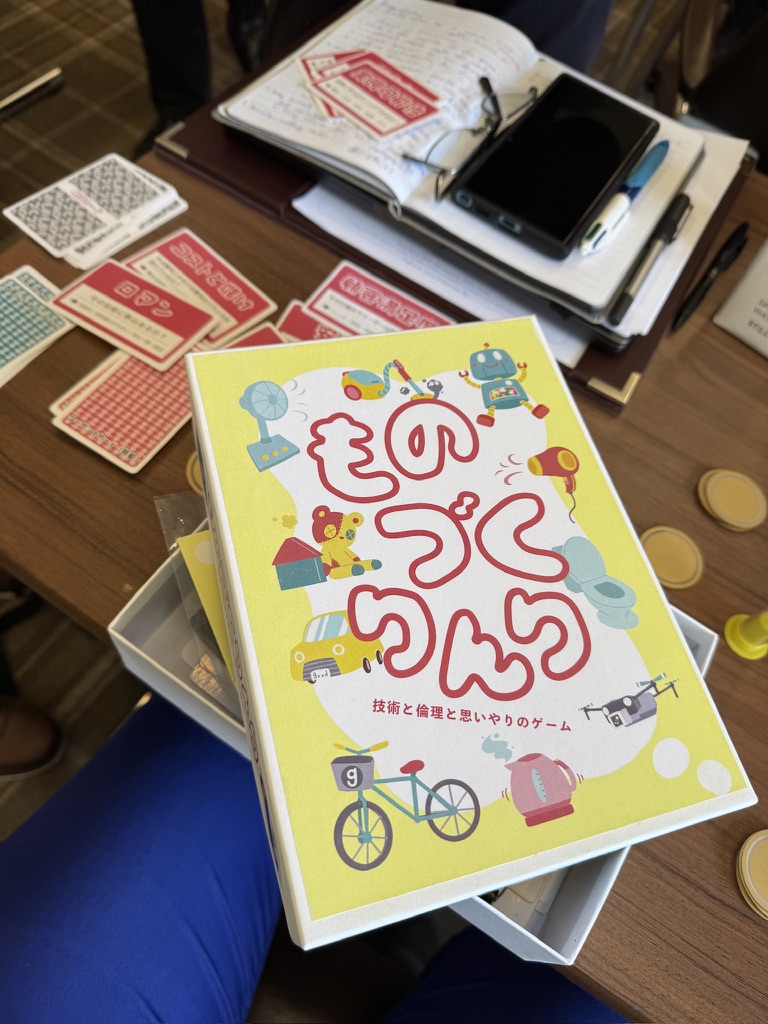
Artists there produced Shinya’s engineering ethics card game, which we hope to translate into English soon.
Shinya at the SEFI Ethics Symposium,showing us his ethics card game.
At Tanpopo, staff members Gian Miki and Masashi Yamano showed us around and explained how things work.
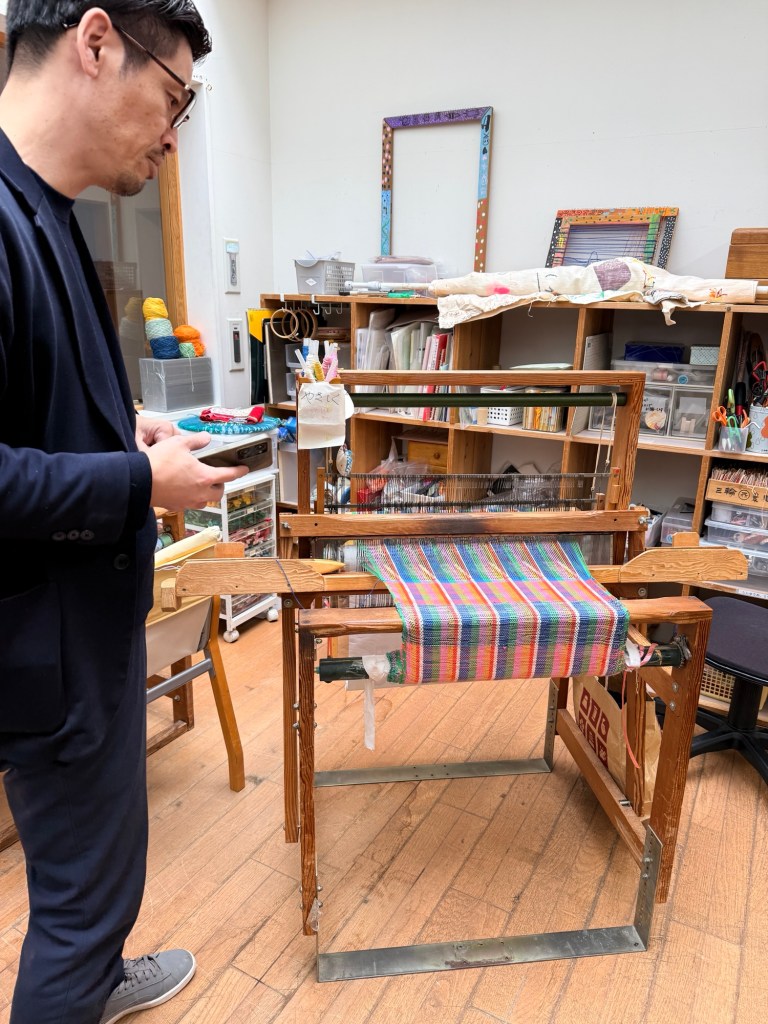
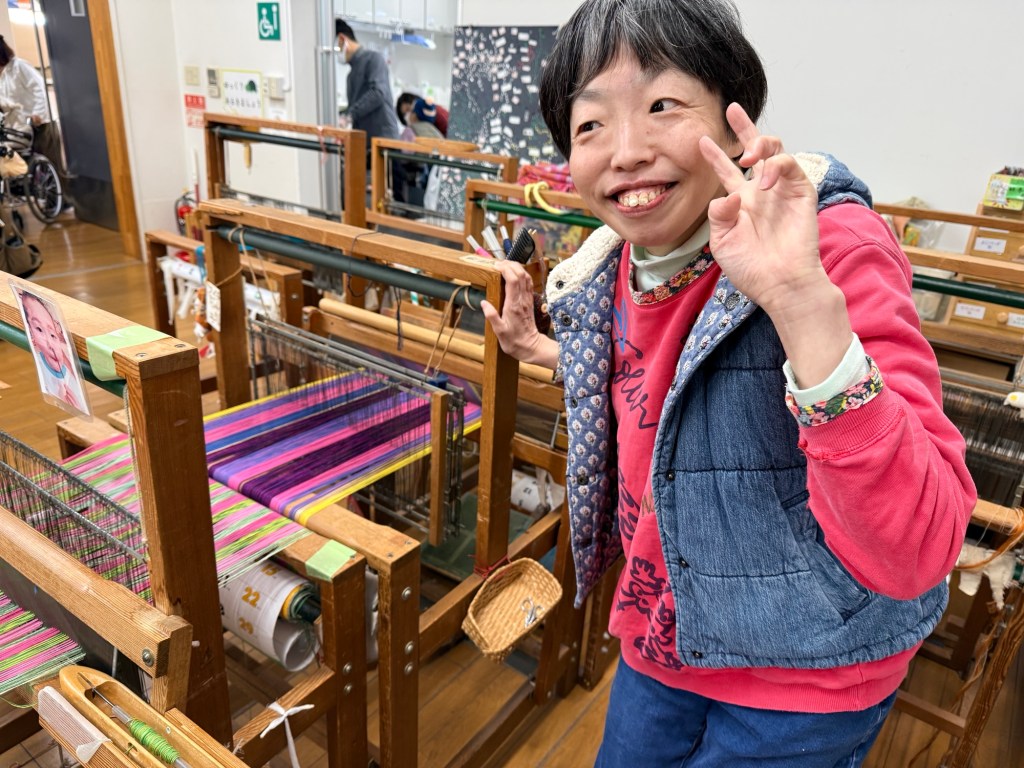
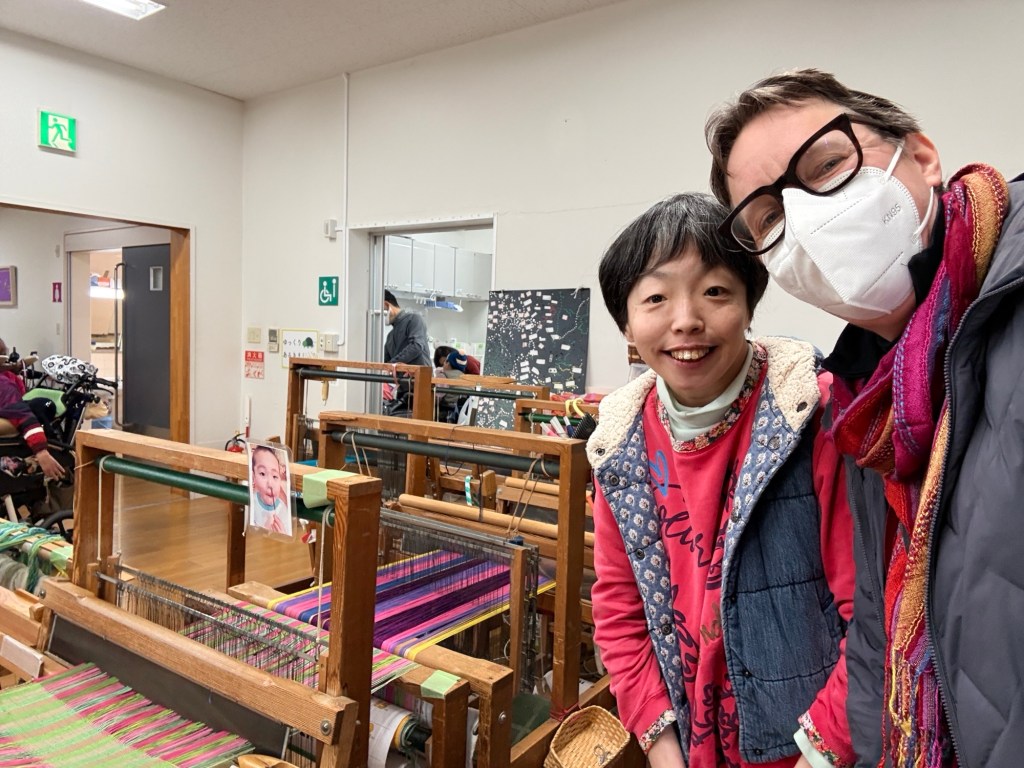
I bought two lovely scarves woven by members of the community. Proceeds go to the artists themselves, and the artist of one of the scarves I bought was there at the time. She expressed such pride and joy!
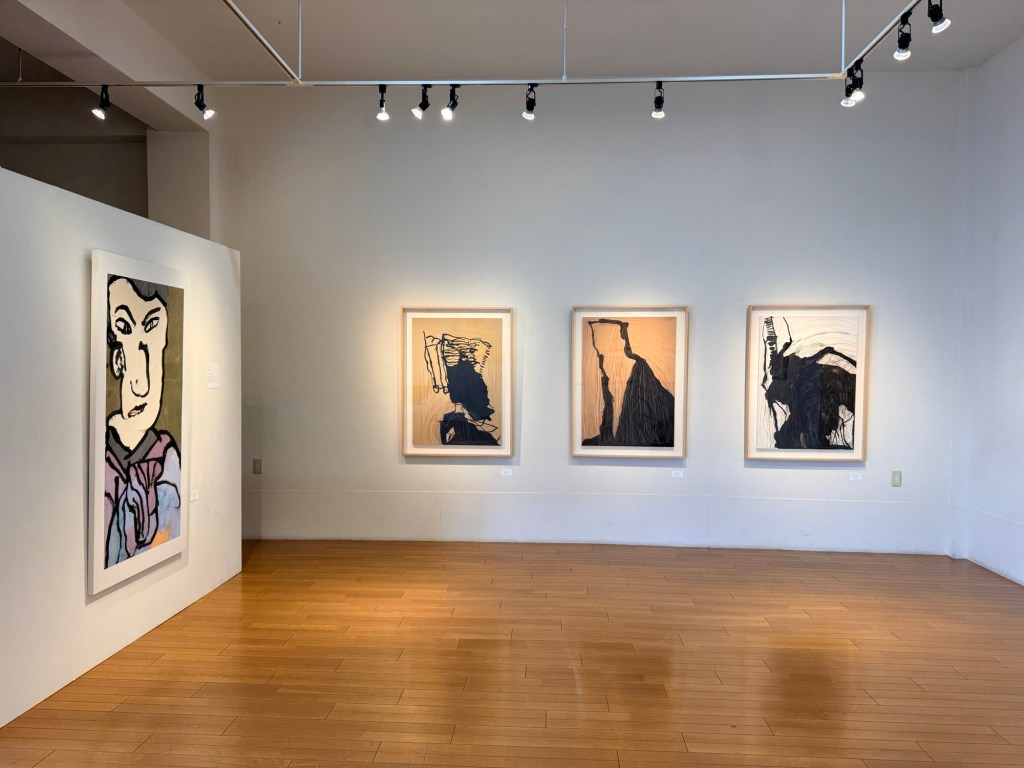
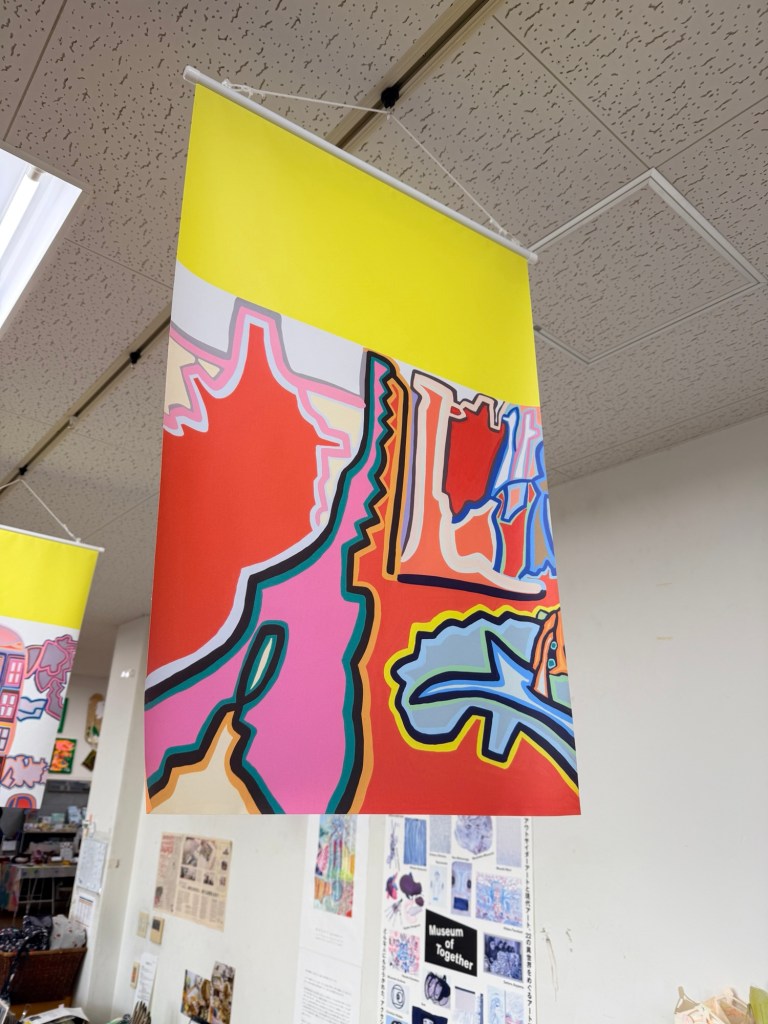
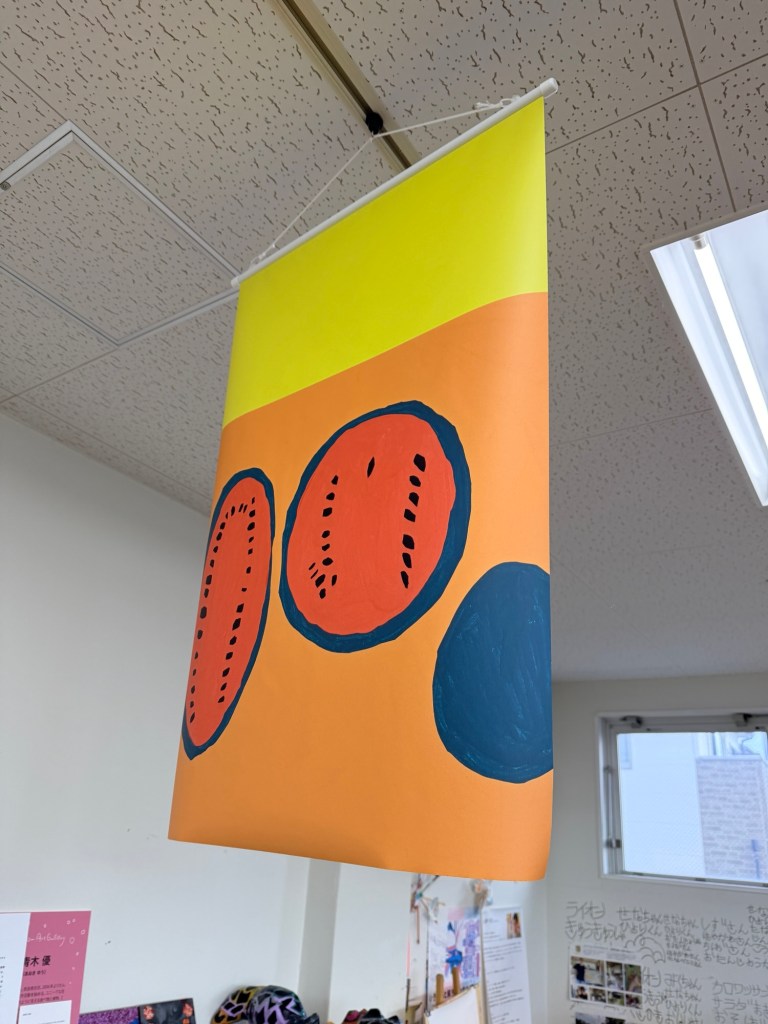
An artist’s workspace. The formal exhibition gallery.A tour from the director.Each person’s tools are customized to meet their own unique needs.Here’s the artist I bought a scarf from.She’s so vivacious and was happy to have her picture taken with me.There’s so much lovely artwork here. This artist’s work was some of my favorite. We also visited the community cafe and some residential spaces (some artists live here, others come for the day).
Visiting Yakushiji Temple
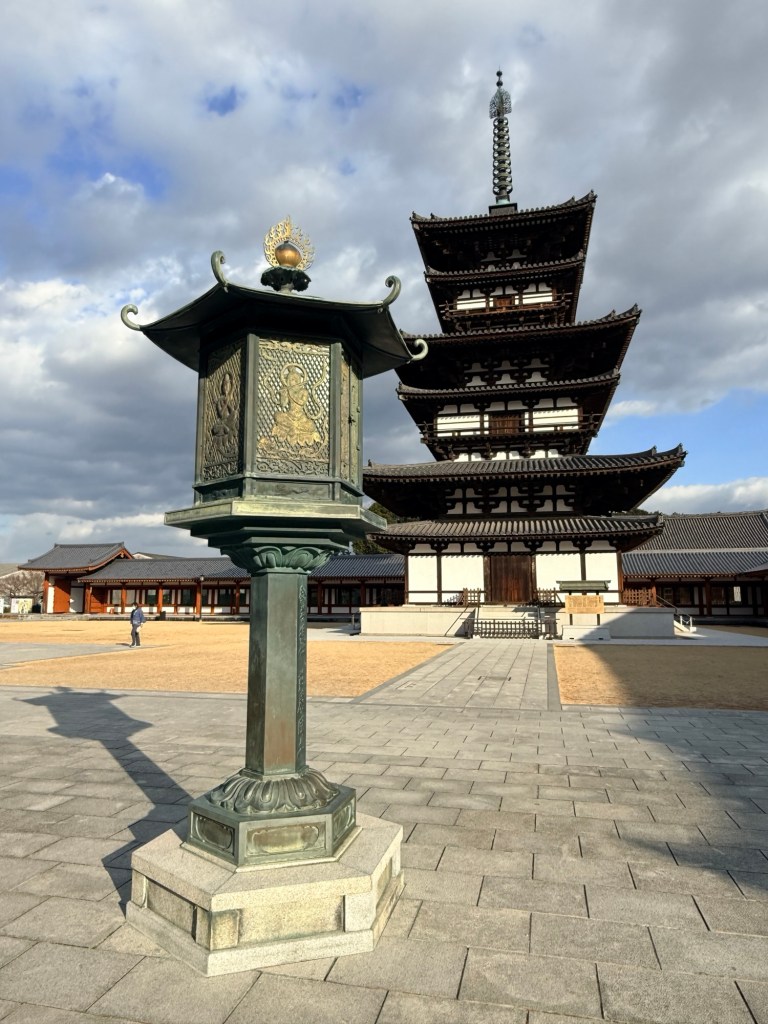
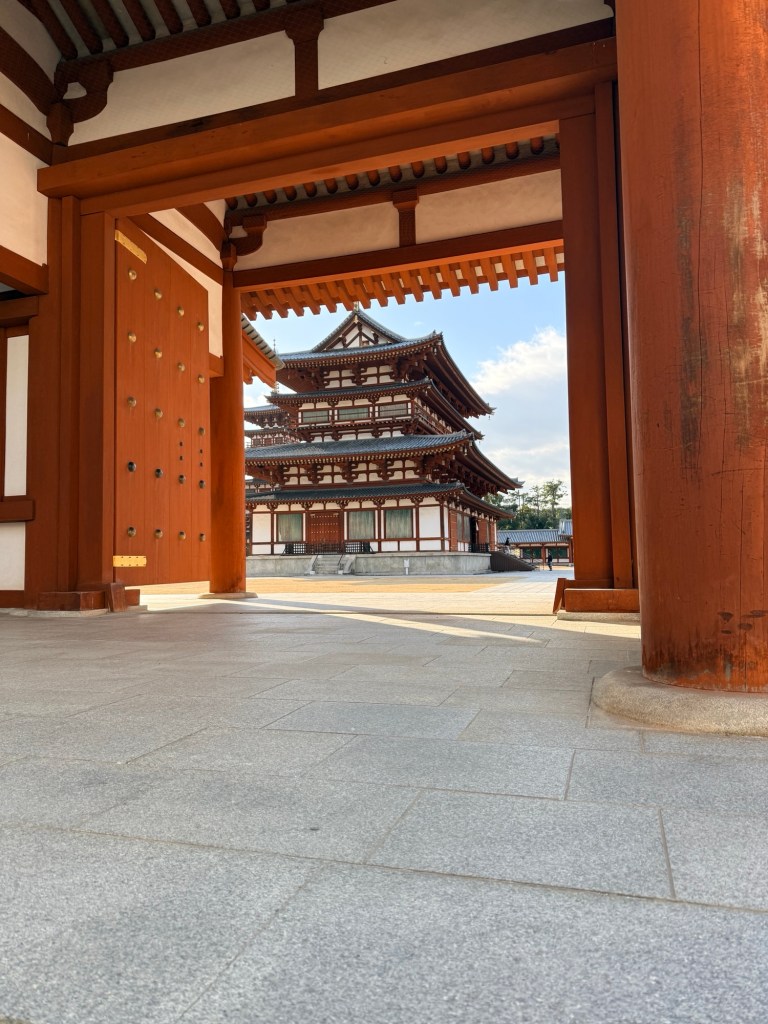
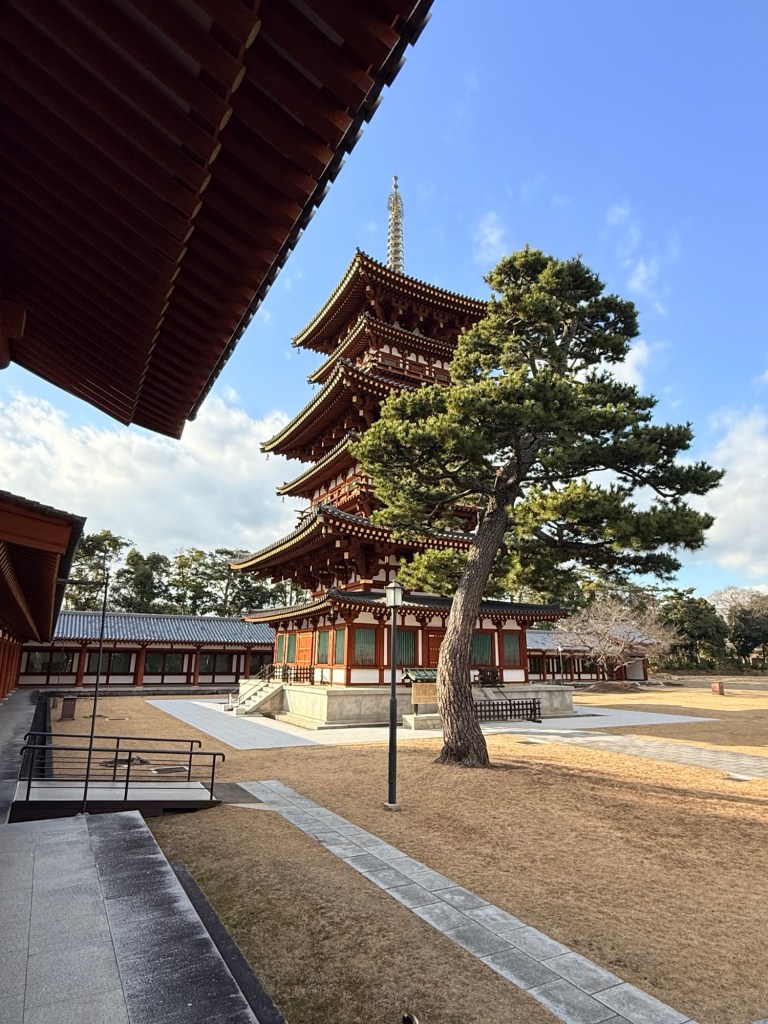
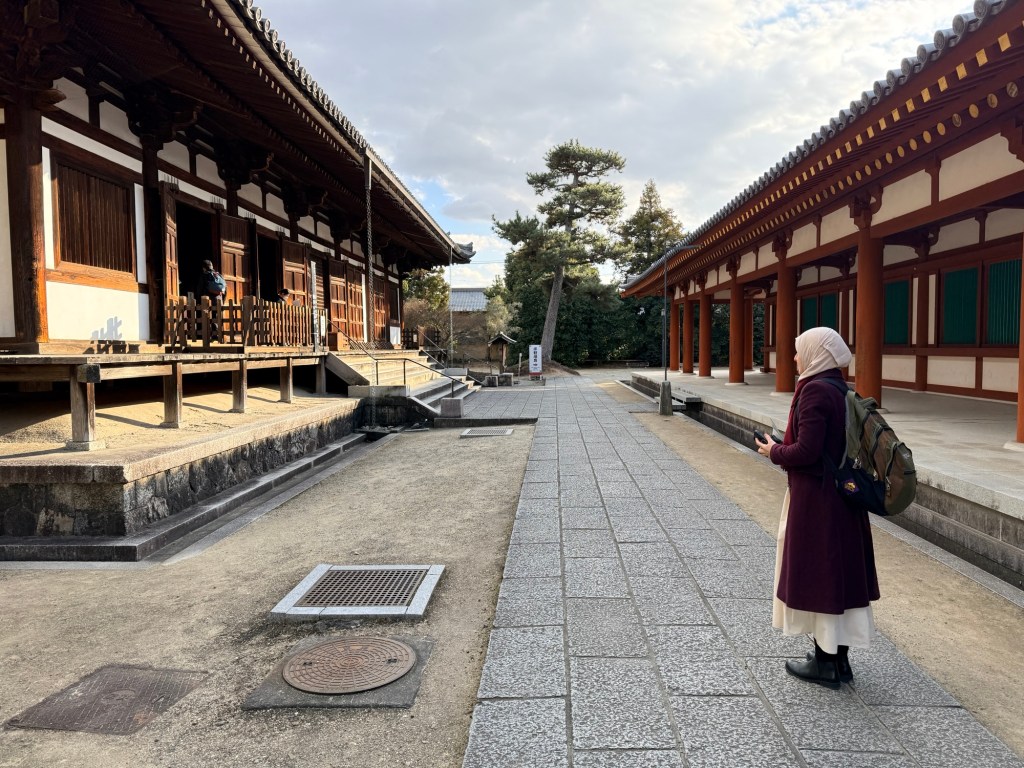
Then, Sarah and I had the chance to visit Yakushiji Temple, a UNESCO World Heritage Site.
This temple is of Chinese design, and artisans from China helped construct it. It was eye-opening to me how much exchange my colleagues described having with other Asian countries. Their politicians may not seem to collaborate, but their academics certainly do!
Earlier on this day, at KOSAN, I met a student who won an international competition in Chemical Engineering. The competition was held in the Middle East, but he said Vietnam and (I think) India were major competitors.
Yakushiji Temple
Dinner and Accomodations Celebraitng Japanese Traditions
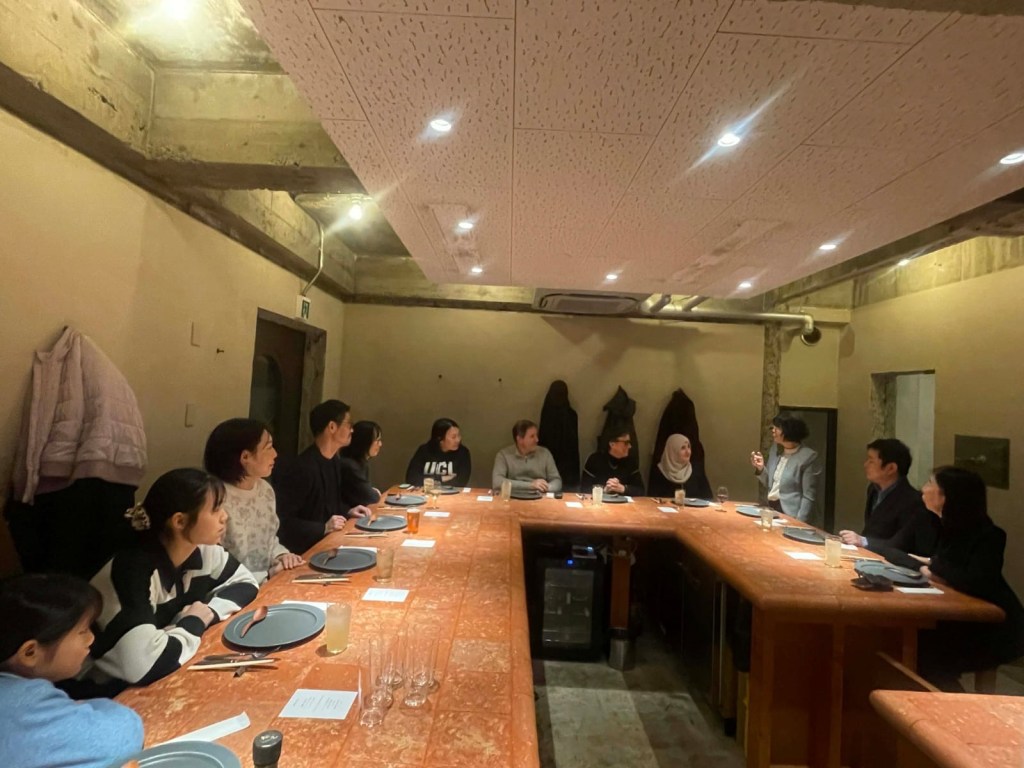
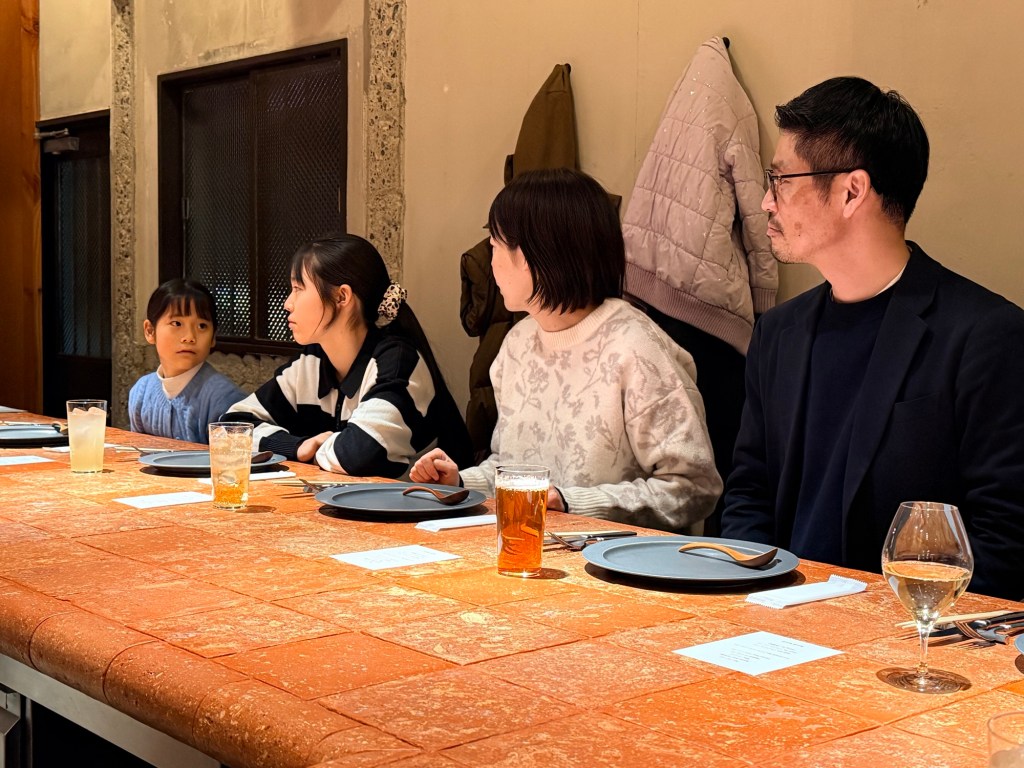
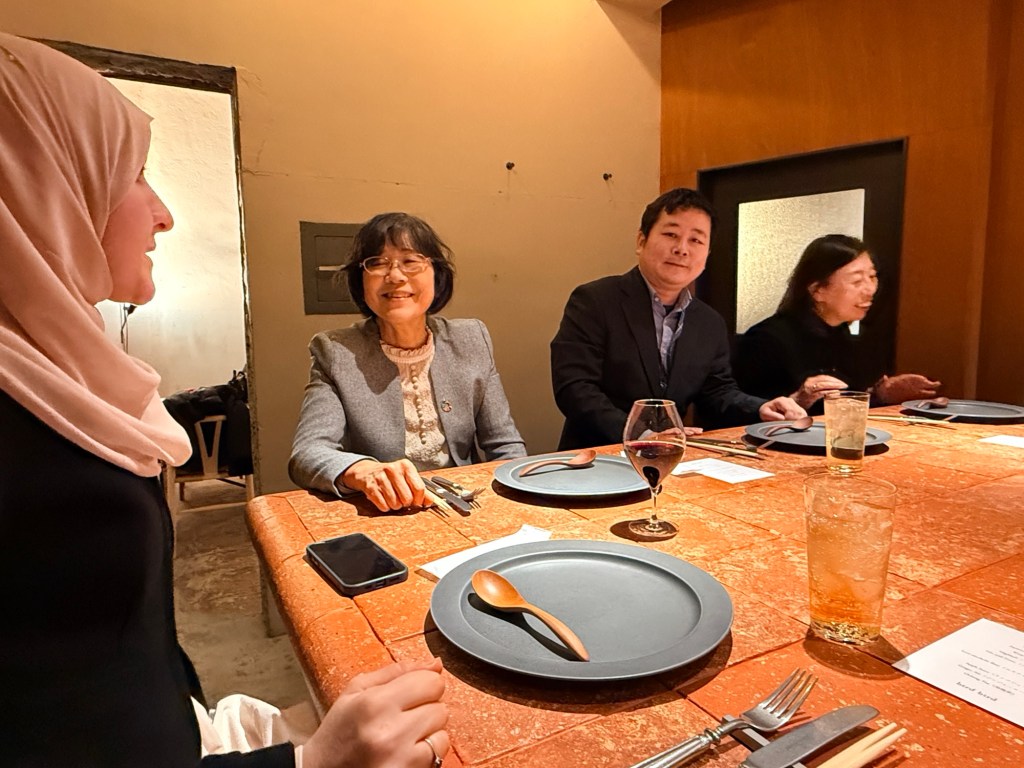
The evening after this event, we joined with Shinae, Chiyako, Mari Ito, Ryoko Una, Atsushi, Shinya, and his wife and daughters for a very special meal at ‘bird bird.’ The owner/head chef is an architect, and he runs this restaurant in addition to having restored the accommodation where we stayed.
Overall, bird bird (@birdbird_nara), operates as a community space offering coworking, a shared office, dining, and a rooftop sauna. It was created by architect Shunpei Fujioka and is located on the same block as the housing complex or ‘hotel’ where we stayed. We booked the place on Booking.com at Tamami and Shinya’s recommendation.
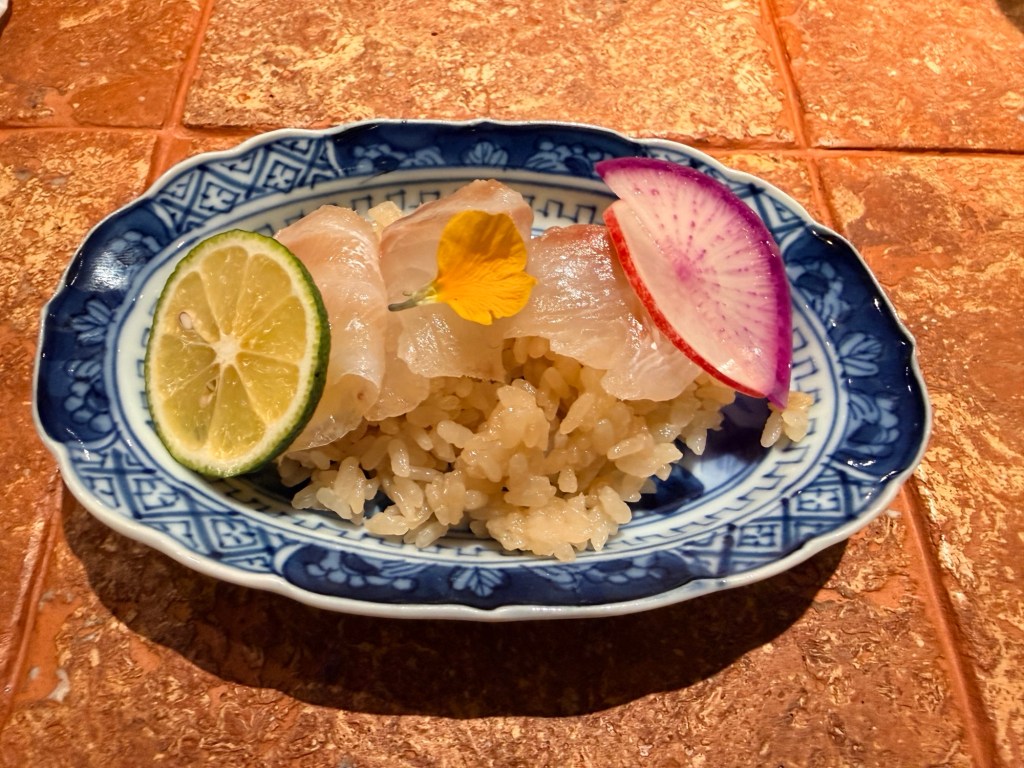
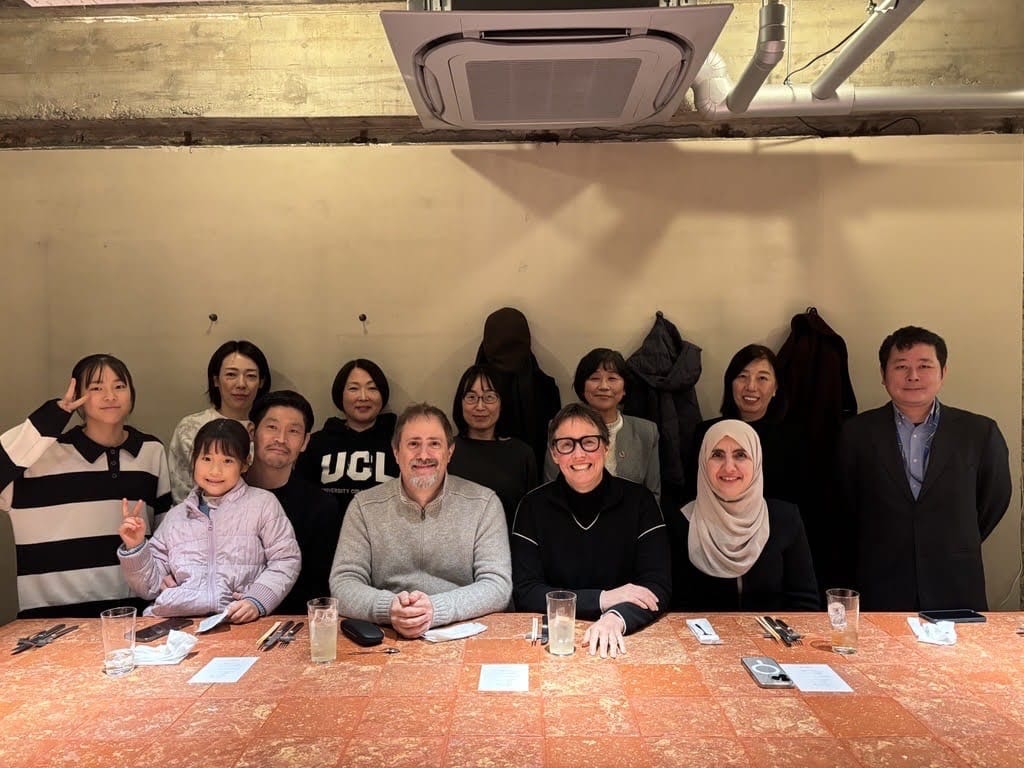
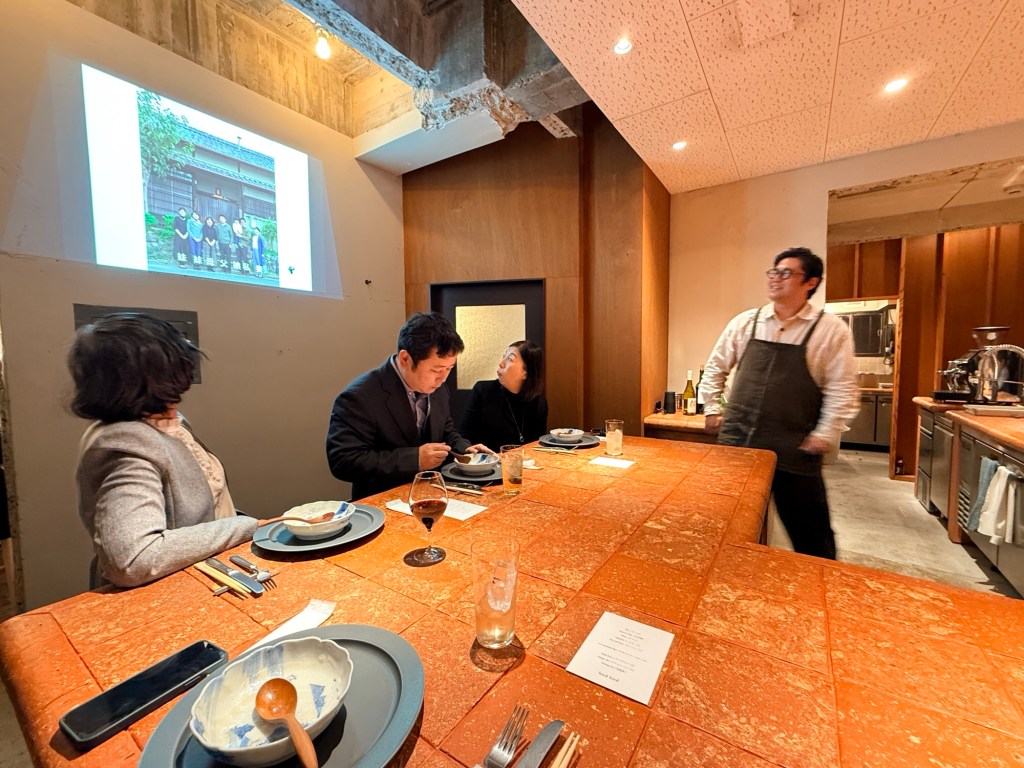
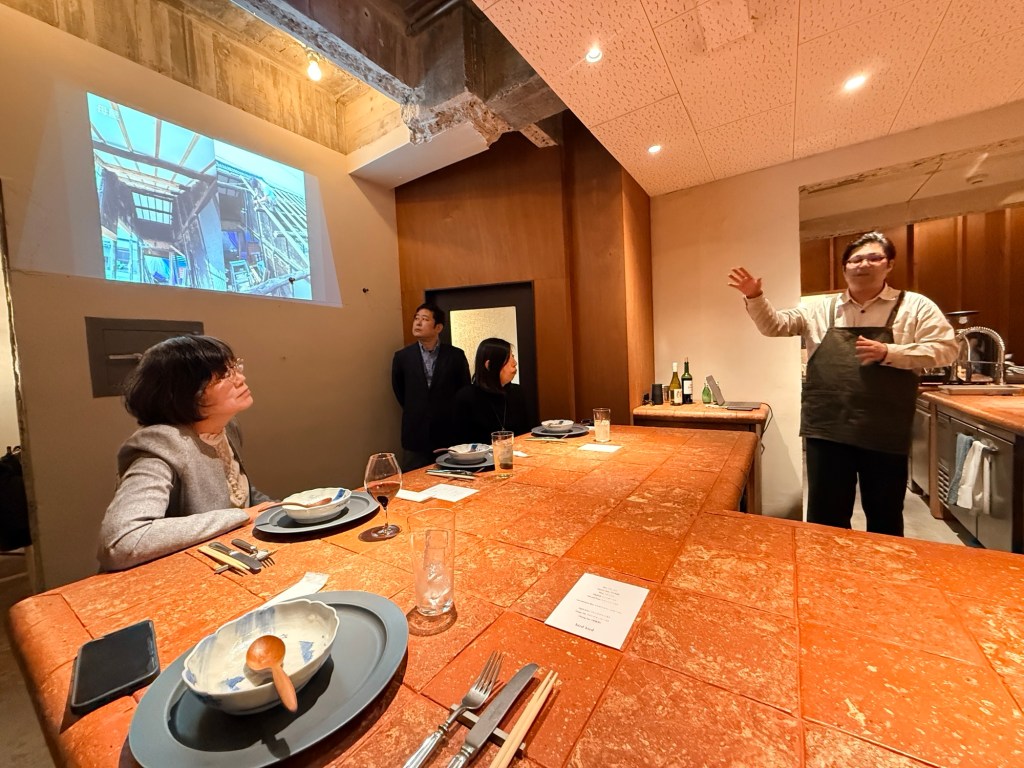
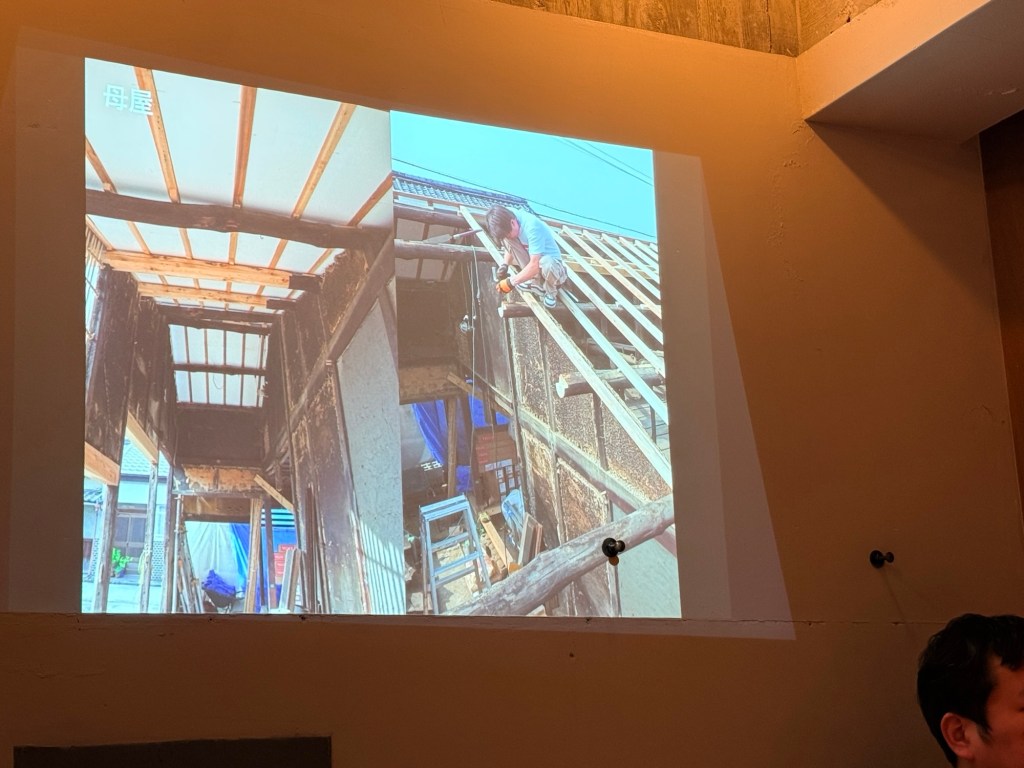
The chefs use the middle part, and serve each person directly from the kitchen.This is Shinya’s family. All the speakers from the day attended the meal, plus our hosts and translator.This. is one of the five courses we enjoyed.Here’s a photo of the whole dinner group.The chef/architect, Shunpei Fujioka, presented the reovation project. It was intriguing to hear the story of the reonvation and see before and after photos.The set of homes had been vacant for years before this architect renovated them.
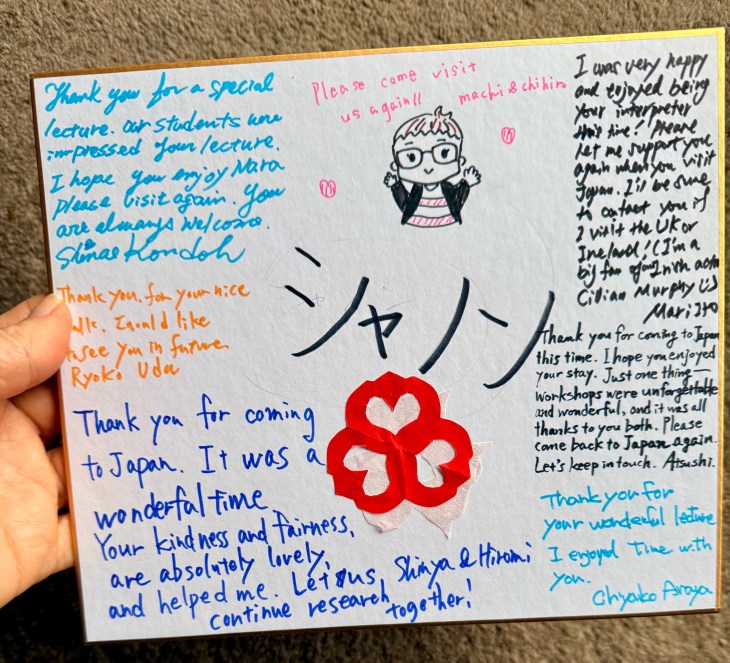
The dinner group made lovely cards for Sarah and me without us even suspecting. It was a project led by Shinya’s daughters, who also made many origami gifts for us. I saw the architect/chef, Shunpei Fujioka, helping with that!
A lovely card to memorialize our time together.
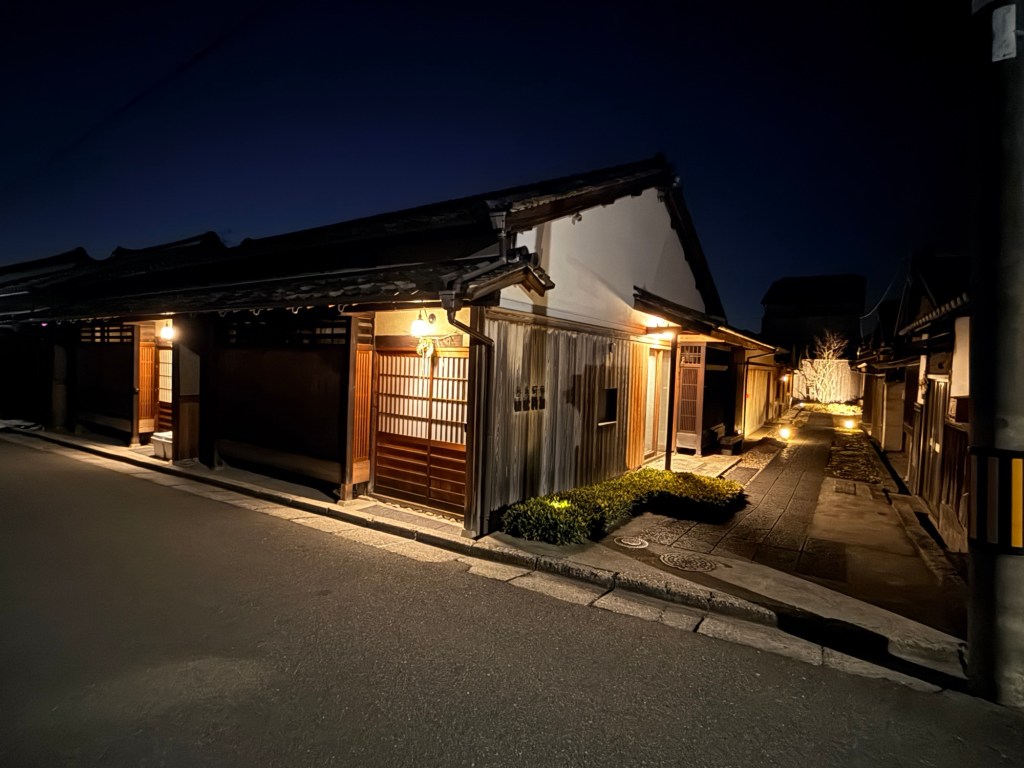
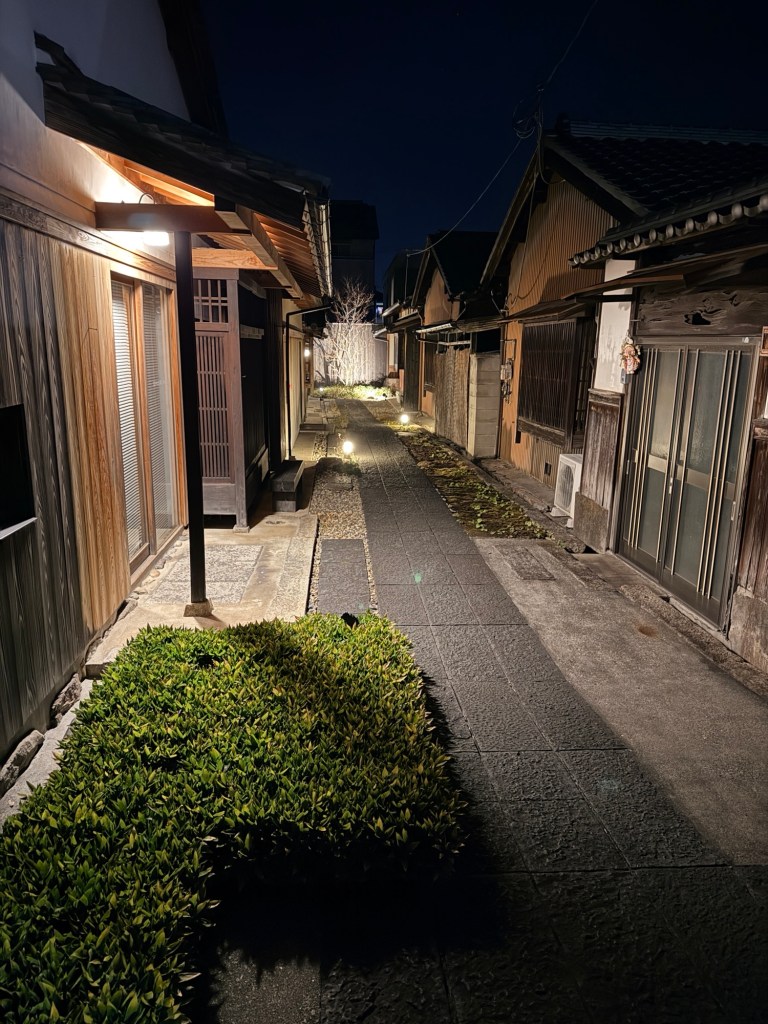
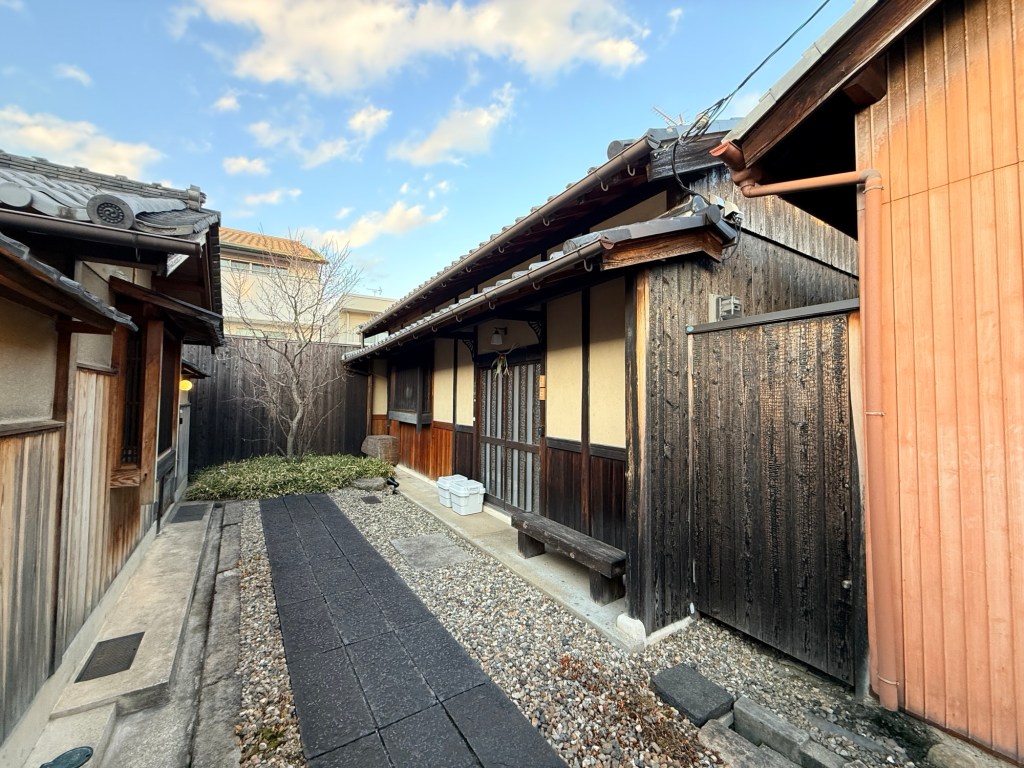
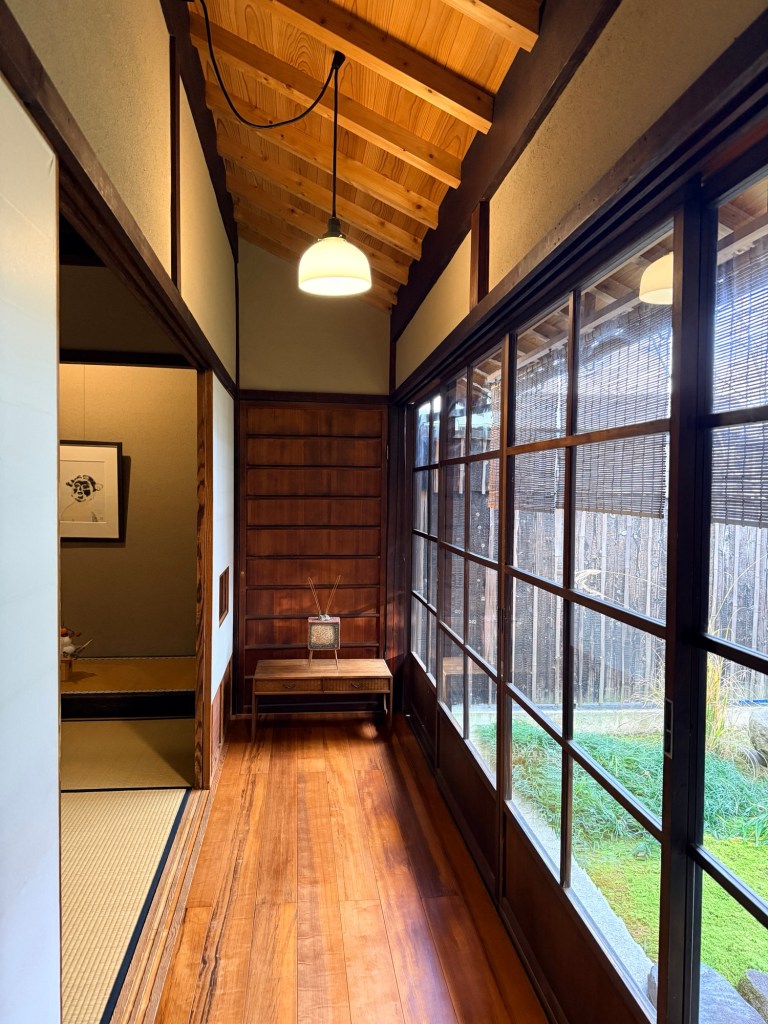
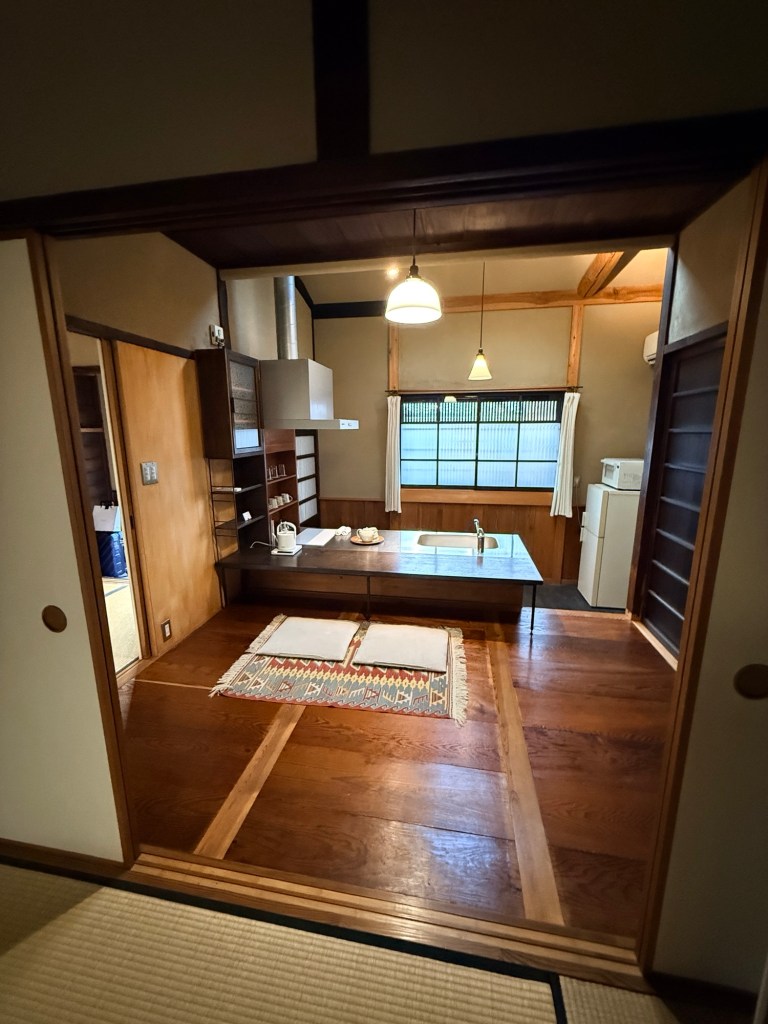
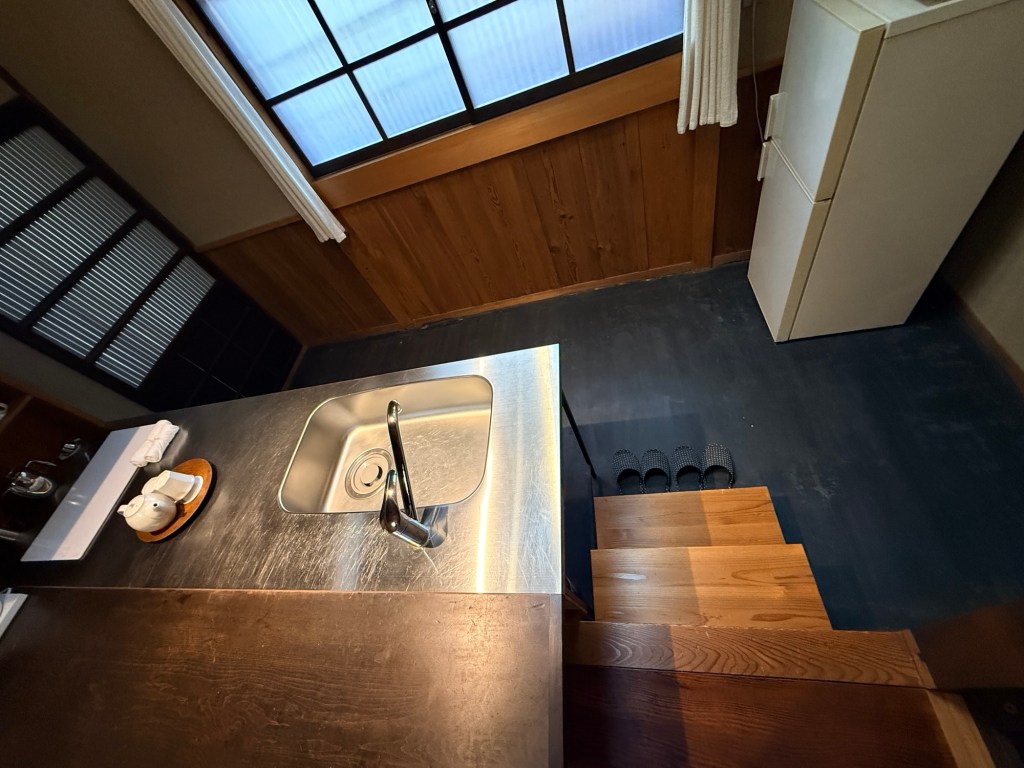
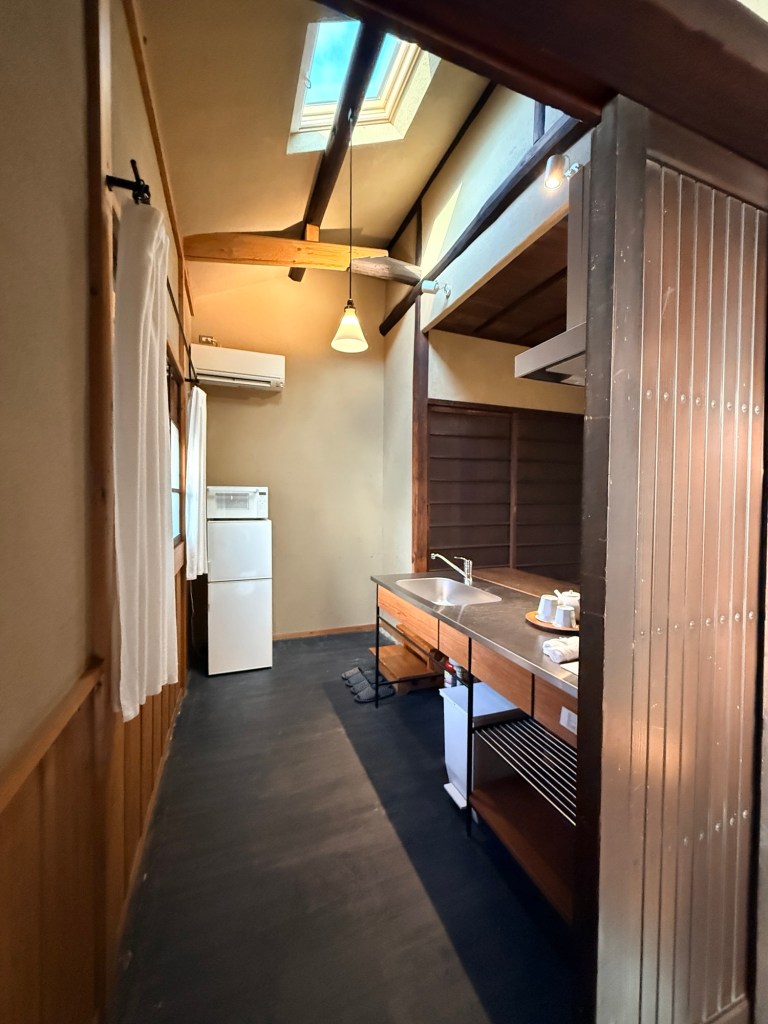
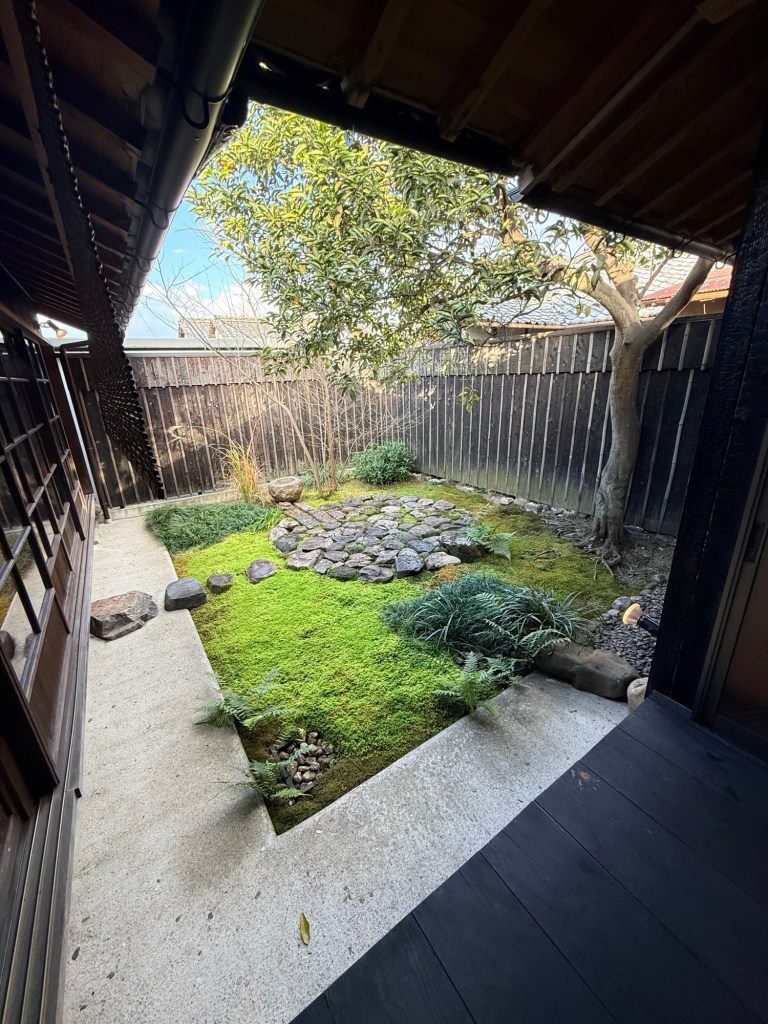
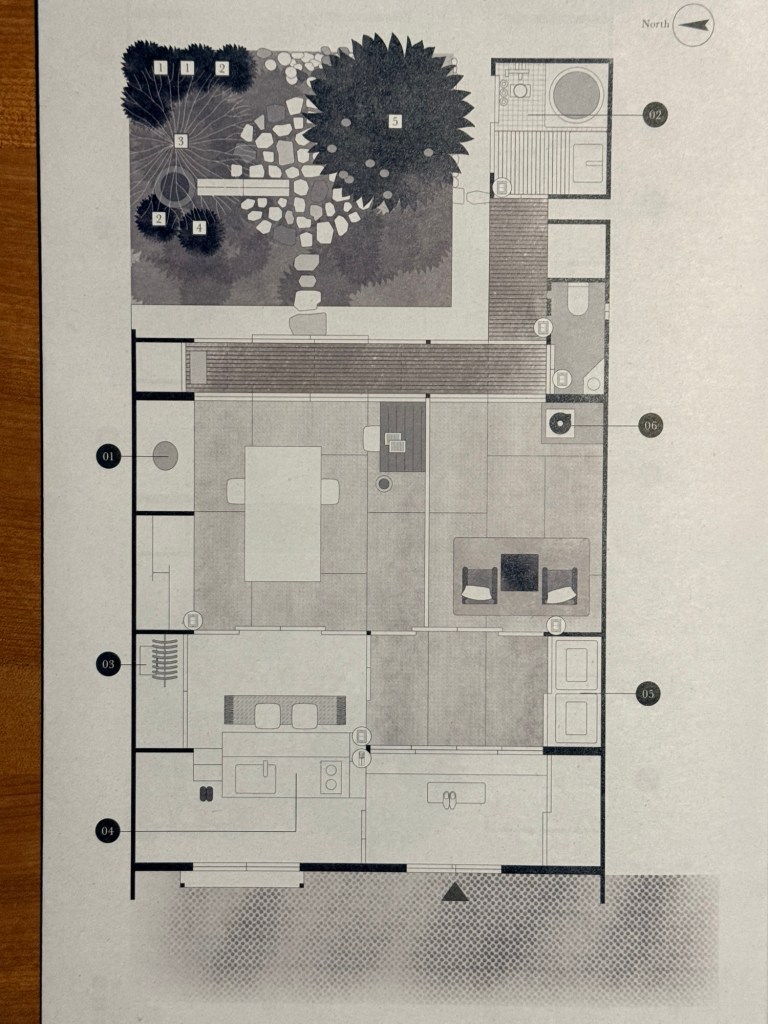
A major highlight of our visit to Japan was staying for three nights in a traditional Japanese house, part of a set of five adjacent homes that this architect has lovingly restored.
I have read about traditional Japanese houses and visited similar (Korean) ones in folk museums, but living in one for three days was an immense honor.
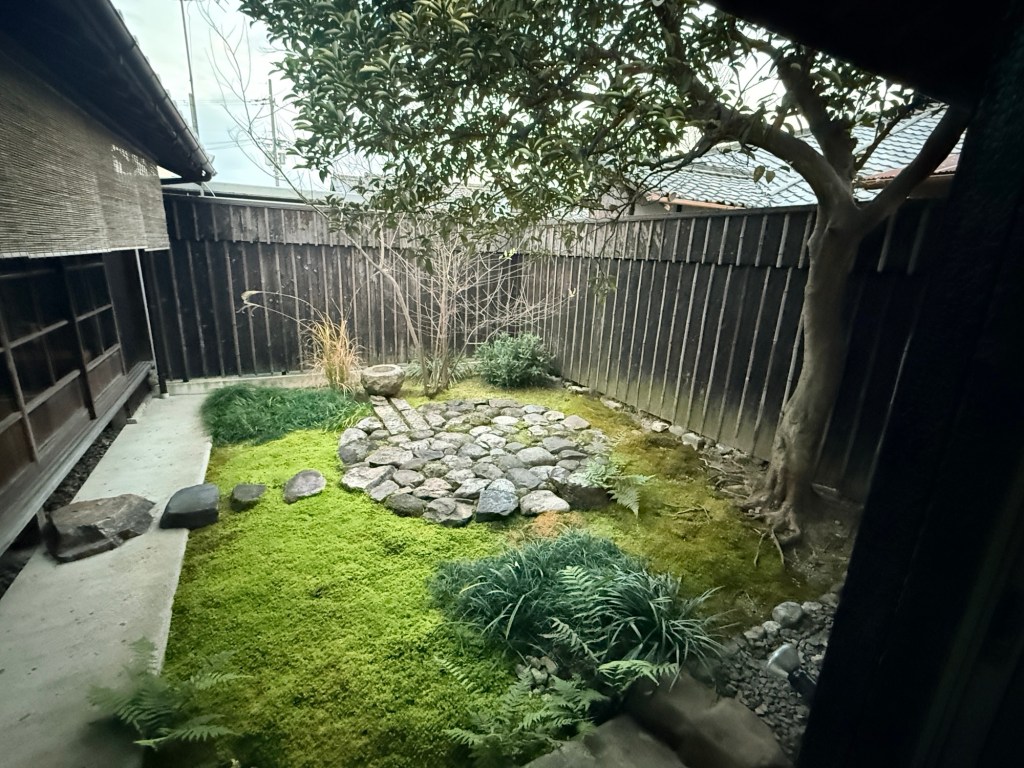
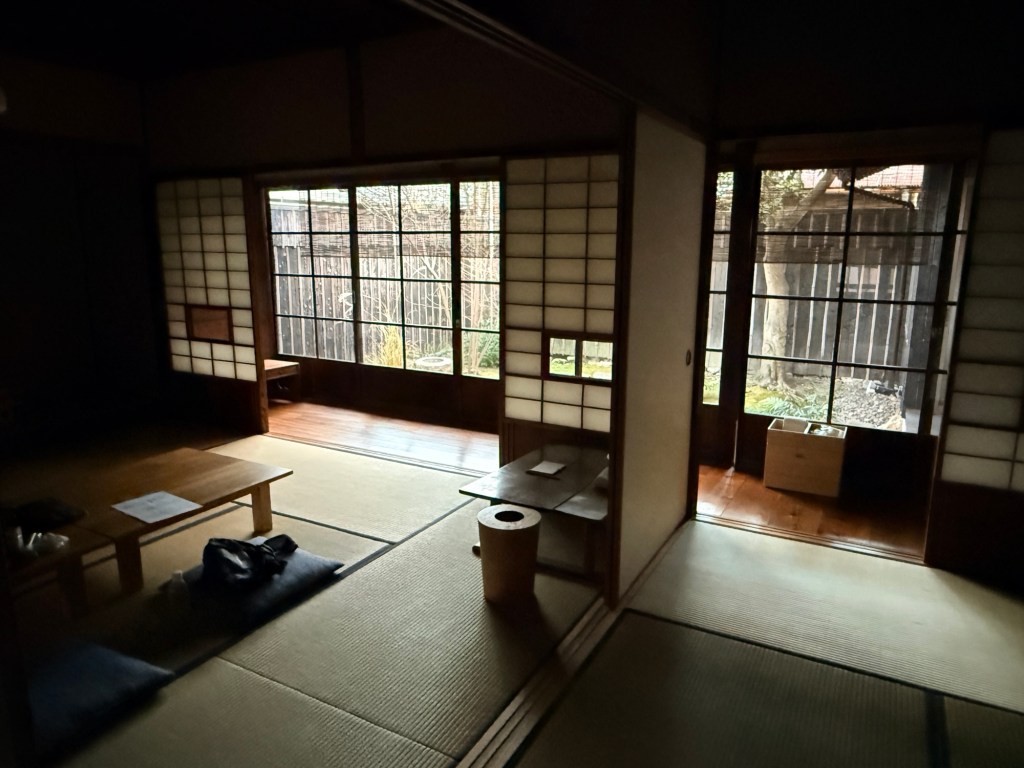
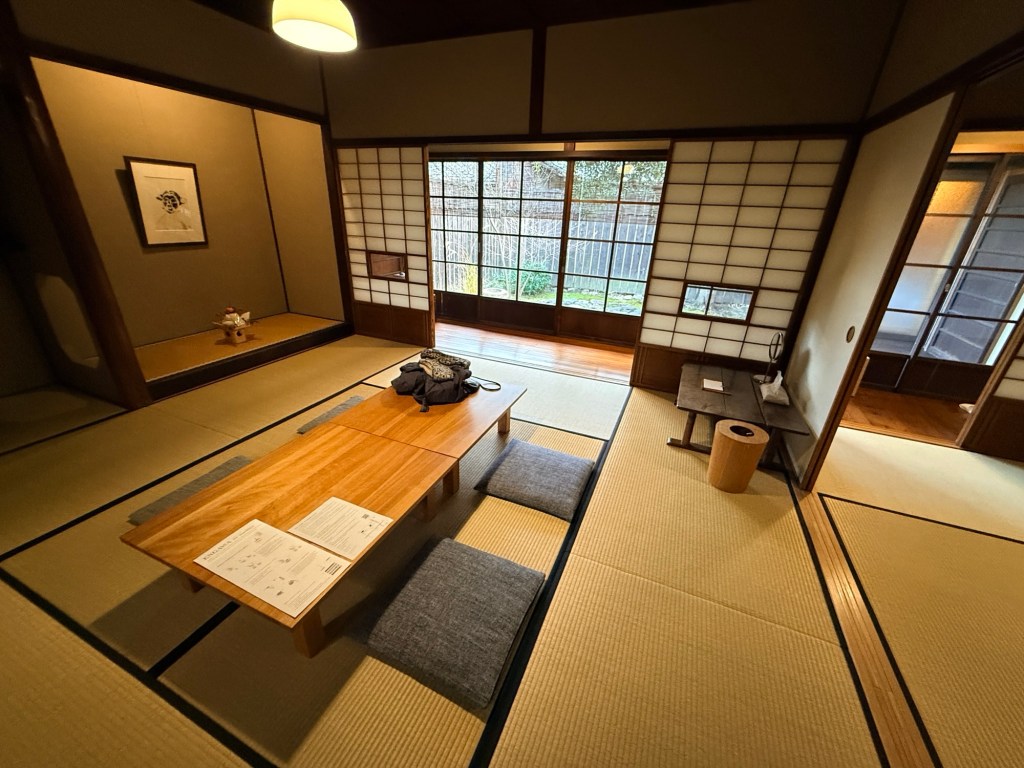
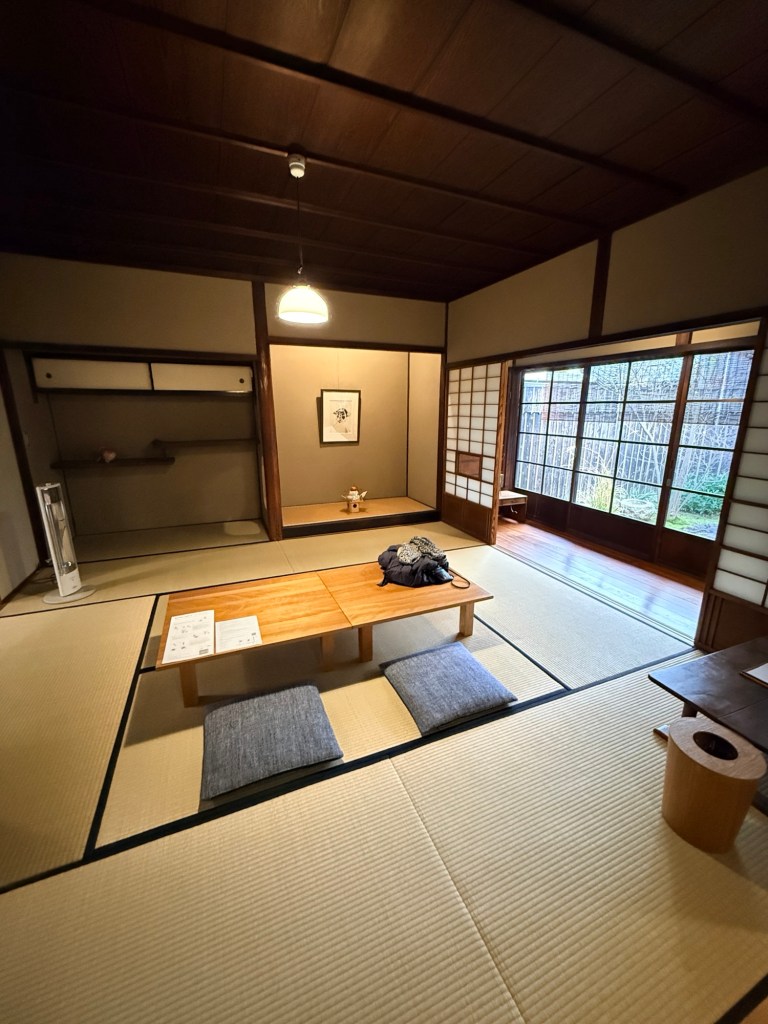
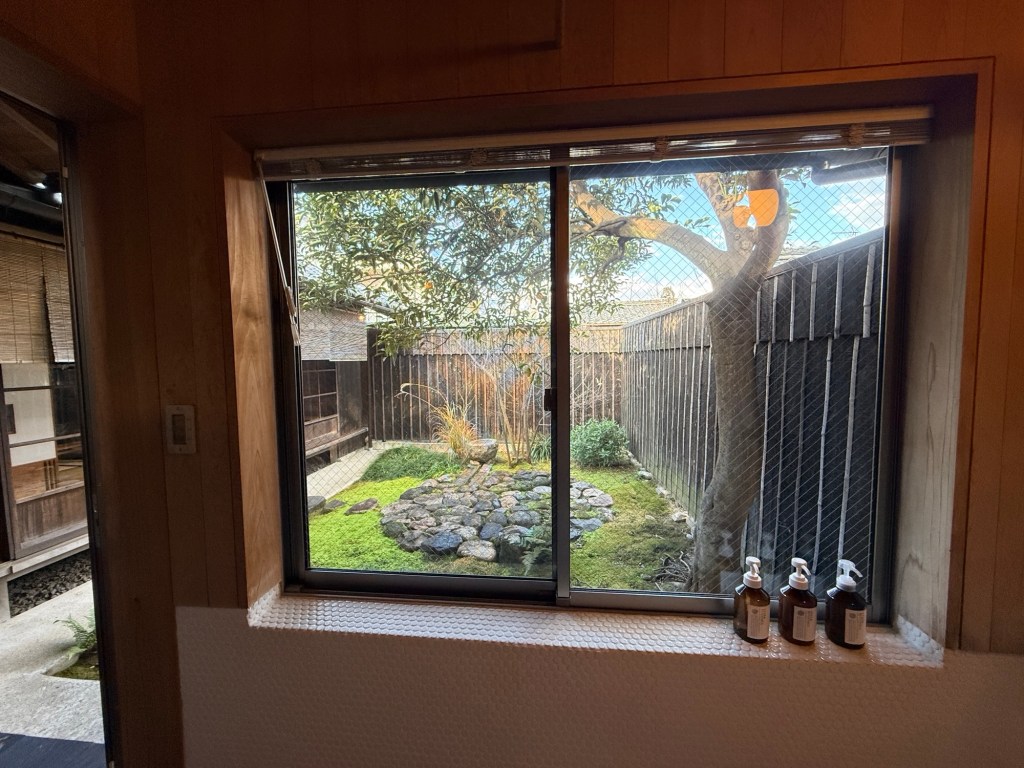
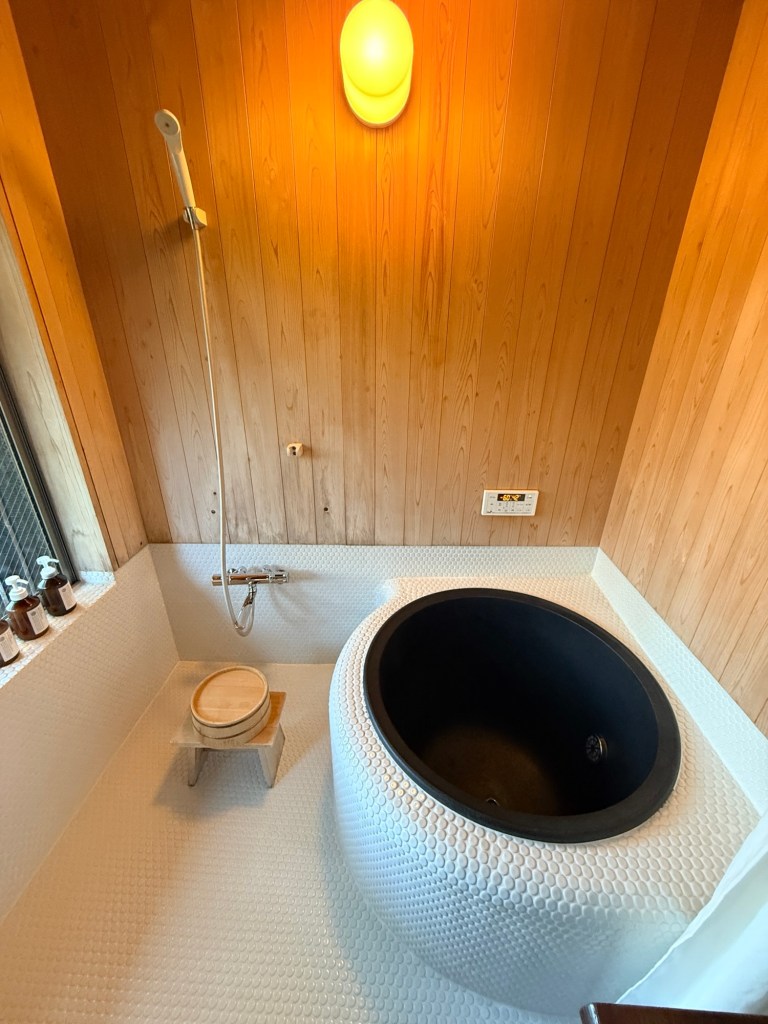
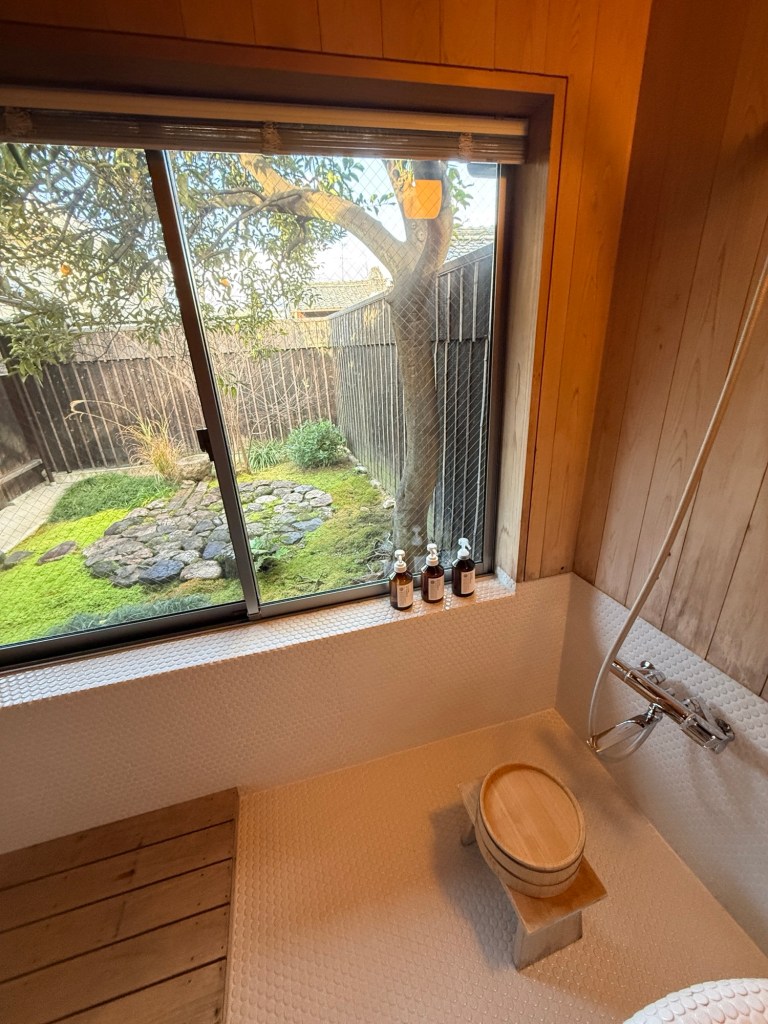
The set of restored houses at night.The alleyway where my house was.My house (the “Presidential Suite”).The house’s gorgeous private courtyard.Japanese “half-light” in the interiors.The dining area.They sit on the floor, and roll out futons when it’s time to sleep.The corridor between the living spaces and courtyard.The kitchen,with steps down from the seating area to the work space.The kitchen workspace. YOu can see renovation work (light wood) distinguished from the original (dark) wood. The covered (outside) walkway from the house to the bathroom. There’s a separate room with toilet and washbasin.View from the bathing space to the courtyard.The tub and shower.Hygiene is very important in Japanese culture.The plan of my house.
Overall, the bathing rituals were a highlight of my private time in Japan. The hotel in Tokyo had a public bath in the basement, which was an experience like no other. I love Turkish hammams (and even visited one in Malta over the Christmas holiday).
The traditional Japanese house also offered a unique and exquisite bathing experience.
But the most unexpected pleasure was that all but one of the toilet seats I used in Japan were heated and had a bidet function. The joy of a warm bum cannot be overstated.
Cultural Immersion with Collegial Friends
It was a privilege to get deeply acquainted with Shinya, Atsushi, Tamami, and all their colleagues.
For me, it was also a unique honor to travel with Sarah and Stefané; they treated me as family and never let me feel like a third wheel. Sarah skillfully guided Stefané and me through complex networks of trains, streets, alleyways, shops, and restaurants.
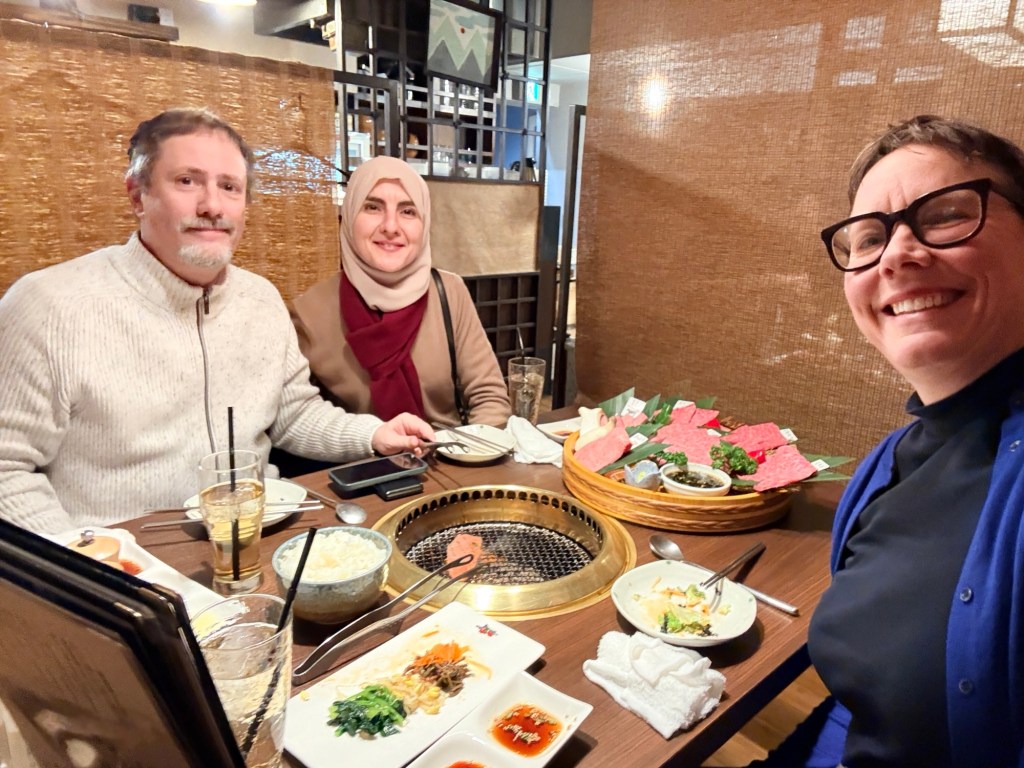
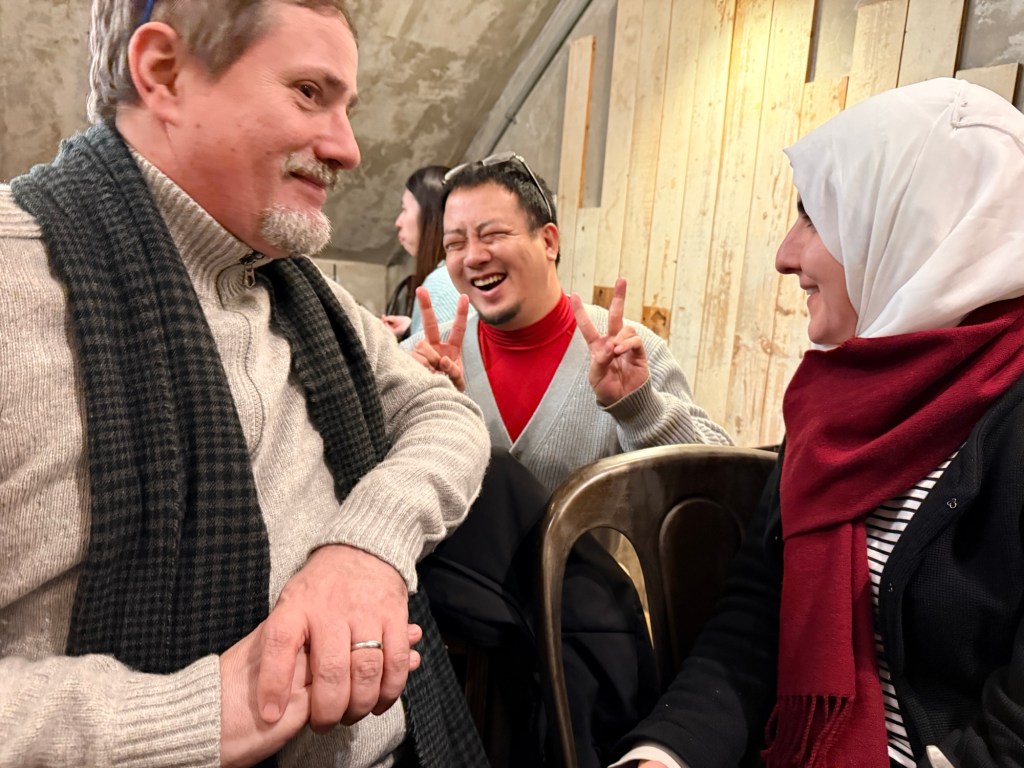
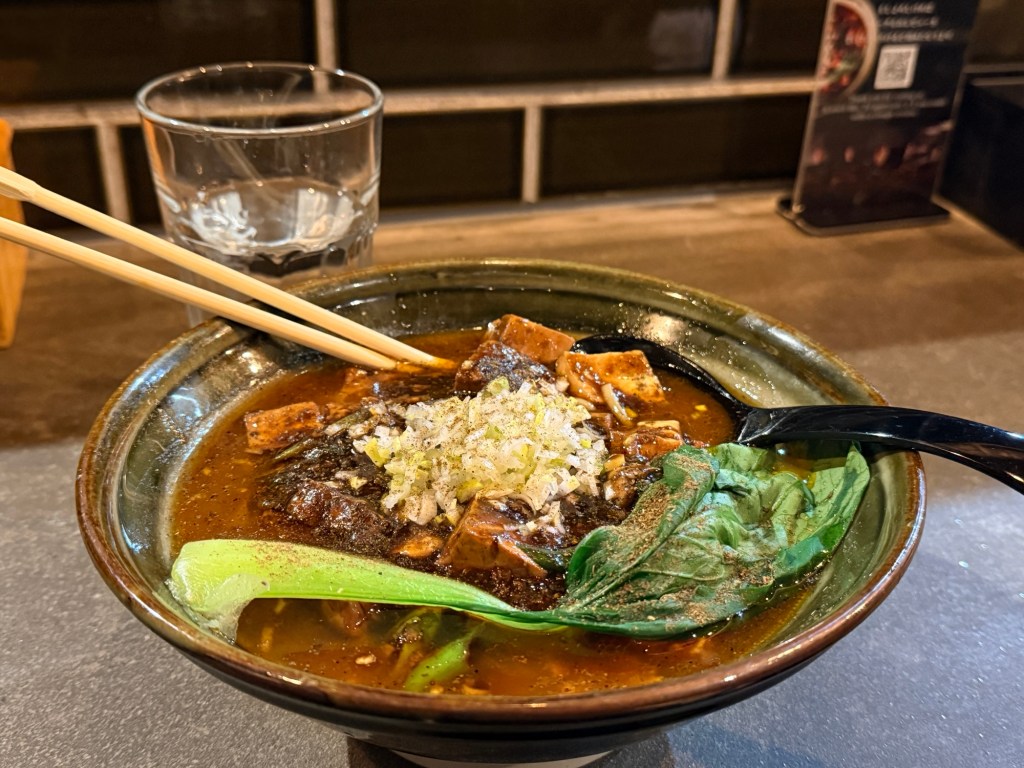
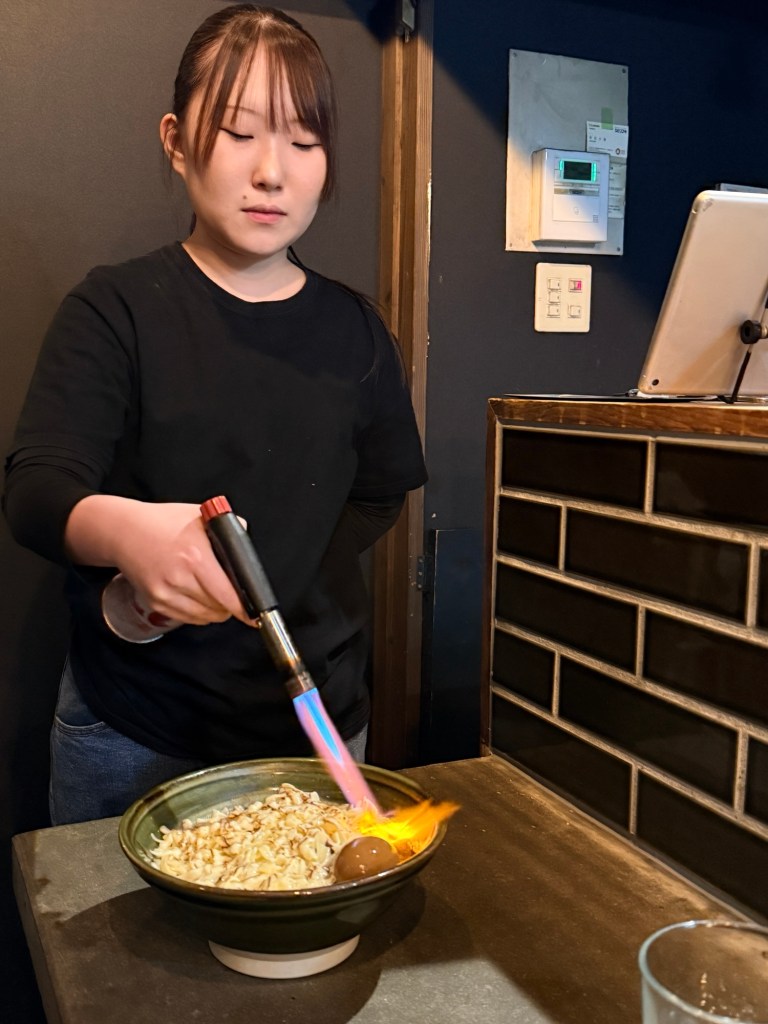
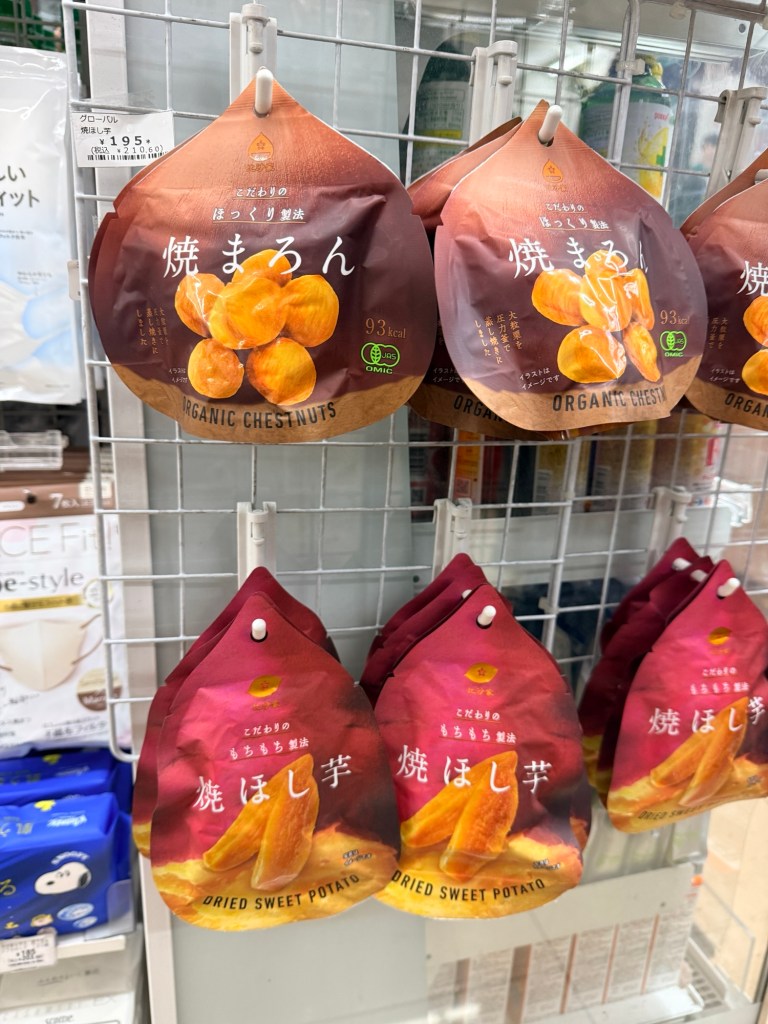
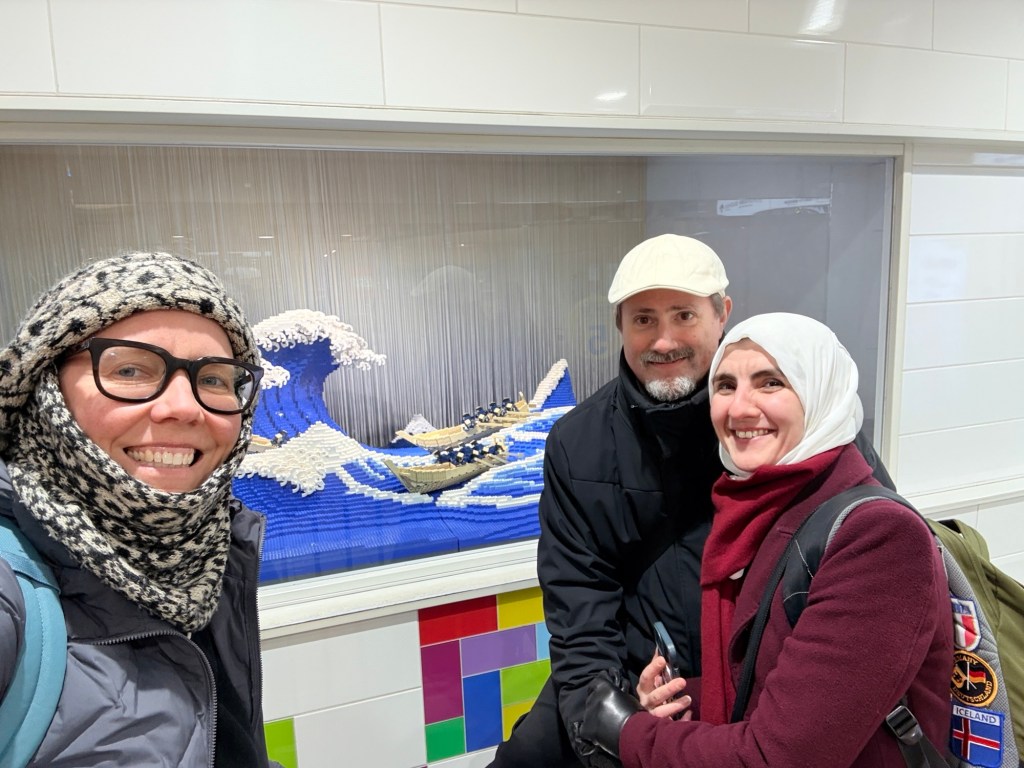
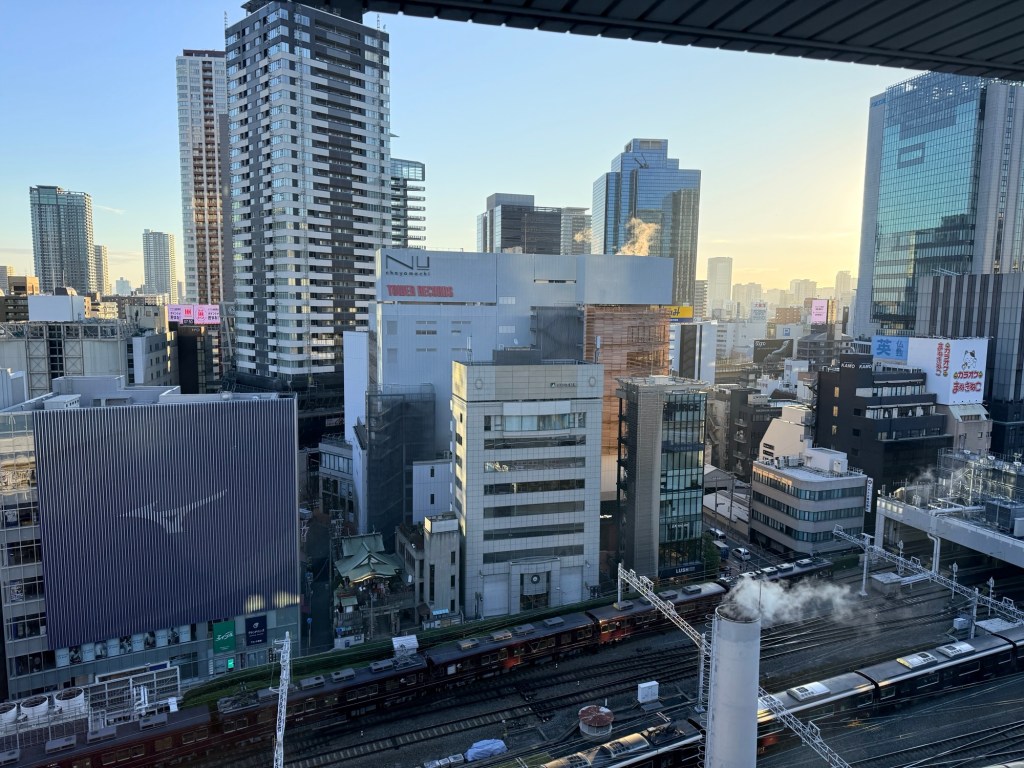
A halal ramen place.With dramatic effect.An official photoshoot — must be famous sicne security shooed me away.Aongus’ favorite, sweet potatoes!Lego of a famous paintitng (our colleague Inês’ favorite, so I had to take pictures!)View from my second hotel window in Osaka. Most hotels dont’ offere such a sweeping view — or any view at all!Refelctions seen from my hotel window.One of many shires I passed walking along the streets.I learned more about Islam from my travel companions and enjoyed several halal meals. I also got to explore Japanese culture and daily life alongside these lovely colleagues.
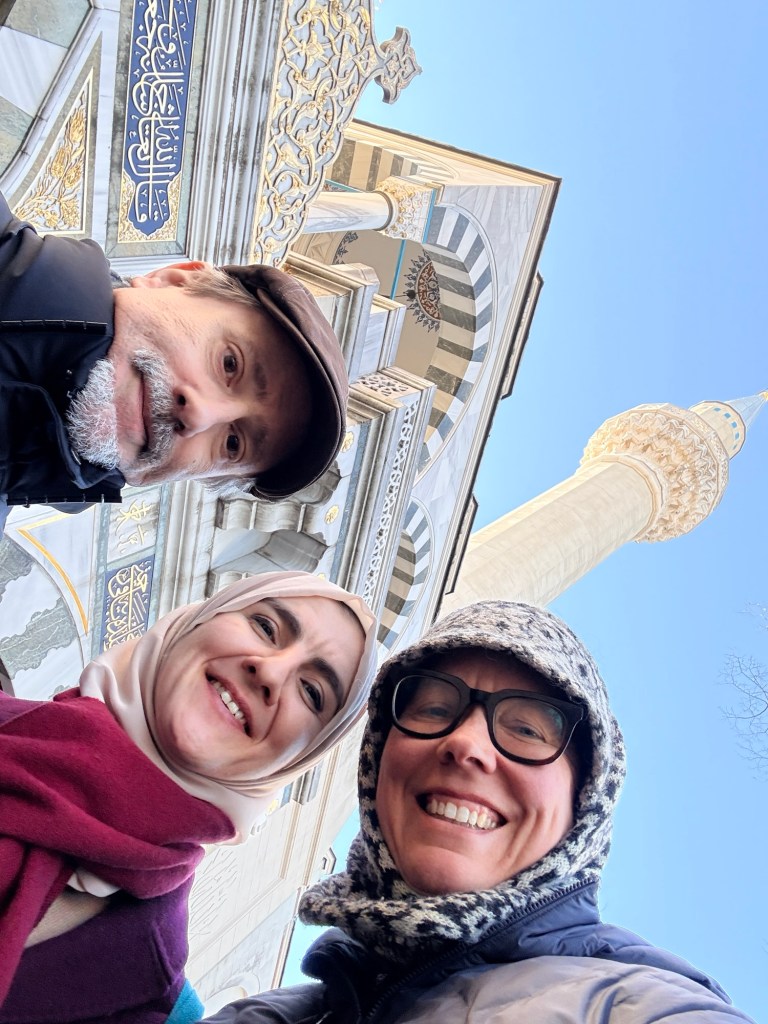
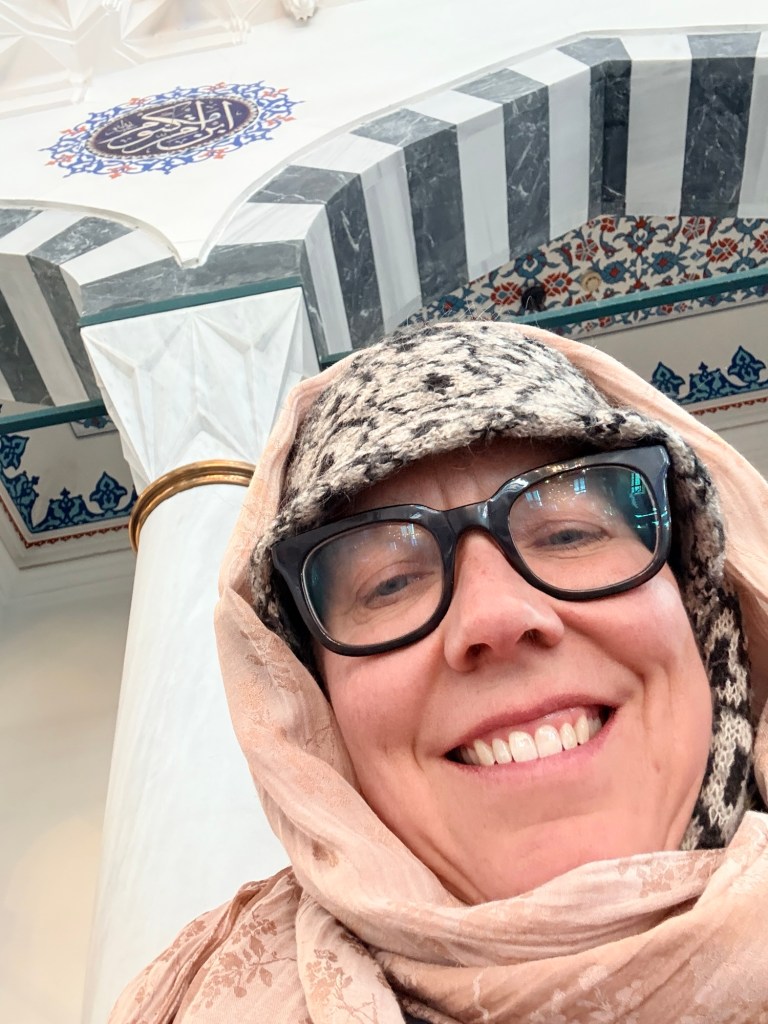
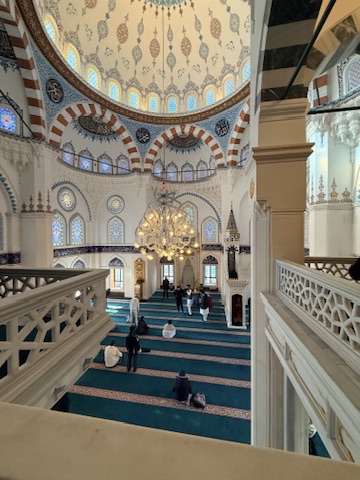
We visited a mosque at the Turkish Cultural Center in Tokyo, an experience I thoroughly enjoyed. We even had a meal at the mosque, prepared by the community for the worshippers.
Visiting the mosque.Inside the mosque. Views from the balcony.I learned more about Islam from my travel companions and enjoyed several halal meals. I also got to explore Japanese culture and daily life alongside these lovely colleagues.
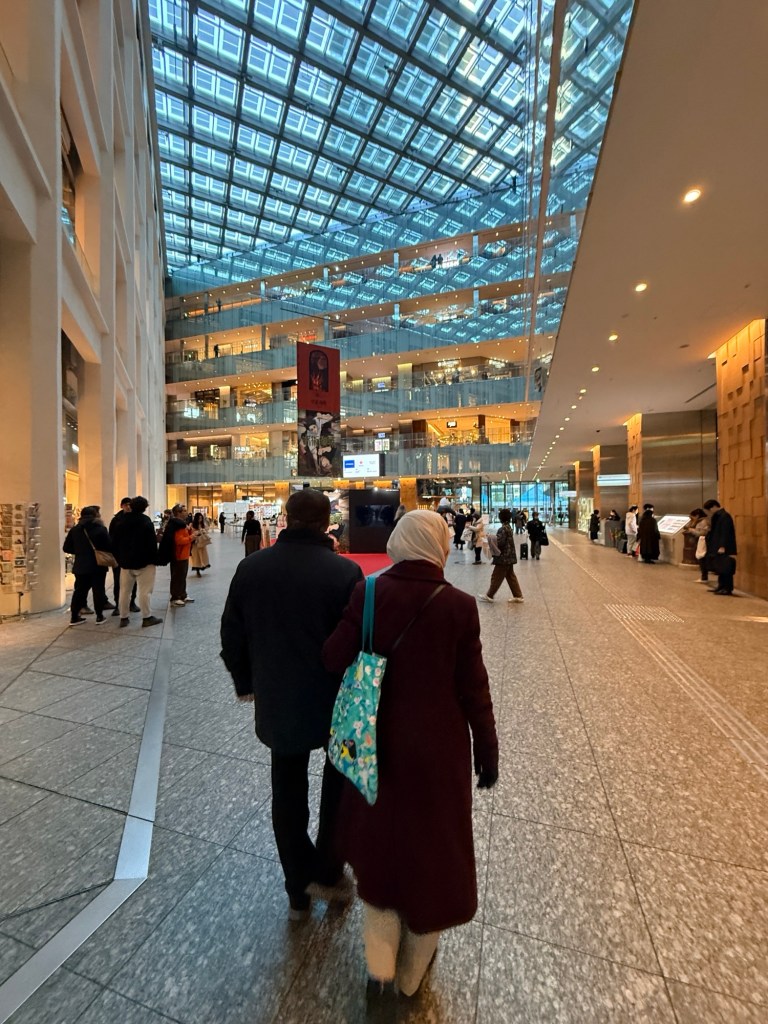
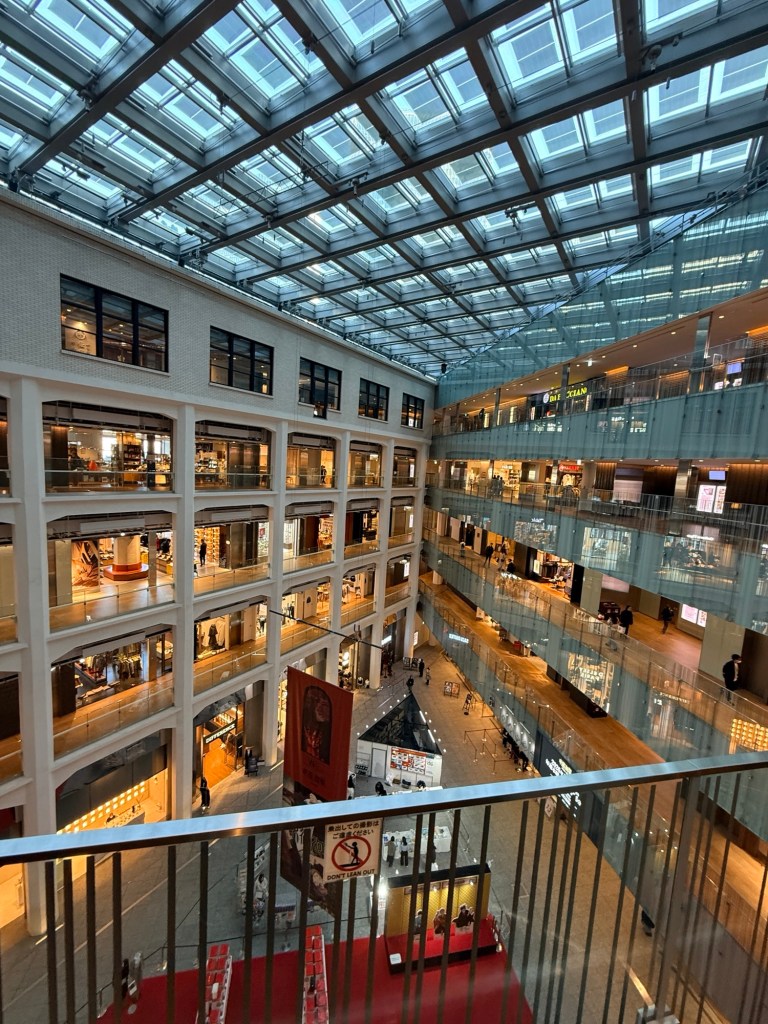
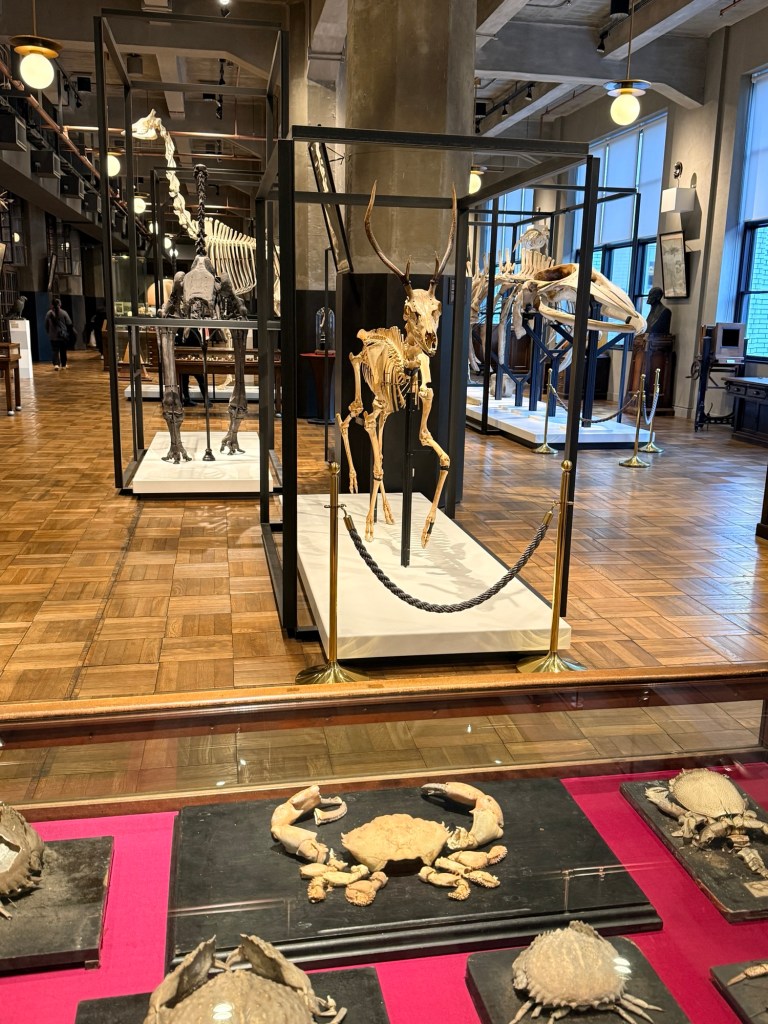
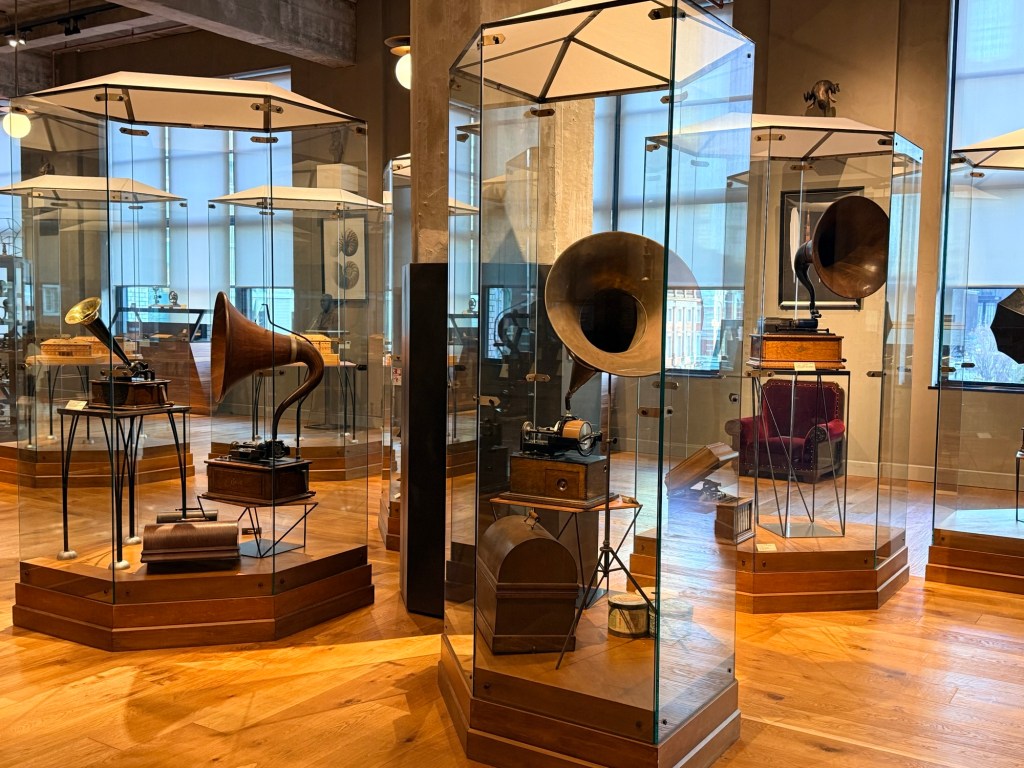
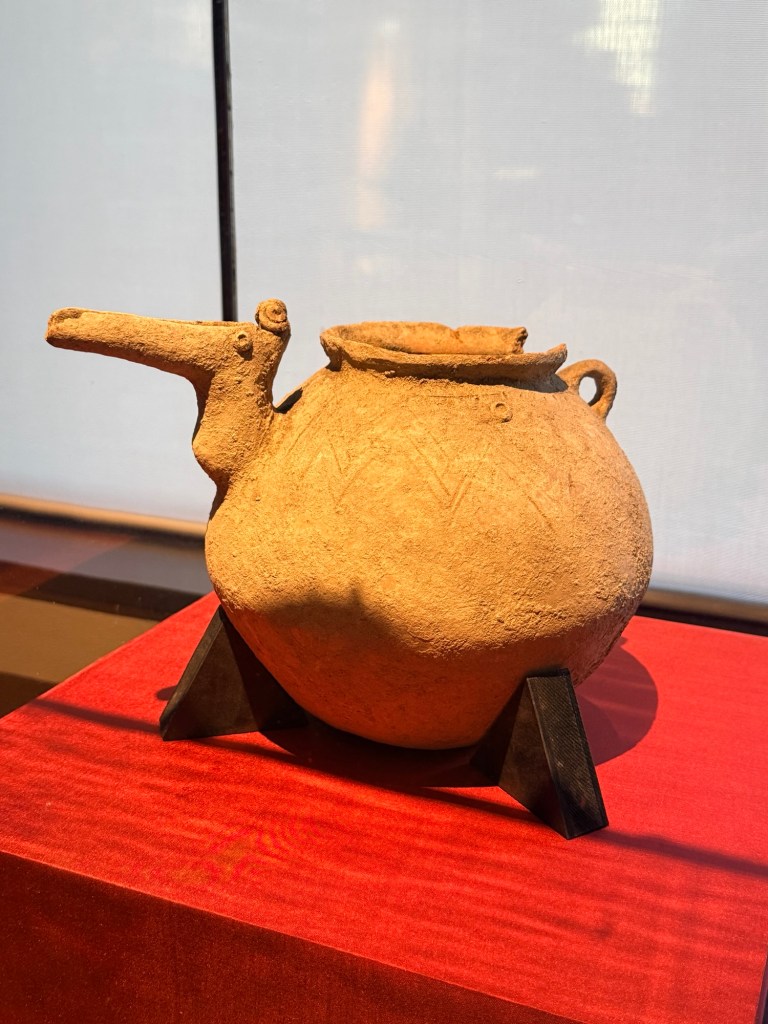
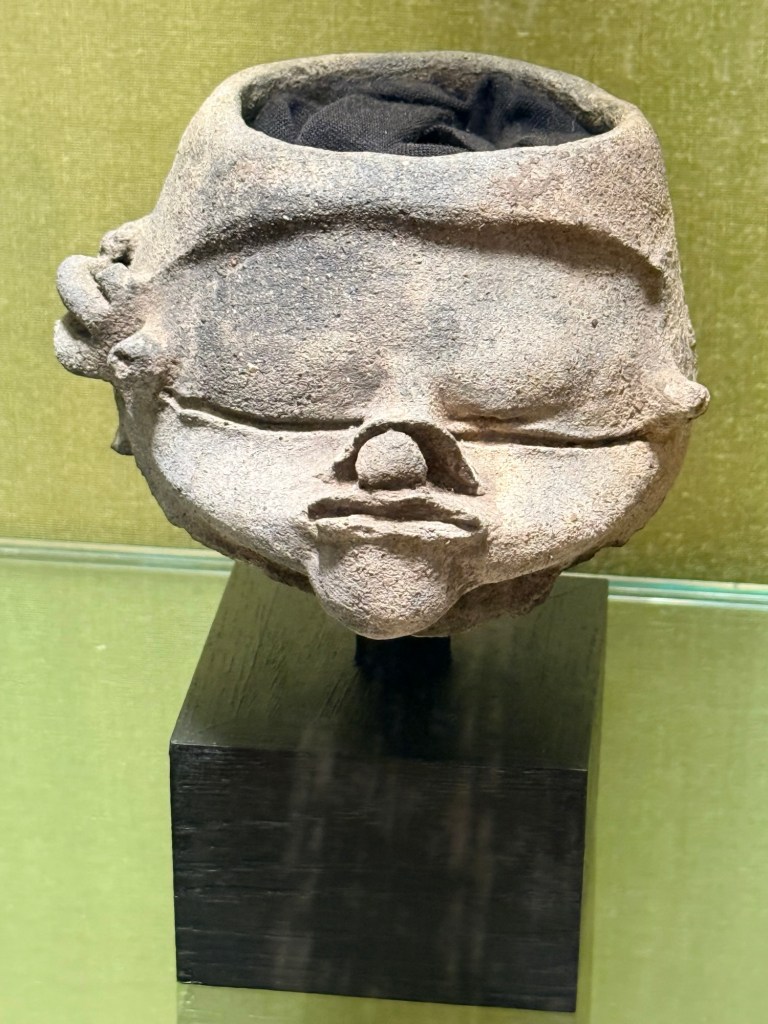
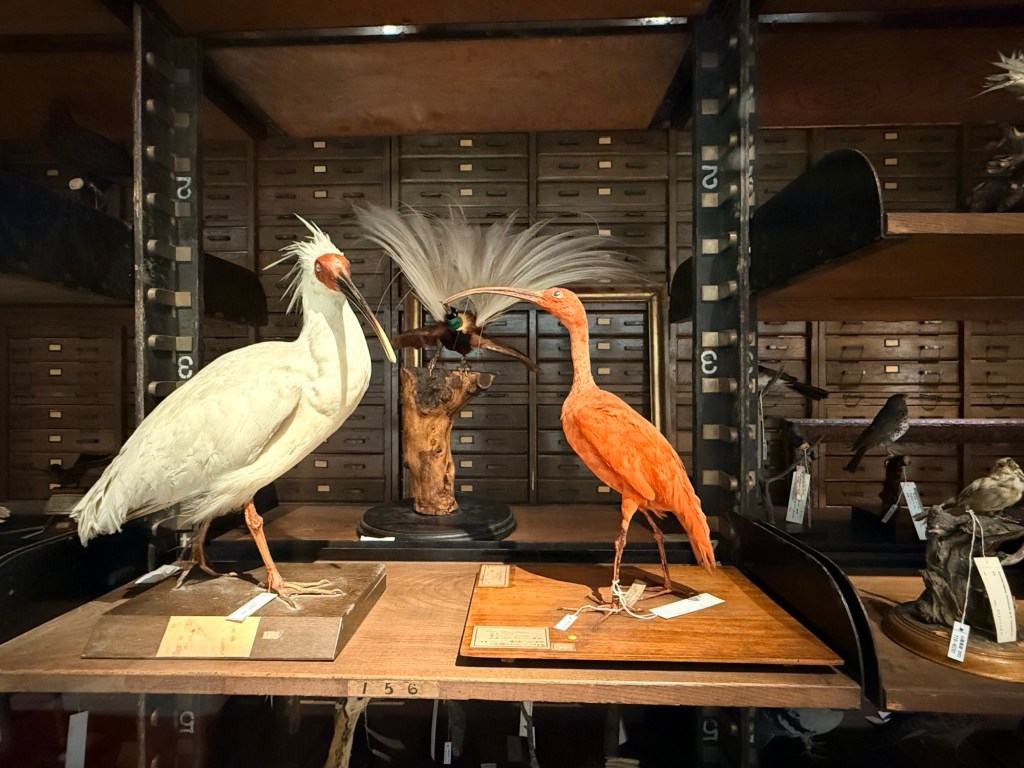
We also visited a museum with Japanese artifacts, located in a shopping center, presented in collaboration with a university, and located right beside the main train station in Tokyo.
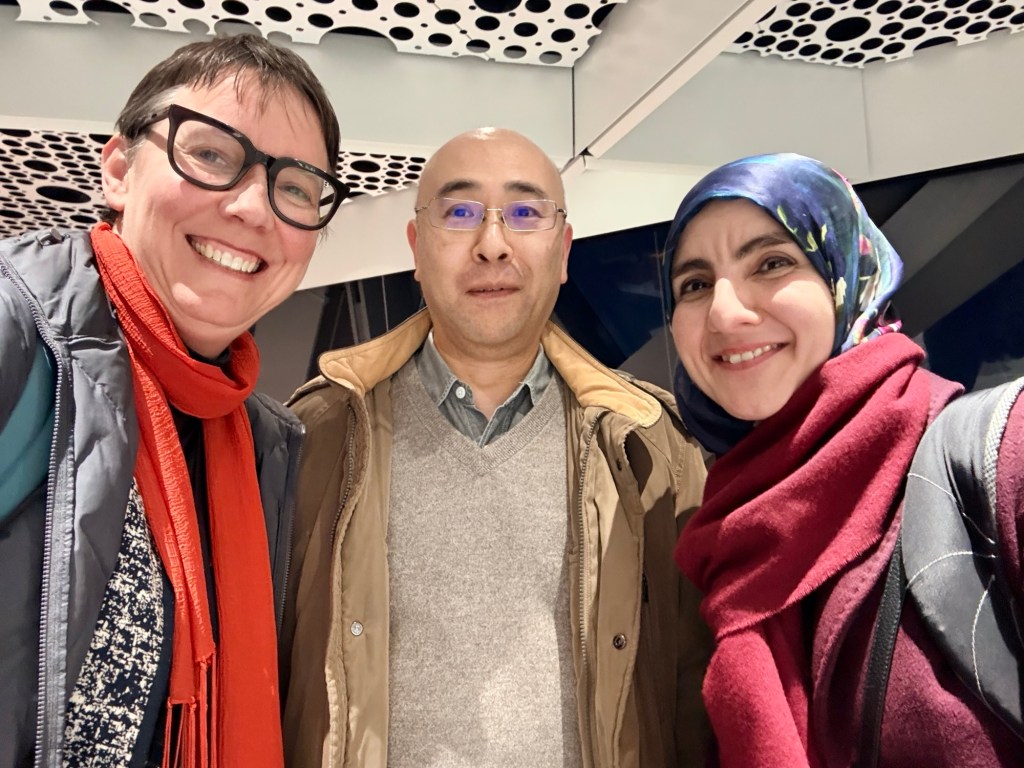
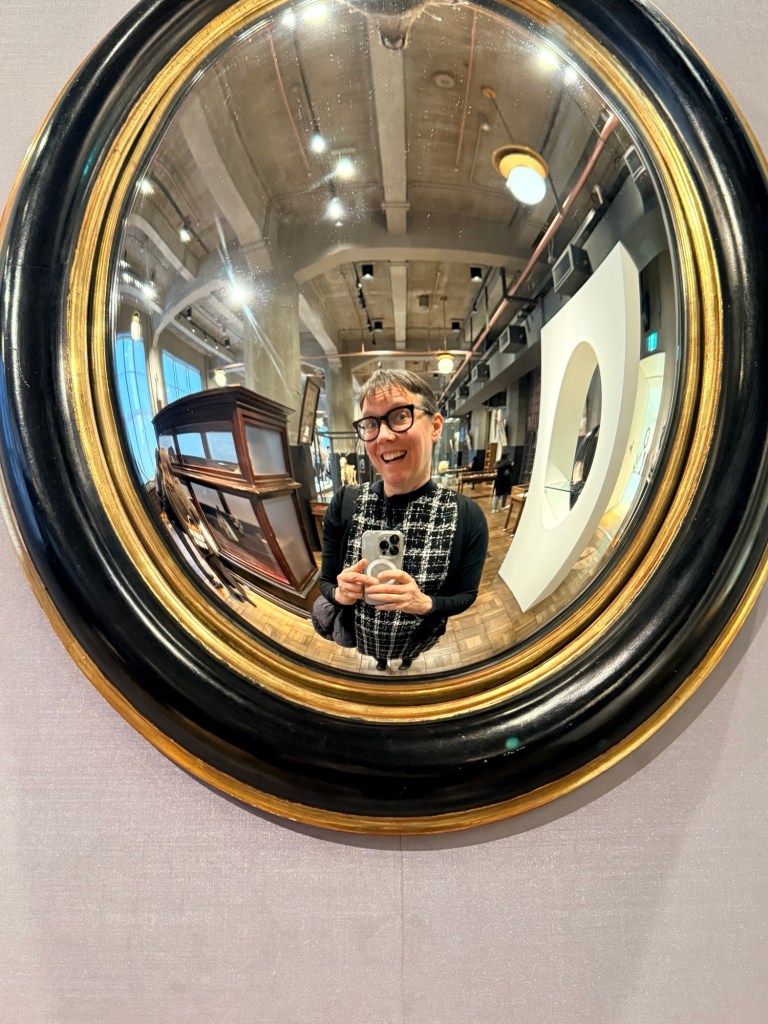
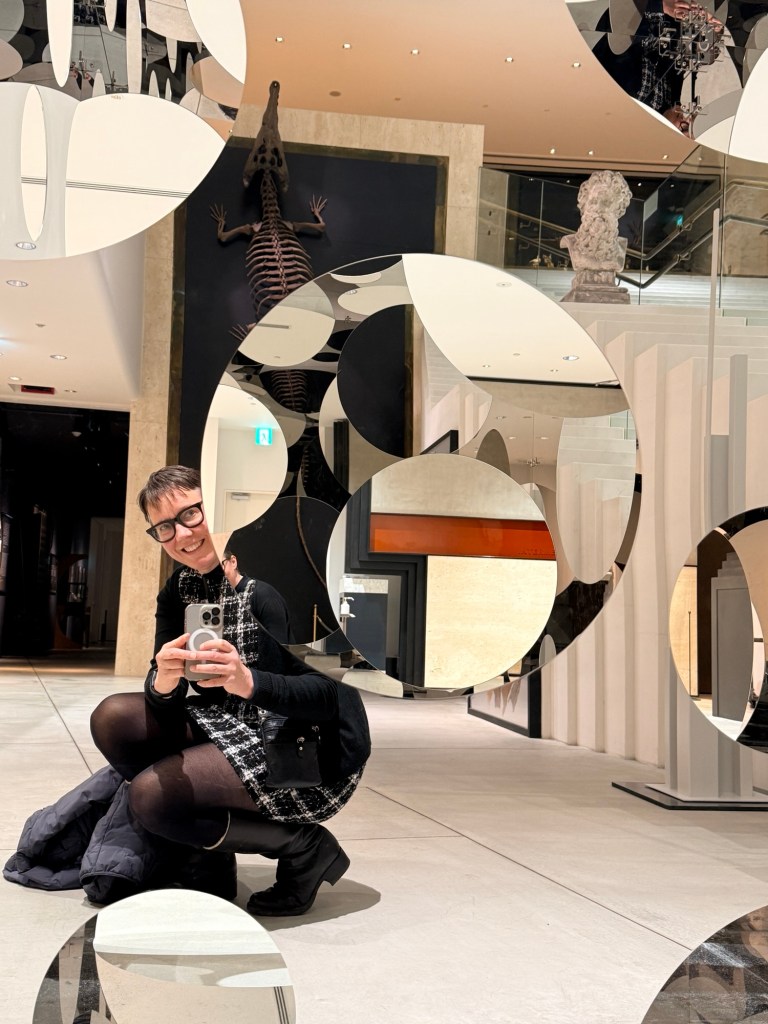
Entering the shopping mall with my friends.The grand artium.Artifacts from the museum.A collection of Thomas Edison’s phonographs. Japanese pottery.Japanese pottery.Japanese birds.Fun selfies.Reflections on the statues.Shopping mall with a cultural museum.
Heading Home
Our visit to Japan was full of unique and deeply meaningful experiences. I was sad to leave and, unfortunately, brought home a chest infection (travel sometimes has its challenges, but I’m now 95% recovered). Nevertheless, I also left Japan a treasure trove of new connections, memories that I will never forget, and opportunities to follow up on. My sincere gratitude goes to Atsushi, Shinya, Tamami, and all the wonderful colleagues who shared their time, talents, resources, and insights while we were in Japan.
I look forward to seeing you again soon and to working together to deliver workshops, translate games, test them with Western audiences, and collaborate on projects and research articles.
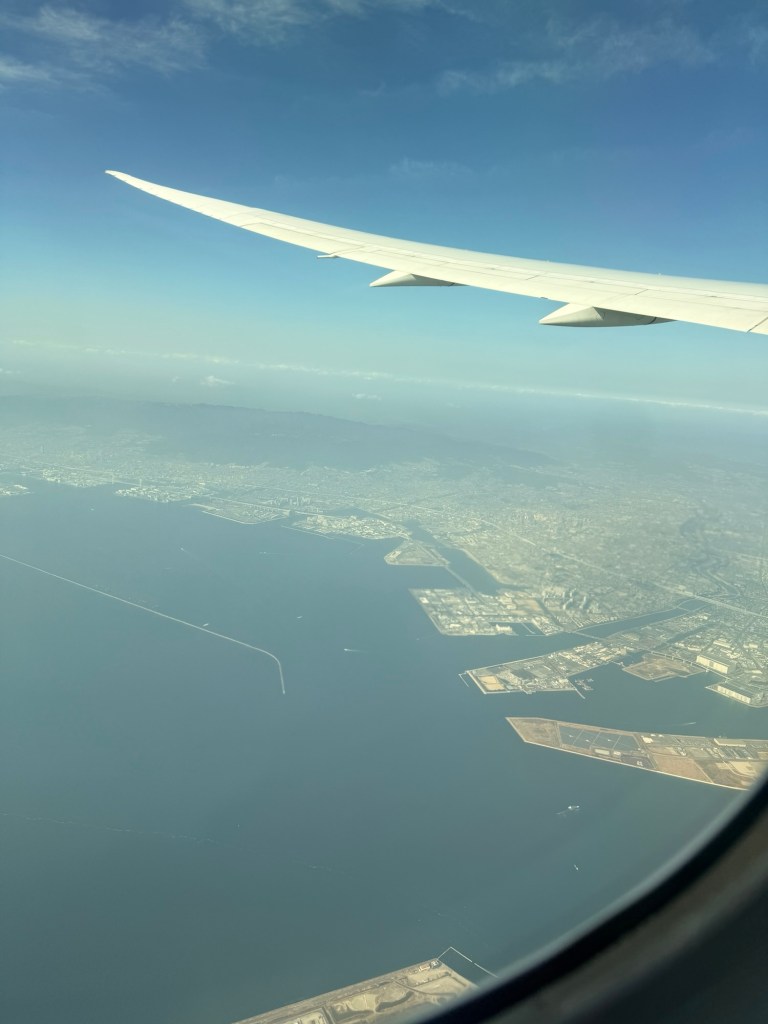
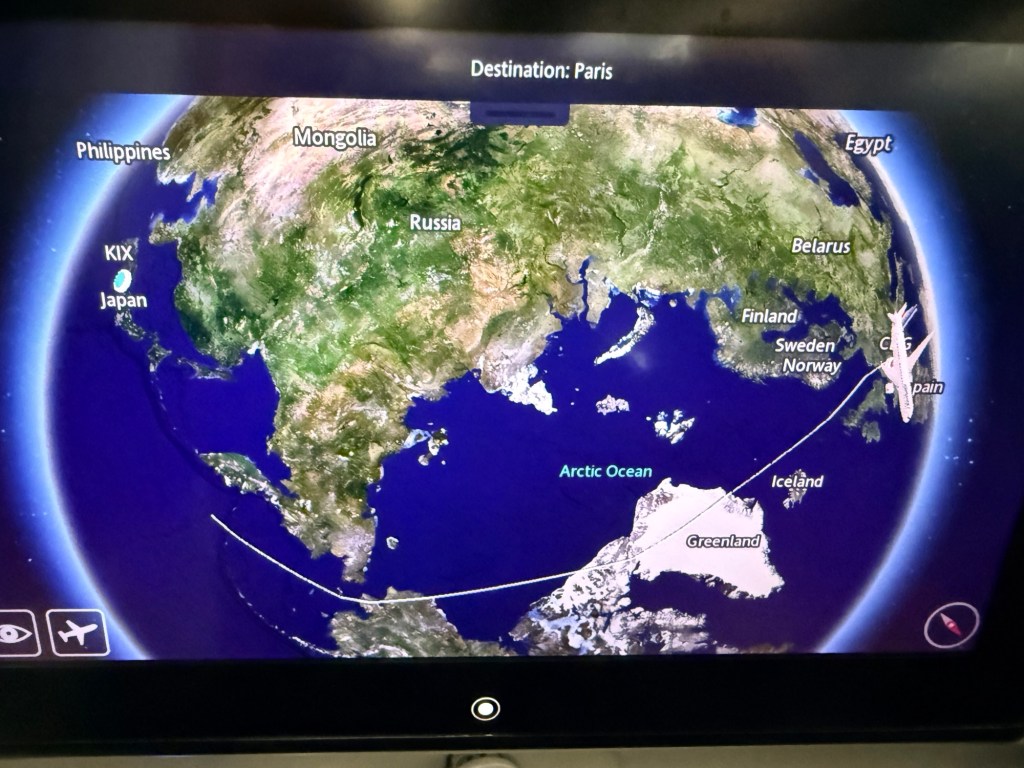
Last views of Japan.Flying over the Arctic Circle. We flew around the world on this trip!Leaving Japan, our plane flew east. We flew between Alaska and Russia, over Greenland, over Iceland, and to Charles de Gaulle airport. From there, I connected back to Dublin.
What an inspiring whirlwind week at the European Society for Engineering Education SEFI 2025 Annual Conference! The event was packed with meaningful presentations, deep and reflective conversations, intellectual rigor, and memorable community moments. Attending SEFI always feels like a homecoming to me, and this year’s conference certainly delivered, especially with the monumental achievements of my colleagues and students.
From Handbook to Keynote Stage
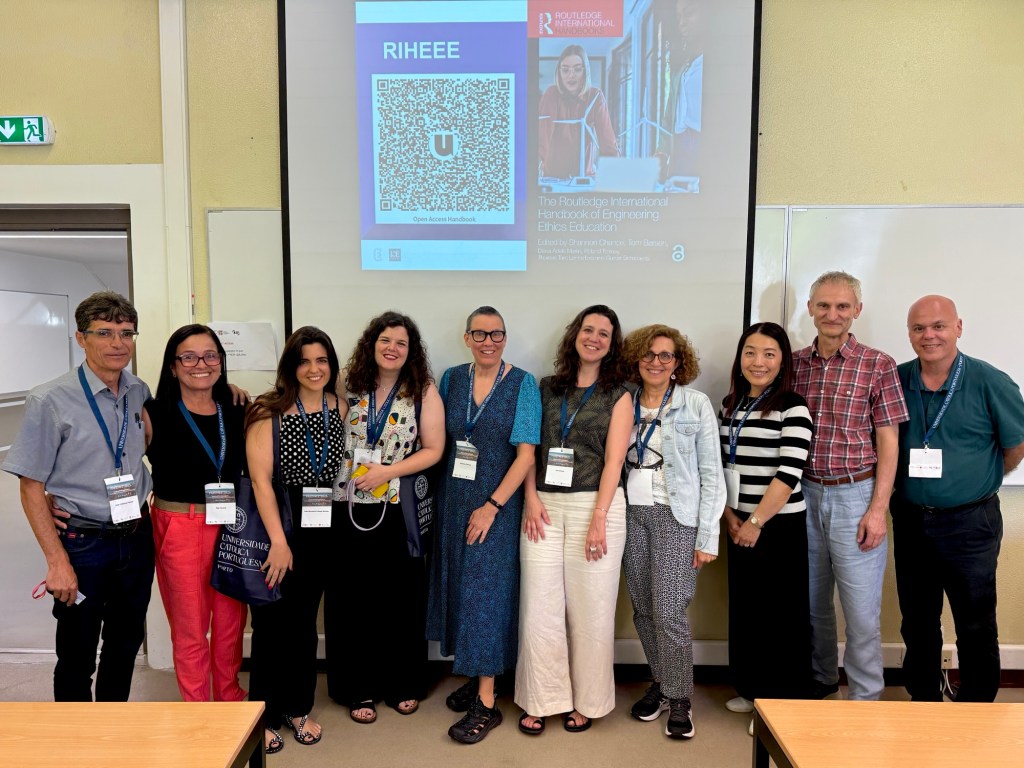
A significant highlight for me was being invited to deliver a keynote address at SEFI alongside Associate Professor Tom Børsen from Aalborg University. The address drew extensively from the Routledge International Handbook of Engineering Ethics Education, which Tom and I co-edited alongside our phenomenal team of co-editors, Diana Adela Martin, Roland Tormey, Thomas Taro Lennerfors, and Gunter Bombaerts.
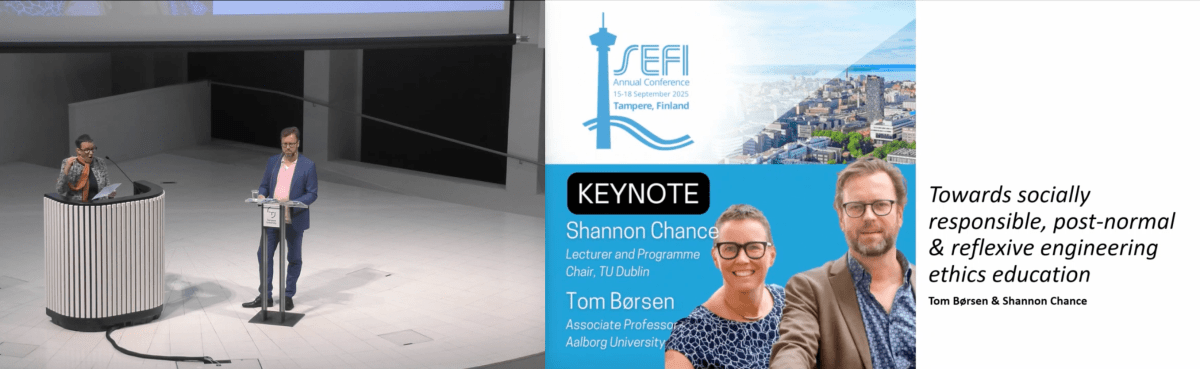
Our keynote, titled “Towards socially responsible, post-normal and reflexive engineering ethics education,” (video link here) called for a bold transformation in how engineering ethics is taught. We addressed the urgent need for engineering ethics education (EEE) to move beyond traditional, individual-focused approaches to embrace collective responsibility, reflexivity, and social justice. This is particularly critical in “post-normal times,” characterized by uncertainty, high stakes, and contested values.
Among other things, Tom and I urged the community to integrate non-Western and AI ethics, foster transdisciplinary collaboration, and empower engineers to challenge power structures and cultivate an ethics of care for people and the planet.
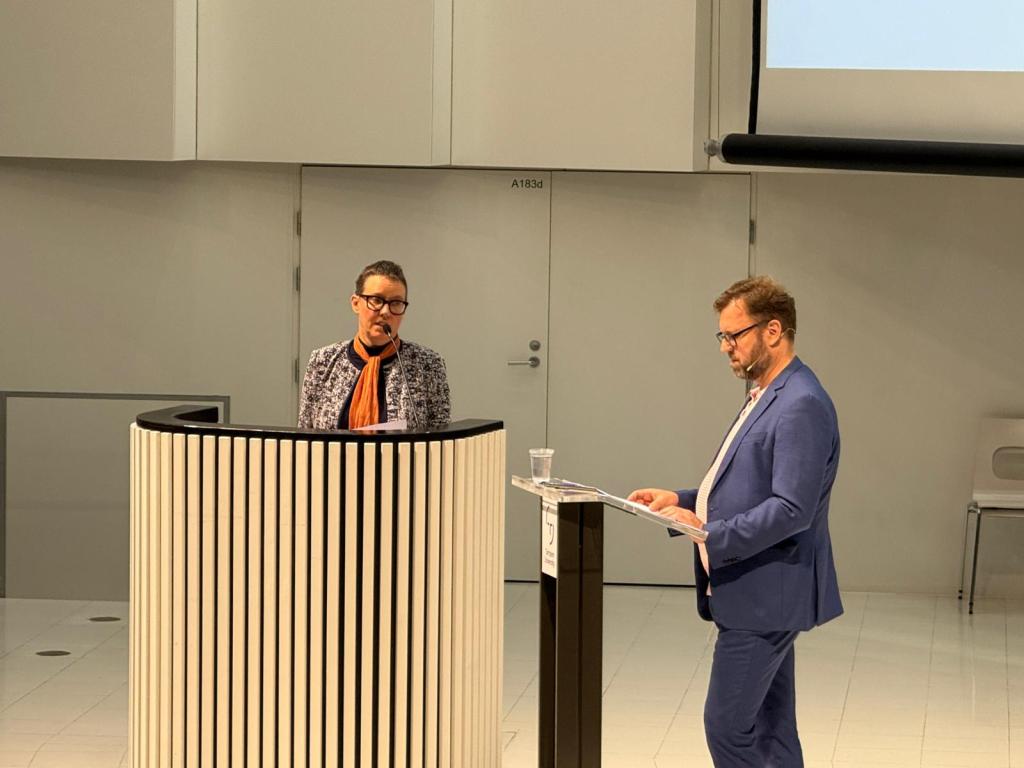
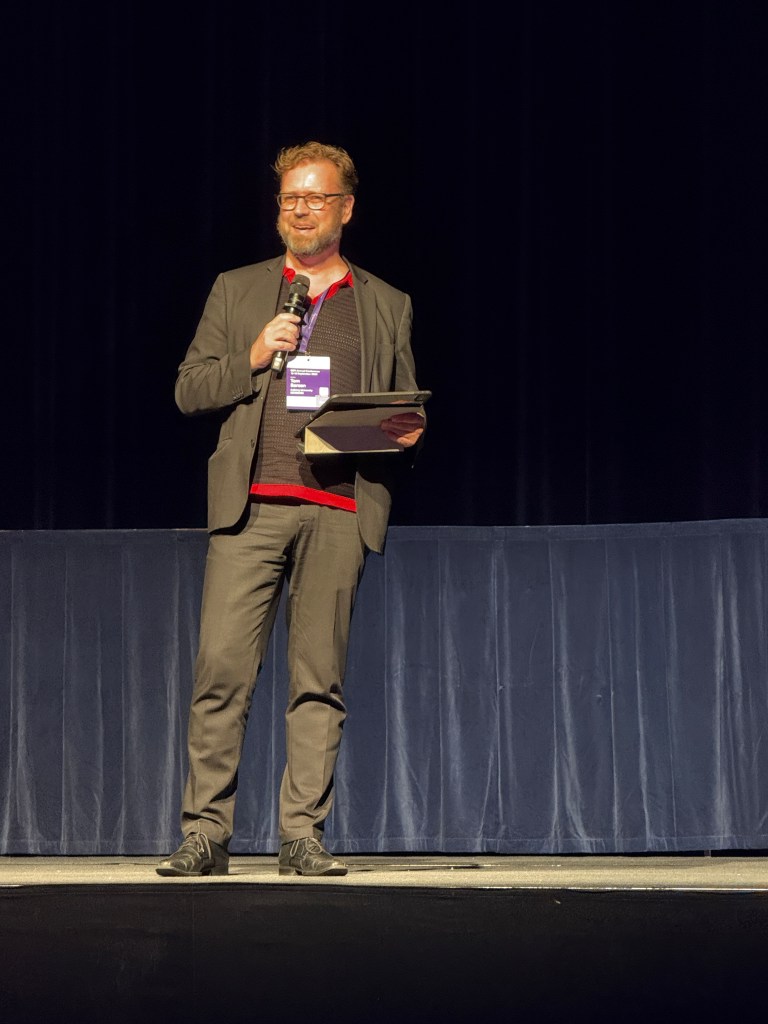
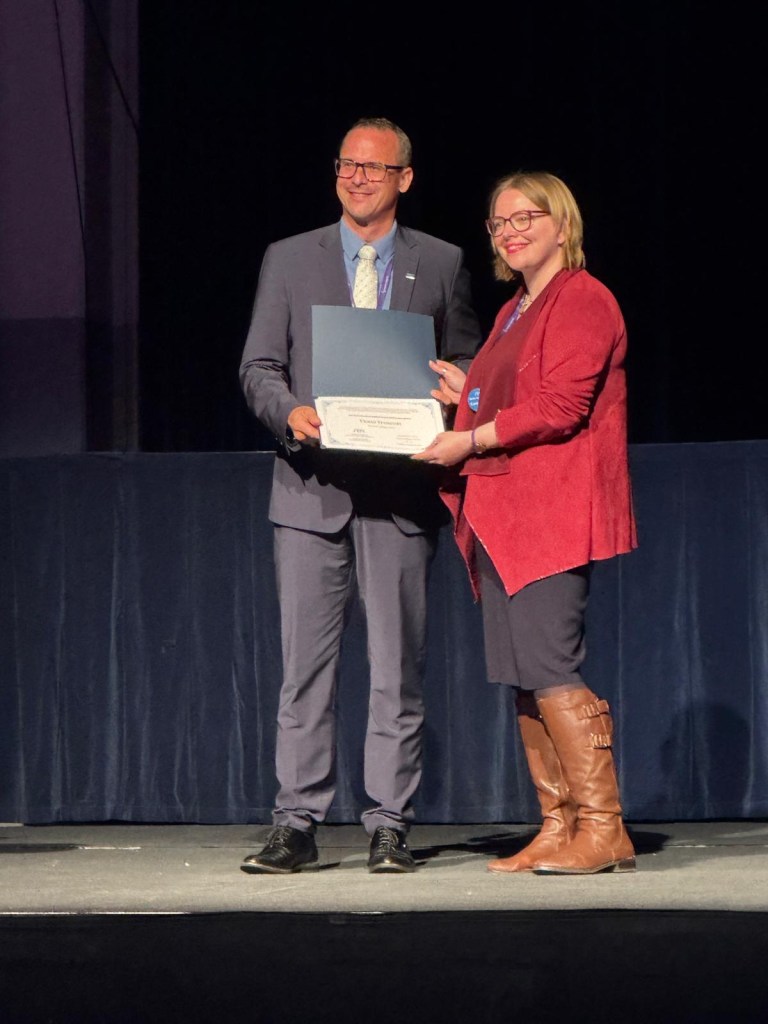
And regarding Tom, I was thrilled to watch him receive a major honor at SEFI: the 2025 Maffiolli Award. Tom has been instrumental in advancing the field of Technological Anthropology, and this award is so very well deserved! Tom won in the individual category, and my colleagues from UCL, led by Fiona Truscott, won in the group category. A very excitig night, all around!
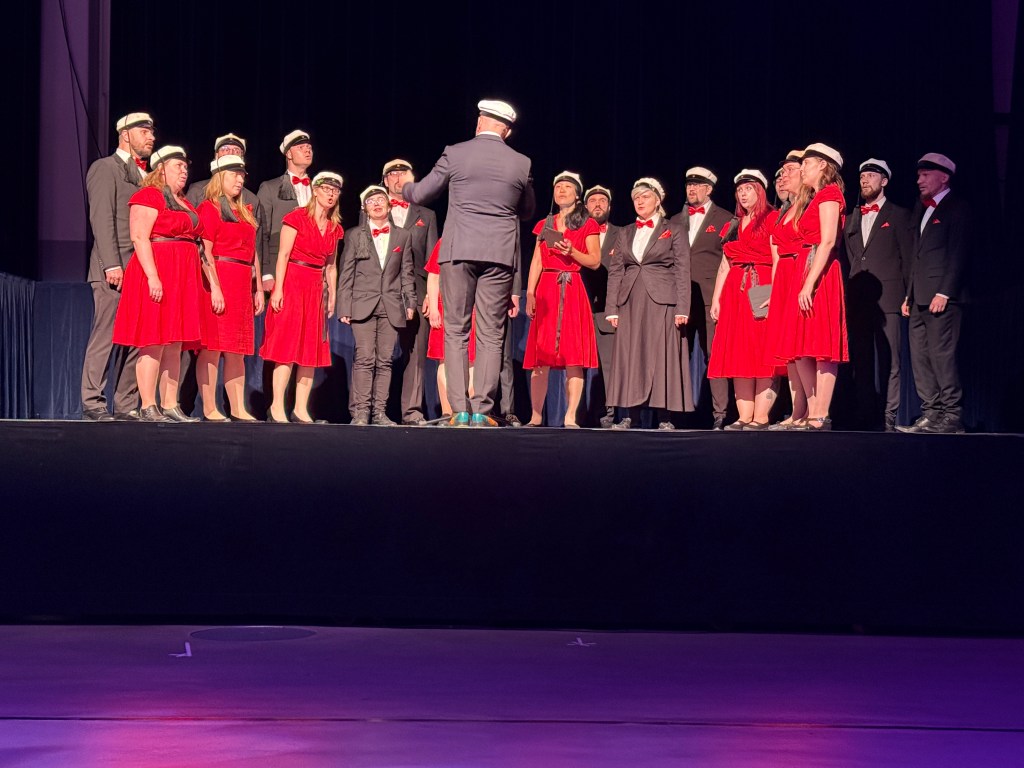
The awards were presented at the conference banquet – the entertainment was superb! Singing Finnish engineers – a whole choir of them – who knew?
I knew about Tom’s award, as I’d been pulling for this outcome for over a year. Yet, other outcomes of the conference were a complete surprise…
The Power of Collaborative Research: Winner of the Best Research Paper Award!
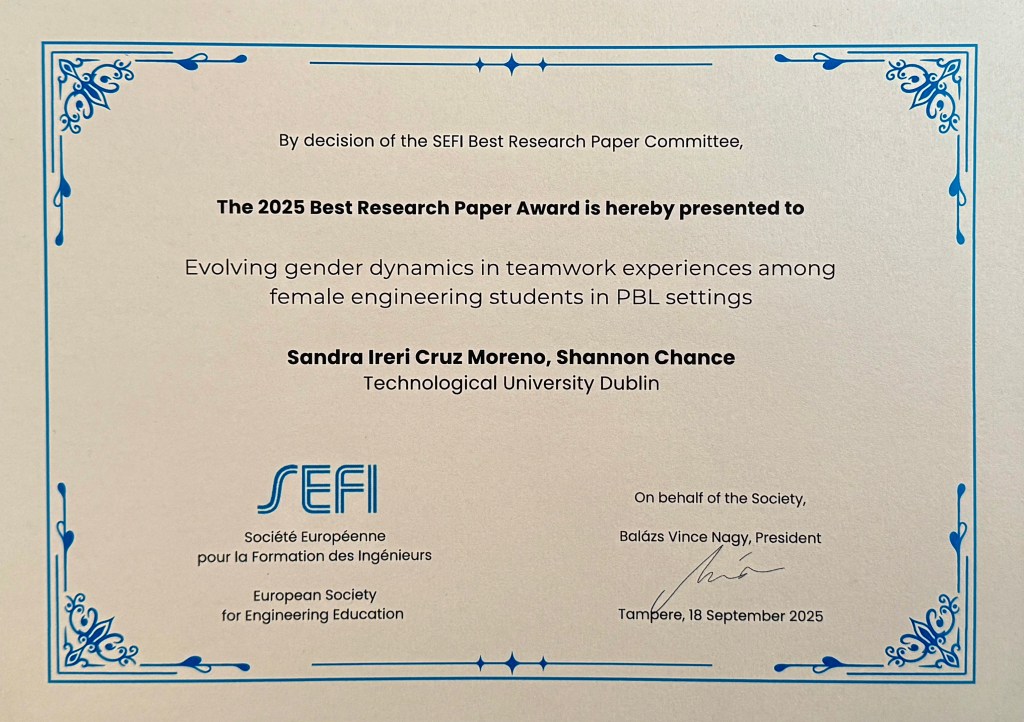
My PhD student, the incredibly talented and astute sociologist Sandra Cruz Moreno, won the BEST RESEARCH PAPER award for SEFI 2025. I serve as her supervisor and was the co-author of this paper.
The recognition for excellent research was deeply validating, especially since the paper, “EVOLVING GENDER DYNAMICS IN TEAMWORK EXPERIENCES AMONG FEMALE ENGINEERING STUDENTS IN PBL SETTINGS”, was nominated in three separate categories, each with its own panel of judges: Best Student Paper, Best Diversity and Inclusion Paper, and overall Best Research Paper.
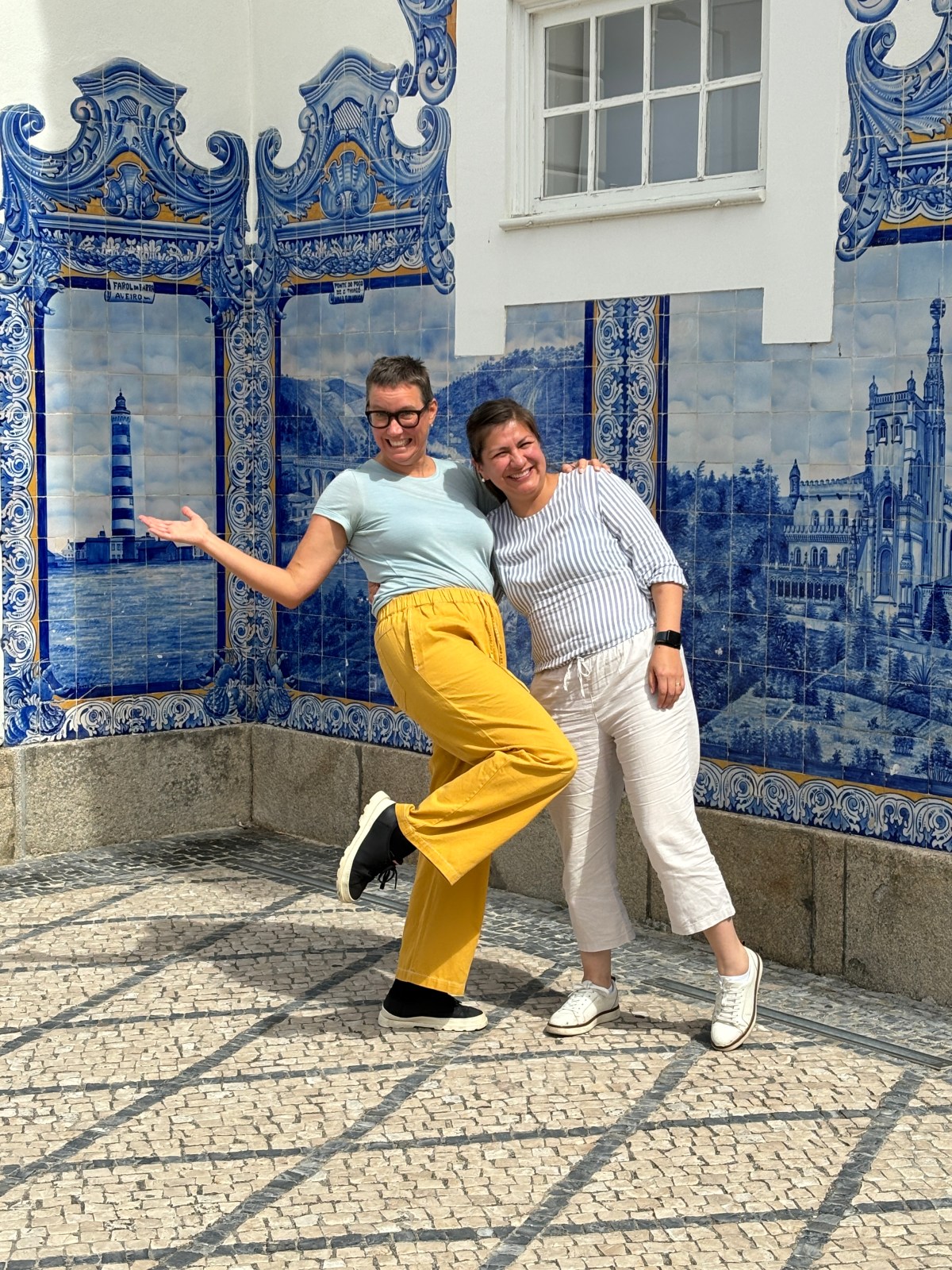
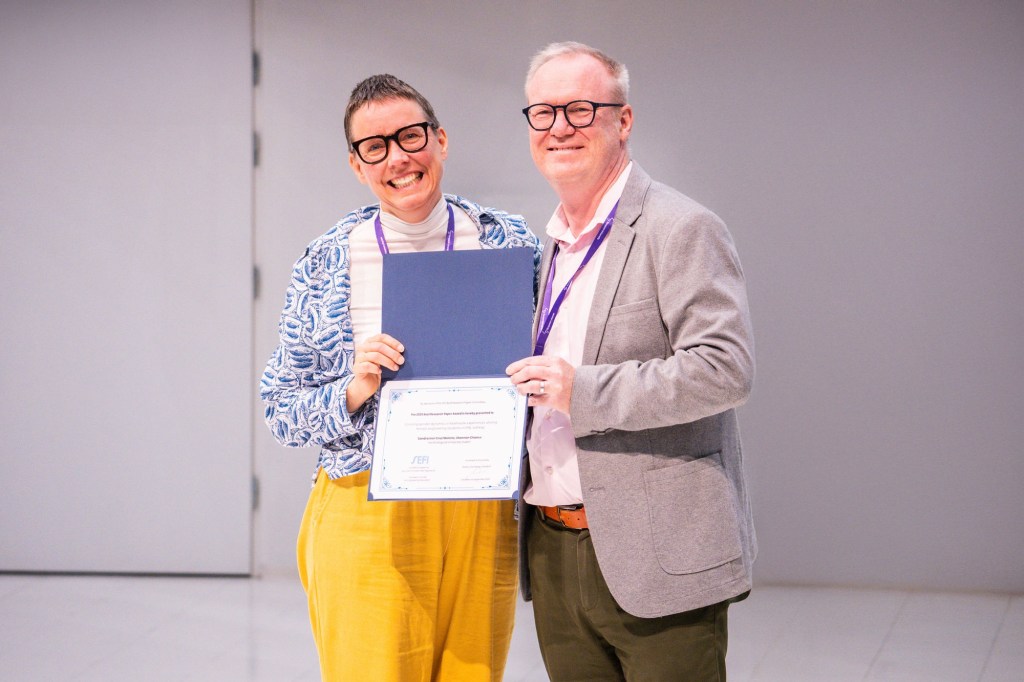
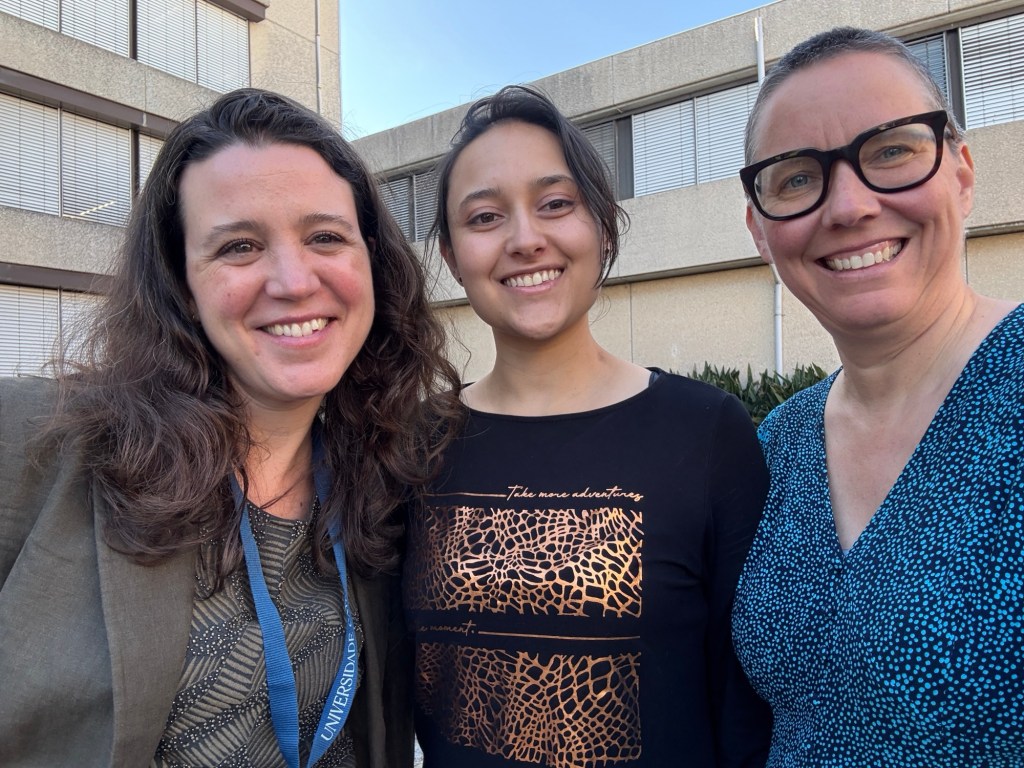
The certificateShannon and Sandra at an emotions symposium in Portugal
The paper reports one aspect of Sandra’s doctoral research, which has been funded by a First-Time Supervisor grant to me from TU Dublin. The funding allowed us to analyze the extensive interview data I collected since 2015.
Sandra’s study is crucial for understanding inclusivity in engineering education. It employed a longitudinal, qualitative social phenomenological approach combined with an intersectionality framework. Using data from 41 interviews with 22 female engineering students from seven countries at TU Dublin, Sandra explored how diverse students navigate challenges and evolve strategies during project- and problem-based learning (PBL) teamwork across their academic journeys.
A key finding was that while students’ confidence and participation increased over time, the women persistently faced gendered biases and cultural norms that influenced their perceived roles and credibility in teams. For instance, they reported often being relegated to non-technical tasks like presenting or report writing, while feeling required to constantly prove their competence regarding hands-on skills. This analysis led Sandra to conclude that focusing solely on individual resilience is insufficient; systemic structural interventions are also needed to promote inclusive educational practices and challenge embedded norms.
I was honored to accept the award in Sandra’s absence, celebrating the resounding endorsement of her work. This recognition is truly a cherry on top of our successful 3.5 years of teamwork.
Cruz, S., & Chance, S. (Accepted/In press). EVOLVING GENDER DYNAMICS IN TEAMWORK EXPERIENCES AMONG FEMALE ENGINEERING STUDENTS IN PBL SETTINGS. Paper presented at European Society for Engineering Education (SEFI) Annual Conference 2025, Tampere, Finland.
Nurturing Community and Capacity
SEFI is always about nurturing the community, and I was pleased to contribute in several ways:
• Doctoral Symposium: I co-facilitated the full-day pre-conference Doctoral Symposium to support early-career researchers.
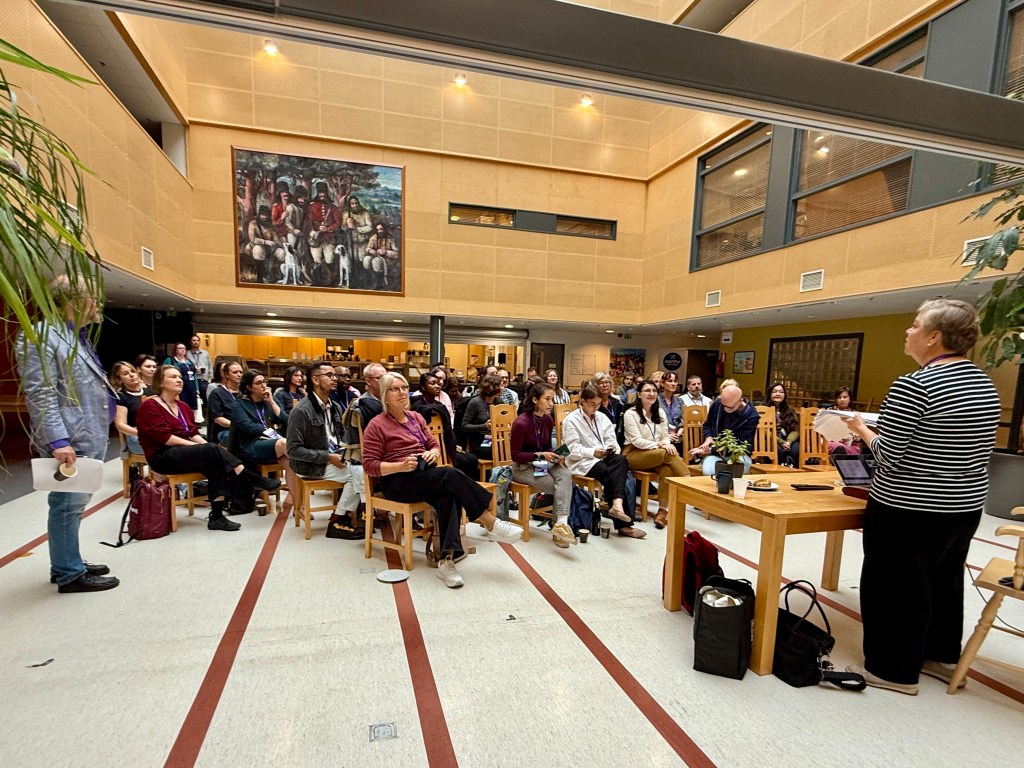
The 2025 Doc Symposium
• Workshops: I delivered and co-facilitated multiple workshops, including one on integrating ethics into course delivery, a session on methodological approaches in Engineering Education Research, a workshop on the ethics of care, and a peer-review workshop for journal editors and aspiring reviewers.
The workshop I facilitated on intergrating ethics into your teaching
O’Gorman, L., Gwynne-Evan, A., Ridgeway, L., Rebow, M., & Chance, S. (Accepted/In press). ACCREDITATION CONSIDERATIONS IN ENGINEERING ETHICS EDUCATION: BRIDGING GLOBAL STANDARDS AND LOCAL PRACTICES. Paper presented at European Society for Engineering Education (SEFI) Annual Conference 2025, Tampere, Finland.
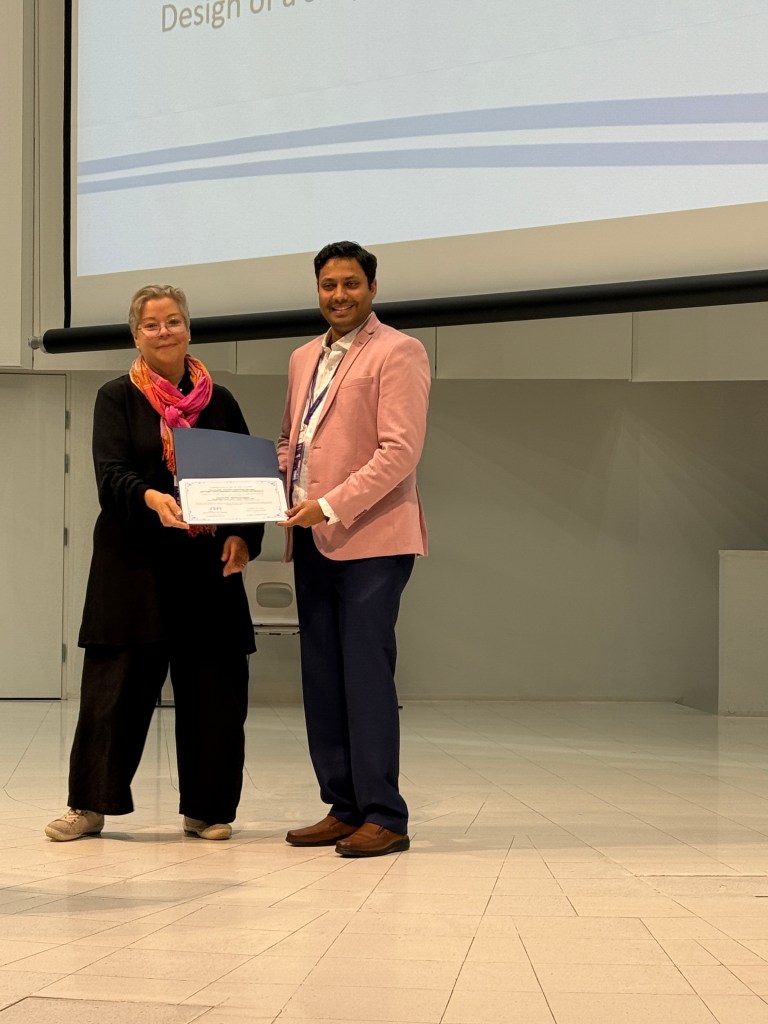
• Supporting Swapneel Thite: I had the immense pleasure of facilitating the attendance of Dr Swapneel Thite, a recent PhD earner. Swapneel won the prestigious Best Paper Award for Volume 49 (2024) of SEFI’s journal, the European Journal of Engineering Education (EJEE), for which I serve as Deputy Editor. He and his PhD supervisors published the “Design of a simple rubric to peer-evaluate the teamwork skills of engineering students” with us. Since I had already paid my registration fee, I was able to offer Swapneel the free registration given to me as a keynote speaker, helping him travel to SEFI to receive his award and meet the community. His paper, recognized for its rigor and practical utility (an easy-to-use instrument for peer assessment of teamwork), is well worth reading!
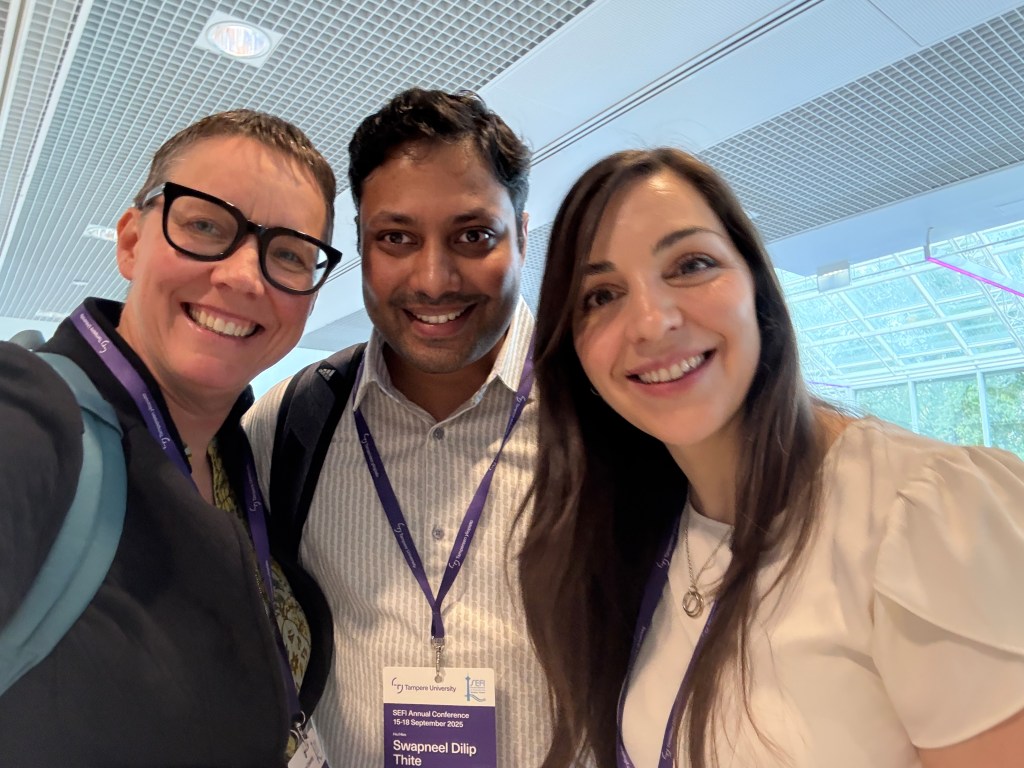
Meeting Swapneel Thite with SEFI incoming president, Emanuela TilleyKristina Edstrõm presenting Swapneel’s team’s award
Post-Conference Finnish Discoveries
The conference officially wrapped up on Thursday, but the adventures continued. I attended the SEFI Board of Directors meeting, worked with colleagues on planning future SEFI events, and then headed to Helsinki.
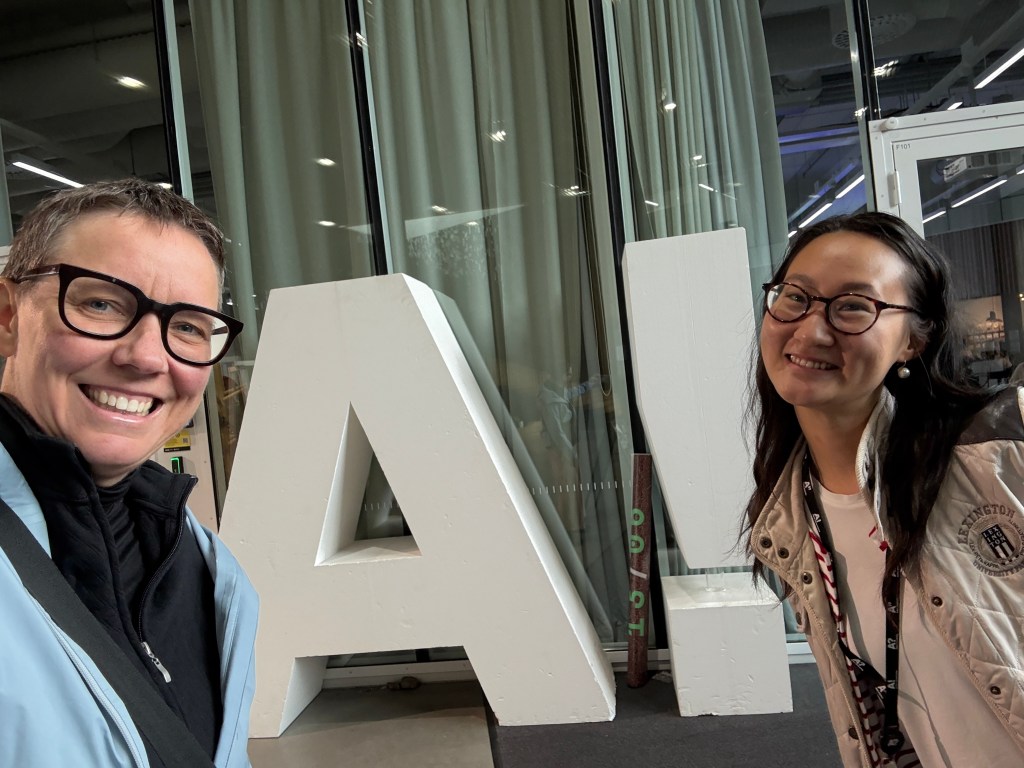
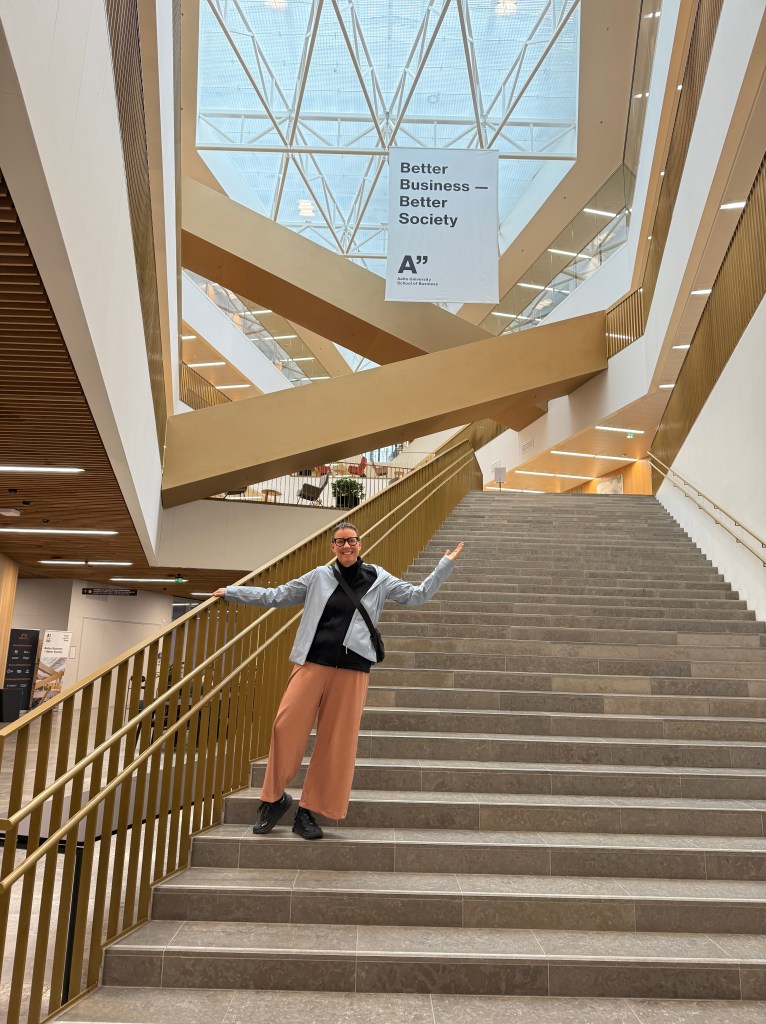
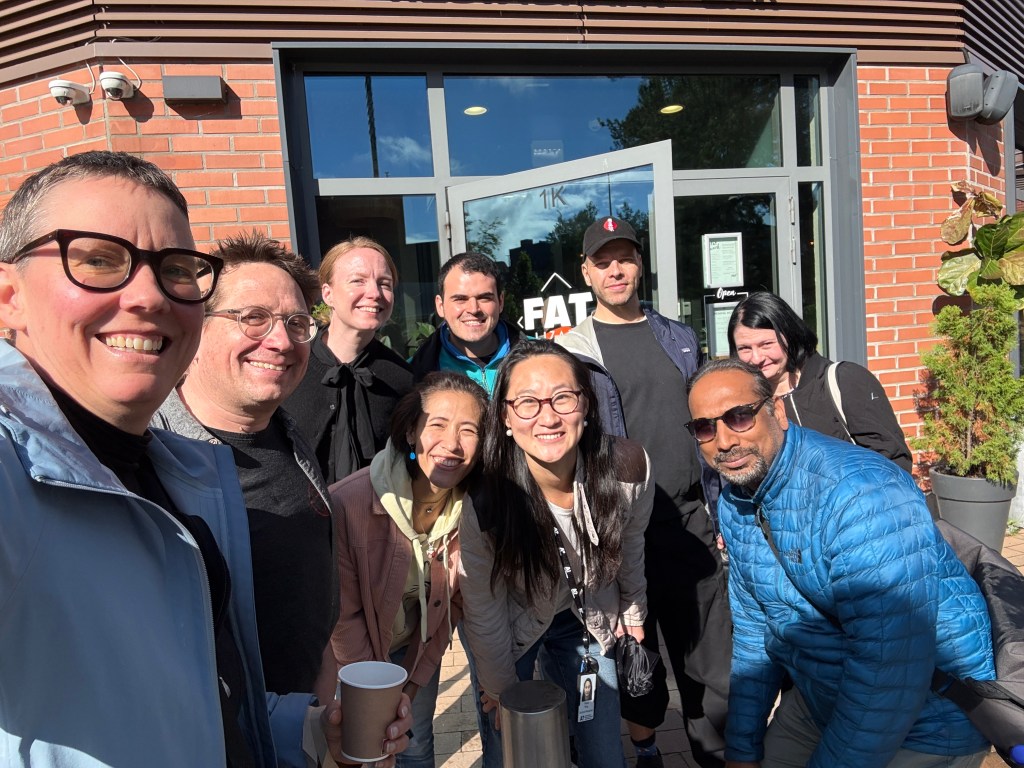
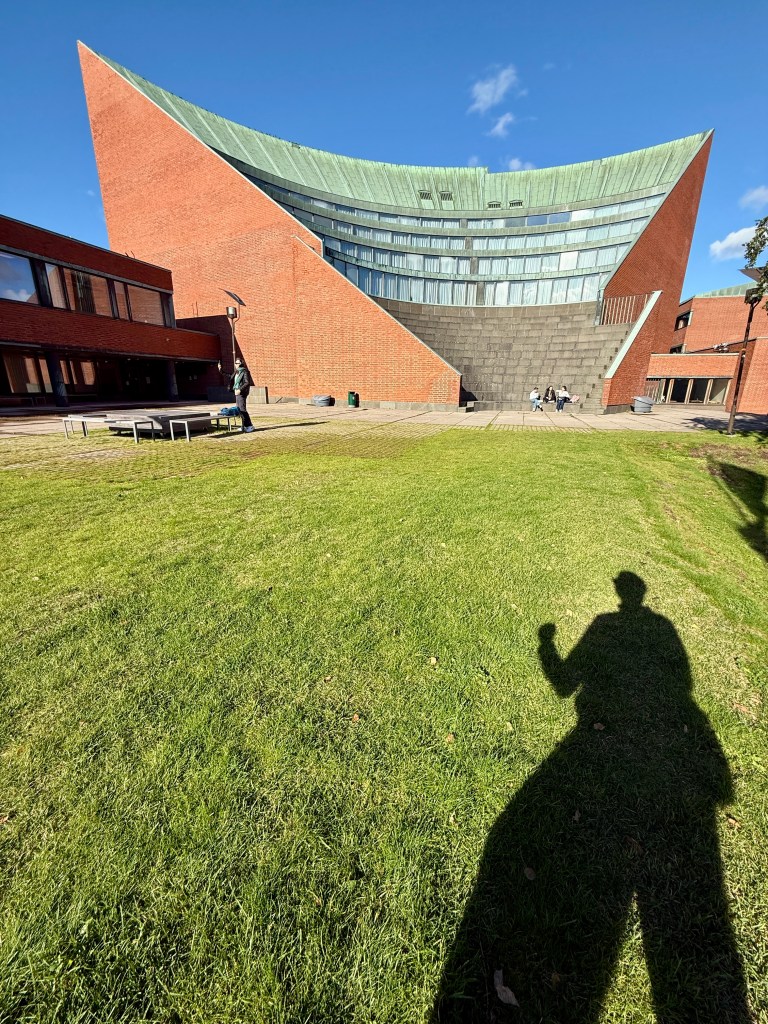
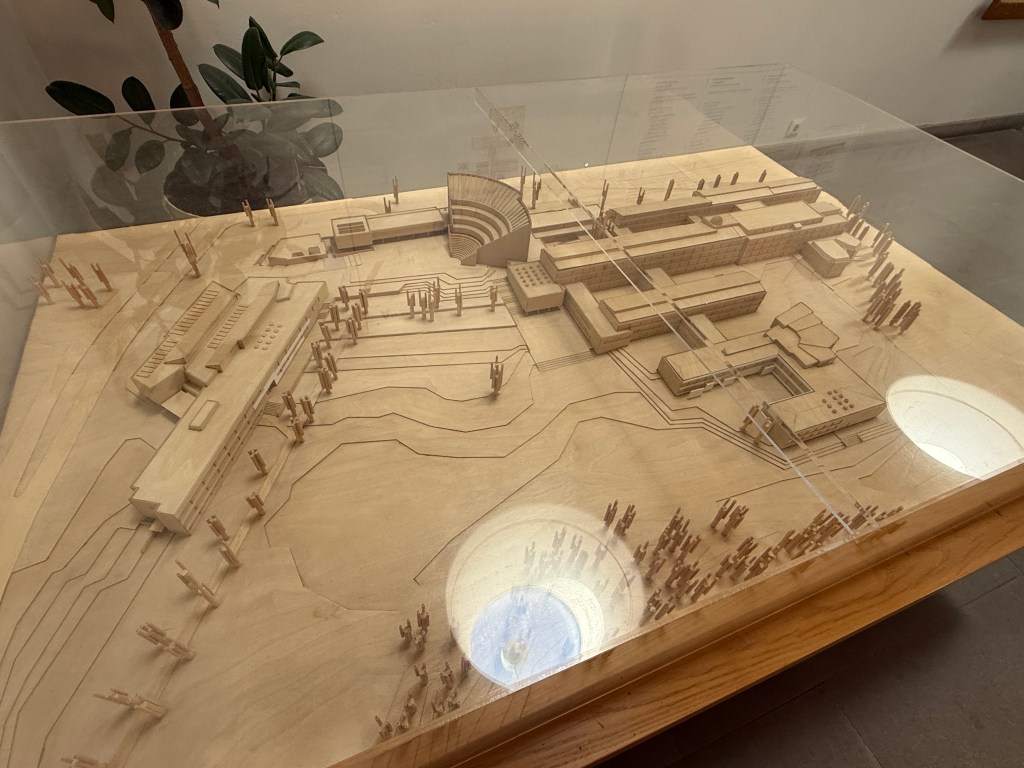
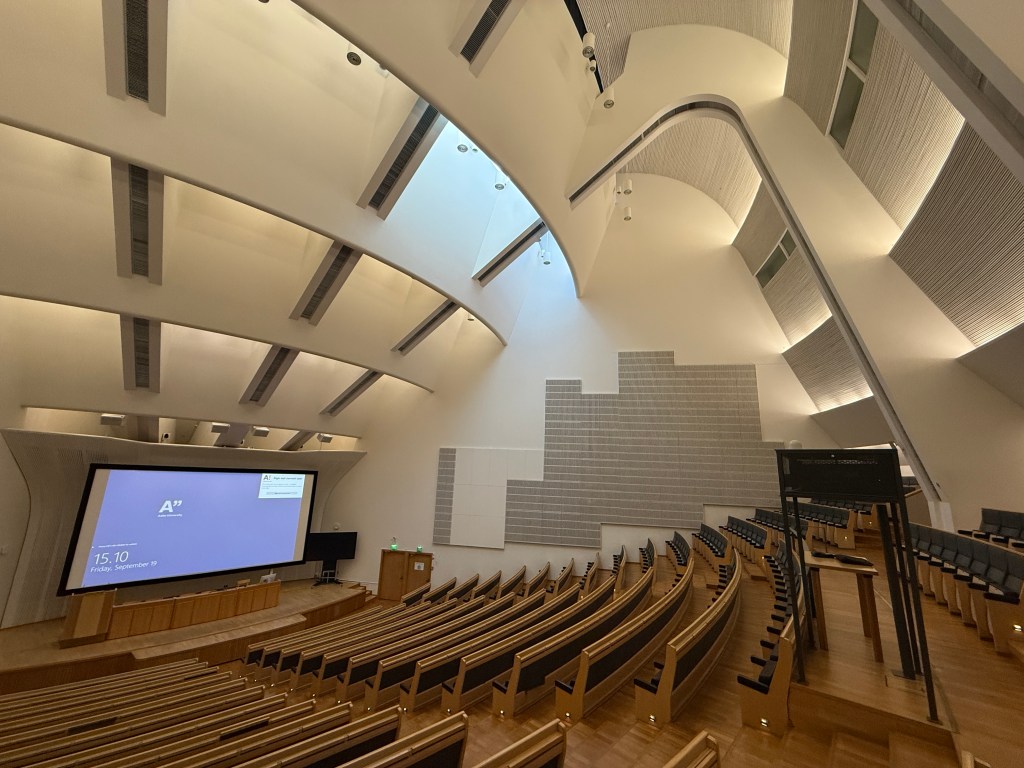
I spent Friday exploring Aalto University and meeting colleagues there. Dr Xiaoqi Feng provided a personal tour and connected me with her colleagues—a bittersweet moment as she prepares for her new job at TU Delft.
Snapshots from my day at Aalto University — thanks Dr Xiaoqi Feng for the personalized tour!
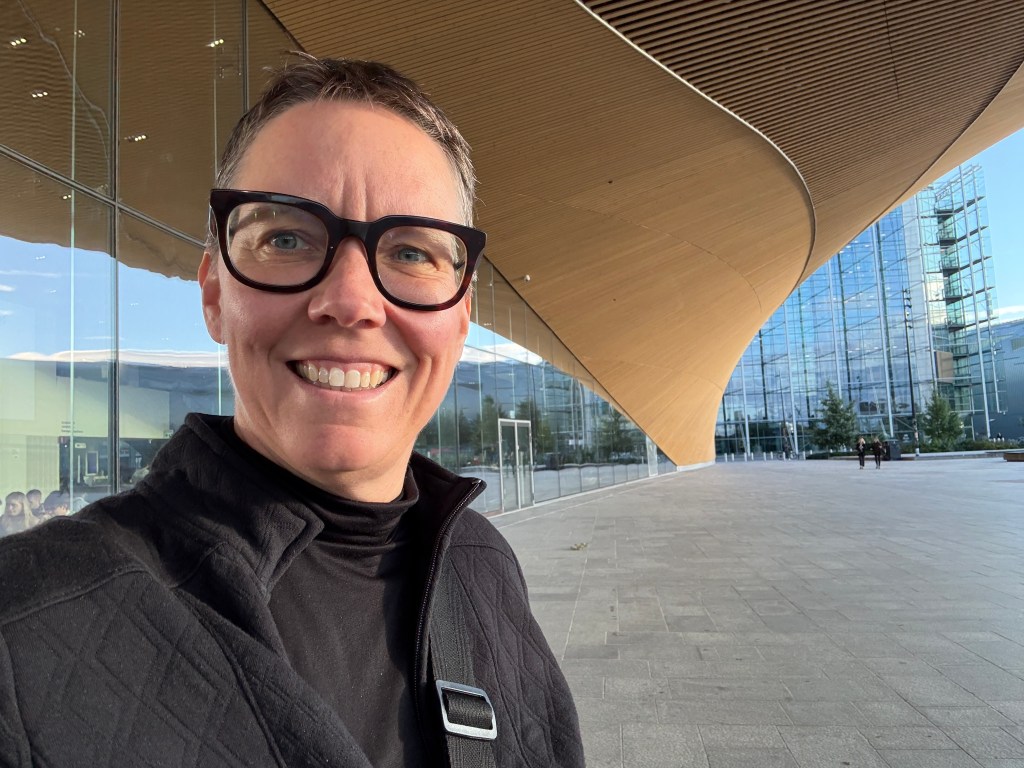
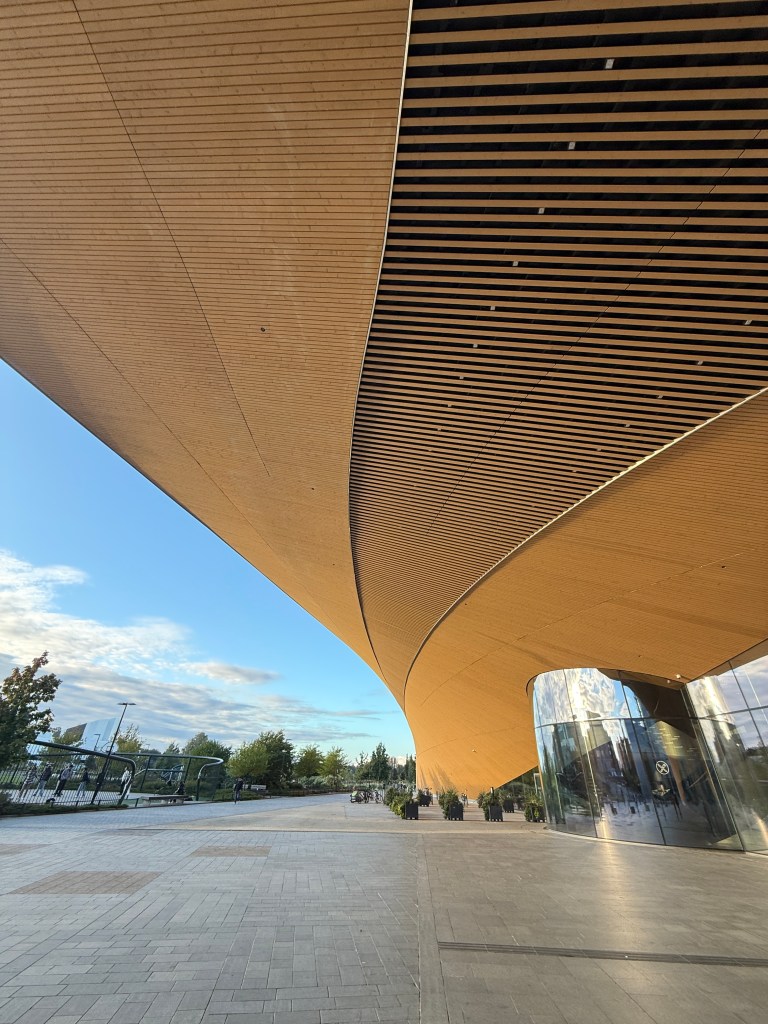
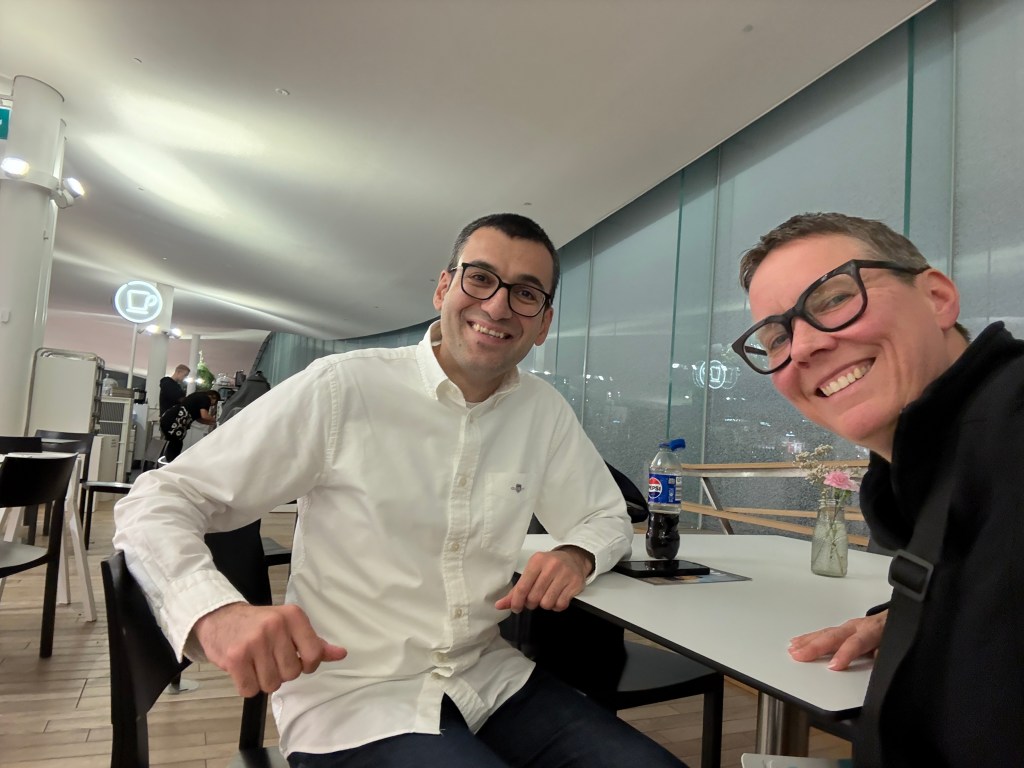
My Finnish travels culminated on a serendipitous high note when I ran into early-career researcher Yousef Jalali at the remarkable Oodi, Helsinki’s new Central Library. Moments like this—a chance encounter in a vibrant cultural space far from home—gave Yousef and me a chance to reflect on the conference and help support each other as “researchers on the move” who have relocated ourselves far from home in the pursuit of academic excellence.
What an amazing community of inspiring educators SEFI is!
Wrapping up the day at the people-magnet library, Oodi, in central Helsinki and rurring into Dr Yousef Jalali.
From celebrating major awards and delivering keynotes to fostering the next generation of researchers and exploring expressive Finnish architecture, this SEFI was truly a testament to the powerful, collaborative community we have built in engineering education.
For me, SEFI 2025 was such a celebration of community and collaboration.
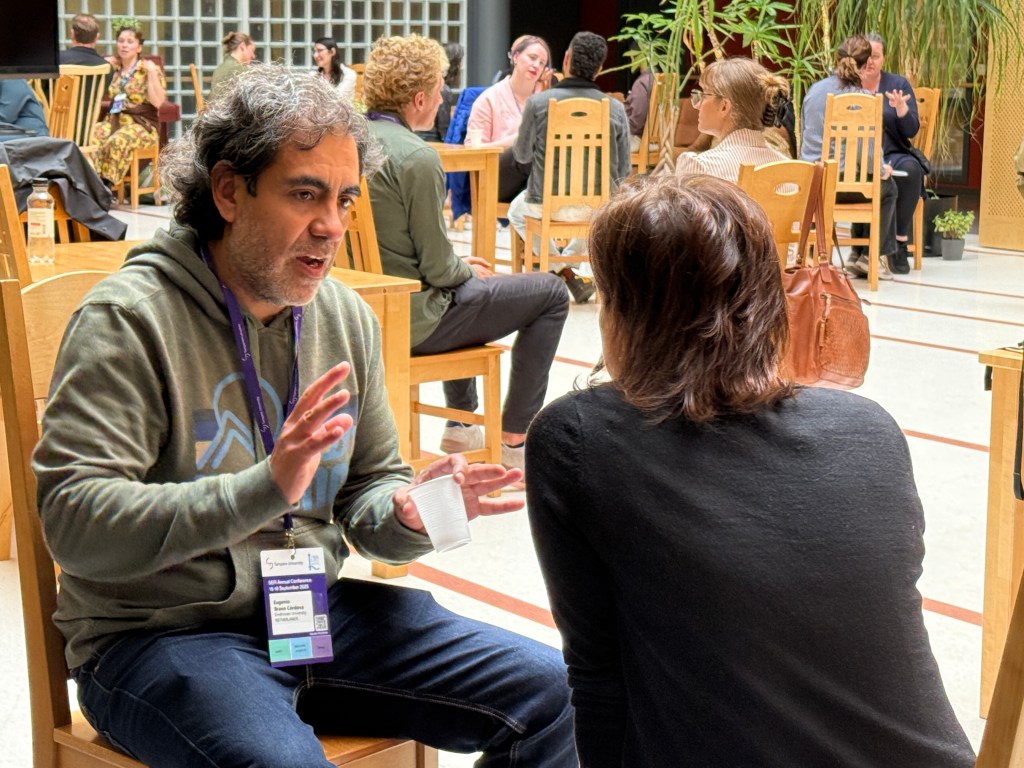
Practicing the keynoteDelivering the keynoteCelebrating our handbook authorsConferring with colleagues near and far — these two from the European University of Technology — I’ll be working with them on an event for December — stand by for news on that!
Looking forward to visiting Helsinki and Aalto University again soon!
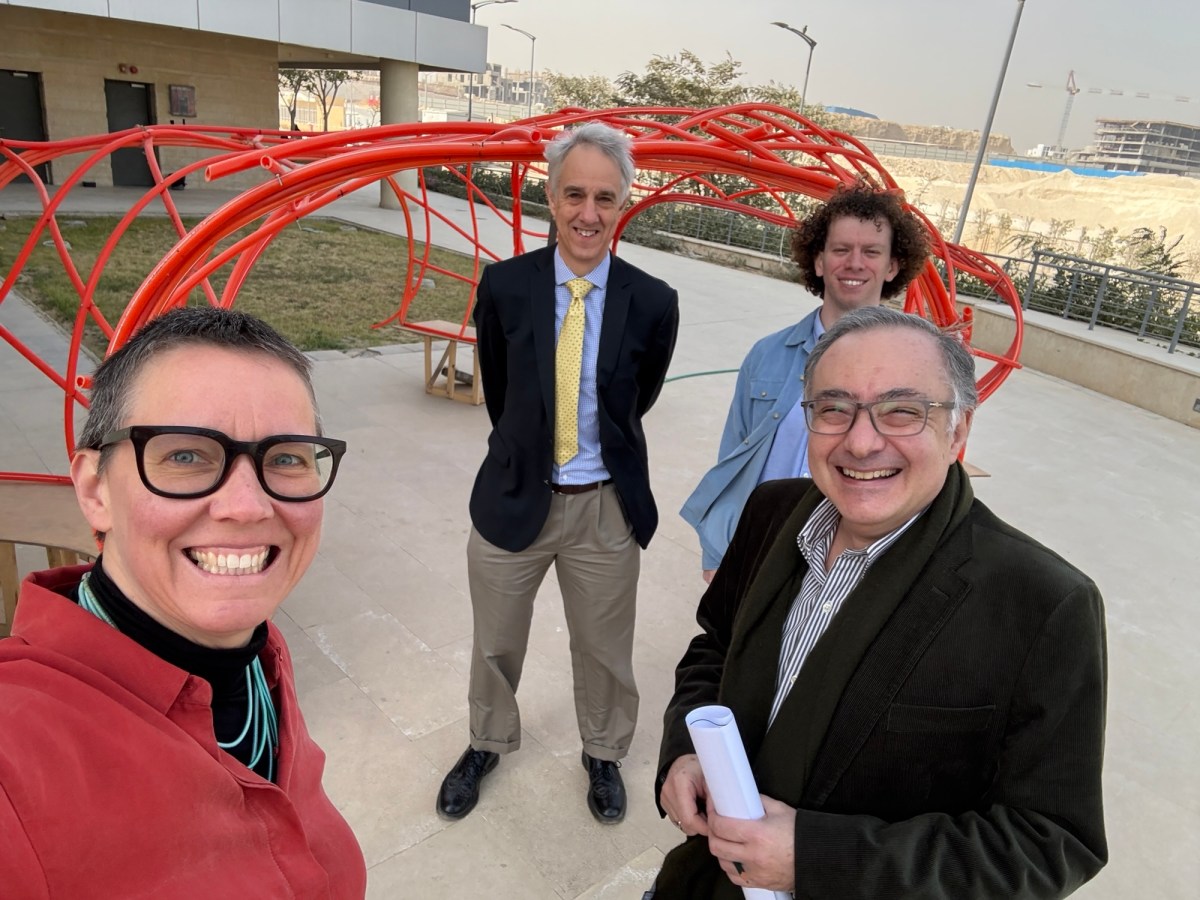
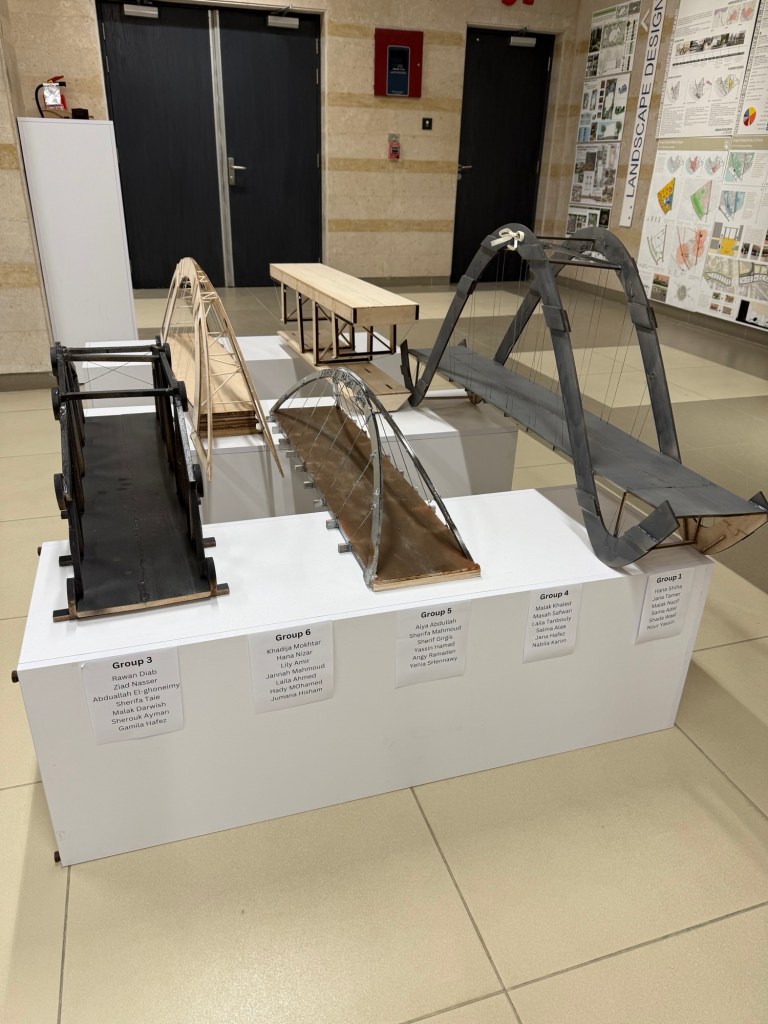
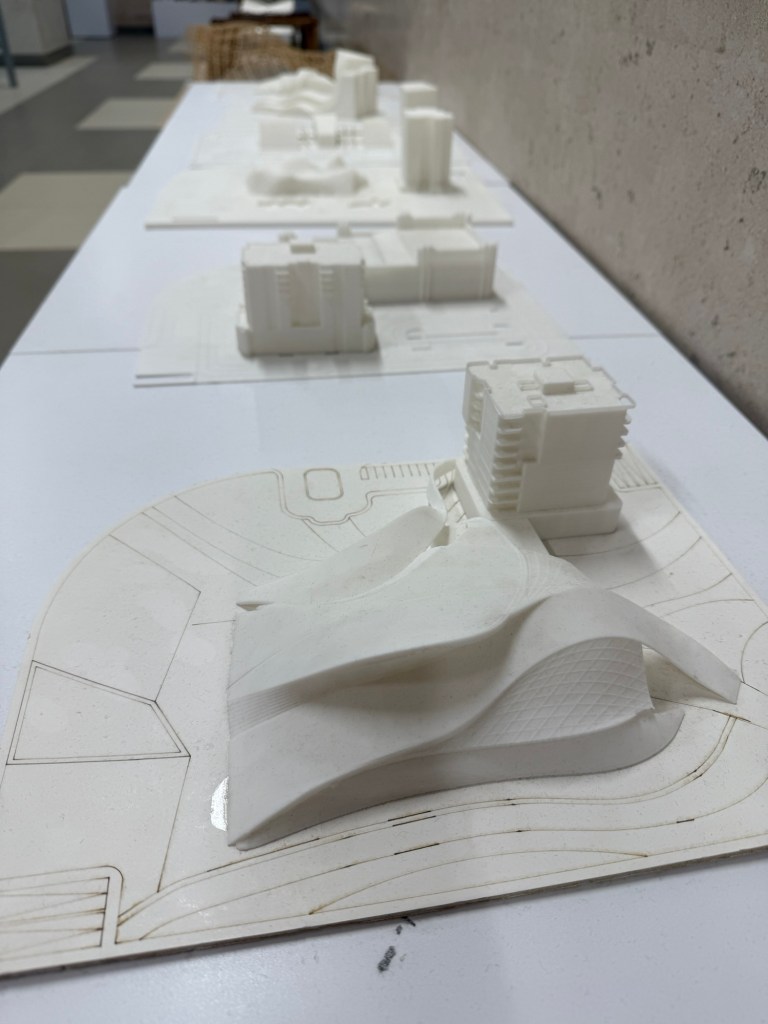
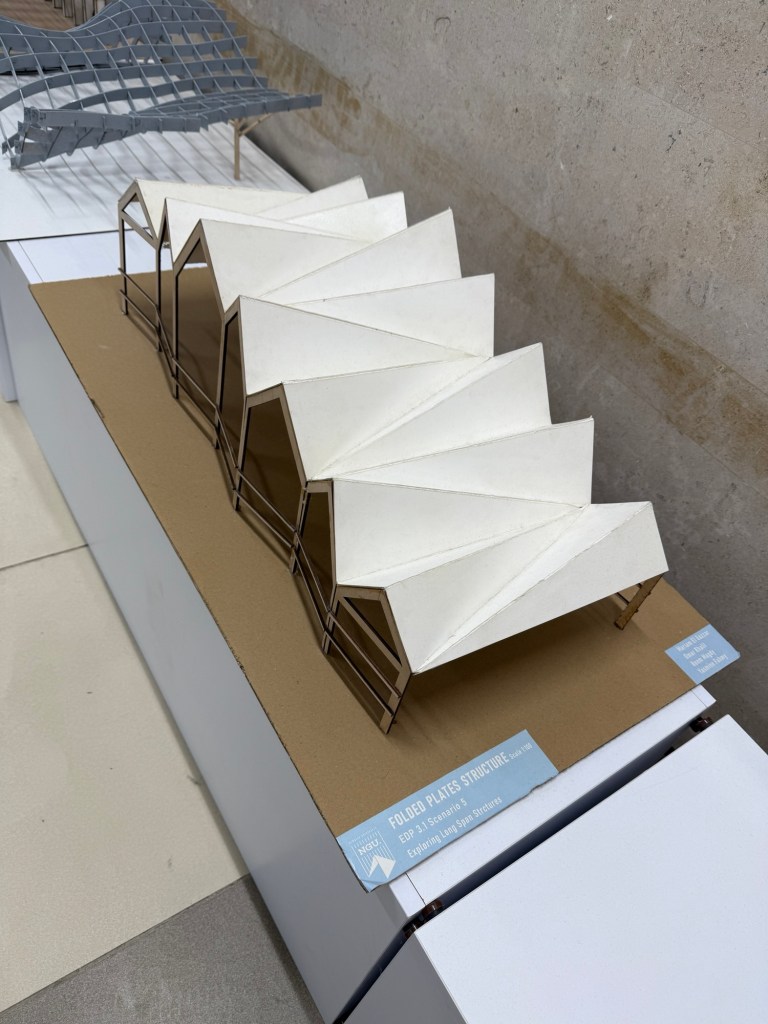
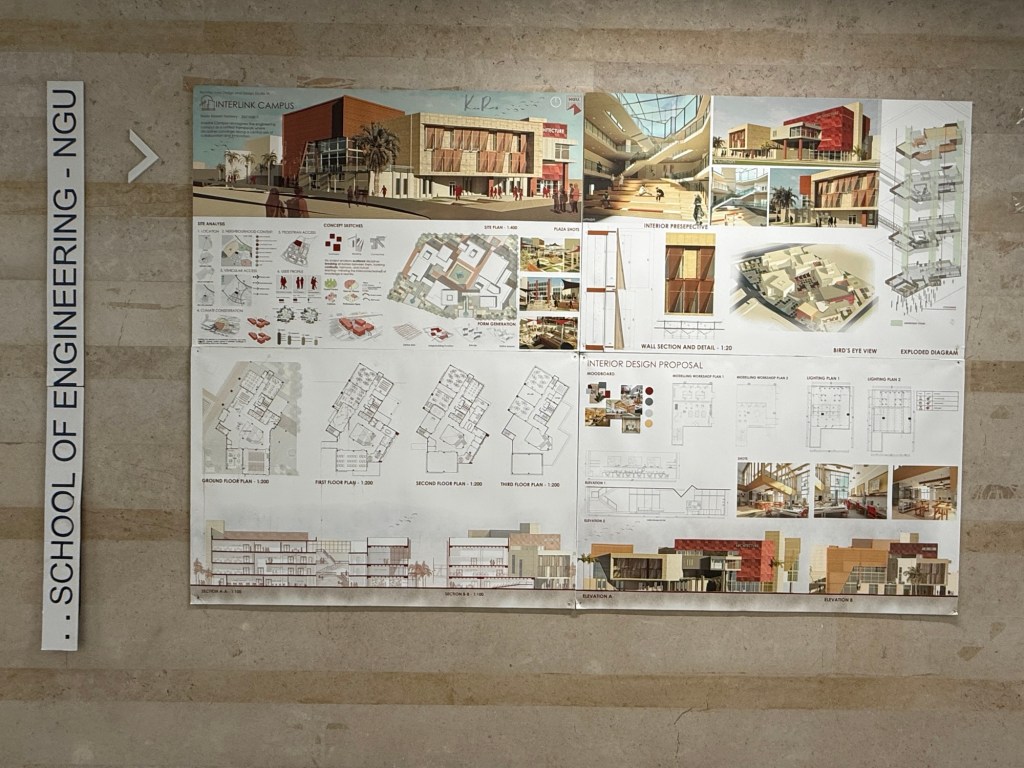
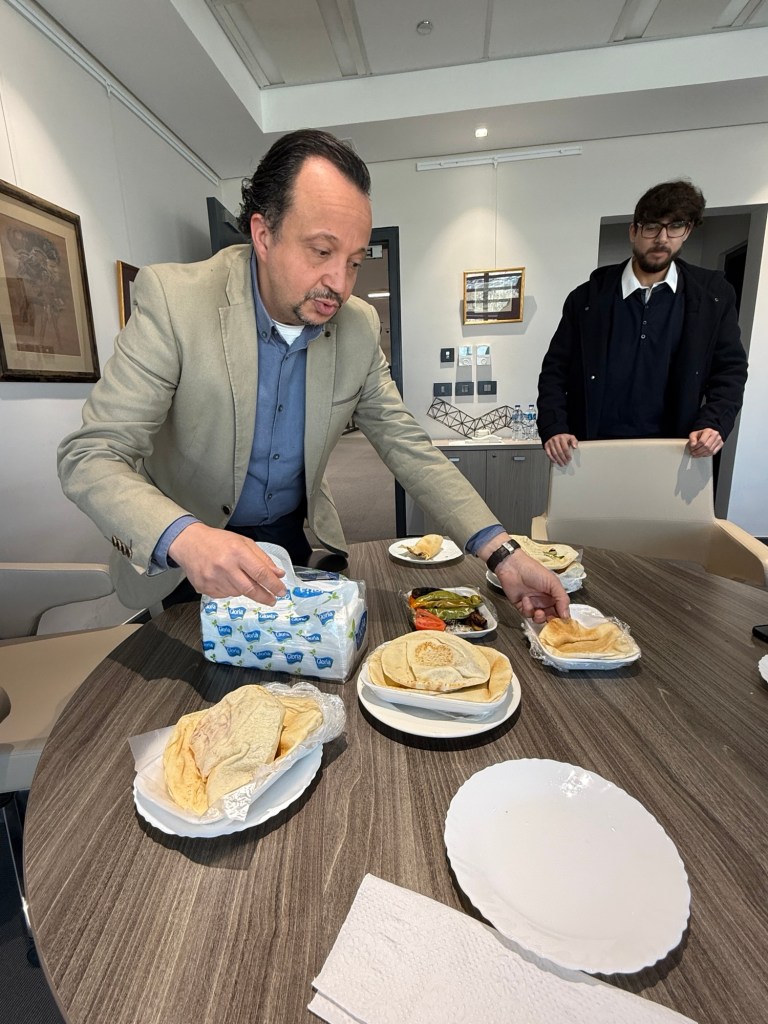
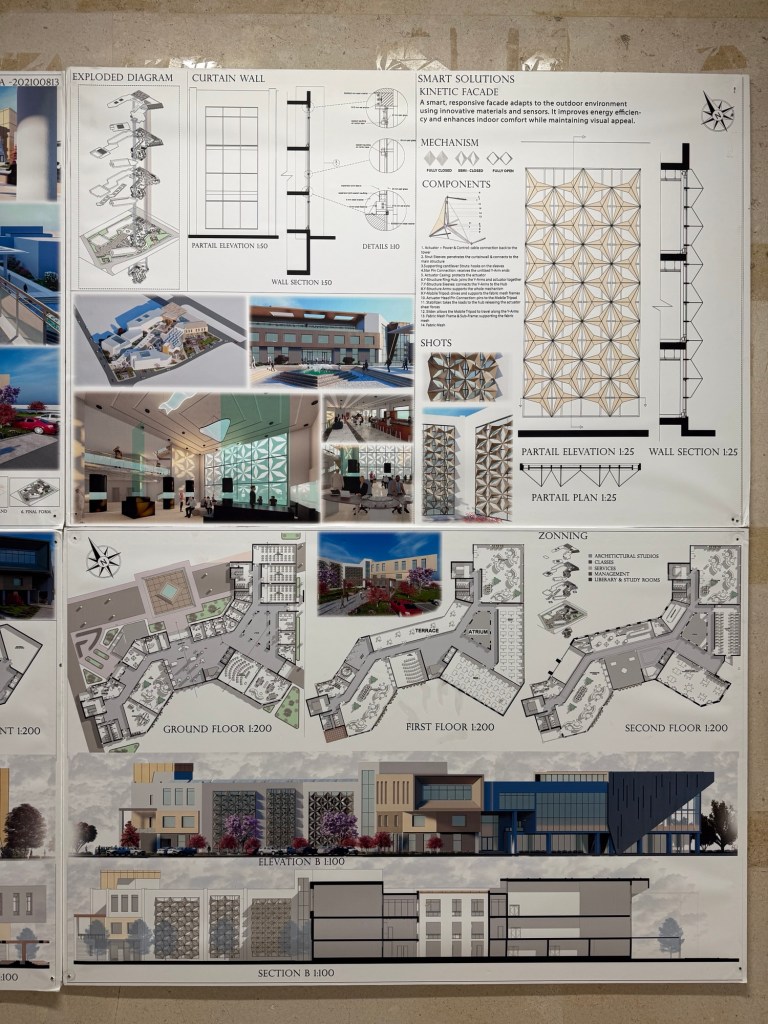
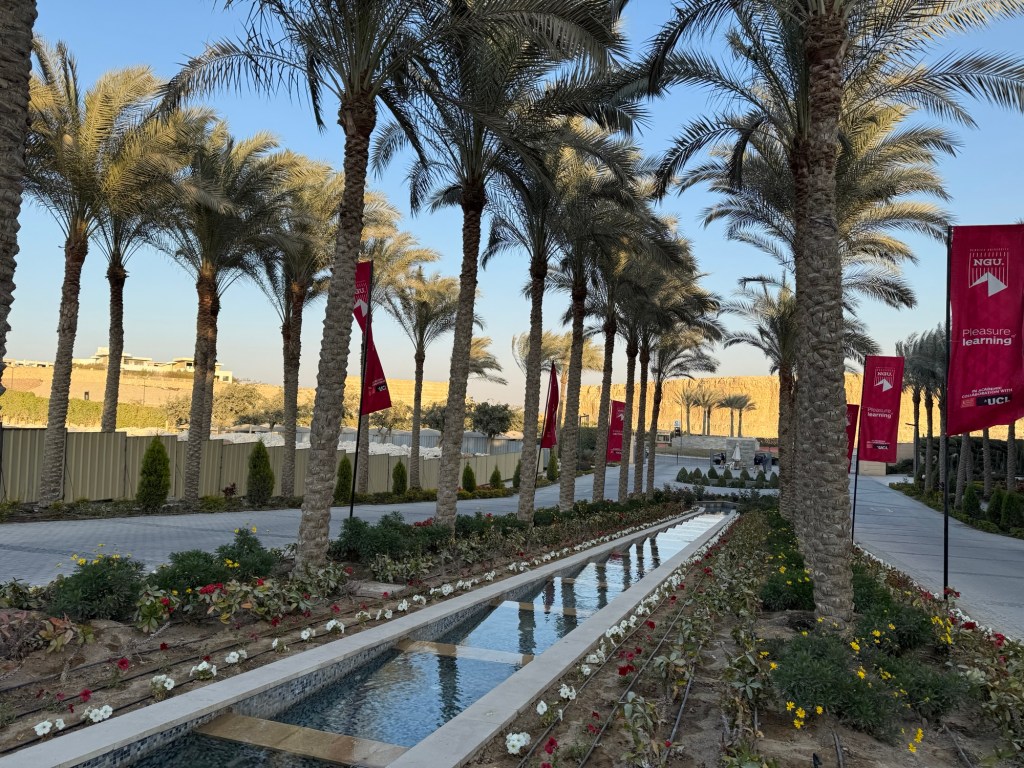
NewGiza University (NGU), located on the outskirts of Cairo, just released a video of me discussing the Architectural Engineering curriculum that I co-designed with Professor Emanuela Tilley, starting back in 2020: https://www.instagram.com/reel/DMVKR4HvVQ0/?igsh=MWo1dDE3cTB4Y2cxeQ== (opens in Instagram):
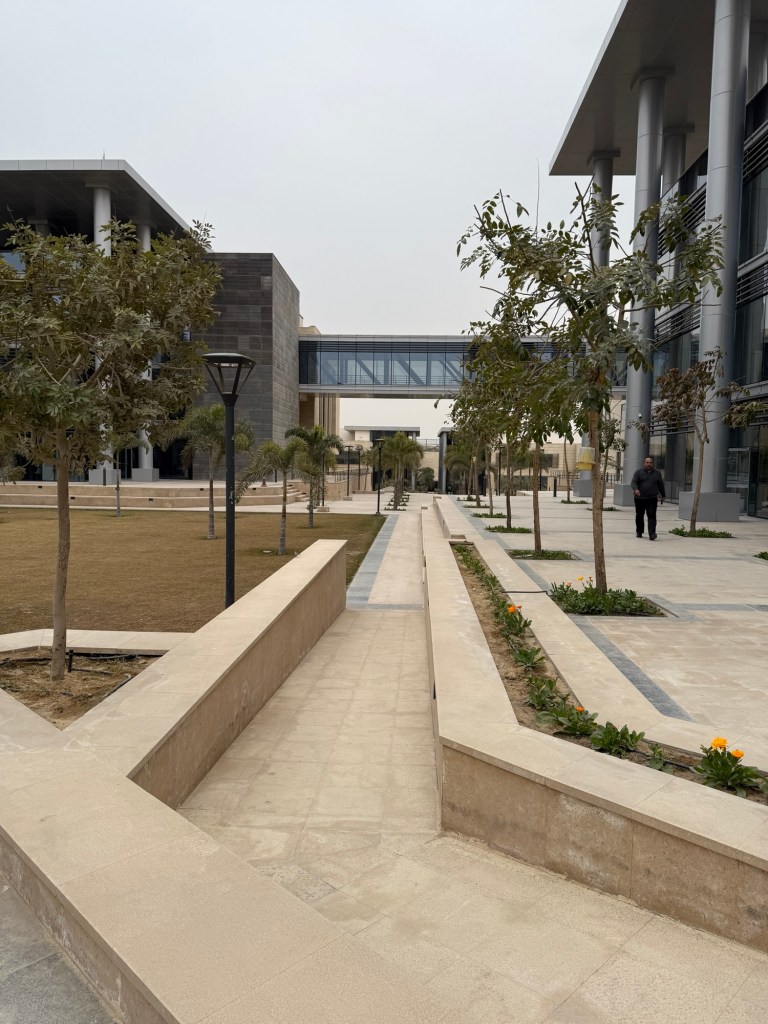
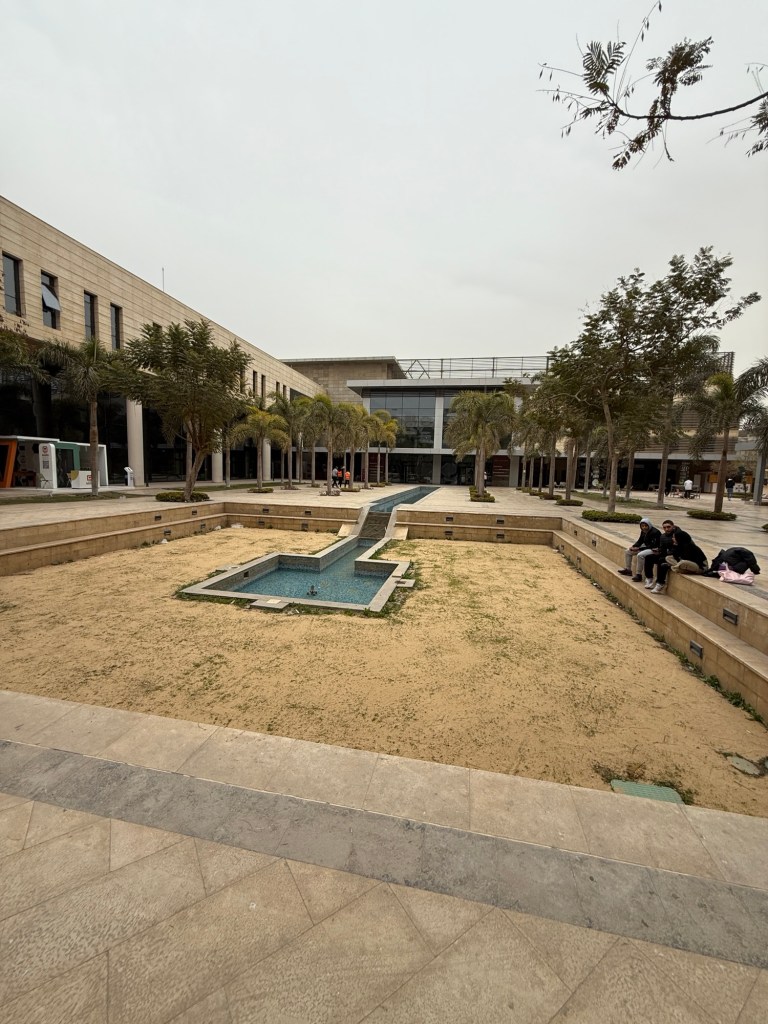
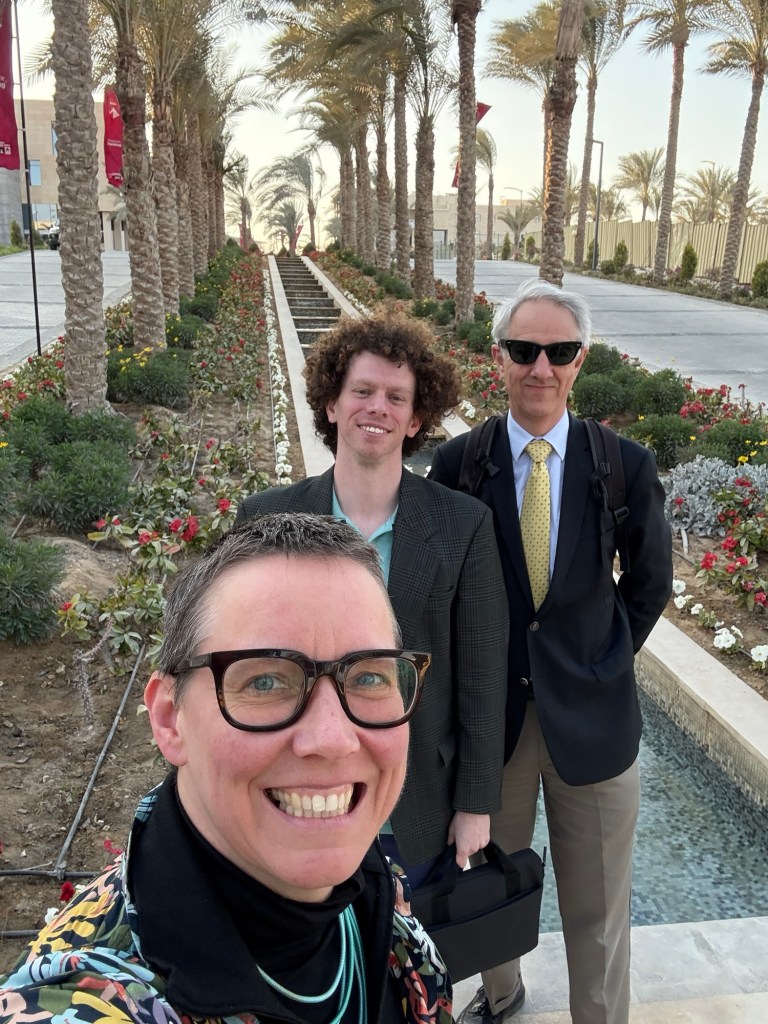
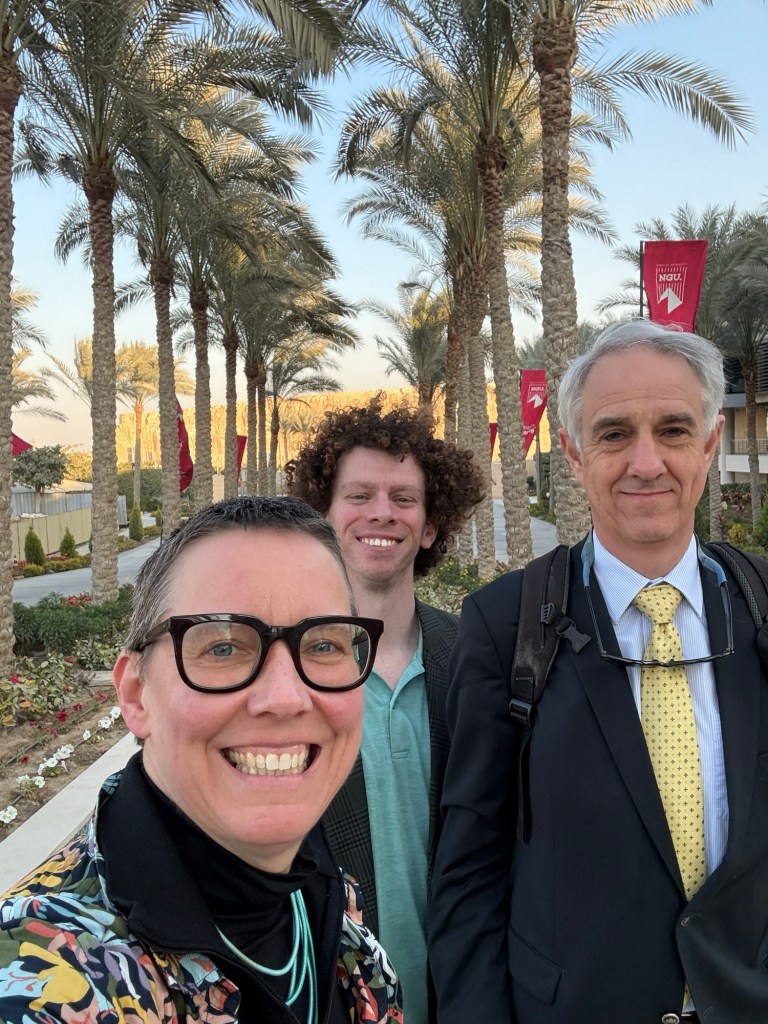
Because of the pandemic, I did not have a chance to visit NGU before we started designing the curriculum. In fact, I didn’t get to visit until this past February, 2025, when I travelled over with two staff from UCL to provide feedback on the quality of the program’s delivery.
It was a whirlwind tour, considering that I arrived a day later than expected due to a British Airline delay.
In my two working days there, I got to observe the program the public relations folks at NGU captured the footage on this video.
Designing this curriculum, via a contract between Technological University Dublin (TU Dublin) and University College London Consultants (UCLC) which pays for hours out of my timetable each semester, has been a real joy. It has required me to stretch, been , and develop new communication skills to explain complex concepts to people from a culture and language much different from my own.
Visiting the program and meeting the people who are delivering the content and the amazingly dedicated studentswho are forging the way by implementing a brand new curriculum has definitely been a highlight of 2025.
Many tanks to Dean Aly and the programme staff for welcoming us and helping us feel at home!
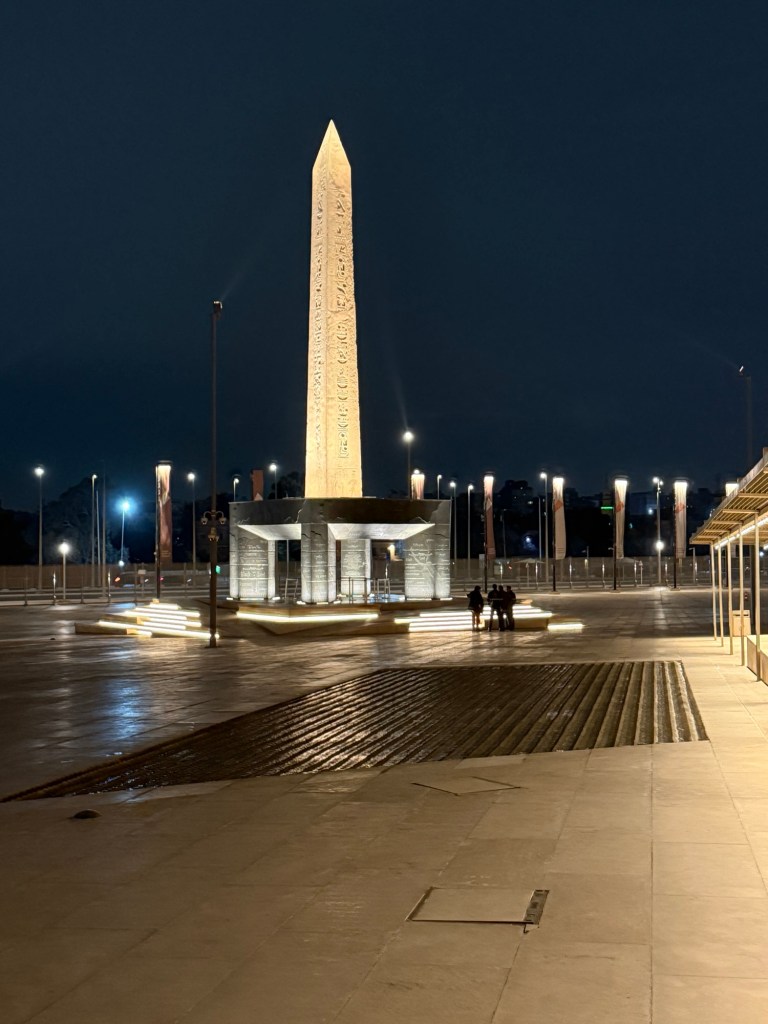
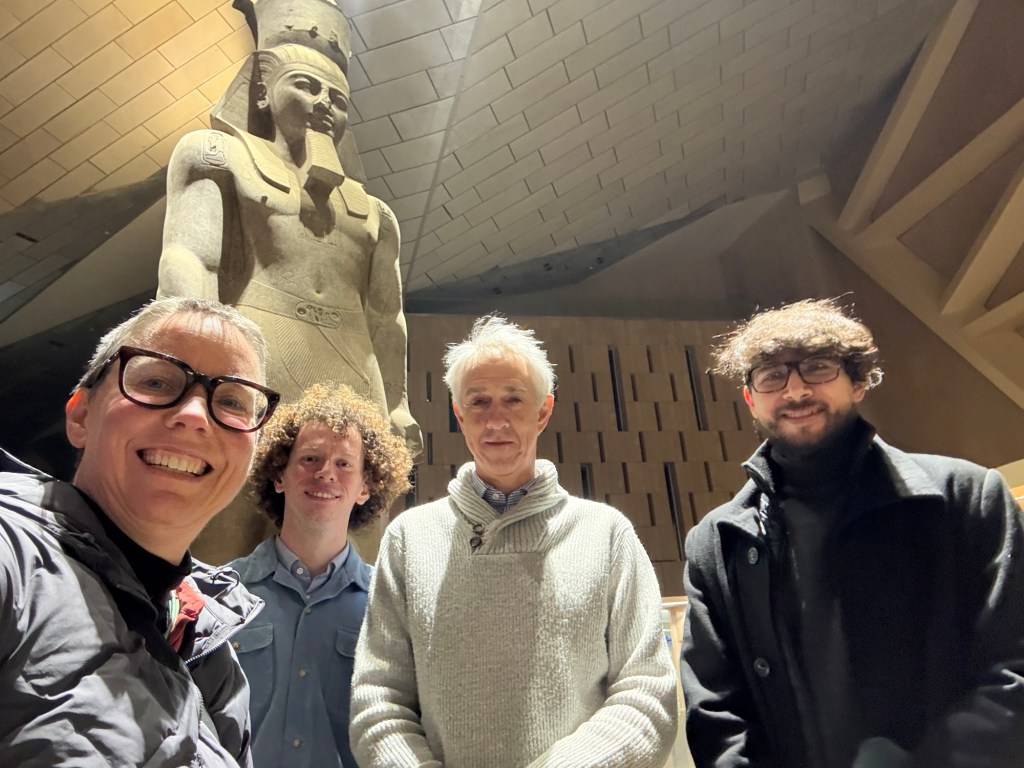
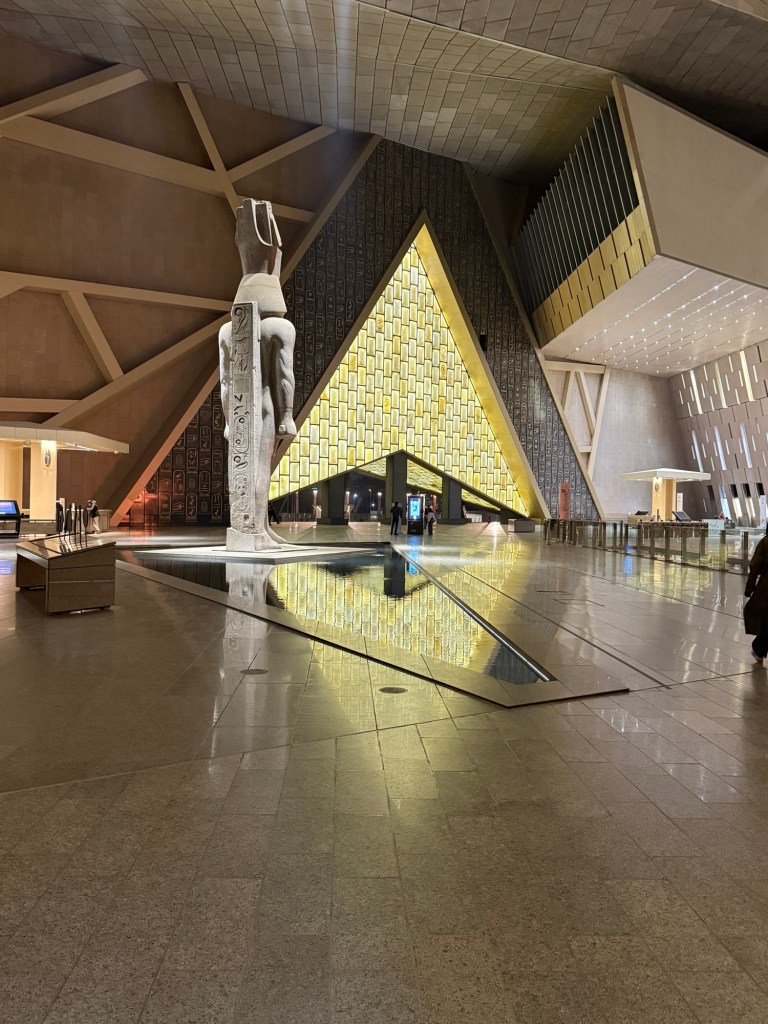
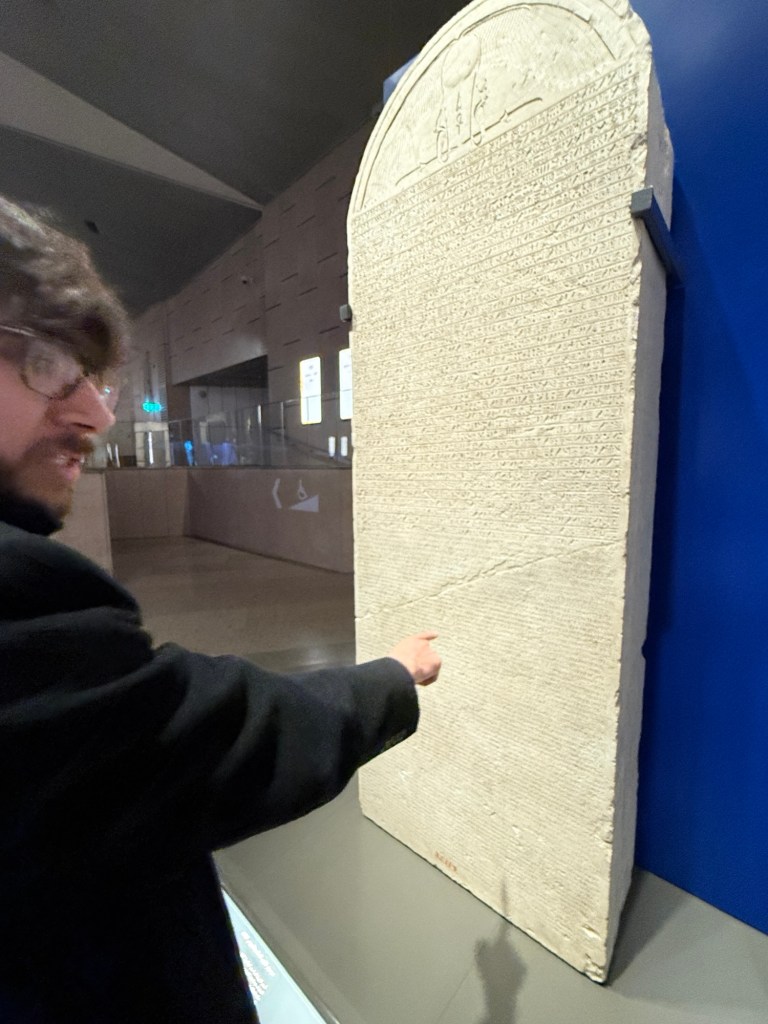
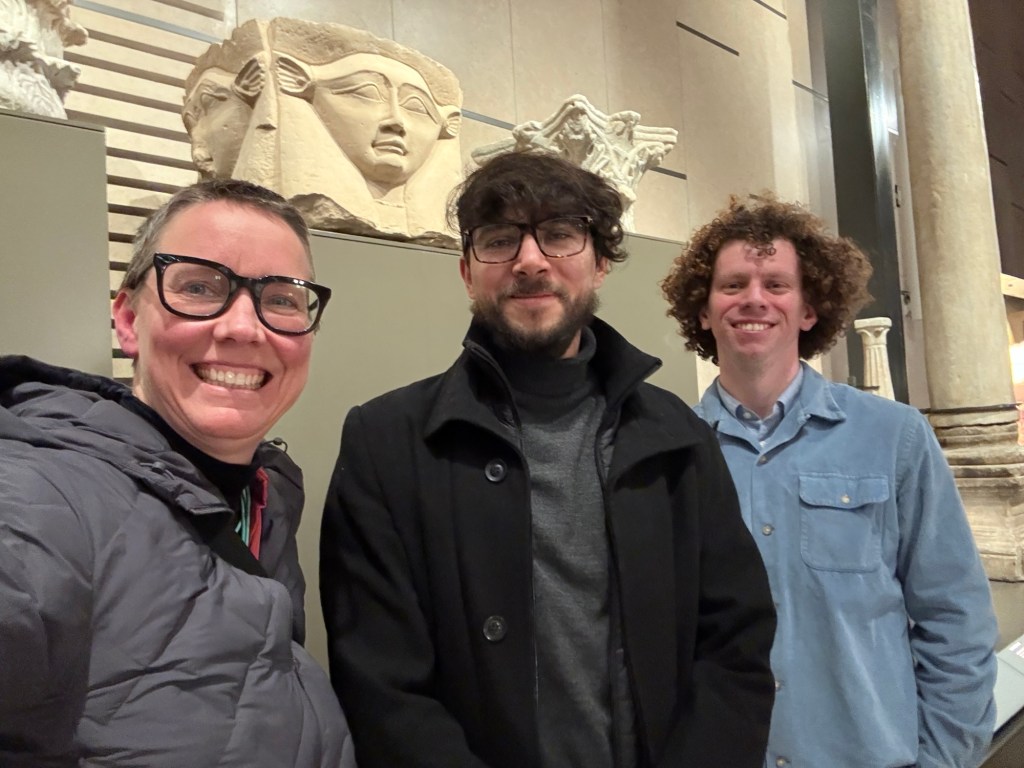
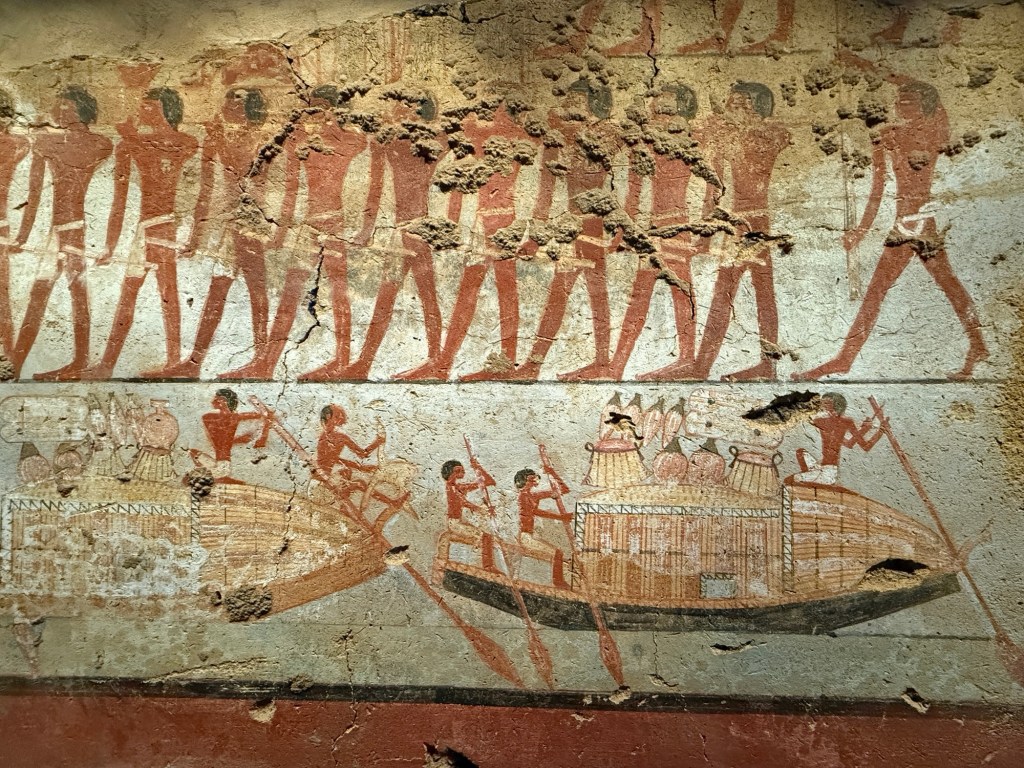
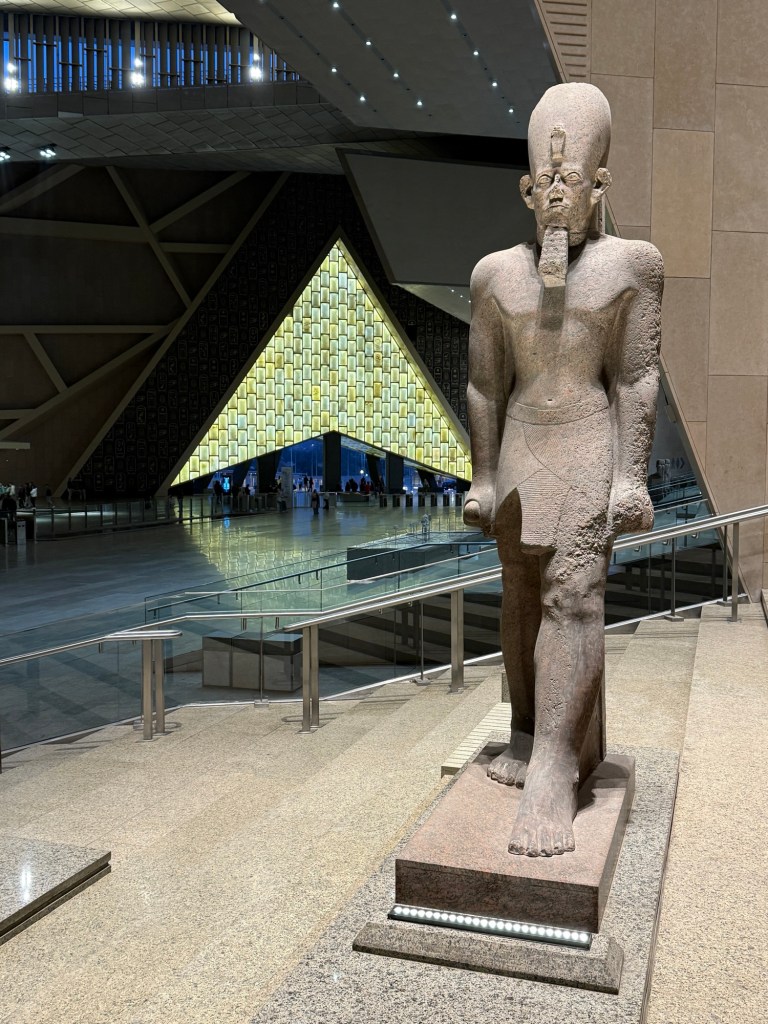
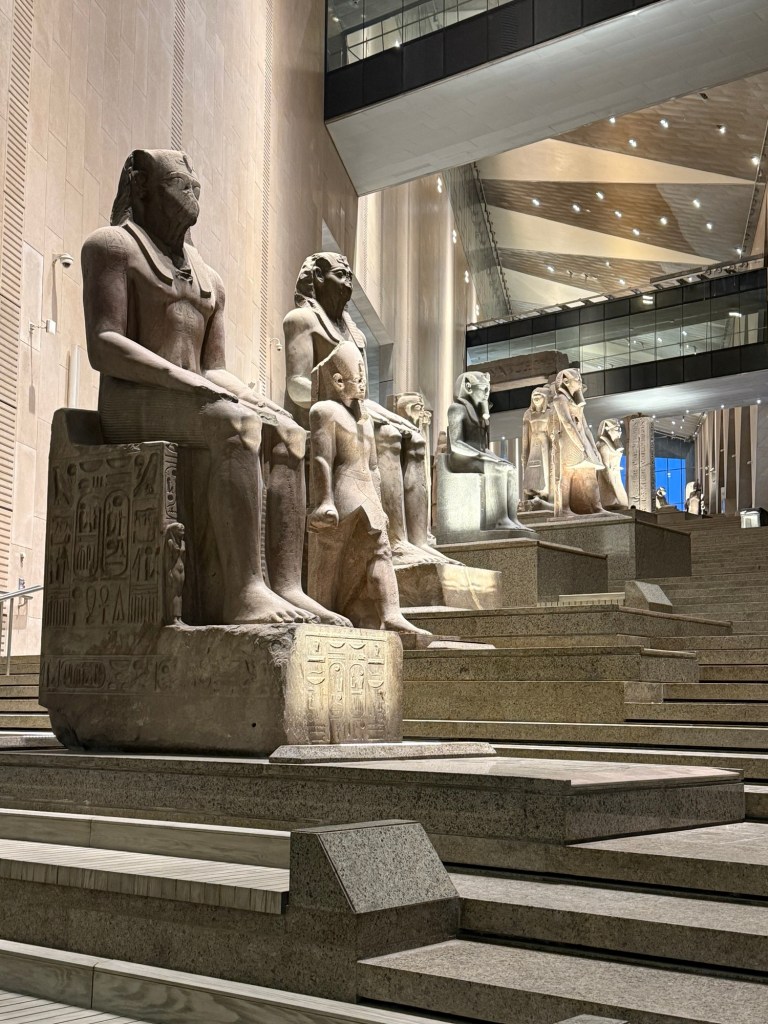
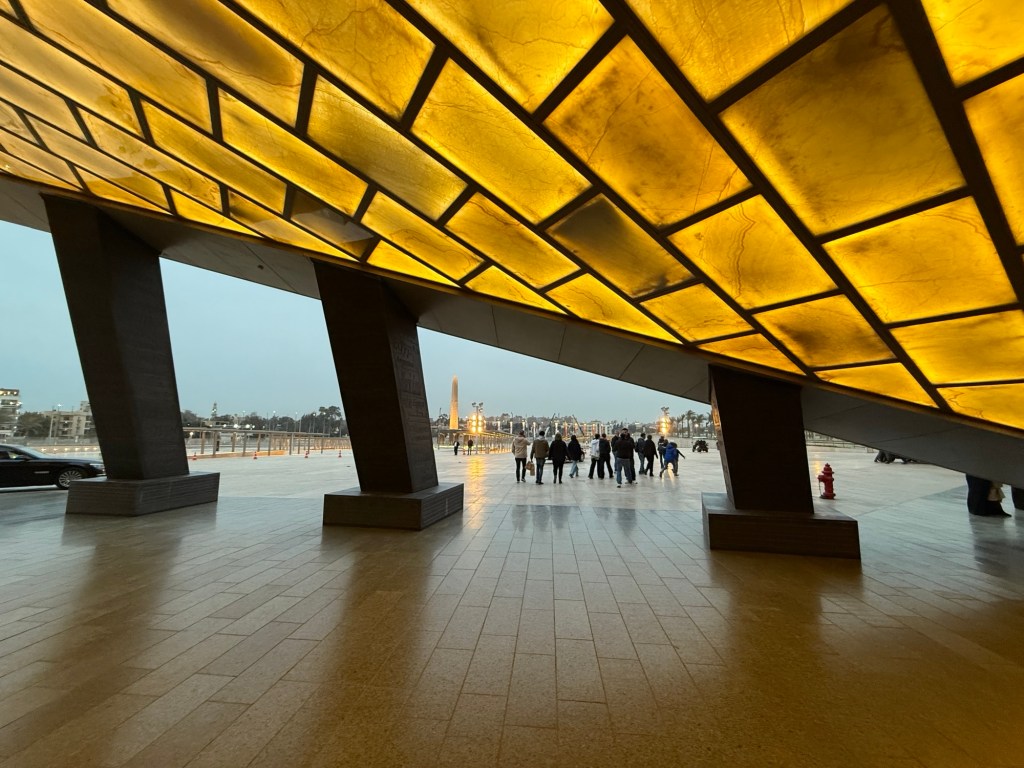
We three visitors also got a chance to tour the brand new Egyptian museum, lead by NGU’s architectural history, teacher. The experience was truly eye-opening and full of intrigue.
I look forward to a chance to visit NGU and Egypt again soon!
I have to say, none of this would’ve been possible without the Marie Curie fellowship I got to spend 2018 and 2019 working at UCL. The bonds I made with the folks at UCL in the Centre for Engineering Education have made such a difference in my and personal and professional life.
Being part of UCL has been so incredibly good for me, and good also for my employer, TU Dublin.
I am so honored to have had the chance to build an architecture program in Egypt and work with the people there who seek to build a stronger community of architects in Egypt. Thank you so much John Mitchell and Emanuela Tilley, for including me in this incredible project!
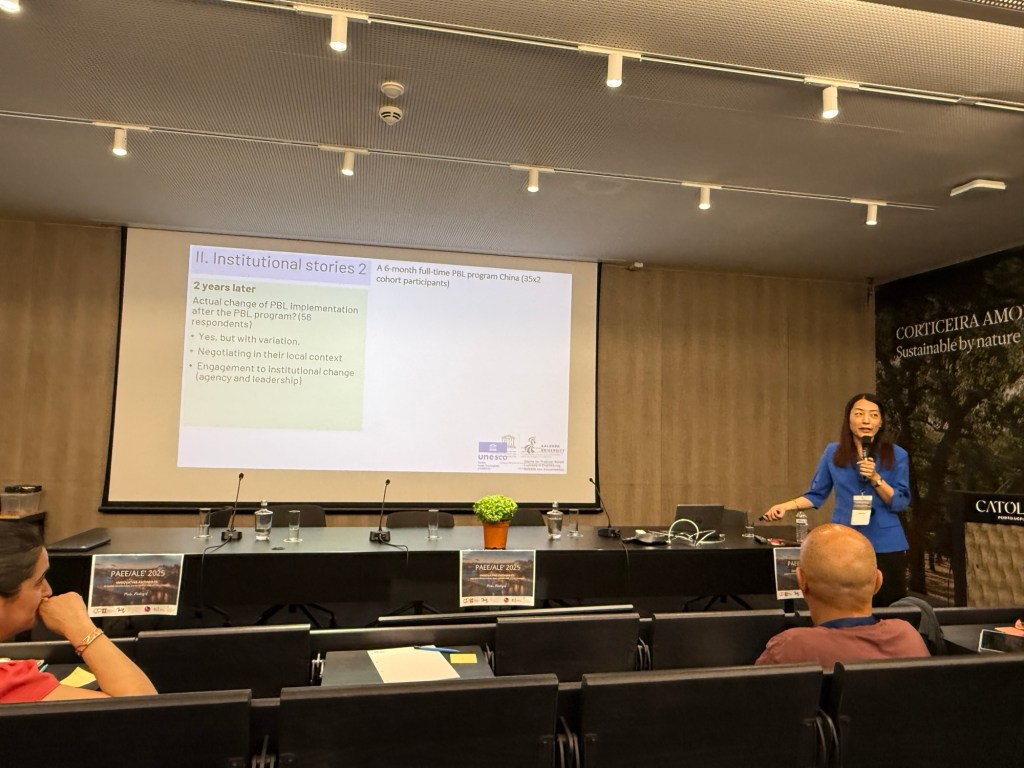
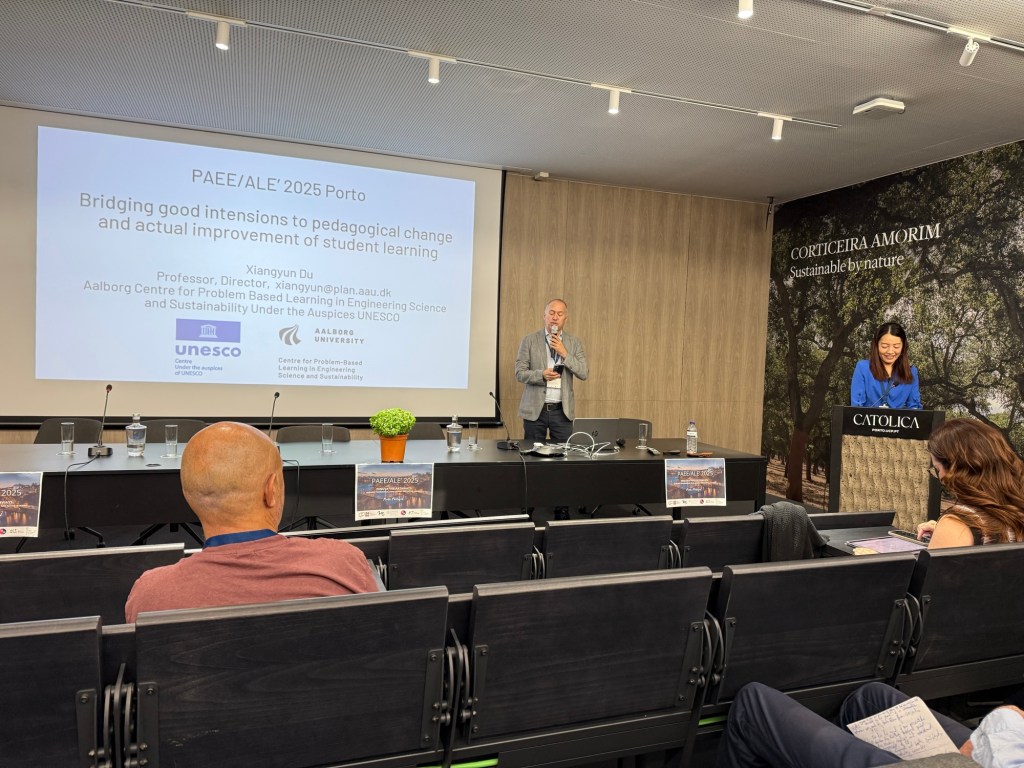
We’re about to start the third and final day of the 2025 PAEE/ALE conference in Porto, Portugal.
It’s an annual meet up of Project Approaches in Engineering Education (PAEE), which has an active community of members particularly across Portuguese and Spanish speaking parts of the world, and Active Learning in Engineering (ALE), on whose Steering Committee I serve.
I’ve attended PAEE/ALE in San Sebastián, Spain, in 2015. And in Alicante, Spain (where I was a keynote speaker), in 2023. And in San Andreas Island, Columbia, in 2024.
It’s a small and energetic gathering—just the right size for getting to know people and have deeply meaningful chats and learning sessions.
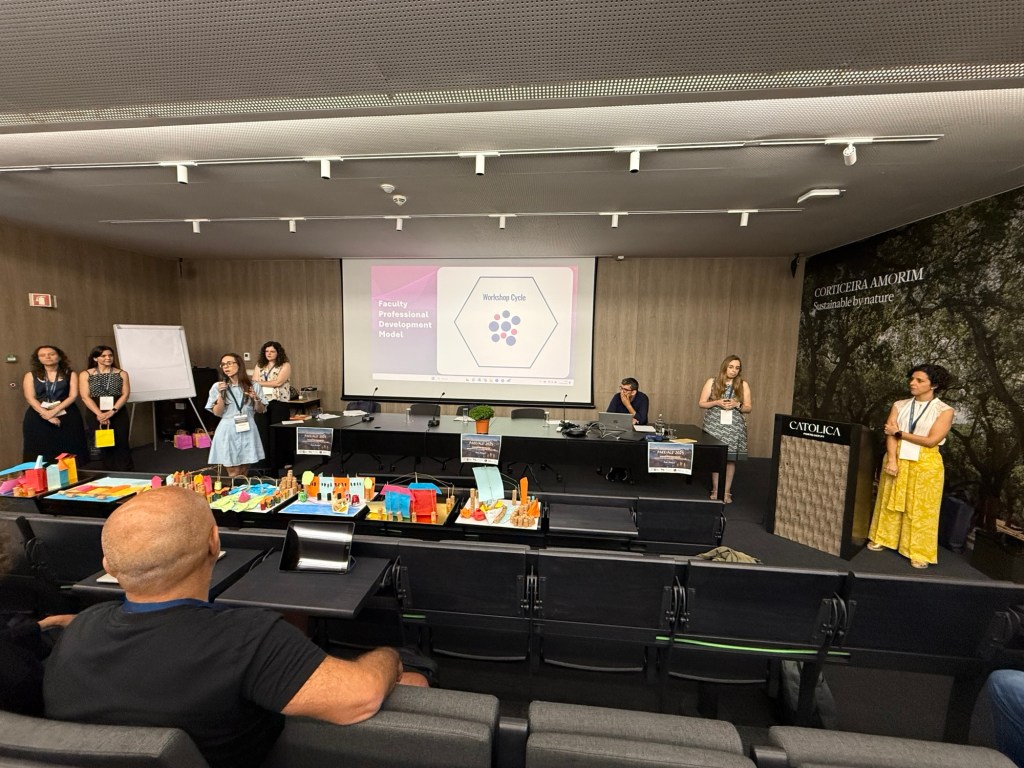
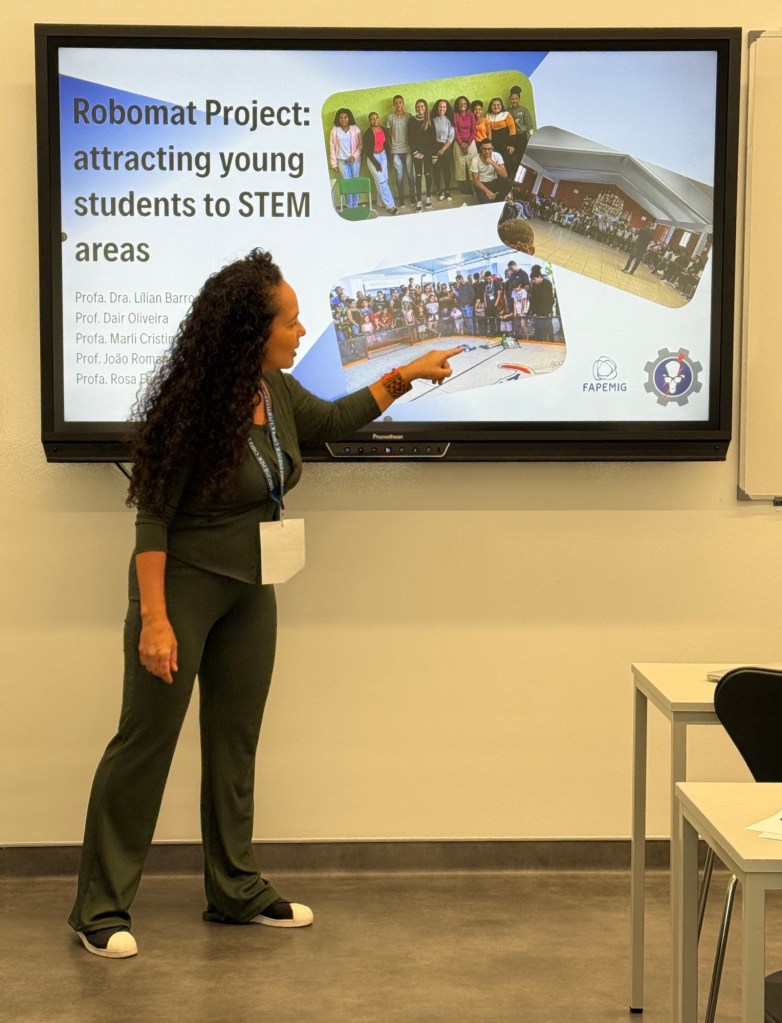
At this year’s event, I chaired a session and delivered a paper on a bingo game I developed with Mike Murphy, Celina Pinto Leão, Mircea Toboșaru, and Mary Doddy Nolan. We decided to perfect the game during a workshop I delivered at the 2025 SEFI Ethics Spring Symposium that I hosted at TU Dublin, and to publish it for others to use. I’ll post materials once they are ready for wide-spread use.
The game is designed to help engineering educators expand the ways they conceptualize integrating ethics into the courses they teach. In the workshop, we explore integrating environmental and social sustainability, EDI, ethical theories and codes.
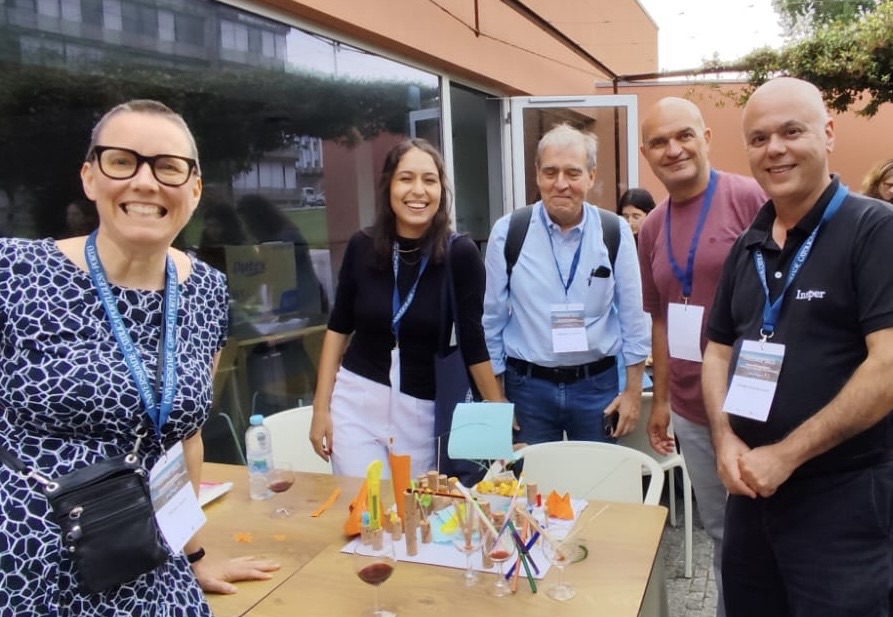
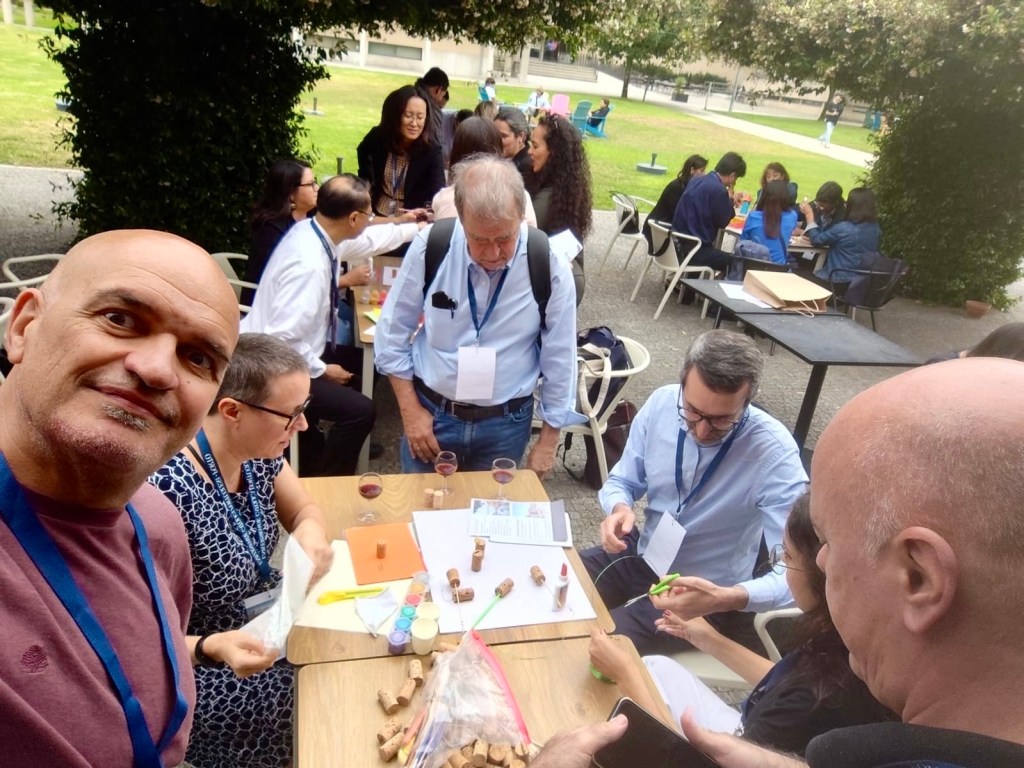
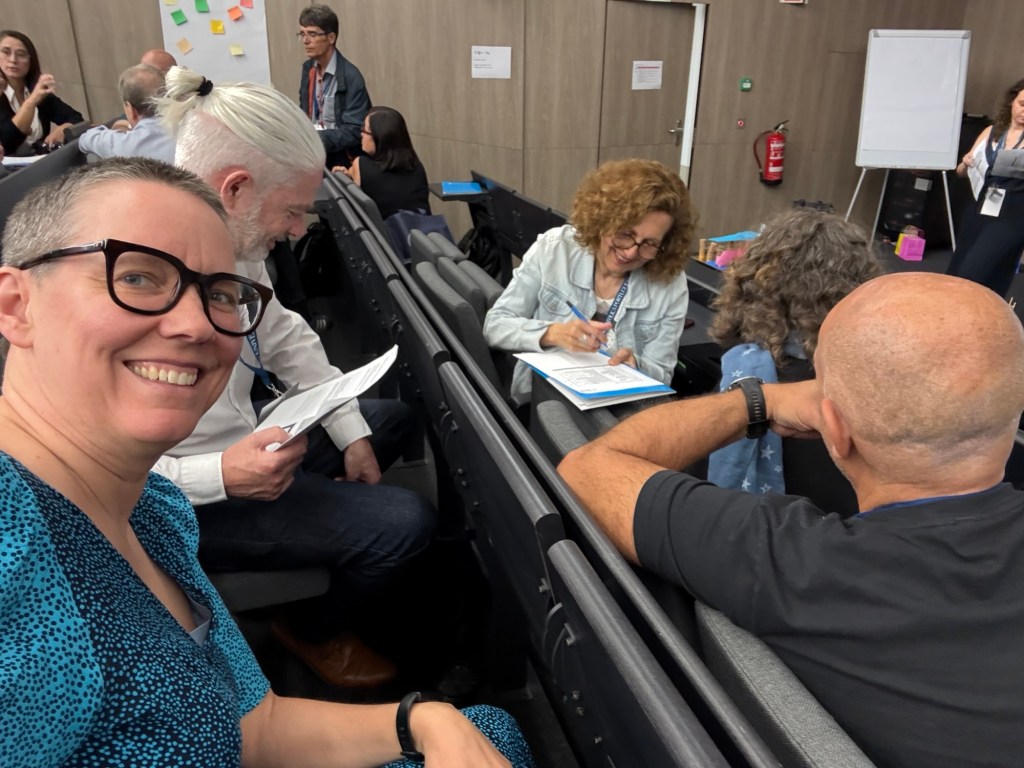
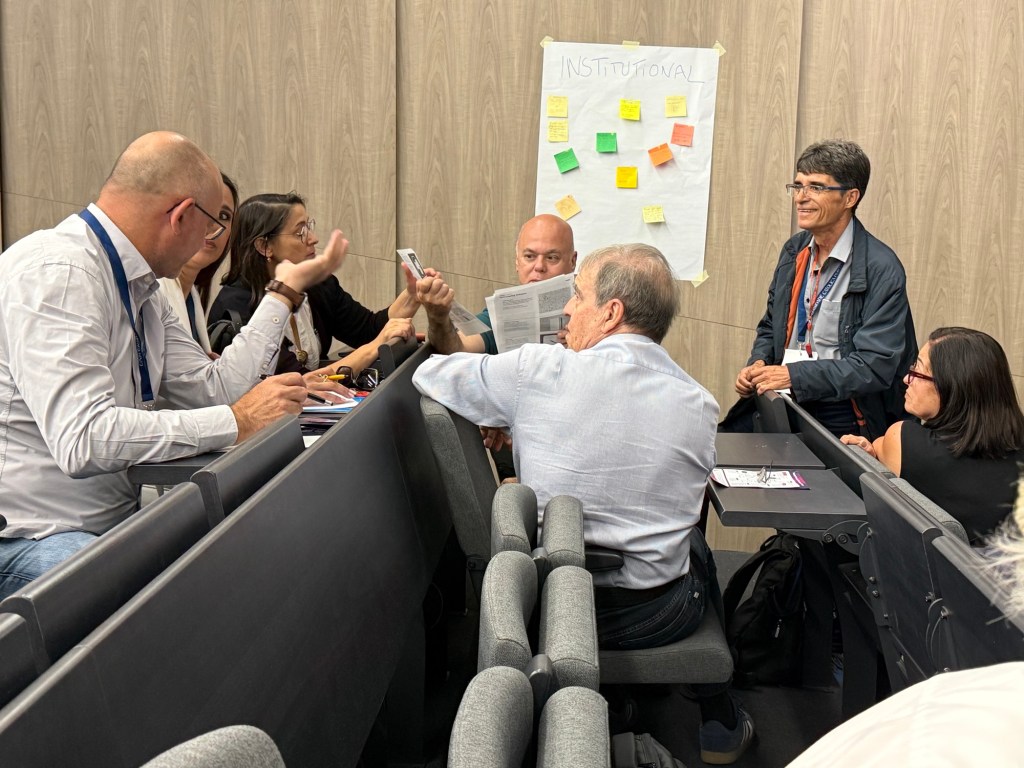
A day after the paper presentation, I ran a workshop with Inês Direito to test the game. The group shown below had such fun, and benefitted from having 90 minutes allocated to our workshop (thanks for that Diana Mesquita and team!).
Bingo! testing crew
I also had a chance to deliver, with Inês’ help, a workshop on securing international fellowships. This topic always gets a warm welcome from colleagues eager to learning about funding sources and tips for winning awards.
The PAEE/ALE 2025 keynotes have been outstanding (as usual with this conference)!
Keynote addresses by Xiangyun Du, the local teaching excellence center, and Jamie Gurganus were packed intriguing insights.
Professor Xiangyun DU’s fascinating keynote address.
Reconnecting with ALE Steering colleagues Miguel Roma, Valquiria Villas-Boas, and Jens Myrup Pedersen, (and Fernando Rodriguez and Luciano Soares who didn’t get to join us this year) is always a pleasure.
PAEE/ALE has been a highlight of my academic year the past few years.
Many, many thanks to this year’s host, the knowledgeable and vivacious Diana Mesquita, and the PAEE leadership including Rui Lima, for making the 2025 event possible.
If you’re interested in Active Learning pedagogies, consider joining us next year for the 2026 conference in Japan!
Funand games! Sessionswith breakouts. Learning with and from colleagues! reception. Welcoming new PhD researchers. Hearing from experts. Emerging research stars. Global leaders.
If you’ve known me long, then you have gotten to know my partner, Aongus, over the years. It’s likely that you know we like to enjoy life and have a good time….
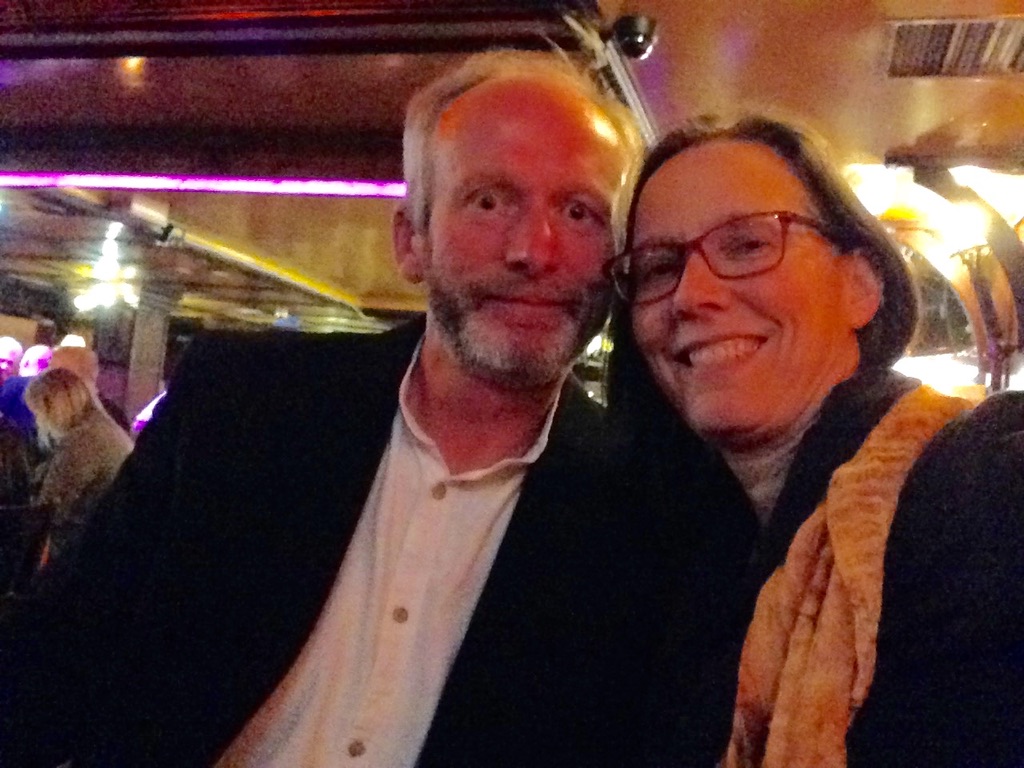
Since our very first date back in 2016…Through our adventures living in London…Travelling the world and…Staying fit…And always trying to have some fun!
But you also likely know we’re hard workers! We love learning new things, stretching, and exercising our skills.
Today, I am taking the opportunity to brag about this lovely fellow.
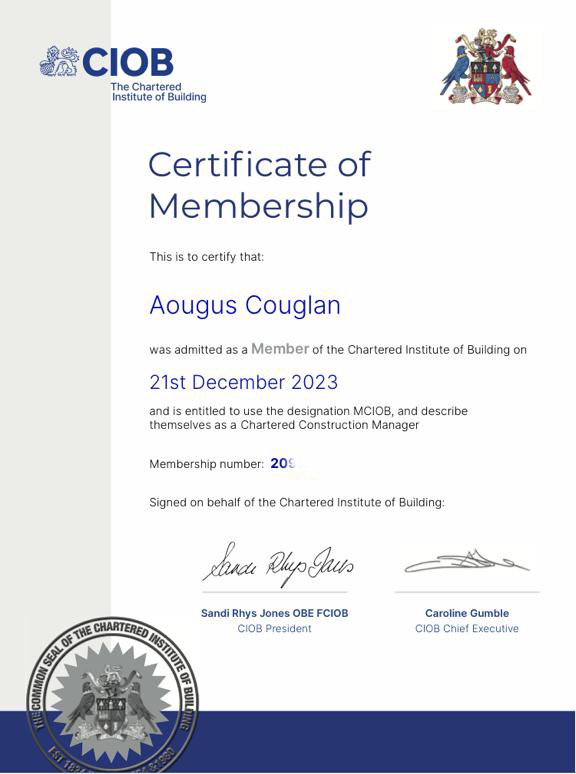
He started working on a new credential during the Covid lockdown, earning it just before Christmas. He’s now officially a Chartered Construction Manager and a full Member of the Chartered Institute of Building in Ireland and the UK. He gets to use the letters after his name:
Mr. Aongus Coughlan, MCIOB
This is the equivalent of a bachelor’s degree in the European system (the Level 7 ordinary bachelor on the Irish framework), so it represents a boatload of work. When he sat for the five-day exam, he did so well that they bestowed the designation of distinction, but earning this full credential required much more than just passing that exam. He also had to document his experience in detail, and pass high levels of scrutiny.
I couldn’t be prouder of Aongus!
He’s an all-around fabulous guy. He’s always thoughtful and considerate. He’s a great cook and a deeply caring companion. He’s good-natured and kind, never pouts, and always carries his own weight at home and at work.
And now the world knows he’s also an excellent manager!
Well done, baby! Studying is a very good look on you!
India is now the most populated country in the world. There’s a pressing need for more and better-educated civil engineers there. A civil engineer working in India today can expect to work 9 AM to 9 PM six days per week and 9 AM to 2 PM on Sundays (according to Dr. Balasubramaniam, Managing Director of Hitech Concrete Solutions Ltd) because their skills are in such high demand.
However, this current weekend is a holiday, so I hope most of them are taking some time off!
Based on my two-week glimpse into life in India, I believe Indian people work extremely hard. Most people working in businesses or projects at the national and international levels work in English. Higher education in India is also in English because India has around 100 languages.
Civil engineers’ work is incredibly important! In a developing nation, the infrastructure and buildings overseen by civil engineers (and architects!) shelter and support a growing population of people – a population working hard to live ethically and build a brighter future.
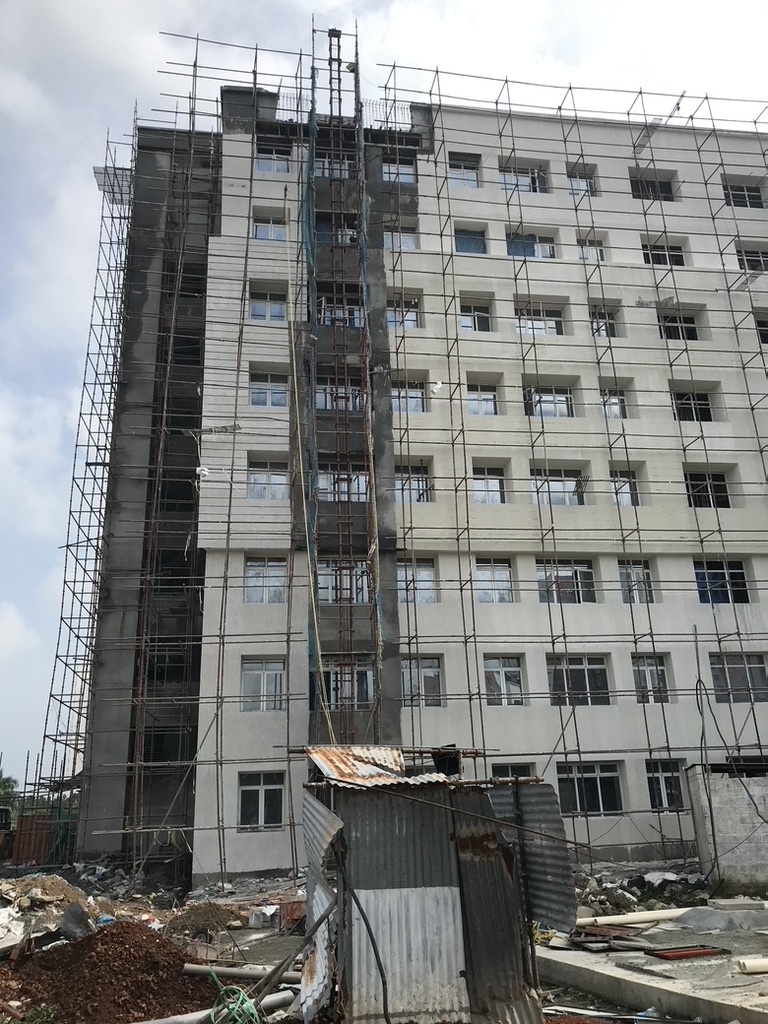
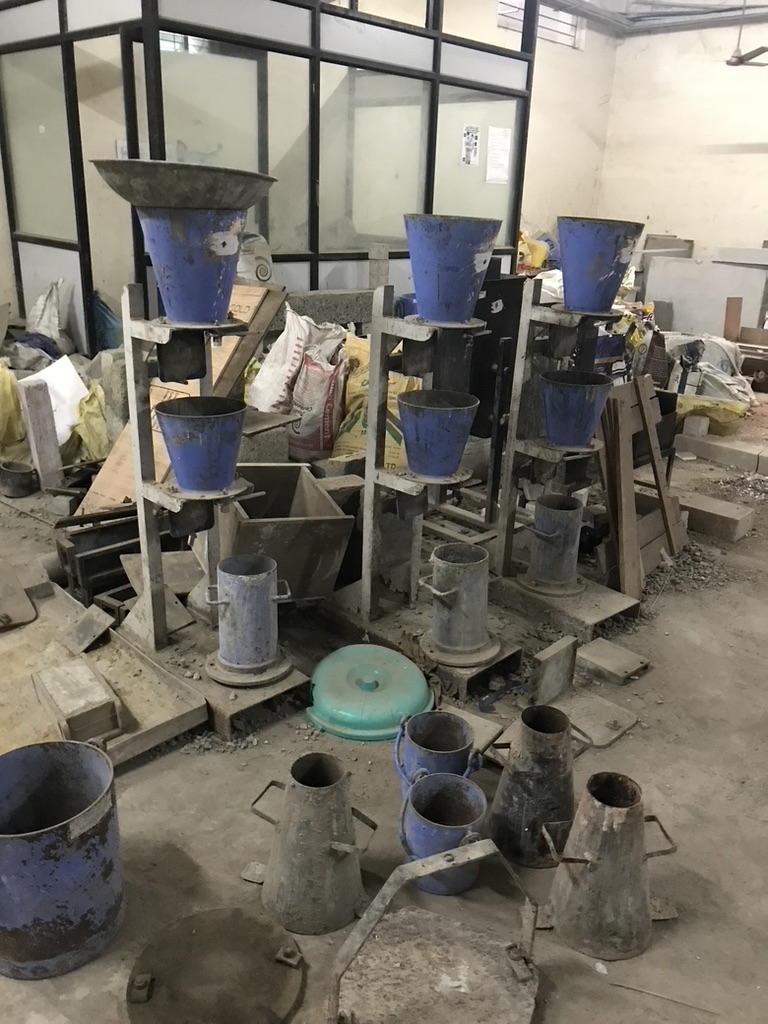
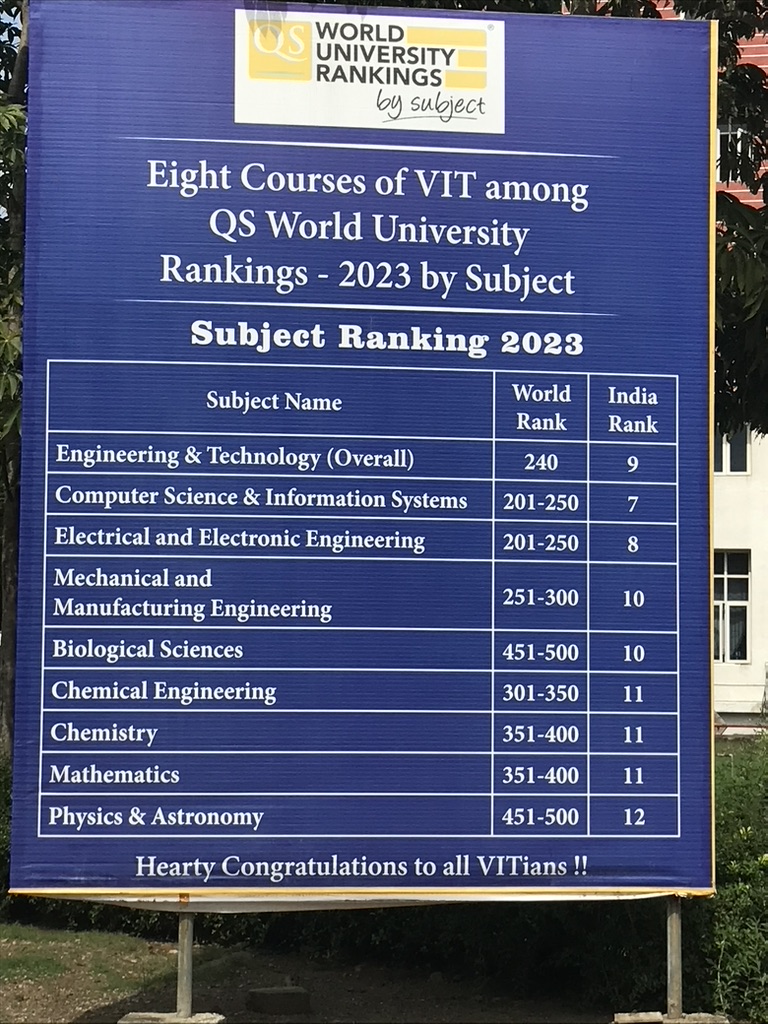
Building under construction on VIT campusDr. Shanmungham’s concrete testing labVIT world rankings (QS system) for 2023
In the first couple weeks of January 2024, I got an inside perspective by attending events and touring workshops and laboratories at the Chennai branch campus of Vellore Institute of Technology (VIT).
VIT’s Dr. Nithya Venkatesan, Assistant Director of International Relations, and Associate Professor Dr. Shanmuga Sundaram (who goes by Shanmugham) served as my primary hosts. They helped coordinate my entire two-week trip, and without them I never would have managed to make my first venture into this fascinating land.
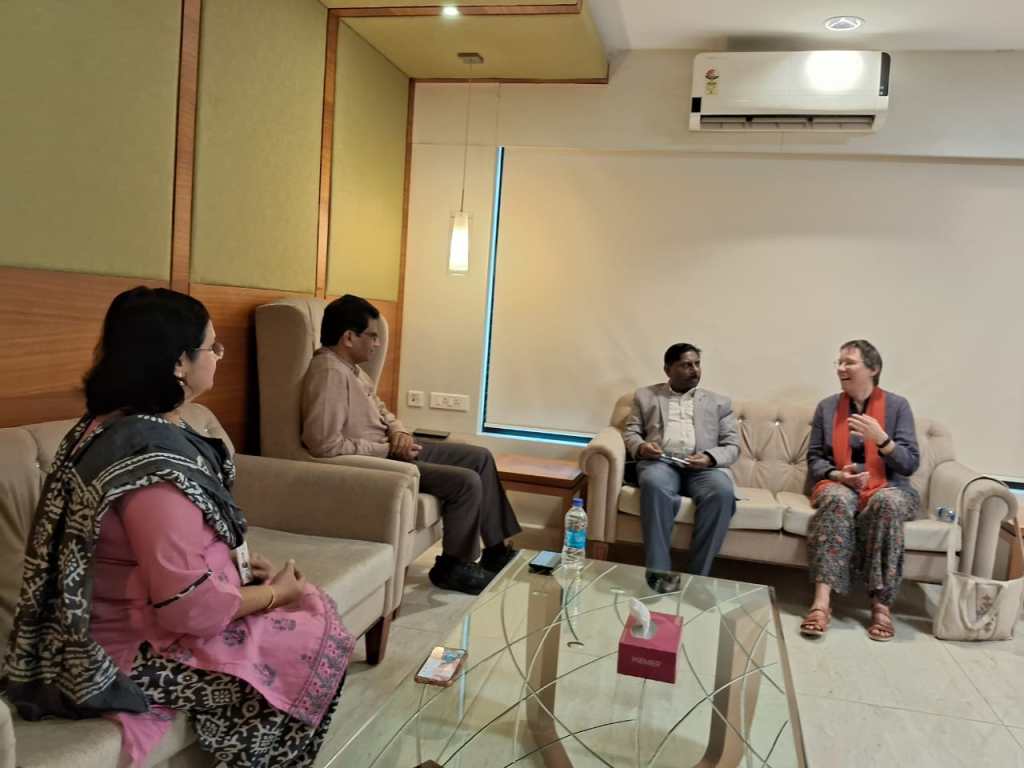
Visiting the VIT Chennai Internationalization Office and meeting Dr. Nithya Venkatesan.Sightseeing with Associate Professor Dr. Shanmuga Sundaram, my primary host.Meeting with VIT’s vice president for academics, Dr. Sekar Viswanatha (second from left), Dr. Nithya Venkatesan (far left) and Prof. Dr. Johnson Alengaram.
Dr. Renukadevi Selvaraj, Professor and Head of the Dept. of Education at the National Institute of Technical Teachers Training Institute (NITTTR), run by the Ministry of Education for the Government of India, connected me with VIT after I met her in Blacksburg, Virginia (my hometown) at an ethics symposium last summer.
At VIT, I attended a two-day conclave on civil engineering organized by Shanmugham that included presentations by academic and industry partners. Shanmugham’s areas of specialization include sustainable building materials, special concrete, alternative binding processes.
I delivered the opening keynote address for the conclave. Most of the audience of around 45 participants were civil and structural engineering students, but their teachers, some PhD researchers, and some industry partners also attended.
Other presenters at the conclave talked about structural failures within existing buildings (causes, effects, and ways of avoiding or addressing defects), earthquake resistance and previous structural failures in India due to earthquake activity, and the importance of being part of professional organizations (such as the UK-based Institution of Civil Engineers, ICE). India does not yet have a licensure program for professional/licensed/chartered engineers of the type you see in the US, UK and Ireland, but Professor Johnson Alengaram from the University of Malaya encouraged the audience to join ICE and maintain their learning and their credentials with care.
Shanmugham noted that he’s in the second generation of civil engineers the people of his father’s age with a first generation of civil engineering professional in the country. The students he is educating now, he sees as the third generation of civil engineering in India.
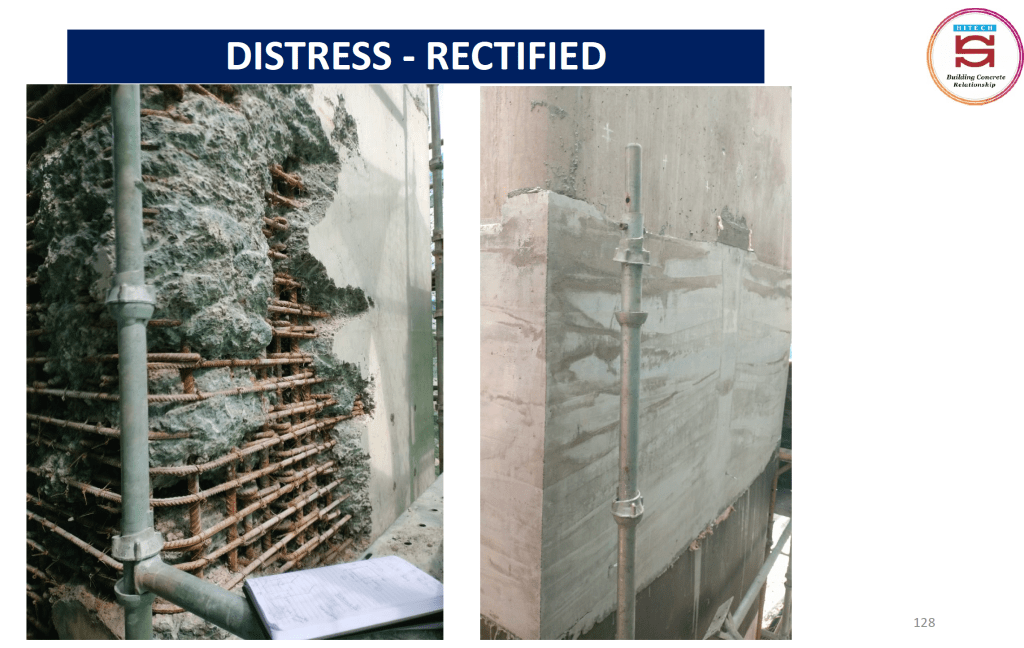
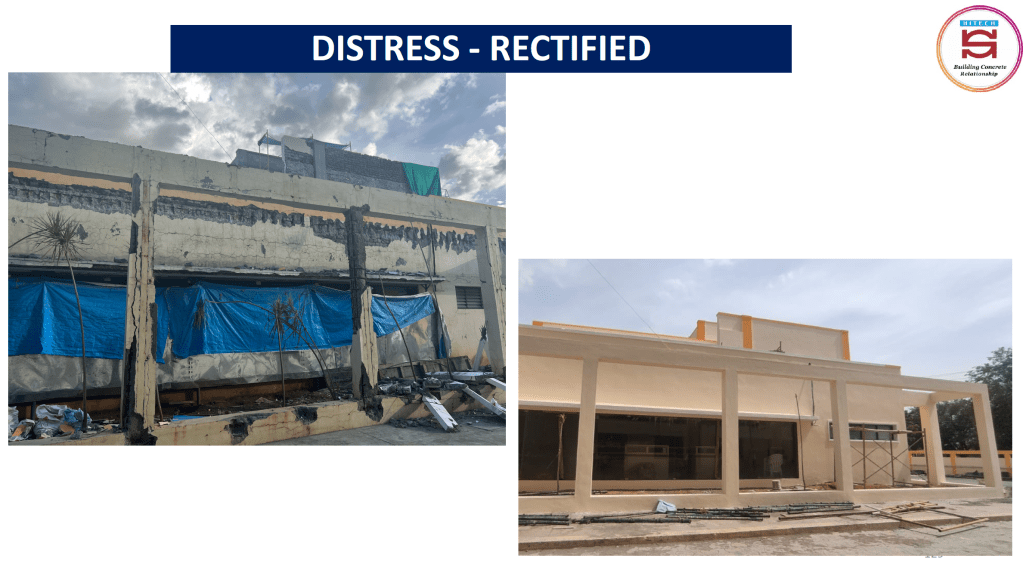
Arvindh Raj Rajendran, who earned a Master of Structural Technology degree, delivered the conclave’s final talk with an extremely well-articulated presentation about an apartment complex that his family’s company, Hitech Civil Engineering Services, Ltd., has worked to diagnosed and remediated. The original construction, by a different company, had severe deficits that had made national news in India. Hitech has made interventions to keep the structure inhabitable and conducted detailed analyses to help the government and the courts decide if the building can be salvaged or must be replaced. He explained the analysis and rectification process in detail. Arvindh showed other faulty structures that Hitect has been able to salvage, as well as the equipment they use (all pictured below).
A slide from Arvindh Raj’s Hitech presentation.A slide from Arvindh Raj’s Hitech presentation.Monitoring devices used at Hitech.
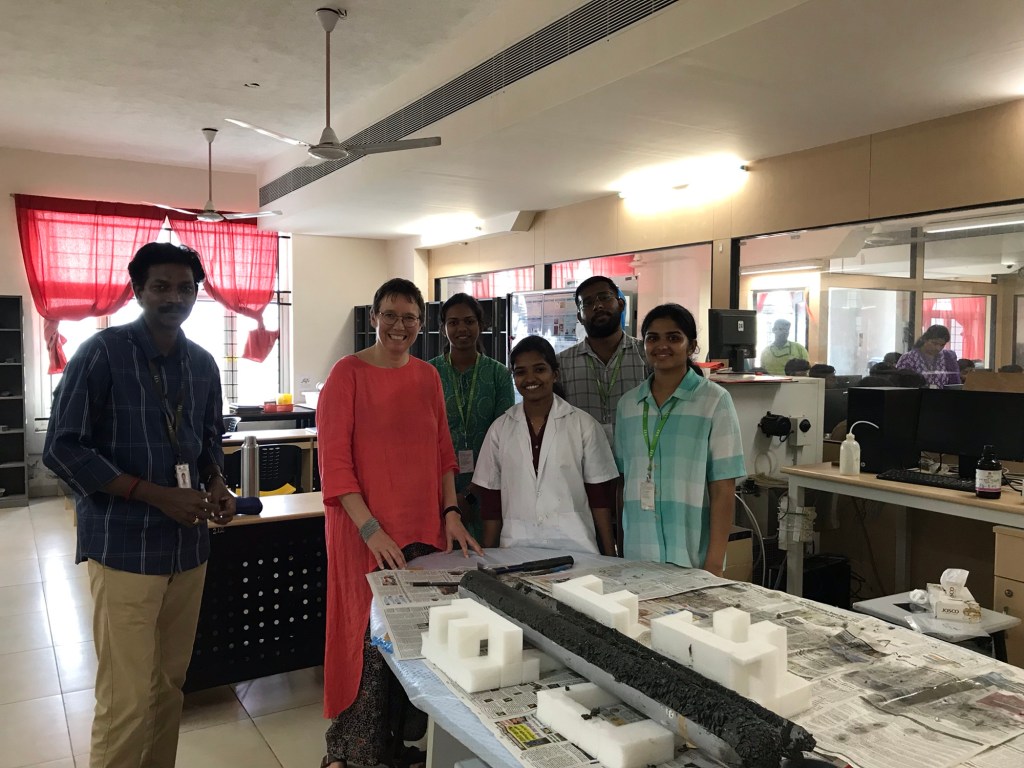
Before the conclave started, I had the distinct honor of visiting four of the engineering laboratories on the VIT Chennai campus, being shown around by Shanmugham. We visited the soil testing lab where he and his colleague, Associate Professor Dr. Karthiyaini train PhD students and conduct research.
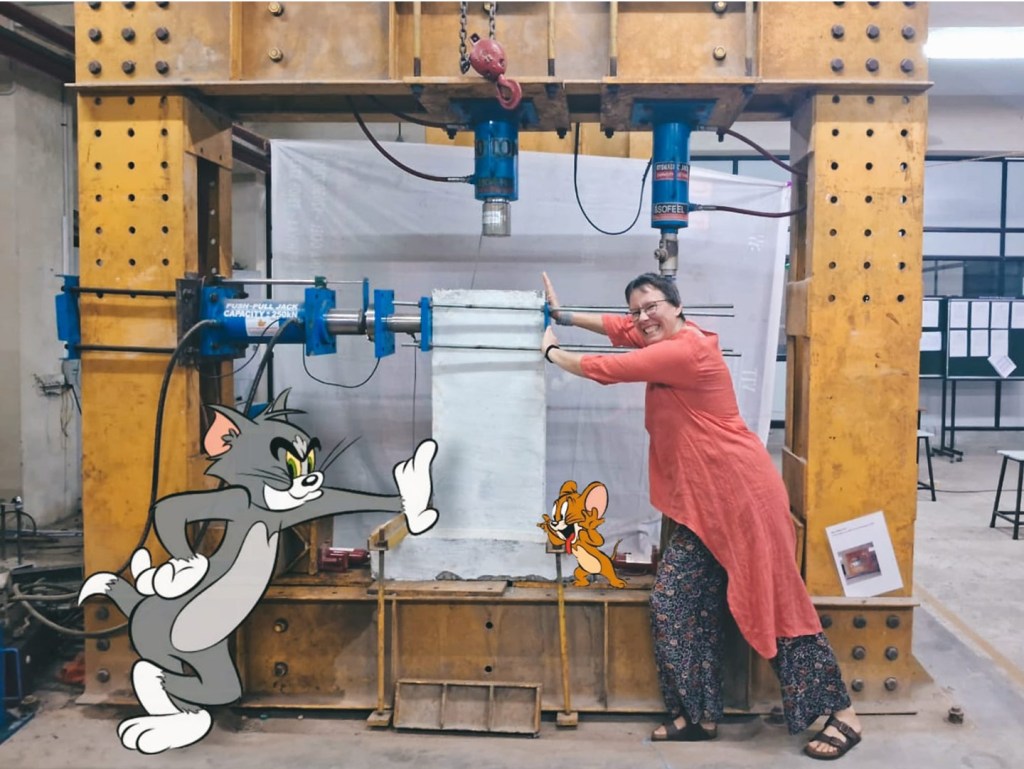
We visited Shanmugham’s materials testing laboratory. He has just gained national certification to test materials (such as concrete samples from active construction sites). He can test the performance of all kinds of concrete steel and concrete-related products. He is also researching possibilities for creating concrete mixed with less embodied carbon than today’s standard material.
He’s working towards a net-zero-type concrete method using byproducts of other industries in India — because concrete is a central construction material in the country. China and India are using a huge portion of the entire amount of concrete fabricated each year currently worldwide.
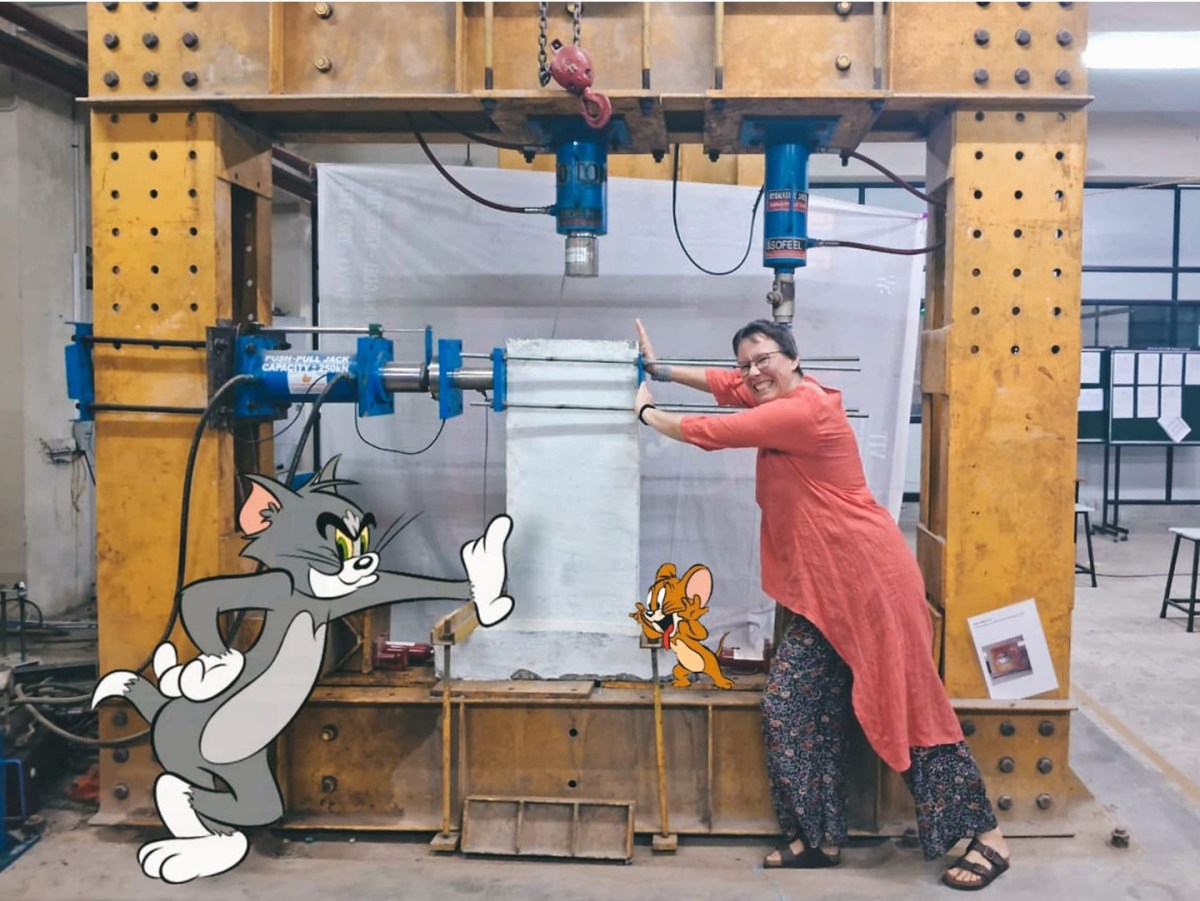
Dr. Shanmungham’s colleague added Tom and Jerry to my visit to the Shanmugham’s concrete testing lab!Official certifications for Dr. Shanmungham testing lab.A machine to demonstrate to students how to protect reservoirs from infiltration of contaminated water, built by Shanmungham.PhD research students in the geology lab.PhD students in the water quality lab.
I also visited a water quality research lab and met the academic leader and her PhD students. They are working on a wide array of topics, including addressing toxic landfill effluents that leak into the soil, reviving microplastics from water, desalination process, and ocean clean-up techniques. I learned so much and wish I’d taken notes!
The geology lab was equally interesting as the students were taking samples from a soil boring to study contaminants. They introduced me to each doctoral research project, and I asked loads of questions, which, again, unfortunately, my brain failed to file into long-term memory. It does this filing in the night while I sleep and in the day when I retell what I’ve learned. But I learned so very much in that single day of touring that my brain couldn’t hold it all.
One thing I will never forget is how many talented women are studying engineering at VIT. To my delight, the research labs are gender balanced.
On the day of the tours, I also met VIT’s vice president for academics, Dr. Sekar Viswanathan. He holds this role on all four VIT campuses. I was very impressed with how attentively he communicated with Dr. Johnson, another international guest speaking at the conclave, and me.
VIT is a private institution that provides itself in excellence and holds academic world rankings. The Chennai campus is currently educating about 10,000 engineering students and is expanding its facilities to double its enrollment. This is very important in a country where many hundred thousand engineers graduate from higher education institutions each year but are not well-prepared for industry. Receiving an education at a highly-ranked institution like this helps ensure the graduate will be ready to perform well in the industry. The country desperately needs more civil engineers who can do this. Hopefully, one day, India’s civil engineers won’t need to work seven days a week!
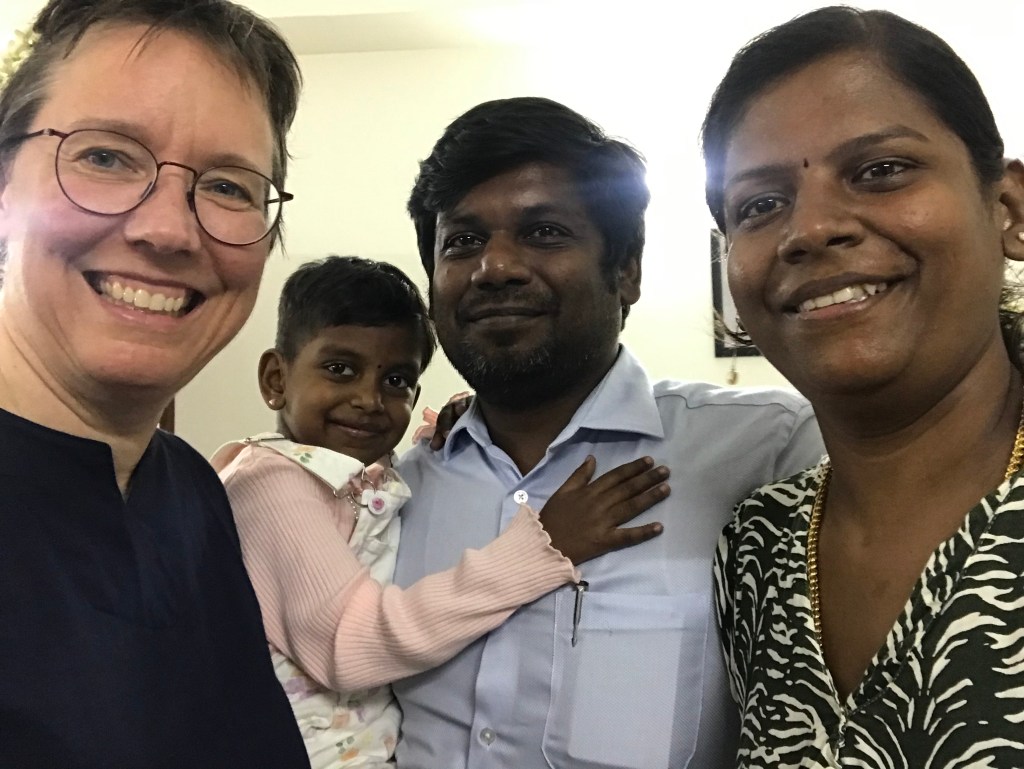
Shanmugham was an exceptional host during my trip. He and his wife (Rama, an electrical/computer engineer who runs a startup business with a colleague) and their six-year-old daughter (Shanmuga, who speaks English in addition to her mother tongue), took me shopping for Indian outfits — so I’ll fit in better on my next trip to India!
They also invited me to their home, located in a huge complex of apartments. There are 20 buildings, each about 17 stories tall. I met their neighbors, and I learned something about how they live. We got to share a bit of our own cultures with each other, which was a true highlight of my time in Chennai.
Shanmungham with Shanmunga and Rama, at their home.The shrine in their home.Shopping for Indian outfits with Shanmunga.Shanmunga and Rama’s neighbors also welcomed me into their home. The daughter will marry next week, and I have been invited. Unfortunately, I’ll be at work in Ireland during the multi-day wedding events.
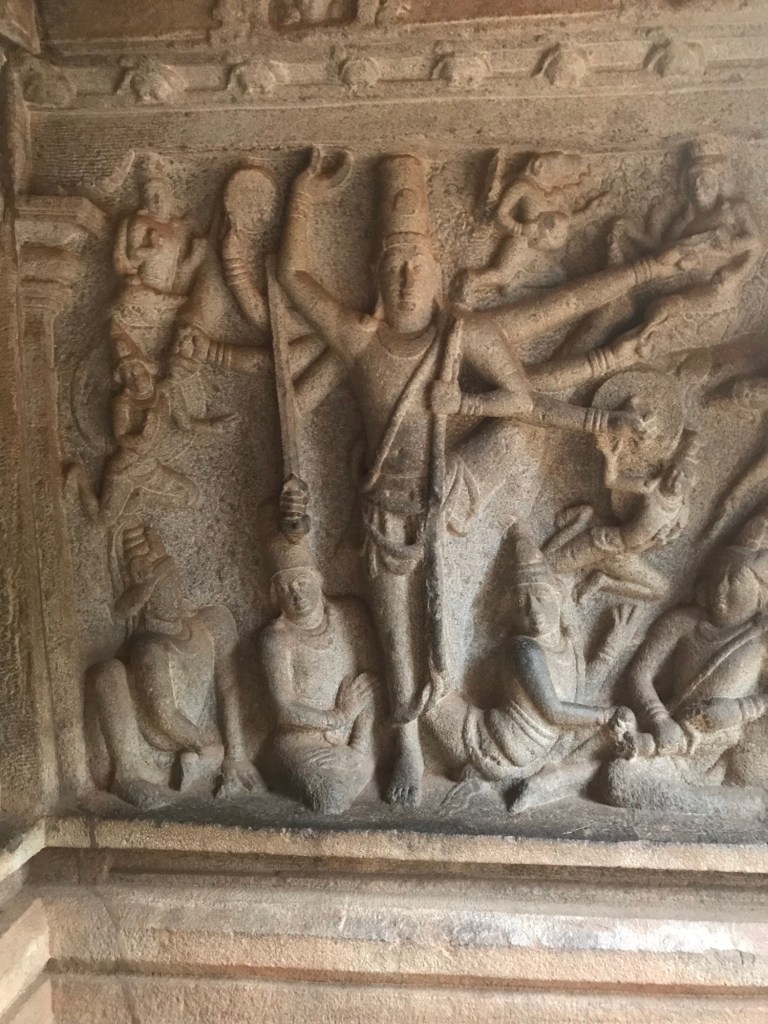
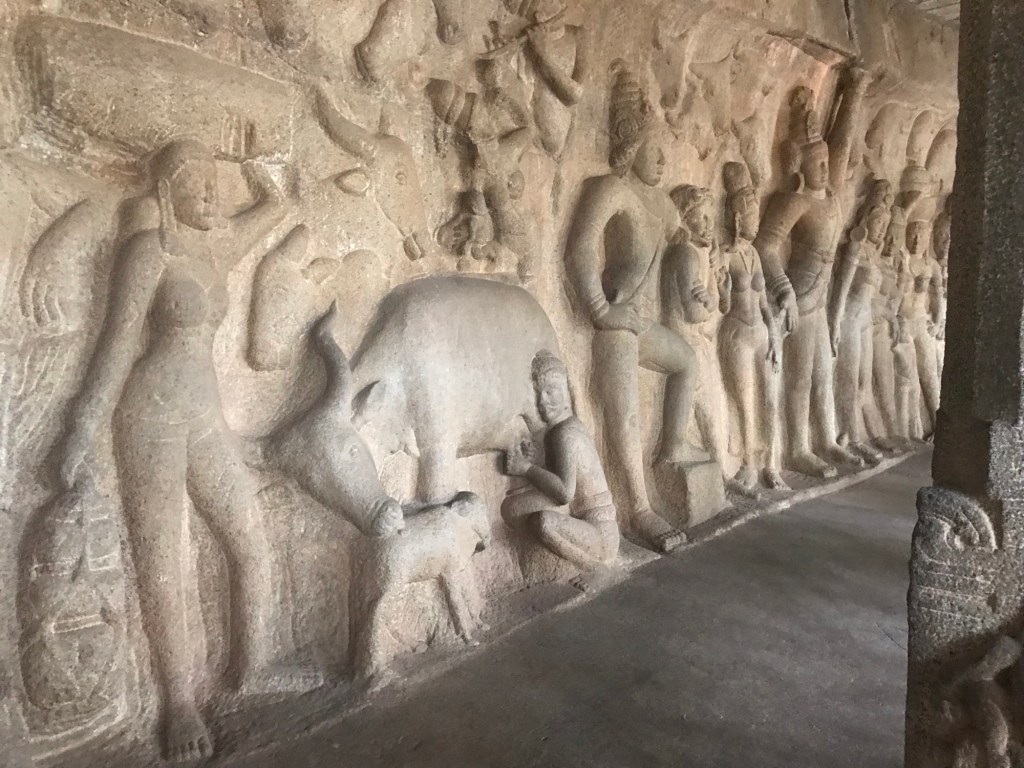
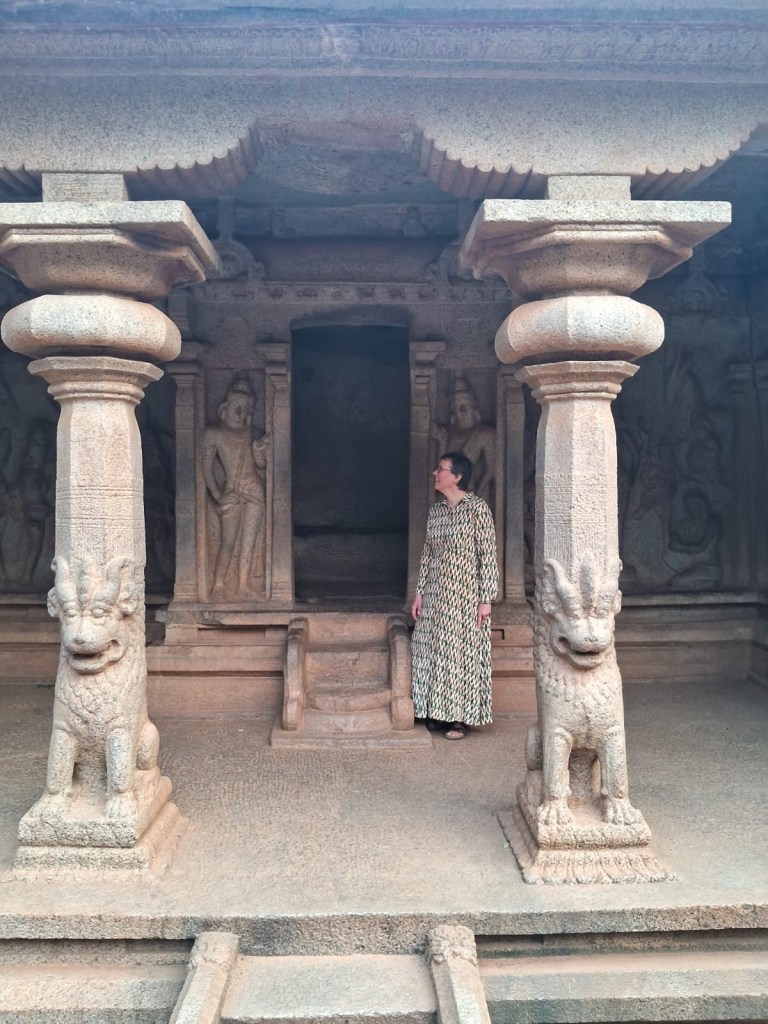
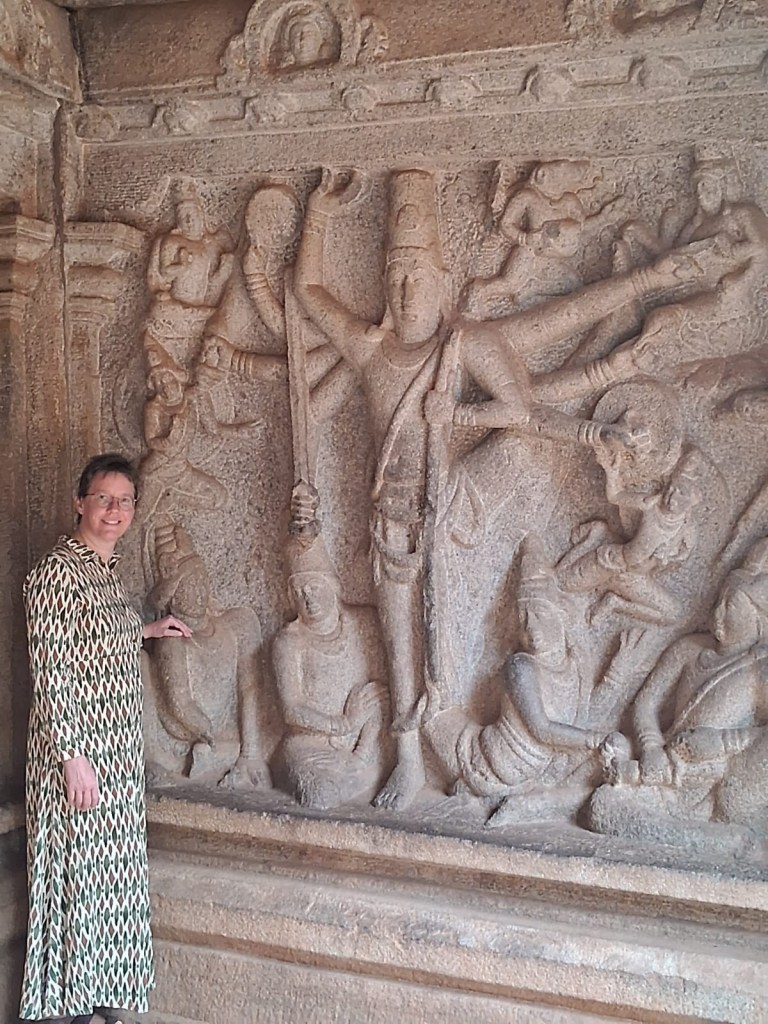
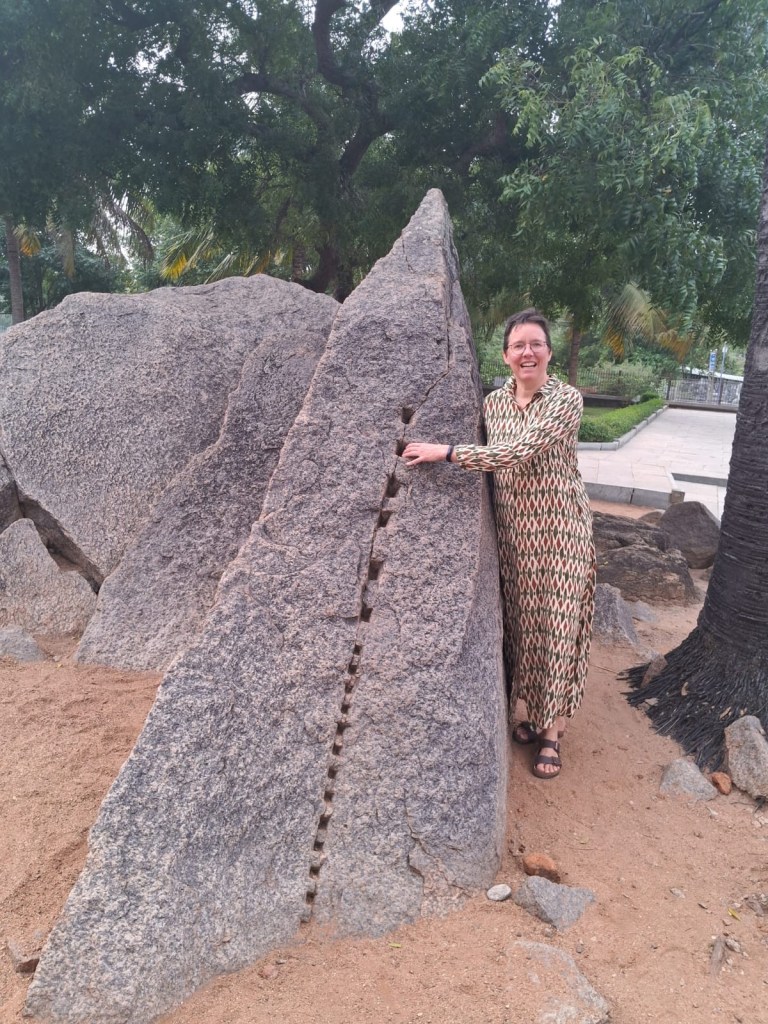
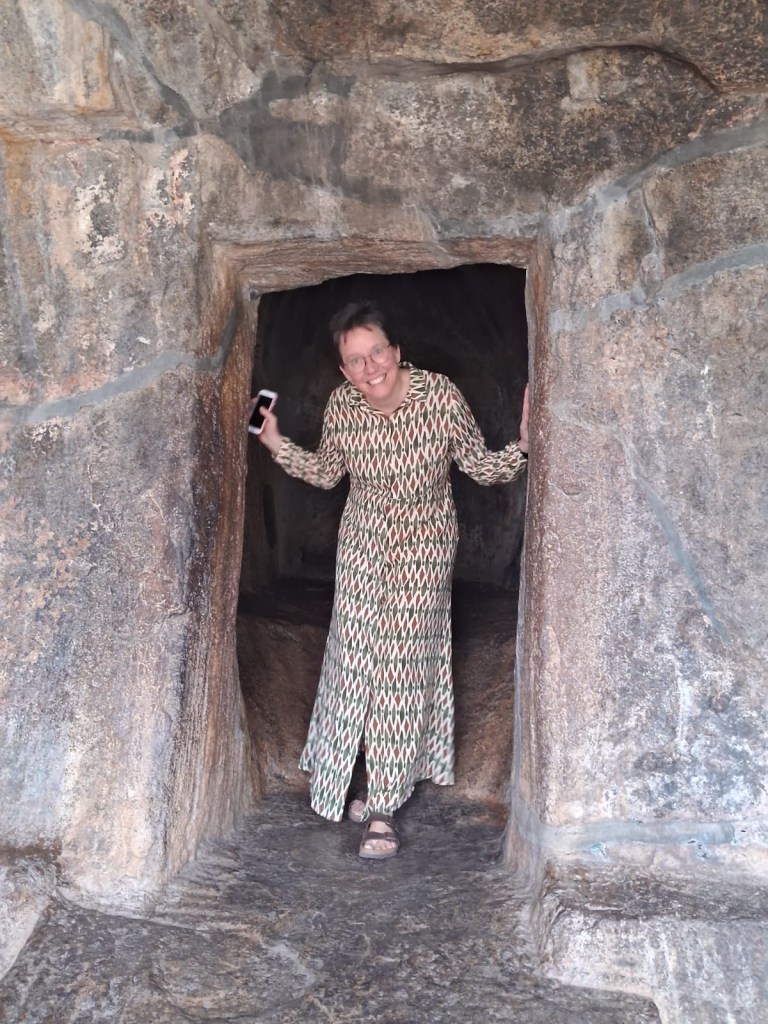
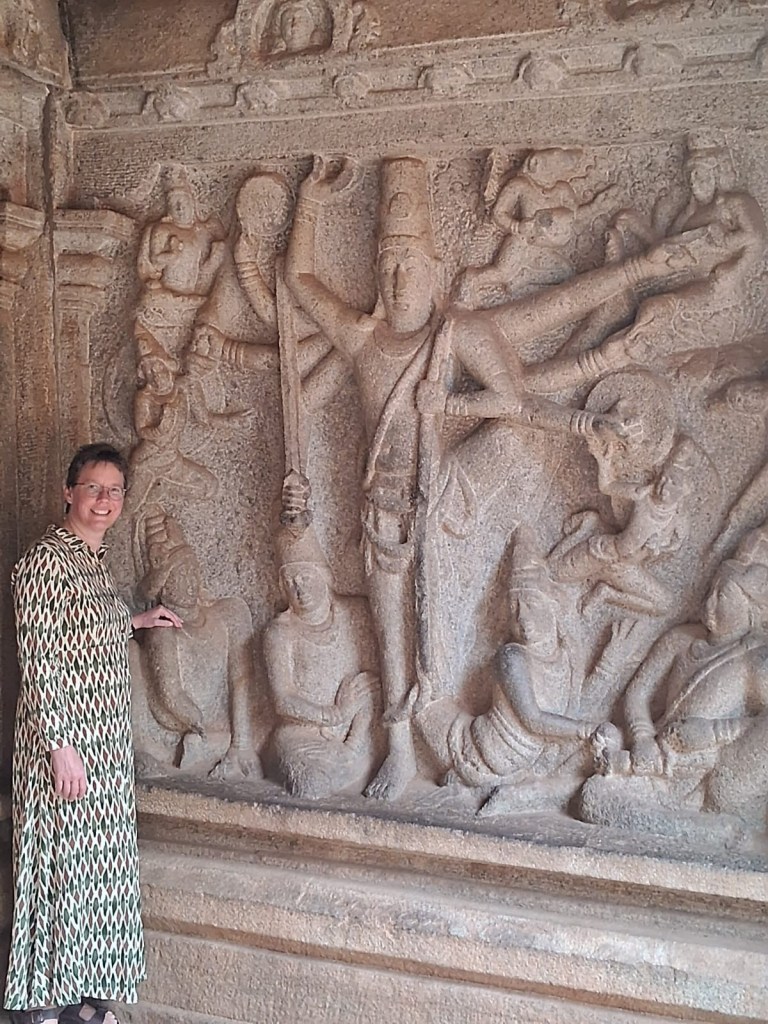
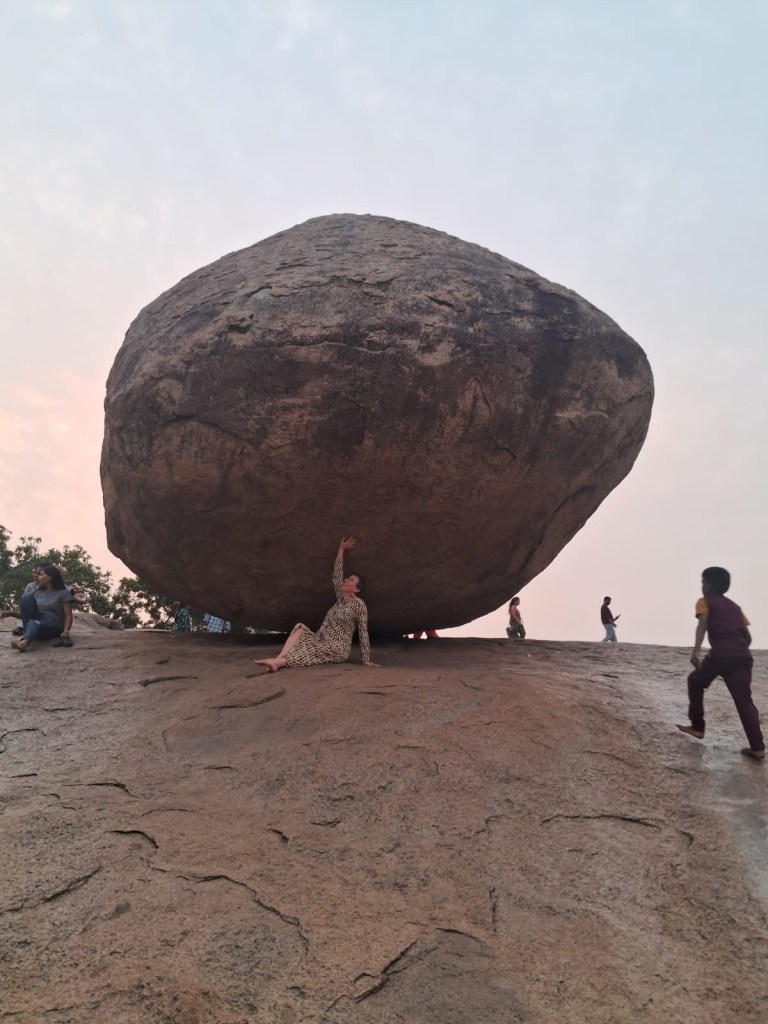
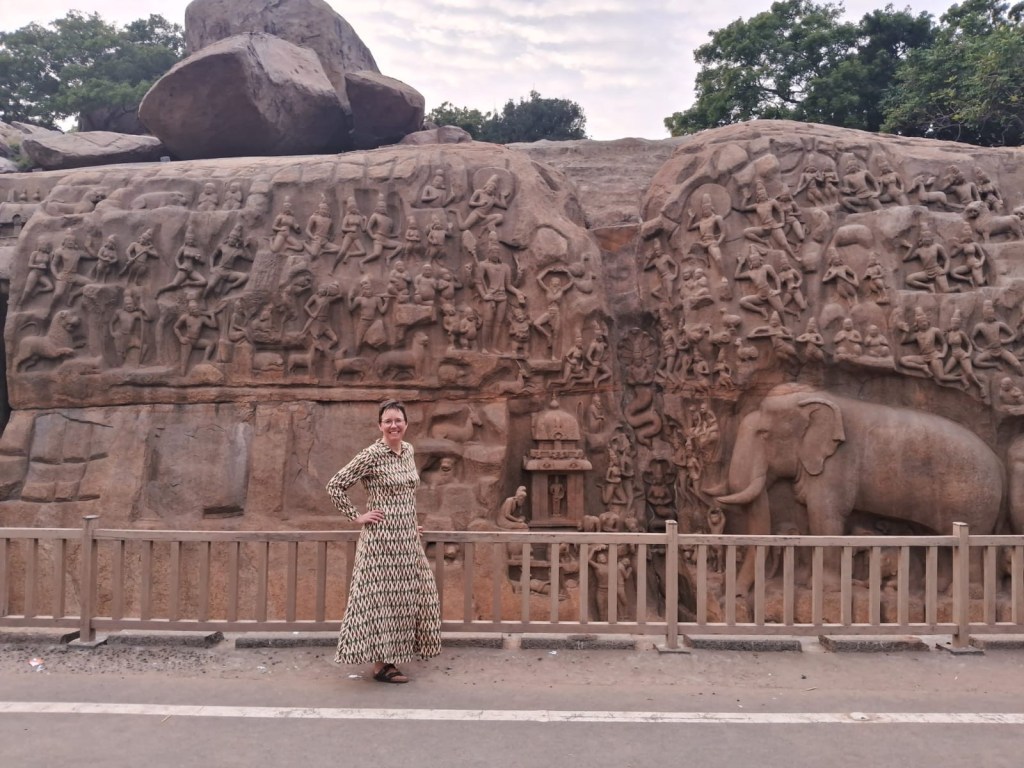
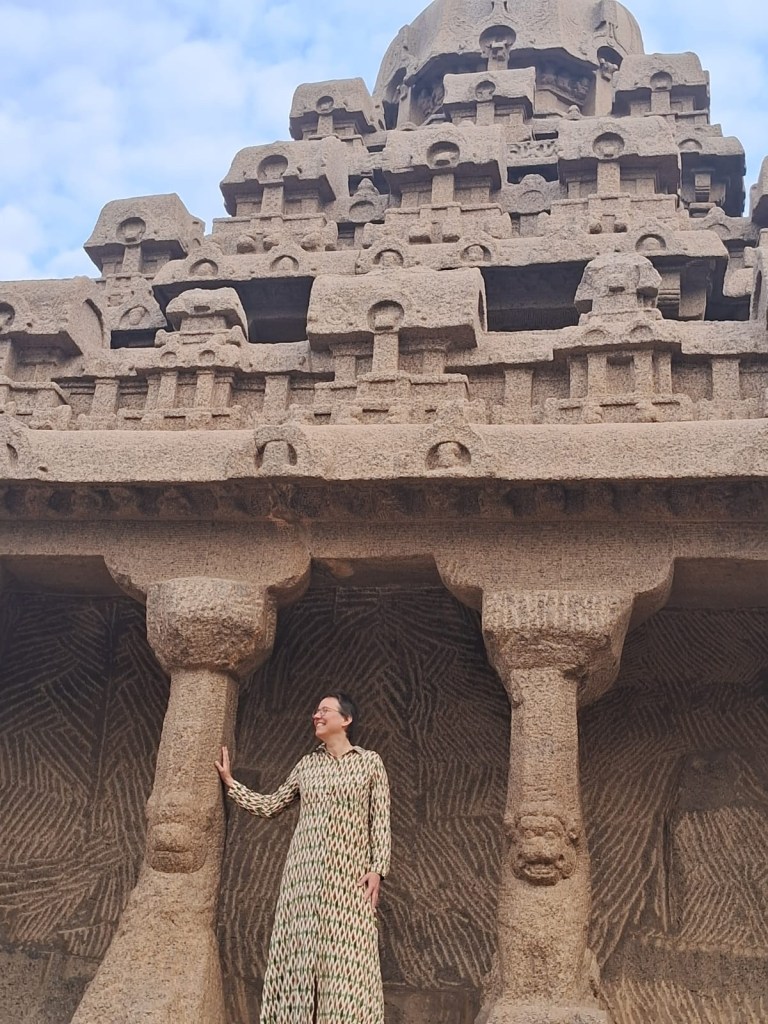
At the very start of my trip, I also got the chance to visit some stone temples near Chennai. Shanmugham showed me around the massive site and, in true Indian fashion, took pictures of me at each important structure. These temples, carved from solid granite boulders protruding from the sand at this coastal location, have stood for 1300 years. The craftsmanship was superb and awe-inspiring.
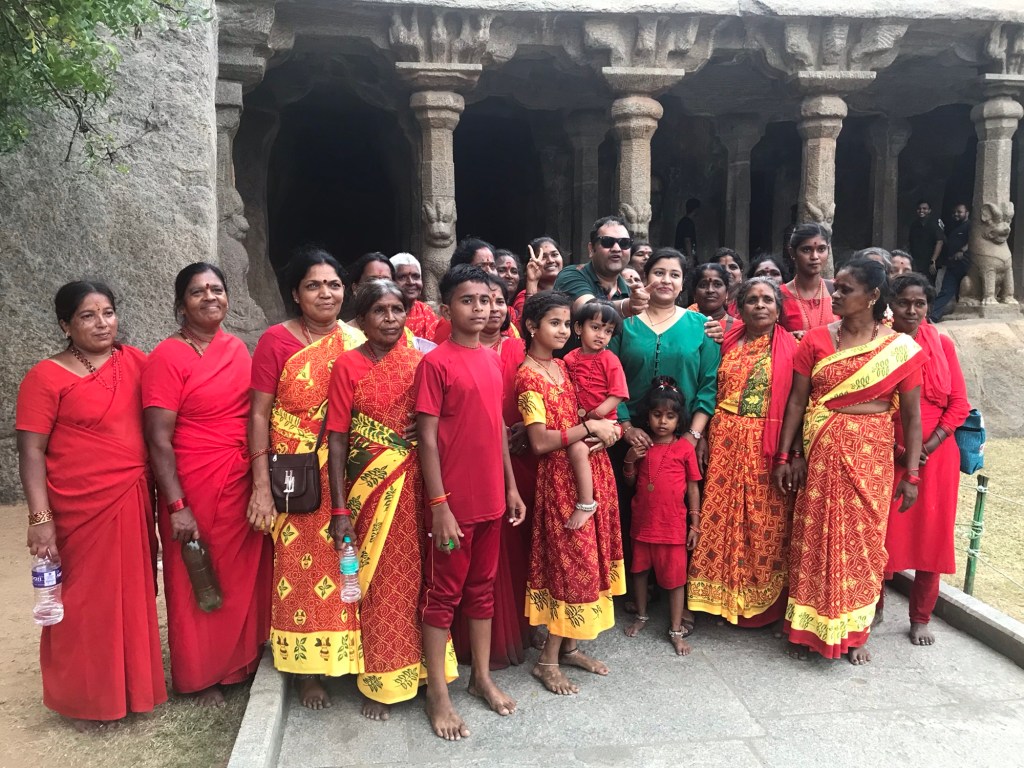
The day we visited the temples (the day I landed in India, January 2) was a holiday. The site was being visited by many busloads of tourists from all over India dressed to the nines. I included pictures of one group of visitors in the gallery below.
“The Group of Monuments at Mahabalipuram is a collection of 7th- and 8th-century CE religious monuments in the coastal resort town of Mahabalipuram, Tamil Nadu, India and is a UNESCO World Heritage Site. It is on the Coromandel Coast of the Bay of Bengal, about 60 kilometres south of Chennai.”
The Indian people definitely made me feel welcome and safe and thankful for this opportunity to meet and learn from them. Everywhere I went, people stopped and asked to take a picture with me. Little children looked at me in amazement. Shanmugham noted that many visitors to the temple had come from afar, from rural parts of India, and only some of the children had seen anyone like me before.
Incidentally, the food was incredible! During my two-week visit, I enjoyed the taste of every single thing I ate. At VIT, I had the privilege of residing at the international guesthouse. The drivers and guesthouse staff were absolutely incredible and made my stay a joy. At first, they offered me more Western foods, but when they saw that I enjoyed the Indian dishes more, that changed! The entire staff went the extra mile to ensure my safety and comfort.
In this post, I described just five of my days in India. I hope to post another blog this week about my experiences at REES 2024 in Hubli, India, and visiting NITTTR outside Chennai.
From ancient stone temples to teaching labs and structural failure — I got insider perspectives of civil engineering in India from the staff of VIT and I look forward to my next visit to India.
Monuments at Mahabalipuram, a UNESCO World Heritage Site near Chennai, India.
I’d like to highlight some creative endeavors of two people I have had the pleasure to teach and/or mentor over the years. They take time to post about their hobbies and/or professional work on WhatsApp or social media, and I benefit from what they share.
I have felt such inspiration due to recent posts by Shane Ormond (who lives in Ireland) and Nikkolas Smith (who lives in the USA).
Shane was previously a student in DIT’s School of Electrical and Electronic Engineering, and he’s been part of our RoboSlam activities for nearly a decade now (see RoboSlam.com and its blog section). DIT has transformed since then into TU Dublin — and RoboSlam has evolved into the Dublin STEM Ensemble. Shane has been a big part of both. He can frequently be seen supporting STEM Ensemble activities, like our annual exhibit at Dublin Maker, or our periodic planning and knowledge-sharing sessions held in the new Granegoreman Central Quad.
Here’s a video Shane shared on our STEM Ensemble WhatsApp thread last week about one of the projects he’s been doing in his spare time:
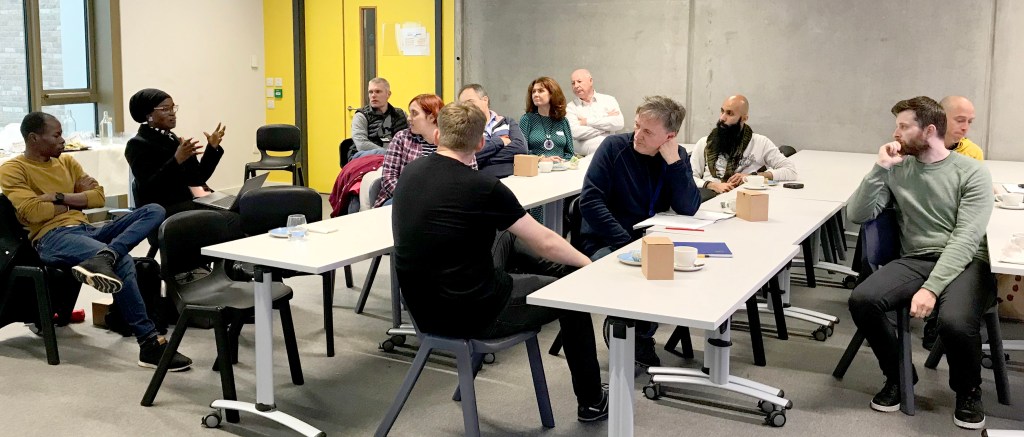
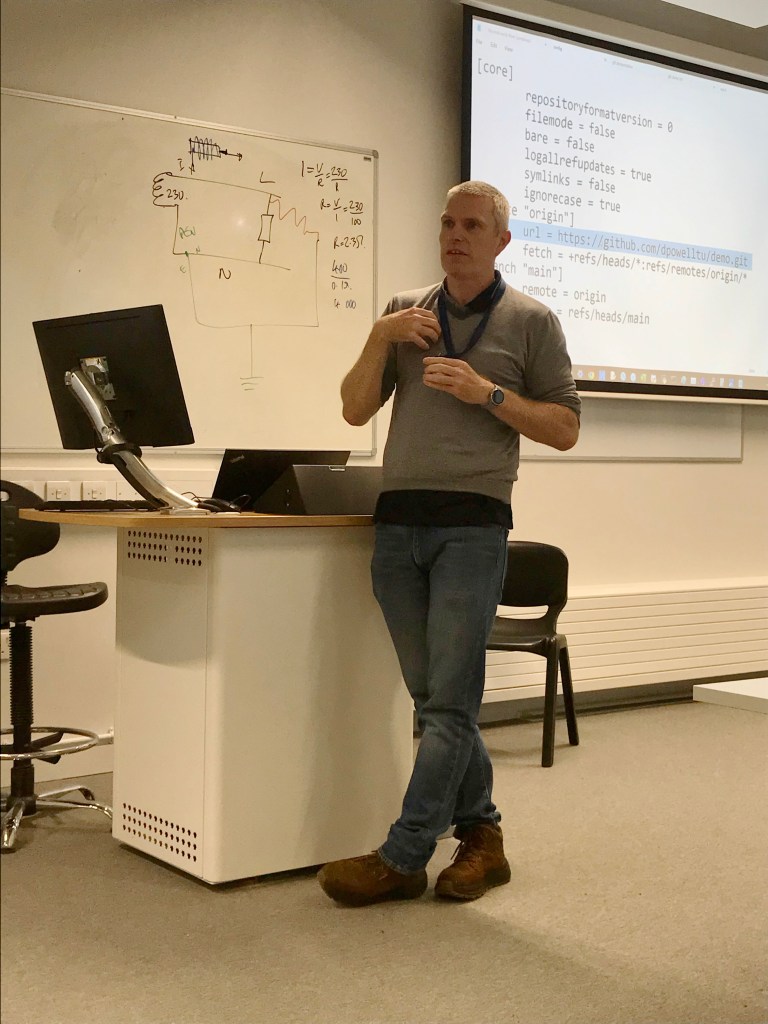
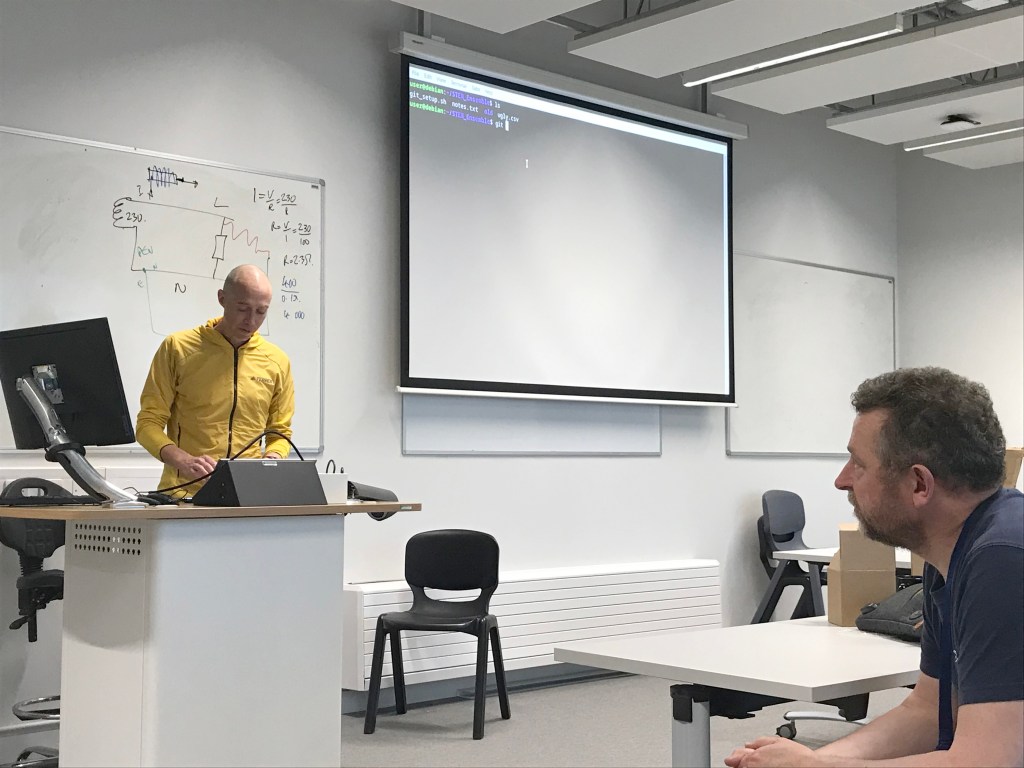
At the end of the video, Shane mentioned GitHub, where he posts his work for others to draw from. STEM Ensemble recently held a seminar on GitHub that Shane and I both attended. (The difference is, he understood a lot more of the presentation than I did!)
Images from our recent STEM Ensemble meeting that was followed by two presentations on using GitHub and a jaunt to the pub.
I see the video (above) with the blue model car as an evolution of Shane’s earlier work with robotic model cars with cameras on them, which I captured in this March 5, 2020 video. I shot it days before campus ground to a close with Covid lockdown:
Shane does all this as a hobby; at a couple of Dublin Maker faires he developed the technology to power talking heads. This year’s talking head automatically answered spoken questions using ChatGPT.
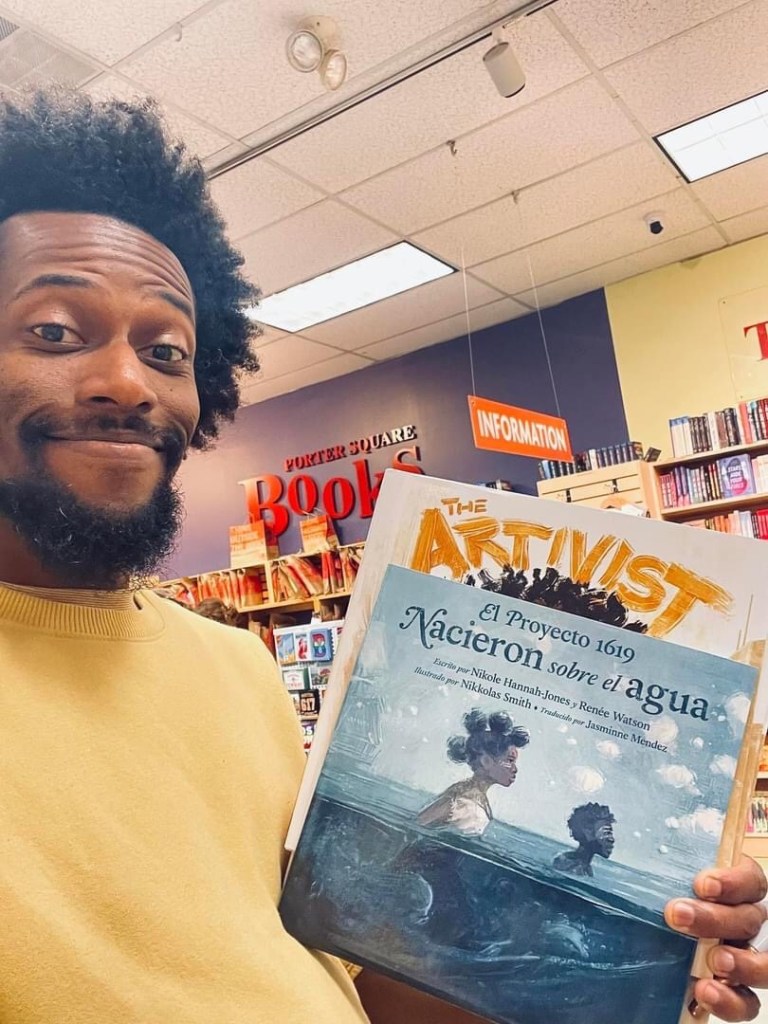
Like Shane, Nikk Smith is internally motivated to create. Nikk was an architecture student of mine at Hampton University, many moons ago. He often posts his “Sunday sketches” on social media. Here are a couple examples:
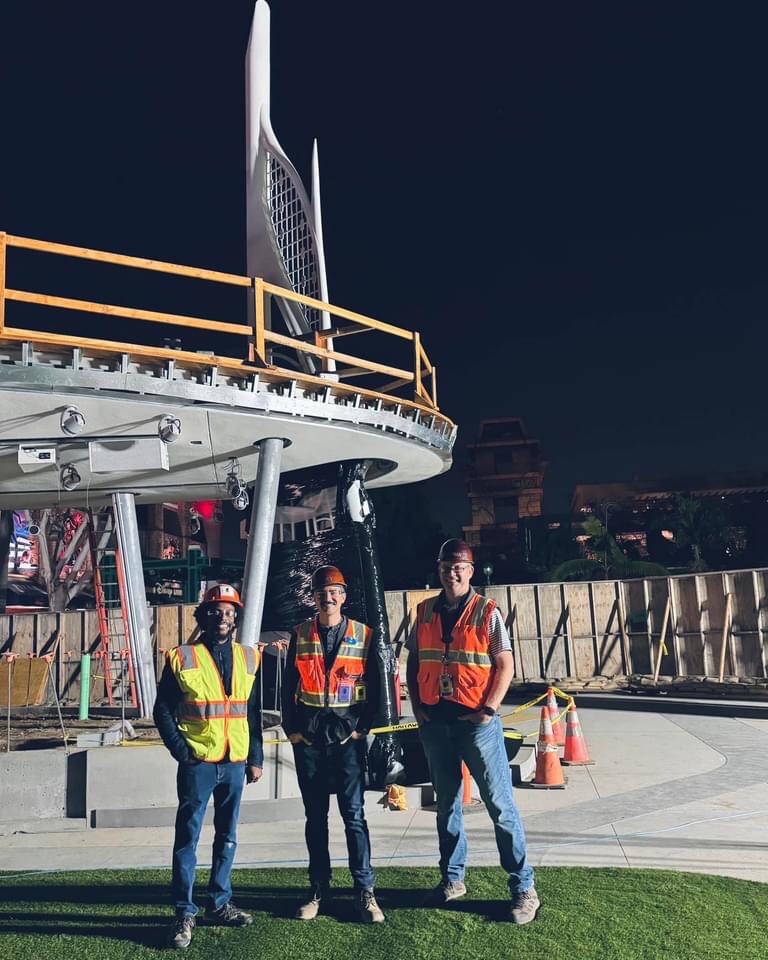
A couple of Nikk SMith’s “Sunday sketches”. One of gymnast Simone Biles, and another of children from Palestine, Sudan, and Congo. His work has socio-political relevance, and he highlights Black causes and heroes.Nikk also illustrates and sometimes also writes books for children. “Born on the Water” has been extremely successful, and has just been published in Spanish. The original is in English. He uses art to support his activism, and coined the term “activist” encouraging others to combine art and activism!Nikk used to work as a full-time Disney Imagineer, but now he works for himself (I think) and does consulting for Disney. A tower he designed for Disney to honor Black architects has just been opened at a Disney park. Nikk also designs movie posters — and I included his most recent poster here.
I am proud beyond compare of the work my former students and mentees are doing in the world — the creativity and passion they bring to the world and the lives they design for themselves.
Shane and Nikk are two outstanding examples, and I hope to feature more of my own personal heroes on this blog in the months to come. Being an academic educator and researcher connects me with many amazing people.
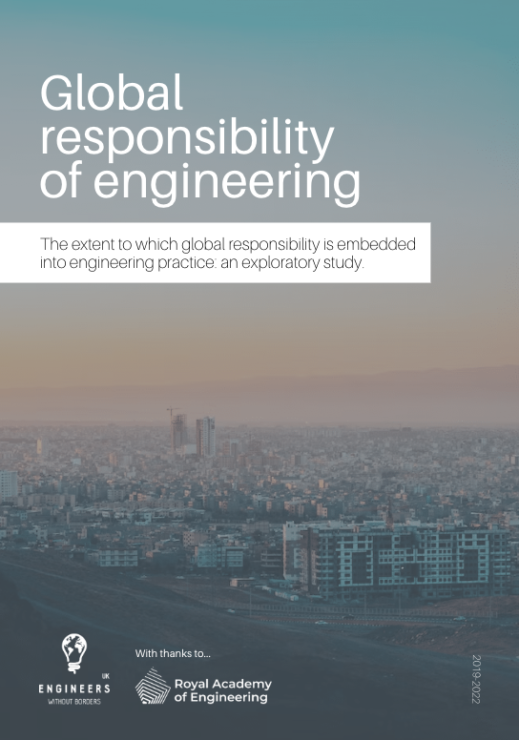
Last week, Engineers Without Borders UK published my team’s research in the form of the GLOBAL RESPONSIBILITY OF ENGINEERING REPORT. The EWB-UK webpage about the report explains “Drawing on the experience of engineers working in the built environment sector, our latest report explores the extent to which global responsibility is embedded in engineering practice.”
The report is rich visually, and also in content:
The qualitative research reported in this publication was conducted by me, with support from my University College London colleagues, Dr. Inês Direito and Professor John Mitchell, and with advice from the EWB staff and its project Advisory Board.
Through a study of existing literature and interviews with engineers working in the built environment sector, in this report, we highlight the existing understanding and role of global responsibility as a concept within the sector. We explore the following: What is understood by global responsibility in engineering, and what are some of the preceding concepts that have led to this point? How well is the urgency for adopting a globally responsible approach in engineering grasped? To what extent do engineers feel it is their responsibility to take action and what is accelerating or dampening that?
Engineers Without Borders UK (2022)
EWB staff members helped transform my team’s research into the report format commonly used in the UK. They also provided the report’s case studies, photographs, and illustrations. EWB staff who were instrumental in shaping the delivery were: Dr. Jonathan Truslove, Katie Cresswell-Maynard, and Emma Crichton.
Advisory Board members providing conceptual direction included: Jon Prichard, Dr. Rob Lawlor, Thomas Gunter, Professor Nick Tyler, Dr. Rhys Morgan, and the Royal Academy of Engineering’s Education and Skills Committee.
The correct citation for this publication, based on APA guidelines includes the authors’ names:
I’d like to give special thanks to my colleagues at UCL (Inês, John and Nick) as well as the University of Leed’s Dr. Rob Lawlor for their encouragement and support throughout this project. I also send thanks to the EWB team for getting the publication across the finish line.
As a result of many people’s hard work, the report delivers our research findings to a new audience. You can find other outputs of the research project in two academic journal articles published by the UCL team, and you can download them directly, using the links below:
I’m finally coming out of laptop-induced hibernation. I’m ready to move between in-person and online realms, and hoping this will ensue rather seamlessly. It’s been hard to muster enthusiasm for blogging after working behind the laptop all day, every day. Maybe spending time outside will provide inspiration to blog, as it has today.
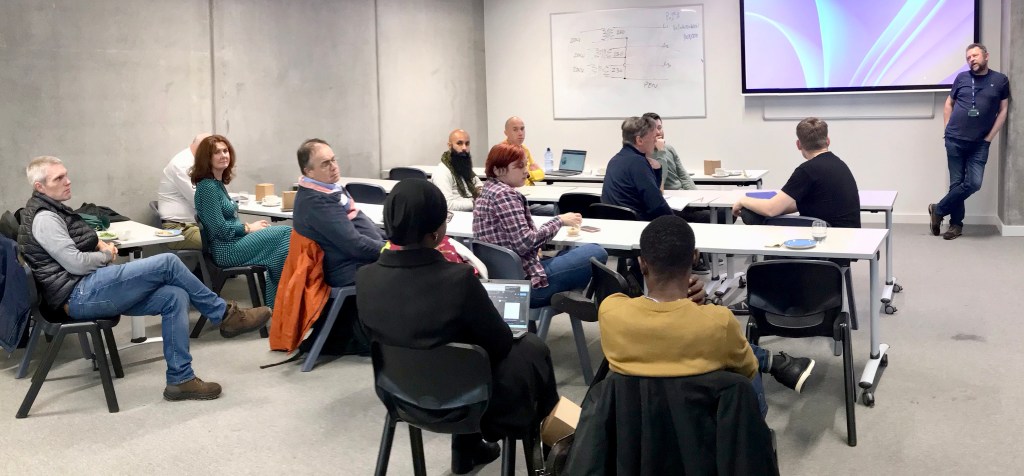
This morning, I delivered a seminar (7-8 AM) to the Center for Research on Engineering Education (CREE) at the University of Cape Town. The topic was writing research proposals for publication and securing grants and fellowships. I delivered a similar session earlier in the year as part of a workshop series conducted by the Research in Engineering Education Network (REEN), and CREE asked me to bring it to their group.
A really enthusiastic group attended and I received several follow-up emails. I really appreciate hearing what attendees valued and how we might connect more in the future. I met most of these folks in delivering Master Classes in South Africa when I was working at UCL, and also when attending the Research in Engineering Education Symposium in Cape Town in 2019. I’ve really enjoyed getting to know them better through regular meetings, online during Covid. I’m currently developing a special focus journal issue with one of them, Anita Campbell. We had a meeting about that project yesterday that was so exciting I had trouble sleeping last night!?
Cover slide for the talk I gave today, virtually in Cape Town.
Logging off the Cape Town session, I headed over to Bolton Street TU Dublin to help lead a field trip for Transition Year (high school) students to visit sites in Dublin.
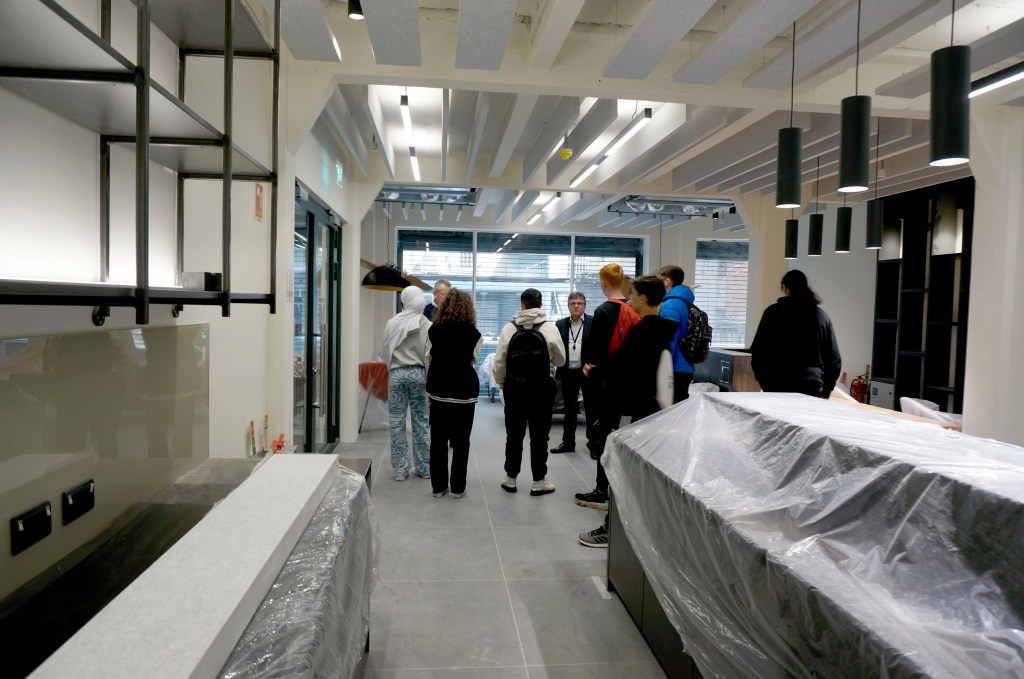
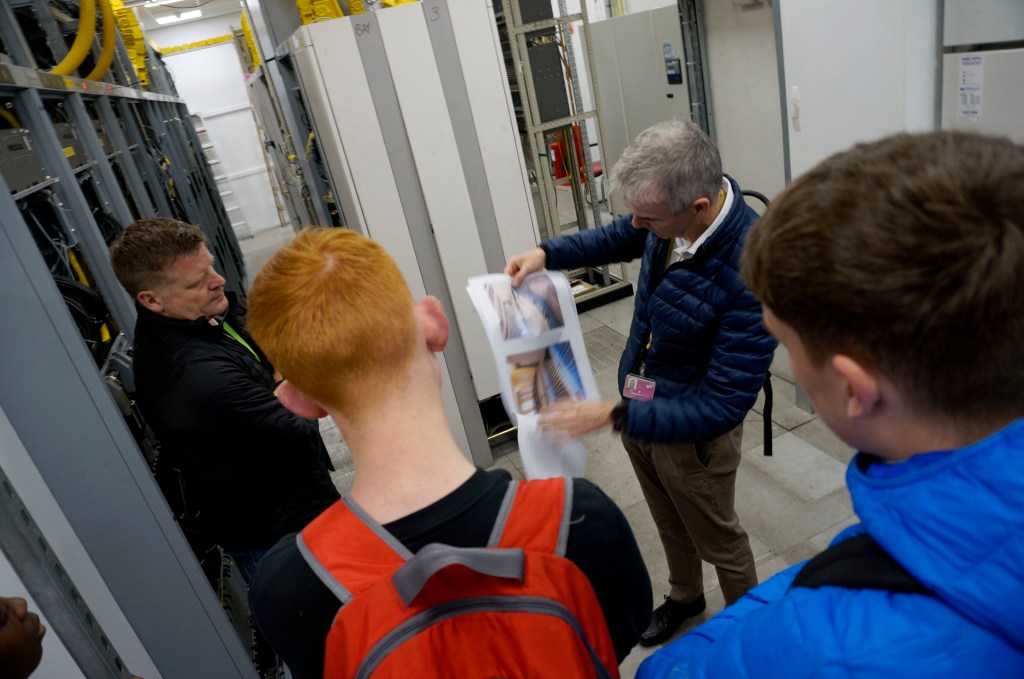
One-half of the students toured the “waste to energy” facility in Dublin (which they don’t call an incinerator, as that word seems politically incorrect here but is easy-to-envision thanks to Toy Story). The other half of the students came with Kevin Gaughan and me to see a construction site downtown. I included two photos of our site visit below, but you can see more about the visit, including a full gallery of images, at https://roboslam.wordpress.com/2022/05/12/engineering-your-future-at-tu-dublin-2022/.
A new office reception space.The Eir telecom center that runs my home broadband!
While I was busy on the tour, some of my colleagues were preparing for tomorrow’s activity for the same students, a BioSlam. You can view the instructions for making little blood flow monitors on our RoboSlam site, at https://roboslam.wordpress.com/bioslam-ppg/.
I’ll have to step out of the BioSlam for a while to attend an online Meeting on engineering ethics — I hope earbuds do the job and I can attend from the corridor outside the electronics lab.
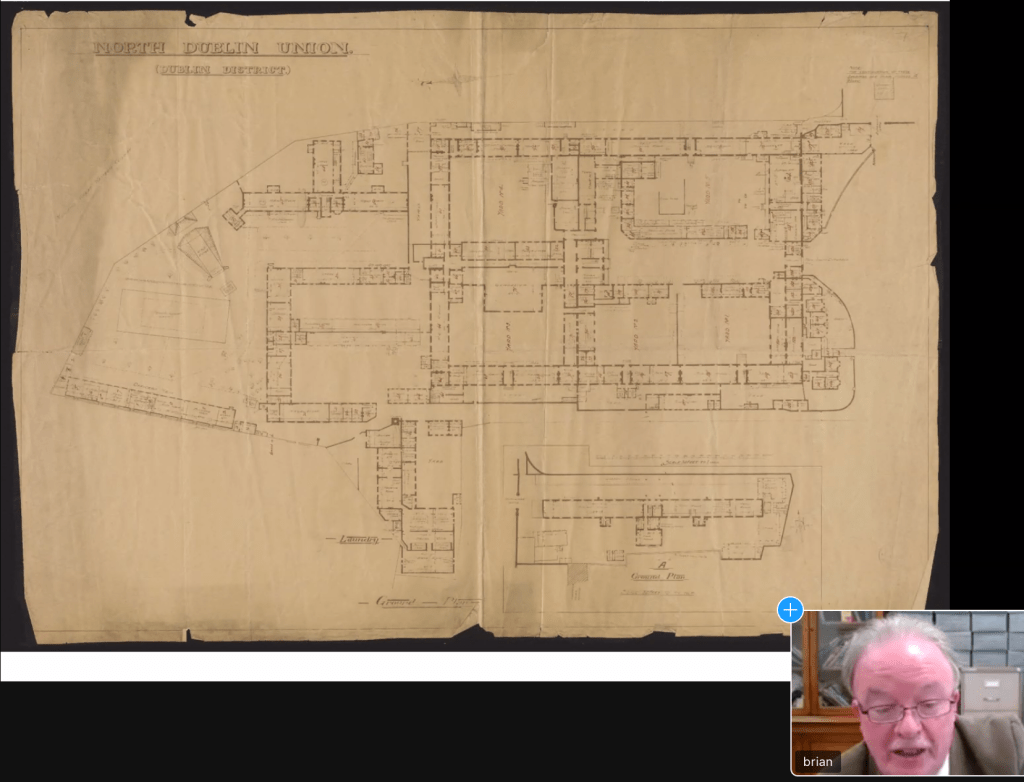
At the moment, I am taking a breather, listening to an online talk by a leading expert in the history of Grangegorman. The speaker, Brian Donnely, Senior Archivist in the National Archives, is currently talking about Richmond Surgical Hospital (a block from my flat) and as well as TU Dublin’s campus site at Grangegorman, which was used as an “insane asylum” with a prison placed between the two in the past.
And, I’m multi-tasking (a rarity for me) and posting a blog (also very rare these days).
Online lecture by Brian Donnely, Senior Archivist in the National Archives.
In just over two hours, I’ll be teaching an online evening class on Research Methods for my BSc students in BIM/Digital Construction. Before then, I’ll read the peer reviews I’ve just received for the European Journal for Engineering Education, so that I can recommend tomorrow to the Editor in Cheif how to move forward toward publication of the manuscript.














































 Ireland by Chance