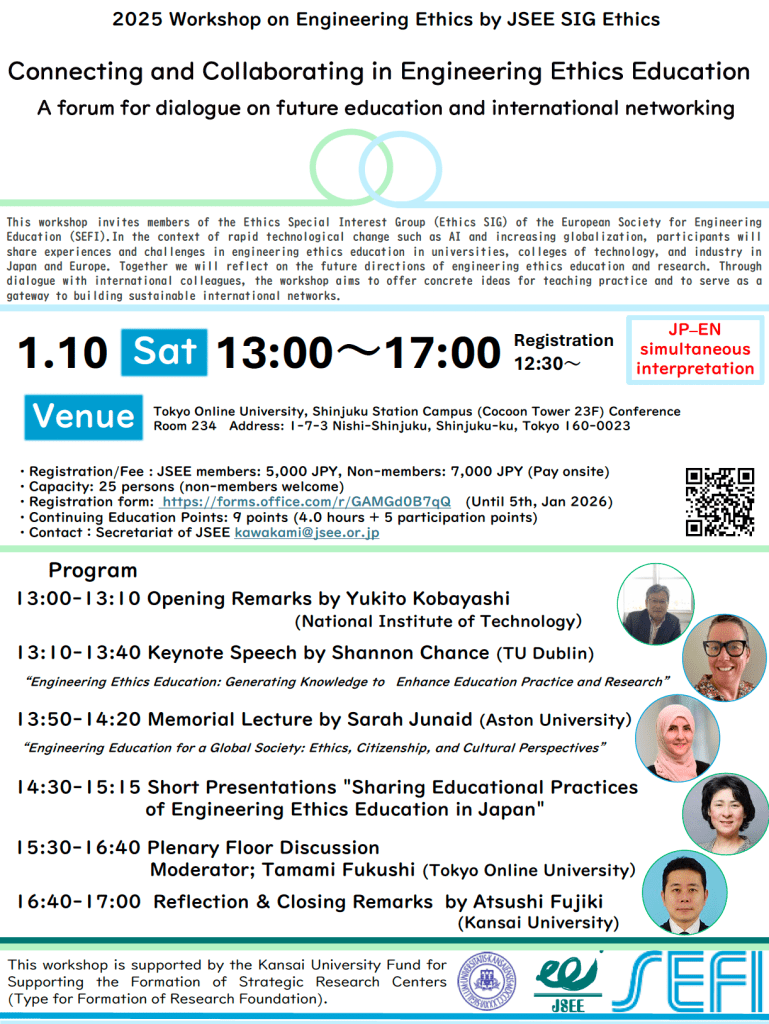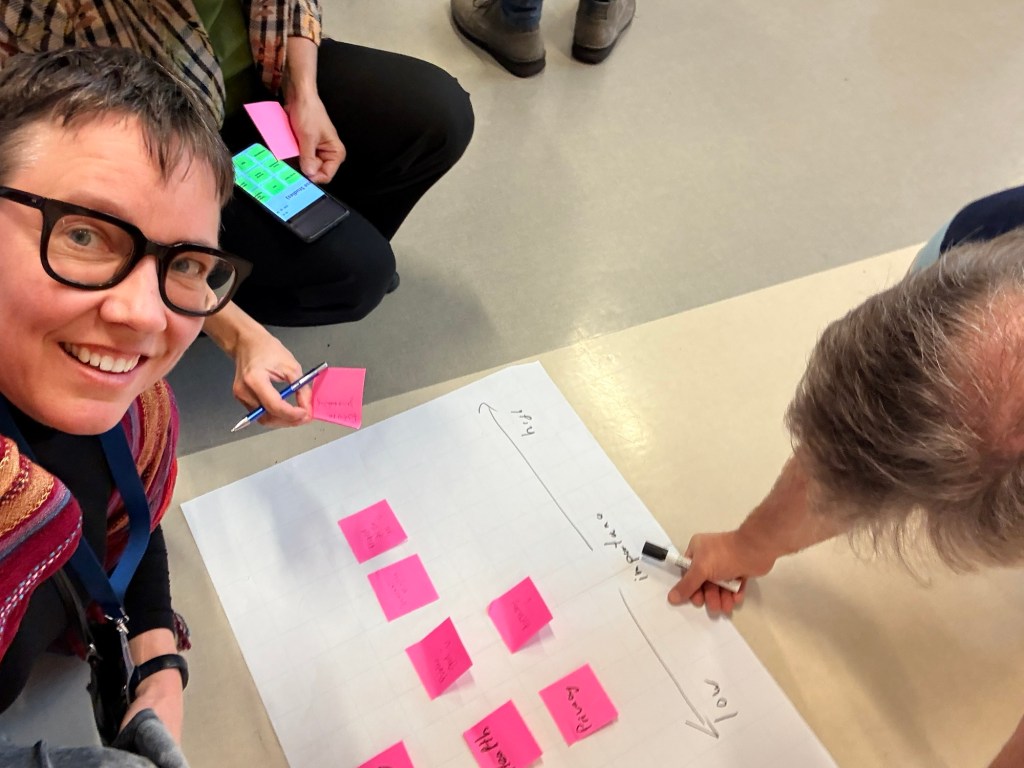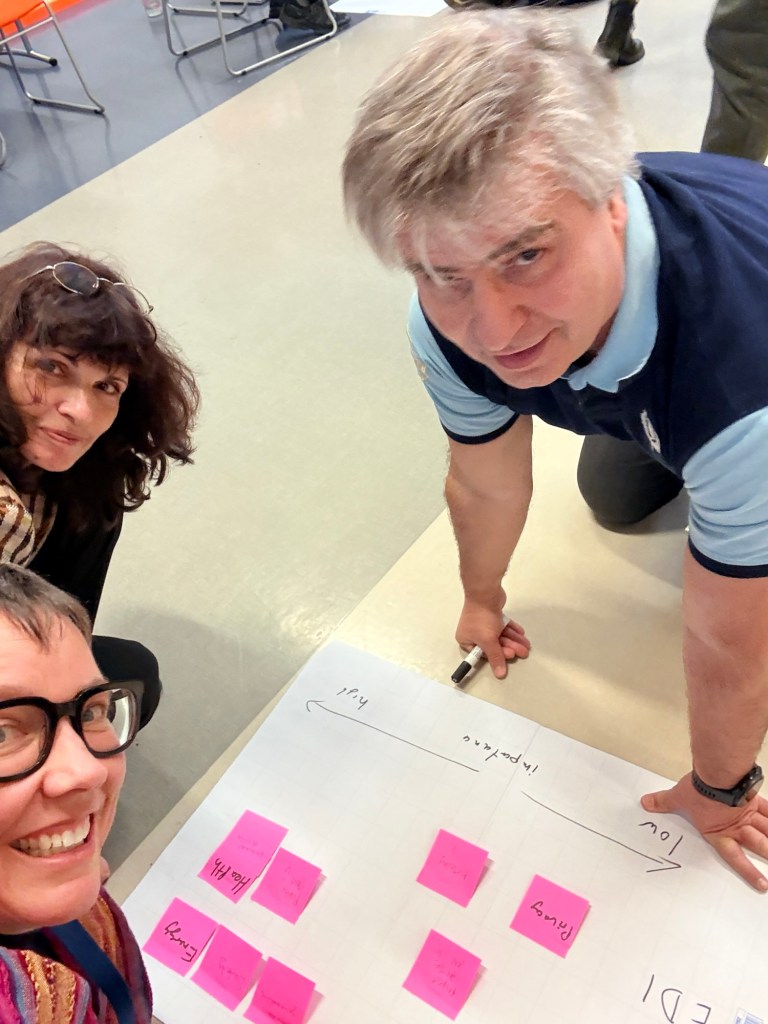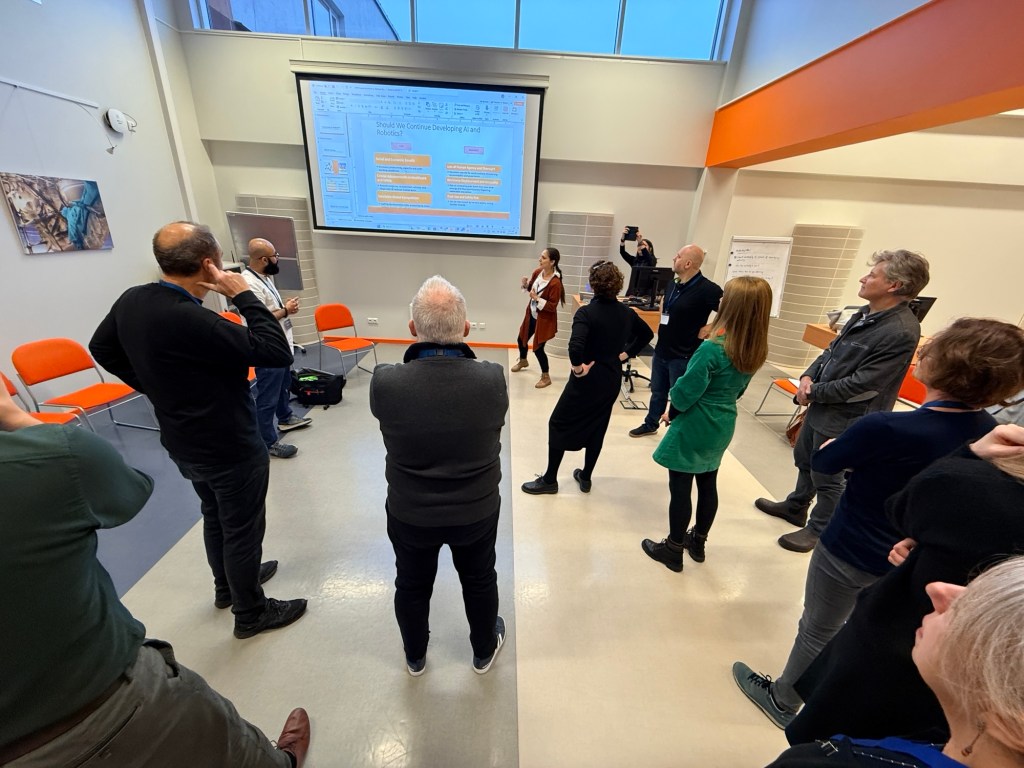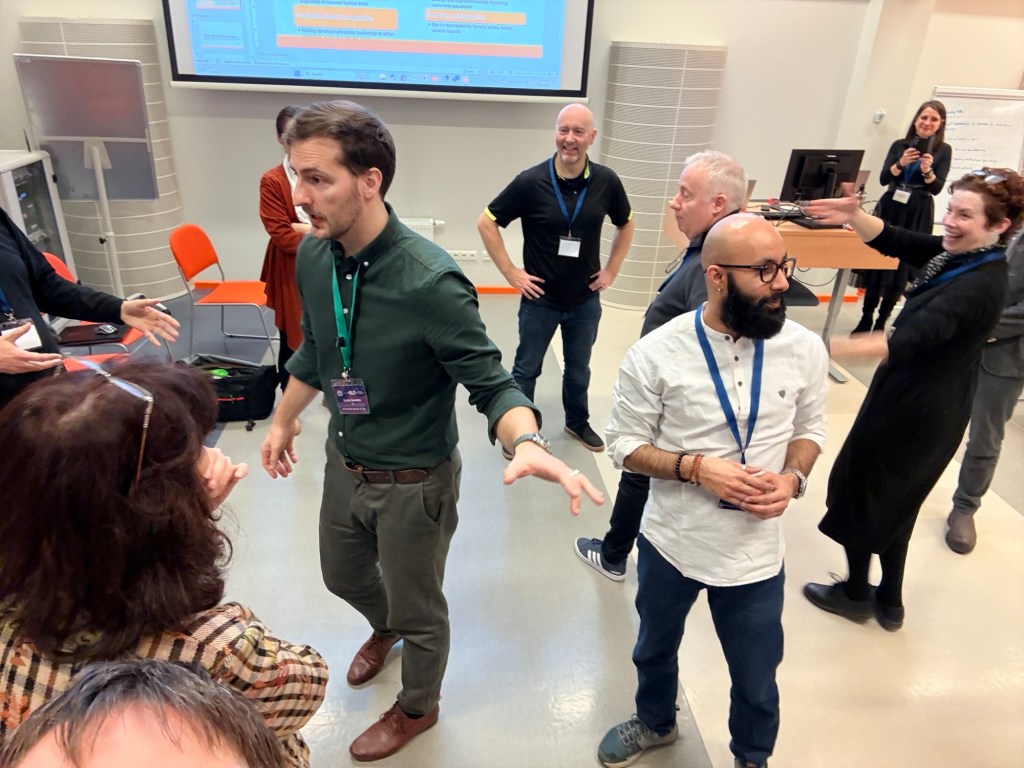
Experiential Learning in Riga

What an amazing week at Riga Technical University (RTU) in the charming capital city of Latvia!

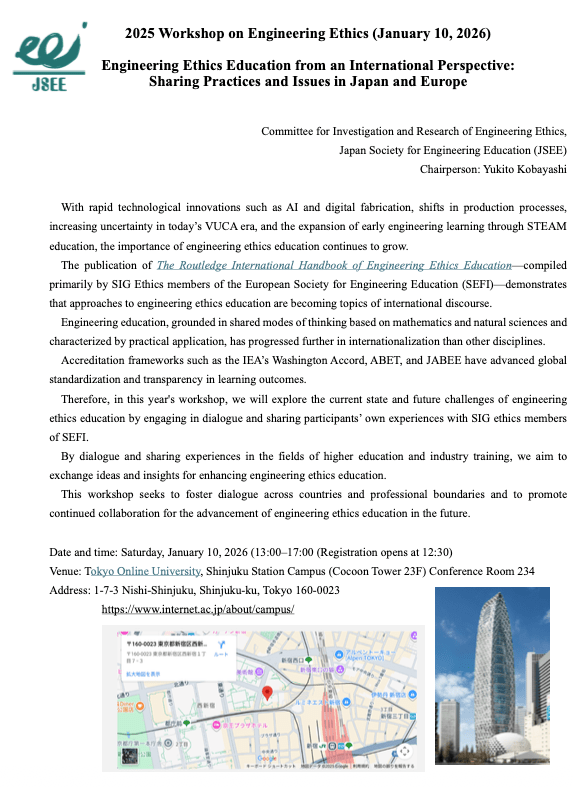
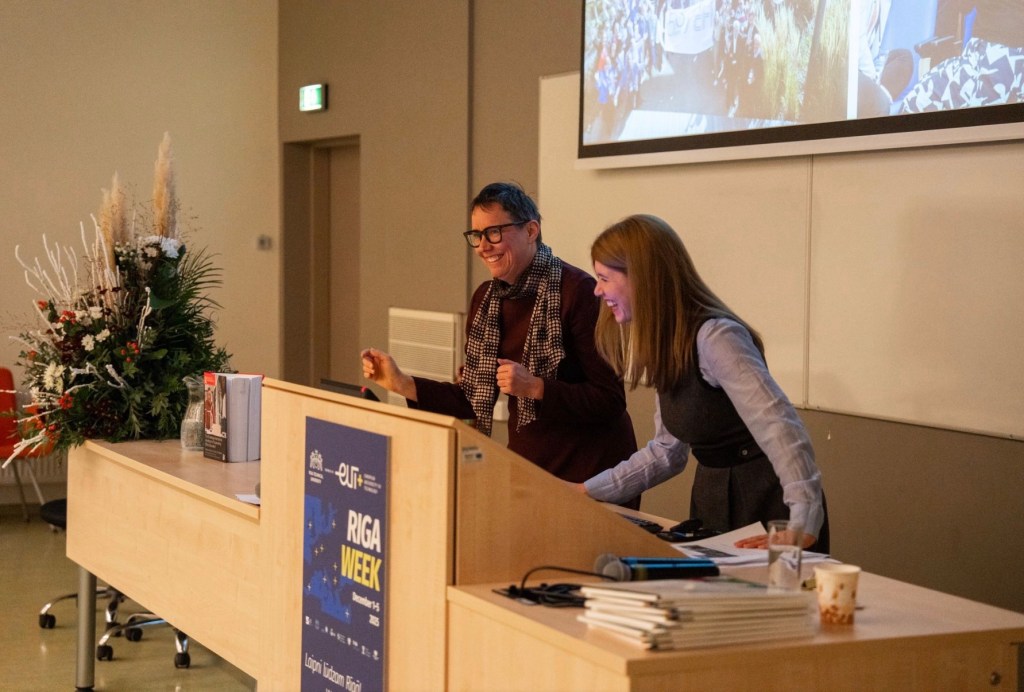
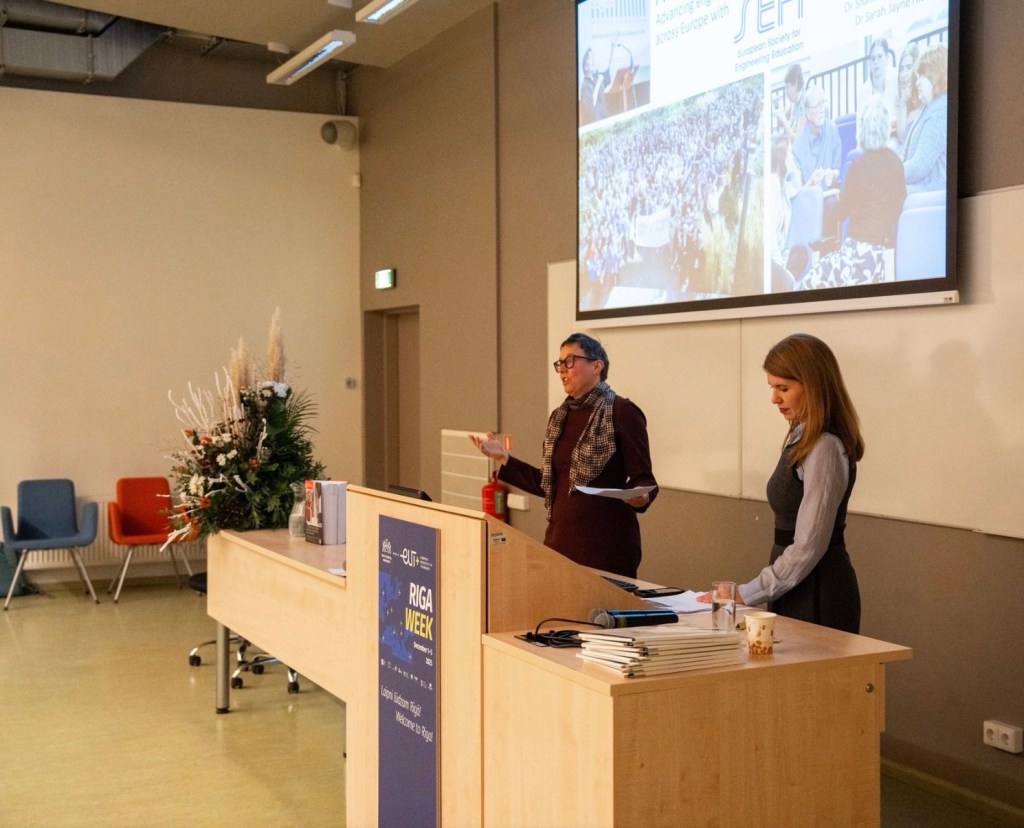
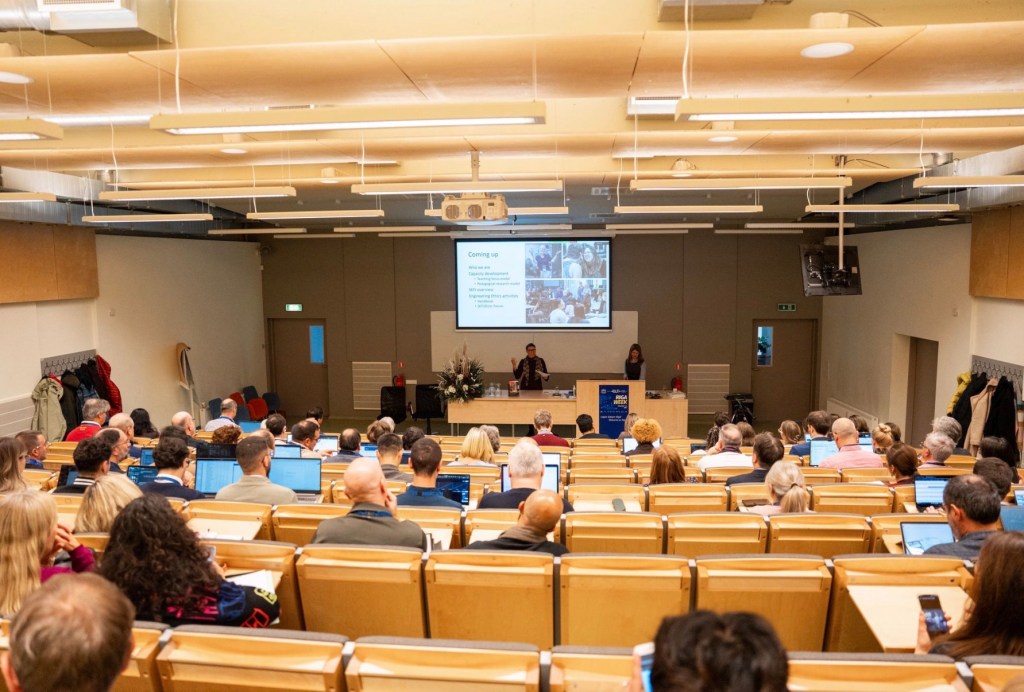
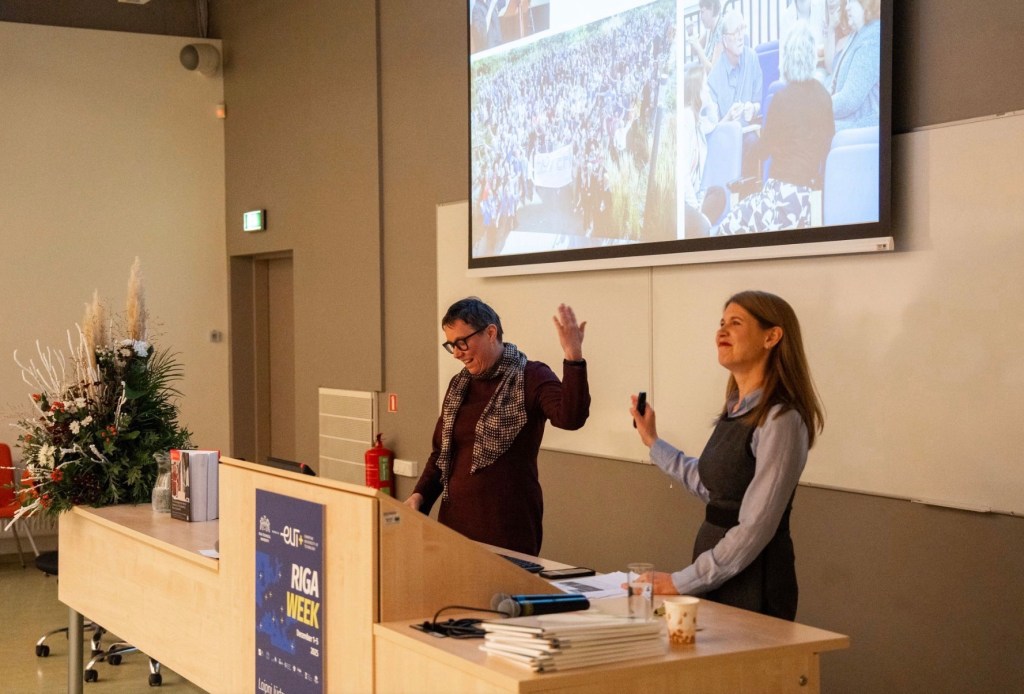
I designed and co-delivered an intensive “Education Forum”, as part of the European University of Technology (EUt+) “Riga Week,” held December 1-5, 2025.

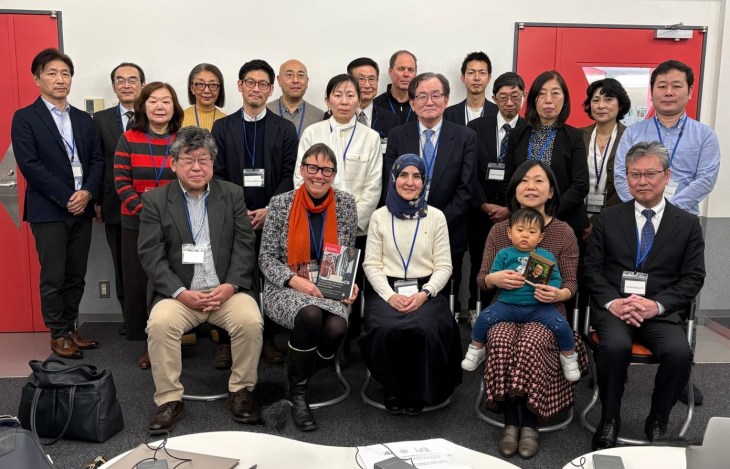
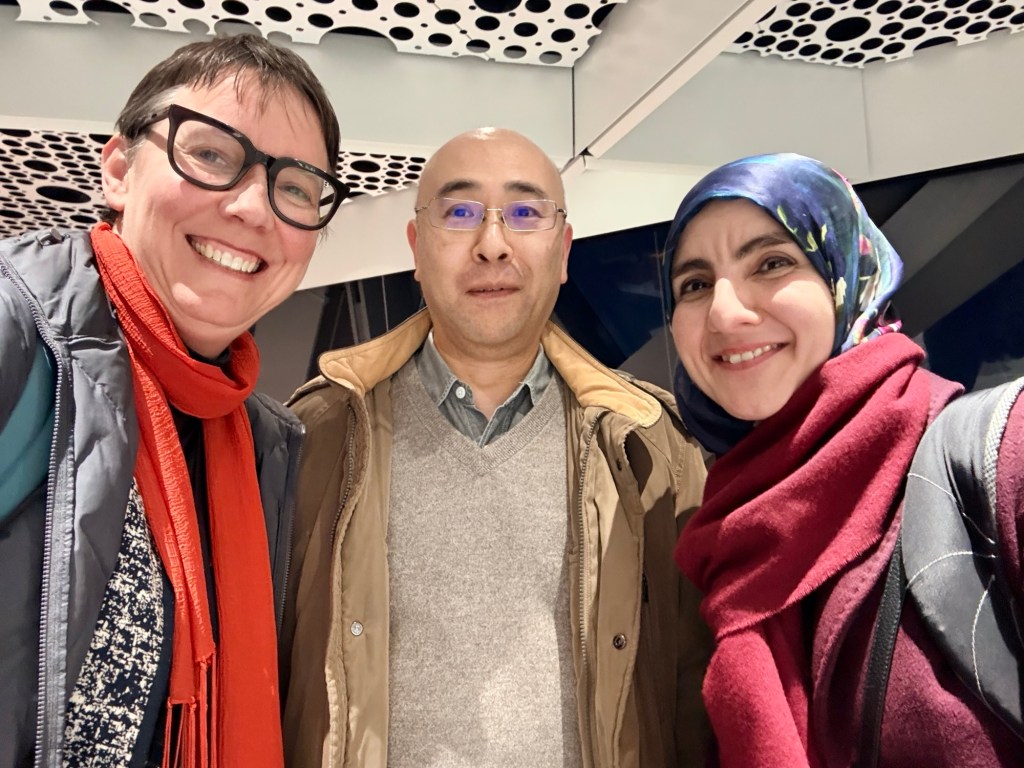
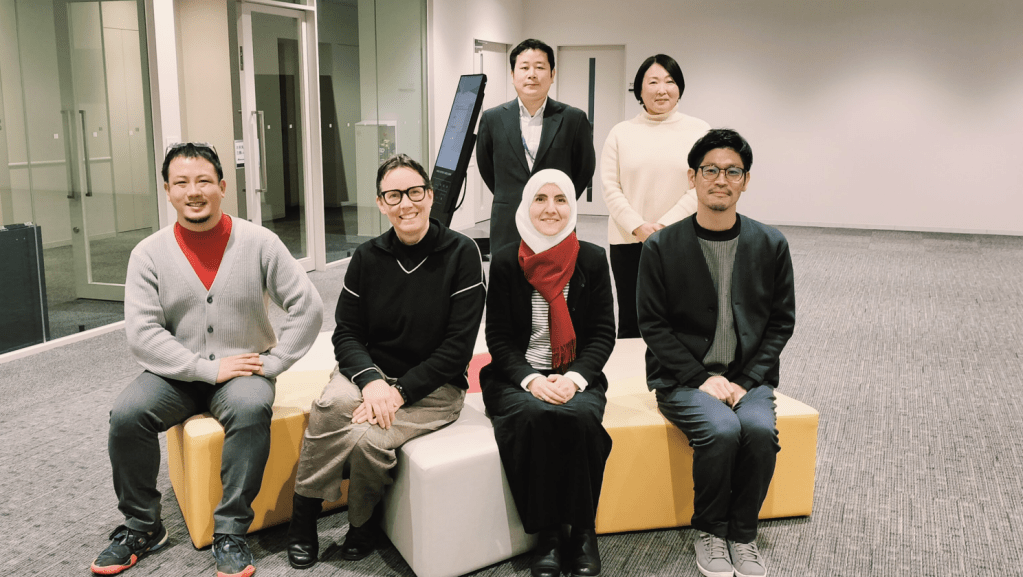
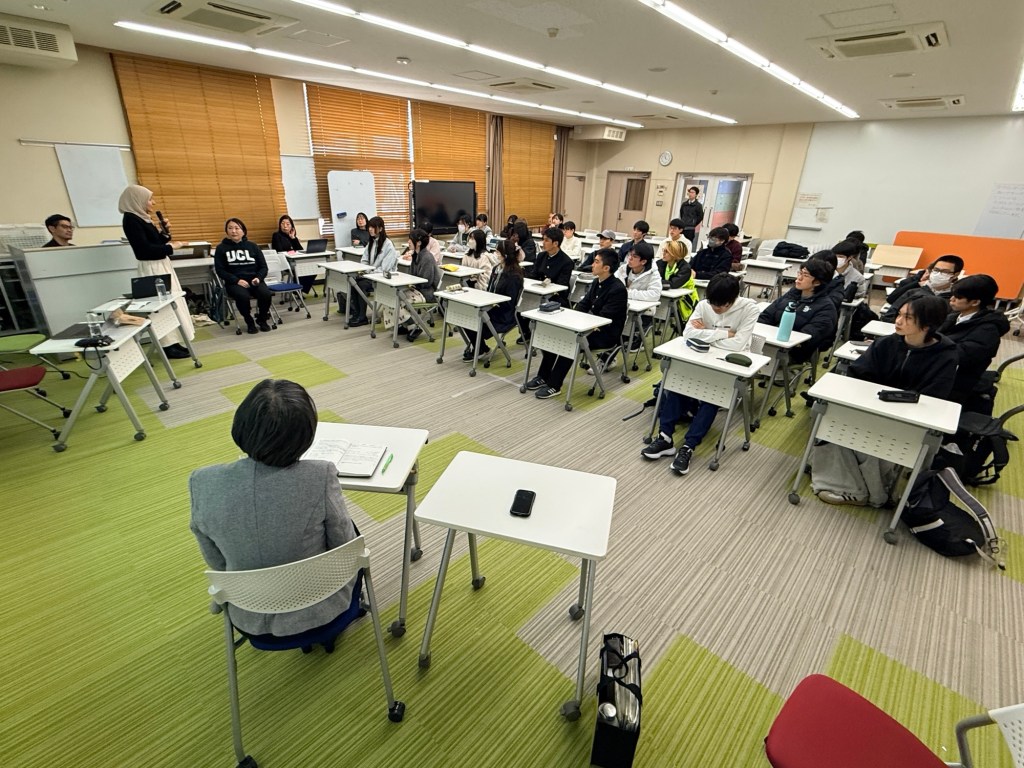
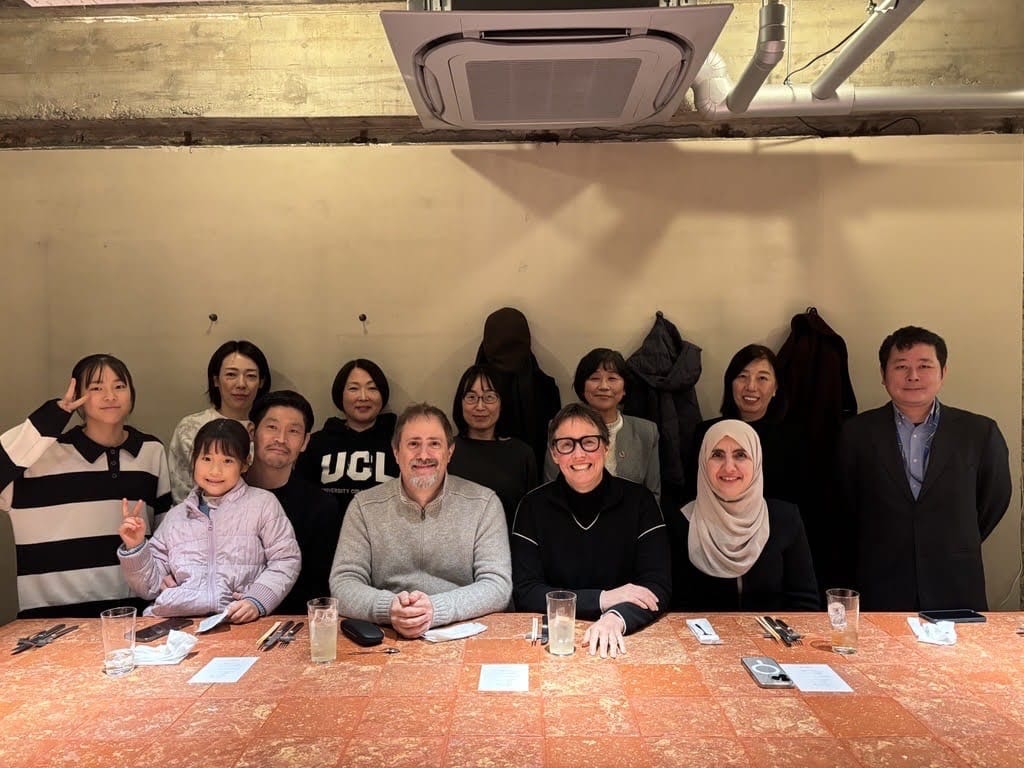
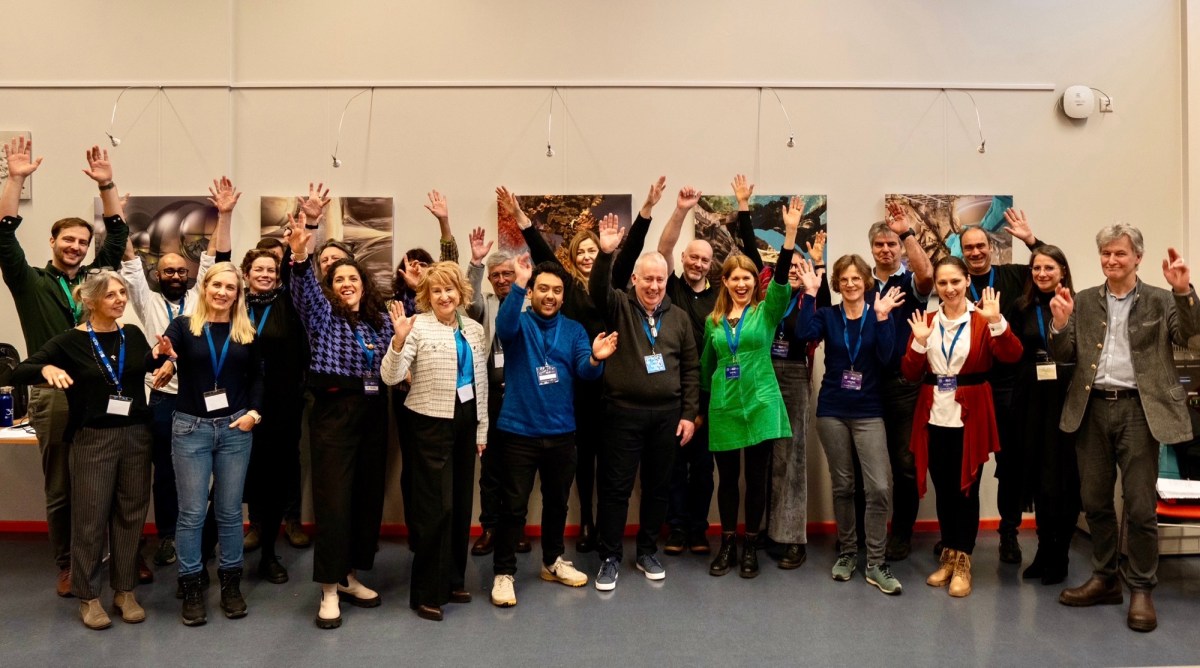
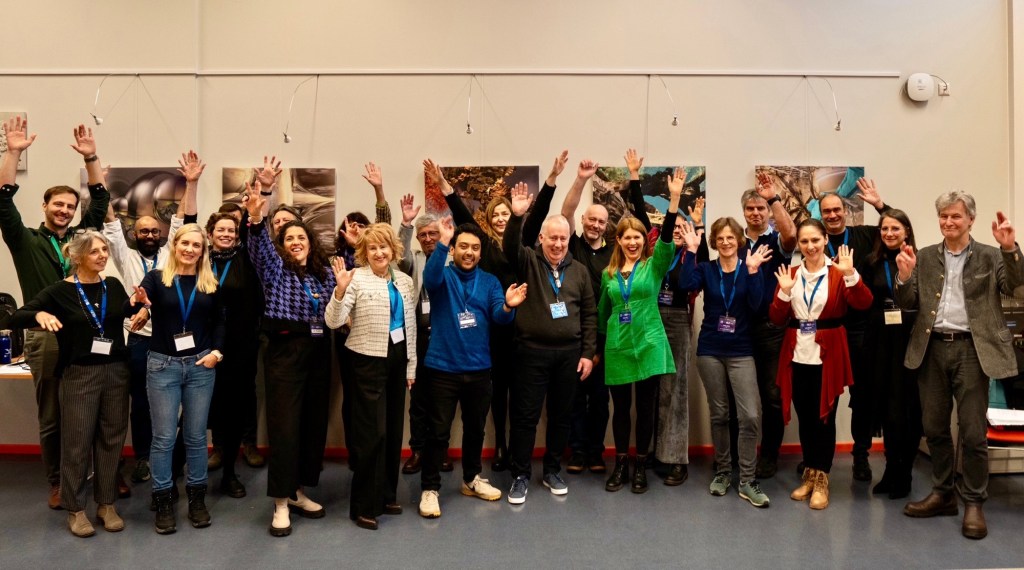
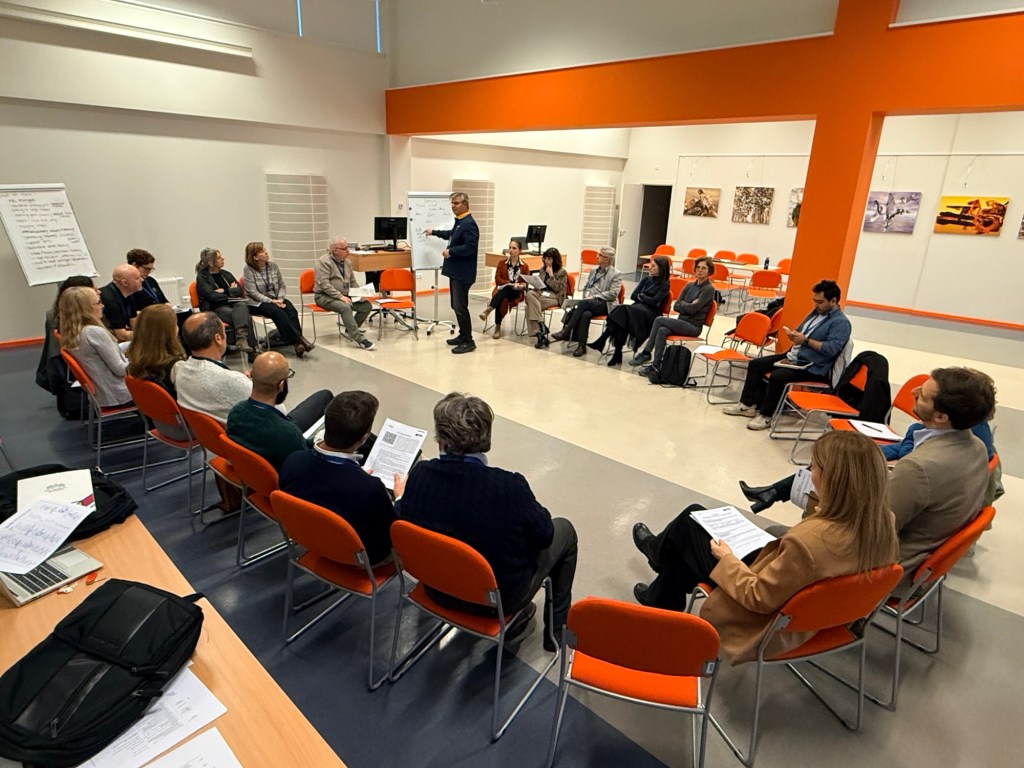
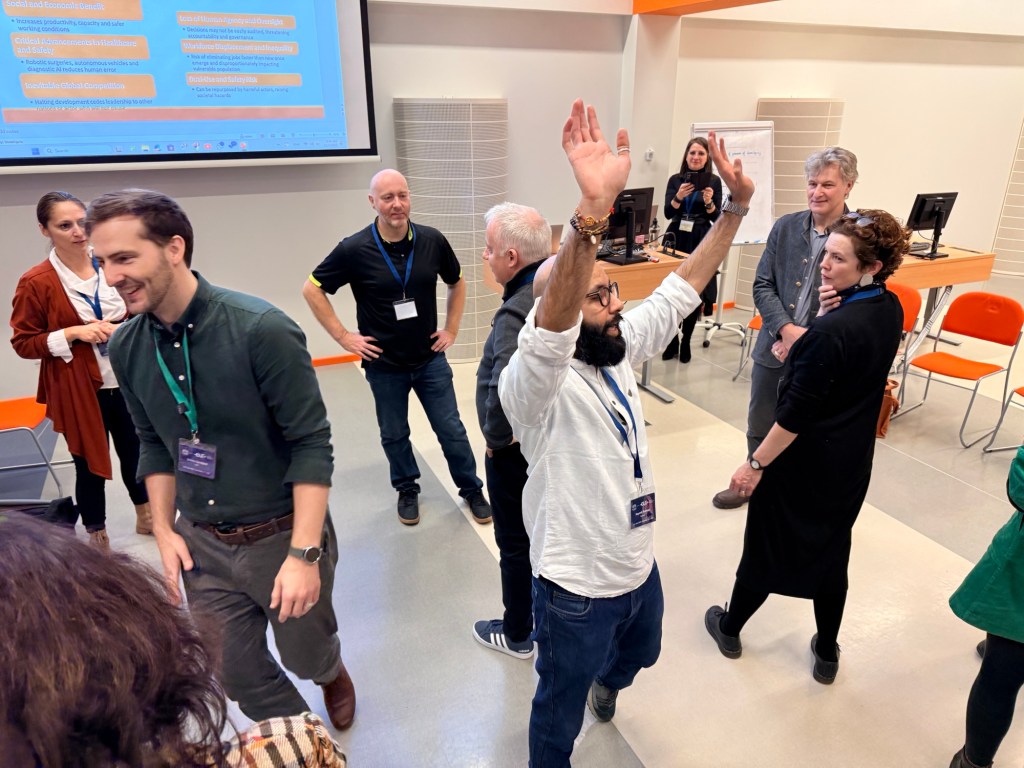
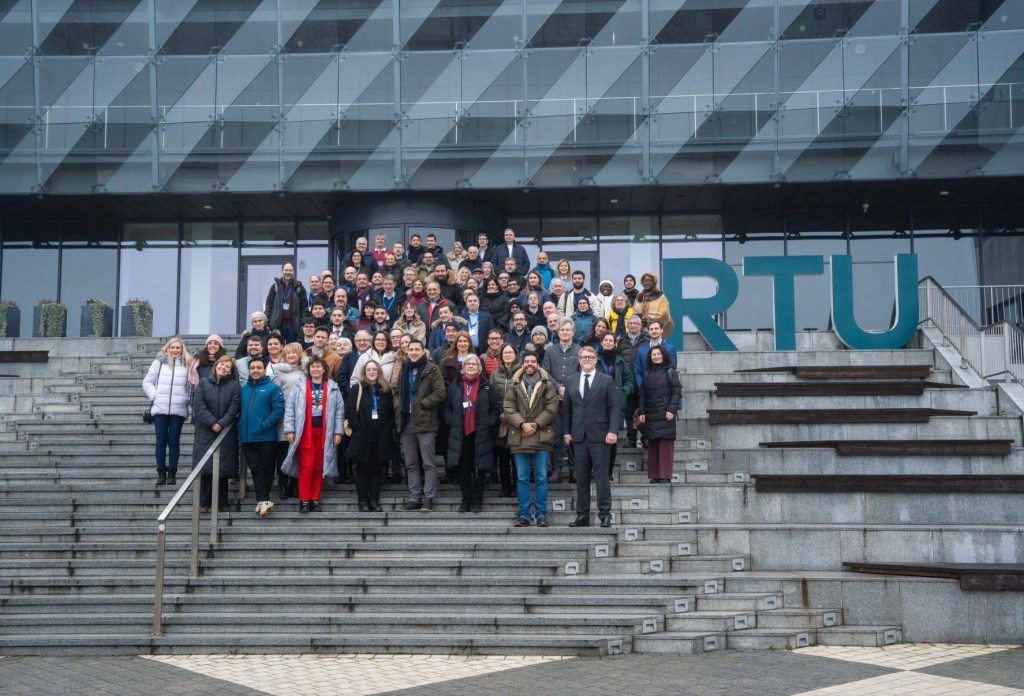
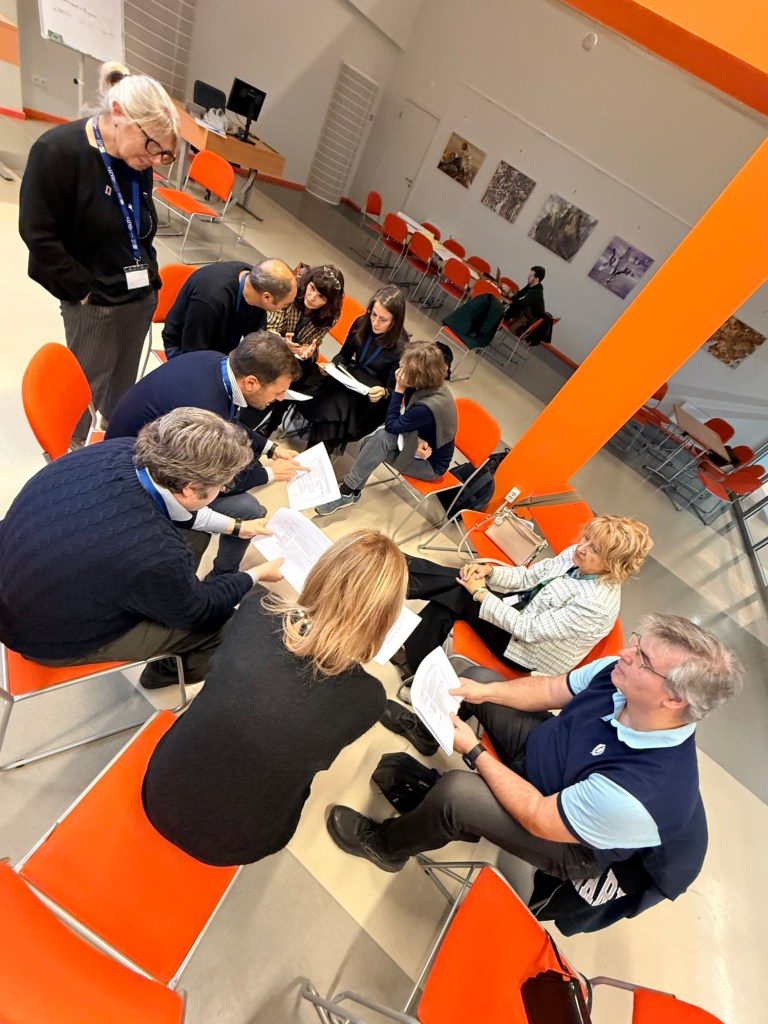
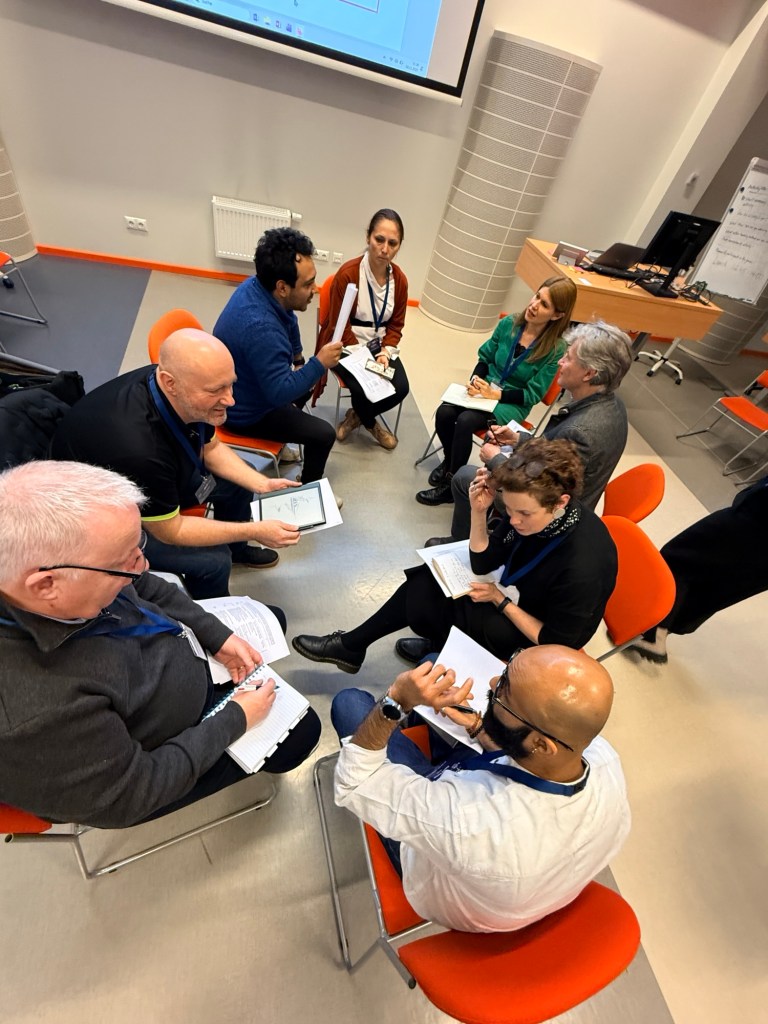
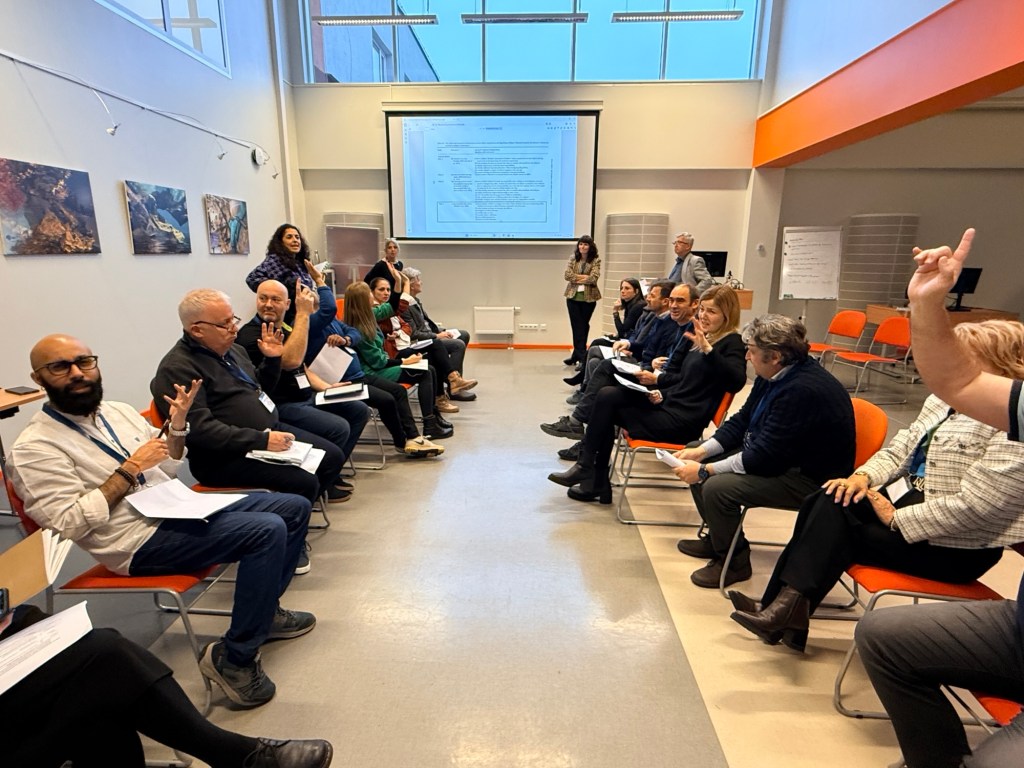
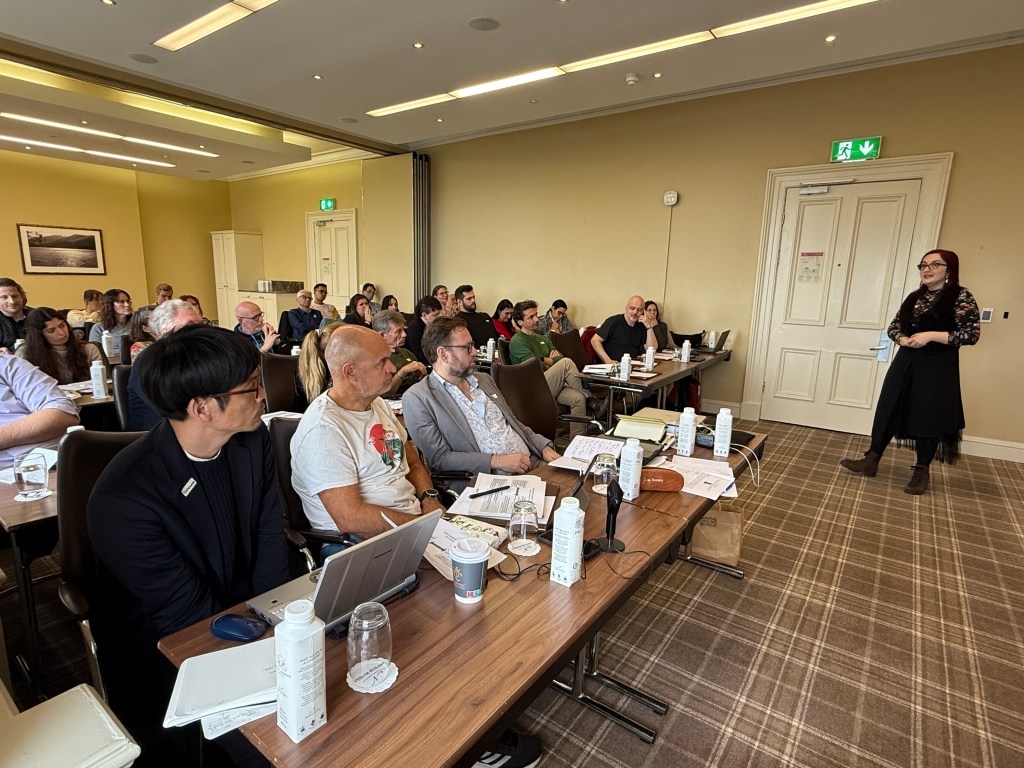
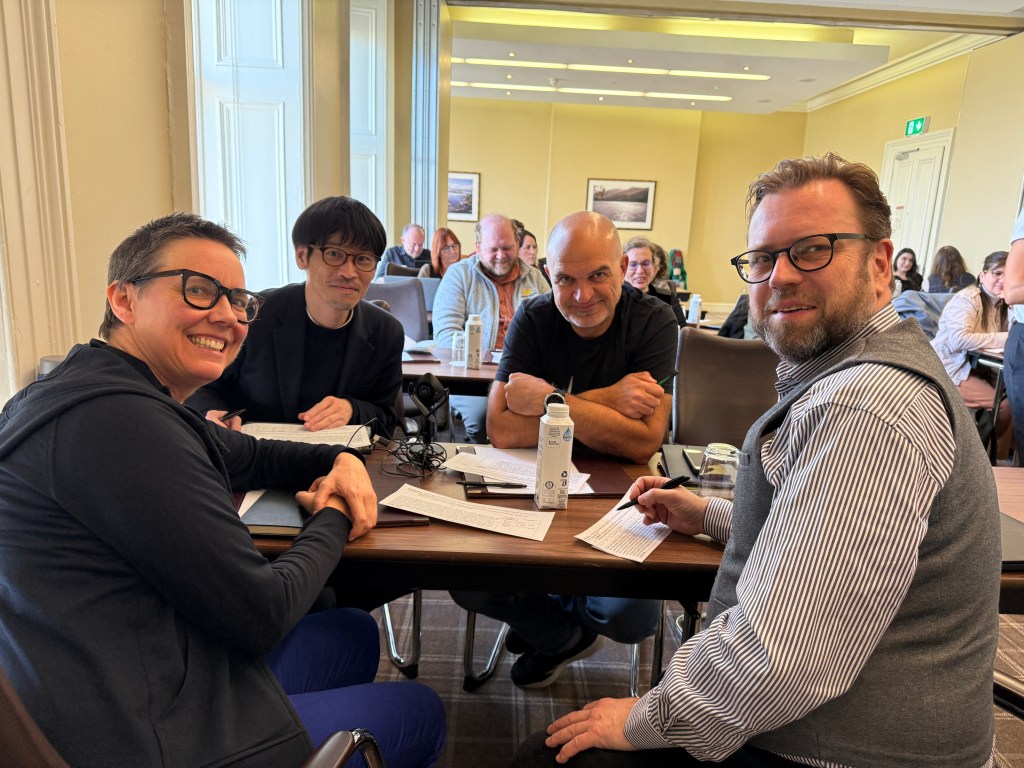
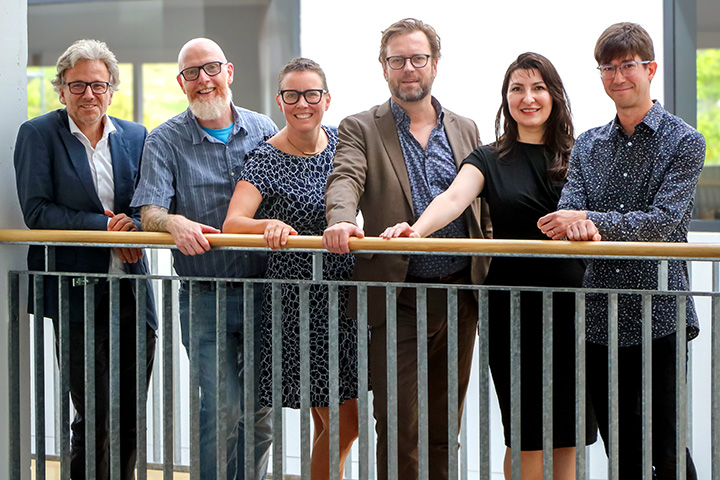
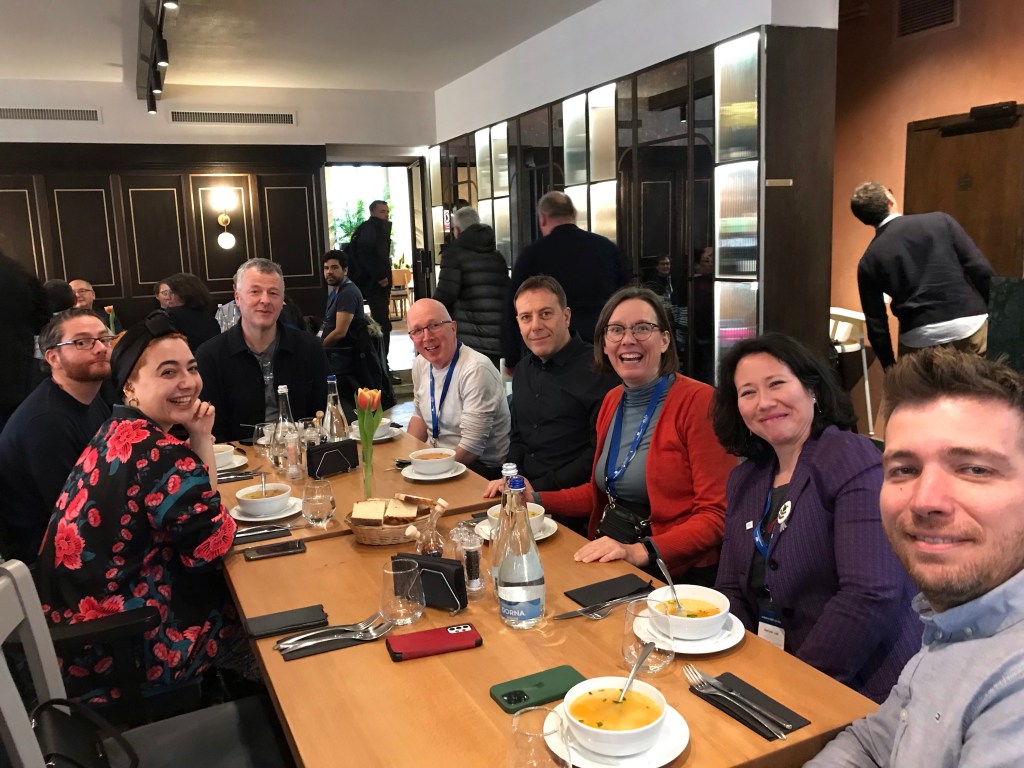
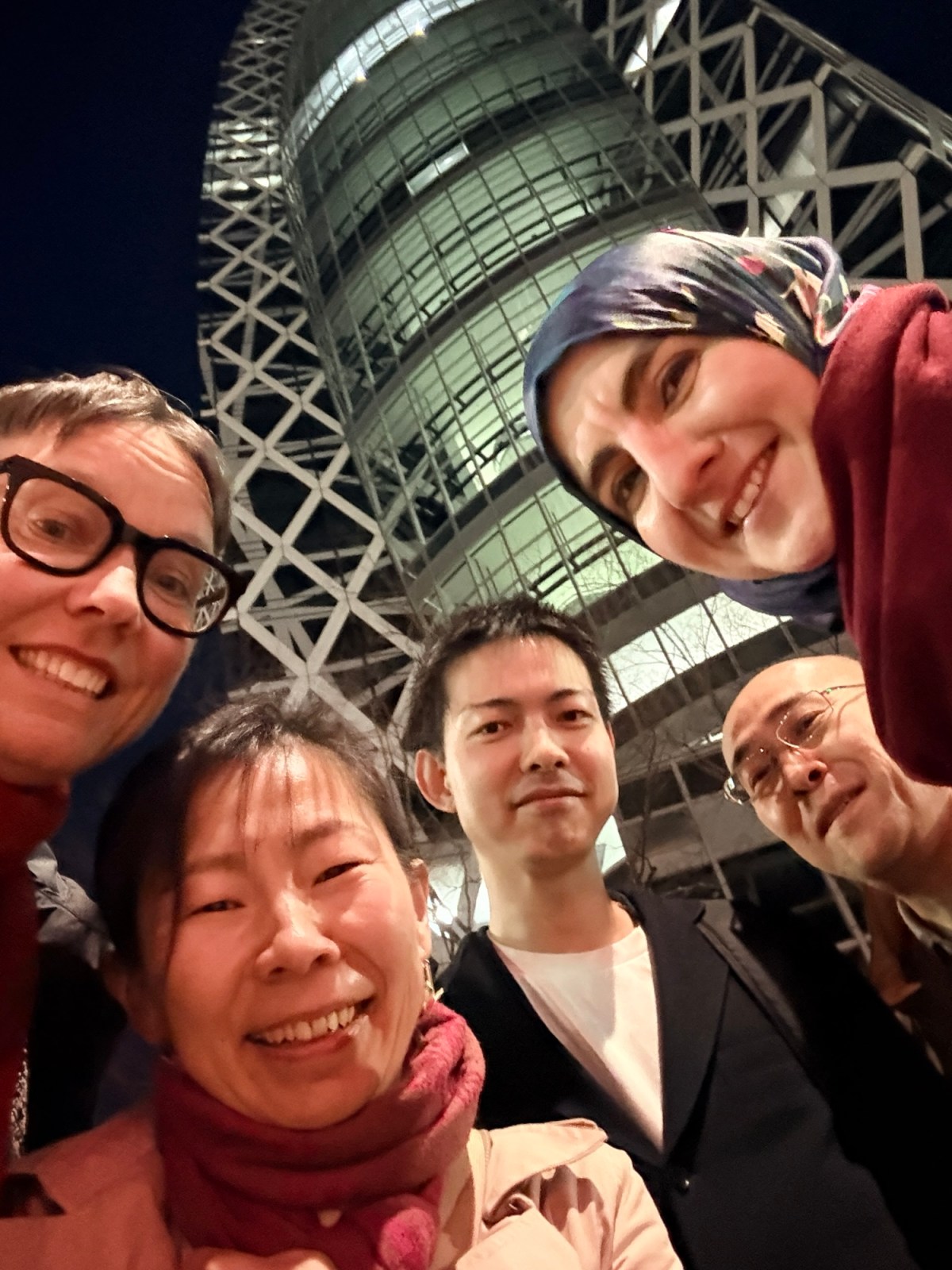
Here’s our Forum group on the final day!

This teacher training Forum brought experts from the European Society for Engineering Education (SEFI) and TU Dublin to help educators from EUt+ member universities experience and apply new pedagogical approaches.
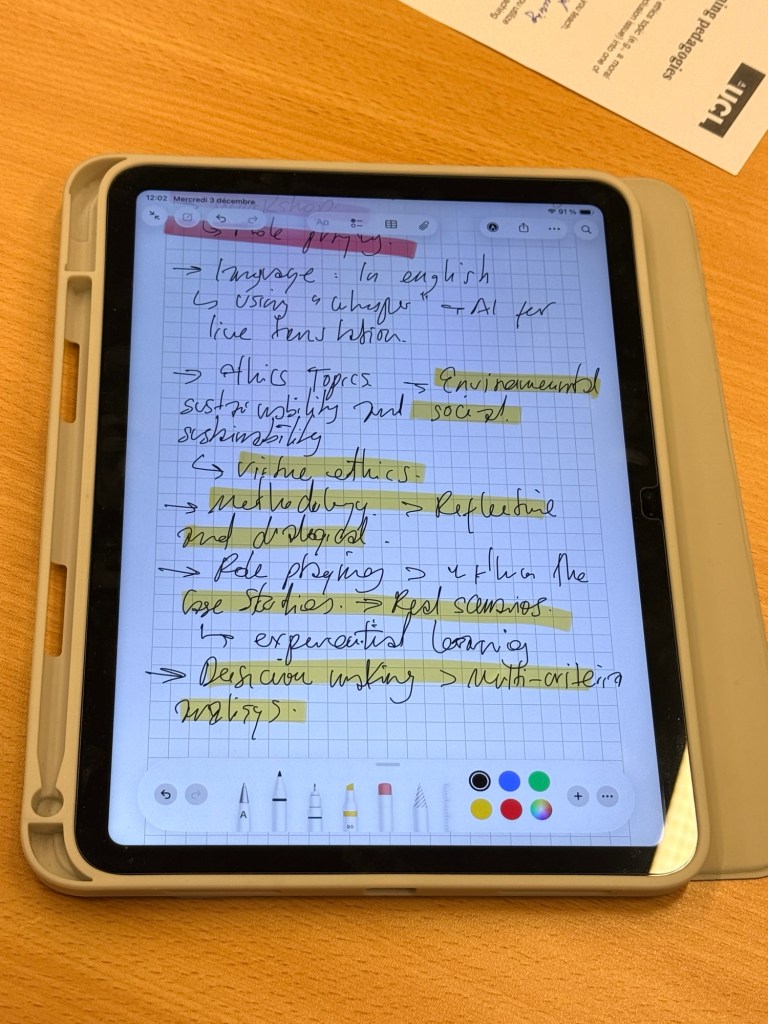
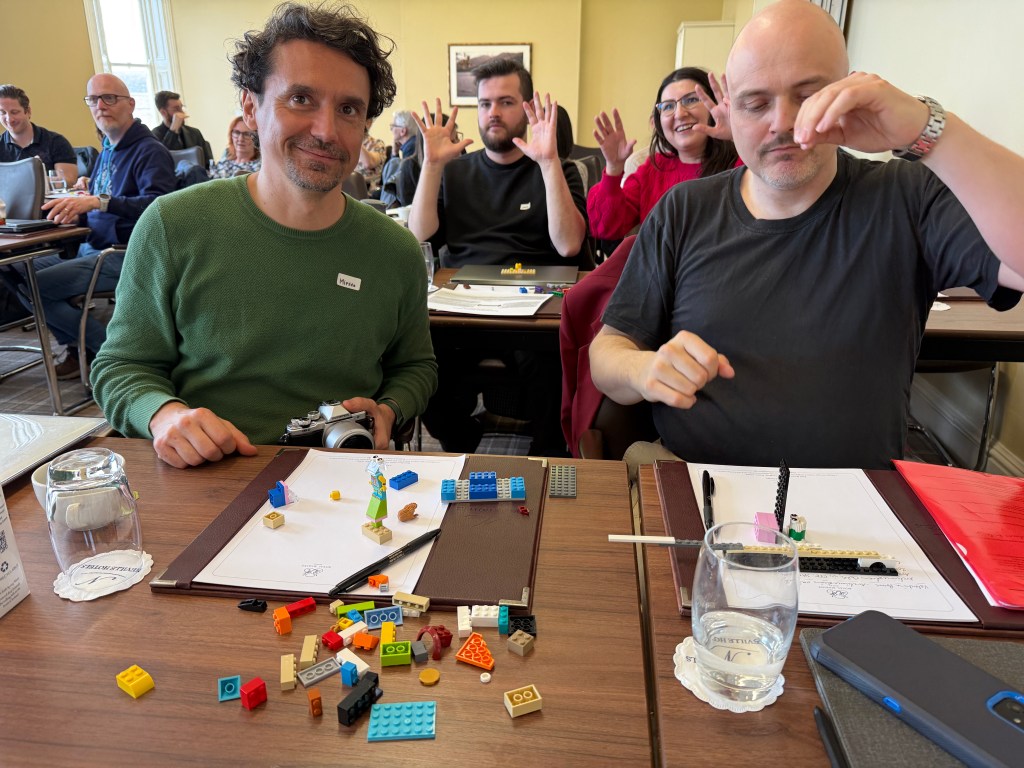
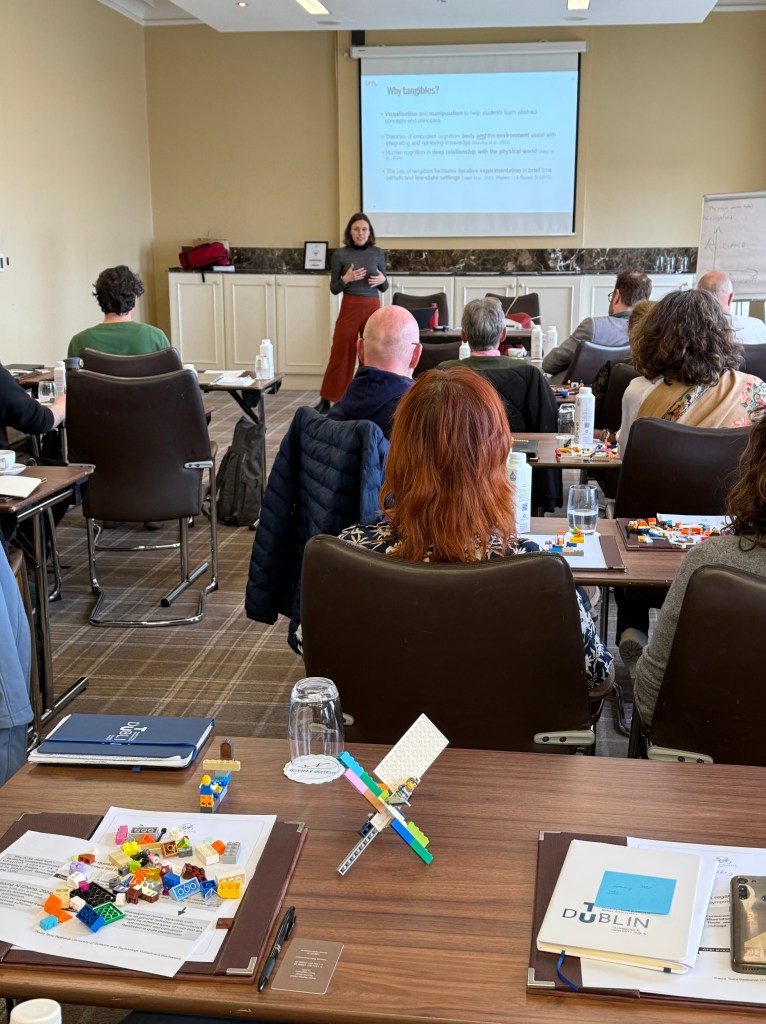
We utilized innovative teaching methodologies—case studies, problems and challenges, service-learning, and arts-based, dialogical and reflexive approaches as well as games-based and flipped classroom formats—to integrate ethics topics into the courses we teach.

These are methods I’ve always used as an architectural educator, and ones we featured in the Routledge International Handbook of Engineering Ethics Education, which I co-edited as part of the SEFI Ethics special interest group.

The SEFI Forum in Riga was inspired by the SEFI Ethics Symposium I hosted in Ireland last spring, which focused on putting the handbook to work.

Designing it, I drew from knowledge and experience gained at the Symposium. For Riga, I used a similar format—a fun and immersive three-day series of hands-on workshops and mini-keynote presentations. I am grateful to the SEFI experts who helped me design the SEFI symposium format, Drs. Diana Martin and Mircea Tobosaru. (Diana was also scheduled to help facilitate the Forum in Riga, but a winter flu kept her from joining us.)
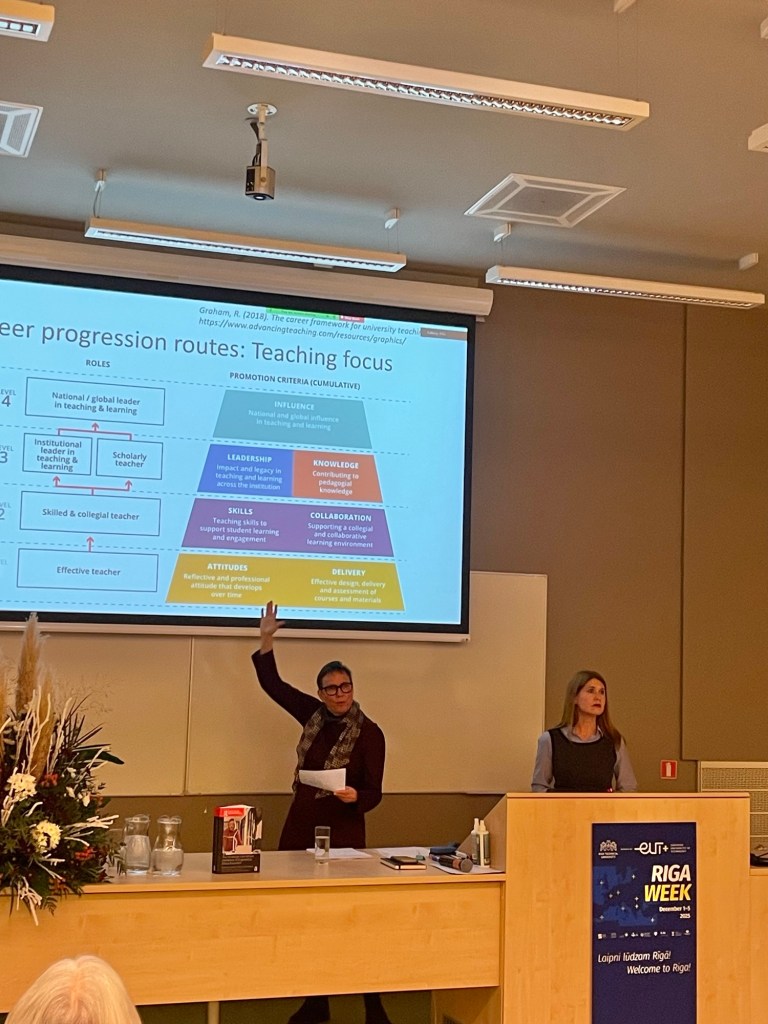
Ultimately, 21 educators travelled to Riga from Cluj, Sophia, Lazio, Darmstadt, Troyes, Cartagena, Dublin, and the UK. We assembled for the first ever SEFI/EUt+ Engineering and Technology Education Forum. Dr. Sarah Hitt (of SEFI), Miriam Delaney (of TU Dublin), and Edmund Nevin (of both) helped me facilitate the Forum.

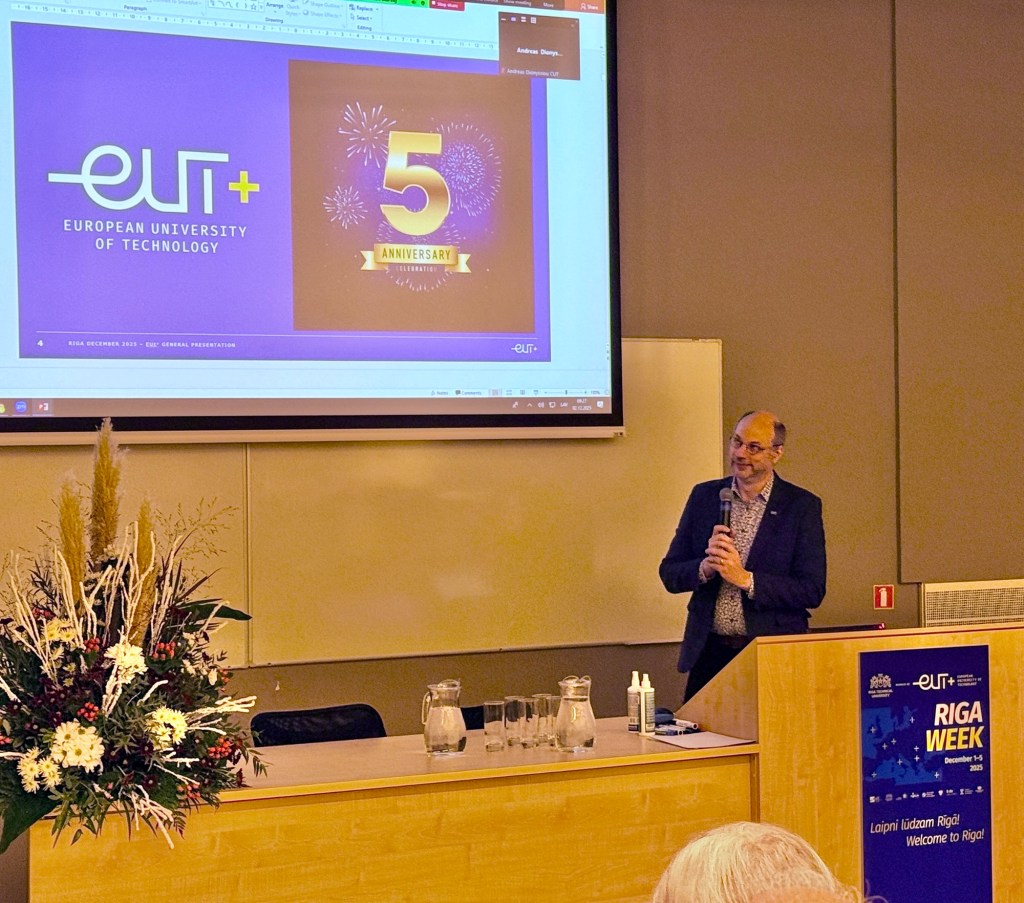
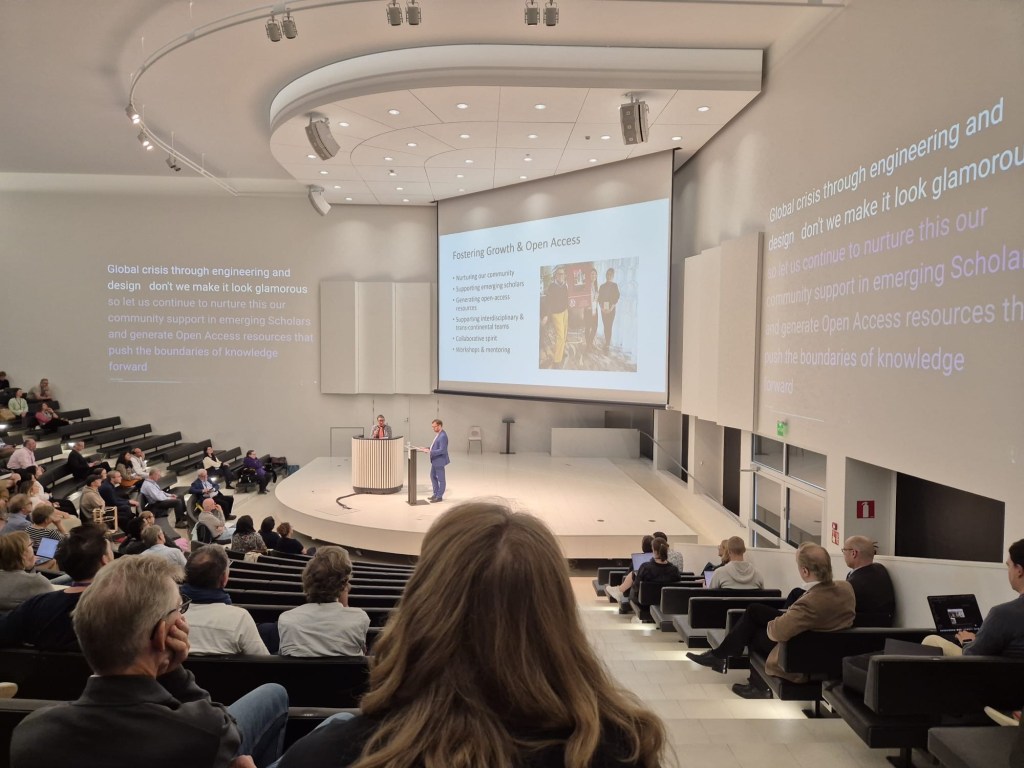
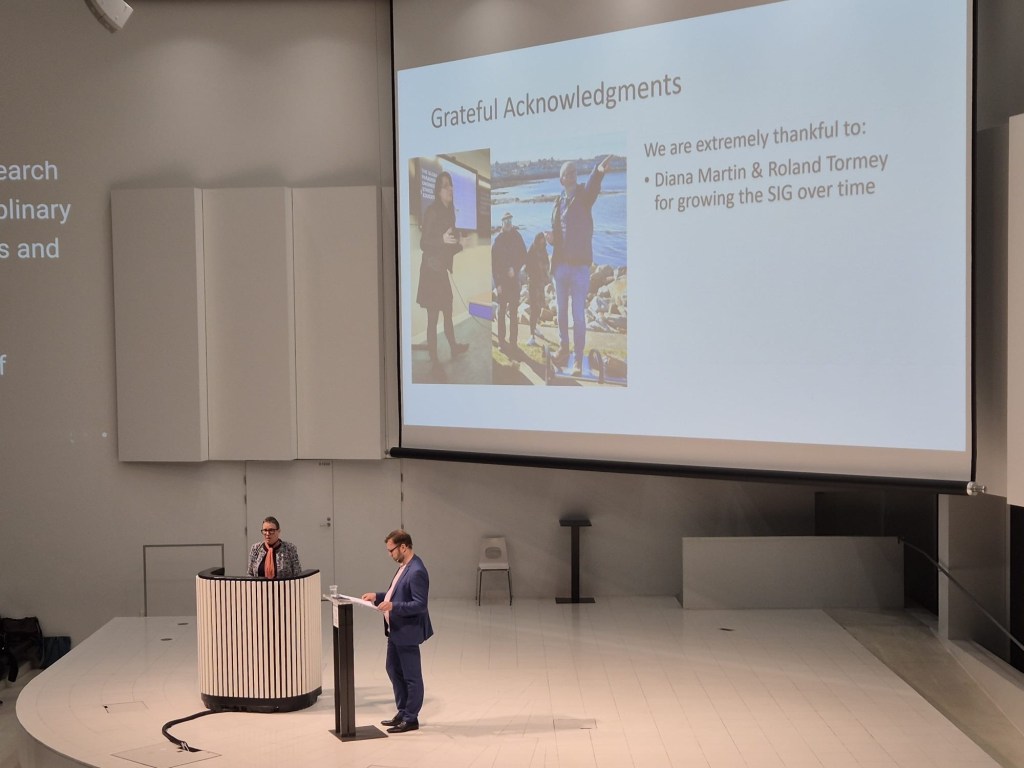
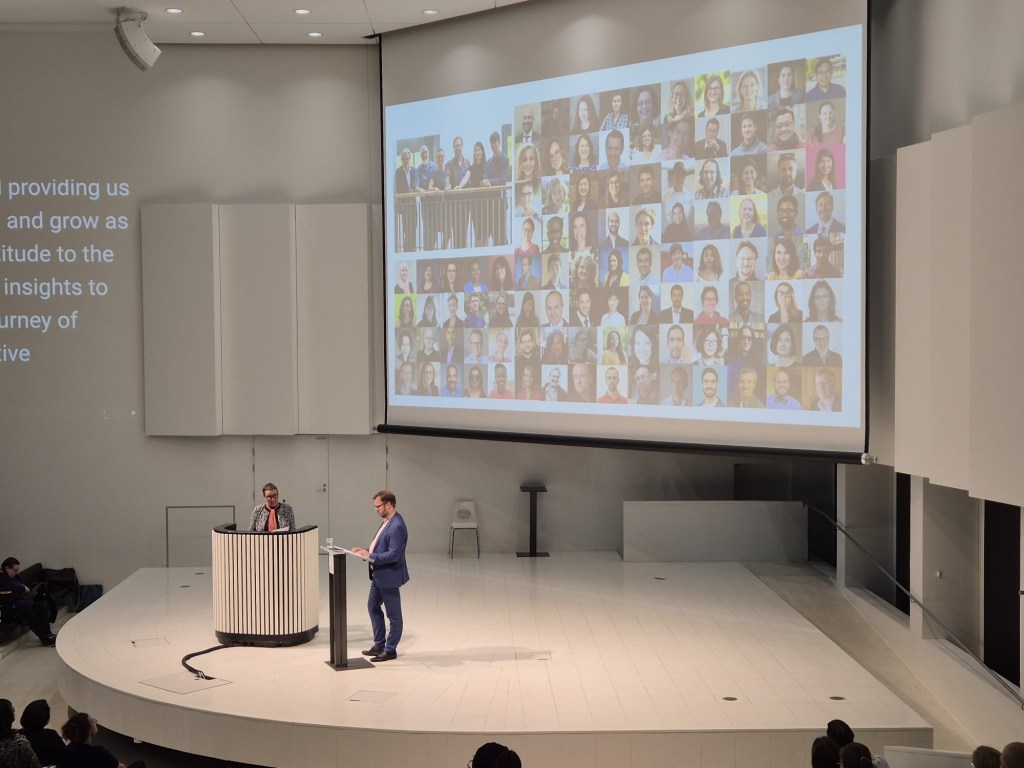
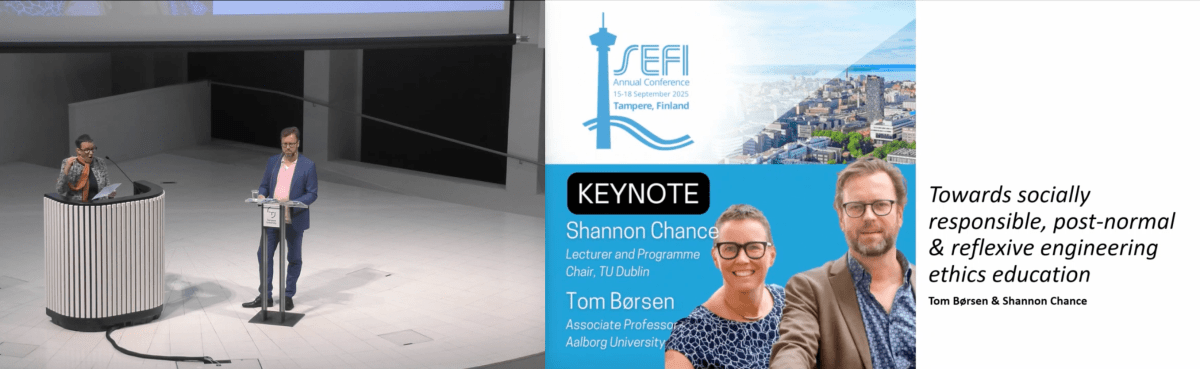
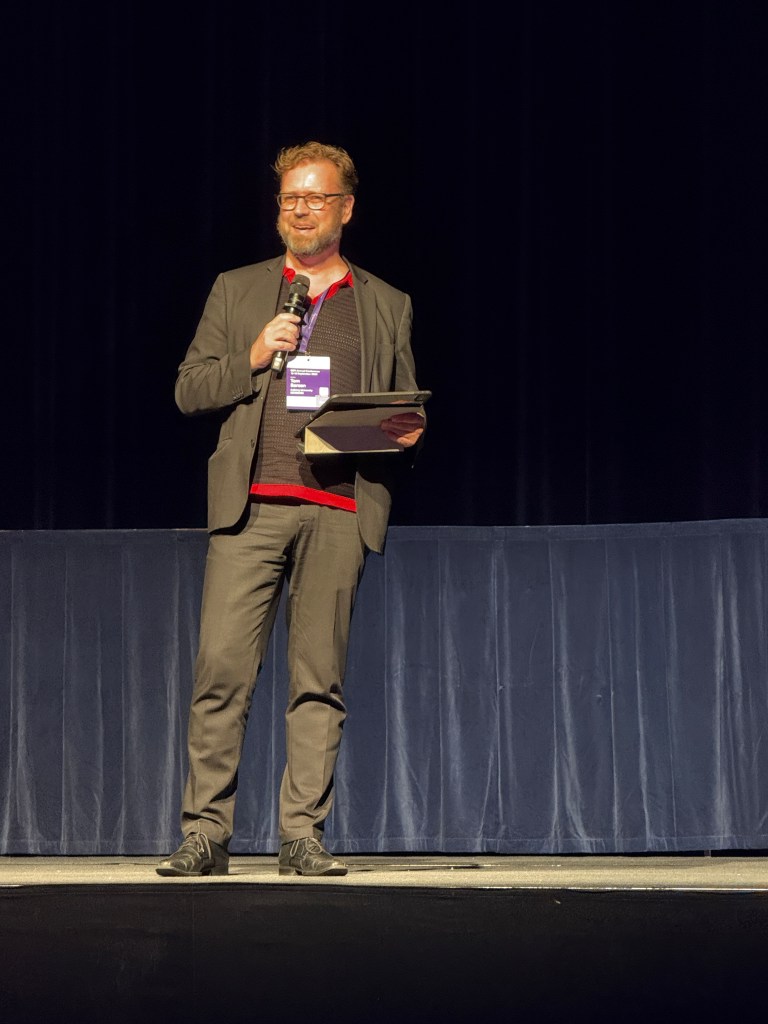
Before the Forum got underway, Sarah Hitt and I delivered the opening address for the larger event. We used the same delivery format that Dr. Tom Børsen and I developed for our keynote at the recent SEFI conference, which you can watch here. Sarah is such a great collaborator. We worked really well together preparing and delivering the General Seminar address, debriefing between Forum sessions and passing the baton back and forth across the three workshop days.

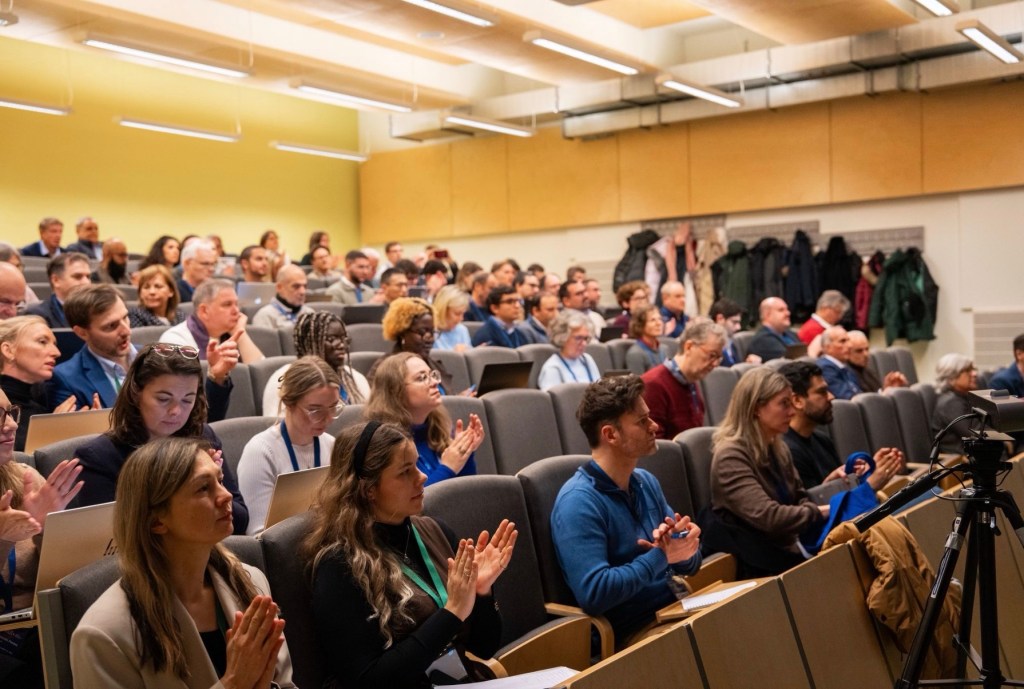
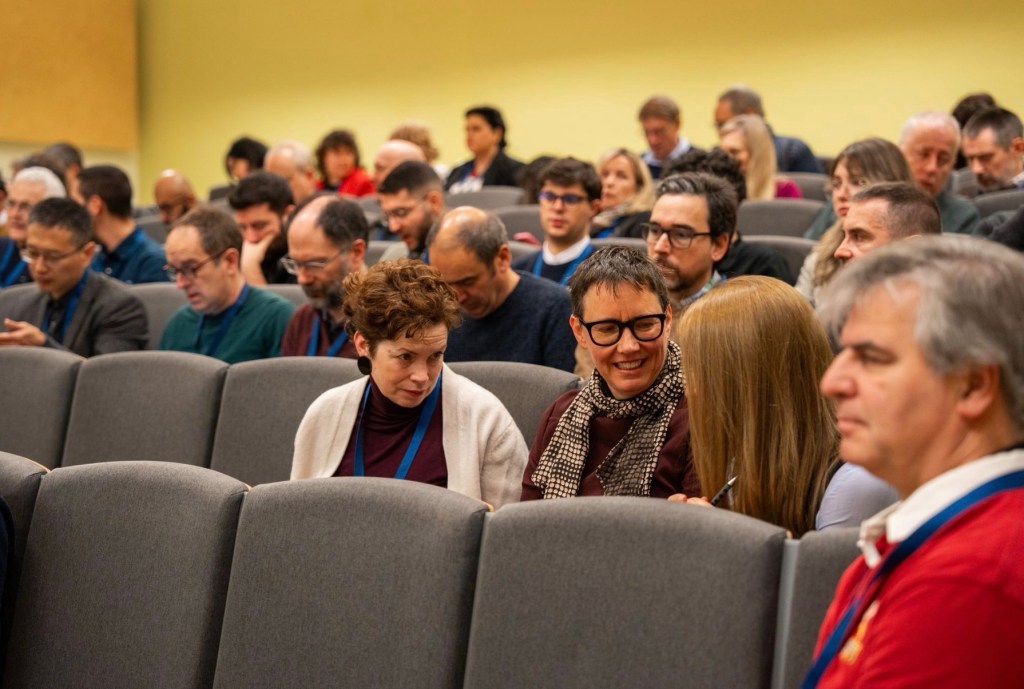
In total, about 80 people came to the “Riga Week.” They arrived from all around EUt+, an alliance of nine technological universities across Europe. They came to work on projects, refine approaches, and align systems. Many who attended this particular EUt+ Week are involved in disciplinary clusters (like biomedical or electrical and electronics engineering).

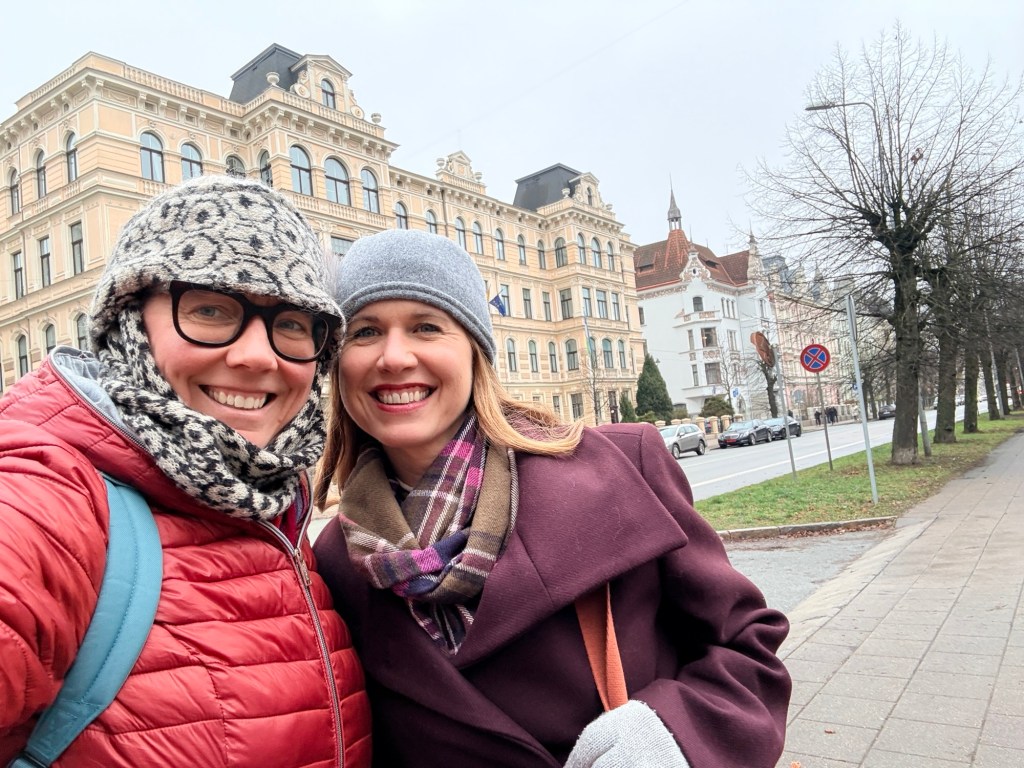
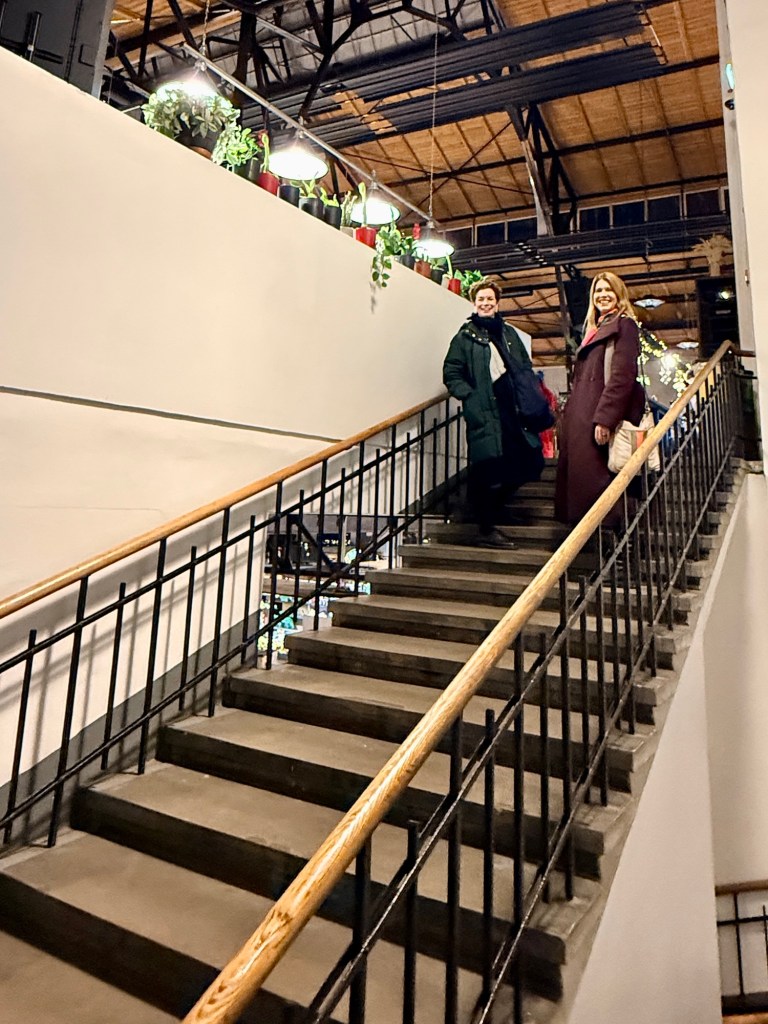
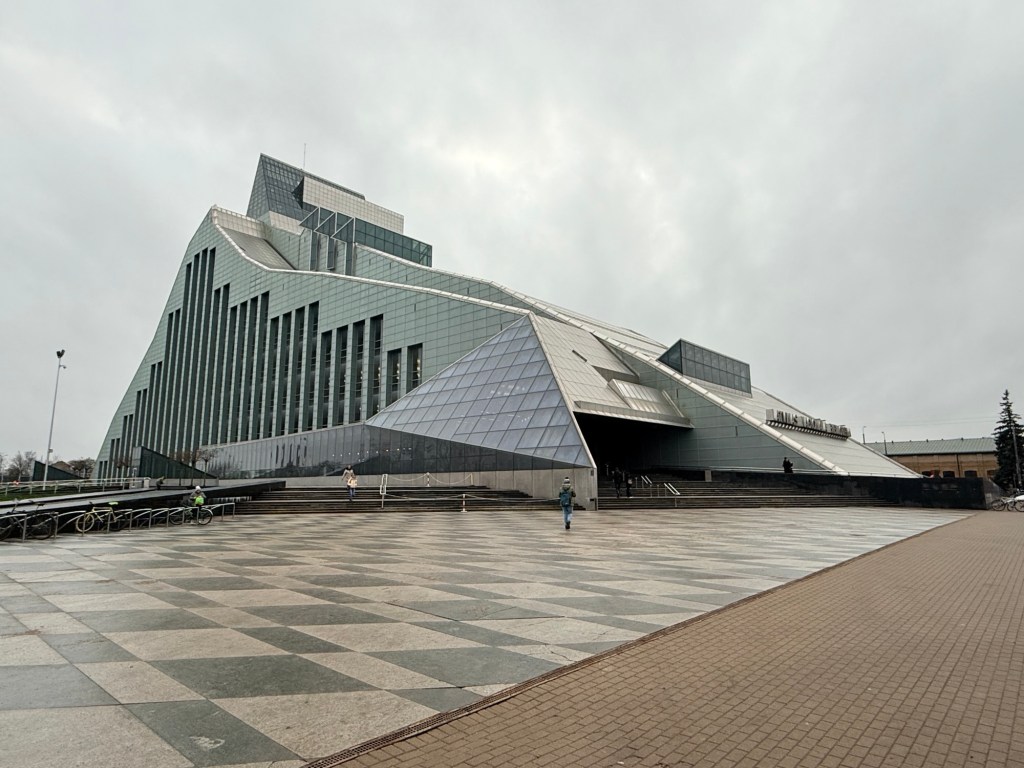
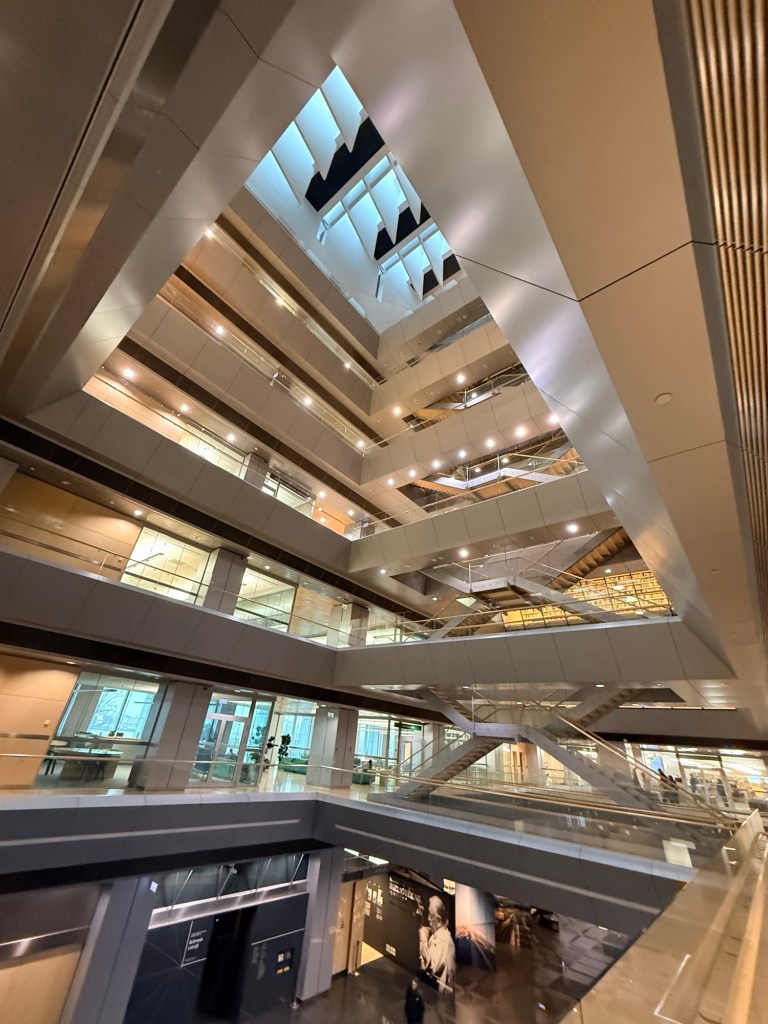
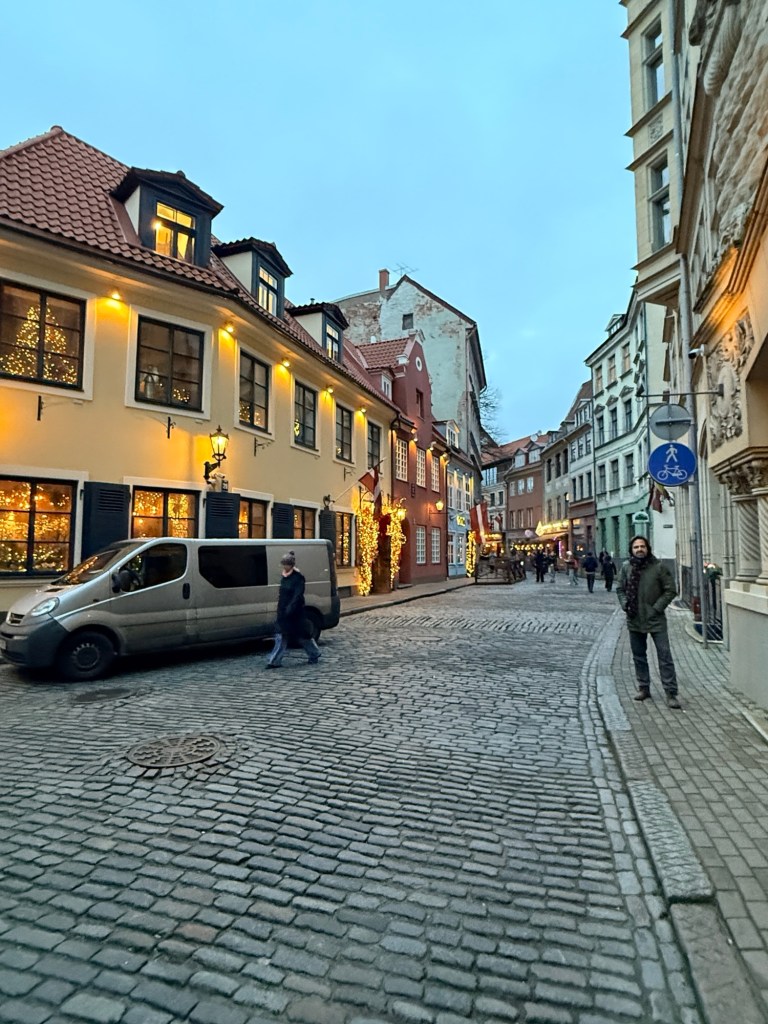
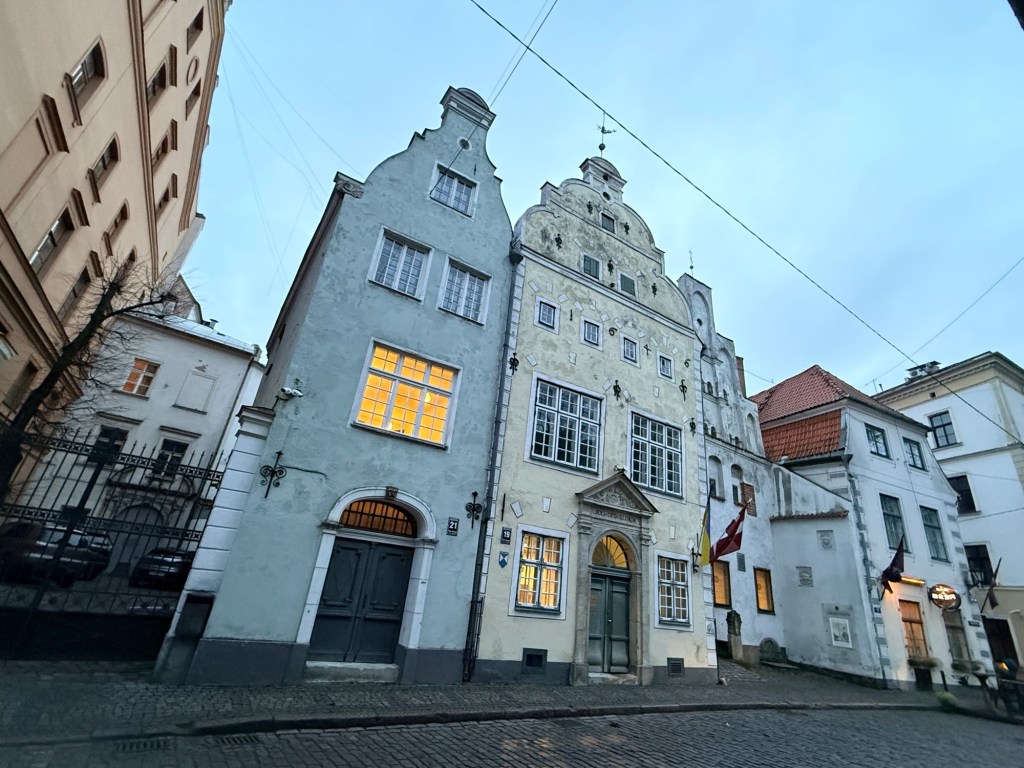
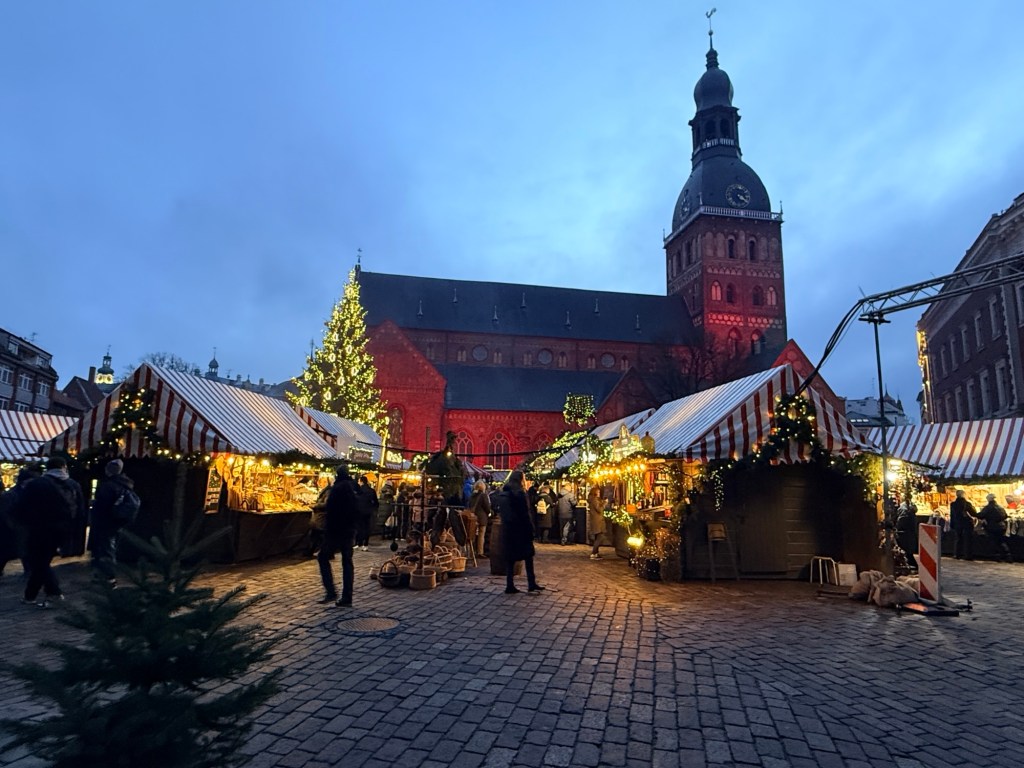
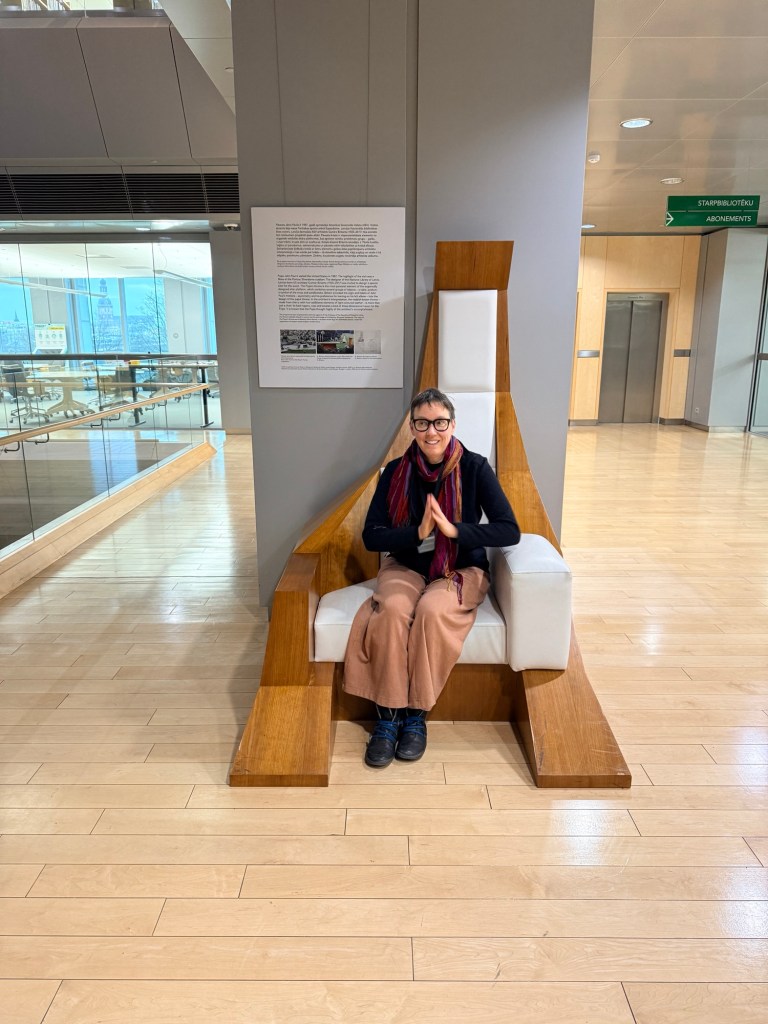
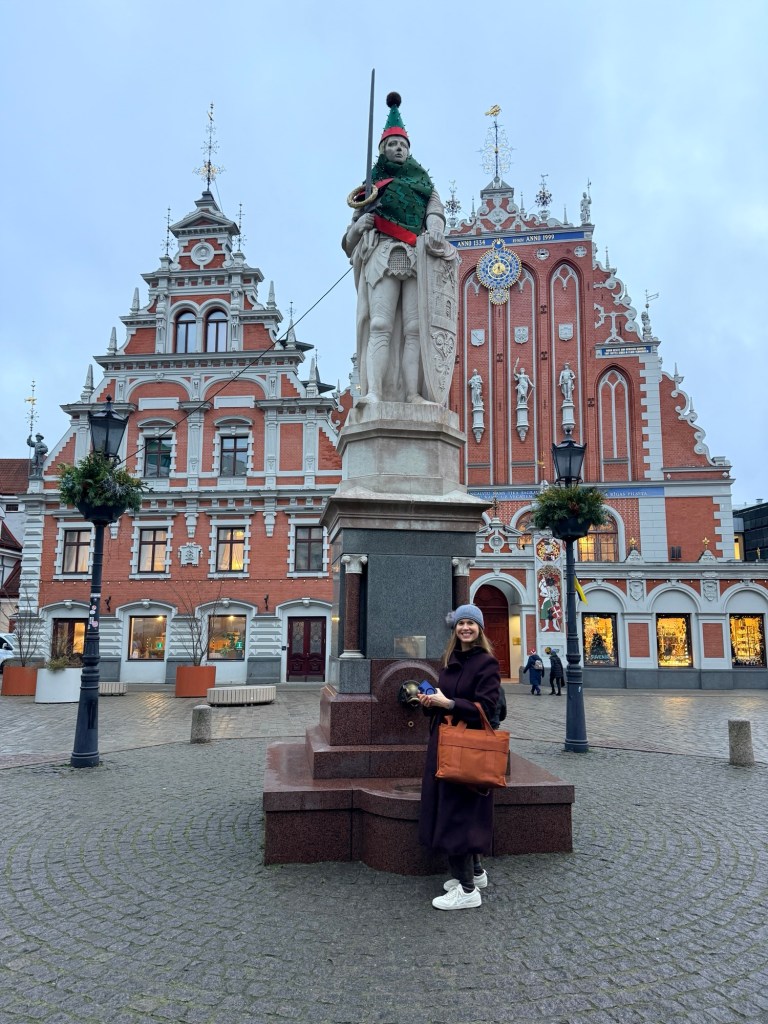
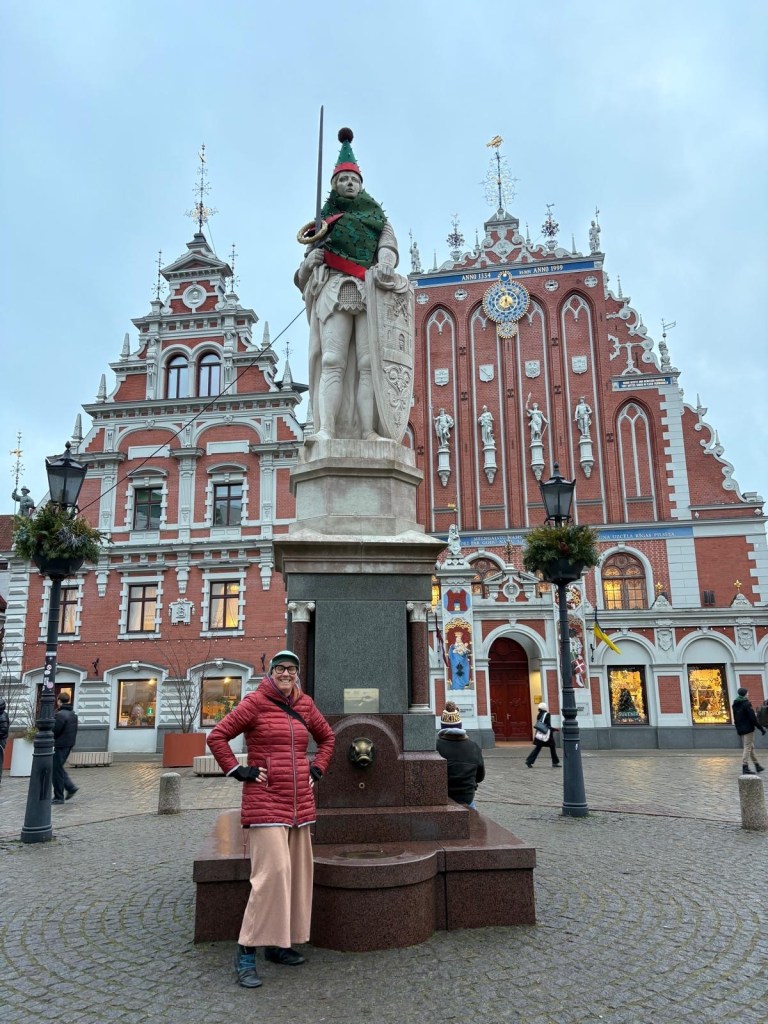
And what a lovely place to hold a conference. Riga has stunning architecture and a lively Christmas market.

This alliance is one of the many funded via the European Commission to enable partnerships, collaboration, and some degree of standardization across European institutions. It is part of Erasmus, the teaching arm of the European Union’s development of higher education. (Up until now, I’ve been involved in programs funded under the parallel research arm.)

EUt+ is the brainchild of Dr. Timothèe Toury, the “Secrétaire général de l’Alliance Université de technologie européenne” (Secretary General of EUt+). That’s the French way of saying he’s our organization’s president/rector/director).

It’s Timothèe who conceived the idea of combining our campuses into one streamlined university where students can (someday?) flow uninterrupted, taking modules on any campus that contribute toward their degree. Timothèe wrote the original proposal to the European Union, and the EU agreed to fund his vision. Now, hundreds of people working on our nine member campuses contribute to the efforts and activities of this EUt+ alliance.

Although there are many university alliances funded by Europe, ours is unique in its vision for the members to unite into one single university. One organization—in multiple, extremely diverse, locations—with aligned curricula and a powerful and unique teaching approach that sets EUt+ apart. We want to foster an exemplary student experience and to advance engineering and technology knowledge-how across Europe, empowering our graduates with transferable skills like teamwork/collaboration, critical thinking, and project management. And, I hope, well-integrated arts, social sciences, and humanities approaches to boot!

This can’t happen without updating and enhancing the way engineering and technology are taught in our member campuses. Lecture-based approaches simply won’t suffice to equip the engineers of tomorrow.
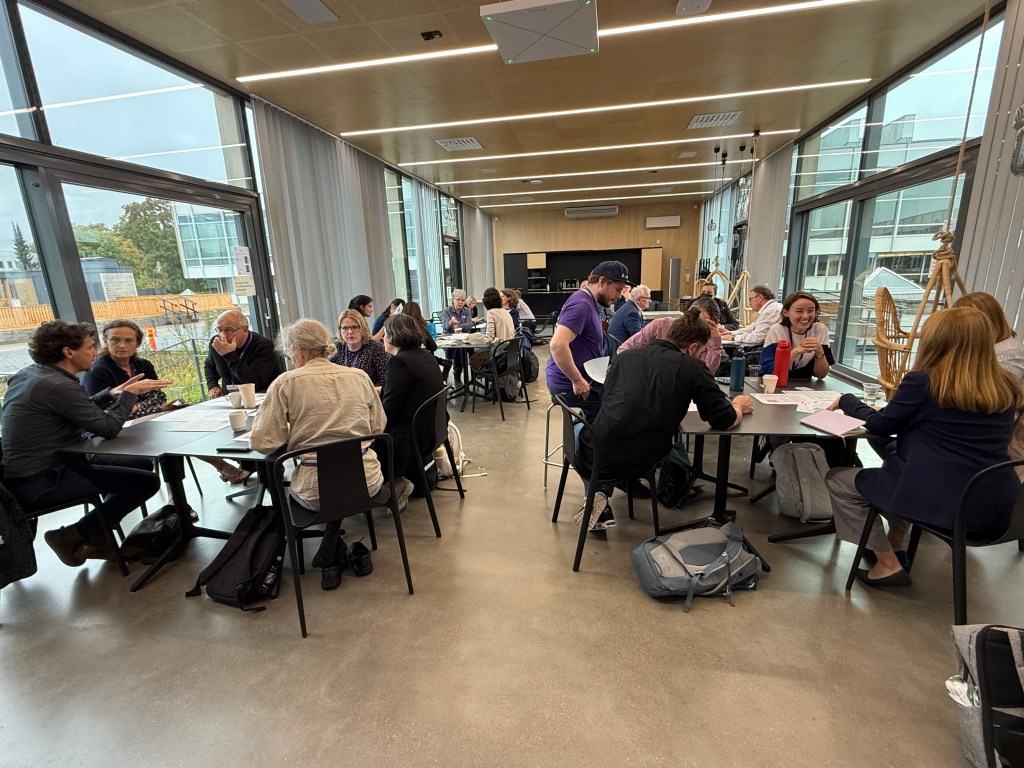
Deeply meaningful learning experiences are required.

And that’s what our facilitation team aimed to deliver at the SEFI/EUt+ Forum.

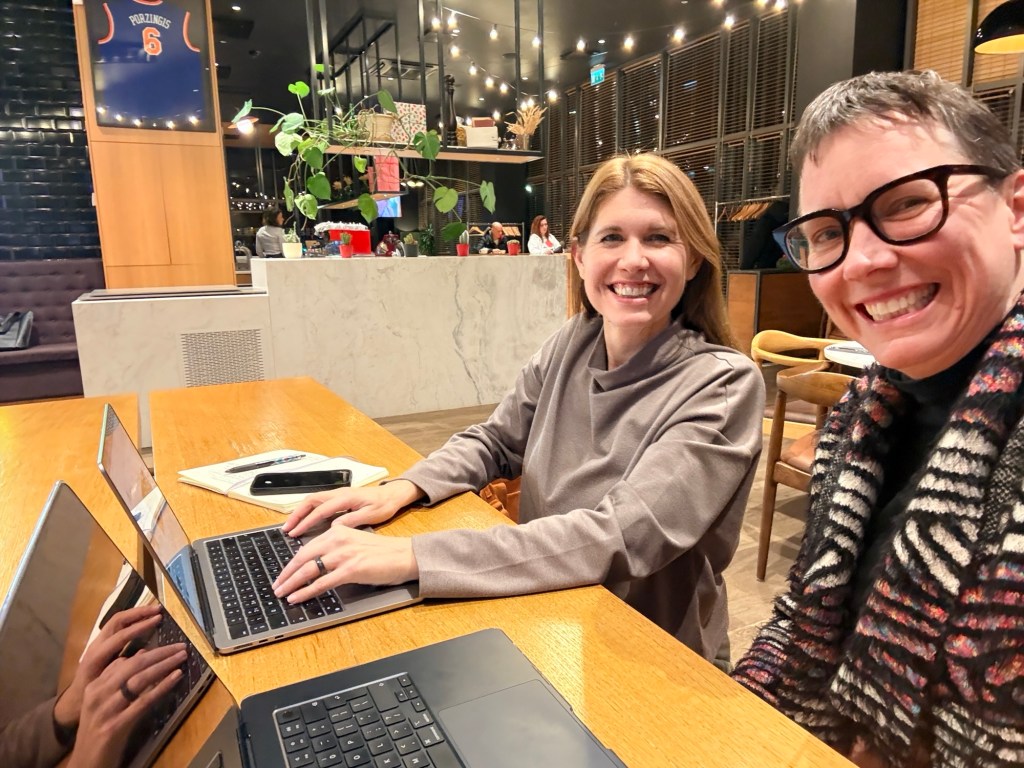
Helping us organize behind the scenes was the EUt+ staff, particularly Dr. Karine Lan in Troyes and her colleagues Dr. Santiago Perez, Ms. Eleanor Asprey, and Dr. Emilija Sarma. (Karine sent helpful hints throughout Riga Week by WhatsApp… an angel in my shoulder!)
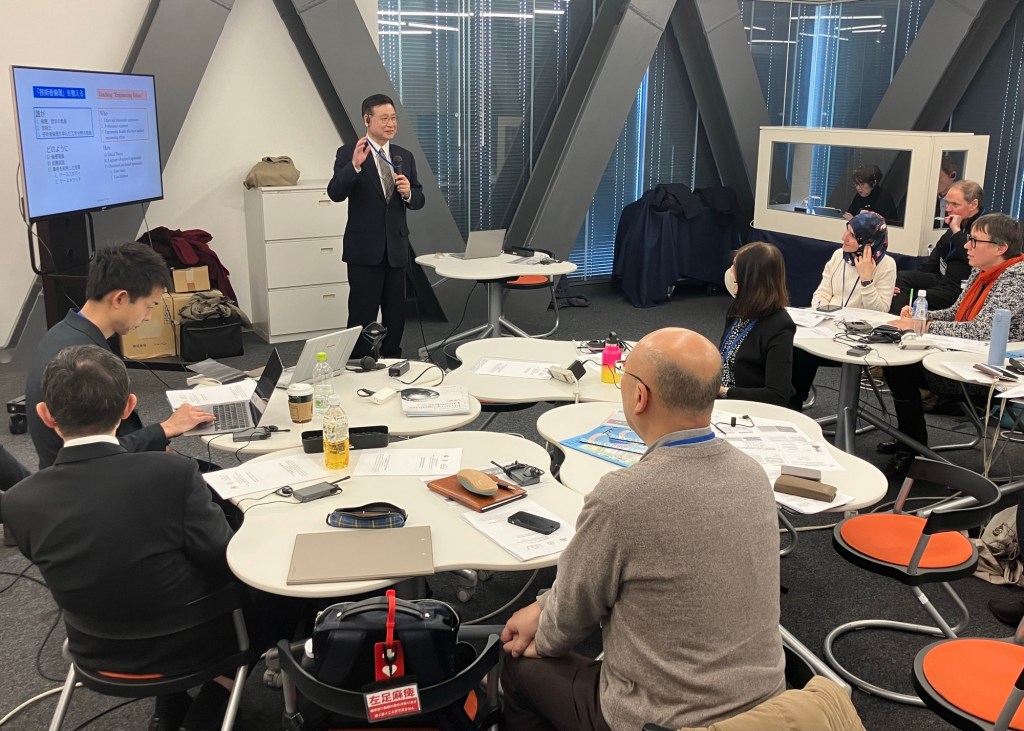
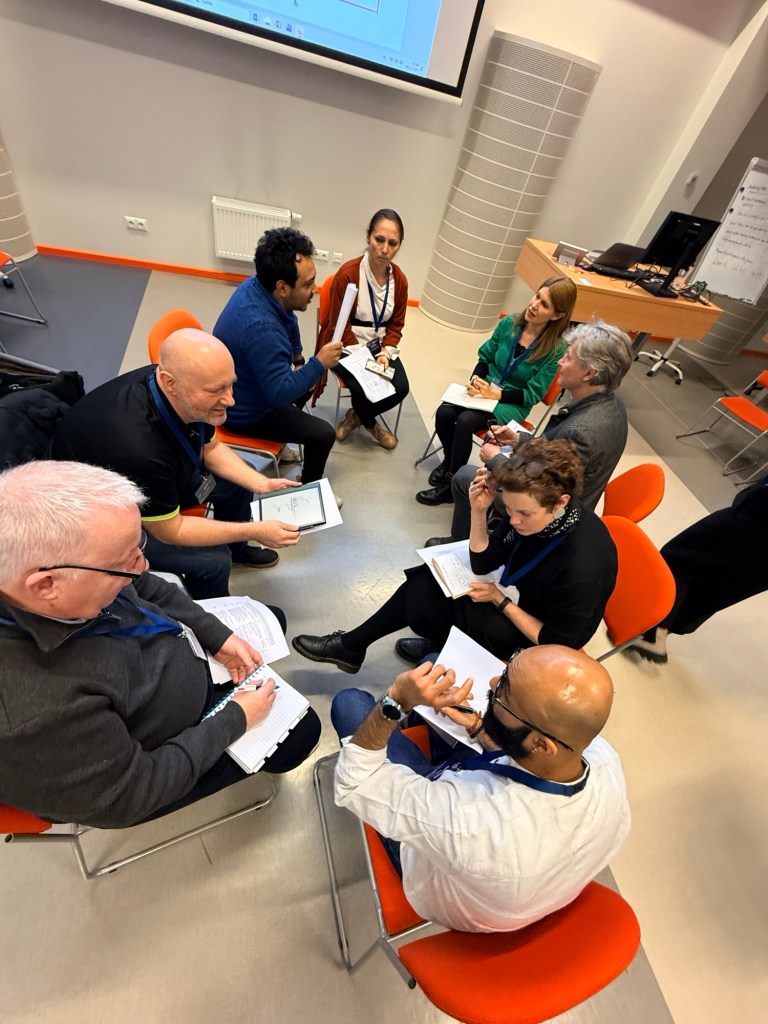
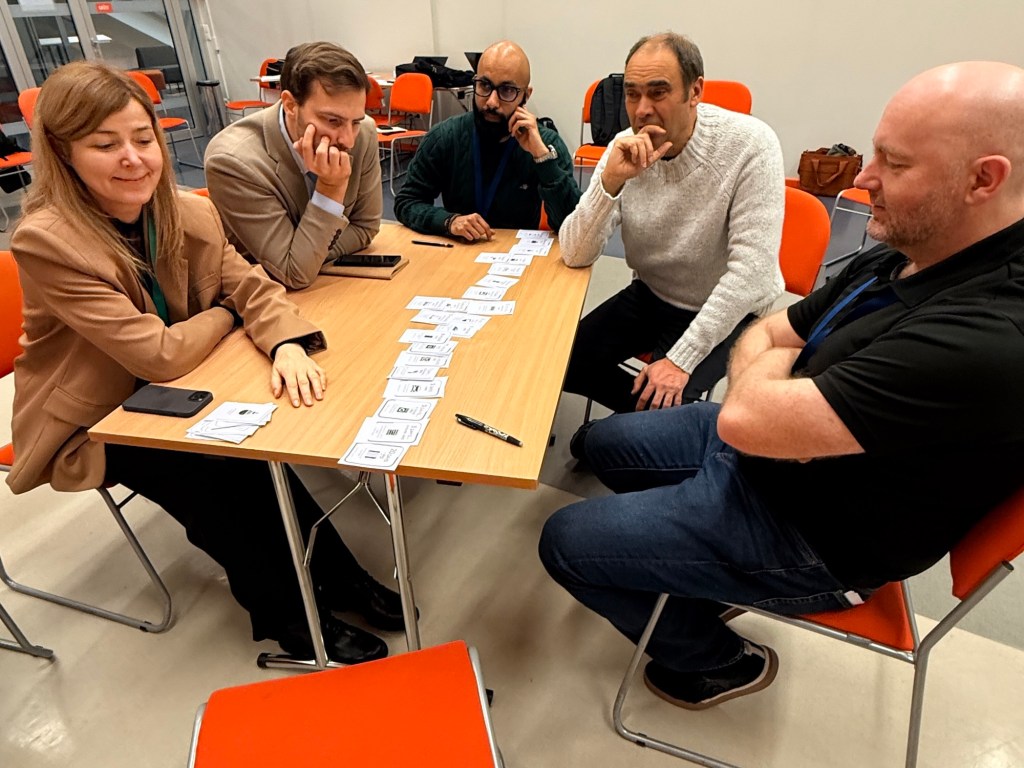
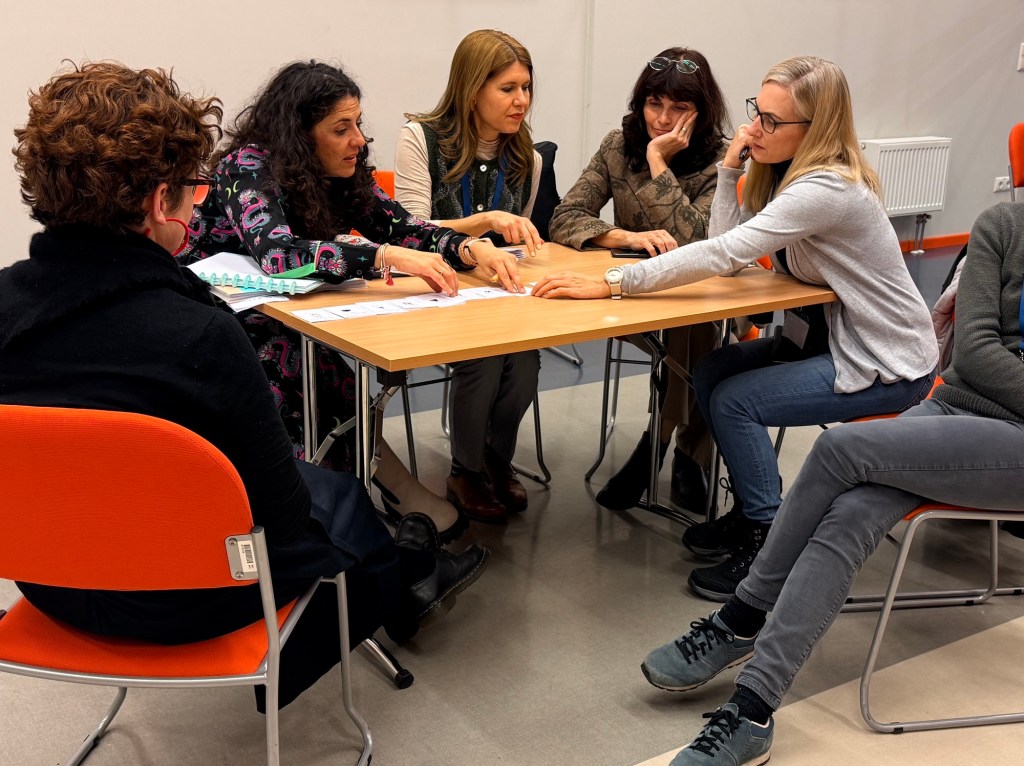
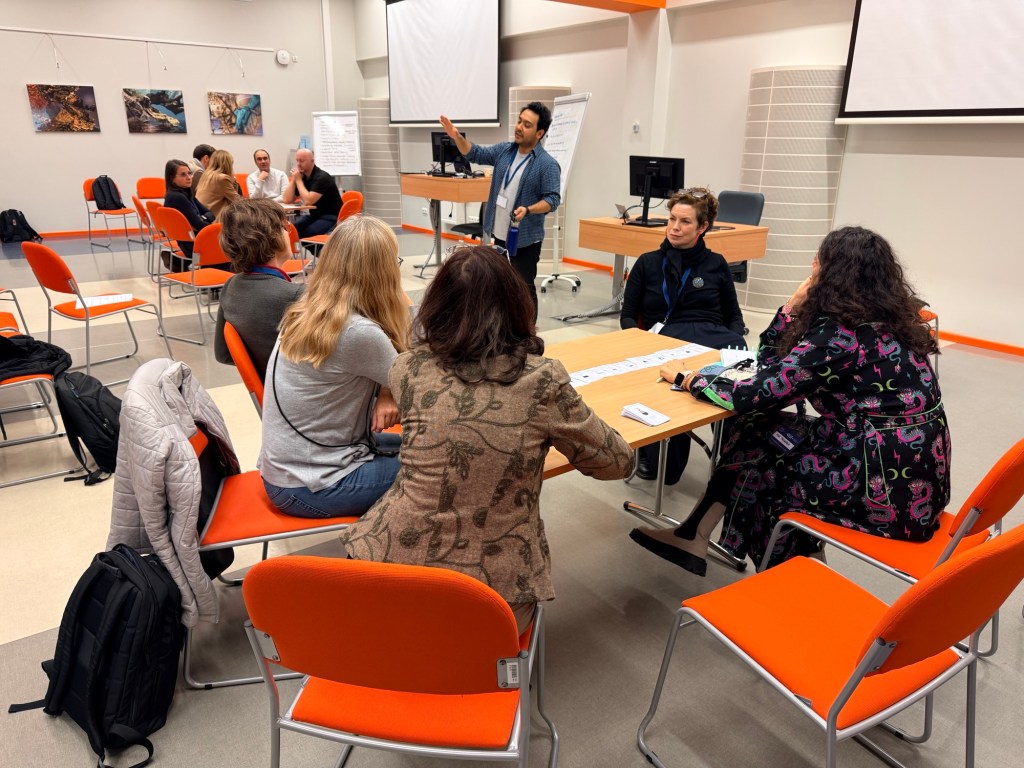
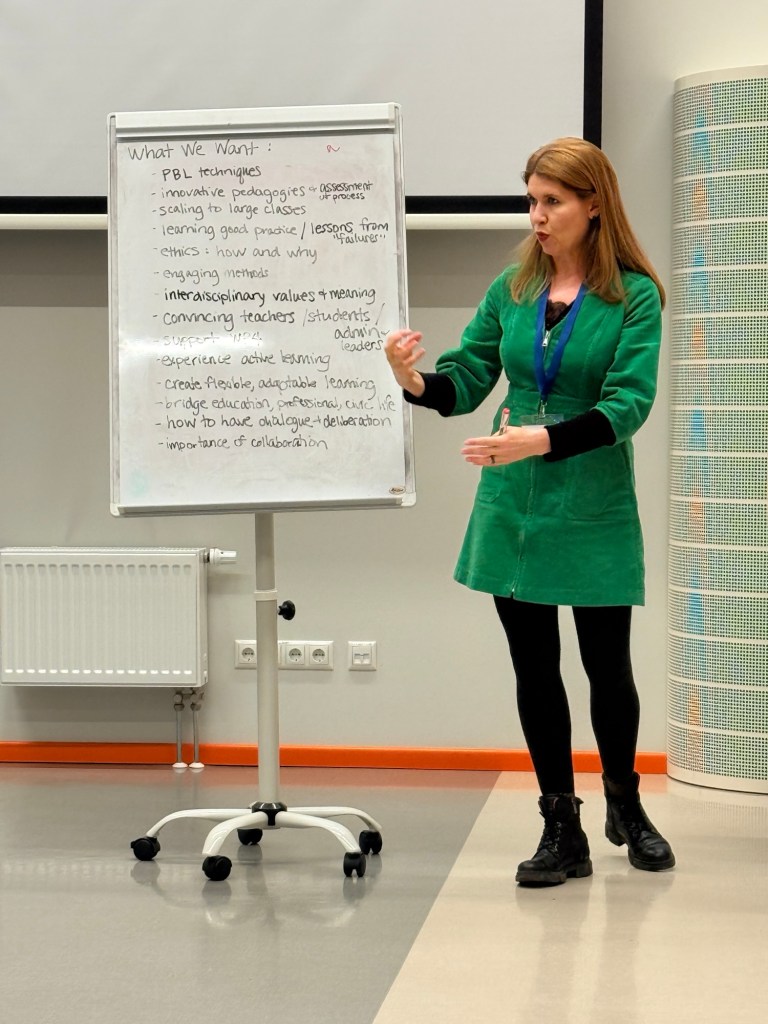
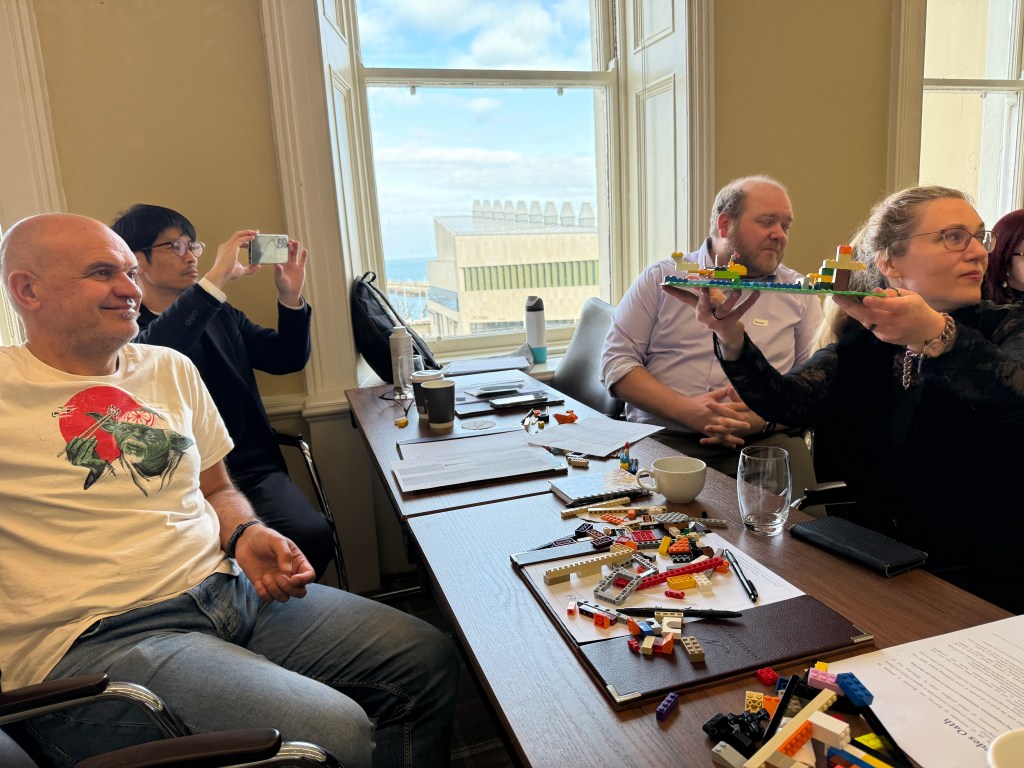
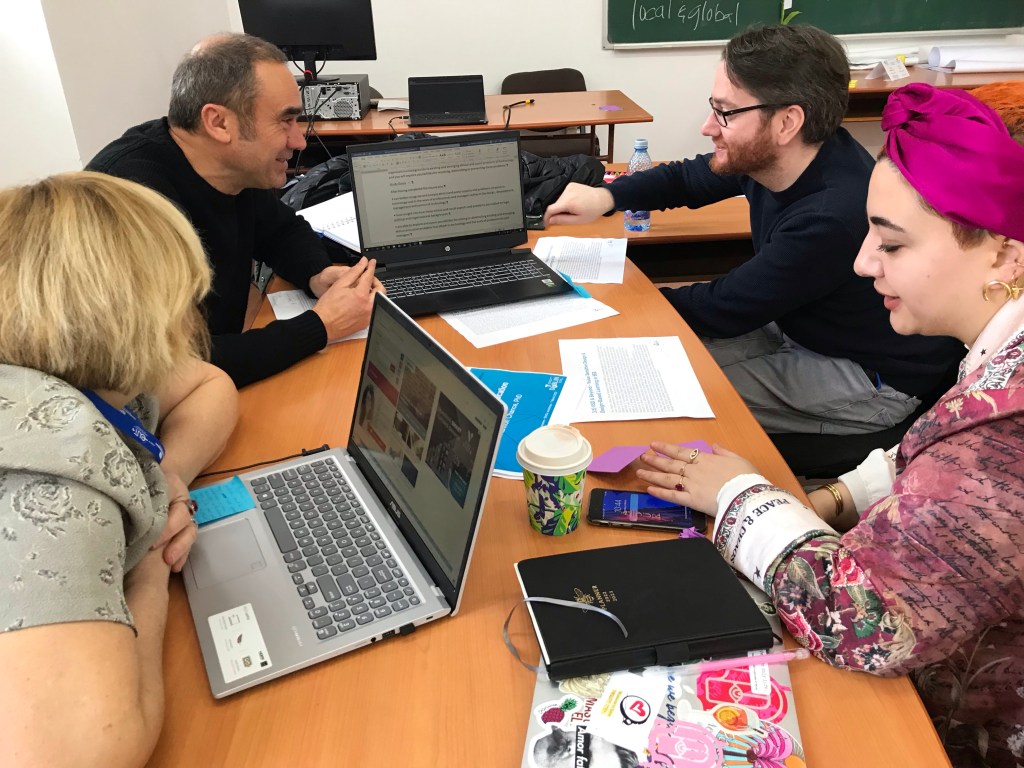
At the SEFI Education Forum, teachers got the chance to experience the student side of the equation.

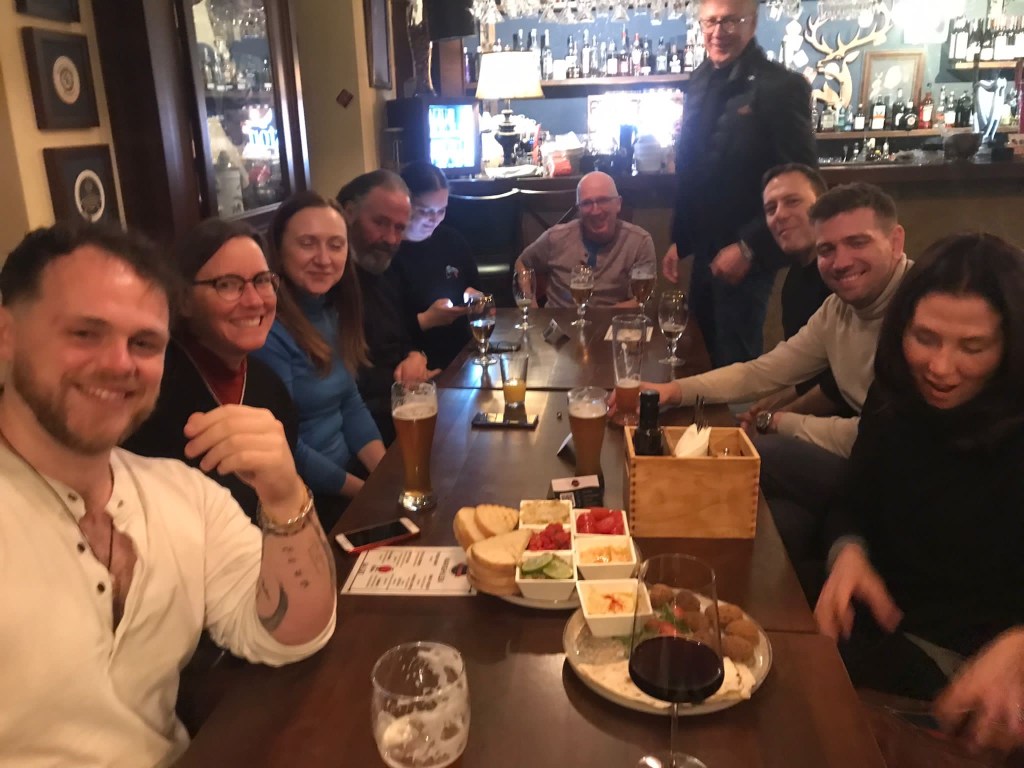
Forum participants each brought their own unique skills and ideas to the event, and shared them with each other. It was like a pot-luck dinner where everyone contributed!

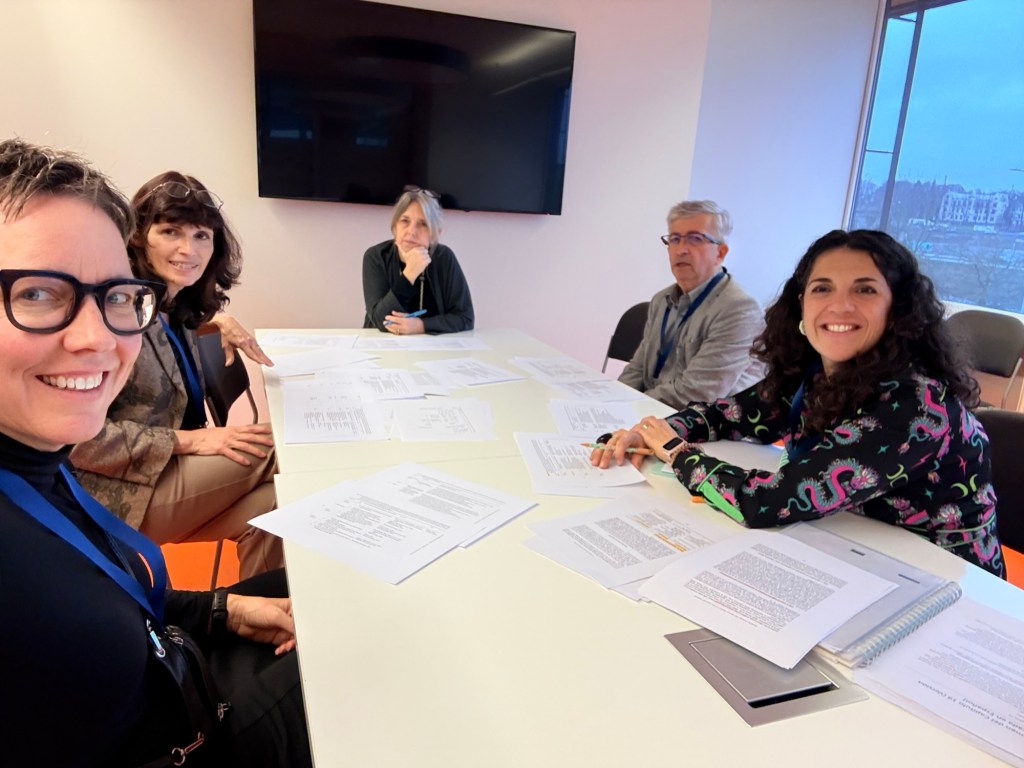
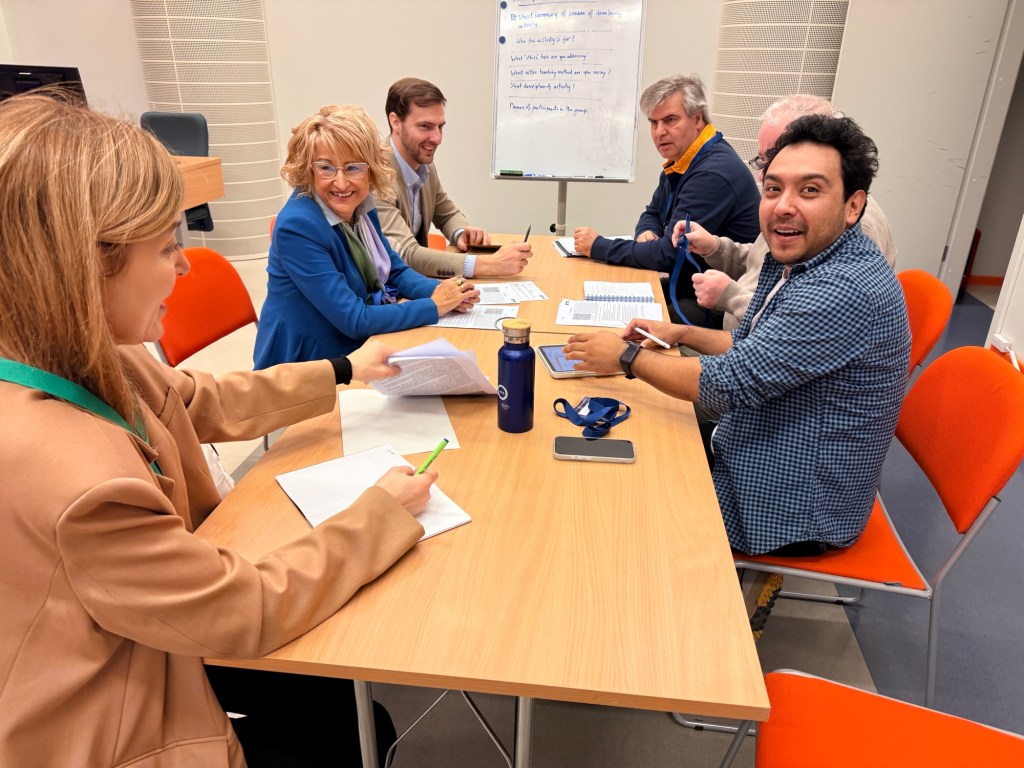
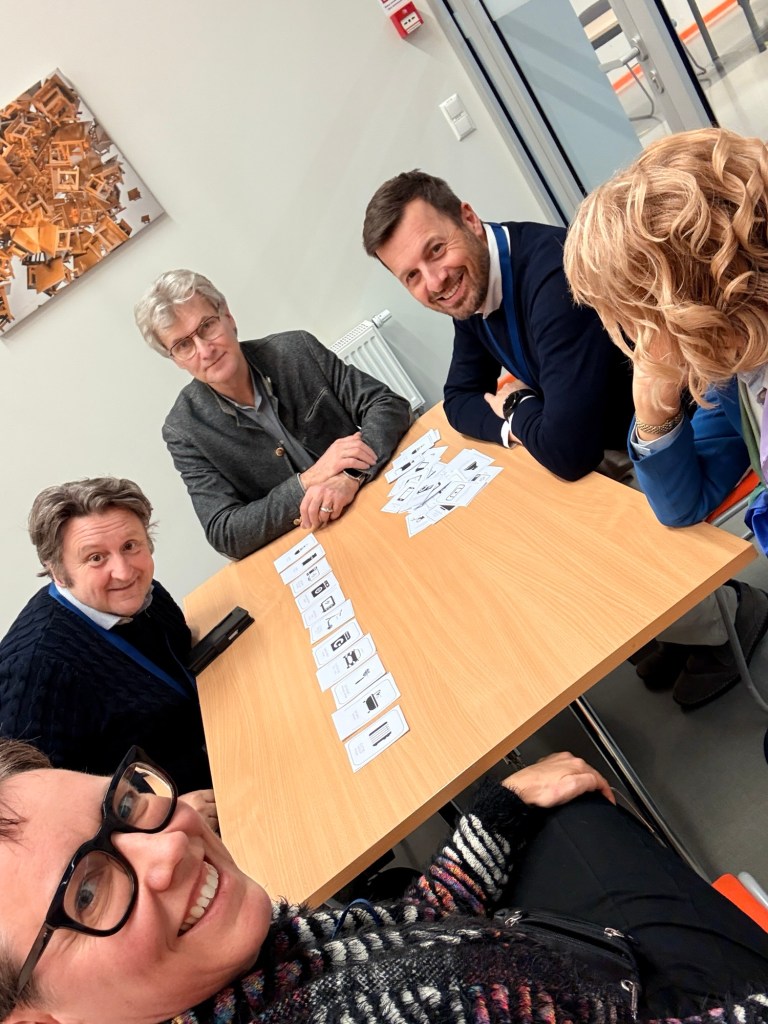
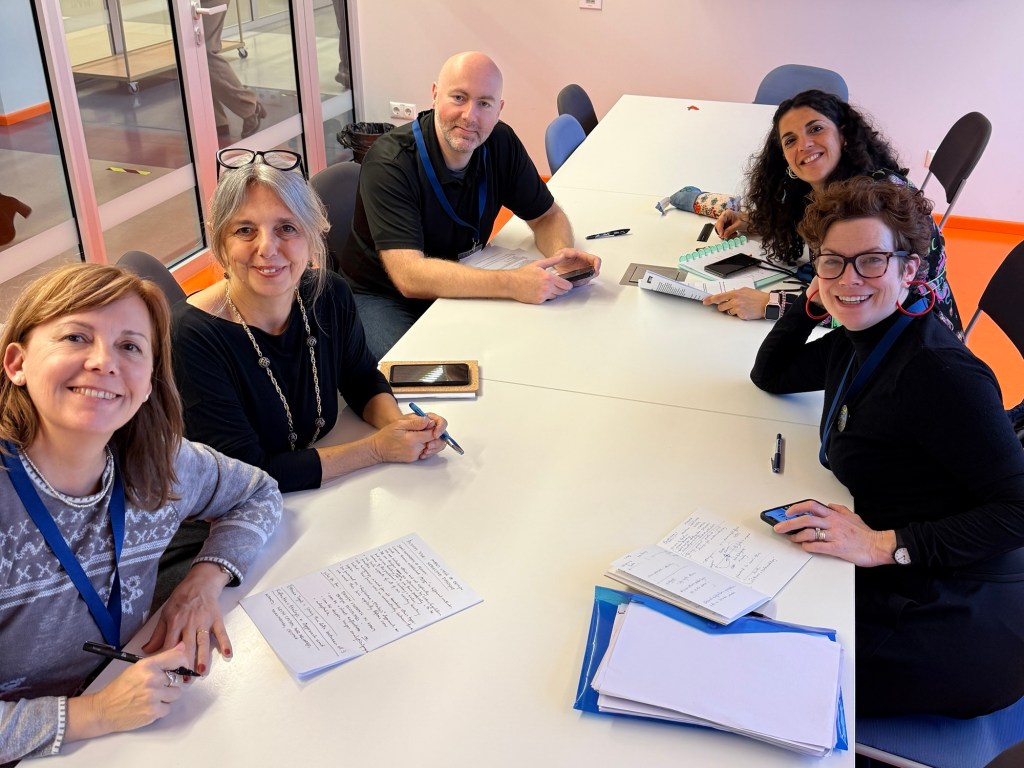
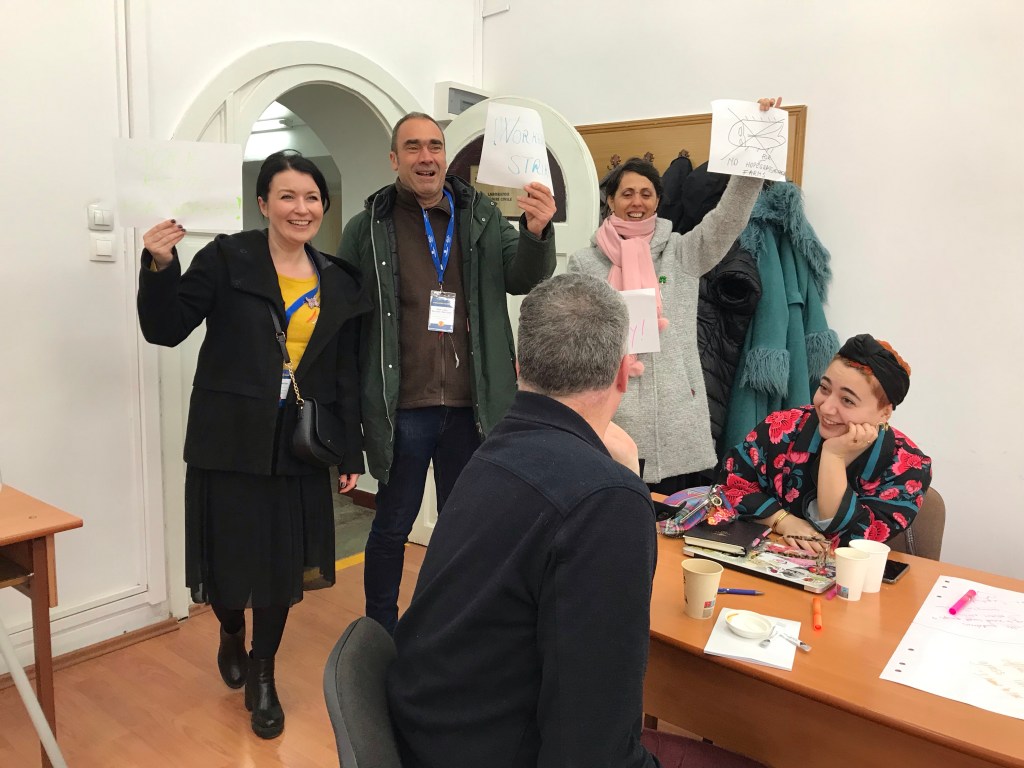
For example, every participant (and facilitator) read several chapter of the Handbook prior to the Forum, so we could discuss these in groups. I designed these discussions like “book clubs.” The various book-club groups each designed an activity for all the other participants on some aspect of their assigned chapters. On the third day, each group facilitated their activity for the rest of us.

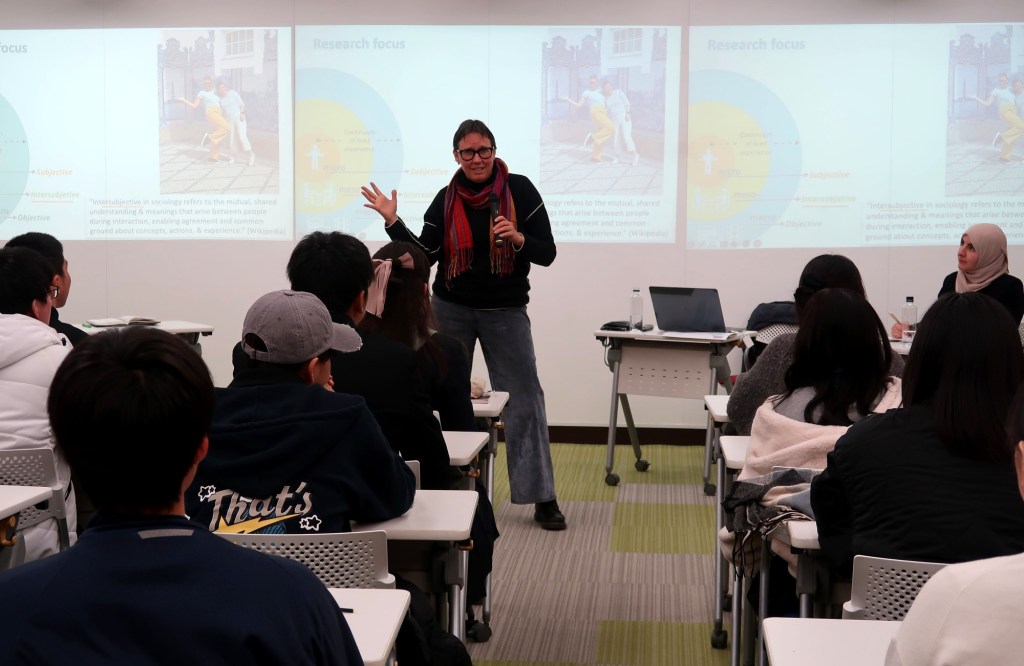
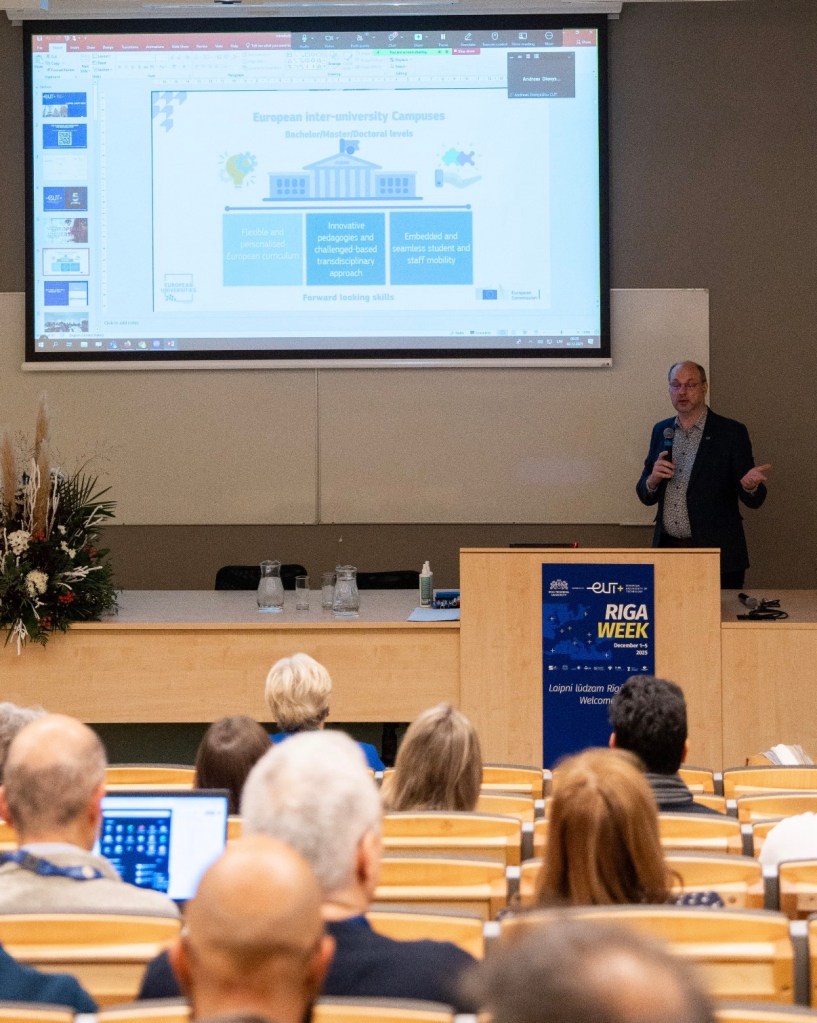
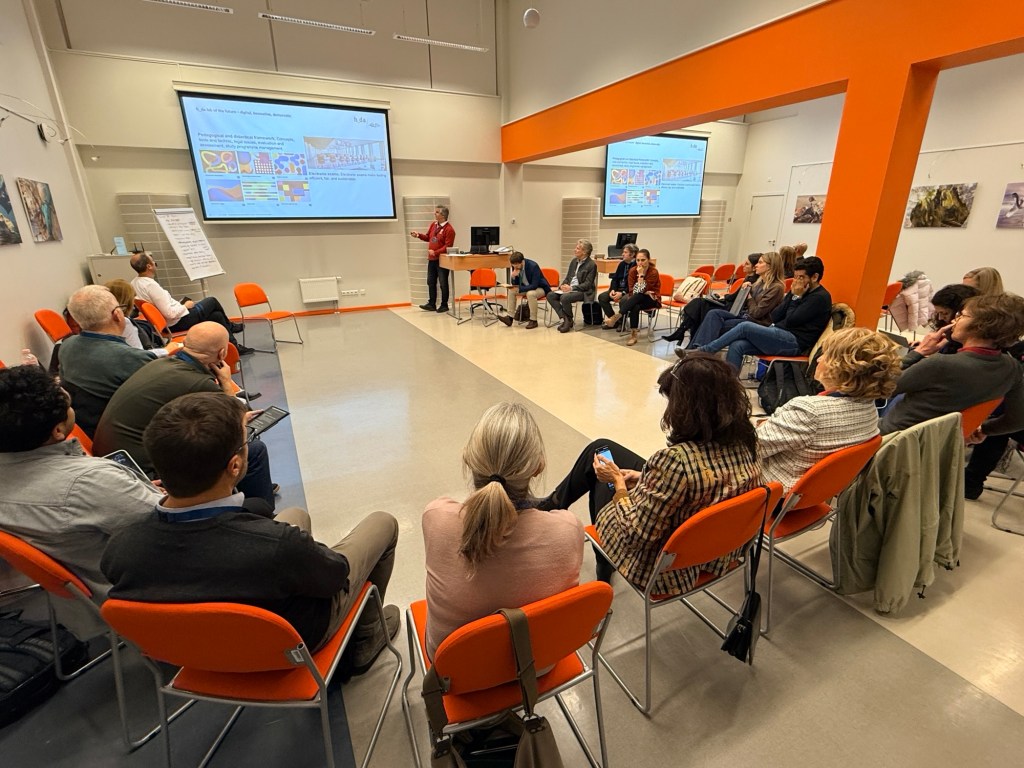
At the start of each of the nine working sessions that comprised the Forum, one participant delivered a 15-minute “mini-keynote” on a topic of particular relevance to the group.

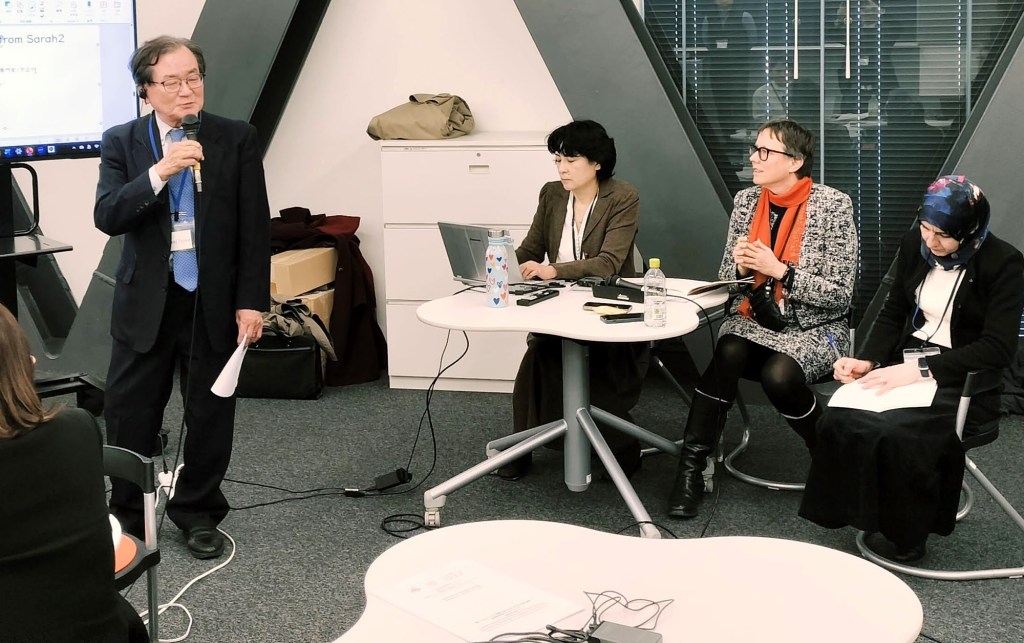
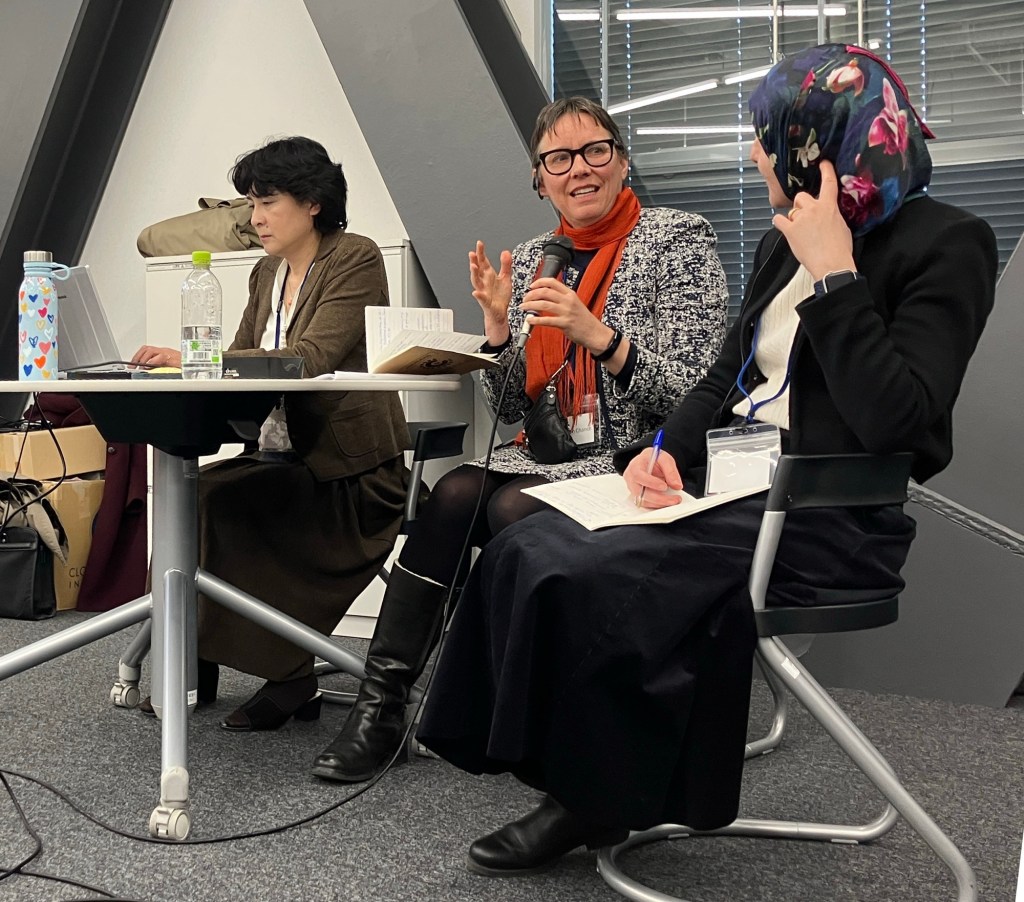
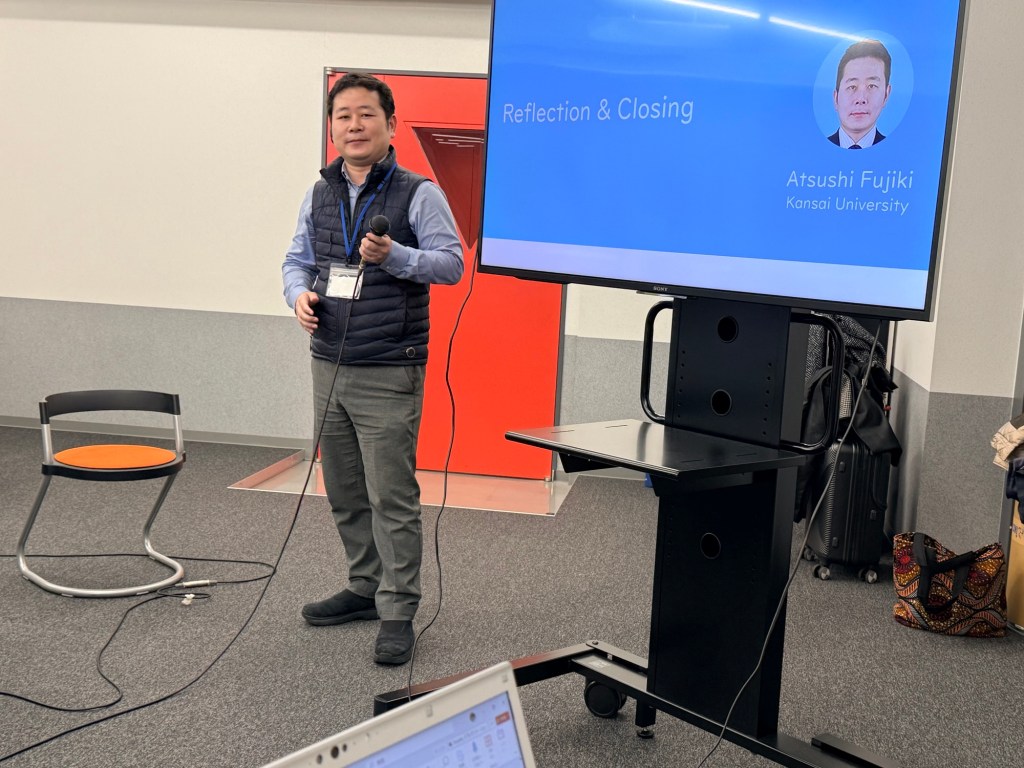
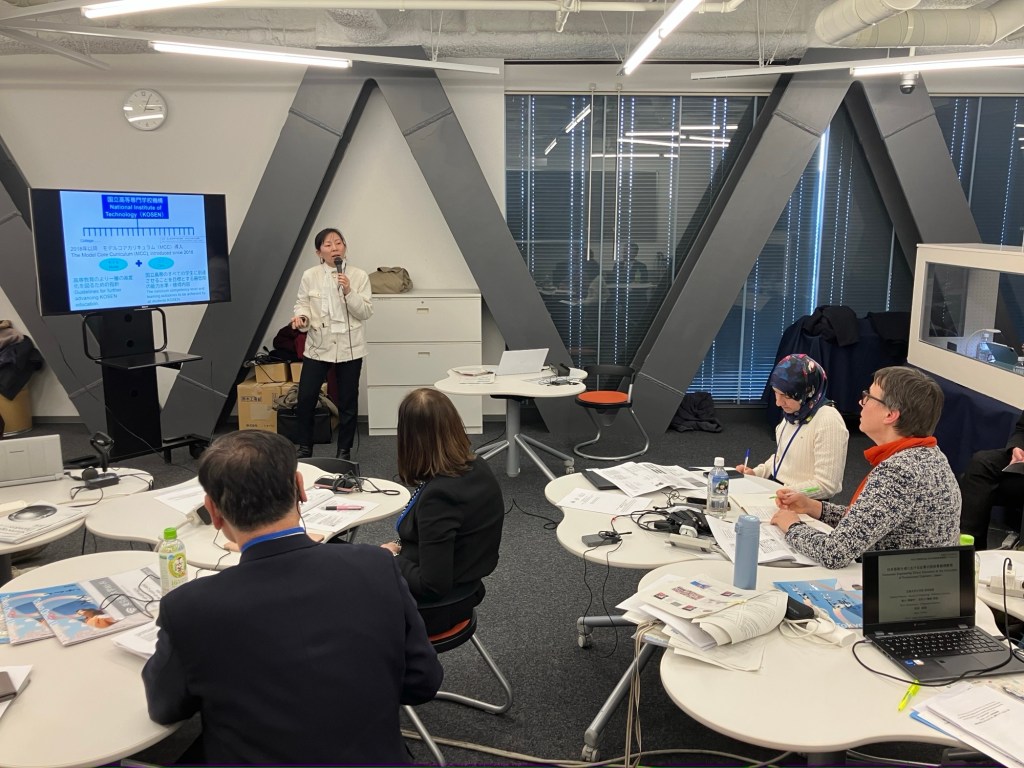
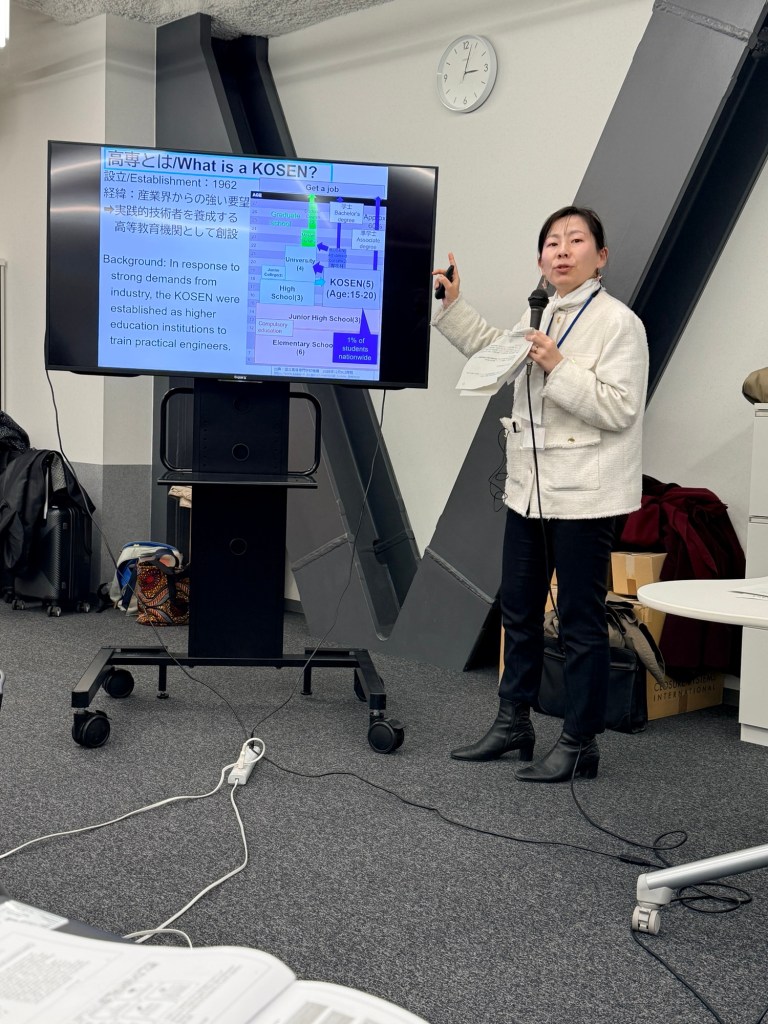
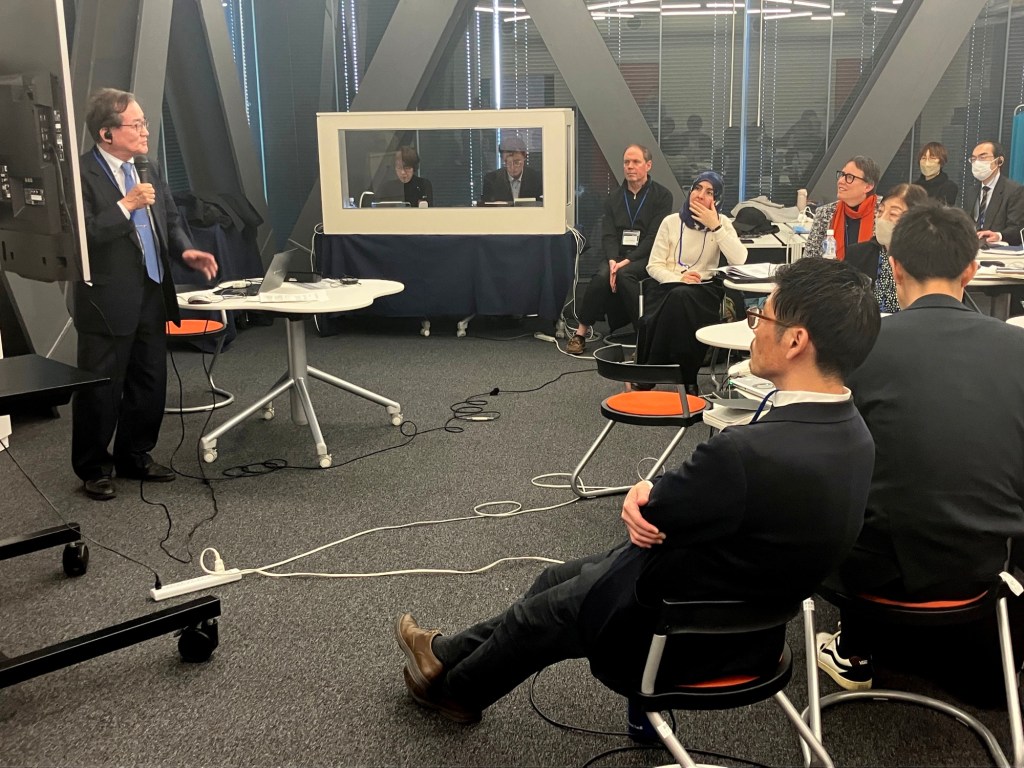
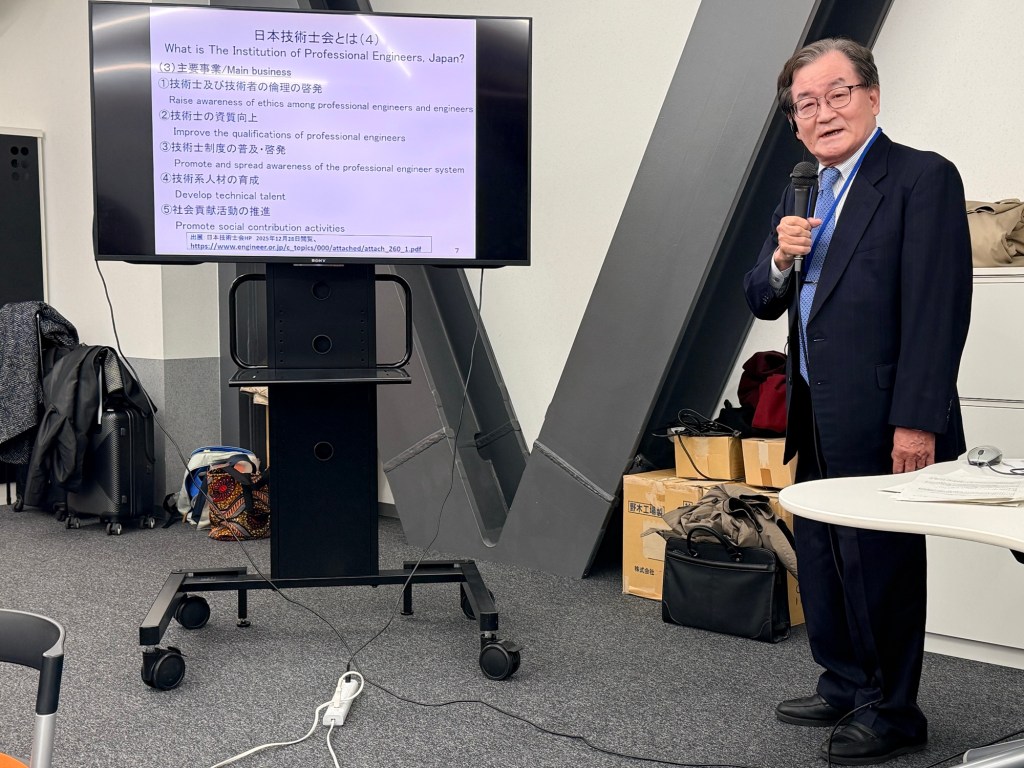
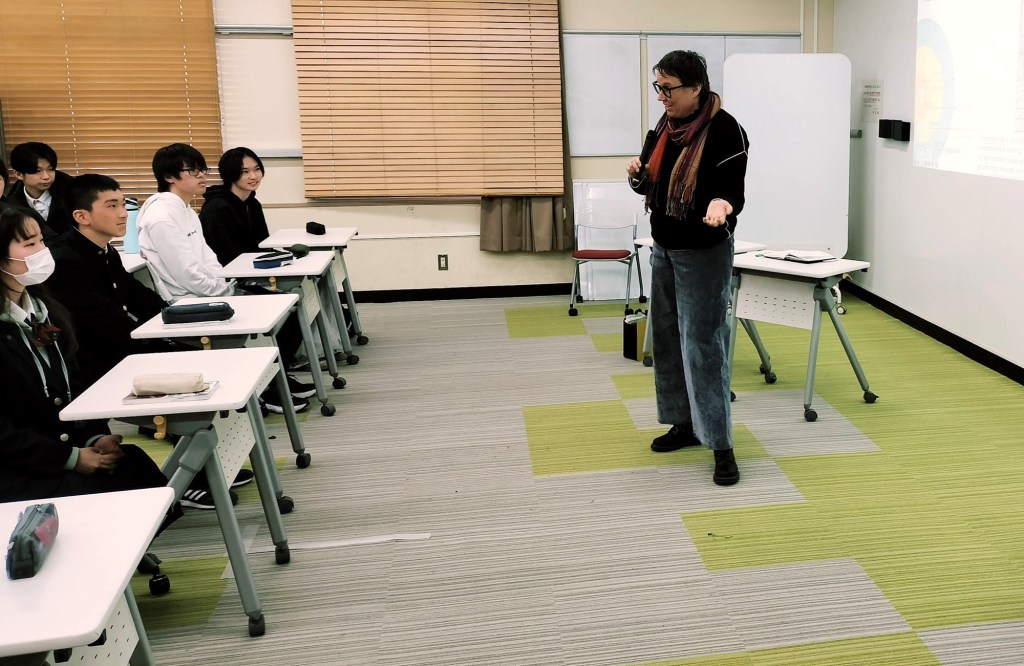
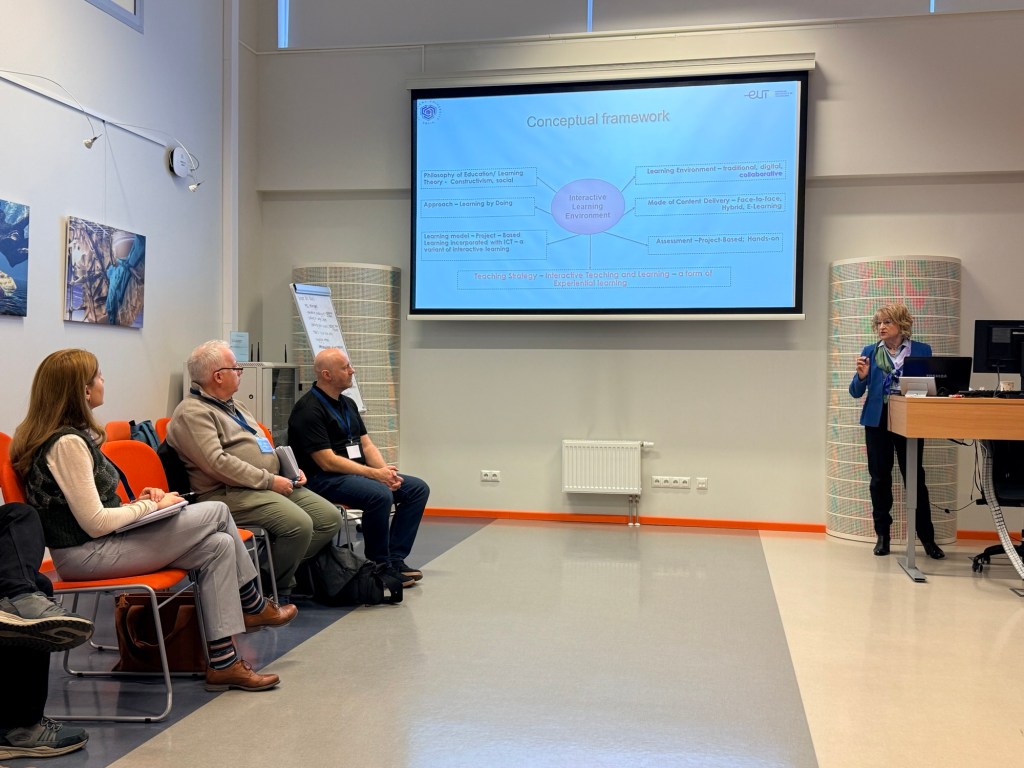
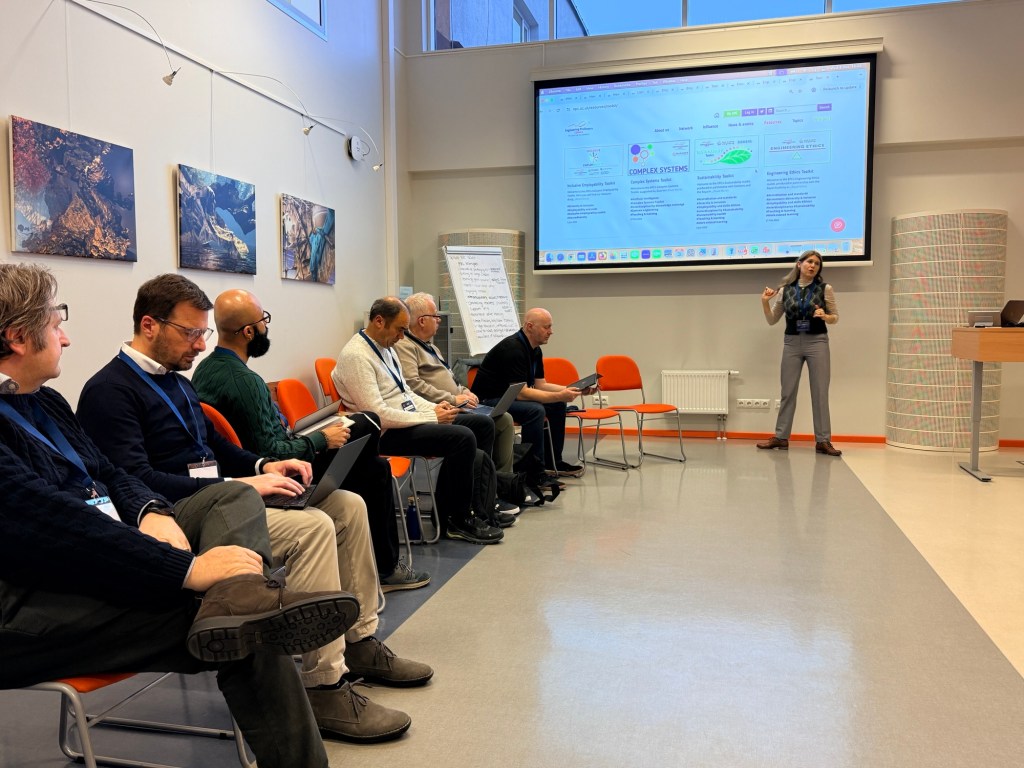
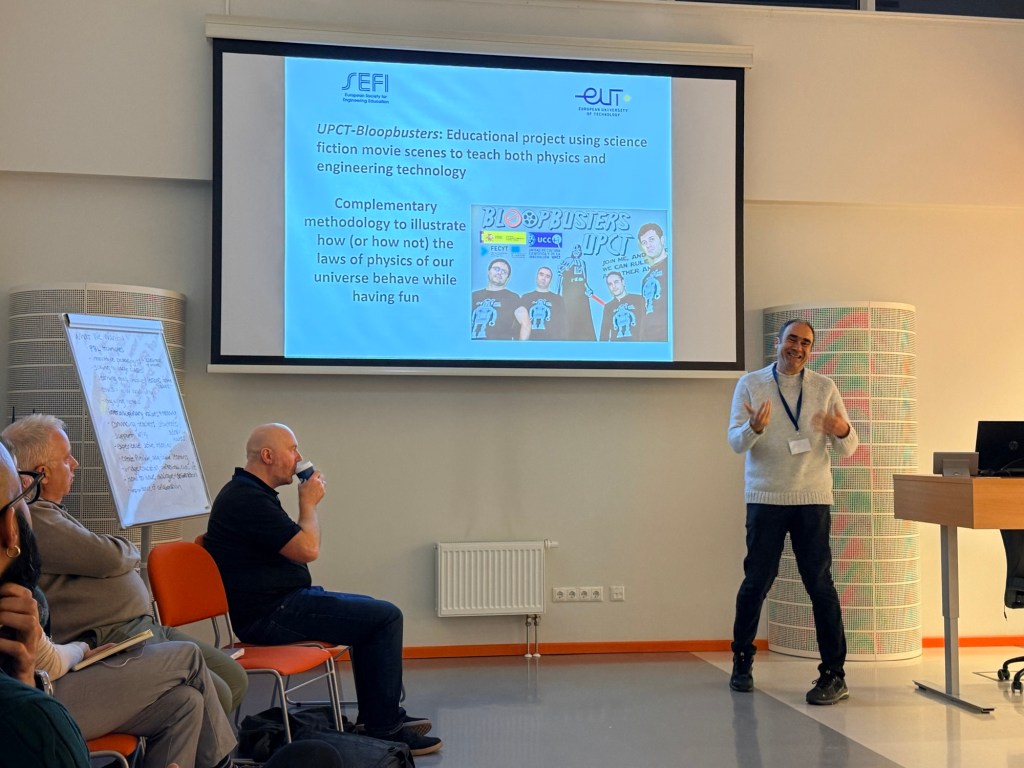
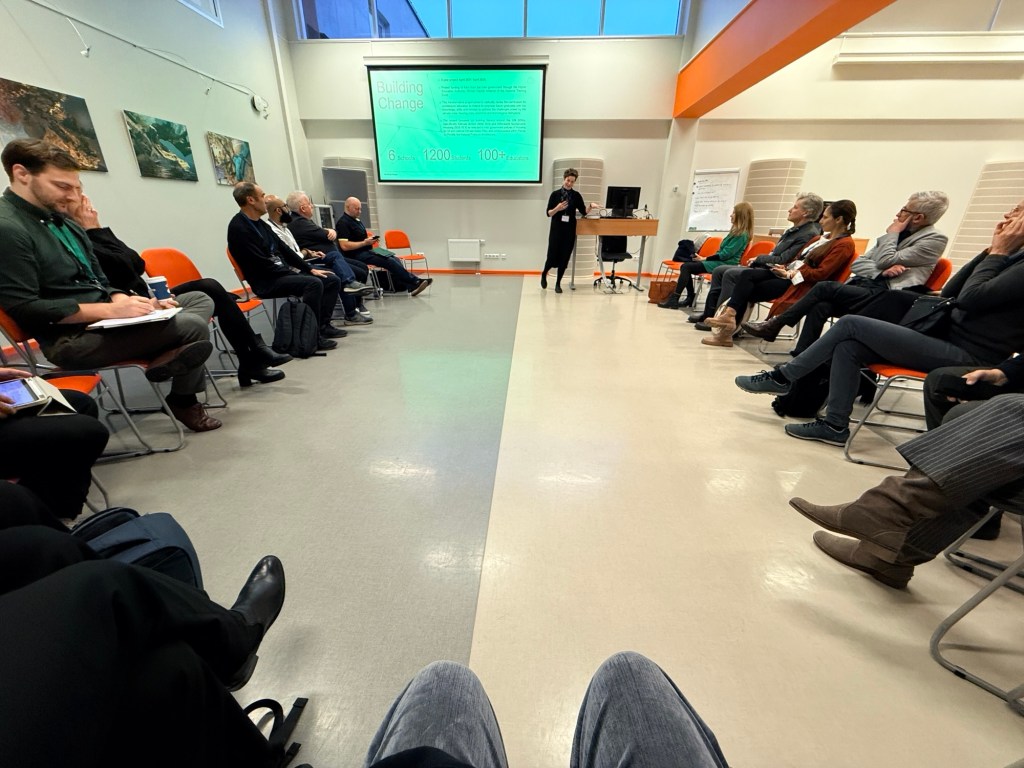
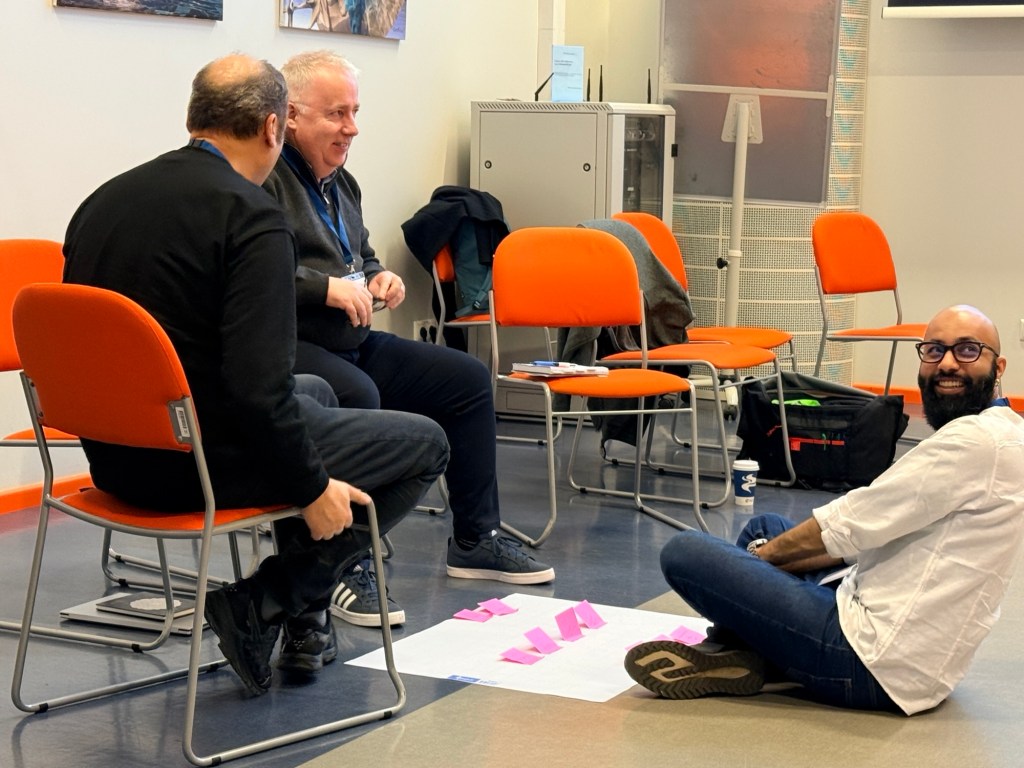
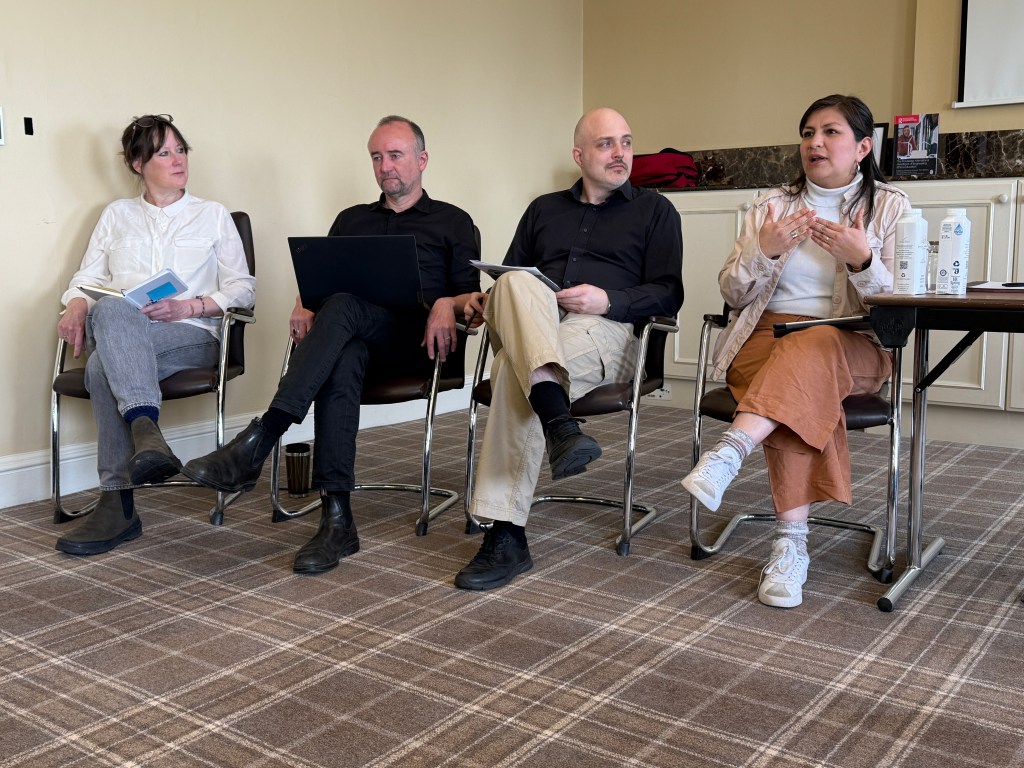
Catching them in full action below:

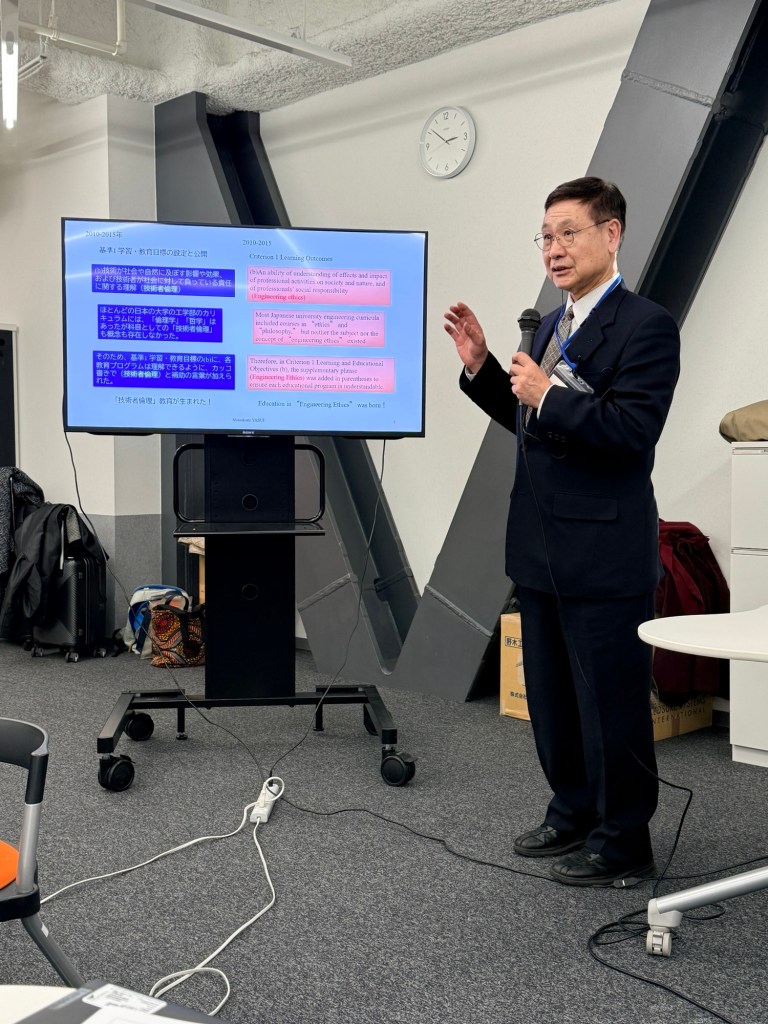
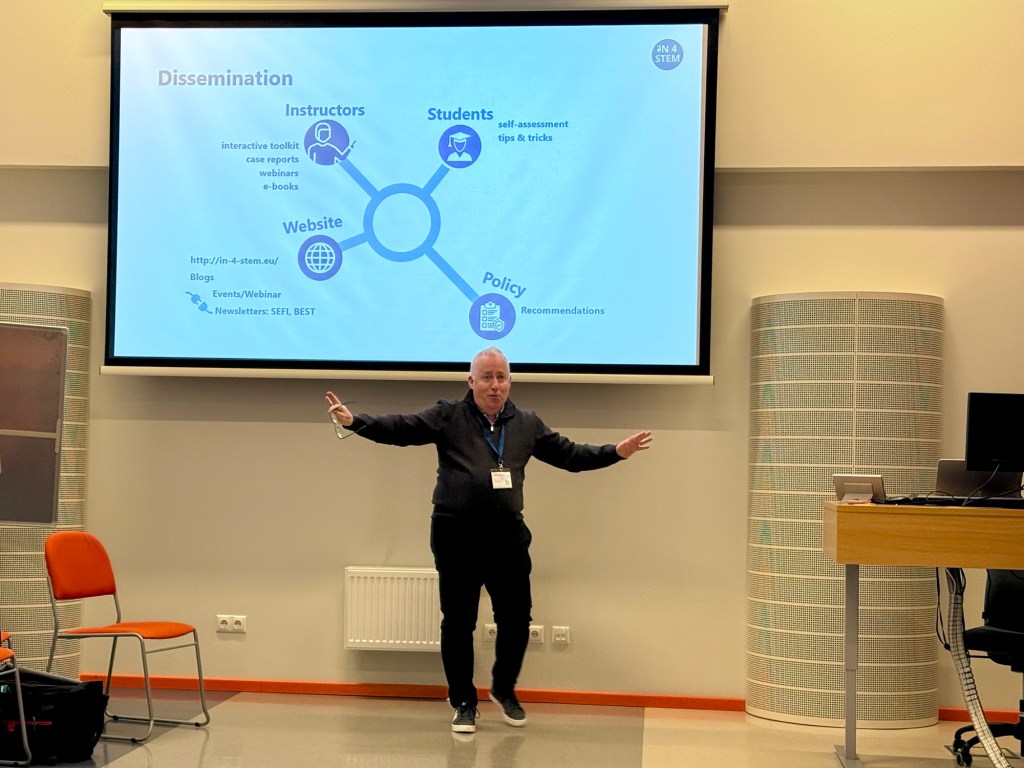
Dr./Prof. Matthias Veit shared frameworks he and his colleagues in Darmstadt are using to facilitate curricular change.
Dr. Kalina Belcheva described learners as digital content creators in educational settings.
Dr. Sarah Hitt showed us how to use the Sustainability and Ethics Toolkits she developed for the Engineering Professors Council.
Dr. José Luis Serrano presented on using film excerpts to teach (test and challenge) physics concepts as presented in popular movies. He calls this activity “Bloopbusters”!
Ms. “soon-to-be-Dr.” Miriam Delaney showcased Building Change, a curriculum change initiate across all the schools of architecture in Ireland to support sustainability, housing, and climate resilience.
Mr. Edmund Nevin described an Erasmus project he’s part of, focused on supporting students in their transition from second to third-level education.

The Forum also included interactive workshops.

I started the Forum off with a mini-keynote on the Handbook followed by a workshop on applying targeted teaching methods to integrate ethics content into the subjects our participants teach.

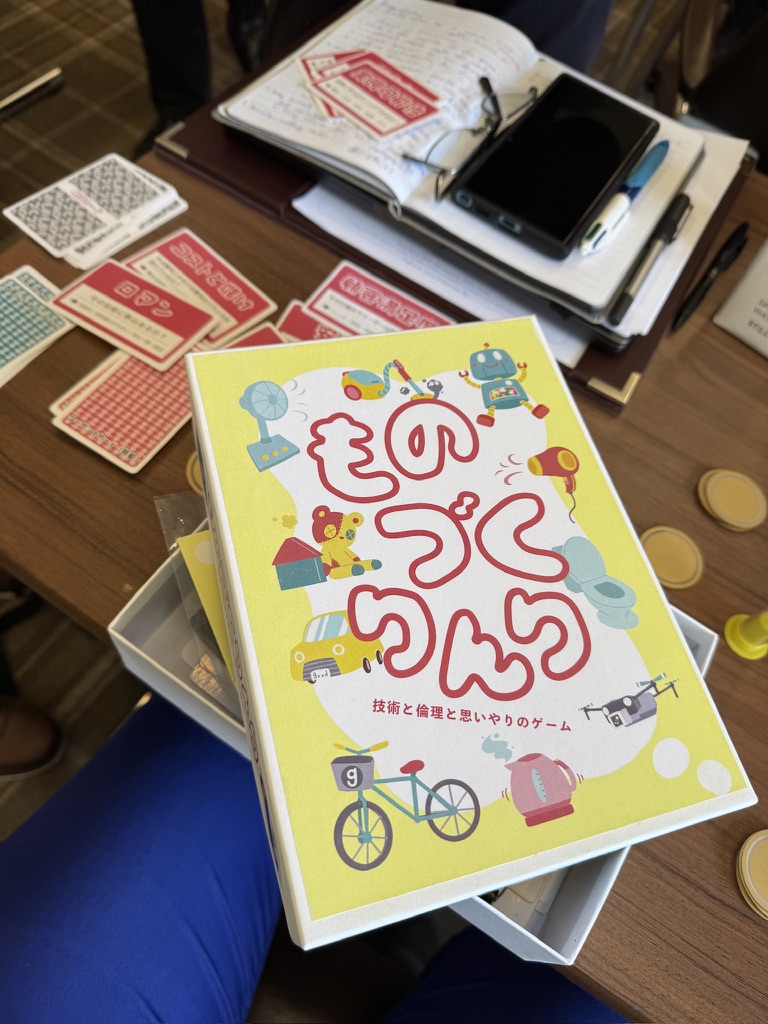
Santi’s Revolt game

Dr. Santiago Perez delivered an ethics game he developed, called Revolt.

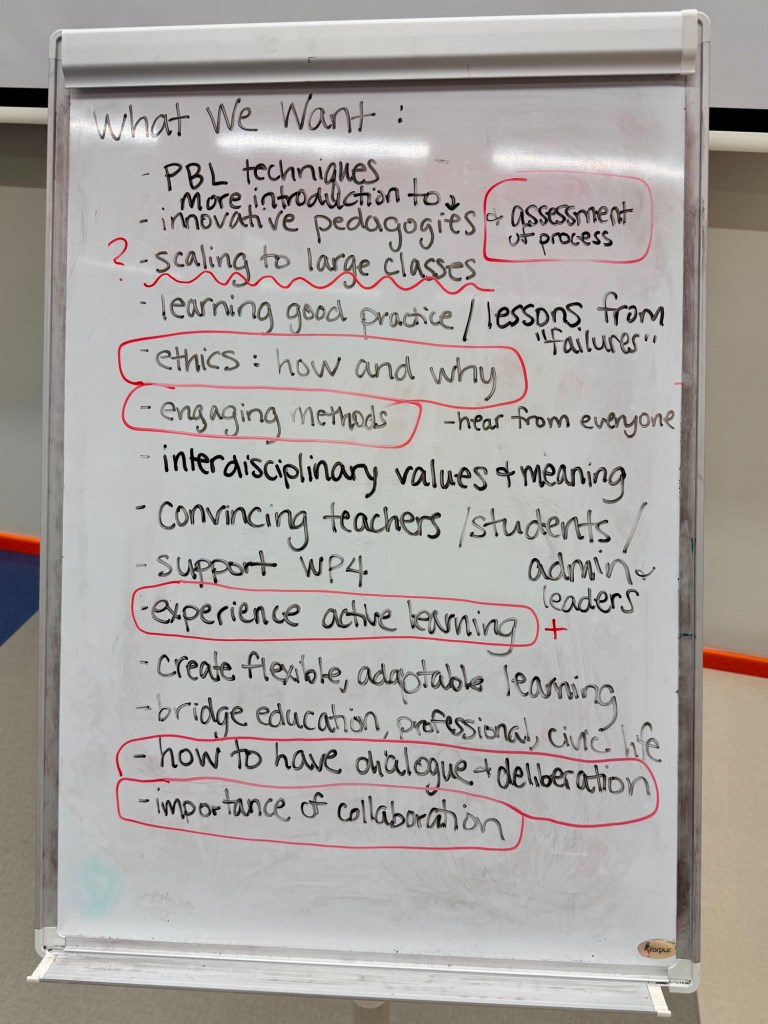
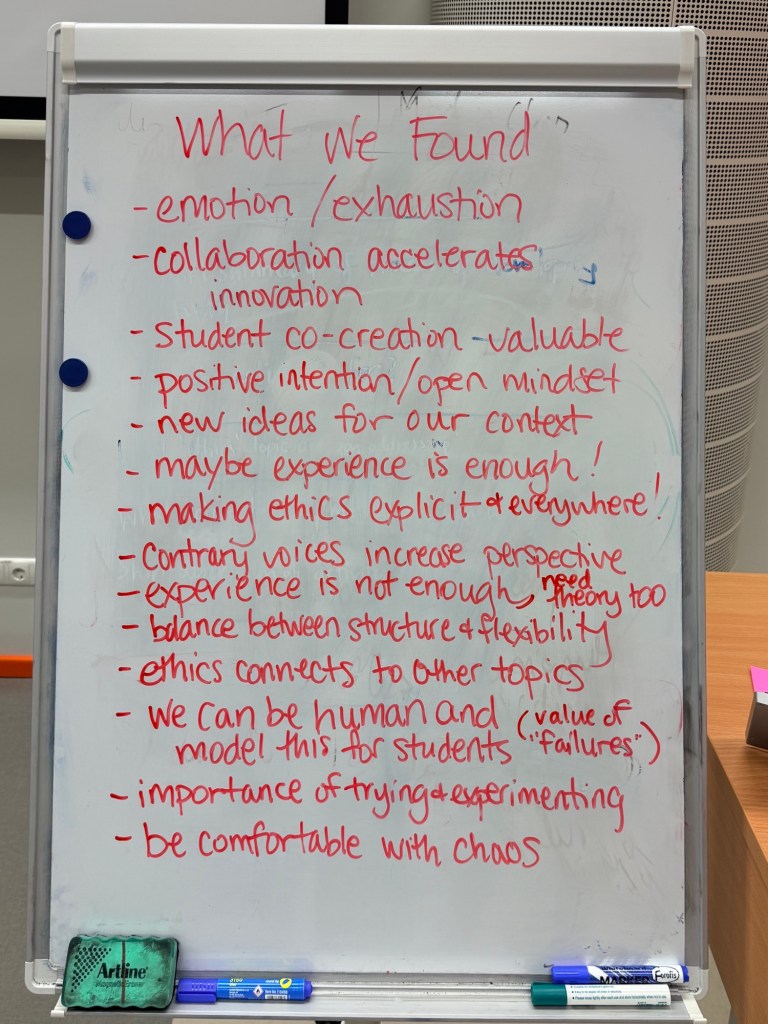
At the very beginning of the Forum, following introductions, Sarah Hitt and I helped the group identify learning goals for the week. Together, we co-designed a strategy that used the pot-luck “dishes” we’d each brought with us (readings, keynotes, workshop outlines, prior experience and innovative spirit). At the end of the week, Sarah helped us assess how well we’d succeeded in covering the topics we’d defined.

I have to say, Sarah was an absolute superstar! She’s a natural leader and event facilitator. I invited her because she was an author on our handbook and she teaches at NMITE, the New Model Institute for Technology & Engineering, based in the UK. They teach using all the featured pedagogies, so I figured she’d have the necessary skills—but wow! Was I impressed beyond expectations!

Sarah Jayne was a Hitt!

Miriam and Edmund also did a fabulous job facilitating. Their (book club / workshop design) group discussions were lively and engaging.

I was also extremely pleased with the contributions my other TU Dublin colleagues, Mr. Keith Colton and Dr. Mayank Parmar, made to the Forum.

The Forum succeeded overall, though, due to the wholehearted engagement of the EUt+ educators who travelled from near and far! The 21 of us attending put in our all, and as a result we all left with new ideas and experiences and inspiration to evolve our teaching.

Some of us are already working on follow-up conference session and grant proposals together, and hopefully we’ll have more successes to report to you in the coming semester!

Thanks, EUt+, Timothèe, and Karine, for working so hard to include use and showcase what SEFI engagement can give the EUt+ community!

Grab your popcorn! YouTube ethical & sustainable engineering

Our SEFI keynote about socially responsible engineering is now on YouTube!

It opens with the launch of our handbook on teaching ethics in engineering. Next, we discuss a strategy for making the necessary changes in engineering education to address turbulent times.

Below, I share fun pics of SEFI, as posting this is a chance to relive the excitement! From the launch:

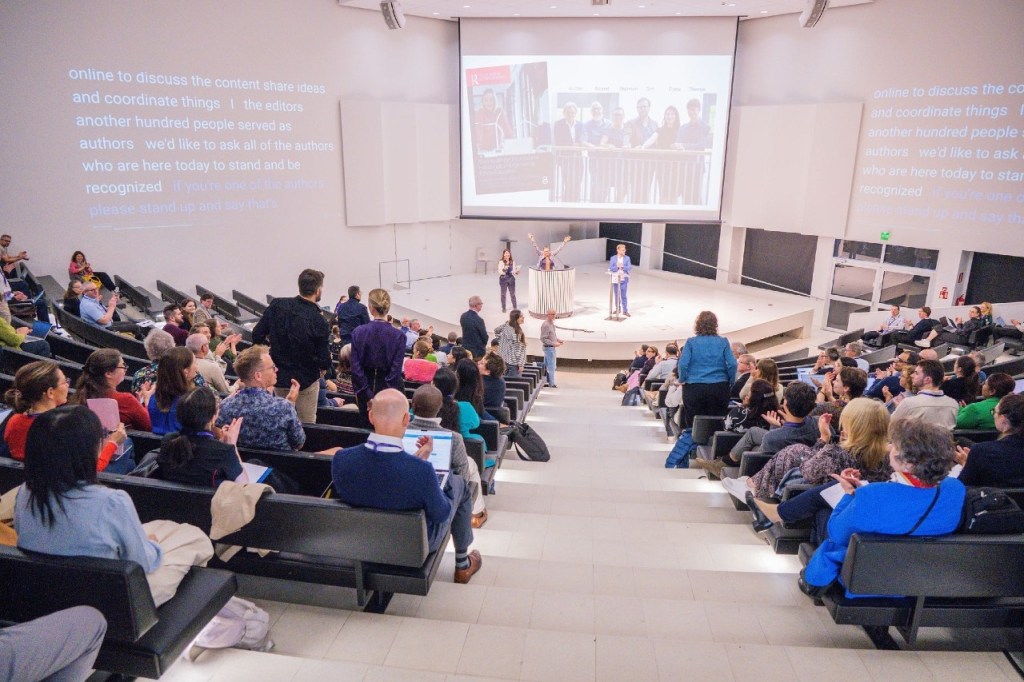
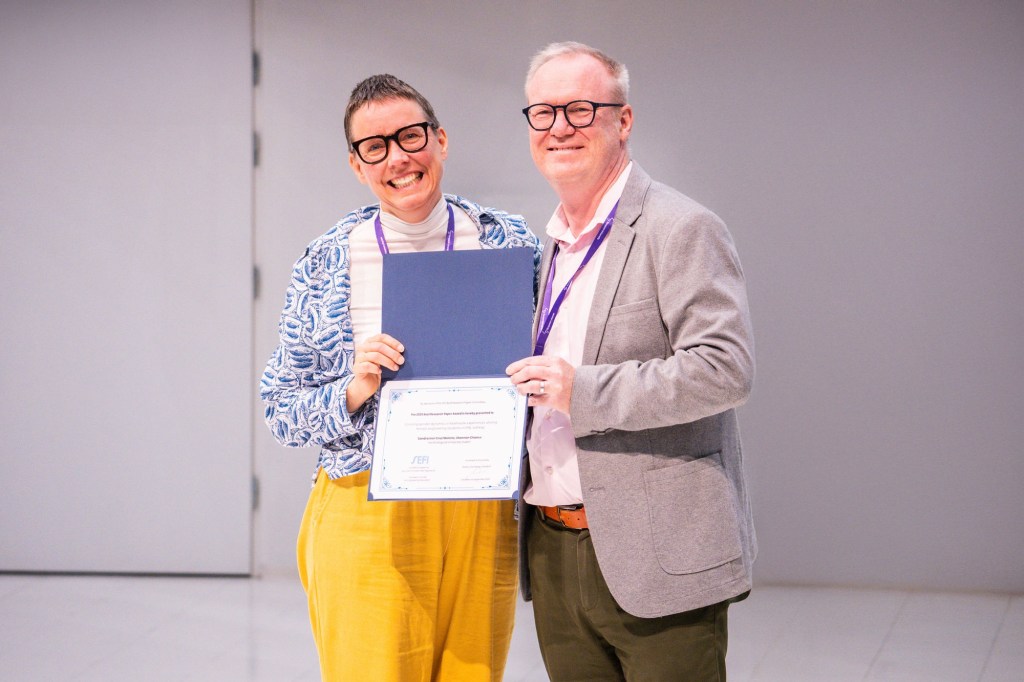
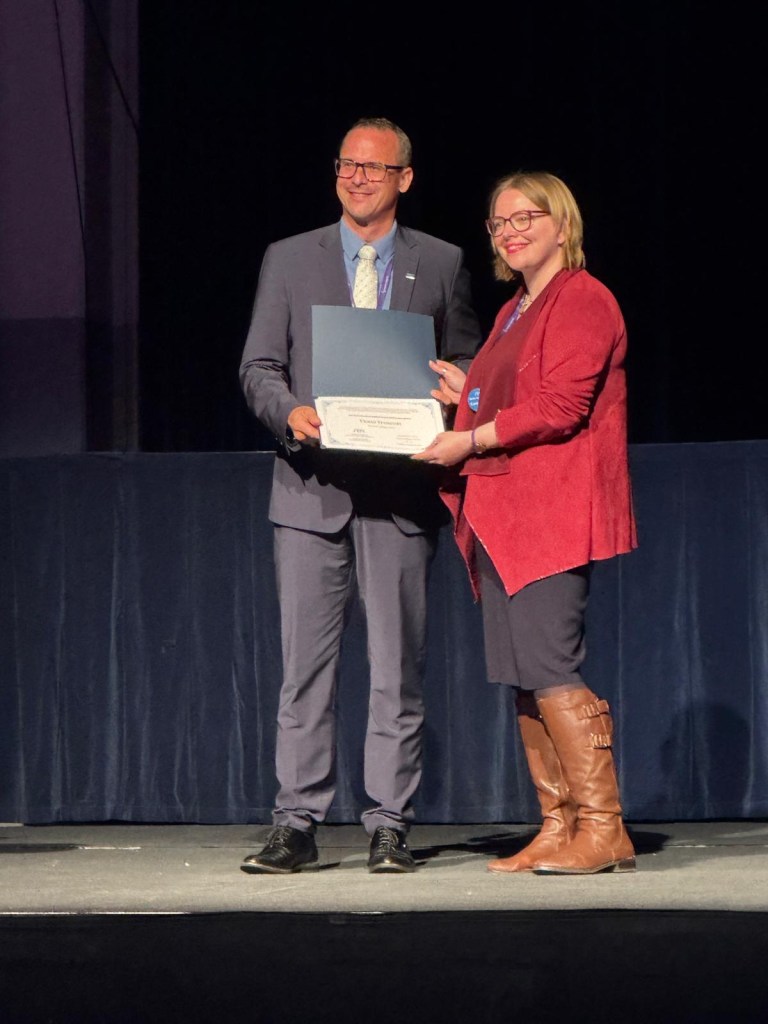
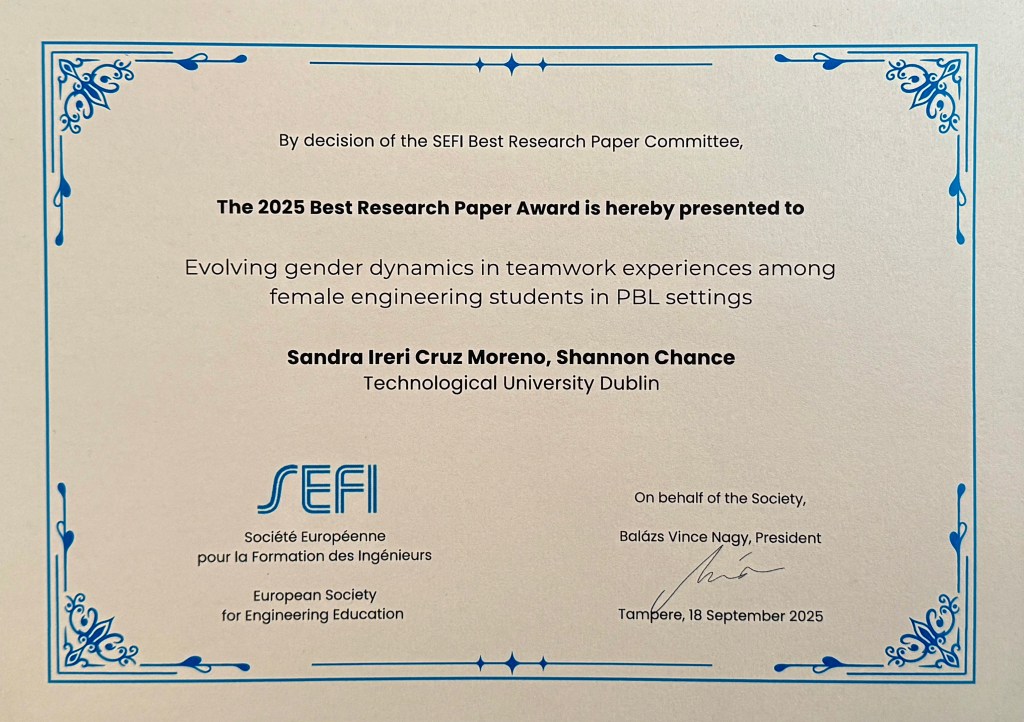
A significant — unexpected — highlight of the SEFI conference was receiving the award for the BEST RESEARCH PAPER of the entire conference! I accepted the ward on behalf of my PhD student, soon-to-be Dr Sandra Cruz!

Here I’m being awarded by Professor John Mitchell and congratulated by my co-editors of the European Journal of Engineering Education.

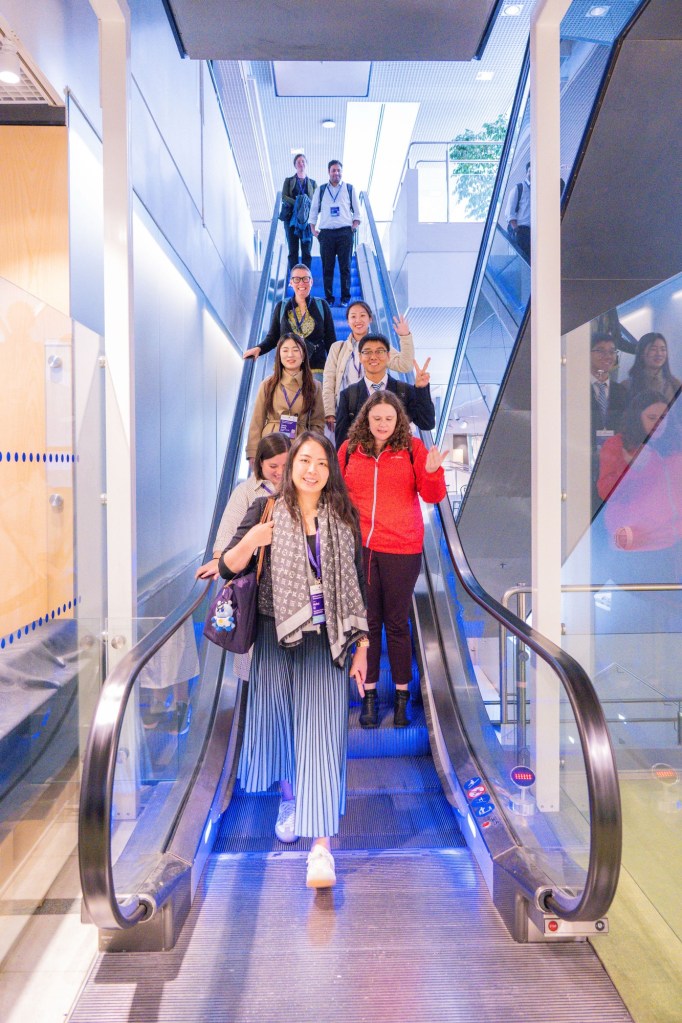
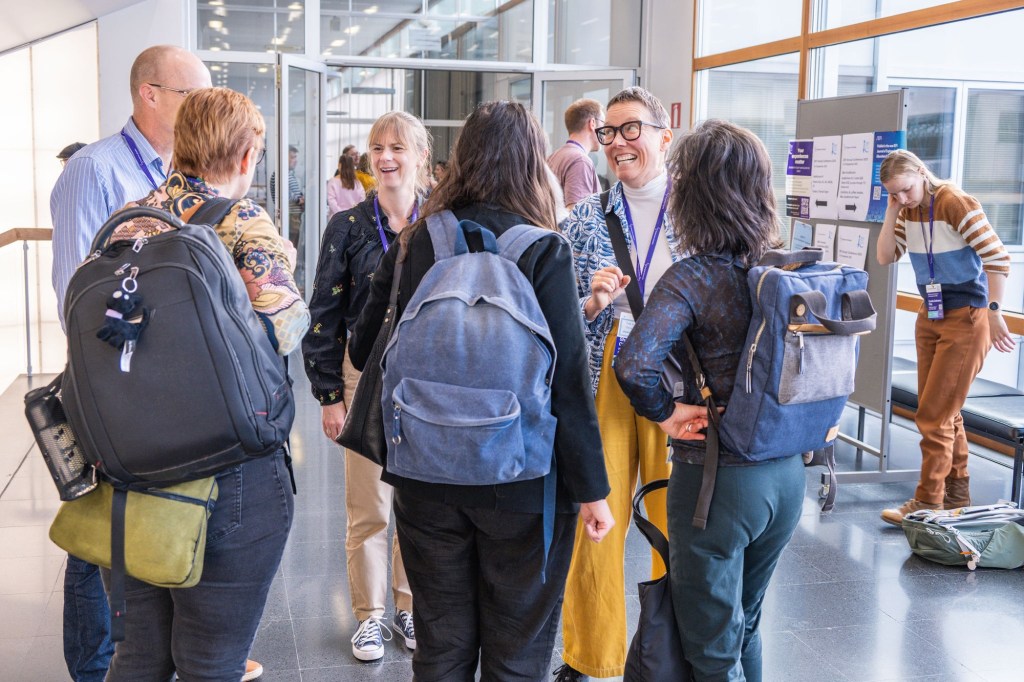
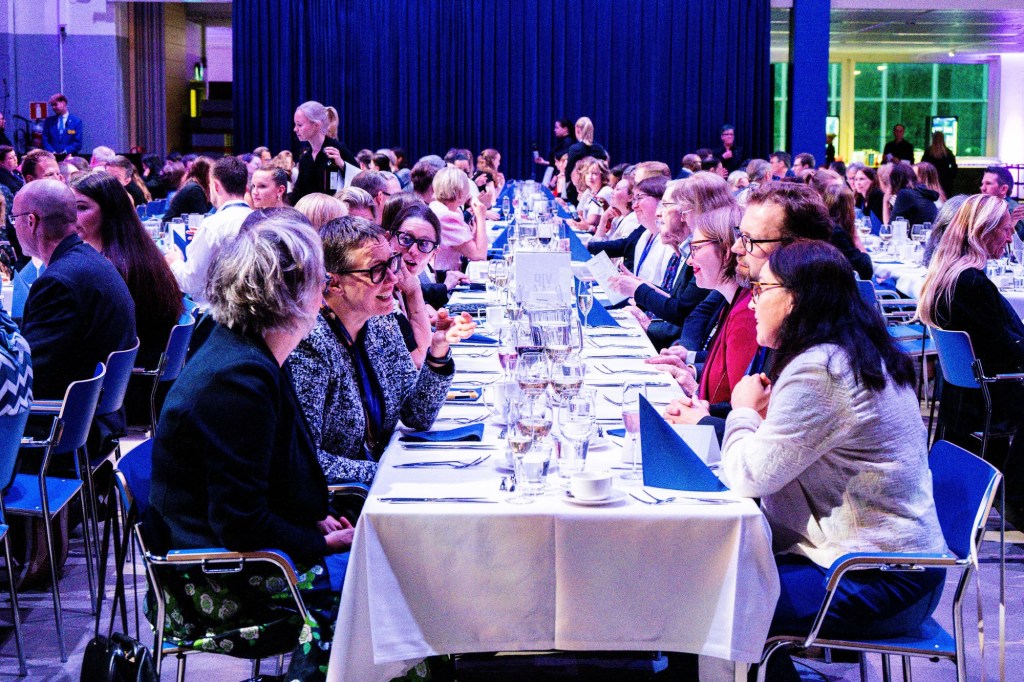
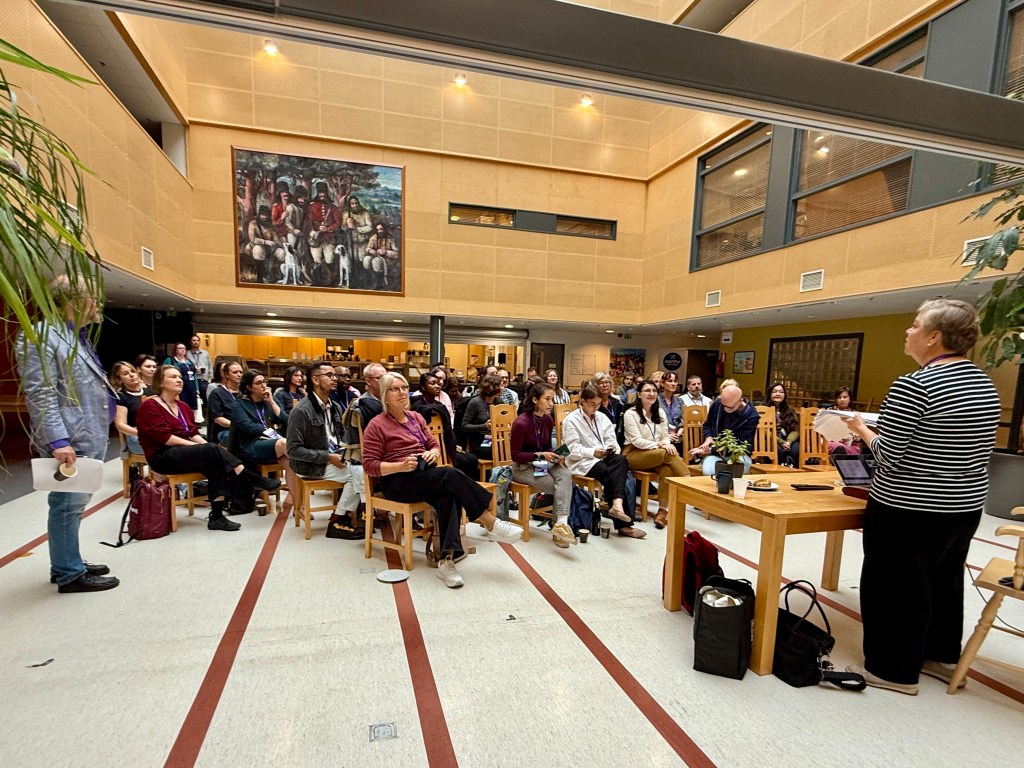
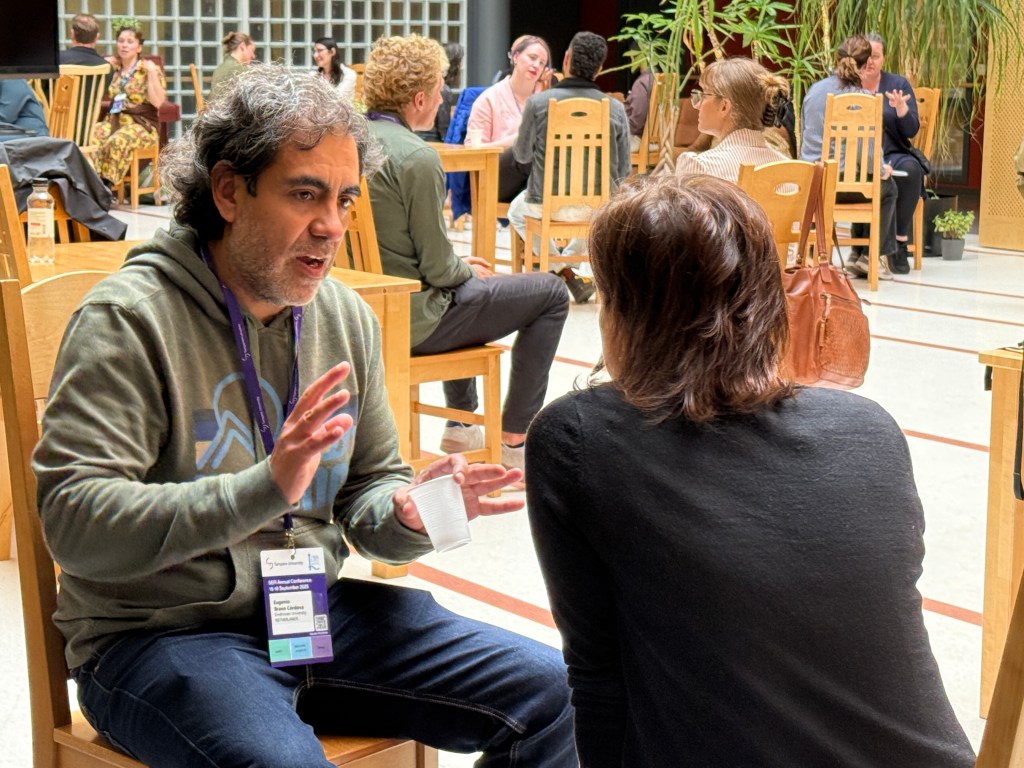
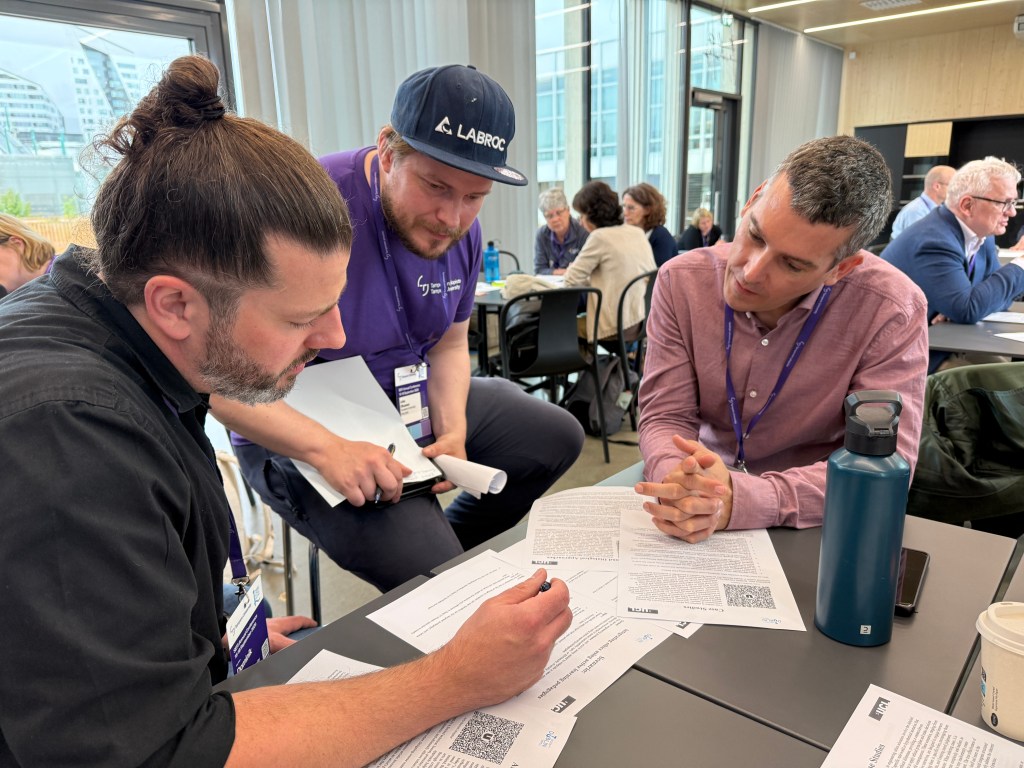
The official photographer captured the conference vibe:

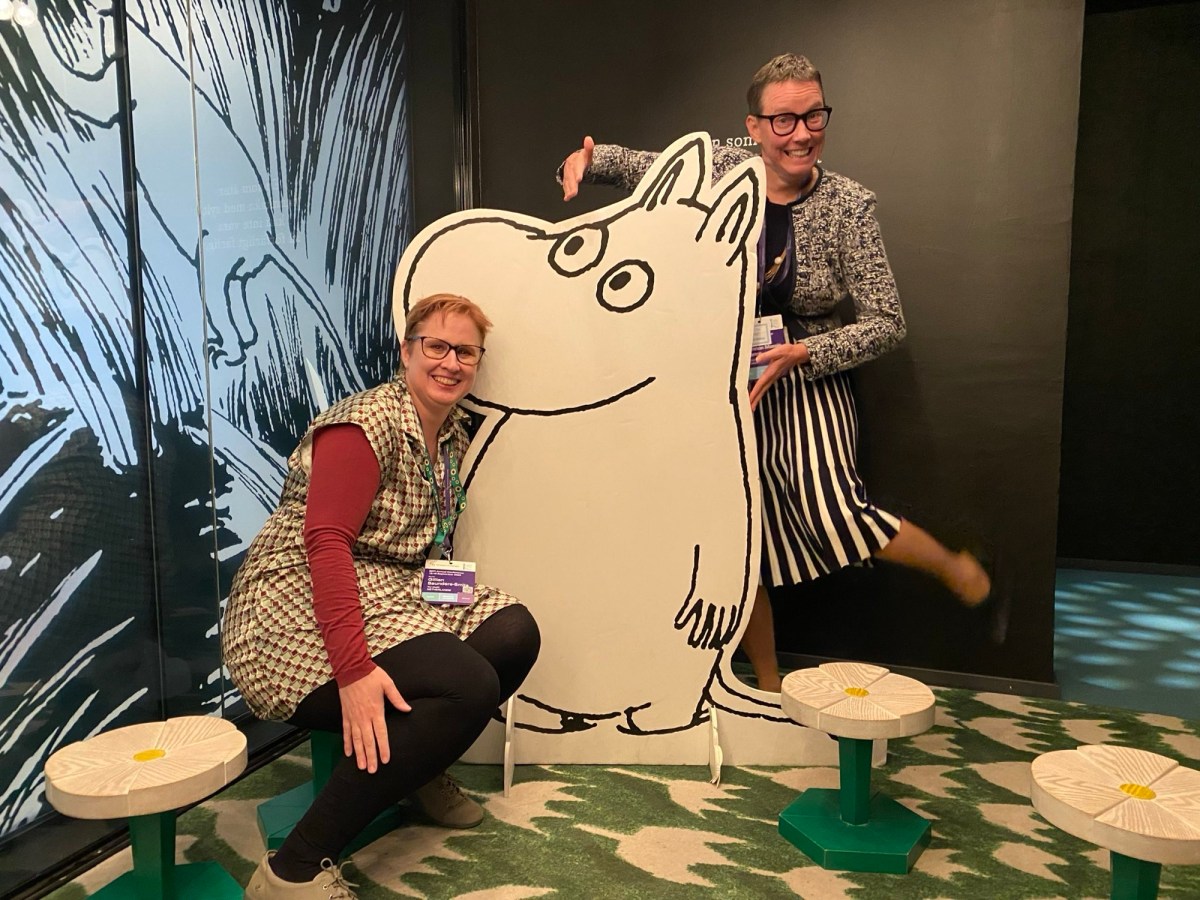
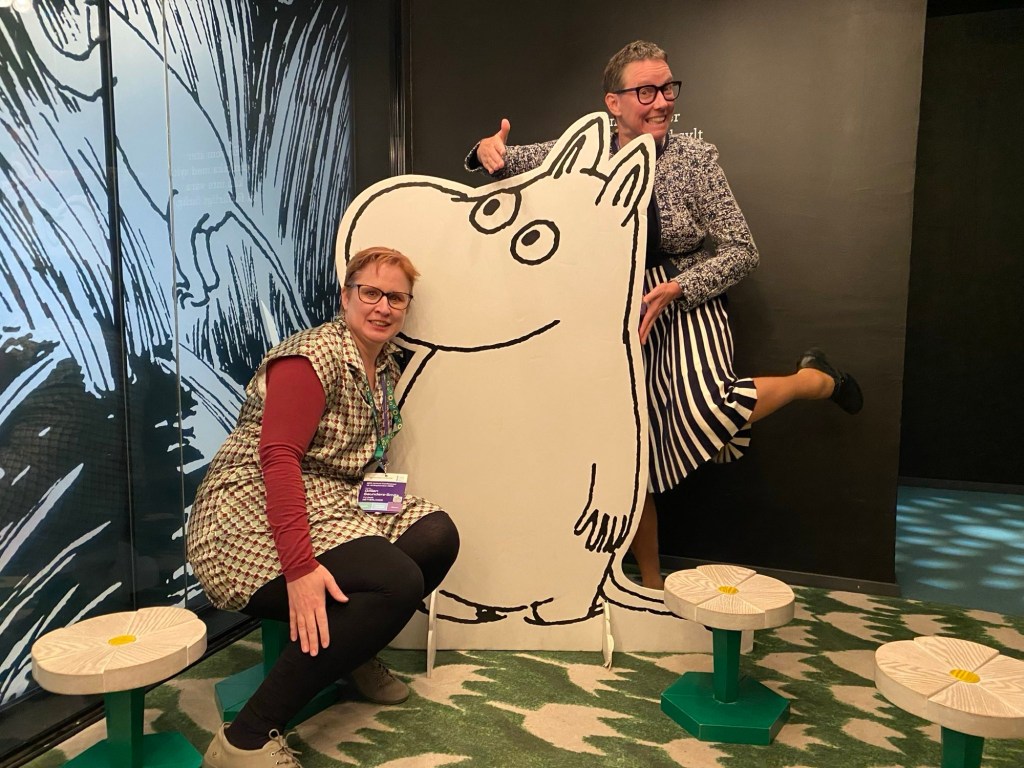
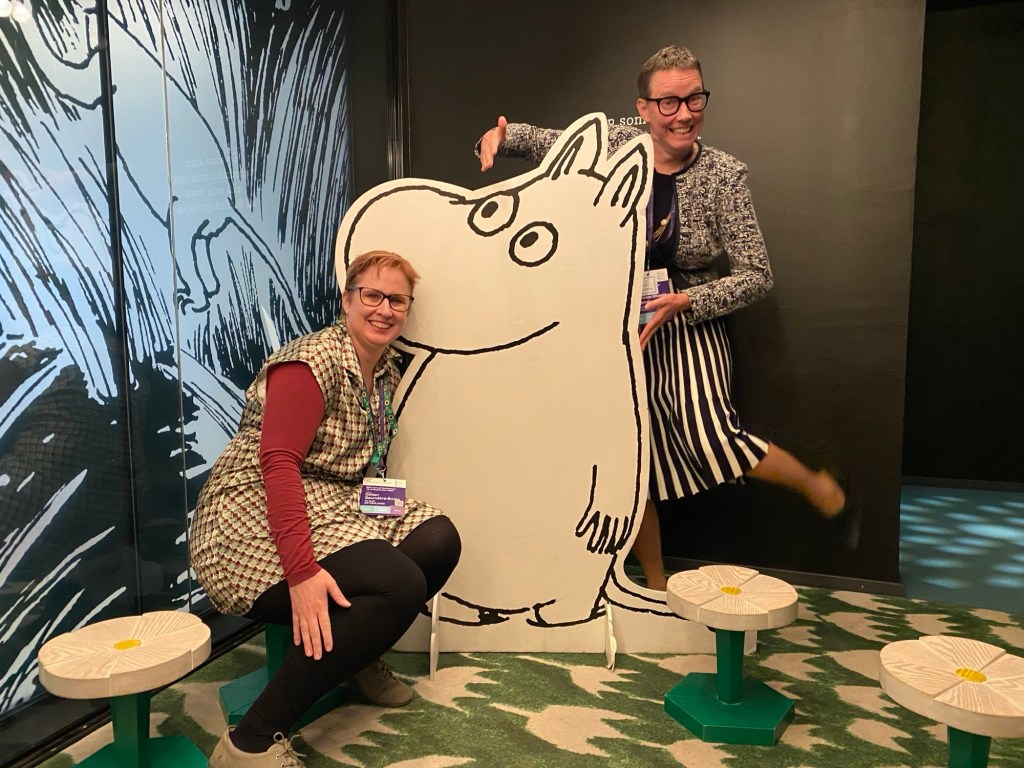
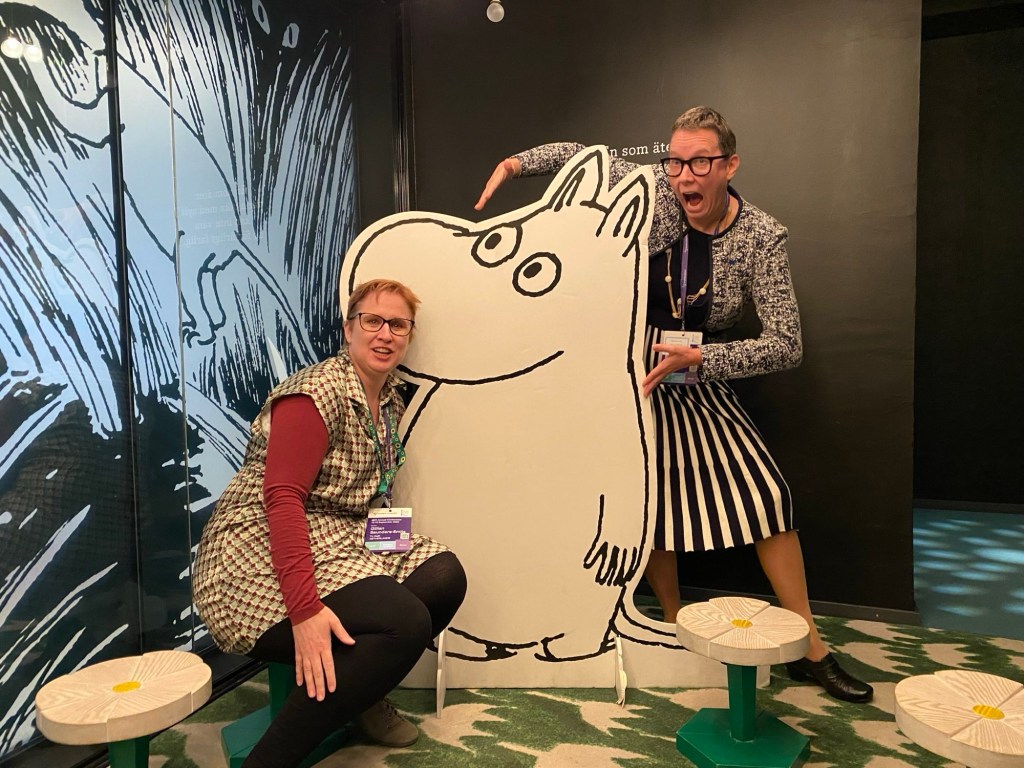
And the SEFI Director General, architect Klara Ferdova, captured and shared other behind-the-scenes moments, like Gillian Saunders-Smit and me at the Moonmin Museum:

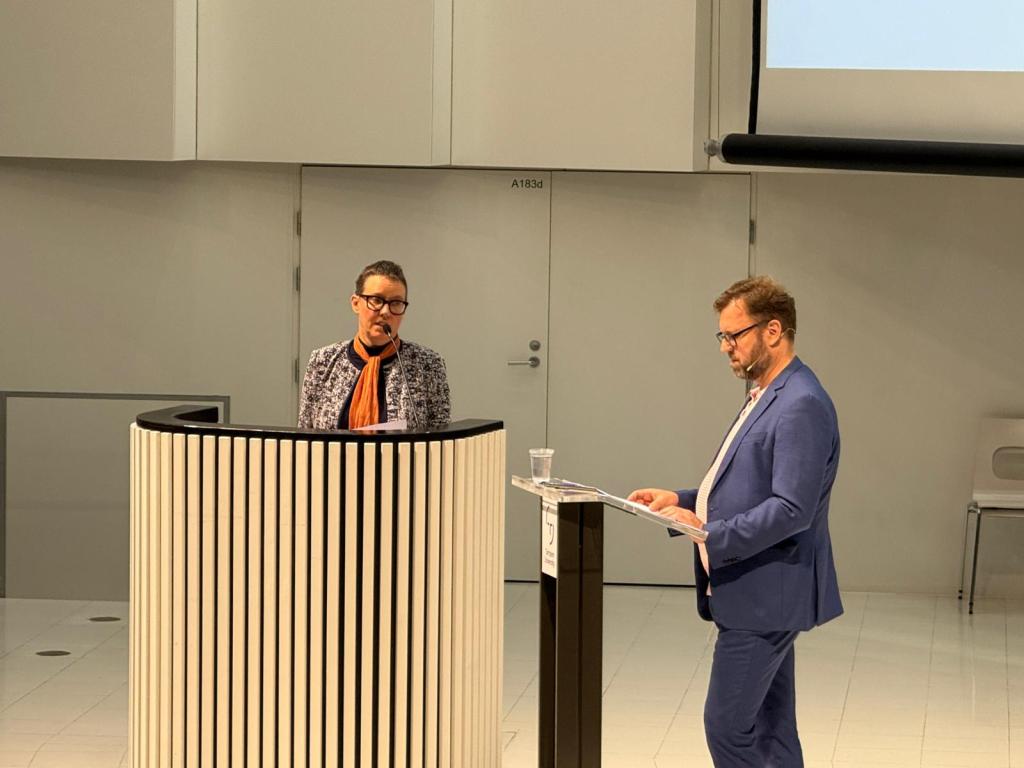
And here are Klara’s photos of the keynote! An architect’s eye for structure and composition, Klara has!

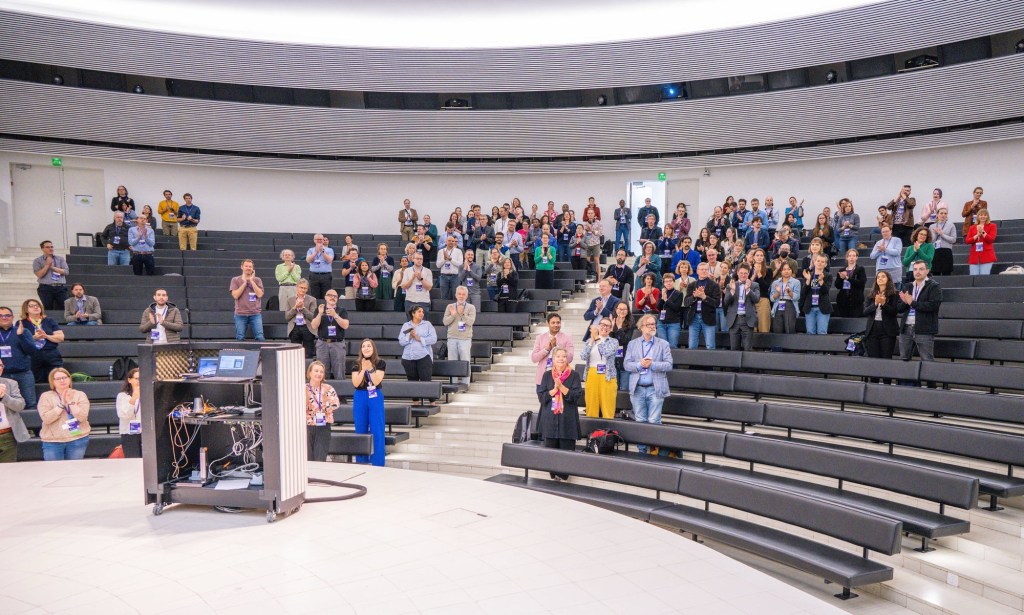
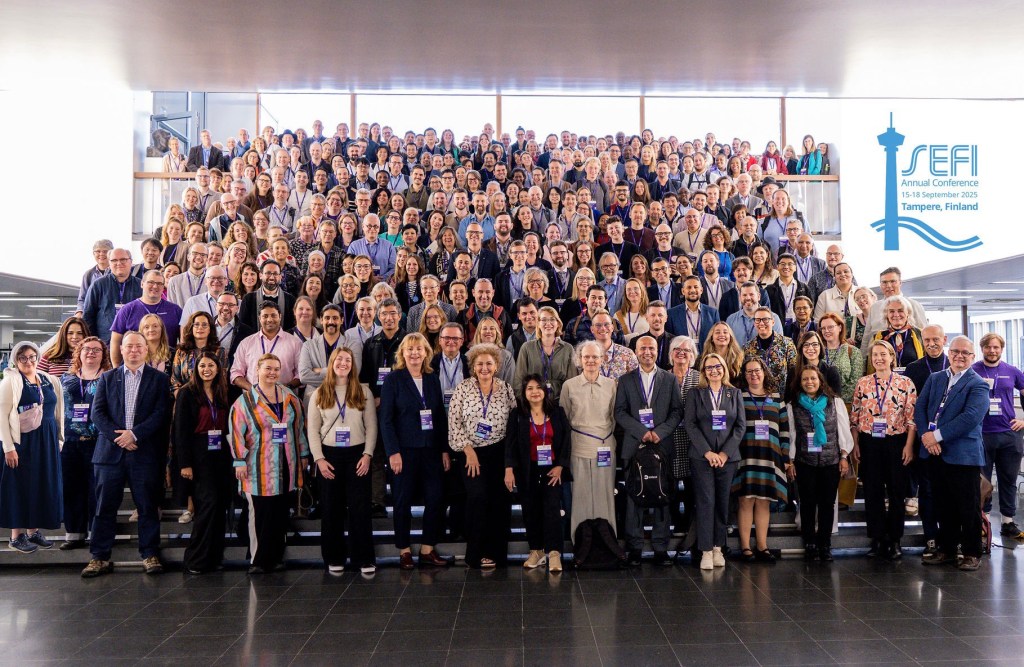
And finally, here’s the official SEFI photo, showing the whole happy family!

If you’re interested in teaching engineering well, please join us for next year’s SEFI conference in Prague!

Here’s to fairytale endings in Finland: Highlights of SEFI 2025

What an inspiring whirlwind week at the European Society for Engineering Education SEFI 2025 Annual Conference! The event was packed with meaningful presentations, deep and reflective conversations, intellectual rigor, and memorable community moments. Attending SEFI always feels like a homecoming to me, and this year’s conference certainly delivered, especially with the monumental achievements of my colleagues and students.

From Handbook to Keynote Stage

A significant highlight for me was being invited to deliver a keynote address at SEFI alongside Associate Professor Tom Børsen from Aalborg University. The address drew extensively from the Routledge International Handbook of Engineering Ethics Education, which Tom and I co-edited alongside our phenomenal team of co-editors, Diana Adela Martin, Roland Tormey, Thomas Taro Lennerfors, and Gunter Bombaerts. 

Our keynote, titled “Towards socially responsible, post-normal and reflexive engineering ethics education,” (video link here) called for a bold transformation in how engineering ethics is taught. We addressed the urgent need for engineering ethics education (EEE) to move beyond traditional, individual-focused approaches to embrace collective responsibility, reflexivity, and social justice. This is particularly critical in “post-normal times,” characterized by uncertainty, high stakes, and contested values.

Among other things, Tom and I urged the community to integrate non-Western and AI ethics, foster transdisciplinary collaboration, and empower engineers to challenge power structures and cultivate an ethics of care for people and the planet.

And regarding Tom, I was thrilled to watch him receive a major honor at SEFI: the 2025 Maffiolli Award. Tom has been instrumental in advancing the field of Technological Anthropology, and this award is so very well deserved! Tom won in the individual category, and my colleagues from UCL, led by Fiona Truscott, won in the group category. A very excitig night, all around!

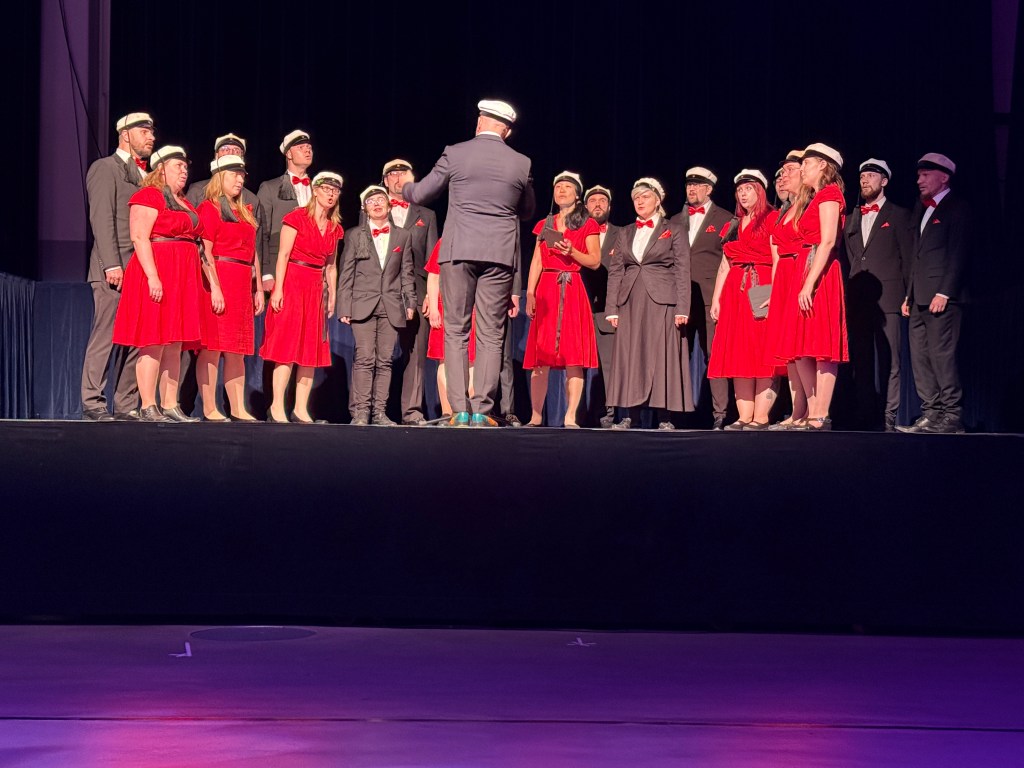
The awards were presented at the conference banquet – the entertainment was superb! Singing Finnish engineers – a whole choir of them – who knew?

I knew about Tom’s award, as I’d been pulling for this outcome for over a year. Yet, other outcomes of the conference were a complete surprise…

The Power of Collaborative Research: Winner of the Best Research Paper Award!

My PhD student, the incredibly talented and astute sociologist Sandra Cruz Moreno, won the BEST RESEARCH PAPER award for SEFI 2025. I serve as her supervisor and was the co-author of this paper.

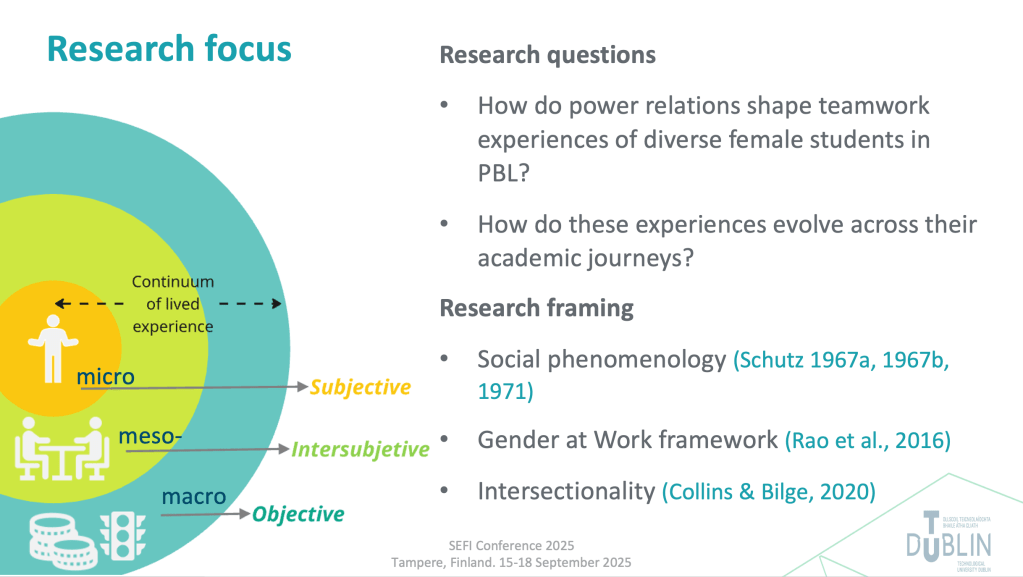
The recognition for excellent research was deeply validating, especially since the paper, “EVOLVING GENDER DYNAMICS IN TEAMWORK EXPERIENCES AMONG FEMALE ENGINEERING STUDENTS IN PBL SETTINGS”, was nominated in three separate categories, each with its own panel of judges: Best Student Paper, Best Diversity and Inclusion Paper, and overall Best Research Paper.

The paper reports one aspect of Sandra’s doctoral research, which has been funded by a First-Time Supervisor grant to me from TU Dublin. The funding allowed us to analyze the extensive interview data I collected since 2015.

Sandra’s study is crucial for understanding inclusivity in engineering education. It employed a longitudinal, qualitative social phenomenological approach combined with an intersectionality framework. Using data from 41 interviews with 22 female engineering students from seven countries at TU Dublin, Sandra explored how diverse students navigate challenges and evolve strategies during project- and problem-based learning (PBL) teamwork across their academic journeys.

A key finding was that while students’ confidence and participation increased over time, the women persistently faced gendered biases and cultural norms that influenced their perceived roles and credibility in teams. For instance, they reported often being relegated to non-technical tasks like presenting or report writing, while feeling required to constantly prove their competence regarding hands-on skills. This analysis led Sandra to conclude that focusing solely on individual resilience is insufficient; systemic structural interventions are also needed to promote inclusive educational practices and challenge embedded norms.

I was honored to accept the award in Sandra’s absence, celebrating the resounding endorsement of her work. This recognition is truly a cherry on top of our successful 3.5 years of teamwork.

You can download the paper here: https://researchprofiles.tudublin.ie/en/publications/evolving-gender-dynamics-in-teamwork-experiences-among-female-eng and cite it as:

Cruz, S., & Chance, S. (Accepted/In press). EVOLVING GENDER DYNAMICS IN TEAMWORK EXPERIENCES AMONG FEMALE ENGINEERING STUDENTS IN PBL SETTINGS. Paper presented at European Society for Engineering Education (SEFI) Annual Conference 2025, Tampere, Finland.

Nurturing Community and Capacity

SEFI is always about nurturing the community, and I was pleased to contribute in several ways:

• Doctoral Symposium: I co-facilitated the full-day pre-conference Doctoral Symposium to support early-career researchers.

• Workshops: I delivered and co-facilitated multiple workshops, including one on integrating ethics into course delivery, a session on methodological approaches in Engineering Education Research, a workshop on the ethics of care, and a peer-review workshop for journal editors and aspiring reviewers.

• Papers: I delivered Sandra’s paper while she joined online to address questions following the presentation. I also co-delivered a paper, titled “ACCREDITATION CONSIDERATIONS IN ENGINEERING ETHICS EDUCATION: BRIDGING GLOBAL STANDARDS AND LOCAL PRACTICES” (that you can download here https://researchprofiles.tudublin.ie/en/publications/accreditation-considerations-in-engineering-ethics-education-brid). You’d cite it as:

O’Gorman, L., Gwynne-Evan, A., Ridgeway, L., Rebow, M., & Chance, S. (Accepted/In press). ACCREDITATION CONSIDERATIONS IN ENGINEERING ETHICS EDUCATION: BRIDGING GLOBAL STANDARDS AND LOCAL PRACTICES. Paper presented at European Society for Engineering Education (SEFI) Annual Conference 2025, Tampere, Finland.

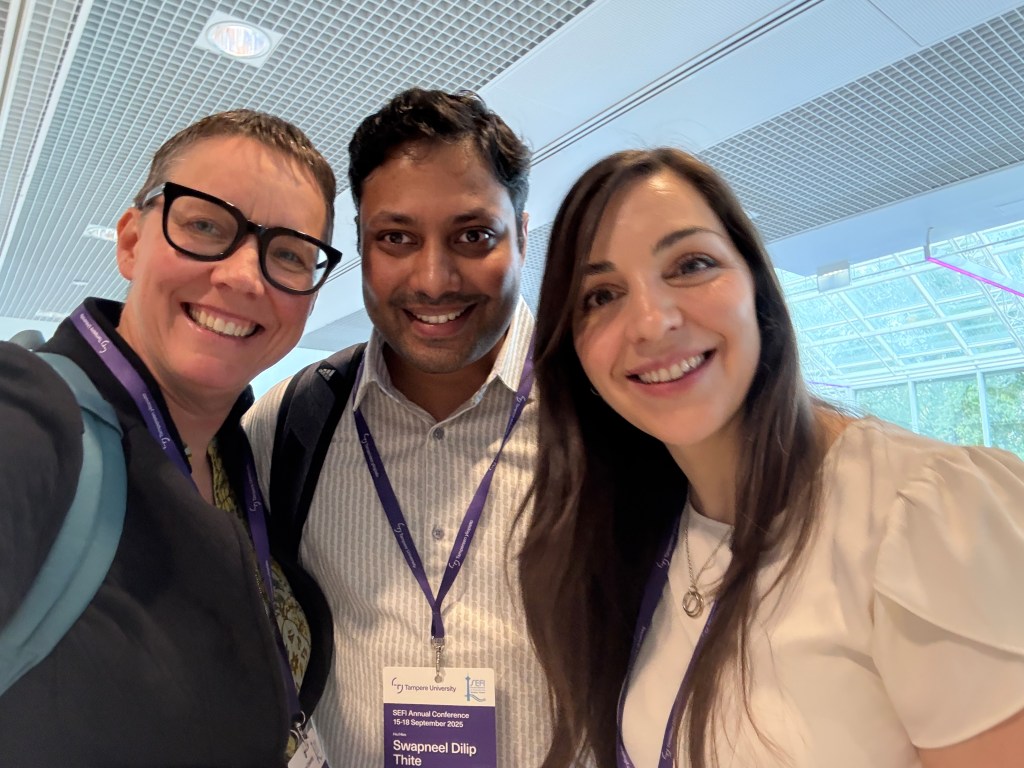
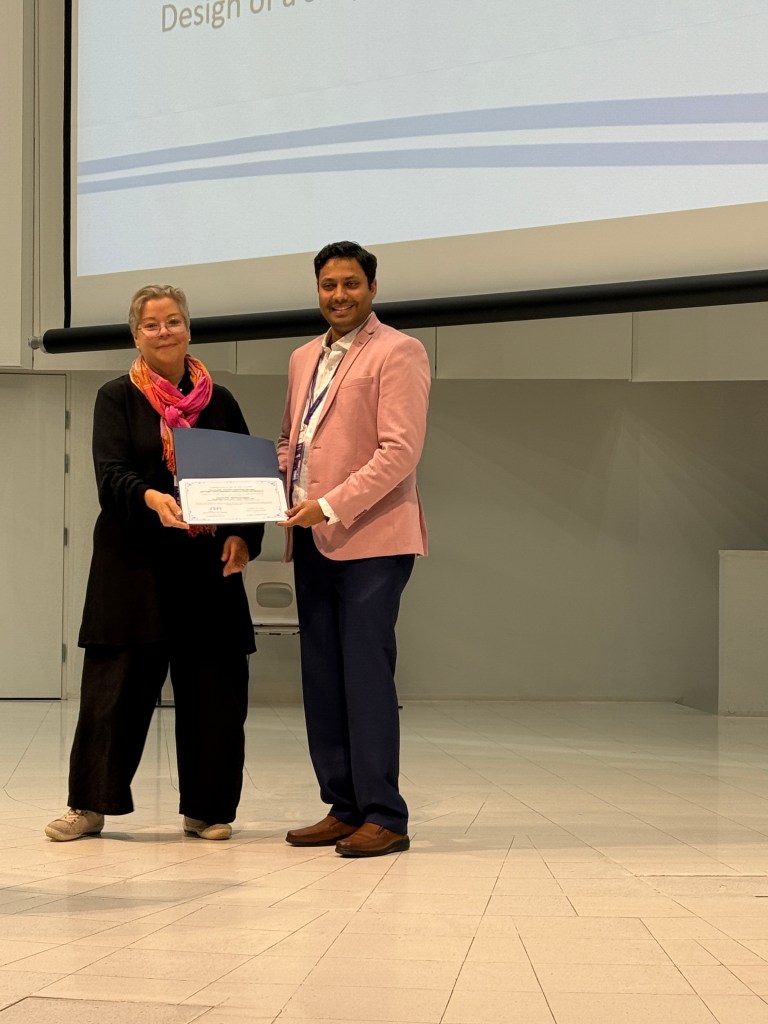
• Supporting Swapneel Thite: I had the immense pleasure of facilitating the attendance of Dr Swapneel Thite, a recent PhD earner. Swapneel won the prestigious Best Paper Award for Volume 49 (2024) of SEFI’s journal, the European Journal of Engineering Education (EJEE), for which I serve as Deputy Editor. He and his PhD supervisors published the “Design of a simple rubric to peer-evaluate the teamwork skills of engineering students” with us. Since I had already paid my registration fee, I was able to offer Swapneel the free registration given to me as a keynote speaker, helping him travel to SEFI to receive his award and meet the community. His paper, recognized for its rigor and practical utility (an easy-to-use instrument for peer assessment of teamwork), is well worth reading!

Post-Conference Finnish Discoveries

The conference officially wrapped up on Thursday, but the adventures continued. I attended the SEFI Board of Directors meeting, worked with colleagues on planning future SEFI events, and then headed to Helsinki.

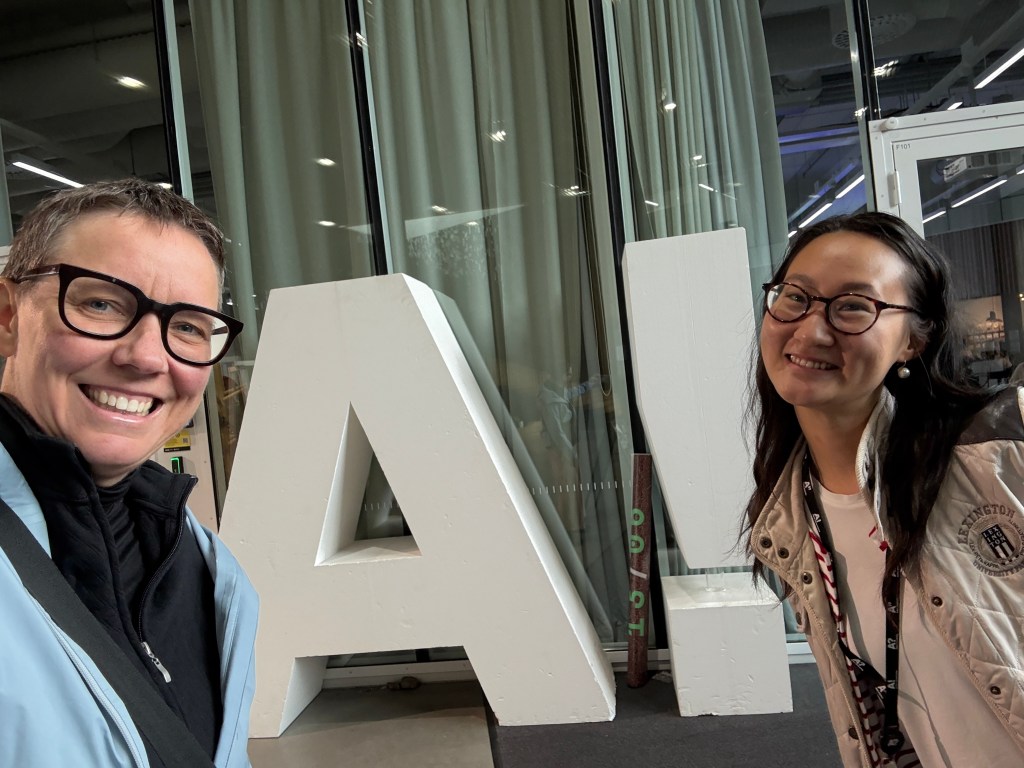
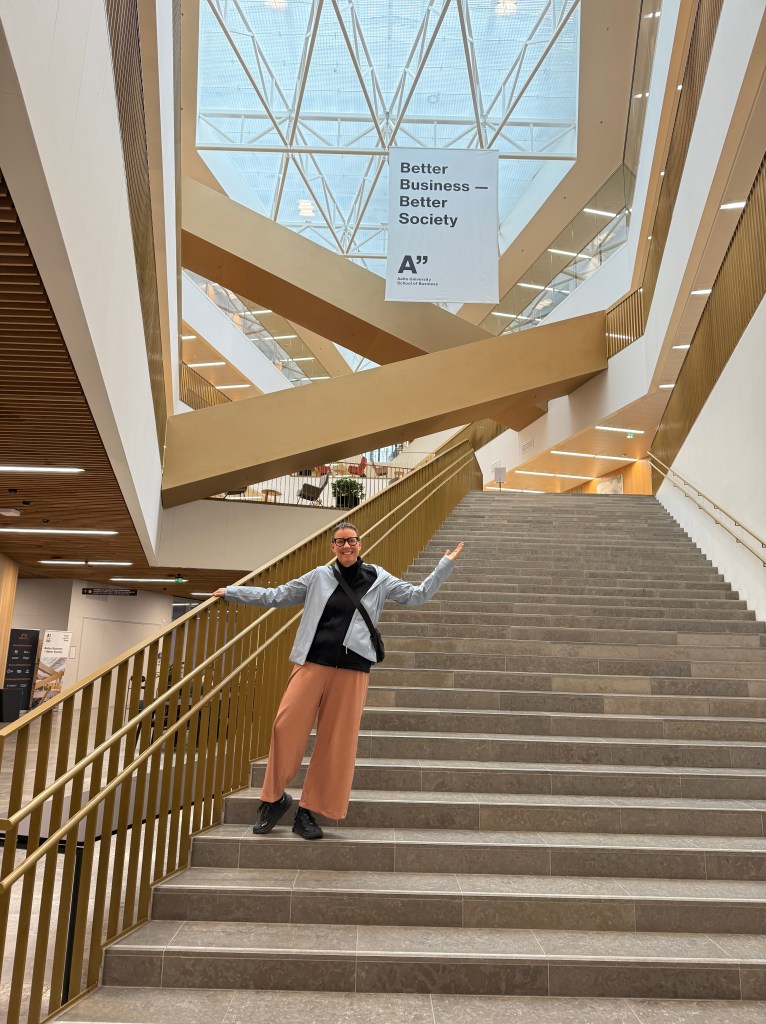
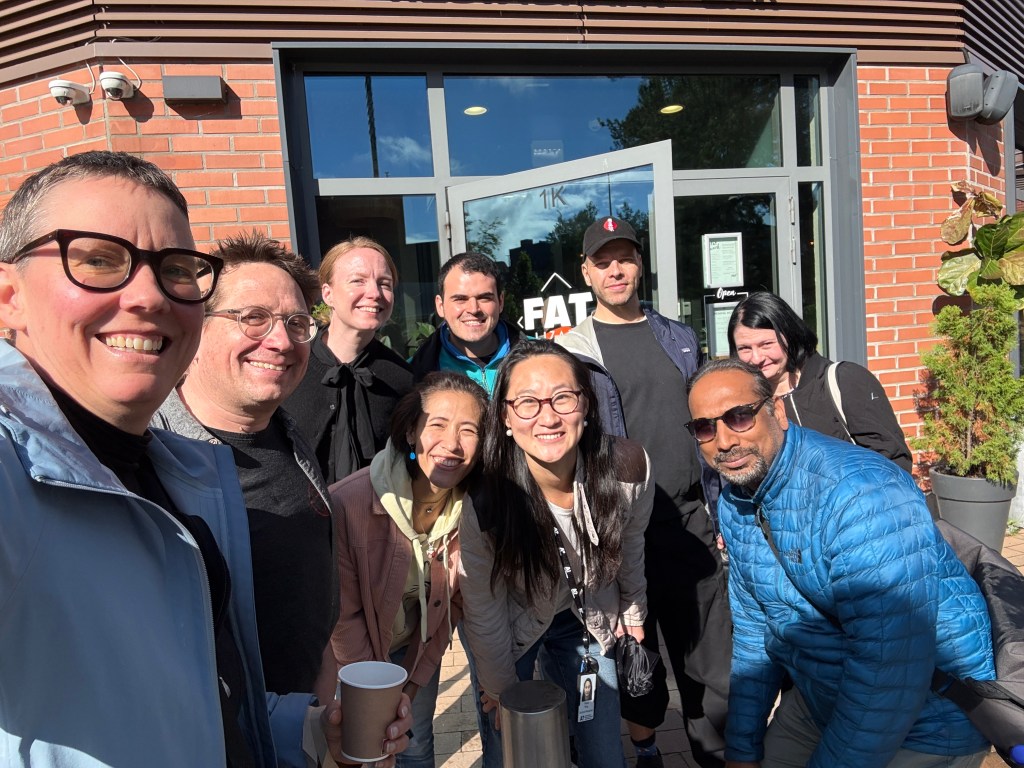
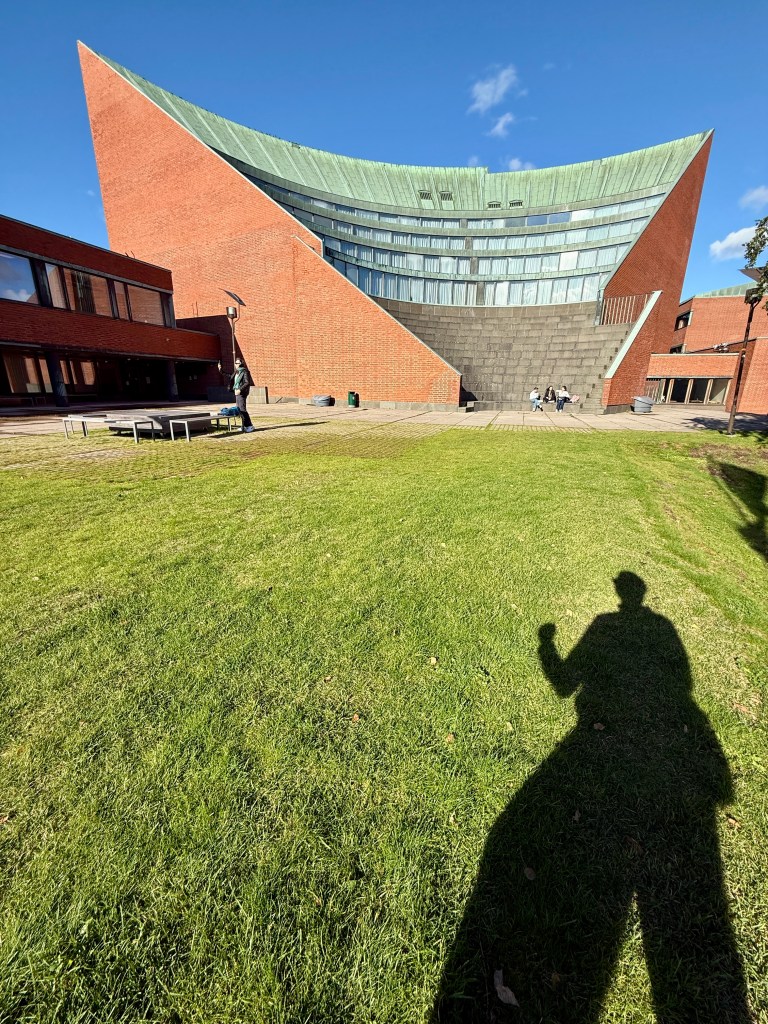
I spent Friday exploring Aalto University and meeting colleagues there. Dr Xiaoqi Feng provided a personal tour and connected me with her colleagues—a bittersweet moment as she prepares for her new job at TU Delft.

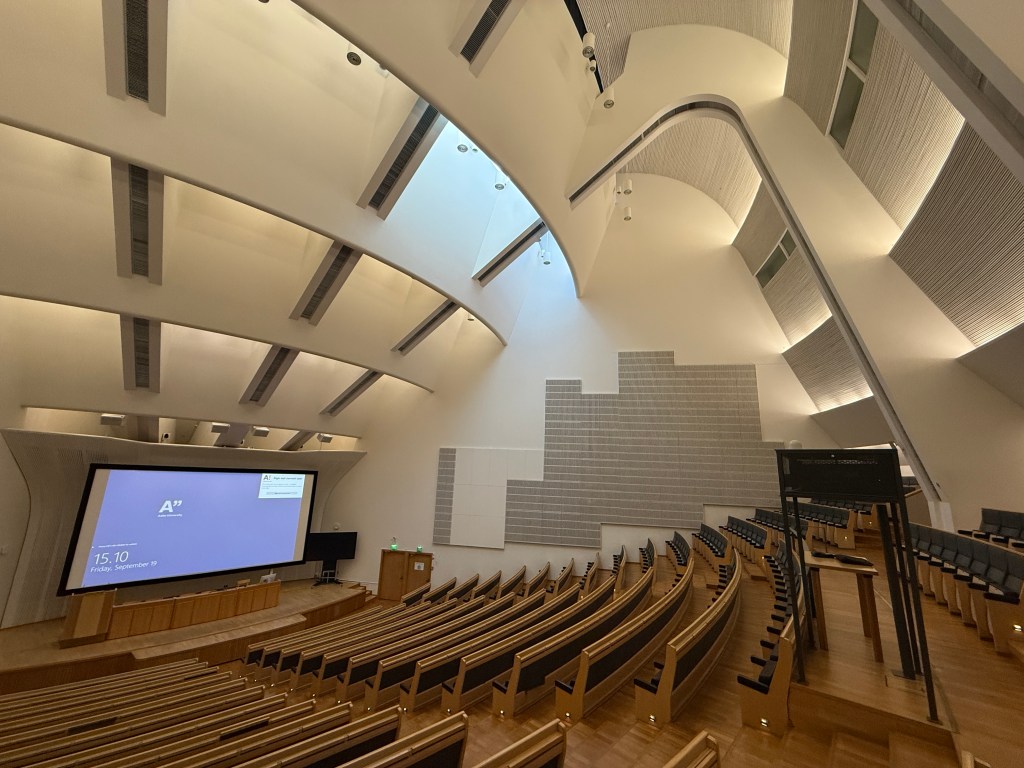
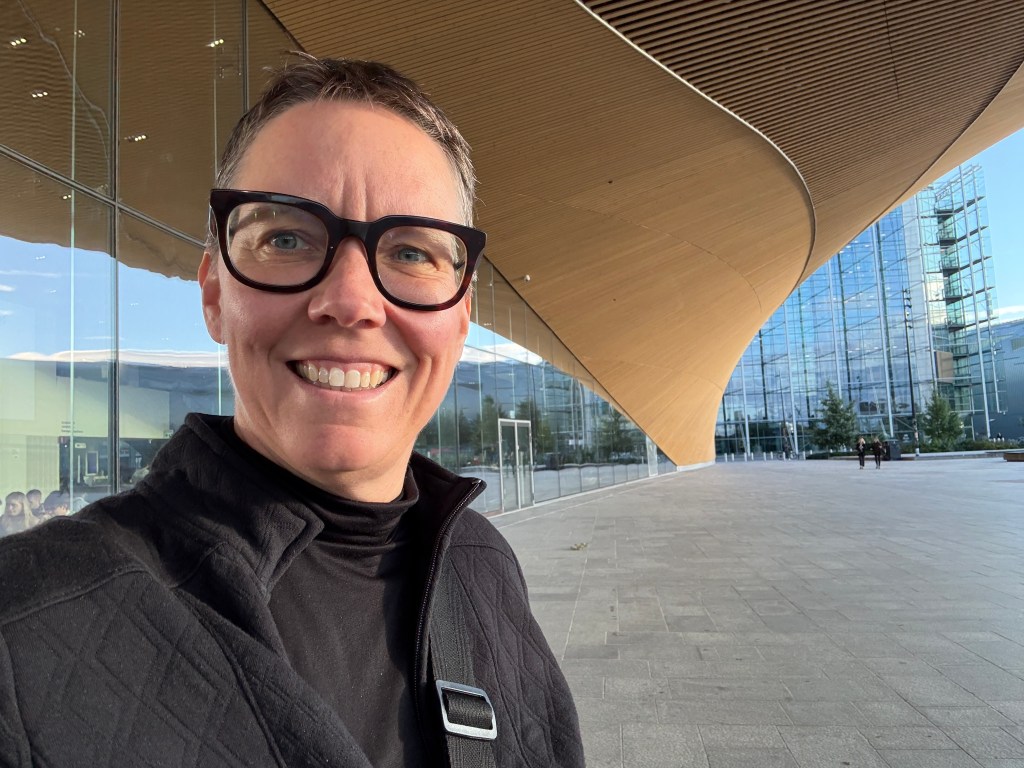
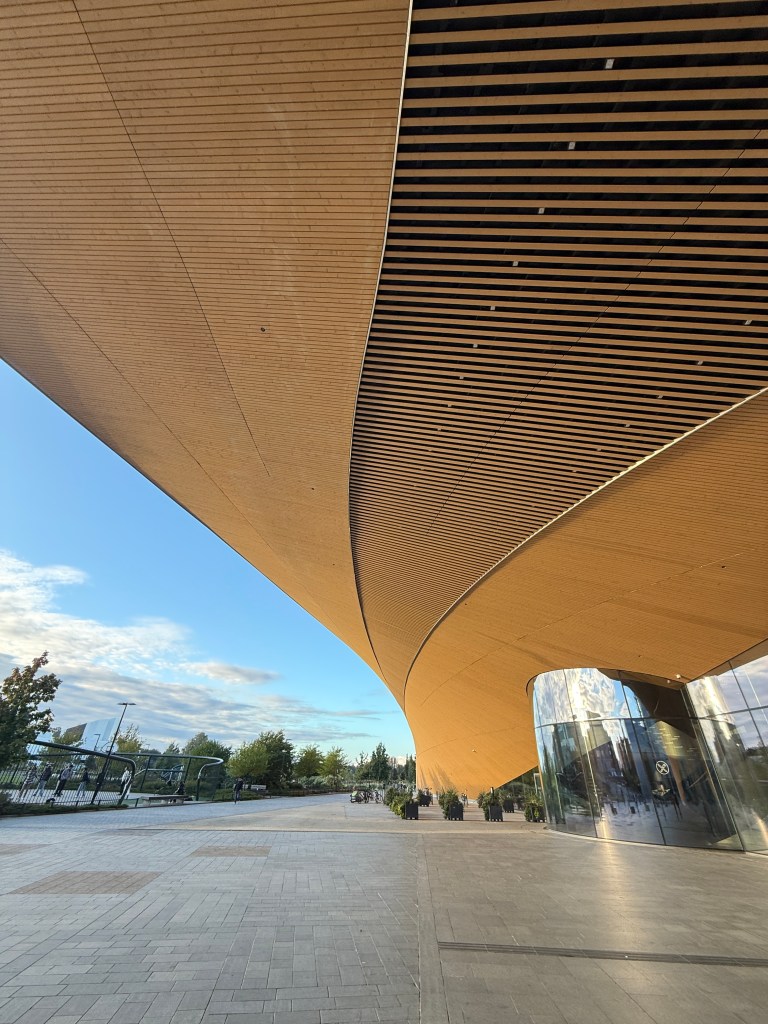
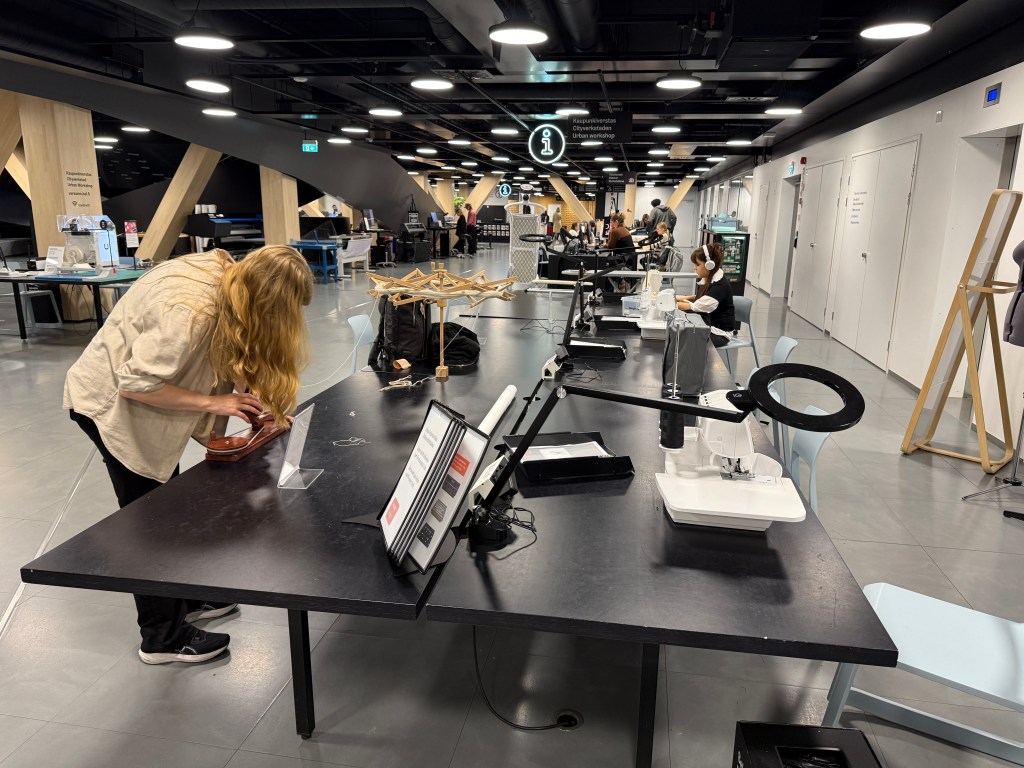
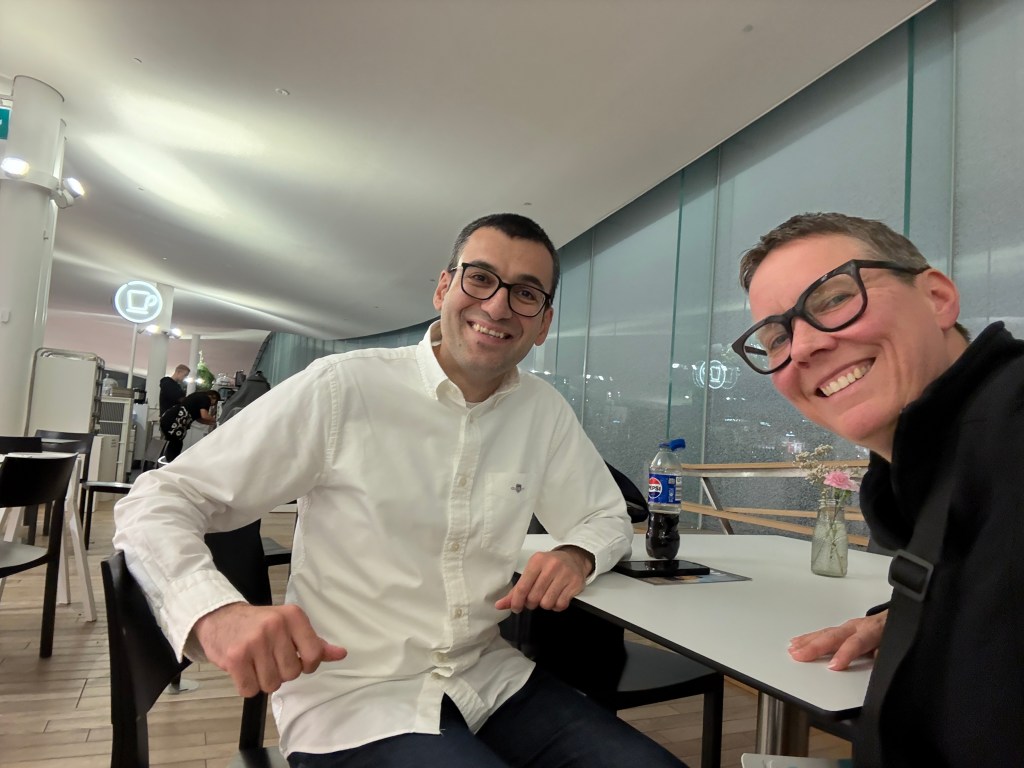
My Finnish travels culminated on a serendipitous high note when I ran into early-career researcher Yousef Jalali at the remarkable Oodi, Helsinki’s new Central Library. Moments like this—a chance encounter in a vibrant cultural space far from home—gave Yousef and me a chance to reflect on the conference and help support each other as “researchers on the move” who have relocated ourselves far from home in the pursuit of academic excellence.

What an amazing community of inspiring educators SEFI is!

From celebrating major awards and delivering keynotes to fostering the next generation of researchers and exploring expressive Finnish architecture, this SEFI was truly a testament to the powerful, collaborative community we have built in engineering education.

For me, SEFI 2025 was such a celebration of community and collaboration.

Looking forward to visiting Helsinki and Aalto University again soon!

Reflections on the 2025 SEFI Ethics Spring Symposium: A Gathering of Global Engineering Ethics Educators

I’m honoured to have hosted a very successful 2025 SEFI Ethics Spring Symposium. 

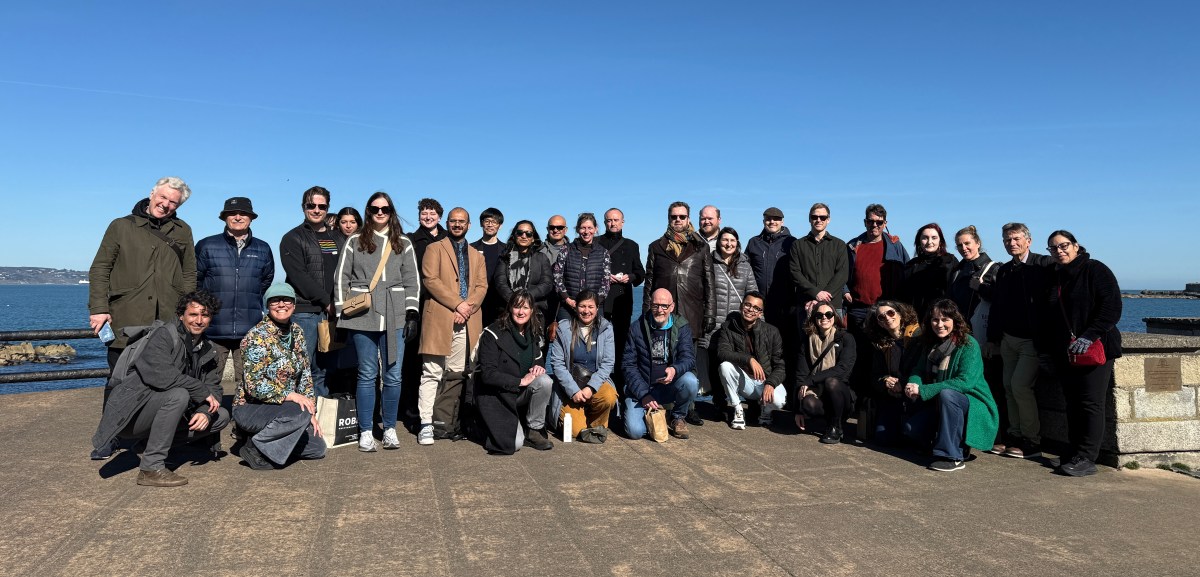
From March 24–26, my colleagues and I gathered at the Royal Marine Hotel in the charming seaside town of Dún Laoghaire, Ireland, for our small and cosy annual symposium. Mother nature blessed us with glorious weather, tasty and healthy food, gorgeous natural and architectural surroundings, an enchanting historic hotel, and new and renewed friendships.

Diana Martin, Mircea Tobosaru, and I organised the programme and all the details, demonstrating that collaboration is key to flourishing!

With 35 delegates from across the globe, this wasn’t just another academic conference—it was a meeting of minds and a celebration of our shared commitment to engineering ethics education.

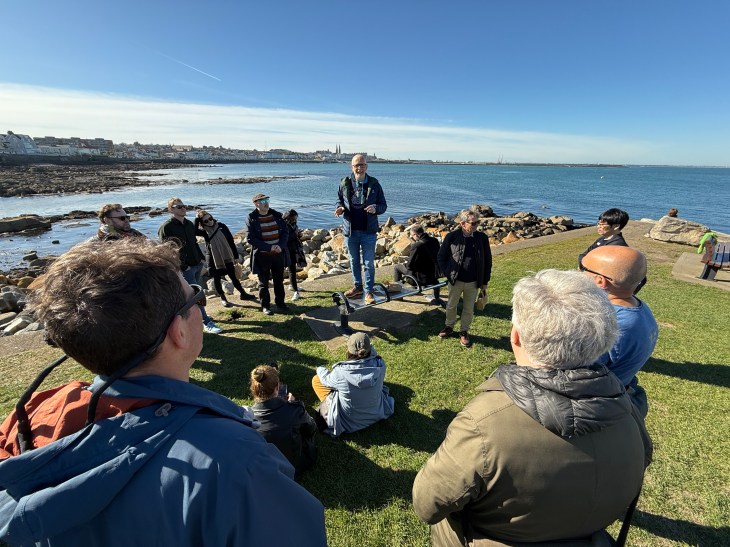
Soaking in the surroundings, past and present, with a tour by Roland Tormey.

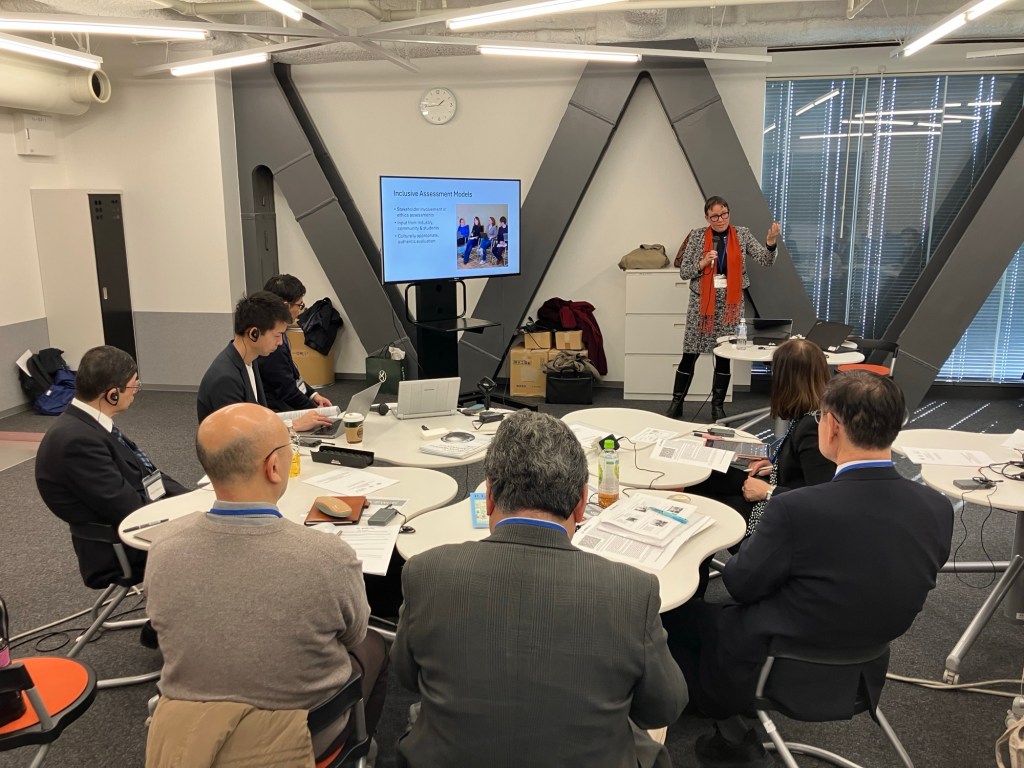
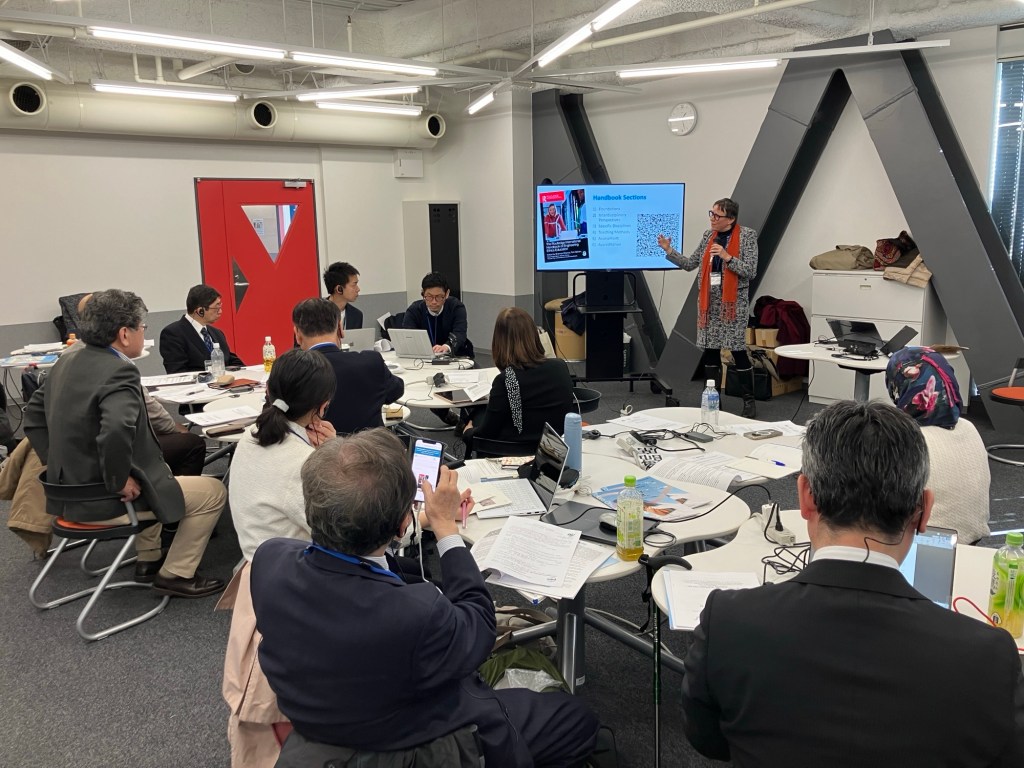
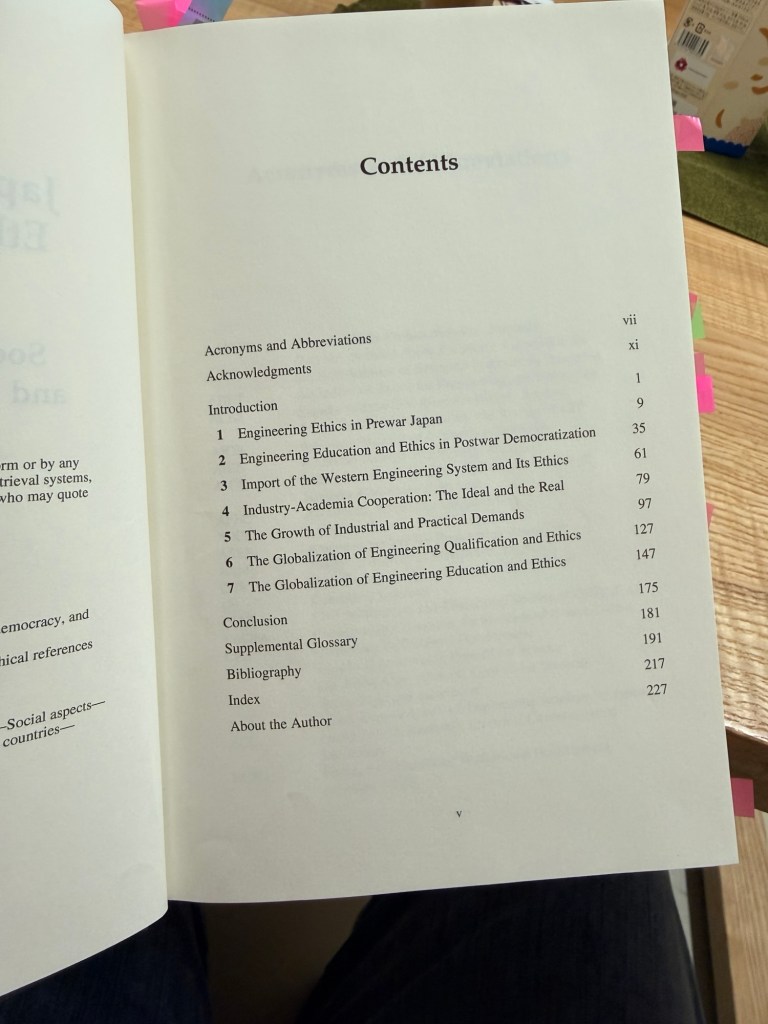
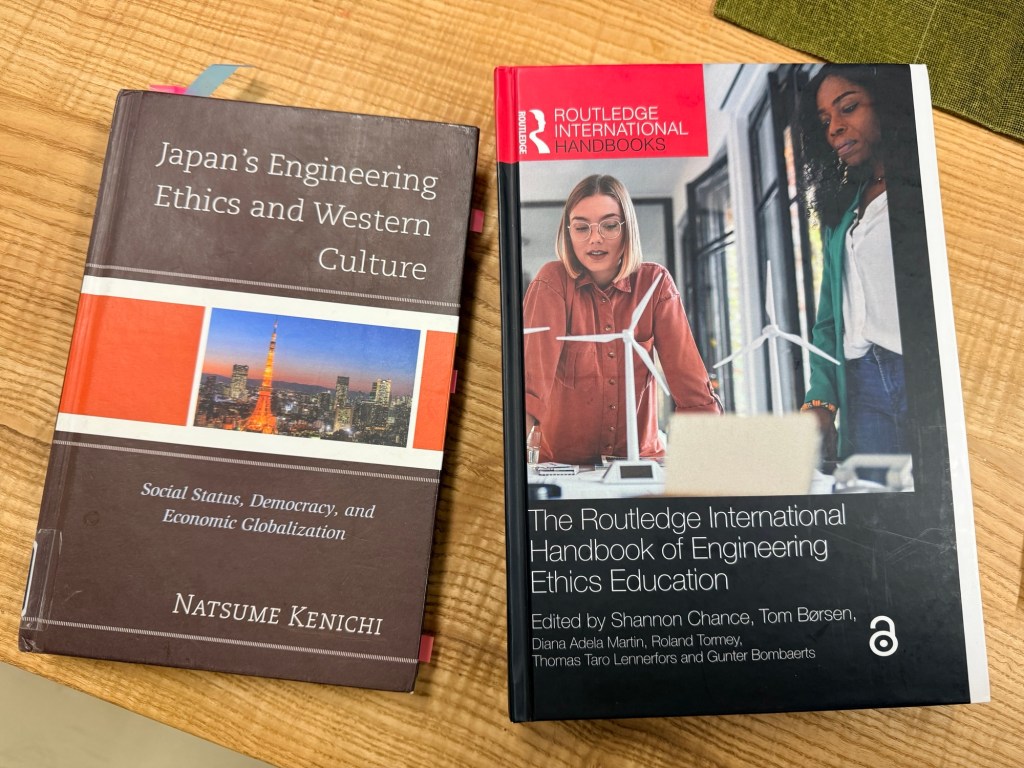
The symposium’s main goal? Strengthening our collective capacity to teach ethics to future engineers. A key focus was the Routledge International Handbook of Engineering Ethics Education (RIHEEE)—a major collaborative effort by the SEFI Ethics special interest group. We reflected on what is presented in the book and considered how to extend its themes, translate into impactful teaching practices, and generate discussion more broadly in the places we live and work. 

Opening the Symposium and introducing the handbook.

A Program Packed with Thought-Provoking Conversations

Over three days, we immersed ourselves in a mix of keynotes, workshops, and panels, tackling big questions from multiple angles:

Keynotes that Challenged and Inspired

  • Mary Nolan explored the role of care ethics in engineering, pushing us to think beyond traditional engineering thinking.
  • Paula Tomi examined the nature of truth, a concept that sits at the heart of both engineering and ethics.
  • Tom Børsen introduced us to techno-anthropology, showing how it intersects with engineering ethics education.

Workshops that Sparked Debate and Collaboration

  • Care Ethics—How do we broaden engineers’ notion of responsibility?
  • AI Experimental Philosophy—How can philosophy guide us in using and developing artificial intelligence?
  • The Archimedean Oath—Should engineers take an ethical oath, much like doctors do?
  • Quantitative Methods & Ethics—How can we effectively describe and report ethical impact?

Panel Discussions: Making Ethics Education More Practical

Our panelists had a specific challenge: dive into a self-selected sections of RIHEEE and critically assess its themes. We asked: What patterns do you see across the set of chapters in your section? What’s missing? How can can educators make use of the content? How can we help them do that? Can we translate theoretical insights into tangible strategies that can be applied in classrooms and institutions worldwide yet still reflect local culture and values?

There were so many very special aspects, including exploring care ethics in depth and applying care ethics, and the walking tour was truly spectacular.

A Literary and Cultural Interlude

Roland Tormey’s literary walking tour of Dún Laoghaire was a highlight for us all. We took a step back and immersed ourselves in the cultural richness of our surroundings. For many of us, this blend of intellectual and cultural exploration reinforced the broader ethical dimensions of engineering—how our work is always connected to society, history, and place.

Sunshine and good vibes galore!

Global Voices, Local Impact

The symposium truly reflected the international nature of engineering ethics education. We had voices from across Europe, North America, Africa, and Asia, with universities ranging from UCL and the University of Michigan to EPFL. At the same time, there was strong local representation, with a third of the attendees based in Ireland—TU Dublin, DCU, ATU, and Engineers Ireland all playing an active role. A special shoutout to my TU Dublin colleagues—Sandra Cruz Moreno, Marek Rebow, Rachel Harding, Mike Murphy, and recent PhD grads Diana Adela Martin and Darren Carthy—whose contributions helped everyone feel welcome.

What’s Next?

The energy and ideas sparked at the symposium will propel us forward onto new collaborations, where we apply what we discussed—via research and teaching and leadership and service—and continue building momentum and sharing what we’re learning with our colleagues back home, and indeed worldwide.

For those who couldn’t join us in person, the Routledge International Handbook of Engineering Ethics Education is freely available in an open-access digital format. Whether you’re new to the field or a long-time educator, it’s a must-read:
🔗 RIHEEE Handbook

TU Dublin also just posted a webpage about the Symposium: https://bit.ly/3QQ74zd

For posterity’s sake, I am adding the symposium schedule as it was conducted:

Monday, March 24

09:00-09:30 Welcome and Icebreaker by host Shannon Chance

09:30-10:30 Handbook panel 1 (Foundations) moderated by Roland Tormey with panellists Mircea Tobosaru, Samia Mahé, and Mihaly Héder

10:30-10:50 Coffee break

10:50-11:30 Keynote on Care Ethics by Mary Nolan 

11:30-13:00 Workshop on Care Ethics by Robert Irish, Ana Tebeanu, Sofia Duran, Vivek Ramachandran, Roland Tormey, & Alison Gwynne-Evans

13:00-15:30 Picnic Lunch & Walking tour of Dun Laoghaire led by Roland Tormey

15:30-16:00 Coffee break with snacks

16:00-17:00 Handbook panel 4 (Teaching Methods) moderated by Diana Martin with panellists Valentina Rossi, Aaron Johnson, Magnus Kahrs, and Rachel Harding

17:00-17:30 Wrap-up with synthesising activity

19:00 Dinner outing with colleagues departs from the hotel lobby

Tuesday, March 25

09:00-10:00 Handbook panel 6 (Accreditation) moderated by Shannon Chance with panellists Leah Ridgway, Louise O’Gorman, Alison Gwynne-Evans, and Marek Rebow

10:00-10:40 Keynote on Truth by Paula Tomi 

10:40-11:00 Coffee break

11:00-12:15 Workshop on AI experimental philosophy by Krzysztof Sołoducha

12:15-13:00 Ethics SIG session led by Diana Martin and Mircea Tobosaru

13:00-14:00 Lunch 

14:00-15:00 Handbook panel 3 (Specific Disciplines) moderated by Tom Børson with panellists Jacob Baneham, Miguel Romá, Mike Murphy, and Rhythima Shinde 

15:00-15:20 Coffee break with snacks

15:20-16:40 Workshop on the Archimedean Oath by Valentina Rossi 

19:00 Dinner outing with colleagues departs from  the hotel lobby

Wednesday, March 26 

09:00-10:00 Handbook panel 2 (Interdisciplinary Perspectives) moderated by Roland Tormey with panelists Sandra Cruz Moreno, Ronny Kjelsberg, Gaston Meskens, and Katherine Looby, with input from Riadh Habash

10:00-11:15 Workshop on Quantitative Methods & Ethics by Matheus de Andrade and Idalis Villanueva Alarcón

11:15-11:30 Coffee break

11:30-12:15 Keynote by Tom Børsen on “Techno-Anthropology and Engineering Ethics Education” 

12:15-13:15 Ethics SIG session led by Diana Martin and Mircea Tobosaru

13:15-15:00 Lunch and physical activity

15:00-16:00 Handbook panel 5 (Assessment) moderated by Tom Børsen with panellists Takehara Shinya, Celina Leão, Ana Voichita Tebeanu, and Mary Nolan 

16:00-16:20 Coffee break with snacks

16:20-17:30 Ethics SIG synthesis session led by Diana Martin and Mircea Tobosaru

19:00 Dinner outing with colleagues departs from the hotel lobby

Ethics and sustainability for architects and engineers 

Last week, I presented the Routledge Handbook of Engineering Ethics Education at a World Engineering Day for Sustainable Development conference in Krakow.

Presenting at WED in Krakow

Today, I get to share it via a presentation to the All-Ireland Architectural Research Group (AIARG). 

Leaving Dublin on the train this morning from Heuston Station headed to the AIARG conference

Below is a synopsis of what I’ll say in my 15-minute presentation to the architecture educators today.

Presenting the handbook at the Association for Practical and Applied Ethics (APPE) in February

This handbook is a product of the global engineering education research community and the ethics special interest group within the European Society for Engineering Education, known as SEFI. 

The engineering education research community considers architecture to be a field of engineering and welcomes participation of architects. They are highly engaged in pedagogical research and in implementing innovation active learning methods. That said, engineering education has historically been more compartmentalized and positivist than architecture education.

I identify first and foremost as an architect and teacher of architecture students and I have been welcomed warmly by this community since I moved to Ireland in 2012. I welcome you to join us!

Today, I’m here to tell you about a new handbook our ethics group has developed that can serve as a resource for you. I hope it will inspire you to draw some new ideas into the education you deliver. 

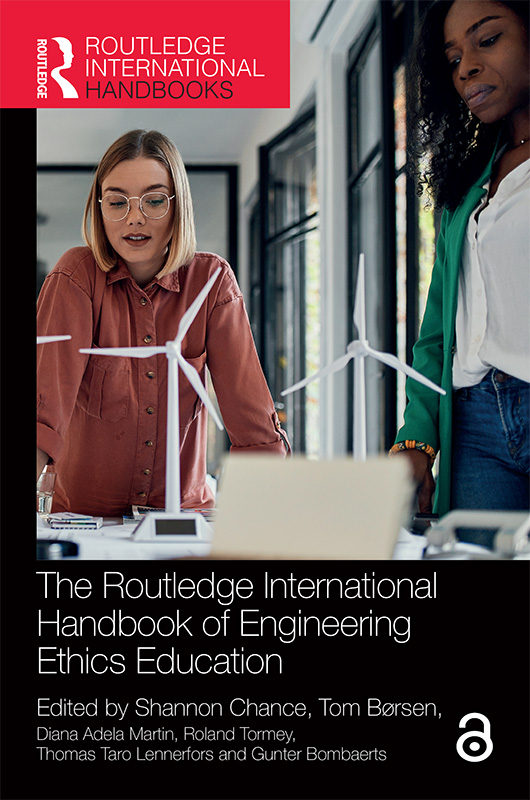
The handbook cover

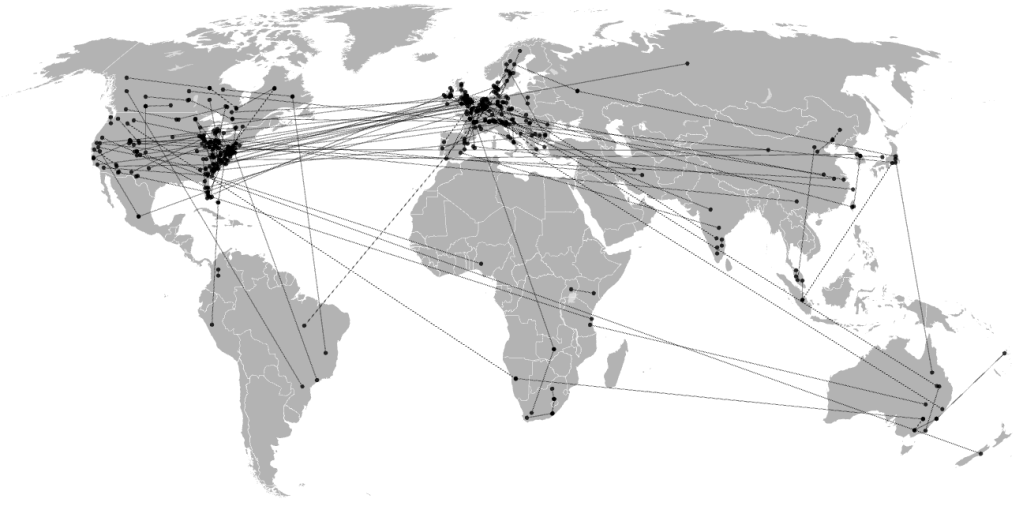
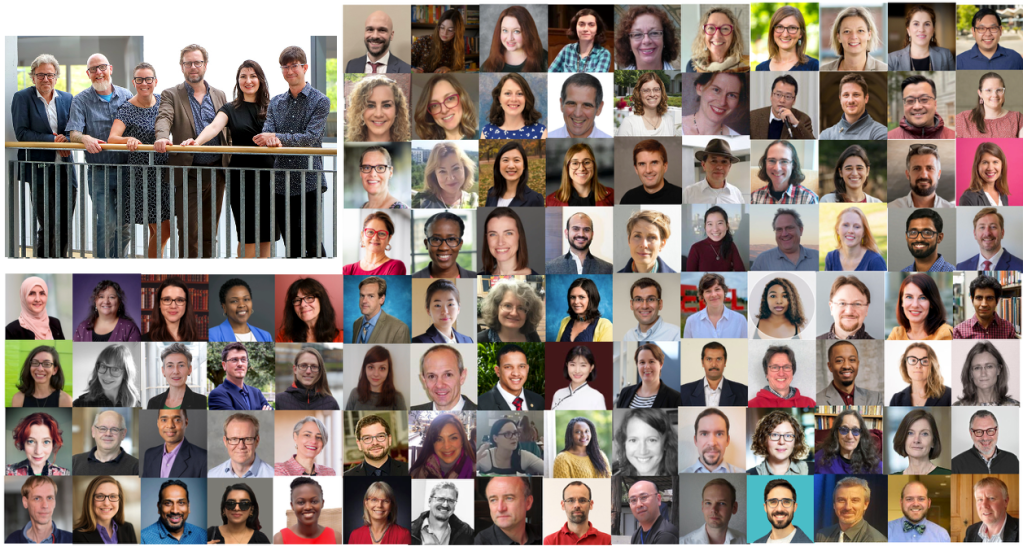
The book was a community effort, with six editors and 99 other authors from all around the world. This map shows where our authors have lived and worked.

We’re working hard to hear and learn from voices outside the areas most active in engineering education research—here you can see the concentrations of activity in engineering ethics education. 

Map I made to show where our authors came from

We six editors paid for open access so anyone in the world can download the book for free. The QR code below will bring you to the download page, or just click https://www.taylorfrancis.com/books/oa-edit/10.4324/9781003464259/routledge-international-handbook-engineering-ethics-education-shannon-chance-tom-b%C3%B8rsen-diana-adela-martin-roland-tormey-thomas-taro-lennerfors-gunter-bombaerts

My title slide for today’s AIARG presentation

So what’s in the book of relevance to an architecture educator? What can you learn? What opportunities do you see for applying or adding to the content? Would you want to create a parallel text for architects? Would you want to join this community of education researchers? 

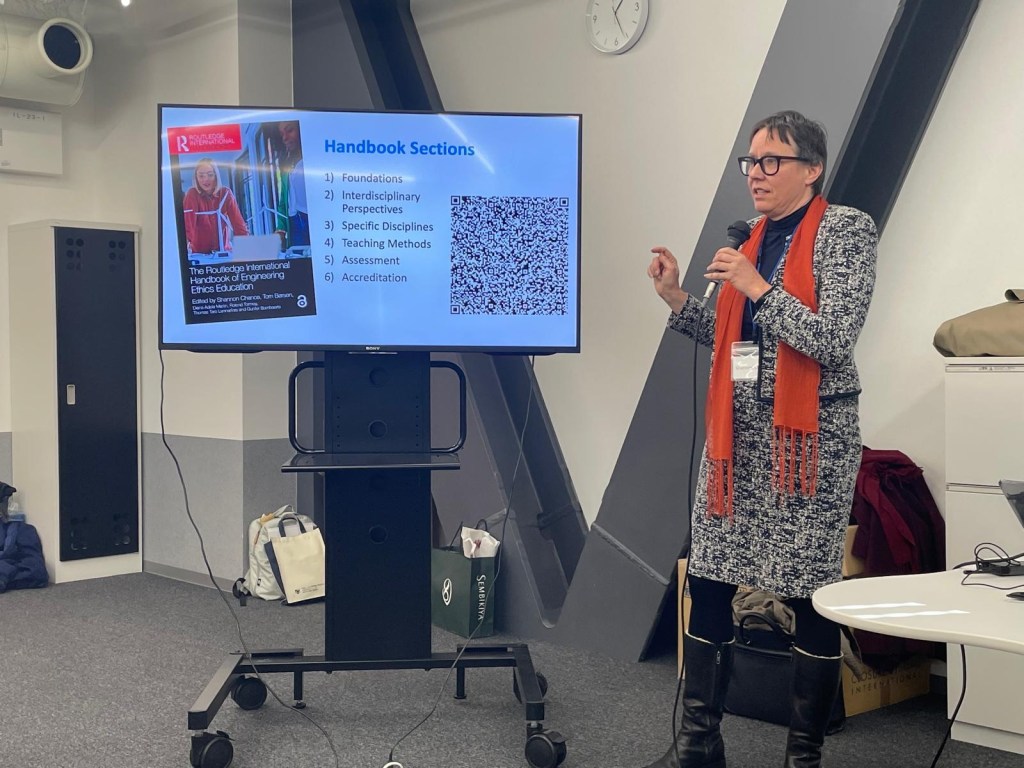
This comprehensive compendium of the state-of-the-art of literature on engineering ethics education is divided into six sections. Most of these have something of interest to architects.

At the Krakow sustainable development conference

The first section discusses foundations such as ethical theories and the role of professional organization and their codes in helping define and uphold ethics. How we do this as individuals and communities is discussed. Environment and AI are also covered here in the first section. 

Section two delves into interdisciplinary perspective that inform ethics and how we think about ethics in engineering and built environment. We discuss philosophy, sociology, decolonization, and critical theory, psychology and moral development, engineering design, law, and the like. 

Section three touches on five overarching fields of engineering, with the first chapter on civil engineering holding the most relevance for architects. The areas of focus vary quite widely across the disciplines. Even as an architect, I found reading the entire set fascinating.

Section four on teaching methods can be extremely helpful for any educator wanting to integrate ethics into the modules they teach. We look at case studies, problem- and challenge-based learning, value-sensitive design, humanitarian engineering, arts-based, reflective and dialogical approaches. These aren’t mutually exclusive and as an architecture teacher, I combine these methods daily.

Still from video of me discussing the handbook at the end of February at NewGiza University

Assessment is perhaps the most challenging topic in the book. What are we seeking to assess in students with regard to ethics? How can we gauge students’ ethical competencies? What is the role of values, of culture? 

The final section, on accreditation, is not as confined to engineering as you might expect. It critiques the increasingly globalized approach to education promoted by engineering accreditation bodies and global accords seeking to align engineering practices globally. The section questions whose voices get heard, whose have been ignored, and what we might be overlooking. We look at the history of ethics accreditation, how various cultures define what students should be able to demonstrate (social justice appeared in only Columbia’s documents of 12 countries studied). We end the book with a fascinating critical feminist standpoint analysis and a critique of how to personalize entities education to fit the local context. 

Just arrived at AIARG!

Our engineering ethics education community welcomes you to get involved with us in applying and extending the contents of this book. 

On behalf of TU Dublin, on March 24-26, I’m hosting an Ethics Spring Symposium about the book in Dun Loaghaire. You’re welcome to join us for a day or more. Just ask me for more info. 

Colleagues including TU Dublin’s Emma Geoghegan and Noel Brady kicking off AIARG by presenting the Building Change project.

Explore the New Handbook for Engineering Ethics Teaching

The Routledge International Handbook of Engineering Ethics Education, chock full of helpful research on teaching engineering students about ethics, will be published on December 4, 2024! 

Over the past two years, I have edited this book in collaboration with five outstanding ethics scholars. Seeing it through to completion is one of the proudest achievements of my professional life.

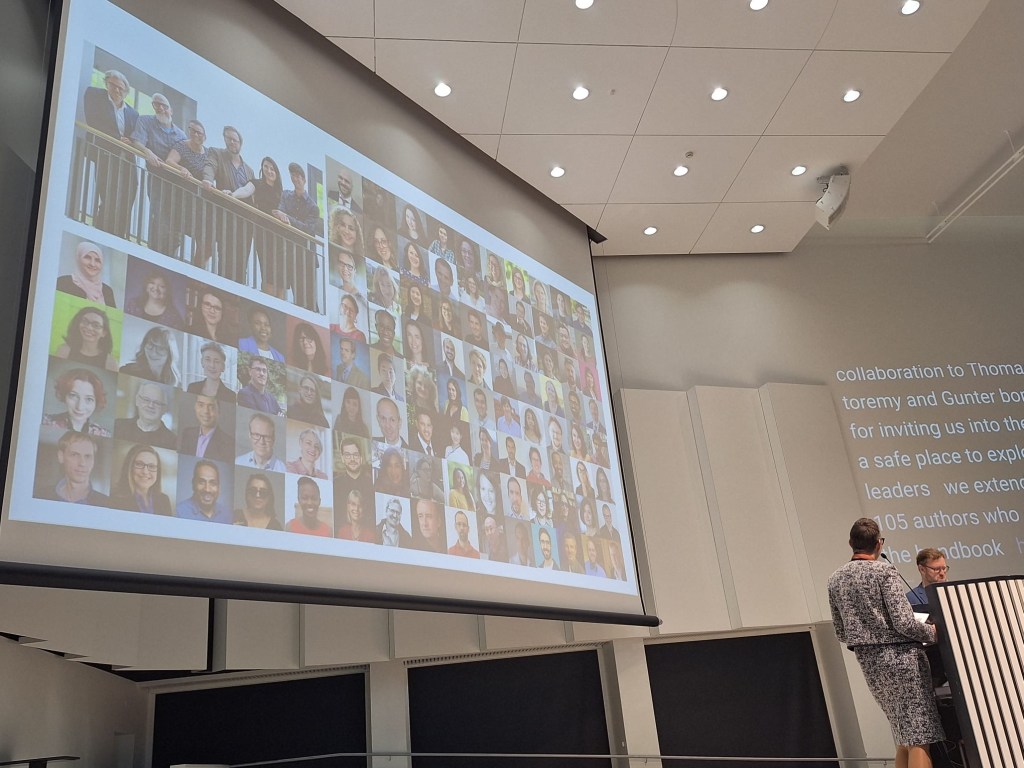
The project involved 105 authors from around the globe. I led it alongside Tom Børsen, who immediately embraced the idea of a handbook.

The digital version of the book is already available at: https://www.taylorfrancis.com/books/oa-edit/10.4324/9781003464259

We paid the publication fee so that you can read it for free! We wanted to give everyone with a digital device an equal chance, regardless of where they live.

Of course, you are also welcome to order a hard-back print copy of the book from the link above. A discount is currently available. Moreover, a paperback version will be available in 18 months.

The book has six sections:

SECTION 1: Foundations of engineering ethics education (7 chapters)

SECTION 2: Interdisciplinary contributions to engineering ethics education (6 chapters)

SECTION 3: Ethical issues in different engineering disciplines (5 chapters)

SECTION 4: Teaching methods in engineering ethics education (7 chapters)

SECTION 5: Assessment in engineering ethics education (6 chapters)

SECTION 6: Accreditation and engineering ethics education (5 chapters)

The editorial team is pictured below (left to right): Gunter Bombaert, Roland Tormey, Shannon Chance, Tom Børsen, Diana Adela Martin, and Thomas Taro Lennerfors. It’s been a dream team!

This handbook was a project of the Ethics Special Interest Group (SIG) of the European Society for Engineering Education (SEFI). SEFI members made it possible by contributing to their transcontinental networks of colleagues.

We editors started by sending out a survey, as far and wide as possible, to find out who was working in the field and might be interested in authoring a chapter. We held online workshops to identify what topics should be included and structured them into chapters. We invited a lead author for each chapter and asked the lead to invite three others to co-write the chapter. We asked that the chapter team have people from different places on it, and we aimed for transcontinental teams where feasible. We also asked the lead to consider specific people who had expressed interest in the topic. Our team ultimately included people of diverse levels and fields of experience and good geographical distribution. The people on many of the teams had not worked together before. Many lead authors served as mentors for early career researchers. We held numerous meetings online with the led authors of each section to cross-check, coordinate, and challenge our own thinking. The editorial team met weekly throughout most of the process, and the final result reflects the strong and knowledgeable engagement of many leaders in the field. Our team conducted a rigorous internal peer review, and the publisher conducted its own peer review twice during the process. Here’s what the reviewers said about our proposal:

“I believe this is a state-of-the-art milestone.”

“The lead authors are the key people in this vibrant community, and they have recruited a veritable ‘Who’s Who’ of international authors for the handbook. This is the right time and the right people. It’s the dream team.”

“This would become the resource in this field.”

The final result is a true masterpiece, and I hope you’ll read at least some of it because the content is quite fascinating!

The Ethics SIG also hosts a Spring School around Easter every year, and this year, the theme of the Spring Symposium is “Growing the Field of Engineering Ethics Education and Research as a Community.” I am the local host for this March 2025 event, and we will spend the three days celebrating, applying, and extending the handbook’s content. Learn more about the Symposium and submit your interest in attending at this link: https://forms.gle/WngZ3DMi97FLtQaZ8

Date:         24-26 March 2025 (9:00-17:30 each day)

Location:     Royal Marine Hotel, Dún Laoghaire, Ireland

Organiser:   Shannon Chance (shannon.chance@tudublin.ie)

Capacity:     50 participants maximum

Whether or not you can join us in Dún Laoghaire, I hope you’ll peruse the content of this outstanding new resource and reach out to the editors and authors if you’d like more information or to get involved in what we do!

I am confident that this handbook will make a significant global contribution to engineering education. I therefore urge all engineering and architecture educators to become more explicitly involved in learning and teaching about ethics.

Empowering technology teachers via the Government of India’s Ministry of Education

The National Institute of Technical Teachers Training and Research (NITTTR) in Chennai, India has been working to enhance the delivery of technical education in India for 60 years. NITTTR is hosting a year’s worth of “Diamond Jubilee” events, and I was the opening keynote speaker for the Jubilee!

I had the pleasure of meeting NITTTR staff in Blacksburg, Virginia (USA) last summer at the ethics symposium coordinated by Virginia Tech professors Diana Bairaktarova and Tom Staley. In Blacksburg, Renukadevi (Renuka) Selvara and Janardhanan (Jay) Gangathulasi invited me over to Chennai when they heard I planned to attend the 2024 Research in Engineering Education Symposium (REES 2024) in Hubballi, Karnataka, India in January 2024.

Renuka is a Professor of (Engineering) Education and the Head of NITTR’s Centre for Academic Studies and Research. Jay is Professor of Civil and Environmental Engineering and is also a leader of the Centre.

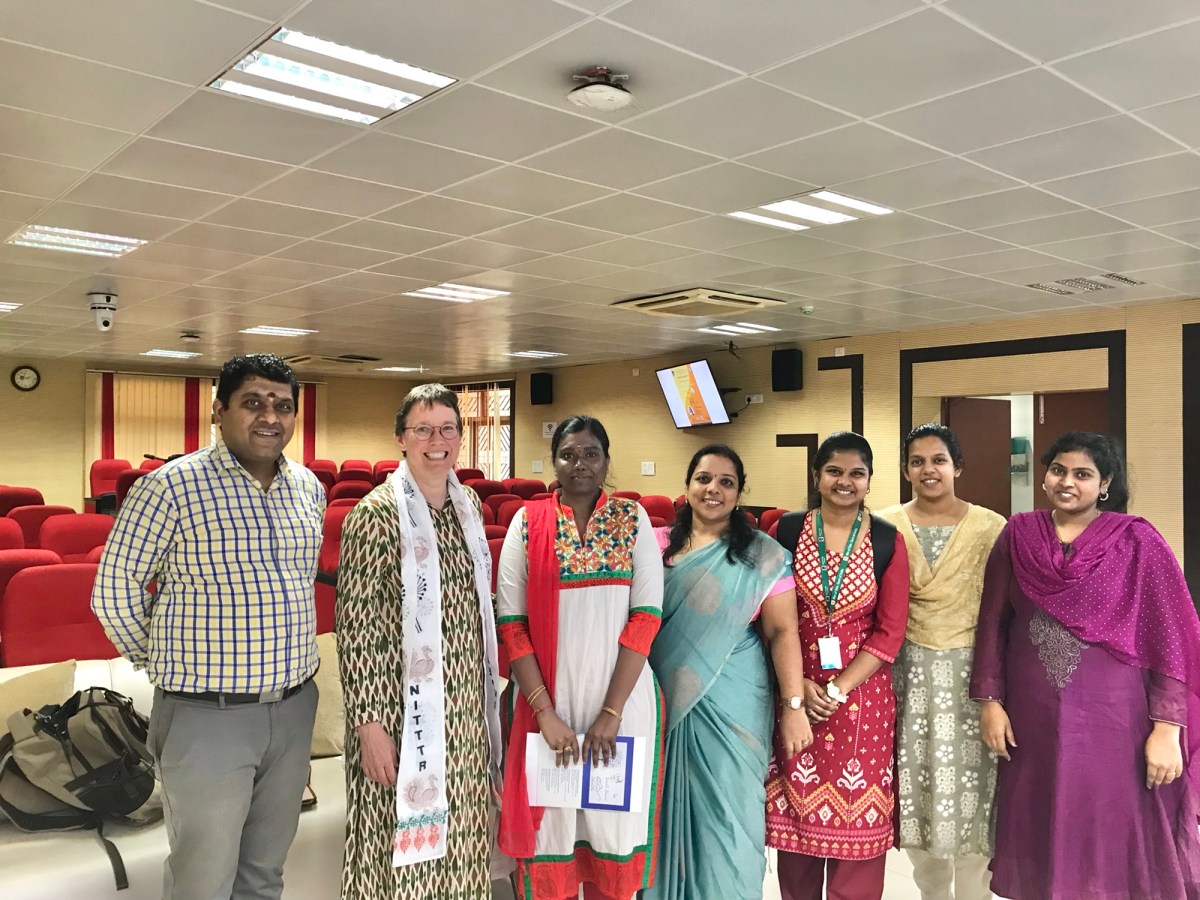
Kicking off NITTTR’s Diamond Jubilee. Pictured left to right: Janardhanan Gangathulasi, Shannon Chance, Renukadevi Selvara, and Prof. Dr. Usha Naesan, Director of NITTR.

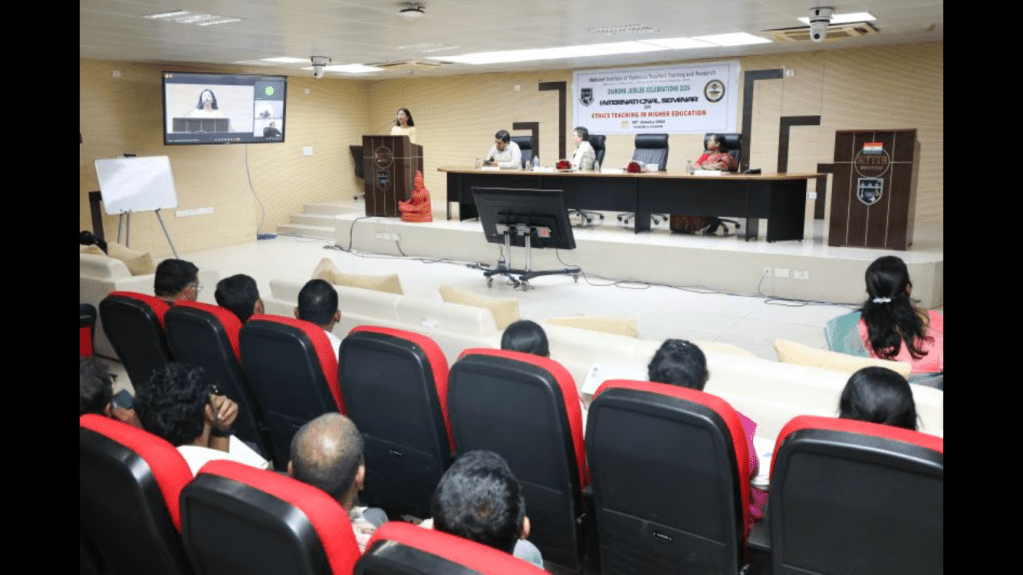
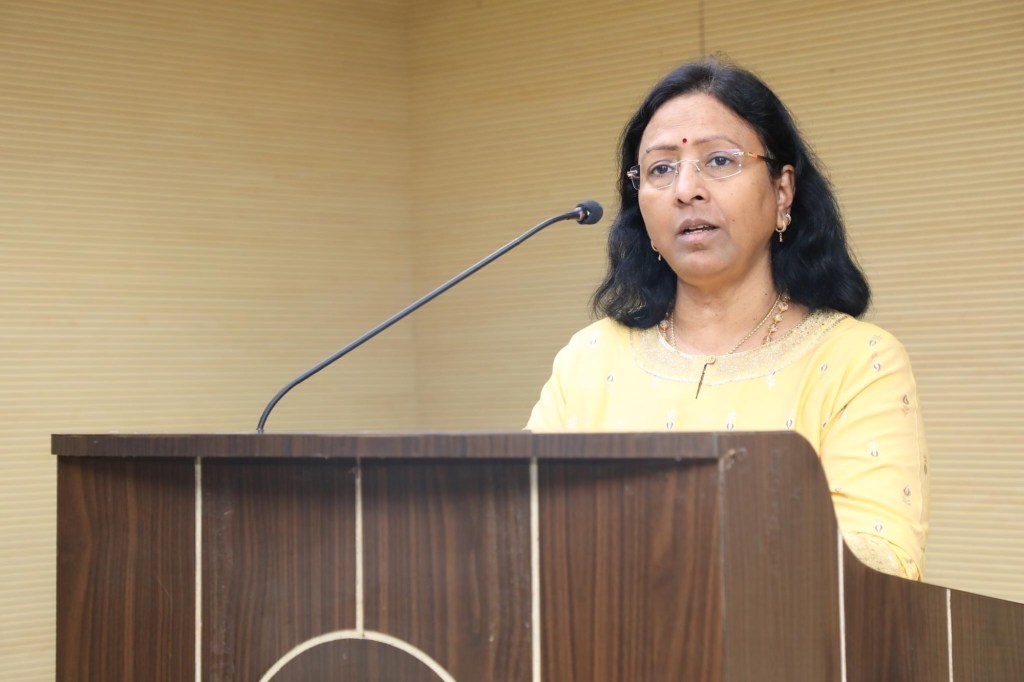
I was truly honored to be invited as the keynote for the launch (on January 8, 2024) of the year-long Jubilee celebration to speak about the work I’m doing with engineering ethics education. The audience comprised future teachers of technical subjects (NITTR students) and their teachers (NITTR staff).

Here’s the lovely poster NITTTR produced to announce this International Seminar.

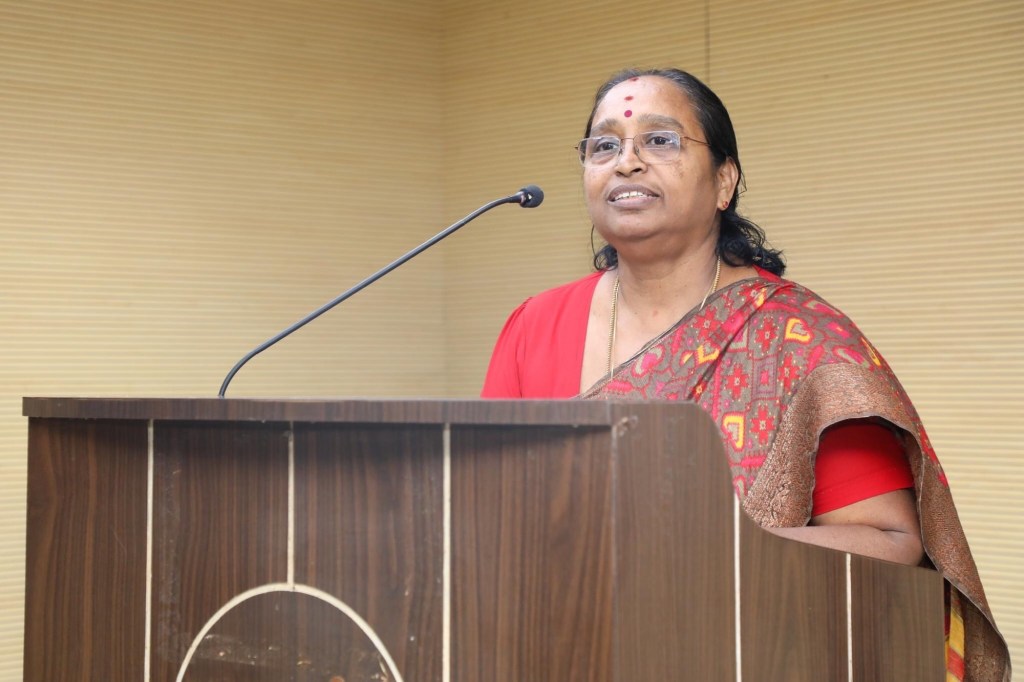
This day-long Jubilee-opening event started with short introductions by Renuka, Jay, Ursa the Director, and me. Then, right before my talk, Dr. K. N. Shoba delivered an exceptionally nice introduction about me — she studied my curriculum vita in great depth and showed she understood it extremely well. I felt so honored by her effort.

My keynote presentation integrated some active learning techniques (evidently new to the NITTR audience) to explore “Ethics Teaching in Higher Education.”

After discussing the definition of ethics and showing slides about how I have taught ethics (including environmental and social aspects) to students of architecture, engineering, and education, the audience and I did some group activities.

Participants discussed what do ethics in engineering look like to them, and how they define ethics.

Next, I introduced the topic of education research and identified specific resources for educators who want to teach students about ethics. I briefly described my own shift into engineering ethics education research. For instance, I showed them the special focus issues of journals that I have spearheaded related to ethics, and then summarized findings of my study on Ethics & Responsibility in Civil Engineering, published in AJEE.

Then I showed slides to illustrate how I am integrating ethics into the Architectural Engineering curriculum I’ve been designing for NewGiza University (NGU) in Egypt. I described curricular innovations (e.g., challenges and scenarios) that we’re drawing from University College London’s Integrated Engineering Programme (IEP) into the design of the NGU course.

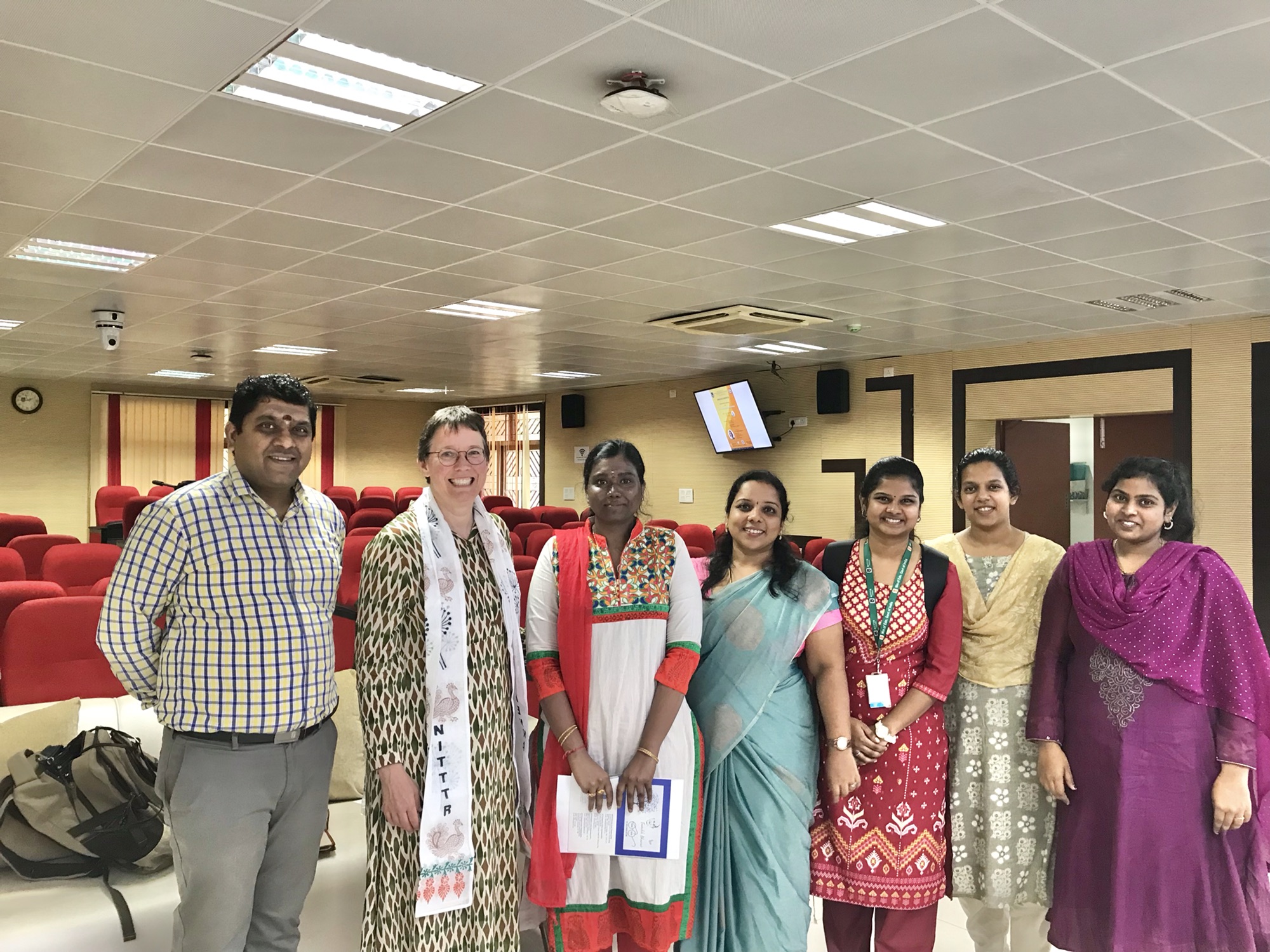
The entire audience after the keynote — what a great group of participants!

Lastly, the audience and I delved into the forthcoming “International Handbook of Engineering Ethics Education” that I am editing alongside Tom Børsen (Aalborg University), Diana Martin (UCL), Roland Tormey (EPFL), Thomas Lennerfors (Uppsala University) and Gunter Bombaerts (TU Eindhoven).

I distributed guides to the various Teaching Methods that will be covered in our handbook. There are individual chapters to help teachers who want to use these methods:

Chapter 19) Literature review of teaching methods

Chapter 20) Case studies and dilemmas

Chapter 21) Project-Based Learning (PBL)

Chapter 22) Value Sensitive Design (VSD) & Design-Based Learning (DBL)

Chapter 23) Service-learning & humanitarian

Chapter 24) Arts-based methods

Chapter 25) Reflective & dialogue-centered approaches

Chapter 26) Moral development via Challenge-Based Learning (CBL)

The audience, particularly the students, were enthusiastic and seemed genuinely interested in learning more about these teaching methods.

The forthcoming International Handbook of Engineering Ethics Education is slated for release by Routledge publishing house in late 2024. It will be available free of charge in digital format and for purchase in print versions. The handbook is geared toward teachers, researchers, and educational managers — and I hope you’ll read it as well!

I thoroughly enjoyed my day at NITTTR, including the conversation over lunch with Renuka and Jay. I was honored to meet Prof. Dr. Ursa and the students and teachers of NITTTR. I thank them all for their delightful hospitality and also thank Vellore Institute of Technology (VIT) and Dr. Nithya Venkatesan and Dr. Shanmuga Sundaram for helping make this visit to NITTTR possible. VIT funded many of the costs of my travel, provided me meals, accommodation, transportation, warm collegiality, and logistical support to help make my visit to both NITTTR and VIT possible.

I enjoyed connecting with NITTTR staff and students and I look forward to future opportunities to learn together!

Today: a glimpse of life as an engineering education scholar

I was asked to recap my work in the engineering education research (EER) space in the past year.

The biggest projects I’ve been undertaking are editing the forthcoming Routledge International Handbook of Engineering Ethics Education and a special issue of IEEE Transactions on Education. I serve as a Deputy Editor of the European Journal of Engineering Education and am designing a curriculum in Architectural Engineering for NewGiza University in Egypt. I recently co-authored a paper on comparing thesis and final year project pedagogies that was published in EJEE and I’m doing research about women studying engineering with Sandra Cruz and others, and on BIM education with Barry McAuley.

Today, I am working on writing a report because I’m serving as an external examiner for a research center in South Africa. I’m also grading portfolios submitted by research students in the BIM BSc course I chair. I already prepared a report to send to the teachers who will be delivering one of the two modules I have designed for next semester at NewGiza University, who I will meet with tomorrow. I started my morning with a little fun on Duolingo, where I am learning Spanish.

If there’s time, I’ll review a chapter for the International Handbook of Engineering Ethics Education. I’ll share a snapshot of a recent meeting of the handbook editors. This is a most amazing group of collaborators and I am so fortunate to work with them.

The chapters in the theme I’m managing (accreditation of engineering ethics education) are fascinating and I can’t wait to see them published in 2024!

A typical editorial meeting of the Handbook team. Contemplating thoughtfully as always.

Exploring ethics at the European University of Technology

Recently, I had the good fortune to gather with the European University of Technology (EUt+) as part of its EthiCo project. There are eight, soon to be nine, technological universities in this alliance.

The first day, I met with leaders of an EthiCo work package who are developing materials to teach teachers to integrate ethics into their course delivery. The leaders of this project were receptive to my ideas, and asked me to present ideas and a framework—which I synthesized from the Engineering Ethics Education Handbook I am currently co-editing—during the subsequent day’s work sessions.

Just getting started….

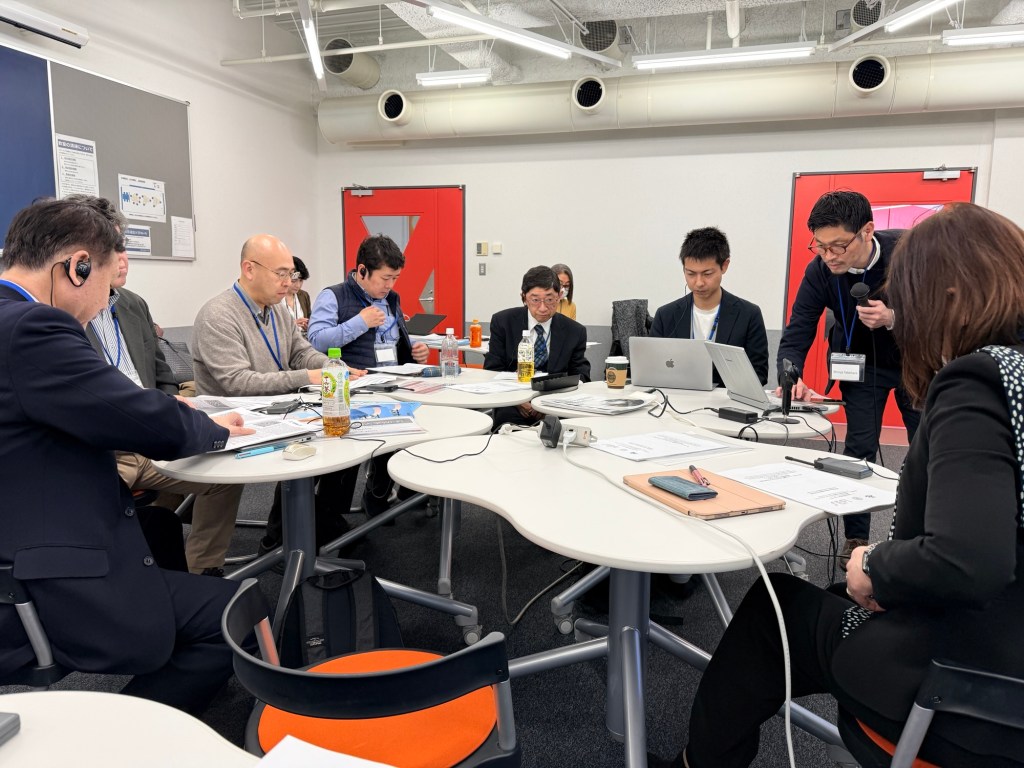
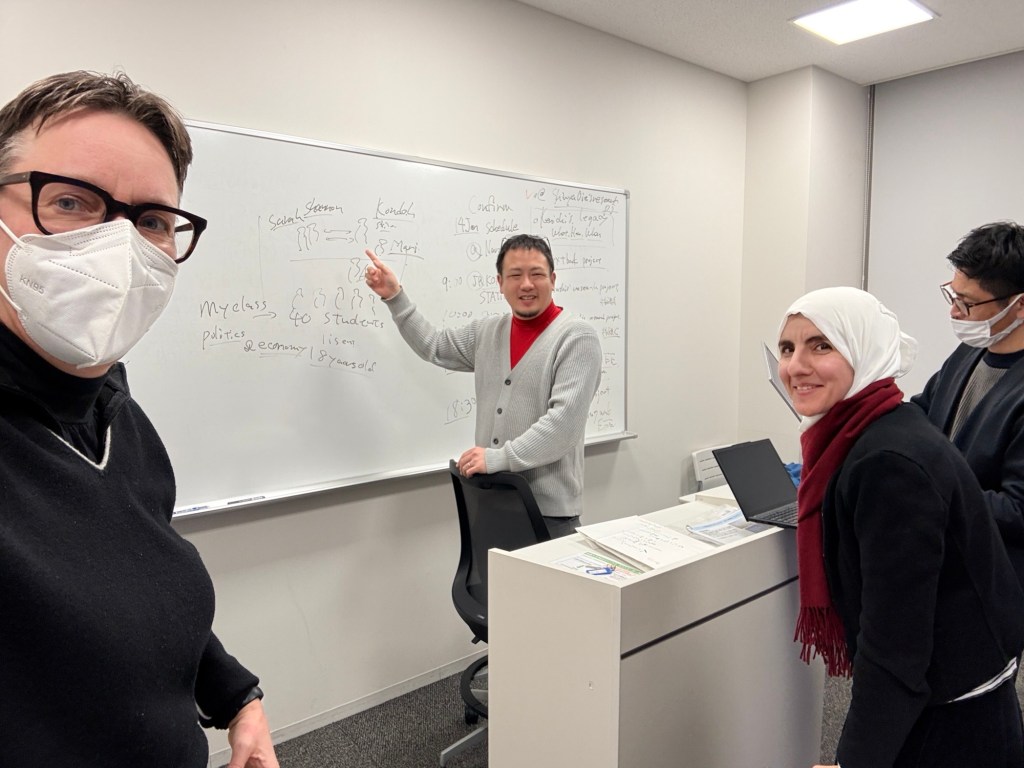
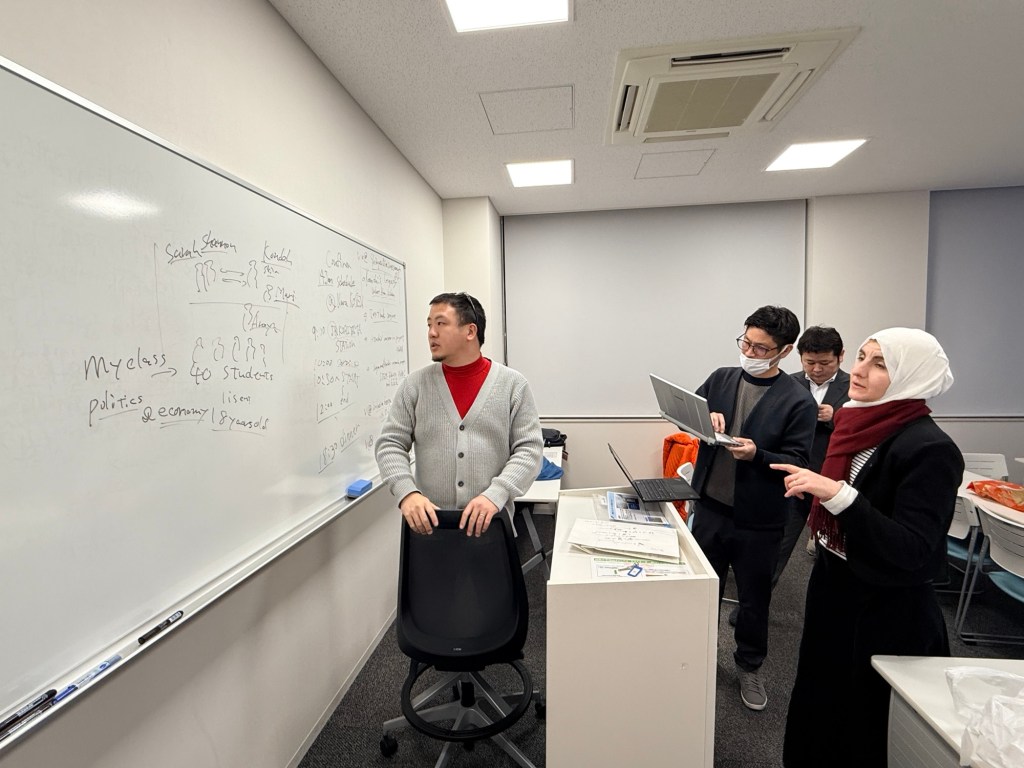
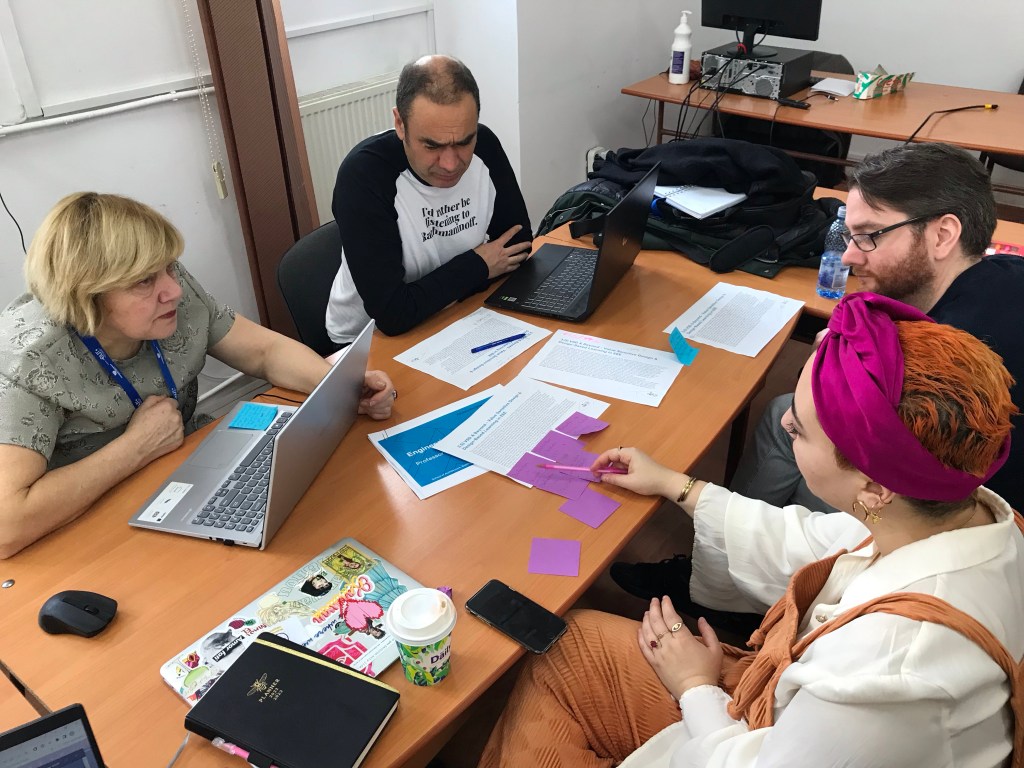
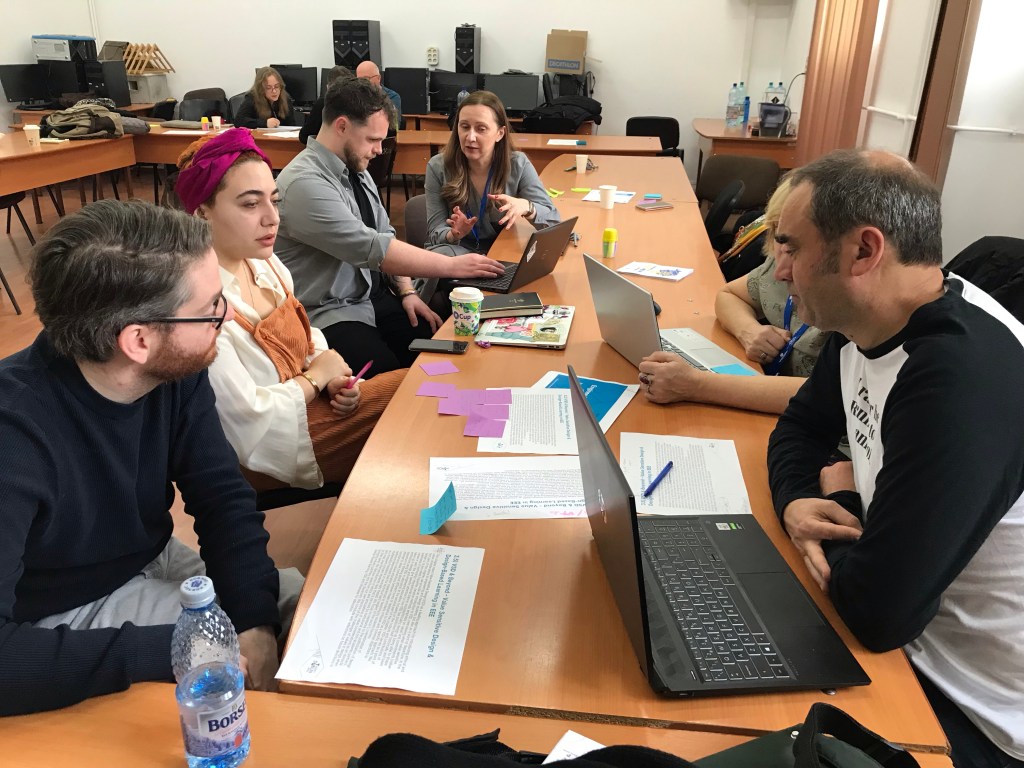
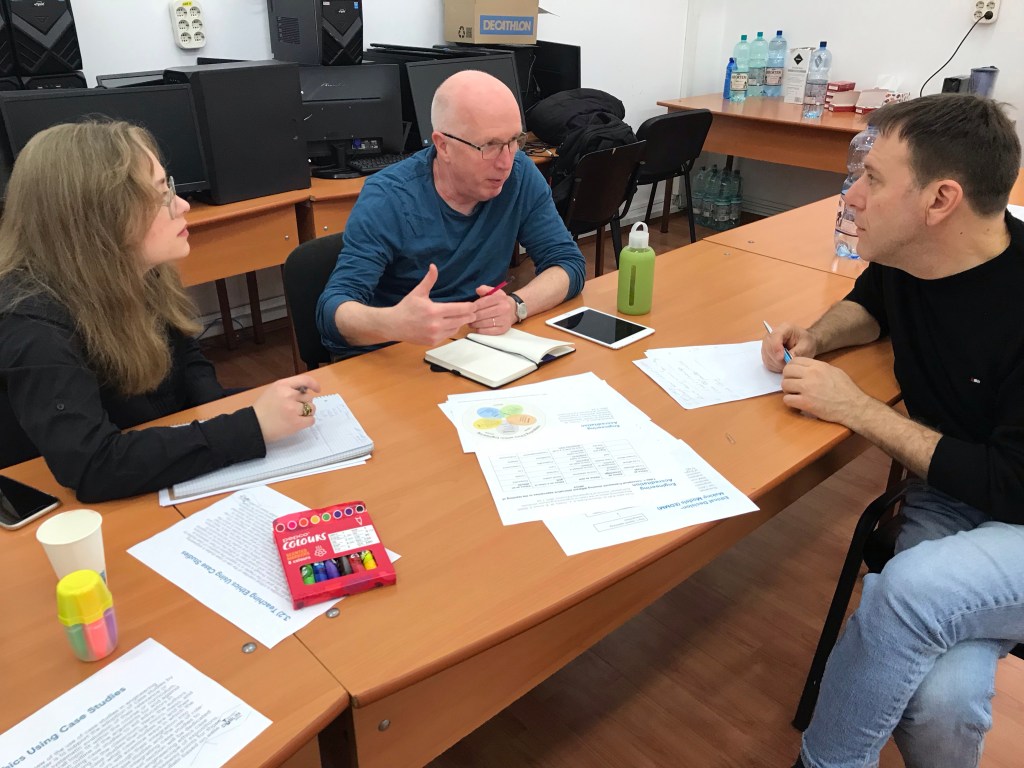
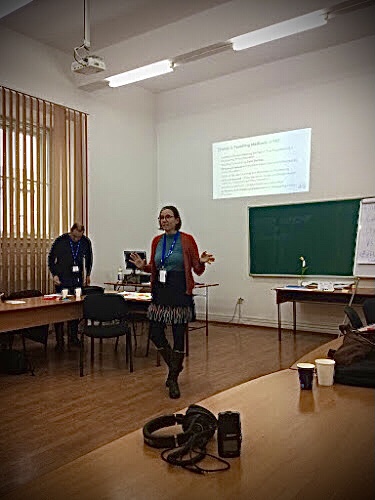
On the third day, I facilitated a session on integrating ethics into participants’ own teaching, using case studies, challenge- or problem-bases learning, or Values Sensitive Design and Virtues Practice Design. The photos below show the groups hard at work.

On the fourth day, I facilitated a session on defining learning for teacher-training modules on using each type of activity listed above (case studies, CBL or PBL, and VSD or VPD).

Being part of the EEE Handbook empowered me to step forward and lead these sessions extemporaneously. I got to draw from the contributions of 115 experts on our handbook team.

The EthiCo group of the EUt+ was enthusiastic about learning the techniques promoted in the handbook, and they look forward to reading and using the Handbook once it’s published.

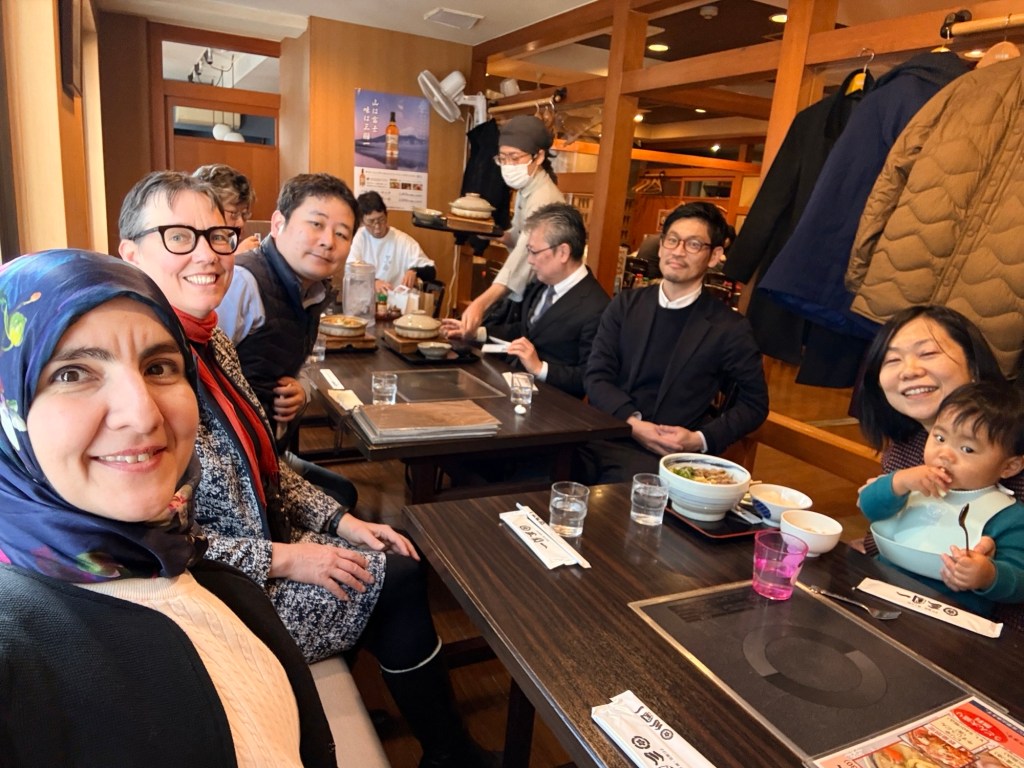
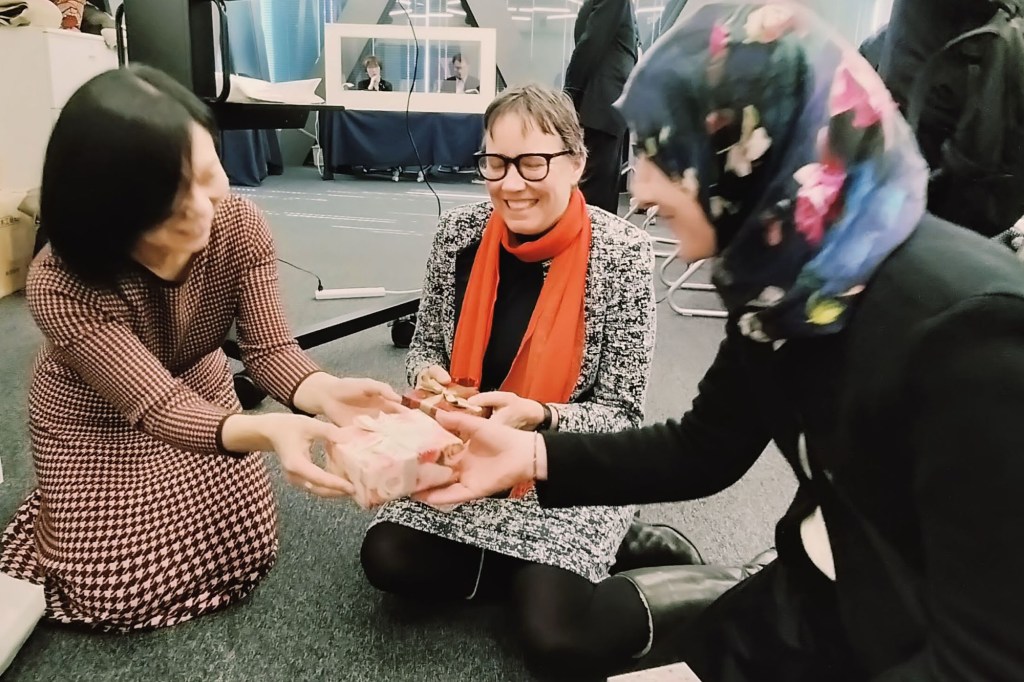
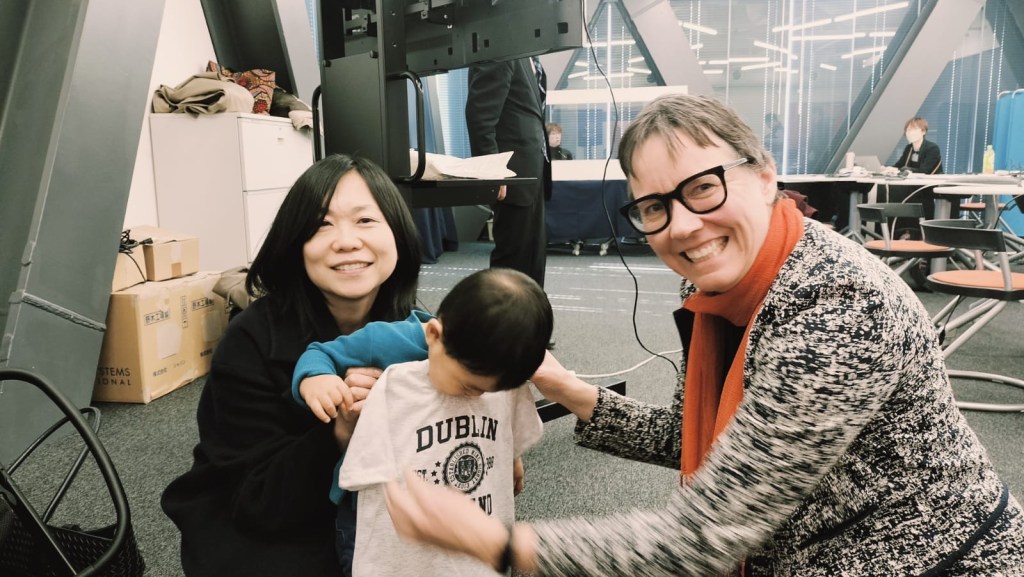
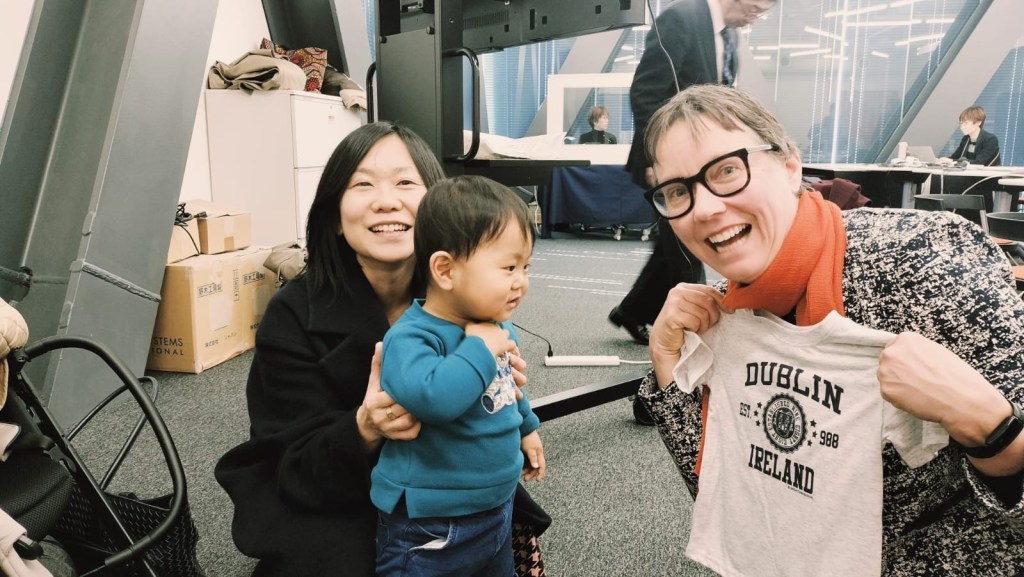
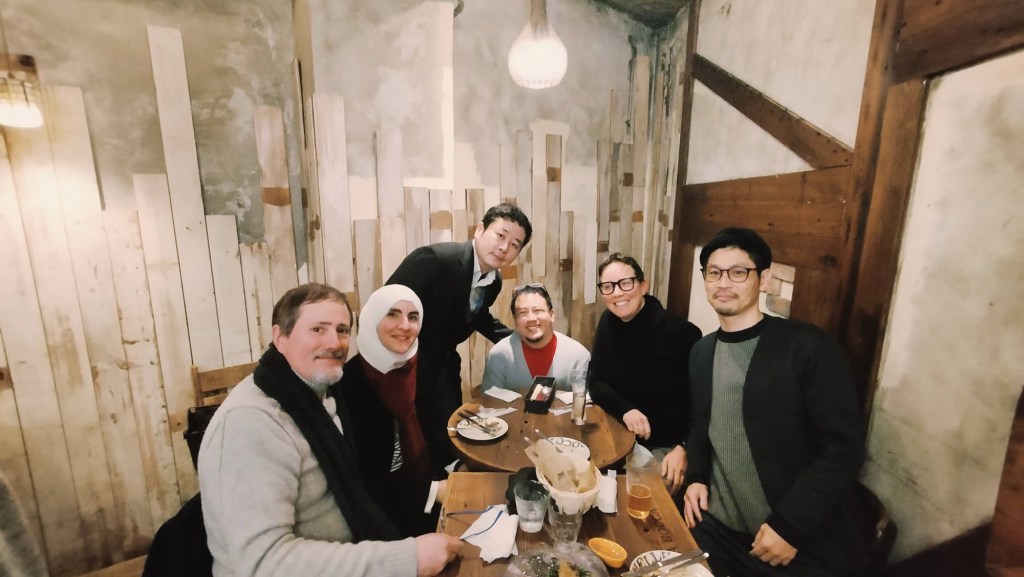
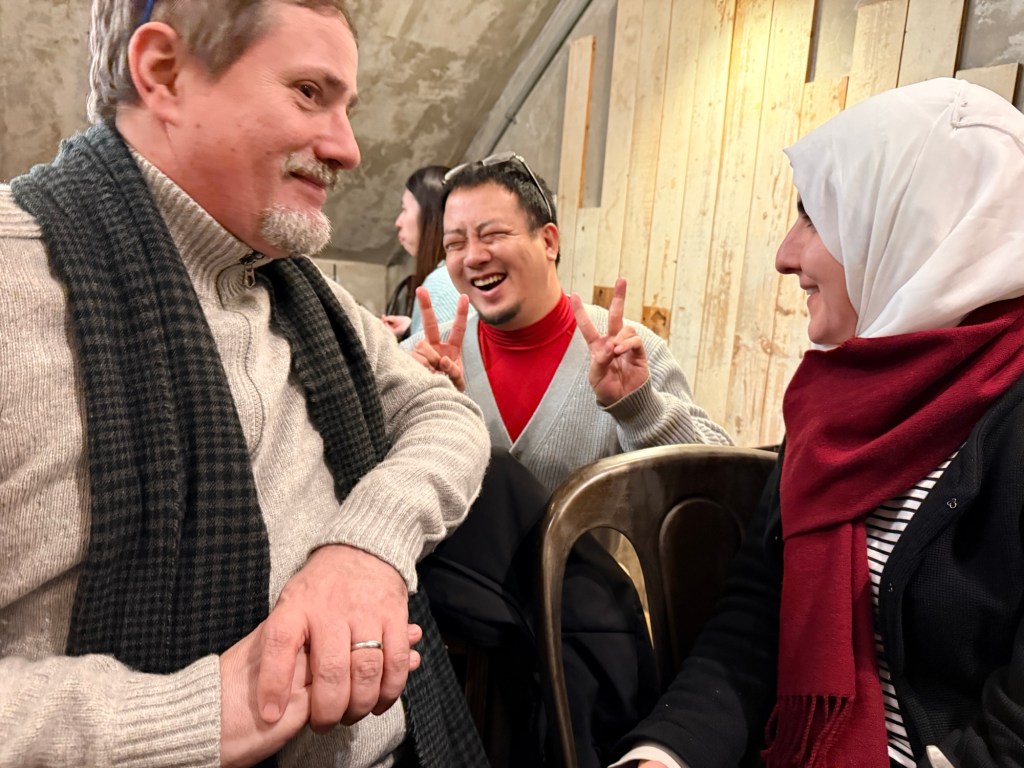
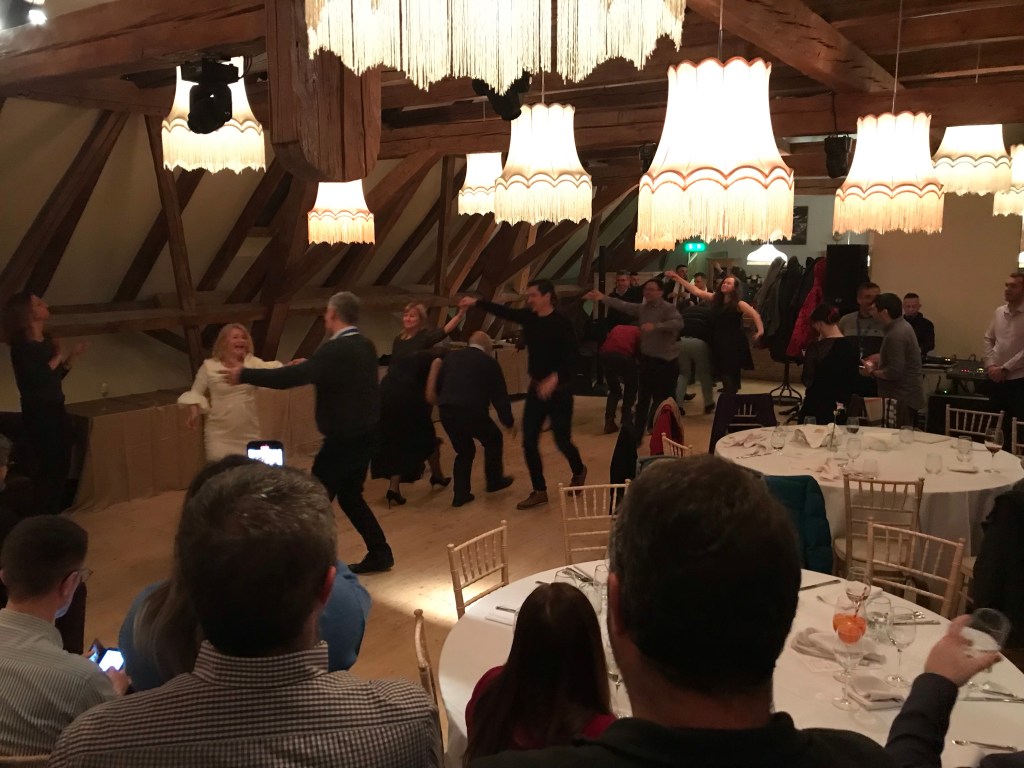
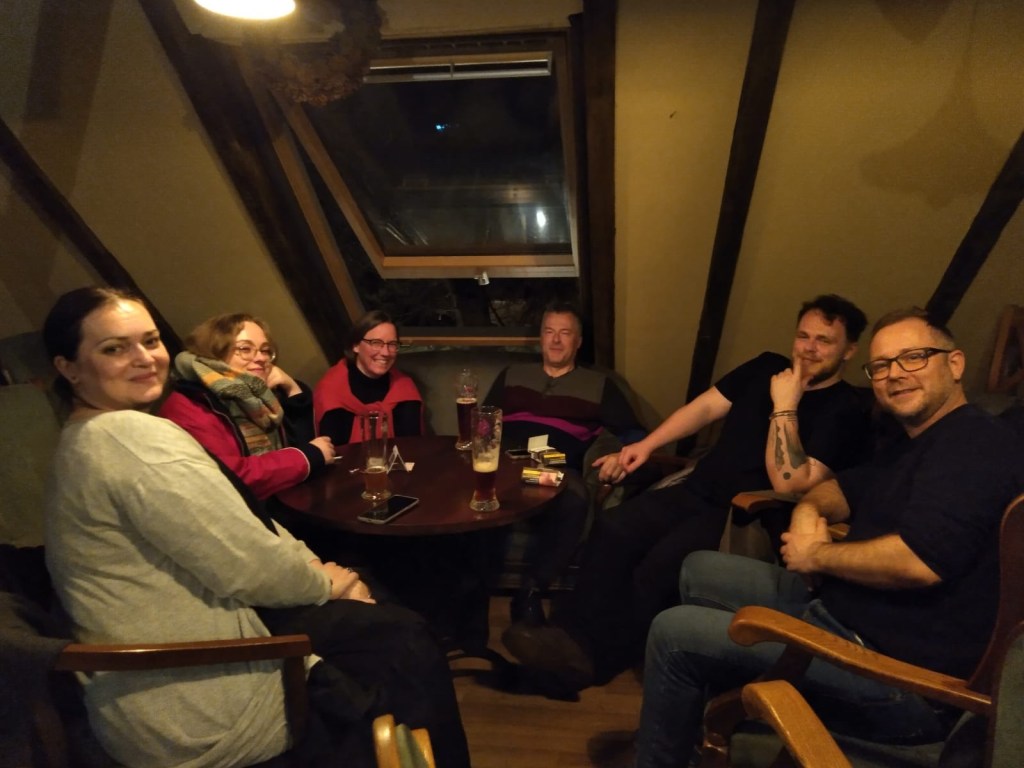
Cultural exchange was a big part of the EUt+ week as well, and you see photos of this side of things below.

I immensely enjoyed meeting and working with colleagues at TU Dublin’s peer institution who are part of EUt+ and also building string relationships with TU Dublin colleagues who attended.

I added days before and after the conference for exploring Cluj, Romania. It’s a fascinating place to visit!

Ethics teaching and learning

Ethics teaching and research are core to my work — teaching, researching, designing curricula, and editing. Here’s a two-day snippet of activities….

Yesterday, I attended a work session for the EthiCo project, led by TU Dublin but working in collaboration with many other technological universities. We’re considering multi-dimensional understandings of ethics. And, our group is developing tools for teaching students about ethics and teachers about how to incorporate ethics (social and environmental justice) into their classrooms. TU Dublin’s Professor Noel Fitzpatrick is leading the effort.

Just before we met, my WhatsApp thread was alive as my colleagues and I determined the theme of our upcoming Dublin Maker (July 23) booth: Reboot Arcade. Short description: Games of all sorts and art installations relating to rebooting civilization in our own unique way.

We’ll inspire those who visit our booth to envision the world we’d create if we were doing things from scratch. I’ll contribute an activity for our booth at Dublin Maker about circular economy and regenerative design.

Throughout the day, I also wrote and uploaded feedback to my BIM students in the Research Methods module.

And, did quite a bit of editing on a manuscript with Inês Direito and Bill Williams using the Hero’s Journey framework. Here’s snapshot of my screen with a graphic I’ve made for that paper:

A snapshot of the graphic I’ve made for the Hero’s Journey paper. (Adapted from J. Campbell by Shannon Chance, 2022.)

Today started with a conference of the members of the European University of Technology (EUt+). I presented ideas as part of the morning’s panel on the role of Education in the EUt+. I talked about the importance of ethics in technical education. It’s strange but exciting to be in a room with over 100 educators discussing topics passionately in person once again!

After the panel, I chatted with colleagues over coffee, and later followed up with many via email about how they can connect to SEFI and SEFI’s Ethics working group, and also the upcoming Project Approaches in Engineering Education (PAEE) conference where I’ll be delivering a keynote.

I really enjoyed hearing the speakers launch the conference (the secretary of the initiative, TU Dublin’s president, and the TU Dublin point person for the EUt+). Hearing them, I got a better idea of what’s in store for us as we join together as one big university offering more transferability of our students and of ideas and among our teachers. We’re building the future and creating our new reality.

But I couldn’t stay long. I hurried home to meet online with the editorial team for a new Handbook on Engineering Ethics Education. I zipped off emails to invite lead authors for Theme 4, on ethics accreditation.

I’ve got to get back to work now, but I’ll paste the handbook outline below, so you can see what kinds of things we’re exploring.

Outline for the Handbook on EEE

Theme 1: Foundations of engineering ethics education

Chapter 1.1: The purpose(s) of engineering ethics education

Chapter 1.2: How engineering ethics education makes use of normative ethical theories

Chapter 1.3: The individual and the collective in engineering ethics education

Chapter 1.4: Codes and professional organizations in engineering ethics education

Chapter 1.5: Reason and emotion play in engineering ethics education

Theme 2: Interdisciplinary contributions to engineering ethics education

Chapter 2.1: Philosophical and religious foundations in global perspective

Chapter 2.2: Sociological, Postcolonial and Critical Theory foundations

Chapter 2.3: Psychological foundations

Chapter 2.4: Management & Organisational studies foundations

Chapter 2.5: Engineering Design foundations

Chapter 2.6: Environmental Science foundations

Theme 3: Teaching methods in Engineering Ethics Education

Chapter 3.1: Literature review mapping the use of different teaching methods

Chapter 3.2: Case studies and dilemmas in engineering ethics education

Chapter 3.3: Project-Based Learning and Challenge Based Learning

Chapter 3.4: Value Sensitive Design and Design-Based Learning

Chapter 3.5: Field learning in engineering ethics education

Chapter 3.6. Arts-based methods in engineering ethics education

Chapter 3.7: Reflective and dialogue-centered approaches

Theme 4: Accreditation and Engineering Ethics Education

Chapter 4.1: Background history of ethics in accreditation

Chapter 4.2: Contextual mapping of ethics education and accreditation nationally and internationally

Chapter 4.3: Overview of literature and analysis of the types of research that have been published on Accreditation and EEE

Chapter 4.4: Comparative analysis of accreditation processes and implications at global and international levels

Chapter 4.5: Comparative analysis of accreditation processes and implications for ethics education at the local level

Chapter 4.6: A synthesis of the prior chapters in the section

Theme 5: Ethical issues in different engineering disciplines

Chapter 5.1: Software engineering

Chapter 5.2: Chemical engineering

Chapter 5.3: Biotechnology

Chapter 5.4: Civil engineering

Chapter 5.5: Mechanical / aerospatial engineering

Chapter 5.6: Electrical / electronic engineering

Chapter 5.7: Environmental engineering.

Theme 6: Assessment of different aspects of Engineering Ethics Education

Chapter 6.1: Course and curriculum quality

Chapter 6.2: Answering the need of industry, local communities, and other stakeholders

Chapter 6.3: Moral reasoning, ethical judgement, moral awareness, ethical sensitivity

Chapter 6.4: Views on knowledge, science, engineering

Chapter 6.5: Competencies such as critical thinking

Chapter 6.6.: Attitudes and character

Chapter 6.7: Limitations and critical perspectives on assessments