Example SOC proposal for MSCA IF: Capacity of researcher (1.4)

In this post, I share the subsection 1.4 on “Capacity of the researcher to reach and re-enforce a position of professional maturity in research” of an MSCA Individual Fellowship proposal submitted in 2015. In this section I include the CV, to show how I tailored it to support the application. I’ve had a non-standard career path, with engineering education research (EER) being something I’ve tried mastering late in my academic career, so I used the CV to show what I am doing, why, and how it builds on my past experience. I aimed to show how things about my record that might first appear to be weaknesses can also be framed as strengths.

I also needed to provide very clear justification for receiving a second MSCA IF. I had to show it would be a good investment.

The full suite of posts on this topic includes:
Abstract and Eval
• Excellence Section 1.1, 1.2, 1.3, 1.4
Notes on using tables
• Impact Section 2.1, 2.2
Implementation Section 3.1, 3.2, 3.3, 3.4
Ethics Section
Final Report from 2016 submission

1     EXCELLENCE

1.4  Capacity of researcher to reach and re-enforce a position of professional maturity in research (see CV)

Since completing a PhD in Higher Education (with an honors designation and her School’s Award of Excellence), Dr. Chance has transitioned her career focus from teaching to research, and been selected as:

  • Fulbright Core Scholar to Ireland in Engineering Education (2012-13)
  • Scholar in Residence for the University of Oregon’s Study Abroad program in Rome (2013)
  • Fulbright Inter-Country Lecturer to both Portugal and Belgium (2013)
  • Marie Curie International Incoming Fellow to Ireland (2014-16) where she learned phenomenological methods.

Dr. Chance has a long history teaching architecture and supervising Master’s thesis students (at Hampton University). She has evaluated architecture programs at the highest levels (having served on seven teams of the US National Architectural Accrediting Board, and having chaired a team in 2015). She coordinated university accreditation activities at Hampton U. She has taught educational planning (at William and Mary) and Problem-Based Learning and design projects in engineering (at DIT). She has developed curricula (for Hampton and DIT). A focus on diversity and inclusion has always formed a part of her research efforts, dating back to her first conference paper in 2000. Over time, Dr. Chance has demonstrated scholarly productivity through completion of: 37 peer-reviewed conference papers, eight peer reviewed journal articles, seven book chapters, two thesis design projects, a PhD dissertation, and an edited volume. She has delivered 87 academic lectures in Europe, USA, and Asia. For all research and grant-funded projects, Dr. Chance pursued projects that she conceived. All research lines—including her PhD research—were separate from her advisors. This attests to Dr. Chance’s capacity for independent thinking/research. Google Scholar now lists her h-index at 4 [note: I’m happy to report it’s now at 7, but I wish I could get it to climb faster], above the average among full professors in social science (3.67), political science (3.43), and law (2.83), according to the London School of Economics. Her work has been cited in over 36 publications (excluding self-citations). She is now requesting approvals from publishers to upload more of her articles on freely accessible sites so as to extend the reach of her work. Her citation index is on an upward swing.

Dr. Chance’s foundation in phenomenology and statistics give her a strong base for EF research to be conducted. Due to the novel hybrid topic and innovative approach she is proposing to use in future work, Routledge publishers recently asked her to submit a book proposal on epistemology and design thinking. She was interested in—and has committed to—the book idea. However, if she secures EU funding, she would prefer to opt for the UCL Press instead of a profit-driven publisher. UCL Press (see Capacities Chart) will ensure the content is as openly accessible as possible, as per EU policy. Over time, Dr. Chance has steadily accrued skills that will enable her to conduct pioneering and truly groundbreaking research and spearhead the development of a seminal new book.

The value of Europe’s IIF investment will be hugely increased if the IIF study is followed up by an EF that brings the discipline to a whole new level. The innovative, pioneering, and ground-breaking findings from the IIF can be harnessed and brought to use in the EF study, creating the potential to revolutionize teaching methods and to fast track a new generation of creative and challenging engineers. It is imperative that immediate action is taken to address the dangerous shortfall of engineers that precipitates the EU’s low number of patent filings and top tech companies, and lagging industry R&D. We must protect and enhance the EU’s reputation for producing quality goods. Whereas the IIF focused on bringing skills from the USA, developing curricula and phenomenological research skills, the EF will focus on: 1) achieving more powerful, substantial and tangible findings (by enhancing phenomenology with quantitative data), 2) disseminating the findings globally, and 3) equipping Dr. Chance with the necessary skills to manage complex large-scale research projects and teams. The EF study will be conducted in a completely new arena of the discipline; one that will have tangible and far-reaching effects on the teaching of engineering in Europe. The most common route for European researchers to develop these skills is through taking an intermediate step between the IIF and an ERC Starter Grant via a nationally funded project. However, due to the fixed-term of the MSCA contract, Dr. Chance is not yet eligible for all of Ireland’s grant programs. Yet she is firmly committed to life and citizenship here, and to basing all her future research operations in the EU. The proposed EF work is significantly different from the IIF in scale, complexity, and range of exploitation activities. It also includes extensive training in research management that only a world-class research institution like UCL can provide. UCL is truly unique in that it has achieved success in engineering diversity and retention. This work is of such a standard that is has been recognized by MIT4. This new educational methodology needs further study, development, and promotion. The EF will equip Dr. Chance to establish an independent research team at DIT leading the new research strand on epistemology and design thinking. 

Attached CV

4          CV OF THE EXPERIENCED RESEARCHER

In this portion of the 2015 proposal, I started by listing my degrees, earned in the USA. I provided reviewers with the text below to put things in context before listing my Employment History (Research Positions, Teaching Positions, Professional Practice), Professional Registrations, sentences on Invited Lectures, Supervising Activities, Organization of Conferences, and lists of Professional Memberships, Special Recognition, Grant-Funded Projects, and Publications.

I’ll provide an example of the list of Peer-Reviewed Journal Articles at the end here, as I inserted info to help them assess my reach and impact.

Note that in the text below, I highlighted specific qualities asked for in the guidelines: Independent Thinking, Leadership Skills, and Results of some past projects. It’s important to use the specified words as it makes evaluators’ work easier. They are very busy people and you want to make it easy for them to find evidence to base their scores upon.

Dr. Chance is uniquely qualified for this interdisciplinary study. In the last two decades, working in the USA, she taught in two different institutions—one with a special focus on diversity and the other a research-intensive institution. Educational research is her second career. Her focus on research began with PhD studies (2006-10), her introduction to the field of engineering education research as a Fulbright Fellow (2012-3), and development of phenomenological research skills at DIT (2014-now). Results are now beginning to accrue from Dr. Chance’s current Marie Curie research studies. Preliminary results have revealed a promising new stream for investigation—overlaps of design thinking and epistemological development. As a result of the IIF, Dr. Chance is on track to produce at least: 3 journal articles, a book proposal, a book chapter, 10 conference papers, and 6 grant applications (with 3 of them funded to date at €2-10k). She benefited tremendously from IIF supervisor Prof. Brian Bowe’s phenomenological expertise, EER connections, and work chairing the 2015 Research on Engineering Education Symposium (REES). Through ongoing career planning and networking, Dr. Chance identified further training needs and career development opportunities. She discovered a number of surprising findings and developed an innovative stream of research for detailed study and development into a book. As an IIF, she gained acceptance in EER and has made the successful transition into a new research career. She identified sources of funding that she can target in the future; DIT has agreed to host her should she get future funding in place. As a result of participating in a 2015 EER conference and working group, Dr. Chance secured an exciting opportunity to join UCL, a world-class research institution. After the conference, she attended CEE’s launch and organized meetings for CREATE and CEE to come together to share ideas. So, as a direct result of successes in the first phase at DIT, she was presented with the opportunity to help plug DIT into a much bigger community—most notably the embryonic UK and Ireland Network on Engineering Education to be launched 6 November 2015. By making such connections, Dr. Chance realized she needed to develop a set of specific skills in order to get to where she aims to be in five years [note: they want to see your trajectory and goals, but I feel these were a bit too lofty], having: secured an ERC grant [note: this was an admirable goal, and MSCA fellows win these awards at higher rates than non-fellows, but it’s still out of my reach–I’m focusing now on strengthening my publication record to get here], published a widely respected book [note: I broaden this option in the final proposal to book or special focus issue–I delivered two of special focus issues during the fellowship], and be leading an independent research team [note: I’m doing this one to some degree now, but my collaborators aren’t on my campus]. She is on track to apply for ERC funding and this fellowship at UCL will help her achieve these aims by providing strategic management and research skills and giving her time to recruit new members to her research team and secure ERC funding (or help them secure MSCA IF funding) for future training at DIT. A potential candidate is [name removed], an engineer from Spain who is interested in earning a PhD in EER who Dr. Chance has been mentoring informally.
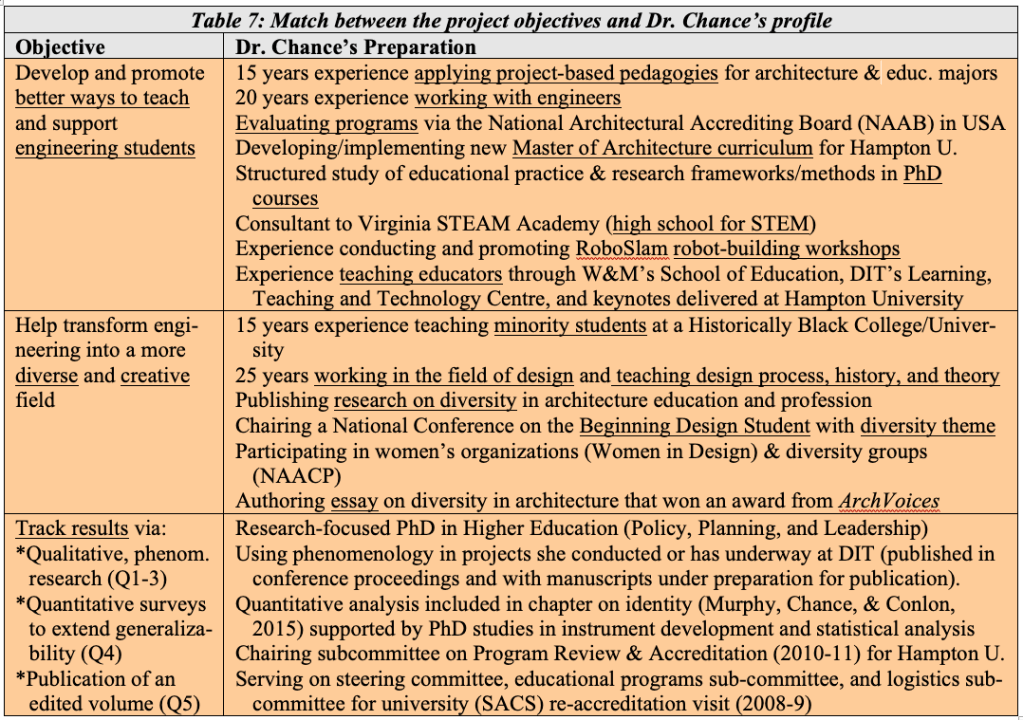
Table 7: Match between the project objectives and Dr. Chance’s profile

Independent Thinking. Dr. Chance has authored 5 opinion/editorial columns, expressing her independent views on: (1) Architectural registration and its diversity vortex published by Crit Magazine; (2&3) HU: Forerunner in architectural diversity and HU to host national diversity conference published regionally by American Institute of Architects; (4) Architect—Visionary or order filler?, published by the US Department of Housing and Urban Development; and (5) Green aesthetic: Seeing beauty in clotheslines and weeds in Virginia’s Daily Press.

Leadership Skills. Dr. Chance chaired the 20th National Conference on the Beginning Design Student and serves on the organization’s steering committee. She has headed Construction Administration for a $7 million library and managed grants from the US Department of Education ($75k) and the ROTCH Foundation ($20k). She has planned and managed 10 study-abroad programs (6 to Europe, 4 to Africa) and secured ongoing support from charitable foundations. She has received formal leadership training (through both the 4-H youth organization and William and Mary university). She provided leadership to the City of Portsmouth (Virginia) as a Commissioner of Architectural Review (2002-5), also serving as Vice- (2004) and Acting-Chair (2005). Within the Port Norfolk Civic League (1999-2009) she served as President, Recording Secretary, Corresponding Secretary, and Stabilization Chair. As a member of the international Congress on the New Urbanism, she served as Accessibility Taskforce Chair (2006-10), Session Organizer (2006-10), and Panelist (2009, 2010), advocating for accessibility and universal design.

Results of 3 Major Projects

Results of dissertation research (using quantitative methods). Dr. Chance’s dissertation investigated the use of the LEED® Green Building Rating system by higher education institutions (HEIs). It tracked implementation of LEED® over time and helped assess the degree to which HEIs have been meeting the program’s stated goals, particularly in the areas most critical for environmental sustainability. Dr. Chance used MANOVA and multiple regression analyses to identify Energy and Atmosphere as the most important category in predicting overall ratings achieved by HEIs—indicating that this category, which is expensive to achieve but is most important for controlling climate change, also carries incentive because it most influences ratings. The study contributed new understanding of both the organizational learning that has resulted from refining LEED and how such rating systems can be used to generate and apply new knowledge. Dr. Chance presented the study to NASA scientists at Langley Air Force Base. The project resulted in several publications—including an article in Planning for Higher Education that garnered 800+ downloads the first week it was posted on the Society for College and University Planning’s (SCUP’s) Massive Open Online Course (MOOC). The original work received the Outstanding Dissertation Award from the International Society for Educational Planning (ISEP) in 2010.

Results of PBL research (using qualitative, phenomenological methods). During her nine-month Fulbright fellowship, Dr. Chance developed a range of foundational skills in qualitative research: conducting semi-structured interviews; identifying invariant meaning units; and developing descriptions to capture the essence of specific phenomena. Prior to arriving in Ireland, Dr. Chance had only basic coursework in qualitative research methods, and no experience with phenomenological research. She knew CREATE had expertise in phenomenology and also provided highly valuable examples of organizational learning. As a Fulbright she collaborated with colleagues from CREATE to research what motivated engineering educators to change the way they teach. During data analysis, Dr. Chance distilled a model for creating change in engineering education that is transferable and can help others facilitate change. Findings of the study have been published in two conference papers and a book chapter to date.

Results of identity research (using mixed-methods approaches). As a Fulbright fellow, Dr. Chance spearheaded quantitative components of an exploratory, mixed-methods study conducted with Drs. Mike Murphy and Eddie Conlon. She drew from past experience, using new skills in combination with existing skills, to develop survey instruments, analyze data using t-Tests and Chi-Squared procedures, and describe the sense of identity reflected by DIT engineering and technology students. Results indicated that, when choosing engineering, design and other hands-on aspects of education had been important considerations for many DIT students. These design and hands-on aspects appeared to be even more important to (the small sample of) women than to men in their degree choice. The resulting book chapter was recently published by Springer, ensuring dissemination to a wide audience.

Peer-Reviewed Journal Articles                     

CHANCE, S.M., Mitchell, J., & Duffy, G. (in press). Using architecture design studio pedagogies to enhance engineering education. International Journal of Engineering Education. h5-index 16. SJR h-index 30.

CHANCE, S.M., & Bowe, B. (in process). Phenomenological study of how women experience collaborative learning in engineering education.

CHANCE, S.M., Duffy, G. & Bowe, B. (in process). Understanding lectures’ experiences of group learning in engineering.

CHANCE, S.M. (Nov. 2012). Planning for environmental sustainability: Learning from LEED and the USGBC. Planning for Higher Education, 41(1). h5-index 9. Cited by 1.

Seymour, M.W., & CHANCE, S.M. (2010). Assessment Formats. International Journal of Learning, 17(10), 137-154. h5-index 5. SJR h-index 6.

CHANCE, S.M. (2010). Strategic by design: Iterative approaches to educational planning. Planning for Higher Education, 38(2), 40-54. h5-index 9. Cited by 10.

CHANCE, S.M., & Williams, B. (2009). Assessing university strategic plans: A tool for consideration. Educational Planning: The Journal of the International Society for Educational Planning, 18(1), 38-54. Indexed in the H. W. Wilson Education Index. Cited by 14.

Fisler, J., Agati, H.A., CHANCE, S.M., Donahue, G.A., Eickhoff, E.J., Hack, A.E., Gastler, S.E.K., Lowder, J.C., & Foubert, J.D. (2009). Keeping (or losing) the faith: Reflections on spiritual struggles and their resolution by college seniors. College Student Affairs Journal, 27(2), 257-274. Cited by 5.

CHANCE, S. M. (2008). Proposal for using a studio format to enhance institutional advancement. International Journal of Educational Advancement, 8(3/4), 111-125. SJR h-index 4. Cited by 1.

CHANCE, S.M. (2004). Architectural registration and its diversity vortex. Crit: Journal of the American Institute of Architecture Students, 58, 36-40.
Example SOC proposal for MSCA IF: Quality of research (1.1)

1     EXCELLENCE

This blog provides the first sub-section of the Excellence section, on “Quality, innovative aspects and credibility of the research” of a grant proposal I submitted for an MSCA Individual Fellowship in 2015. This submission was NOT successfully in 2015, but I revised it based on evaluators’ comments provided in a previous blog.

I note that, in social sciences, it is likely that your methodologies and your research design will evolve while you are conducting the work. They will change based on what you are finding as you are collecting data and working in-situ. Nevertheless, it’s crucial that your proposal convey sa solid understanding of your field, its literature base, and the methods used to study it. The plan you propose has to be realistic, respond to the most cutting-edge knowledge in your field, and also explain how your proposed work is innovative–and needed by Europe.

The reviewers took off points for this proposal being too ambitious, lacking specificity regarding methods, and not integrating specific enough info on cutting edge research on the topics within my specific sub-field of engineering education research. I also lost points for mentioning a secondment but not having a clear enough secondment plan. I addressed those criticisms in my application the following year. The revision was funded in the 2016 call.

The full suite of posts on this topic includes:
Abstract and Eval
• Excellence Section 1.1, 1.2, 1.3, 1.4
Notes on using tables
• Impact Section 2.1, 2.2
Implementation Section 3.1, 3.2, 3.3, 3.4
Ethics Section
Final Report from 2016 submission

1.1  Quality, innovative aspects and credibility of the research

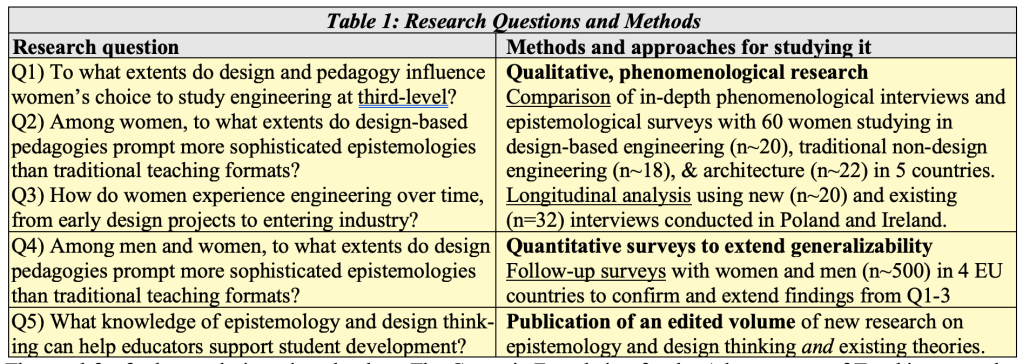
Over the two-year period of the MSCA European Fellowship (EF), Prof./Dr. Shannon Chance’s research and training efforts will be based at the new Centre for Engineering Education (CEE) at University College London (UCL). Dr. Chance intends to complete a 3-month secondment during the fellowship—if an appropriate partnership can be arranged with Houghton Mifflin Harcourt, Science|Business, Creative Industries Federation or similar—so as to maximize and exploit her research. Her primary research project will investigate overlaps between epistemology (which asks: What is knowledge?) and design thinking (How is knowledge created and used in the process of design?). Her research will evaluate the role of design projects in the learning, retention, and epistemological development of engineering students, particularly women. She will collect qualitative and quantitative data in Ireland, Poland, Portugal, the UK and USA. Simultaneous outreach in these places will promote Science, Engineering, Technology, and Mathematics (STEM) research and careers. Creating and pilot testing new activities for 2nd, 3rd, and post-graduate students will provide Dr. Chance another important avenue to exploit her research findings. Overall, Dr. Chance’s research will address grand societal challenges, specifically the lack of diversity and the ominous shortfall of engineers in Europe. Overarching research objectives are to: (1) develop and promote better ways to teach/support engineering students, (2) help transform engineering into a more diverse and creative field, and (3) track results via five primary research questions (Table 1) surrounding the theme: To what extents do design projects influence the cognitive and epistemological development of undergraduates in engineering and architecture?

The interdisciplinary approach draws from Dr. Chance’s unique skill set and synthesizes state-of-the-art in three realms: (1) practices from architecture education, (2) research on engineering education, and (3) theories on college student development. Architecture education provides a long-standing focus on pedagogy (through immersive, active design-based education). Innovators in engineering education are creating new ways to facilitate group learning and are slowly shifting the focus from teacher to student in the engineering classroom. Dr. Chance believes leveraging theories on student development can provide new opportunities in reforming/transforming engineering education. Such work can make engineering more attractive to students in design and creative fields—a category of students who may never have considered engineering as a field of study or career. Scholars of student development provide ways to conceptualize and monitor student learning, particularly with regard to contextual and generative ways of thinking and knowing. Dr. Chance’s initial investigations at the intersection of these three realms (which have involved exploratory analysis of students’ blogs) yielded encouraging preliminary results. Even though the findings were extremely tentative, they were solicited for a peer-reviewed journal1. To derive extensive benefit, we must strike while the iron is hot. She needs to pursue promising leads immediately, while momentum is strong.

Table 1: Research Methods and Methods

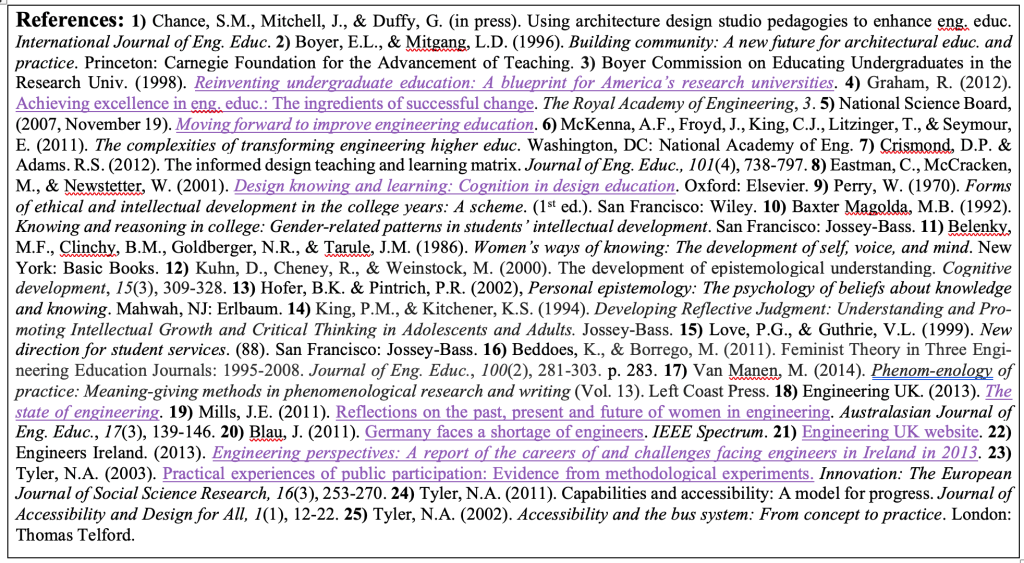
The need for further study is eminently clear. The Carnegie Foundation for the Advancement of Teaching argued that architecture’s design-based model should be incorporated into curricula to improve the teaching of engineering2, 3. The UK Royal Academy of Engineering4 and the US National Science Board5 demanded engineering schools do more to cultivate creativity and flexibility among graduates. Yet, very little has changed6. At UCL, however, Prof. Nick Tyler’s department accrued success by integrating design projects into civil engineering—dramatically increasing its enrollment and graduation numbers, particularly among women, as is documented in a case study by the UK Royal Academy and MIT4. Outcomes of their work deserve additional analysis via this project. Two primary resources on the overlap of design thinking and engineering education are a 2014 article on how to prompt informed thinking among novice designers7 and a 2001 book on Design Thinking and Cognition8. Contemporary student development theory stems from Perry’s 1970 schema of ethical and intellectual development of (male) college students9. Refinements to Perry’s work include gender-related investigations10, 11, ways to assess epistemology12, 13 and reflective judgment14, and synthesis across theories15. Dr. Chance believes applying these theories can make engineering education more effective. She aims to provide educators with the necessary tools to do so—and to disseminate them widely. Her cross-cultural project utilizes novel concepts (overlapping theories on development and design), novel methods (phenomenology along with surveys and field tests), and novel approaches (new project applications and a new guidebook to help revolutionize teaching and shift the knowledge frontier).

Dr. Chance’s EF study is being carefully designed to address criticism that “engineering education scholarship is still characterized by a lack of explicit and consistent theoretical engagement.”16 Her innovative mixed-methods study will start with cutting-edge qualitative methods for collection and analysis of in-depth phenomenological interviews with 60 women in 5 countries—a very large and diverse sample. Phenomenology provides means to investigate structures of consciousness and to explore how specific phenomena (in this case, design and engineering education) are experienced from a first-person point of view. Dr. Chance will use Van Manen’s interpretive, hermeneutic method for analyzing data17 and will help adapt phenomenology for widespread use in the emerging field of engineering education research (EER). To extend and magnify the impact of her qualitative findings, Dr. Chance will follow up with confirmatory surveys. Guided by Prof. Tyler, she will gain mastery of advanced statistical analysis procedures. She will use ANOVA, multiple regression, and other statistical modeling tools, to study results of surveys with 500+ women and men in 4 different EU countries. This will help achieve generalizability across EU engineering education. The proposed work is unique in scale, because no other engineering education researcher in Europe has collected such extensive data from participants from such diverse countries.

Such work is crucial to address today’s social and economic challenges. All over the world, there is a realization that engineering education is not working effectively—that engineering graduates are not equipped to handle ill-defined problems or address grand societal challenges—but no one is sure what the solution is. Even in places where the educational system is conservative (like Japan, Singapore, China, France, and Germany) it is widely realized that things must change, but exactly how to change them is unchartered territory and entirely up for grabs. The way engineering is conceived and taught simply isn’t attractive enough to students. Of all learners entering higher education in the UK in 2010, just 4.8% applied in engineering or technology18. Globally, half of all students who enter engineering drop out by the end of their first year19. These are problems for the engineering profession of course, but also for individual nations and for Europe as a whole.

The EU urgently needs more engineers, particularly ones who can work collaboratively and creatively. The EU is suffering an enormous deficit of engineers. In 2011, Germany alone fell short by 76,400 engineers20. Failure to attract women exacerbates the crisis. Today, women comprise 26% of engineering professionals in Sweden, 20% in Italy, 18% in Spain, but just 9% in the UK21. In Ireland, there are nine times more male than female engineers21. In the UK in 2010, applications to study engineering from women represented 0.58% of the overall applicant pool and were outnumbered by those from by men more than 7:118. Even in countries like Australia, where women who enter engineering now outperform men in persistence-to-graduation, half of all female engineering graduates still choose to leave the profession within ten years after graduating. This suggests a need to shift the educational and professional cultures of engineering. To address shortfall and diversify perspectives, the EU must find ways to attract and retain female students in engineering—as this study seeks to do.

Reference list, formatted for maximum density

Project Management as an MSCA Research Fellow

As part of my Marie Skłodowska-Curie Actions Individual Fellowship (MSCA IF), which ran 2018-2020, I learned new skills in project management. Two of my six work packages (WPs) focused on project management: WP3 was for developing a special focus issue (which turned into producing two issues of in the journal IEEE Transactions on Education), and WP6 was for managing the MSCA grant itself.

In this blog post, I describe activities in these two work packages. I also identify what impact I wanted to have with the MSCA grant and share photos with colleagues.

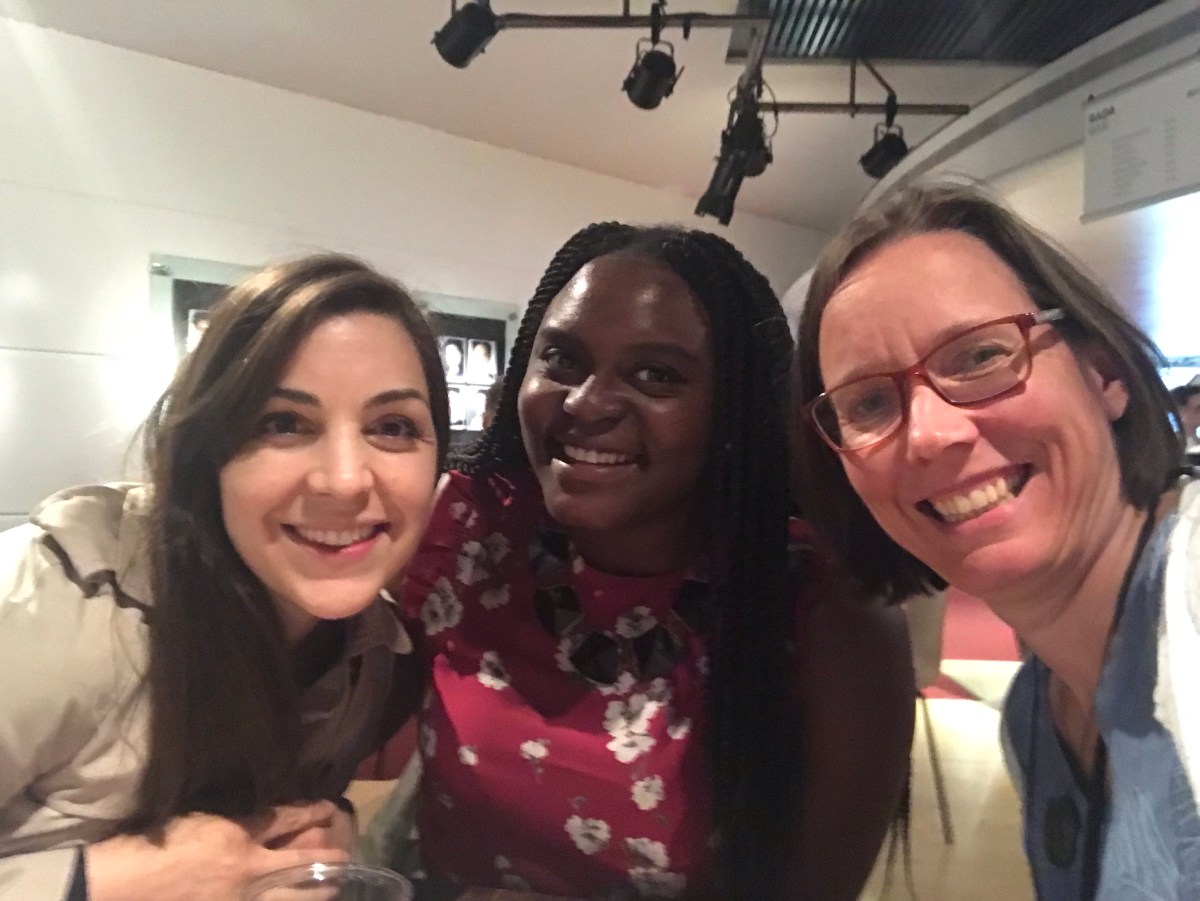
Incidentally, the photo above was taken with Prof. Emanuela Tilley (of University College London, UCL) and Dr. Folashade Akinmolayan (of Queen Mary University London). Emanuela is a highly organized and productive manager and she serves as the Director of UCL’s award-winning Integrated Engineering Programme (IEP). She’s been a fabulous role model for me in learning these types of skills.

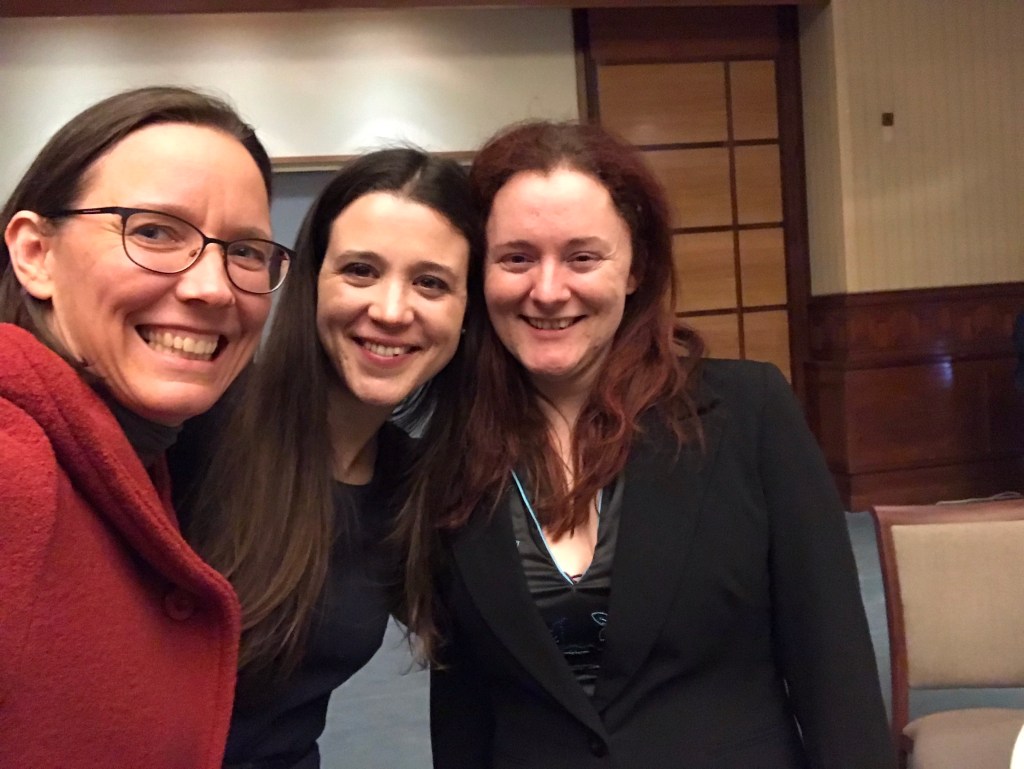
Below are two more colleagues from UCL, who worked with Emanuela and me in the Engineering Faculty Office.

The other three pictures are taken with colleagues from the States, showing how I helped transfer knowledge and learning across the Atlantic and back as a result of this grant.

WP3, Special-Focus Journal Issues

The intention of WP3 was for me to learn publication skills related the engineering education research (EER). In the MSCA application, I promised to deliver a publication-ready document to a publishing house by month 24 of the two-year grant. Ultimately, I found I was able to spearhead development of two different special focus journal issues. I exceed my own expectations by working proactively. In fact, both of these journal issues were already published by month 24, and are currently informing the EER community.

The special focus issues I spearheaded are cited as follows:

CHANCE, S., Williams, B., Goldfinch, T., Adams, R. S., & Fleming, L. N. (Eds.). (August 2019). Special Issue on Using Enquiry- and Design-Based Learning to Spur Epistemological and Identity Development of Engineering Students. IEEE Transactions on Education, (62)3. DOI 10.1109/TE.2019.2923043.

CHANCE, S., Bottomly, L., Panetta, K., & Williams, B. (Eds.). (November 2018). Special-focus issue on gender in engineering in the IEEE Transactions on Education, (61)4.

In the UCL Engineering Faculty Office at UCL, with EER researcher Dr. Inês Direito and the faculty’s Communications Manager Emma Whitney.

At this point, I am leading the development of a third special focus issue–this last one is for the Australiasian Journal of Engineering Education–and this project is extending my reach farther across the globe.

The third special focus issue, now under development is:

CHANCE, S., Strobel, J., Mazzurco, A., Hattingh, T., & Villas-Boas, V. (Eds.). (forthcoming May 2021). Special Issue on Ethics in Engineering Education and Practice. Australasian Journal of Engineering Education (AJEE).

An intention for this new issue is for the two lead editors (Chance and Strobel) to help mentor the three other guest editors through the process to enable them to lead development of future special focus issues in EER. I’m thus delighted to report that Teresa Hattingh was recently appointed as Associate Editor of a new EER journal out of India.

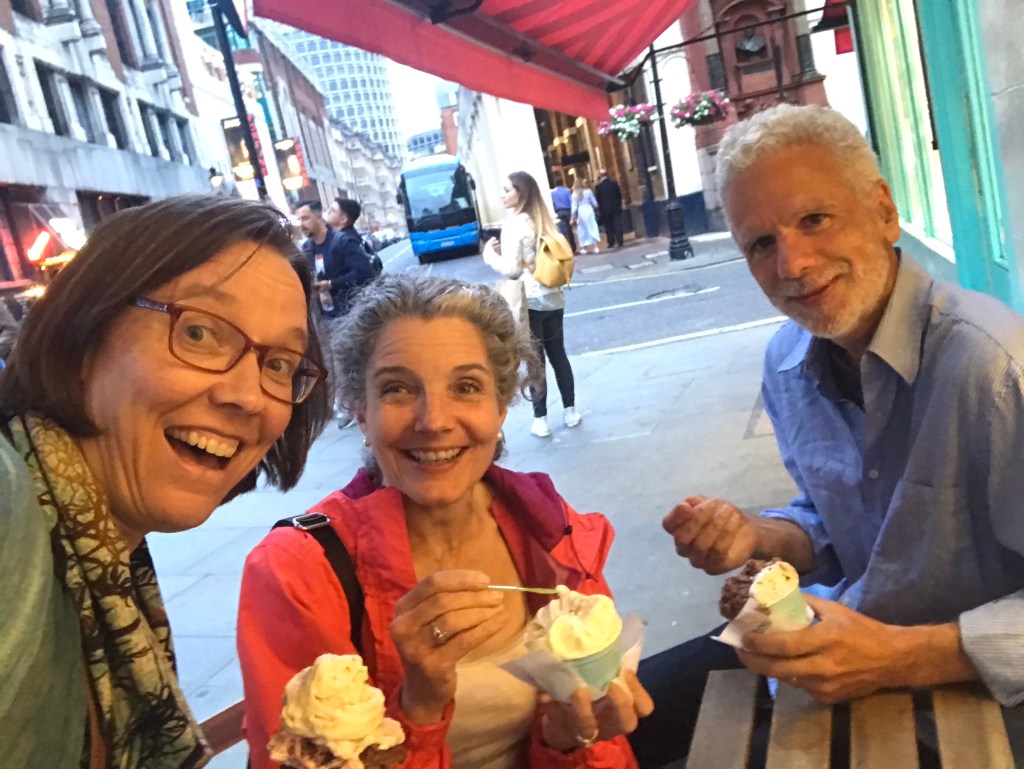
Enjoying ice cream at Covent Garden in London with my amazing PhD advisor, Dr. Pamela Eddy (from William and Mary in Virginia) and her husband, Dr. David Pape, who visited during my Marie Curie.

WP6, Project Management

The intention of WP6 was to keep the grant well managed from financial, quality assurance, and reporting standpoints. The main requirement was to provide essential information to the European Commission regarding the progress of the grant.

During the MSCA IF, I followed University College London data management guidelines. My research projects were identified as “low risk” to human participants and followed the established guidelines.

Under this WP, I had promised the following deliverables: a Career Development Plan (CDP), a mid-project report, and a final report. The CDP was developed and uploaded to the Participant Portal in the required timeframe. I also developed a mid-project report but, as there was no portal available for uploading it on the EU reporting platform, I posted the mid-term report to my blog and sent a link to my program officer.

Three-quarters of the way through my MSCA-IF period, I participated in a monitoring session in Brussels. It was held for Marie Curie Fellows doing projects in education and learning sciences. The set up was new, and this session was one of the first of its kind. Feedback I received there for my MSCA work was positive; no alterations to my projects were requested.

A PDF of the overall final report is available on my website for anyone to see and it has now been downloaded 234 times since I made it available. The blog page where it is posted has been viewed 486.

I believe posting the PDF is making a contribution in that a lot of MSCA fellows are curious to see what a report looks since there isn’t much information available online, meaning that most people can’t work on their reports until their grant actually finishes.

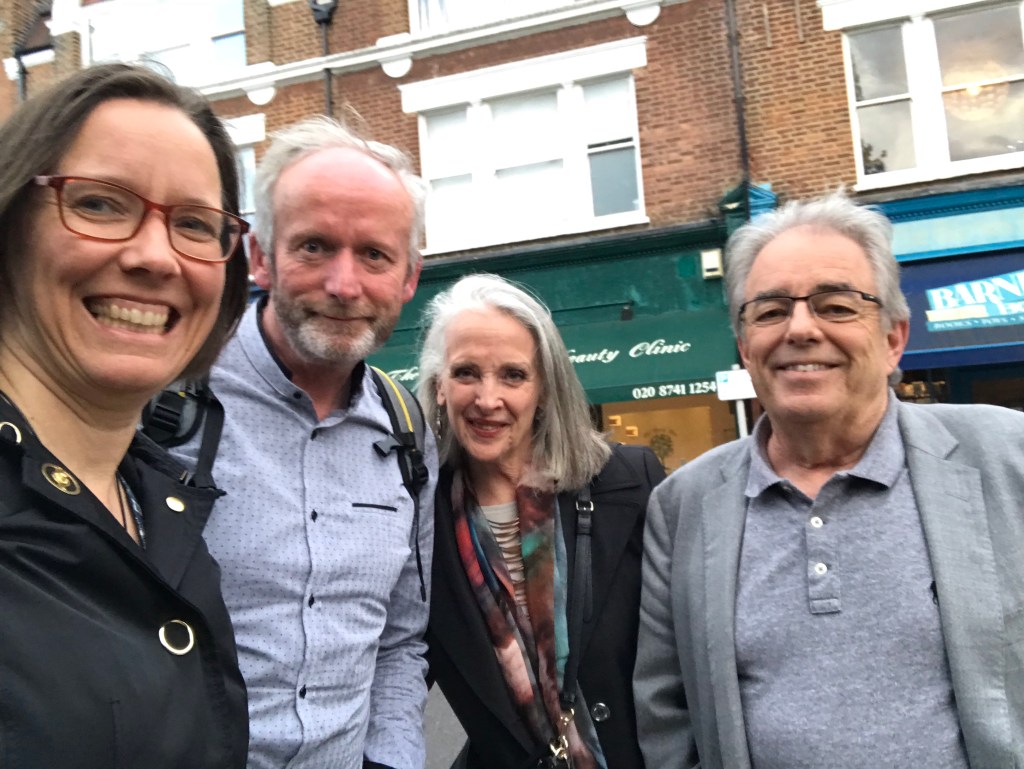
Getting together with my Master’s Thesis advisor (from Virginia Tech) and his wife, Ron and Cheryl Daniel, when they lived in London.

Impact envisioned

From the outset, I wanted my MSCA work to enhanced public perception of engineering as a fun and creative field. I also set out to help:

  • increase the focus given by engineering educators to the developmental patterns of engineering students;
  • improve student retention as a result of increased support;
  • enhance diversity, as techniques to support minority students are increasingly utilized;
  • improve overall teaching in engineering education as a result increasingly credible and useful research;
  • provide increased focus on ethics and sustainability in engineering education; and
  • produce tools and models to help engineering educators foster creativity and engineering firms contribute to realizing the United Nations Sustainable Development Goals (SDGs).
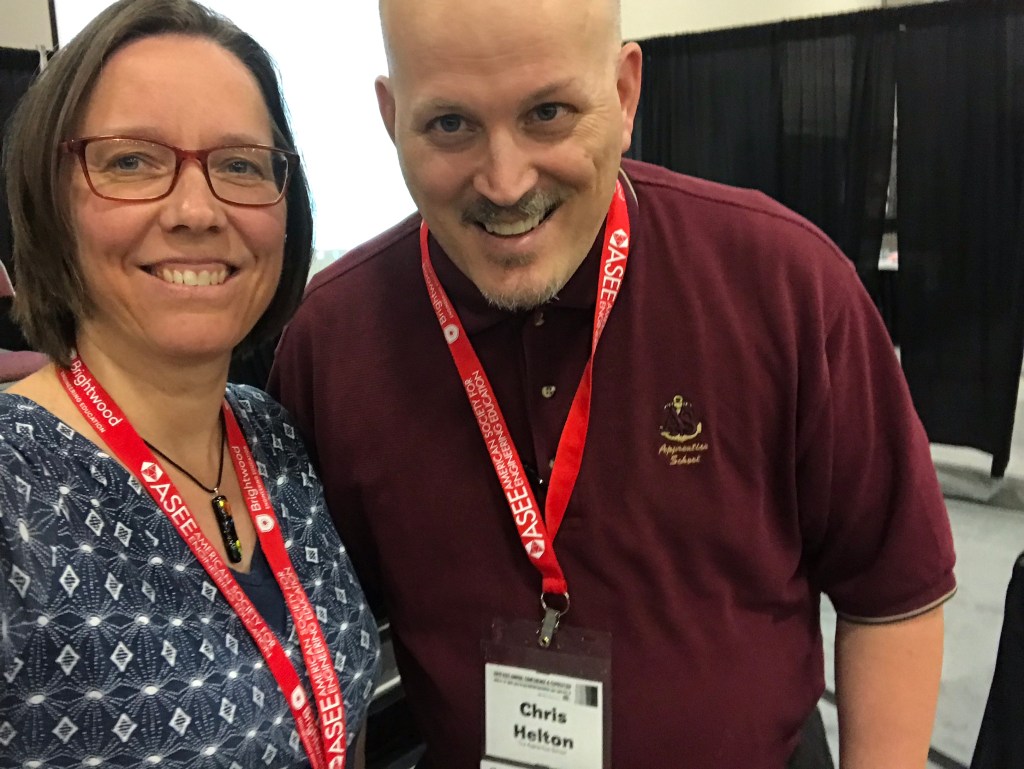
During this MSCA Fellowship, I got to attend my first two annual conferences of the American Society for Engineering Education (ASEE). At both, I caught up with instructors from Hampton Roads in Virginia (where I used to live). They coach student teams that compete at the ASEE conference annually. This colleague, Chris Helton, is from the Apprentice School at the Newport News Shipyard.

My plans for dissemination and exploitation of results was fully realized (and, in fact, exceeded). I believe that all critical objectives proposed in my MSCA application have been fully achieved, and the list of deliverables exceeds the original promises. Many additional manuscripts that are currently under development using data collected during this fellowship will continue to achieve impact in coming years.     

Diverse researchers at your service!

img_2864-1

The campus of DIT Grangegoreman (soon to be TU Dublin) which is now under construction

I found myself surrounded today, by dozens of brilliant scholars. I’d been invited to speak at a workshop on Gender Equality held by the Irish Alumni Chapter of Marie Skłodowska-Curie actions (MSCA). The half-day workshop was held in St. Laurence Church on the Grangegorman Campus of DIT.

Marie Curie fellows, past and present, traveled in from all over Ireland to attend the event. The Irish MSCA Alumni chapter is just two years old and it covers the whole of the island, welcoming researchers from north and south, east and west.

A lovely group of early-career researchers arrived in last night from Cork for the workshop, for instance. They came to Ireland from many different countries across Europe and beyond to work with the excellent researchers here.

img_2904-1

Dr. Chiara Loder, with Ireland’s MSCA office, helps researchers write winning proposals

img_2894

Dr. Geraldine Canny, the MSCA National Contact Point and Head of Ireland’s MSCA Office.

Dr. Amir Tabaković, a Strategic Research Proposal Coordinator housed in DIT’s Research Enterprise and Innovation Services office organized the event. Amir was formerly a Marie Curie Fellow to TU Delft in the Netherlands. Several other alumni assisted in organizing, including Dr. Declan Devine, the  Chair of Ireland’s MCA Alumni chapter who was a Marie Curie fellow–following his wife’s own MSCA fellowship. They have spent time doing research in Switzerland, the US, and now back home in Ireland.

The day’s line-up of speakers was both exceptionally accomplished and full of insight. We started with introductions by our hosts, Amir and Declan, and a talk by Dr. Geraldine Canny, who is Head of the Irish Marie Skłodowska-Curie Office and National Contact Point – H2020 Marie Skłodowska-Curie Programme. She is responsible for the delivery of the office suite of application supports and also provides input into MSCA policy as a Programme Committee member. The program continued as follows:

Screen Shot 2018-12-03 at 5.08.22 PM

img_2918

Jean Cahill, one of my mentors and heroes

I’ve included photos of many presentations. During the coffee break and post-workshop lunch, we got to socialize and network. I asked Jean Cahill–a Head of Research at DIT and one of the people who has helped me with writing various grants in the past–how many Marie Curie Fellows we’ve had at DIT. She rattled off five, and I was two of them! I think, for institutional records, I’m counted as an incoming MSAC Fellow (2014-2016) and an outgoing MSCA Fellow (2018-2020). The reason I’d asked Jean about this was that I had just met DIT’s newest incoming MSCA fellow, and she’s female. Interestingly, all the five fellows to DIT who Jean identified are female. The program is open to men and women alike, so the success rate for women applying to DIT is very high! I’ve always found DIT to be a very supportive environment. In fact, Jean and others like former National Contact Point Dr. Jennifer Brennan, helped me draft both of MSCA applications–going well above and beyond their job requirements and providing loads of pertinent advice that was crucial to my success in securing funds. For both of my MSCA applications, Professor Nancy Stenson and Dr. Marek Rebow helped with editing as well.

img_2972

Chatting with Professor Brian Bowe in DIT’s Rathdowne House

For today, Amir had asked me to talk about my experiences as a Marie Curie fellow and identify some gender aspects of my research work. I encouraged the audience to push beyond gender and seek inclusivity for all types of diversity. I asked them to promote wider considerations of diversity in European funding calls and evaluations, as well as in their own research. I asked them to consider publishing gender-related aspects of their findings in journals that reach more than one type of specialty audience and I provided examples. Then I described one of the research projects I’ve done as an MSCA fellow and the data analysis I have underway now that I will report via the Society for Research in Higher Education.

img_2992-1

Dr. Shanonn Chance with DIT’s Dr. Barry McCauley, an expert in BIM and Quantity Surveying

At the conclusion of the workshop, I met up with my former Fulbright and MSCA supervisor, Professor Brian Bowe. Then I walked from DIT Grangegoreman to DIT Bolton Street by way of our new path–which connects the two sites and takes just seven minutes to walk. There at Bolton Street, I returned a library book (Marton and Booth, 1997) and had a chat with Dr. Barry McCauley, who was serving as my temporary replacement but has since been appointed to a permanent full-time position of his own at DIT. I couldn’t be more pleased, as Barry is an excellent teacher and researcher and is excelling even while adjusting to his new prosthetics. Barry was injured on a construction site when he was 21 and his legs were crushed, but he has not let this stop him. He went on to get his Ph.D. and he’s a force to be reckoned with! We are lucky to have him at DIT; I really enjoyed learning Navis Works and CostX from him in prior years and he has done some very important research on uptake and implementation of BIM (Building Informational Modelling) globally.

If you are a researcher reading this who is interested in applying for a fellowship to come do research in engineering education at either DIT (soon to be TU Dublin) or at my other institution which is UCL, or in BIM implementation here at DIT, please contact me and I’ll help you write a grant proposal (IrelandByChance at gmail dot com).

Marie Curie Fellowship

It’s been a week of new adventures.  Last Monday my plane landed in Dublin and I began a new job at the Dublin Institute of Technology as a Marie Curie Research Fellow.  This is a two-year post funded by a generous grant from the European Union that will allow me to extend the research I began as a Fulbright scholar.  I spent several months last summer going the proposal, and met with success.

Many people helped with the proposal, including my mentor Dr. Nancy Stenson.  She has been a Marie Curie International Incoming Fellow (IIF) for the past two years… she told me of the IIF program, encouraged me to apply, and helped edit and refine my proposal.  Without her, I’d never have succeeded.  Jean Cahil, Jennifer Brennan, and Marek Rebow were also instrumental in the effort.  Colleen Dube, Pamela Eddy, Mike Murphy, John Donovan, and Brian Bowe provided valubale assistance as well.

Brian will be serving as my research supervisor for the next two years. Receiving this grant helped focus efforts in the college on the topic of research in engineering education. It lead to the formal establishment of CREATE (Centre for Research on Engineering, Architecture, and Technology Education, or something similar).

I’ll tell you about my recent adventures in an upcoming post….