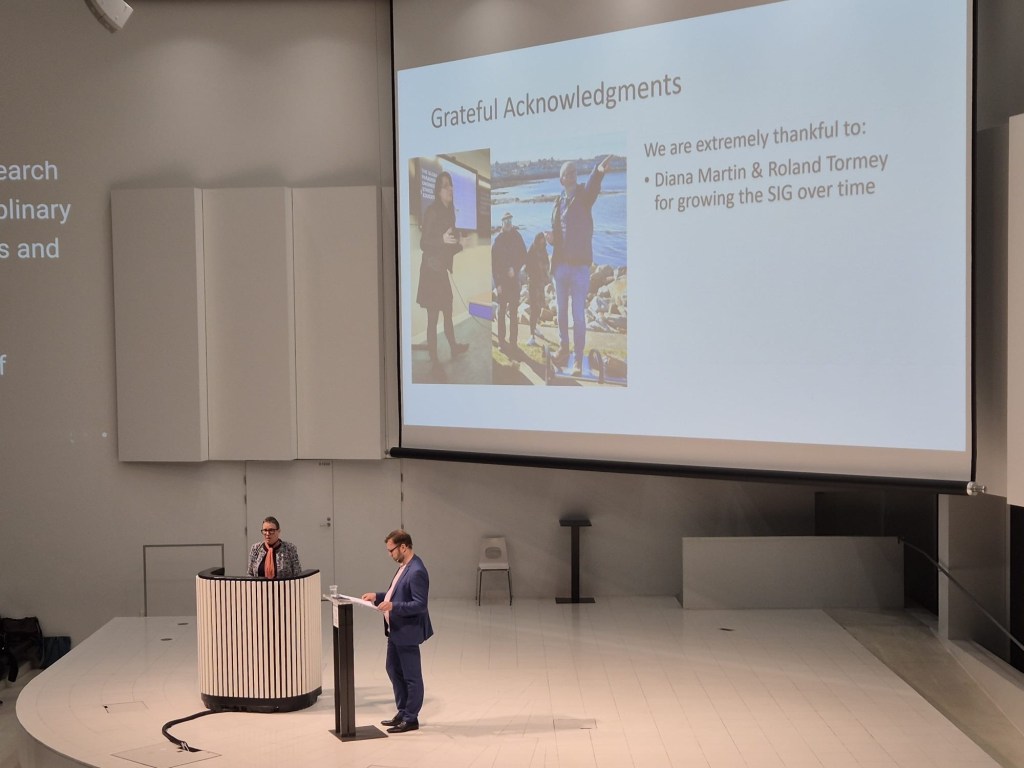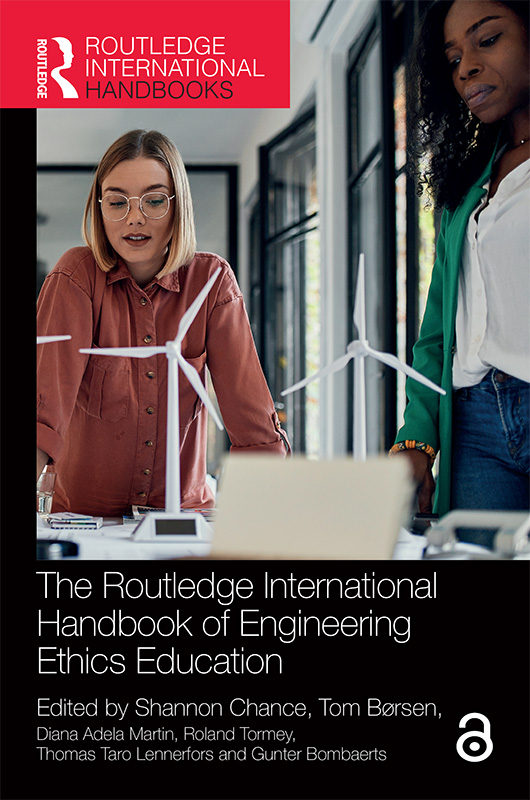
It opens with the launch of our handbook on teaching ethics in engineering. Next, we discuss a strategy for making the necessary changes in engineering education to address turbulent times.
Below, I share fun pics of SEFI, as posting this is a chance to relive the excitement! From the launch:
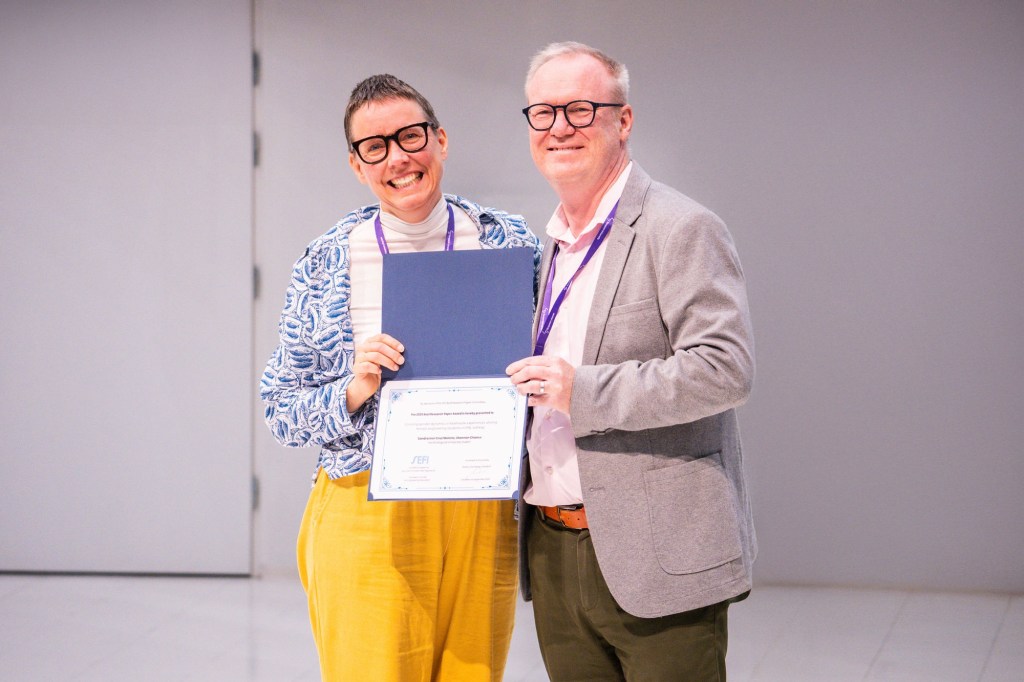
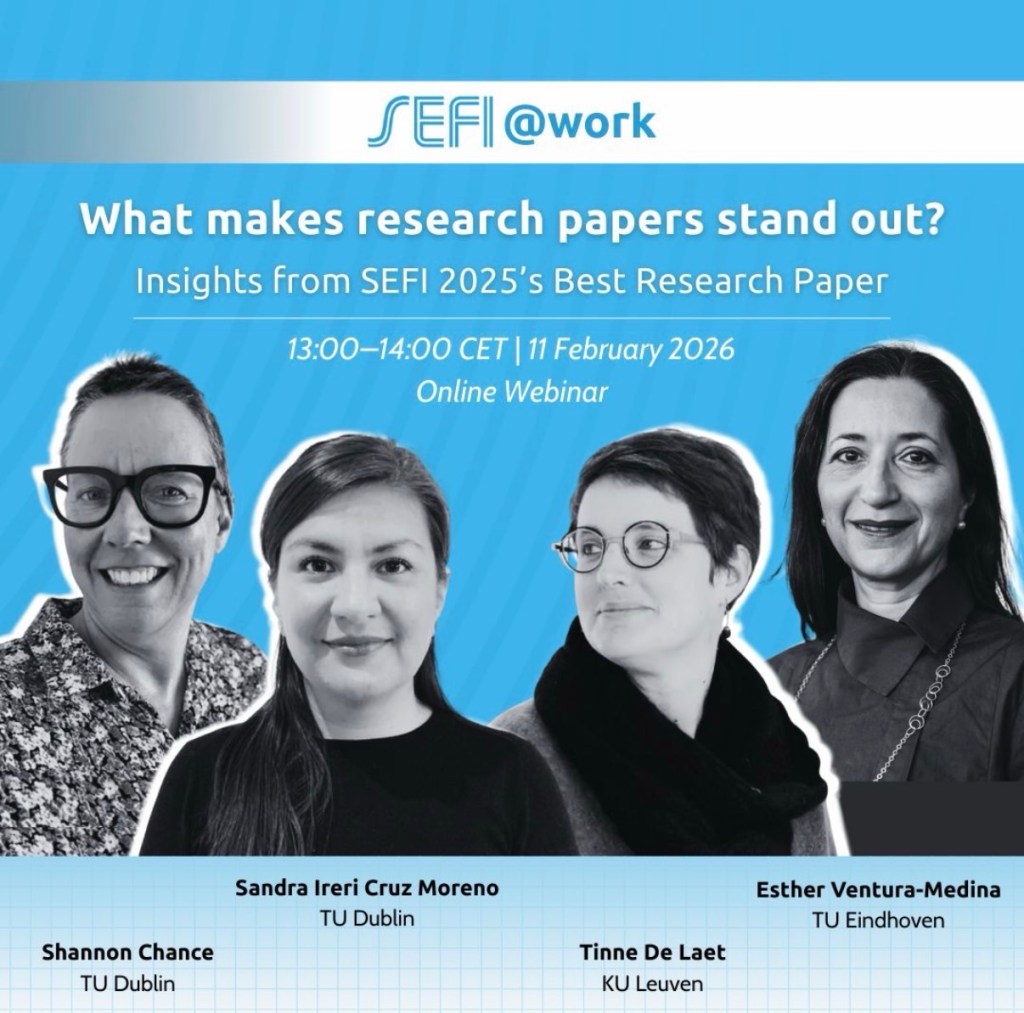
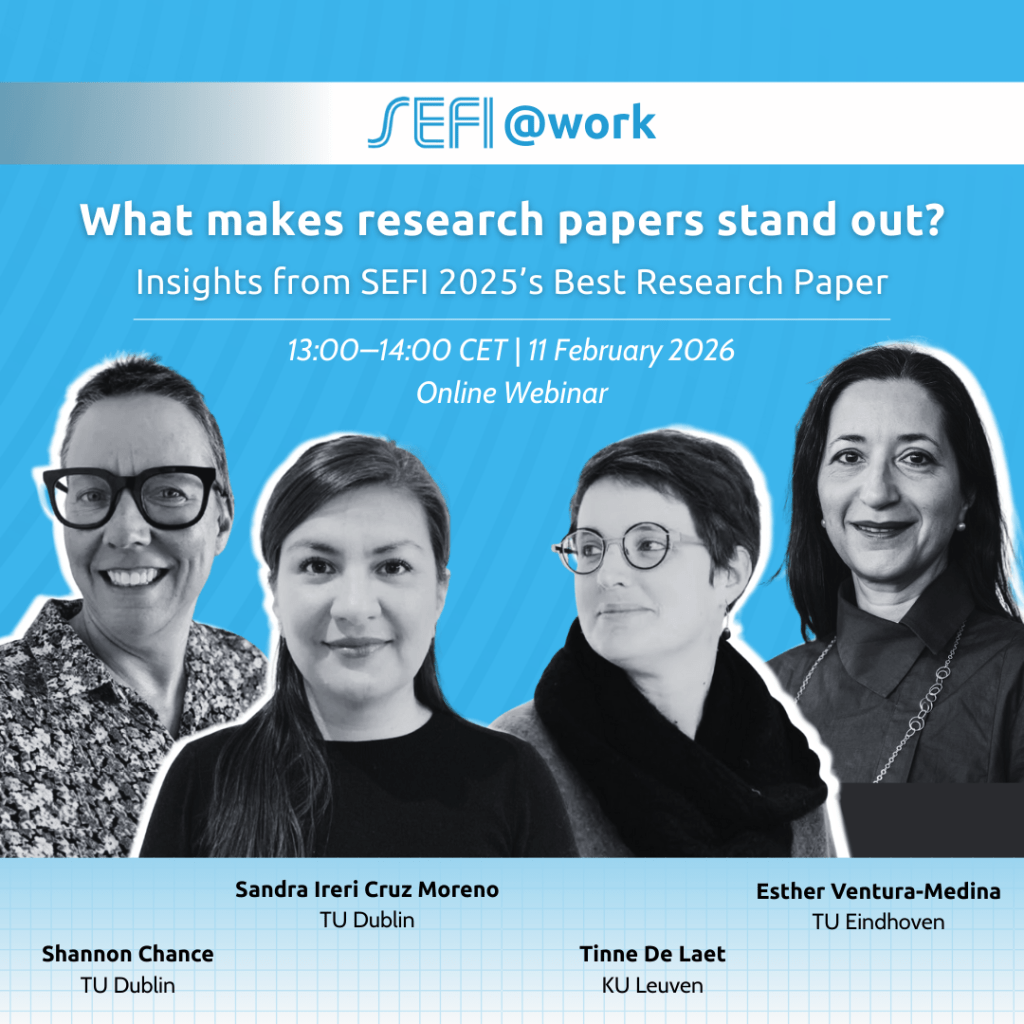
A significant — unexpected — highlight of the SEFI conference was receiving the award for the BEST RESEARCH PAPER of the entire conference! I accepted the ward on behalf of my PhD student, soon-to-be Dr Sandra Cruz!
Here I’m being awarded by Professor John Mitchell and congratulated by my co-editors of the European Journal of Engineering Education.
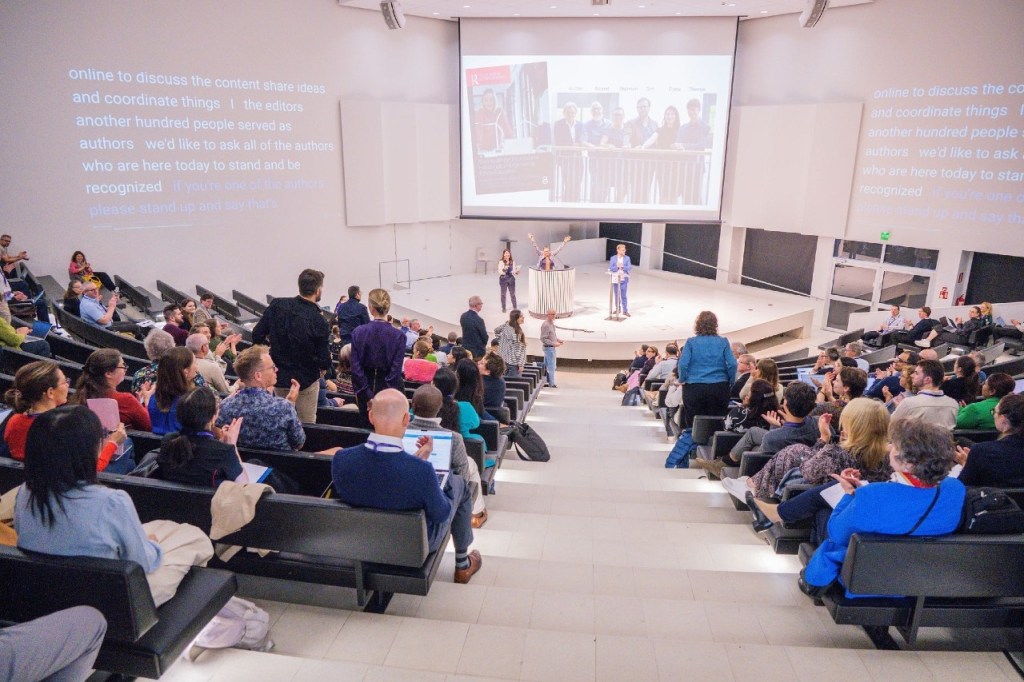
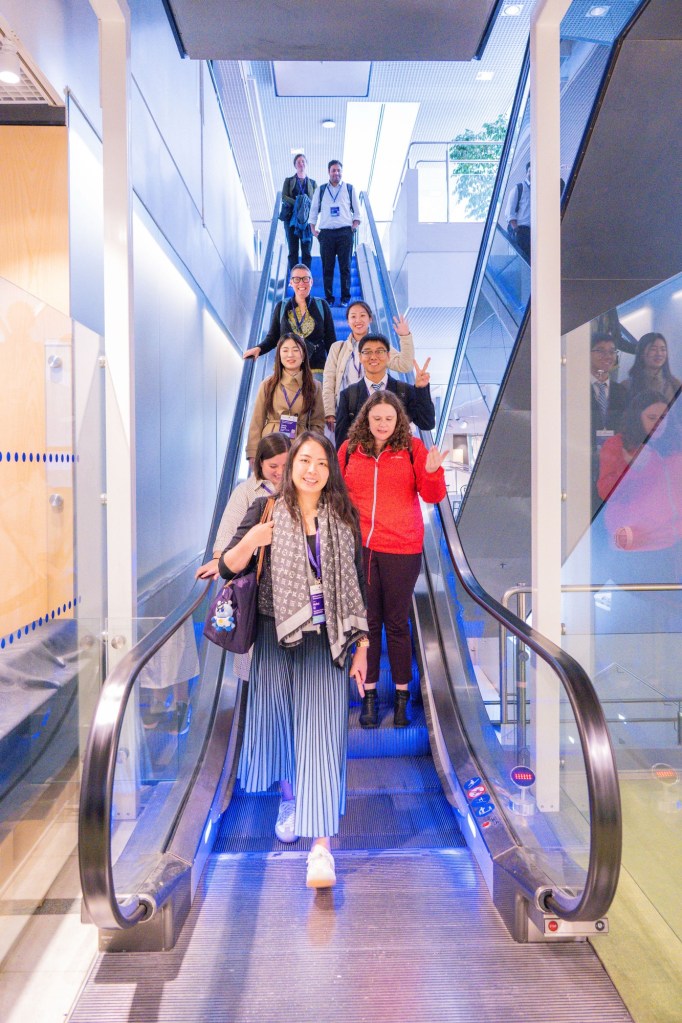
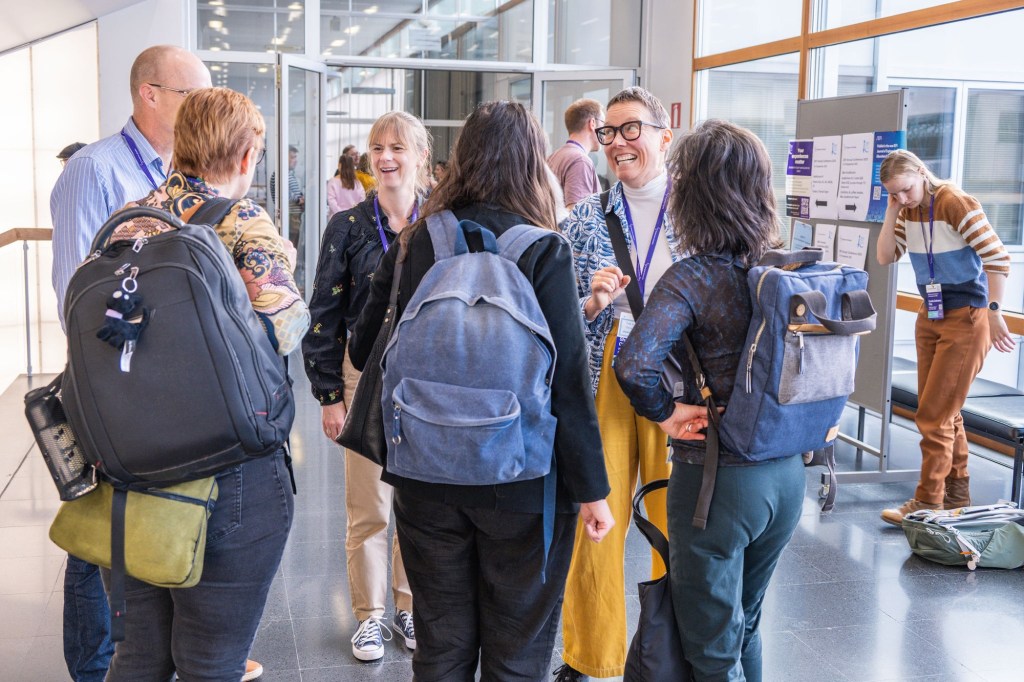
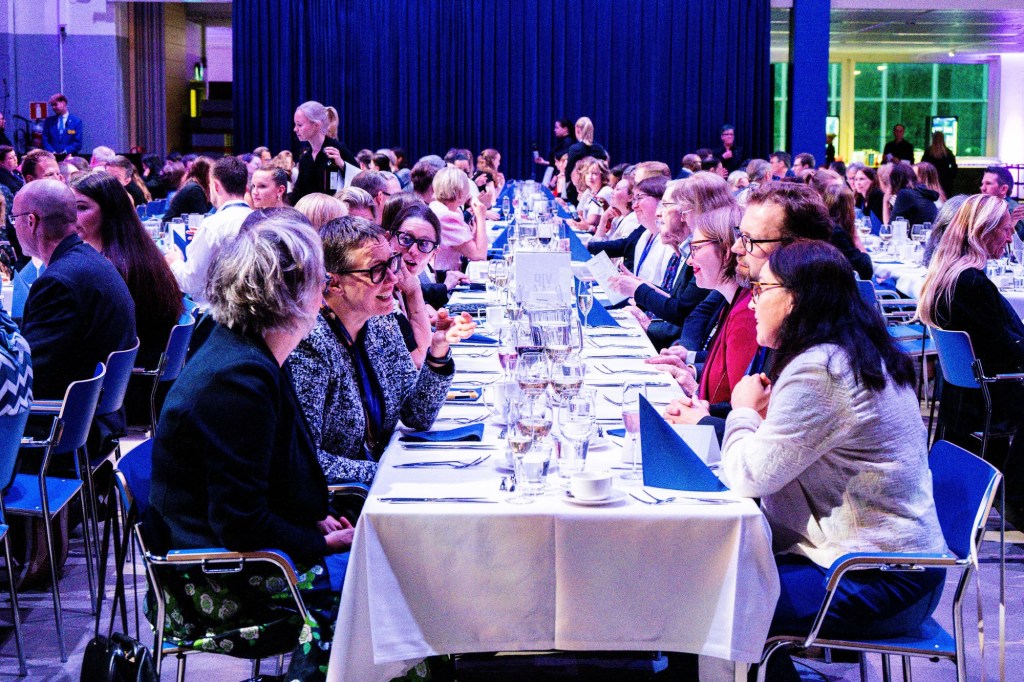
The official photographer captured the conference vibe:
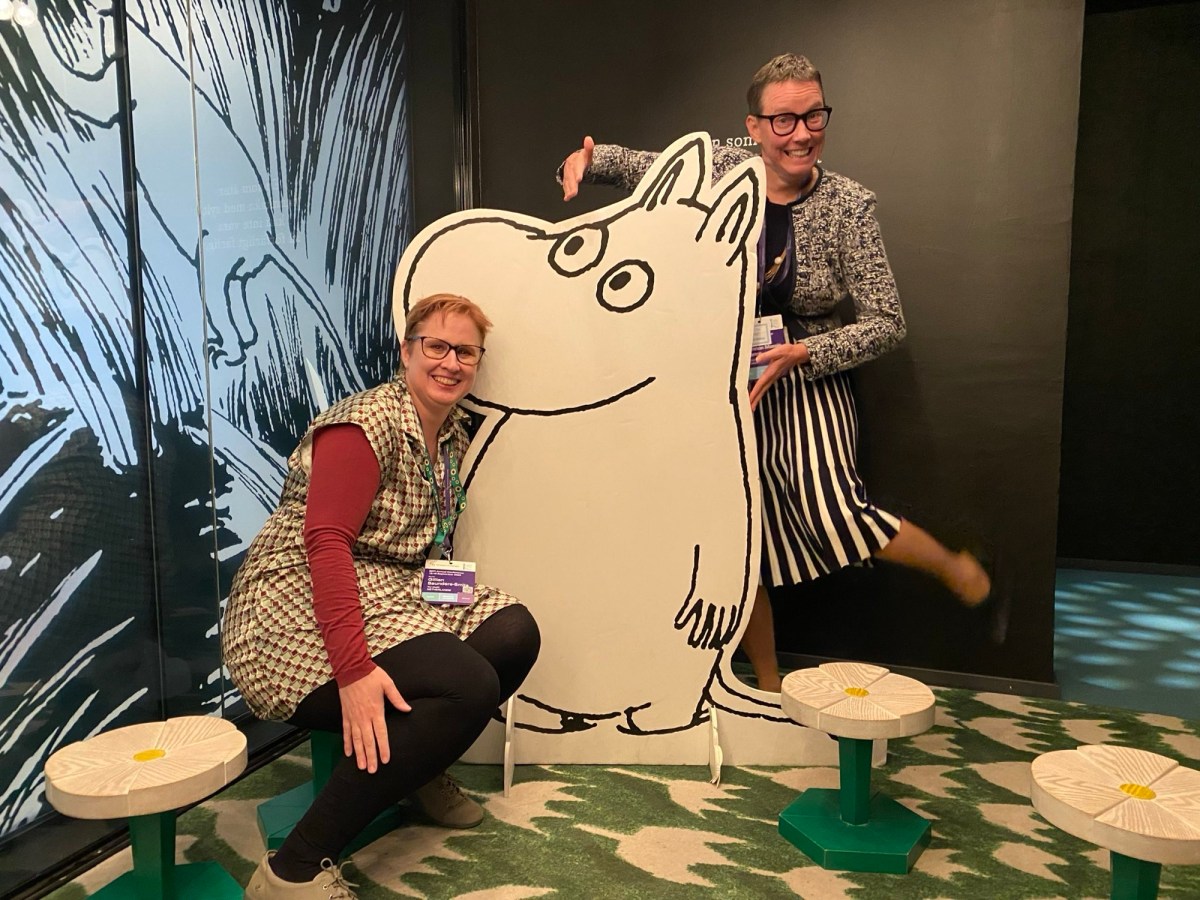
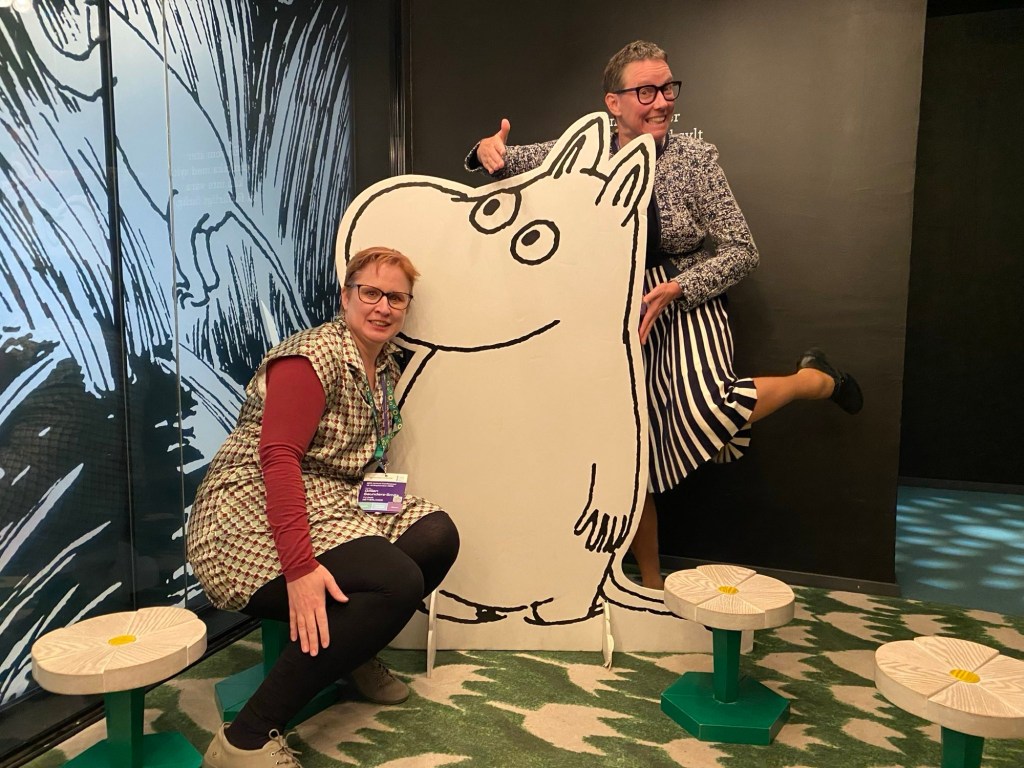
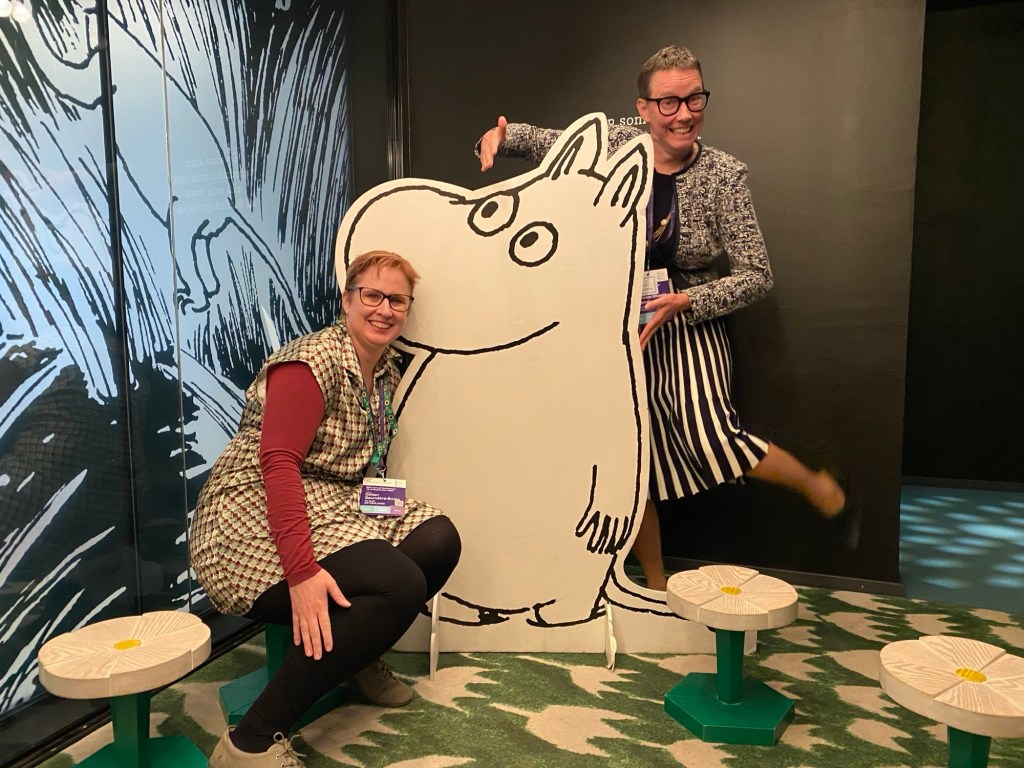
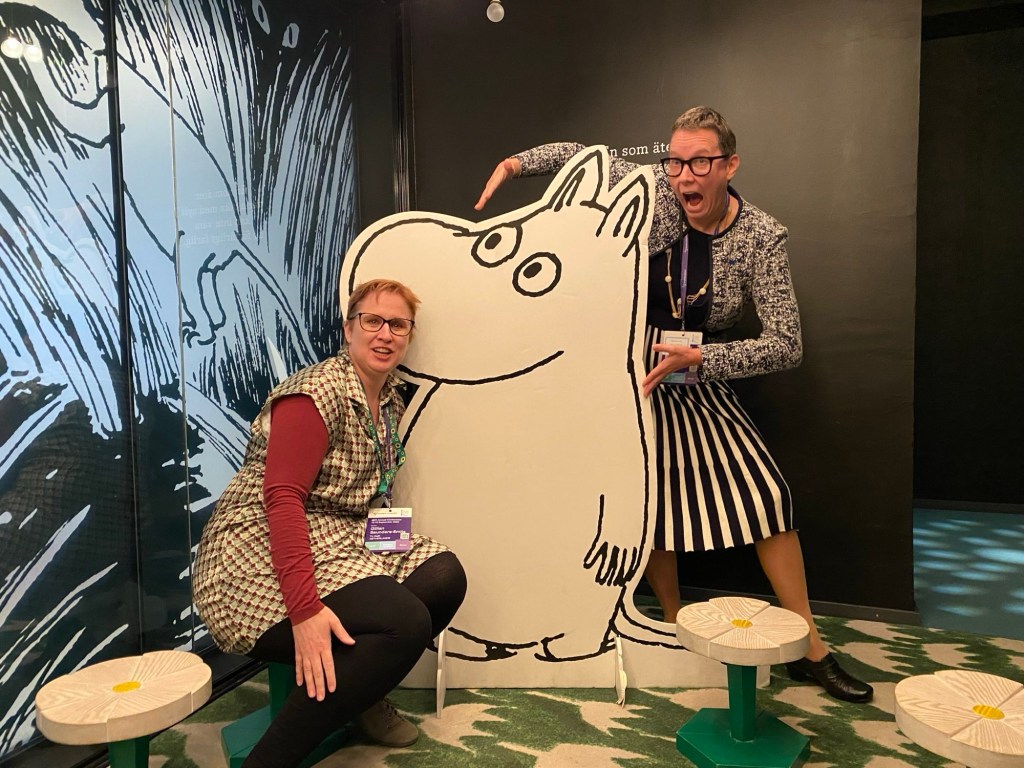
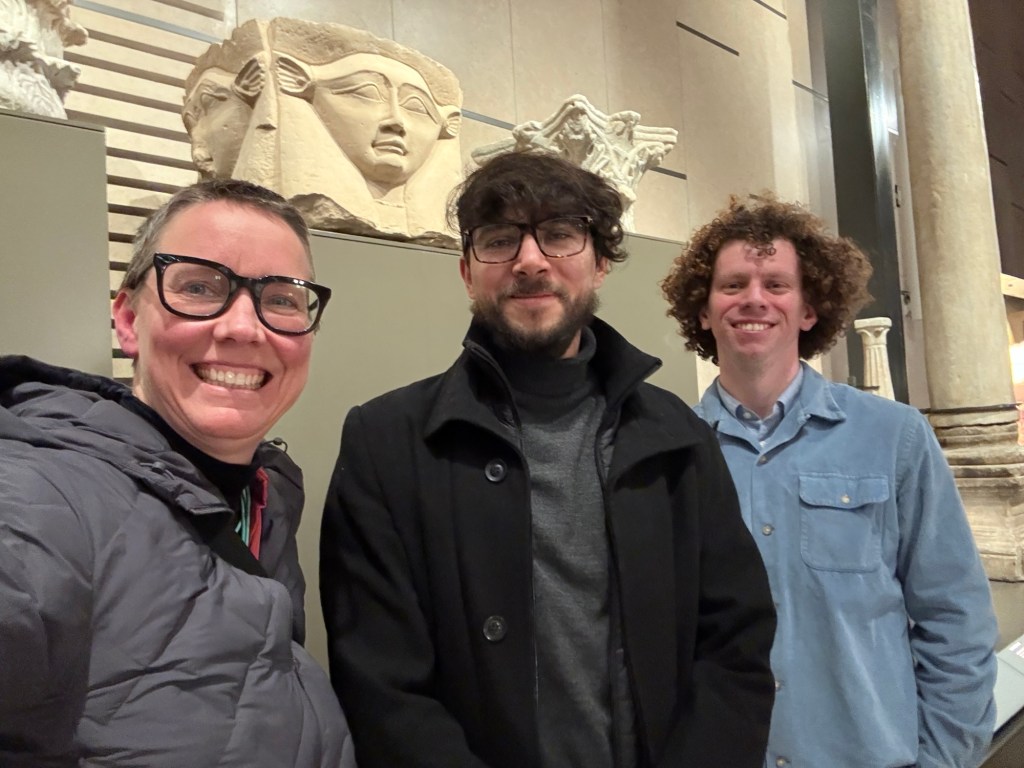
And the SEFI Director General, architect Klara Ferdova, captured and shared other behind-the-scenes moments, like Gillian Saunders-Smit and me at the Moonmin Museum:
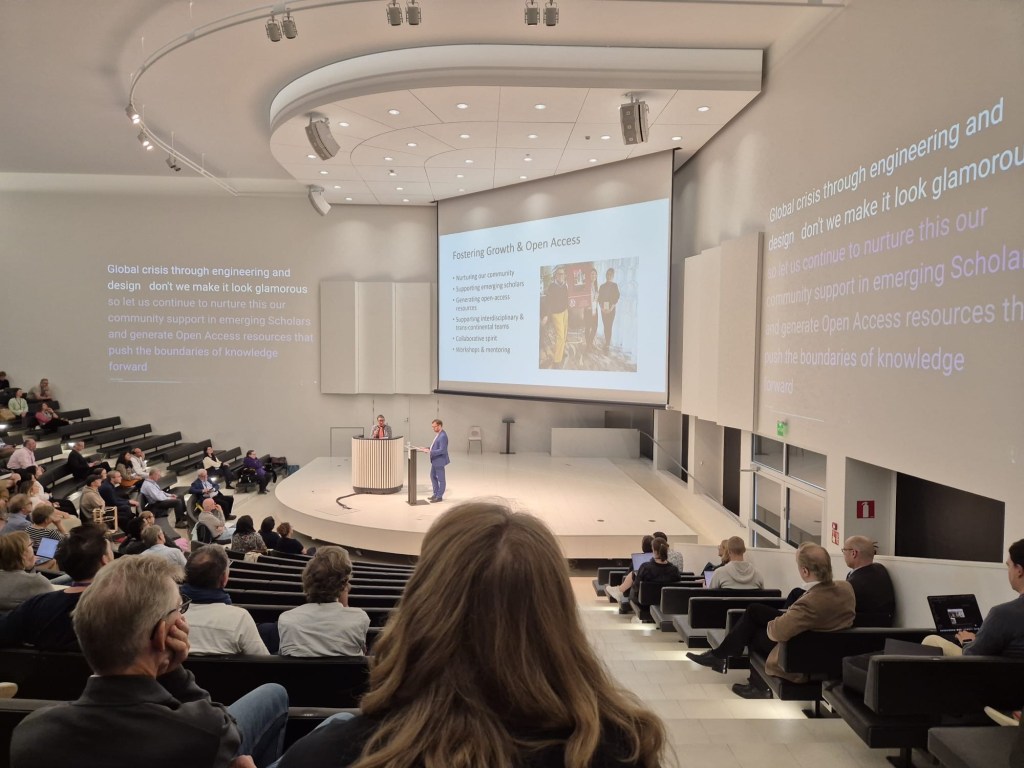
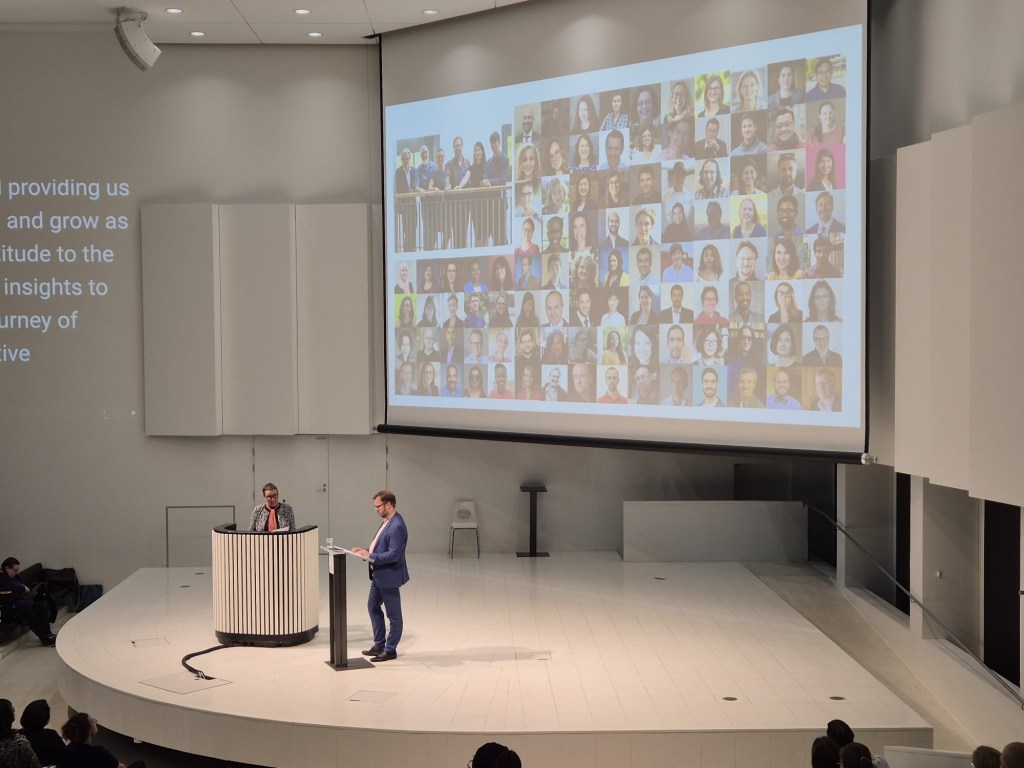
And here are Klara’s photos of the keynote! An architect’s eye for structure and composition, Klara has!
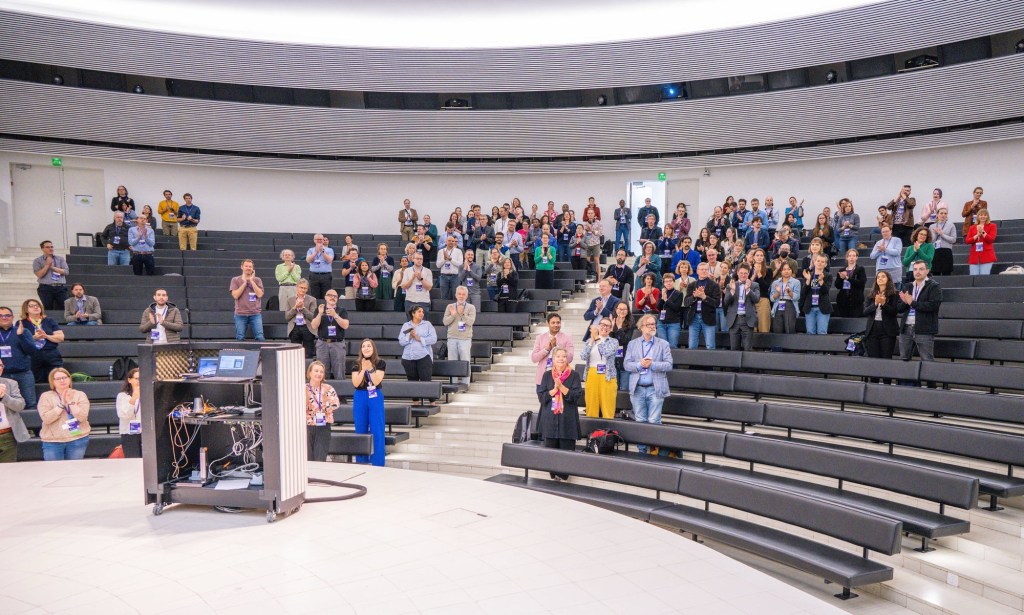
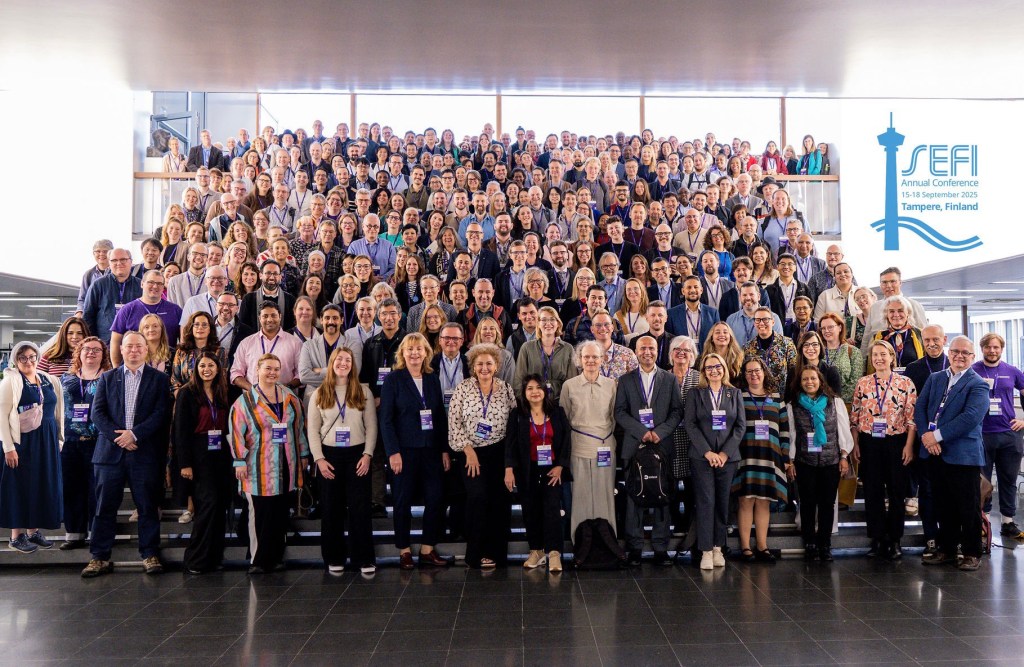
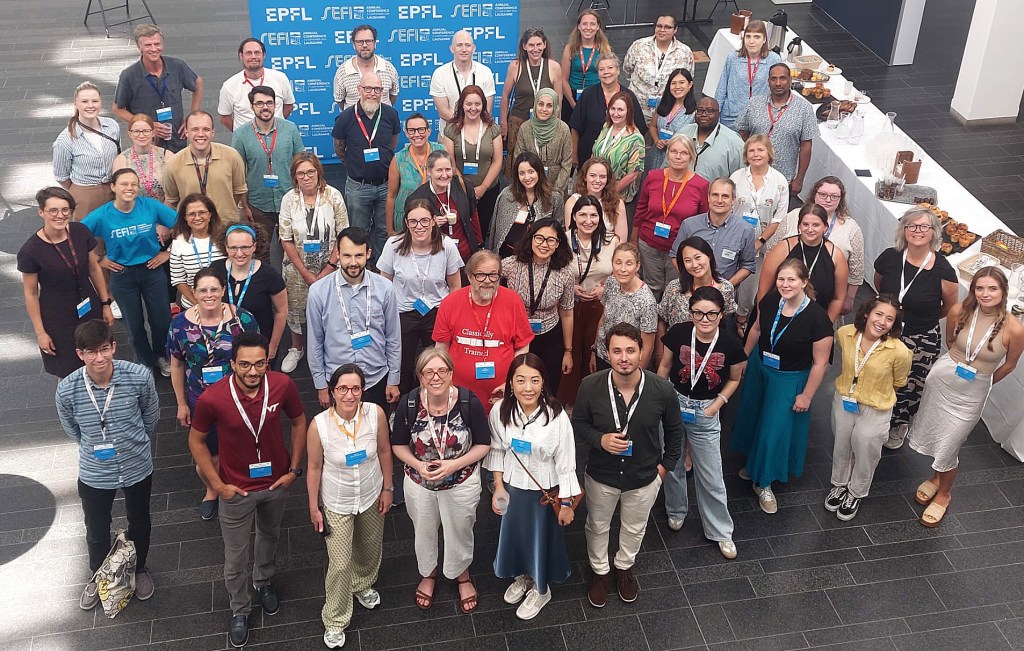
And finally, here’s the official SEFI photo, showing the whole happy family!
If you’re interested in teaching engineering well, please join us for next year’s SEFI conference in Prague!
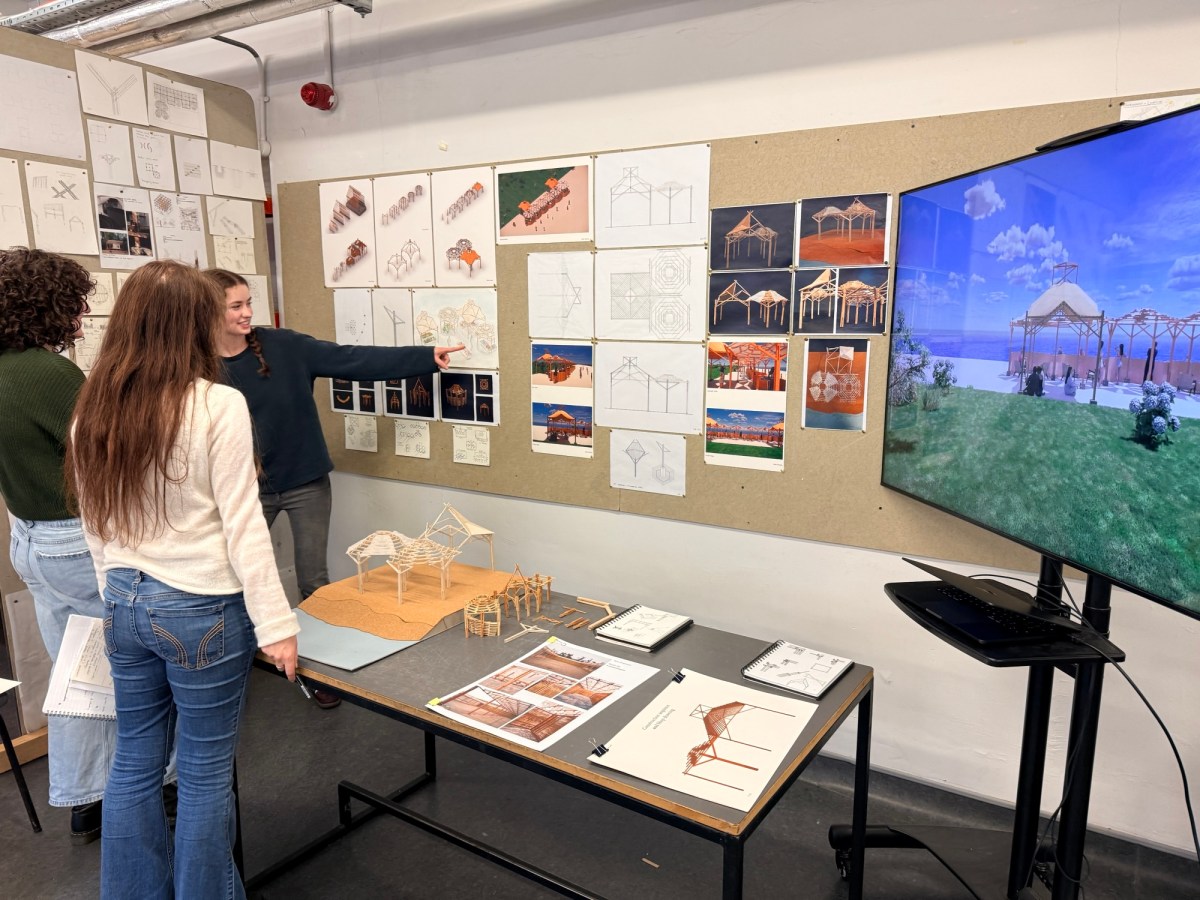
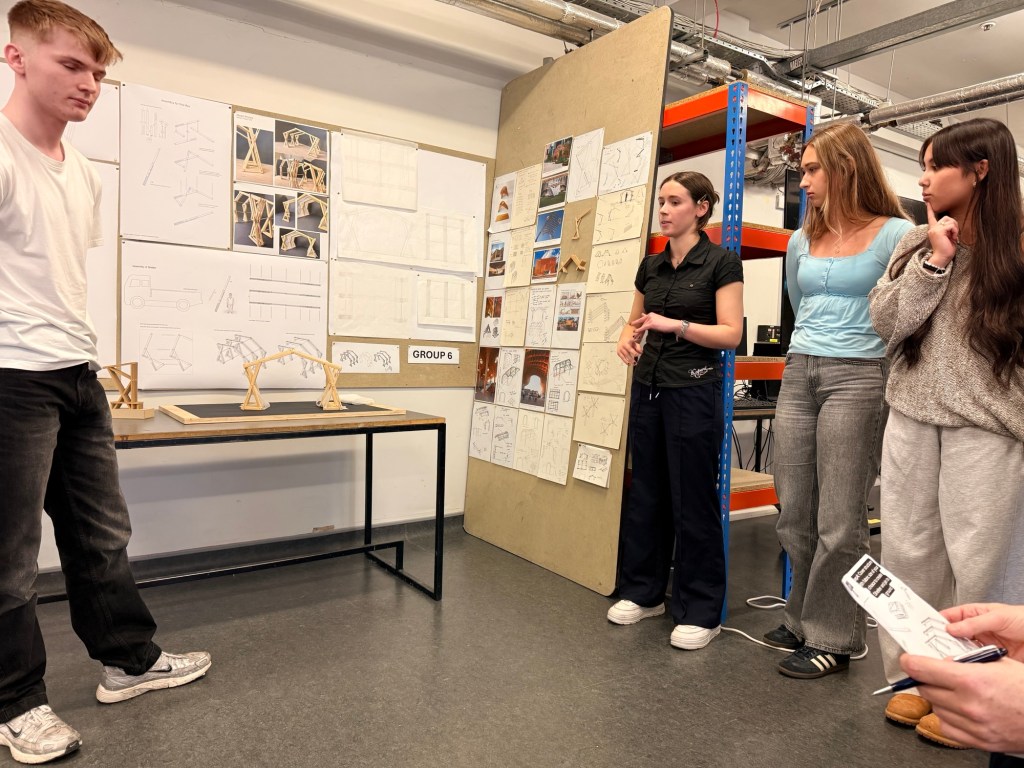
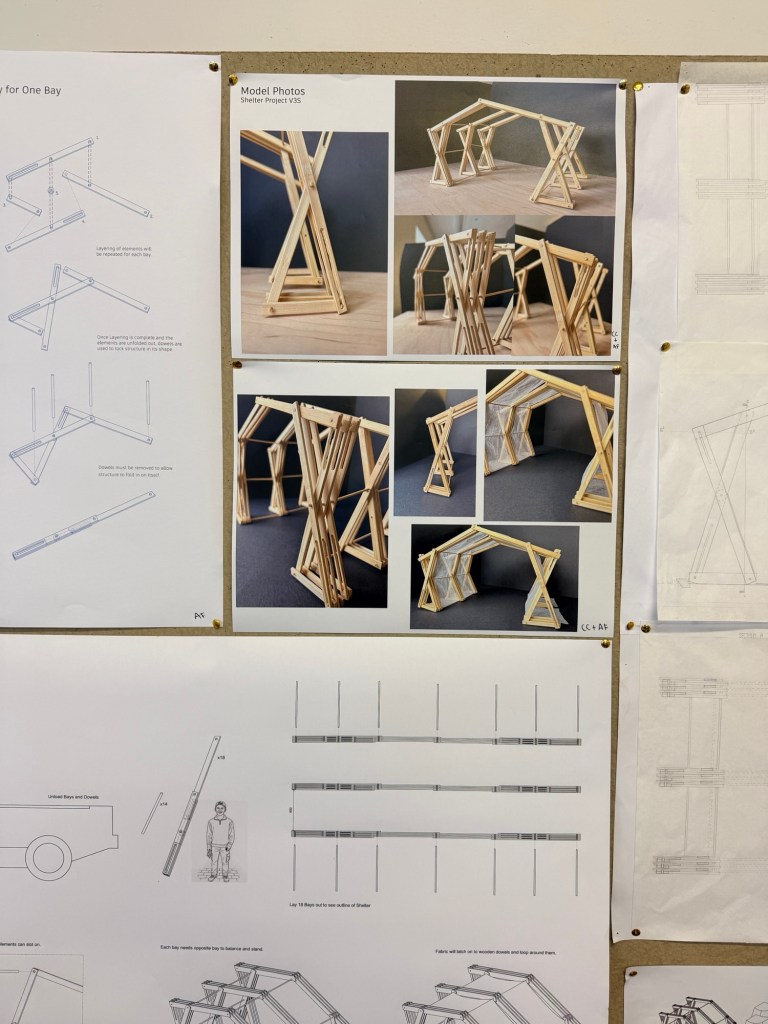
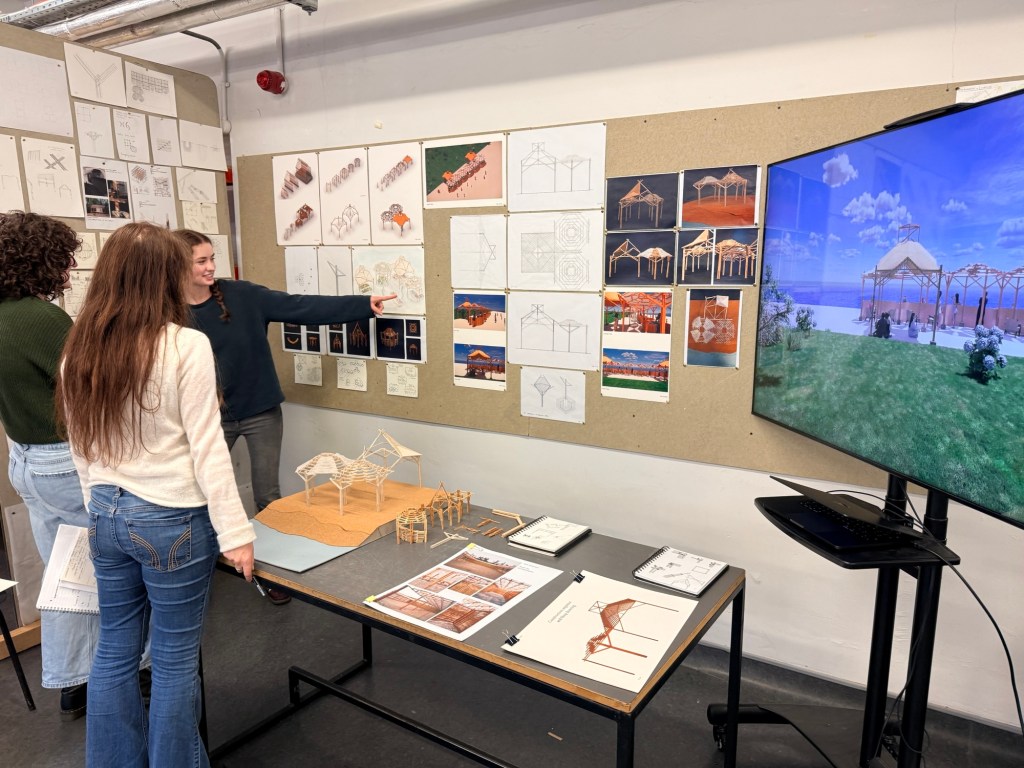
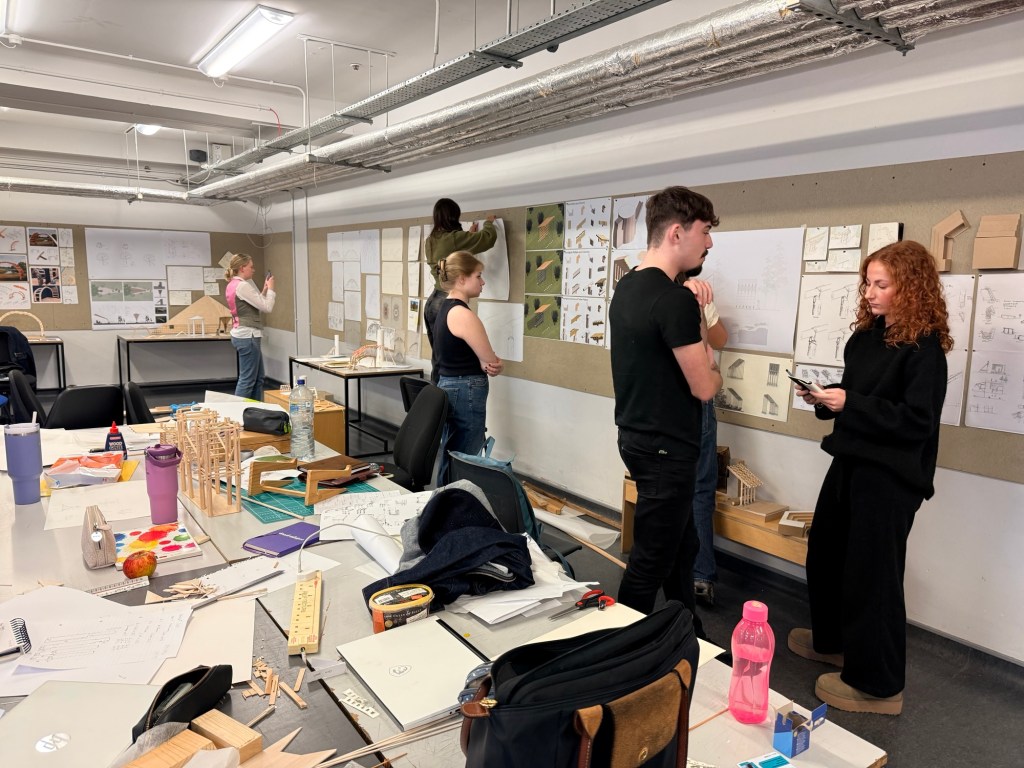
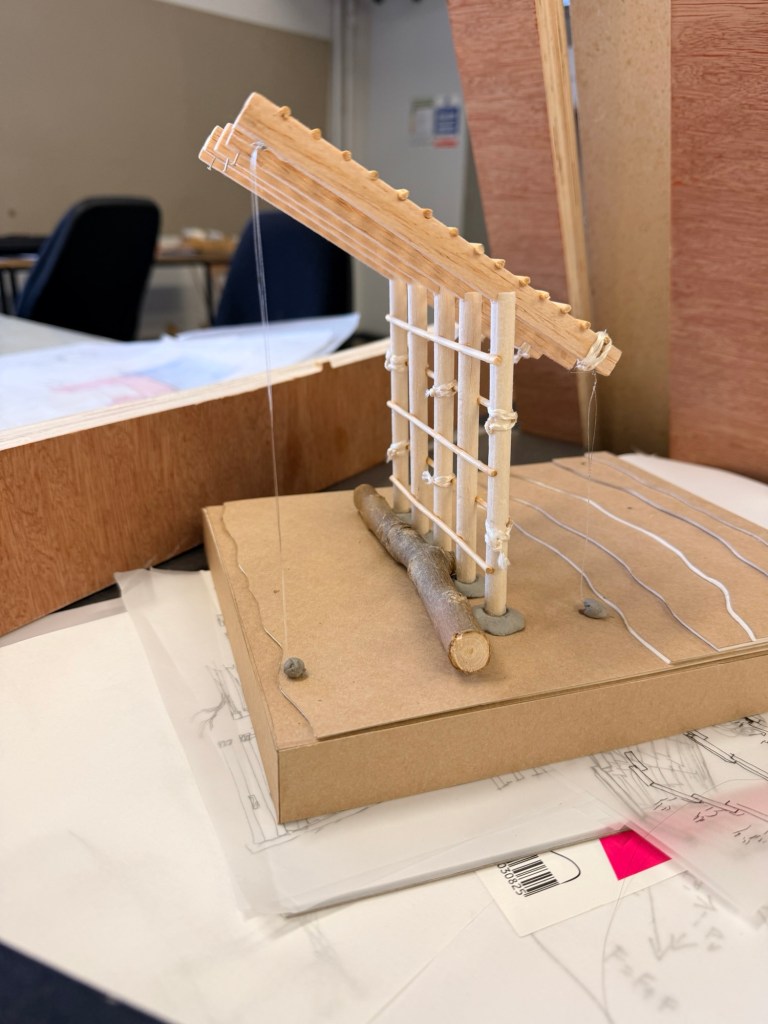
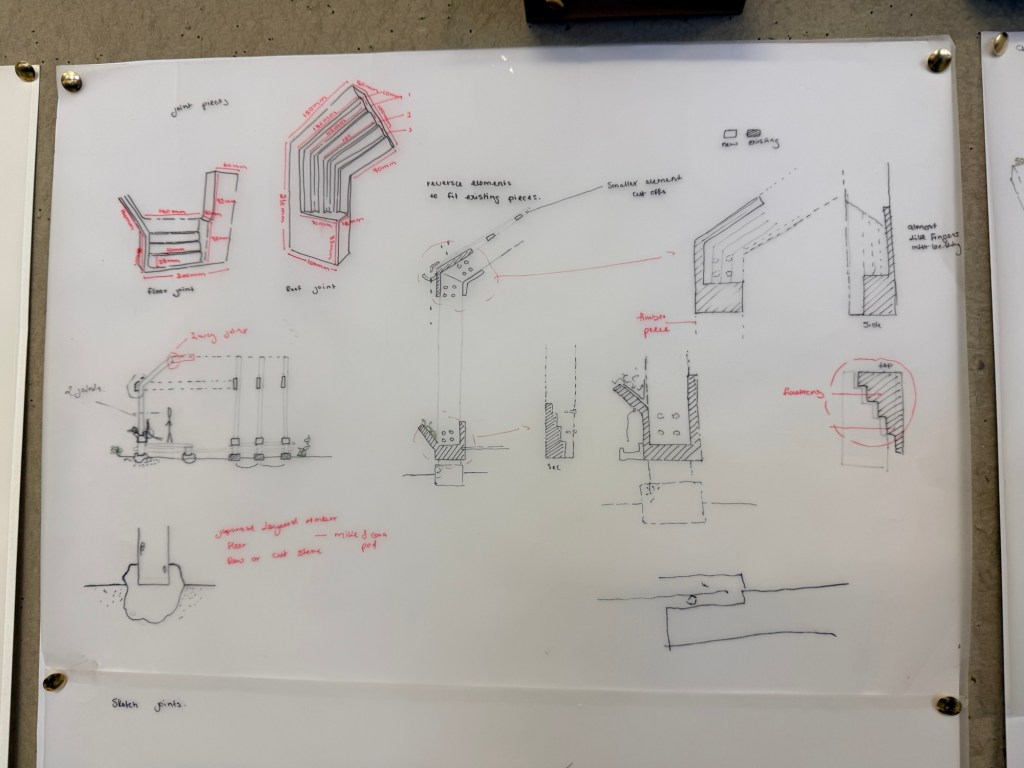
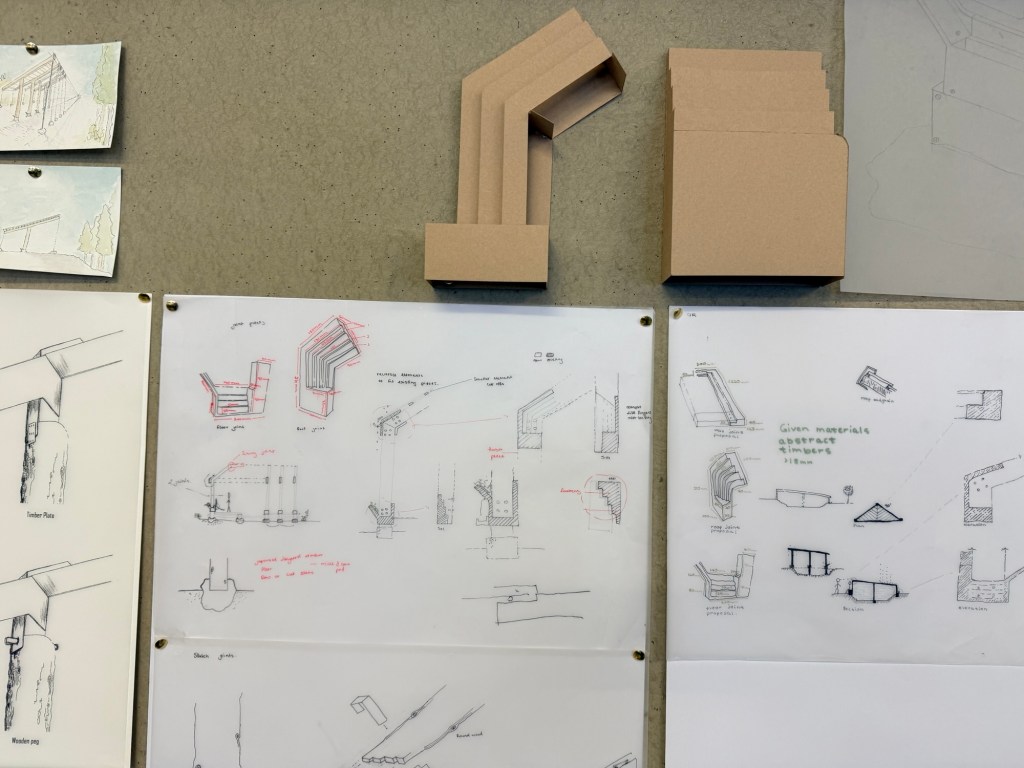
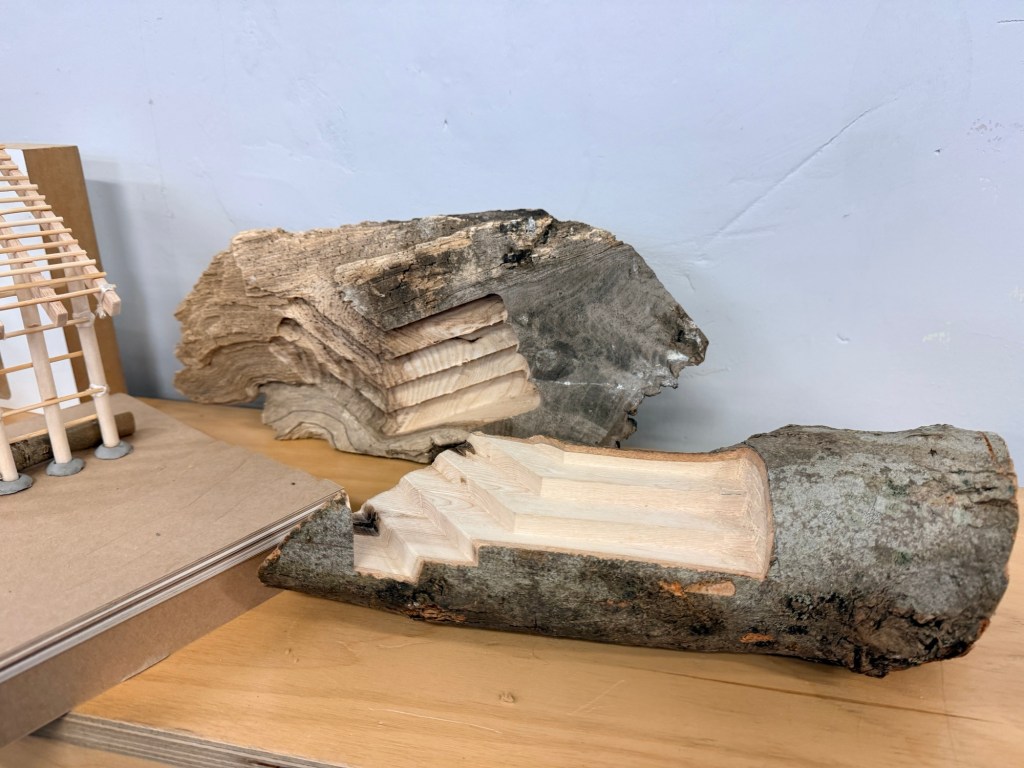
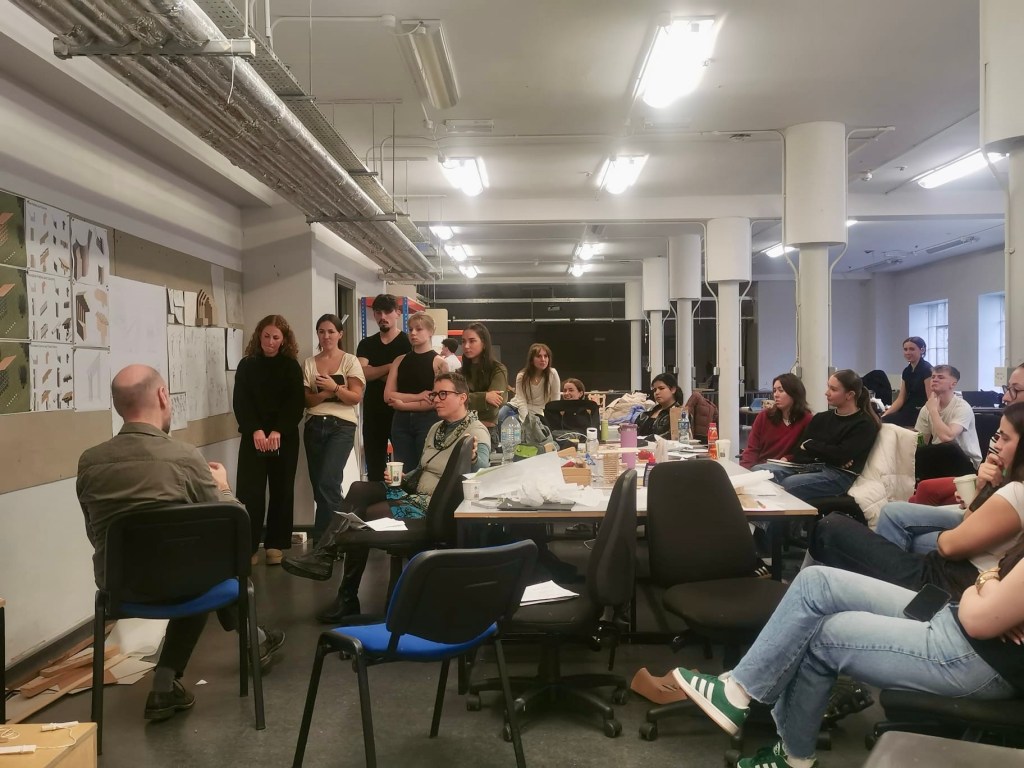
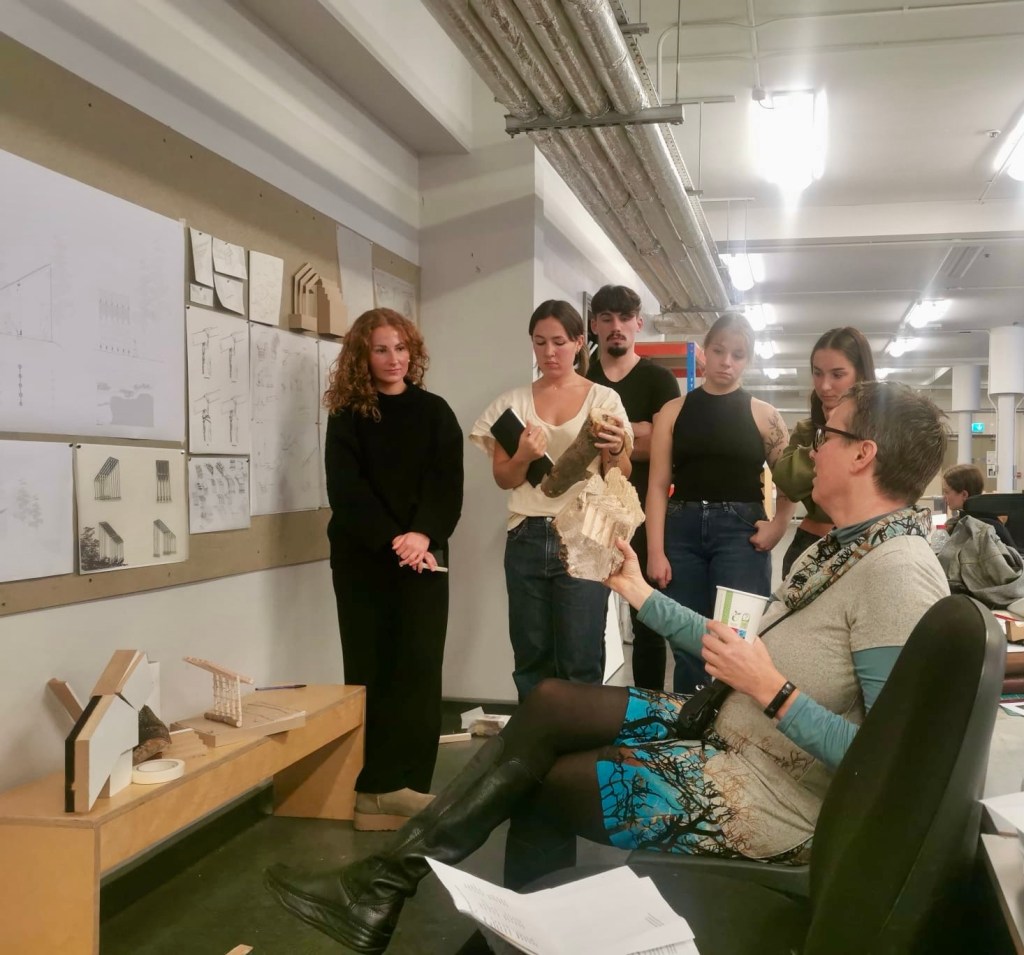
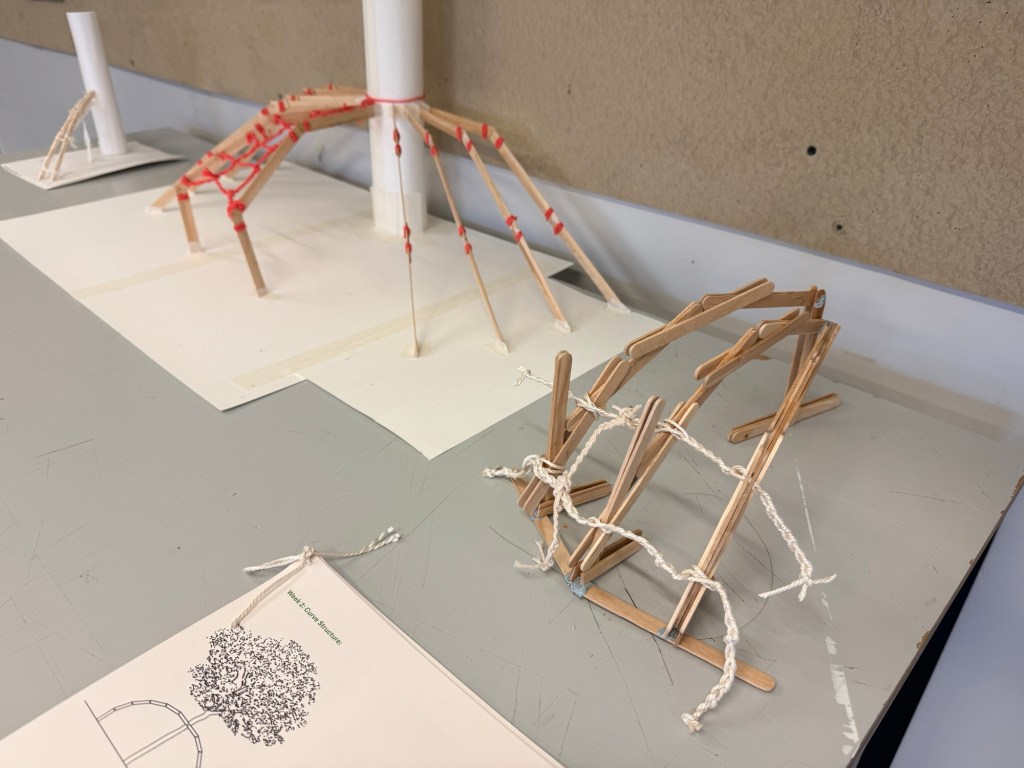
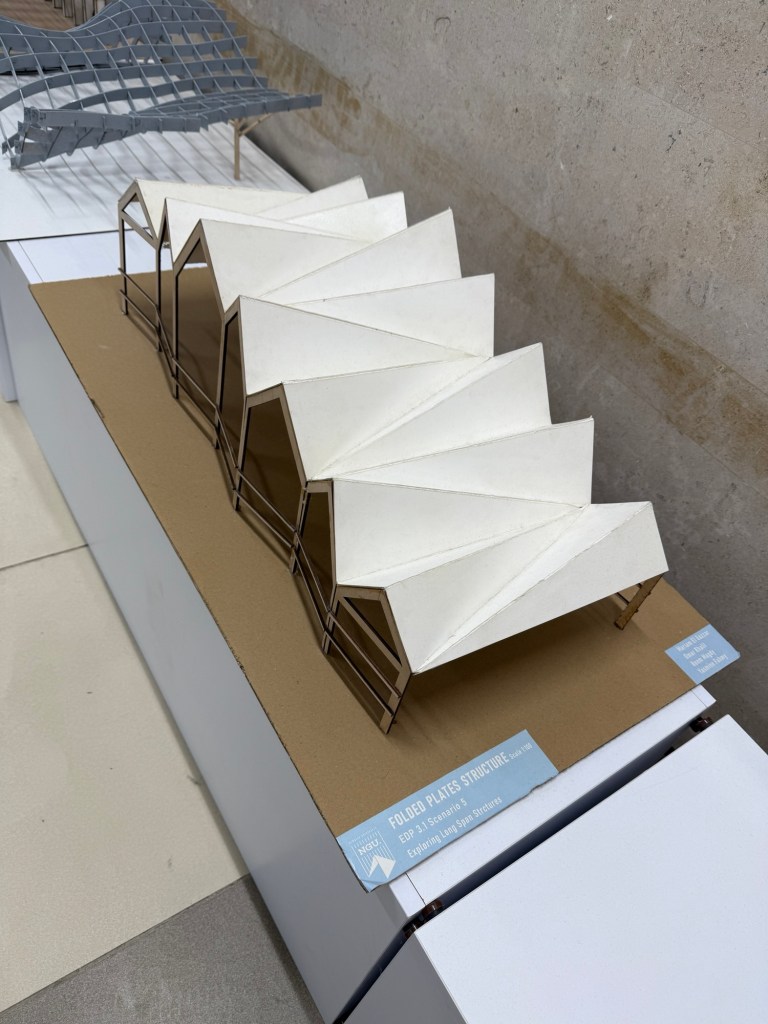
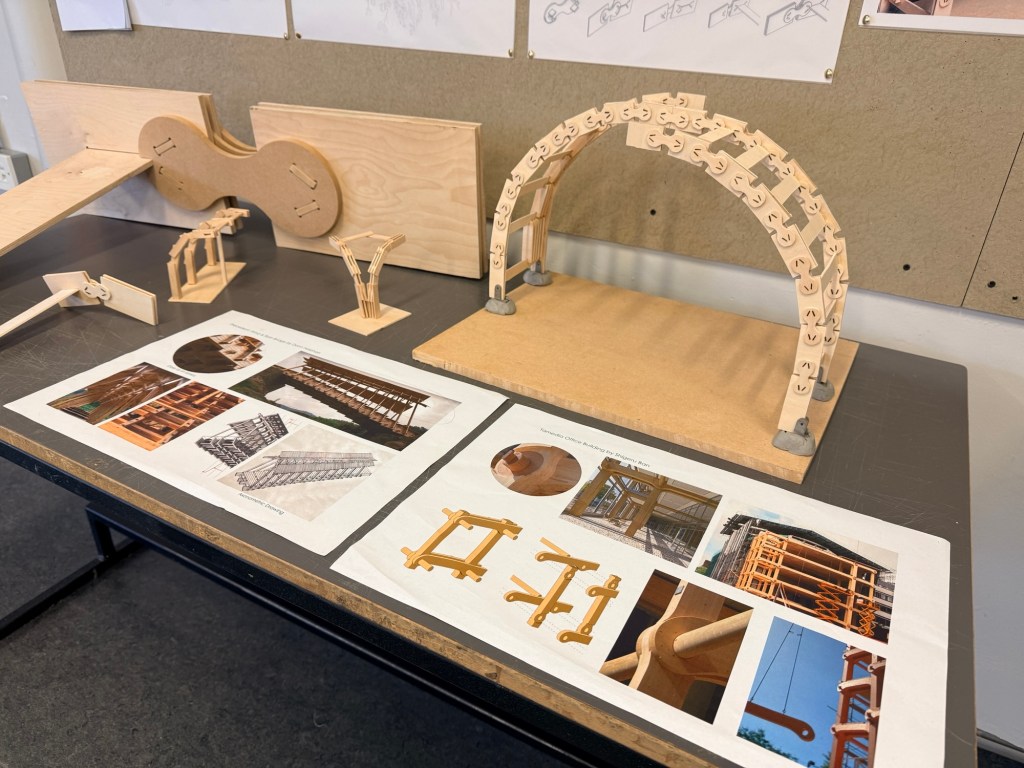
This past Friday, I had the distinct pleasure of reviewing studio work and giving architecture students feedback on prototypes they have been developing to reuse scrap materials from the woodworking shops at the School of Architecture, Building and Environment (SABE) at TU Dublin.
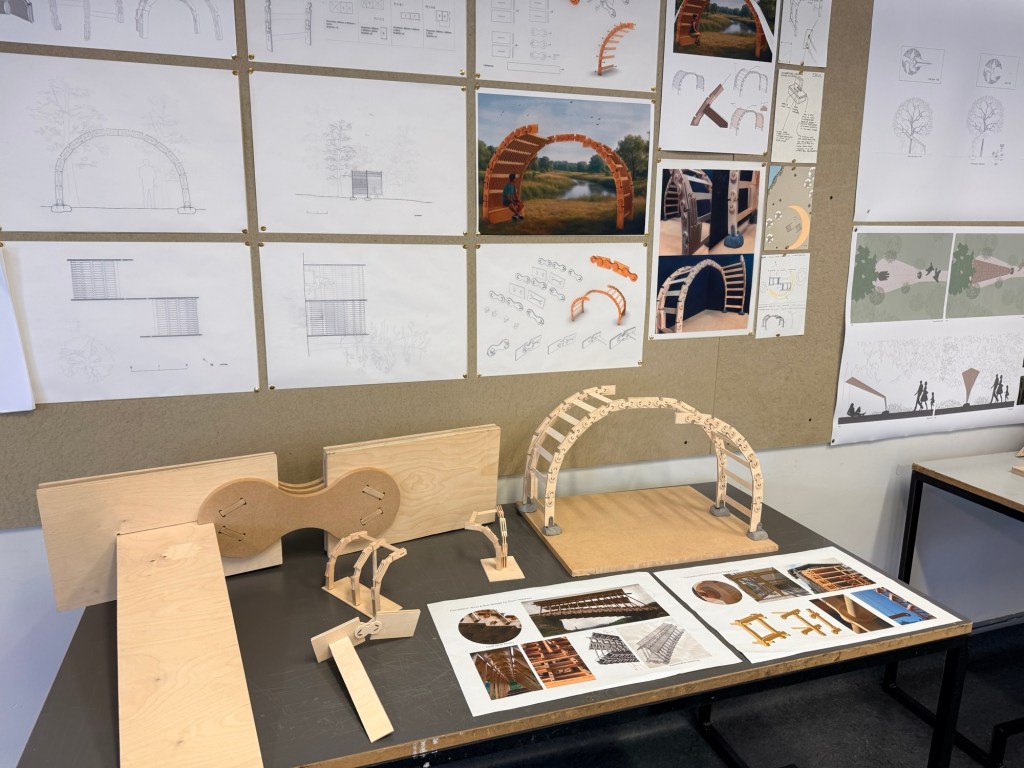
A cool transformer-type system that can be moved and easily set-up.
The students are helping support the circular economy, and learning to work together.
This is a vertical architecture studio, comprised of second and third year students.
A corbelled system that can be reconfigured dozens of ways.
Each team as allocated a collection of cast-off wood sheets or wood planks to use to make a small structure. The structure needed to be at least 3 meters in at least one direction.
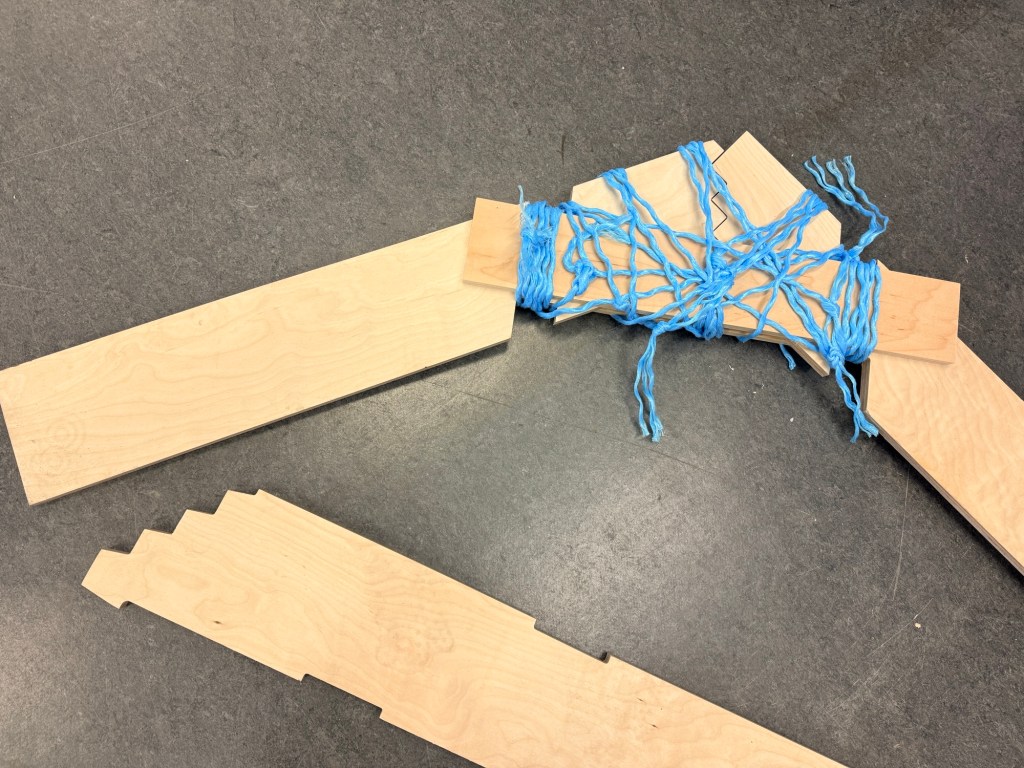
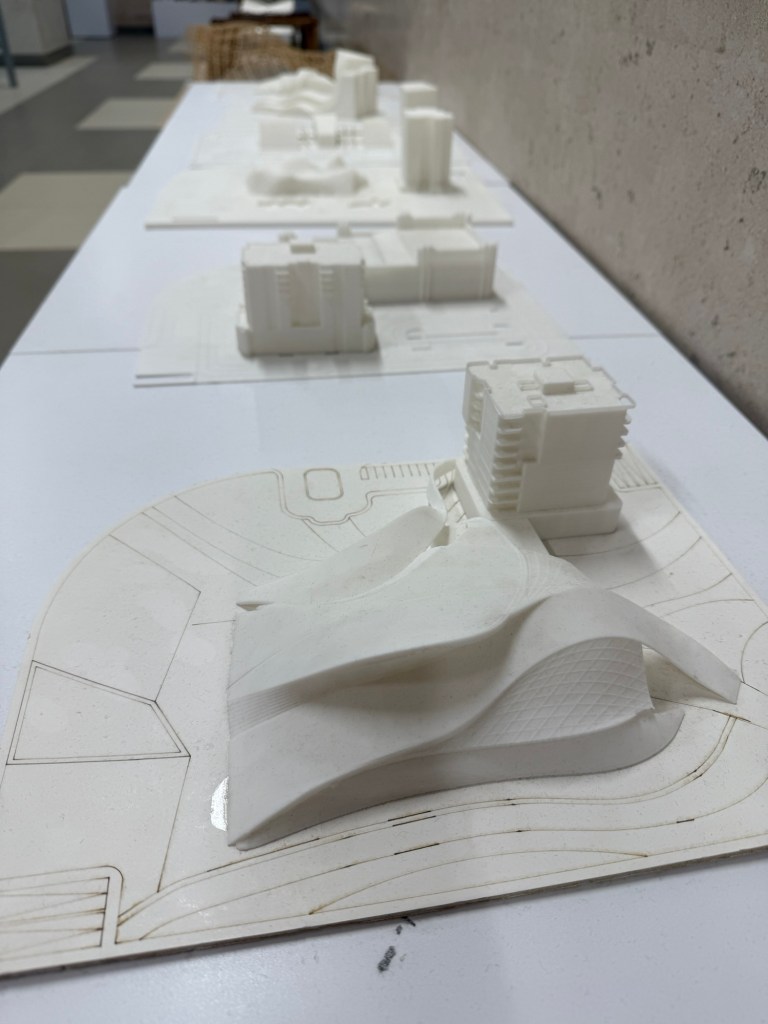
From the reminders of CNC routing
This architecture studio is led by Marcin Wojcik and Kevin Donovan. The project is also tied to a grant from Ireland’s Housing Authority to study how to modularize materials brought to construction sites, but never used to allow them to be reused elsewhere. Marcin and Kevin are doing the grant-funded project with Noel Brady.
And I am an enthusiastic observer, doing what I can to help my colleagues get more involved in research.
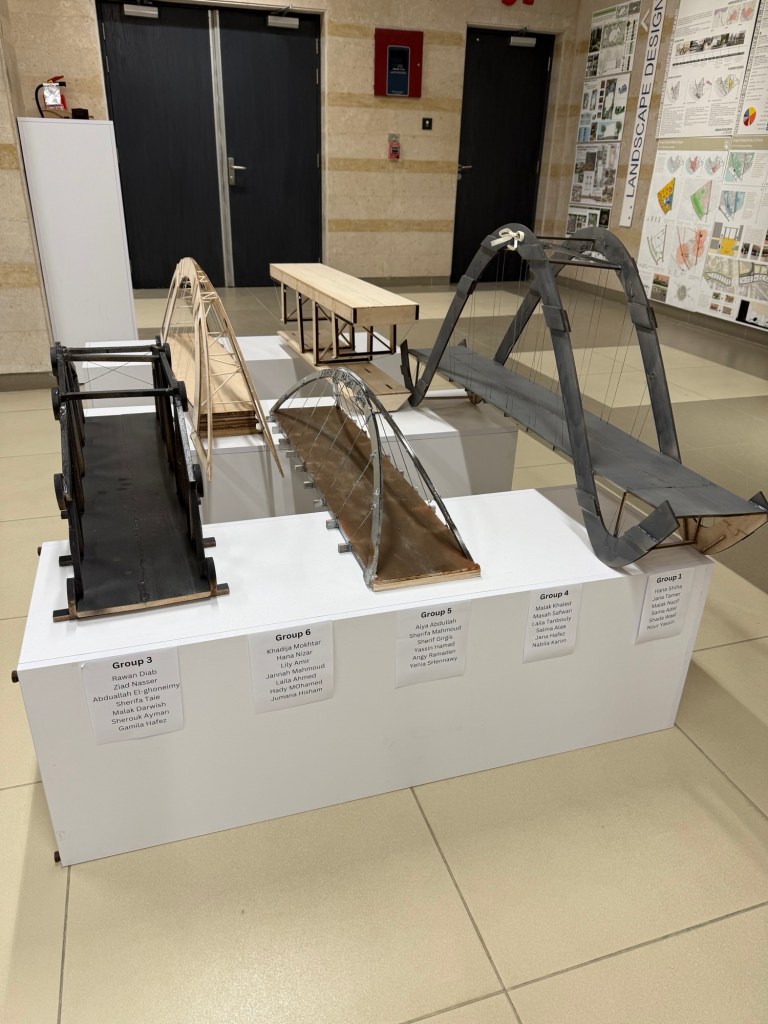
Reviewing the proposal by Group 4.
Overall, the work I saw presented and the level of attentiveness and collegiality among the students were all highly impressive! They have done all this in just three weeks. 
A pavilion for bird watching; intriguing lessons in tension and compression.
I was excited enough about the work I saw to convince Marcin to draft a short conference paper, which he accomplished over the weekend. It’s about the outcomes of this three-week assignment, how it has evolved over the years, and the implications of Friday’s presentations for the grant-funded project.
Kevin and I are editing Marcin’s draft today, so I’d better get to it!
Hope you have enjoyed seeing the students’ collaborative work! I was thrilled they agreed to let me post photos of them and what they designed and constructed.
I highly recommend applying for a Fulbright Award, to Ireland or elsewhere in the world. I had a Fulbright award to Ireland in 2012-13 that was truly life-changing.
Fulbright U.S. Scholar Awards are opportunities available to U.S. professionals, artists & scholars to research/teach, and carry out projects in more than 160 countries worldwide. Those 160+ countries send scholars and students to the USA, as well.
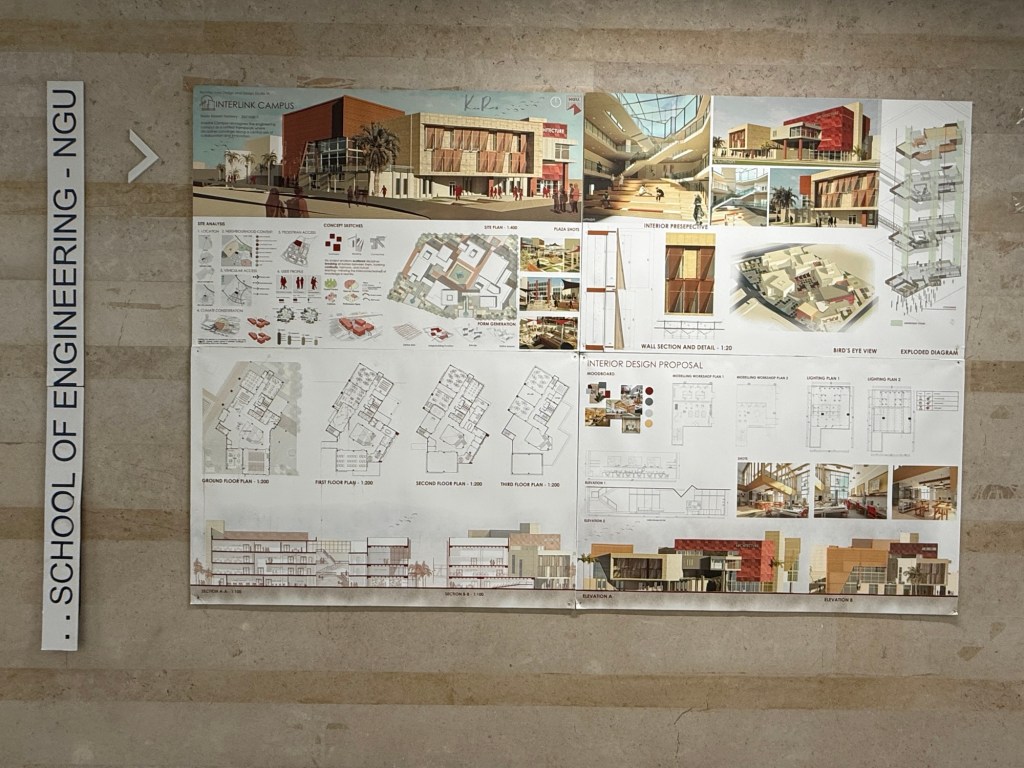
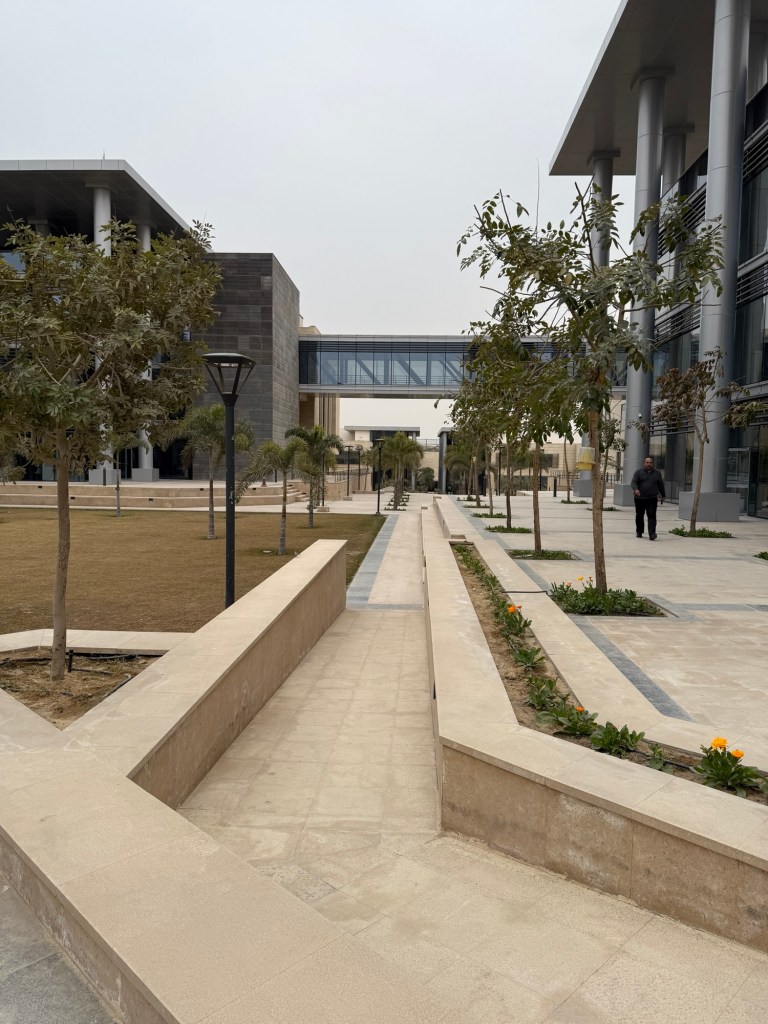
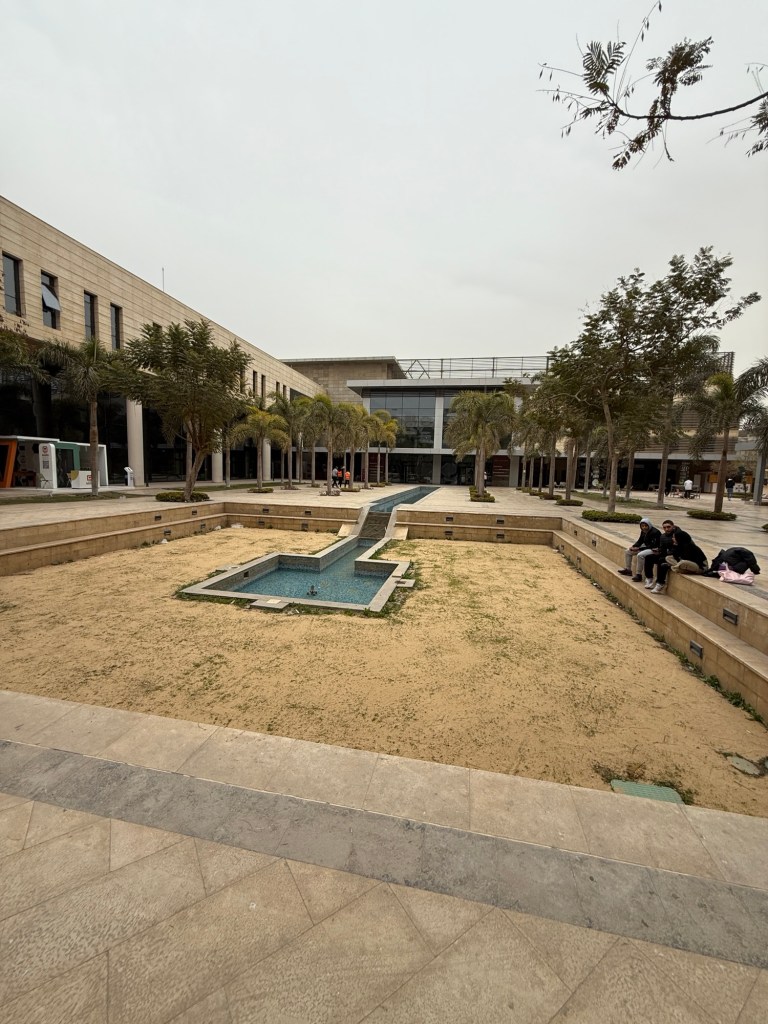
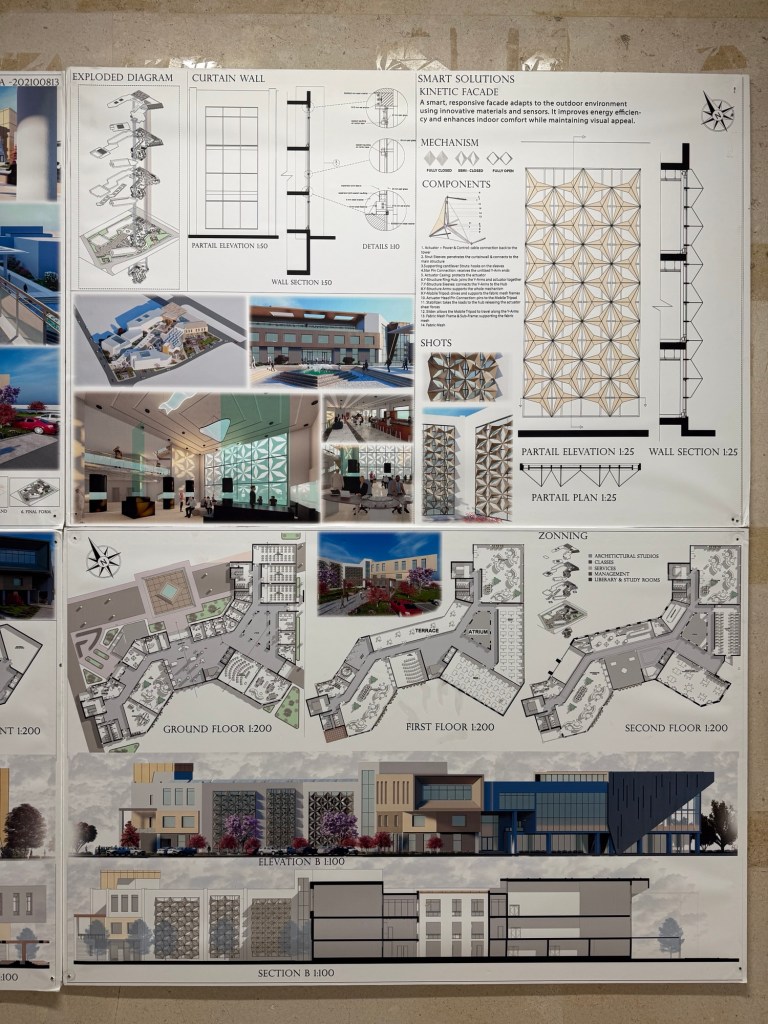
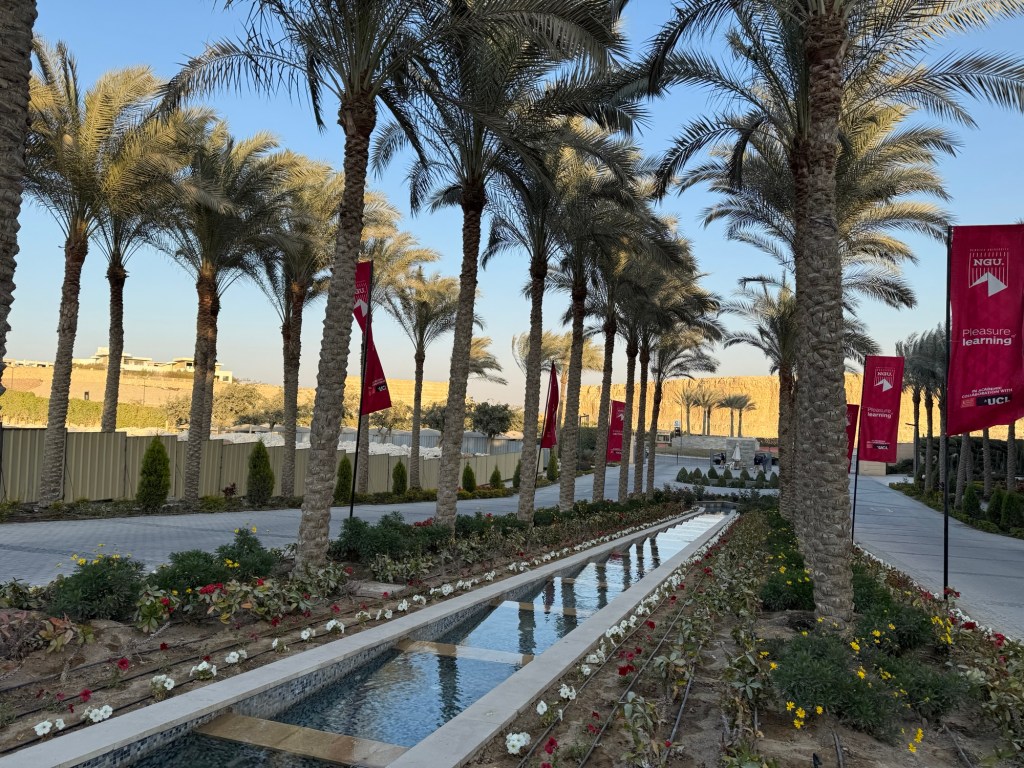
NewGiza University (NGU), located on the outskirts of Cairo, just released a video of me discussing the Architectural Engineering curriculum that I co-designed with Professor Emanuela Tilley, starting back in 2020: https://www.instagram.com/reel/DMVKR4HvVQ0/?igsh=MWo1dDE3cTB4Y2cxeQ== (opens in Instagram):
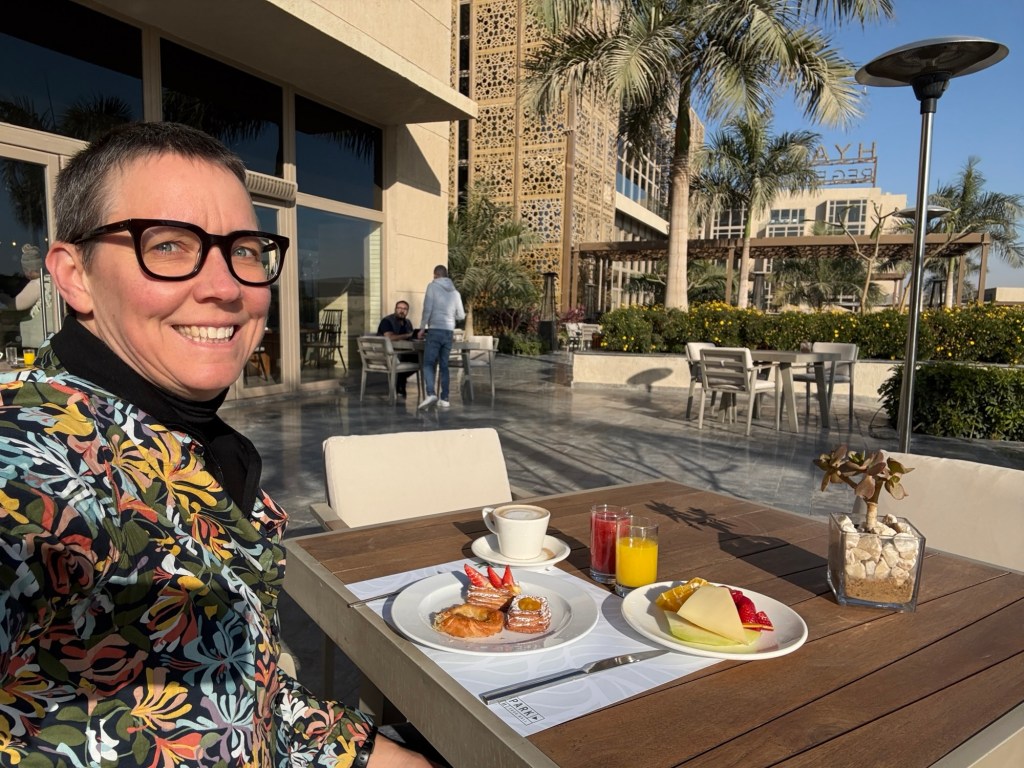
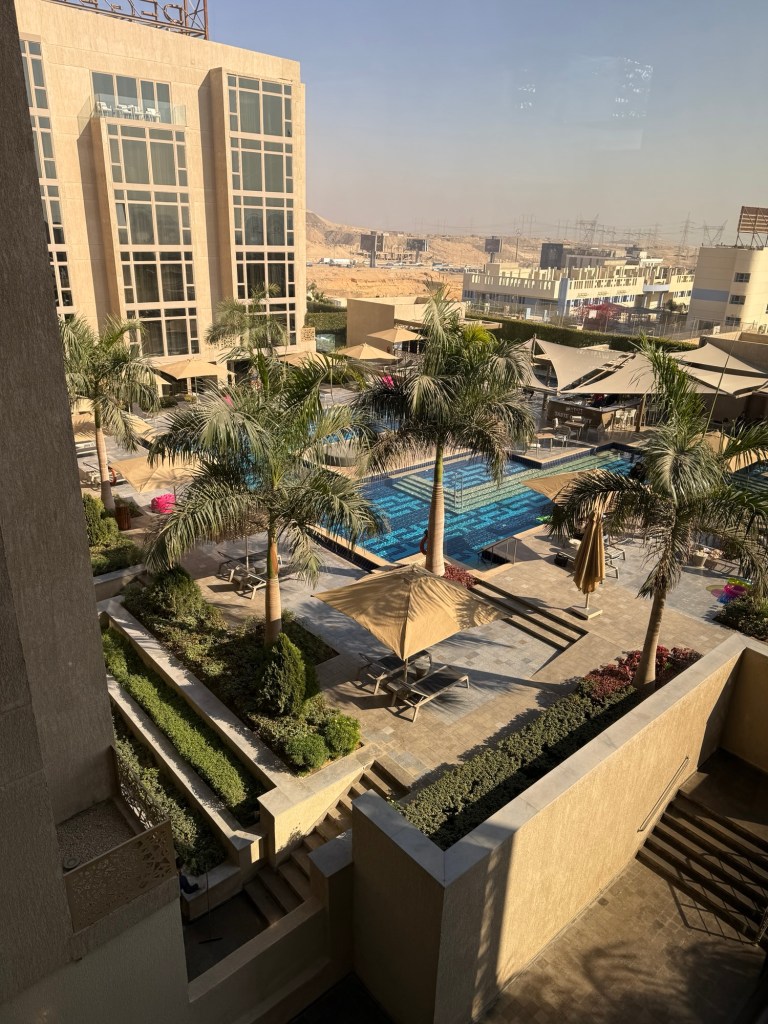
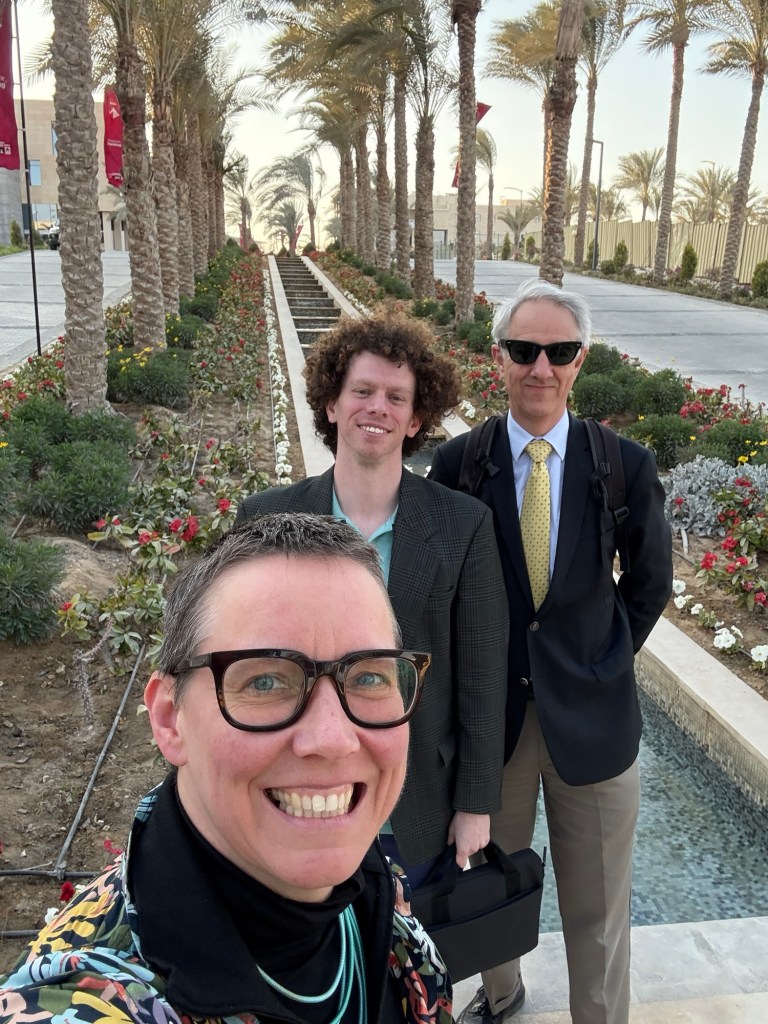
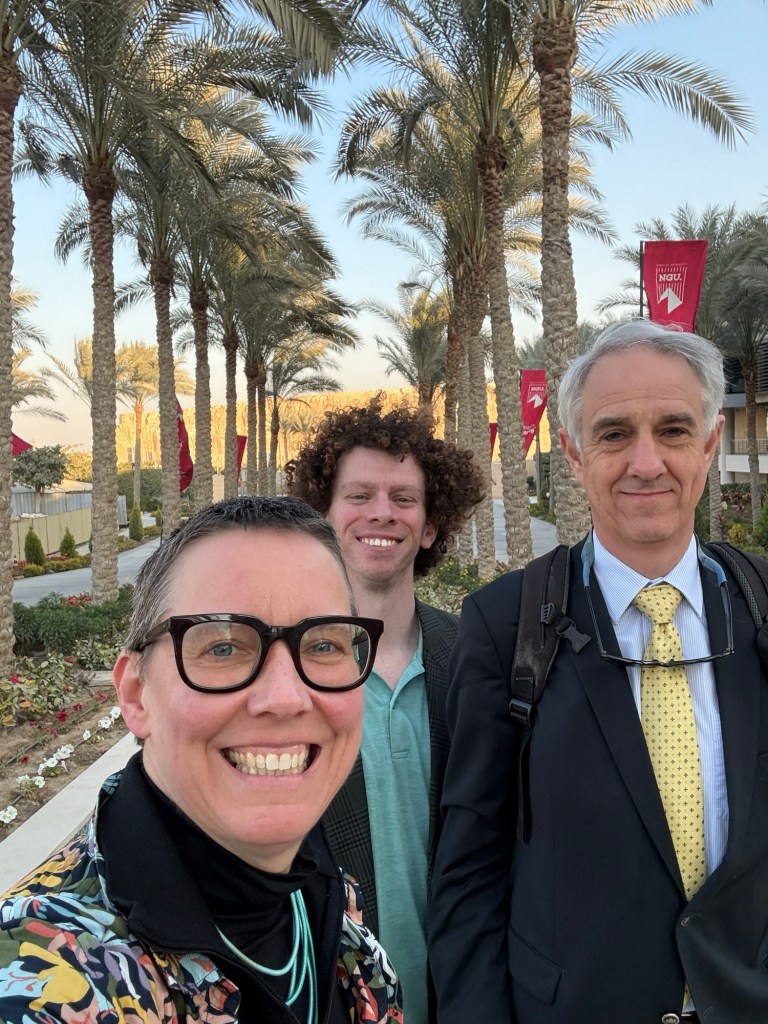
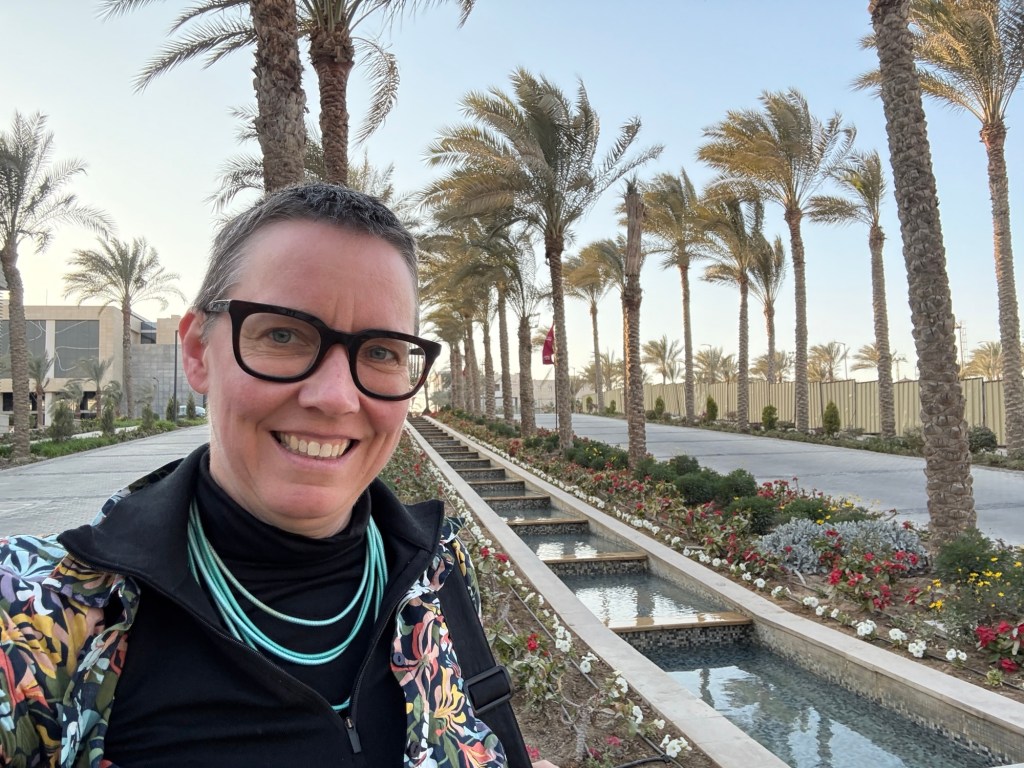
Because of the pandemic, I did not have a chance to visit NGU before we started designing the curriculum. In fact, I didn’t get to visit until this past February, 2025, when I travelled over with two staff from UCL to provide feedback on the quality of the program’s delivery.
It was a whirlwind tour, considering that I arrived a day later than expected due to a British Airline delay.
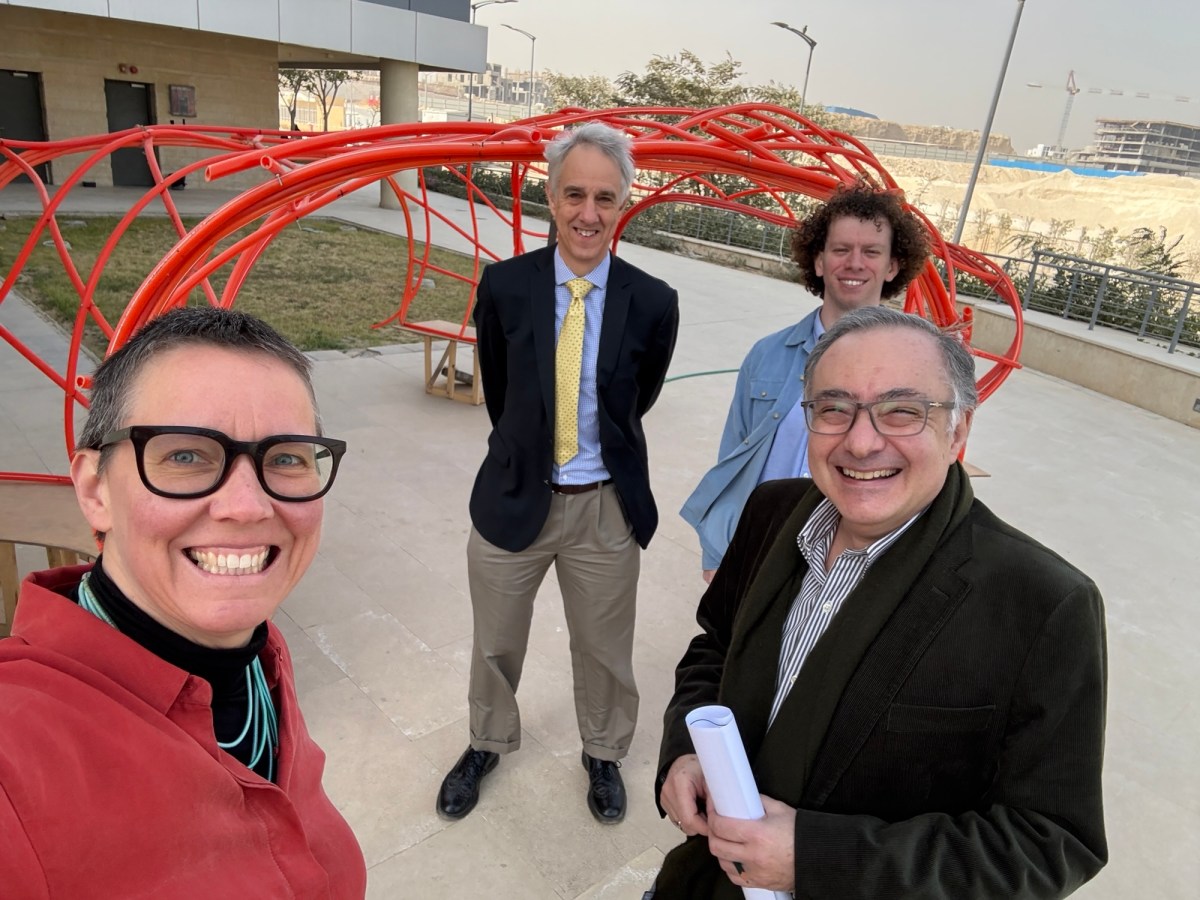
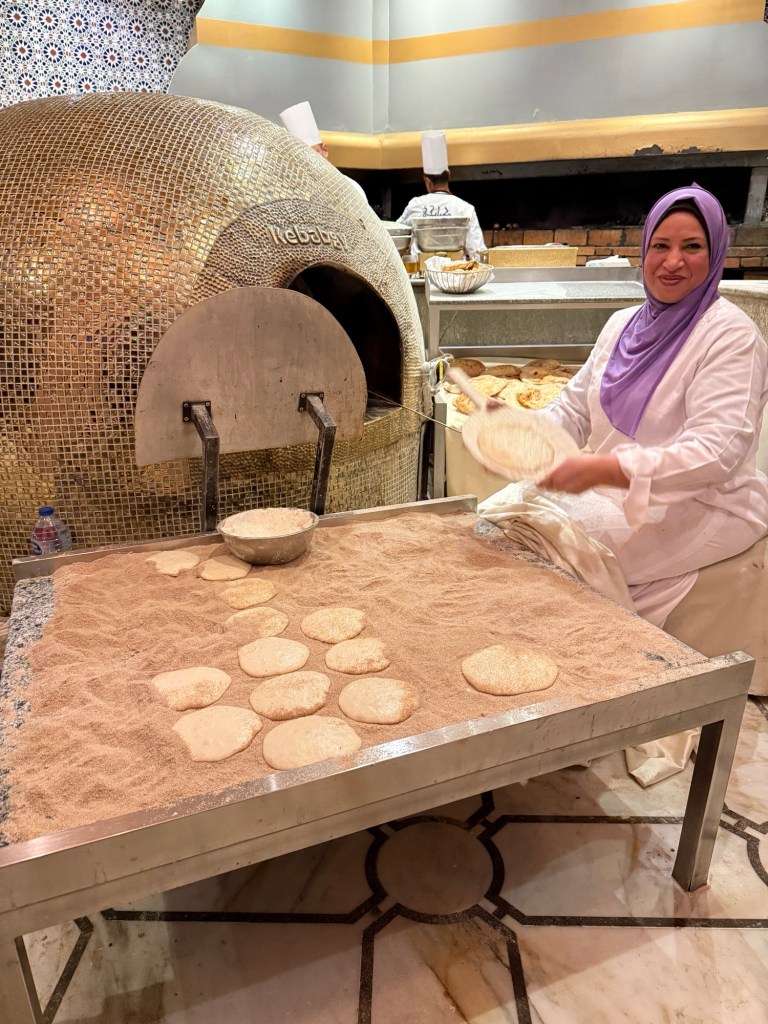
In my two working days there, I got to observe the program the public relations folks at NGU captured the footage on this video.
Designing this curriculum, via a contract between Technological University Dublin (TU Dublin) and University College London Consultants (UCLC) which pays for hours out of my timetable each semester, has been a real joy. It has required me to stretch, been , and develop new communication skills to explain complex concepts to people from a culture and language much different from my own.
Visiting the program and meeting the people who are delivering the content and the amazingly dedicated studentswho are forging the way by implementing a brand new curriculum has definitely been a highlight of 2025.
Many tanks to Dean Aly and the programme staff for welcoming us and helping us feel at home!
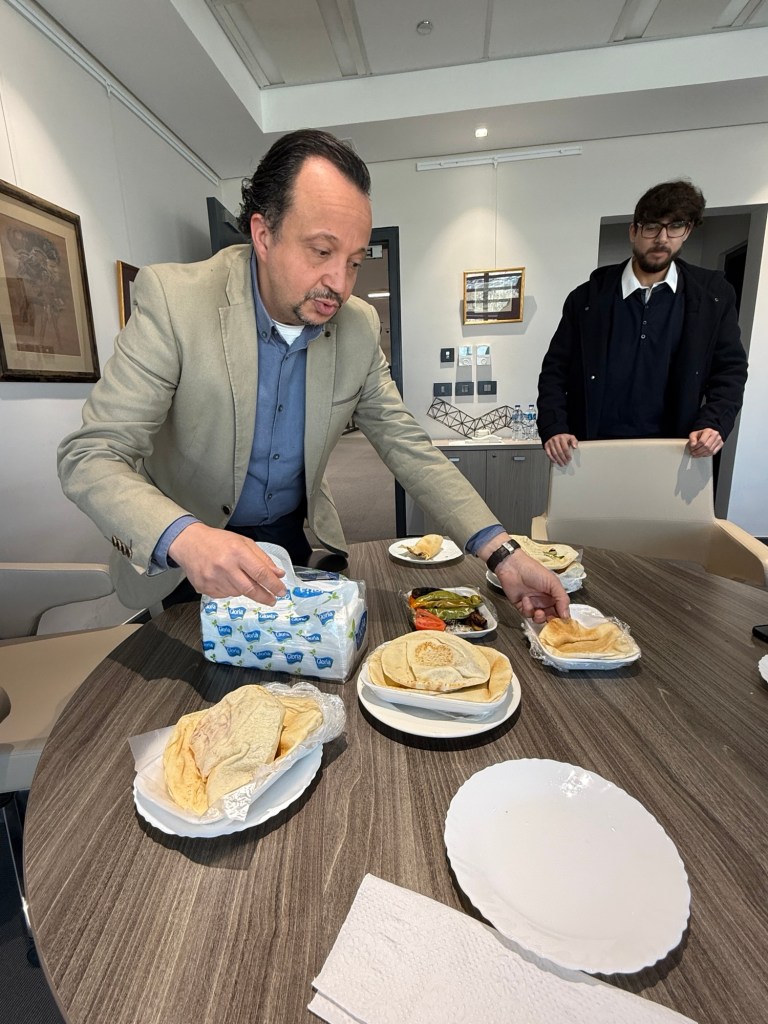
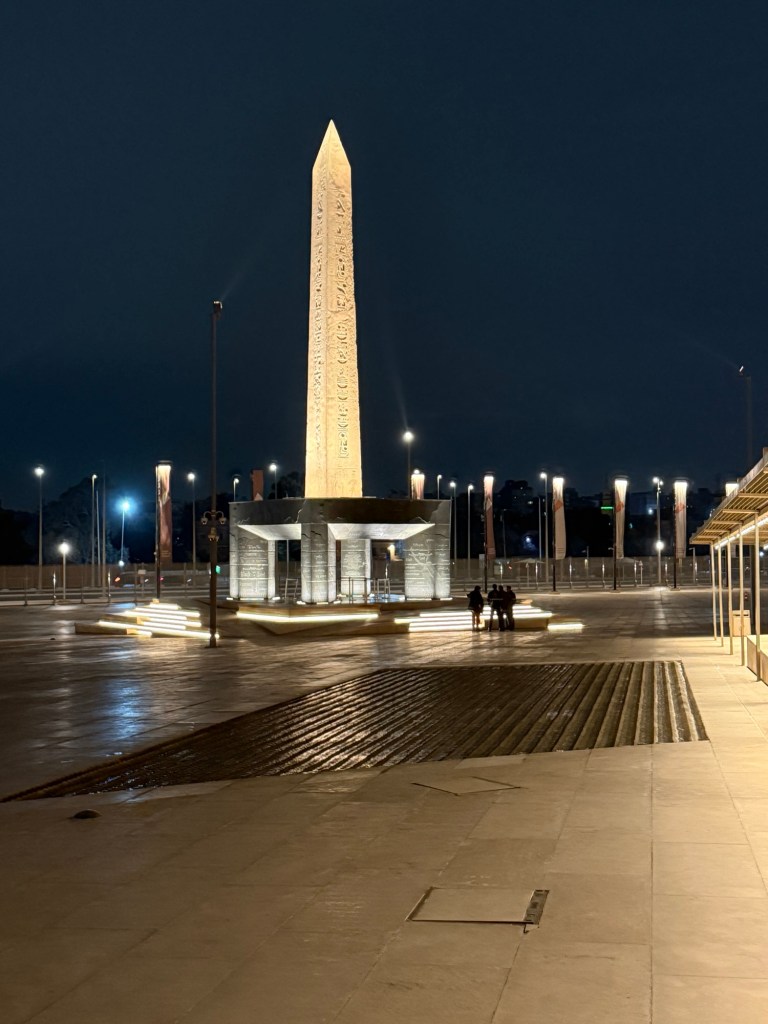
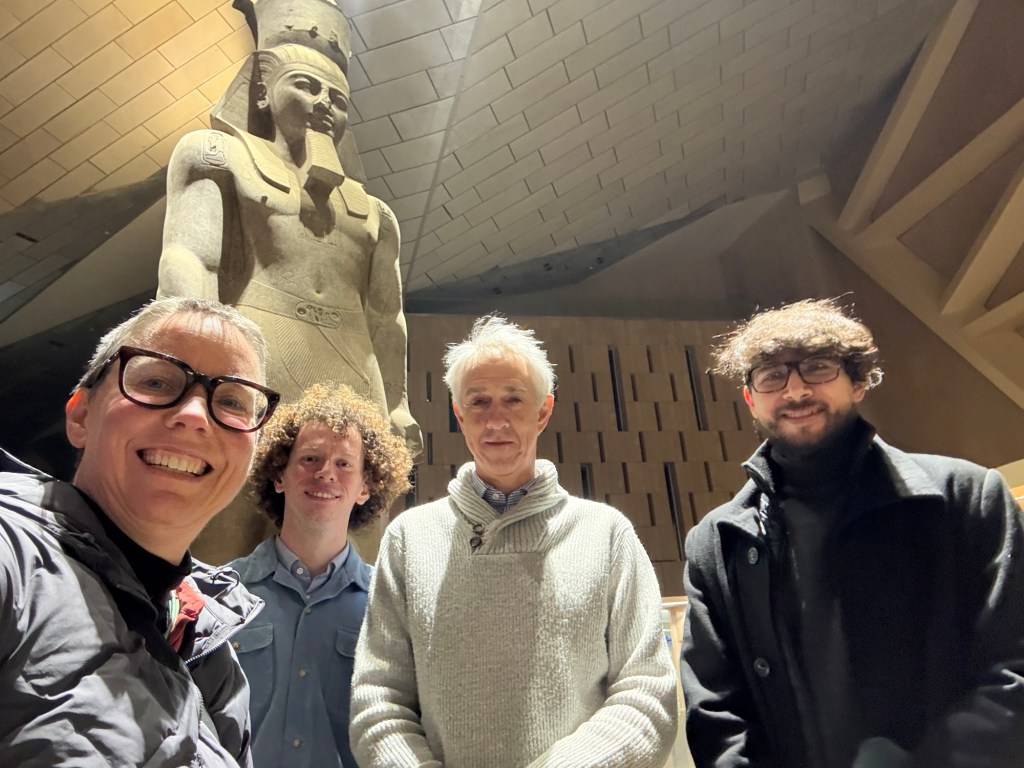
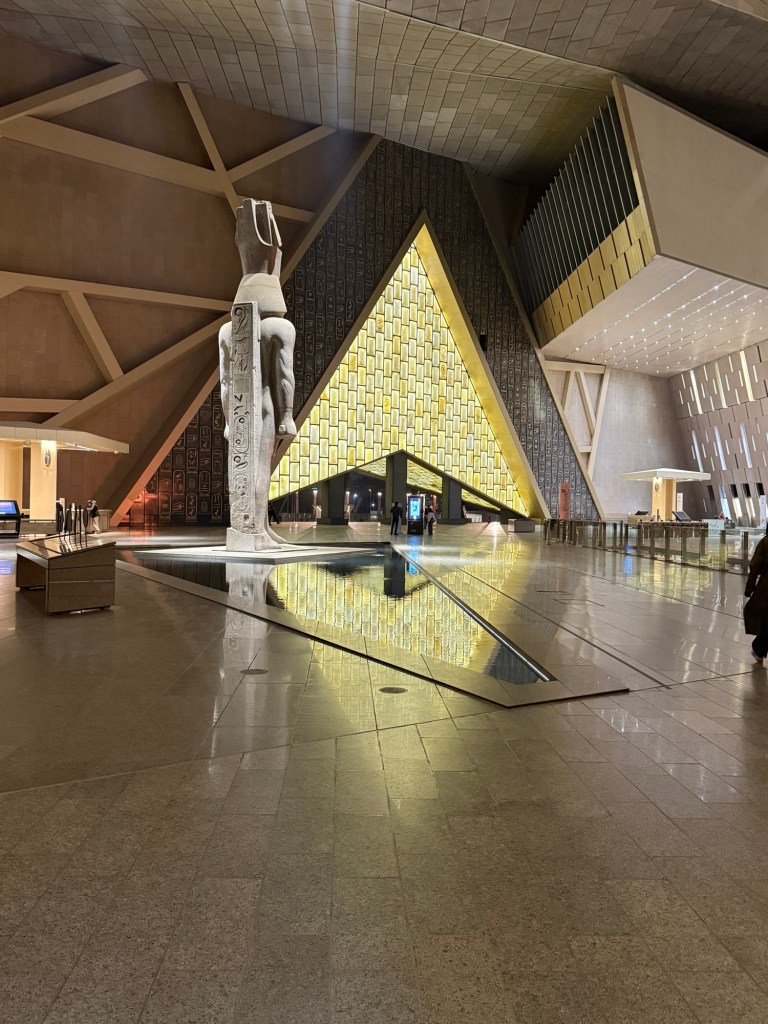
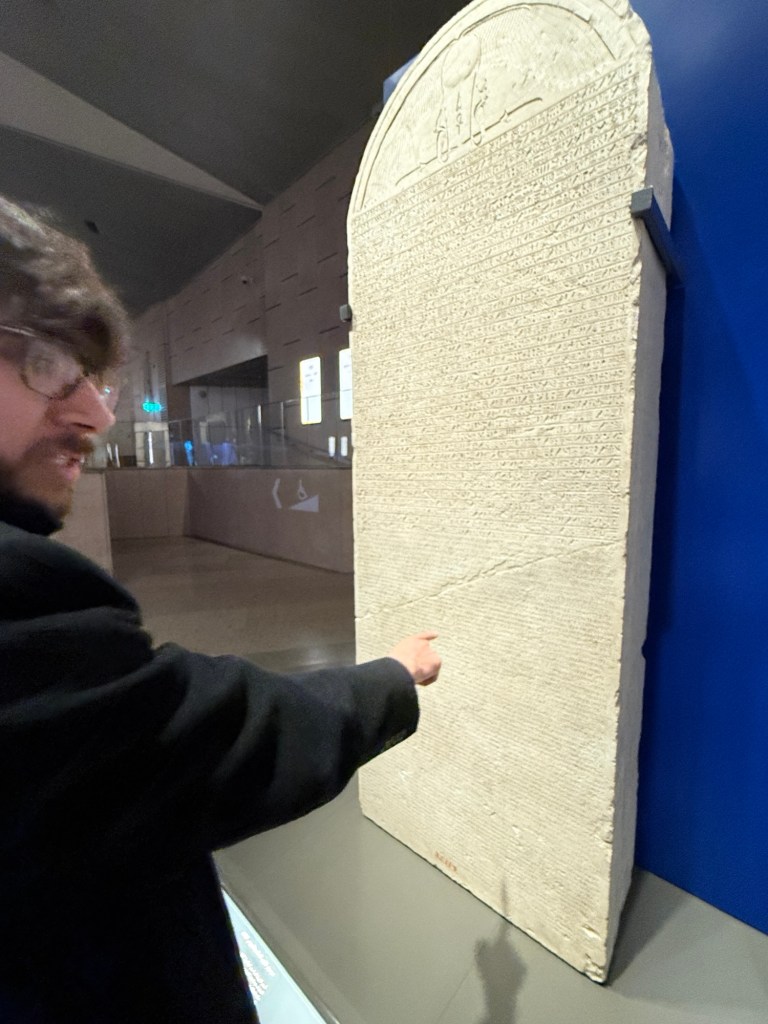
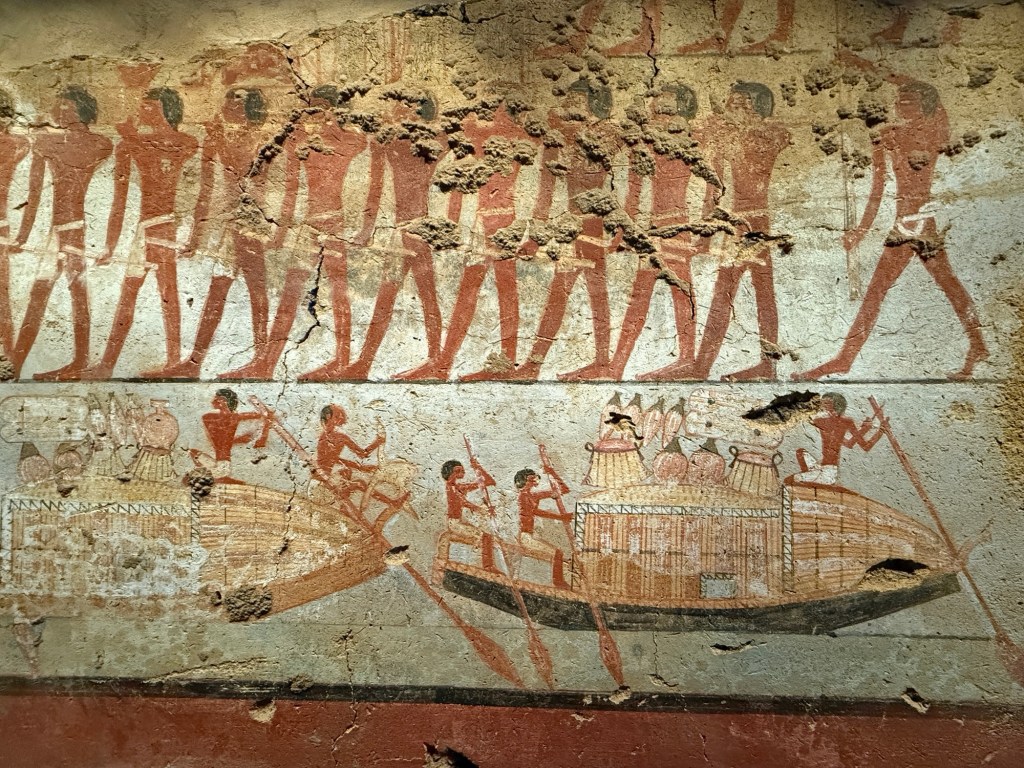
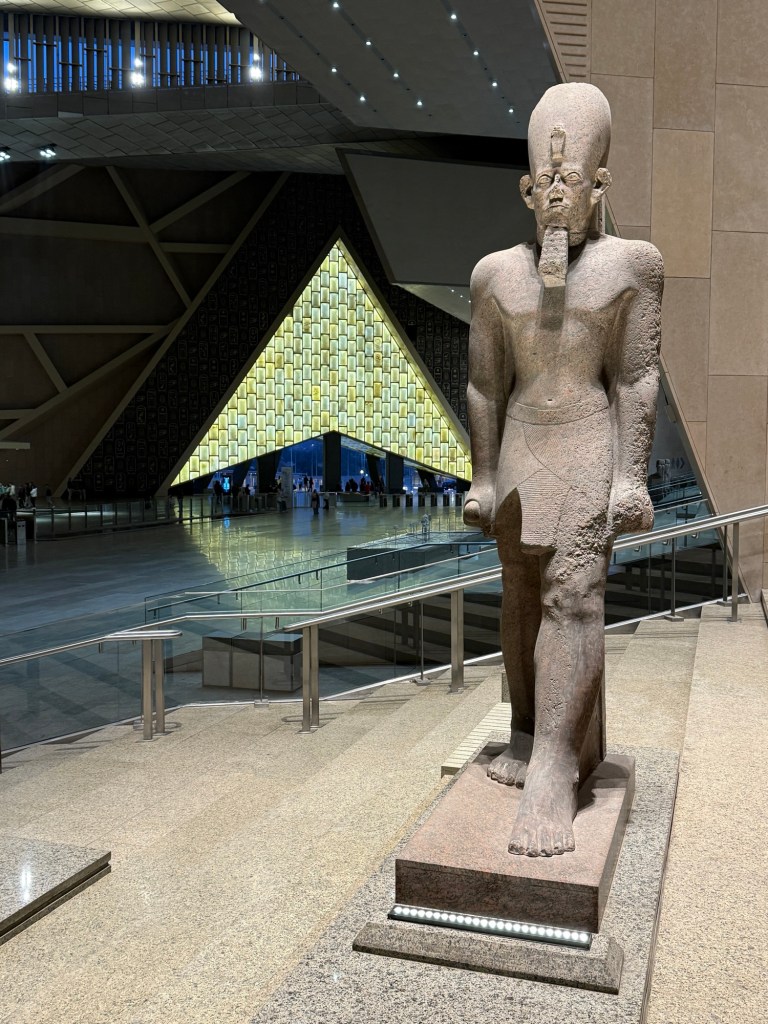
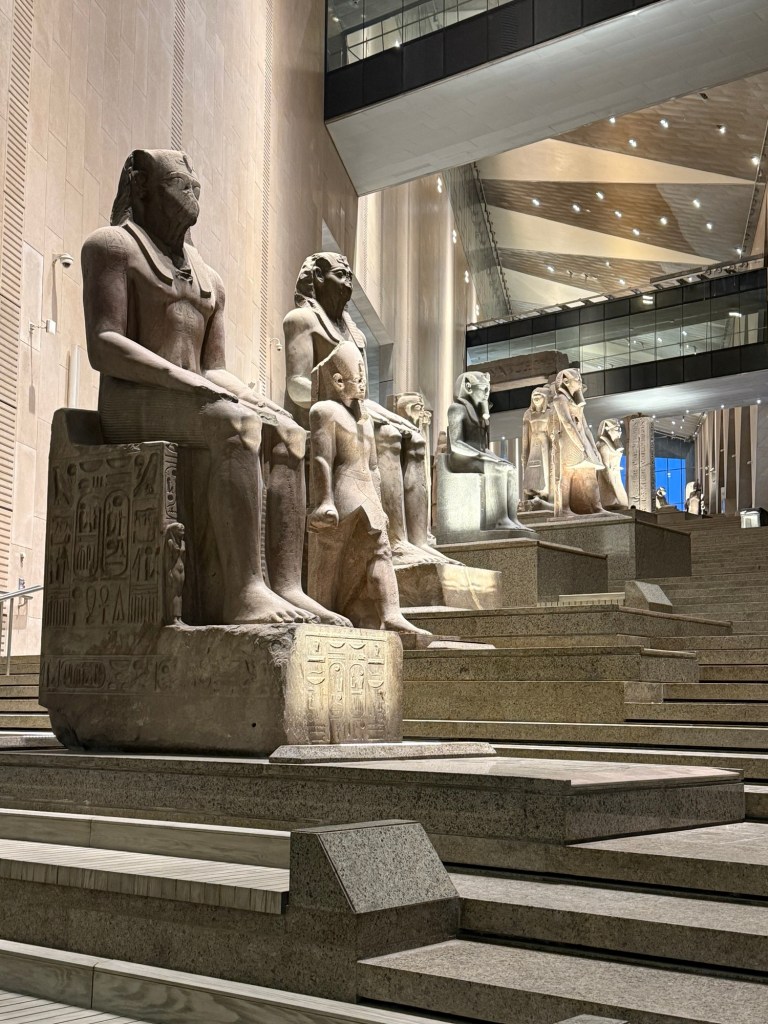
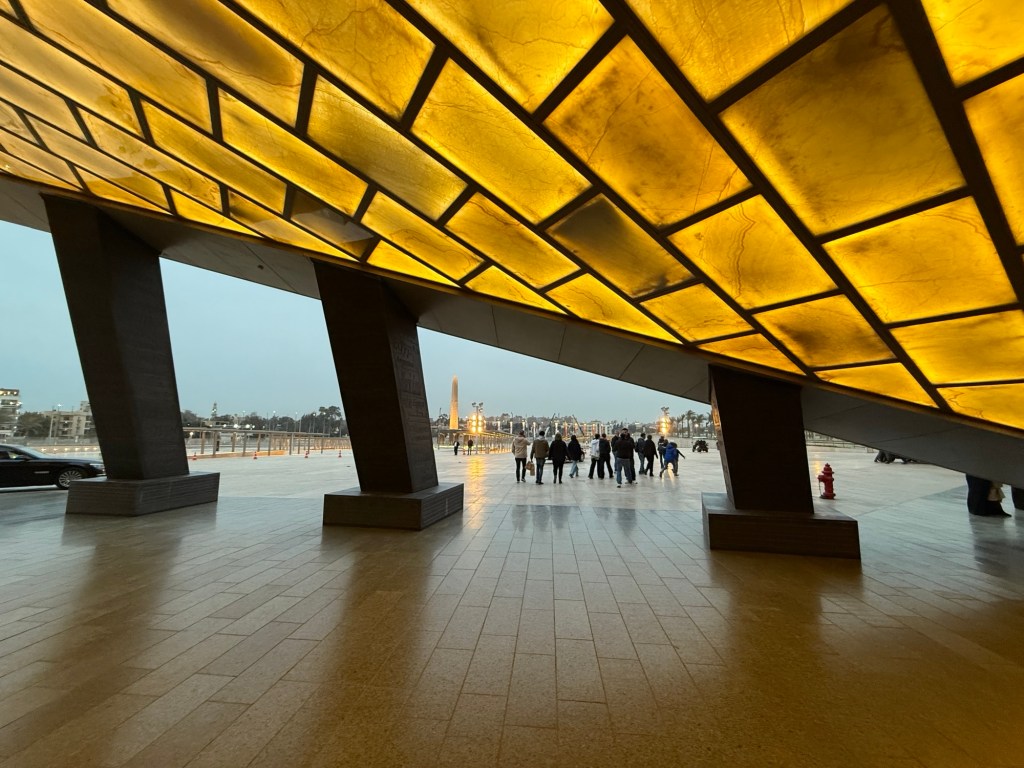
We three visitors also got a chance to tour the brand new Egyptian museum, lead by NGU’s architectural history, teacher. The experience was truly eye-opening and full of intrigue.
I look forward to a chance to visit NGU and Egypt again soon!
I have to say, none of this would’ve been possible without the Marie Curie fellowship I got to spend 2018 and 2019 working at UCL. The bonds I made with the folks at UCL in the Centre for Engineering Education have made such a difference in my and personal and professional life.
Being part of UCL has been so incredibly good for me, and good also for my employer, TU Dublin.
I am so honored to have had the chance to build an architecture program in Egypt and work with the people there who seek to build a stronger community of architects in Egypt. Thank you so much John Mitchell and Emanuela Tilley, for including me in this incredible project!
We’re about to start the third and final day of the 2025 PAEE/ALE conference in Porto, Portugal.
It’s an annual meet up of Project Approaches in Engineering Education (PAEE), which has an active community of members particularly across Portuguese and Spanish speaking parts of the world, and Active Learning in Engineering (ALE), on whose Steering Committee I serve.
I’ve attended PAEE/ALE in San Sebastián, Spain, in 2015. And in Alicante, Spain (where I was a keynote speaker), in 2023. And in San Andreas Island, Columbia, in 2024.
It’s a small and energetic gathering—just the right size for getting to know people and have deeply meaningful chats and learning sessions.
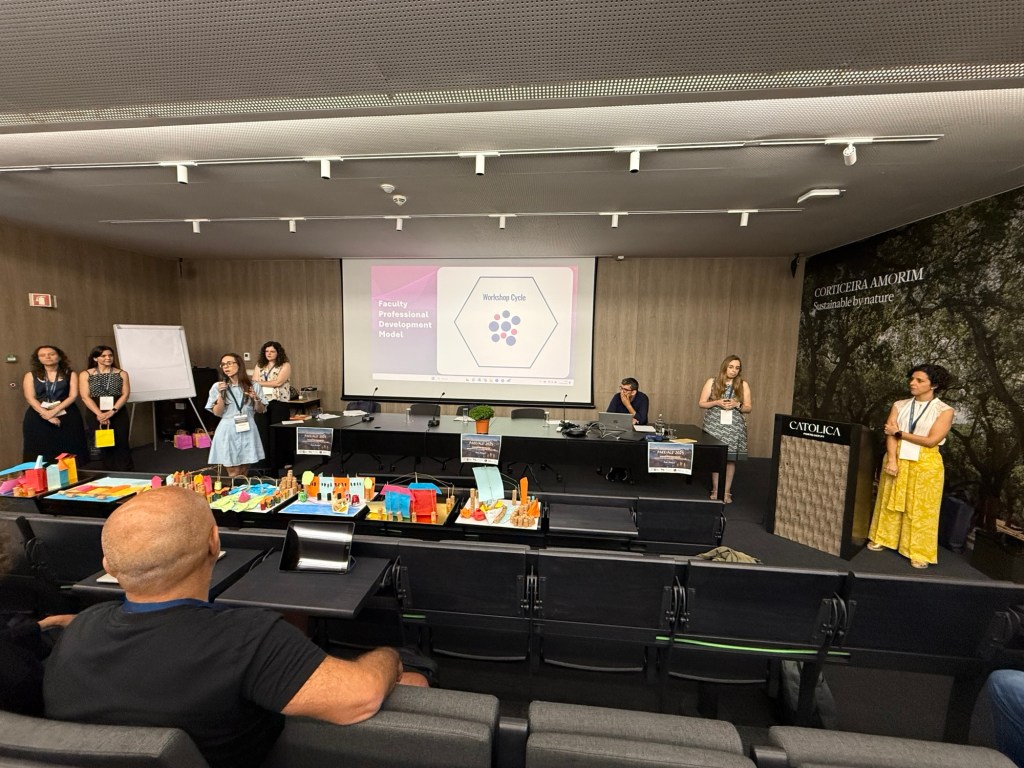
At this year’s event, I chaired a session and delivered a paper on a bingo game I developed with Mike Murphy, Celina Pinto Leão, Mircea Toboșaru, and Mary Doddy Nolan. We decided to perfect the game during a workshop I delivered at the 2025 SEFI Ethics Spring Symposium that I hosted at TU Dublin, and to publish it for others to use. I’ll post materials once they are ready for wide-spread use.
The game is designed to help engineering educators expand the ways they conceptualize integrating ethics into the courses they teach. In the workshop, we explore integrating environmental and social sustainability, EDI, ethical theories and codes.
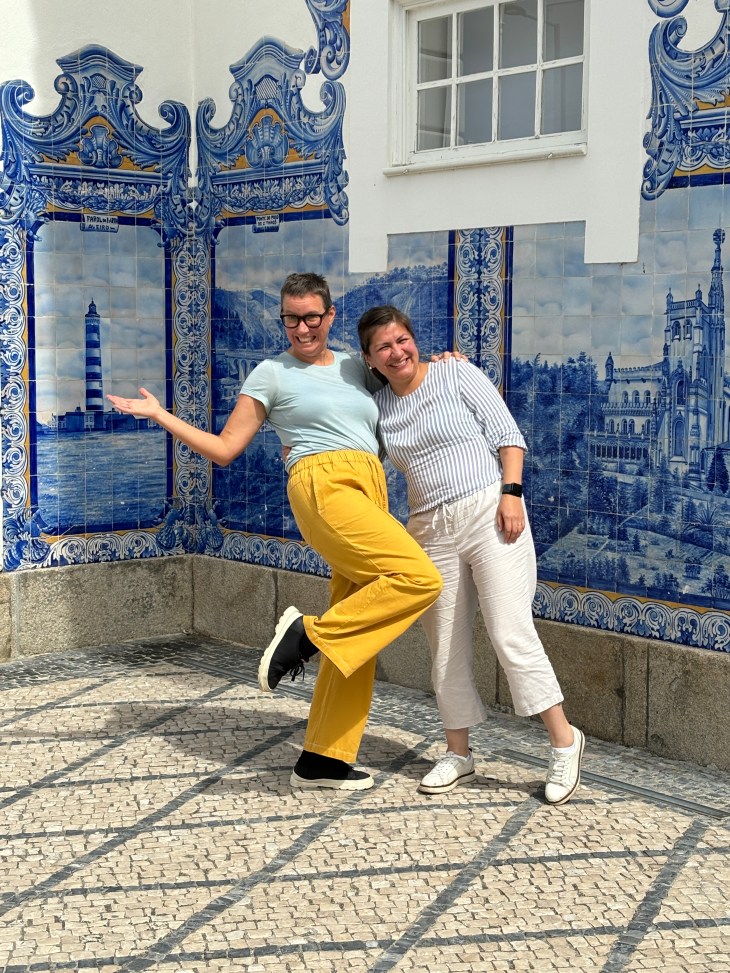
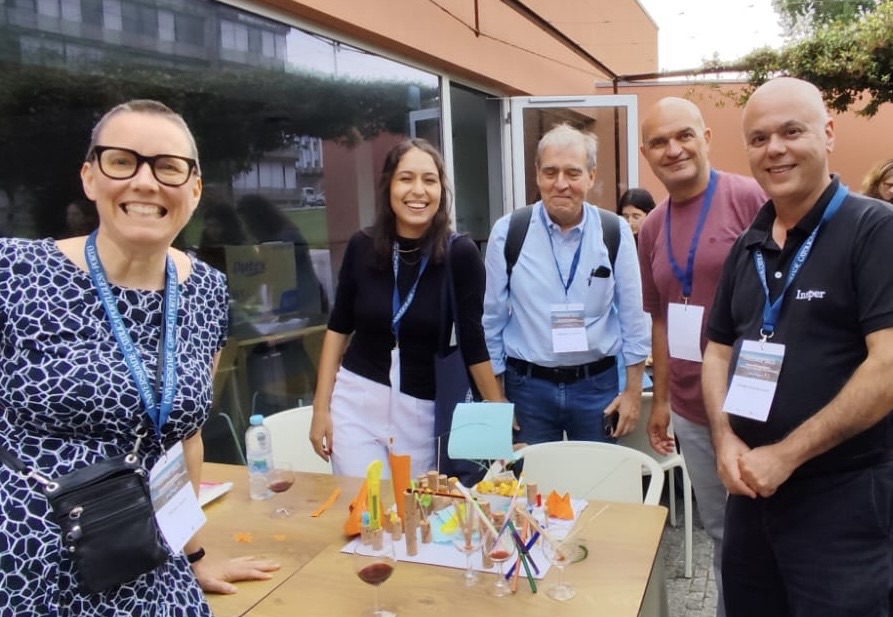
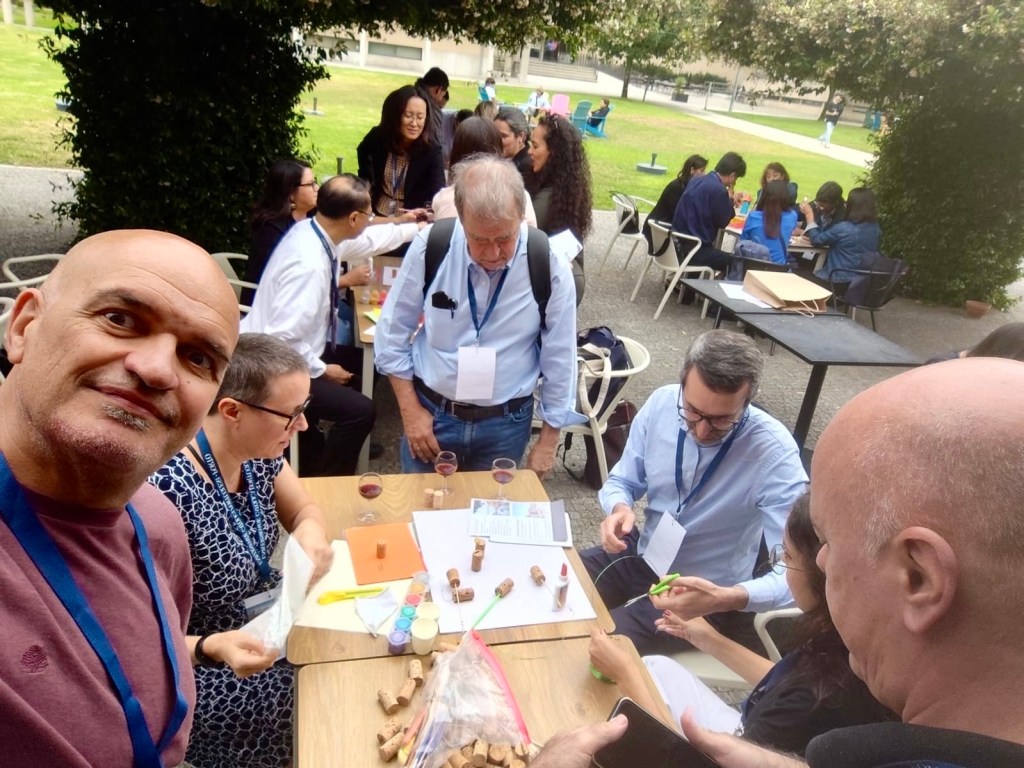
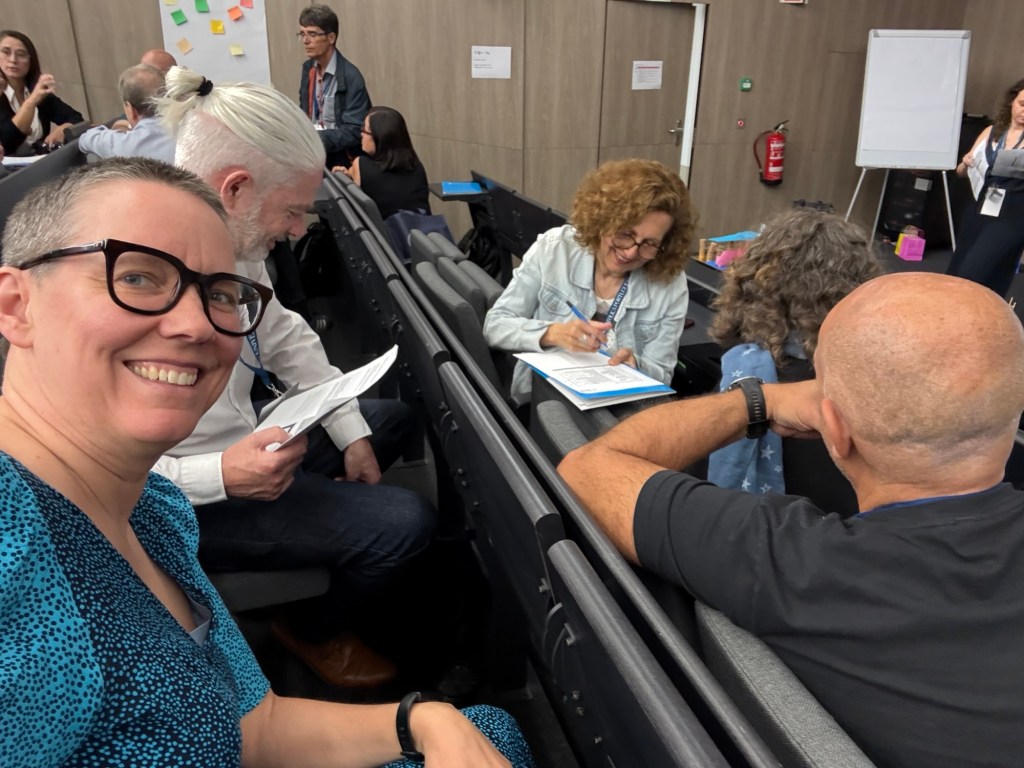
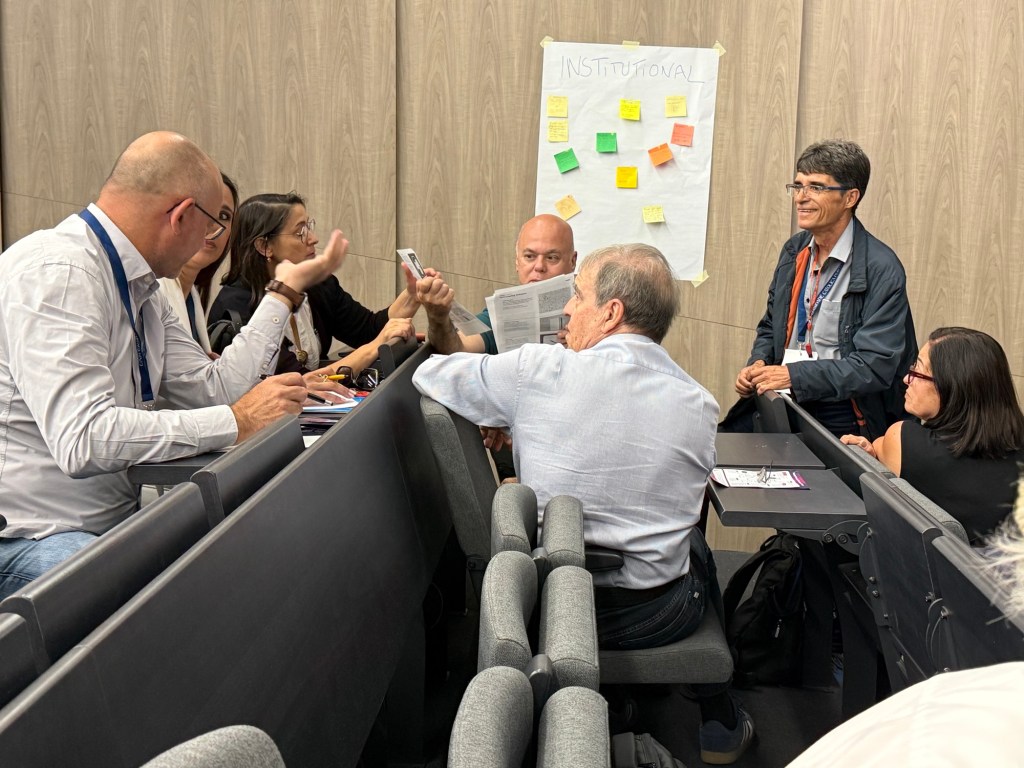
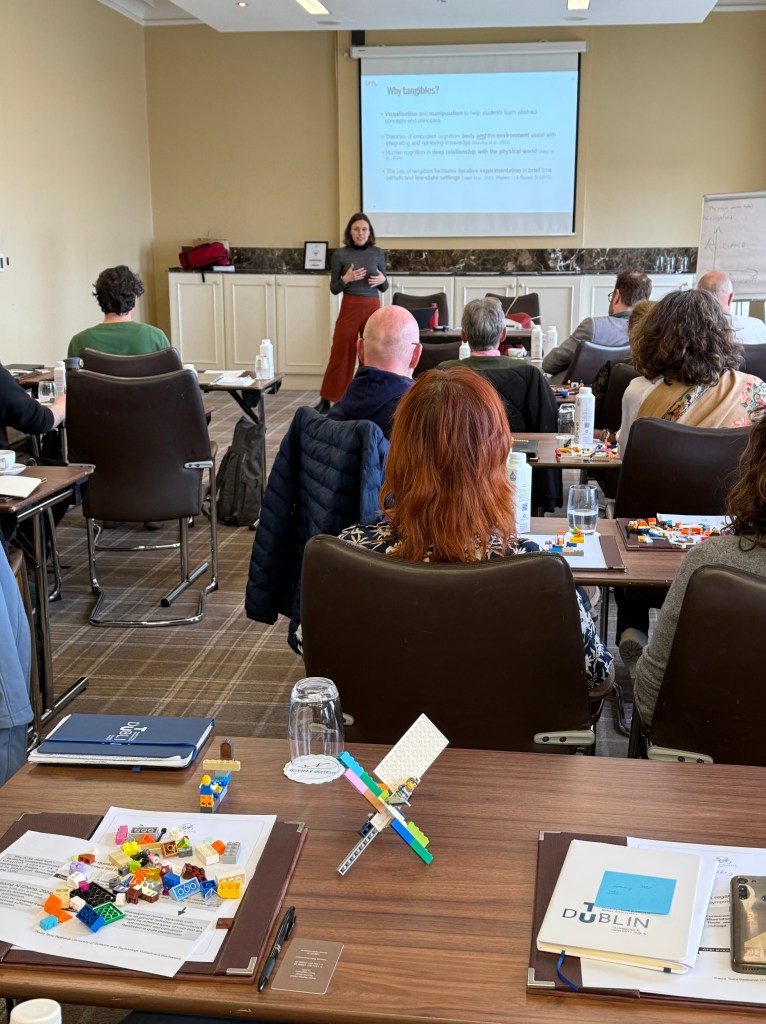
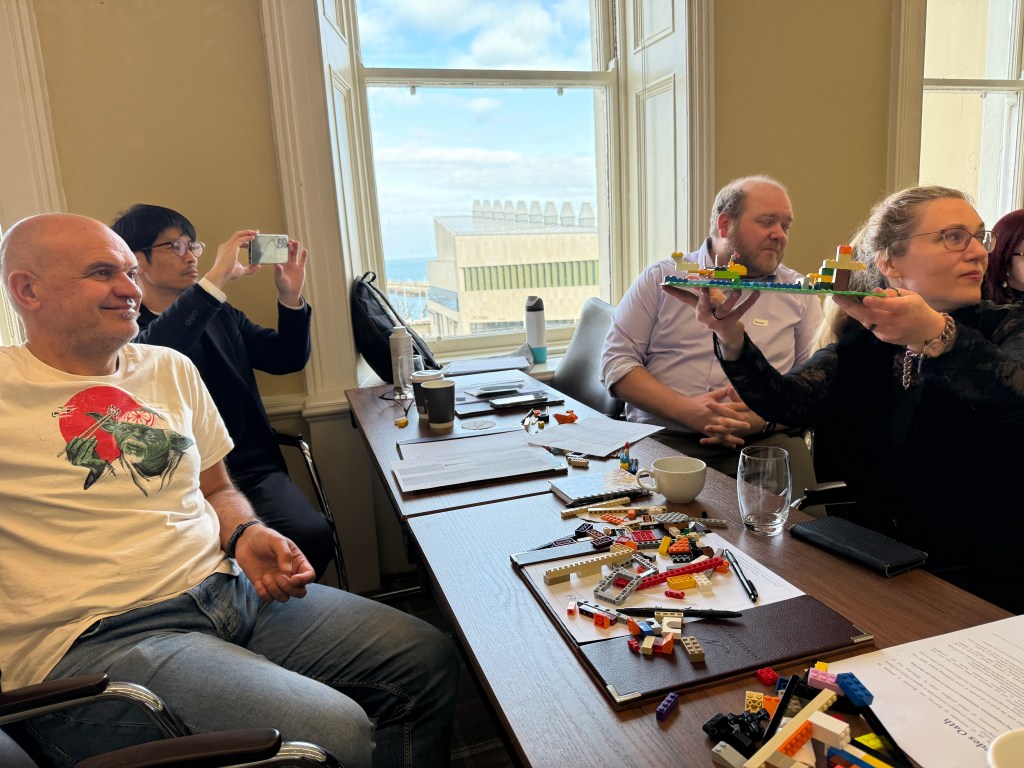
A day after the paper presentation, I ran a workshop with Inês Direito to test the game. The group shown below had such fun, and benefitted from having 90 minutes allocated to our workshop (thanks for that Diana Mesquita and team!).
Bingo! testing crew
I also had a chance to deliver, with Inês’ help, a workshop on securing international fellowships. This topic always gets a warm welcome from colleagues eager to learning about funding sources and tips for winning awards.
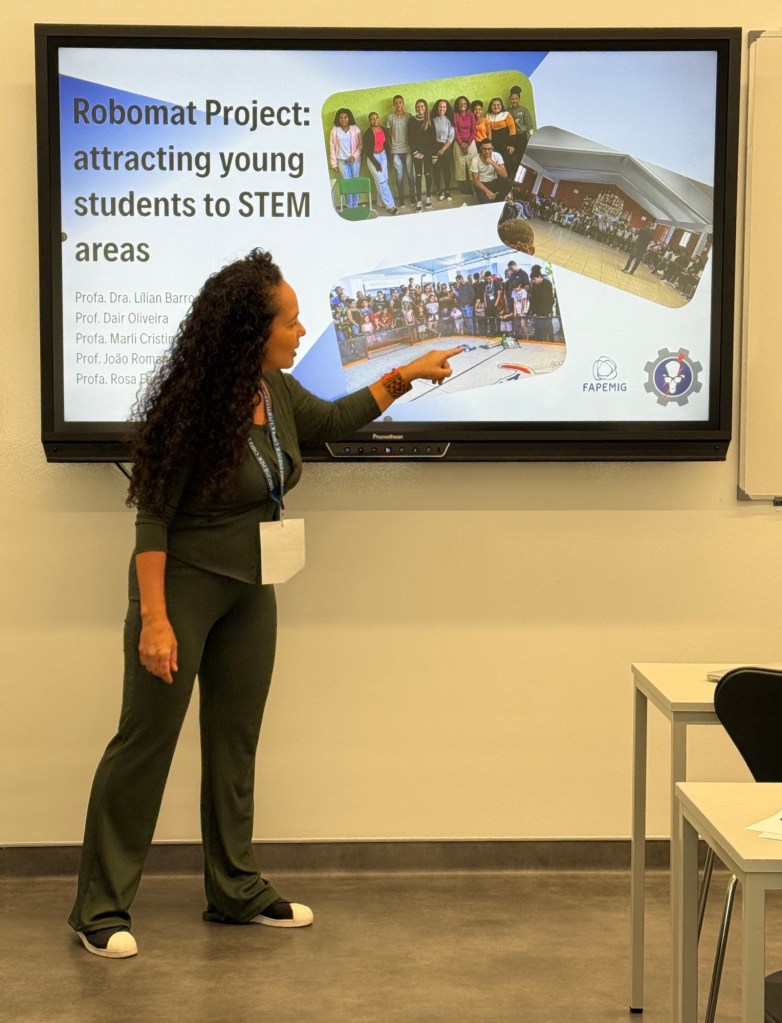
The PAEE/ALE 2025 keynotes have been outstanding (as usual with this conference)!
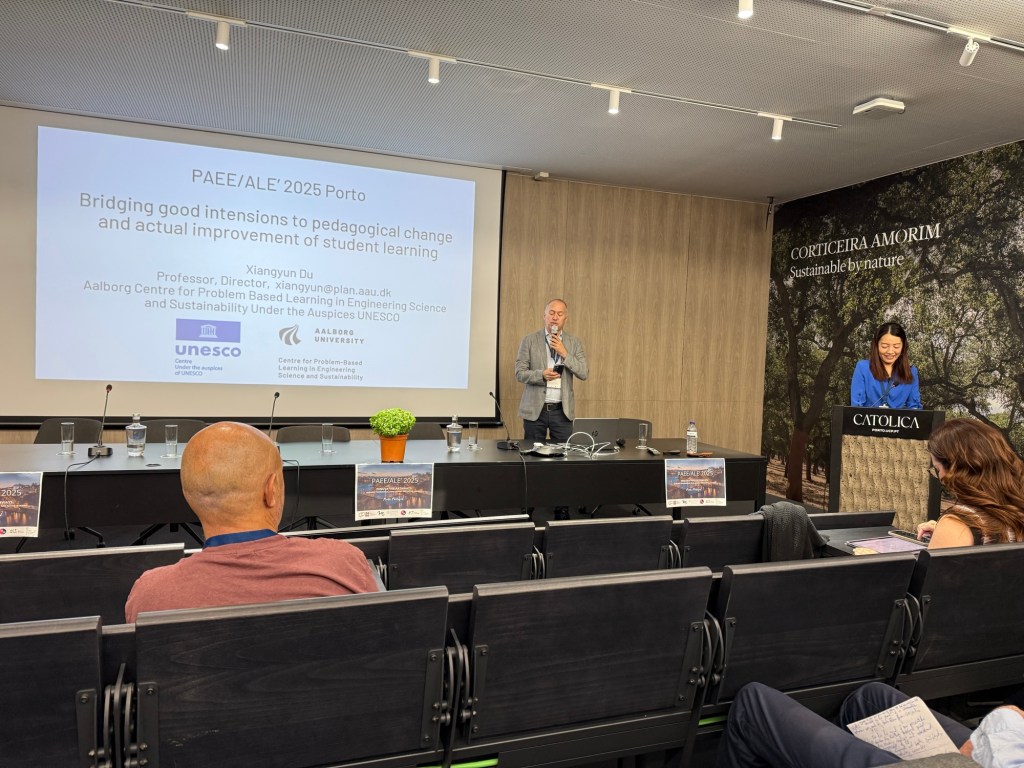
Keynote addresses by Xiangyun Du, the local teaching excellence center, and Jamie Gurganus were packed intriguing insights.
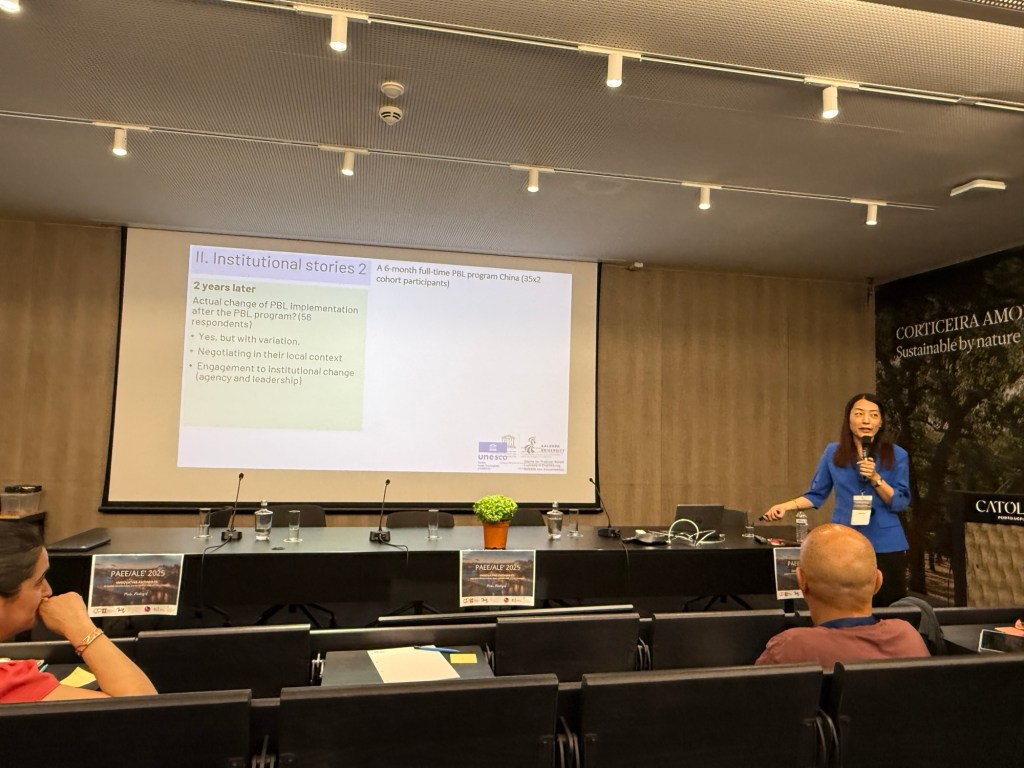
Professor Xiangyun DU’s fascinating keynote address.
Reconnecting with ALE Steering colleagues Miguel Roma, Valquiria Villas-Boas, and Jens Myrup Pedersen, (and Fernando Rodriguez and Luciano Soares who didn’t get to join us this year) is always a pleasure.
PAEE/ALE has been a highlight of my academic year the past few years.
Many, many thanks to this year’s host, the knowledgeable and vivacious Diana Mesquita, and the PAEE leadership including Rui Lima, for making the 2025 event possible.
If you’re interested in Active Learning pedagogies, consider joining us next year for the 2026 conference in Japan!
Funand games! Sessionswith breakouts. Learning with and from colleagues! reception. Welcoming new PhD researchers. Hearing from experts. Emerging research stars. Global leaders.
I’m honoured to have hosted a very successful 2025 SEFI Ethics Spring Symposium.
From March 24–26, my colleagues and I gathered at the Royal Marine Hotel in the charming seaside town of Dún Laoghaire, Ireland, for our small and cosy annual symposium. Mother nature blessed us with glorious weather, tasty and healthy food, gorgeous natural and architectural surroundings, an enchanting historic hotel, and new and renewed friendships.
Diana Martin, Mircea Tobosaru, and I organised the programme and all the details, demonstrating that collaboration is key to flourishing!
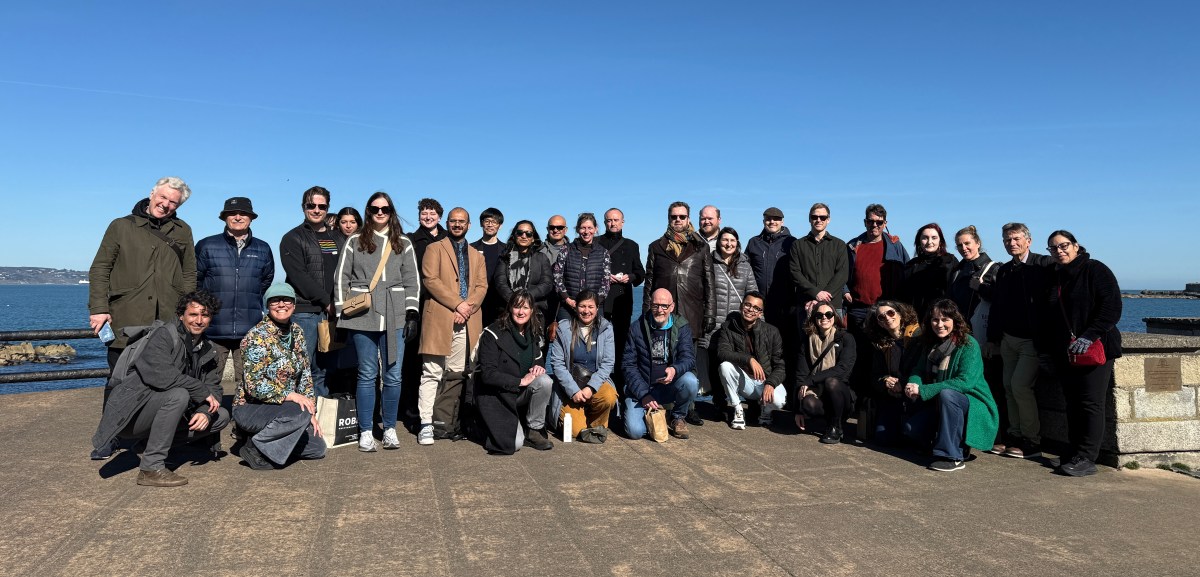
With 35 delegates from across the globe, this wasn’t just another academic conference—it was a meeting of minds and a celebration of our shared commitment to engineering ethics education.
Soaking in the surroundings, past and present, with a tour by Roland Tormey.
The symposium’s main goal? Strengthening our collective capacity to teach ethics to future engineers. A key focus was the Routledge International Handbook of Engineering Ethics Education (RIHEEE)—a major collaborative effort by the SEFI Ethics special interest group. We reflected on what is presented in the book and considered how to extend its themes, translate into impactful teaching practices, and generate discussion more broadly in the places we live and work.
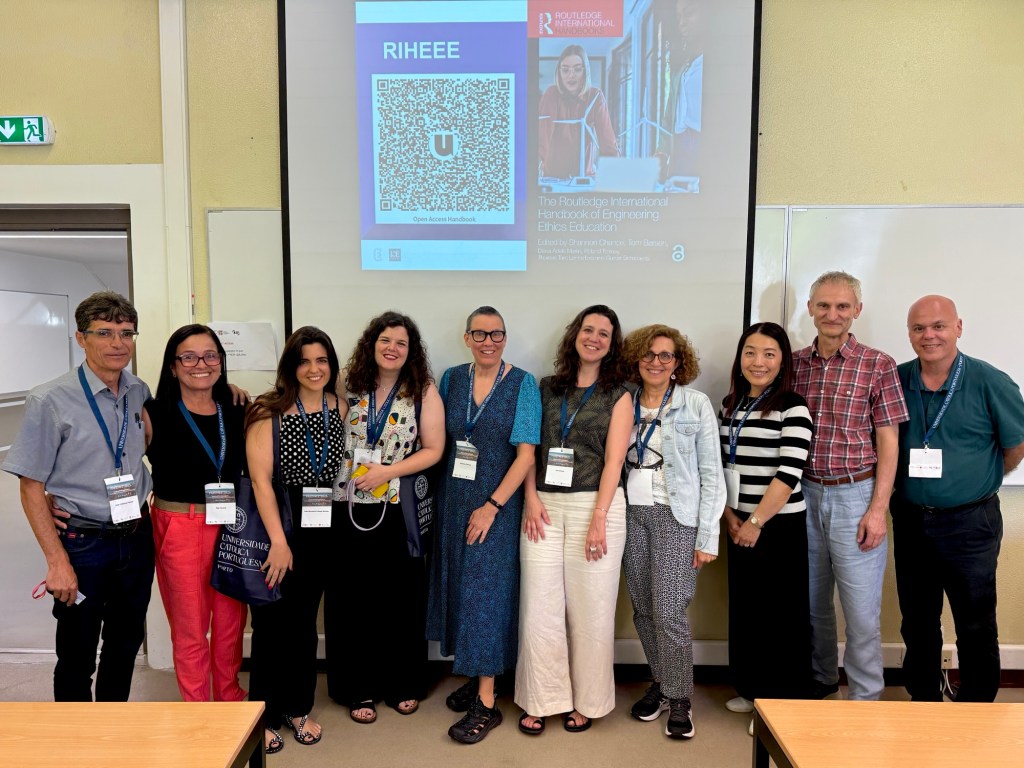
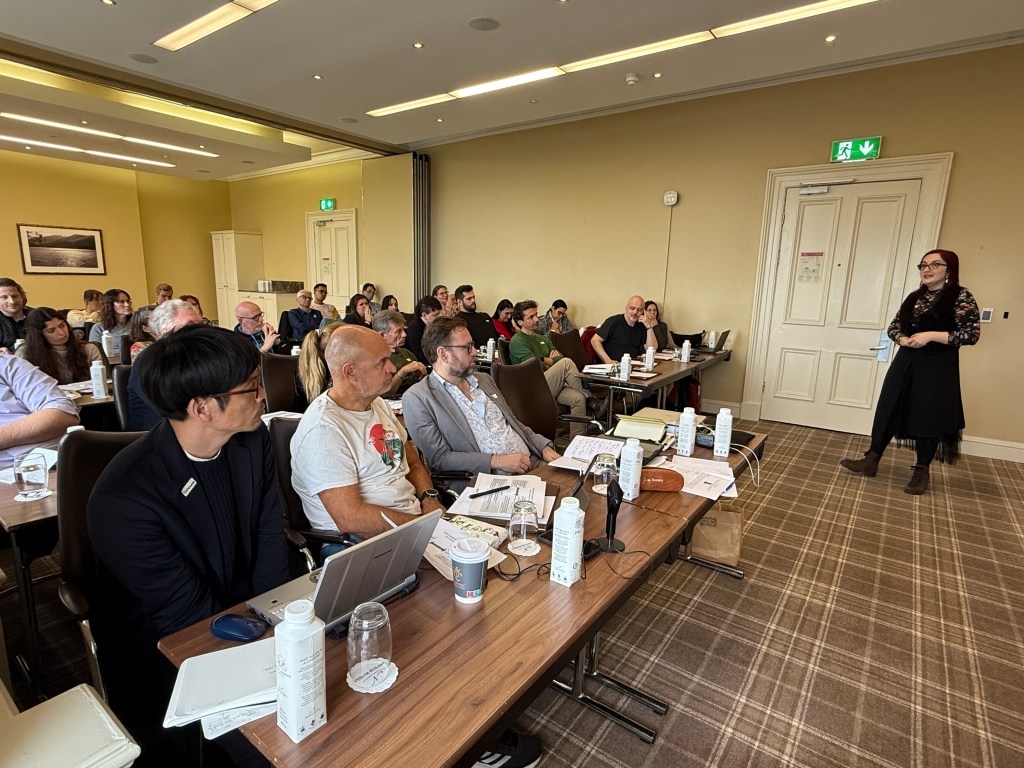
Opening the Symposium and introducing the handbook.
A Program Packed with Thought-Provoking Conversations
Over three days, we immersed ourselves in a mix of keynotes, workshops, and panels, tackling big questions from multiple angles:
Keynotes that Challenged and Inspired
Mary Nolan explored the role of care ethics in engineering, pushing us to think beyond traditional engineering thinking.
Paula Tomi examined the nature of truth, a concept that sits at the heart of both engineering and ethics.
Tom Børsen introduced us to techno-anthropology, showing how it intersects with engineering ethics education.
Keynote by Paula Tomi
Workshops that Sparked Debate and Collaboration
Care Ethics—How do we broaden engineers’ notion of responsibility?
AI Experimental Philosophy—How can philosophy guide us in using and developing artificial intelligence?
The Archimedean Oath—Should engineers take an ethical oath, much like doctors do?
Quantitative Methods & Ethics—How can we effectively describe and report ethical impact?
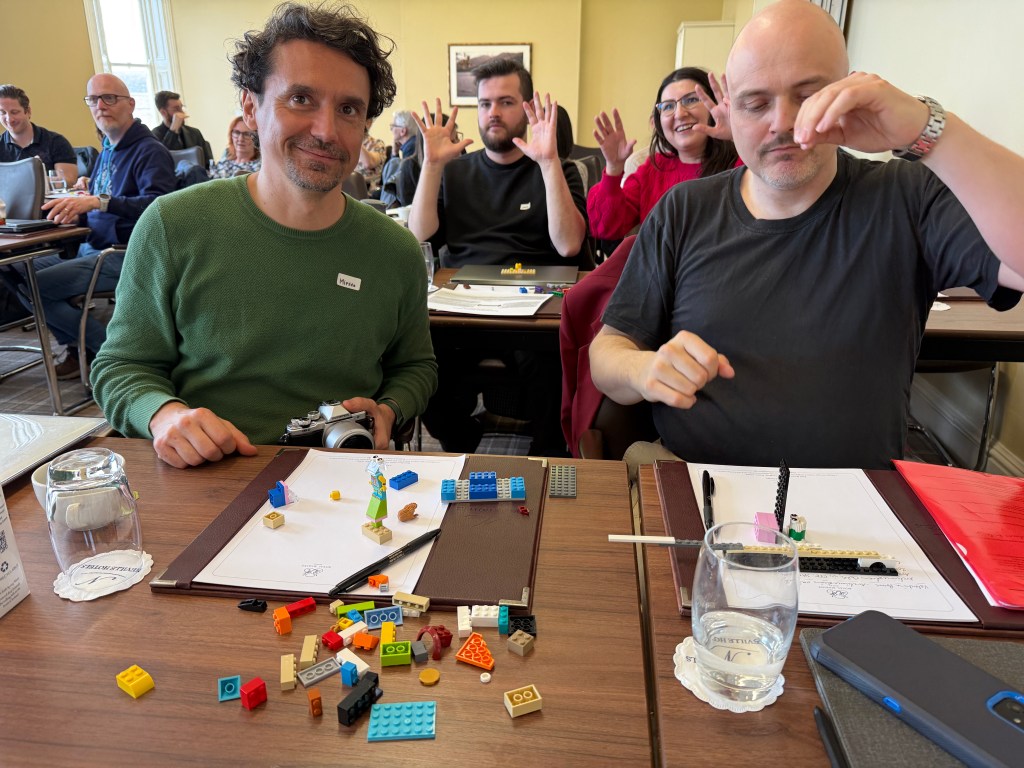
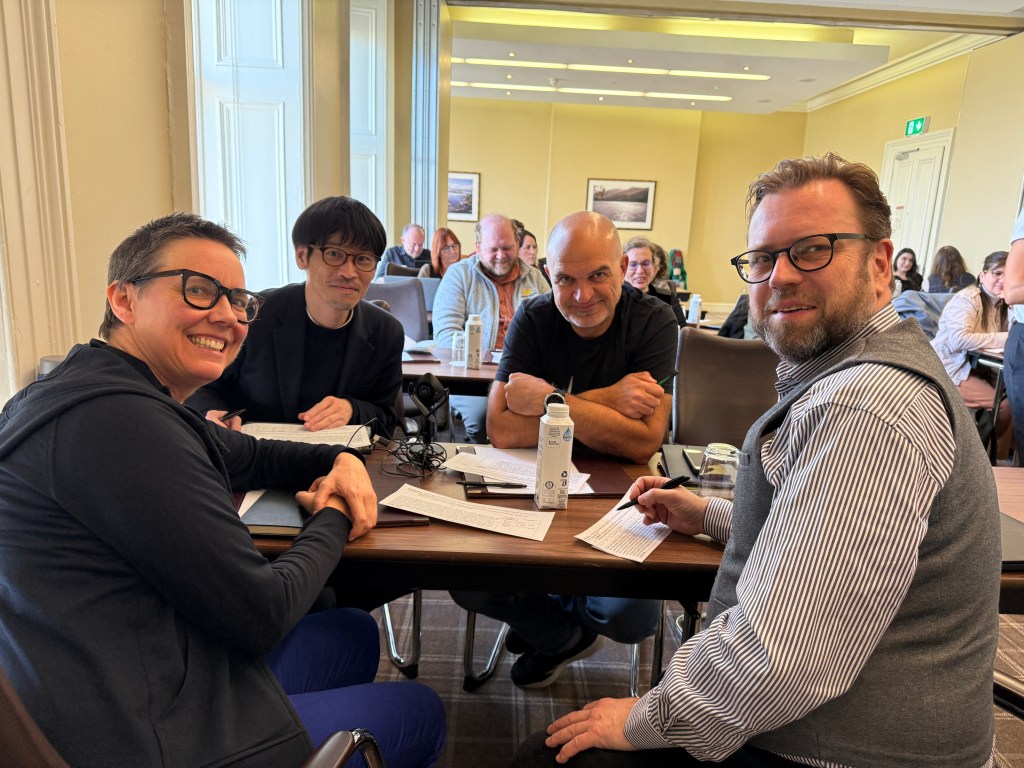
Peer-to-peer learning in action. Tom Børsen, to the right, was the co-lead editor of the handbook. Takehara joined us from Japan, and Miguel from Spain.
Panel Discussions: Making Ethics Education More Practical
Our panelists had a specific challenge: dive into a self-selected sections of RIHEEE and critically assess its themes. We asked: What patterns do you see across the set of chapters in your section? What’s missing? How can can educators make use of the content? How can we help them do that? Can we translate theoretical insights into tangible strategies that can be applied in classrooms and institutions worldwide yet still reflect local culture and values?
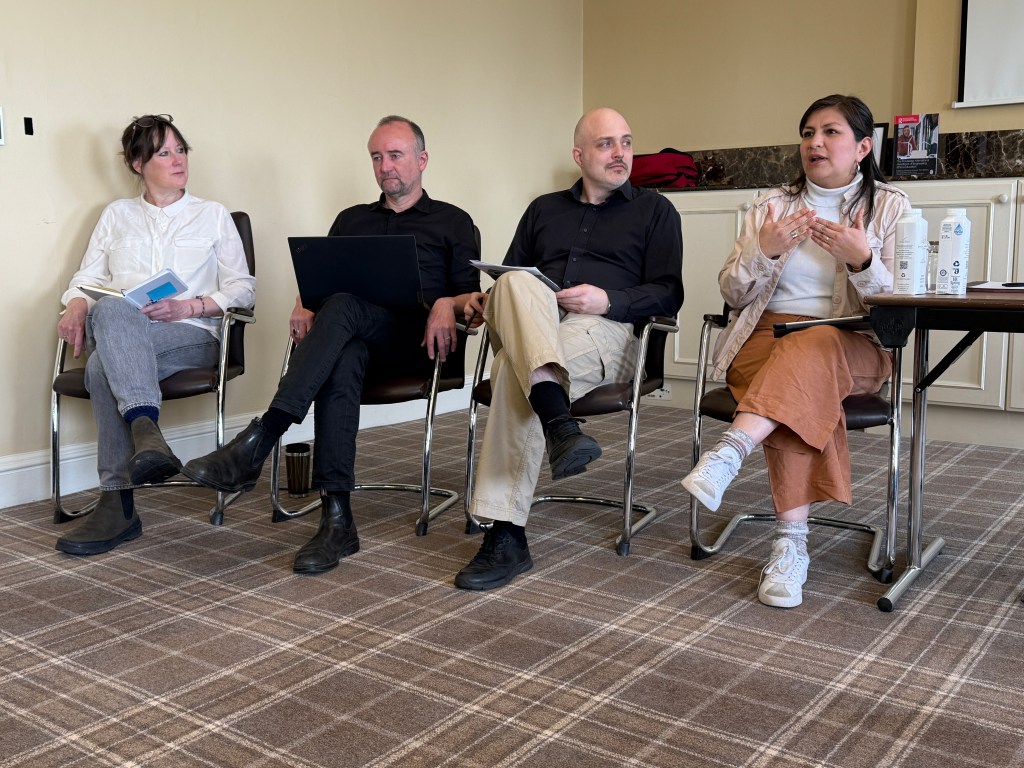
Panel with Rachel Harding, Aaron Johnson, Magnus Kahrs (and Valentina Rossi, not shown)Panel on engineering ethics accreditation Panel on Interdisciplinary Perspectives with Katherine Looby, Ronny Kjelsberg, Gaston Meskens, and Sandra Cruz Moreno.
There were so many very special aspects, including exploring care ethics in depth and applying care ethics, and the walking tour was truly spectacular.
A Literary and Cultural Interlude
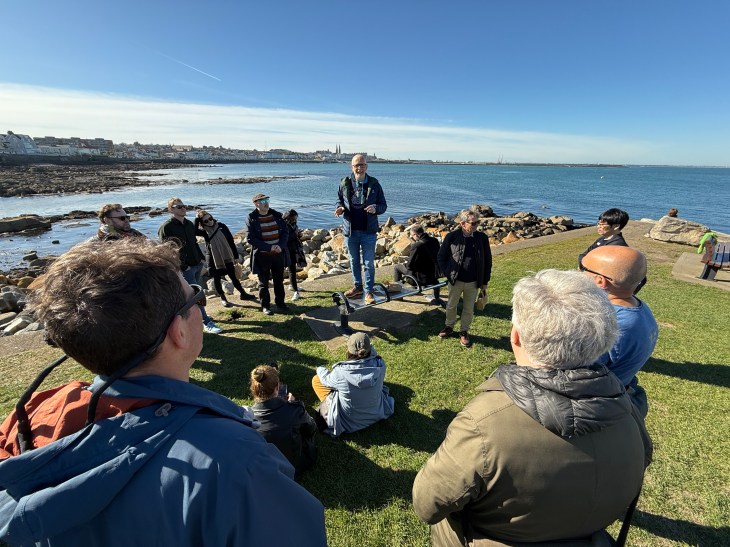
Roland Tormey’s literary walking tour of Dún Laoghaire was a highlight for us all. We took a step back and immersed ourselves in the cultural richness of our surroundings. For many of us, this blend of intellectual and cultural exploration reinforced the broader ethical dimensions of engineering—how our work is always connected to society, history, and place.
Sunshine and good vibes galore!
Global Voices, Local Impact
The symposium truly reflected the international nature of engineering ethics education. We had voices from across Europe, North America, Africa, and Asia, with universities ranging from UCL and the University of Michigan to EPFL. At the same time, there was strong local representation, with a third of the attendees based in Ireland—TU Dublin, DCU, ATU, and Engineers Ireland all playing an active role. A special shoutout to my TU Dublin colleagues—Sandra Cruz Moreno, Marek Rebow, Rachel Harding, Mike Murphy, and recent PhD grads Diana Adela Martin and Darren Carthy—whose contributions helped everyone feel welcome.
What’s Next?
The energy and ideas sparked at the symposium will propel us forward onto new collaborations, where we apply what we discussed—via research and teaching and leadership and service—and continue building momentum and sharing what we’re learning with our colleagues back home, and indeed worldwide.
For those who couldn’t join us in person, the Routledge International Handbook of Engineering Ethics Education is freely available in an open-access digital format. Whether you’re new to the field or a long-time educator, it’s a must-read: 🔗 RIHEEE Handbook
For posterity’s sake, I am adding the symposium schedule as it was conducted:
Monday, March 24
09:00-09:30 Welcome and Icebreaker by host Shannon Chance
09:30-10:30 Handbook panel 1 (Foundations) moderated by Roland Tormey with panellists Mircea Tobosaru, Samia Mahé, and Mihaly Héder
10:30-10:50 Coffee break
10:50-11:30 Keynote on Care Ethics by Mary Nolan
11:30-13:00 Workshop on Care Ethics by Robert Irish, Ana Tebeanu, Sofia Duran, Vivek Ramachandran, Roland Tormey, & Alison Gwynne-Evans
13:00-15:30 Picnic Lunch & Walking tour of Dun Laoghaire led by Roland Tormey
15:30-16:00 Coffee break with snacks
16:00-17:00 Handbook panel 4 (Teaching Methods) moderated by Diana Martin with panellists Valentina Rossi, Aaron Johnson, Magnus Kahrs, and Rachel Harding
17:00-17:30 Wrap-up with synthesising activity
19:00 Dinner outing with colleagues departs from the hotel lobby
Tuesday, March 25
09:00-10:00 Handbook panel 6 (Accreditation) moderated by Shannon Chance with panellists Leah Ridgway, Louise O’Gorman, Alison Gwynne-Evans, and Marek Rebow
10:00-10:40 Keynote on Truth by Paula Tomi
10:40-11:00 Coffee break
11:00-12:15 Workshop on AI experimental philosophy by Krzysztof Sołoducha
12:15-13:00 Ethics SIG session led by Diana Martin and Mircea Tobosaru
13:00-14:00 Lunch
14:00-15:00 Handbook panel 3 (Specific Disciplines) moderated by Tom Børson with panellists Jacob Baneham, Miguel Romá, Mike Murphy, and Rhythima Shinde
15:00-15:20 Coffee break with snacks
15:20-16:40 Workshop on the Archimedean Oath by Valentina Rossi
19:00 Dinner outing with colleagues departs from the hotel lobby
Wednesday, March 26
09:00-10:00 Handbook panel 2 (Interdisciplinary Perspectives) moderated by Roland Tormey with panelists Sandra Cruz Moreno, Ronny Kjelsberg, Gaston Meskens, and Katherine Looby, with input from Riadh Habash
10:00-11:15 Workshop on Quantitative Methods & Ethics by Matheus de Andrade and Idalis Villanueva Alarcón
11:15-11:30 Coffee break
11:30-12:15 Keynote by Tom Børsen on “Techno-Anthropology and Engineering Ethics Education”
12:15-13:15 Ethics SIG session led by Diana Martin and Mircea Tobosaru
13:15-15:00 Lunch and physical activity
15:00-16:00 Handbook panel 5 (Assessment) moderated by Tom Børsen with panellists Takehara Shinya, Celina Leão, Ana Voichita Tebeanu, and Mary Nolan
16:00-16:20 Coffee break with snacks
16:20-17:30 Ethics SIG synthesis session led by Diana Martin and Mircea Tobosaru
19:00 Dinner outing with colleagues departs from the hotel lobby
Over the past two years, I have edited this book in collaboration with five outstanding ethics scholars. Seeing it through to completion is one of the proudest achievements of my professional life.
The project involved 105 authors from around the globe. I led it alongside Tom Børsen, who immediately embraced the idea of a handbook.
We paid the publication fee so that you can read it for free! We wanted to give everyone with a digital device an equal chance, regardless of where they live.
Of course, you are also welcome to order a hard-back print copy of the book from the link above. A discount is currently available. Moreover, a paperback version will be available in 18 months.
The book has six sections:
SECTION 1: Foundations of engineering ethics education (7 chapters)
SECTION 2: Interdisciplinary contributions to engineering ethics education (6 chapters)
SECTION 3: Ethical issues in different engineering disciplines (5 chapters)
SECTION 4: Teaching methods in engineering ethics education (7 chapters)
SECTION 5: Assessment in engineering ethics education (6 chapters)
SECTION 6: Accreditation and engineering ethics education (5 chapters)
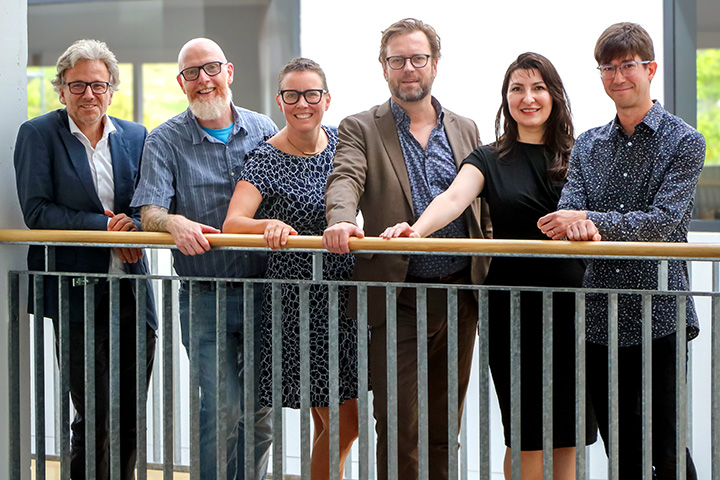
The editorial team is pictured below (left to right): Gunter Bombaert, Roland Tormey, Shannon Chance, Tom Børsen, Diana Adela Martin, and Thomas Taro Lennerfors. It’s been a dream team!
This handbook was a project of the Ethics Special Interest Group (SIG) of the European Society for Engineering Education (SEFI). SEFI members made it possible by contributing to their transcontinental networks of colleagues.
We editors started by sending out a survey, as far and wide as possible, to find out who was working in the field and might be interested in authoring a chapter. We held online workshops to identify what topics should be included and structured them into chapters. We invited a lead author for each chapter and asked the lead to invite three others to co-write the chapter. We asked that the chapter team have people from different places on it, and we aimed for transcontinental teams where feasible. We also asked the lead to consider specific people who had expressed interest in the topic. Our team ultimately included people of diverse levels and fields of experience and good geographical distribution. The people on many of the teams had not worked together before. Many lead authors served as mentors for early career researchers. We held numerous meetings online with the led authors of each section to cross-check, coordinate, and challenge our own thinking. The editorial team met weekly throughout most of the process, and the final result reflects the strong and knowledgeable engagement of many leaders in the field. Our team conducted a rigorous internal peer review, and the publisher conducted its own peer review twice during the process. Here’s what the reviewers said about our proposal:
“I believe this is a state-of-the-art milestone.”
“The lead authors are the key people in this vibrant community, and they have recruited a veritable ‘Who’s Who’ of international authors for the handbook. This is the right time and the right people. It’s the dream team.”
“This would become the resource in this field.”
The final result is a true masterpiece, and I hope you’ll read at least some of it because the content is quite fascinating!
The Ethics SIG also hosts a Spring School around Easter every year, and this year, the theme of the Spring Symposium is “Growing the Field of Engineering Ethics Education and Research as a Community.” I am the local host for this March 2025 event, and we will spend the three days celebrating, applying, and extending the handbook’s content. Learn more about the Symposium and submit your interest in attending at this link: https://forms.gle/WngZ3DMi97FLtQaZ8
Date: 24-26 March 2025 (9:00-17:30 each day)
Location: Royal Marine Hotel, Dún Laoghaire, Ireland
Whether or not you can join us in Dún Laoghaire, I hope you’ll peruse the content of this outstanding new resource and reach out to the editors and authors if you’d like more information or to get involved in what we do!
I am confident that this handbook will make a significant global contribution to engineering education. I therefore urge all engineering and architecture educators to become more explicitly involved in learning and teaching about ethics.
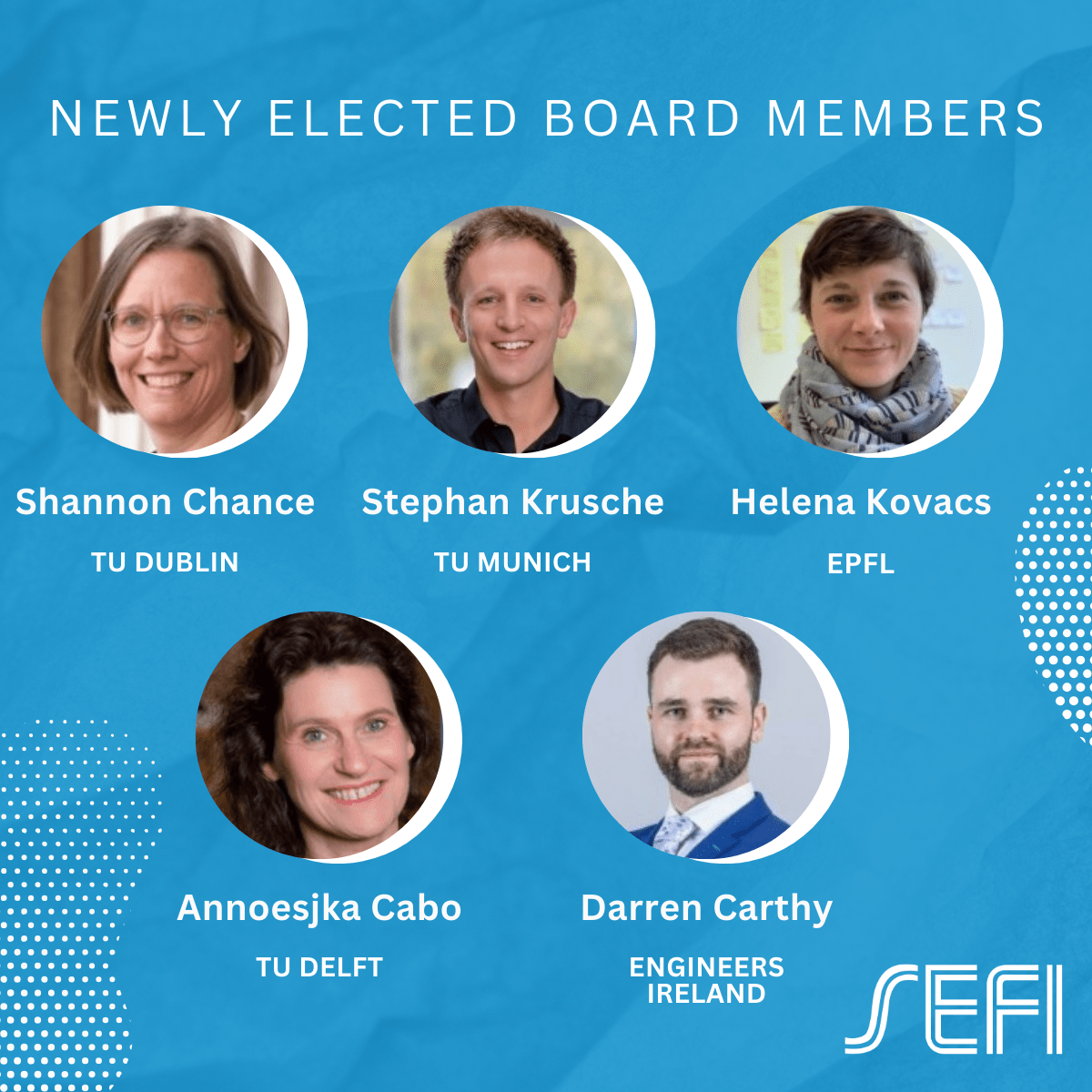
The European Society for Engineering Education (SEFI) announced the results of recent voting. I’ve been elected to serve on this prestigious organization’s Board of Directors for three years! Many thanks to Mike Murphy, former SEFI President and TU Dublin Dean, for prompting me to run, and to Una Beagon (TU Dublin), Inês Direito (UCL), and Tom Børsen (Aalborg University) for formally endorsing my candidacy. This post gives you a peek into my:
I met several other candidates at an August orientation meeting organized by the SEFI Director General, Klara Ferdova, including incoming Board members Stefan Krusche (who created a really inspiring candidate video!) and Annoesjka Cabo.
Darren Carthy, from Engineers Ireland, who earned his PhD at TU Dublin and has been part of TU Dublin’s CREATE research group with me, was also elected.
Helena Kovacs, an author of a chapter in the handbook I recently edited, was too.
I’ll serve under the leadership of the effervescent Nagy Balázs (President) and the energetic and accomplished Emanuela Tilley and Greet Langie (Vice Presidents). Sitting SEFI Board members who I look forward to collaborating with include Inês Direito and Roland Tormey.
Shannon Chance facilitating a workshop at SEFI 2024
Motivation to Serve
I first joined this community in 2012 at the SEFI conference in Thessaloniki, where I enjoyed a welcome so warm and enthusiastic that I decided to stay in Europe and embrace engineering education research (EER). I left behind a tenured professorship in the United States to join this vibrant community dedicated to enhancing learning and teaching engineering across Europe, and indeed influencing how engineering is taught far beyond Europe’s borders.
Group photo of participants (mentors and mentees) at the 2024 SEFi Doctoral Symposium, organized by Jonte Bernhard, Kristina Edström, Tinne de Laet, and Shannon Chance.
In my letter of motivation for this role, I highlighted three recent experiences that helped me prepare for the Board:
Chairing REEN – as part of the Research in Engineering Education Network’s Governing Board and its Chair for multiple years, I grew new skills and made positive contributions by significantly expanding REEN’s geographic representation, leading capacity-development initiatives (spawning EERN-Africa and organizing a series of capacity-building workshops for the nascent organization), supporting the delivery of REES (our bi-annual Symposium), and co-organizing events like the Big-EER Meet Up at the outset of the pandemic.
Cultivating our community’s publication skills by serving SEFI’s European Journal of Engineering Education as Deputy Editor, organizing and delivering workshops and doctoral symposia to the SEFI community to support newcomers to EER, guest editing special issues of IEEE Transactions on Education and the Australasian Journal of Engineeirng Educaiton (AJEE), and mentoring emerging scholars (as an individual and via SEFI and JEE).
Engaging with SEFI as a participant and leader – serving on the steering boards of the special interest groups for Ethics, Diversity and Inclusion, and Research Methods, helping organize the SEFI 2024 conference at TU Dublin, attending and presenting at Spring Schools, and – most recently – serving as co-editor of the forthcoming RoutledgeInternational Handbook of Engineering Ethics Education.
I sought to join the Board to:
Nurture collaboration and facilitate more mentoring and capacity-building programmes for teachers and researchers in engineering education.
Help educators infuse ethics and sustainability across engineering curricula.
Enhance diversity and inclusion in SEFI – for instance by developing additional channels for bringing people from Eastern European countries into SEFI and supporting SEFI members from low-income countries in participating fully in SEFI activities.
With my collaborative, can-do spirit — and my keen passion for supporting students’ design, epistemological, and identity development — I will use the EER projects I have underway on these topics to inform and enhance my work with the SEFI Board.
Candidacy Video
You can view my candidacy video, which I recorded between conferences in Mexico during summer 2024:
With a team of experts from four continents, I led the development of a newly published special issue of IEEE Transactions onEducation on the “Conceptual Learning of Mathematics-Intensive Concepts in Engineering.” The issue has nine articles covering three categories: assessment, instruction, and learning.
If you teach mathematics concepts to engineering students, you’ll definitely want to check it out!
I served as the organizational lead, and endeavored to support my team in learning journal-editing skills. Dr Farrah Fayyaz (working from Canada) served as the project’s conceptual lead. Dr Anita Campbell (South Africa), Dr Nicole Pitterson (USA), and Dr Sadia Nawaz (Australia) were also instrumental in producing such a high quality compilation.
As described in our guest editorial for this special issue, our leadership team implemented a range of innovative, collaborative models for capacity- and community-building while shepherding this project from conception to completion. My own focus was on cultivating these models, as mathematics education is not a primary focus of mine (although it is for the other four editors). The capacity-building model, and the recommendations for IEEE and other editors of special issues that are included in the guest editorial, were my primary contributions with this project, and a source of pride and joy for me.
I look forward to the future compilations that Farrah, Anita, Nicole, and Sadia will curate. Together, the editorial team hopes to read many more articles in this cutting-edge realm of research, and watch the ongoing success of the authors who participated in our capacity- and community-building activities.
Four days of learning and laughing at Cumberland Lodge at the UK’s Great Windsor Park—the hallmarks of a great event!
The UCL Centre for Engineering Education (CEE) hosted the 2024 doctoral Summer School on engineering education research (EER). It was second doctoral Summer School delivered via SEFI, the European Society for Engineering Education. The first Summer School, held in 2022, was organized by SEFI Vice President Greet Langie, and conducted at the Irish College of KU Leuven in Belgium.
The UCL team organizing the 2024 event sought to provide a collaborative learning environment similar to 2022’s event. We selected Cumberland Lodge, a former royal residence dating back to the 17th century that is used today for educational programs for young people. The Lodge promotes discussions around ethics and social justice.
Cumberland Lodge is surrounded by the vast Windsor Great Park. Windsor Castle is located at one end of the Great Park, beside the village of Windsor. It is a spectacular place — a real joy to experience and a tranquil sanctuary just outside the borders of London.
Outside Cumberland LodgeKicking off the Summer SchoolInside Cumberland LodgeCumberland Lodge is glorious!
To facilitate the 2024 School, John Mitchell of UCL brought together current and past UCL staff. He also welcomed guest experts from the US and Australia who volunteered to help. Together, our team provided structured training for this year’s 29 PhD student-participants. The students are all working on research degrees in engineering education, and they travelled to Windsor from across Europe and indeed across the globe.
In addition to representing perspectives from various corners of Europe, participants also brought experiences living and studying in South Africa, Mexico, the Philippines, Malaysia, India, Iran, the USA, and elsewhere!
Sid and our gang at the end of the week. Shannon, Sid, Diana M, and YashLuis gave me a truly lovely shirt (I’m wearing it while writing this blog post from a train in Ireland today!)Lots of break out discussion. A breakout with Diana B and Anne Gardner.
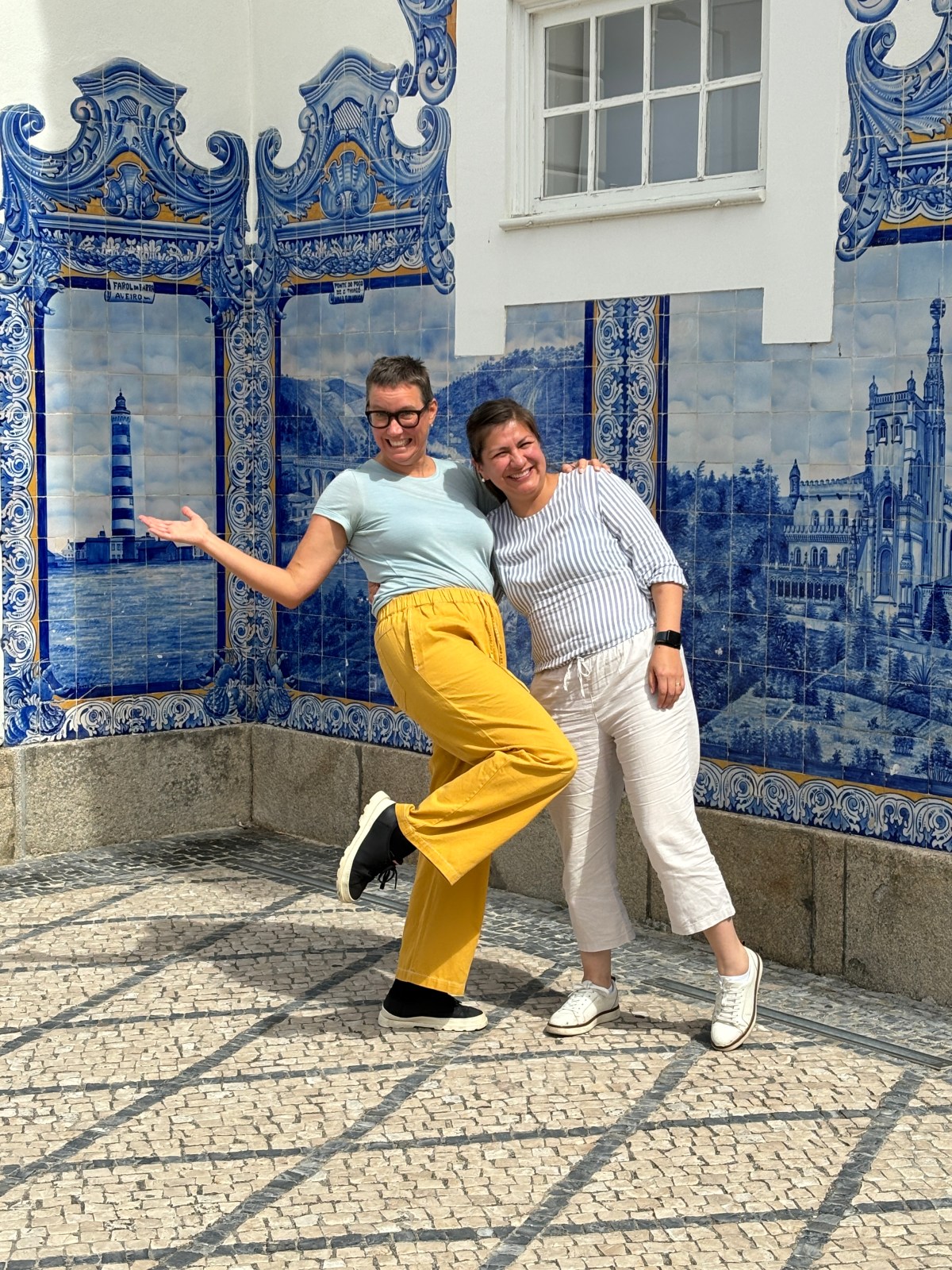
Overall, the UCL team hosting, organizing, and facilitating the 2024 Summer School included exemplars Prof. John Mitchell, Dr. Diana Adela Martin, Prof. David Guile, Dr. Natalie Wint, and our centre manager Helen Bhandri. UCL honorary appointees Dr. Inês Direito and I (Prof. Shannon Chance) also pitched in wholeheartedly, facilitating several sessions each and supporting sessions conducted by others by, for example, facilitating discussion in breakout groups. Inês is now employed at the University of Aveiro and I at TU Dublin, yet we are always treated as full member of the CEE team. John Mitchell is an incredible leader who enables us, helps keep us officially recognized as honorary (researcher and professor, respectively) and helps achieve cohesion across our team.
From beyond UCL, Prof. Greet Langie (SEFI Vice President) and Dr. Jan Peters, MBE (a consultant with Katalytick in the UK) provided informative and engaging sessions. Prof. Anne Gardner (an Associate Dean who is involved with the Australasian Association for Engineering Education, AAEE) and Dr. Diana Bairaktarova (Associate Professor at Virginia Tech) participated fully as well, and helped facilitate breakout groups throughout the week.
Diana M and Nat on ethics. Jan on finding your strengths.Shannon on research basics. Ethics activity with Cumberland Lodge staff. John Mitchell on EER publications. John on his career journey. Most all the 2024 Summer School participants.
Since finishing the event, the CEE team has received thank you notes from many of the participants. One came from Sid and another from Yash. They are studying at Purdue University, and I met them both at REES in India this past January.
Yash wrote to say that “As a first-year Ph.D. student and new entrant into the field, I felt warmly welcomed into the European Society of Engineering Educators and thoroughly absorbed in the program and its activities.” He praised “the design of the activities and the schedule,” which he said “offered a great balance of information and a chance to reflect and discuss with other members during the afternoon walks or even during the evening free time.”
Yash also loved the evening quiz that Diana Martin facilitated. She had contacted EER superstars and requested photos from their grad school days. Guessing their identities was a hoot, and Yash said the activity “was very creative and personally valuable because it gave me an opportunity to see [these well-known scholars] when they were my age or starting their careers in research.” He praised the way Diana, “filled the room with … energy and enthusiasm made the activity come to life” and I couldn’t agree more!
Yash described the value of elements from the workshops Inês and I conducted on literature reviews and positionality statements, as well, and also the sessions on ethics by Diana Martin, Nat Wint, and Cumberland Lodge staff.
During the week, I also delivered session on the structure of dissertations, differences in the way PhD education is structured around the Western world, conceptual and theoretical frameworks, and research paradigms — and another on incorporating gender considerations in your research and teaching. The first of these two sessions included small group discussions and a debate comparing the merits of qualitative and quantitative research.
John Mitchell and the UCL team provided guidance on selecting journals to publish in, preparing articles for publication, and conducting peer reviews. David Guille delivered a highly provocative session on “assembling your theoretical lens.” Earlier in the week, Greet provided the opening welcome to the school and a brief orientation to SEFI. Jan taught us about CliftonStrengths and facilitated a race-car-building competition.
David Guile on assembling theoretical lenses. Inês on positionality. Inês on literature review. Inês on literature review.The students brought home lots of notes!Grand stair at Cumberland Lodge.Another stair at Cumberland Lodge.Dining hall at Cumberland Lodge.Example accomodations at Cumberland Lodge.Example accomodations at Cumberland Lodge.Jan Peter’s presentation.Greet Langie’s welcoming address.Shannon and Diana aside the amazing Helen B. Welcoming participants with name tags and facilities orientation, our very own Helen B.
Near the end of the week, we provided a session where “all the organizers shared their journeys into the field of engineering education,” which Yash described as “very powerful. … Such exchanges are rare and provide a chance to view the person, the human being behind the researcher. It made me feel that I belong in this field of engineering education because I, too, share similarities and seeing someone who has become successful by overcoming similar challenges is very encouraging.”
I wish we had recorded these stories because they were so rich and heartfelt. A dozen participants came to me on the day following this journey session with thanks for our openness, collegial spirit, and willingness to share what they described as valuable insight.
An example was emailed to us by Alison from the University of Cape Town: “Thank you for a magnificent four days. I so appreciated being part of a community and learning from each of you…. I am inspired and excited to consolidate what I can contribute in South African engineering education…. I also SO appreciated each one of your stories and the way in which you demonstrated a complementary and accepting team – working to one another’s strengths – with space for others to contribute. It makes for an inviting and exhilarating ecosystem for us all to grow in.” High praise, indeed, and accurate!
Yash, Sid, and Alison have attended prior engineering education events, but some newcomers to our global EER community were part of this cohort, too — like Somayeh, who is currently studying at Umeå University. You may know that I have a distinct interest in supporting women from the Middle East who study engineering in Europe because I’ve come to know many at TU Dublin.
Somayeh is from Iran, although studying in Sweden today. She wrote “It was an honor for me to have a talk with you and be in your energetic class. I have learned a lot and [the experience] made me challenge myself and rethink about different aspects of my research.”
Following the event, I was delighted to hear from Somayeh’s PhD supervisors, Johanna and Maria. They emailed thanks to our team for taking great “care of our PhD student Somayeh during the summer school. She returned home with a lot of new knowledge, but also greater self-confidence, sense of belonging to the field, and sense of legitimacy as a PhD student. We knew she’d be in the best of hands, and we’d like you to know that your hard work has made a big difference for her (and us as supervisors)!” This I feel is the highest praise possible, and written by a scholar I admire immensely.
I loved my conversations with so many of the students — Luis, Julia, Hannah — the list goes on and on. So many fabulous memories!
It was a huge honor to be part of these emerging scholars’ education and to be so well received and appreciated. It was an invigorating week, and I learned tons myself!
It was also healthy. I enjoyed several enchanting walks through the forest with colleagues. I particularly enjoyed a long walk with Eugene, a PhD student who teaches engineering at a community college in California and studies at Purdue University, and another long walk with the whole cohort. The scenery of this park is spectacular and the conversations were deeply intriguing.
A walk and talk with Eugene. Twin smiles and shared passion for serving ‘non-traditional’ college students.Windsor Great Park. Diana, Diana, and Shannon at Windsor Great Park.Windsor Great Park.Facilitators with Somayeh.Windsor Castle in the distance. An impressive monument with astounding views.Pre-class dinner at Cumberland Lodge……with another impressive view!
The peaceful setting with fresh air, healthy food, and collegial banter brought out the best in us all. I will seek to return to this special place.
During the week, I had so much to do. I actually taught two online night classes for BIM students at TU Dublin — as part of my Research Methods module. I’m fortunate to have a knowledgeable colleague, Claire Simpson, helping me deliver the module (particularly since a storm dropped the Thursday night connection several times).
Cumberland Lodge took great care of me, preparing dinner plates Tuesday and Thursday, since my three-hour class overlapped dinner time in the Harry-Potteresque dining room.
Wrapping up the School with Inês and Diana B. Leaving Windsor village. Striking a pose on our way into the Windsor train station.Diana B’s first night ever in London! Hamming it up in Soho with Inês and Diana B.Neal’s Yard with my pals.Aongus found us at the Anchor! Nothing like a double-decker — see my friends up top.Working breakfast with Lelanie and Nicky.My South African colleagues.Brushing up on LEED for retrofit at the Building Centre with Aongus. Introducing Aongus to Jeremy Bentham when leaving UCL’s campus.
It’s been nine days since the Summer School ended, and honestly, I’m still a bit worn out! I did spend some time exploring London with Inês and Diana B after the School — after all, it was Diana’s first time in London!
And my fabulous partner, Aongus Coughlan join us and also came to meet my colleagues, Dr. Lelanie Smith and Dr. Nicky Wolmarans from South Africa down near the Engineers Professors Council on Savoy Street (before their two-day symposium on integrated engineering curriculum design, also organized by UCL’s CEE). Looking forward to seeing Lelanie and Nicky in South Africa in November 2025 (yes, we plan ahead!)!
In all, the School will go down in my memory as a highlight of 2024 and I couldn’t be happier that John Mitchell included me and that I got to work with this incredible cohort and facilitation team.