Discovering Belfast with EERN UK & Ireland

Believe it or not, I’ve never visited Belfast. Well, I did once tour the Titanic Museum and the dry dock where the Titanic was constructed—was engineered. But I’ve never come to the city itself, and my subtle avoidance has stemmed from my Irish Republic ideals. For the sane reasons, Aongus has also never visited the city, despite living in this tiny island most of his life.

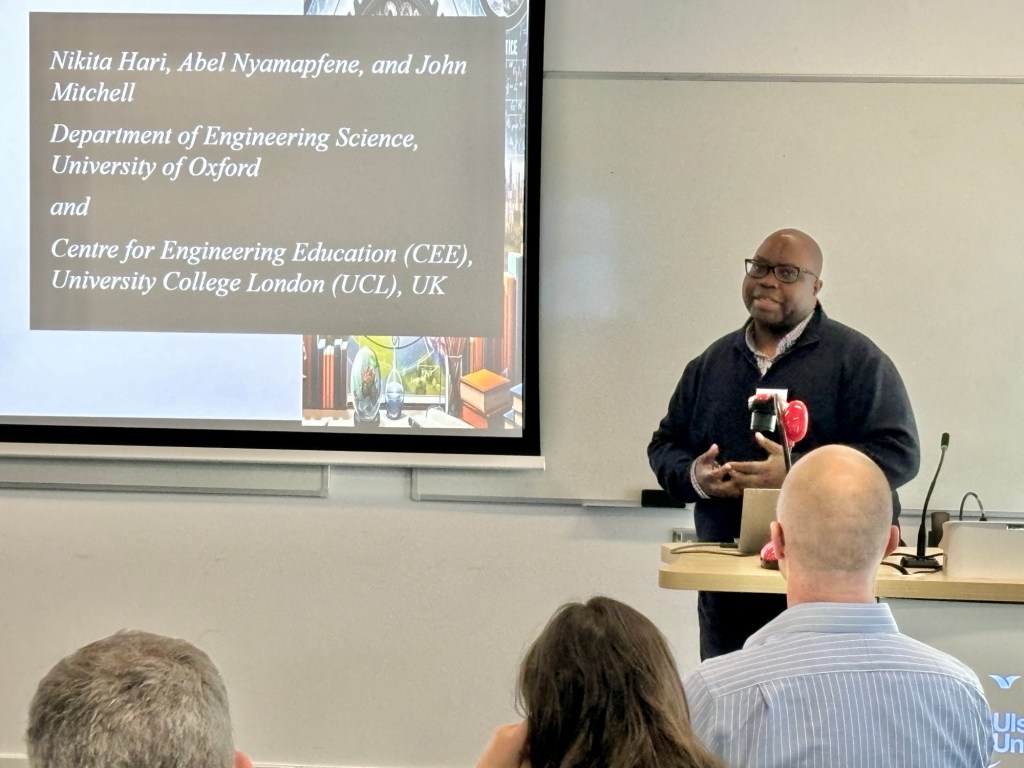
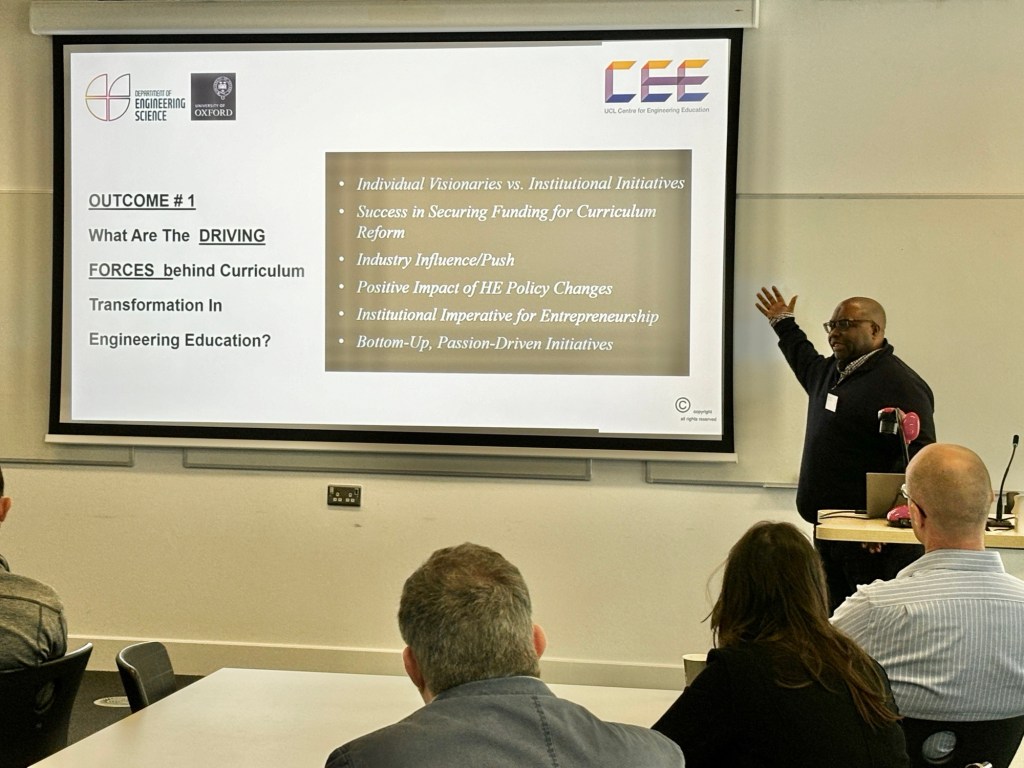
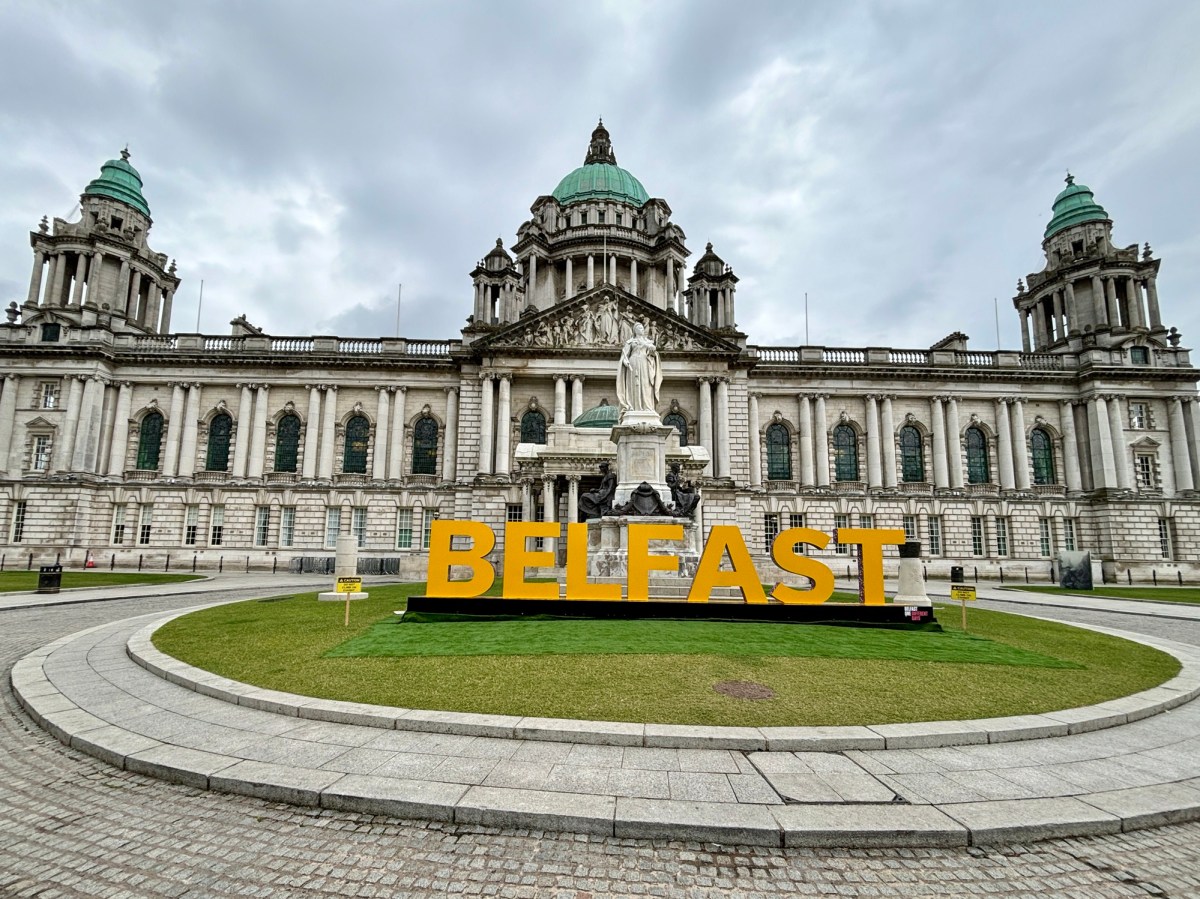
Now, engineering has brought me to Belfast. The past couple of days, I’ve been part of the 2024 symposium of the Engineering Education Research Network (EERN) for the UK and Ireland.

Hats off to EERN bringing these countries together to celebrate and enhance engineering through meaningful education! EERN UK welcomed their Irish cousins in formally around a decade ago, updating their name to include both “sides” of Ireland.

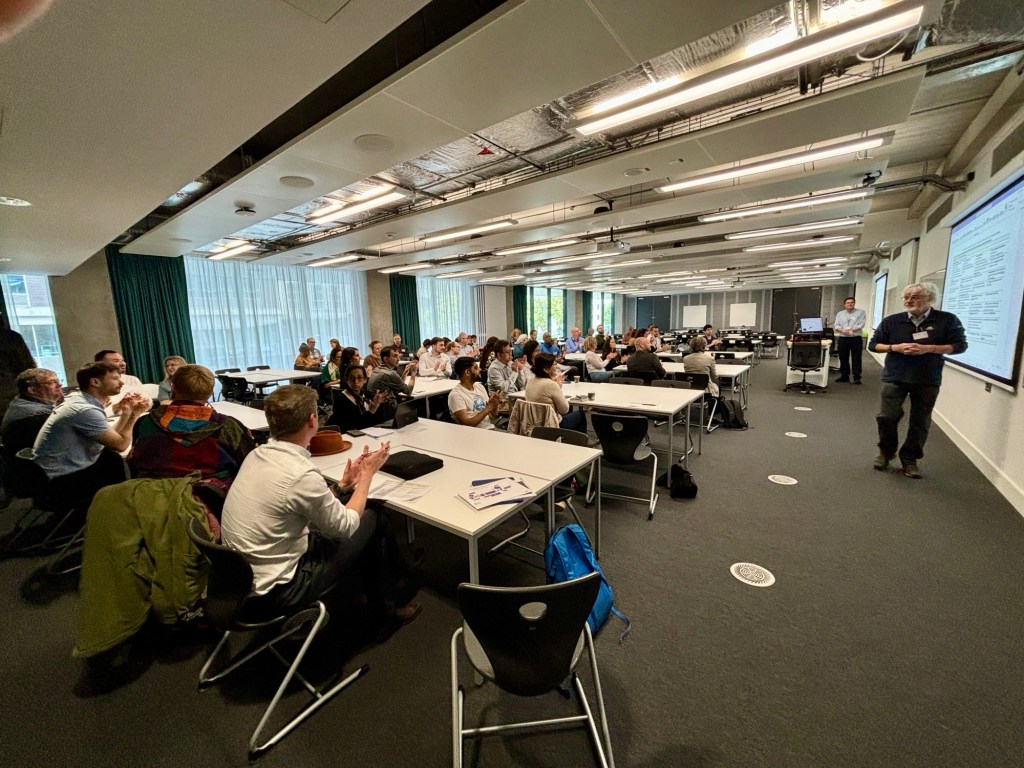
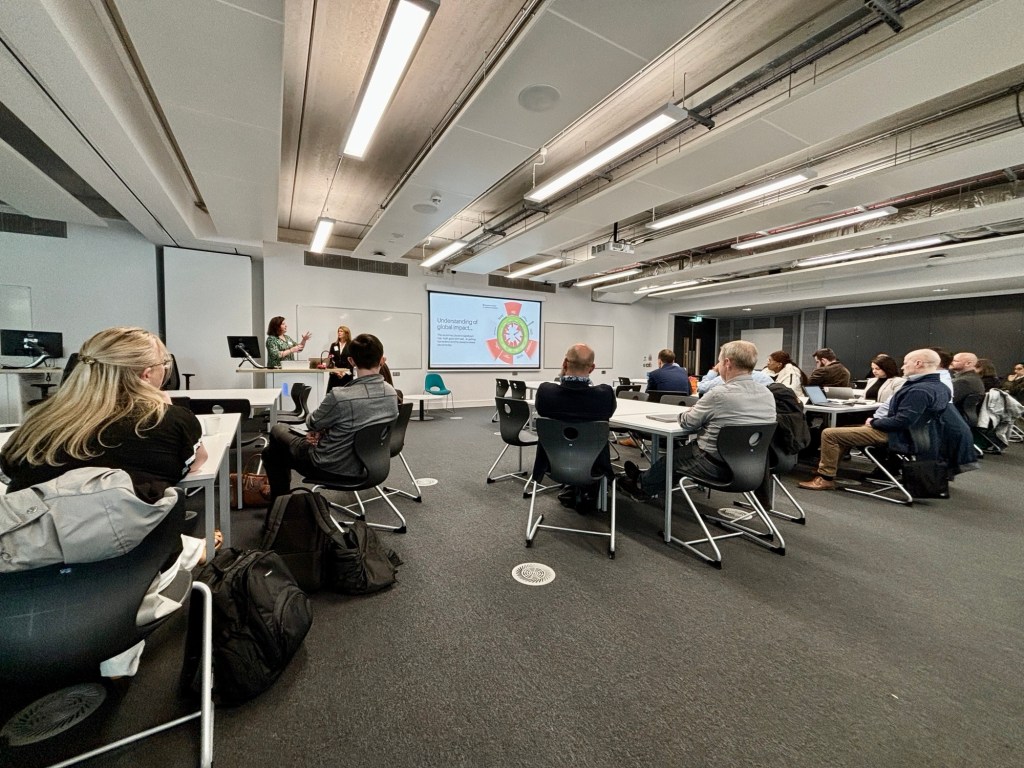
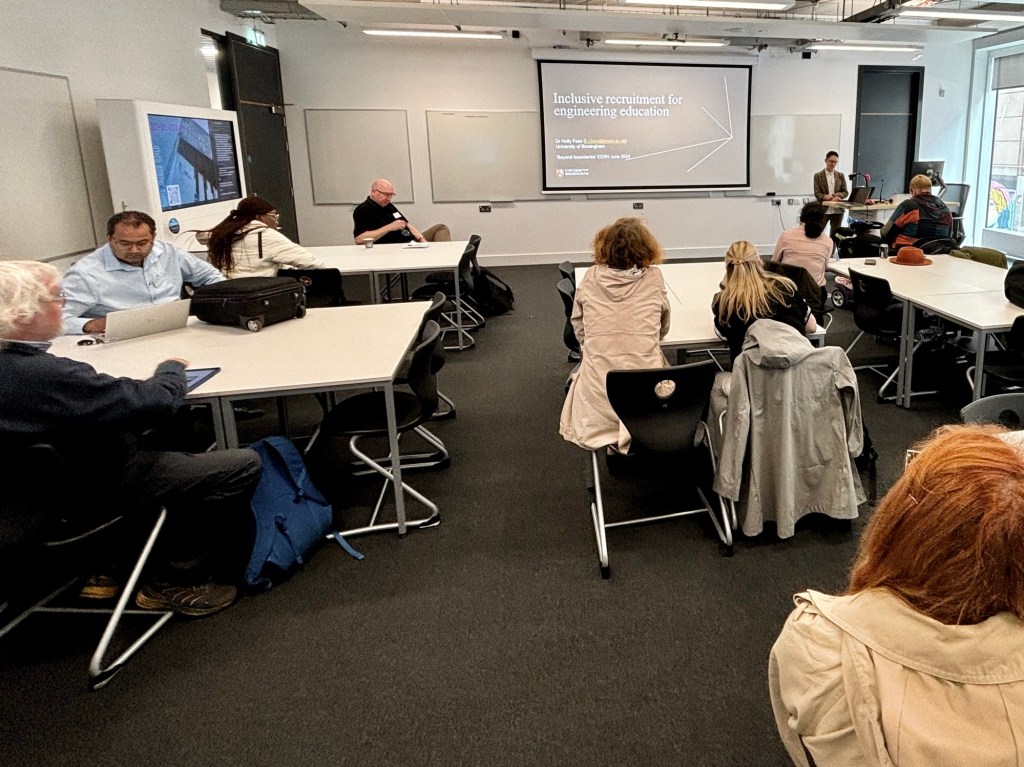
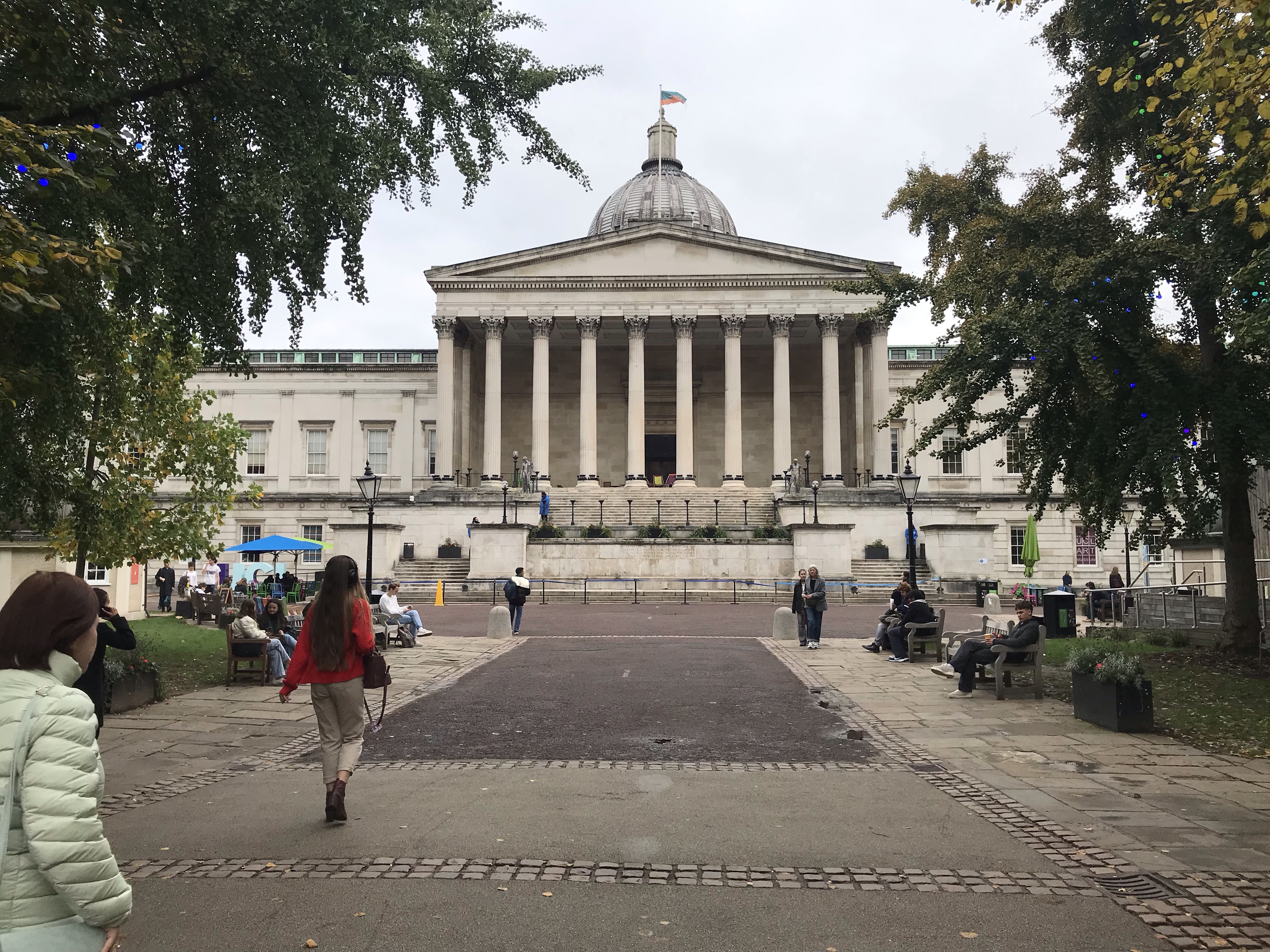
Ulster University’s Alan Brown hosted us downtown—for two days of conversation “Beyond Boundaries: Inclusive, Sustainable and Outward Looking Engineering Education”. What a fabulous theme! Alan did a phenomenal job organizing and shepherding this event.

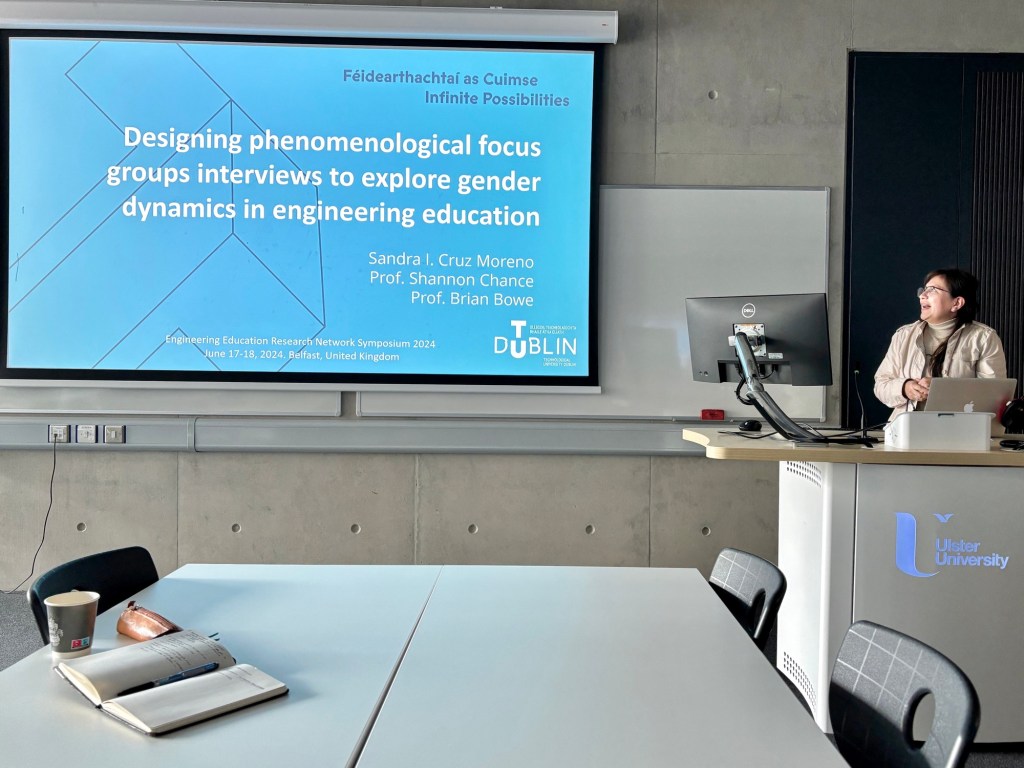
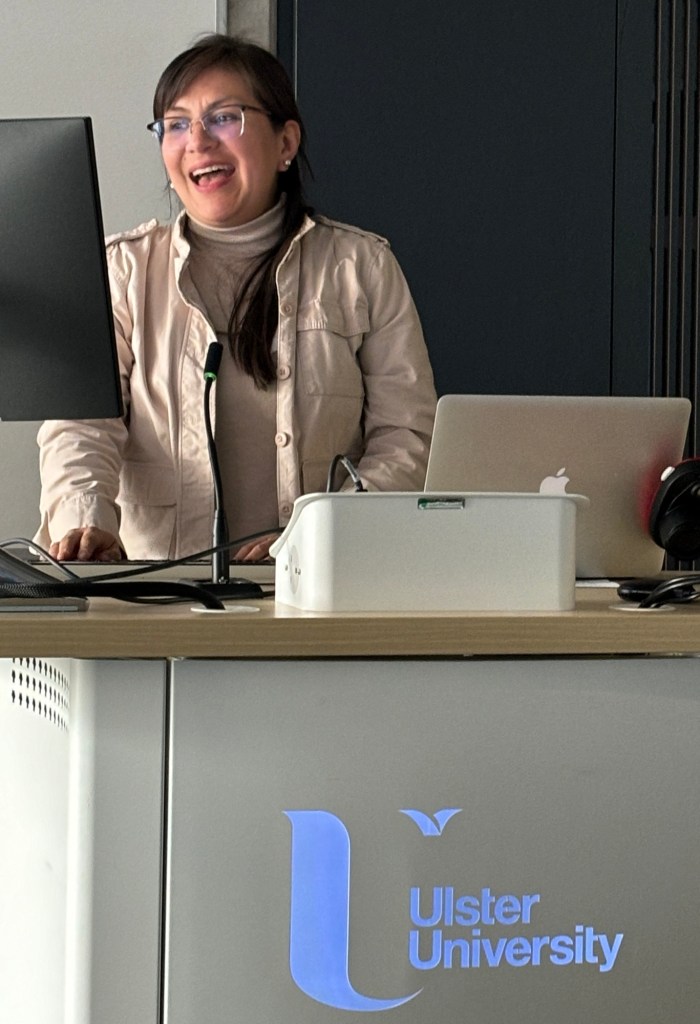
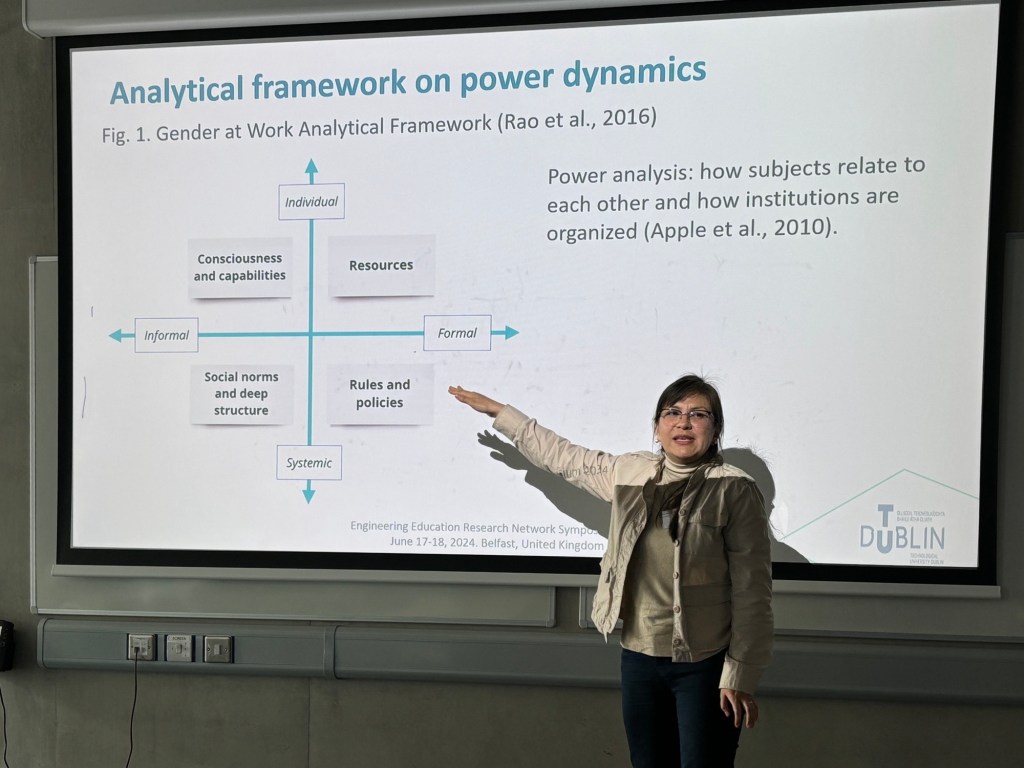
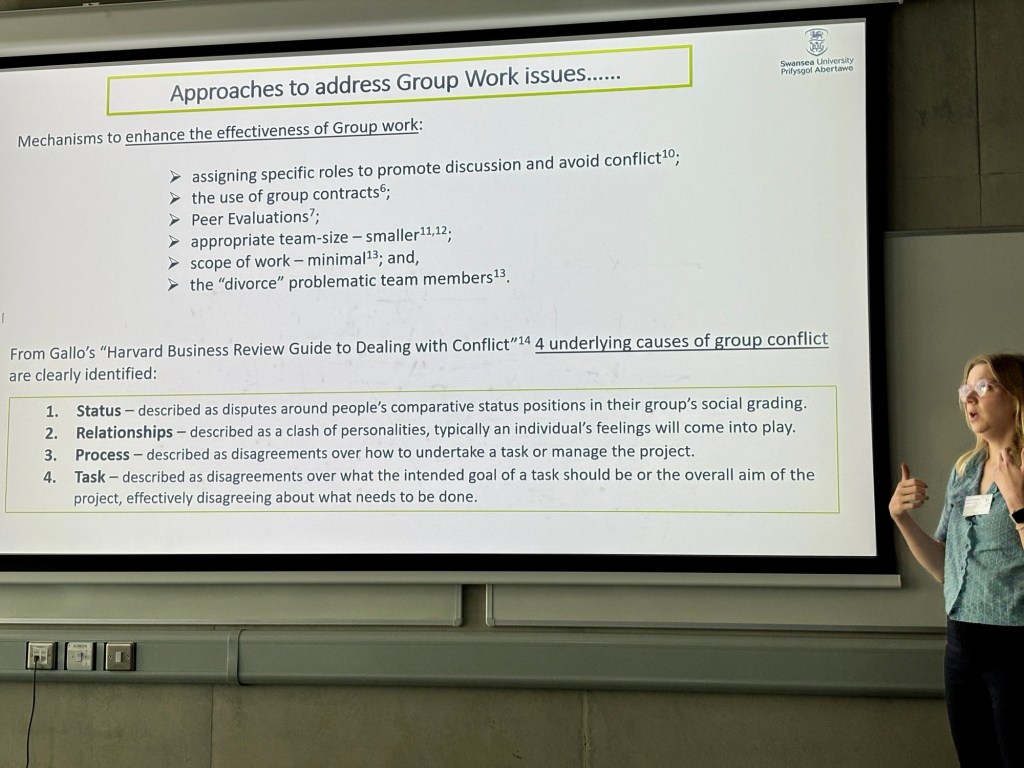
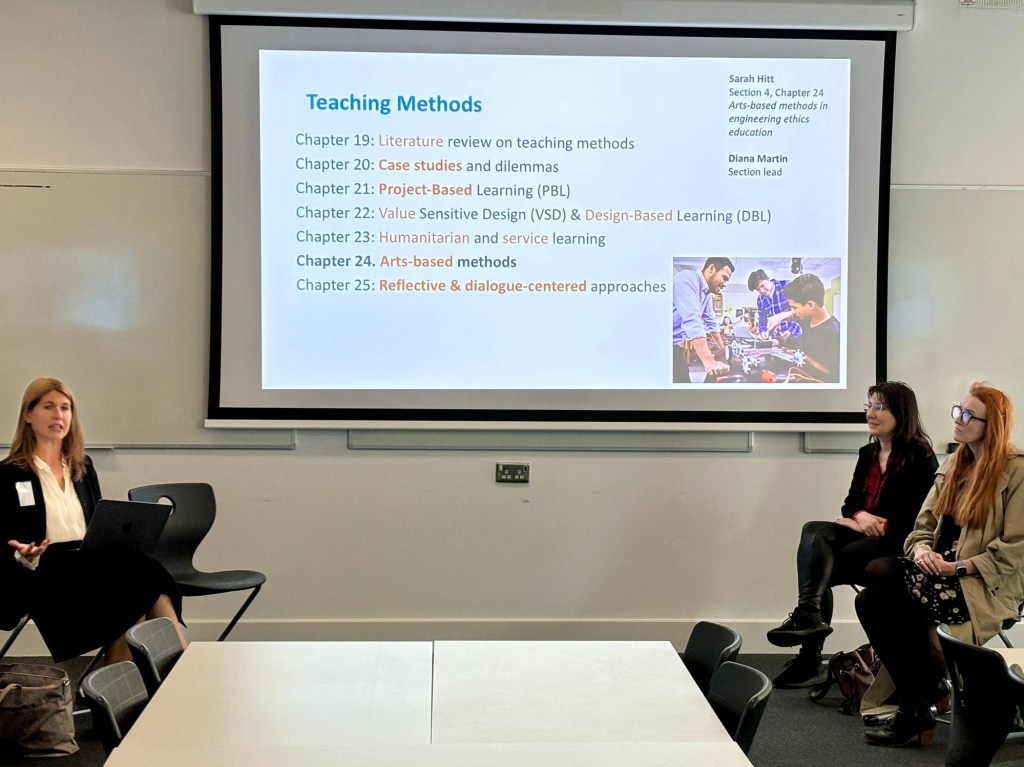
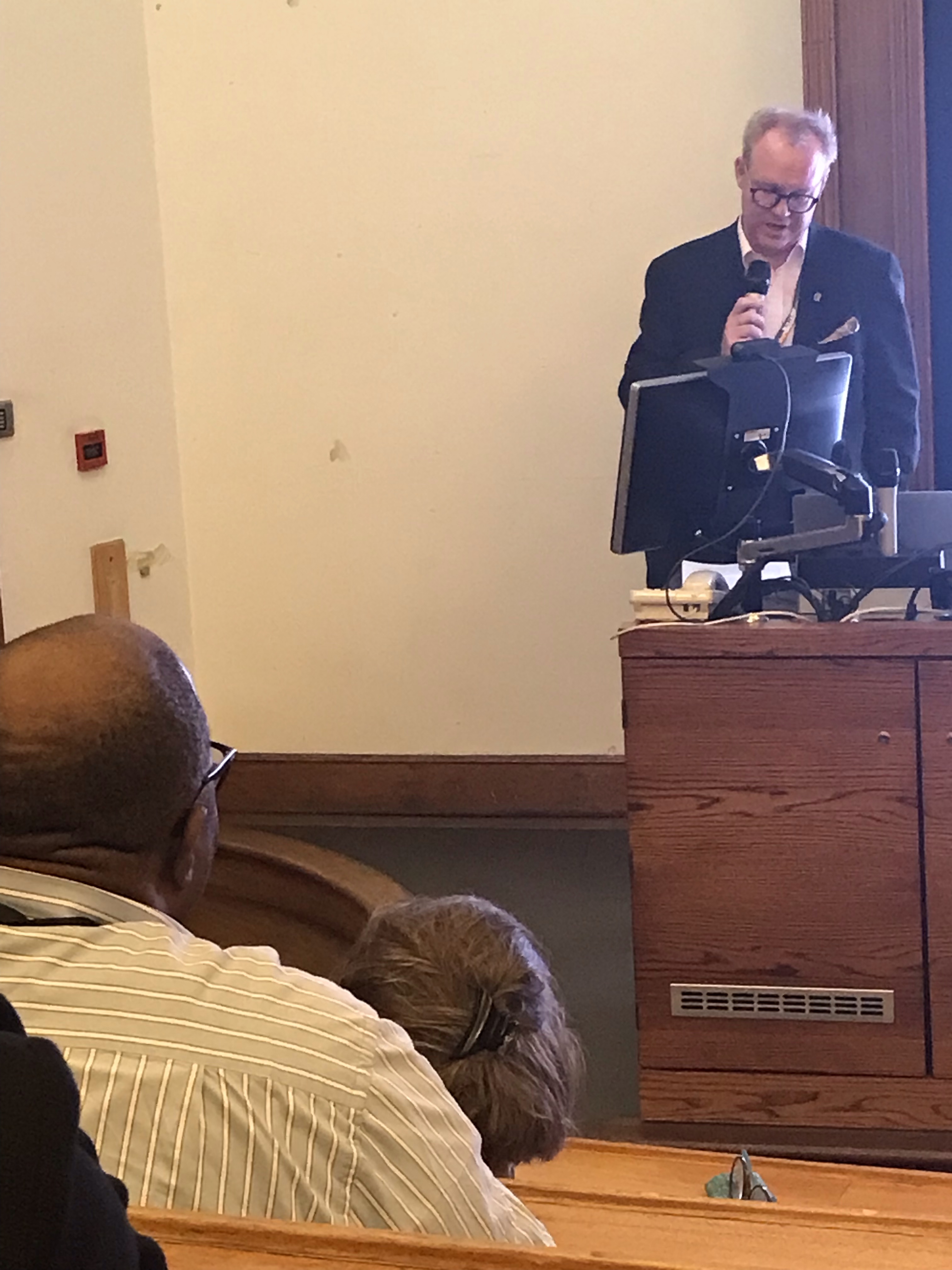
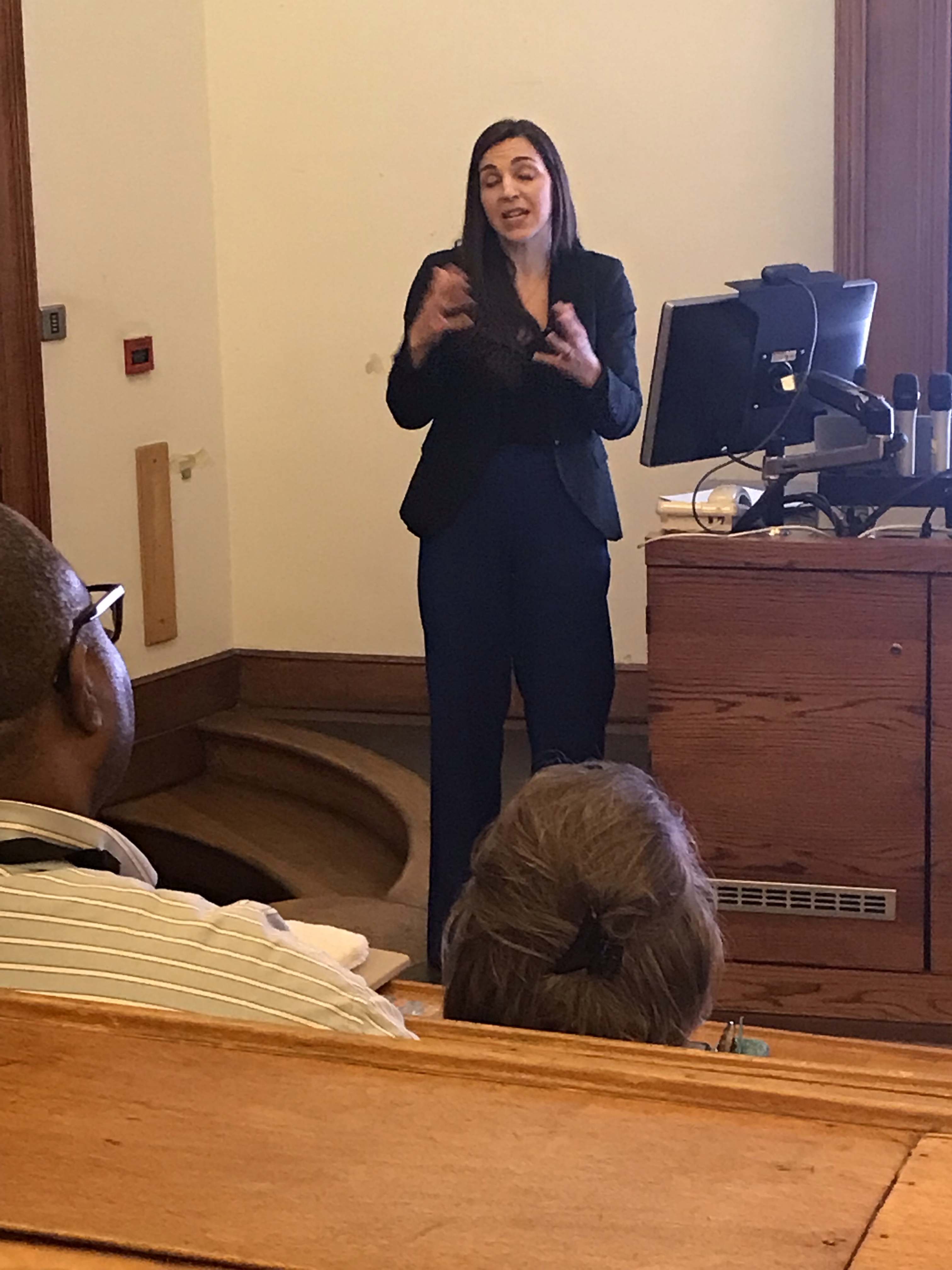
During EERN, my PhD student Sandra Cruz presented a thread of her research, and Diana Martin and I facilitated a workshop/panel discussion on the forthcoming Routledge International Handbook of Engineering Ethics Education with authors Dr Sarah Hitt and Dr Natalie Wint.

The handbook panel facilitated by Diana Martin and myself, with author panelists Sarah Hitt and Nat Wint.

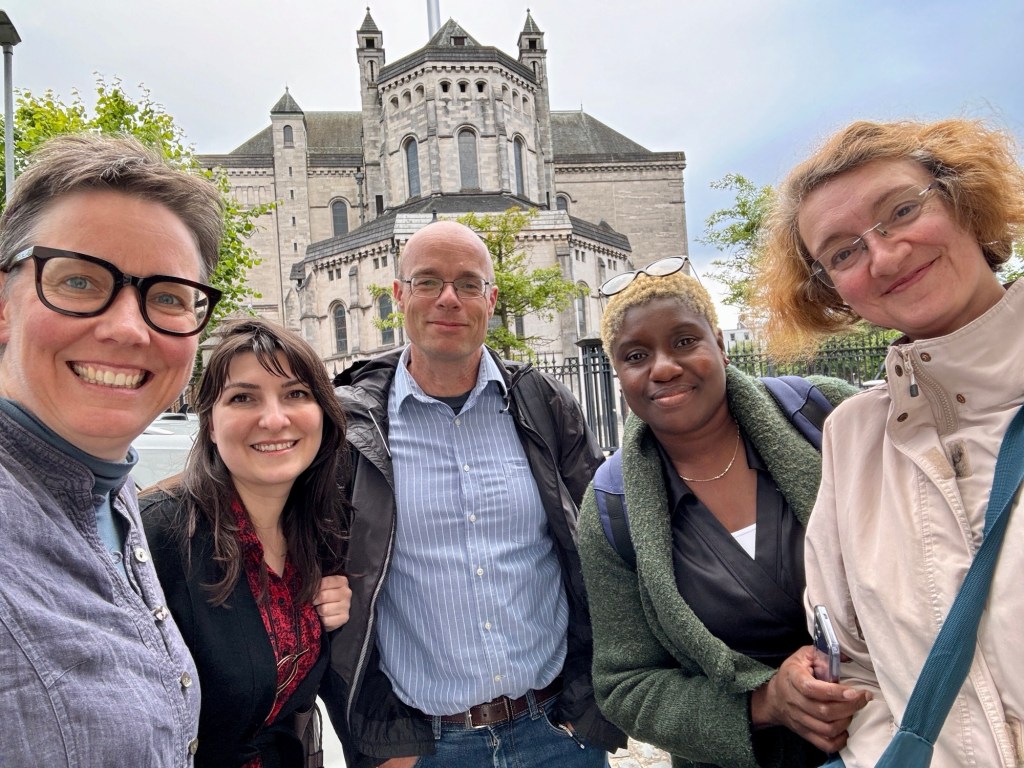
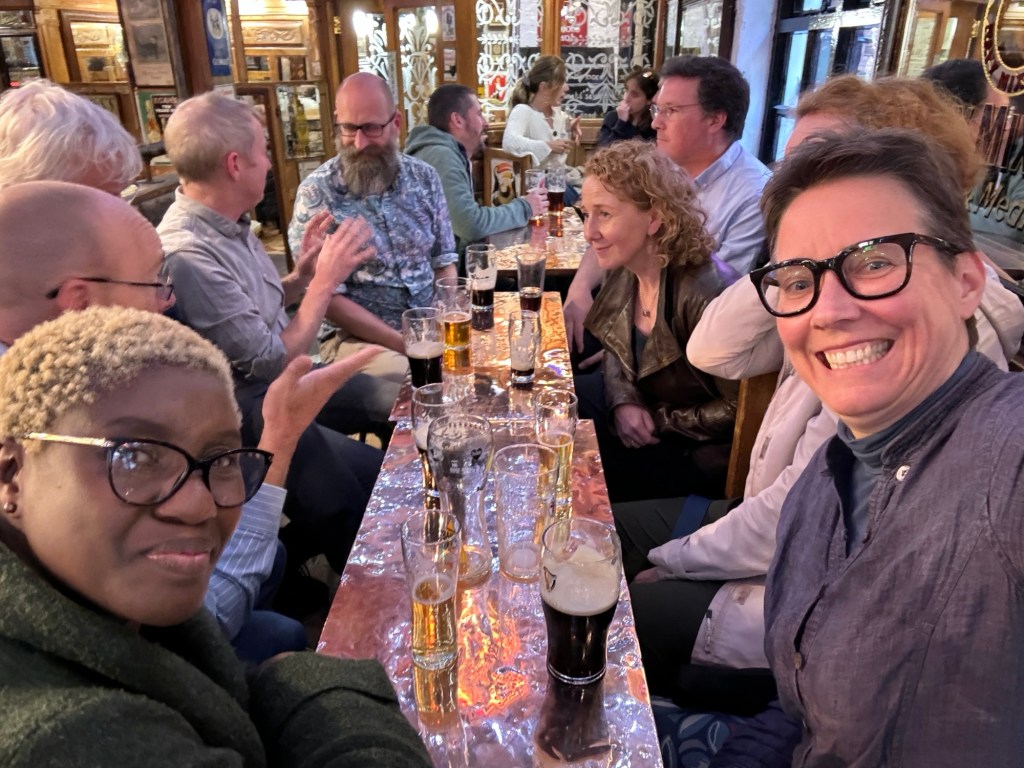
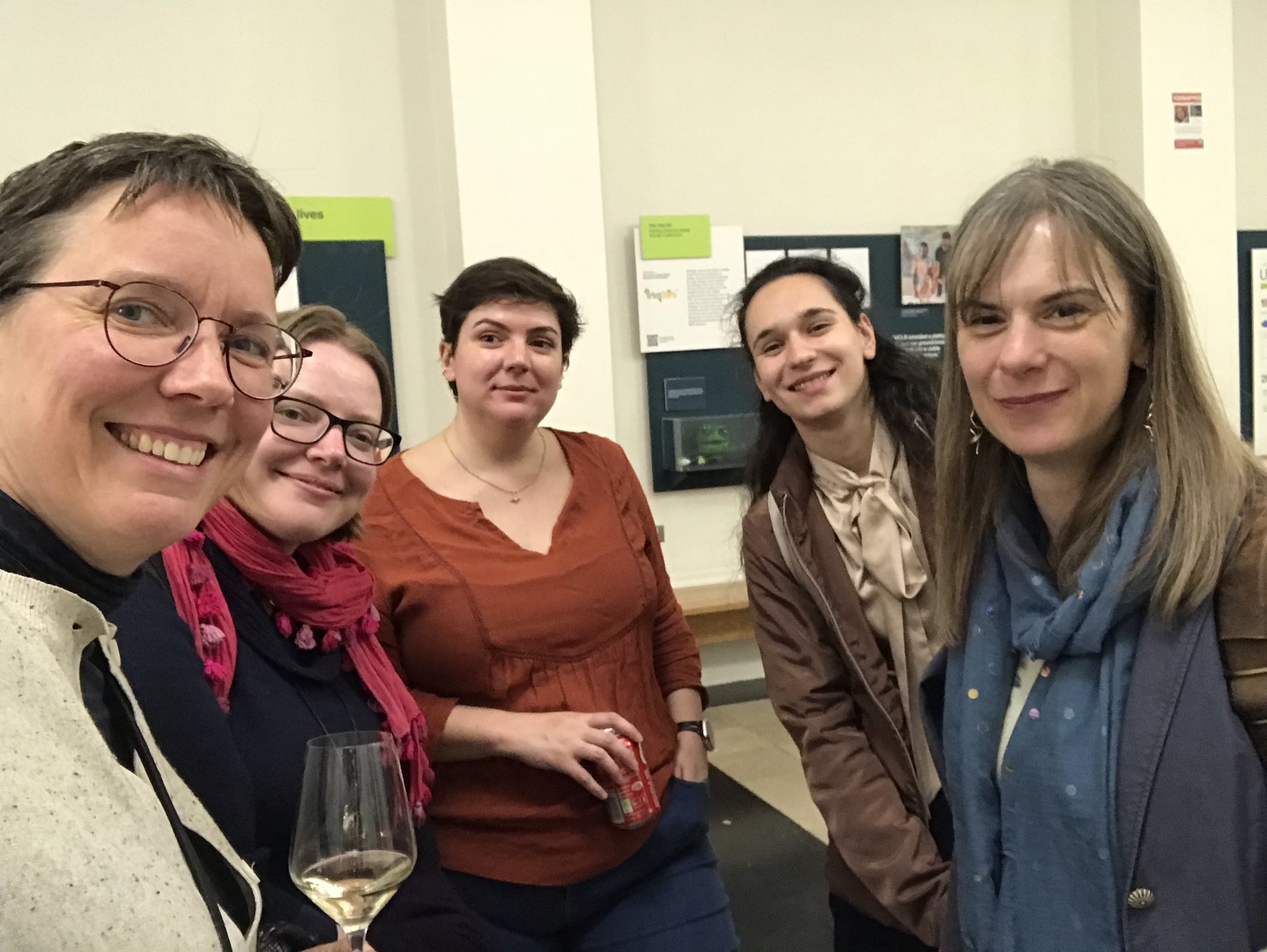
I caught up with dozens of people I’ve collaborated with in the past, and made new friends and colleagues who I’ll complete projects with in coming years.

I also discovered the beauty of Belfast. I immediately phoned Aongus when I arrived and discussed traveling here together in the fall.

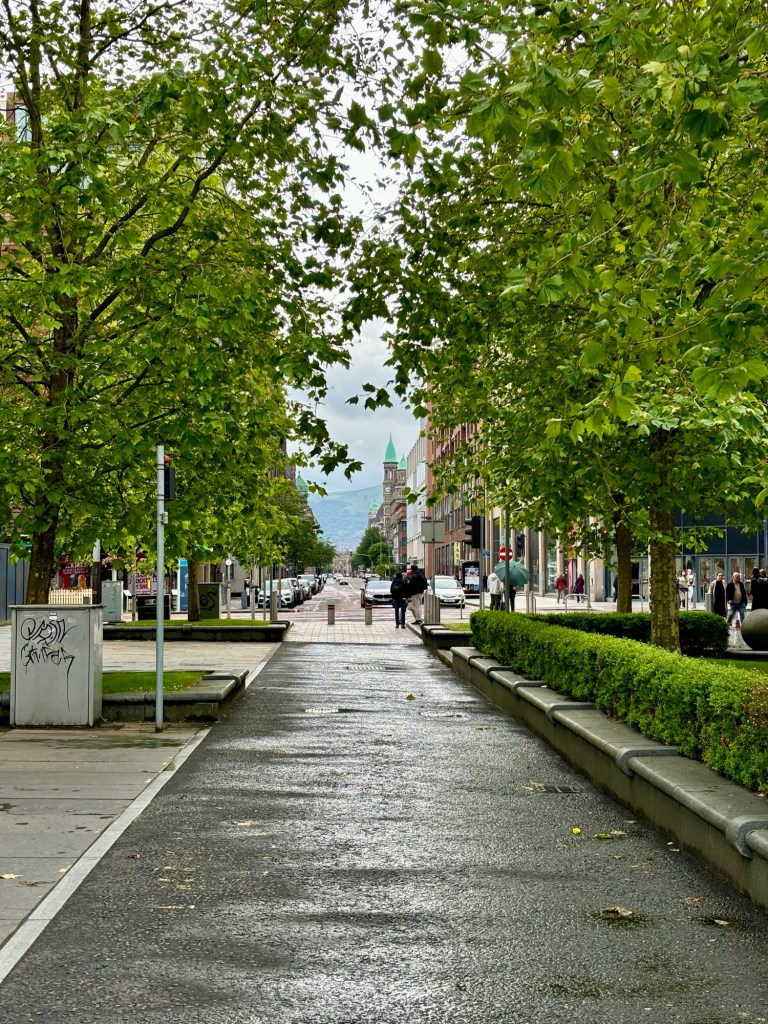
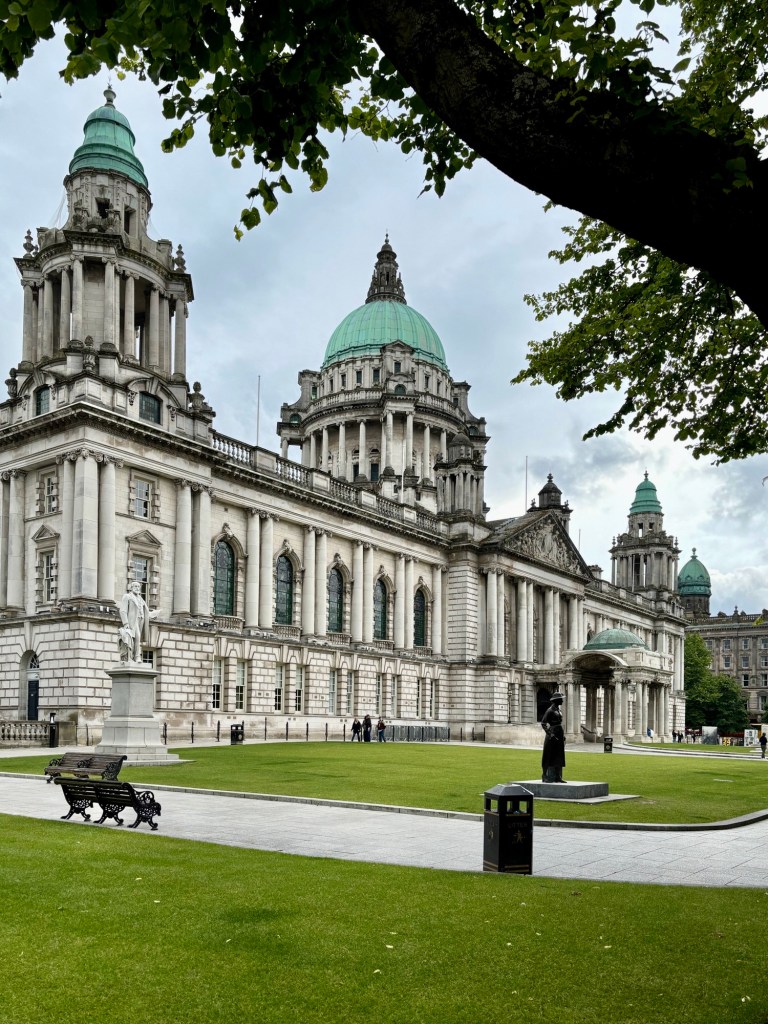
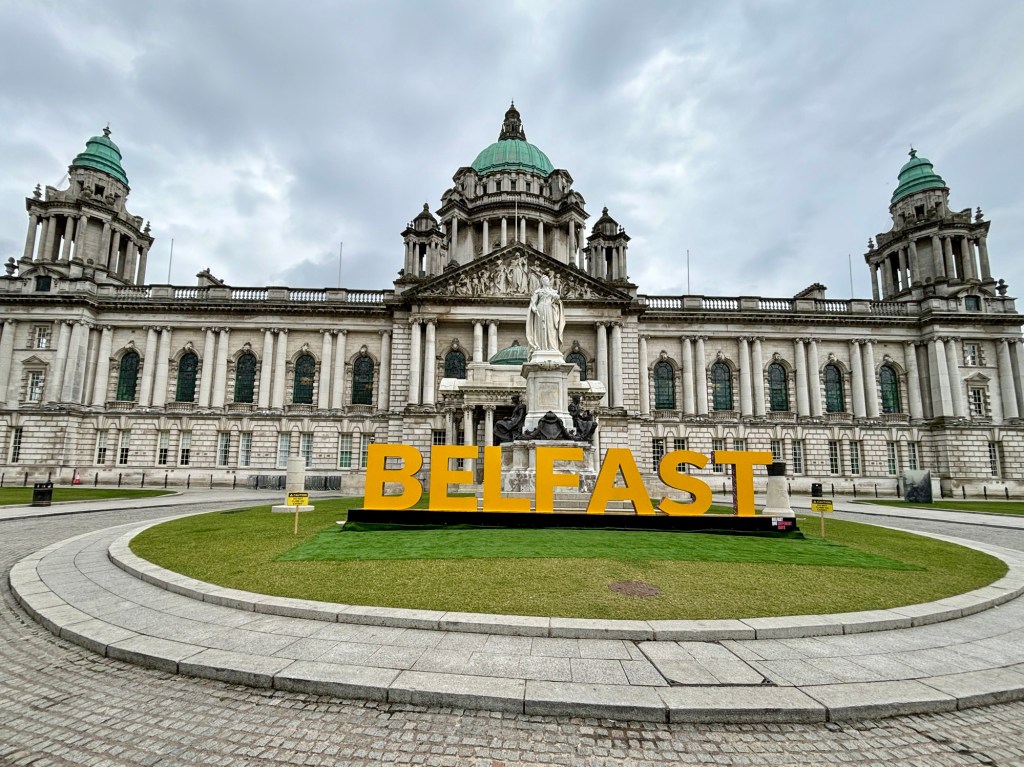
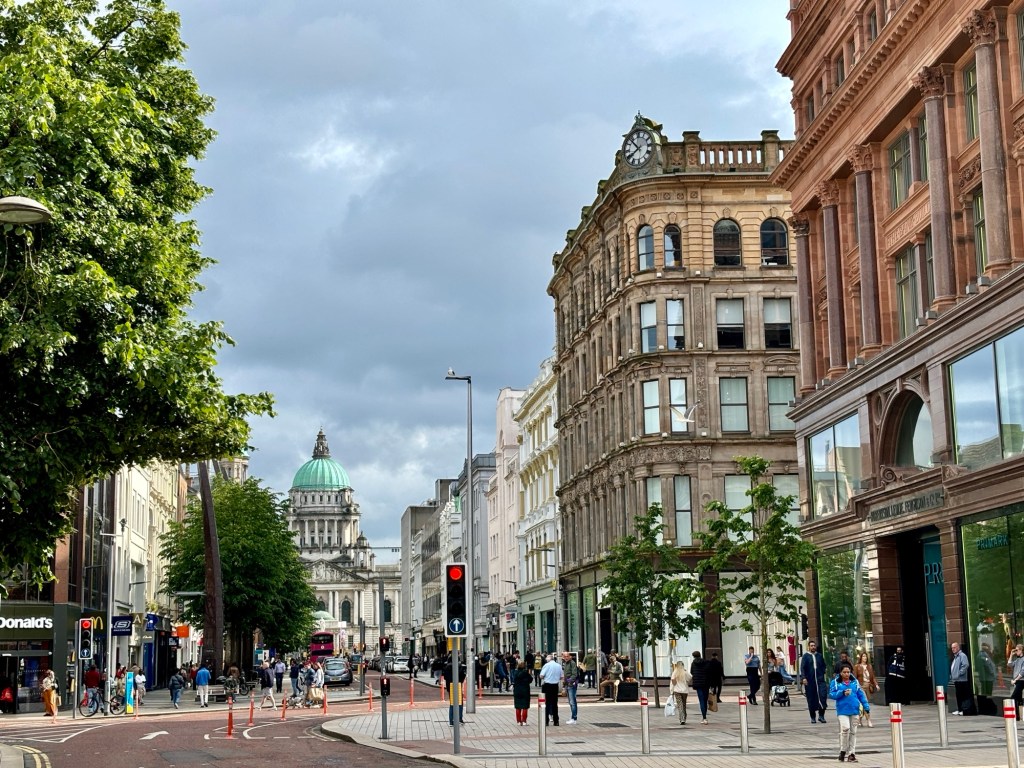
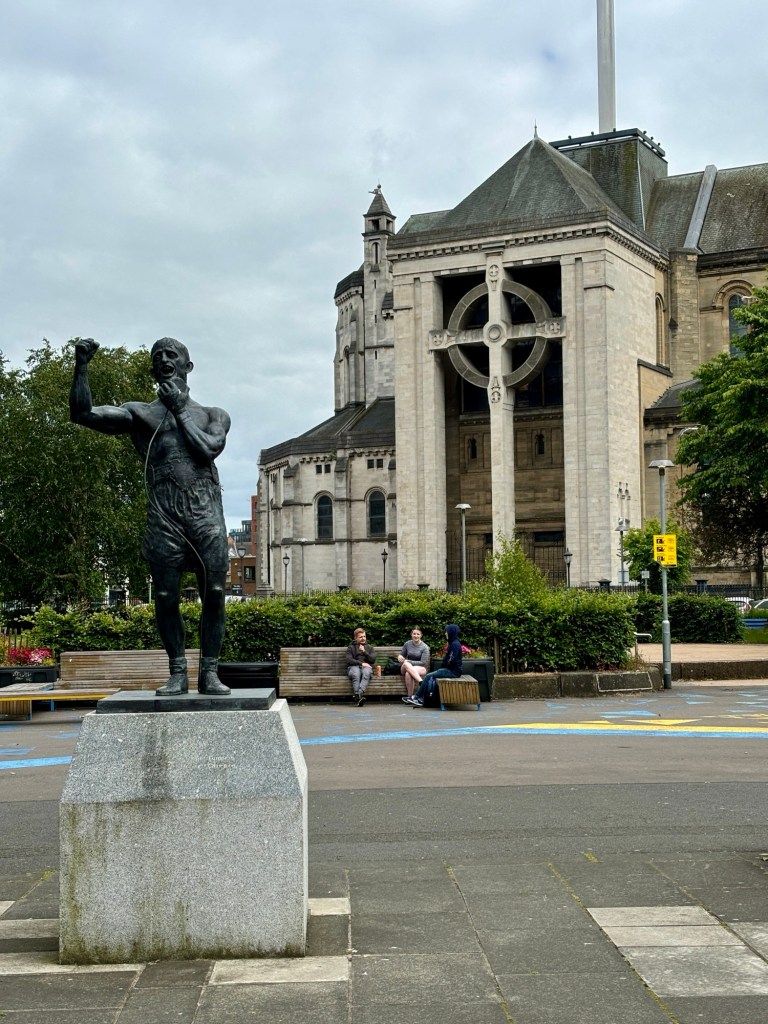
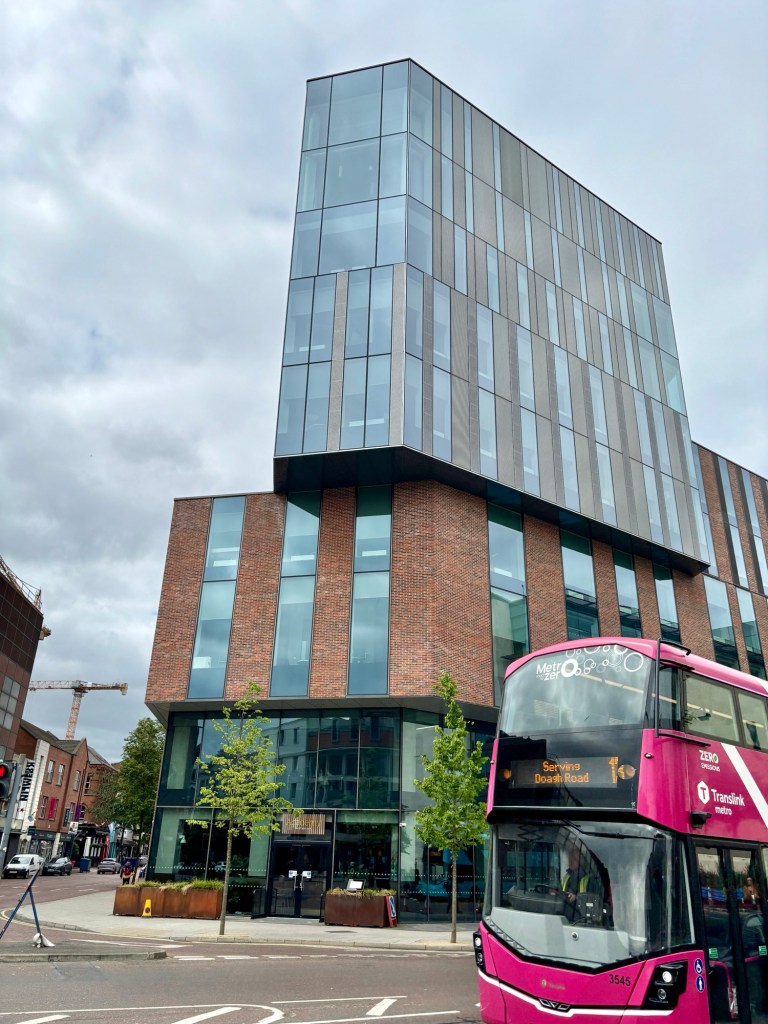
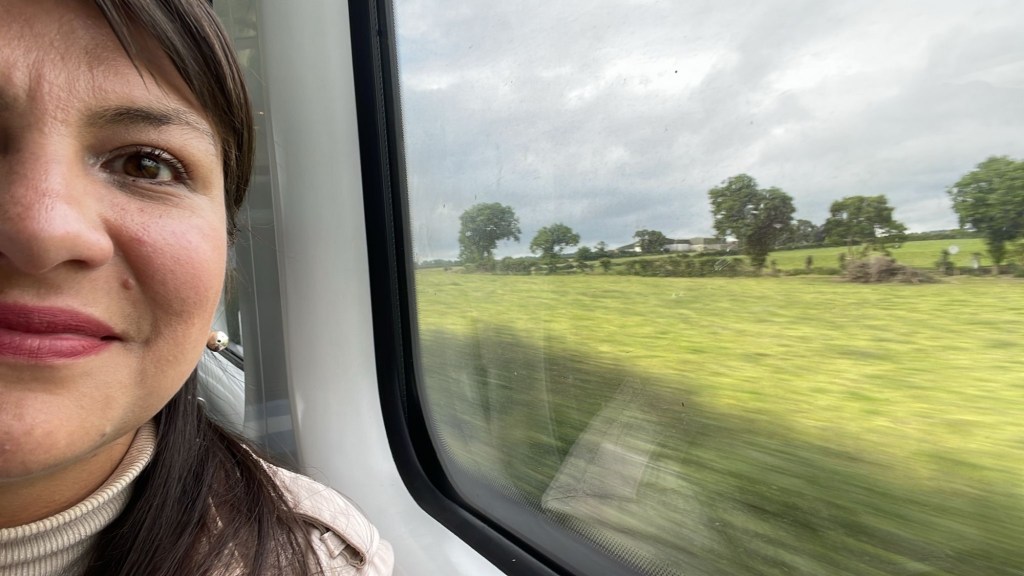
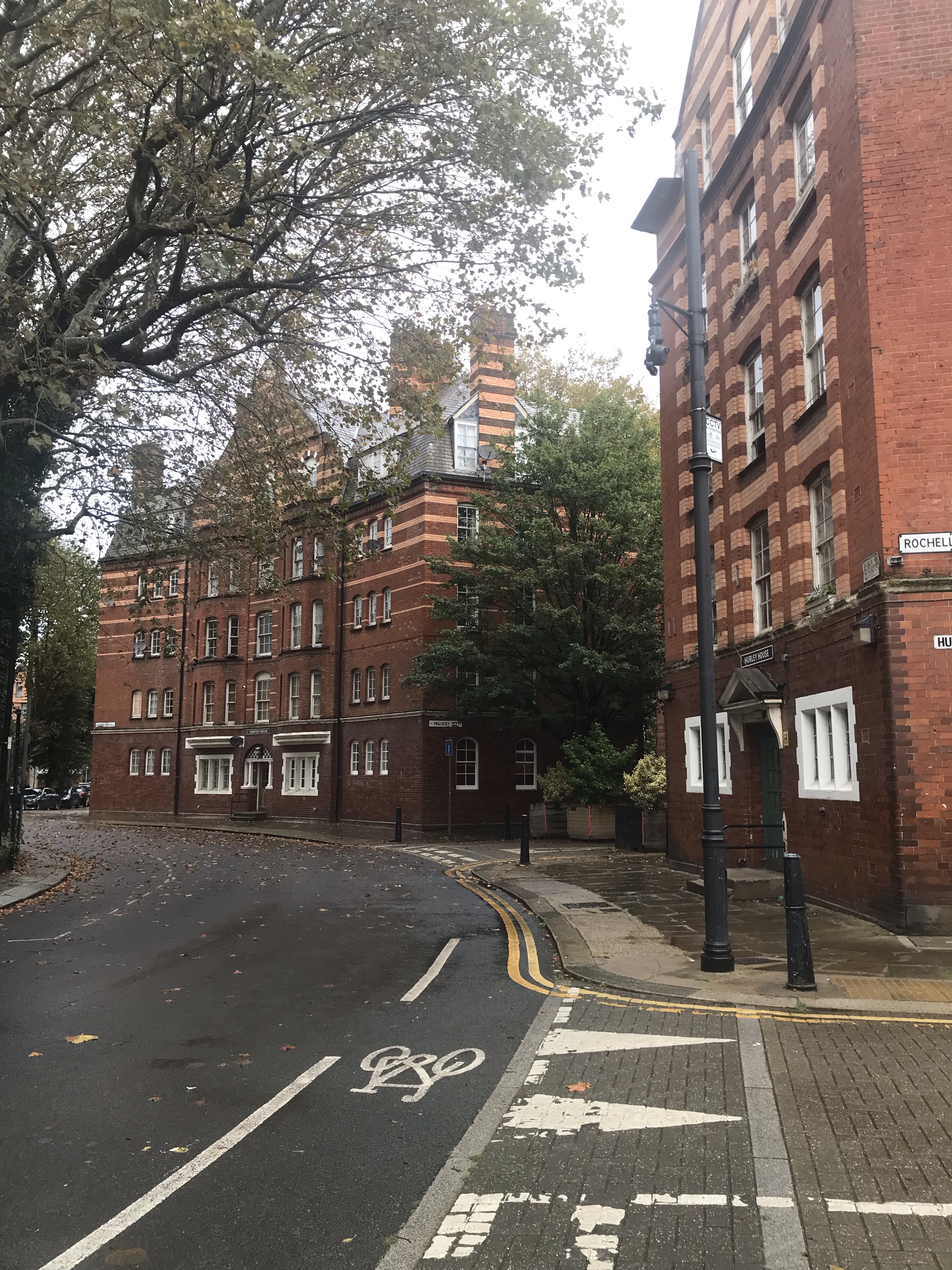
The train journey here provided spectacular scenery and the city is lively and architecturally significant. There are also many lovely public spaces.

It’s nice to find new nooks and crannies to explore on this isle, and I have many adventures and collaborations to anticipate.

Thanks Alan, Roger, Becky, Jane, EERN, and Ulster University for a top-notch platform for engaging discussion!

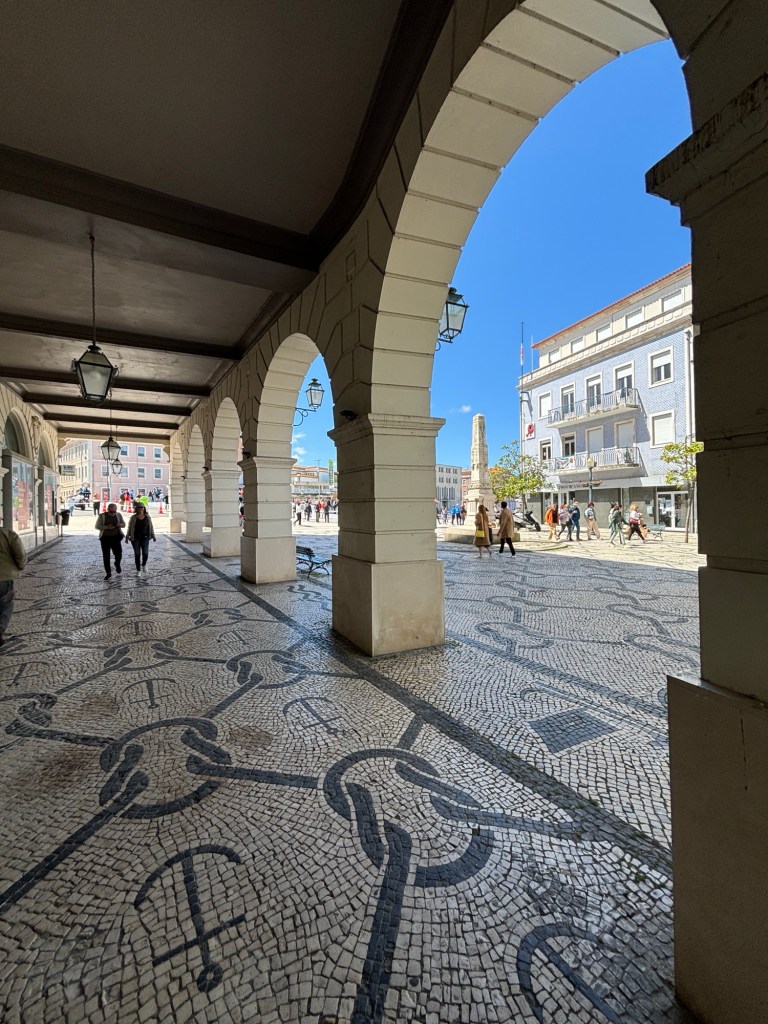
Boosting engineering education in Aveiro, the Venice of Portugal

Portugal has vibrant networks of academics engaged in engineering education research. This week, I got to be part of that community, thanks to the generous support of the American Corner, on a four-night visit funded by the US Embassy in Portugal. 

Flying into Portugal on Saturday morning, I settled in and toured the area over the weekend with my dear colleague (formerly of UCL) Inês Direito and her partner Gonçalo. Inês and I continually collaborate on research — and our bond grows stronger with each project and every passing year. 

On Monday morning, I delivered a keynote address on “Boosting Engineering Education: How Research Can Make Engineering Education Better” and then facilitated a hands-on workshop on “Integrating Ethics, Sustainability, and Inclusion in Your Teaching.” In all this, I was the guest of honor with the Department of Mechanical Engineering at the University of Aveiro (UA).  

I was impressed that 25 teachers and students participated in these morning events, as they happened during a week without classes at UA. Despite having the flexibility to work from home this week, people traveled to campus from all across the engineering disciplines at UA — and visitors traveled in from Lisbon, Porto, and Setúbal to partake as well. 

After lunch Monday, the Engineering Education Research team at UA and I headed to the administration building to meet with the university’s Vice-Rector for Research and an expert from UA’s Research Support Office. We discussed grant proposals and laid the foundation for upcoming initiatives that we plan to launch at UA. 

Wrapping up that exciting meeting, we skipped across campus to the sleek, modern library, designed by Alvaro Siza, where the American Corner has a recording studio. In a session moderated by Inês, a few of us (Inês, Pedro Fonseca, Anikó Costa, and I) discussed what engineering education is, and why it is crucial for solving societal challenges in the 21st century. We also considered what role interdisciplinary collaboration plays in engineering education, and how can we, in higher education institutions, can facilitate it more effectively. Finally, we chatted about how interested people can get involved in engineering education research. 

You can view the recording at: https://www.youtube.com/live/n8CiEIQ5DuI?si=g5Q1y-lunxW45zhz

On air from the American Corner with Inês Direito.

On Tuesday, the EER team and I set to work refining our plans to secure funding for our projects. We had the treat of bumping into a pair of scholars who currently hold the type of grant we aim to secure, and they agreed to share their experience and insight with us. I’m looking forward to meeting them at the end of the summer to learn more! 

Reflecting on the visit from the boarding gate at Porto airport, I realized that I’d had the most marvelous time in Aveiro. Every single person I met helped make the trip special—from the driver Casimiro, to Inês and Gonçalo, the hotel staff, Sandra the librarian in charge of the American Corner, to UA’s engineering education research team, the energetic and ever-smiling Robertt, Barbara, Inês, and Carla. Colleagues Bill and Val, and Val’s spouse Frank, all traveled from the Lisbon area for research meetings while I was there, helping make the experience that much more special! 

I am bursting with energy for our upcoming projects, and hopeful what the future might hold for our team.

Our Great Escape to London

Although the days are short, dark, and frequently wet now that we’ve gone off daylight savings time, I’m still savoring memories of a recent week in London. As you likely know, I spent all of 2018 and 2919 on an MSCA fellowship from the European Union, working at University College London and developing fabulous new skills and an invaluable network of colleagues at UCL and around the globe. UCL is truly a magnet for talent and an ongoing source of inspiration.

The time change happened again this year while Aongus and I were in London for the October bank holiday… I often overlap a bank holiday Monday with a working visit to London since my colleagues at UCL have different days than me (at TU Dublin) and I can visit UCL without falling behind at my main job. This was my second Halloween in a row visiting UCL.

I’m fact, this Halloween I spent a full week in London, collaborating with colleagues and attending lectures including Emanuela Tilley’s inaugural professorial lecture (and reception!) and a guest lecture in one of Professor Nick Tyler’s transport engineering classes.

I worked several days at UCL’s Henry Morley building, which houses the Centre for Engineering Education. I enjoyed catching up with colleagues there, especially Drs Vivek Ramachandran, Kate Roach, and Fiona Truscott. I showed Vivek, who is new to UCL, some of my favorite places in and around campus, including the Thursday Farmers’ Market, the Life Goddess restaurant, and the Building Centre. I after work one night, I attended a comedy show at the newly renovated Bloomsbury Theater.

In the daytimes, I kept Dr Inês Direito’s old desk warm as she’s moved to the University of Aveiro in Portugal. Never fear, though, Inês and I are still in close communication, and now, my mentee Dr Diana Martin is joining CEE so I’ll still never be more than a WhatsApp away from the Center!

During the week, I attended strategic planning meetings with my two “bosses” at UCL — the two directors of the curriculum design project I’ve been working on, via a contract between UCL and TU Dublin, since 2020. They are Professors Emanuela Tilley and John Mitchell, two truly fabulous people to work with.

Thanks to the marvel of online communication, I also completed a half day training on finance software at TU Dublin while I was in London. I also attended online meetings with co-editors of the handbook I’m leading as well as co-authors on a chapter I’m contributing to the handbook.

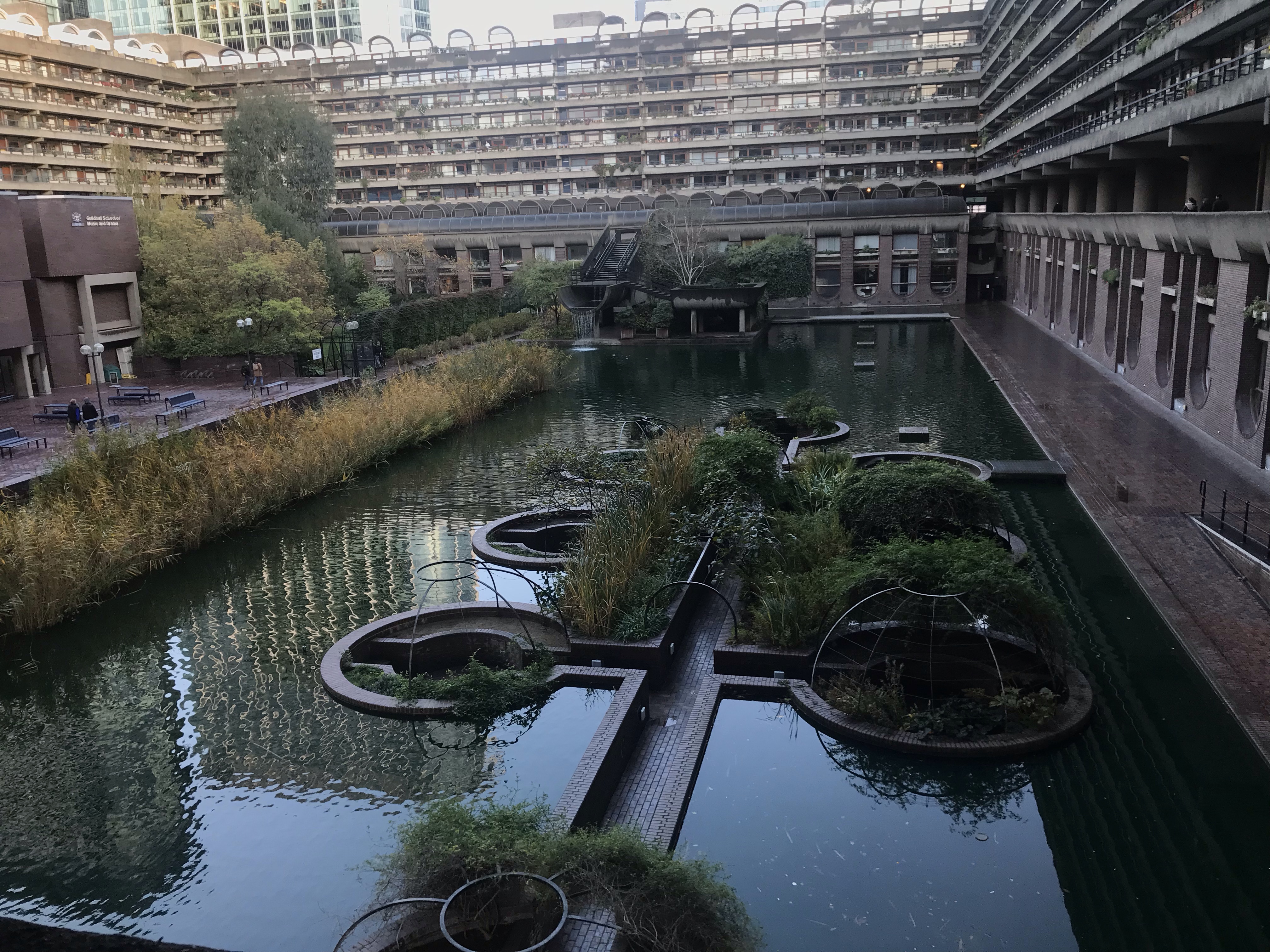
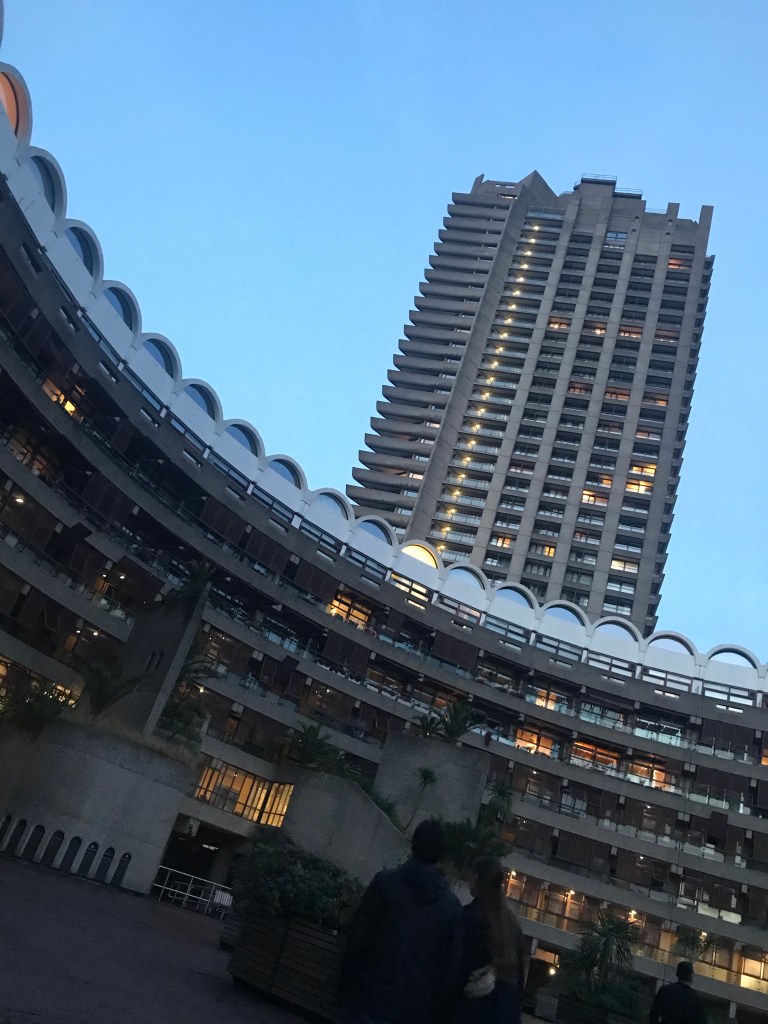
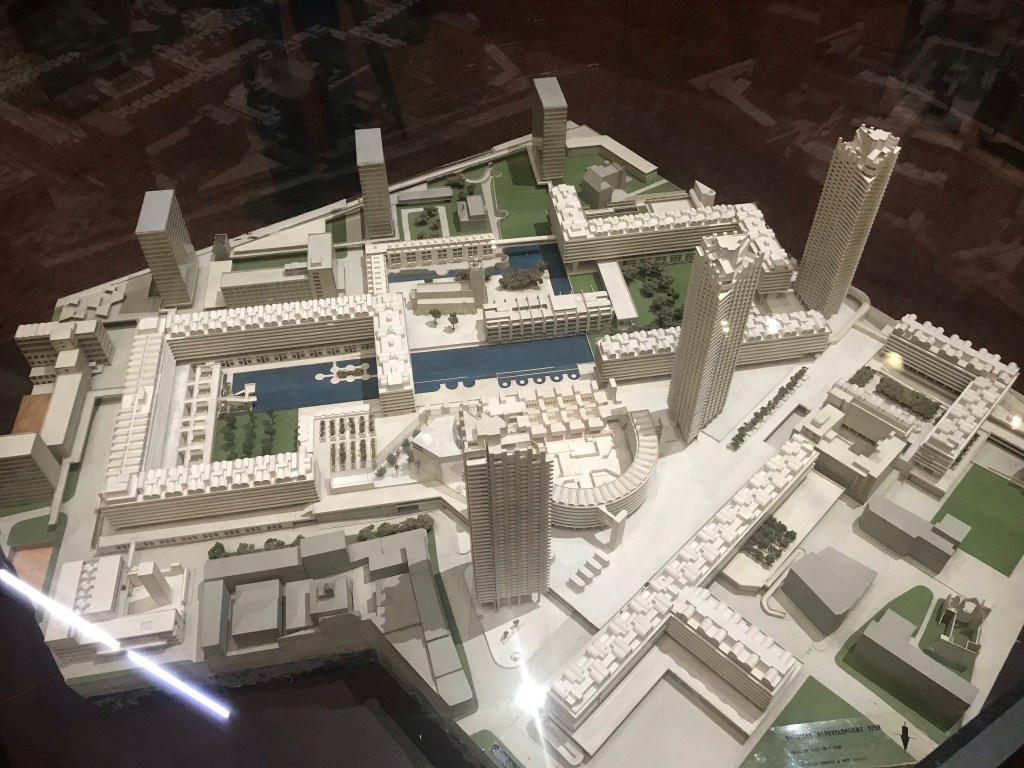
For the extended weekend, Aongus joined me in the city. We attended two musicals (the Tina Turner musical and “Crazy for You”) and an improv comedy show. We took architectural tours of the Royal Albert Hall and the Barbican complex. We visited the Royal Academy of Art , the photography museum off Oxford Street, and the Natural History Museum including its Wildlife Photography of the Year exhibition.

We also visited our favorite haunts around Shoreditch, where we previously lived for 18 months. We got to know the area around Victoria Station better. We even saw Rebecca from “Ted Lasso”, Hannah Waddingham, up close and in person as she’d attended “Crazy for You” and was in the lobby when we exited.

While in London, I also drafted text for my handbook chapter, worked on various projects, attended an improv musical called “Showstopper!”, and did loads of Spanish lessons on Duolingo in the evenings before bed.

It wasn’t supersizing, really, that I picked up a cold somewhere in London. I brought it home along with heaps of inspiration to help carry me through the long working weeks until Christmas.

Now that I’ve recovered from that nasty cold, I can say with conviction that life is good and I am blessed beyond belief.

Happy Thanksgiving to you all!

An Irish Welcome-Home!

Welcome to the homepage of Ireland by Chance, a blog sharing the adventures of an Expat architect/urbanist/teacher/engineering education researcher who moved from the United States in 2012 to make Ireland her home.

You can view archives (2012-present) by clicking the folder icon to learn what it’s like to be Fulbright and Marie Curie Research Fellow, to teach at university in Ireland, and to explore the cities and landscapes of Ireland, the UK, and Europe.

I’ve also posted an example grant proposal for Marie Curie (individual fellowships):
Abstract and Eval
• Excellence Section 1.1, 1.2, 1.3, 1.4
Notes on using tables
• Impact Section 2.1, 2.2
Implementation Section 3.1, 3.2, 3.3, 3.4
Ethics Section
Final Report from 2016 submission

Evaluating Grant Proposals for the European Commission

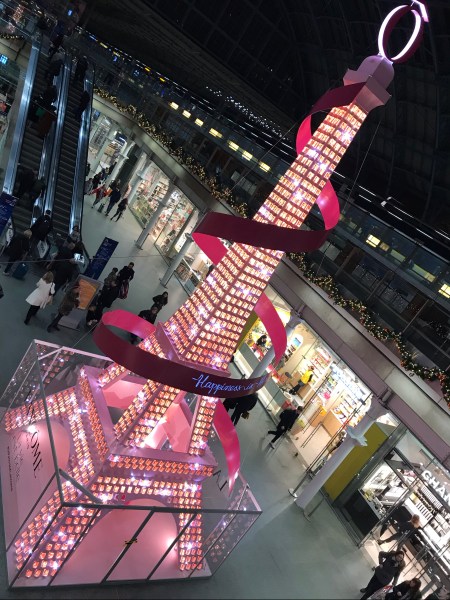
This past Sunday night, I hopped on the Eurostar from London St. Pancreas–and in just over two hours I disembarked at Midi station in Brussels. I love that Chunnel!

I’ve spent the week working alongside other experts from around Europe to evaluate projects proposed for funding. This is an activity I am doing to develop more skills with regard to grant writing and program design.
img_2058

Aongus took the underground over to St. Pancreas Sunday night, to see me off as I boarded the Eurostar.

This is a job that requires a great deal of concentration. We’ve each been working for weeks–studying 30-page proposals, 7-8 of them per expert,  and then creating very detailed individual reports, comparing and compiling these into group reports, and then meeting face-to-face on-site in Brussels to discuss each proposal in depth. The scores we assign will be used to determine which organizations will receive funds to support doctoral and post-doctoral researchers.


Through this process, the European Commission and its Research Executive Agency (REA) provide detailed, specific feedback to applicants as well as numeric scores.

Many applicants succeed and receive financial support, but I’ll admit that with the sums provided, competition is fierce.

I believe this funding is well spent. It builds the capacity of researchers to do great work and learn important new skills. It yields results that make life and systems better at the individual, organizational, national, regional, and international levels. It produces valuable research results in a vast array of fields and disciplines.

The evaluation process is extremely important. It has to be done with extreme care. It is a huge amount of work, and the experts involved take the job very seriously.
img_2069

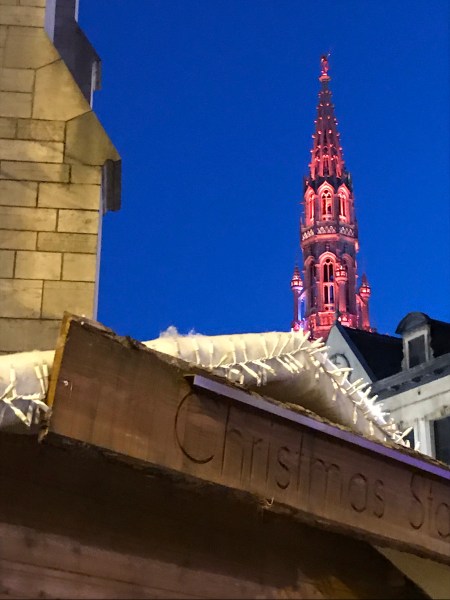
The evaluation itself is confidential, but pictures of Brussels I can share. 🙂

Many dozen experts have been involved this week, as reviewers and quality control officers. Our purpose is to deliver accurate and reliable results.


As a scholar from the States, I particularly value the feedback given to applicants in this process. Great care is taken to keep the scoring open, transparent, and fair, and to yield consistency from year to year as well as between proposals.

It’s a tight-knit process with a demanding timetable. And we’ve done remarkably well at staying focused and on track.

Why do I see the results of this process as valuable? In the U.S., fellowship and grant applicants rarely get feedback. I suspect it’s a result of the litigious nature of “American” society that funding agencies don’t want to open themselves up to questioning, and they won’t let applicants know what was seen as weak about the proposal. They will provide only very general feedback if any at all. I’ve had this experience with at least three different funding agencies in the USA. It was exceedingly frustrating and turned me off from wanting to keep bashing my head against a rock (even though I had a relatively high level of success winning grants for educational/learning sciences!).

img_2132

The plaza next to the building where evaluations are conducted.

Working here at REA, our primary focus is on achieving accurate scores that can hold water. There’s much less paranoia on the part of the funders, in my opinion. In fact, there doesn’t seem to be the same fear of redress–in the case of any mistake, the program managers actually do want to address it in a way that is fair to the applicant. Transparency and proper channels for redress/appeal are foundational principles of the programs that REA funds.


Because REA’s process provides reliable feedback, I myself was able to improve one past proposal that wasn’t successful on its first submission. I was able to learn and to re-submit. By addressing the points raised in the first evaluation, I was able to secure funding the second time around!

In the United States, I’d have been left in the dark, making the same mistakes over and over again. In my experience (having submitted 3 unsuccessful proposals, 2 successful proposals, and one pending proposal to various  MSCA programs evaluated via REA), the European evaluation system is FAR better than the US system. A knowledgable colleague told me yesterday that the overhead costs for evaluating and managing/overseeing the quality of these MSCA programs is lower than typical of other similar programs worldwide.

img_2111

Dinner at Lyon!

I can’t say this work is pleasurable, but I do enjoy being here, working hard, and feeling satisfaction by week’s end. It’s sometimes bittersweet, though, as it is Thanskgiving and, also, yesterday would have been Dad’s 74th birthday. He died five weeks ago, right after my assignments for this job arrived. Therefore, I didn’t get to talk with him yesterday. And, since this particular review always falls on Thanksgiving week, I’m spending my fourth Thanksgiving Day in Brussels, missing turkey in the States with family yet again.


In the evenings of this evaluation week, however, I do enjoy dinner out with other experts and my walks through the city to the Grand Place and the Royal Arcade. Hopefully tonight, the Christmas Market will be up and running! It’s 6:40PM so I need to get going and pack up my things for the night.

On Monday night I went out and I got to enjoy Moules et Frites at Lyon.

If you are capable and interested in serving as an expert evaluator, you can set up a personal profile in the Participant Portal (see instructions at https://ec.europa.eu/research/participants/docs/h2020-funding-guide/experts/experts_en.htm). When REA needs your expertise, they may well send you an invitation to serve.
 

Meet emerging research star: Carlos Mora

img_7518

Carlos and his youngest daughter, Estela.

Back in March 2019, I received an email out of the blue regarding a researcher in the Canary Islands, Dr. Carlos Efrén Mora, looking to recruit a mentor.

Specifically, Carlos wanted help writing a fellowship proposal to conduct Engineering Education Research on social responsibility, and he had contacted a Special Interest Group I work with as a member of the European Society for Engineering Education (SEFI). This particular group studies Educational Research Methods and I’d mentioned at a meeting in 2018 that I was looking to help/host prospective fellows in Engineering Education Research.

Because Carlos was proposing a topic I have been studying for Engineers without Borders UK, I jumped at the chance to help. I emailed him right away and we set to work.

Carlos emailed me a copy of a proposal he’d previously submitted, and as I’ve successfully secured the funding under this scheme twice before, I reverted with more feedback and strategic advice.

Carlos and I worked tirelessly from March until the deadline for our target program in mid-September.

It was a grueling process, but Carlos is extremely hard-working. I must say that Carlos enthusiastically accepted every ounce of critique that I and my colleagues doled out, and he used it to improve his plans and ideas. The ability to welcome criticism is rare but so very important. It’s one of the most important skills I learned in architecture school! Carlos has it, too!

To make sure Carlos had the best chance to win funding, I assembled a team of superstar researchers and advisors. Their job: to poke holes in all his arguments and make sure the content was in the right places (ie, the places the evaluators will expect to find them while they are scoring his work).

I was elated with the results. In all, I believe we have an excellent chance of receiving funding to conduct research together–I as his mentor/supervisor/PI and he as a full-time research fellow working aside me at TU Dublin, hopefully starting in August 2020.

The text of the proposal is exceptional. The scientific merit is clear, the work plan is strong, the planned secondment is second to none, and the early-stage researcher has shown outstanding promise. He has a dedicated mentor by his side–one who is working hard to build her own research record and raise the visibility and credibility of EER globally.

Since we submitted in mid-September, Carlos has already secured some financial support from his own university to start some of the work.

img_7484

Visiting London’s Carnaby Street with the Mora family

Though al that is exciting, we are currently in the no-mans-land called the grant evaluation period. Researchers work for months on end to craft a research proposal. They send it off with the greatest of hope in their hearts. And then they wait and wait, and wait–often at least half a year–to hear back.

Typical success rates for the program we’ve requested run 9-14%.

What to do while waiting? Celebrate!

After we got the proposal submitted, Carlos brought his family up to London from the Canaries to meet me. Carlos and I held a work meeting on the first day of their stay.

This was the first trip off their Islands for the Mora kids, and I was delighted to be part of their big adventure. (The whole family has been getting excited about the possibility of spending a couple years in Dublin! They came to London this time since it’s where I am currently working.)

img_7544

Pre-dinner photo shoot. Beautiful food!

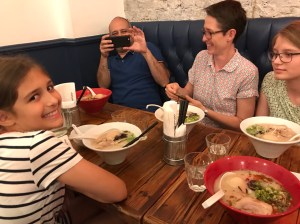
I planned one of the four days of their visit, and, as usual, I packed too much in. We all did new things–I’d never eaten Ramen before but Celia said it would be “a dream come true” so we all agreed!

Our lively chatter silenced when the food arrived for dinner.

We soon unanimously agreed again: we will be eating Ramen together again in Dublin ASAP. It was delicious!

The photo album below starts with a photo from the Canaries and another taken at the airport–Carlos sends me family updates regularly and it’s fun seeing the kids grow!


Discovering Budapest with SEFI

Engineering teachers from all across Europe headed to Budapest last week for the annual SEFI conference to share state-of-the art research and cutting-edge teaching methods. SEFI is the European Society for Engineering Education and this was the fourth time I attended the group’s annual conference.

As the annual SEFI meeting is one of the most interesting, informative and welcoming conferences you can encounter, engineering teachers from many corners of the globe–notably Australia, China, and the USA– joined as well.  The conference program includes many workshops, paper presentations, keynote addresses and plenty of fun social events.

This year, I helped lead three workshops and one special interest group meeting. I’ve uploaded photos of the activities where I was most involved.

Physical Computing

Here’s a glimpse of the workshop on Physical Computing I helped organize and run with my colleagues from TU Dublin–Paula Hannon, Damon Berry, and Mick Core. The title was “Physical Computing: A low-cost project-based approach to engineering education” and our abstract explained “One of the current trends in engineering education, often due to costs, is to use simulation software for the design and analysis of systems. However, using simulation packages as an alternative to real-world equipment may lead to a lack of student engagement and confidence, thereby reducing the impact of learning. This workshop presents an alternative mode of module delivery that facilitates practice-based learning, where students get hands-on practical computing using inexpensive, yet real-world equipment and technologies that can help transform notional self-directed learning to actual learning. In this workshop, participants will discuss the philosophy, rationale, and techniques used to teach Physical Computing at one Technological University.”

Phenomenography

The workshop UCL hosted on phenomenography, taught by Mike Miminiris, with assistance from Inês Direito and me was well attended and we all learned new techniques:

Engineering Education Research group

Here are a few pics of the special interest group meeting on Engineering Education Research, led by the EER WG  coordinator Tinne De Laet:

Being an Effective Peer Reviewer

We also held a workshop on reviewing manuscripts for journals as an effective peer reviewer, lead alongside the editors-in-chief of three of the top journals in engineering education worldwide–Kristina Edström, Lisa Benson, and John Mitchell–along with deputy editors Maartje van den Bogaard and Jonte Bernhard, and associate editors Adam Carbury and myself:

The delegation from UCL

Here’s a set of photos of the UCL crew at SEFI, and some of the other presentations UCL folks made:

Fun and learning combined

And now for some entertaining pics–some of the conference in general, and others featuring the very fun gala abroad a river cruise and the post-conference city sightseeing tour led by local architects:


Vivacious Vienna: Hundertwasser

I was an exchange student to Switzerland in 1994, and my first host “mom,” Esther Sterchi-Wyss, loved the architect Hundertwasser. I arrived at her home never having heard of the designer despite having more than six years of university-level architecture education.

Hundertwasser, you see, is self-made. A craftsman-turned-architect. His work wasn’t taught in modernist schools of architecture at the time, but he had certainly hit a chord with Esther, who had postcards and posters of his vibrant buildings posted in her Ferenberg kitchen.

It’s a bit odd not to have heard of him, as his work is in the same realm as Barcelona’s Gaudi, whose work I’d made pilgrimages to visit. Nevertheless, I had not.

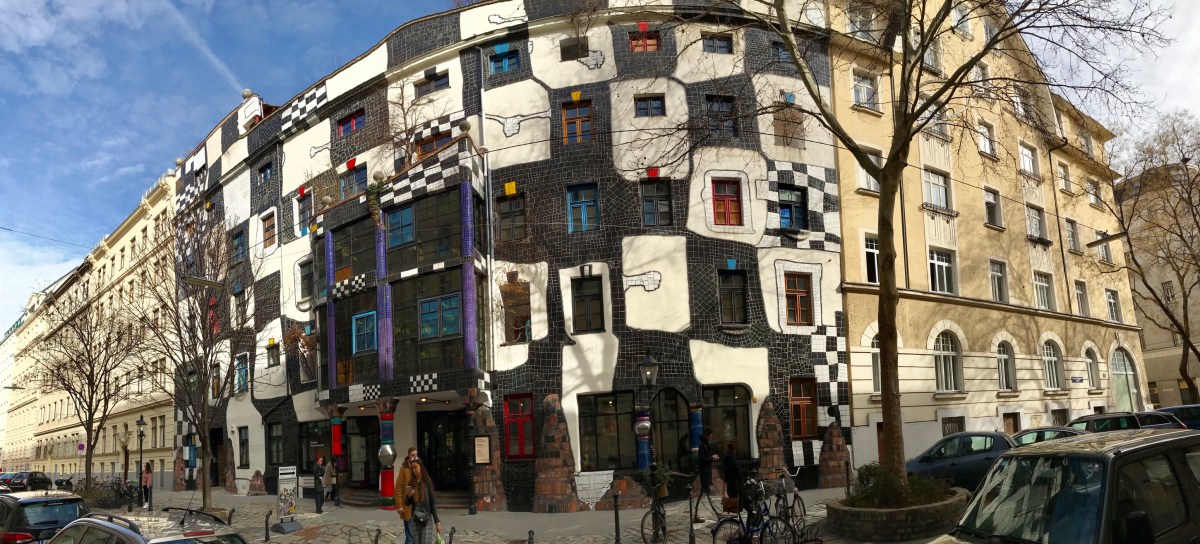
While I was in Vienna this past February for the 2019 MCAA-General Assembly, I had the chance to visit three Hunderwasser creations.

It was just a brief encounter, but I enjoyed the joy and playfulness I found. And I finally understood Esther’s fascination. I hope you’ll enjoy seeing some of the images I collected during my brief visit.

Sites where you can see Hundertwasser’s work

Apartment block in Vienna

This slideshow requires JavaScript.

Hunderwasser Village 

Kunsthaus Wein

This slideshow requires JavaScript.


Vivacious Vienna: Exploring the City

During my February trip to Vienna for the MCAA General Assembly, I had the chance to look around the city center as well as some sectors not far from the center.

Vienna is an architect’s dreamland, full of beautiful spaces and artifacts old and new. In fact, the architect/urbanist/painter/historian Camillo Sitte documented many of the world’s most successful plazas in his quest to define what makes a public space beautiful. Many of his favorites plazas are located in Vienna. I often referenced his book “The Art of Building Cities”, published in 1945, when I was an architecture student and later an architecture professor.

Although I actually only had six hours to explore Vienna after the Assembly concluded, I took in plenty of sites. Below, I’ve posted my slide shows of spectacular architecture.

The slide shows start in Alservorstadt, with the Votive Church (Votivkirche), Hotel Regina, and University of Vienna. The slides proceed downtown and show visits to two more churches (Stephansdom and Der Graben), concluding with the Globe Museum. In other posts, I share photos from Hundertwasser and Otto Wagner ‘s Austria Post Headquarters or “Osterr Postparkasse” (blog forthcoming).

Votive Church (Votivkirche) 

This slideshow requires JavaScript.

Hotel Regina

This slideshow requires JavaScript.

The University of Vienna

This slideshow requires JavaScript.

Vienna City Center

This slideshow requires JavaScript.

Stephansdom

This slideshow requires JavaScript.

Der Graben

This slideshow requires JavaScript.

Globe Museum

This slideshow requires JavaScript.


Learning London: Enchanting Holland Park and Victorian House Museum

A couple of weekends ago, we visited Holland Park on both Saturday and Sunday. There was too much to see in the area for just one go. We had to spread it out. In fact, we’d also visited a weekend prior, bringing our 2019 total to three days.

In this blog, I’ll show you around the park and give you a peek inside one of the nearby Victorian house museums, 18 Stafford Terrace.

img_5872-1

On all three of our recent our visits to Holland Park, we were en route to the Design Museum. 

Walking Cards

In addition to using the handy walking cards pictures below, I also referenced my guidebooks and the internet to sketch out our trips.

Kyoto Japanese Garden

These beautifully designed and cultivated gardens boast a waterfall and a pride of peacocks.


Holland House

This house was greatly destroyed during the Second World War, but part of it lives on to delight the park’s visitors.

Belvedere Restaurant

There’s a lovely, posh restaurant in the park. We had a splurge.

18 Stafford Terrace

This is one of two Victorian house museums near Holland Park and the Design Museum. This one, on Stafford Terrace which runs parallel to Kensington Hight Street, was once home to an illustrator for Punch magazine, Edward L. Sambourne. It’s a lovely house filled with his artwork. It’s a delight to see how the stately homes on this terrace are laid out and lived in. This one is furnished in the “Aesthetic Movement.”