
Engineering teachers from all across Europe headed to Budapest last week for the annual SEFI conference to share state-of-the art research and cutting-edge teaching methods. SEFI is the European Society for Engineering Education and this was the fourth time I attended the group’s annual conference.
As the annual SEFI meeting is one of the most interesting, informative and welcoming conferences you can encounter, engineering teachers from many corners of the globe–notably Australia, China, and the USA– joined as well. The conference program includes many workshops, paper presentations, keynote addresses and plenty of fun social events.
This year, I helped lead three workshops and one special interest group meeting. I’ve uploaded photos of the activities where I was most involved.
Physical Computing
Here’s a glimpse of the workshop on Physical Computing I helped organize and run with my colleagues from TU Dublin–Paula Hannon, Damon Berry, and Mick Core. The title was “Physical Computing: A low-cost project-based approach to engineering education” and our abstract explained “One of the current trends in engineering education, often due to costs, is to use simulation software for the design and analysis of systems. However, using simulation packages as an alternative to real-world equipment may lead to a lack of student engagement and confidence, thereby reducing the impact of learning. This workshop presents an alternative mode of module delivery that facilitates practice-based learning, where students get hands-on practical computing using inexpensive, yet real-world equipment and technologies that can help transform notional self-directed learning to actual learning. In this workshop, participants will discuss the philosophy, rationale, and techniques used to teach Physical Computing at one Technological University.”


Phenomenography
The workshop UCL hosted on phenomenography, taught by Mike Miminiris, with assistance from Inês Direito and me was well attended and we all learned new techniques:


Engineering Education Research group
Here are a few pics of the special interest group meeting on Engineering Education Research, led by the EER WG coordinator Tinne De Laet:


Being an Effective Peer Reviewer
We also held a workshop on reviewing manuscripts for journals as an effective peer reviewer, lead alongside the editors-in-chief of three of the top journals in engineering education worldwide–Kristina Edström, Lisa Benson, and John Mitchell–along with deputy editors Maartje van den Bogaard and Jonte Bernhard, and associate editors Adam Carbury and myself:


The delegation from UCL
Here’s a set of photos of the UCL crew at SEFI, and some of the other presentations UCL folks made:


Fun and learning combined
And now for some entertaining pics–some of the conference in general, and others featuring the very fun gala abroad a river cruise and the post-conference city sightseeing tour led by local architects:


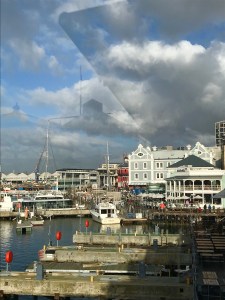
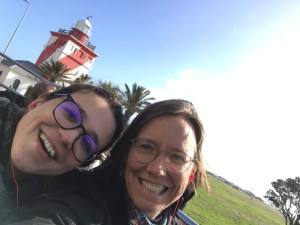 I spent the first week of July in South Africa, facilitating a two-day Master Class on “Fostering Inclusivity in Engineering Education in the South African Context” and then attending the Research in Engineering Education Symposium, REES 2019, which adopted the theme “Making Connections.” In this blog, I’ll tell you about the workshop and show you photos from the workshop and our travels to Cape Town, where my closest collegue, Inês, and I had a day to explore before heading out to the workshop location.
 Our interactive Inclusivity workshop focused on supporting engineering educators wanting either to develop inclusive learning and teaching environments or to research the effectiveness of their interventions.
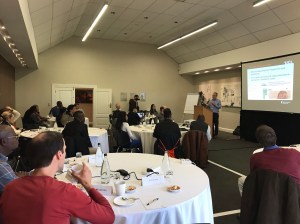 Twenty-five engineering teachers from all over South Africa attended the workshop and the discussions were truly insightful.
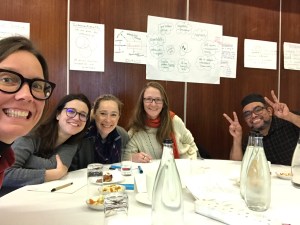 Drawing on participants’ own experiences with teaching and conducting research in engineering education, we encouraged participants to engage with contemporary and global issues related to inclusivity within engineering education and consider emerging research. Participants reflected upon their own practices and identified inclusivity aims and goals.


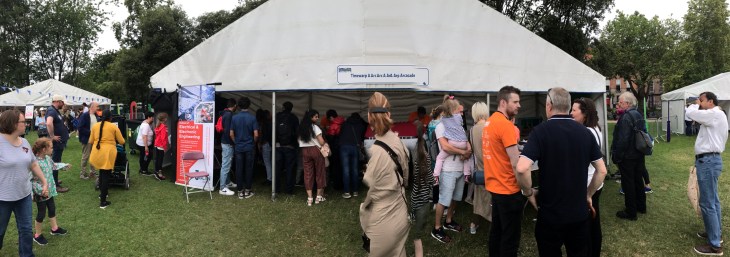 I took to the air, heading from London to Dublin to get trained up as a mentor in TU Dublin’s staff development program and also lend a hand at this year’s Dublin Maker fair in Merrion Square.
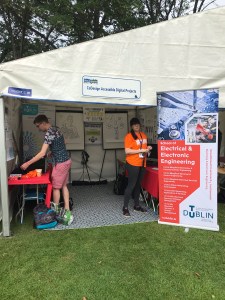 The School of Electrical and Electronics Engineering hosted two booths: one on Co-design for technologies to increase access to folks with varying capabilities, and the second on the theme “Timewarp Arcade.”
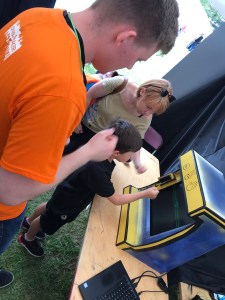 A strength test demonstrated how those old-time hammer games were rigged. This display included a heart rate checker.


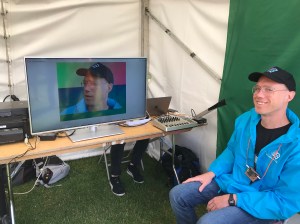 All in all, it was an interesting, fun, and rewarding day. Until, of course, I got to the airport to find my evening Ryanair flight out of Dublin delayed multiple hours. Cheap but not so easy to use!





 As for


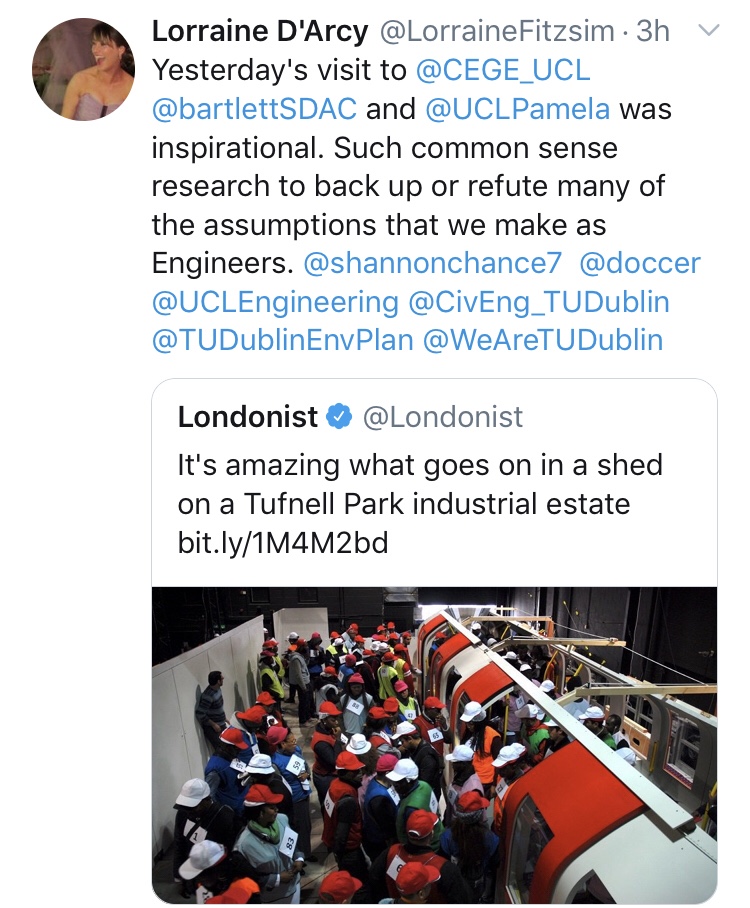
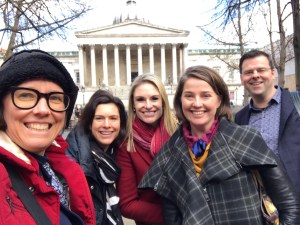
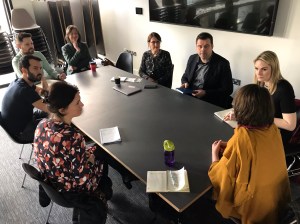
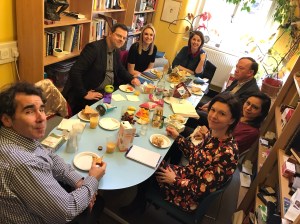
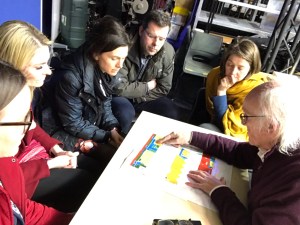


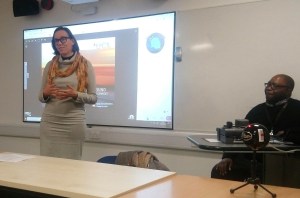

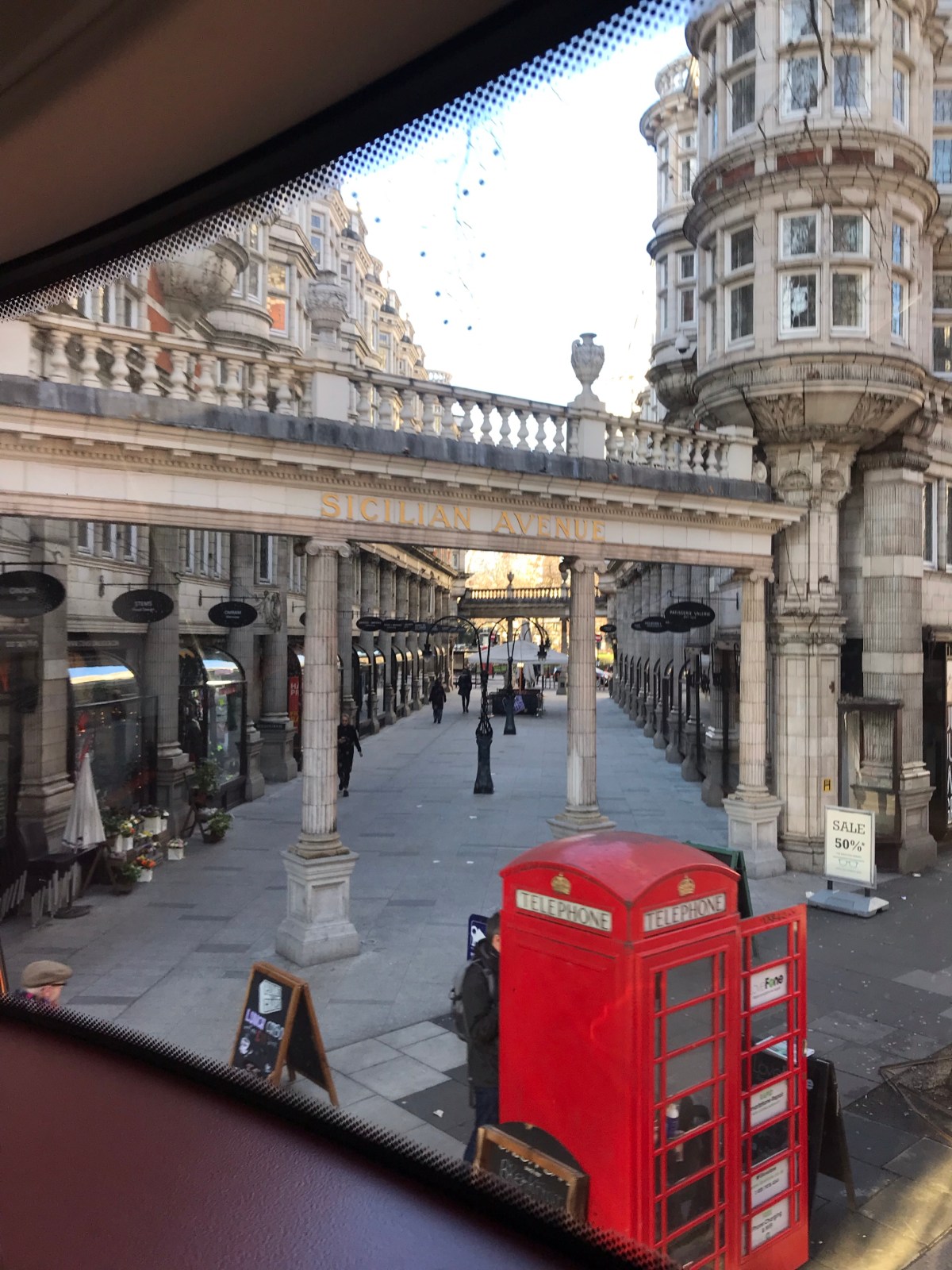
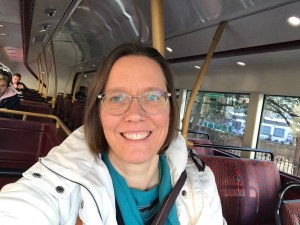 When you’re supervising a Ph.D. student, s/he usually comes to you for meetings. In my case, however, I travel over to LSBU twice a month to meet with my supervisee, Thomas, and his primary supervisor, Professor Shushma Patel. I’m doing this for several reasons:
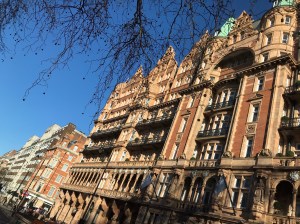 The appetizer for the main-course meeting at LSBU each week is the trip there. I take a different route than I take to work daily and, on these days, I enjoy getting a bit of exercise. The fastest route to their campus is by way of the DLR, which is a 15-minute walk away from our flat
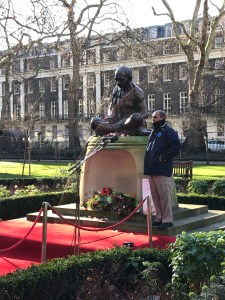 All parts of the journey are full of interesting sights!
 Lessons of the day:


 Ireland by Chance