Feel the spirit! STEM Ensemble at Dublin Maker 2025

Most years, right before the beginning of the new academic year, I have the chance to be part of Dublin Maker. It’s a festival that celebrates the creative flair of people from all around Ireland. I’ve been attending Dublin Maker since 2015 and it never fails to delight.

The 2025 edition of Dublin Maker happened last weekend at Leopardstown Racecourse, on the south side of Dublin.
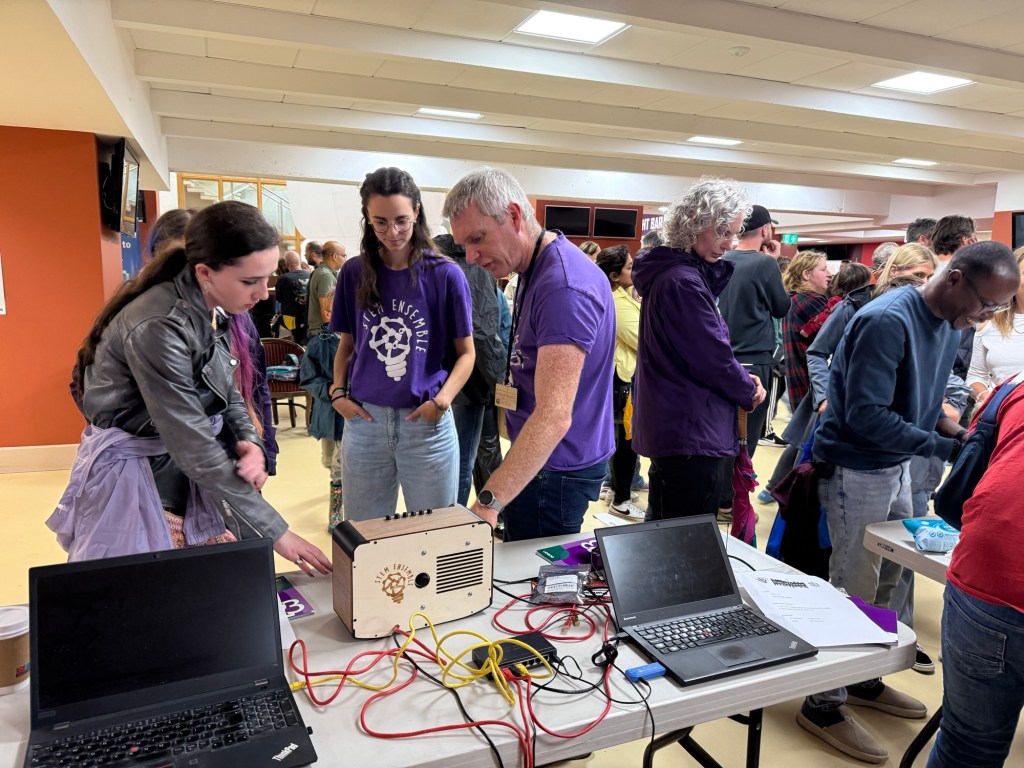
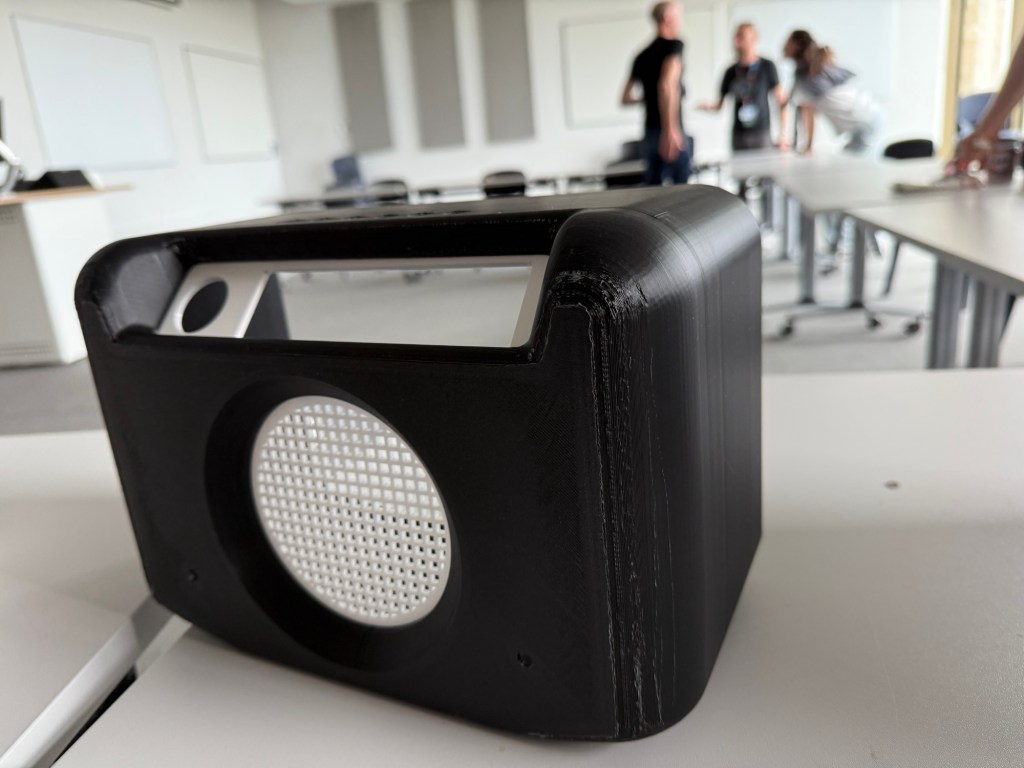
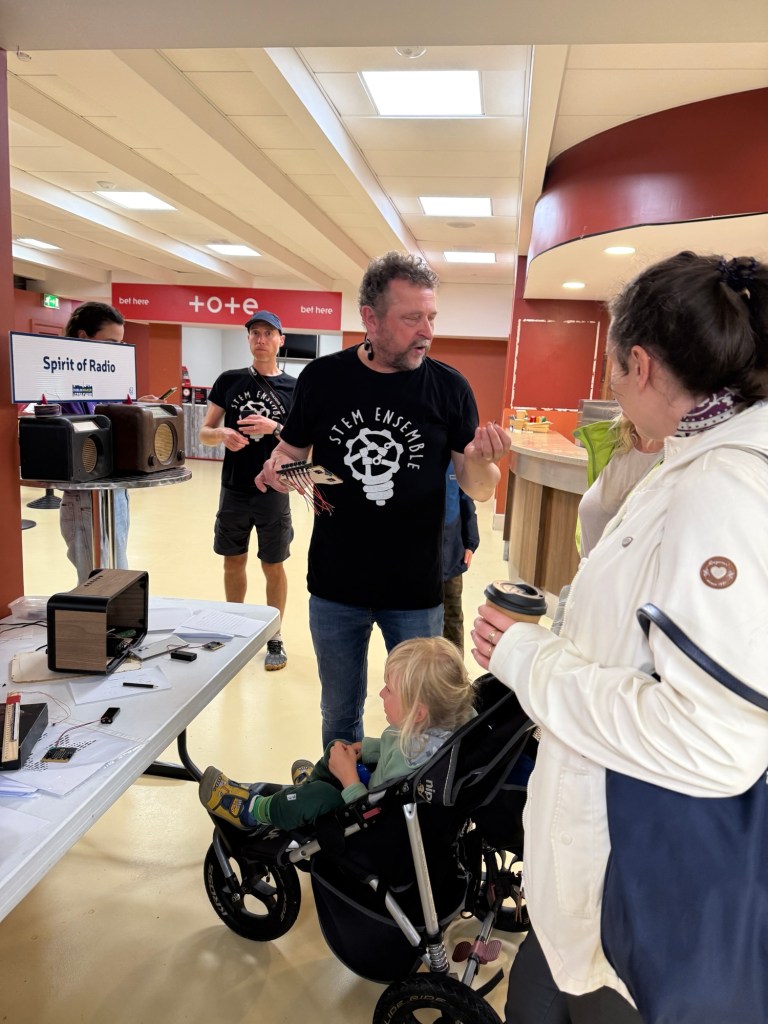
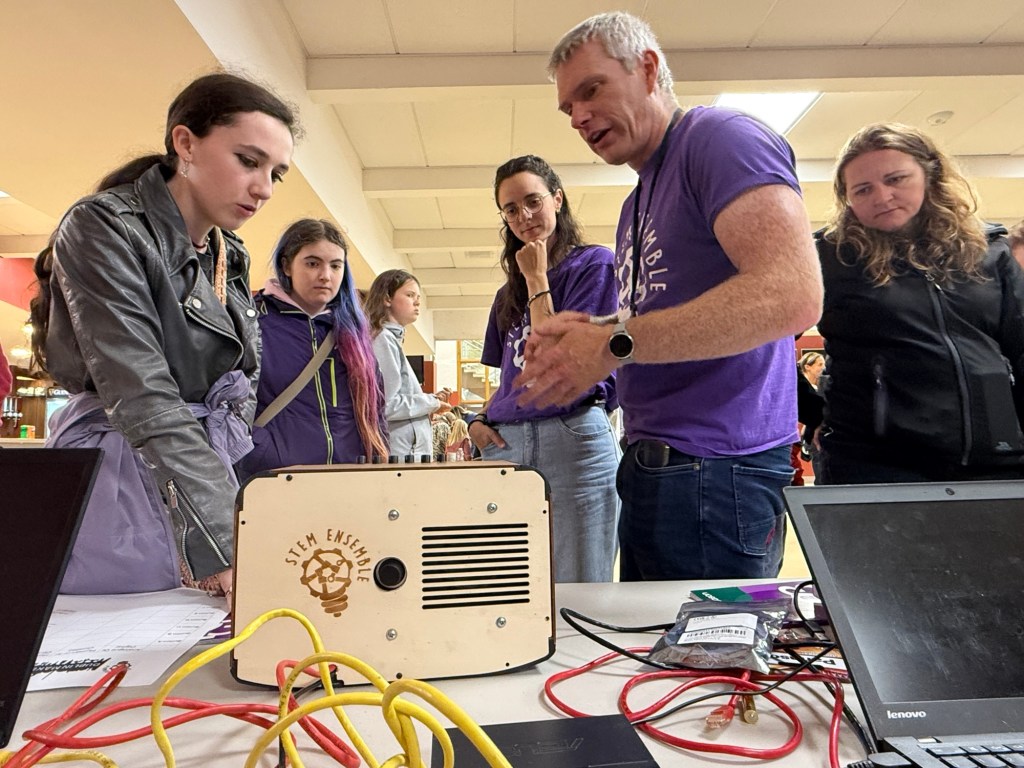
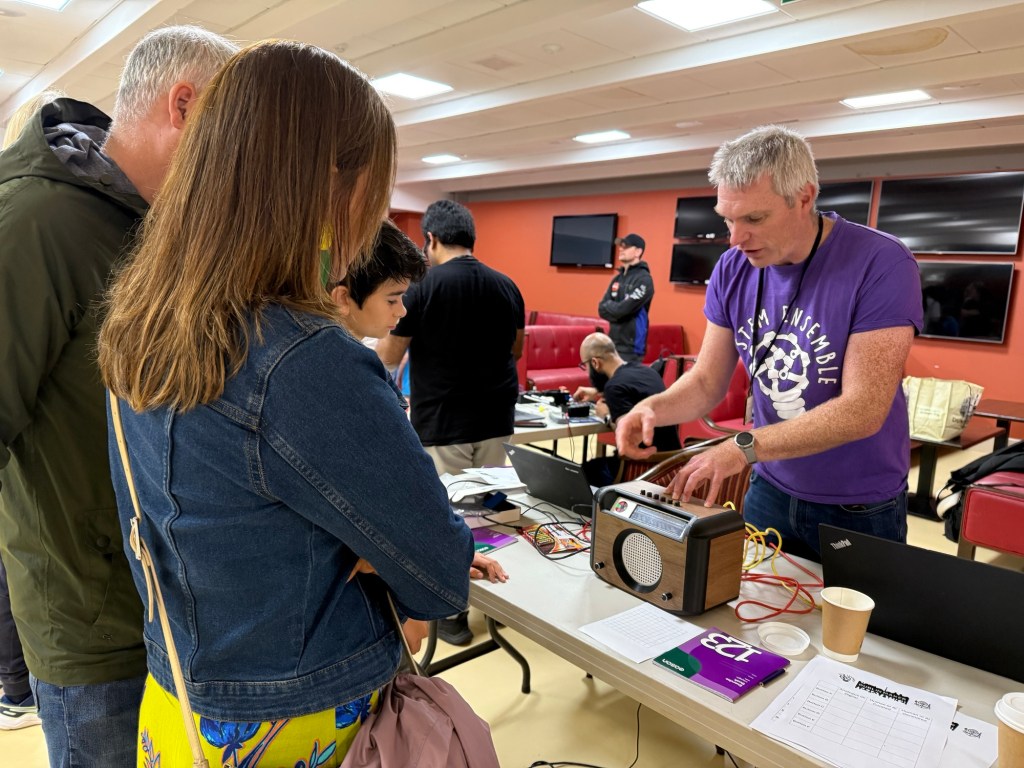
David Powell explaining how the radio features work. It’s designed to facilitate continual upgrade and ongoing R&D.

The open, participatory nature of Dublin Maker really appeals to me. As an education researcher, I’m all about the social construction of new knowledge and Dublin Maker epitomizes this phenomenon!

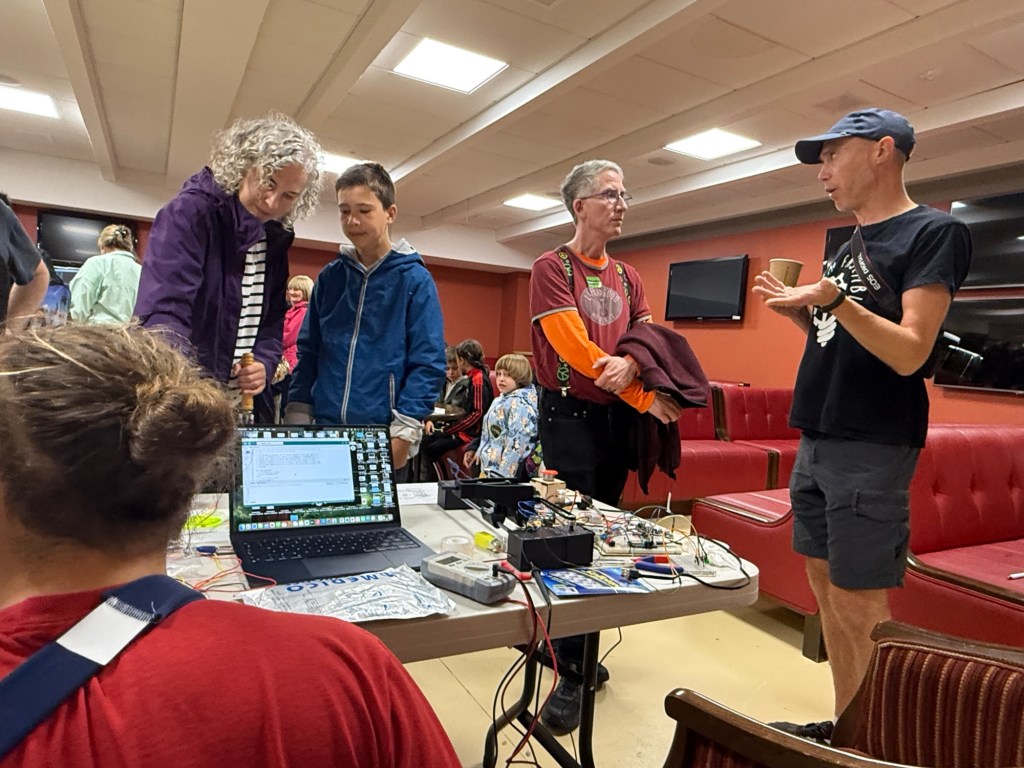
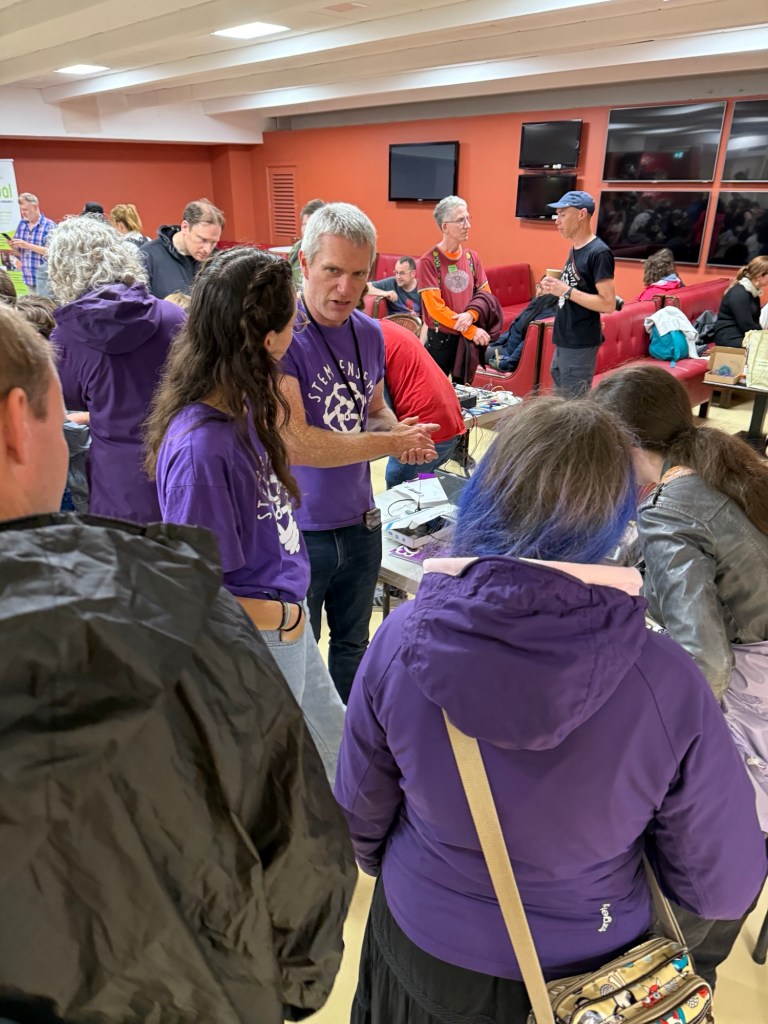
The venue was packed this year, as usual, and I think we’ve benefited from the rain outside. I attended Saturday (of the two-day event) and observed thousands of visitors engaged in hands-on technology, arts, craft, engineering, and science learning.

The exhibition halls buzzed as makers of all ages shared their projects, demonstrated new ideas, and connected with other creative enthusiasts. Exhibitors showcased everything from polished inventions to prototypes and works in progress.

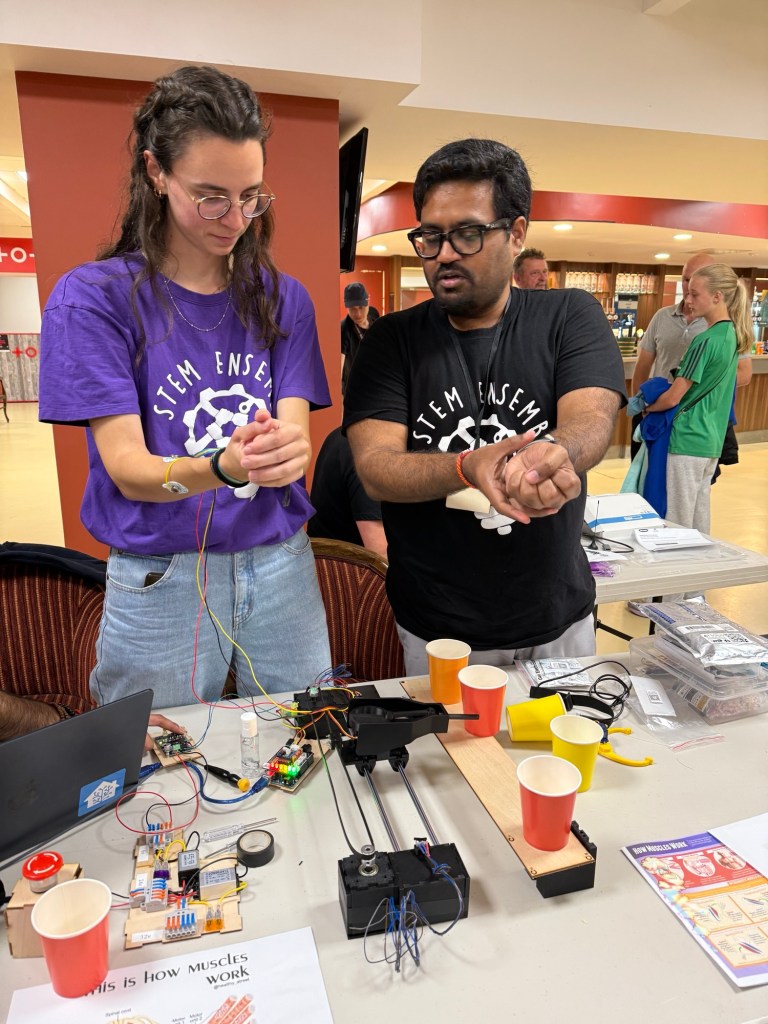
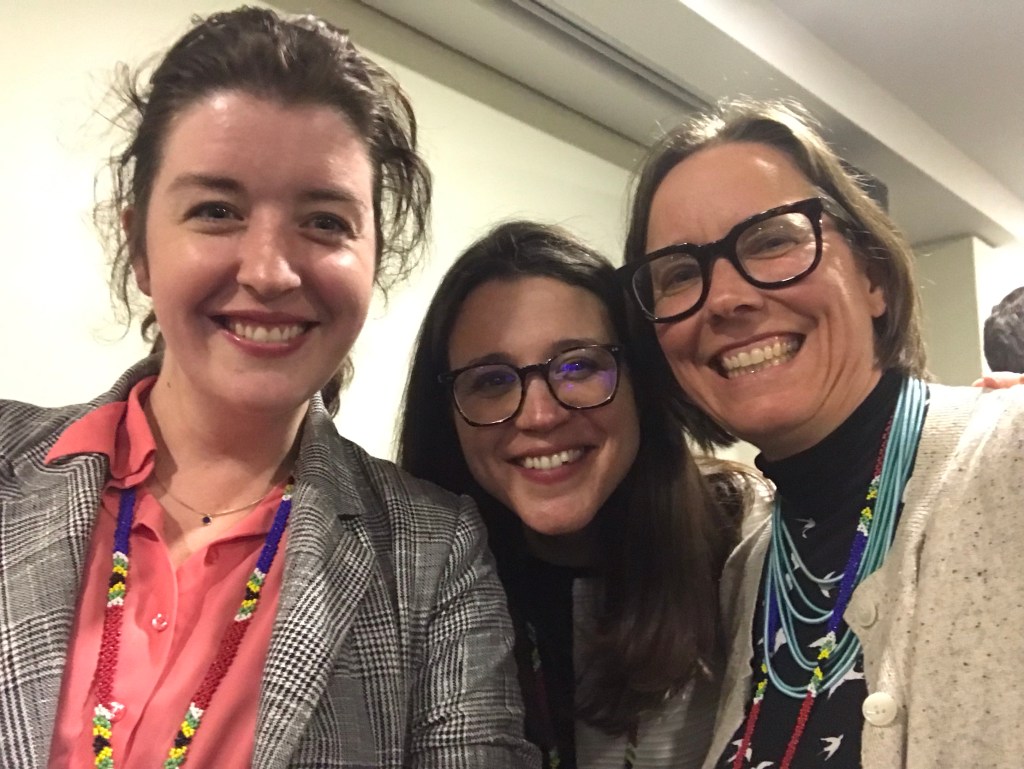
Postdoc Patricia (Patri) Lucha Farina, Assistant Lecturer Mayank Parmar, and Senior Researcher Harish Kambampati working together.

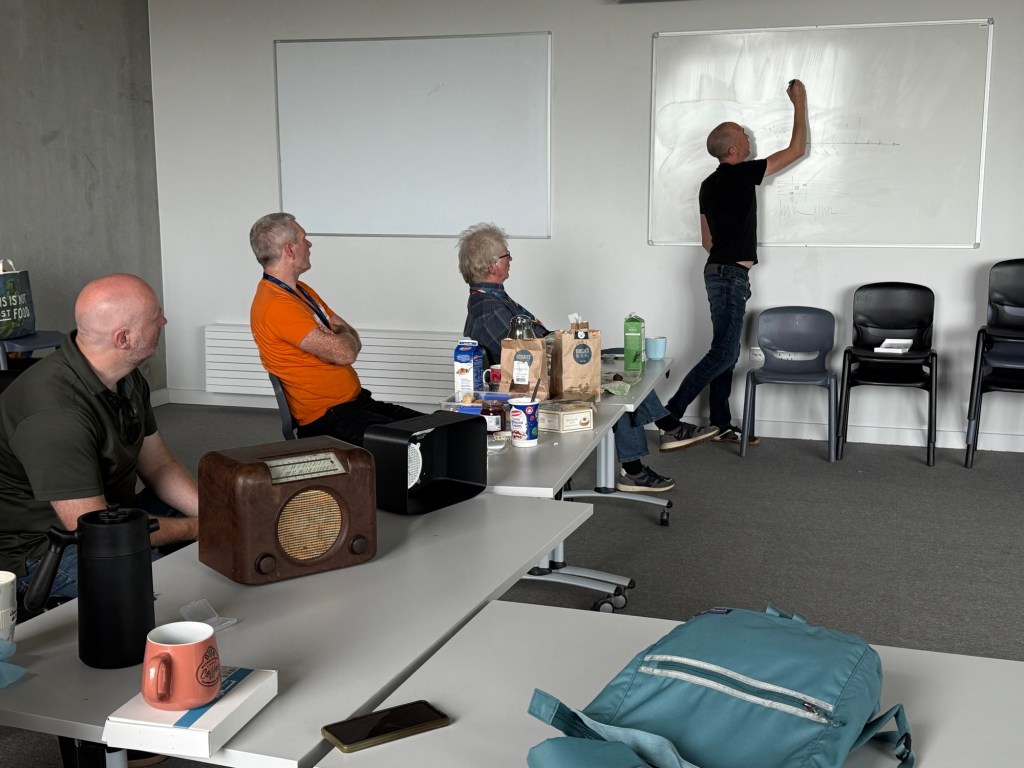
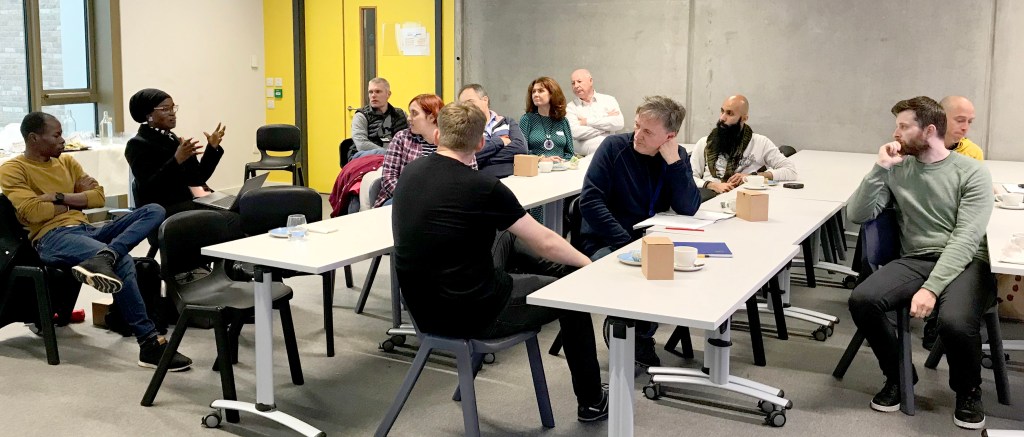
Heaven knows my colleagues always work to the very last minute, creating new aspects of their projects (even though they’ve all been enthusiastically working for months to prepare)! I’ve provided photographic evidence of our July meeting below. ⬇️
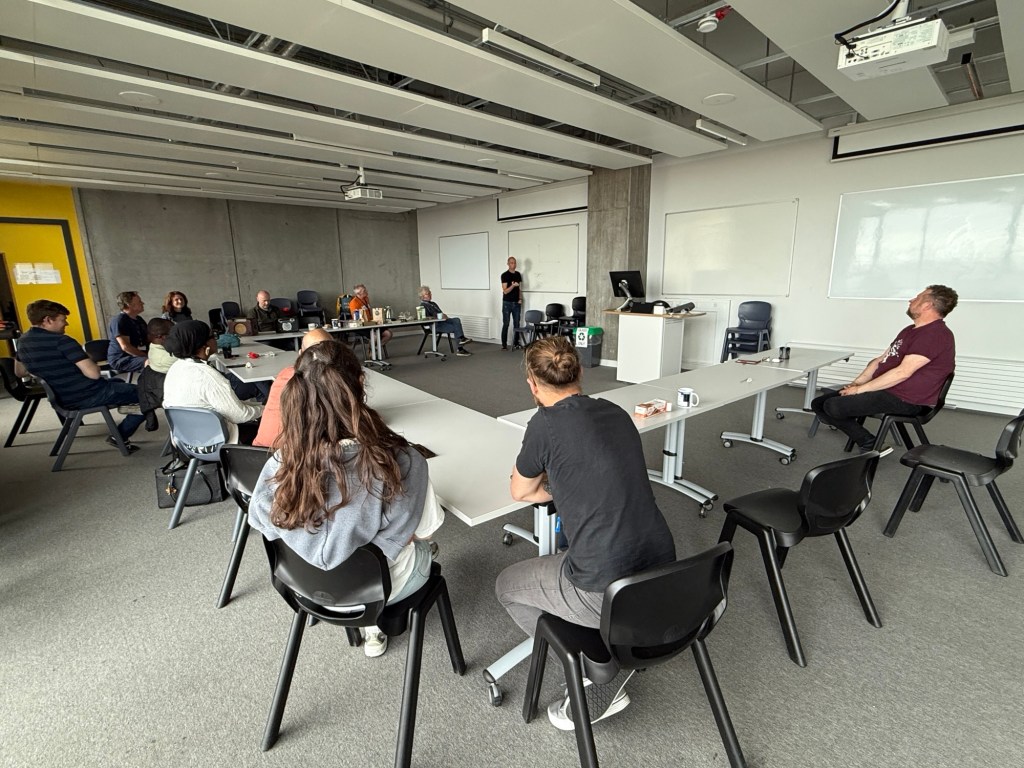
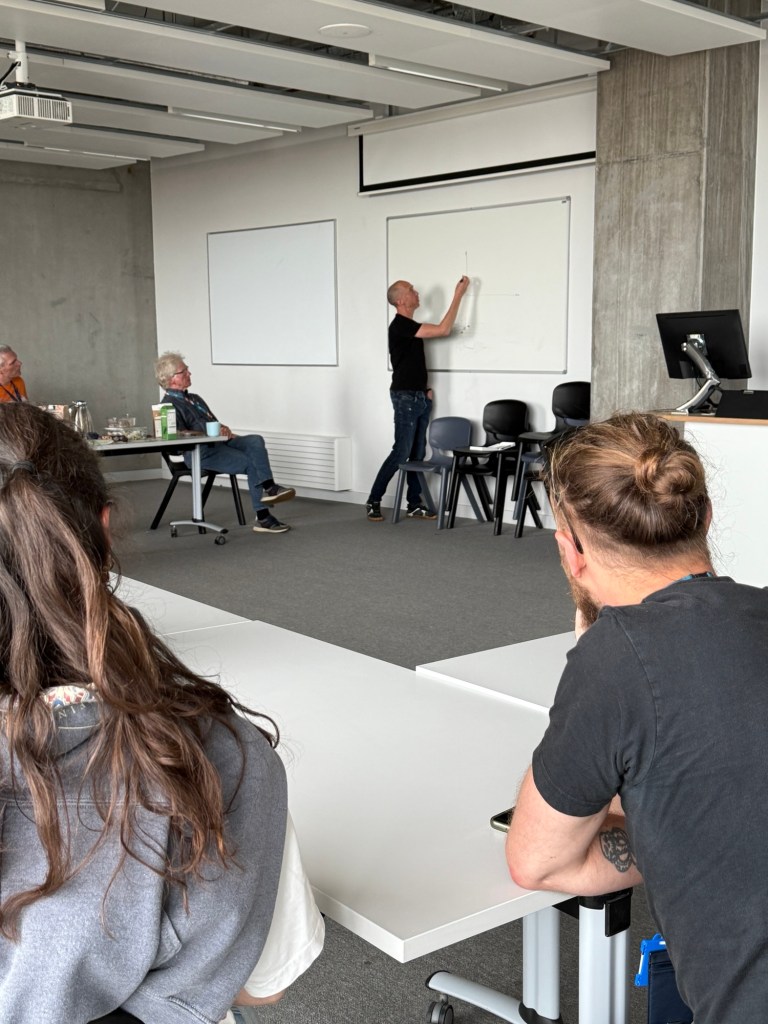
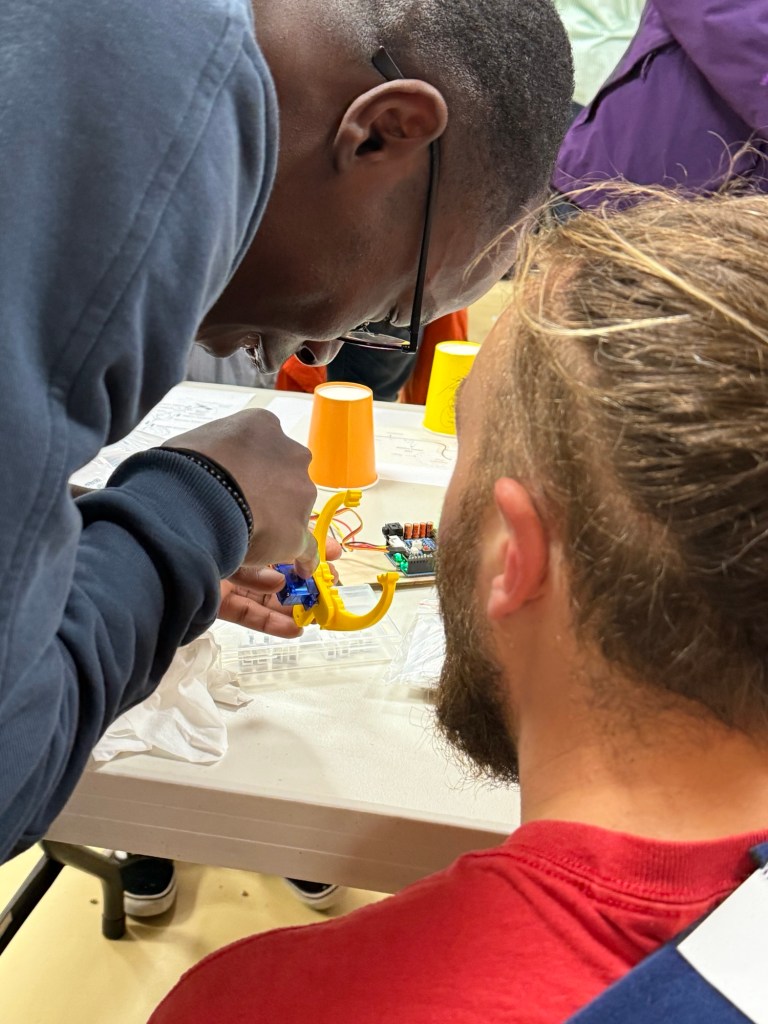
This year was no exception as our makers worked to perfect the biomedical engineering projects they’d brought to share. Several of our group’s new lecturers and researchers worked together on this table.

Our researchers, Mayank Parmar and Dr. Harish Kambampati, demonstrating biomedical technologies.

I typically help with communicating the ideas to a younger audience or contributing something that’s more on the artistic or spatial side (since I’m an architect, who loves to hang out with these creative engineering types).

In the early years of Dublin Maker, 2015-2018, you would’ve seen us under the banner of RoboSlam. Our booth usually has several tables of displays with hands-on activities, grouped together under some sort of theme.

One year, we hosted the “RoboSlam Cafe” where attendees could build their own robots from low-cost kits—we wanted to provide firsthand experience in robotics. We like to demystify how everyday “smart” devices are made by showing people what’s “under the hood” and making it understandable.

Two of my personal favorites among our past exhibits have been “fractleismus” (generating images from attendees’ sketches using a fractal algorithm) and the “vaporwave fotobooth”, both presenting creations by Ted Burke. ⬇️
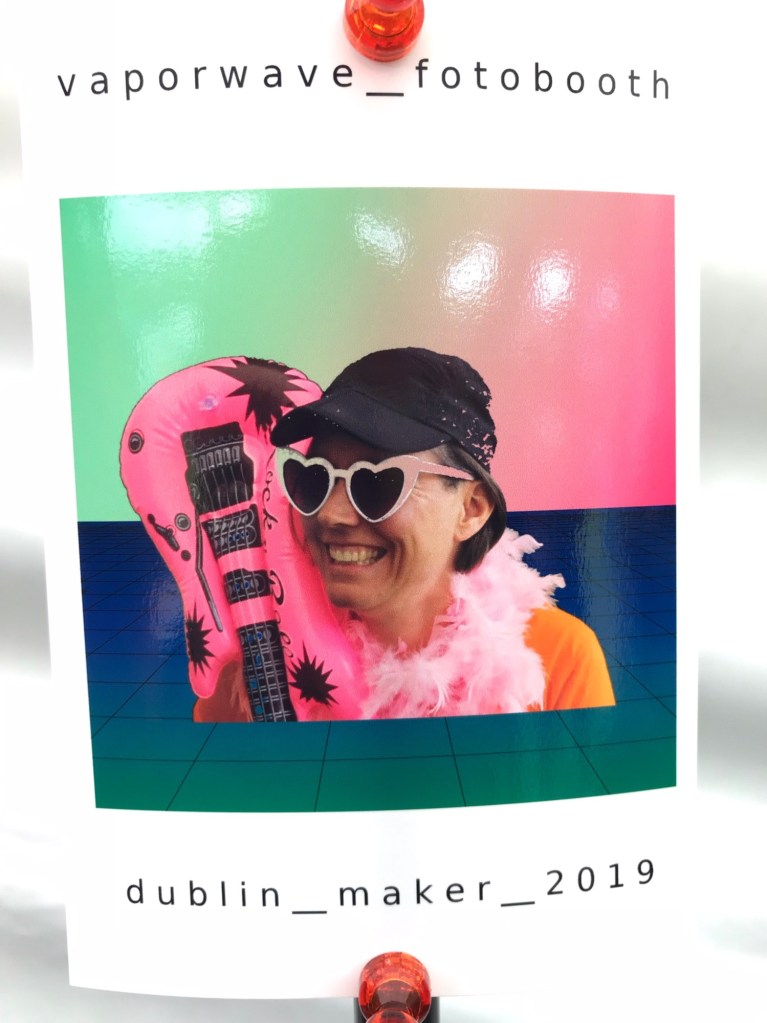
From the FotoBooth in 2019.

The fortune teller and subsequent Talking Head booth developed by Shane Ormonde, which integrated AI, were also quite intriguing. The second of these demonstrated generative AI work in real time, back in chat, GPT was just emerging. ⬇️
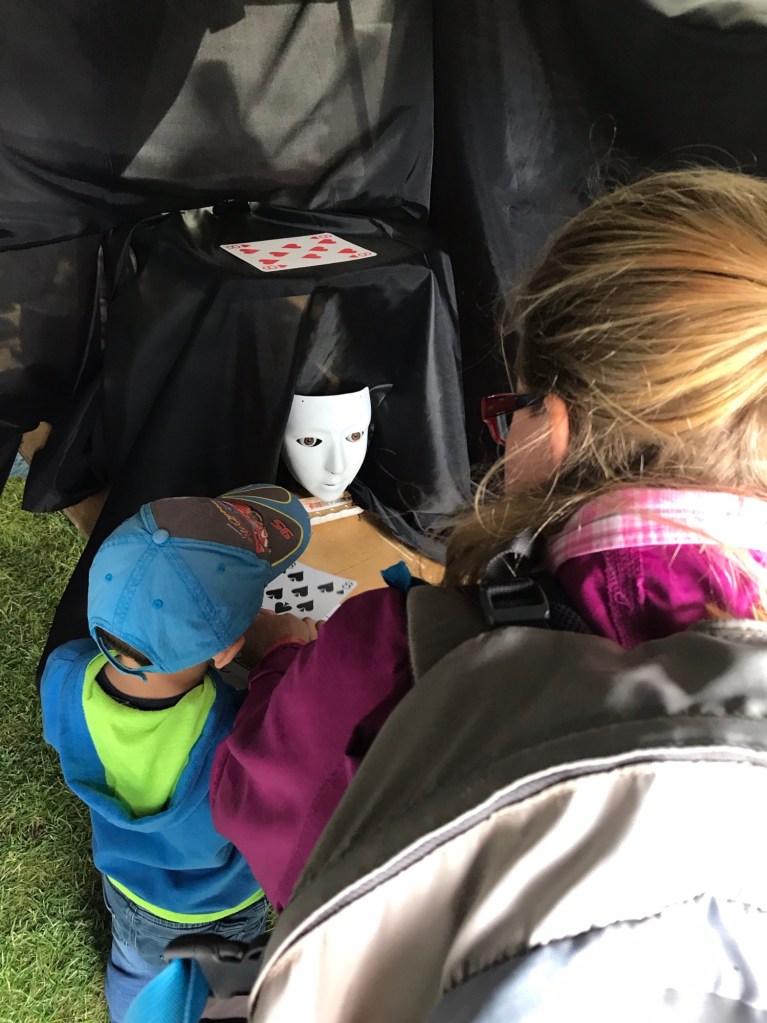
Shane Ormonde’s fortune teller from 2019.

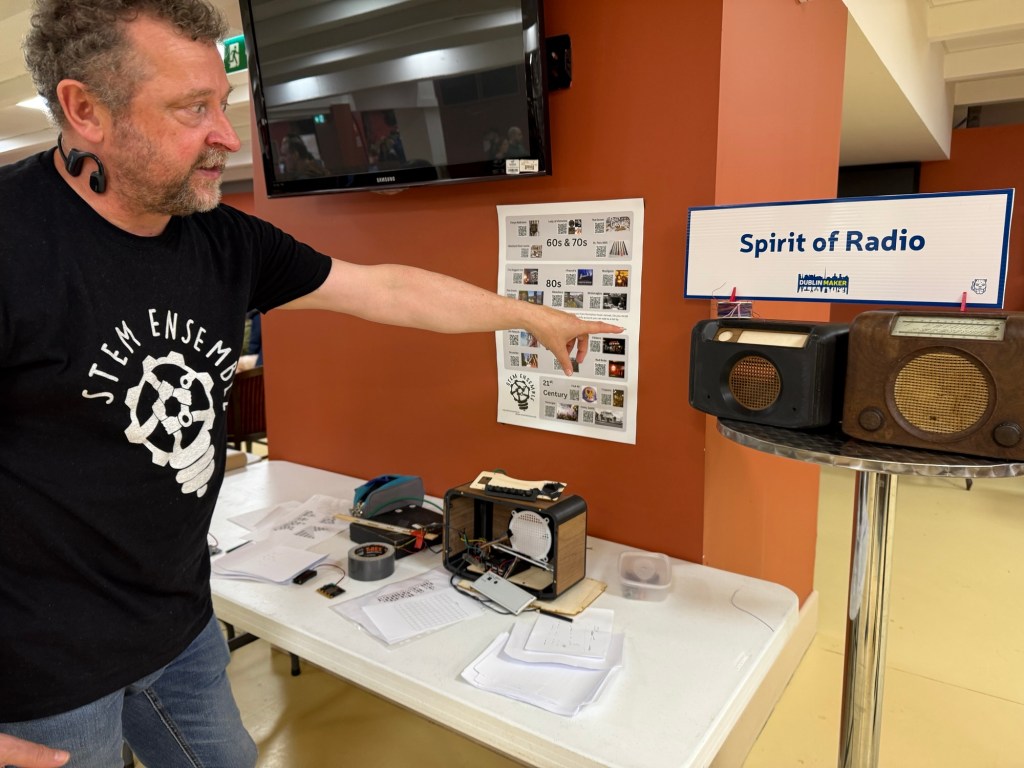
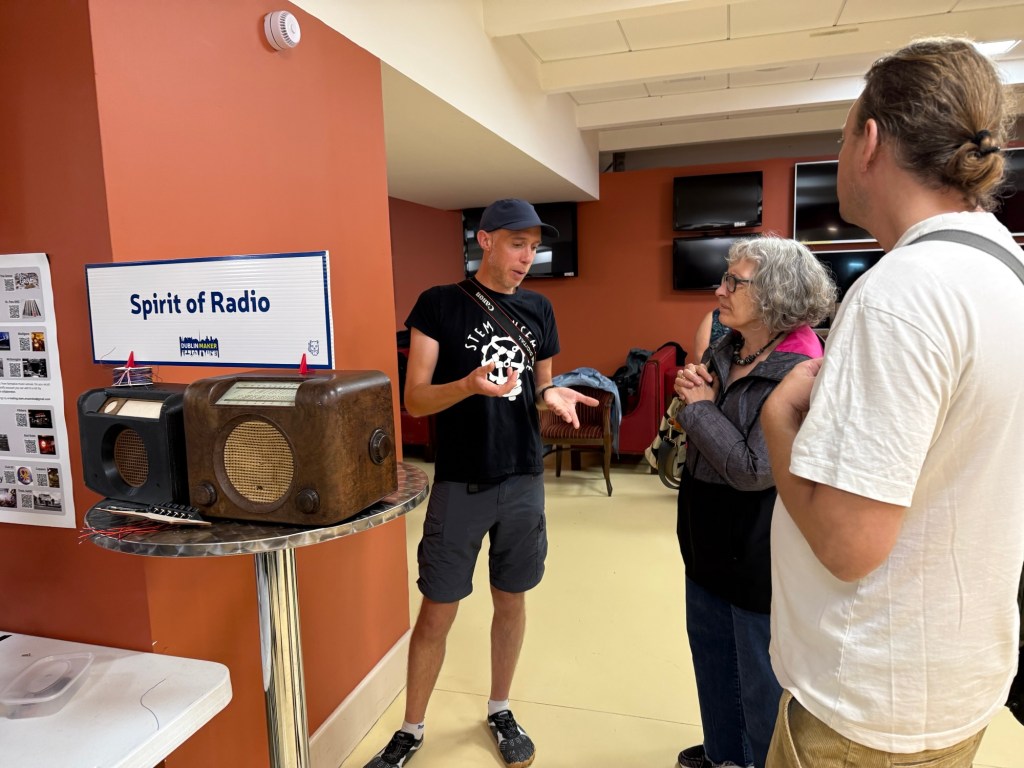
This year, our major theme was the “Spirit of Radio”.

My STEM Ensemble colleagues have been working hard to develop a radio that has analog feature features as well as AI enabled digital features. This is related to a project that Paula Kelly is leading to introduce senior citizens to AI and help them understand the technology.

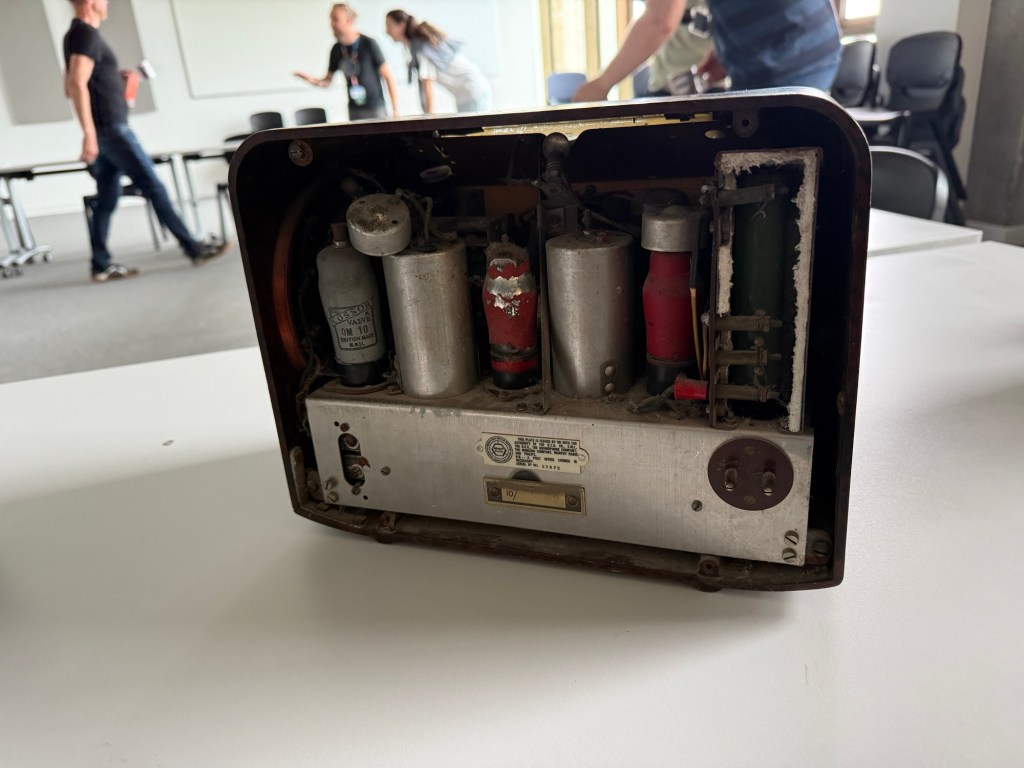
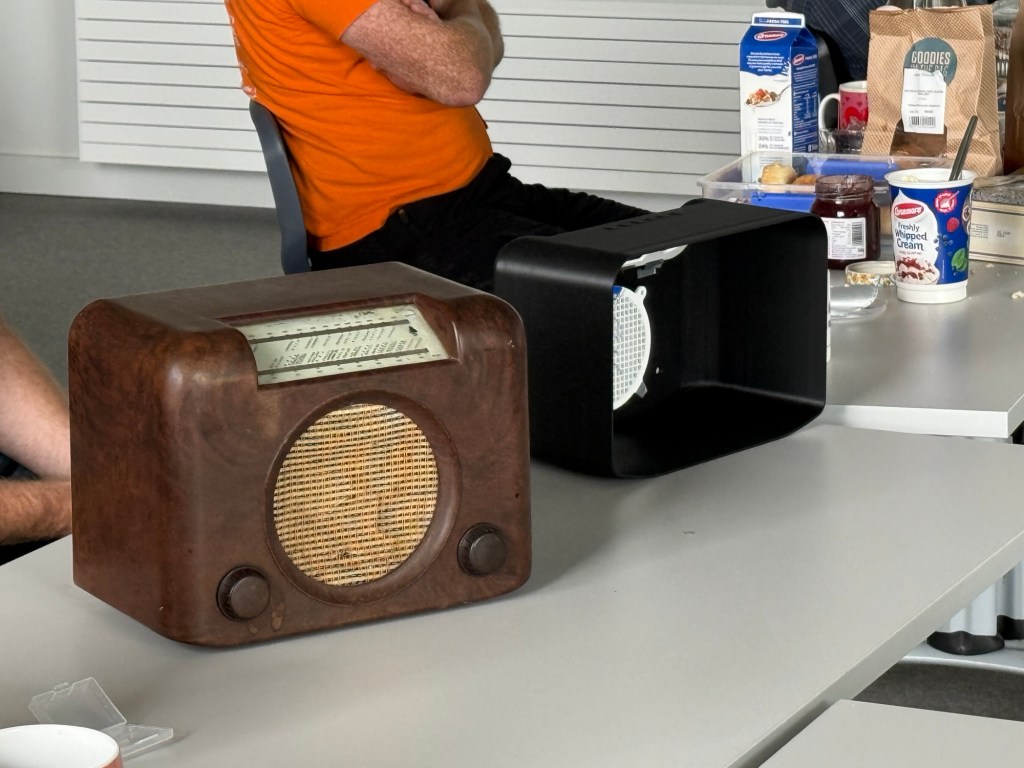
David Powell with our new (left) and antique (right) radios.

The radios that we displayed this year were predominantly developed by David Powell, Keith Colton, Frank Duignan, Shane Ormonde, Ted Burke, Richard Hayes. Of course, many other people provided ideas and advice during our STEM Ensemble meetings.

I’ve been attending the meetings, although I can’t contribute much on this topic. Nevertheless, I go to learn and soak in the maker spirit!

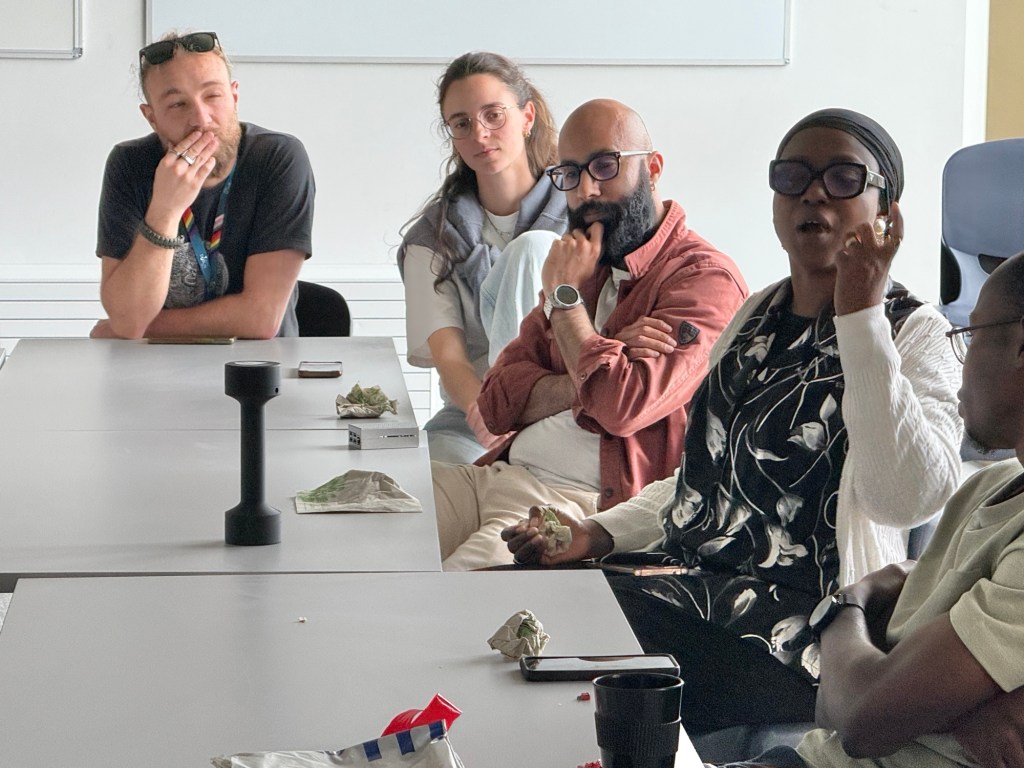
Some of the STEM Ensemble at Dublin Maker, giving me a good laugh!

Since we’re no longer just about robotics, we shifted our name from RoboSlam to “Dublin STEM Ensemble”. Our group is associated within the School of Electrical and Electronic Engineering at Technological University Dublin. It’s also associated with the university’s tPOT research group (“tPOT” stands for “toward people oriented technology”), to which I belong.

STEM Ensemble is group of staff, students, and alumni who reflect TU Dublin’s long-standing commitment to inspiring public interest in science, technology, engineering, and mathematics. Damon Berry holds tPOT and the STEM Ensemble together—he’s a great leader!

By engaging directly with attendees, our group encouraged new perspectives and fostered a spirit of creative inquiry.

We are hoping see you at Dublin Maker next year!

My favorite Chartered Construction Manager

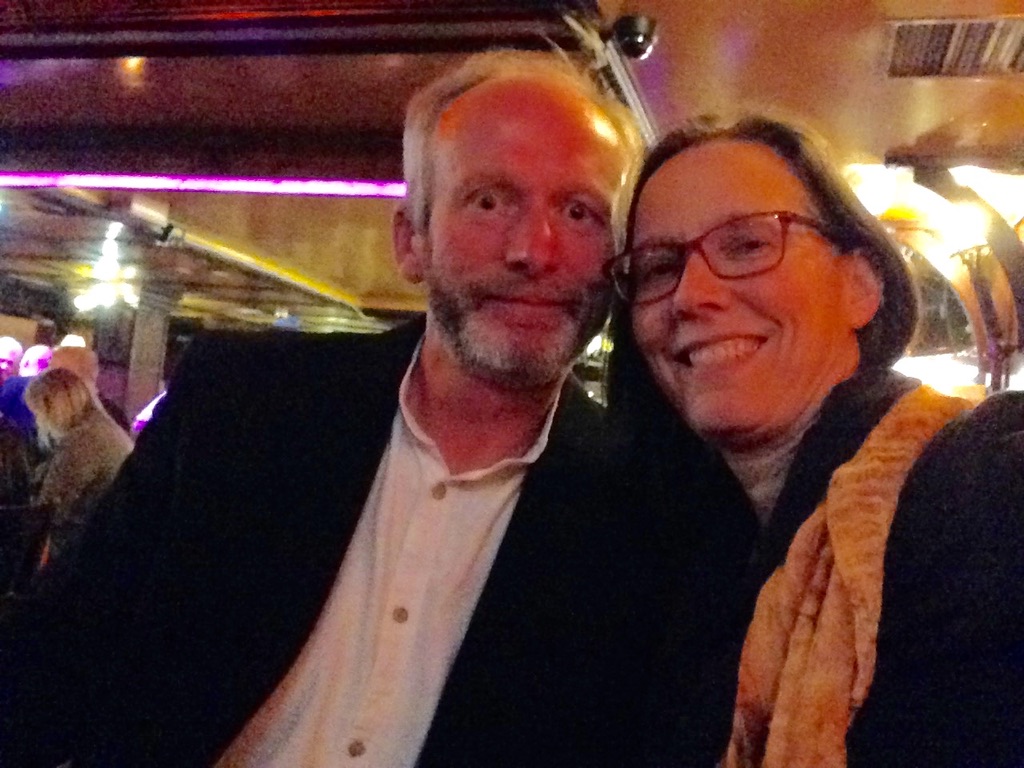
If you’ve known me long, then you have gotten to know my partner, Aongus, over the years. It’s likely that you know we like to enjoy life and have a good time….

But you also likely know we’re hard workers! We love learning new things, stretching, and exercising our skills.

Today, I am taking the opportunity to brag about this lovely fellow.

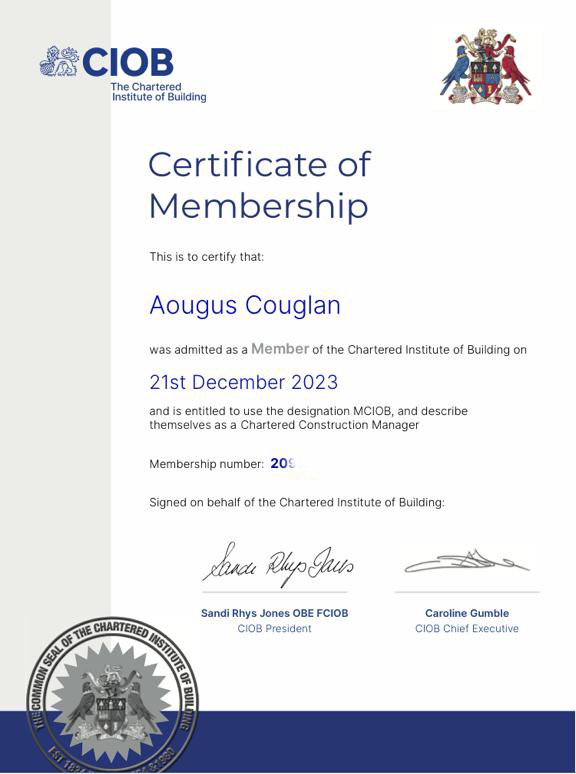
He started working on a new credential during the Covid lockdown, earning it just before Christmas. He’s now officially a Chartered Construction Manager and a full Member of the Chartered Institute of Building in Ireland and the UK. He gets to use the letters after his name:

Mr. Aongus Coughlan, MCIOB

This is the equivalent of a bachelor’s degree in the European system (the Level 7 ordinary bachelor on the Irish framework), so it represents a boatload of work. When he sat for the five-day exam, he did so well that they bestowed the designation of distinction, but earning this full credential required much more than just passing that exam. He also had to document his experience in detail, and pass high levels of scrutiny.

I couldn’t be prouder of Aongus!

He’s an all-around fabulous guy. He’s always thoughtful and considerate. He’s a great cook and a deeply caring companion. He’s good-natured and kind, never pouts, and always carries his own weight at home and at work.

And now the world knows he’s also an excellent manager!
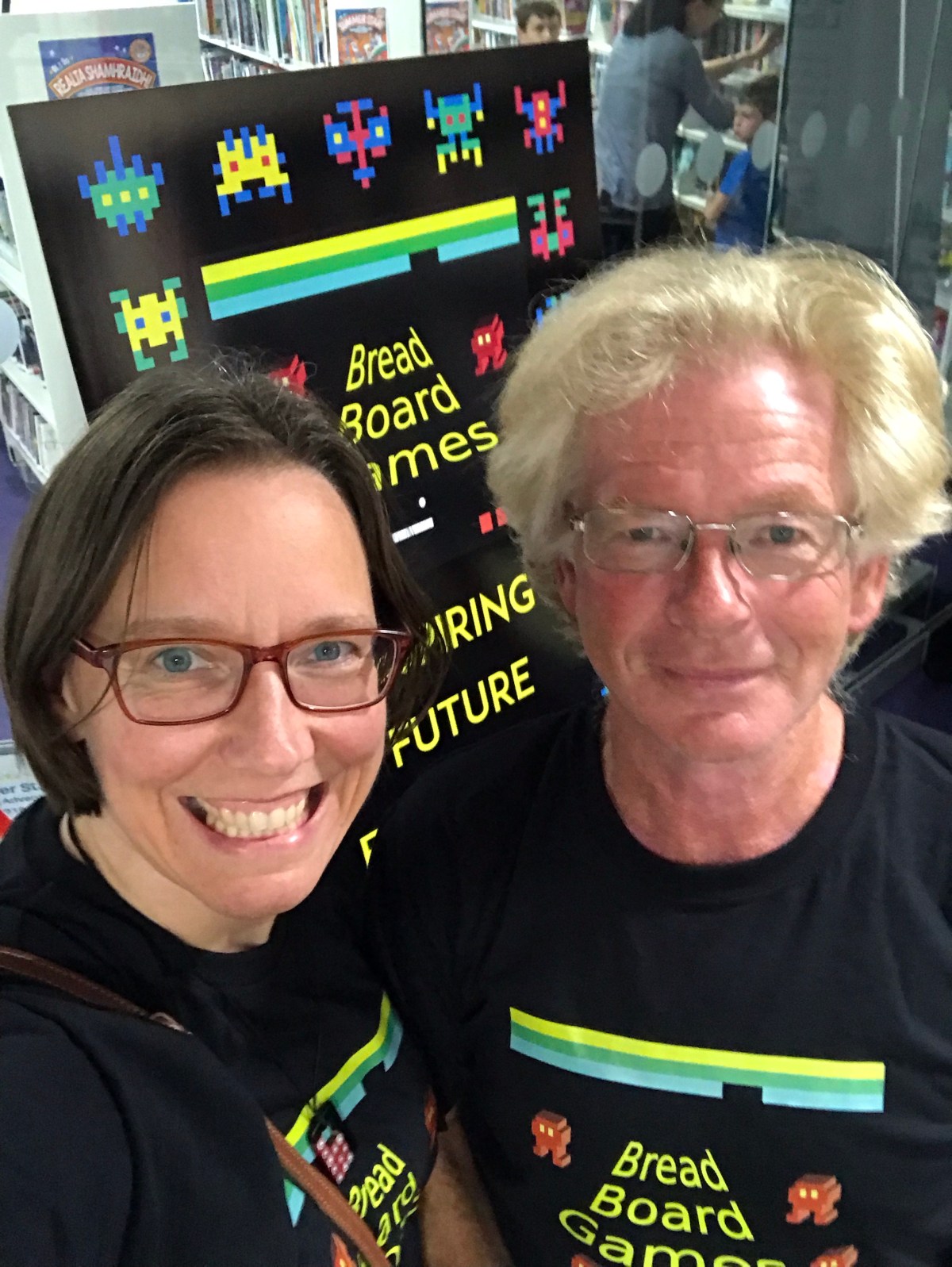
Well done, baby! Studying is a very good look on you!
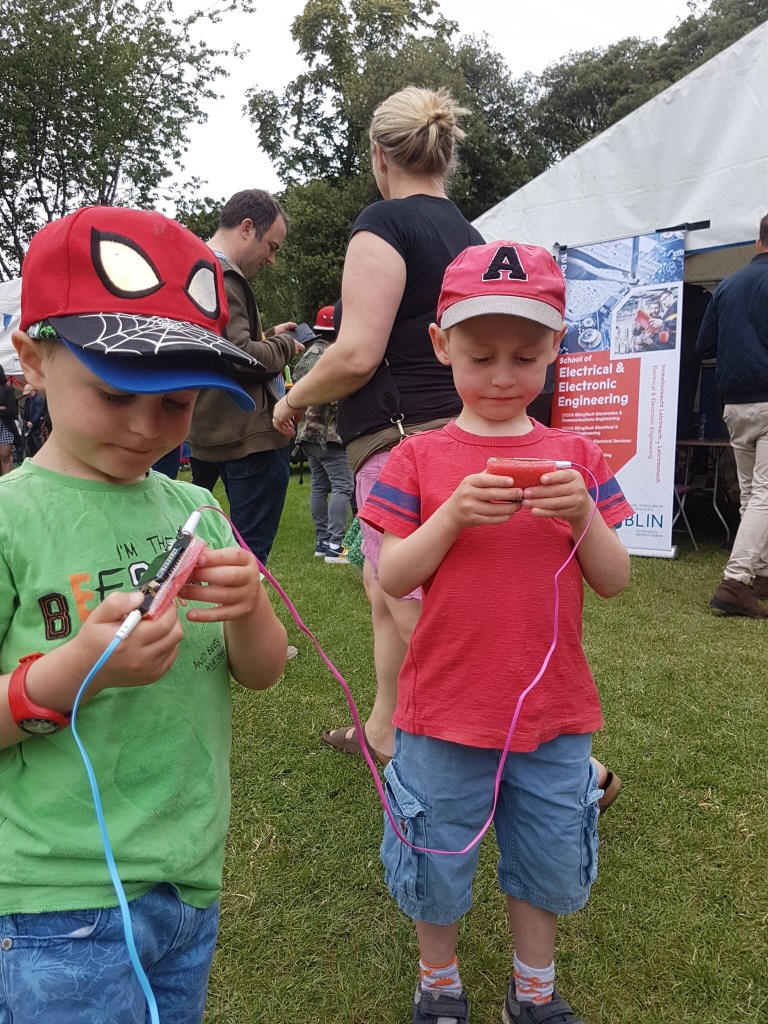
Creators I admire: Shane Ormond and Nikkolas Smith

I’d like to highlight some creative endeavors of two people I have had the pleasure to teach and/or mentor over the years. They take time to post about their hobbies and/or professional work on WhatsApp or social media, and I benefit from what they share.

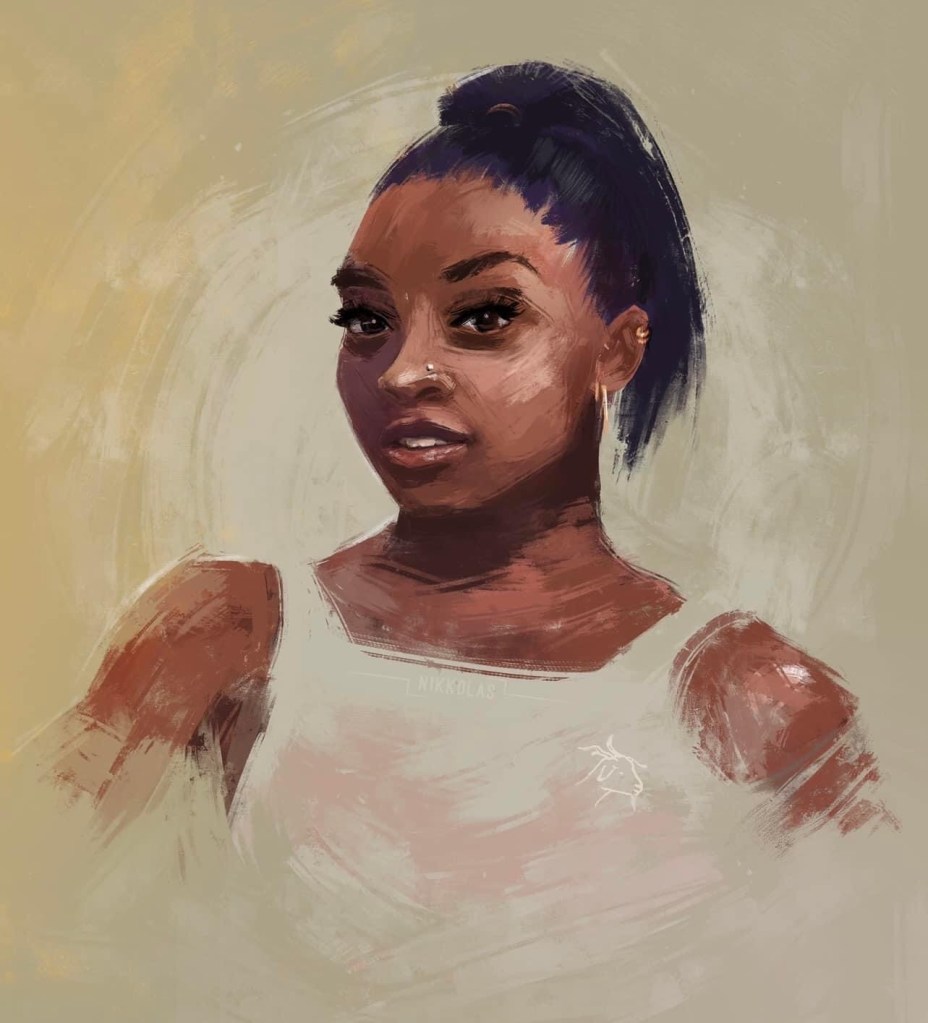
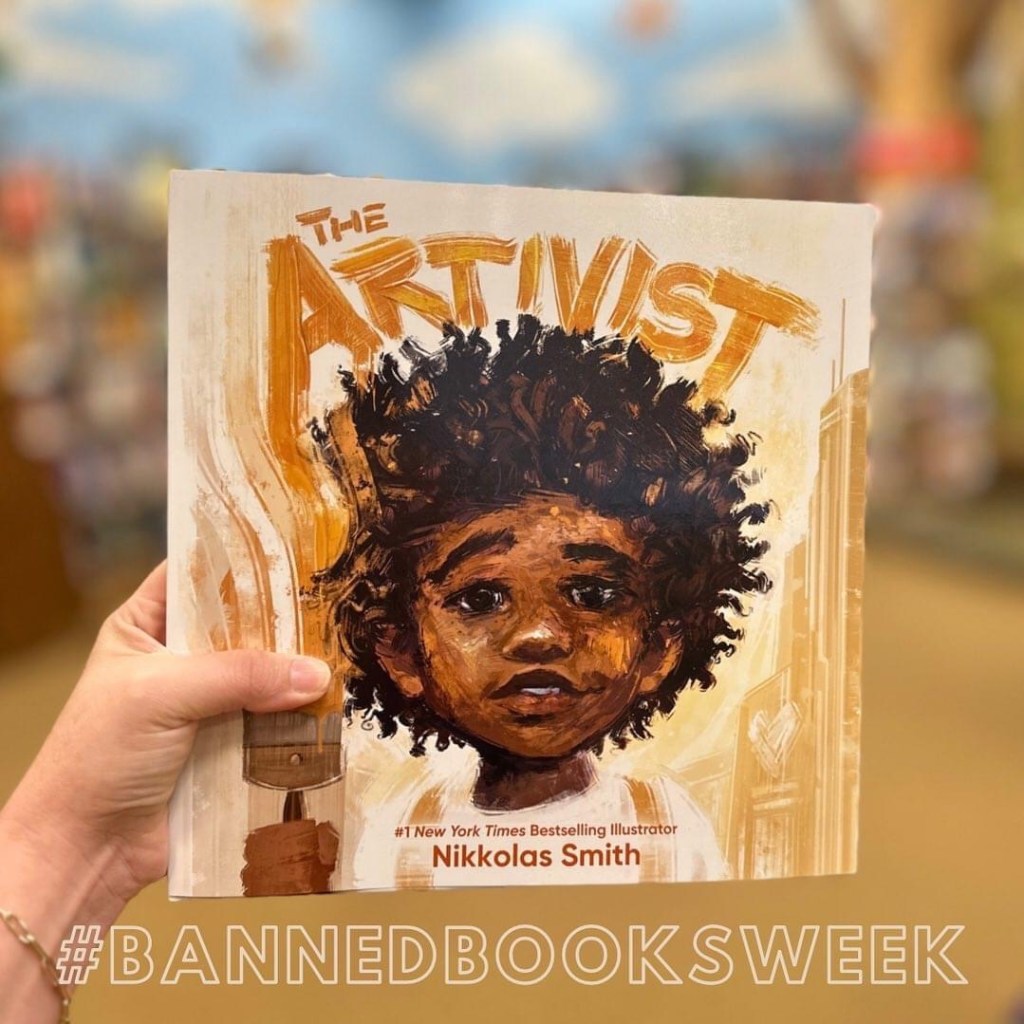
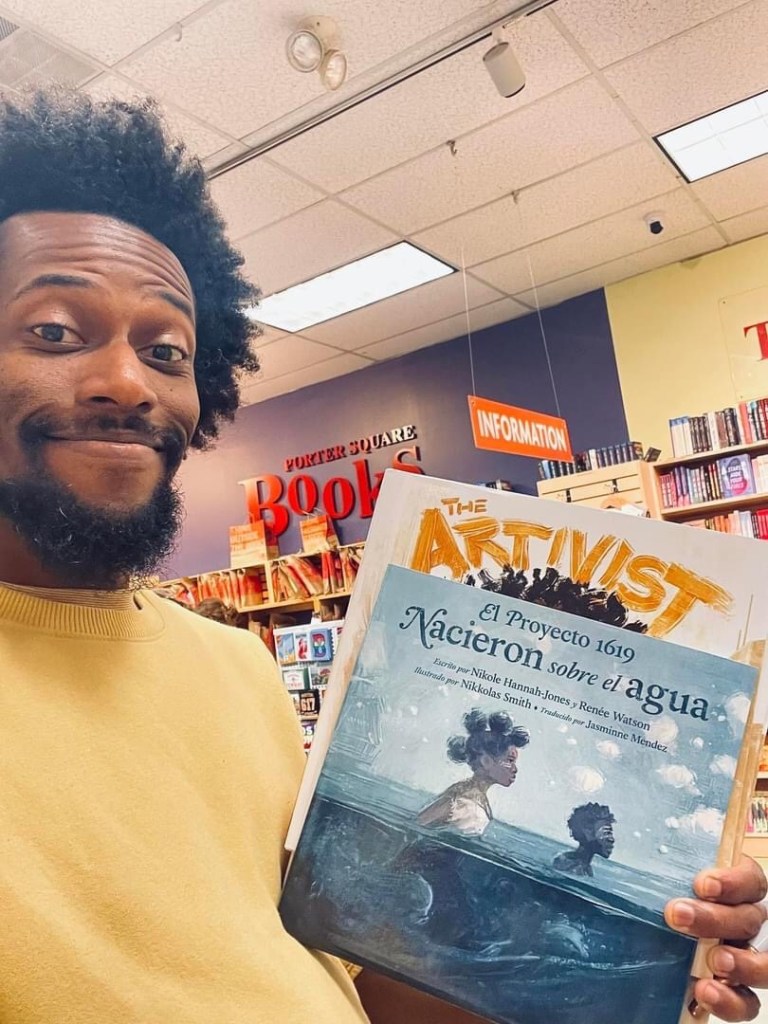
I have felt such inspiration due to recent posts by Shane Ormond (who lives in Ireland) and Nikkolas Smith (who lives in the USA).

Shane was previously a student in DIT’s School of Electrical and Electronic Engineering, and he’s been part of our RoboSlam activities for nearly a decade now (see RoboSlam.com and its blog section). DIT has transformed since then into TU Dublin — and RoboSlam has evolved into the Dublin STEM Ensemble. Shane has been a big part of both. He can frequently be seen supporting STEM Ensemble activities, like our annual exhibit at Dublin Maker, or our periodic planning and knowledge-sharing sessions held in the new Granegoreman Central Quad.

Here’s a video Shane shared on our STEM Ensemble WhatsApp thread last week about one of the projects he’s been doing in his spare time:

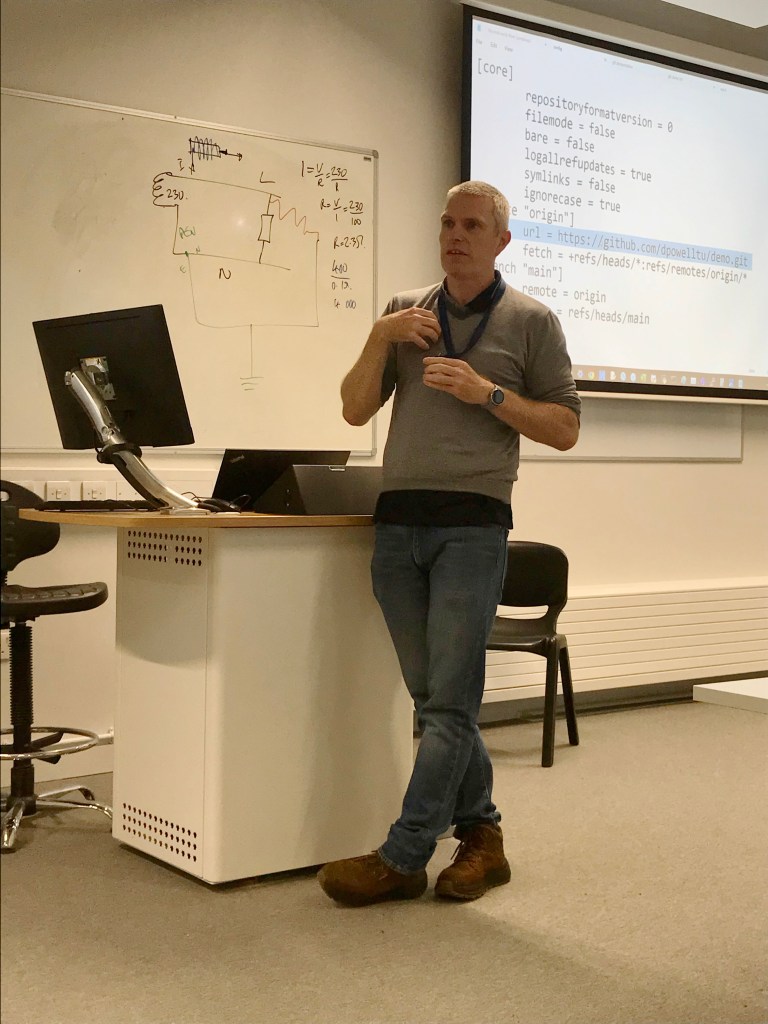
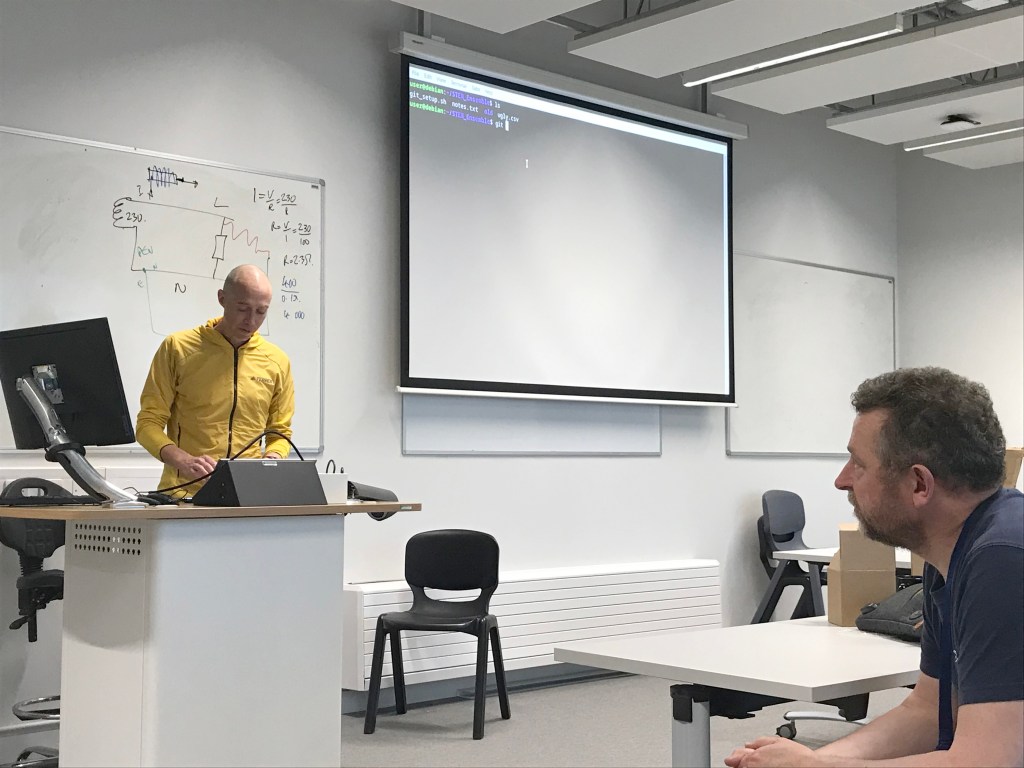
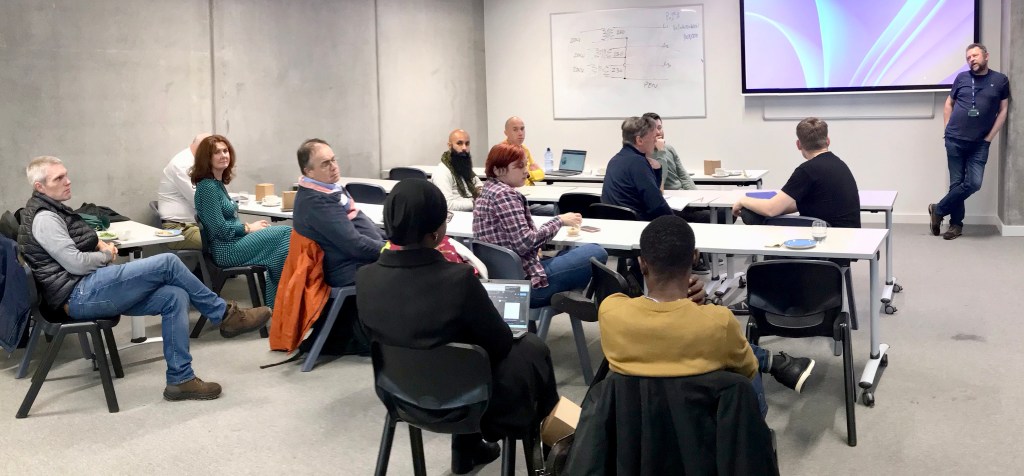
At the end of the video, Shane mentioned GitHub, where he posts his work for others to draw from. STEM Ensemble recently held a seminar on GitHub that Shane and I both attended. (The difference is, he understood a lot more of the presentation than I did!)

I see the video (above) with the blue model car as an evolution of Shane’s earlier work with robotic model cars with cameras on them, which I captured in this March 5, 2020 video. I shot it days before campus ground to a close with Covid lockdown:

Shane does all this as a hobby; at a couple of Dublin Maker faires he developed the technology to power talking heads. This year’s talking head automatically answered spoken questions using ChatGPT.

Like Shane, Nikk Smith is internally motivated to create. Nikk was an architecture student of mine at Hampton University, many moons ago. He often posts his “Sunday sketches” on social media. Here are a couple examples:

I am proud beyond compare of the work my former students and mentees are doing in the world — the creativity and passion they bring to the world and the lives they design for themselves.

Shane and Nikk are two outstanding examples, and I hope to feature more of my own personal heroes on this blog in the months to come. Being an academic educator and researcher connects me with many amazing people.

Global Responsibility of Engineering Report

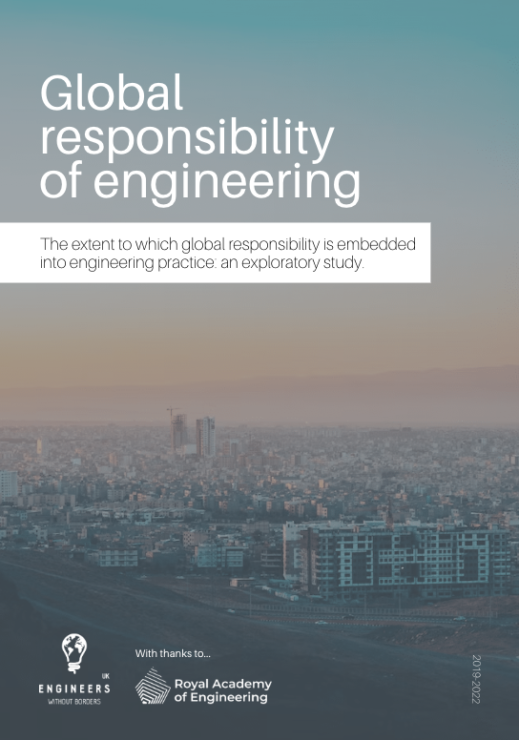
Last week, Engineers Without Borders UK published my team’s research in the form of the GLOBAL RESPONSIBILITY OF ENGINEERING REPORT. The EWB-UK webpage about the report explains “Drawing on the experience of engineers working in the built environment sector, our latest report explores the extent to which global responsibility is embedded in engineering practice.”

The report is rich visually, and also in content:

The qualitative research reported in this publication was conducted by me, with support from my University College London colleagues, Dr. Inês Direito and Professor John Mitchell, and with advice from the EWB staff and its project Advisory Board.

As described in the report:

Through a study of existing literature and interviews with engineers working in the built environment sector, in this report, we highlight the existing understanding and role of global responsibility as a concept within the sector. We explore the following: What is understood by global responsibility in engineering, and what are some of the preceding concepts that have led to this point? How well is the urgency for adopting a globally responsible approach in engineering grasped? To what extent do engineers feel it is their responsibility to take action and what is accelerating or dampening that?


Engineers Without Borders UK (2022)

EWB staff members helped transform my team’s research into the report format commonly used in the UK. They also provided the report’s case studies, photographs, and illustrations. EWB staff who were instrumental in shaping the delivery were: Dr. Jonathan Truslove, Katie Cresswell-Maynard, and Emma Crichton.

Advisory Board members providing conceptual direction included: Jon Prichard, Dr. Rob Lawlor, Thomas Gunter, Professor Nick Tyler, Dr. Rhys Morgan, and the Royal Academy of Engineering’s Education and Skills Committee.

The correct citation for this publication, based on APA guidelines includes the authors’ names:

Truslove, J., Chance, S. Cresswell-Maynard, K., Crichton, E., Direito, I., & Mitchell, J. (2022). Global Responsibility of Engineering Report. Engineers without Borders UK: London. https://www.ewb-uk.org/wp-content/uploads/2022/11/GRE-Report.pdf

I’d like to give special thanks to my colleagues at UCL (Inês, John and Nick) as well as the University of Leed’s Dr. Rob Lawlor for their encouragement and support throughout this project. I also send thanks to the EWB team for getting the publication across the finish line.

As a result of many people’s hard work, the report delivers our research findings to a new audience. You can find other outputs of the research project in two academic journal articles published by the UCL team, and you can download them directly, using the links below:

Above and beyond: ethics and responsibility in civil engineering

Opportunities and barriers faced by early-career civil engineers enacting global responsibility

Virtually back in-person at TU Dublin

I’m finally coming out of laptop-induced hibernation. I’m ready to move between in-person and online realms, and hoping this will ensue rather seamlessly. It’s been hard to muster enthusiasm for blogging after working behind the laptop all day, every day. Maybe spending time outside will provide inspiration to blog, as it has today.

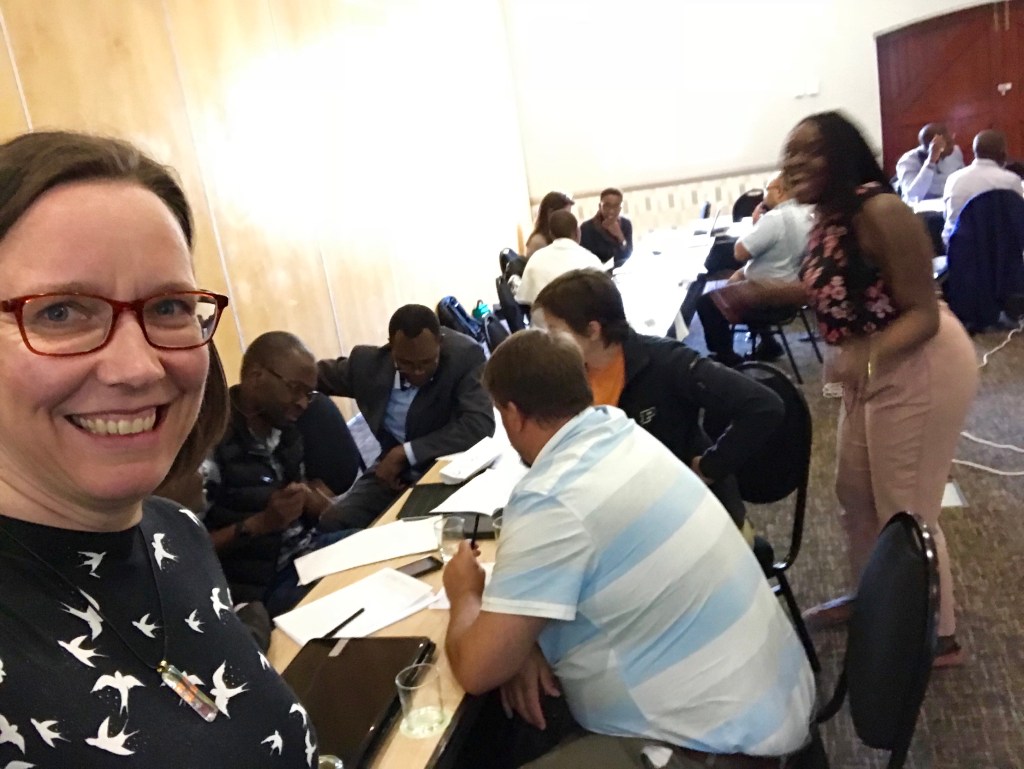
This morning, I delivered a seminar (7-8 AM) to the Center for Research on Engineering Education (CREE) at the University of Cape Town. The topic was writing research proposals for publication and securing grants and fellowships. I delivered a similar session earlier in the year as part of a workshop series conducted by the Research in Engineering Education Network (REEN), and CREE asked me to bring it to their group.

A really enthusiastic group attended and I received several follow-up emails. I really appreciate hearing what attendees valued and how we might connect more in the future. I met most of these folks in delivering Master Classes in South Africa when I was working at UCL, and also when attending the Research in Engineering Education Symposium in Cape Town in 2019. I’ve really enjoyed getting to know them better through regular meetings, online during Covid. I’m currently developing a special focus journal issue with one of them, Anita Campbell. We had a meeting about that project yesterday that was so exciting I had trouble sleeping last night!?

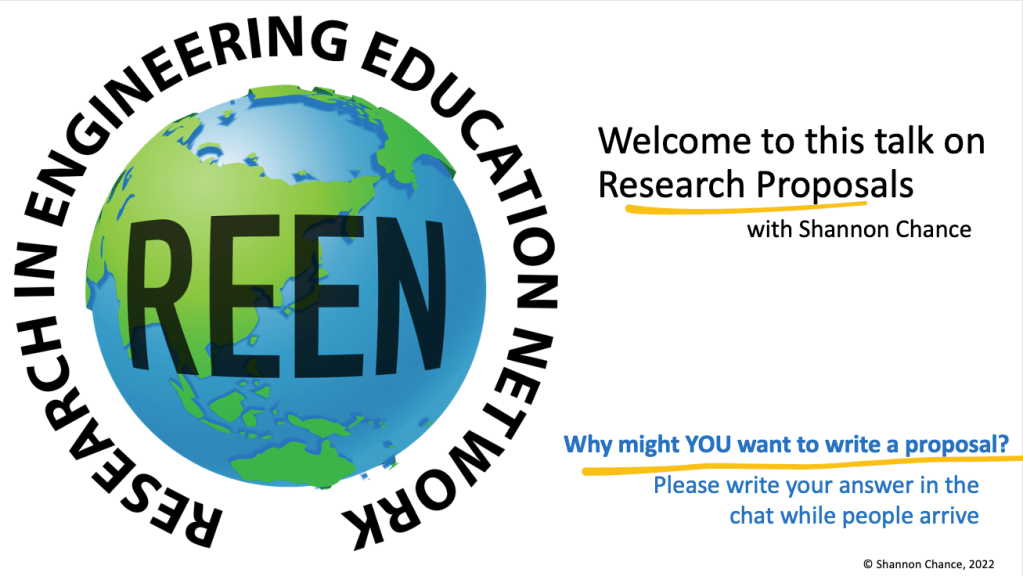
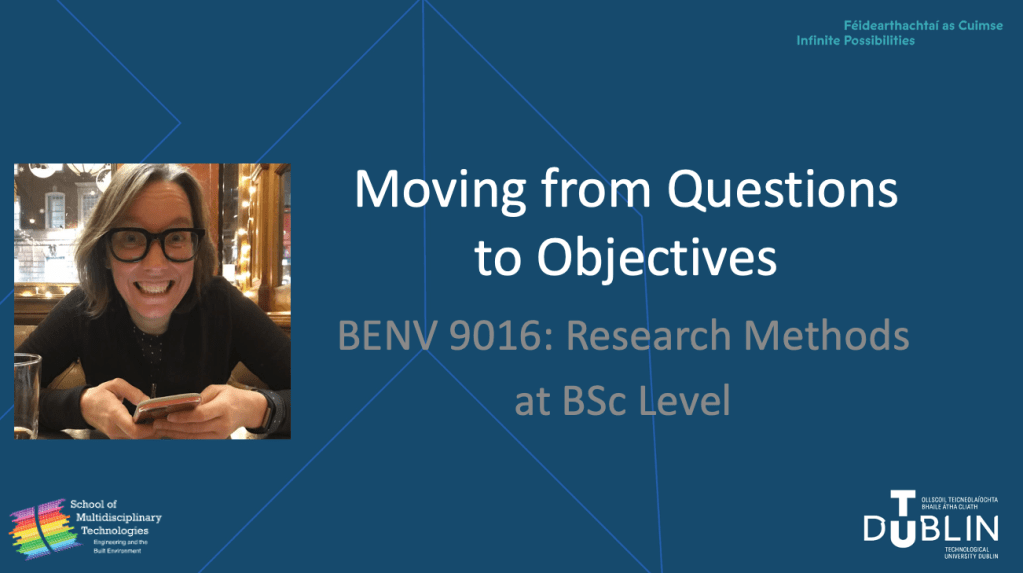
Cover slide for the talk I gave today, virtually in Cape Town.

Logging off the Cape Town session, I headed over to Bolton Street TU Dublin to help lead a field trip for Transition Year (high school) students to visit sites in Dublin.

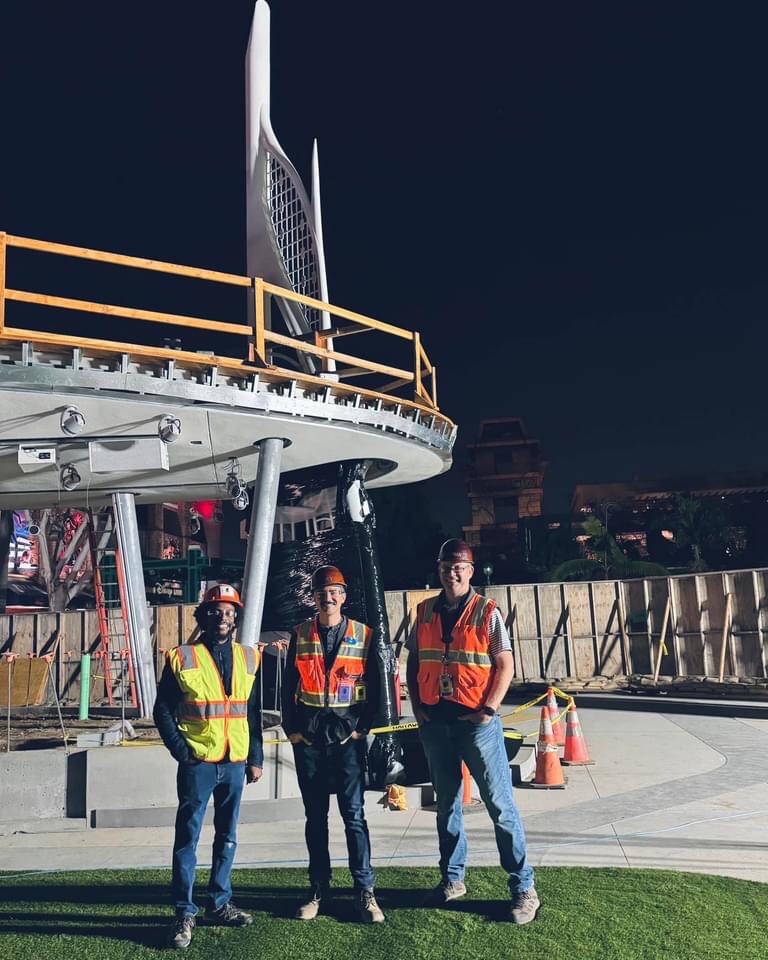
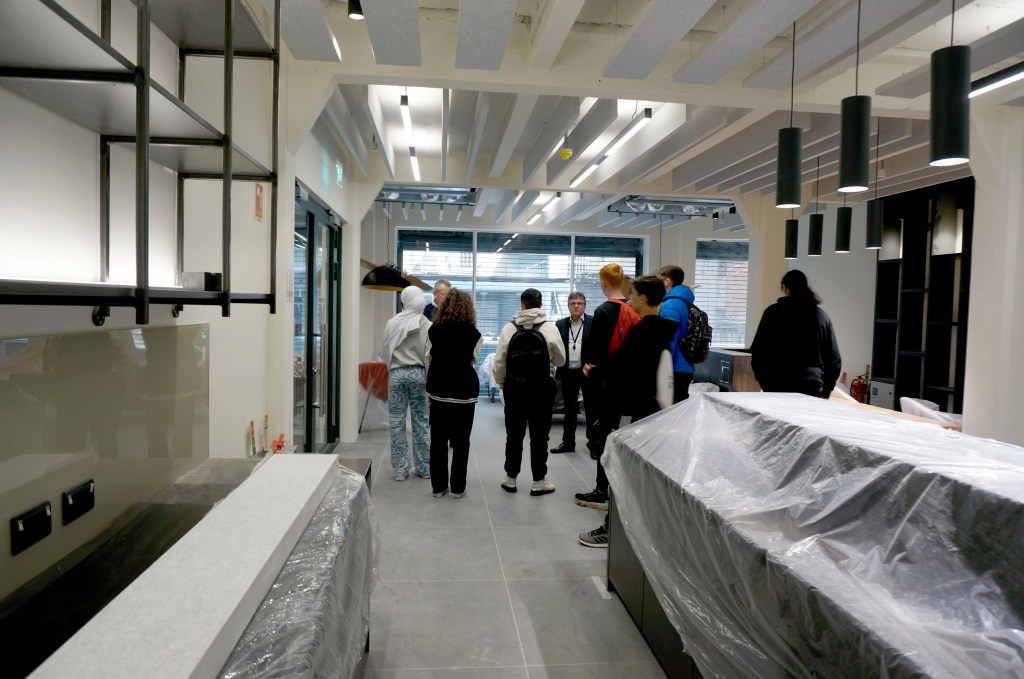
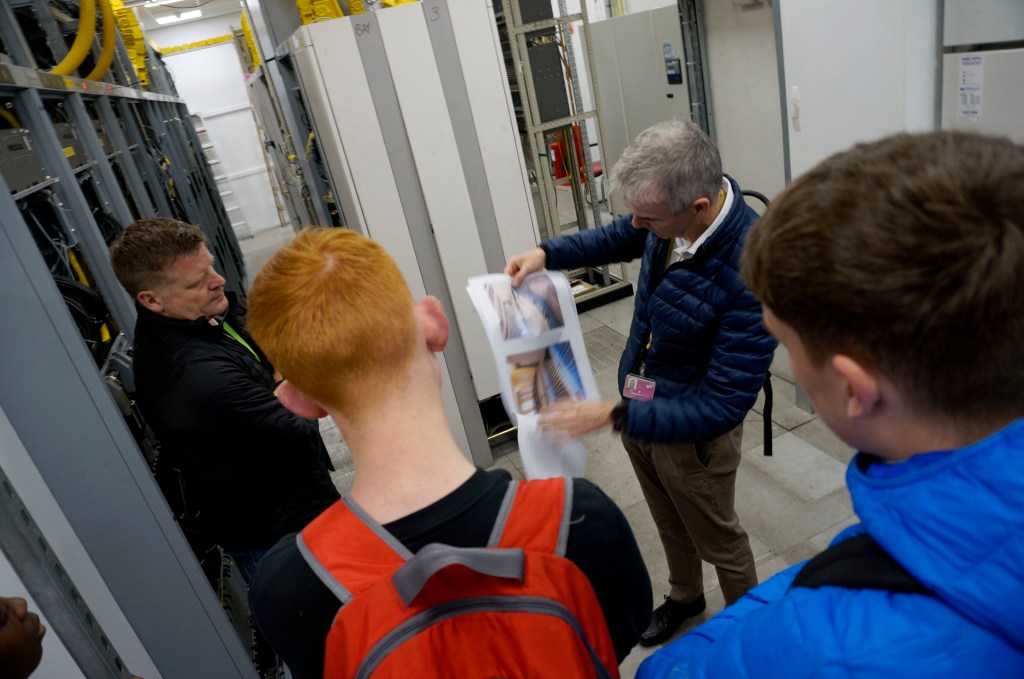
One-half of the students toured the “waste to energy” facility in Dublin (which they don’t call an incinerator, as that word seems politically incorrect here but is easy-to-envision thanks to Toy Story). The other half of the students came with Kevin Gaughan and me to see a construction site downtown. I included two photos of our site visit below, but you can see more about the visit, including a full gallery of images, at https://roboslam.wordpress.com/2022/05/12/engineering-your-future-at-tu-dublin-2022/.

While I was busy on the tour, some of my colleagues were preparing for tomorrow’s activity for the same students, a BioSlam. You can view the instructions for making little blood flow monitors on our RoboSlam site, at https://roboslam.wordpress.com/bioslam-ppg/.

A photo of the project for tomorrow. See https://roboslam.wordpress.com/bioslam-ppg/ for more.

I’ll have to step out of the BioSlam for a while to attend an online Meeting on engineering ethics — I hope earbuds do the job and I can attend from the corridor outside the electronics lab.

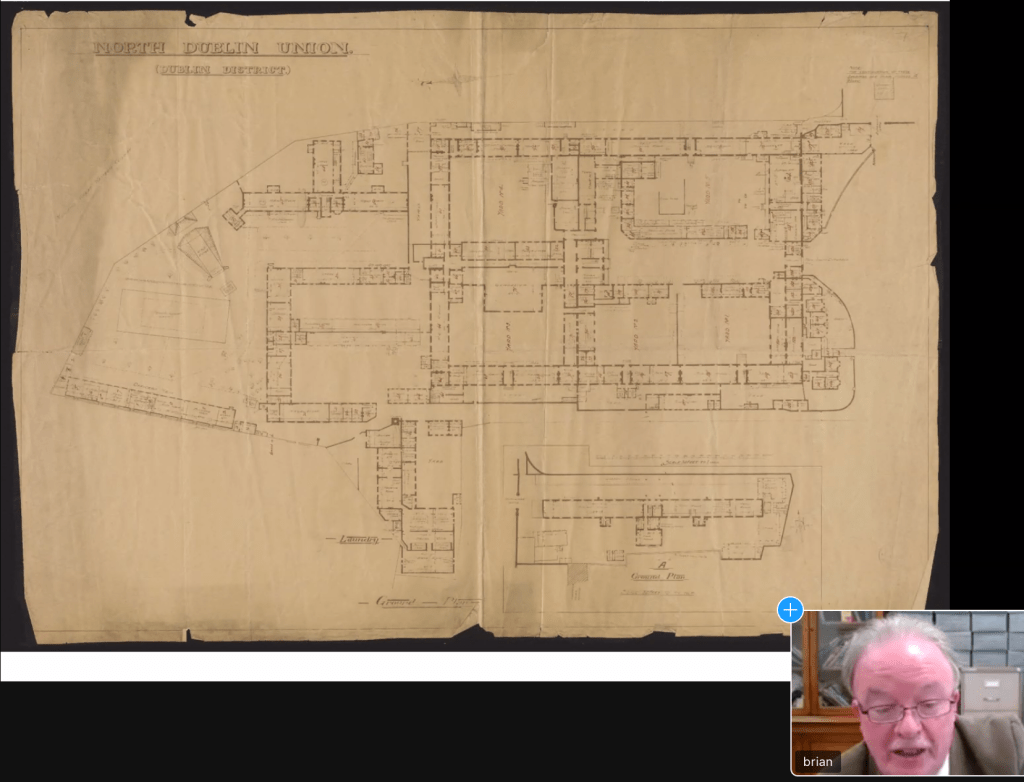
At the moment, I am taking a breather, listening to an online talk by a leading expert in the history of Grangegorman. The speaker, Brian Donnely, Senior Archivist in the National Archives, is currently talking about Richmond Surgical Hospital (a block from my flat) and as well as TU Dublin’s campus site at Grangegorman, which was used as an “insane asylum” with a prison placed between the two in the past.

And, I’m multi-tasking (a rarity for me) and posting a blog (also very rare these days).

Online lecture by Brian Donnely, Senior Archivist in the National Archives.

In just over two hours, I’ll be teaching an online evening class on Research Methods for my BSc students in BIM/Digital Construction. Before then, I’ll read the peer reviews I’ve just received for the European Journal for Engineering Education, so that I can recommend tomorrow to the Editor in Cheif how to move forward toward publication of the manuscript.

A slide for tonight’s Research Methods class.

Dublin Maker here we come!

The TU Dublin RoboSlam gang is alive and kicking!

Nearly 20 of us met in February to start planning our exhibition for Dublin Maker 2020. The big event is to be held on the 27th of June in Herbert Park, on the south-side of Dublin.

Last week, a portion of our team reassembled to get different people’s parts working together in a coordinated way. I’ve created a little video of that second prep session for you to enjoy.

One thing that worries me, though, is that all the stuff my colleagues have made looks so very cool, so incredibly professional, that visitors to our Dublin Maker booth will think they BOUGHT this ready-made. Not so.

For instance, Keith Colton (in the video with the bandaid on his thumb) used a 3D printer to make the car he’s holding. He made it from scratch.

Shane Ormond combined a whole bunch of cutting-edge technologies to get a tiny camera on top of his race car to feed video into the VR headsets and TV monitors, all the while controlling the car’s behavior from a hand-held device. He’s been sending us video updates from his house and it’s been cool to watch his car speed under sofas and chairs and around his lovely home.

When I tired driving, I couldn’t control the car too well–and I’m pretty used to driving sporty cars! In this case, the car didn’t quite have the handling of my 2004 Nissan Z350. The car was racing around at top speed and the VR googles made it all seem much too real!

Note in he video how Paul Leamy’s stomach turned when his car flipped over. Seemed real! You can see on the TV monitor, but viewed through VR goggles it’s all the more gripping.

So, see for yourself!

Come on out on June 27th to see where all this leads. Our team is just at the start and we plan to build a plethora of buses, stop lights, trams, and Dublin city sites for our cars to whizz though on Dublin Maker day 2020.

Hands-on Robotics for Women’s Day

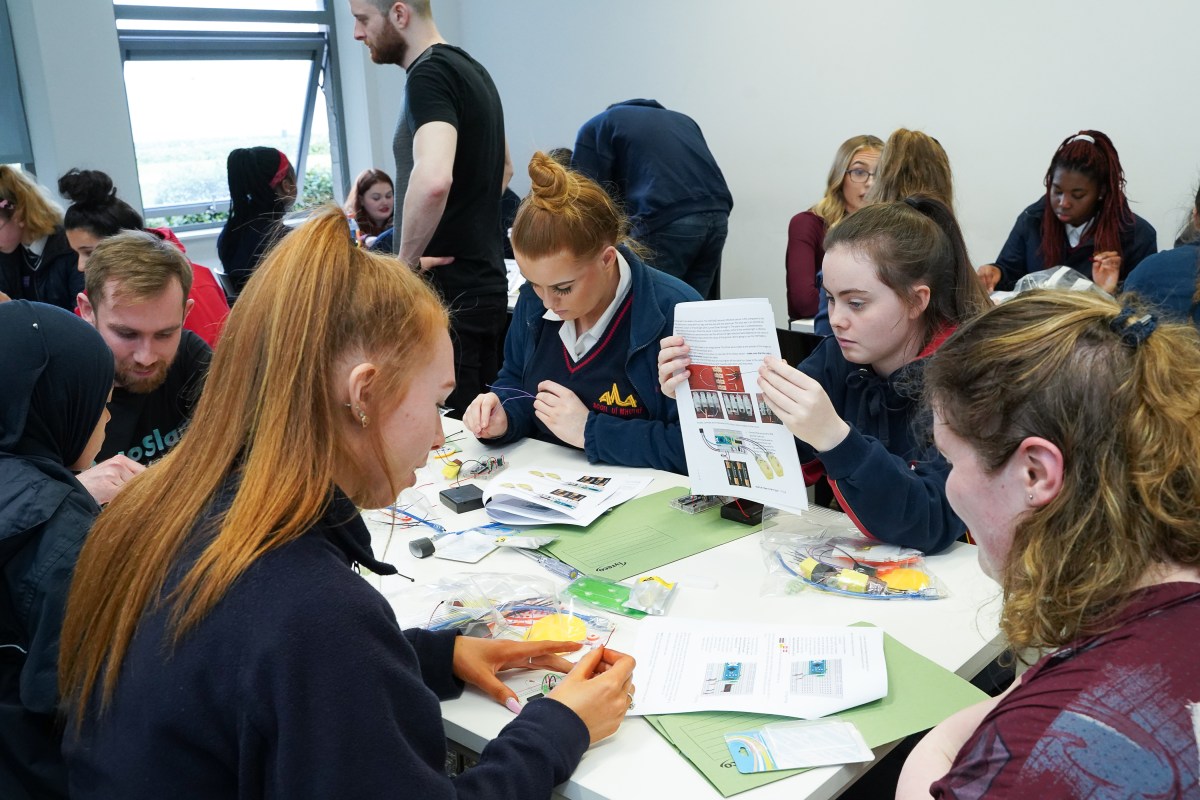
My colleagues who conducted the robotics workshop across town from mine last Friday sent photos of their RoboSlam. I’ve attached photos of the workshop held at Grangegoremen, now known as TU Dublin city campus. In all, we had 13 facilitators and over 40 participants join us for electronics workshops to celebrate International Women’s Day 2019.

The events were organized by TU Dublin’s office of civic engagement, and their staff provided these photos.

Celebrating International Women’s Day Building Arcade Games in Dublin

In Dublin last week, to conduct interviews with architecture and civil engineering students on their conceptualizations of design creation, I took an afternoon away to help teach girls from St. Bridig’s in the Coombe to build small hand-held video games. This was part of International Women’s Day 2019. It was one of two workshops our TU Dublin RoboSlam team conducted.

img_8036

Frank Duignan (far left), his two sons Sam and Oran, Shane Ormond (far right) and I all helped coach the students.

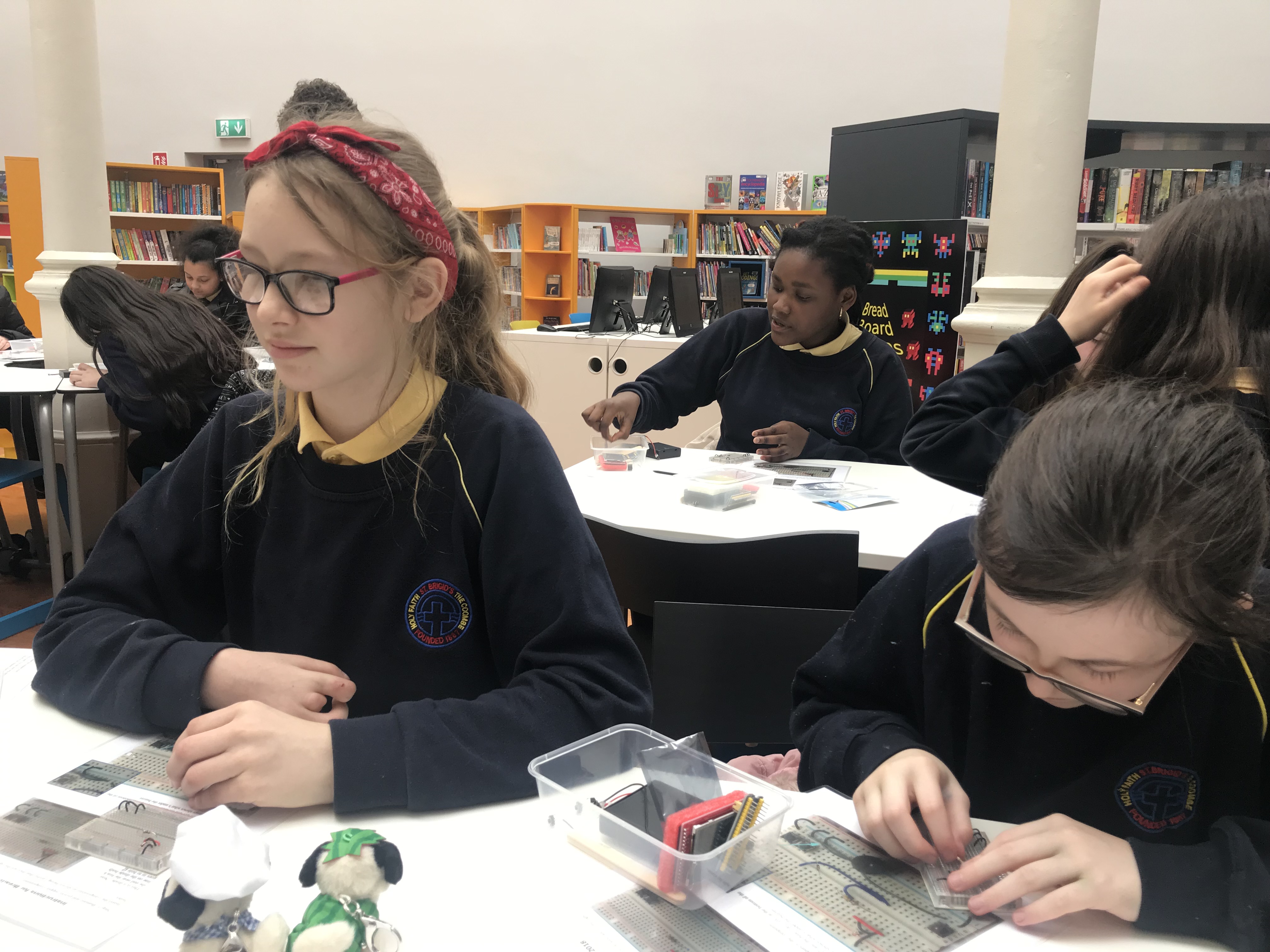
The workshop I helped conduct was the beautiful and newly-renovated Kevin Street public library (see photo gallery below). We had about 20 students and a handful of teachers there to build their first electronic devices. The game’s design was created by TU Dublin’s own Frank Duignan.

The students from St. Bridig’s were great–so focused and so very polite. They finished their breadboard gadgets in no time and had a chance to pay the games Frank had programmed in.

Thanks to TU Dublin’s Civic Engagement Office and St. Bridig’s of the Coombe for helping our RoboSlam crew get this experience to the students. The teachers posted a blog on their school site.


The Many Senses that Matter in Transportation Design

list of senses by nick tyler

Attending the 2019 opening session of “Design of Accessible Transport Systems” reminded me of the need for designers of all sorts to consider a wider array of senses than the five that normally come to mind. This postgraduate course/module is taught by my primary research supervisor, Professor Nick Tyler.

According to Nick, human senses can be psychological, as we normally picture, but they can also be environmental and interpretational.

Psychological

Psychological senses include the main five that we all recognize: sight, hearing, touch, taste, and smell. But the list doesn’t end there. Far from it!

Other psychological aspects involve balance, proprioception (defined on Wikipedia as “the sense of the relative position of one’s own parts of the body and strength of effort being employed in movement), pain, vestibular awareness (having to do with vertigo), embodiment (essentially, seeing a person or thing as a clearly defined whole with clear boundaries), and temperature.

Environmental

Nick identified the following environment-related senses: rhythm, harmony, color, space, direction, pitch, time, and comfort. As an architect, I’m quite familiar with considering all these in the process of design.

Interpretational

Interpretational senses are even more subtle. They include the senses of self, ownership, justice, history, culture, politics, care, emotion, fear, wellbeing, safety, emotion, pride, responsibility, and symbolism. And, all clearly important to understand when designing anything for people.

During the class, meeting, Nick’s students practiced using tools to simulate various impairments, or as Nick calls them, different capacities.

Introducing PEARL

I had attended the class meeting to get another view of Nick’s research center at Tufnell Park, which is named PAMELA. This center will soon have a sister, named PEARL, as described by Nick in an email he distributed to his faculty last November:

November 19, 2018

Dear All,

Last Friday UCL Council approved the investment of £37.8M [37.8 million GBP]  in our PEARL facility (Person-Environment-Activity Research Laboratory), which will be a successor to PAMELA. This investment supplements a £9M [9 million GBP] contribution from BEIS, so the department will have the benefit of a new £47m [47 million GBP] research facility to add to its facilities in Gower Street and Here East. PEARL is the UCL component of the UKCRIC multi-university laboratory complex for research on Infrastructure and Cities.

PEARL will be a 9,500 m2 [square meter] facility, of which 4,000 m2 will be a laboratory space for building 1:1 scale environments and testing them with people — this means that we could have a 100m-long street, or a small town square, or a railway station with 4-carriage trains, station concourses etc. instrumented so that we can study in detail how people interact with such environments. The facility is available for use for transdisciplinary research and teaching where these require the use of big, instrumented, highly configurable space, and it will have a large and significant engagement with the local community.

PEARL will be located in Dagenham.

Huge thanks are due to Nigel Titchener-Hooker, who led the negotiations through UCL to secure this investment.

It is a massive vote of confidence in the department!

Yours,

Nick

Nick Tyler CBE FREng FICE FCIHT FRSA
Chadwick Professor of Civil Engineering
Director, UCL Centre for Transport Studies
UCL, Gower Street, London WC1E 6BT, UK
+44 20 7679 1562
@nicktyler4 @ucl-squared

Nick’s research is really making a difference–globally as well as right here in London– and I’m honored to have a first-hand view on some aspects of his work.

The two photos at the end of the gallery below explain more about PAMELA, and how to get involved as a participant in Nick’s research studies for people who live in or near London.