I have an exceptional PhD supervisee at TU Dublin, Sandra I. Cruz Moreno. She is an internally motivated, self-driven learner who needs little to no prompting from me. Supervising her for the past two years has been pure joy.
I am extremely pleased to report that Sandra achieved a major milestone yesterday because she very successfully “defended her Ph.D. proposal” (the term we use in the USA). Here, it’s called a confirmation examination to confirm that a student is on track and suitable to continue onward.
Sandra needed to submit an extensive report. The report is a bit more elaborate than a proposal back home, as it must include the work plan in addition to the first three chapters of the dissertation. She also included preliminary analyses of existing interview data.
TU Dublin is funding Sandra’s PhD so that she can analyze extensive interview data I collected from women studying engineering over the years since 2015. It’s such an enormous amount of data that I’ve never been able to wrap my arms around it fully. Sandra, a sociologist who has worked as a research consultant on rural development for the United Nations and similar organizations, is well-prepared to handle this large dataset. She has embraced the challenge and has made great strides forward.
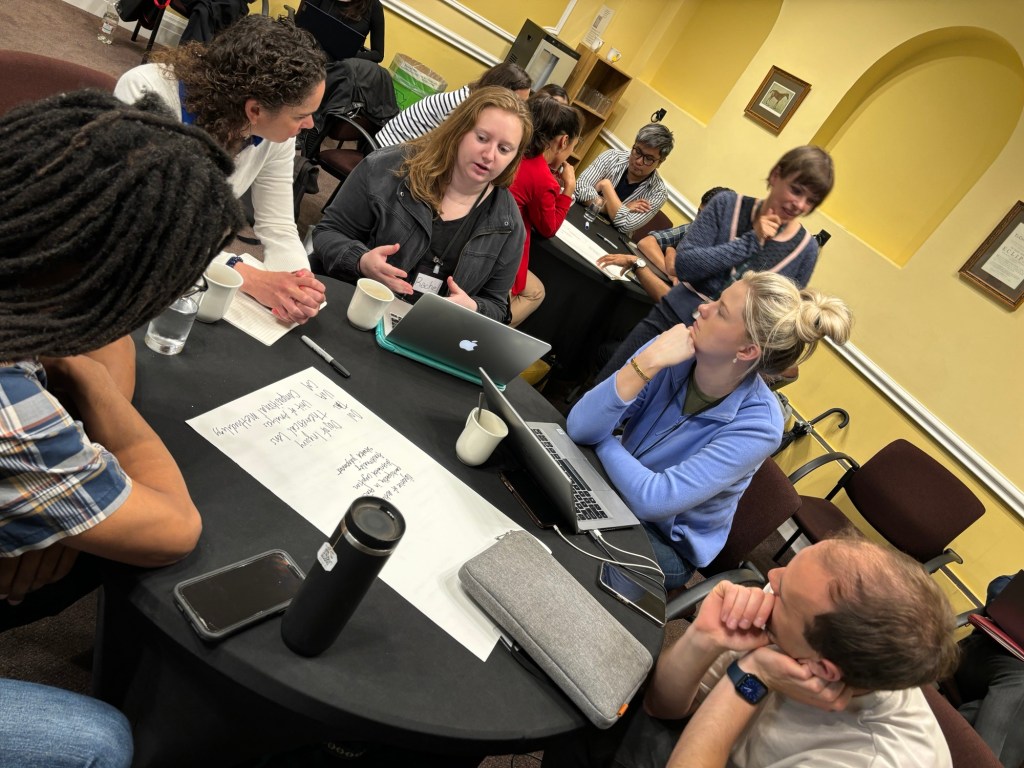
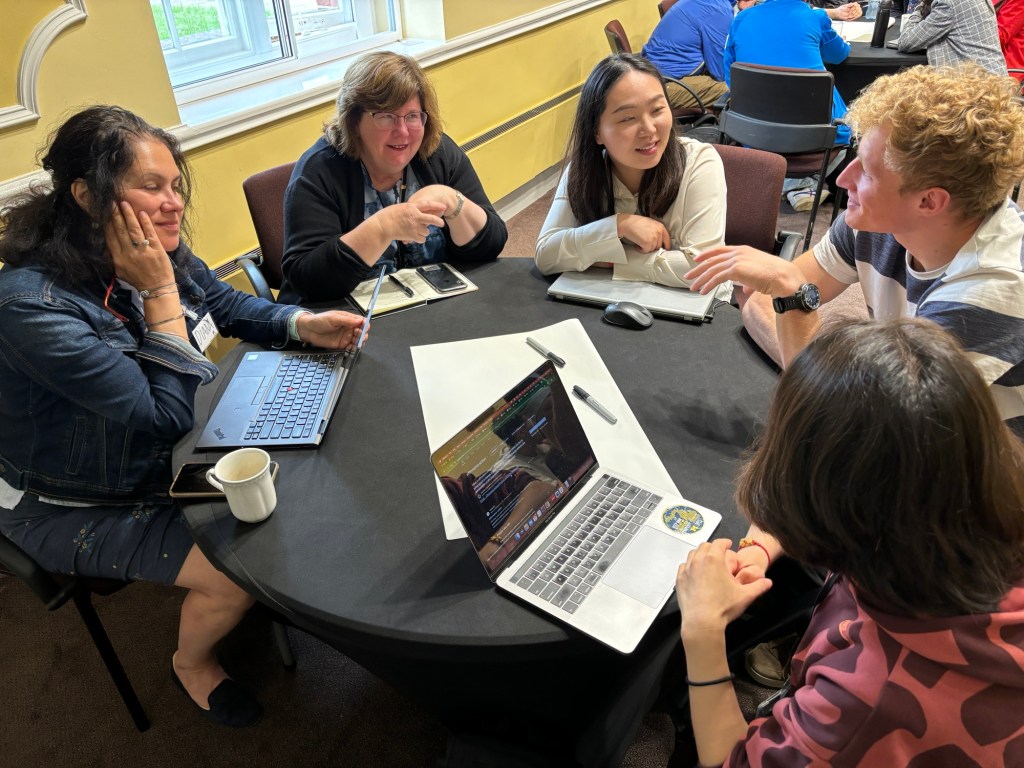
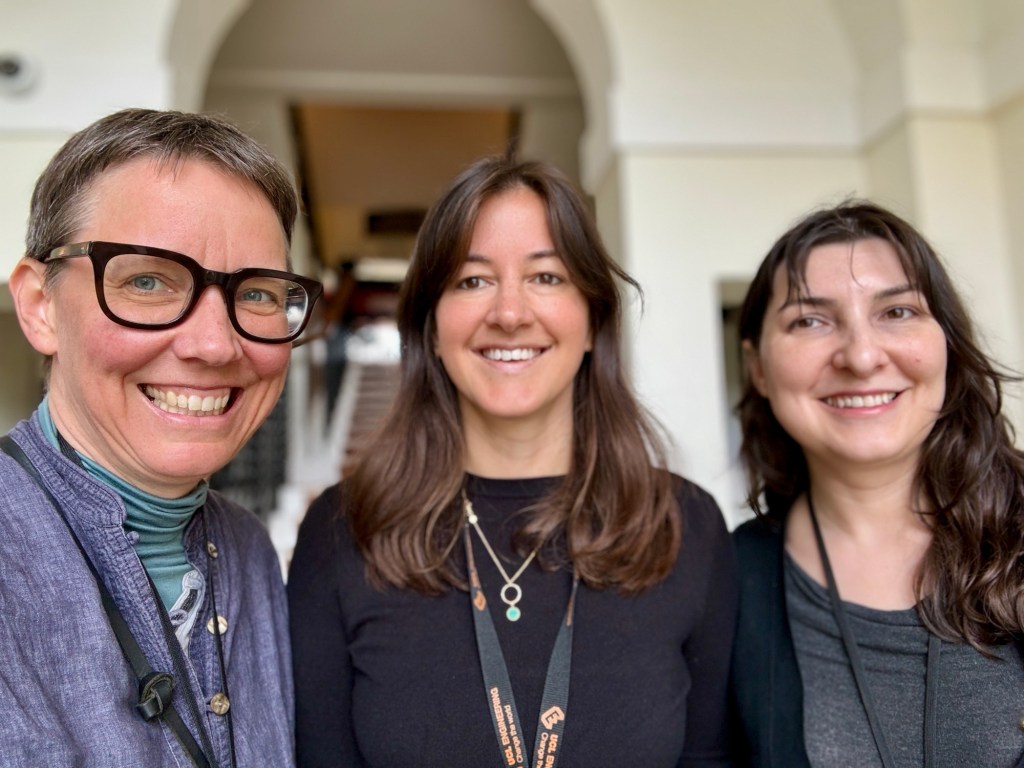
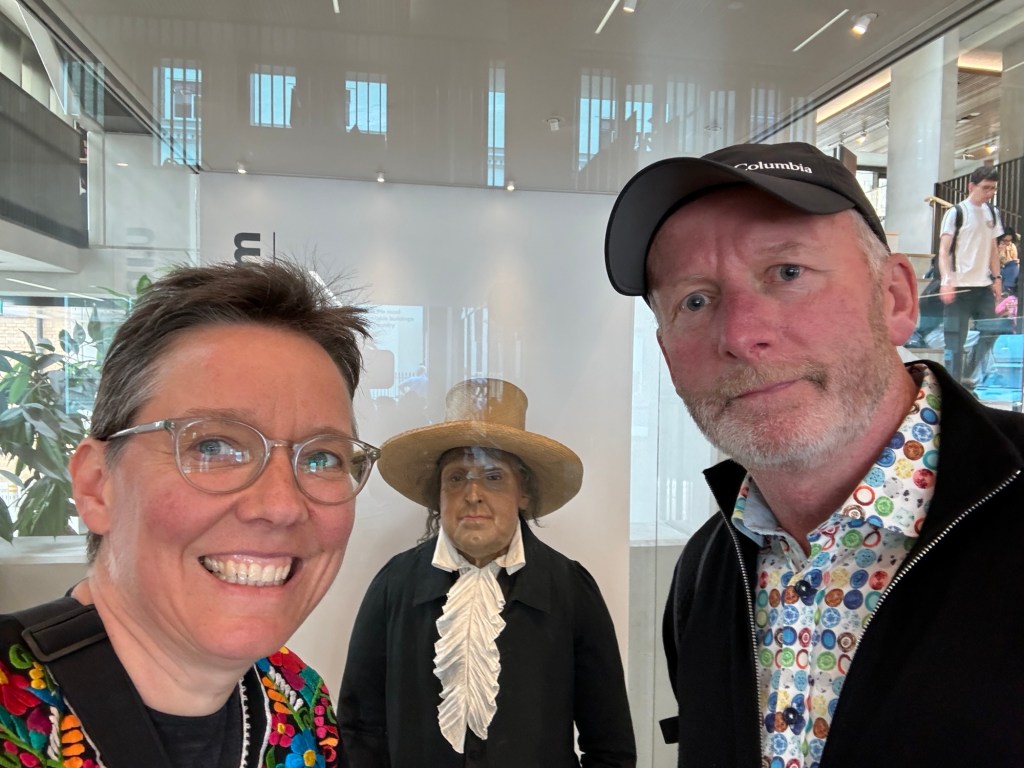
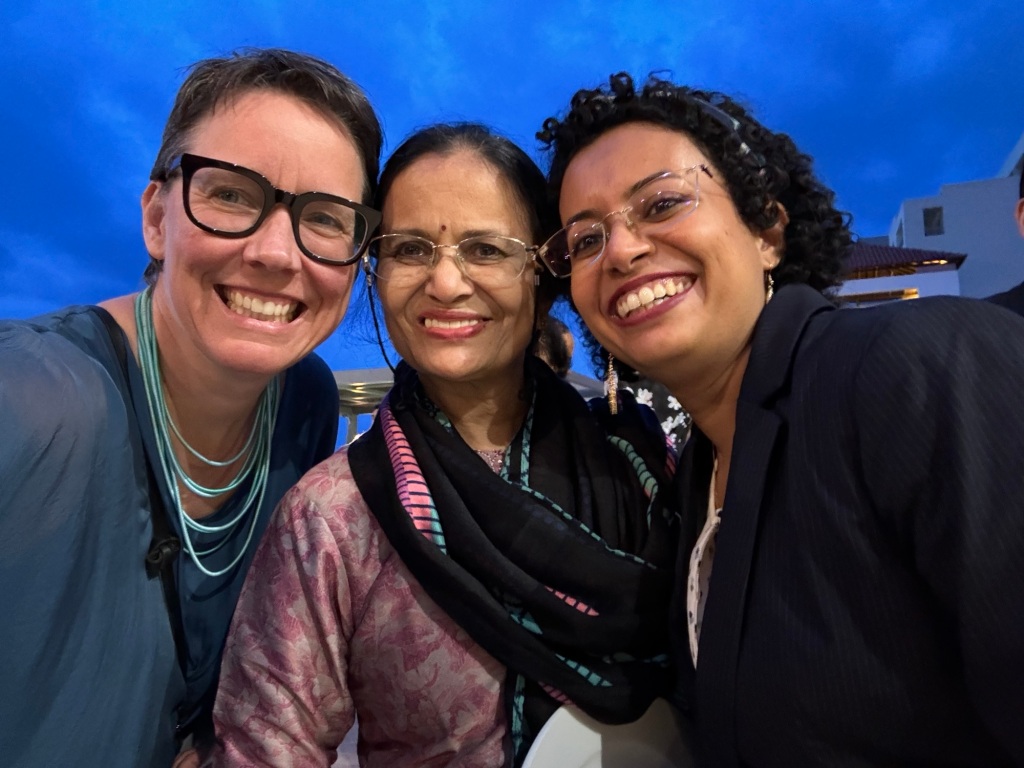
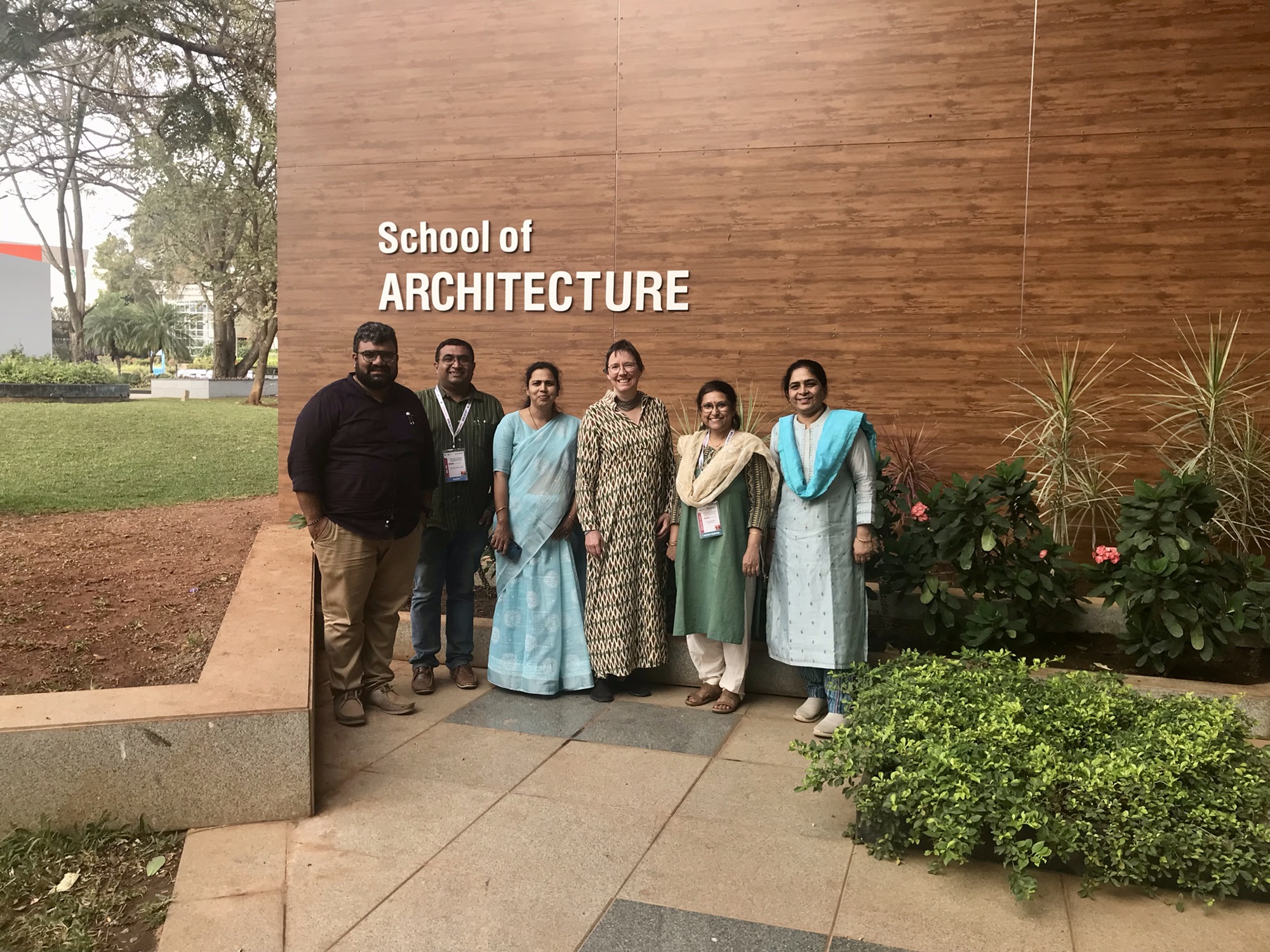
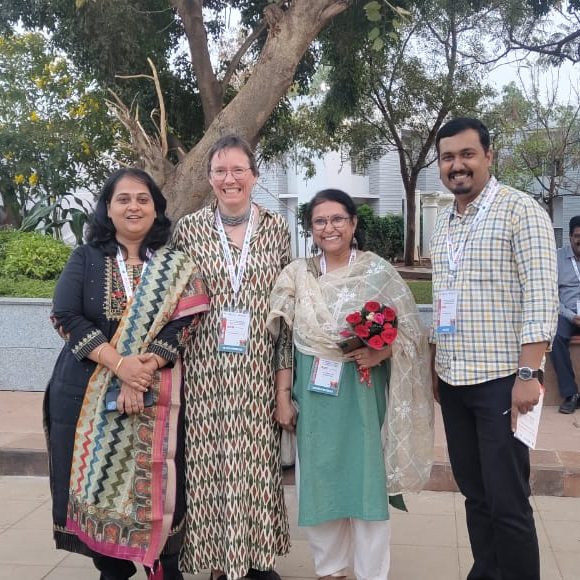
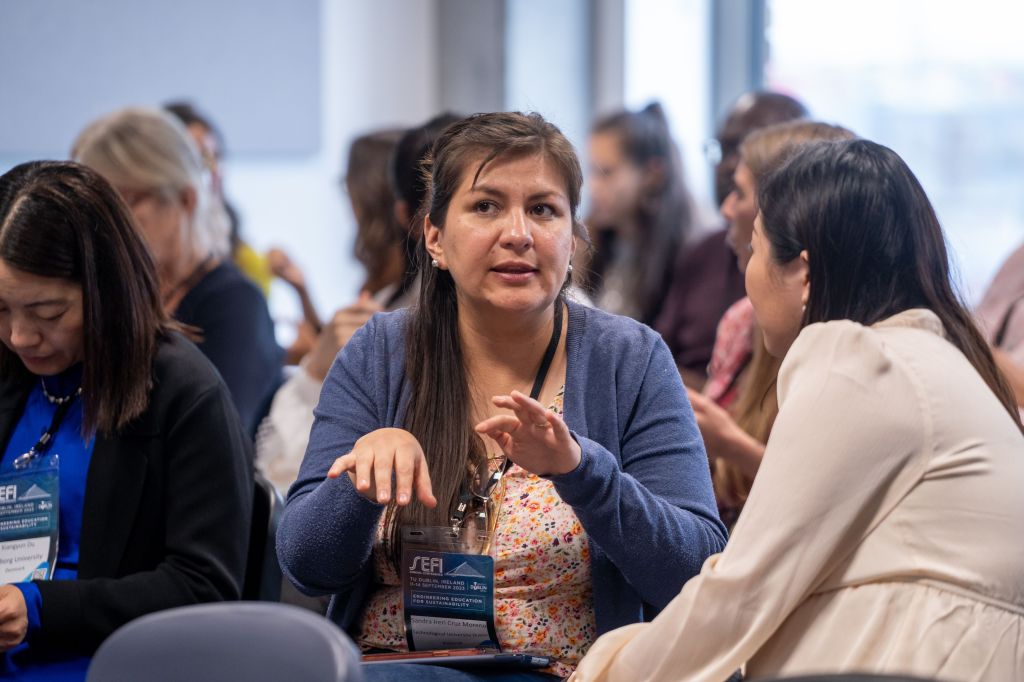
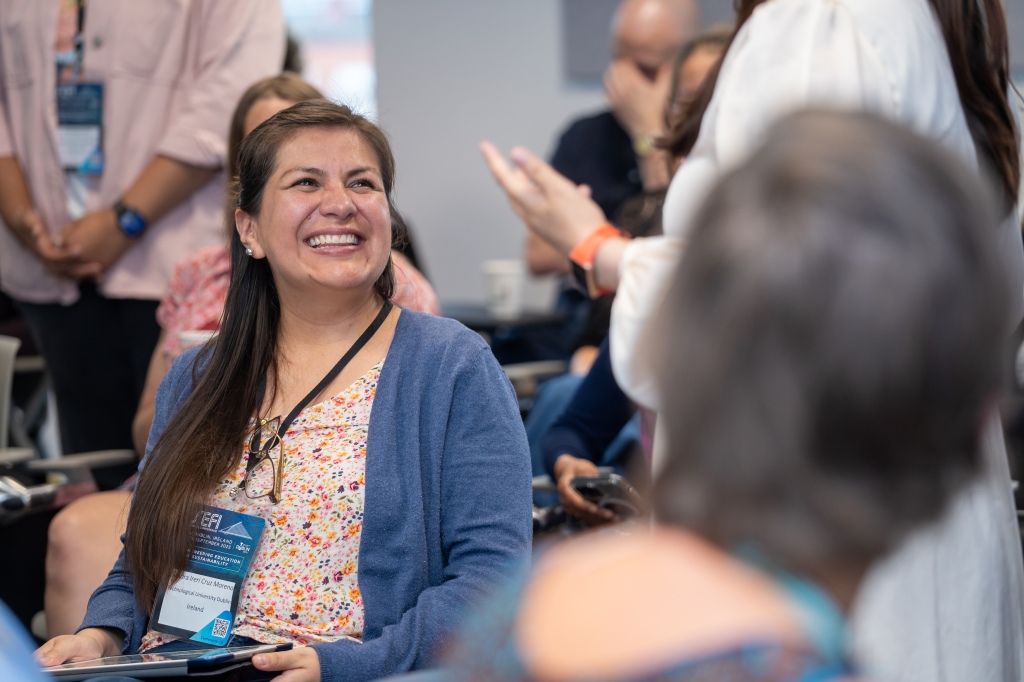
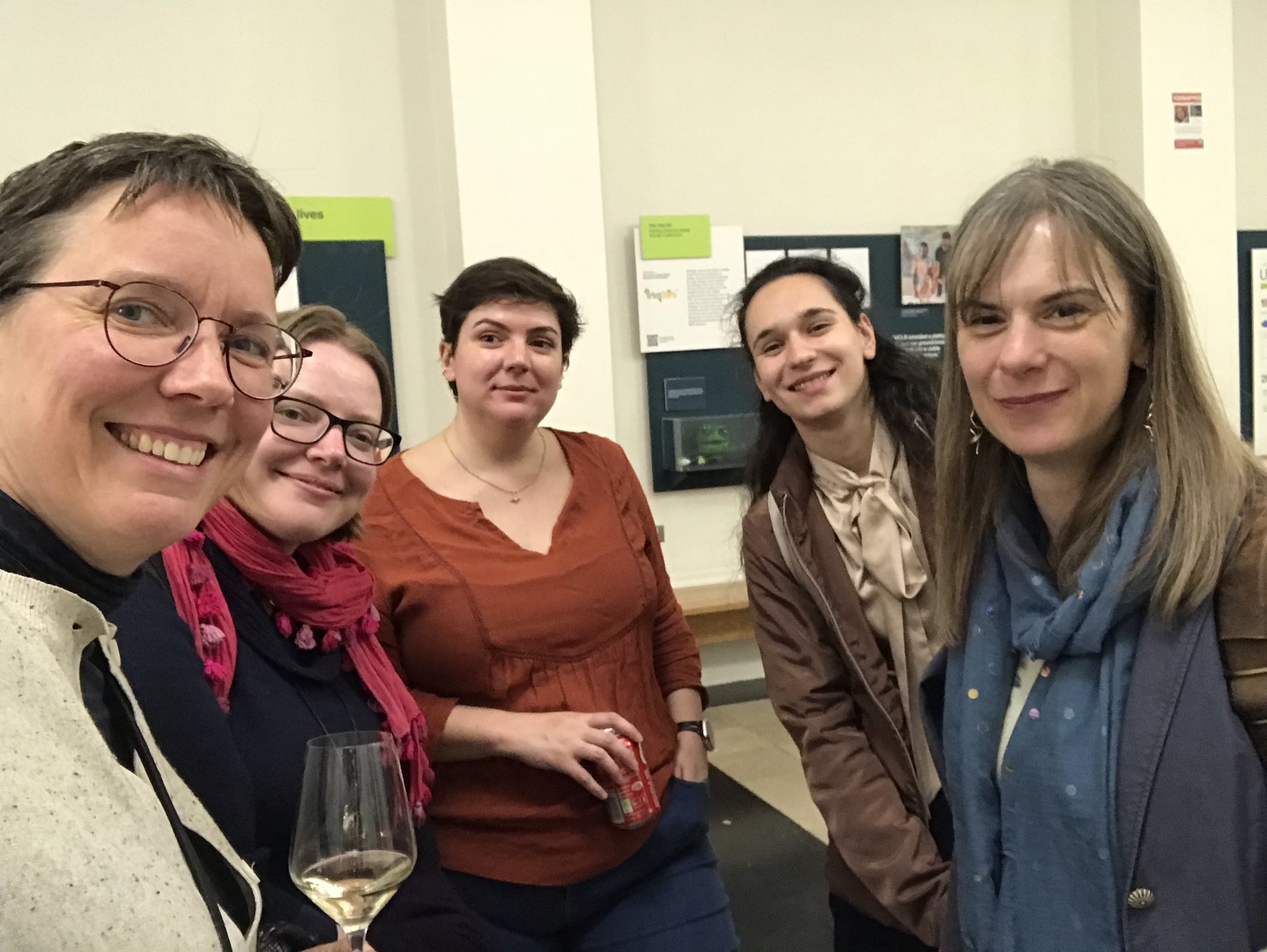
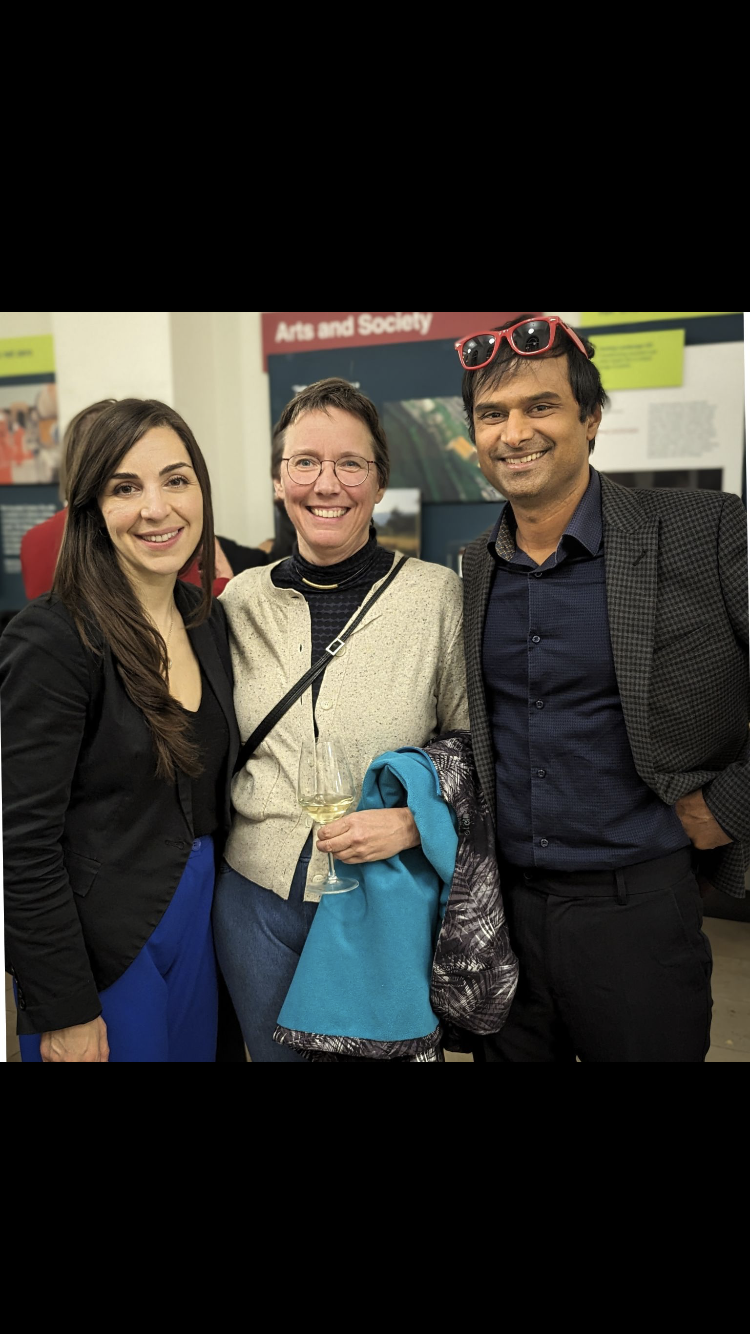
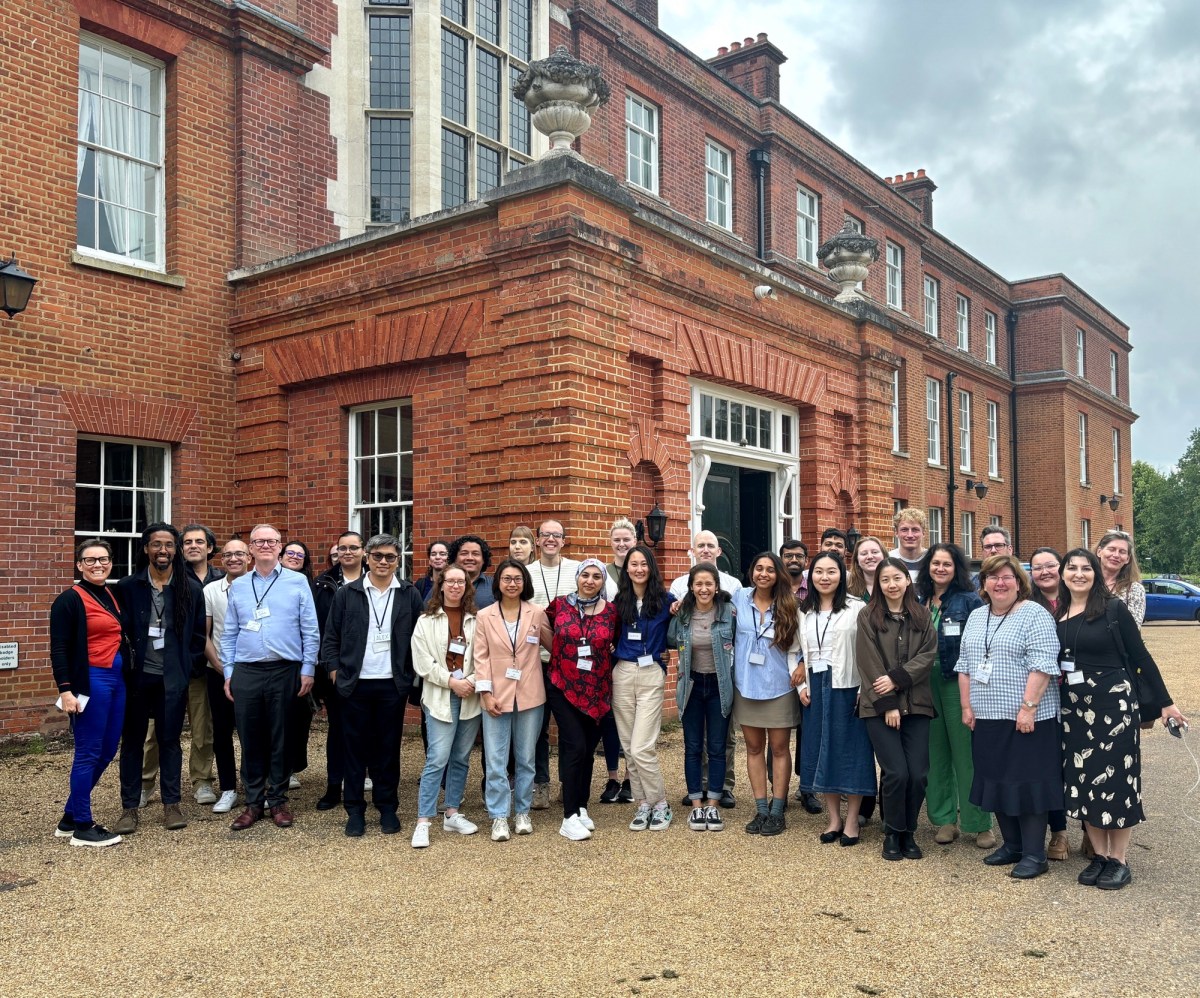
Sandra Cruz at SEFI 2023, where she presented her research (left) and engaged thoroughly in events like the pre-conference Doctoral Symposium (center and right).
Sandra’s study is titled “Exploring Women’s Experiences on Collaborative Learning in Engineering Education: A Phenomenological Analysis.” She submitted written reports of the coursework she has done to date, as well as a five-chapter document presenting her research. Both of Sandra’s supervisors, as well as our college’s head of research and the external examiner from the Swiss Federal Institute of Technology Lausanne (EPFL), all read and critically analyzed Sandra’s submission.
The result of this review and of yesterday’s two-hour oral examination concluded that her “Proposed research and progress [are] suitable for [Sandra] to remain on the higher register” and proceed into the final stage of her doctoral research. That’s fancy talk for “It’s a go!” and “Full speed ahead!”
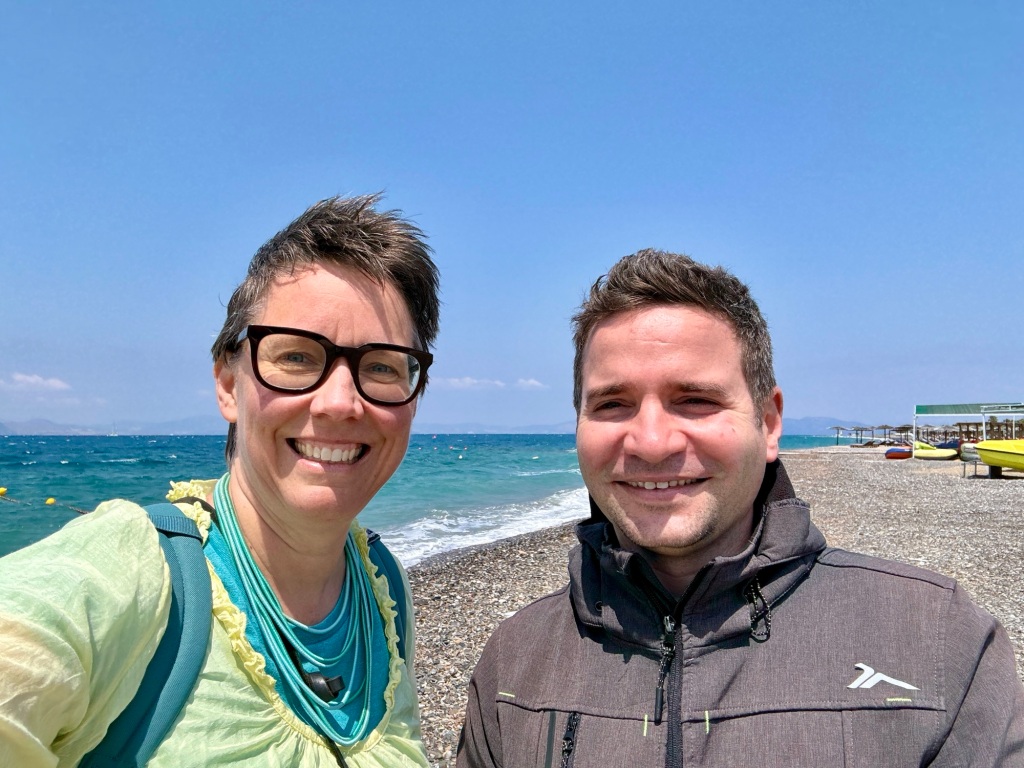
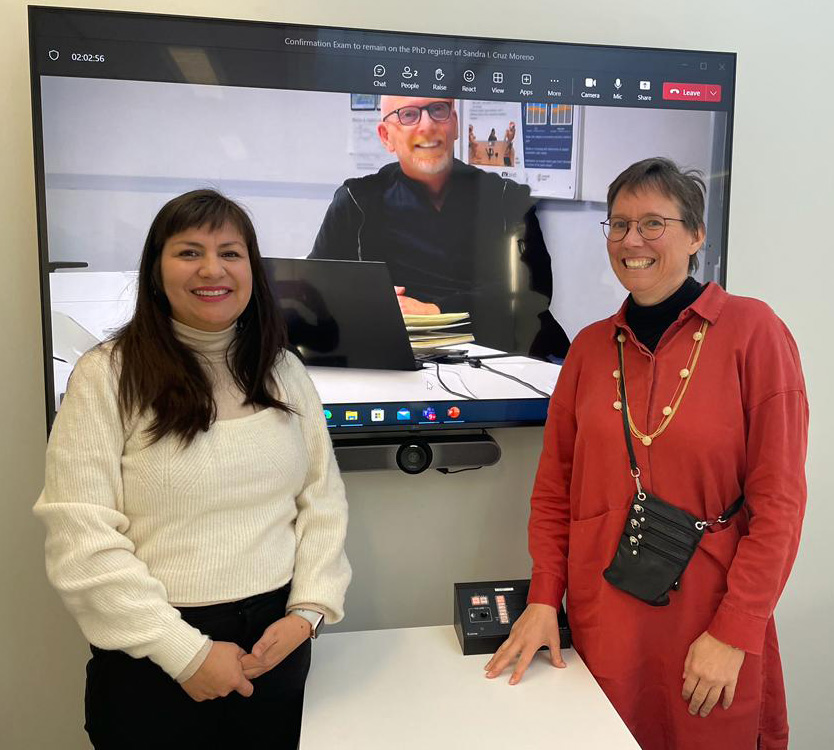
Sandra Cruz with her external examiner, Dr Roland Tormey and lead supervisor, Prof/Dr Shannon Chance, on the day of examination.
Regarding the research Sandra has produced to date, the external examiner’s evaluation states:
The report is very well structured and extremely well written. It demonstrates a high degree of scholarship in dealing with quite a few challenging concepts while, at the same time, managing to make them accessible. There is a very good balance between methodology and methods in chapter three in particular.
The data available is suitable for completing of the PhD and the initial analysis carried out shows quite a lot of promise.
-External Examiner Roland Tormey, PhD
Our advisory supervisor, Prof/Dr Brian Bowe, couldn’t attend the examination (he’s the university registrar, after all, and the end of Semester 1 is an extremely busy time of year). Nevertheless, his guidance to Sandra and me has been essential throughout the process. The advice he provides is targeted and highly applicable. Sandra and I have benefited from having him on the team.
I was delighted, but not at all surprised, to hear about the successful outcome. Congratulations, the result reflects your hard work and dedication.
–Prof/Dr Brian Bowe, Head of Academic Affairs at TU Dublin
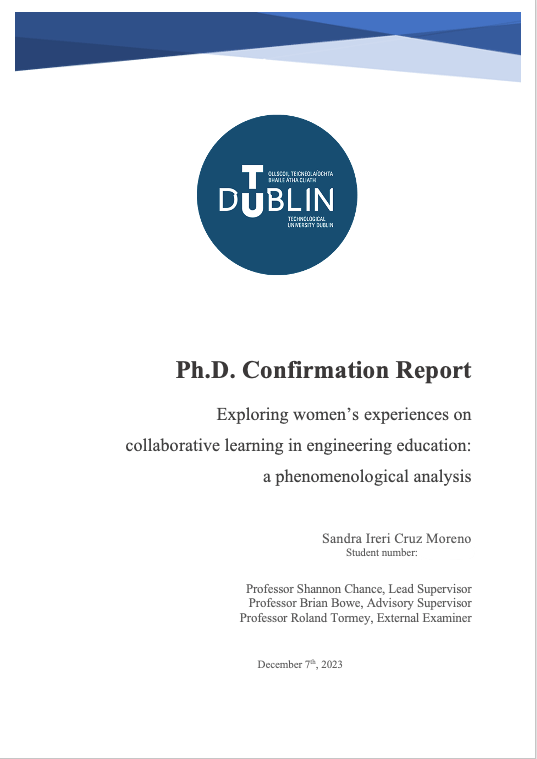
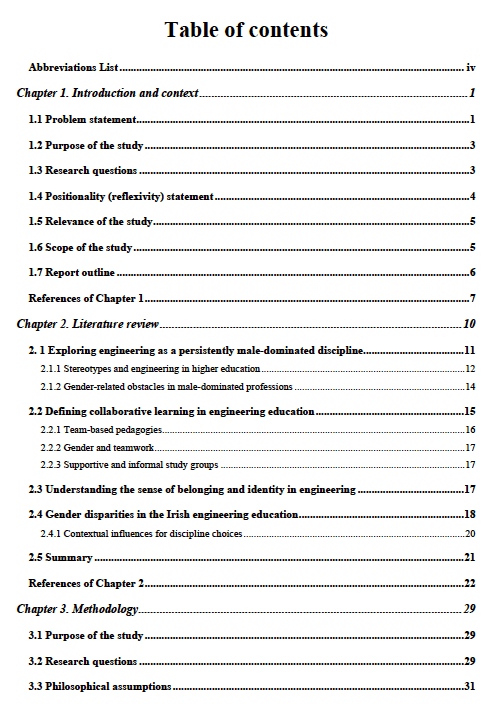
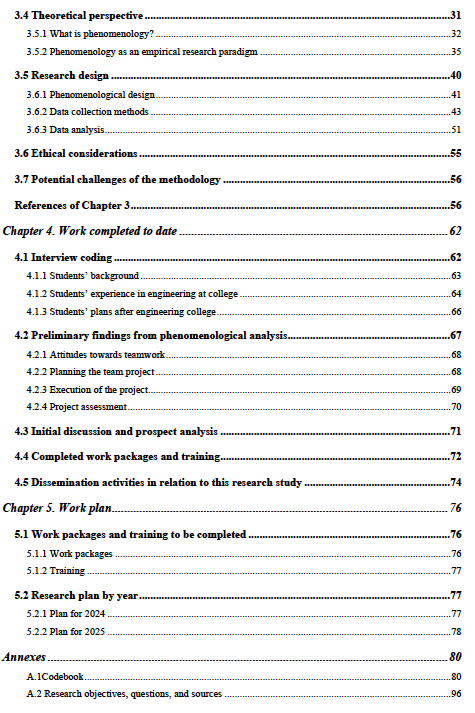
I have included the cover and table of contents of Sandra’s report so you can see the level of detail required. The report is 96 pages long. While Sandra was rehearsing for the examination, I was off in India delivering a paper she authored on policy to address gender gaps in engineering — policy at the European and Irish levels. The policy paper generated great interest and will form part of the PhD study, although it wasn’t a major component of the confirmation report. In fact, there were a number of topics she researched that didn’t need to be explained in detail at this point, such as critical feminism, which will inform her work going forward.
Working with and learning with and from Sandra is an honor and a privilege. I am grateful to TU Dublin for providing the grant to fund Sandra’s research activity. I am grateful to Brian, Roland, and Marek for the support they have lent Sandra and me. And most of all, I am grateful to Sandra for her diligence, perseverance, openness, and sincerity. I have learned so much from her and from working with her!
Renuka is a Professor of (Engineering) Education and the Head of NITTR’s Centre for Academic Studies and Research. Jay is Professor of Civil and Environmental Engineering and is also a leader of the Centre.
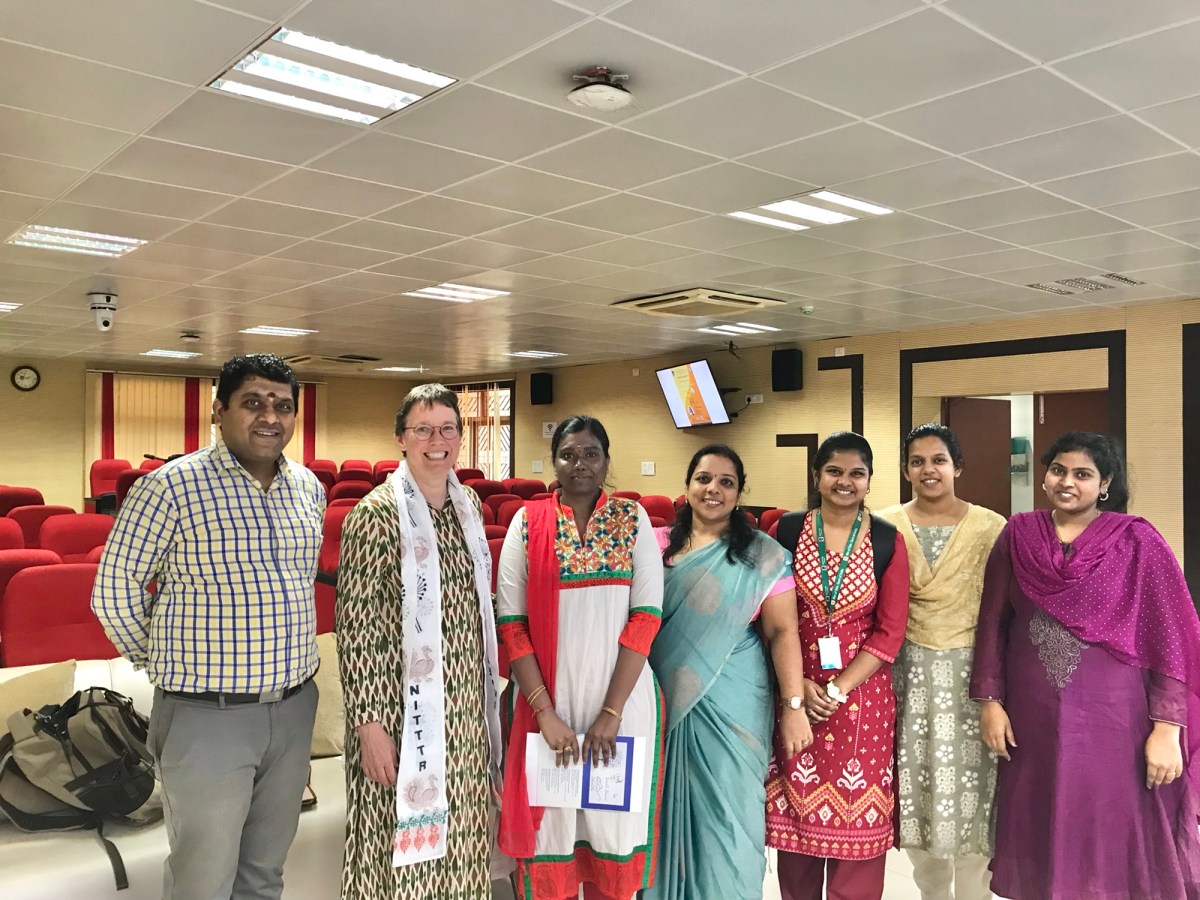
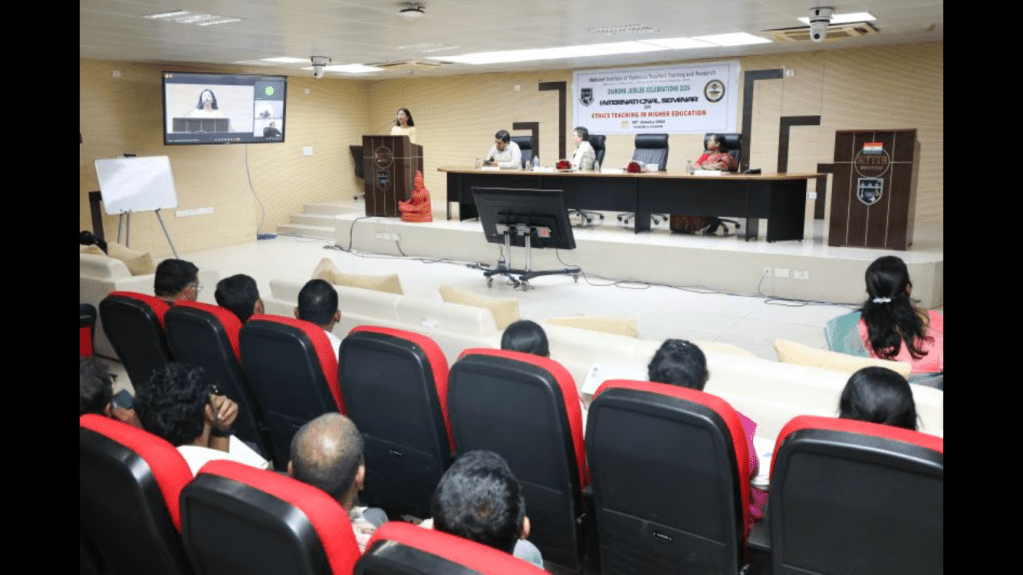
Kicking off NITTTR’s Diamond Jubilee. Pictured left to right: Janardhanan Gangathulasi, Shannon Chance, Renukadevi Selvara, and Prof. Dr. Usha Naesan, Director of NITTR.
I was truly honored to be invited as the keynote for the launch (on January 8, 2024) of the year-long Jubilee celebration to speak about the work I’m doing with engineering ethics education. The audience comprised future teachers of technical subjects (NITTR students) and their teachers (NITTR staff).
Here’s the lovely poster NITTTR produced to announce this International Seminar.
This day-long Jubilee-opening event started with short introductions by Renuka, Jay, Ursa the Director, and me. Then, right before my talk, Dr. K. N. Shoba delivered an exceptionally nice introduction about me — she studied my curriculum vita in great depth and showed she understood it extremely well. I felt so honored by her effort.
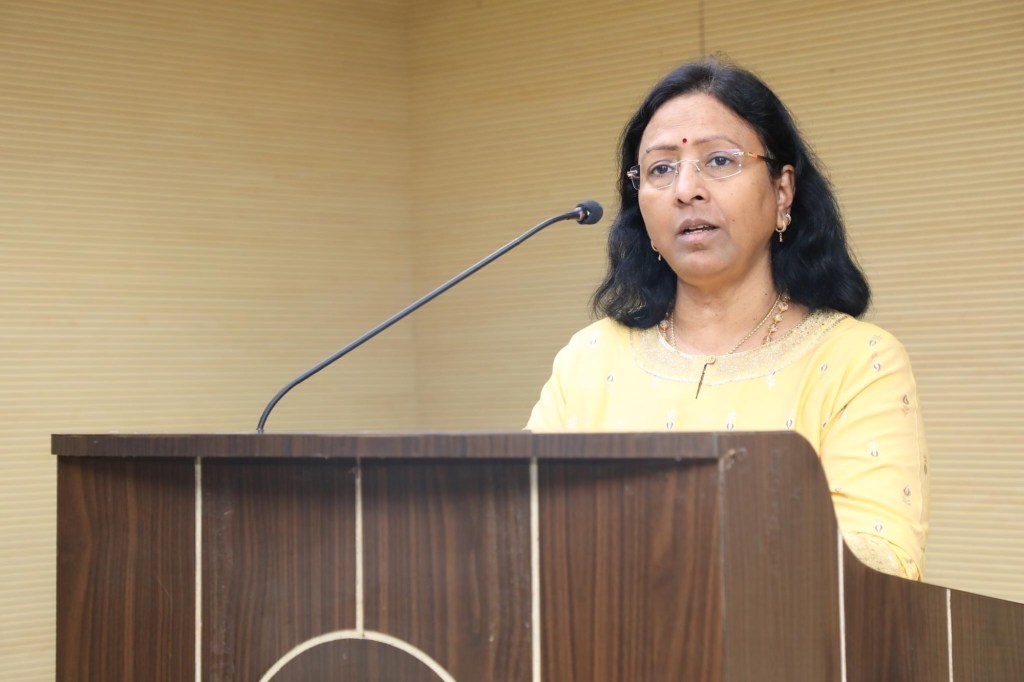
The opening introductions.Renuka’s welcome.Jay’s welcomeProf. Dr. Usha Naesan, Director of NITTR, addressing attendees of the International Seminar.
My keynote presentation integrated some active learning techniques (evidently new to the NITTR audience) to explore “Ethics Teaching in Higher Education.”
After discussing the definition of ethics and showing slides about how I have taught ethics (including environmental and social aspects) to students of architecture, engineering, and education, the audience and I did some group activities.
Participants discussed what do ethics in engineering look like to them, and how they define ethics.
Next, I introduced the topic of education research and identified specific resources for educators who want to teach students about ethics. I briefly described my own shift into engineering ethics education research. For instance, I showed them the special focus issues of journals that I have spearheaded related to ethics, and then summarized findings of my study on Ethics & Responsibility in Civil Engineering, published in AJEE.
Then I showed slides to illustrate how I am integrating ethics into the Architectural Engineering curriculum I’ve been designing for NewGiza University (NGU) in Egypt. I described curricular innovations (e.g., challenges and scenarios) that we’re drawing from University College London’s Integrated Engineering Programme (IEP) into the design of the NGU course.
The entire audience after the keynote — what a great group of participants!
Lastly, the audience and I delved into the forthcoming “International Handbook of Engineering Ethics Education” that I am editing alongside Tom Børsen (Aalborg University), Diana Martin (UCL), Roland Tormey (EPFL), Thomas Lennerfors (Uppsala University) and Gunter Bombaerts (TU Eindhoven).
I distributed guides to the various Teaching Methods that will be covered in our handbook. There are individual chapters to help teachers who want to use these methods:
Chapter 19) Literature review of teaching methods
Chapter 20) Case studies and dilemmas
Chapter 21) Project-Based Learning (PBL)
Chapter 22) Value Sensitive Design (VSD) & Design-Based Learning (DBL)
Chapter 26) Moral development via Challenge-Based Learning (CBL)
The audience, particularly the students, were enthusiastic and seemed genuinely interested in learning more about these teaching methods.
The forthcoming International Handbook of Engineering Ethics Education is slated for release by Routledge publishing house in late 2024. It will be available free of charge in digital format and for purchase in print versions. The handbook is geared toward teachers, researchers, and educational managers — and I hope you’ll read it as well!
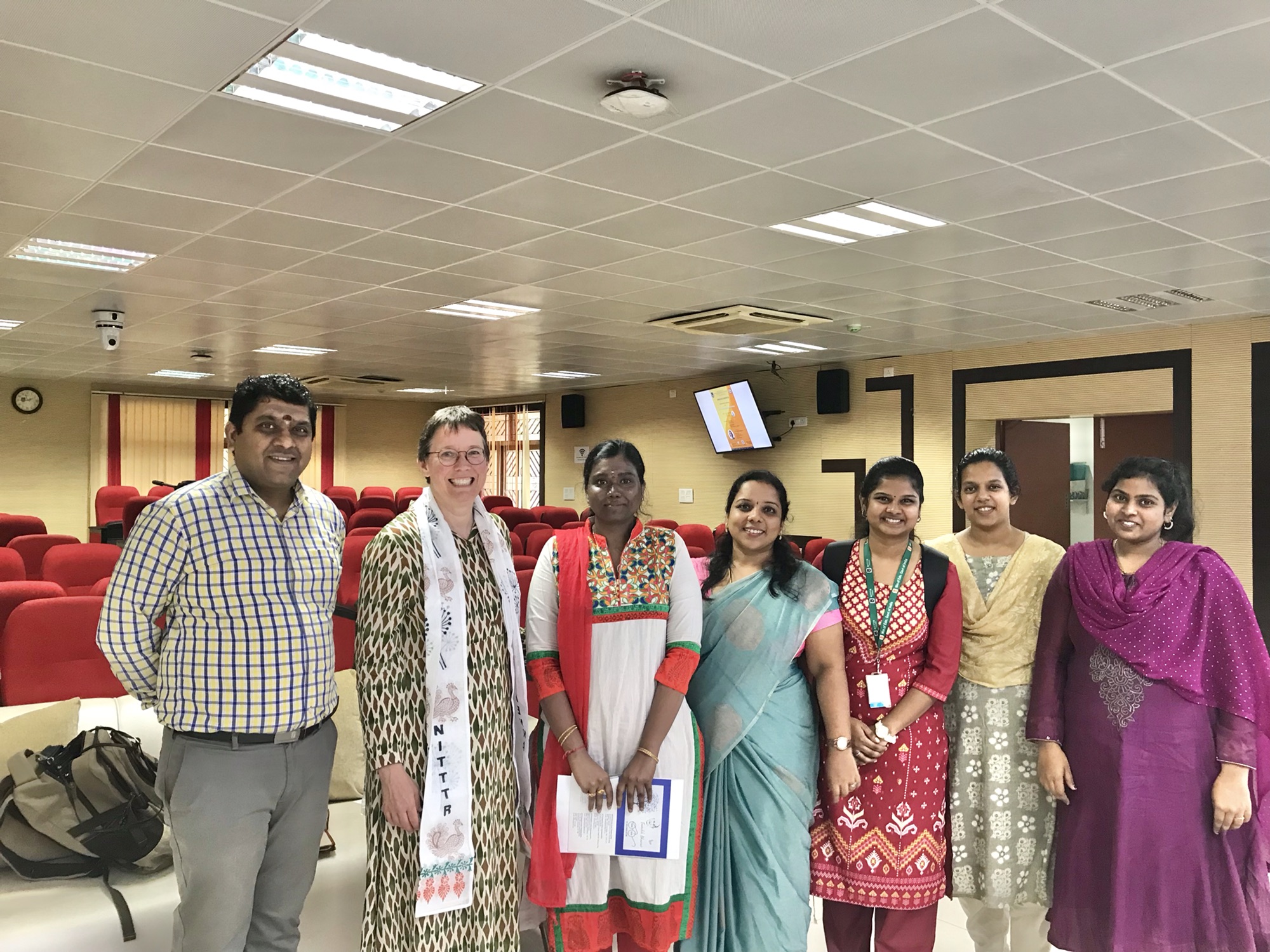
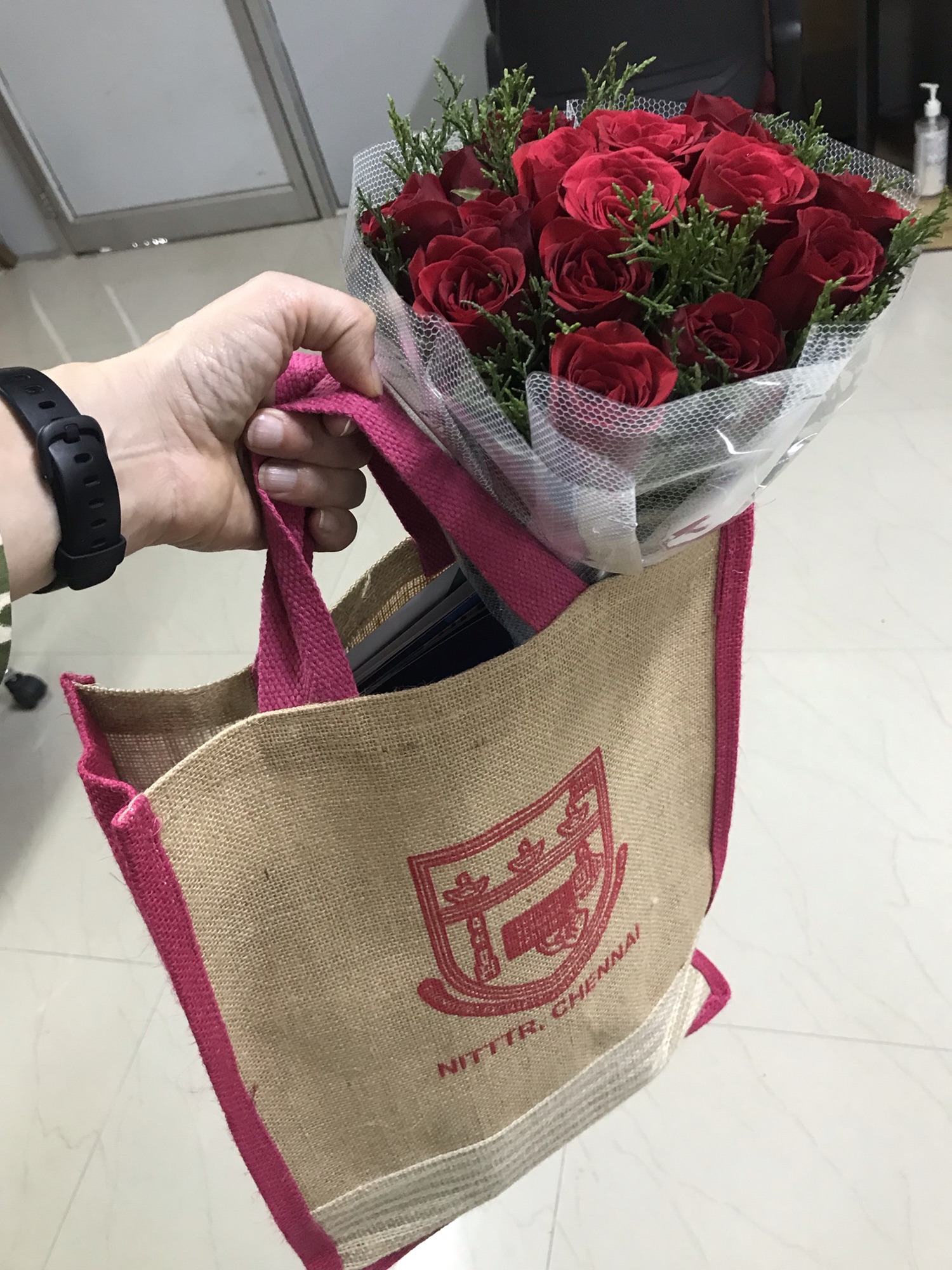
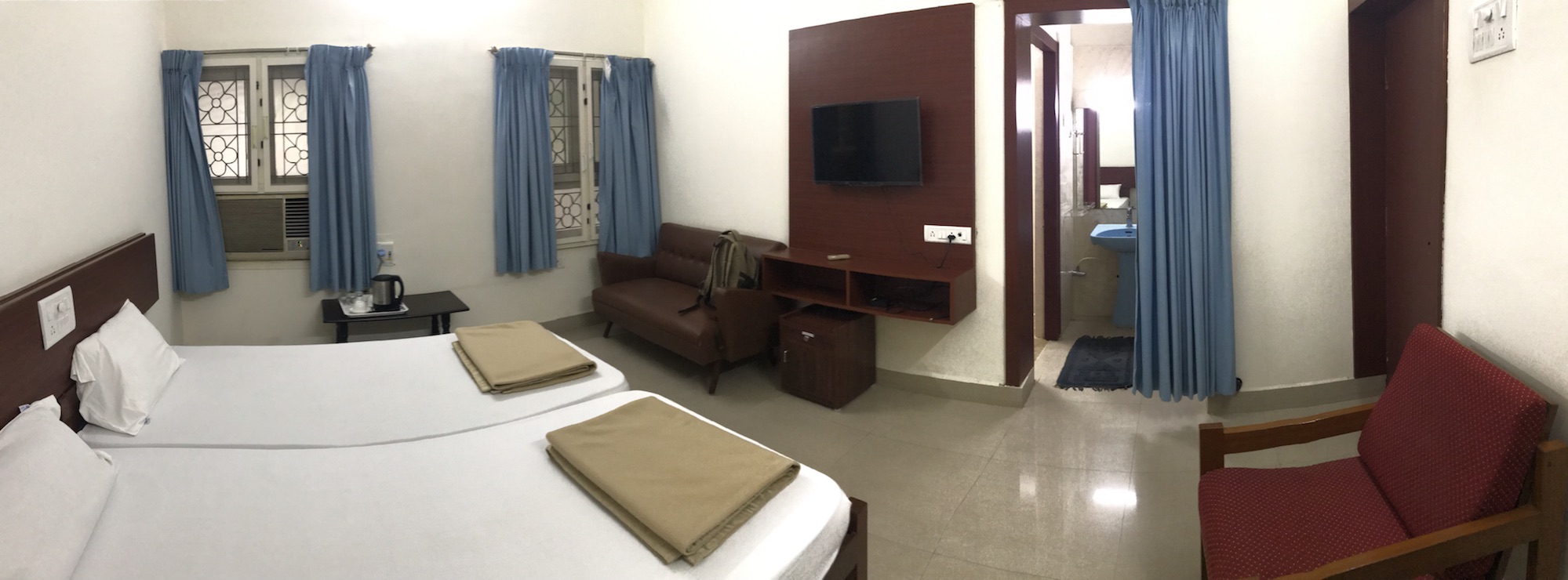
A few of the participants and organizers after the keynote.Such lovely gifts from my hosts!NITTTR provided a room in their guesthouse for my comfort before and after the session.
I thoroughly enjoyed my day at NITTTR, including the conversation over lunch with Renuka and Jay. I was honored to meet Prof. Dr. Ursa and the students and teachers of NITTTR. I thank them all for their delightful hospitality and also thank Vellore Institute of Technology (VIT) and Dr. Nithya Venkatesan and Dr. Shanmuga Sundaram for helping make this visit to NITTTR possible. VIT funded many of the costs of my travel, provided me meals, accommodation, transportation, warm collegiality, and logistical support to help make my visit to both NITTTR and VIT possible.
I enjoyed connecting with NITTTR staff and students and I look forward to future opportunities to learn together!
India is now the most populated country in the world. There’s a pressing need for more and better-educated civil engineers there. A civil engineer working in India today can expect to work 9 AM to 9 PM six days per week and 9 AM to 2 PM on Sundays (according to Dr. Balasubramaniam, Managing Director of Hitech Concrete Solutions Ltd) because their skills are in such high demand.
However, this current weekend is a holiday, so I hope most of them are taking some time off!
Based on my two-week glimpse into life in India, I believe Indian people work extremely hard. Most people working in businesses or projects at the national and international levels work in English. Higher education in India is also in English because India has around 100 languages.
Civil engineers’ work is incredibly important! In a developing nation, the infrastructure and buildings overseen by civil engineers (and architects!) shelter and support a growing population of people – a population working hard to live ethically and build a brighter future.
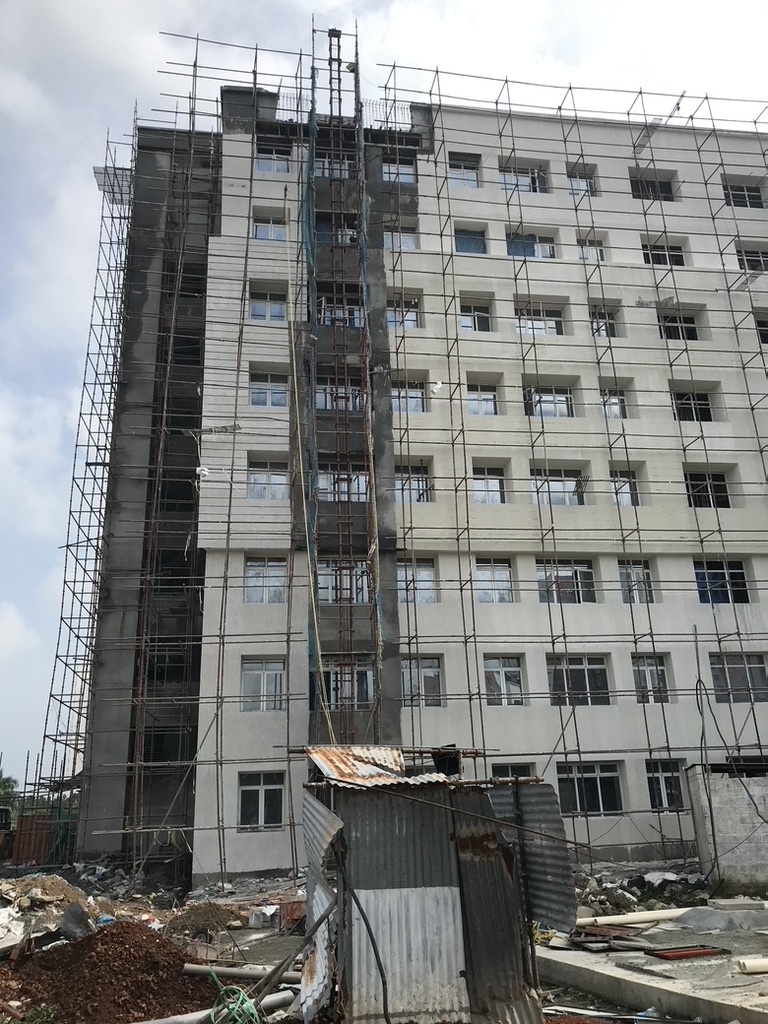
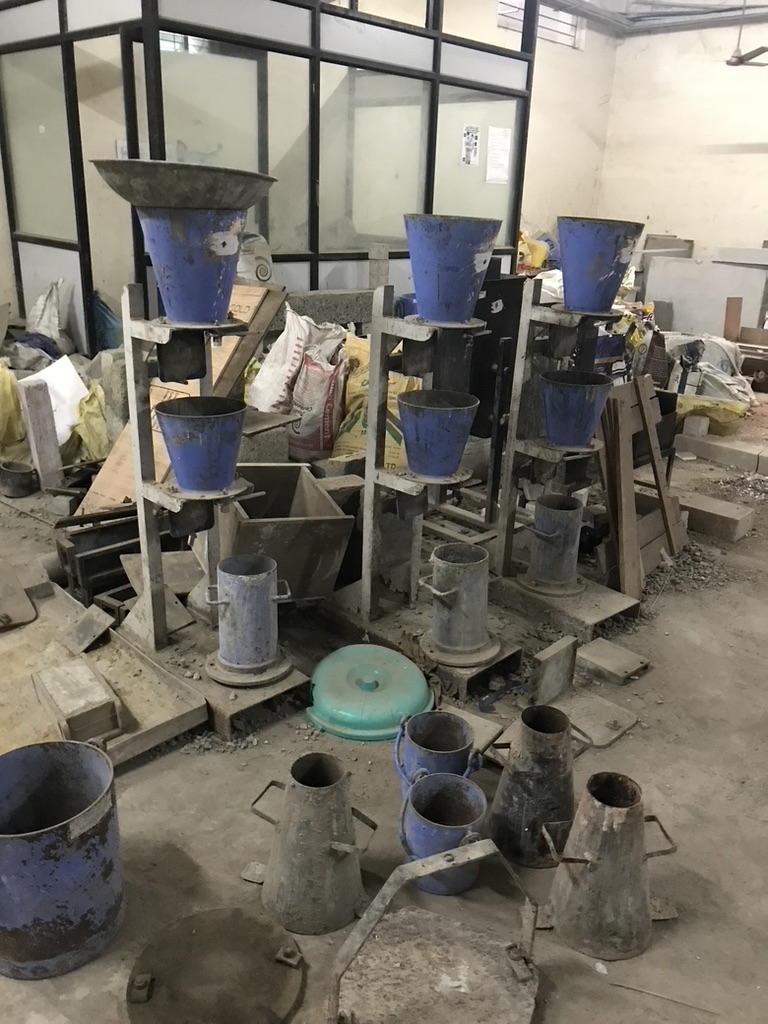
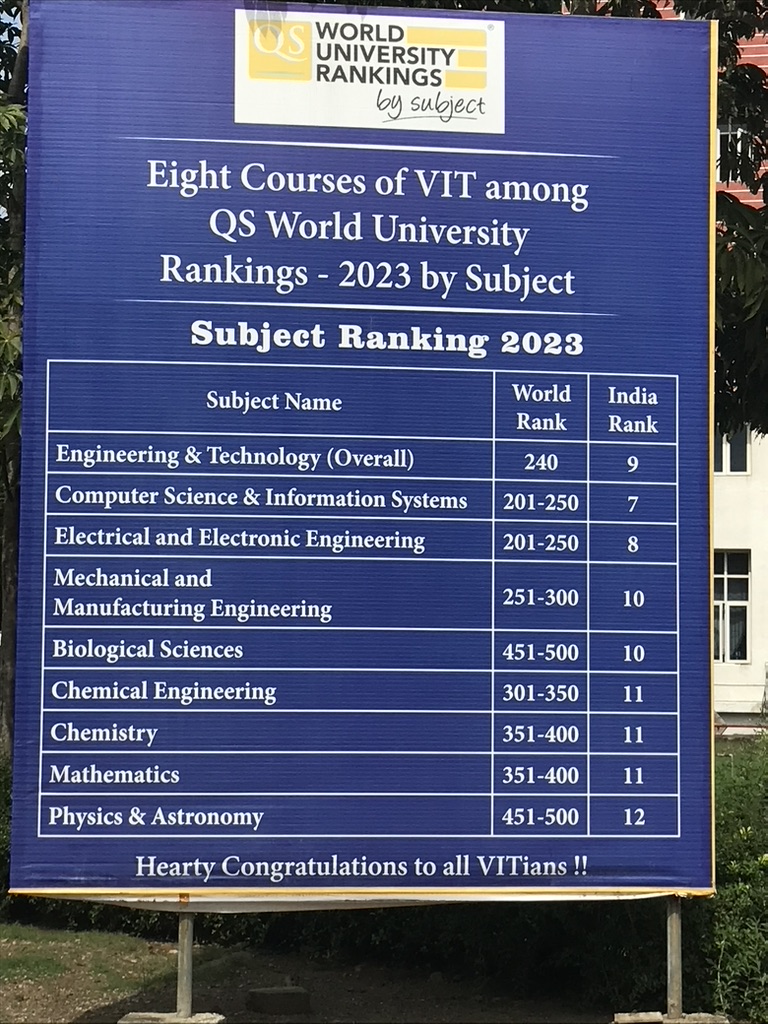
Building under construction on VIT campusDr. Shanmungham’s concrete testing labVIT world rankings (QS system) for 2023
In the first couple weeks of January 2024, I got an inside perspective by attending events and touring workshops and laboratories at the Chennai branch campus of Vellore Institute of Technology (VIT).
VIT’s Dr. Nithya Venkatesan, Assistant Director of International Relations, and Associate Professor Dr. Shanmuga Sundaram (who goes by Shanmugham) served as my primary hosts. They helped coordinate my entire two-week trip, and without them I never would have managed to make my first venture into this fascinating land.
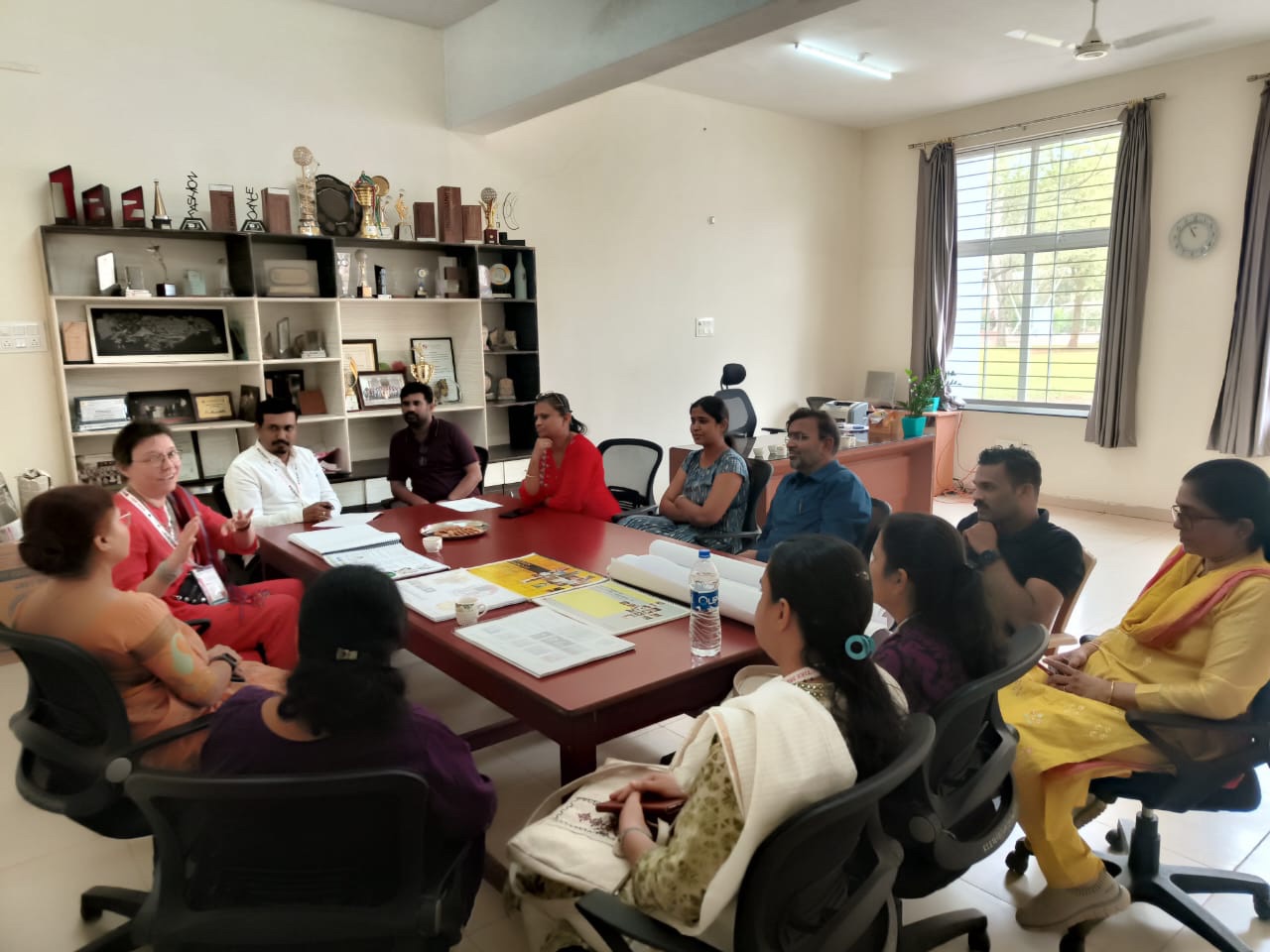
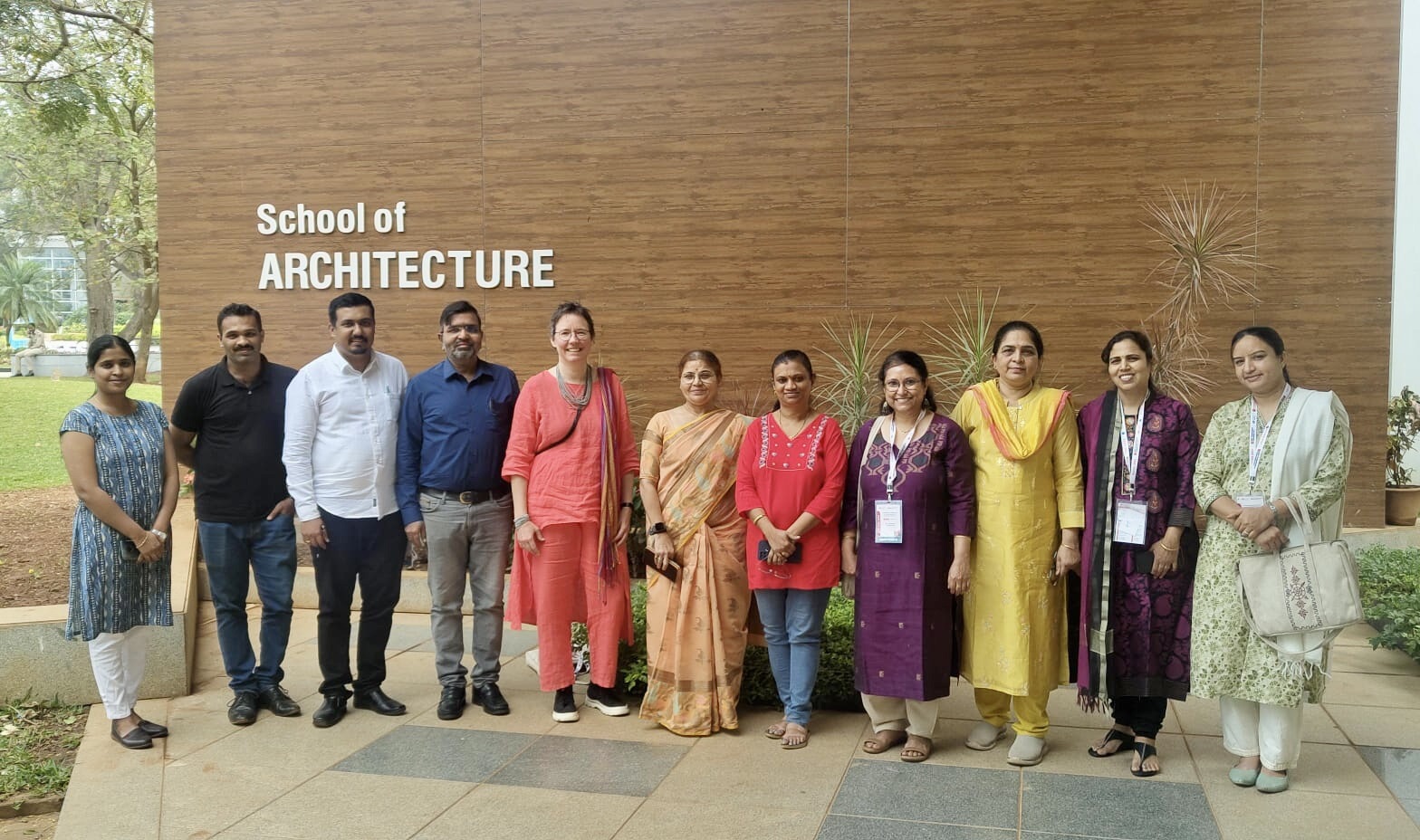
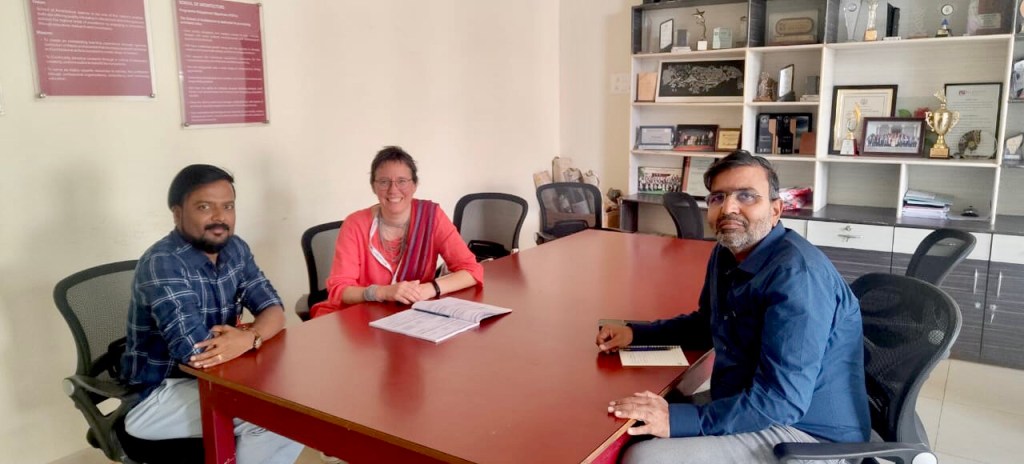
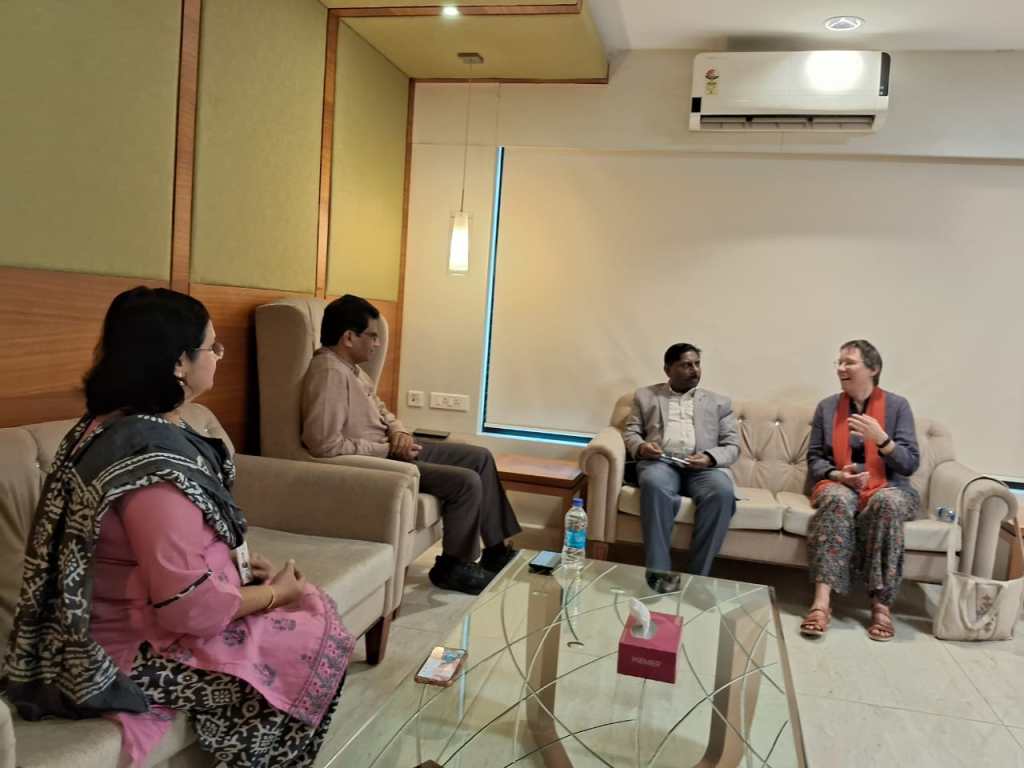
Visiting the VIT Chennai Internationalization Office and meeting Dr. Nithya Venkatesan.Sightseeing with Associate Professor Dr. Shanmuga Sundaram, my primary host.Meeting with VIT’s vice president for academics, Dr. Sekar Viswanatha (second from left), Dr. Nithya Venkatesan (far left) and Prof. Dr. Johnson Alengaram.
Dr. Renukadevi Selvaraj, Professor and Head of the Dept. of Education at the National Institute of Technical Teachers Training Institute (NITTTR), run by the Ministry of Education for the Government of India, connected me with VIT after I met her in Blacksburg, Virginia (my hometown) at an ethics symposium last summer.
At VIT, I attended a two-day conclave on civil engineering organized by Shanmugham that included presentations by academic and industry partners. Shanmugham’s areas of specialization include sustainable building materials, special concrete, alternative binding processes.
I delivered the opening keynote address for the conclave. Most of the audience of around 45 participants were civil and structural engineering students, but their teachers, some PhD researchers, and some industry partners also attended.
Other presenters at the conclave talked about structural failures within existing buildings (causes, effects, and ways of avoiding or addressing defects), earthquake resistance and previous structural failures in India due to earthquake activity, and the importance of being part of professional organizations (such as the UK-based Institution of Civil Engineers, ICE). India does not yet have a licensure program for professional/licensed/chartered engineers of the type you see in the US, UK and Ireland, but Professor Johnson Alengaram from the University of Malaya encouraged the audience to join ICE and maintain their learning and their credentials with care.
Shanmugham noted that he’s in the second generation of civil engineers the people of his father’s age with a first generation of civil engineering professional in the country. The students he is educating now, he sees as the third generation of civil engineering in India.
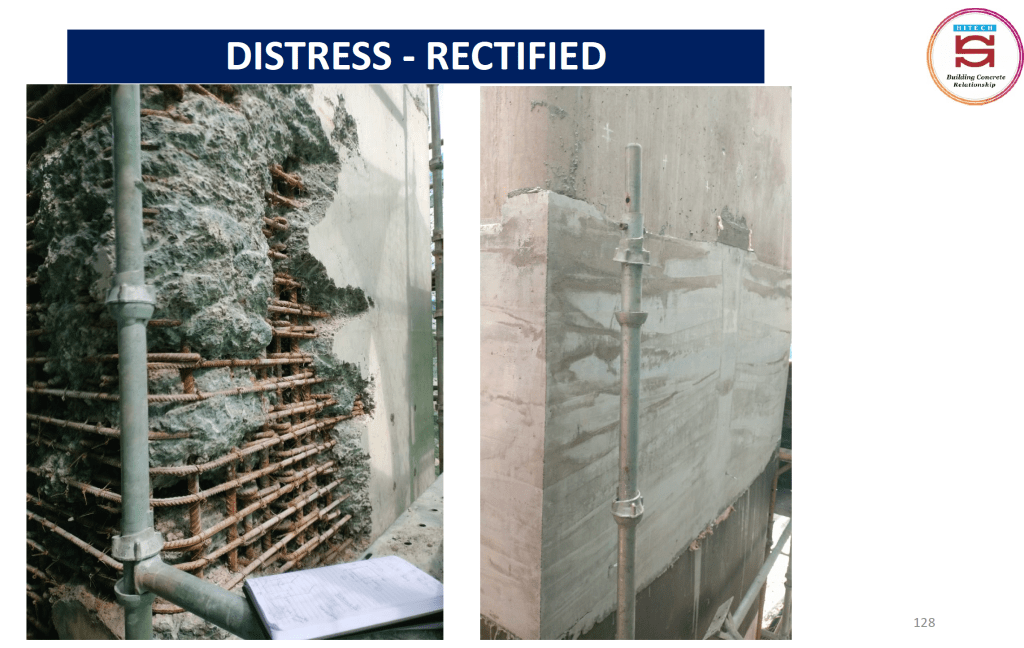
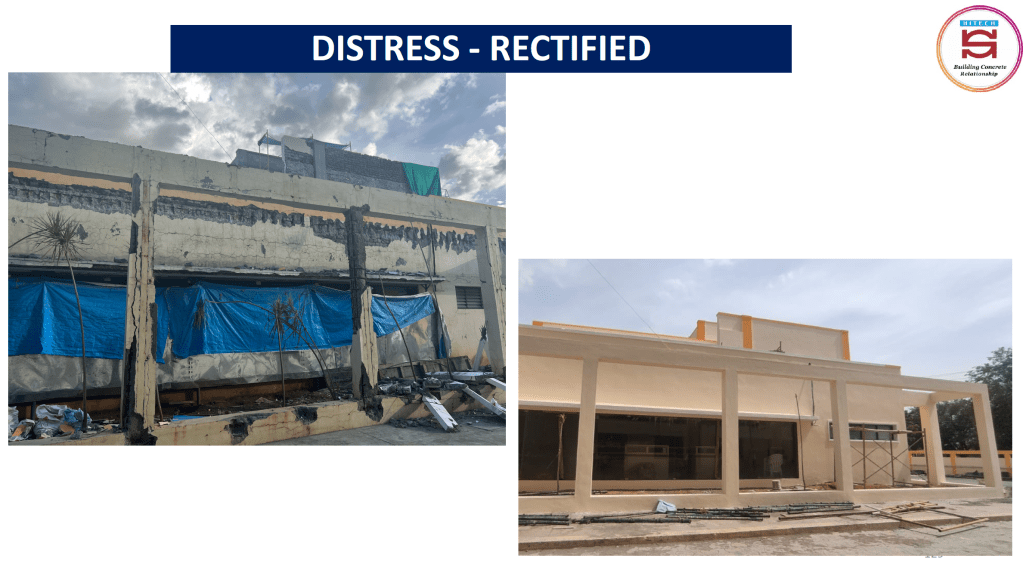
Arvindh Raj Rajendran, who earned a Master of Structural Technology degree, delivered the conclave’s final talk with an extremely well-articulated presentation about an apartment complex that his family’s company, Hitech Civil Engineering Services, Ltd., has worked to diagnosed and remediated. The original construction, by a different company, had severe deficits that had made national news in India. Hitech has made interventions to keep the structure inhabitable and conducted detailed analyses to help the government and the courts decide if the building can be salvaged or must be replaced. He explained the analysis and rectification process in detail. Arvindh showed other faulty structures that Hitect has been able to salvage, as well as the equipment they use (all pictured below).
A slide from Arvindh Raj’s Hitech presentation.A slide from Arvindh Raj’s Hitech presentation.Monitoring devices used at Hitech.
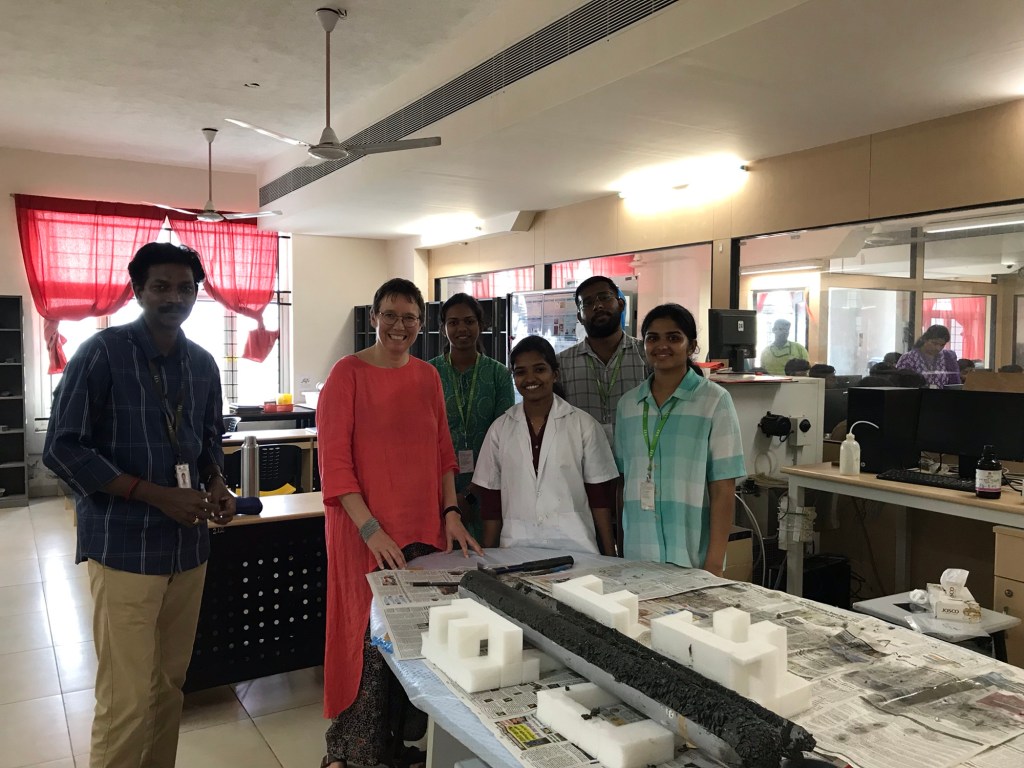
Before the conclave started, I had the distinct honor of visiting four of the engineering laboratories on the VIT Chennai campus, being shown around by Shanmugham. We visited the soil testing lab where he and his colleague, Associate Professor Dr. Karthiyaini train PhD students and conduct research.
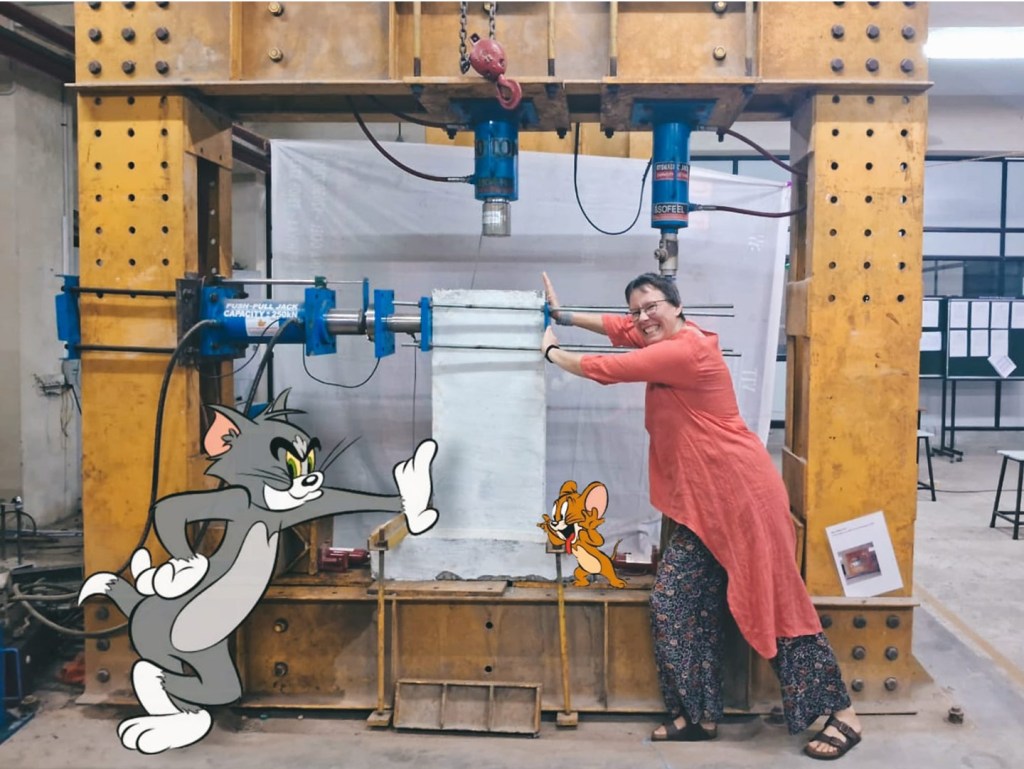
We visited Shanmugham’s materials testing laboratory. He has just gained national certification to test materials (such as concrete samples from active construction sites). He can test the performance of all kinds of concrete steel and concrete-related products. He is also researching possibilities for creating concrete mixed with less embodied carbon than today’s standard material.
He’s working towards a net-zero-type concrete method using byproducts of other industries in India — because concrete is a central construction material in the country. China and India are using a huge portion of the entire amount of concrete fabricated each year currently worldwide.
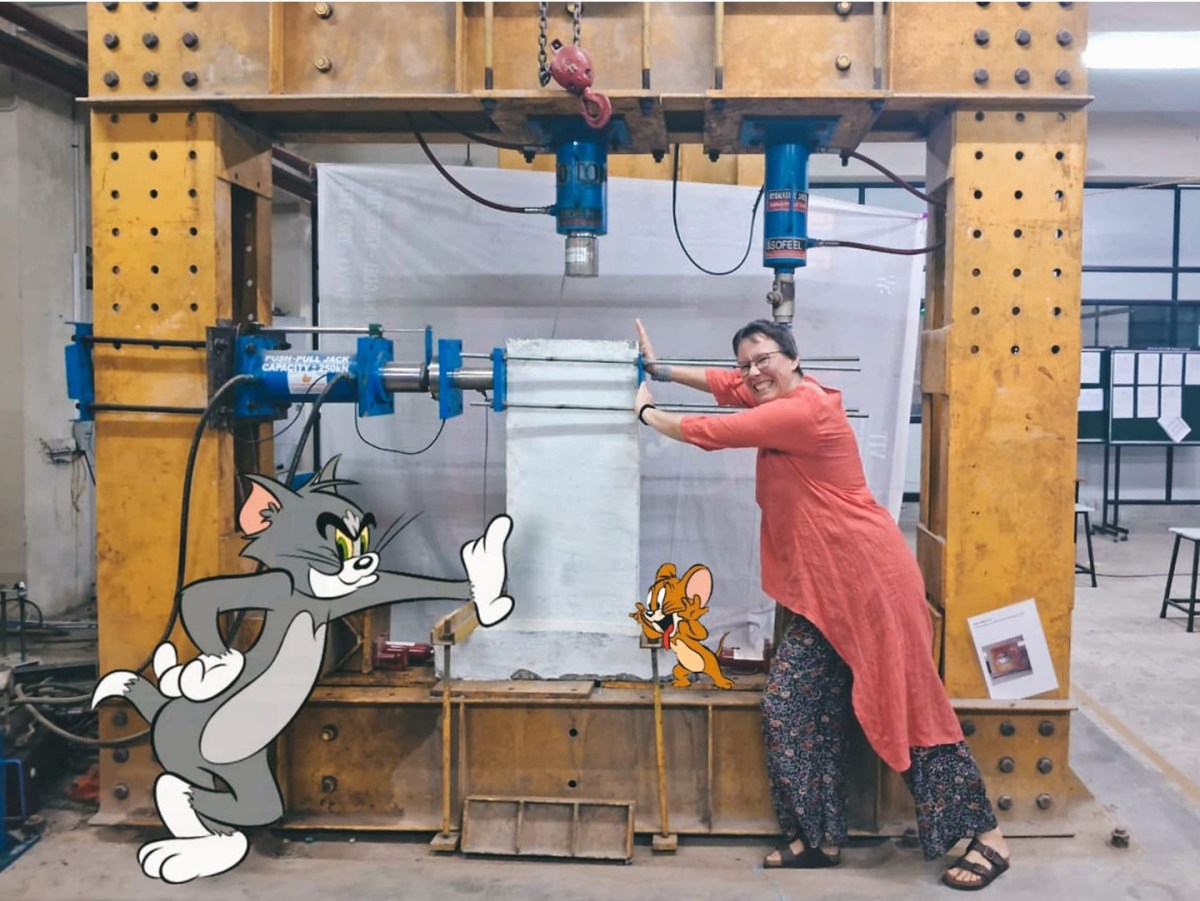
Dr. Shanmungham’s colleague added Tom and Jerry to my visit to the Shanmugham’s concrete testing lab!Official certifications for Dr. Shanmungham testing lab.A machine to demonstrate to students how to protect reservoirs from infiltration of contaminated water, built by Shanmungham.PhD research students in the geology lab.PhD students in the water quality lab.
I also visited a water quality research lab and met the academic leader and her PhD students. They are working on a wide array of topics, including addressing toxic landfill effluents that leak into the soil, reviving microplastics from water, desalination process, and ocean clean-up techniques. I learned so much and wish I’d taken notes!
The geology lab was equally interesting as the students were taking samples from a soil boring to study contaminants. They introduced me to each doctoral research project, and I asked loads of questions, which, again, unfortunately, my brain failed to file into long-term memory. It does this filing in the night while I sleep and in the day when I retell what I’ve learned. But I learned so very much in that single day of touring that my brain couldn’t hold it all.
One thing I will never forget is how many talented women are studying engineering at VIT. To my delight, the research labs are gender balanced.
On the day of the tours, I also met VIT’s vice president for academics, Dr. Sekar Viswanathan. He holds this role on all four VIT campuses. I was very impressed with how attentively he communicated with Dr. Johnson, another international guest speaking at the conclave, and me.
VIT is a private institution that provides itself in excellence and holds academic world rankings. The Chennai campus is currently educating about 10,000 engineering students and is expanding its facilities to double its enrollment. This is very important in a country where many hundred thousand engineers graduate from higher education institutions each year but are not well-prepared for industry. Receiving an education at a highly-ranked institution like this helps ensure the graduate will be ready to perform well in the industry. The country desperately needs more civil engineers who can do this. Hopefully, one day, India’s civil engineers won’t need to work seven days a week!
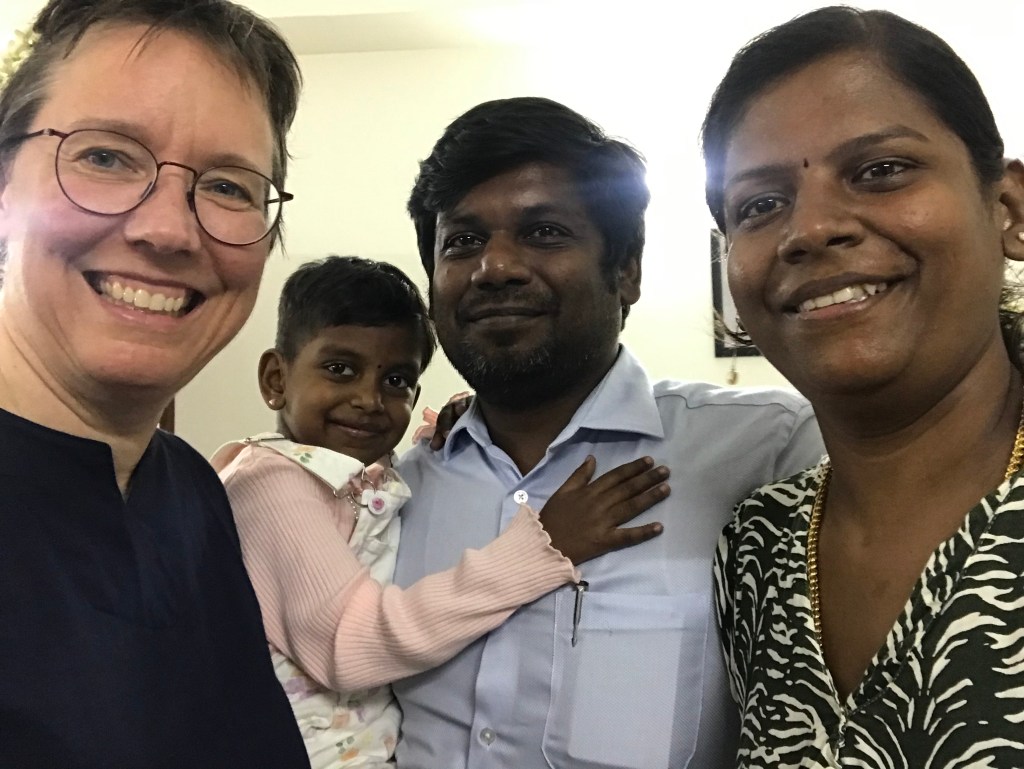
Shanmugham was an exceptional host during my trip. He and his wife (Rama, an electrical/computer engineer who runs a startup business with a colleague) and their six-year-old daughter (Shanmuga, who speaks English in addition to her mother tongue), took me shopping for Indian outfits — so I’ll fit in better on my next trip to India!
They also invited me to their home, located in a huge complex of apartments. There are 20 buildings, each about 17 stories tall. I met their neighbors, and I learned something about how they live. We got to share a bit of our own cultures with each other, which was a true highlight of my time in Chennai.
Shanmungham with Shanmunga and Rama, at their home.The shrine in their home.Shopping for Indian outfits with Shanmunga.Shanmunga and Rama’s neighbors also welcomed me into their home. The daughter will marry next week, and I have been invited. Unfortunately, I’ll be at work in Ireland during the multi-day wedding events.
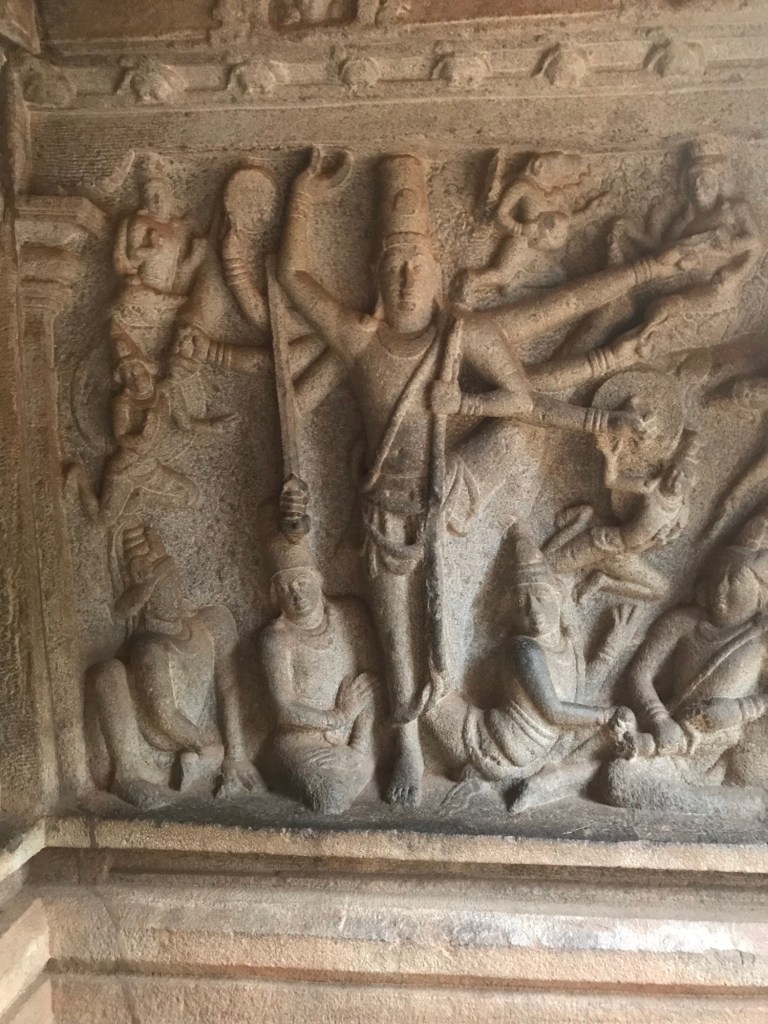
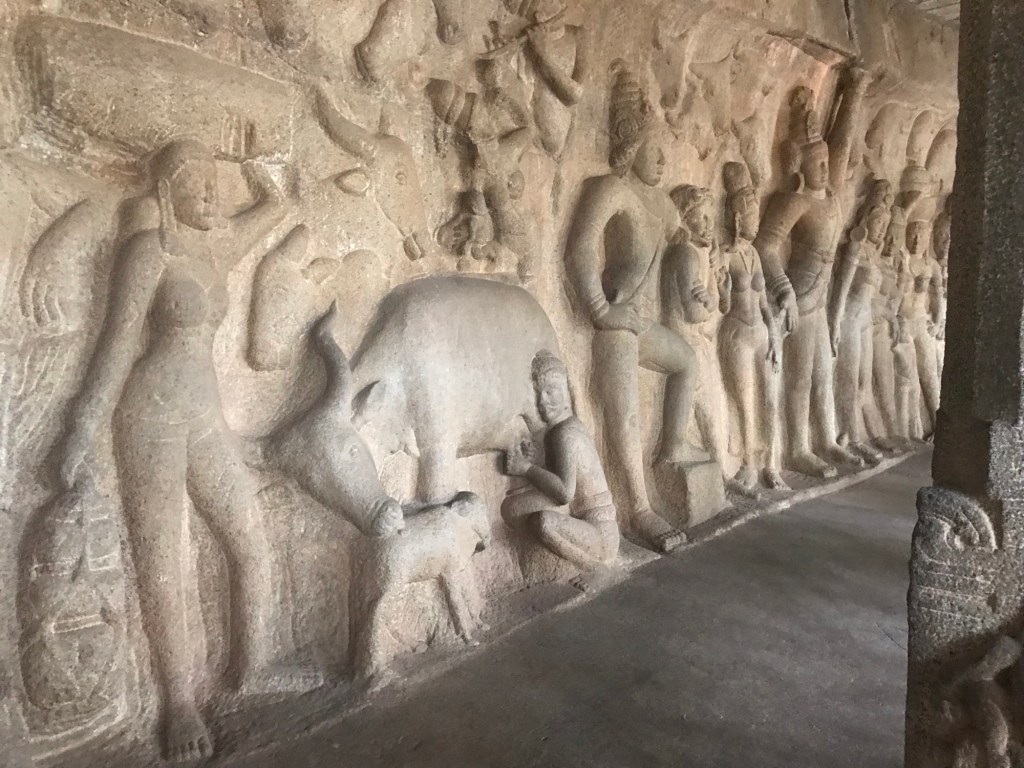
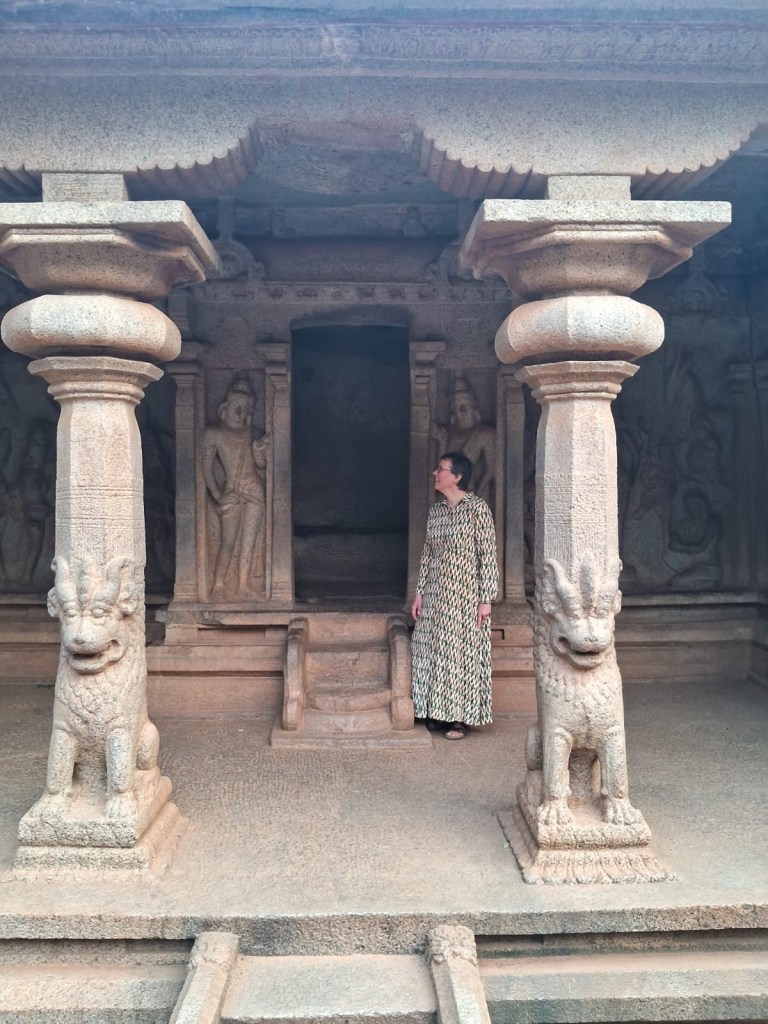
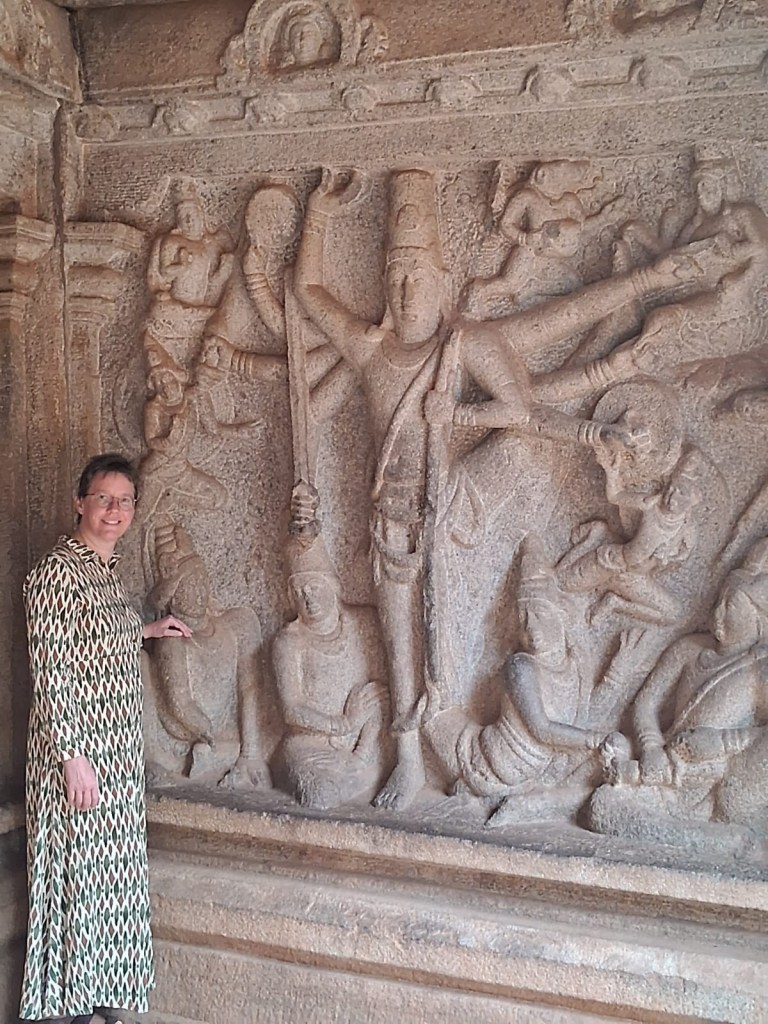
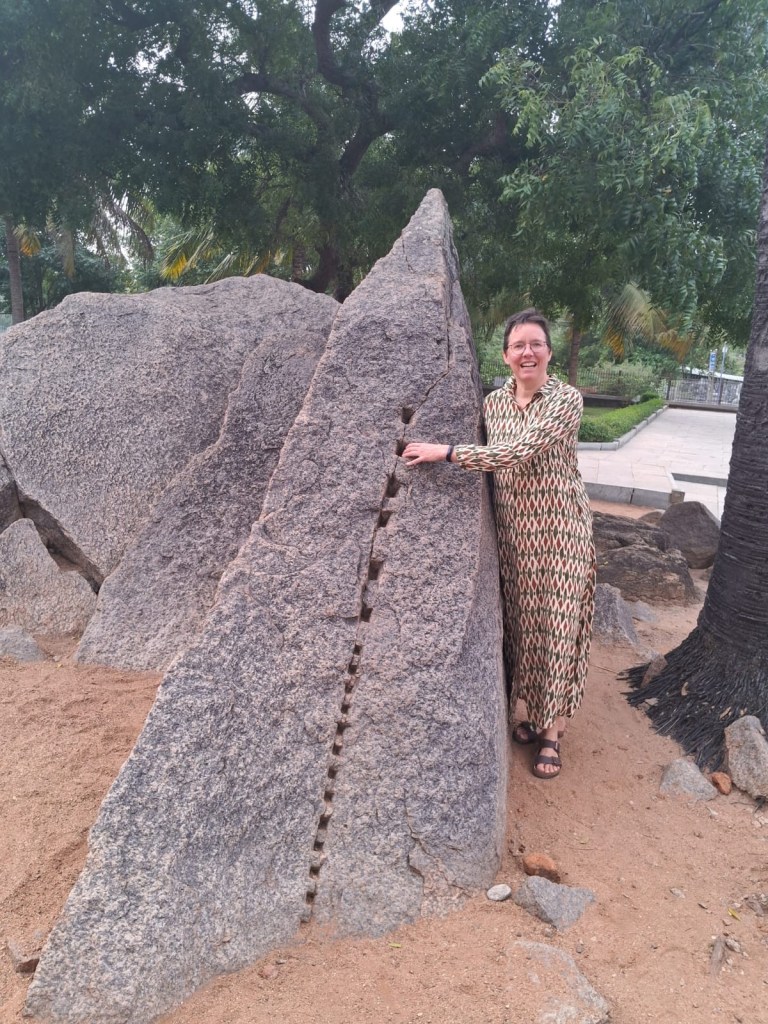
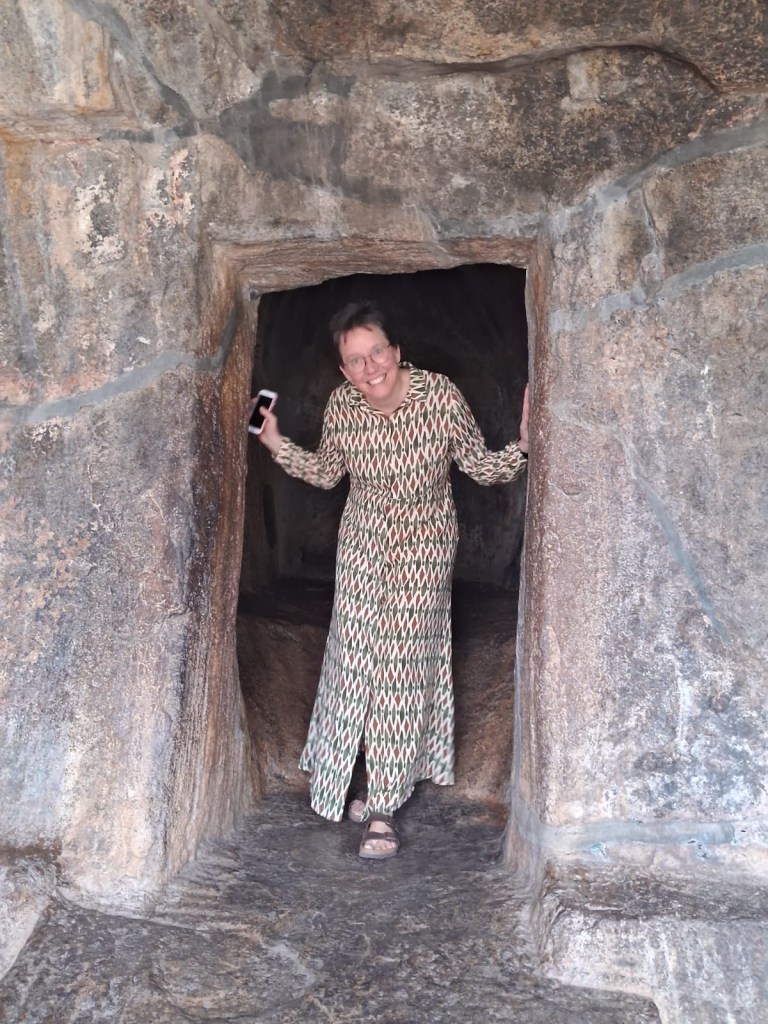
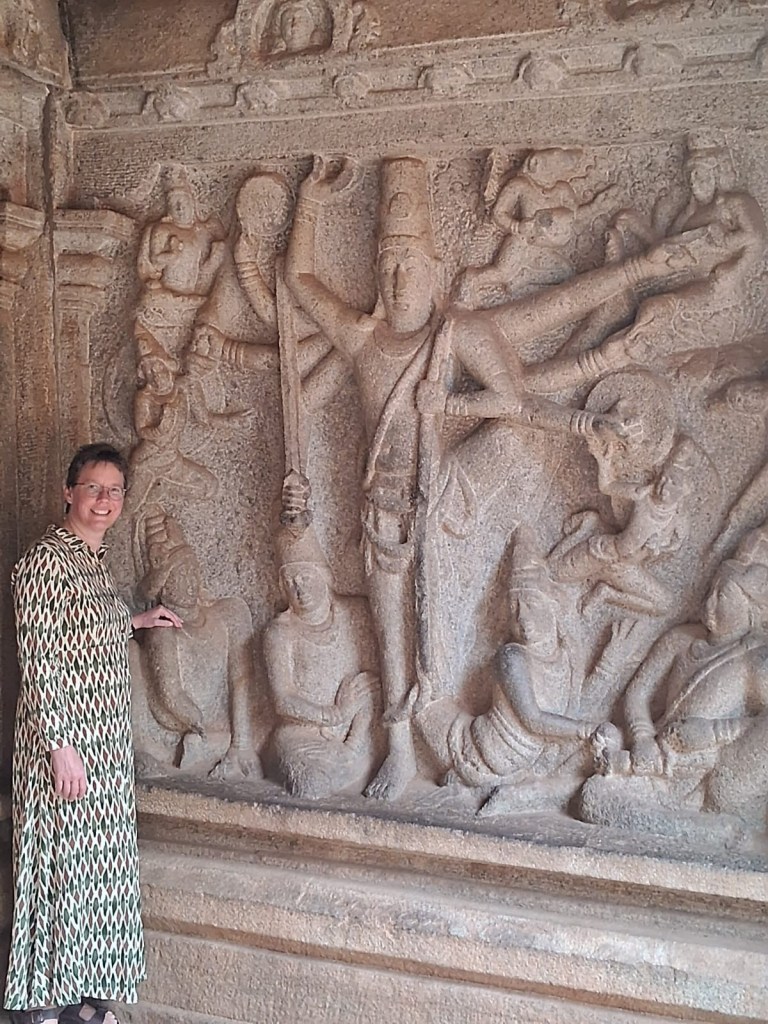
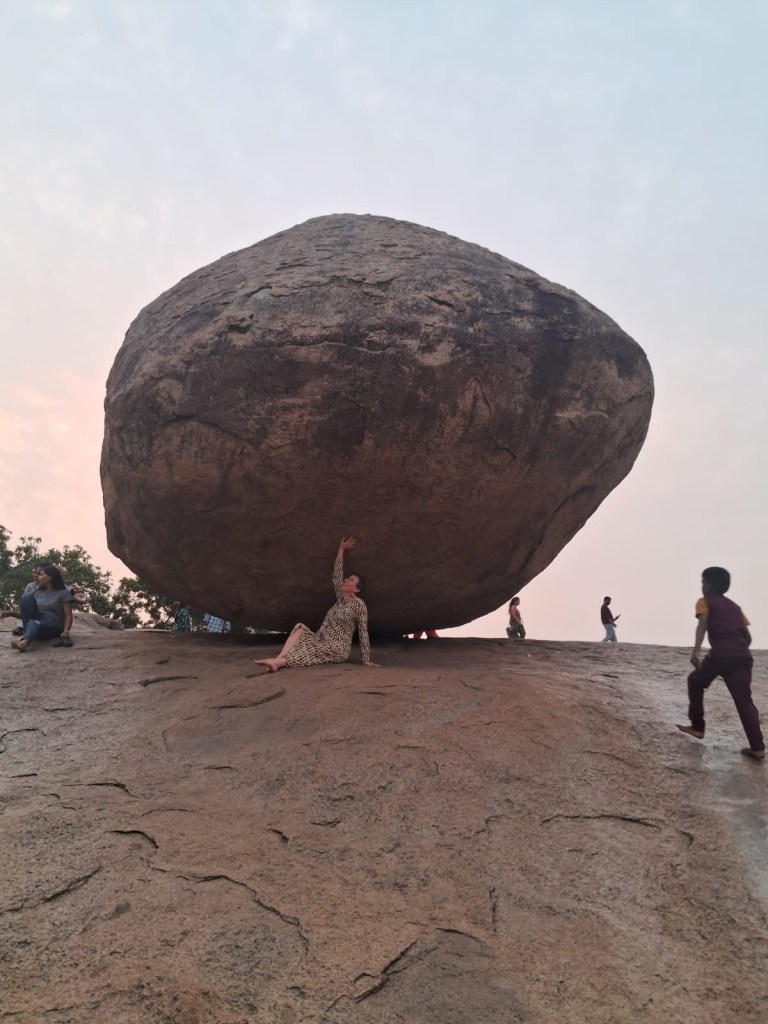
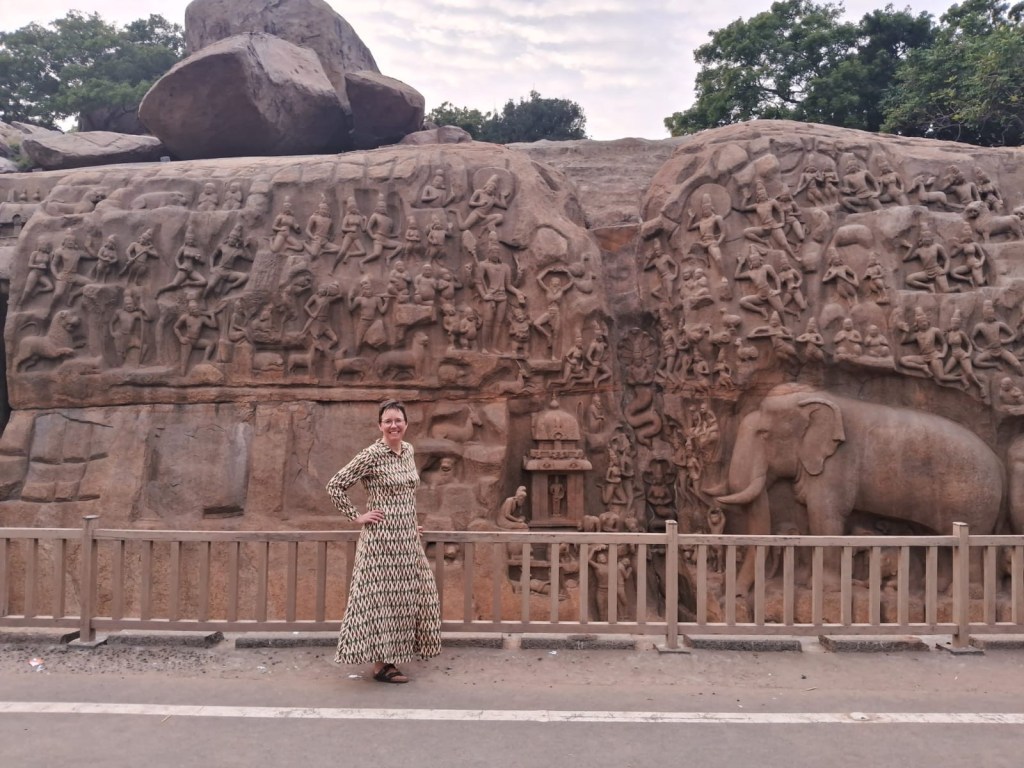
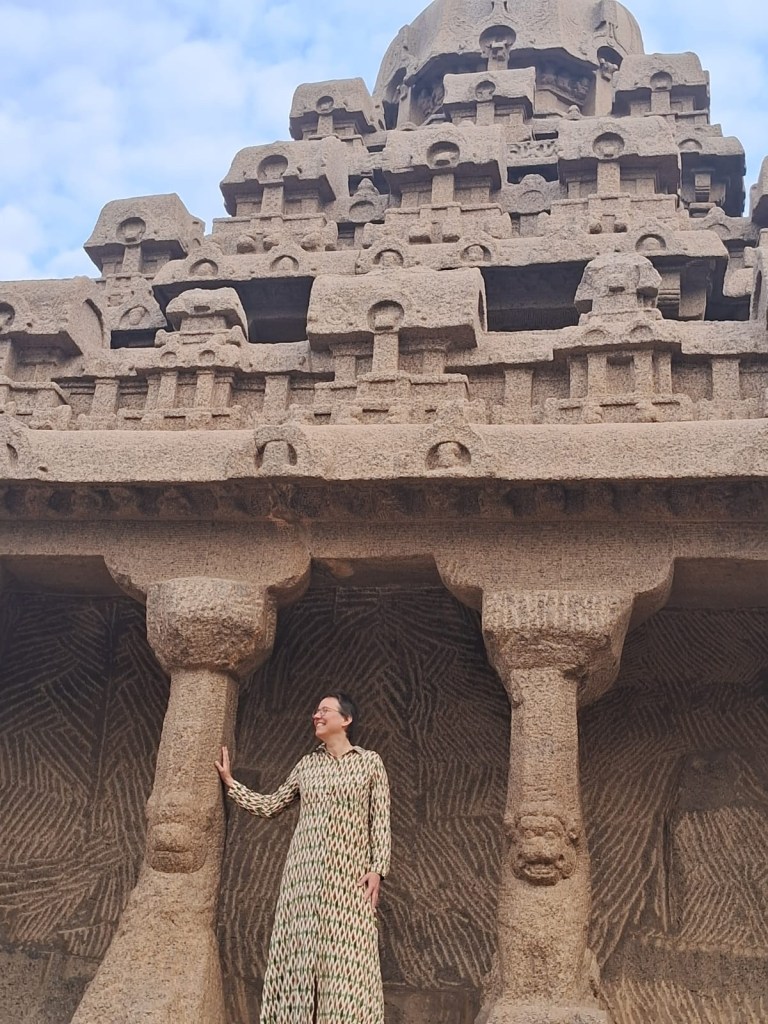
At the very start of my trip, I also got the chance to visit some stone temples near Chennai. Shanmugham showed me around the massive site and, in true Indian fashion, took pictures of me at each important structure. These temples, carved from solid granite boulders protruding from the sand at this coastal location, have stood for 1300 years. The craftsmanship was superb and awe-inspiring.
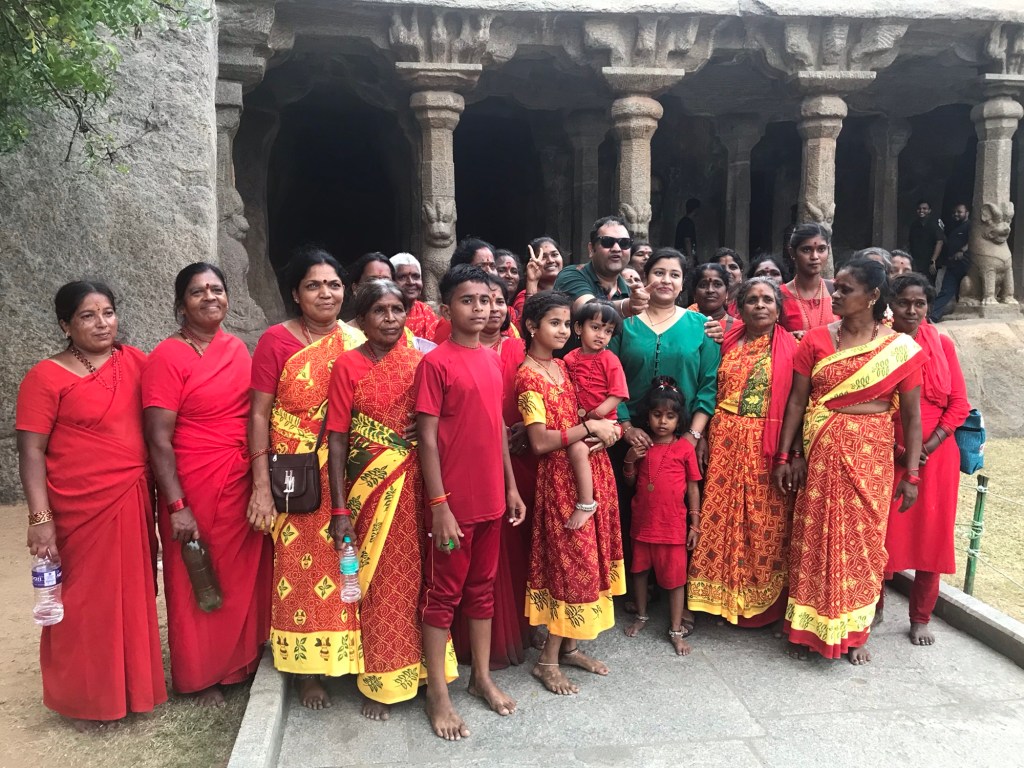
The day we visited the temples (the day I landed in India, January 2) was a holiday. The site was being visited by many busloads of tourists from all over India dressed to the nines. I included pictures of one group of visitors in the gallery below.
“The Group of Monuments at Mahabalipuram is a collection of 7th- and 8th-century CE religious monuments in the coastal resort town of Mahabalipuram, Tamil Nadu, India and is a UNESCO World Heritage Site. It is on the Coromandel Coast of the Bay of Bengal, about 60 kilometres south of Chennai.”
The Indian people definitely made me feel welcome and safe and thankful for this opportunity to meet and learn from them. Everywhere I went, people stopped and asked to take a picture with me. Little children looked at me in amazement. Shanmugham noted that many visitors to the temple had come from afar, from rural parts of India, and only some of the children had seen anyone like me before.
Incidentally, the food was incredible! During my two-week visit, I enjoyed the taste of every single thing I ate. At VIT, I had the privilege of residing at the international guesthouse. The drivers and guesthouse staff were absolutely incredible and made my stay a joy. At first, they offered me more Western foods, but when they saw that I enjoyed the Indian dishes more, that changed! The entire staff went the extra mile to ensure my safety and comfort.
In this post, I described just five of my days in India. I hope to post another blog this week about my experiences at REES 2024 in Hubli, India, and visiting NITTTR outside Chennai.
From ancient stone temples to teaching labs and structural failure — I got insider perspectives of civil engineering in India from the staff of VIT and I look forward to my next visit to India.
Monuments at Mahabalipuram, a UNESCO World Heritage Site near Chennai, India.
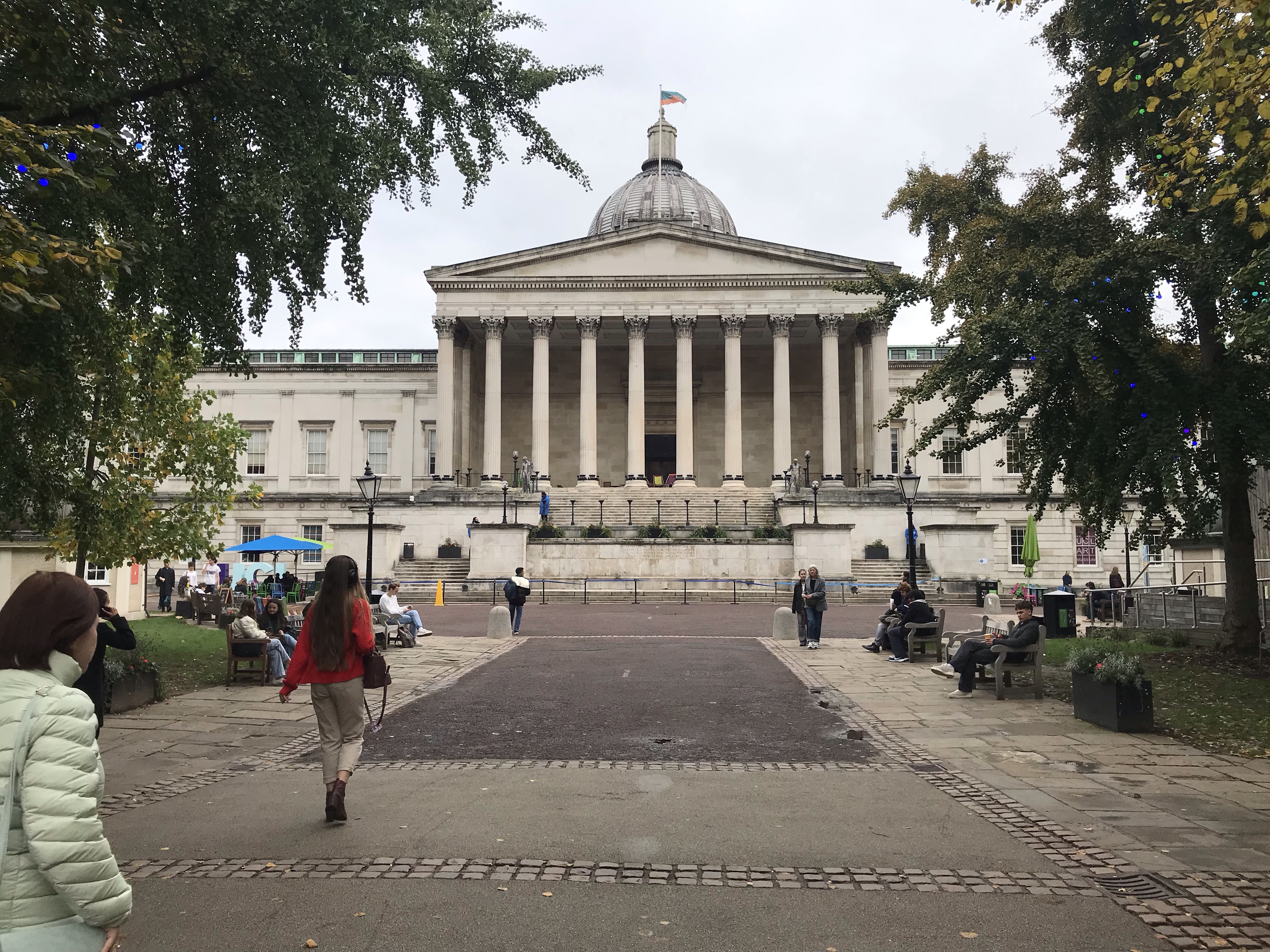
Although the days are short, dark, and frequently wet now that we’ve gone off daylight savings time, I’m still savoring memories of a recent week in London. As you likely know, I spent all of 2018 and 2919 on an MSCA fellowship from the European Union, working at University College London and developing fabulous new skills and an invaluable network of colleagues at UCL and around the globe. UCL is truly a magnet for talent and an ongoing source of inspiration.
The time change happened again this year while Aongus and I were in London for the October bank holiday… I often overlap a bank holiday Monday with a working visit to London since my colleagues at UCL have different days than me (at TU Dublin) and I can visit UCL without falling behind at my main job. This was my second Halloween in a row visiting UCL.
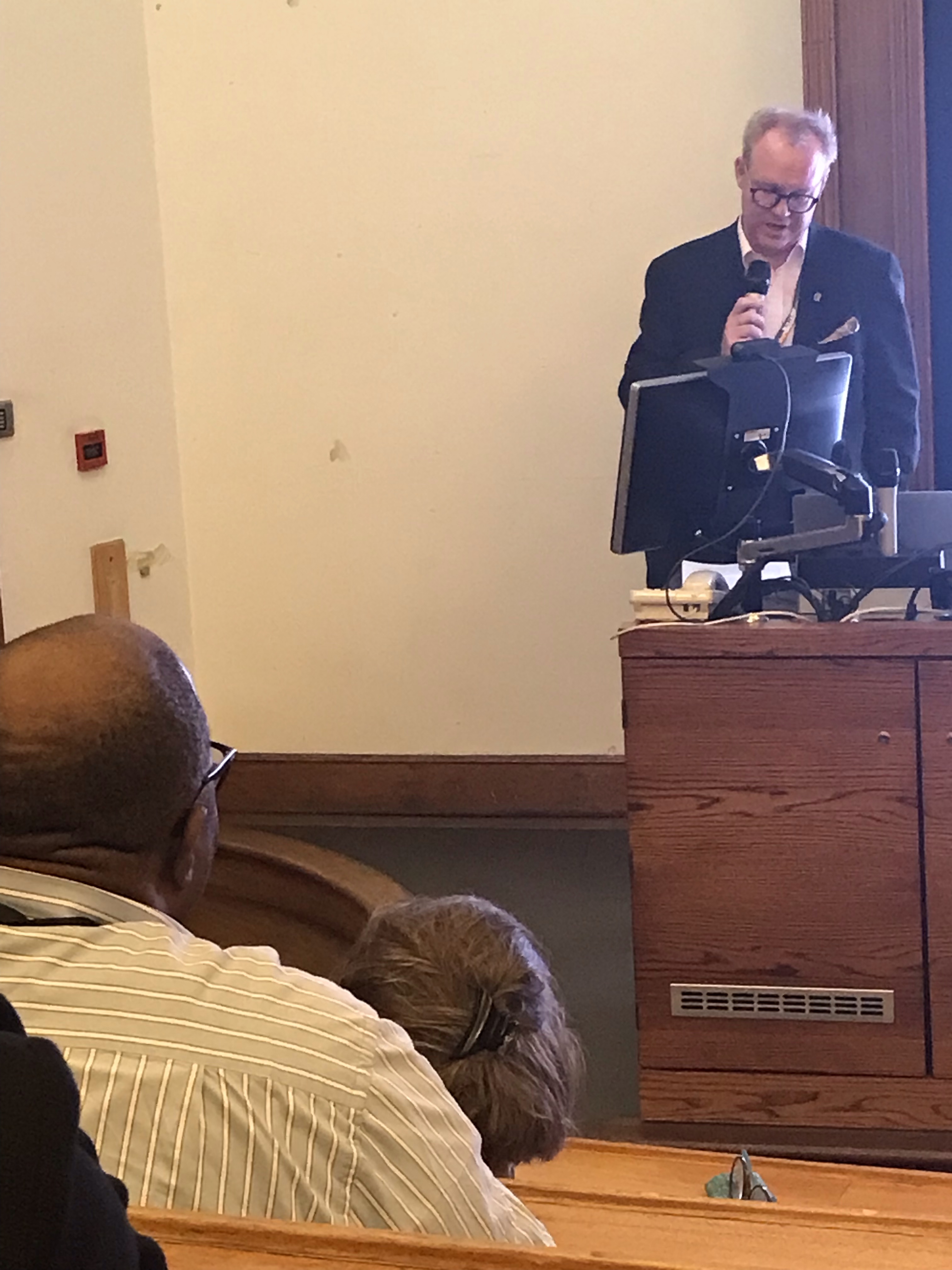
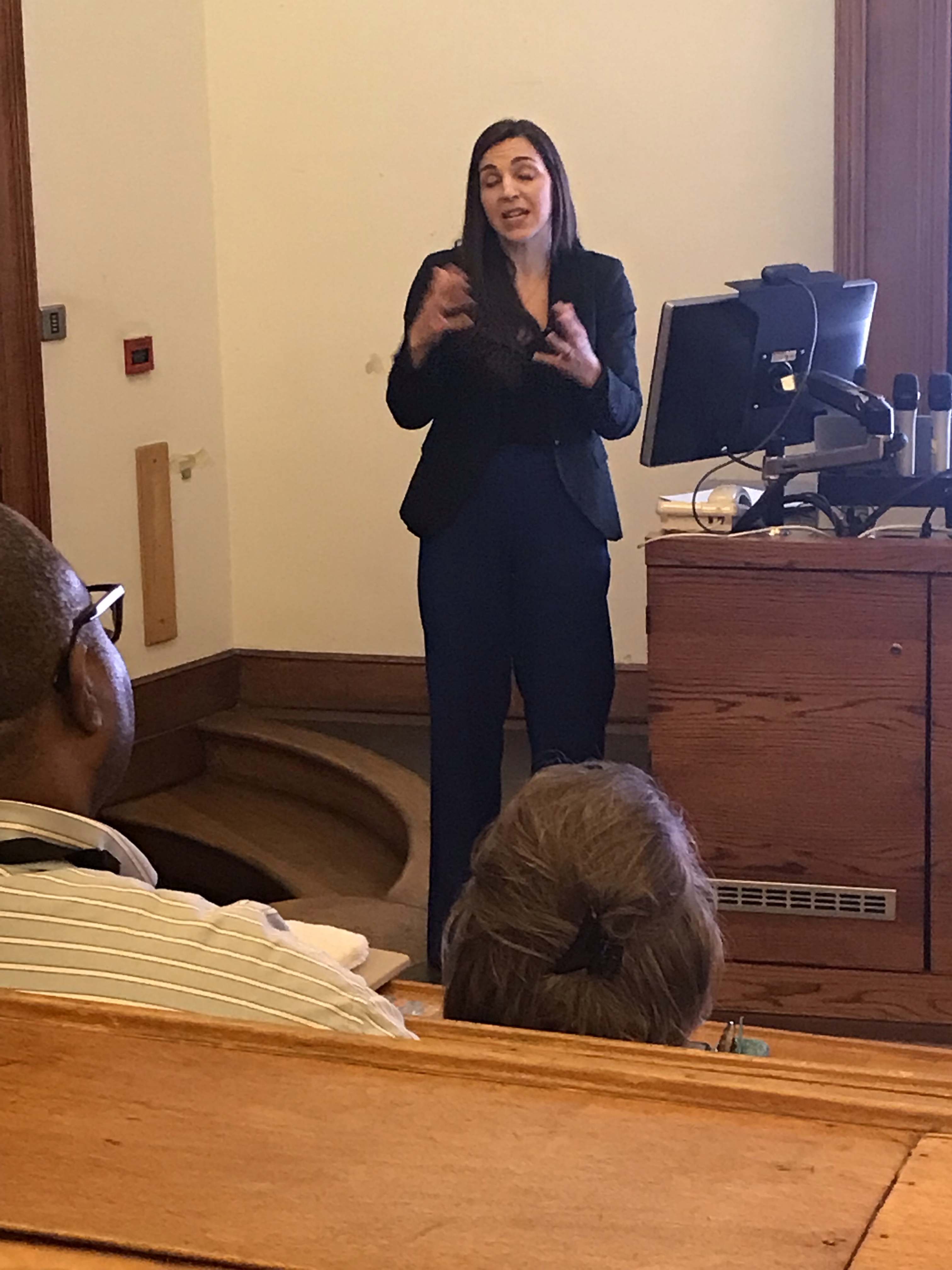
I’m fact, this Halloween I spent a full week in London, collaborating with colleagues and attending lectures including Emanuela Tilley’s inaugural professorial lecture (and reception!) and a guest lecture in one of Professor Nick Tyler’s transport engineering classes.
Emanuela Tilley’s Inaugural Professorial Lecture and Reception at UCL.
I worked several days at UCL’s Henry Morley building, which houses the Centre for Engineering Education. I enjoyed catching up with colleagues there, especially Drs Vivek Ramachandran, Kate Roach, and Fiona Truscott. I showed Vivek, who is new to UCL, some of my favorite places in and around campus, including the Thursday Farmers’ Market, the Life Goddess restaurant, and the Building Centre. I after work one night, I attended a comedy show at the newly renovated Bloomsbury Theater.
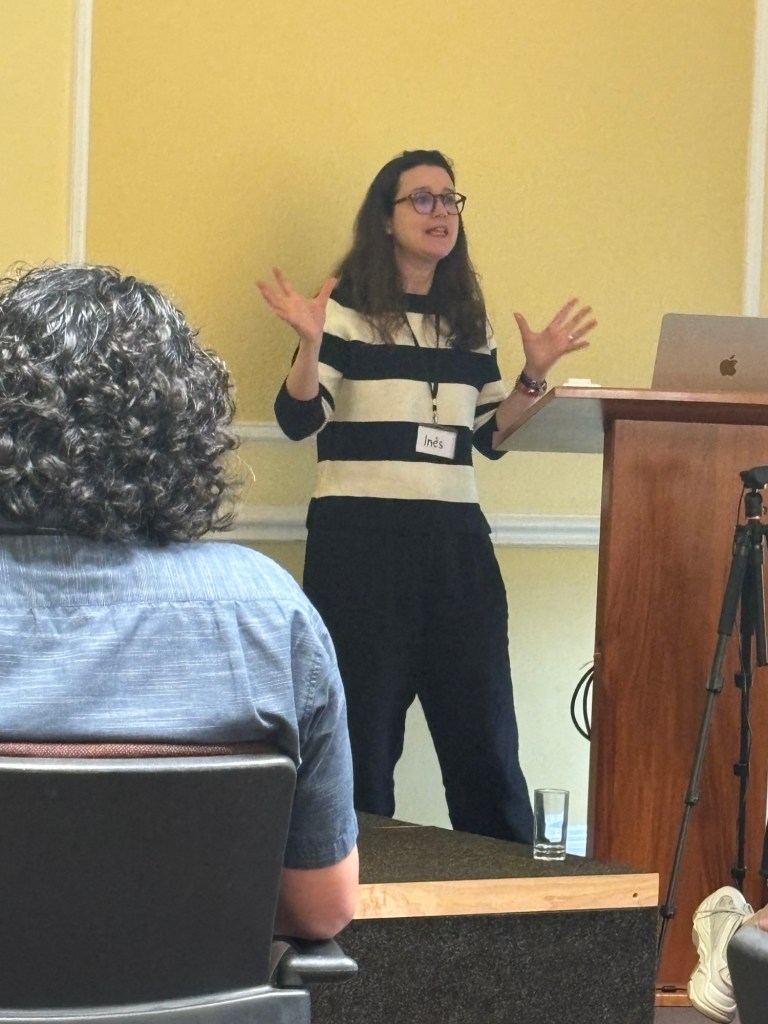
In the daytimes, I kept Dr Inês Direito’s old desk warm as she’s moved to the University of Aveiro in Portugal. Never fear, though, Inês and I are still in close communication, and now, my mentee Dr Diana Martin is joining CEE so I’ll still never be more than a WhatsApp away from the Center!
During the week, I attended strategic planning meetings with my two “bosses” at UCL — the two directors of the curriculum design project I’ve been working on, via a contract between UCL and TU Dublin, since 2020. They are Professors Emanuela Tilley and John Mitchell, two truly fabulous people to work with.
Thanks to the marvel of online communication, I also completed a half day training on finance software at TU Dublin while I was in London. I also attended online meetings with co-editors of the handbook I’m leading as well as co-authors on a chapter I’m contributing to the handbook.
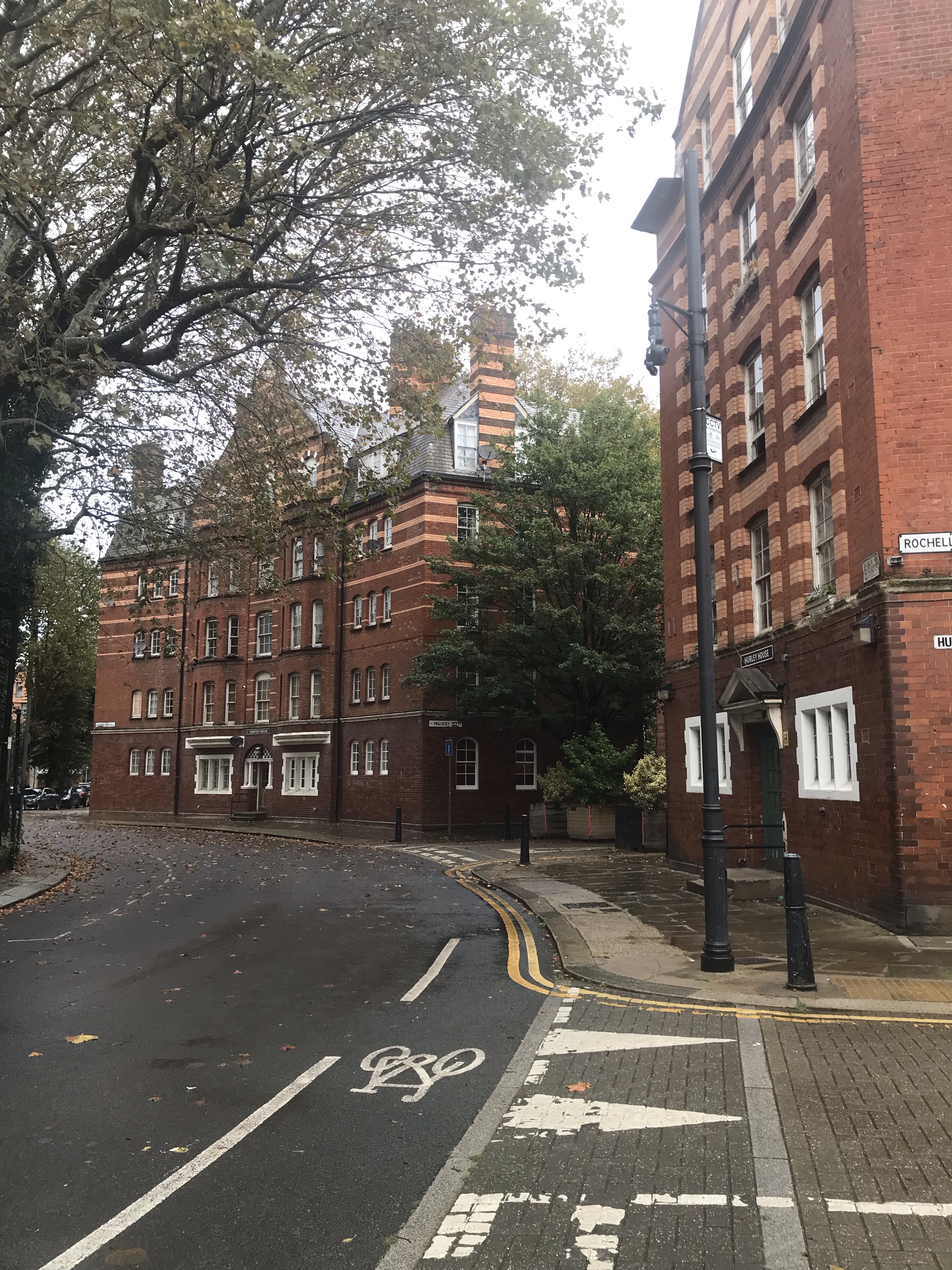
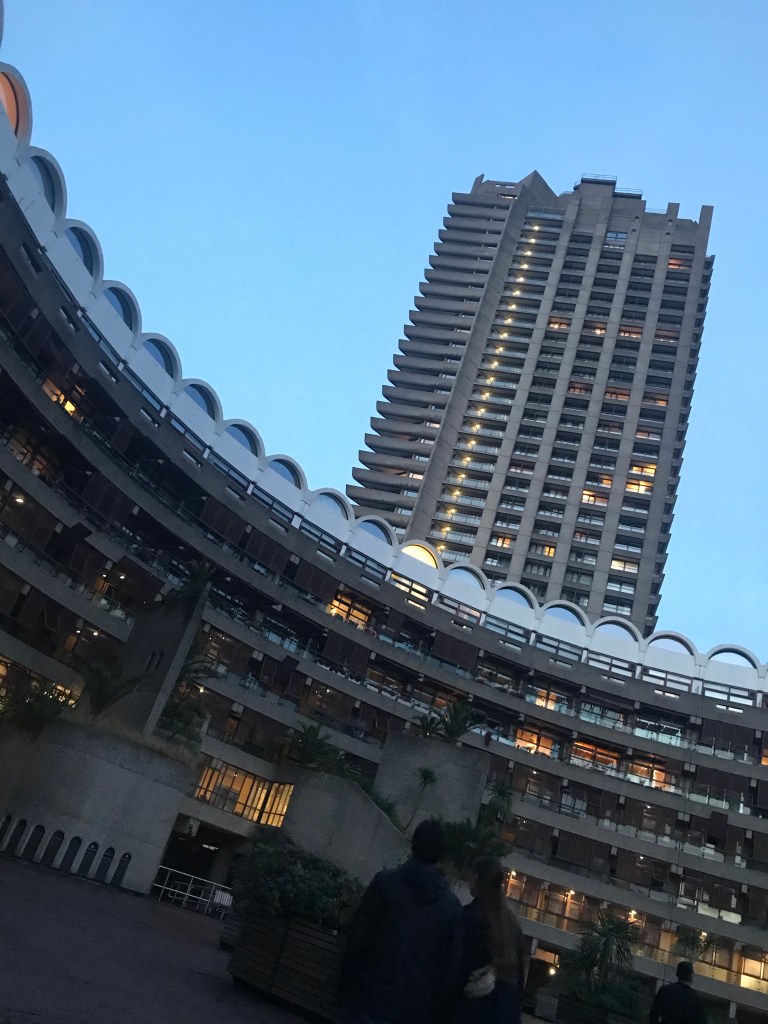
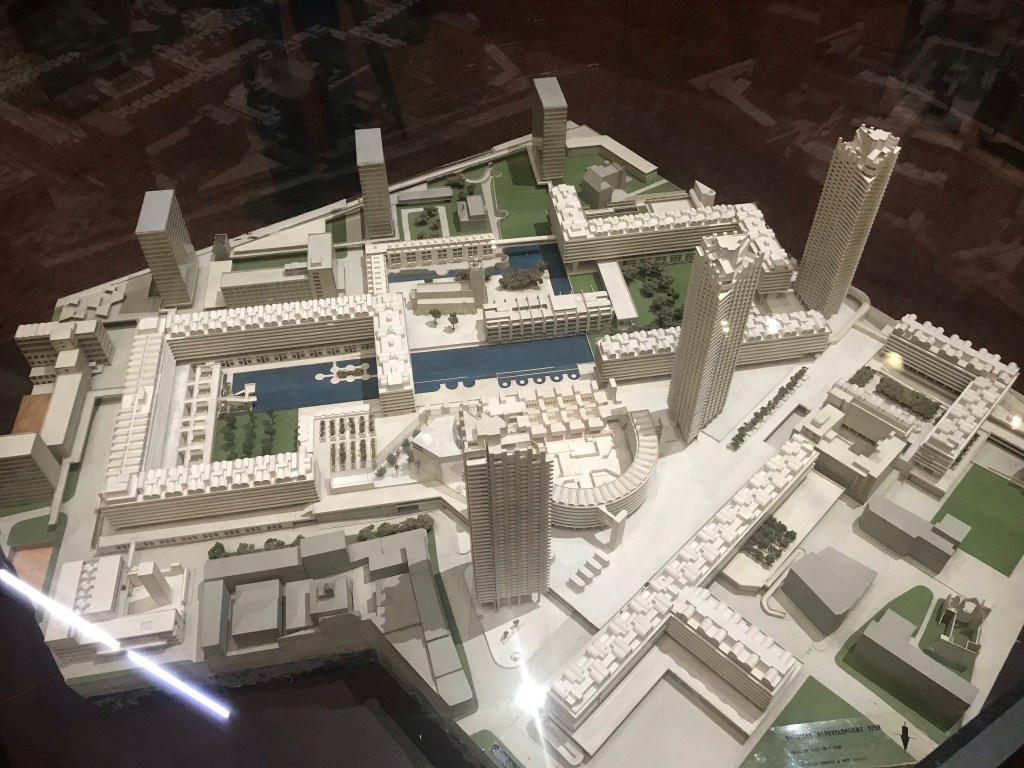
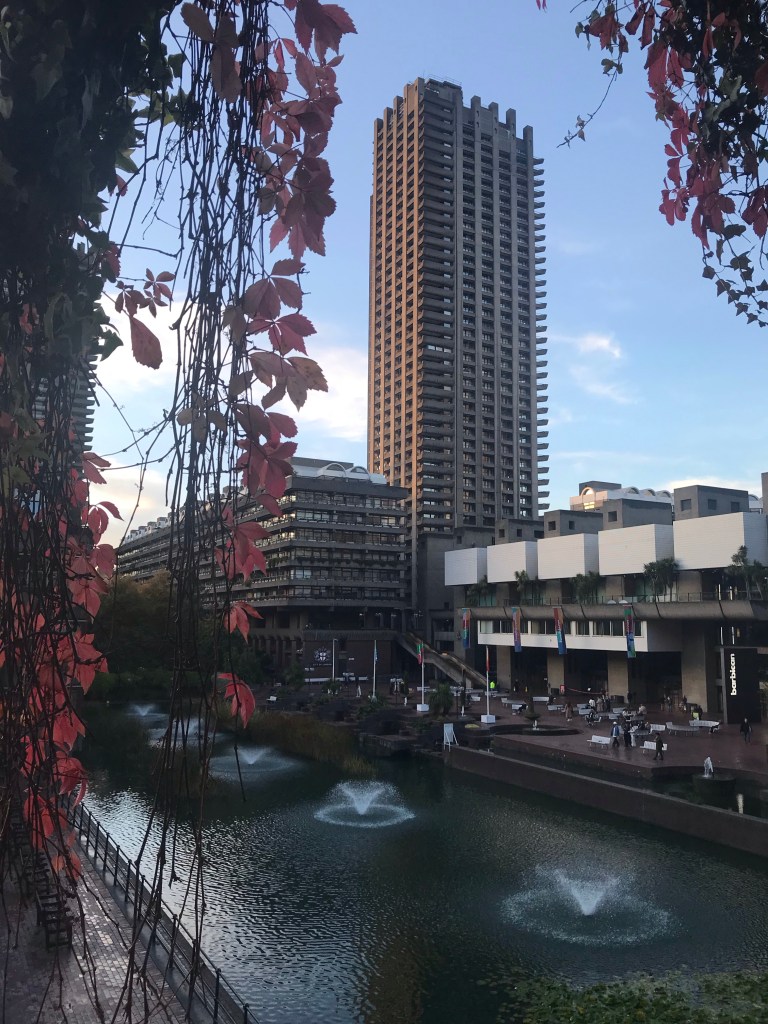
For the extended weekend, Aongus joined me in the city. We attended two musicals (the Tina Turner musical and “Crazy for You”) and an improv comedy show. We took architectural tours of the Royal Albert Hall and the Barbican complex. We visited the Royal Academy of Art , the photography museum off Oxford Street, and the Natural History Museum including its Wildlife Photography of the Year exhibition.
We also visited our favorite haunts around Shoreditch, where we previously lived for 18 months. We got to know the area around Victoria Station better. We even saw Rebecca from “Ted Lasso”, Hannah Waddingham, up close and in person as she’d attended “Crazy for You” and was in the lobby when we exited.
Glimpses of our adventures around the city.
While in London, I also drafted text for my handbook chapter, worked on various projects, attended an improv musical called “Showstopper!”, and did loads of Spanish lessons on Duolingo in the evenings before bed.
It wasn’t supersizing, really, that I picked up a cold somewhere in London. I brought it home along with heaps of inspiration to help carry me through the long working weeks until Christmas.
Now that I’ve recovered from that nasty cold, I can say with conviction that life is good and I am blessed beyond belief.
I’d like to highlight some creative endeavors of two people I have had the pleasure to teach and/or mentor over the years. They take time to post about their hobbies and/or professional work on WhatsApp or social media, and I benefit from what they share.
I have felt such inspiration due to recent posts by Shane Ormond (who lives in Ireland) and Nikkolas Smith (who lives in the USA).
Shane was previously a student in DIT’s School of Electrical and Electronic Engineering, and he’s been part of our RoboSlam activities for nearly a decade now (see RoboSlam.com and its blog section). DIT has transformed since then into TU Dublin — and RoboSlam has evolved into the Dublin STEM Ensemble. Shane has been a big part of both. He can frequently be seen supporting STEM Ensemble activities, like our annual exhibit at Dublin Maker, or our periodic planning and knowledge-sharing sessions held in the new Granegoreman Central Quad.
Here’s a video Shane shared on our STEM Ensemble WhatsApp thread last week about one of the projects he’s been doing in his spare time:
At the end of the video, Shane mentioned GitHub, where he posts his work for others to draw from. STEM Ensemble recently held a seminar on GitHub that Shane and I both attended. (The difference is, he understood a lot more of the presentation than I did!)
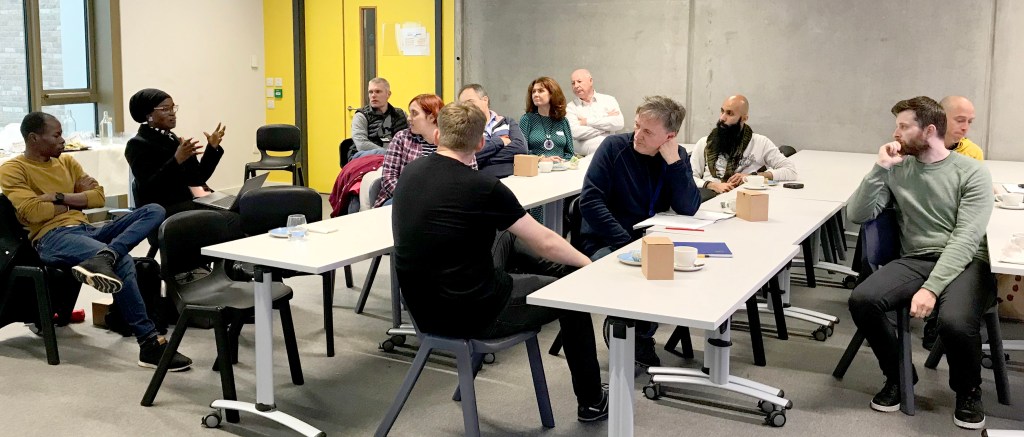
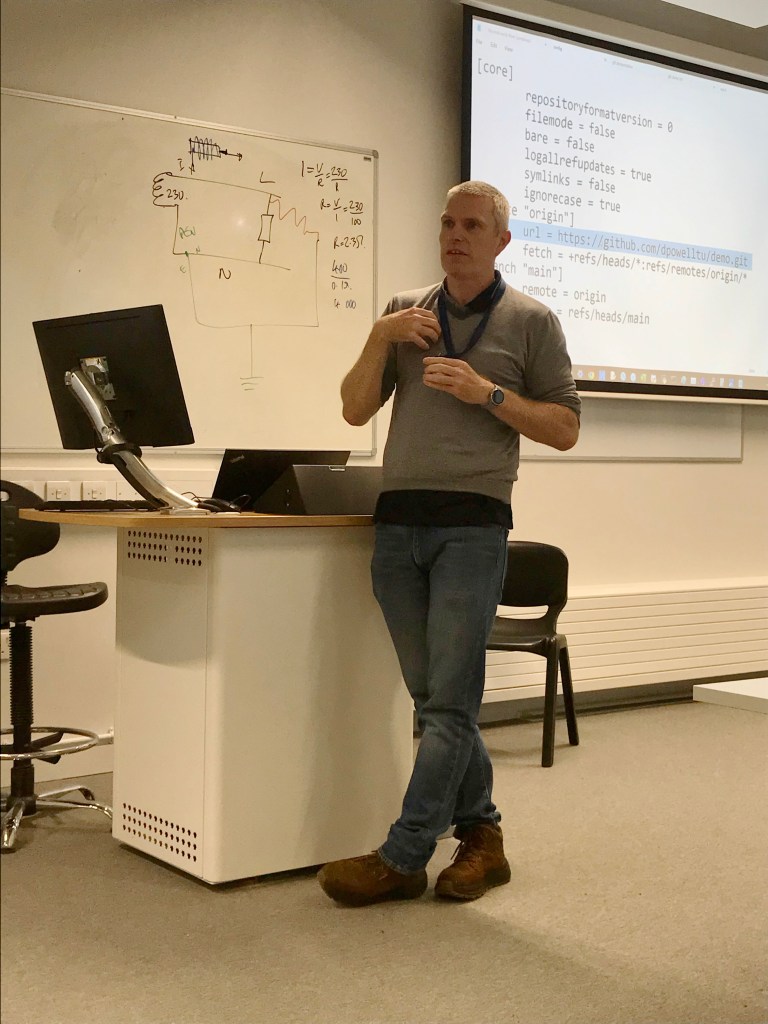
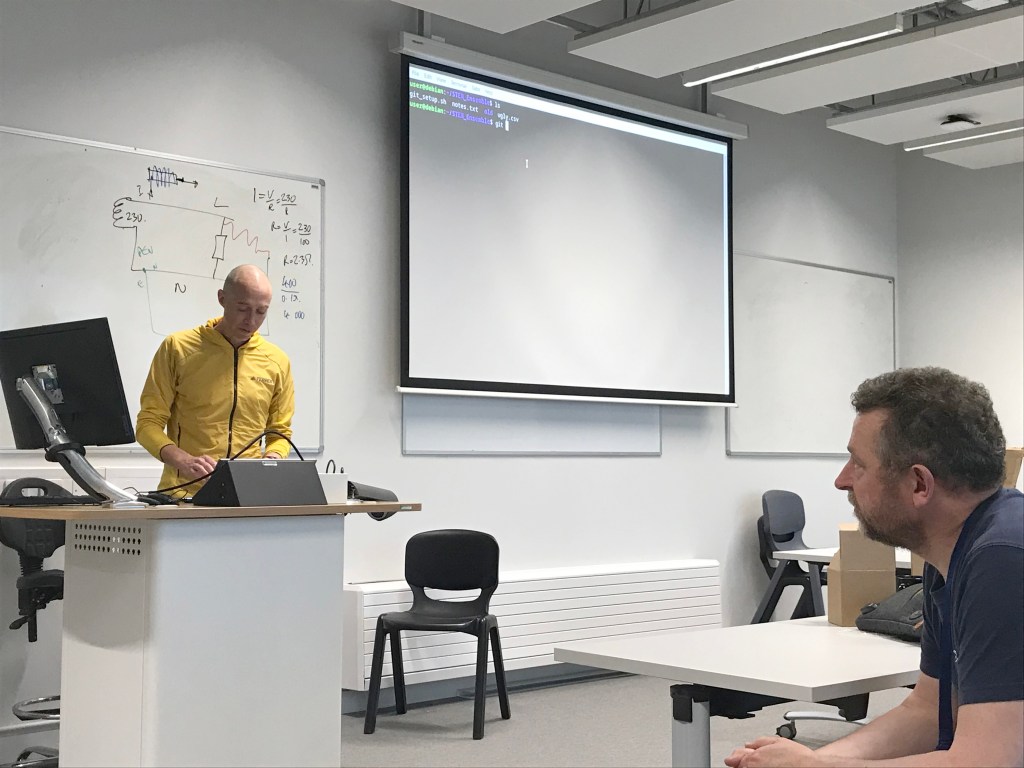
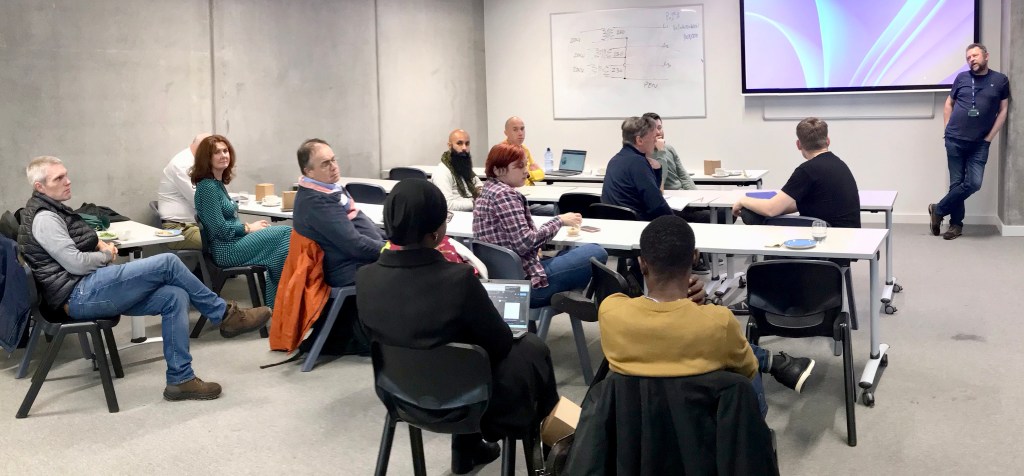
Images from our recent STEM Ensemble meeting that was followed by two presentations on using GitHub and a jaunt to the pub.
I see the video (above) with the blue model car as an evolution of Shane’s earlier work with robotic model cars with cameras on them, which I captured in this March 5, 2020 video. I shot it days before campus ground to a close with Covid lockdown:
Shane does all this as a hobby; at a couple of Dublin Maker faires he developed the technology to power talking heads. This year’s talking head automatically answered spoken questions using ChatGPT.
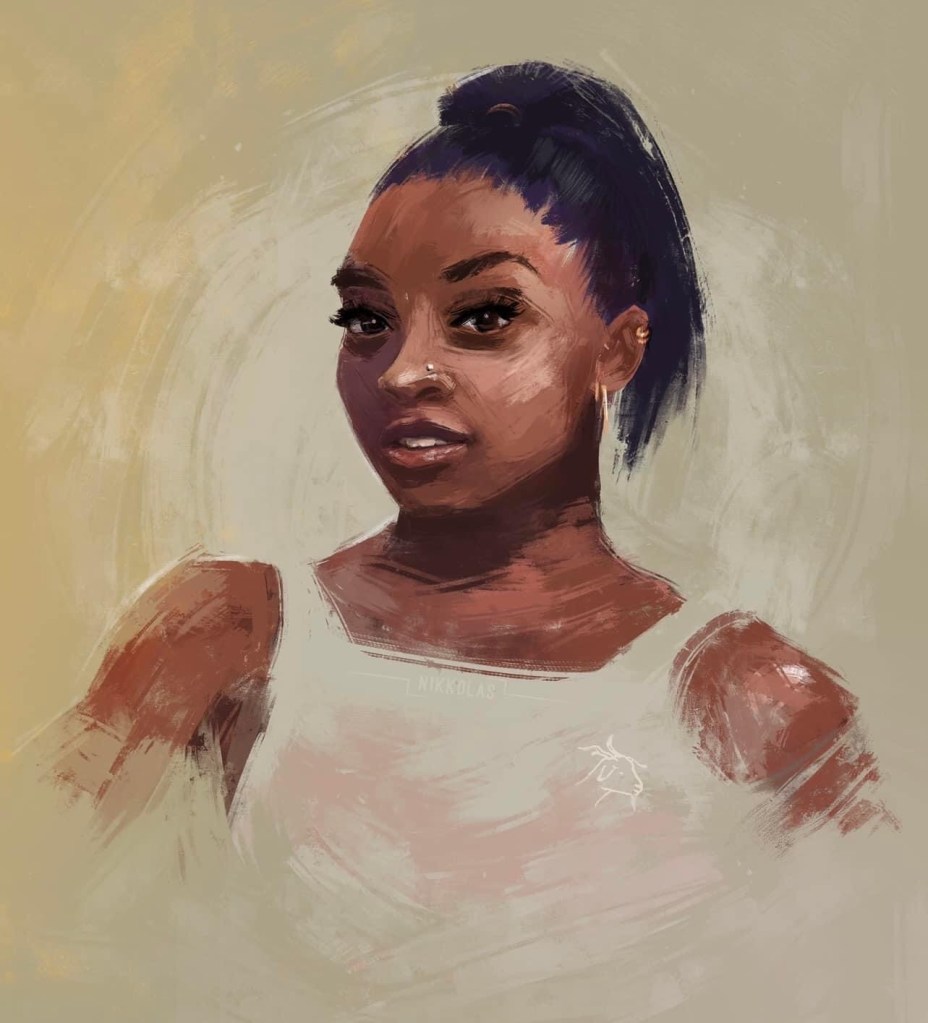
Like Shane, Nikk Smith is internally motivated to create. Nikk was an architecture student of mine at Hampton University, many moons ago. He often posts his “Sunday sketches” on social media. Here are a couple examples:
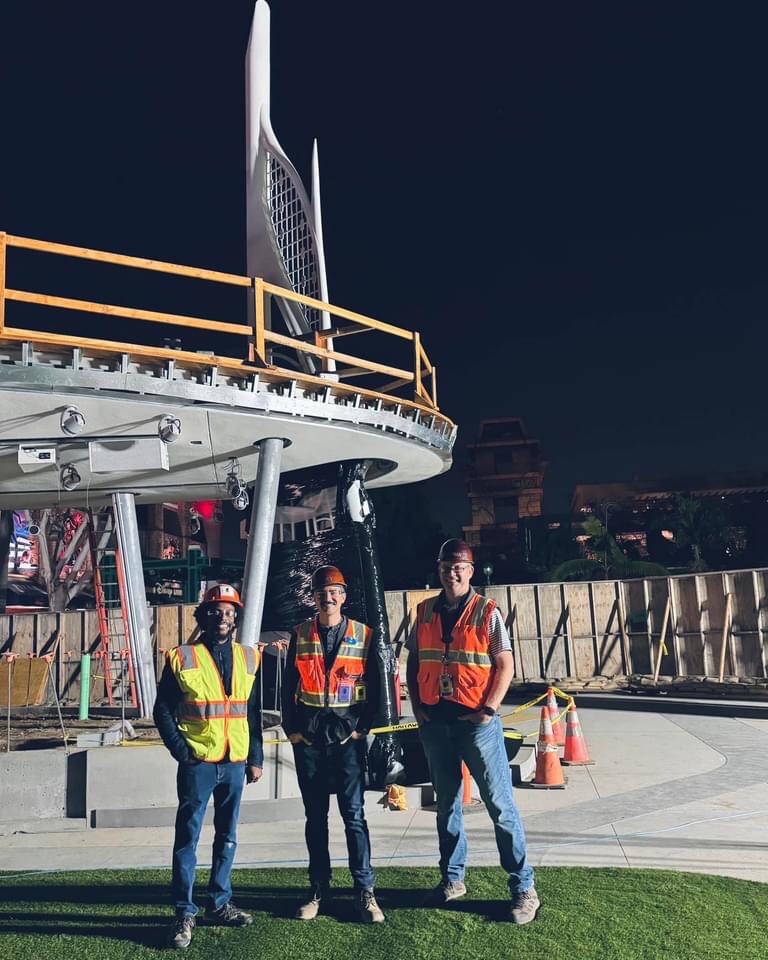
A couple of Nikk SMith’s “Sunday sketches”. One of gymnast Simone Biles, and another of children from Palestine, Sudan, and Congo. His work has socio-political relevance, and he highlights Black causes and heroes.Nikk also illustrates and sometimes also writes books for children. “Born on the Water” has been extremely successful, and has just been published in Spanish. The original is in English. He uses art to support his activism, and coined the term “activist” encouraging others to combine art and activism!Nikk used to work as a full-time Disney Imagineer, but now he works for himself (I think) and does consulting for Disney. A tower he designed for Disney to honor Black architects has just been opened at a Disney park. Nikk also designs movie posters — and I included his most recent poster here.
I am proud beyond compare of the work my former students and mentees are doing in the world — the creativity and passion they bring to the world and the lives they design for themselves.
Shane and Nikk are two outstanding examples, and I hope to feature more of my own personal heroes on this blog in the months to come. Being an academic educator and researcher connects me with many amazing people.
I was asked to recap my work in the engineering education research (EER) space in the past year.
The biggest projects I’ve been undertaking are editing the forthcoming Routledge International Handbook of Engineering Ethics Education and a special issue of IEEE Transactions on Education. I serve as a Deputy Editor of the European Journal of Engineering Education and am designing a curriculum in Architectural Engineering for NewGiza University in Egypt. I recently co-authored a paper on comparing thesis and final year project pedagogies that was published in EJEE and I’m doing research about women studying engineering with Sandra Cruz and others, and on BIM education with Barry McAuley.
Today, I am working on writing a report because I’m serving as an external examiner for a research center in South Africa. I’m also grading portfolios submitted by research students in the BIM BSc course I chair. I already prepared a report to send to the teachers who will be delivering one of the two modules I have designed for next semester at NewGiza University, who I will meet with tomorrow. I started my morning with a little fun on Duolingo, where I am learning Spanish.
If there’s time, I’ll review a chapter for the International Handbook of Engineering Ethics Education. I’ll share a snapshot of a recent meeting of the handbook editors. This is a most amazing group of collaborators and I am so fortunate to work with them.
The chapters in the theme I’m managing (accreditation of engineering ethics education) are fascinating and I can’t wait to see them published in 2024!
A typical editorial meeting of the Handbook team. Contemplating thoughtfully as always.
The global Research in Engineering Education Network (REEN), which I used to chair, has a new call out for individuals who are passionate about engineering education research and capacity building.
REEN is seeking expressions of interest for two REEN Board positions, representing (1) North American and (2) Central and South America.
Are you interested in doing a Ph.D. in engineering education, or know someone who is? Please consider these two excellent opportunities, and please share them with anyone you think might be interested.
First, at UCL:
The University College London (UCL) Centre for Engineering Education (CEE) is offering two funded Ph.D. student scholarships (the funding covers stipend and research expenses, plus tuition at the domestic/home/UK resident rate, non-UK applicants only have to pay the difference between this and the international student tuition rate). Overseas candidates are welcome to apply.
The envisioned stipend (currently £20,622 pa) and fees at the home rate (£5,860 pa if based in Engineering, £7,580 pa if based in the Institute of Education) are for a period of 3 years. Funding to cover a 3.5 or 4-year period will be considered. The Centre will also fund consumables and travel to attend conferences during the Ph.D. period.
The recipients will start in January 2024.
The application deadline is 31 October 2023, and you can get more information on projects and person specifications here:
My experiences with UCL CEE are ongoing (I currently serve there as an Honorary Professor) and have been nothing short of spectacular. It’s an amazing group of colleagues to work with and everyone has such a great “can do” attitude. I love the vibe of London and this Centre.
If the two doctoral scholarships discussed above don’t suit you, there are other routes available. You can submit an expression of interest to get help from the CEE in applying for other funding, e.g., from the British Academy Postdoctoral Fellowship Scheme or Marie Curie Individual Fellowships (which is how I went to work at the CEE for 2018 & 2019). Your expression of interest is simple enough, up to 500 words summarising what you want to study, up to 400 words on why you’ve chosen UCL, and a CV (for post-doc positions, the CV should list your publications and the date you finished your PhD). Email that to the centre’s manager Helen Bhandari, h.bhandari (at) ucl.ac.uk.
Second, in Ireland:
You’re also very welcome to propose an idea to do with me, here at TU Dublin, and seek funding from the Marie Curie Individual Fellowships scheme when they open in February-March next spring. This website has many helpful tips to help you in writing, and if you’re interested in pedagogy, learning and teaching, and student development, then we could work together. Just contact me on the form on this site or at IrelandByChance (at) gmail (dot) com.
Applying for this requires you to team up with a prospective supervisor — the person you propose to guide you in your research. And, as I say, if you study things I’ve expertise in, I’d be happy to work with you to hone your application and subsequently supervise your work.
Morevoer, if you haven’t got time to apply this year, and want to study architecture or engineering education topics, we can start preparing now for next year. The application will be similar next year as you see posted for this year.
This scholarship is valued up to €28,000 per year, comprising:
A stipend of €19,000 per annum
A contribution to fees, including non-EU fees, up to a maximum of €5,750 per annum
Eligible direct research expenses of €3,250 per annum
Whereas the UCL funding doesn’t cover the extra for students coming from outside the country, Ireland’s funding does. However, the Irish Research Council (IRC) receives lots of applications, so there is heavy competition for this funding.
If you have questions about either of these, I’ll be happy to help advise or steer you to the answers.
It was no easy feat, as the concepts in this paper are both theoretical and applied.
Rahman and I worked closely together for a year and a half, refining a manuscript he had drafted. Together, we crafted sections to link the topic of architecture education to the journal’s main readership, comprised of engineering education researchers. We had to translate many ideas to make them readily understandable to teachers of engineering and architecture alike.
We also perfected every sentence of the manuscript, seeking to communicate ideas as effectively as possible to EJEE’s broad audience.
I’m extremely proud of this work, and realized only after publishing it that we’d hit a sweet spot, as described by a scholar Deborah Gill from the UK, by helping shed light on these two terms and the types of education they imply.
I hope that many people read it, use the content in their teaching practice, and cite the article in their own future publications.
I’ve never met Rahman in person, but I am choosing to believe LinkedIn and ResearchGate that these images feature him.
Rahman Tafahomi holds a Ph.D. in Architecture and Urban Design from the University of Technology Malaysia. He works at the University of Rwanda in the Department of Architecture as an associate professor. Over the summer, he earned promotion from senior lecturer to associate professor — well deserved! Rahman’s research interests include architecture, landscape design, urban design, heritage, architecture education, teaching and learning in higher education, and behavioral patterns.
Last week I taught two evening classes of Research Methods with my BSc in BIM (Digital Construction) students–and I have another starting at 6PM tonight. The students are earning “honors-level” bachelor’s degrees in just one year at TU Dublin. It’s an action-packed year, and they complete 60 ECTS (a full-time academic load, equivalent to 30 credits in the US university system) over 12 continuous months. It’s a great credential to earn and they learn so many new skills. “Honors-level” means they need to write a research paper, and I teach them the basics of that in Research Methods. So, last Tuesday, I welcomed them back from summer (where they completed their Work-Based Learning module) via an online class I taught from a hotel room in Athlone.
And just why was I in Athlone, halfway across Irland, on a school night?
I was lucky enough to attend the 2023 CitA BIM Gathering as an observer. CitA is the Construction IT Alliance in Ireland, and its BIM Gathering is held every second year.
This year the Gathering had a great innovation. The first two days (Monday and Tuesday) were online for a manageable two hours each day. The third (Wednesday) we had a full day in person, in the midlands of Ireland, along the Shannon River.
I really appreciated CitA’s multi-type conference format as we got to hear from speakers who couldn’t travel to Athlone. This format used travel resources more wisely, and the rhythm suited me as a participant. I particularly valued the online presentations by lawyer May Winfield of Buro Happold, Lèon van Berlo from buildingSMART International, Johnthan Reinhard from TU Dublin, and Carolina Soto Oguerta from Chile.
Because I had a class to teach on Tuesday night, I bolted from home to Heusten Station as soon as the Tuesday Gathering events ended, to settle into my hotel room and make sure the wifi connection was sound.
I thoroughly enjoyed traveling with Irish Rail, and I worked on a review for the European Journal of Engineering Education on the way. Sooooo much preferable to driving!
Here’s a map comparing Europe’s train network with the USA’s. Whereas I can’t get outside Ireland by rail, it’s a pleasure when I can use the train domestically.
Athlone is home to the new Technological University of the Shannon (TUS), and I am hoping this increased exposure of the name “Shannon” helps Irish people learn my name 🙂 as they never seem to understand my pronunciation of it. It just doesn’t fit many people’s schema for a woman’s first name here, and they revert to calling me Sharon shortly into almost any conversation.
View from the conference room at the Radisson Blu in Athlone.
CitA is headed by Dr. Alan Hore, who will soon retire from TU Dublin. I’m not happy to learn that bit of news, but I am sure Alan has new plans for doing something big and meaningful!
In-person attendance from TU Dublin was strong, and many students presented really impressive research during the conference. I was particularly impressed with the presentations by students, including Sadaf Dalirazar from UCD, Léa Laurent (affiliated with Munster University of Technology, but presenting on behalf of her firm O’Connell Mahon), and TU Dubin’s Peshawa Mohammed, Ryan Dempsey, and Jennifer McAuley. Sadaf was nominated for an award (at her first-ever conference, for her first-ever conference paper). Léa won for best industry paper and Jennifer won for best academic paper, so I must have picked my sessions well! I also found Ryan’s presentation–though high speed!–to be very enlightening. I applaud them all for their fabulous work.
Presentations pictured by Sadaz Dalirazar, Ryan Dempsey, Léa Laurent, and Jennifer McAuley.
I also got to chat with graduates of our BSc from the first three cohorts, Divia Chadwa and Martin King, as well as one student currently completing the course, Bronte Kavanagh, and my co-teachers from TU Dublin, Davitt Lamon, Kevin Furlong MA, MSc, Dr. Malachy Mathews, and more!
I was also happy to hear from the Mayor of Athlone, who is an architect; Louise Heavin delivered a thought-provoking address and is enhancing the sustainability and livability of her small city. David Philip‘s presentation was also very interesting, “The Unexpected Road, from Premise to Prediction”, and I had the pleasure of chatting with David over lunch.
Main stage presentations by Louise Heavin, David Philips, and Jonathan Reinhard (this time speaking on behalf of Diatec).