The Brains Building Technology: Meeting the Greats at Inspirefest 2015

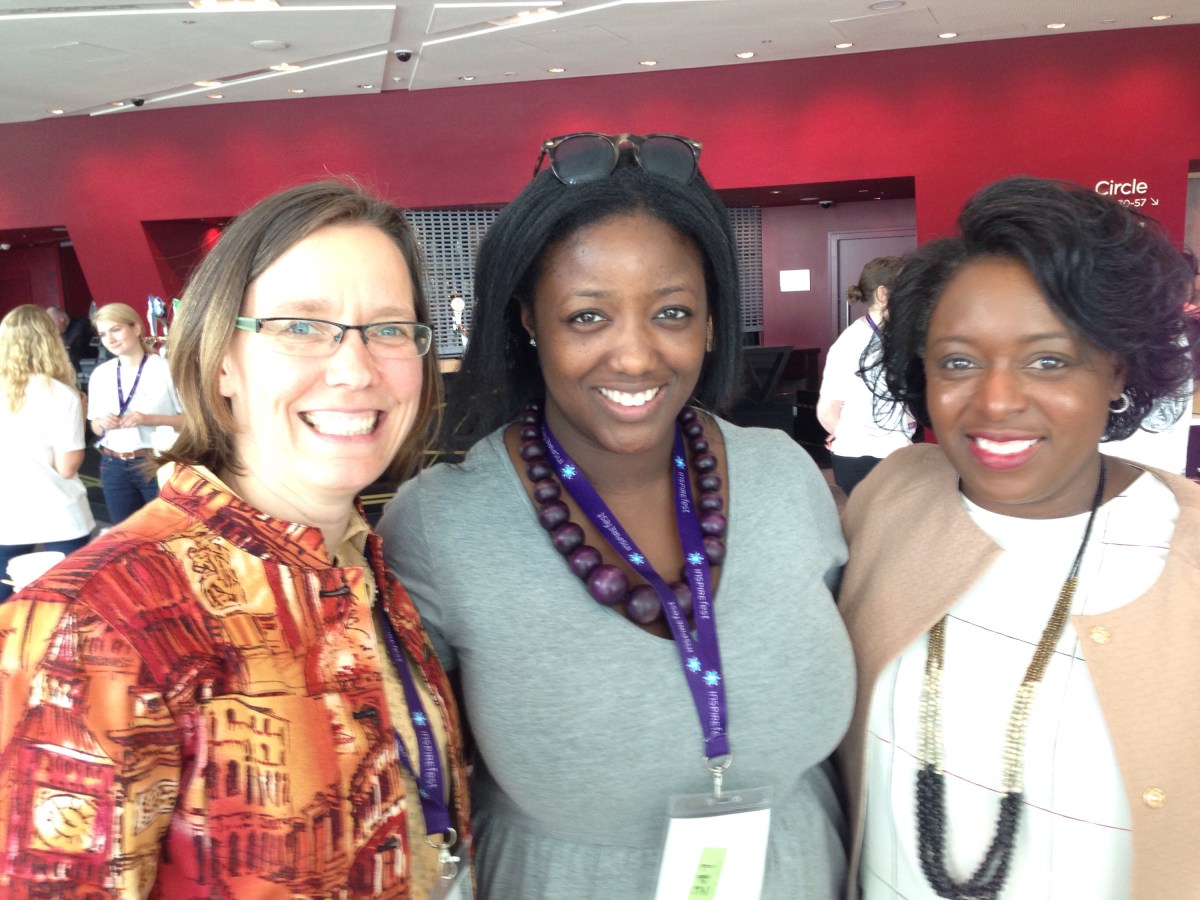
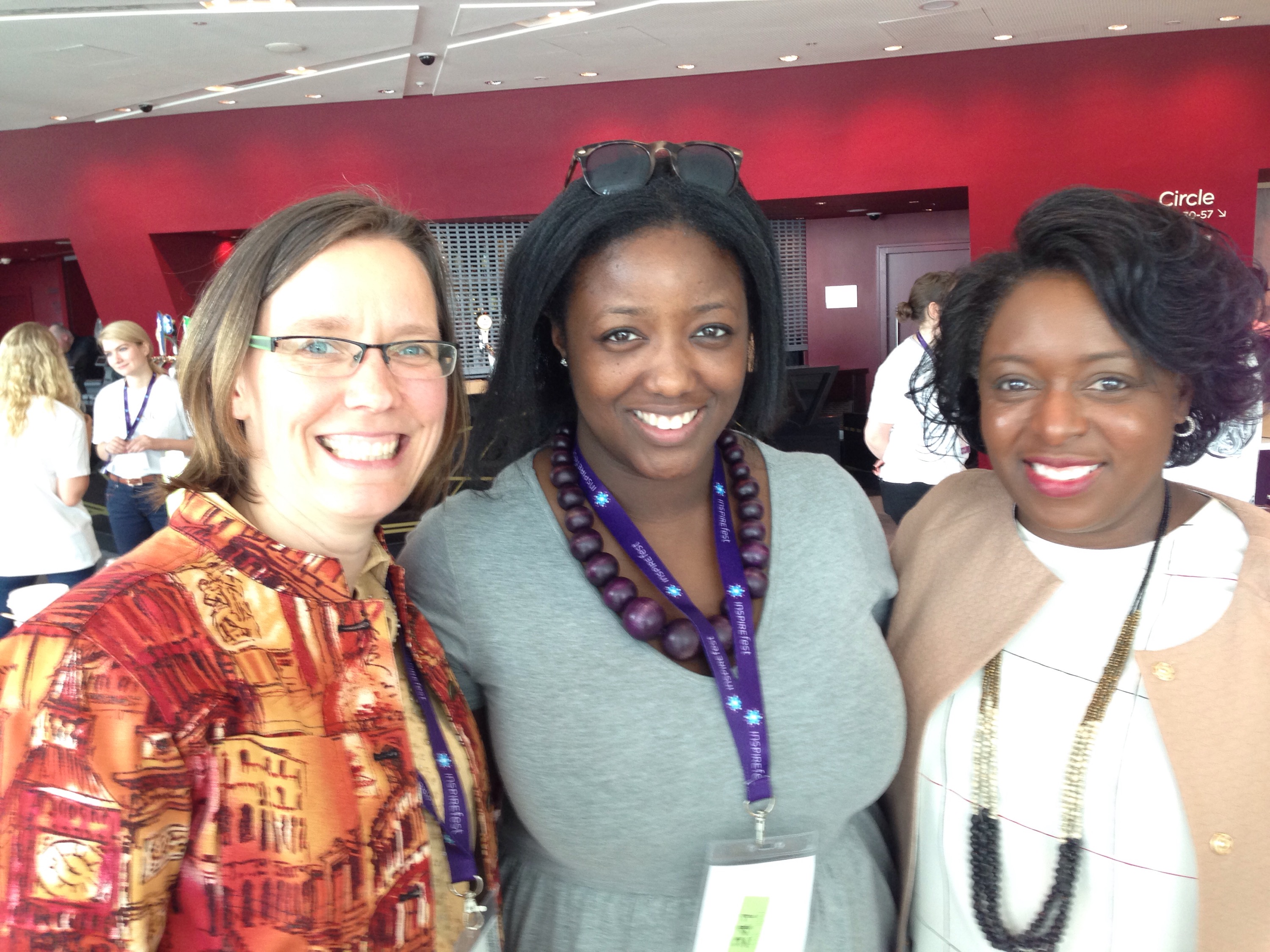
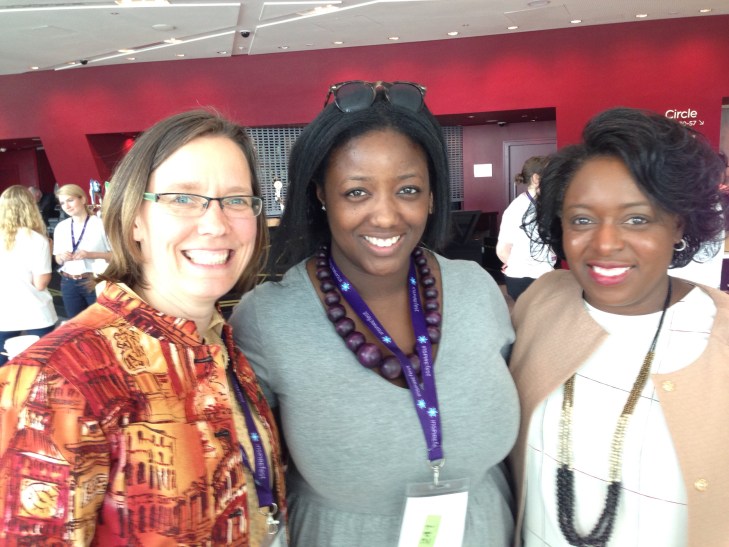
Shannon Chance with the founders of STEMettes (Anne-Marie Imafidon, center) and Black Girls Code (Kimberly Bryant, right).

Shannon Chance with the founders of STEMettes (Anne-Marie Imafidon, center) and Black Girls Code (Kimberly Bryant, right).

Silicon Republic hosted the first ever Inspirefest last week in Dublin, celebrating women’s achievements in STEM. A world-class line up of speakers of all ages from across Europe and the Americas graced Dublin’s Bord Gais Theater stage for two information-packed days proving many inspirational and eye-opening discoveries for an architect and educational researcher like me. Many thanks to Ann O’Dea for creating Inspirefest for us to enjoy!
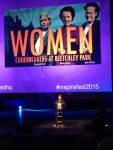
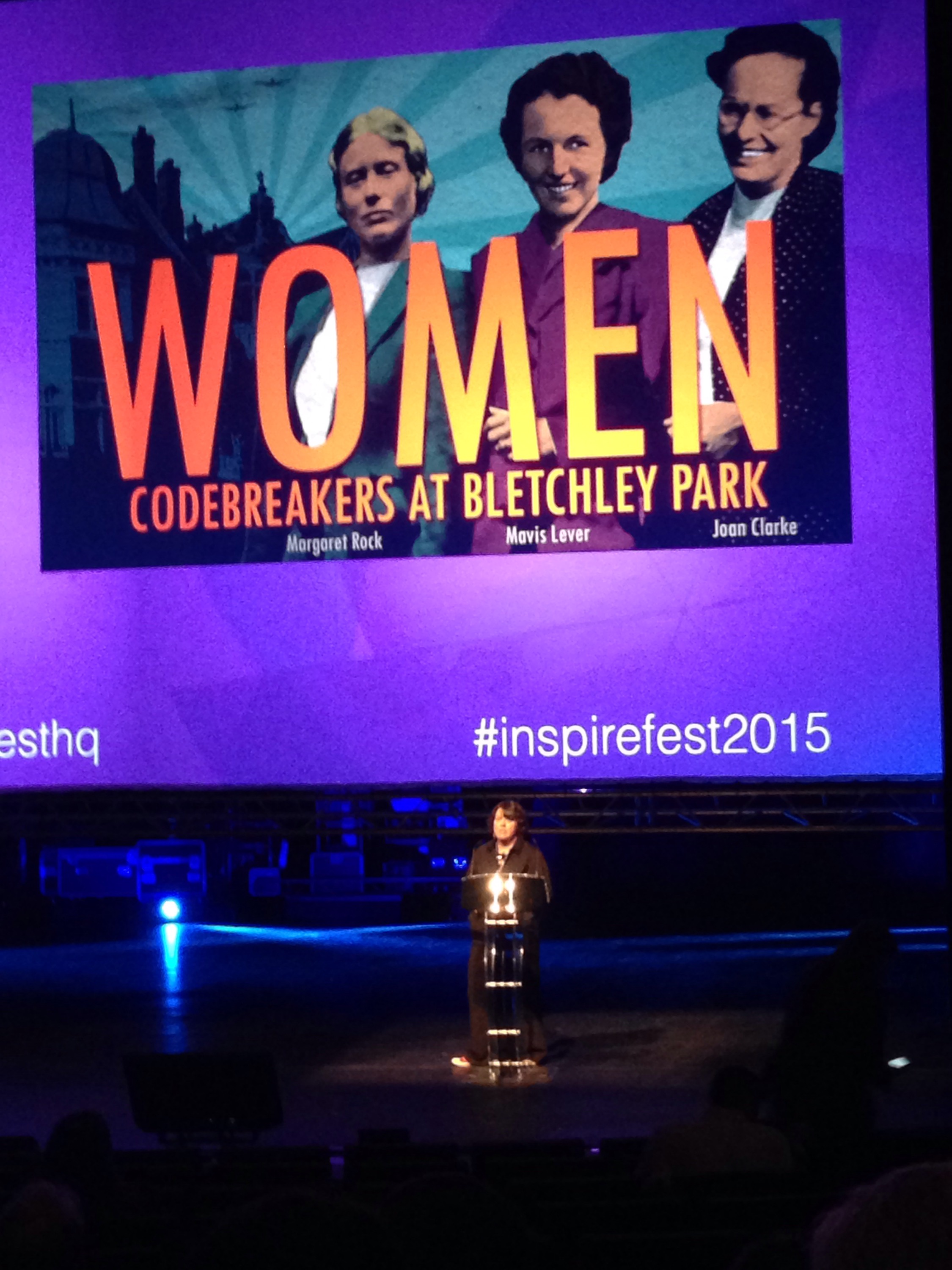
Kerry Howard described women codebreakers at Bletchley Park.

Kerry Howard described women codebreakers at Bletchley Park.

Offering lessons from history, Kerry Howard talked about women codebreakers at Bletchley Park, and in the evening we viewed the documentary “Code-Breakers” and had Q&A with its director.

Kathy Kleiman described the women “computers” who helped break the German codes in WWII and developed *the* first programmable computers.

Dr. Nina Ansary presented the new book, The Jewels of Allah: The Untold Story of Women in Iran.
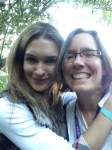
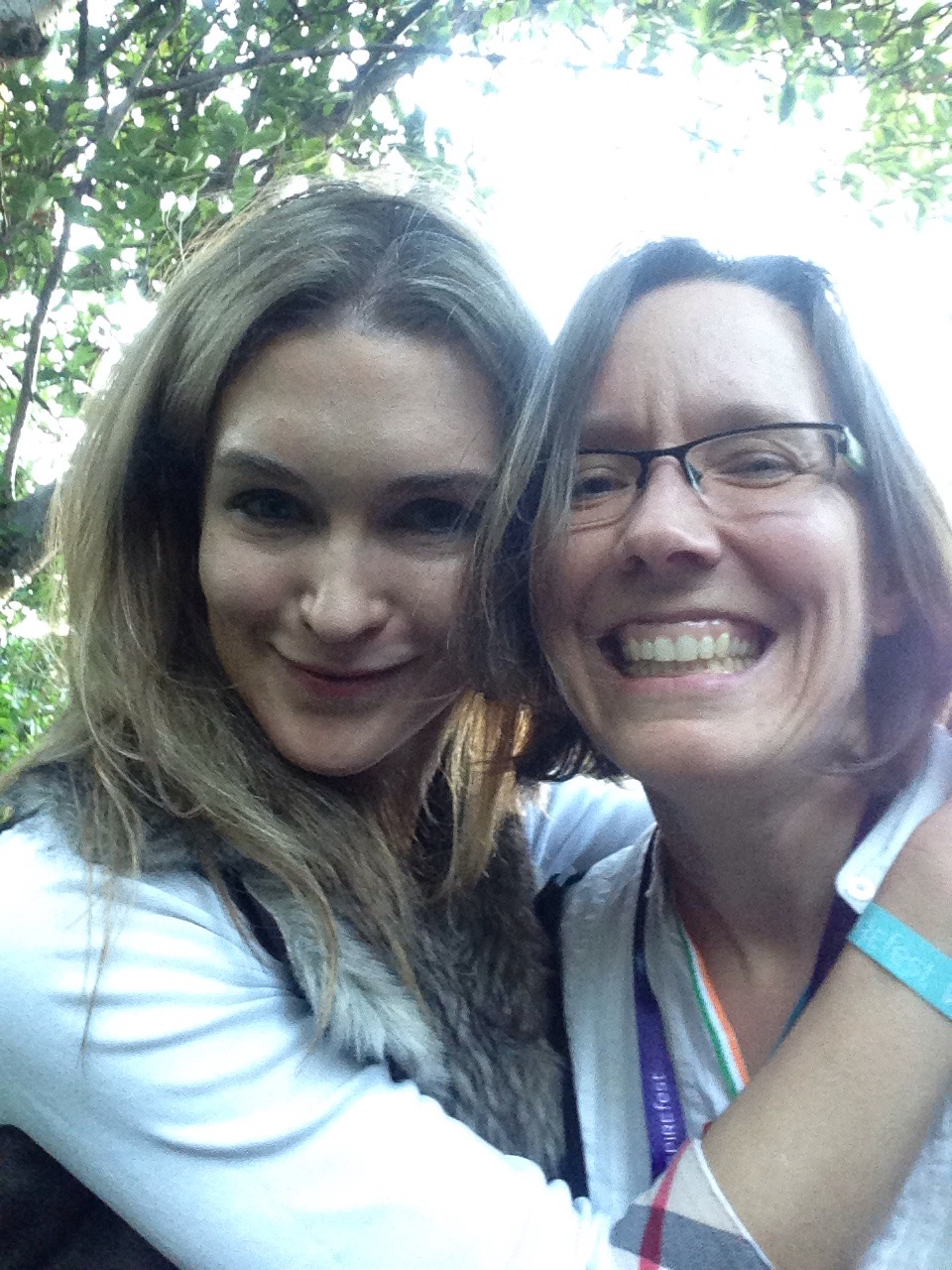
Hamming it up on an evening tour of Merrion Square with Intel VP Margaret Burgdorff.

Hamming it up on an evening tour of Merrion Square with Intel VP Margaret Burgdorff.

Margaret Burgraff, a VP for Intel discussed leadership, Bethany Mayer (CEO of Ixia) gave pointers on navigating the “glass maze,” Shelly Porges talked about working with and for Hillary Clinton, and Carolan Lennon shared experience from her work as Managing Director of eircom Wholesale.

At this conference, 30% of the audience — and the speakers — were men. They included panelists like Prof. Brian MacCraith, the president of DCU of whom I’m a fan due to his knowledge about pedagogy.

The keynote by Steve Neff of Fidelity Investments pinpointed the ways diversity pays. His points were extended by panelists John Basile (Fidelity), Ryan Shanks (Accenture), Marie Moynihan (Dell’s Diversity Chief & VP of Talent), Prof Mark Ferguson (SFI), and Fionnuala Meehan (who leads a team of 450 at Google).
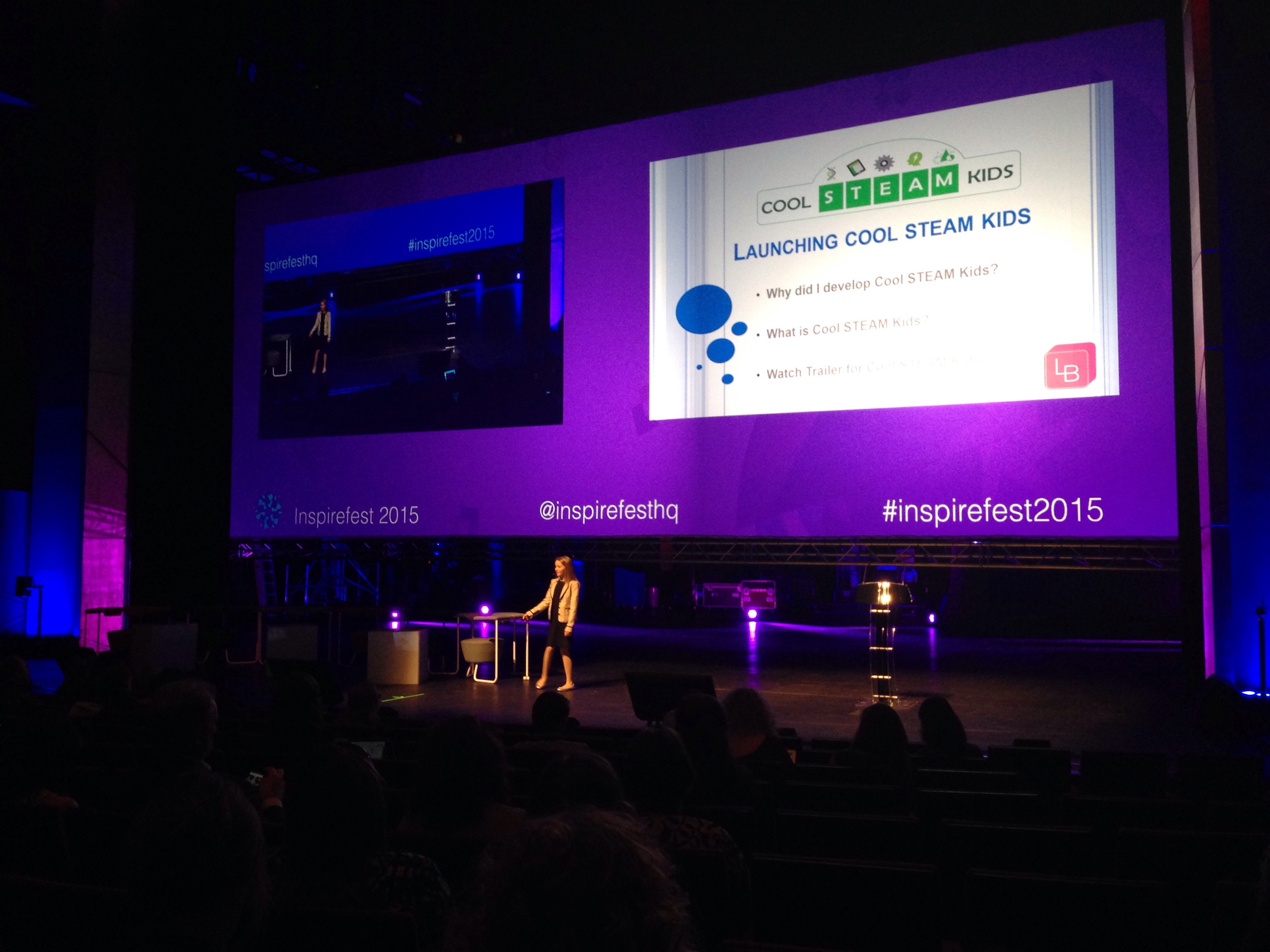
Lauren Boyle, EU's Digital Girl of the Year

Lauren Boyle, EU’s Digital Girl of the Year

Then some truly amazing young people joined the stage.

Ten-year old Lauren Boyle, EU’s Digital Girl of the Year, demonstrated her new website, Cool Kids Studio, for developing new life skills.
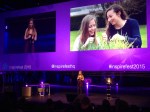
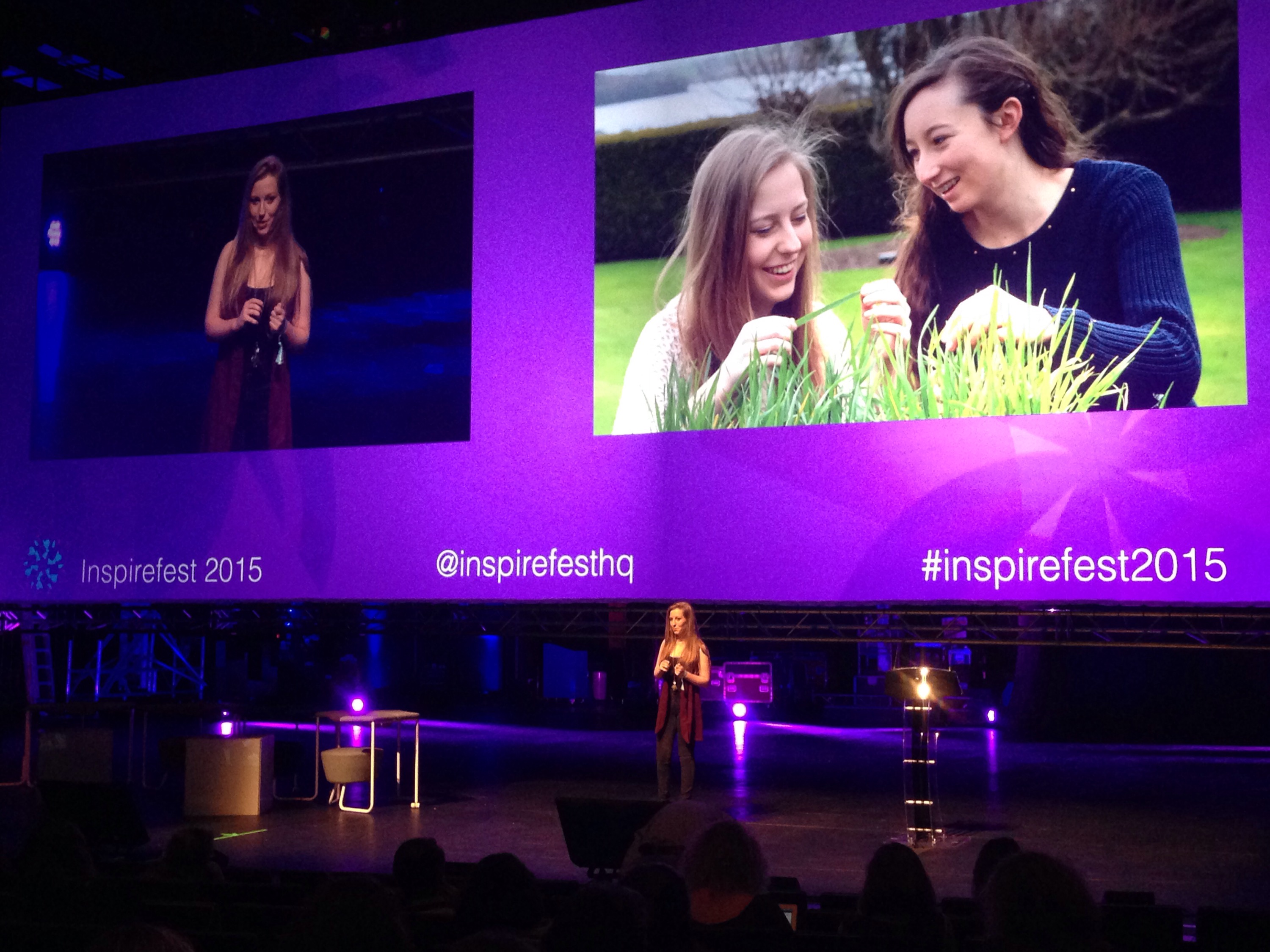
Emer Hickey and Ciara Judge, who founded Germinaid Innovations

Emer Hickey and Ciara Judge, who founded Germinaid Innovations

High school student Emer Hickey, along with her classmate Ciara Judge, recently launched Germinaid Innovations. This company provides “agricultural solutions for a brighter future.” Emer and Ciara developed technology that is drastically increasing crop yield using natural bacteria and won a global science competition.

They were on a panel with Anne-Marie Imafidon, founder of STEMettes, who is running a summer program for which I recently recruited participants. I’m thrilled that at least five girls who I connected to the program (from Ireland and Poland) have been accepted for the upcoming Outbox Incubator business development program in London. In all, 118 girls ages 11-22 will participate in this 5 week program.
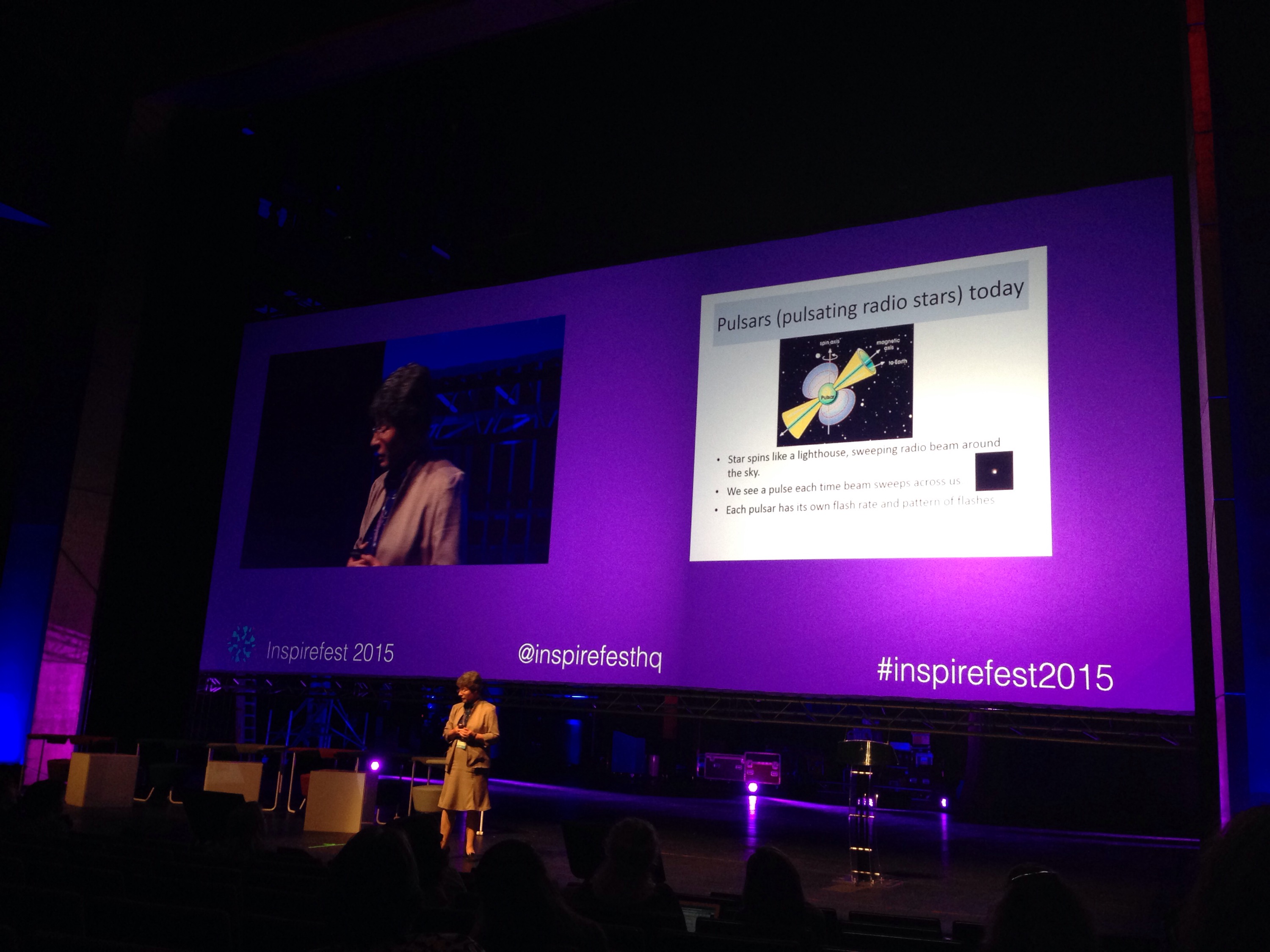
Dame Jocelyn Bell Burnell discovered pulsars

Dame Jocelyn Bell Burnell discovered pulsars

Can you believe that we heard about all this in just the first 5 hours of the conference?!

During a break I had the chance to meet Anne-Marie, Mary Carty (a major contributor to the Outbox Incubator), and Kimberly Bryant (the founder of the Oakland-based Black Girls Code).

Later in the conference we heard from Dame Jocelyn Bell Burnell, the astrophysicist who discovered pulsars and Susan McKenna Lawlor (of Space Tech Ireland) who developed equipment that is collecting data on a comet that is hurling through space at this very moment. MC Leo Enright and panelists Dr. Lucy Rogers and Ariel Waldman (who once worked for NASA and later founded spacehack.org) rounded out the session on space exploration and science.

Highlights from the second day included:

Ireland’s Taoiseach (i.e., prime minister) Enda Kenny, who described Ireland’s position in the tech world.

Robin Hauser Reynolds who described the life of Ada Lovelace, the world’s first computer programmer.

Dr. Sue Black who wrote the book Saving Bletchley Park, actually saved this historic campus, and founded TechMums.
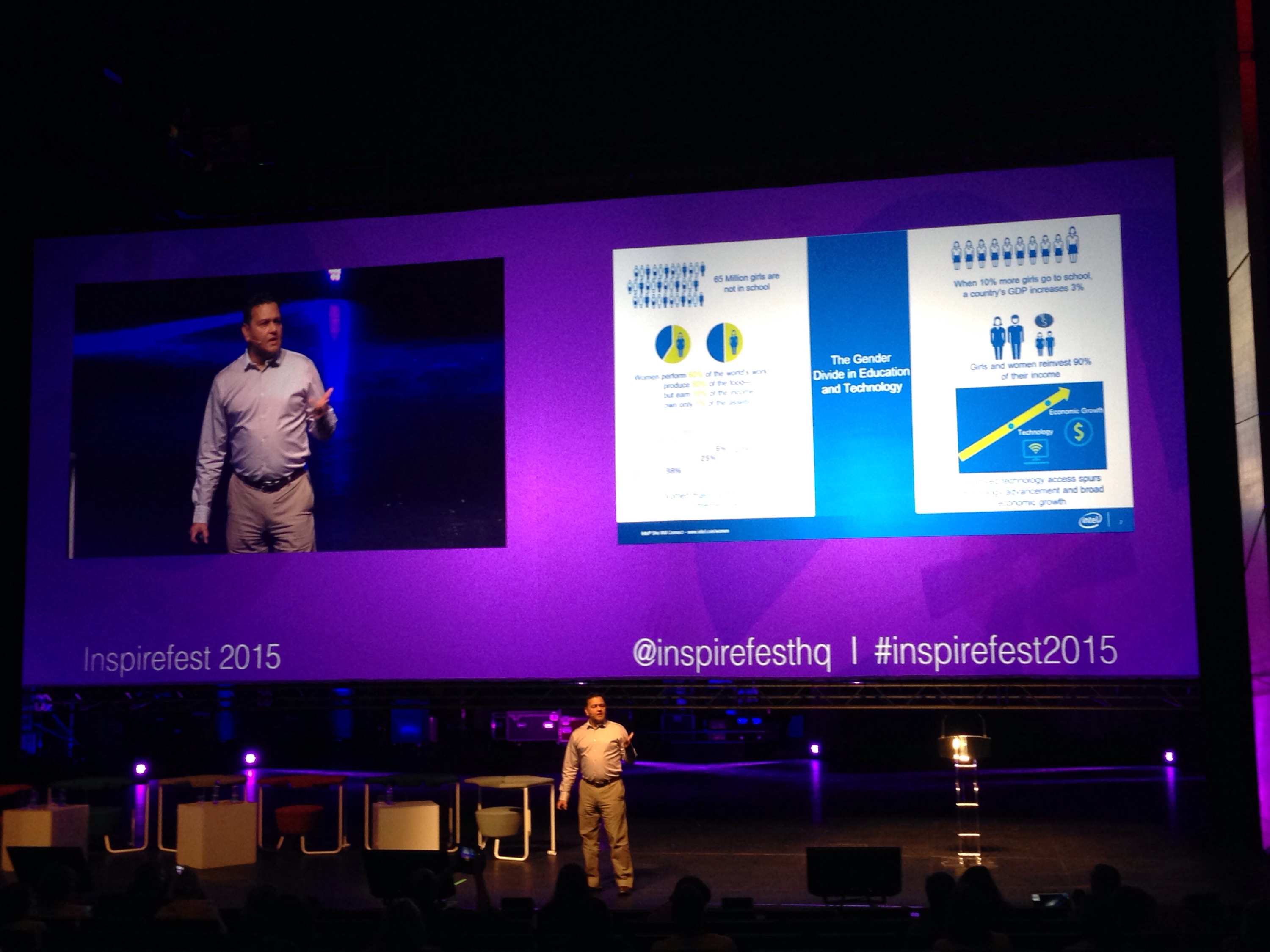
Suraj Shah with Intel's

Suraj Shah with Intel’s “She Will Connect” project

Intel’s Suraj Shah who works in Africa on the “She Will Connect” project.

Louise Kenny founder of the Irish Centre for Fetal and Neonatal Translational Research in Cork.

Panelists Mary Moloney head of Coderdojo, Sheree Atcheson founder of Women Who Code, and Kimberly Bryant of Black Girls Code, who all shared their passion for coding.

Prof Linda Doyle and panelists Kathryn Parkes (SWRVE), Dr Annie Doona (President of the art college IADT), Susan Schreibman (Irish Research Council) coined a new term that I’ve adopted to describe the union of Design and STEM. D-STEM! Ain’t it grand?!

We learned about objects and wearables that collect data to help planners, policy makers, and designers from Gaia Dempsey (CEO and co-founder of DAQRI), Philip Moynagh (VP of Intel’s Internet of Things group), Jessica McCarthy, and students Laura Browne, Alex Casey, and Oisin O Sullivan.

Brianna Wu (co-founder of Spacekat Games) discussed intense challenges (and opportunities) for women in the digital game industry.
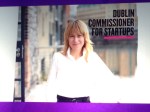
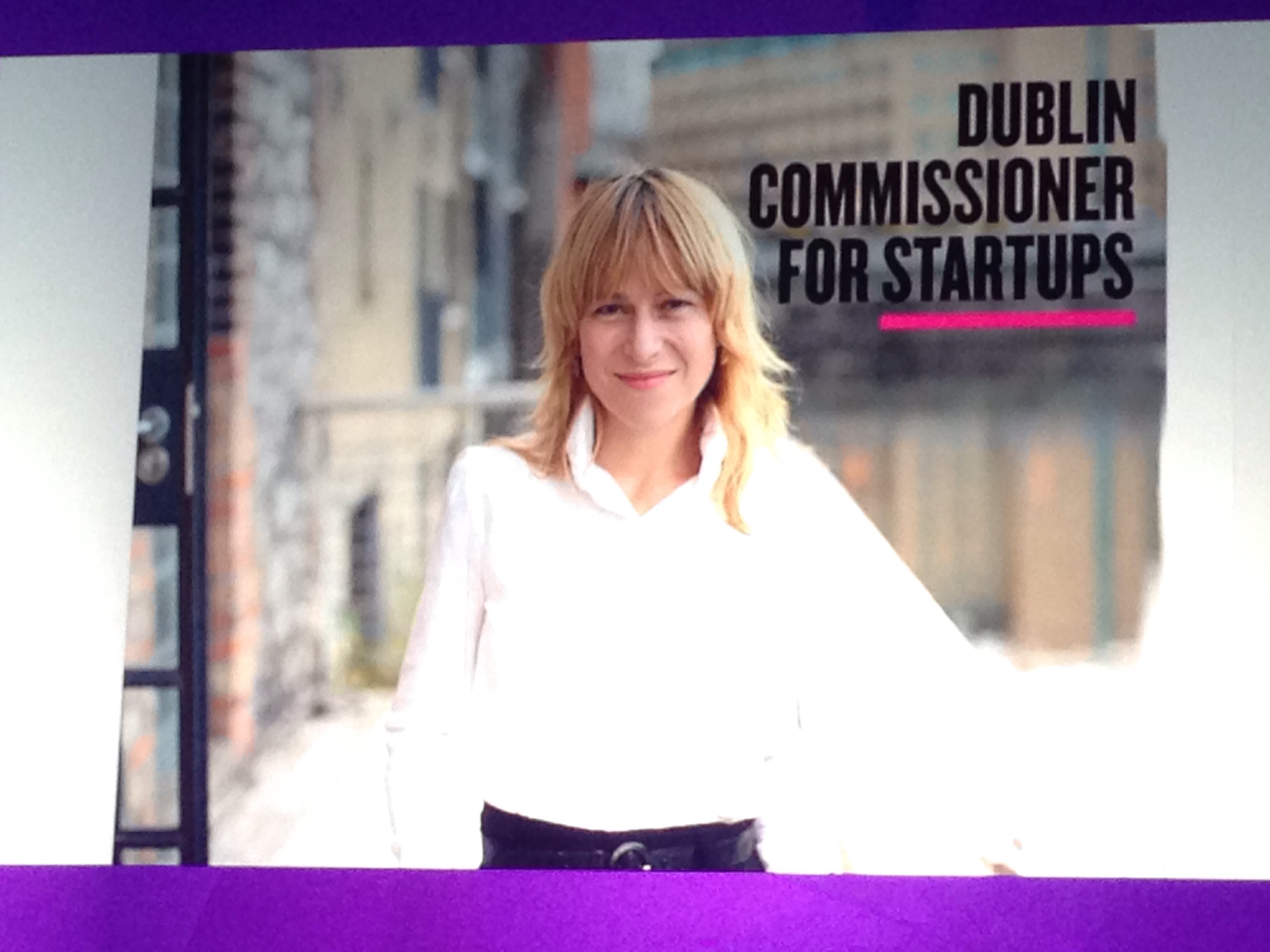
Niamh Bushnell, Dublin Start-up Commissioner

Niamh Bushnell, Dublin Start-up Commissioner

We also heard from business founders Elena Rossini and Elian Carsenet (of GapGrader), Laetitia Grail (of MyBlee Math), Ciara Clancy (of Beats Medical), and Niamh Bushnell (who is now the Start-up Commissioner for Dublin).

Investors and venture capitalists provided advice: Sharon Vosmek (ASTIA), Adam Quinton (Lucas Point Ventures), Nnamdi Okike (645 Ventures), and Julie Sinnamon (Enterprise Ireland).

Cindy Gallop, founder of Make Love Not Porn, provided a riveting final keynote on Making Money while Doing Social Good. She also has a TED talk.

Inspirefest 2015 lived up to its promise. It sent us back into the world full of new ideas and networks and knowledge!
A Portrait of Engineering (and Architecture) in Warsaw

That's when dad and I were building an experimental aircraft. (that's still half done, I'm sorry to say).

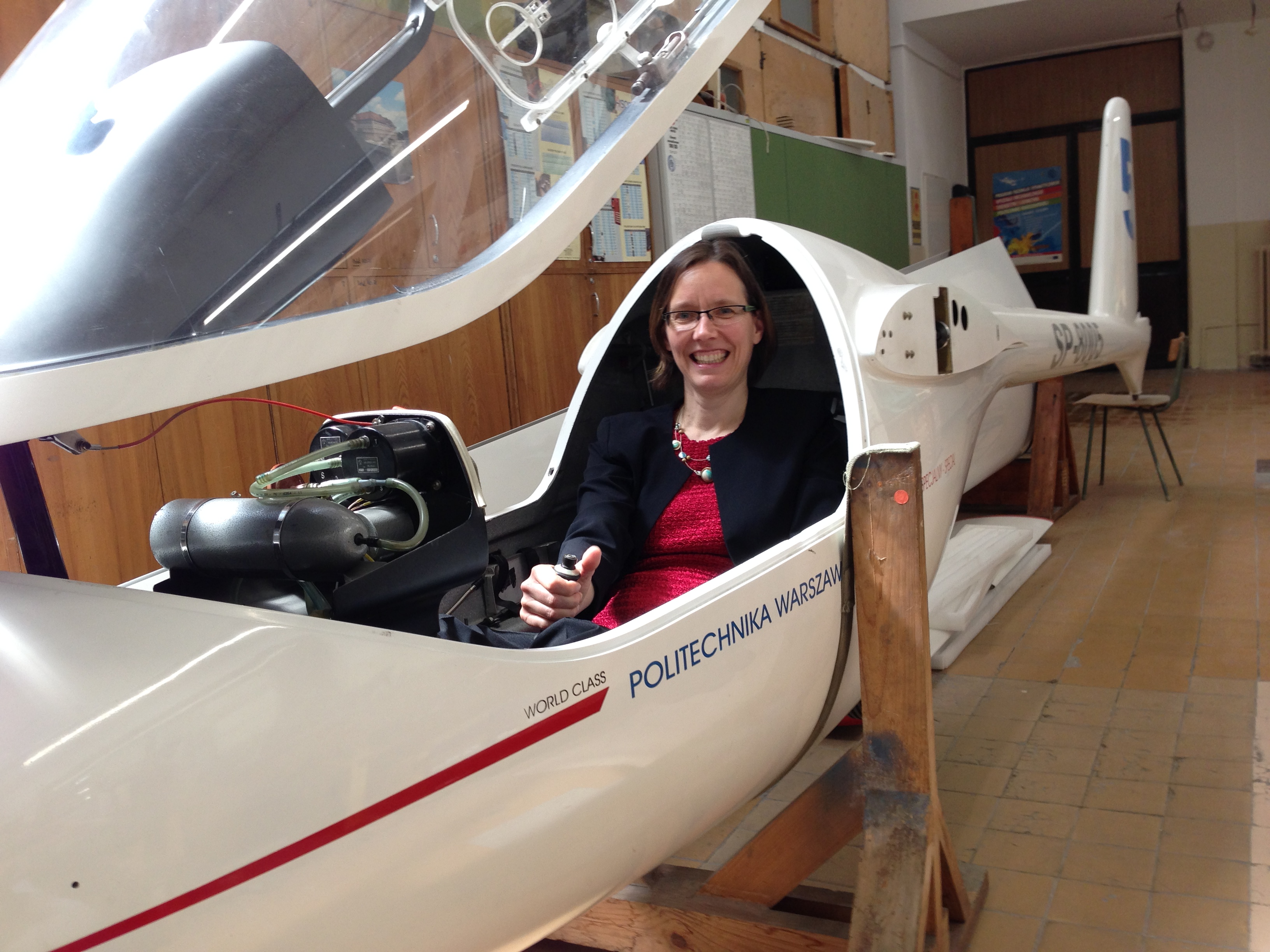
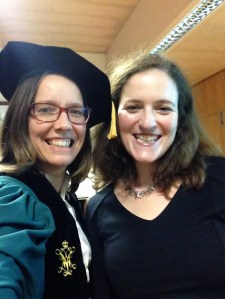
Me and WUT’s PW-5.

I just spent a most unexpectedly sublime week in Warsaw. What a beautiful, walkable, and livable city! Just the right density — useful public transport, affordable bike rentals, green space at regular intervals, and architectural monuments galore.

My primary task was to conduct interviews with budding engineers. Over the course of the week, eleven Polish women (who are studying various sorts of physics and engineering) each volunteered an hour and a half to share their experiences with me. It was amazingly insightful to discover similarities and difference with the experiences of the 10 Irish and 11 foreign-born women I’ve interviewed at Dublin Institute of Technology. (I also have 11 interviews recorded with Portuguese women, but these must still be translated.)

Fortunately for me, the students in Poland can opt to take their classes in Polish, or English, or a mixture of both. These Polish women spoke English very well and were bold enough to grant me interviews in my own native tongue.

In the evening hours I had time to explore some sites, depicted in the photos below.

Crafting Lisbon

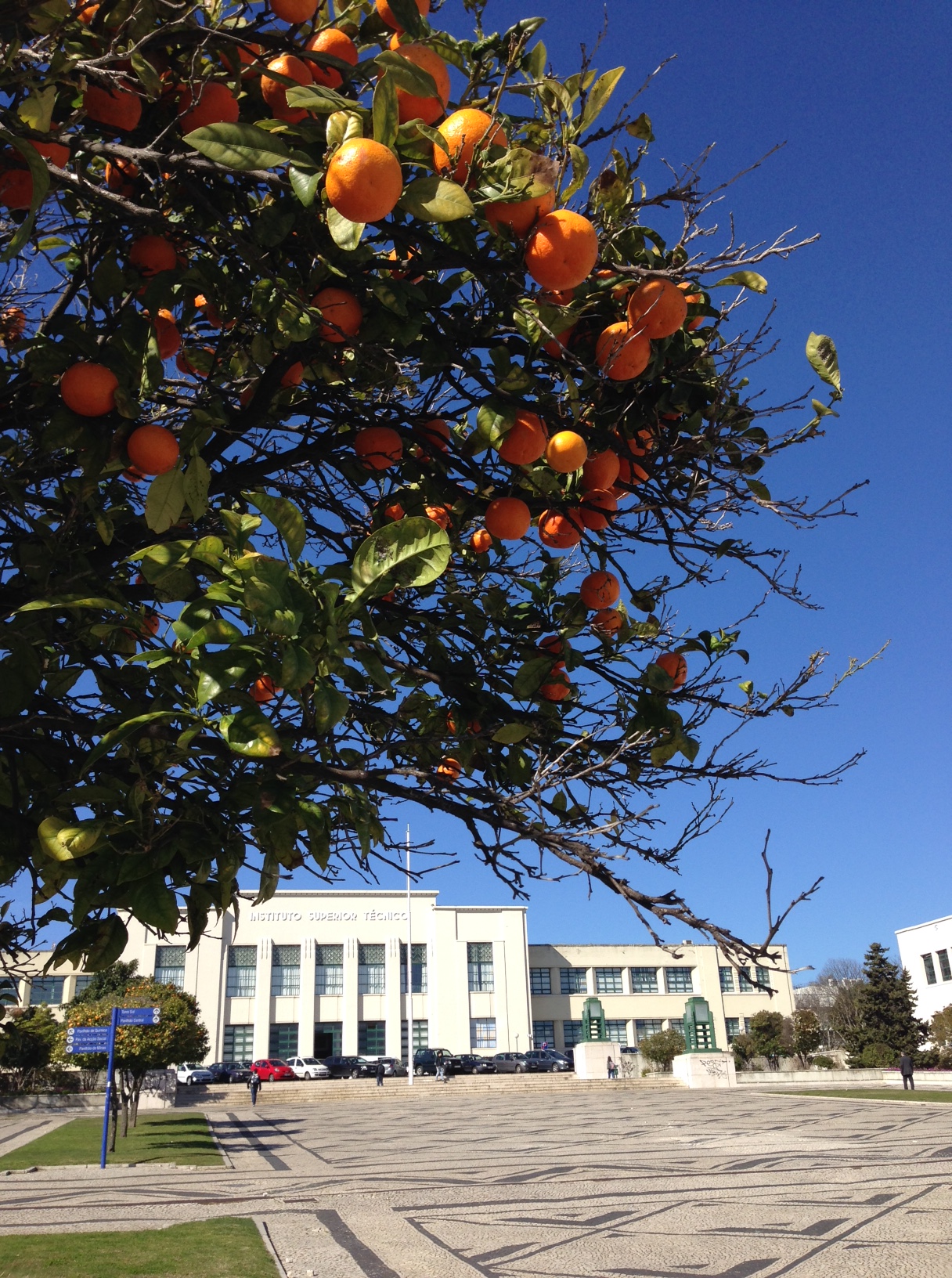
Orange trees along the entry IPS.

Orange trees along the entry IPS.

My Friday visit to the architecture school of the Instituto Superior Técnico (IST) was icing on the cake after a week of engineering interviews, conducted across the bay from Lisbon at Escola Superior de Tecnologia do Barreiro (a branch of the Instituto Politécnico de Setúbal, where I had interviewed students their experiences as engineering students as part of my Marie Curie research project).

You might recall that I delivered workshops at IPS and IST as a Fulbright scholar, back in 2013 (click here for more).

For a little more fun on my last day in Lisbon on this trip, I took the Metro over to IST. There, I visited the first year studio to hear student teams present their urban analyses of Lisbon districts. I toured the 2nd-5th year studios with my gracious faculty hosts and I wrapped up the afternoon discussing recent work with PhD students from the Architecture Research Group who I’d met on my previous trip to Portugal. The doctoral students — Maria Bacharel Carreira, Luisa Cannas da Silva, Mafalda Panheco, and Sajjad Nazidizaji — and thier professor Teresa Valsassina Heitor took me for a beer at the end of the day.

IPS's Escola Superior de Tecnologia do Barreiro

IPS’s Escola Superior de Tecnologia do Barreiro (image from http://www.estbarreiro.ips.pt/)

Many thanks to my colleagues at IPS, Bill Williams and Raquel Barreira, who helped arrange and conduct interviews. Thanks also to the ISP students who provided interviews and the IST teachers and students who shared their work with me. I can’t wait to visit again!

Finding Familiar Territory in Linenhall  

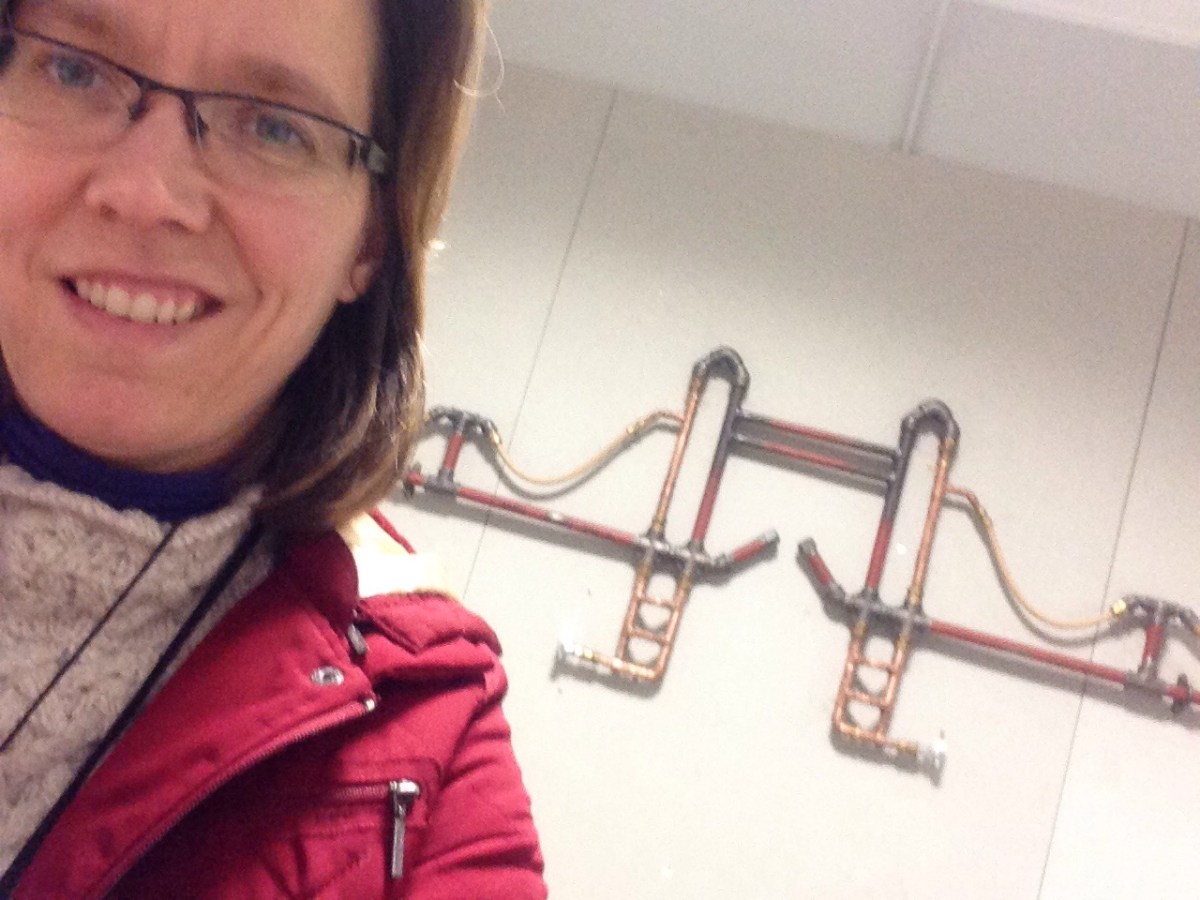
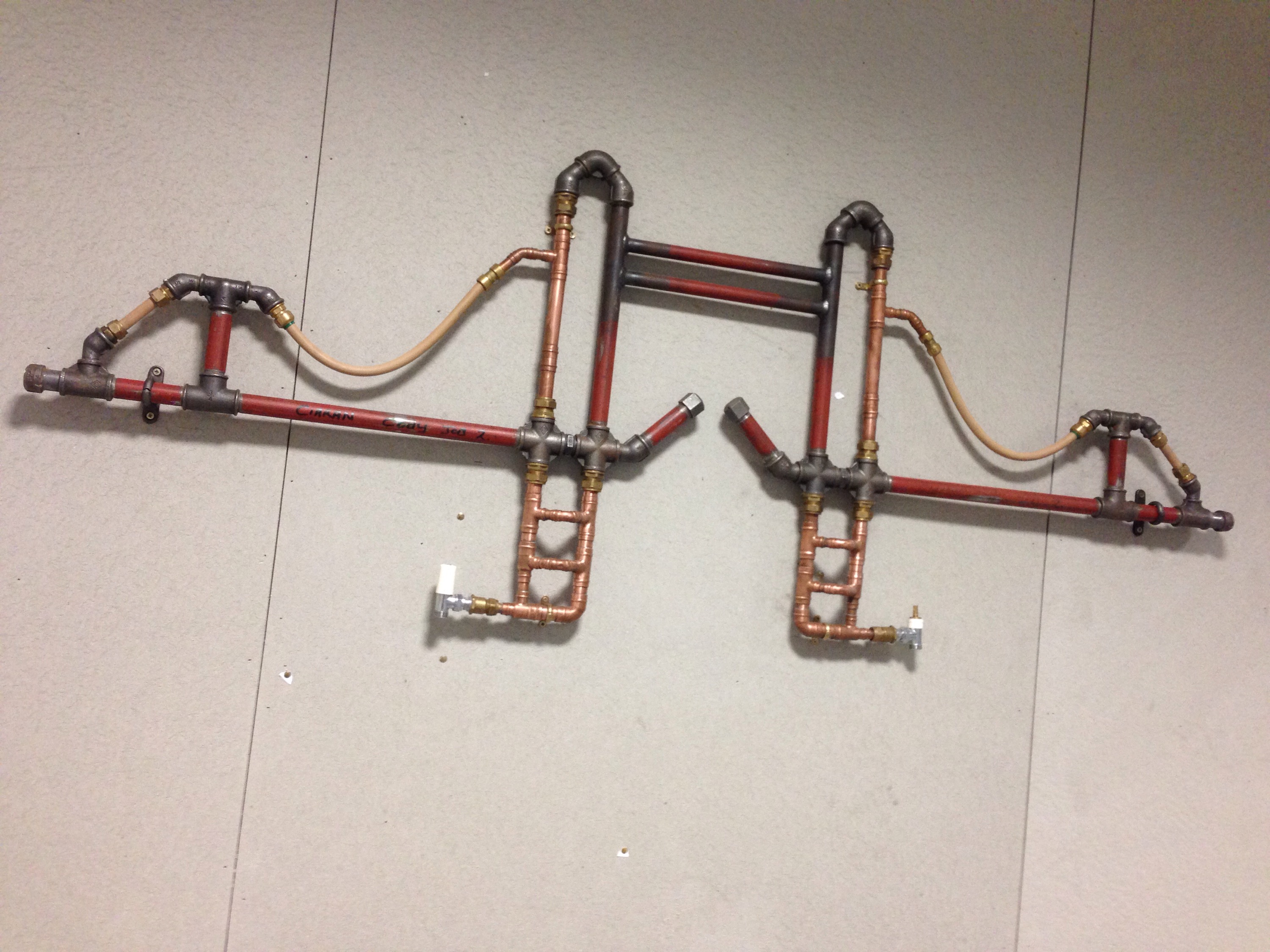
A plumbing extracaganza!

I’ve recently moved office. Whereas I previously had an individual office with an expansive view, I now share a room overlooking an alley. But, remarkably, it suits me just as well.

As I enter and exit my workspace each day, I pass through architecture crits and exhibits of student work. My new home is Linenhall, the apex of Dublin School of Architecture at DIT.

The Linenhall complex has housed the Building Trades for many years–following a proud history as a linen production factory. My friend Fergus Whelan studied bricklaying here, before growing into the labor-rights activist/history research scholar he is today.

Having recently been renovated to serve architects as well, Linenhall provides me a sense of comforting familiarity. I’m surrounded by architectural explorations–models and drawings of all colors and tones.

This is the stuff of which my days have been made, from my earliest musings in college.

I’m comforted by the vocabulary of architectural models, drawings, and debates… by the buzz of activity and the creative clutter… by the occasional unnamable object of exquisite beauty.

And I’m pleased to share my work space with researchers in education and architectural technology.

Not sure what it is, but I wasn’t the only one taking selfies with it!

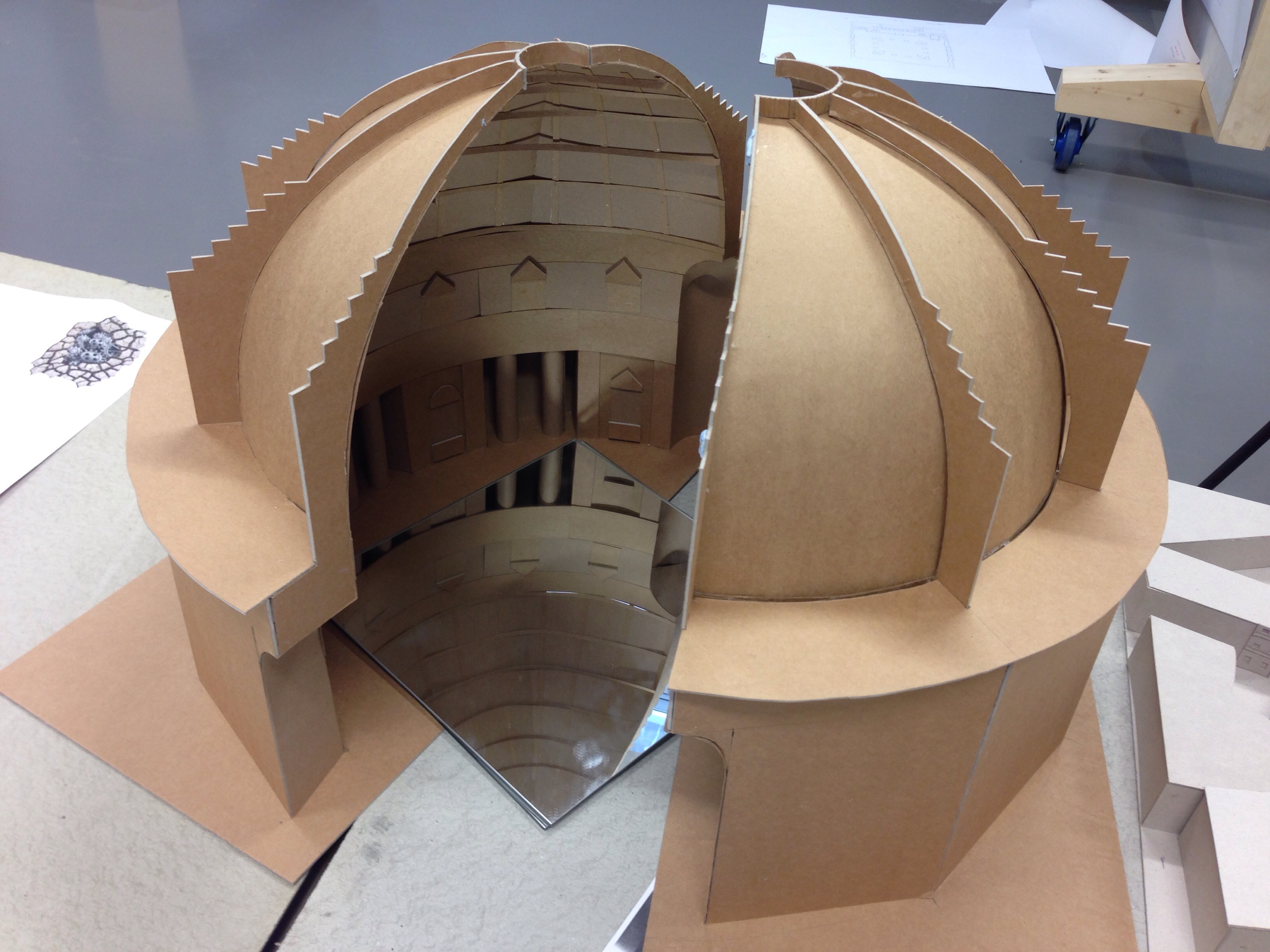
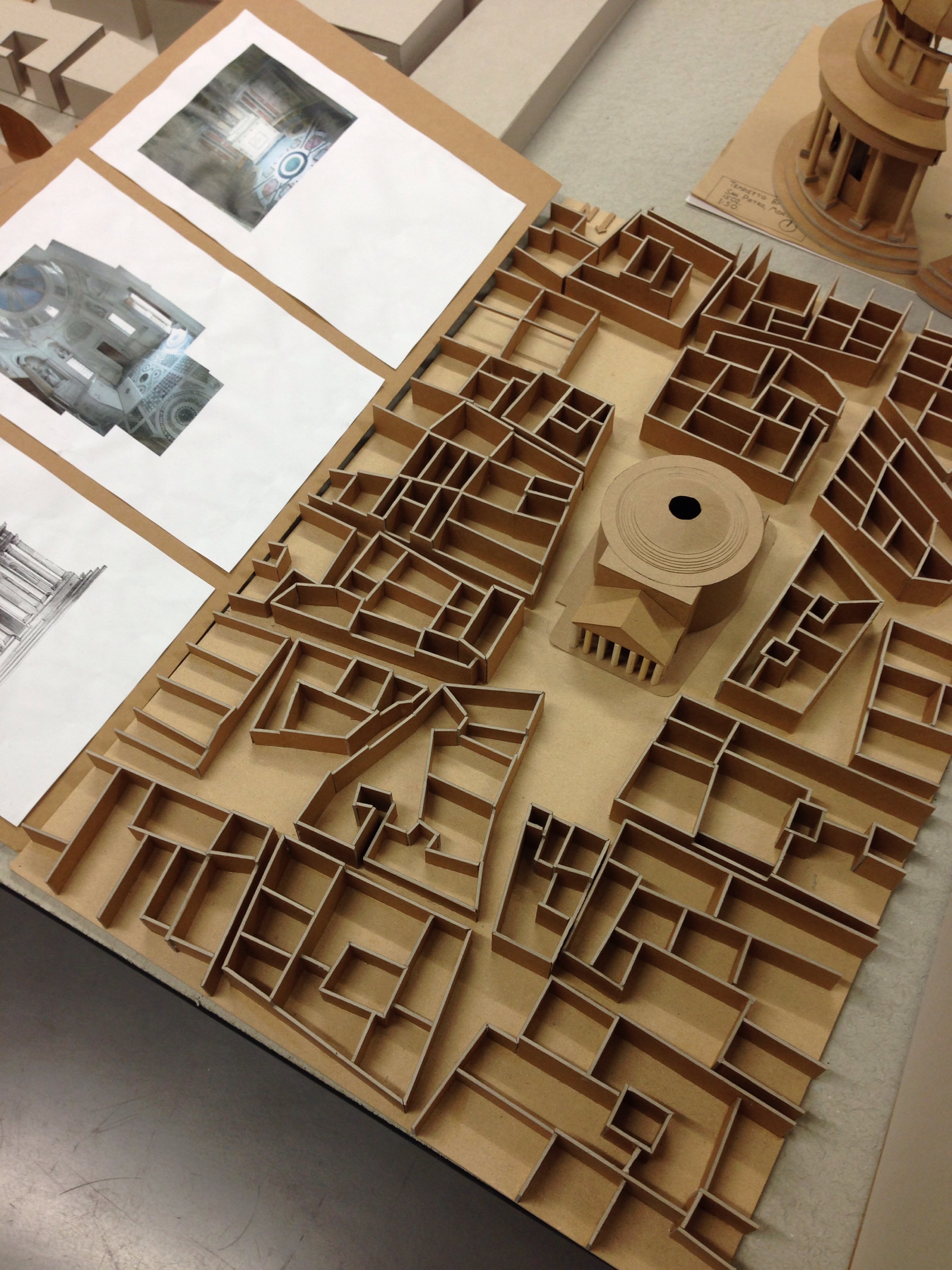
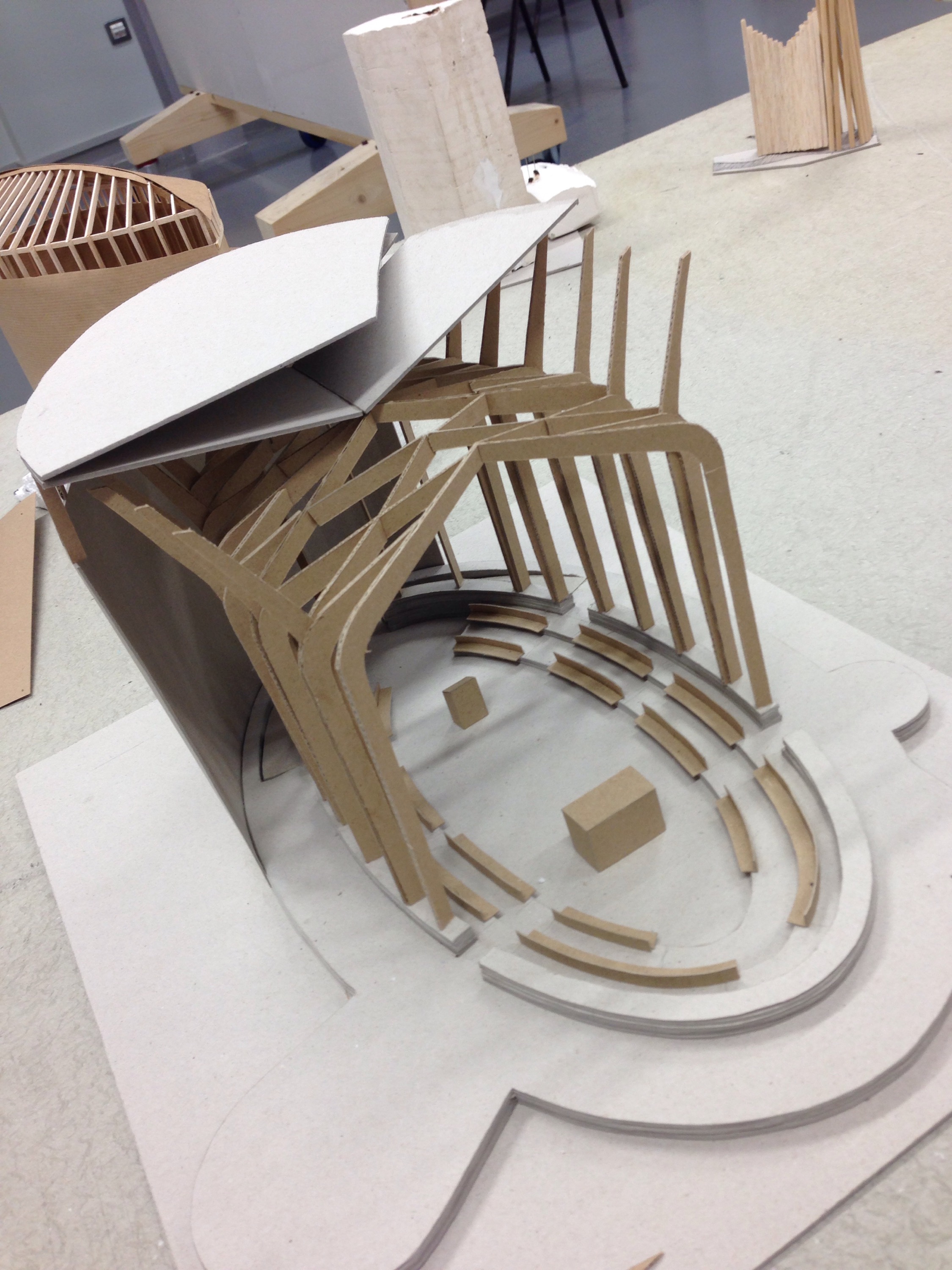
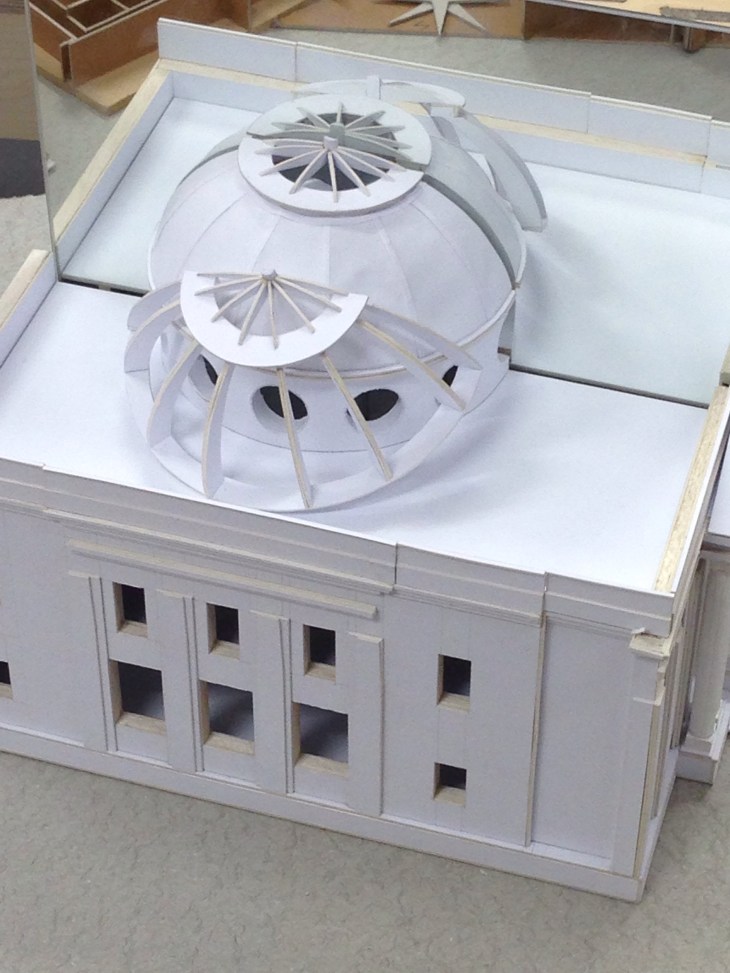
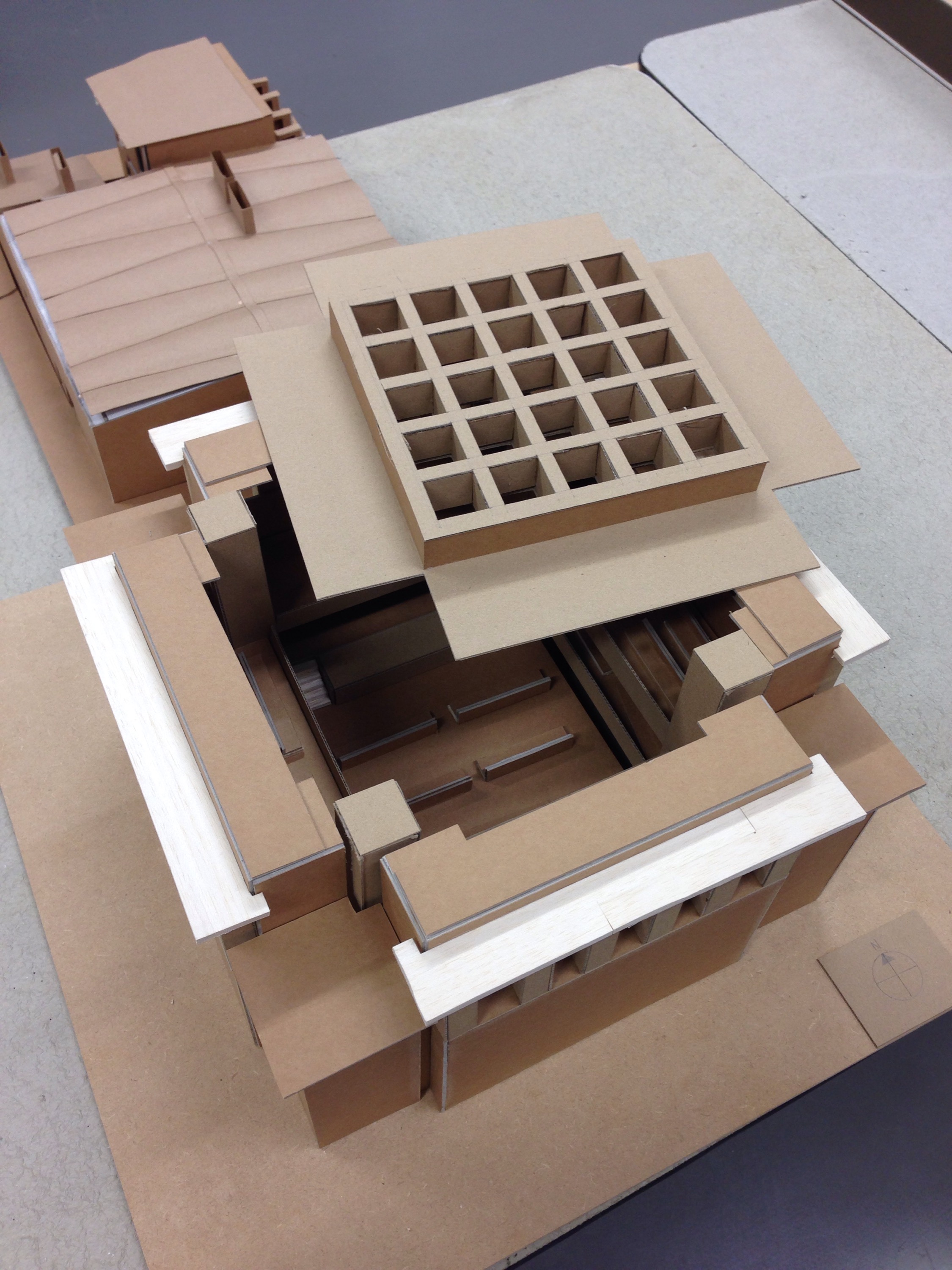
An ehhibition of precedent models.

Rome’s Pantheon and its plaza.

A chapel in Switzerland by James Turrell.

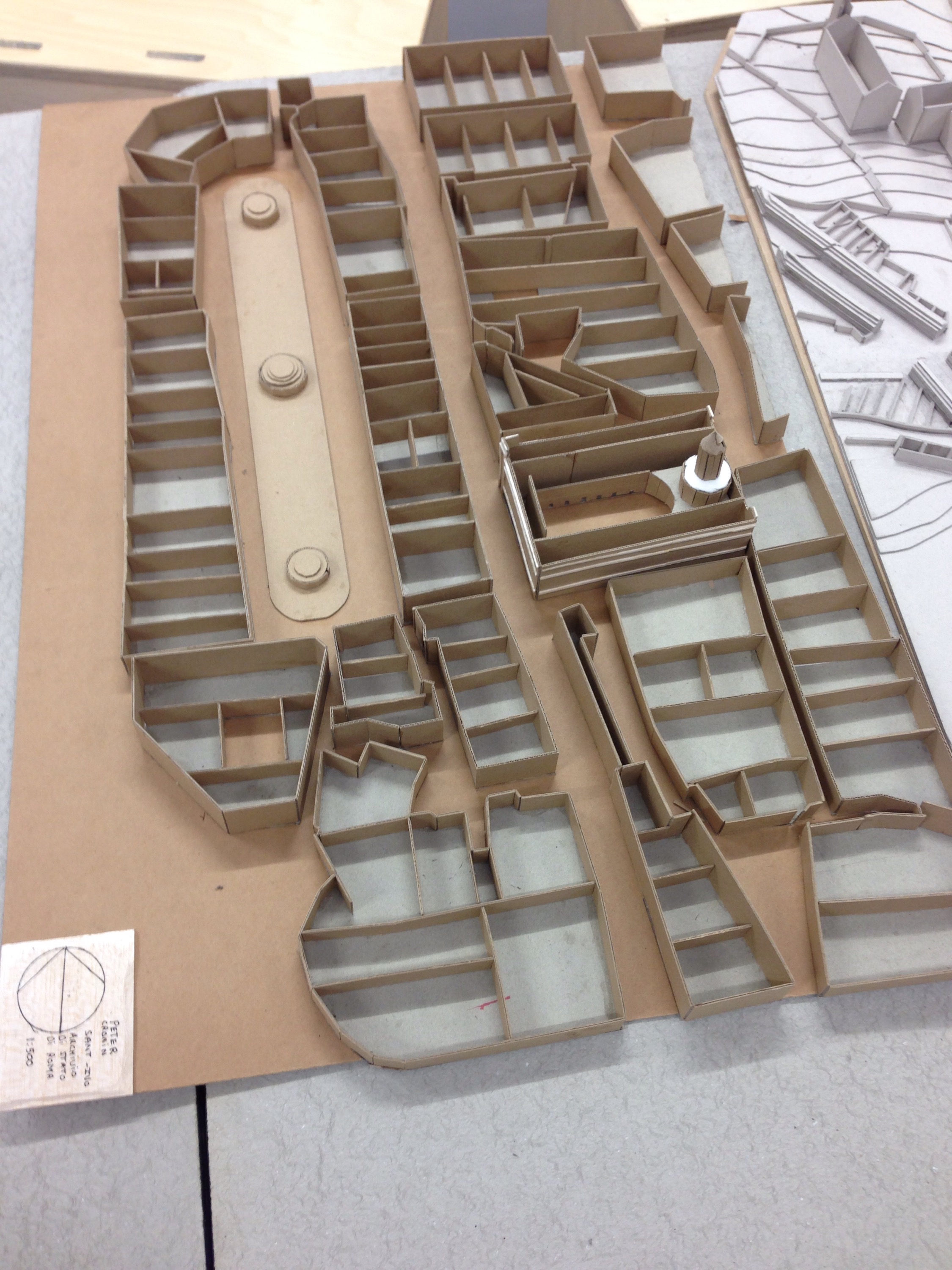
Piazza Navona and surrounds, in Rome.

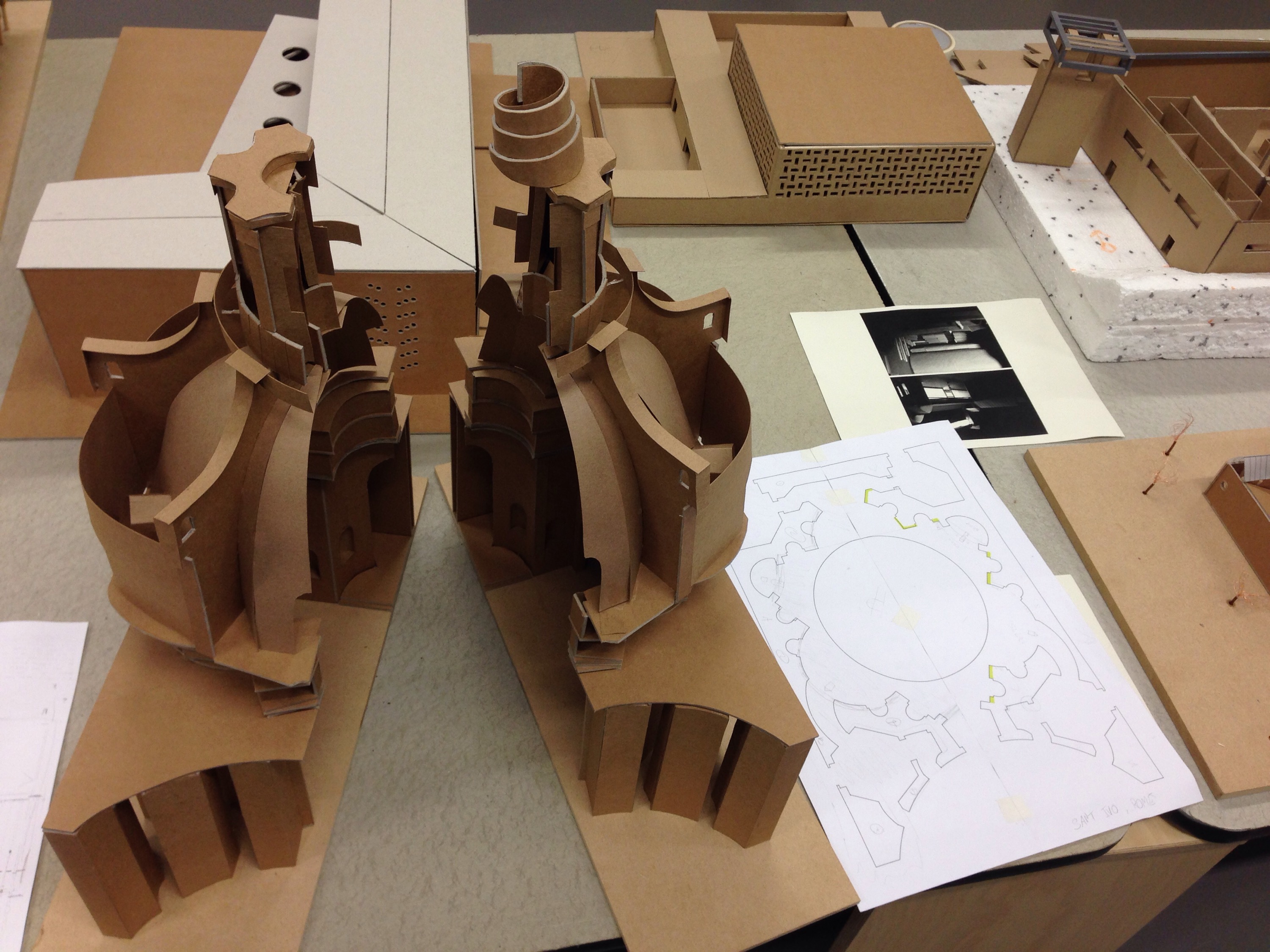
San Ivo, by Borromini.

Frank Lloyd Wright’s Unity Temple in Oak Park, a suburb of Chicago.

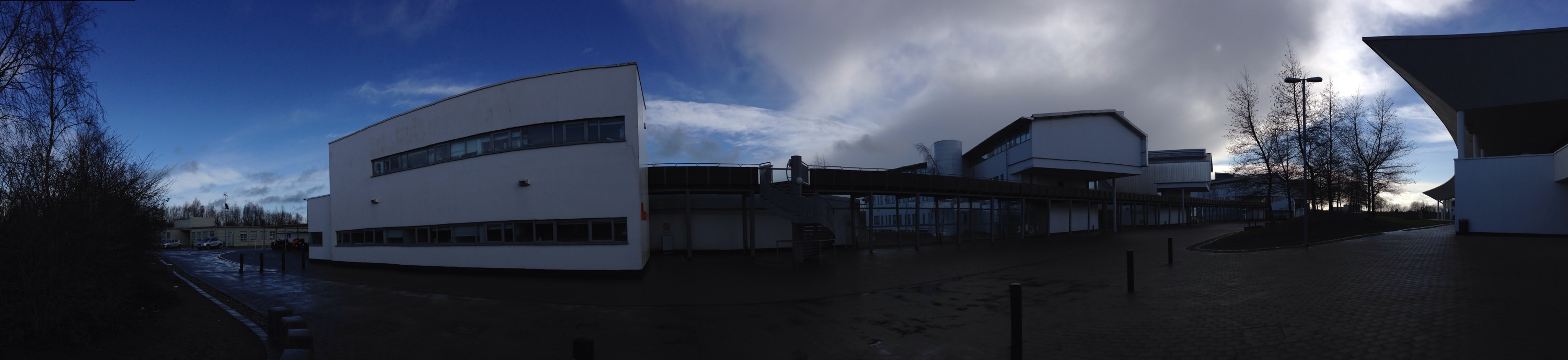
Dublin’s Green Campus at Blanchardstown

IMG_1274
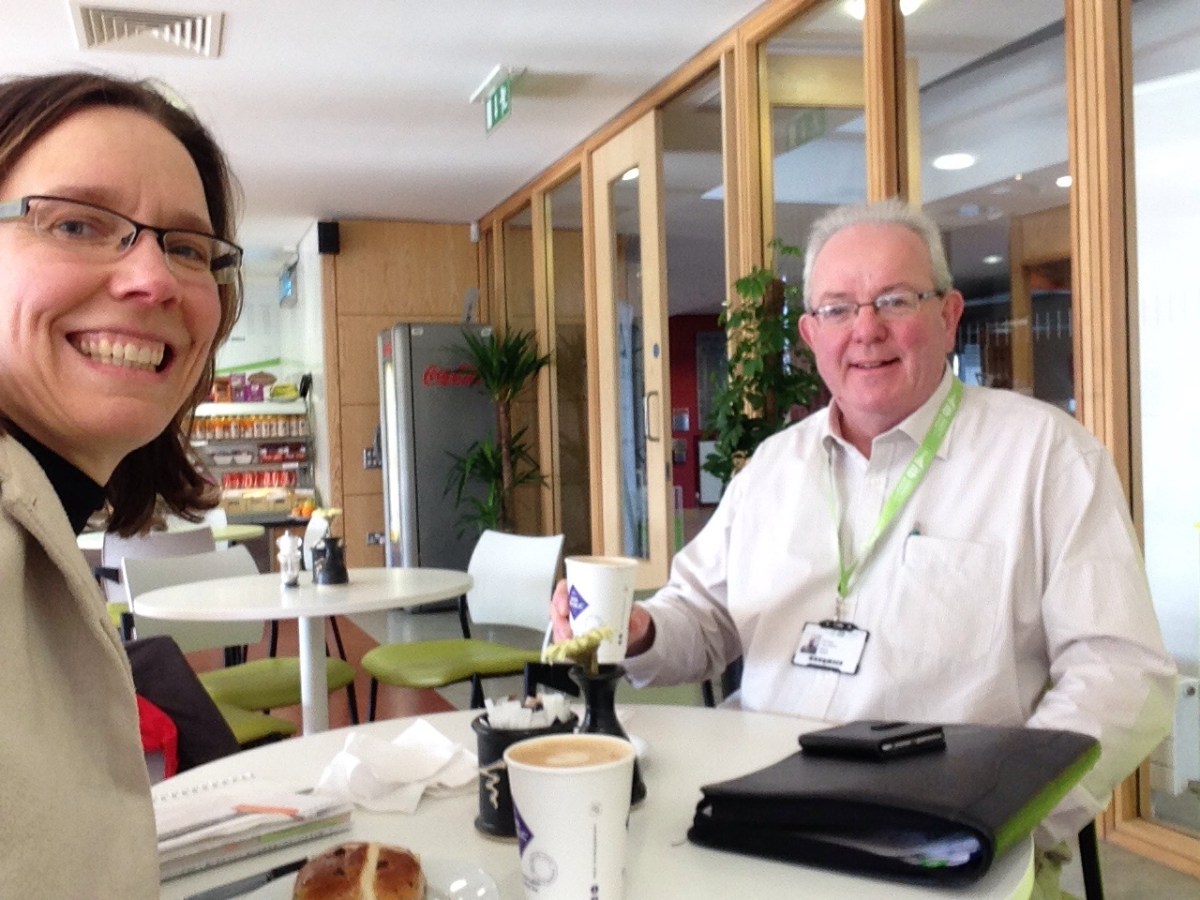
Braving Dublin’s blustery weather today (a mix of winds, snow flurries, and showers that would make my blizard-ravaged friends back in the USA weep–for joy), I made a field trip to northwest side of Dublin to visit Dr. Larry McNutt and the Institute of Technology in Blanchardstown (ITB). Larry has expertise in engineering and education–and he does sociological research to boot.

IMG_1264
ITB, DIT, and the Institute of Technology in Tallah (ITT) are in the process of merging, with the goal of becoming Ireland’s first Technological University (TU). Larry is part of the “TU4Dublin” team that’s managing the merger.

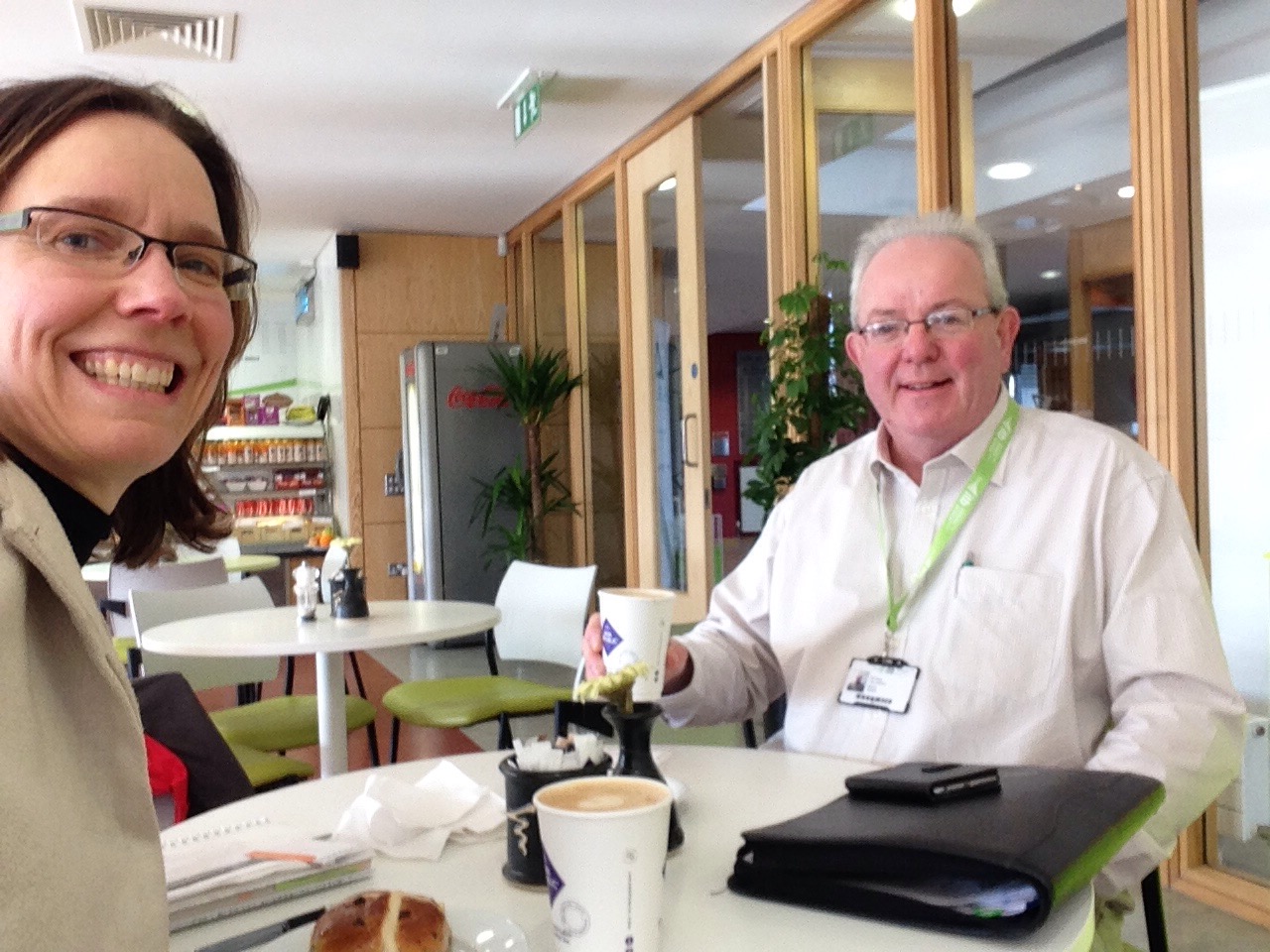
Today, Larry and I spent a couple of hours discussing ways to improve the experience for third-level learners (i.e., college students). We both aim to make higher education more interesting and effective by helping post-secondary teachers hone their skills in teaching.

Before our meeting, Larry gave me a tour of ITB, an energy-efficient campus constructed since 1999. Because the focus of my PhD dissertation was green buildings constructed by post-secondary institutions in the USA, I was quite interested in seeing the design of the ITB campus and its individual buildings.
I also enjoyed discussing:
*educational improvement initiatives Larry is involved with.
*the design of various degree programs for teachers and for students.
*hot cross buns (I’d never seen one before today)

It’s a banner day for me when my interests in sustainable architecture, educational planning, and engineering education (plus food!?!) weave together so nicely. Imagine finding a person who can discuss all these topics with ease.

Larry McNutt is such a person. I look forward to bumping into him around TU-Dublin again soon.

Planning to Make Your School Green?

IMG_1206

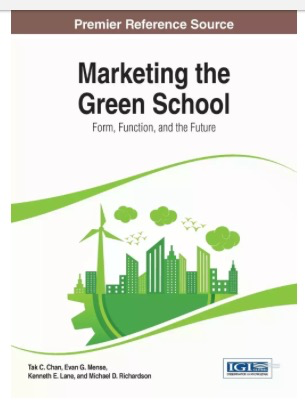
A colleague from Virginia Beach, J. Timothy Cole, and I published a chapter in the recently-released textbook called:

Marketing the Green School: Form, Function, and the Future

Our chapter is called:

Enhancing Building Performance and Environmental Learning: A Case Study of Virginia Beach City Public Schools

This abstract summarizes the article so you can tell if you’d like to read it:

“School buildings directly affect their natural and socio-cultural environments. They do this through their construction, maintenance, operation, and demolition. Most of the school buildings we have in stock today drain natural resources and inadvertently perpetuate a culture of environmental, social, and long-term economic ignorance and misuse. When approached thoughtfully, however, the design of school buildings can help inform and enrich society. Well-designed buildings can impart environmental knowledge and values. They can foster more effective behaviors among the people who learn in and from them. Effectively designed buildings can also conserve natural resources and—at their best—even help replenish the natural environment. For many school leaders today, participation in green certification programs represents one important step toward improved building and learning performance. This chapter provides a case study of successful learning approaches developed by Virginia Beach City Public Schools (VBCPS).”

Here’s the introduction:

“Aimed toward educators and school administrators, this chapter provides a broad overview of design issues related to sustainability. It proffers concrete examples drawn from Virginia Beach City Public Schools (VBCPS) to enhance performance at the level of the building, classroom, district, and region. VBCPS’s environmental approach integrates educational planning with facilities planning. Its facilities department has been driving change in school design, classroom pedagogy, purchasing, transportation, and even regional design standards.

The examples in this chapter provide a snapshot of one moment in an ongoing process. They illustrate how one innovative school system is generating and applying new knowledge for the benefit of its buildings’ users, the local public, the wider education community, and the world. Overall, VBCPS strives to provide the best possible environments for learning teaching and living. Its efforts include:

• Integrating environmental issues throughout the curriculum
• Preparing students to bring new knowledge into the community and share it with their families and employers
• Introducing new construction techniques to the region
• Encouraging architects and builders to reach for higher standards
• Monitoring the division’s environmental performance and continually seeking to improve
• Disseminating their research and techniques for broad adaption
• Monitoring its own (and its community’s) energy and waste flows
• Striving to achieve net-zero carbon emission
In this chapter, we provide rationale and theoretical underpinnings for green school design, and we share successful practices developed by VBCPS. Knowledge in the realm of environmental design and education is continually evolving. As such, any list of “best practices” is in constant flux. In writing this chapter, we seek to provide a description of some of the best practices we have discovered and/or created up to this point in time.

Most environmentalists have adopted the World Commission on Environment and Development’s (1987) definition of sustainable development as that which “meets the needs of the present without compromising the ability of future generations to meet their own needs” (p. 43). The “green building” movement fosters new strategies to help overcome outdated construction practices that require vast material resources and cause tremendous waste and pollution. Today, North America’s over-reliance on cheap energy has reached crisis proportions (Steffen, 2008; Wackernagel & Rees, 1996). All told, buildings consume 65% of the electric power used in the United States (Landsmark, 2008). They use 36% of all energy used and 30% of all raw materials. Buildings are responsible for half of greenhouse emissions from the US (Gifford, n.d.; Udall & Schendler, 2005). Educational facilities have been among the worst, although higher education buildings seem to waste more energy than K-12 because control systems are looser (Leslie & Fretwell, 1996).

Recently, VBCPS analyzed all sources of emissions within its control, using data from 2006-2010. It found that even though its overall energy consumption had steadily declined across the five-year period, its building-related activity still accounted for 65% of VBCPS’s overall emissions. Its second largest source of emissions related to transporting people and goods. Its calculations considered electricity use, combustion from paper/stationary waste, and losses related to the transmission and distribution of electrical power. School leaders are working to address the division’s primary sources of emissions, through integrated strategies that involve enhanced building performance, revised vehicle fleet policies, and more informed commuting habits of students and employees. Leaders are also creating strategies to control the 1% of its green house gas emissions that resulted from solid waste, refrigerants, chemicals, and wastewater.”

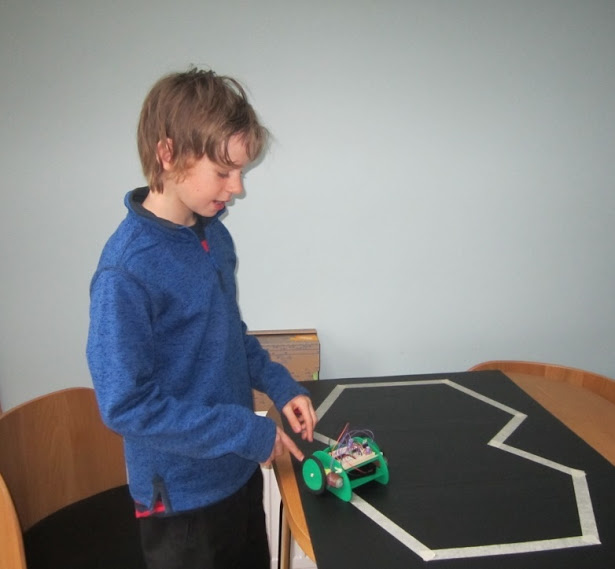
Building Robots for Engineers Week

RoboSlam Engineers Week 2015 sm 75Yesterday, an all-day NVivo training course. Today, a robot building workshop for teens. Every day here brings a new adventure.

shannonchance's avatarRoboSlam

Today, over 40 Transition Year students from secondary schools around Dublin came together to build robots at Dublin Institute of Technology, Kevin Street campus. This was part of Ireland’s annual Engineers Week. Our event was supported by Engineers Ireland, Science Foundation Ireland, and the volunteer efforts of more than a dozen staff members and students from DIT.

The kids were so much fun!

It’s amazing to observe these robots come together in a few short hours. We started at 10 this morning, and by 4 PM the robots were ready to rumble.

View original post

In “The Irish Times” Today

“The Irish Times” is running a series on women in STEM. I was quoted in today’s article.

The reporter chopped out all the caveats a researcher like me uses (tends to, most, lends support…) but all in all I’m very pleased to have been able to bring student development theory into the conversation here.

View of Whiteness from across the Pond

Derek Ham and his family.

Derek Ham and his family.

From across the Atlantic, I’m watching the USA finally reach a crucial tipping point.

Enough people are coming to their senses and finally recognizing that all white people in the USA do benefit from simply being white. We have life easier because of being white each and every day. Regardless of whether we want to or not, we do.

And therefore, we have an obligation to help fix a broken system.

A former colleague of mine, Derek Ham, posted a link to the article INTUITIVELY OBVIOUS_ Our white privilege earlier today. It was written by two white MIT professors.

Please read it, and then read Peggy McIntosh’s excellent article White Privilege: Unpacking the Invisible Backpack.

Then, when you’re done, please take a minute to complete some fun and fascinating games developed by Harvard as part of Project Implicit. After you log in to the Project’s website, the server randomly assigns you one of Harvard’s Implicit Assumptions Tests.

I took every single one of the IAT tests available in 2006. And I found them to be stunningly accurate.

It was interesting to discover what sub-conscious preferences I had regarding various topics, including race, weight, guns, and the like.  Taking these IAT tests is an effective and fun way to learn about yourself and to contribute to Harvard’s research project at the same time.

Incidentally, Derek Ham graduated from Hampton University the year I started working there. He went on to earn a Master’s from Harvard, then later teach alongside me at Hampton U. He is now earning a PhD in “Design and Computation” at MIT.

Derek is an African American male pushing the boundaries of knowledge and success on behalf of us all. My own work is inspired every day by Derek and his fellow Hamptonians.

Yes, I benefit from white privilege. But I’m glad to say that my parents passed along smart values. I remember being deeply aware of this privilege and letting it guide my behavior from the age of ten.

Since then, I’ve worked to help “level the playing field” whenever I can.

And I hope you will, too.


Energy Cube — Build Day

Fionnuala advising an Energy Cube team.

Fionnuala advising an Energy Cube team.

Nowadays when you arrive in DIT’s four-year engineering program, you will complete three group-based design projects prior to selecting a specific engineering major: a bridge design project (to familiarize you with civil and structural engineering), a RoboSumo project (to learn about robotics, electrical, and electronic engineering, and programming), and an “Energy Cube” project (as an introduction to mechanical, product, and building services engineering).

The Energy Cube project is currently coordinated by a diverse and multi-disciplinary group of teachers. Fionnuala Farrell is a product design and manufacturing engineer, John Nolan is an expert in engineering drawing, and Micheal O’Flaherty is a building services engineer. 

This team built a geodesic dome for their Energy Cube.

This team built a geodesic dome for their Energy Cube.

I’ve been assisting them and contributing the perspective of an architect. I’m not involved in grading, since I’m interviewing some of the students for my research, but I attend classes to better understand what it’s like to learn and teach engineering. 

Fortunately, I know how to do all the parts involved in this project: designing buildings, identifying client needs, defining product evaluation criteria, collaborating, calculating volumes, making scale translations, predicting thermal performance using mathematical calculations, designing the lighting scheme, building models, testing performance, keeping records, and presenting work in writing as well as verbally.

For the students, though, this combination is a tall order!  They have a total of six sessions, four hours each (on Friday afternoons!?!!) to design, build, test, and present their Energy Cubes. Whew!

Lecturers Fionnuala Farrell, John Nolan, and Michael O'Flaherty surveying results of "the build."

Lecturers Fionnuala Farrell, John Nolan, and Micheal O’Flaherty surveying results of “the build.”

Moreover, they are working in assigned (rather than self-selected) groups of four. Learning to work with strangers isn’t always easy. They’ve done an admirable job.

Our second of four sets of students will test their cubes later today. I’ve posted photos of what the Energy Cube build looked like last week.