Learning civil engineering in India

India is now the most populated country in the world. There’s a pressing need for more and better-educated civil engineers there. A civil engineer working in India today can expect to work 9 AM to 9 PM six days per week and 9 AM to 2 PM on Sundays (according to Dr. Balasubramaniam, Managing Director of Hitech Concrete Solutions Ltd) because their skills are in such high demand.

However, this current weekend is a holiday, so I hope most of them are taking some time off!

Based on my two-week glimpse into life in India, I believe Indian people work extremely hard. Most people working in businesses or projects at the national and international levels work in English. Higher education in India is also in English because India has around 100 languages.

Civil engineers’ work is incredibly important! In a developing nation, the infrastructure and buildings overseen by civil engineers (and architects!) shelter and support a growing population of people – a population working hard to live ethically and build a brighter future.
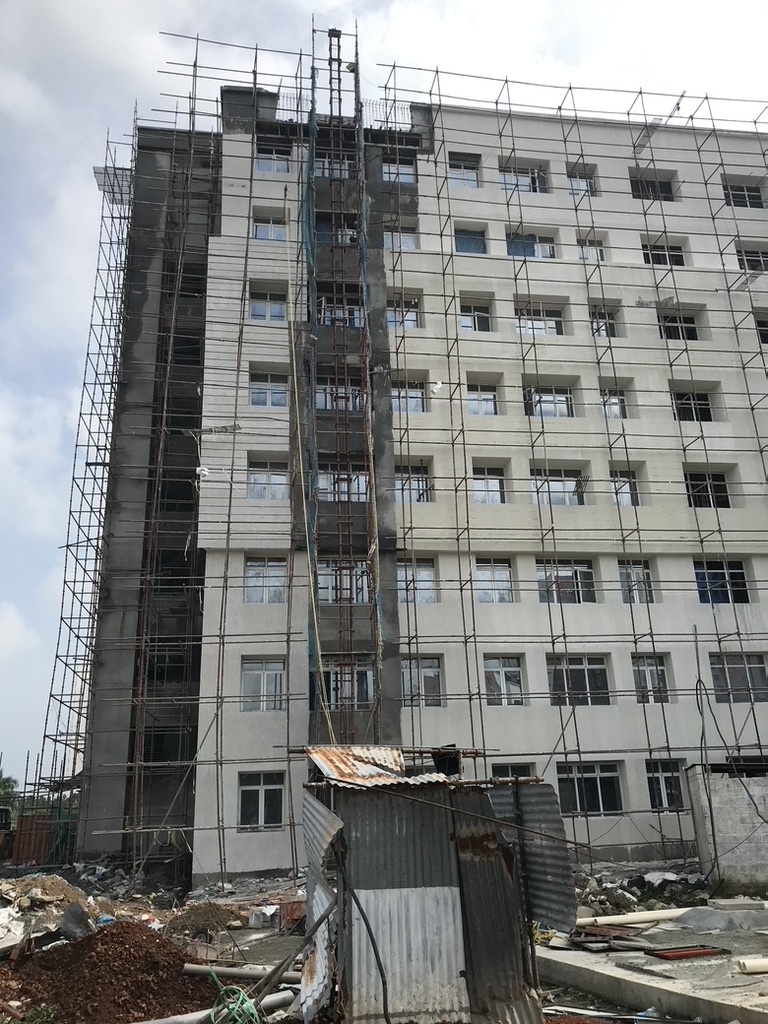
In the first couple weeks of January 2024, I got an inside perspective by attending events and touring workshops and laboratories at the Chennai branch campus of Vellore Institute of Technology (VIT).

VIT’s Dr. Nithya Venkatesan, Assistant Director of International Relations, and Associate Professor Dr. Shanmuga Sundaram (who goes by Shanmugham) served as my primary hosts. They helped coordinate my entire two-week trip, and without them I never would have managed to make my first venture into this fascinating land.

Dr. Renukadevi Selvaraj, Professor and Head of the Dept. of Education at the National Institute of Technical Teachers Training Institute (NITTTR), run by the Ministry of Education for the Government of India, connected me with VIT after I met her in Blacksburg, Virginia (my hometown) at an ethics symposium last summer.

At VIT, I attended a two-day conclave on civil engineering organized by Shanmugham that included presentations by academic and industry partners. Shanmugham’s areas of specialization include sustainable building materials, special concrete, alternative binding processes.

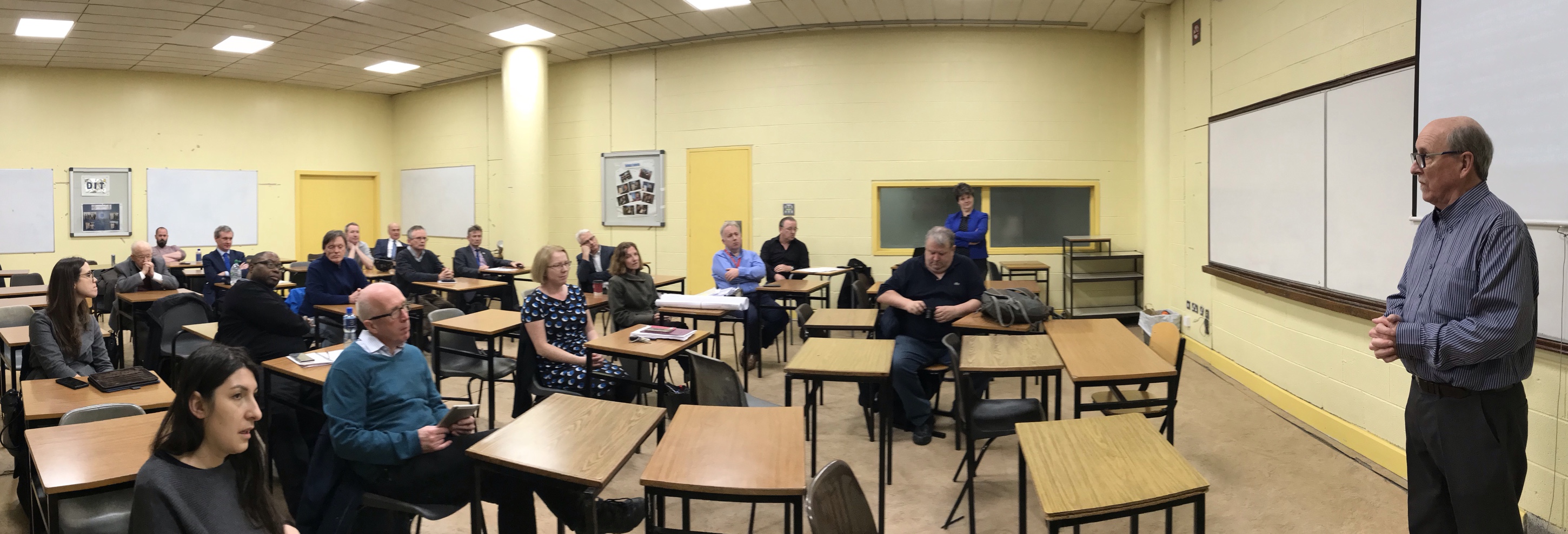
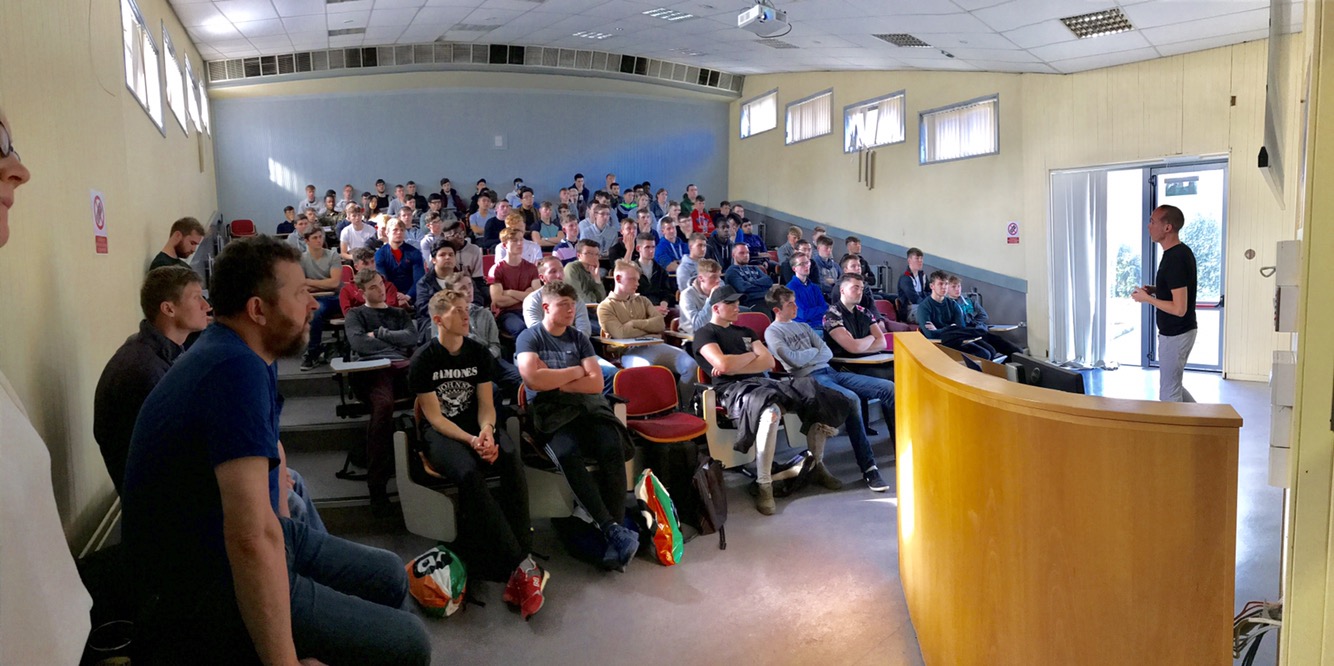
I delivered the opening keynote address for the conclave. Most of the audience of around 45 participants were civil and structural engineering students, but their teachers, some PhD researchers, and some industry partners also attended.

Other presenters at the conclave talked about structural failures within existing buildings (causes, effects, and ways of avoiding or addressing defects), earthquake resistance and previous structural failures in India due to earthquake activity, and the importance of being part of professional organizations (such as the UK-based Institution of Civil Engineers, ICE). India does not yet have a licensure program for professional/licensed/chartered engineers of the type you see in the US, UK and Ireland, but Professor Johnson Alengaram from the University of Malaya encouraged the audience to join ICE and maintain their learning and their credentials with care.

Shanmugham noted that he’s in the second generation of civil engineers the people of his father’s age with a first generation of civil engineering professional in the country. The students he is educating now, he sees as the third generation of civil engineering in India.

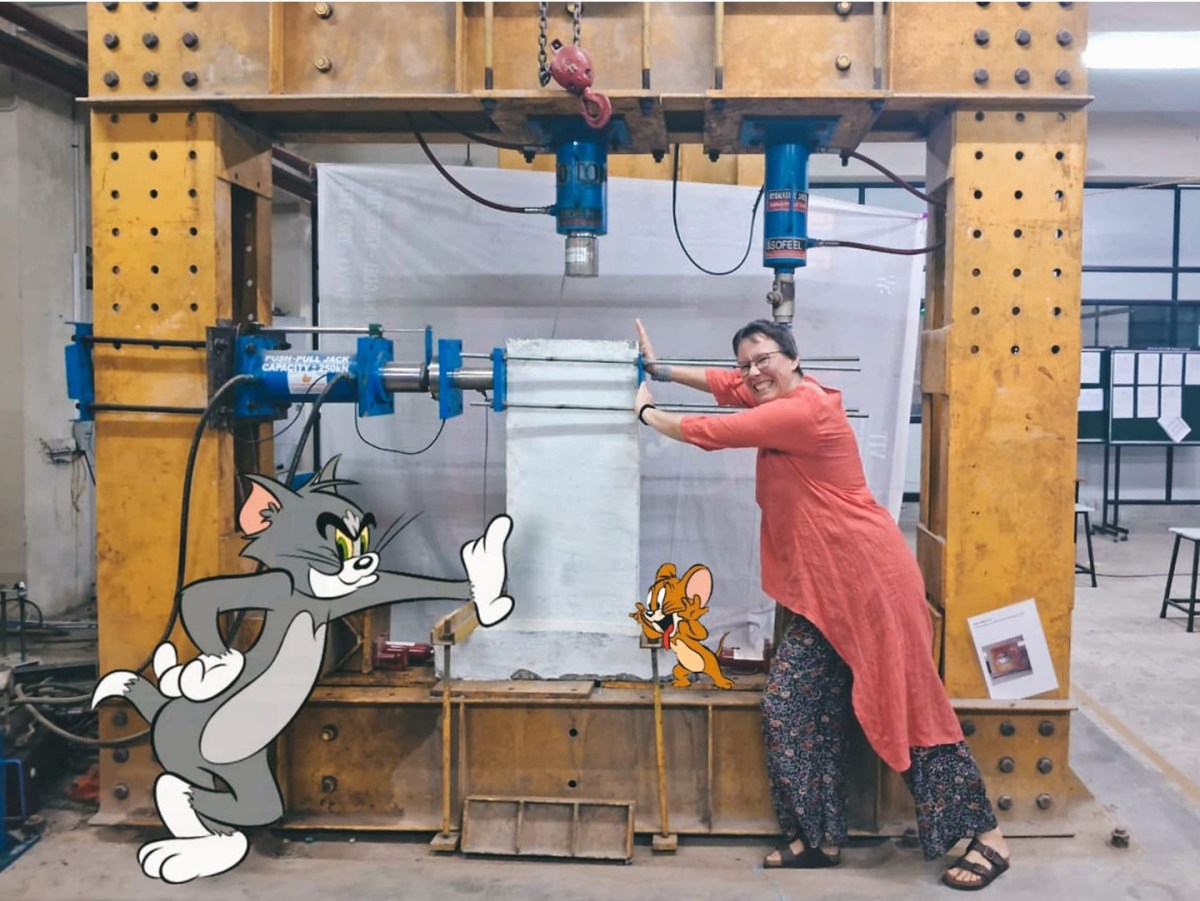
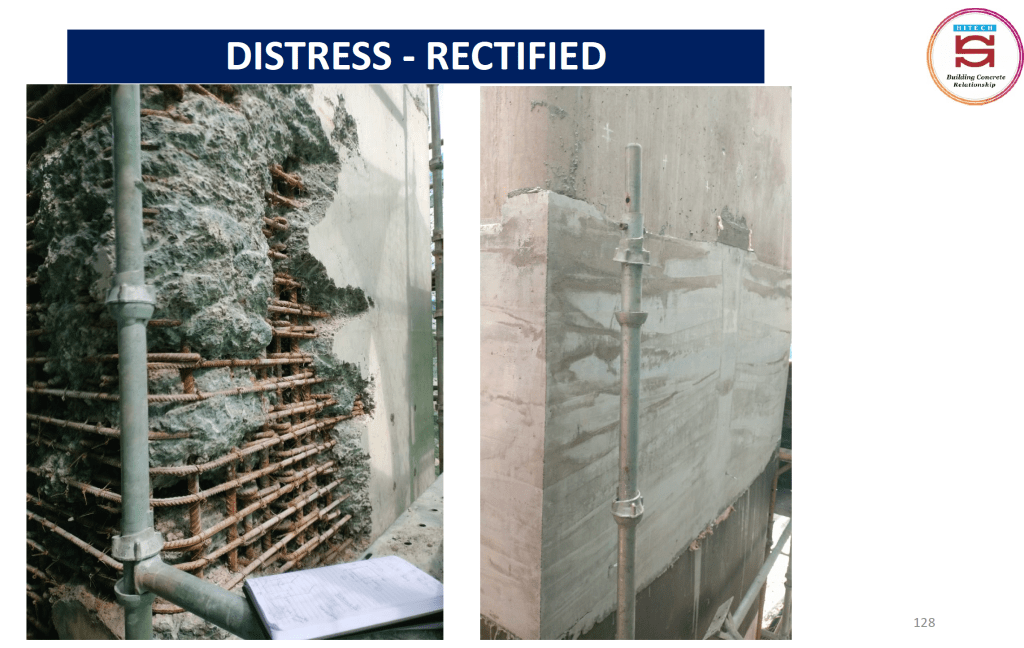
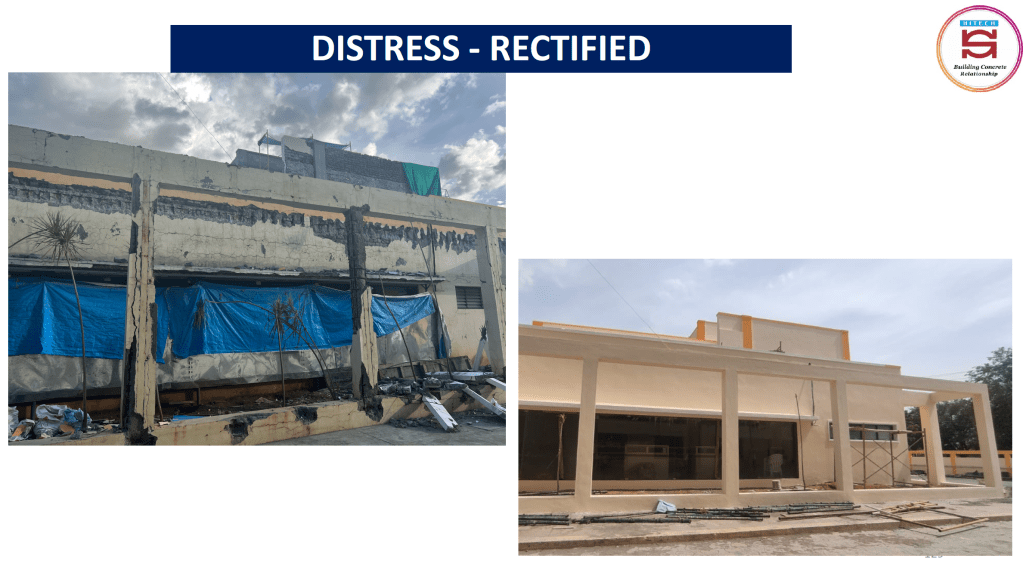
Arvindh Raj Rajendran, who earned a Master of Structural Technology degree, delivered the conclave’s final talk with an extremely well-articulated presentation about an apartment complex that his family’s company, Hitech Civil Engineering Services, Ltd., has worked to diagnosed and remediated. The original construction, by a different company, had severe deficits that had made national news in India. Hitech has made interventions to keep the structure inhabitable and conducted detailed analyses to help the government and the courts decide if the building can be salvaged or must be replaced. He explained the analysis and rectification process in detail. Arvindh showed other faulty structures that Hitect has been able to salvage, as well as the equipment they use (all pictured below).
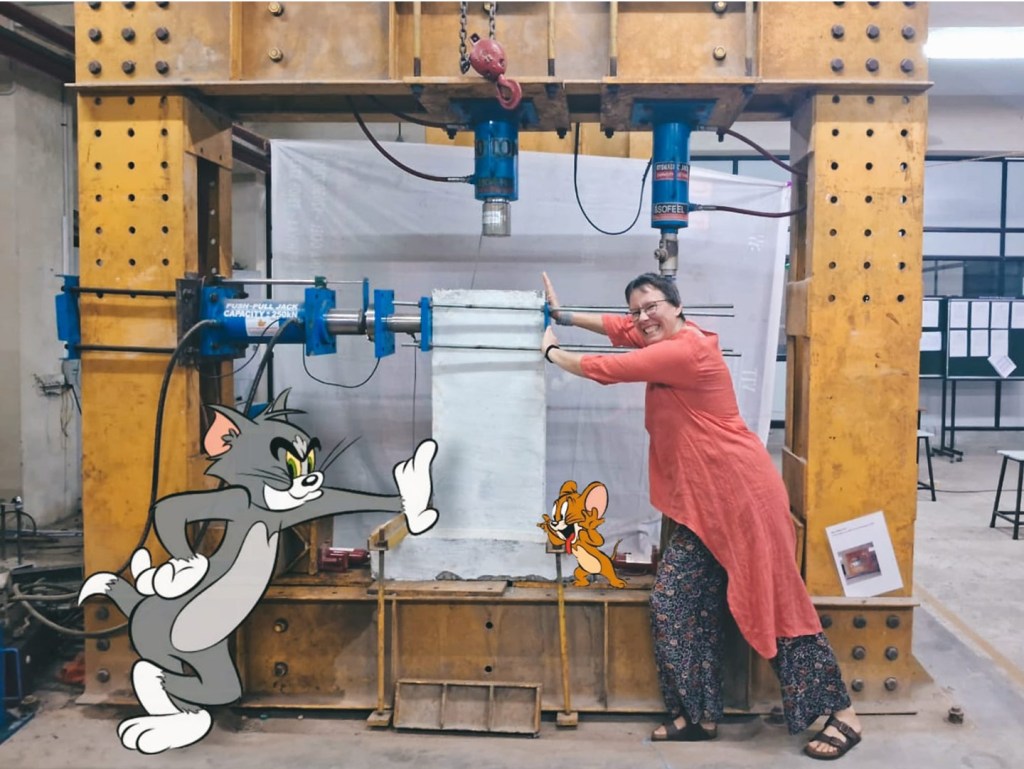
Before the conclave started, I had the distinct honor of visiting four of the engineering laboratories on the VIT Chennai campus, being shown around by Shanmugham. We visited the soil testing lab where he and his colleague, Associate Professor Dr. Karthiyaini train PhD students and conduct research.

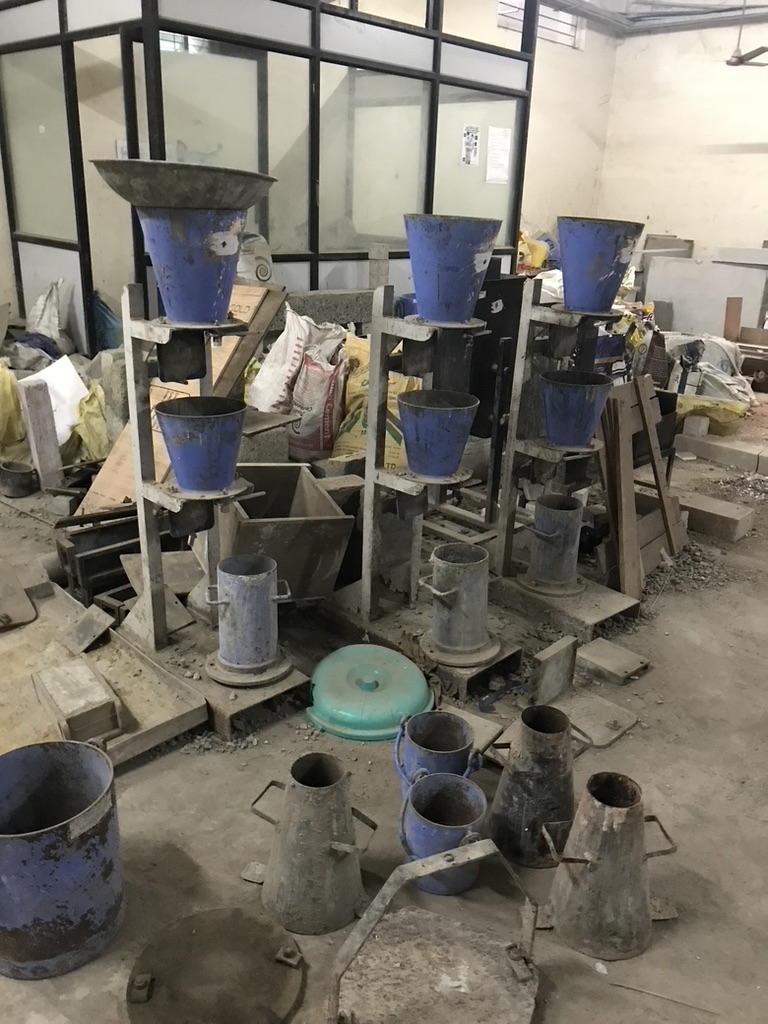
We visited Shanmugham’s materials testing laboratory. He has just gained national certification to test materials (such as concrete samples from active construction sites). He can test the performance of all kinds of concrete steel and concrete-related products. He is also researching possibilities for creating concrete mixed with less embodied carbon than today’s standard material.

He’s working towards a net-zero-type concrete method using byproducts of other industries in India — because concrete is a central construction material in the country. China and India are using a huge portion of the entire amount of concrete fabricated each year currently worldwide.
I also visited a water quality research lab and met the academic leader and her PhD students. They are working on a wide array of topics, including addressing toxic landfill effluents that leak into the soil, reviving microplastics from water, desalination process, and ocean clean-up techniques. I learned so much and wish I’d taken notes!

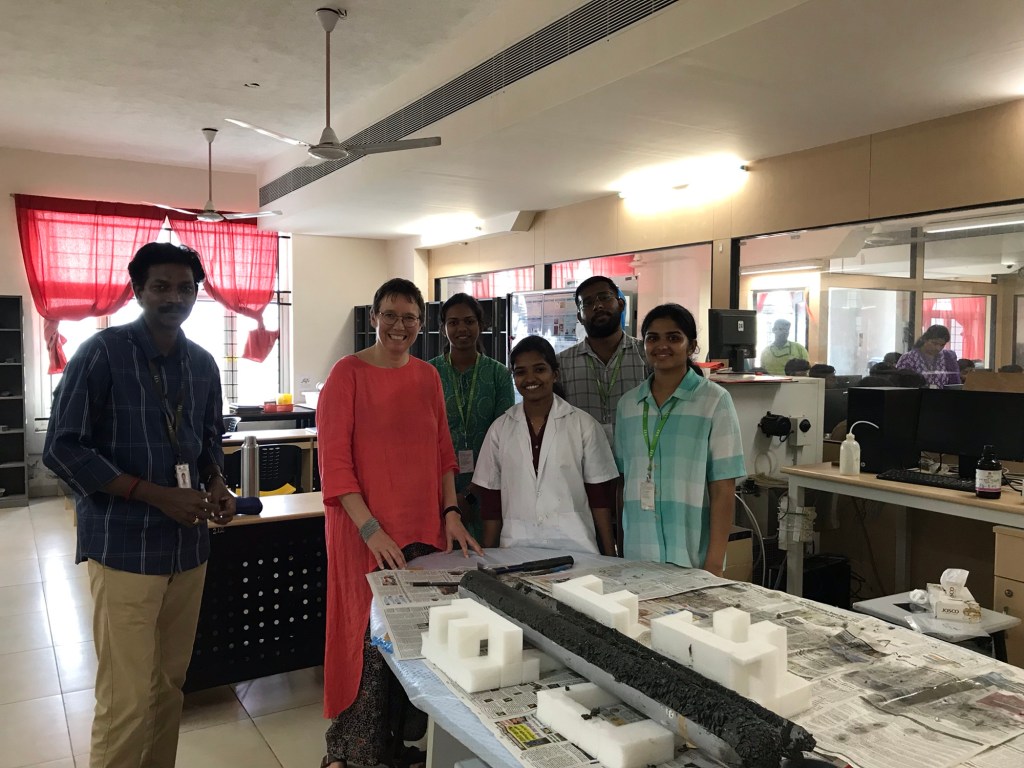
The geology lab was equally interesting as the students were taking samples from a soil boring to study contaminants. They introduced me to each doctoral research project, and I asked loads of questions, which, again, unfortunately, my brain failed to file into long-term memory. It does this filing in the night while I sleep and in the day when I retell what I’ve learned. But I learned so very much in that single day of touring that my brain couldn’t hold it all.

One thing I will never forget is how many talented women are studying engineering at VIT. To my delight, the research labs are gender balanced.

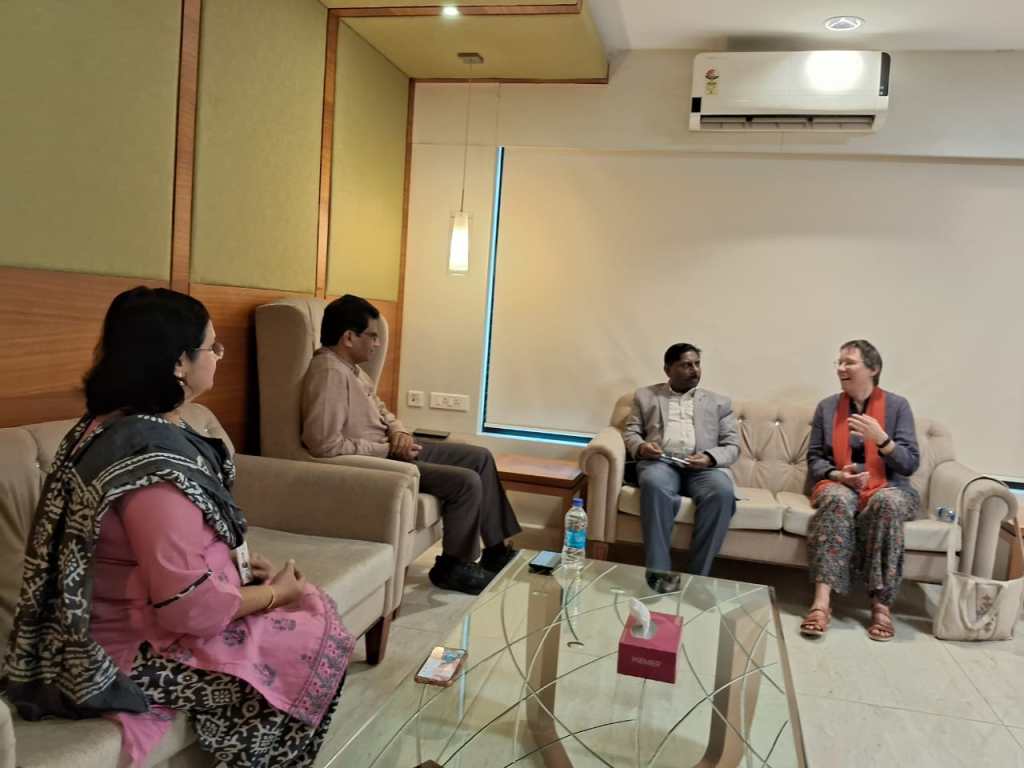
On the day of the tours, I also met VIT’s vice president for academics, Dr. Sekar Viswanathan. He holds this role on all four VIT campuses. I was very impressed with how attentively he communicated with Dr. Johnson, another international guest speaking at the conclave, and me.

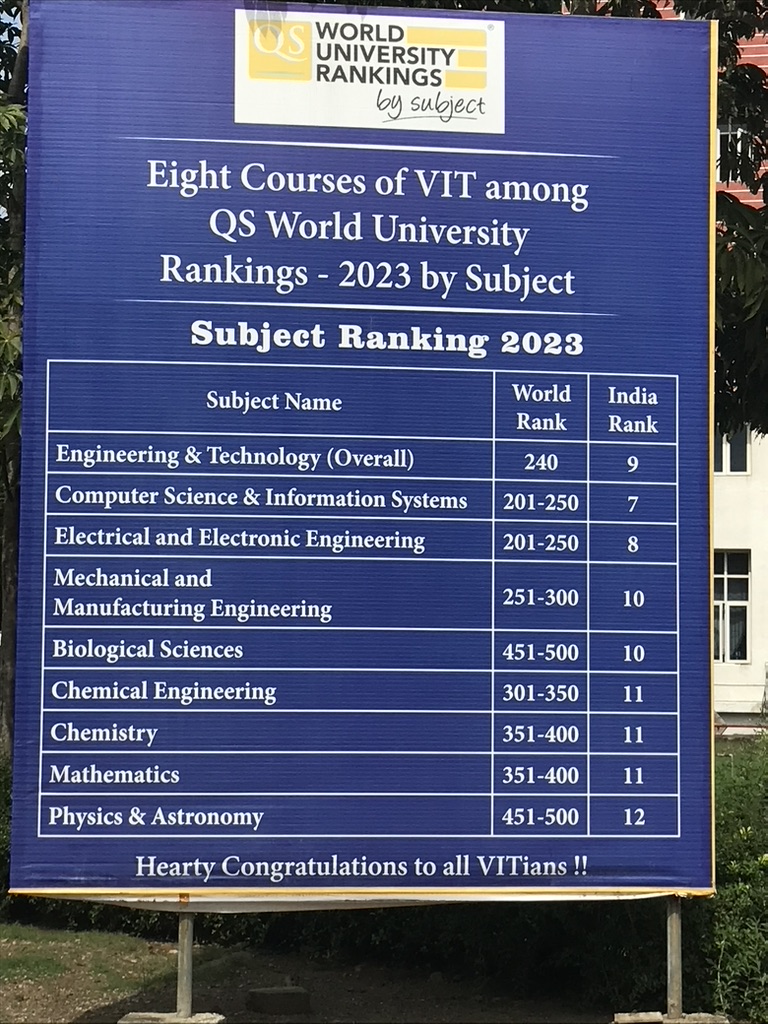
VIT is a private institution that provides itself in excellence and holds academic world rankings. The Chennai campus is currently educating about 10,000 engineering students and is expanding its facilities to double its enrollment. This is very important in a country where many hundred thousand engineers graduate from higher education institutions each year but are not well-prepared for industry. Receiving an education at a highly-ranked institution like this helps ensure the graduate will be ready to perform well in the industry. The country desperately needs more civil engineers who can do this. Hopefully, one day, India’s civil engineers won’t need to work seven days a week!

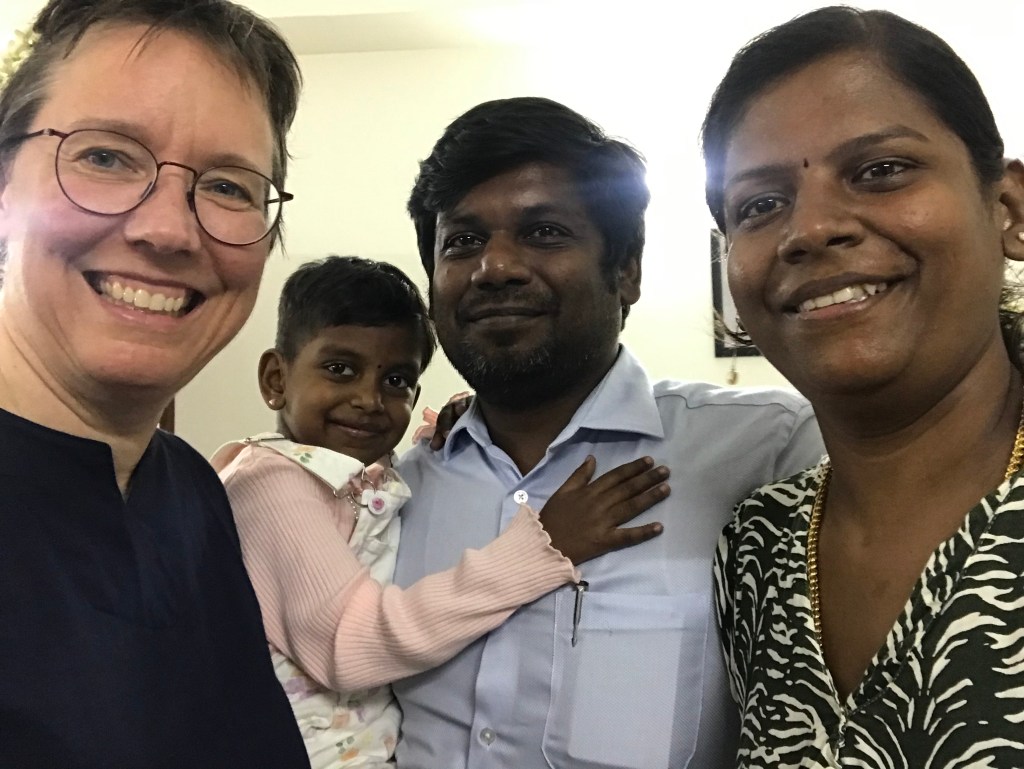
Shanmugham was an exceptional host during my trip. He and his wife (Rama, an electrical/computer engineer who runs a startup business with a colleague) and their six-year-old daughter (Shanmuga, who speaks English in addition to her mother tongue), took me shopping for Indian outfits — so I’ll fit in better on my next trip to India!

They also invited me to their home, located in a huge complex of apartments. There are 20 buildings, each about 17 stories tall. I met their neighbors, and I learned something about how they live. We got to share a bit of our own cultures with each other, which was a true highlight of my time in Chennai.
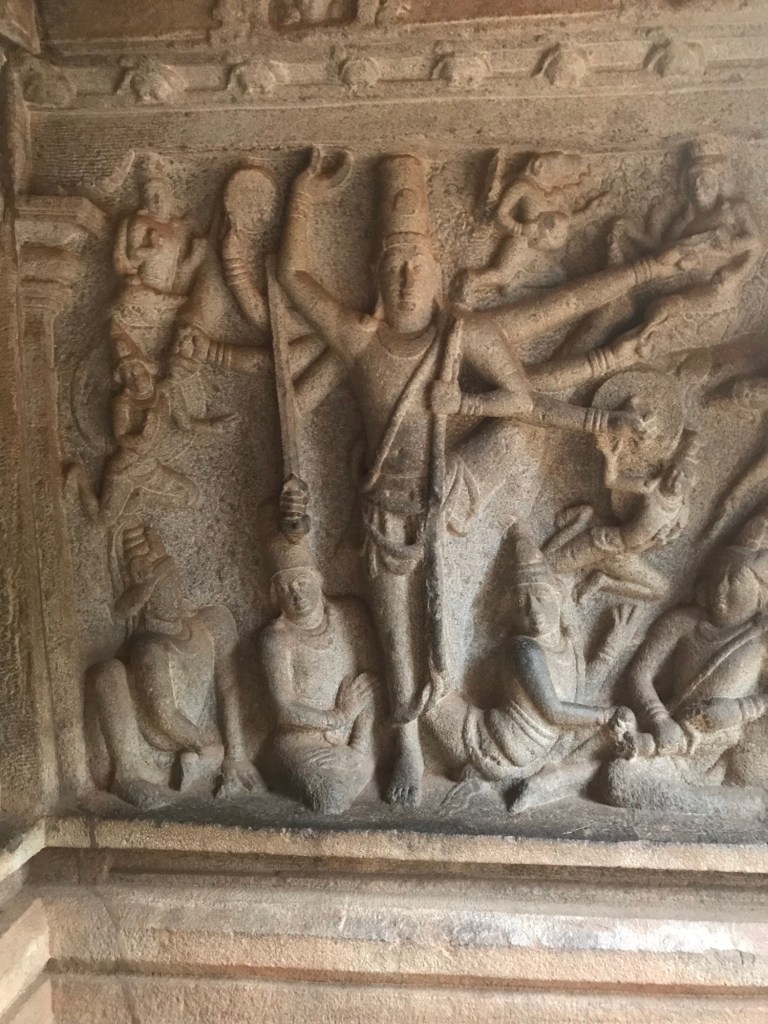
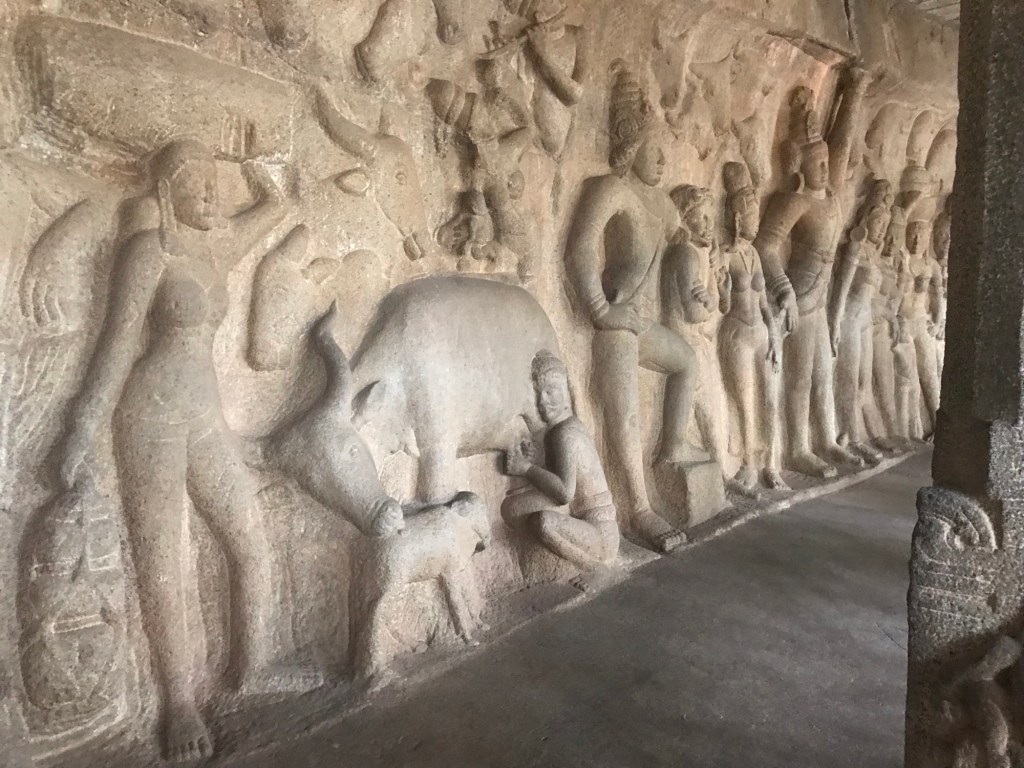
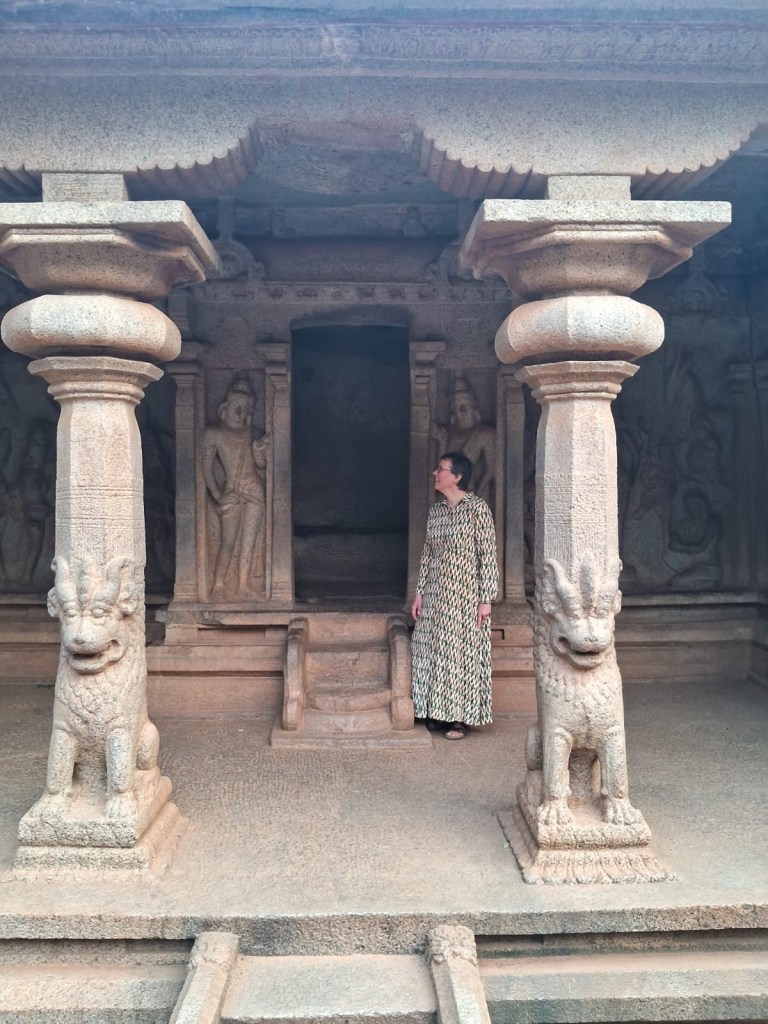
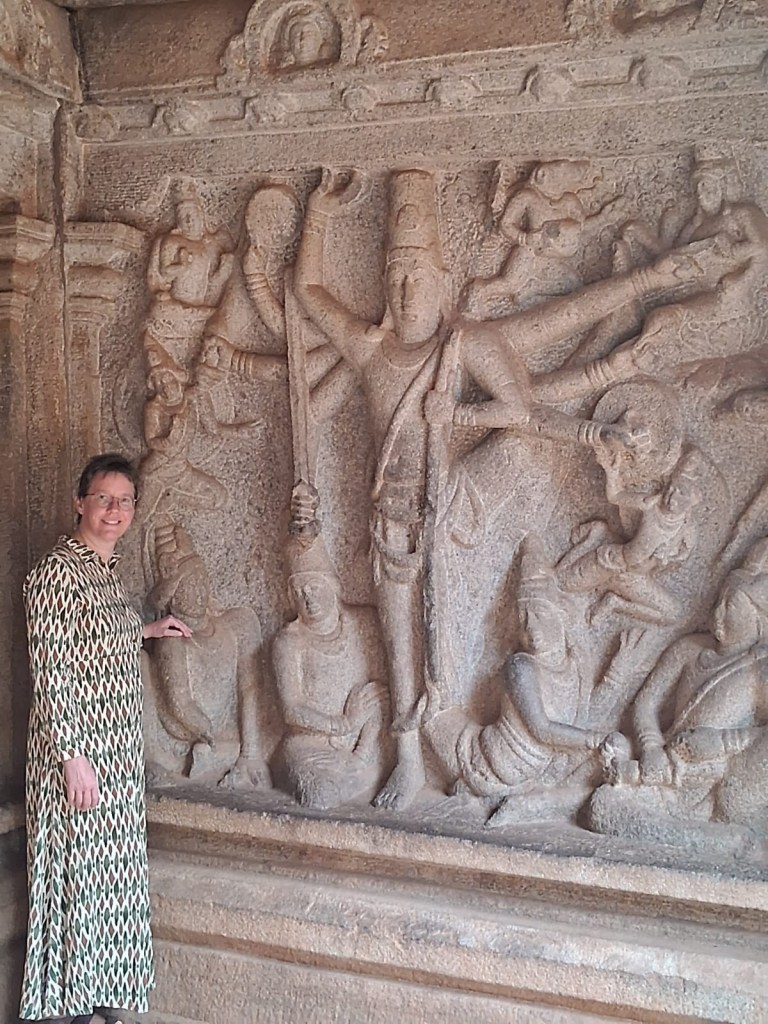
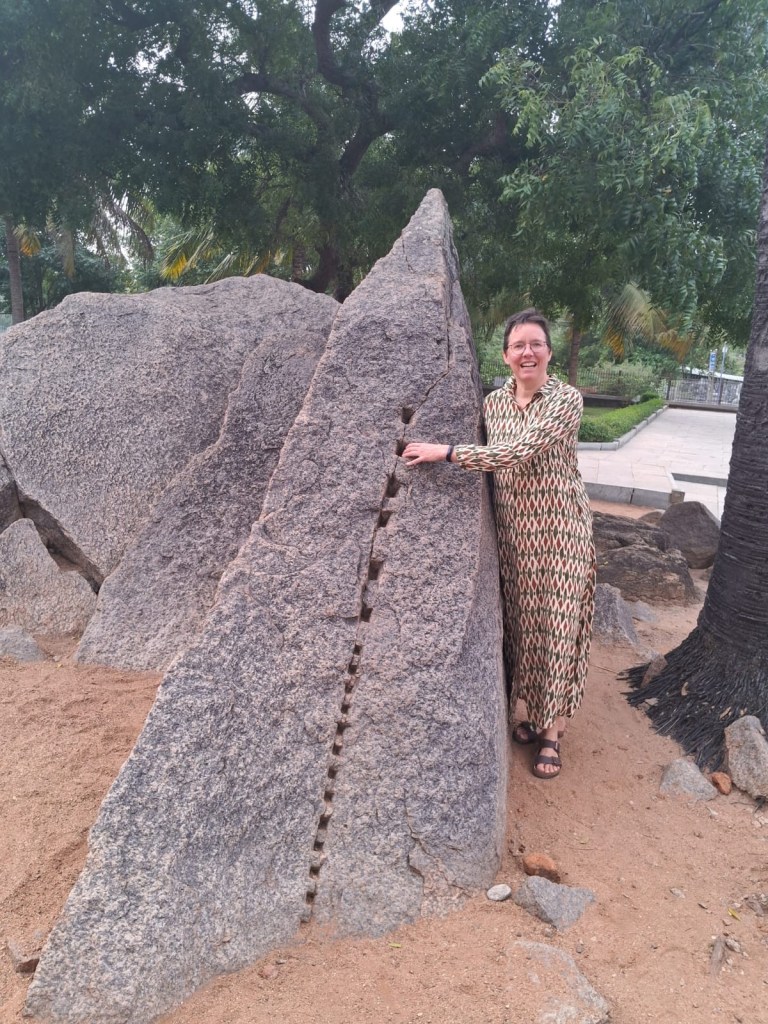
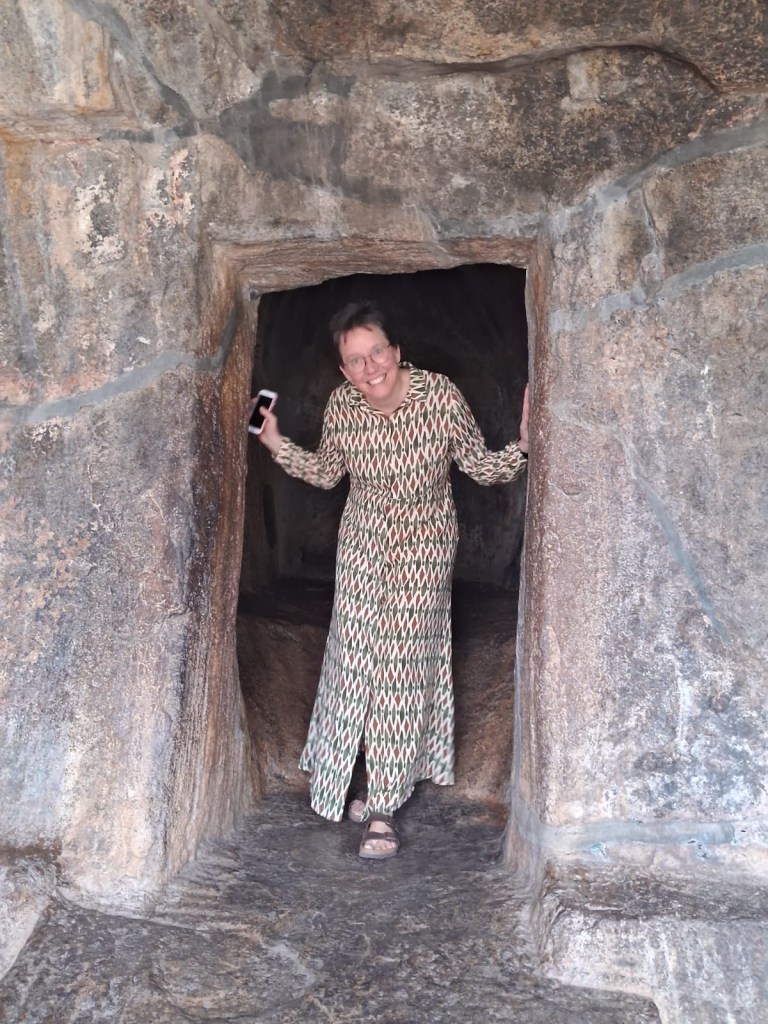
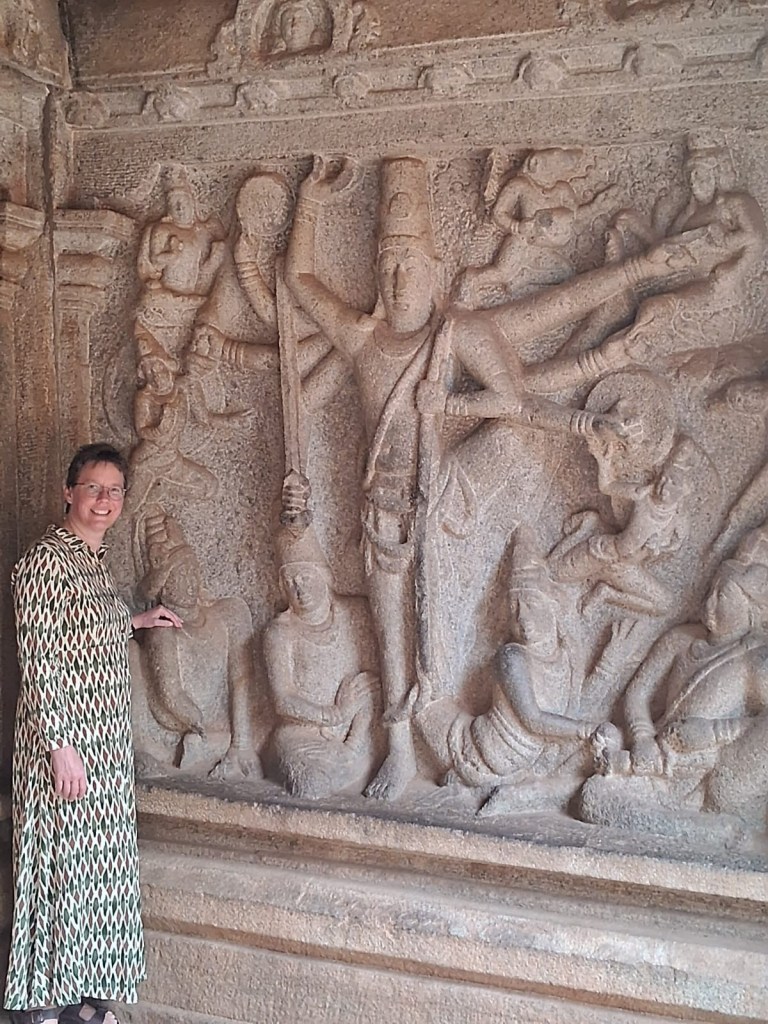
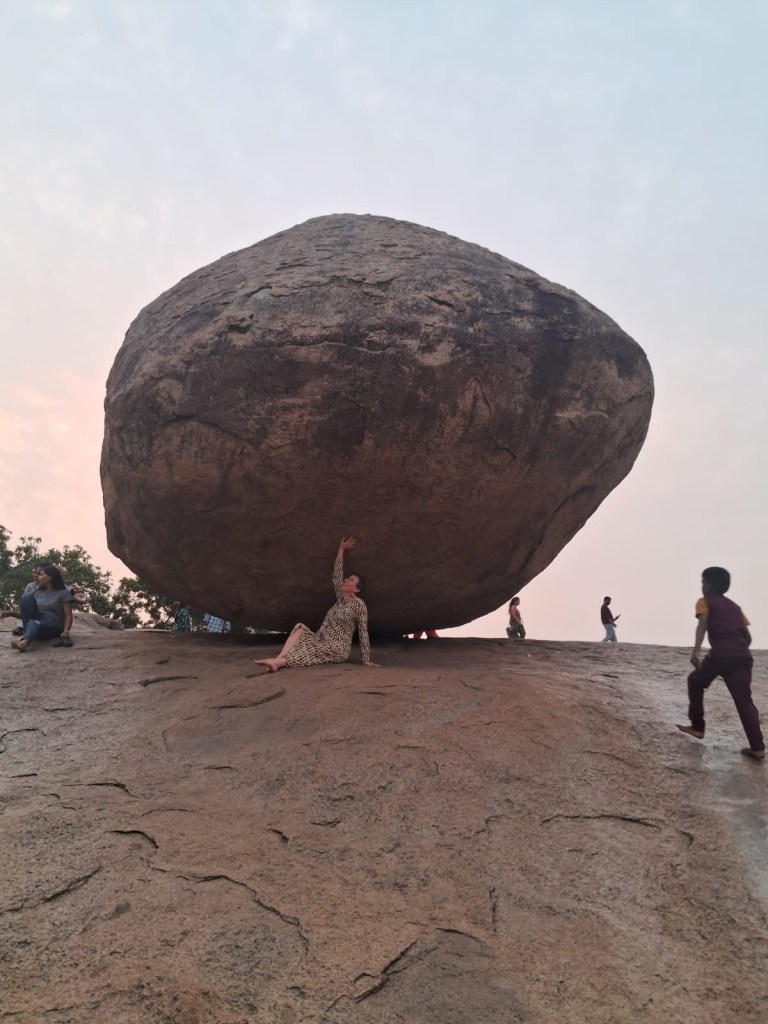
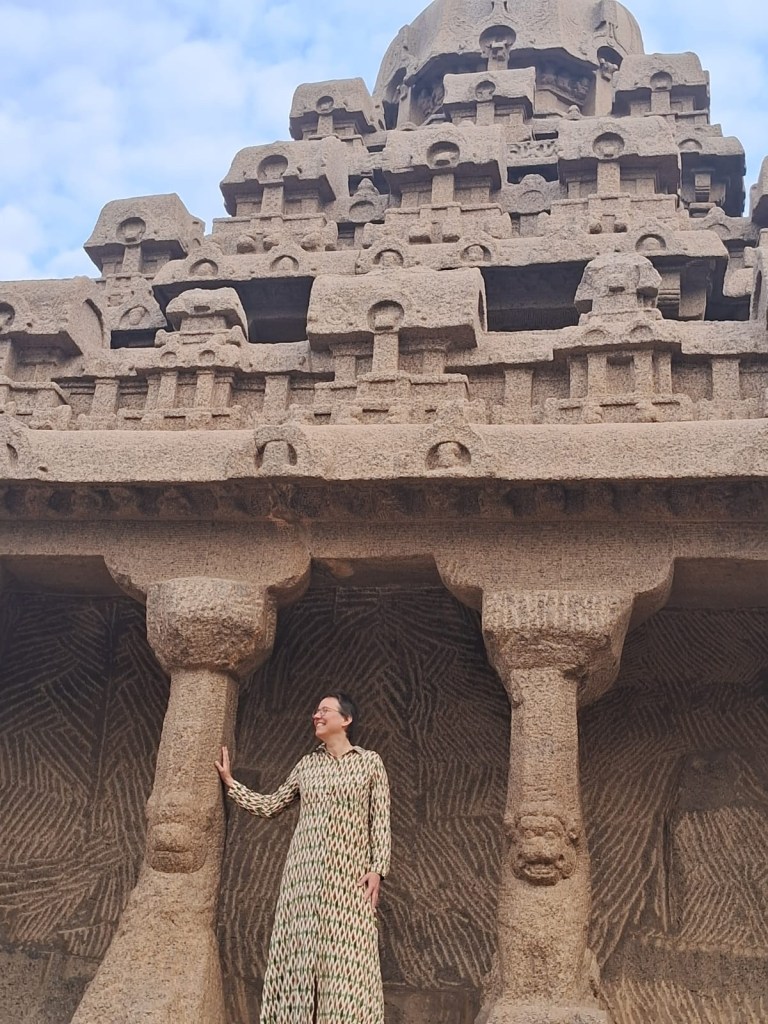
At the very start of my trip, I also got the chance to visit some stone temples near Chennai. Shanmugham showed me around the massive site and, in true Indian fashion, took pictures of me at each important structure. These temples, carved from solid granite boulders protruding from the sand at this coastal location, have stood for 1300 years. The craftsmanship was superb and awe-inspiring.

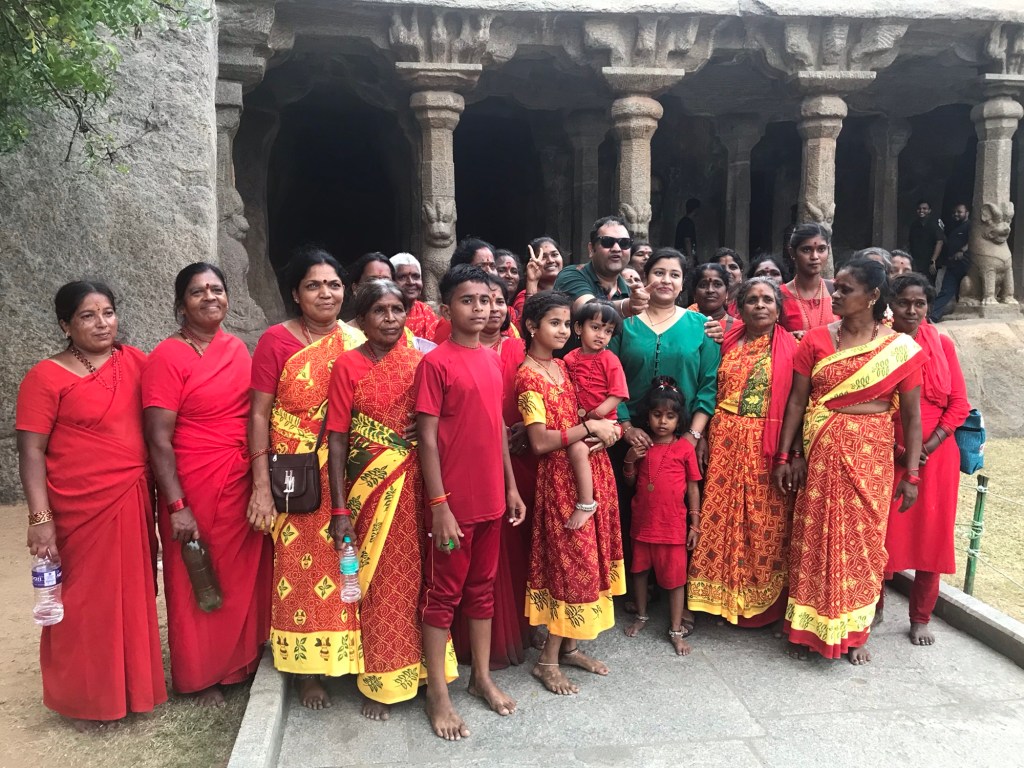
The day we visited the temples (the day I landed in India, January 2) was a holiday. The site was being visited by many busloads of tourists from all over India dressed to the nines. I included pictures of one group of visitors in the gallery below.

“The Group of Monuments at Mahabalipuram is a collection of 7th- and 8th-century CE religious monuments in the coastal resort town of Mahabalipuram, Tamil Nadu, India and is a UNESCO World Heritage Site. It is on the Coromandel Coast of the Bay of Bengal, about 60 kilometres south of Chennai.”

https://www.tamilnadutourism.tn.gov.in/

The Indian people definitely made me feel welcome and safe and thankful for this opportunity to meet and learn from them. Everywhere I went, people stopped and asked to take a picture with me. Little children looked at me in amazement. Shanmugham noted that many visitors to the temple had come from afar, from rural parts of India, and only some of the children had seen anyone like me before.

Incidentally, the food was incredible! During my two-week visit, I enjoyed the taste of every single thing I ate. At VIT, I had the privilege of residing at the international guesthouse. The drivers and guesthouse staff were absolutely incredible and made my stay a joy. At first, they offered me more Western foods, but when they saw that I enjoyed the Indian dishes more, that changed! The entire staff went the extra mile to ensure my safety and comfort.

In this post, I described just five of my days in India. I hope to post another blog this week about my experiences at REES 2024 in Hubli, India, and visiting NITTTR outside Chennai.

From ancient stone temples to teaching labs and structural failure — I got insider perspectives of civil engineering in India from the staff of VIT and I look forward to my next visit to India.

Discovering the new TU Dublin

It’s been a great start-of-semester and welcome-back here in Dublin. I’ve been settling back in at TU Dublin, since the first of the year. I’ve been learning to juggle a host of new job responsibilities along with my favorite existing projects. There’s so much work to be done!
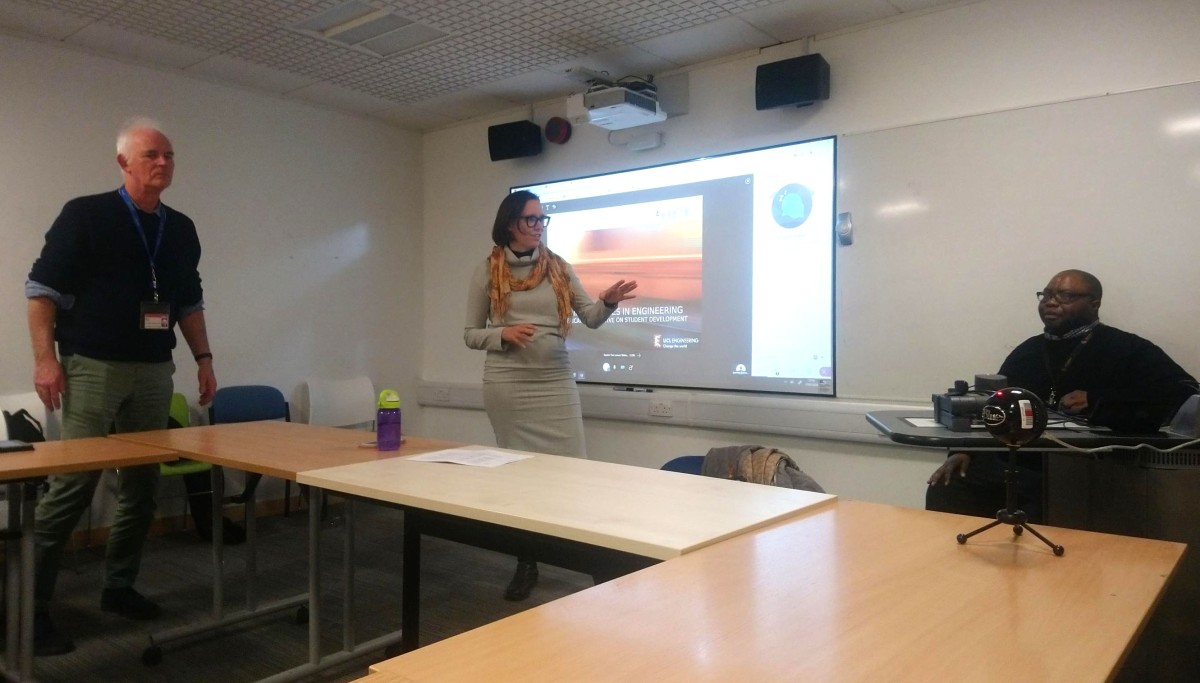
In addition to teaching first-year engineering modules/courses, I have also been helping launch the new MSc in BIM, working on curriculum development (which buys out half my work time), finalizing research projects for publication, and drafting my final report for the 2018-12019 fellowship I had to UCL.

I’ve also attended a host of special events:

  1. The launch of TU Dublin’s new strategic plan
  2. A two-day conference on “Rethinking the Crit” in architecture and design education.
  3. Tech support workshops for staff on Brightspace and Agresso
  4. Personal wellbeing workshops for staff on insurance and personal finance.
  5. A planning sessions with our ever-expanding RoboSlam team preparing for Dublin Maker 2020 (June 2020) and our upcoming Engineering Your Future week (May 2020)

TU Dublin’s new Strategic Plan

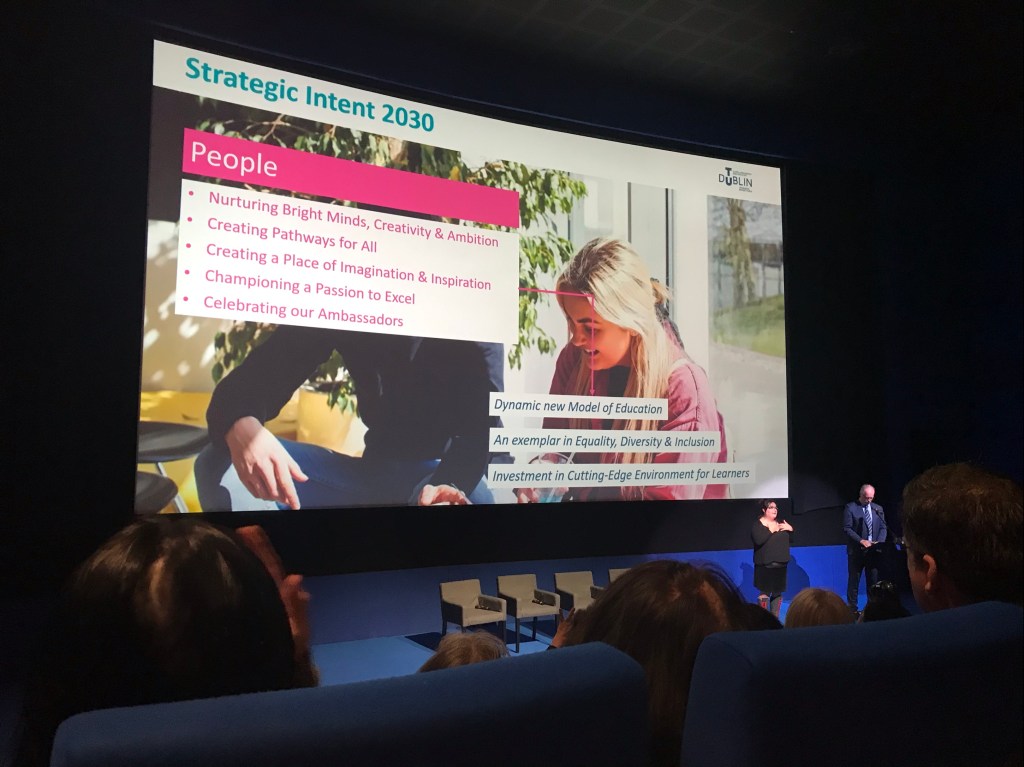
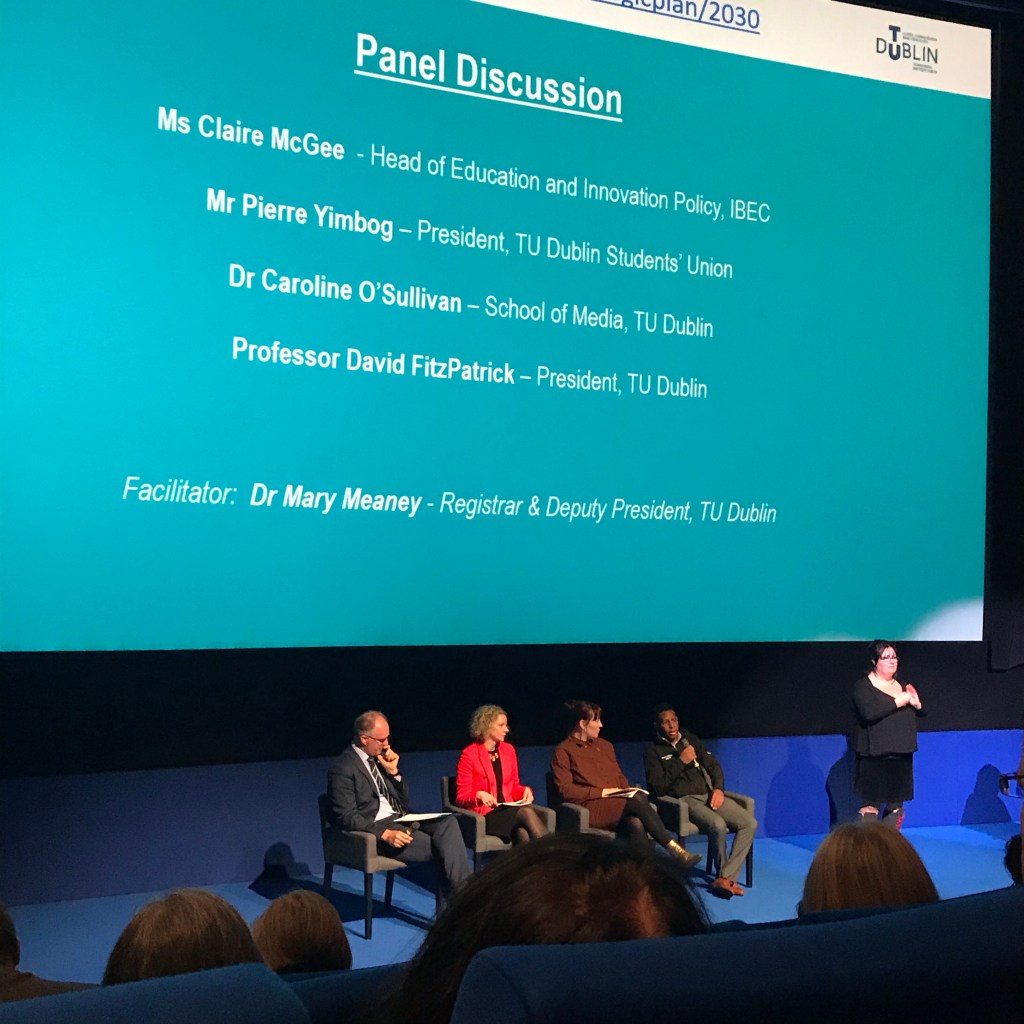
The unveiling of the strategic plan was quite well organized and inspiring. The speakers and panelists all did a great job explaining the shared aspirations of our academic community. I hope the details are as well done as the vision they presented.

Soon, I’ll read the plan and see how it matches up against the evaluation rubric I published back during my doc studies, which you can download here.

Chance, S and Williams, B. (2009). Assessing University Strategic Plans: A Tool For ConsiderationEducational planning: the journal of the international society for educational planning, 2009, 18(1), 38-54.

The take-home message of the strategic planning launch was that TU Dublin values diversity and inclusivity. The student voice was clear, strong and impressive. The leaders were well-spoken.

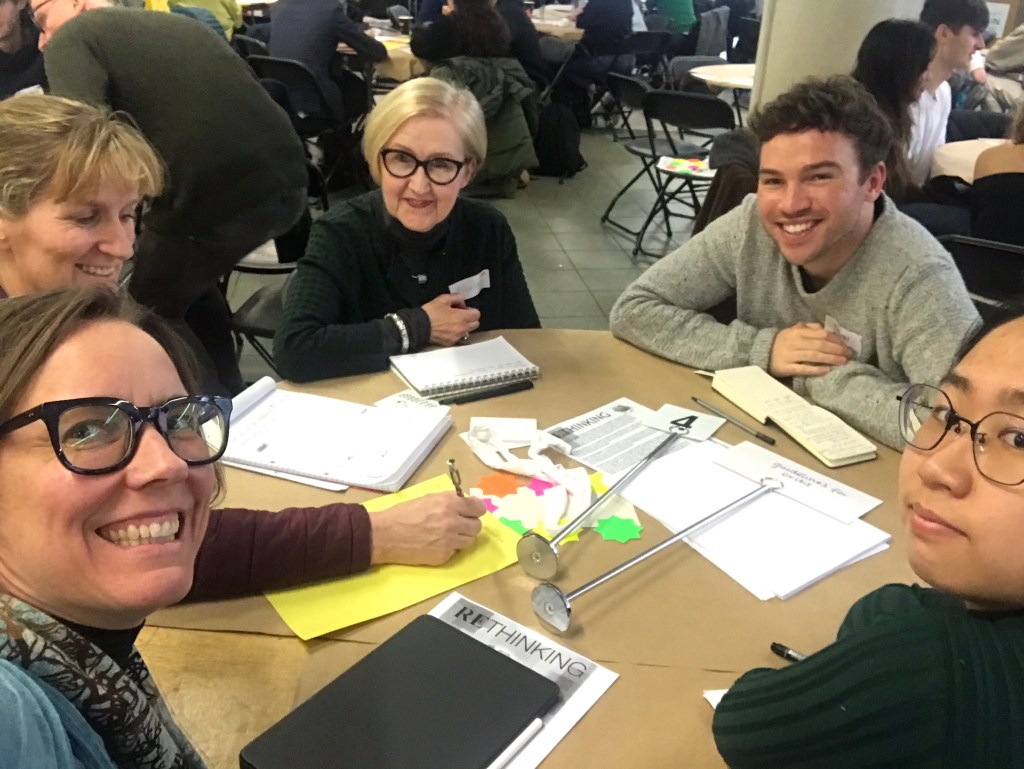
TU Dublin’s workshop on “Rethinking the Crit”

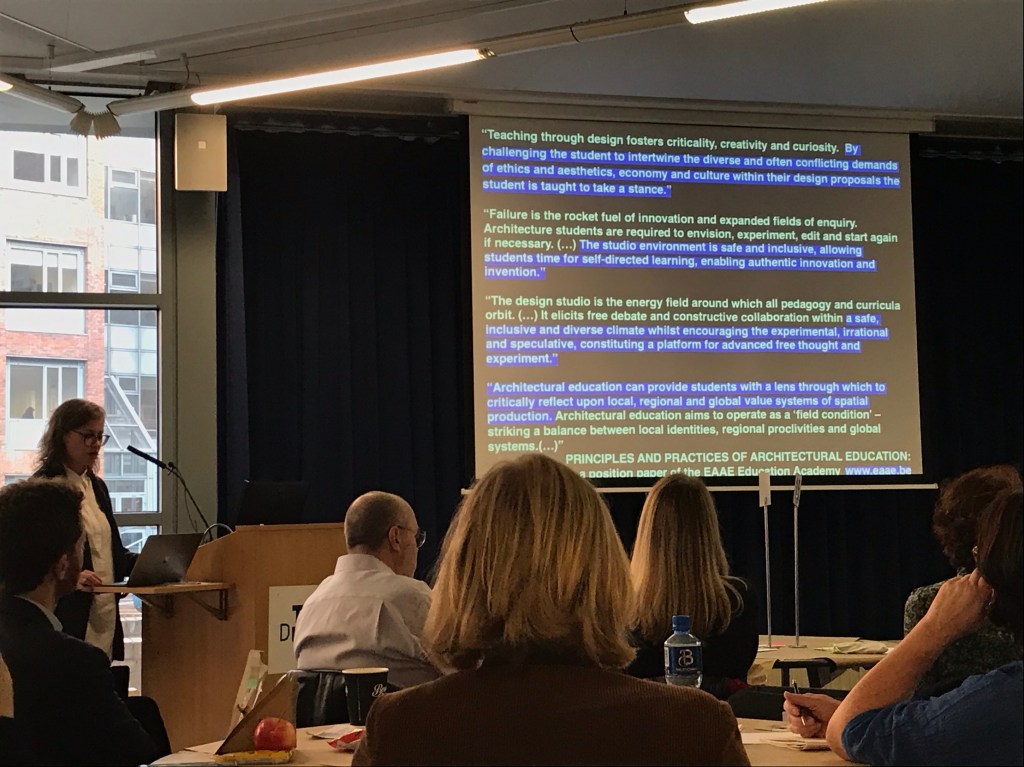
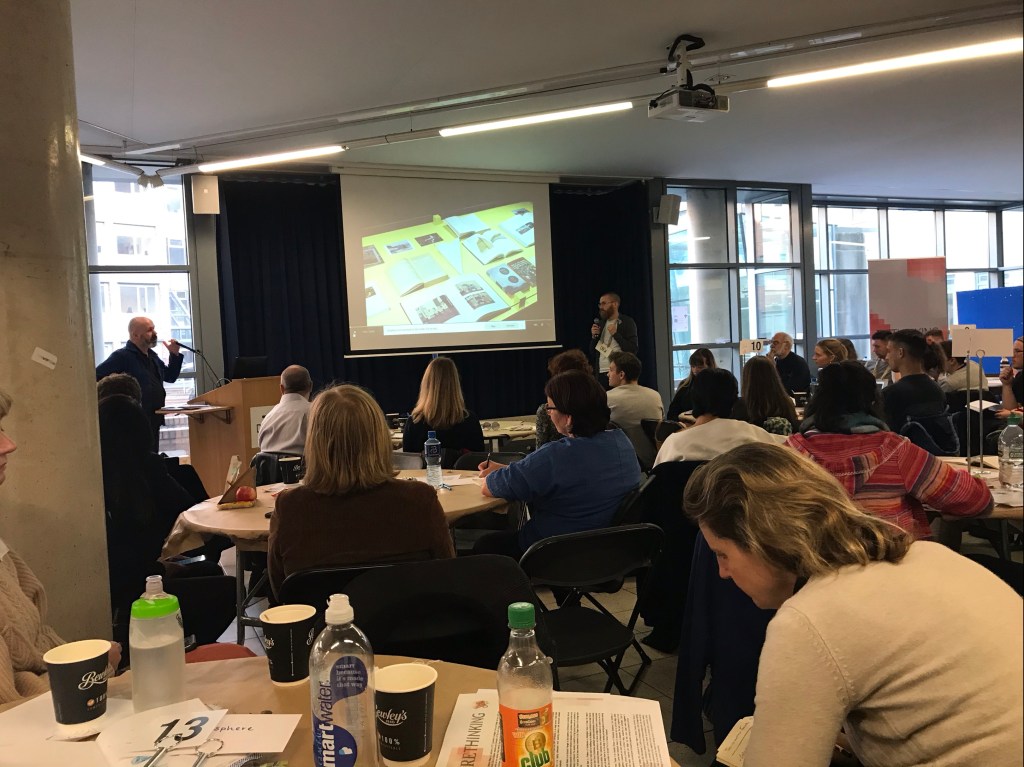
I attended a hands-on conference alongside architecture students from all over Ireland as well as teachers and critics from Ireland and abroad.

The workshop was organized by my College’s office for Learning Development, under the direction of Patrick Flynn, our Head of Learning Development. In many places, his role would be called Vice Dean for Academics, but DIT (the parent of TU Dublin) tended to do things its own unique way.

As I’m part of a team developing a brand new Architectural Engineering curriculum, this conference on how to improve the studio jury system was of great value to me. That Arch Eng course will graduate people ready for architecture licensing.

One of the presenters, Dr. Kathryn Anthony, literally wrote the book that got this conversation rolling: Design Juries on Trial. It was published in 1991 but there’s still a lot more uptake needed of her ideas across the globe. She collected data at Hampton University, where I used to teach, and at HU we used many of the techniques she proposed—with great success.

I hope to use techniques we discussed to help improve architecture education near and far.

Call for Papers: ethics in engineering

As part of my work with the global Research in Engineering Education Network (www.REEN.co), we’re organizing a special focus issue on ethics–and we invite you to submit a manuscript.

The topic is ethics in engineering education and practice.

The special focus issue will be published by Taylor and Francis in the Australasian Journal of Engineering Education. You can find out more about this and all journals in the field of engineering education on a webpage recently launched by REEN–many thanks to my boss here at UCL, Prof. John Mitchell, for collecting that valuable info so REEN could host it as a service to the EER community.

Screen Shot 2019-12-12 at 5.41.07 PM.png

Click https://www.tandfonline.com/doi/full/10.1080/22054952.2019.1694301 to download the official Call for Papers.

Screen Shot 2019-12-12 at 5.39.41 PM

Full-length papers are due March 1, 2020 to begin the review process–but you can feel free to contact me anytime to request help or advice (irelandbychance at gmail dot com). Papers for this journal are 5,000 to 7,000 words, including the abstract and references.

I’m one of the two Guest Editors for this project; the Associate Editors are all members of the REEN board. The editorial team includes people from Australia, Africa, and South America, as well as Europe and the USA! The journal’s Editor in Chief is the coordinator for REEN’s upcoming symposium (REES 2021) in Perth, Australia December 5-8, 2021

And, I’ve just started on as Chair of REEN for the next two years. Delighted to have worked with such a productive group of people representing every continent over the past two years, and looking forward to two more great years! We’ve just welcomed two new members to the board–Cindy Finelli (from Michigan, USA) and Aida Olivia Pereira de Carvalho Guerra (from Aalborg, Denmark)–to round out our crew. 

Architects Love School, why not teach engineers a similar way?

When I started studying “higher education” as a PhD subject at William and Mary in 2006, I wondered why architecture students seem so engaged–passionate and persistent–and why engineering didn’t use the same methods that seem so “sticky” and engaging.

I’m still asking these questions.

I explore them in the article “Using Architecture Design Studio Pedagogies to Enhance Engineering Education” which I wrote with John Marshall, The University of Michigan 
and Gavin Duffy, Technological University Dublin. It has been published for a while, and I just noticed that since the embargo period has ended, I can direct you to the final version instead of just the pre-press version! It was published by the International Journal of Engineering Education. 

https://arrow.dit.ie/cgi/viewcontent.cgi?article=1117&context=engscheleart2

The abstract explains:

“Problem-Based Learning pedagogies that require high levels of inquiry and hands-on engagement can enhance student learning in engineering. Such pedagogies lie at the core of studio-based design education, having been used to teach architects since the Renaissance. Today, design assignments and studio-based learning formats are finding their way into engineering programs, often as part of larger movements to implement Student-Centered, Problem-Based Learning (PBL) pedagogies. This spectrum of pedagogies is mutually supportive, as illustrated in the University of Michigan’s SmartSurfaces course where students majoring in engineering, art and design, and architecture collaborate on wickedly complex and ill-defined design problems. In SmartSurfaces and other similar PBL environments, students encounter complex, trans-disciplinary, open-ended design prompts that have timely social relevance.

“Analyzing data generated in studio-based PBL courses like SmartSurfaces can help educators evaluate and track students’ intellectual growth. This paper presents a rubric for measuring students’ development of increasingly refined epistemological understanding (regarding knowledge and how it is created, accessed, and used). The paper illustrates use of the tool in evaluating student blogs created in SmartSurfaces, which in turn provides evidence to help validate the rubric and suggest avenues for future refinement. The overall result of the exploratory study reported here is to provide evidence of positive change among students who learn in PBL environments and to provide educators with a preliminary tool for assessing design-related epistemological development. Findings of this study indicate design-based education can have powerful effects and collaborating across disciplines can help engineering students advance in valuable ways.”

DOI

10.21427/D7V62S

Keywords

Problem-Based Learning, Student-Centered Learning, Design-Based Learning, epistemology, architecture education, design studio pedagogy, engineering education, cognitive development


Theories on How Students Learn

UCL’s Centre for Engineering Education is offering a brand new Masters of Science (MSc degree) in Education and Engineering. We have six students enrolled in the first cohort, and my colleague, Dr. Abel Nyamapfene, asked me to provide the second lecture for the winter term, on theories related to learning and teaching in higher education.

Fortunately, I had two modules on this topic as part of my taught Ph.D. coursework, and it’s one of my very favorite subjects. It’s also the topic of a new special focus issue I’m organizing for IEEE Transactions on Education, and this field of research also provides the framework for a new study I’m starting to investigate differences in the ways architecture and civil engineering students perceive the world.

Giving this two-hour lecture also helped support the goals of my current Marie Curie Individual Fellowship, titled “Designing Engineers: Harnessing the Power of Design Projects to Spur Cognitive and Epistemological Development of STEM Students.” An overarching objective of my work is to develop and promote better ways to teach and support diverse STEM students, including women and minority students.

I had a great audience at the MSC lecture!

Even though the student group is small–and two of the six students attend via the Internet, meaning I could hear but not see them–we had a very active discussion. It really helped that a number of my colleagues attended as well. In addition to me, five other staff members from UCL were present, including Jay Derrick, Dr. Abel Nyamapfene, and Dr. Fiona Truscott. In fact, Dr. Inês Direito, my closest colleague, contributed photos of the event:

Before the class meeting, I provided the following synopsis to Able, which he distributed to all everyone involved in the class.

Session speaker:  Prof Shannon Chance

(UCL Faculty of Engineering Science)

As college students take their courses, they’ll gain much beyond the academic benefit. Through their courses, and through the guidance of instructors like you, students can develop attitudes and skills that help them gain confidence, work well with others, and better understand themselves and the world around them. (Strang, 2015)

Outline:

Theories on student development are well known among student affairs professionals who provide extra-curricular and auxiliary support to students, yet these theories are less frequently known or applied by academic staff (Evans, et al., 2009). Understanding these theories may help engineering educators communicate clearly and effectively with students—helping students develop incrementally, providing effective scaffolding for student learning, and providing an appropriate balance of challenge and support. This session provides an introduction to seminal (groundbreaking) theories. It will be presented from an American perspective, as most theories presented in this session originated in the USA.

Studying at the university has been found to promote development including (Strang, 2015):

  1. Soft, professional, generic or transferable skills
  2. Self-knowledge
  3. Values and ethical standards (see identity theories)

A group of theories bridging these topics has deals with epistemological development (or epistemic cognition). Epistemology is the study of how an individual conceptualizes knowledge, where knowledge comes from, and how it originates. Students with sophisticated epistemic cognition consider multiple points of view; they make decisions in context and recognize their own ability to create new solutions and generate new knowledge. Research shows students who can restructure their thinking to do this get more out of their higher education and are much better prepared for their careers than those who do not (Perry, 1970). Such skills are necessary for effective performance in STEM, yet the typical engineering student progresses fewer than two positions along Perry’s nine-position scheme in college (Pavelich & Moore, 1996).

At the end of this introductory session, participants will be able to:

  • Identify several different established theories about how students learn
  • Discuss ideas underpinning at least two of the learning theories discussed
  • Identify some research methods used to construct Perry’s theory
  • Critically analyze one learning theory for its relevance in their teaching practice 

Pre-session tasks:

Please print this hand-out and read this short blog entry prior to our class session:

Additional readings:

The session will provide a brief introduction to each of the following theories, and students are encouraged to follow up in learning about specific theories that interest them from the list below, which is organized in the same sequence as presented during the session. You might want to use a print out of this sheet to help you keep notes during the session.

Excellent overview of theories

  • Evans, N. J., Forney, D. S., Guido, F. M., Patton, L. D., & Renn, K. A. (2009). Student development in college: Theory, research, and practice. John Wiley & Sons.

Balance of challenge and support

  • Sanford, N. (1962). The American college. New York, NY: Wiley.

Student involvement

  • Astin, A. W. (1999, September/October). Student involvement: A developmental theory for higher education. Journal of College Student Development, 40(5).

Student persistence

  • Tinto, V. (1987). Leaving college: Rethinking the causes and cures of student attrition. Chicago: University of Chicago Press.

Seminal theory of epistemological development

  • Perry, W. (1970). Forms of ethical and intellectual development in the college years: A scheme. (1st). San Francisco: Wiley.

Subsequent theories of epistemological development

  • Belenky, M. F., Clinchy, B. M., Goldberger, N. R., & Tarule, J. M. (1986). Women’s ways of knowing: The development of self, voice, and mind. New York: Basic Books.
  • Baxter Magolda, M. B. (1992). Knowing and reasoning in college: Gender-related patterns in students’ intellectual development. San Francisco: Jossey-Bass.
  • King, P. M., & Kitchener, K. S. (1994). Developing reflective judgment: Understanding and promoting intellectual growth and critical thinking in adolescents and adults. San Francisco: Jossey-Bass.
  • Hofer, B. K. & Pintrich, P. R. (2002). Personal epistemology: The psychology of beliefs about knowledge and knowing. Mahwah, NJ: Erlbaum.
  • Kuhn, D., Cheney, R., & Weinstock, M. (2000). The development of epistemological understanding. Cognitive Development, 15(3), 309-328.
  • Schommer-Aikins, M. (2004). Explaining the epistemological belief system: Introducing the embedded systemic model and coordinated research approach. Educational Psychologist39(1), 19-29.

Seminal theory of identity development

  • Chickering, A. W. (1969). Education and Identity. Jossey-Bass.
  • Chickering, A. W., & Reisser, L. (1993). Education and Identity. The Jossey-Bass Higher and Adult Education Series. San Francisco: Jossey-Bass.

Professional identity

  • Loui, M. C. (2005). Ethics and the development of professional identities of engineering students. Journal of Engineering Education94(4), 383-390.

Gender identity

  • Bilodeau, B. L., & Renn, K. A. (2005). Analysis of LGBT identity development models and implications for practice. New directions for student services2005(111), 25-39.

Spiritual identity

  • Parks, S. D. (2011). Big questions, worthy dreams: Mentoring emerging adults in their search for meaning, purpose, and faith. John Wiley & Sons.

Racial or ethnic identity

  • Cross, W. E. (1978). The Thomas and Cross models of psychological nigrescence: A review. Journal of Black Psychology5(1), 13-31.
  • Phinney, J. S. (1993). A three-stage model of ethnic identity development in adolescence. Ethnic identity: Formation and transmission among Hispanics and other minorities61, 79.
  • Helms, J. E. (1997). Toward a model of White racial identity development. College student development and academic life: Psychological, intellectual, social and moral issues, 49-66.

Typology theories

  • Kolb, D. A. (2014). Experiential learning: Experience as the source of learning and development. FT Press.
  • Kolb, D. A. (1976). Learning style inventory technical manual. Boston, MA: McBer.
  • Myers, I. B. (1962). The Myers-Briggs Type Indicator: Manual.
  • Strange, C. C., & Banning, J. H. (2001). Educating by Design: Creating Campus Learning Environments That Work. The Jossey-Bass Higher and Adult Education Series. San Francisco: Jossey-Bass.

Tools for Design Educators

I also introduced the students to Crismond and Adams extremely helpful tool for helping teach design-related aspects of engineering and other subjects:

  • Crismond, D. P. & Adams. R. S. (2012). The informed design teaching and learning matrix. Journal of Engineering Education 101(4), 738-797. (This is Table 1, from pages 748-749 of the article.)

Here’s a copy of the matrix that I typed into the computer when I first read their paper. It may be of use to you.

And here are some of the slides I presented to Abel’s class:

This slideshow requires JavaScript.


Inaugurating a pioneer in engineering education research, Dr. Bill Williams

img_2510

Bill’s workshop on getting published in EER

Thanksgiving Day had a different look and feel this year. Here in Dublin, we welcomed Dr. Bill Williams to give his inaugural lecture as Visiting Professor in DIT’s School of Multidisciplinary Technologies.

Bill is an energetic and knowledgeable colleague, a close friend, and an excellent mentor to me. We have been working together on various projects since the day we first met, at a SEFI conference in 2012. Bill hosted my 2013 visit to five universities in Portugal, and we are currently co-editing a special focus issue of the journal IEEE Transactions on Education, the second special focus issue we’ve organized together. Because Bill has been so helpful in supporting my development over the years, I wanted others at DIT to benefit from his knowledge, experience, and helpful advice as well. He’s got a can-do attitude that is uplifting and infectious. And so, I nominated him for this prestigious appointment at DIT and am delighted it finally came to pass!

He arrived in Dublin Wednesday, which gave us a bit of time to catch up and compare notes on various projects. We enjoyed a very tasty vegetarian dinner at the newly-expanded Brother Hubbard, to get the ball rolling. If you’ve not eaten there, do hurry! You’re really missing out!

img_2433

Bill’s life path

Bill and I started Thanksgiving Day with a strategy meeting with our schools’ senior leaders, then we met with colleagues, welcomed guests from near and far, and settled in for Bill’s insightful lecture on “14 ways engineers bring value” to society.

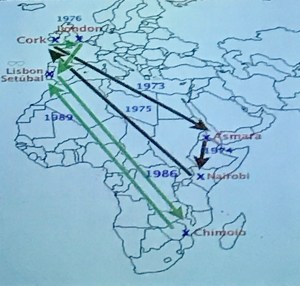
Bill described his trajectory into engineering education research, via two stints in Africa where he taught Chemistry. Although he’s originally from Cork, Ireland, he has lived and worked for the past few decades in Barreiro, Portugal. In Lisbon, he earned his Ph.D., just shortly before retiring. Now, I’m quite happy to report, he’s still incredibly active in research and in advising and mentoring researchers new and old. We’ve now made it official by appointing him as an adjunct professor here at DIT!

img_2455-1

After an interesting set of lecture topics followed by Q&A with lively discussion, a small group of the international guests joined Bill and the event organizers for dinner in Dublin’s Italian Quarter–so I had Thanksgiving dinner surrounded by dear friends after all!


img_2458

Dr. Abel Nyamapfene (UCL) and Professor John Heywood (Trinity)

I was delighted that we had 22 attendees at Bill’s Thursday lecture and nearly as many at the follow-up workshop on Friday–a great turn-out, particularly given the long distances many traveled to attend! Bill himself traveled in from Portugal for the two-day event.

My UCL colleagues, Drs. Inês Direito and Abel Nyamapfene, came across from London. They work with me at the Centre for Engineering Education at University College London.

Dr. John Heywood (Professor Emeritus at Trinity and a global leader in the field of education research) made the trip up from Bray, Ireland.


img_2463-1

Drs. Shannon Chance (DIT and UCL) and Inês Direito (UCL)

Dr. Dónal Holland (Assistant Professor at the UCD School of Mechanical & Materials Engineering and an Associate at the Harvard School of Engineering and Applied Sciences) came up from University College Dublin both days.

All these guests were joined by a host of enthusiastic DIT staff from the Kevin Street, Grangegoreman, and Bolton Street campuses.

Still abuzz from the lecture on Thursday, we prepared to focus on research publication strategies on Friday via a workshop led by Bill. But first, Inês, Abel, and Bill came for lunch at my flat and this provided me a semblance of a Thanksgiving gathering around my own table.

img_2465

Professor Brian Bowe (DIT) with Drs. Dónal Holland (UCD and Harvard) and Gavin Duffy (DIT)

Nevertheless, the main event for Friday was a workshop on getting research published in engineering education. Bill ran this half-day seminar for DIT’s CREATE research group. CREATE seeks to make Contributions to Research in Engineering and Applied Technologies Education. It is based at Dublin Institute of Technology (DIT, soon to be Technological University Dublin, TU Dublin).

Across these two days, we enjoyed sharing ideas informally as well as formally. Bill met with Professor Brian Bowe (the head of CREATE at DIT) and with a number of Ph.D. students and emerging researchers, and with senior leaders of the School.

I photographed some of the memorable moments and have shared them in the gallery below.

Back to School: Engineering Induction at DIT

The first year students have arrived at DIT and are getting orientation this week. Today, the whole group of incoming engineering students were at our Kevin Street campus to learn about electrical and electronics aspects of their first year curriculum. Dr. Ted Burke led the introduction.

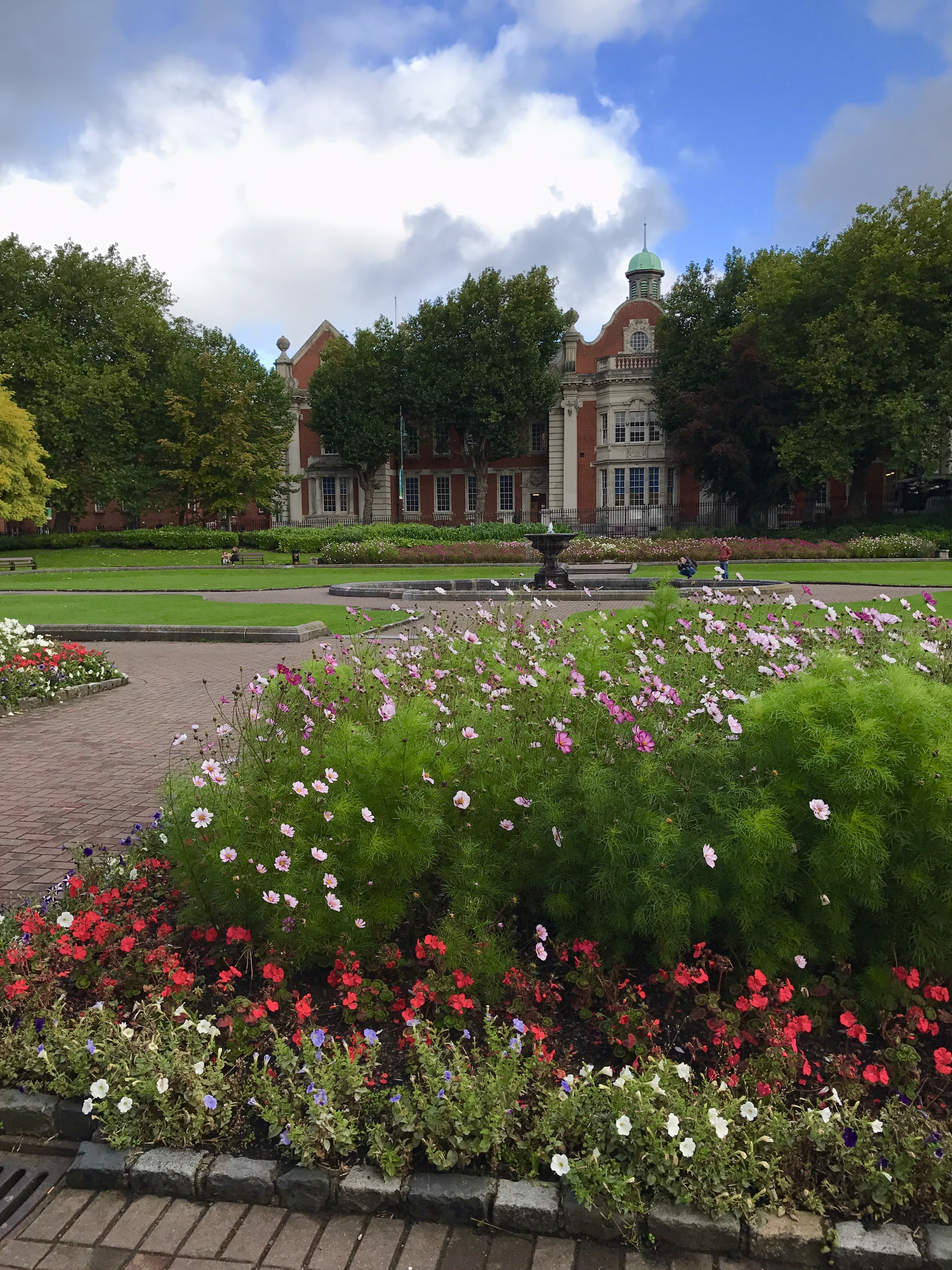
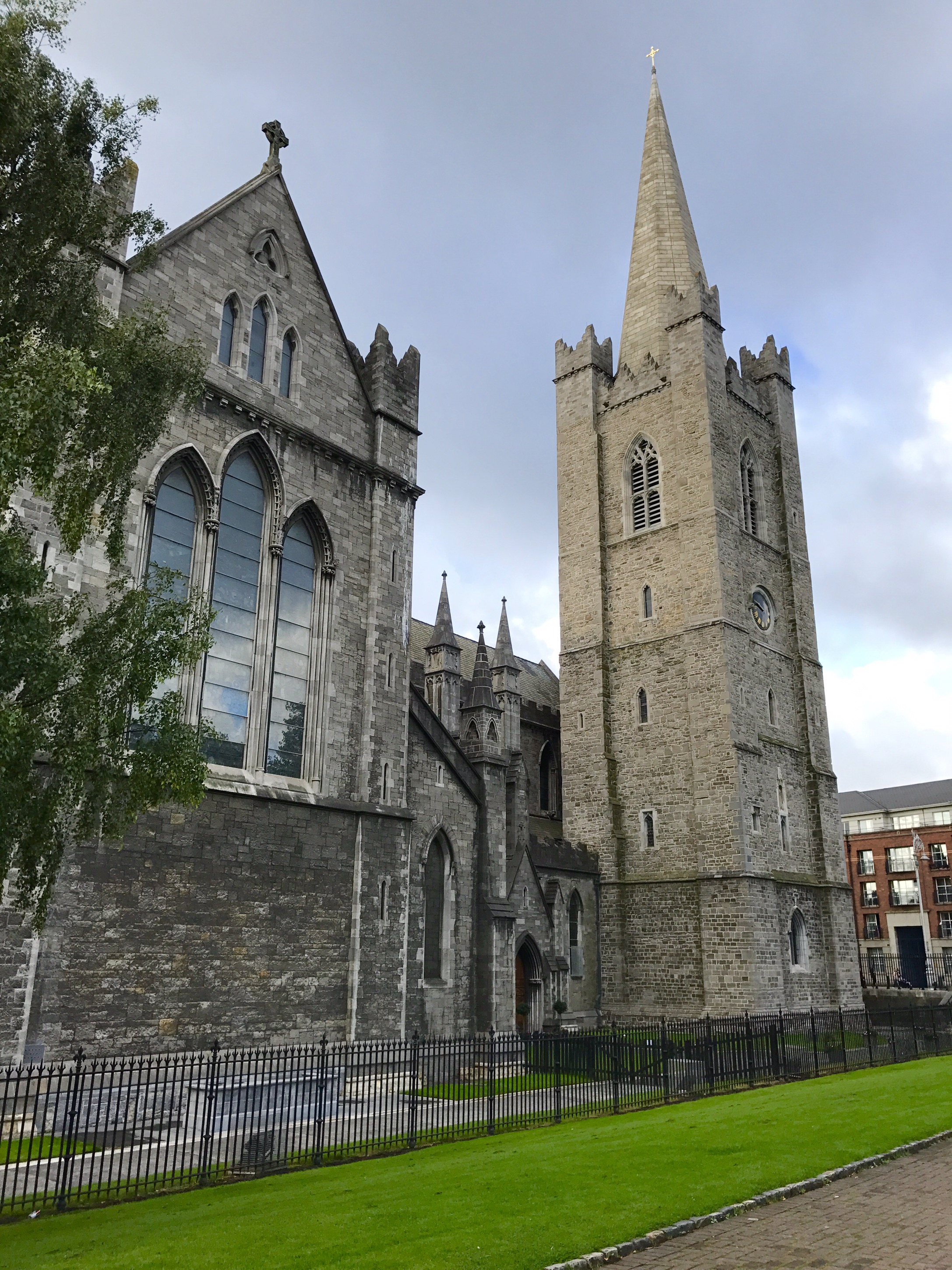
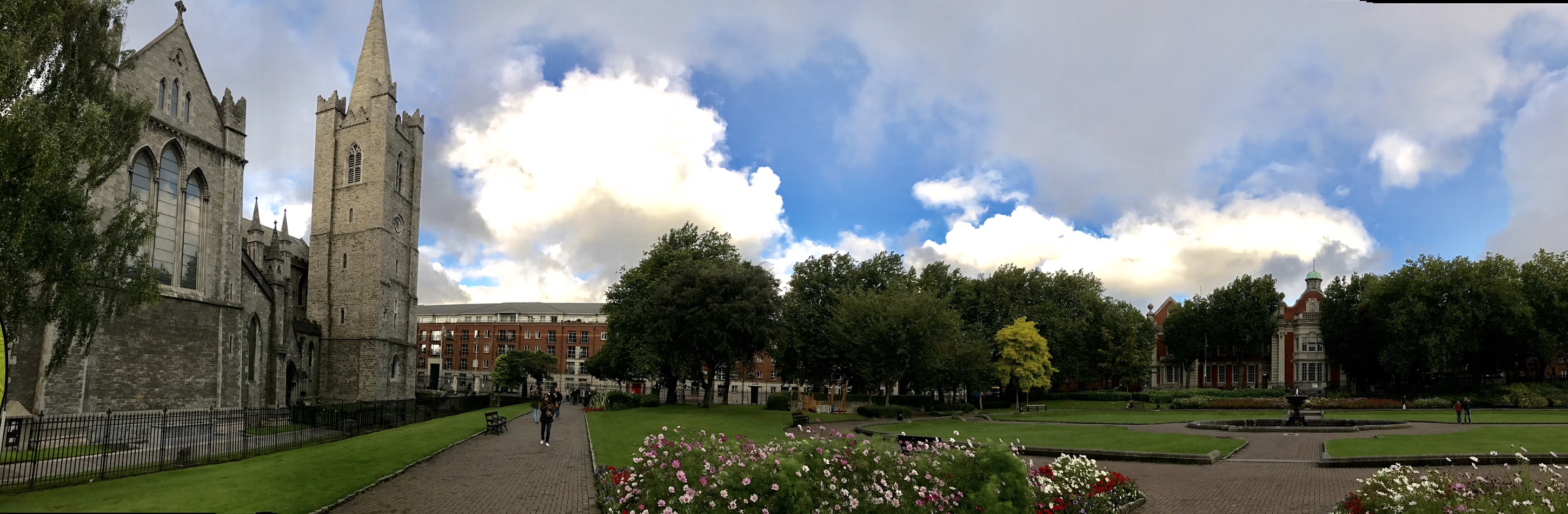
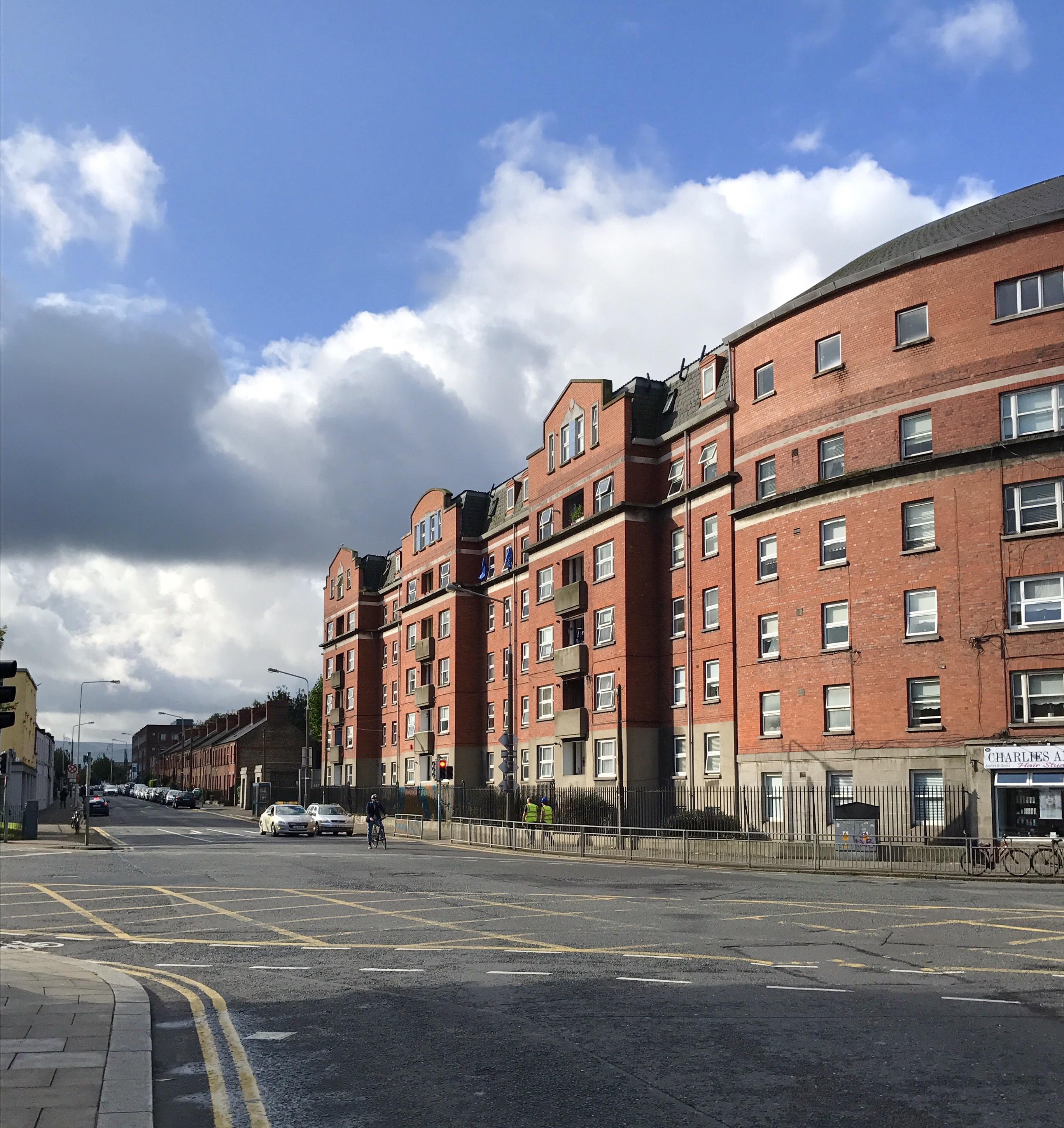
I really enjoy the chance to teach in various programs and on multiple campuses of DIT. I’ve posted images from my morning walk from DIT Bolton Street to DIT Kevin Street.

Expanding the Engineers’ Box

Fergus Whelan commented that I need to think outside this box....  Thanks to Frank Daly for the fabulous photo.

Fergus Whelan commented on this image that I need to think outside this box!  Many thanks to Frank Daly for the fabulous photo. My students, having sent his look many times before, certainly empathize with you!

In all corners of the globe today, companies are clamoring for skilled engineers. They want a larger pool of applicants who are creative, flexible thinkers prepared to address complex, emerging questions riddled with interrelated unknowns. Like industry, the sectors of healthcare, education, and government also have great need for well-rounded thinkers with strong engineering acumen.

Simply put: the world needs more people who can think across systems and see how things relate at multiple scales. We need people who can identify problems and create new solutions from the ground up. People who aren’t so closely bound to existing systems, ideas, and protocols that they can’t construct entirely new schemes for thinking and behaving.

Today, governmental organizations (like Science Foundation Ireland and the National Science Foundation in the USA) are working hard to address the shortfall in the number of engineers by generously funding education of, as well as research by, engineers and scientists. They seek better ways to teach and think about engineering and science.

The blogs I will be posting in the near future have to do with:

  • the way we think about and conceptualize engineering
  • how I think this needs to change
  • how architects and education researchers can help

Please note: I’m going to be explaining things that I’m trying to work out in my head and do this as if I’m speaking to a friend or relative who knows little about research. That means I may not be “100% right” in every explanation. But as you’ll see, that is a risk that must be taken for the sake of building knowledge. (It’s all part of this new “paradigm” for working and thinking that engineering needs to implement more widely… more on that to come!)

I do hope you’ll follow along on this research adventure, where I’m working to bring qualitative, social science research and design thinking into more facets of engineering education.  Yes, these are gutsy claims I’m making — particularly since I’m new to research and new to engineering.  Let’s see if I can live up to such promises….

MOOCs, TED, and Online Courses

I’ve been following the development of online education and MOOCs, in part because I hope someday soon there will be a way for me to earn a certificate or degree in structural engineering using an online format.  I’d love to learn from the very best professors in the field! The tools for assessment are developing beautifully.

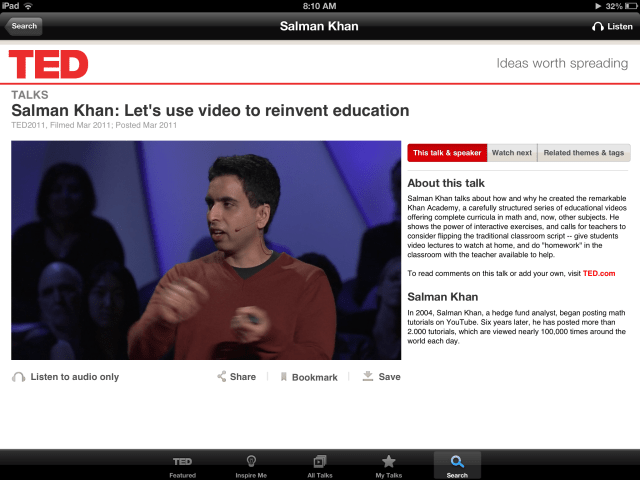
Salman Khan’s TED talk, about the Khan Academy, blew my mind. What this man is achieving and offering to society is absolutely amazing.

I’ve been intrigued to learn, also by watching TED videos, about Corsera‘s new achievements. Five of Corsera’s programs were recently endorsed for meeting the standards of university coursework.

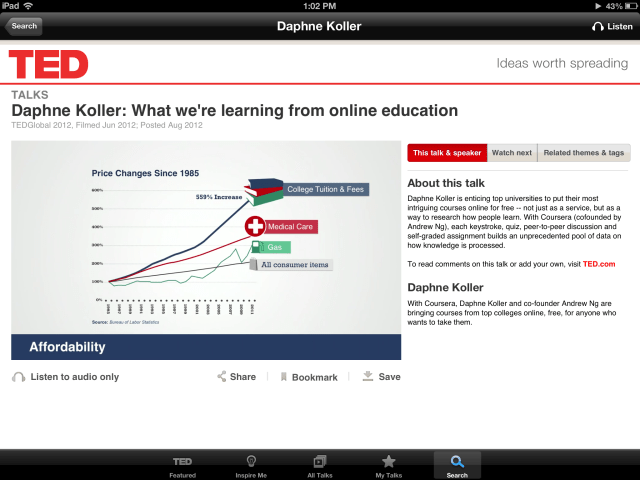
The image below illustrates what I’d already heard: college costs six times more than it did the day I started.  This spike began while I was in college, and I faced mid-year tuition hikes. How do students in the US manage to repay their loans?

TED’s website explains:

Daphne Koller is enticing top universities to put their most intriguing courses online for free — not just as a service, but as a way to research how people learn. With Coursera (cofounded by Andrew Ng), each keystroke, quiz, peer-to-peer discussion and self-graded assignment builds an unprecedented pool of data on how knowledge is processed.

I recently received a request via email to share some images with you — I’ve included a thumbnail below that you can click to view.

Hi Dr. Chance,

I wanted to reach out to connect with you about a graphic that I helped create which takes a closer look at MOOCs and their recent growth in the education space.

I came across this post on your site: shannonchance.net/2012/11/13/whats-a-mooc-and-can-it-save-humanity/ – and given that you might have an interest in the topic, I wanted to see if you’d be interested in taking a look and/or sharing the piece with your readers. If so, let me know and I’d love to pass it along!

Thanks,
Allison M.

PBL at the Polytechnic School of Águeda

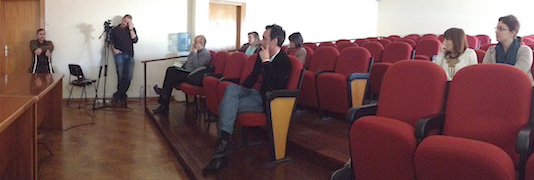
The audience was composed of experts and students in engineering and education.

The audience was composed of experts and students in engineering and education.

Visiting Portugal’s University of Aveiro some weeks ago provided me opportunities to speak with doctoral students and professors of engineering and education.

After I delivered a formal presentation to a small but enthusiastic group at the University of Aveiro’s Department of Education, my host, José Manuel Nunes de Oliveira drove me to the University’s satellite campus, known as the Polytechnic School of Águeda (or Escola Superior de Tecnologia e Gestão de Águeda, Universidade de Aveiro) where he teaches engineering.

Jose and his colleagues use Problem-Based Learning to teach engineering students.  They have formatted their classrooms to support group-based learning.  (My DIT colleague, Gavin Duffy, visited Jose and his campus earlier in the year to see how they use space. He wanted their advice to help in the programming phase of DIT’s new engineering facilities.)

What impressed me most in touring the buildings and grounds of the Águeda campus, though, was that the students were all working in groups–and that they seemed to be doing so on every type of project.

Jose says that after the teachers introduce the group-learning approach in the first year, students embrace it and want to do everything this way.

I thought that Jose said that students receive credit for their topic courses (i.e.,those with specific engineering content), but not for their project work (I was wrong, as I explain in my subsequent blog). In architecture we refer to these technical/topic classes as “support courses.”

All the courses a students take in a semester at the Escola Superior de Tecnologia e Gestão de Águeda help support the project they have been asked to do in groups. They are able to apply what they learn in the projects they design… but they don’t get formal credit for the design activities. In architecture in the USA, the design activities are assigned the most credit (typically 5-6 credit hours per semester) while each support course is generally worth just 3 credits. The architecture community tends to value the project or “design studio” work above all else.