I had the immense honor of visiting Japan as a guest of the Japanese Society of Engineering Education, 6-16 January 2026.
This trip focused on engineering ethics, how it is conceptualized and taught, and how this differs between Eastern and Western cultures.
The purpose of the trip was to advance collaboration between Japan and Europe, expand professional networks, and better understand and ultimately improve how engineering ethics is described and taught to students.
The trip was significant because language differences, travel distances, and past cultural isolation mean there is still much to learn from each other.
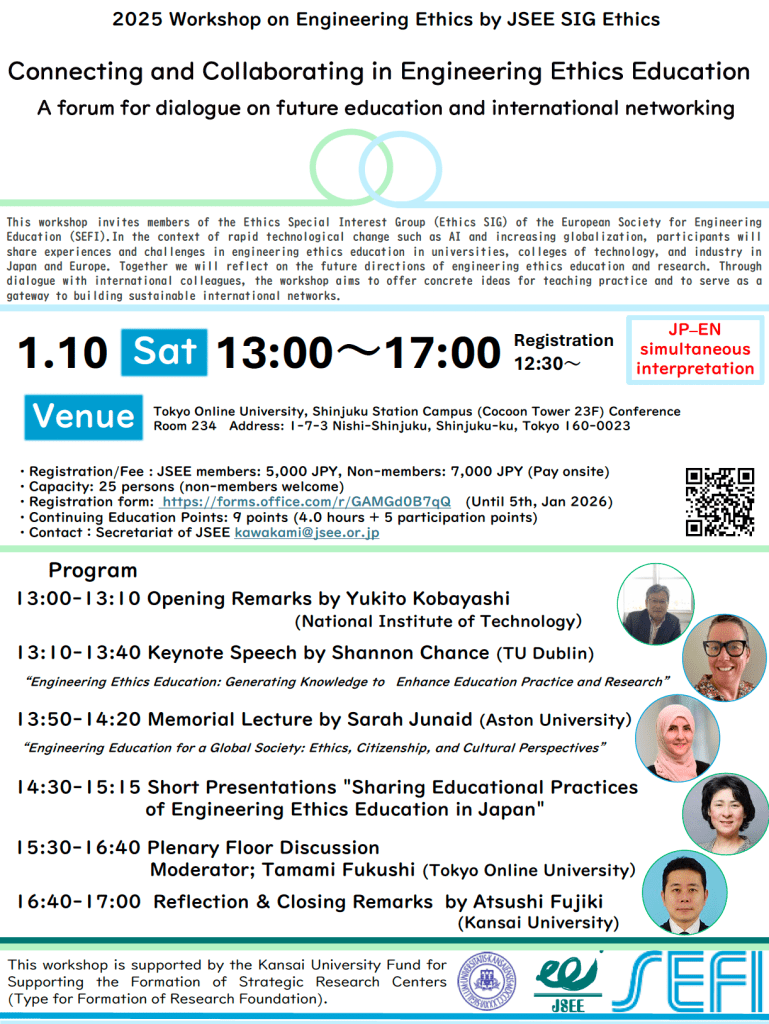
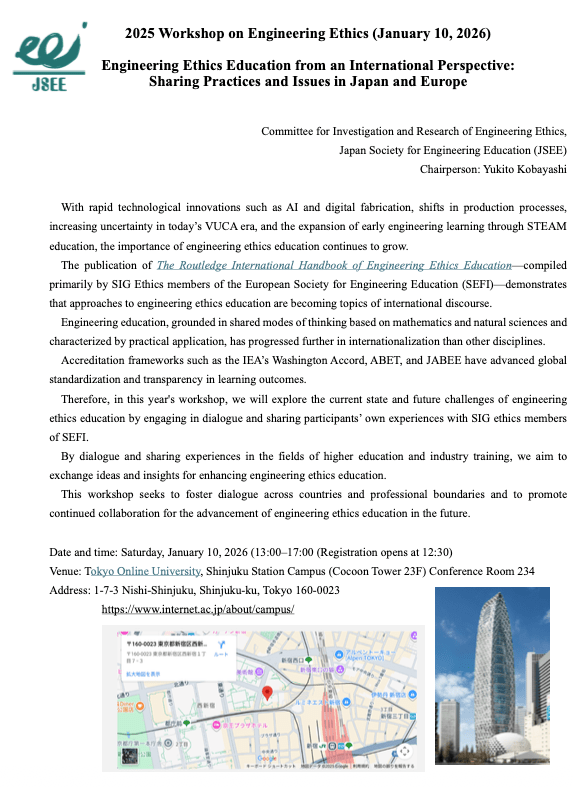
For this ten-day trip around Japan, I represented the European Society for Engineering Education (SEFI) — to help build bridges connecting Japan, Europe, and the global engineering ethics education and engineering education research communities.
This blog post contains loads of detail and possibly a hundred photos. I felt it was important to document the activities for posterity and to help build greater cultural understanding.
This was only my second ever trip to Asia (the first being a 1999 conference in Seoul, South Korea).
On this trip, I met so many amazing people.
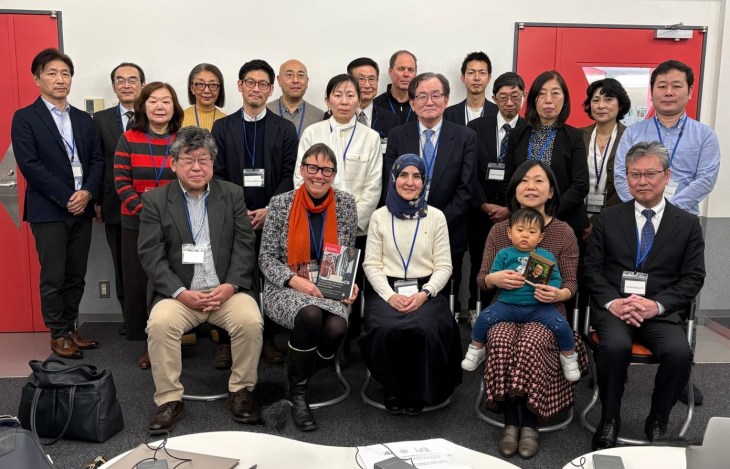
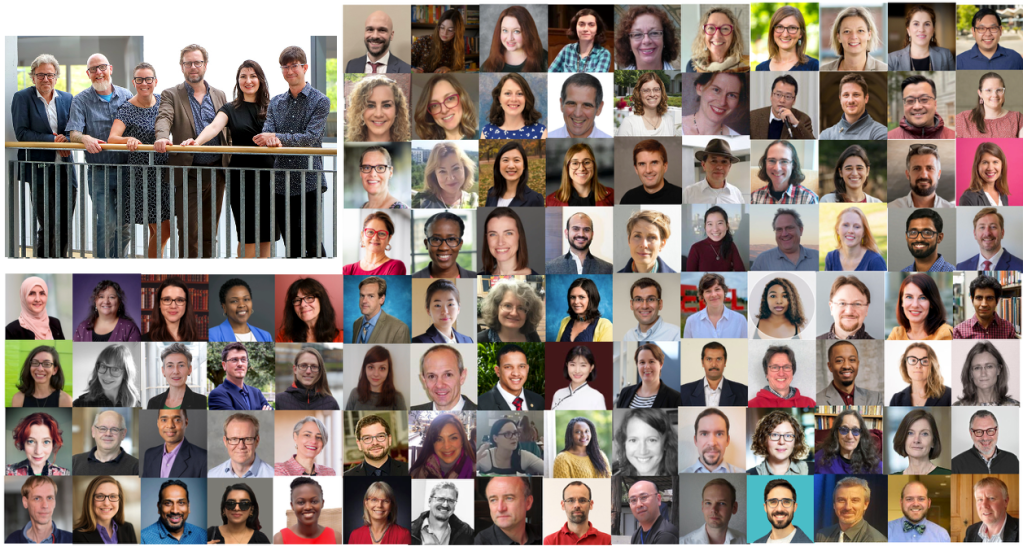
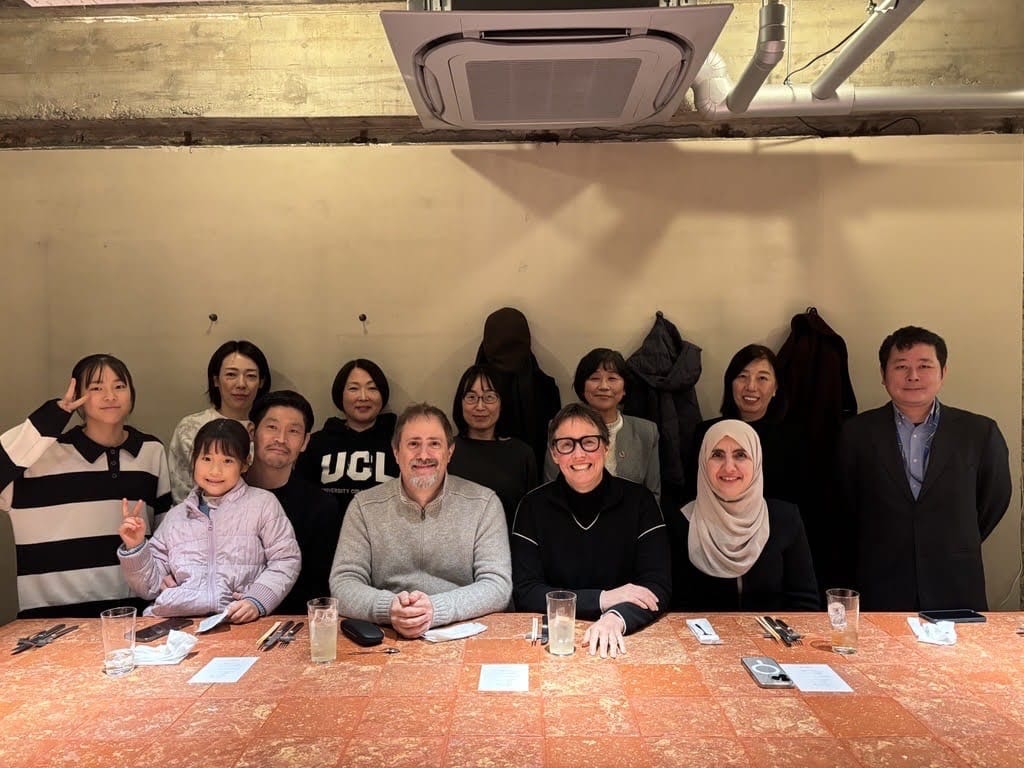
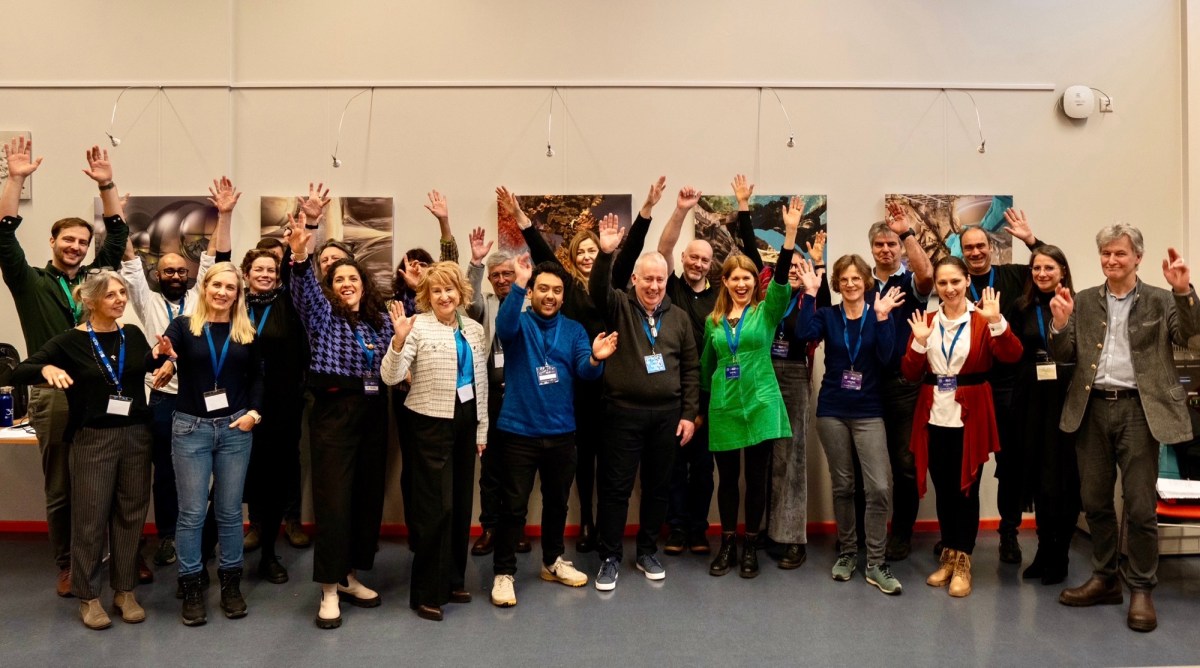
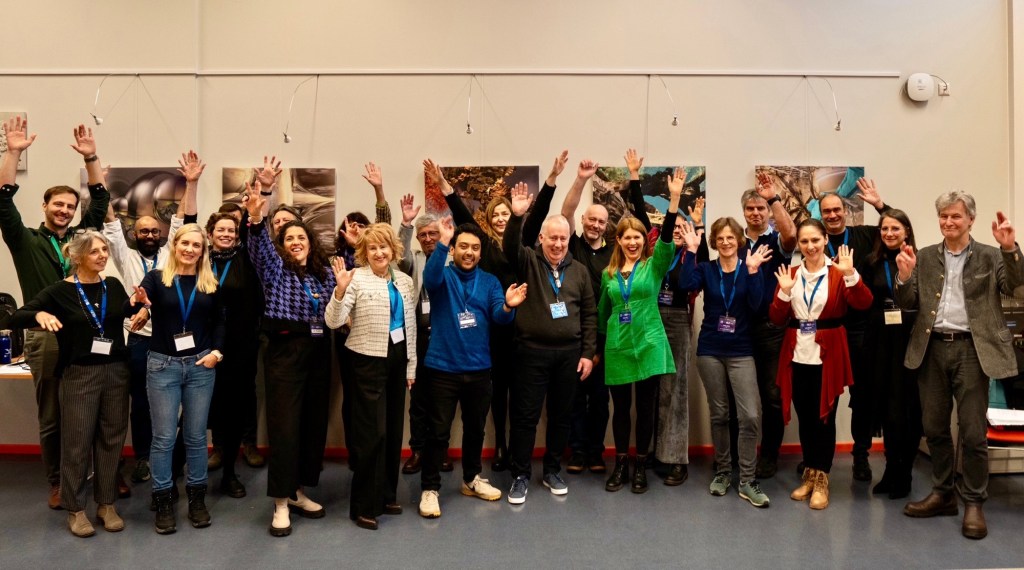
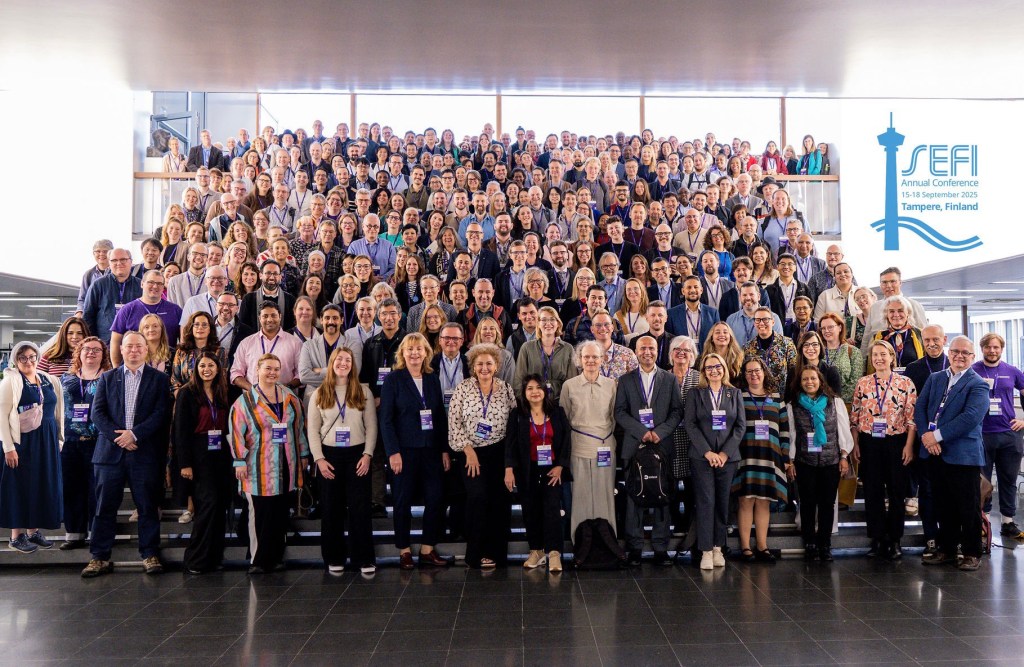
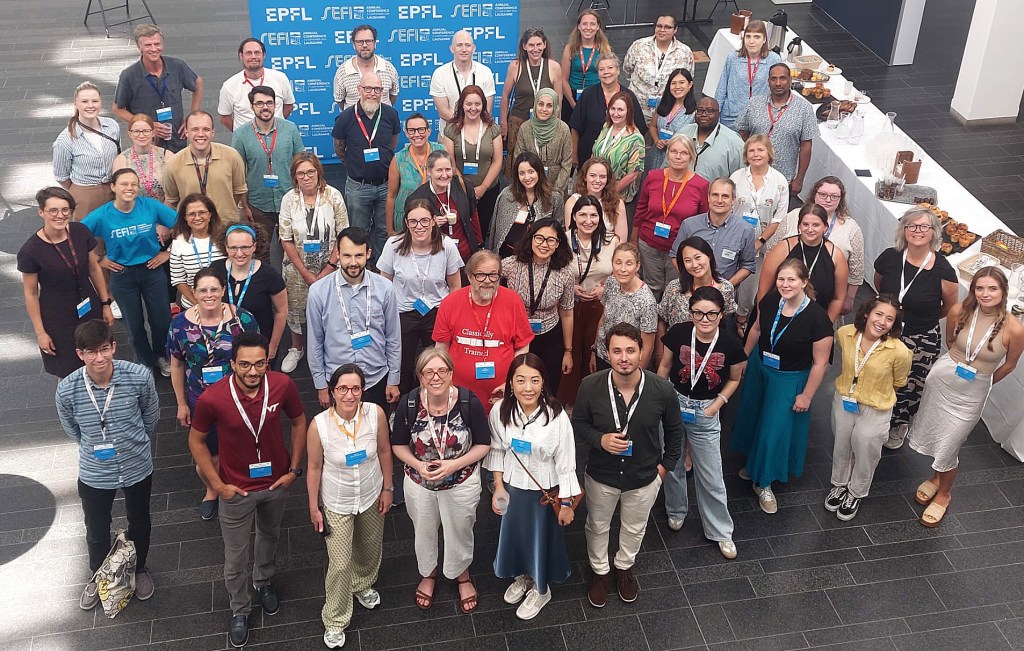
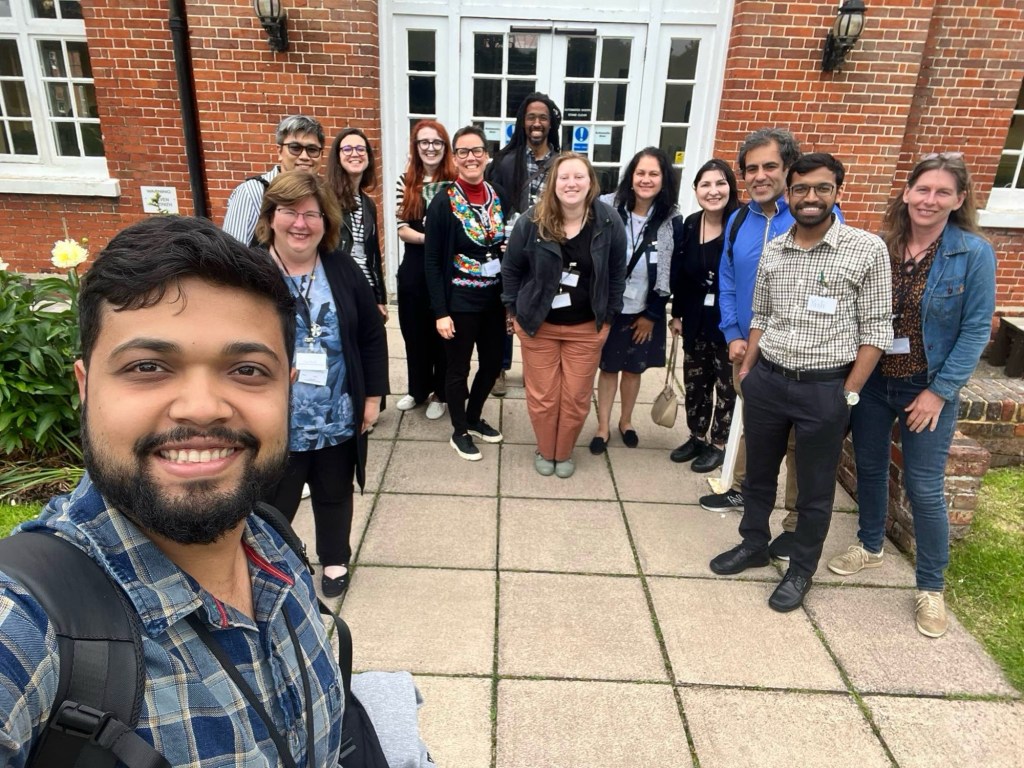
I want a chance to thank each of them and let them know how much the time together meant to me. Many of them are pictured below (from the main conference, which I’ll tell you more about below).
I have summarized the profound set of cultural and professional experiences as best I can.
I traveled alongside Dr. Sarah Junaid, a Reader in Biomedical Engineering at Aston University (Birmingham, UK). Sarah has travelled to Japan several times before, most recently as a Churchill Fellow, collecting data on engineering ethics education.
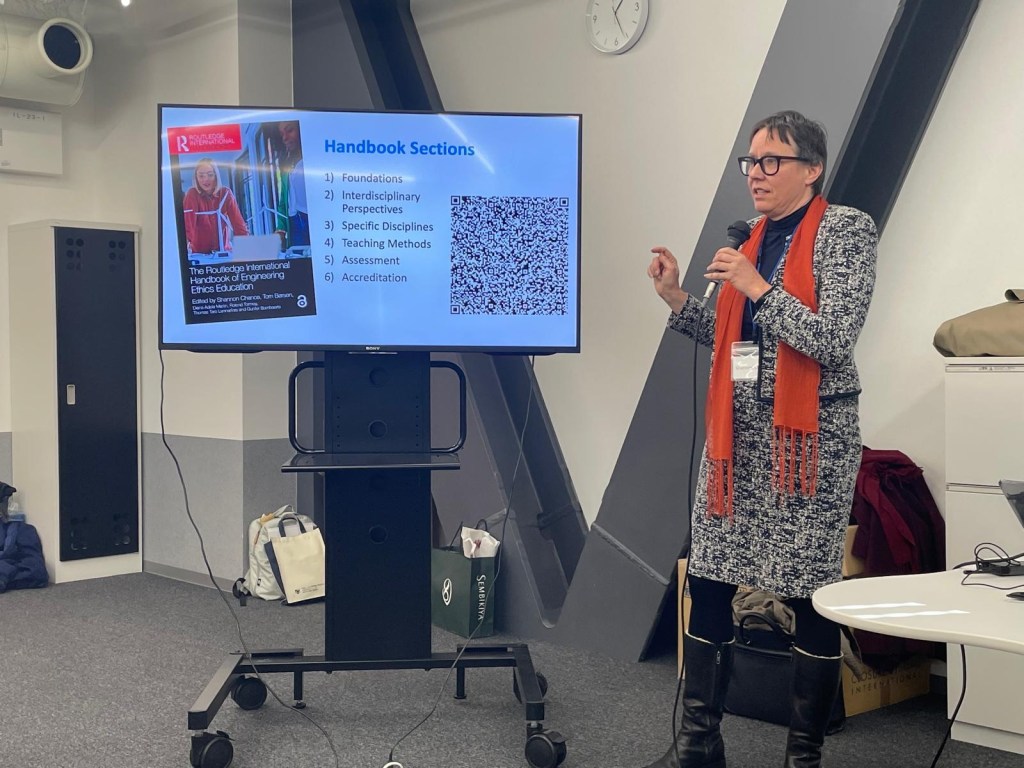
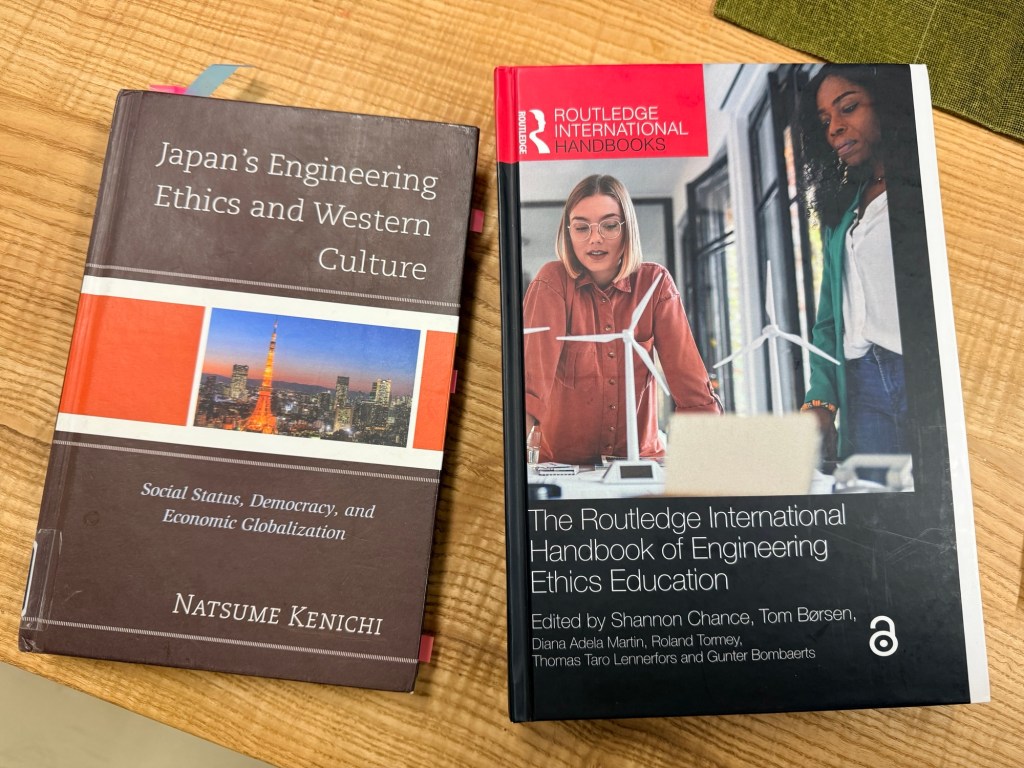
Sarah was also the lead author of a chapter of The Routledge International Handbook of Engineering Ethics Education, which I co-edited.
Her handbook chapter, a Contextual mapping of ethics education and accreditation nationally and internationally, included co-authors José Fernando Jiménez Mejía, Kenichi Natsume, Madeline Polmear, and Yann Serreau.
Sarah has cultivated a transcontinental team of academics who are researching the words used to describe ethics in engineering accreditation documents worldwide. This project has captivated me since I attended a paper presentation Sarah gave at the SEFI conference in Barcelona in September 2022.
Sarah’s efforts mirrored the focus on collaborative transcontinental capacity-building that I also cultivated as Chair of the global Research in Engineering Education Network (REEN).
Sarah served as a positive role model for me as I worked with the ethics handbook’s editorial team. When I explained this at the JSEE conference, I choked up; I don’t think I’d ever told Sarah how central she is to my worldview today.
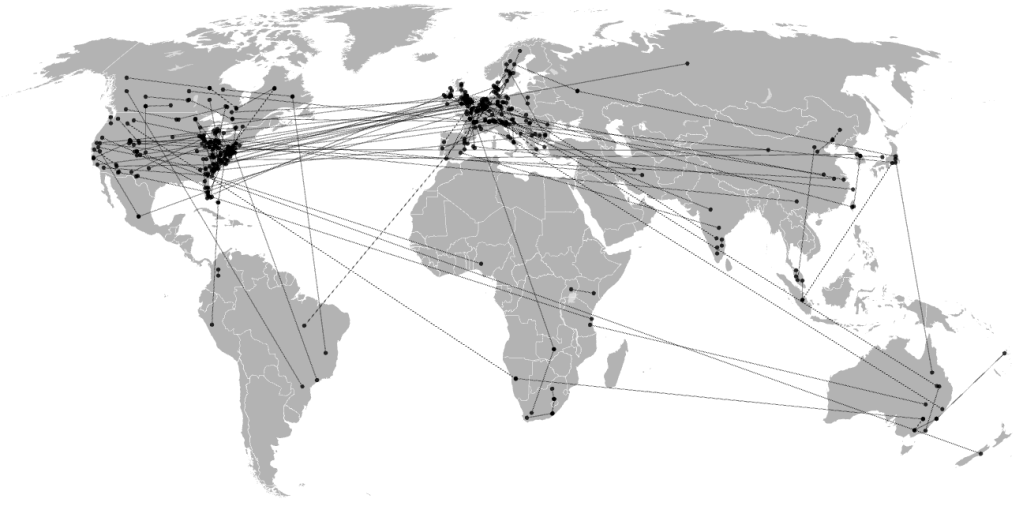
In all. the presentations I delivered in Japan all emphasized the power of collaboration in enhancing the delivery of engineering education and our collective approaches to understanding, defining, learning, assessing, regulating, and expanding ethics.
I define engineering ethics as professional codes, laws, theories, and frameworks, as well as social and environmental sustainability, including equity, diversity, and inclusion, that underpin engineering practice and guide what we are and want to become.
It’s about making the best better, a motto I bring with me from my formative years in 4-H, empowered by life-long, hands-on, self-directed learning. I first dreamed of travelling to Japan through 4-H, but that never came to pass. Today, my work as an academic in engineering education research finally brought me to this exotic land.
Our Hosts
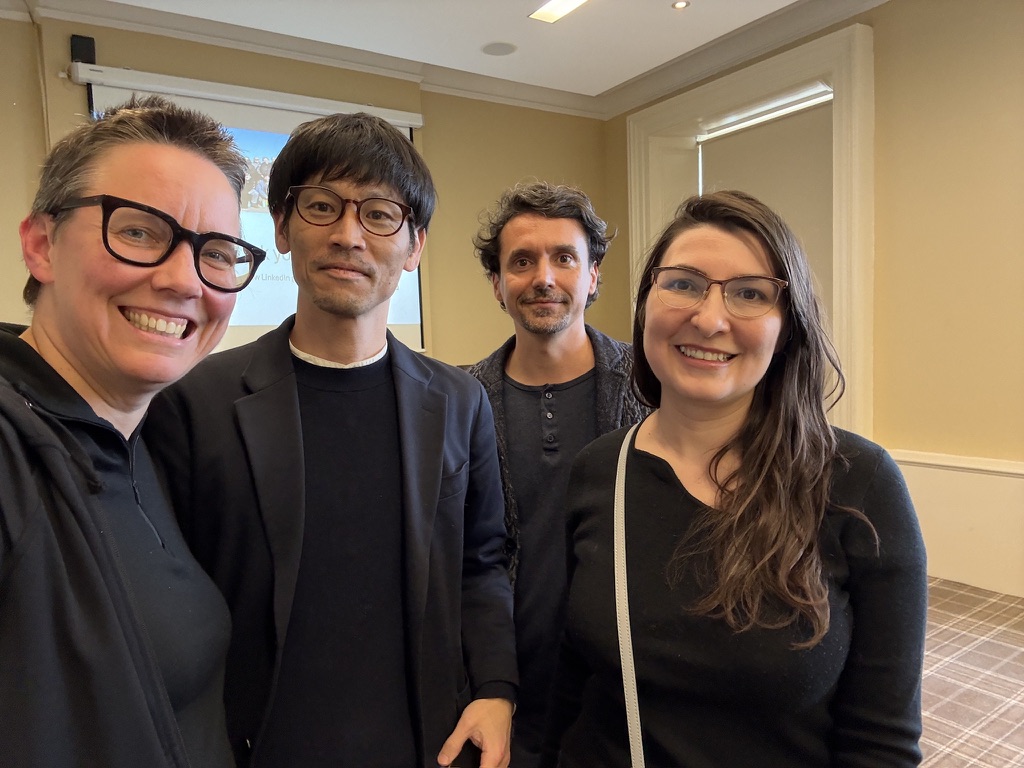
Sarah and I were invited to Japan by Shinya Takehara (who attended the SEFI Ethics Symposium that I hosted in Dún Laoghaire, Ireland, in March 2025) and his colleagues, Dr. Atsushi Fujiki and Dr. Tamami Fukushi.
This team hosted us on behalf of the Committee for Investigation and Research of Engineering Ethics of JSEE; they were exceptional hosts during our visit.
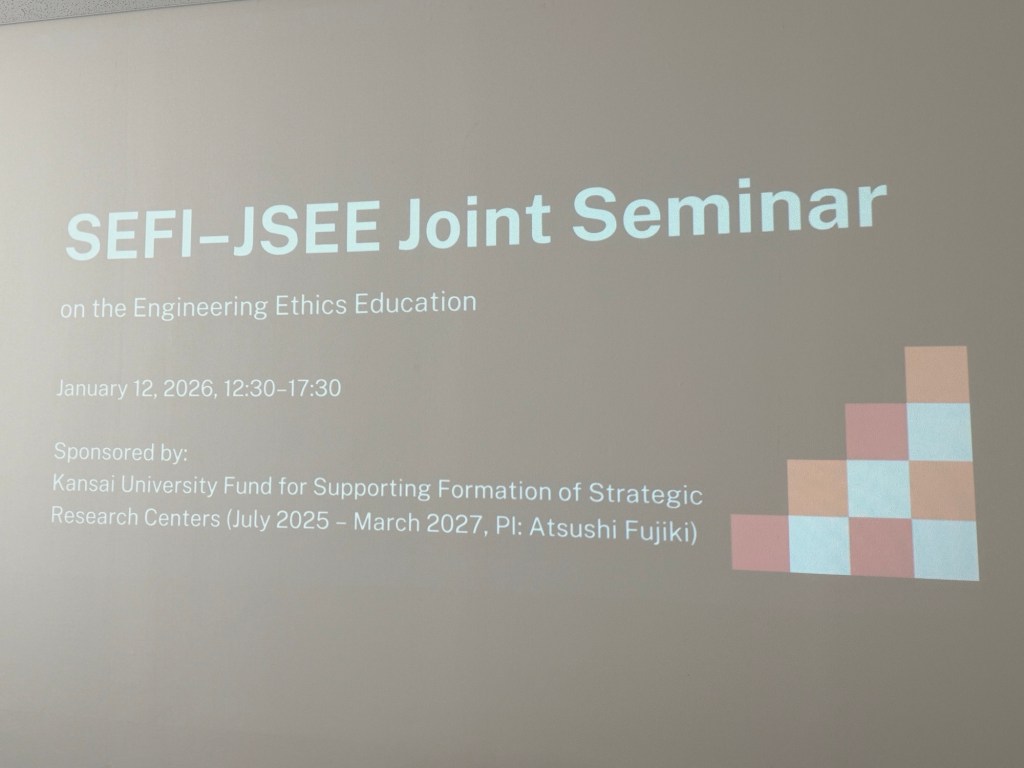
A grant from the Kansai University Fund for Supporting the Formation of Strategic Research Centers, which Atsushi holds, funded our travel.
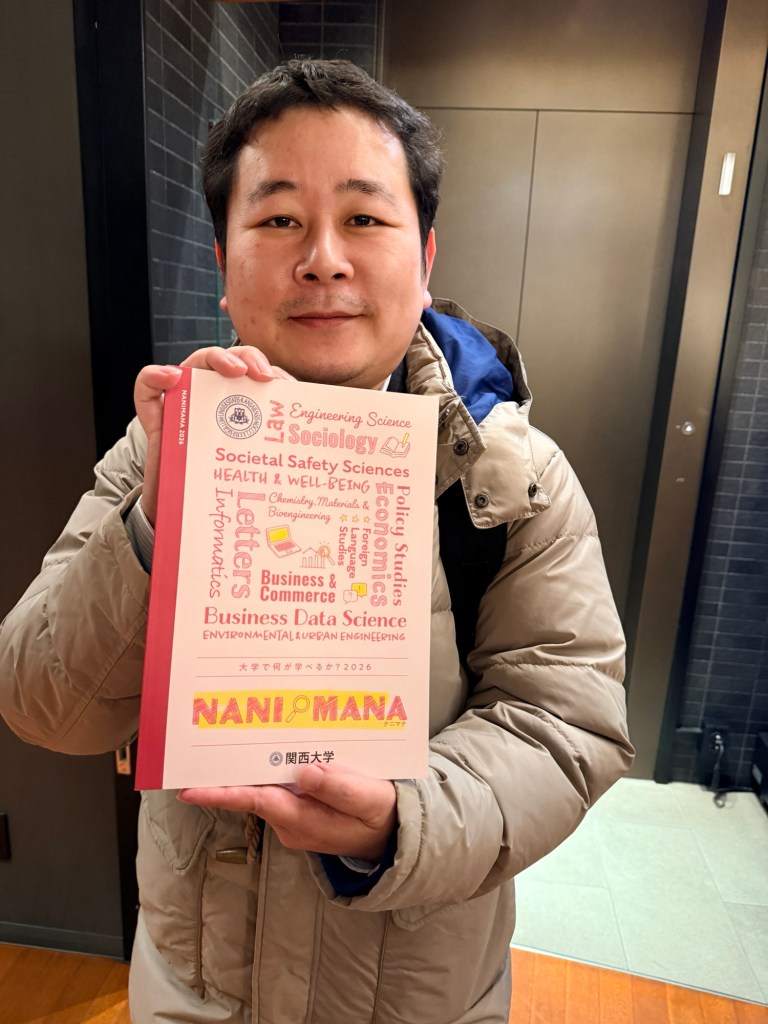
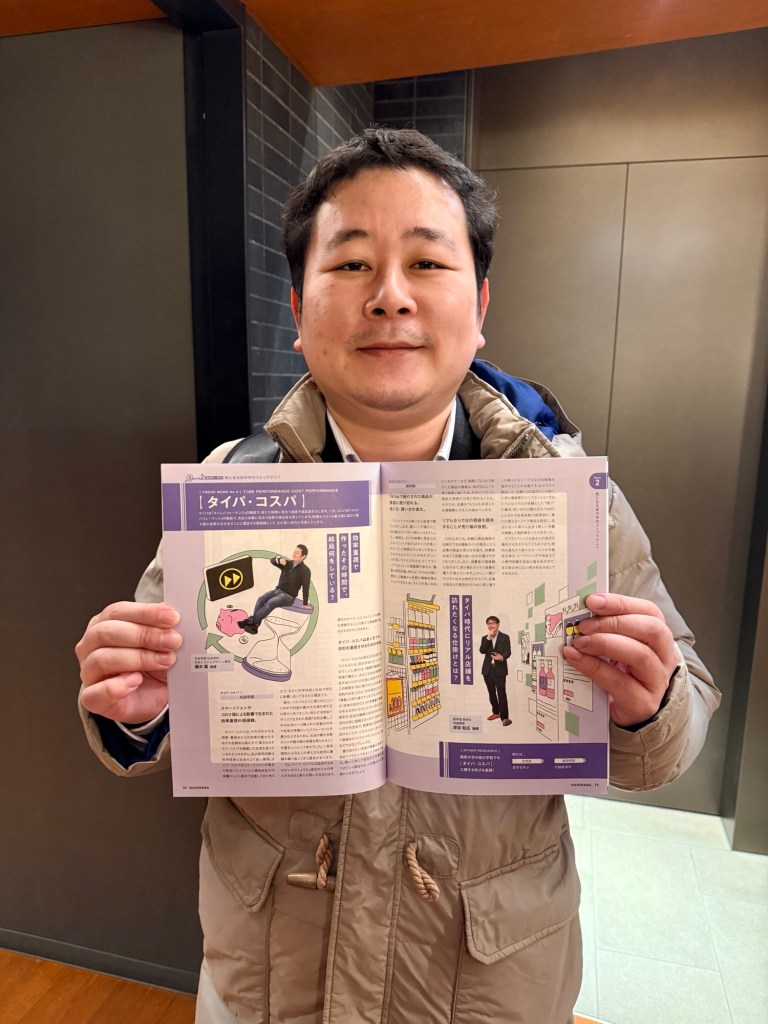
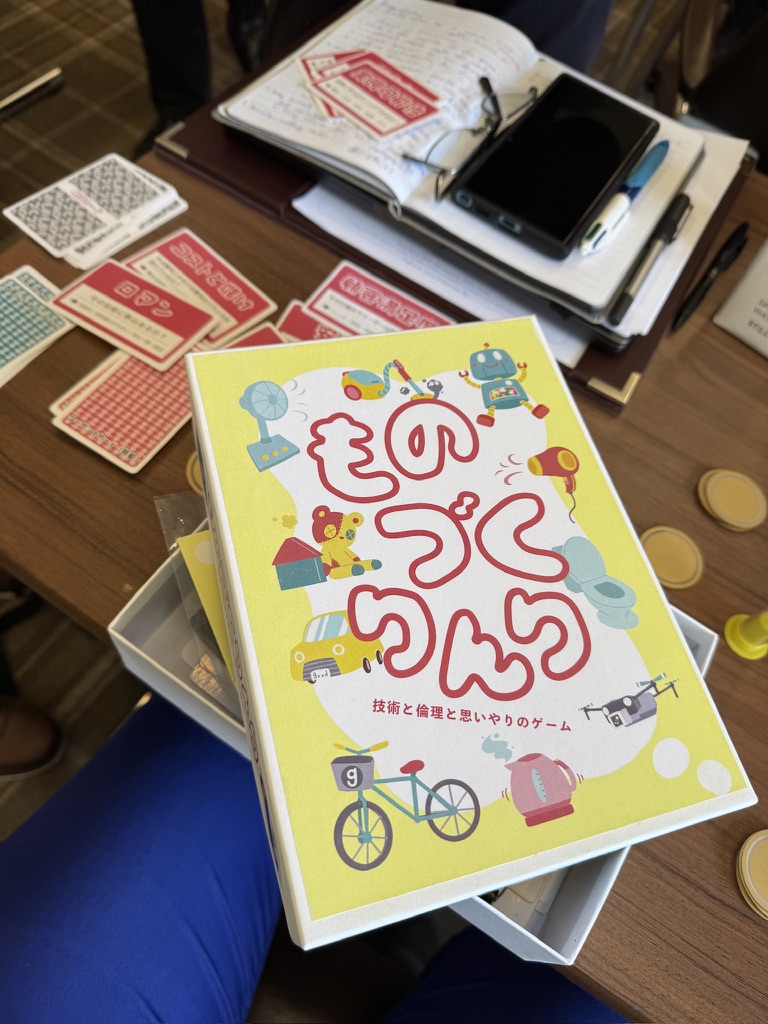
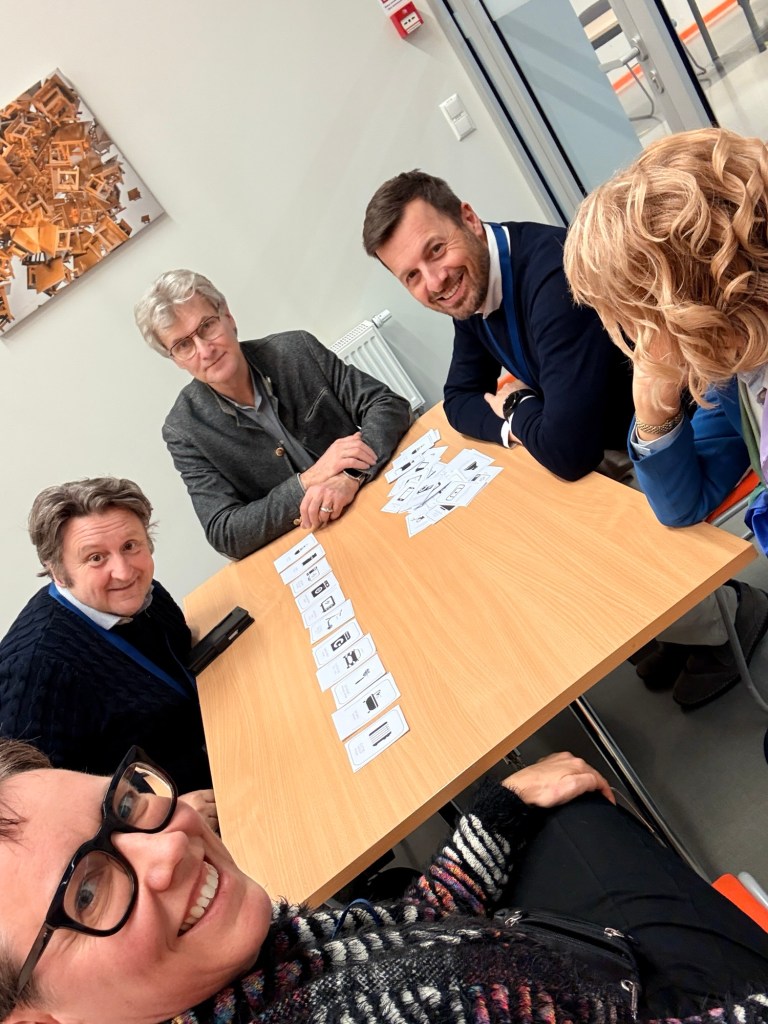
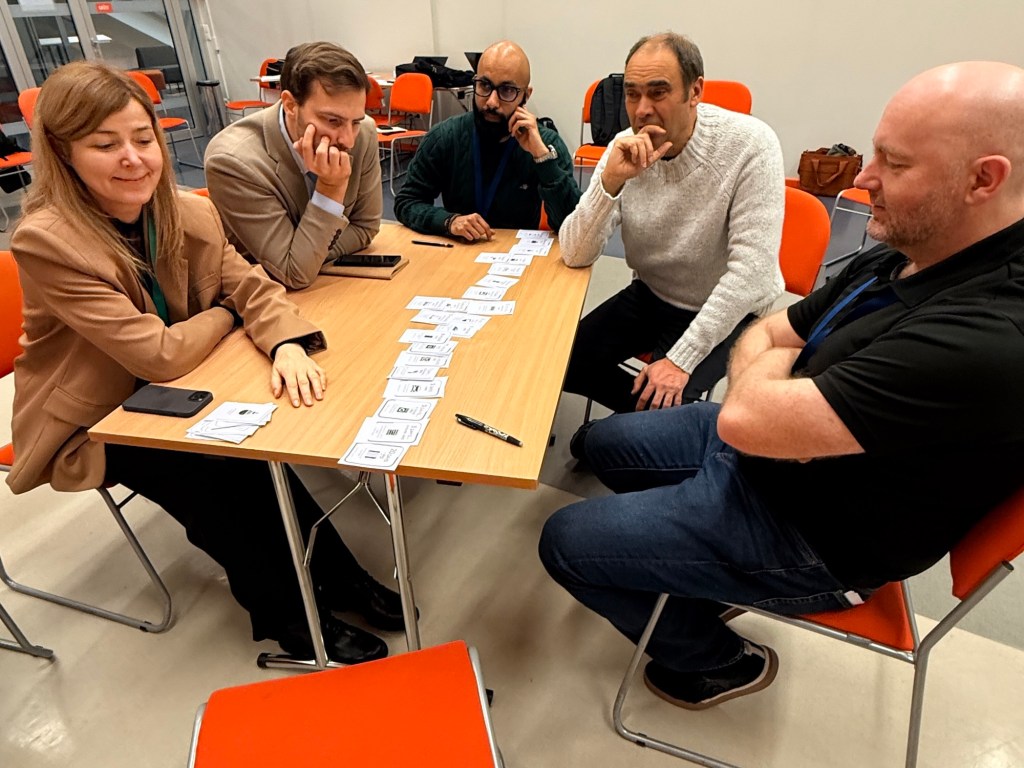
Shinya and Atsushi have collaborated on many projects, including the Development and Evaluation of Monozukurinri: A Card Game for Engineering Ethics Education, Enhancing Engineering Ethics Education through Game-Based Learning: A Case Study on Middle School Implementation, and the practices and evaluation of playing and making educational games in engineering ethics education.
We hope to work together in the future, also collaborating with Mary Nolan from ATU Sligo, on educational games and the ethics of care.
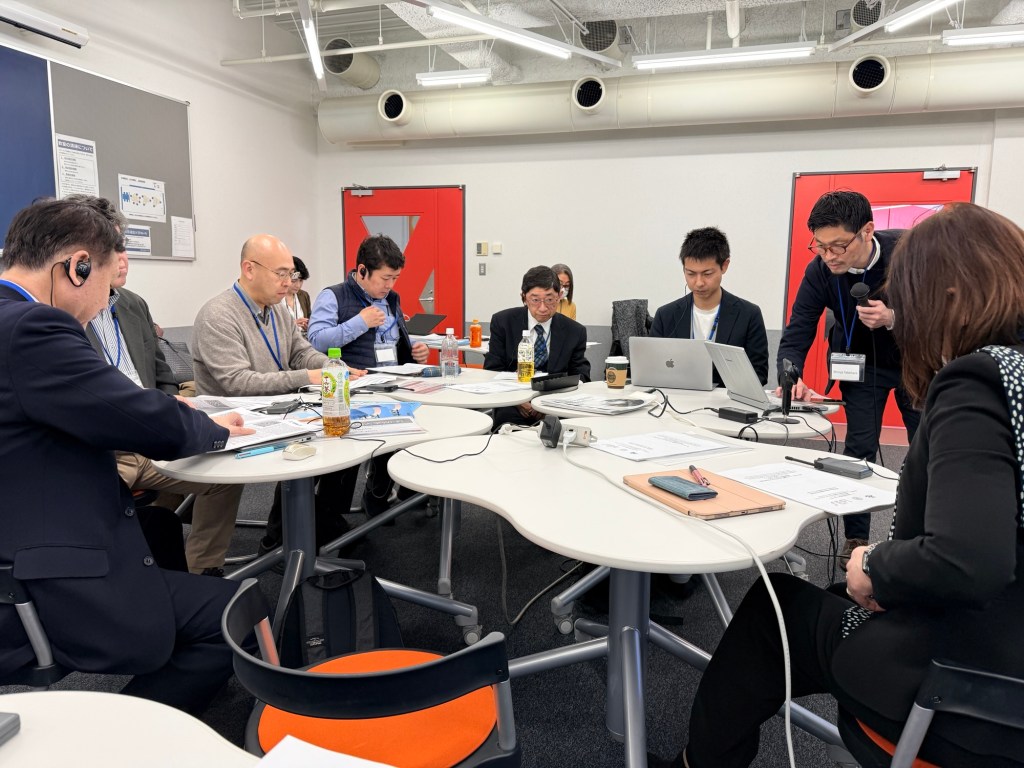
Atsushi works in the College of Engineering Department of Engineering Science and Mechanics at Shibaura Institute of Technology and runs a laboratory where “students can deepen their consideration of ethical, legal, and social issues (ELSI) associated with the development of science and technology, mainly from the humanities and social sciences, such as applied ethics, philosophy of technology, and social theories of science and technology.”
Arriving in Japan
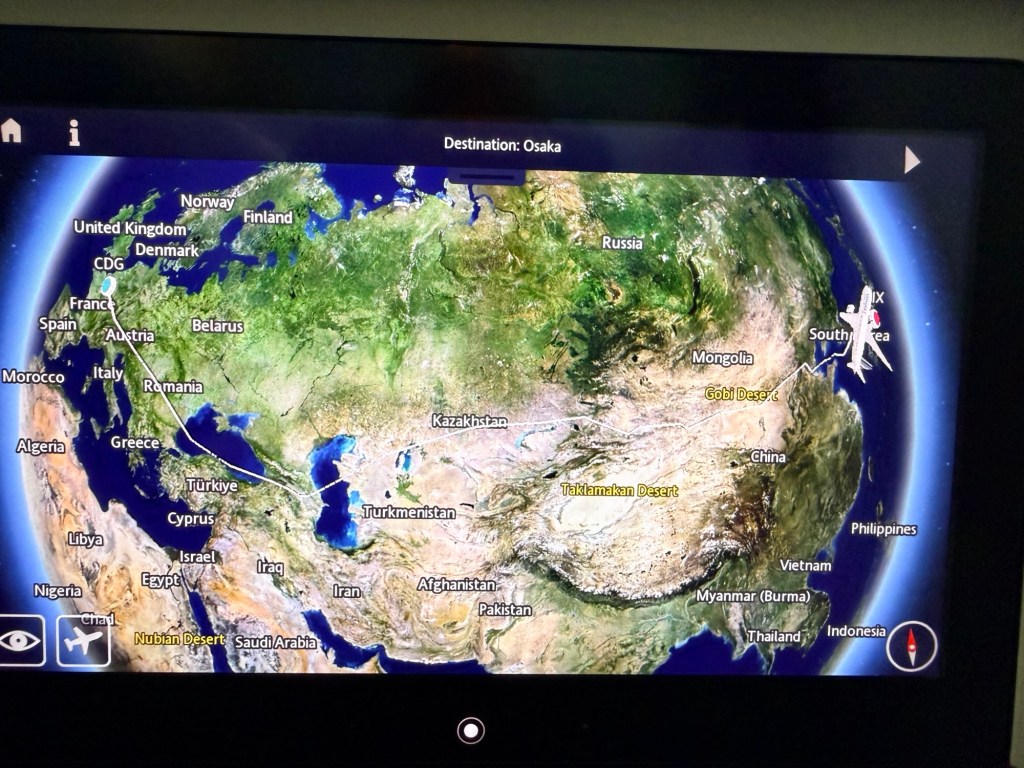
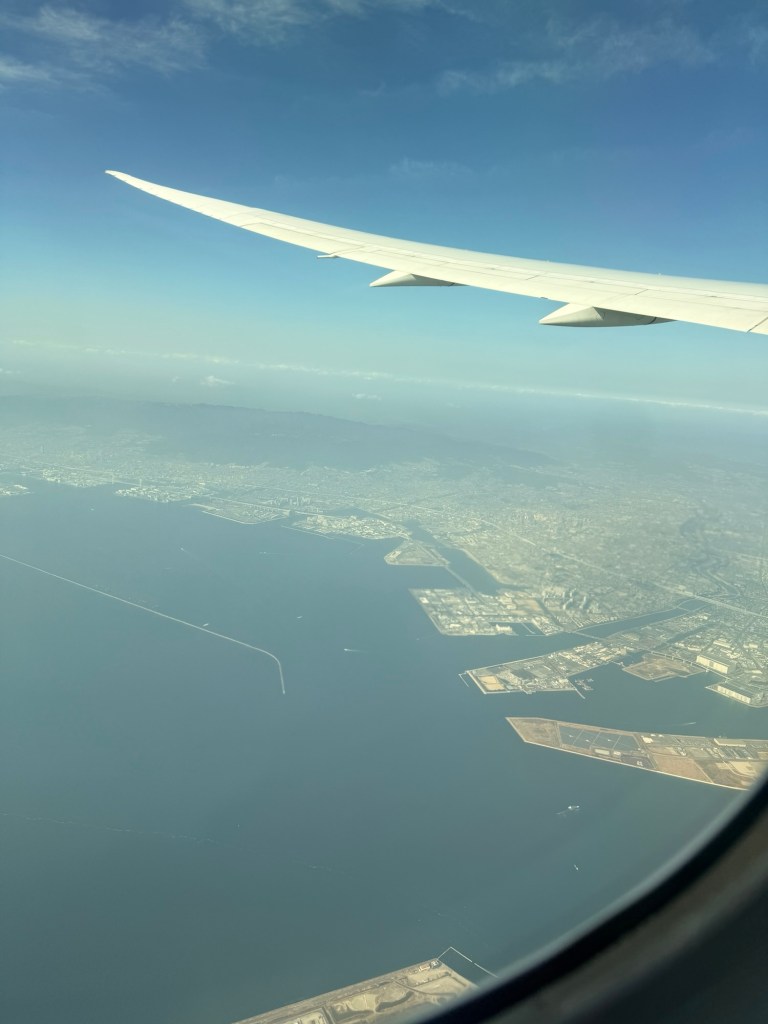
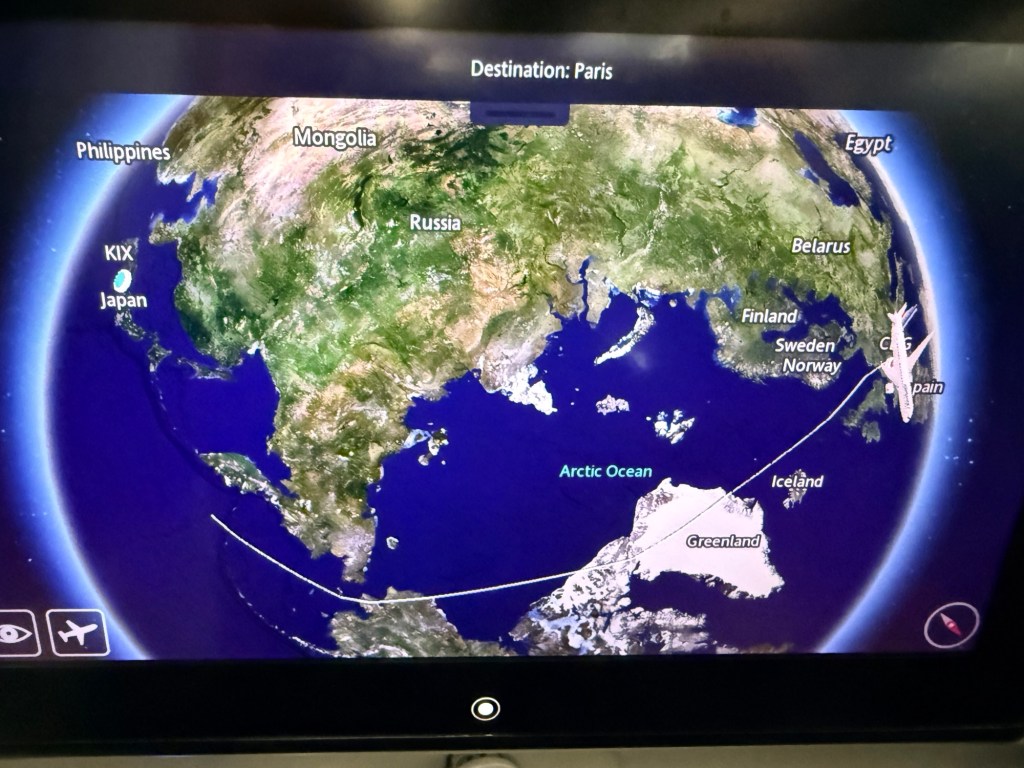
Flying into Japan from Europe, Sarah and I landed in Osaka.
We met Shinya and Atsushi at the airport for a brief orientation, then took the train into Osaka for two nights, and onward via bullet train to Tokyo. Atsushi made sure we understood our way around and how to get food.
We used the first day to adjust to the dramatic time zone change and to explore Osaka a bit.
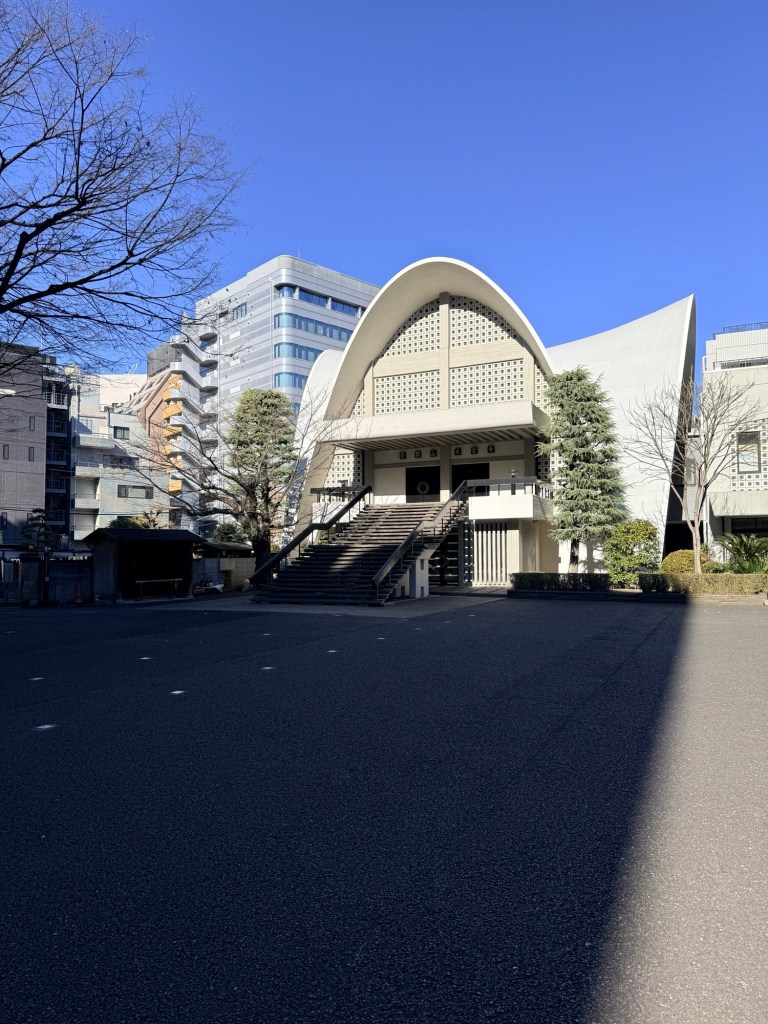
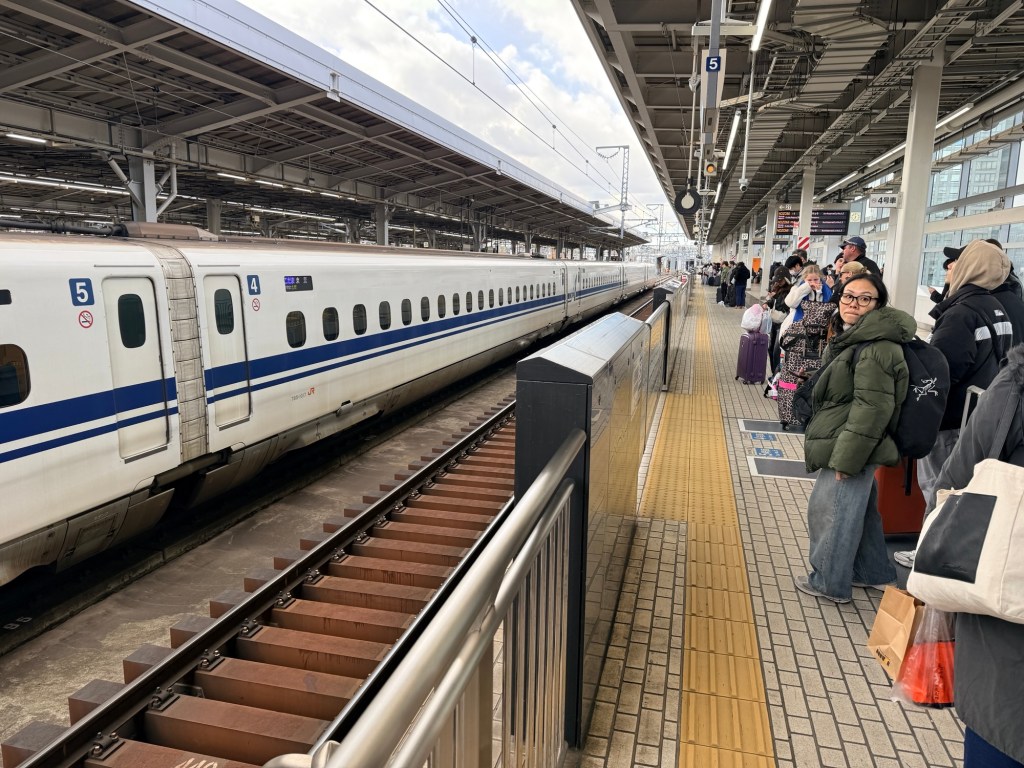
Headline Event at the Cocoon Tower
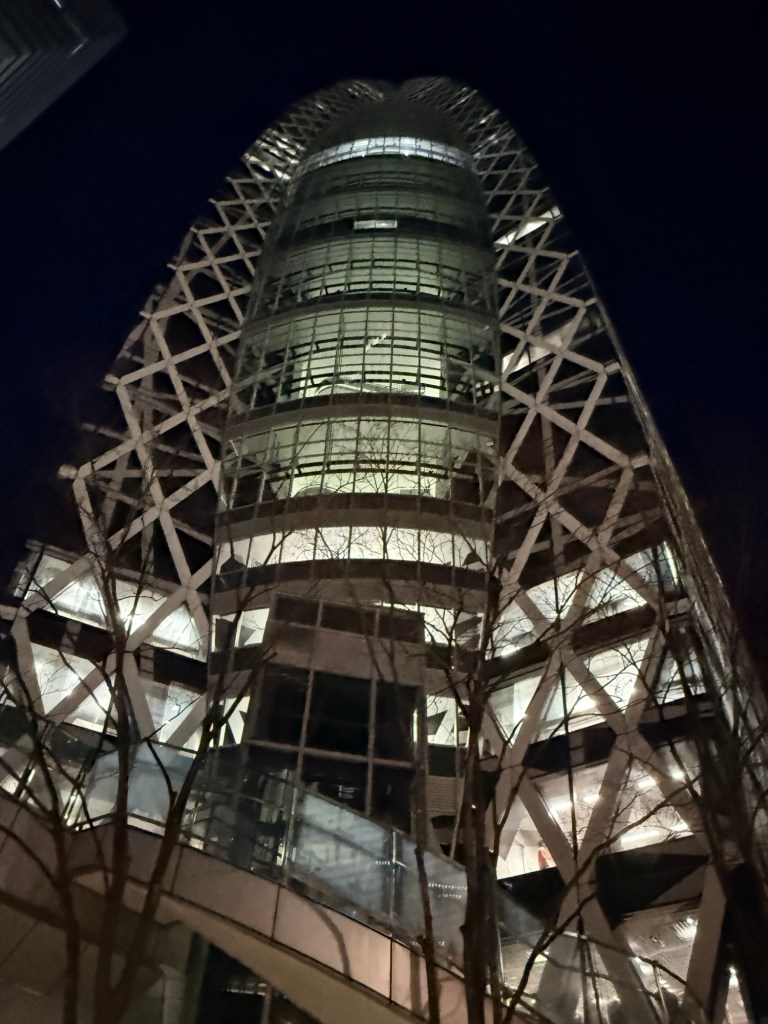
We got oriented for our first major activity of the week, an international workshop at Cocoon Tower, where Tokyo Online University operates. Our host, Tamami, teaches there.
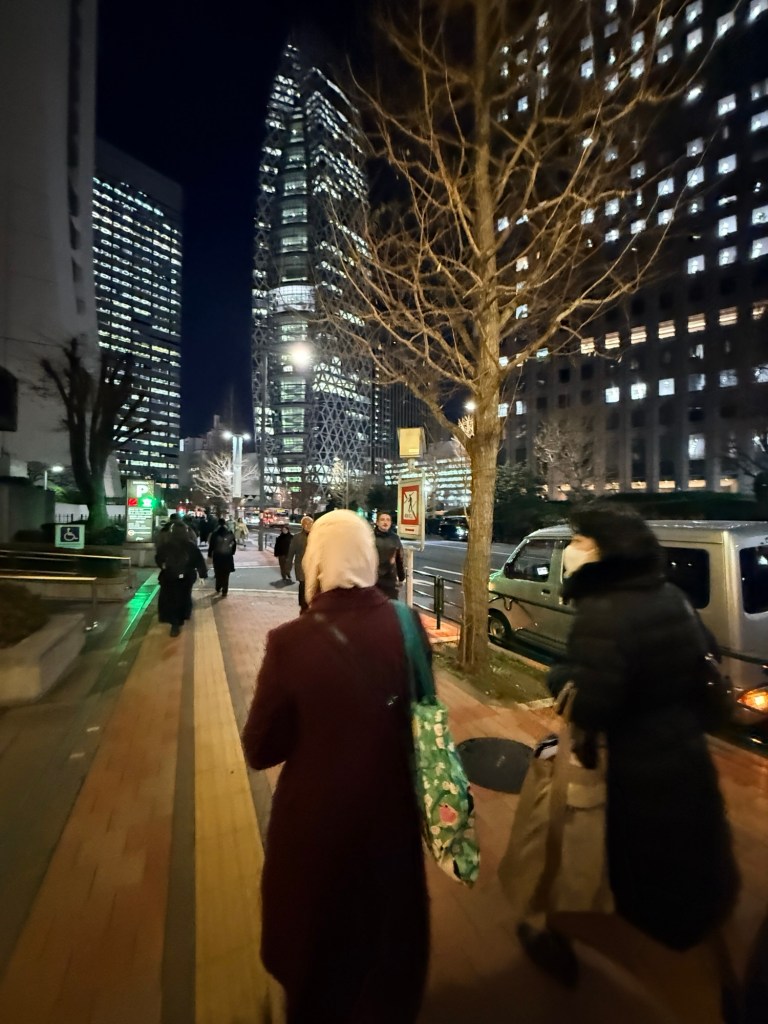
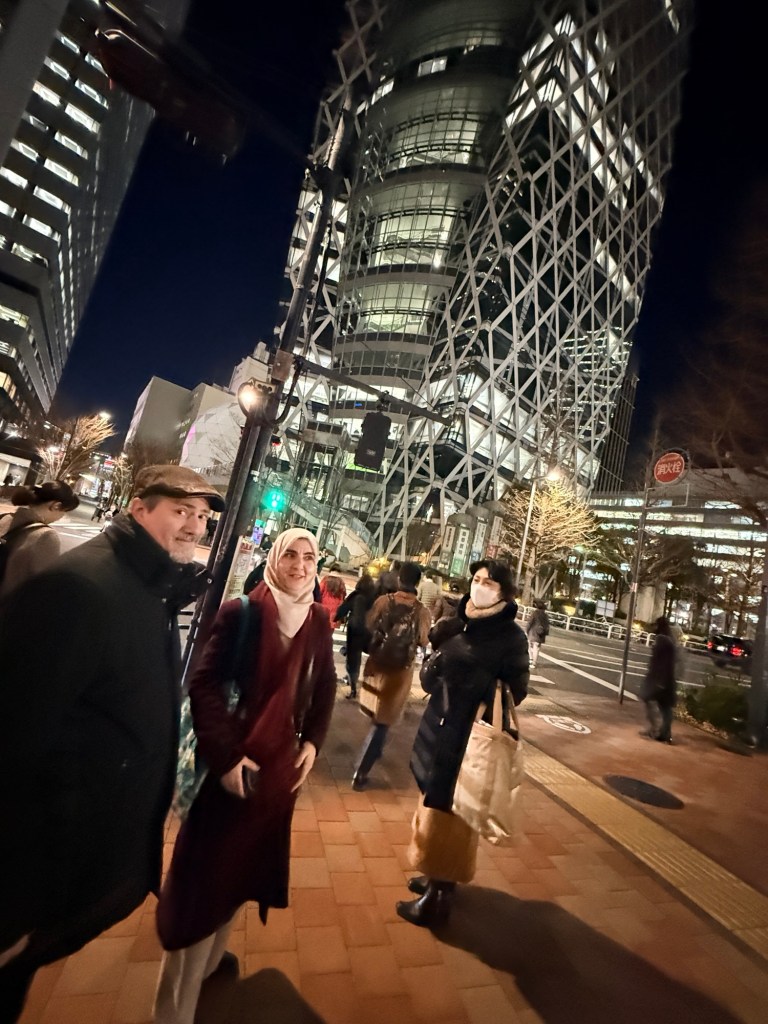
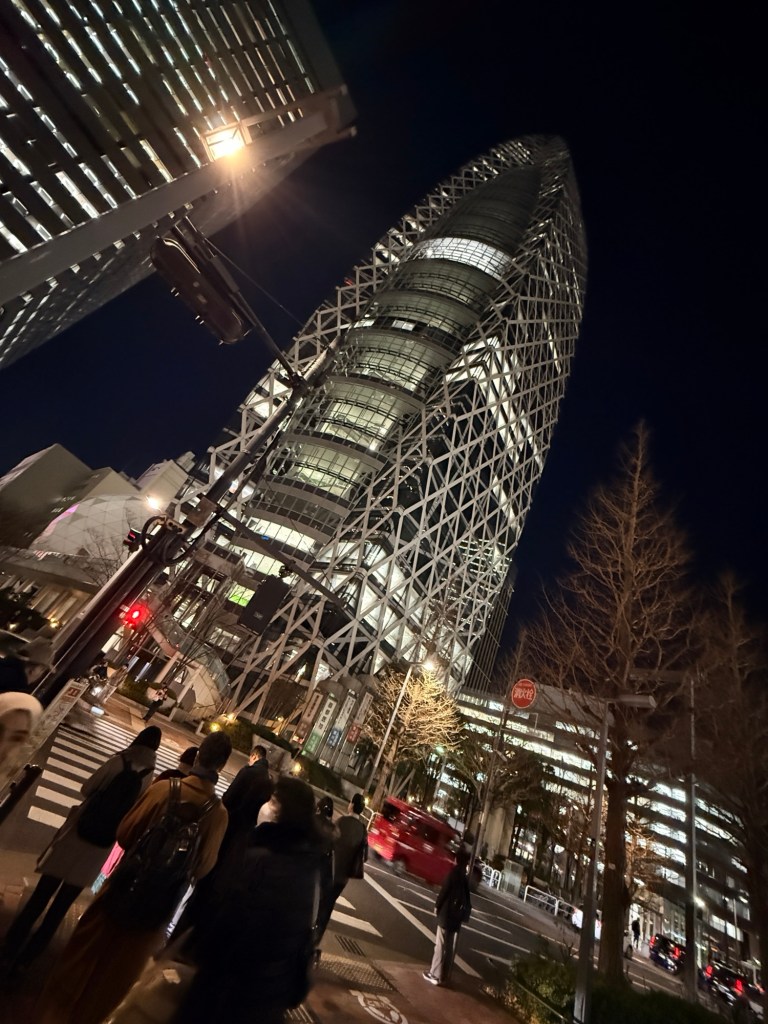
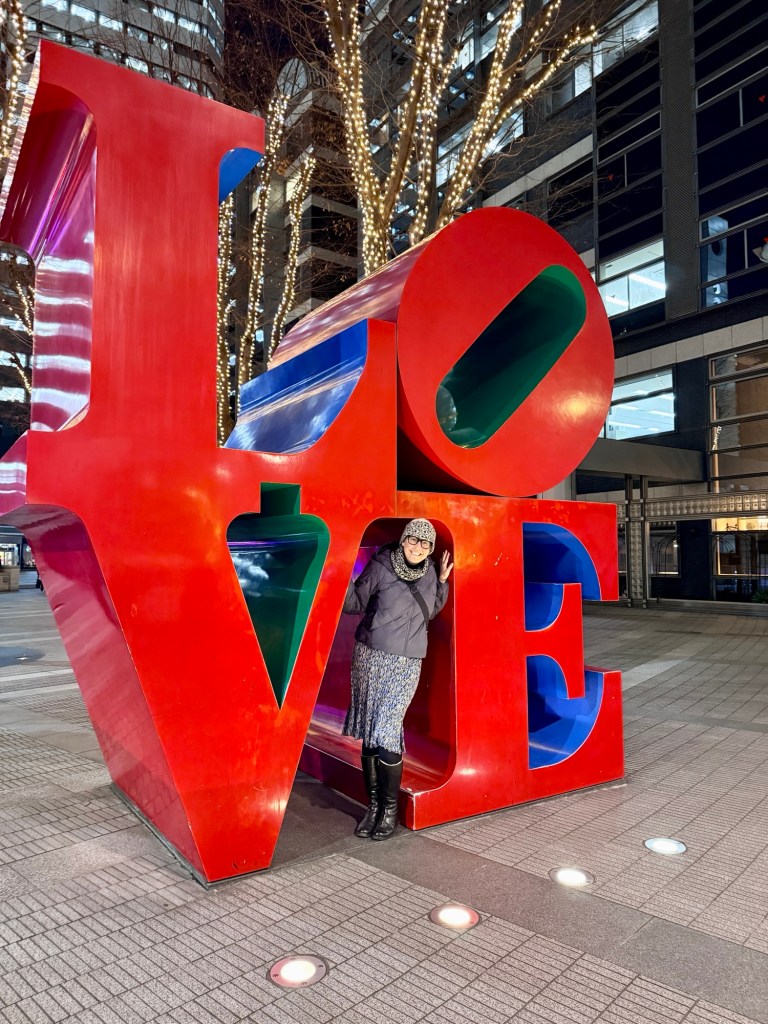
As an architect, I immediately recognized this building. It is quite famous and boy is it architecturally striking.
Tamami met us and gave us a tour of the building the night before the workshop.
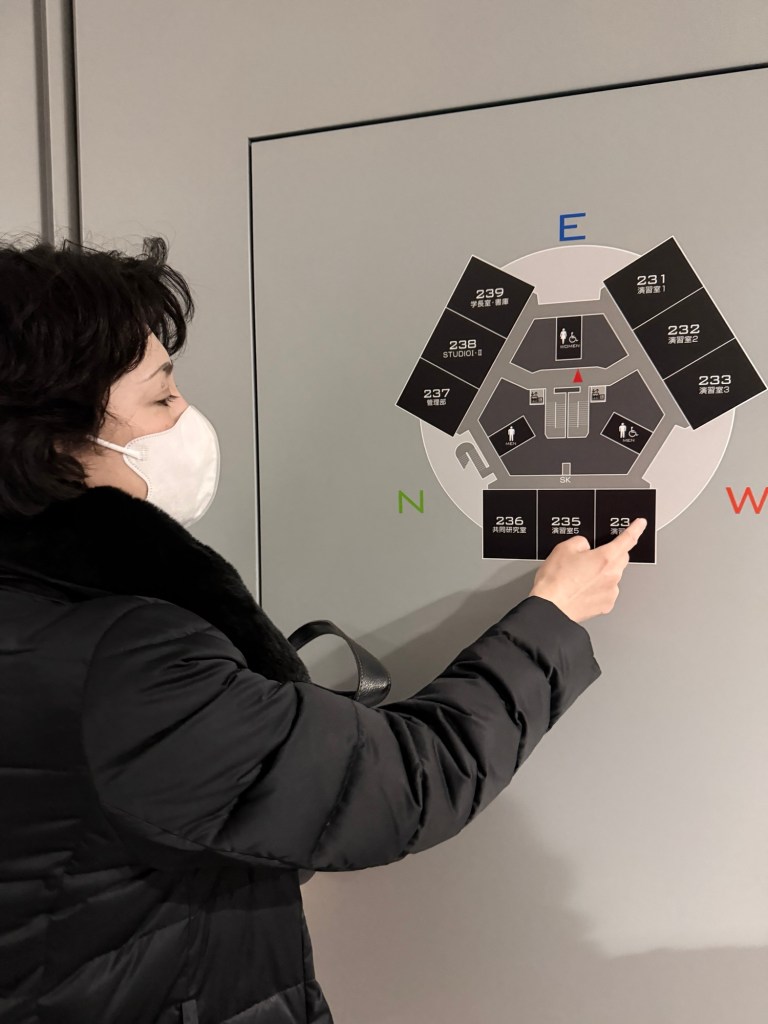
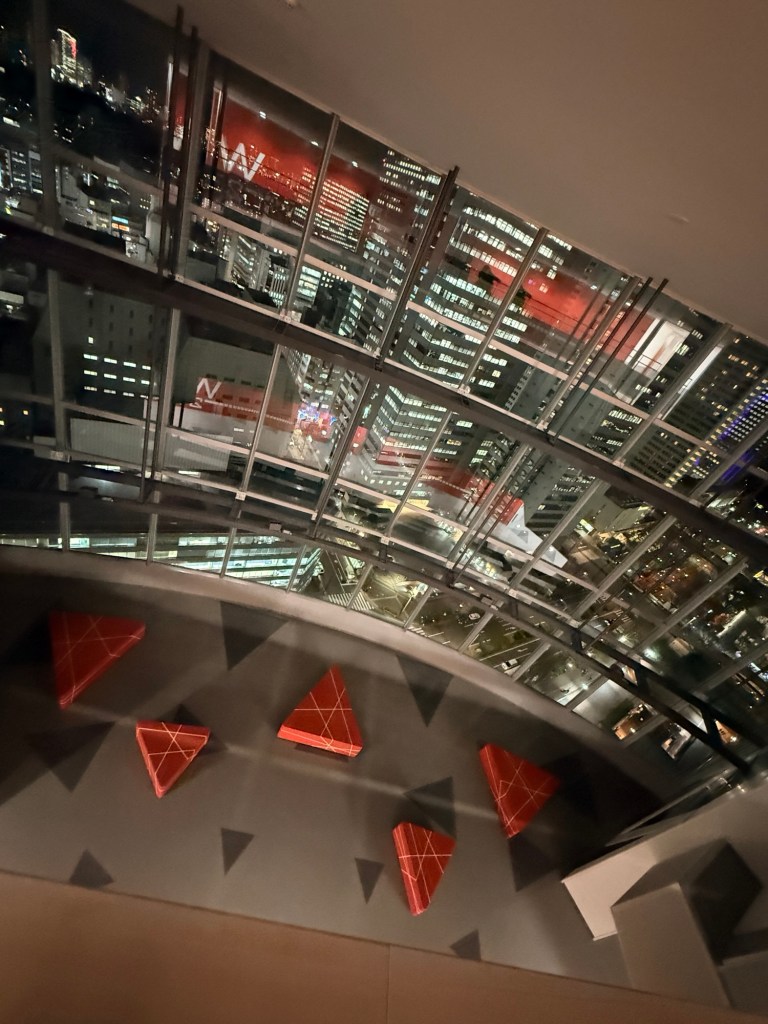
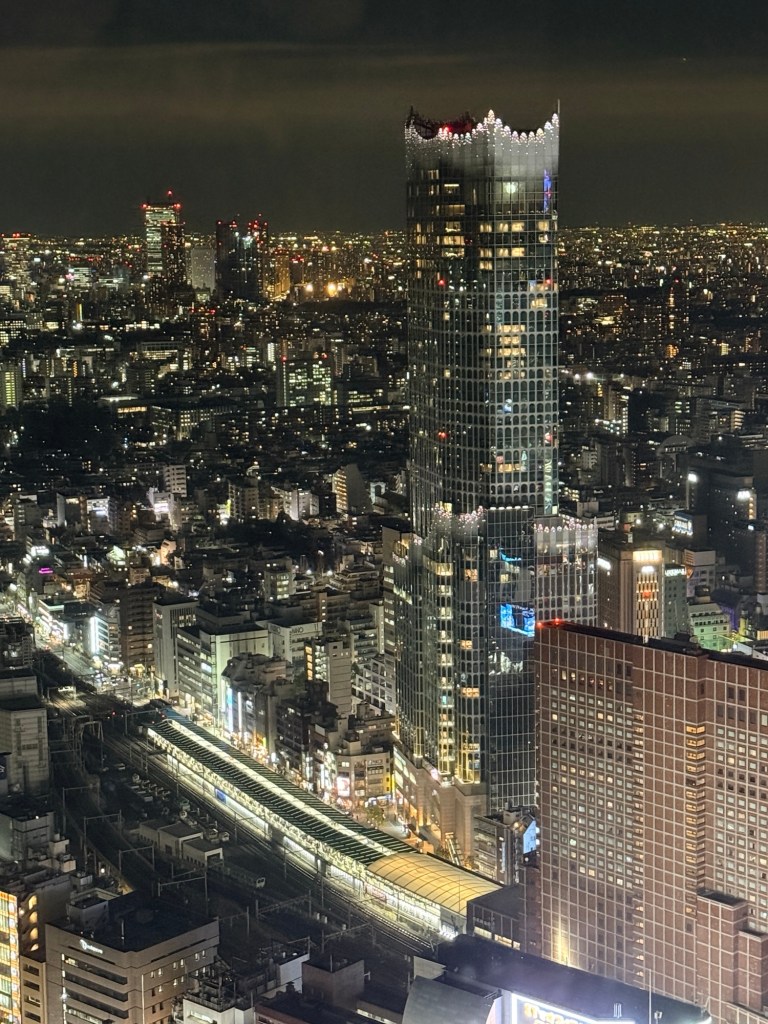
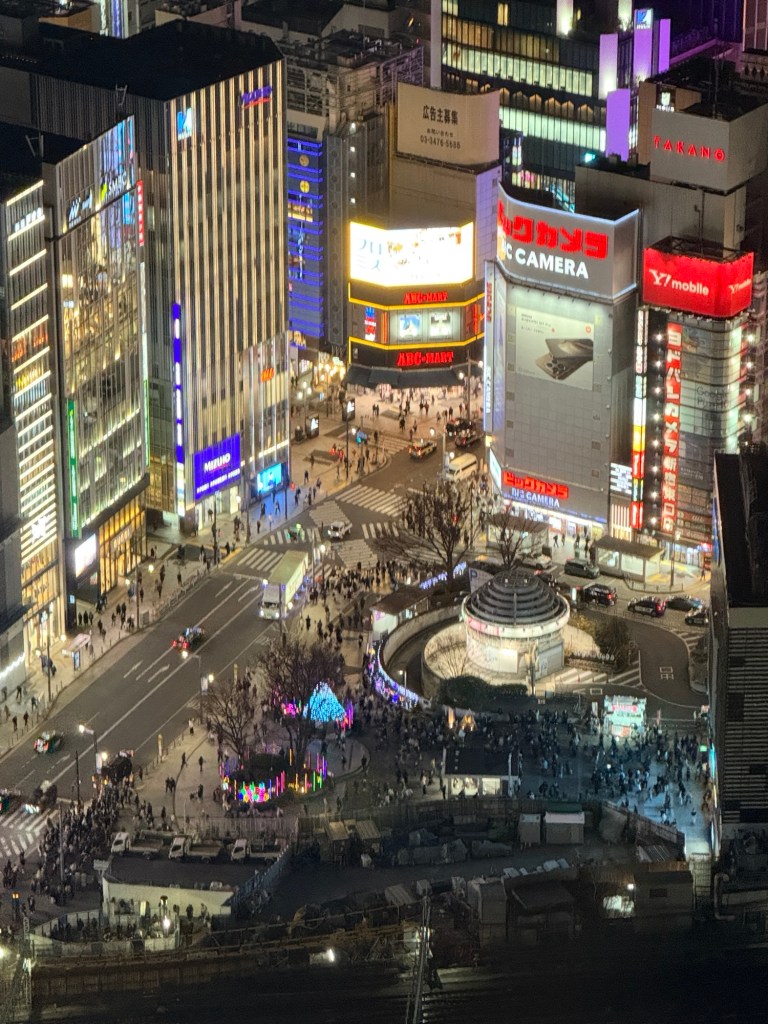
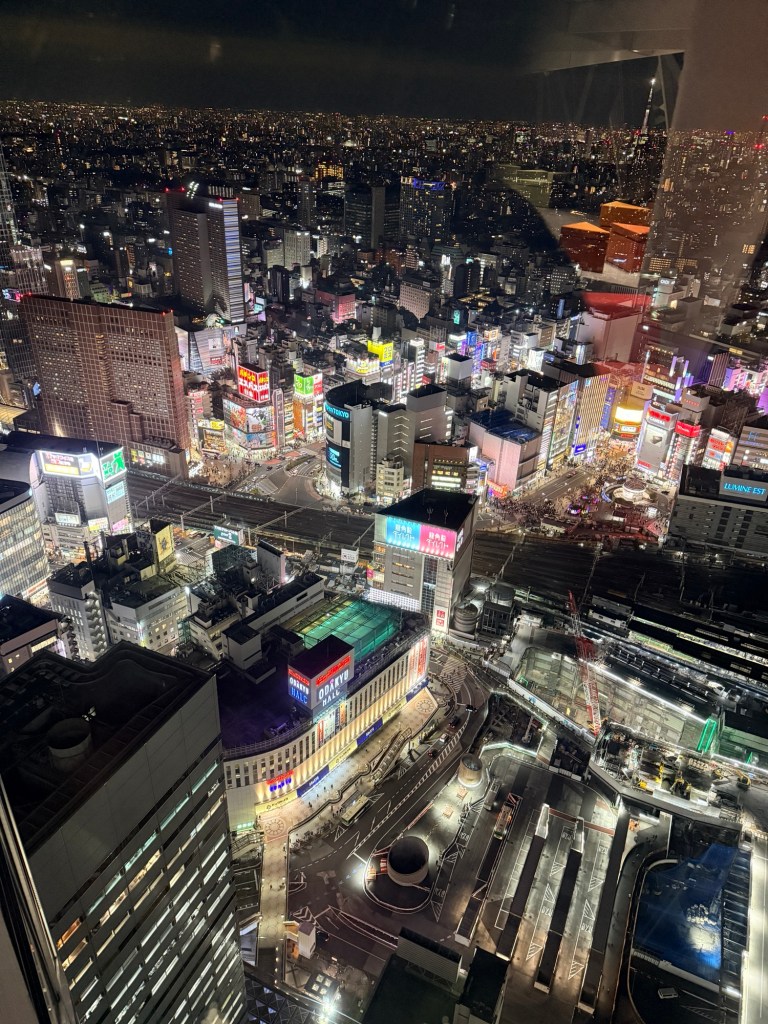
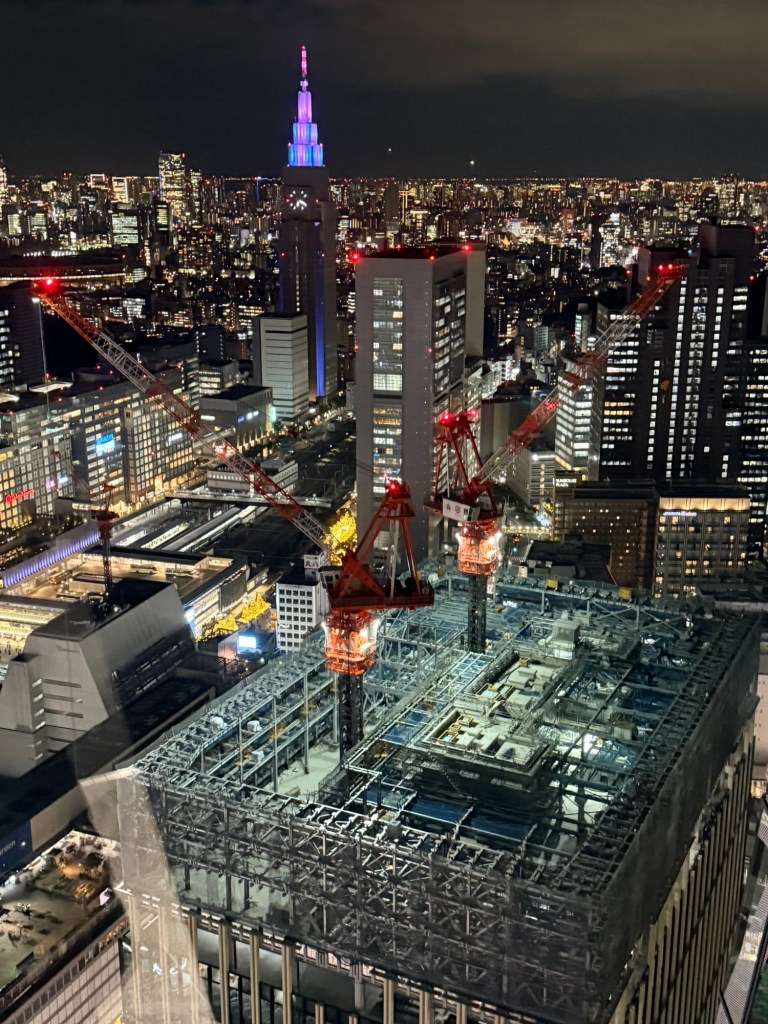
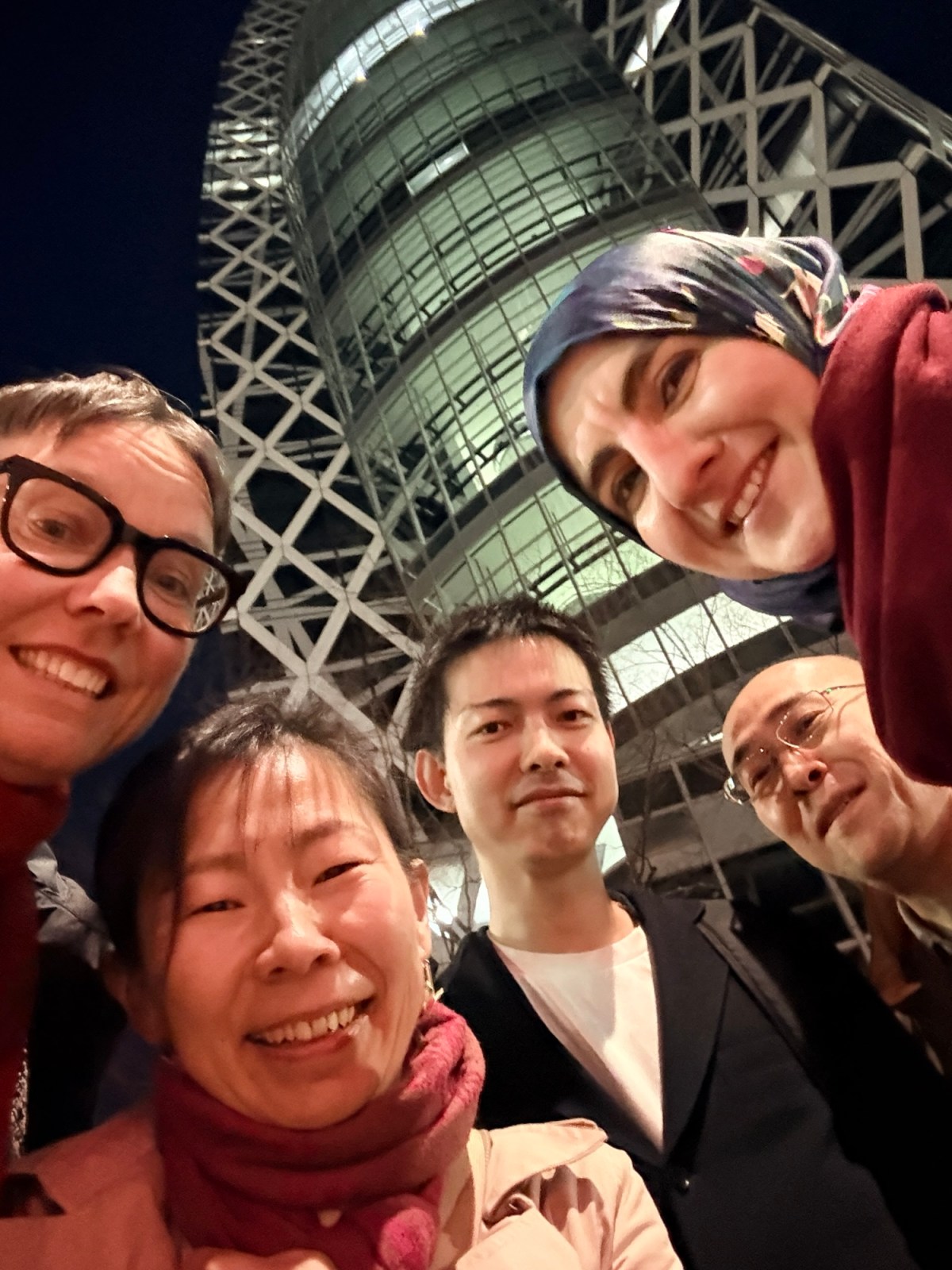
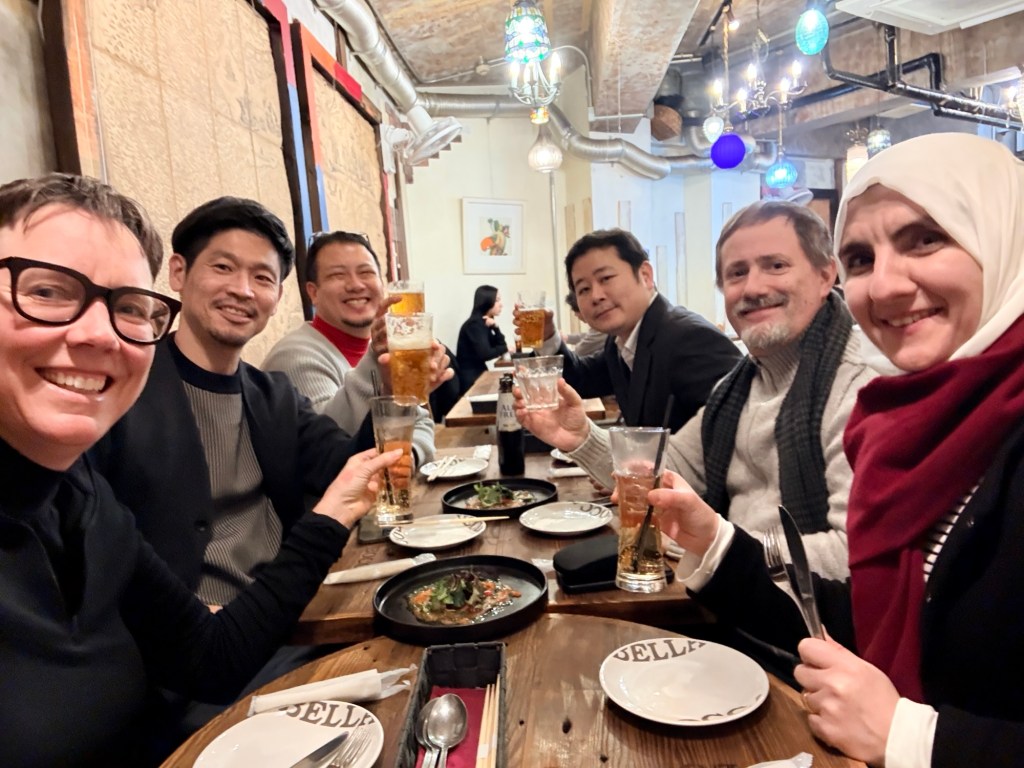
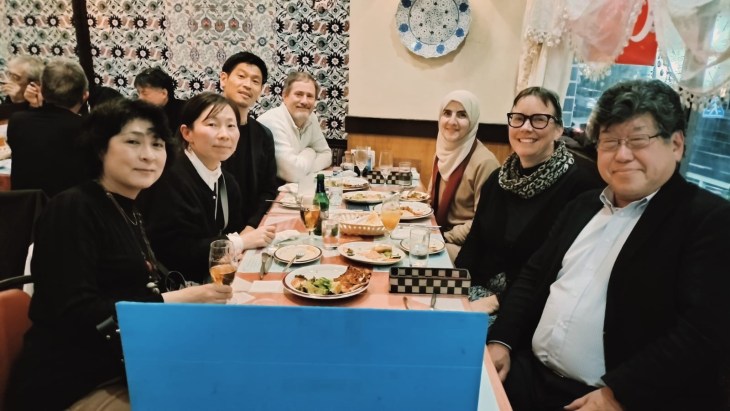
Following the tour, I enjoyed a lovely pre-conference dinner at a Turkish restaurant alongside Tamami, Dr. Asami Ogura (of the National Institute of Technology, KOSEN, branch in Hiroshima), Shinya, STefané, Sarah, Dr. Jun Fudano (whom I met last February in Virginia at the Association for Practical and Applied Ethics conference, as he helps lead APPE), and Misaki (a graduate of University College London’s Institute of Education, who helped translate several of our sessions) who took the photo below.
Sarah and I arrived at Cocoon Tower plenty early the next day and had breakfast near the venue. Eating so much for breakfast was a mistake with a big lunch on the horizon, but I didn’t want to risk being underprepared.
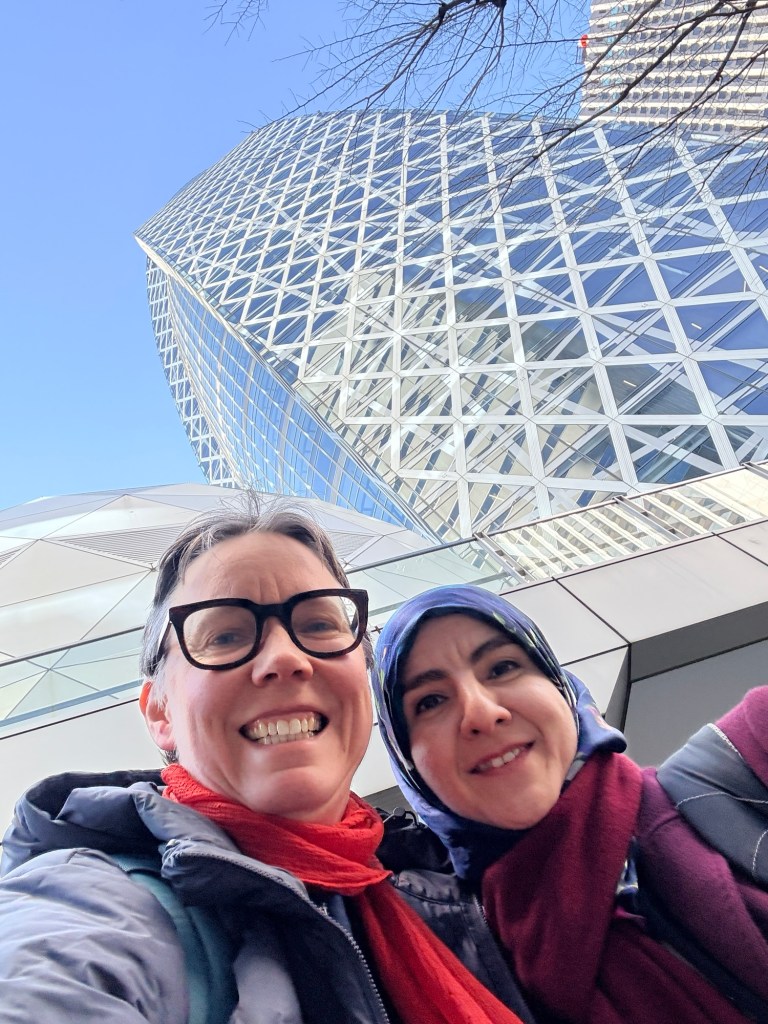
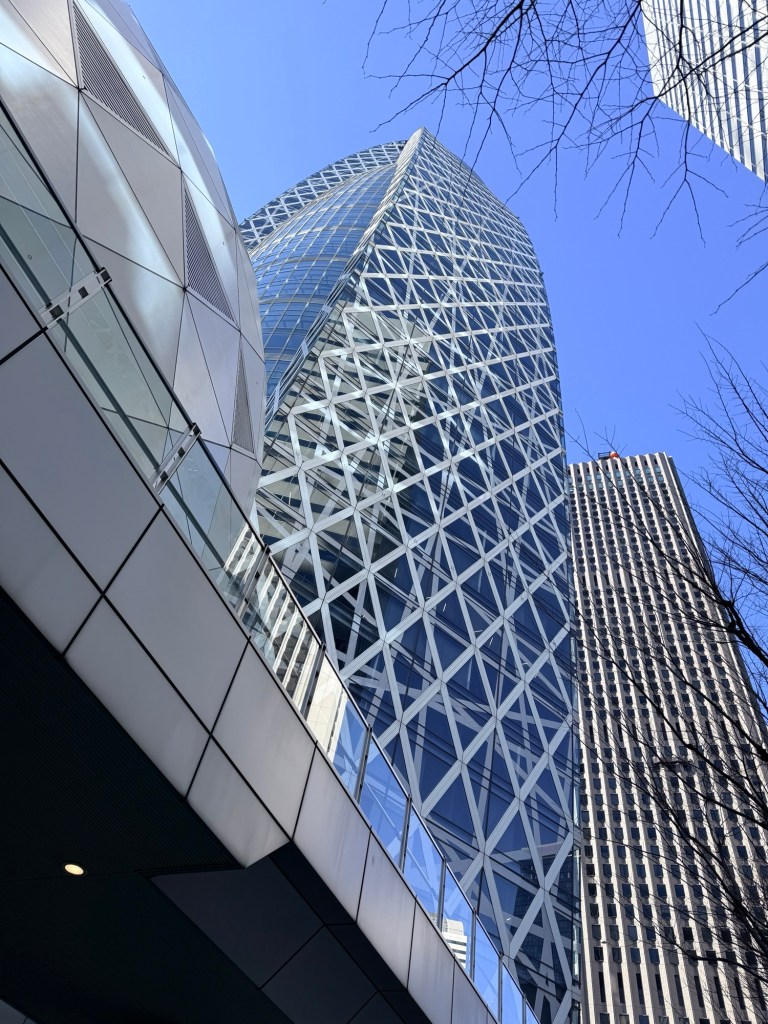
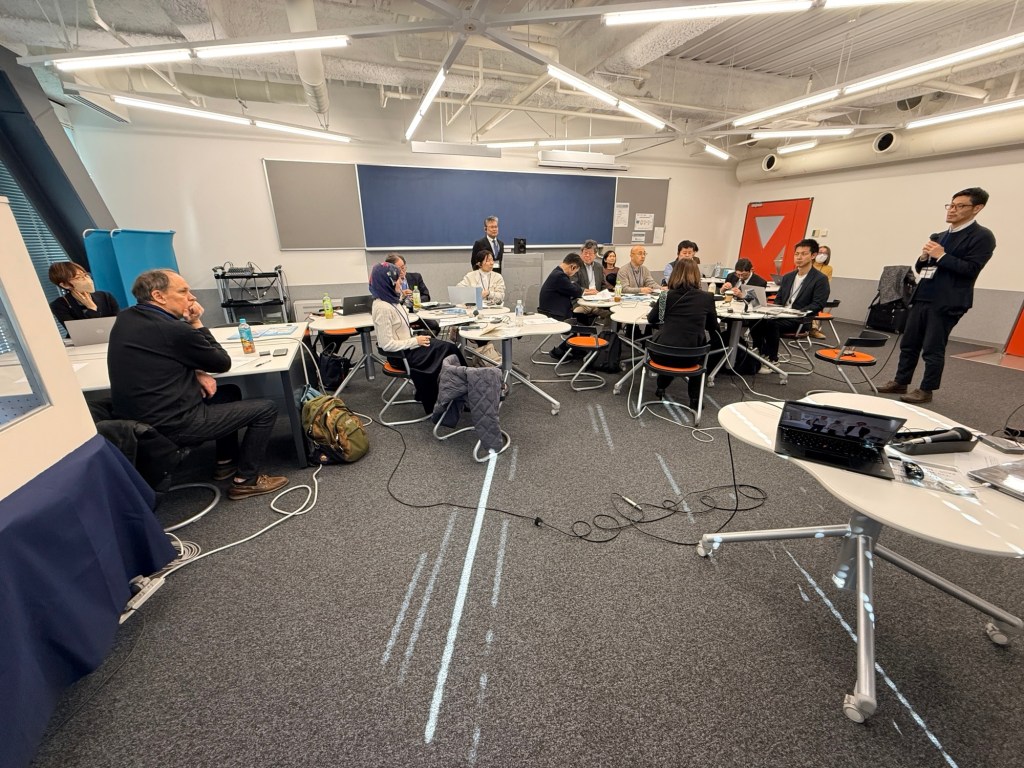
This was a spectacular event! So engaging. So well organized and translated.
The event included many interesting speakers and was well attended, with roughly two dozen colleagues travelling from all corners of Japan to participate.
The event opened with a welcome from Shinya, followed by a keynote I delivered and a Memorial Lecture delivered by Sarah.
Atsushi’s grant paid for two professional translators, which made a world of difference in the quality and comfort of our day. We each had a headset so we could hear in real time what anyone in the other language was saying.
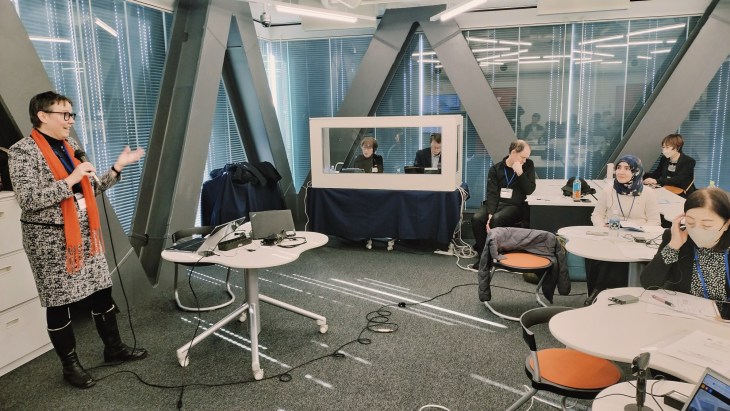
This was an enormous support for effective communication — it represented a substantial investment but was essential to helping us understand and engage with each other in deeply meaningful ways.
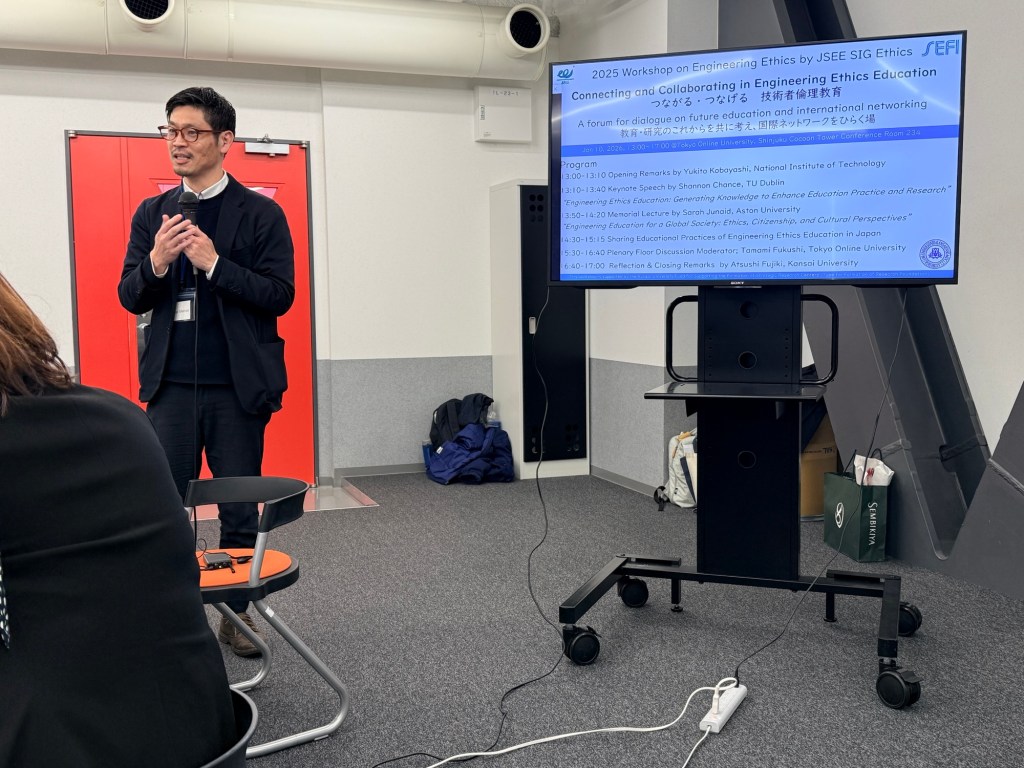
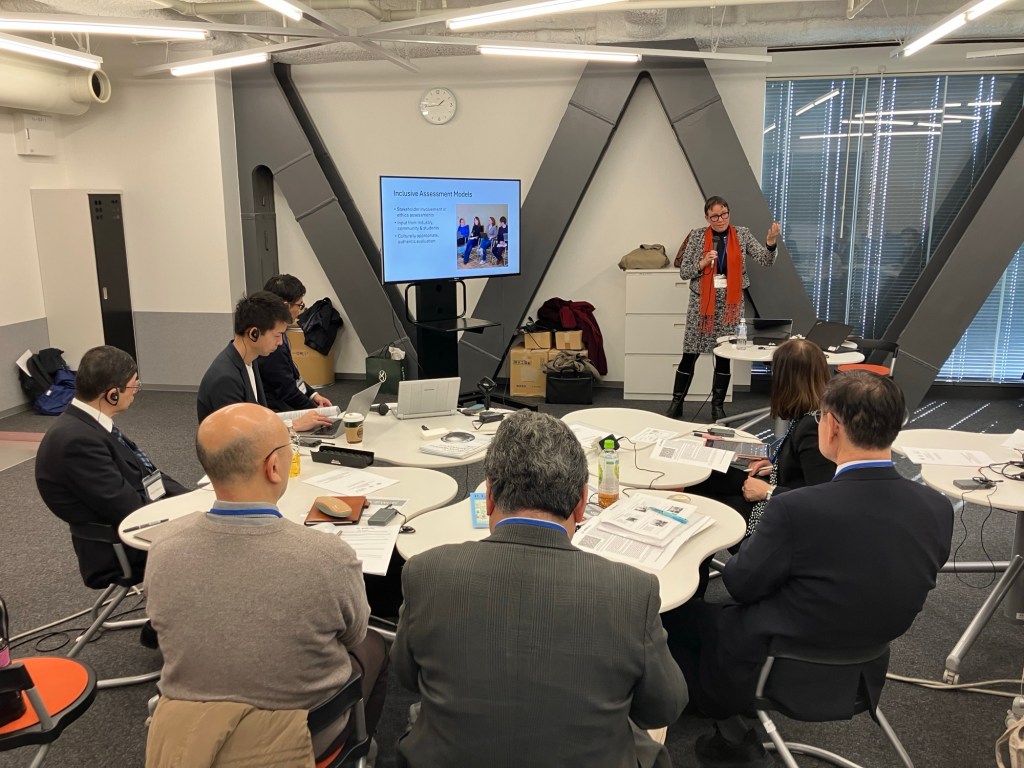
First up was my own keynote, a half-hour presentation summarizing topics that Tom Børsen and I presented at the SEFI conference last September. I helped the audience understand what SEFI is doing in engineering ethics education and invited our Japanese colleagues to join our SEFI Ethics projects and activities.
In the talk, I advocated for a shift from individual rule-following toward collective global responsibility and an “Ethics of Care” for the planet and future generations. I introduced some useful frameworks for navigating complex, high-stakes socio-technical challenges, including humble, reflexive dialogue and inclusive, culturally appropriate assessment models.
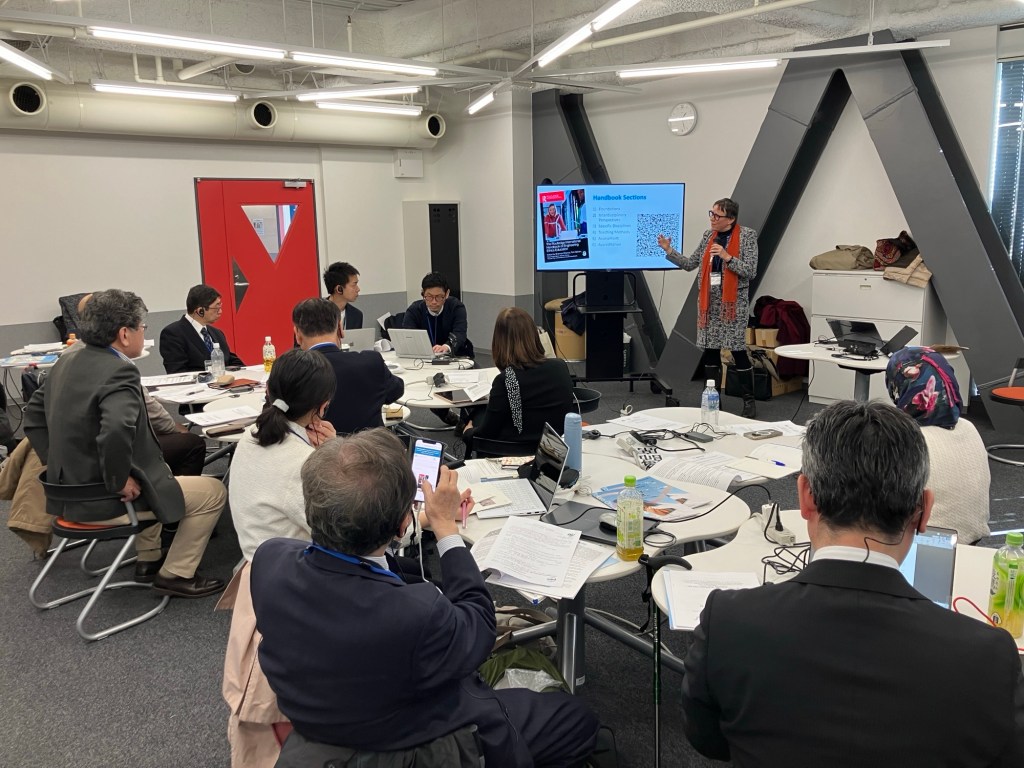
I also honored the legacy of Japanese scholar Prof. Kenichi Natsume, calling on the international community to collaboratively integrate ethics into teaching to shape a more socially responsible future.
The next talk, the Memorial Lecture, presented by Sarah Junaid, paid tribute to Kenichi. He was a co-author on Sarah’s chapter of the engineering ethics handbook. The editors of the handbook dedicated it to Kenichi, in honor of the groundbreaking work he did bridging eastern and western perspectives on engineering ethics.
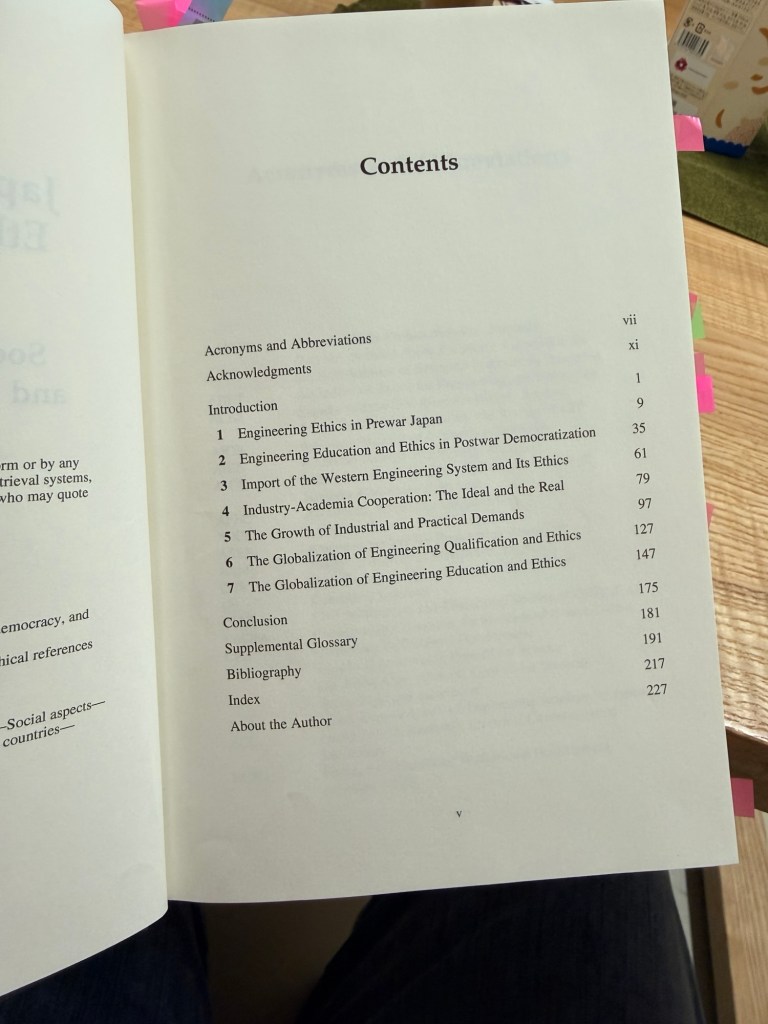
Sarah discussed the ongoing relevance of Kenichi’s contributions, particularly his book on Japan’s Engineering Ethics and Western Culture.
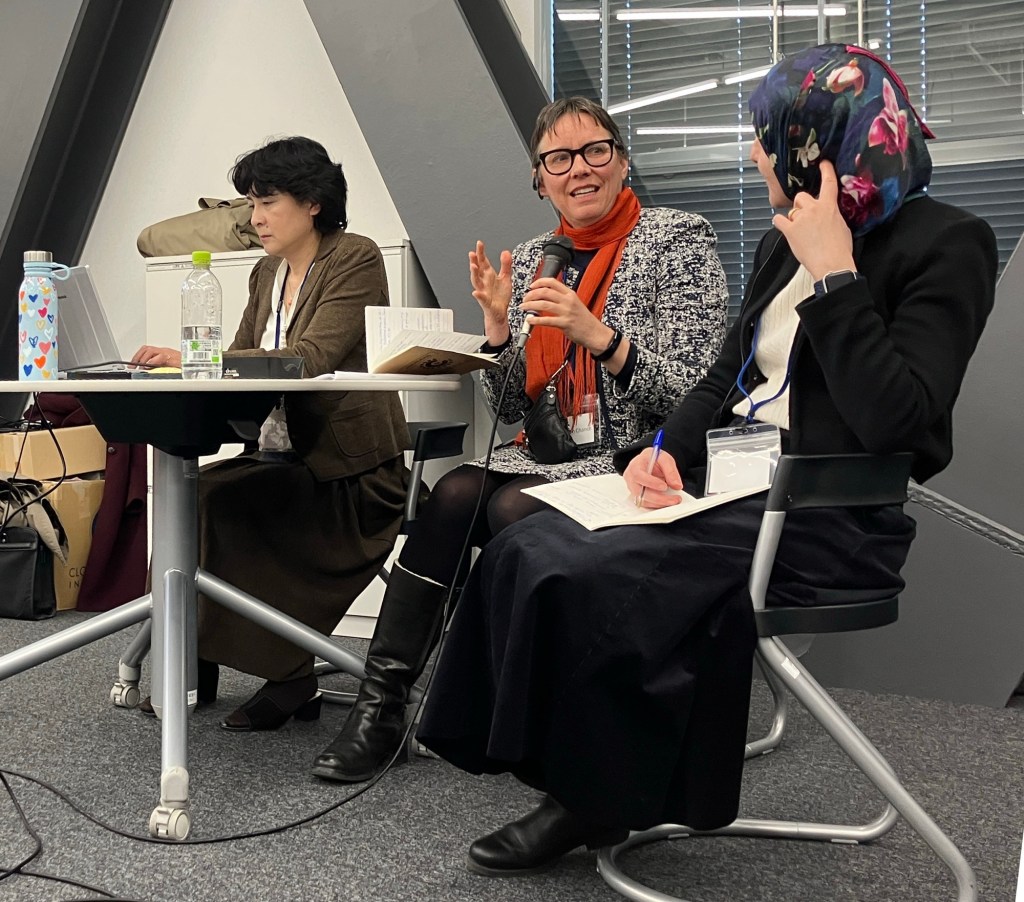
Sarah summarized Japan’s context as steeped in collective consciousness, a duty to others, and an embedded morality. The education system there has historically focused on ethics and morality in an intrinsic, embedded way, with a strong awareness and regard for others and loyalty to the group. There have been recent shifts to increase the focus on individual responsibility.
In contrast, Sarah described Western cultures as emphasizing individuality, liberalization, and challenges of social responsibility. Education has typically focused on capitalism and free markets, economies built on growth, individuality, and liberalization. Recently, there has been increased focus on social and collective responsibility, which was a major theme of my keynote as well.
“Global collaboration is needed,” Sarah asserted, “for shaping ethical engineers and global citizens.” During Sarah’s presentation, we learned that Kenichi was central in helping Sarah collect data at KOSEN institutes across Japan during her Churchill Fellowship, and the slides in her talk showed the two of them actively collaborating. Sarah and Kenichi exemplified the type of collaboration that is desperately needed.
Shinya noted that “together, we shared our commitment to carrying forward [Kenichi’s] legacy and reaffirmed the importance of sustained dialogue between JSEE and SEFI on engineering ethics education.”
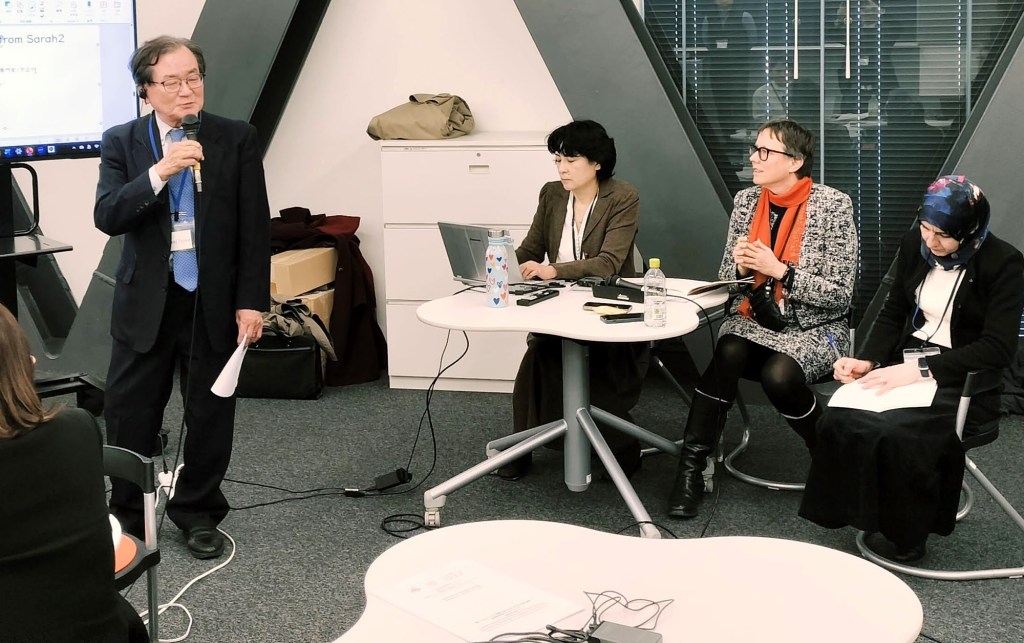
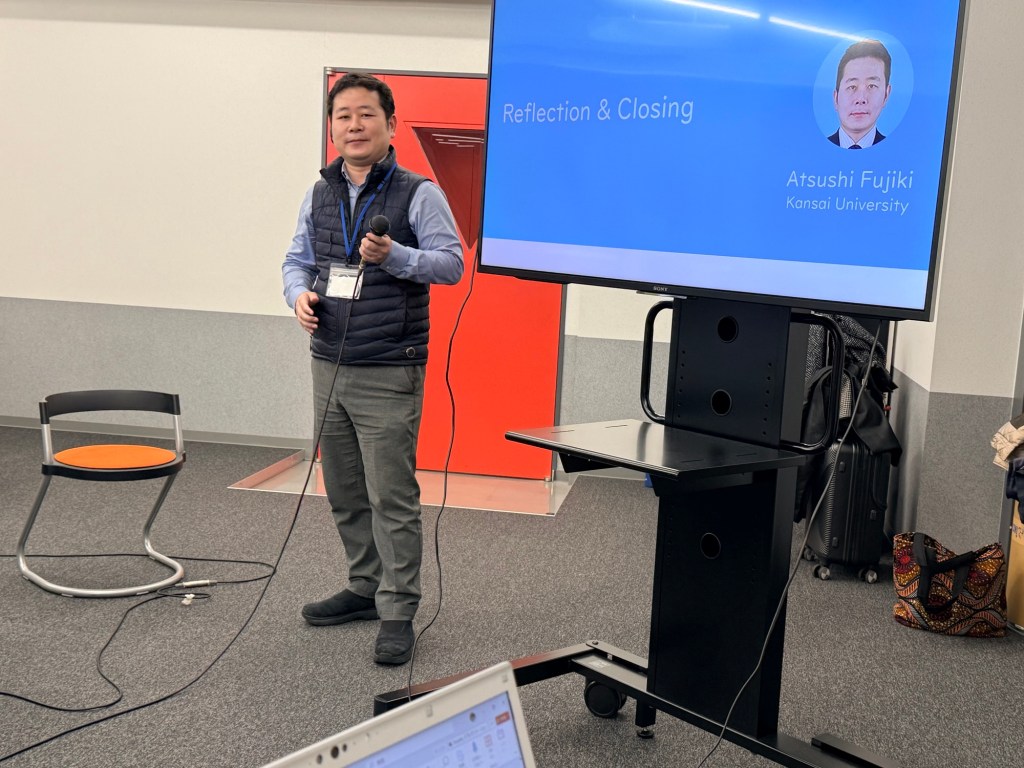
Following our talks, the first featured speaker from JSEE, Dr. Muraran Yasui (Department of Biology, Faculty of Science, Osaka University), discussed how engineering ethics is taught in Japan and how it aligns with global accreditation standards.
His group studies how this is done at many postsecondary institutions in Japan. He described Japanese efforts to foster “aspirational ethics” rather than just preventive ethics among future engineers. This concerns what engineers ought to do, not just what they are legally and professionally obligated to do.
This is exactly the kind of thing discussed in the AJEE article I co-wrote, titled Above and Beyond: Ethics and Responsibility in Civil Engineering, so I was all ears to hear their ideas.
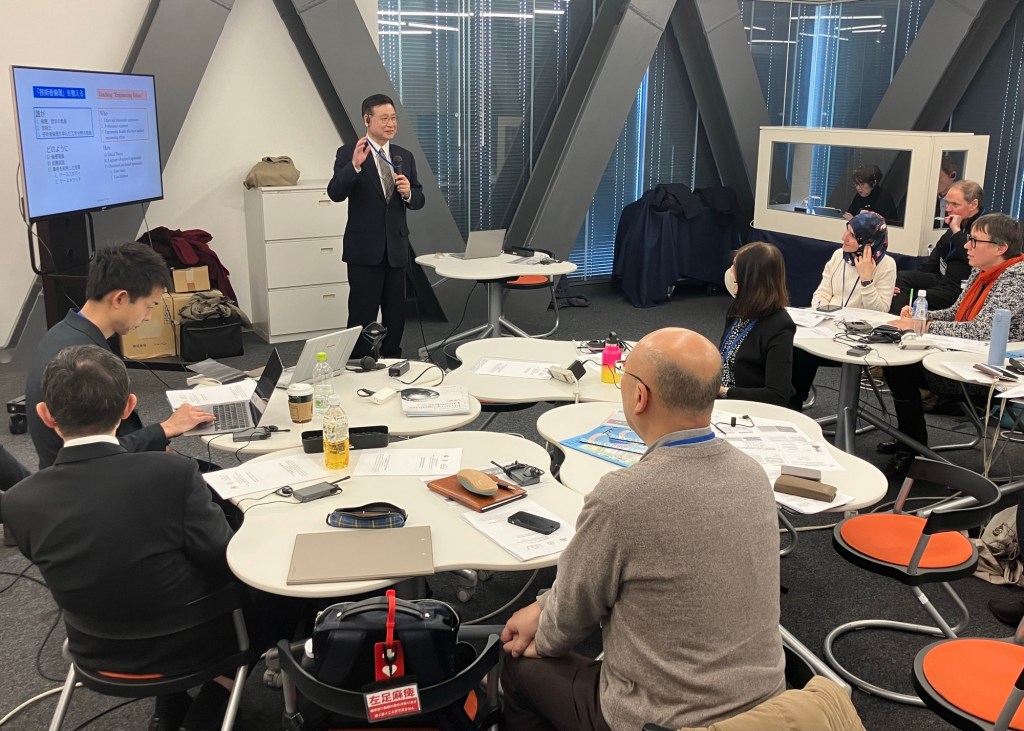
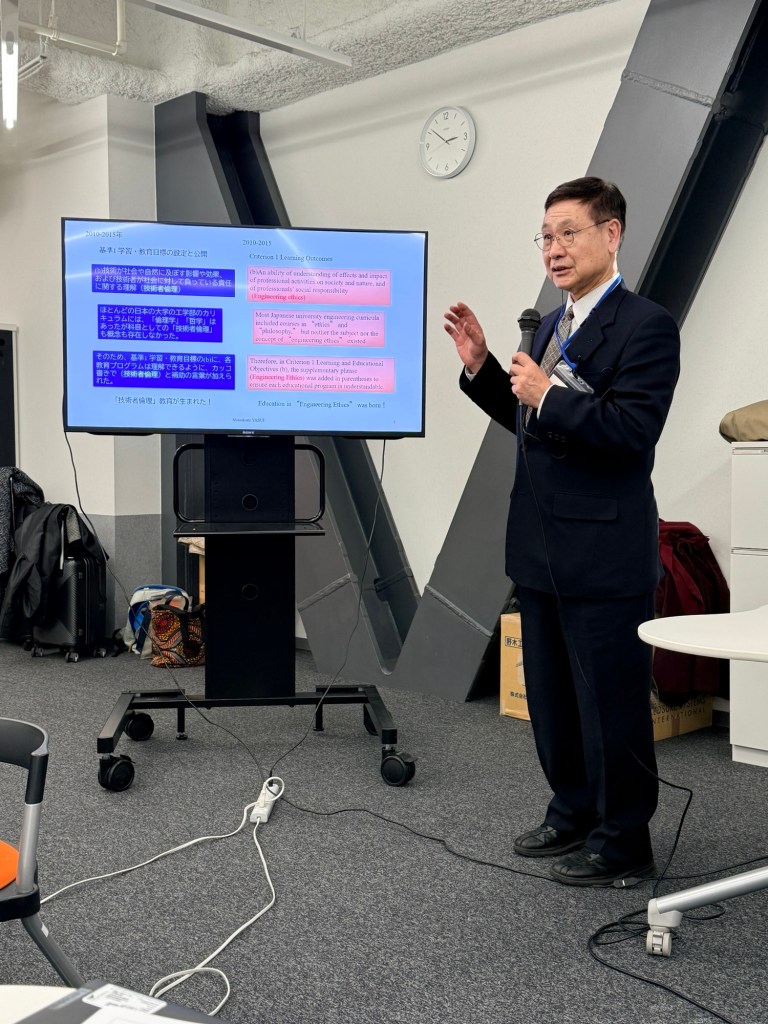
Next, Dr. Asami Ogura told us about KOSEN (the National Institute of Technology, with 51 colleges across Japan that teach students aged 15-20). Asami discussed how ethics is taught currently at KOSEN and how she believes that technology transfer can foster peace.
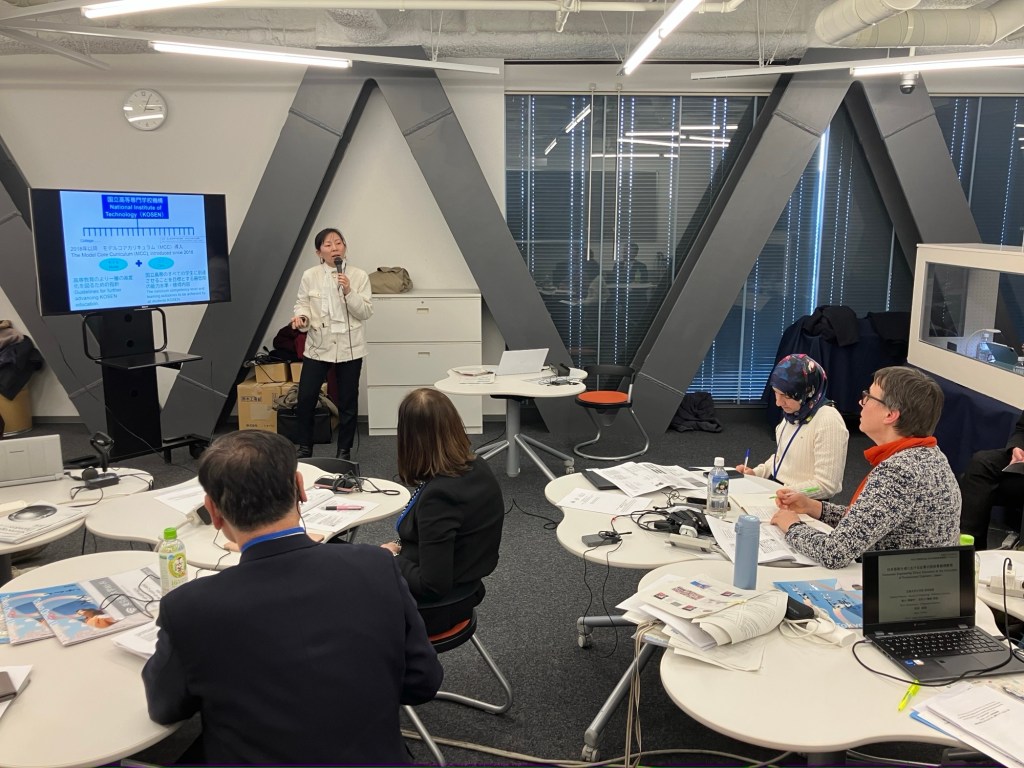
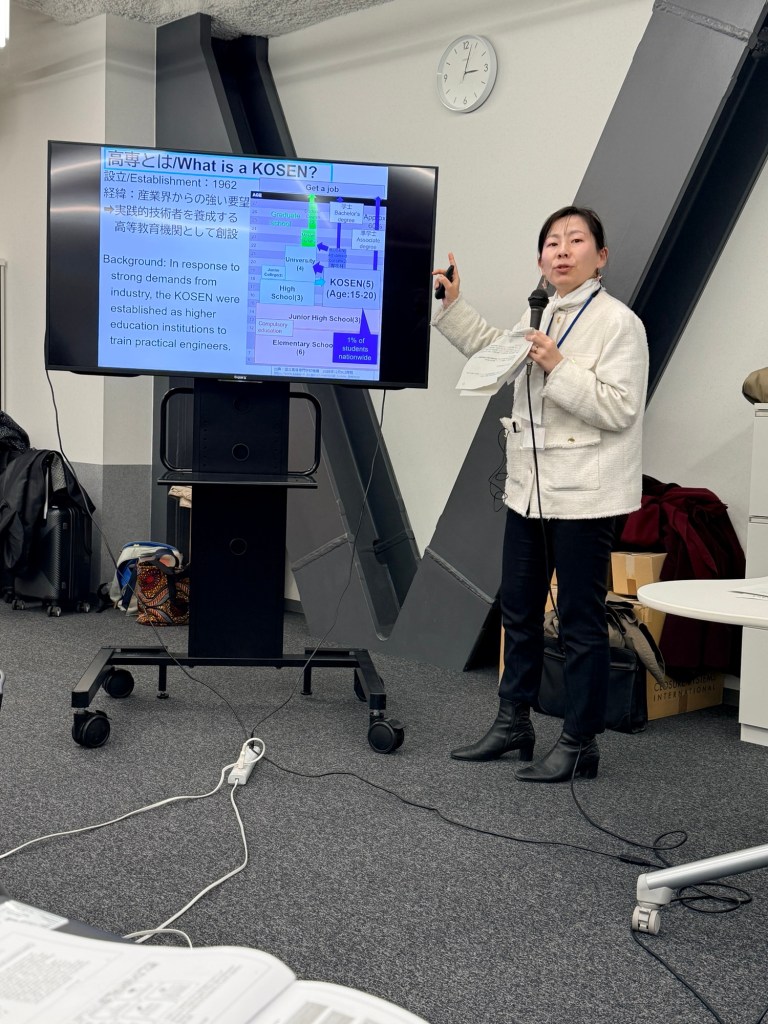
She also explained that KOSEN established a model core curriculum for ethics in 2018, identifying minimum competencies and learning outcomes, and providing guidance to teachers.
Asami’s work focuses on the overlap between environmental conservation, international understanding, and peacebuilding.
Third among the JSEE experts, Dr. Naoki Taoka discussed corporate engineering ethics. He is a leader in the Institution of Professional Engineers in Japan and a visiting professor at Hiroshima University.
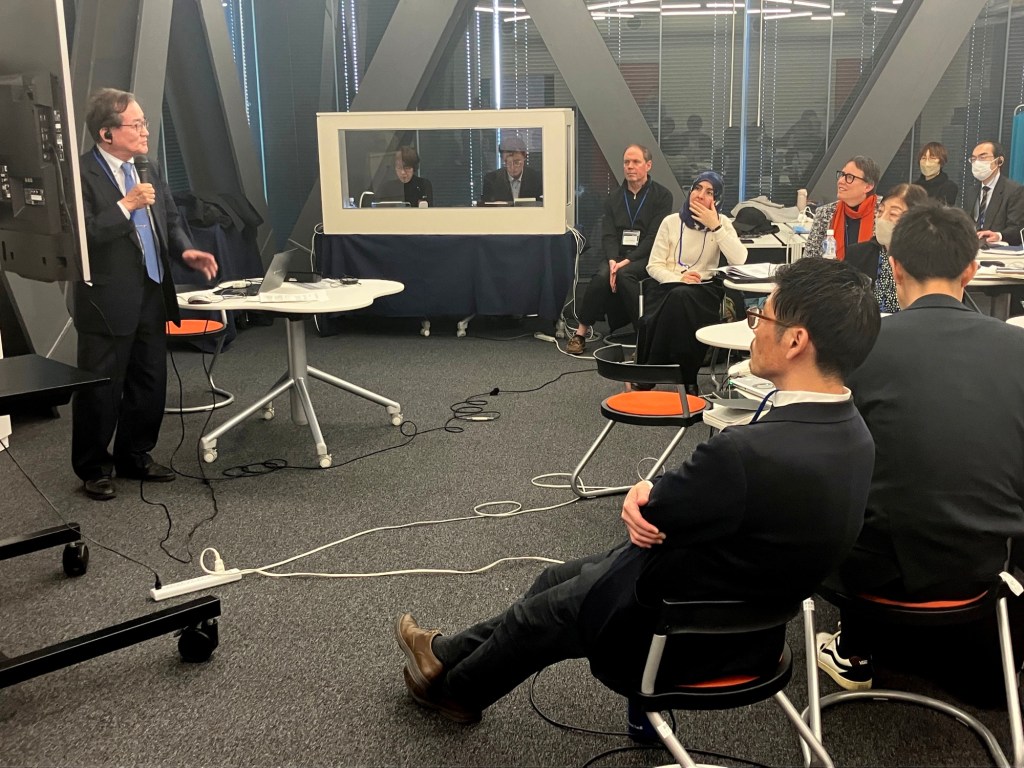
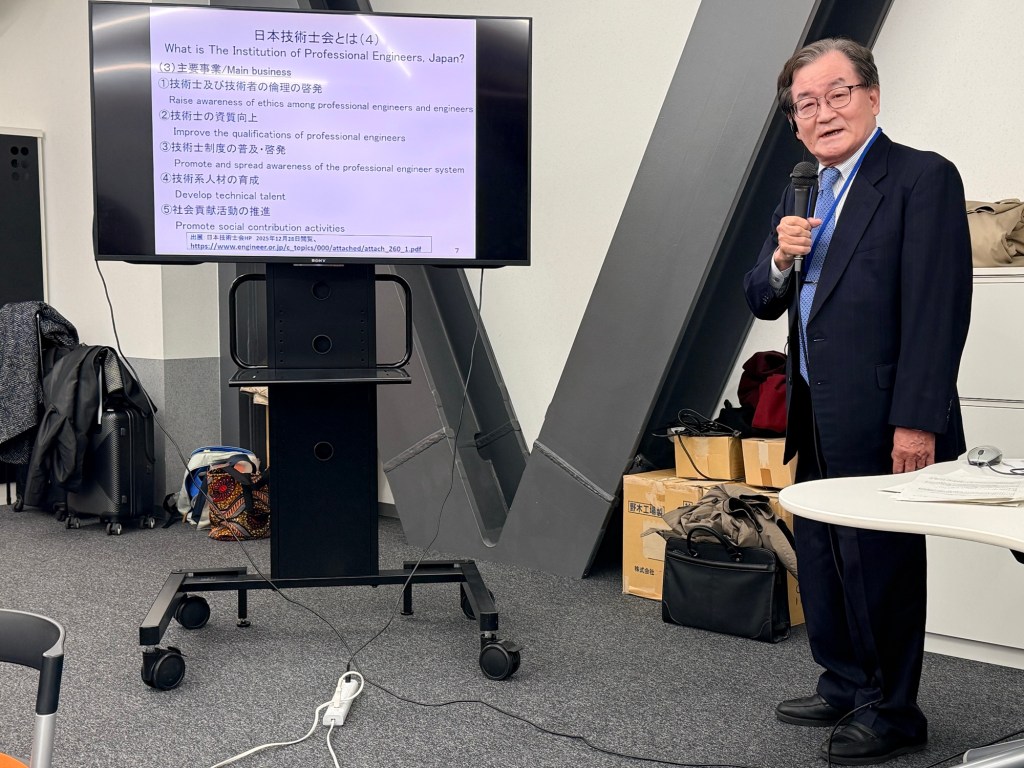
Naoki explained that the Institute’s main business is “to raise awareness of ethics among professional engineers and engineers,” as well as to improve their qualifications, promote and spread awareness of the professionalization system, develop technical talent, and contribute socially through activities.
Following the three JSEE presentations, Dr. Yukito (Happyman) Kobayasi and Atsushi also provided overview comments and insights.
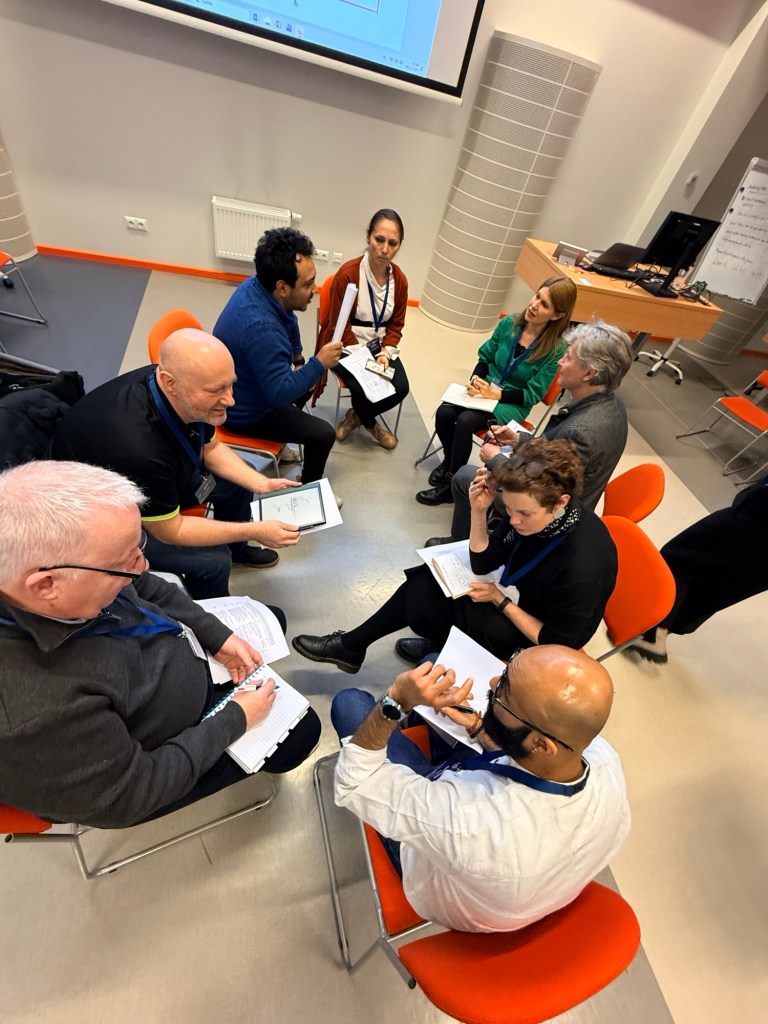
Sarah and I were listening attentively to it all and making detailed notes, as we’d been asked to respond to Tamami’s questions from our European perspective.
We also provided feedback on the other speakers’ presentations, and then addressed questions from the very engaged audience.
Social Side of Events at Cocoon Tower
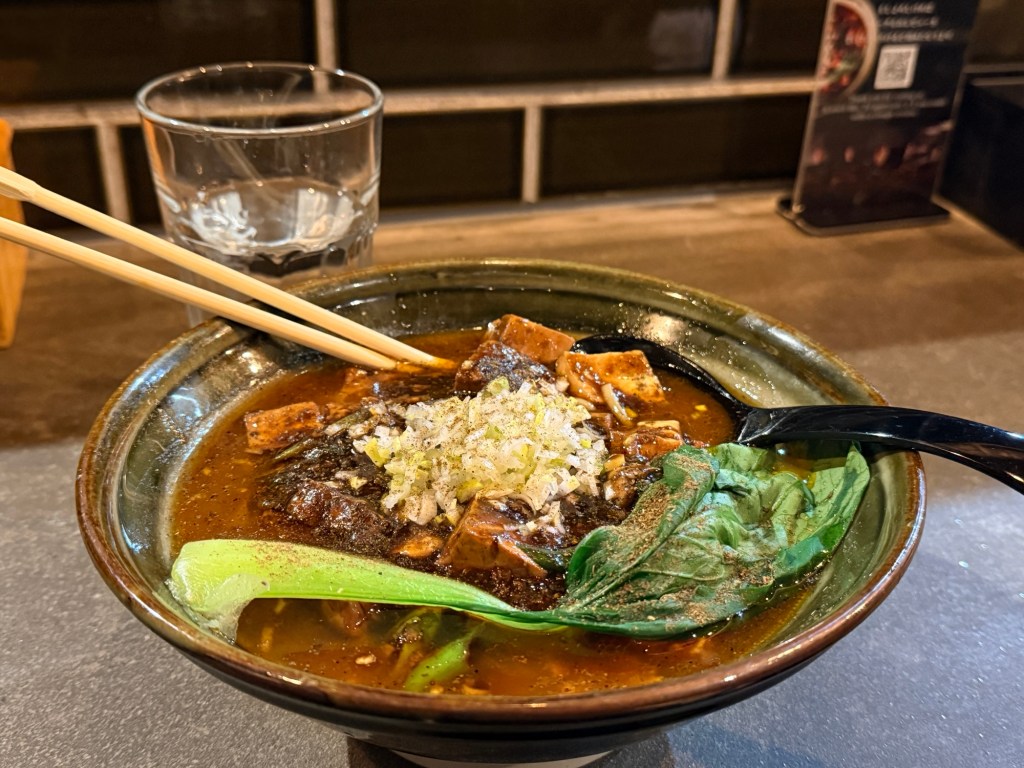
Overall, this was a very exciting day. Participants came from all over Japan, the event was held at the architecturally famous “Cocoon Tower”, and before the event, Sarah and I got to meet and enjoy lunch with the late Professor Kenichi Natsumi’s wife, Misaki Natsume, and son. We enjoyed a delicious ramen-type lunch with Misaki, Shinya, Atsushi, and some of the experts named above.
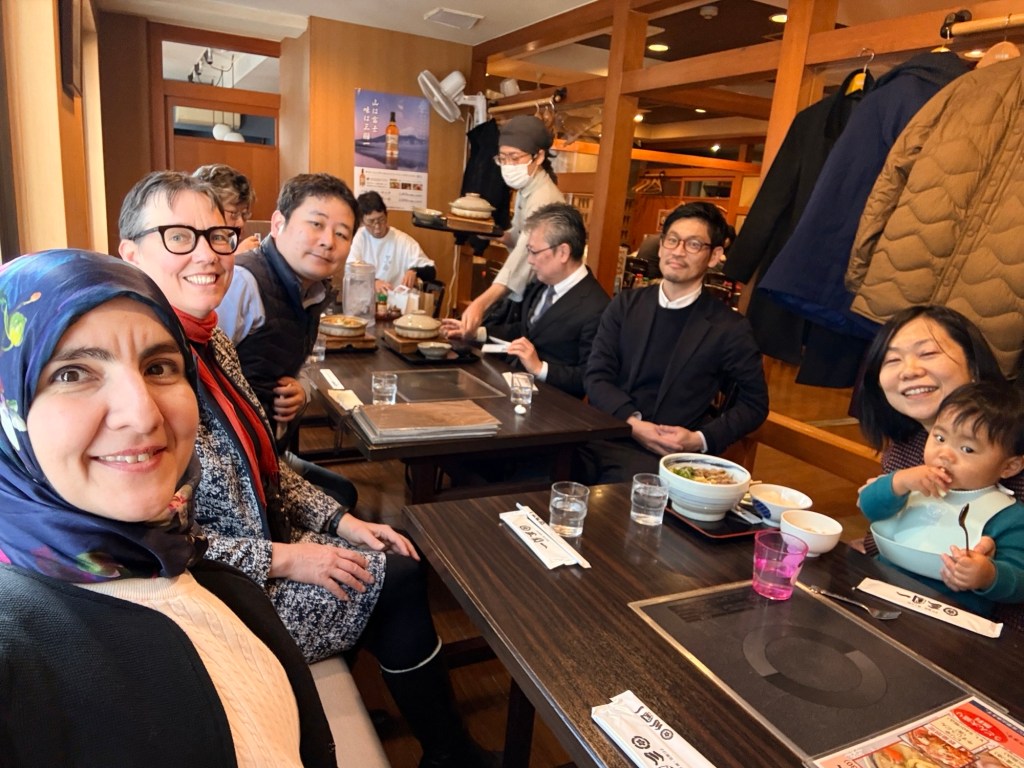
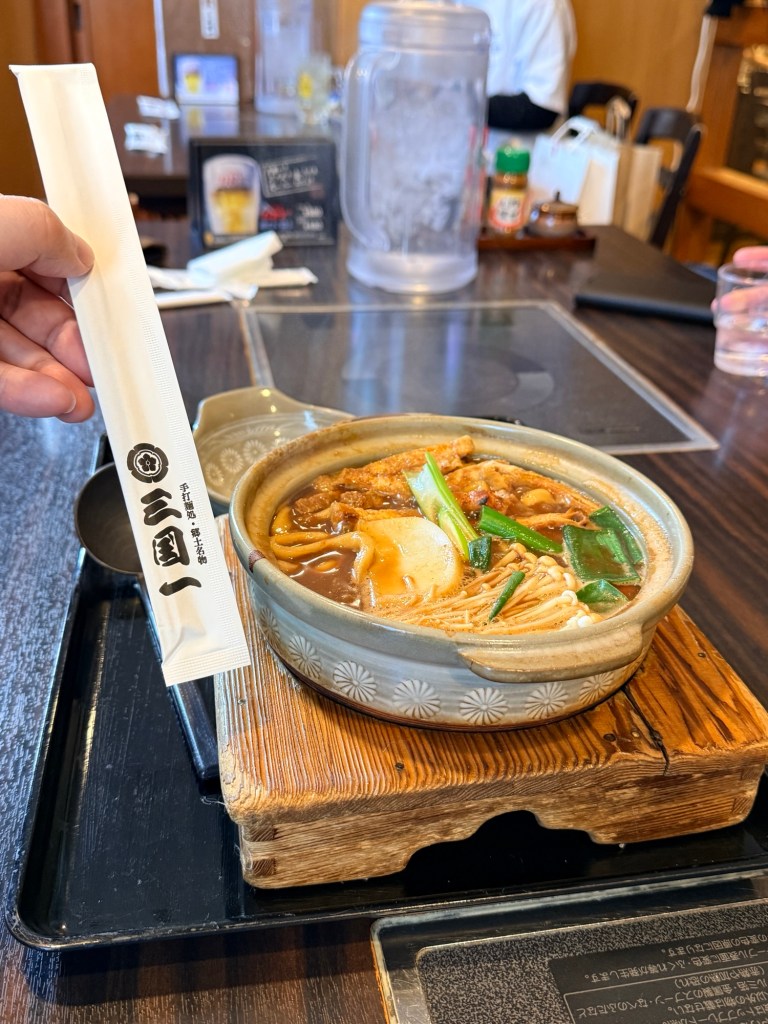
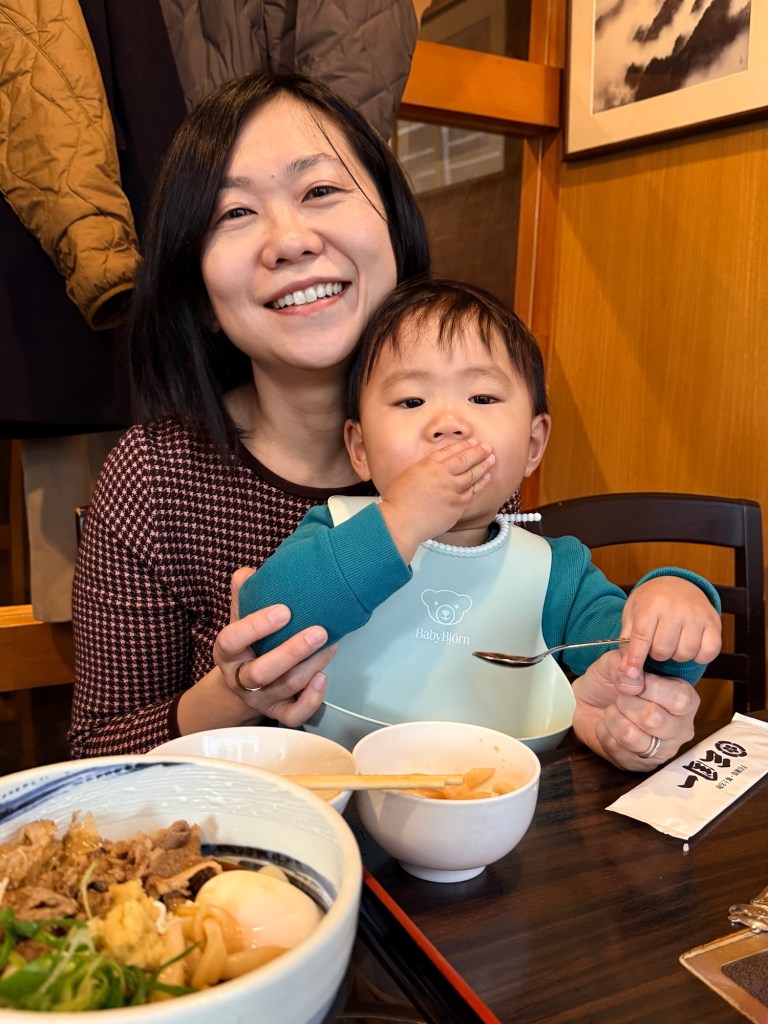
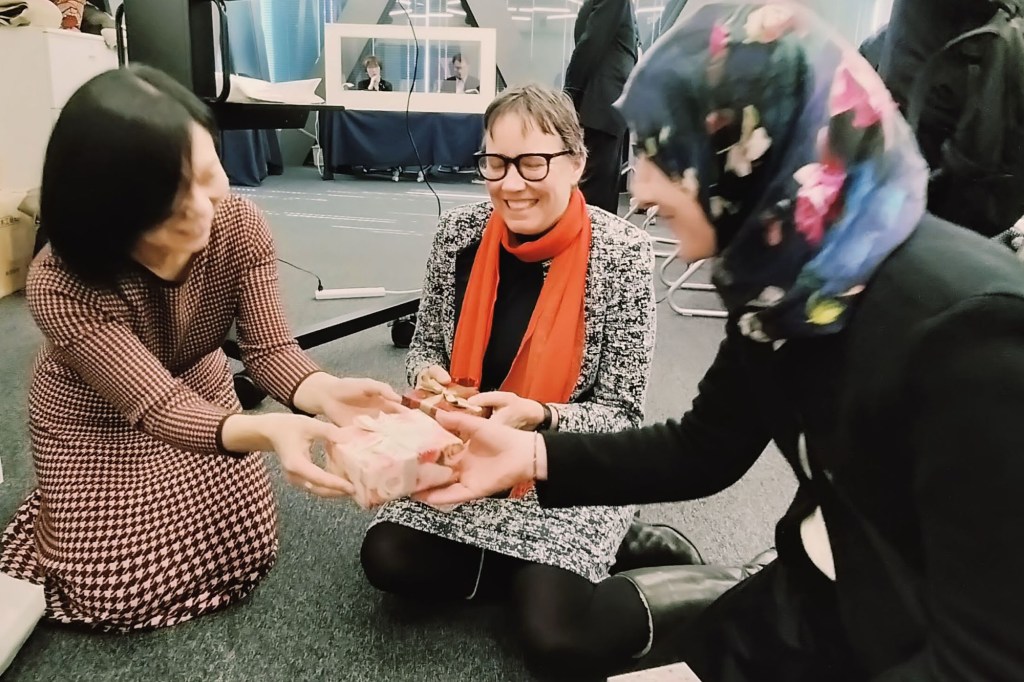
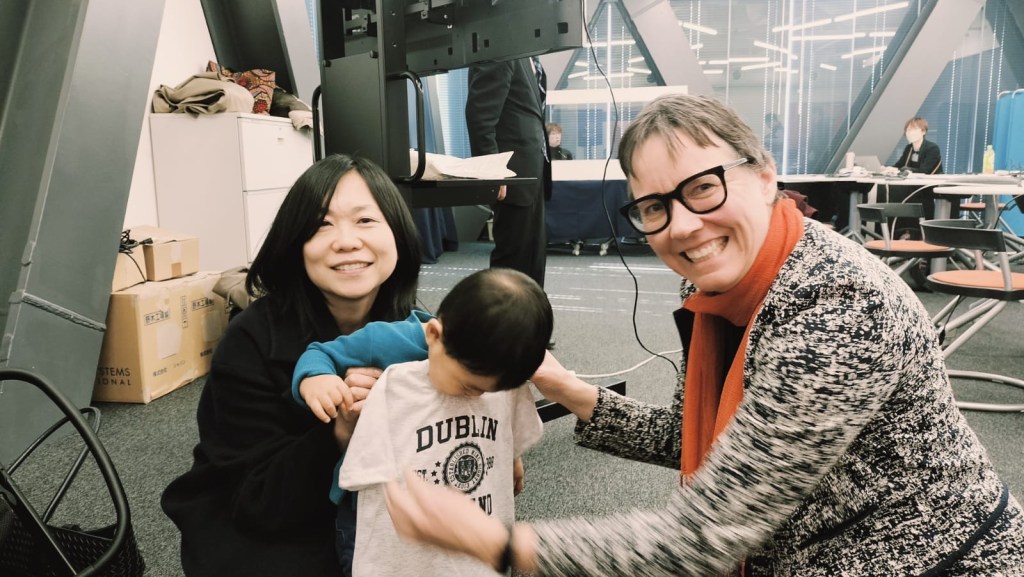
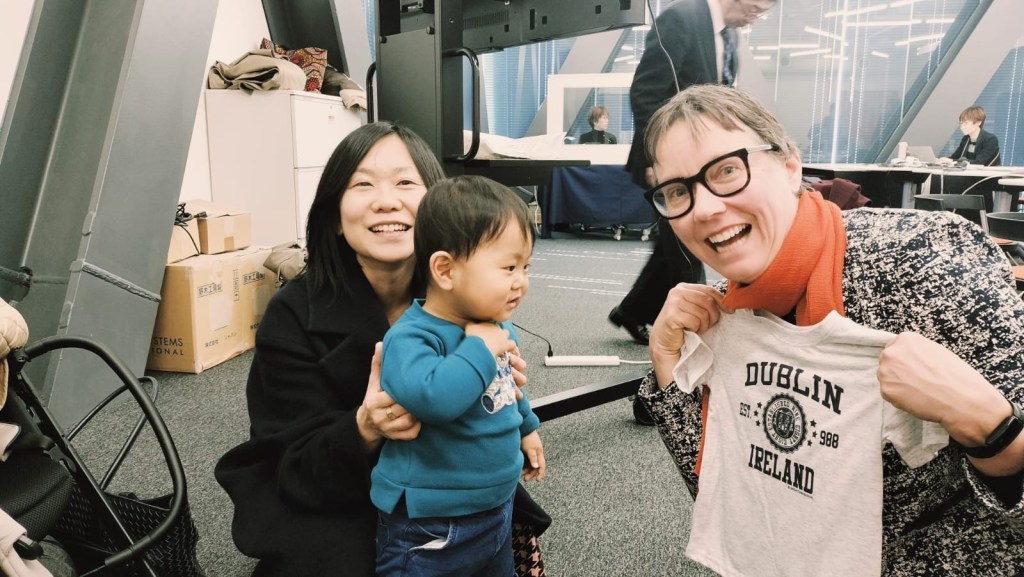
We also got to exchange gifts with Misaki and her son. She gave us the most sincere, heartwarming, handwritten notes describing, among other things, how much being part of the handbook project had meant to her husband.
Dr. Fumihiko Tochinai also attended the event. He co-authored Chapter 30 of the ethics handbook, titled “Two criticisms of engineering ethics assessment,” with Rockwell Clancy, Xin Luo, and Chunping Fan.
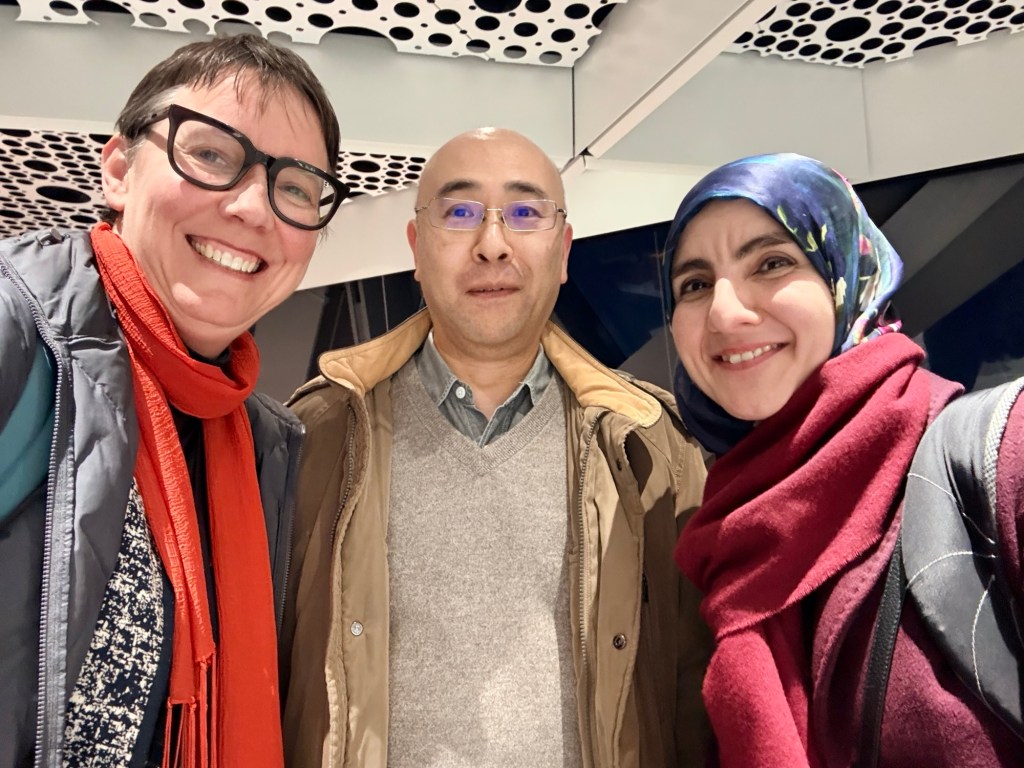
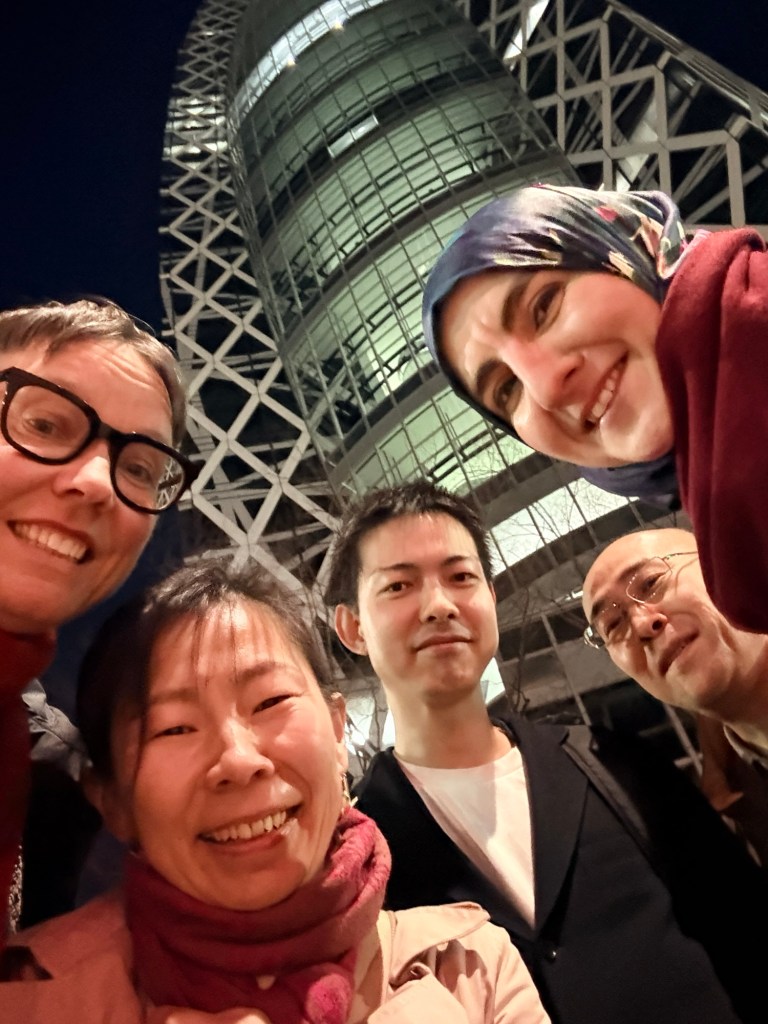
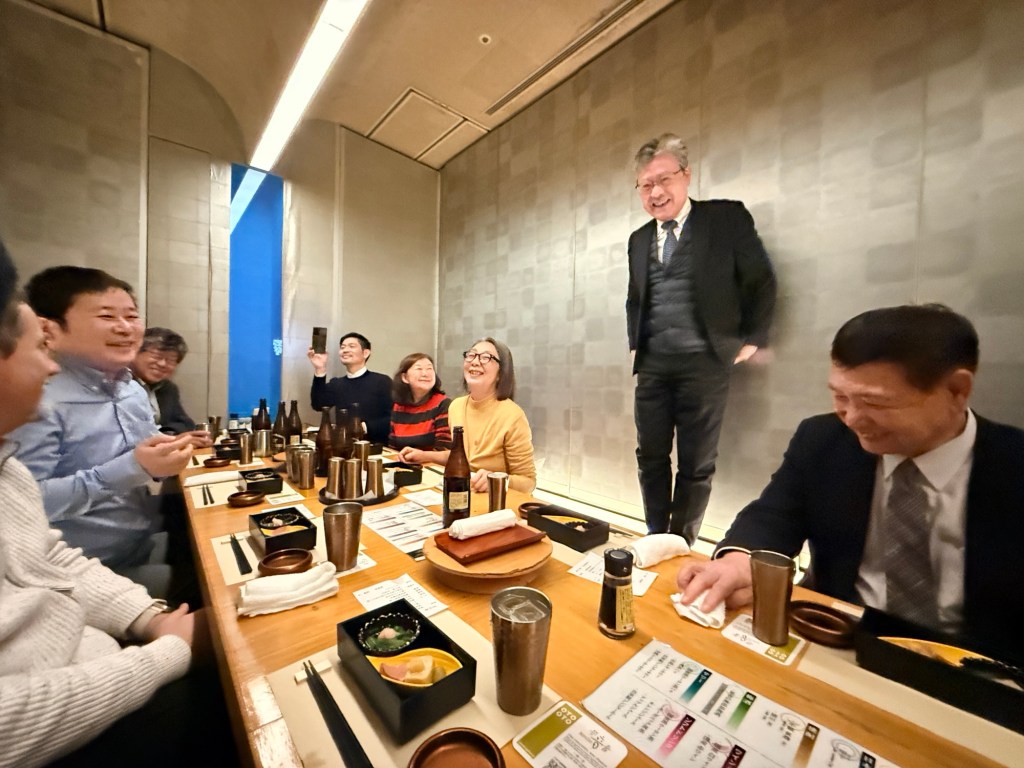
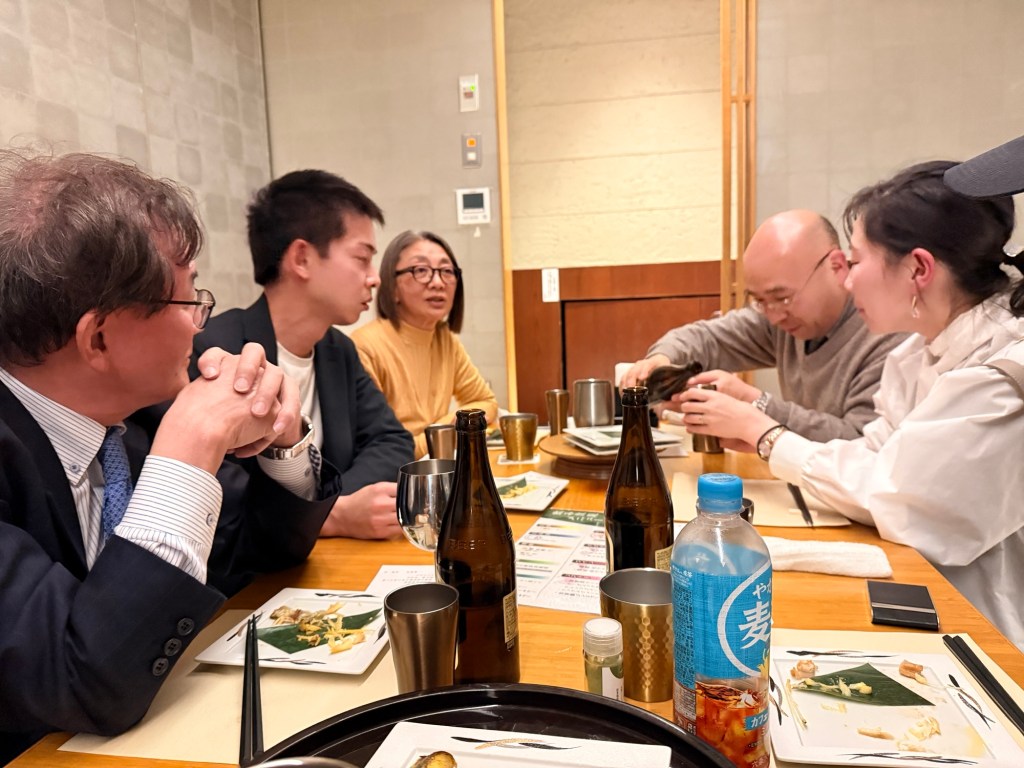
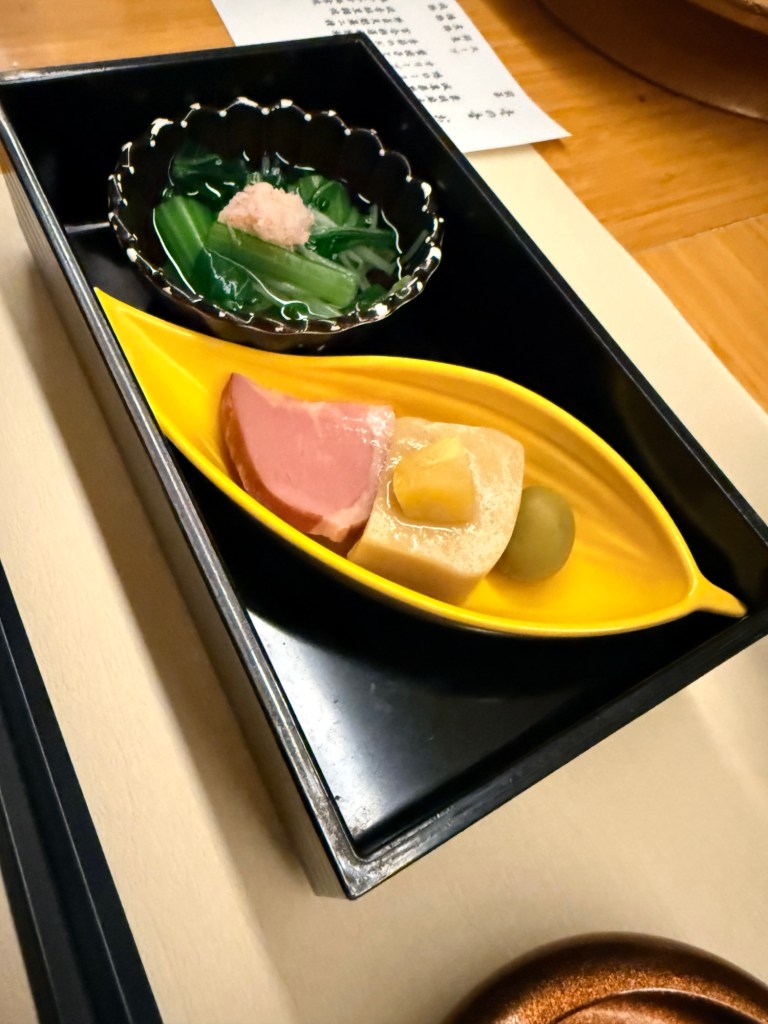
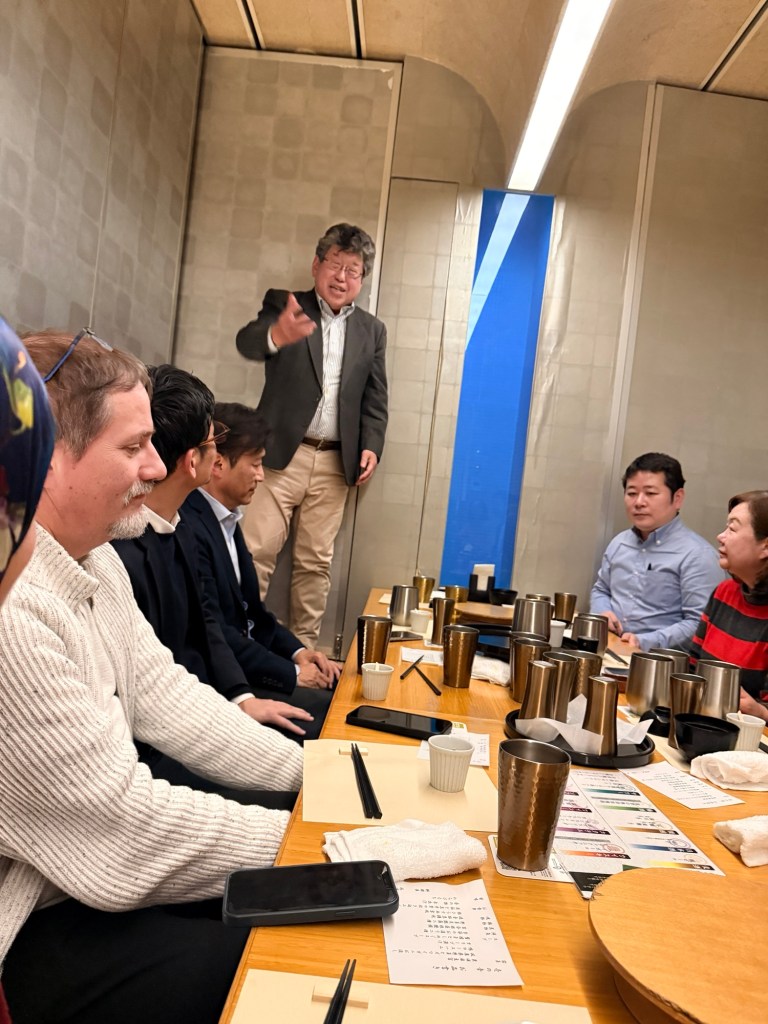
At the end of the event, we got a “family picture” and then headed off for a traditional Japanese meal together. It was a very special experience, and I learned some important cultural aspects (when and where to wear slippers versus socks only inside, how to pour beer for each other, and the like). One of the day’s attendees, Jeffrey S. Cross, an expat from the USA like me, helped me translate and explain nuances.
Cultural Explorations
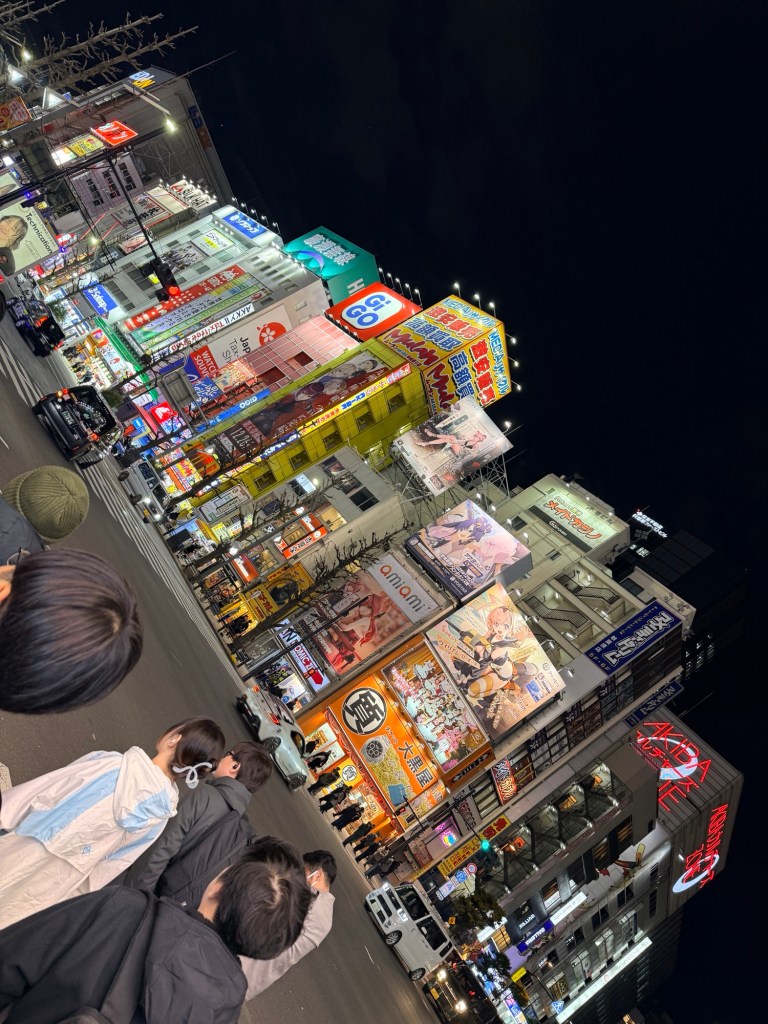
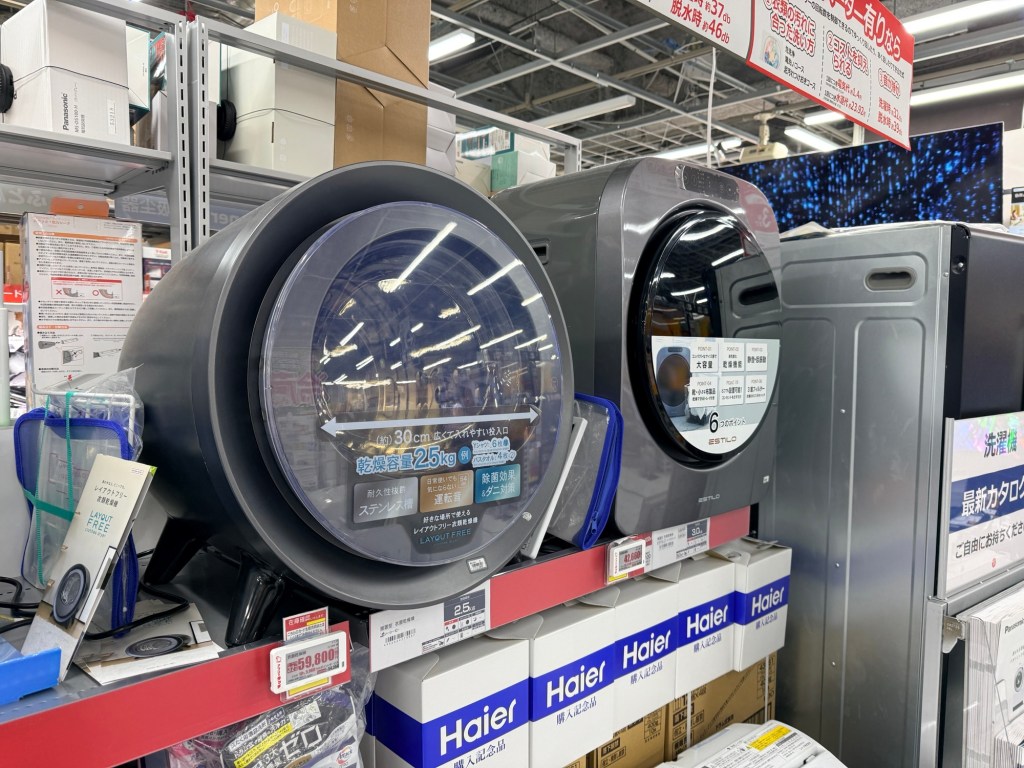
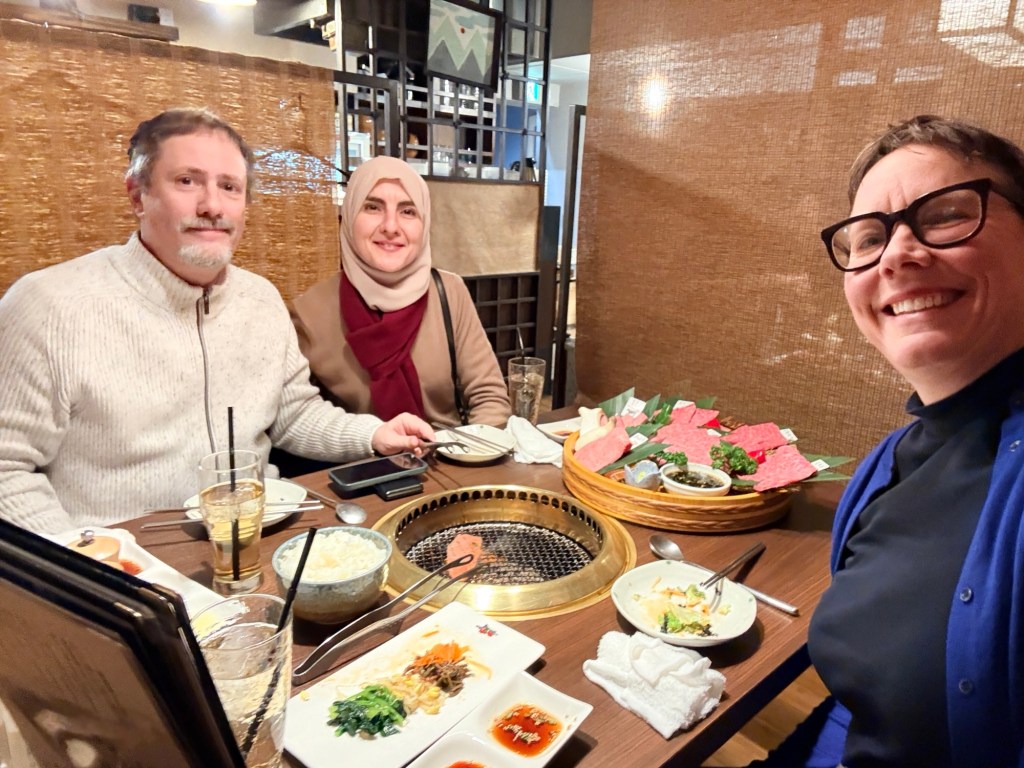
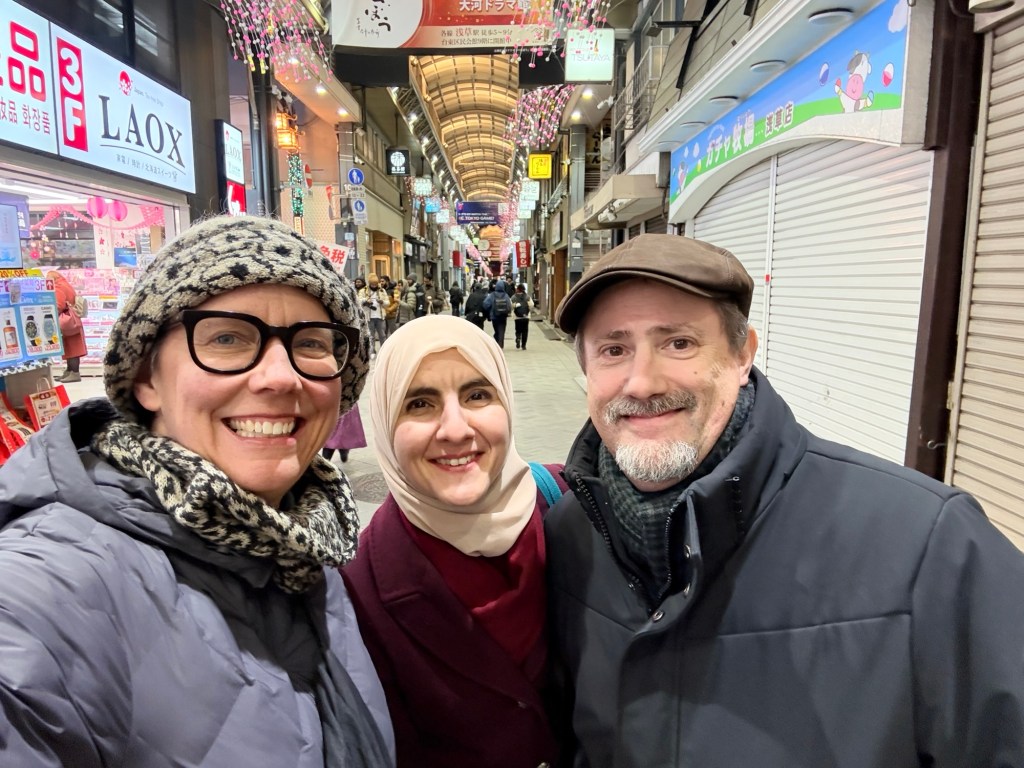
Following this big day of activity, Sarah and I, along with Sarah’s lovely newlywed husband, Stefané, who joined her for the trip, had a bit of time to explore Tokyo. We enjoyed exploring a huge electronics store together.

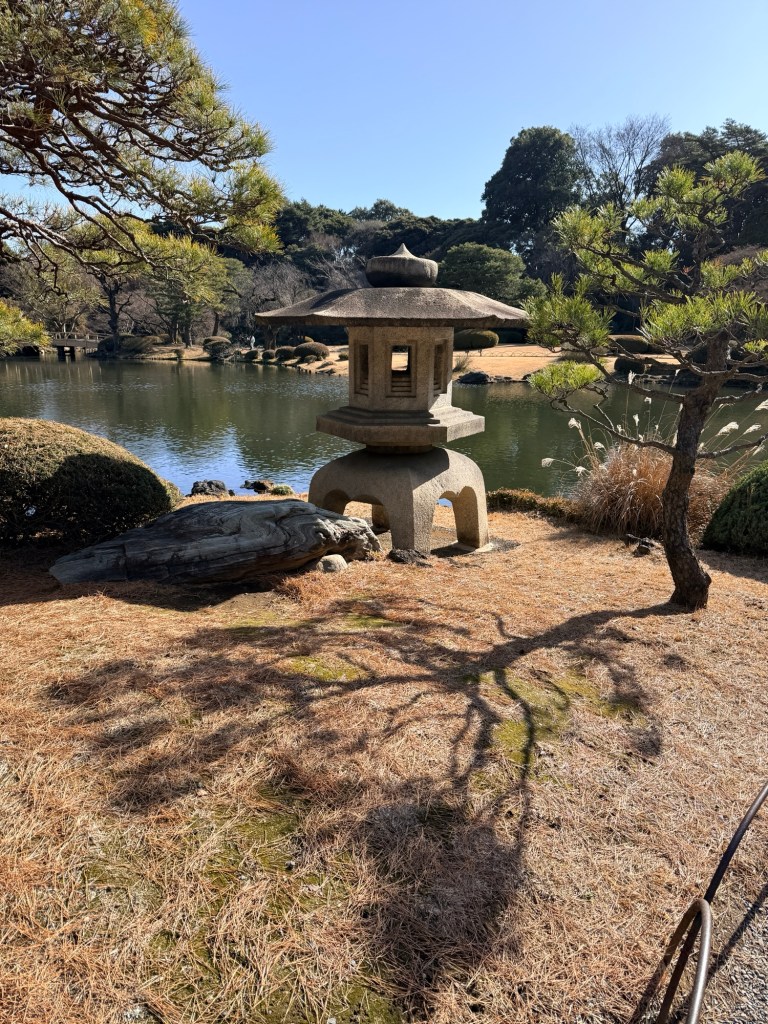
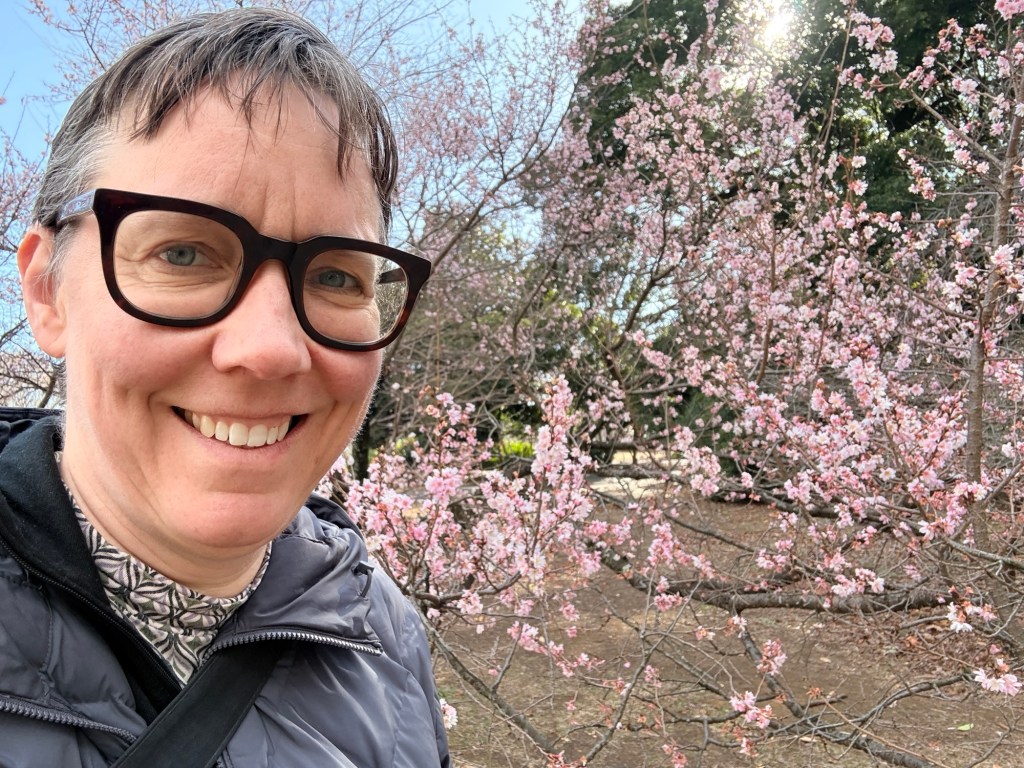
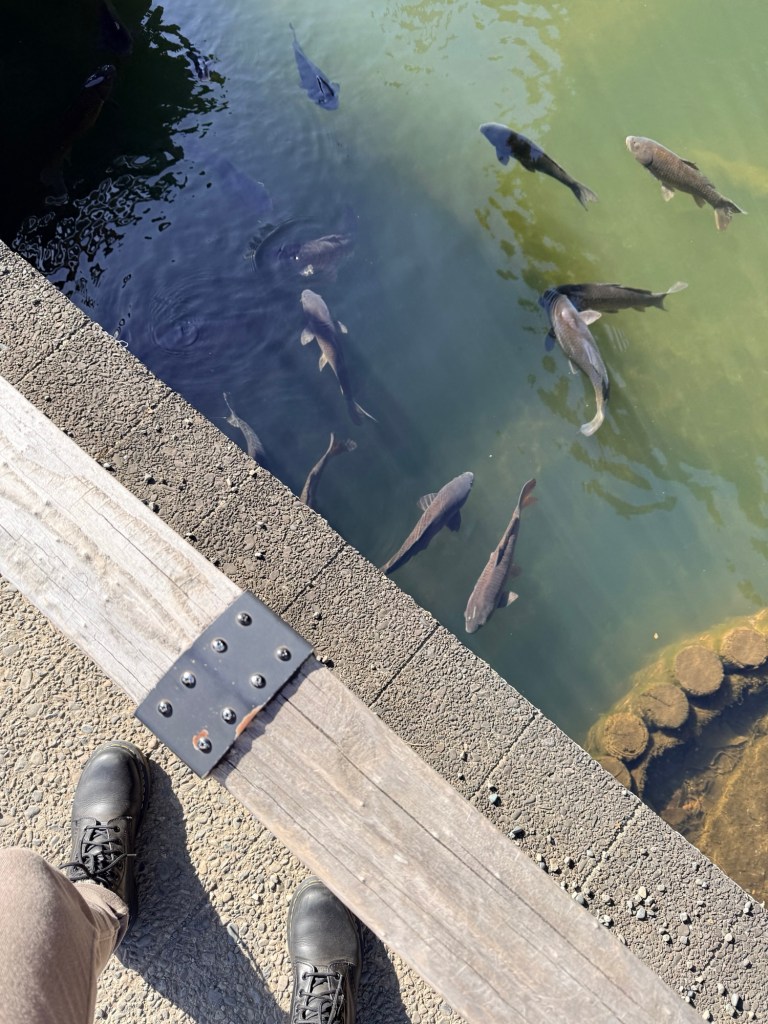
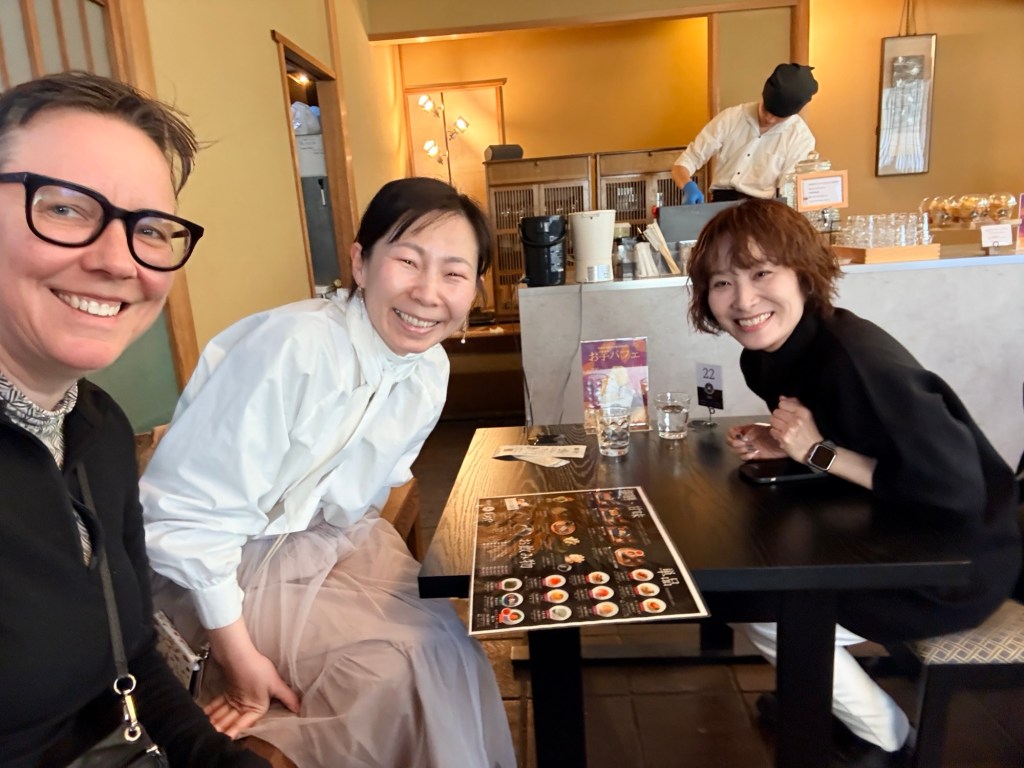
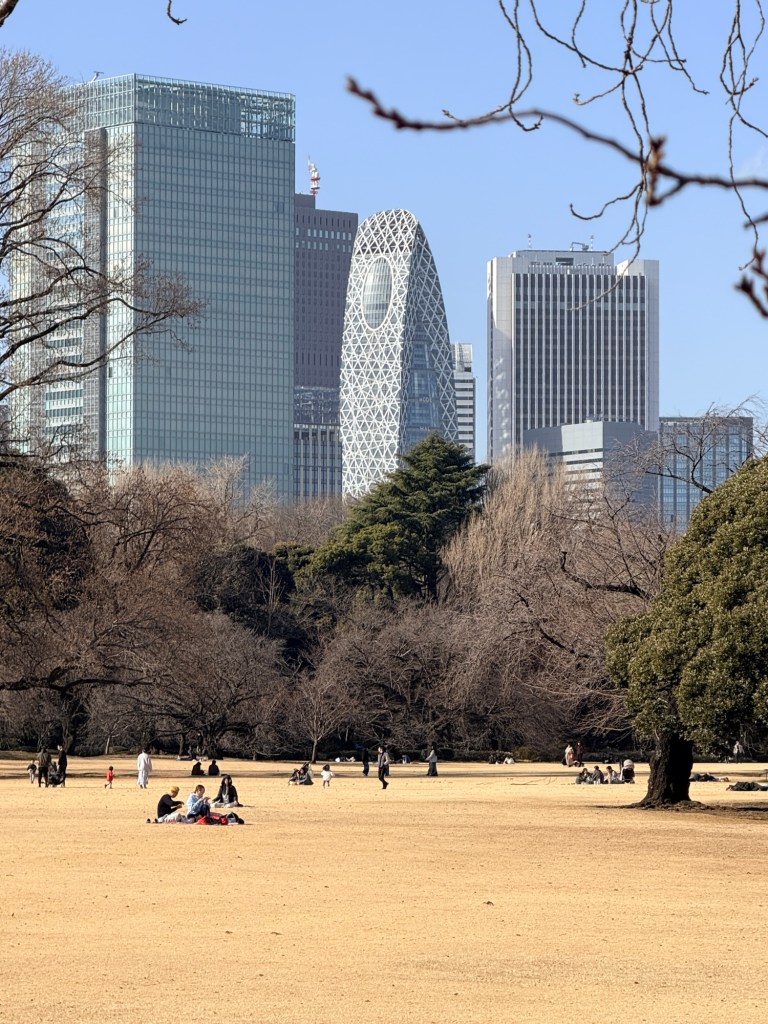
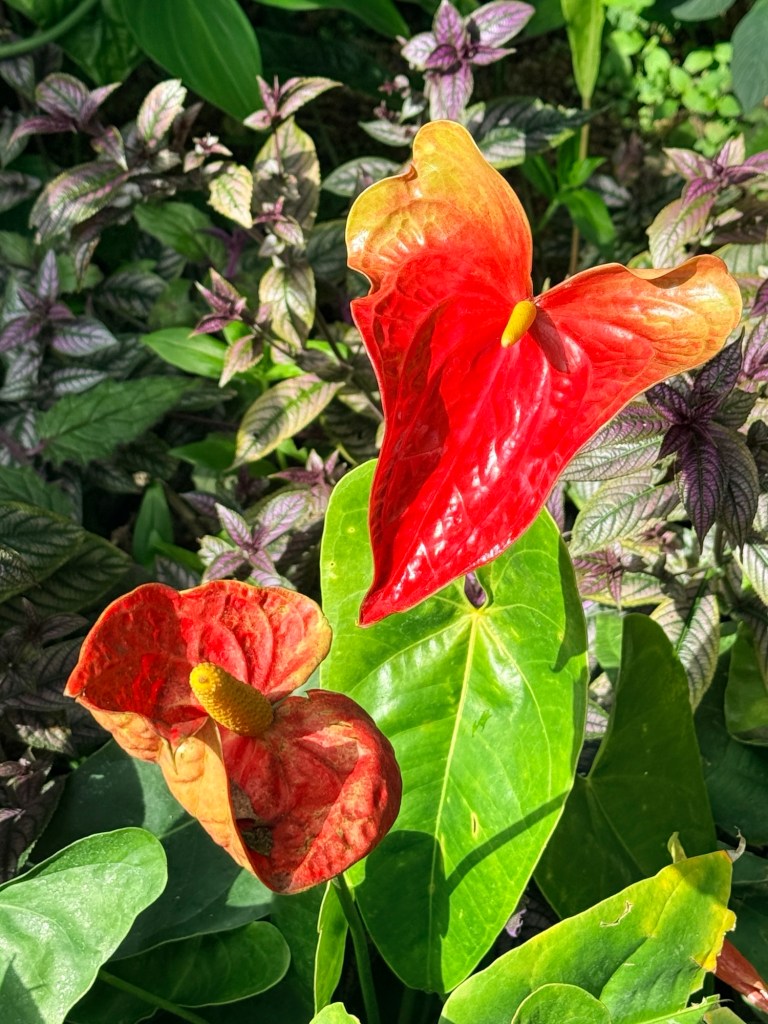
On our last morning in Tokyo, I visited the Shinjuku Goyen National Garden, where at the tea house, I bumped into Asami and a friend of hers.
Small-Scale Working Session
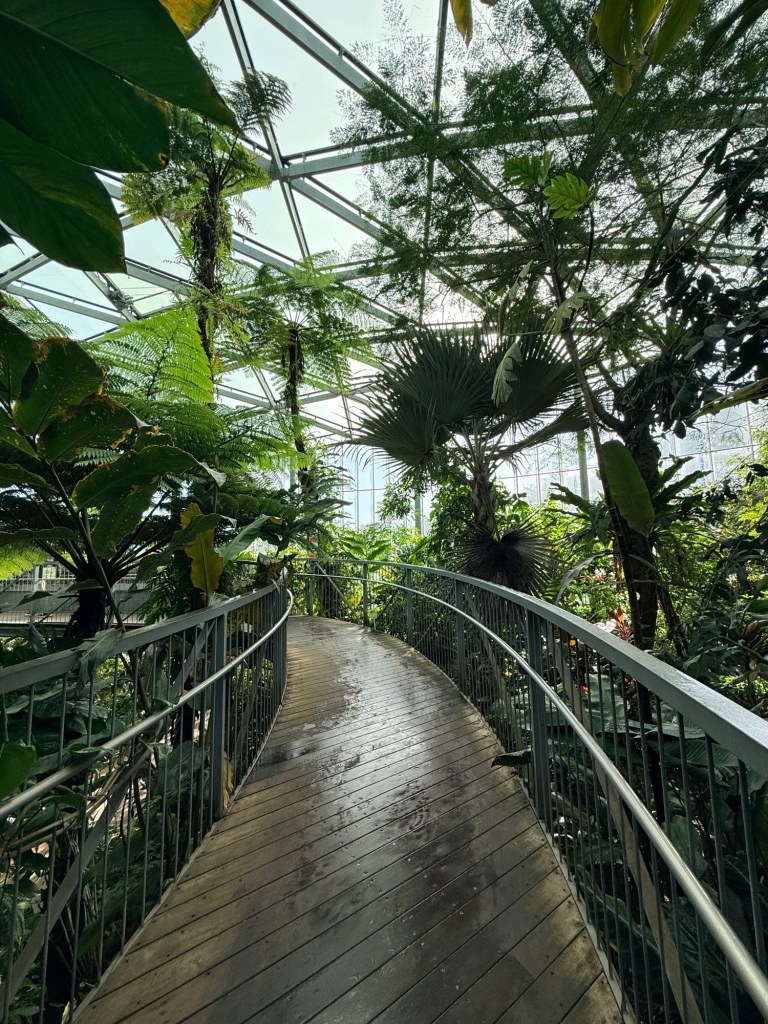
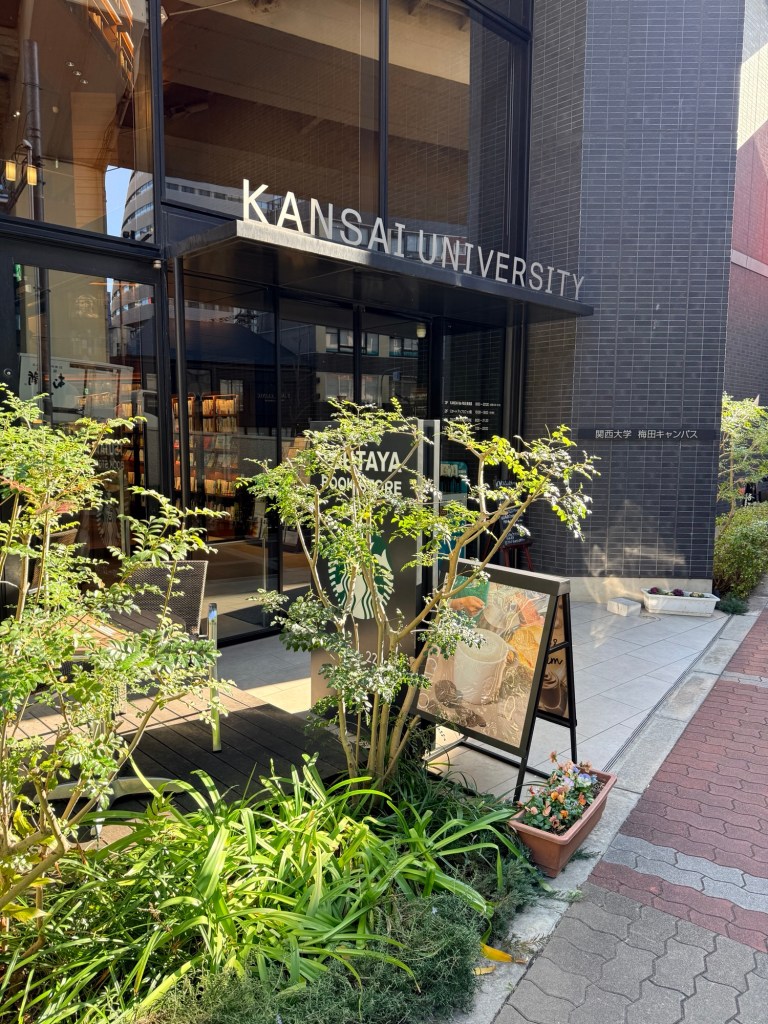
After I explored the greenhouses at the Garden, Sarah, Stefané, and I headed back to Osaka, where the following day we participated in a small-scale workshop to plan engineering ethics education activities for the future. The workshop was held at Kansai University’s Umeda Campus.
Mari Ito joined us as a language expert to help translate ideas between English and Japanese. She had also translated many of the written materials and slides for the full sequence of events during our trip.
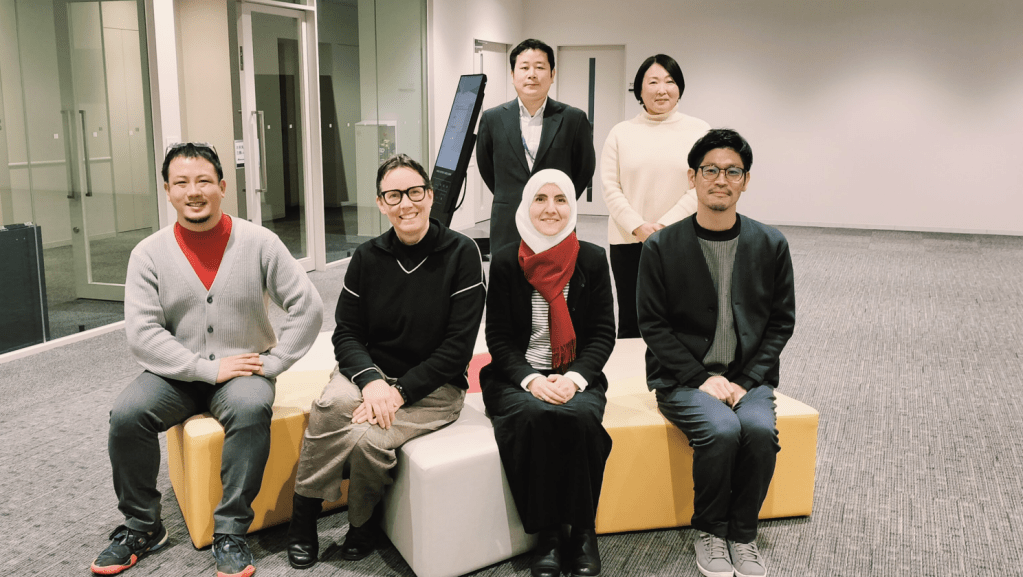
I really enjoyed the presentation that Dr. Shinya Oya delivered and the discussion of projects underway or envisioned in Japan where Sarah and I might be able to connect, ourselves and/or alongside our colleagues from Europe. “In this intimate setting,” Shinya explained, “we were able to deepen discussions on how future joint research might be shaped, building on insights from the Tokyo workshop.”

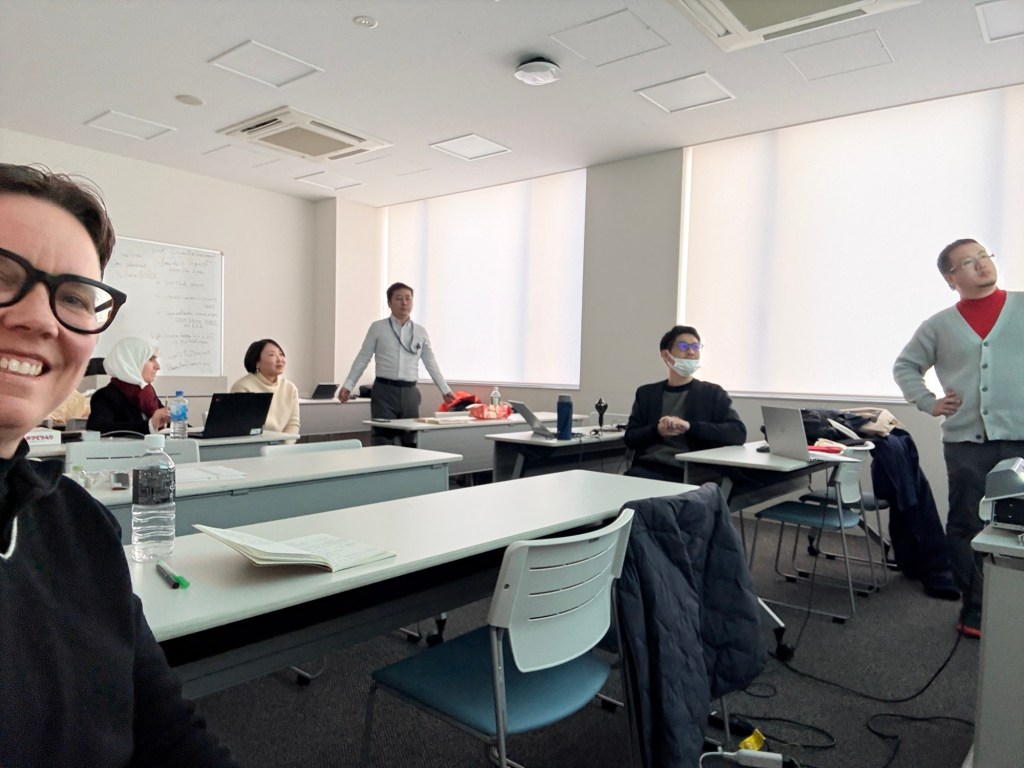
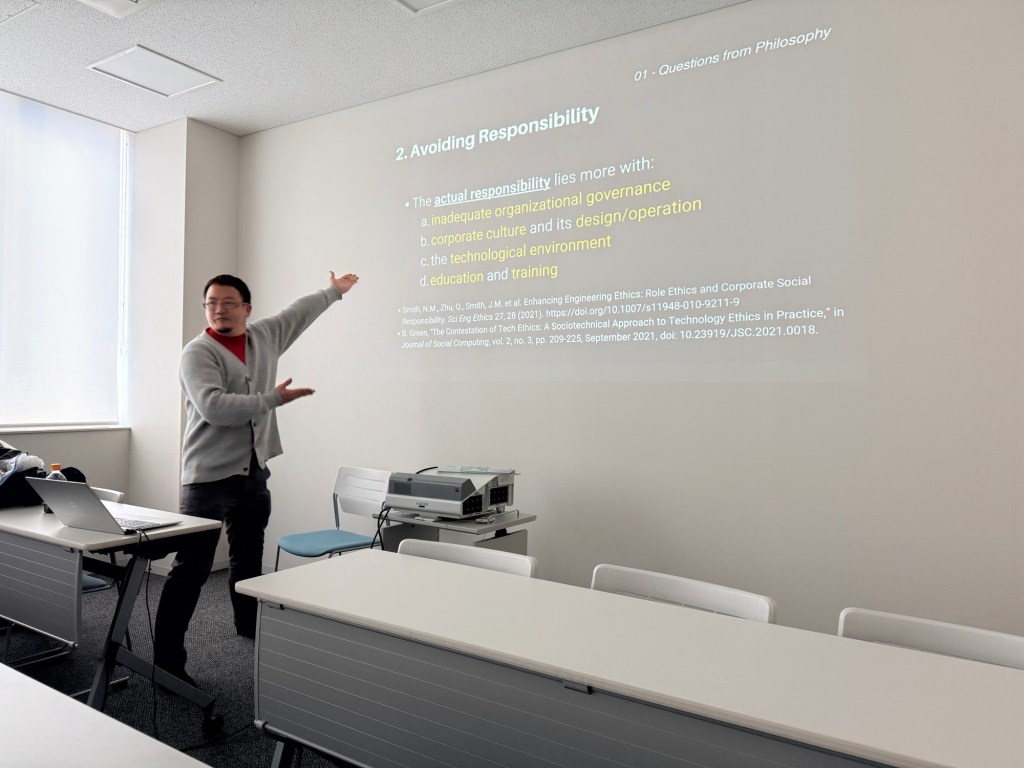
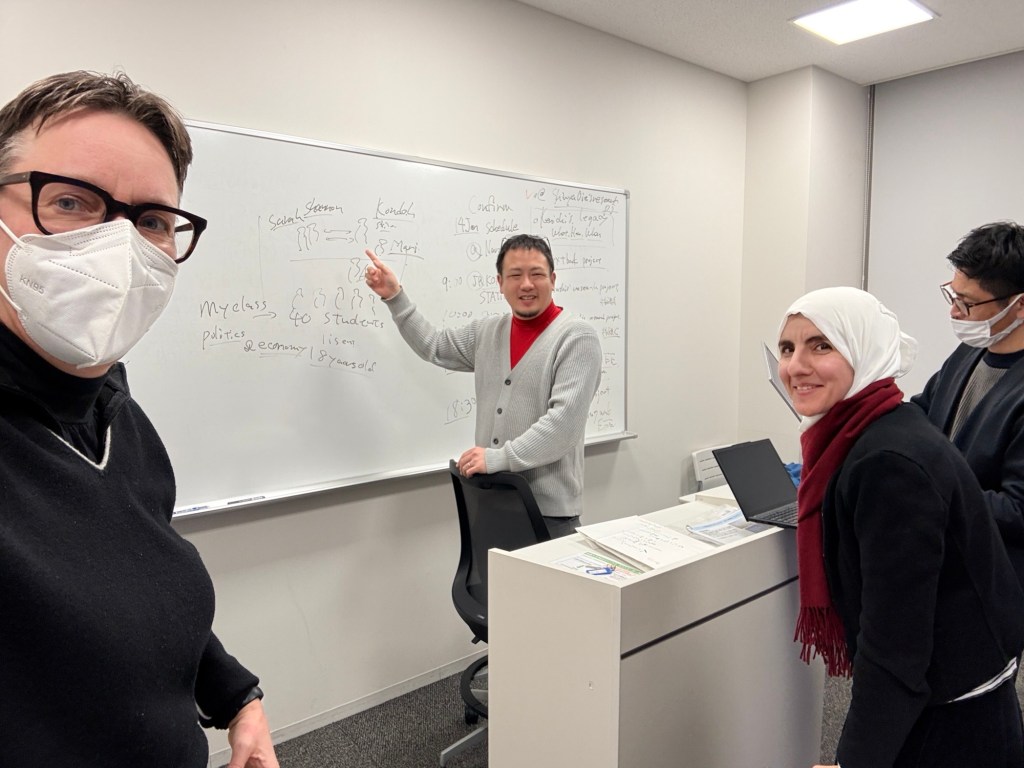
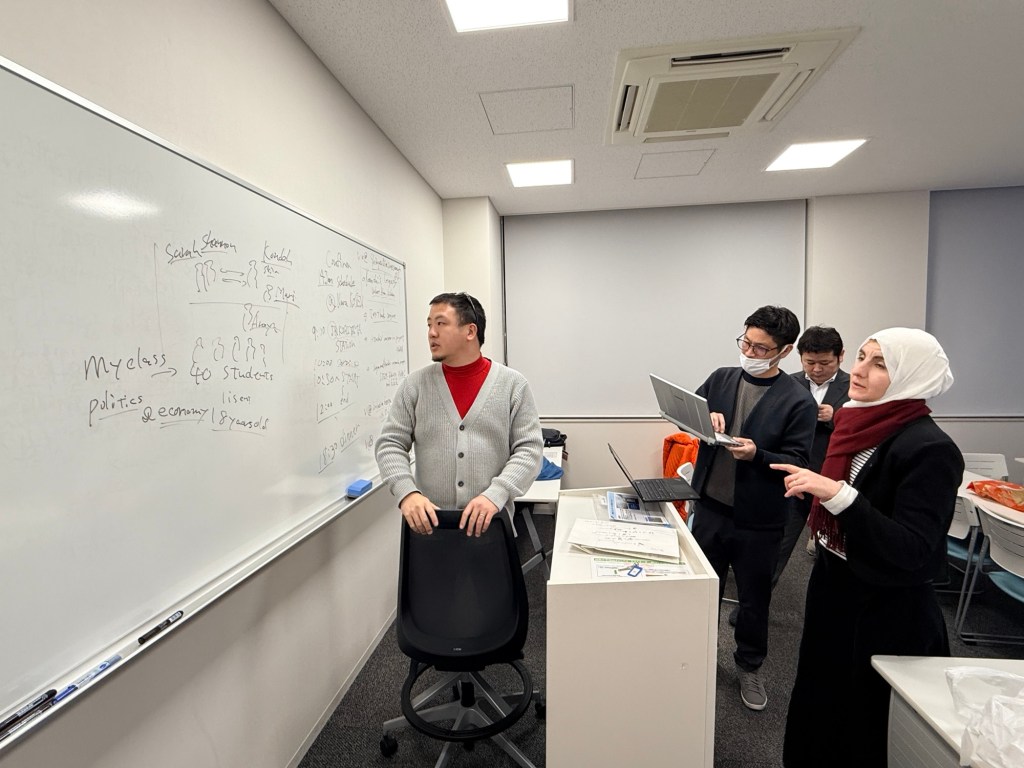
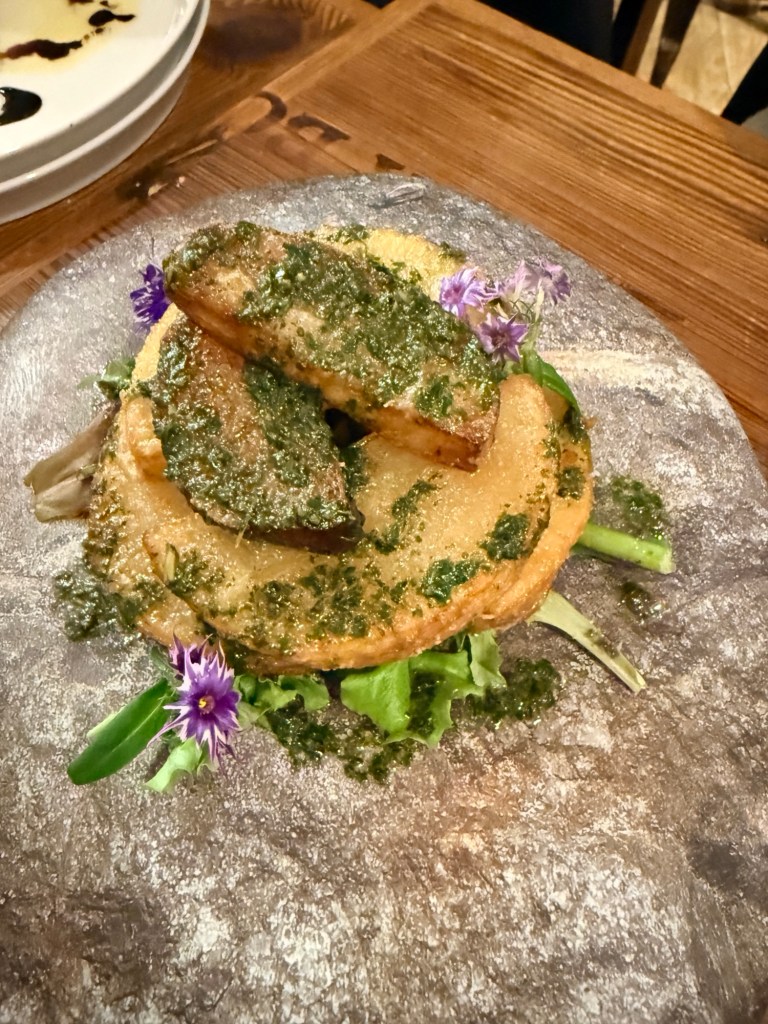
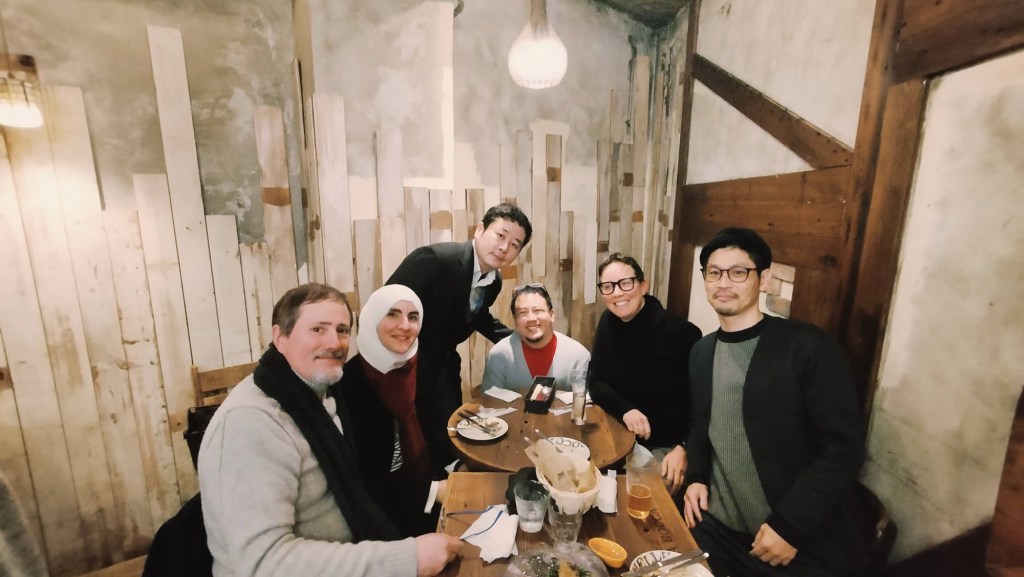
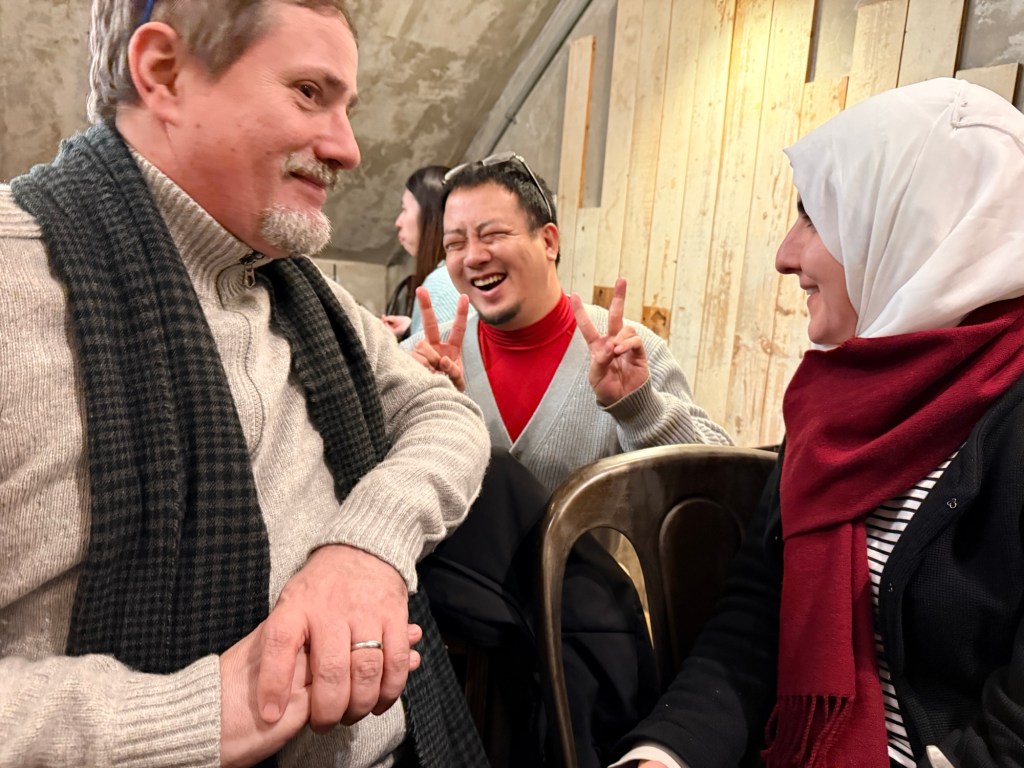
We all went out for Italian tapas together after the workshop. We each selected a couple of items from the menu and got a chance to taste a wide variety of foods. The presentation was beautiful!
Visiting KOSAN Nara Campus
Leaving Osaka the next day, we headed to Nara to visit a branch of the Institute of Technology (KOSEN), where Shinya teaches. Sarah and I travelled with Shinya to his campus.
The walk from the train station to the campus was really beautiful. The town where the campus sits is a ‘castle town,’ still organized around the canal that looped the site and still with a castle on the hill.
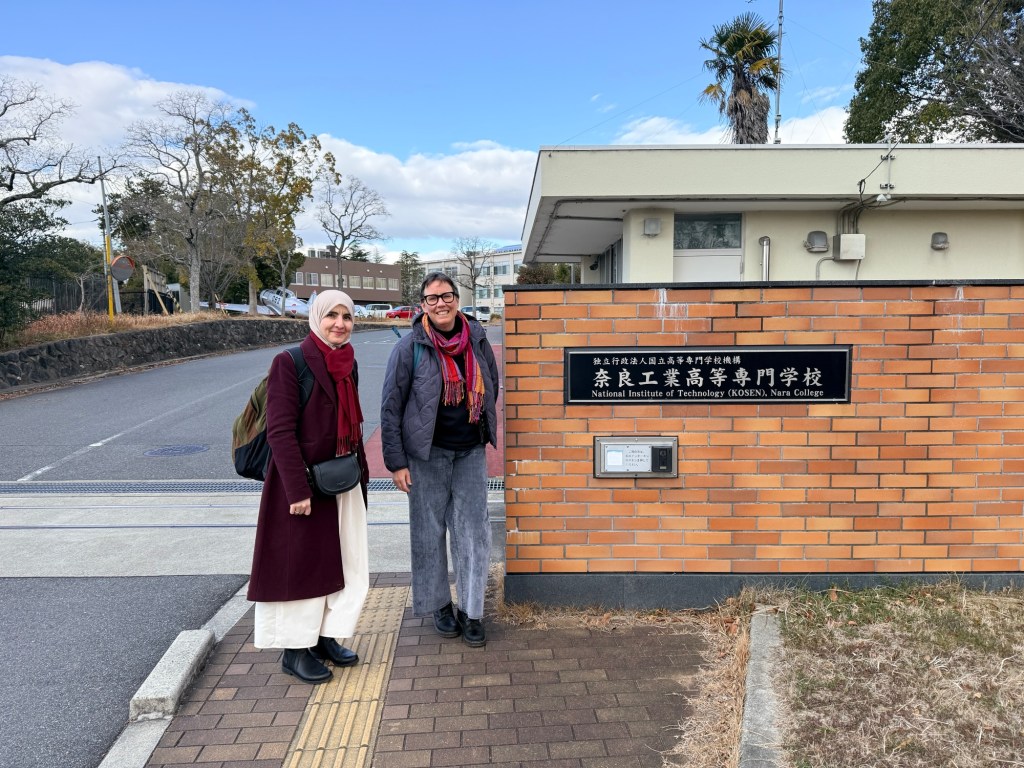
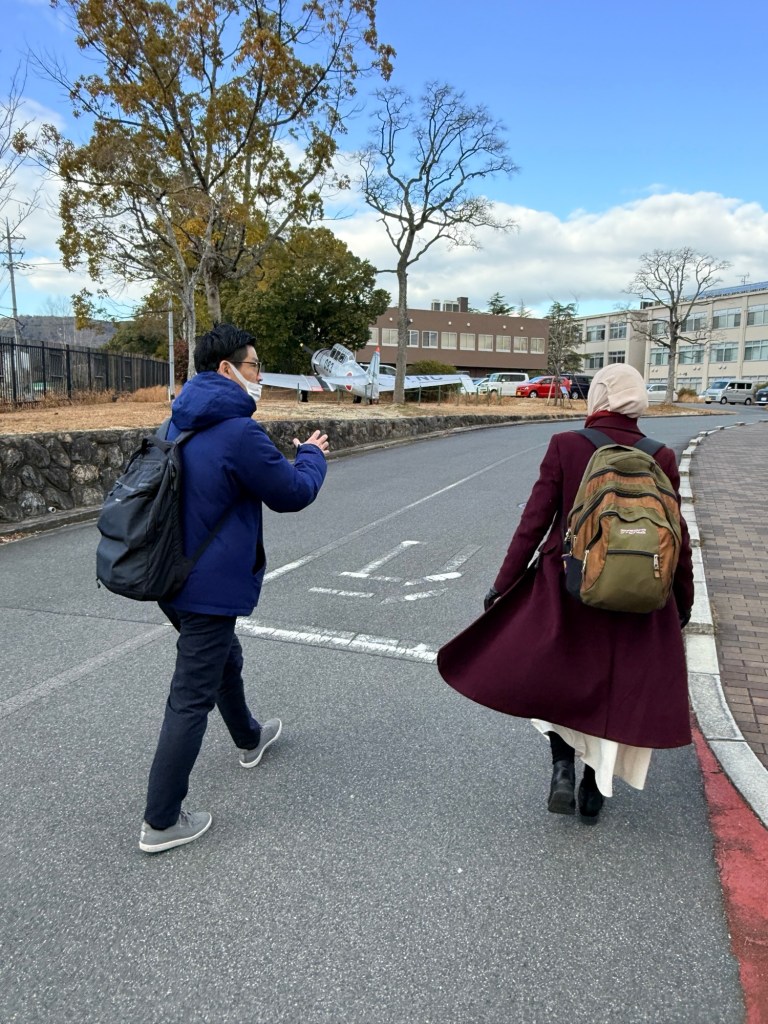
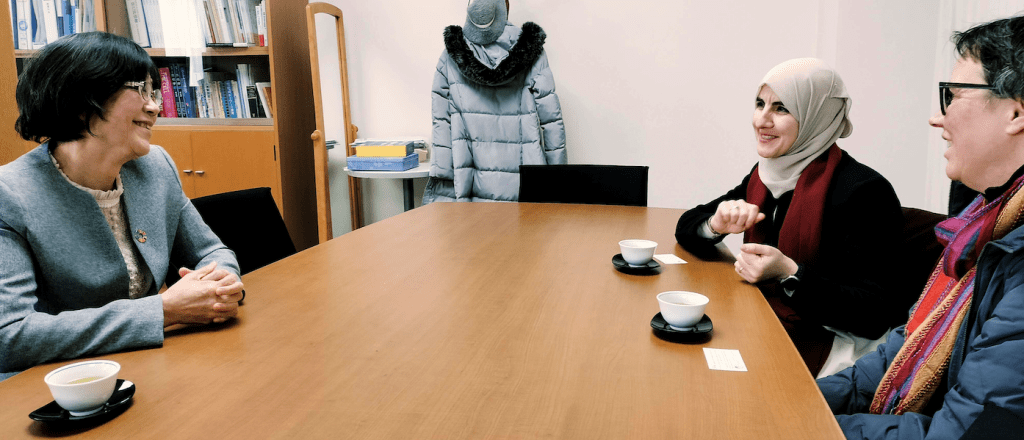
We had the immense honor of meeting Dr. Shinae Kizaka-Kondoh, a medical doctor and currently the Principal (president) of Nara National College of Technology.
She is also the Vice President of the Japan Network of Women Engineers and Scientists (JNWES).
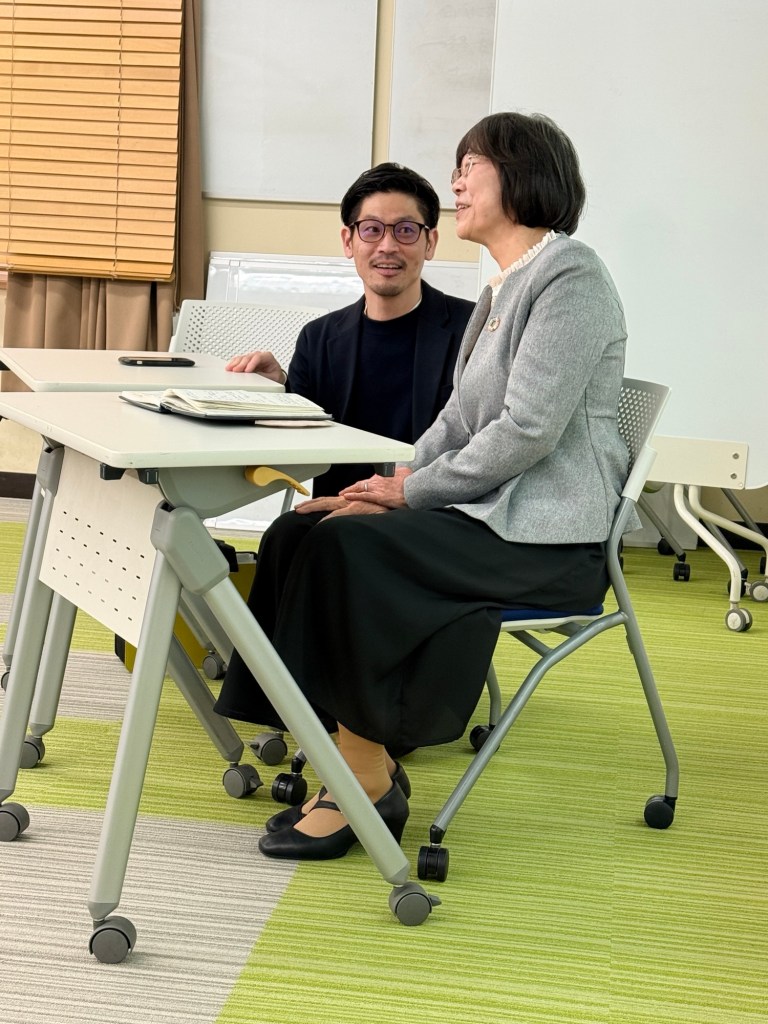
Shinae is a Japanese researcher, professor, and administrator known for her work in molecular imaging and tumor hypoxia, as well as her advocacy for women in STEM. She has published research on the challenges and solutions regarding the gender gap in science, technology, engineering, and mathematics (STEM) in Japan.
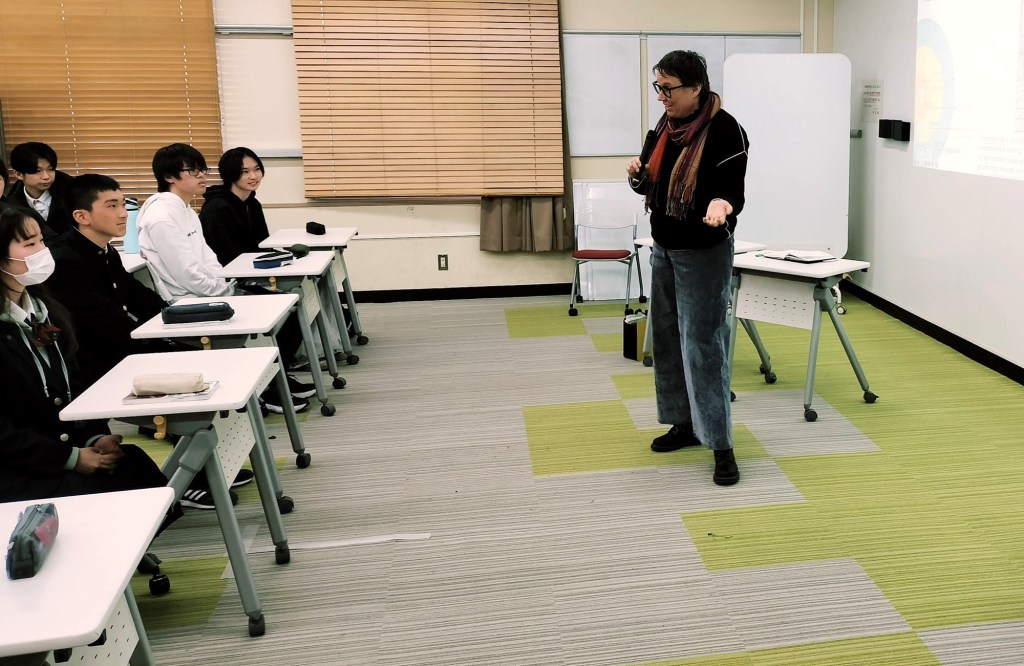
Shinae, Sarah, and I delivered talks to a class of about 40 Chemical Engineering students at KOSEN. The class is taught by Ryoko Uda. Chiyako Araya also spoke; she has done interesting research to quantitatively evaluate generic skills in active learning. She was also an important contributor to the event at the Cocoon Tower.
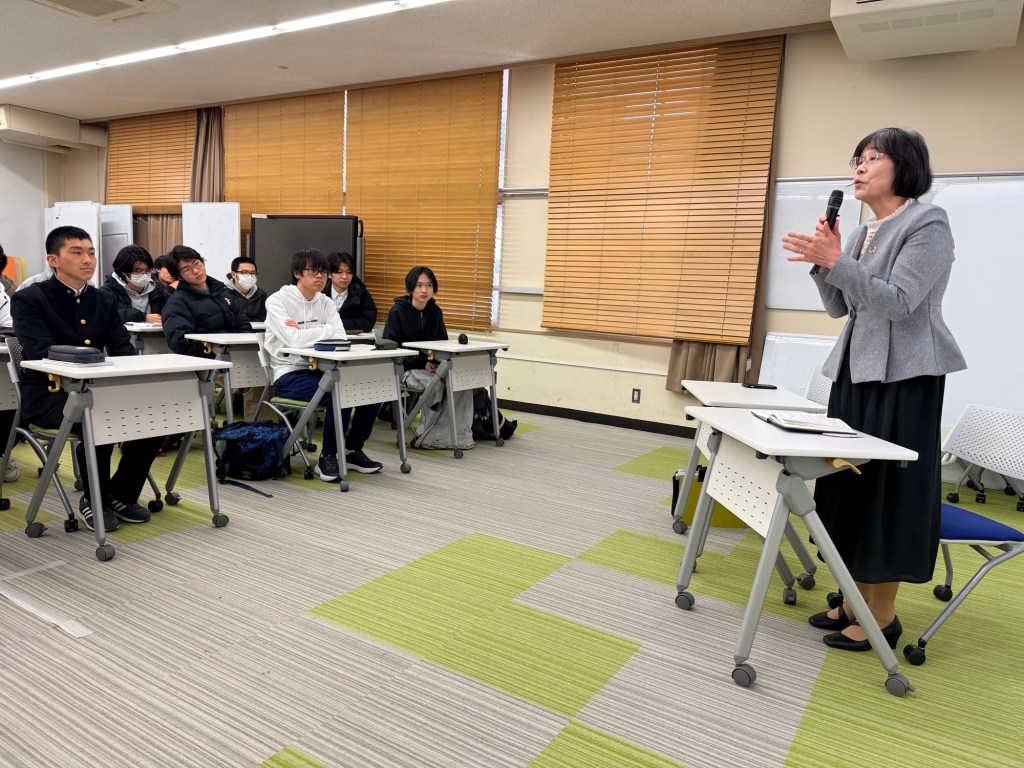
During the class, we discussed gender and diversity related to engineering ethics and engineering education research.
Chiyako discussed “SHINAYAKA Engineer Educational Program”, learning from people in different fields to expand the potential of female engineers.
Shinae’s talk incorporated elements of her paper Gender Equality in STEM and Other Male-Dominated Fields in Belgium and Japan.
Sarah presented research on gender aspects developed by a student she supervised.
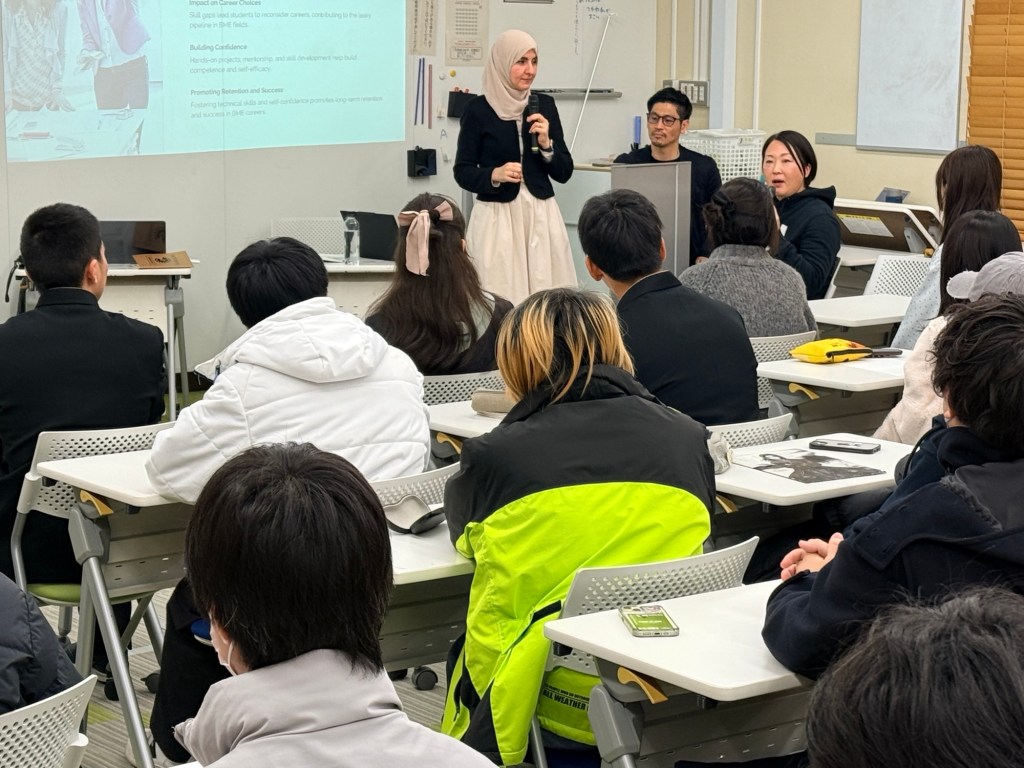
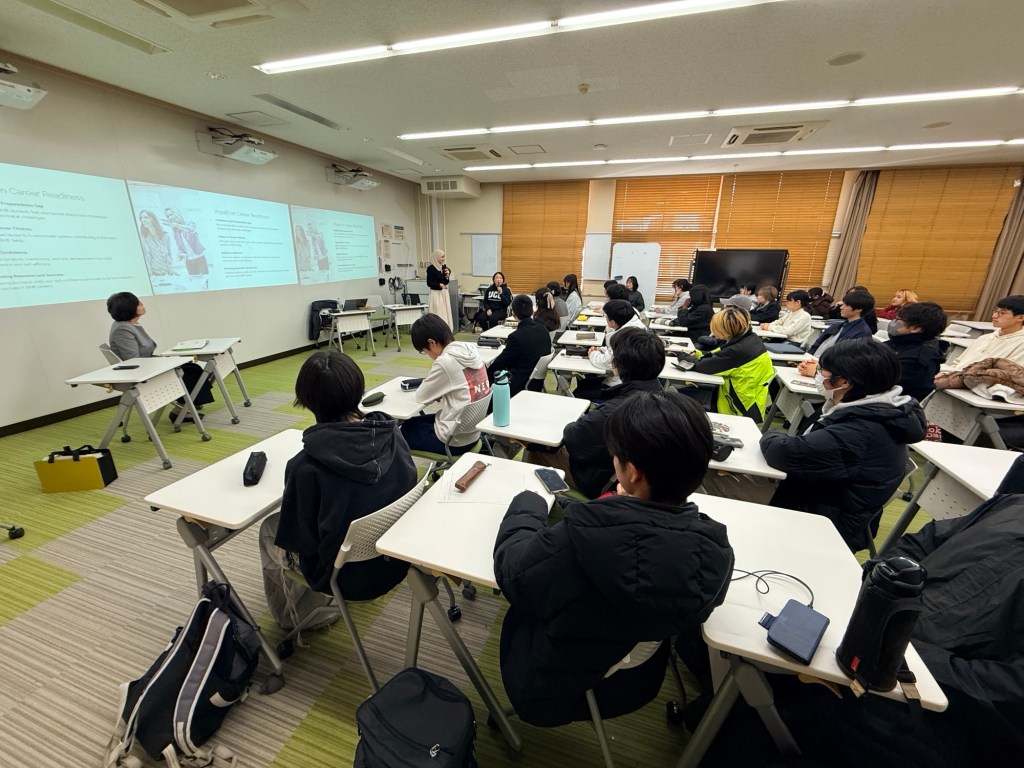
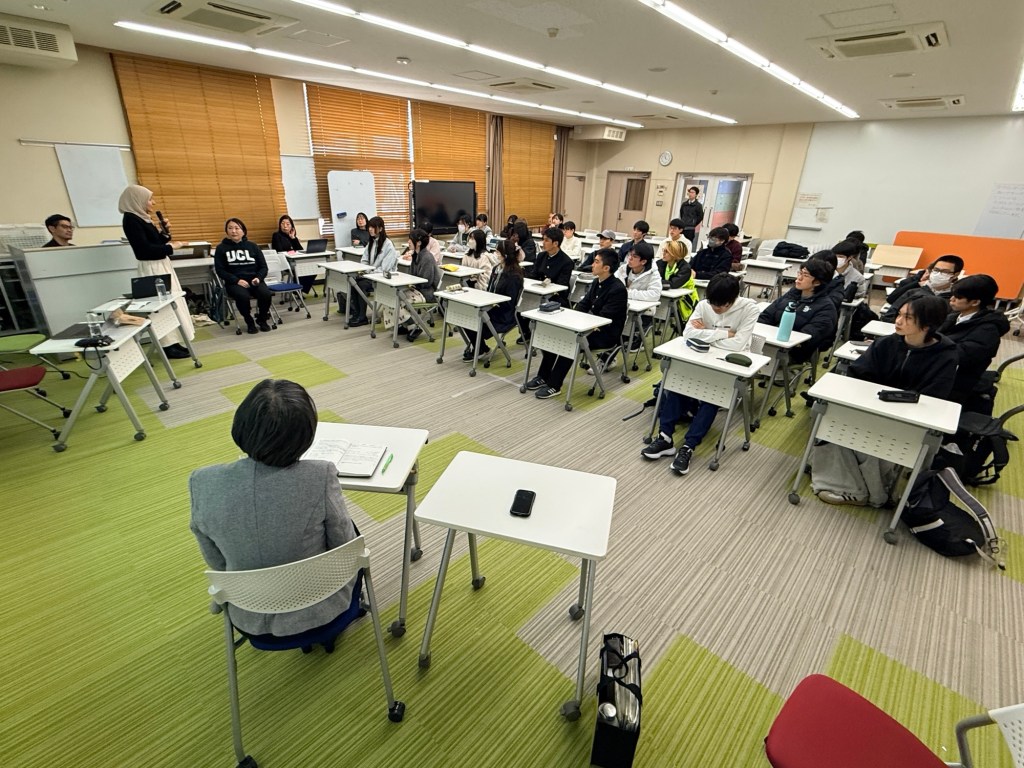
At the end of the class session, I had the opportunity to speak about the broader role of engineering education research. I also shared some of the research that Sandra Cruz Moreno and I have done together.
I presented our work in engineering education research to understand students’ experiences and assess how effectively students learn various engineering topics depending on how the content is delivered.
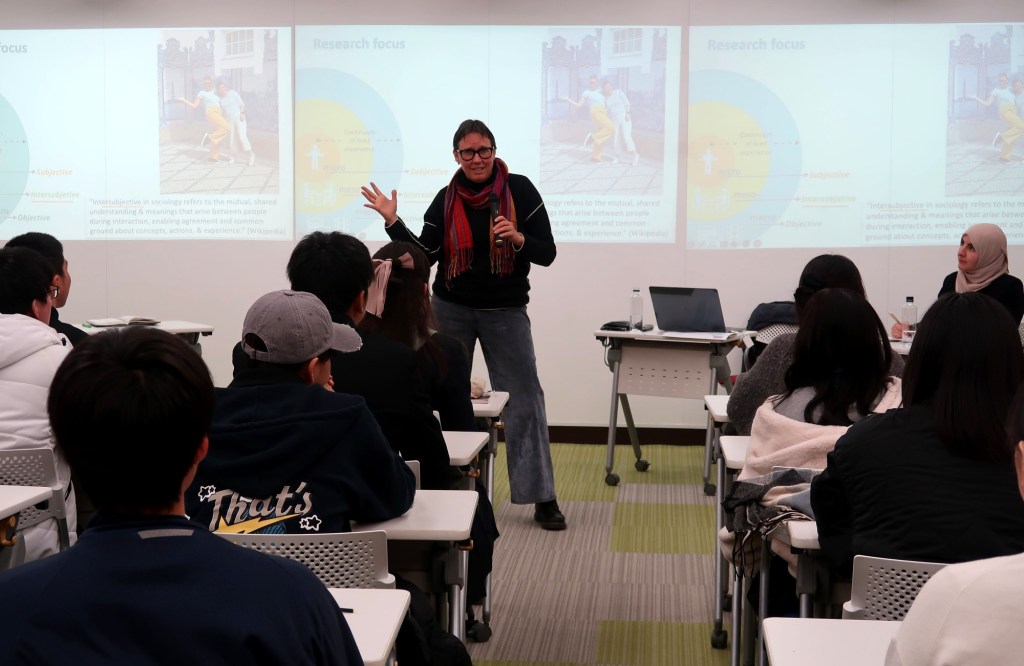
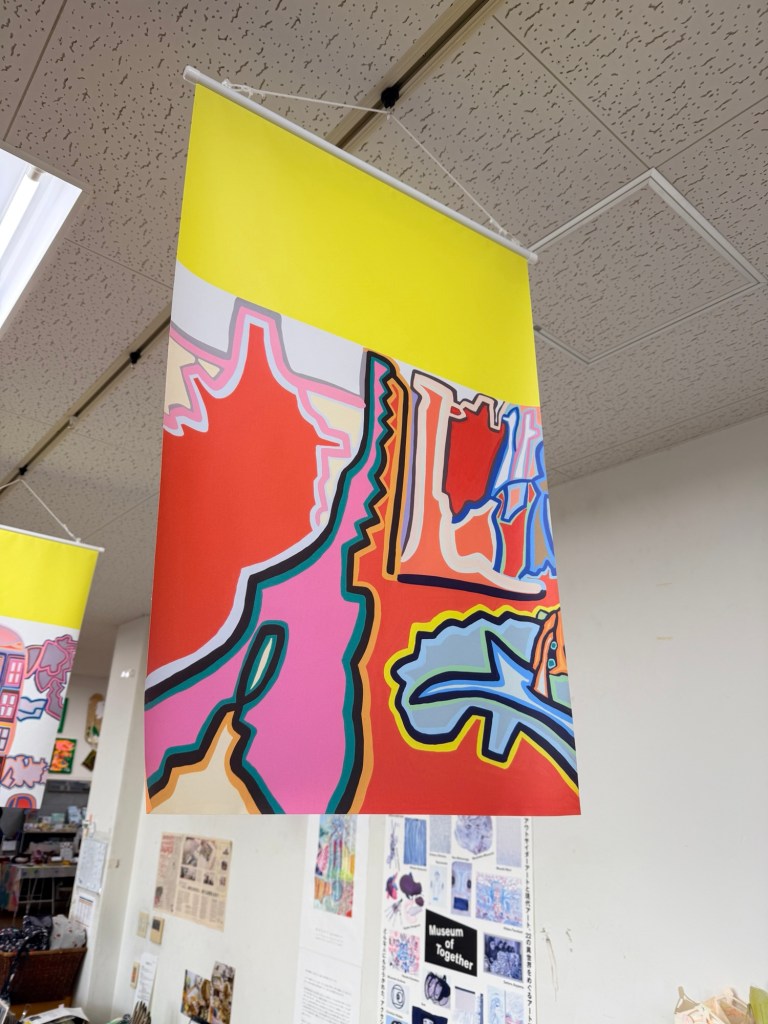
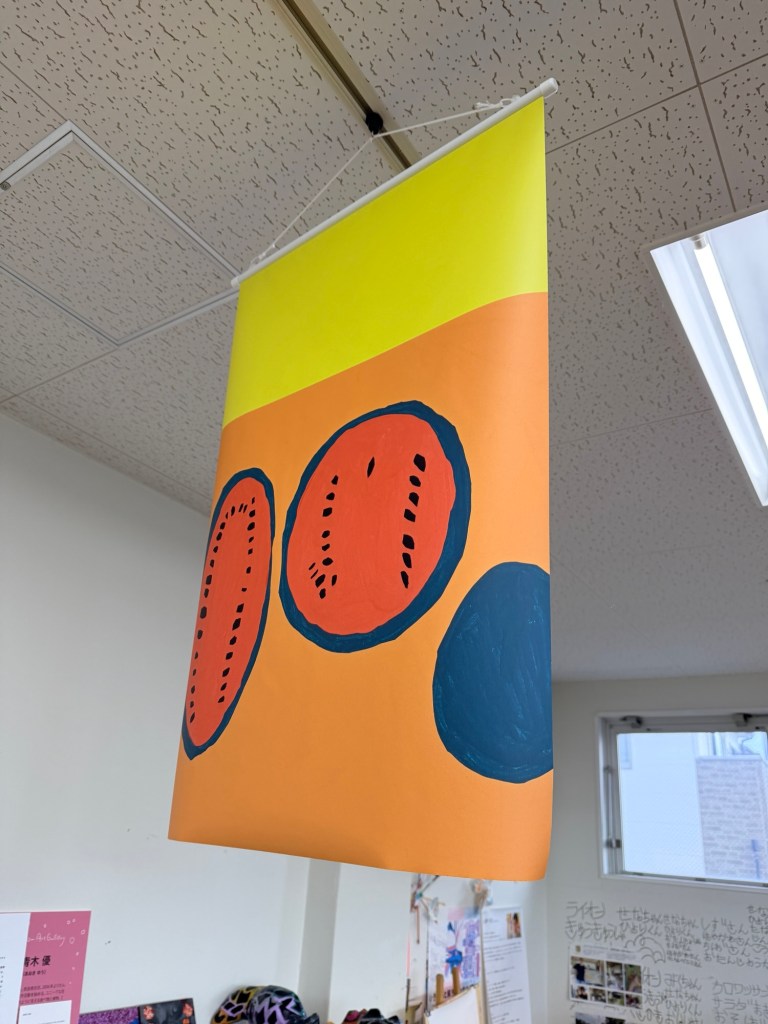
Touring Tanpopo, A Community of Disabled Artists
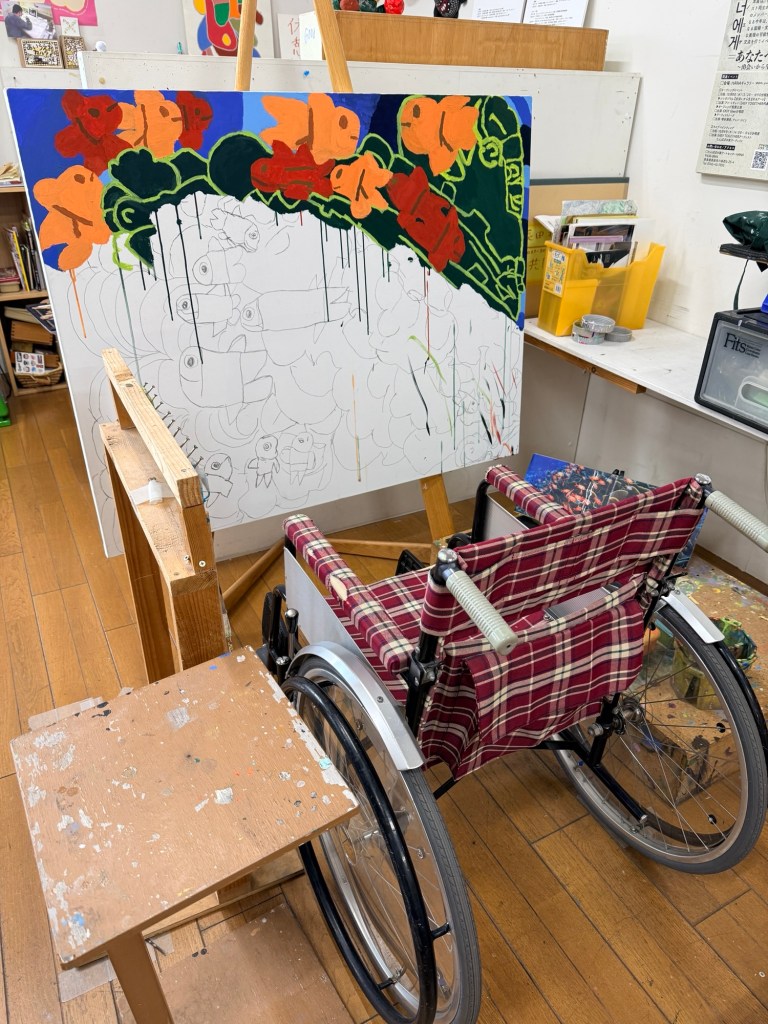
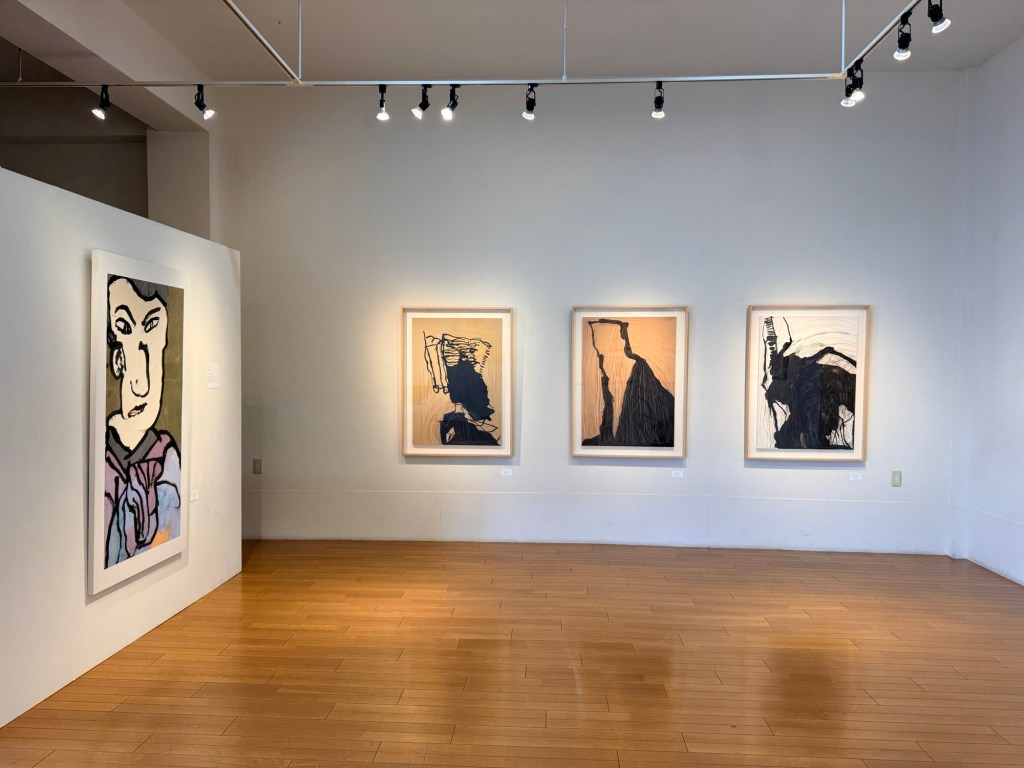
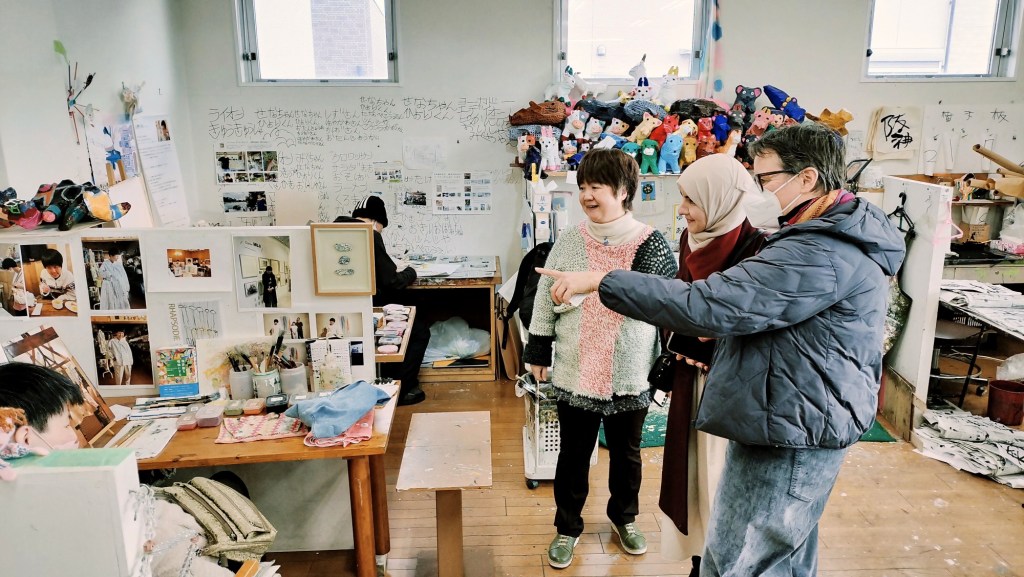
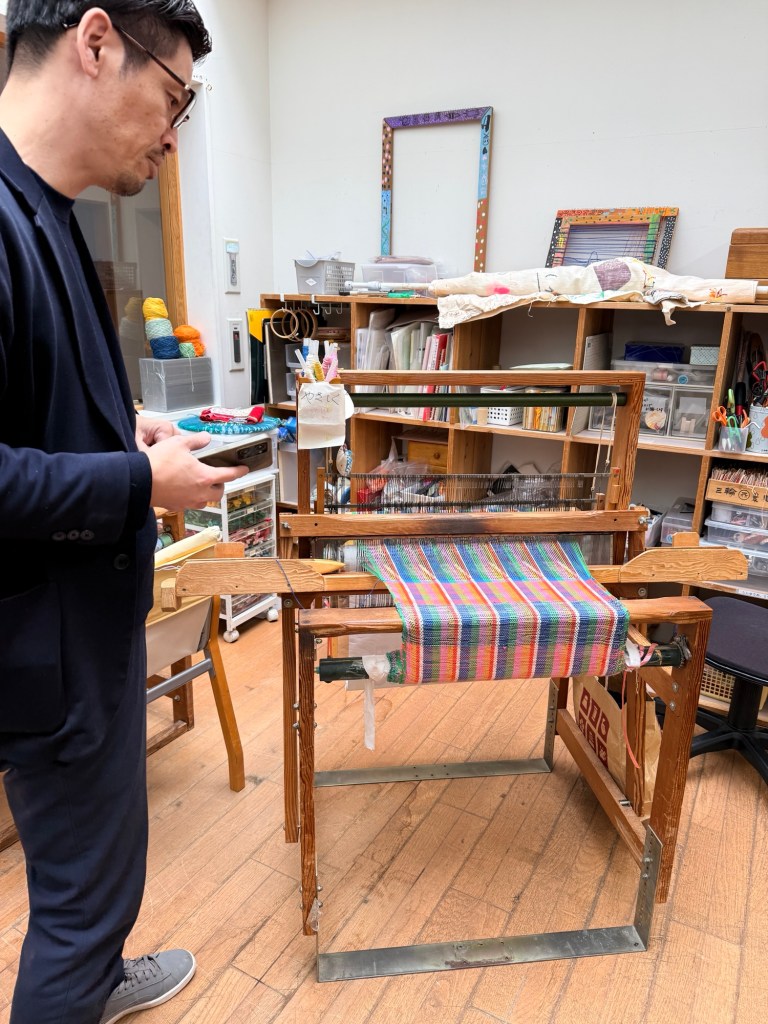
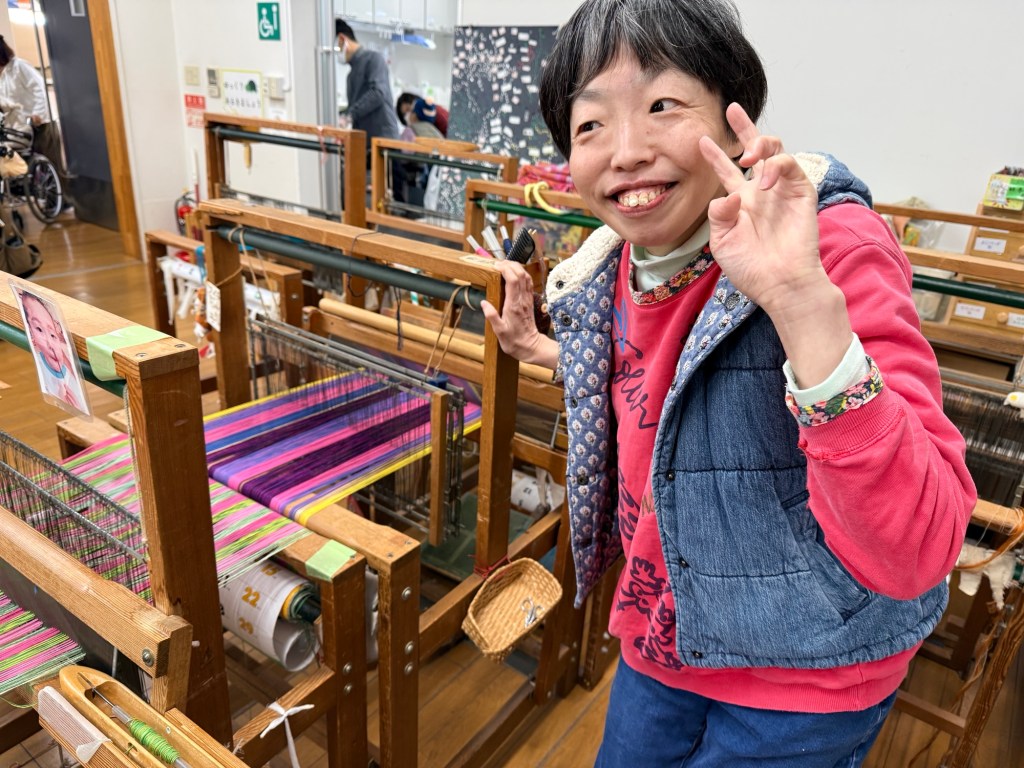
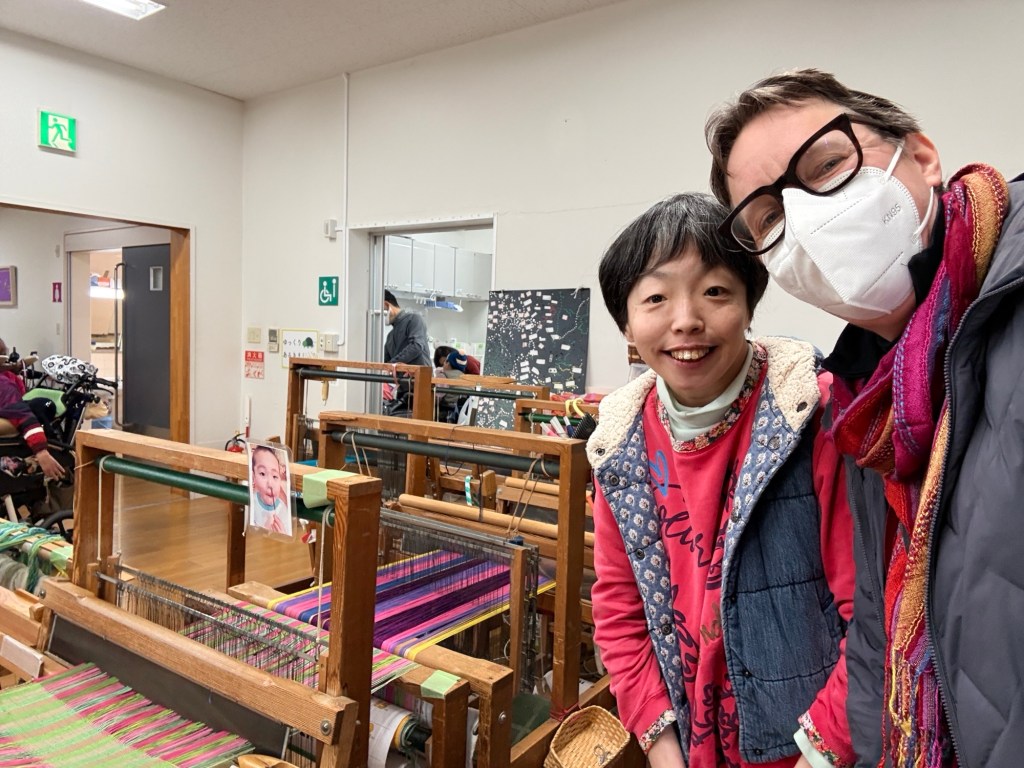
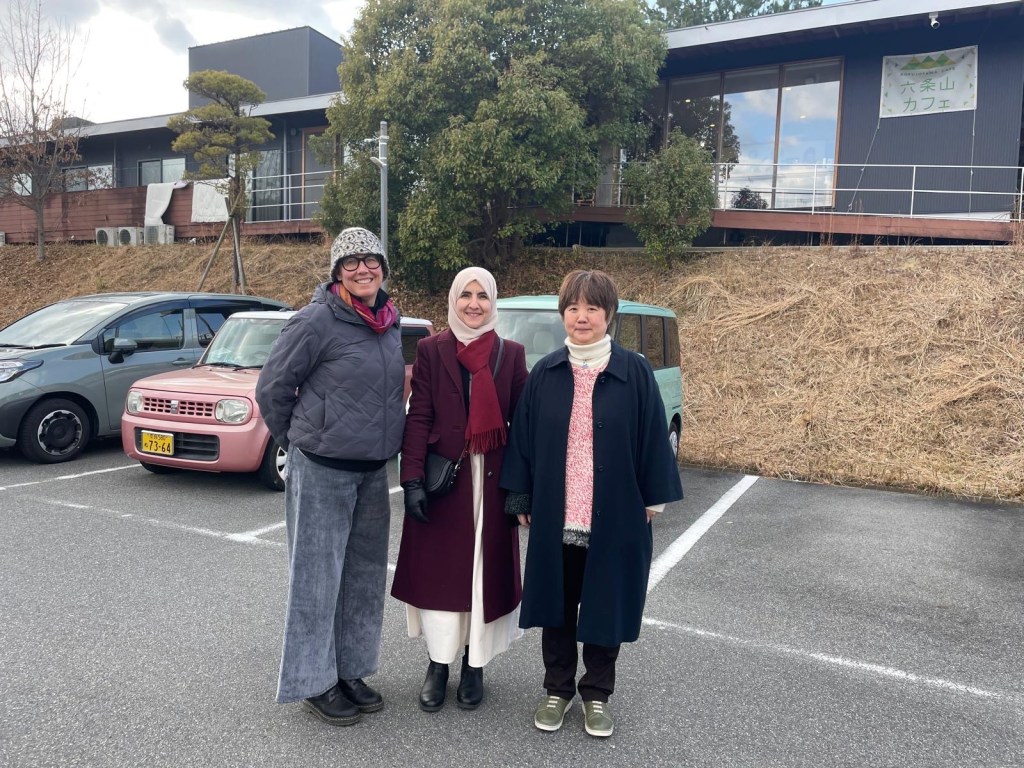
Leaving KOSAN, we (Shinya, Sarah, and I) stopped in at Tanpopo, a community center where disabled artists work and live.
Artists there produced Shinya’s engineering ethics card game, which we hope to translate into English soon.

At Tanpopo, staff members Gian Miki and Masashi Yamano showed us around and explained how things work.
I bought two lovely scarves woven by members of the community. Proceeds go to the artists themselves, and the artist of one of the scarves I bought was there at the time. She expressed such pride and joy!
Visiting Yakushiji Temple
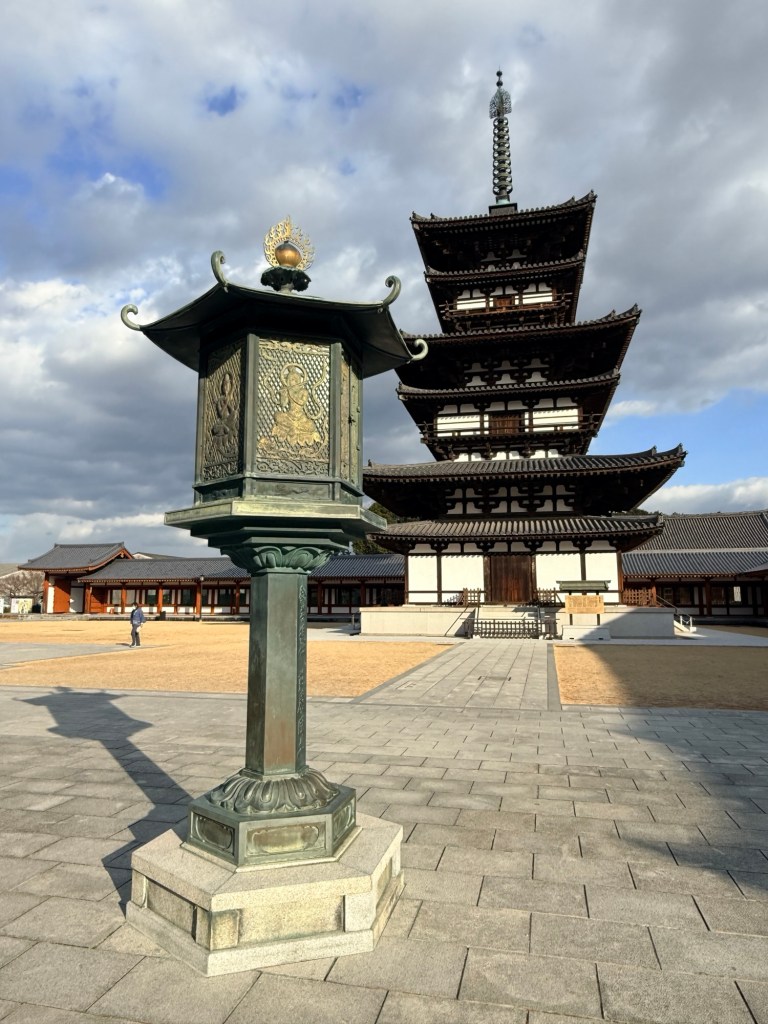
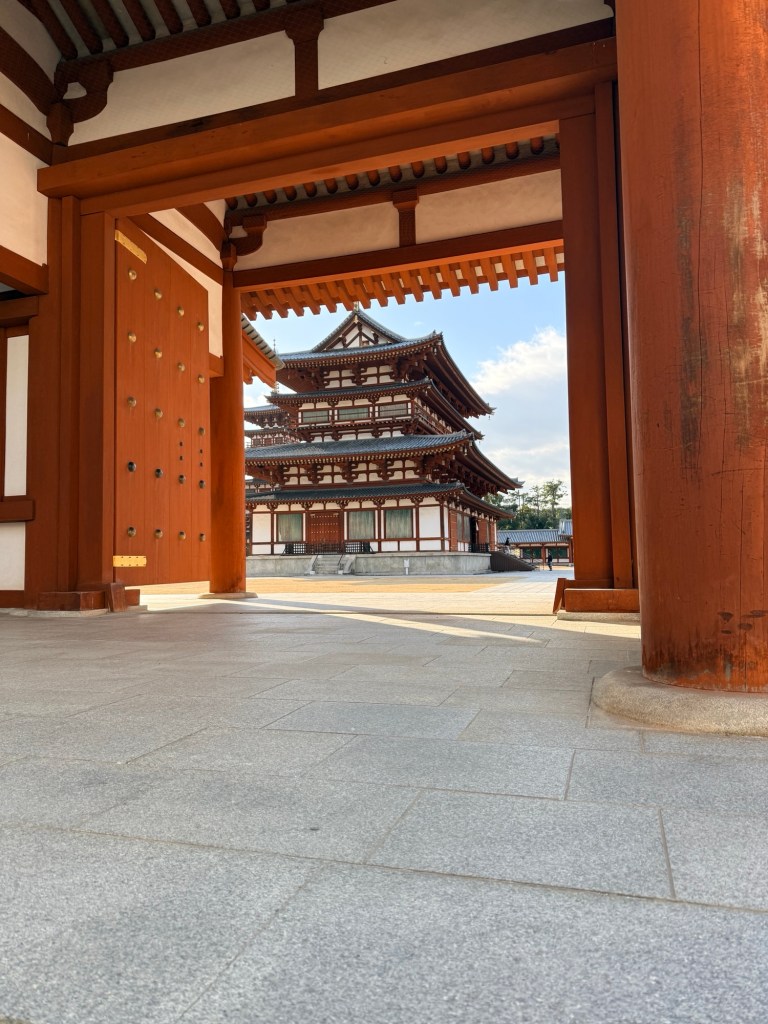
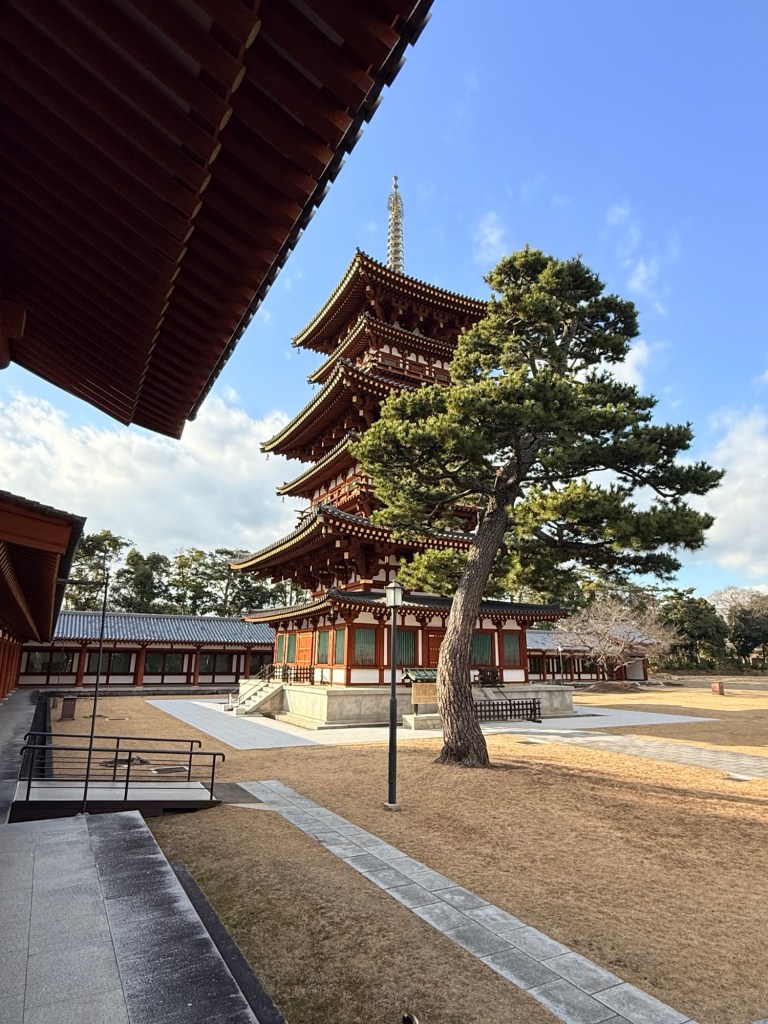
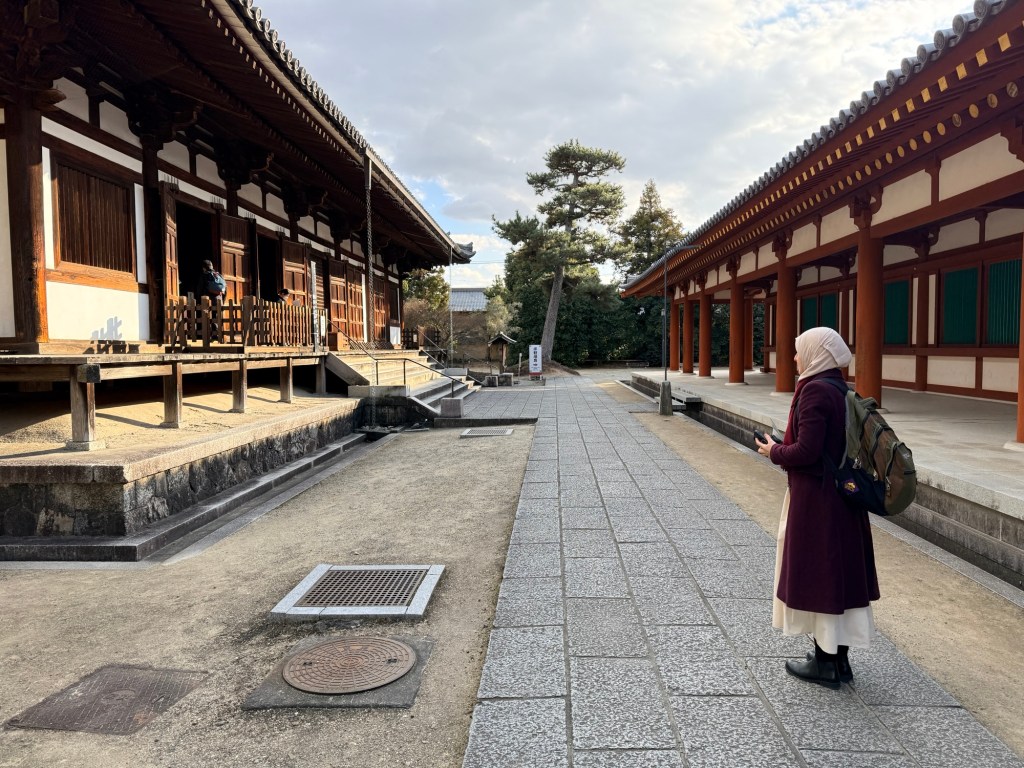
Then, Sarah and I had the chance to visit Yakushiji Temple, a UNESCO World Heritage Site.
This temple is of Chinese design, and artisans from China helped construct it. It was eye-opening to me how much exchange my colleagues described having with other Asian countries. Their politicians may not seem to collaborate, but their academics certainly do!
Earlier on this day, at KOSAN, I met a student who won an international competition in Chemical Engineering. The competition was held in the Middle East, but he said Vietnam and (I think) India were major competitors.
Dinner and Accomodations Celebraitng Japanese Traditions
The evening after this event, we joined with Shinae, Chiyako, Mari Ito, Ryoko Una, Atsushi, Shinya, and his wife and daughters for a very special meal at ‘bird bird.’ The owner/head chef is an architect, and he runs this restaurant in addition to having restored the accommodation where we stayed.
Overall, bird bird (@birdbird_nara), operates as a community space offering coworking, a shared office, dining, and a rooftop sauna. It was created by architect Shunpei Fujioka and is located on the same block as the housing complex or ‘hotel’ where we stayed. We booked the place on Booking.com at Tamami and Shinya’s recommendation.
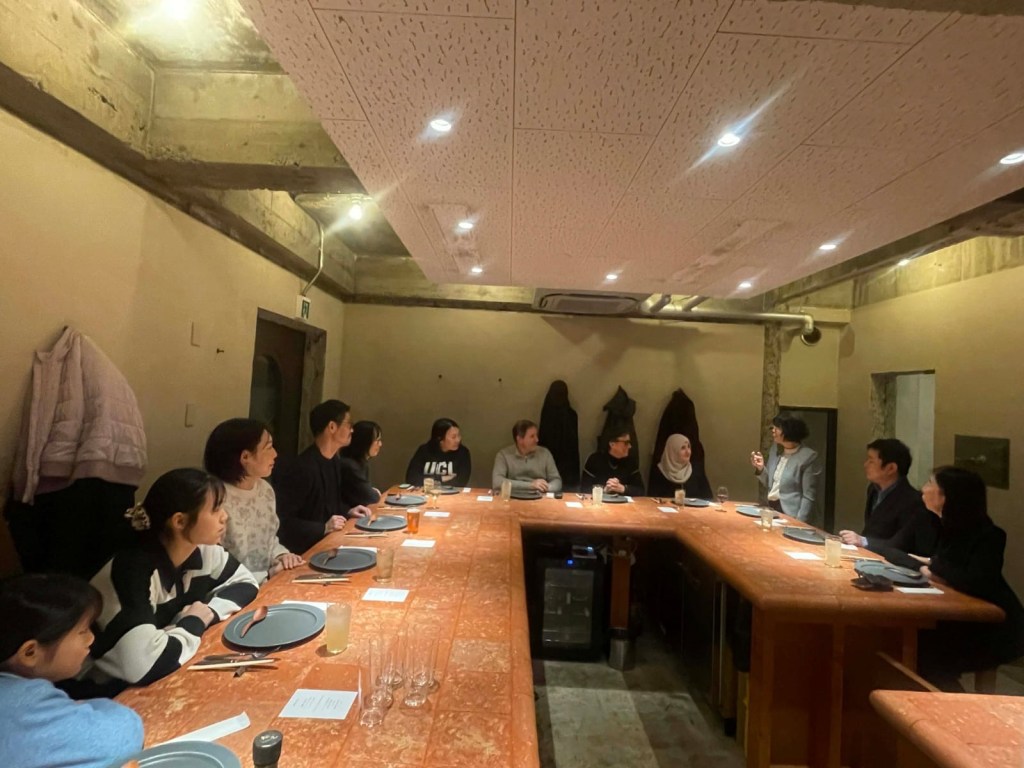
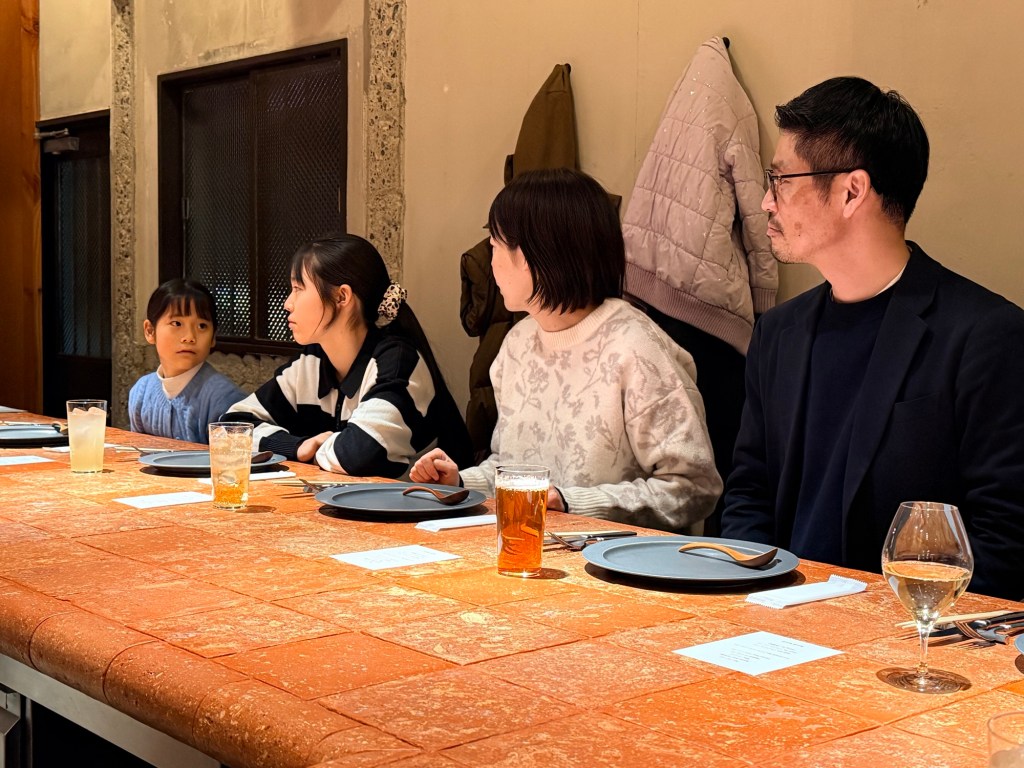
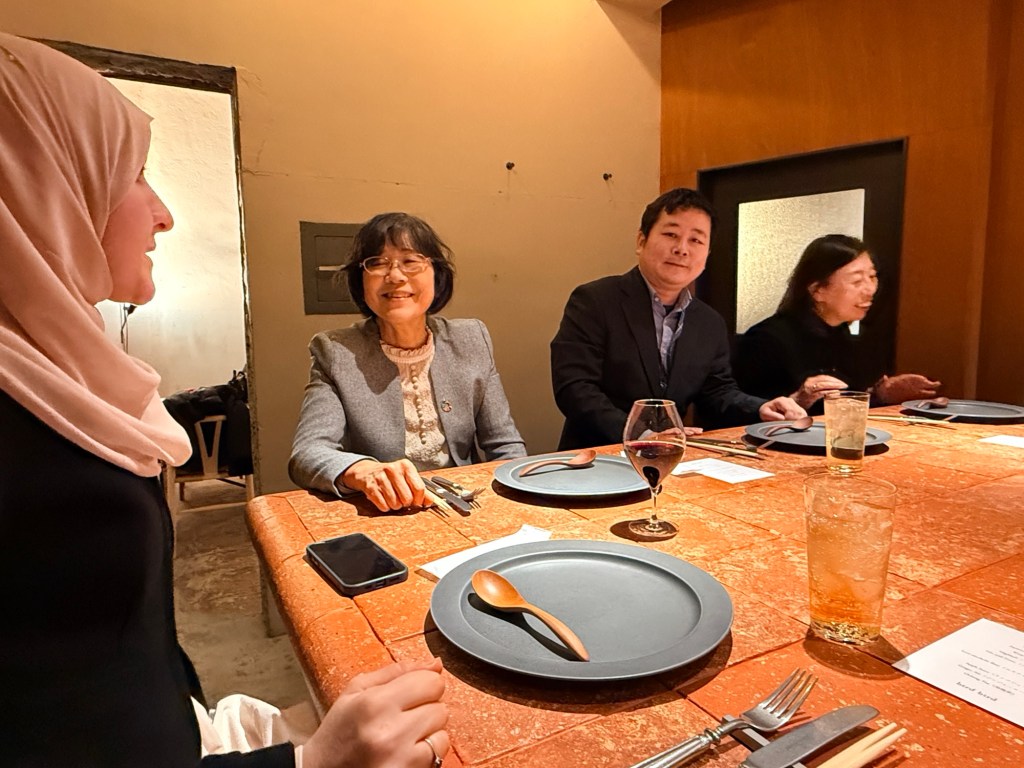
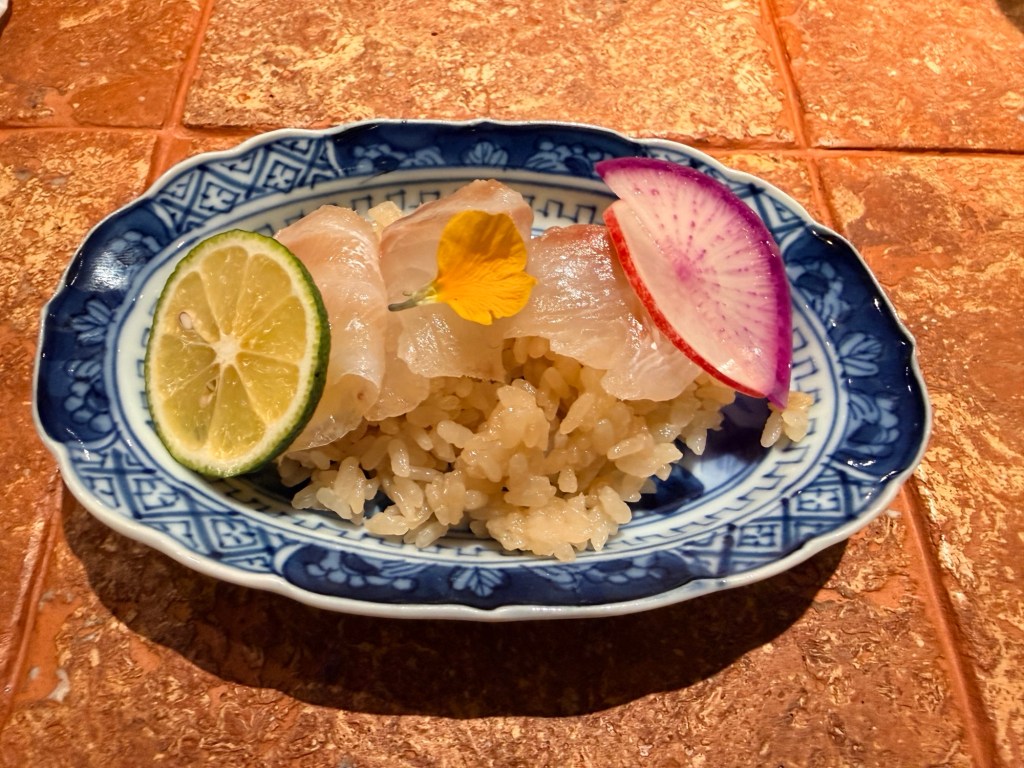
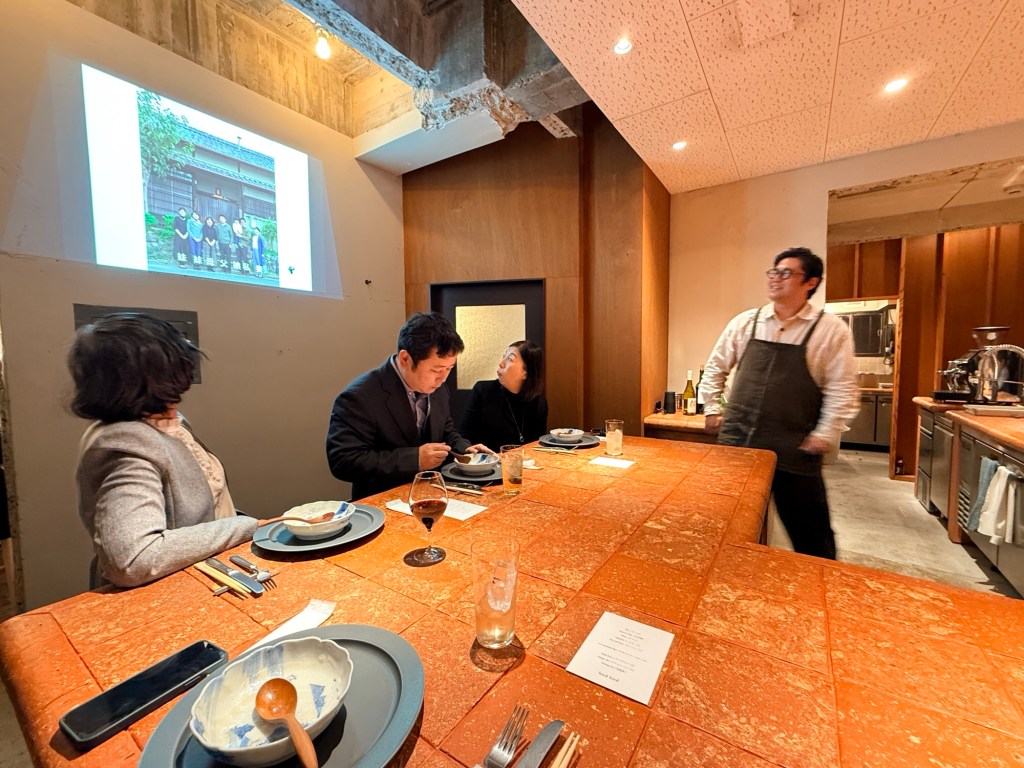
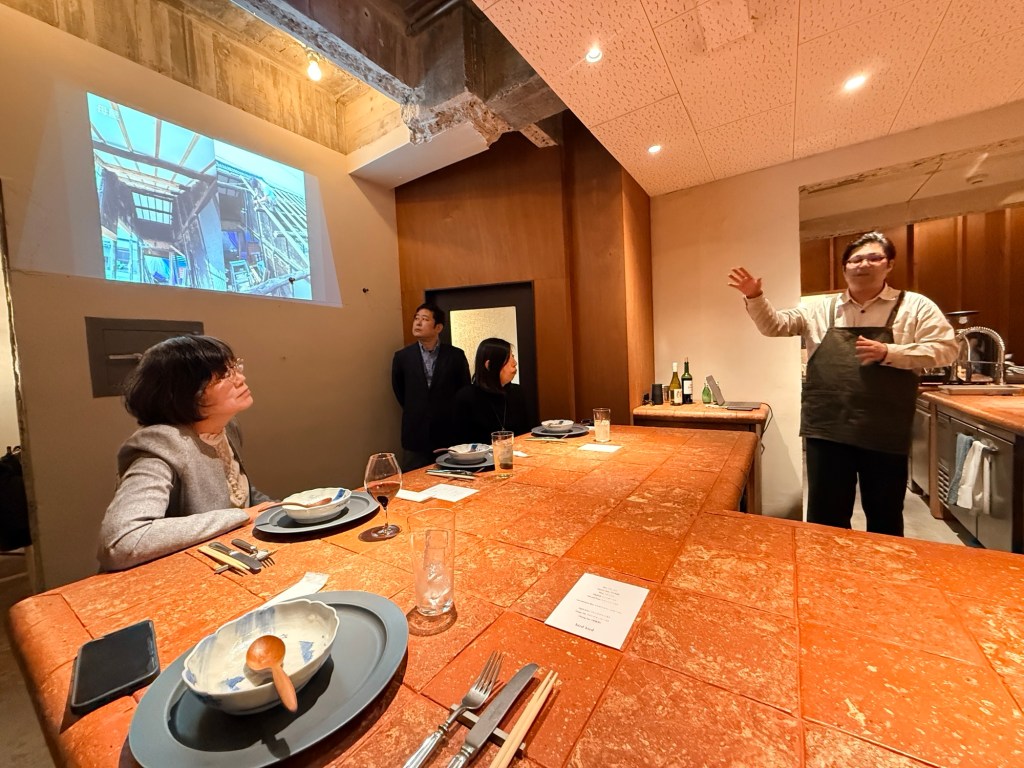
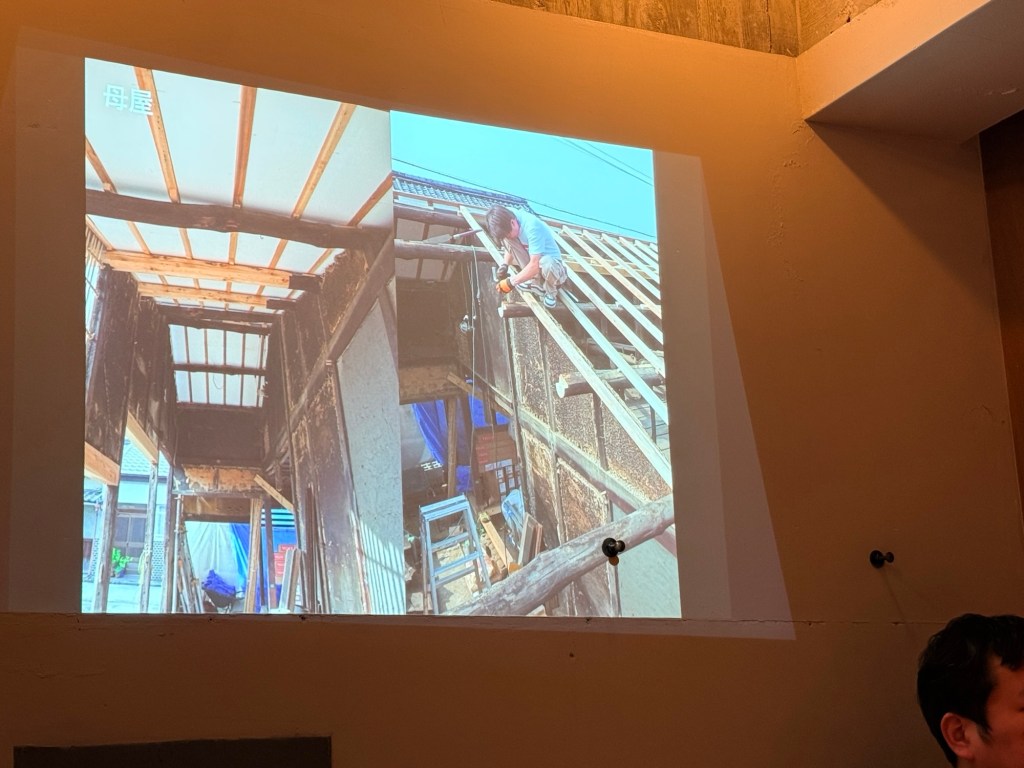
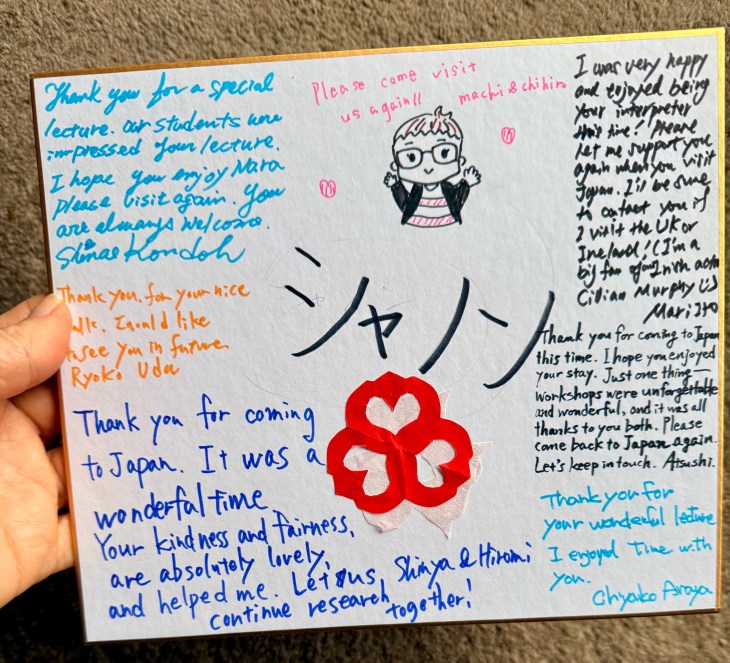
The dinner group made lovely cards for Sarah and me without us even suspecting. It was a project led by Shinya’s daughters, who also made many origami gifts for us. I saw the architect/chef, Shunpei Fujioka, helping with that!
A major highlight of our visit to Japan was staying for three nights in a traditional Japanese house, part of a set of five adjacent homes that this architect has lovingly restored.
I have read about traditional Japanese houses and visited similar (Korean) ones in folk museums, but living in one for three days was an immense honor.
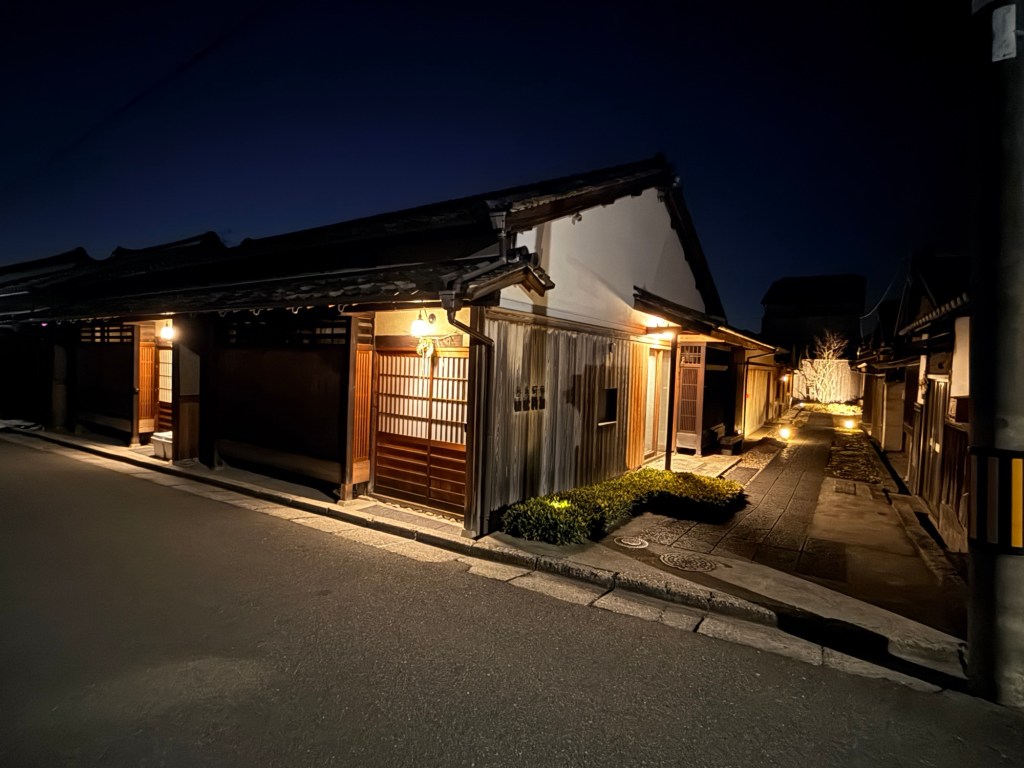
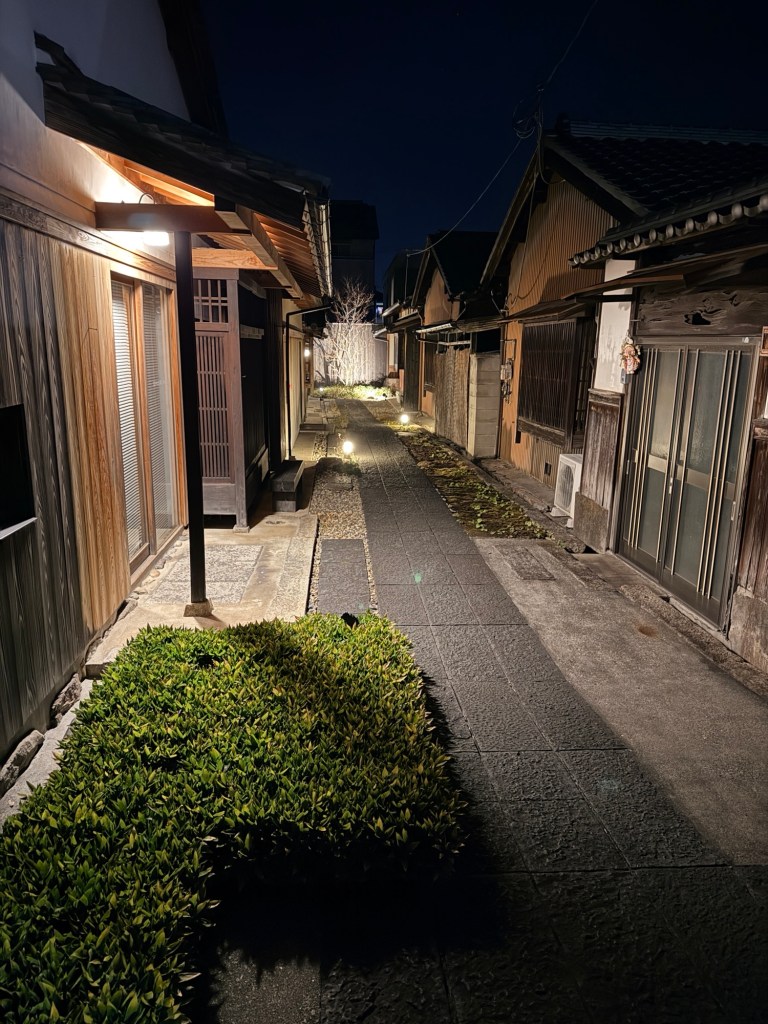
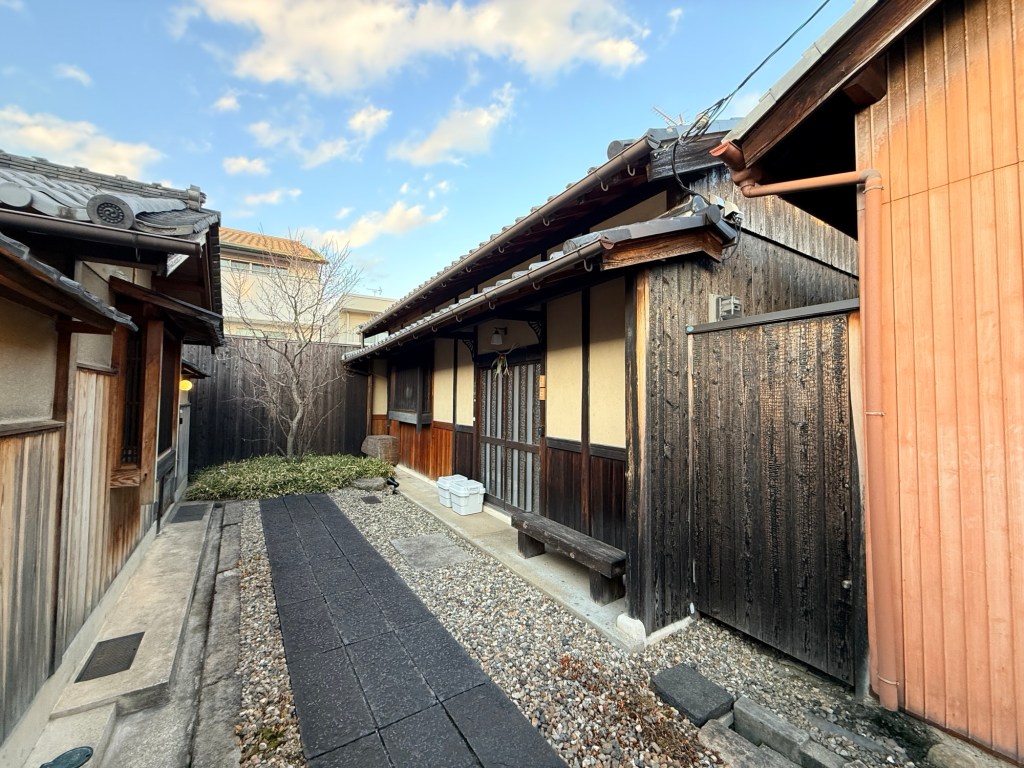
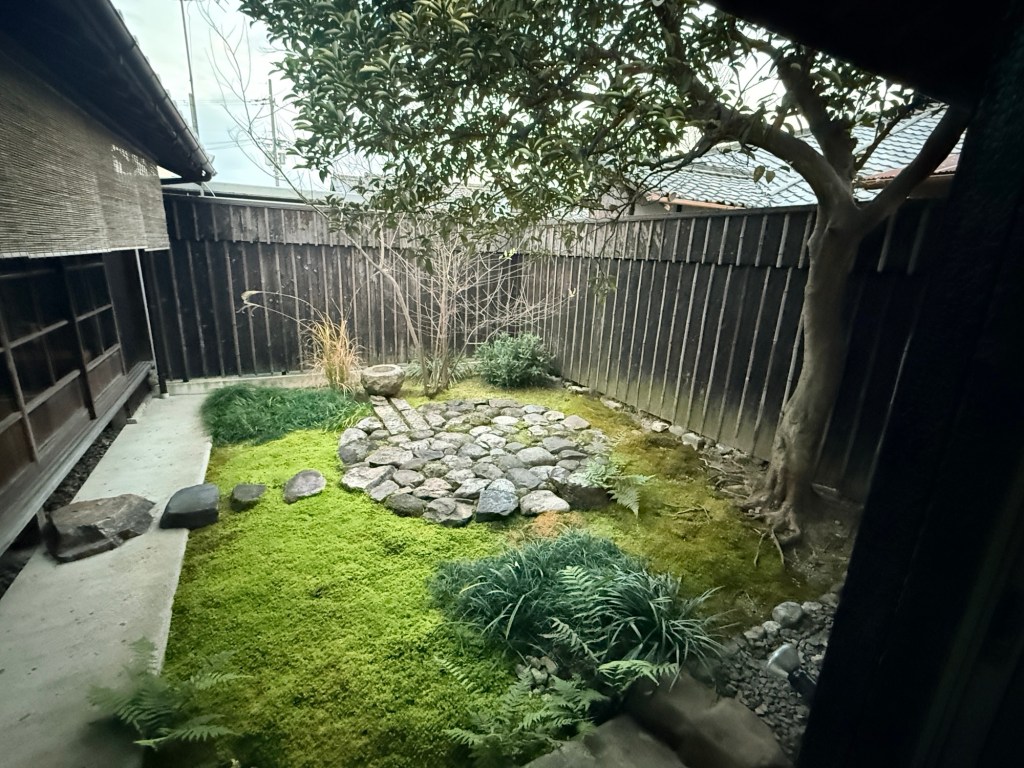
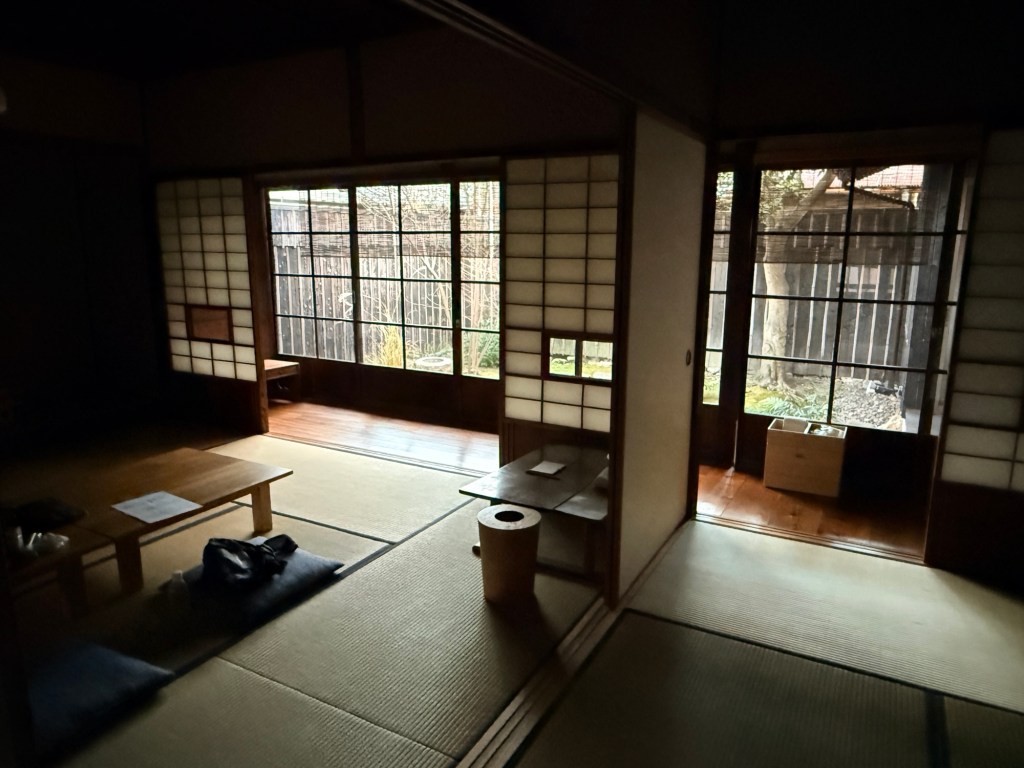
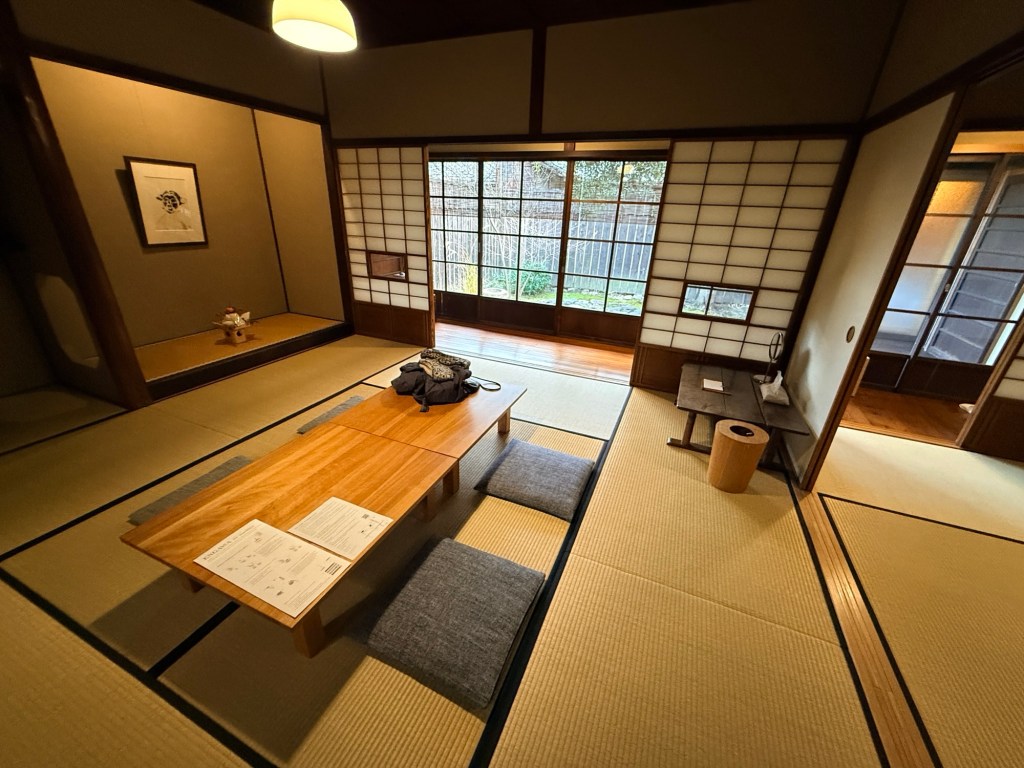
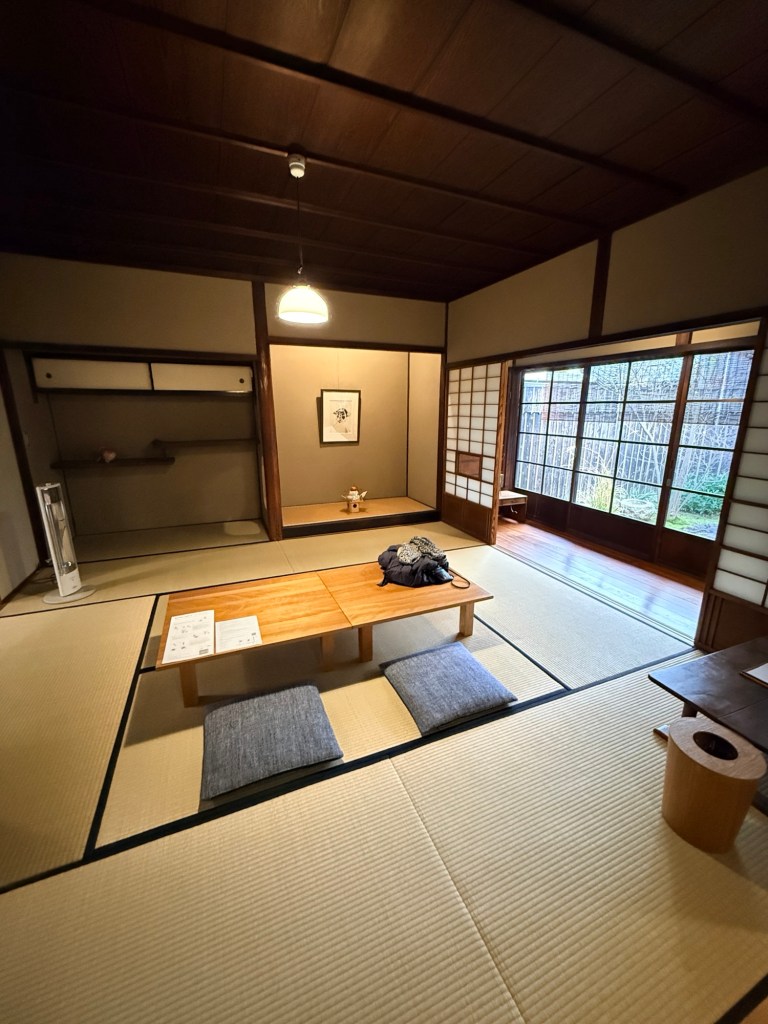
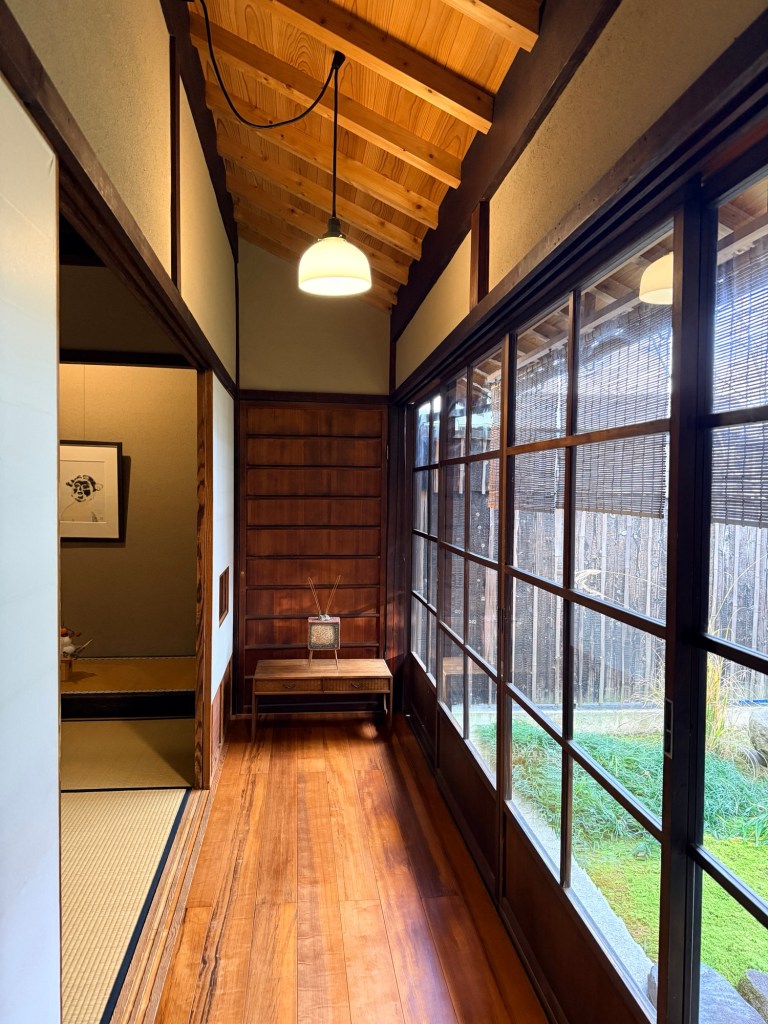
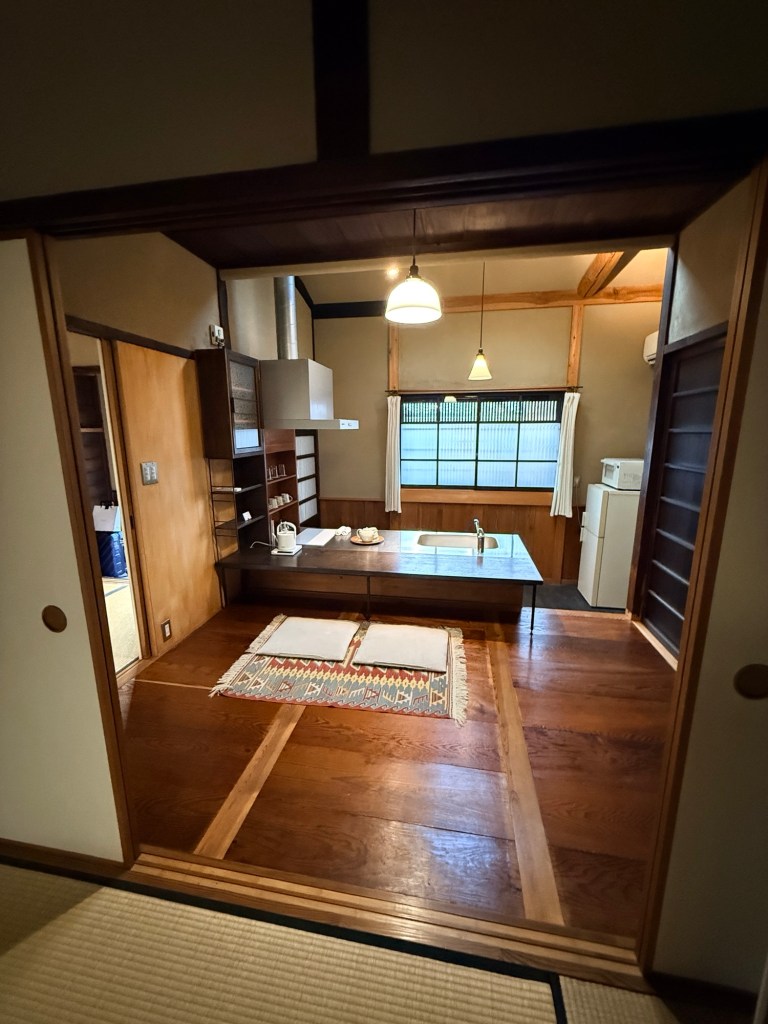
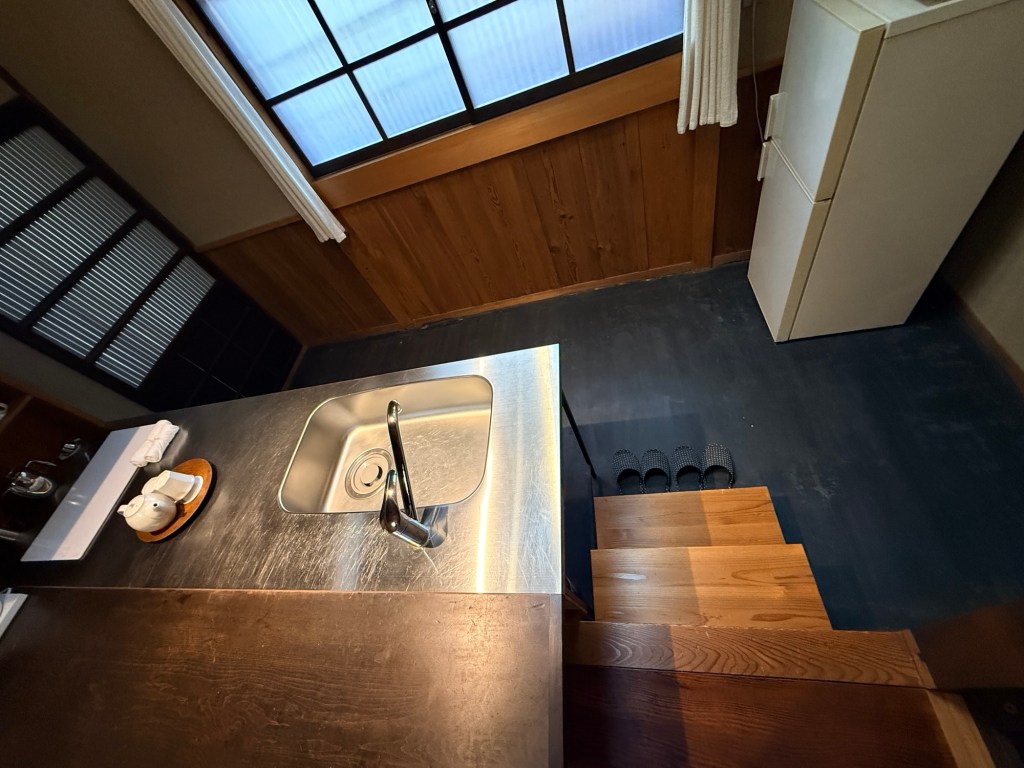
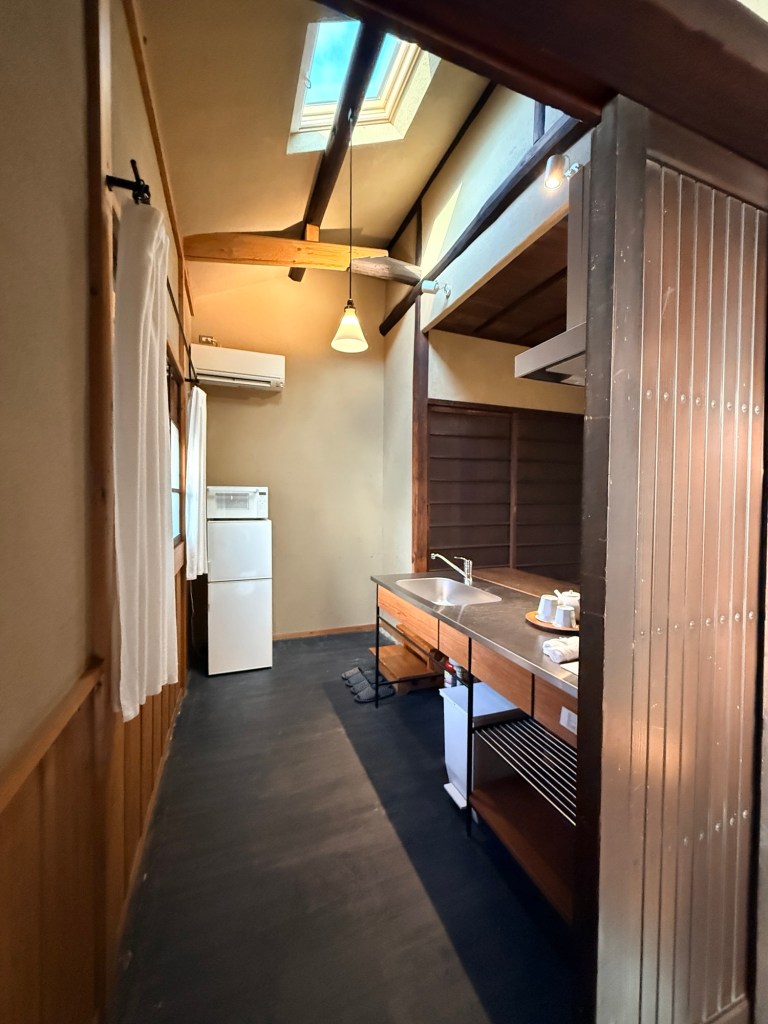
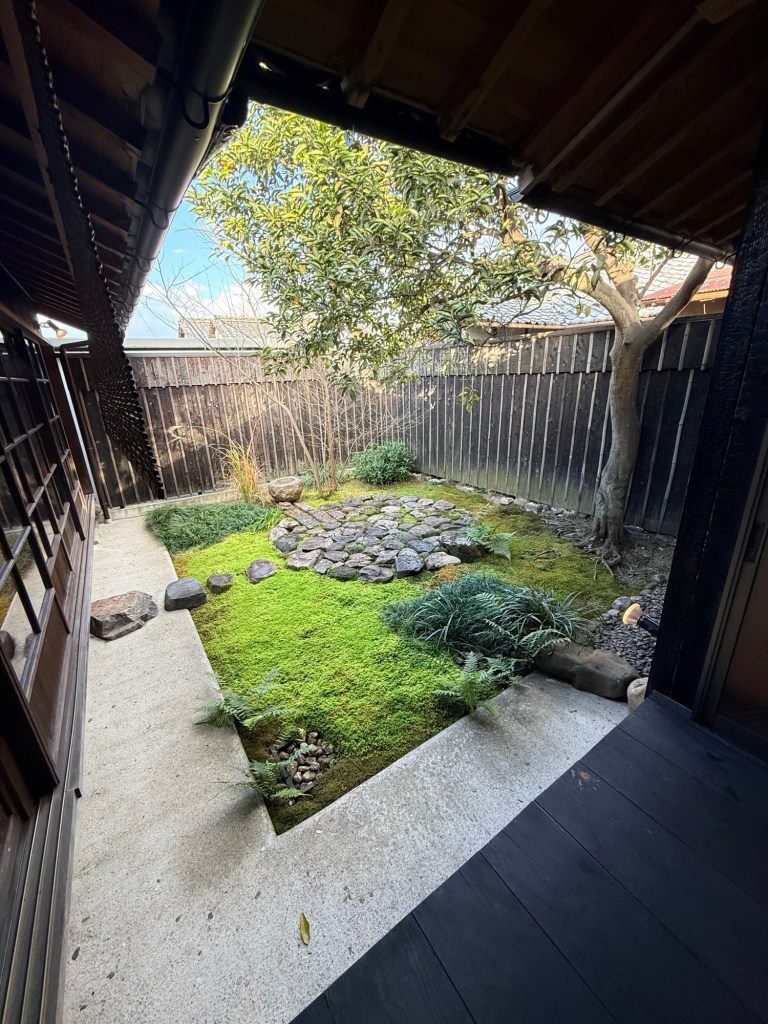
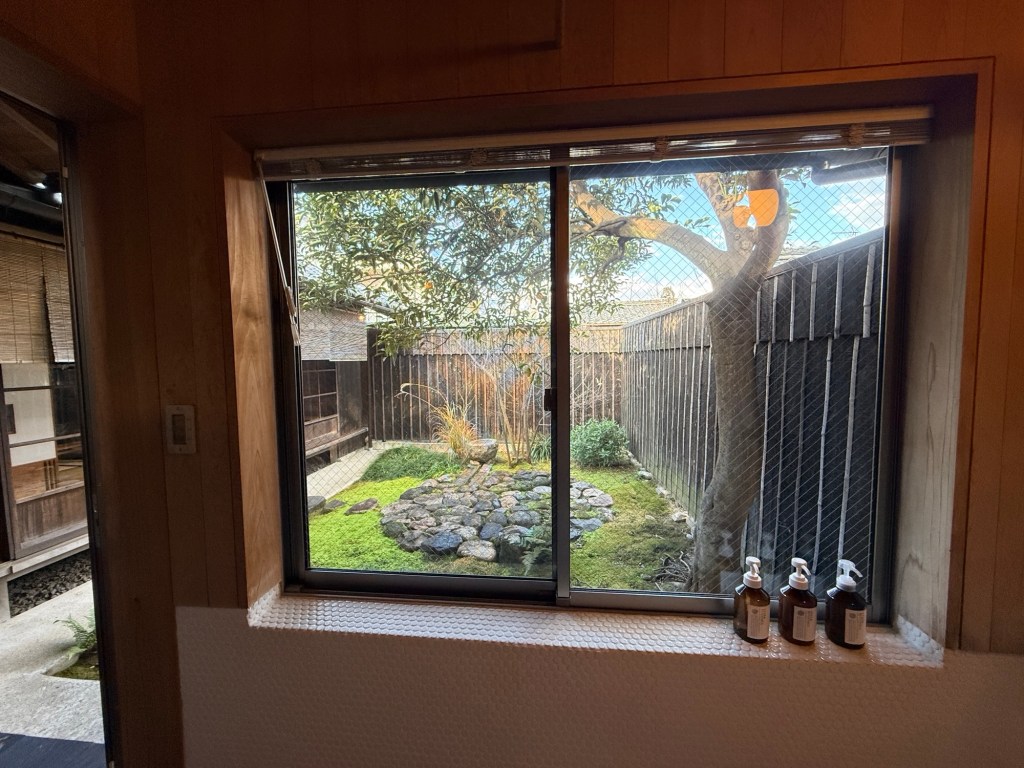
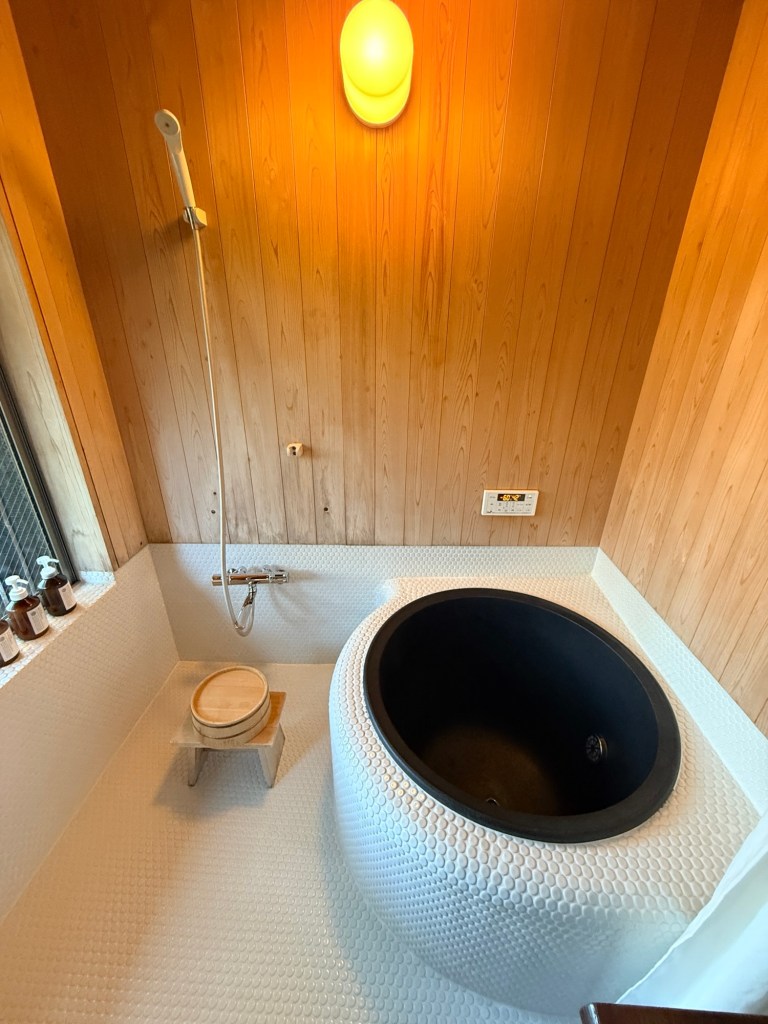
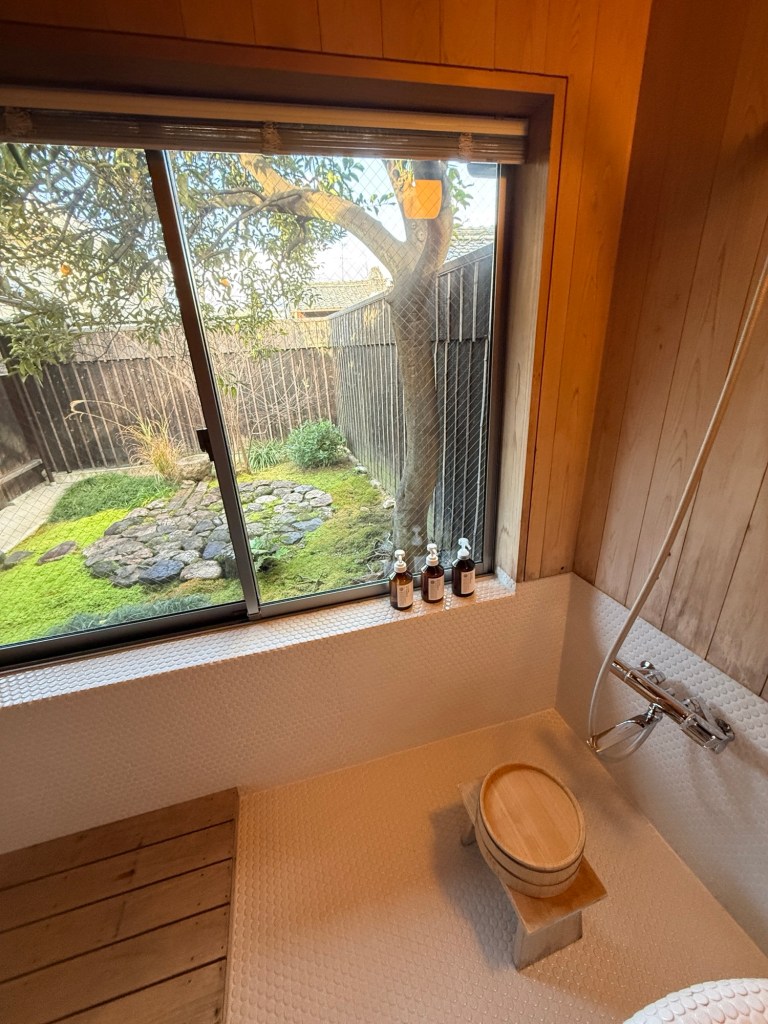
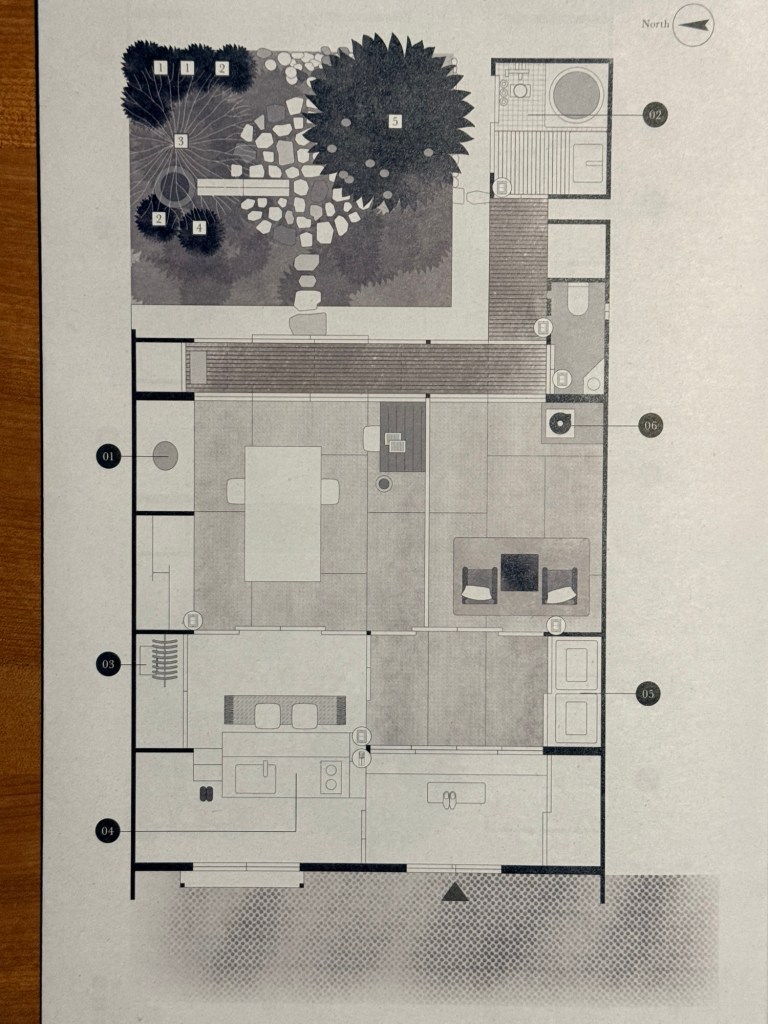
Overall, the bathing rituals were a highlight of my private time in Japan. The hotel in Tokyo had a public bath in the basement, which was an experience like no other. I love Turkish hammams (and even visited one in Malta over the Christmas holiday).
The traditional Japanese house also offered a unique and exquisite bathing experience.
But the most unexpected pleasure was that all but one of the toilet seats I used in Japan were heated and had a bidet function. The joy of a warm bum cannot be overstated.
Cultural Immersion with Collegial Friends
It was a privilege to get deeply acquainted with Shinya, Atsushi, Tamami, and all their colleagues.
For me, it was also a unique honor to travel with Sarah and Stefané; they treated me as family and never let me feel like a third wheel. Sarah skillfully guided Stefané and me through complex networks of trains, streets, alleyways, shops, and restaurants.

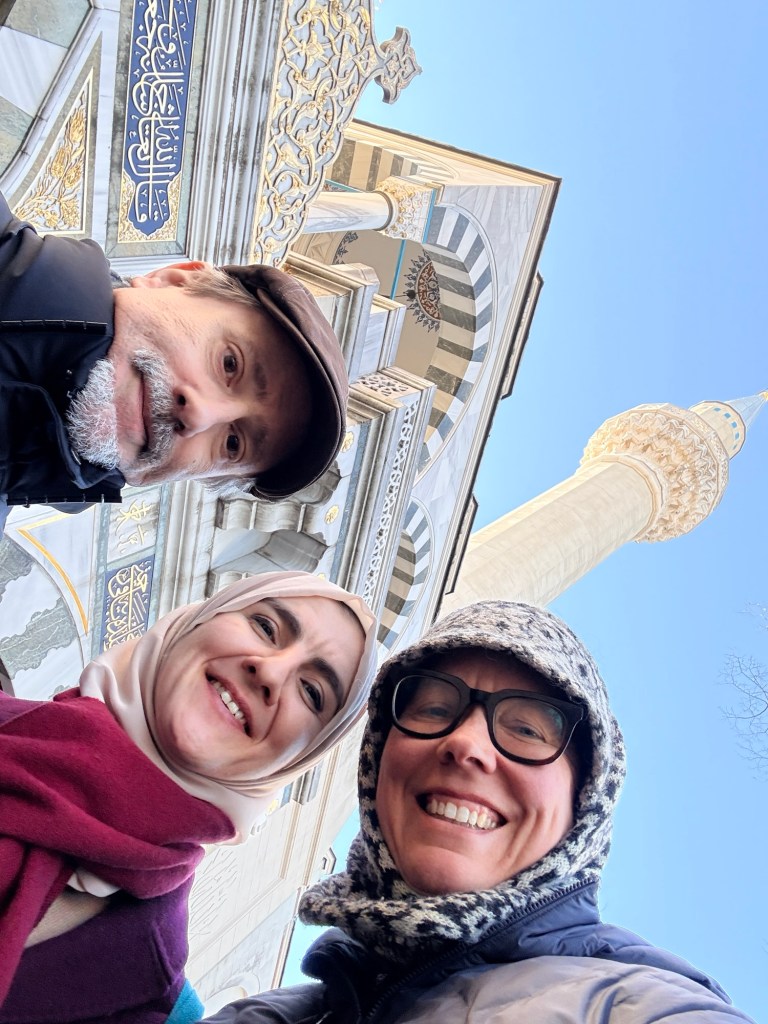
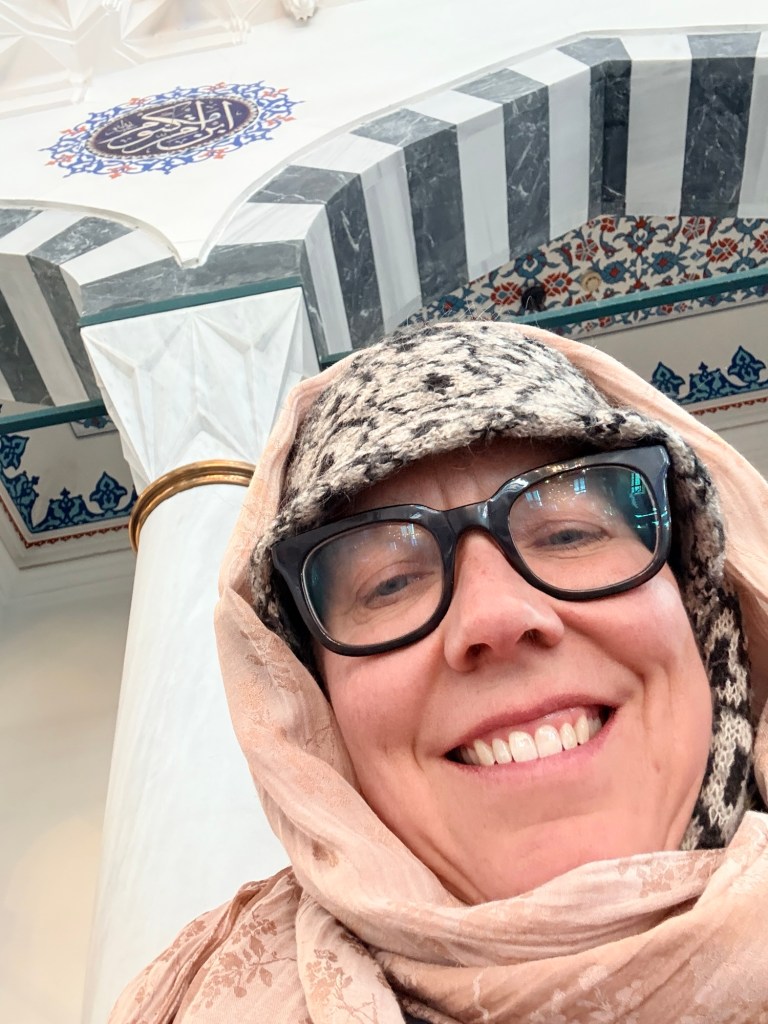
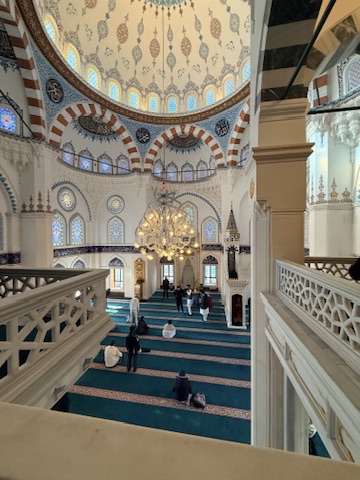
We visited a mosque at the Turkish Cultural Center in Tokyo, an experience I thoroughly enjoyed. We even had a meal at the mosque, prepared by the community for the worshippers.
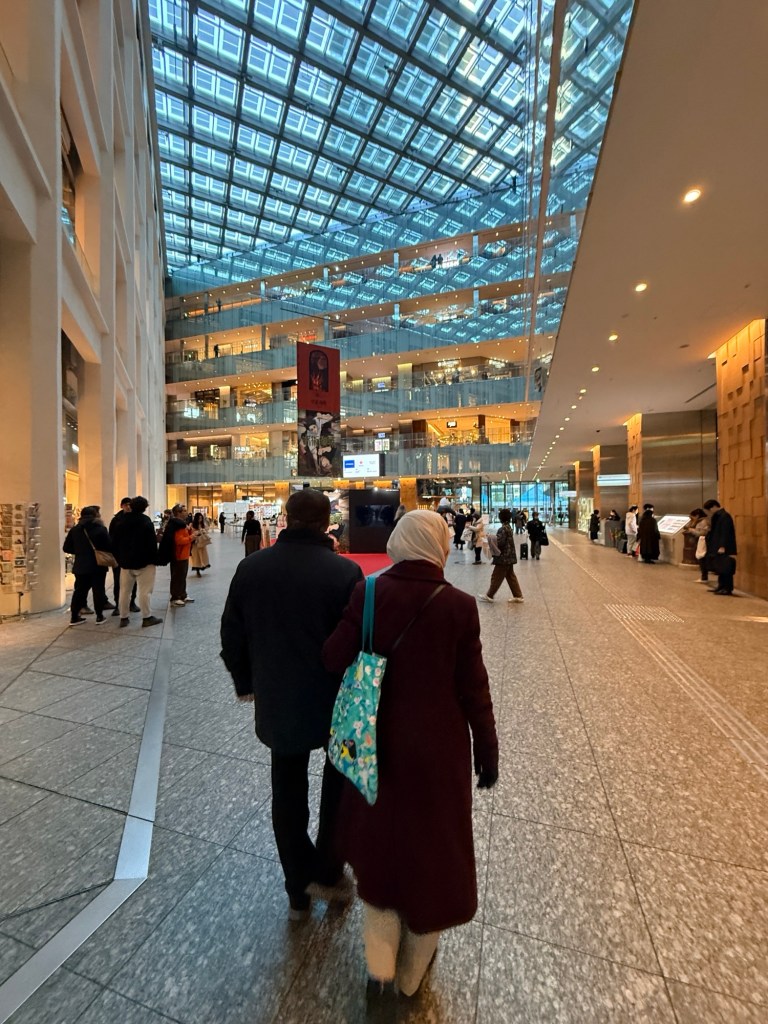
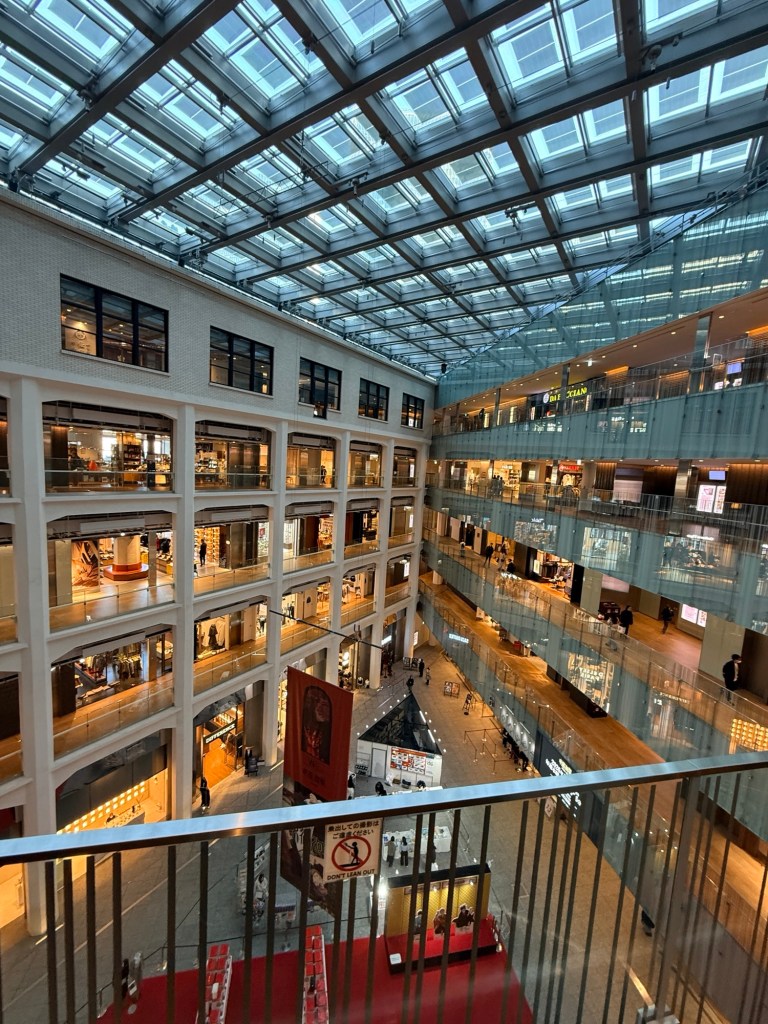
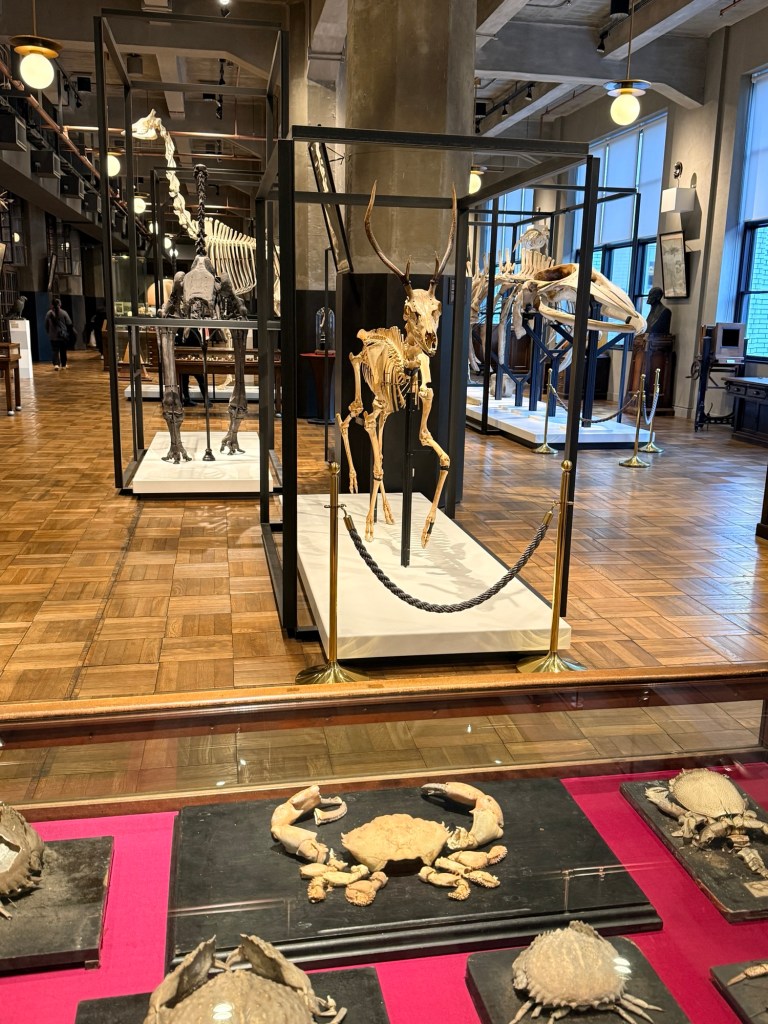
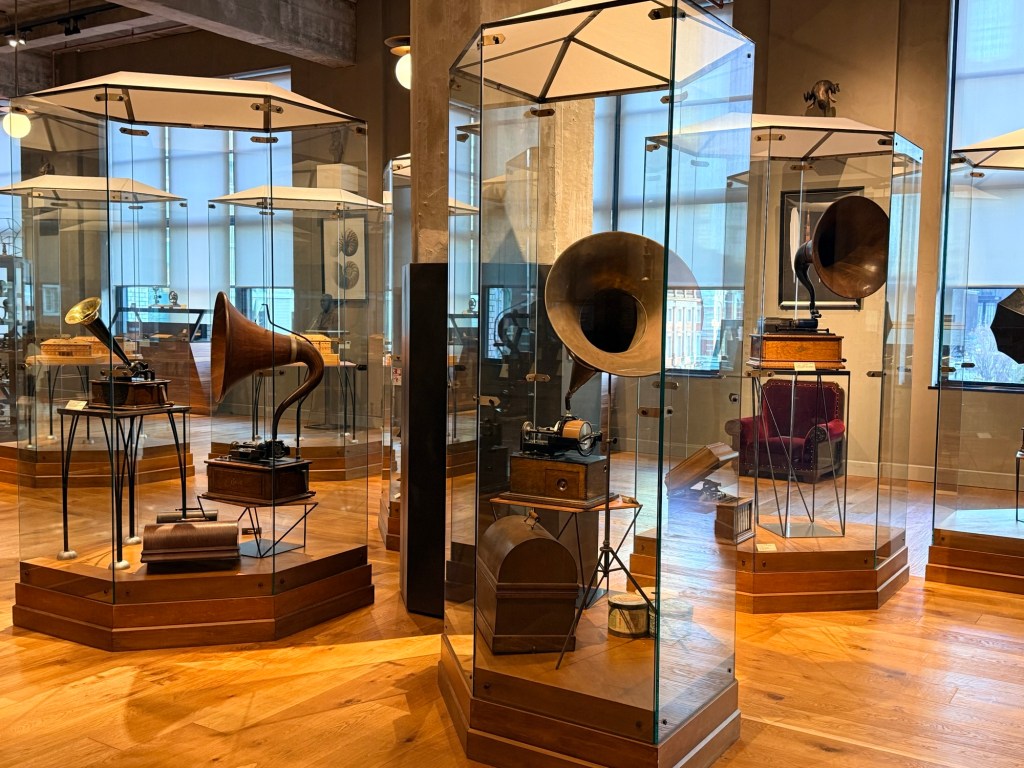
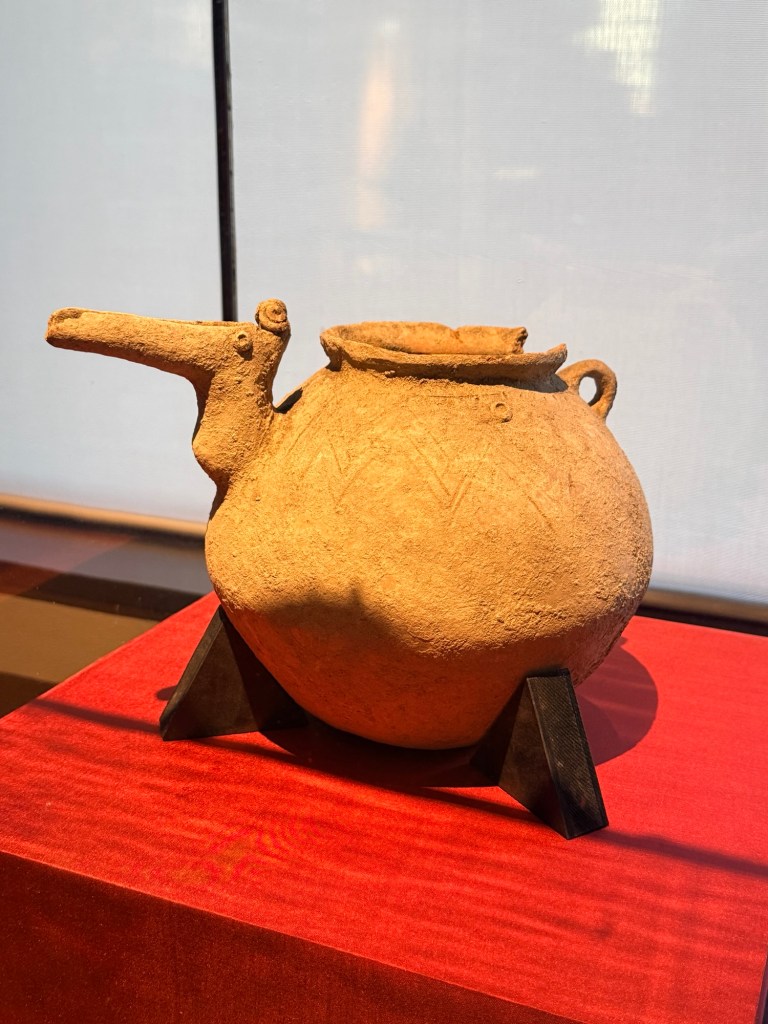
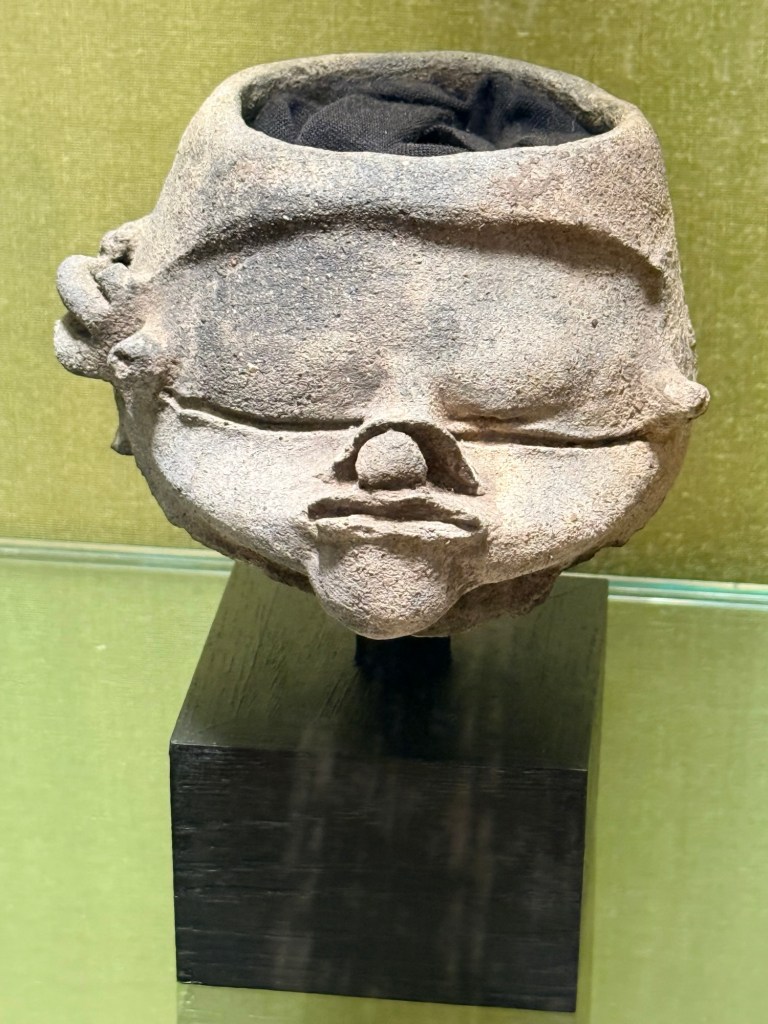
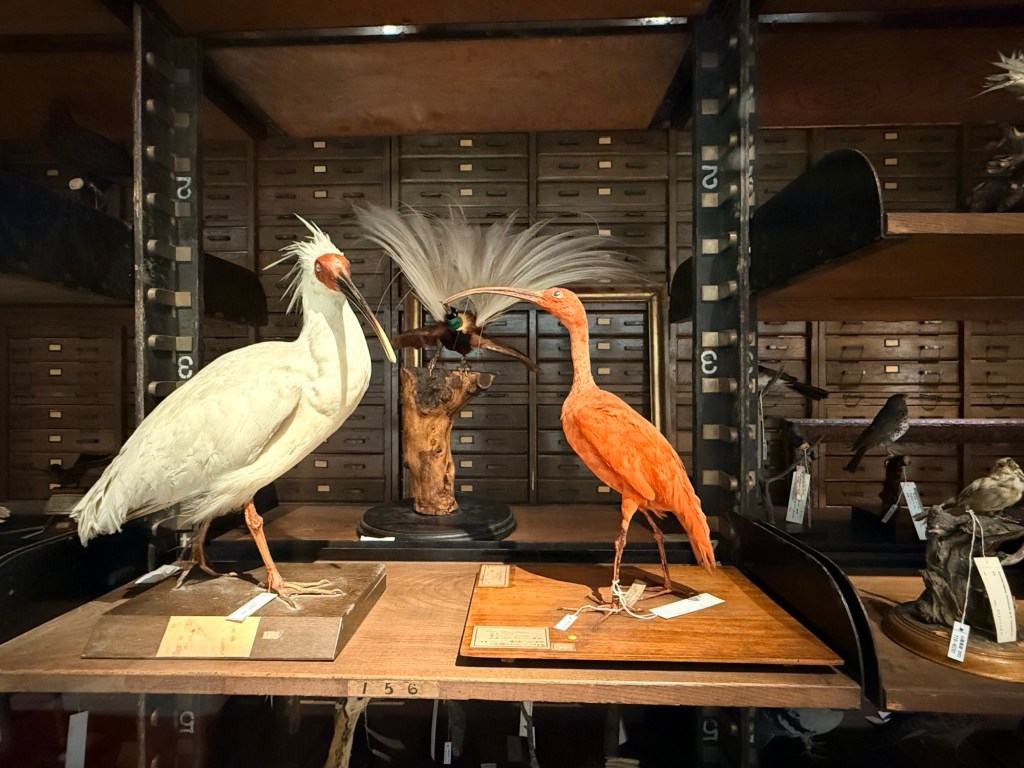
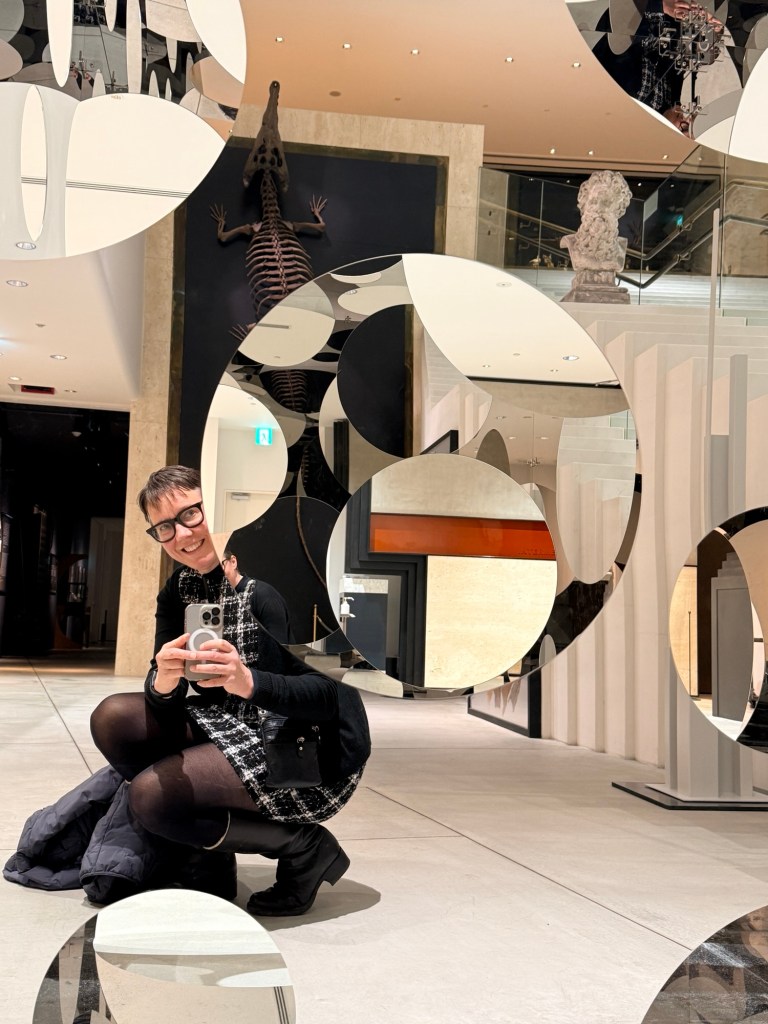
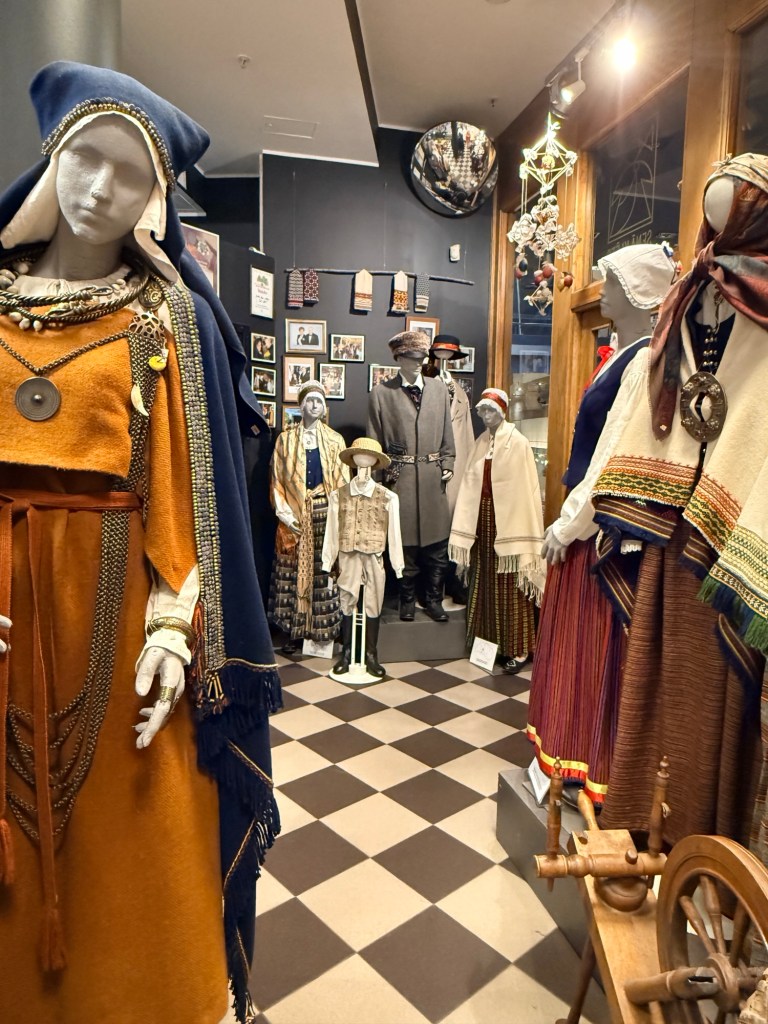
We also visited a museum with Japanese artifacts, located in a shopping center, presented in collaboration with a university, and located right beside the main train station in Tokyo.
Heading Home
Our visit to Japan was full of unique and deeply meaningful experiences. I was sad to leave and, unfortunately, brought home a chest infection (travel sometimes has its challenges, but I’m now 95% recovered). Nevertheless, I also left Japan a treasure trove of new connections, memories that I will never forget, and opportunities to follow up on. My sincere gratitude goes to Atsushi, Shinya, Tamami, and all the wonderful colleagues who shared their time, talents, resources, and insights while we were in Japan.
I look forward to seeing you again soon and to working together to deliver workshops, translate games, test them with Western audiences, and collaborate on projects and research articles.
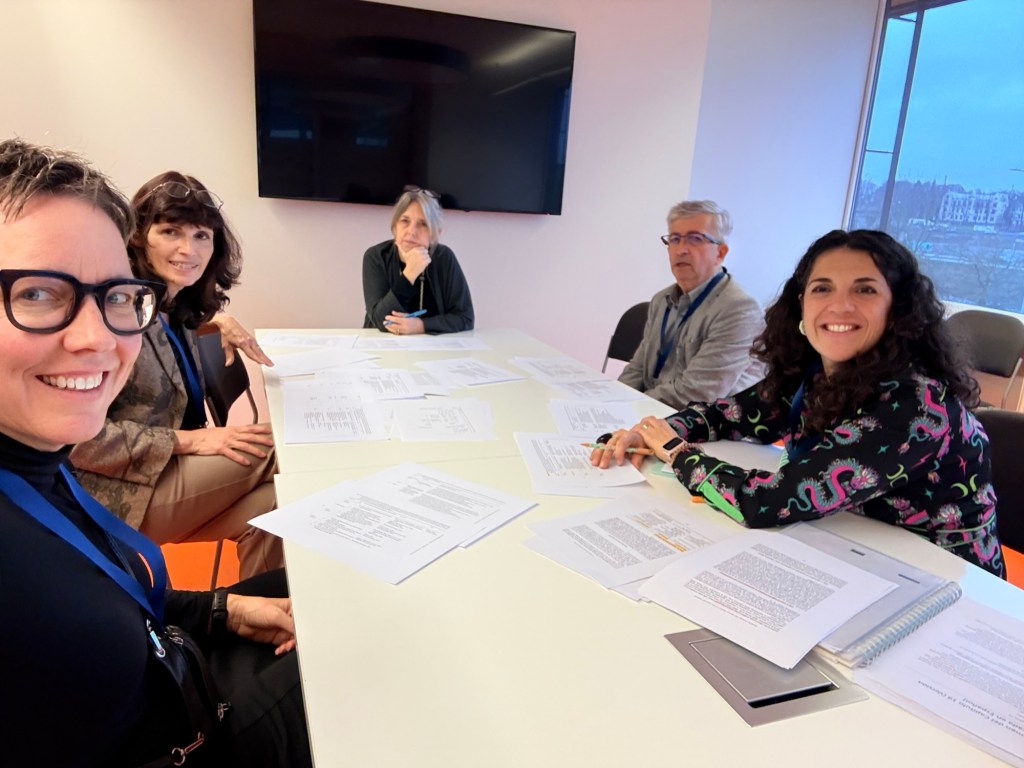
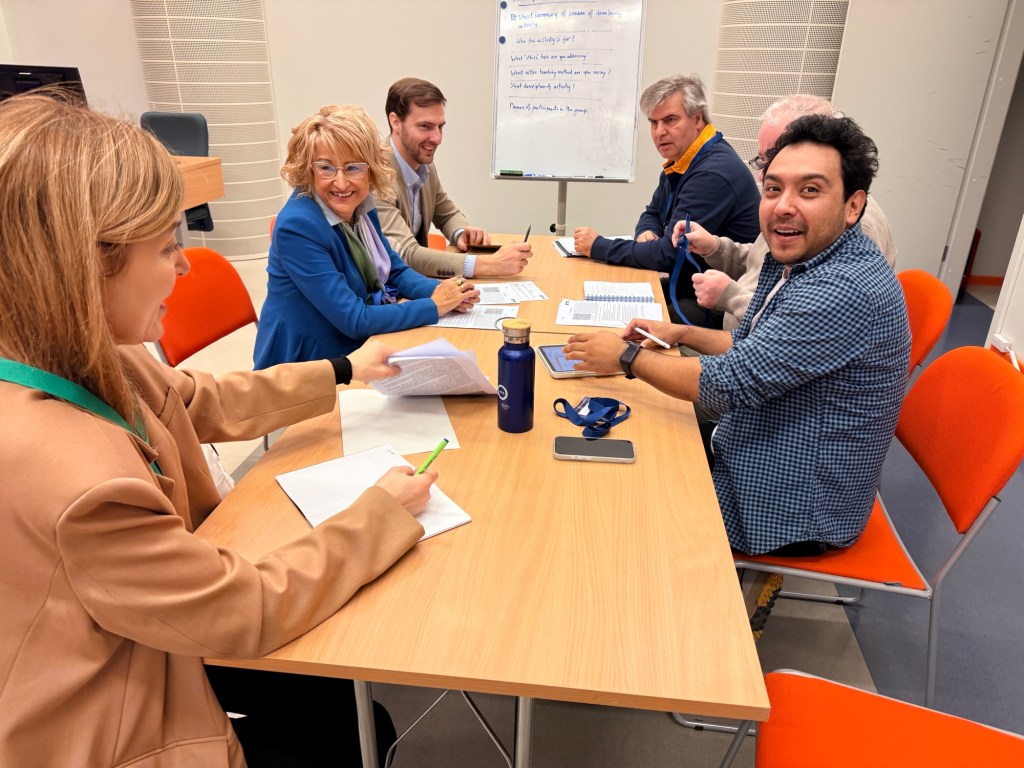
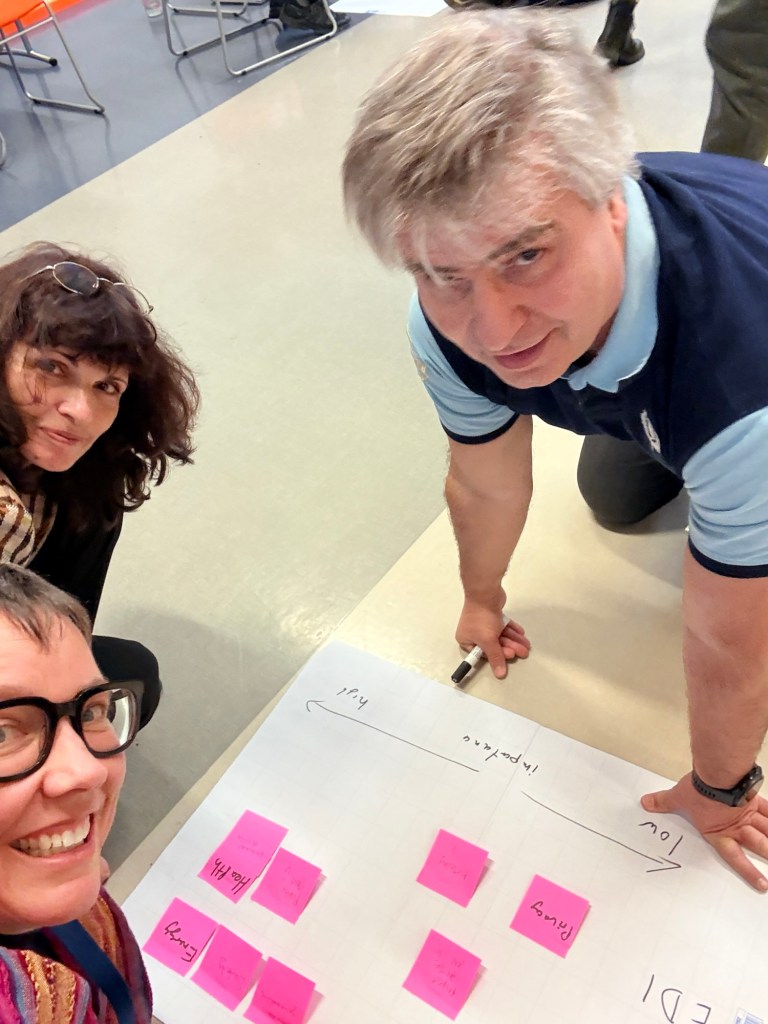
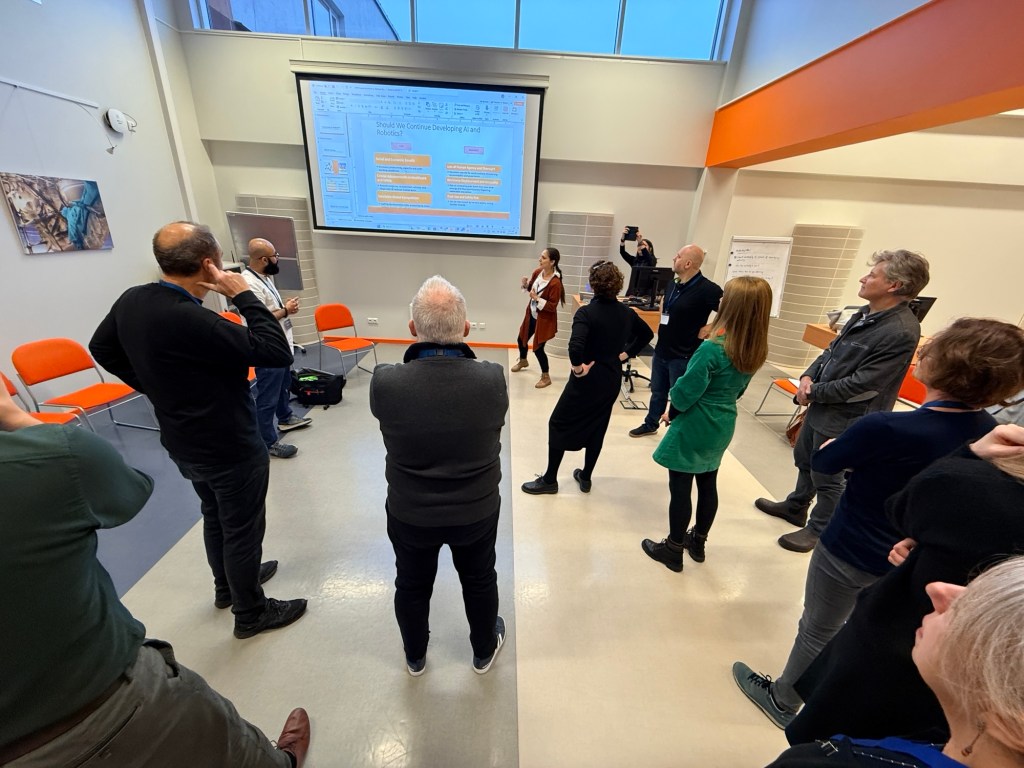
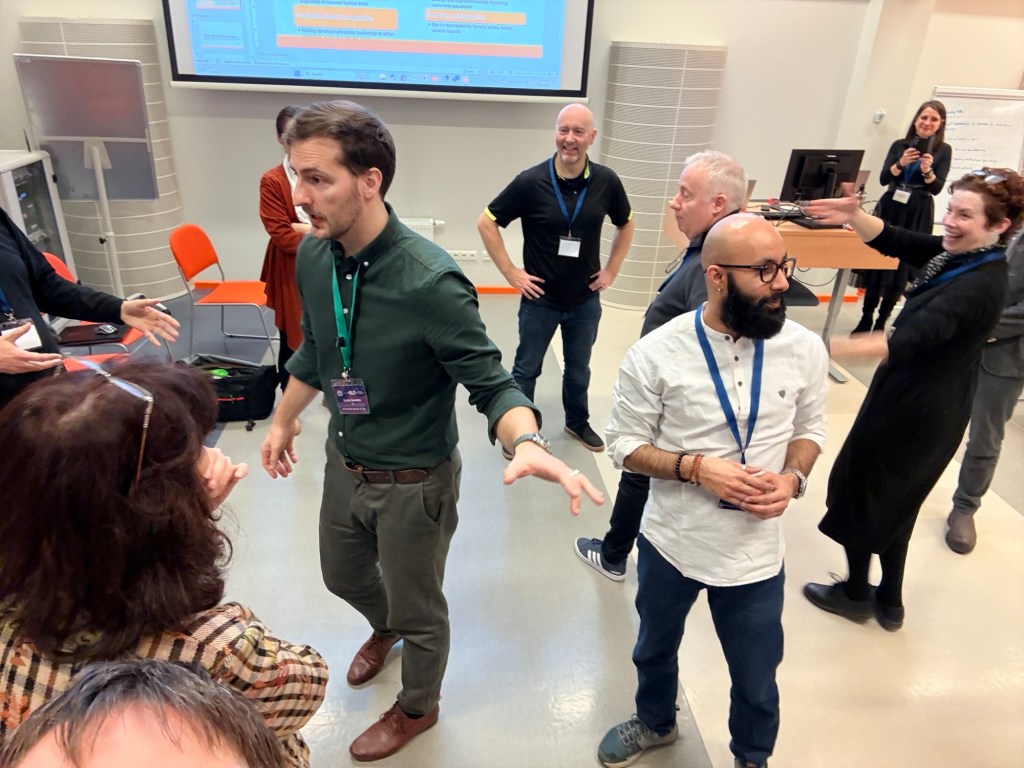
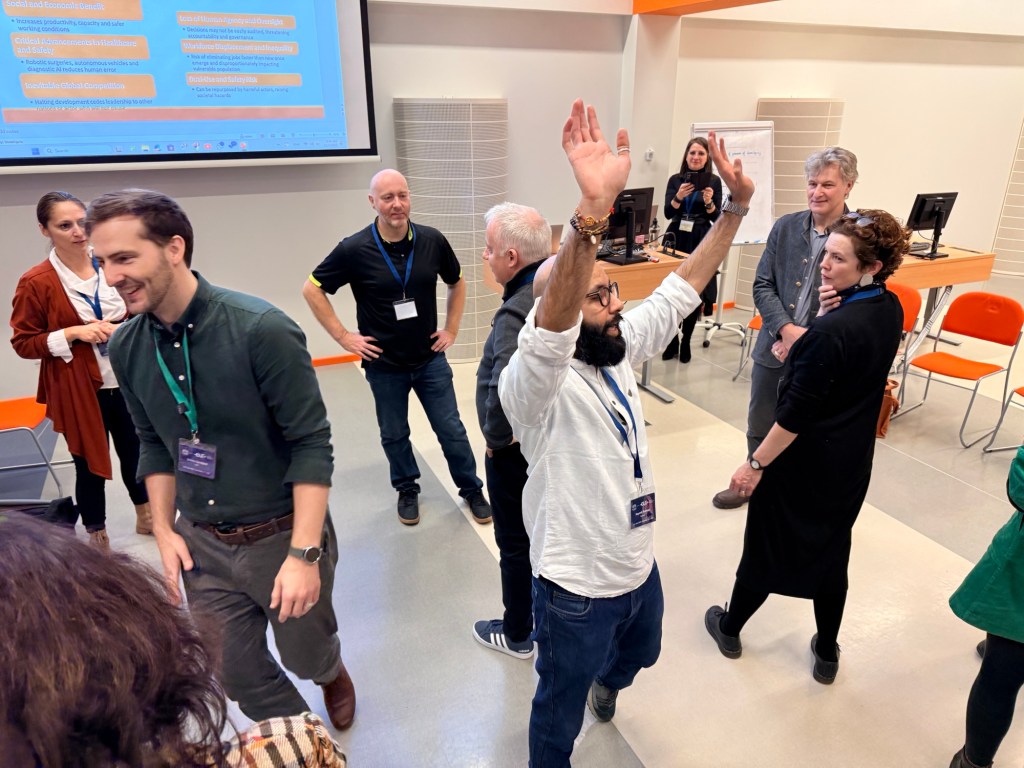



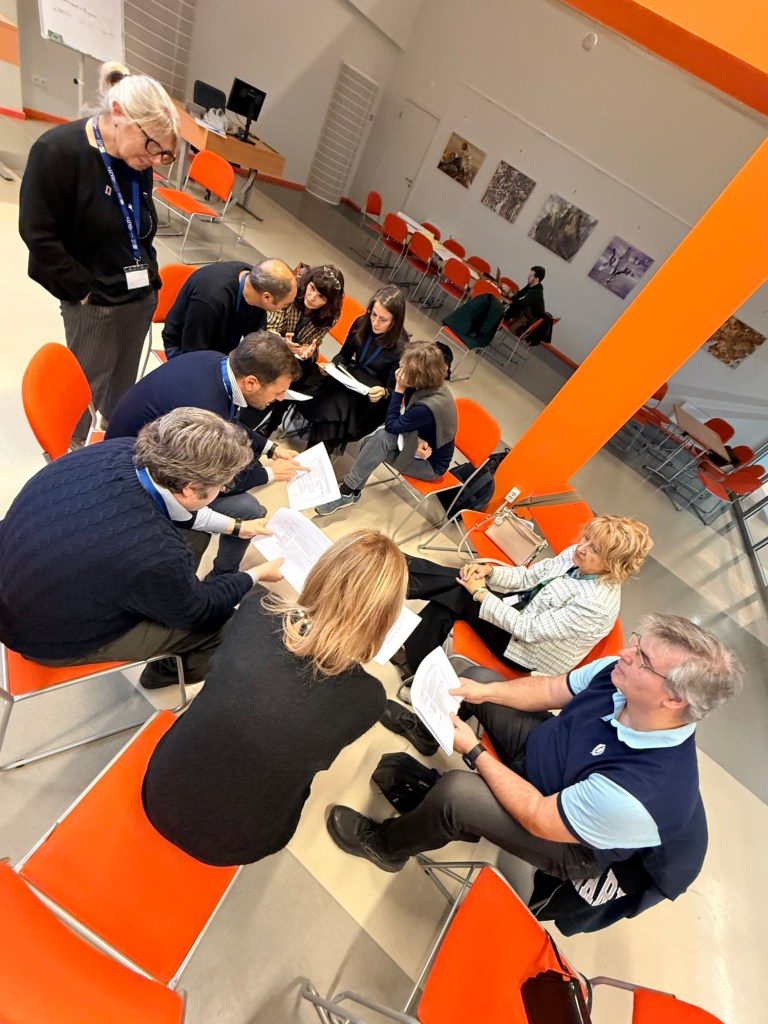
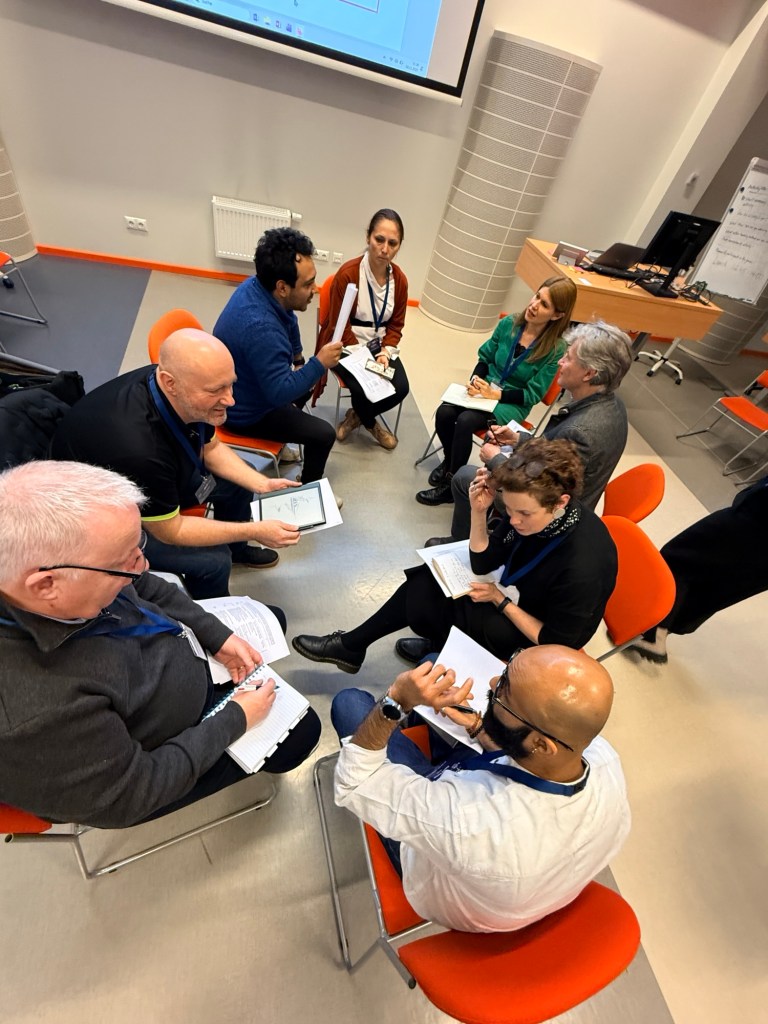
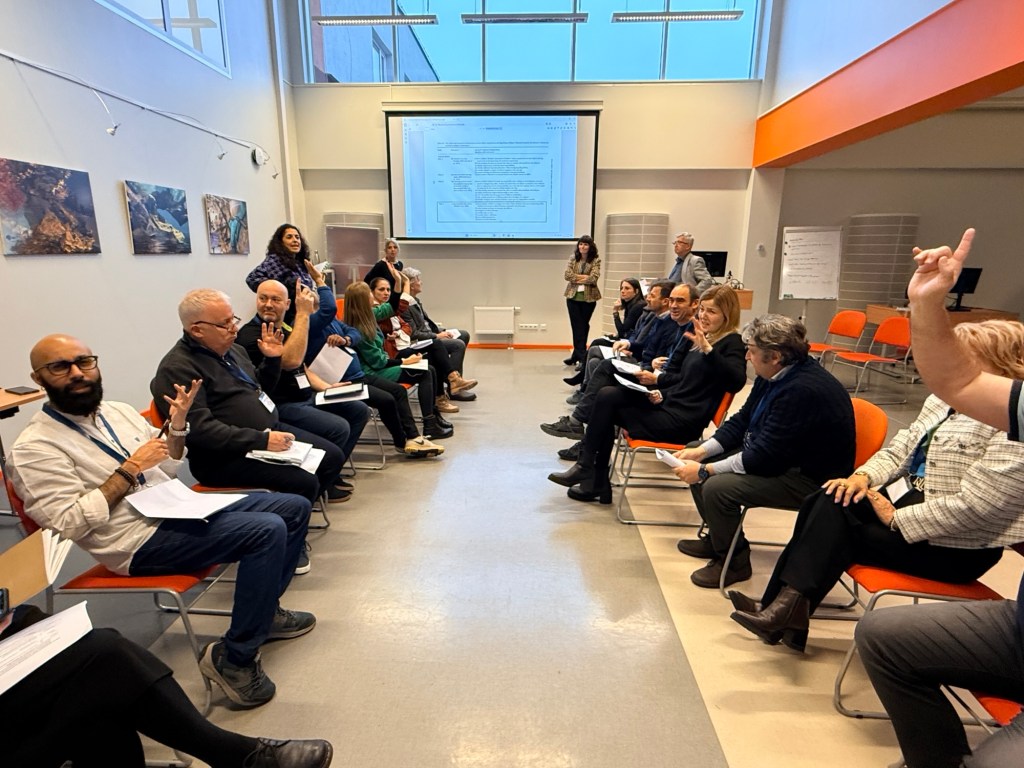
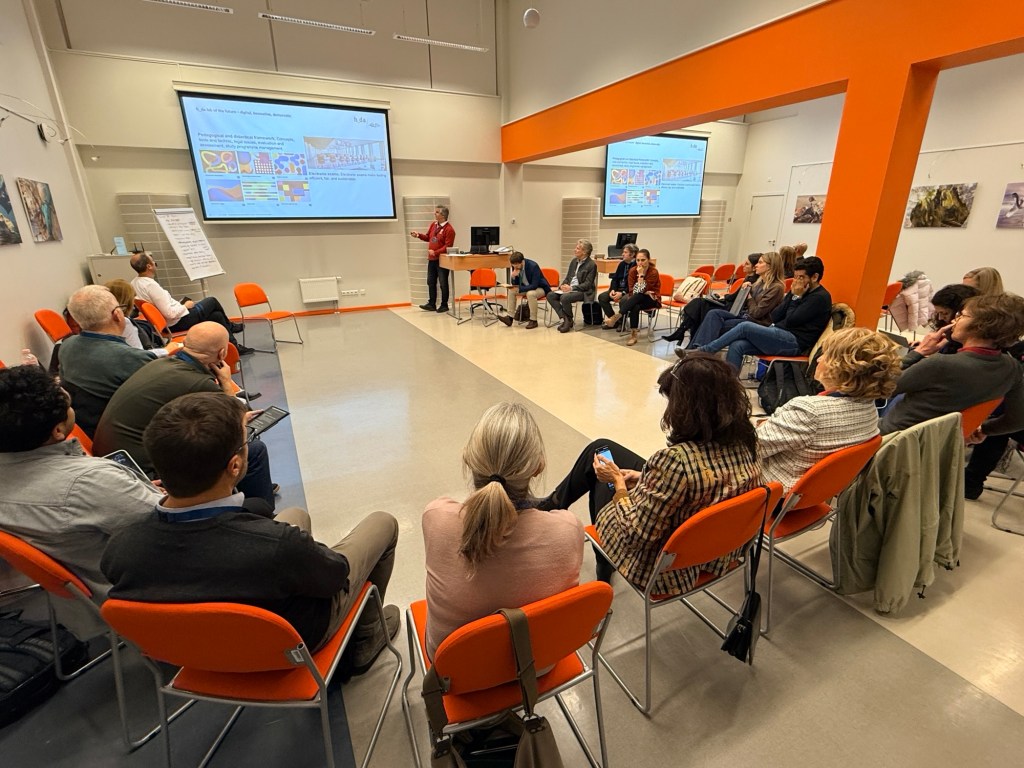
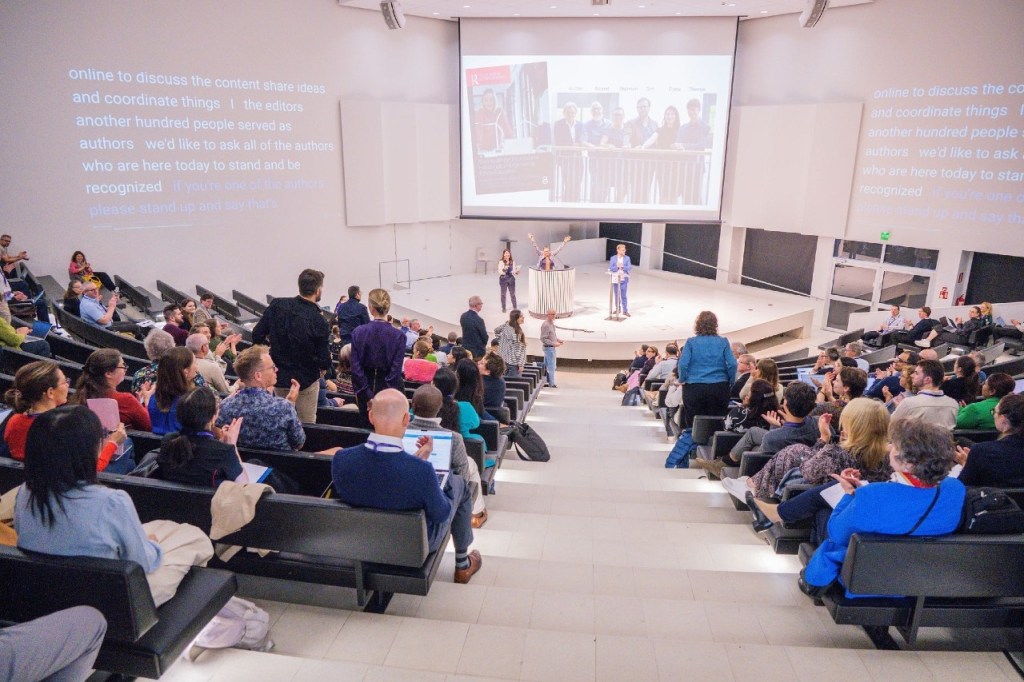
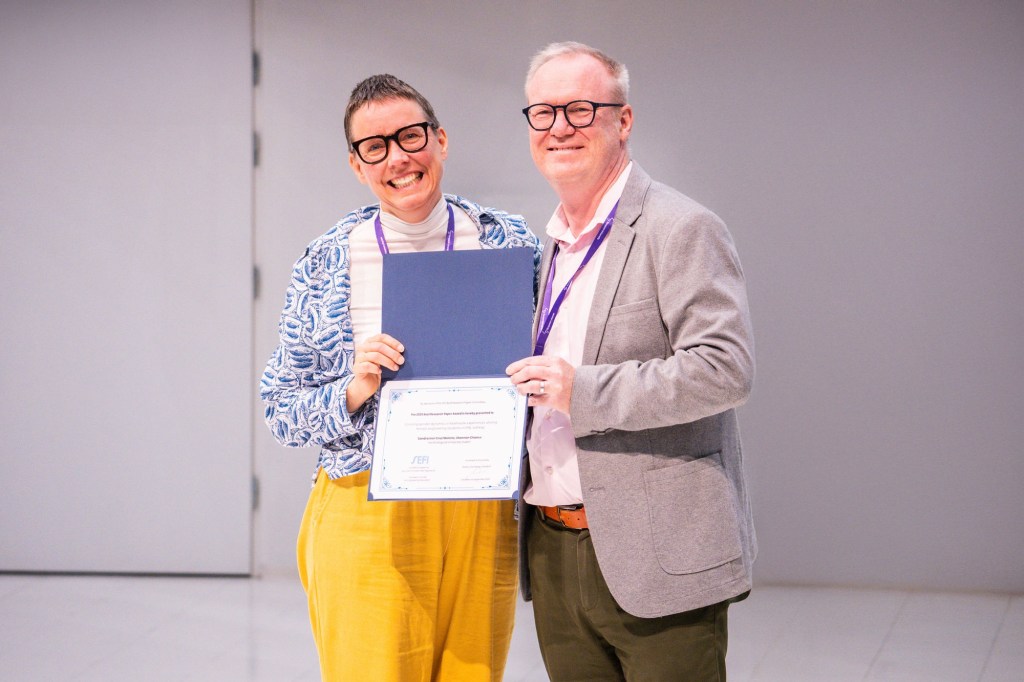

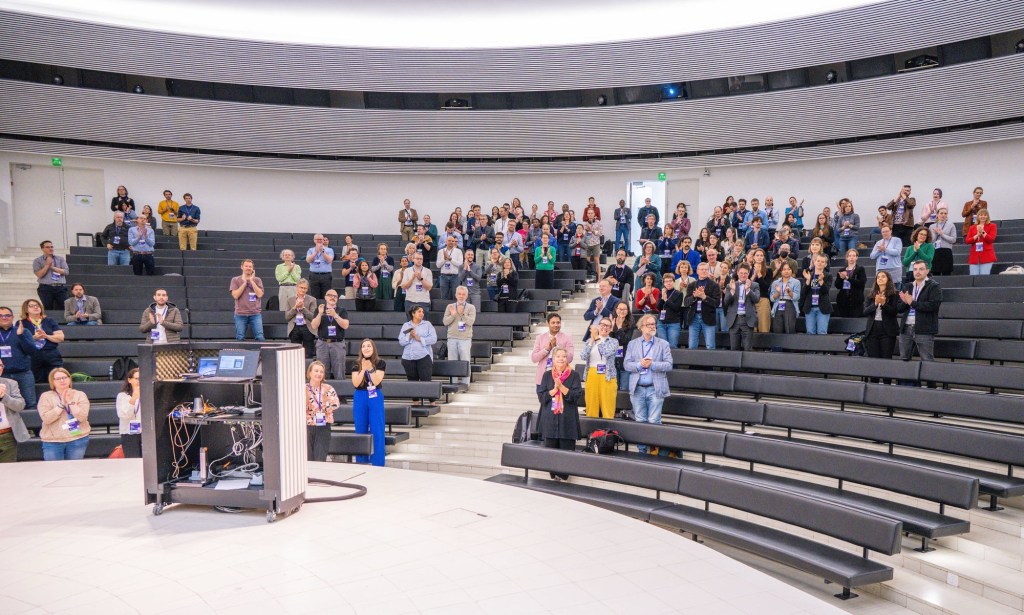
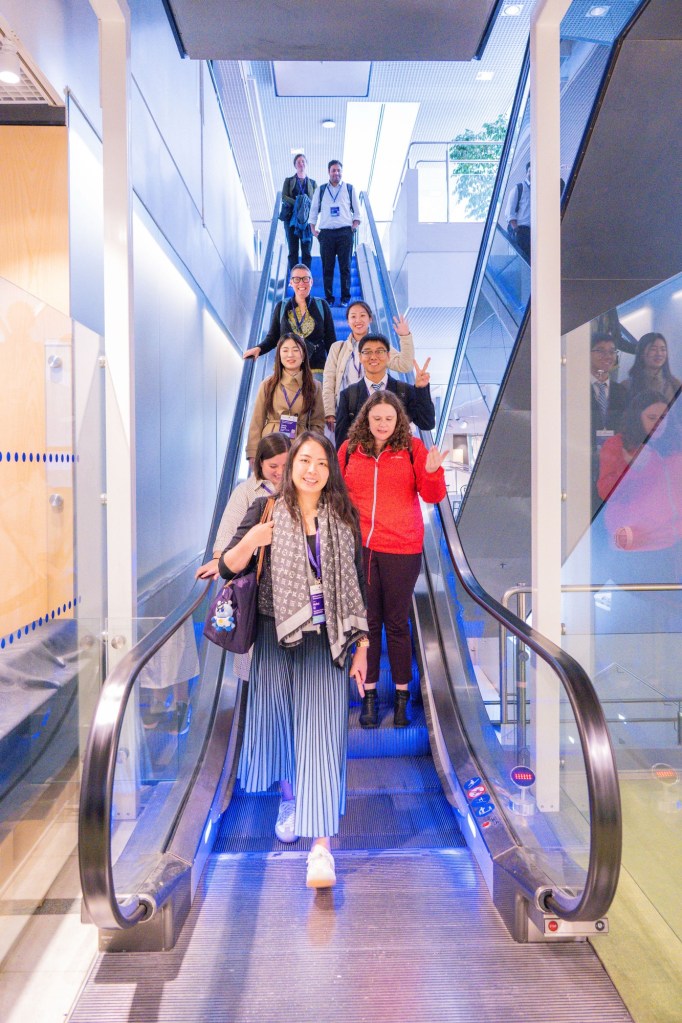








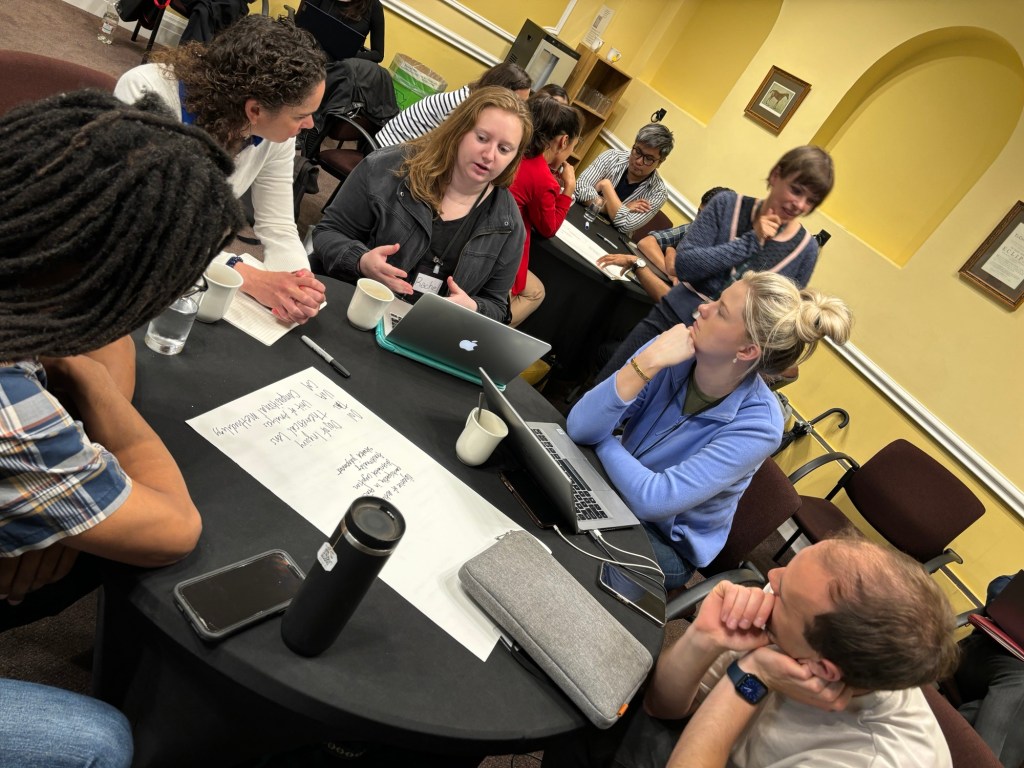



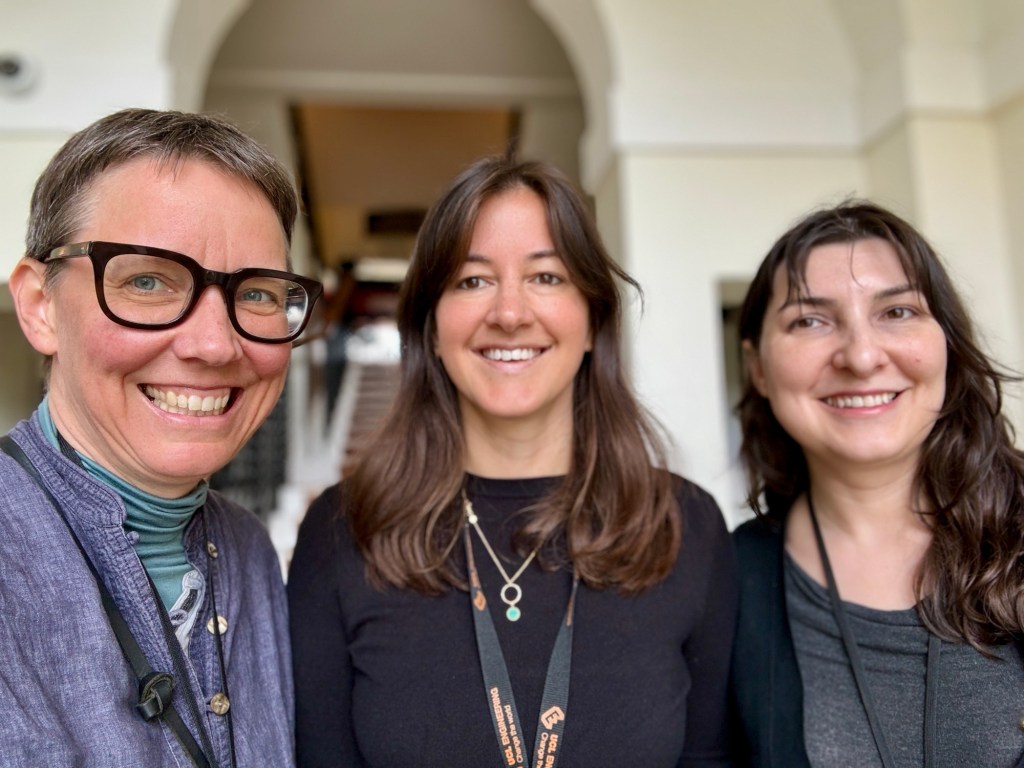






 Thus, one of my top accomplishments of this conference was connecting my colleagues from the CDC and ASEE. Soon Stephanie and Chris will be working together. They will connect engineering educators and students with the CDC’s new initiatives to increase physical activity across the US population and to improve public transportation, particularly with regard to accessibility. Stephanie will be able to tap into Chris’s experience and policy research and Chris will access Stephanie’s national contacts to help achieve CDC goals.


 Ireland by Chance