Experiential Learning in Riga

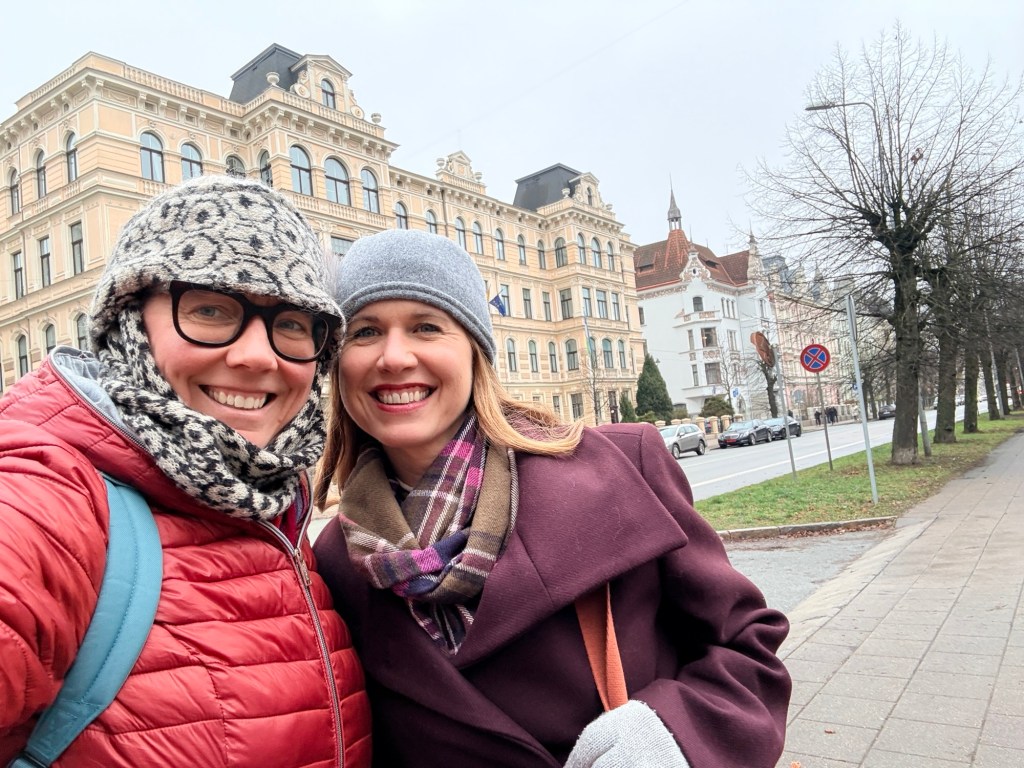
What an amazing week at Riga Technical University (RTU) in the charming capital city of Latvia!

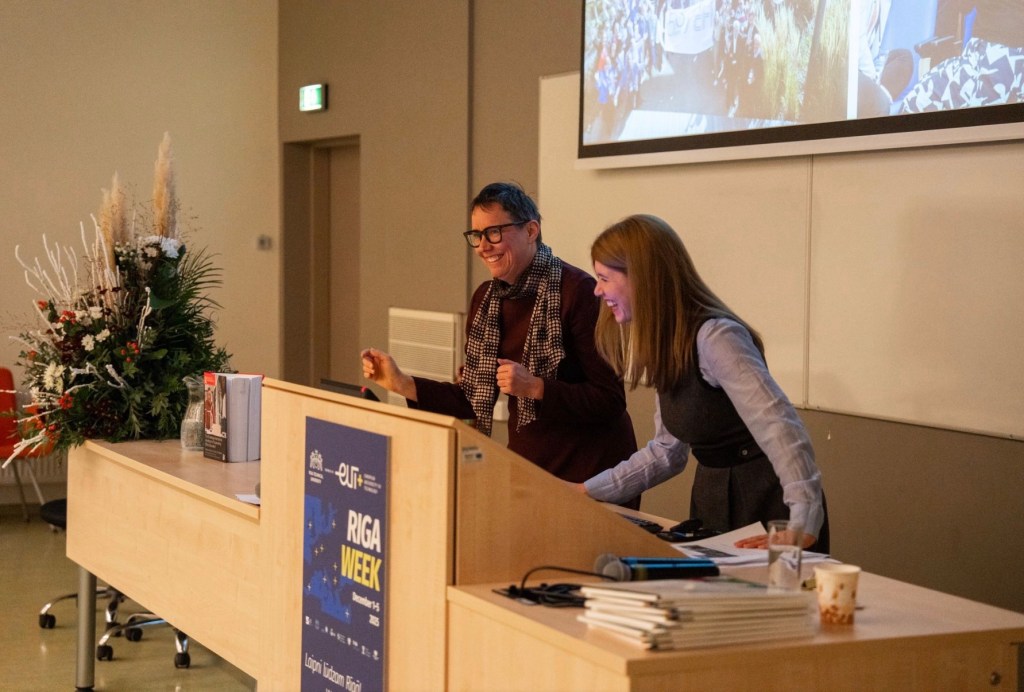
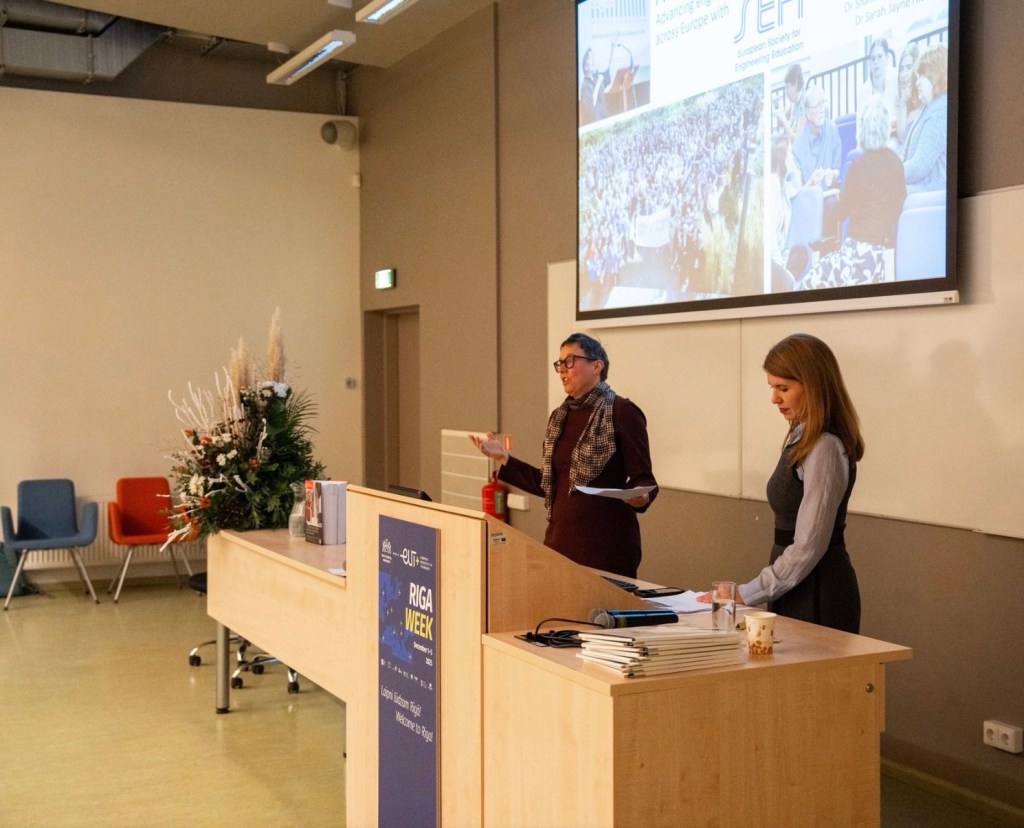
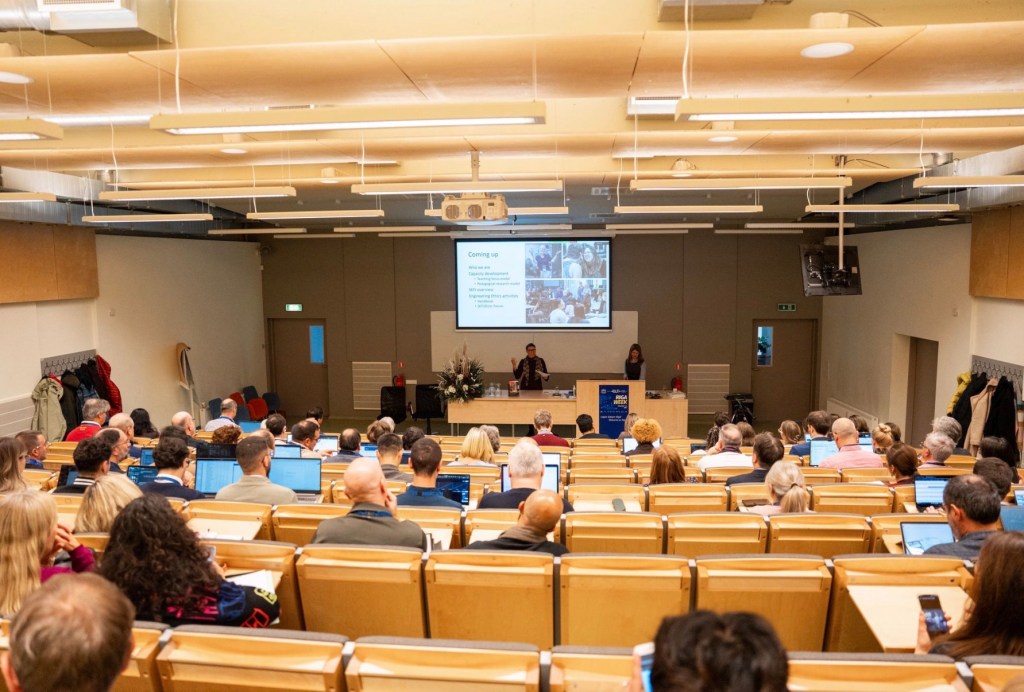
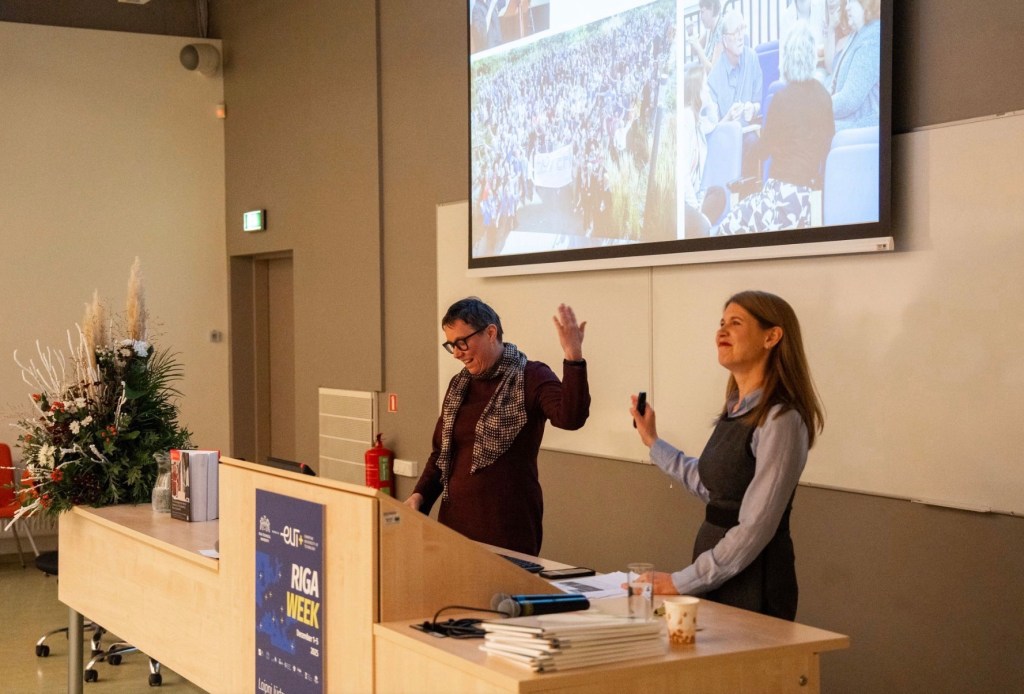
I designed and co-delivered an intensive “Education Forum”, as part of the European University of Technology (EUt+) “Riga Week,” held December 1-5, 2025.
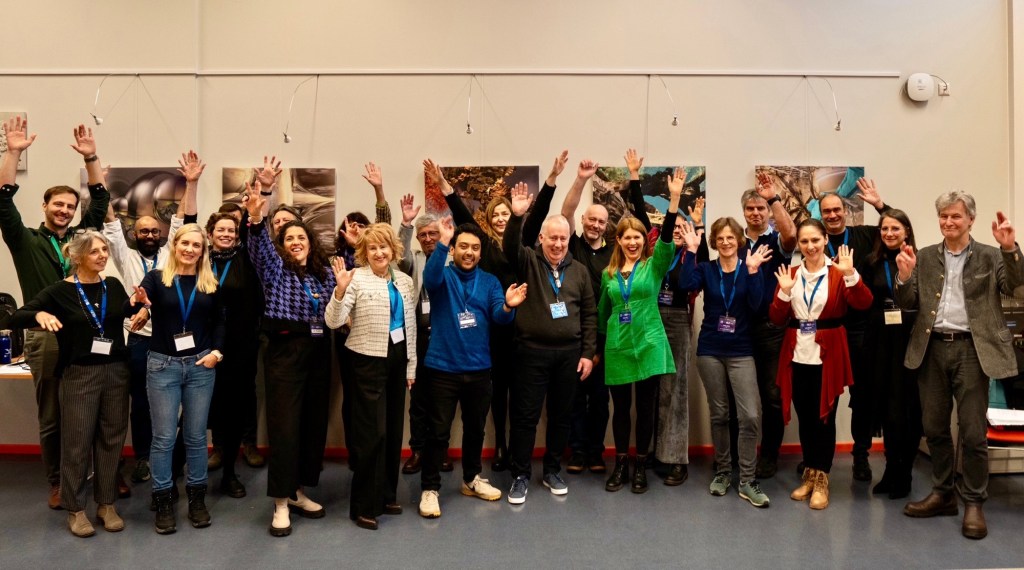
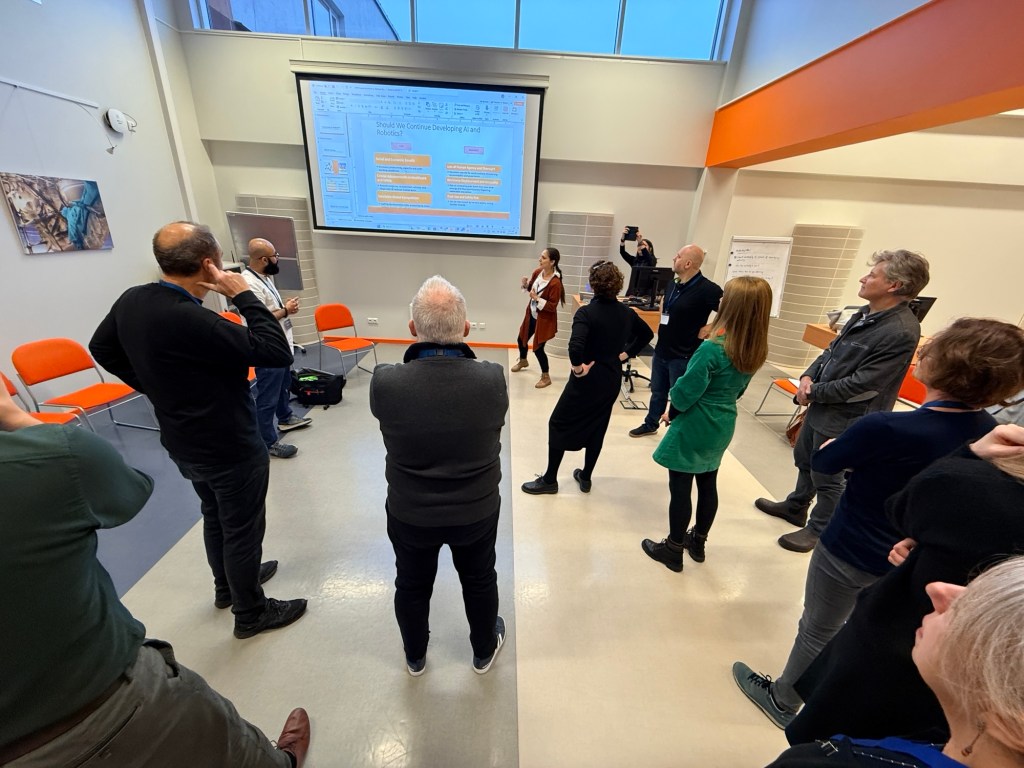
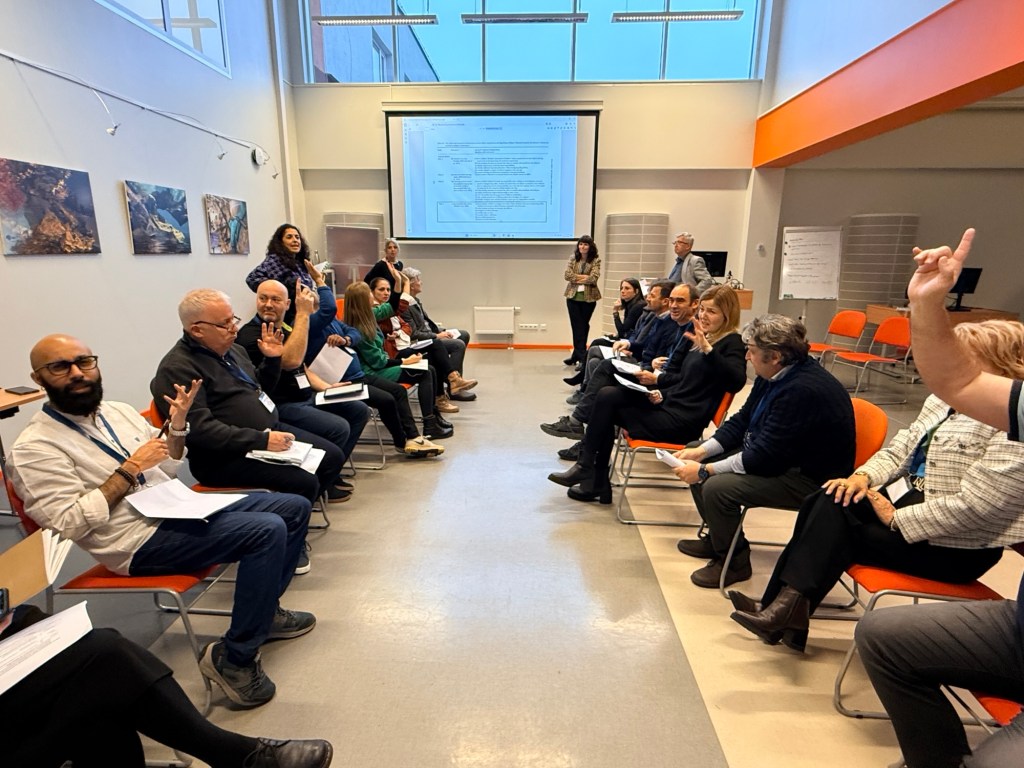
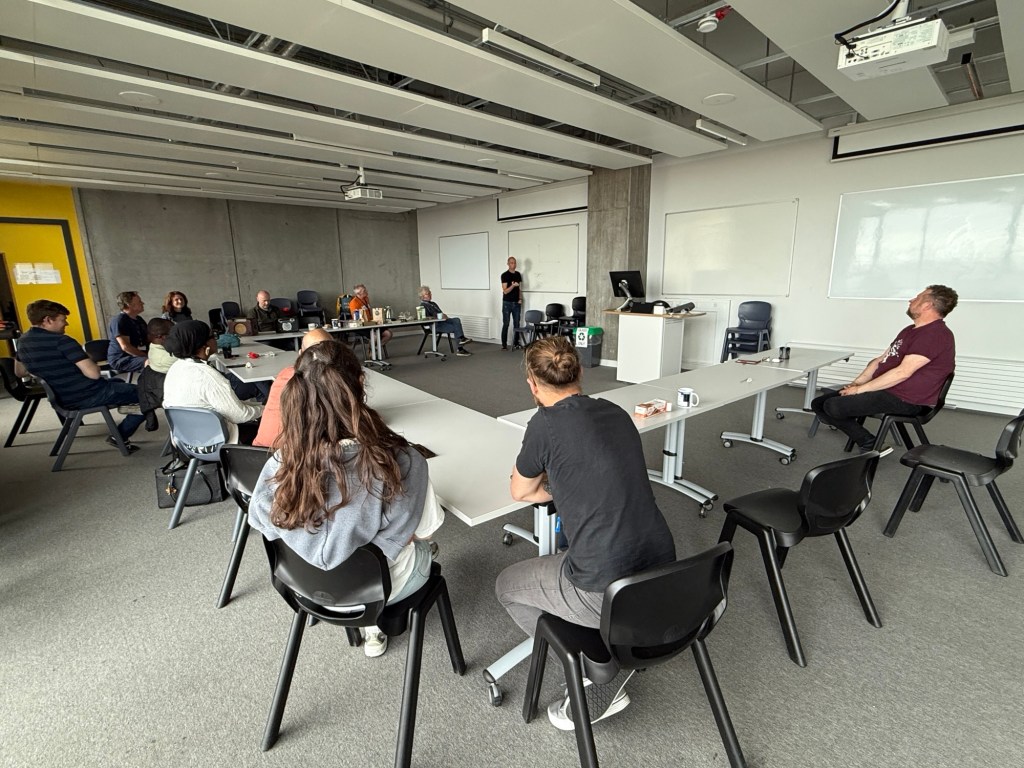
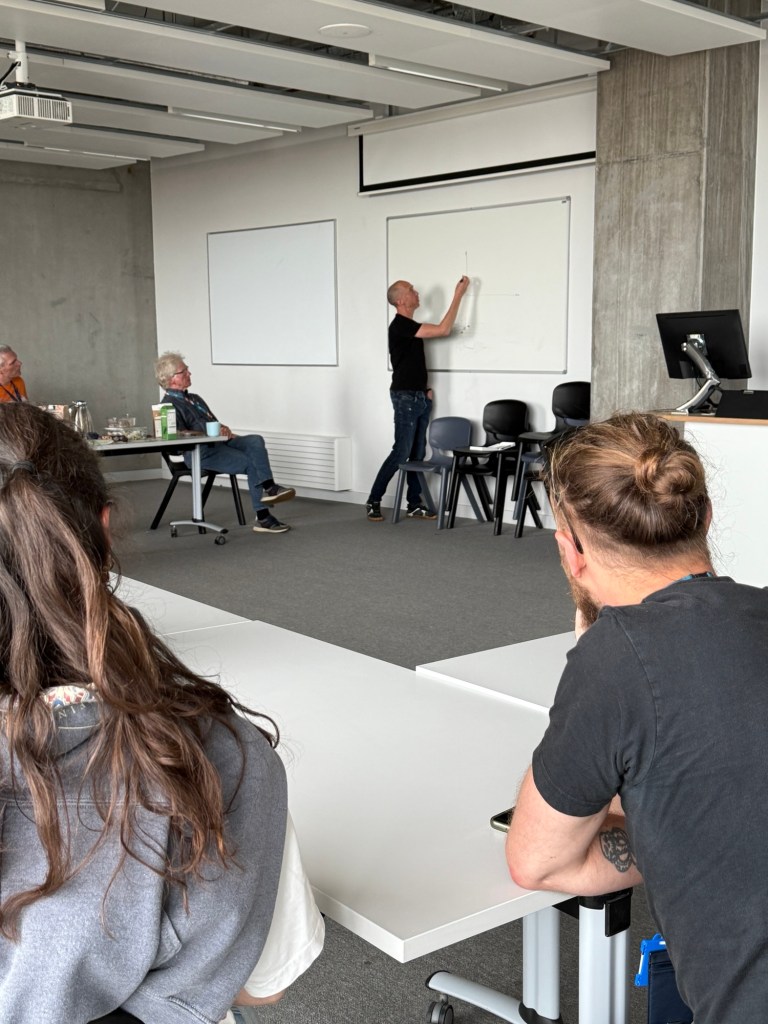
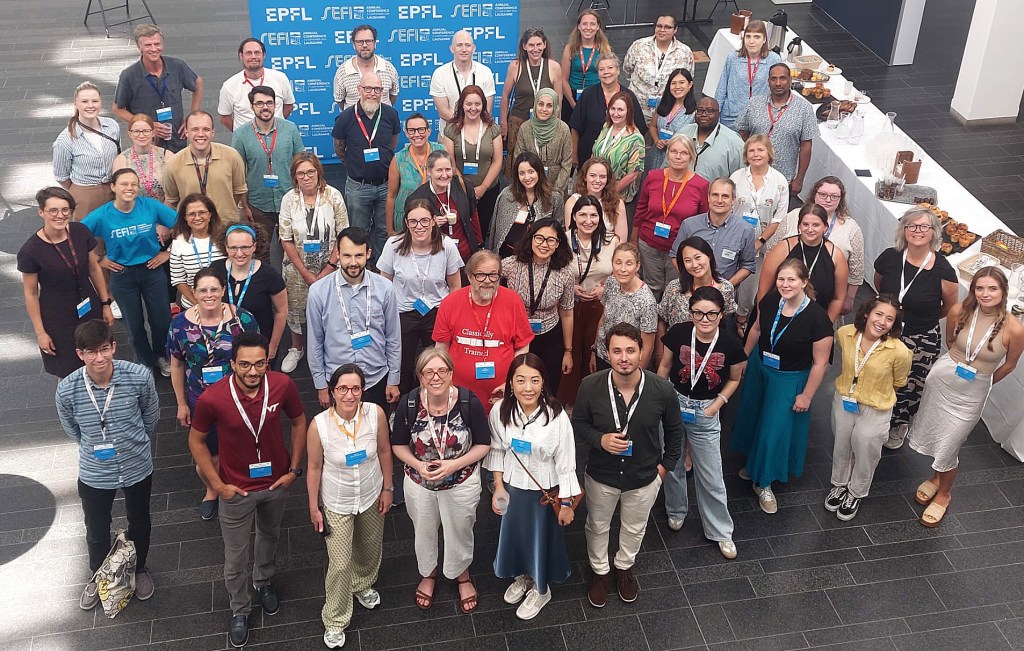
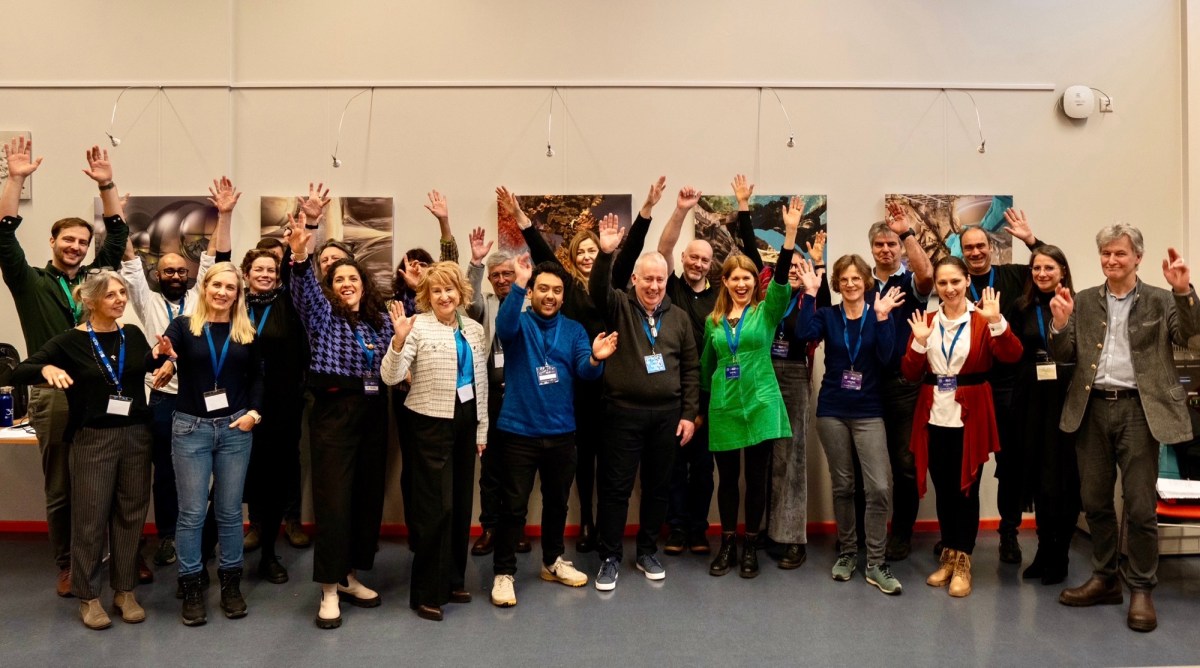
Here’s our Forum group on the final day!

This teacher training Forum brought experts from the European Society for Engineering Education (SEFI) and TU Dublin to help educators from EUt+ member universities experience and apply new pedagogical approaches.

We utilized innovative teaching methodologies—case studies, problems and challenges, service-learning, and arts-based, dialogical and reflexive approaches as well as games-based and flipped classroom formats—to integrate ethics topics into the courses we teach.

These are methods I’ve always used as an architectural educator, and ones we featured in the Routledge International Handbook of Engineering Ethics Education, which I co-edited as part of the SEFI Ethics special interest group.

The SEFI Forum in Riga was inspired by the SEFI Ethics Symposium I hosted in Ireland last spring, which focused on putting the handbook to work.

Designing it, I drew from knowledge and experience gained at the Symposium. For Riga, I used a similar format—a fun and immersive three-day series of hands-on workshops and mini-keynote presentations. I am grateful to the SEFI experts who helped me design the SEFI symposium format, Drs. Diana Martin and Mircea Tobosaru. (Diana was also scheduled to help facilitate the Forum in Riga, but a winter flu kept her from joining us.)
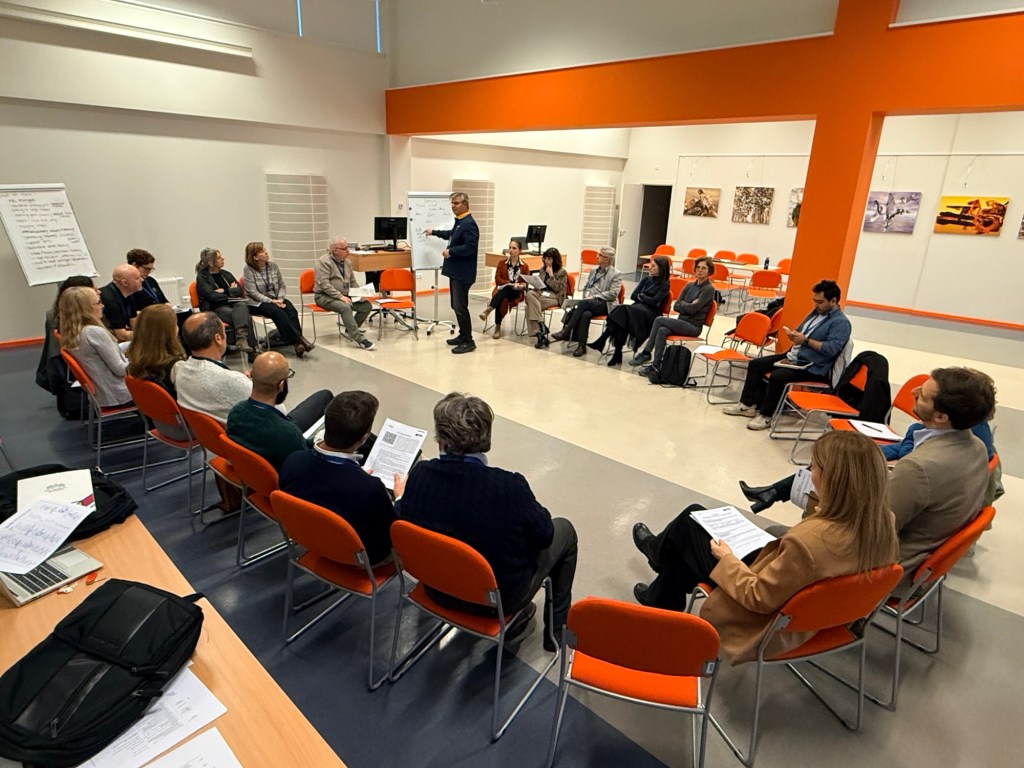
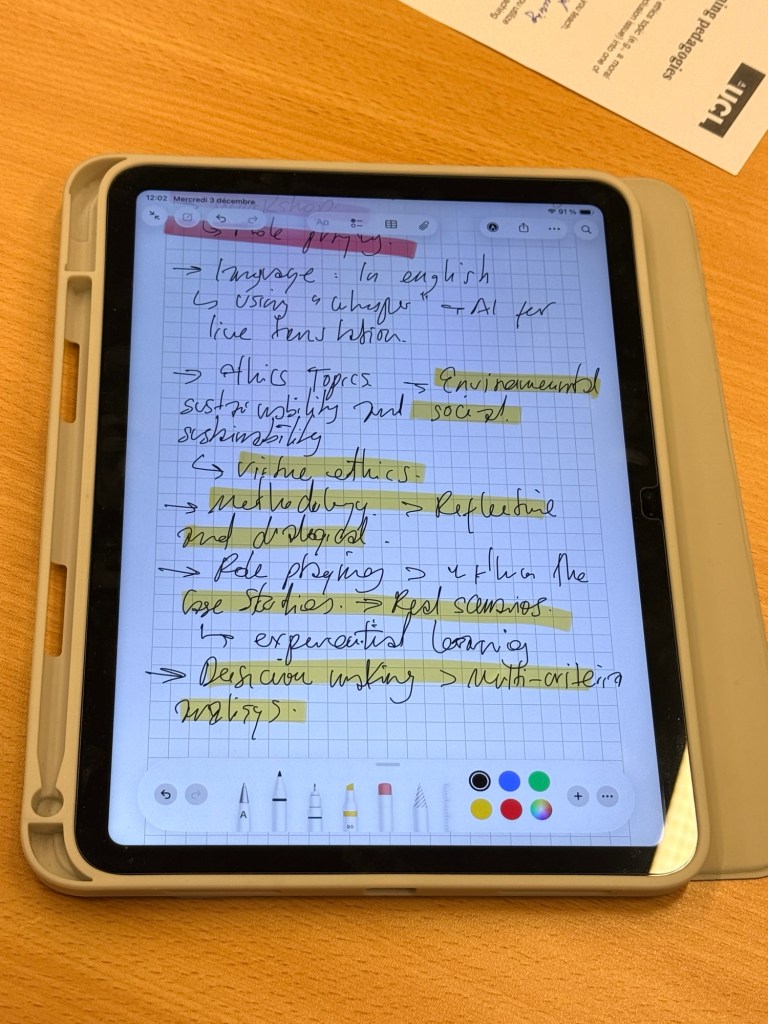
Ultimately, 21 educators travelled to Riga from Cluj, Sophia, Lazio, Darmstadt, Troyes, Cartagena, Dublin, and the UK. We assembled for the first ever SEFI/EUt+ Engineering and Technology Education Forum. Dr. Sarah Hitt (of SEFI), Miriam Delaney (of TU Dublin), and Edmund Nevin (of both) helped me facilitate the Forum.

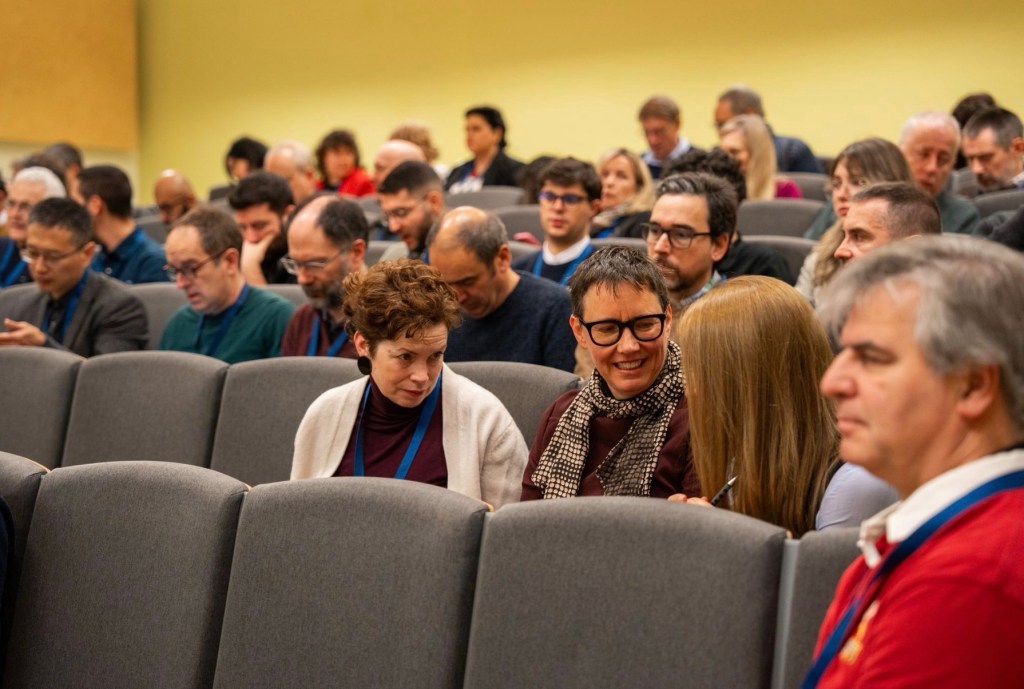
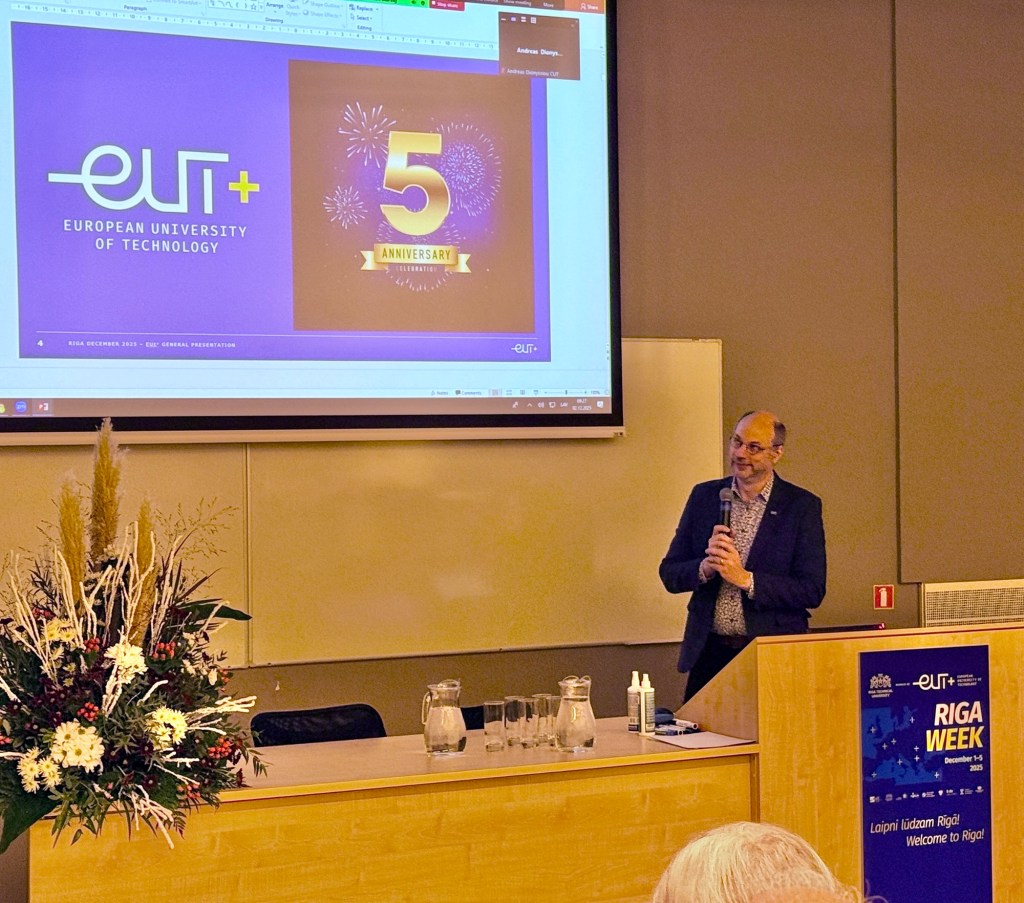
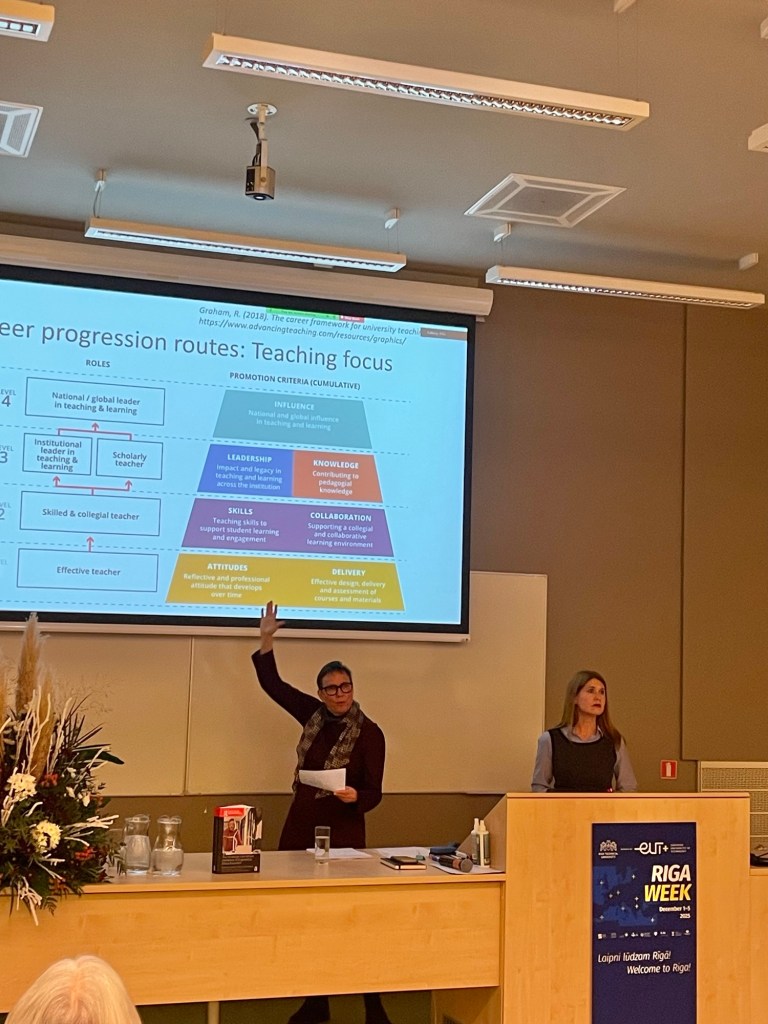
Before the Forum got underway, Sarah Hitt and I delivered the opening address for the larger event. We used the same delivery format that Dr. Tom Børsen and I developed for our keynote at the recent SEFI conference, which you can watch here. Sarah is such a great collaborator. We worked really well together preparing and delivering the General Seminar address, debriefing between Forum sessions and passing the baton back and forth across the three workshop days.
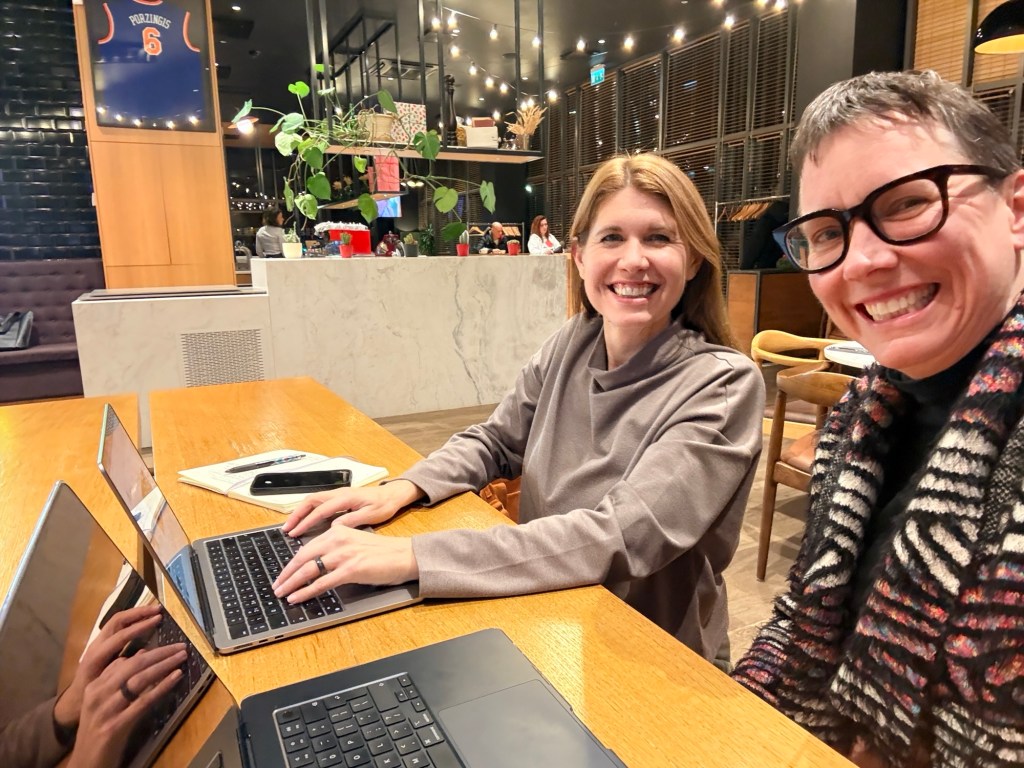
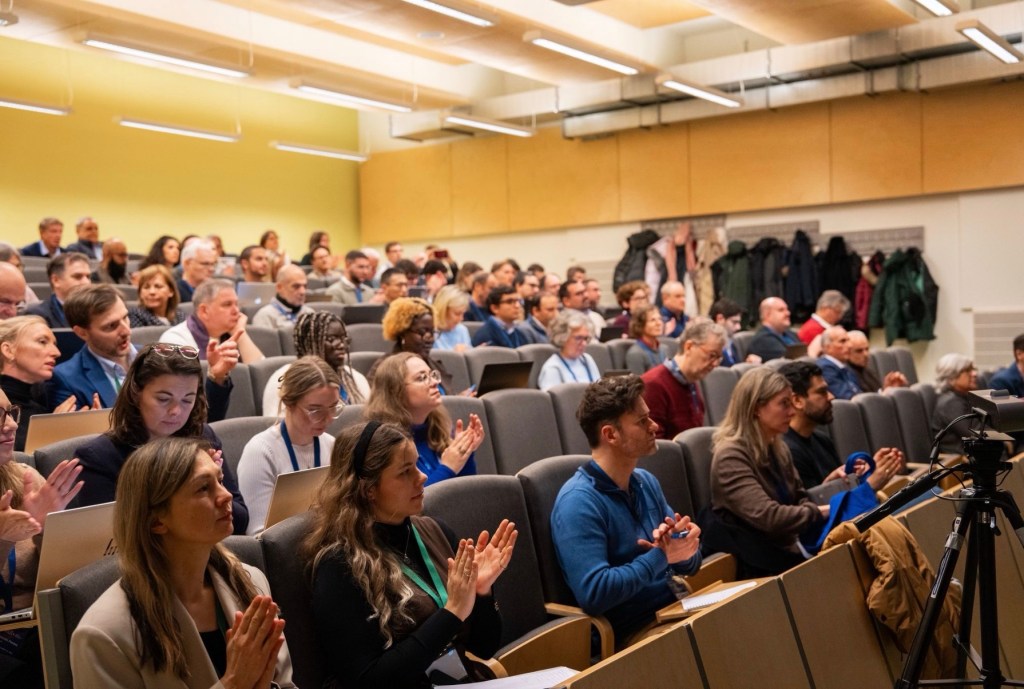
In total, about 80 people came to the “Riga Week.” They arrived from all around EUt+, an alliance of nine technological universities across Europe. They came to work on projects, refine approaches, and align systems. Many who attended this particular EUt+ Week are involved in disciplinary clusters (like biomedical or electrical and electronics engineering).
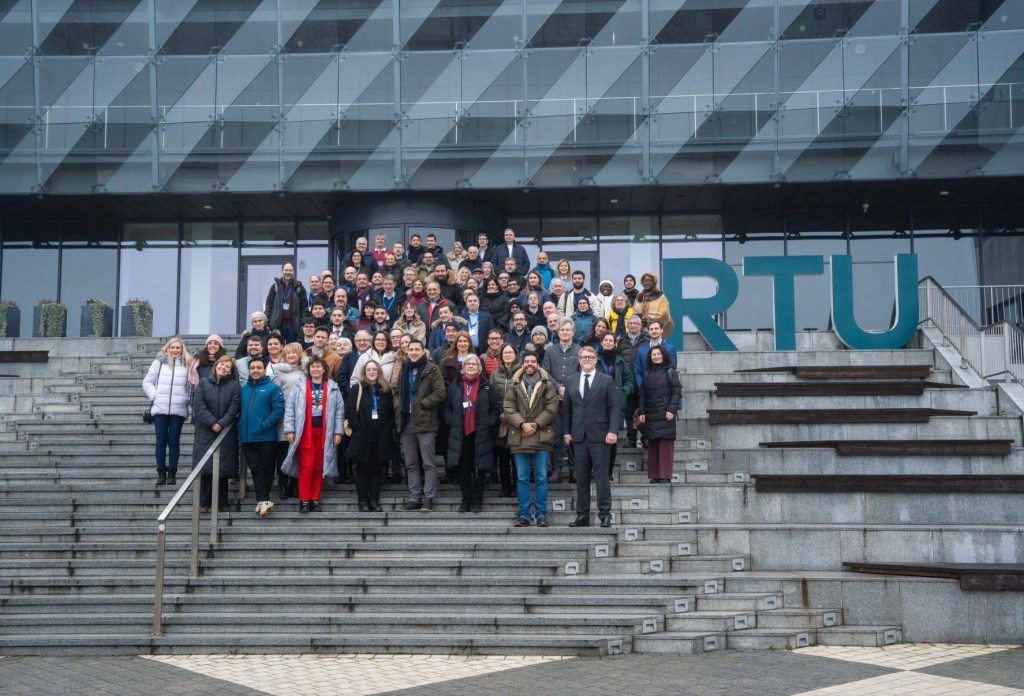
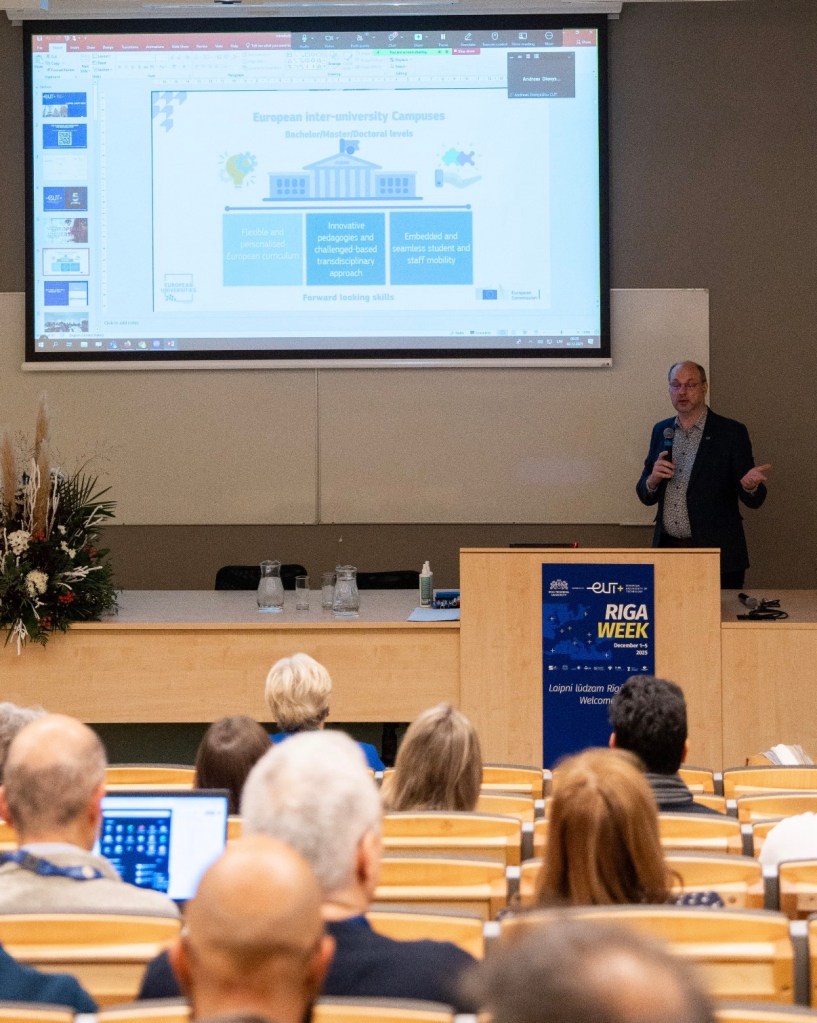
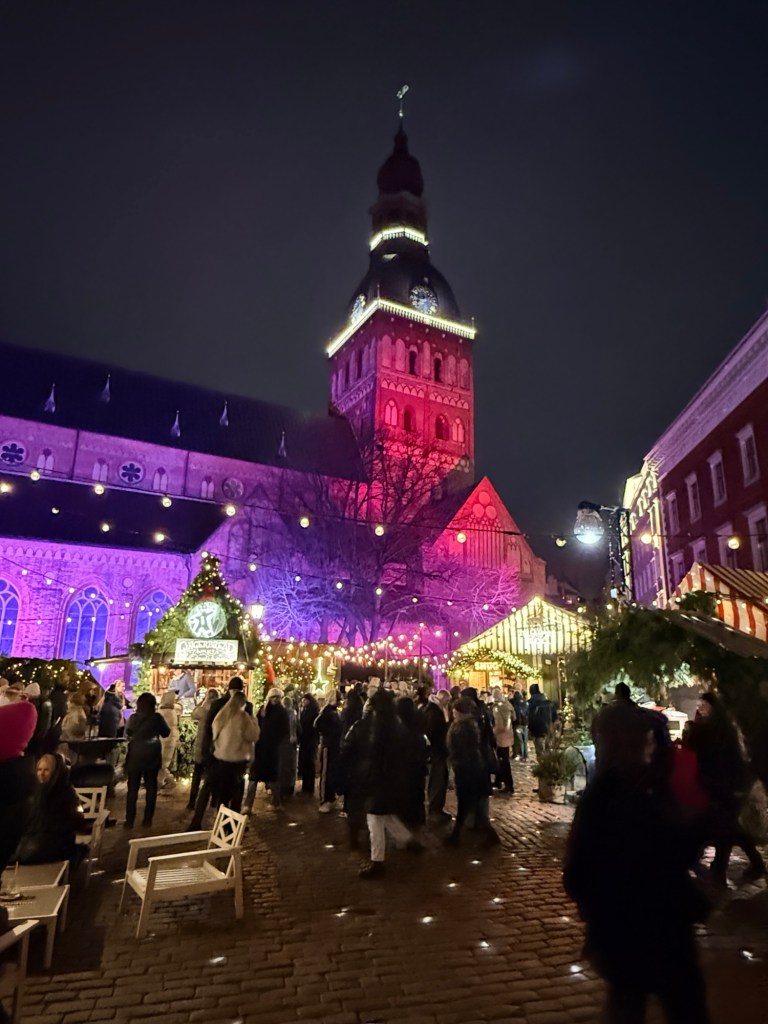
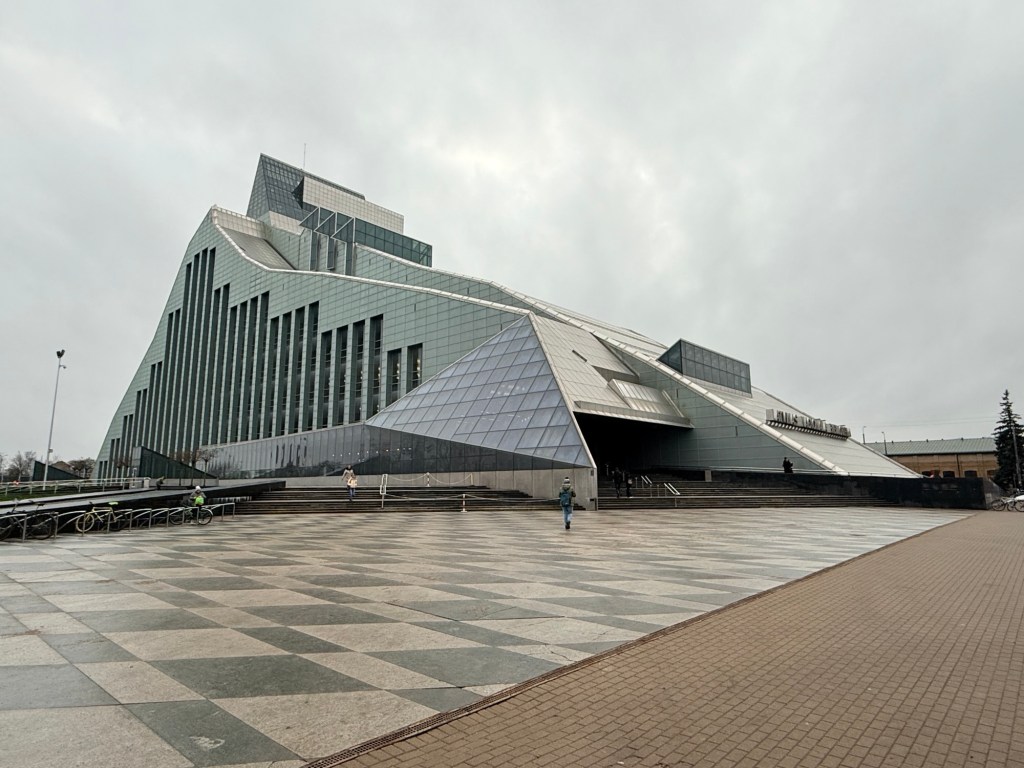
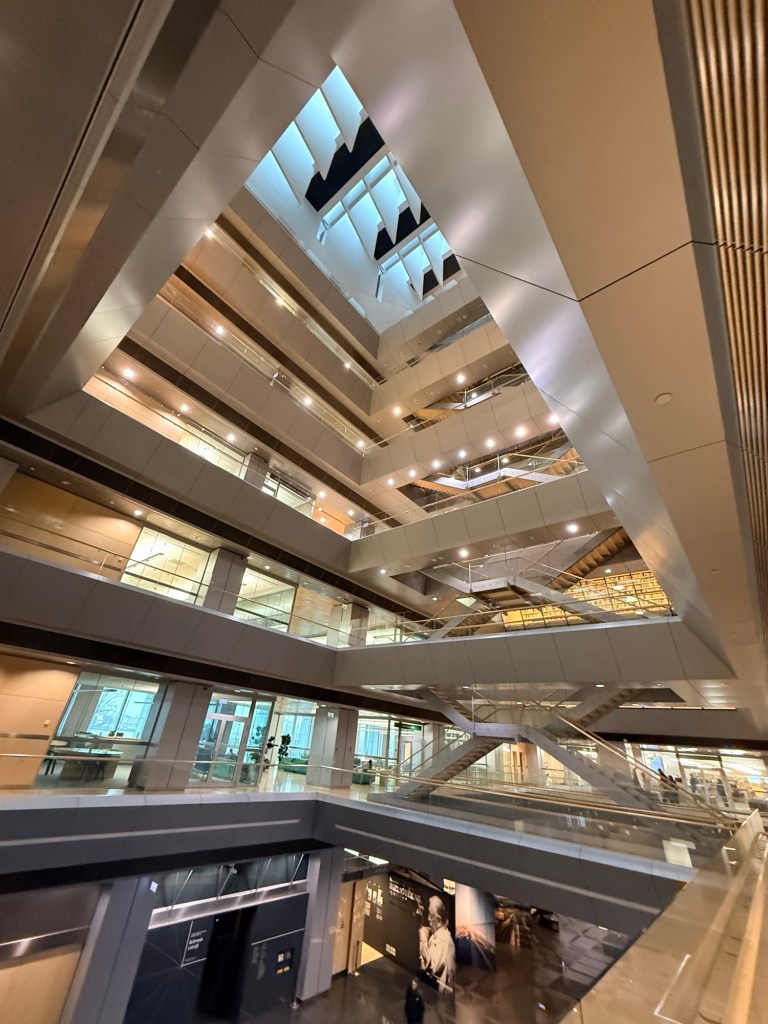
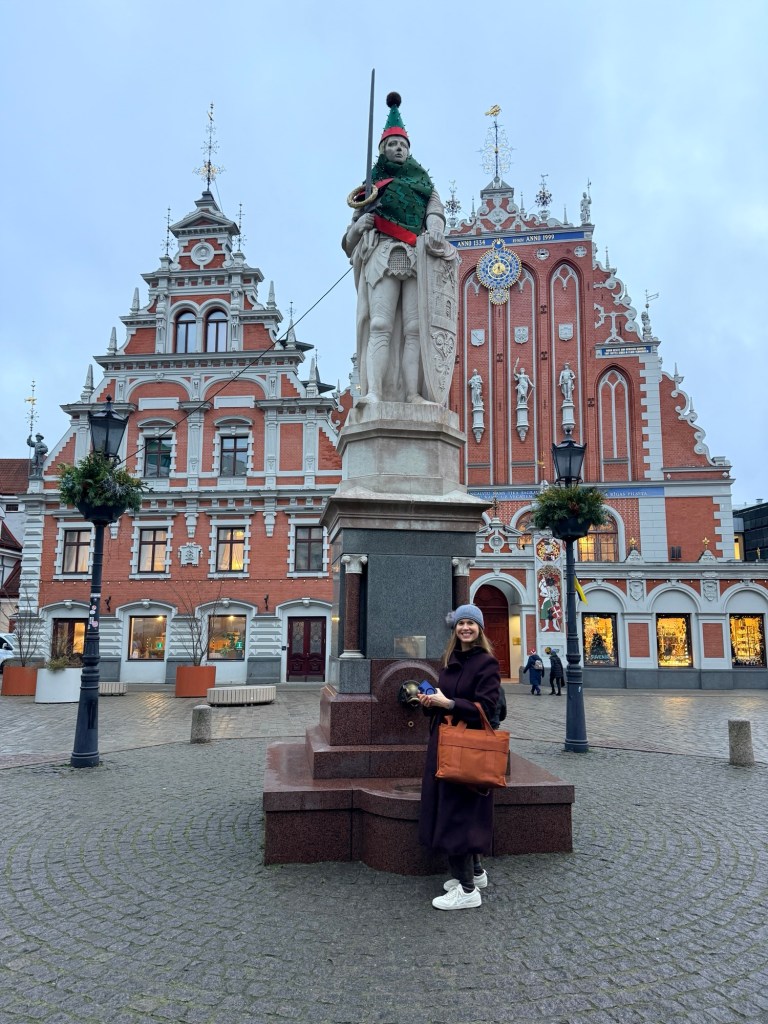
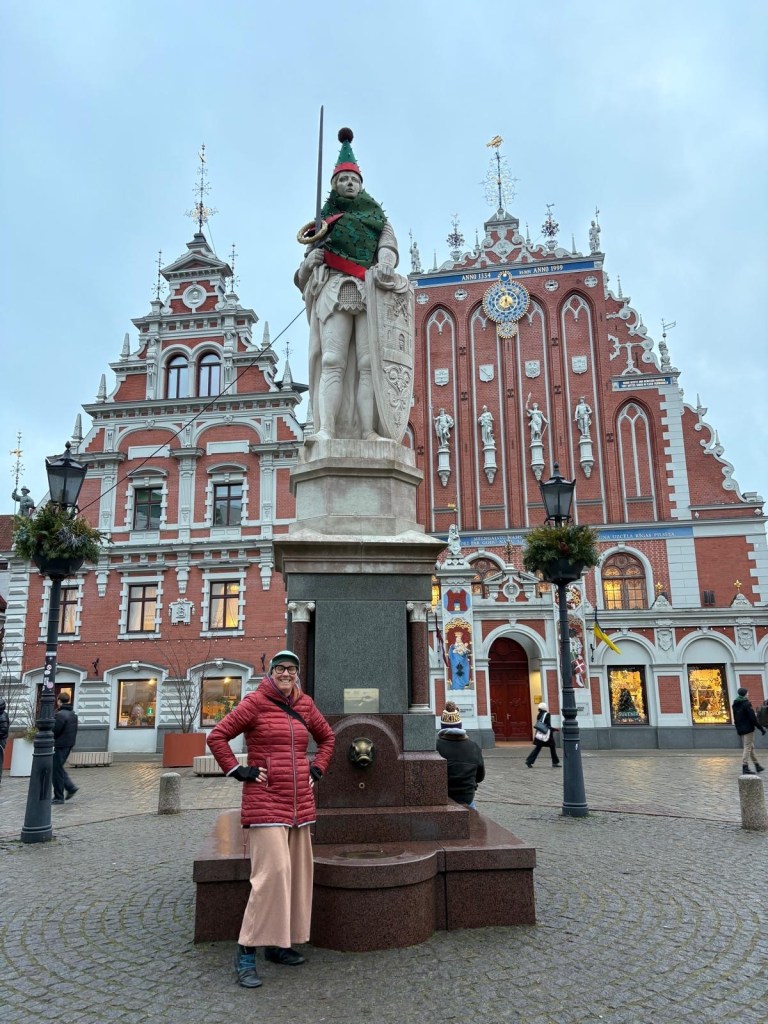
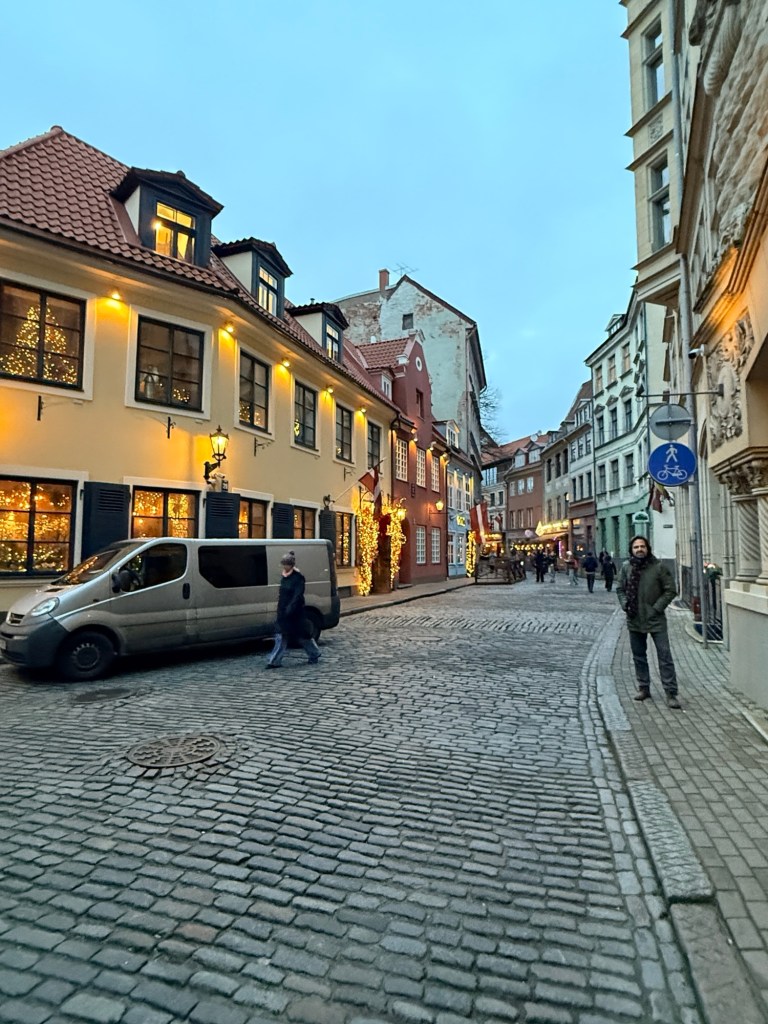
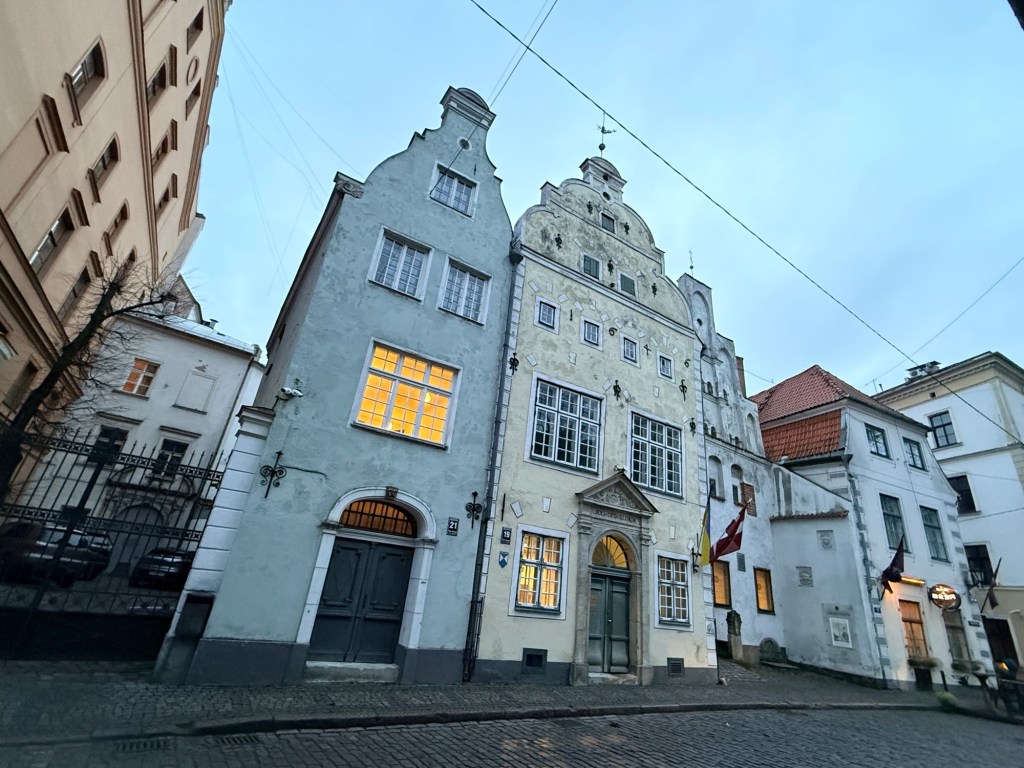
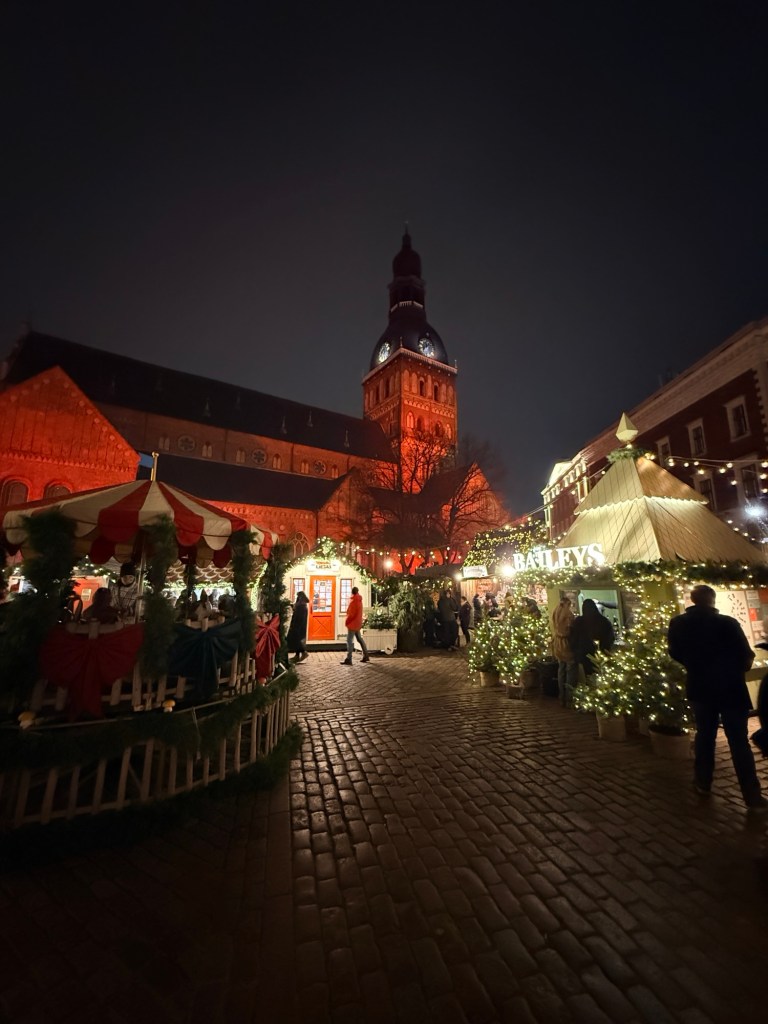
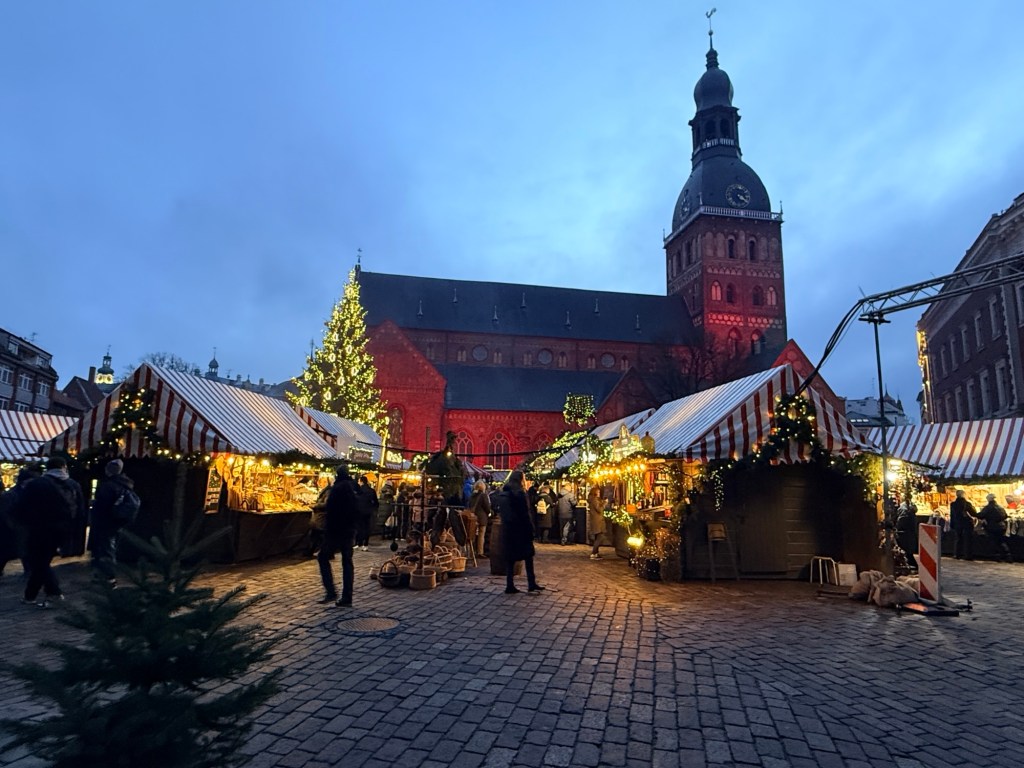
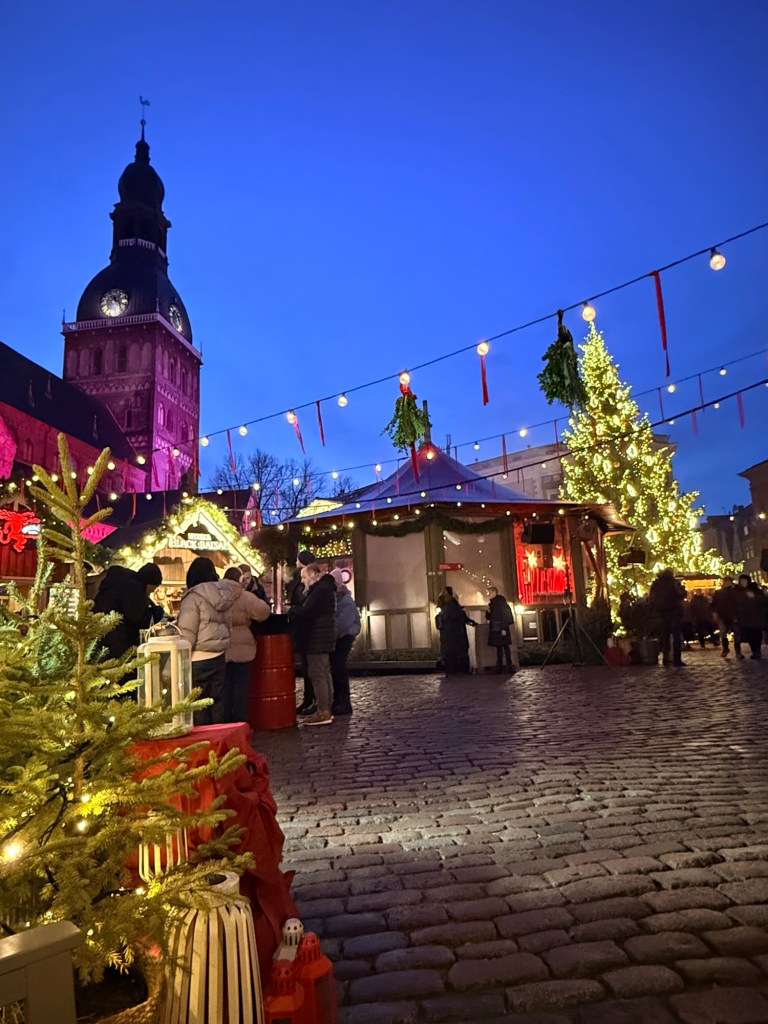
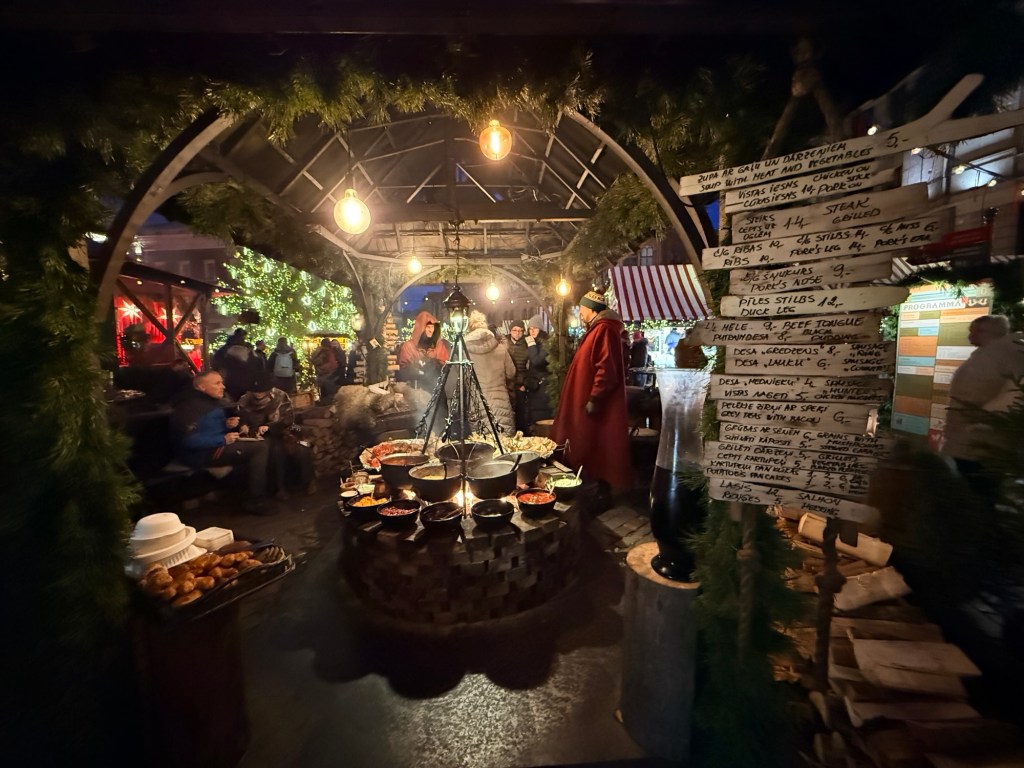
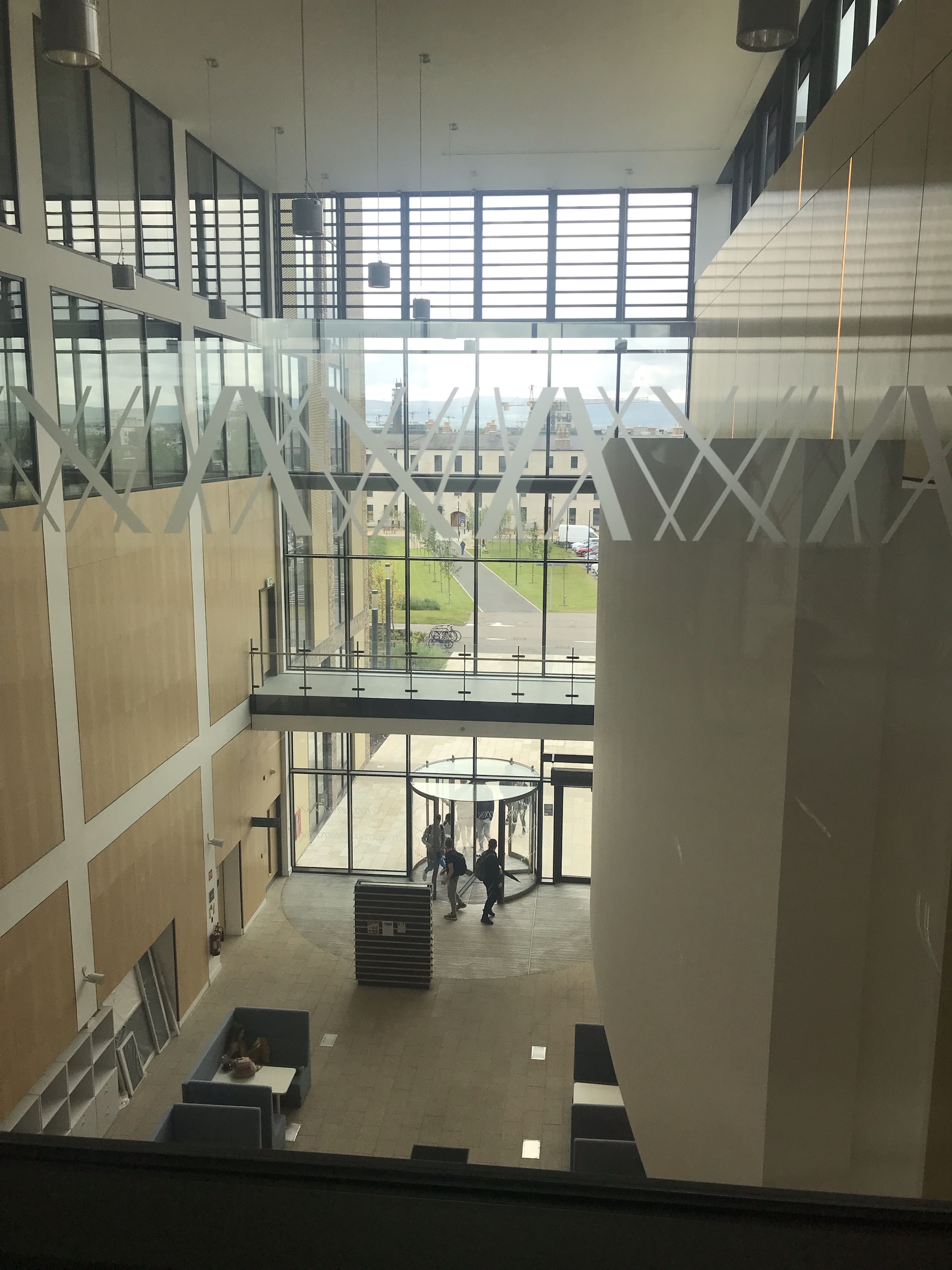
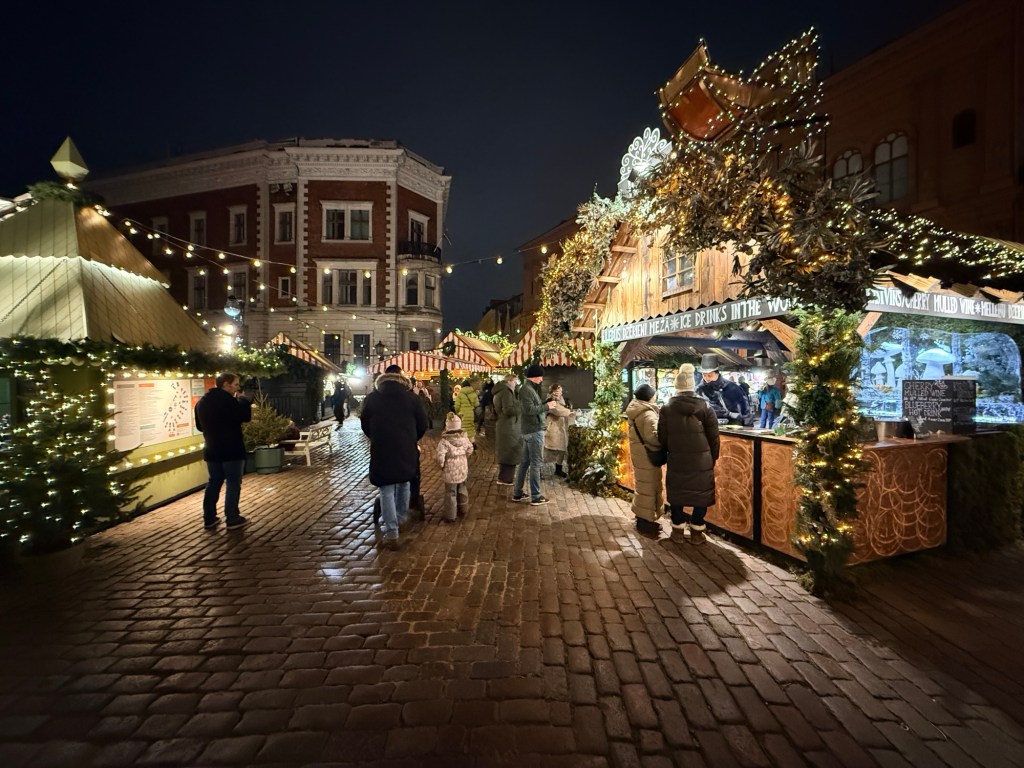
And what a lovely place to hold a conference. Riga has stunning architecture and a lively Christmas market.

This alliance is one of the many funded via the European Commission to enable partnerships, collaboration, and some degree of standardization across European institutions. It is part of Erasmus, the teaching arm of the European Union’s development of higher education. (Up until now, I’ve been involved in programs funded under the parallel research arm.)

EUt+ is the brainchild of Dr. Timothèe Toury, the “Secrétaire général de l’Alliance Université de technologie européenne” (Secretary General of EUt+). That’s the French way of saying he’s our organization’s president/rector/director).

It’s Timothèe who conceived the idea of combining our campuses into one streamlined university where students can (someday?) flow uninterrupted, taking modules on any campus that contribute toward their degree. Timothèe wrote the original proposal to the European Union, and the EU agreed to fund his vision. Now, hundreds of people working on our nine member campuses contribute to the efforts and activities of this EUt+ alliance.

Although there are many university alliances funded by Europe, ours is unique in its vision for the members to unite into one single university. One organization—in multiple, extremely diverse, locations—with aligned curricula and a powerful and unique teaching approach that sets EUt+ apart. We want to foster an exemplary student experience and to advance engineering and technology knowledge-how across Europe, empowering our graduates with transferable skills like teamwork/collaboration, critical thinking, and project management. And, I hope, well-integrated arts, social sciences, and humanities approaches to boot!

This can’t happen without updating and enhancing the way engineering and technology are taught in our member campuses. Lecture-based approaches simply won’t suffice to equip the engineers of tomorrow.

Deeply meaningful learning experiences are required.

And that’s what our facilitation team aimed to deliver at the SEFI/EUt+ Forum.

Helping us organize behind the scenes was the EUt+ staff, particularly Dr. Karine Lan in Troyes and her colleagues Dr. Santiago Perez, Ms. Eleanor Asprey, and Dr. Emilija Sarma. (Karine sent helpful hints throughout Riga Week by WhatsApp… an angel in my shoulder!)

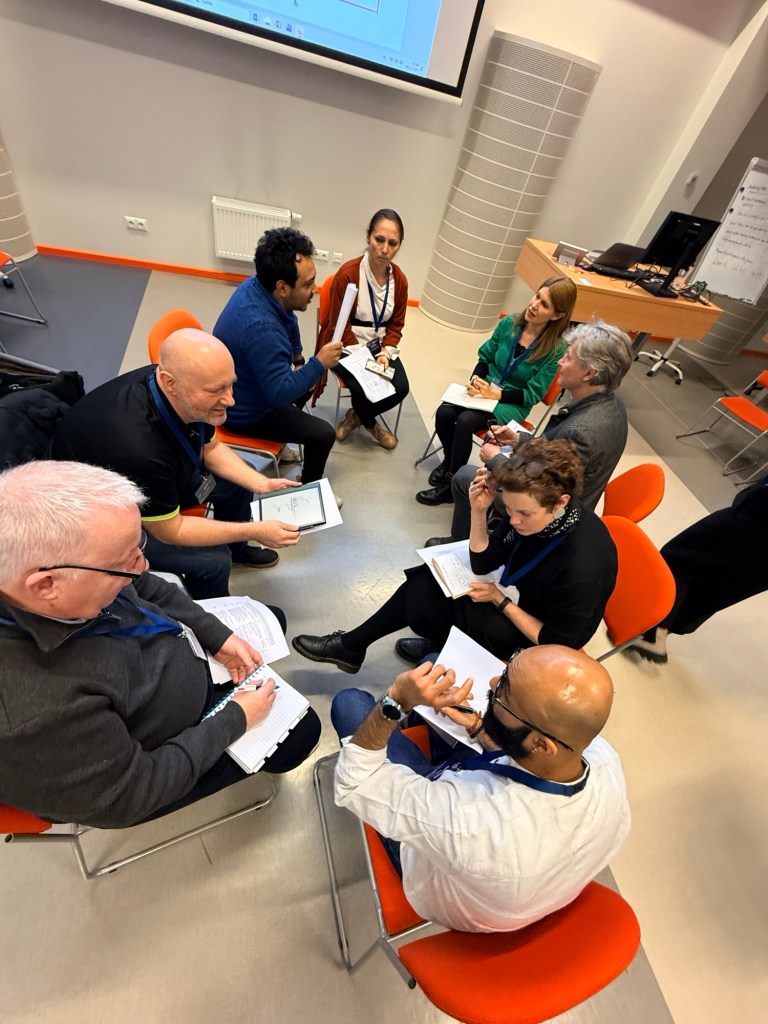
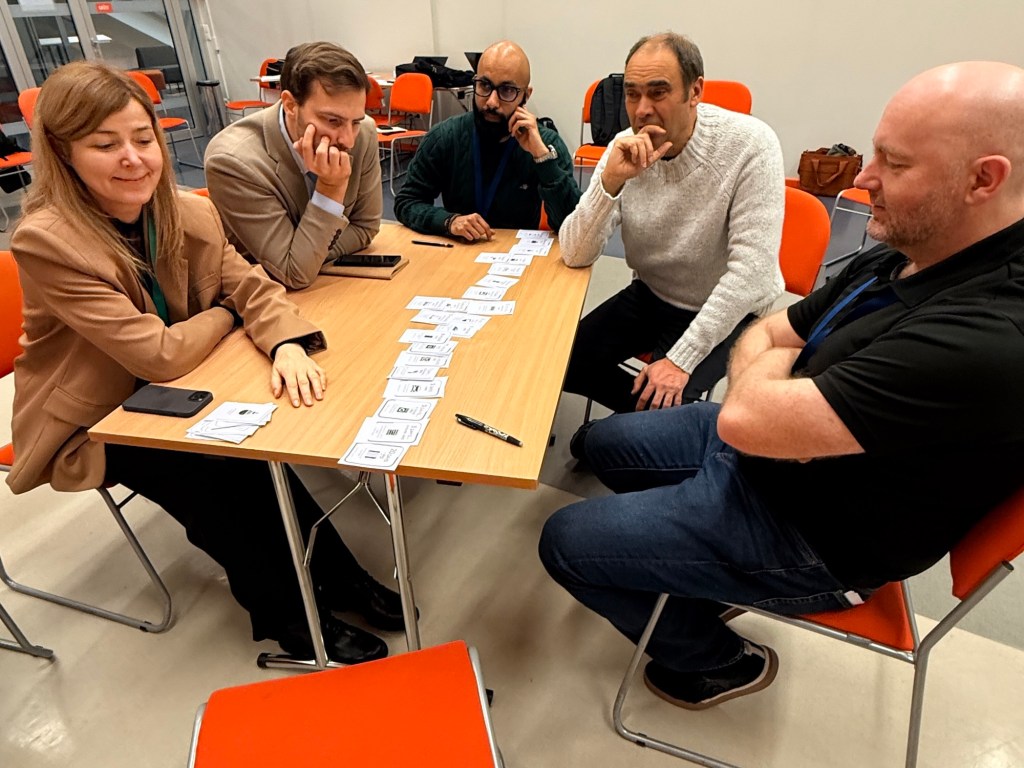
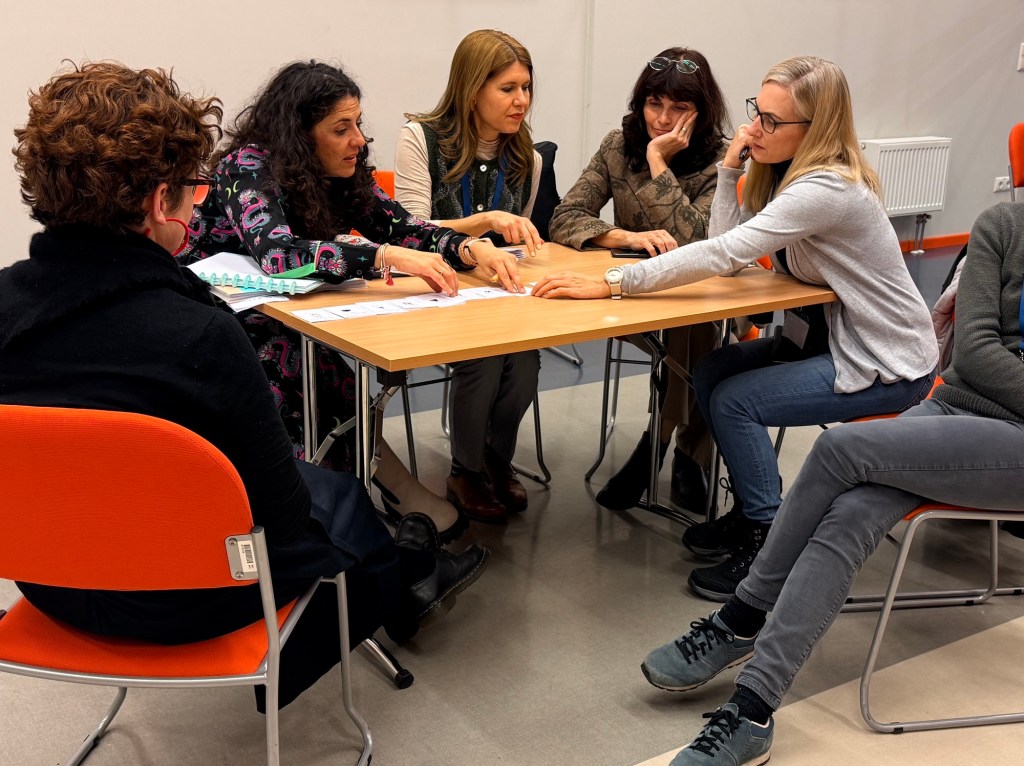
At the SEFI Education Forum, teachers got the chance to experience the student side of the equation.
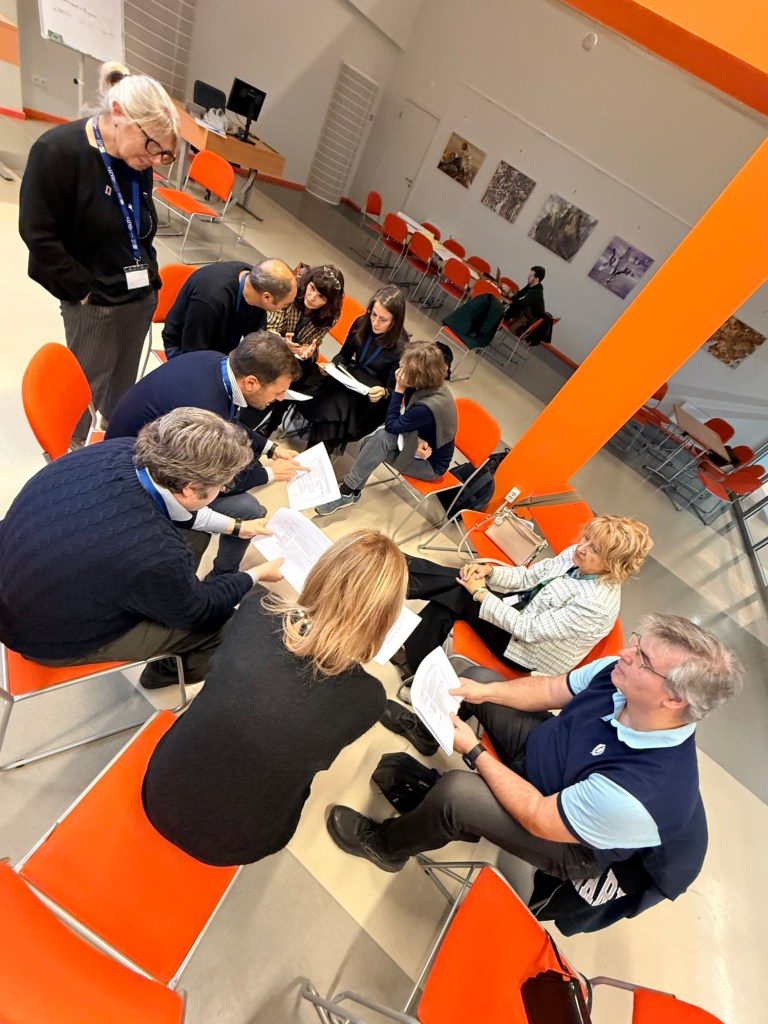
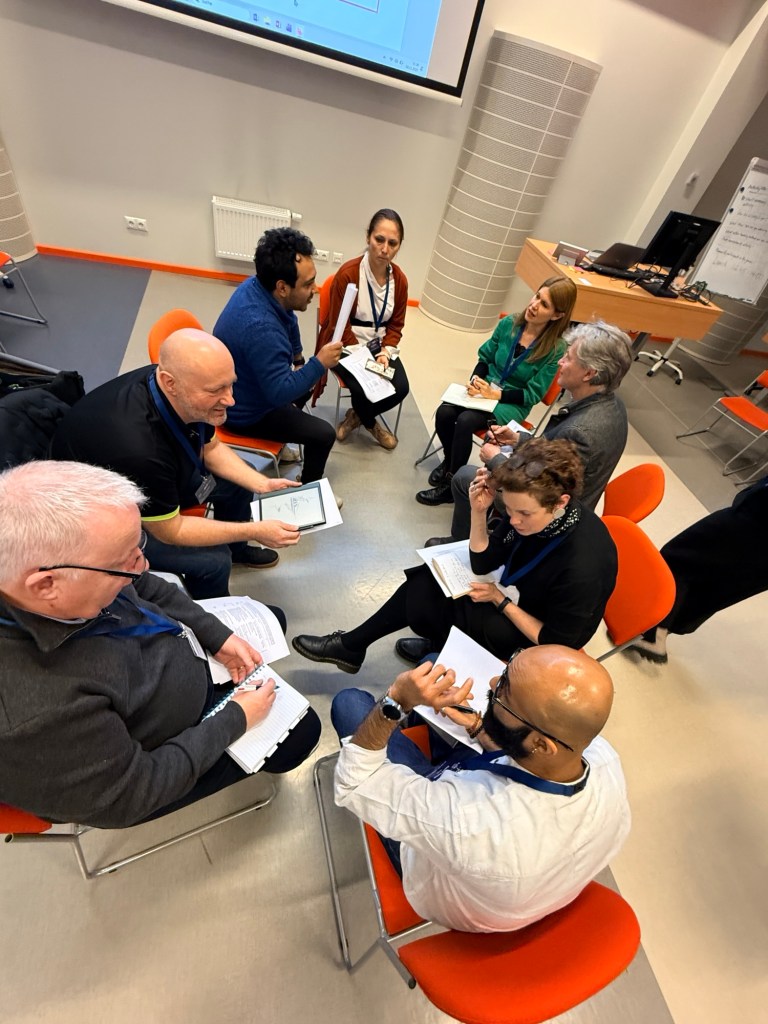
Forum participants each brought their own unique skills and ideas to the event, and shared them with each other. It was like a pot-luck dinner where everyone contributed!

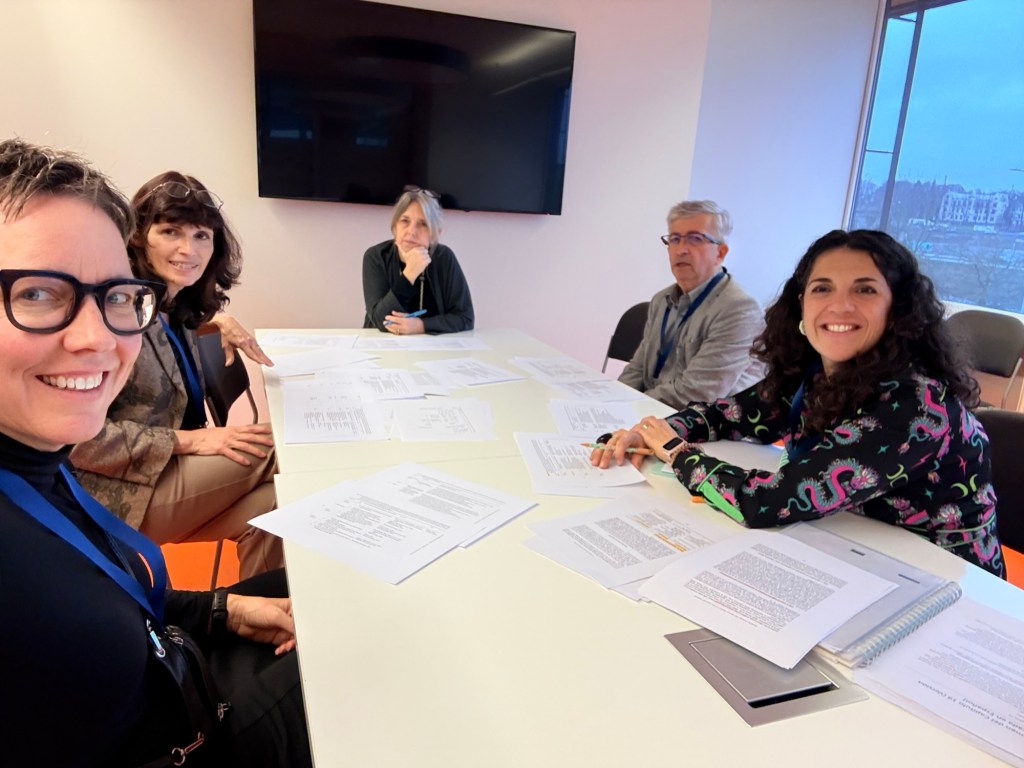
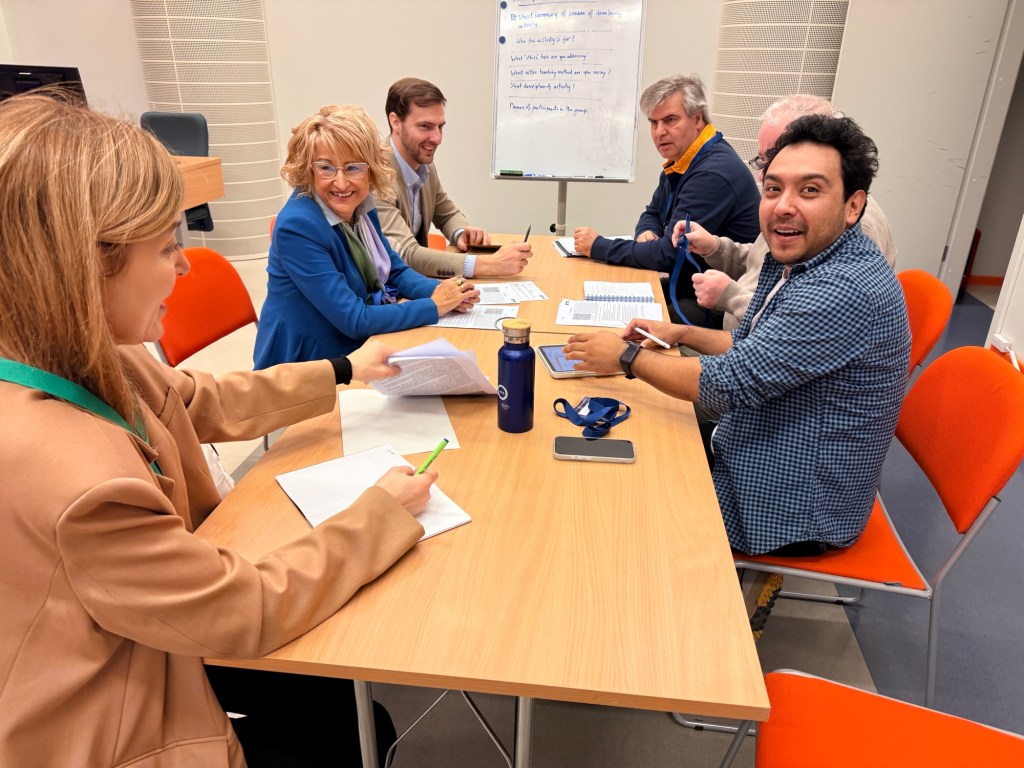
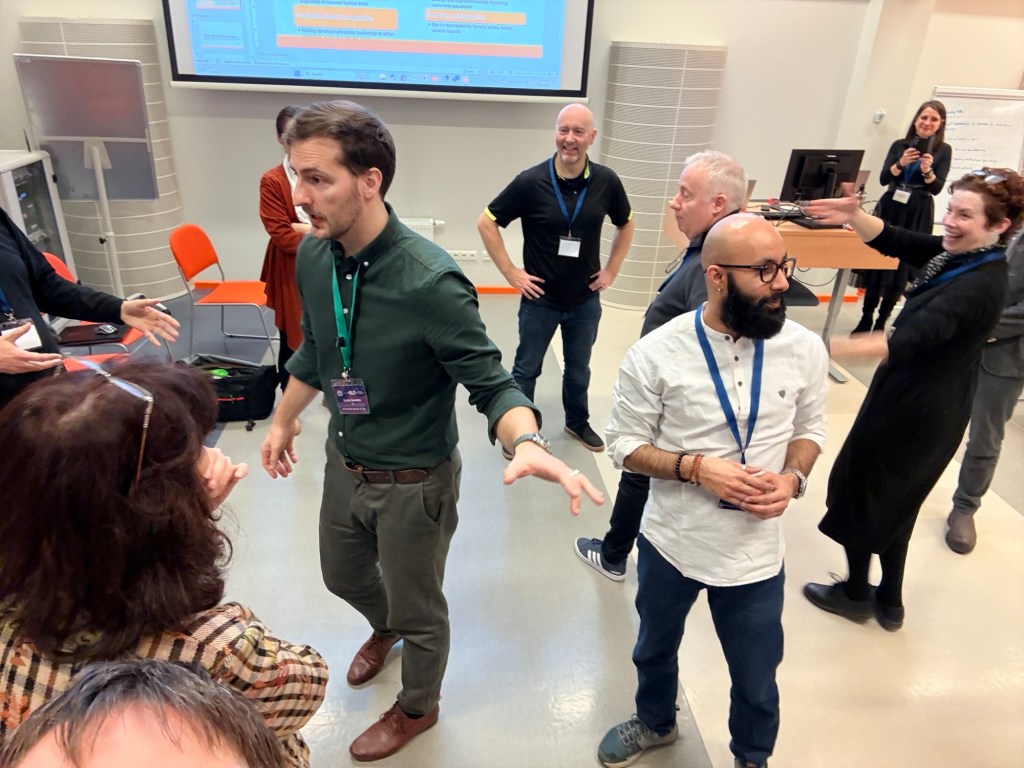
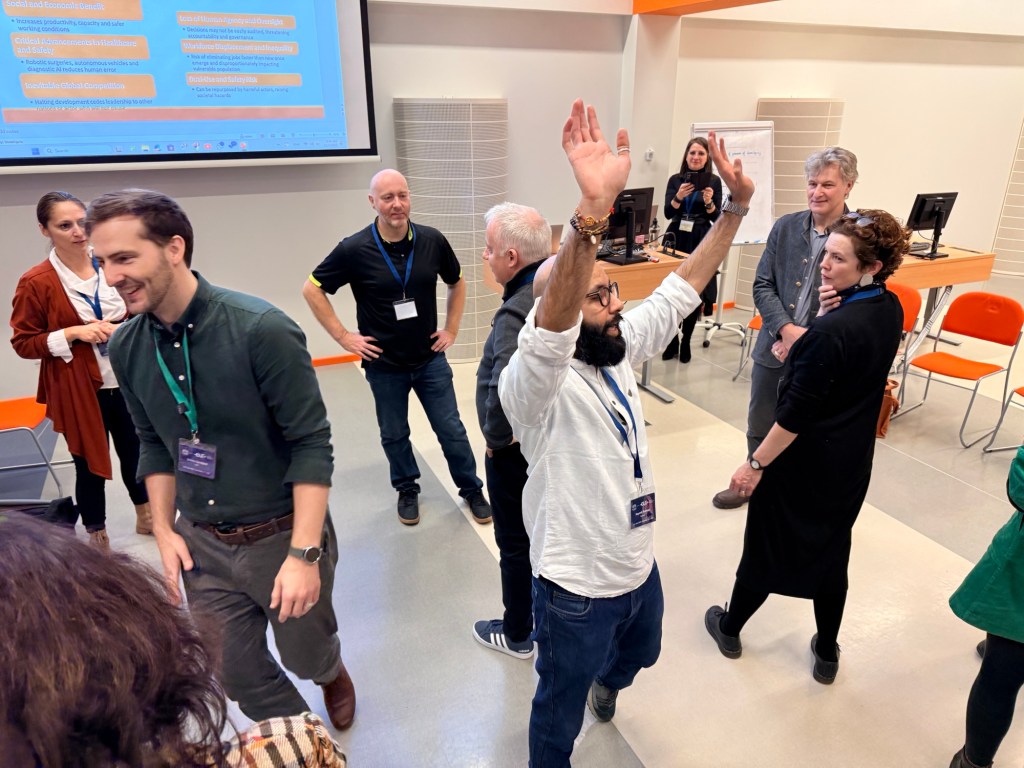
For example, every participant (and facilitator) read several chapter of the Handbook prior to the Forum, so we could discuss these in groups. I designed these discussions like “book clubs.” The various book-club groups each designed an activity for all the other participants on some aspect of their assigned chapters. On the third day, each group facilitated their activity for the rest of us.

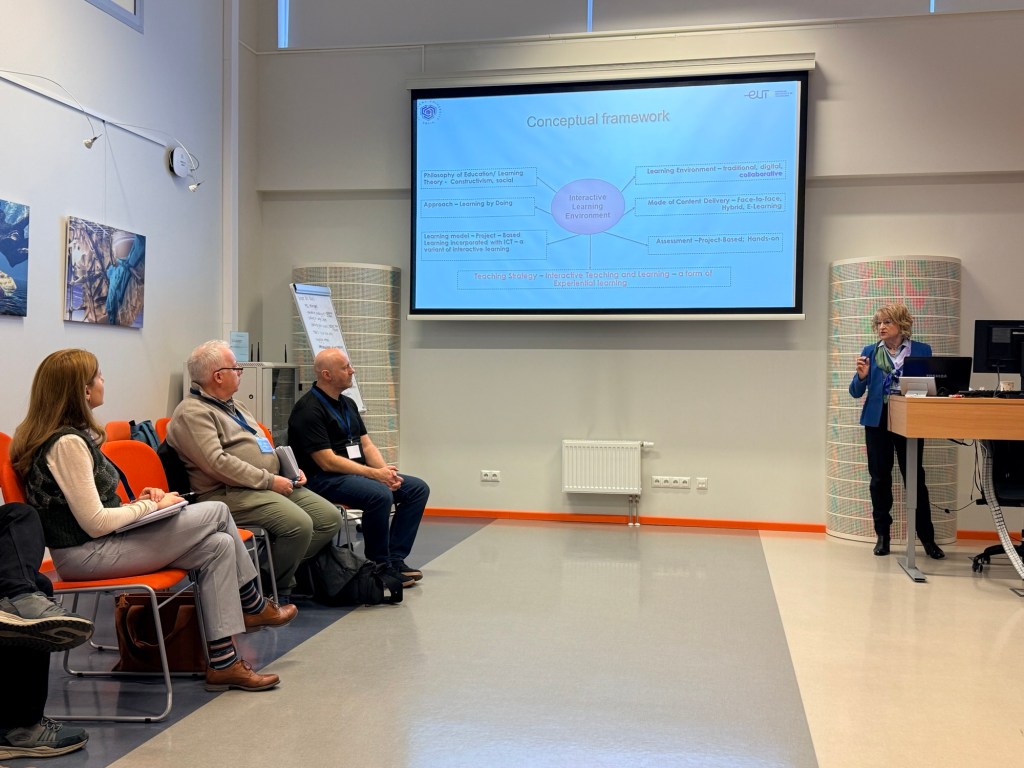
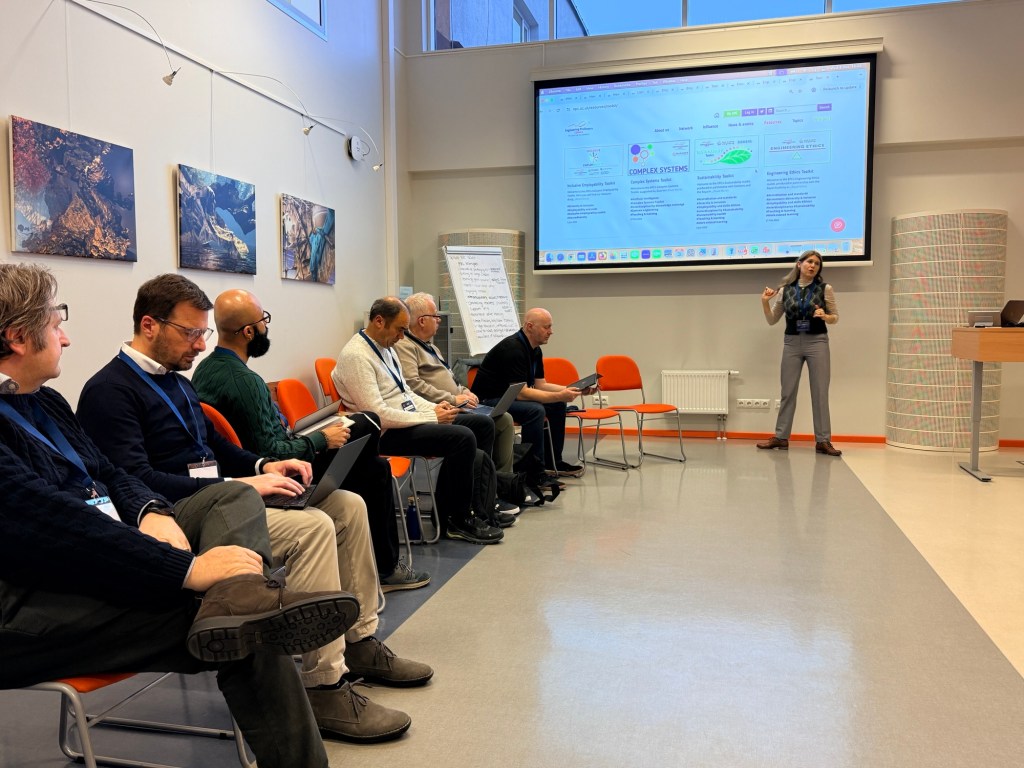
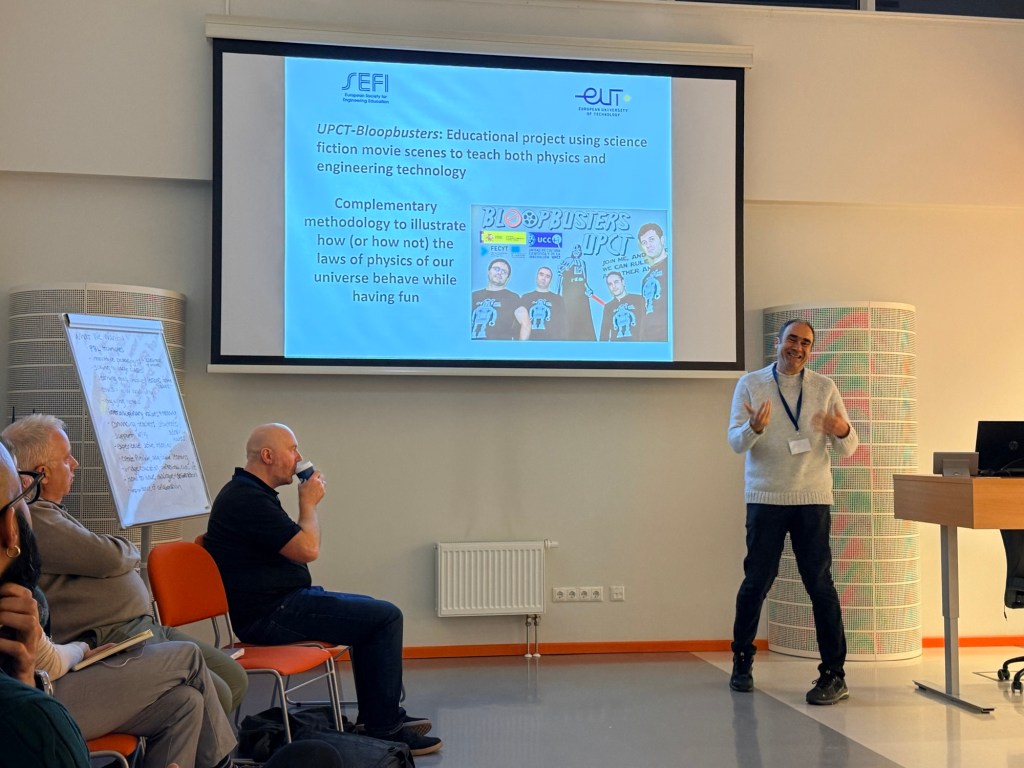
At the start of each of the nine working sessions that comprised the Forum, one participant delivered a 15-minute “mini-keynote” on a topic of particular relevance to the group.

Catching them in full action below:
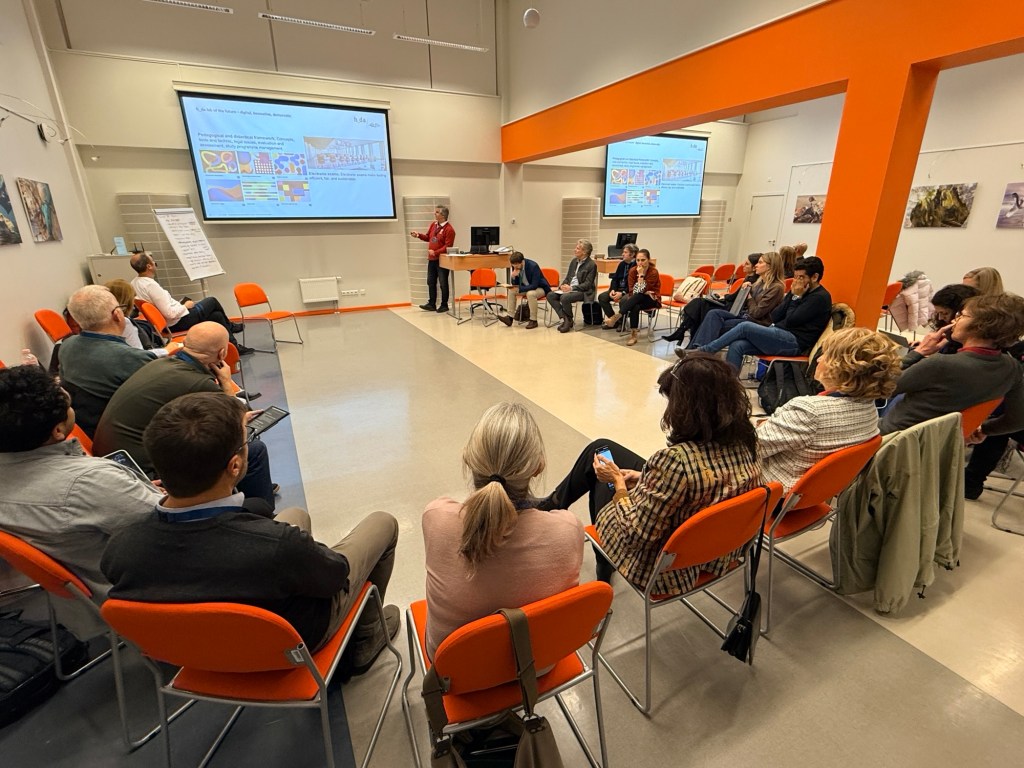
Dr./Prof. Matthias Veit shared frameworks he and his colleagues in Darmstadt are using to facilitate curricular change.
Dr. Kalina Belcheva described learners as digital content creators in educational settings.
Dr. Sarah Hitt showed us how to use the Sustainability and Ethics Toolkits she developed for the Engineering Professors Council.
Dr. José Luis Serrano presented on using film excerpts to teach (test and challenge) physics concepts as presented in popular movies. He calls this activity “Bloopbusters”!
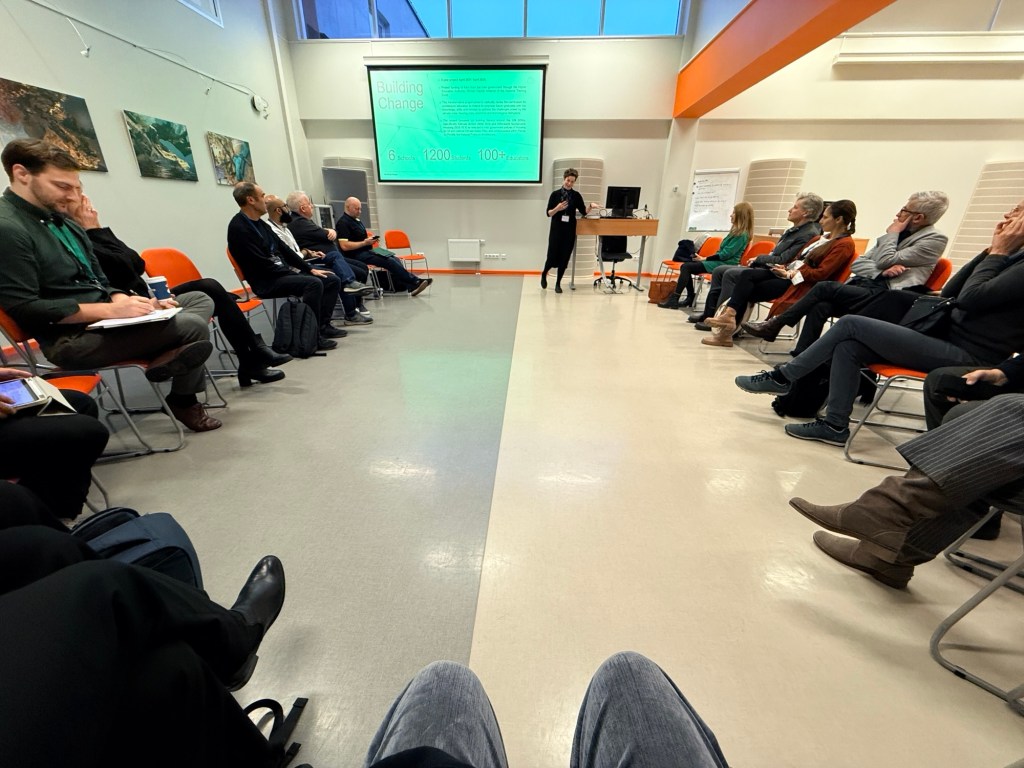
Ms. “soon-to-be-Dr.” Miriam Delaney showcased Building Change, a curriculum change initiate across all the schools of architecture in Ireland to support sustainability, housing, and climate resilience.
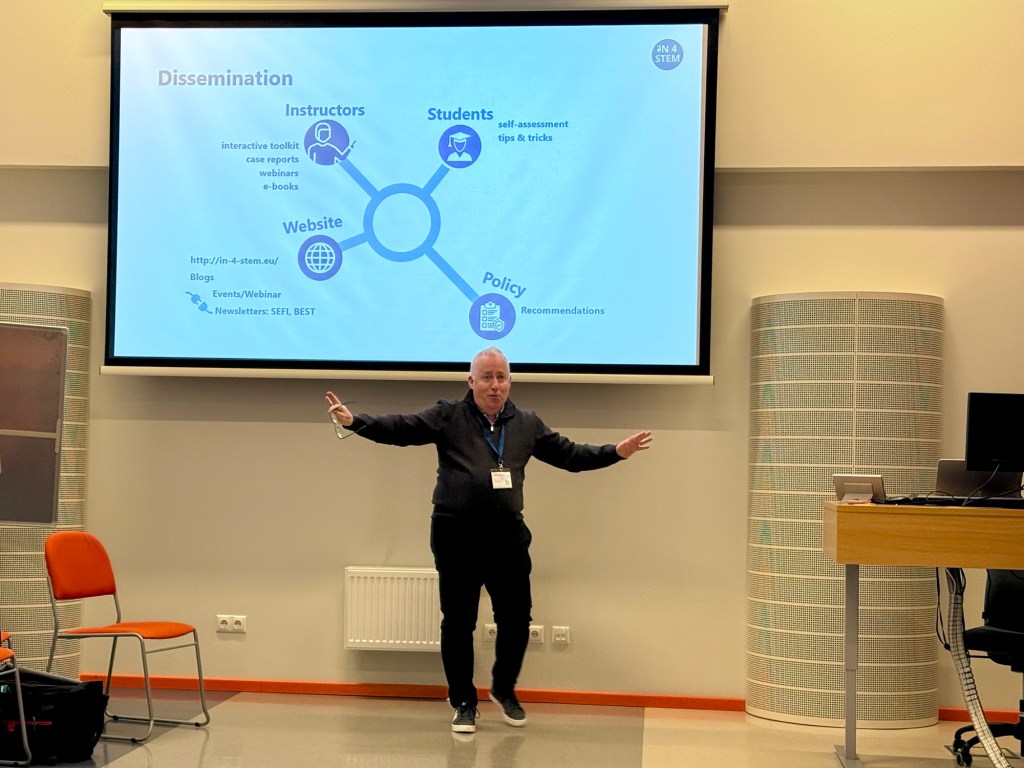
Mr. Edmund Nevin described an Erasmus project he’s part of, focused on supporting students in their transition from second to third-level education.

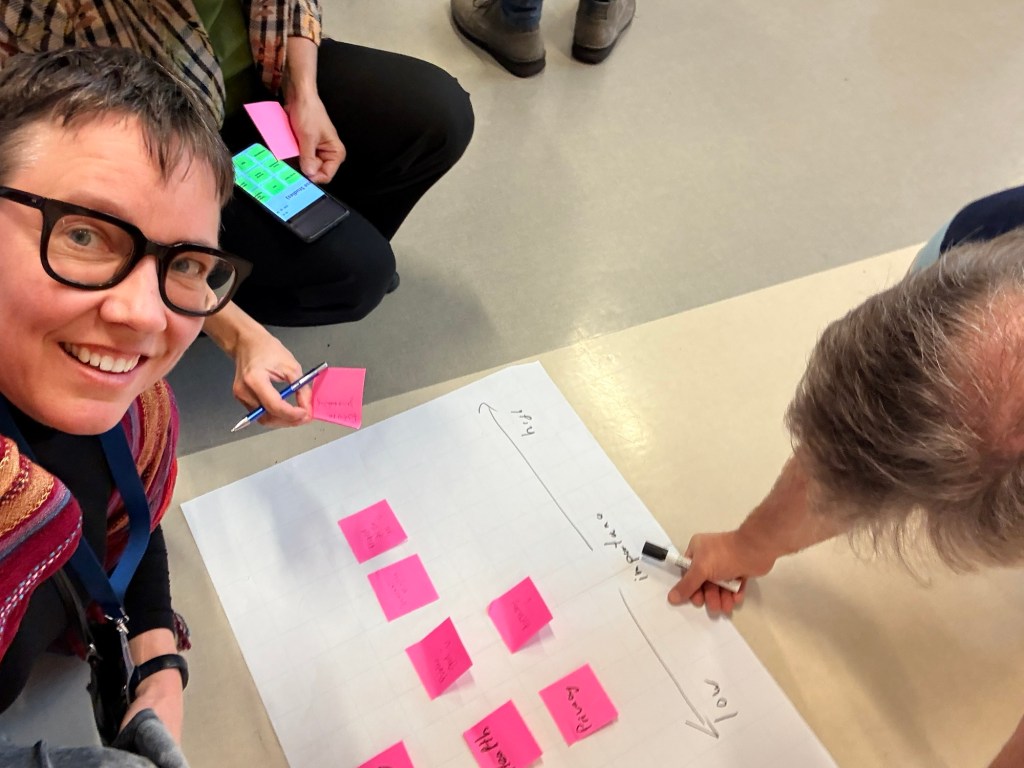
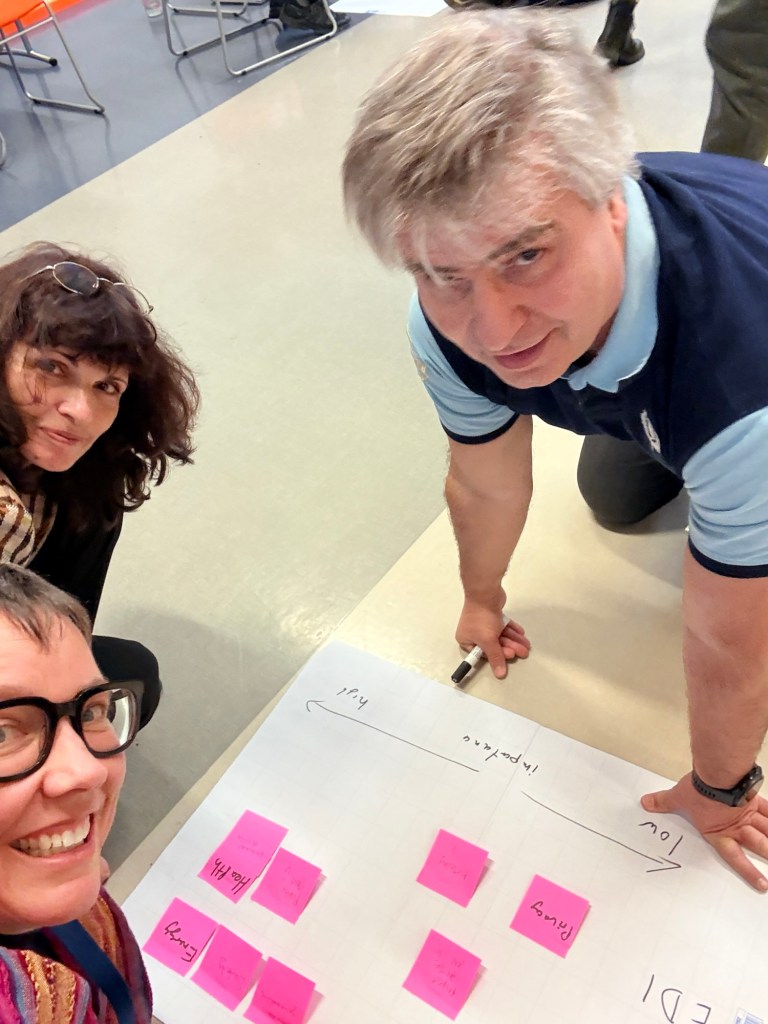
The Forum also included interactive workshops.

I started the Forum off with a mini-keynote on the Handbook followed by a workshop on applying targeted teaching methods to integrate ethics content into the subjects our participants teach.
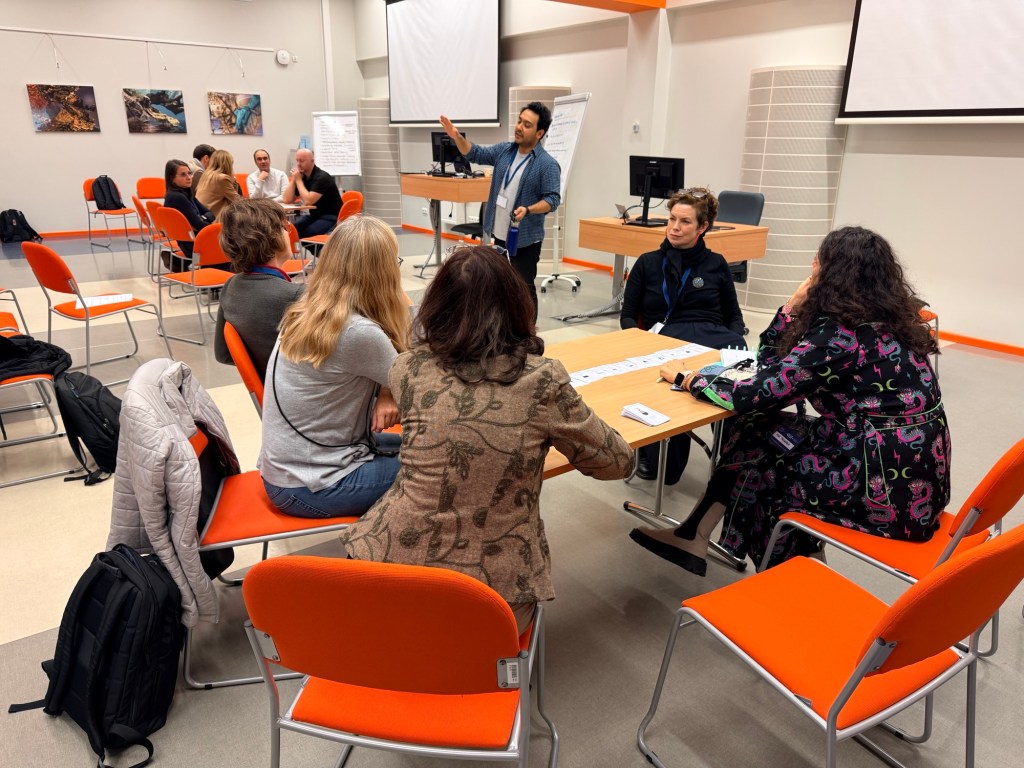
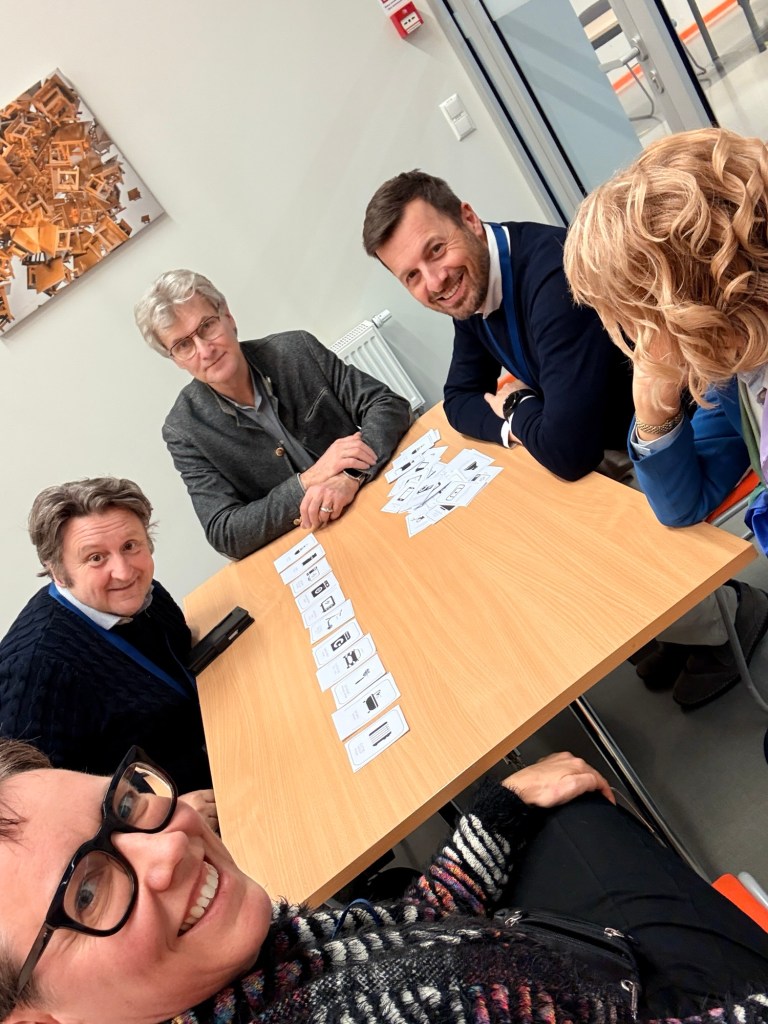
Santi’s Revolt game

Dr. Santiago Perez delivered an ethics game he developed, called Revolt.
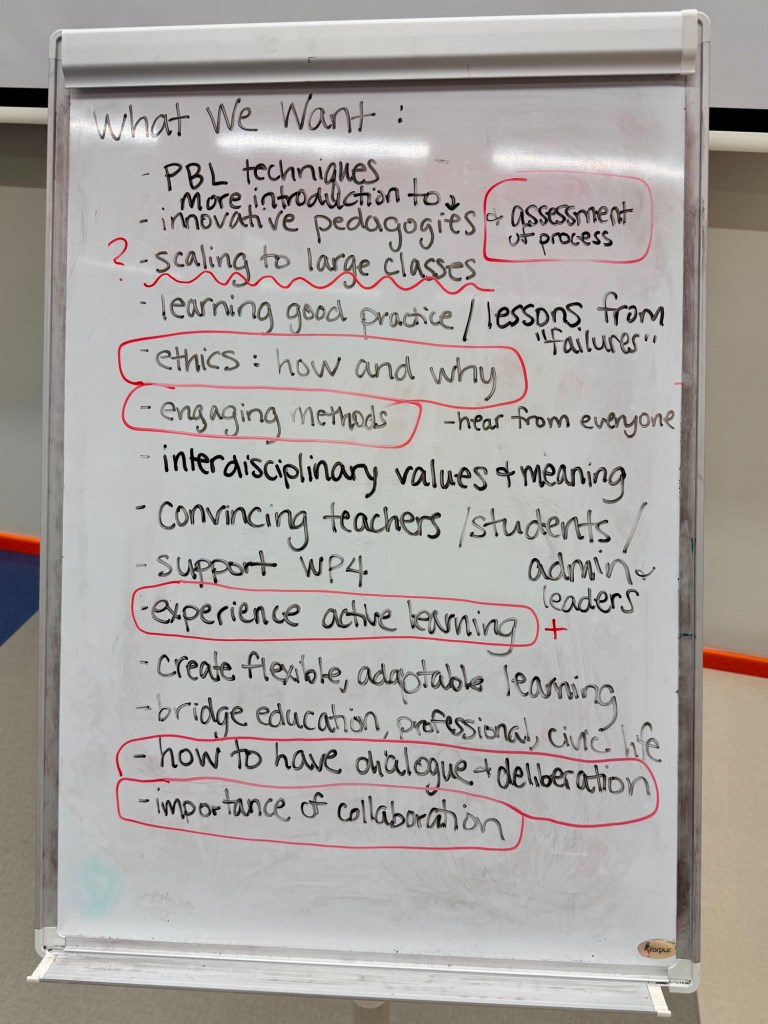
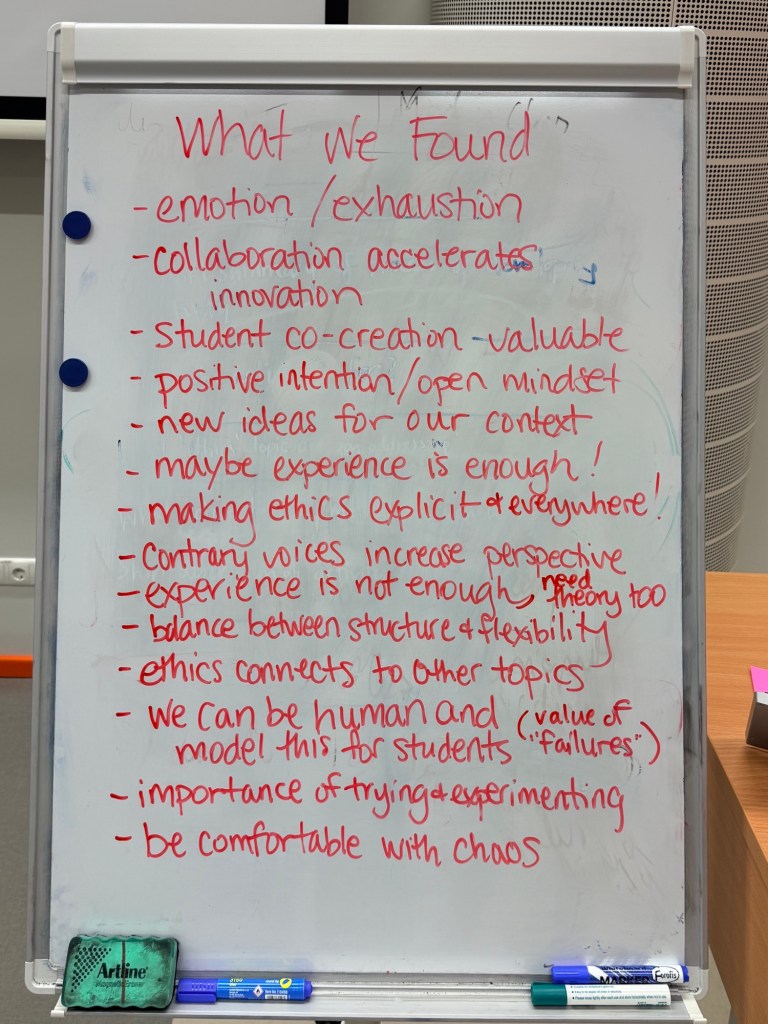
At the very beginning of the Forum, following introductions, Sarah Hitt and I helped the group identify learning goals for the week. Together, we co-designed a strategy that used the pot-luck “dishes” we’d each brought with us (readings, keynotes, workshop outlines, prior experience and innovative spirit). At the end of the week, Sarah helped us assess how well we’d succeeded in covering the topics we’d defined.

I have to say, Sarah was an absolute superstar! She’s a natural leader and event facilitator. I invited her because she was an author on our handbook and she teaches at NMITE, the New Model Institute for Technology & Engineering, based in the UK. They teach using all the featured pedagogies, so I figured she’d have the necessary skills—but wow! Was I impressed beyond expectations!
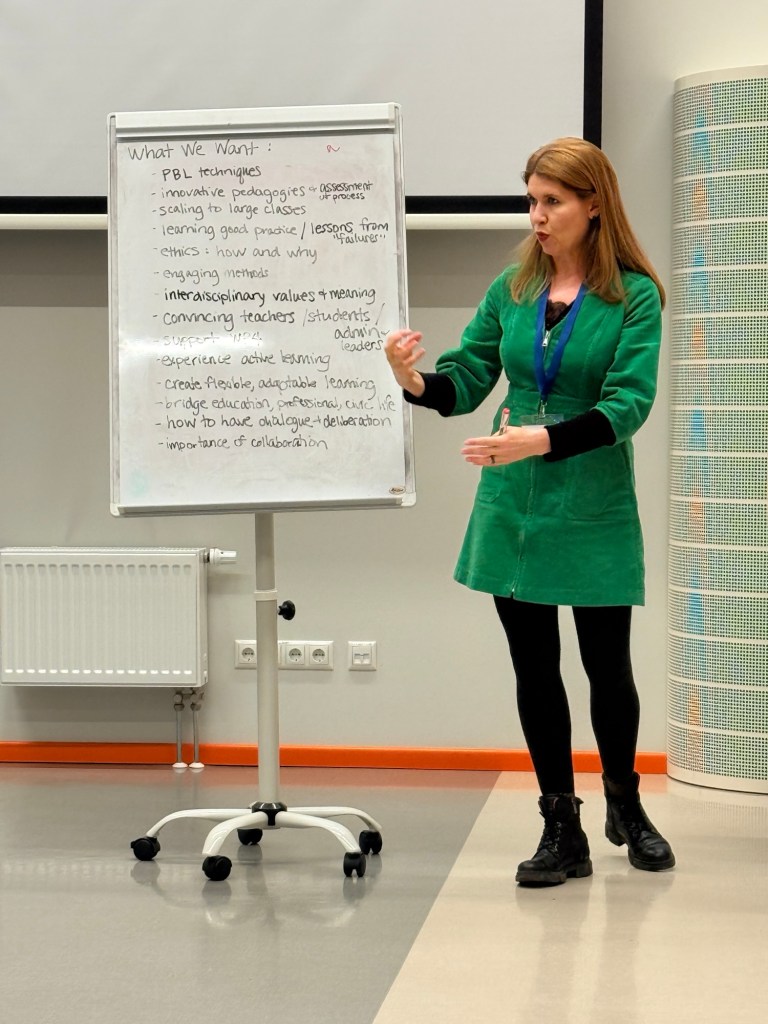
Sarah Jayne was a Hitt!

Miriam and Edmund also did a fabulous job facilitating. Their (book club / workshop design) group discussions were lively and engaging.
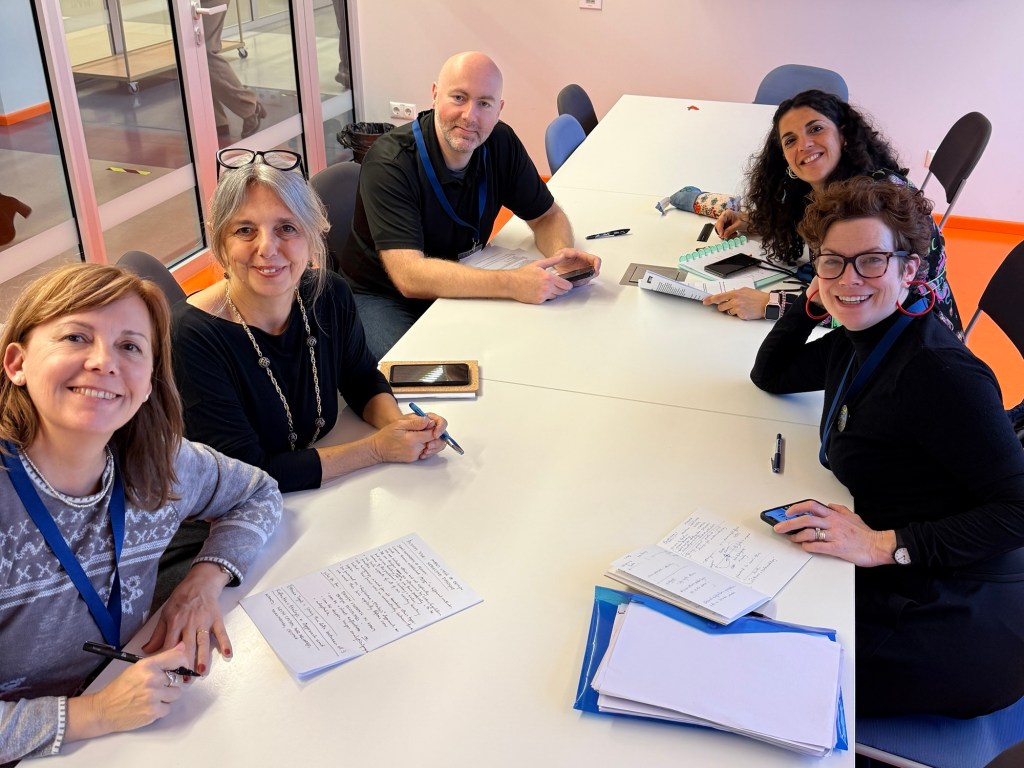
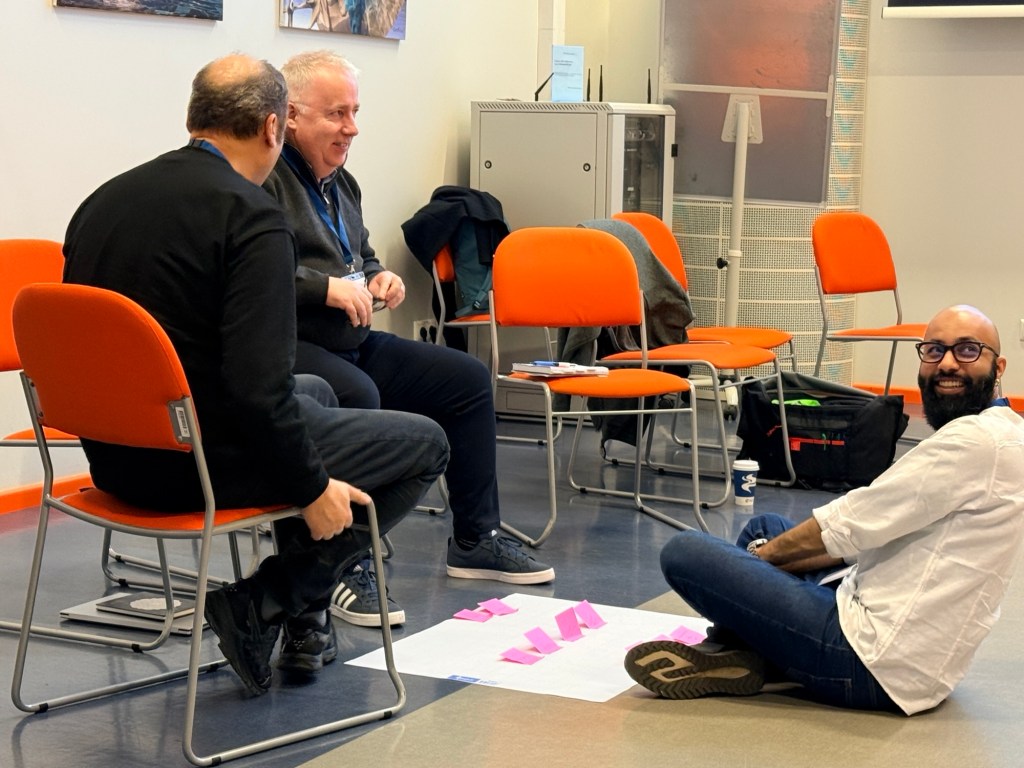
I was also extremely pleased with the contributions my other TU Dublin colleagues, Mr. Keith Colton and Dr. Mayank Parmar, made to the Forum.

The Forum succeeded overall, though, due to the wholehearted engagement of the EUt+ educators who travelled from near and far! The 21 of us attending put in our all, and as a result we all left with new ideas and experiences and inspiration to evolve our teaching.

Some of us are already working on follow-up conference session and grant proposals together, and hopefully we’ll have more successes to report to you in the coming semester!

Thanks, EUt+, Timothèe, and Karine, for working so hard to include use and showcase what SEFI engagement can give the EUt+ community!

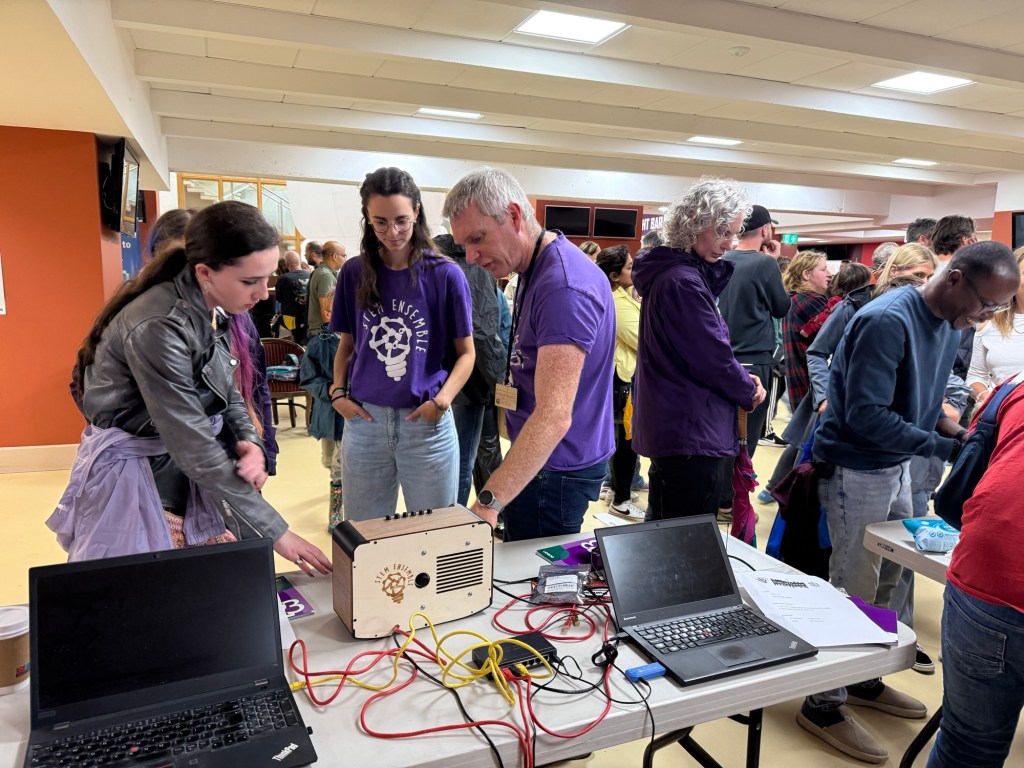
Feel the spirit! STEM Ensemble at Dublin Maker 2025
Most years, right before the beginning of the new academic year, I have the chance to be part of Dublin Maker. It’s a festival that celebrates the creative flair of people from all around Ireland. I’ve been attending Dublin Maker since 2015 and it never fails to delight.

The 2025 edition of Dublin Maker happened last weekend at Leopardstown Racecourse, on the south side of Dublin.

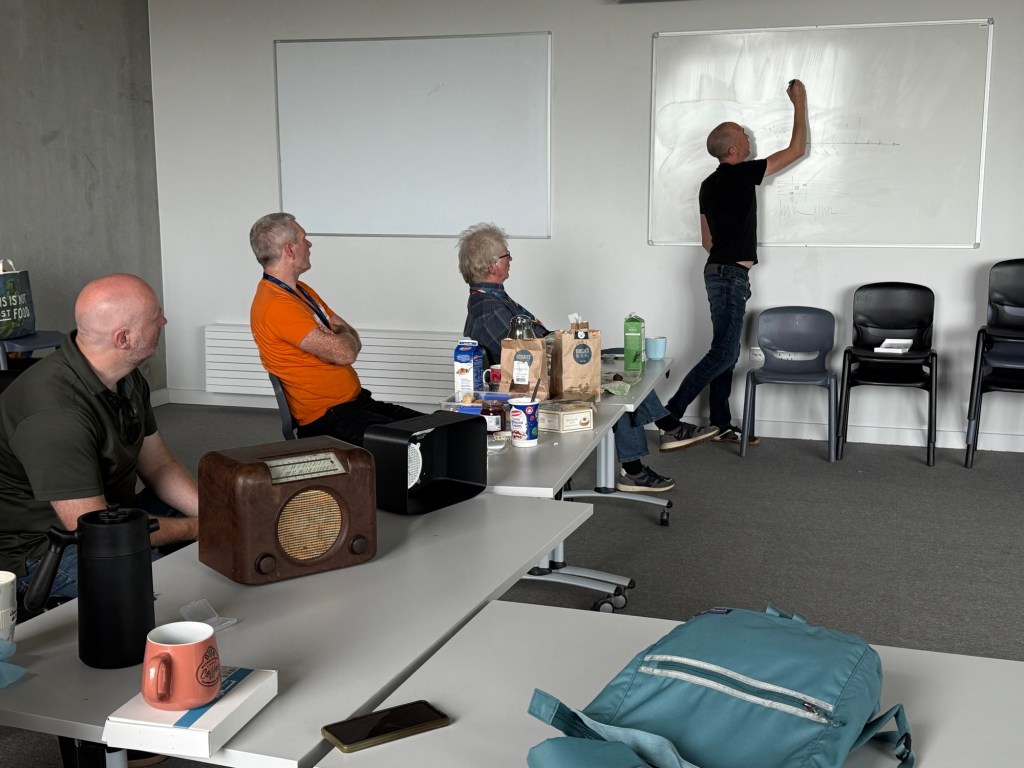
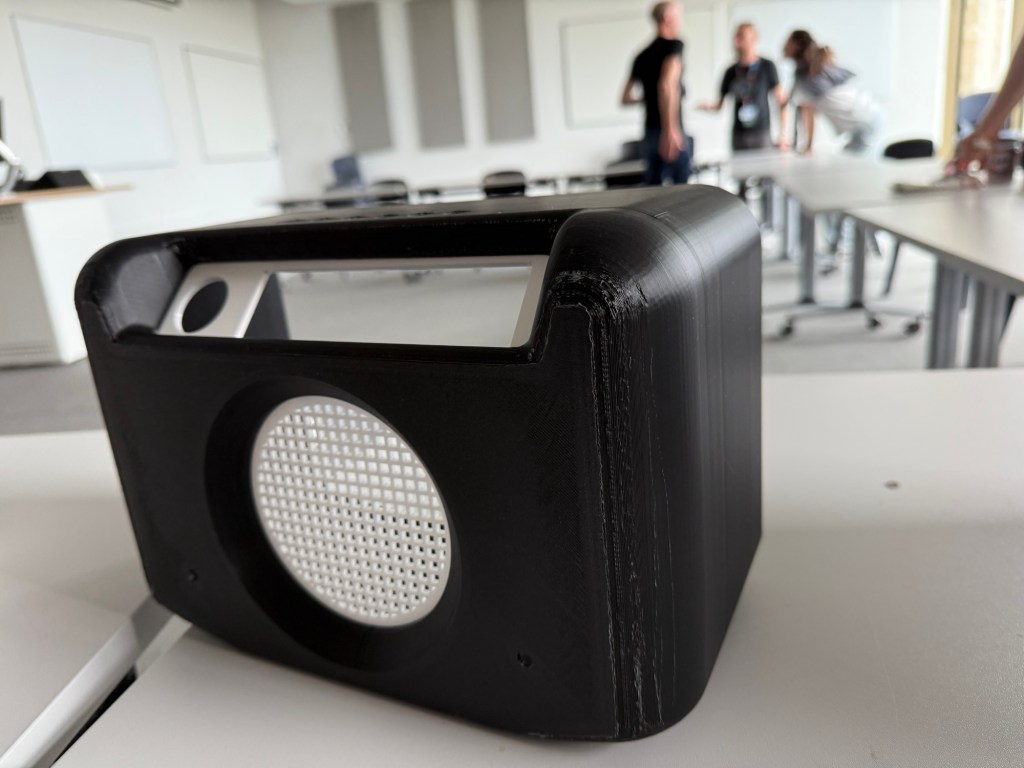
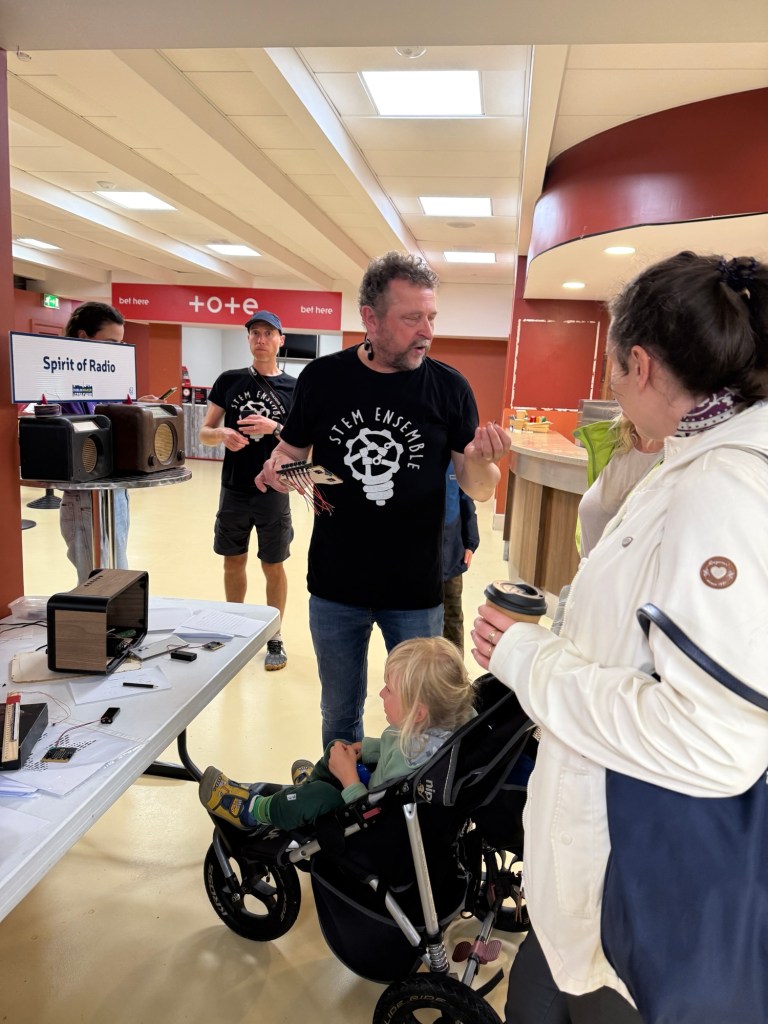
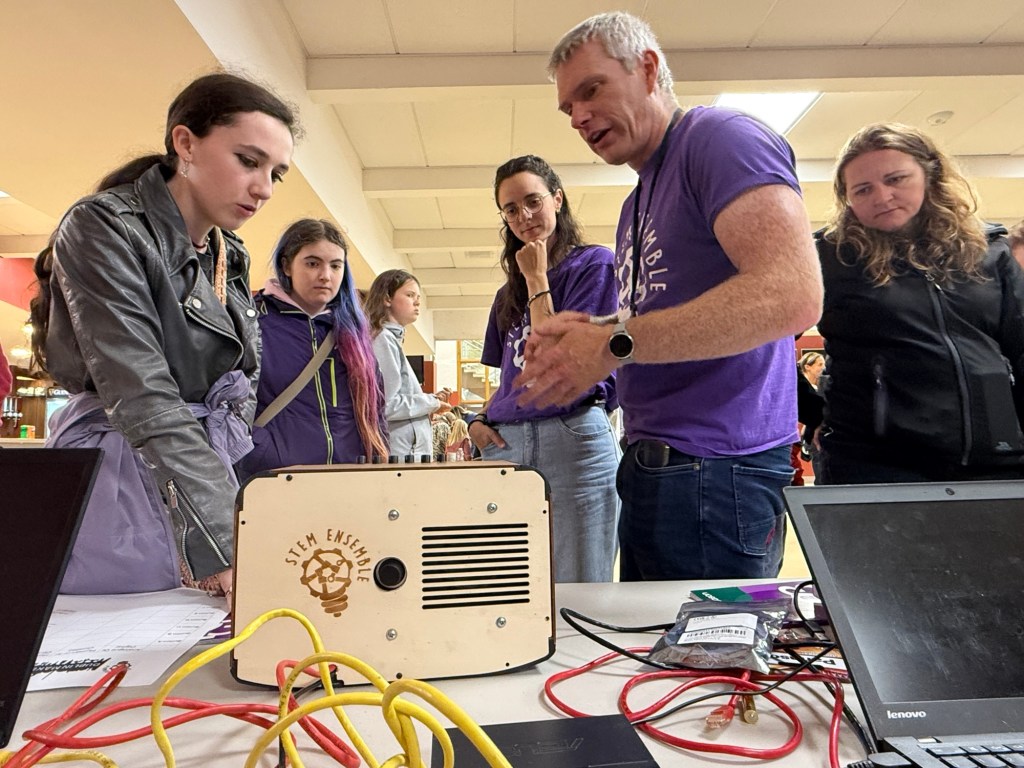
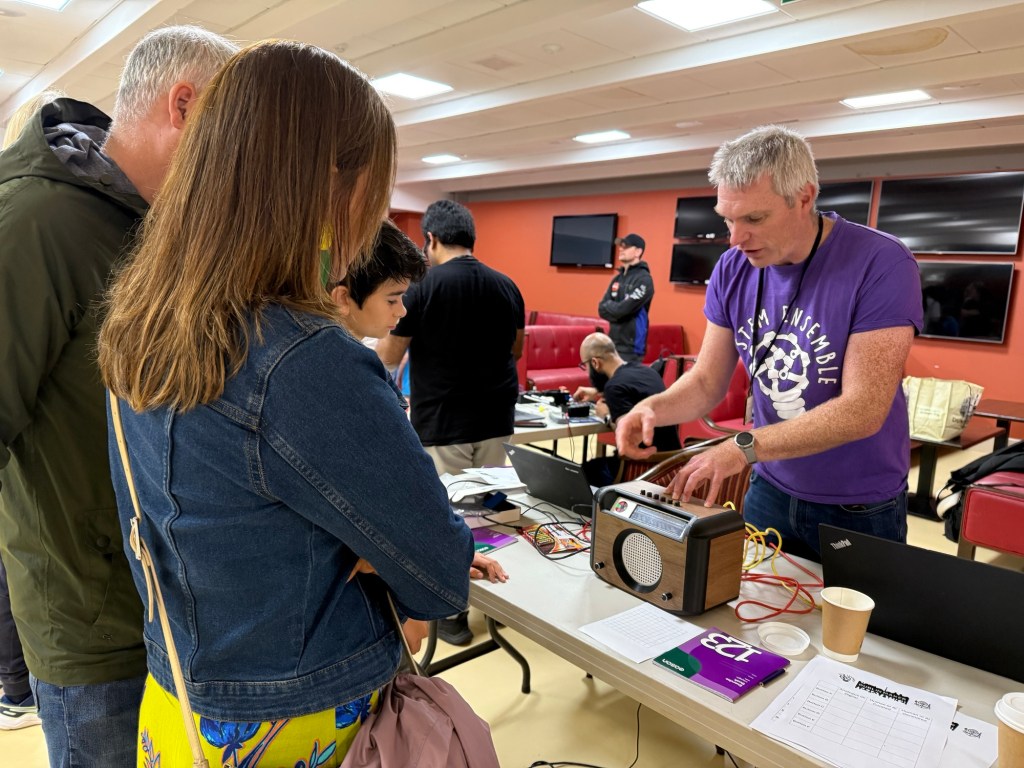
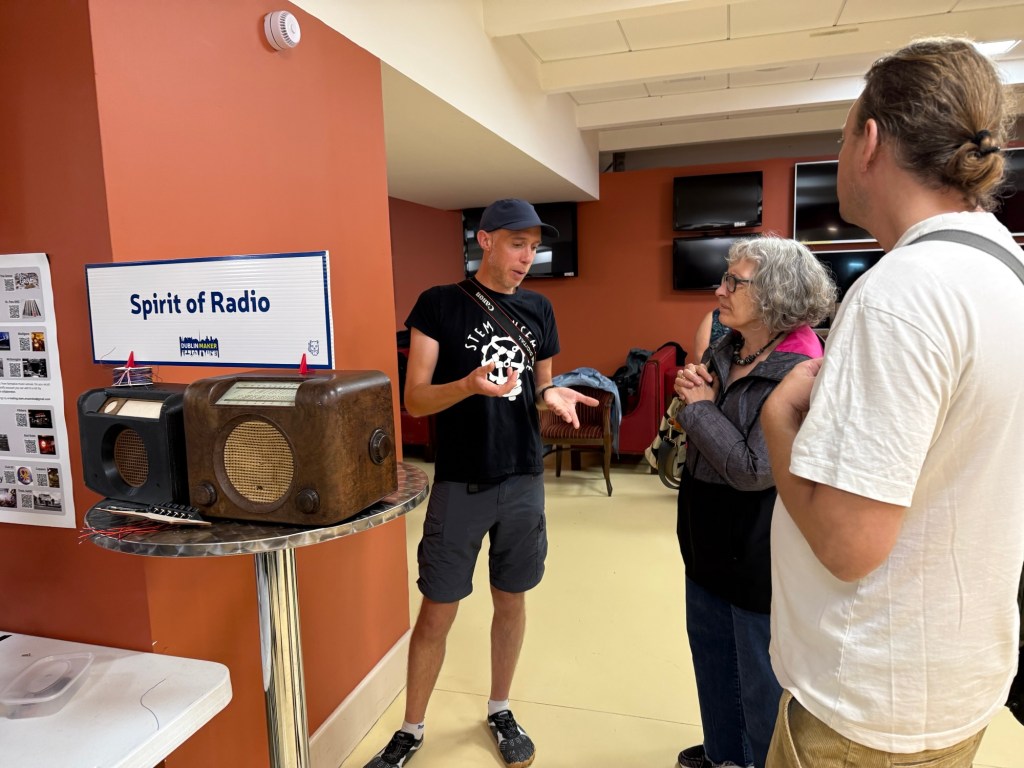
David Powell explaining how the radio features work. It’s designed to facilitate continual upgrade and ongoing R&D.

The open, participatory nature of Dublin Maker really appeals to me. As an education researcher, I’m all about the social construction of new knowledge and Dublin Maker epitomizes this phenomenon!

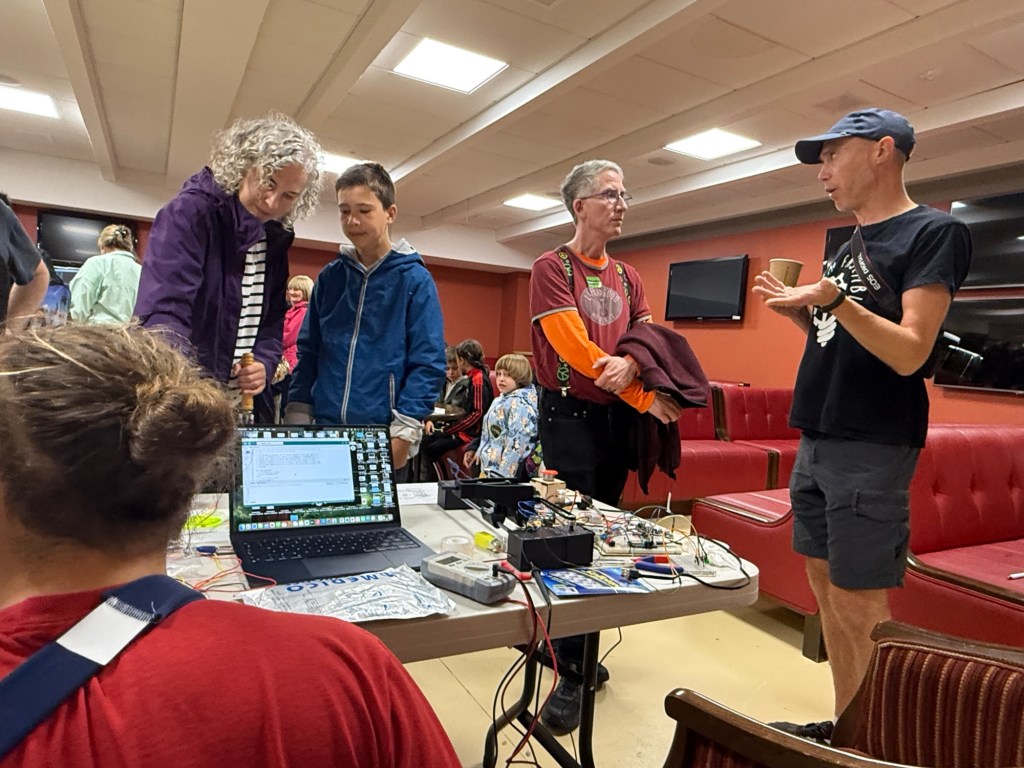
The venue was packed this year, as usual, and I think we’ve benefited from the rain outside. I attended Saturday (of the two-day event) and observed thousands of visitors engaged in hands-on technology, arts, craft, engineering, and science learning.

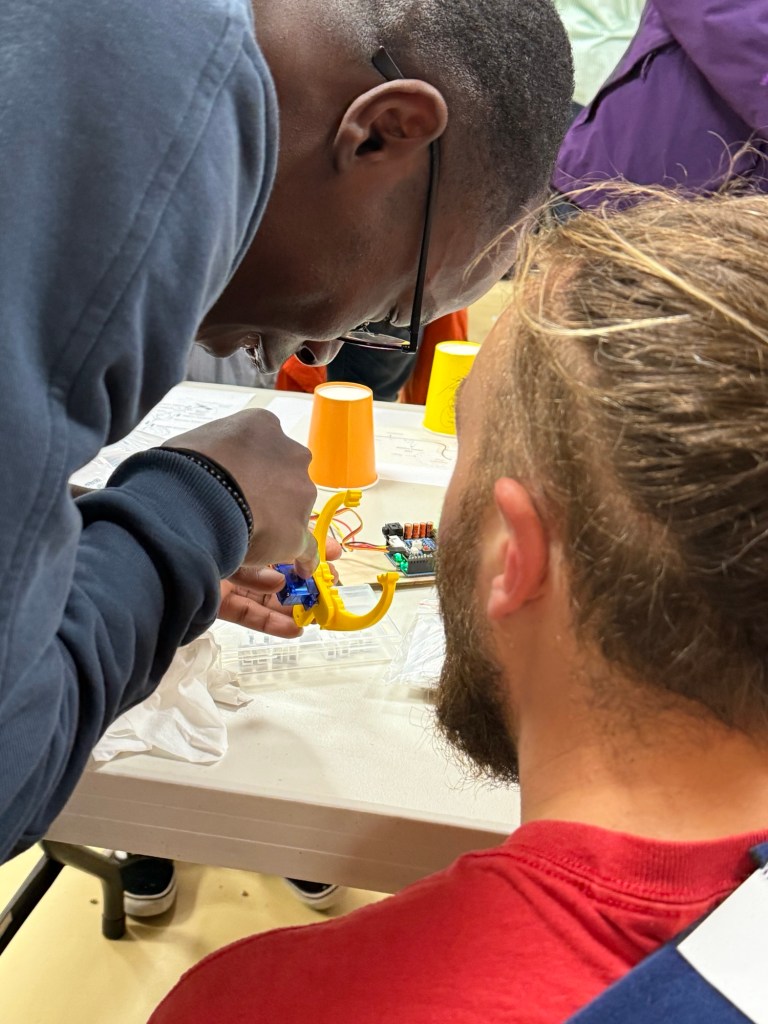
The exhibition halls buzzed as makers of all ages shared their projects, demonstrated new ideas, and connected with other creative enthusiasts. Exhibitors showcased everything from polished inventions to prototypes and works in progress.

Postdoc Patricia (Patri) Lucha Farina, Assistant Lecturer Mayank Parmar, and Senior Researcher Harish Kambampati working together.

Heaven knows my colleagues always work to the very last minute, creating new aspects of their projects (even though they’ve all been enthusiastically working for months to prepare)! I’ve provided photographic evidence of our July meeting below. ⬇️

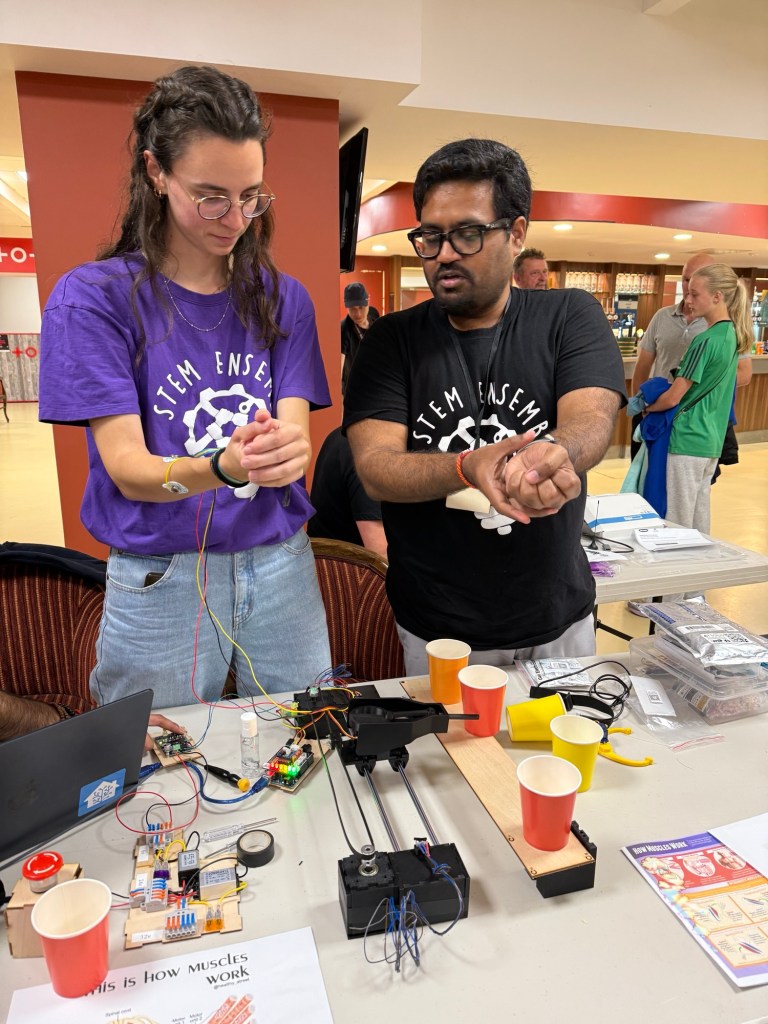
This year was no exception as our makers worked to perfect the biomedical engineering projects they’d brought to share. Several of our group’s new lecturers and researchers worked together on this table.

Our researchers, Mayank Parmar and Dr. Harish Kambampati, demonstrating biomedical technologies.

I typically help with communicating the ideas to a younger audience or contributing something that’s more on the artistic or spatial side (since I’m an architect, who loves to hang out with these creative engineering types).

In the early years of Dublin Maker, 2015-2018, you would’ve seen us under the banner of RoboSlam. Our booth usually has several tables of displays with hands-on activities, grouped together under some sort of theme.

One year, we hosted the “RoboSlam Cafe” where attendees could build their own robots from low-cost kits—we wanted to provide firsthand experience in robotics. We like to demystify how everyday “smart” devices are made by showing people what’s “under the hood” and making it understandable.

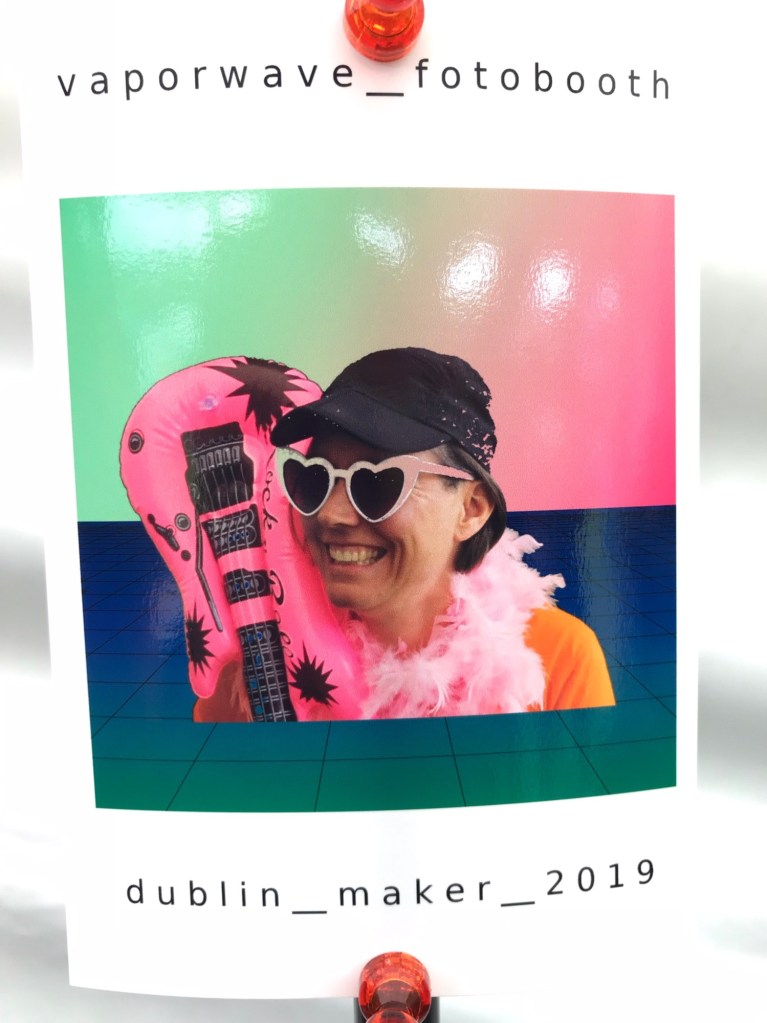
Two of my personal favorites among our past exhibits have been “fractleismus” (generating images from attendees’ sketches using a fractal algorithm) and the “vaporwave fotobooth”, both presenting creations by Ted Burke. ⬇️

From the FotoBooth in 2019.

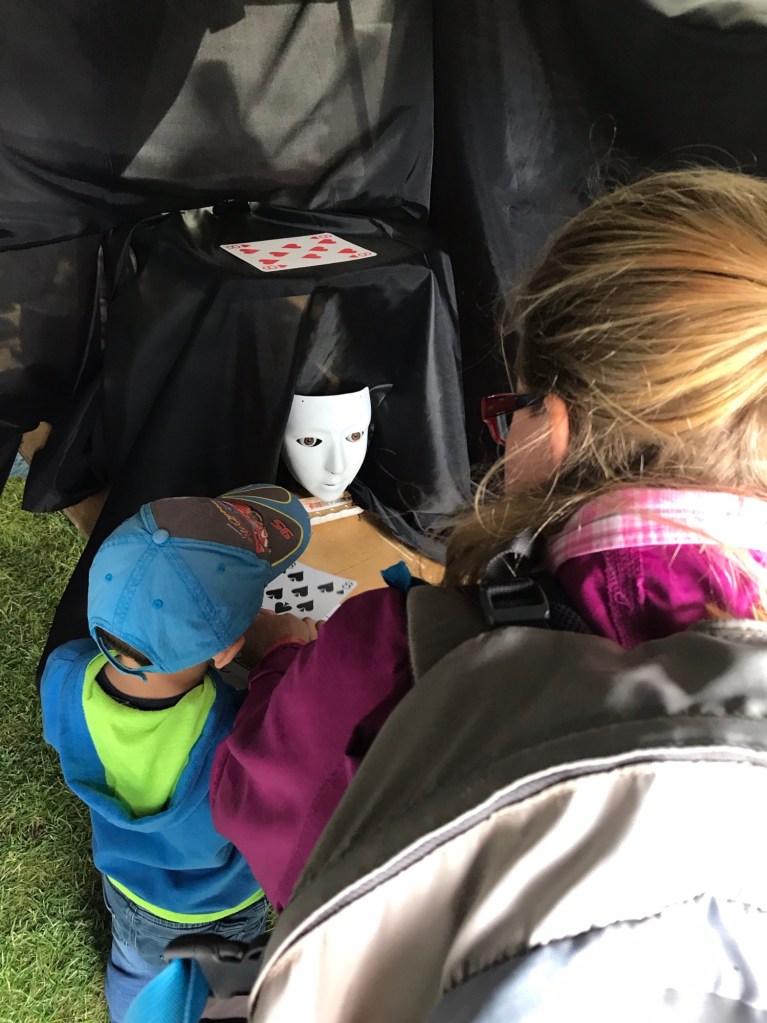
The fortune teller and subsequent Talking Head booth developed by Shane Ormonde, which integrated AI, were also quite intriguing. The second of these demonstrated generative AI work in real time, back in chat, GPT was just emerging. ⬇️

Shane Ormonde’s fortune teller from 2019.

This year, our major theme was the “Spirit of Radio”.

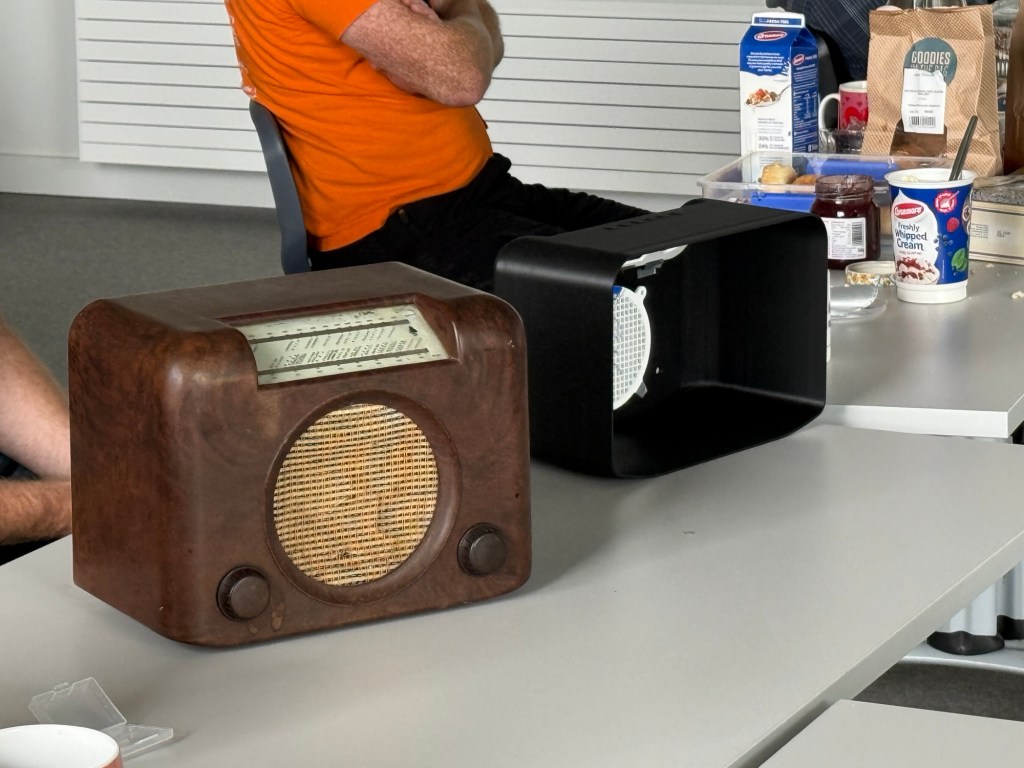
My STEM Ensemble colleagues have been working hard to develop a radio that has analog feature features as well as AI enabled digital features. This is related to a project that Paula Kelly is leading to introduce senior citizens to AI and help them understand the technology.

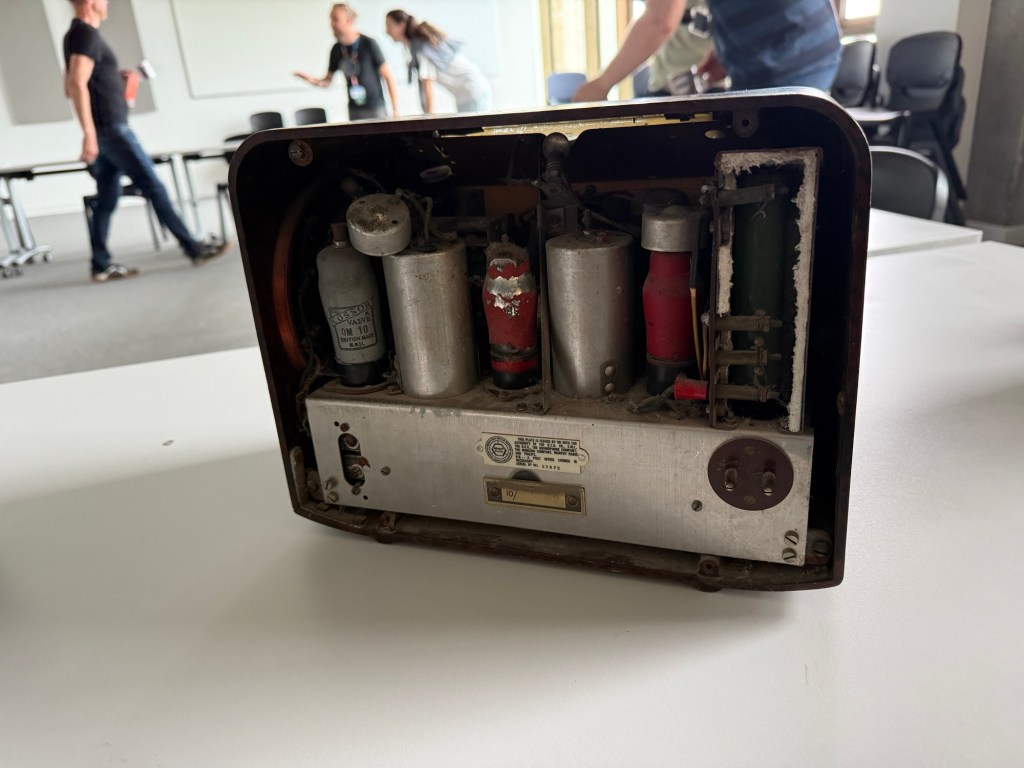
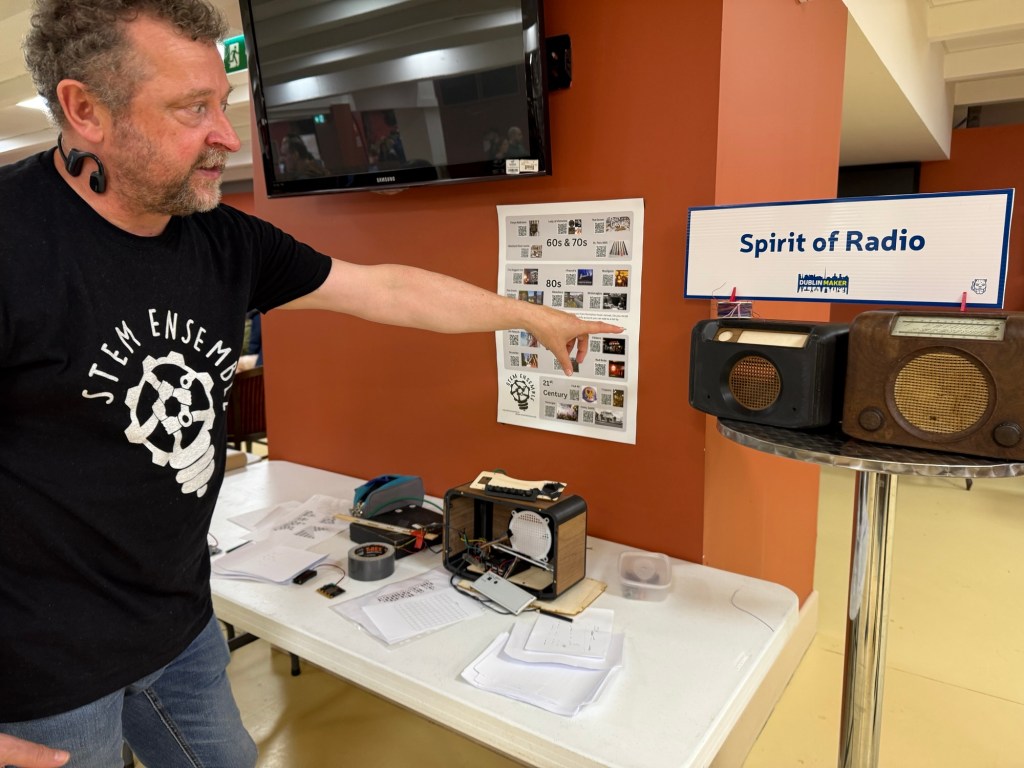
David Powell with our new (left) and antique (right) radios.

The radios that we displayed this year were predominantly developed by David Powell, Keith Colton, Frank Duignan, Shane Ormonde, Ted Burke, Richard Hayes. Of course, many other people provided ideas and advice during our STEM Ensemble meetings.

I’ve been attending the meetings, although I can’t contribute much on this topic. Nevertheless, I go to learn and soak in the maker spirit!

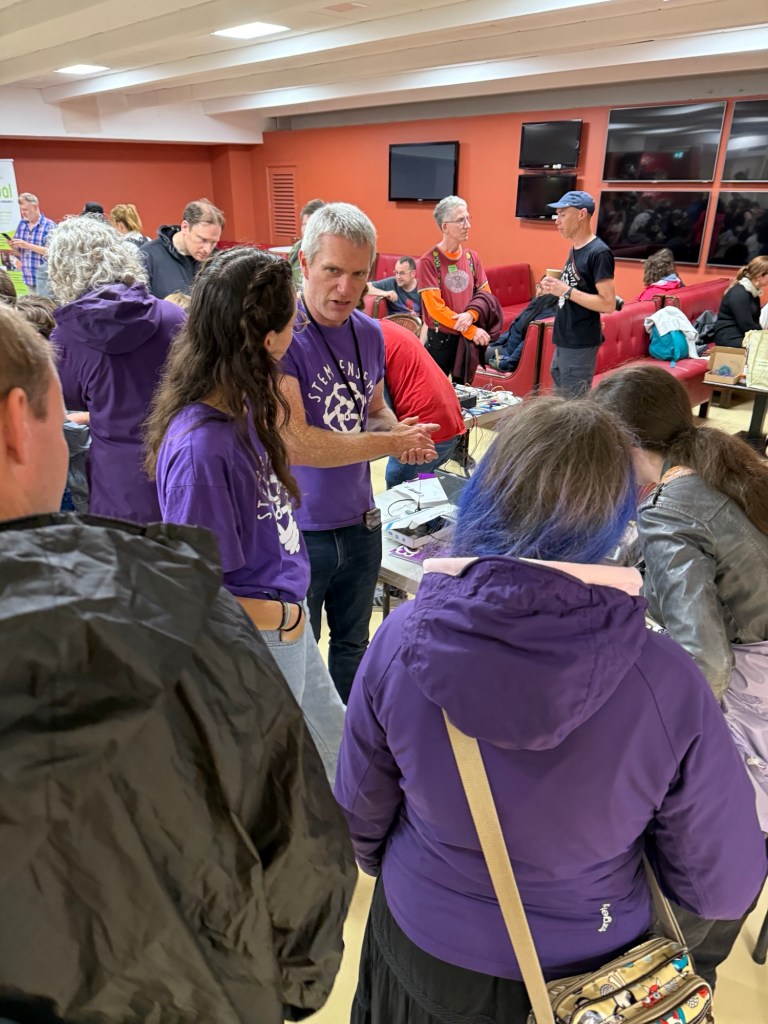
Some of the STEM Ensemble at Dublin Maker, giving me a good laugh!

Since we’re no longer just about robotics, we shifted our name from RoboSlam to “Dublin STEM Ensemble”. Our group is associated within the School of Electrical and Electronic Engineering at Technological University Dublin. It’s also associated with the university’s tPOT research group (“tPOT” stands for “toward people oriented technology”), to which I belong.

STEM Ensemble is group of staff, students, and alumni who reflect TU Dublin’s long-standing commitment to inspiring public interest in science, technology, engineering, and mathematics. Damon Berry holds tPOT and the STEM Ensemble together—he’s a great leader!

By engaging directly with attendees, our group encouraged new perspectives and fostered a spirit of creative inquiry.

We are hoping see you at Dublin Maker next year!

Elected: SEFI Board of Directors

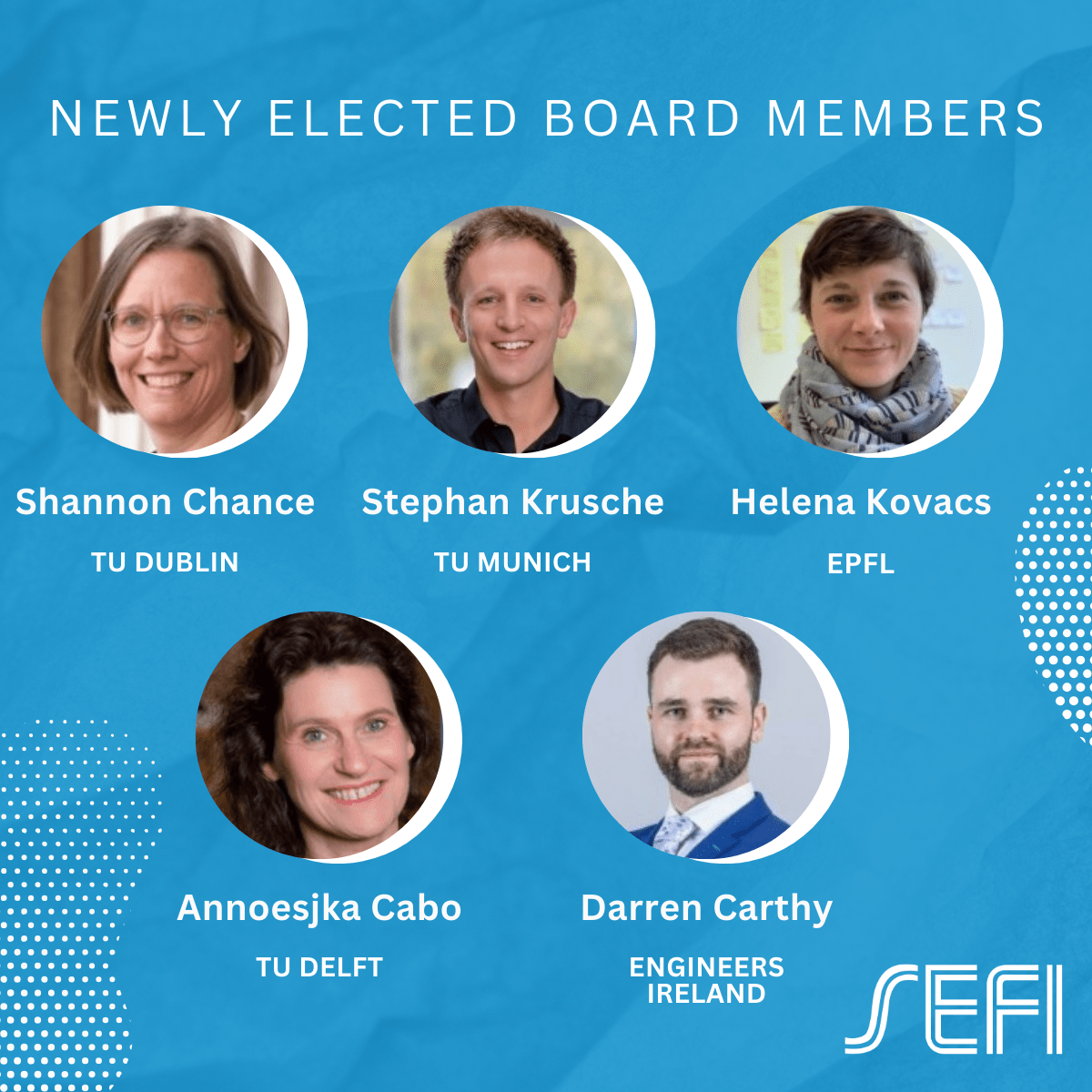
The European Society for Engineering Education (SEFI) announced the results of recent voting. I’ve been elected to serve on this prestigious organization’s Board of Directors for three years! Many thanks to Mike Murphy, former SEFI President and TU Dublin Dean, for prompting me to run, and to Una Beagon (TU Dublin), Inês Direito (UCL), and Tom Børsen (Aalborg University) for formally endorsing my candidacy. This post gives you a peek into my:

Colleagues on the Board

I met several other candidates at an August orientation meeting organized by the SEFI Director General, Klara Ferdova, including incoming Board members Stefan Krusche (who created a really inspiring candidate video!) and Annoesjka Cabo.

Darren Carthy, from Engineers Ireland, who earned his PhD at TU Dublin and has been part of TU Dublin’s CREATE research group with me, was also elected.

Helena Kovacs, an author of a chapter in the handbook I recently edited, was too.

I’ll serve under the leadership of the effervescent Nagy Balázs (President) and the energetic and accomplished Emanuela Tilley and Greet Langie (Vice Presidents). Sitting SEFI Board members who I look forward to collaborating with include Inês Direito and Roland Tormey.

Shannon Chance facilitating a workshop at SEFI 2024

Motivation to Serve

I first joined this community in 2012 at the SEFI conference in Thessaloniki, where I enjoyed a welcome so warm and enthusiastic that I decided to stay in Europe and embrace engineering education research (EER). I left behind a tenured professorship in the United States to join this vibrant community dedicated to enhancing learning and teaching engineering across Europe, and indeed influencing how engineering is taught far beyond Europe’s borders. 

Group photo of participants (mentors and mentees) at the 2024 SEFi Doctoral Symposium, organized by Jonte Bernhard, Kristina Edström, Tinne de Laet, and Shannon Chance.

In my letter of motivation for this role, I highlighted three recent experiences that helped me prepare for the Board:

  • Chairing REEN – as part of the Research in Engineering Education Network’s Governing Board and its Chair for multiple years, I grew new skills and made positive contributions by significantly expanding REEN’s geographic representation, leading capacity-development initiatives (spawning EERN-Africa and organizing a series of capacity-building workshops for the nascent organization), supporting the delivery of REES (our bi-annual Symposium), and co-organizing events like the Big-EER Meet Up at the outset of the pandemic.
  • Cultivating our community’s publication skills by serving SEFI’s European Journal of Engineering Education as Deputy Editor, organizing and delivering workshops and doctoral symposia to the SEFI community to support newcomers to EER, guest editing special issues of IEEE Transactions on Education and the Australasian Journal of Engineeirng Educaiton (AJEE), and mentoring emerging scholars (as an individual and via SEFI and JEE).
  • Engaging with SEFI as a participant and leader – serving on the steering boards of the special interest groups for Ethics, Diversity and Inclusion, and Research Methods, helping organize the SEFI 2024 conference at TU Dublin, attending and presenting at Spring Schools, and – most recently – serving as co-editor of the forthcoming Routledge International Handbook of Engineering Ethics Education.

I sought to join the Board to:

  • Nurture collaboration and facilitate more mentoring and capacity-building programmes for teachers and researchers in engineering education.
  • Help educators infuse ethics and sustainability across engineering curricula.
  • Enhance diversity and inclusion in SEFI – for instance by developing additional channels for bringing people from Eastern European countries into SEFI and supporting SEFI members from low-income countries in participating fully in SEFI activities.

With my collaborative, can-do spirit — and my keen passion for supporting students’ design, epistemological, and identity development — I will use the EER projects I have underway on these topics to inform and enhance my work with the SEFI Board.

Candidacy Video

You can view my candidacy video, which I recorded between conferences in Mexico during summer 2024:

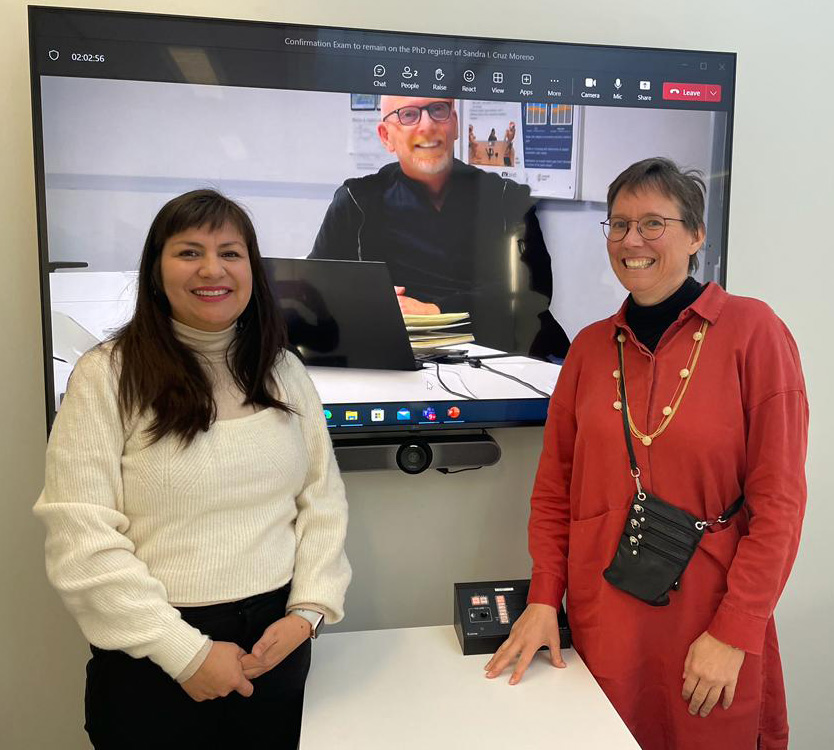
Sandra Cruz’s doctoral milestone

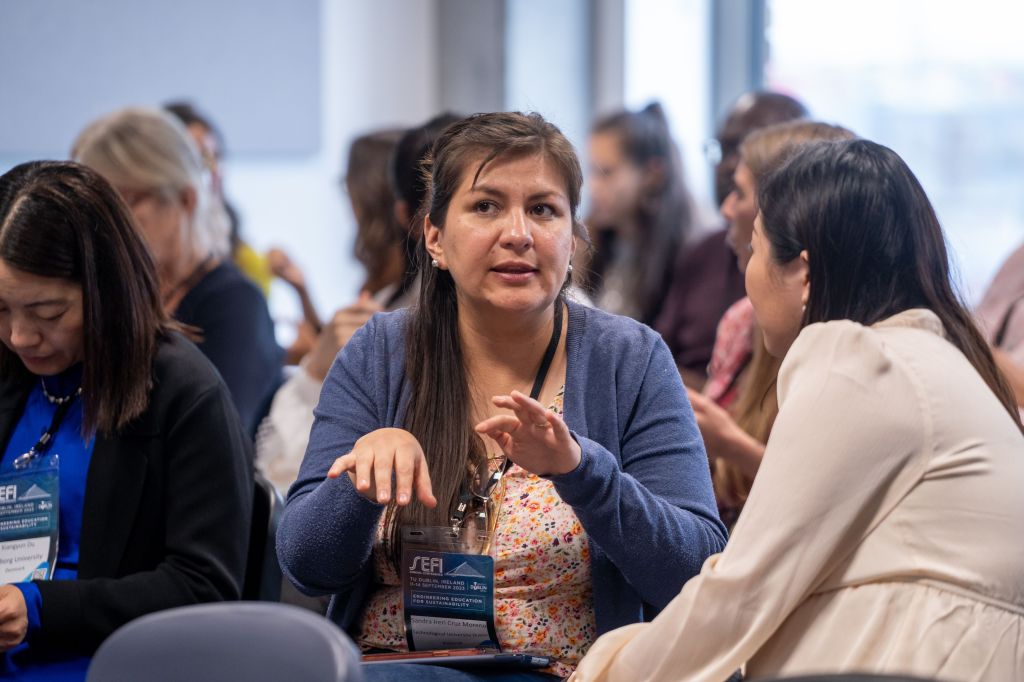
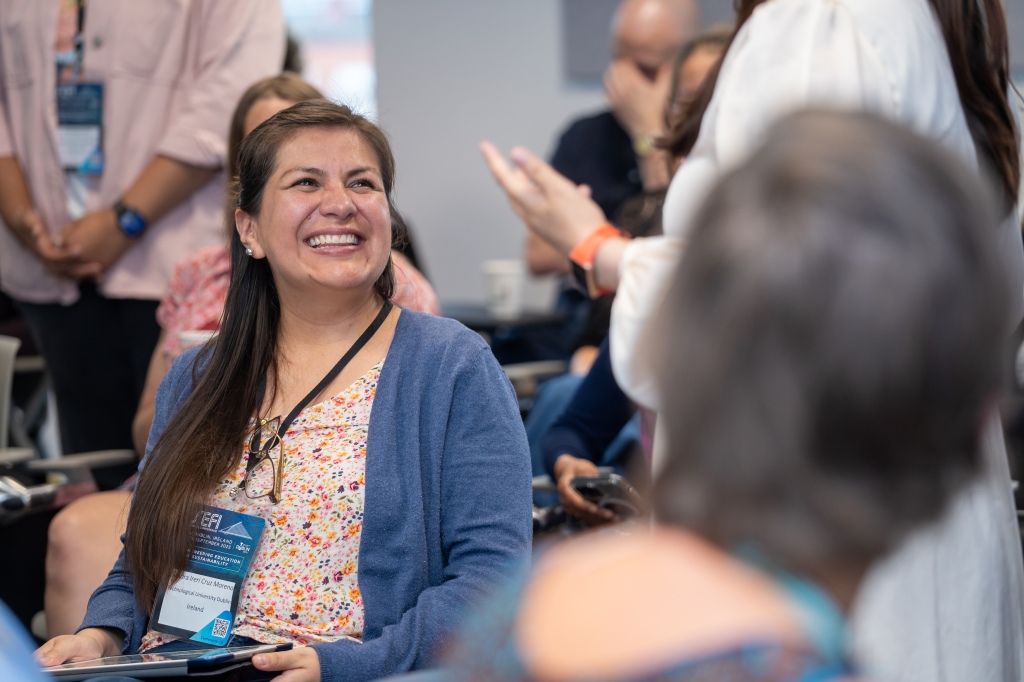
I have an exceptional PhD supervisee at TU Dublin, Sandra I. Cruz Moreno. She is an internally motivated, self-driven learner who needs little to no prompting from me. Supervising her for the past two years has been pure joy.

I am extremely pleased to report that Sandra achieved a major milestone yesterday because she very successfully “defended her Ph.D. proposal” (the term we use in the USA). Here, it’s called a confirmation examination to confirm that a student is on track and suitable to continue onward.

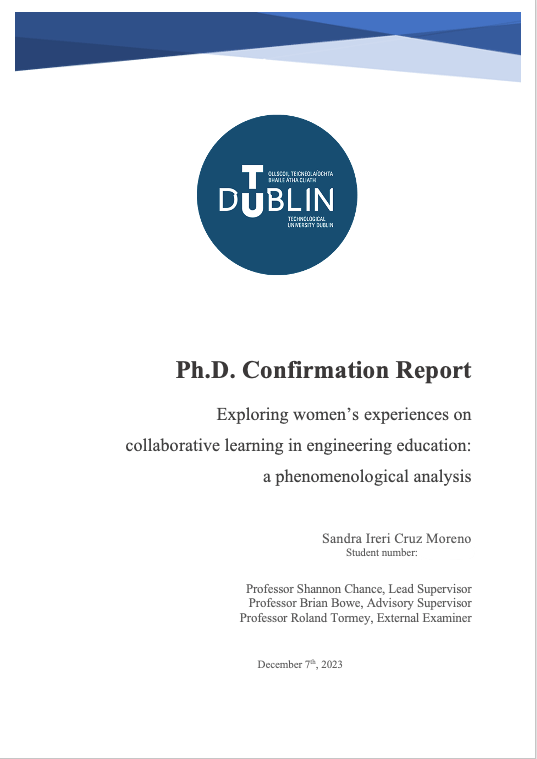
Sandra needed to submit an extensive report. The report is a bit more elaborate than a proposal back home, as it must include the work plan in addition to the first three chapters of the dissertation. She also included preliminary analyses of existing interview data.

TU Dublin is funding Sandra’s PhD so that she can analyze extensive interview data I collected from women studying engineering over the years since 2015. It’s such an enormous amount of data that I’ve never been able to wrap my arms around it fully. Sandra, a sociologist who has worked as a research consultant on rural development for the United Nations and similar organizations, is well-prepared to handle this large dataset. She has embraced the challenge and has made great strides forward.

Sandra’s study is titled “Exploring Women’s Experiences on Collaborative Learning in Engineering Education: A Phenomenological Analysis.” She submitted written reports of the coursework she has done to date, as well as a five-chapter document presenting her research. Both of Sandra’s supervisors, as well as our college’s head of research and the external examiner from the Swiss Federal Institute of Technology Lausanne (EPFL), all read and critically analyzed Sandra’s submission.

The result of this review and of yesterday’s two-hour oral examination concluded that her “Proposed research and progress [are] suitable for [Sandra] to remain on the higher register” and proceed into the final stage of her doctoral research. That’s fancy talk for “It’s a go!” and “Full speed ahead!”

Sandra Cruz with her external examiner, Dr Roland Tormey and lead supervisor, Prof/Dr Shannon Chance, on the day of examination.

Regarding the research Sandra has produced to date, the external examiner’s evaluation states:

The report is very well structured and extremely well written. It demonstrates a high degree of scholarship in dealing with quite a few challenging concepts while, at the same time, managing to make them accessible. There is a very good balance between methodology and methods in chapter three in particular. 

The data available is suitable for completing of the PhD and the initial analysis carried out shows quite a lot of promise. 

-External Examiner Roland Tormey, PhD

Our advisory supervisor, Prof/Dr Brian Bowe, couldn’t attend the examination (he’s the university registrar, after all, and the end of Semester 1 is an extremely busy time of year). Nevertheless, his guidance to Sandra and me has been essential throughout the process. The advice he provides is targeted and highly applicable. Sandra and I have benefited from having him on the team.

I was delighted, but not at all surprised, to hear about the successful outcome. Congratulations, the result reflects your hard work and dedication.

–Prof/Dr Brian Bowe, Head of Academic Affairs at TU Dublin

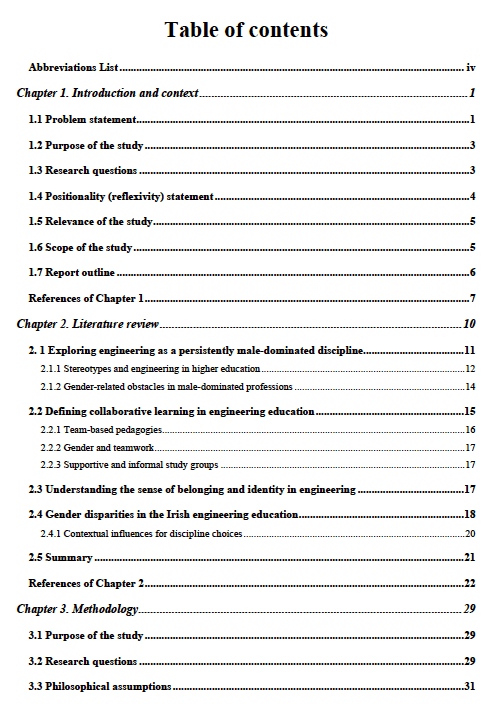
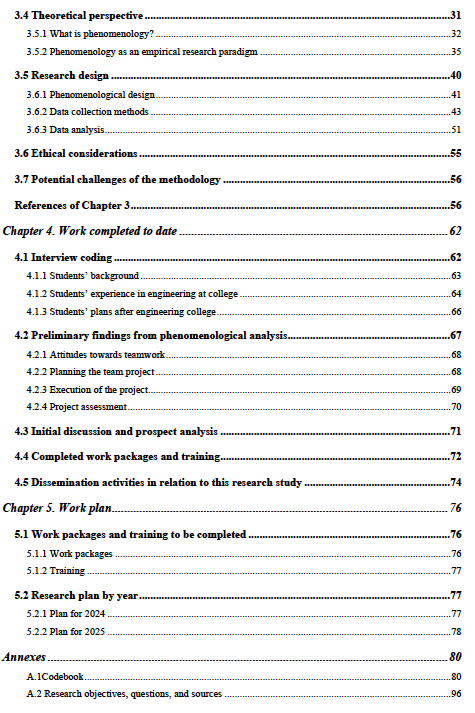
I have included the cover and table of contents of Sandra’s report so you can see the level of detail required. The report is 96 pages long. While Sandra was rehearsing for the examination, I was off in India delivering a paper she authored on policy to address gender gaps in engineering — policy at the European and Irish levels. The policy paper generated great interest and will form part of the PhD study, although it wasn’t a major component of the confirmation report. In fact, there were a number of topics she researched that didn’t need to be explained in detail at this point, such as critical feminism, which will inform her work going forward.

Working with and learning with and from Sandra is an honor and a privilege. I am grateful to TU Dublin for providing the grant to fund Sandra’s research activity. I am grateful to Brian, Roland, and Marek for the support they have lent Sandra and me. And most of all, I am grateful to Sandra for her diligence, perseverance, openness, and sincerity. I have learned so much from her and from working with her!

Digital innovations in construction and CitA’s 2023 BIM Gathering

Last week I taught two evening classes of Research Methods with my BSc in BIM (Digital Construction) students–and I have another starting at 6PM tonight. The students are earning “honors-level” bachelor’s degrees in just one year at TU Dublin. It’s an action-packed year, and they complete 60 ECTS (a full-time academic load, equivalent to 30 credits in the US university system) over 12 continuous months. It’s a great credential to earn and they learn so many new skills. “Honors-level” means they need to write a research paper, and I teach them the basics of that in Research Methods. So, last Tuesday, I welcomed them back from summer (where they completed their Work-Based Learning module) via an online class I taught from a hotel room in Athlone.

And just why was I in Athlone, halfway across Irland, on a school night?

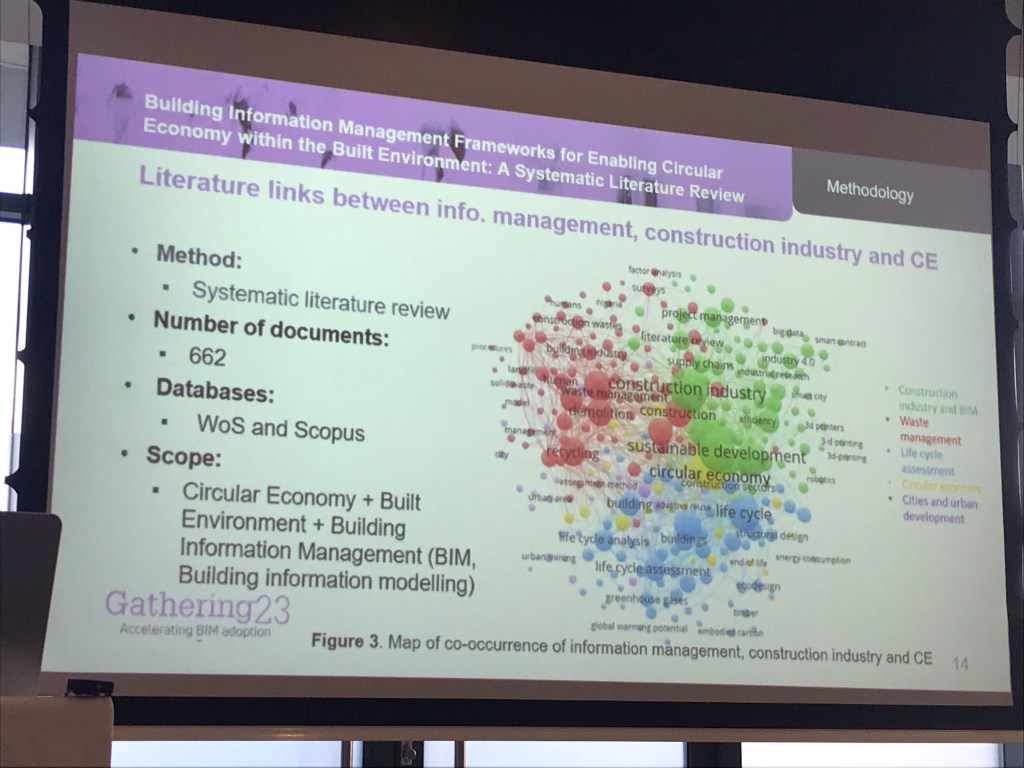
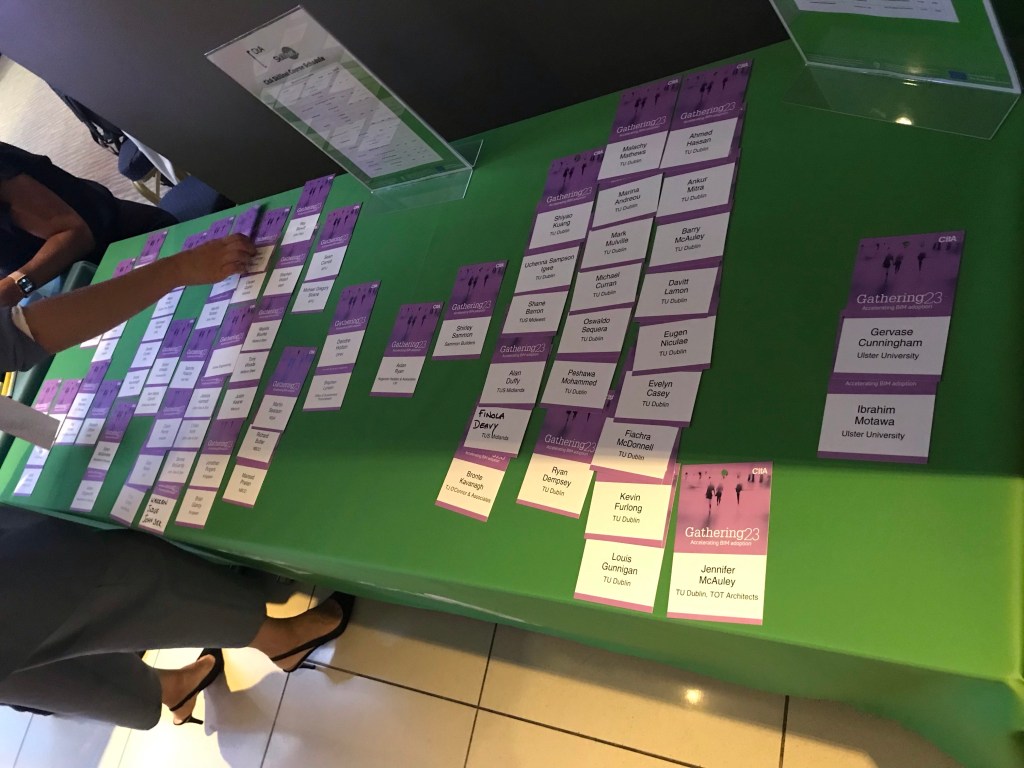
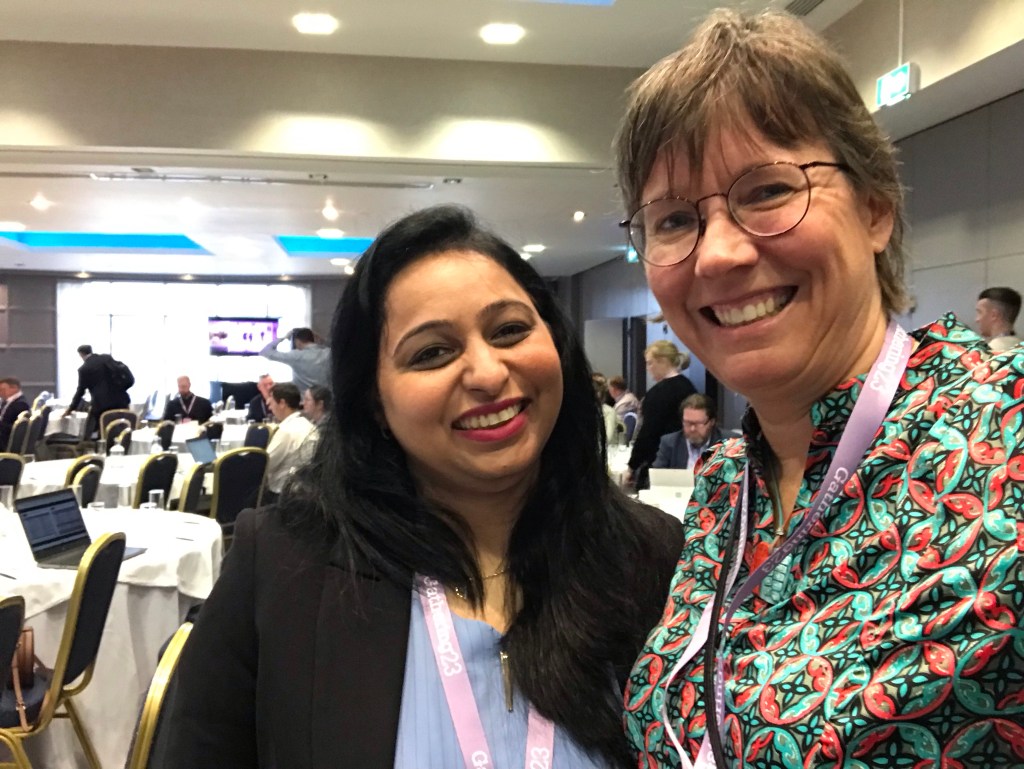
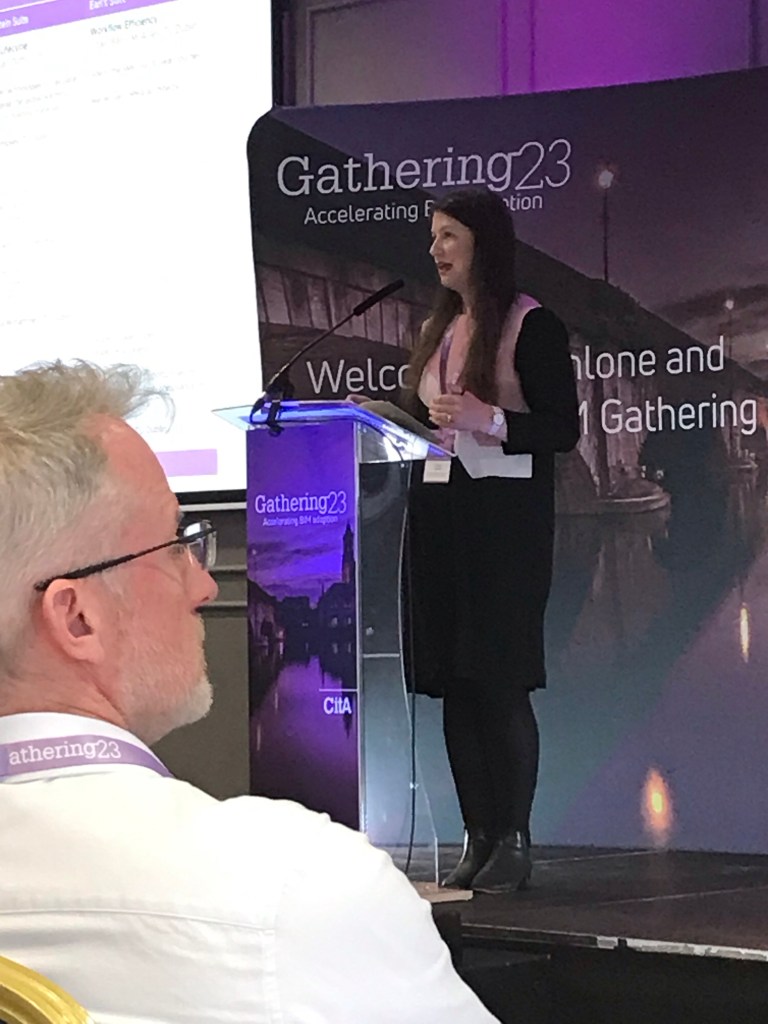
I was lucky enough to attend the 2023 CitA BIM Gathering as an observer. CitA is the Construction IT Alliance in Ireland, and its BIM Gathering is held every second year.

This year the Gathering had a great innovation. The first two days (Monday and Tuesday) were online for a manageable two hours each day. The third (Wednesday) we had a full day in person, in the midlands of Ireland, along the Shannon River.

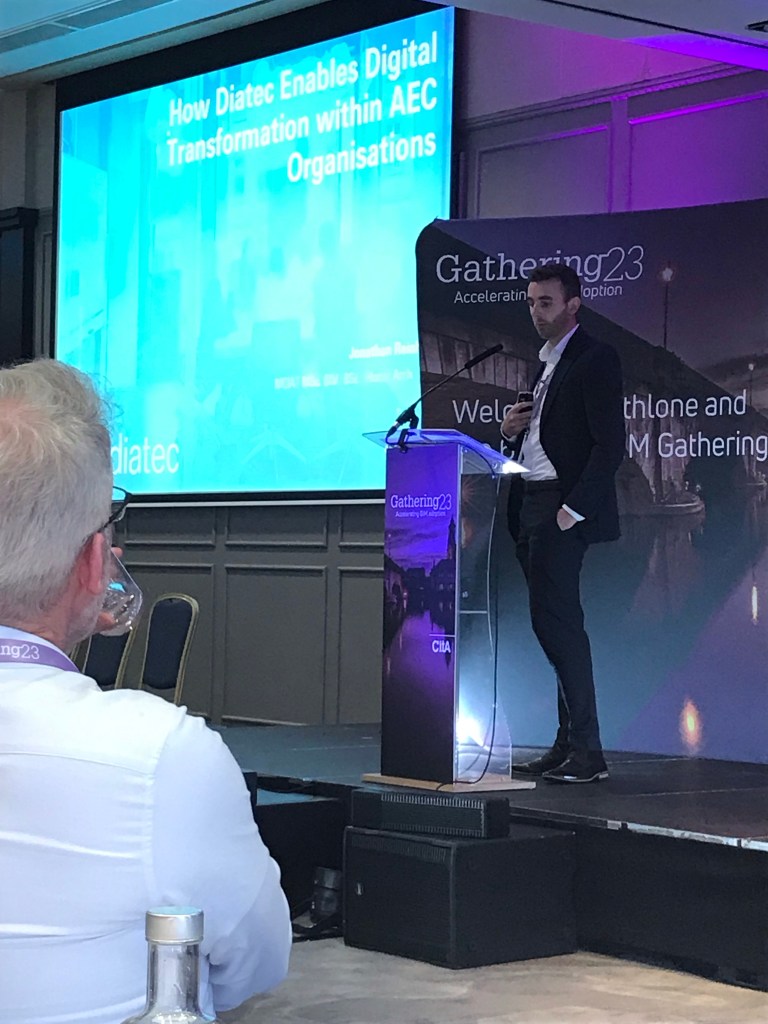
I really appreciated CitA’s multi-type conference format as we got to hear from speakers who couldn’t travel to Athlone. This format used travel resources more wisely, and the rhythm suited me as a participant. I particularly valued the online presentations by lawyer May Winfield of Buro Happold, Lèon van Berlo from buildingSMART International, Johnthan Reinhard from TU Dublin, and Carolina Soto Oguerta from Chile.

Because I had a class to teach on Tuesday night, I bolted from home to Heusten Station as soon as the Tuesday Gathering events ended, to settle into my hotel room and make sure the wifi connection was sound.

I thoroughly enjoyed traveling with Irish Rail, and I worked on a review for the European Journal of Engineering Education on the way. Sooooo much preferable to driving!

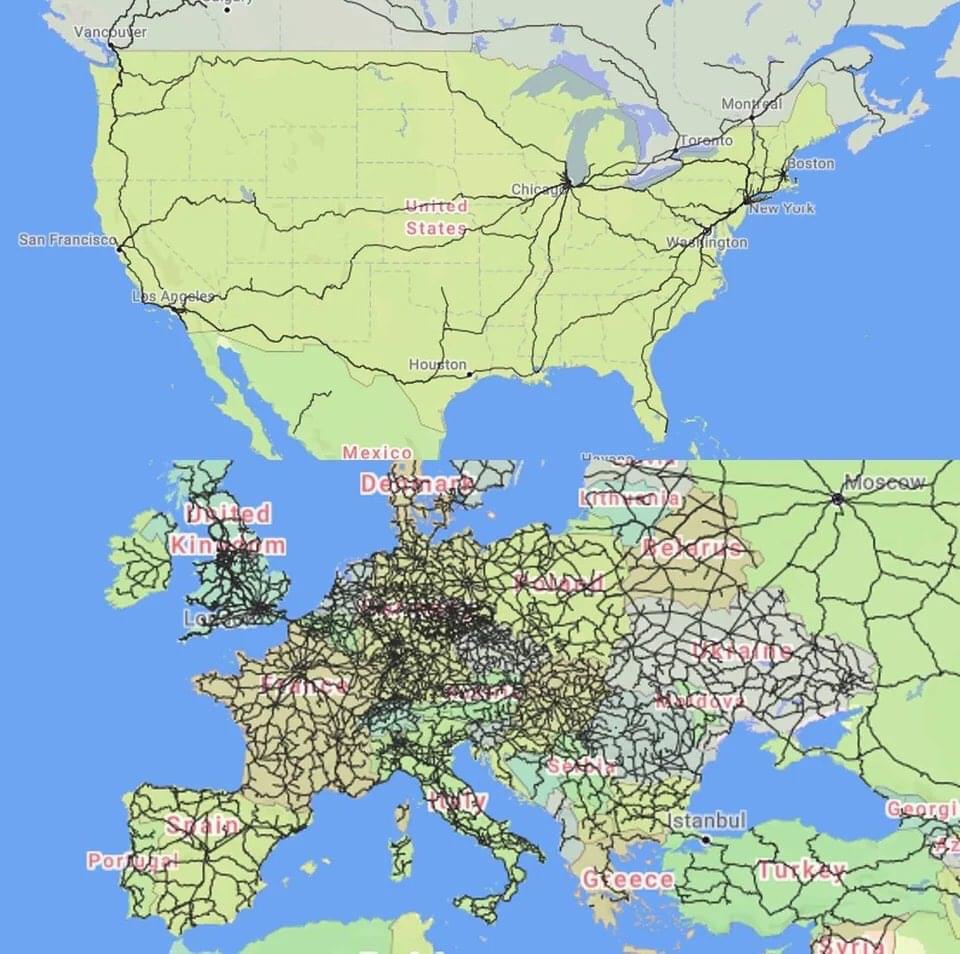
Here’s a map comparing Europe’s train network with the USA’s. Whereas I can’t get outside Ireland by rail, it’s a pleasure when I can use the train domestically.

Athlone is home to the new Technological University of the Shannon (TUS), and I am hoping this increased exposure of the name “Shannon” helps Irish people learn my name 🙂 as they never seem to understand my pronunciation of it. It just doesn’t fit many people’s schema for a woman’s first name here, and they revert to calling me Sharon shortly into almost any conversation.

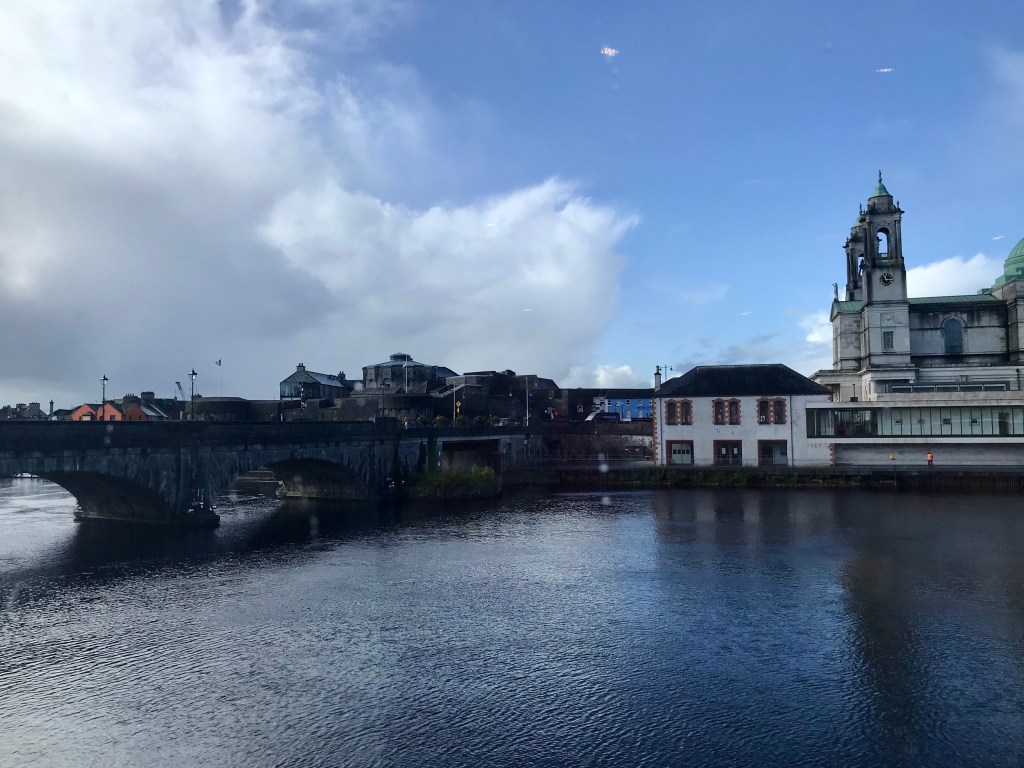
View from the conference room at the Radisson Blu in Athlone.

CitA is headed by Dr. Alan Hore, who will soon retire from TU Dublin. I’m not happy to learn that bit of news, but I am sure Alan has new plans for doing something big and meaningful!

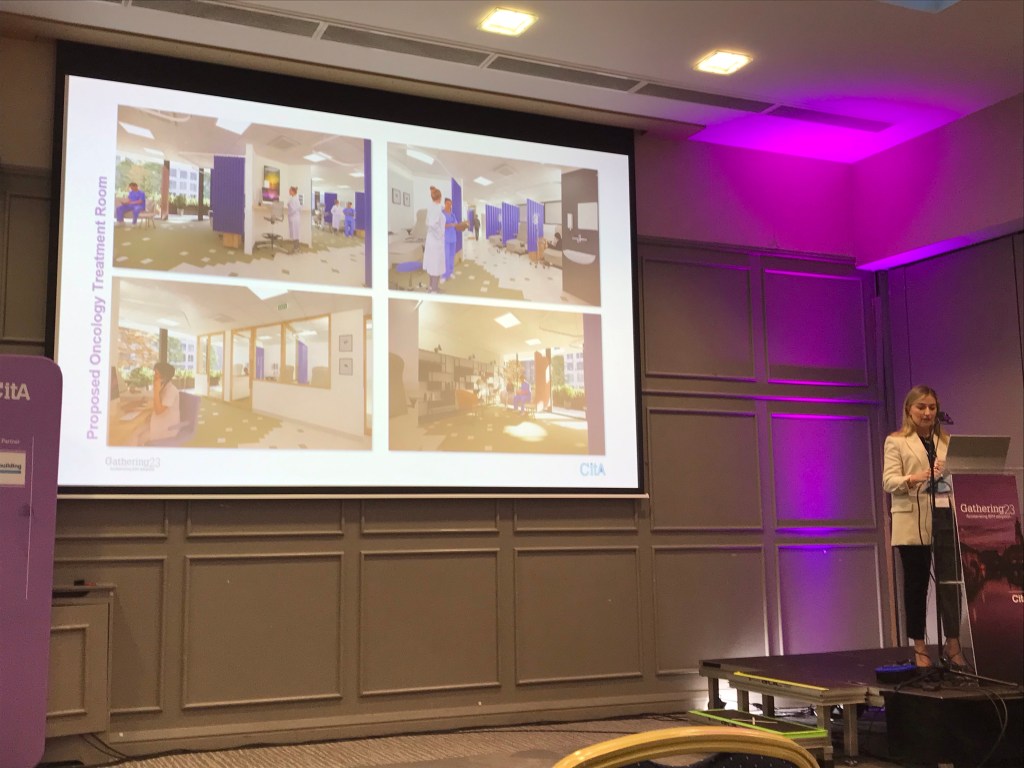
In-person attendance from TU Dublin was strong, and many students presented really impressive research during the conference. I was particularly impressed with the presentations by students, including Sadaf Dalirazar from UCD, Léa Laurent (affiliated with Munster University of Technology, but presenting on behalf of her firm O’Connell Mahon), and TU Dubin’s Peshawa Mohammed, Ryan Dempsey, and Jennifer McAuley. Sadaf was nominated for an award (at her first-ever conference, for her first-ever conference paper). Léa won for best industry paper and Jennifer won for best academic paper, so I must have picked my sessions well! I also found Ryan’s presentation–though high speed!–to be very enlightening. I applaud them all for their fabulous work.

I also got to chat with graduates of our BSc from the first three cohorts, Divia Chadwa and Martin King, as well as one student currently completing the course, Bronte Kavanagh, and my co-teachers from TU Dublin, Davitt Lamon, Kevin Furlong MA, MSc, Dr. Malachy Mathews, and more!

I was also happy to hear from the Mayor of Athlone, who is an architect; Louise Heavin delivered a thought-provoking address and is enhancing the sustainability and livability of her small city. David Philip‘s presentation was also very interesting, “The Unexpected Road, from Premise to Prediction”, and I had the pleasure of chatting with David over lunch.

I didn’t present any of my own work at this conference. I was just too busy over the summer with other publications to get a paper written that would benefit the audience. However, I did present aspects of a new study that I’m doing with Barry McAuley at two other conferences this summer. You can download the paper from the ASEE conference, “Infusing Research Know-How into the Construction Sector: Pedagogies to Support Digital Construction in Ireland”. I’ll link you to the SEFI paper once those proceedings are released.

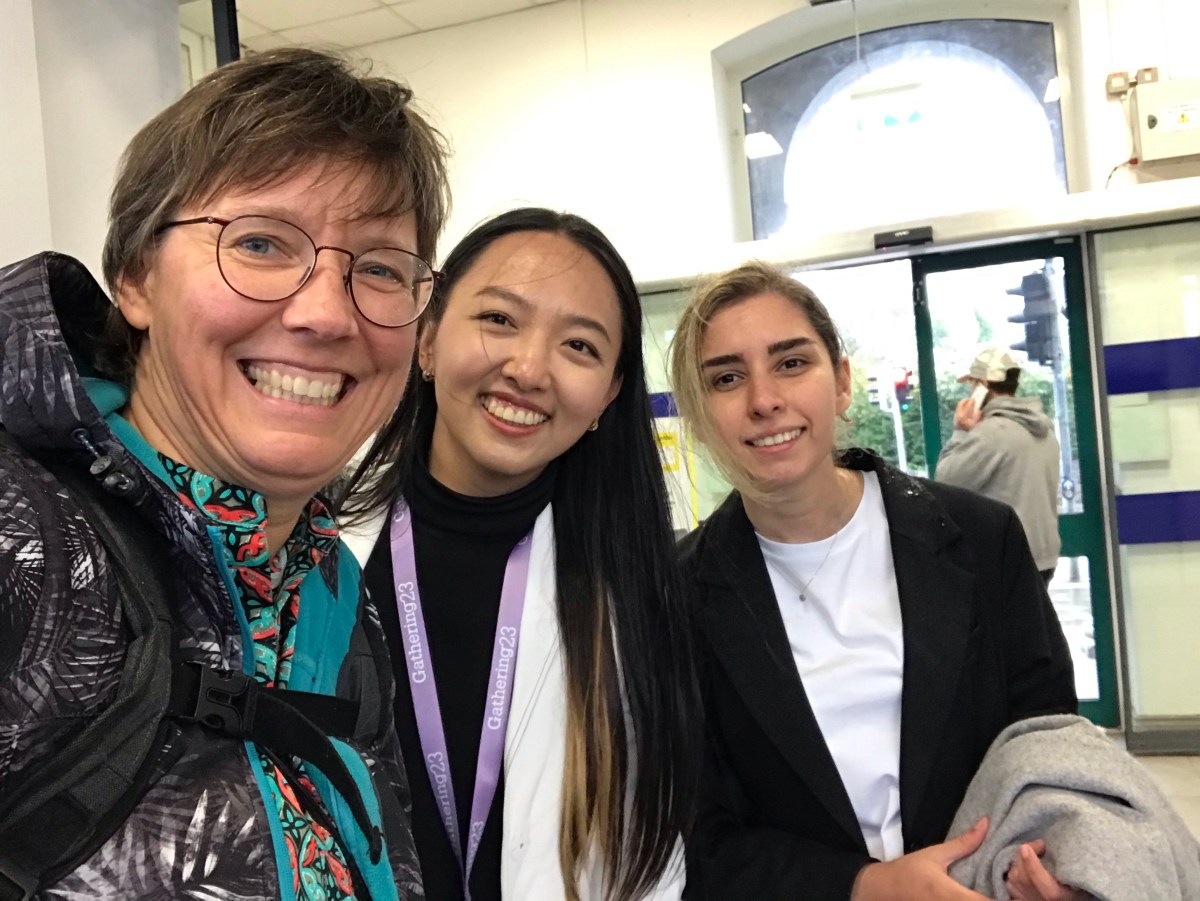
Had the pleasure of taking the train back to Dublin with Ph.D. students Shiyao Kuang and Sadif Dalirazar.

Ethics teaching and learning

Ethics teaching and research are core to my work — teaching, researching, designing curricula, and editing. Here’s a two-day snippet of activities….

Yesterday, I attended a work session for the EthiCo project, led by TU Dublin but working in collaboration with many other technological universities. We’re considering multi-dimensional understandings of ethics. And, our group is developing tools for teaching students about ethics and teachers about how to incorporate ethics (social and environmental justice) into their classrooms. TU Dublin’s Professor Noel Fitzpatrick is leading the effort.

Just before we met, my WhatsApp thread was alive as my colleagues and I determined the theme of our upcoming Dublin Maker (July 23) booth: Reboot Arcade. Short description: Games of all sorts and art installations relating to rebooting civilization in our own unique way.

We’ll inspire those who visit our booth to envision the world we’d create if we were doing things from scratch. I’ll contribute an activity for our booth at Dublin Maker about circular economy and regenerative design.

Throughout the day, I also wrote and uploaded feedback to my BIM students in the Research Methods module.

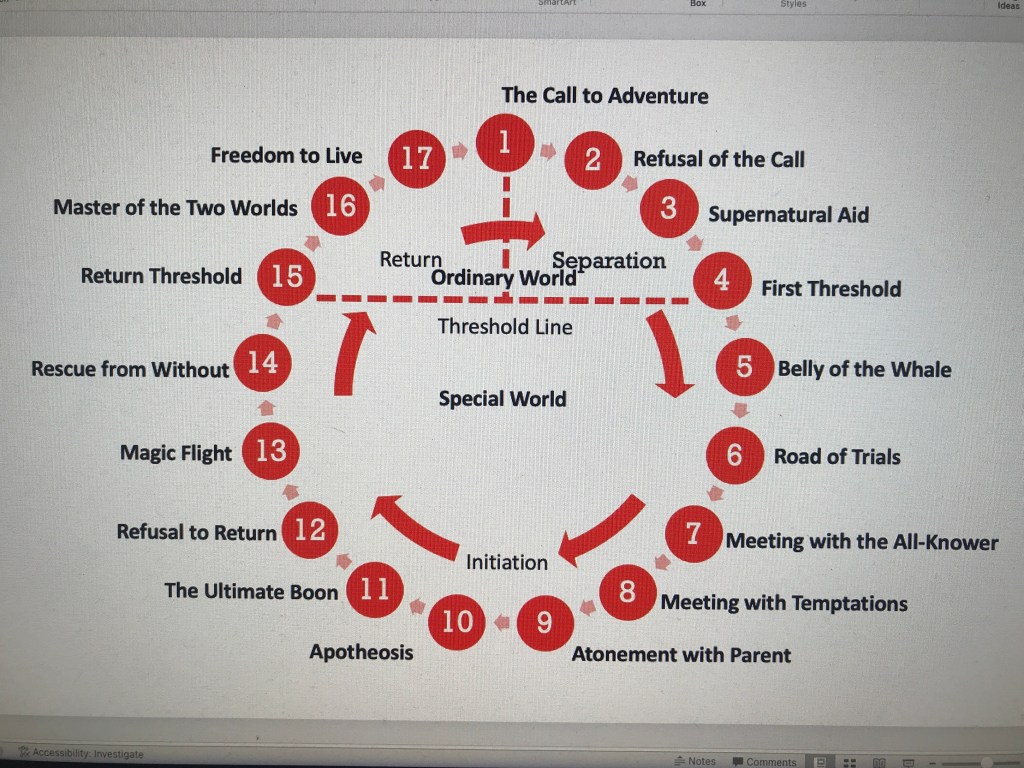
And, did quite a bit of editing on a manuscript with Inês Direito and Bill Williams using the Hero’s Journey framework. Here’s snapshot of my screen with a graphic I’ve made for that paper:

A snapshot of the graphic I’ve made for the Hero’s Journey paper. (Adapted from J. Campbell by Shannon Chance, 2022.)

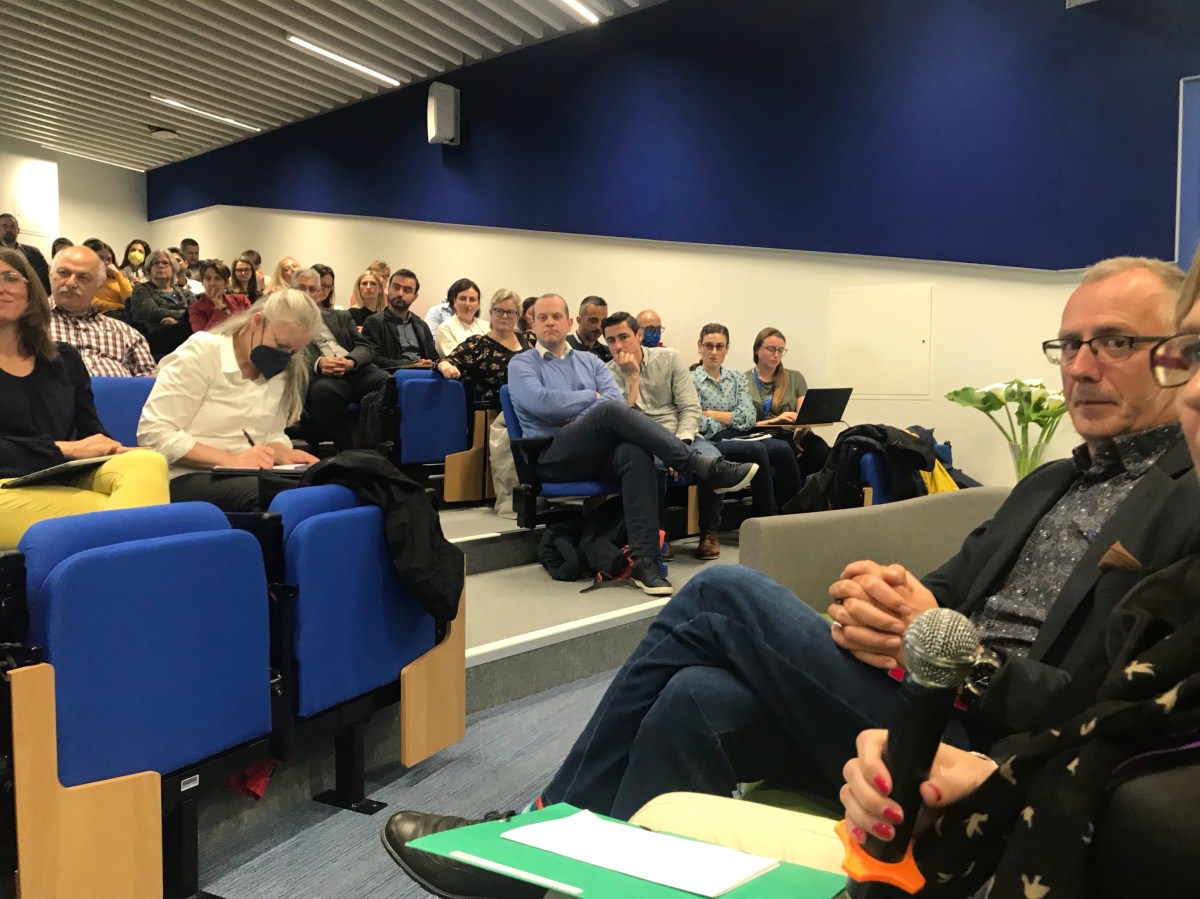
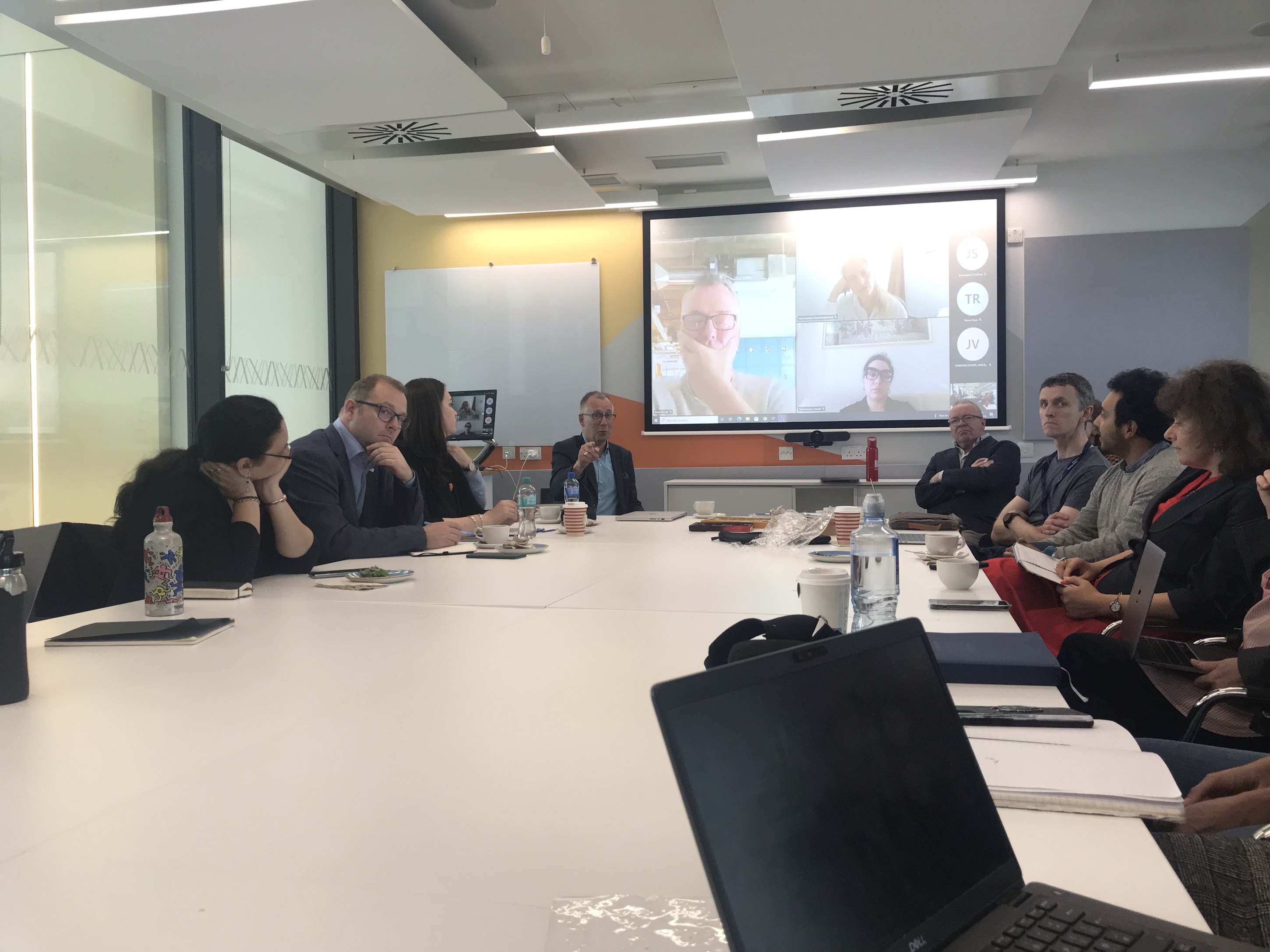
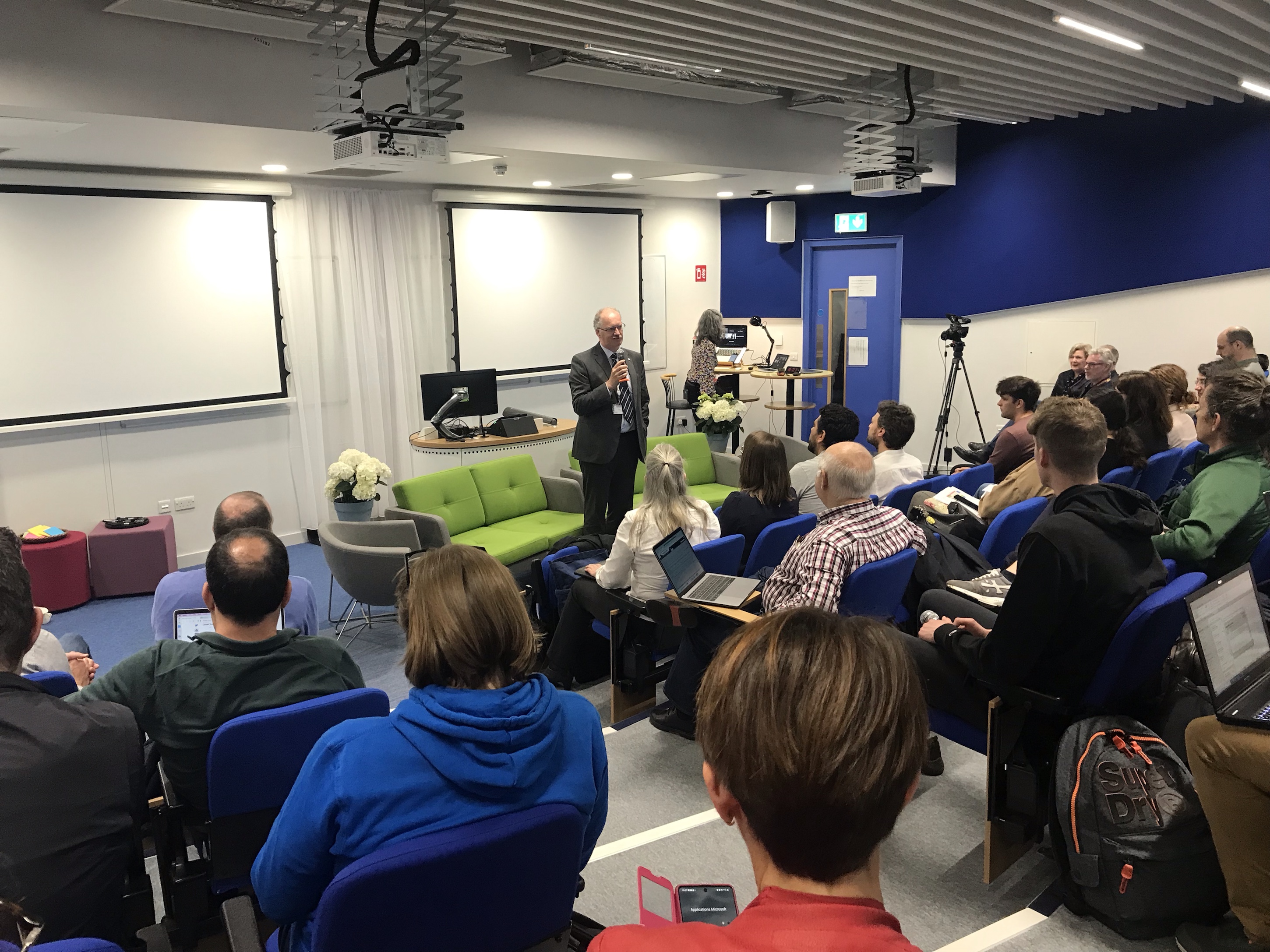
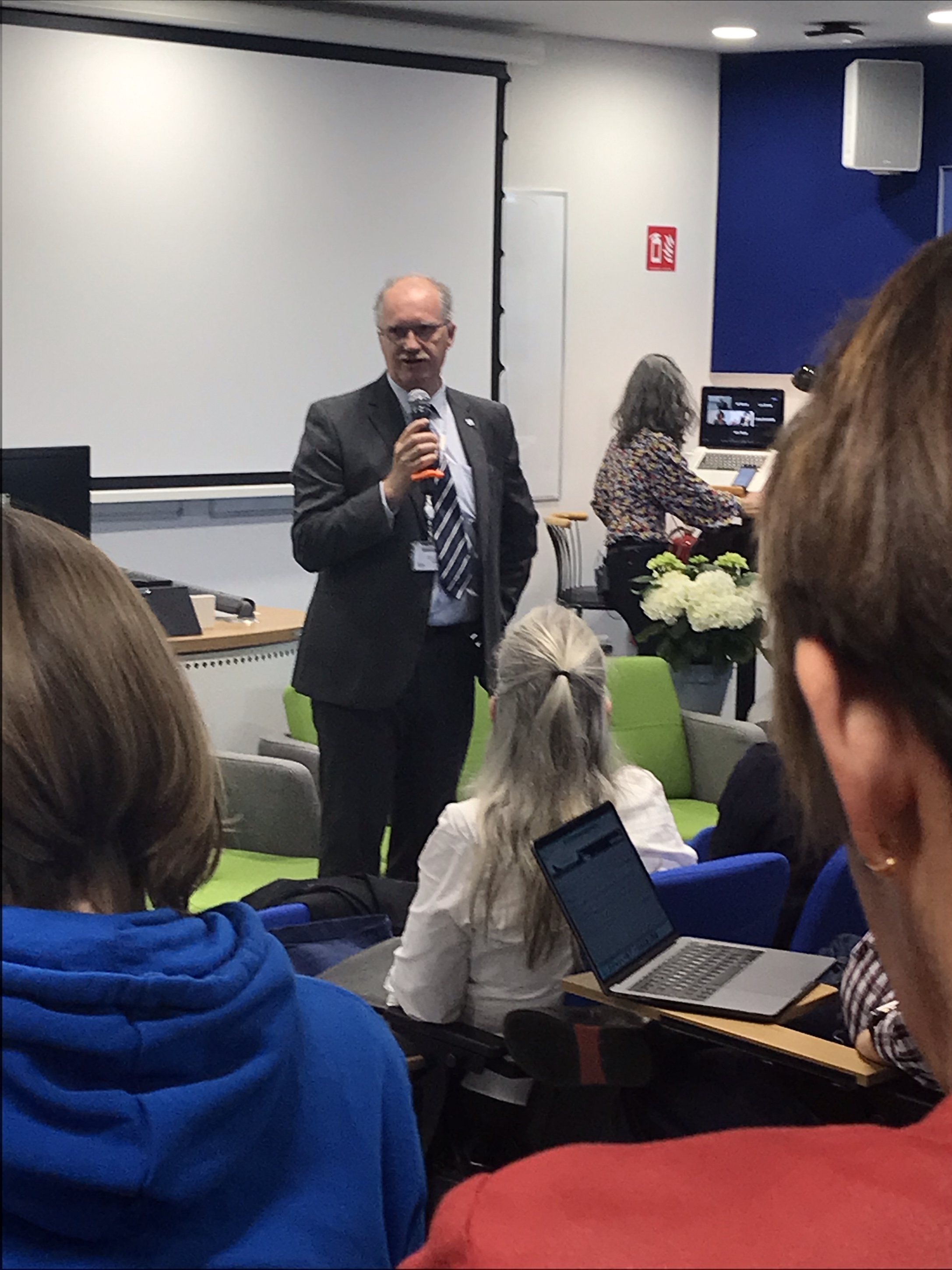
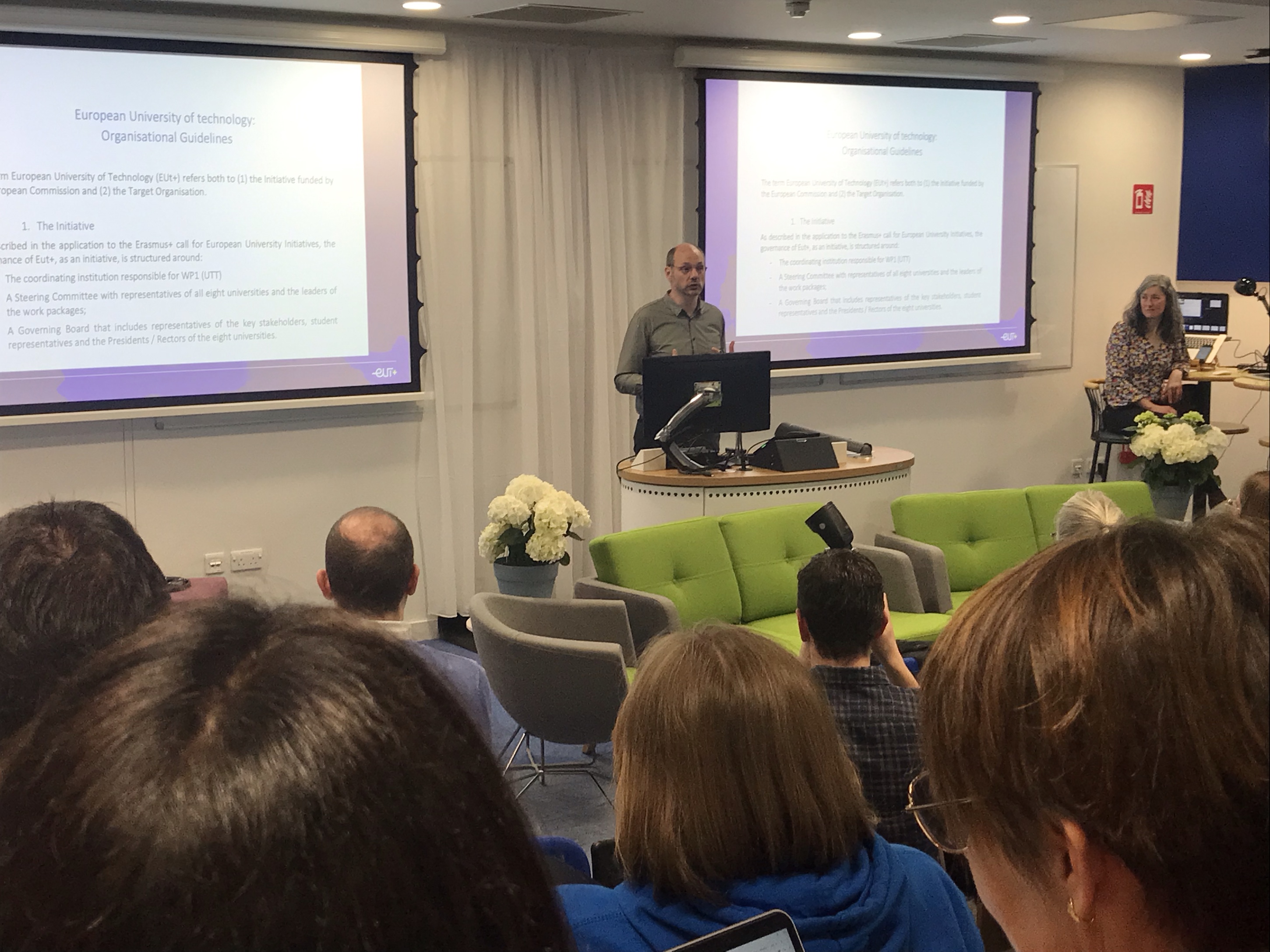
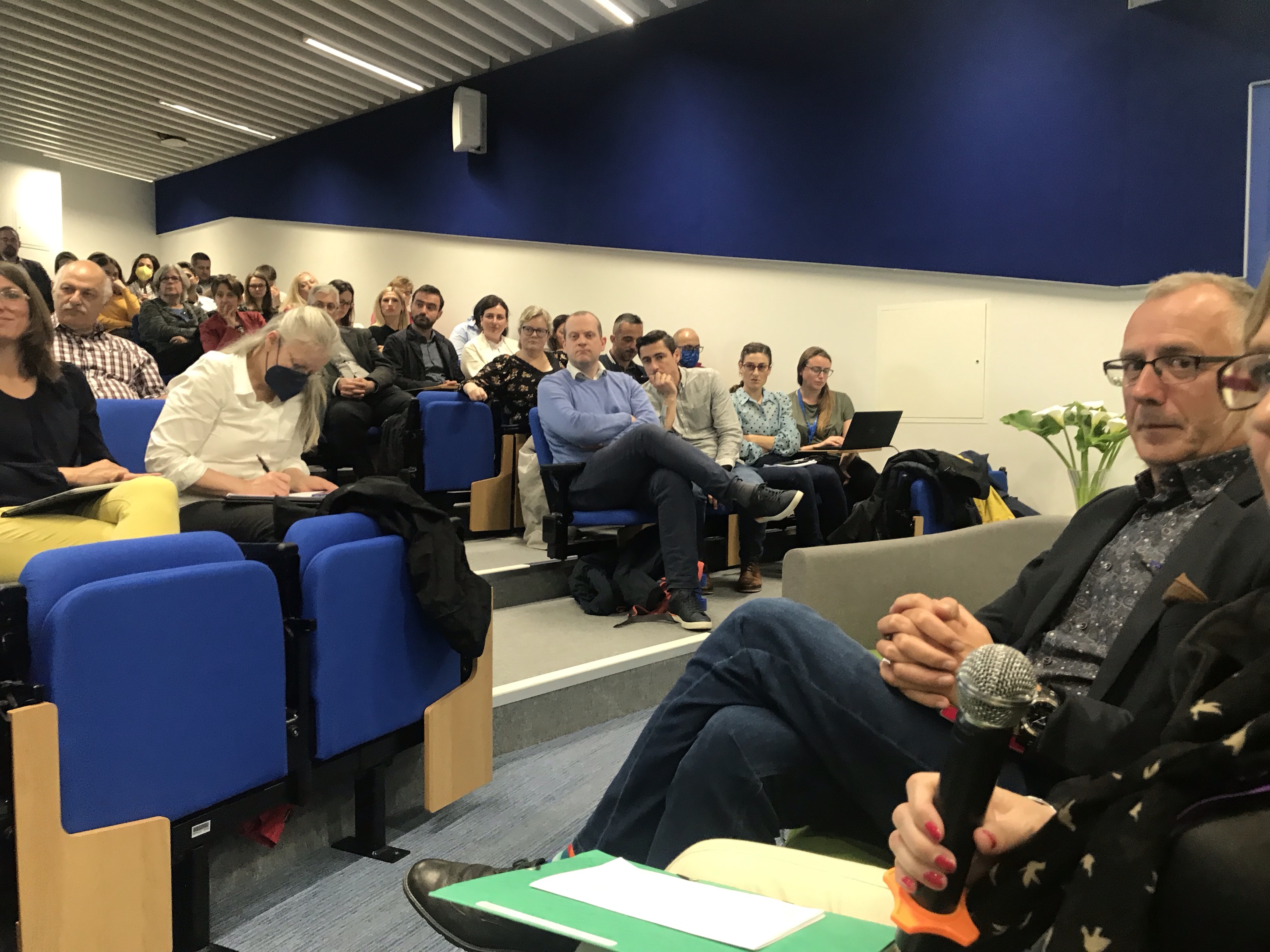
Today started with a conference of the members of the European University of Technology (EUt+). I presented ideas as part of the morning’s panel on the role of Education in the EUt+. I talked about the importance of ethics in technical education. It’s strange but exciting to be in a room with over 100 educators discussing topics passionately in person once again!

After the panel, I chatted with colleagues over coffee, and later followed up with many via email about how they can connect to SEFI and SEFI’s Ethics working group, and also the upcoming Project Approaches in Engineering Education (PAEE) conference where I’ll be delivering a keynote.

I really enjoyed hearing the speakers launch the conference (the secretary of the initiative, TU Dublin’s president, and the TU Dublin point person for the EUt+). Hearing them, I got a better idea of what’s in store for us as we join together as one big university offering more transferability of our students and of ideas and among our teachers. We’re building the future and creating our new reality.

But I couldn’t stay long. I hurried home to meet online with the editorial team for a new Handbook on Engineering Ethics Education. I zipped off emails to invite lead authors for Theme 4, on ethics accreditation.

I’ve got to get back to work now, but I’ll paste the handbook outline below, so you can see what kinds of things we’re exploring.

Outline for the Handbook on EEE

Theme 1: Foundations of engineering ethics education

Chapter 1.1: The purpose(s) of engineering ethics education

Chapter 1.2: How engineering ethics education makes use of normative ethical theories

Chapter 1.3: The individual and the collective in engineering ethics education

Chapter 1.4: Codes and professional organizations in engineering ethics education

Chapter 1.5: Reason and emotion play in engineering ethics education

Theme 2: Interdisciplinary contributions to engineering ethics education

Chapter 2.1: Philosophical and religious foundations in global perspective

Chapter 2.2: Sociological, Postcolonial and Critical Theory foundations

Chapter 2.3: Psychological foundations

Chapter 2.4: Management & Organisational studies foundations

Chapter 2.5: Engineering Design foundations

Chapter 2.6: Environmental Science foundations

Theme 3: Teaching methods in Engineering Ethics Education

Chapter 3.1: Literature review mapping the use of different teaching methods

Chapter 3.2: Case studies and dilemmas in engineering ethics education

Chapter 3.3: Project-Based Learning and Challenge Based Learning

Chapter 3.4: Value Sensitive Design and Design-Based Learning

Chapter 3.5: Field learning in engineering ethics education

Chapter 3.6. Arts-based methods in engineering ethics education

Chapter 3.7: Reflective and dialogue-centered approaches

Theme 4: Accreditation and Engineering Ethics Education

Chapter 4.1: Background history of ethics in accreditation

Chapter 4.2: Contextual mapping of ethics education and accreditation nationally and internationally

Chapter 4.3: Overview of literature and analysis of the types of research that have been published on Accreditation and EEE

Chapter 4.4: Comparative analysis of accreditation processes and implications at global and international levels

Chapter 4.5: Comparative analysis of accreditation processes and implications for ethics education at the local level

Chapter 4.6: A synthesis of the prior chapters in the section

Theme 5: Ethical issues in different engineering disciplines

Chapter 5.1: Software engineering

Chapter 5.2: Chemical engineering

Chapter 5.3: Biotechnology

Chapter 5.4: Civil engineering

Chapter 5.5: Mechanical / aerospatial engineering

Chapter 5.6: Electrical / electronic engineering

Chapter 5.7: Environmental engineering.

Theme 6: Assessment of different aspects of Engineering Ethics Education

Chapter 6.1: Course and curriculum quality

Chapter 6.2: Answering the need of industry, local communities, and other stakeholders

Chapter 6.3: Moral reasoning, ethical judgement, moral awareness, ethical sensitivity

Chapter 6.4: Views on knowledge, science, engineering

Chapter 6.5: Competencies such as critical thinking

Chapter 6.6.: Attitudes and character

Chapter 6.7: Limitations and critical perspectives on assessments

Harvest of 2020: A summary of my Engineering Education Research

So, I’m not going to lie: 2021 has been incredibly difficult for me. We’ve been on lockdown since before New Years Day here in Ireland. We are homebound and limited to a 5km travel radius from home for essential shopping and exercise (in the cold, wet weather and very short winter days). Moreover, we started the year by burying my partner Aongus’ father.

It’s been work, work, work and nearly no play. Staring at the screen has been taking its toll. Experiencing eye strain, I’ve not had the wherewithal to blog since that requires additional screen time over and above work. Sometimes it feels like I’m marking time, standing in place and making no progress forward.

But then someone asked for info that put some things back into perspective.

You may not know, but even though I am teaching Engineering and Digital Construction at TU Dublin right now, I am still actively engaged in research on engineering education. I’m part of two research centers–one here in Dublin (CREATE) and another in the UK (UCL’s Centre for Engineering Education).

The UCL Centre Coordinator, Paula Broome, is preparing the CEE’s annual report for 2020. She asked me to send a synopsis of my activities in Engineering Education Research. I dashed off the draft below for her to integrate into the report.

Writing this up took time (we’re on Spring Break here, but I can’t seem to get away from the computer). Nevertheless, it made me feel a bit better about forging ahead through 2020. And since it’s Spring Break, I can feel okay taking time away from work to blog!

Two items don’t show upon the list below that actually took a great deal of time in 2020. Hopefully, soon, I’ll be able to list two new journal articles with 2021 publication dates.

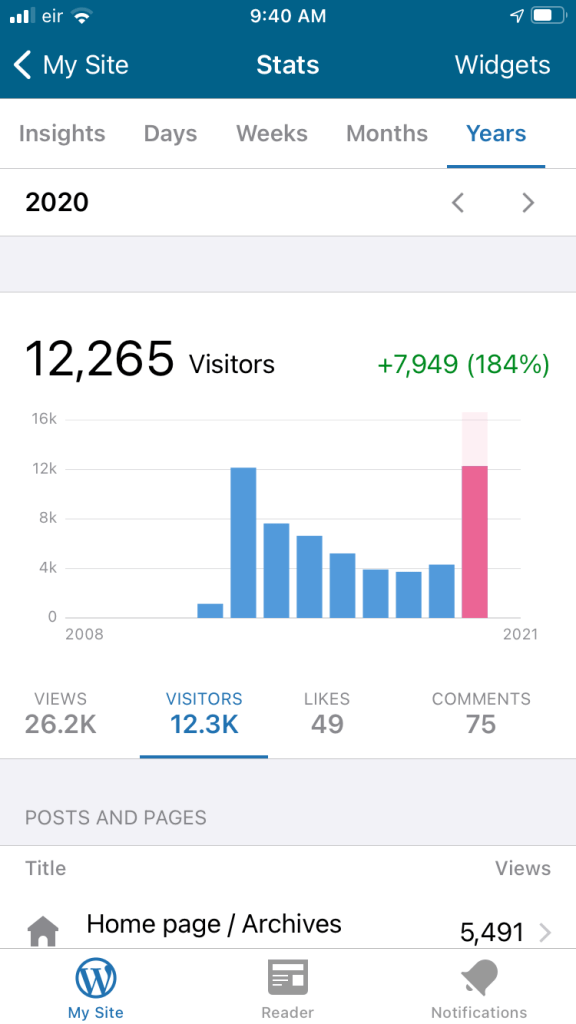
I could also have added that my blog made a difference to researchers in 2020. One thanked me on Facebook a couple days ago for providing resources that helped her win her own Marie Curie Research Fellowship in 2020. IrelandByChance.com had a record number of visitors in 2020, totalling 12,265 and beating my previous high of 12,141 visitors in 2013.

The most visited pages all involved the example Marie Curie materials I posted.

UCL CEE 2020 activities of Shannon Chance

Topic: implementing PBL pedagogies

CEE works to help engineering educators learn and implement active learning pedagogies, like problem-based learning. Shannon Chance published the following book chapter on PBL:

CHANCE, S. M. (2020). Problem-Based Learning: Use in Engineering Disciplines. In Amey, M. J. & David, M. E. (Eds.). The SAGE Encyclopedia of Higher Education, 5v. Thousand Oaks, CA: Sage. https://uk.sagepub.com/en-gb/eur/the-sage-encyclopedia-of-higher-education/book245423

In addition, this CEE-supported project was presented at a conference on PBL:

Mora, C. E., CHANCE, S. M., Direito, I., Morera-Bello, M. D., Hernández-Zamora, L., & Williams, B. (2020). INGENIA, a novel program Impacting Sustainable Development Goals locally through students’ actions. The International Research Symposium on Problem Based Learning (IRSPBL 2020) in Aalborg, Denmark.

Topic: diversity and inclusion

We believe in creating diverse and inclusive learning environments where all members feel welcome and supported—where they can be their true selves and realize their full potential. Inês Direito leads the SEFI working group on Equity, Diversity and Inclusion, and CEE’s Shannon Chance, Fiona Turscott, and Sophia Economides are frequent contributors to the group. Our team’s work includes a longitudinal, phenomenological study on Middle Eastern women’s experiences studying engineering abroad in Ireland, led by Shannon Chance, published the following Peer-Reviewed Conference Paper:

CHANCE, S. M., & Williams, B. (2020, May). Here you have to be mixing: Collaborative learning on an engineering program in Ireland as experienced by a group of Middle Eastern young women. EDUCON2020 – IEEE Global Engineering Education Conference in Porto, Portugal.https://ieeexplore.ieee.org/document/9125207

Shannon was also invited to present the work in Malaysia:

CHANCE, S., & Williams, B. (2020). Middle Eastern women’s experiences of collaborative learning in engineering in Ireland. Plenary forum Women in Engineering at the Regional Centre for Engineering Education conference (RCEE 2020) on “Engineering Education Leadership in an Uncertain World” at Universiti Teknologi Malaysia.

This Peer-Reviewed Conference Paper about Portuguese students’ experiences with Brexit also reflects our concern for Diversity and Inclusion:

Direito, I., CHANCE, S. M., & Williams, B. (2020). Exploring the impact of Brexit on UK’s engineering education sector from the perspective of European students. European Society for Engineering Education (SEFI 2020) conference in Twente, Netherlands.

Topic: ethics and sustainability

We are looking for ways to integrate the Sustainable Development Goals into our work and to infuse environmental sustainability, social justice, and ethics into our teaching and research. To understand these values are being enacted in London, our team has been conducting an exploratory study regarding UK civil engineers’ understandings and practices related to Global Responsibility (the topic of two articles we have under review with journals right now). Shannon Chance was invited to deliver a keynote speech on sustainability at a conference in China:

CHANCE, S., (2020). Equipping STEM graduates for global challenges via design thinking. Keynote speech for Chinese Society for Engineering Education’s 15th International Symposium on Science and Education Development Strategy on “Innovation of Engineering Education System under Global Challenges” held in Hangzhou, China 10-11 December 2020.

CEE members published the following Peer-Reviewed Conference Papers on sustainability in 2020:

CHANCE, S. M., Direito, I., & Mitchell, J. (2020). Challenges to global responsibility faced by London-based early-career civil engineers. European Society for Engineering Education (SEFI 2020) conference in Twente, Netherlands.

CHANCE, S. M., Direito, I., & Mitchell, J. (accepted in 2020, although the conference has been postponed until 2021). To what degree do graduate civil engineers working in London enact Global Responsibility and support UN Sustainable Development Goals? Engineering Education for Sustainable Development (EESD2020) conference in Cork, Ireland.

This paper, mentioned above under PBL, also focuses on sustainability:

Mora, C. E., CHANCE, S. M., Direito, I., Morera-Bello, M. D., Hernández-Zamora, L., & Williams, B. (2020). INGENIA, a novel program Impacting Sustainable Development Goals locally through students’ actions. The International Research Symposium on Problem Based Learning (IRSPBL 2020) in Aalborg, Denmark.

And finally, this workshop session intergated on sustainability:

CHANCE, S. M., & Villas Boa, V. (2020). Can we make future conferences greener and more equitable by providing online participation options? Breakout session of the Big EER Meet Up (online via UCL, April 2020).

Topic: Research Methods

CEE seeks to build research skills both across the members of CEE and more broadly. Shannon Chance build skill in teaching research methods by teaching a 5 ECTS module on the topic at TU Dublin in 2020. CEE members also provided the following workshops on research methods:

India

CHANCE, S., Direito, I., & Malik, M. (2020). An introduction to literature reviews in Engineering Education. Workshop for the Indo Universal Collaboration for Engineering Education (IUCEE). 22 November 2020.

Netherlands

Direito, I., CHANCE, S., & Malik, M. (2020). An introduction to systematic literature reviews and meta-analyses in Engineering Education. Workshop at the European Society for Engineering Education (SEFI) 2020 annual conference in Twente, Netherlands.

Edström, K.,Benson, L.,Mitchell, J., Bernhard, J., van den Bogaard, M., Case, J.; CHANCE, S., & Finelli, C. (2020). Best practices for reviewing manuscripts in engineering education research journals. Workshop at the European Society for Engineering Education (SEFI) 2020 annual conference in Twente, Netherlands.

Topic: global leadership in engineering education research (EER)

CEE provides leadership at the highest levels in engineering education—including both engineering education program development and engineering education research.

In April 2020, the CEE team organized and hosted the Big Engineering Education Research (EER) Meet Up, with 350 attendees worldwide. We followed this up in June 2020 with a second Meet Up for International Women in Engineering Day, that had 90 attendees. These were our primary activities for helping build academics’ capacity to conduct EER. At the start of 2020, Shannon Chance presented outcomes of the Marie Curie Research Fellowship she completed at UCL:

CHANCE, S. M. (2020). Becoming Civil: Outcomes of a Marie Curie Fellowship with CEGE and CEE. Lunch seminar for UCL’s Centre for Engineering Education in London.

Shannon Chance serves as the Chair of the global Research in Engineering Education Network (REEN). The term of Chair runs for the calendar years 2020 and 2021. As the head of the Governing Board of REEN, she has succeeded in diversifying and expanding the board to better represent the globe, helped organize REEN support for the CEE MeetUps at the outset of the pandemic, led the upgrade of the website for usability and economic sustainability, moved toward more transparent policies and procedures, and helped keep REEN operations on track.

To help grow a strong research community, we also supervise and mentor emerging researchers. In 202,0 Shannon continued to serve as a PhD supervisor and visiting processor at London South Bank University (LSBU). She has also been is highly active in UCL’s CEE and TU Dublin’s CREATE research group, helping aid communication between these two EER centers. In 2020, Shannon also reviewed conference paper submissions for the European Society for Engineering Education (SEFI) and EDUCON conferences.

Topic: global leadership in EER publishing

CEE work involves serving as top editors of the IEEE Transactions on Education, where John Mitchell is Editor-in-Chief and Shannon Chance is an Associate Editor. John and Shannon are also active contributors to the Engineering Education Research (EER) editors’ roundtables that assembles online and at the world’s top EER conferences and is creating resources to support authors and reviewers. John and Shannon are also both on the editorial board of the European Journal of Engineering Education (EJEE).

Shannon is currently the primary editor for a special focus issue on ethics in engineering education and practice, to be published in May 2021 by REEN’s Research in Engineering Education Symposium and the Australasian Journal of Engineering Education. In 2020, Shannon also served as a peer reviewer for all of the following journals:

International Journal of Qualitative Methods

Technology | Architecture + Design

Australasian Journal of Engineering Education  

IEEE Transactions on Education

European Journal of Engineering Education

Journal of Engineering Education

Topic: public engagement

Outreach to the public is important to CEE. During 2020, Shannon Chance was interviewed for UK’s “Engineering Matters” podcast #59 Empowering Ethical Engineering (https://engineeringmatters.reby.media/2020/06/25/59-empowering-ethical-engineering/).

Shannon also served as an advisor for the recent publication of a children’s book “The Architecture Scribble Book” by Usborne Publishing Ltd.(2020). This built on past success with titled “The Engineering Scribble Book” by Usborne Publishing Ltd.(2018) which she also consulted on. Shannon also hosts the educational blog IrelandByChance.com.

CHANCE, S. (2012-present). Ireland by Chance: Research Adventures in Ireland and the UK. http://www.IrelandByChance.com showcasing research and fellowship activities.

Our team communicated and promoted research we have done via public channels:

CHANCE, S., Williams, B., & Direito, I. (2020). Tackling gender inclusion of Middle East students in engineering education with Project Based Learning. SEFI Newsletter.

CHANCE, S., Williams, B., & Direito, I. (2020, December 1). Project based learning: a tool for gender inclusion and enhanced team learning. Technological University Dublin blog for Diversity Equity and Inclusion. https://sway.office.com/fjc0aQKqkWotCl2J?ref=email&loc=play

Topic: CPD

Members of the CEE stay on top of their professional credentials. In 2020, Shannon Chance refreshed her Architectural Registration (license to practice) in the Commonwealth of Virginia, USA and maintained the National Council Record she holds with the USA’s National Council of Architectural Registration Boards which enables her to gain reciprocity in any of the United States. Shannon also gained a new credential, a Postgraduate Certificate in Building Information Modeling, at the February 2020 graduation ceremony at Technological University Dublin.

Topic: curriculum development

The CEE is currently developing new engineering curricula for Newgiza University in Cairo, Egypt. Emanuela Tilley, Al Mosart Hassan, and Shannon Chance comprise the core team developing the new curriculum in Architectural Engineering.

Topic: leadership in educational evaluation

In a similar vein to developing curricula, CEE also supports Quality Assurance and Accreditation processes. In 2020, Shannon Chance served on a review panel for a Substantive Change application submitted by the University of Puerto Rico to the USA’s National Architectural Accreditation Board (NAAB). Shannon also served as an external evaluator for applications submitted to Fulbright Ireland. In 2020, Shannon was also active in Quality Assurance at TU Dublin (Ireland), where as part of her role as Programme Chair for the BSc (Hons) in BIM (Digital Construction) she chaired the Programme Committee and served on the Extended School Executive Committee.

Dublin Maker here we come!

The TU Dublin RoboSlam gang is alive and kicking!

Nearly 20 of us met in February to start planning our exhibition for Dublin Maker 2020. The big event is to be held on the 27th of June in Herbert Park, on the south-side of Dublin.

Last week, a portion of our team reassembled to get different people’s parts working together in a coordinated way. I’ve created a little video of that second prep session for you to enjoy.

One thing that worries me, though, is that all the stuff my colleagues have made looks so very cool, so incredibly professional, that visitors to our Dublin Maker booth will think they BOUGHT this ready-made. Not so.

For instance, Keith Colton (in the video with the bandaid on his thumb) used a 3D printer to make the car he’s holding. He made it from scratch.

Shane Ormond combined a whole bunch of cutting-edge technologies to get a tiny camera on top of his race car to feed video into the VR headsets and TV monitors, all the while controlling the car’s behavior from a hand-held device. He’s been sending us video updates from his house and it’s been cool to watch his car speed under sofas and chairs and around his lovely home.

When I tired driving, I couldn’t control the car too well–and I’m pretty used to driving sporty cars! In this case, the car didn’t quite have the handling of my 2004 Nissan Z350. The car was racing around at top speed and the VR googles made it all seem much too real!

Note in he video how Paul Leamy’s stomach turned when his car flipped over. Seemed real! You can see on the TV monitor, but viewed through VR goggles it’s all the more gripping.

So, see for yourself!

Come on out on June 27th to see where all this leads. Our team is just at the start and we plan to build a plethora of buses, stop lights, trams, and Dublin city sites for our cars to whizz though on Dublin Maker day 2020.

Discovering the new TU Dublin

It’s been a great start-of-semester and welcome-back here in Dublin. I’ve been settling back in at TU Dublin, since the first of the year. I’ve been learning to juggle a host of new job responsibilities along with my favorite existing projects. There’s so much work to be done!

In addition to teaching first-year engineering modules/courses, I have also been helping launch the new MSc in BIM, working on curriculum development (which buys out half my work time), finalizing research projects for publication, and drafting my final report for the 2018-12019 fellowship I had to UCL.

I’ve also attended a host of special events:

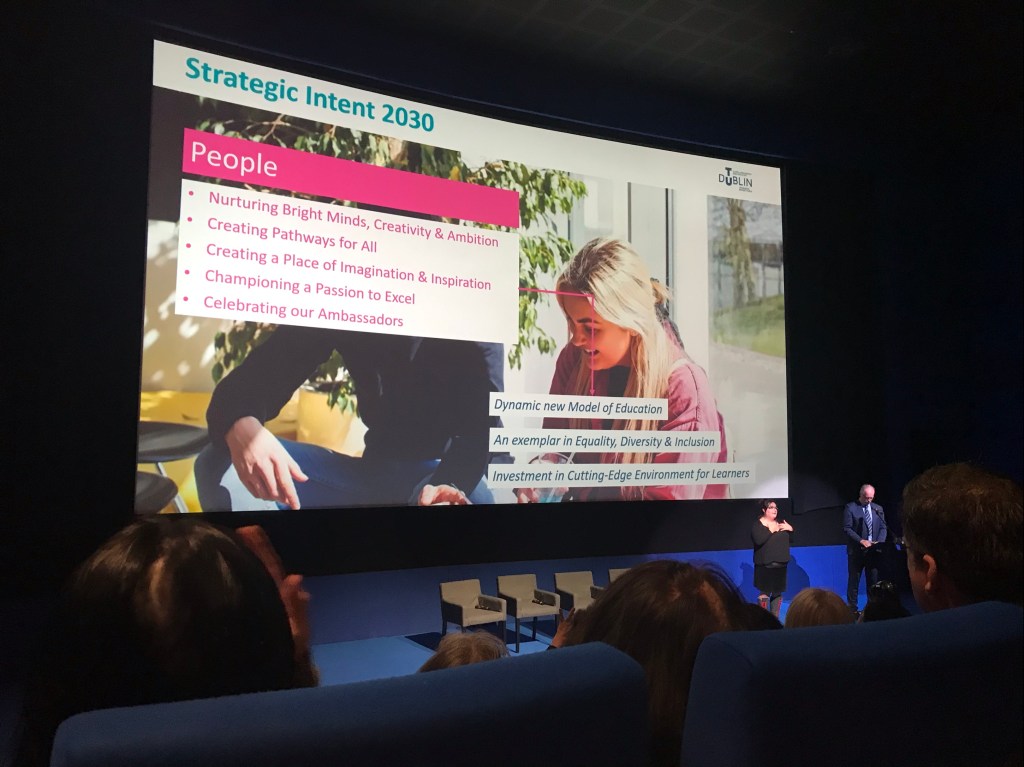
  1. The launch of TU Dublin’s new strategic plan
  2. A two-day conference on “Rethinking the Crit” in architecture and design education.
  3. Tech support workshops for staff on Brightspace and Agresso
  4. Personal wellbeing workshops for staff on insurance and personal finance.
  5. A planning sessions with our ever-expanding RoboSlam team preparing for Dublin Maker 2020 (June 2020) and our upcoming Engineering Your Future week (May 2020)

TU Dublin’s new Strategic Plan

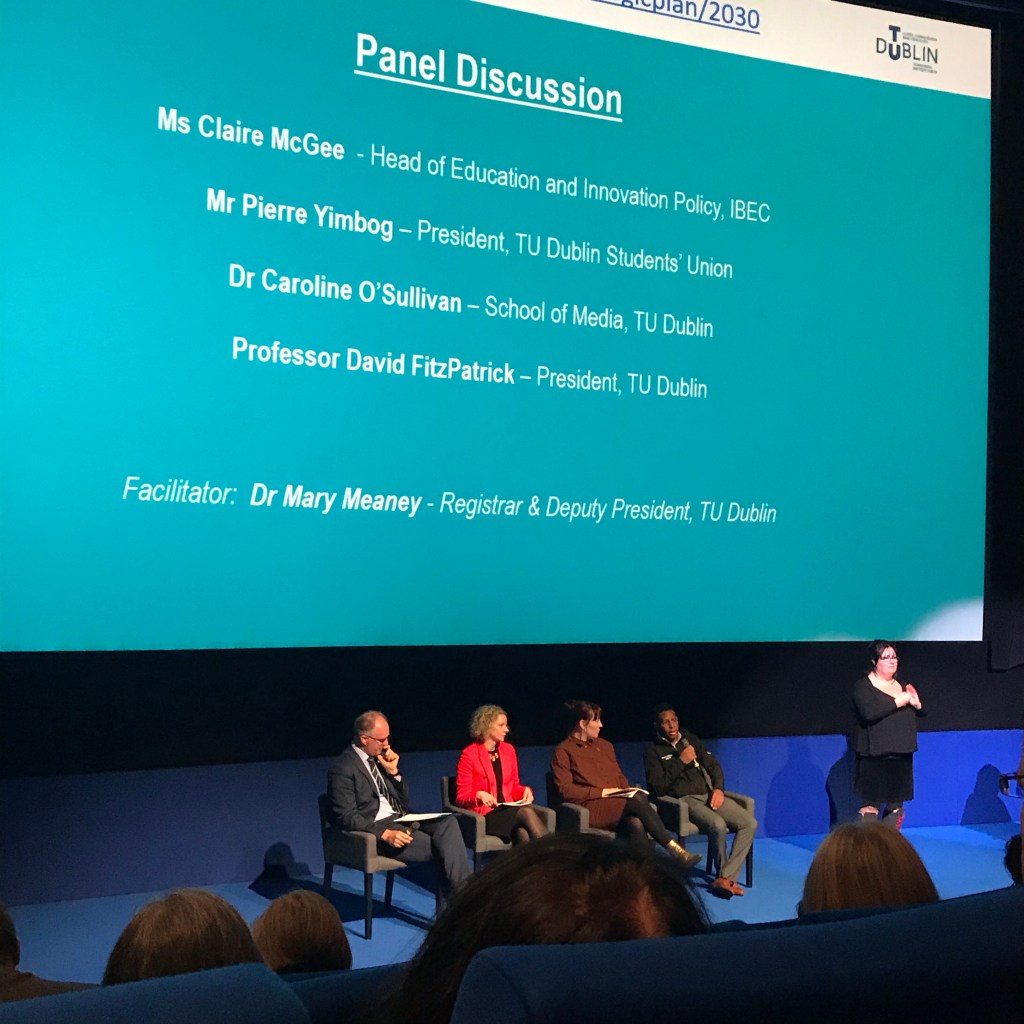
The unveiling of the strategic plan was quite well organized and inspiring. The speakers and panelists all did a great job explaining the shared aspirations of our academic community. I hope the details are as well done as the vision they presented.

Soon, I’ll read the plan and see how it matches up against the evaluation rubric I published back during my doc studies, which you can download here.

Chance, S and Williams, B. (2009). Assessing University Strategic Plans: A Tool For ConsiderationEducational planning: the journal of the international society for educational planning, 2009, 18(1), 38-54.

The take-home message of the strategic planning launch was that TU Dublin values diversity and inclusivity. The student voice was clear, strong and impressive. The leaders were well-spoken.

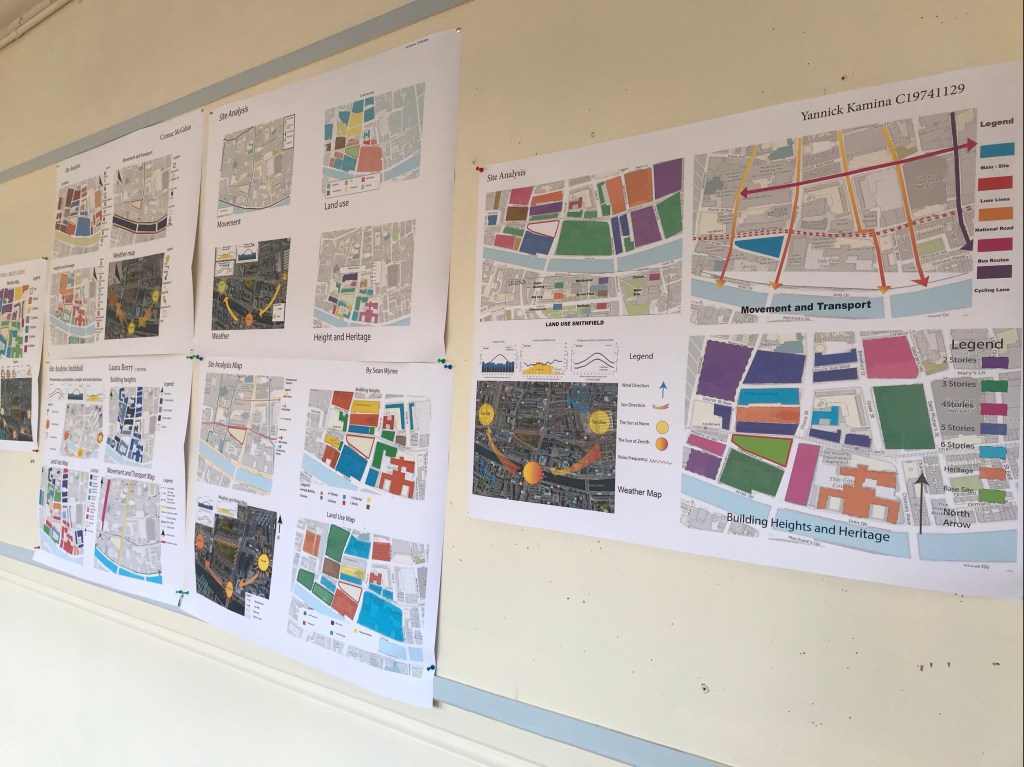
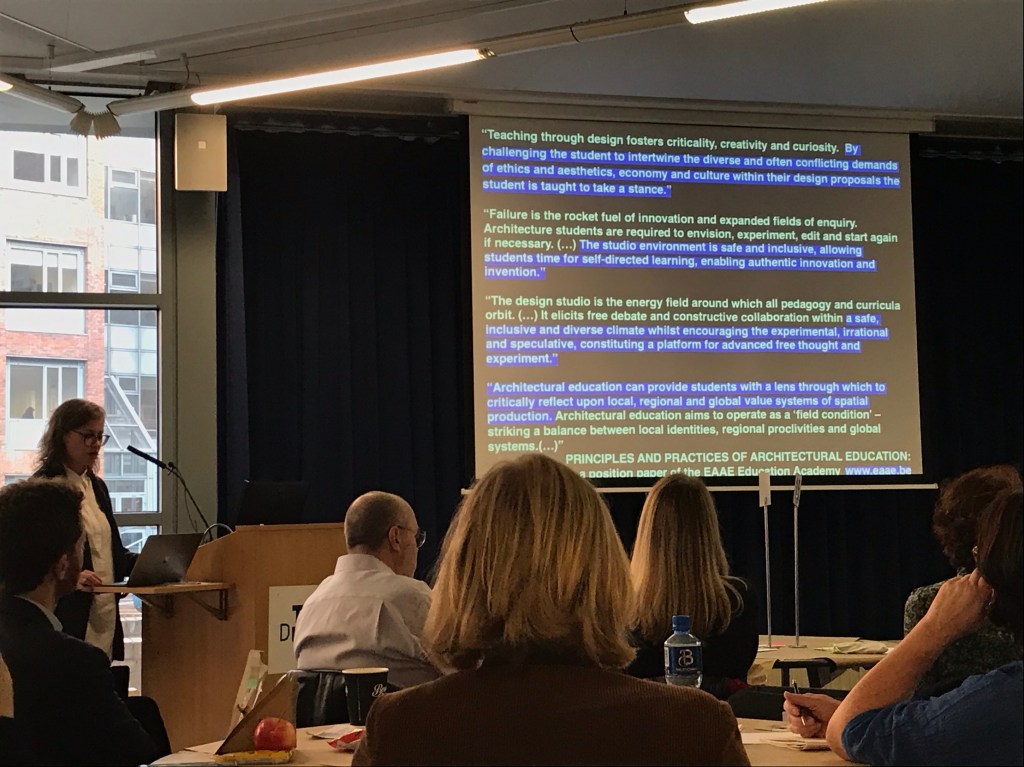
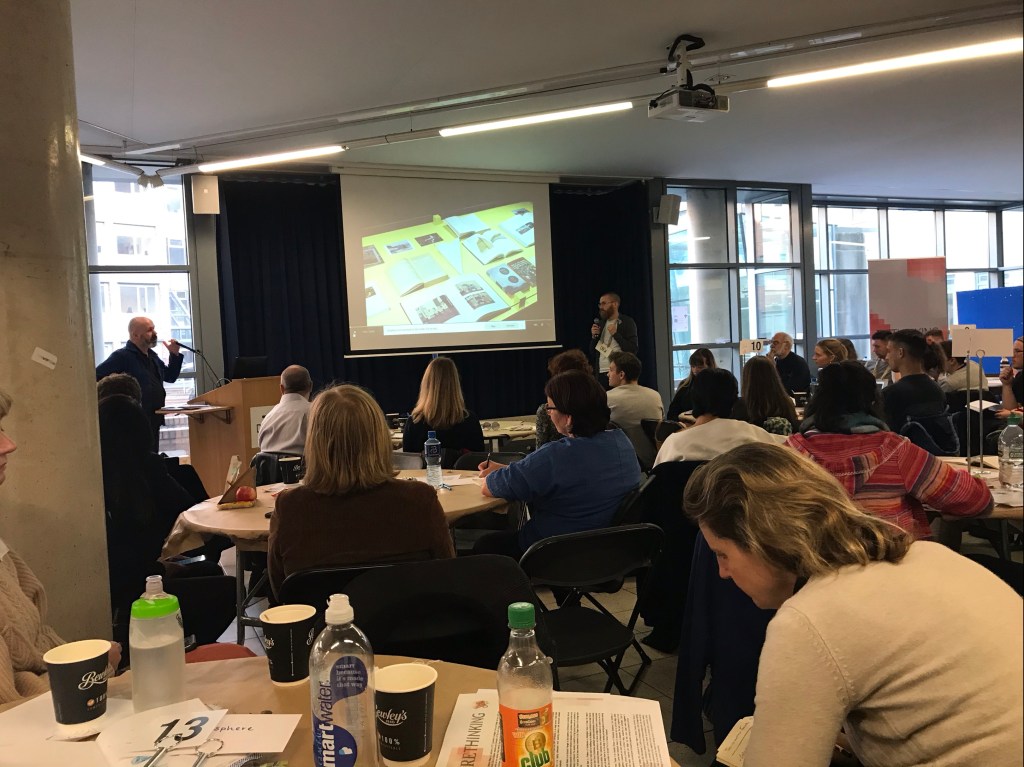
TU Dublin’s workshop on “Rethinking the Crit”

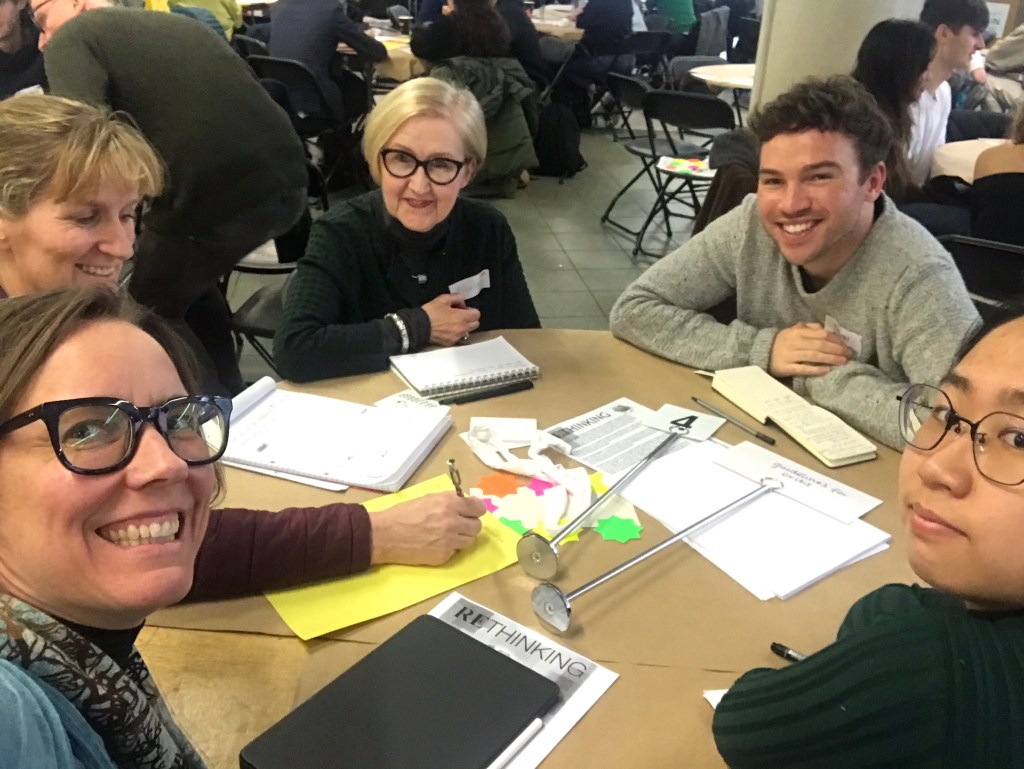
I attended a hands-on conference alongside architecture students from all over Ireland as well as teachers and critics from Ireland and abroad.

The workshop was organized by my College’s office for Learning Development, under the direction of Patrick Flynn, our Head of Learning Development. In many places, his role would be called Vice Dean for Academics, but DIT (the parent of TU Dublin) tended to do things its own unique way.

As I’m part of a team developing a brand new Architectural Engineering curriculum, this conference on how to improve the studio jury system was of great value to me. That Arch Eng course will graduate people ready for architecture licensing.

One of the presenters, Dr. Kathryn Anthony, literally wrote the book that got this conversation rolling: Design Juries on Trial. It was published in 1991 but there’s still a lot more uptake needed of her ideas across the globe. She collected data at Hampton University, where I used to teach, and at HU we used many of the techniques she proposed—with great success.

I hope to use techniques we discussed to help improve architecture education near and far.