Europe’s research framework encourages researchers to move around. The principle “Researchers in Motion” underlies most of research funded by the European Union through its individual fellowship and its international training networks. For instance, all Marie Curie fellows must move to a country where they have not been living (for at least 24 months of the 36 months proceeding their application date). The EU offers support to researchers in motion through EURAXESS. This includes a database of fellowship and job openings.
Although I am not currently funded by a Marie Skłodowska-Curie actions (MSCA) research fellowship, I am still benefiting from support received through my prior MSCA Individual Fellowship (2014-2016) and networks I first established as Fulbright Fellow (2012-2013). These professional relationships help me conduct research and share (or “disseminate”) my results and findings. For both of these fellowships, I moved from my home in the USA to Ireland to conduct research full-time.
My first trip to Portugal occurred during my Fulbright in 2013, when Bill Williams, a colleague I had met at a conference in Greece, helped me secure support from Portugal for Inter-Country Lecturing. Bill organized an itinerary for me where I visited five universities and delivered four lectures and workshops. During that trip, I fell in love with the country.
Now, whenever I have reason to visit Portugal, I find a way to tack on a weekend before or after my business meetings. I’ve also booked an upcoming summer holiday there. Please see my prior post about the research meetings and ASIBEI conference I attended in Portugal during my recent visit.
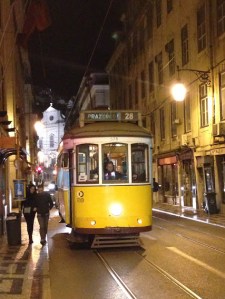
I research engineering and design education, and I now teach introductory engineering and architecture technology in Ireland. It’s important for me to keep current and build new knowledge related to engineering, architecture, art, and urban design — as well as educational theory and practice. Here are some images of relevant sites in and around Lisbon, taken during my recent trip to the Iberian peninsula:


The following photos were taken at the newly-opened MAAT (Museum of Arts, Architecture and Technology) in Lisbon:


Next to MAAT is the Tejo Power Station museum (a former thermoelectric power plant that once supplied power to Lisbon and its surrounding region):


The Calouste Gulbenkian Museum is another highlight of Lisbon:


 Brussels is a buzz with the look and feel of Christmas, and the festive smell of spiced wine, waffles, and even Raclette sandwiches. Since I’m here for the week to evaluate grant proposals for the European Commission, all hours of the day have been quite full. Fortunately, though, the schedule provided several evenings to wander the streets at will and soak in the holiday cheer.


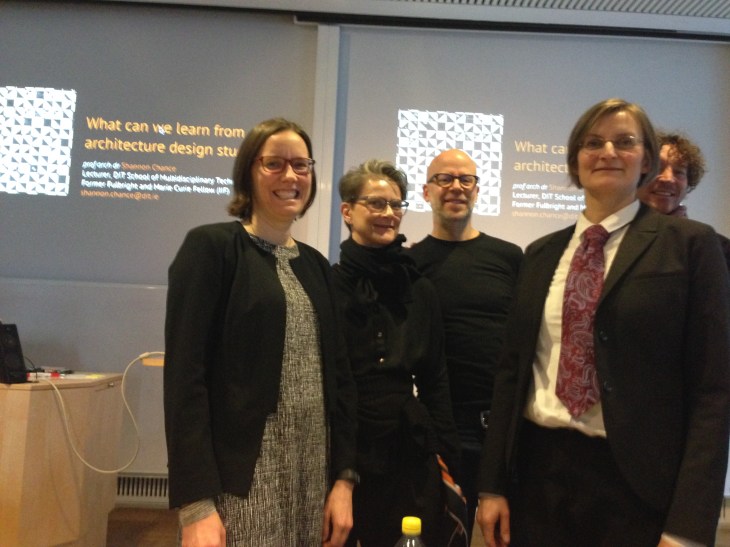


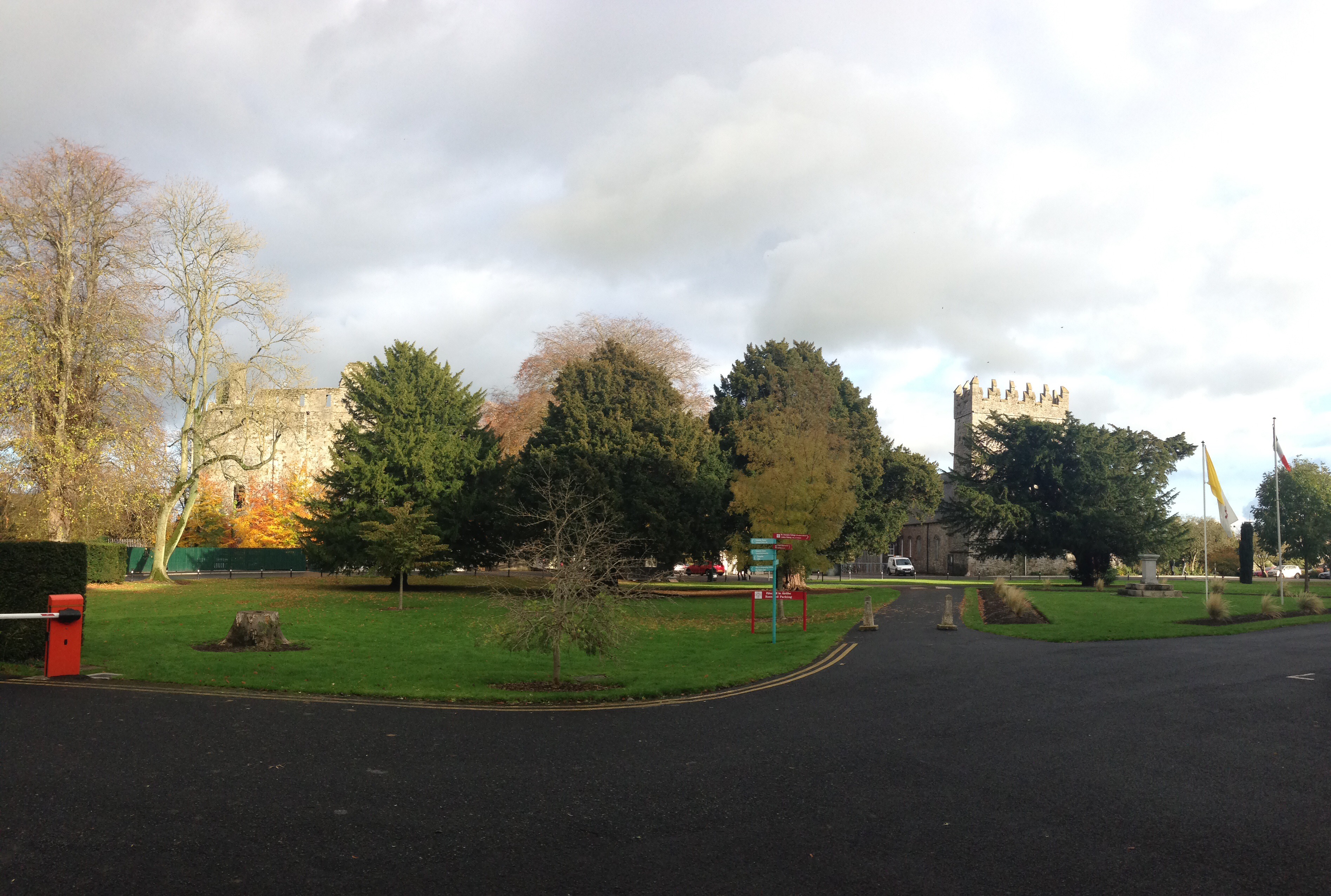
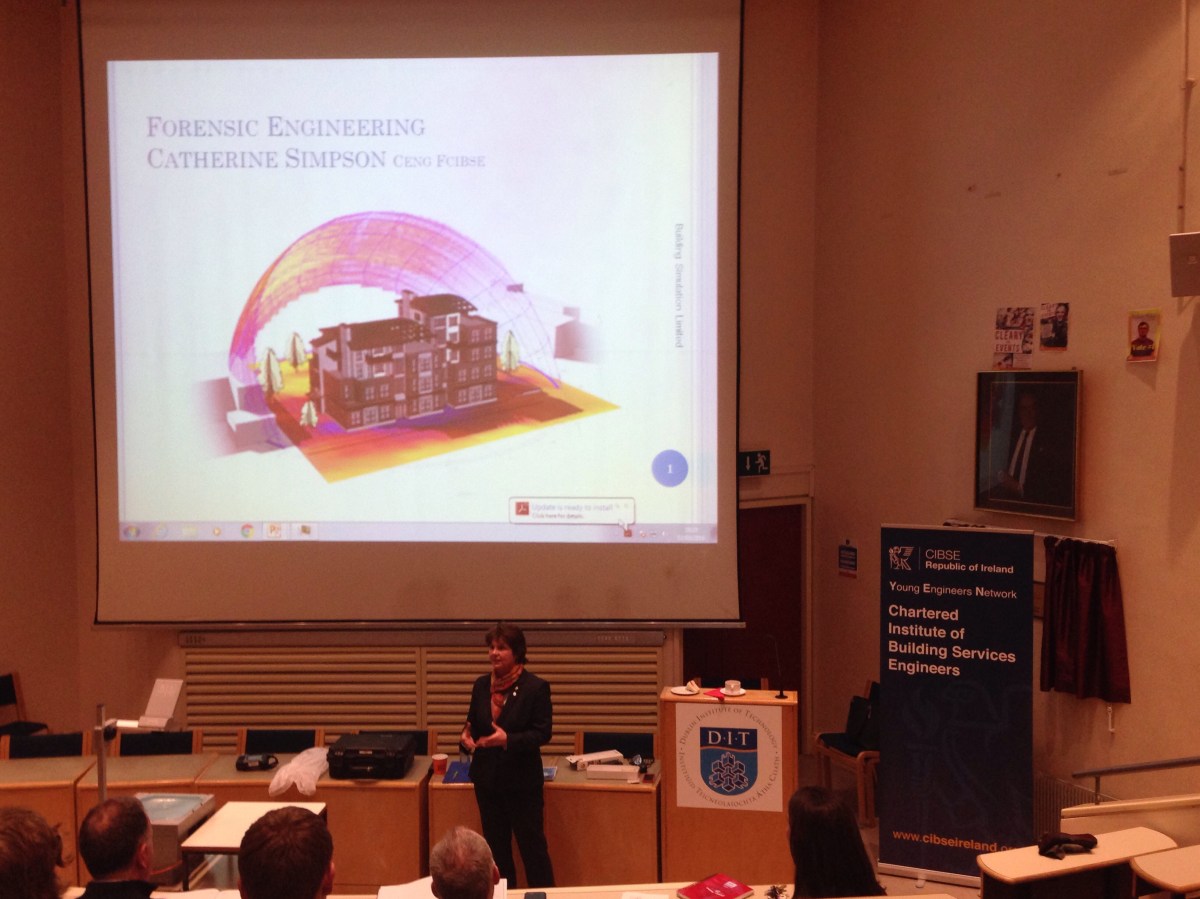
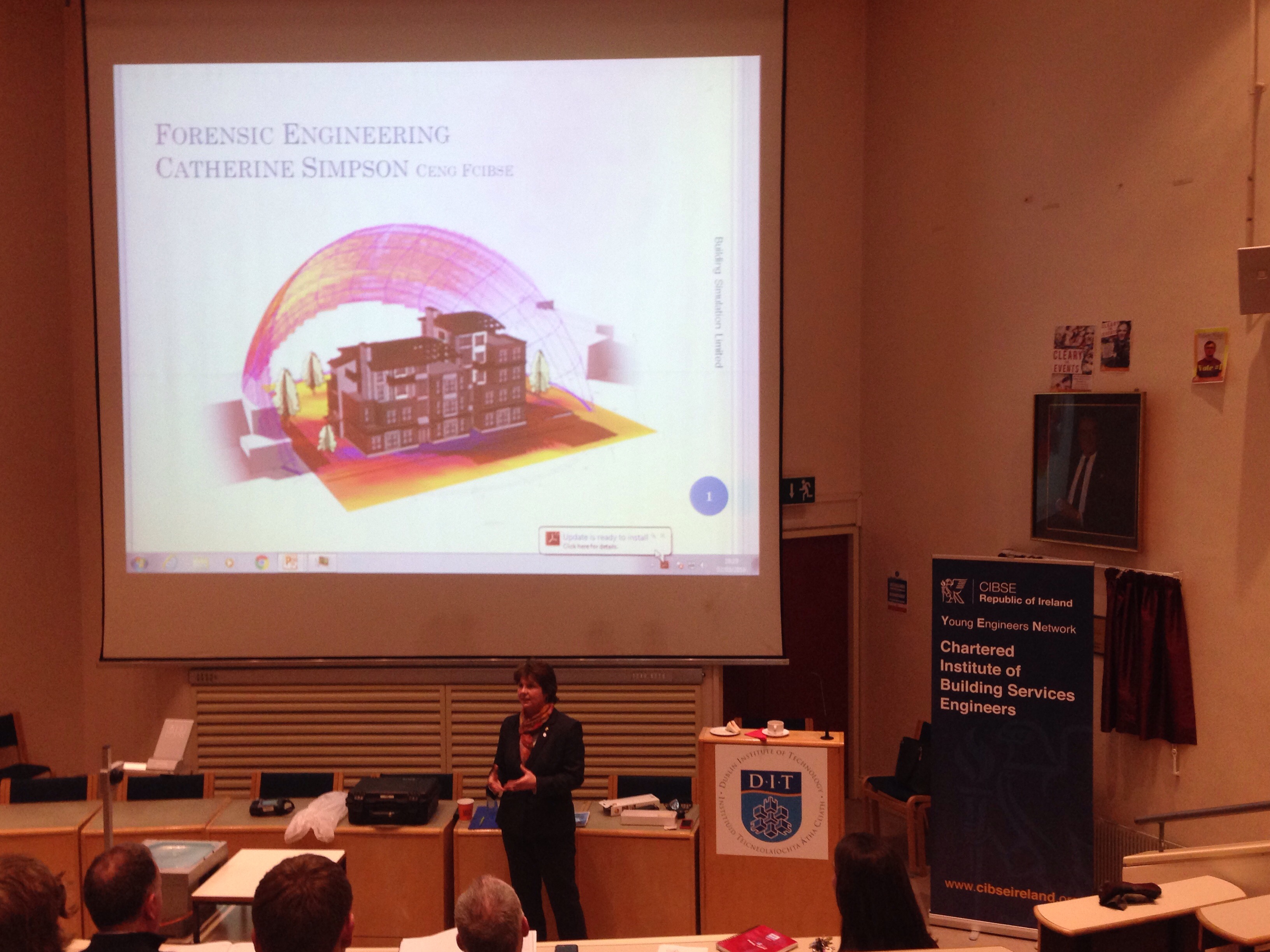
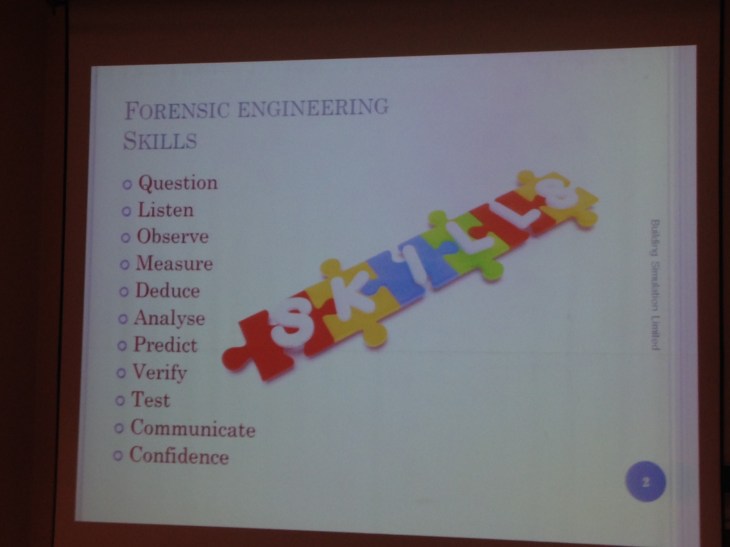
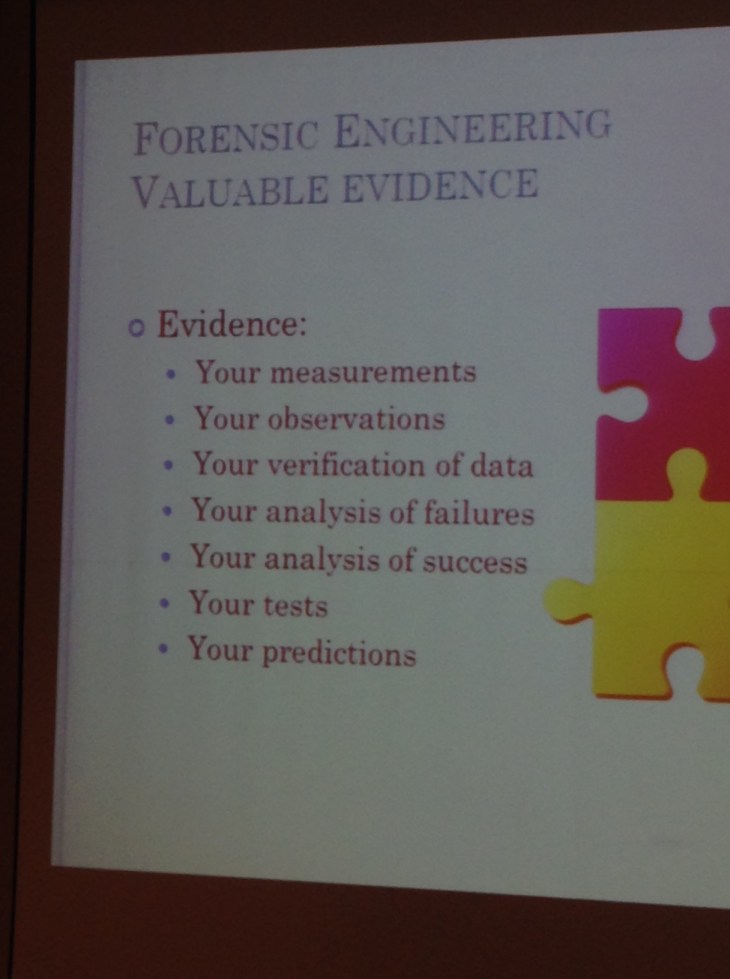
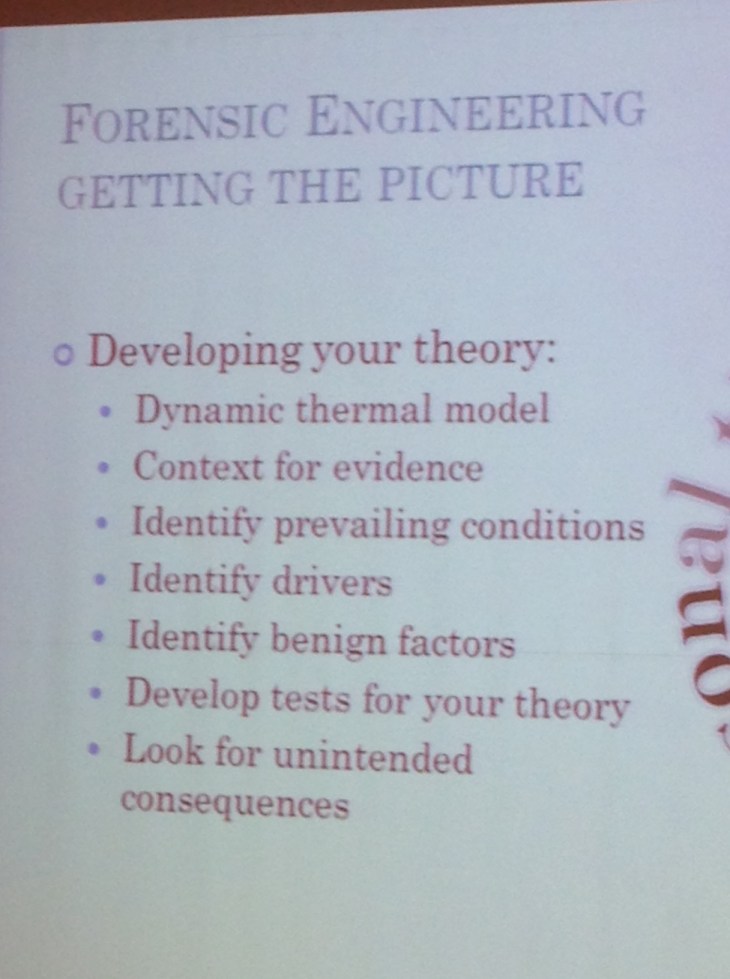
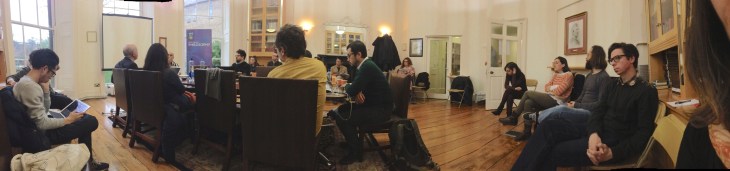
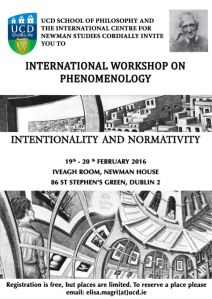 I joined a group of philosophers for a February 19-20, 2016

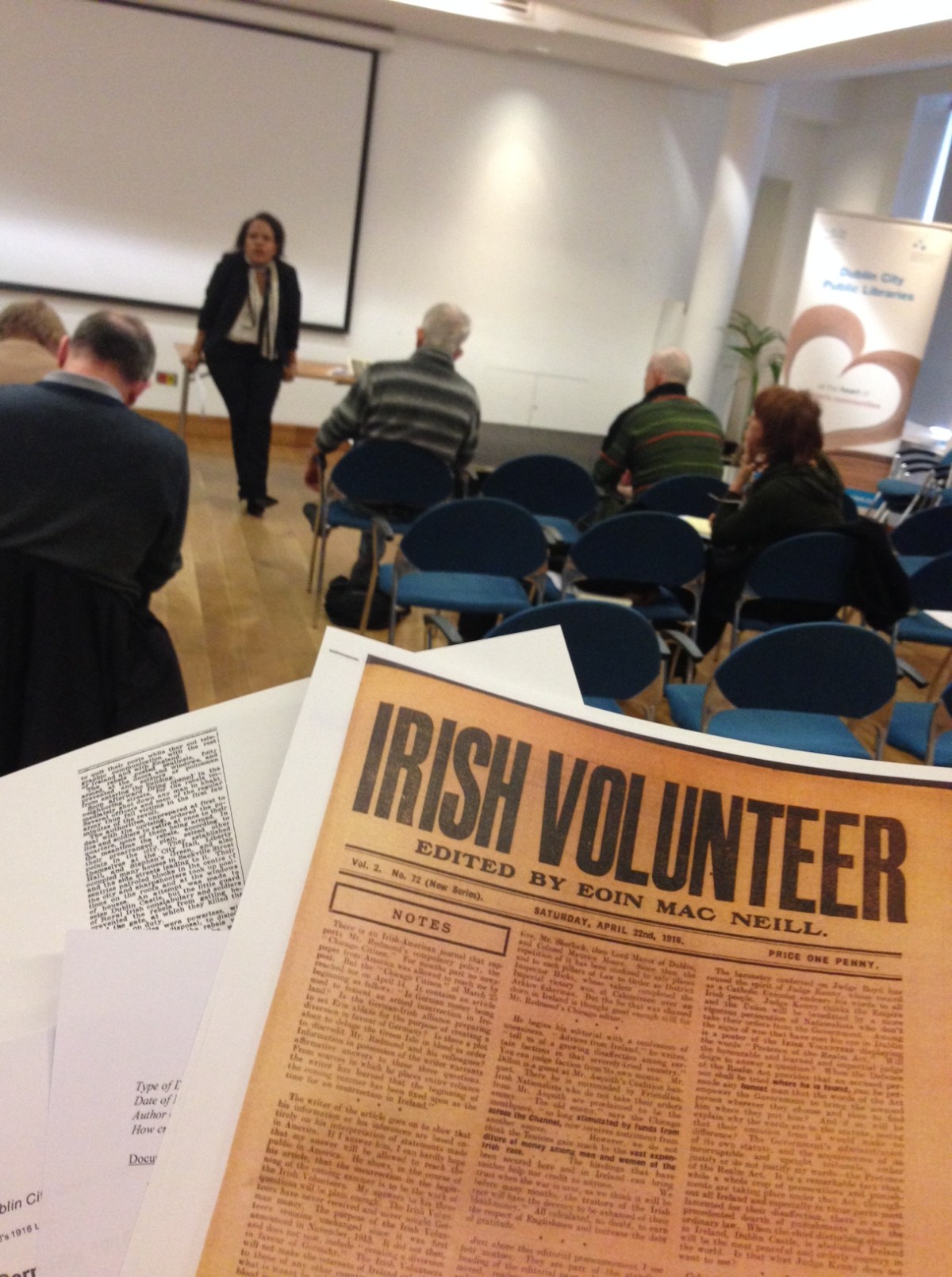


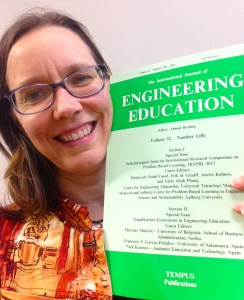 I’m celebrating the publication of a new journal article today, with the help of Sally O’Neill. She’s one of the librarians here at DIT, and she secured permission and posted the article on DIT’s website, making it


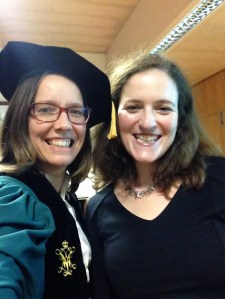 What an honor to be part of the day a young scholar gets her wings, so to speak, by earning her PhD! Last week I travelled to Lisbon to attend the viva (i.e., PhD defense) of Maria Alexandre Bacharel Oliveira Carreira. I had met with Maria on both of my two prior visits to the Instituto Superior Técnico at the Universidade de Lisboa. I really enjoyed watching her work unfold.
 After 2.5 hours of presenting her work and answering questions–posed by the panel of 6 experts (I myself had 40 minutes to talk about her work and ask questions of her)–Maria and her many family members and friends who had come to the event left the room. The panel discussed the merits of the work, deliberated, then invited Maria and the crowd back into the presentation room to pronounce her a PhD with distinction. We all went for a celebratory luncheon in the afternoon.