Meaningful moments in Mexico City: Coyoacán, Teotihuacán, Xochimilco canal boats, Barragan, Kahlo, and more!

My colleague Emma Geoghegan and I spent the most magical three days in Mexico City with the family of my PhD student, Sandra Ireri Cruz Moreno.

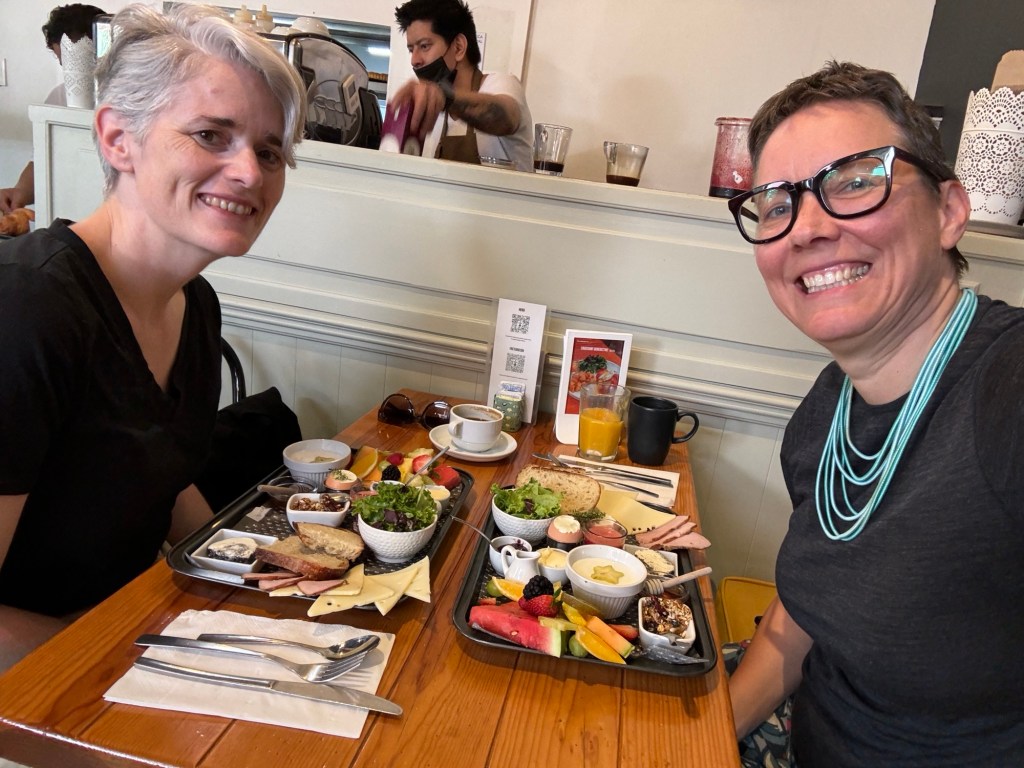
On Sunday morning, following the ASCA conference, a short night’s sleep, and a tasty “petite dejune” at a French cafe in Querétaro — and with organizational assistance from Sandra — Emma and I boarded a bus headed to north Mexico City.

Sandra and her family met us at the bus station. Sandra’s lovely dad, Jose, brought a second car to the station so our luggage could go directly to their home while we went sightseeing in the other family automobile.

That was both very thoughtful and exceptionally fortunate, because I had bumped into a colleague from the ACSA conference, Ayad from Washington State, at the bus station. I asked Sandra by text if we could invite him along with us for the day. Ayad wanted to see the pyramids and was having trouble arranging transportation. We managed to squeeze six people into the family car!

We arrived at Teotihuacán with two hours explore. The State of Mexico explains, “Teotihuacan is a vast Mexican archaeological complex northeast of Mexico City. Running down the middle of the site, which was once a flourishing pre-Columbian city, is the Avenue of the Dead. It links the Temple of Quetzalcoatl, the Pyramid of the Moon and the Pyramid of the Sun, the latter two with panoramic views from their summits.” (Although we didn’t make it to the Museum of Teotihuacan Culture in time to see the artifacts that “include pottery and bones,” I was able to see these type of artifacts later in my trip.)

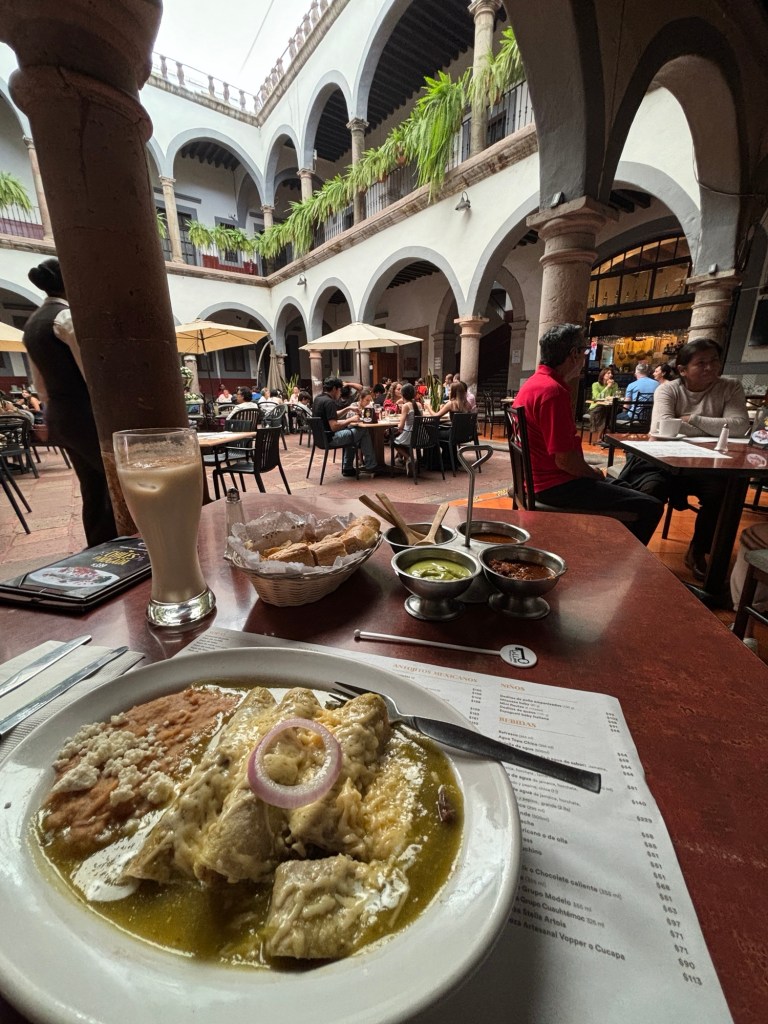
As the pyramids closed for the day, our merry little band headed for a nearby cave restaurant, applauding Sandra’s magnificent planning skills. Our meals arrived in clay pots. These and the guacamole were tasty and delicious! The restaurant staff explained the spiritual beliefs surrounding the place and we lit candles in honor of our ancestors.

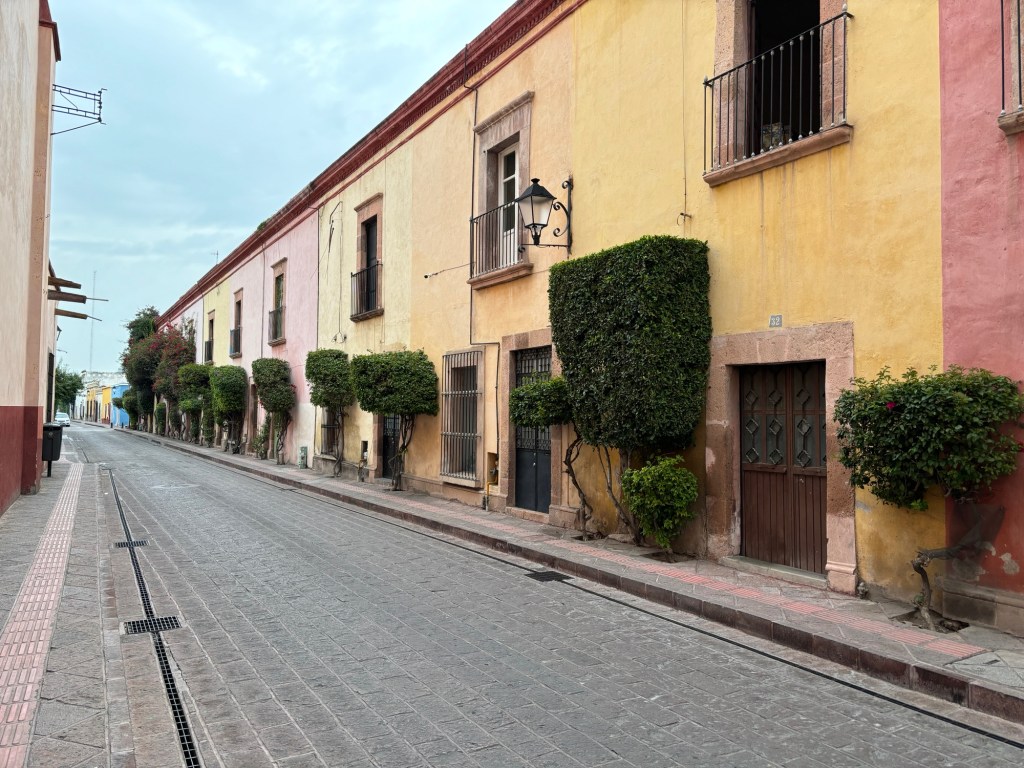
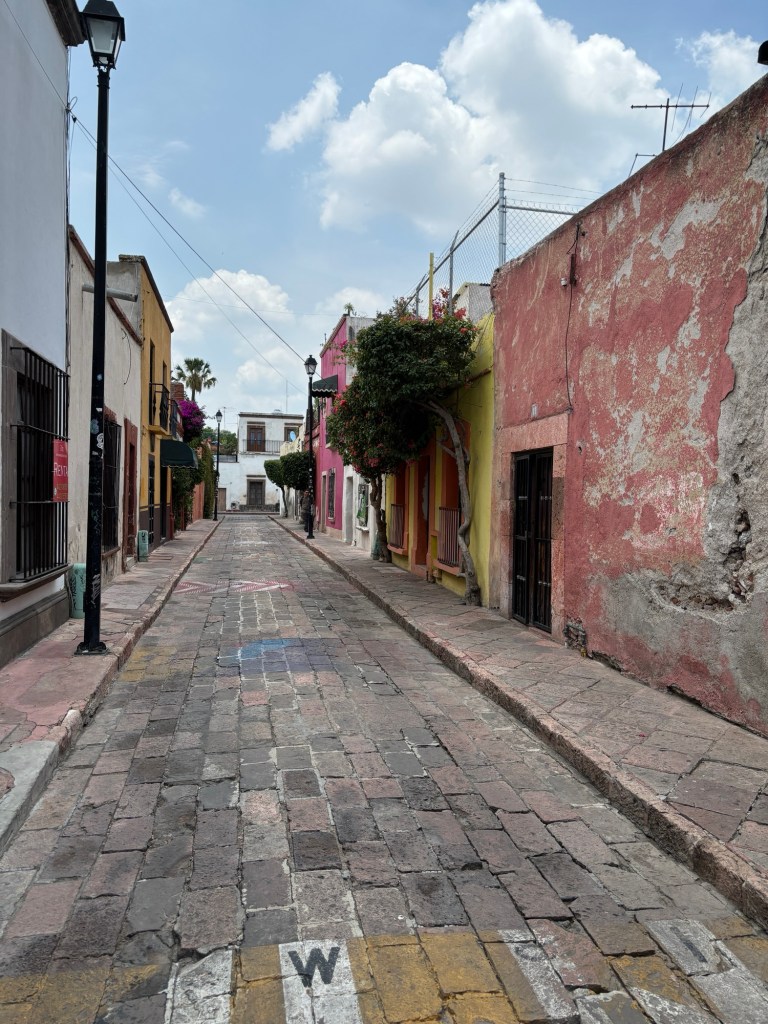
Dropping Ayad at his hotel, we proceeded to Sandra’s parents’ home in a neighborhood of Coyoacán, where Emma and I spent three nights. It was lots of fun getting to know Sandra’s family and learning about Mexican culture!

Everyone in the family is vivacious and full of joy. They enjoy sharing food and conversation and learning about other people. We had many meals at home with (papa) Jose and (mama) Vice (ve-say). Staying in their home and getting to know them was a rare treat!

On the second day, Sandra and Jose brought us to tour Luis Barragan’s home and studio. We thank our TU Dublin colleagues for insisting that we visit some Barragan projects! His home and studio are stunning and so well connected to the landscape. Immensely peaceful and beautifully furnished. The spaces and threshold conditions are truly breathtaking. This ranks at the top of all houses I’ve visited, an assessment shared by Emma.

The garden across from the Barragan house was also stunning. We visited it before the house tour, after a brief walk around the neighborhood.

Following the house visit, we toured the central city by car, enjoyed lunch at a vegetarian restaurant with Jose and Sandra, drove past the Palacio de Bellas Artes, and visited the Plaza of Three Cultures with ruins of Aztec pyramids and a colonial church built from stones taken (stolen) from it.

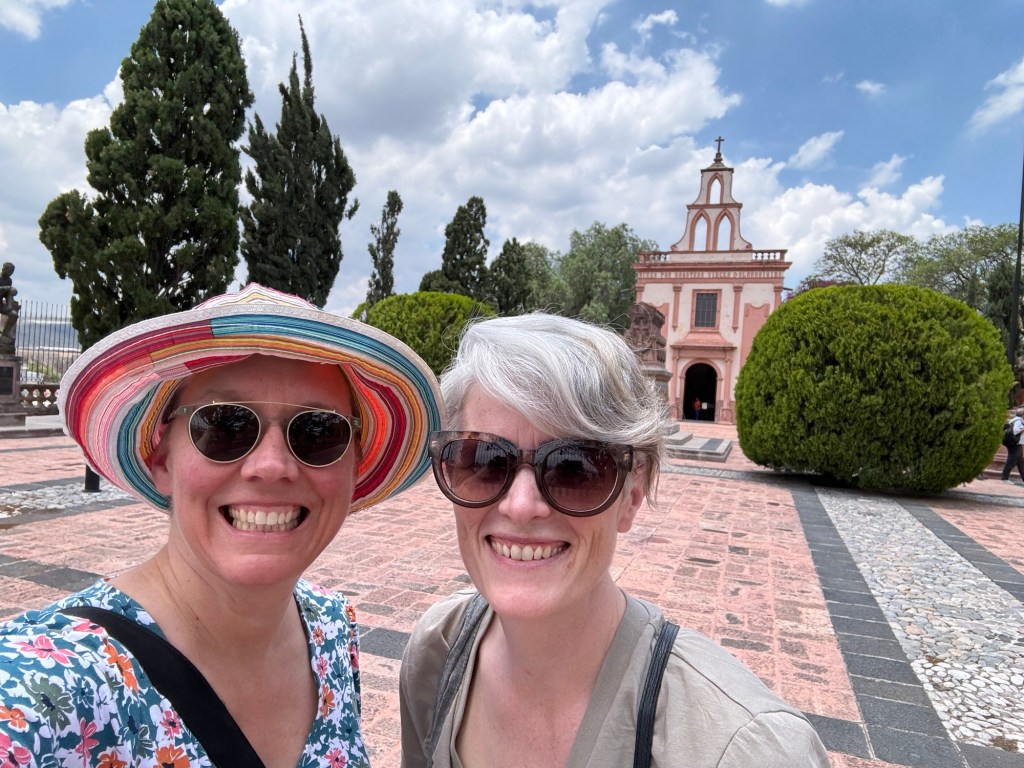
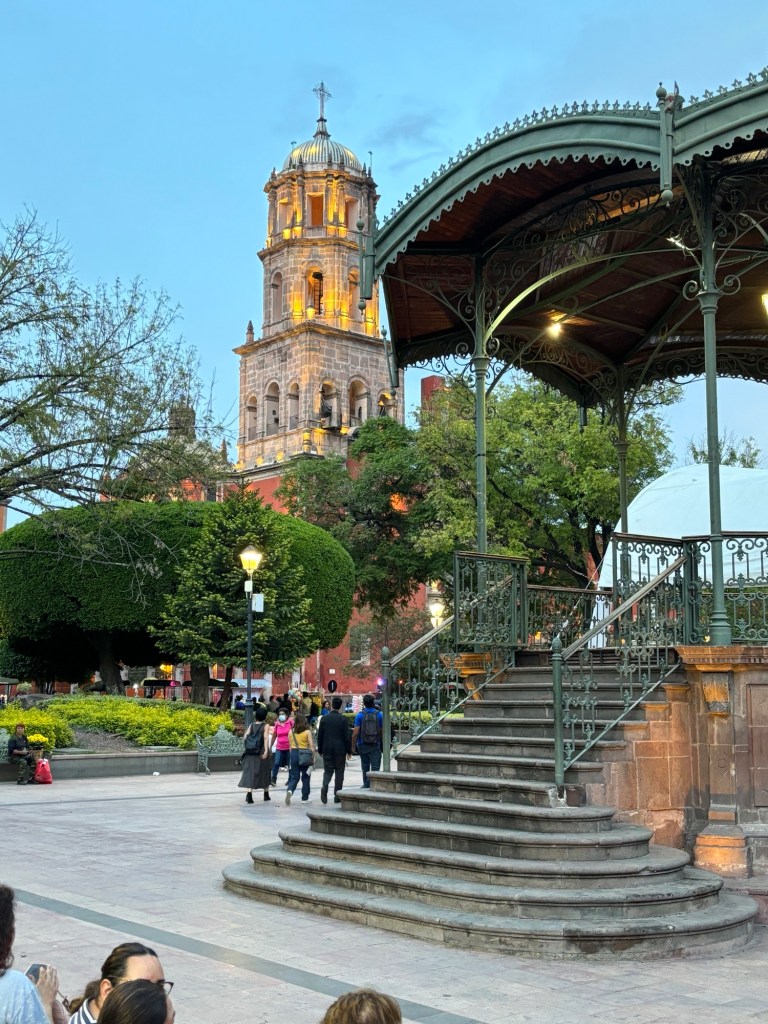
After resting and catching up on work a bit at the family home, we went for a meal out in the center of Coyoacán, the “Coyote place,” where Frida Kahlo lived her early and late life. The town has lovely, spacious, bench-filled, and festively illuminated public plazas and we enjoyed tacos and mariachi. Sandra even danced for us! Being surrounded and serenaded by seven musicians and a dancing sociologist was a truly remarkable experience!

At every step, Sandra navigated the way and cheerfully achieved her ambitious plans to make our visit seamless and deeply meaningful. She has a charming way of convincing people to help find a way where needed, and that proved immensely valuable.

For each morning of our stay, breakfast was an elaborate family affair, with all members of the family cooking and chipping in to (1) care for baby Nicholas (who turned 20 months old on our final day here) and (2) feed two curious foreigners with a wide array of Mexican food types.

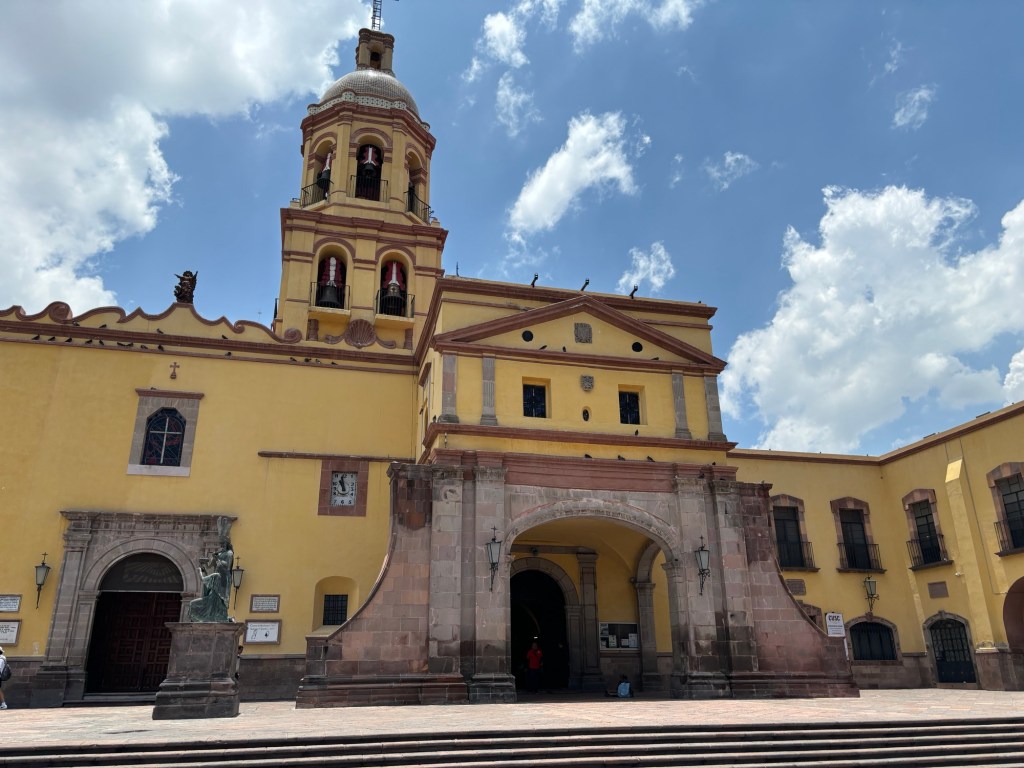
The meals and the camaraderie were remarkable. Sandra, her husband Carlos, and her parents all have such passion for learning and sharing. Emma and I absorbed many valuable lessons about the diverse language and cultural groups in Mexico, and about pre-Colonial Mexico, Spanish colonialism, and the blending overtime with Mexico’s indigenous peoples. (Querétaro where we’d been for our conference, has many spectacular colonial buildings, for instance, but also benefits from local culture pre-dating the area’s invasion by Spain.)

In the cracks and crevices of our stay, Emma and I managed to keep our work on track, too. I had a meeting with colleagues at University College London and Newgiza University online Tuesday morning. I also managed to submit a couple peer reviews that I’d completed while flying to Mexico.

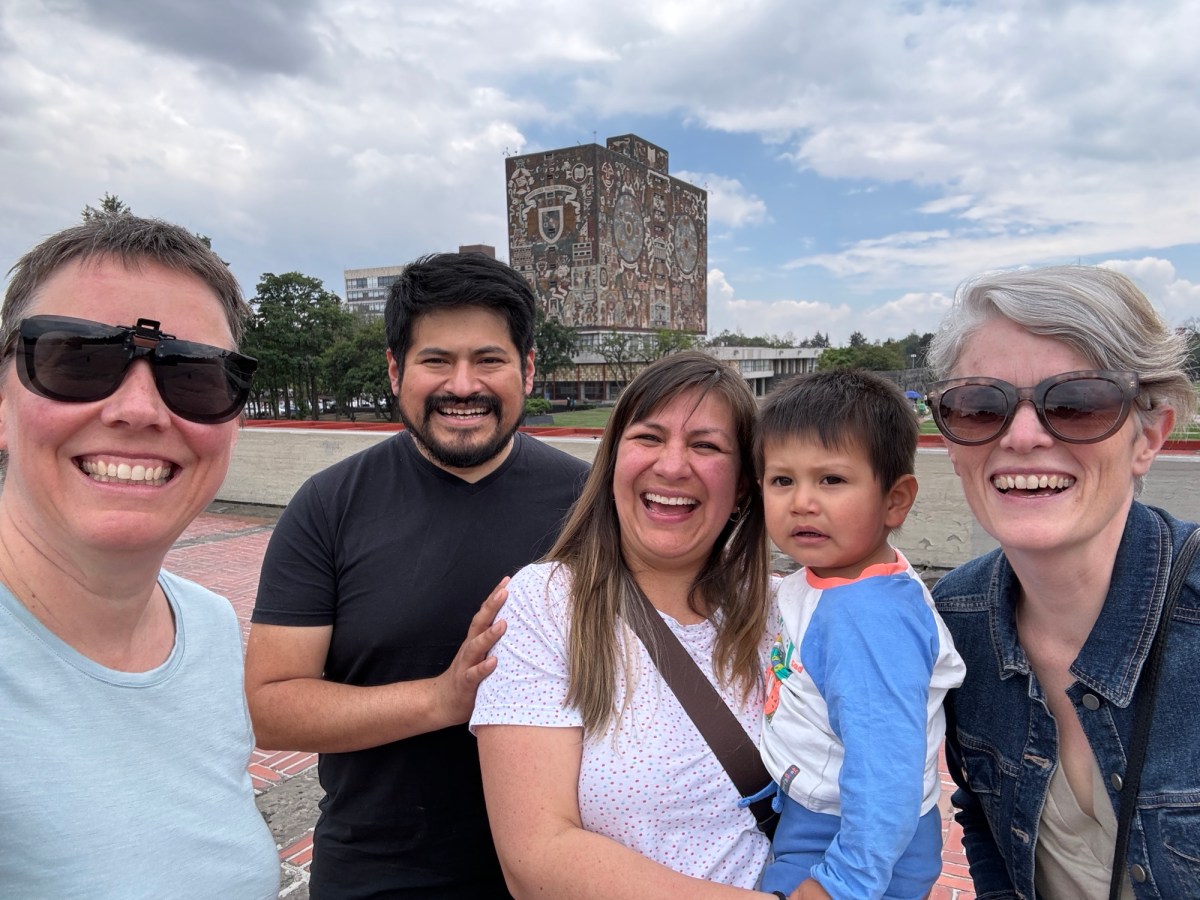
On our final day in Mexico City, we headed with Carlos, Nicholas, and Sandra to the UNAM university campus (where our colleague Dino from the ACSA conference is Dean of Architecture). Both Sandra and Carlos studied on this campus.

UNAM has 300,000 students—just imagine that! They have a famous library building by an Irish-Mexican architect, Juan O’Gorman. There were many tourists and tour groups visiting the exterior of Gorman’s library building while we were. And although the campus buildings were closed for break, there was plenty to enjoy with the lively facades, architectural forms, mosaics, and well-kept grounds. These were lovely to behold.

The largest faculty at UNAM is philosophy and all the students seem socially motivated. The art on campus reinforces this theme of social activism. And it resonates with Sandra’s dad, a retired sociologist, as well. Incidentally, Sandra’s mum is a retired doctor and their house is above her former clinic. Their home and neighborhood were very interesting to see!

After touring campus, we visited the San Angel neighborhood to see three houses designed by Juan O’Gorman. One was for himself, and the other two (joined by a bridge) for Diego Rivera and Frida Kahlo. The two artists lived in separate houses, joined only by the roof-level bridge, three stories in the air. This pair sits on a lot beside O’Gorman’s own home. The three make a nice assembly. They’re in an upscale neighborhood and fenced off with an aesthetically pleasing row of cacti.

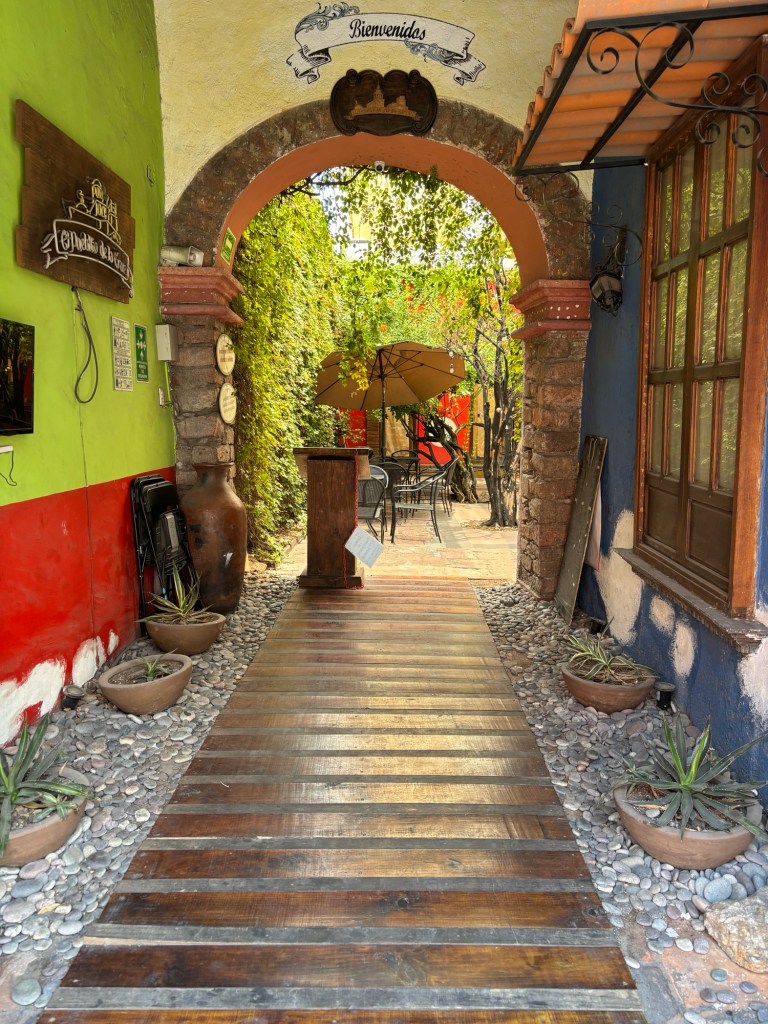
Next, our hosts brought us to a former-courtyard house designed by Luis Baragan that has been turned into a restaurant. The most dramatic feature was the glass floor, providing views into the volcanic terrain below the house. There’s also a large yoga room in the complex that I’d love to give a try!

We wrapped up the day with a visit to Xochimilco Ecological Park next to Coyoacán, near the home of Vice and Jose. In the park, we took a ride in a colorful flat-bottomed boat.

Then we walked around and visited a demonstration garden that uses pre-Spanish technology for growing produce and flowers. Mexico City is on land reclaimed (infilled) from lakes. Xochimilco still has its lake, whereas the other lakes are entirely gone—which has created havoc for the water table and aquifers of the area.

In order to farm on water, ancient inhabitants developed floating gardens atop mat-raft foundations covered with soil. Early examples of this construction type were rectangle-shaped floating gardens separated by canals for transporting goods to market, although this demonstration garden is fixed in place and circular in form. Nearby are thousands of booths of flower sellers who still cultivate the land and water.

Because the park closed, we headed home and had light dinner with the family.

The next morning we enjoyed one final, magnificent breakfast with our hosts. Then Carlos, Sandra, and Nicholas drove us onto our next adventures.

They saw me off from the Mexico South bus terminal and Emma from the international airport where she flew home to join friends and family for a trip to one of Ireland’s Aran islands.

What spectacular and heartfelt memories Emma and I now bring with us — these experiences will enrich our work as architectural educators, researchers, program leads, and curriculum developers. We are grateful to Sandra, Carlos, Vice, Jose, and Nicholas for sharing their lives with us!
Studying architecture in Mexico with Emma and ASCA

I spent last week exploring architectural topics and sites in Mexico, alongside my TU Dublin colleague and Head of Architecture, Emma Geoghegan.

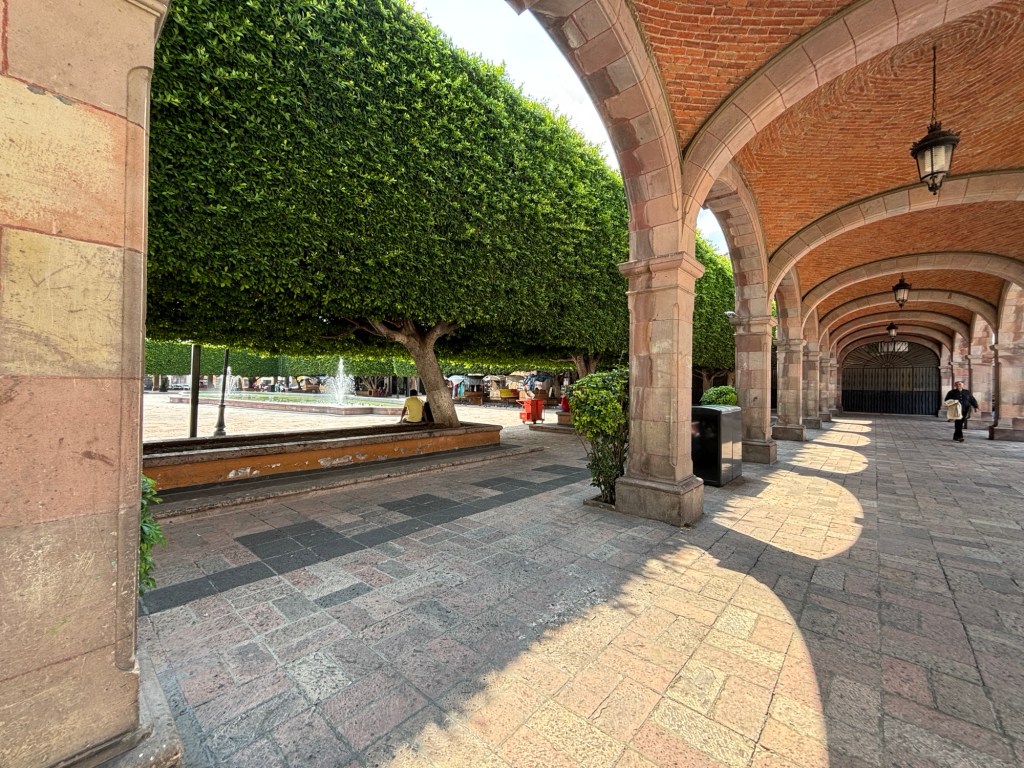
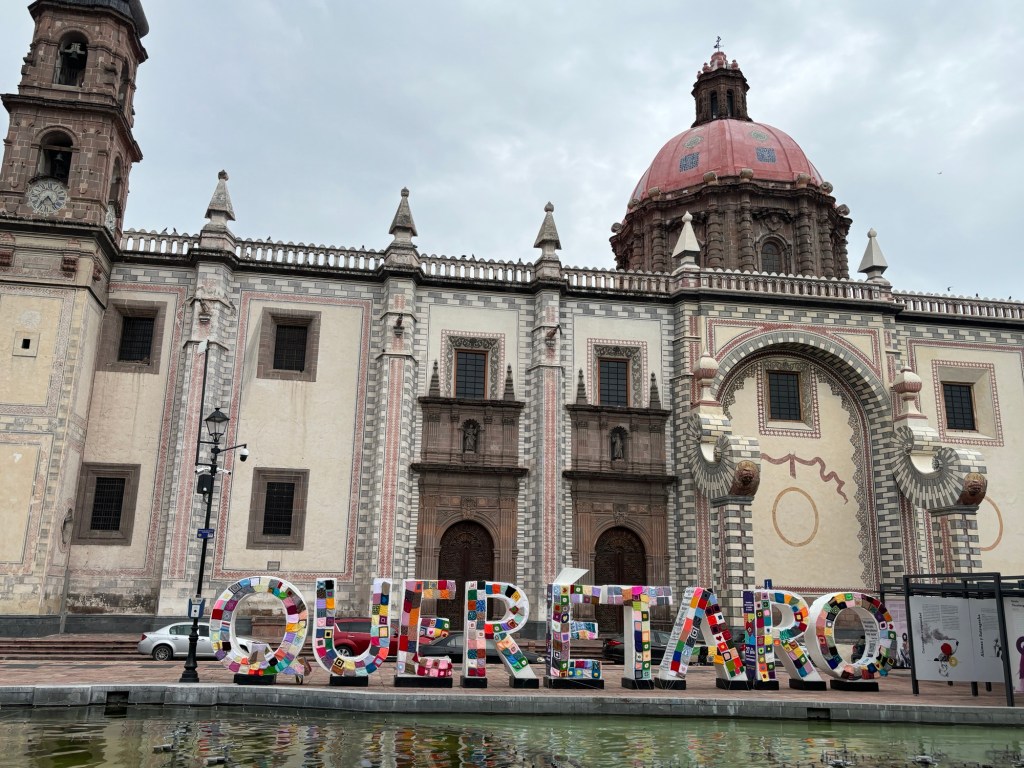
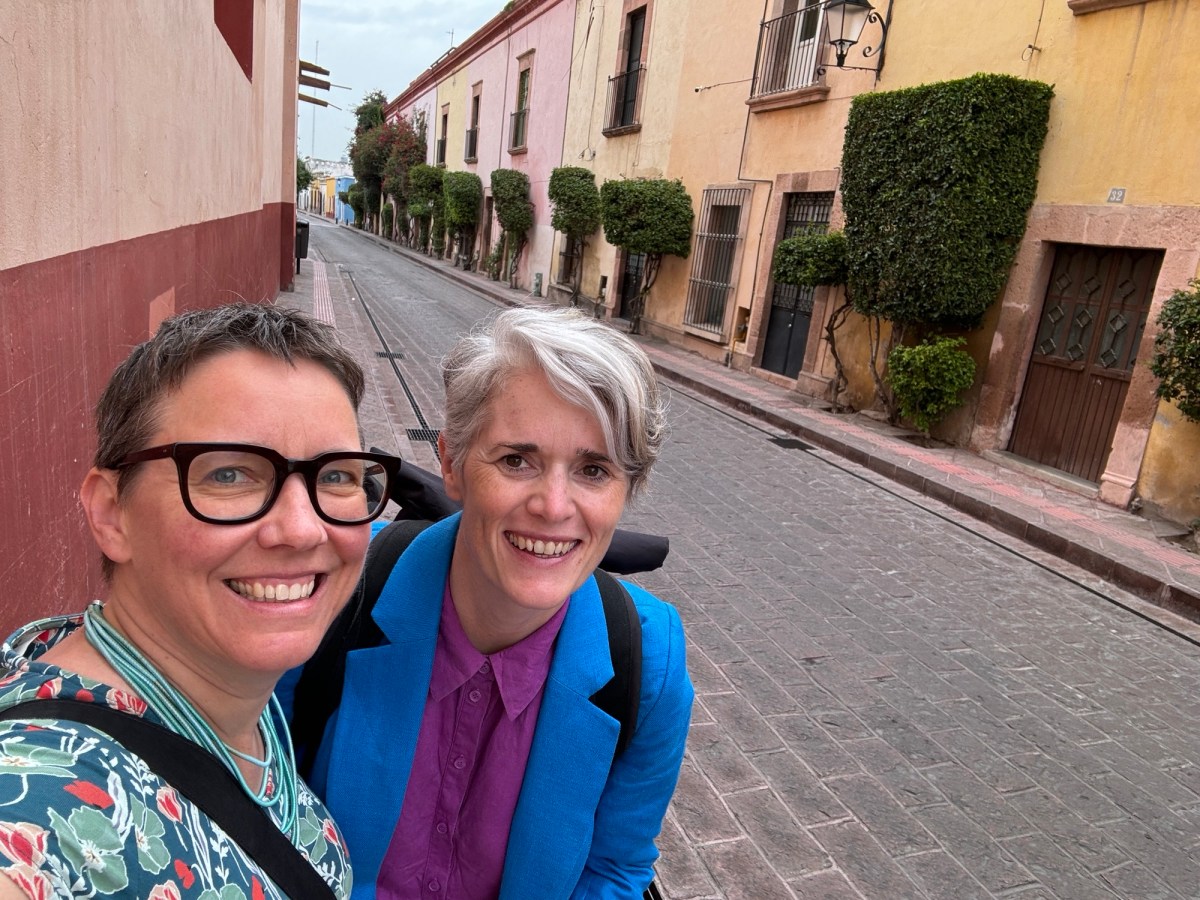
Emma and I met up in Mexico, to attend a three-day conference in Querétaro, a UNECSO world heritage city and one with a population similar in size to our home base of Dublin, Ireland.

The conference was hosted by the Technológico de Monterrey and the US-based Association of Collegiate Schools of Architecture (ACSA). I was a member of ACSA from 1999-2014, when I taught architecture in the States. I have represented ACSA with the National Architectural Accrediting Board (NAAB) and am still invited to serve annually, though the trip to the USA is prohibitively long.

Yet, this summer, I wanted to attend the organization’s conference to reconnect with ACSA, brush up on my architectural vocabulary and earn continuing education credits to support my Virginia-based architecture license, extend my professional network into Latin America, and learn more about the homeland of my PhD student, Sandra Cruz.

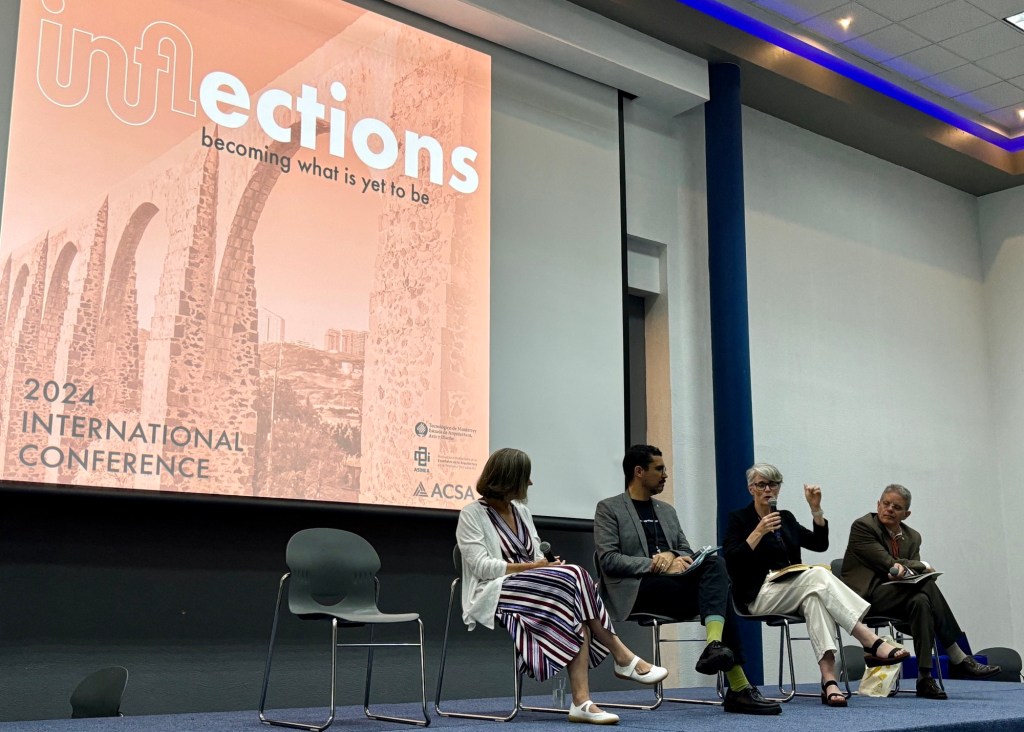
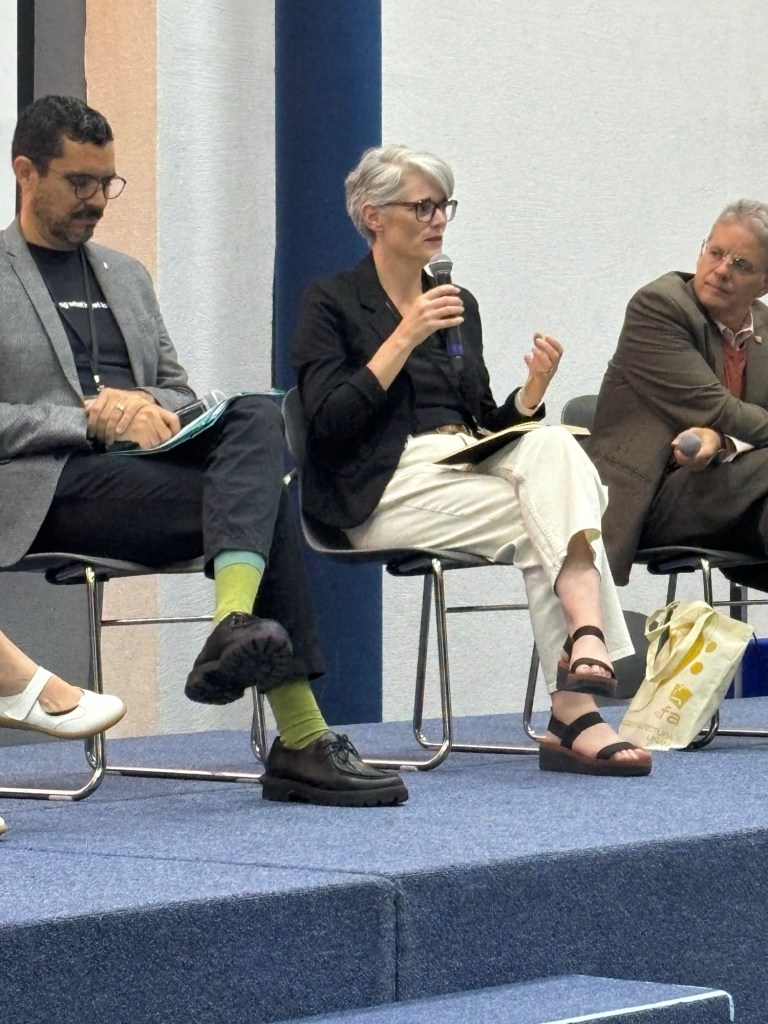
I asked Emma to join me for the trip, and she submit a paper to ACSA that was successful and, subsequently, very well received! Based on her submission, she was also invited to serve on an international panel of architectural education leaders (administrators and deans). She presented her ideas to the entire assembly of this ACSA International conference!

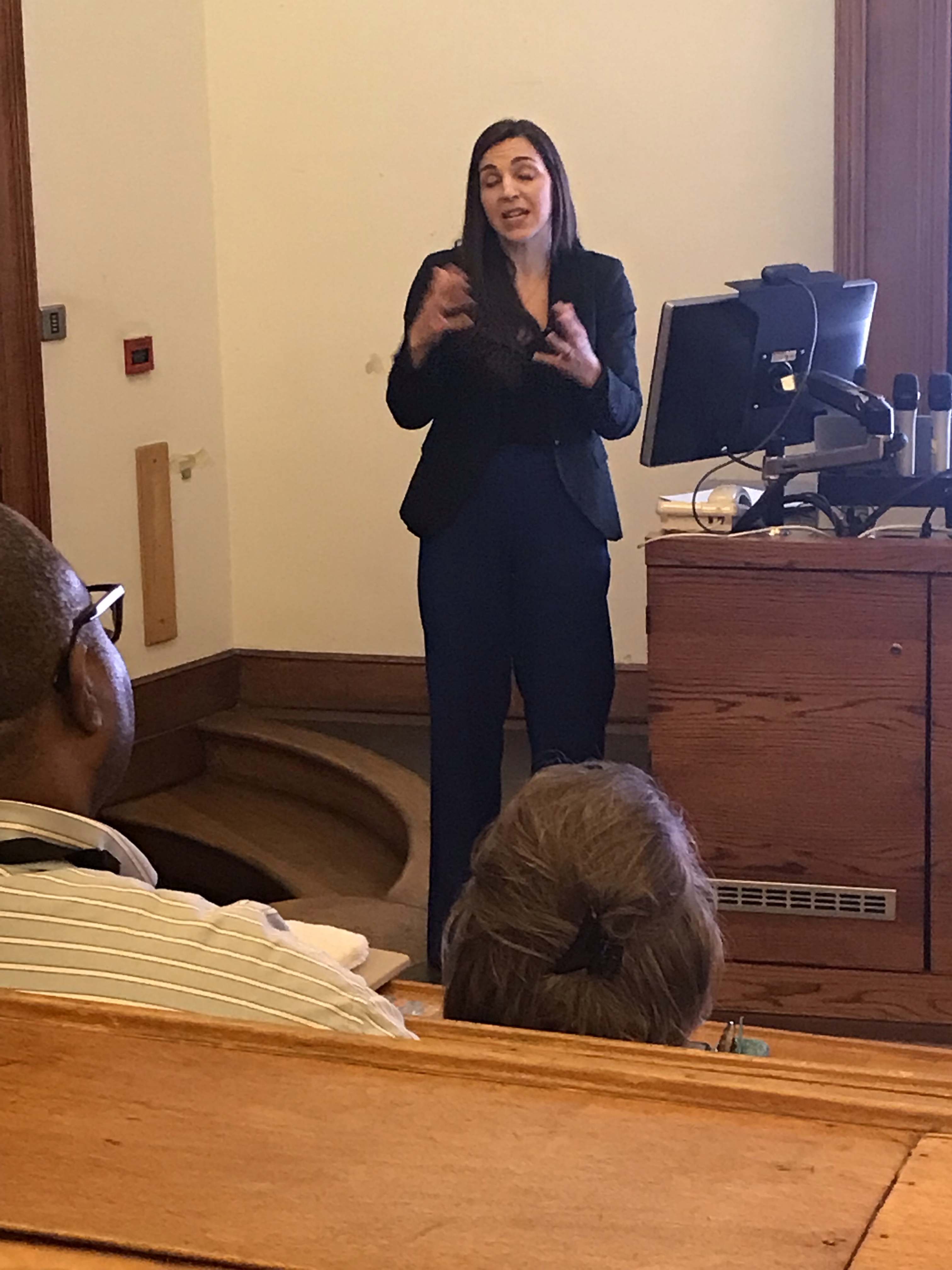
Emma’s work and her engaging delivery were a hit in both sessions. Her paper presentation garnered a packed, standing-room only, no-more-space-to-enter-the-room crowd. This was likely due to the popularity of both her engaging panel discussion and her paper topic (educational transformation for resilience and long-term sustainability, with a focus on housing and environment).

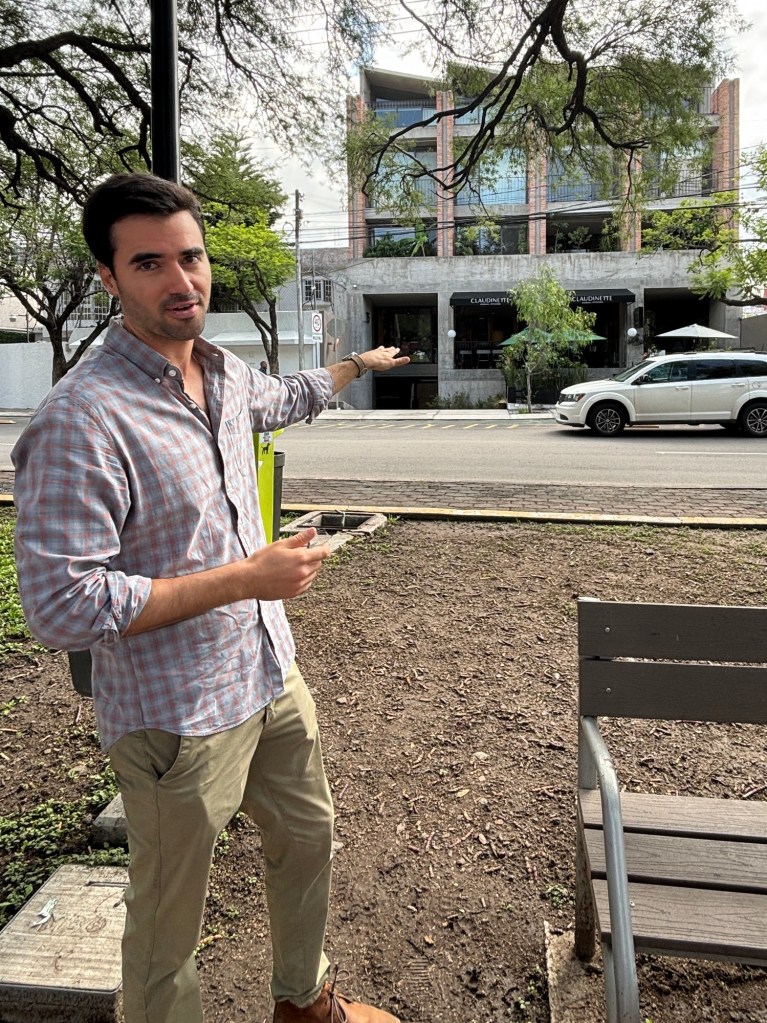
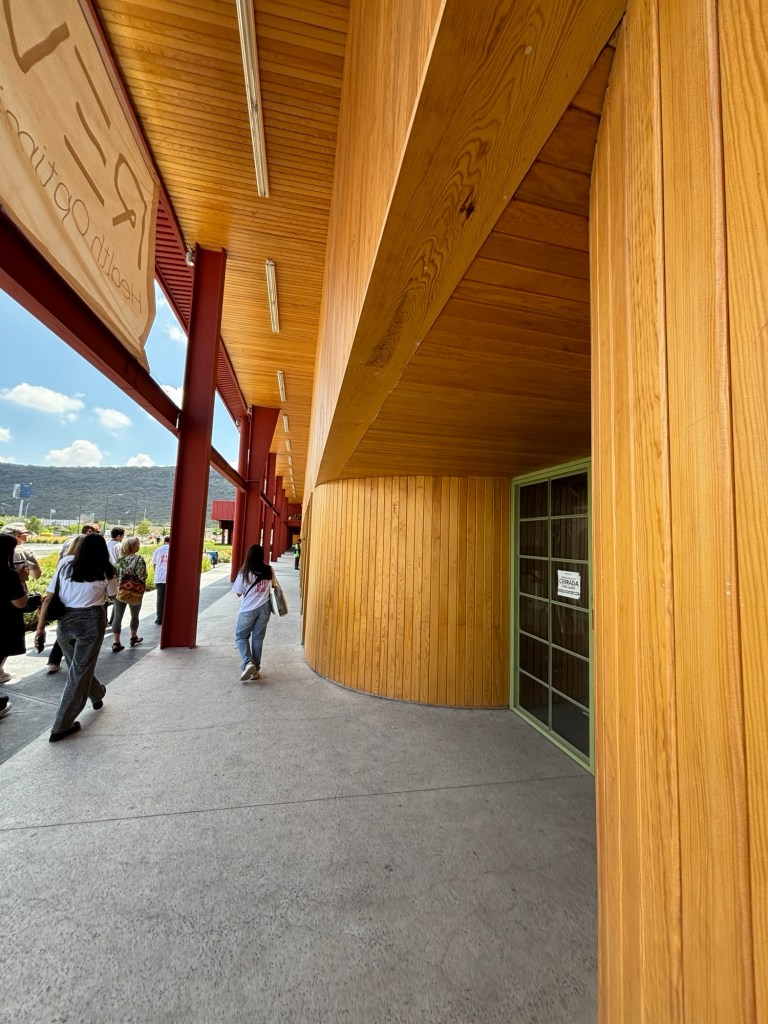
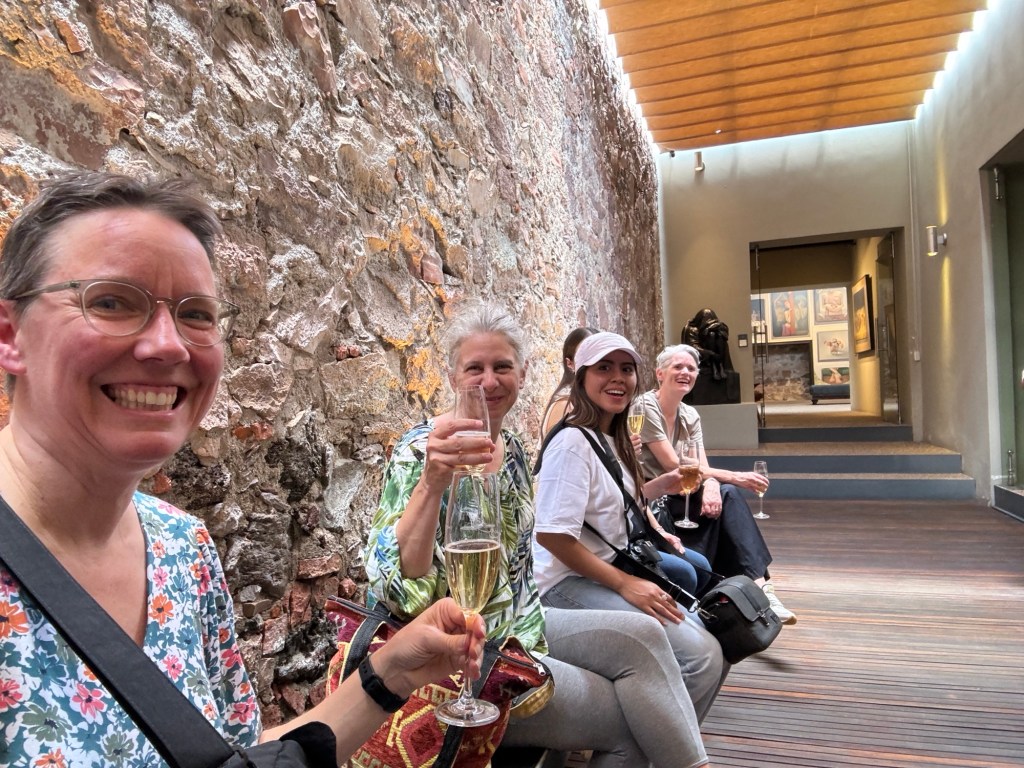
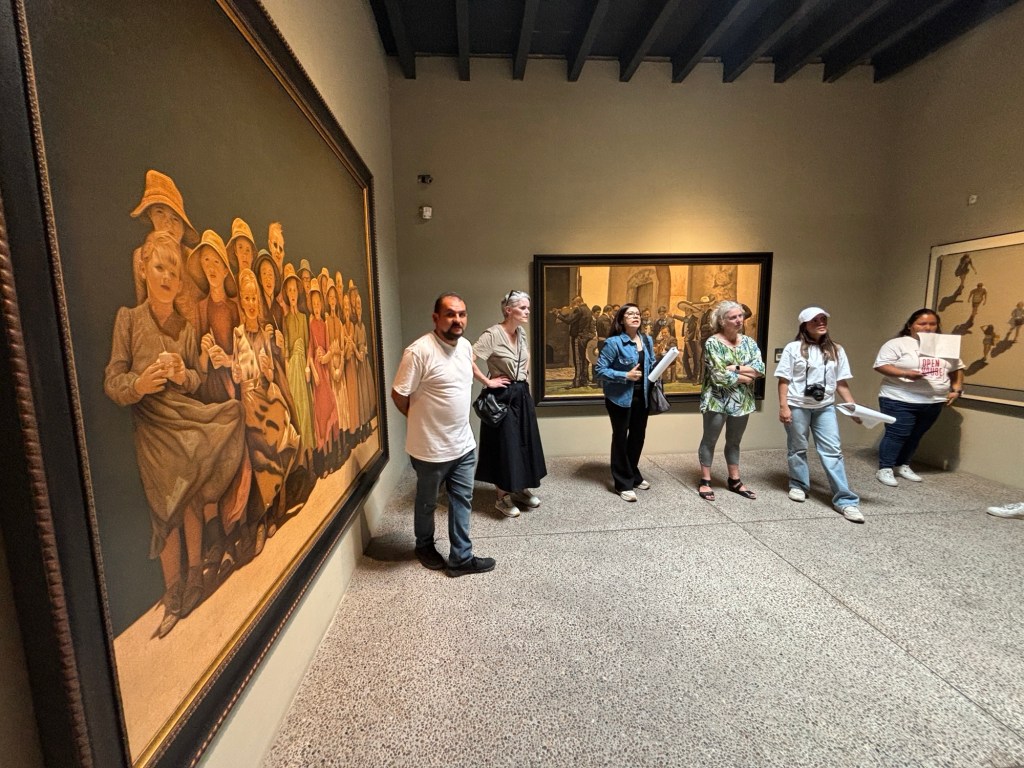
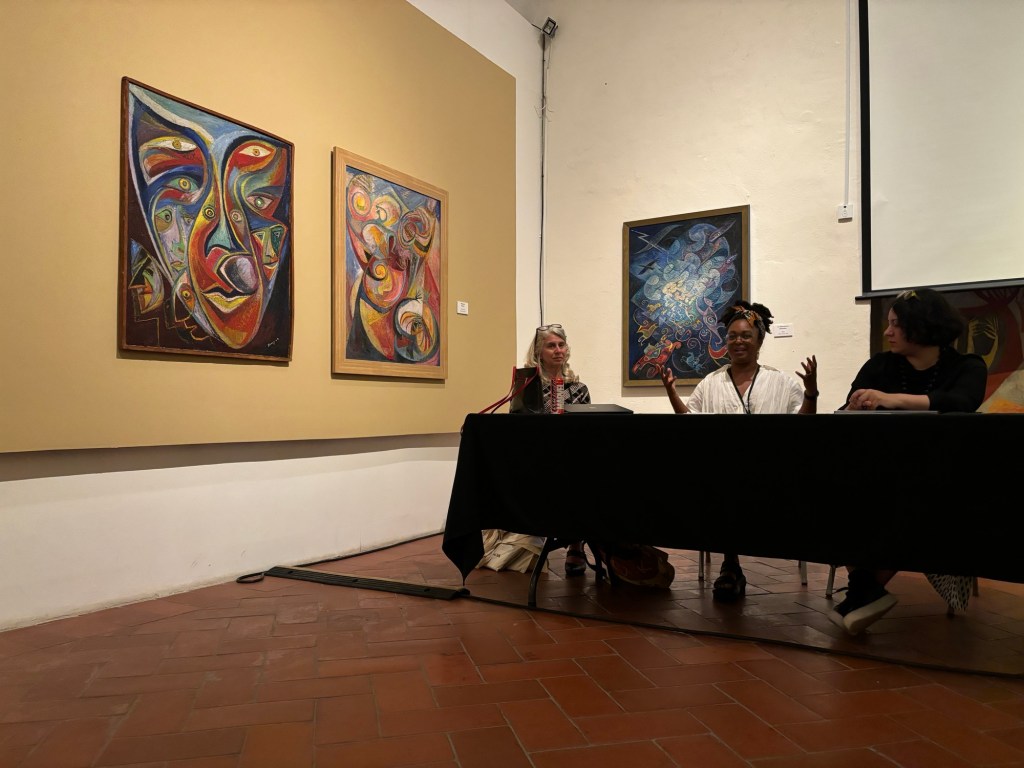
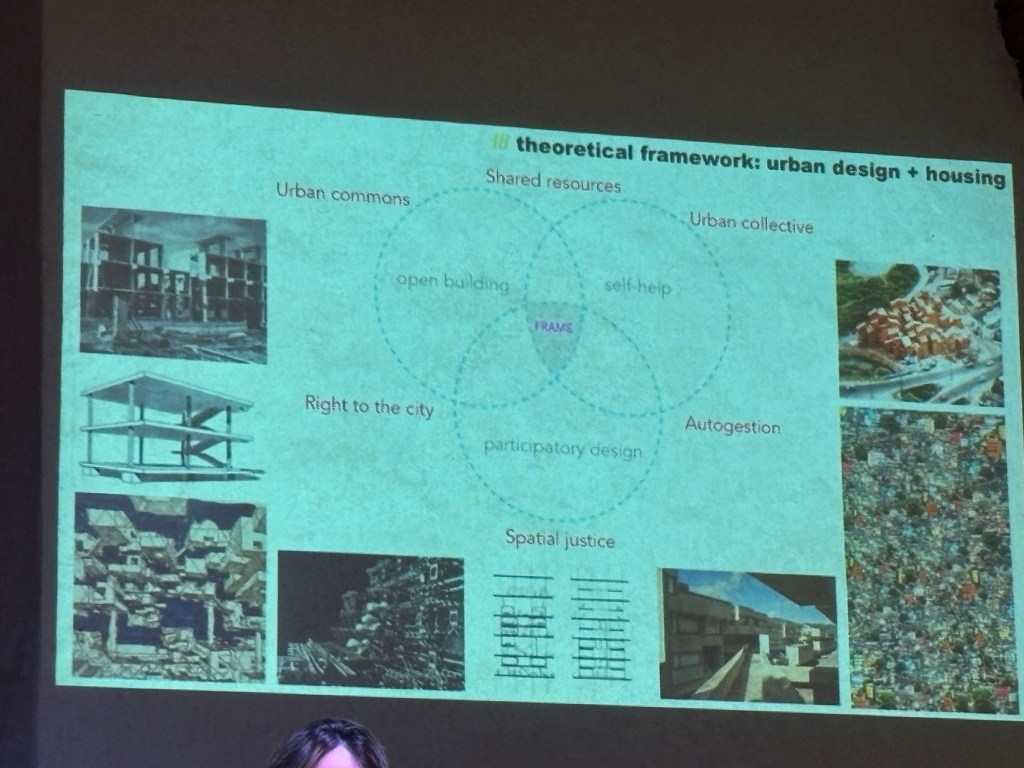
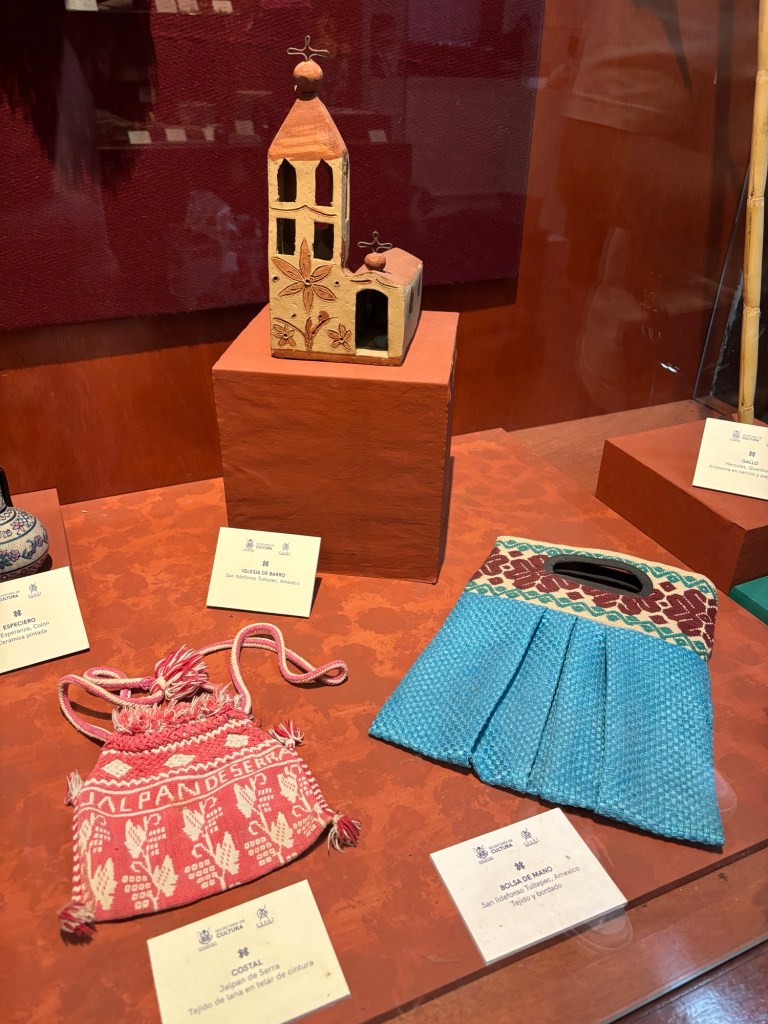
But before all the sessions got rolling, on Thursday morning, Emma and I started our conference experience with an Open House tour. Architects and developers from Querétaro taught us about the architectural and urban design history of the city and brought us to visit several contemporary architectural projects. We got to tour a mixed-use housing project, an environmentally sensitive adaptive reuse project, and a courtyard house turned into an art museum that was chock full of artistic treasures that combine painterly style with contemporary themes!
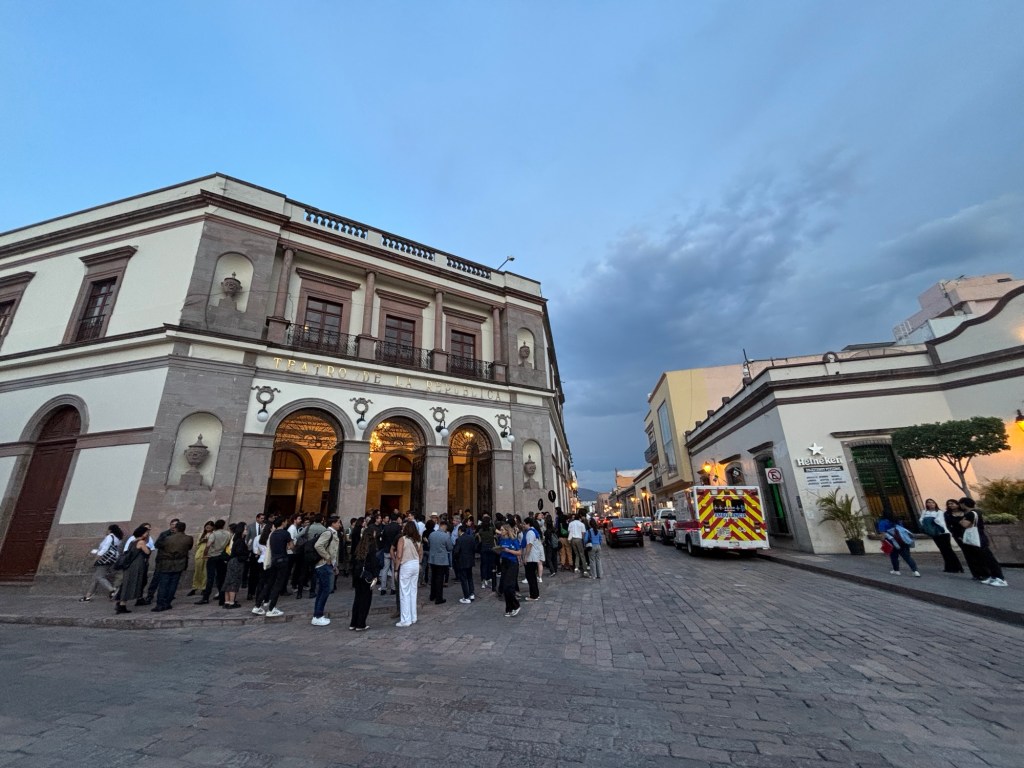
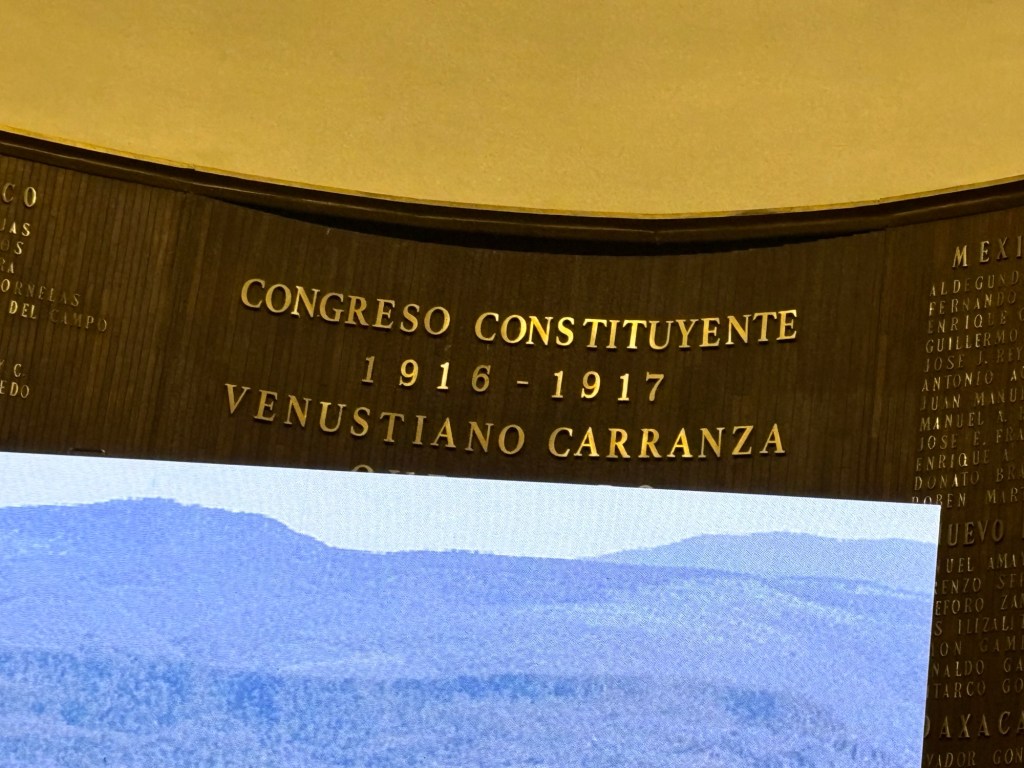
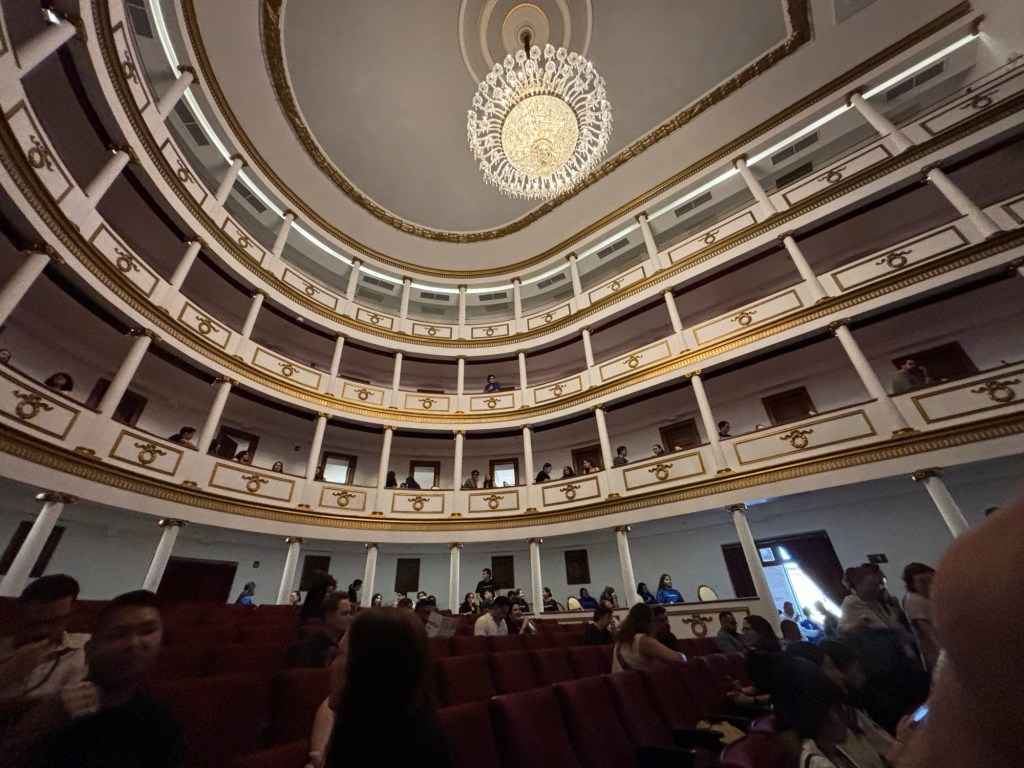
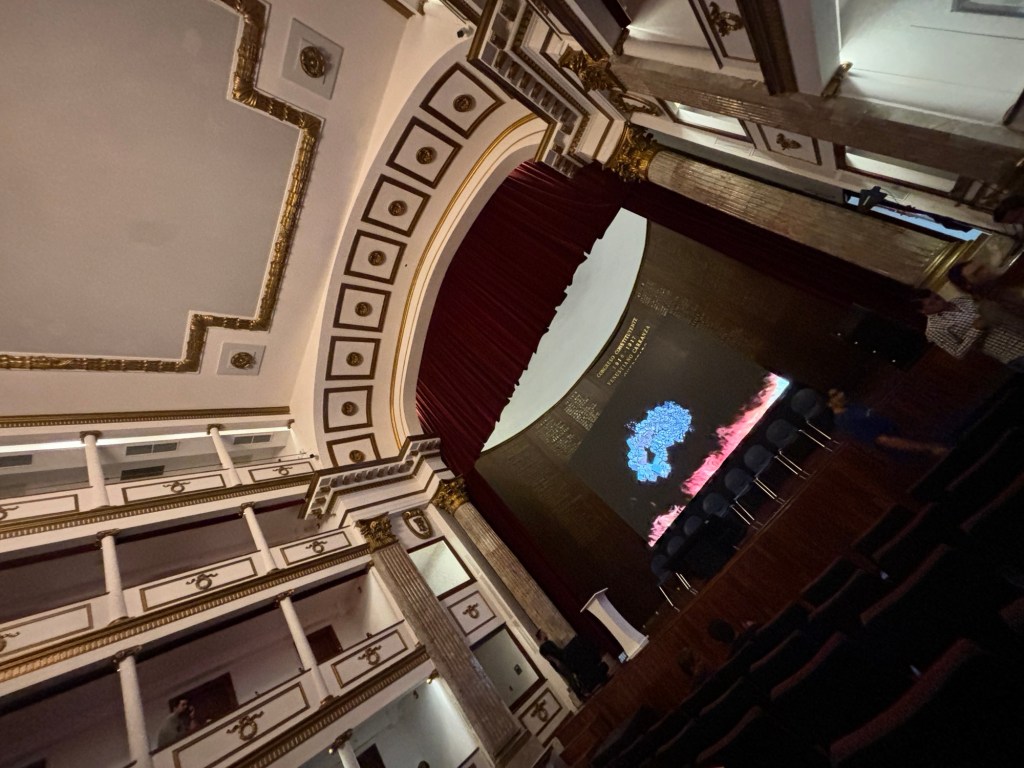
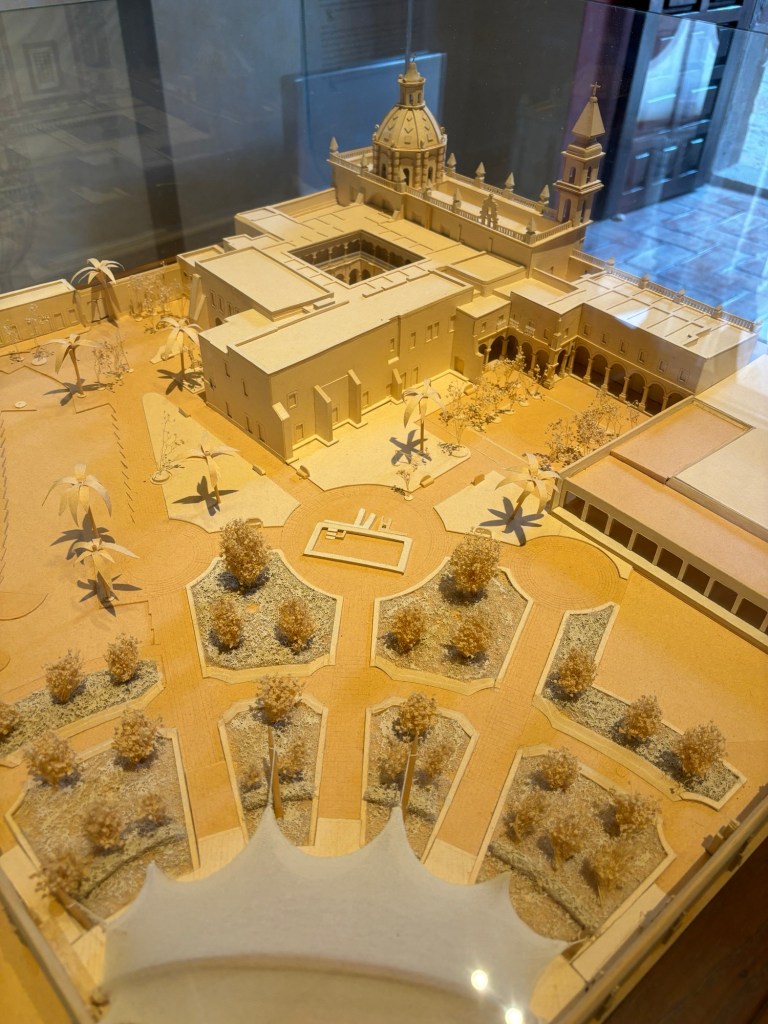
The Open House tour was followed by an opening reception and keynote address in Querétaro’s very famous and protected Teatro de la Republica where (at least part of) the country’s constitution was signed. The keynote by Tatiana Bilbao was thought-provoking, with the architect advocating liberation from named or pre-determined programmatic elements, to produce evocative enclosures for inhabitants to mold and adapt. The open reception was at another architectural heritage site, the Museo Regional de Querétaro.

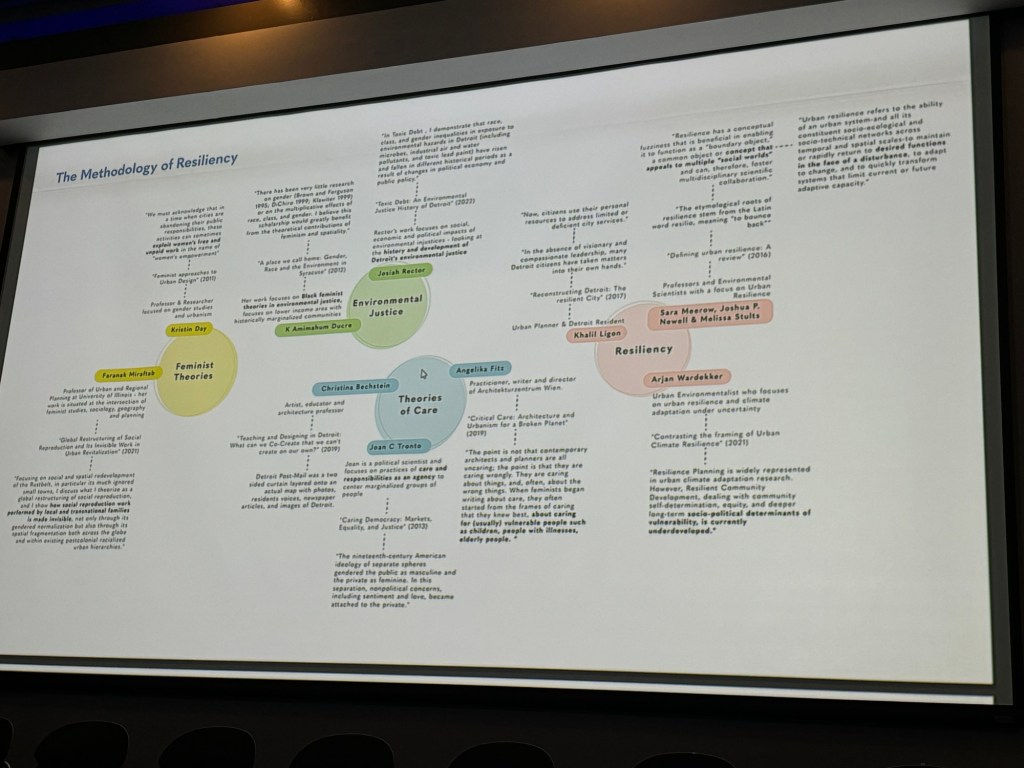
The second day started with the Deans’ panel on “tradition and radical innovation” that included Emma, followed by paper sessions. I attended the sessions on “Future + Post-Industrial Cities.” These two sessions were held at the university’s modern campus on the outskirts Querétaro. We travelled there and back by bus.

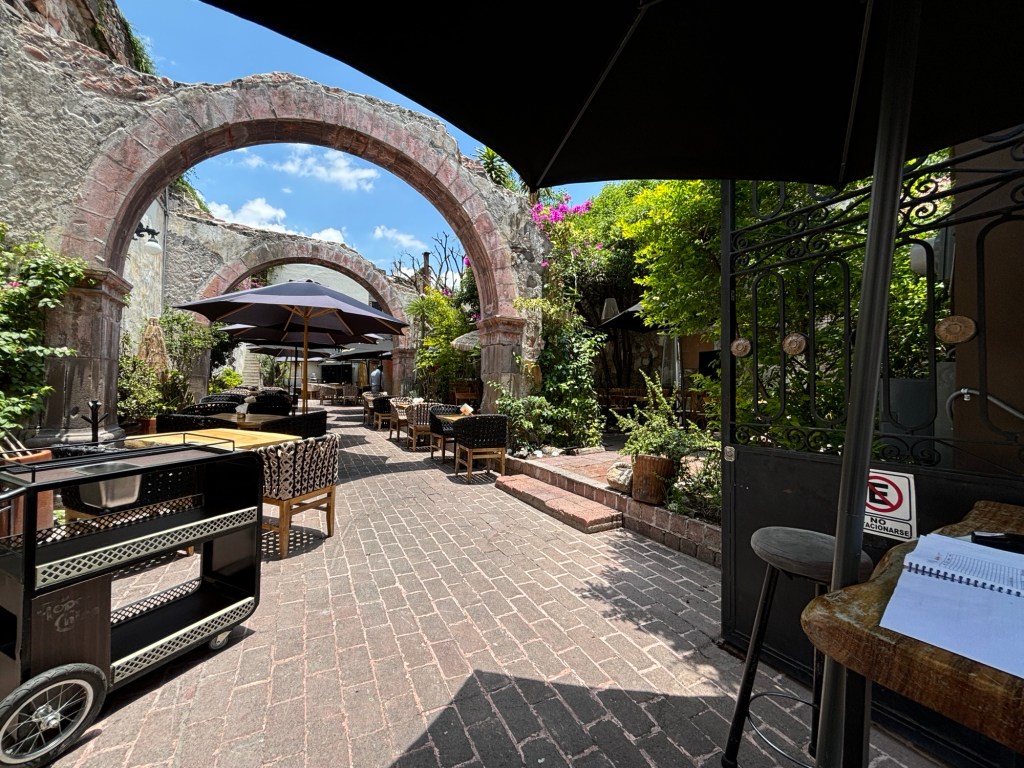
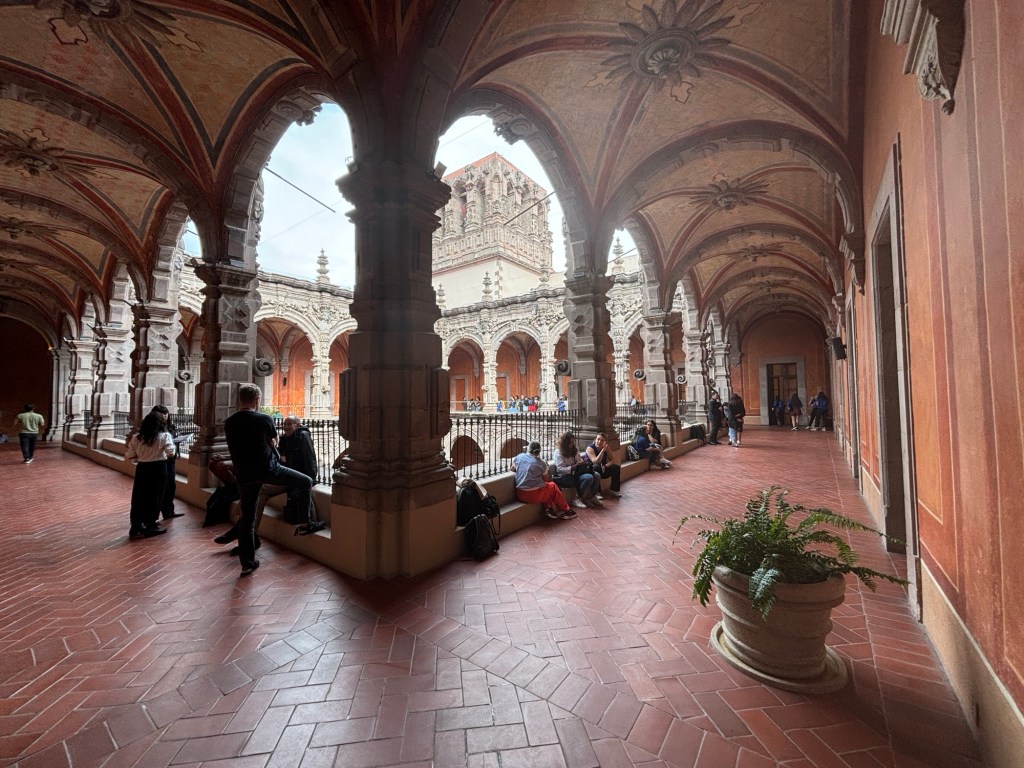
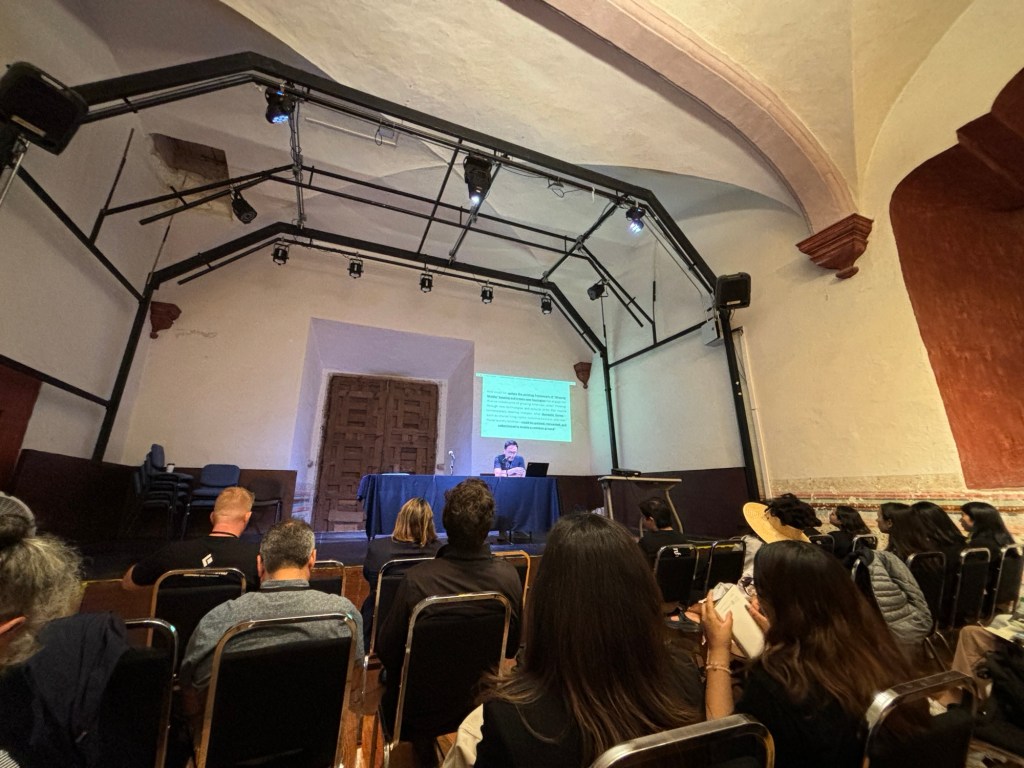
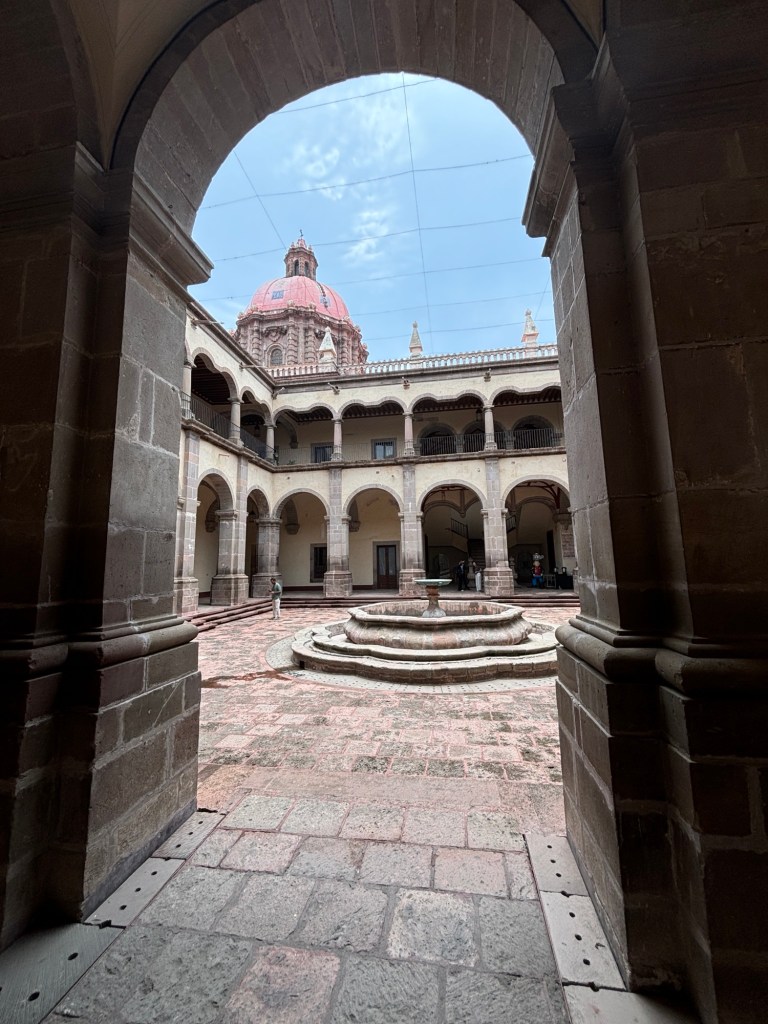
After a relaxing lunch break, we enjoyed afternoon paper sessions in a magnificent former cloister now used as the Mueso de Arte de Querétaro. I attended “Spatial Decoding: Beyond Measurement” and “Experiments for Urban Futures.”

The entire time, Emma and I were meeting lovely and passionate architecture educators from Mexico, the US, and Canada, as well as graduate students from around the world. We also got to know and admire the host for the next iteration of this ASCA International conference that will be held in Brisbane, Liz Brogden.

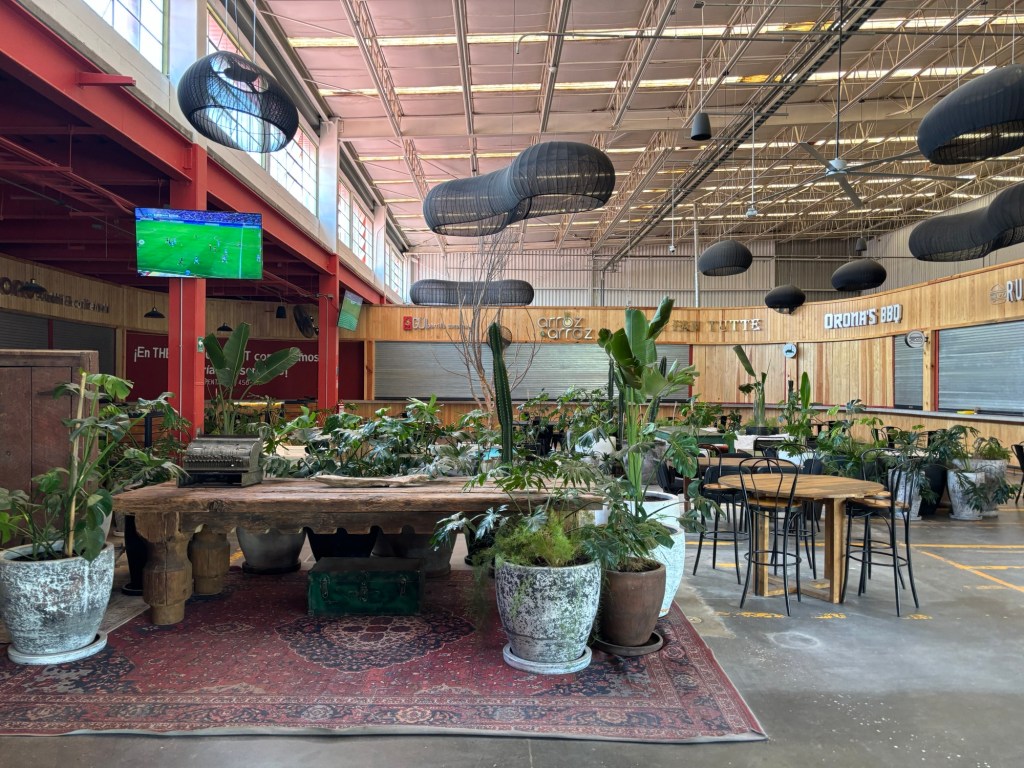
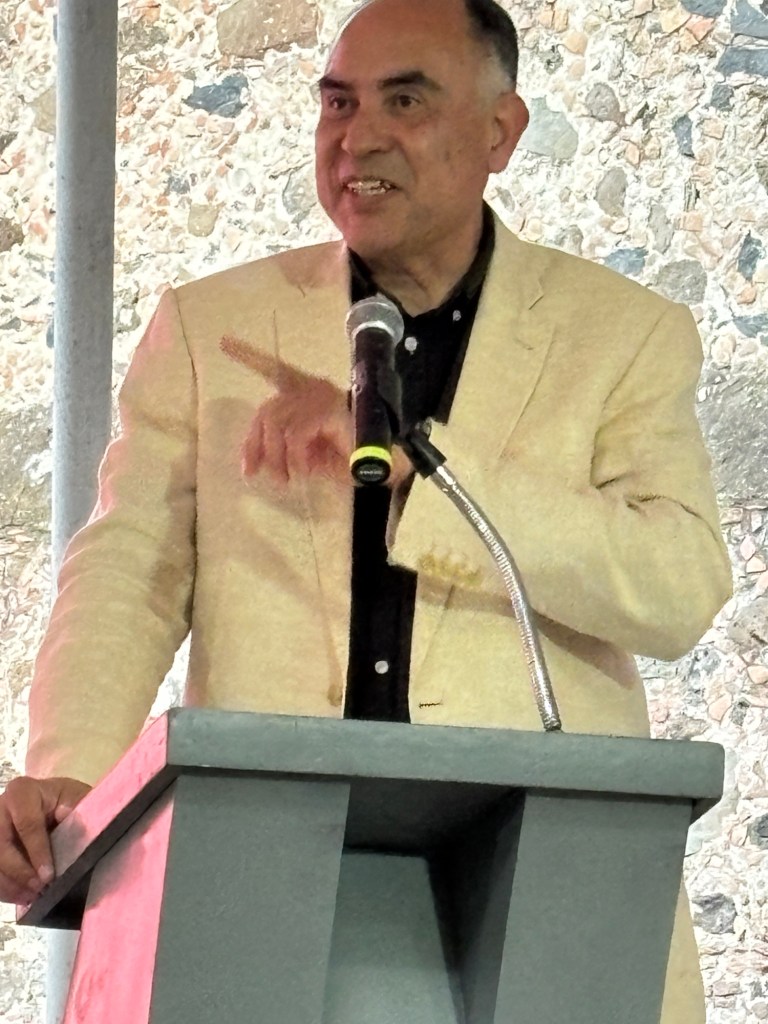
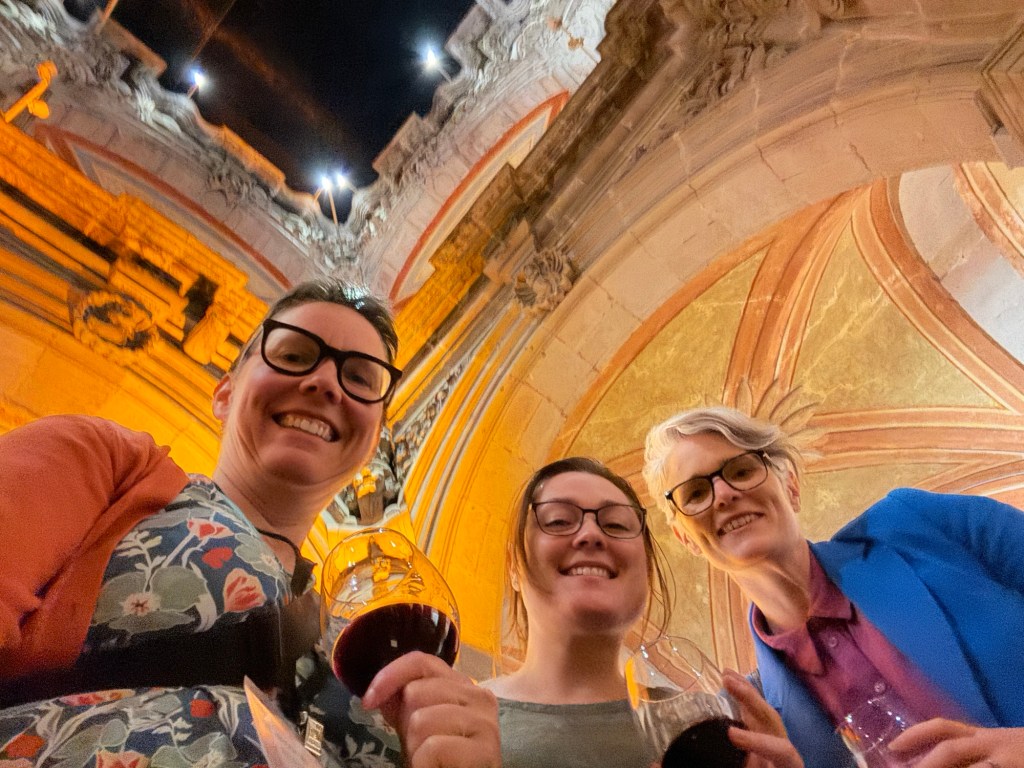
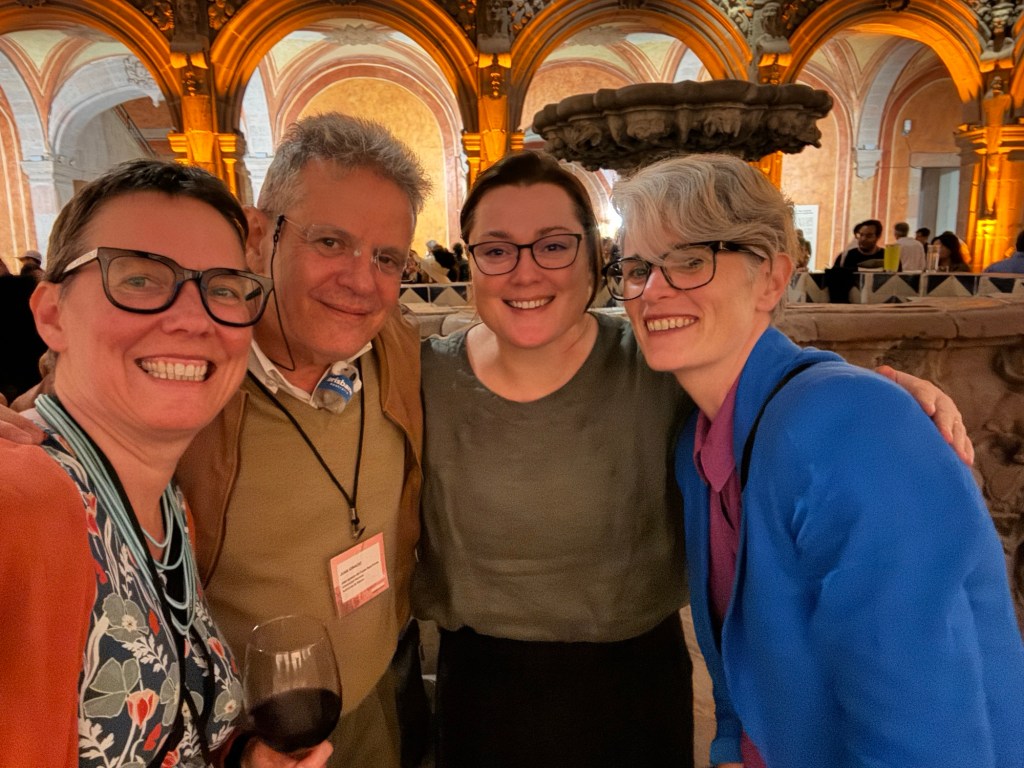
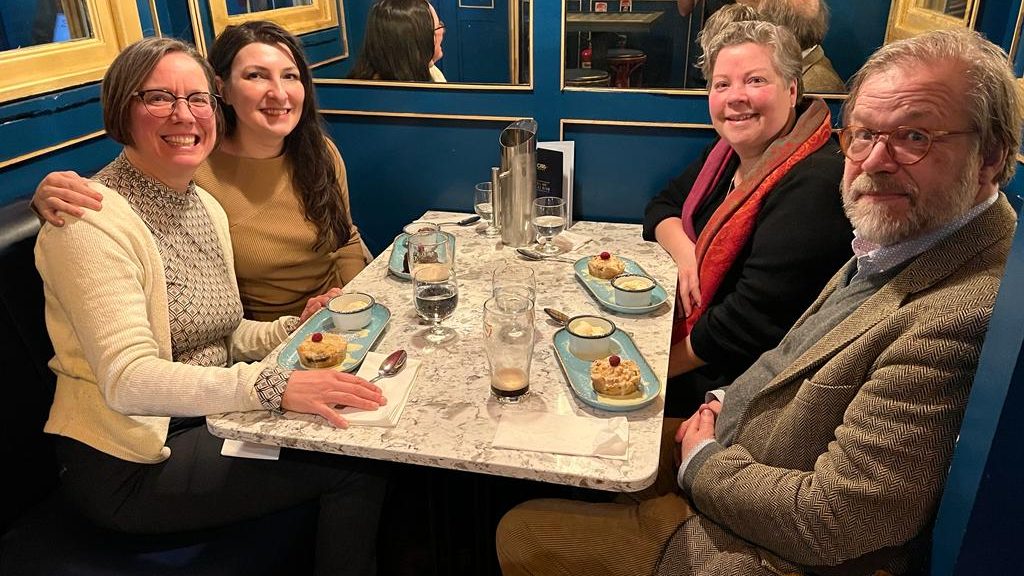
Liz, Emma, and I were guests of the conference organizers for tapas and drinks Friday night at Hercules, a former textile factory converted into an entertainment venue. We had the pleasure to sit between Michael Monti, the executive director of ACSA, and Luis Francisco Rico-Gutierrez, Dean of Architecture at Iowa State, who brought this conference to his hometown of Querétaro. Luis carefully assembled a conference program with cultural, social, urban, and critical feminist underpinnings.

ACSA Director, Michael Monti, who has a doctorate in philosophy and expertise in Heideggerian phenomenology!
Bravo to these leaders for pulling off such a magnificent event in collaboration with the local organizers, including Roberto Íñiguez Flores, and the DC-based ACSA team!

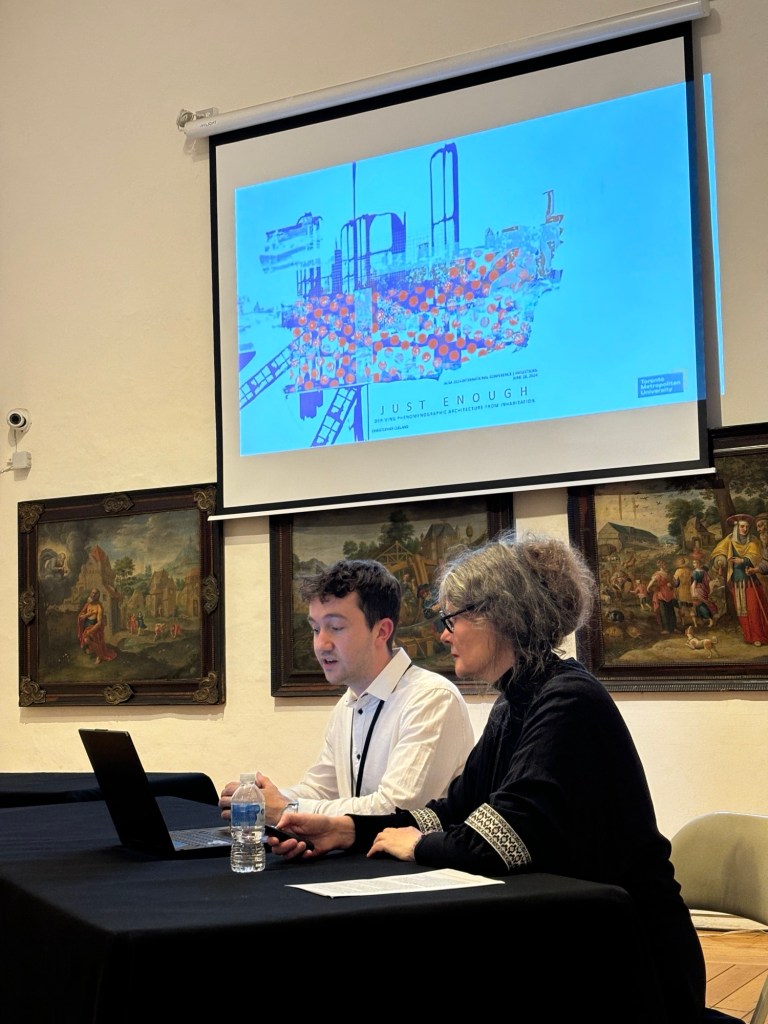
Programming for the third day ran 9 AM to 10 PM. We attended paper sessions, including Emma’s, at the Centro de las Artes de Querétaro Santa Risa de Viterbo. We started off with “New Imaginaries, Speculations, Machinations” where Emma spoke. Then I attended “Housing, Dwelling and Domesticities.”

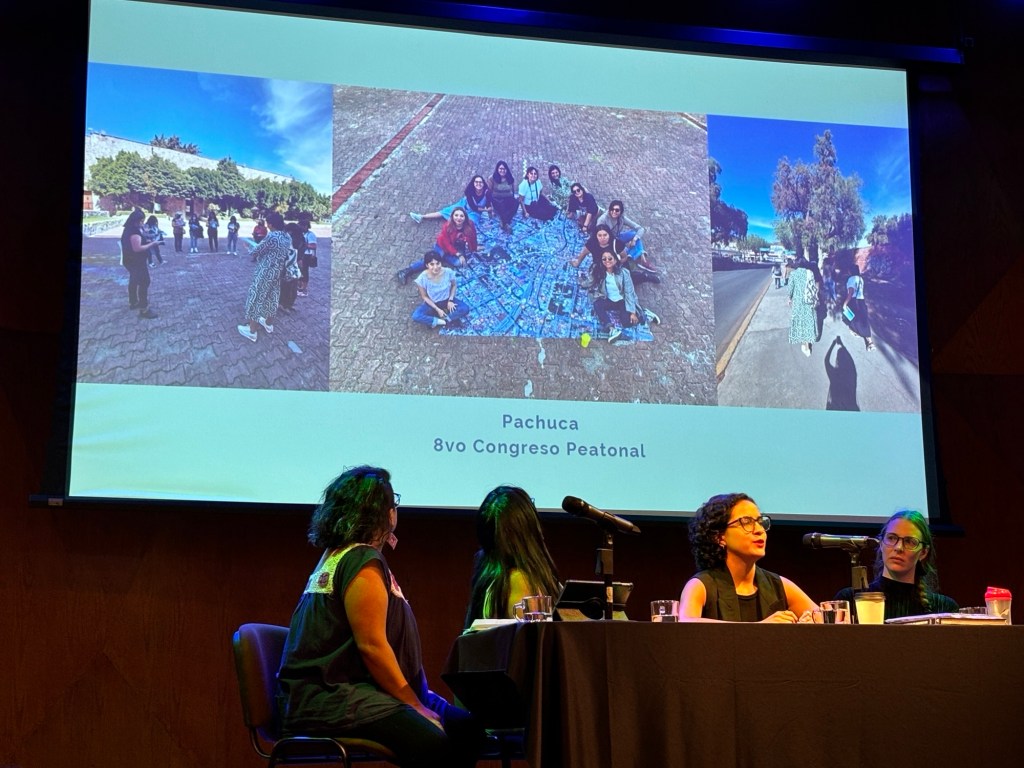
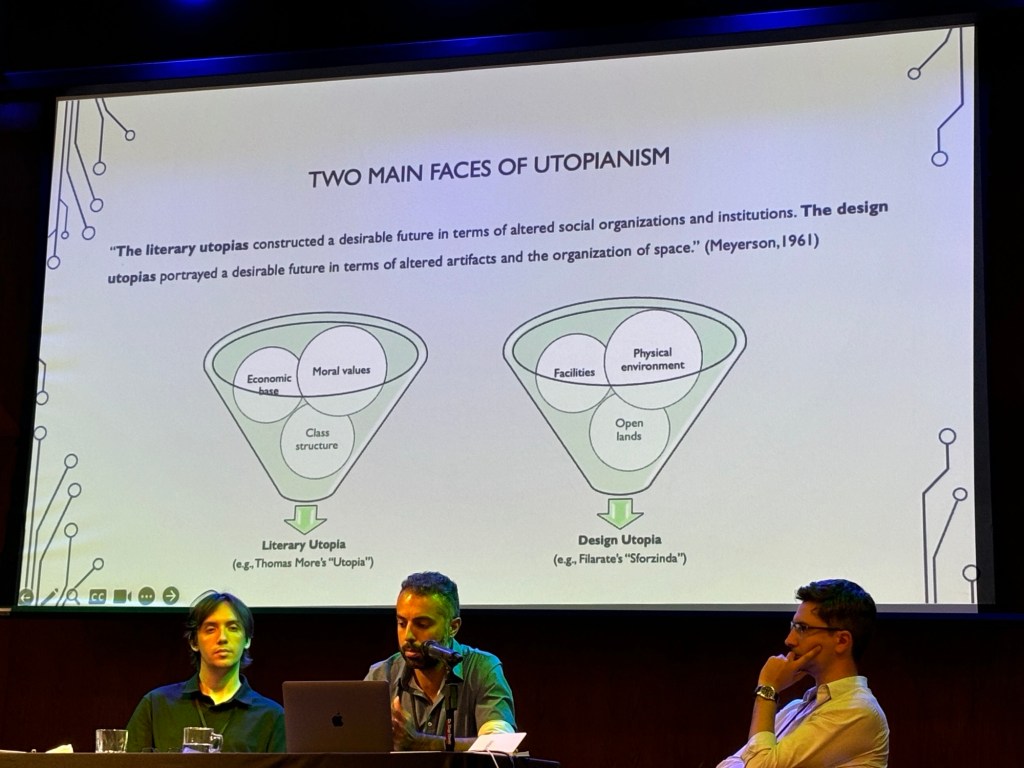
After lunch I attended “DESIGNING DISSENT: Feminist Counternarratives in the City.” This critical feminist urbanism panel session was particularly insightful. It was held with one presentation in English and two in Spanish. There were AI-generated English subtitles at the second of these, but for the one without subtitles, I put my Duolingo to work.

I have been studying Spanish using Duolingo for 254 days now, in preparation for this trip. I understand reasonably well, although I can’t yet speak in Spanish. My elementary knowledge of Italian interferes with my ability to start sentences in Spanish, but I persevere. The helpful slide images helped me deduce more complex meanings.

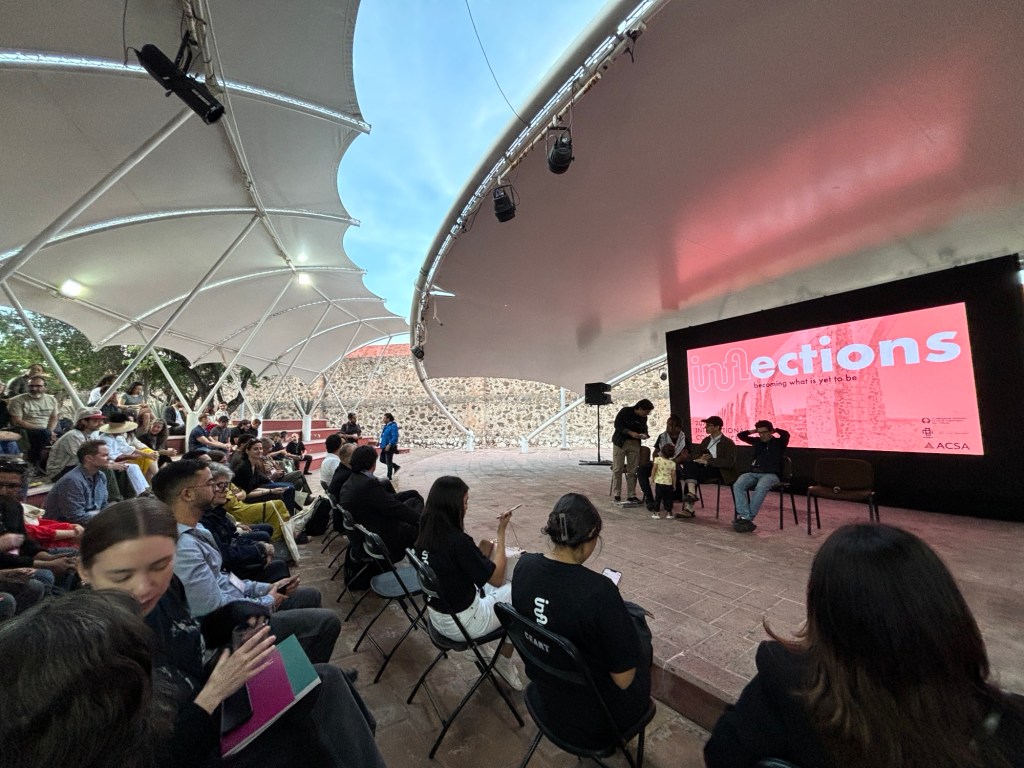
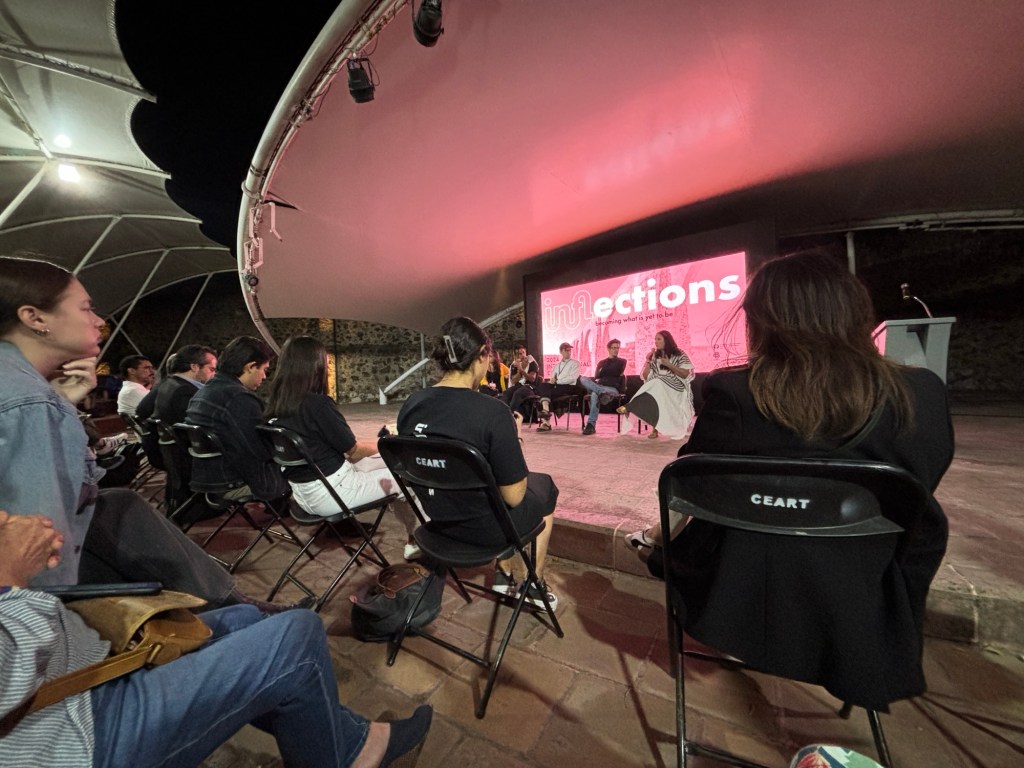
I also attended “Co-creation with AI.” Then, this third and final day wrapped up with an all-conference panel on contemporary issues in Mexican design at the outdoor amphitheater at the cloistered museum. The title was “ILLUMINATING THE OVERLOOKED: Unconventional Practices for Responsible Futures.”

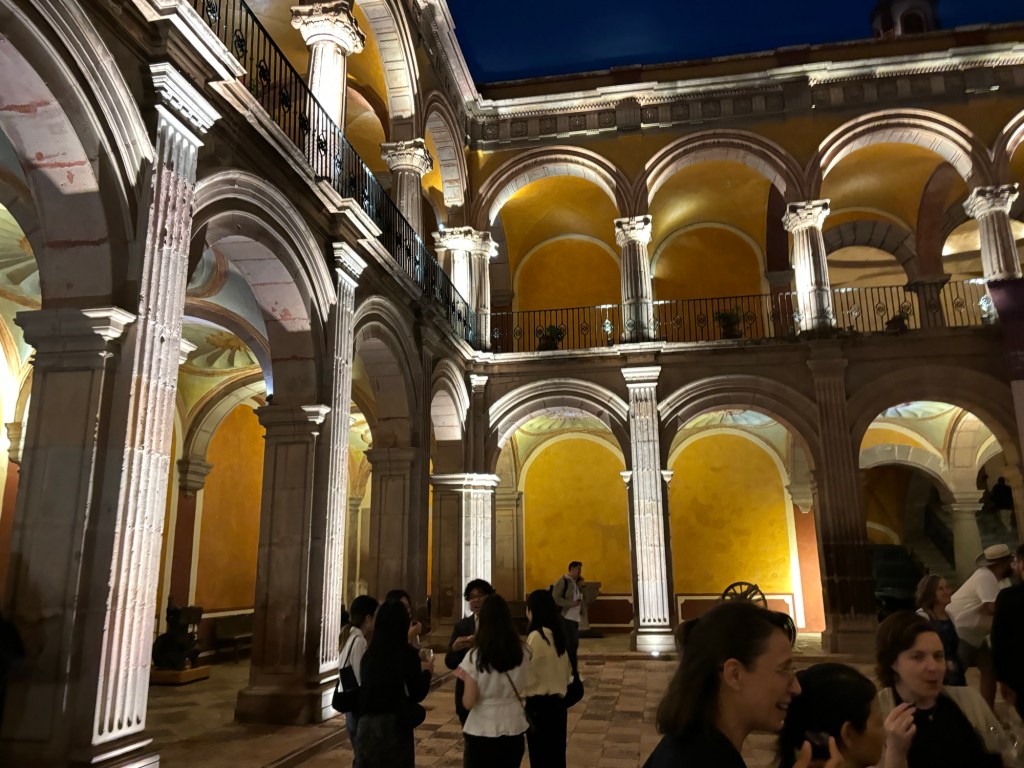
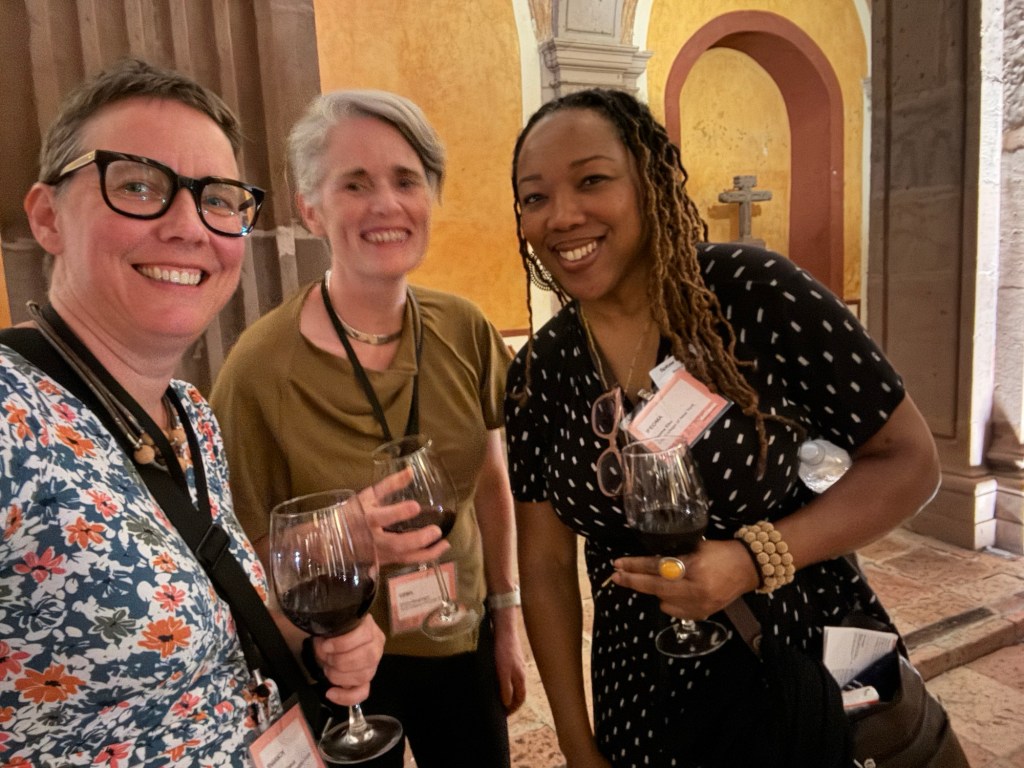
The closing reception was held at the Museo de Arte de Querétaro courtyard. After it, Emma, Liz and I headed for a last supper together that didn’t end until after midnight. We’re learning Spanish ways!

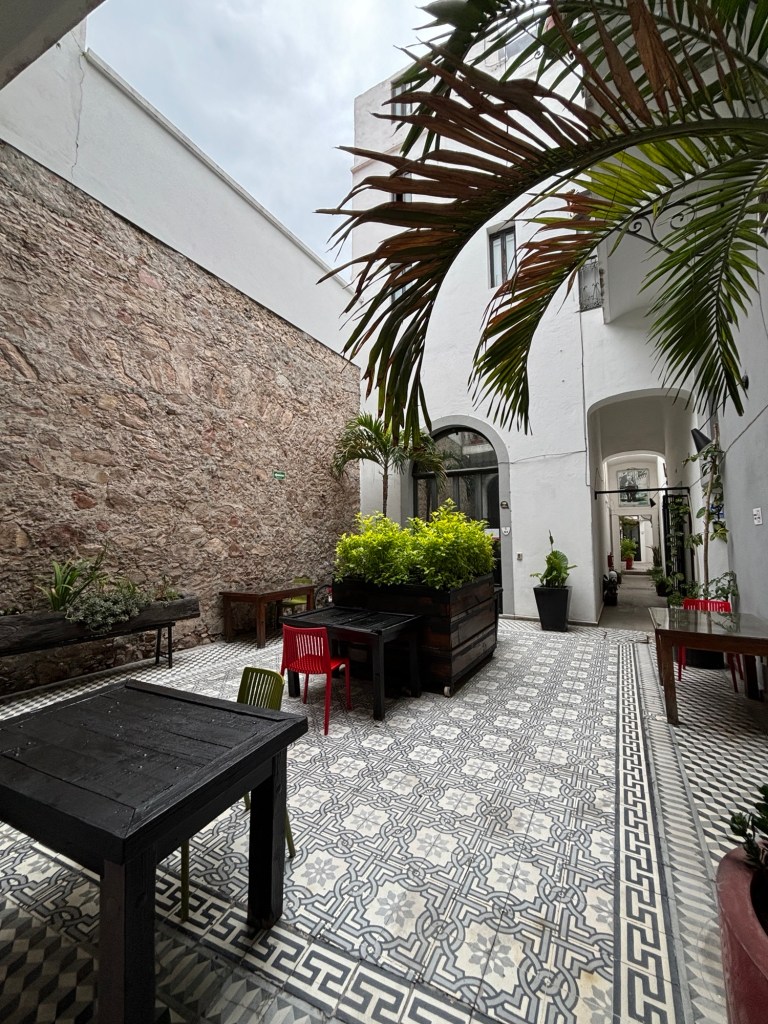
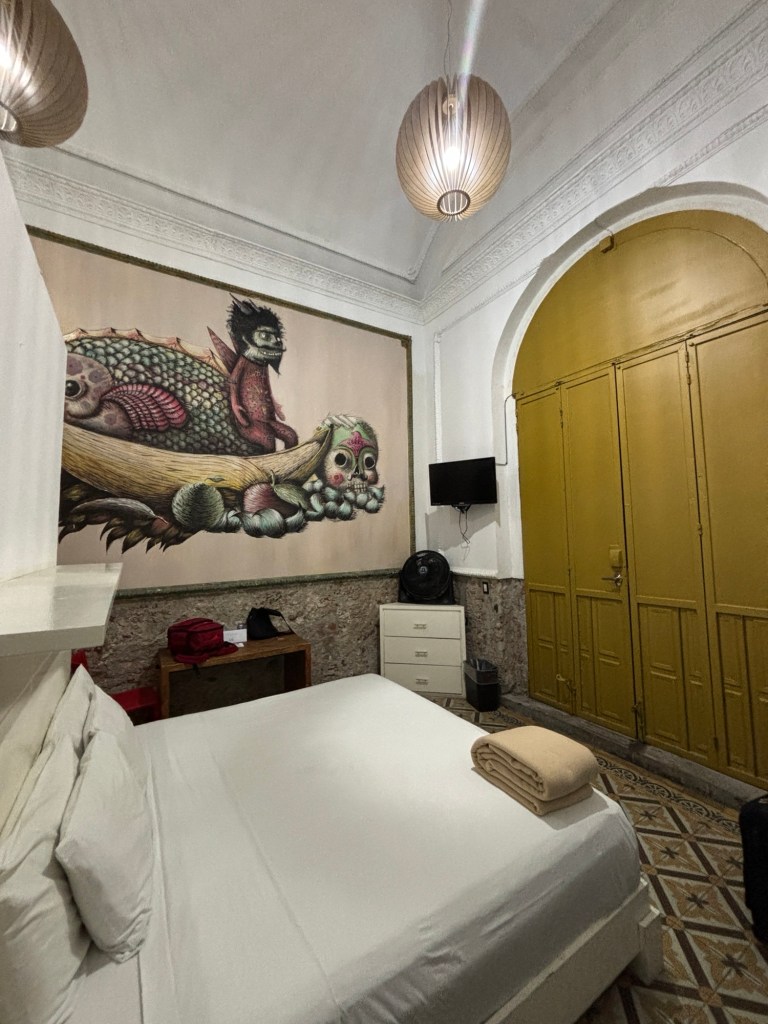
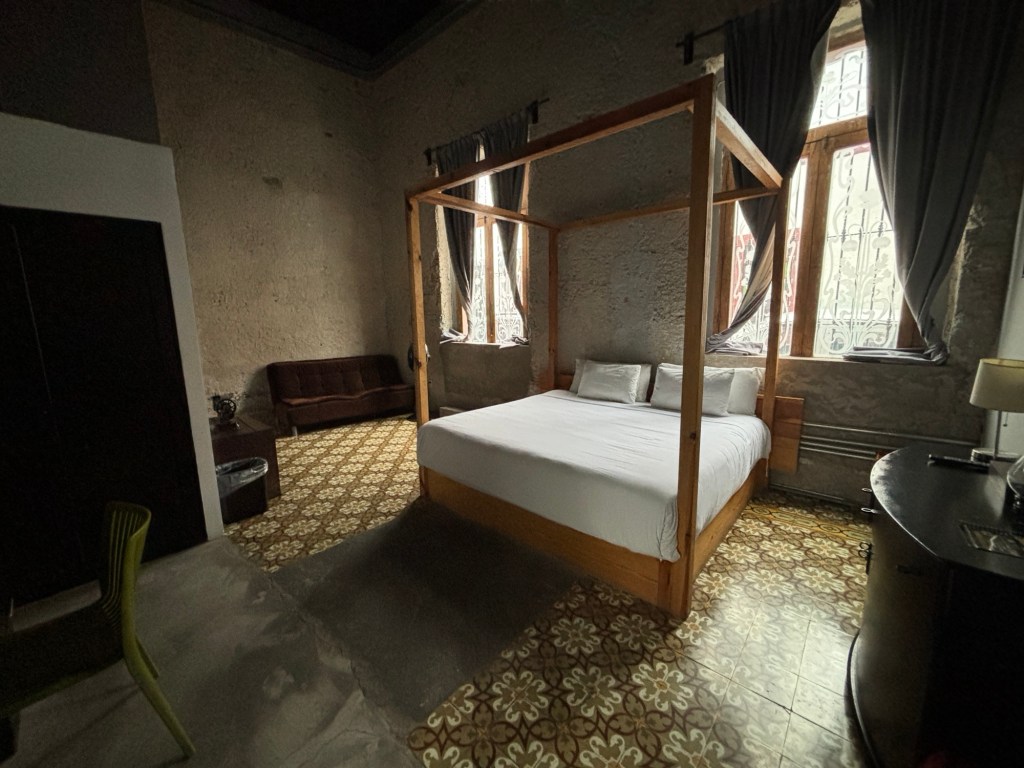
As a side note, I always try to stay central and conserve my budgets when I select hotels regardless of who is paying. This was no exception and I picked a cheap and cheery courtyard hotel in the city’s historic core. It is nestled among the cultural heritage conference venues. Thankfully Emma is the best of sports and appreciated the authenticity as it was, as you’ll recall, cheap and cheery. It is surrounded by nice eateries which we enjoyed.

Thanks a million to everyone who contributed to the organization of this conference — including Luis, Roberto, and ACSA’s Michael, Michelle, Eric, and Danielle — and to the local students, architects, teachers, and residents who came out in force. Their enthusiasm and collective effort made our visit to Querétaro extraordinary special.

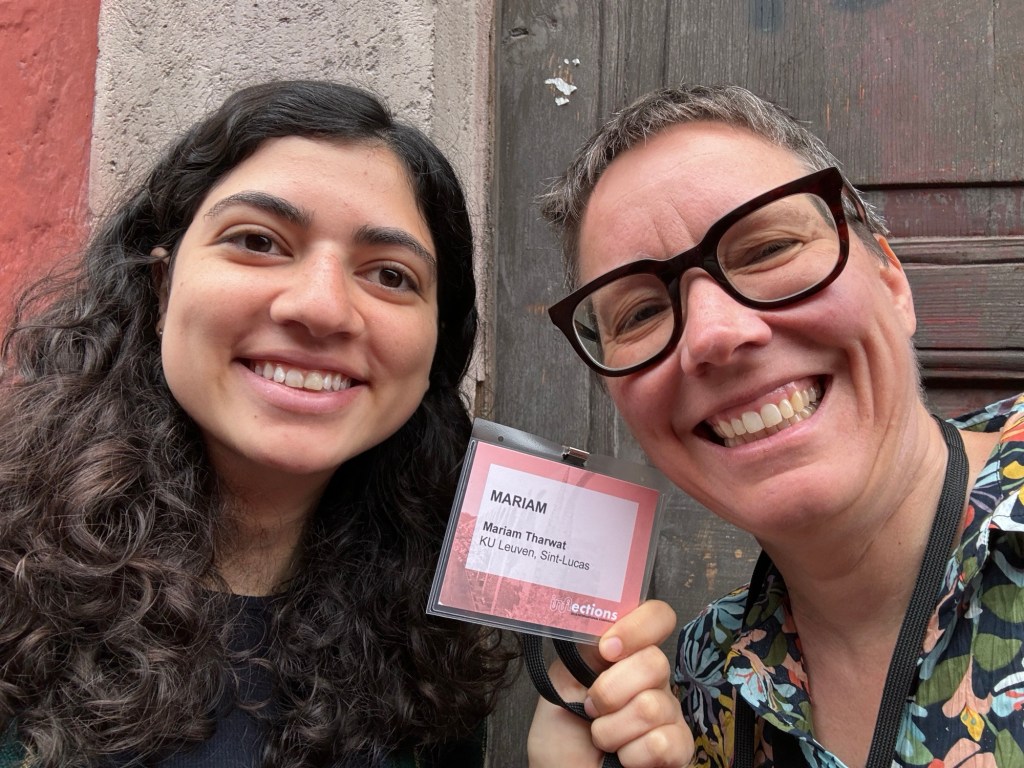
Emma and I look forward to seeing all our new ASCA colleagues — Sharon, Dino, Liz, Luis, Mariam, Diana, Ifioma, Faye, Tania, Jori, Erandi, and many others — at the ACSA International meeting in Brisbane in 2026!

Discovering Portland with ASEE

My colleague Diana Martin wanted to attend this year’s American Society for Engineering Education (ASEE) conference in Portland, so I submitted a proposal to organize a panel on our forthcoming Routledge International Handbook of Engineering Ethics Education. The panel got accepted but Diana couldn’t travel—thus I made the trip alone.

Traveling solo forced me out of my shell (I don’t chat much with strangers when traveling).

Another benefit was that, since Diana had insisted on flying via Seattle, I saw the Pacific Northwest scenery for the first time.

I scheduled myself a day upon arrival, before the conference started, to adjust to the time zone (but it took much more than a day). I’d booked a “shoebox” room at a hip hotel in a shabby-but-central neighborhood and I had the great fortune of arriving after all the shoeboxes were occupied.

I got upgraded to a spacious and luxurious room at the Hoxton in Chinatown! Although I wouldn’t recommend the Hoxton’s location for a woman traveling solo due to the night scene on the surrounding streets, I kept my wits about me and used high levels of caution, and I cane through unscathed. I took an Uber after my division’s evening social the last night because the sun was setting, making it too late to risk walking alone.

With the extra day, I got to explore the city a bit before ASEE kicked off.

I bit the bullet and paid $16 to enter the Chinese Garden, after the $25 to visit the modern art. Expensive! But very interesting!

I also wandered the streets in the Pearl District.

I found my way to the city’s hilltop park, with its Holocaust monument and Rose Garden. My calendar alerts pulled me back to reality. Before I could enter the Japanese Garden, I had to scurry to the conference center by bus.

The best part of every ASEE, to me, is the Division Mixer, followed by Taste of the Town, on opening night. It’s the best time to find everyone in one place.

The main reason I made the trip was to meet with the authors of the ethics handbook. The conference organizers provided a very snall room in a satellite building, so the audience really had to work to locate us. But some found the way, as did our authors. About 20 (of our 105 authors) attended this 2024 ASEE conference and 15 served in our panel. It was truly delightful to meet them all—many for my first time!

I know their work though—and I have read, and copy edited, every one of their chapters. Such exceptional work they contributed!

Here’s who presented chapter number (section number and chapter topic included:

Kari Zacharias, 3(1) individual and collective

Jeff Brown, 5(1) professional organizations and codes

Shannon Chance, 6(1) environment

Julianna Gesun, 10(2) psychological foundations

Susan Lord, 16(3) electrical and electronic engineering

Dayoung Kim, 17(3) chemical engineering

Stephanie Lunn, 18(3) software engineering

Madeline Polmear, 19(4) lit review of teaching methods

Aditya Johri, 20(4) case studies

Adetoun Yeaman with Bill Oakes, 23(4) service and humanitarian

Sarah Hitt, 24(4) arts-based

Adetoun Yeaman, 27(5) attitudes and character

Sarah Junaid, 30(5)

Rockwell Clancy, 31(5) behavior and culture

Sarah Junaid with Madeline Polmear, 33(6) contextual mapping

Madeline Polmear, 34(6) licensure

Jillian Seniuk Cicek, with Robyn Mae Paul and Donna Riley, 35(6) feminist critical analysis

I attended sessions of the Ethics and Architectural Engineering divisions. I also took a walking tour with Architecture colleagues to study the bridges of Portland.

Overall, I enjoyed ASEE this year more than I had expected. It was a bit smaller than last year’s conference (when over 5000 people attended) and the smaller size was welcome. I also knew many of the PhD students who attended — far more than shown in the pics (Eugene, Luis, Siqing, Em)…. I either got carried away in the moment and neglected to take photographs, or some selfies I thought I took disappeared. (Or, maybe, my selfie thumb let me down!)

Until next time, the memories will have to do.

Here’s to a successful meet up! Maybe I’ll see you, too, next year at ASEE in Montreal?

Discovering Belfast with EERN UK & Ireland

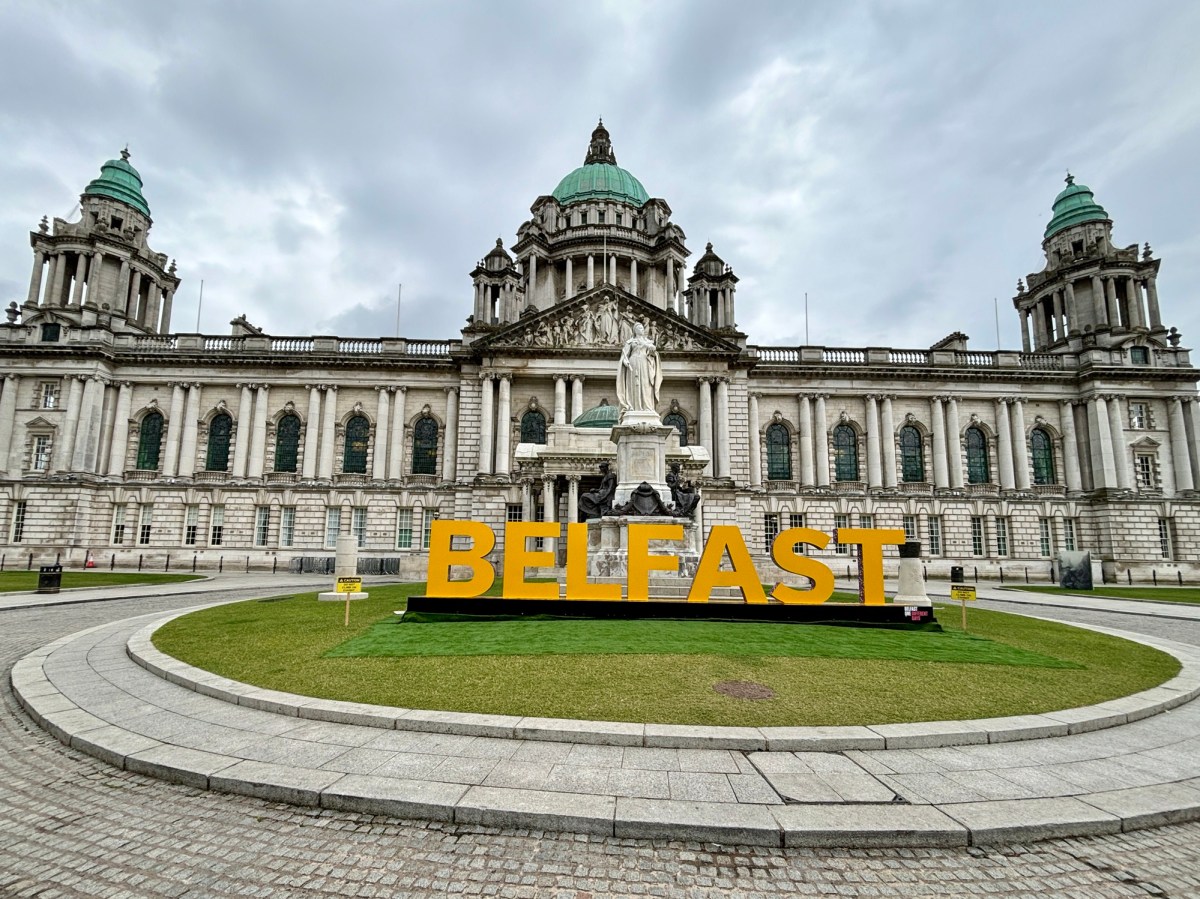
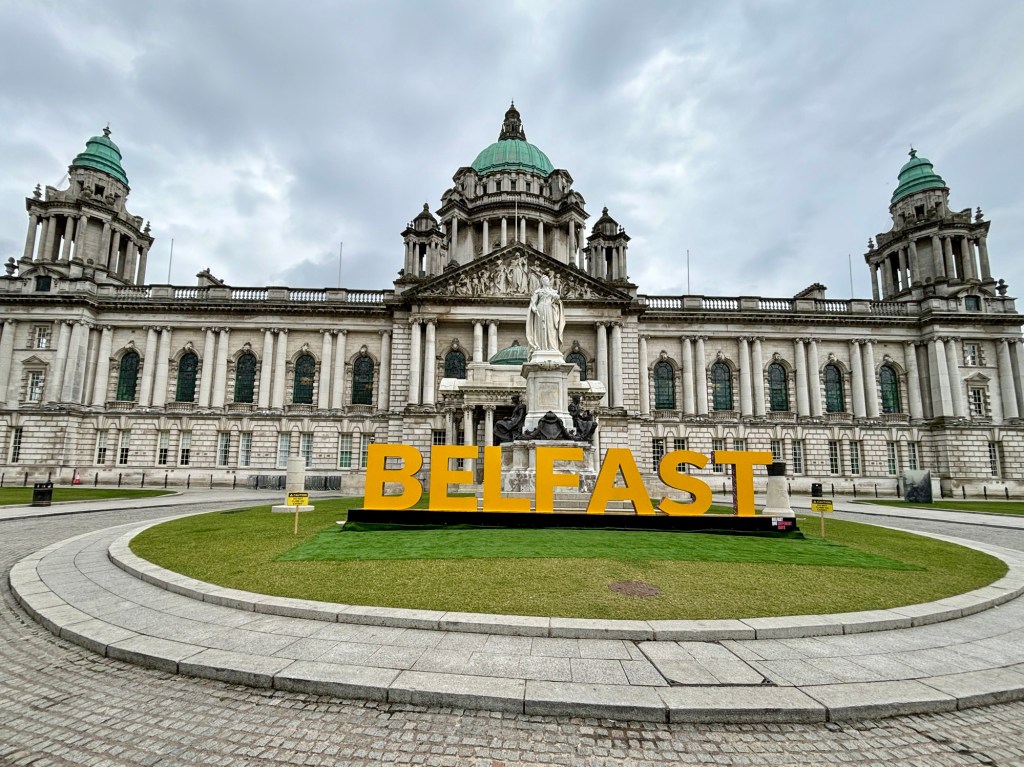
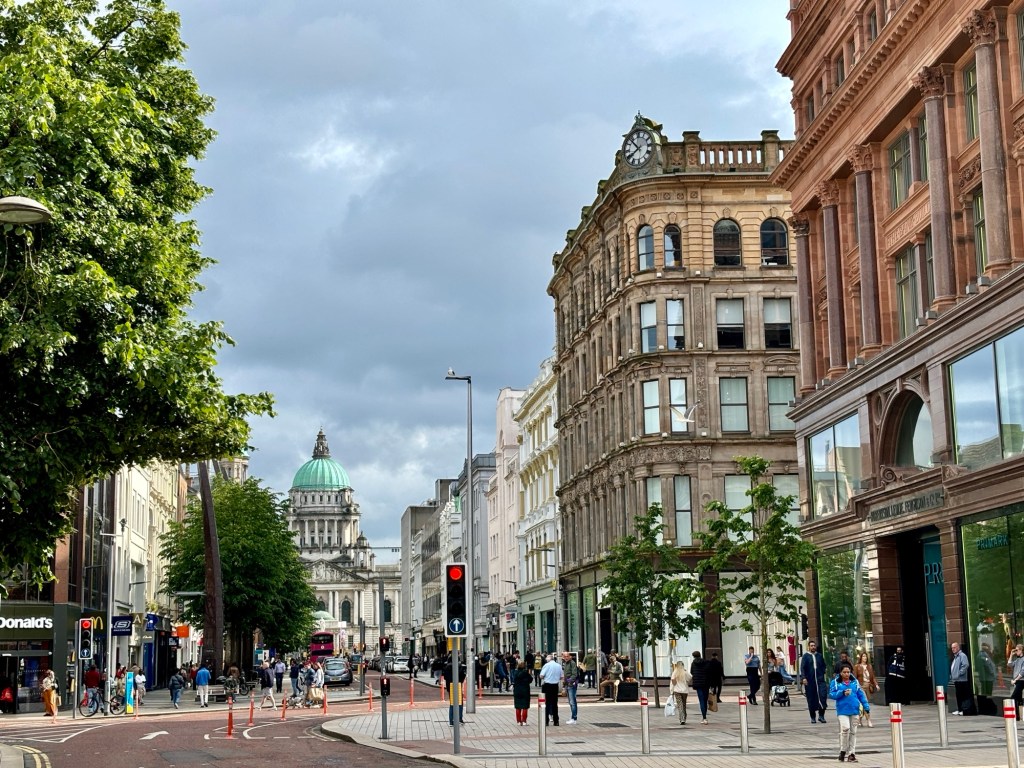
Believe it or not, I’ve never visited Belfast. Well, I did once tour the Titanic Museum and the dry dock where the Titanic was constructed—was engineered. But I’ve never come to the city itself, and my subtle avoidance has stemmed from my Irish Republic ideals. For the sane reasons, Aongus has also never visited the city, despite living in this tiny island most of his life.

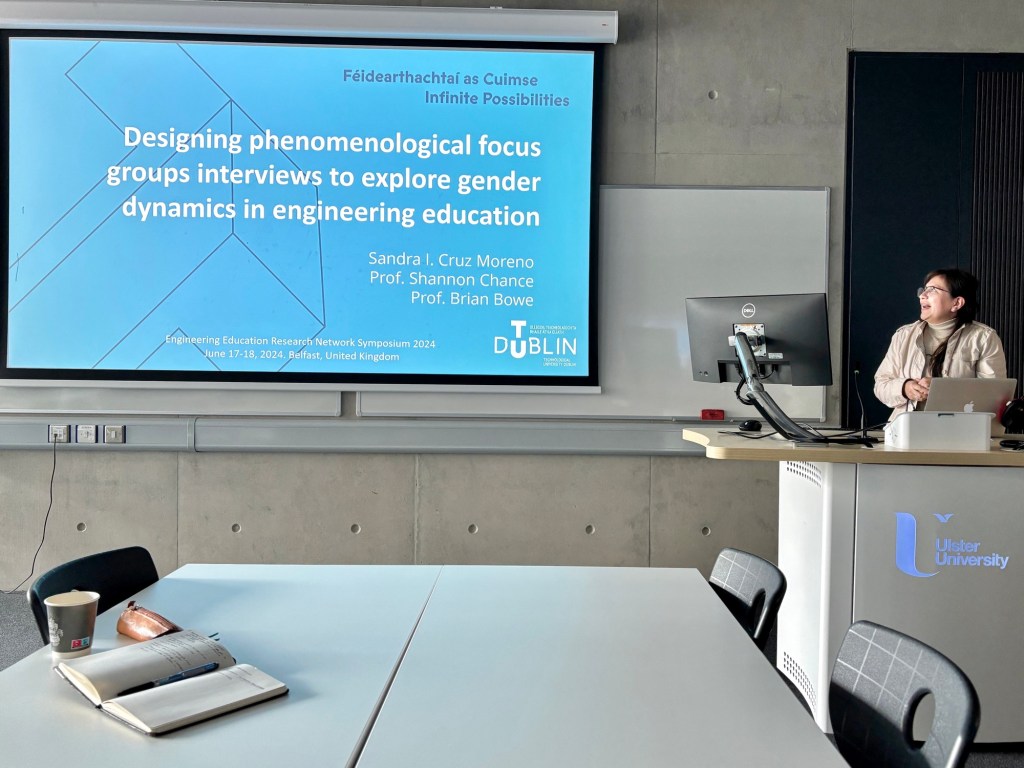
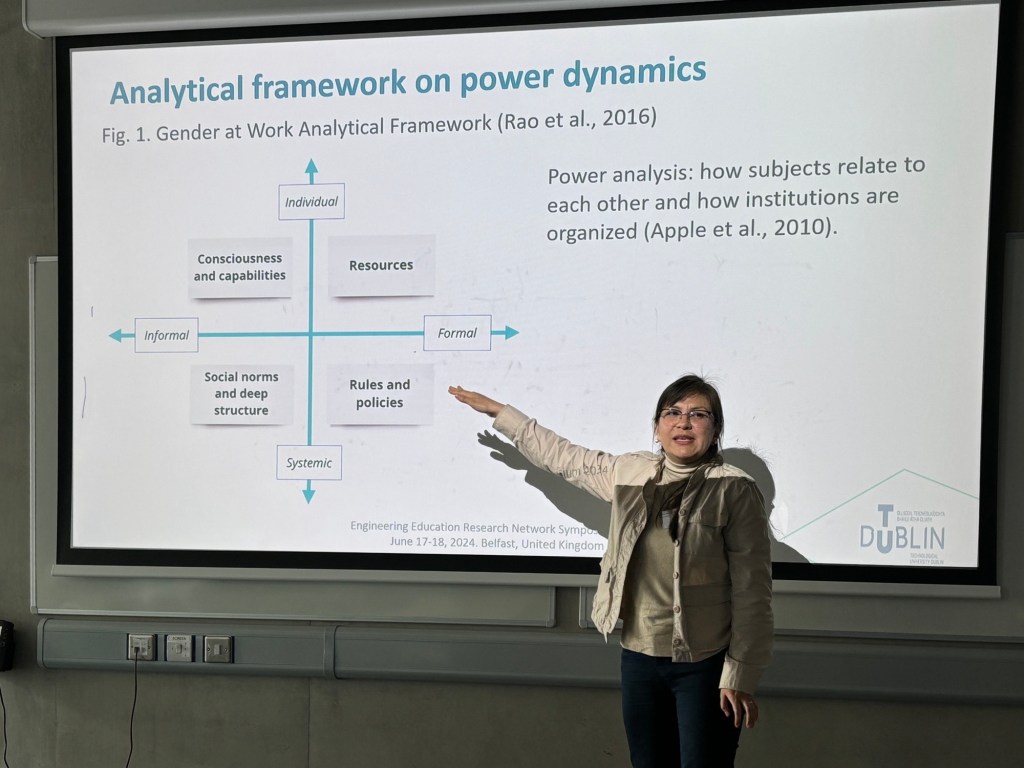
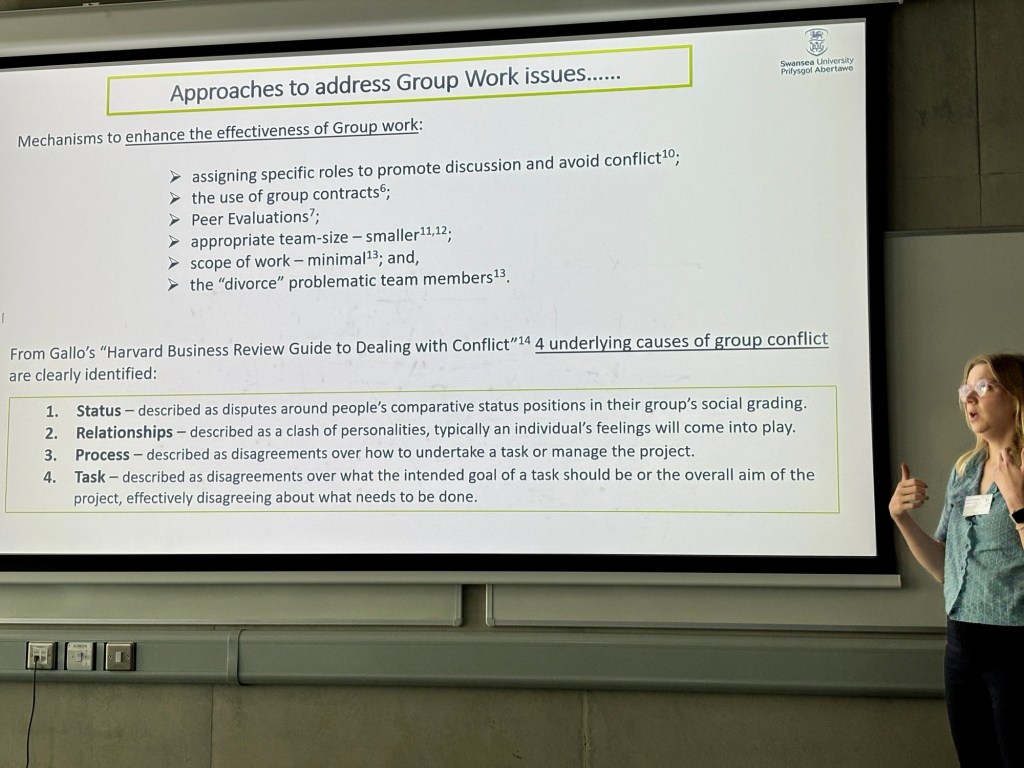
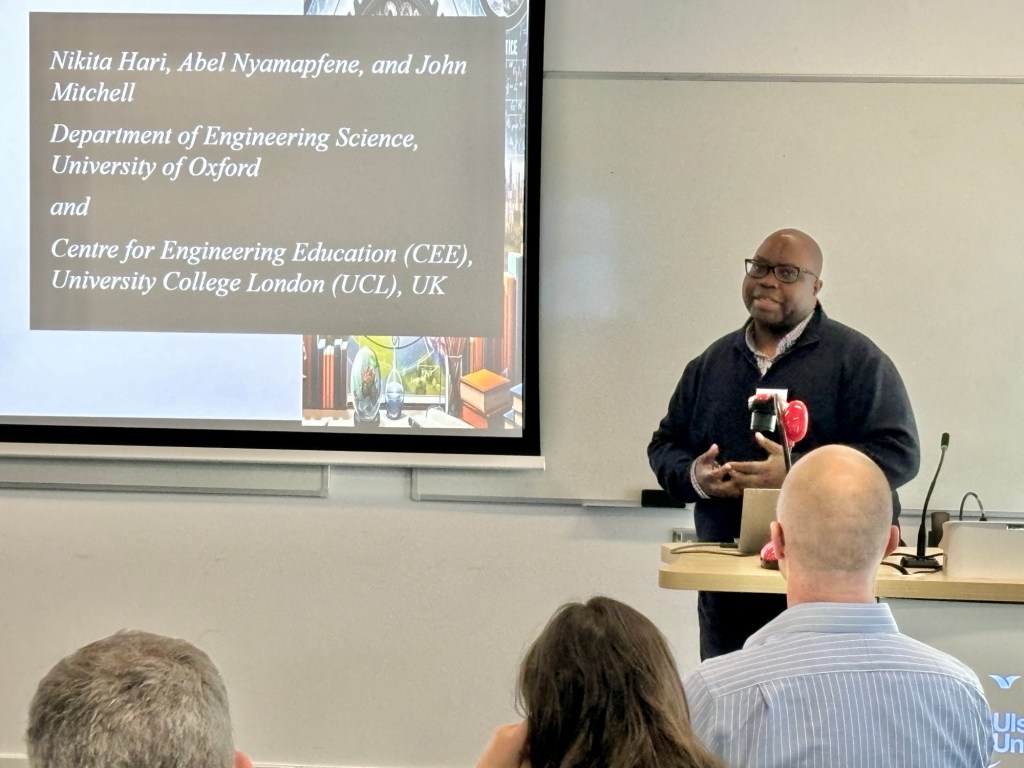
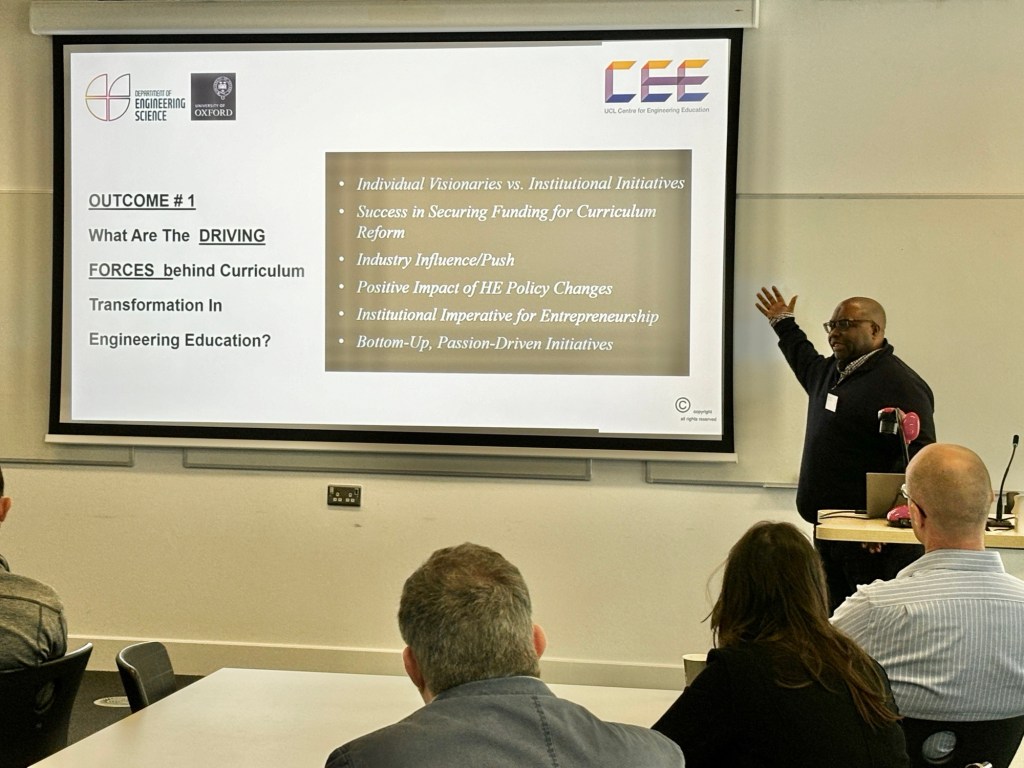
Now, engineering has brought me to Belfast. The past couple of days, I’ve been part of the 2024 symposium of the Engineering Education Research Network (EERN) for the UK and Ireland.

Hats off to EERN bringing these countries together to celebrate and enhance engineering through meaningful education! EERN UK welcomed their Irish cousins in formally around a decade ago, updating their name to include both “sides” of Ireland.

Ulster University’s Alan Brown hosted us downtown—for two days of conversation “Beyond Boundaries: Inclusive, Sustainable and Outward Looking Engineering Education”. What a fabulous theme! Alan did a phenomenal job organizing and shepherding this event.

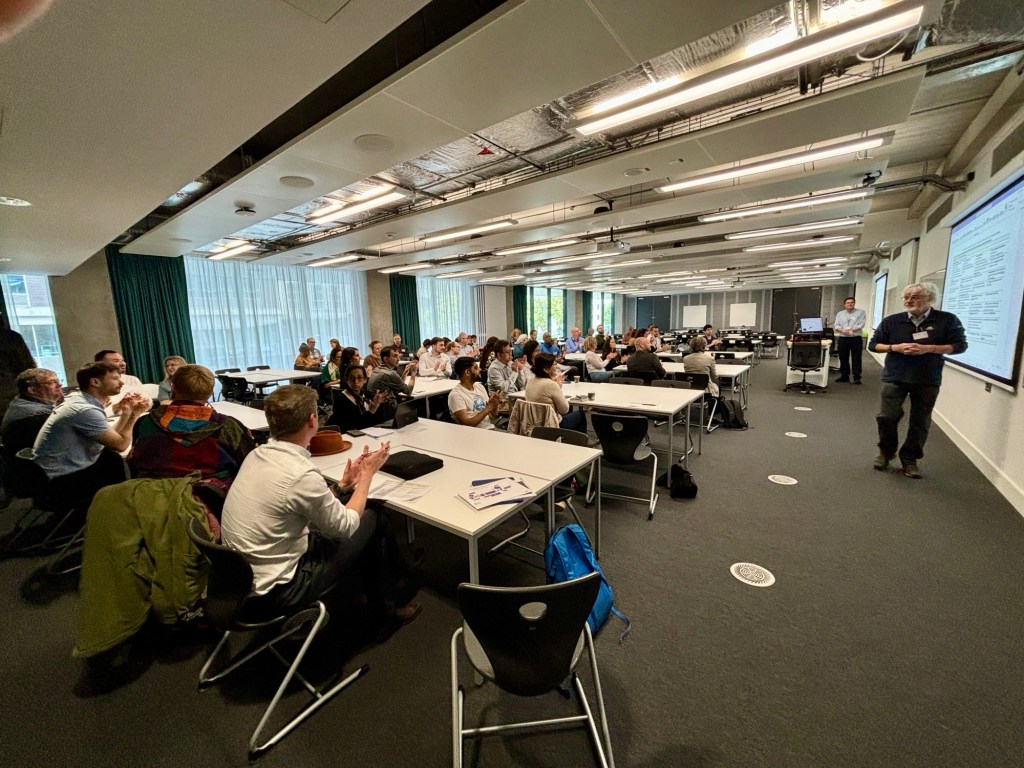
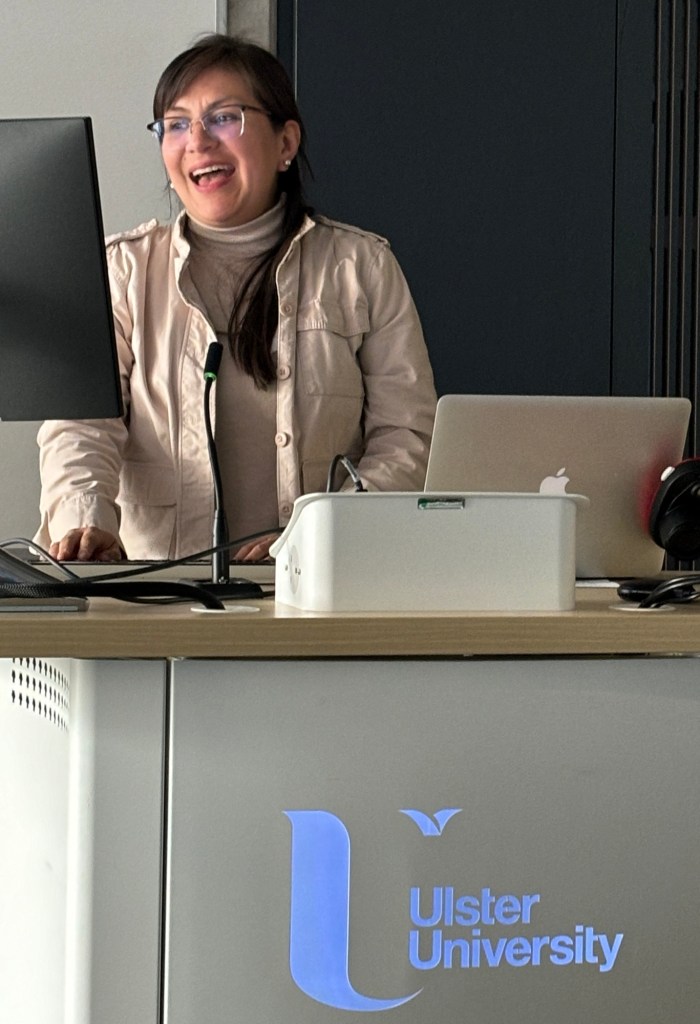
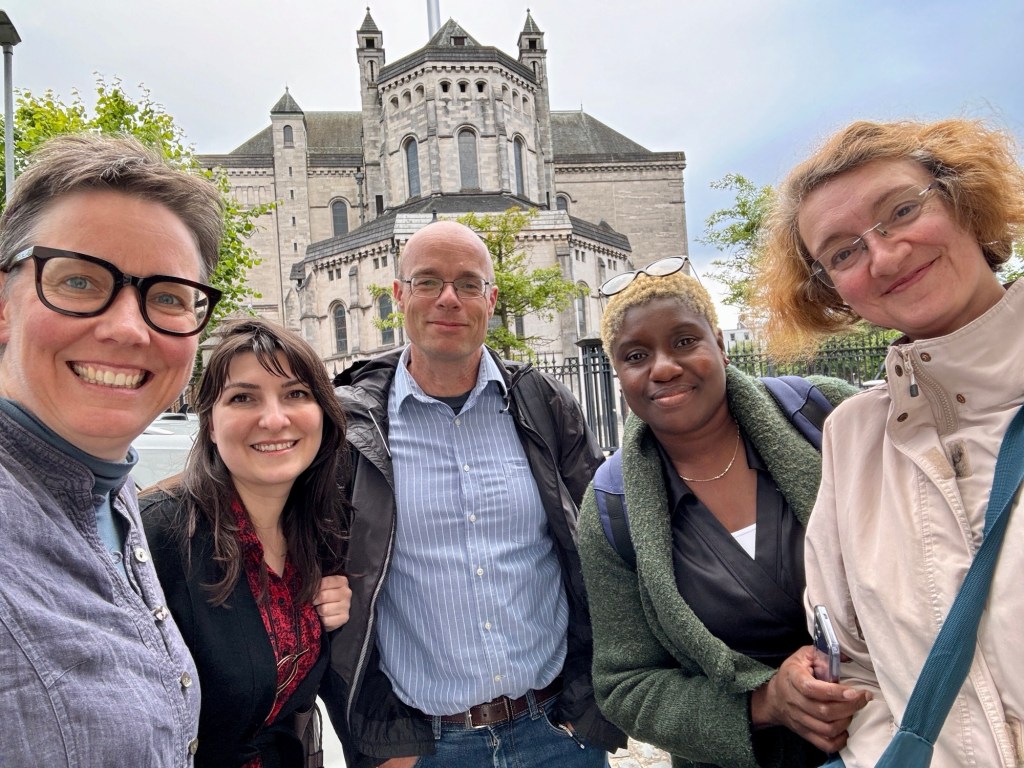
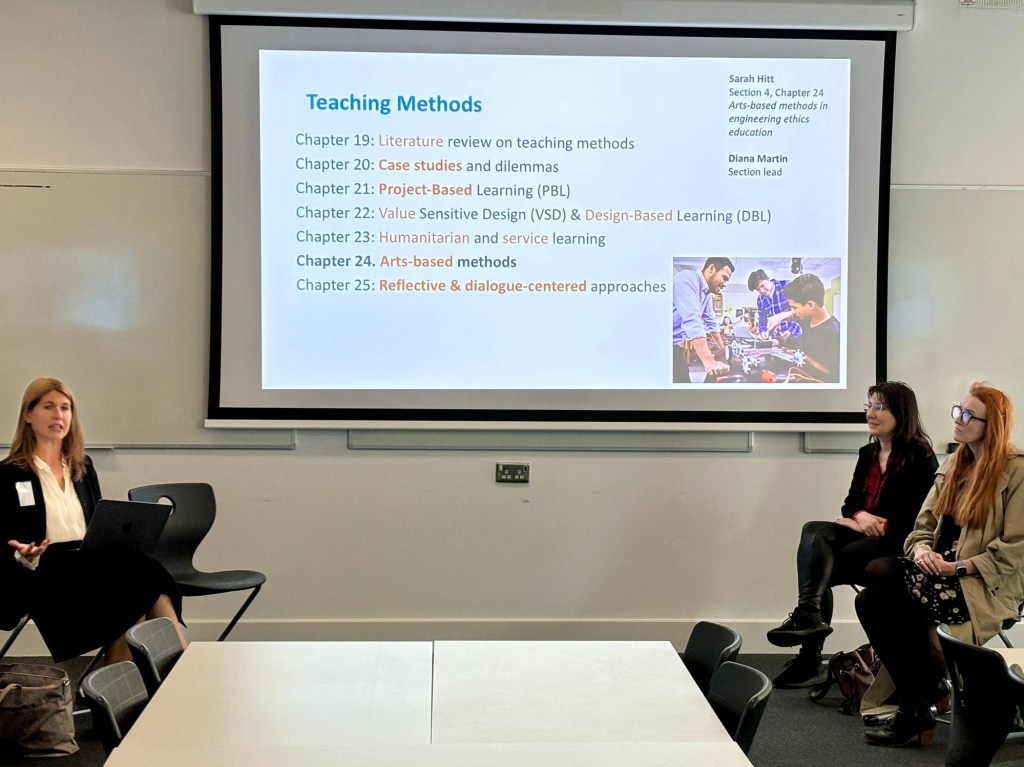
During EERN, my PhD student Sandra Cruz presented a thread of her research, and Diana Martin and I facilitated a workshop/panel discussion on the forthcoming Routledge International Handbook of Engineering Ethics Education with authors Dr Sarah Hitt and Dr Natalie Wint.

The handbook panel facilitated by Diana Martin and myself, with author panelists Sarah Hitt and Nat Wint.

I caught up with dozens of people I’ve collaborated with in the past, and made new friends and colleagues who I’ll complete projects with in coming years.

I also discovered the beauty of Belfast. I immediately phoned Aongus when I arrived and discussed traveling here together in the fall.

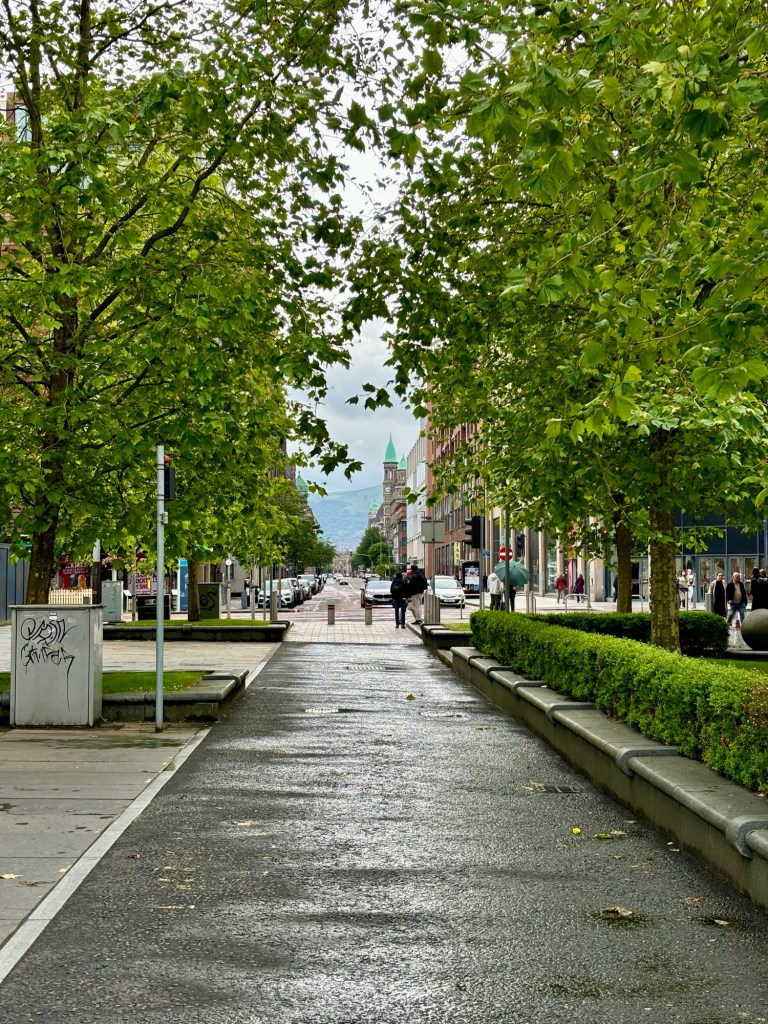
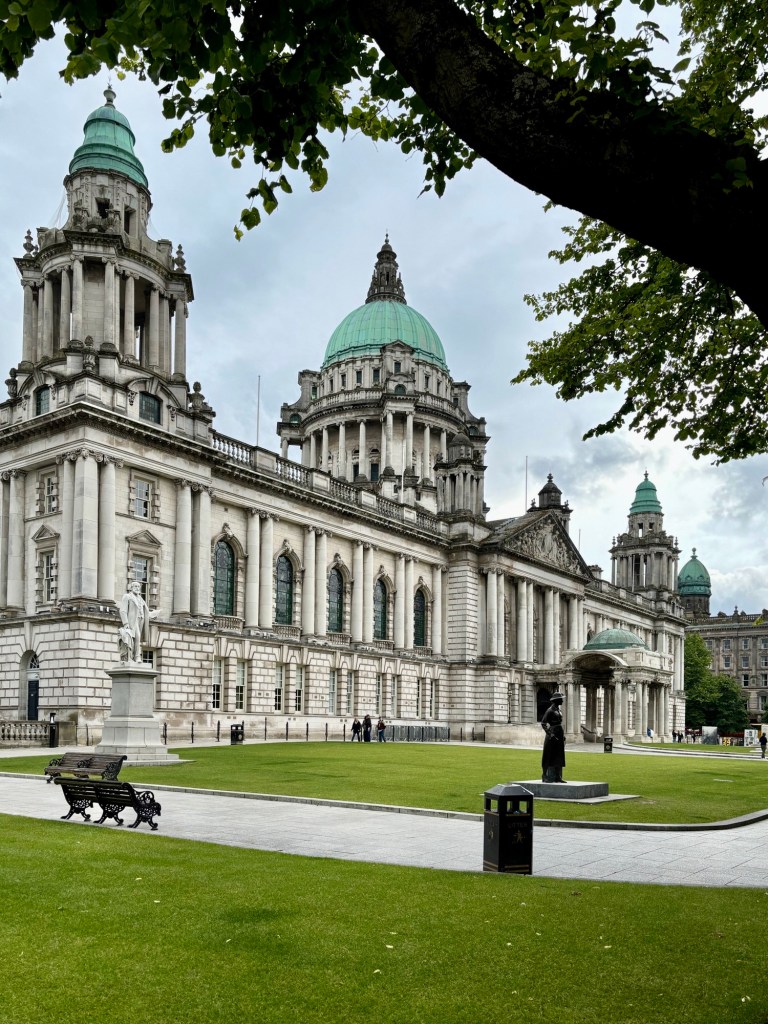
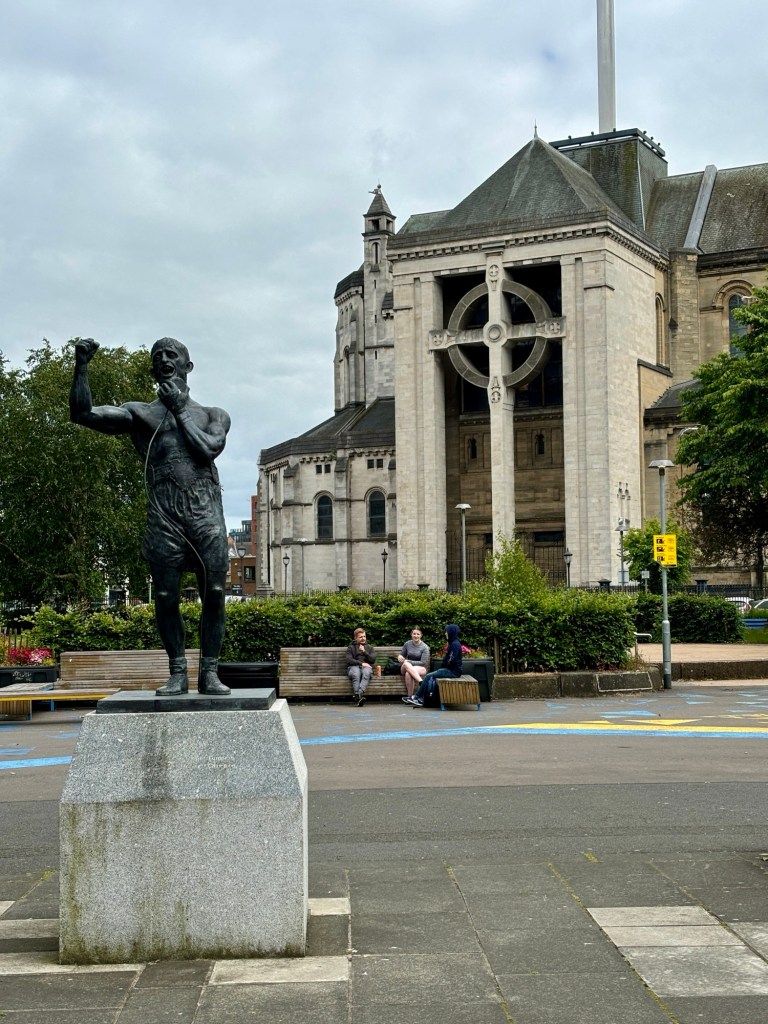
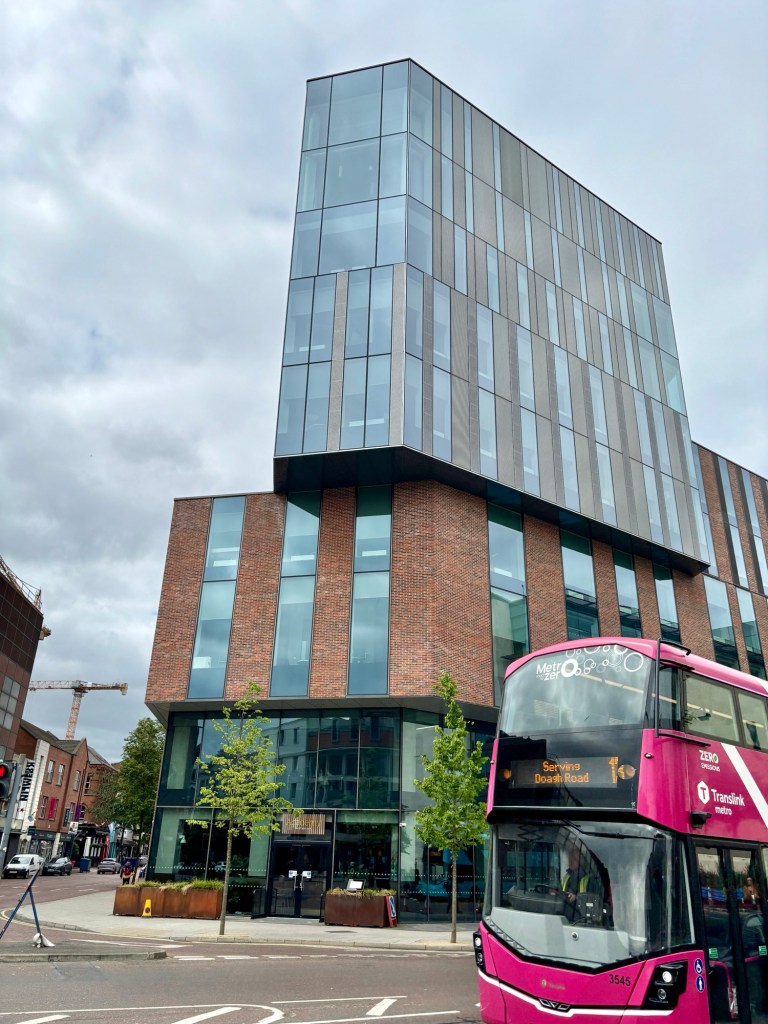
The train journey here provided spectacular scenery and the city is lively and architecturally significant. There are also many lovely public spaces.

It’s nice to find new nooks and crannies to explore on this isle, and I have many adventures and collaborations to anticipate.

Thanks Alan, Roger, Becky, Jane, EERN, and Ulster University for a top-notch platform for engaging discussion!

Boosting engineering education in Aveiro, the Venice of Portugal

Portugal has vibrant networks of academics engaged in engineering education research. This week, I got to be part of that community, thanks to the generous support of the American Corner, on a four-night visit funded by the US Embassy in Portugal. 

Flying into Portugal on Saturday morning, I settled in and toured the area over the weekend with my dear colleague (formerly of UCL) Inês Direito and her partner Gonçalo. Inês and I continually collaborate on research — and our bond grows stronger with each project and every passing year. 

On Monday morning, I delivered a keynote address on “Boosting Engineering Education: How Research Can Make Engineering Education Better” and then facilitated a hands-on workshop on “Integrating Ethics, Sustainability, and Inclusion in Your Teaching.” In all this, I was the guest of honor with the Department of Mechanical Engineering at the University of Aveiro (UA).  

I was impressed that 25 teachers and students participated in these morning events, as they happened during a week without classes at UA. Despite having the flexibility to work from home this week, people traveled to campus from all across the engineering disciplines at UA — and visitors traveled in from Lisbon, Porto, and Setúbal to partake as well. 

After lunch Monday, the Engineering Education Research team at UA and I headed to the administration building to meet with the university’s Vice-Rector for Research and an expert from UA’s Research Support Office. We discussed grant proposals and laid the foundation for upcoming initiatives that we plan to launch at UA. 

Wrapping up that exciting meeting, we skipped across campus to the sleek, modern library, designed by Alvaro Siza, where the American Corner has a recording studio. In a session moderated by Inês, a few of us (Inês, Pedro Fonseca, Anikó Costa, and I) discussed what engineering education is, and why it is crucial for solving societal challenges in the 21st century. We also considered what role interdisciplinary collaboration plays in engineering education, and how can we, in higher education institutions, can facilitate it more effectively. Finally, we chatted about how interested people can get involved in engineering education research. 

You can view the recording at: https://www.youtube.com/live/n8CiEIQ5DuI?si=g5Q1y-lunxW45zhz

On air from the American Corner with Inês Direito.

On Tuesday, the EER team and I set to work refining our plans to secure funding for our projects. We had the treat of bumping into a pair of scholars who currently hold the type of grant we aim to secure, and they agreed to share their experience and insight with us. I’m looking forward to meeting them at the end of the summer to learn more! 

Reflecting on the visit from the boarding gate at Porto airport, I realized that I’d had the most marvelous time in Aveiro. Every single person I met helped make the trip special—from the driver Casimiro, to Inês and Gonçalo, the hotel staff, Sandra the librarian in charge of the American Corner, to UA’s engineering education research team, the energetic and ever-smiling Robertt, Barbara, Inês, and Carla. Colleagues Bill and Val, and Val’s spouse Frank, all traveled from the Lisbon area for research meetings while I was there, helping make the experience that much more special! 

I am bursting with energy for our upcoming projects, and hopeful what the future might hold for our team.

Architecture educators in India

The architecture teachers at KLE Tech are really enthusiastic about teaching and about learning to do educational research. A number of them attended the engineering education conferences held at their institution in January — the IUCEE conference on engineering teaching and REES, the Research in Engineering Education Symposium, which focuses on research about engineering teaching.

KLE Tech’s lovely Dipanwita Chakravarty was the most enthusiastic among them, delighted as she was to find an architect speaking on a panel at REES.

That architect was me! 🙂

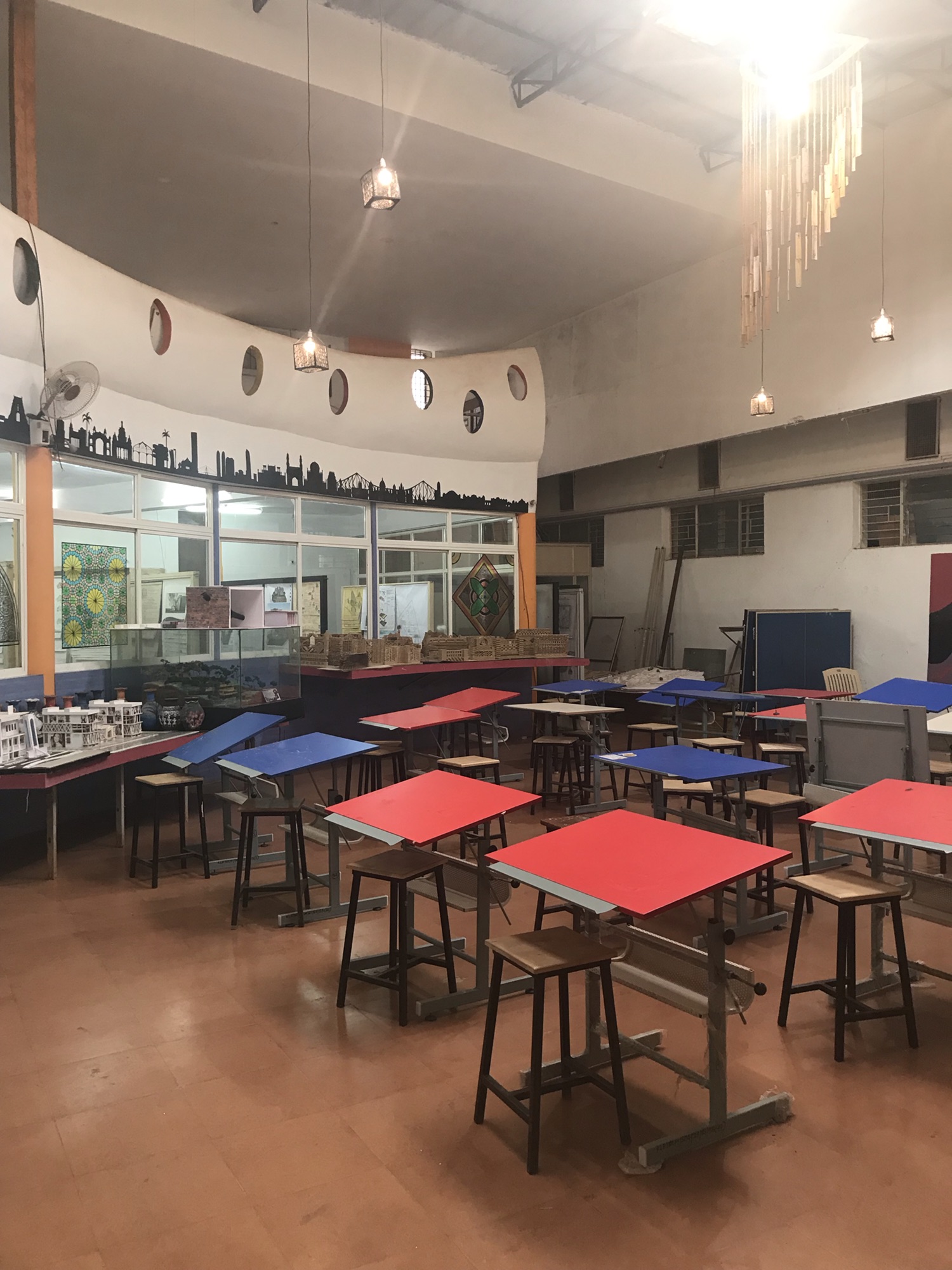
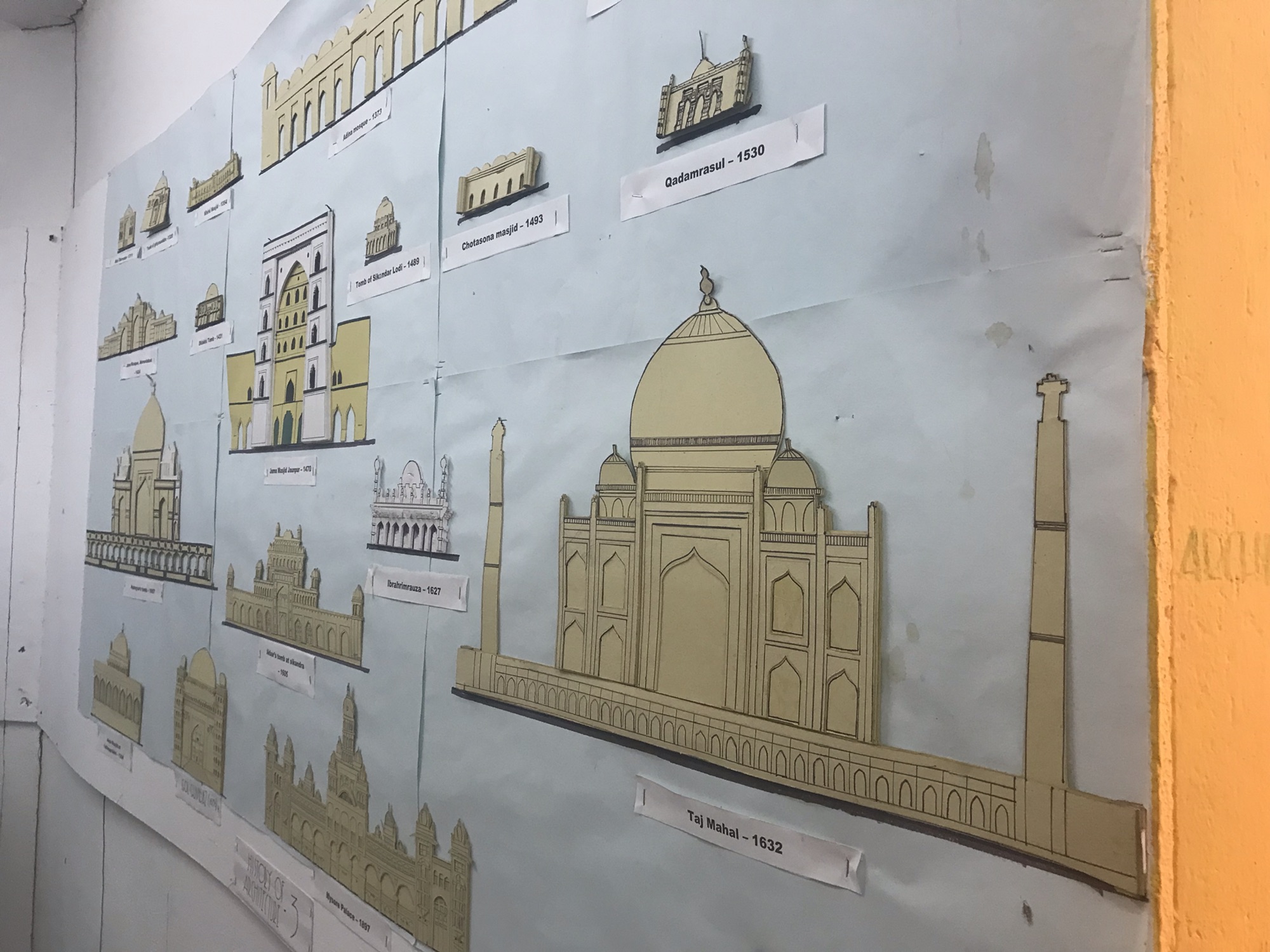
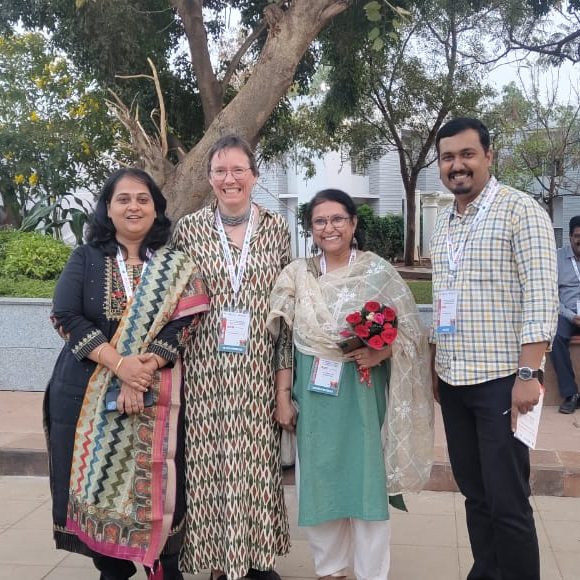
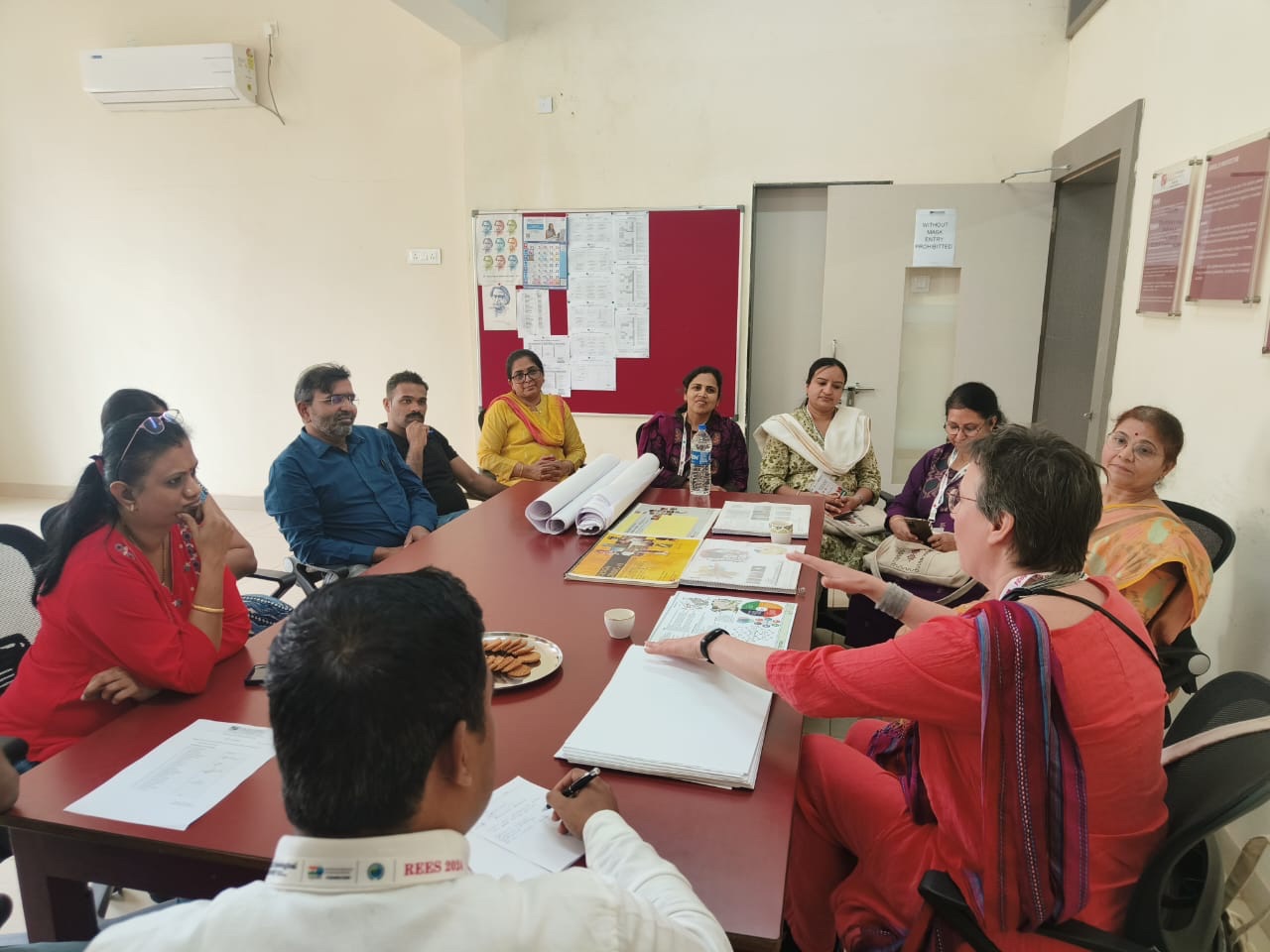
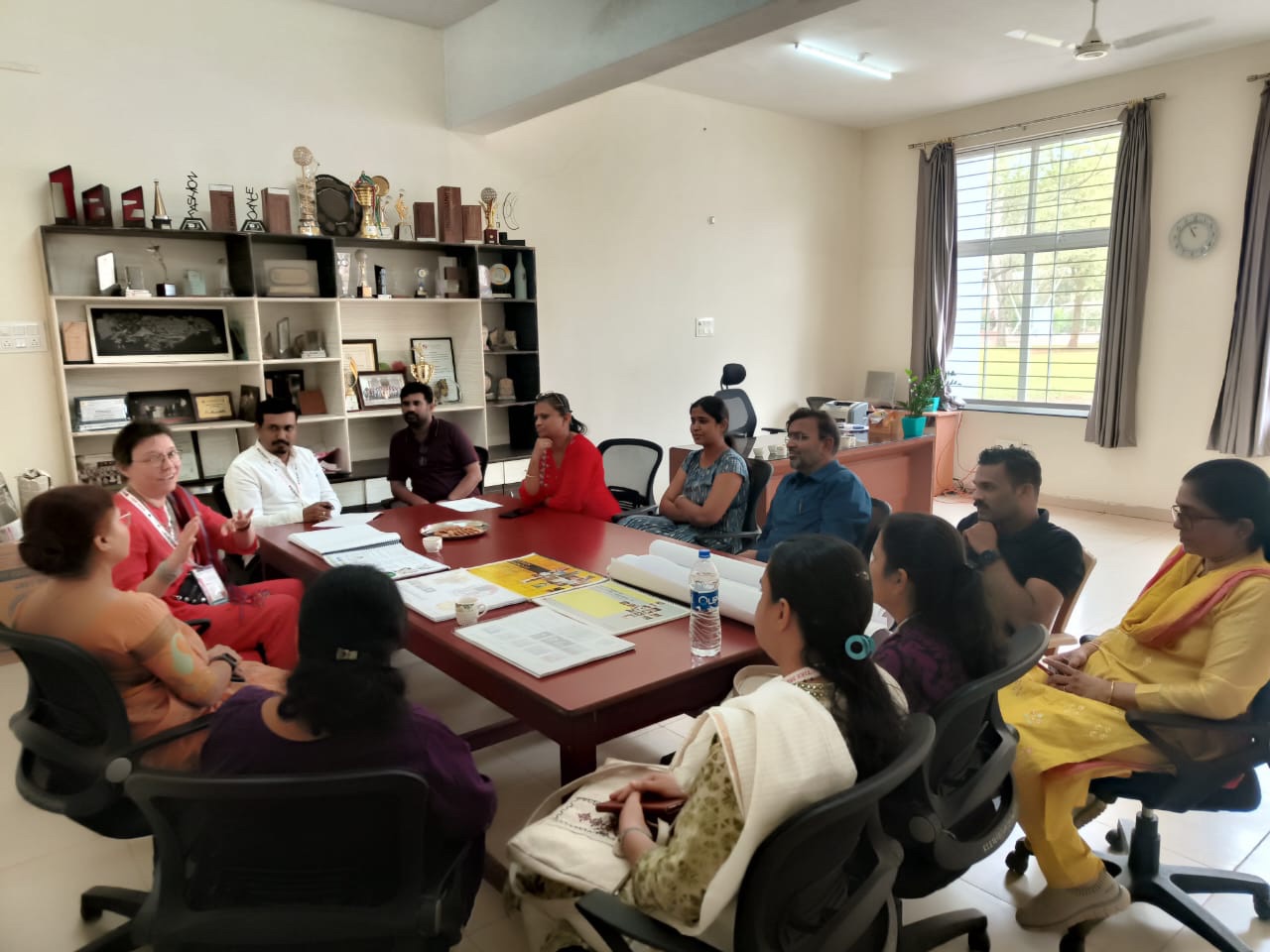
Dipanwita found me soon after I presented, asking me to meet her architecture colleagues. She spirited me away from the events at REES, to meet Deepa Mane and Rohini Mligi, tour a room archiving their architecture students’ work, and then meet even more colleagues for an animated chat about research and curriculum design. And tea! Such excellent tea!

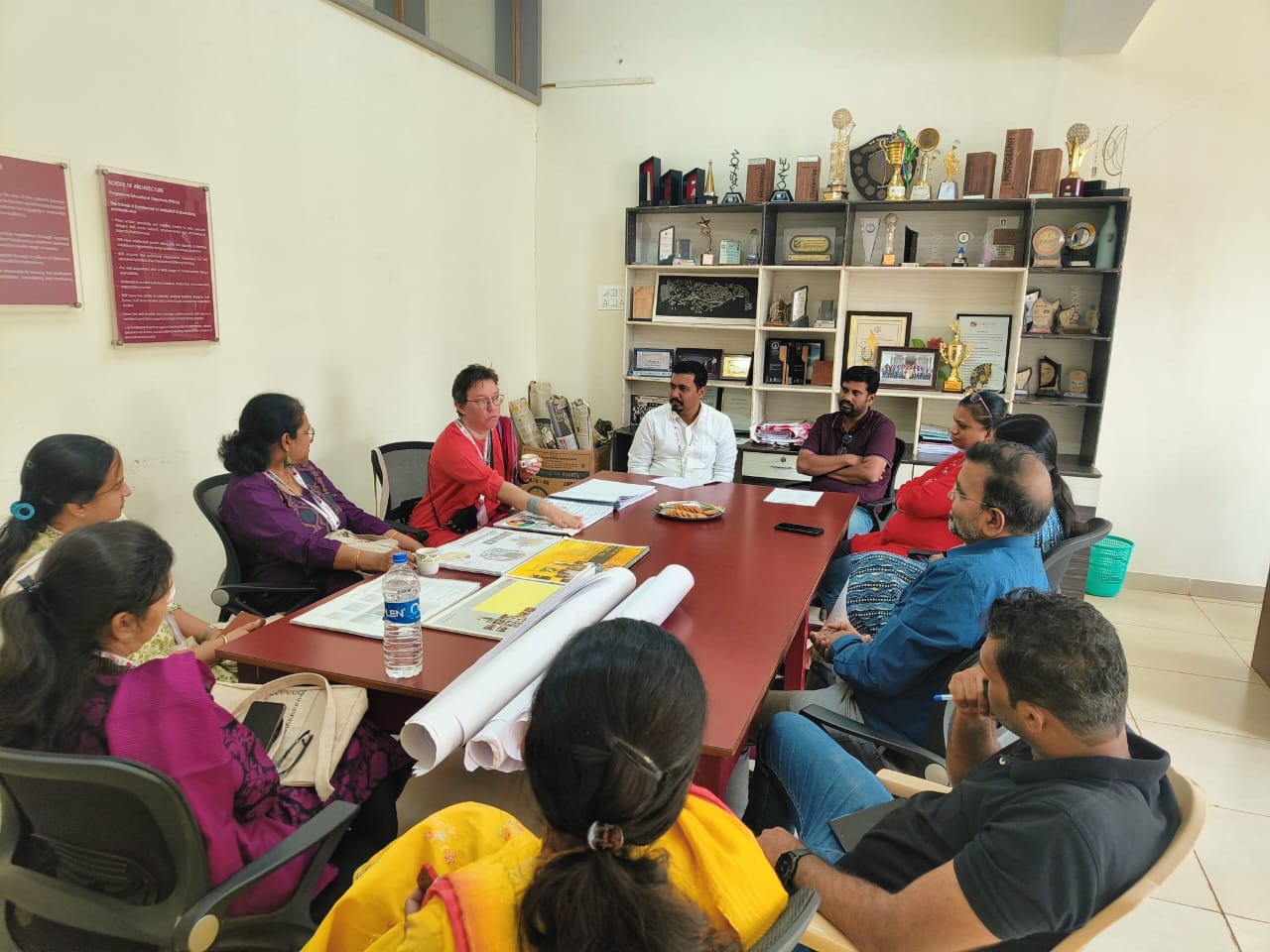
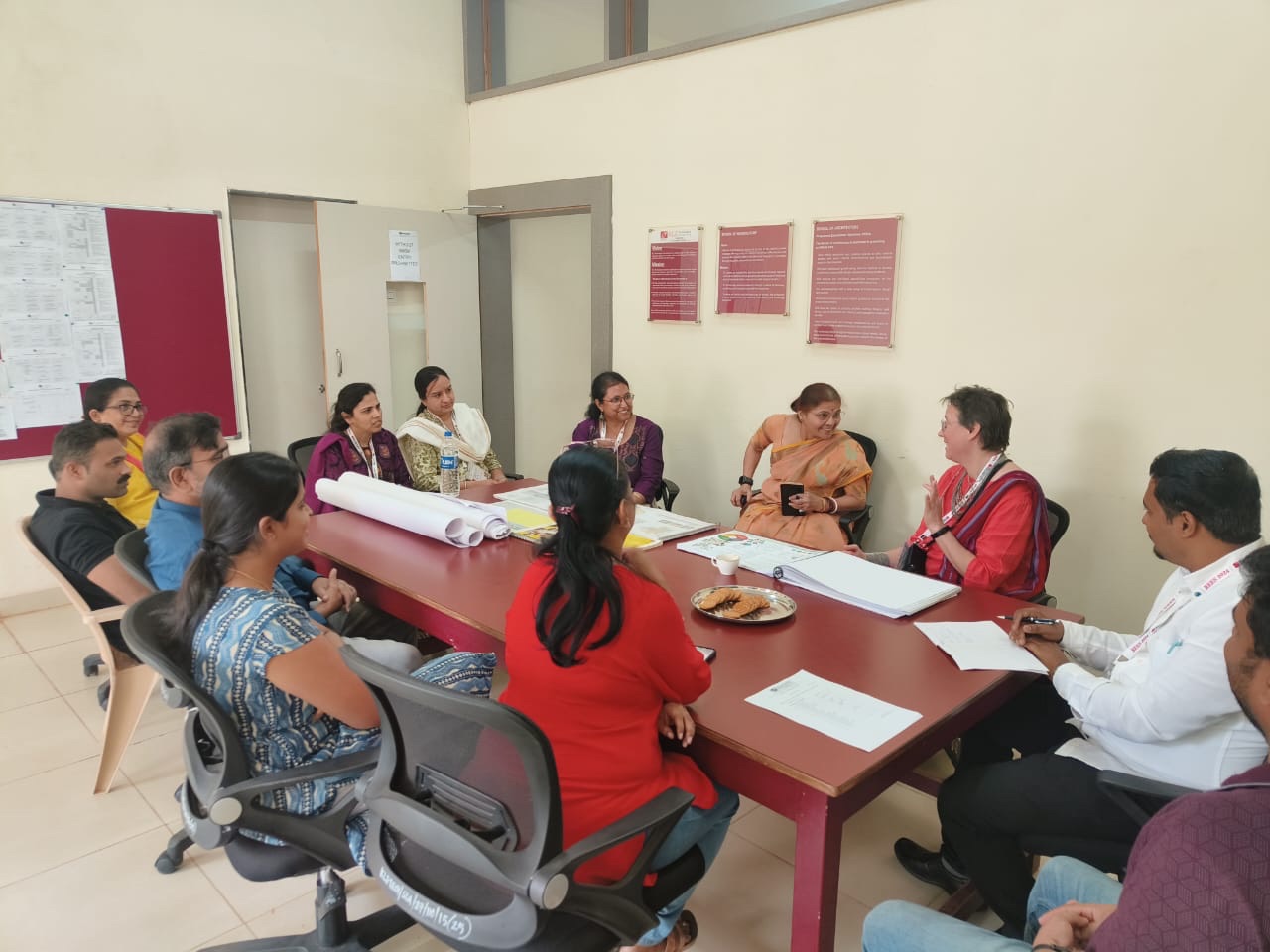
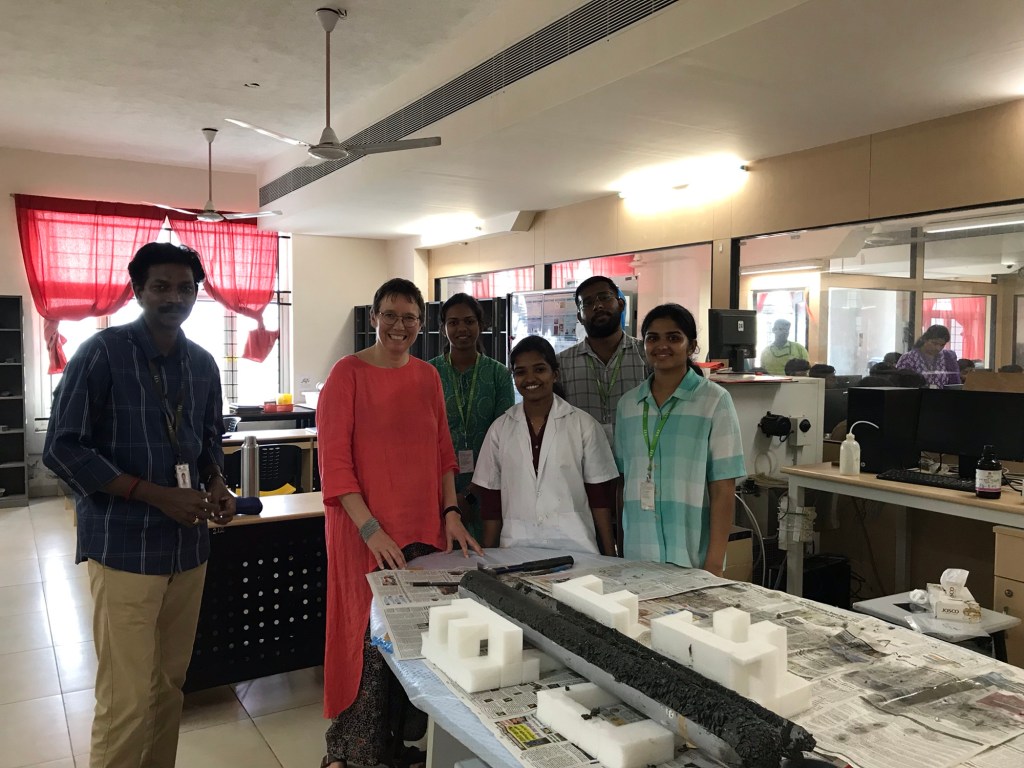
Here’s a glimpse of that afternoon’s tour and interactions:

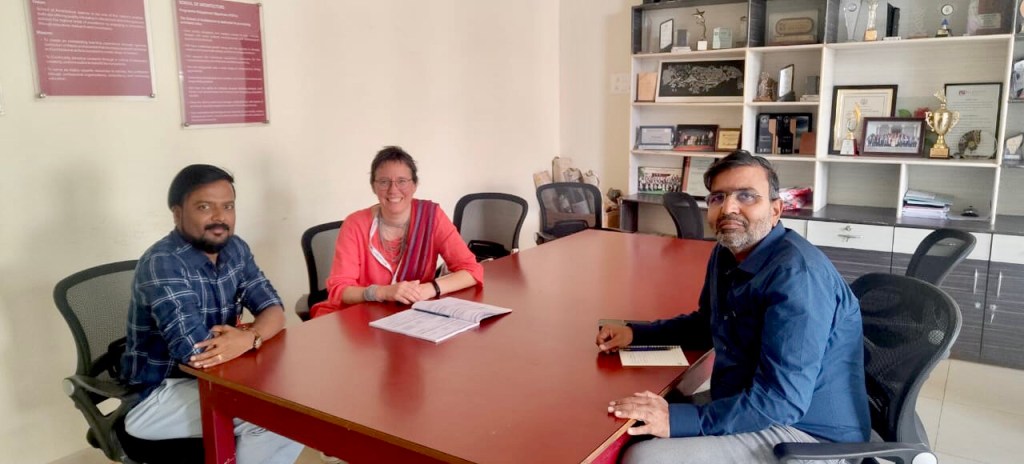
In that initial discussion in their faculty boardroom, we talked about different types of research they are doing and their interests surrounding architectural accreditation.

They asked me to help them build momentum and capacity to do education research, as they were enjoying seeing work presented at REES but were not quite sure how this type of research would look in the context of architecture rather than engineering.

We decided we needed a group identity. We envisioned collaborating with the engineering education research center on their campus (which has its own building, as it’s the leader in this realm in India). We also envisioned becoming active members of India’s IUCEE (the corollary of ASEE or SEFI for India).

As a step forward, we asked Dr/Prof Vijayalakshmi M., one of the main organizers of IUCEE and this event, if we could start a special interest group for architecture (and design?) within IUCEE. She was supportive. She gave us the Indian head shake and said: sure, just get started, and let’s see how it grows!

Meeting with Dr/Prof Vijayalakshmi M. about setting up a special interest group in IUCEE.

It was a very satisfying exchange, and I returned to REES for the day, happy and energized. I toured KLE Tech’s building for technical engineering later that day alongside the always-smiling, always-energetic Dipanwita Chakravarty and my colleagues from near and far.

The next morning, the architecture staff spirited me away again!

They’d assembled an even larger group to discuss what education research is, how education research differs from technical research on architecture and engineering (like the work they are already doing on thermal comfort and architectural heritage conservation), and how they can get started doing this new type of research.

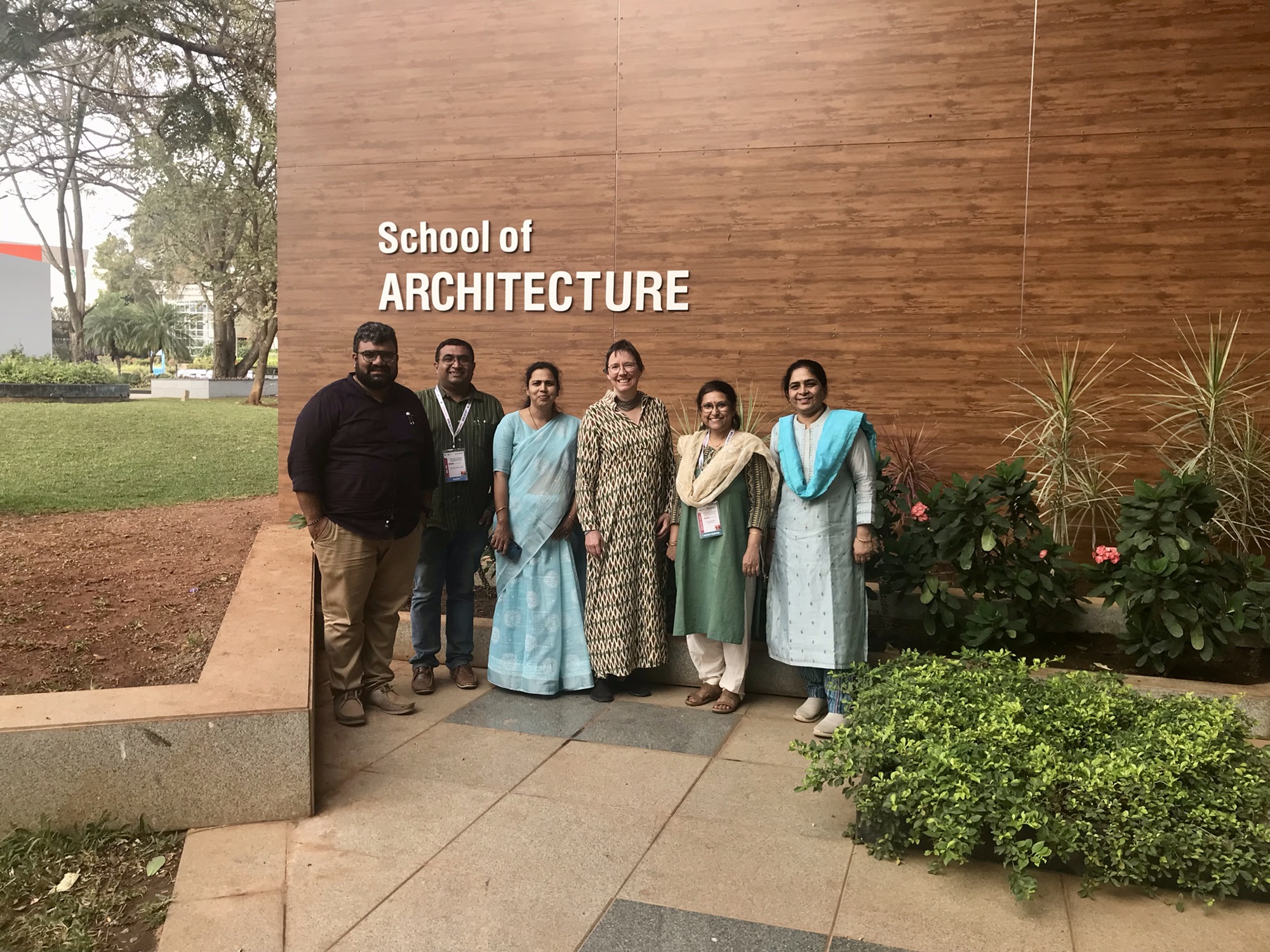
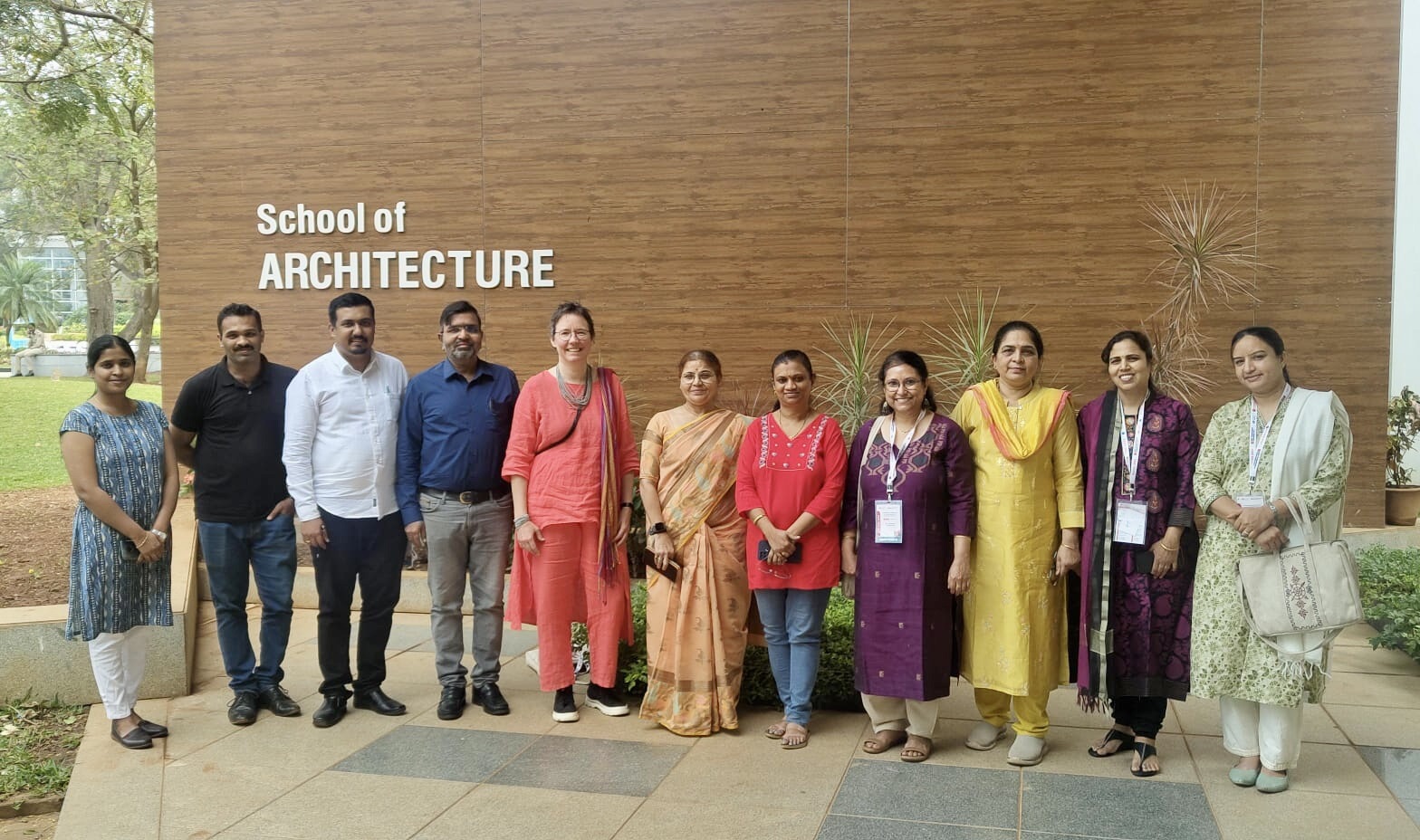
Here are the lovely photos they took of that impromptu seminar along with a photo of our whole group after that meeting.

You can see they made me feel like a rock star! The meeting was so much fun.

We’ve had a gap in communication since the conference ended, because I was on the lecture circuit (lol!) and then getting caught up back home and inducting a new cohort of BIM BSc students.

But my KLE architecture colleagues and I plan to hold online meetings in the near future to discuss examples of educational research in architectural education. I’ve agreed to help them envision, plan, and get started conducting education research.

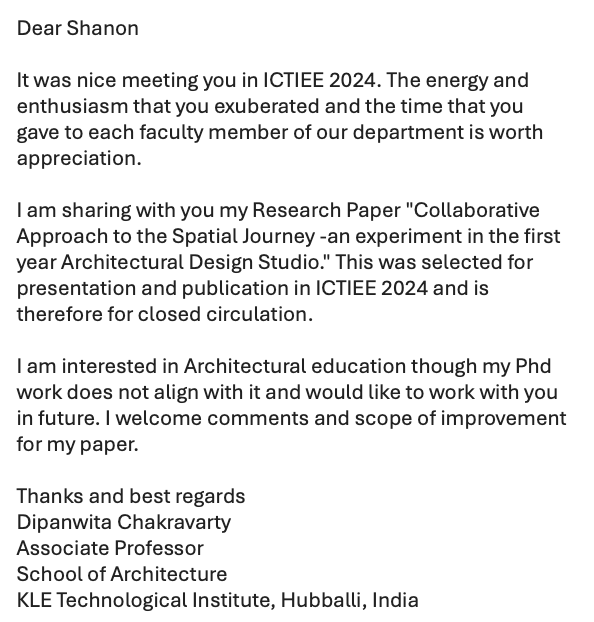
One of the architects in the group emailed me later, asking me to share my own examples.

Reflecting on this request, I fear my own examples in this realm pale in comparison to my engineering education research. Architecture teachers tend to publish conference papers showing how they taught their class, and of these, my favorite among my papers reporting what might (optimistically) be called research-informed teaching or the Scholarship of Teaching and Learning (SoTL) would probably be Writing Architecture: The Role of Process Journals in Architectural Education and Beginning with Site in Architectural Education.

However, engineering education research is more rigorous than SOTL.

Although ‘engineering education’ conferences will allow the publication of reports on ‘how I taught my class’, the ‘engineering education research’ journals want empirical research studies. You have to collect and analyze data in a rigorous way. An example of this type of work is the book chapter Designing the Identities of Engineers, for which I collected surveys and compared results statistically between ‘engineering’ and ‘engineering technology’ students. The biggest difference I found, and my team reported, was that the ‘engineering’ students envisioned themselves as designers, whereas the ‘engineering technology’ students did not.

Another worthwhile example is my conference paper, where I first reported the design of the study as the Background and Design of a Qualitative Study on Globally Responsible Decision-Making in Civil Engineering and then published the results in a few different ways. The journal article Above And Beyond: Ethics And Responsibility In Civil Engineering reports what the civil engineers I spoke with discussed about ethics, whereas Opportunities and barriers faced by early-career civil engineers enacting global responsibility provides a more holistic report of what we found overall. The official ‘industry’ report of the study is called the Global Responsibility of Engineering Report and it was published by Engineers without Borders UK.

My primary research group, the European Society for Engineering Education (SEFI), embraces architects as if they are engineers, which is a reason I identify so strongly with SEFI. Yet, SEFI doesn’t have a special interest group in architecture or architectural engineering, even though the American Society for Engineering Education (ASEE) does have an Architectural Engineering division. ASEE’s Journal of Engineering Education rarely publishes research on architecture education.

In contrast, SEFI’s European Journal of Engineering Education, for which I am Deputy Editor, has been reviewing an increasing number of articles on architecture and construction-related topics in education. I suspect that’s partially because I have the interest, capacity, and collegial networks to help support such articles’ review, refinement, and publication. But I also have amazing mentors in my Editor-in-Chief, Dr. Kristina Edström, and co-Deputy Editor, Dr. Jonte Bernhard. They are encouraging me to build capacity in this realm. And they understand that building the cadre of reviewers with expertise in this area takes time, patience, and much enthusiasm!

Our merry band of editors has ample patience and enthusiasm!

A past EJEE editors’ dinner in Dublin, with Dr. Kristina Edström and Dr. Jonte Bernhard (right), me and Diana Martin (soon to be appointed Associate Editor after impressing Kristina and Jonte!).

[Edit after posting: SEFI just launched a new journal that does publish SOTL papers, see: https://sefi-jeea.org/index.php/sefijeea/announcement/view/1! It says, “The SEFI Journal of Engineering Education Advancement offers a route to share ideas, emerging research, practice experience and innovations in the engineering education field.”]

In reflecting on what publications I have of my own that truly relate to architecture, I have identified Using Architecture Design Studio Pedagogies to Enhance Engineering Education as a favorite of mine. Unfortunately, it isn’t easy to find on search engines and the platform to download it is far from user-friendly. It doesn’t get the attention it deserves, but you can download it by clicking the title and see how you like it!

Another relevant work of which I am very proud is Comparing the meaning of ‘thesis’ and ‘final year project’ in architecture and engineering education. Yet this paper is more conceptual than empirically based and, thus, isn’t the best place to start the discussion with my colleagues at KLE Tech. I am delighted to report that it’s garnered nearly 1300 views since it was published, just 5.5 months ago.

A good place to start our discussion might actually be Comparing Grounded Theory and Phenomenology, an article I think is one of my best but has a very long and obscure title that I haven’t bored you with here!

My KLE Tech colleagues have a keen interest in architecture accreditation. These days, I am more engaged with engineering accreditation than with architecture accreditation (having uploaded a conference paper earlier today on engineering ethics accreditation, in fact). But in the past, I’ve been quite involved with the USA’s National Architectural Accrediting Board (NAAB), and my colleagues at KLE Tech are using NAAB’s guidelines to help them structure their programs. One day, they may seek affiliate designation from NAAB.

Near the end of REES, I found myself again spirited away to the now-familiar meeting room of KLE Tech’s architecture building to discuss accreditation options with Sharan Goudar and another colleague.

Discussing accreditation with Sharan Goudar (right) and colleague.

A text from Sharan encouraged me to finally craft this blog post, in fact. He responded to my recent blog Why India? Inspired by IUCEE and KLE Tech with a request for me to remember the architects:

Like Sharan, I, too, cherished the moments were shared in Hubli and I look forward to opportunities for more such moments, and a bit of hard (but fun and rewarding) research work, to boot!

My work with VIT Chennai and Dr. Nithya Venkatesan of the Internationalization Office may enable another trip to India, and I will make every effort to include a flight across to KLE Tech’s architecture department while I’m there.

These KLE architecture teachers are lovely, lovely people, and I look forward to getting to know them better and collaborating with them in both research and teaching.

Learning civil engineering in India

India is now the most populated country in the world. There’s a pressing need for more and better-educated civil engineers there. A civil engineer working in India today can expect to work 9 AM to 9 PM six days per week and 9 AM to 2 PM on Sundays (according to Dr. Balasubramaniam, Managing Director of Hitech Concrete Solutions Ltd) because their skills are in such high demand.

However, this current weekend is a holiday, so I hope most of them are taking some time off!

Based on my two-week glimpse into life in India, I believe Indian people work extremely hard. Most people working in businesses or projects at the national and international levels work in English. Higher education in India is also in English because India has around 100 languages.

Civil engineers’ work is incredibly important! In a developing nation, the infrastructure and buildings overseen by civil engineers (and architects!) shelter and support a growing population of people – a population working hard to live ethically and build a brighter future.

In the first couple weeks of January 2024, I got an inside perspective by attending events and touring workshops and laboratories at the Chennai branch campus of Vellore Institute of Technology (VIT).

VIT’s Dr. Nithya Venkatesan, Assistant Director of International Relations, and Associate Professor Dr. Shanmuga Sundaram (who goes by Shanmugham) served as my primary hosts. They helped coordinate my entire two-week trip, and without them I never would have managed to make my first venture into this fascinating land.

Dr. Renukadevi Selvaraj, Professor and Head of the Dept. of Education at the National Institute of Technical Teachers Training Institute (NITTTR), run by the Ministry of Education for the Government of India, connected me with VIT after I met her in Blacksburg, Virginia (my hometown) at an ethics symposium last summer.

At VIT, I attended a two-day conclave on civil engineering organized by Shanmugham that included presentations by academic and industry partners. Shanmugham’s areas of specialization include sustainable building materials, special concrete, alternative binding processes.

I delivered the opening keynote address for the conclave. Most of the audience of around 45 participants were civil and structural engineering students, but their teachers, some PhD researchers, and some industry partners also attended.

Other presenters at the conclave talked about structural failures within existing buildings (causes, effects, and ways of avoiding or addressing defects), earthquake resistance and previous structural failures in India due to earthquake activity, and the importance of being part of professional organizations (such as the UK-based Institution of Civil Engineers, ICE). India does not yet have a licensure program for professional/licensed/chartered engineers of the type you see in the US, UK and Ireland, but Professor Johnson Alengaram from the University of Malaya encouraged the audience to join ICE and maintain their learning and their credentials with care.

Shanmugham noted that he’s in the second generation of civil engineers the people of his father’s age with a first generation of civil engineering professional in the country. The students he is educating now, he sees as the third generation of civil engineering in India.

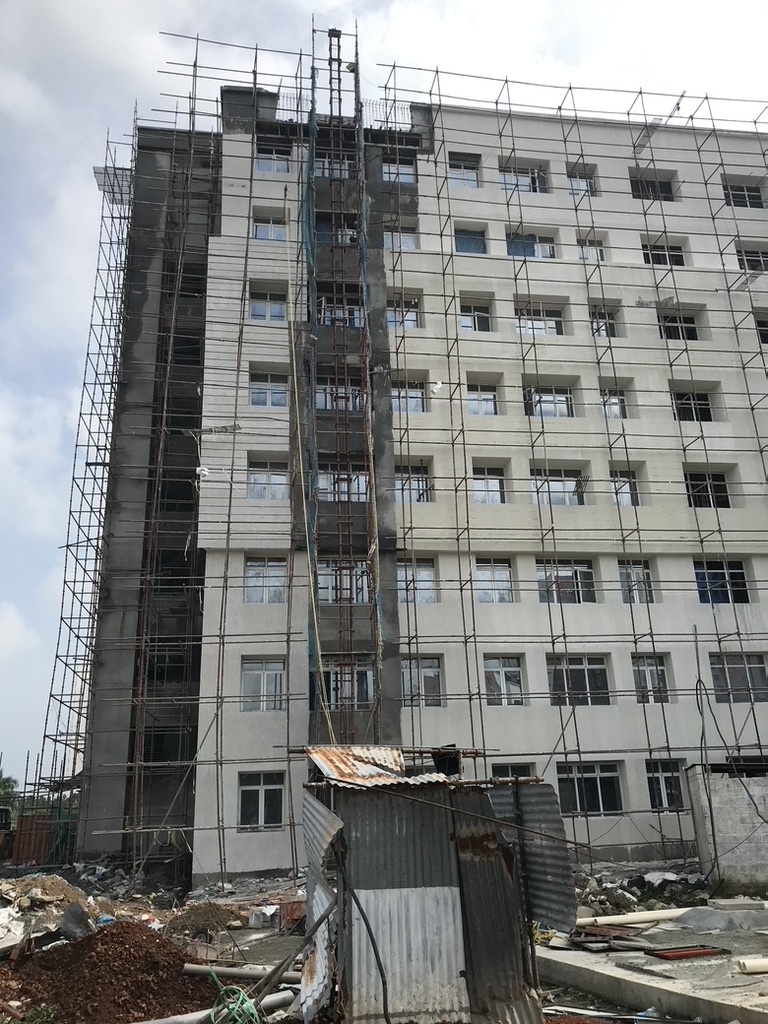
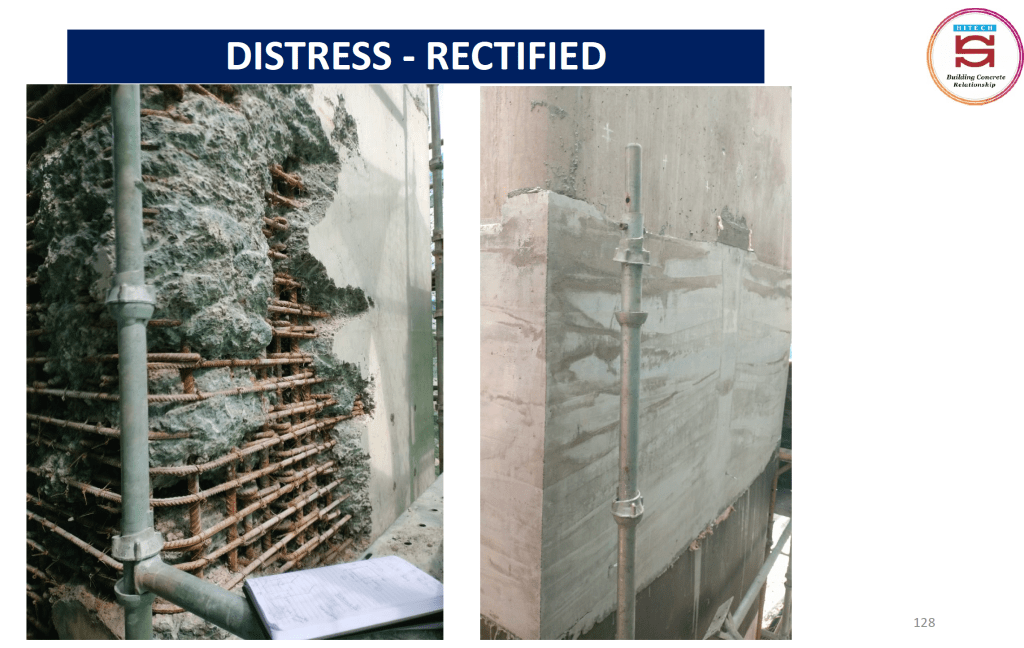
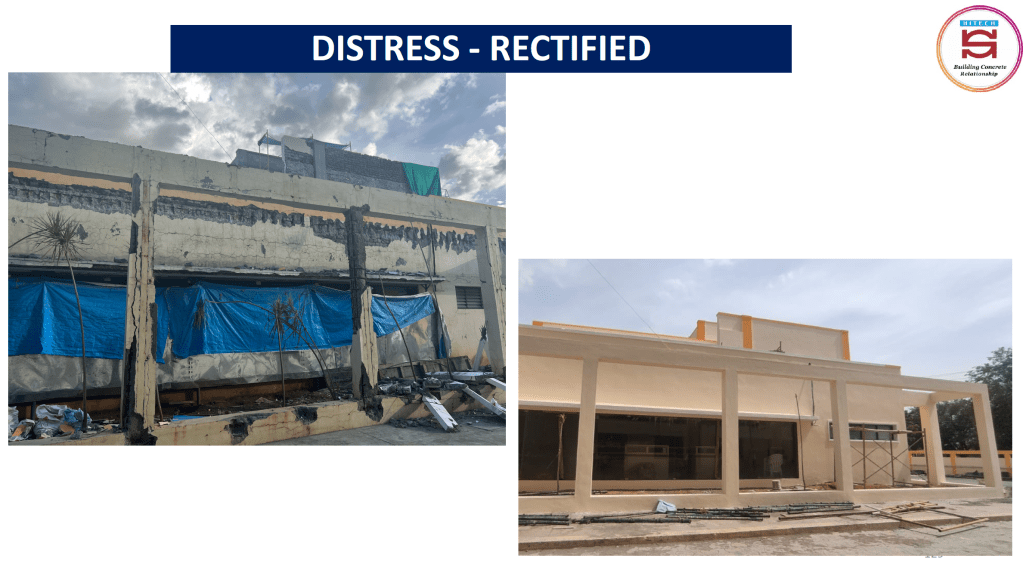
Arvindh Raj Rajendran, who earned a Master of Structural Technology degree, delivered the conclave’s final talk with an extremely well-articulated presentation about an apartment complex that his family’s company, Hitech Civil Engineering Services, Ltd., has worked to diagnosed and remediated. The original construction, by a different company, had severe deficits that had made national news in India. Hitech has made interventions to keep the structure inhabitable and conducted detailed analyses to help the government and the courts decide if the building can be salvaged or must be replaced. He explained the analysis and rectification process in detail. Arvindh showed other faulty structures that Hitect has been able to salvage, as well as the equipment they use (all pictured below).

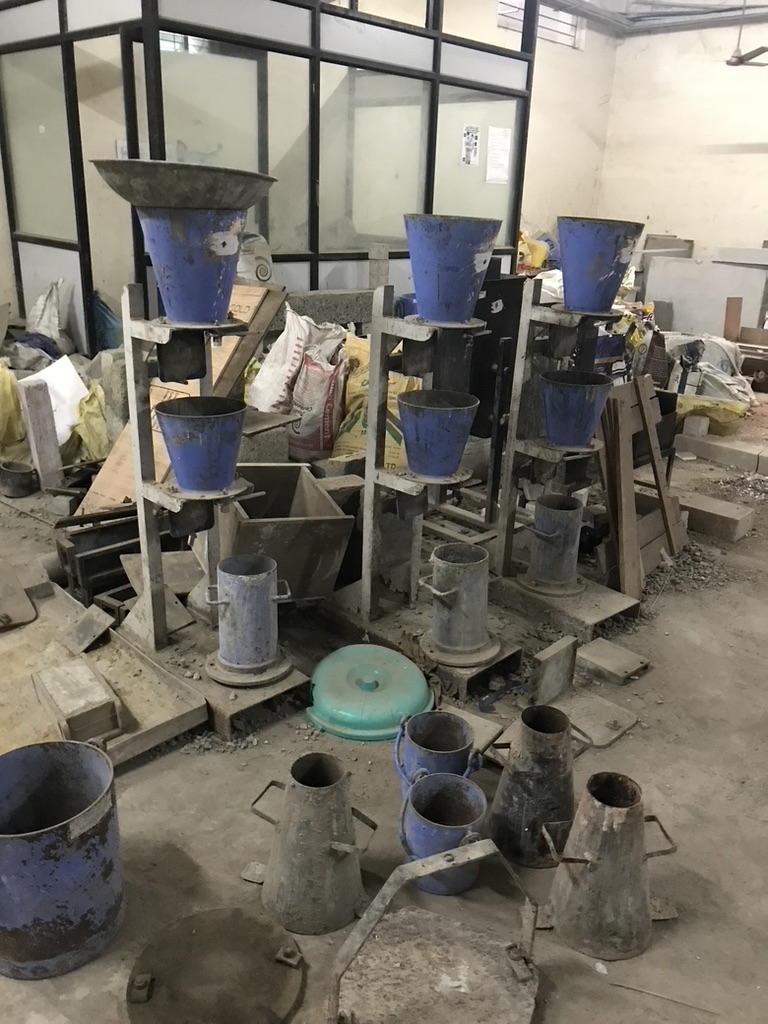
Before the conclave started, I had the distinct honor of visiting four of the engineering laboratories on the VIT Chennai campus, being shown around by Shanmugham. We visited the soil testing lab where he and his colleague, Associate Professor Dr. Karthiyaini train PhD students and conduct research.

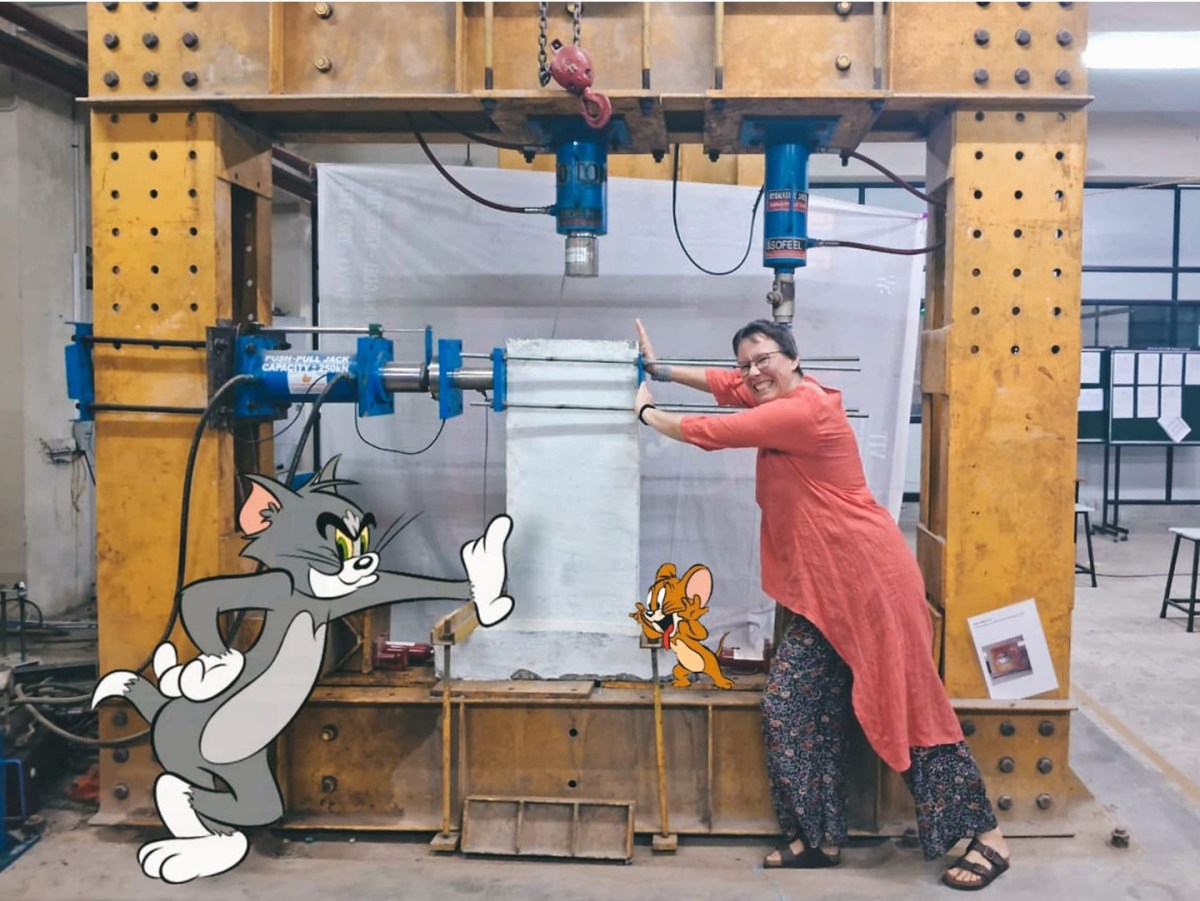
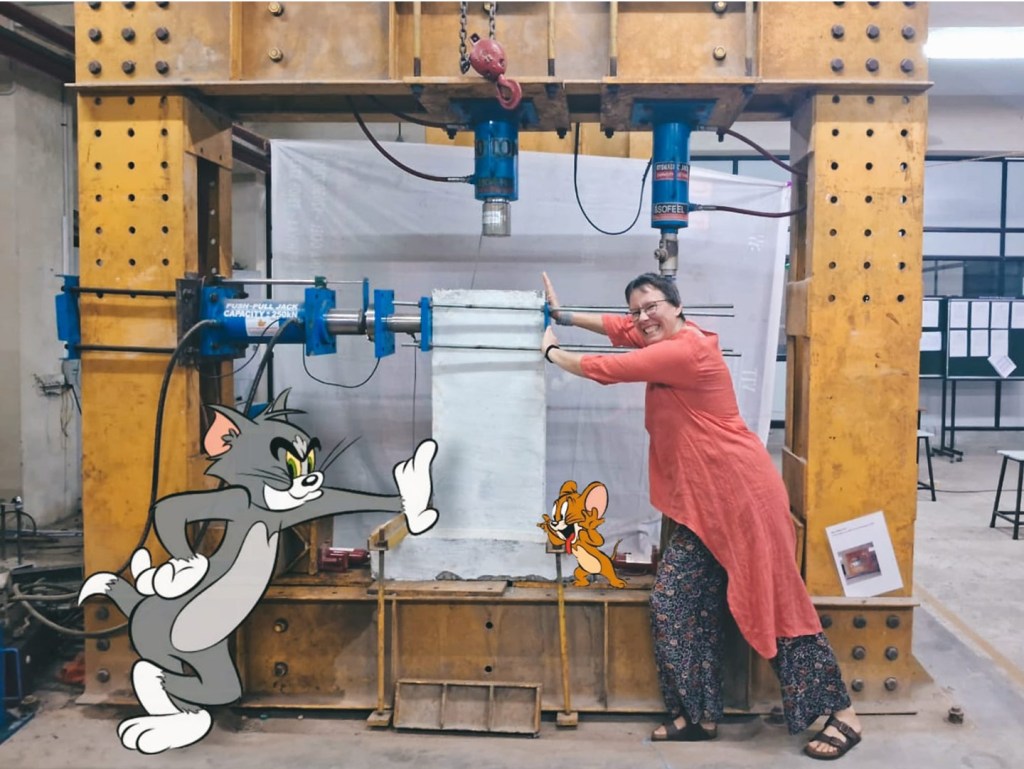
We visited Shanmugham’s materials testing laboratory. He has just gained national certification to test materials (such as concrete samples from active construction sites). He can test the performance of all kinds of concrete steel and concrete-related products. He is also researching possibilities for creating concrete mixed with less embodied carbon than today’s standard material.

He’s working towards a net-zero-type concrete method using byproducts of other industries in India — because concrete is a central construction material in the country. China and India are using a huge portion of the entire amount of concrete fabricated each year currently worldwide.

I also visited a water quality research lab and met the academic leader and her PhD students. They are working on a wide array of topics, including addressing toxic landfill effluents that leak into the soil, reviving microplastics from water, desalination process, and ocean clean-up techniques. I learned so much and wish I’d taken notes!

The geology lab was equally interesting as the students were taking samples from a soil boring to study contaminants. They introduced me to each doctoral research project, and I asked loads of questions, which, again, unfortunately, my brain failed to file into long-term memory. It does this filing in the night while I sleep and in the day when I retell what I’ve learned. But I learned so very much in that single day of touring that my brain couldn’t hold it all.

One thing I will never forget is how many talented women are studying engineering at VIT. To my delight, the research labs are gender balanced.

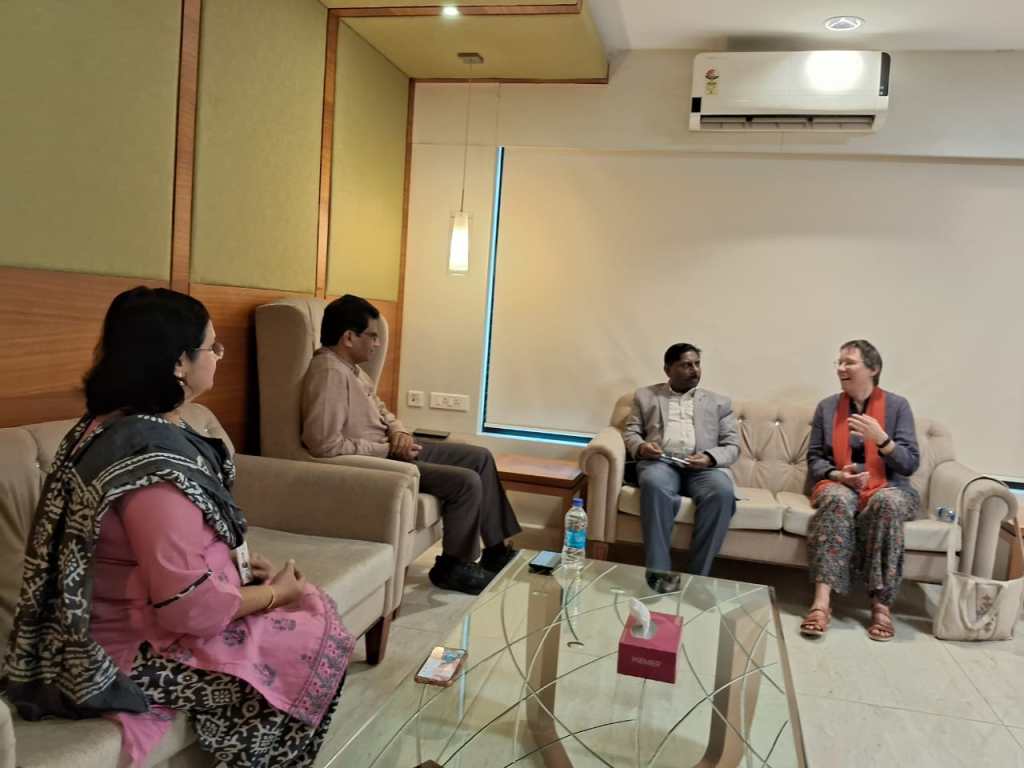
On the day of the tours, I also met VIT’s vice president for academics, Dr. Sekar Viswanathan. He holds this role on all four VIT campuses. I was very impressed with how attentively he communicated with Dr. Johnson, another international guest speaking at the conclave, and me.

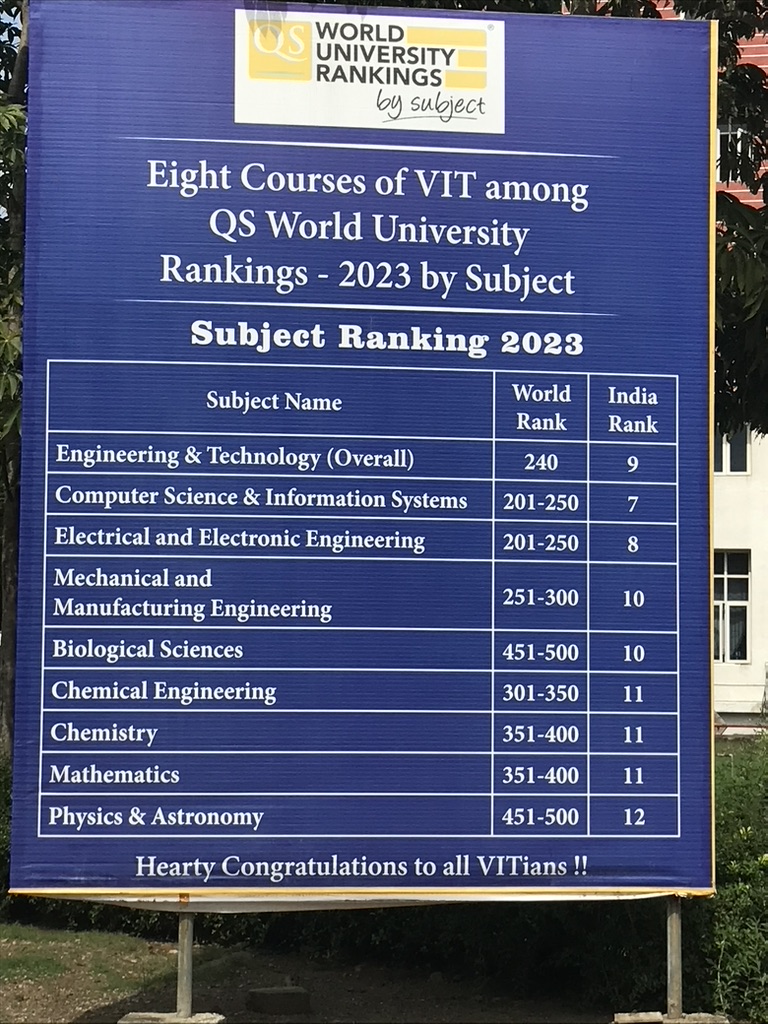
VIT is a private institution that provides itself in excellence and holds academic world rankings. The Chennai campus is currently educating about 10,000 engineering students and is expanding its facilities to double its enrollment. This is very important in a country where many hundred thousand engineers graduate from higher education institutions each year but are not well-prepared for industry. Receiving an education at a highly-ranked institution like this helps ensure the graduate will be ready to perform well in the industry. The country desperately needs more civil engineers who can do this. Hopefully, one day, India’s civil engineers won’t need to work seven days a week!

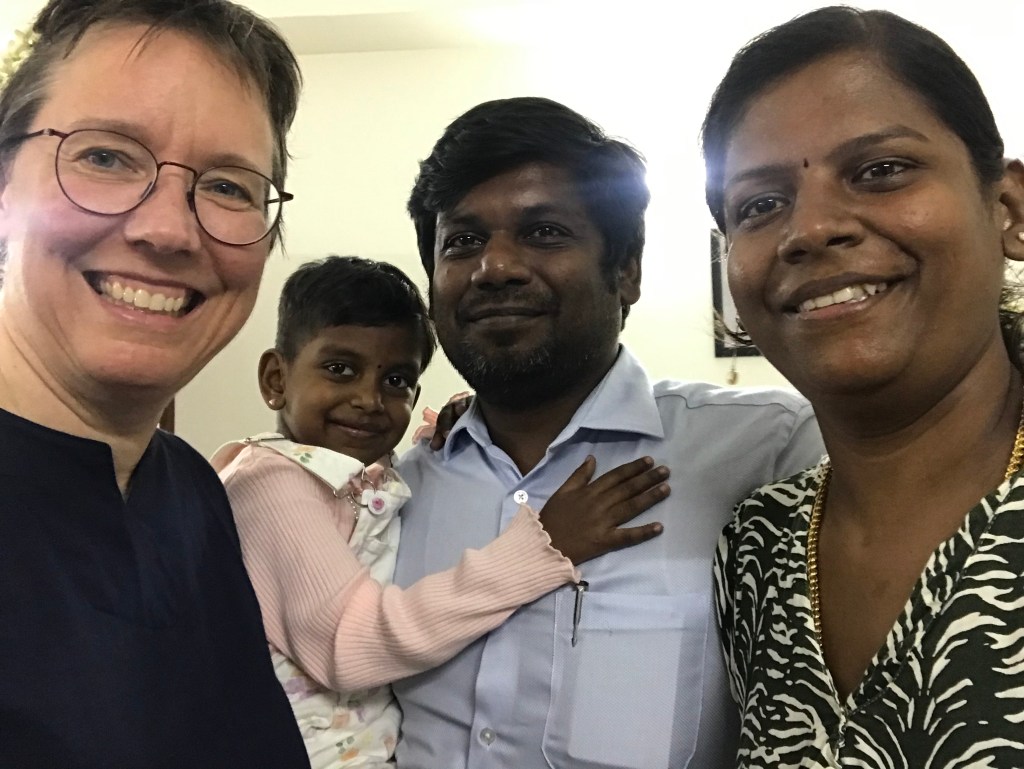
Shanmugham was an exceptional host during my trip. He and his wife (Rama, an electrical/computer engineer who runs a startup business with a colleague) and their six-year-old daughter (Shanmuga, who speaks English in addition to her mother tongue), took me shopping for Indian outfits — so I’ll fit in better on my next trip to India!

They also invited me to their home, located in a huge complex of apartments. There are 20 buildings, each about 17 stories tall. I met their neighbors, and I learned something about how they live. We got to share a bit of our own cultures with each other, which was a true highlight of my time in Chennai.

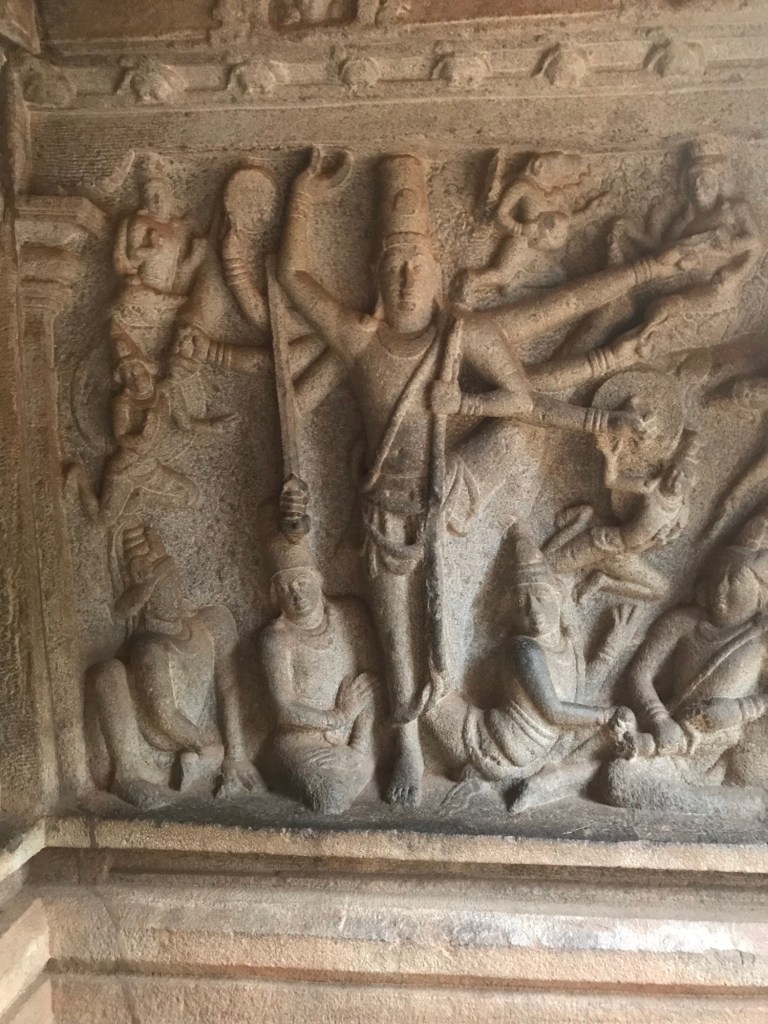
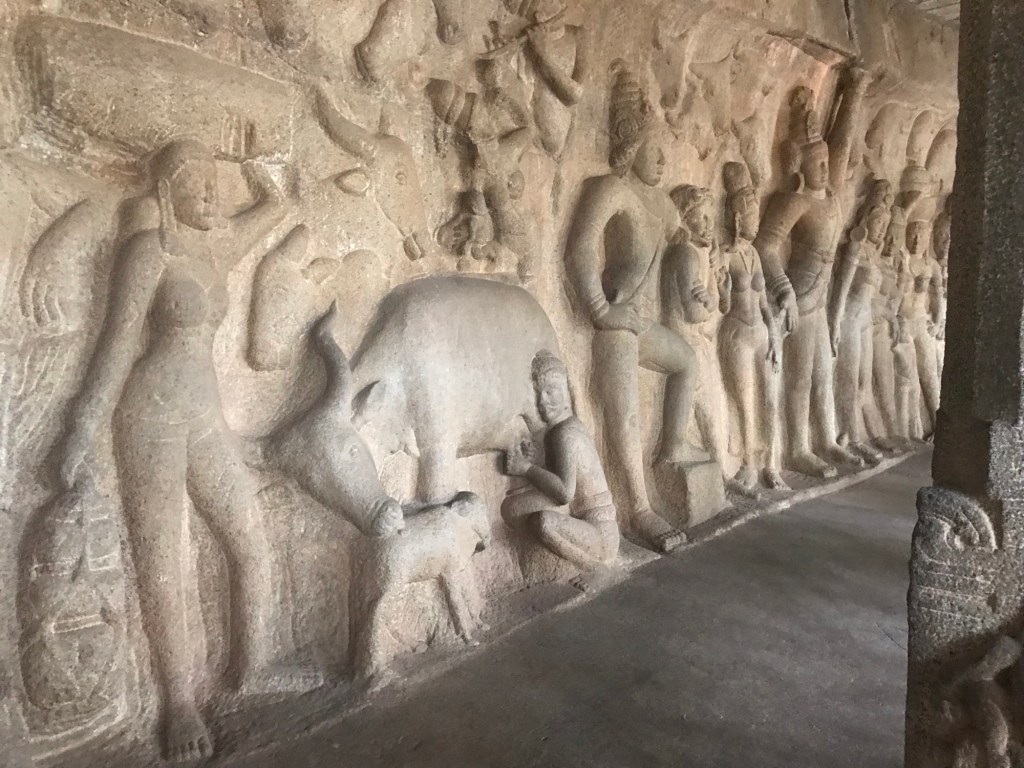
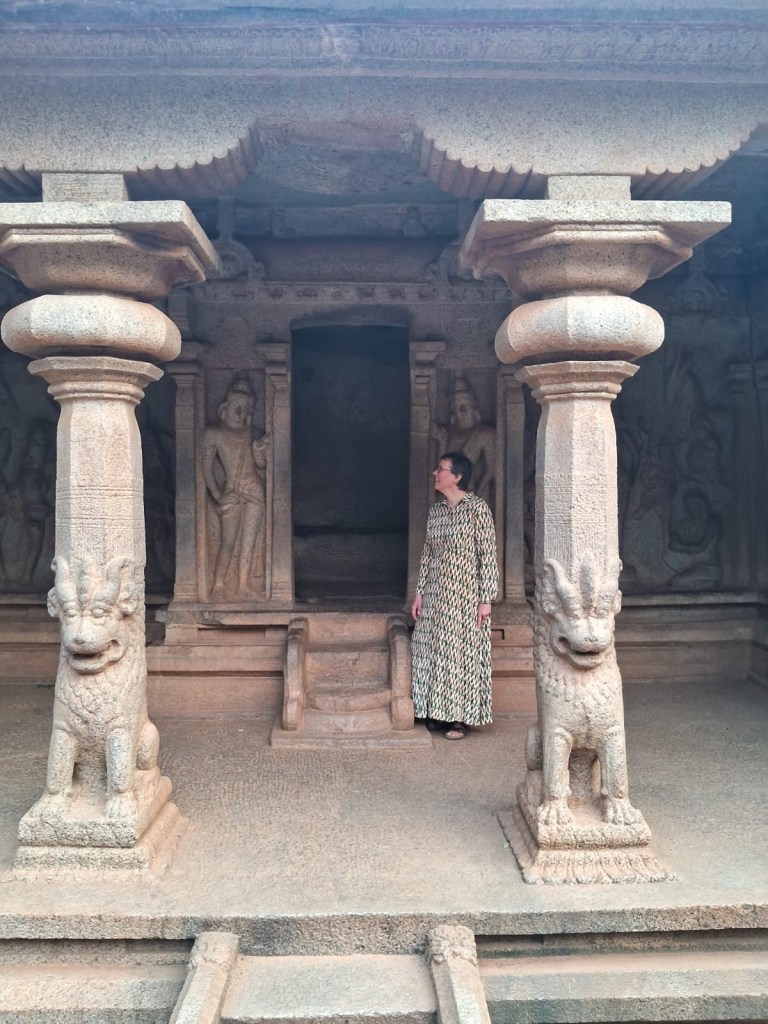
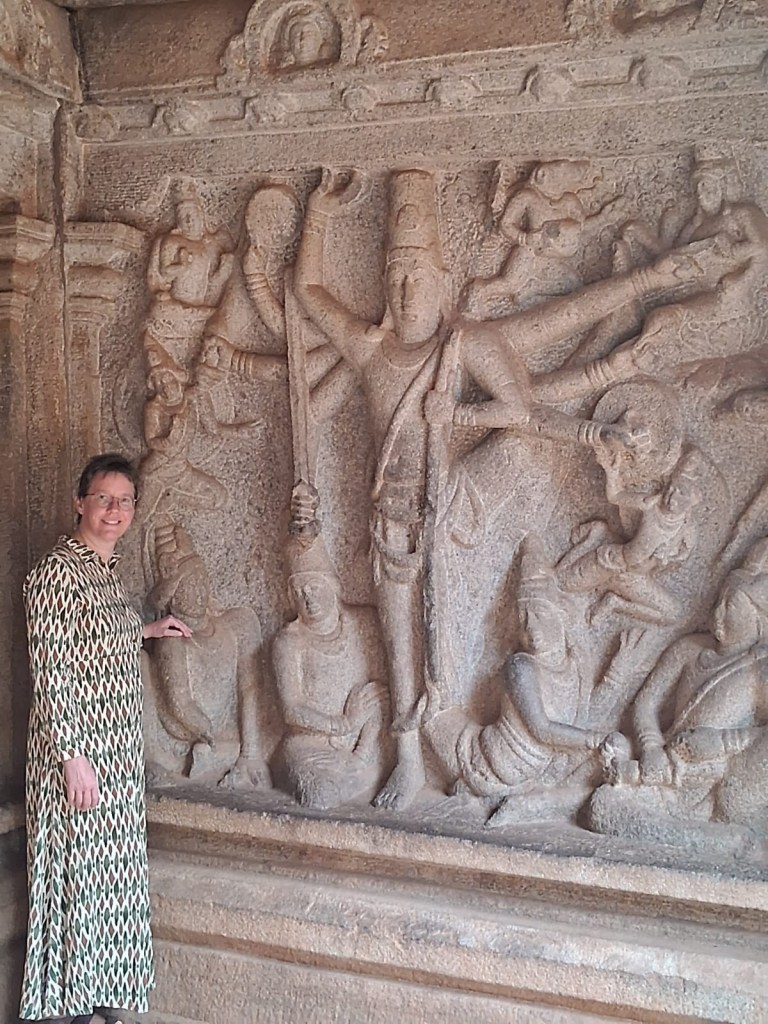
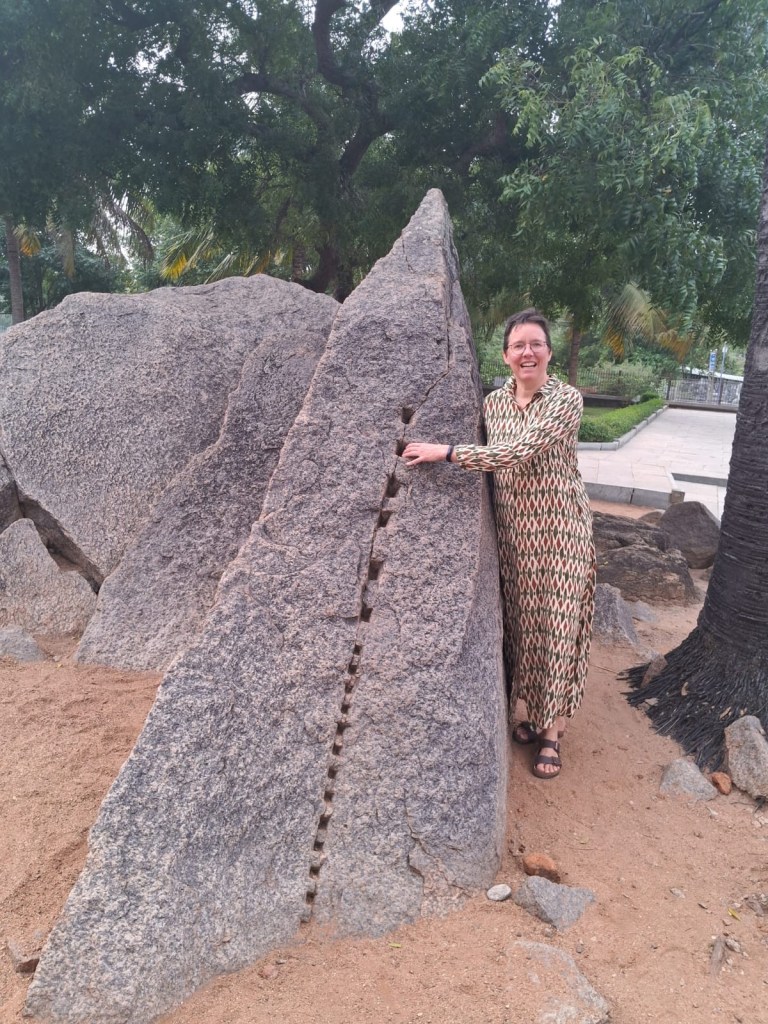
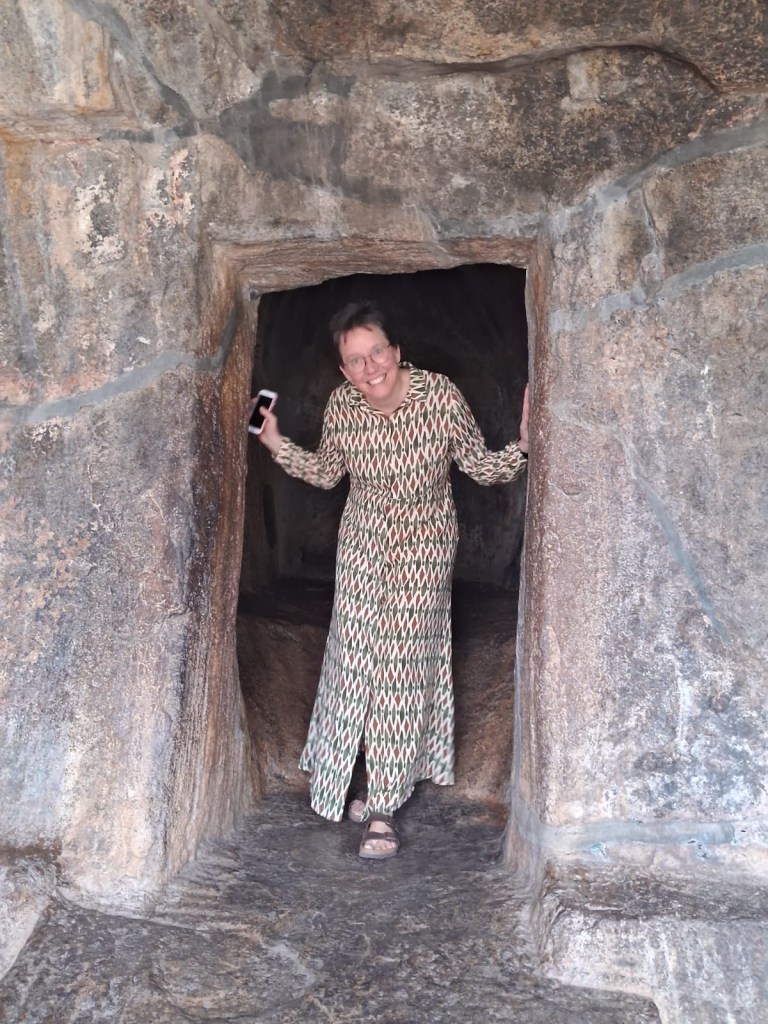
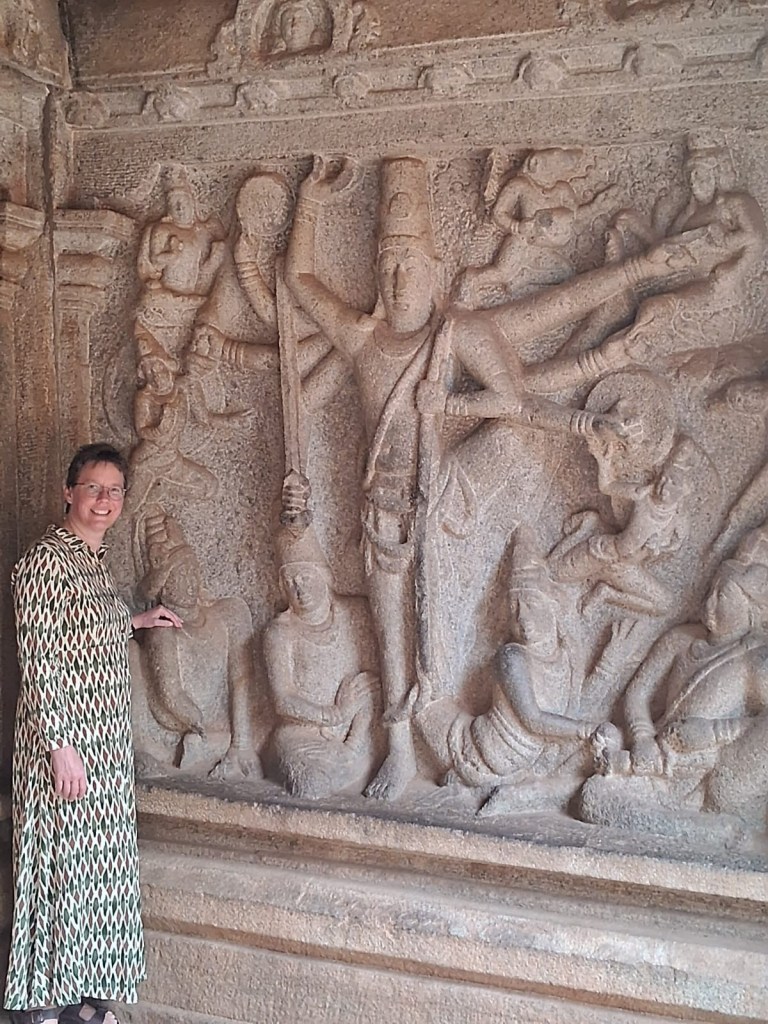
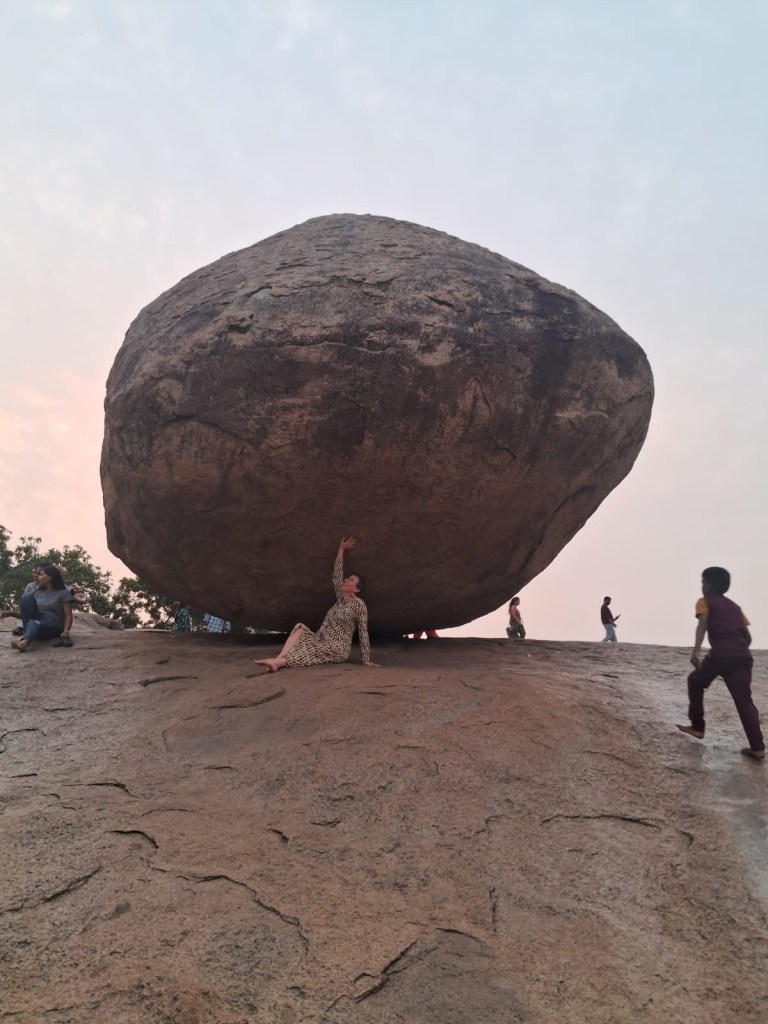
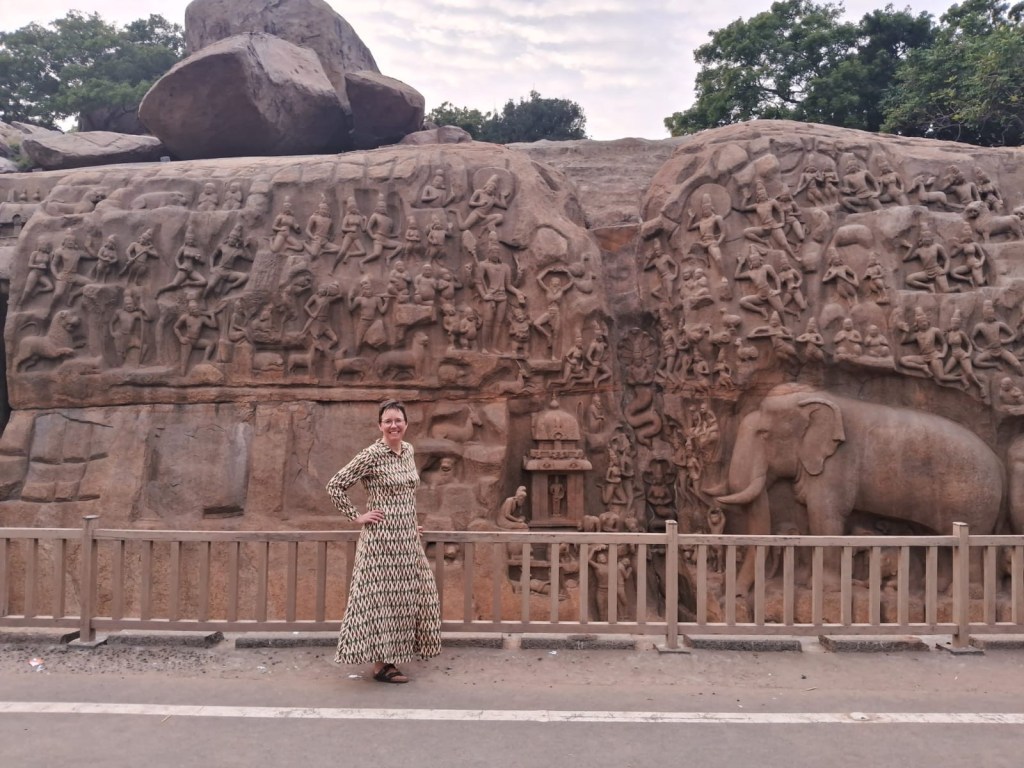
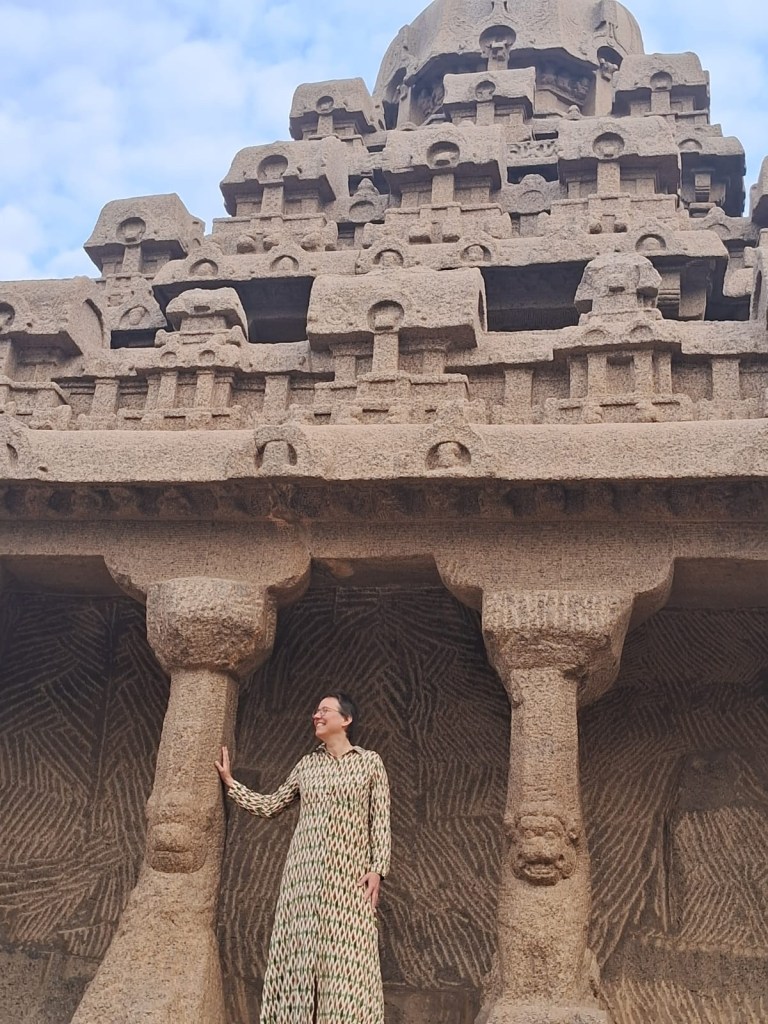
At the very start of my trip, I also got the chance to visit some stone temples near Chennai. Shanmugham showed me around the massive site and, in true Indian fashion, took pictures of me at each important structure. These temples, carved from solid granite boulders protruding from the sand at this coastal location, have stood for 1300 years. The craftsmanship was superb and awe-inspiring.

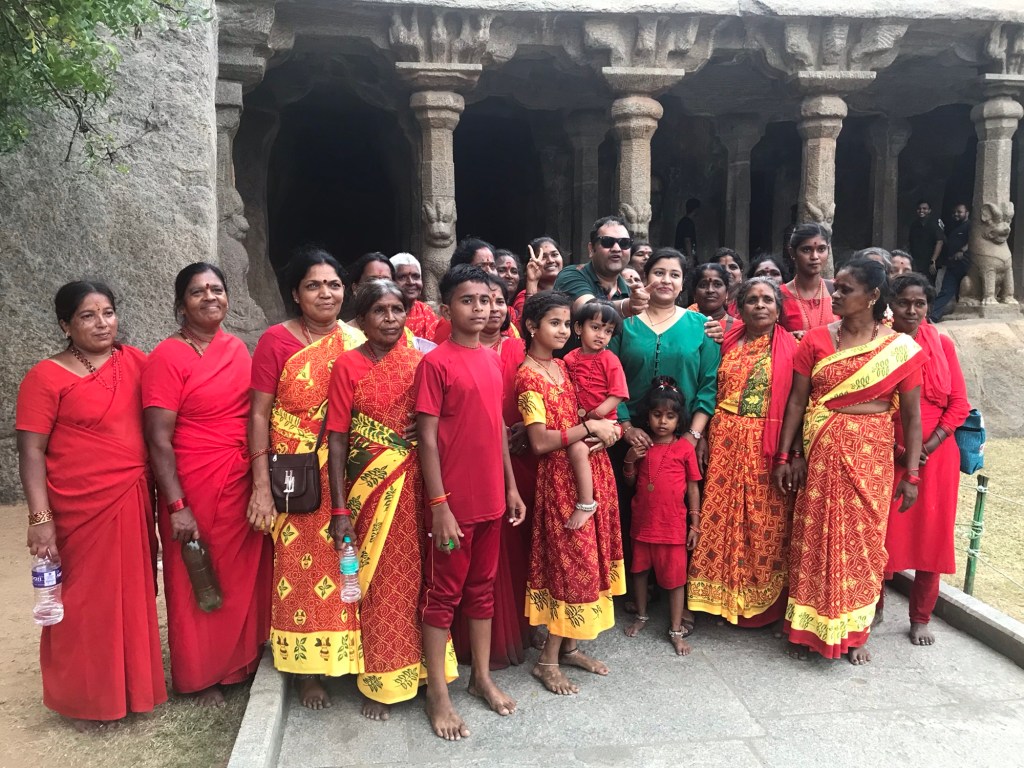
The day we visited the temples (the day I landed in India, January 2) was a holiday. The site was being visited by many busloads of tourists from all over India dressed to the nines. I included pictures of one group of visitors in the gallery below.

“The Group of Monuments at Mahabalipuram is a collection of 7th- and 8th-century CE religious monuments in the coastal resort town of Mahabalipuram, Tamil Nadu, India and is a UNESCO World Heritage Site. It is on the Coromandel Coast of the Bay of Bengal, about 60 kilometres south of Chennai.”

https://www.tamilnadutourism.tn.gov.in/

The Indian people definitely made me feel welcome and safe and thankful for this opportunity to meet and learn from them. Everywhere I went, people stopped and asked to take a picture with me. Little children looked at me in amazement. Shanmugham noted that many visitors to the temple had come from afar, from rural parts of India, and only some of the children had seen anyone like me before.

Incidentally, the food was incredible! During my two-week visit, I enjoyed the taste of every single thing I ate. At VIT, I had the privilege of residing at the international guesthouse. The drivers and guesthouse staff were absolutely incredible and made my stay a joy. At first, they offered me more Western foods, but when they saw that I enjoyed the Indian dishes more, that changed! The entire staff went the extra mile to ensure my safety and comfort.

In this post, I described just five of my days in India. I hope to post another blog this week about my experiences at REES 2024 in Hubli, India, and visiting NITTTR outside Chennai.

From ancient stone temples to teaching labs and structural failure — I got insider perspectives of civil engineering in India from the staff of VIT and I look forward to my next visit to India.

Our Great Escape to London

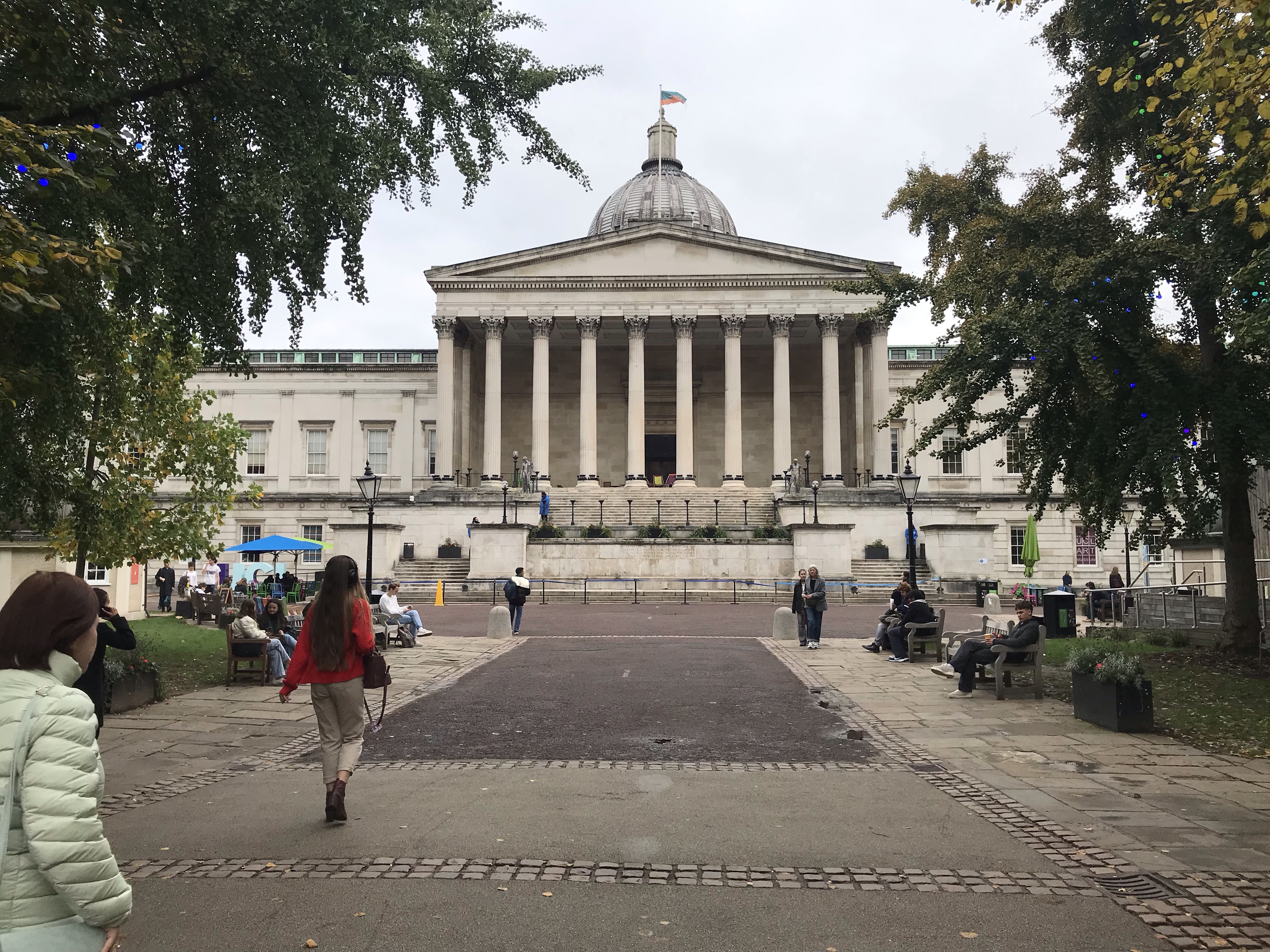
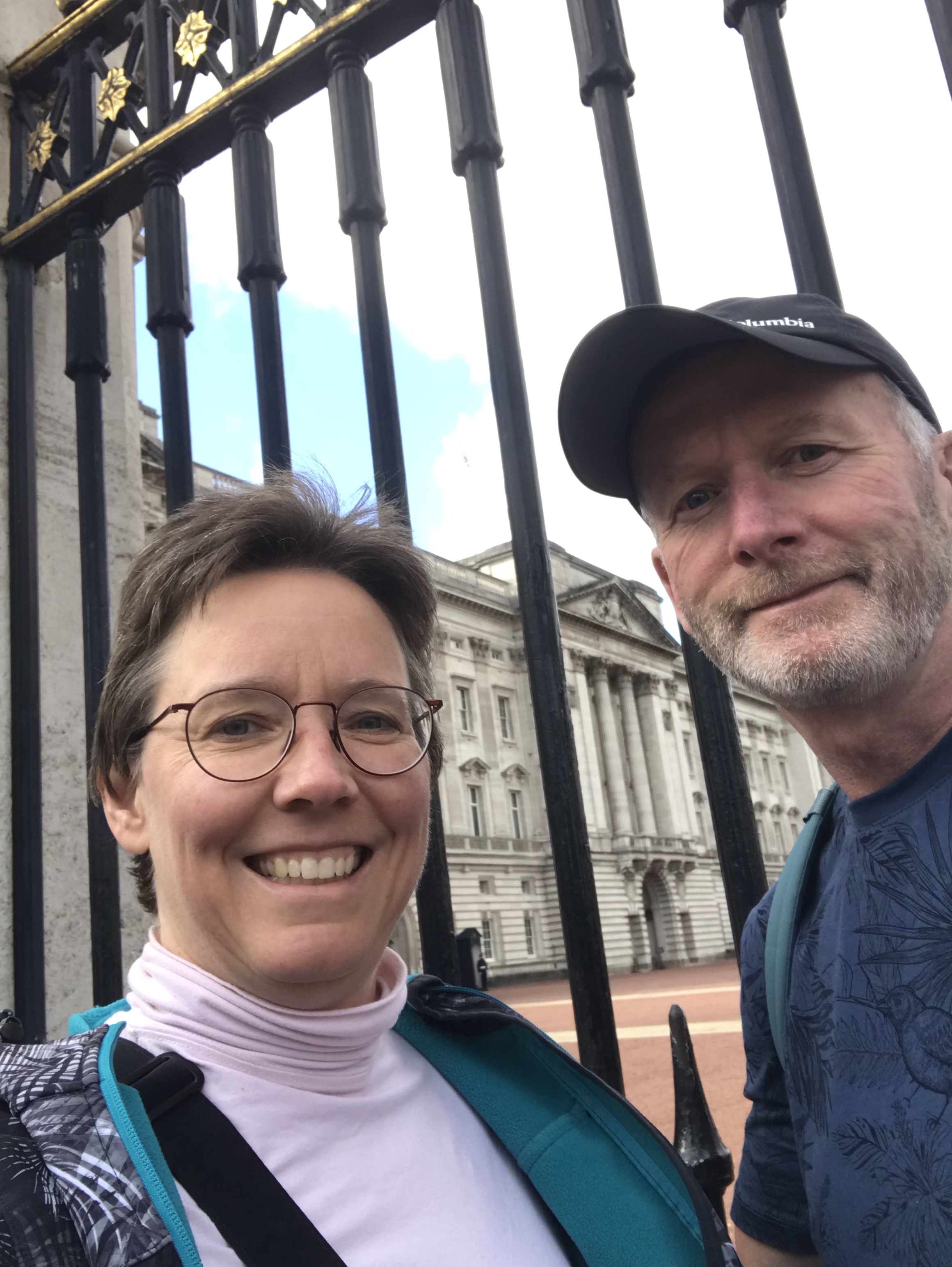
Although the days are short, dark, and frequently wet now that we’ve gone off daylight savings time, I’m still savoring memories of a recent week in London. As you likely know, I spent all of 2018 and 2919 on an MSCA fellowship from the European Union, working at University College London and developing fabulous new skills and an invaluable network of colleagues at UCL and around the globe. UCL is truly a magnet for talent and an ongoing source of inspiration.

The time change happened again this year while Aongus and I were in London for the October bank holiday… I often overlap a bank holiday Monday with a working visit to London since my colleagues at UCL have different days than me (at TU Dublin) and I can visit UCL without falling behind at my main job. This was my second Halloween in a row visiting UCL.

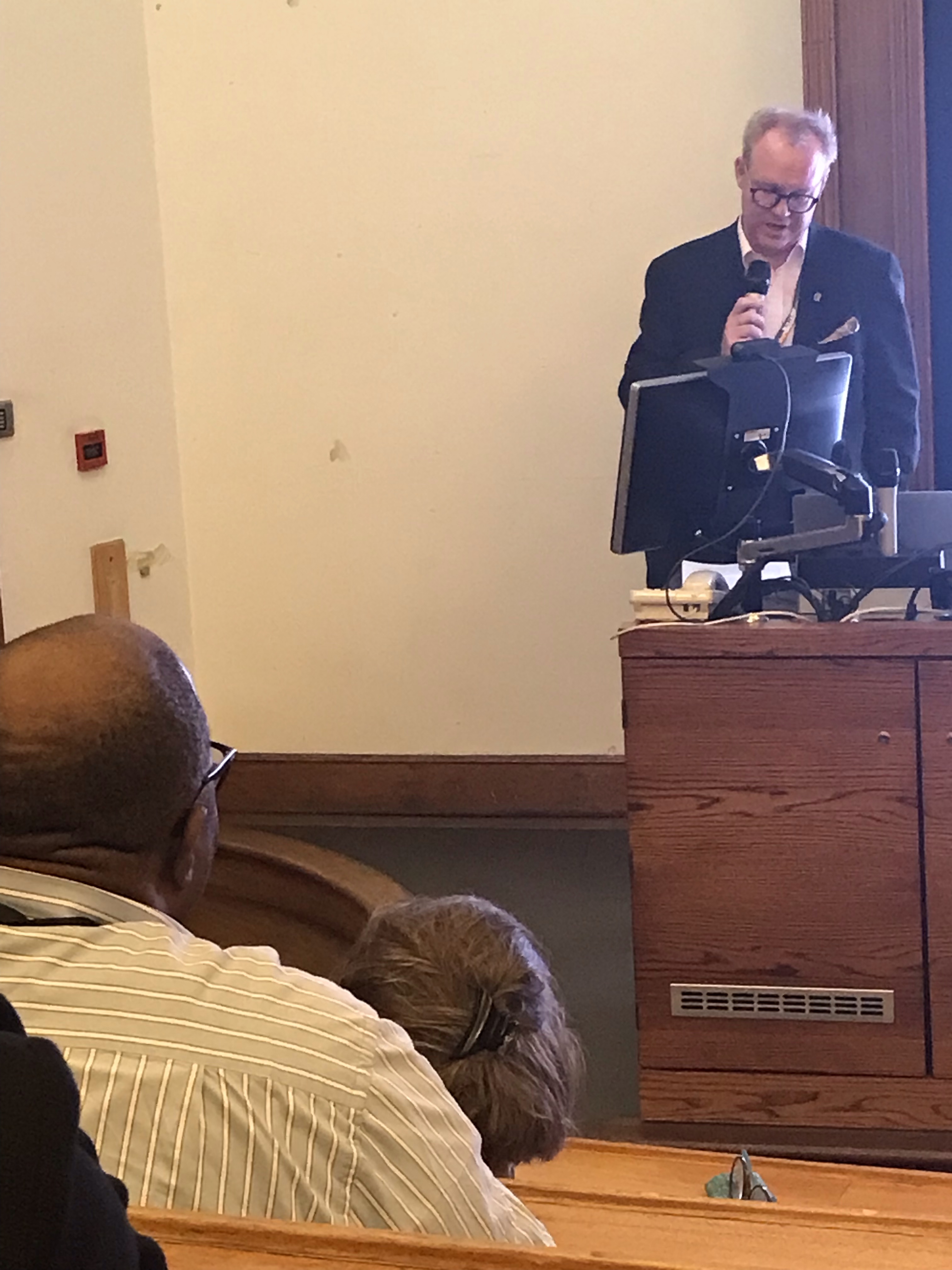
I’m fact, this Halloween I spent a full week in London, collaborating with colleagues and attending lectures including Emanuela Tilley’s inaugural professorial lecture (and reception!) and a guest lecture in one of Professor Nick Tyler’s transport engineering classes.

I worked several days at UCL’s Henry Morley building, which houses the Centre for Engineering Education. I enjoyed catching up with colleagues there, especially Drs Vivek Ramachandran, Kate Roach, and Fiona Truscott. I showed Vivek, who is new to UCL, some of my favorite places in and around campus, including the Thursday Farmers’ Market, the Life Goddess restaurant, and the Building Centre. I after work one night, I attended a comedy show at the newly renovated Bloomsbury Theater.

In the daytimes, I kept Dr Inês Direito’s old desk warm as she’s moved to the University of Aveiro in Portugal. Never fear, though, Inês and I are still in close communication, and now, my mentee Dr Diana Martin is joining CEE so I’ll still never be more than a WhatsApp away from the Center!

During the week, I attended strategic planning meetings with my two “bosses” at UCL — the two directors of the curriculum design project I’ve been working on, via a contract between UCL and TU Dublin, since 2020. They are Professors Emanuela Tilley and John Mitchell, two truly fabulous people to work with.

Thanks to the marvel of online communication, I also completed a half day training on finance software at TU Dublin while I was in London. I also attended online meetings with co-editors of the handbook I’m leading as well as co-authors on a chapter I’m contributing to the handbook.

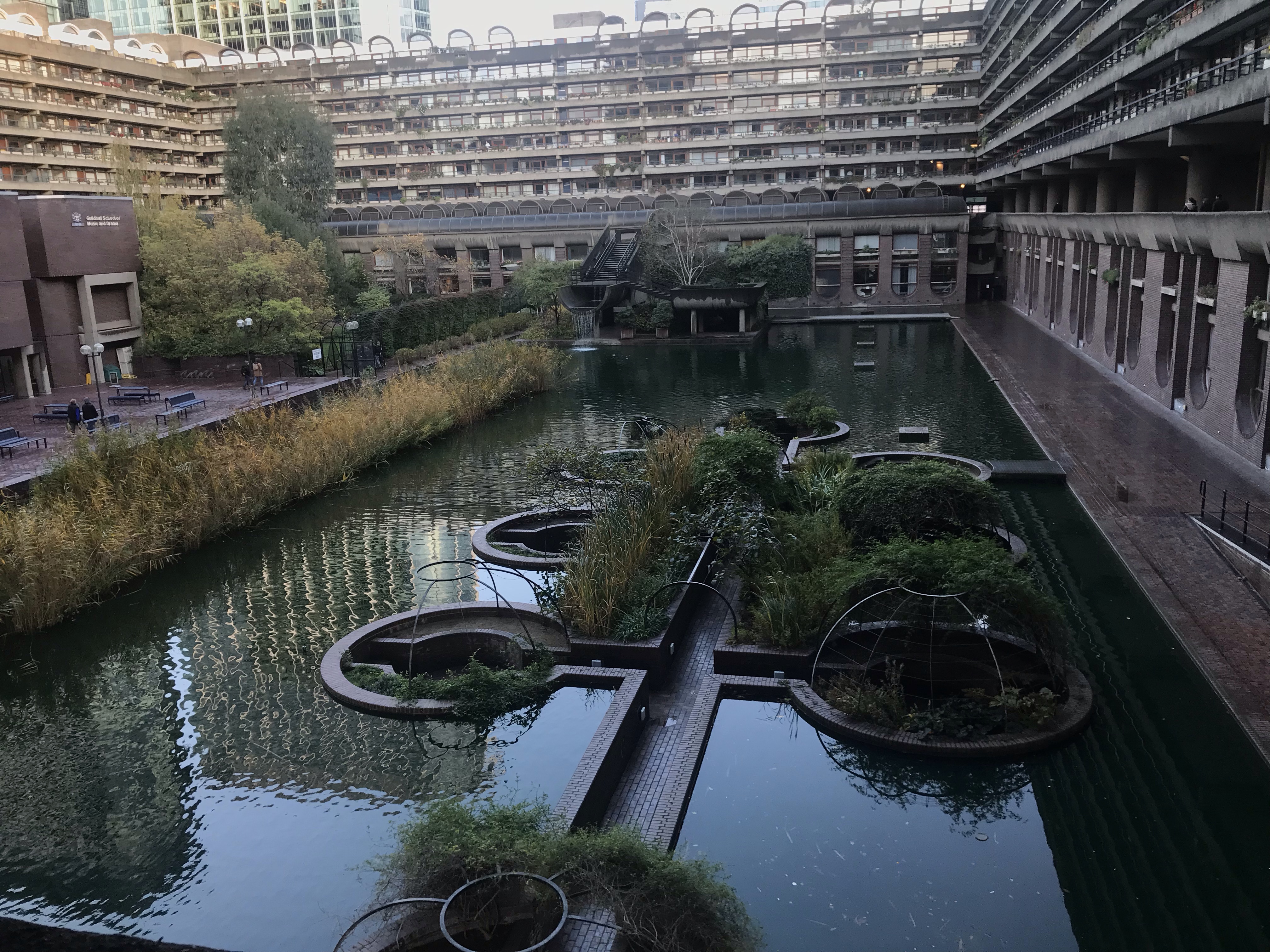
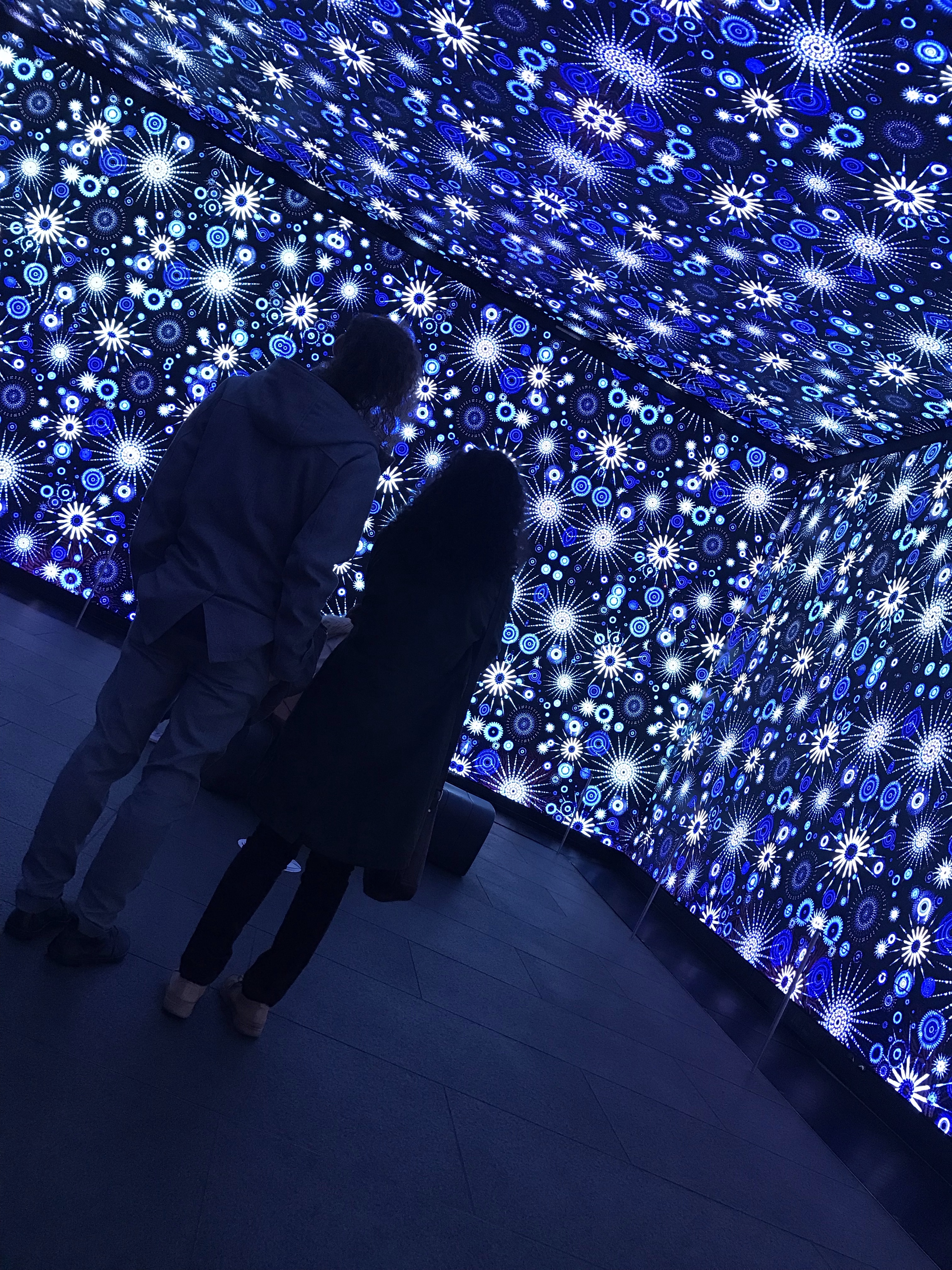
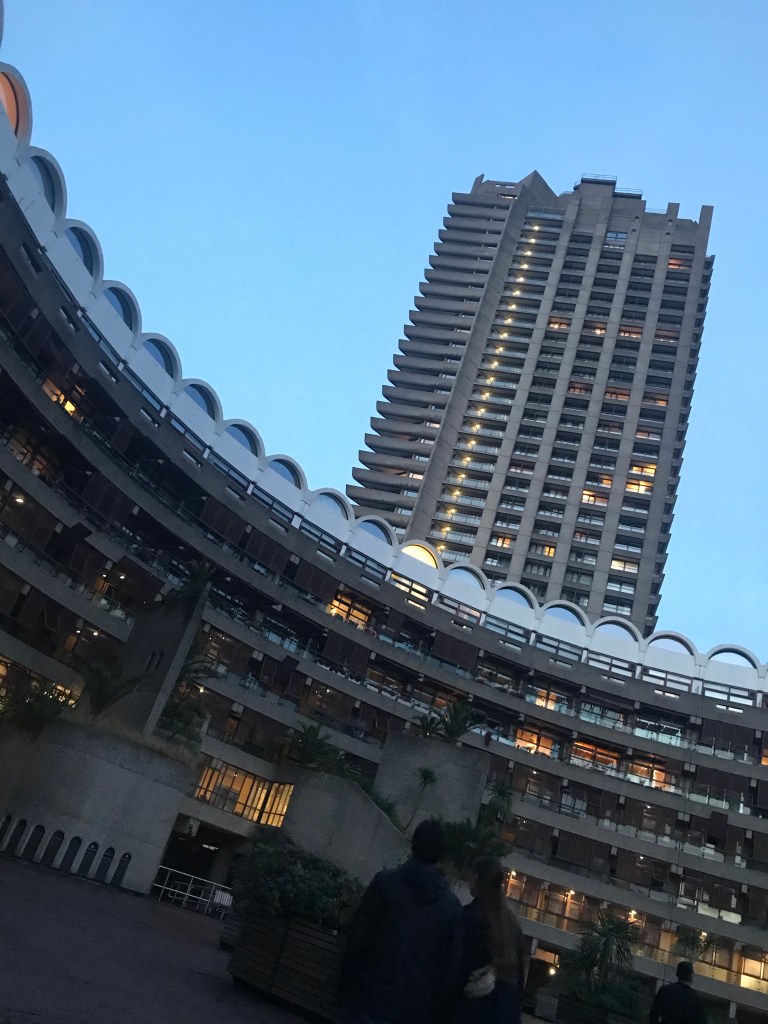
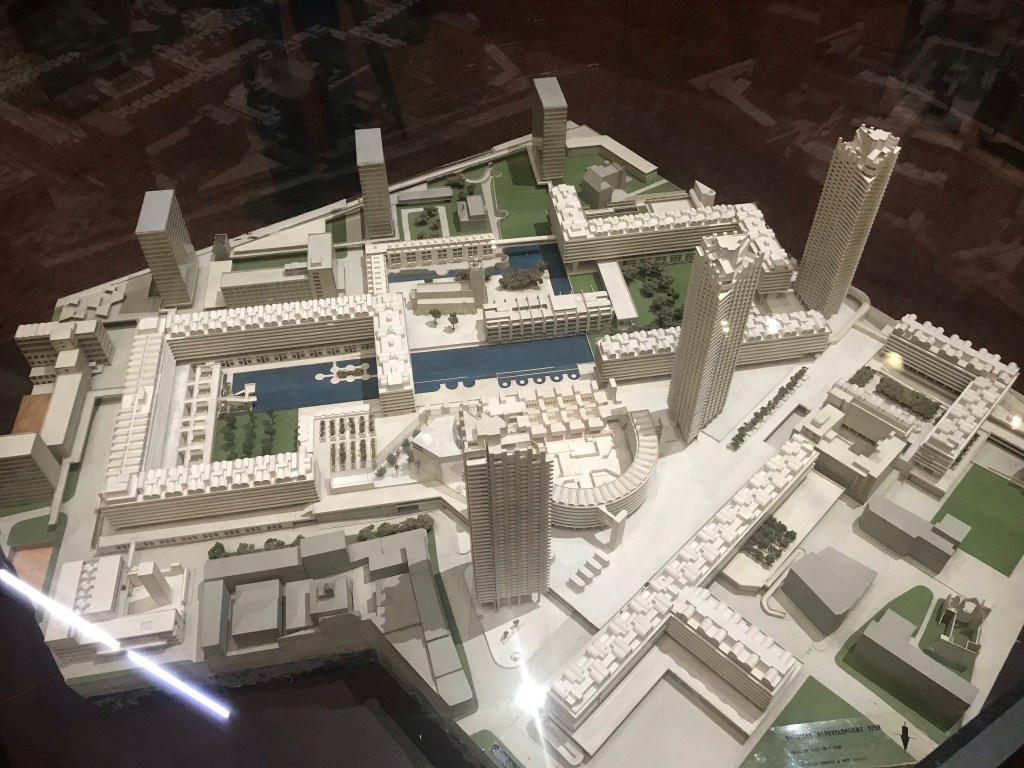
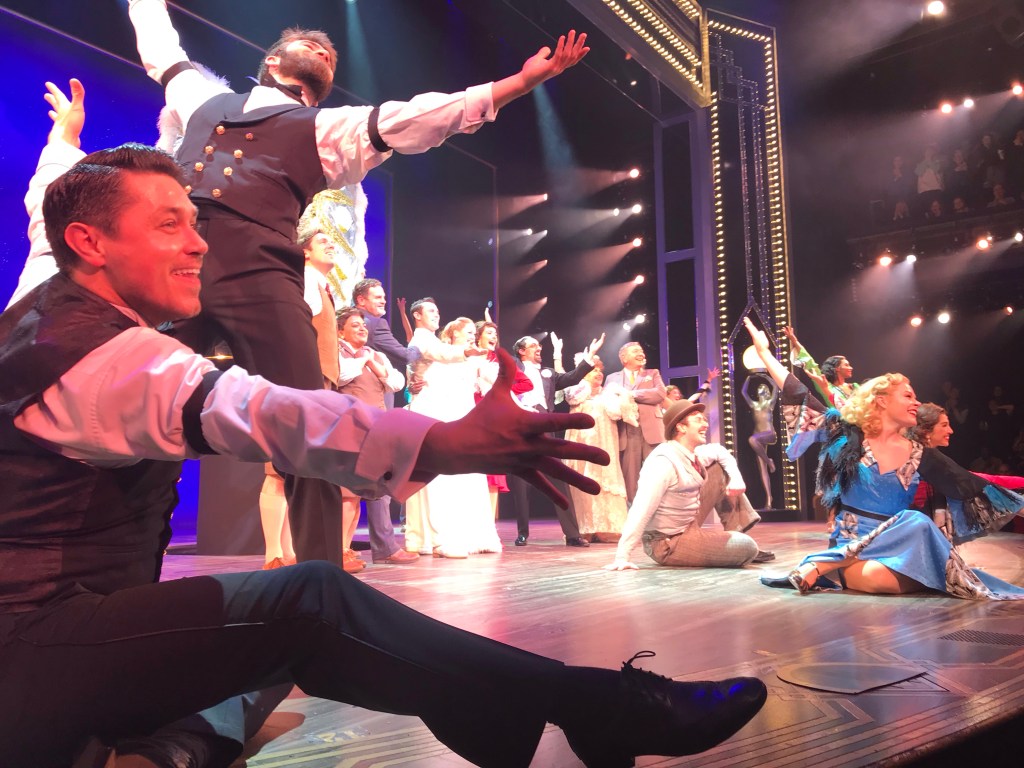
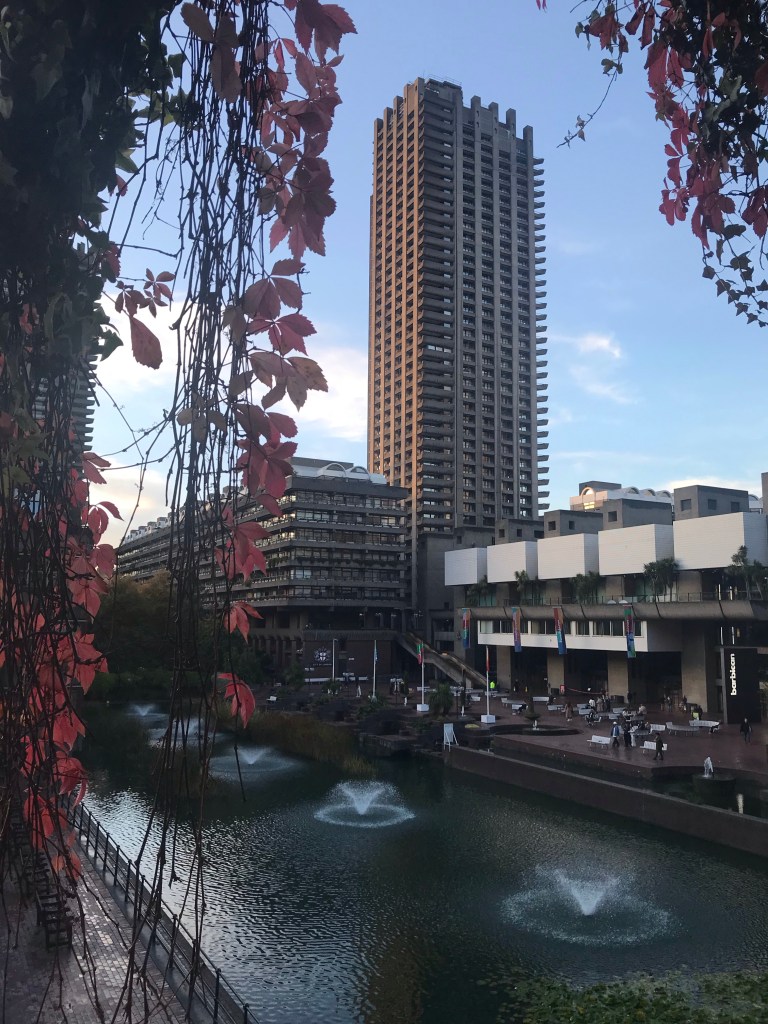
For the extended weekend, Aongus joined me in the city. We attended two musicals (the Tina Turner musical and “Crazy for You”) and an improv comedy show. We took architectural tours of the Royal Albert Hall and the Barbican complex. We visited the Royal Academy of Art , the photography museum off Oxford Street, and the Natural History Museum including its Wildlife Photography of the Year exhibition.

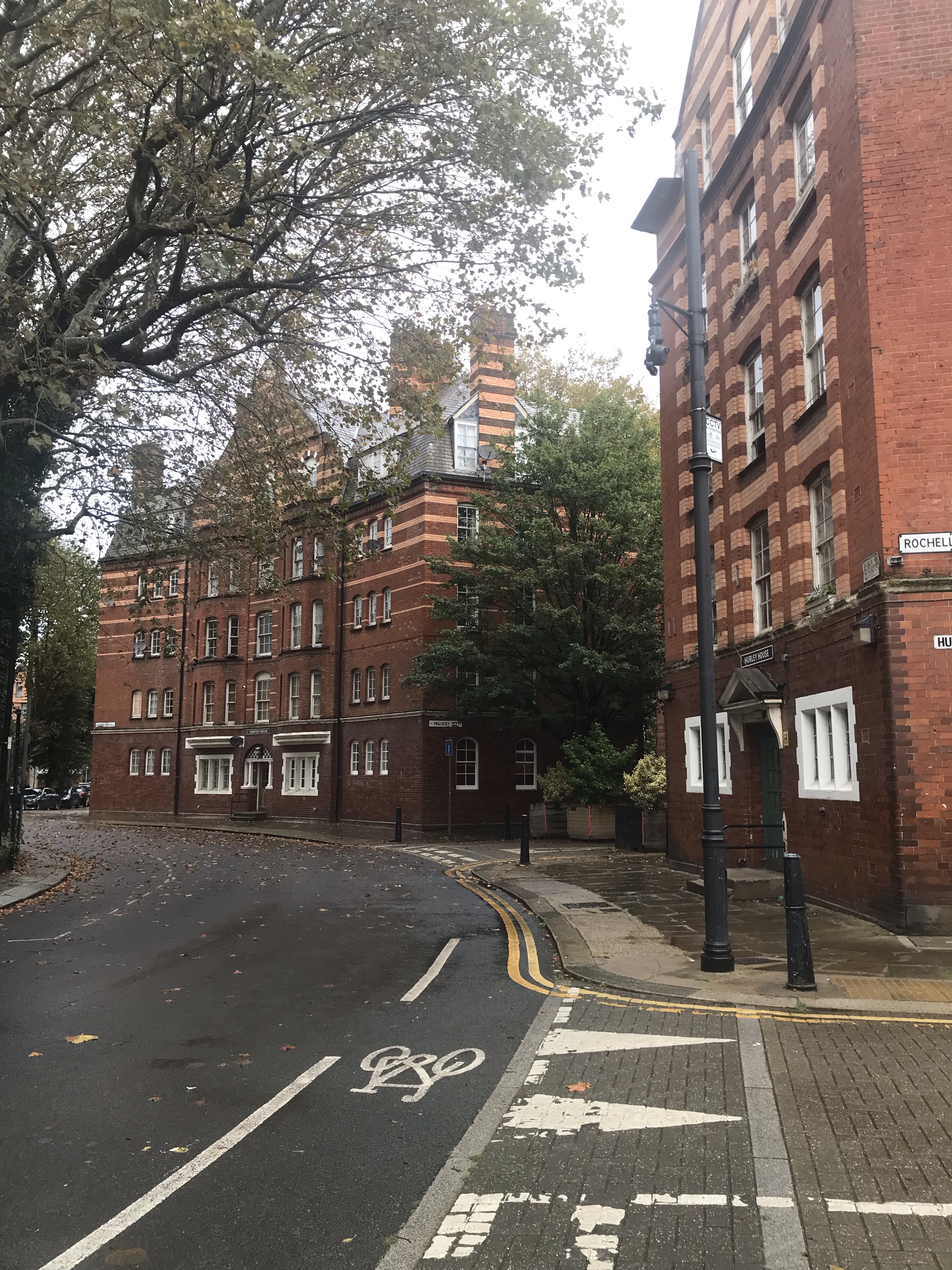
We also visited our favorite haunts around Shoreditch, where we previously lived for 18 months. We got to know the area around Victoria Station better. We even saw Rebecca from “Ted Lasso”, Hannah Waddingham, up close and in person as she’d attended “Crazy for You” and was in the lobby when we exited.

While in London, I also drafted text for my handbook chapter, worked on various projects, attended an improv musical called “Showstopper!”, and did loads of Spanish lessons on Duolingo in the evenings before bed.

It wasn’t supersizing, really, that I picked up a cold somewhere in London. I brought it home along with heaps of inspiration to help carry me through the long working weeks until Christmas.

Now that I’ve recovered from that nasty cold, I can say with conviction that life is good and I am blessed beyond belief.

Happy Thanksgiving to you all!

Creators I admire: Shane Ormond and Nikkolas Smith

I’d like to highlight some creative endeavors of two people I have had the pleasure to teach and/or mentor over the years. They take time to post about their hobbies and/or professional work on WhatsApp or social media, and I benefit from what they share.

I have felt such inspiration due to recent posts by Shane Ormond (who lives in Ireland) and Nikkolas Smith (who lives in the USA).

Shane was previously a student in DIT’s School of Electrical and Electronic Engineering, and he’s been part of our RoboSlam activities for nearly a decade now (see RoboSlam.com and its blog section). DIT has transformed since then into TU Dublin — and RoboSlam has evolved into the Dublin STEM Ensemble. Shane has been a big part of both. He can frequently be seen supporting STEM Ensemble activities, like our annual exhibit at Dublin Maker, or our periodic planning and knowledge-sharing sessions held in the new Granegoreman Central Quad.

Here’s a video Shane shared on our STEM Ensemble WhatsApp thread last week about one of the projects he’s been doing in his spare time:

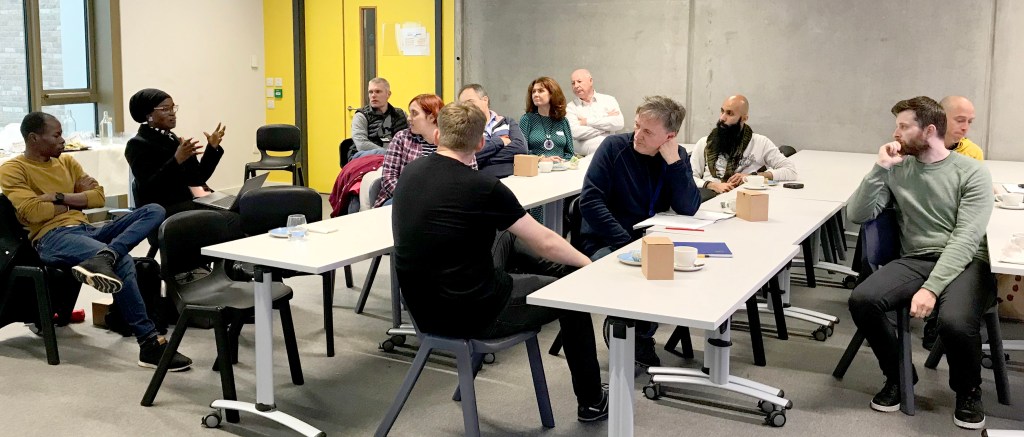
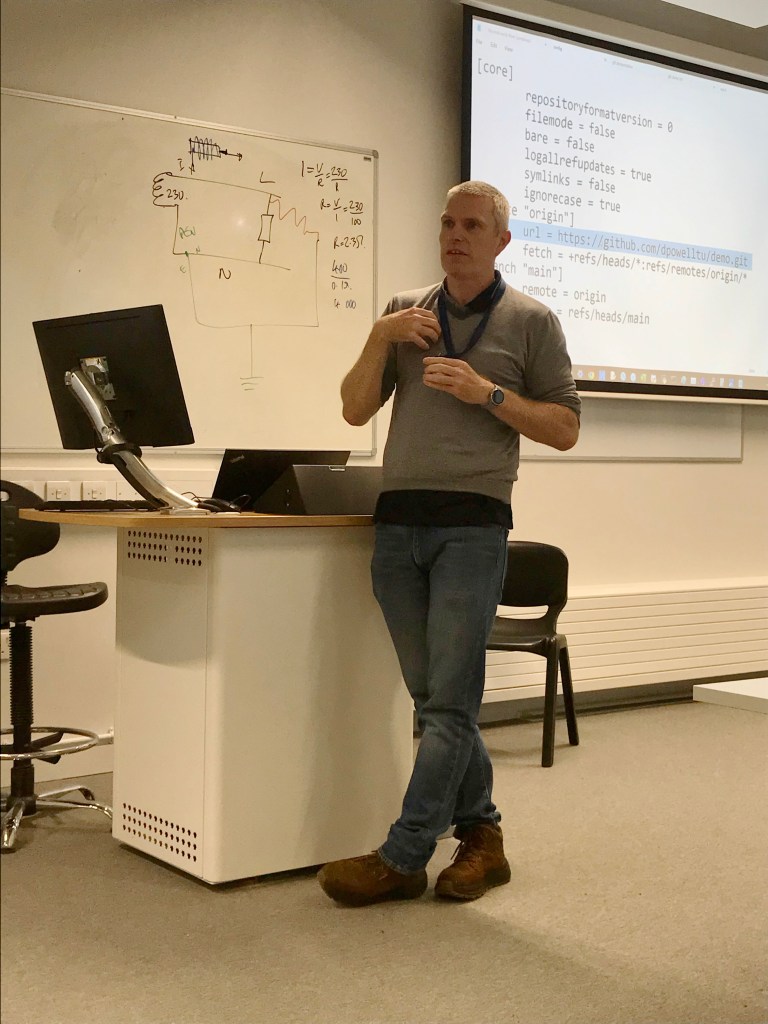
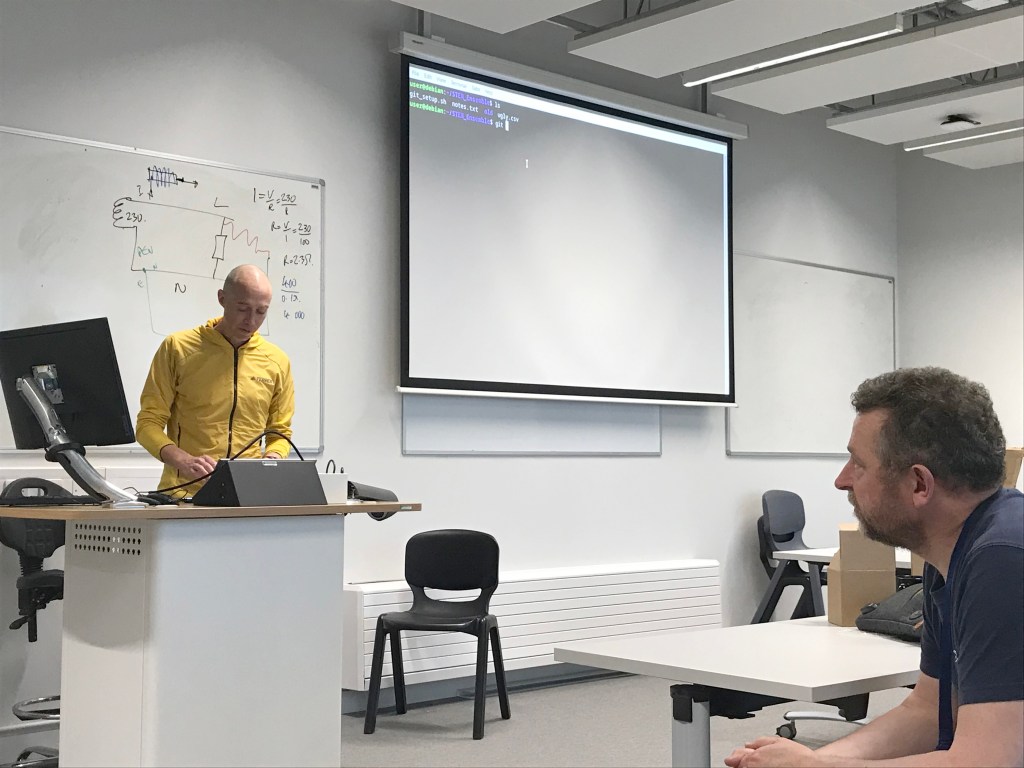
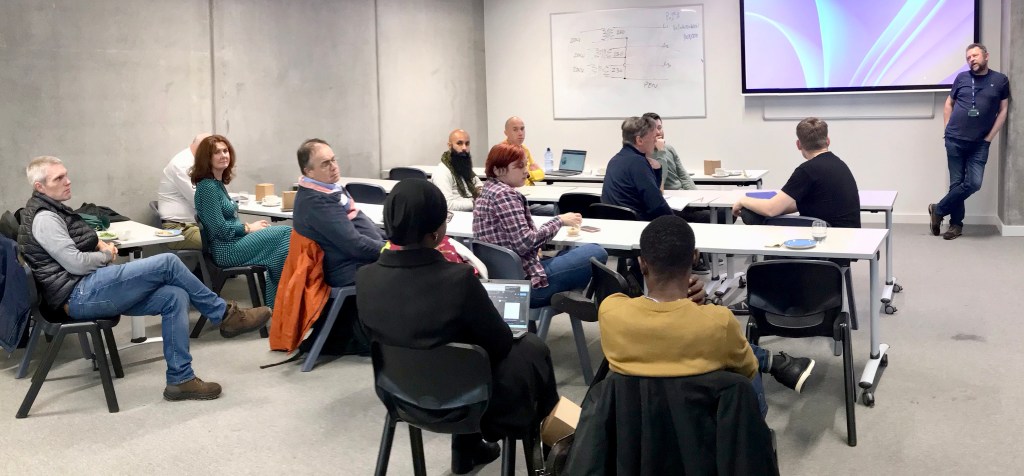
At the end of the video, Shane mentioned GitHub, where he posts his work for others to draw from. STEM Ensemble recently held a seminar on GitHub that Shane and I both attended. (The difference is, he understood a lot more of the presentation than I did!)

I see the video (above) with the blue model car as an evolution of Shane’s earlier work with robotic model cars with cameras on them, which I captured in this March 5, 2020 video. I shot it days before campus ground to a close with Covid lockdown:

Shane does all this as a hobby; at a couple of Dublin Maker faires he developed the technology to power talking heads. This year’s talking head automatically answered spoken questions using ChatGPT.

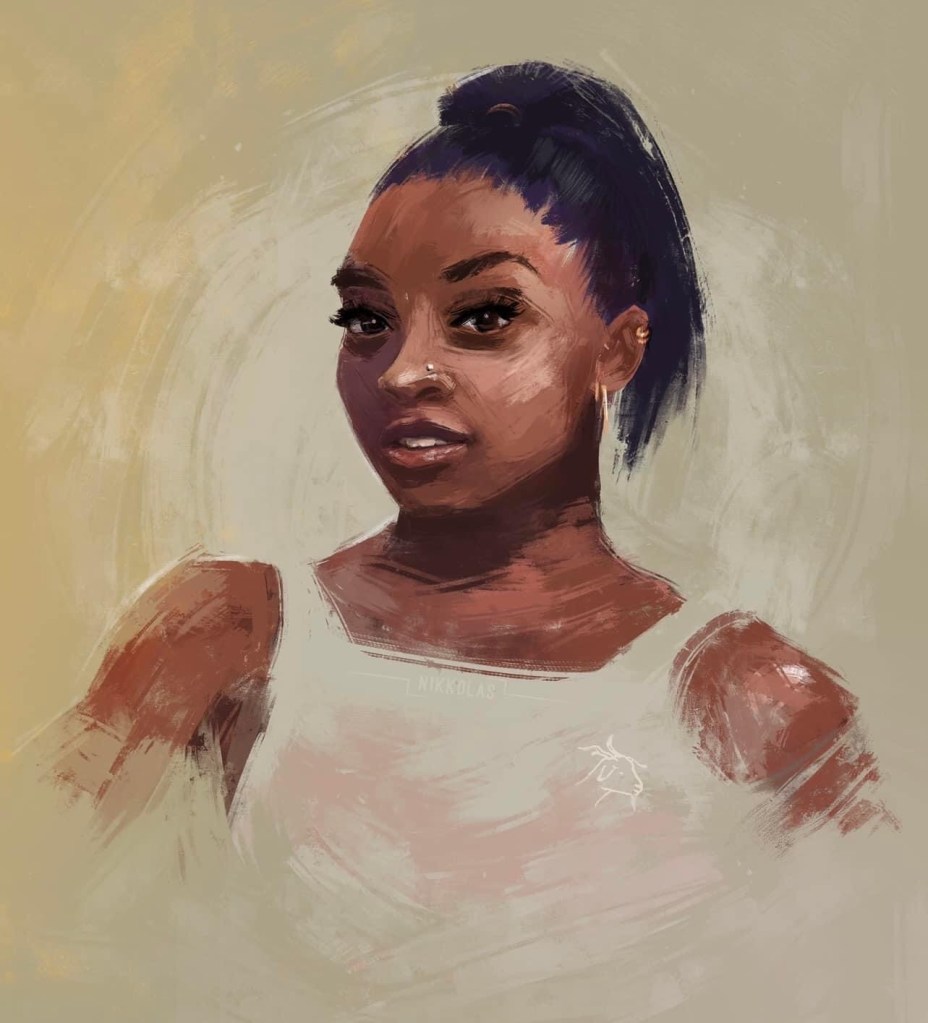
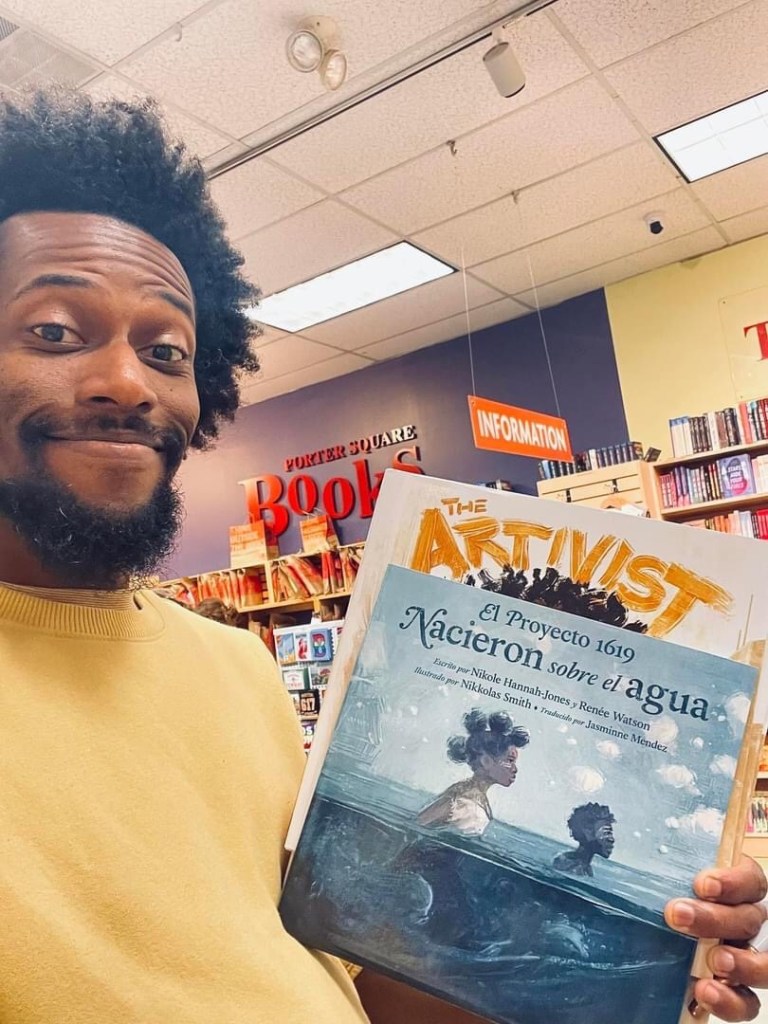
Like Shane, Nikk Smith is internally motivated to create. Nikk was an architecture student of mine at Hampton University, many moons ago. He often posts his “Sunday sketches” on social media. Here are a couple examples:

I am proud beyond compare of the work my former students and mentees are doing in the world — the creativity and passion they bring to the world and the lives they design for themselves.

Shane and Nikk are two outstanding examples, and I hope to feature more of my own personal heroes on this blog in the months to come. Being an academic educator and researcher connects me with many amazing people.

Crisp Fall Open House with a Glimpse of Sun

Following an extra-warm couple of weeks here in Dublin, fall set in with a cold, hard thud. Despite low thermometer readings, the sun did peek over the horizon, hanging low in the sky.

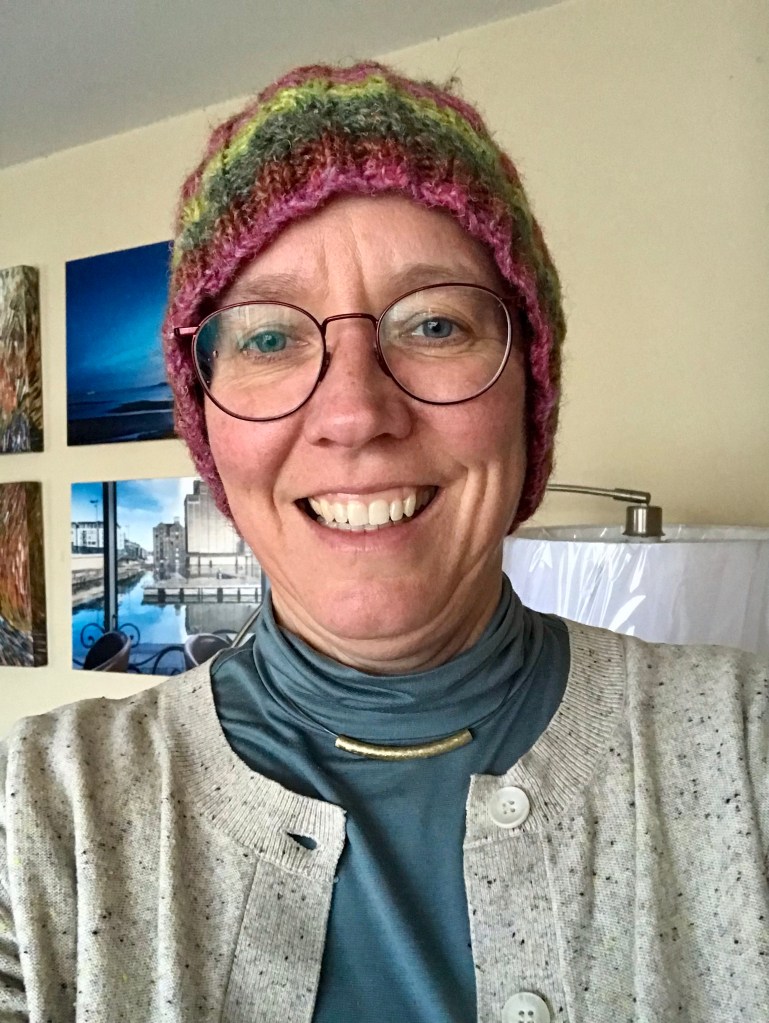
We were blessed with a couple of crisp, cold but gloriously sunny days of weekend. I bundled up in preparation, kitted with a lovely hat my aunt Kitty gifted me this summer.

Kitty has honed her kitting skills to a T, and I’m reaping the benefits of her hard work and loving craft.

Saturday, Aongus got up early for a gym session then we headed out on our bikes to catch an early tour offered as part of the annual festival called “Open House Dublin”. This event has been a highlight of every year I’ve lived in Dublin and this year did not disappoint. We didn’t manage to snag tickets to many events, but the three we attended were grand!

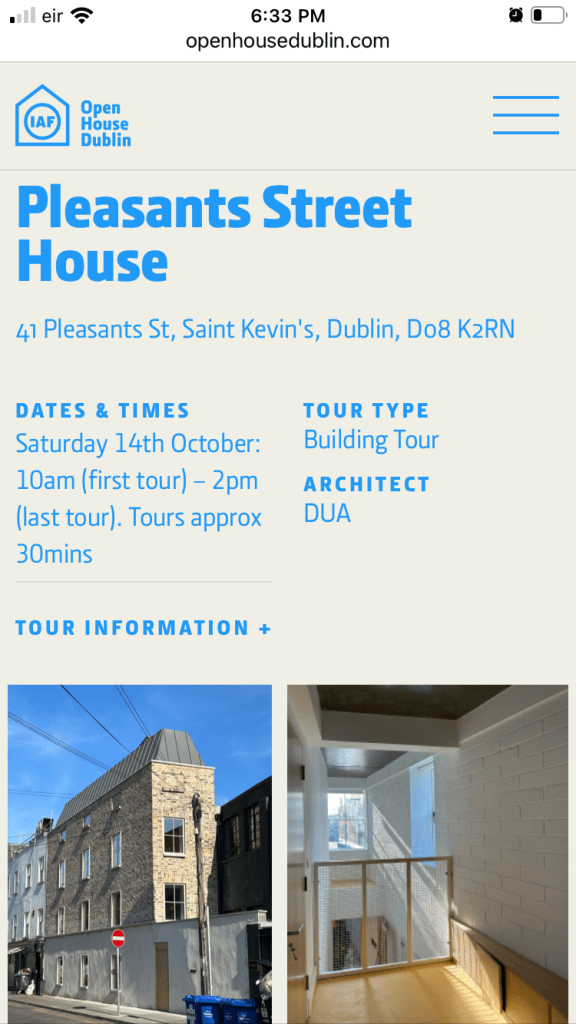
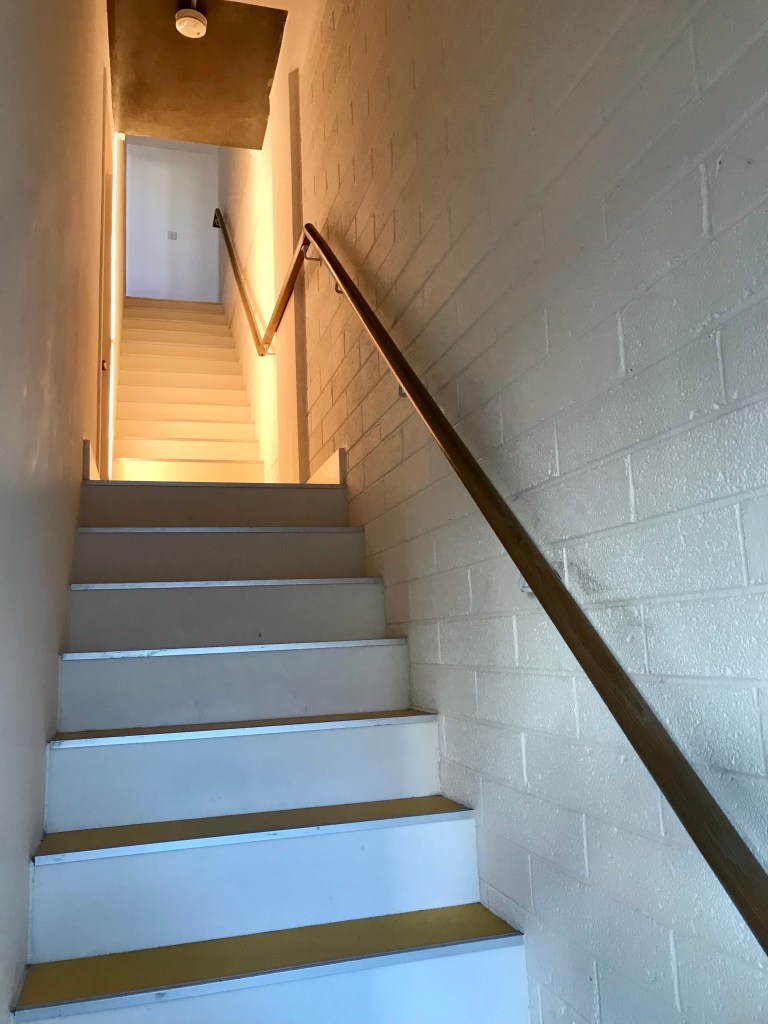
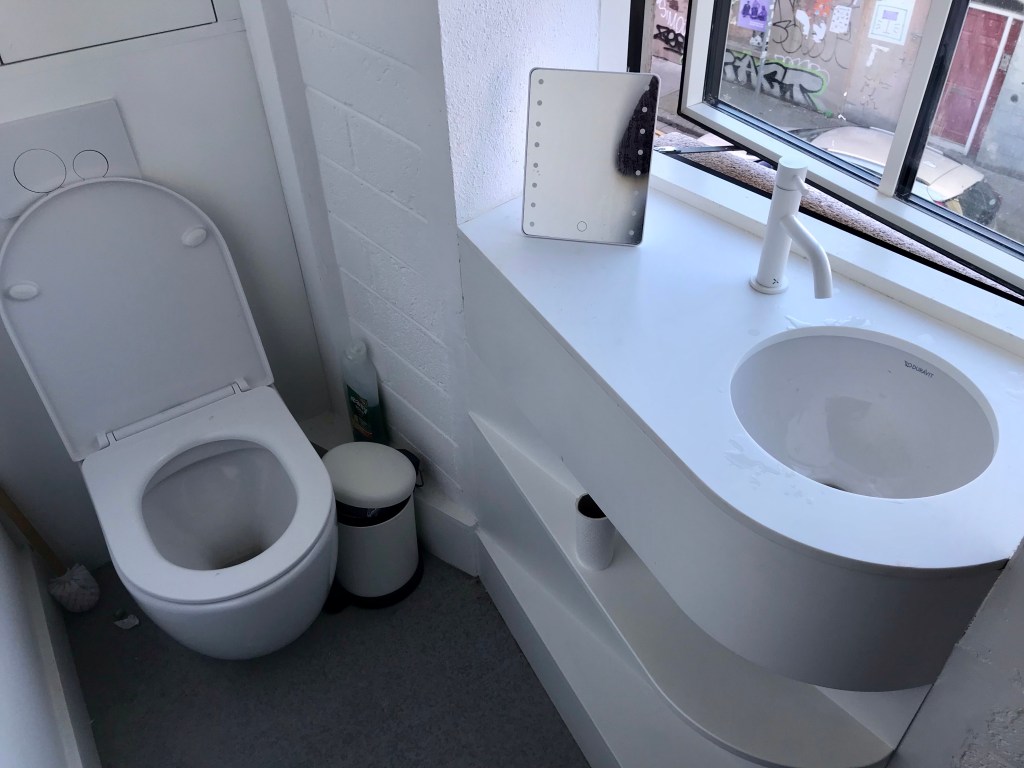
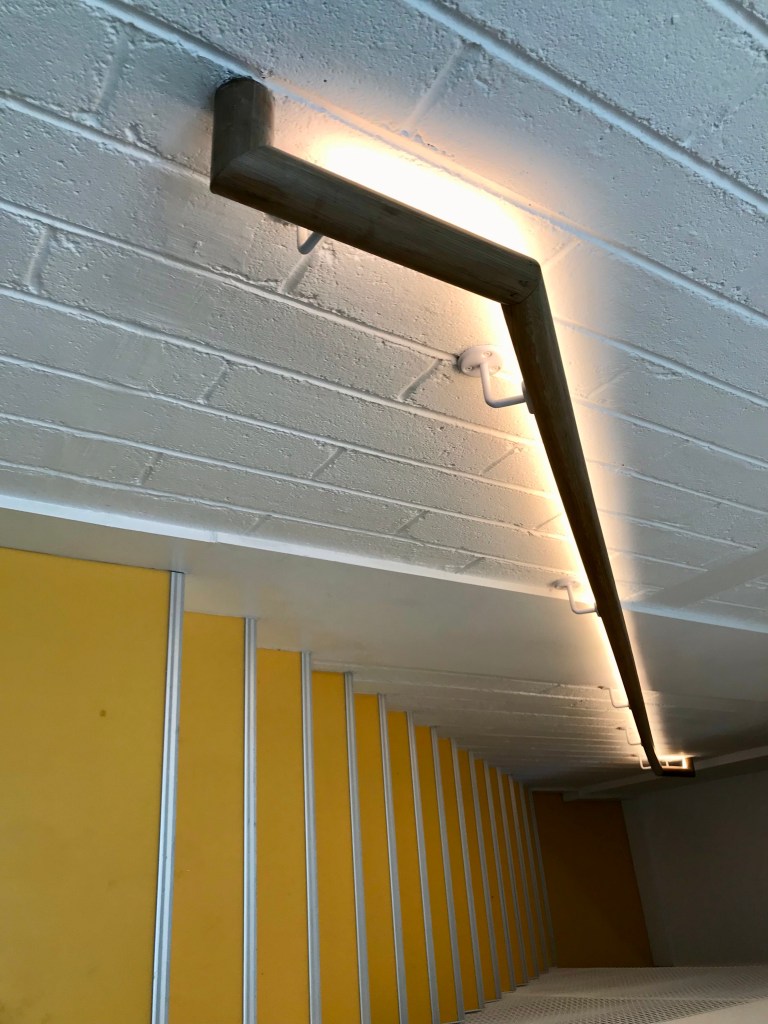
We started with a single-family house (our favorite type of tour here) on Pleasant Street, near Aongus’ new job site at Kevin Street. The house was designed by DUA and is currently rented to three super-luck Trinity students until the owners move in from abroad.

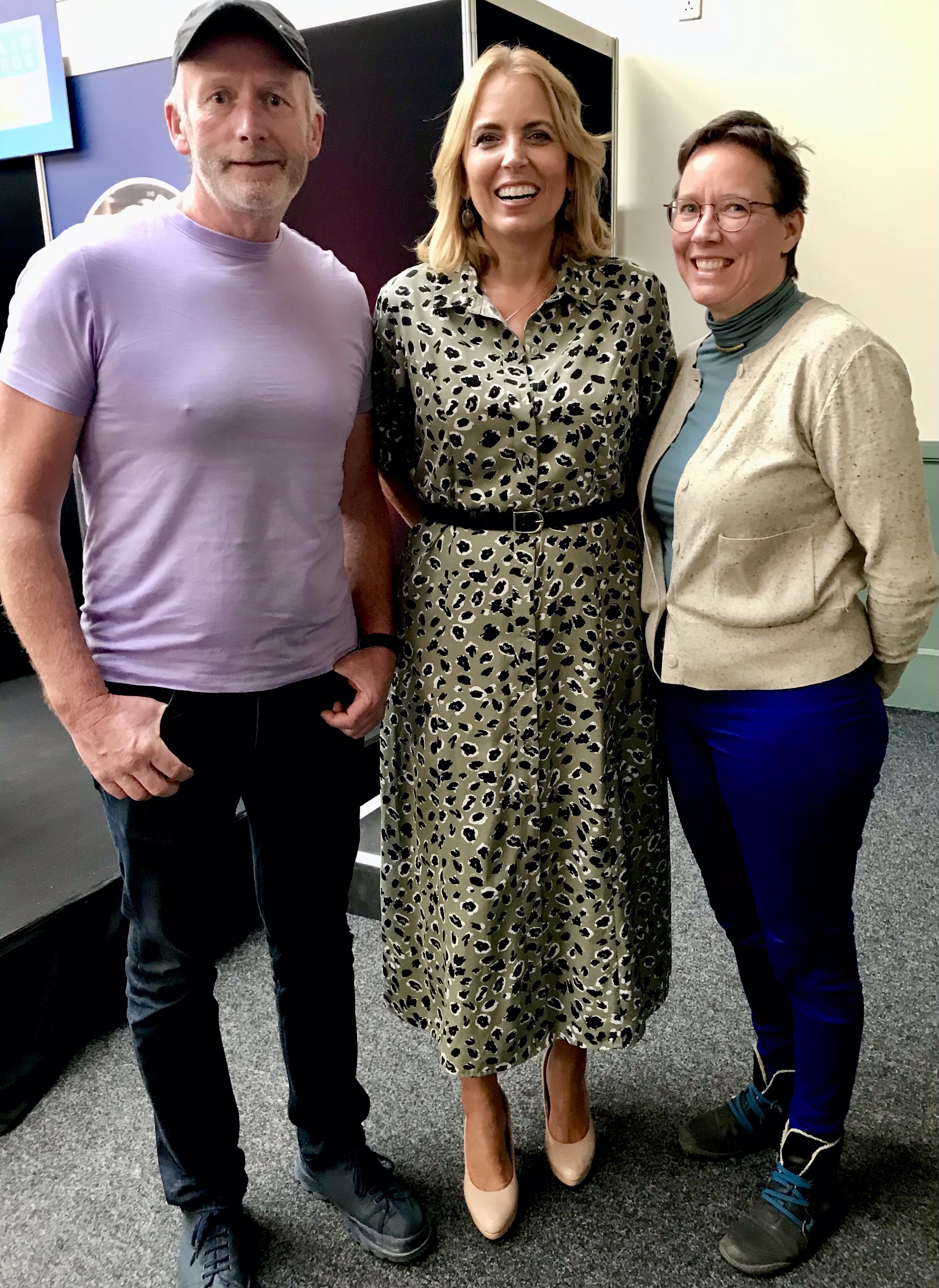
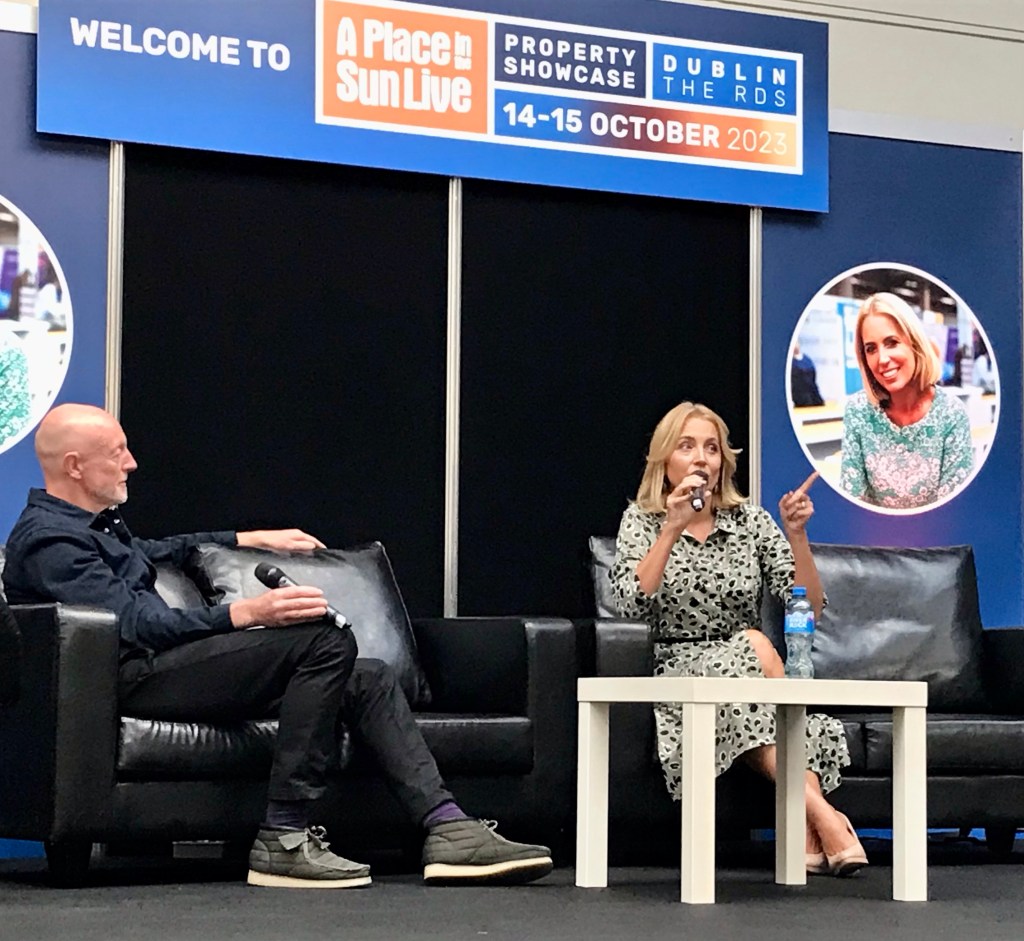
Following that tour, we cycled at top speed over to RDS for the “Place in the Sun” expo. We listened attentively to four panels and got to meet Jasmine Harmon, the TV show’s most active host.

Heading back into town after a full day of sun and star-gazing, we enjoyed lunch and a drink at Opium on Camden Street. Then we were off again, headed to the Lighthouse Cinema for a second Open House event, called “Cities Have Feelings”. We enjoyed a film and poetry reading by LionHeart. We also soaked in a super-intriguing lecture by city architect Finn Williams who has worked in London and now works in Marmö, Sweden. There was a follow-up panel with them both that yielded even more intriguing insights. At the end, I got to catch up with my architecture colleague, Jim Roach, at the drinks reception.

Sunday morning, Aongus and I hit the gym bright and early. He had a personal training session, then we both did spin class before he headed into an abs class. (Maybe you’re getting the drift that I can’t keep up with the man, but I try!). We fueled up with oatmeal and fruit afterward and then jumped on our bikes again for one last Open House tour.

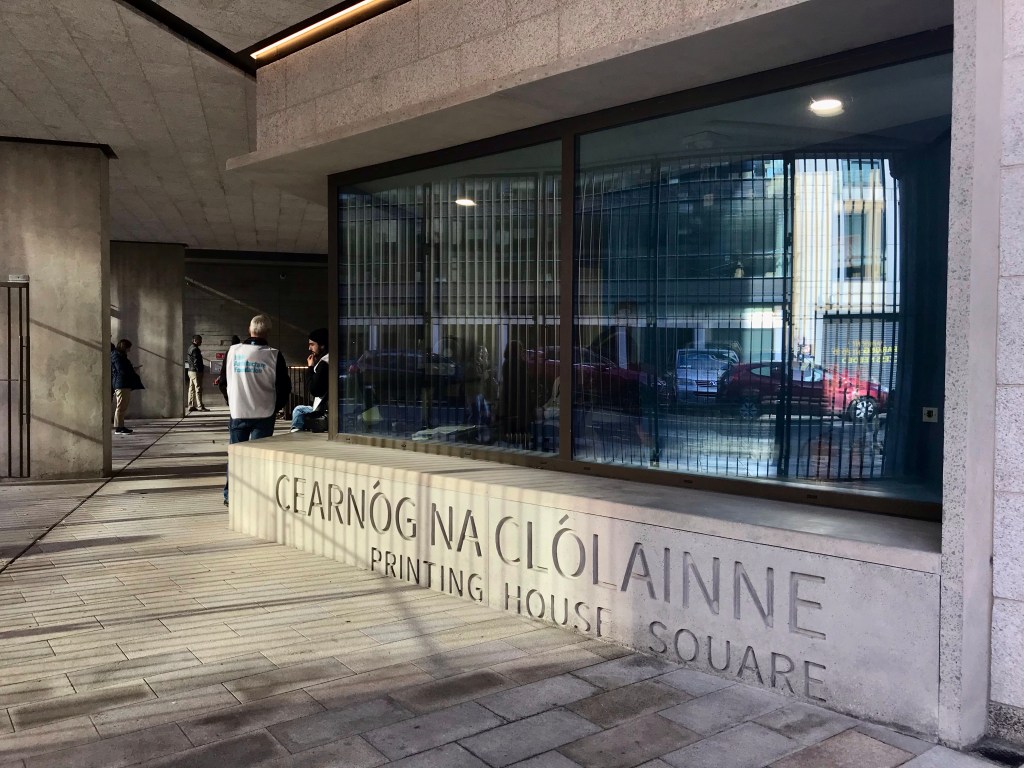
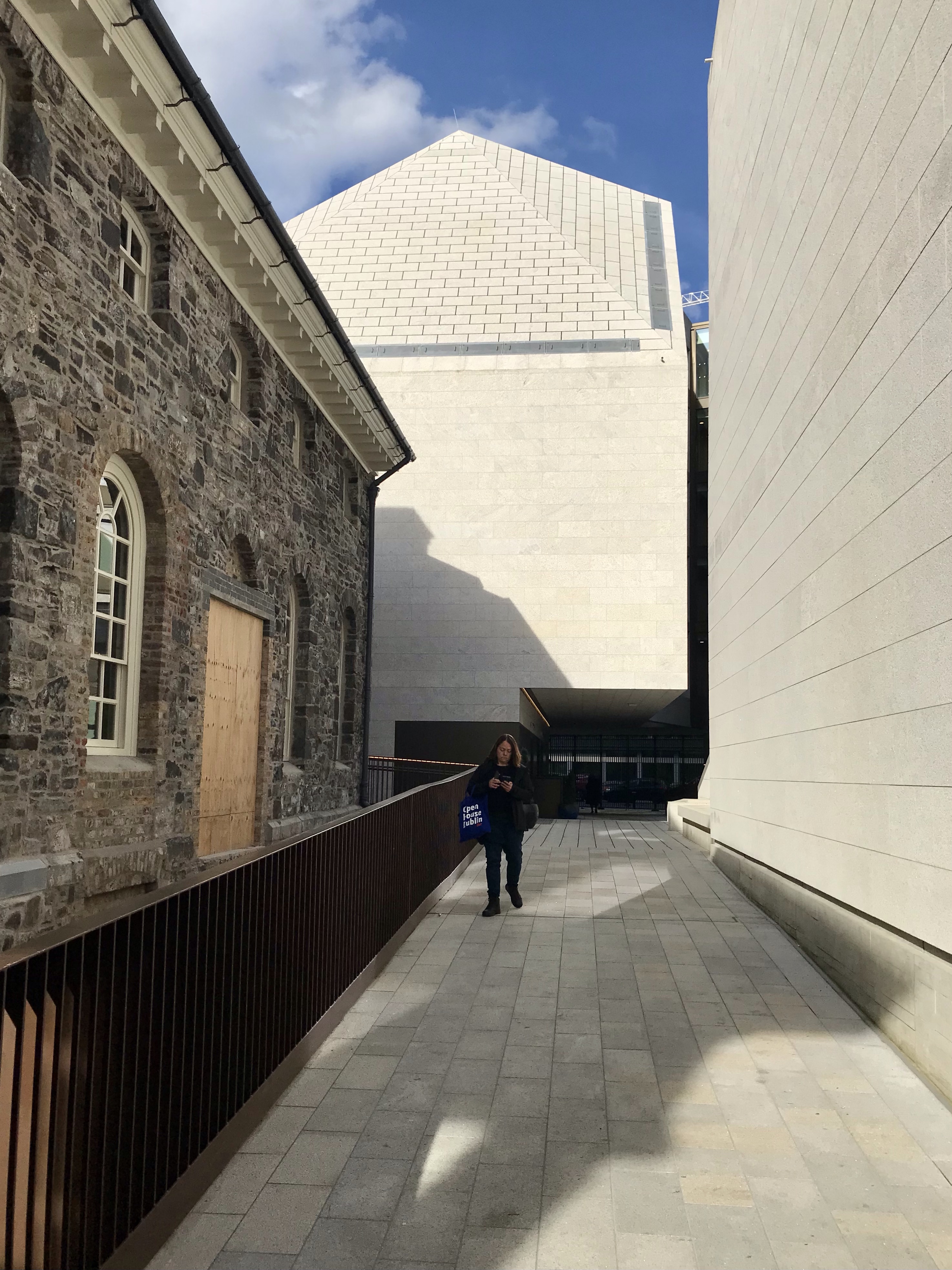
This was a visit to Printing House Square—better known to me as Oisín House—the construction project Aongus has worked on since our return from London. Architect Valerie Mulville delivered the tour and I got to see the fruits of Aongus’ efforts.

The edifice was awarded “Building of the Year” and Aongus’ employer named “Builder of the Year” at a recent event. This was the first time I’d had a chance to see inside. It’s quite an impressive structure and the quality of the finishes and detailing was surprisingly high.

I enjoyed a cycle through the city center while Aongus sped off for visits to his aunt and mum afterward.

Then, I made my way home to field incoming questions from students. They are culminating a sprint course on Research Methods. Last week was a marathon on the topic for the 23 students, my co-teacher Claire Simpson, and me. The students’ final proposals will need grading and feedback in the morning since they’ll start their Dissertation module this Thursday. My sprint hasn’t ended!

In any case, I’m so extremely thankful for sunlight, energy and vibrant health, curiosity, a full set of senses, mobility and freedom to explore, citizenship, warmth and comfort, quality food, an interesting and secure job that I love, and a strong and fit partner to enjoy all this with. Long may these blessings last!