An Evening of Astronauts and Magically Informative Skies


Last night’s sky over Dublin was spectacular, and a magical evening unfolded. I’ve been sequestered in my flat here in Dublin for the past few weeks, on a self-imposed writing retreat away from my current home in London.
 

img_2124

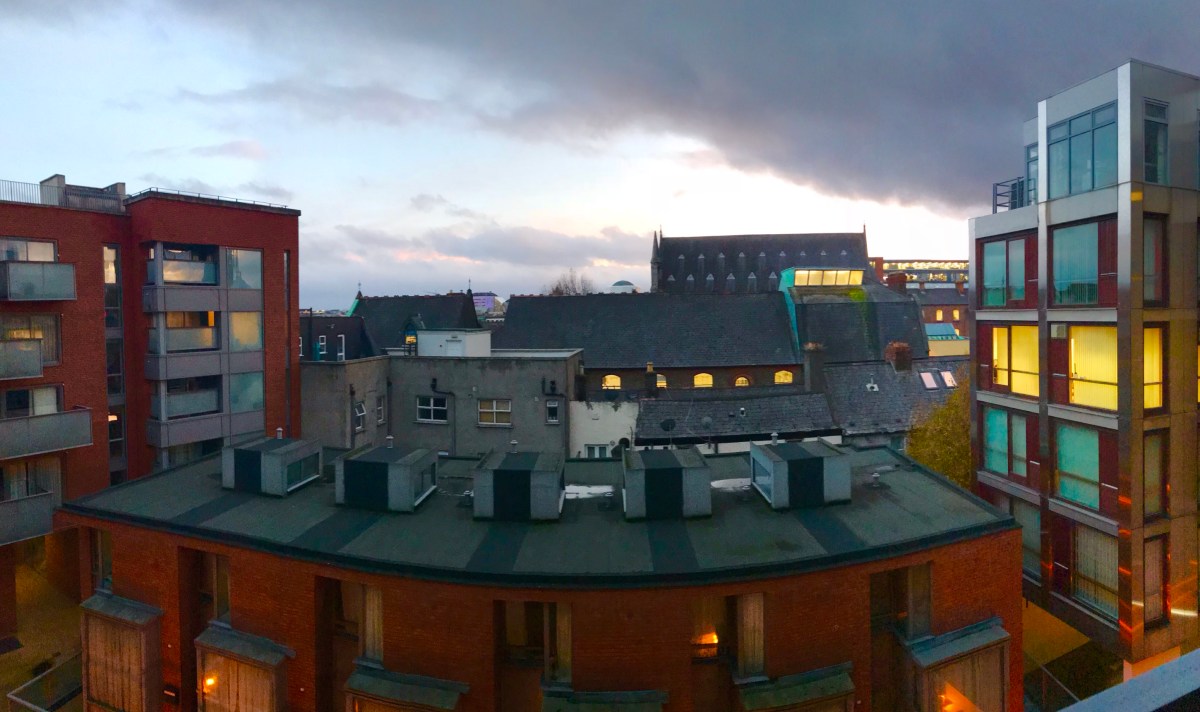
The view from my balcony, looking south toward Four courts, just beyond the roof of the Cappucian Friary and Padre Pio church.

However, my retreat has transformed into a sort of boot camp. The past few weeks have been like the days I was enrolled full-time for my Ph.D. while holding down my full-time teaching job (and somehow still doing well at both). I’ve been so inwardly focused that I’ve thought of calling this time my ‘hermitage.’ Yet, I’ve been so productive I’ve considered making this an annual thing.

After working straight through the weekend and submitting two big projects Tuesday, I was ready for a break Wednesday evening. And the evening didn’t fail to deliver. It was nothing short of magical.

Remarkable moments I enjoyed:

  • Views from my balcony at sunset.
  • Views of the city center from the top of a double-decker Dublin Bus–before realizing I was heading in the wrong direction and getting nowhere fast!
  • Recognizing, just in time, the error in my plan.
  • A fine fair-weather clip across town on a Dublin Bike, with a long haul up the hill to the far end of Phoenix Park to the residence of the US Ambassador.
  • img_2185

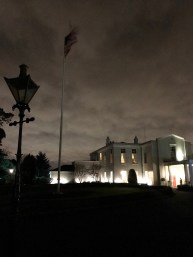
    US Ambassador’s residence in Dublin

    The stunning sight of the Ambassador’s home, tucked under a thick, delightfully-cheerful but ever-so-slightly-ominous blanket of clouds.

  • Clouds lit from the underside by our small but bustling city–a town beaming with holiday cheer and festive lights.
  • Stories of being in orbit from a man who has traveled far above the earth’s surface, in multiple spacecraft.
  • Learning about different types of rockets, and safety procedures that saved the lives of his colleagues in a recent failed mission.
  • Viewing dramatic photos US astronaut Shane Kimbrough captured from space–many from the Russian side of the Space Station, which he says has clearer glass that makes for better pics. img_2158
  • Meandering around the ground floor of the residence and enjoying the architectural details, but unfortunately, not recognizing a soul.
  • The delightful sensory experience of cycling back through the park on my way home. (By this time, the weather was starting to cool and I wished I’d donned the jacket that was tucked in my purse.) I pushed onward, not wanting to break the magic.
  • Parking my Dublin Bike at Blackhall Place, wandering through Smithfield Plaza, and enjoying the plaza’s holiday lights.
  • img_2206

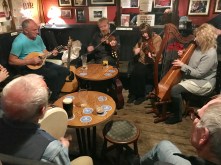
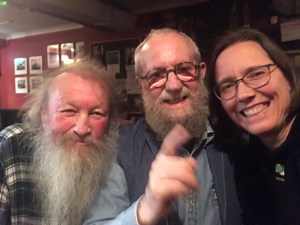
    Music session at the Cobblestone, with Mick O’Grady, Pat Goode, Brenda Malloy, Tony Nugent, and others.

    And finally, stepping through the warm and welcoming front door of the Cobblestone pub, and soaking in greetings of musician friends and bartenders–catching some tunes, and sharing stories after the 7-9:30 session.

This fairy-tale set of events unfolded, after a somewhat odd day. I’d dealt with random, miscellaneous tasks, following on the heels of a week of productive writing and editing. Although this day wasn’t particularly productive, I kept trying.

But I had a particularly strange occurrence while working from home during the day:

A guy knocked on my apartment door and I asked through the solid core panel, “Who is it?” He didn’t say who, but rather that he needed something. I asked what. He said, in pained exasperation, that it was too complicated to explain. He sputtered and stuttered that he’d just have to go tell someone else. Fine by me. Look, if you’re bleeding and you need a doctor, say so. If you can’t explain your problem, I’ve no way to assess if and how I can help. My friends at the pub last night said never, ever open the door. Thanks to both God and good judgment that I didn’t.

I’ve been struggling with my vision and waiting for a new pair of multifocal glasses to arrive. Turns out, my far sight has improved, and this has thrown off all the settings on my progressive lenses. As a result, I’ve been fighting headaches from struggling to find a head-tilt position where I can actually see the screen. This has been going on for months, and I’ve only just gotten to the bottom of it all. A temporary pair of reading glasses is helping, but wearing them is disorienting and headaches still crop up.

So yesterday I was quite ready for a break. I wrapped up my work to head out for an event. I blended up a healthy juice of fruits and veggies–apples, carrots, cucumber, spinach, celery, and ginger–to pep me up for the evening.

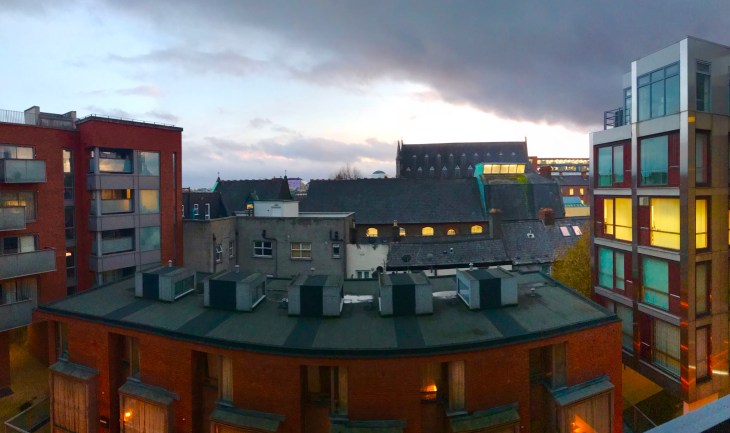
I noted the stunning view of clouds rolling into Dublin at sunset. I clicked a photo from my balcony to post on Facebook:
img_2125

It’s already feeling like Christmas in Dublin! A bit of a Dickens Christmas, the lighting suggests. 

Such a lovely place to be, in this bright and sunny flat!

I quickly donned a skirt and boots with heels (unusual for me these days) and I zipped out for the bus slightly after 5 PM, en route, I thought, to the US Embassy. I grabbed a seat front and center on the top deck of the bus, and successfully deflected the man-spread in progress in the adjoining seat.

Views from the top deck were lovely! But, a half hour after I’d left home, sitting atop a bus stuck in traffic, I double checked the invite. It was quite clearly sent from the US Embassy, and that’s where I was headed. It’s on the southeast corner of town.

Nevertheless, the event–a public discussion with a highly experienced US Army astronaut–was actually in the other direction!

Screen Shot 2018-11-15 at 11.26.01 AM.png

The only way through rush hour traffic and up to the US Ambassador’s residence perched on the hill of Phoenix Park was by bike. It’s touted as the largest city park in Europe (or something of that sort), and the Residence is, as I’d come to discover, at the very northwest corner of the park. On the far opposite corner of town.

I had to wait for the bus’s next stop. It goes all the way from the Liffey, around Trinity College, to the far, far end of Nassau Street–almost to Claire Street, between stops. Quite difficult to see all those buildings pass by while wanting to disembark!

Once the bus finally stopped, by the grace of God, I clambered toward the nearest Dublin Bike dock.

Despite the mini-skirt and tall wedge-heeled boots I’d put on, I managed to make good time. I was up to the Ambassador’s in under a half hour. The cycle ride required great physical exertion, but there was no other viable way to get quickly from Trinity to Heuston Station. From the station, I could have taken a cab up and across the Park, but I persevered. After days sitting at the laptop, I needed the exercise.

img_2131

Gusts of wind billowed past, pushing a thick blanket of clouds across the winter sky. But it was warm. What a treat–the feel of cycling through the park in this delightful weather (despite rough paving on the cycle lanes, which appear to be under renovation). I felt a deep sense of joy while approaching the formal gates, to be greeted by the cheerful security officers who quickly found my name on their list. The magic of the evening was reinforced by this delightful setting–the Ambassador’s residence was aglow under a dramatic sky.

img_2159

The US Ambassador’s Residence is architecturally impressive.

I arrived in time to grab a canapé and a glass of wine before finding a seat. My face, flushed with energy, glowed brightly. The crowd filled three rooms, and so I observed through two different sets of doors. What ensued was delightfully informative. The dialogue was well worth the haul!

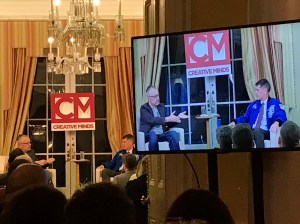
The speaker, US astronaut Shane Kimbrough, has the rare distinction of having served aboard BOTH the Space Shuttle AND the International Space Station. Once, he was in orbit for a full six months. That mission had been planned for four and a half months. Near the end, he received word that his stay was extended another six weeks.

Such interesting stories! He told of a mission he was on that launched from Russia, of bringing a soccer ball from a Challenger astronaut into space. He said during a spacewalk, you’re essentially in your own little one-person space capsule. He brought the experience of being-in-space alife for us all. img_2139-1
For more on NASA Astronaut and Former Commander of the International Space Station Shane Kimbrough see his webpage.

Shane shared amazing photos of his adventures and talked of cultural exchange, including multiple Thanksgivings spent in space. He described one year where the multi-national group aboard the Space Station celebrated our Christmas (December 25) as well as Russian Christmas (January 7).

He was also on a mission touted as “Home Improvement” since their team delivered and installed new kitchens, bathrooms, technical and exercise equipment and the like. Shane seemed so young and vibrant, yet he’s done all this. And what a remarkably humble guy he seemed to be!

Something he described will stick with me: he emphasized the fragility and beauty of the thin layer of atmosphere that protects, and indeed enables, life on our planet.

Of course, I ‘know about’ the ozone layer. My mom taught me to protect it since I was a kid. But I had never internalized the magic of this layer.  Although I knew about it intellectually, I had trouble ‘feeling’ it.

The scale is immense and the set of variables inconceivably complex. I have always had trouble wrapping my head around the idea of climate change. Shane made it palpable.

With a few words from Shane Kimbrough, I realized I’ve really only been looking up and out. From the International Space Station, he’d been outside, looking in. There, he adopted a more holistic view. He articulated it beautifully.

I’d been looking at all this from our human center, and been rightfully concerned. This astronaut helped me ‘see’ another way, but this also increased my concern. We must do more. I now have a better sense of awe of the beauty, vulnerability, and fragility of this thin veil.
img_2196-1On a night like yester–looking up, looking out–I saw the clouds rolling past. The jet stream pushing them along bound from the Atlantic along toward Scandinavia. img_2212-1
Heading home, I saw clouds. The stars were masked by plumes of water droplets suspended in air. Thick blankets of billowy, puffy clouds–holding us together–keeping us safe.

En route, I was inspired to wander the plaza and soak in the festive holiday lights. Then, I stepped in to see friends at my favorite local pub, the Cobblestone. Inside this pub, I feel love. Love of music and life-long friendships among musicians. I am always treated like family here.

Returning home, I fell into dreams of stars, with a new and deeper sense of awe for this planet we call home.

img_2218I awoke this morning to the ominous political news of Brexit, the pending collapse of the UK government, and then Teresa May’s resignation.

There was a different sort of sky, the sort of rays my friend Glen calls ‘God light’. Dear God, please let this light show us the importance of the atmosphere and of each other. Let it lead us to make better decisions.

Working Hard, Playing Hard: London city models, maker spaces, and materials libraries

img_0657

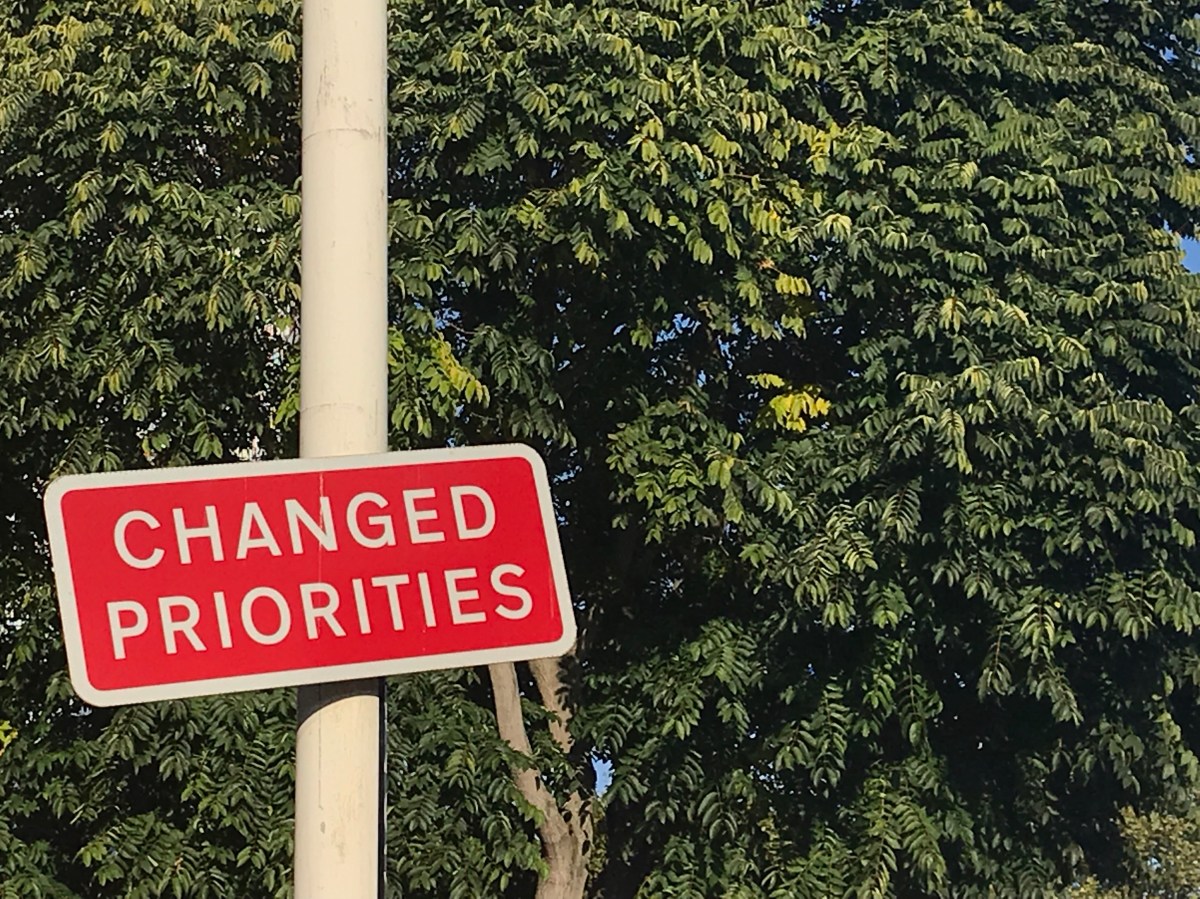
Sums up the week.

Getting back on track after a vacation is always hectic. A road sign I passed today announcing “CHANGED PRIORITIES” summed up the ironies I’ve faced. My first week back (after a holiday in France and conferences in Denmark and Greece) has been a flurry of activity. I had to put a lot of time into recovering lost documents and preparing government applications, and that wasn’t expected. I anticipated being in Dublin this past week, but fate (and lost IDs) sent me in other directions.
Besides trying to make headway with research projects, file expense reports, get back into my gym routine and recover the plethora of bank and identification cards I lost in Greece, I did make time to meet colleagues and explore material libraries, maker labs, and the massive city model of London. The list below attests, though, that I actually got some “real work” done. I’m making progress despite the detours!

img_0537

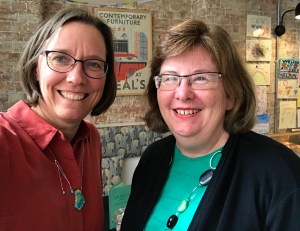
With Dr. Anne Gardner, the new Deputy Editor of AAEE

Chronological highlights of the past ten days have been:

  • Quick catch-ups with both my supervisors, Profs. Nick Tyler and John Mitchell. John is the incoming Editor in Chief of IEEE Transactions on Education, so we had much to discuss.
  • Submitting two abstracts for the American Society for Engineering Education (ASEE) 2019 conference.
  • Providing input on a curriculum proposal under development at our Centre and module (course) planning for our new MSc in Engineering Education.
  • Lunching with guest academic, Prof. Euan Lindsay, of Australia’s Charles Sturt University and making with him a quick trip to the Building Centre’s exhibition on spatial modeling by Zaha Hadid’s lab and the giant model of London.
  • Touring UCL’s Institute of Making, its materials library and maker space.
  • img_0503
  • Thomas Empson’s fabulous RES2 presentation
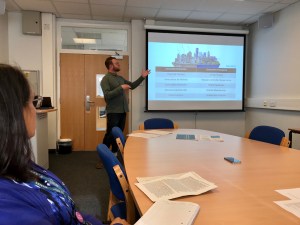
  • Attending a dynamic, well-structured, and highly successful milestone presentation by my Ph.D. student, Thomas Empson of London South Bank University (LSBU). Delighted to have contributed to Thomas’ success.
  • Touring LSBU’s extensive maker labs (theater and cave for virtual reality, robotic arms, 3D printers using all sorts of materials, high-end laser cutters, and old-school lathes, milling machines, spray booths. Room after room after room. An amazing set of resources for the LSBU engineering community. I was astounded. They also have a small materials library.
  • img_0525
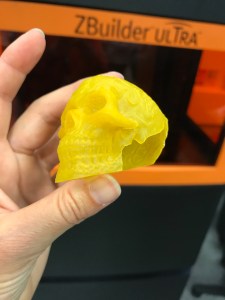
  • A product of LSBU’s extensive Maker Lab, this shell in the shape of a skull was printed in a liquid that contains emulsion and hardens when struck by a laser beam in the printer. Then the remaining liquid is drained away.
  • Lunching with guest academic, Prof. Anne Gardner, incoming Deputy Editor of the Australasian Journal of Engineering Education and another quick trip to visit the Building Centre.Gaining official approval from the UCL Ethics Committee to proceed with two research projects.
  • Completing UCL’s new online training program for data protection (GDPR), earning 100% on the final test.
  • Reading a UCL publication of guidelines for research staff. This is a very organized place!
  • Reading an incoming manuscript for the special focus journal issue and helping manage the review process.
  • Meeting with an expert in phenomenographical research methods, Dr. Mike Miminiris, to plan for an upcoming project.
  • Scheduling dates for upcoming seminars at UCL (by Dr. Mike Miminiris) and DIT (by Dr. Bill Williams).
  • Meeting with Prof. Simon Philbin, the new Director of LSBU’s Natu Puri Institute (NPI) to discuss strategic direction for the Institute.
img_0578

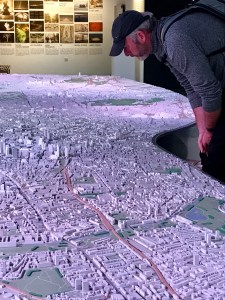
Aongus studying the London model

Over the weekend, I decided to bring Aongus to the Building Center because he hadn’t been yet. We spent most of Saturday with the model of London (using its interactive learning tools and the videos), taking a sneak peek at an exhibition being mounted on modular construction, visiting the special exhibit on the history of the Centre, viewing the Hadid exhibition (mentioned above), and learning about commercially-available building products and materials in the Centre’s massive product library.

That makes THREE materials libraries and TWO extensive maker labs visited in a week! All these are pictured in the photo gallery below.

img_0610

New global rankings from THE

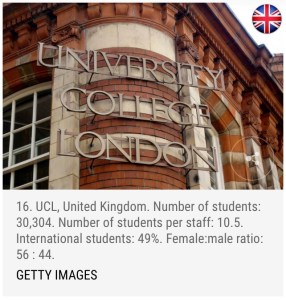
I discovered that the new global rankings of universities, by the Times Higher Education, has placed UCL at 14th in the world. Each rating system uses different variables and metrics, so it’s not surprising that this is a bit different than the QS system that has UCL at 7th globally.

On Saturday and Sunday, we also made time to immerse ourselves in London–including the rainstorm on Saturday (oh my). Aongus and I enjoyed delectable meals, including dim sum at Dim T, my favorite fix at Chipotle, and molten cookies at Kingly Court. Saturday evening, we enjoyed the opening of the film “A Star is Born.” On Sunday, Aongus and I visited the Churchill War Rooms.

img_0652

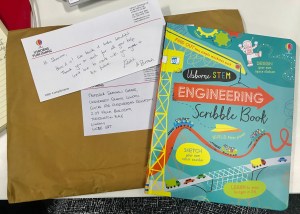
Hot off the presses @Usborne #STEM “Engineering Scribble Book” for kids. Loved offering guidance as Eddie and Darran developed the content! @Centre4EngEdu @CREATE_DIT. A university bookstore outside London replied to comments on my Twitter feed. @cccubookstore said “Engineering Scribble Books will be in stock tomorrow. Science Scribble Book on publication in November ;-)”

So far this week, I’ve reviewed feedback I’ve collected from colleagues on three important documents I’m preparing. I spent the better part of a day re-vamping a manuscript to address reviewer comments.

Also this week, I enjoyed meeting a new Ph.D. student at UCL, Aristos, who is studying tidal energy and knows Greek–he has helped me contact the police station in Greece (still no word on my lost items). I had lunch one day with my officemate, Sital, and learned more about her family’s heritage. I meet online with the board of the Research on Engineering Education Network (REEN) planning the 2019 Symposium (REES 2019) to be held in Cape Town July 10-12, 2019. I also met online with Dr. Bill Williams to plan his upcoming lecture and workshop topics.

Ending on a high note yesterday, I received a fun package in the mail–a copy of a book I helped create for kids. I served as the “expert advisor” for Usborne Publisher on a publication called Usborne STEM “Engineering Scribble Book.” It’s the first in a series and it looks great!

With all these unanticipated adventures, I’m wondering if I, rather than fate, will help set my own priorities for the upcoming week. Probably not!

Copenhagen to Athens to Kos: A hop, skip, and a jump from SEFI to ICL

img_9548

Copenhagen

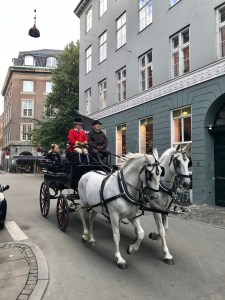
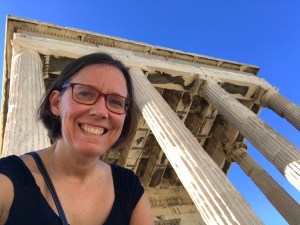
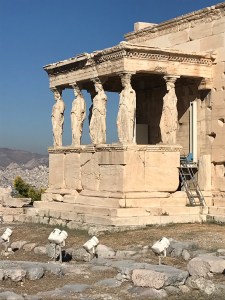
Following last week’s meeting of the European Society for Engineering Education (SEFI) in Copenhagen, I enjoyed a post-conference dinner with colleagues, explored Copenhagen’s old town in the morning, and then jetted off to Greece for a second international conference–this one on Interactive Collaborative Learning (ICL). I spent a day in Athens en route, inspiring a deep sense of awe! For an architect like me, visiting the Acropolis is a must, and the experience was even more uplifting than I’d expected. I loved Athens and I will certainly return!

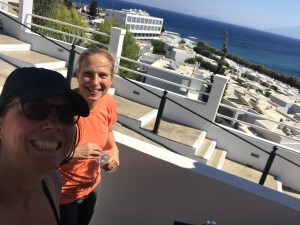
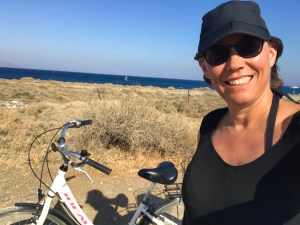
The photo album in this post includes photos of the day I spent cycling around Kos with my colleague, Dr. Stephanie Ferrall, and also from my one-day layover in Athens. It also provides a glimpse into the conference events to show what the work of a traveling researcher really looks like.

img_9829

Athens

The highlight of the ICL conference was getting to know colleagues with similar interests. I particularly enjoyed getting to know the Portuguese and Sri Lankan delegations and the keynote speakers.

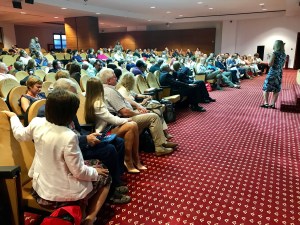
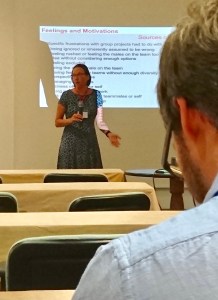
Presentations were interesting and informative and I’ve posted photos of Anuradha Peramunugamage (from Sri Lanka), Stephanie Ferrall (USA), Christina Aggor (Ghana), and Rovani Sigamoney (currently from France) presenting their work.

img_0263

Dr. Ferrall’s ICL keynote

Stephanie was a big reason I attended. I submitted a paper for this conference after seeing she was listed as a keynote speaker. Stephanie and I were research fellows in Dublin together at DIT during the academic year 2014-2015. Stephanie is a world expert in engineering education pedagogy and in supporting LGBTQ+ students. She is currently the national president of the American Society of Engineering Education (ASEE). Her work focuses on inclusivity and “revolutionizing diversity” in engineering schools. Stephanie’s keynote speech at ICL focused on classroom diversity whereas the keynote she delivered the week before, at SEFI, described large-scale patterns and philosophies regarding diversity. At ICL, Stephanie was honored by the International Society for Engineering Pedagogy (IGIP) with its highest award, the Nikola Tesla chain.

dsc_0113

My ICL presentation

I was also drawn to this conference because much of my research has to do with engineering students’ experiences of collaborative learning and that is the core subject of the conference.

At the ICL conference, I presented one line of my analysis, a study of Middle Eastern women’s experiences studying engineering abroad in Ireland. I collected interviews with eight such women over a period of four years. You can download “Middle Eastern Women’s Experiences of Collaborative Learning in Engineering in Ireland” at this link: https://arrow.dit.ie/engschcivcon/109/. The citation for the paper is:

Chance, S. M., Williams, B. (2018). Middle Eastern Women’s Experiences of Collaborative Learning in Engineering in Ireland. International Conference on Interactive Collaborative Learning (ICL) in Kos Island, Greece, 2018.

img_0128

Bike tour of Kos Island

As there were a few days free between SEFI and ICL, I’d gotten to spend time exploring Kos with Stephanie before the second conference. I posted some photos of us on Facebook with a notable but unanticipated effect. A colleague of mine from the Centers for Disease Control (CDC) in the USA, Christopher Kochtitzky, took notice and reached out to connect with Stephanie since their goals for changing the world overlap.

img_0173Thus, one of my top accomplishments of this conference was connecting my colleagues from the CDC and ASEE. Soon Stephanie and Chris will be working together. They will connect engineering educators and students with the CDC’s new initiatives to increase physical activity across the US population and to improve public transportation, particularly with regard to accessibility. Stephanie will be able to tap into Chris’s experience and policy research and Chris will access Stephanie’s national contacts to help achieve CDC goals.

img_9795

On the Acropolis in Athens

The best surprise of my trip to Kos was meeting and getting to know Rovani Sigamoney from the United Nations Educational, Scientific and Cultural Organization (UNESCO). This organization does amazing work. UNESCO was created following WWII to help preserve cultural monuments, artifacts, and places. Today it seeks to get better educational opportunities to the world population and to improve living conditions. I’ve always admired UNESCO’s work but saw it as a big, far-away organization. Now I see ways I can contribute, and I’m getting straight to work! Thanks, Rovaini, for the fine job you’re doing with the engineering division!
img_0293

UNESCO’s Rovani Sigamoney

On the last evening of my trip, I dined alone. The waiters provided my favorite dessert, although it wasn’t on the menu, and they made it a gift. Shortly before that, I had snapped a photo of the Kos police station in the evening light (see the end of the photo gallery). Little did I know I’d be back at that station in the morning, to report that I’d dropped my purse.

Into every life, a little rain must fall, and in this case, my purse fell off the back of the e-bike I had rented to get around town on the last day. With the generosity of many different people, I managed to make my way back to London late Saturday night. Now I’m working to recover all those bank cards and government-issued photo IDs. Thankfully, though, I still have my health and my happiness and great memories of Copenhagen and Kos, and friends new and old.

Excursions from London: Weekend trip to Rye

img_3225-1

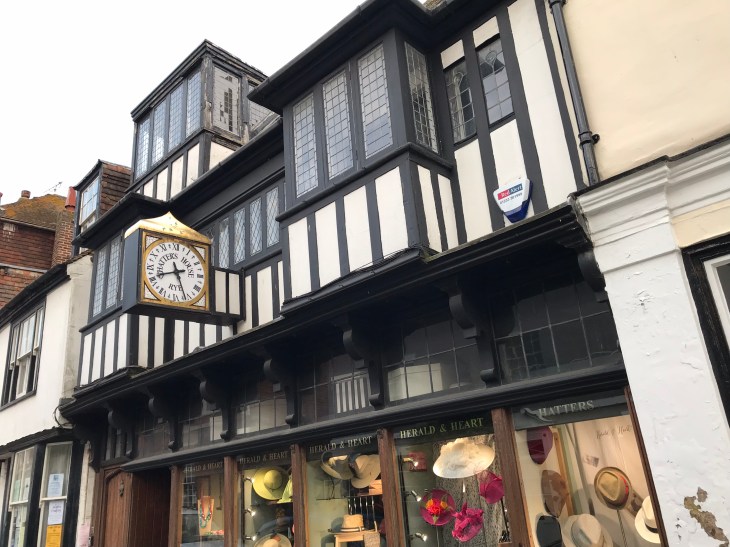
Window shopping in Rye.

During May, we celebrated our third “bank holiday weekend” of the year in the quaint medieval town of Rye. Enamored with England’s southeastern coast from the two prior weekends, we boarded the Southern high-speed train service headed to Kent for a new adventure there.

Arriving in Rye, we found ourselves in an amazingly tranquil and sunny, exquisitely preserved town not far from the beach.

Top memories from our three-day weekend are identified below and also shown in a gallery of photos. I hope that if you’re planning an outing to Rye, this info will inspire you and help you plan.

Day One

  • Arrive at the pretty little train station and check in at the Regent “Motel” where it’s possible to park a car
  • Find the bike rental shop and make arrangements for the next morning
  • Walk around scenic Mermaid Street and its surrounding cobbled streets
  • Eat, drink, and be merry at Mermaid Hotel, Pub, and Restaurant
  • Attempt to see Lamb House (which was temporarily closed, unfortunately)
  • Stroll through Cemetery of St. Mary’s Church
  • Visit Ypres Tower/Castle, its courtyard and Woman’s prison tower, and its panoramic terrace with historic cannons
  • Grab a second lunch at Fletchers House or next door to it, at Simon the Pieman (my guy gets very hungry)
  • Tour St. Mary’s Church, its annual flower festival
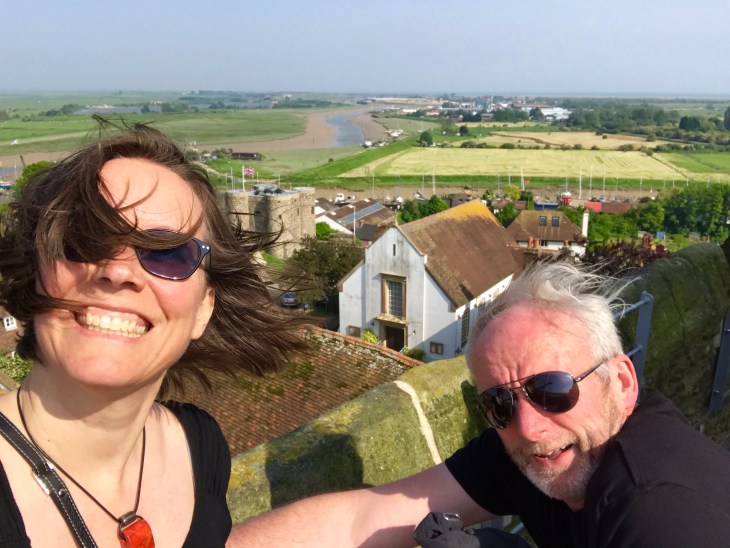
  • Climb St. Mary’s bell tower to reach the spectacular panoramic view—this is a climb suited only to brave and well-coordinated folks (the passageways and stairs are extremely narrow and I tripped any number of times on the roof)
  • Shop in the boutiques around town and visit the Kino to check show times to see if any suit
  • Wander around town, visit the fun fair, and drive like a maniac at bumper cars
  • Dinner at The Devil in Rye, in the bright, sunny indoor courtyard area in the back
  • Enjoy a scenic night stroll through the town
img_3084

Blown away by Rye!

Day Two

On our second day, we set out for a leisurely bicycle trip toward Rye Harbour and Winchelsea town.

  • Enjoy breakfast at Whitehouse Rye, then rent bikes at Rye Hire, Ltd.
  • Pack a picnic lunch, and make a cycling tour, heading in the direction of Rye Harbour taking time out along the way for whatever pops up, such as an RV open house at JC Leisure
  • Relax I the courtyard and cemetery of the Church of the Holy Spirit and the nearby playground
  • Stop off at William the Conqueror, and attend special bank holiday events, such as traditional musicians and traditional folk dancers (Morris dancing) performing I. The streets in both Rye Harbour and Winchelsea town
  • Explore the WWII bunkers along the coast, the seawall at the mouth of River Rother, Rye Harbour Nature Reserve, and many protective structures along the coast and at Winchelsea Beach
  • Experience sunset rays piercing through slit windows at the spectacular St. Thomas the Martyr church in Winchelsea, and search for famous names in the cemetery surrounding g the church
  • Enjoy a refreshment at The New Inn, in the lovely, floral Biergarten, a walled secret garden
  • Head home via rugged footpaths, as long as you’ve got an off-road bike–but next time, I’ll go for the electric bike rather than rent a push bike, so I can cover more distance
  • Dine again at The Mermaid Inn in Rye, “The Mermaid’s doors had been opened 150 years when Elizabeth I visited Rye in 1573” since it serves food late into the evening
136e447b-f518-49a9-b669-5151548ebd11

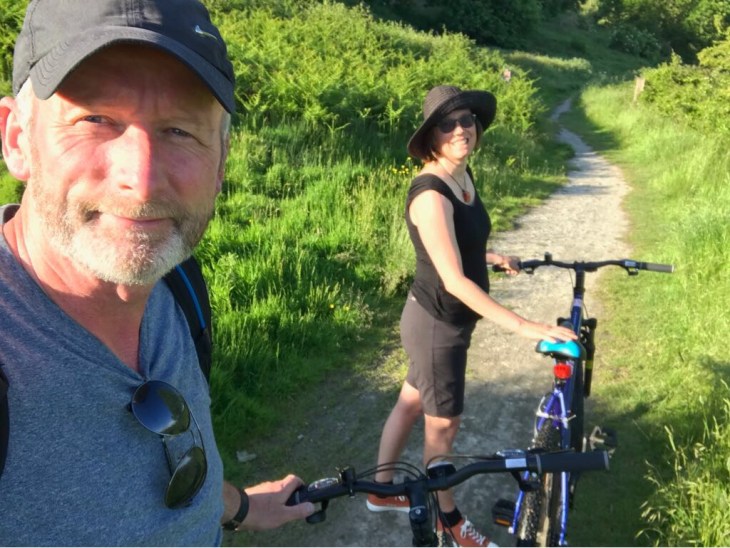
Cycling from Winchelsea back to Rye.

Day Three

On the final day, we checked out of the hotel, the. We de died to:

  • Enjoy breakfast in Rye, and jump on the Wave 101 bus to Camber Sands Beach (21-minute trip)
  • Sit on the beach, play in the shallow water, and walk along the beach and seawall until time to head back
  • Return to Rye, pick up bags at the hotel and enjoy a quick cookout meal at the pub in the old Water Works building, constructed 1869
  • Head to the Historic train station for the small two-carriage train back to Ashford International Train Station and on to London

Note that evening trains are extremely crowded on bank holiday Mondays.

Learning London: Transport for Mobility


My research supervisor in London, Professor Nick Tyler, is a global expert in transportation systems, with expertise in accessibility. He travels around the world advising transportation planners–and his research also has gone a long way to improve how Transport for London serves people with mobility challenges and various forms of disability.

Transportation Design

IMG_7336

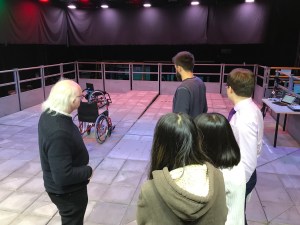
A view from the testing platform, with Professor Tyler and some MSc students.

Nick offered a Masters-level class at University College London in Term 2 and I got to attend the opening day which was held at the research facility he heads, located on the Northern Line up in Tufnell Park.

On the opening day of this course on design for transport engineers, Nick’s students and I experienced what it’s like to navigate common street conditions while blindfolded, hearing impaired, or using crutches and wheelchairs.

The photo gallery provides a glimpse of this opening day. And, YES, it did feel like Back to the Future with Dr. Emmett Brown, who you likely remember as “Doc.”

About PAMELA

PAMELA stands for “Pedestrian Accessibility Movement Environment Laboratory.” The lab’s website explains that “PAMELA is a multisensory laboratory for the assessment of pedestrian movement.” In other words, it is a research facility with equipment for simulating real-world conditions at full scale so researchers can study how people with differing abilities deal with specific variables (sounds, ambient noise, varying light levels, tripping hazards, steps, etc.).

“Constructed between 2003 and 2006, the PAMELA laboratory is a novel and highly flexible facility,” UCL’s PAMELA webpage explains, “allowing full-scale pedestrian infrastructure to be built and tested to enable thorough assessment and evaluation. The structure includes a flexible floor surface that represents real ground conditions with interchangeable surface materials and is supported by a range of sensing equipment.” The webpage also describes specific research studies that have made a tremendous difference and yielded huge financial savings in London.

A picture of an underground carriage at PAMELA

Transport simulation research being done at PEARL. Image from http://www.engineering.ucl.ac.uk/news/pamela-develop-pearl/

Introducing PAMELA’s sister, PEARL

In 2017, Nick secured a £9m grant from EPSRC via its UK Collaboratorium for Research on Infrastructure and Cities (UKCRIC) program. This will fund the construction of a new and improved version of PAMELA, called PEARL (People-Environment-Activity Research Laboratory).

Connecting UCL and DIT

In May, during my two visits to Dublin Institute of Technology (DIT), I learned that my colleagues at DIT’s transportation engineers, led by Dr. Lorraine D’Arcy, received validation to launch a new, interdisciplinary Master of Science (MSc) degree in Transport and Mobility. I look forward to helping Lorraine connect with Nick so she and DIT can learn from–and hopefully, contribute to–the wealth of experience and knowledge Nick has accrued.


Learning London: Four-Day Family Extravaganza

My cousin Kaitlin has been teaching English in Spain this past year. So we (my partner Aongus and I) decided to add a second stamp to her passport and we invited her up to London for an extended weekend

Aongus meet her at the Tube station and guided her home from the airport, with a stop for dinner at our favorite Indian restaurant, Indigo at Richmix. Meanwhile, I sped back via train from my conference in Newcastle and arrived home minutes before them.

We were up bright and early Thursday morning for the start of a whirlwind tour that lasted four days.

On day one, we included:

  • Kaitlin’s first double-decker bus trip, on Bus 8, so as to see St. Paul’s and other prominent sites from the top deck, front row–best seats on the bus!
  • Sir John Soane’s House Museum, full of Roman antiquities and memorable painting and flooded with daylight in every corner.
  • The British Museum, stopping for coffee in the courtyard and visiting the South American and Egyptian sections.
  • Dashing into the Building Centre in Store Street to view the enormous model of London.
  • A relaxing couple of hours in Bloomsbury, for lunch with my UCL colleagues Emanuela and Folashade–our farewell sendoff to Queen Mary University of London for Folashade.
  • A walk to Picadilly Circus and the courtyard of the Royal Academy, with rose petal macaroons at Laudre in the Burlington Arcade, then onward to Green Park, the gates of Buckingham Palace, and a stroll across St. James’s Park.
  • Arriving at Westminster Abbey in perfect time to attend the choral Evensong.
  • A walk to Trafalgar Square and up Strsnd Street to fetch tickets at the box office of The Savoy.
  • A quick but tasty dinner at Itsu, where Aongus joined us after his work day.
  • A delightful evening at the West End musical “Dreamgirls”
  • Wrapping up the day with a walk through Covent Garden, stopping at Gelaterino before our bus ride home

Day two was filled with more adventures. This was Saturday and we headed by Tube to the Bourough of South Kensington and Chelsea for:
  • The Saatchi Gallery (modern art)
  • Kale salad and chestnut/almond waffles at a favorite cafe on Sloane Avenue
  • The Natural History Museum, where we focused on the dinasoaur and mammal exhibitions
  • Drinks and tagines at the Comptoir Libanas restaurant on Exhibition Road where we snagged an outdoor table under the awnings and heat lamps to avoid the evening rainstorm
  • Art-till-you-drop and cultural-encounters-of-all-kinds at the Victoria and Albert Museum (we saw several new wings due to Kaitlin’s interest in world religions)
  • Visits to high-end furniture shops and luxury department stores (John Lewis top to bottom, Herrod’s food courts, and Harvey Nichols tour of floors)
  • Pints at the Wilton Arms to again wait out the rain, and chat with some lively Brits
  • Dinner nearby at the Alfred Tennyson to round out the day and a stroll through high-end alleyways en route back to the tube–admiring the pricy vehicles.
Kaitlin spent day three with a friend she graduated university alongside. I’m so impressed with Kaitlin and all she has learned and done. She graduated first in her university class last year and then came to teach in Spain fresh out of college. She has taught both in a school and also private lessons and she even played soccer competitively, on a team in Spain.

Since it was Sunday and she was otherwise occupied, Aongus and I made the most of the day with:

  • A visit to the Imperial War Museum and the Tibetian Peace Garden, located on its grounds
  • A walk over to Trafalgar Square with a delightful Sunday roast at The Clarence
  • Fancy desserts at the sushi place in Kingly Court
  • Bus ride back to Shoreditch to catch up with Kaitlin at a South American restaurant near our home

On day four, Kaitlin and I had specific plans. We headed to:

  • The Churchill War Rooms, also viewing the exhibition on Churchill’s life
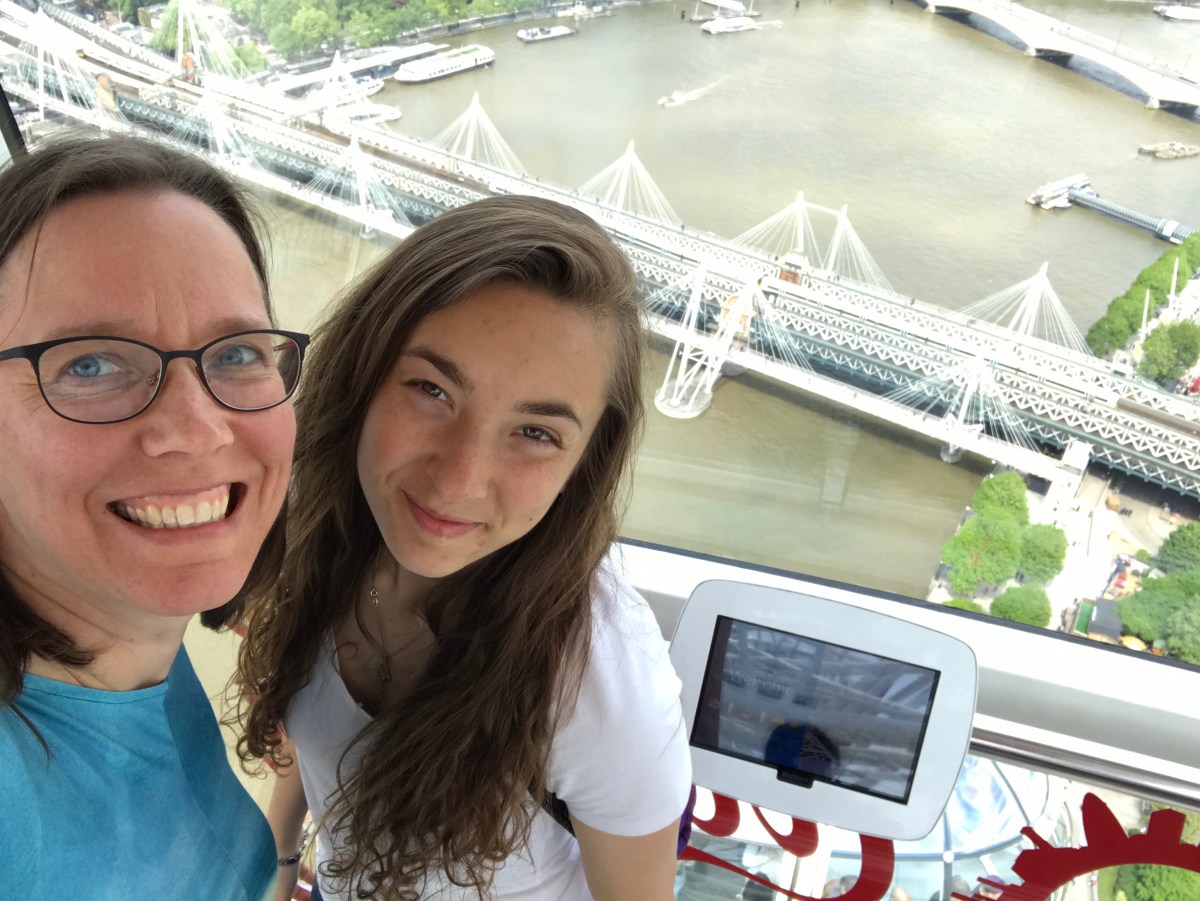
  • The London Eye, for a half-hour trip around this impressive Ferris wheel with its sweeping views of London
  • A quick visit to the National Gallery
  • Our second lunch in Bloomsbury at Dim T, since we enjoyed the one wit Folashade and Emanuela so much
  • A walking tour across University College London’s city campus

We gathered our bags from my office at UCL and boarded the tube for Heathrow, where we bid each other farewell–me heading to Dublin for a week’s work and Kait back to Spain to wrap up her teaching.

It was a truly delightful four days, though I admit I was completely exhausted the day after we parted. It was a treat to get to know this first-cousin-once-removed a bit better and to learn how very much alike we are despite having drastically different parental upbringing. I’m so very impressed with the person she’s become and how intelligent and thoughtful and hardworking and courteous she is. I’m glad I’d worked ahead and could take comp days while she was here so I could really get to know her. It was a rare treat to tour the city with her, and one I hope to have someday again.

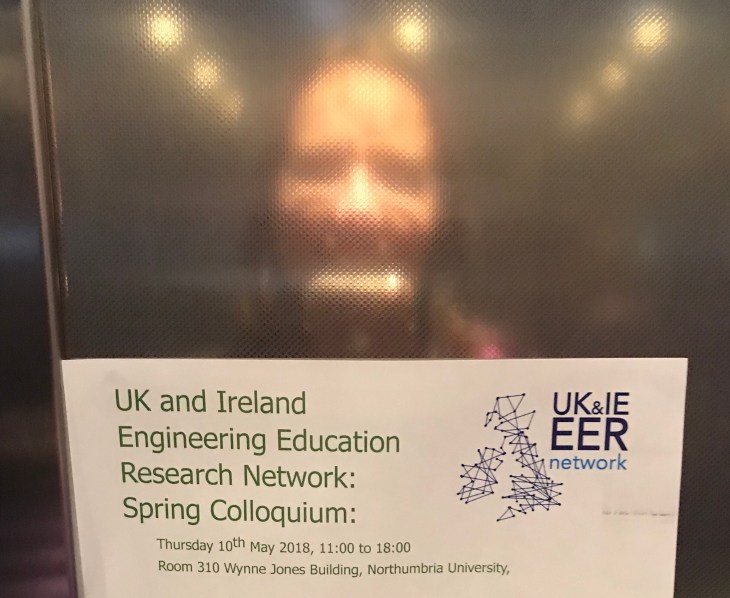
Sharing research at EERN

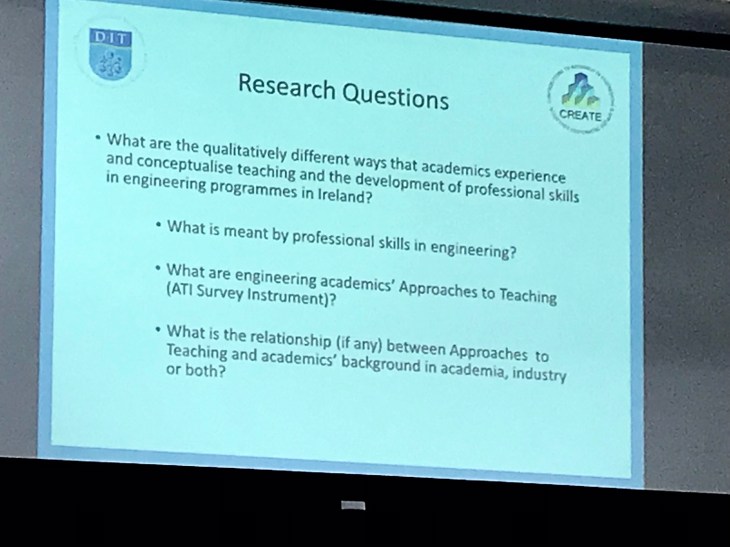
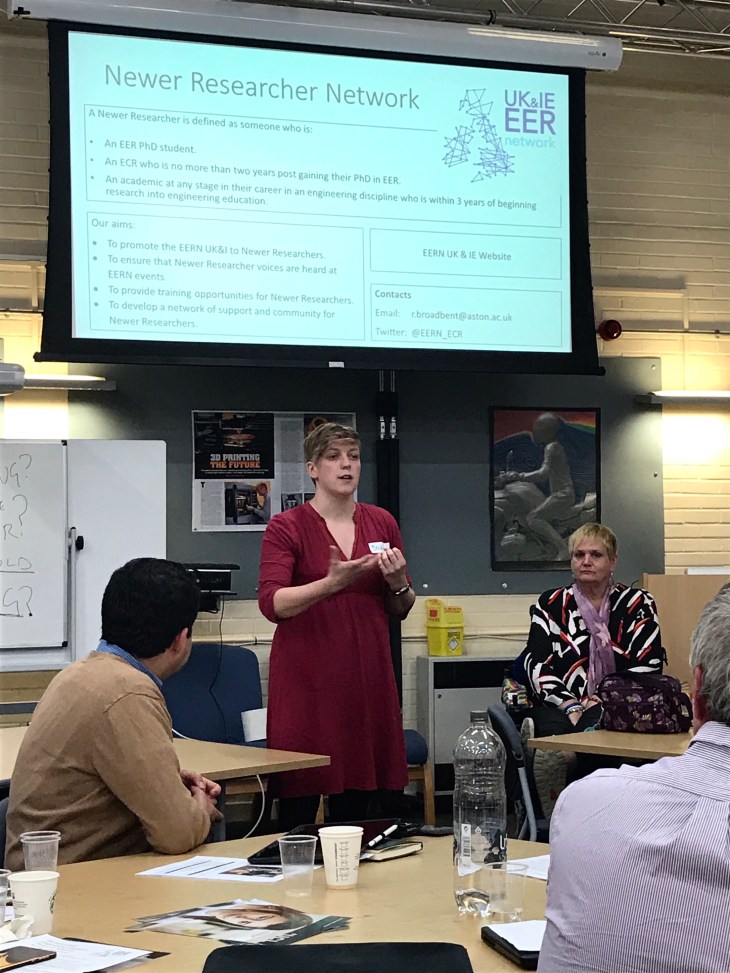
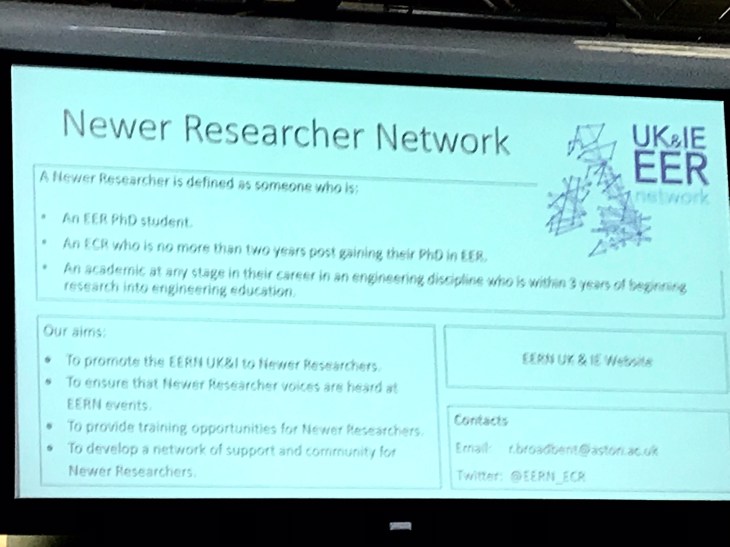
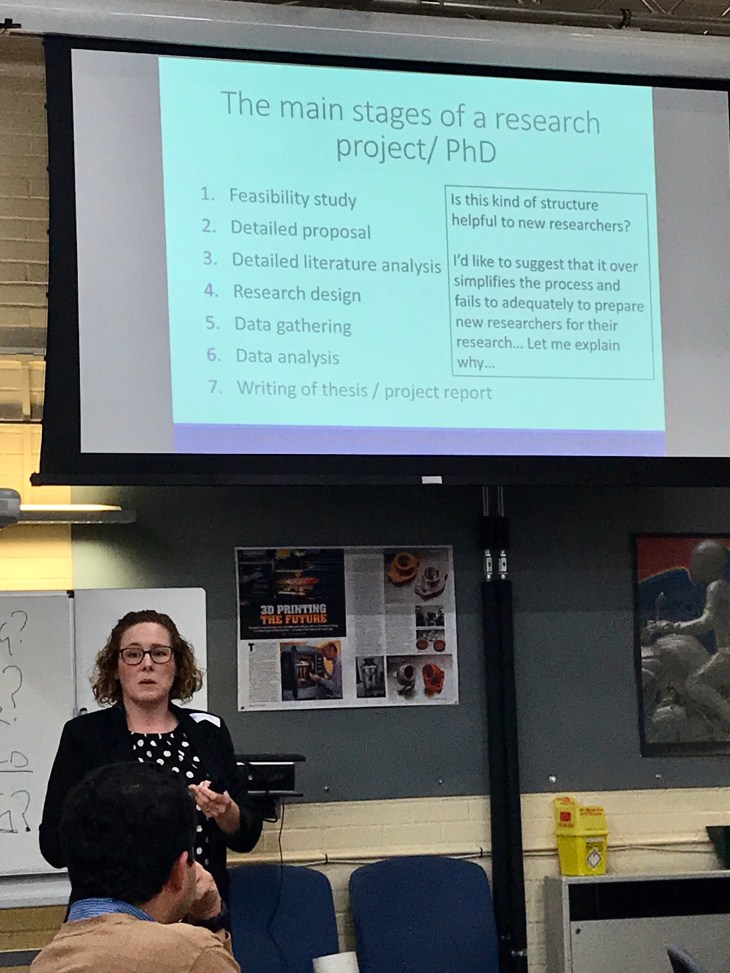
The Engineering Education Research Network (EERN) for the UK and Ireland met today at Newcastle University. Since one third of the presentations at this colloquium were delivered by DIT’s research group called CREATE (for Contributions to Research in Engineeing and Applied Technology Education), I got to catch up with my beloved colleagues from Dublin.

Yesterday, Emma Whitney, a colleague at UCL asked me to Tweet the events since three of us from UCL were attending. She gave me a few pointers for Tweeting, and I gave it a go.

@shannonchance7 has never had much success with Twitter. But with Emma’s tips I was able to do a respectable job (although I can’t get Twitter working now, on the train back to London, so perhaps I downed the platform!?).

It was great hearing about the #engineeringeducation #educationresearch folks are doing across Ireland and the UK.

This was the first EERN event with specific discussions to help support and guide PhD students and early-career/newer researchers. I actually feel that we’re all new to this! It’s an emerging field of research and were working hard to establish the methods, publications, conferences, and knowledge-sharing networks.

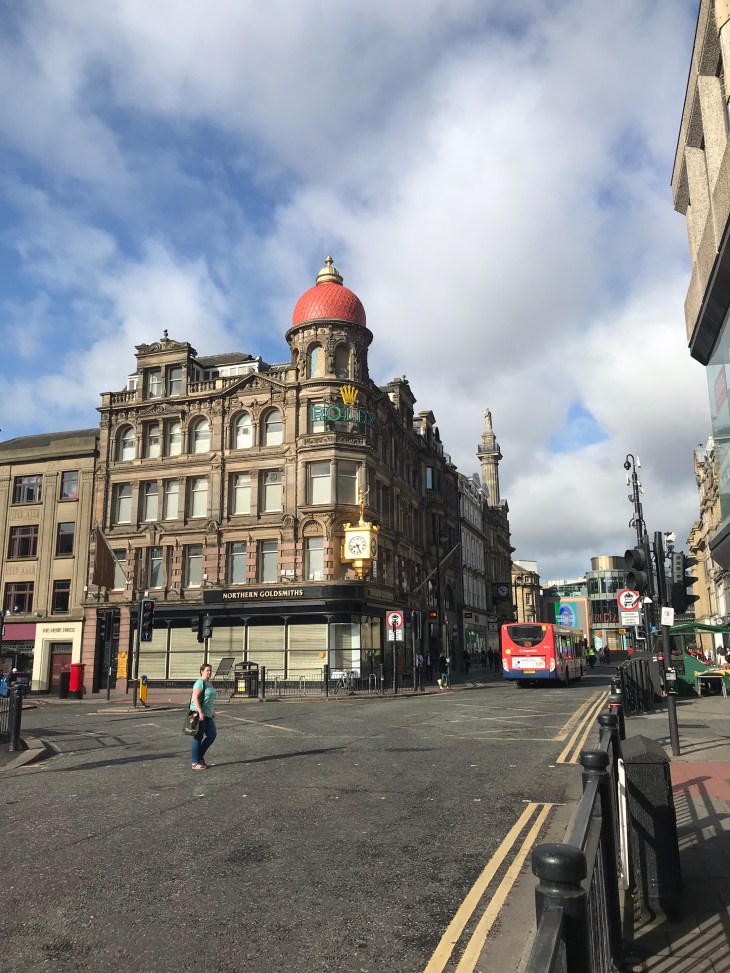
I’m delighted to be part of such a vibrant community, dedicated to improving the student experience and the quality of learning. I’ve uploaded photos of the conference and also of my morning exploration in Newcastle-upon-Tyne. It’s a lovely little city and I’ll hope to return again some day.

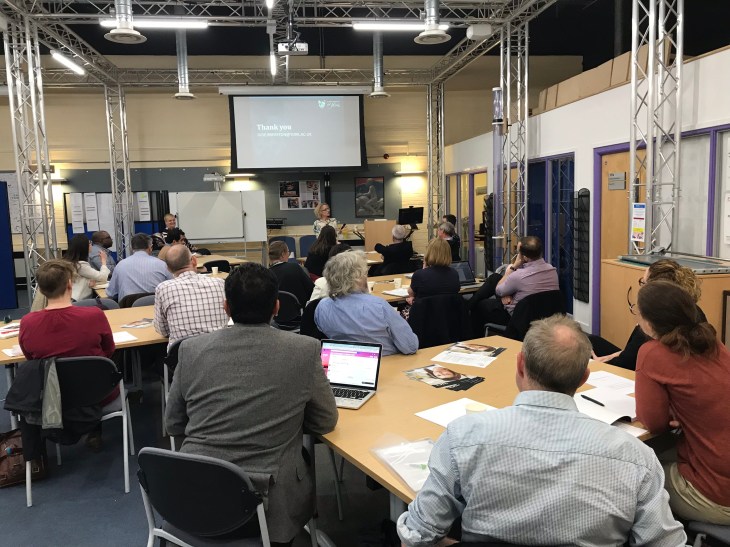
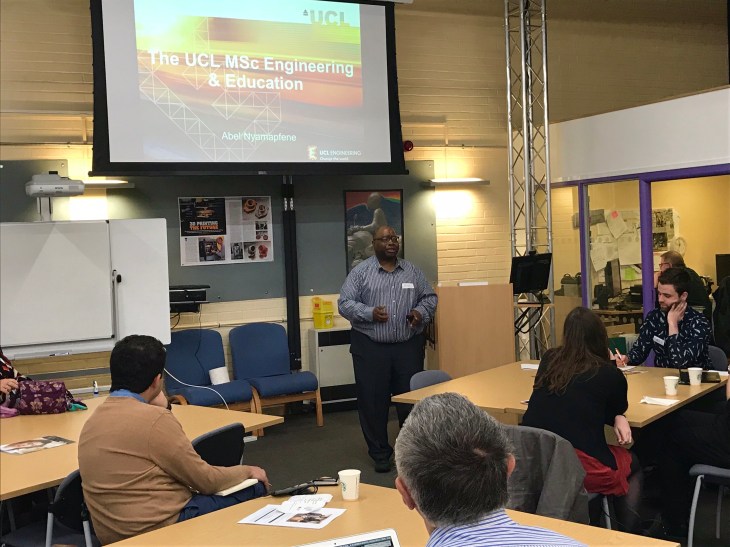
Able Nyamapfene from UCL.

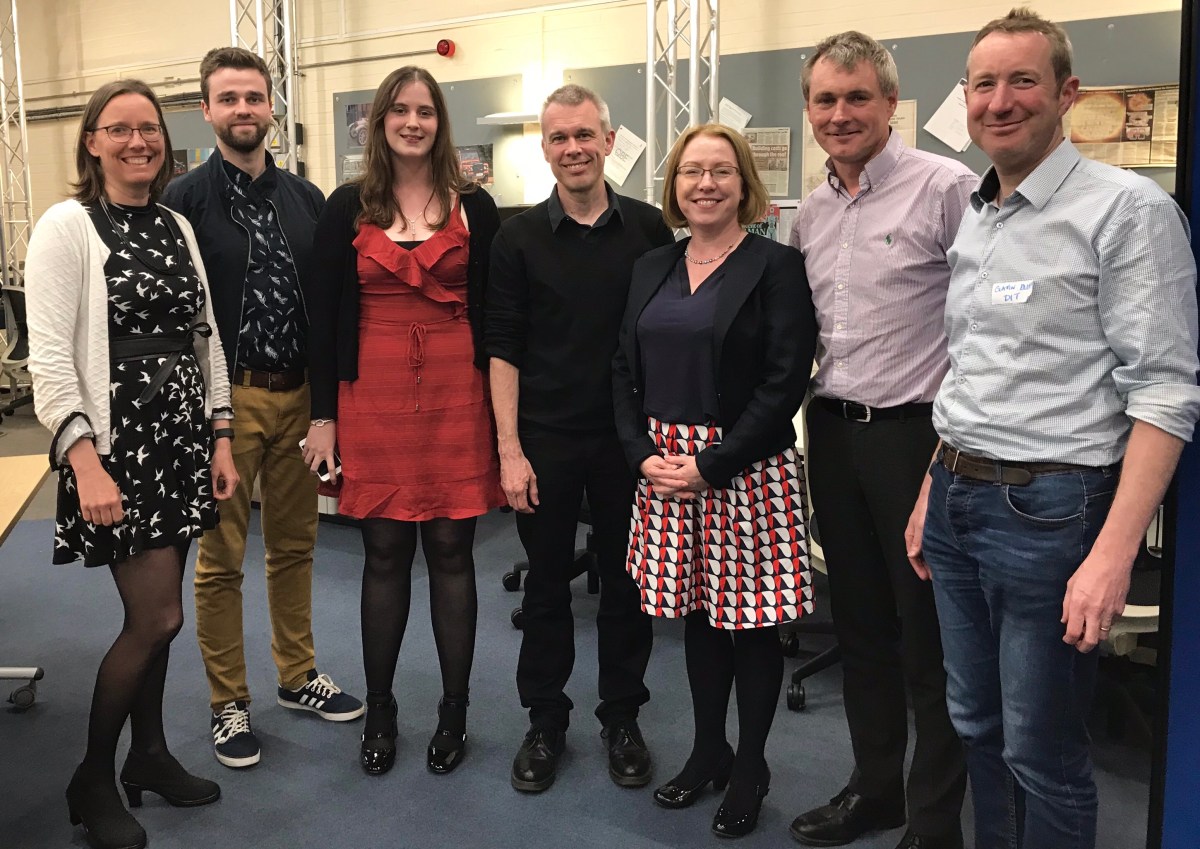
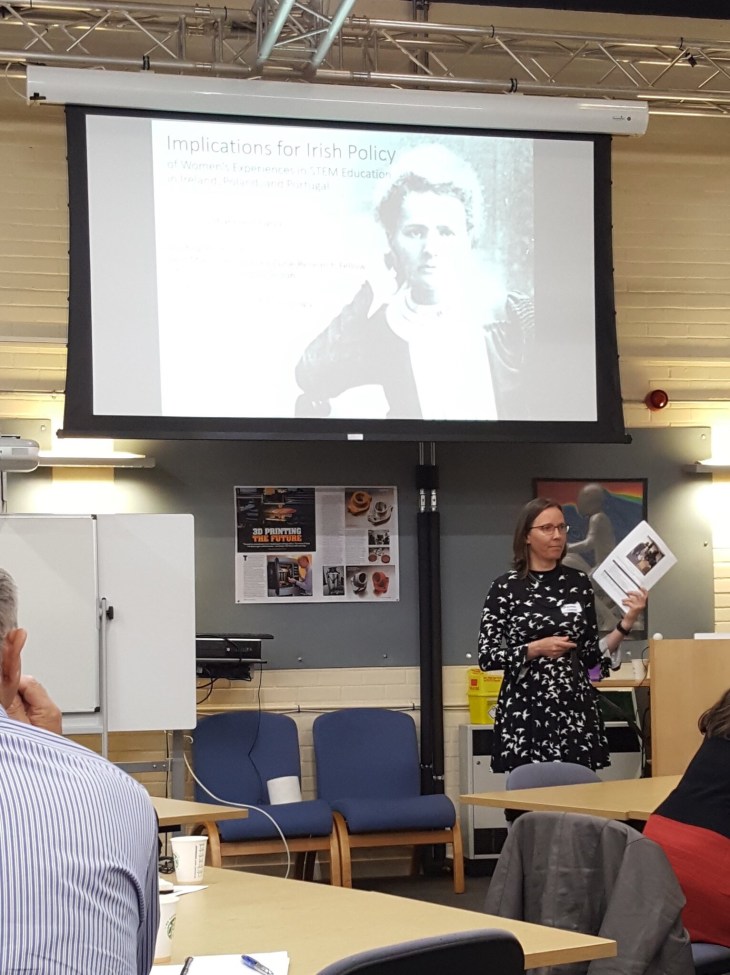
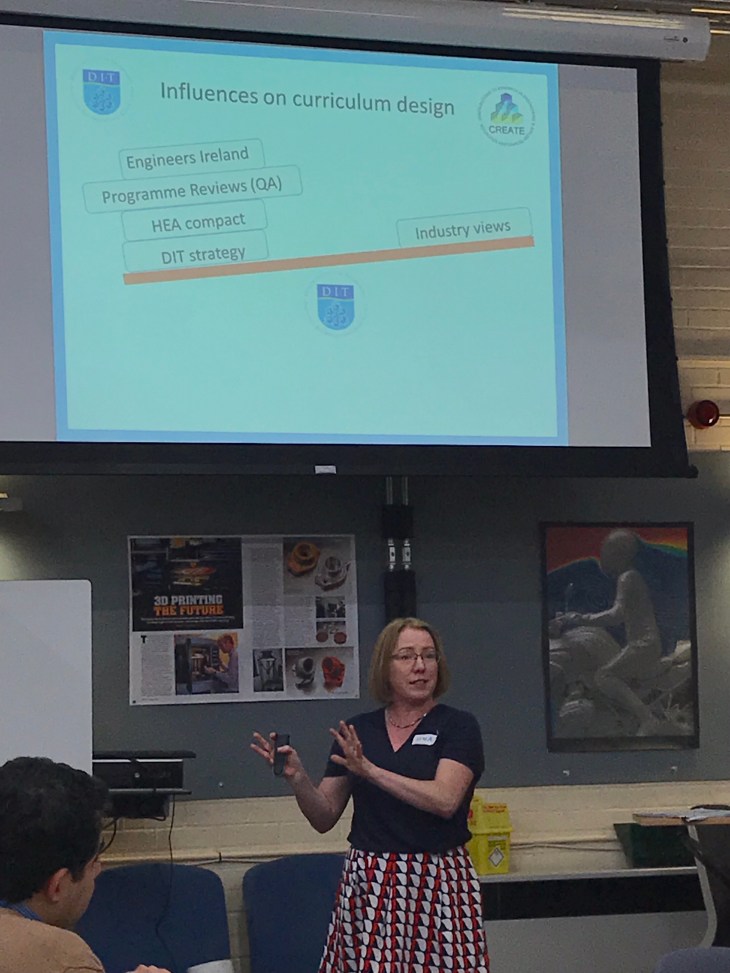
The DIT CREATE contingent. DIT’s Una Beagon. Rebecca Broadbent from Astin University. DIT’s Darren McCarthy. DIT’s Gavin Duffy. EERN colloquium organizers, Jane Andrews and Roger Penlimgton. Shannon, Darren, Rachel, Robert, Una, Brian (with Gavin MIA for the selfie)

Work and play in South Africa: Teaching and sightseeing in Jo’burg

a9b22ff5-c916-40bb-b632-5ed144869af9

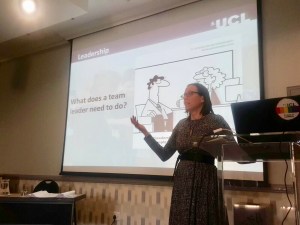
I was filling in for Dr. Kate Roach, and she provided many of the slides. Fortunately, I was able to draw from three decades of running group learning activities and from my own research on teamwork and Problem Based Learning. It helped me bring the topics to life.

What a memorable four days Shade and I had in Johannesburg, teaching the master class on teamwork I recently blogged. In this post, I’m sharing photos Shade mailed me in addition to snapshots I took on our day of sightseeing.

This master class was one of eight organized by the University of Cape Town to help engineering educators in South Africa develop new knowledge and skills. The overall set of workshops is being taught by my employer, University College London and its Center for Engineering Education.

This was the fourth workshop in the series. This particular session was held at the OM Tambo conference center–the site, the weather, and the food were all amazing. The experience transformed my impression of Johannesburg and has me wanting to return. The overwhelming sense of Apartheid I felt on my prior visit had left me feeling anxious, but gaining insight and making diverse friends has me seeing the place with a new, more optimistic outlook.

Two engineering professors from the University of Johannesburg graciously offered to show us the city on the last day of our trip. Thanks to Johannes (Yannis) Bester and Zachary (Zach) Simpson spending the day with us and giving us an insider perspective of what it’s been like to live, work, and teach in Johannesburg.

img_0792

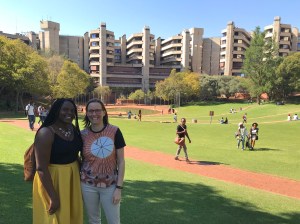
Dr. Folashade (Shade) Akinmolayan and me visiting the University of Johannesburg campus where Yannis and Zach teach engineering.

Thanks to Yannis and Zach we got to visit two campuses of the University of Johannesburg–including a stop off to Yannis’ home which is located on the main campus. We also got to visit two sites of my choosing: the Apartheid Museum and Constitution Hill.

The Apartheid Museum explains the history and events surrounding the system of Apartheid used in South Africa (1948-1991) to segregate people by race. It’s a scary history indeed, but one that we must not forget.

Of our sightseeing group, only two of us had visited this particular museum before.During my 2005 visit I’d not had enough time to absorb everything, and the same happened again. In the gallery below, you’ll see two fo the special exhibitions in the museum right now. One focuses on Nelson Mandela. The other focuses on Winnie Mandela.

img_0830

Visiting the Apartheid Museum is a very solum experience.

We broke for lunch at the Apartheid Museum and then continued on to Constitution Hill, a former jail where Nelson Mandela was briefly kept before he was moved to the prison on Robins Island. Political prisoners were considered the most dangerous to the Apartheid “leadership” and they were kept separate from other prisoners. During Apartheid one could be jailed for nearly anything and life in jail was truly awful for most. Nelson Mandela did convince many of the jailers on Robins Island to see his point-of-view and some to advocate for his release. Nevertheless, he spent 27 years behind bars for promoting his political beliefs.

Before seeing this exhibition, I hadn’t known how important his mother’s Christian values and his early schooling by Western missionaries had been on shaping Nelson Mandela’s outlook on life. I had wondered how he’d maintained his determination to resit Apartheid so peacefully, when even Winnie (his second of three wives) promoted violent resistance at times.

img_0952

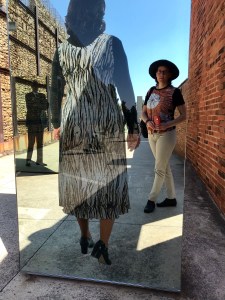
Shade and I after the tour at Constitution Hill we took with Yannis.

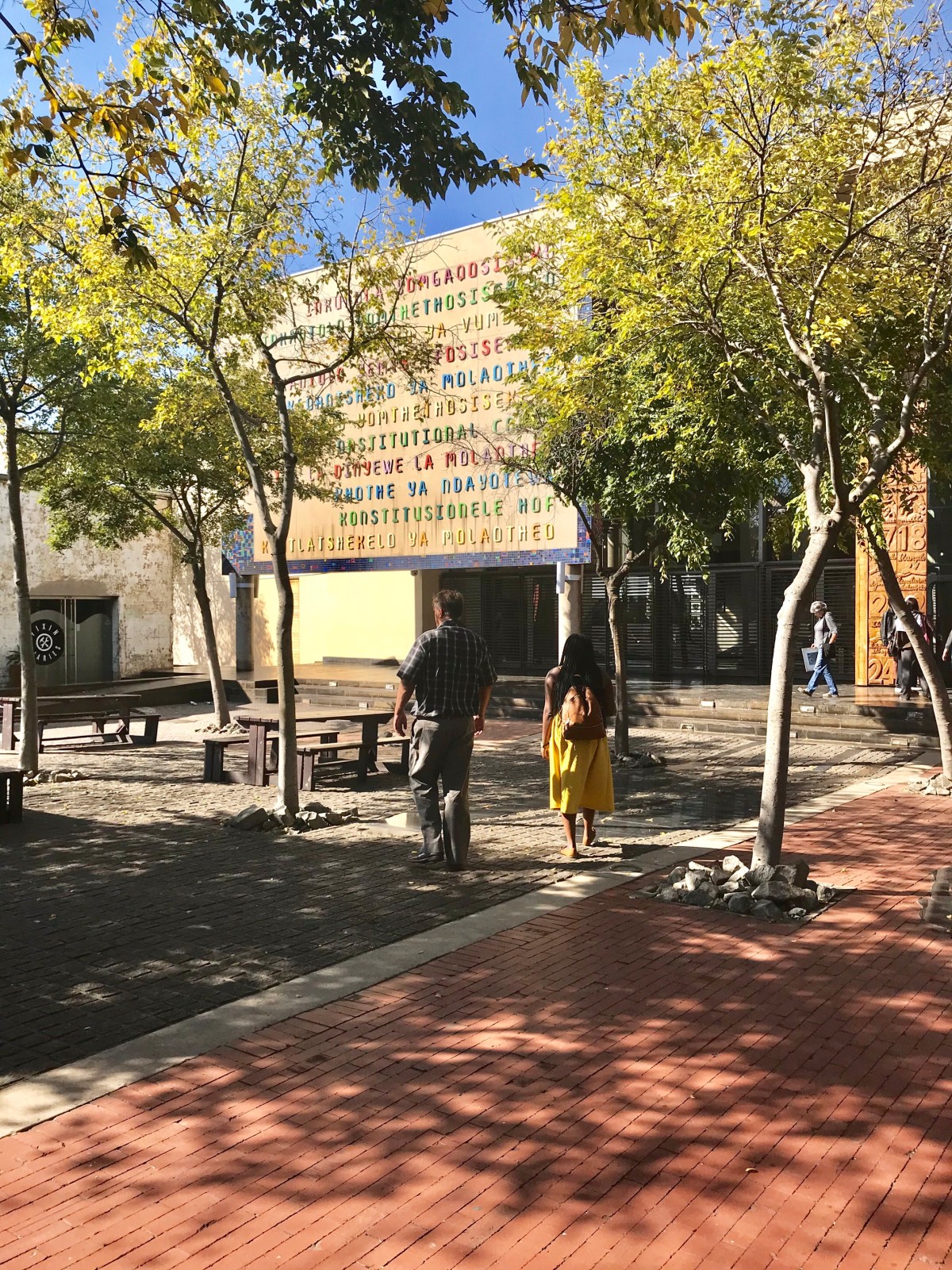
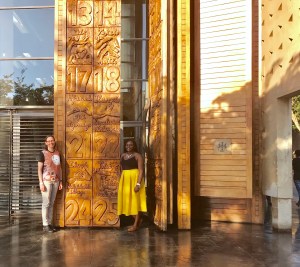
Today, Constitution Hill is the site where South Africa’s Constitutional Court meets. This group of judges deliberates on constitutional matters only. The front door of the Court illustrates the fundamental principles of today’s South African Constitution. However, this court is constantly considering how to best protect and balance individual and collective rights.

At Constitution Hill we took a guided tour and we visited the formal court chambers as well as the former men’s and women’s prisons. The old stair wells have been left standing to help show the extent of the former prison, though much of the prison building was removed and the bricks used in the modernization. The entry lobby and the court chamber are lovely modern buildings designed by OMM Design Workshop and Urban Solutions. For more on the design of the building, please visit “THE STORY OF THE CONSTITUTIONAL COURT.”

I’ve posted seven separate photo galleries below:

  1. Conference center and workshop
  2. Driving through the city of Johannesburg and visiting the University of Jo’burg
  3. Apartheid Museum
  4. Nelson Mandela
  5. Winnie Mandela
  6. Constitution Hill court
  7. Constitution Hill former jails

Conference center and workshop

Jo’burg city and the University of Johannesburg

Apartheid Museum

Nelson Mandela


Winnie Mandela

Constitution Hill court

Constitution Hill former jails


Engineering Education in South Africa: Facilitating Teamwork and Celebrating Diversity

My sister and I just crossed paths, like (air)ships in the night, at Johannesburg’s O. M. Tambo airport. At precisely the time my University College London colleague, Dr. Folashade Akinmolayan, and I were taking off from Tambo yesterday, my sister, Heather Massie, was boarding a plane in New York City. Heather was en route to the same airport.

Although Heather and I didn’t physically meet at Tambo airport, we were together in spirit–united by common causes and with more than just our flight itineraries overlapping. Finding ourselves in southern Africa at the same time would seem to be chance, but it also reflects who we are as people. It reflects values—of science, of learning, and of equality among people—that our parents instilled in us from our earliest days. Heather and I learned well from our mom (Cynthia Mara) and dad (Don Massie), and the values they gave us shape how we see the world, and how and where we work today.

shannon cynthia heather

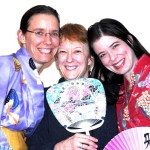
Shannon with Cynthia and Heather one Christmas after Mom’s trip to Japan.

Heather and I are both STEM (science, engineering, technology, and maths) educators, but of wildly different sorts. We both do outreach and community engagement activities with groups of diverse people and in under-served places. We both use “audience” participation to share our passions in STEM with others. We teach in spontaneous, improvisational, and highly interactive ways. We both see people as individuals and we bond quickly with others. We value our diverse friends, colleagues, and communities. We see diversity as an essential feature of creativity and we view it holistically—believing that identity is dynamic and ever-evolving and that people work everyday to develop their own identities with regard to gender, race, ethnicity and nationality, belief system, physical ability, sexual orientation and the intersection of all these and more.

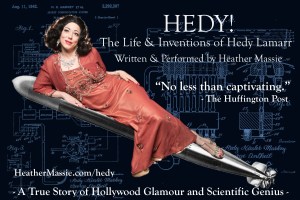
As a result, Heather will be in Zimbabwe and South Africa for the next five weeks, performing her critically acclaimed one-woman play about Heady Lamar. Lamar was a Hollywood screen star, an impassioned inventor, and a self-educated engineer. She developed technology that makes all our wifi and bluetooth devices work!

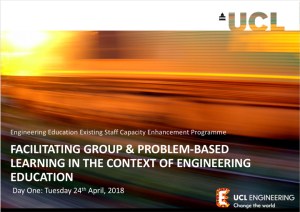
Shade and Shannon workshop title slideSimilar to Heather, I was in Johannesburg this past week, facilitating a workshop for 26 engineering educators from all over South Africa.

Via this workshop, Dr. Folashade “Shade” Akinmolayan and I shared what we have learned and implemented in practice. We shared what we know from our research on group-based learning and from what we have lived, by assigning team projects to students at University College London (UK), Dublin Institute of Technology (Ireland), and Hampton University (USA).

img_0621Shade and I were invited to teach this Master class (one of eight multi-day seminars on teaching and learning coordinated by South African engineering educators) because we are both part of UCL’s Centre for Engineering Education. Shade is a chemical engineer with a doctorate in engineering and a focus on team-based learning. She coordinates group- and problem-based learning for the Chemical Engineering Department at UCL, though she will soon move to a new university where she will contribute to the development of an innovative new curriculum in chemical engineering–from the ground up. As for me, I’m an architecture professor from the USA who uses group-based approached to teach students in architecture, engineering, and education. I’ve taught workshops on such topics to other higher ed teachers at DIT, Hampton U, and William and Mary.

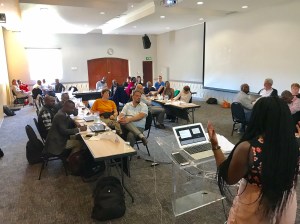
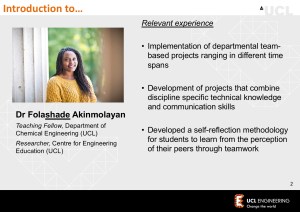
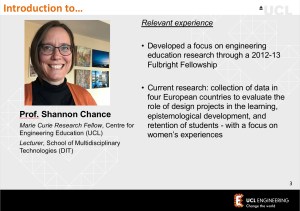
Shade intro slideShade and I found the 26 South African participants in our two-day workshop on facilitating teamwork in engineering education to be extremely energetic and engaged. They were passionate about teaching. They were enthusiastic about learning, sharing ideas, and creating new knowledge. We discussed ways to address the specific challenges they face and strategies to help support the range of diverse students in their classrooms. Drawing from experience teaching in many different places really helped.

All 26 participants were eager to discuss techniques, goals, and challenges surrounding their own efforts to facilitate learning in teams.

Shade and I made a pretty dynamic duo, if I do say so myself. We really worked well together and delivered a workshop of top quality. We will look for opportunities to offer this workshop again. Please let us know if you have ideas for future venues–for our team building workshop, or for Heather’s play.

Shannon intro slideAlthough Shade and I had literally just met—finding each other at the airport as we departed London for Johannesburg—we made great use of the day we had before the workshop to refine our plans, get to know each other, and learn to work together.

The workshop went off without a hitch, and the learning the 28 of us achieved was highly impressive. As Shade remarked, the event was a great confidence booster for us as workshop facilitators. It was, in my view, a confidence booster for all 28 of us (participants and facilitators) because we are all engineering educators trying to innovate our teaching practices so that students learn more and develop a wider range of skills crucial for engineers to have, and we all walked away with stronger and more robust strategies.

We received this very kind email at the conclusion of the workshop:

Dear Organisers,

Good day.

I wish to express my heart-felt gratitude to all the organisers and funding partners for the invitation and funding to participate in the Master Class programme of 24 – 25 April 2018.

It highlighted, in a detailed and understandable manner effective teamwork fundamentals, strategies and ethics.

The facilitators showed quality planning, timeliness and precision in delivery and coordination that motivated active participation: leading to a hugely successful programme.

While looking forward to participate in future programmes, kindly please accept my respect and regards.

Thank you.

With kind regards,

Williams Kehinde Kupolati

What a lovely message to receive!

This wasn’t the first trip to South Africa for Heather or me, although it was Shade’s first time going there (she’s a British citizen, born and raised in London).

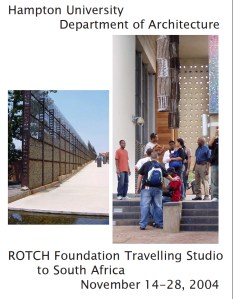
ROTCH South Africa trip cover copy

I was in Jo’burg and Cape Town in 2004, when Professor Brad Grant and I brought a group of Hampton University students there to study urban design. Wee looked at how urban design has been used to enforce racial and ethnic segregation. We also studied how contemporary architects and designers are working to counteract the adverse effects of decades of segregation and strife. I produced a booklet about the HU trip to South Africa. I can’t get the blog platform to upload the document for you, but please just email me to get a PDF copy. My email address is: irelandbychance [at] gmail [dot] com.

Heather was in Zimbabwe and Cape Town last year, performing as Hedy Lamar and conducting play-writing workshops. That followed a visit she made with our dear family friend, the late African-American playwright Leslie Lee. Leslie’s memory lives on the in the work Heather does every day. Now, Heather is back in Zimbabwe and South Africa again, with an action-packed itinerary that will look something like this:

HEDY postcard image

For details and performance dates, see www.HeatherMassie.com/HEDY

Harare International Festival of the Arts – Harare, Zimbabwe – May 3, 4 & 6, 2018

Unizulu Science Centre, Science Festival – Durban, South Africa – May 9-12, 2018

Women in Tech – Cape Town, South Africa – tbd May (17, 21 or 22), 2018

Thope Foundation – Cape Town, Khayelitsha, South Africa – May 18 & 19, 2018

Makukhanye Art Room – Cape Town, Khayelitsha, South Africa – May 20, 2018

George Arts Theatre – George, South Africa – May 24-26, 2018

Sci-Bono Discovery Centre – Johannesburg, South Africa – May 28 – June 1, 2018

As of this past Wednesday, the only definite dates with set show times were the Harare ones, but she will probably be performing on all of the listed dates. Please check Heather’s website for specific show times.

Here’s a gallery of images from the workshop:

I hope to share images from our tour of Johannesburg in a future post.

Learning London’s Lengthy Flat-hunt

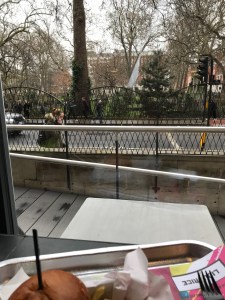
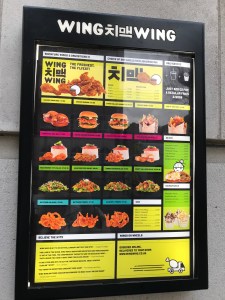
IMG_7541 2As I peered over my Asian-style crispy chicken burger–the healthiest lunch I could find in the time ticking down to my afternoon workshop on supervising PhD students–I was reminded by my view of my extensive London-flat hunt.  I was enjoying the moment as well as the view and the new-found flavors. It’s not uncommon for burgers in London to include kimchi and I was developing fondness to the new taste. Like these Korean-infused breaded-chicken-fillet sandwiches, London flats have distinctive qualities all their own, I realized.

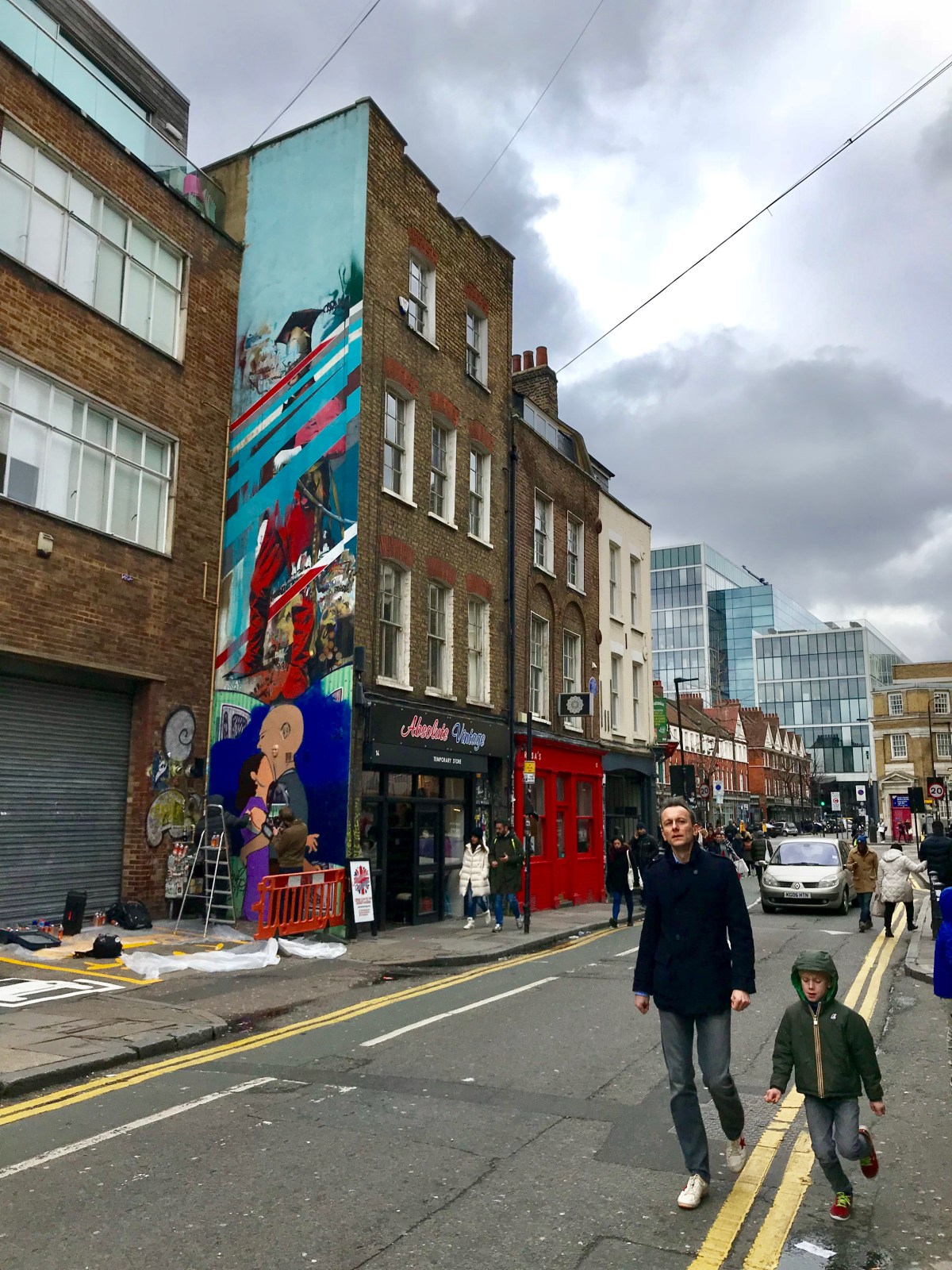
Flats in zone one and two seem darker, on average, than flats in other cities.

Hunting for a place to live in this massive and densely-occupied city has its own unique joys and challenges. I think it’s helpful to share pointers–I reviewed multiple YouTube videos during my three-month search. This blog explains some of what I learned and experienced during my search to help other roving scholars looking to settle here.

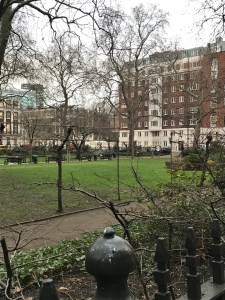
IMG_7544 2As I munched, I observed one of the apartment buildings I visited, across the leafy green Tavistock Square, over in the very far corner. The place was lovely. At the top of the building with a sweeping view to the north, it was served by multiple stairs, elevators, and even a porter. But it had just one room. One very expensive room, at that.

All the places I visited were expensive. Most cost above £1500 a month (that’s $2800), PLUS utilities and council tax. Such was the case for either a room in a shared flat or a studio apartment. In a shared-flat where you live with roommates, there’s a surcharge for having two people in one room. That seems fair enough, but the surcharge goes on top of the publish rate, often catching me by surprise. It can run £300, plus increased council tax (a per-head charge based on the estimated value of the property), and a larger (per-person) share of utilities.

IMG_7552Most surprising to me: (1) many flats had no living room since it had been converted to sleeping space in order to bring in more rent money, and (2) even very expensive flats had no views out. Sometimes the entire flat received no direct sunlight.

One room that had light and views came with five energetic dogs of all sizes but similar make and model. *Five.* Imagine five dogs in a small townhouse… and that townhouse had six sleeping rooms, so who knows how many roommates you’d end up tolerating in addition to the dogs?

I couldn’t imagine. I wouldn’t.

I had searched for months online and I visited London multiple times during my search. I found a number of online search platforms helpful:

UCL’s accommodation site is intended to help incoming staff, and accessing it requires a staff identification number. It was a good place to start, although I found its listings to be outdated. A majority were not available at the time I was searching. (They seem to be listed in perpetuity?) I believe this resource was developed before there were so many other options available for searching online. Nevertheless, I was grateful to have the resource as a point of comparison of what a traveling scholar could expect.

Sabbatical Homes is a great resource–especially for scholars needing short-term lets, long lead-times, and tailored dates. But the listings are very, very costly! We did view one Sabbatical Home that was in our price range, but it was underground. The hosts were super interesting and fun to talk with–an academic set–but the main window faced north (toward the garden wall) and was covered with a decorative iron grate. All the other windows were too small to crawl through. Plus, the furniture was depressingly old-fashioned. I just couldn’t get past that. I could have handled crawling out the end of the bed, since the mattress filled most of the room, because at least the mattress was not in the living room. Overall, we decided we had to find some light. Sun-filled homes on this site would cost at least twice what we would eventually pay.

I found Gun Tree to be too confusing–it’s not designed specifically for property searches and leaves many unknowns. The map locations are not precise and any transaction appeared to have a high level of risk involved. An AirBnB host of mine, who had used it to locate his own place, provided words of caution. If I need to move again when I’m more familiar with the city, Gum Tree might be more help.

I eventually viewed a number of flats in person. The ones I visited had been located using: (1) UCL’s staff accommodation website, (2) Sabbatical Homes, and (3) Spare Room.

I ultimately found our new place via Spare Room.

After uploading a profile about my partner and myself on Spare Room, offers actually flooded in. It appears many people want mates who they can count on to be courteous and pay the rent! Many are looking for older, established professionals with dual income. I’d had trouble early-on since I’d locate a possible flat and later realize the residents were all 20 and wanted young flatmates. You can input your age and other parameters into Spare Room to help with matching.

Spare Room’s matching may have entered the realm of creepy, however. I just today received this email message:

Hi Shannon,

Looking for the perfect flatshare? We’ve got the answer for you: science.

Yep, that’s right. We’ve dusted off our lab goggles, found a few test tubes and even got ourselves some lab coats – all to ensure you find flatmates you really click with.

According to Swiss science boffins at Karmagenes, your DNA influences as much as 60% of your personality traits. So we’re joining forces to create a DNA Flatmate Matchmaking Service – giving you the chance to reveal key insights into you personality that will tell you which characters you’d blend well with in a flatshare.

In other words: your DNA + saliva swab = new BFF.

Sound interesting? We’re giving kits away on Facebook – just head to the page and follow the instructions for your chance to win.

Find out more »

Good luck!

The SpareRoom Team
news@spareroom.co.uk
0161 768 1162

My trouble hasn’t been with roommates, thankfully! I read on-line, though, that various spots such as the nearby Shoreditch Library offer ideal get-aways from troublesome flat mates.

What was hard for me was being able to get a feel for any given advertised flat from its online profile. The actual spaces weren’t at all like the ads seemed.

But leasehold can also be stressful and complex. There’s high turn-over in residence in the London flat market. Young and/or single people seem to apartment-hop (move residence) quite often around London. It’s common for a person, for example my osteopath, to describe living 4-5 different places in as many year.

The market churns. Buildings get sold to the highest bidder, and apparently these situations — of sharing with many, many roommates and renting from the leasehold — are fraught with complications. Adam Smith’s invisible hand lands people out of home and, sometimes, on the street. There’s more non-drug-related homelessness evident here than in Dublin. Overall, though the social support system seems more caring here than in many other places. Doctor’s visits are free (though I had to pay an entry tax to the health system) and the mail gets delivered to my door–up four flights of stairs. Residents of public/social housing are far more diverse than in the States and much less deprecated. Taxes are higher but provide a greater range of housing possibilities, with varying levels of support.

Incidentally, when traveling to London to view apartments, I used AirBnB and Hotels.com. Of these, Hotels.com provided the best value for money. That surprised me as I am a lover of AirBnB. Aongus and I used AirBnB to get a feel for a variety of neighborhoods, which was good in many ways.

However, I have found that quality control related to AirBnB in London is not high enough. we ended up in a very bad situation one night, when I’d needed to re-book due to the host’s change of plans. I selected a cheap place that lacked ratings from past guests. Of the 60 or so places I’ve stayed on AirBnB, this was truly the worst. Apparently, the superintendent of a campus of council flats was renting rooms out between formal rentals. Most likely he was pocketing the money himself.

Come to think of it, the manager of an international student house I’d used with AirBnB, also here in London, was doing something quite similar, by forcing people to book through his personal friend in the Mediterranean rather than through the house directly.

In both cases, I should have known better. The room was cheaper than market rate. To avoid such problems, read the AirBnB reviews carefully and heed the ratings posted by prior users! Do not cut corners when reviewing rooms prior to booking. I only go with hosts who have earned four or more stars from at least ten people.

In searching for flatmates, one perspective host had us over for a night so we could gauge what the experience of living at his place would actually be like. That was great! The host was amazing–such a great connector and a get-it-done, can-do kind of guy who mentors dozens of young musicians and performers. But the room was also very, very expensive (ringing in at £1770/€2000/$2500 per month, youch!). The estimated commute for Aongus from that flat was over an hour. Moreover, the owner’s ex-wife was to conduct workshops from the flat rendering it off- limits several days a month, and the sound system on the TV was extremely loud. And so we continued our search.

IMG_7594Subsequently, we visited a beautiful red brick building at Old Street Station, but the flat received no direct light whatsoever. And we’d have had to be more tidy than we could imagine in order to suit our very refined 23 year-old lawyer host.

In retrospect, the north-facing studio at Tavistock Square presented the most viable alternative to what we found, despite charging NYC rates for a single room. The membership fee for the homeowners association was unknown and the association was in the process of setting new rules. But the place was very clean and provided multiple routes out, in case of fire. What a luxury!

Sitting here, eating my pickled-cabbage fillet-on-a-bun, I felt a sense of fondness for the studio at Tavistock.

Aongus and I did succeed in finding a comfortable and happy home. It has plenty of space to work and read and learn and cook. Nice light, with beautiful views day and night. Friendly hosts who come and go, but travel a lot. It’s a half hour commute for me using the tube–longer than most other places I visited but still far less than the average Londoner’s commute. We’re grateful for our hosts who let us flat-sit here and for the search features provided by Spare Room that helped us connect with them. We found a cozy place to call home.

Seems like filming crews are forever setting up to shoot in the surrounding area. The neighborhood’s timeless charm holds great appeal. In two months here, I’ve observed three multi-day shoots in just four-block leading from our place to the tube. I only learned the name of one of these, to become a BBC TV series here in the UK. Perhaps buying a TV is in order, to view their results?