There’s no better feeling than connecting with students in a meaningful way. I’m fortunate to teach — these days, at TU Dublin. And to have students who really want to learn!
Teaching architecture students has always been my passion, as they love to learn.
Lately, I’ve been teaching Building Information Modelling to mature students, and they are also lots of fun.
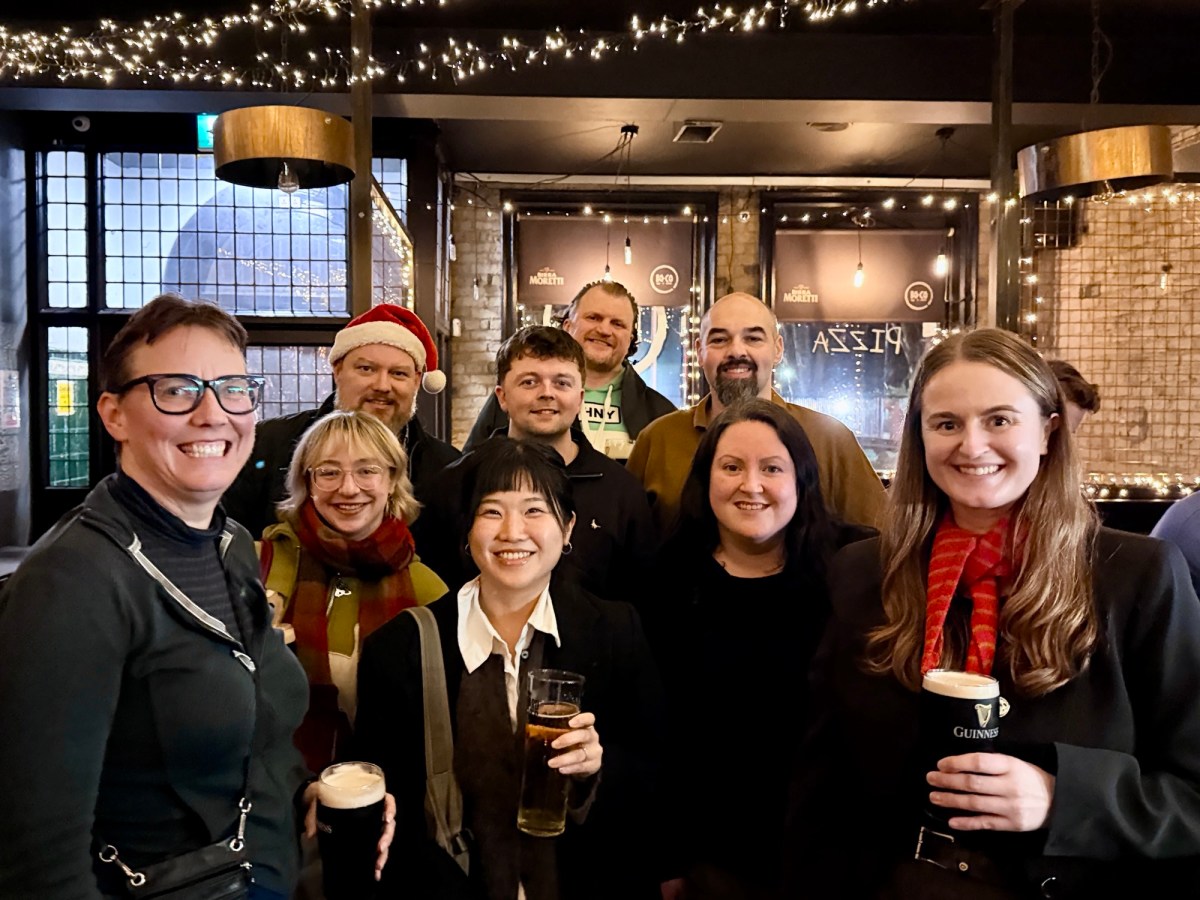
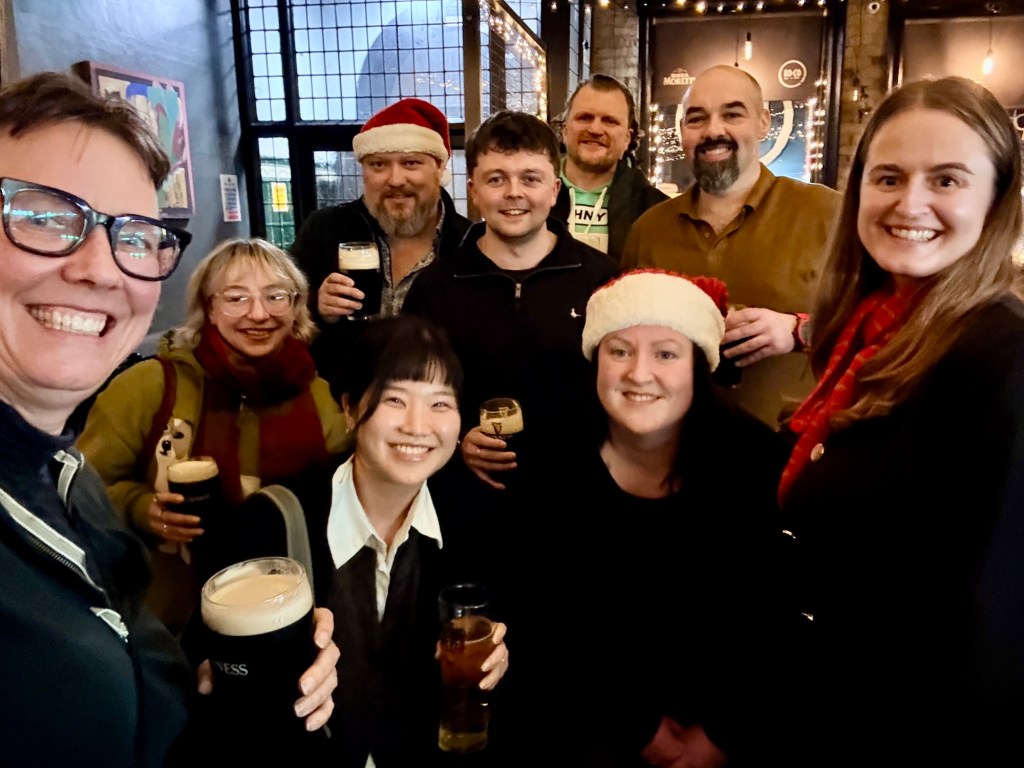
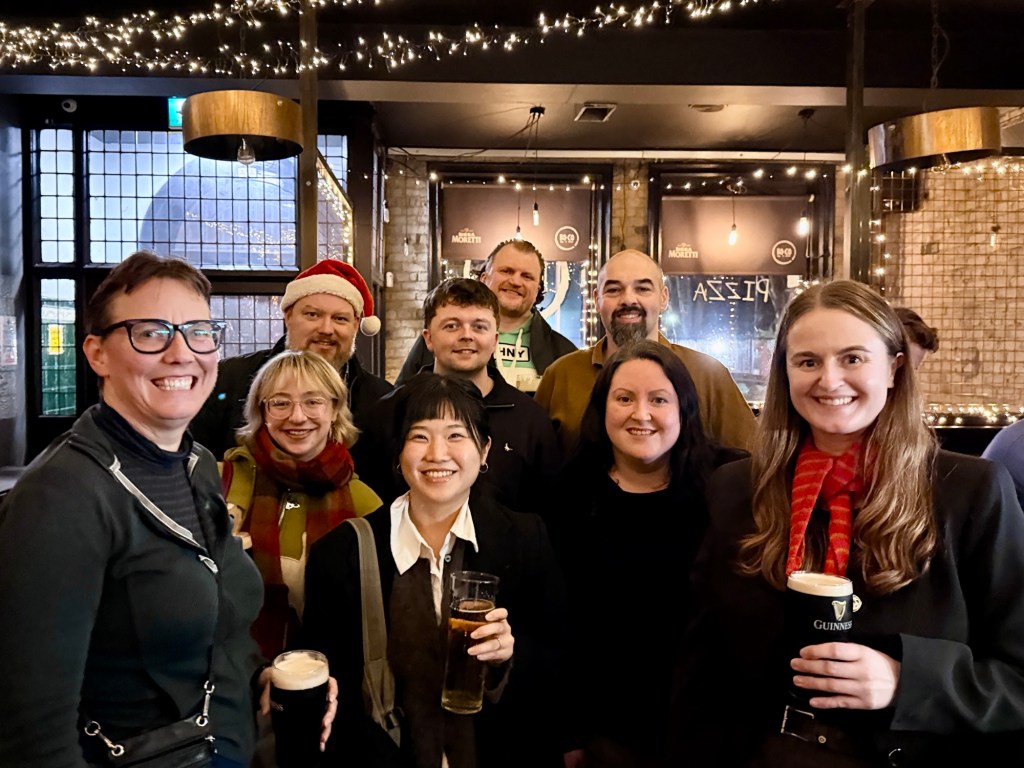
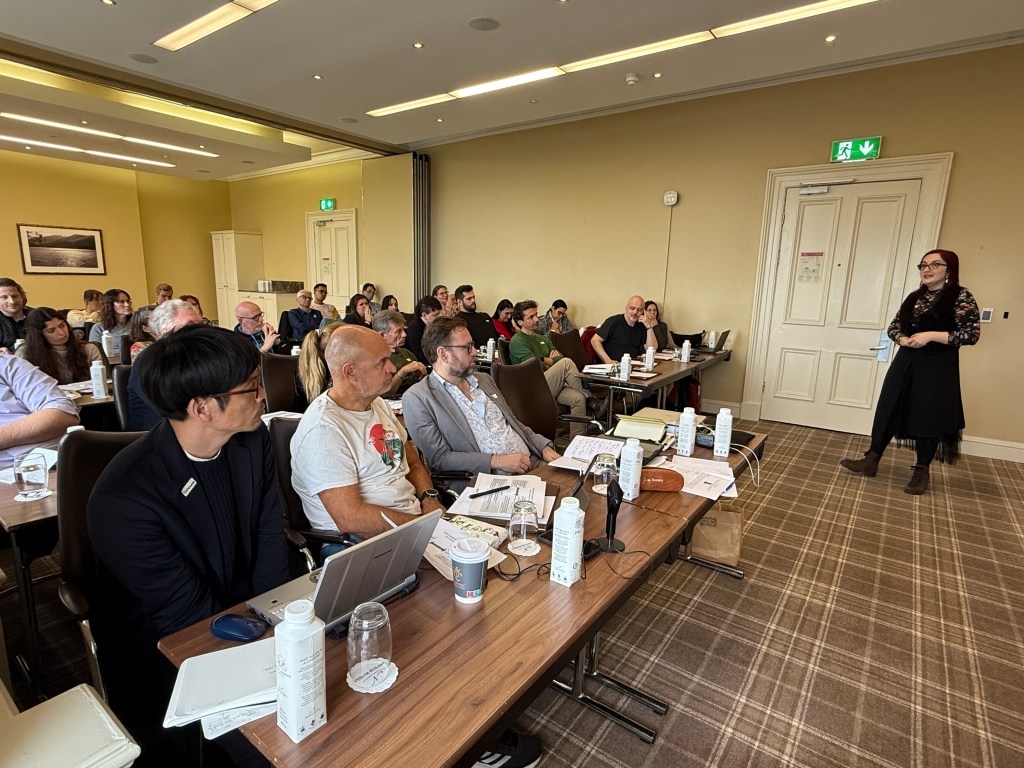
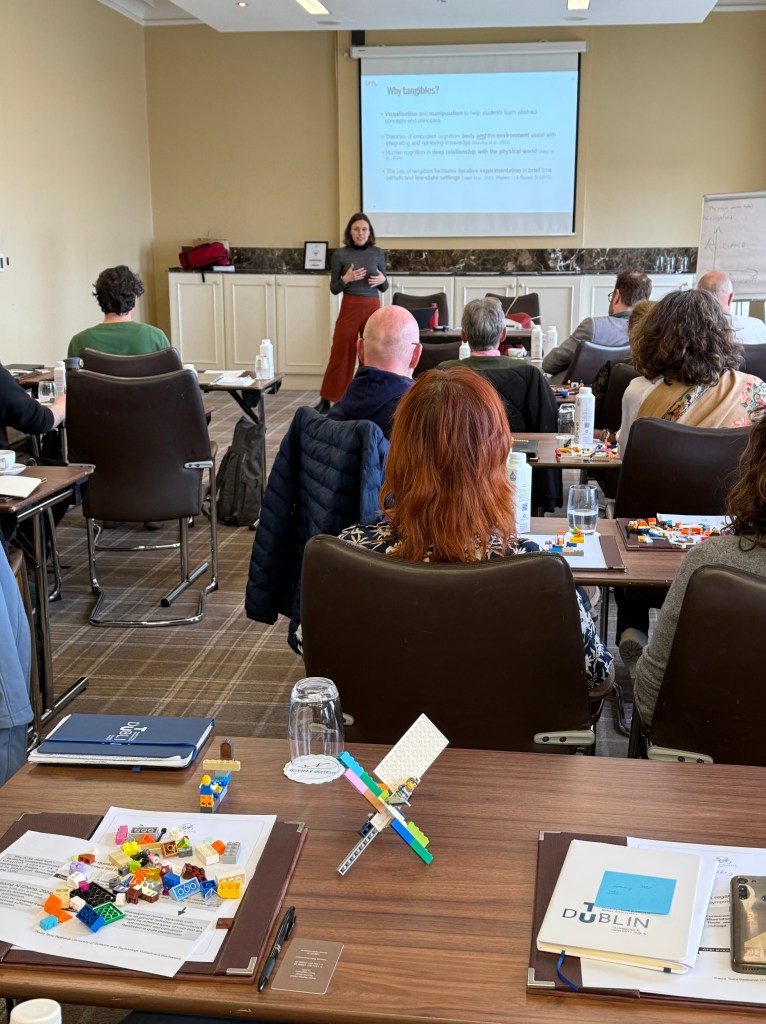
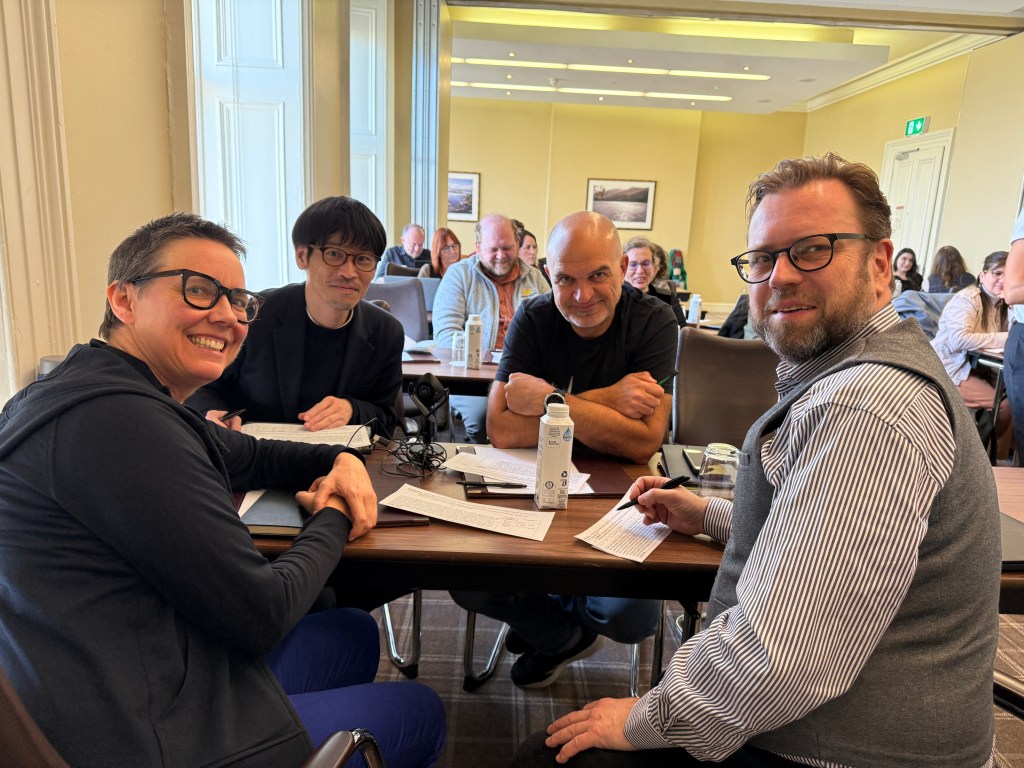
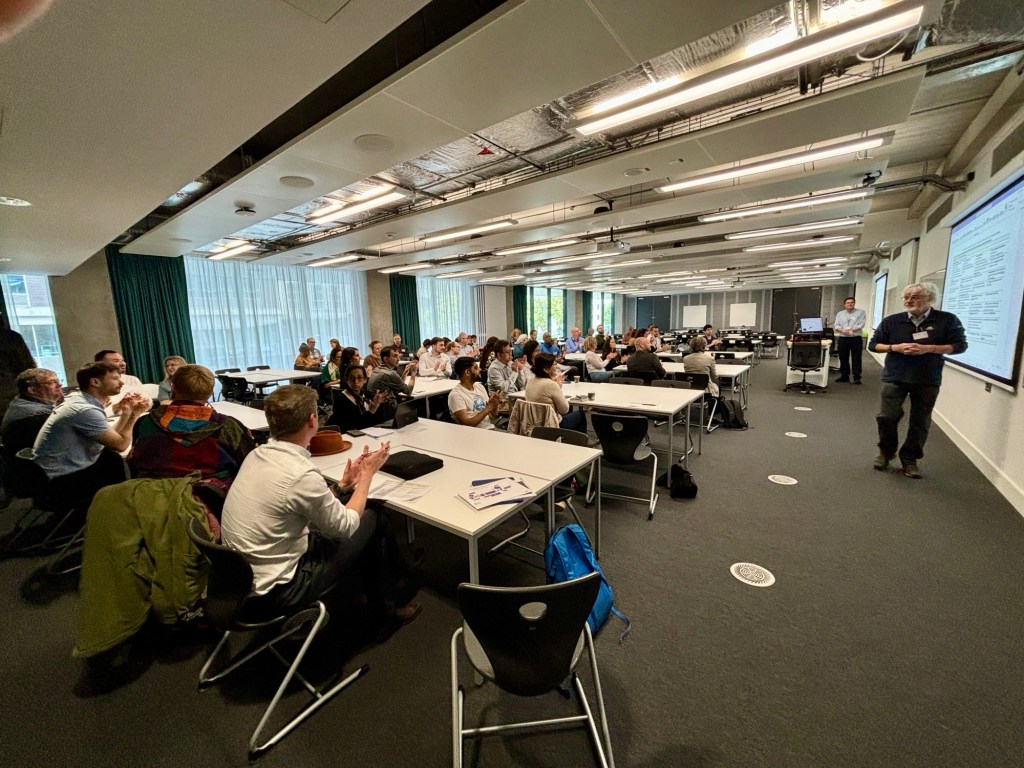
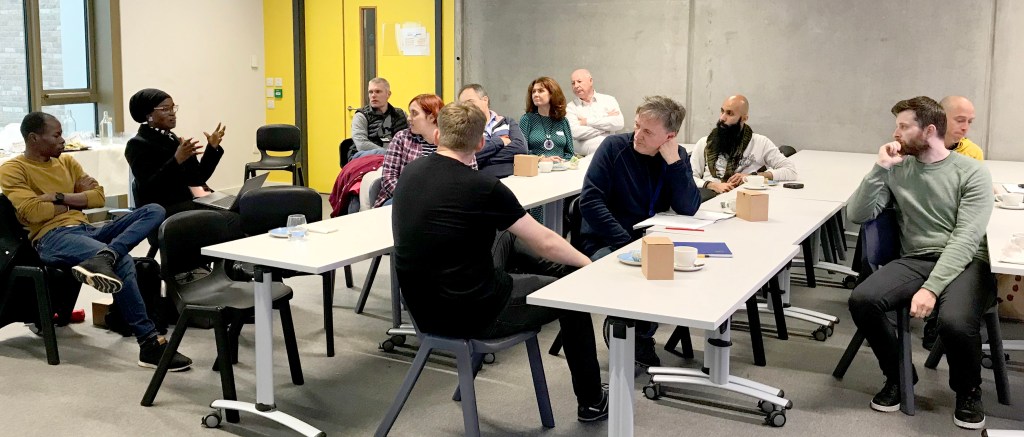
Here is a photo from our most recent class meeting, during a breakout session to apply the lessons we’d covered in a lecture. They all jumped right in! (Even despite it being 4PM on a Friday!)
With the holiday coming up, a bunch of us went to a nearby restaurant, BoCo, to celebrate and socialize after class.
Here’s to life-long active learning!
And, many thanks to these energetic students and my fabulous co-teacher, Claire Simpson, for making class worthwhile and fun this semester!
I highly recommend applying for a Fulbright Award, to Ireland or elsewhere in the world. I had a Fulbright award to Ireland in 2012-13 that was truly life-changing.
Fulbright U.S. Scholar Awards are opportunities available to U.S. professionals, artists & scholars to research/teach, and carry out projects in more than 160 countries worldwide. Those 160+ countries send scholars and students to the USA, as well.
I’m honoured to have hosted a very successful 2025 SEFI Ethics Spring Symposium.
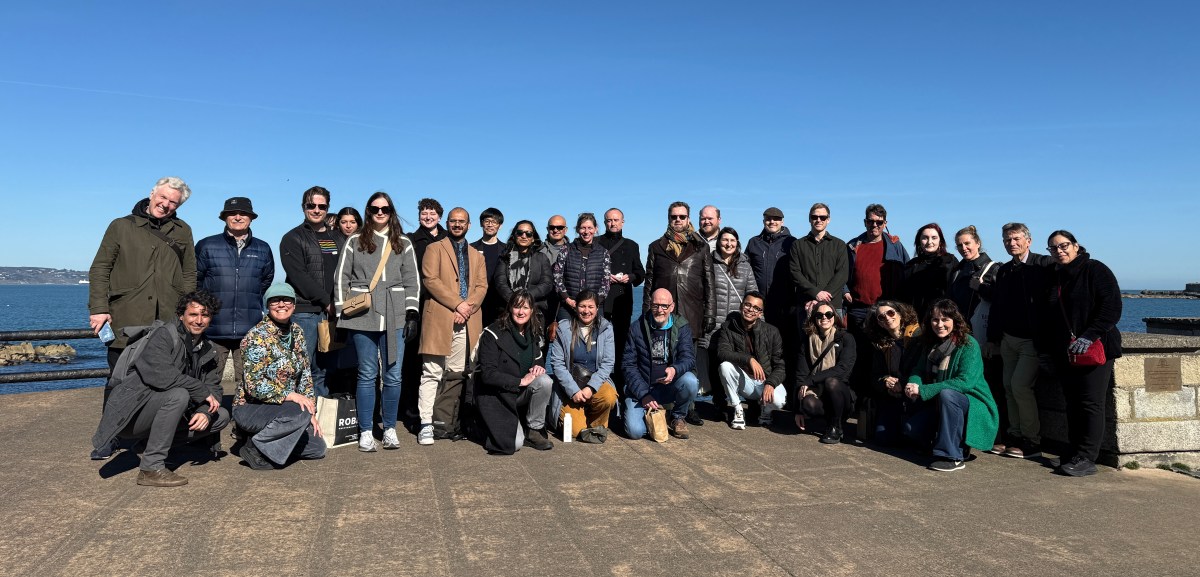
From March 24–26, my colleagues and I gathered at the Royal Marine Hotel in the charming seaside town of Dún Laoghaire, Ireland, for our small and cosy annual symposium. Mother nature blessed us with glorious weather, tasty and healthy food, gorgeous natural and architectural surroundings, an enchanting historic hotel, and new and renewed friendships.
Diana Martin, Mircea Tobosaru, and I organised the programme and all the details, demonstrating that collaboration is key to flourishing!
With 35 delegates from across the globe, this wasn’t just another academic conference—it was a meeting of minds and a celebration of our shared commitment to engineering ethics education.
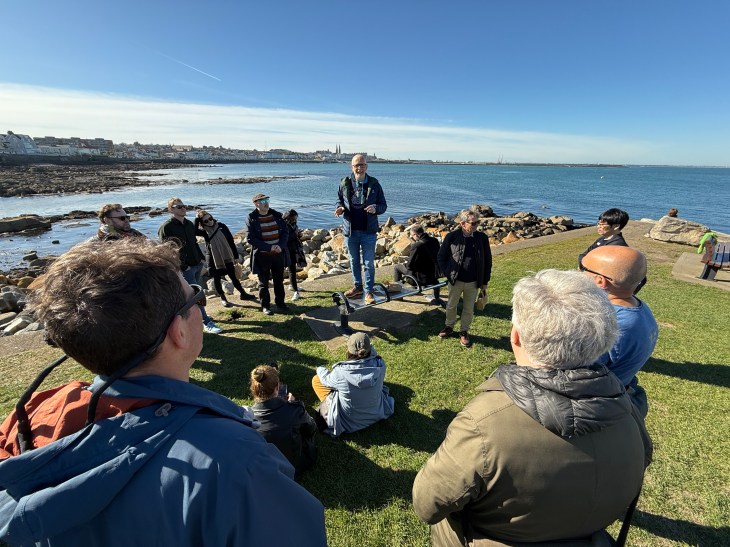
Soaking in the surroundings, past and present, with a tour by Roland Tormey.
The symposium’s main goal? Strengthening our collective capacity to teach ethics to future engineers. A key focus was the Routledge International Handbook of Engineering Ethics Education (RIHEEE)—a major collaborative effort by the SEFI Ethics special interest group. We reflected on what is presented in the book and considered how to extend its themes, translate into impactful teaching practices, and generate discussion more broadly in the places we live and work.
Opening the Symposium and introducing the handbook.
A Program Packed with Thought-Provoking Conversations
Over three days, we immersed ourselves in a mix of keynotes, workshops, and panels, tackling big questions from multiple angles:
Keynotes that Challenged and Inspired
Mary Nolan explored the role of care ethics in engineering, pushing us to think beyond traditional engineering thinking.
Paula Tomi examined the nature of truth, a concept that sits at the heart of both engineering and ethics.
Tom Børsen introduced us to techno-anthropology, showing how it intersects with engineering ethics education.
Keynote by Paula Tomi
Workshops that Sparked Debate and Collaboration
Care Ethics—How do we broaden engineers’ notion of responsibility?
AI Experimental Philosophy—How can philosophy guide us in using and developing artificial intelligence?
The Archimedean Oath—Should engineers take an ethical oath, much like doctors do?
Quantitative Methods & Ethics—How can we effectively describe and report ethical impact?
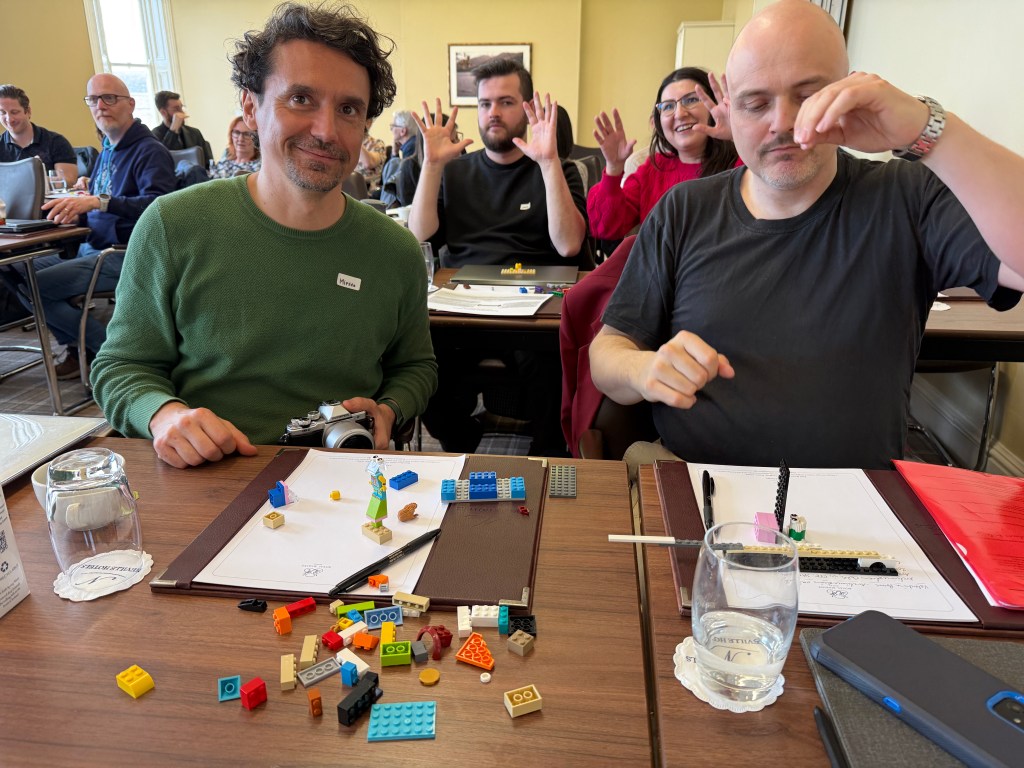
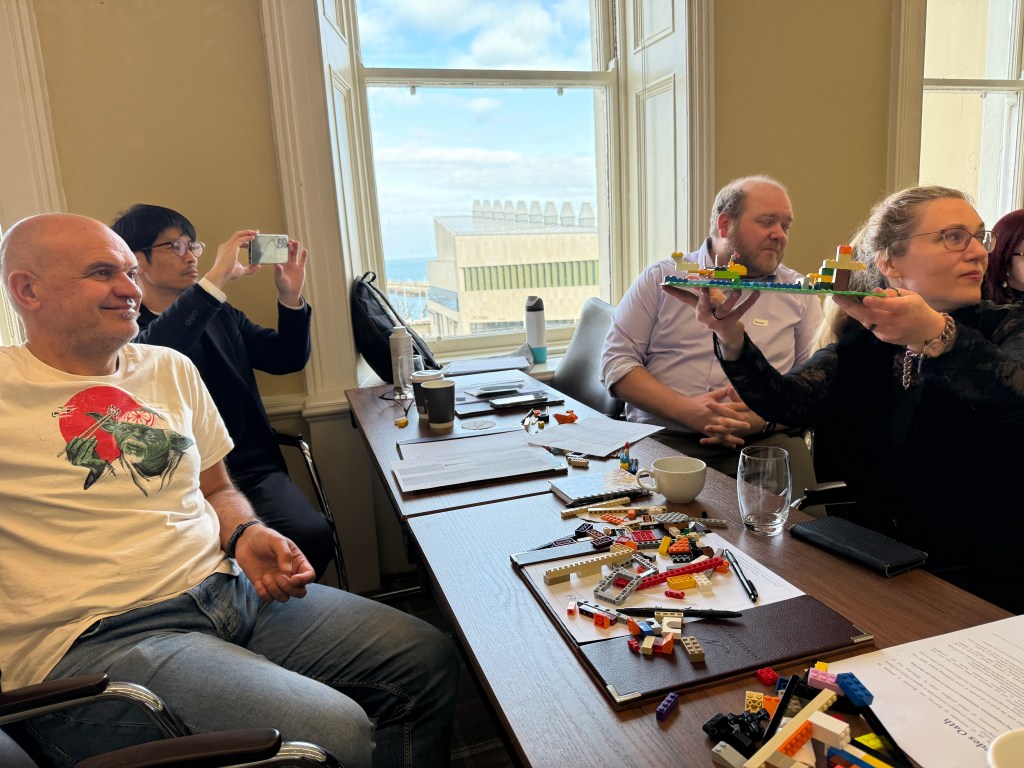
Peer-to-peer learning in action. Tom Børsen, to the right, was the co-lead editor of the handbook. Takehara joined us from Japan, and Miguel from Spain.
Panel Discussions: Making Ethics Education More Practical
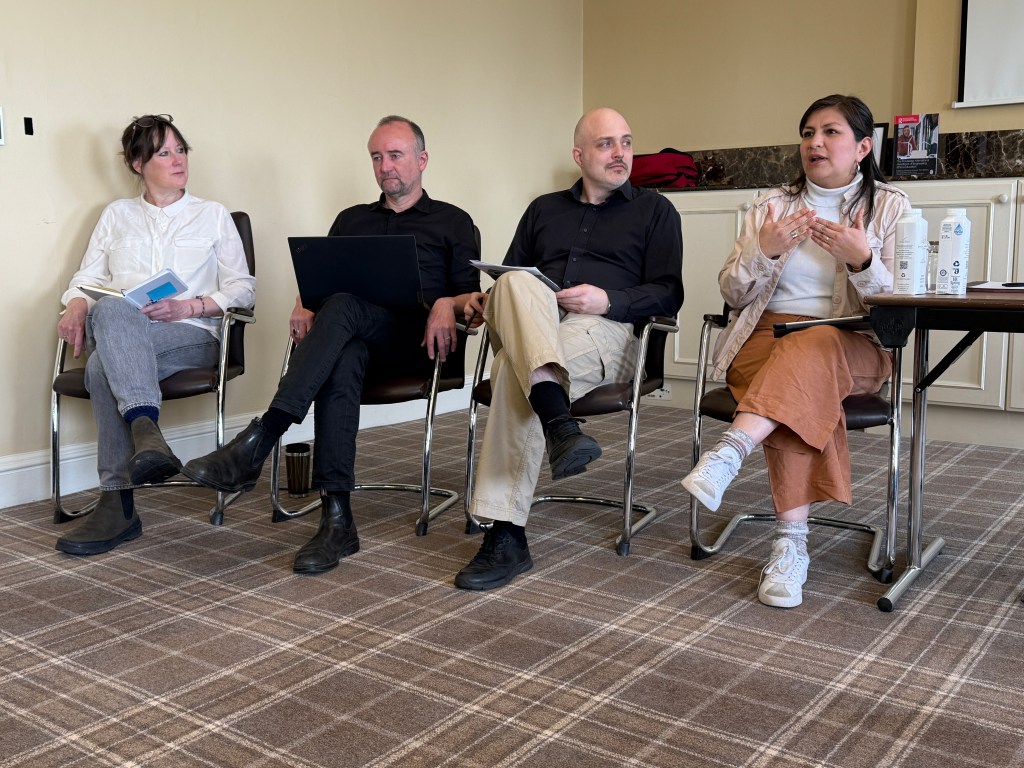
Our panelists had a specific challenge: dive into a self-selected sections of RIHEEE and critically assess its themes. We asked: What patterns do you see across the set of chapters in your section? What’s missing? How can can educators make use of the content? How can we help them do that? Can we translate theoretical insights into tangible strategies that can be applied in classrooms and institutions worldwide yet still reflect local culture and values?
Panel with Rachel Harding, Aaron Johnson, Magnus Kahrs (and Valentina Rossi, not shown)Panel on engineering ethics accreditation Panel on Interdisciplinary Perspectives with Katherine Looby, Ronny Kjelsberg, Gaston Meskens, and Sandra Cruz Moreno.
There were so many very special aspects, including exploring care ethics in depth and applying care ethics, and the walking tour was truly spectacular.
A Literary and Cultural Interlude
Roland Tormey’s literary walking tour of Dún Laoghaire was a highlight for us all. We took a step back and immersed ourselves in the cultural richness of our surroundings. For many of us, this blend of intellectual and cultural exploration reinforced the broader ethical dimensions of engineering—how our work is always connected to society, history, and place.
Sunshine and good vibes galore!
Global Voices, Local Impact
The symposium truly reflected the international nature of engineering ethics education. We had voices from across Europe, North America, Africa, and Asia, with universities ranging from UCL and the University of Michigan to EPFL. At the same time, there was strong local representation, with a third of the attendees based in Ireland—TU Dublin, DCU, ATU, and Engineers Ireland all playing an active role. A special shoutout to my TU Dublin colleagues—Sandra Cruz Moreno, Marek Rebow, Rachel Harding, Mike Murphy, and recent PhD grads Diana Adela Martin and Darren Carthy—whose contributions helped everyone feel welcome.
What’s Next?
The energy and ideas sparked at the symposium will propel us forward onto new collaborations, where we apply what we discussed—via research and teaching and leadership and service—and continue building momentum and sharing what we’re learning with our colleagues back home, and indeed worldwide.
For those who couldn’t join us in person, the Routledge International Handbook of Engineering Ethics Education is freely available in an open-access digital format. Whether you’re new to the field or a long-time educator, it’s a must-read: 🔗 RIHEEE Handbook
For posterity’s sake, I am adding the symposium schedule as it was conducted:
Monday, March 24
09:00-09:30 Welcome and Icebreaker by host Shannon Chance
09:30-10:30 Handbook panel 1 (Foundations) moderated by Roland Tormey with panellists Mircea Tobosaru, Samia Mahé, and Mihaly Héder
10:30-10:50 Coffee break
10:50-11:30 Keynote on Care Ethics by Mary Nolan
11:30-13:00 Workshop on Care Ethics by Robert Irish, Ana Tebeanu, Sofia Duran, Vivek Ramachandran, Roland Tormey, & Alison Gwynne-Evans
13:00-15:30 Picnic Lunch & Walking tour of Dun Laoghaire led by Roland Tormey
15:30-16:00 Coffee break with snacks
16:00-17:00 Handbook panel 4 (Teaching Methods) moderated by Diana Martin with panellists Valentina Rossi, Aaron Johnson, Magnus Kahrs, and Rachel Harding
17:00-17:30 Wrap-up with synthesising activity
19:00 Dinner outing with colleagues departs from the hotel lobby
Tuesday, March 25
09:00-10:00 Handbook panel 6 (Accreditation) moderated by Shannon Chance with panellists Leah Ridgway, Louise O’Gorman, Alison Gwynne-Evans, and Marek Rebow
10:00-10:40 Keynote on Truth by Paula Tomi
10:40-11:00 Coffee break
11:00-12:15 Workshop on AI experimental philosophy by Krzysztof Sołoducha
12:15-13:00 Ethics SIG session led by Diana Martin and Mircea Tobosaru
13:00-14:00 Lunch
14:00-15:00 Handbook panel 3 (Specific Disciplines) moderated by Tom Børson with panellists Jacob Baneham, Miguel Romá, Mike Murphy, and Rhythima Shinde
15:00-15:20 Coffee break with snacks
15:20-16:40 Workshop on the Archimedean Oath by Valentina Rossi
19:00 Dinner outing with colleagues departs from the hotel lobby
Wednesday, March 26
09:00-10:00 Handbook panel 2 (Interdisciplinary Perspectives) moderated by Roland Tormey with panelists Sandra Cruz Moreno, Ronny Kjelsberg, Gaston Meskens, and Katherine Looby, with input from Riadh Habash
10:00-11:15 Workshop on Quantitative Methods & Ethics by Matheus de Andrade and Idalis Villanueva Alarcón
11:15-11:30 Coffee break
11:30-12:15 Keynote by Tom Børsen on “Techno-Anthropology and Engineering Ethics Education”
12:15-13:15 Ethics SIG session led by Diana Martin and Mircea Tobosaru
13:15-15:00 Lunch and physical activity
15:00-16:00 Handbook panel 5 (Assessment) moderated by Tom Børsen with panellists Takehara Shinya, Celina Leão, Ana Voichita Tebeanu, and Mary Nolan
16:00-16:20 Coffee break with snacks
16:20-17:30 Ethics SIG synthesis session led by Diana Martin and Mircea Tobosaru
19:00 Dinner outing with colleagues departs from the hotel lobby
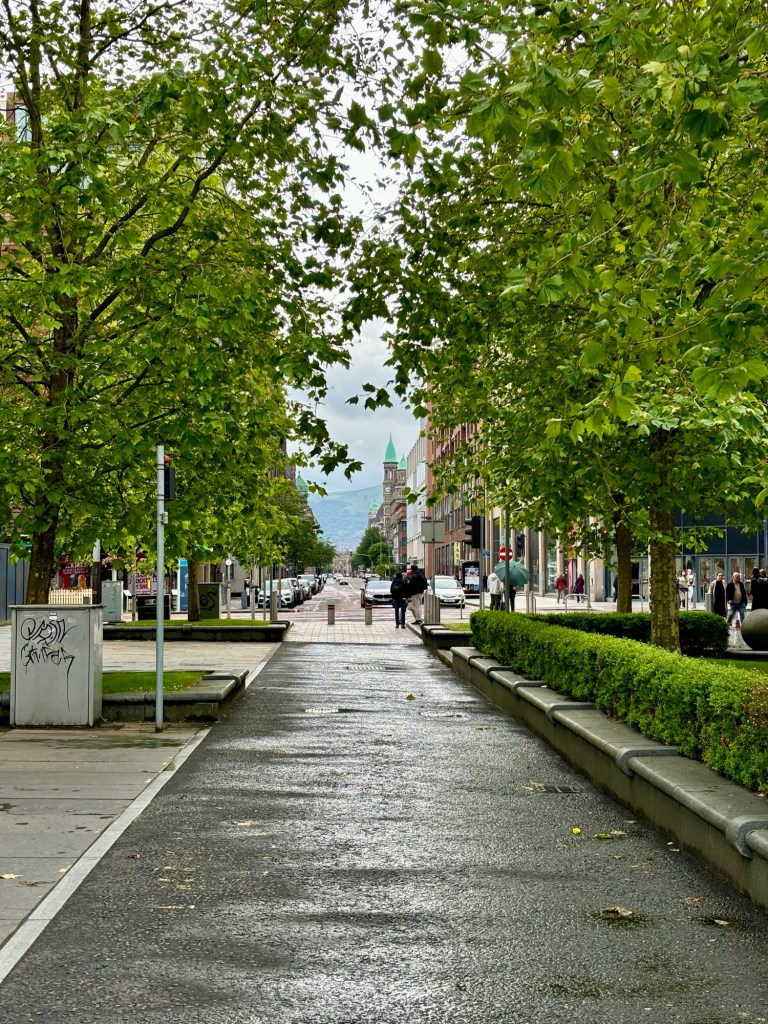
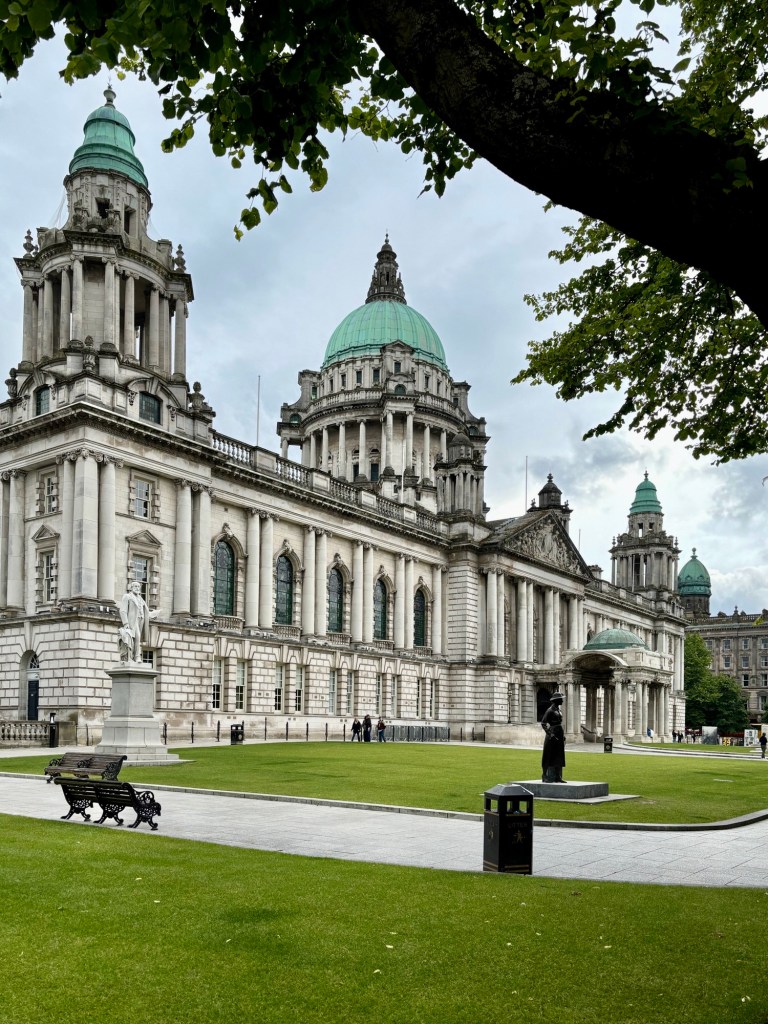
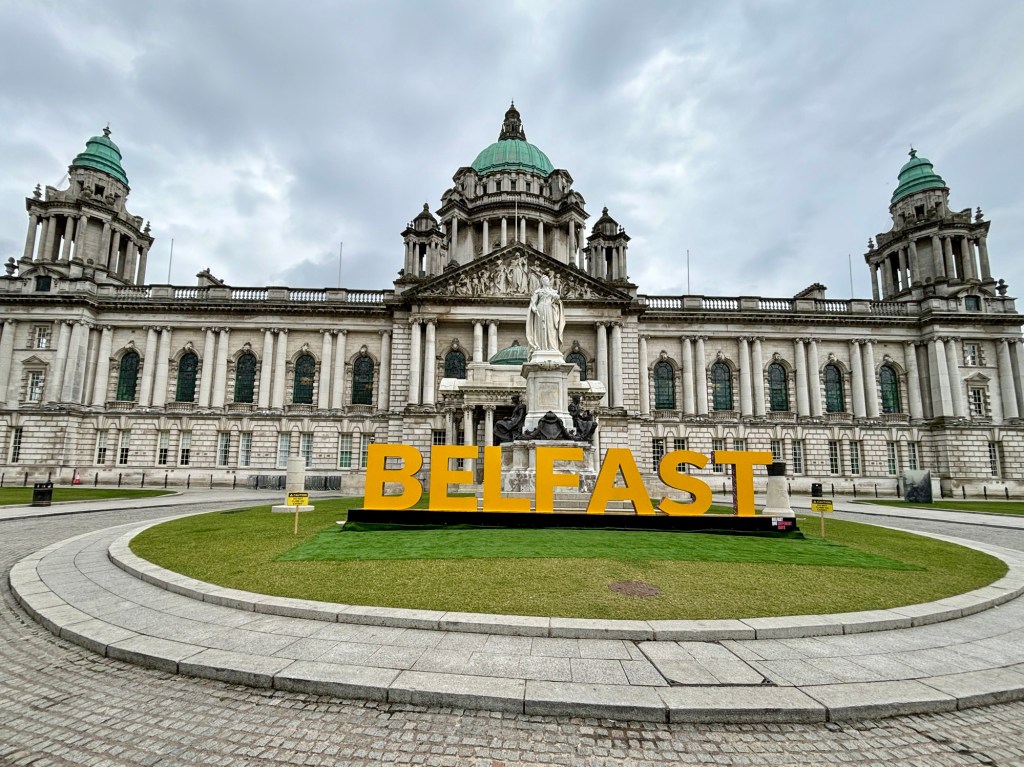
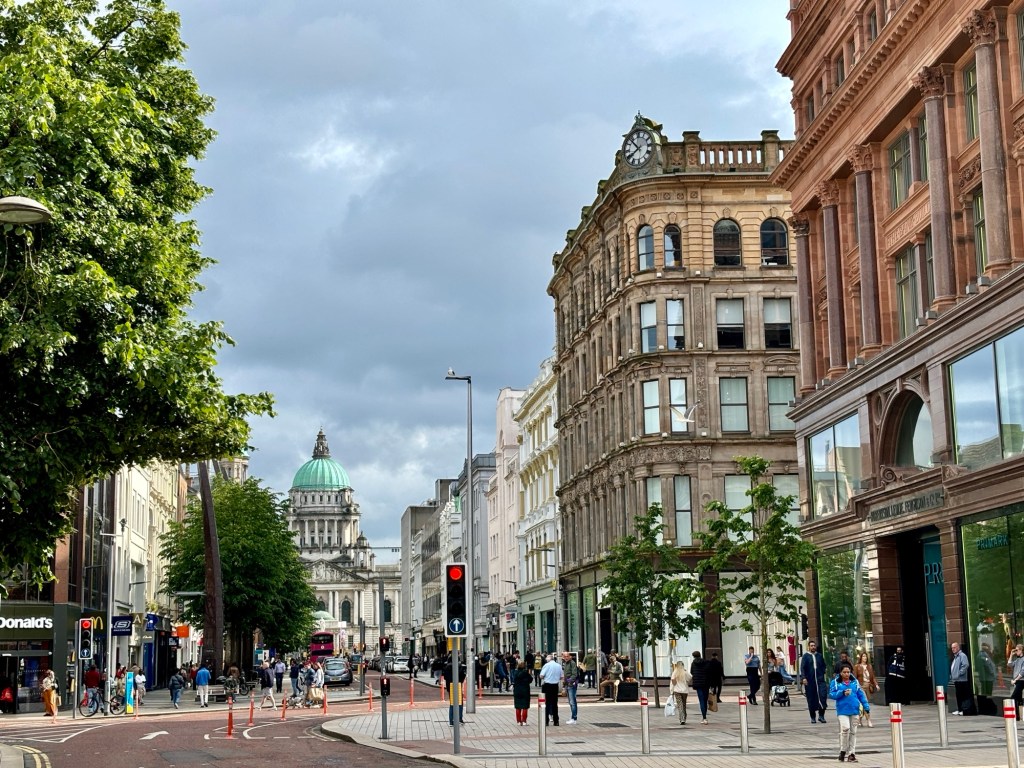
Believe it or not, I’ve never visited Belfast. Well, I did once tour the Titanic Museum and the dry dock where the Titanic was constructed—was engineered. But I’ve never come to the city itself, and my subtle avoidance has stemmed from my Irish Republic ideals. For the sane reasons, Aongus has also never visited the city, despite living in this tiny island most of his life.
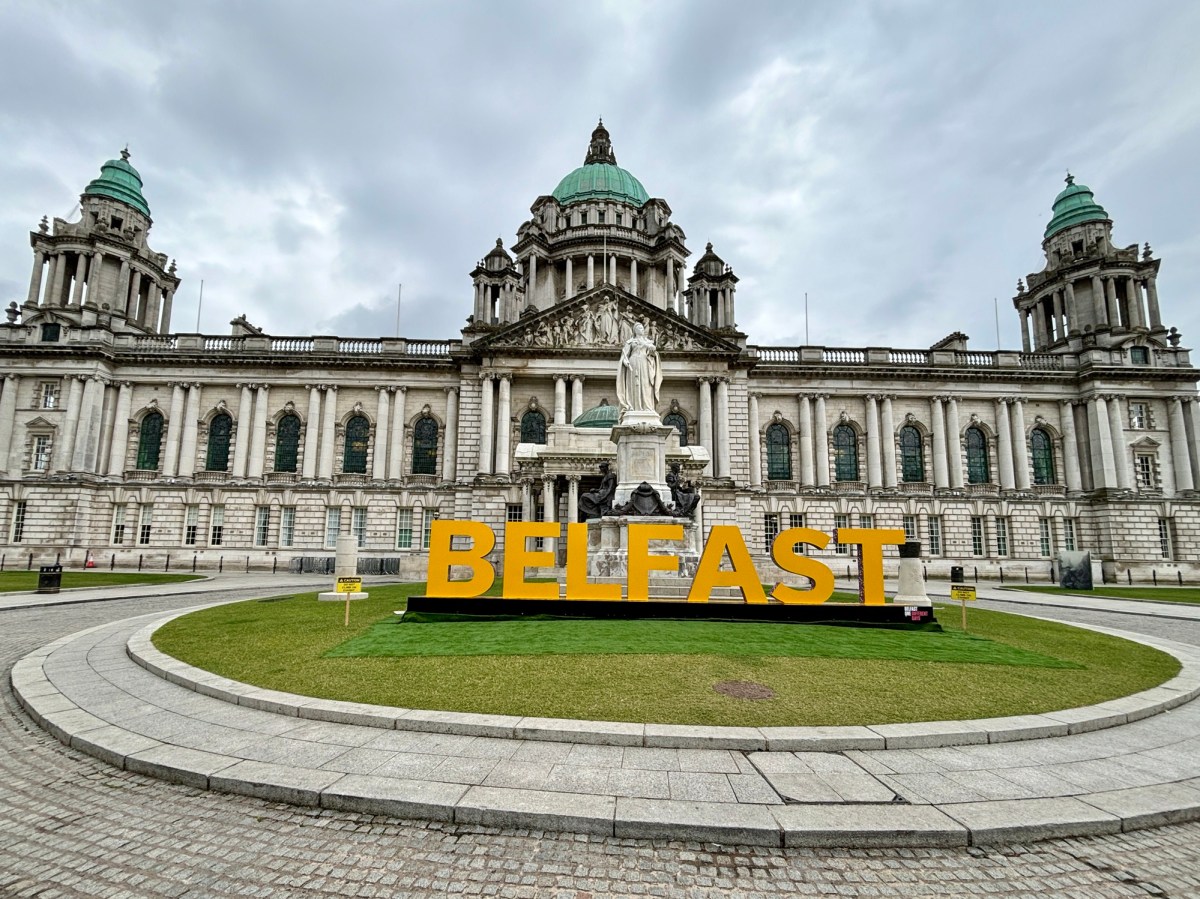
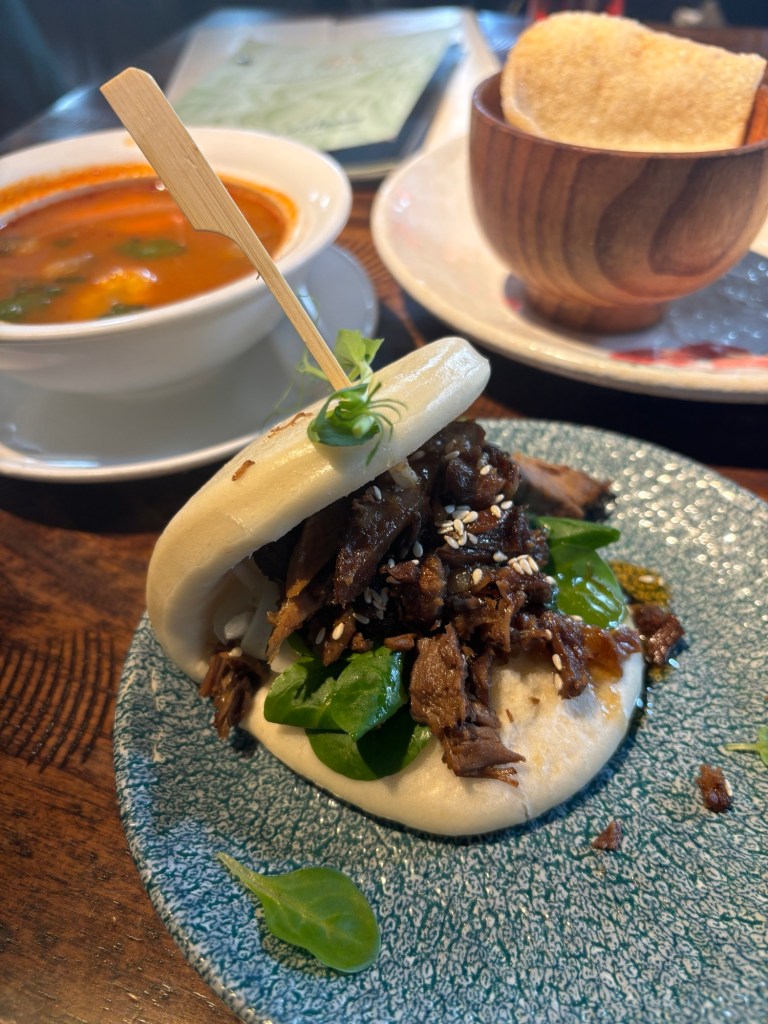
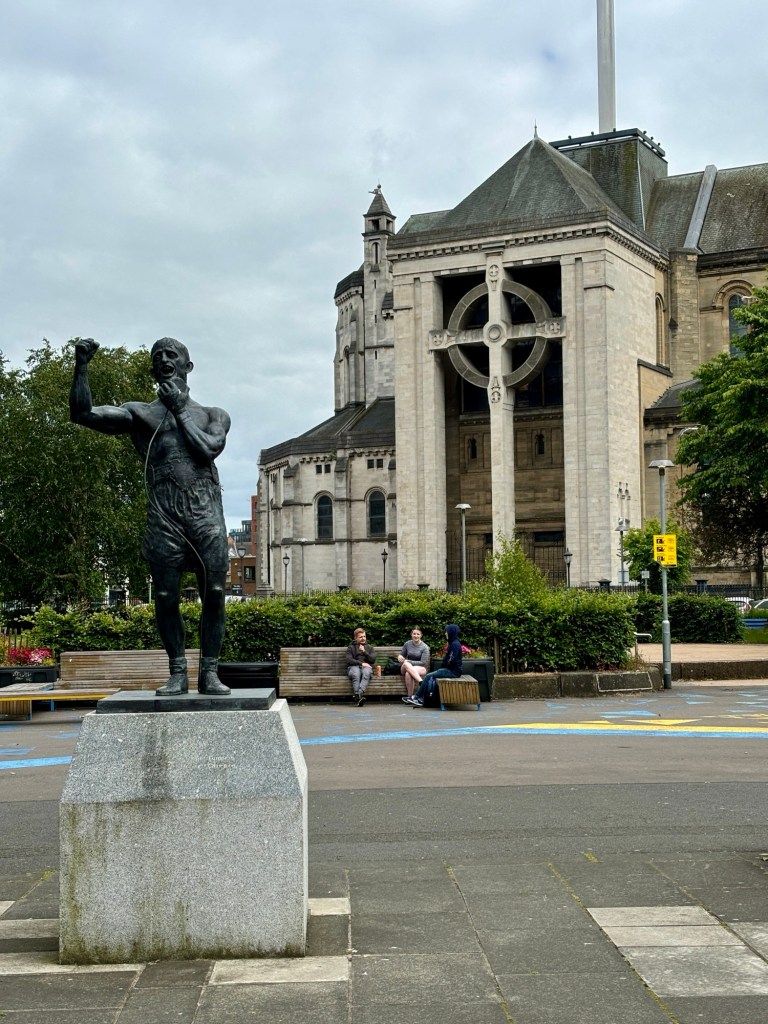
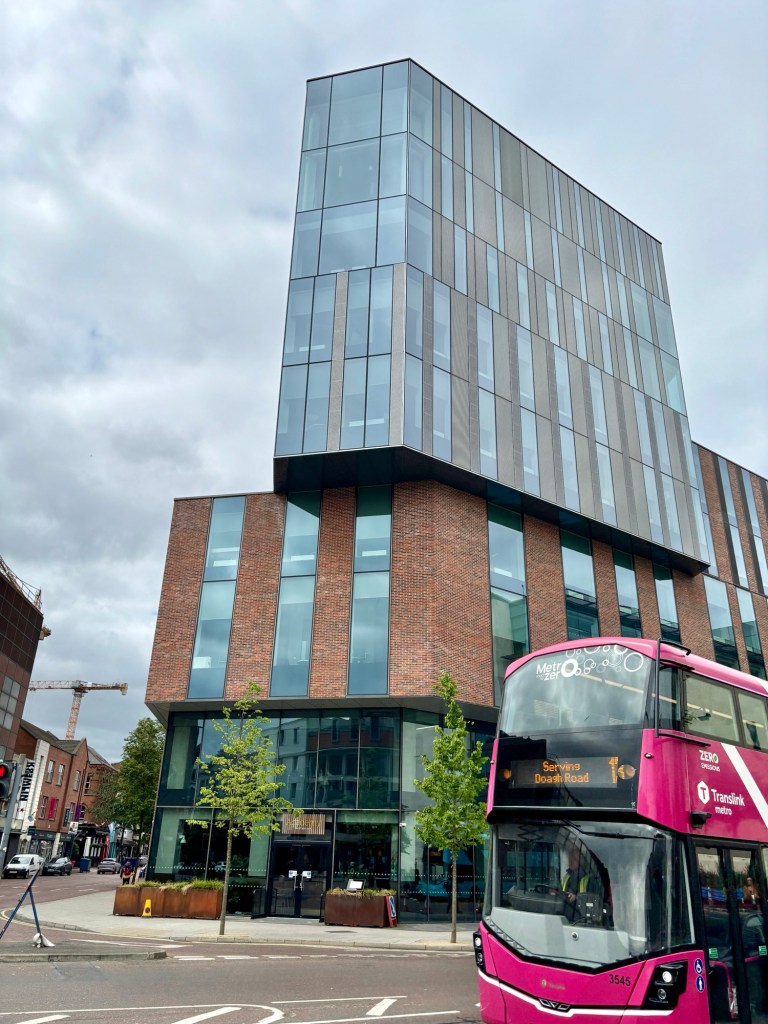
City Hall. Dumpling Library. Ulster University’s brand new building where we conveniened. Glimpses of Belfast.
Now, engineering has brought me to Belfast. The past couple of days, I’ve been part of the 2024 symposium of the Engineering Education Research Network (EERN) for the UK and Ireland.
Hats off to EERN bringing these countries together to celebrate and enhance engineering through meaningful education! EERN UK welcomed their Irish cousins in formally around a decade ago, updating their name to include both “sides” of Ireland.
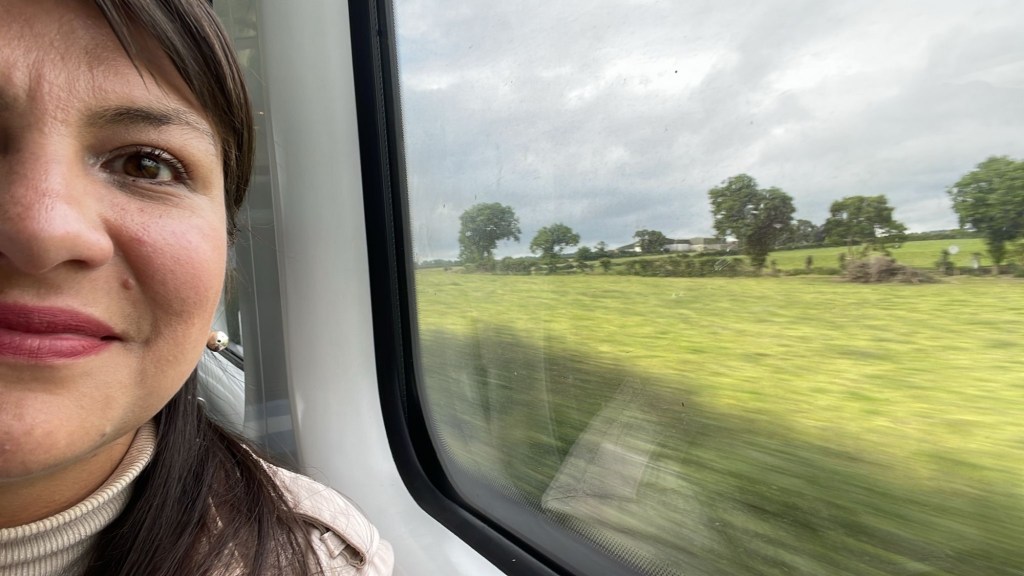
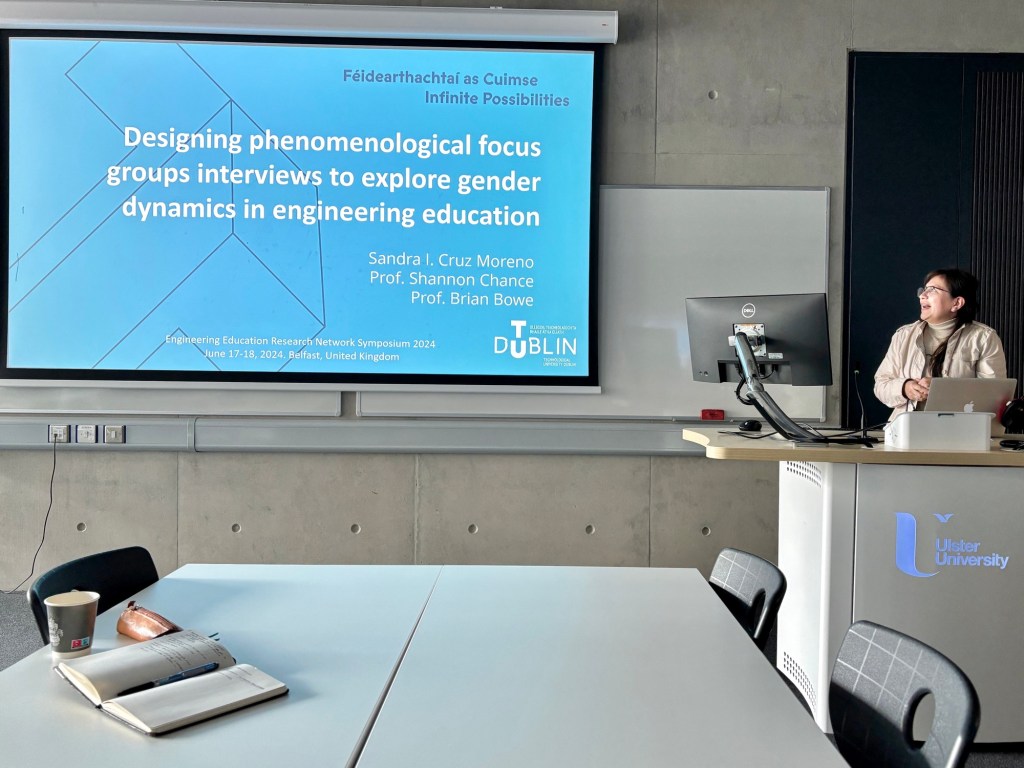
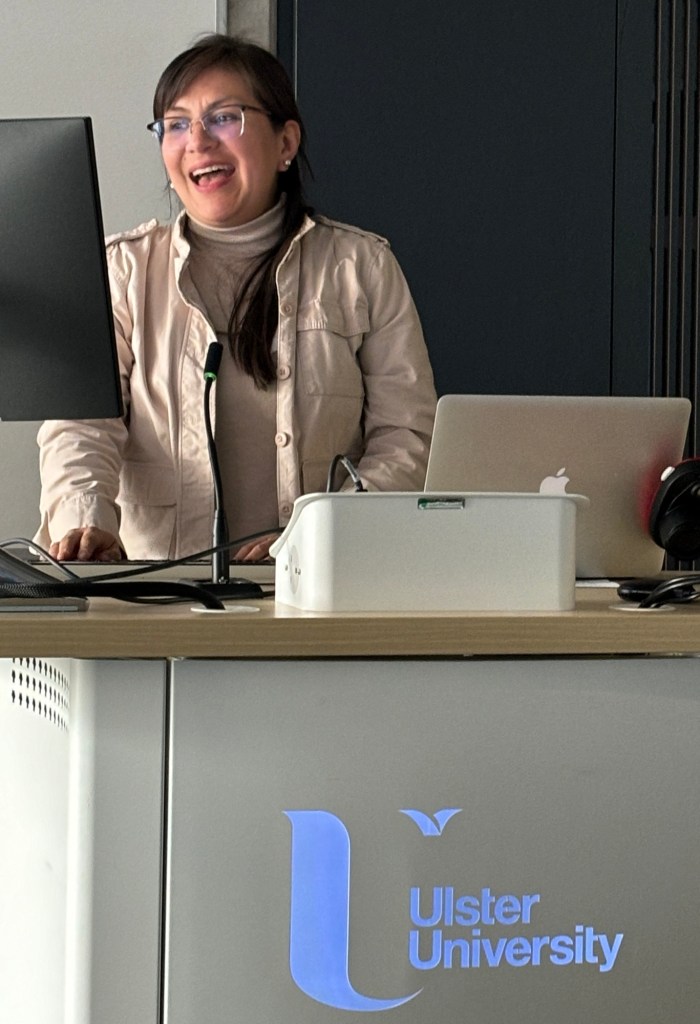
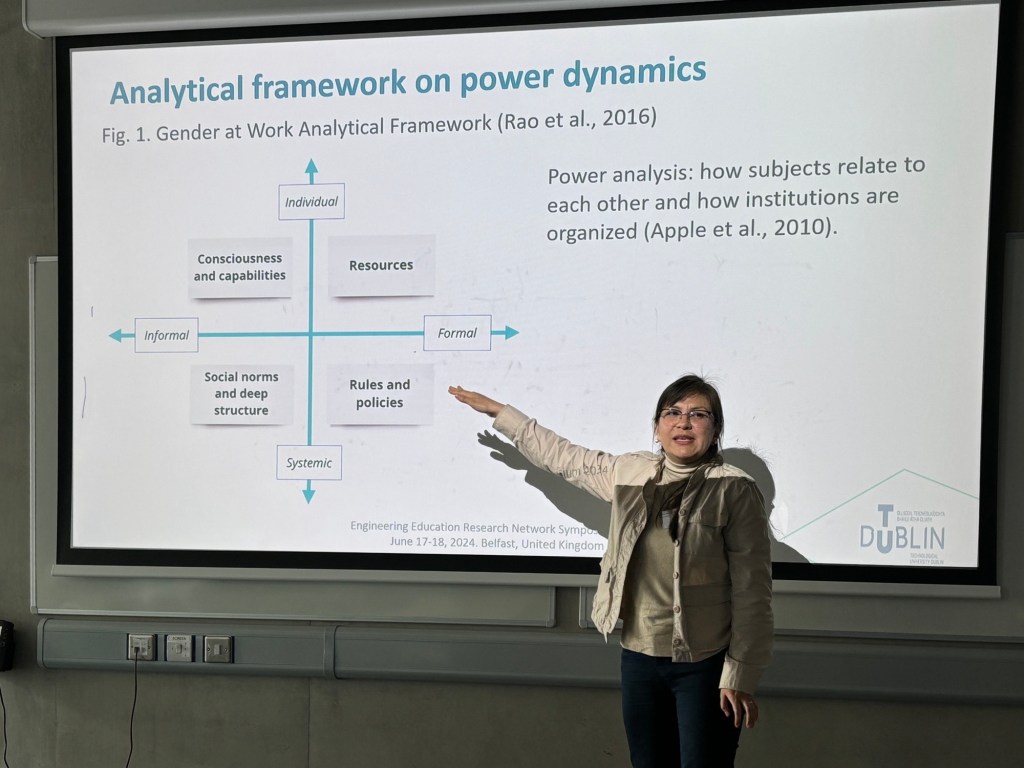
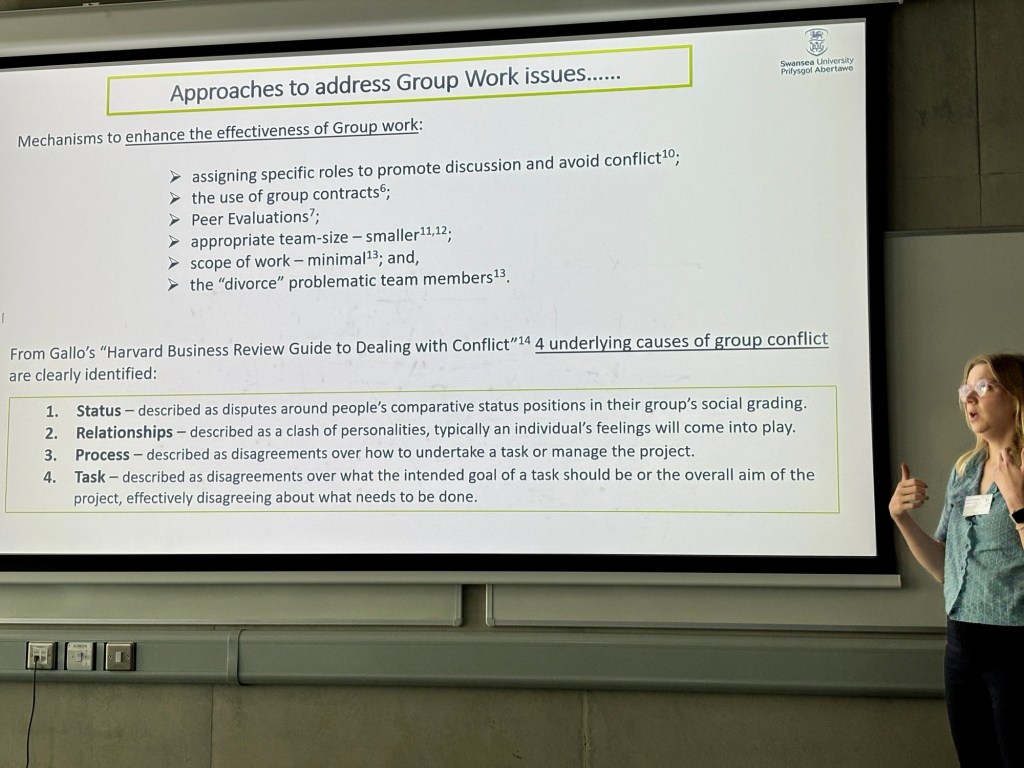
Kicking off the event with organizers Alan and Roger. Sandra en route by train. Sandra Cruz presenting… …a data collection technique she’s used……and parts of her theoretical framework. This presentation by Jennifer S. Thompson and colleagues was fascinating!
Ulster University’s Alan Brown hosted us downtown—for two days of conversation “Beyond Boundaries: Inclusive, Sustainable and Outward Looking Engineering Education”. What a fabulous theme! Alan did a phenomenal job organizing and shepherding this event.
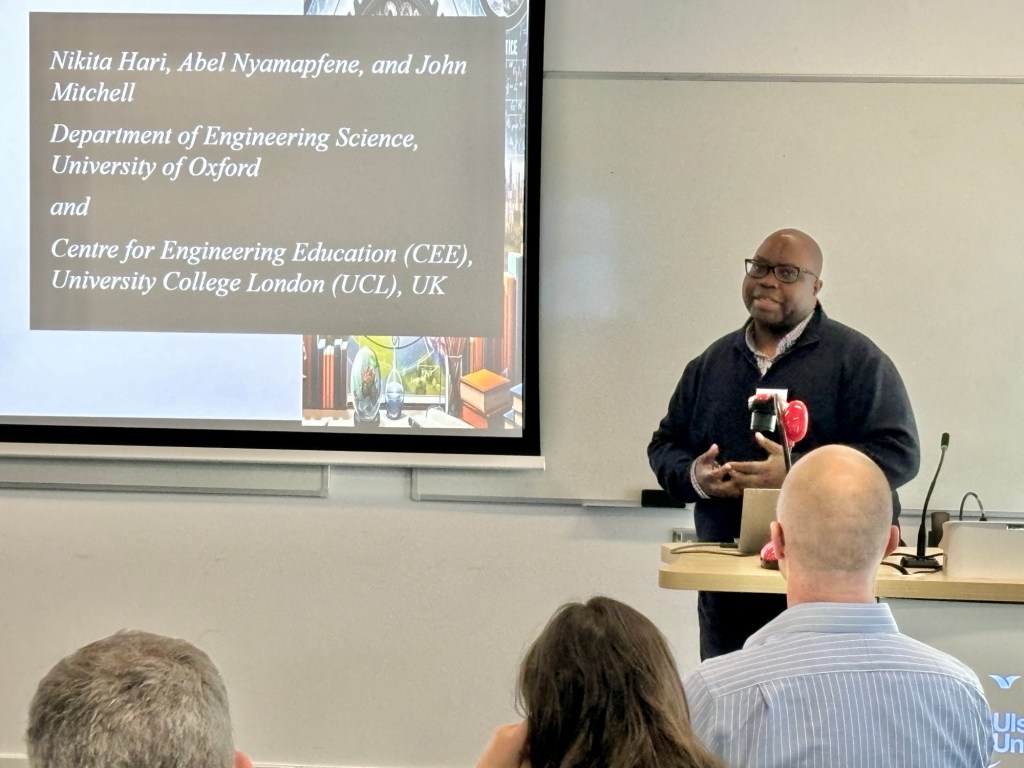
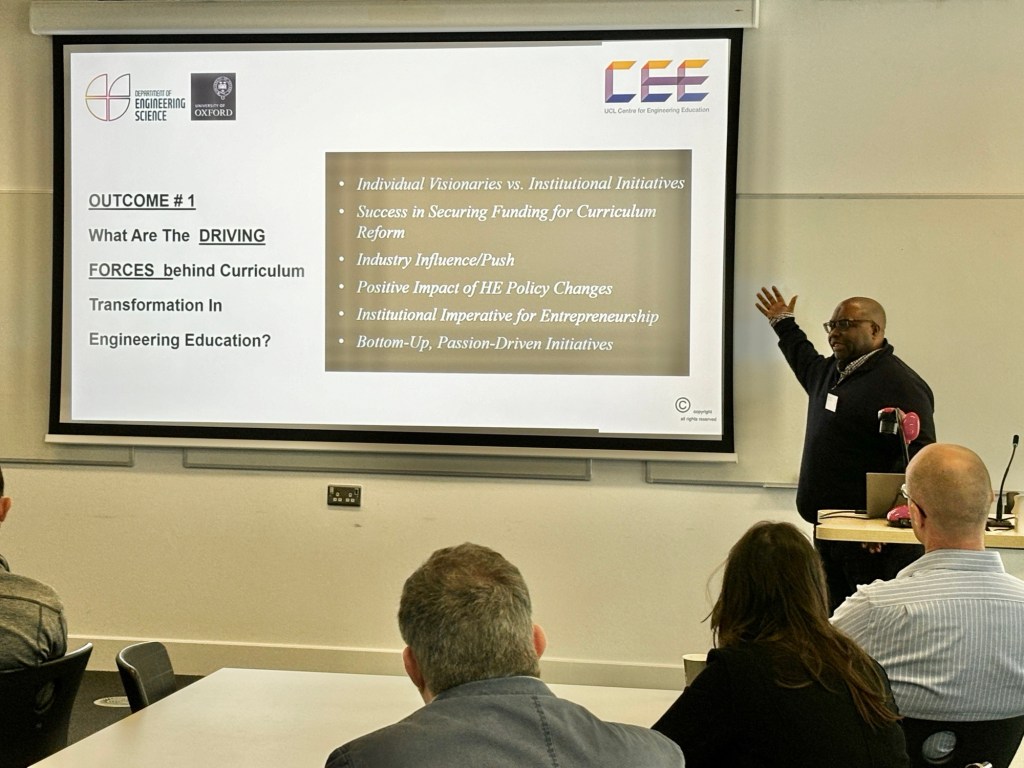
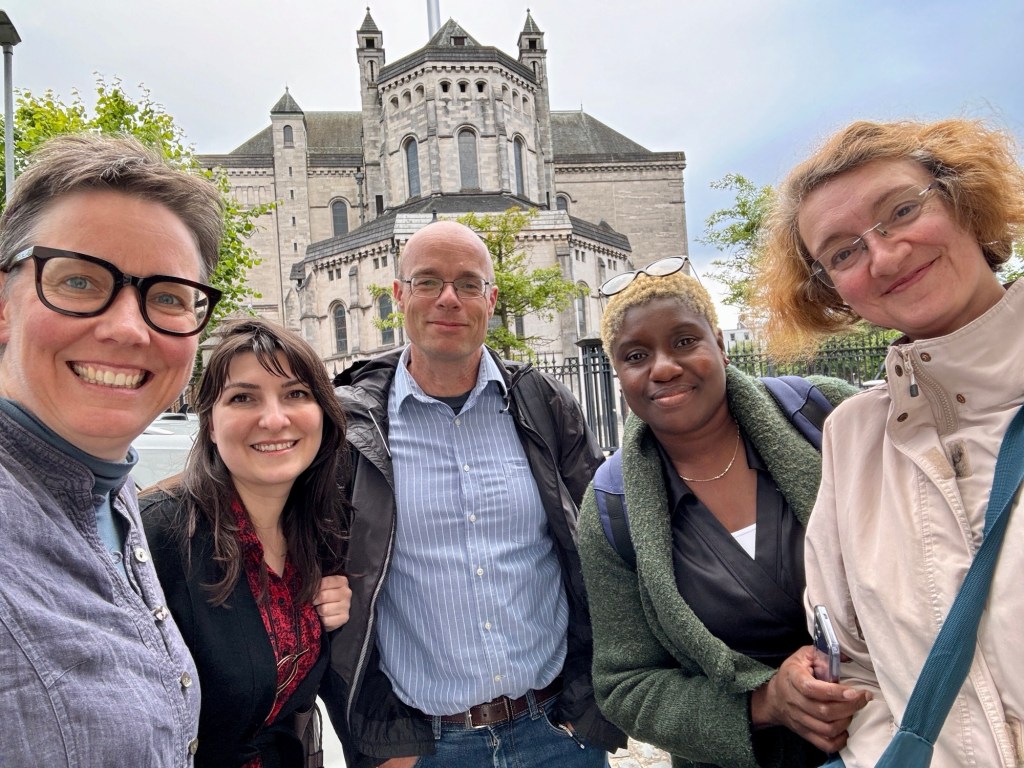
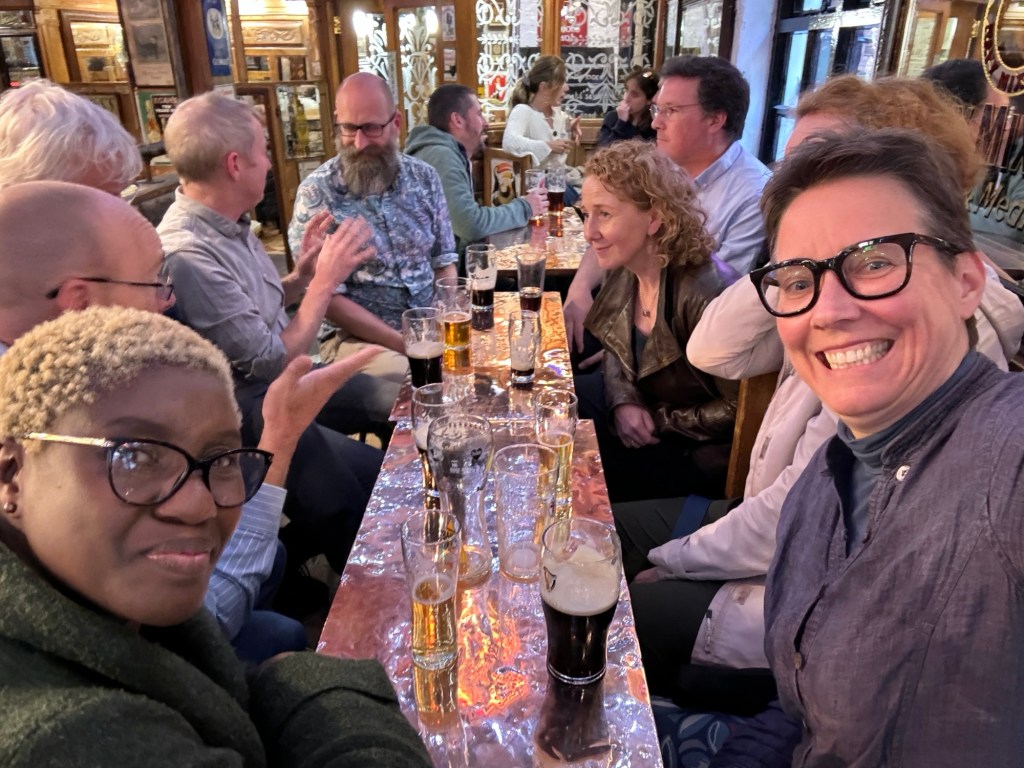
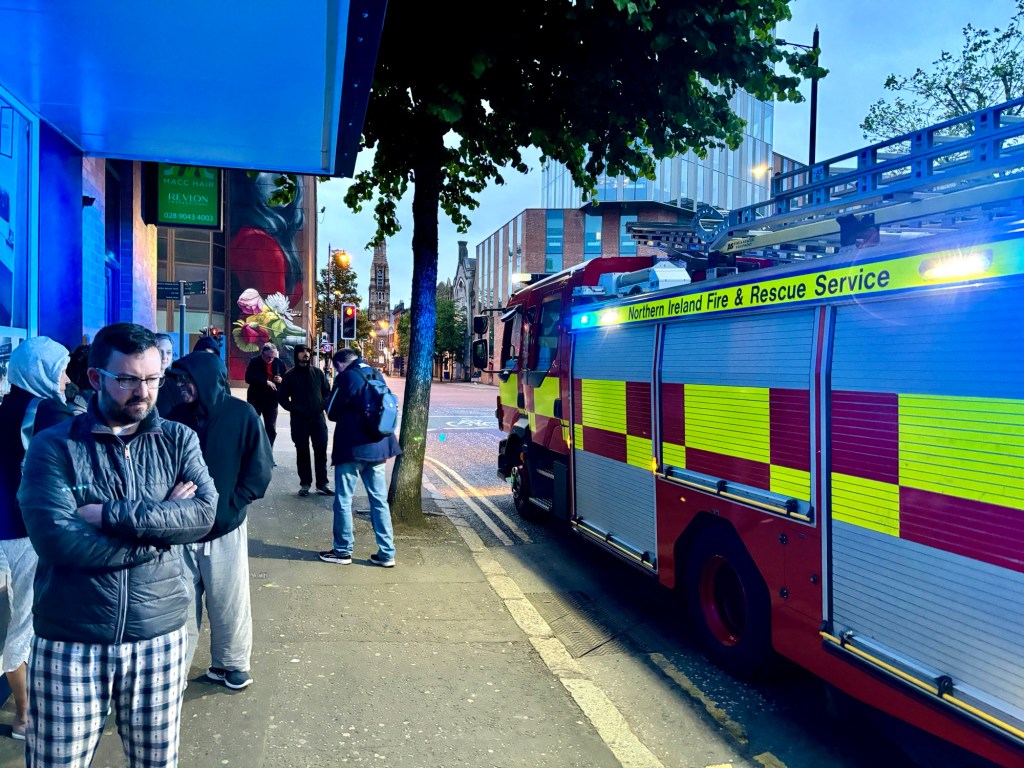
Prof Abel Nyamapfene from UCL……presenting research underway with Dr Nikita Hari and Prof John Mitchell. Dinner friends Shannon, Diana, Neil, Bridget, and Claudia. Visiting a pub together. A very sparkly place! My third visit to Dumpling Library. An unwelcome 4:20 AM surprise. I can’t recommend The Quarter by Warren. Took too long to resolve this false alarm.
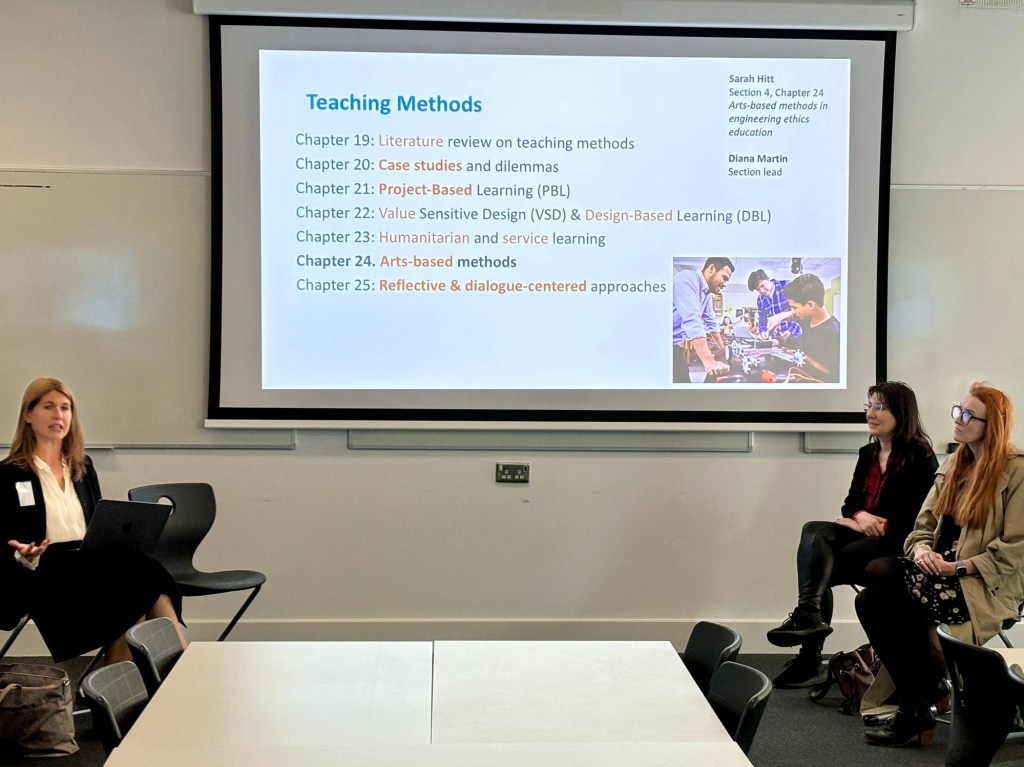
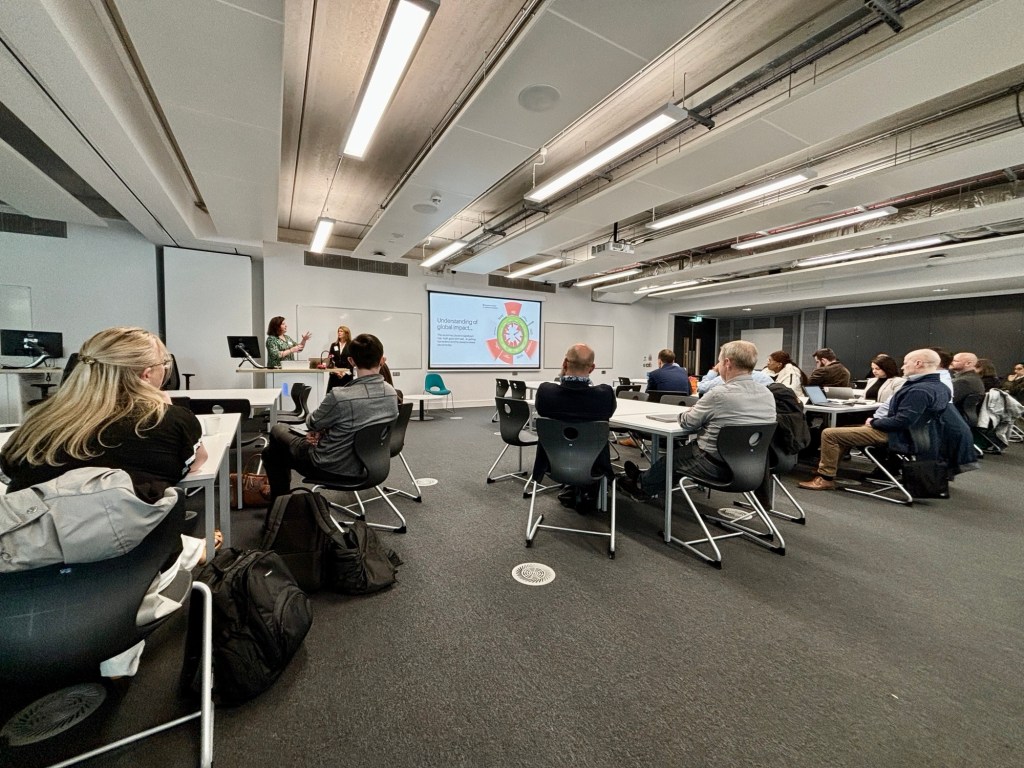
During EERN, my PhD student Sandra Cruz presented a thread of her research, and Diana Martin and I facilitated a workshop/panel discussion on the forthcoming Routledge International Handbook of Engineering Ethics Education withauthorsDr Sarah Hitt and Dr Natalie Wint.
The handbook panel facilitated by Diana Martin and myself, with author panelists Sarah Hitt and Nat Wint.
I caught up with dozens of people I’ve collaborated with in the past, and made new friends and colleagues who I’ll complete projects with in coming years.
I also discovered the beauty of Belfast. I immediately phoned Aongus when I arrived and discussed traveling here together in the fall.
The train journey here provided spectacular scenery and the city is lively and architecturally significant. There are also many lovely public spaces.
It’s nice to find new nooks and crannies to explore on this isle, and I have many adventures and collaborations to anticipate.
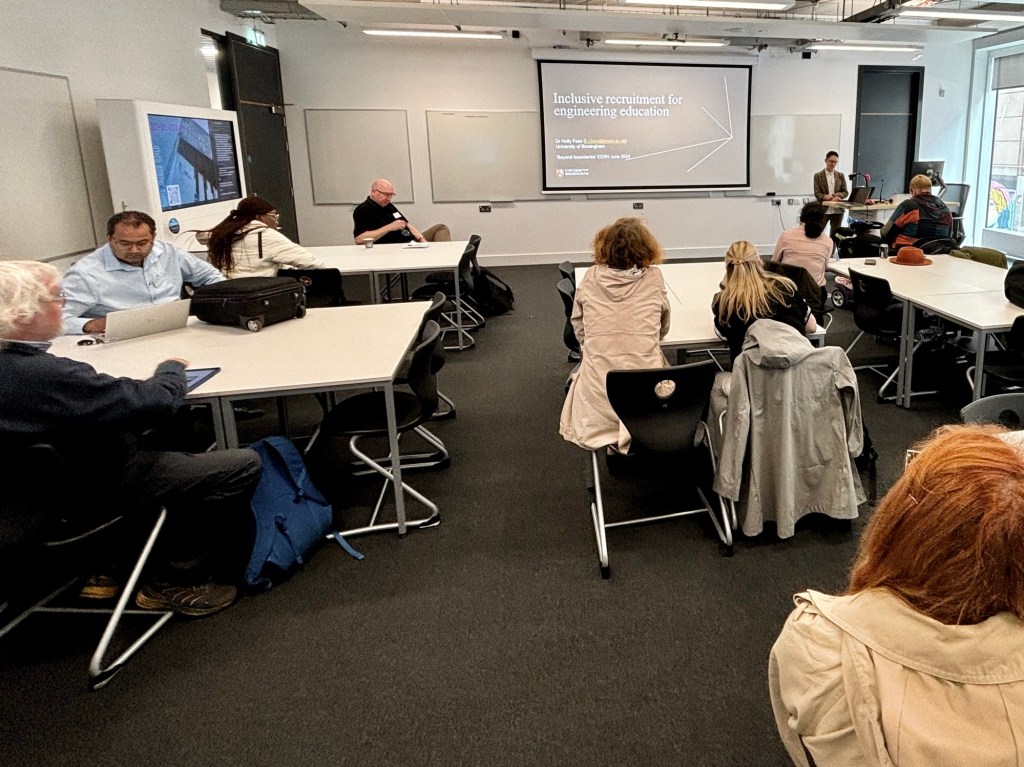
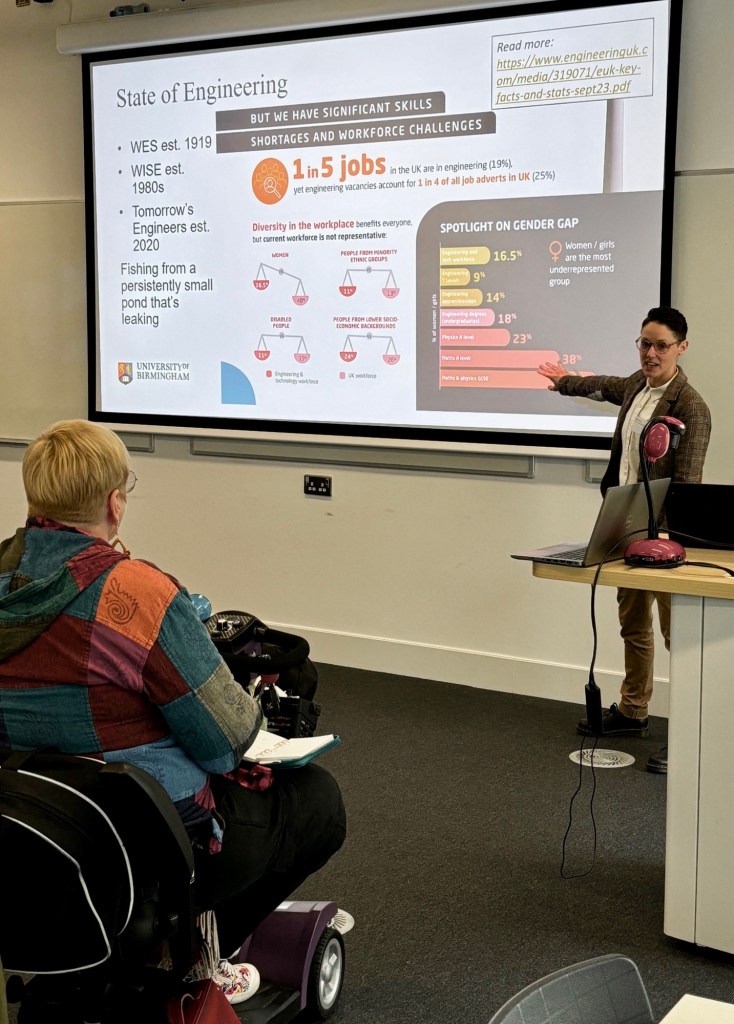
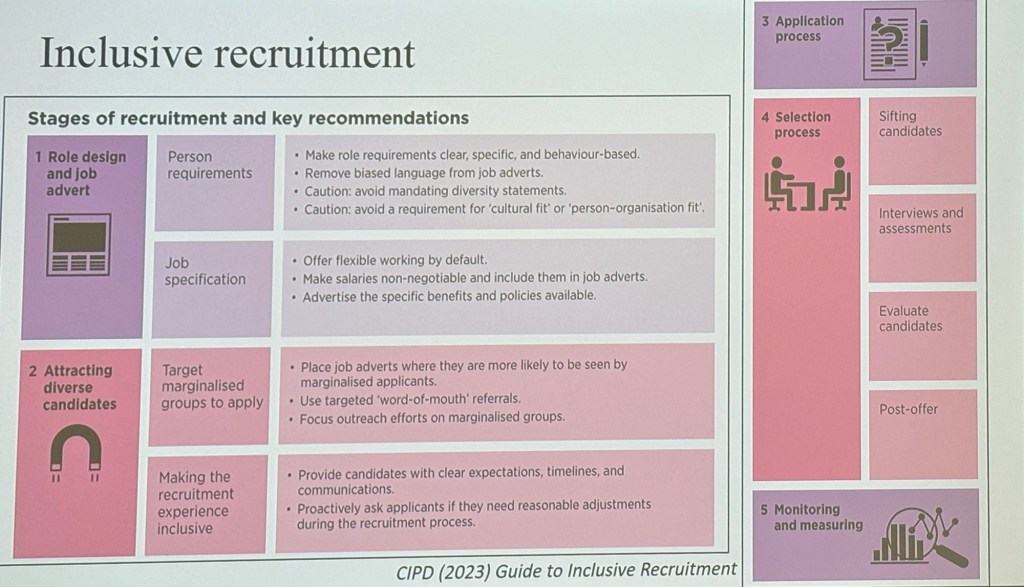
Learning about the Ethics and Sustainability Toolkit with Sarah Hitt and Emma Crichton. Birmingham’s Dr Holly Foss……discussing EDI……in staff recruitment.
Thanks Alan, Roger, Becky, Jane, EERN, and Ulster University for a top-notch platform for engaging discussion!
Portugal has vibrant networks of academics engaged in engineering education research. This week, I got to be part of that community, thanks to the generous support of the American Corner, on a four-night visit funded by the US Embassy in Portugal.
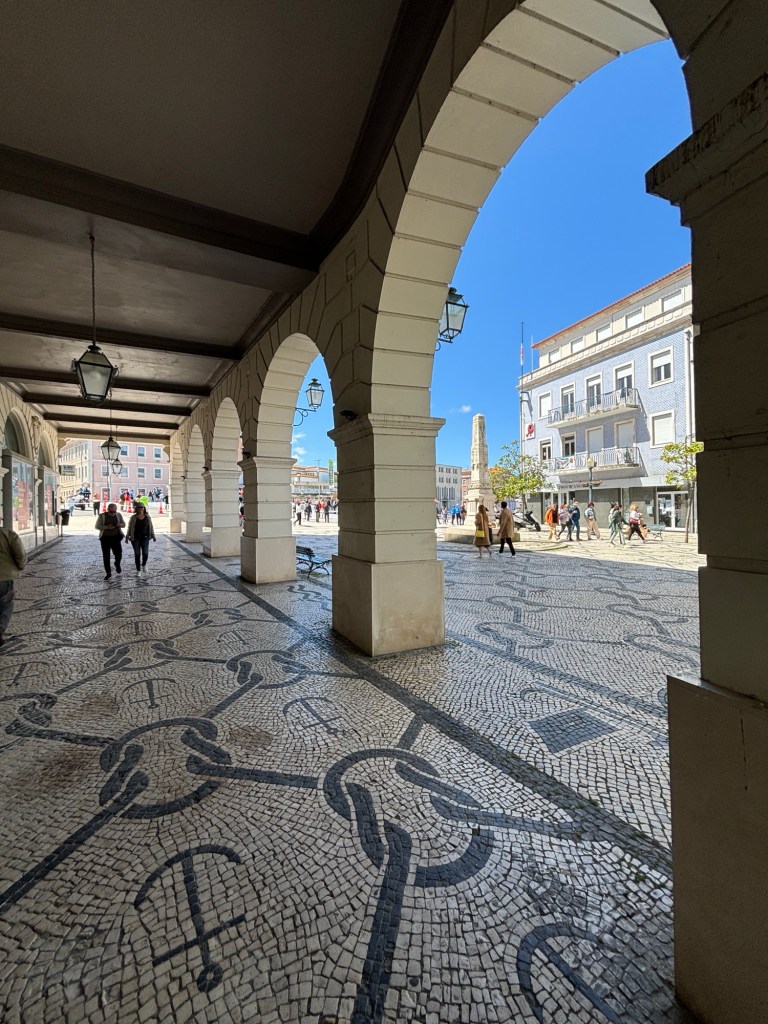
In and around the fabulous hotel, located on a canal in Aveiro’s historic center.
Flying into Portugal on Saturday morning, I settled in and toured the area over the weekend with my dear colleague (formerly of UCL) Inês Direito and her partner Gonçalo. Inês and I continually collaborate on research — and our bond grows stronger with each project and every passing year.
Snapshots of our explorations in Aveiro… Inês and Shannon always having a ball!
On Monday morning, I delivered a keynote address on “Boosting Engineering Education: How Research Can Make Engineering Education Better” and then facilitated a hands-on workshop on “Integrating Ethics, Sustainability, and Inclusion in Your Teaching.” In all this, I was the guest of honor with the Department of Mechanical Engineering at the University of Aveiro (UA).
I was impressed that 25 teachers and students participated in these morning events, as they happened during a week without classes at UA. Despite having the flexibility to work from home this week, people traveled to campus from all across the engineering disciplines at UA — and visitors traveled in from Lisbon, Porto, and Setúbal to partake as well.
Images from campus, the keynote and workshop.
After lunch Monday, the Engineering Education Research team at UA and I headed to the administration building to meet with the university’s Vice-Rector for Research and an expert from UA’s Research Support Office. We discussed grant proposals and laid the foundation for upcoming initiatives that we plan to launch at UA.
Wrapping up that exciting meeting, we skipped across campus to the sleek, modern library, designed by Alvaro Siza, where the American Corner has a recording studio. In a session moderated by Inês, a few of us (Inês, Pedro Fonseca, Anikó Costa, and I) discussed what engineering education is, and why it is crucial for solving societal challenges in the 21st century. We also considered what role interdisciplinary collaboration plays in engineering education, and how can we, in higher education institutions, can facilitate it more effectively. Finally, we chatted about how interested people can get involved in engineering education research.
On air from the American Corner with Inês Direito.
On Tuesday, the EER team and I set to work refining our plans to secure funding for our projects. We had the treat of bumping into a pair of scholars who currently hold the type of grant we aim to secure, and they agreed to share their experience and insight with us. I’m looking forward to meeting them at the end of the summer to learn more!
Reflecting on the visit from the boarding gate at Porto airport, I realized that I’d had the most marvelous time in Aveiro. Every single person I met helped make the trip special—from the driver Casimiro, to Inês and Gonçalo, the hotel staff, Sandra the librarian in charge of the American Corner, to UA’s engineering education research team, the energetic and ever-smiling Robertt, Barbara, Inês, and Carla. Colleagues Bill and Val, and Val’s spouse Frank, all traveled from the Lisbon area for research meetings while I was there, helping make the experience that much more special!
Always learning, with Val, Inês, and Bill!
I am bursting with energy for our upcoming projects, and hopeful what the future might hold for our team.
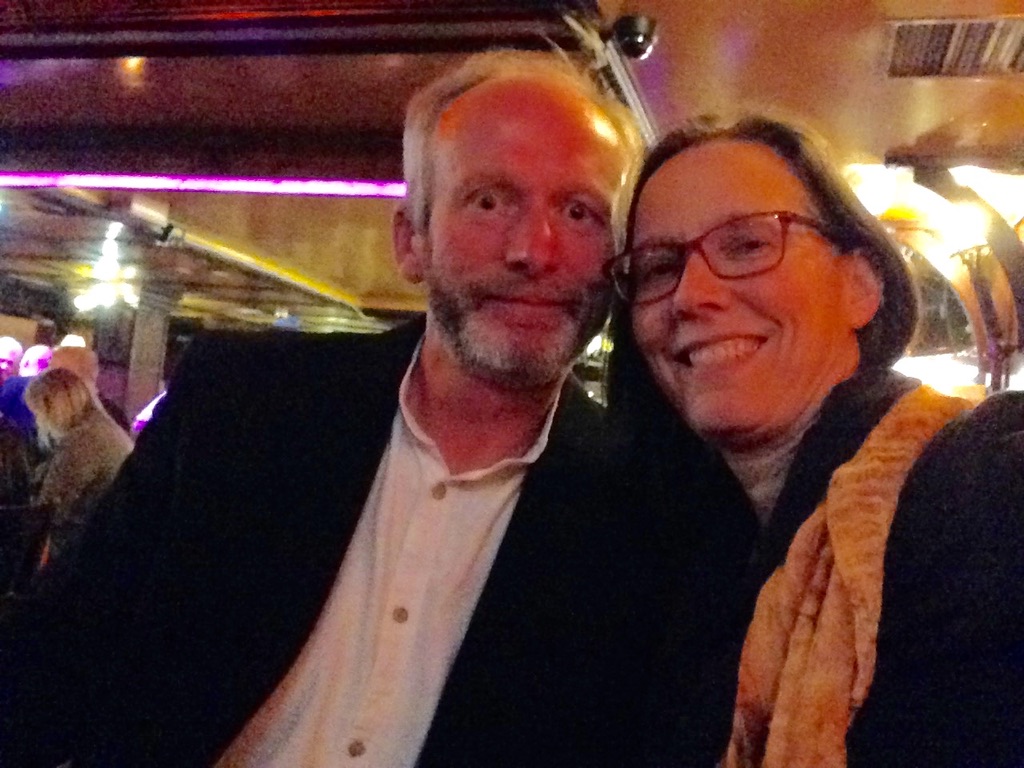
If you’ve known me long, then you have gotten to know my partner, Aongus, over the years. It’s likely that you know we like to enjoy life and have a good time….
Since our very first date back in 2016…Through our adventures living in London…Travelling the world and…Staying fit…And always trying to have some fun!
But you also likely know we’re hard workers! We love learning new things, stretching, and exercising our skills.
Today, I am taking the opportunity to brag about this lovely fellow.
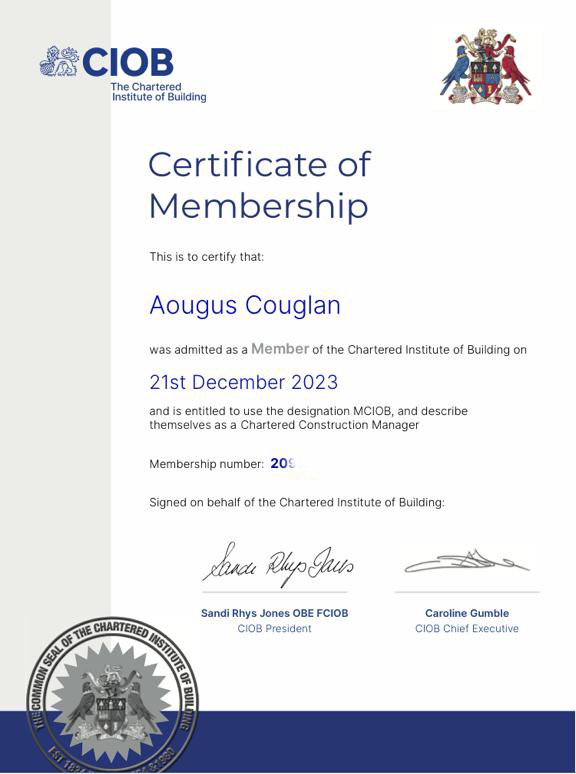
He started working on a new credential during the Covid lockdown, earning it just before Christmas. He’s now officially a Chartered Construction Manager and a full Member of the Chartered Institute of Building in Ireland and the UK. He gets to use the letters after his name:
Mr. Aongus Coughlan, MCIOB
This is the equivalent of a bachelor’s degree in the European system (the Level 7 ordinary bachelor on the Irish framework), so it represents a boatload of work. When he sat for the five-day exam, he did so well that they bestowed the designation of distinction, but earning this full credential required much more than just passing that exam. He also had to document his experience in detail, and pass high levels of scrutiny.
I couldn’t be prouder of Aongus!
He’s an all-around fabulous guy. He’s always thoughtful and considerate. He’s a great cook and a deeply caring companion. He’s good-natured and kind, never pouts, and always carries his own weight at home and at work.
And now the world knows he’s also an excellent manager!
Well done, baby! Studying is a very good look on you!
I have an exceptional PhD supervisee at TU Dublin, Sandra I. Cruz Moreno. She is an internally motivated, self-driven learner who needs little to no prompting from me. Supervising her for the past two years has been pure joy.
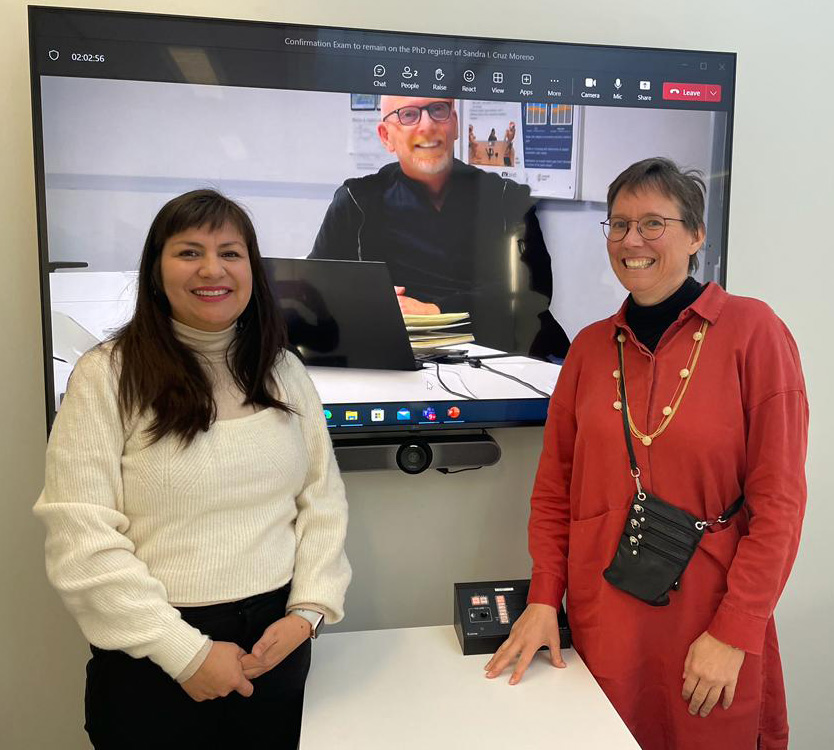
I am extremely pleased to report that Sandra achieved a major milestone yesterday because she very successfully “defended her Ph.D. proposal” (the term we use in the USA). Here, it’s called a confirmation examination to confirm that a student is on track and suitable to continue onward.
Sandra needed to submit an extensive report. The report is a bit more elaborate than a proposal back home, as it must include the work plan in addition to the first three chapters of the dissertation. She also included preliminary analyses of existing interview data.
TU Dublin is funding Sandra’s PhD so that she can analyze extensive interview data I collected from women studying engineering over the years since 2015. It’s such an enormous amount of data that I’ve never been able to wrap my arms around it fully. Sandra, a sociologist who has worked as a research consultant on rural development for the United Nations and similar organizations, is well-prepared to handle this large dataset. She has embraced the challenge and has made great strides forward.
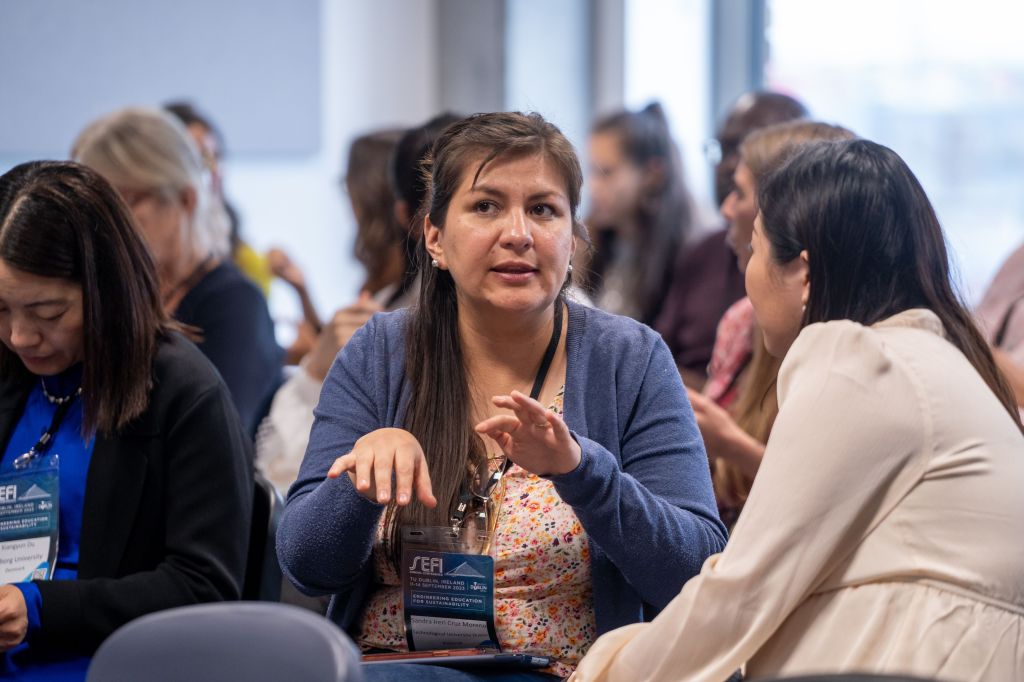
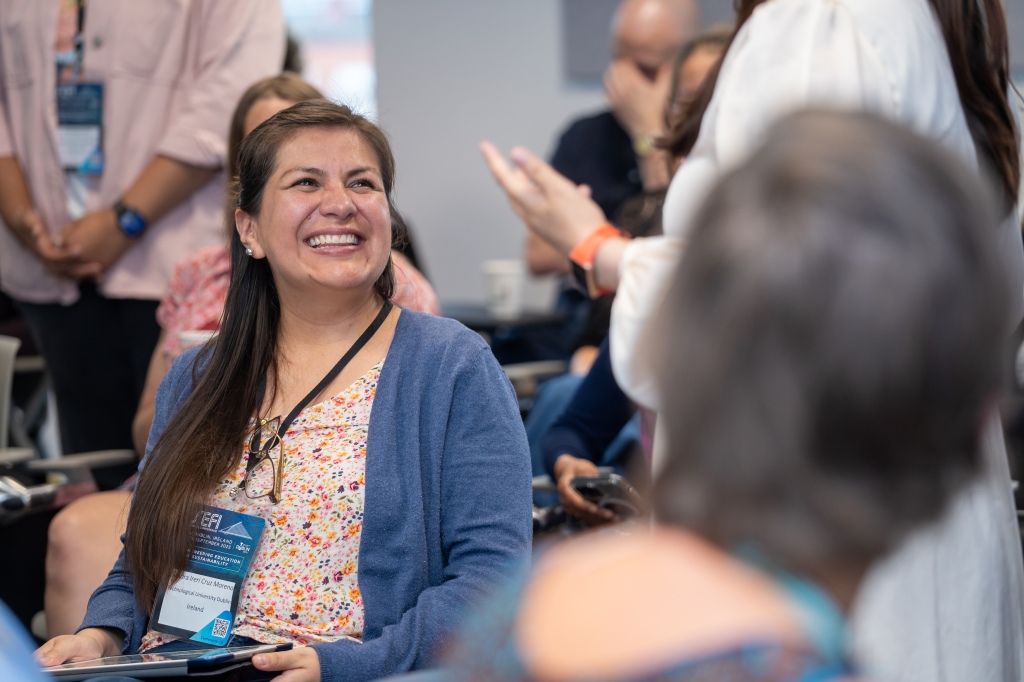
Sandra Cruz at SEFI 2023, where she presented her research (left) and engaged thoroughly in events like the pre-conference Doctoral Symposium (center and right).
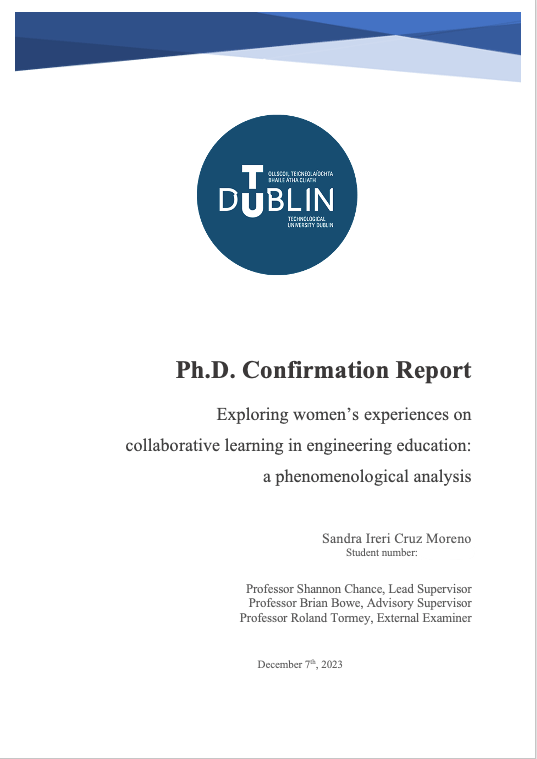
Sandra’s study is titled “Exploring Women’s Experiences on Collaborative Learning in Engineering Education: A Phenomenological Analysis.” She submitted written reports of the coursework she has done to date, as well as a five-chapter document presenting her research. Both of Sandra’s supervisors, as well as our college’s head of research and the external examiner from the Swiss Federal Institute of Technology Lausanne (EPFL), all read and critically analyzed Sandra’s submission.
The result of this review and of yesterday’s two-hour oral examination concluded that her “Proposed research and progress [are] suitable for [Sandra] to remain on the higher register” and proceed into the final stage of her doctoral research. That’s fancy talk for “It’s a go!” and “Full speed ahead!”
Sandra Cruz with her external examiner, Dr Roland Tormey and lead supervisor, Prof/Dr Shannon Chance, on the day of examination.
Regarding the research Sandra has produced to date, the external examiner’s evaluation states:
The report is very well structured and extremely well written. It demonstrates a high degree of scholarship in dealing with quite a few challenging concepts while, at the same time, managing to make them accessible. There is a very good balance between methodology and methods in chapter three in particular.
The data available is suitable for completing of the PhD and the initial analysis carried out shows quite a lot of promise.
-External Examiner Roland Tormey, PhD
Our advisory supervisor, Prof/Dr Brian Bowe, couldn’t attend the examination (he’s the university registrar, after all, and the end of Semester 1 is an extremely busy time of year). Nevertheless, his guidance to Sandra and me has been essential throughout the process. The advice he provides is targeted and highly applicable. Sandra and I have benefited from having him on the team.
I was delighted, but not at all surprised, to hear about the successful outcome. Congratulations, the result reflects your hard work and dedication.
–Prof/Dr Brian Bowe, Head of Academic Affairs at TU Dublin
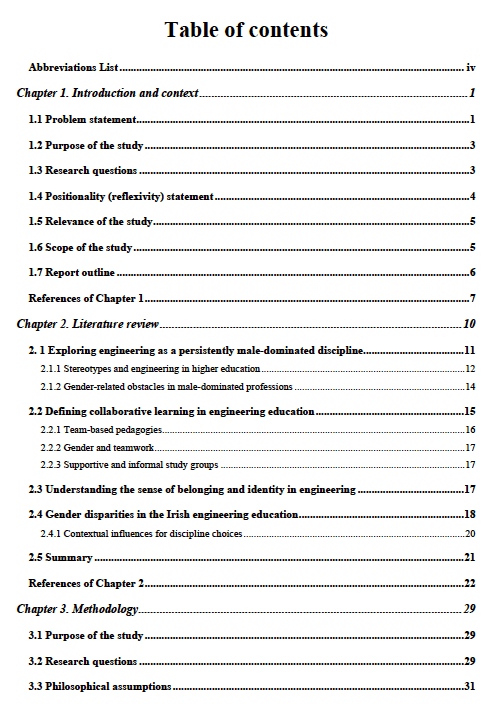
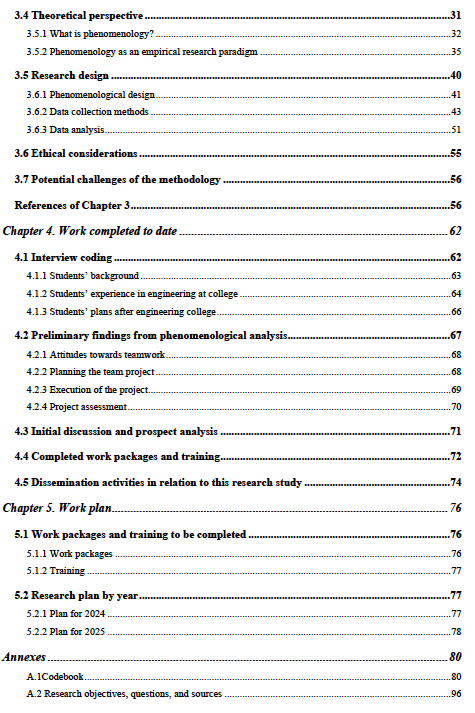
I have included the cover and table of contents of Sandra’s report so you can see the level of detail required. The report is 96 pages long. While Sandra was rehearsing for the examination, I was off in India delivering a paper she authored on policy to address gender gaps in engineering — policy at the European and Irish levels. The policy paper generated great interest and will form part of the PhD study, although it wasn’t a major component of the confirmation report. In fact, there were a number of topics she researched that didn’t need to be explained in detail at this point, such as critical feminism, which will inform her work going forward.
Working with and learning with and from Sandra is an honor and a privilege. I am grateful to TU Dublin for providing the grant to fund Sandra’s research activity. I am grateful to Brian, Roland, and Marek for the support they have lent Sandra and me. And most of all, I am grateful to Sandra for her diligence, perseverance, openness, and sincerity. I have learned so much from her and from working with her!
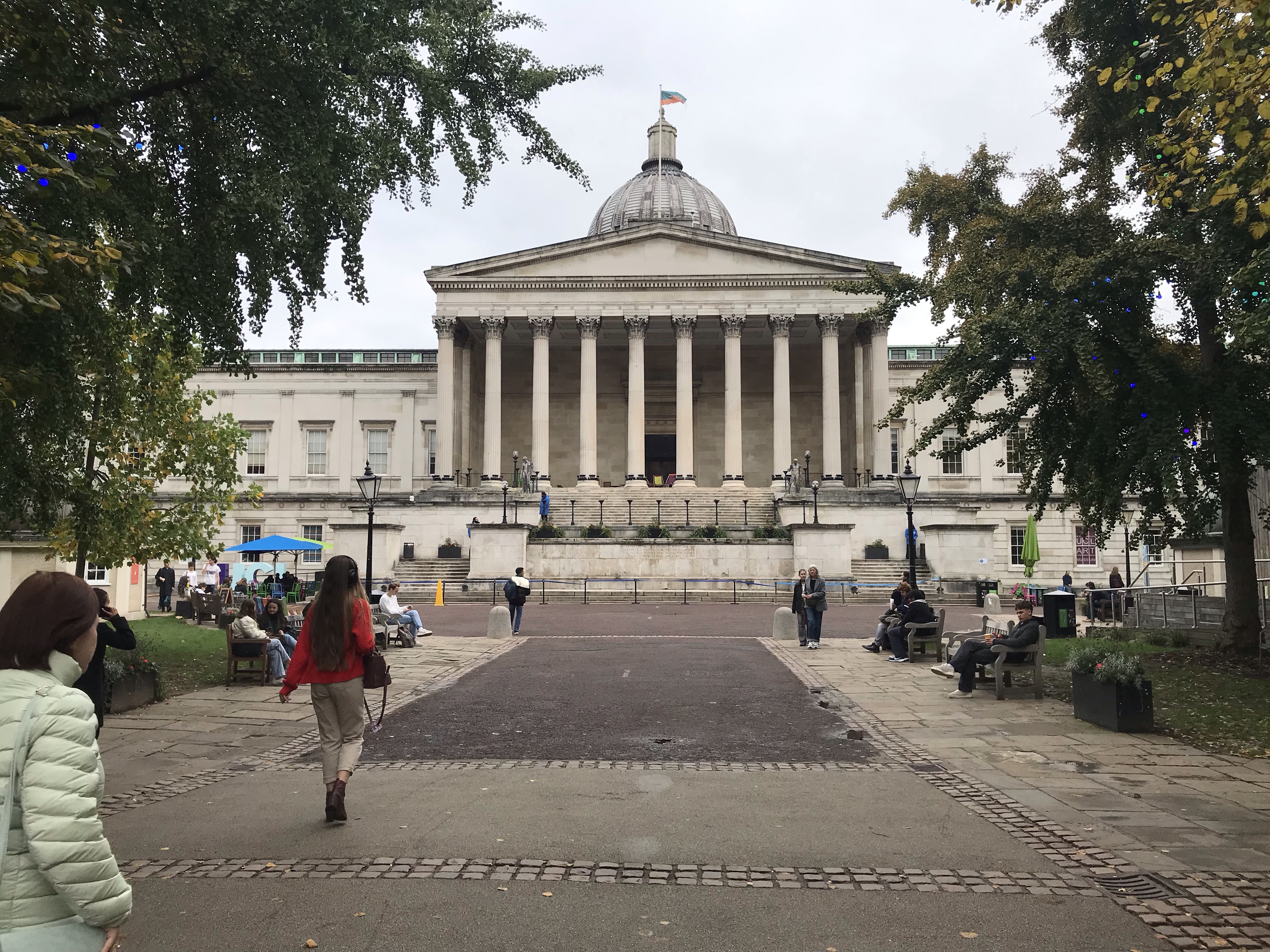
Although the days are short, dark, and frequently wet now that we’ve gone off daylight savings time, I’m still savoring memories of a recent week in London. As you likely know, I spent all of 2018 and 2919 on an MSCA fellowship from the European Union, working at University College London and developing fabulous new skills and an invaluable network of colleagues at UCL and around the globe. UCL is truly a magnet for talent and an ongoing source of inspiration.
The time change happened again this year while Aongus and I were in London for the October bank holiday… I often overlap a bank holiday Monday with a working visit to London since my colleagues at UCL have different days than me (at TU Dublin) and I can visit UCL without falling behind at my main job. This was my second Halloween in a row visiting UCL.
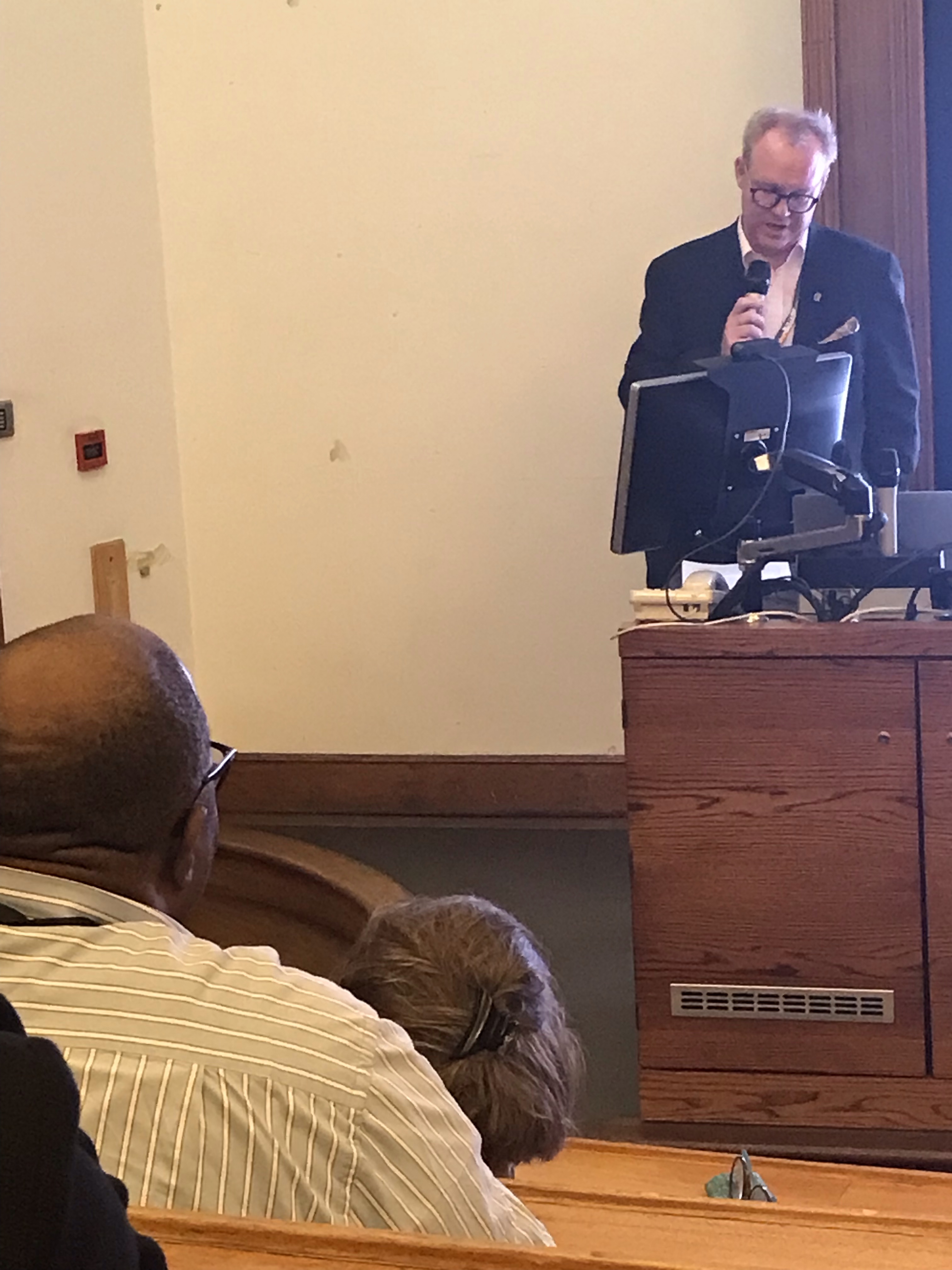
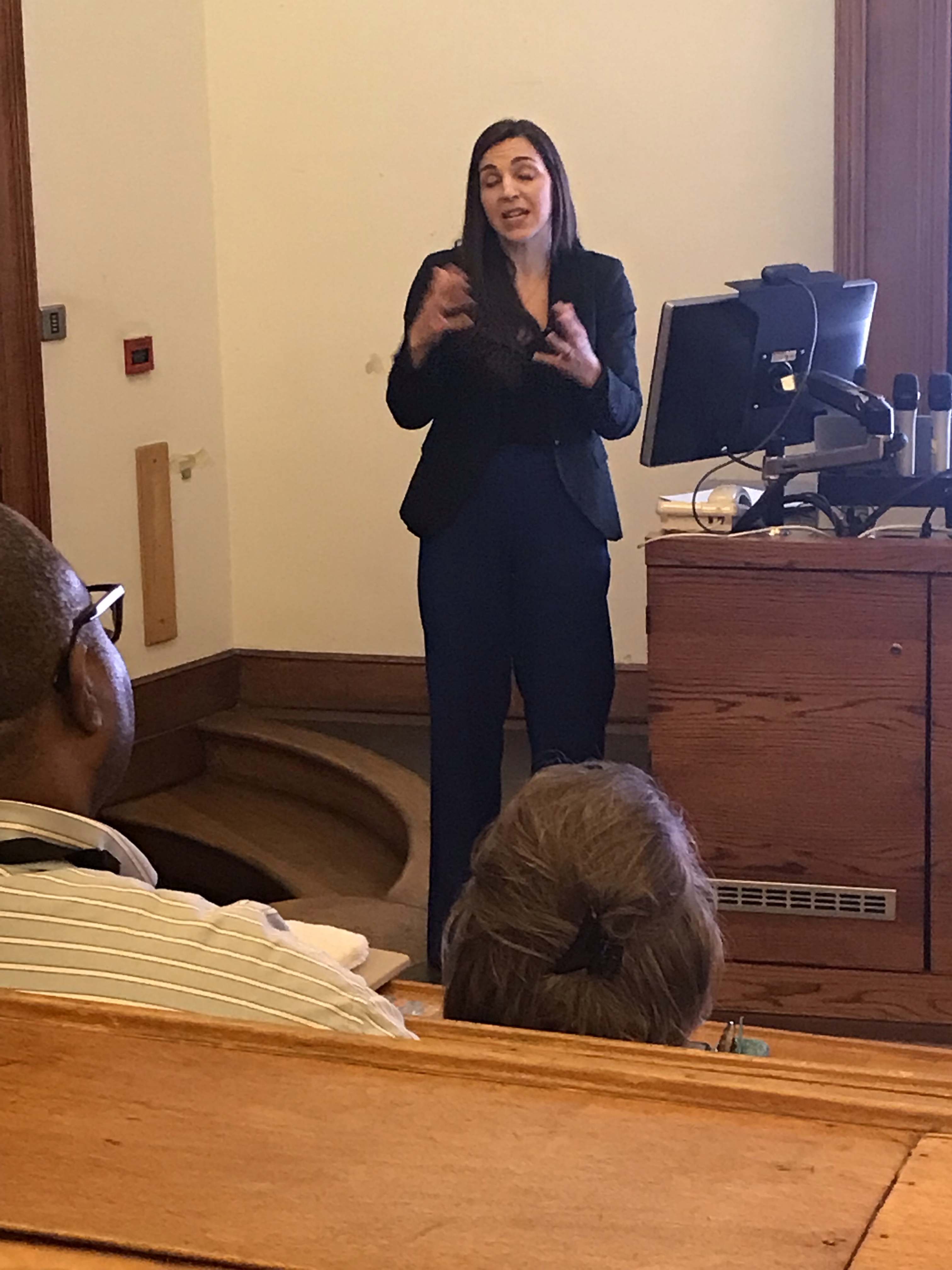
I’m fact, this Halloween I spent a full week in London, collaborating with colleagues and attending lectures including Emanuela Tilley’s inaugural professorial lecture (and reception!) and a guest lecture in one of Professor Nick Tyler’s transport engineering classes.
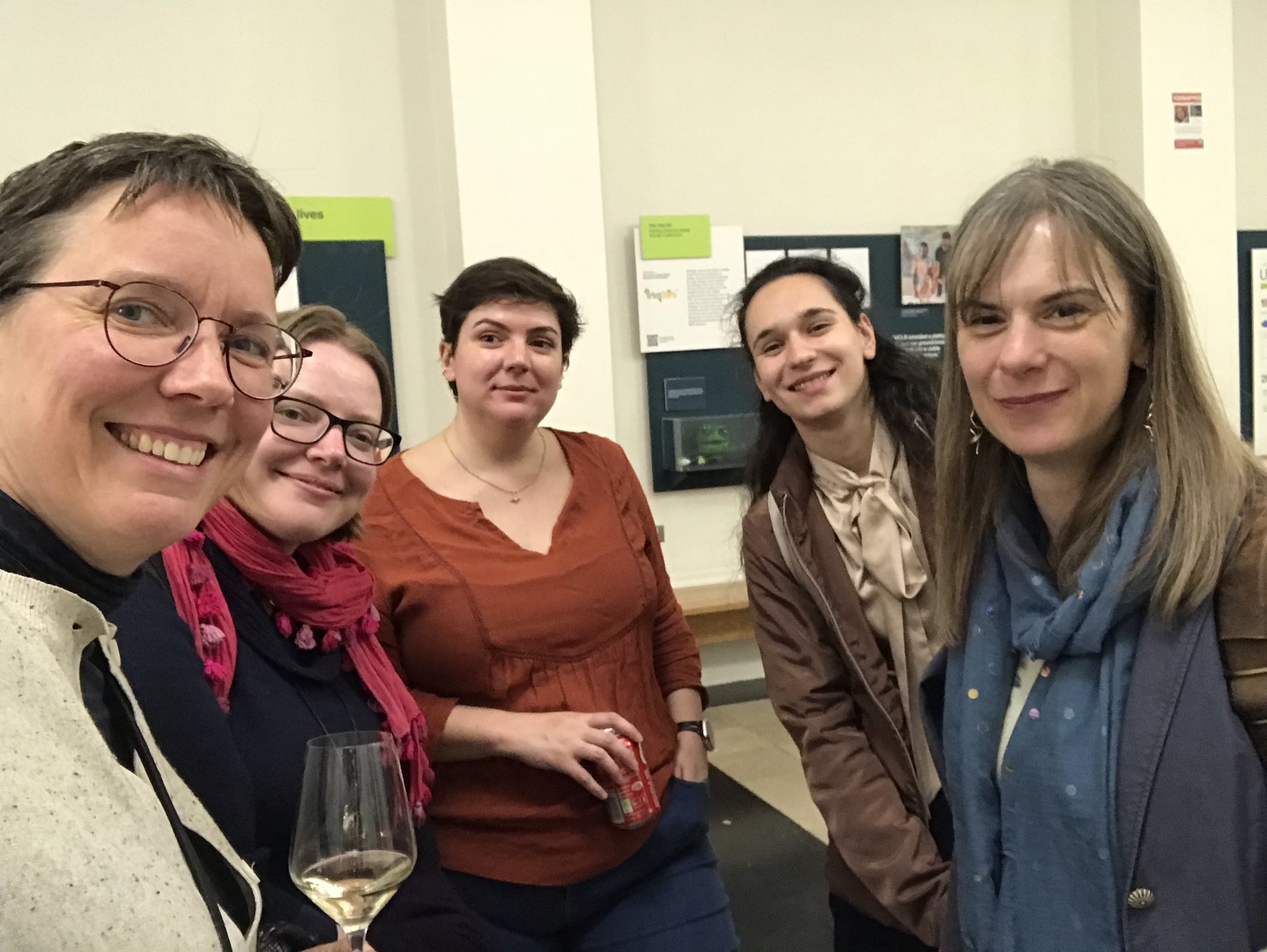
Emanuela Tilley’s Inaugural Professorial Lecture and Reception at UCL.
I worked several days at UCL’s Henry Morley building, which houses the Centre for Engineering Education. I enjoyed catching up with colleagues there, especially Drs Vivek Ramachandran, Kate Roach, and Fiona Truscott. I showed Vivek, who is new to UCL, some of my favorite places in and around campus, including the Thursday Farmers’ Market, the Life Goddess restaurant, and the Building Centre. I after work one night, I attended a comedy show at the newly renovated Bloomsbury Theater.
In the daytimes, I kept Dr Inês Direito’s old desk warm as she’s moved to the University of Aveiro in Portugal. Never fear, though, Inês and I are still in close communication, and now, my mentee Dr Diana Martin is joining CEE so I’ll still never be more than a WhatsApp away from the Center!
During the week, I attended strategic planning meetings with my two “bosses” at UCL — the two directors of the curriculum design project I’ve been working on, via a contract between UCL and TU Dublin, since 2020. They are Professors Emanuela Tilley and John Mitchell, two truly fabulous people to work with.
Thanks to the marvel of online communication, I also completed a half day training on finance software at TU Dublin while I was in London. I also attended online meetings with co-editors of the handbook I’m leading as well as co-authors on a chapter I’m contributing to the handbook.
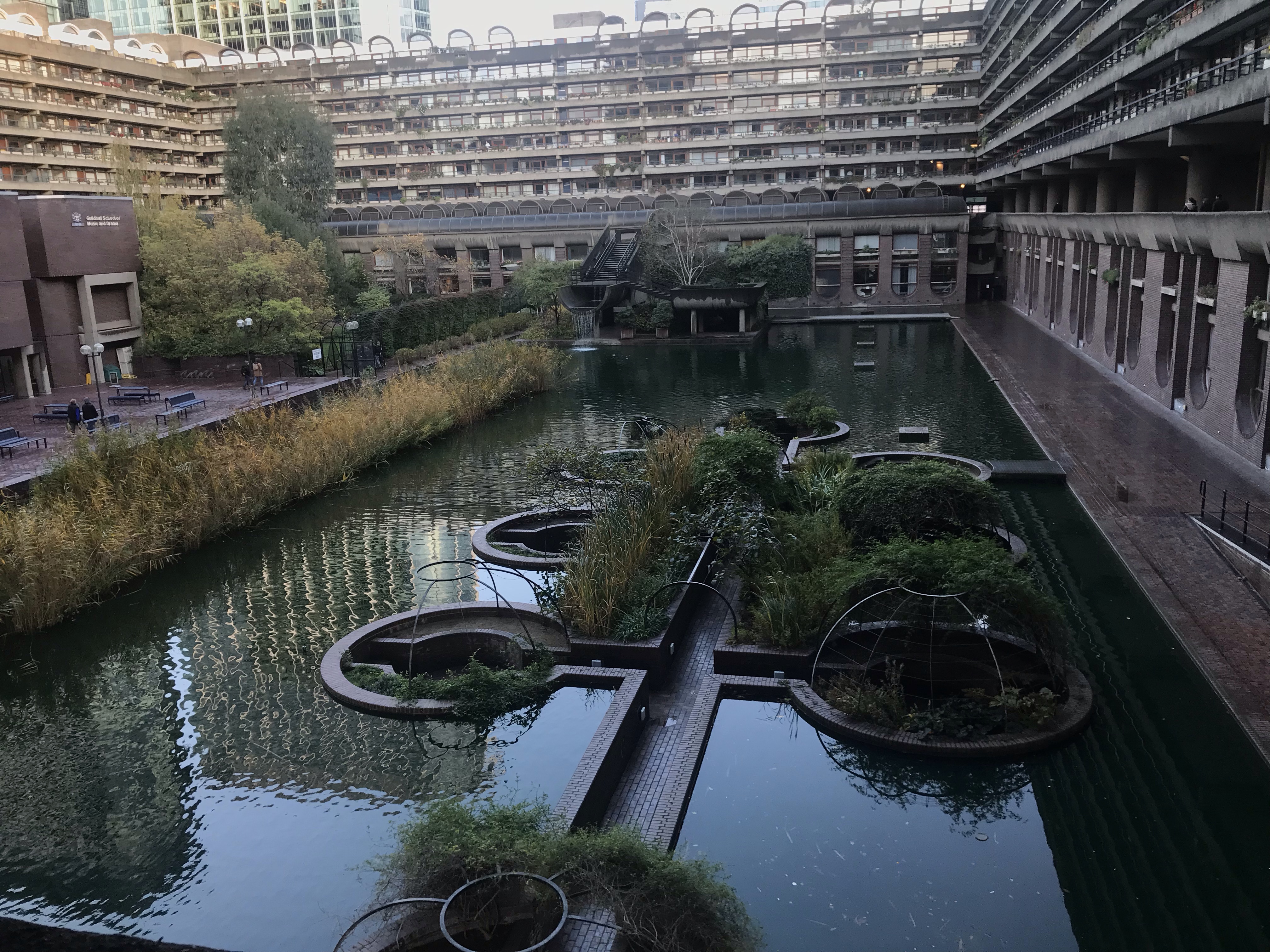
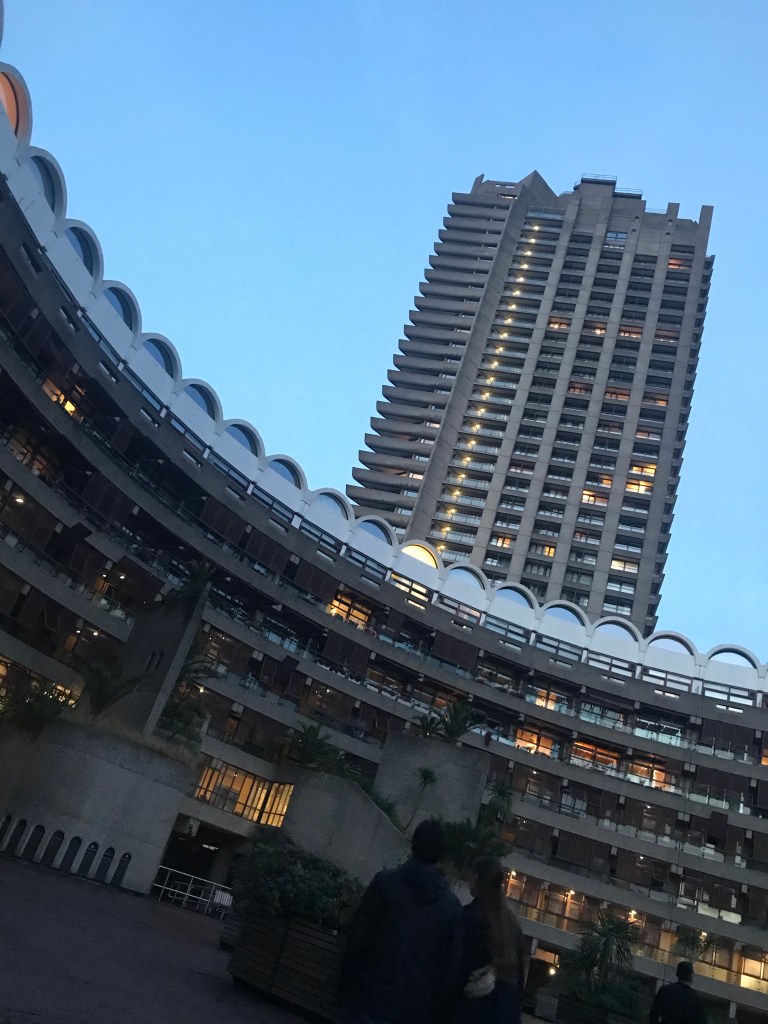
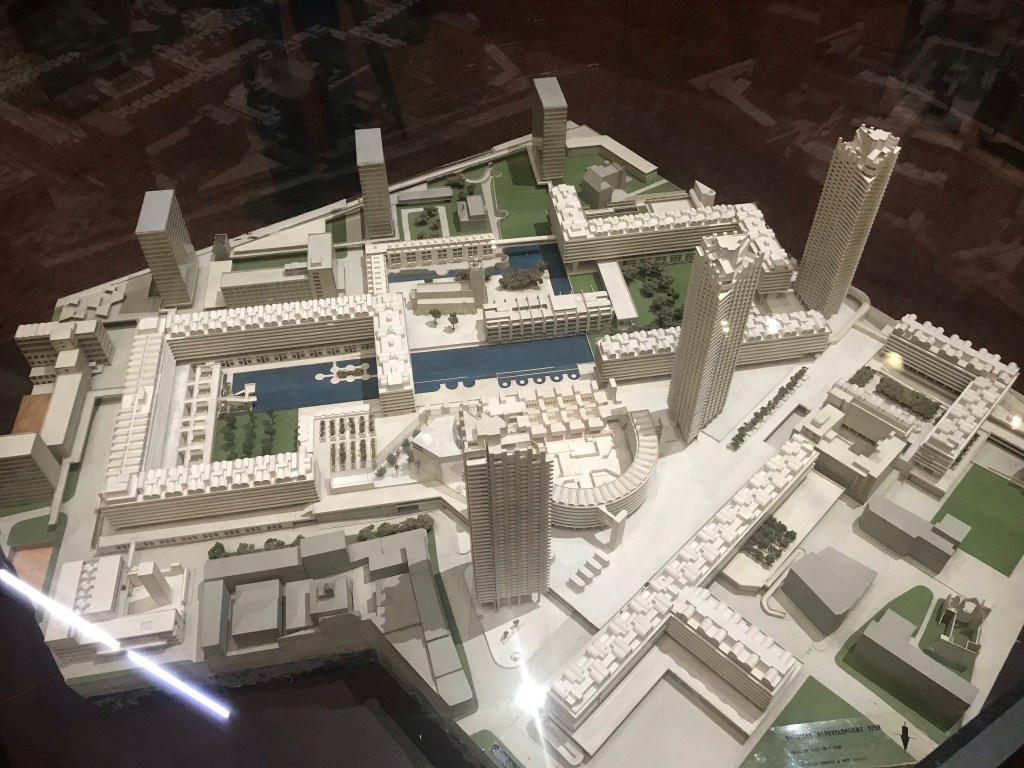
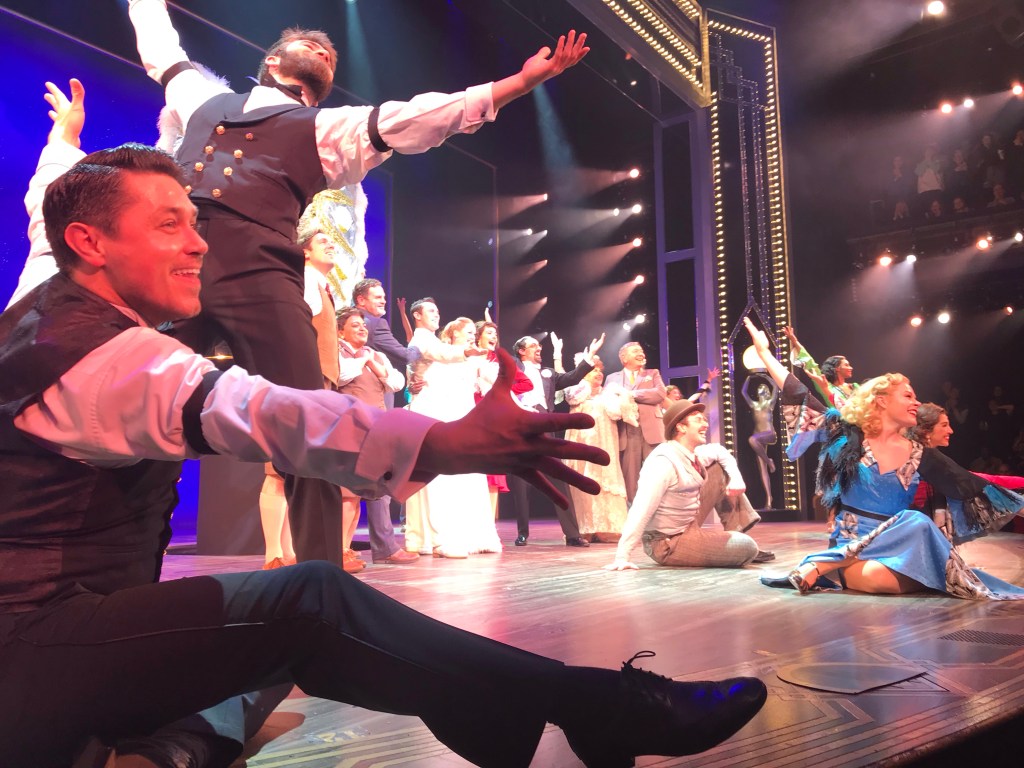
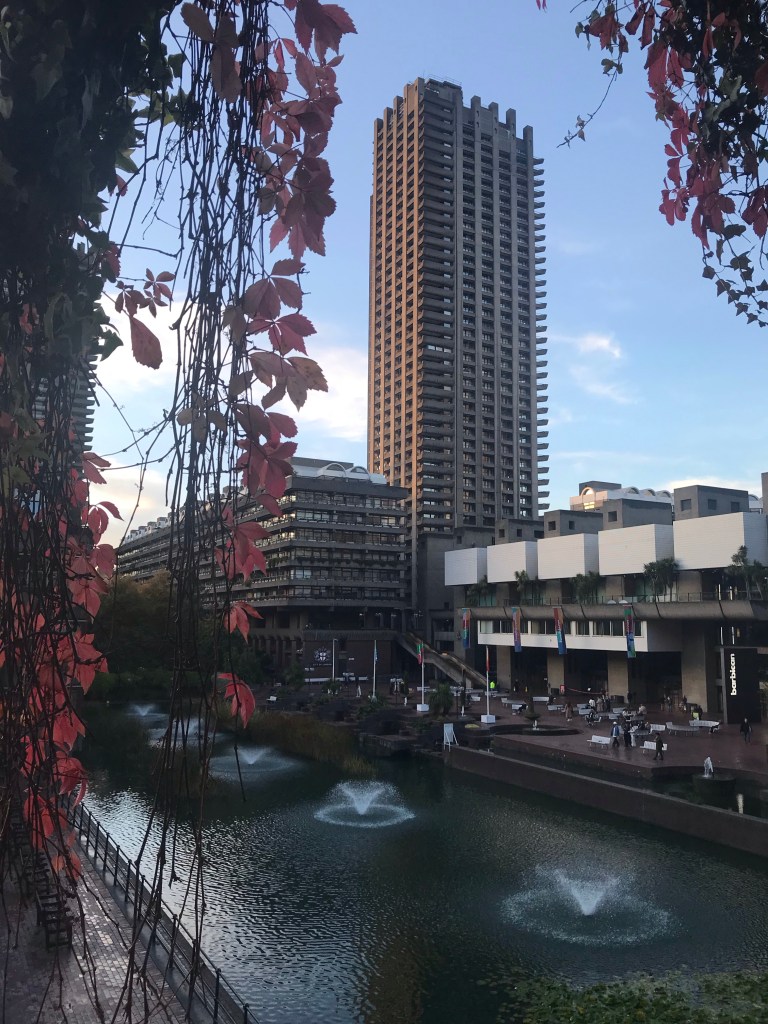
For the extended weekend, Aongus joined me in the city. We attended two musicals (the Tina Turner musical and “Crazy for You”) and an improv comedy show. We took architectural tours of the Royal Albert Hall and the Barbican complex. We visited the Royal Academy of Art , the photography museum off Oxford Street, and the Natural History Museum including its Wildlife Photography of the Year exhibition.
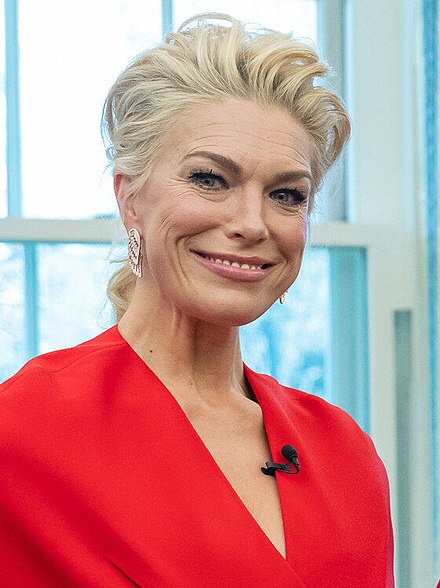
We also visited our favorite haunts around Shoreditch, where we previously lived for 18 months. We got to know the area around Victoria Station better. We even saw Rebecca from “Ted Lasso”, Hannah Waddingham, up close and in person as she’d attended “Crazy for You” and was in the lobby when we exited.
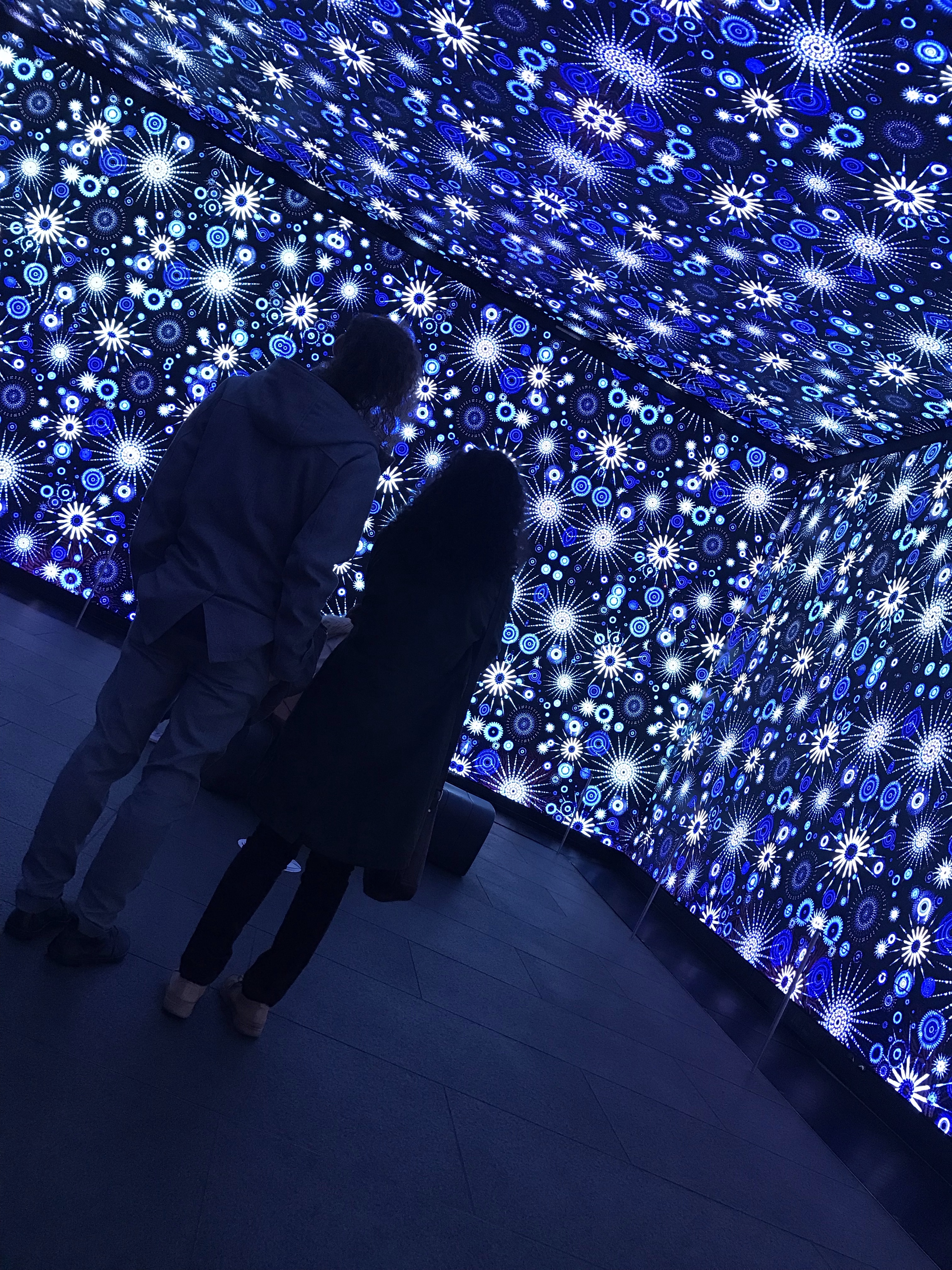
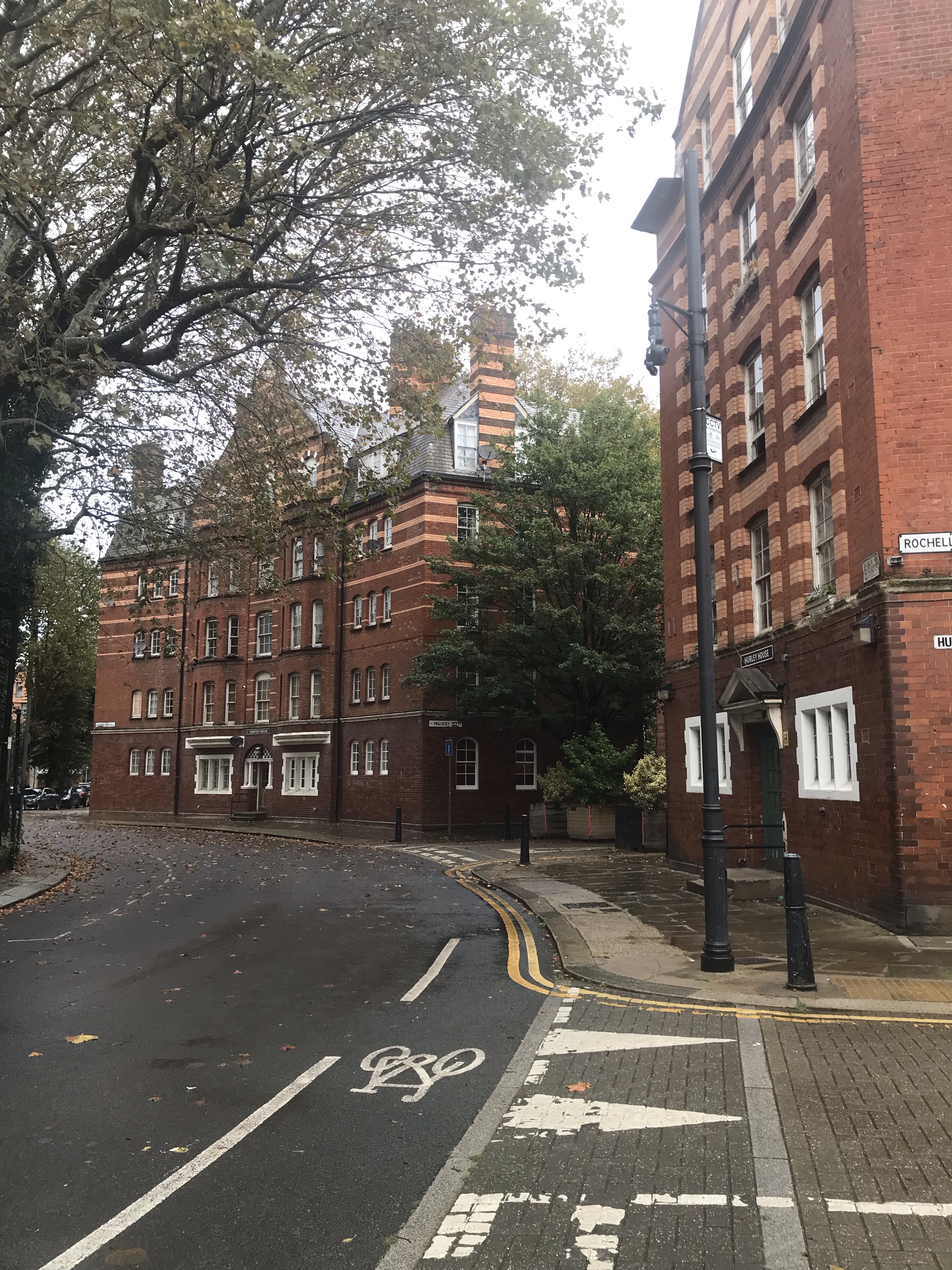
Glimpses of our adventures around the city.
While in London, I also drafted text for my handbook chapter, worked on various projects, attended an improv musical called “Showstopper!”, and did loads of Spanish lessons on Duolingo in the evenings before bed.
It wasn’t supersizing, really, that I picked up a cold somewhere in London. I brought it home along with heaps of inspiration to help carry me through the long working weeks until Christmas.
Now that I’ve recovered from that nasty cold, I can say with conviction that life is good and I am blessed beyond belief.
I’d like to highlight some creative endeavors of two people I have had the pleasure to teach and/or mentor over the years. They take time to post about their hobbies and/or professional work on WhatsApp or social media, and I benefit from what they share.
I have felt such inspiration due to recent posts by Shane Ormond (who lives in Ireland) and Nikkolas Smith (who lives in the USA).
Shane was previously a student in DIT’s School of Electrical and Electronic Engineering, and he’s been part of our RoboSlam activities for nearly a decade now (see RoboSlam.com and its blog section). DIT has transformed since then into TU Dublin — and RoboSlam has evolved into the Dublin STEM Ensemble. Shane has been a big part of both. He can frequently be seen supporting STEM Ensemble activities, like our annual exhibit at Dublin Maker, or our periodic planning and knowledge-sharing sessions held in the new Granegoreman Central Quad.
Here’s a video Shane shared on our STEM Ensemble WhatsApp thread last week about one of the projects he’s been doing in his spare time:
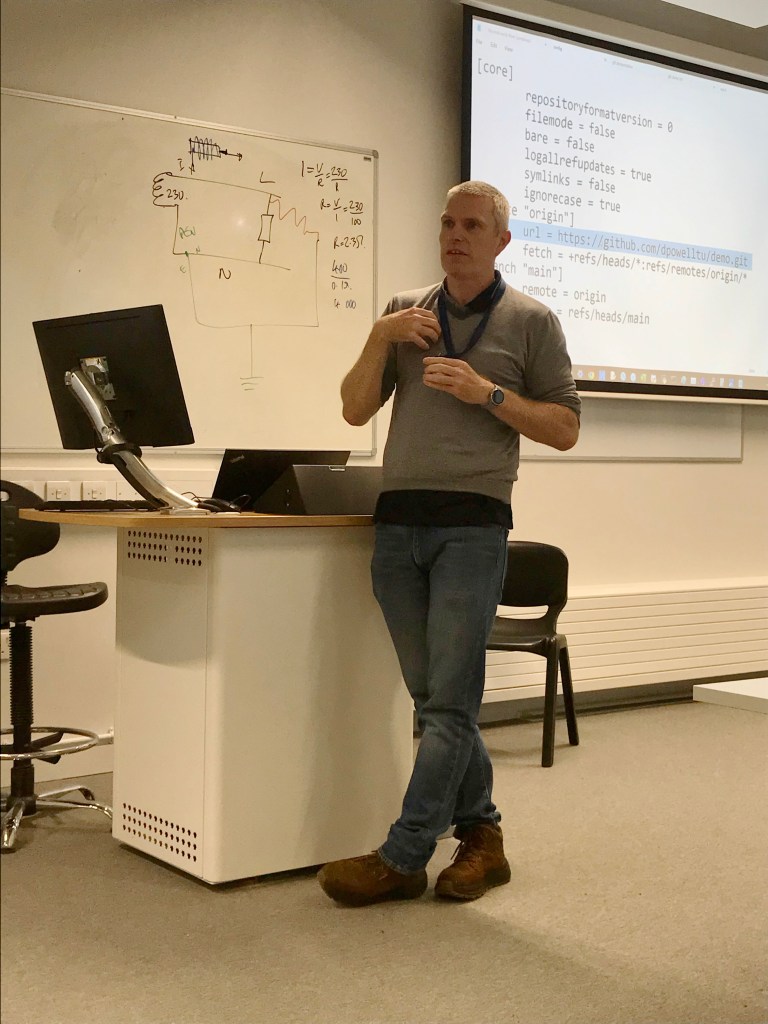
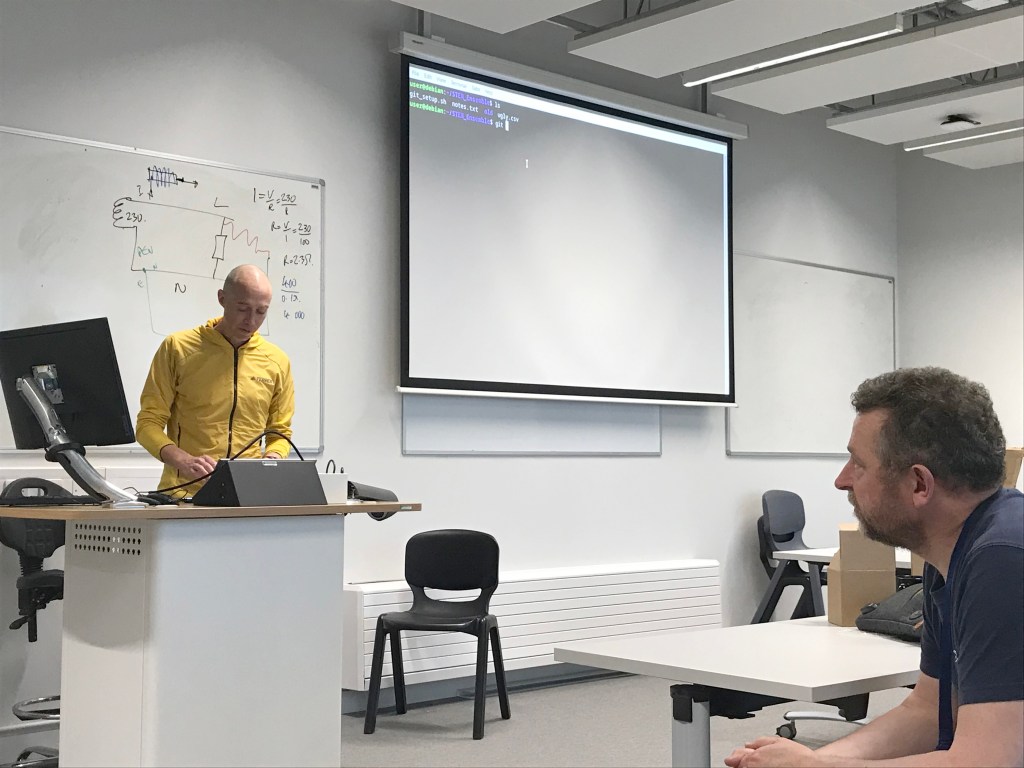
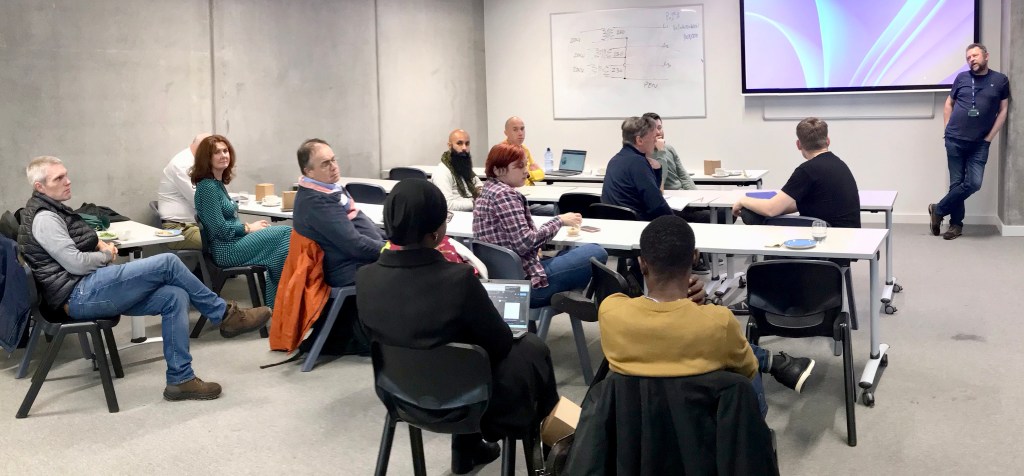
At the end of the video, Shane mentioned GitHub, where he posts his work for others to draw from. STEM Ensemble recently held a seminar on GitHub that Shane and I both attended. (The difference is, he understood a lot more of the presentation than I did!)
Images from our recent STEM Ensemble meeting that was followed by two presentations on using GitHub and a jaunt to the pub.
I see the video (above) with the blue model car as an evolution of Shane’s earlier work with robotic model cars with cameras on them, which I captured in this March 5, 2020 video. I shot it days before campus ground to a close with Covid lockdown:
Shane does all this as a hobby; at a couple of Dublin Maker faires he developed the technology to power talking heads. This year’s talking head automatically answered spoken questions using ChatGPT.
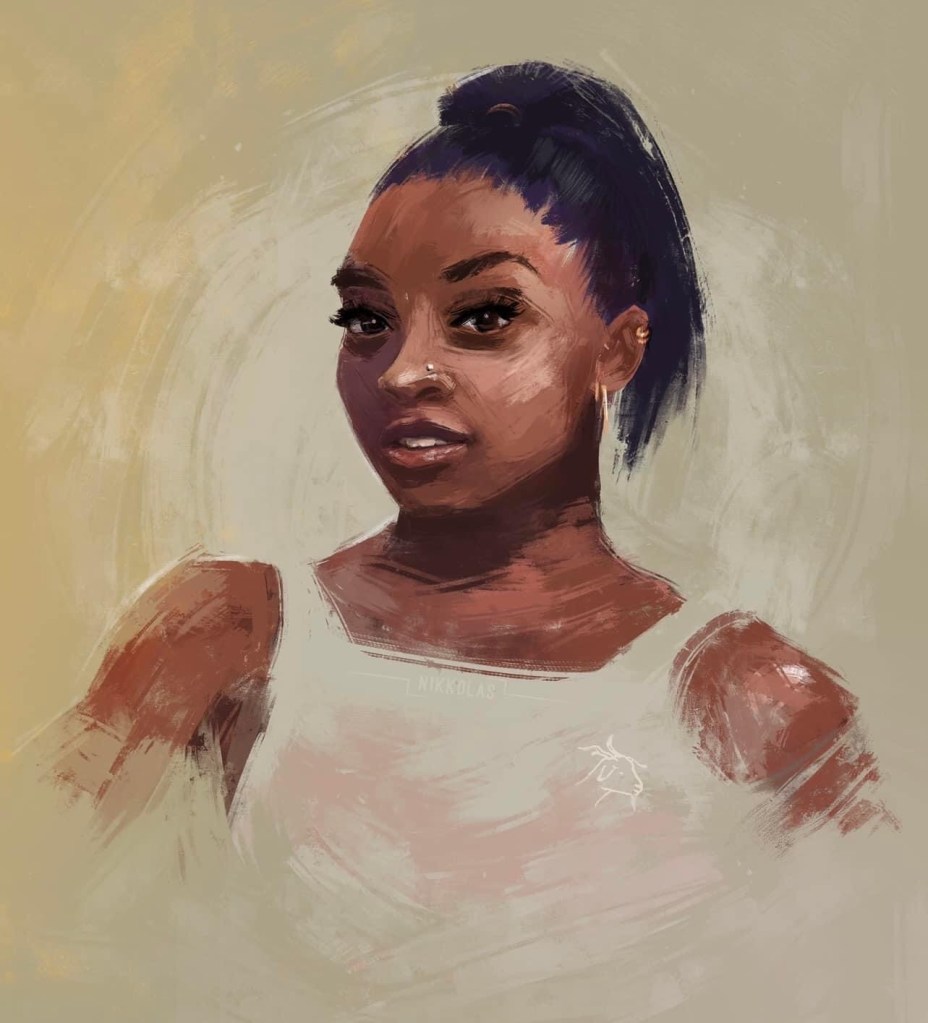
Like Shane, Nikk Smith is internally motivated to create. Nikk was an architecture student of mine at Hampton University, many moons ago. He often posts his “Sunday sketches” on social media. Here are a couple examples:
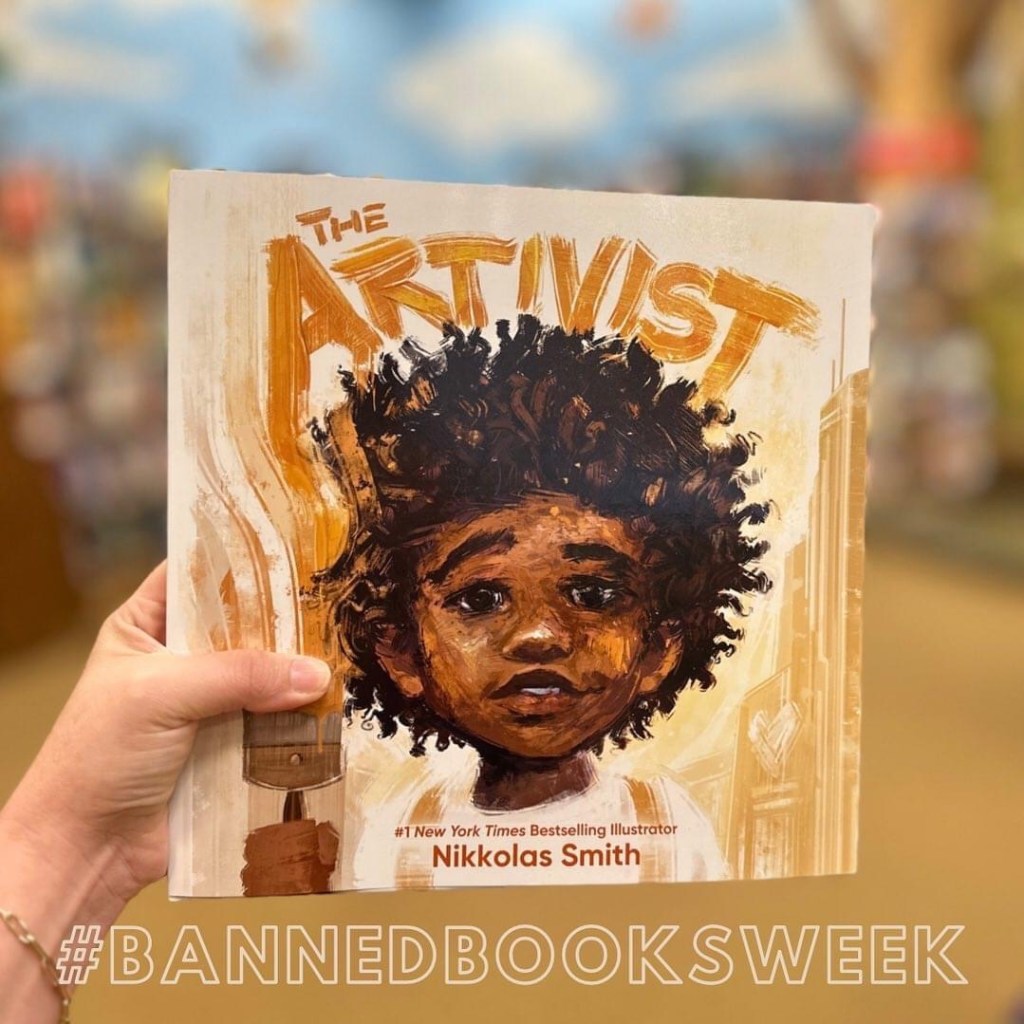
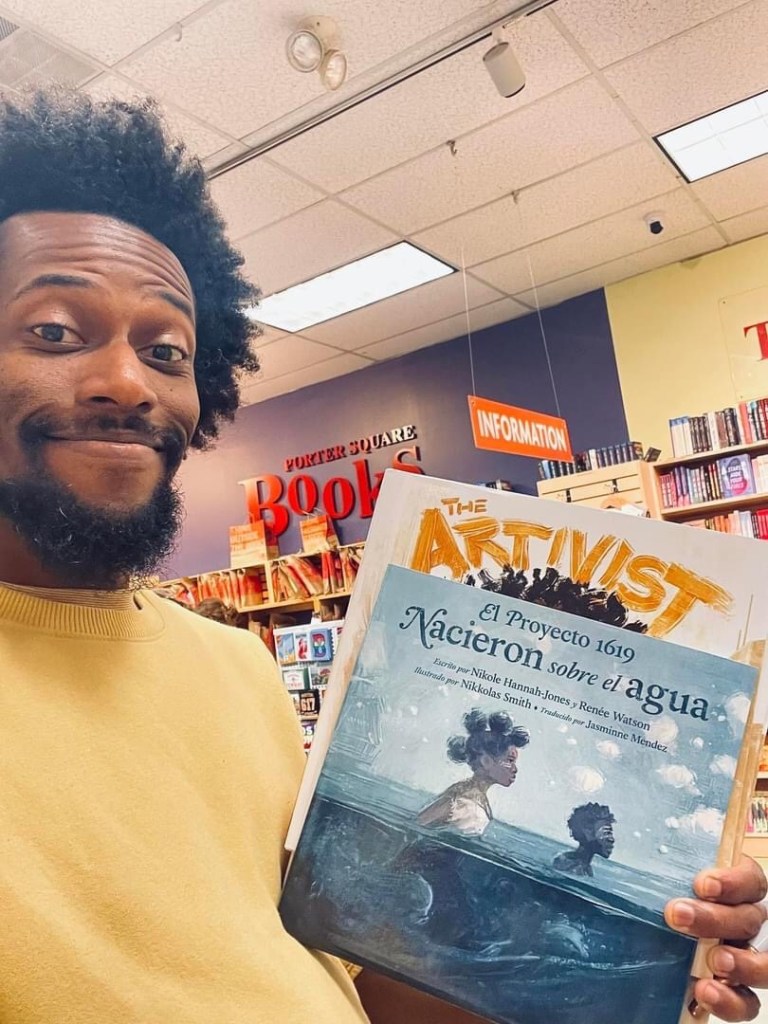
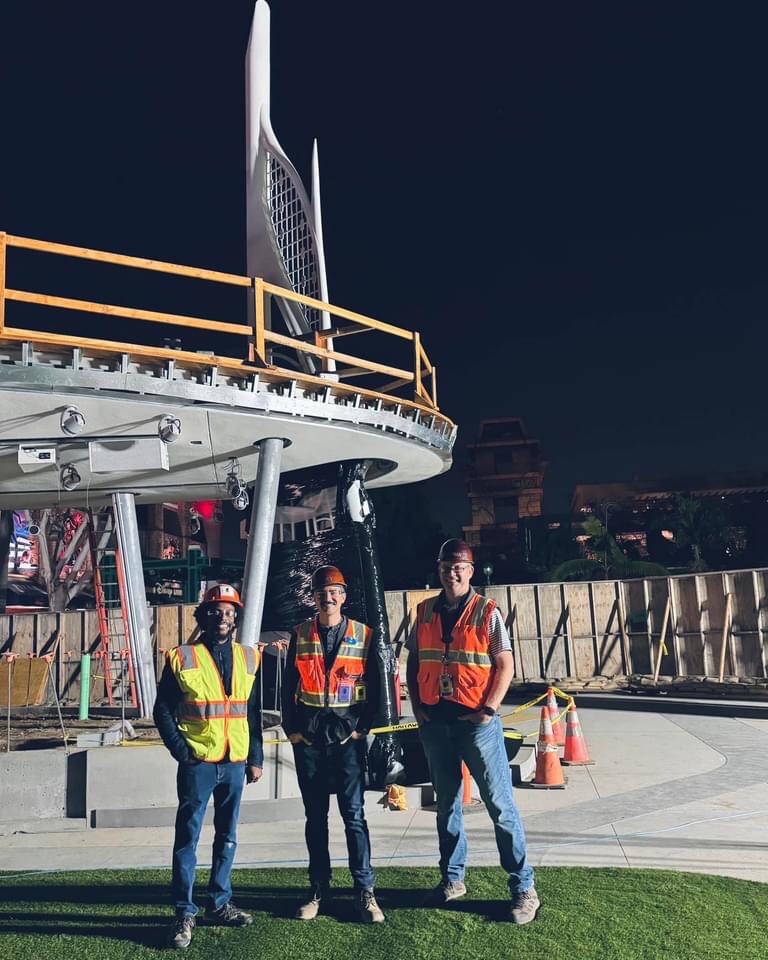
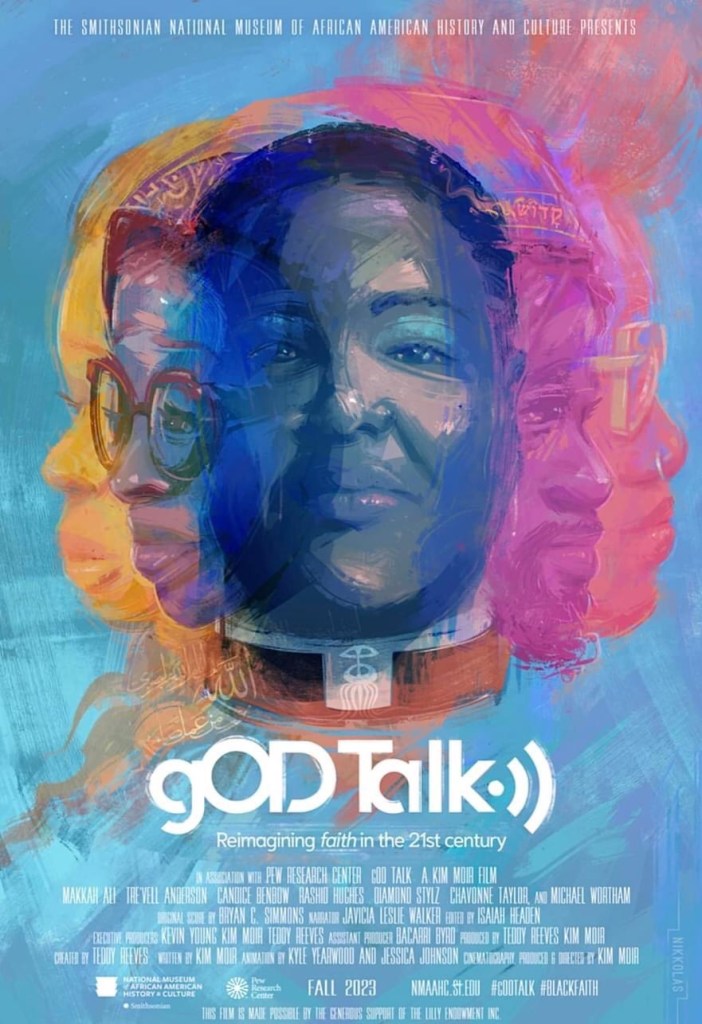
A couple of Nikk SMith’s “Sunday sketches”. One of gymnast Simone Biles, and another of children from Palestine, Sudan, and Congo. His work has socio-political relevance, and he highlights Black causes and heroes.Nikk also illustrates and sometimes also writes books for children. “Born on the Water” has been extremely successful, and has just been published in Spanish. The original is in English. He uses art to support his activism, and coined the term “activist” encouraging others to combine art and activism!Nikk used to work as a full-time Disney Imagineer, but now he works for himself (I think) and does consulting for Disney. A tower he designed for Disney to honor Black architects has just been opened at a Disney park. Nikk also designs movie posters — and I included his most recent poster here.
I am proud beyond compare of the work my former students and mentees are doing in the world — the creativity and passion they bring to the world and the lives they design for themselves.
Shane and Nikk are two outstanding examples, and I hope to feature more of my own personal heroes on this blog in the months to come. Being an academic educator and researcher connects me with many amazing people.
Following an extra-warm couple of weeks here in Dublin, fall set in with a cold, hard thud. Despite low thermometer readings, the sun did peek over the horizon, hanging low in the sky.
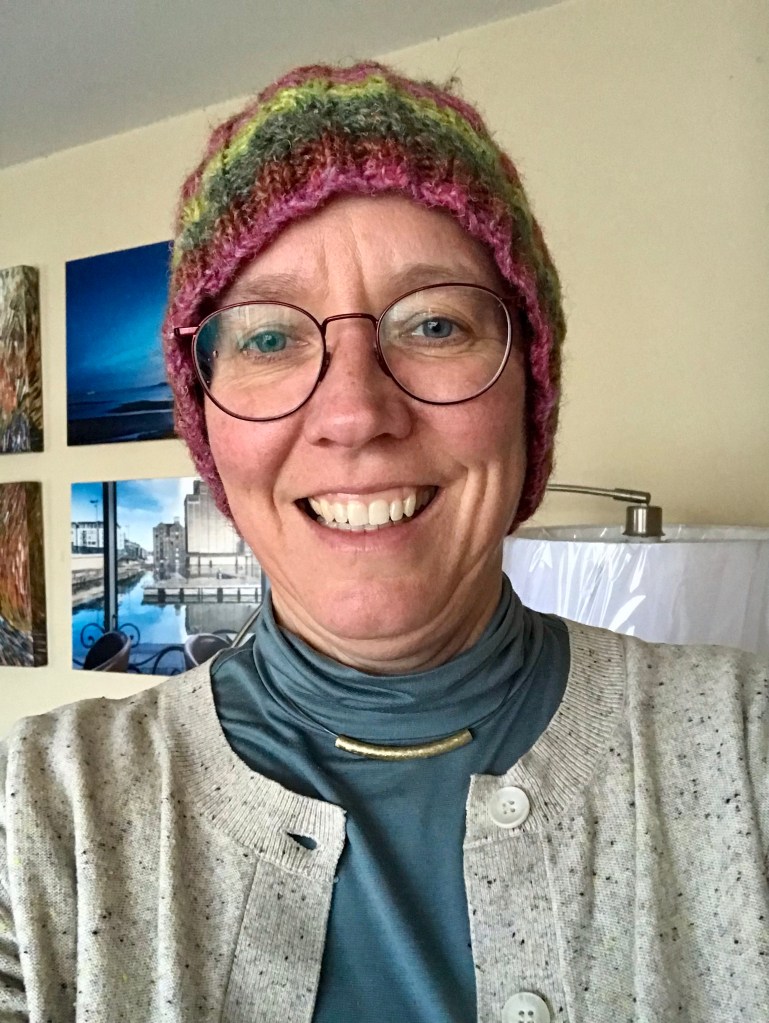
We were blessed with a couple of crisp, cold but gloriously sunny days of weekend. I bundled up in preparation, kitted with a lovely hat my aunt Kitty gifted me this summer.
Kitty has honed her kitting skills to a T, and I’m reaping the benefits of her hard work and loving craft.
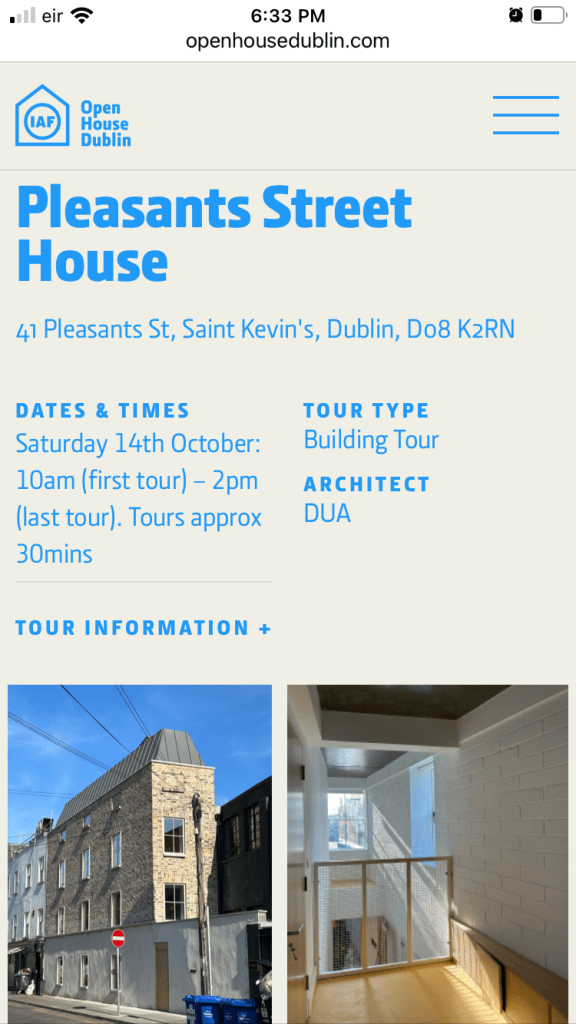
Saturday, Aongus got up early for a gym session then we headed out on our bikes to catch an early tour offered as part of the annual festival called “Open House Dublin”. This event has been a highlight of every year I’ve lived in Dublin and this year did not disappoint. We didn’t manage to snag tickets to many events, but the three we attended were grand!
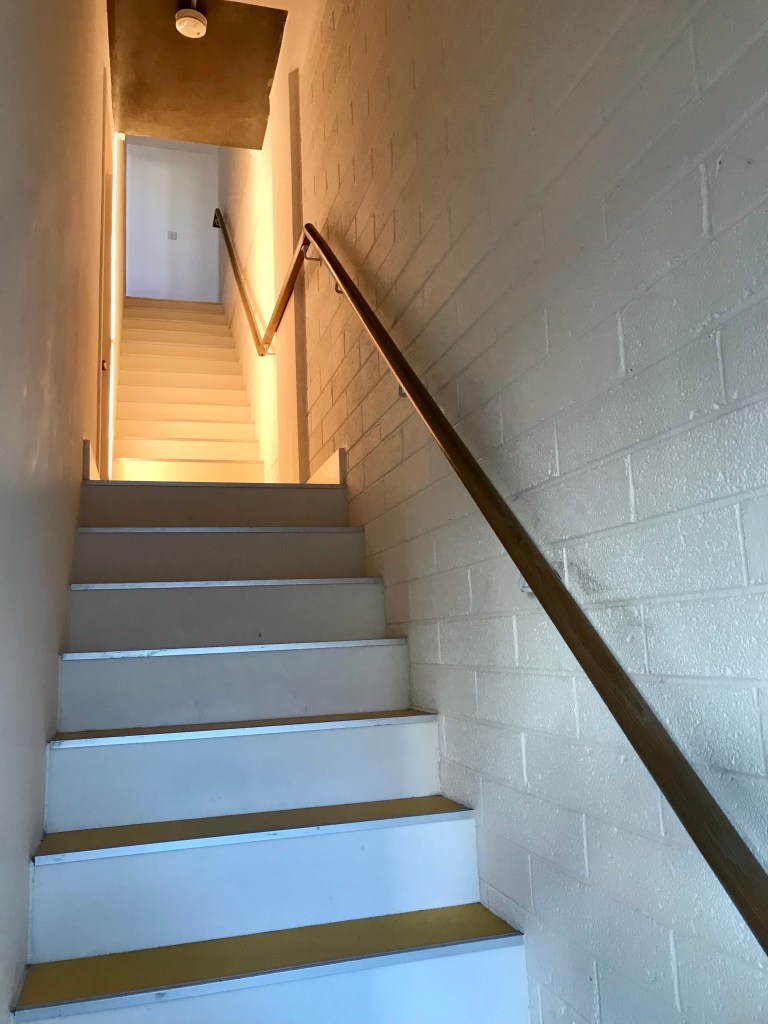
We started with a single-family house (our favorite type of tour here) on Pleasant Street, near Aongus’ new job site at Kevin Street. The house was designed by DUA and is currently rented to three super-luck Trinity students until the owners move in from abroad.
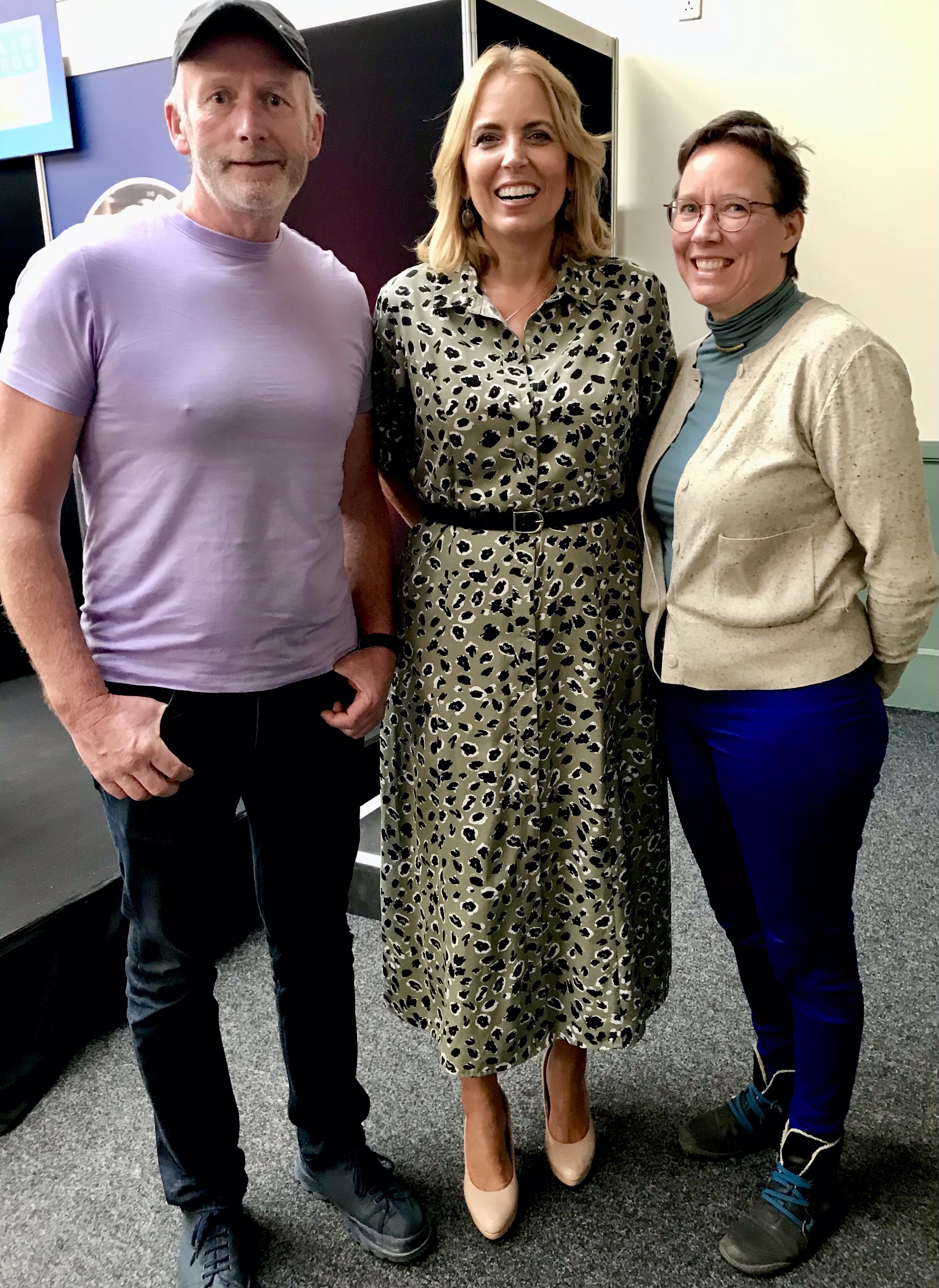
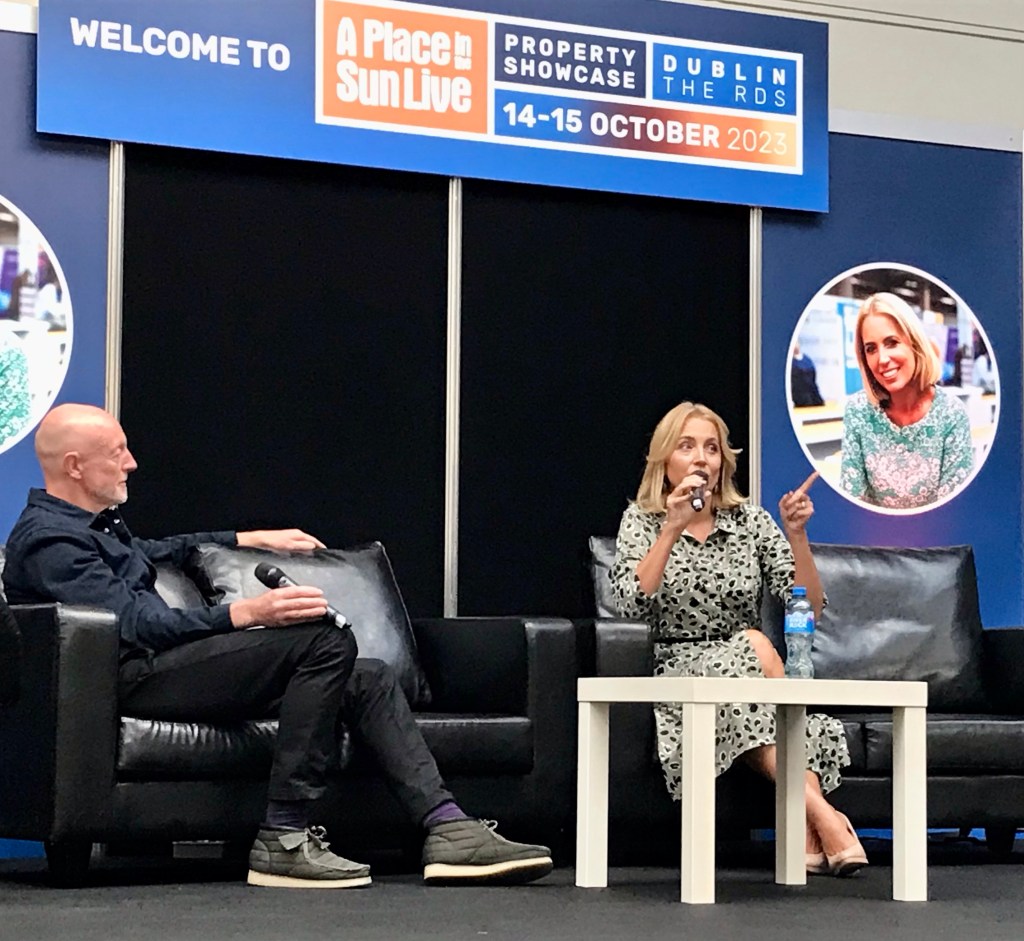
Following that tour, we cycled at top speed over to RDS for the “Place in the Sun” expo. We listened attentively to four panels and got to meet Jasmine Harmon, the TV show’s most active host.
Heading back into town after a full day of sun and star-gazing, we enjoyed lunch and a drink at Opium on Camden Street. Then we were off again, headed to the Lighthouse Cinema for a second Open House event, called “Cities Have Feelings”. We enjoyed a film and poetry reading by LionHeart. We also soaked in a super-intriguing lecture by city architect Finn Williams who has worked in London and now works in Marmö, Sweden. There was a follow-up panel with them both that yielded even more intriguing insights. At the end, I got to catch up with my architecture colleague, Jim Roach, at the drinks reception.
Sunday morning, Aongus and I hit the gym bright and early. He had a personal training session, then we both did spin class before he headed into an abs class. (Maybe you’re getting the drift that I can’t keep up with the man, but I try!). We fueled up with oatmeal and fruit afterward and then jumped on our bikes again for one last Open House tour.
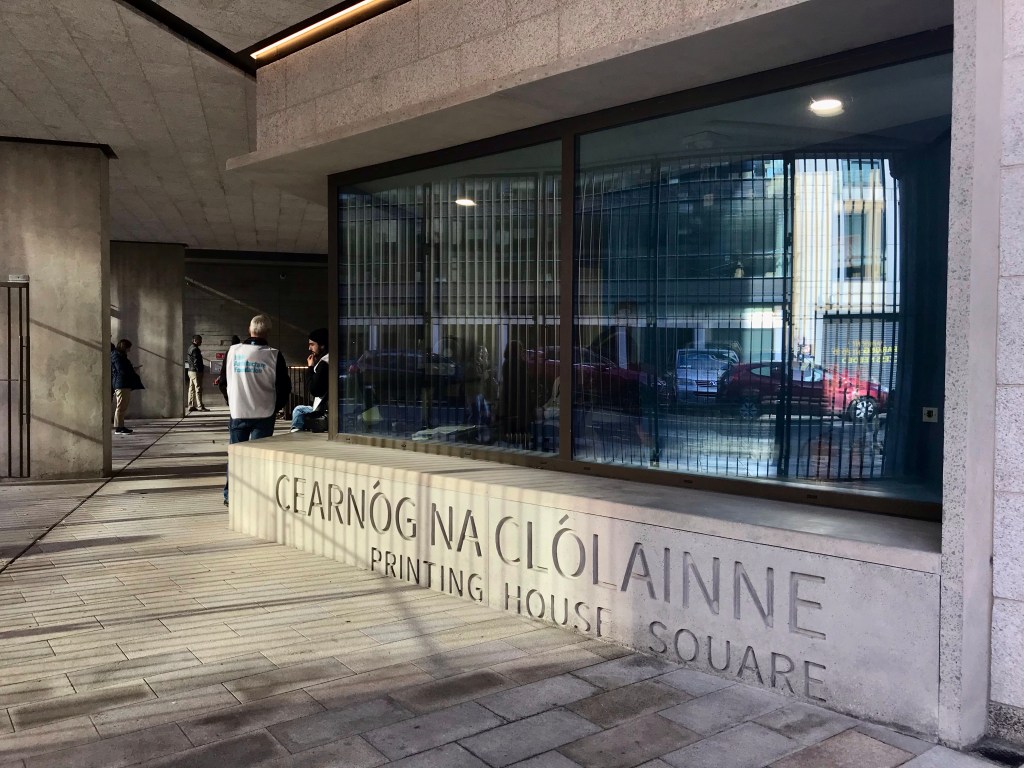
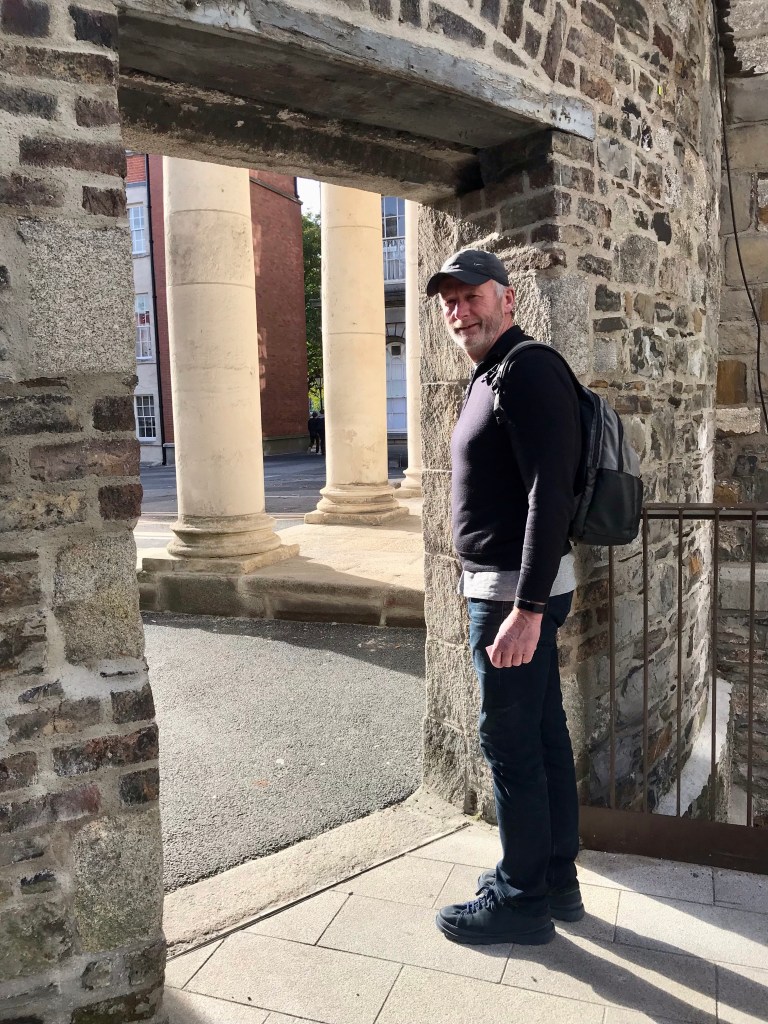
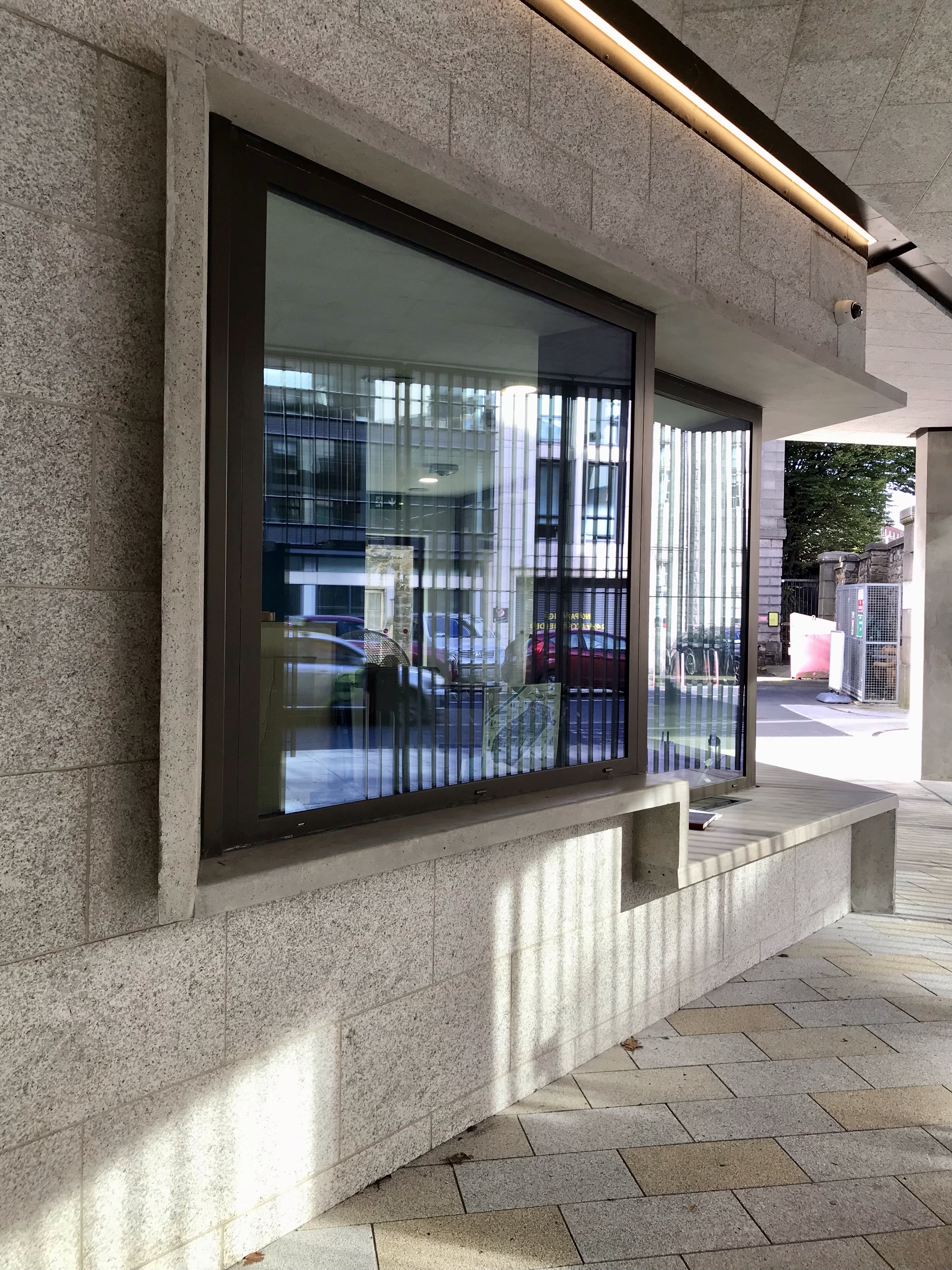
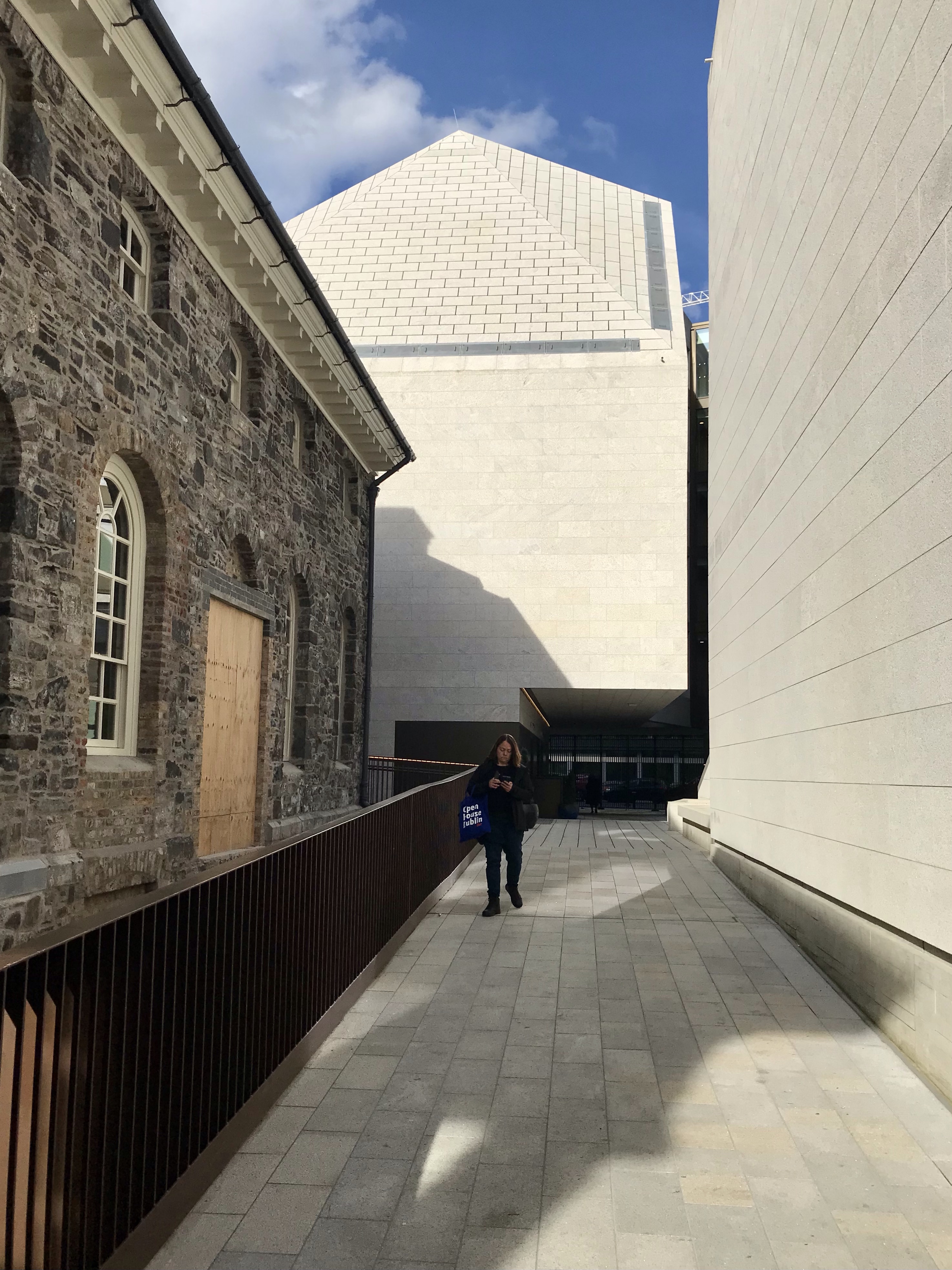
This was a visit to Printing House Square—better known to me as Oisín House—the construction project Aongus has worked on since our return from London. Architect Valerie Mulville delivered the tour and I got to see the fruits of Aongus’ efforts.
The edifice was awarded “Building of the Year” and Aongus’ employer named “Builder of the Year” at a recent event. This was the first time I’d had a chance to see inside. It’s quite an impressive structure and the quality of the finishes and detailing was surprisingly high.
I enjoyed a cycle through the city center while Aongus sped off for visits to his aunt and mum afterward.
Then, I made my way home to field incoming questions from students. They are culminating a sprint course on Research Methods. Last week was a marathon on the topic for the 23 students, my co-teacher Claire Simpson, and me. The students’ final proposals will need grading and feedback in the morning since they’ll start their Dissertation module this Thursday. My sprint hasn’t ended!
In any case, I’m so extremely thankful for sunlight, energy and vibrant health, curiosity, a full set of senses, mobility and freedom to explore, citizenship, warmth and comfort, quality food, an interesting and secure job that I love, and a strong and fit partner to enjoy all this with. Long may these blessings last!


































 Ireland by Chance