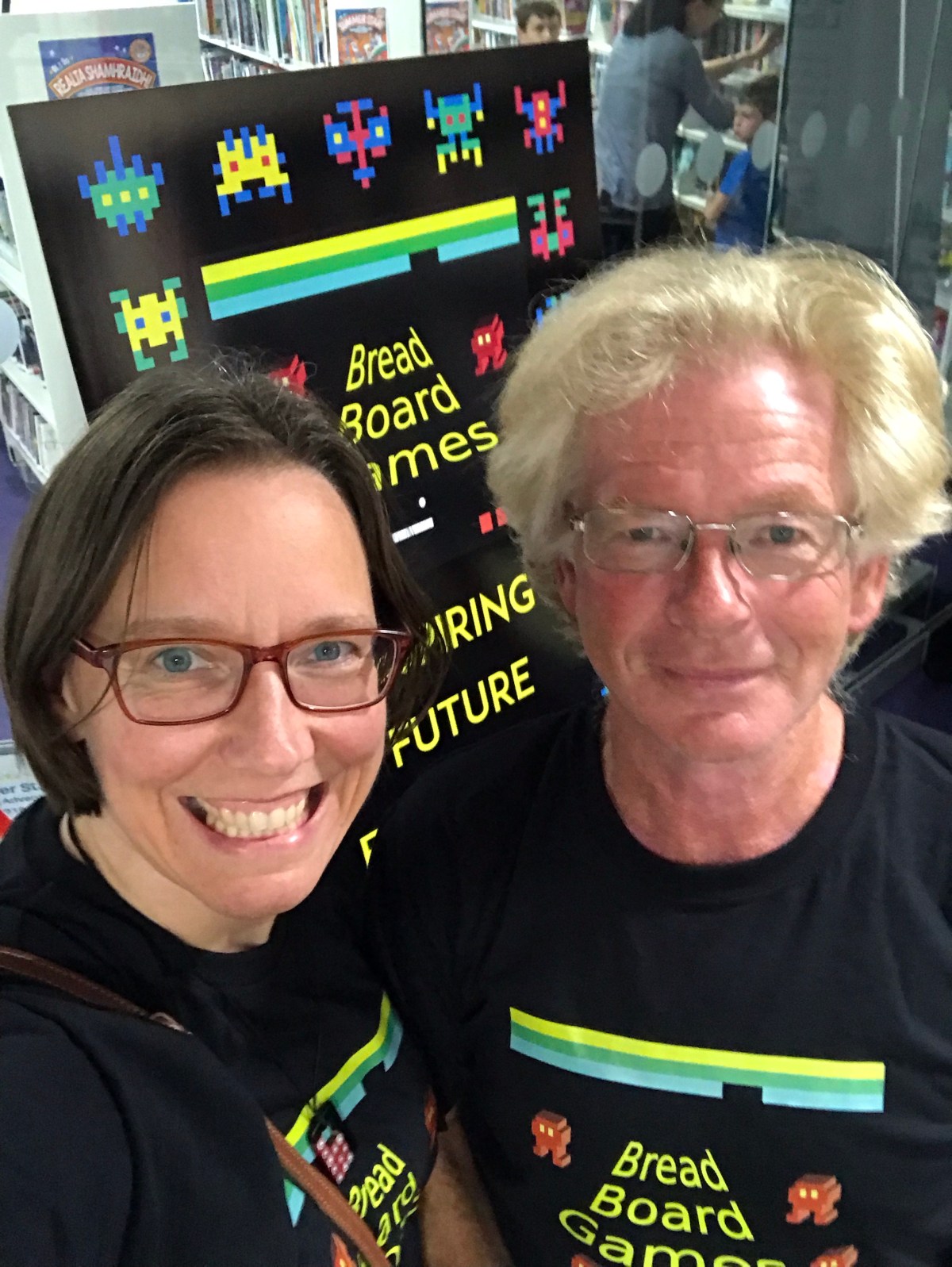
This blog post discusses the outreach activities I engaged in during my 2018-2020 Marie Curie Individual Fellowship (MSCA IF). The reason for doing outreach is to help spread knowledge to others and help diverse audiences–particularly kids and people outside academia–understand the value of research. The funding organization, which is the European Commission, wants to public to know it is getting its money’s worth by investing in research. So, during my recent MSCA IF at University College London in the UK, I dedicated one whole work package (WP4, out of six total WPs) to outreach.
WP4 Outreach Activities
The MSCA application promised to deliver a total of 19 outreach events under WP4, and I ultimately delivered at least 20, involving (1) outreach to kids, (2) outreach via social media, and (3) outreach to adults. Although I hit my targets, I didn’t exceed them to my normal degree. I was able to do far more outreach during my Fulbright Fellowship (2012-2013) to Ireland and my first MSCA research fellowship, also to Ireland (it was an Individual Incoming Fellowship, IIF under FP7) than I managed to accomplish during this MSCA Individual Fellowship. I’m still proud of the work but hope to do even more outreach in the future.
Outreach to kids
- served as expert advisor for Usbourn publisher on 2 STEM activities book for kids that have been published and are for sale in stores
- helped organize and lead 4 RoboSlam workshops (on computer programming and robot building)
- helped organize and lead 2 RoboSlam educational exhibition booths (on computer programming and robot building)
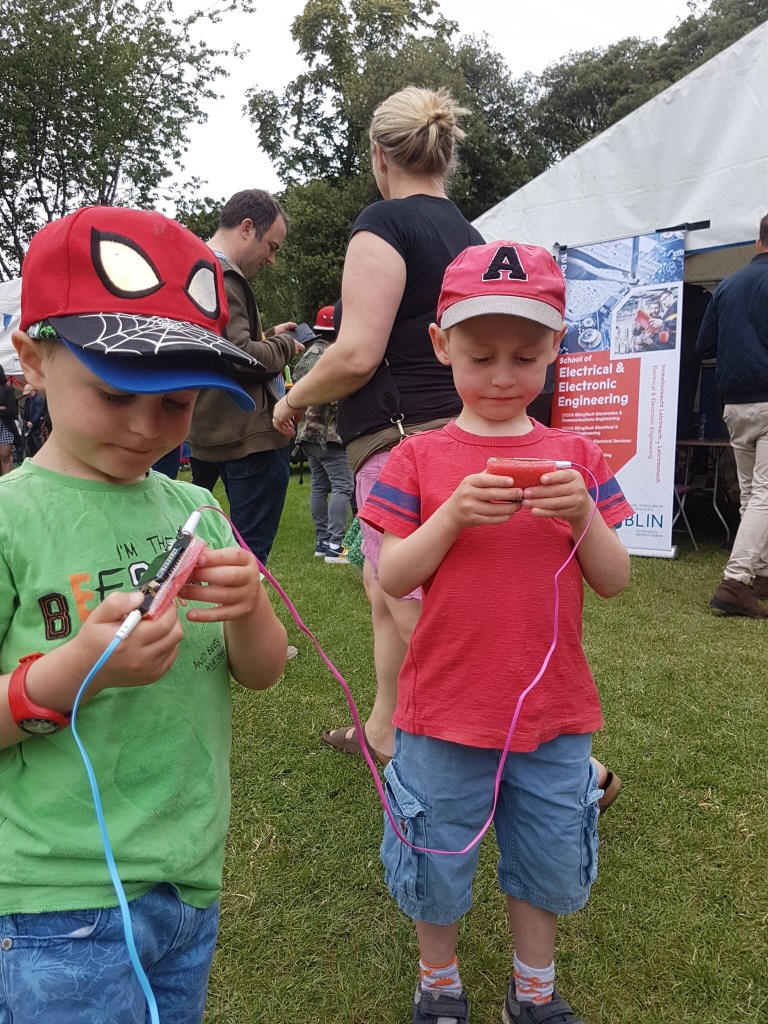
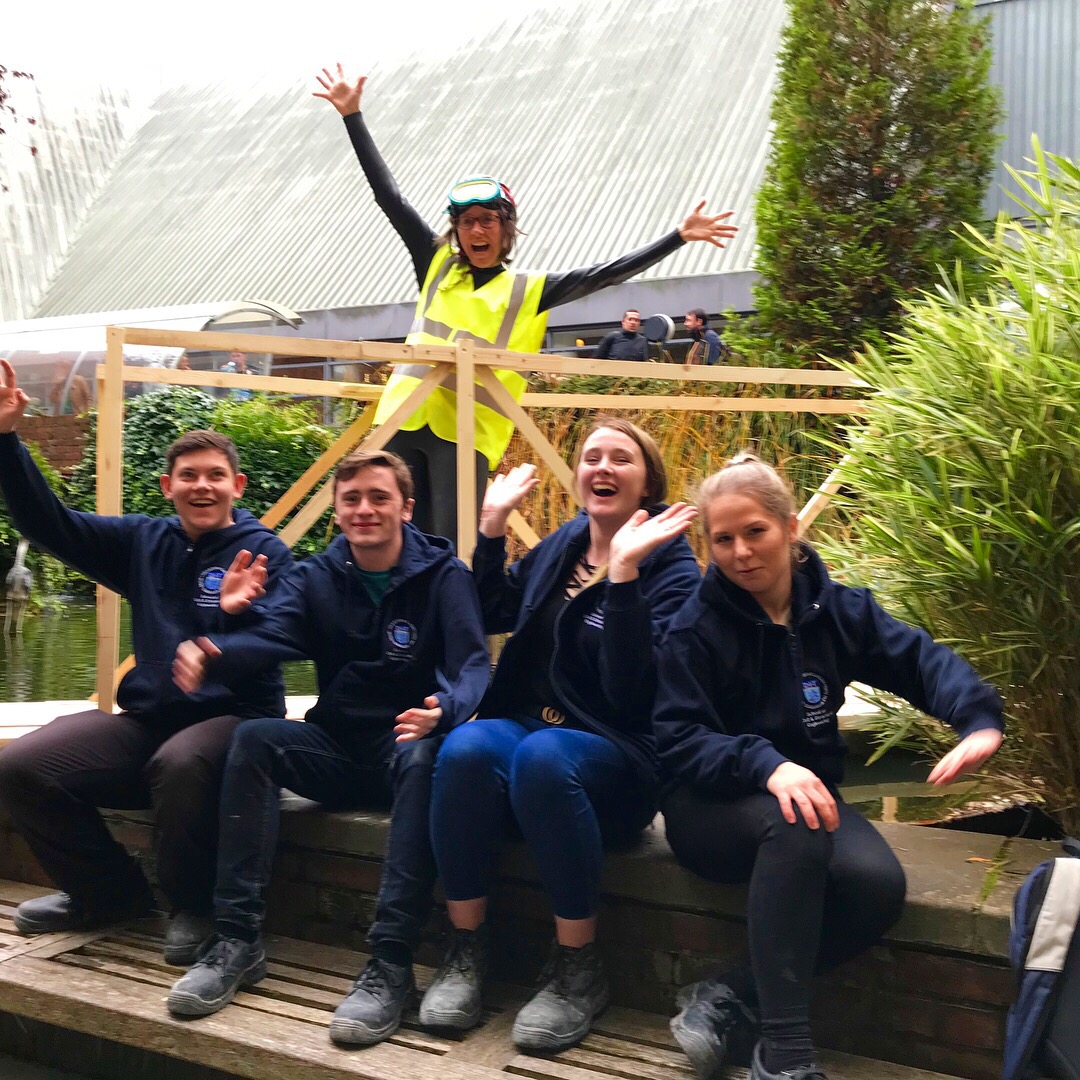
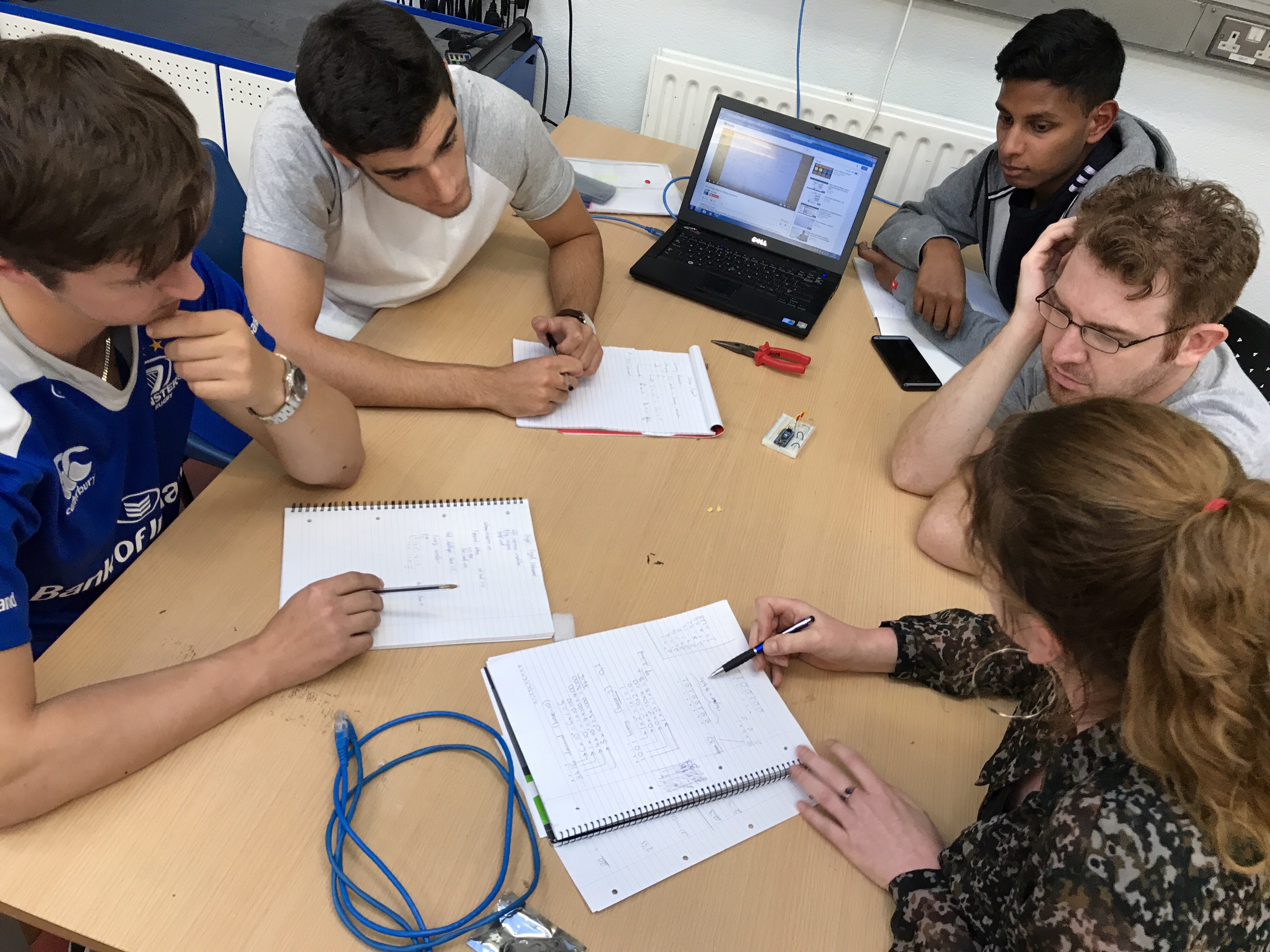
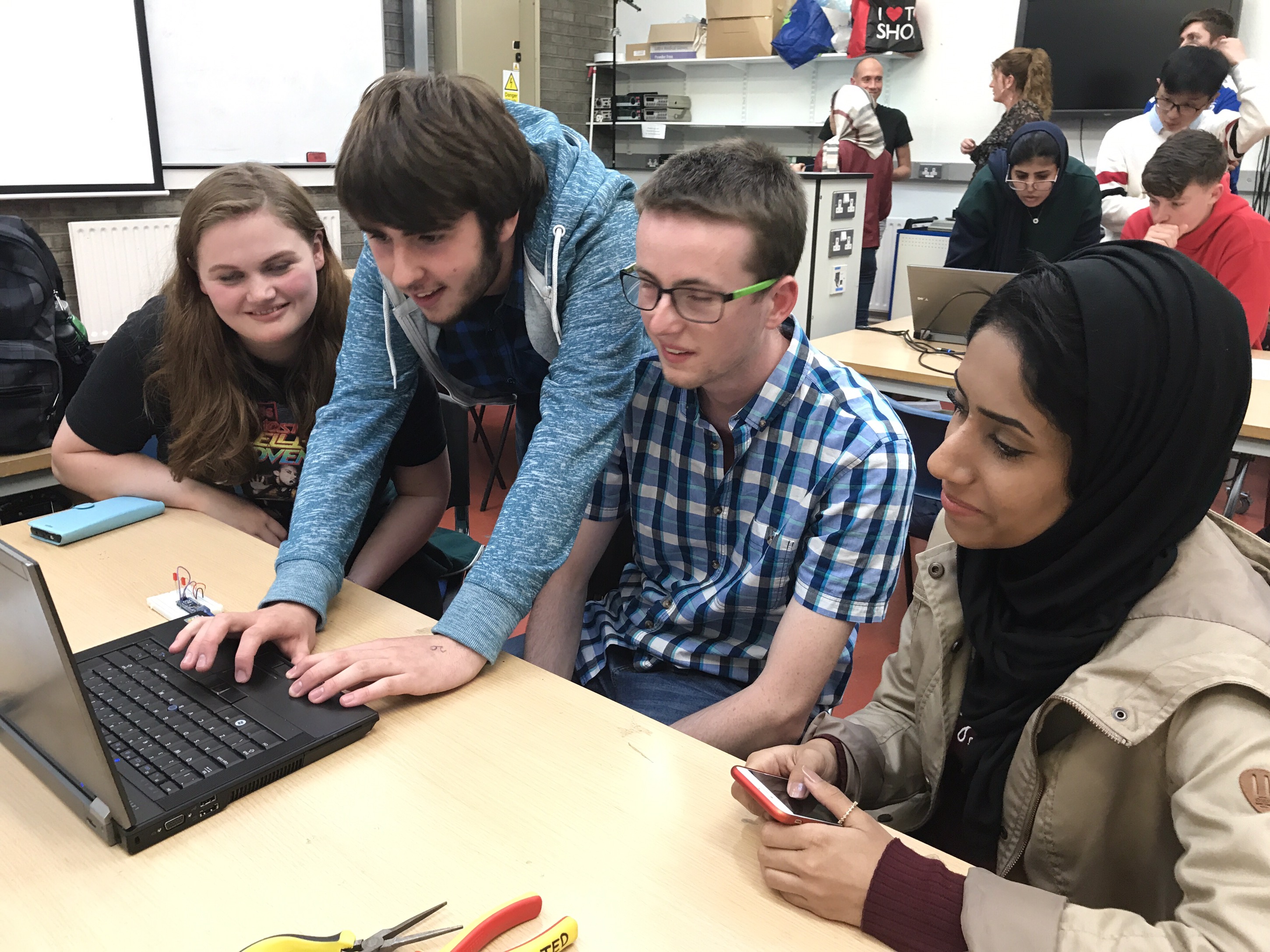
I helped conducted four robotics and electrical engineering workshops for kids in Ireland with colleagues from my home institution (TU Dublin). Having co-founded the RoboSlam robotics outreach team in 2013, I continued to be active in RoboSlam during my MSCA fellowship, as one of the four main coordinators of events. In 2018, I was part of a team that ran a number of robotics and electrical engineering workshops for kids in Ireland over the month of August with the Wexford library service. I assisted in running two workshops in Bunclody (17th August) and two in Enniscorthy (18th August). The workshops were attended by approximately 120 children in 8-12 years old. The children built an electronics arcade game that they brought home afterward. The intention of the workshops was to encourage an interest in electronics and programming. Feedback and pictures are available here. Technical resources used (instructions, and code) at those workshops can be found here.

I also provided advising/support for the Engineering Your Future Week summer school for Transition Year students, sponsored by Enterprise Ireland. In 2018 the week focused on Robot Building and Biomedical Engineering.
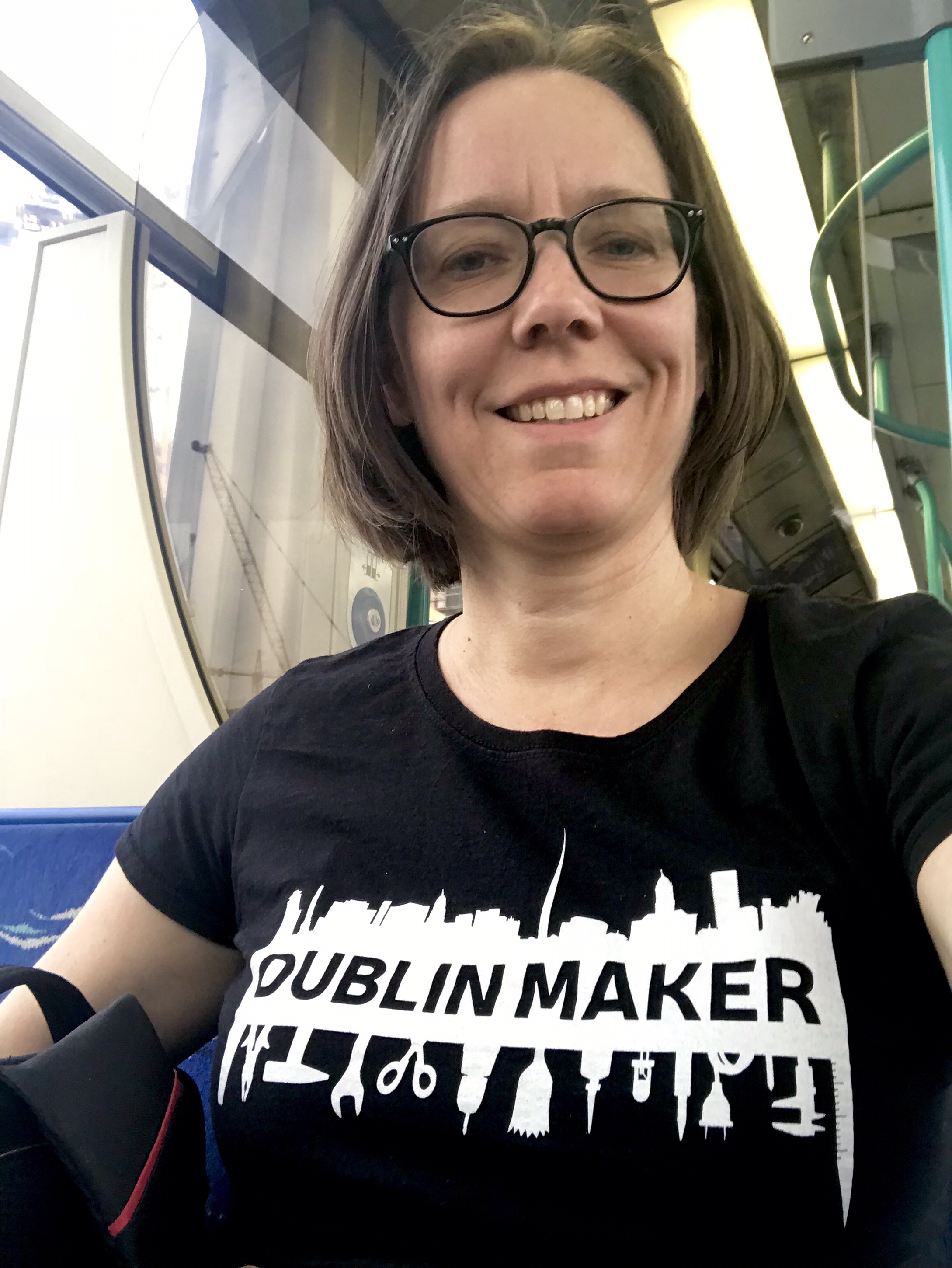
I helped operate educational booths on electrical engineering, at Dublin Maker 2018 and 2019 in Ireland, with colleagues from my home institution. A large team of volunteers (staff and students) from the school participated in Dublin Maker. The theme of the 2018 stand was “paper programming” and the 2019 theme was “arcade games through the ages”.
Outreach via social media
- contributed to 3 educational websites (www.IrelandByChance.com, www.RoboSlam.com, www.Chance Reflections.com)
- maintained and continually updated 1 LinkedIn Discussion Board moderated (for the Research in Engineering Education Network, REEN)
- maintained and continually updated 2 Facebook pages featuring grant activities (one public page and one private page)
- maintained and continually updated 1 Twitter feed of engineering education activities
I hosted and created content for an educational blog on being a “researcher on the move.” The blog has 209 followers who receive direct emails of every post. In 2018 had 3732 visitors and 13,106 views (discrete clicks indicating engagement) and, in 2019, had 4316 visitors and 9887 views. I promoted the blog posts using social media, including LinkedIn, Twitter, and two Facebook accounts.
- CHANCE, S. (2012-present). Ireland by Chance: Research Adventures in Ireland and the UK. www.IrelandByChance.com showcasing research and fellowship activities.
On the LinkedIn platform alone, my most recent 2020 blog re-post before submitting my final grant report to the European Commission garnered an additional 1520 views and 46 reactions.
I also provide content for a blog on robotics that I collaboratively manage with colleagues from my host institution. In 2018, this site had 3299 visitors and 6505 views. In 2019, it had 2437 visitors and 5642 views.
- Burke, T., CHANCE, S., Berry, D., & Duignan, F. (2012-present). RoboSlam: Robot-building for Beginners. www.Roboslam.com

Outreach to adults
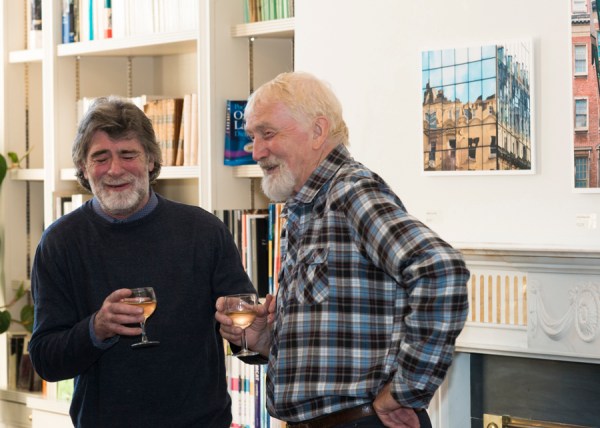
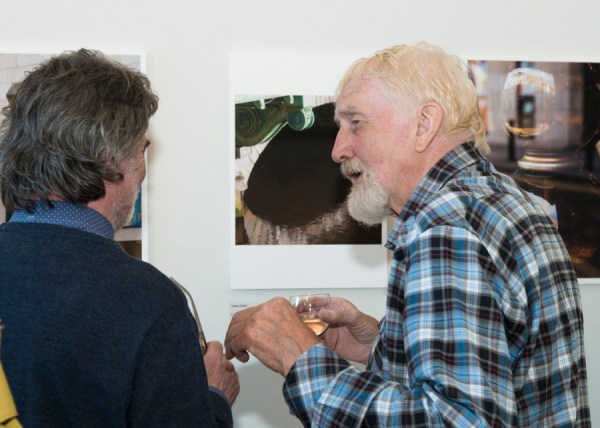
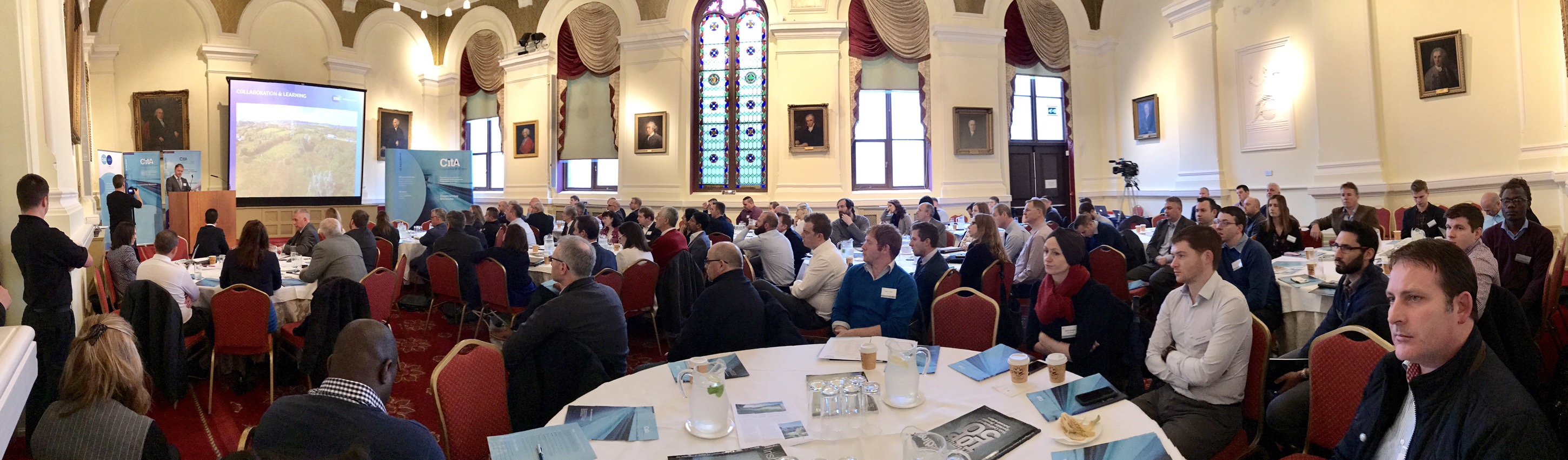
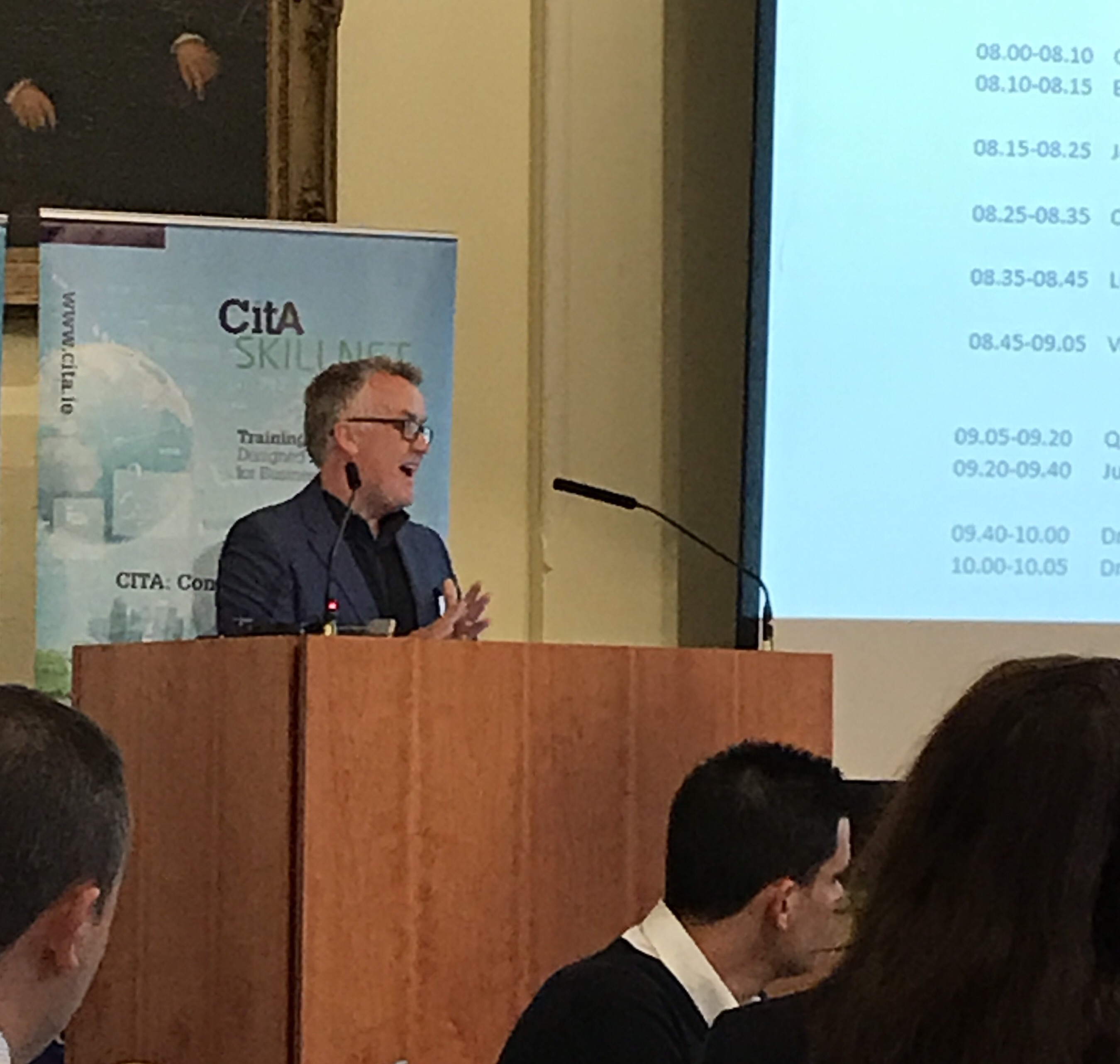
- delivered 1 public presentation in Dublin on gender aspects of research (photo above)
- provided 1 data source to UNESCO for a global engineering report
- evaluated 1 sub-section for UNESCO for a global engineering report
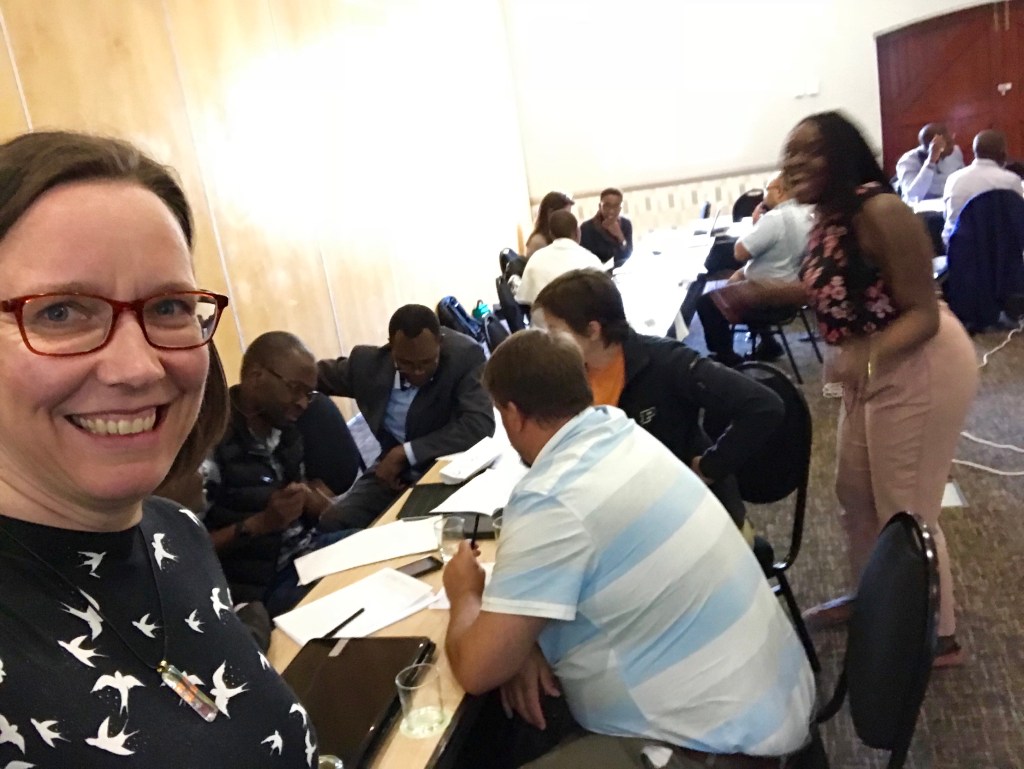
- authored 1 encyclopedia entry on the application of PBL in engineering education (and taught on this topic at a Master Class in South Africa, as shown in the photos below)
- provided 1 interview for the UK Podcast “Engineering Matters” on ethics (aired in April 2020)


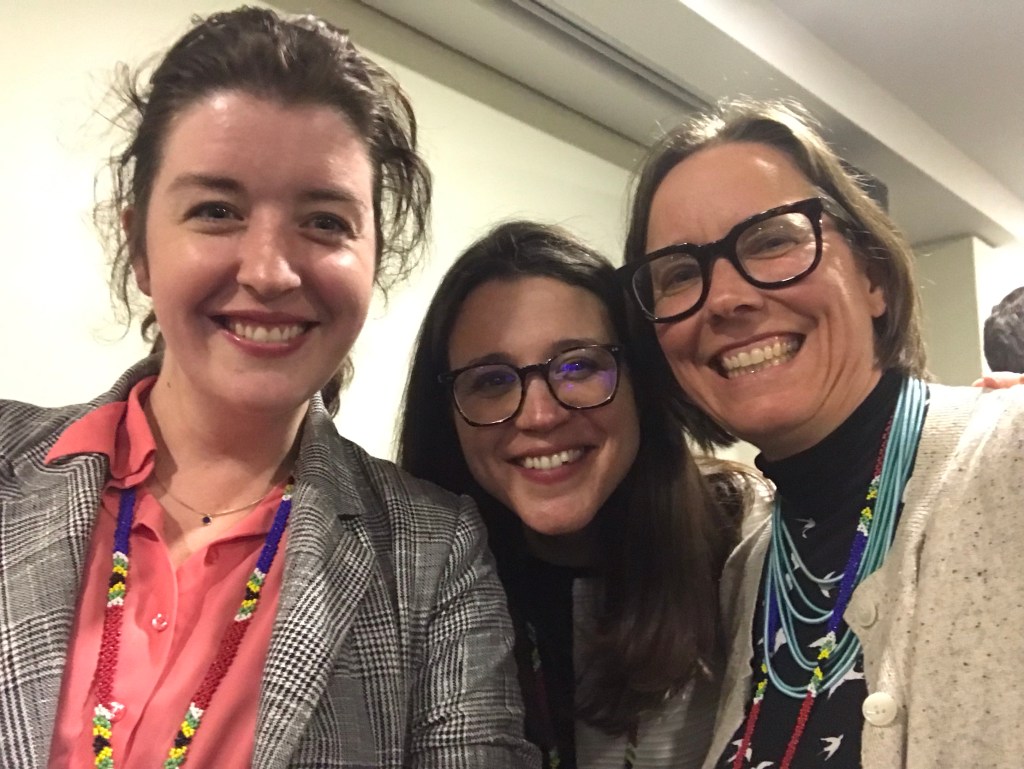

 I’ve just attended the world’s friendliest conference, the European Society for Engineering Education (SEFI). I’ve never felt more welcome and invigorated by the exchange of ideas at a conference. This was my third SEFI, and while I’ve always felt incredibly welcome here, I now know people from all corners of the world by first name and they greet me likewise.
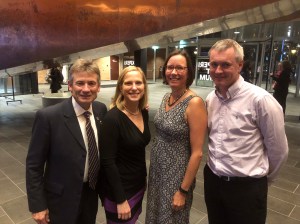 Tuesday started bright and early with a keynote speech–delivered by Dr. Stephanie Farrell who was a Fulbright Fellow to Dublin Institute of Technology (DIT) while I was a Marie Curie Fellow there. Although each morning started with a keynote lecture, for me, Stephanie’s was the most insightful of all. Attendees asked dozens of questions at the end, with another dozen people standing in line to ask questions afterward.
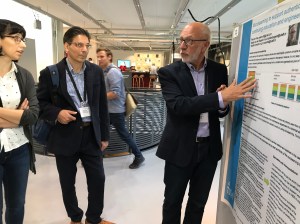 Following the Thursday morning keynotes, we enjoyed a fun new poster-presentation format. Poster authors got 30 seconds each to pitch their topic to the entire delegation, and then we went to visit their posters. This format raised the profile of posters as well as attendees’ interest in discussing them.
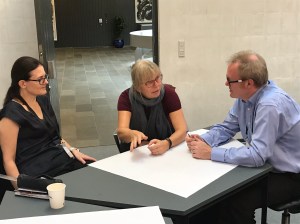 After lunch, I attended a session on “Increasing the Impact of your Journal Publications” conducted by editors of the Journal for Engineering Education, Dr. Lisa Benson and Dr. Cindy Finelli. For dinner, the EER Working Group Board met in town.
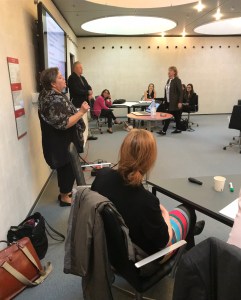 After lunch, I presented as part of the session “Reviewers! Reviewers! Reviewers!” In this session, editors of four journals explained what they are aiming to publish and how to write good reviews. I was representing IEEE Transactions on Education, the journal for which I am Associate Editor. We broke into small groups to identify characteristics of a good peer review and this was followed by a very insightful whole-group discussion.
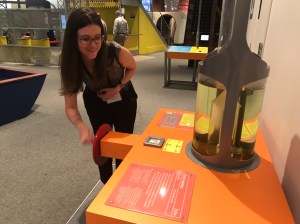 Late in the afternoon, everyone at the conference boarded buses for Copenhagen’s Experimentarium, a really fun science-learning center. I played with the educational exhibits alongside Stephanie’s family and other colleagues from DIT, UCL, and Fulbright. There was an awards ceremony, where our UCL colleague, Dr. Eva Soerensson was honored, and I thoroughly enjoyed the conference “gala” dinner. I sat with Belgian, Dutch, and British colleagues at dinner. We got a bit rowdy and ended up building towers from paper cups and discussing the feature of ubiquitous household appliances.
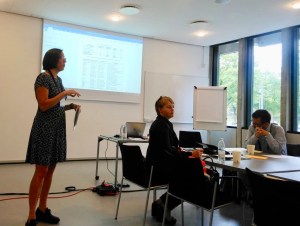 The final day of the conference had many individual poster and paper presentations, including a discussion session/presentation I delivered on patterns I’ve found among doctoral dissertations that have used phenomenology to study aspects of engineering education.
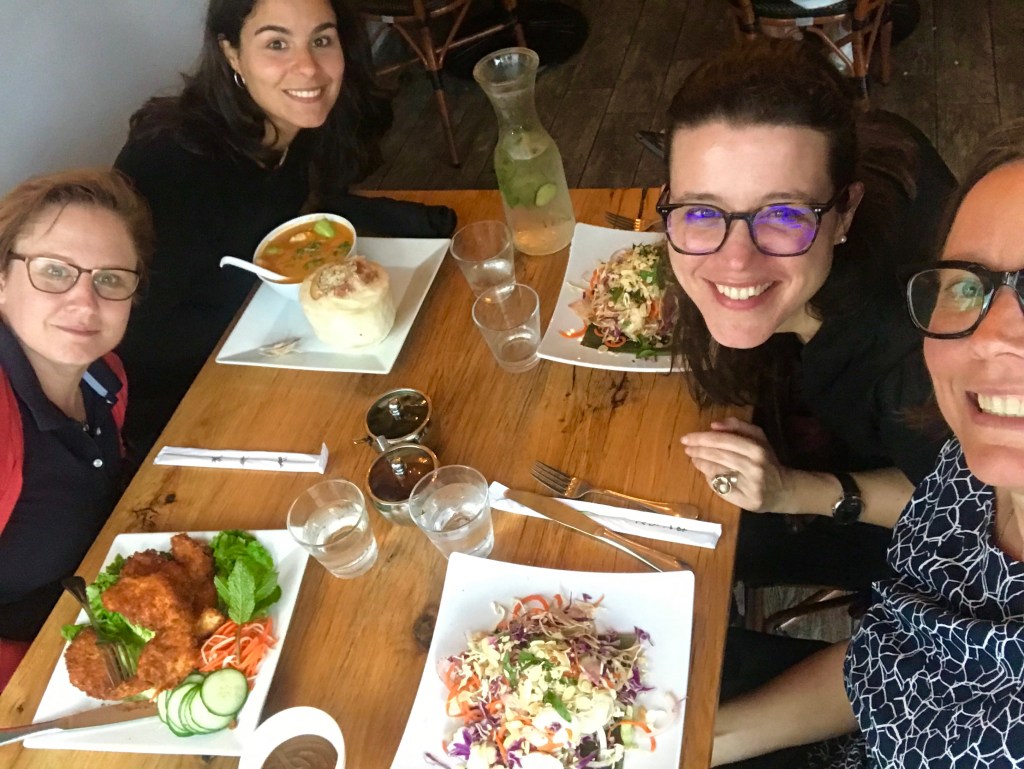
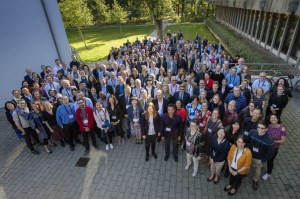 I enjoyed dinner with close friends after the conference attendees dispersed. I got to explore Copenhagen a little on Saturday morning before flying off to a new conference in Greece.














 Ireland by Chance