In this post, I share subsection 1.2 on “Clarity and quality of Transfer-of-Knowledge/training for development of the researcher in light of the research objectives” of an MSCA Individual Fellowship proposal submitted, unsuccessfully in 2015. I revised it based on evaluators’ comments provided in a previous blog. The revision was funded in the 2016 call. This blog provides one sub-section of the “Excellence” section, the section that has to do with the researcher and the design and merit of the work being proposed.
Please note that my home institution, formerly known as DIT, changed its name to TU Dublin (Technological University Dublin) while I was in London doing my MSCA-IF.
1.2 Clarity and quality of Transfer-of-Knowledge/training for development of the researcher in light of the research objectives
UCL offers crucial knowledge, models, and training programs (see 1.3 & Capacities). At UCL, Dr. Chance will build on her solid foundation in the emerging field of EER by developing new research and management skills and by catapulting her work well beyond her already notable capabilities. Working under the expert supervision of Prof. Nick Tyler, a global leader in research productivity, she will develop specific, crucial new skills in: quantitative and qualitative social science research, project organization and leadership, financial management, grant writing, and PhD supervision. This training will have enormous positive impact on the research career of Dr. Chance and will positively impact UCL, UK and Irish EER, and a host of project partners across the EU (see Table 2). Specific stretch-goals for the EF period are: (1) publishing two articles in the highest-ranking journals in EER and higher education, (2) leading the production of a seminal new guidebook for educators, and (3) securing grants to establish an independent research team, recruit/train new researchers (see Implementation).
Dr. Chance’s career goals are to permanently base her research operations in Ireland and to spearhead research teams via European Research Council and industry funding. She possesses many of the skills necessary to do this, however she and CREATE need specific experience in securing and managing large-scale research grants, conducting advanced statistical procedures using statistical modeling tools, and using programs like SPSS. To gain crucial experience, Dr. Chance needs mobility out of DIT for a period so she can work alongside extremely high-research producers and in industry. A three-month secondment will develop her understanding of what this sector needs and how it uses social science research and education programs. It will help exploit her research more fully.
Table 2: Training and project support provided by partner organizations.
As an EF, Dr. Chance will spearhead two-way transfer of knowledge between UCL and Dublin Institute of Technology (DIT, her current employer), and will coordinate EER efforts between the two. This will enhance her leadership and project management skills. She will transfer to UCL specific knowledge gained at DIT regarding phenomenological research methods, design of a new Master of Philosophy degree in EER, and implementation of engineering design projects. Dr. Chance will transfer crucial knowledge back to DIT through ongoing exchange and her planned return to DIT at the end of the EF—at which point she aims to lead a new research strand for DIT’s CREATE research group via grant funding secured under Prof. Tyler’s mentorship (details in CV). She will apply to organizations like the European Research Commission (ERC) for large-scale Starter Grants. Her new research and project management skills will render Dr. Chance more competitive in accessing this type of large-scale funding, and her support network (from UCL, DIT, and industry) will provide valuable assistance. Her work will support DIT’s evolution into Ireland’s first Technological University and help grow CREATE into a full-fledged research center. UCL is a global leader in the training of researchers, and Dr. Chance will take full advantage of its excellent Professional Development programs. She enjoys this type of learning and is committed to completing a wide range of Researcher Development and Leadership and Management programs at UCL. She will participate in either Springboard Women’s Development Programme (researcher cohort) or Taking Control of Your Career. Both of these run over the course of a year. She will definitely take Writing Targeted Grant Proposals and 4 specific Financial and Project Management courses (see 3.3). She will watch the schedule for Quality Papers, Writing a Peer Review, Leadership in Action, Professional Skills for Research Leaders, Effective Delegation, and Breakthrough Conversations and will complete as many as possible. If Writing a Book is offered upon arrival, she will take it.
Table 3: Plan for transfer of knowledge to host
New collaboration opportunities will open for the host institution, notably a new symbiotic relationship with DIT that will further enhancing UCL’s successes in engineering education pedagogy while also adding to CREATE’s record of producing quality phenomenological and phenomenographic research. Dr. Chance’s work will include clarifying and refining a distinctive niche for each institution, and positioning each for maximum impact. To UCL, Dr. Chance will bring existing international connections, as well as an engaging new research project that includes R&D of educational activities. She will help infuse practice and pedagogy at UCL with findings from her research.
In this post, I share the subsection 1.4 on “Capacity of the researcher to reach and re-enforce a position of professional maturity in research” of an MSCA Individual Fellowship proposal submitted in 2015. In this section I include the CV, to show how I tailored it to support the application. I’ve had a non-standard career path, with engineering education research (EER) being something I’ve tried mastering late in my academic career, so I used the CV to show what I am doing, why, and how it builds on my past experience. I aimed to show how things about my record that might first appear to be weaknesses can also be framed as strengths.
I also needed to provide very clear justification for receiving a second MSCA IF. I had to show it would be a good investment.
1.4 Capacity of researcher to reach and re-enforce a position of professional maturity in research (see CV)
Since completing a PhD in Higher Education (with an honors designation and her School’s Award of Excellence), Dr. Chance has transitioned her career focus from teaching to research, and been selected as:
Fulbright Core Scholar to Ireland in Engineering Education (2012-13)
Scholar in Residence for the University of Oregon’s Study Abroad program in Rome (2013)
Fulbright Inter-Country Lecturer to both Portugal and Belgium (2013)
Marie Curie International Incoming Fellow to Ireland (2014-16) where she learned phenomenological methods.
Dr. Chance has a long history teaching architecture and supervising Master’s thesis students (at Hampton University). She has evaluated architecture programs at the highest levels (having served on seven teams of the US National Architectural Accrediting Board, and having chaired a team in 2015). She coordinated university accreditation activities at Hampton U. She has taught educational planning (at William and Mary) and Problem-Based Learning and design projects in engineering (at DIT). She has developed curricula (for Hampton and DIT). A focus on diversity and inclusion has always formed a part of her research efforts, dating back to her first conference paper in 2000. Over time, Dr. Chance has demonstrated scholarly productivity through completion of: 37 peer-reviewed conference papers, eight peer reviewed journal articles, seven book chapters, two thesis design projects, a PhD dissertation, and an edited volume. She has delivered 87 academic lectures in Europe, USA, and Asia. For all research and grant-funded projects, Dr. Chance pursued projects that she conceived. All research lines—including her PhD research—were separate from her advisors. This attests to Dr. Chance’s capacity for independent thinking/research. Google Scholar now lists her h-index at 4 [note: I’m happy to report it’s now at 7, but I wish I could get it to climb faster], above the average among full professors in social science (3.67), political science (3.43), and law (2.83), according to the London School of Economics. Her work has been cited in over 36 publications (excluding self-citations). She is now requesting approvals from publishers to upload more of her articles on freely accessible sites so as to extend the reach of her work. Her citation index is on an upward swing.
Dr. Chance’s foundation in phenomenology and statistics give her a strong base for EF research to be conducted. Due to the novel hybrid topic and innovative approach she is proposing to use in future work, Routledge publishers recently asked her to submit a book proposal on epistemology and design thinking. She was interested in—and has committed to—the book idea. However, if she secures EU funding, she would prefer to opt for the UCL Press instead of a profit-driven publisher. UCL Press (see Capacities Chart) will ensure the content is as openly accessible as possible, as per EU policy. Over time, Dr. Chance has steadily accrued skills that will enable her to conduct pioneering and truly groundbreaking research and spearhead the development of a seminal new book.
The value of Europe’s IIF investment will be hugely increased if the IIF study is followed up by an EF that brings the discipline to a whole new level. The innovative, pioneering, and ground-breaking findings from the IIF can be harnessed and brought to use in the EF study, creating the potential to revolutionize teaching methods and to fast track a new generation of creative and challenging engineers. It is imperative that immediate action is taken to address the dangerous shortfall of engineers that precipitates the EU’s low number of patent filings and top tech companies, and lagging industry R&D. We must protect and enhance the EU’s reputation for producing quality goods. Whereas the IIF focused on bringing skills from the USA, developing curricula and phenomenological research skills, the EF will focus on: 1) achieving more powerful, substantial and tangible findings (by enhancing phenomenology with quantitative data), 2) disseminating the findings globally, and 3) equipping Dr. Chance with the necessary skills to manage complex large-scale research projects and teams. The EF study will be conducted in a completely new arena of the discipline; one that will have tangible and far-reaching effects on the teaching of engineering in Europe. The most common route for European researchers to develop these skills is through taking an intermediate step between the IIF and an ERC Starter Grant via a nationally funded project. However, due to the fixed-term of the MSCA contract, Dr. Chance is not yet eligible for all of Ireland’s grant programs. Yet she is firmly committed to life and citizenship here, and to basing all her future research operations in the EU. The proposed EF work is significantly different from the IIF in scale, complexity, and range of exploitation activities. It also includes extensive training in research management that only a world-class research institution like UCL can provide. UCL is truly unique in that it has achieved success in engineering diversity and retention. This work is of such a standard that is has been recognized by MIT4. This new educational methodology needs further study, development, and promotion. The EF will equip Dr. Chance to establish an independent research team at DIT leading the new research strand on epistemology and design thinking.
Attached CV
4 CV OF THE EXPERIENCED RESEARCHER
In this portion of the 2015 proposal, I started by listing my degrees, earned in the USA. I provided reviewers with the text below to put things in context before listing my Employment History (Research Positions, Teaching Positions, Professional Practice), Professional Registrations, sentences on Invited Lectures, Supervising Activities, Organization of Conferences, and lists of Professional Memberships, Special Recognition, Grant-Funded Projects, and Publications.
I’ll provide an example of the list of Peer-Reviewed Journal Articles at the end here, as I inserted info to help them assess my reach and impact.
Note that in the text below, I highlighted specific qualities asked for in the guidelines: Independent Thinking, Leadership Skills, and Results of some past projects. It’s important to use the specified words as it makes evaluators’ work easier. They are very busy people and you want to make it easy for them to find evidence to base their scores upon.
Dr. Chance is uniquely qualified for this interdisciplinary study. In the last two decades, working in the USA, she taught in two different institutions—one with a special focus on diversity and the other a research-intensive institution. Educational research is her second career. Her focus on research began with PhD studies (2006-10), her introduction to the field of engineering education research as a Fulbright Fellow (2012-3), and development of phenomenological research skills at DIT (2014-now). Results are now beginning to accrue from Dr. Chance’s current Marie Curie research studies. Preliminary results have revealed a promising new stream for investigation—overlaps of design thinking and epistemological development. As a result of the IIF, Dr. Chance is on track to produce at least: 3 journal articles, a book proposal, a book chapter, 10 conference papers, and 6 grant applications (with 3 of them funded to date at €2-10k). She benefited tremendously from IIF supervisor Prof. Brian Bowe’s phenomenological expertise, EER connections, and work chairing the 2015 Research on Engineering Education Symposium (REES). Through ongoing career planning and networking, Dr. Chance identified further training needs and career development opportunities. She discovered a number of surprising findings and developed an innovative stream of research for detailed study and development into a book. As an IIF, she gained acceptance in EER and has made the successful transition into a new research career. She identified sources of funding that she can target in the future; DIT has agreed to host her should she get future funding in place. As a result of participating in a 2015 EER conference and working group, Dr. Chance secured an exciting opportunity to join UCL, a world-class research institution. After the conference, she attended CEE’s launch and organized meetings for CREATE and CEE to come together to share ideas. So, as a direct result of successes in the first phase at DIT, she was presented with the opportunity to help plug DIT into a much bigger community—most notably the embryonic UK and Ireland Network on Engineering Education to be launched 6 November 2015. By making such connections, Dr. Chance realized she needed to develop a set of specific skills in order to get to where she aims to be in five years [note: they want to see your trajectory and goals, but I feel these were a bit too lofty], having: secured an ERC grant [note: this was an admirable goal, and MSCA fellows win these awards at higher rates than non-fellows, but it’s still out of my reach–I’m focusing now on strengthening my publication record to get here], published a widely respected book [note: I broaden this option in the final proposal to book or special focus issue–I delivered two of special focus issues during the fellowship], and be leading an independent research team [note: I’m doing this one to some degree now, but my collaborators aren’t on my campus]. She is on track to apply for ERC funding and this fellowship at UCL will help her achieve these aims by providing strategic management and research skills and giving her time to recruit new members to her research team and secure ERC funding (or help them secure MSCA IF funding) for future training at DIT. A potential candidate is [name removed], an engineer from Spain who is interested in earning a PhD in EER who Dr. Chance has been mentoring informally.
Table 7: Match between the project objectives and Dr. Chance’s profile
Independent Thinking. Dr. Chance has authored 5 opinion/editorial columns, expressing her independent views on: (1) Architectural registration and its diversity vortex published by Crit Magazine; (2&3) HU: Forerunner in architectural diversity and HU to host national diversity conference published regionally by American Institute of Architects; (4) Architect—Visionary or order filler?, published by the US Department of Housing and Urban Development; and (5) Green aesthetic: Seeing beauty in clotheslines and weeds in Virginia’s Daily Press.
Leadership Skills. Dr. Chance chaired the 20th National Conference on the Beginning Design Student and serves on the organization’s steering committee. She has headed Construction Administration for a $7 million library and managed grants from the US Department of Education ($75k) and the ROTCH Foundation ($20k). She has planned and managed 10 study-abroad programs (6 to Europe, 4 to Africa) and secured ongoing support from charitable foundations. She has received formal leadership training (through both the 4-H youth organization and William and Mary university). She provided leadership to the City of Portsmouth (Virginia) as a Commissioner of Architectural Review (2002-5), also serving as Vice- (2004) and Acting-Chair (2005). Within the Port Norfolk Civic League (1999-2009) she served as President, Recording Secretary, Corresponding Secretary, and Stabilization Chair. As a member of the international Congress on the New Urbanism, she served as Accessibility Taskforce Chair (2006-10), Session Organizer (2006-10), and Panelist (2009, 2010), advocating for accessibility and universal design.
Results of 3 Major Projects
Results of dissertation research (using quantitative methods). Dr. Chance’s dissertation investigated the use of the LEED® Green Building Rating system by higher education institutions (HEIs). It tracked implementation of LEED® over time and helped assess the degree to which HEIs have been meeting the program’s stated goals, particularly in the areas most critical for environmental sustainability. Dr. Chance used MANOVA and multiple regression analyses to identify Energy and Atmosphere as the most important category in predicting overall ratings achieved by HEIs—indicating that this category, which is expensive to achieve but is most important for controlling climate change, also carries incentive because it most influences ratings. The study contributed new understanding of both the organizational learning that has resulted from refining LEED and how such rating systems can be used to generate and apply new knowledge. Dr. Chance presented the study to NASA scientists at Langley Air Force Base. The project resulted in several publications—including an article in Planning for Higher Education that garnered 800+ downloads the first week it was posted on the Society for College and University Planning’s (SCUP’s) Massive Open Online Course (MOOC). The original work received the Outstanding Dissertation Award from the International Society for Educational Planning (ISEP) in 2010.
Results of PBL research (using qualitative, phenomenological methods). During her nine-month Fulbright fellowship, Dr. Chance developed a range of foundational skills in qualitative research: conducting semi-structured interviews; identifying invariant meaning units; and developing descriptions to capture the essence of specific phenomena. Prior to arriving in Ireland, Dr. Chance had only basic coursework in qualitative research methods, and no experience with phenomenological research. She knew CREATE had expertise in phenomenology and also provided highly valuable examples of organizational learning. As a Fulbright she collaborated with colleagues from CREATE to research what motivated engineering educators to change the way they teach. During data analysis, Dr. Chance distilled a model for creating change in engineering education that is transferable and can help others facilitate change. Findings of the study have been published in two conference papers and a book chapter to date.
Results of identity research (using mixed-methods approaches). As a Fulbright fellow, Dr. Chance spearheaded quantitative components of an exploratory, mixed-methods study conducted with Drs. Mike Murphy and Eddie Conlon. She drew from past experience, using new skills in combination with existing skills, to develop survey instruments, analyze data using t-Tests and Chi-Squared procedures, and describe the sense of identity reflected by DIT engineering and technology students. Results indicated that, when choosing engineering, design and other hands-on aspects of education had been important considerations for many DIT students. These design and hands-on aspects appeared to be even more important to (the small sample of) women than to men in their degree choice. The resulting book chapter was recently published by Springer, ensuring dissemination to a wide audience.
Peer-Reviewed Journal Articles
CHANCE, S.M., Mitchell, J., & Duffy, G. (in press). Using architecture design studio pedagogies to enhance engineering education. International Journal of Engineering Education. h5-index 16. SJR h-index 30.
CHANCE, S.M., & Bowe, B. (in process). Phenomenological study of how women experience collaborative learning in engineering education.
CHANCE, S.M., Duffy, G. & Bowe, B. (in process). Understanding lectures’ experiences of group learning in engineering.
CHANCE, S.M. (Nov. 2012). Planning for environmental sustainability: Learning from LEED and the USGBC. Planning for Higher Education, 41(1). h5-index 9. Cited by 1.
Seymour, M.W., & CHANCE, S.M. (2010). Assessment Formats. International Journal of Learning, 17(10), 137-154. h5-index 5. SJR h-index 6.
CHANCE, S.M. (2010). Strategic by design: Iterative approaches to educational planning. Planning for Higher Education, 38(2), 40-54. h5-index 9. Cited by 10.
CHANCE, S.M., & Williams, B. (2009). Assessing university strategic plans: A tool for consideration. Educational Planning: The Journal of the International Society for Educational Planning, 18(1), 38-54. Indexed in the H. W. Wilson Education Index. Cited by 14.
Fisler, J., Agati, H.A., CHANCE, S.M., Donahue, G.A., Eickhoff, E.J., Hack, A.E., Gastler, S.E.K., Lowder, J.C., & Foubert, J.D. (2009). Keeping (or losing) the faith: Reflections on spiritual struggles and their resolution by college seniors. College Student Affairs Journal, 27(2), 257-274. Cited by 5.
CHANCE, S. M. (2008). Proposal for using a studio format to enhance institutional advancement. International Journal of Educational Advancement, 8(3/4), 111-125. SJR h-index 4. Cited by 1.
CHANCE, S.M. (2004). Architectural registration and its diversity vortex. Crit: Journal of the American Institute of Architecture Students, 58, 36-40.
This blog provides the first sub-section of the Excellence section, on “Quality, innovative aspects and credibility of the research” of a grant proposal I submitted for an MSCA Individual Fellowship in 2015. This submission was NOT successfully in 2015, but I revised it based on evaluators’ comments provided in a previous blog.
I note that, in social sciences, it is likely that your methodologies and your research design will evolve while you are conducting the work. They will change based on what you are finding as you are collecting data and working in-situ. Nevertheless, it’s crucial that your proposal convey sa solid understanding of your field, its literature base, and the methods used to study it. The plan you propose has to be realistic, respond to the most cutting-edge knowledge in your field, and also explain how your proposed work is innovative–and needed by Europe.
The reviewers took off points for this proposal being too ambitious, lacking specificity regarding methods, and not integrating specific enough info on cutting edge research on the topics within my specific sub-field of engineering education research. I also lost points for mentioning a secondment but not having a clear enough secondment plan. I addressed those criticisms in my application the following year. The revision was funded in the 2016 call.
1.1 Quality, innovative aspects and credibility of the research
Over the two-year period of the MSCA European Fellowship (EF), Prof./Dr. Shannon Chance’s research and training efforts will be based at the new Centre for Engineering Education (CEE) at University College London (UCL). Dr. Chance intends to complete a 3-month secondment during the fellowship—if an appropriate partnership can be arranged with Houghton Mifflin Harcourt, Science|Business, Creative Industries Federation or similar—so as to maximize and exploit her research. Her primary research project will investigate overlaps between epistemology (which asks: What is knowledge?) and design thinking (How is knowledge created and used in the process of design?). Her research will evaluate the role of design projects in the learning, retention, and epistemological development of engineering students, particularly women. She will collect qualitative and quantitative data in Ireland, Poland, Portugal, the UK and USA. Simultaneous outreach in these places will promote Science, Engineering, Technology, and Mathematics (STEM) research and careers. Creating and pilot testing new activities for 2nd, 3rd, and post-graduate students will provide Dr. Chance another important avenue to exploit her research findings. Overall, Dr. Chance’s research will address grand societal challenges, specifically the lack of diversity and the ominous shortfall of engineers in Europe. Overarching research objectives are to: (1) develop and promote better ways to teach/support engineering students, (2) help transform engineering into a more diverse and creative field, and (3) track results via five primary research questions (Table 1) surrounding the theme: To what extents do design projects influence the cognitive and epistemological development of undergraduates in engineering and architecture?
The interdisciplinary approach draws from Dr. Chance’s unique skill set and synthesizes state-of-the-art in three realms: (1) practices from architecture education, (2) research on engineering education, and (3) theories on college student development. Architecture education provides a long-standing focus on pedagogy (through immersive, active design-based education). Innovators in engineering education are creating new ways to facilitate group learning and are slowly shifting the focus from teacher to student in the engineering classroom. Dr. Chance believes leveraging theories on student development can provide new opportunities in reforming/transforming engineering education. Such work can make engineering more attractive to students in design and creative fields—a category of students who may never have considered engineering as a field of study or career. Scholars of student development provide ways to conceptualize and monitor student learning, particularly with regard to contextual and generative ways of thinking and knowing. Dr. Chance’s initial investigations at the intersection of these three realms (which have involved exploratory analysis of students’ blogs) yielded encouraging preliminary results. Even though the findings were extremely tentative, they were solicited for a peer-reviewed journal1. To derive extensive benefit, we must strike while the iron is hot. She needs to pursue promising leads immediately, while momentum is strong.
Table 1: Research Methods and Methods
The need for further study is eminently clear. The Carnegie Foundation for the Advancement of Teaching argued that architecture’s design-based model should be incorporated into curricula to improve the teaching of engineering2, 3. The UK Royal Academy of Engineering4 and the US National Science Board5 demanded engineering schools do more to cultivate creativity and flexibility among graduates. Yet, very little has changed6. At UCL, however, Prof. Nick Tyler’s department accrued success by integrating design projects into civil engineering—dramatically increasing its enrollment and graduation numbers, particularly among women, as is documented in a case study by the UK Royal Academy and MIT4. Outcomes of their work deserve additional analysis via this project. Two primary resources on the overlap of design thinking and engineering education are a 2014 article on how to prompt informed thinking among novice designers7 and a 2001 book on Design Thinking and Cognition8. Contemporary student development theory stems from Perry’s 1970 schema of ethical and intellectual development of (male) college students9. Refinements to Perry’s work include gender-related investigations10, 11, ways to assess epistemology12, 13 and reflective judgment14, and synthesis across theories15. Dr. Chance believes applying these theories can make engineering education more effective. She aims to provide educators with the necessary tools to do so—and to disseminate them widely. Her cross-cultural project utilizes novel concepts (overlapping theories on development and design), novel methods (phenomenology along with surveys and field tests), and novel approaches (new project applications and a new guidebook to help revolutionize teaching and shift the knowledge frontier).
Dr. Chance’s EF study is being carefully designed to address criticism that “engineering education scholarship is still characterized by a lack of explicit and consistent theoretical engagement.”16 Her innovative mixed-methods study will start with cutting-edge qualitative methods for collection and analysis of in-depth phenomenological interviews with 60 women in 5 countries—a very large and diverse sample. Phenomenology provides means to investigate structures of consciousness and to explore how specific phenomena (in this case, design and engineering education) are experienced from a first-person point of view. Dr. Chance will use Van Manen’s interpretive, hermeneutic method for analyzing data17 and will help adapt phenomenology for widespread use in the emerging field of engineering education research (EER). To extend and magnify the impact of her qualitative findings, Dr. Chance will follow up with confirmatory surveys. Guided by Prof. Tyler, she will gain mastery of advanced statistical analysis procedures. She will use ANOVA, multiple regression, and other statistical modeling tools, to study results of surveys with 500+ women and men in 4 different EU countries. This will help achieve generalizability across EU engineering education. The proposed work is unique in scale, because no other engineering education researcher in Europe has collected such extensive data from participants from such diverse countries.
Such work is crucial to address today’s social and economic challenges. All over the world, there is a realization that engineering education is not working effectively—that engineering graduates are not equipped to handle ill-defined problems or address grand societal challenges—but no one is sure what the solution is. Even in places where the educational system is conservative (like Japan, Singapore, China, France, and Germany) it is widely realized that things must change, but exactly how to change them is unchartered territory and entirely up for grabs. The way engineering is conceived and taught simply isn’t attractive enough to students. Of all learners entering higher education in the UK in 2010, just 4.8% applied in engineering or technology18. Globally, half of all students who enter engineering drop out by the end of their first year19. These are problems for the engineering profession of course, but also for individual nations and for Europe as a whole.
The EU urgently needs more engineers, particularly ones who can work collaboratively and creatively. The EU is suffering an enormous deficit of engineers. In 2011, Germany alone fell short by 76,400 engineers20. Failure to attract women exacerbates the crisis. Today, women comprise 26% of engineering professionals in Sweden, 20% in Italy, 18% in Spain, but just 9% in the UK21. In Ireland, there are nine times more male than female engineers21. In the UK in 2010, applications to study engineering from women represented 0.58% of the overall applicant pool and were outnumbered by those from by men more than 7:118. Even in countries like Australia, where women who enter engineering now outperform men in persistence-to-graduation, half of all female engineering graduates still choose to leave the profession within ten years after graduating. This suggests a need to shift the educational and professional cultures of engineering. To address shortfall and diversify perspectives, the EU must find ways to attract and retain female students in engineering—as this study seeks to do.
I’ve decided to share an example proposal submitted to the European Commission’s Horizon 2020 for the Marie Skłodowska-Curie Actions (MSCA) Individual Fellowship (IF) program. It was prepared for the SOC panel, which reviews all the social science research proposals, including educational and learning sciences, where my proposal resides.
Specifically, I do engineering education research (EER). I moved to Europe from the USA to develop mastery in EER, and MSCA funding has been fundamental to me developing as a researcher. Of the three proposals I have submitted to MSCA, two were funded (the first for the 2013 call and the second for the 2016 call) and one (submitted for the 2015 call) was not. I will be sharing parts of the 2015 proposal that was not funded along with the evaluators’ comments.
After enjoying a 2014-2016 IIF (International Incoming Fellowship under FP7) to Ireland, I was eager to stay in Europe with my new research skills rather than return to the USA. I submitted this proposal in 2015, hoping to go to the UK to work for a couple years. Although this 2015 version of the proposal was not funded, the score wasn’t terrible (87.8/100), and it left me with hope that I could secure funding if I did not meddle with the content too much. I had specific review comments in hand to guide me. A score of 92-93 is normally needed to garner funding.
I submitted a modified version of this proposal in 2016 and was funded for a 2018-2020 IF. It enabled me to spent two glorious years living in London and working at University College London–ranked #7 in the world for research. What a truly amazing opportunity!
I had spent 5-6 weeks full-time writing the 2015 version that I am sharing, and in 2016 I dedicated just about three days to revising that proposal using the evaluators’ comments. That version succeeded in winning the funding I needed to pack my bags for London.
I am sharing the 2015 submission because I feel this version is most helpful to others writing proposals. They can use these resources to learn to critique to their own proposals.
Just look to see what the evaluators said, and to what degree you agree with them….
In today’s blog post, I will share the abstract and the evaluators’ comments.
MARIE SKŁODOWSKA-CURIE ACTIONS
Individual Fellowships (IF)
Call:H2020-MSCA-IF-2015
PART B
“Designing Engineers”
Abstract
Europe is suffering an enormous deficit of engineers and this adversely affects the number of patent filings, top tech companies, and level of R&D. In 2011, Germany alone fell short by 76,400 engineers. We urgently need more engineers, particularly ones who can work collaboratively and creatively. Failure to attract women exacerbates the crisis. Today, women comprise 26% of engineering professionals in Sweden, 20% in Italy, 18% in Spain, but just 9% in the UK.
As an MSCA fellow, Prof./Dr. Shannon Chance will receive crucial training at at University College London and will investigate overlaps between epistemology (‘what is knowledge?’) and design thinking (‘how is knowledge created and used in the process of design?’). She will evaluate the role of design projects in the learning, epistemological development, and retention of engineering students, particularly women. She will collect data in Ireland, Poland, Portugal, the UK and USA. A three-month secondment in industry will help her extend and exploit her research.
Overarching research objectives are to: (1) develop and promote better ways to teach and support engineering students, (2) help transform engineering into a more diverse and creative field, and (3) track results via five primary research questions surrounding the theme:
To what extents do design projects influence the cognitive and epistemological development of undergraduates in engineering and architecture?
Dr. Chance will produce: mixed-methods research in a ground-breaking field; new design project briefs (and pilot test them); outreach and dissemination to crucial target audiences; and publication of an educator’s handbook intended to revolutionize engineering teaching methods. The interdisciplinary approach draws from Dr. Chance’s unique skill set and synthesizes state-of-the-art in three realms: (1) practices from architecture education, (2) research on engineering education, and (3) theories on college student development.
List of Participants
Evaluation Summary Report
Total score for my proposal: 87.80% (Threshold: 70/100.00)
Scoring Rubric
Scores can range 0-5. Interpretation of the score: 0– The proposal fails to address the criterion or cannot be assessed due to missing or incomplete information. 1– Poor. The criterion is inadequately addressed, or there are serious inherent weaknesses. 2– Fair. The proposal broadly addresses the criterion, but there are significant weaknesses. 3– Good. The proposal addresses the criterion well, but a number of shortcomings are present. 4– Very good. The proposal addresses the criterion very well, but a small number of shortcomings are present. 5– Excellent. The proposal successfully addresses all relevant aspects of the criterion. Any shortcomings are minor.
Criterion 1 – Excellence
Score for my proposal: 4.50 (Threshold: 0/5.00 , Weight: 50.00%)
Reviewers are scoring based on: * Quality, innovative aspects and credibility of the research (including inter/multidisciplinary aspects) * Clarity and quality of transfer of knowledge/training for the development of researcher in light of the research objectives * Quality of the supervision and the hosting arrangements * Capacity of the researcher to reach or re-enforce a position of professional maturity in research (You must earn at least 70/100 in this category to be eligible to receive funding)
Strengths:
This is an ambitious interdisciplinary proposal which includes original and innovative features.
The research objectives and questions are clearly formulated.
The proposal clearly illustrates the new competence and knowledge that the researcher would gain through training and supervising at the host institution.
The supervision and hosting arrangements are credibly described and match the needs of the proposed research.
The proposal demonstrates that the proposed research would contribute to the professional maturity of the researcher. The methodological framework is appropriate and gender considerations are taken into account.
Weaknesses:
Certain aspects of the research methodology are not explained in sufficient detail; for example, the sampling procedure and the quantitative survey, data analysis and the comparative aspects of collected data.
Some aspects of the state of the art are not well elaborated, e.g., no adequate information is provided on theories of student development as related to research on engineering education.
Criterion 2 – Impact
Score for my proposal: 4.20 (Threshold: 0/5.00 , Weight: 30.00%)
Reviewers are scoring based on: * Enhancing research- and innovation-related human resources, skills, and working conditions to realise the potential of individuals and to provide new career perspectives * Effectiveness of the proposed measures for communication and results dissemination
Strengths:
There is clear evidence that the researcher would benefit from the hosting institution’s participation in research and the international collaborations.
The strategy for communicating results to non-academic audiences is well elaborated and is likely to be effective.
Weaknesses:
The proposal does not convincingly demonstrate that the measures planned for the dissemination of results are feasible within the duration of the fellowship.
The issues related to intellectual property are insufficiently addressed.
Criterion 3 – Implementation
Score for my proposal: 4.40 (Threshold: 0/5.00 , Weight: 20.00%)
Reviewers are scoring based on: * Overall coherence and effectiveness of the work plan, including appropriateness of the allocation of tasks and resources * Appropriateness of the management structures and procedures, including quality management and risk management * Appropriateness of the institutional environment (infrastructure) * Competences, experience and complementarity of the participating organisations and institutional commitment
Strengths:
The work plan is clear overall.
The proposal provides a clear structure of the project organization and management, taking into account financial and administrative aspects.
The institutional environment proposed for the project is well described and matches well with the needs of the proposal.
Quality and risk management are taken into due consideration and a basic contingency plan is described.
The institutional commitment of the host to the project is well described.
Weaknesses:
The level of institutional commitment of the participating organisations is difficult to assess given that not all of the partners are already secured.
The Gantt Chart has some imprecisions, e.g., it does not precisely indicate when the activities occur within the project timeframe.
It is not clear whether the deliverables proposed can be finished within the timeframe of the project.
In summary, you can see that the evaluators thought I was trying to accomplish an unreasonably high amount, and I also lost points for mentioning a possible secondment without providing a convincing level of detail.
This blog post discusses the outreach activities I engaged in during my 2018-2020 Marie Curie Individual Fellowship (MSCA IF). The reason for doing outreach is to help spread knowledge to others and help diverse audiences–particularly kids and people outside academia–understand the value of research. The funding organization, which is the European Commission, wants to public to know it is getting its money’s worth by investing in research. So, during my recent MSCA IF at University College London in the UK, I dedicated one whole work package (WP4, out of six total WPs) to outreach.
WP4 Outreach Activities
The MSCA application promised to deliver a total of 19 outreach events under WP4, and I ultimately delivered at least 20, involving (1) outreach to kids, (2) outreach via social media, and (3) outreach to adults. Although I hit my targets, I didn’t exceed them to my normal degree. I was able to do far more outreach during my Fulbright Fellowship (2012-2013) to Ireland and my first MSCA research fellowship, also to Ireland (it was an Individual Incoming Fellowship, IIF under FP7) than I managed to accomplish during this MSCA Individual Fellowship. I’m still proud of the work but hope to do even more outreach in the future.
Teaching engineering to kids at a maker faire, called Dublin Maker, in 2019.
Outreach to kids
served as expert advisor for Usbourn publisher on 2 STEM activities book for kids that have been published and are for sale in stores
helped organize and lead 4 RoboSlam workshops (on computer programming and robot building)
helped organize and lead 2 RoboSlam educational exhibition booths (on computer programming and robot building)
I helped conducted four robotics and electrical engineering workshops for kids in Ireland with colleagues from my home institution (TU Dublin). Having co-founded the RoboSlam robotics outreach team in 2013, I continued to be active in RoboSlam during my MSCA fellowship, as one of the four main coordinators of events. In 2018, I was part of a team that ran a number of robotics and electrical engineering workshops for kids in Ireland over the month of August with the Wexford library service. I assisted in running two workshops in Bunclody (17th August) and two in Enniscorthy (18th August). The workshops were attended by approximately 120 children in 8-12 years old. The children built an electronics arcade game that they brought home afterward. The intention of the workshops was to encourage an interest in electronics and programming. Feedback and pictures are available here. Technical resources used (instructions, and code) at those workshops can be found here.
Preparing for a Robot Building workshop with Frank Duignan at TU Dublin during my 2018-2020 MSCA IF.
I also provided advising/support for the Engineering Your Future Week summer school for Transition Year students, sponsored by Enterprise Ireland. In 2018 the week focused on Robot Building and Biomedical Engineering.
I helped operate educational booths on electrical engineering, at Dublin Maker 2018 and 2019 in Ireland, with colleagues from my home institution. A large team of volunteers (staff and students) from the school participated in Dublin Maker. The theme of the 2018 stand was “paper programming” and the 2019 theme was “arcade games through the ages”.
maintained and continually updated 1 LinkedIn Discussion Board moderated (for the Research in Engineering Education Network, REEN)
maintained and continually updated 2 Facebook pages featuring grant activities (one public page and one private page)
maintained and continually updated 1 Twitter feed of engineering education activities
I hosted and created content for an educational blog on being a “researcher on the move.” The blog has 209 followers who receive direct emails of every post. In 2018 had 3732 visitors and 13,106 views (discrete clicks indicating engagement) and, in 2019, had 4316 visitors and 9887 views. I promoted the blog posts using social media, including LinkedIn, Twitter, and two Facebook accounts.
CHANCE, S. (2012-present). Ireland by Chance: Research Adventures in Ireland and the UK. www.IrelandByChance.com showcasing research and fellowship activities.
On the LinkedIn platform alone, my most recent 2020 blog re-post before submitting my final grant report to the European Commission garnered an additional 1520 views and 46 reactions.
I also provide content for a blog on robotics that I collaboratively manage with colleagues from my host institution. In 2018, this site had 3299 visitors and 6505 views. In 2019, it had 2437 visitors and 5642 views.
Burke, T., CHANCE, S., Berry, D., & Duignan, F. (2012-present). RoboSlam: Robot-building for Beginners. www.Roboslam.com
Presentation delivered as part of a Marie Curie Alumni Association event on gender in engineering education and research.
Outreach to adults
delivered 1 public presentation in Dublin on gender aspects of research (photo above)
provided 1 data source to UNESCO for a global engineering report
evaluated 1 sub-section for UNESCO for a global engineering report
authored 1 encyclopedia entry on the application of PBL in engineering education (and taught on this topic at a Master Class in South Africa, as shown in the photos below)
I just attended an online event called “Racism in Science and Society”. It involved an hour-long interview with Angela Saini, and it was supported by six or so organizations in Ireland, including Women in Research Ireland (WiRI) which a colleague of mine from the Marie Curie Alumni Association, Dr. Susan Fetics, helped establish. Susan was one of the moderators today.
Last social gathering of Marie Curie Alumni Association’s Irish chapter before Covid shut things down. Shannon Chance and Susan Feltics shown here. Susan was one of the organizers for today’s event.
Interestingly, Saini has two different master’s degrees, the first in Engineering from the University of Oxford and a second in Science and Security from the Department of War Studies at King’s College London. Since I research engineering education and I also taught at a Historically Black College/University in the States for 15 years, I follow her work closely. Simply put: it’s close to my heart.
In this blog, I share content from Tweets I posted during the event. I’m sharing this because the event wasn’t recorded, so I wanted a way for others to learn about the topic and what went on today.
The event was well-organized and they sent helpful reminders. The hosts of this online event even provided a sign language interpreter. I wondered: if this method was more effective than auto-captioning?
The host, speaker, and sign language interpreter.
Siani said medicine is keeping race science alive today, more than any other area. Medicine perpetuates the belief in genetic differences that don’t exist. Genetics is the last place to look, she insists, it’s best to look first at social and cultural factors.
Histories of oppression have led to differences in health outcomes, not underlying genetics.
But, even now during Covid, people jump straight to the racial myths, Saini says.
Saini says some of the most promising work to rectify racial myths in medicine is happening in the USA, as there is the recognition that racism is still occurring. There’s more happening in the USA than in Britain and elsewhere in the world, she believes, as in the UK (where she lives and grew up) there is clear reluctance to accept how pervasive racism is.
Incidentally, Saini is of Indian heritage and grew up classified as black in the UK, I learned from her book. This helped me understand why a UK-based collegiate of mine calls herself black, whereas she’d probably use a different term if she were of Indian heritage and living in the USA.
These ideas about race are steeped into us from a very young age. It’s all about power, she says. The dominant group frames their dominance as if they have some innate… superiority.
Saini left Twitter earlier this year due to experiencing abuse, which explains why I couldn’t locate her to tag her. Those with extreme views try to engage journalists and scientists via social media, and suck them dry. They and the algorithms they use are clever; often they have few followers but they cause frustration because they aren’t going to change their opinions but they demand ongoing conversation, they dish out abuse, and they drain energy that can go to something more productive.
Of course, for those without other outlets (Saini is a very well-known journalist in Britain), social media does give us a voice, she acknowledges.
I, for one, miss having her on Twitter.
She helped found “Race and Health” @raceandhealth, a group that looks at issues identified above.
Saini says she wrote “Superior” to get things straight in her head. She hopes readers share in some of this clarity she found by writing it.
She spoke about being surprised things have changed so fast right following the death of George Floyd, such as the re-naming of lecture halls and theaters.
I, myself, have seen Floyd’s murder as a tipping point. I’d been expecting things to boil over in the US–I envisioned another summer of 1968 as the only way that an adequate level of change would happen. Things just weren’t improving fast enough. It was one of the frustrations that caused me to leave the USA and move to Europe. I am glad to finally see change, but I am sad that it’s going to be painful to acknowledge the past and heal.
Recently, UCL announced, via campus-wide email I received, that it is changing names of a building and a lecture hall. Eugenics and race-science had a home at UCL, and the university is seeking to right some wrongs.
Saini says that universities need better systems of accountability; the balance of power in universities is still out of whack. Accountability has to come from the top. Groups like the ones hosting this session today need to work together to lobby universities for better accountability, she says.
The sponsors for today’s event.
She ended by saying that our societies need to change through education and by teaching empathy from a young age.
I was glad to hear Saini say this, as my colleague, Dr. Carlos Mora, and I are working to study empathy in engineering education. And in a similar vein, I’m working to create a special focus issue on empathy in engineering practice and education to be released next spring.
A Marie Curie Research Fellowship is–first and foremost–about developing researchers by giving them a chance to research new things, in new places, with new people. For an MSCA Fellowship, you’ve got to travel. You can come from anywhere in the world, but you can’t have lived in the country where you do the MSCA Fellowship for any more than 12 months of the 36 months before the application date.
Discussing our ArchEng research project over dinner on Charlotte Street in London, with Drs. Inês Direito and Mike Miminiris.
Work package 5
Researcher Training and Transfer-of-Knowledge
The intention of WP5 was to increase my research skills and encourage me to share my own knowledge and skills with others (i.e., transfer knowledge to them). The MSCA application listed the following deliverables for this work package: 26 Training and Transfer-of-Knowledge sessions completed by the end of the grant period. I’m able to list 70 specific research training workshops and conferences that I attended–and there were actually more!
Yet, it is important to note that the most important training and knowledge transfer actually resulted from me providing leadership in EER. As a result of having a Marie Curie research fellowship at University College London (UCL), many doors were open to me and I was able to learn from the wealth of opportunities that emerged.
Via this MSCA grant, the I have provided: (1) leadership in publishing and (2) leadership in research events. These are summarized directly below.
Under that, a list of the completed researcher training session is provided.
Finally, in this blog, I identify outreach activities I conducted to support educators and researchers, including workshops I conducted and supervision and mentorship I provided to early career researchers (like the one pictured below, in South Africa, to help engineering teachers learn more inclusive teaching attitudes and behaviors).
A small-group discussion during the Inclusivity Master Class that Inês Direito and I conducted with Shanali Govender in Cape Town, South Africa.
As part of my training, I also earned a new teaching qualification in the UK while serving as an MSCA fellow:
Senior Fellow of the Higher Education Teaching Academy (SFHEA)
Earning this credential helped me build proficiency on the vocabulary used in educational research in the UK, which differs somewhat from the USA. Earning it will also help me demonstrate the skills needed to teach at third level in the UK and Ireland. Since earning SFHEA, I have subsequently applied for the highest available credential in this program (Principal Fellow of the Higher Education Teaching Academy/PFHEA), although the application wasn’t successful. I’ll hone my record and try again.
Research Supervision/Mentoring Skills
I have been advising a full-time PhD student at London South Bank University (LSBU) since the start of my MSCA fellowship. The student’s viva is scheduled, and on track, for August 2020. I have also mentoring 5-6 early career researchers. My activities in this realm include:
Mentoring a physics researcher through TU Dublin’s researcher mentoring program
Serving as PI for a new MSCA IF application in engineering education submitted September 2019 (which was not funded in 2019 but will be enhanced and resubmitted)
Mentor for peer reviewers with the Journal of Engineering Education (appointed in 2018)
Expert/external reviewer for applications to Fulbright Ireland (2018, 2019)
A bi-weekly supervision session with Thomas Empson and Prof. Shushma Patel from LSBU. We meet fortnightly in person until I returned to Dublin at the start of 2020.
Leadership in Publishing
In the realm of journal production, I was appointed and has served as:
Associate Editor, IEEE Transactions on Education (2018-present)
Editorial Board, European Journal of Engineering Education (2018-present)
Desan Ozkan published an article in the special focus issue I spearheaded on students’ epistemological development. Here, I met with her in Blacksburg, Virginia, after I conducted interviews with students for my ArchEng project. She has since completed her PhD, defended her dissertation online (I attended) and she is now Dr. Desan Ozkan!
I serve as a peer reviewer for an academic journal in my field:
Australasian Journal of Engineering Education (2019-present)
IEEE Transactions on Education (2017-present)
European Journal of Engineering Education (2016-present)
Journal of Engineering Education (2013-present)
Incidentally, I also provided expert advice to the publisher of two children’s books, although I generally consider this activity to be “Outreach”:
Scribble Architecture, STEM activity book by Usborne Publishing Ltd.(in press)
Scribble Engineering, STEM activity book by Usborne Publishing Ltd.(2018)
Leadership in Research Networks
Opportunities to provide leadership that emerged as a result of this MSCA include:
Chair, Research on Engineering Education Network (January 2020-present)
Vice-Chair, Research on Engineering Education Network (2019-2020)
Governing Board, Research on Engineering Education Network (2018-present) and member of sub-committees including recruitment and selection of upcoming conference hosts
Nathu Puri Institute at the London South Bank University (2018-present), serving on, for example, an interview panel for new director of the Institute (2018) and a member of the Institute’s think tank.
Marie Curie Alumni Association, Ireland chapter organizing committee (2018-present)
Leadership in Funded Projects
Providing grant-writing leadership, I advised Dr. Carlos Mora in securing €56,000 in funding from the Cabildo of Tenerife in Spain to conduct education projects under a project titled “INGENIA” or “Ingenuity” to support sustainability education (I am listed as the co-PI on this grant). I also secured a £11,200 donation to UCL CEE from the UK’s Royal Academy of Engineers via Engineers without Borders UK (the funds will support my ongoing work with UCL’s CEE).
I’ve been mentoring Carlos in grant writing and during this period he has won two grants, including €56,000 from the Cabildo of Tenerife for an educational program and €200,000 for a marine engineering laboratory. We have two more proposals in the works!
This MSCA is intended to broaden career prospects, and it definitely has. Even though I chose to return to my home university at the completion of the fellowship, I brought with me a contract valued at €237,727 allowing me to provide curriculum development services to the University College London Contracts (UCLC) over the three-year period following my MSCA fellowship (2020-2023).
In 2019, I also served as an expert evaluator for the European Commission (COFUND fellowship program).
Researcher Training sessions completed
I could provide images to go with each of these, but then I’d never get this posted… so I’ll just share the list. Each was interesting and informative and most of these activities opened a pandora’s box of ideas and possibilities.
UCL online training module and certificate earned in Safety
UCL online training module and certificate earned in Green Awareness
UCL online training module and certificate earned as Green Champion
UCL day-long Researcher Development Workshop, Finding Your Voice as an AcademicWriter
UCL day-long Researcher Development Workshop, An Introduction to Research Student Supervision at UCL
Researcher information session organized by the Irish Research Council, Opportunities to collaborate with UK-based researchers
UCL day-long Researcher Development Workshop, Creative Approach to Problem Solving and Decision Taking for Researchers
Informational workshop on MSCA programs held at DIT
UCL Arena Guidance Sessions: Initial Guidance
UCL day-long Researcher Development Workshop, Leading Collaborative Projects
UCL’s Centre for Engineering Education’s event, In Conversation With… Angela Saini and Louise Archer
UCL Astrea Voices workshop: Choosing your journey
UCL day-long Researcher Development Workshop, Writing Books and Book Chapters
UCL day-long Researcher Development Workshop, Managing Your Reputation
UCL Arena Senior Fellow Guidance Session: Developing your application
UCL day-long Education Conference 2018 at the UCL Institute of Education
Nathu Puri Institute Thought Leadership discussion and dinner in April
SRHE day-long workshop, Migration and academic acculturation
SRHE day-long workshop, Developing curriculum, learning and pedagogies in STEM subjects: the case of Engineering
SRHE day-long workshop, Phenomenography: An approach to qualitative research in higher education
UCL LLAKES Seminar by Louise Archer Why can’t we solve the science participation ‘crisis’? Understanding young people’s (non)participation in post-16 science
Attended a UCL “Town Hall” to better understand the administrative structure of this research-intensive university, Finding a new place in society for universities
UCL day-long Researcher Development Workshop Publish or Perish: Getting Collaborative Social Science Published
One-day Inaugural Spring Colloquium of the UK-Ireland Engineering Education Research Network, held in Newcastle
UCL day-long Researcher Development Workshop, The Superior Performer: How to Work to Your Strengths
SRHE day-long workshop, Publishing Academic Articles: A way through the maze
UCL Researcher Development Workshop, Induction for New UCL Research Staff
Attended a half-day of UCL conference on Impacts of Gender Discourse on Polish Politics, Society & Culture Comparative Perspectives reservation
UCL workshop, Provost’s Welcome to New Staff
UCL day-long Researcher Development Workshop, Writing and Publishing Research Papers
UCL day-long Researcher Development Workshop, Increasing Impact – Gaining Positive Media Coverage
Attended two-day Inspirefest celebrating women in technology, held in Dublin
Attended four-day conference of the American Society for Engineering Education (ASEE) in Salt Lake City
Attended one-day symposium at the Royal Society sponsored by the RAEng and UCL CEE, Inclusive Engineering Education Symposium
Second Nathu Puri Institute Thought Leadership Event at 6-9 Carlton House Terrace, London SW1Y 5AG
Attended two-day 7th International Symposium of Engineering Education (ISEE 2018), hosted by UCL
UCL day-long Researcher Development Workshop, Storytelling Skills for Teachers and Presenters
UCL Arena training for fellowship applicants at principal level, PFHEA Lunch session
Attended five-day conference of the European Society for Engineering Education (SEFI 2018) in Copenhagen
Attended three-day International Conference on Interactive Collaborative Learning (ICL 2018) plus events of the International Conference on Engineering Pedagogy (IGIP 2018) in Kos Island, Greece
UCL online training module and certificate earned in GDPR
SRHE day-long workshop, IS THERE (STILL) ROOM FOR EDUCATION IN THE CONTEMPORARY UNIVERSITY? Exploring policy, research and practice through the lens of professional education. Seminar 3
Lecture organized by the Irish Fulbright Commission, Creative Minds: In Conversation with a NASA Astronaut
TU Dublin (formerly DIT) online training module and certificate earned in GDPR
TU Dublin 2.5-hour workshop by Dr. Bill Williams, Getting published in engineering education research journals
Attended half-day IEP Research Away (Half) Day
UCL full-day workshop, Building Research Leaders
UCL Career Centre workshop, Effective Academic Interviews
UCL workshop, Providing learning experiences that enable students to acquire the right mix of knowledge, skills and competences
UCL two-hour workshop, Using and understanding bibliometrics
UCL full-day workshop, Influencing and Negotiating
UCL two-hour workshop, Copyright for Research Staff
UCL Arena Principal Fellow Guidance Session: Developing your application
Expert evaluator training briefing for the European Commission
Attended two-day spring symposium, EERN 2018 (UK & Ireland Engineering Education Research Network) in Newcastle upon Tyne, UK
Attended two-day Inspirefest (women in tech) in Dublin
Attended two-day engineering education conference, ISEE 2018 (7th International Symposium of Engineering Education) at UCL
Attended four-day engineering education conference, ASEE 2018 in Salt Lake City
Attended five-day engineering education conference, SEFI 2018 in Copenhagen
Attended three-day engineering education conference, ICL/IGIP 2018 in Kos
Attended three-day higher education conference, SRHE 2018 (Society for Research in Higher Education) in Newport, Wales
Attended three-day annual conference, MSCA General Assembly 2019 in Vienna
Attended two-day spring symposium, EERN 2019 (UK & Ireland Engineering Education Research Network) in Dublin
Attended four-day engineering education conference, ASEE 2019 in Tampa
Attended two-day MSCA IF monitoring event, education sector, in Brussels, June 2019
Attended three-day engineering education conference, REES 2019 in Cape Town
Attended four-day engineering education conference, SEFI 2019 in Budapest
Attended one-day conference of UK Engineering Professors Council and the Institution of Engineering and Technology, New approaches in practice, 2020
Attended two-day annual conference, EERN 2018 (UK & Ireland Engineering Education Research Network) in Coventry, UK
Attended 14 lectures at UCL Bartlett School of Architecture’s International Lecture Series (2018, 2019) and at least 7 other lectures in the Faculty of Engineering.
Outreach to Support Educators and Researchers (Workshops and Invited Presentations Delivered)
I provided workshops on research techniques for Early Stage Researchers as well as experienced researchers. I also provided workshops on teaching (learning theories and innovative teaching techniques) for educators. These are presented alphabetically by country:
Denmark
Edström, K., Bernhard, J., van den Bogaard, M., Benson, L., Finelli, C., CHANCE, S. M., & Lyng, R. (2018). Reviewers, reviewers, reviewers! Workshop at the European Society for Engineering Education (SEFI) 2018 annual conference in Copenhagen, Denmark.
Edström, K., Bernhard, J., De Laet, T., CHANCE, S. M., (2018). Doctoral Symposium. One-day pre-conference workshop at the European Society for Engineering Education (SEFI) 2018 annual conference in Copenhagen, Denmark.
De Laet, T., Williams, B., CHANCE, S. M., & others (2018). Engineering Education Research. Workshop by EER Working Group at the European Society for Engineering Education (SEFI) 2018 annual conference in Copenhagen, Denmark.
Hungry
Edström, K.,Benson, L.,Mitchell, J., Bernhard, J., van den Bogaard, M., Carberry, A., & CHANCE, S. (2019). Writing Helpful Reviews for Engineering Education Journals. Workshop at the European Society for Engineering Education (SEFI) 2019 annual conference in Budapest, Hungary.
Hannon, P. K., Berry, D., CHANCE, S., Core, M., & Duignan, F. (2019). Physical computing: A low-cost project-based approach to engineering education. Workshop at the European Society for Engineering Education (SEFI) 2019 annual conference in Budapest, Hungary.
Miminiris, M., CHANCE, S. M., & Direto, I. (2019). Recognising and understanding qualitatively different experiences of learning in engineering: Variation as a learning tool. Workshop at the European Society for Engineering Education (SEFI) 2019 annual conference in Budapest, Hungary.
Ireland
CHANCE, S. M. (2018). Gender Equality in STEM Education. Presentation delivered at Irish Marie Curie Alumni Association’s Gender Equality Workshop Programme on 3rd December 2018 in Dublin, Ireland.
CHANCE, S. M. (2018). MSCA fellowship experiences. Presentation delivered for Dublin Institute of Technology’s EPA & IUA MSCA Research Information Workshop Programme.
I also shared knowledge with friends, colleagues, and former students from back home. One of my former architecture students, Justin Harris, and his wife, visited me in London.
South Africa
Govender, S., CHANCE, S., & Direito, I. (2019). Fostering Inclusivity in Engineering Education in the South African Context. Two-day Master class conducted for the University of Cape Town’s Engineering Education Existing Staff Capacity Enhancement Programme.
Akinmolayan, F. & CHANCE, S. M. (2018). Facilitating group & Problem-Based Learning in the context of engineering education. Two-day Master class conducted for the University of Cape Town’s Engineering Education Existing Staff Capacity Enhancement Programme.
Dr. Folashade Akinmolayan and I had just checked in in Johannesburg to deliver our two-day Master Class on team-based learning, after a vvvveeeerrrryyyy long flight from London.
United Kingdom
CHANCE, S. M. (2020). Becoming Civil: Outcomes of a Marie Curie Fellowship with CEGE and CEE. Lunch seminar for UCL’s Centre for Engineering Education in London.
My final presentation at UCL at the end of the MSCA IF. Here, I’m presenting one of my projects, this one on Global Responsibility.
Bathmaker, A., CHANCE, S. M., & Wheelahan, L. (2019). Understanding and conceptualizing knowledge in professional and vocationally-oriented higher education: Beyond time management and interpersonal skills. Workshop provided Thursday 16 May 2019 for the Society for Research on Higher Education in London, UK.
CHANCE, S. M. (2019). Learning theories in engineering: A US perspective on student development. A class session for UCL’s new MSc in Engineering and Education.
I frequently connected back to TU Dublin colleagues, Dr. Damon Barry in electrical engineering and Dr. Lorraine D’Arcy in transport engineering and mobility. I even hosted Lorraine and three other colleagues for a day-long visit to UCL.
CHANCE, S. M. (2018). Summary of National STEM Educational Policies in Relation to Girls’ Experiences in Physics in Europe and into the Engineering Pipeline.Society for Research in Higher Education conference 2018 in Newcastle, UK.
Direto, I., Malik, M., & CHANCE, S. M. (2018). Conducting Systematic Literature Reviews in Engineering Education Research. Workshop to the UK & Ireland Engineering Education Research Network (EERN) annual conference 2018 in Portsmouth.
Leão, C. P., Soares, F., Williams, B., & CHANCE, S.(2018). Challenges, experiences and advantages in being a female engineering student: voices in the first person. Presentation at the UK & Ireland Engineering Education Research Network (EERN) annual conference 2018 in Portsmouth.
CHANCE, S. M. (2018). Implications for Irish policy of women’s experiences in STEM education in Ireland, Poland, and Portugal. UK & Ireland EERN Spring Colloquium 2018 in Newcastle-upon-Tyne.
CHANCE, S. M. (2018). Supporting diverse students: Findings from a longitudinal study of female engineering students in three countries. Lunch seminar for UCL’s Centre for Engineering Education in London.
Here I am in March 2020, meeting with Dr. Susan Feltic, one of the other leaders of the Irish chapter of the Marie Curie Alumni Association upon my return home. She hosted weekly MCAA get-togethers pre-Covid, and this was the second one I attended. I’m hoping to get more involved in the Irish chapter now that I’m back in Dublin!
As part of my Marie Skłodowska-Curie Actions Individual Fellowship (MSCA IF), which ran 2018-2020, I learned new skills in project management. Two of my six work packages (WPs) focused on project management: WP3 was for developing a special focus issue (which turned into producing two issues of in the journal IEEE Transactions on Education), and WP6 was for managing the MSCA grant itself.
In this blog post, I describe activities in these two work packages. I also identify what impact I wanted to have with the MSCA grant and share photos with colleagues.
Incidentally, the photo above was taken with Prof. Emanuela Tilley (of University College London, UCL) and Dr. Folashade Akinmolayan (of Queen Mary University London). Emanuela is a highly organized and productive manager and she serves as the Director of UCL’s award-winning Integrated Engineering Programme (IEP). She’s been a fabulous role model for me in learning these types of skills.
Below are two more colleagues from UCL, who worked with Emanuela and me in the Engineering Faculty Office.
The other three pictures are taken with colleagues from the States, showing how I helped transfer knowledge and learning across the Atlantic and back as a result of this grant.
WP3, Special-Focus Journal Issues
The intention of WP3 was for me to learn publication skills related the engineering education research (EER). In the MSCA application, I promised to deliver a publication-ready document to a publishing house by month 24 of the two-year grant. Ultimately, I found I was able to spearhead development of two different special focus journal issues. I exceed my own expectations by working proactively. In fact, both of these journal issues were already published by month 24, and are currently informing the EER community.
The special focus issues I spearheaded are cited as follows:
CHANCE, S., Williams, B., Goldfinch, T., Adams, R. S., & Fleming, L. N. (Eds.). (August 2019). Special Issue on Using Enquiry- and Design-Based Learning to Spur Epistemological and Identity Development of Engineering Students. IEEE Transactions on Education, (62)3. DOI 10.1109/TE.2019.2923043.
CHANCE, S., Bottomly, L., Panetta, K., & Williams, B. (Eds.). (November 2018). Special-focus issue on gender in engineering in the IEEE Transactions on Education, (61)4.
In the UCL Engineering Faculty Office at UCL, with EER researcher Dr. Inês Direito and the faculty’s Communications Manager Emma Whitney.
At this point, I am leading the development of a third special focus issue–this last one is for the Australiasian Journal of Engineering Education–and this project is extending my reach farther across the globe.
The third special focus issue, now under development is:
CHANCE, S., Strobel, J., Mazzurco, A., Hattingh, T., & Villas-Boas, V. (Eds.). (forthcoming May 2021). Special Issue on Ethics in Engineering Education and Practice. Australasian Journal of Engineering Education (AJEE).
An intention for this new issue is for the two lead editors (Chance and Strobel) to help mentor the three other guest editors through the process to enable them to lead development of future special focus issues in EER. I’m thus delighted to report that Teresa Hattingh was recently appointed as Associate Editor of a new EER journal out of India.
Enjoying ice cream at Covent Garden in London with my amazing PhD advisor, Dr. Pamela Eddy (from William and Mary in Virginia) and her husband, Dr. David Pape, who visited during my Marie Curie.
WP6, Project Management
The intention of WP6 was to keep the grant well managed from financial, quality assurance, and reporting standpoints. The main requirement was to provide essential information to the European Commission regarding the progress of the grant.
During the MSCA IF, I followed University College London data management guidelines. My research projects were identified as “low risk” to human participants and followed the established guidelines.
Under this WP, I had promised the following deliverables: a Career Development Plan (CDP), a mid-project report, and a final report. The CDP was developed and uploaded to the Participant Portal in the required timeframe. I also developed a mid-project report but, as there was no portal available for uploading it on the EU reporting platform, I posted the mid-term report to my blog and sent a link to my program officer.
Three-quarters of the way through my MSCA-IF period, I participated in a monitoring session in Brussels. It was held for Marie Curie Fellows doing projects in education and learning sciences. The set up was new, and this session was one of the first of its kind. Feedback I received there for my MSCA work was positive; no alterations to my projects were requested.
A PDF of the overall final report is available on my website for anyone to see and it has now been downloaded 234 times since I made it available. The blog page where it is posted has been viewed 486.
I believe posting the PDF is making a contribution in that a lot of MSCA fellows are curious to see what a report looks since there isn’t much information available online, meaning that most people can’t work on their reports until their grant actually finishes.
Getting together with my Master’s Thesis advisor (from Virginia Tech) and his wife, Ron and Cheryl Daniel, when they lived in London.
Impact envisioned
From the outset, I wanted my MSCA work to enhanced public perception of engineering as a fun and creative field. I also set out to help:
increase the focus given by engineering educators to the developmental patterns of engineering students;
improve student retention as a result of increased support;
enhance diversity, as techniques to support minority students are increasingly utilized;
improve overall teaching in engineering education as a result increasingly credible and useful research;
provide increased focus on ethics and sustainability in engineering education; and
produce tools and models to help engineering educators foster creativity and engineering firms contribute to realizing the United Nations Sustainable Development Goals (SDGs).
During this MSCA Fellowship, I got to attend my first two annual conferences of the American Society for Engineering Education (ASEE). At both, I caught up with instructors from Hampton Roads in Virginia (where I used to live). They coach student teams that compete at the ASEE conference annually. This colleague, Chris Helton, is from the Apprentice School at the Newport News Shipyard.
My plans for dissemination and exploitation of results was fully realized (and, in fact, exceeded). I believe that all critical objectives proposed in my MSCA application have been fully achieved, and the list of deliverables exceeds the original promises. Many additional manuscripts that are currently under development using data collected during this fellowship will continue to achieve impact in coming years.
Something was about to change here in Dublin on the night of March 11th. I knew this, and thus felt hesitation as well as excitement for an interesting day as I headed into work on the 12th.
You see, TU Dublin had an Open Day planned to show female high school students about our apprenticeship courses. My colleagues and I had put a lot of work into planning this, although we anticipated things could change due to coronavirus. Later this day, life was to shift decisively about our world here in Dublin.
The Last Day ‘Open’ at TU Dublin
A glimpse of Bolton Street with drama in the sky.
We waited anxiously for word from the university about closures. In the meantime, we took care. Although plans went ahead and during this Open Day, the new norms of hand sanitizer and social distancing appeared. Wee conscientiously worked to hold intimate conversations about life plans at a two arm’s length–not an easy feat in a loud and active space like the lobby of Linenhall, home of the TU’s Dublin School of Architecture.
Attendance on this Open Day was higher than one would expect given the uncertainty of life, but not as high as the past year. Only a portion of those who reserved places made it to D2 that day. It was well worth my own four-block walk into work to meet girls from as far as Wicklow who’d ventured up to meet us.
Setting up for the day.
I provided tours of the facilities–bricklaying, plumbing, carpentry, metal fabrication, painting and decorating, laser cutting and 3D printing, automated fabrication–at Linenhall and Bolton Street where apprentices learn. Those taking our sampler program, “Access to Apprenticeship” get to use to all these workshops, and to complete a small project in each to help them determine which to specialize in by completing a full course.
At the end of the event we heard that campus buildings would close that night at 18:00; after this, classes would meet only online.
The BIM modules we offer in my program did indeed meet that night, all online, thanks to the collaborative working platform my colleagues use to teach BIM. Kevin Furlong, Barry McAuley, and Emma Hays took it all in stride and kept on delivering! I was truly impressed.
Working it out during Covid-19
I already worked half time on research, so I actually labored from home 50% of my working hours, pre-Covid. For me, work life after the 12th of March looked pretty similar to before–lots and lots and lots of time at my laptop. There was less variety, though, and much less human contact.
I missed feeling creative. I wasn’t able to blog, as I didn’t feel reason to celebrate during a time of fer and hardship.
I got work done, but not with my normal level of zest.
The first two weekends after the campus shut down, we weren’t yet asked to isolate (we never officially ‘locked down’) but the government was asking us to keep our distance from others.
My household has one other person, Aongus, and this fact has kept me sane during isolation. I’m glad I haven’t had to go through this pandemic living alone. That said, my guy has much higher exposure to the outside world than I do, and could inadvertently drag Covid-19 home at any time.
As you probably know, Aongus and I really enjoy our weekends. We love getting out, exploring the world, getting exercise, fresh air and sunlight. In fact, not feeling pangs of guilt for taking weekend off is a major reason I moved to Europe from the USA. You’ll recall that Aongus and I made the most of every minute in London during my two-year fellowship there. We had plans to make the most of our precious weekends together in Dublin upon our return.
A Sunday at Greystones Beach
Sliding into a new normal, we had a couple weeks to adjust to freedoms and habits that were slipping away. We were still allowed to drive and explore, but were required to stay away from others. Our gym was still open during this time, as well, though we were distancing.
On Sunday, March 15, Aongus and I drove out to Greystones, where we were able to distant from others on the beach. We enjoyed the solitude in the cool winter breeze off the Irish Sea.
And we learned that lunches and loos were few and far between. From this day forward, we packed sandwiches whenever we ventured out, and planned ahead for long period of loo-less-ness.
The difficulty finding these that day told me that things were going to change more radically. We drove to some favorite spots hoping for lunch, but couldn’t stop because they were packed with people.
We did, however, find joy in simple pleasures: an apple, the sunshine, and loving company.
Holi-day at Bull Island Marshes & Dollymount Strand
St. Patrick’s Day was a holiday, so we made another trip trip to the sea, still pre-lockdown (to use the phrase lightly–we’ve never officially ‘locked down’ in Ireland to the degree of many other European countries).
Although Dublin’s St. Patrick’s Day Parade had been cancelled, and tourists discouraged from coming, we residents were still allowed out, but asked to keep our distance.
Aongus and I headed out to Bull Island, by car, as was typical for us before coronavirus. Walking and Dublin Bikes were our other main forms of transportation, and where they didn’t bring us, a bus or car would. “Back then”, we would never have dreamed of cycling to Bull Island or Dollymount Strand; they seemed so very far away.
Bull Island is a favorite among Dubliners though, and when we arrived the beach looked far too crowded to allow the distance I required, so we instead explored the marshes.
My colleague Damon Berry had recommended that I check them out, and this was the first time I latched onto the idea. Aongus and I had a nice picnic in the dunes.
Of course, we hoped to find passage across to the beach by way of the dunes, but the waterways prevented that. Nevertheless, we enjoyed discovering a tranquil strip of Bull Island where few people venture.
By the late afternoon, the beach had cleared out (it was the bottleneck along the wall that had presented the problem passing others) and we were able to visit the strand, which is called Dollymount.
As you can see, Dublin is quite chilly during March, but any opportunity to go outside, walk, and soak in the sunshine is prized.
Isolation begins
The lifestyle we had known was quickly sliding away. Soon after our visit to Bull Island, the period of isolation began. Aongus and I essentially hibernated for weeks. I was able to keep working from home. He, as a construction site project manager, was able to do some limited amount of work from home and was allowed on site, alone, occasionally, to do essential work, or check for security.
As we have a range of grocery stores (Fresh Market, Lidl, two Centras and a Daybreak) within 1-4 blocks of our flat and the food supply chains serving Dublin never let us down, we were able to source food easily and have learned many new recipes with what we can find in these stores.
That 2km radius we were allowed to travel from home for the purpose of exercise kept us sane, and we looked forward to weekends, hoping and praying for sunshine.
Welcome to the homepage of Ireland by Chance, a blog sharing the adventures of an Expat architect/urbanist/teacher/engineering education researcher who moved from the United States in 2012 to make Ireland her home.
You can view archives (2012-present) by clicking the folder icon to learn what it’s like to be Fulbright and Marie Curie Research Fellow, to teach at university in Ireland, and to explore the cities and landscapes of Ireland, the UK, and Europe.
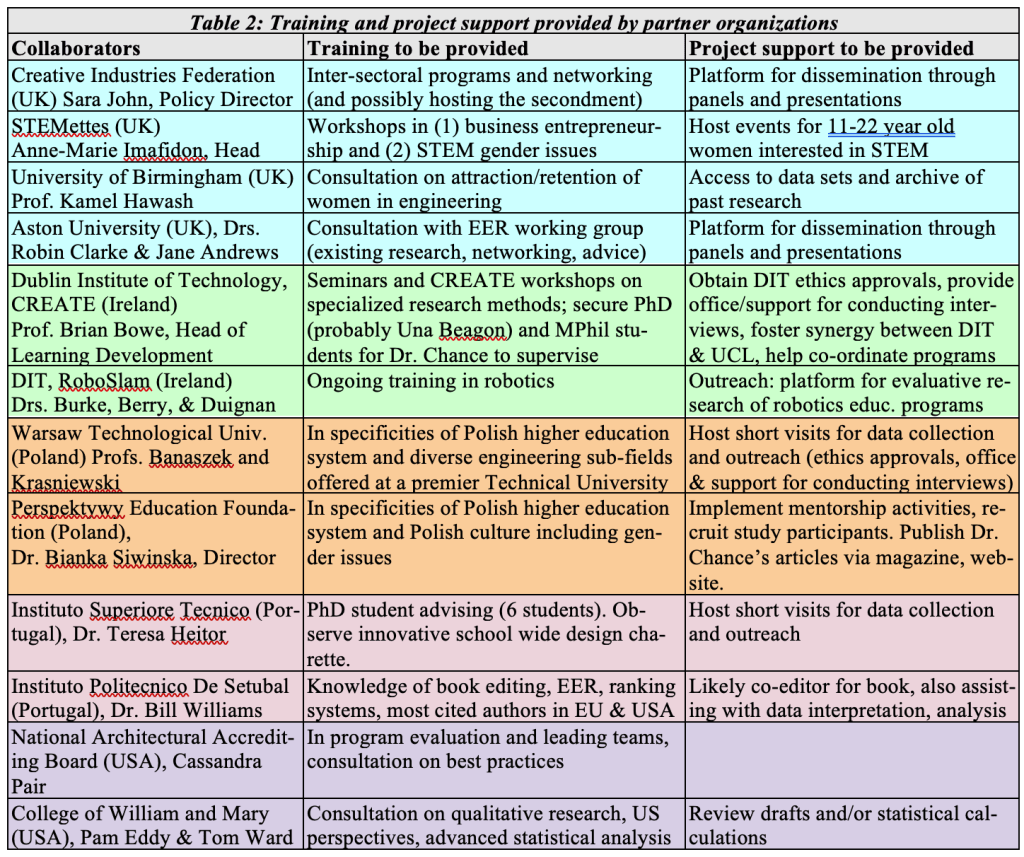
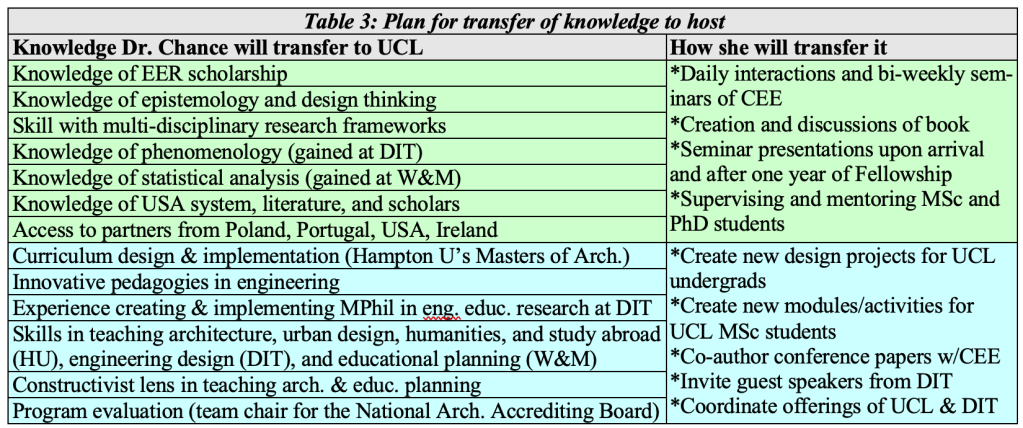
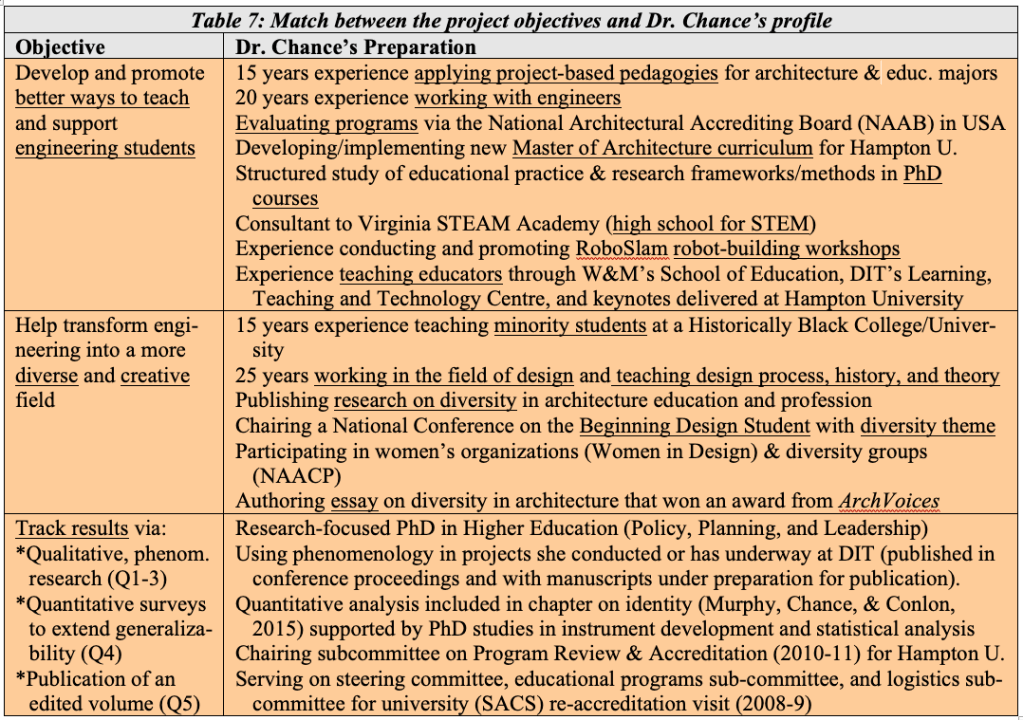
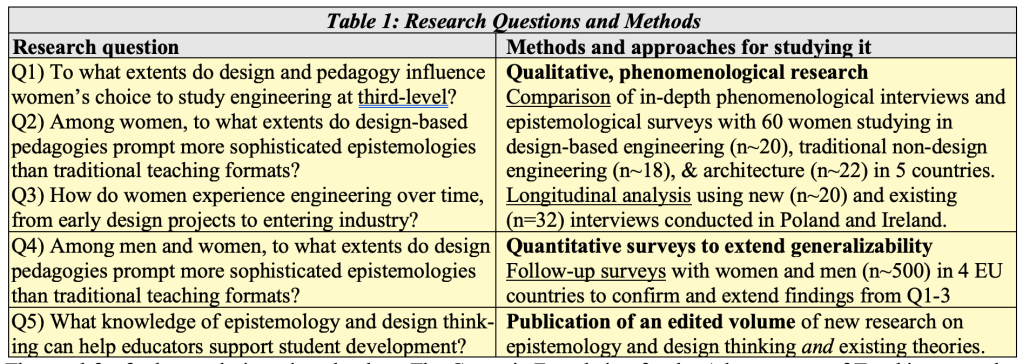

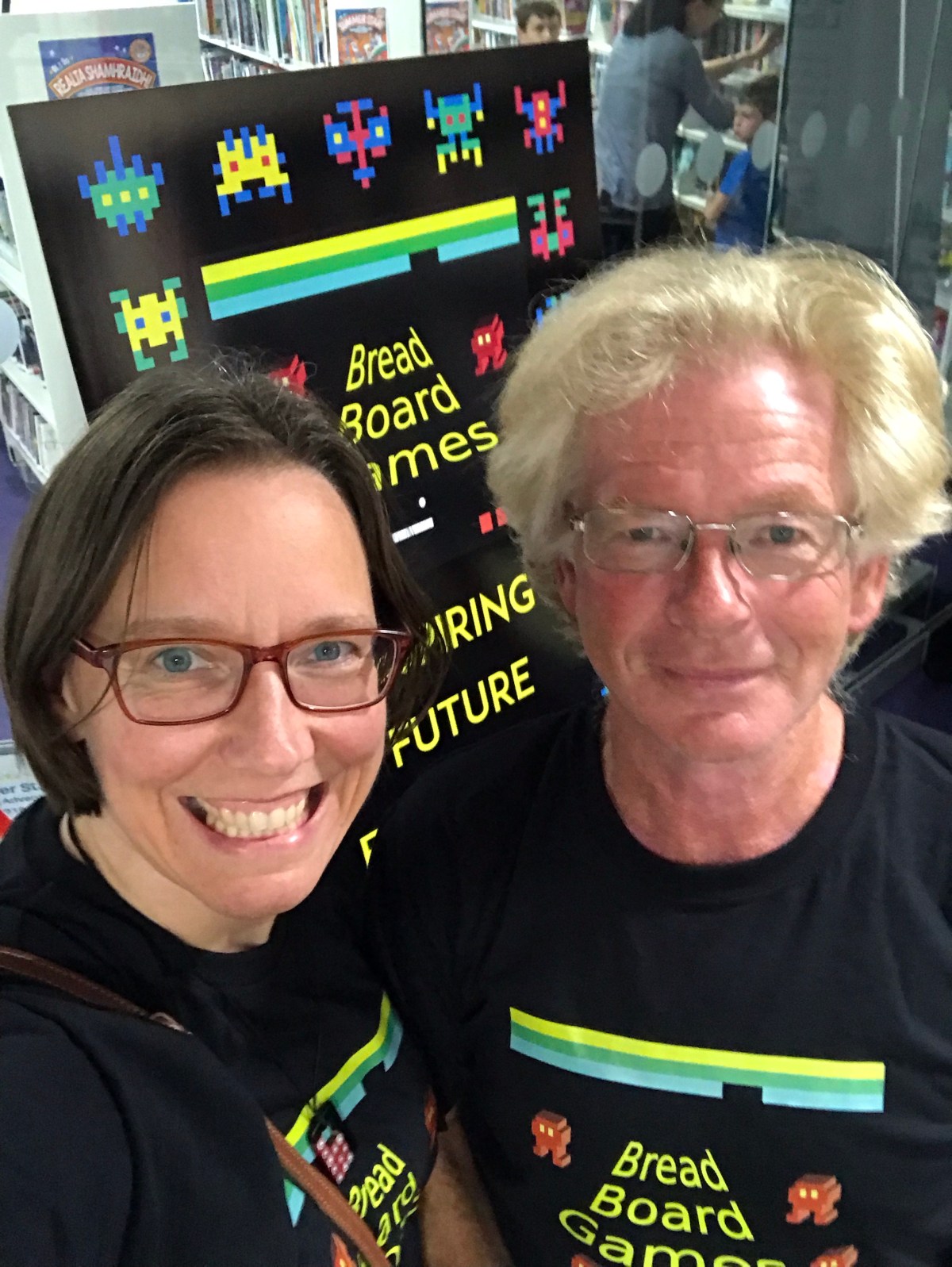
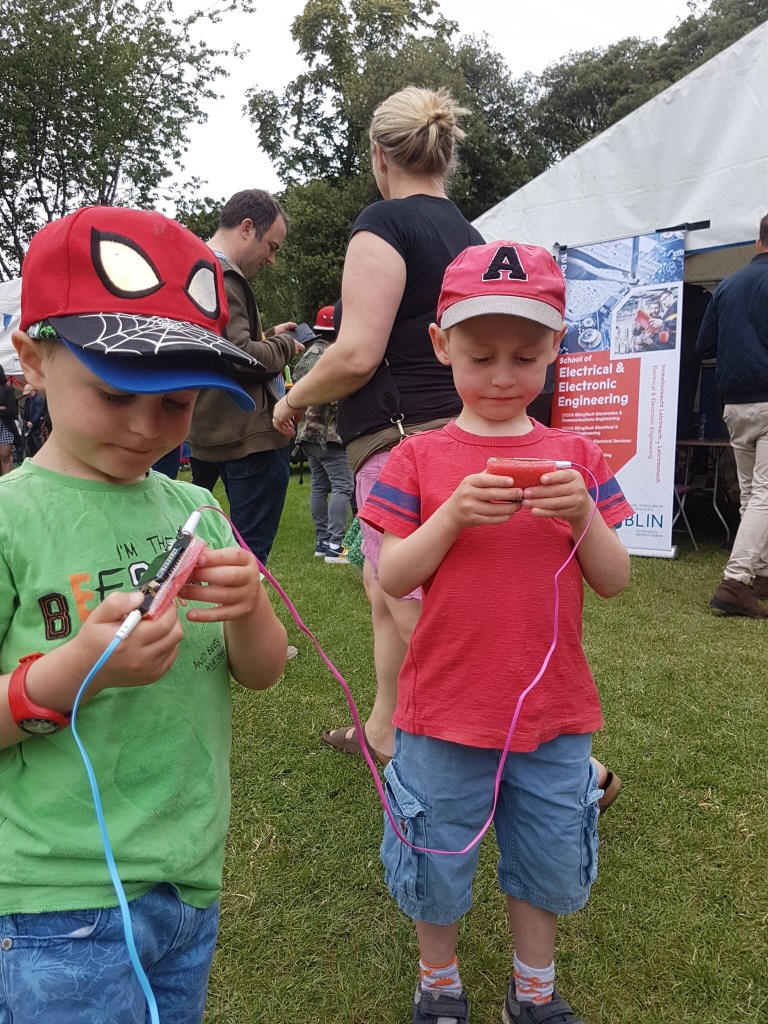


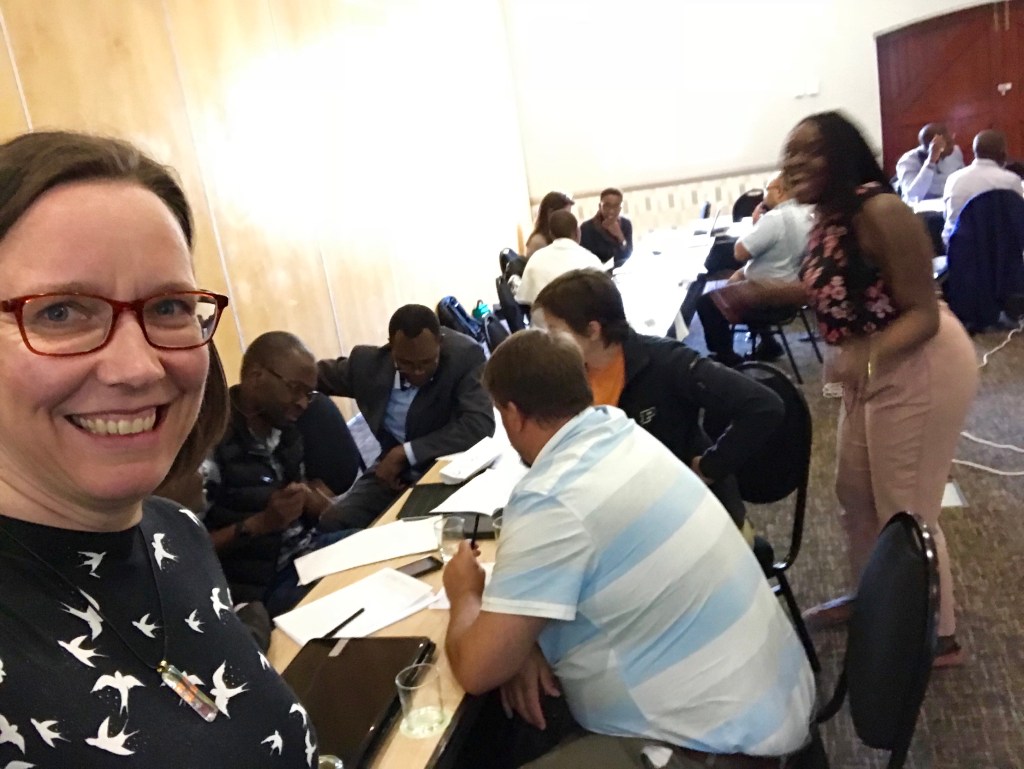


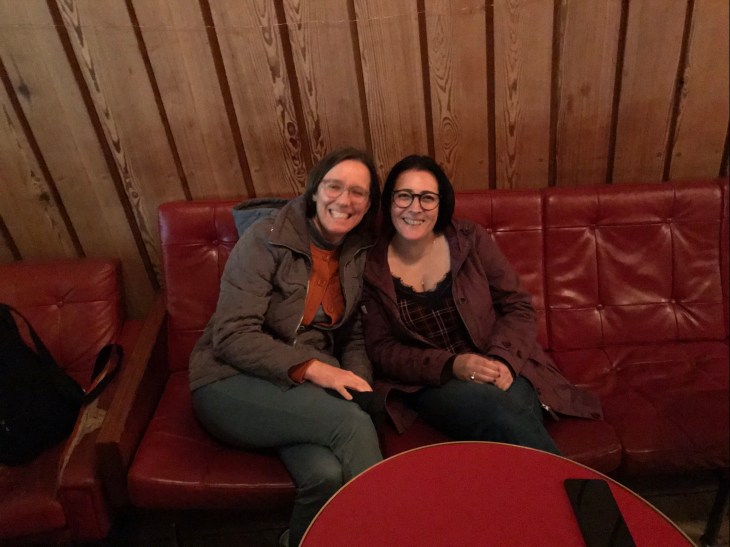
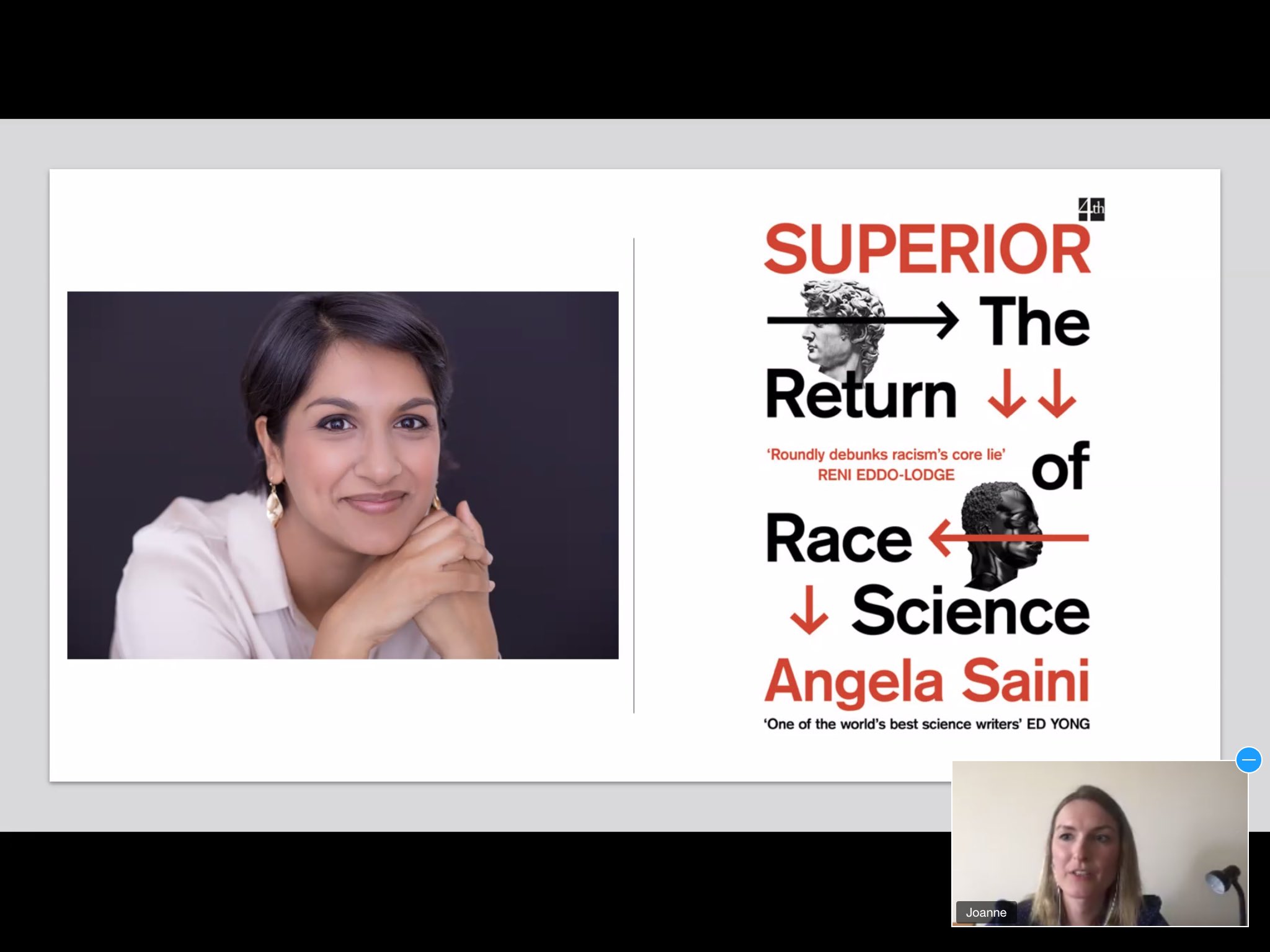
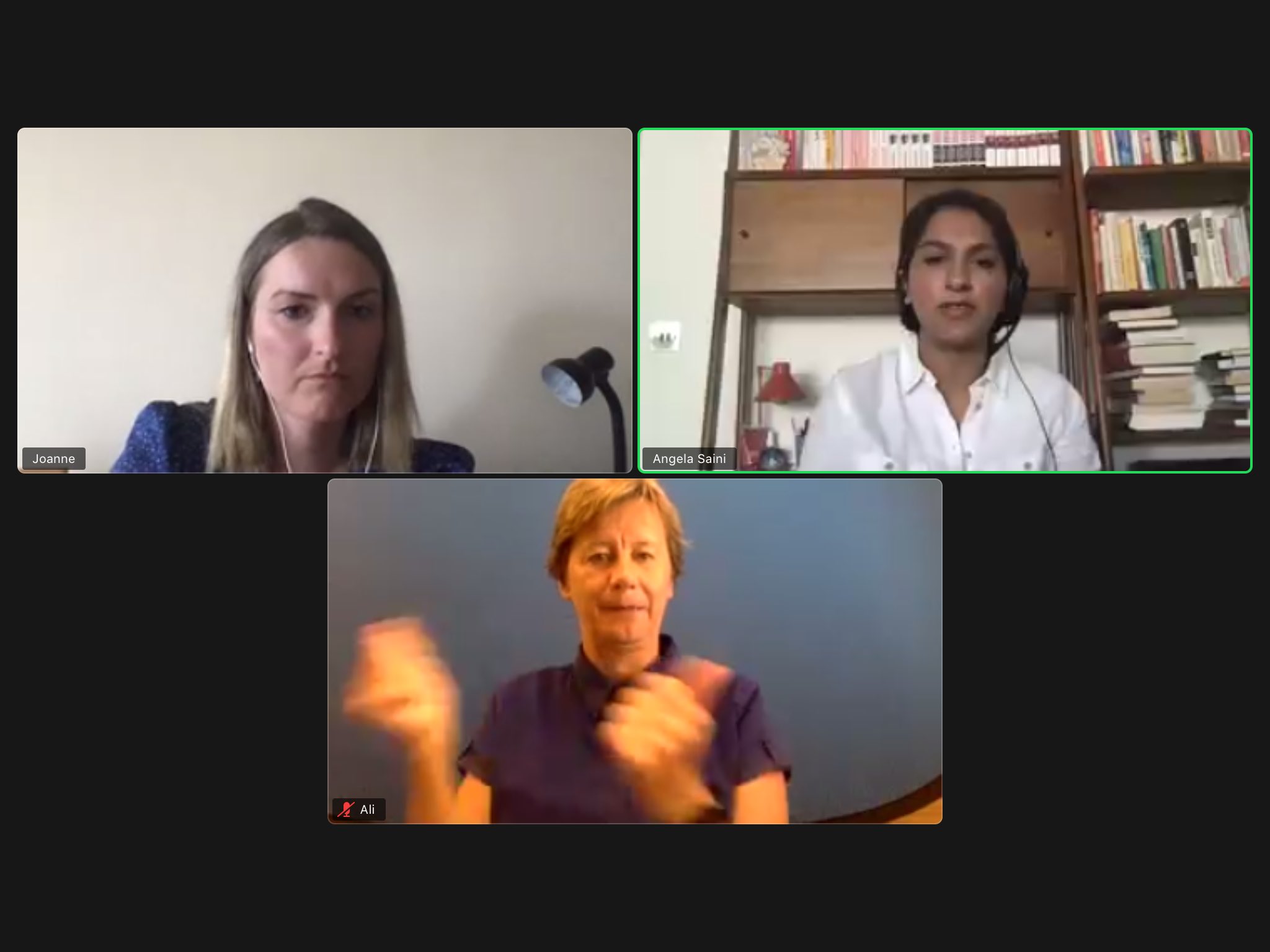

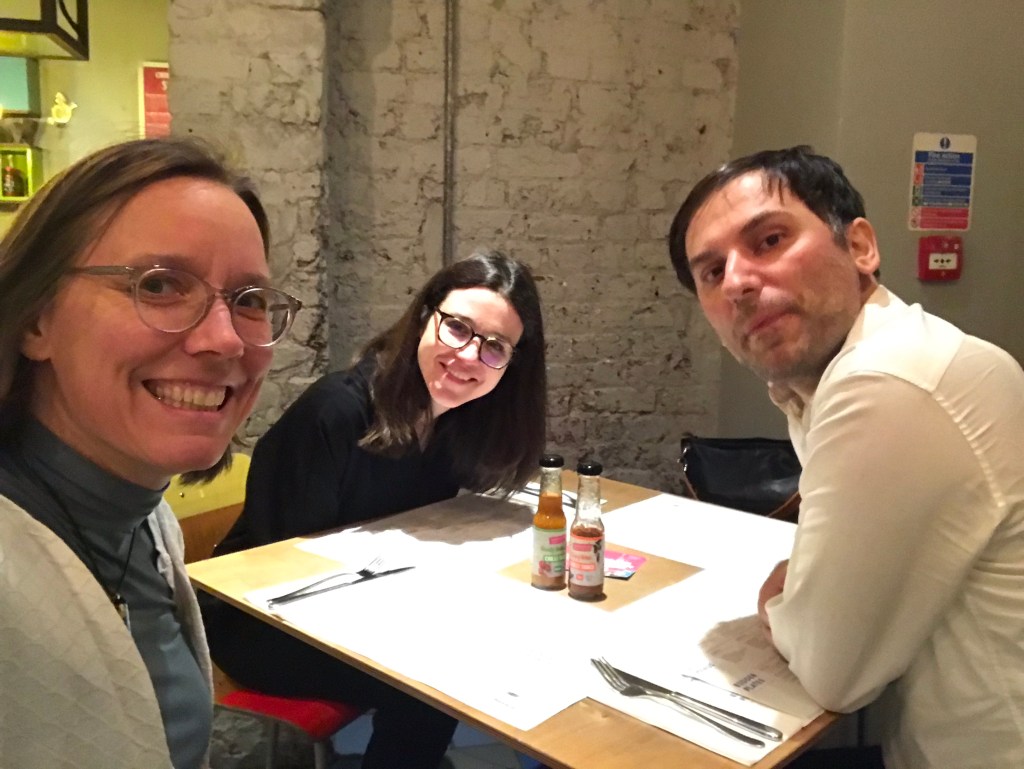
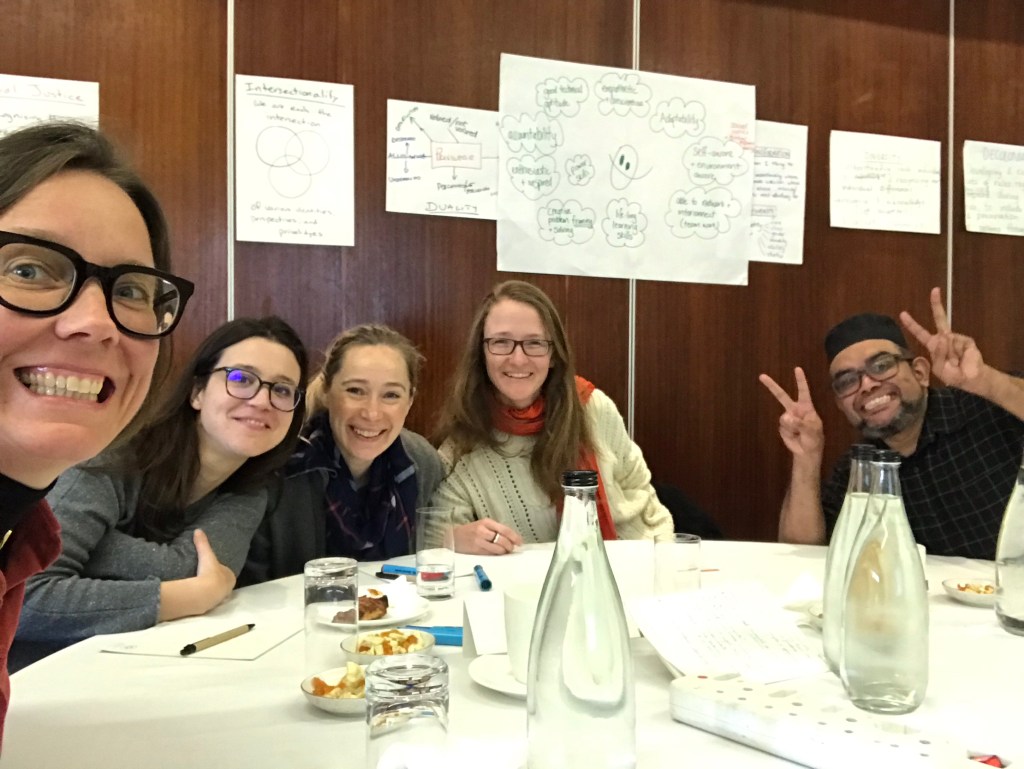


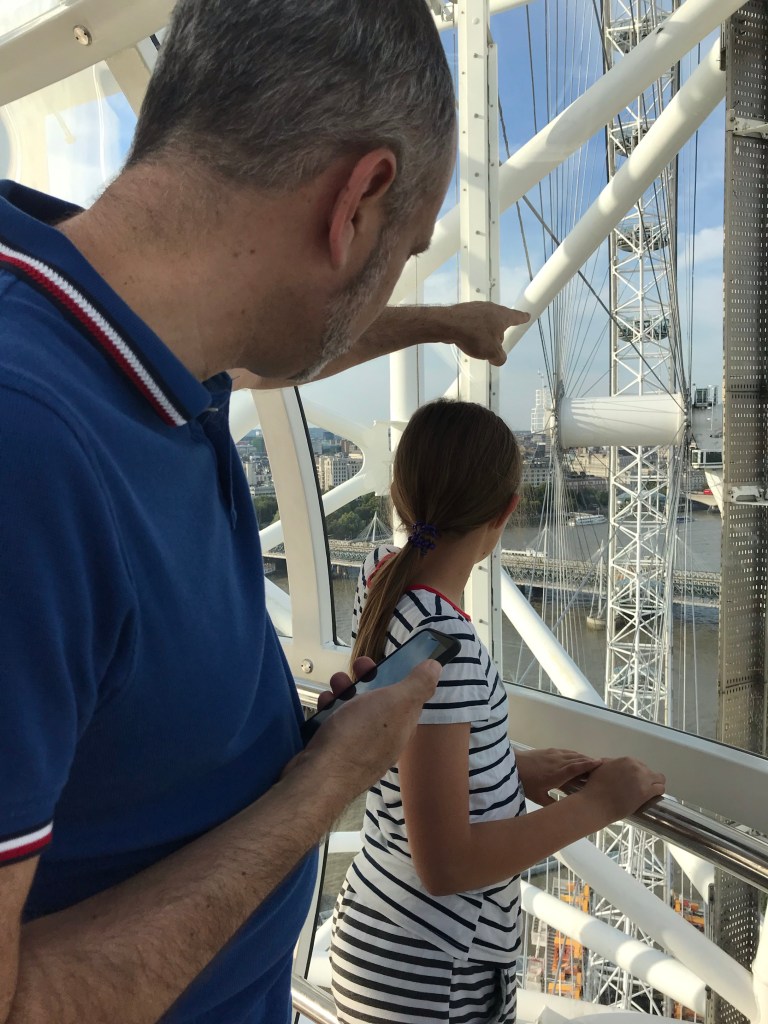
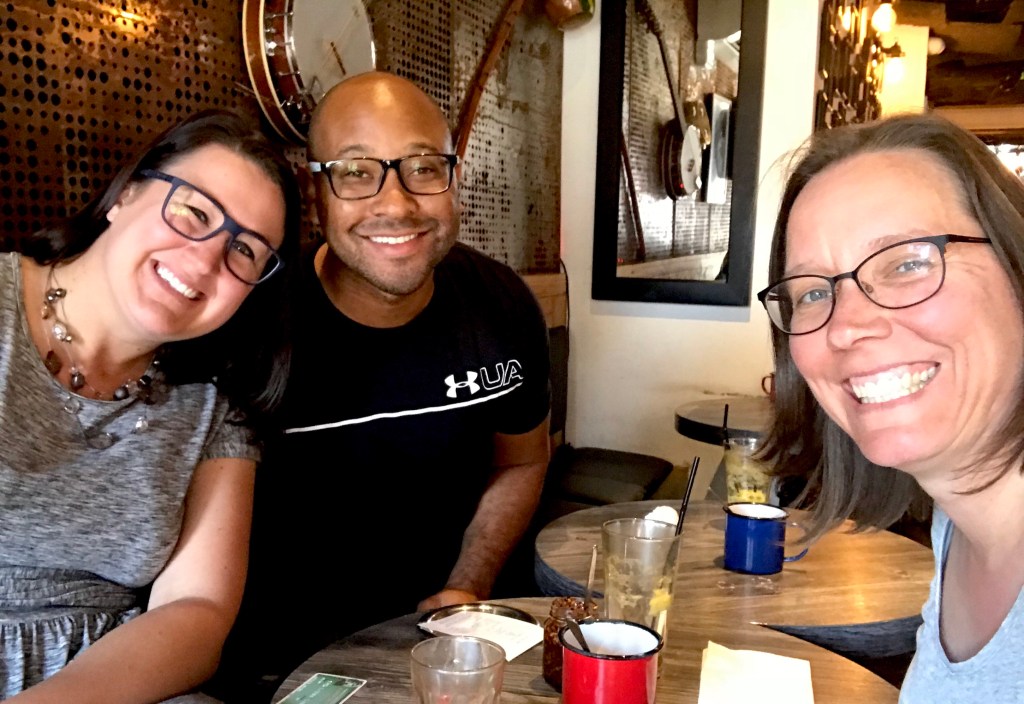
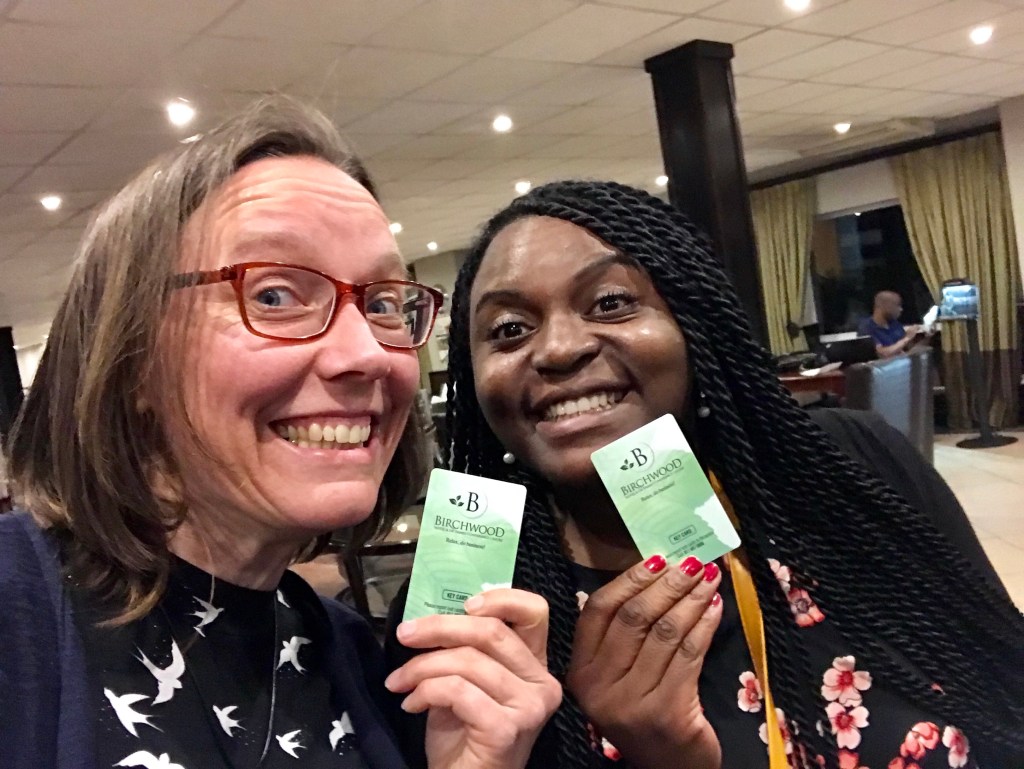

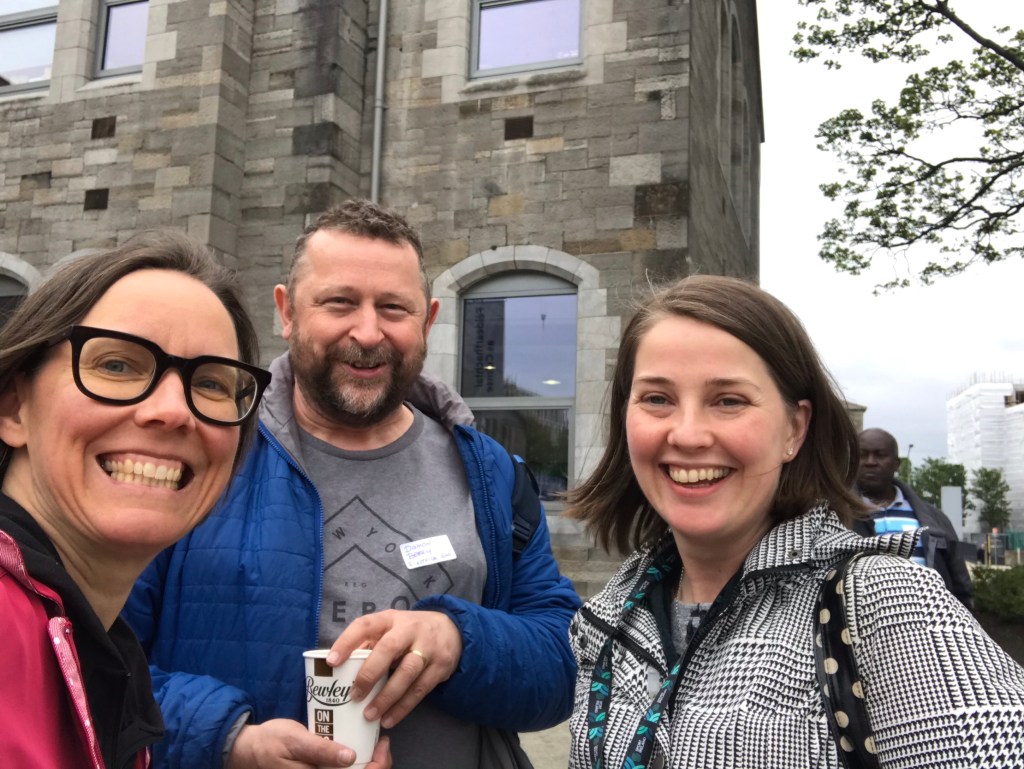
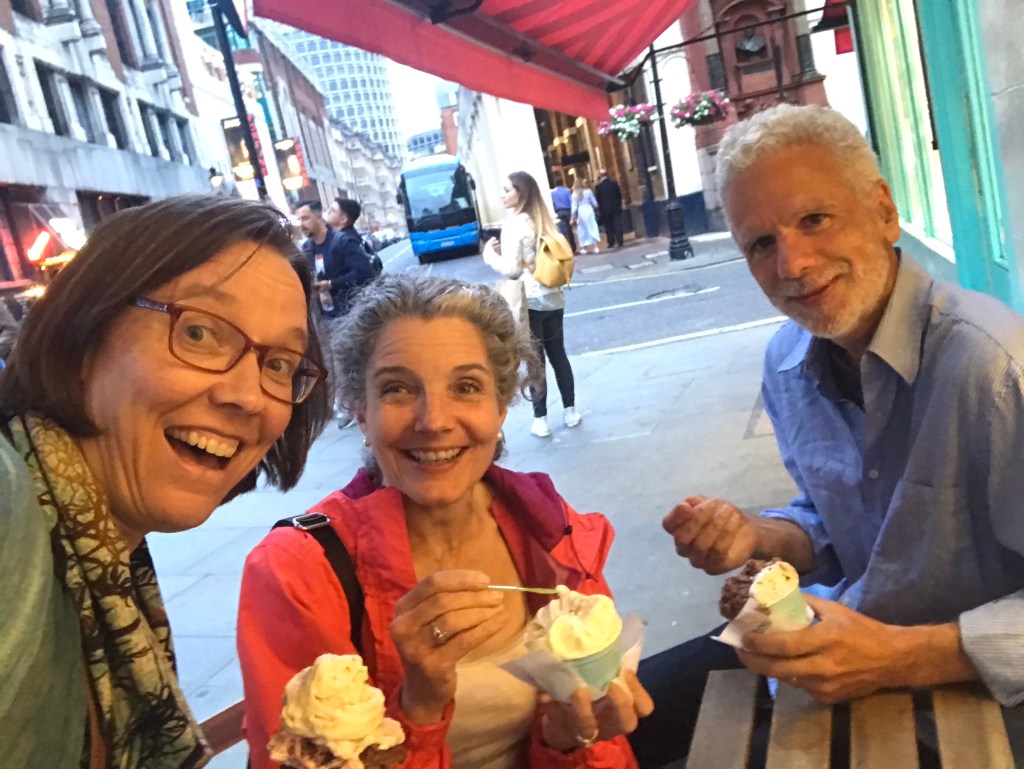
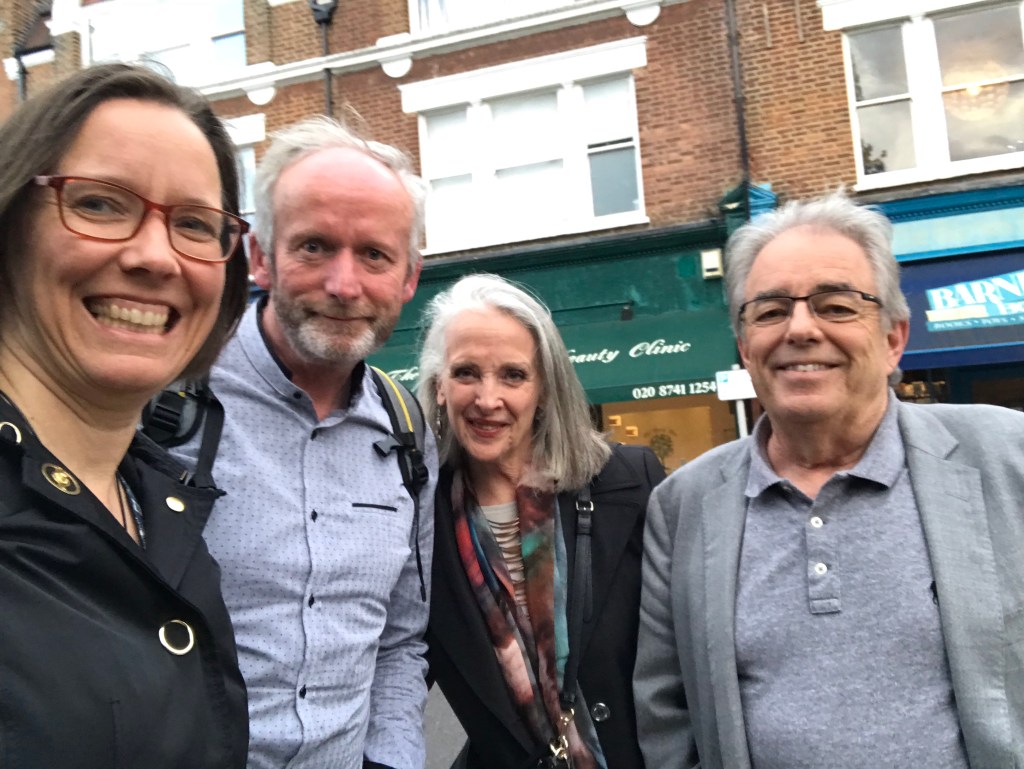
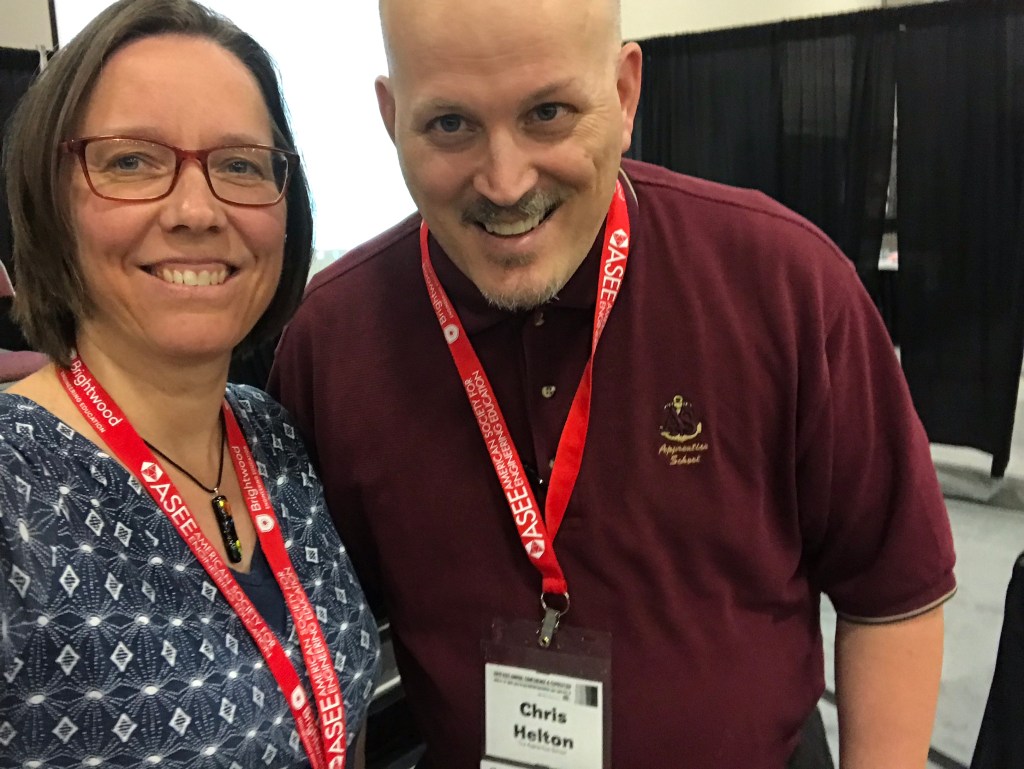
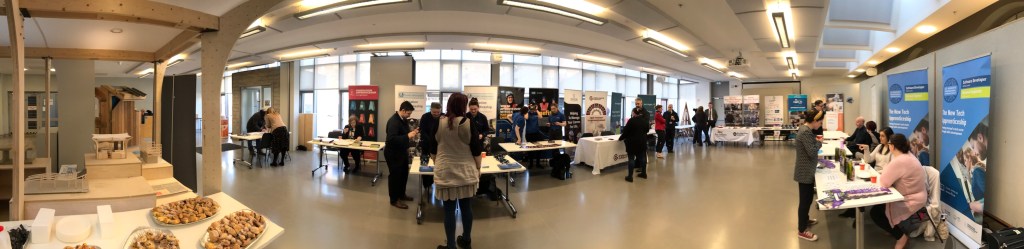
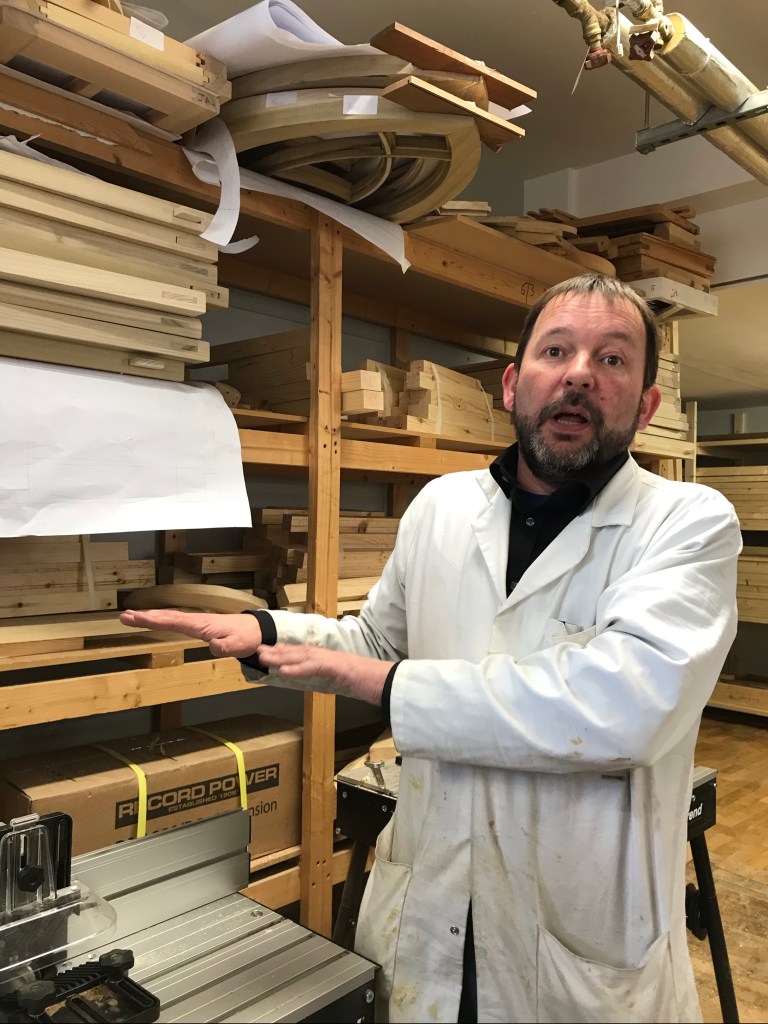
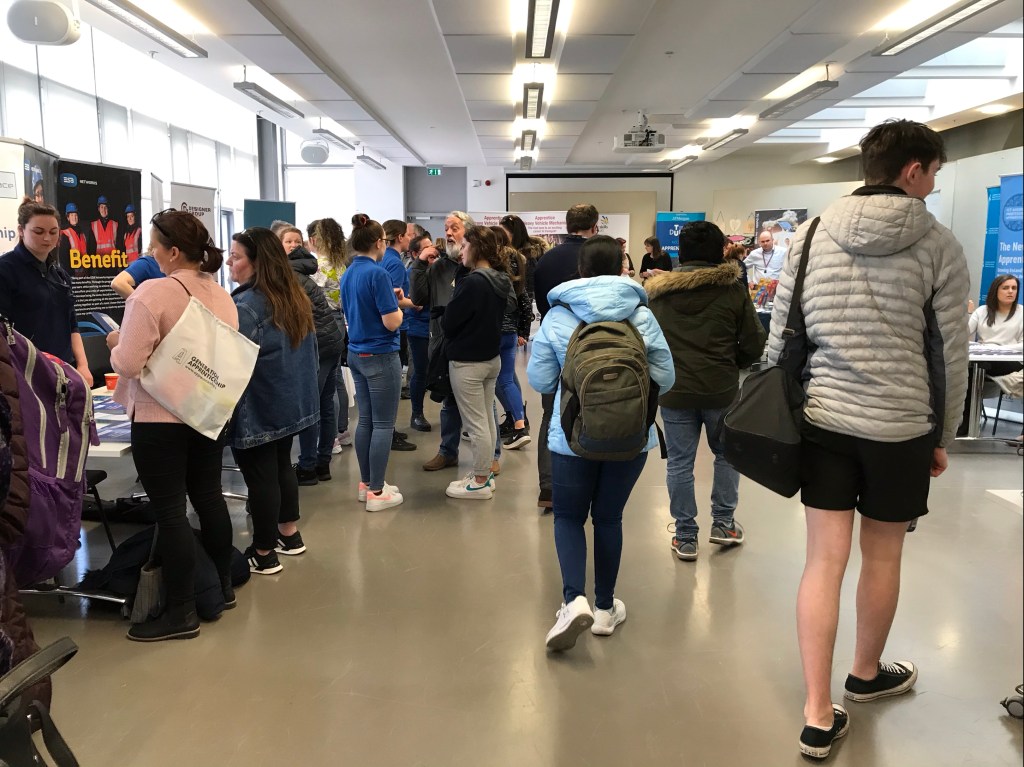
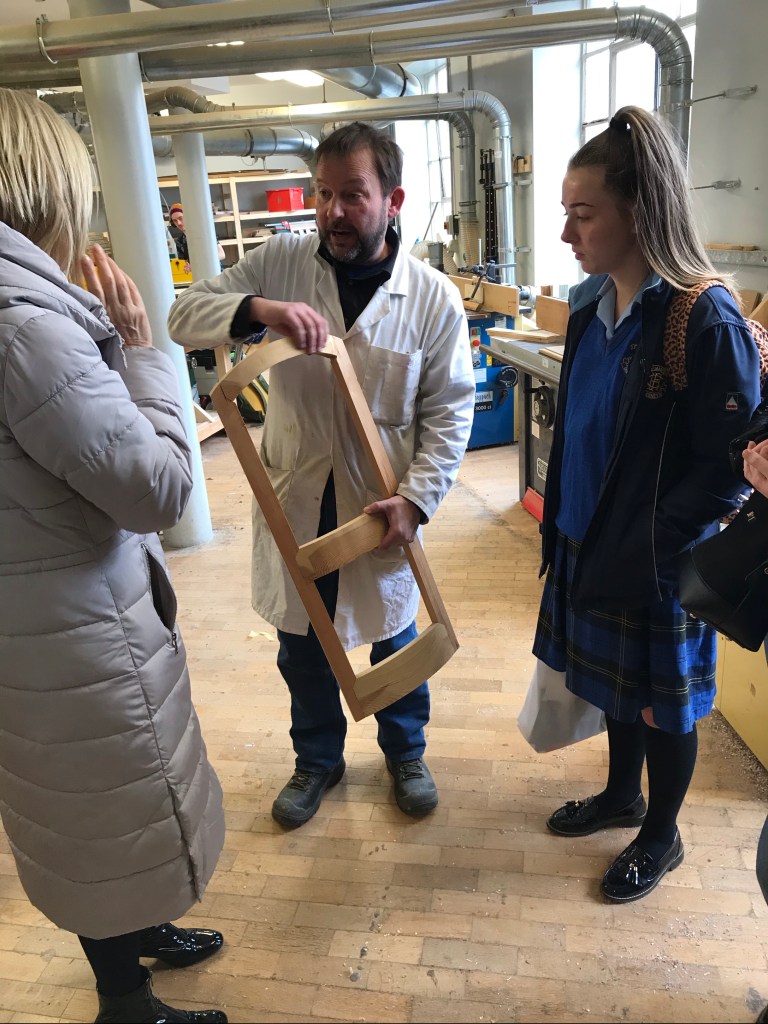

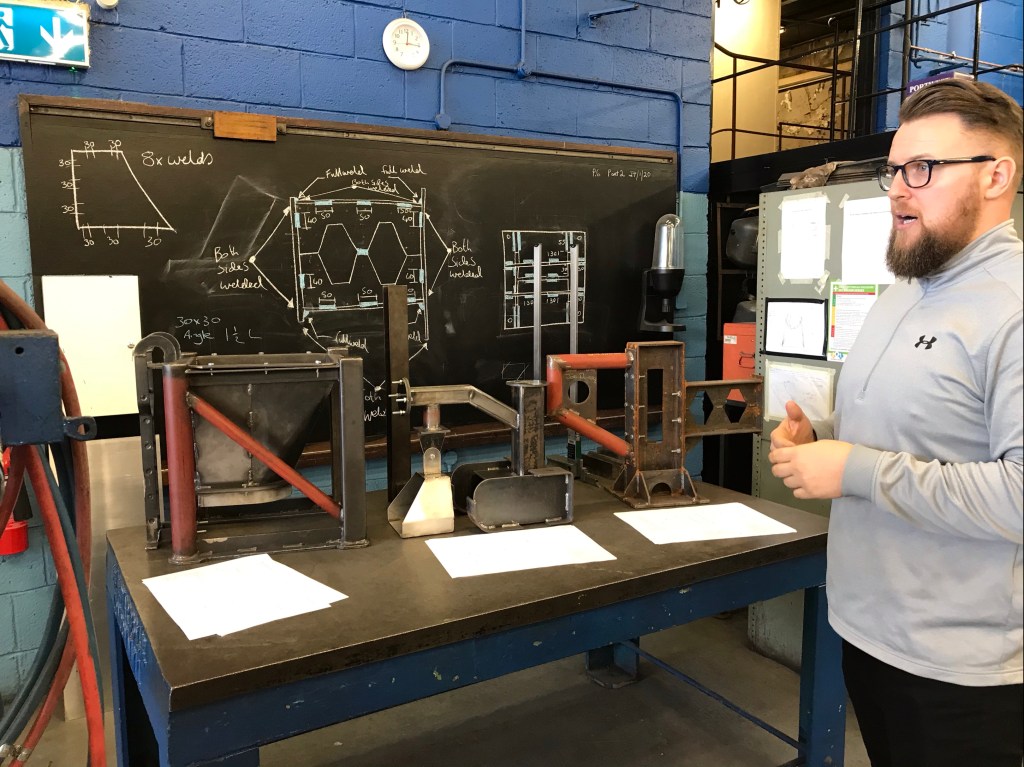





 Ireland by Chance