Grab your popcorn! YouTube ethical & sustainable engineering

Our SEFI keynote about socially responsible engineering is now on YouTube!

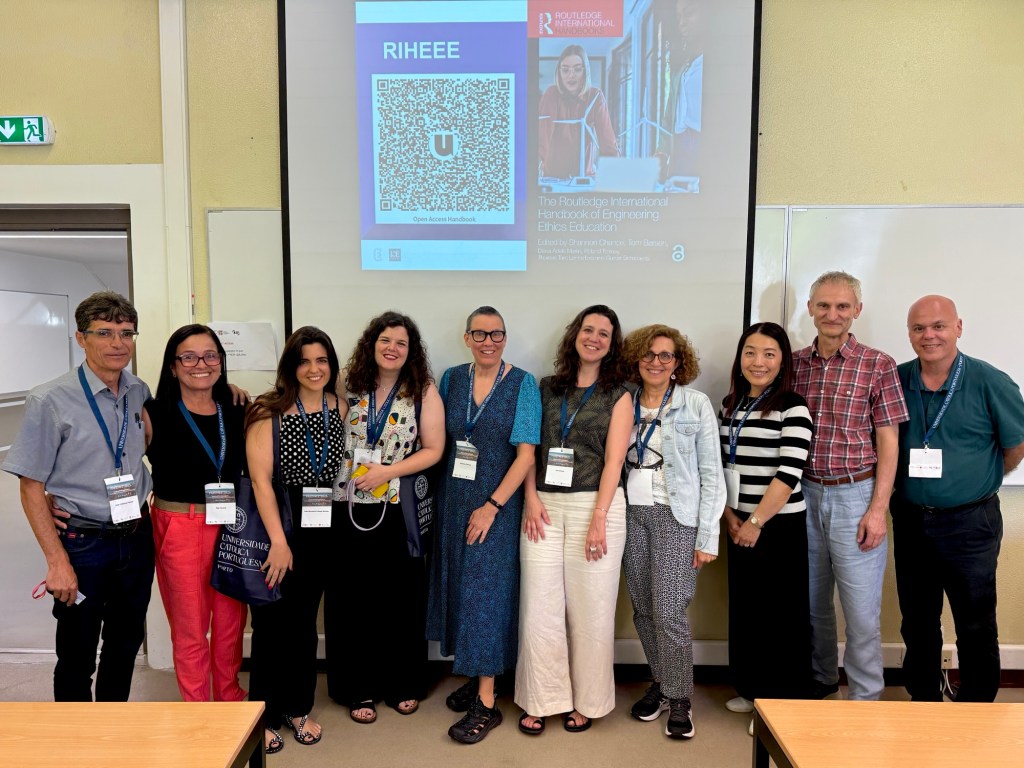
It opens with the launch of our handbook on teaching ethics in engineering. Next, we discuss a strategy for making the necessary changes in engineering education to address turbulent times.

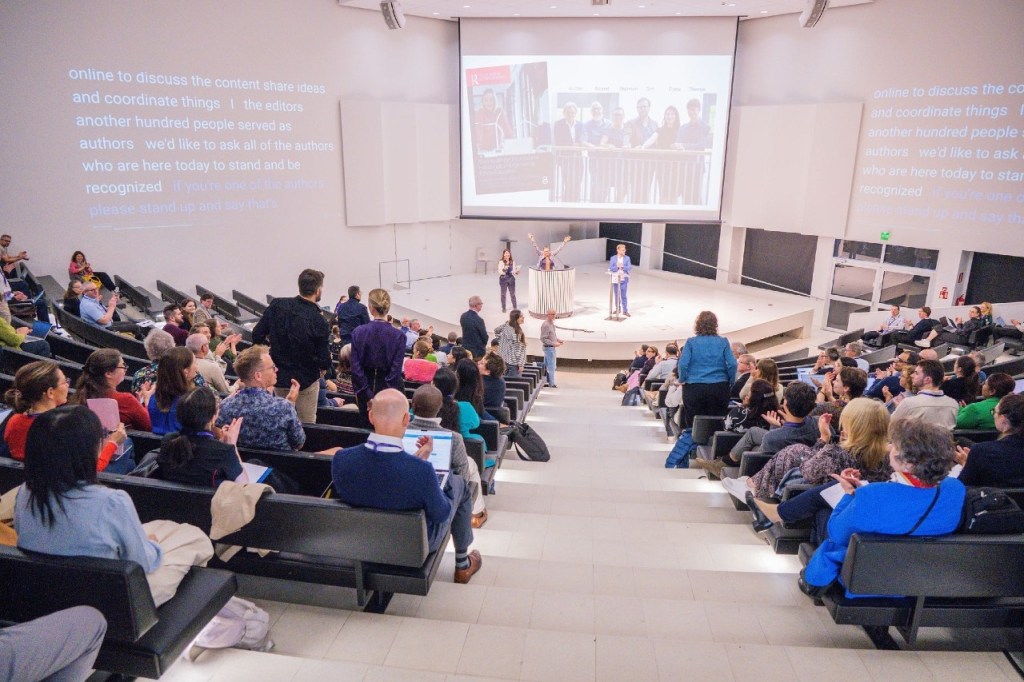
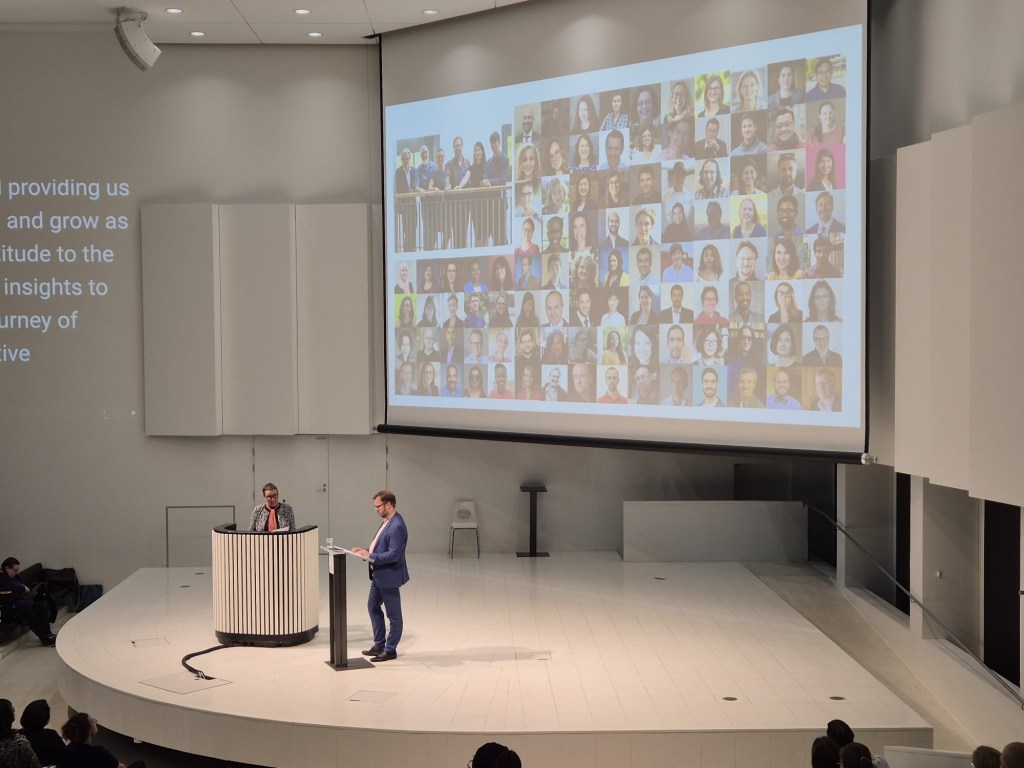
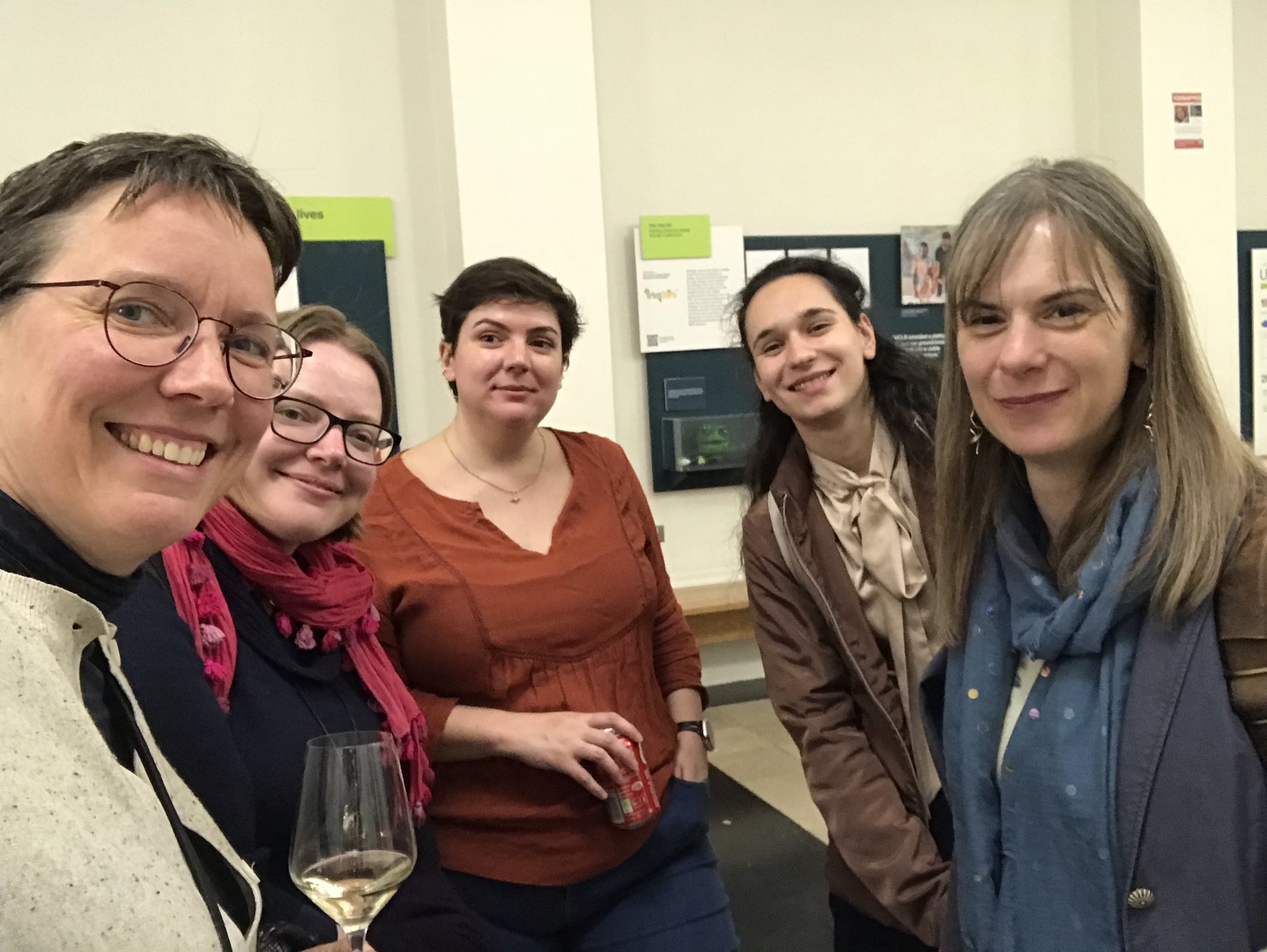
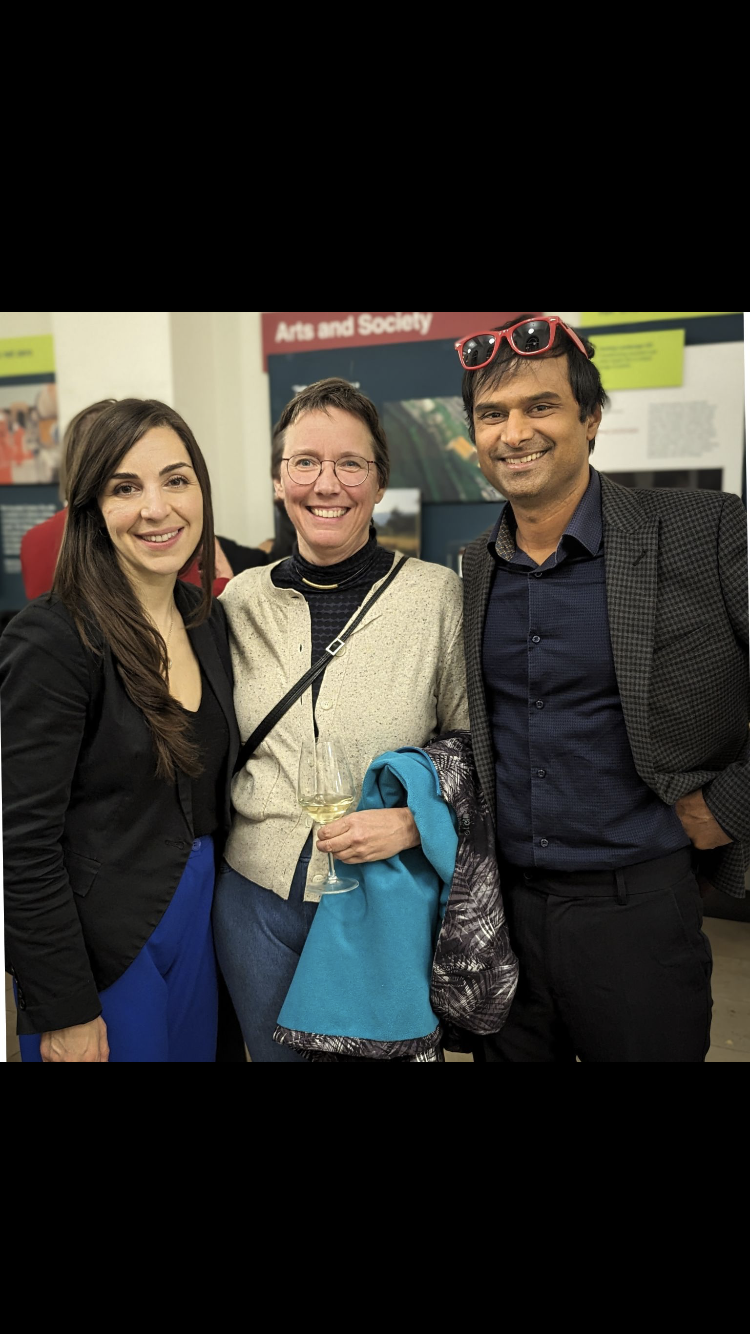
Below, I share fun pics of SEFI, as posting this is a chance to relive the excitement! From the launch:

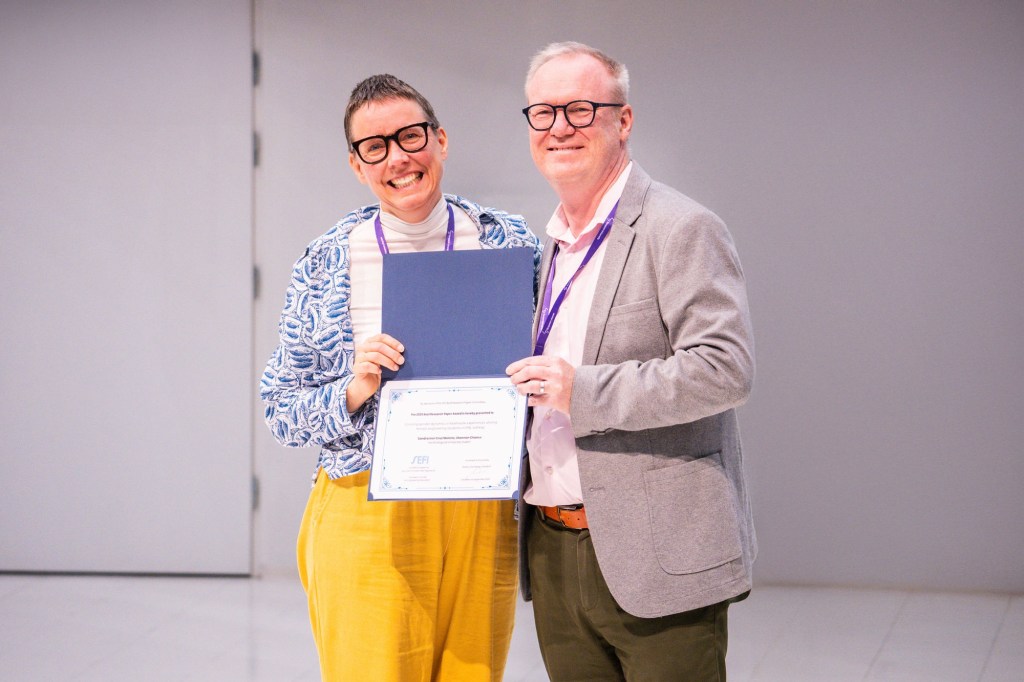
A significant — unexpected — highlight of the SEFI conference was receiving the award for the BEST RESEARCH PAPER of the entire conference! I accepted the ward on behalf of my PhD student, soon-to-be Dr Sandra Cruz!

Here I’m being awarded by Professor John Mitchell and congratulated by my co-editors of the European Journal of Engineering Education.

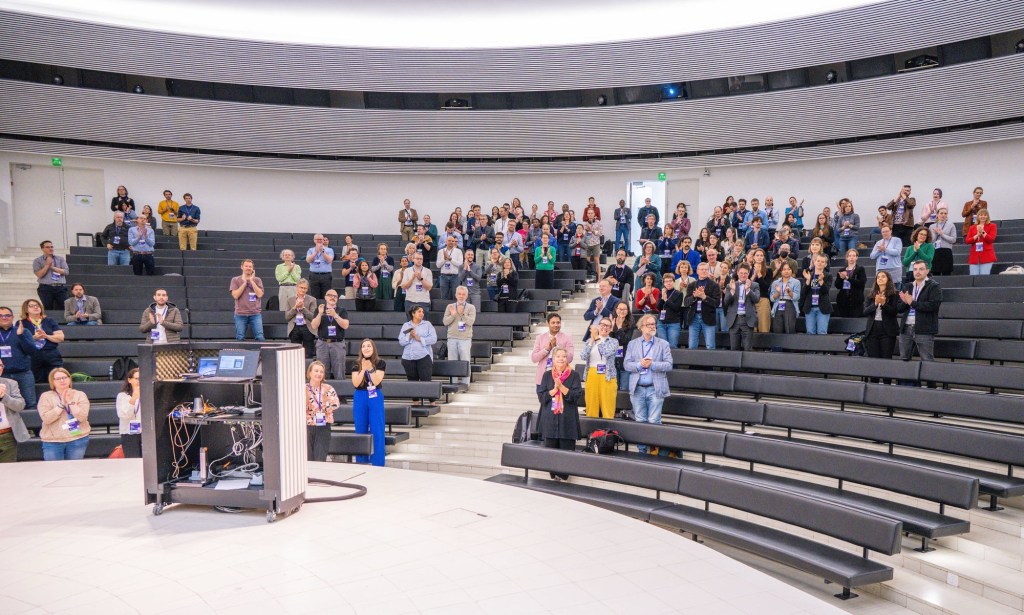
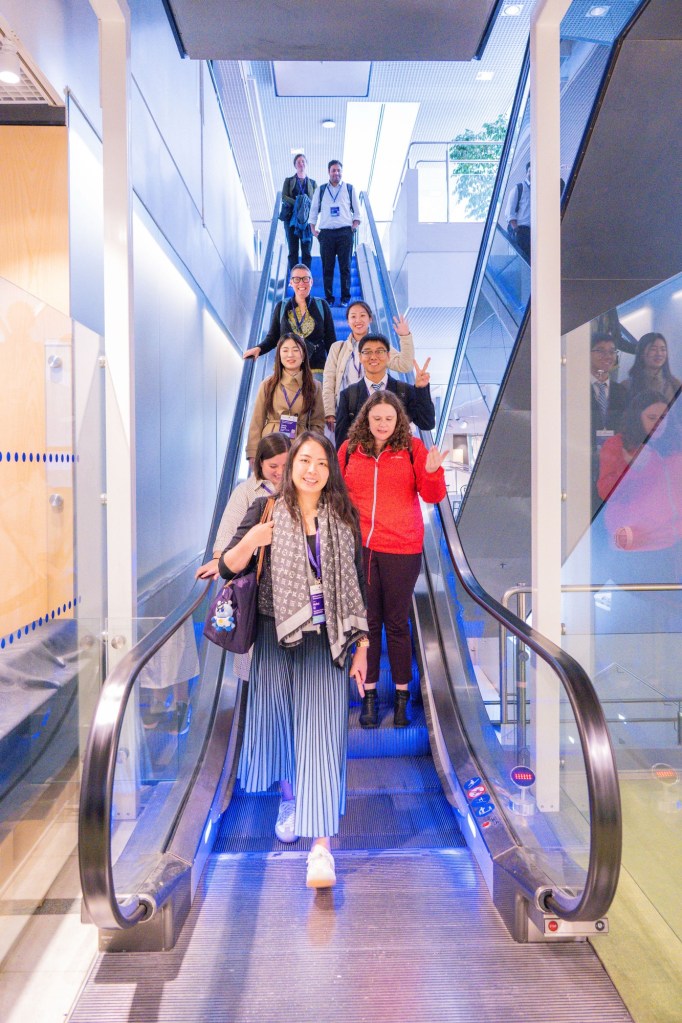
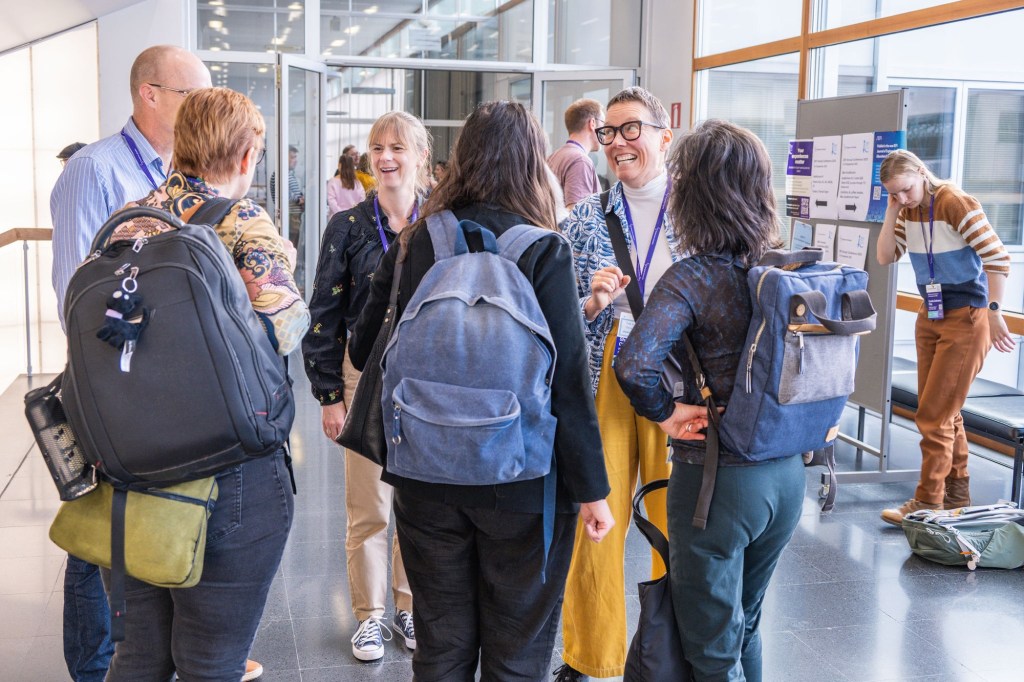
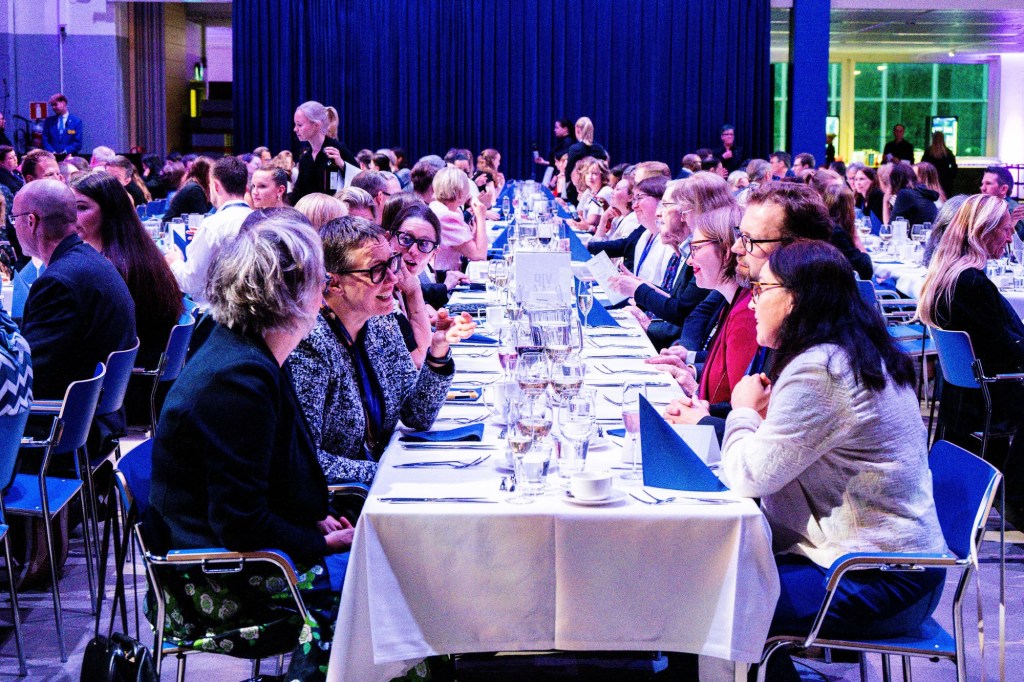
The official photographer captured the conference vibe:

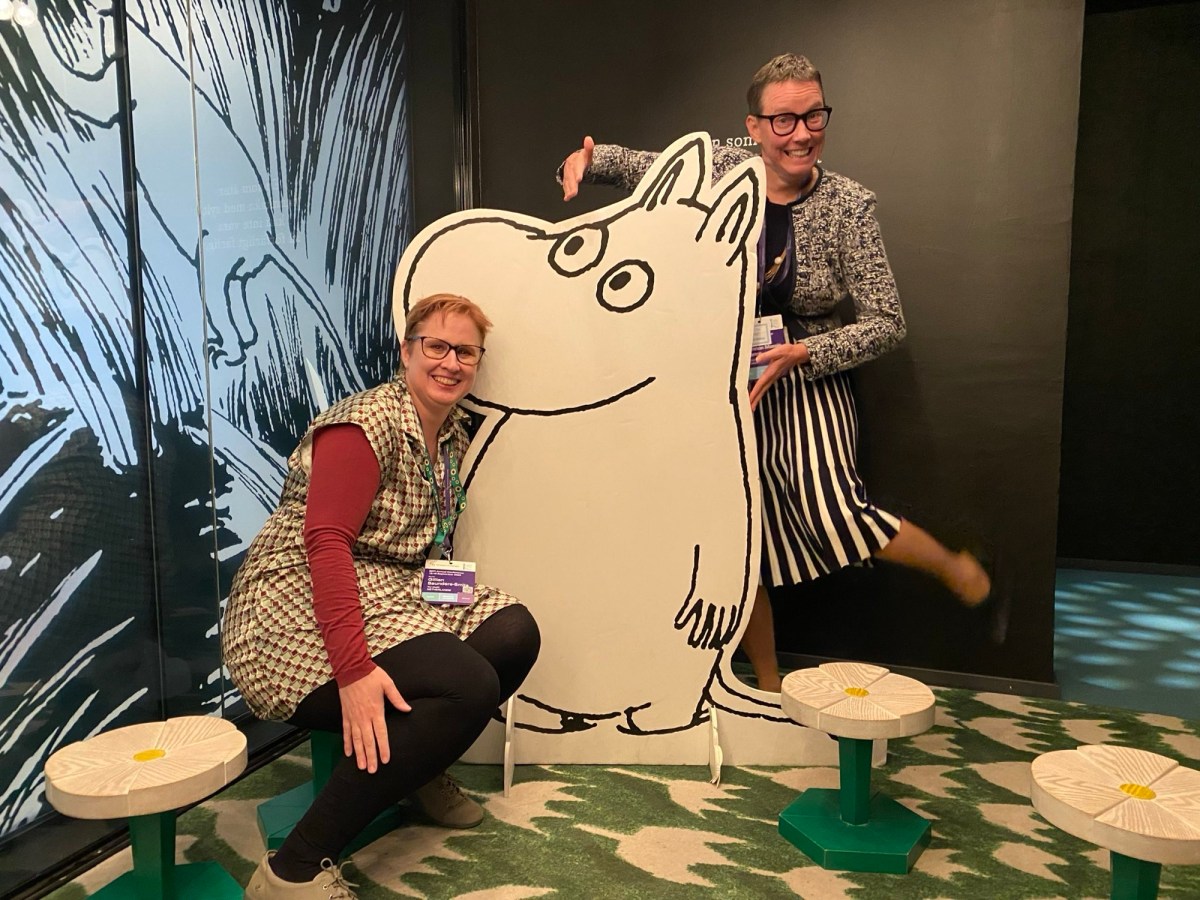
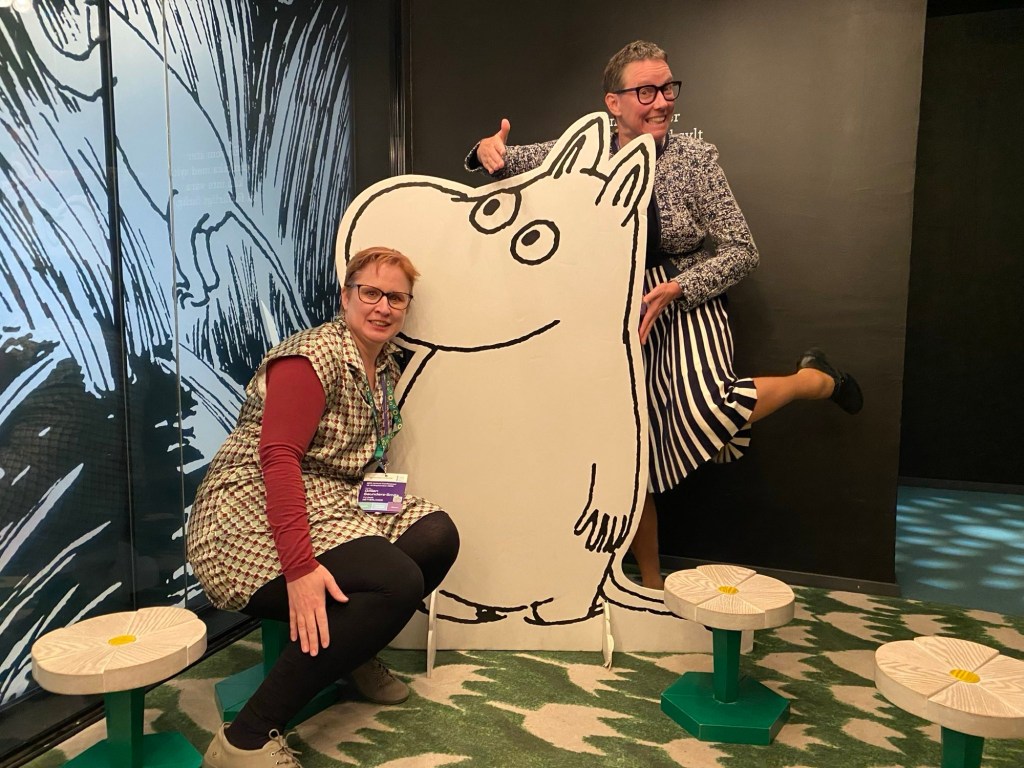
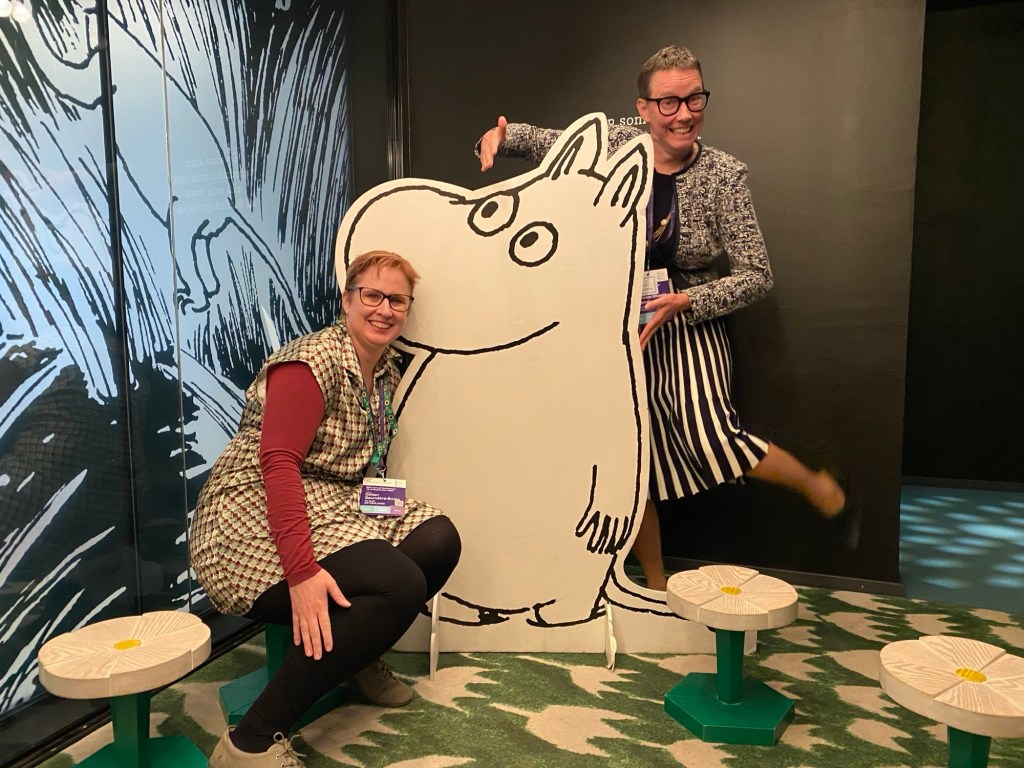
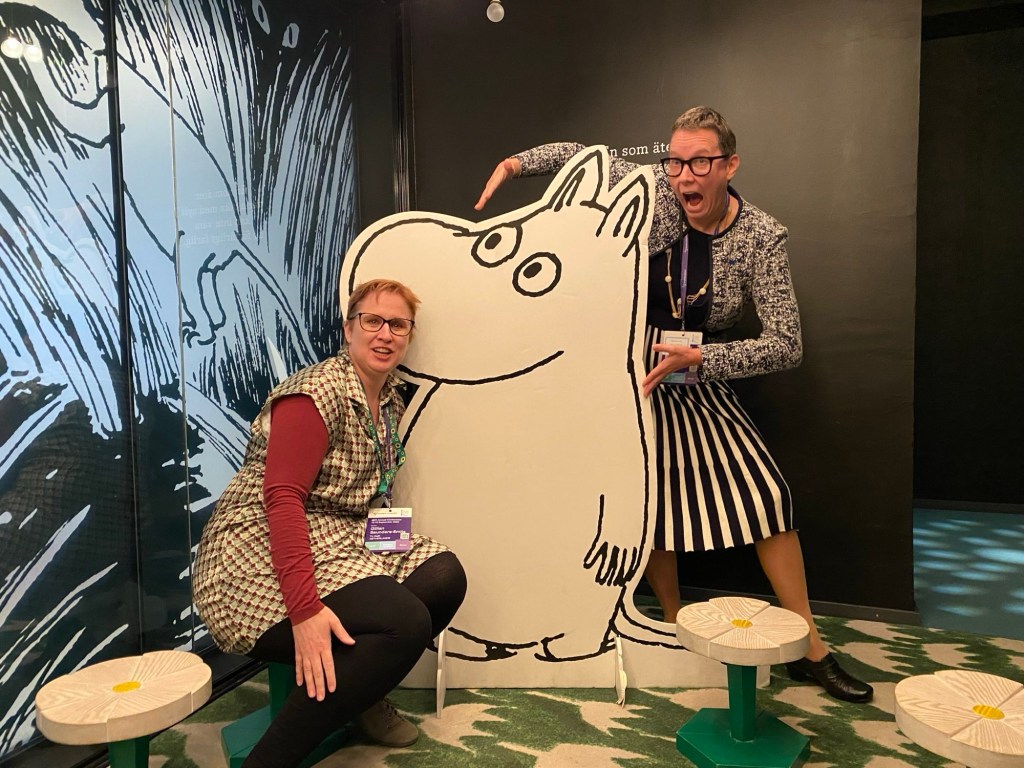
And the SEFI Director General, architect Klara Ferdova, captured and shared other behind-the-scenes moments, like Gillian Saunders-Smit and me at the Moonmin Museum:

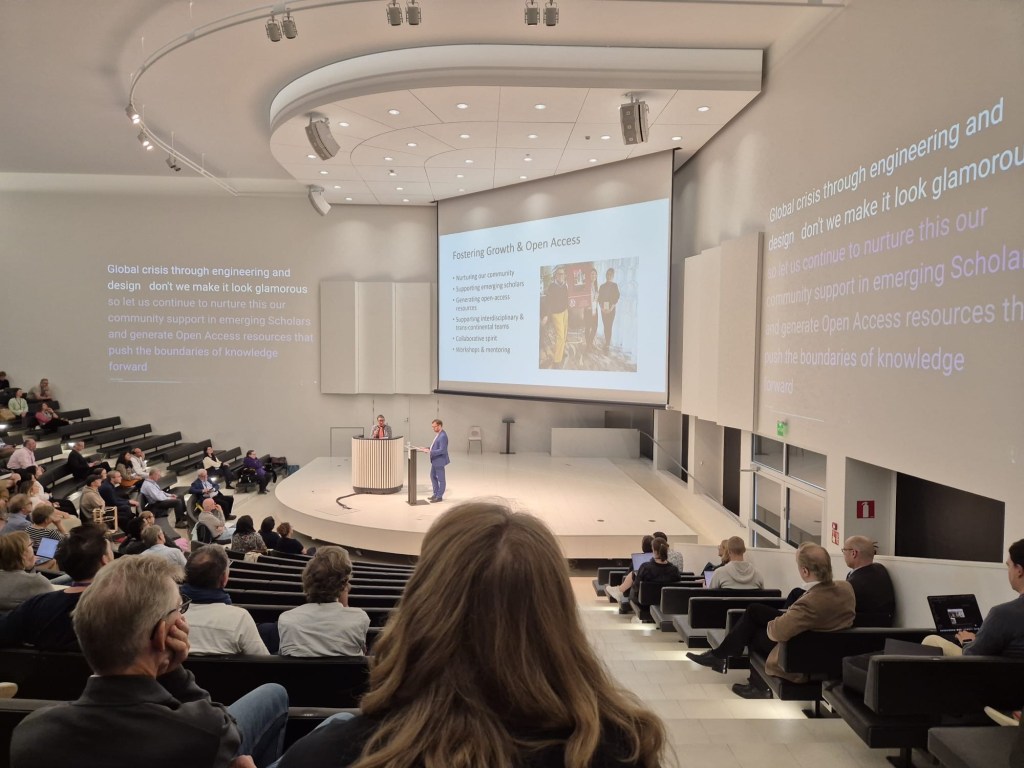
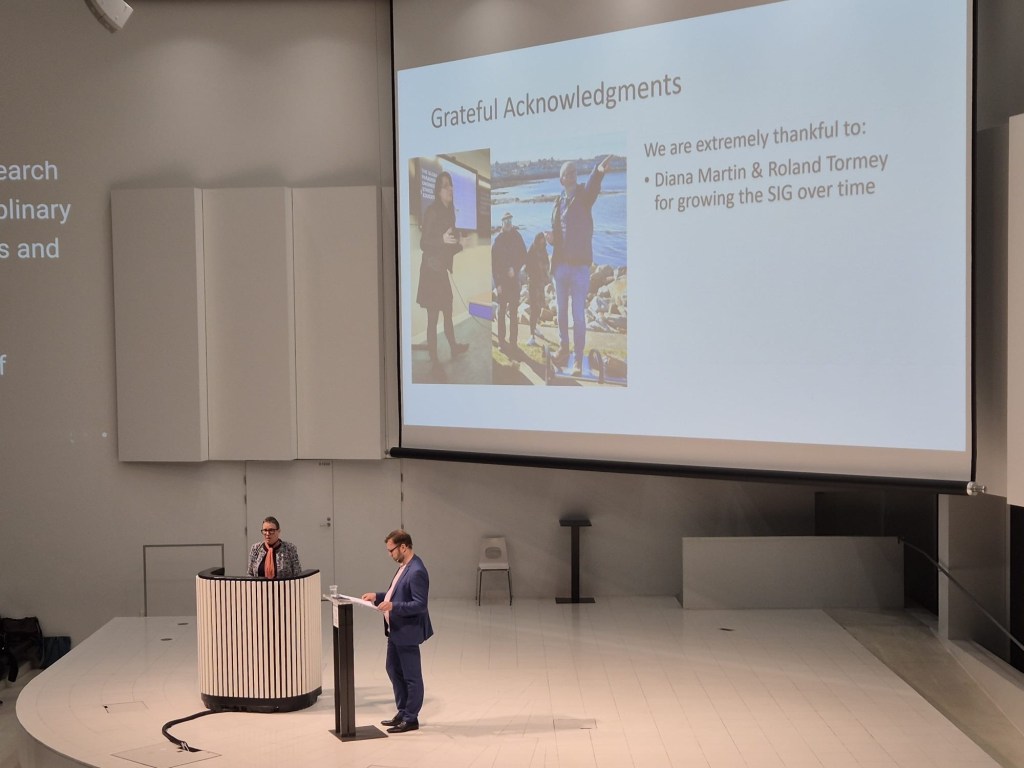
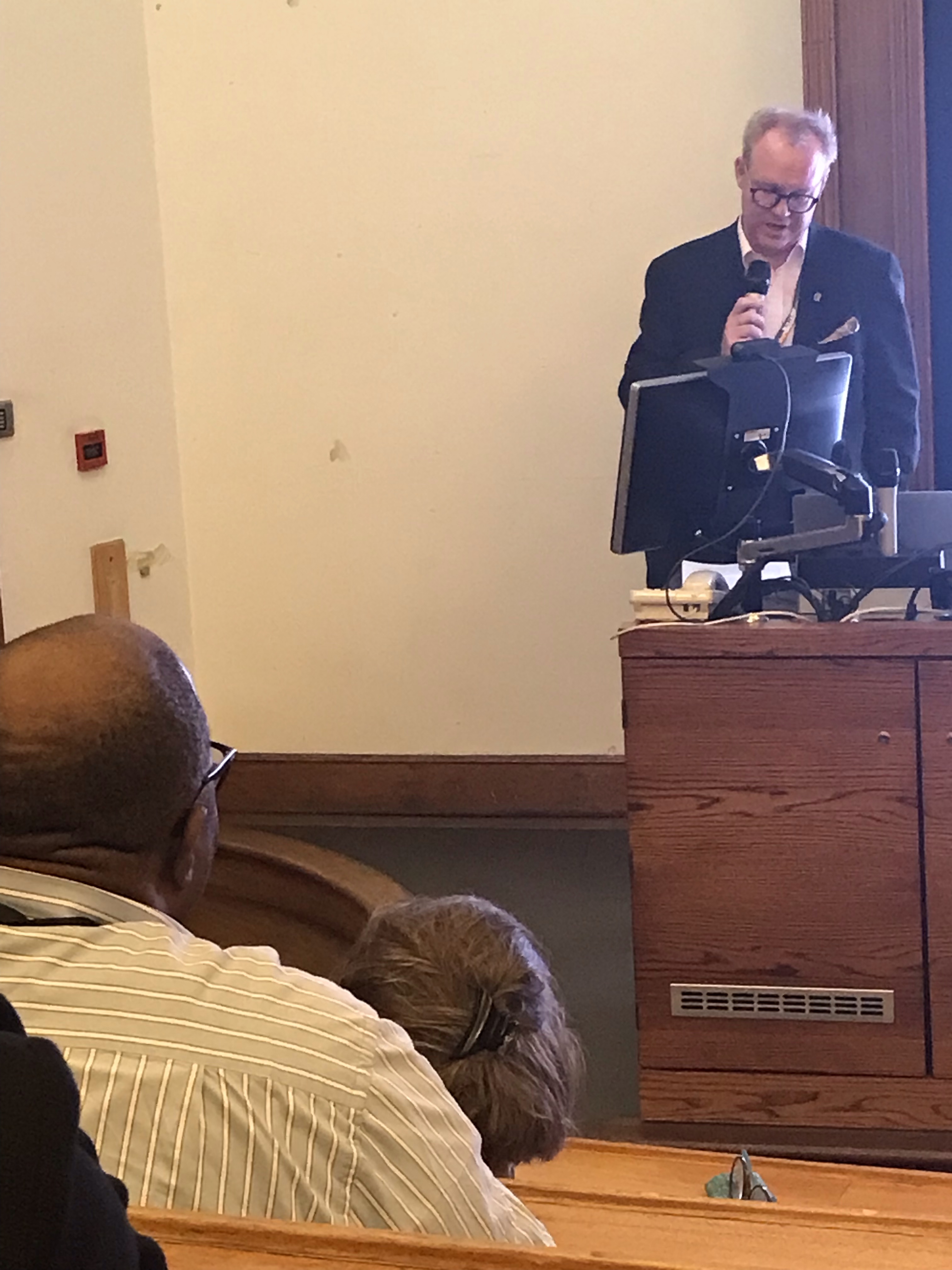
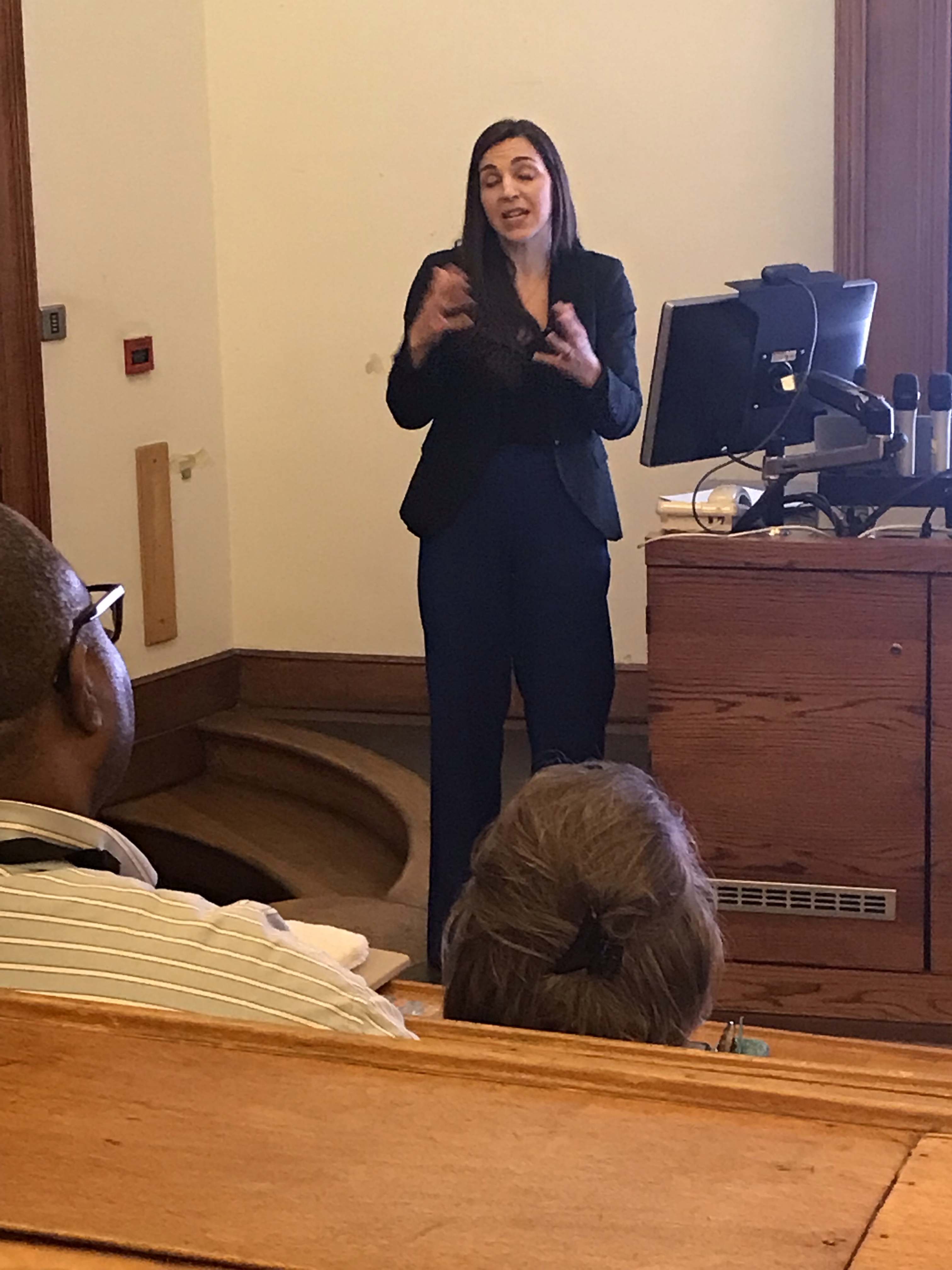
And here are Klara’s photos of the keynote! An architect’s eye for structure and composition, Klara has!

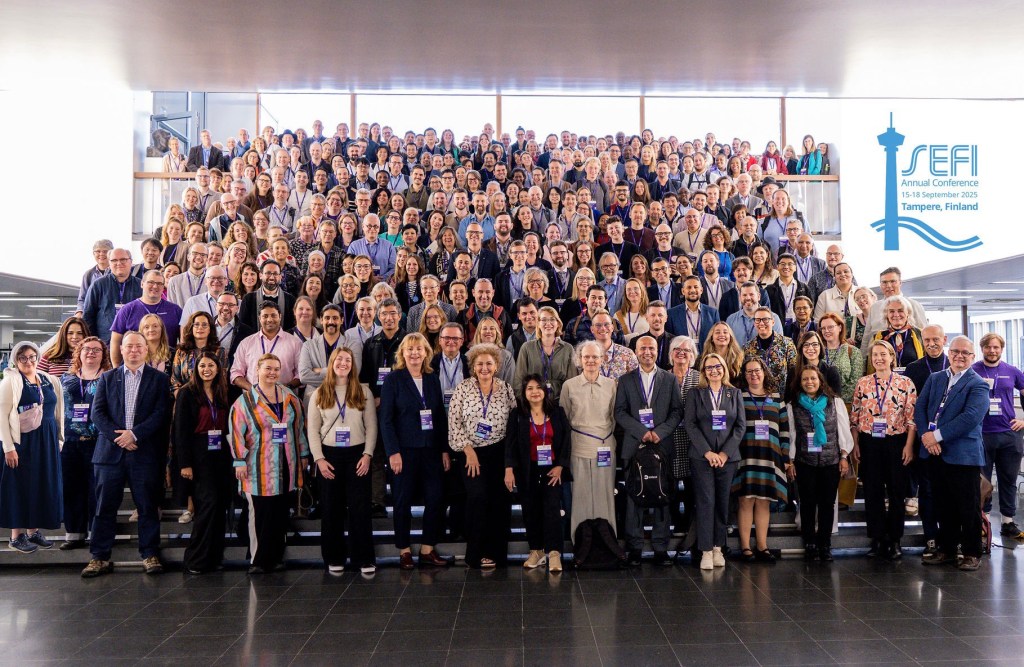
And finally, here’s the official SEFI photo, showing the whole happy family!

If you’re interested in teaching engineering well, please join us for next year’s SEFI conference in Prague!

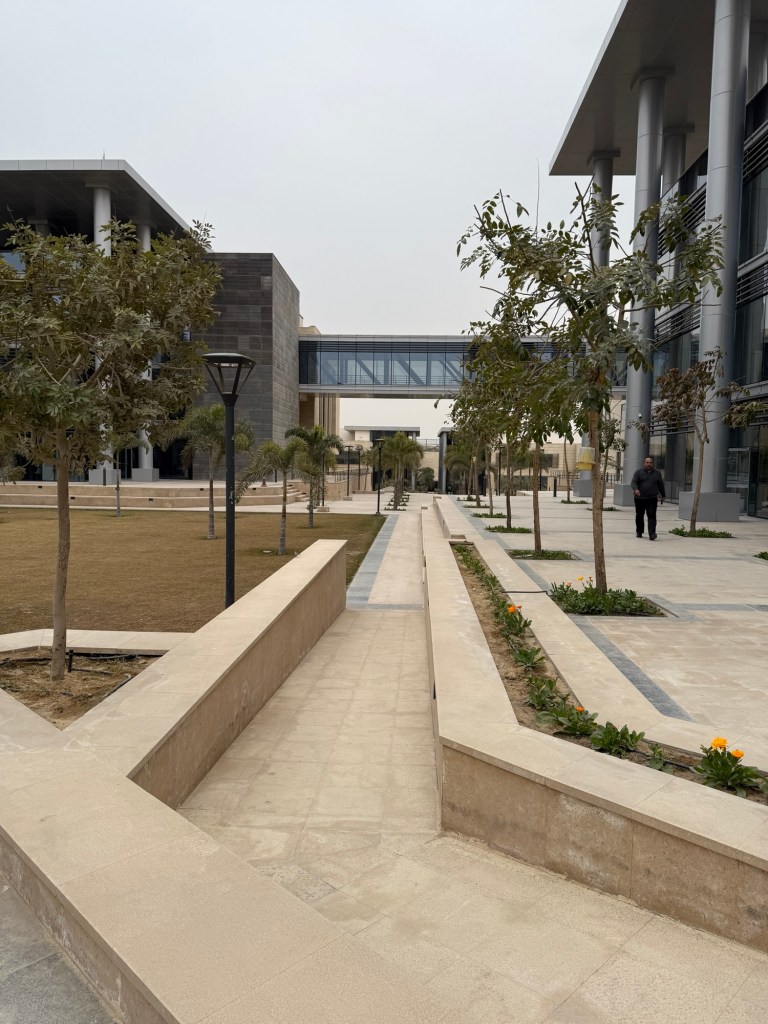
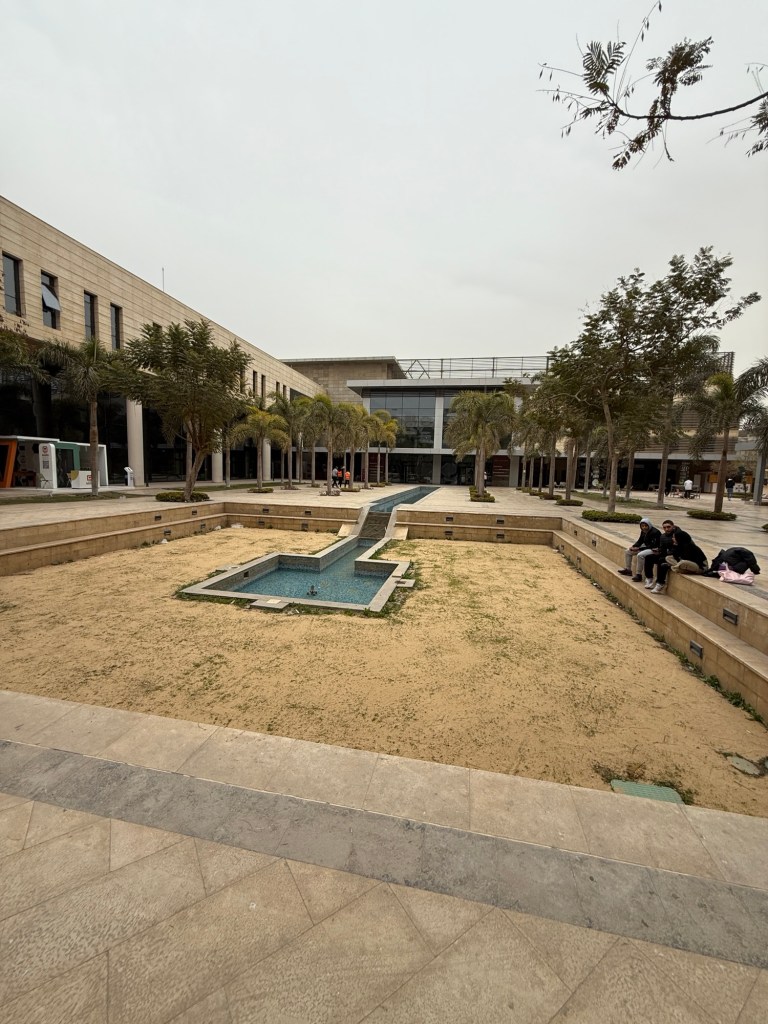
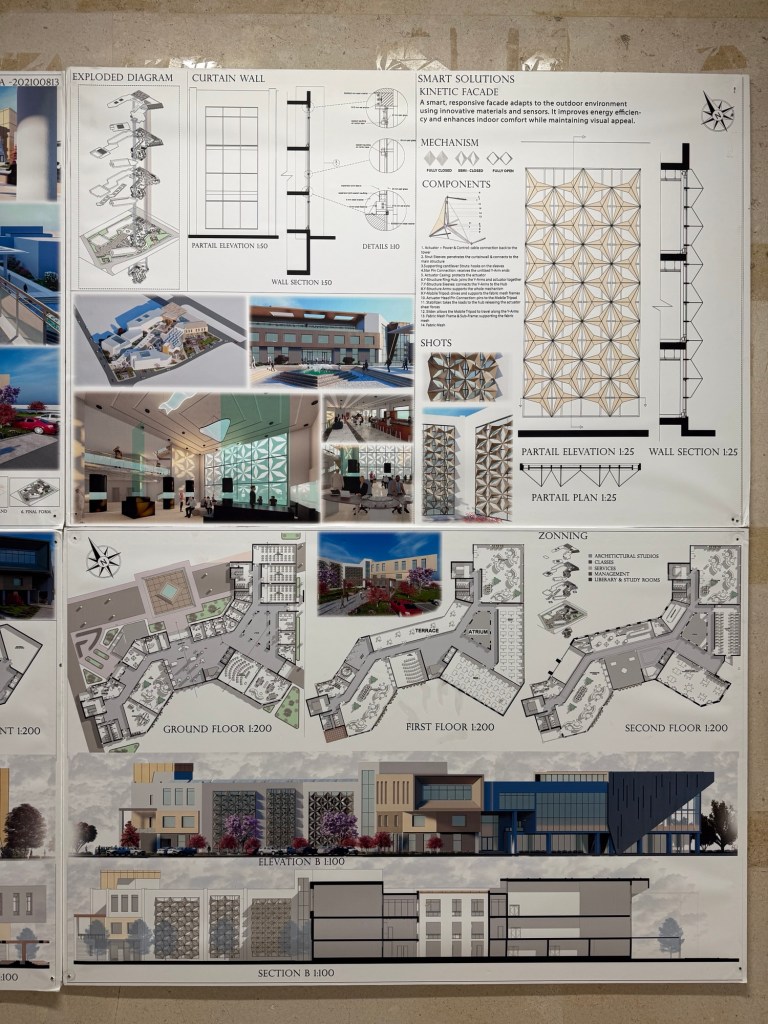
Our new Architectural Engineeing curriculum at NewGiza University

NewGiza University (NGU), located on the outskirts of Cairo, just released a video of me discussing the Architectural Engineering curriculum that I co-designed with Professor Emanuela Tilley, starting back in 2020: https://www.instagram.com/reel/DMVKR4HvVQ0/?igsh=MWo1dDE3cTB4Y2cxeQ== (opens in Instagram):

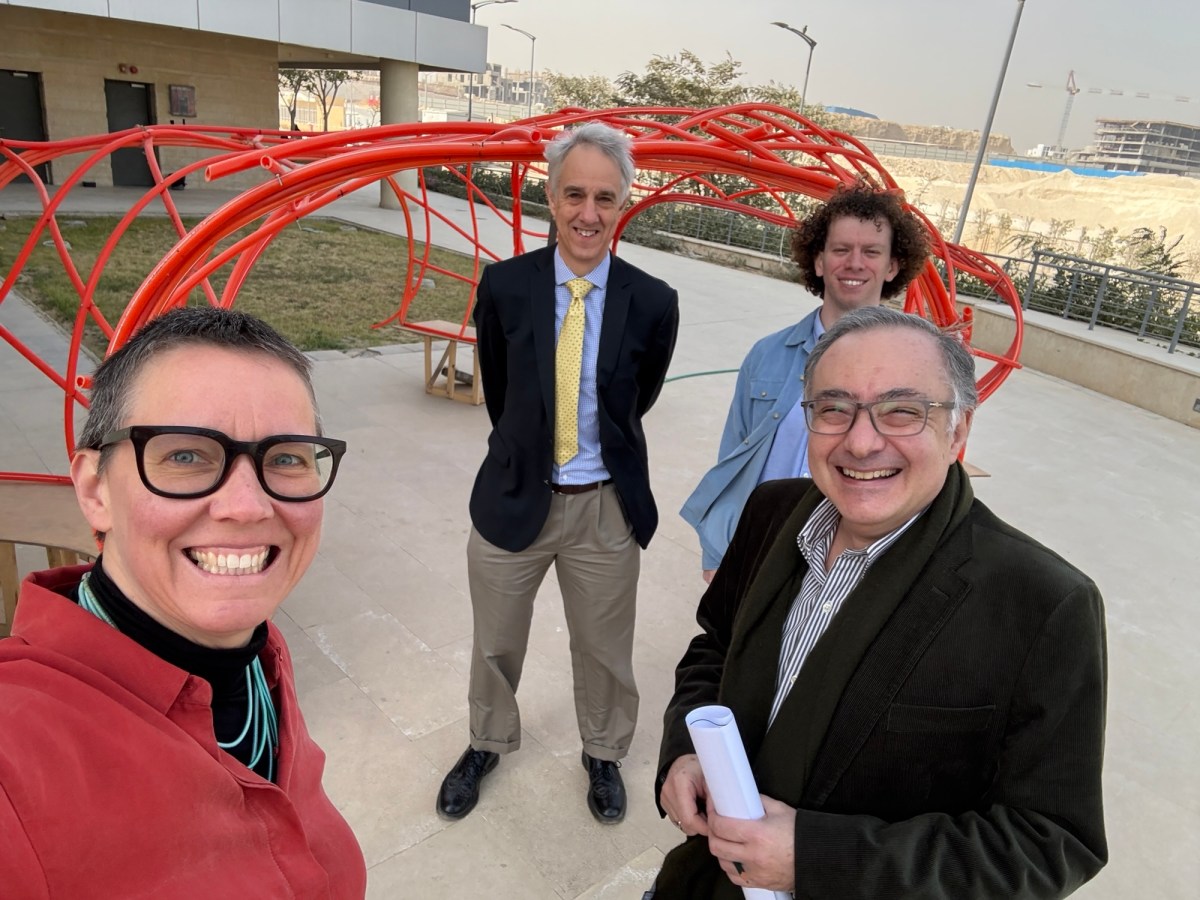
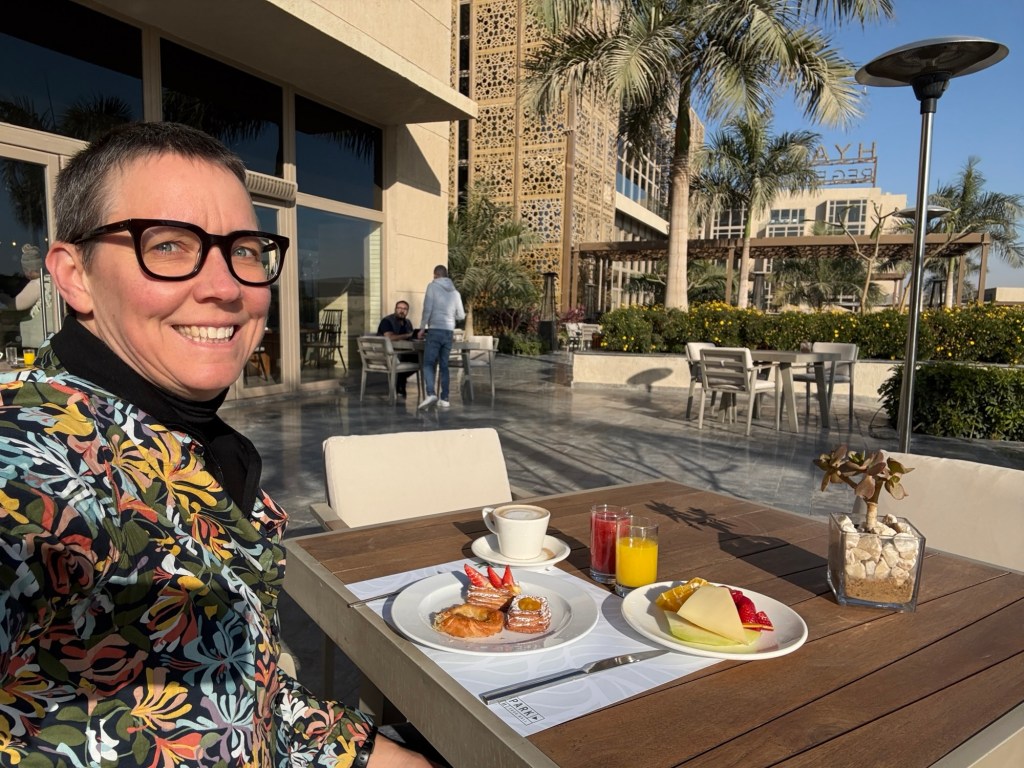
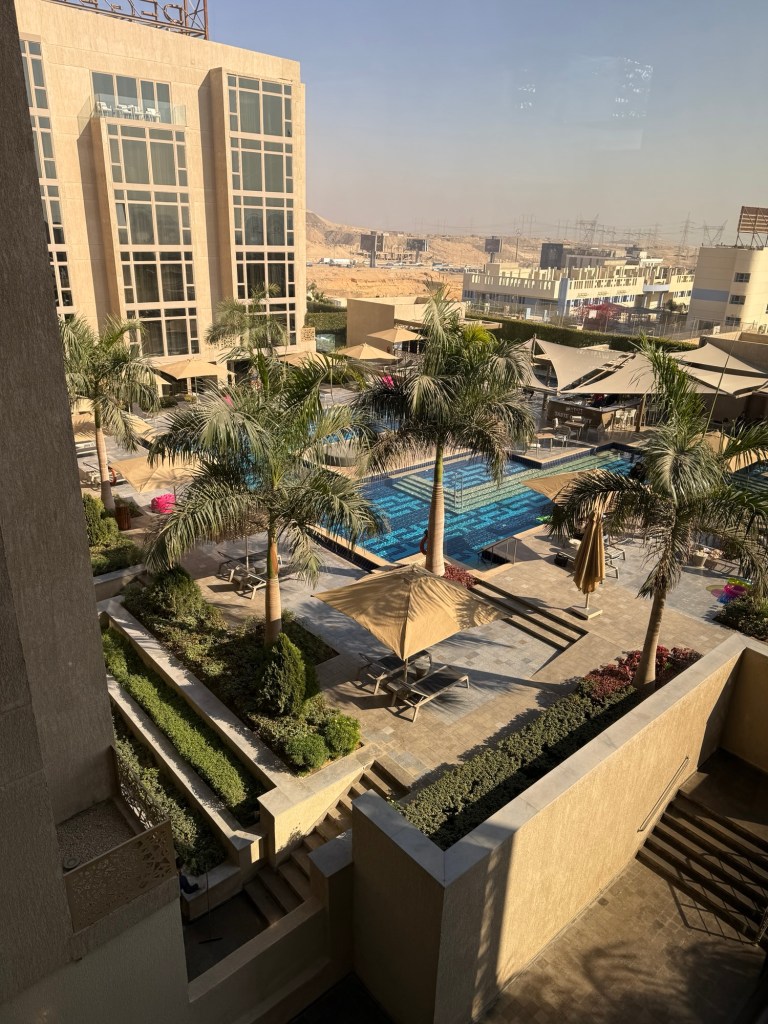
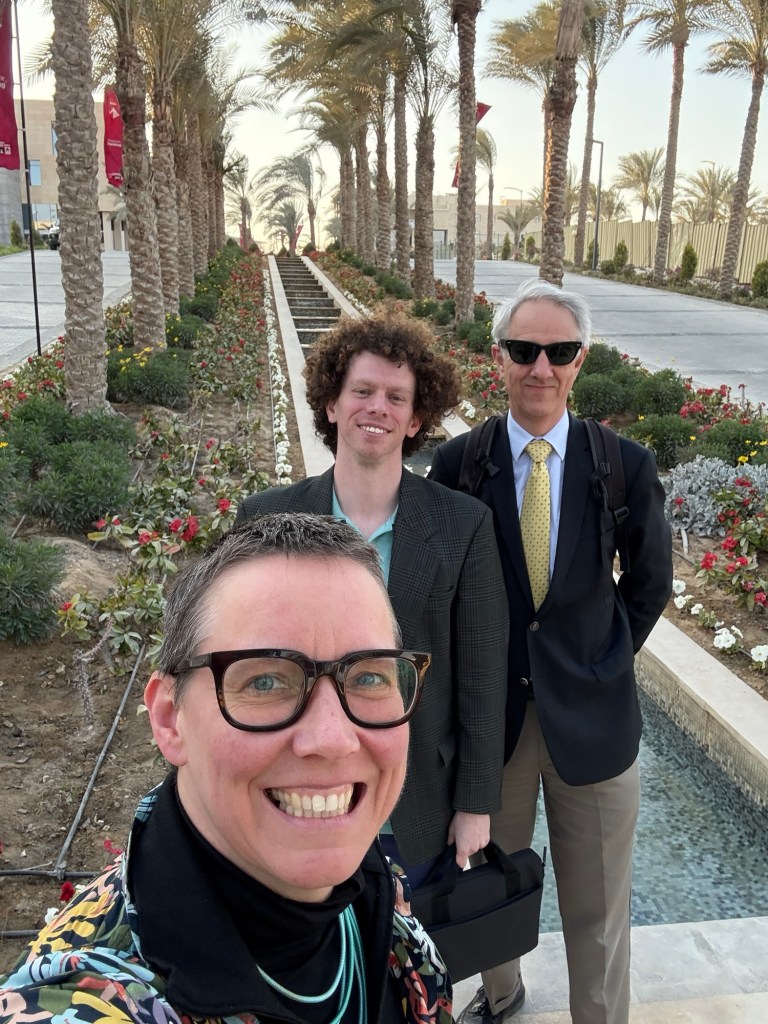
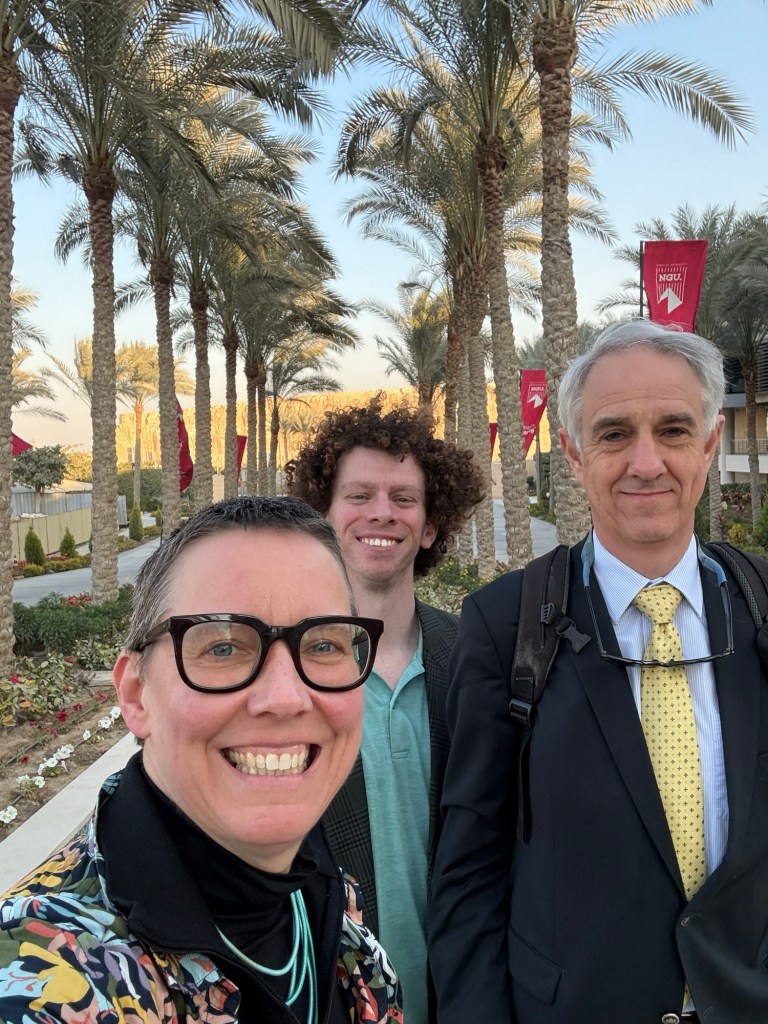
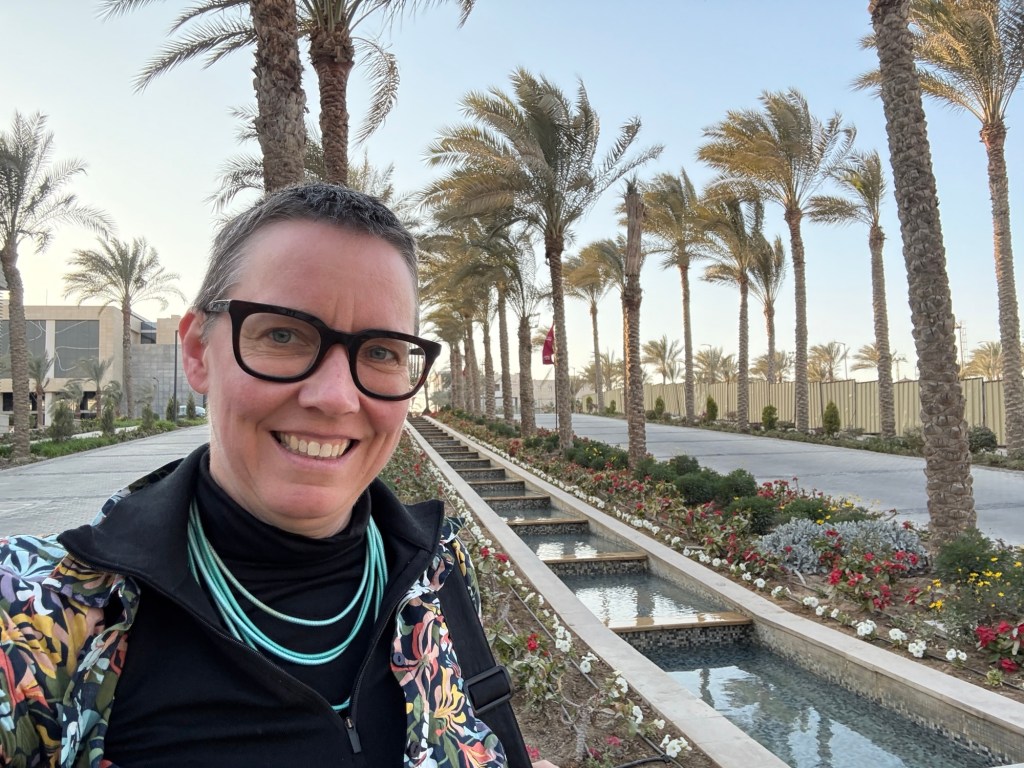
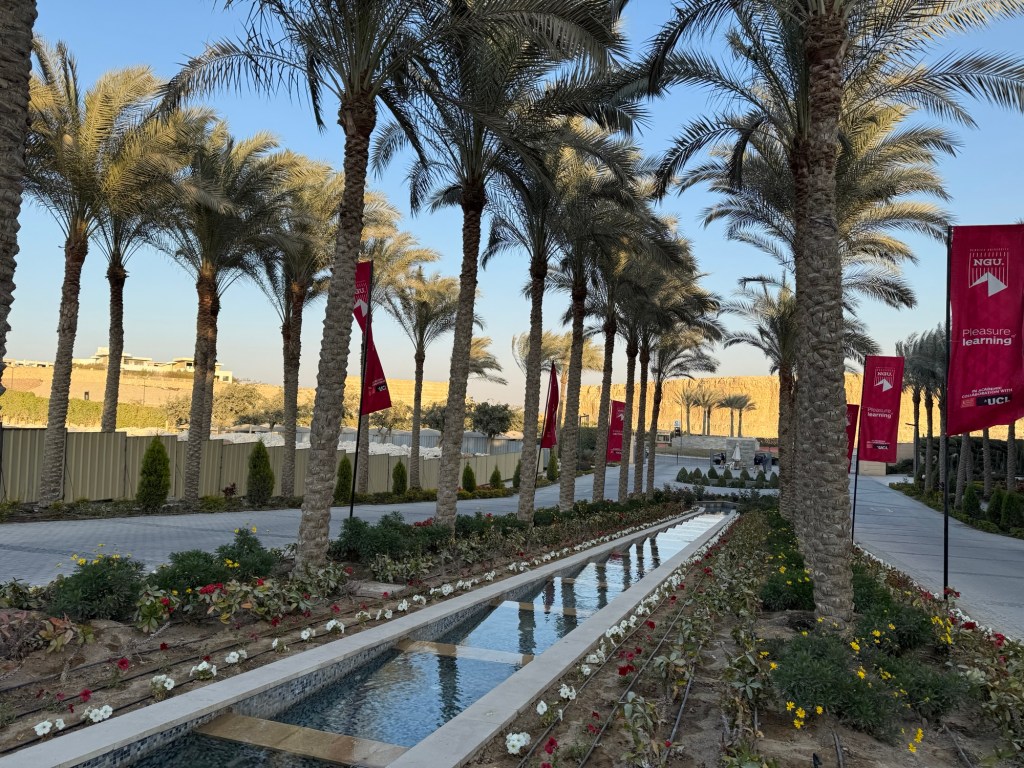
Because of the pandemic, I did not have a chance to visit NGU before we started designing the curriculum. In fact, I didn’t get to visit until this past February, 2025, when I travelled over with two staff from UCL to provide feedback on the quality of the program’s delivery.

It was a whirlwind tour, considering that I arrived a day later than expected due to a British Airline delay.

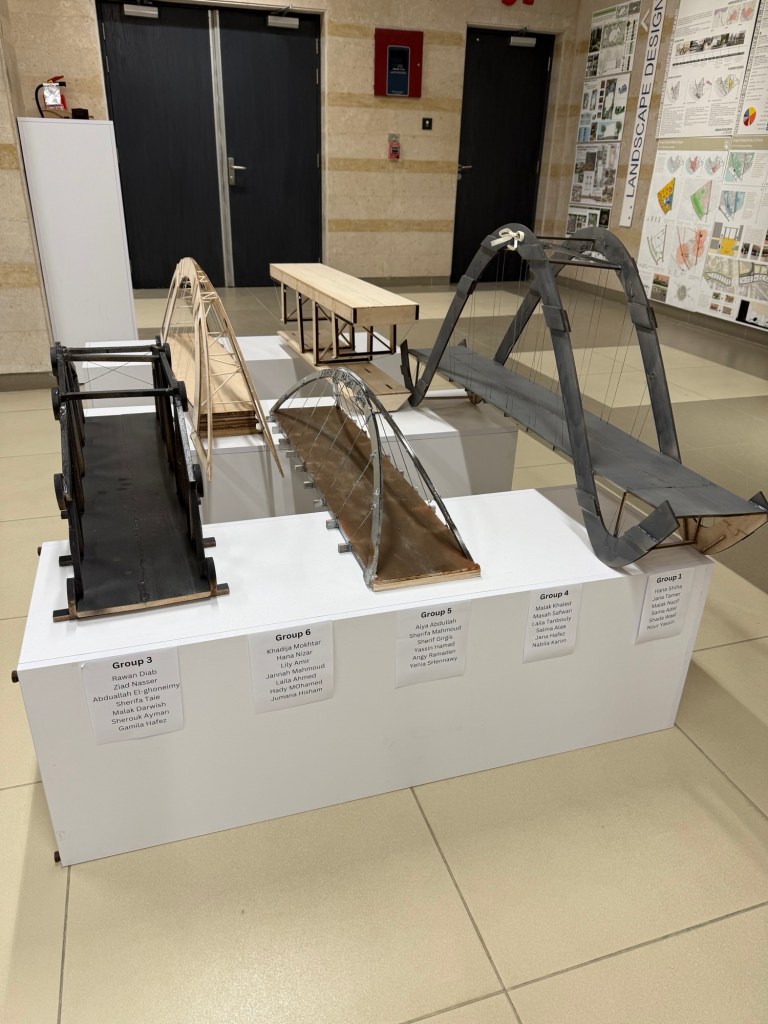
In my two working days there, I got to observe the program the public relations folks at NGU captured the footage on this video.

Designing this curriculum, via a contract between Technological University Dublin (TU Dublin) and University College London Consultants (UCLC) which pays for hours out of my timetable each semester, has been a real joy. It has required me to stretch, been , and develop new communication skills to explain complex concepts to people from a culture and language much different from my own.

Visiting the program and meeting the people who are delivering the content and the amazingly dedicated studentswho are forging the way by implementing a brand new curriculum has definitely been a highlight of 2025.

Many tanks to Dean Aly and the programme staff for welcoming us and helping us feel at home!

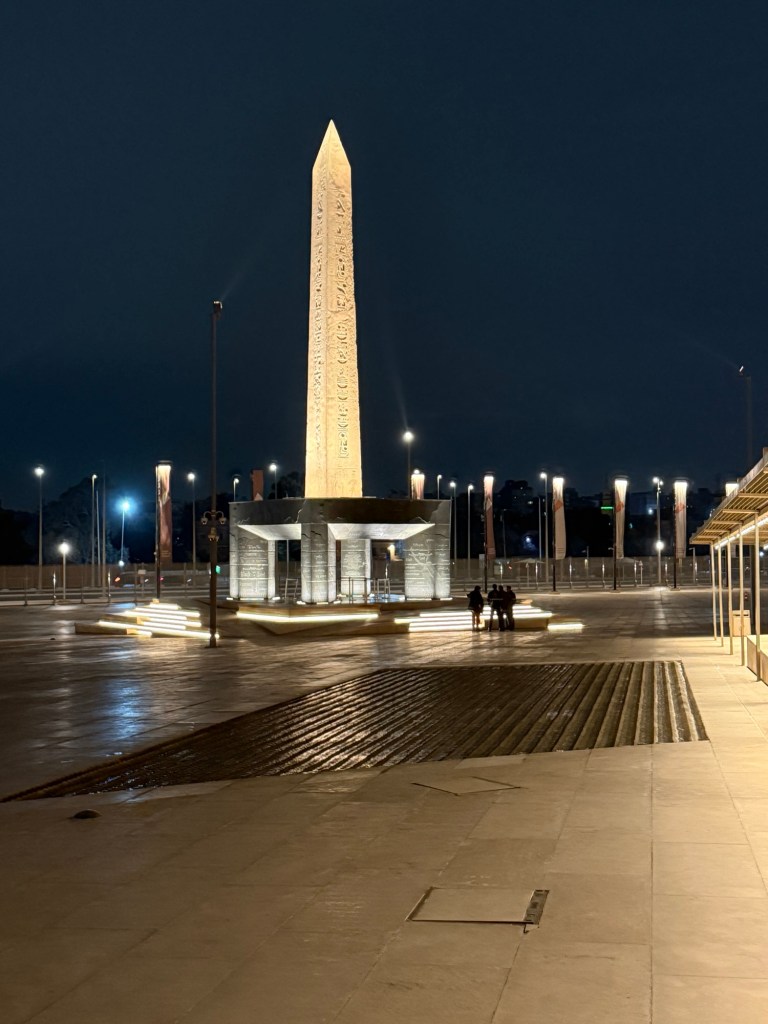
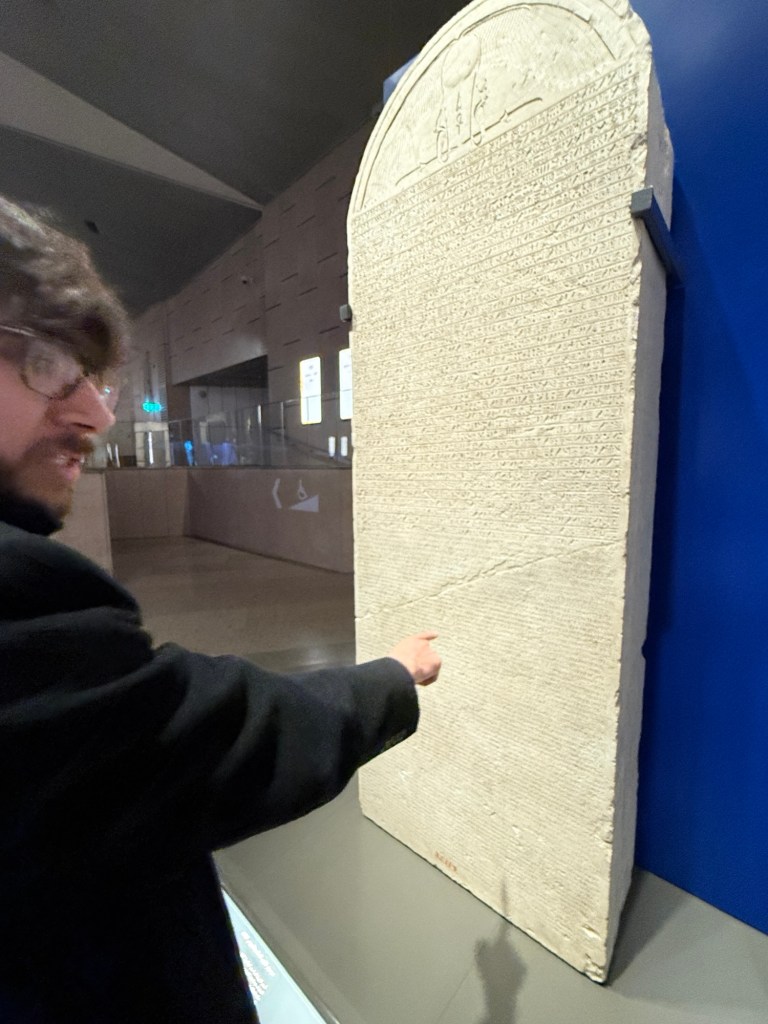
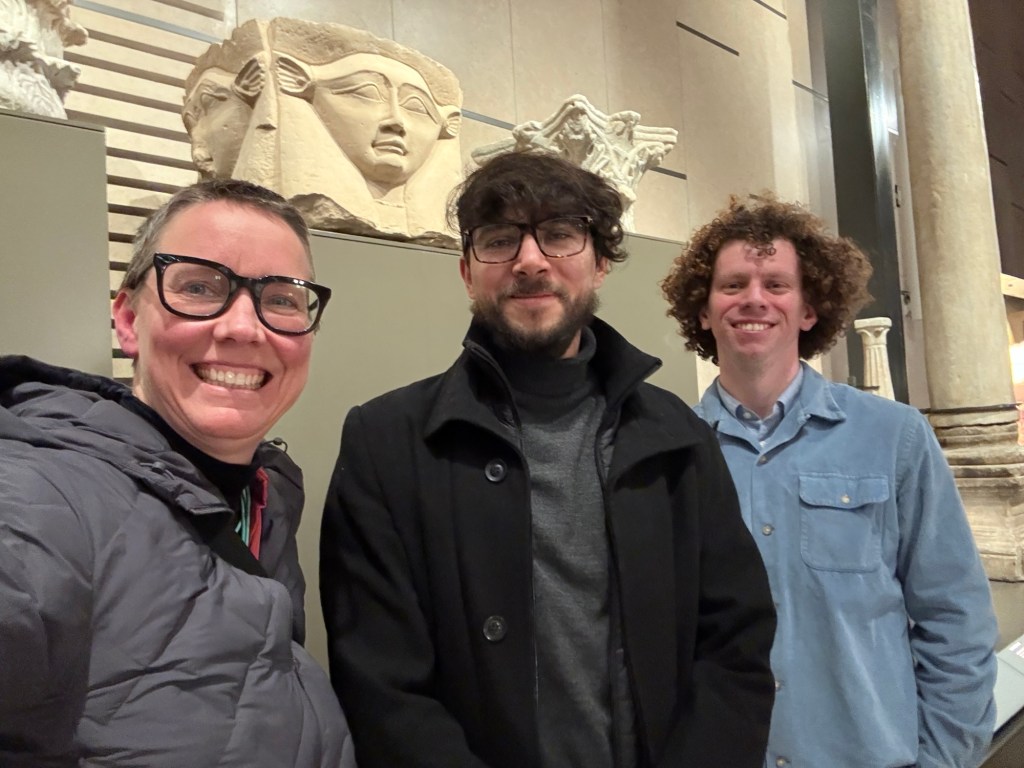
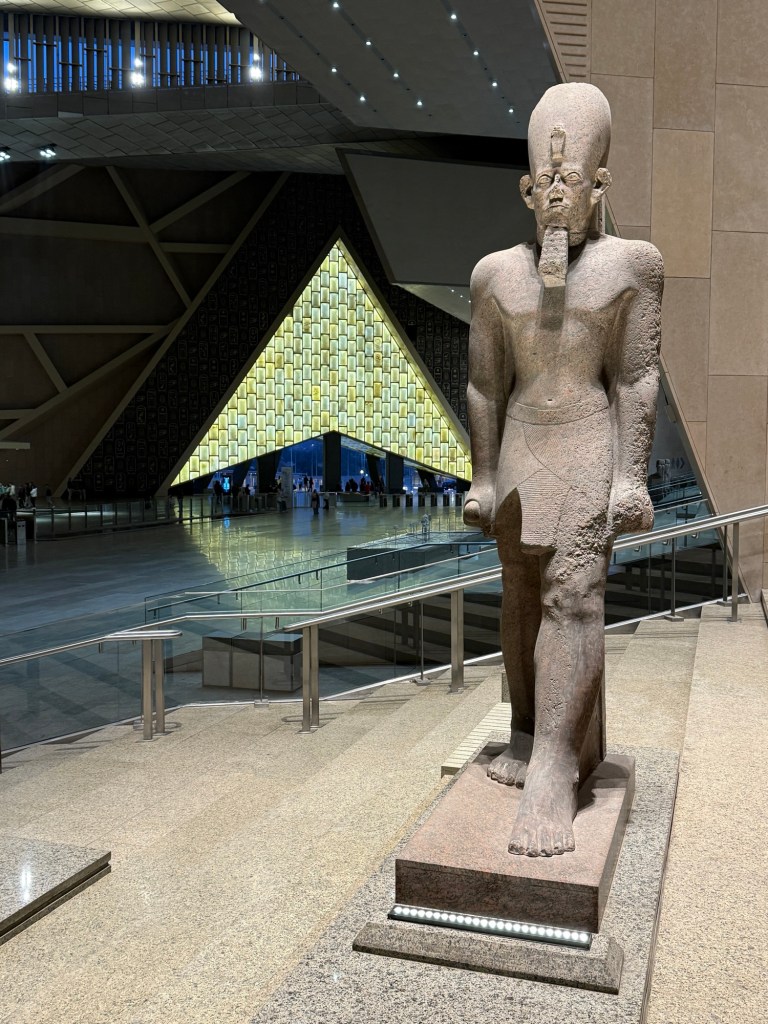
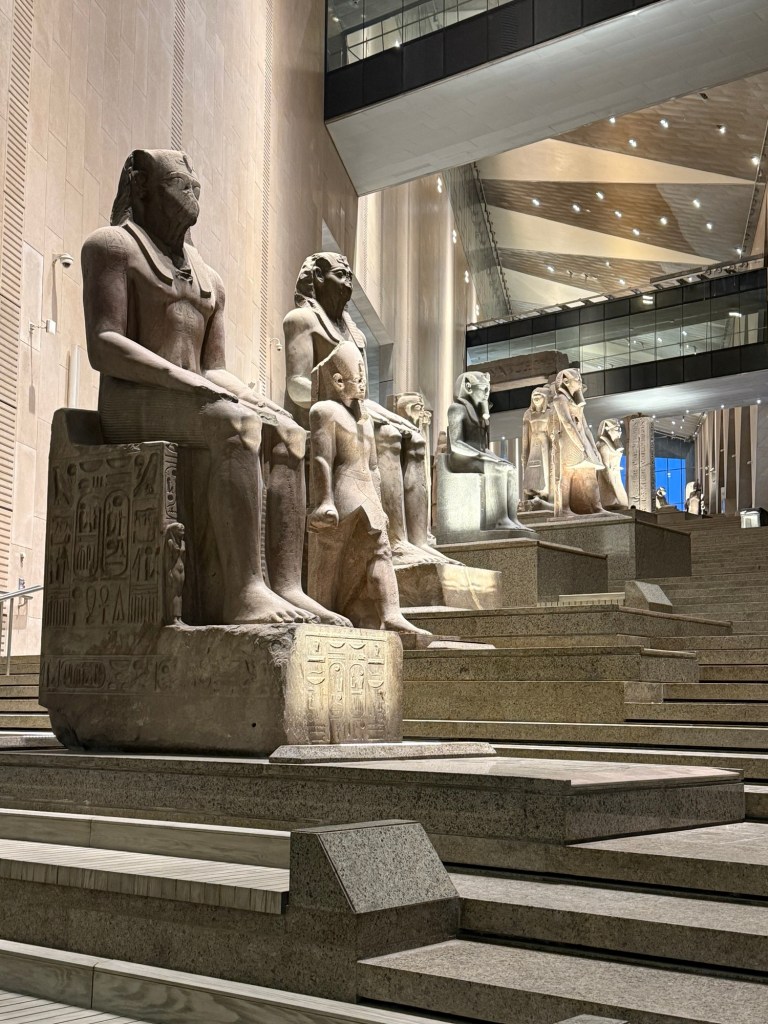
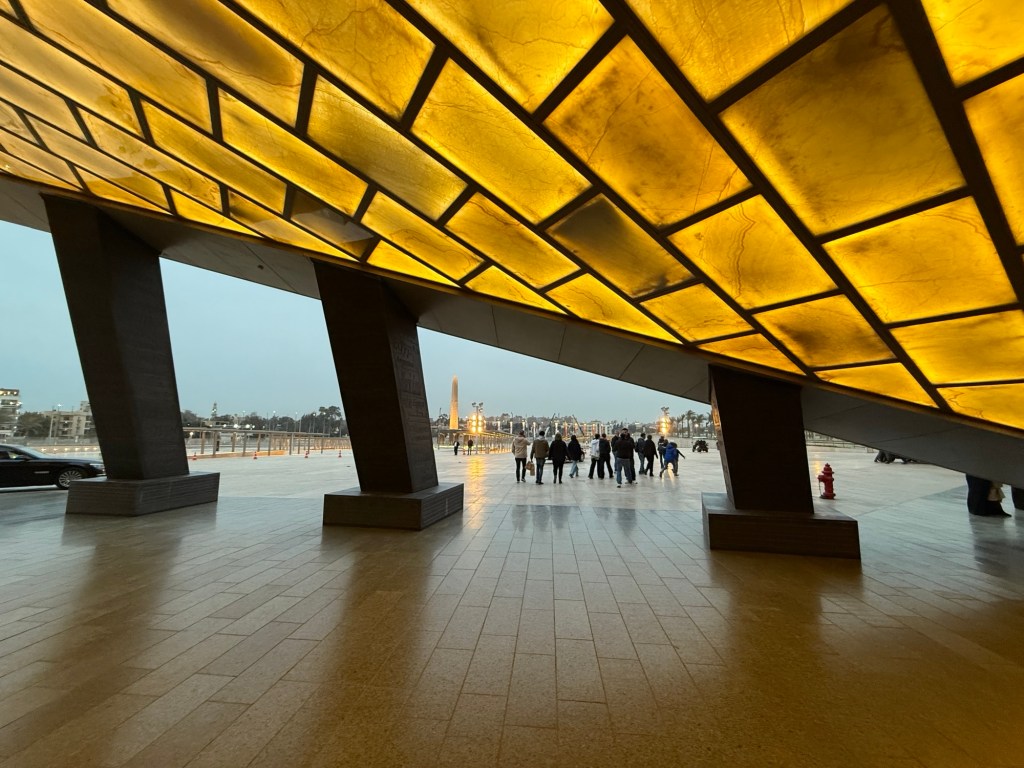
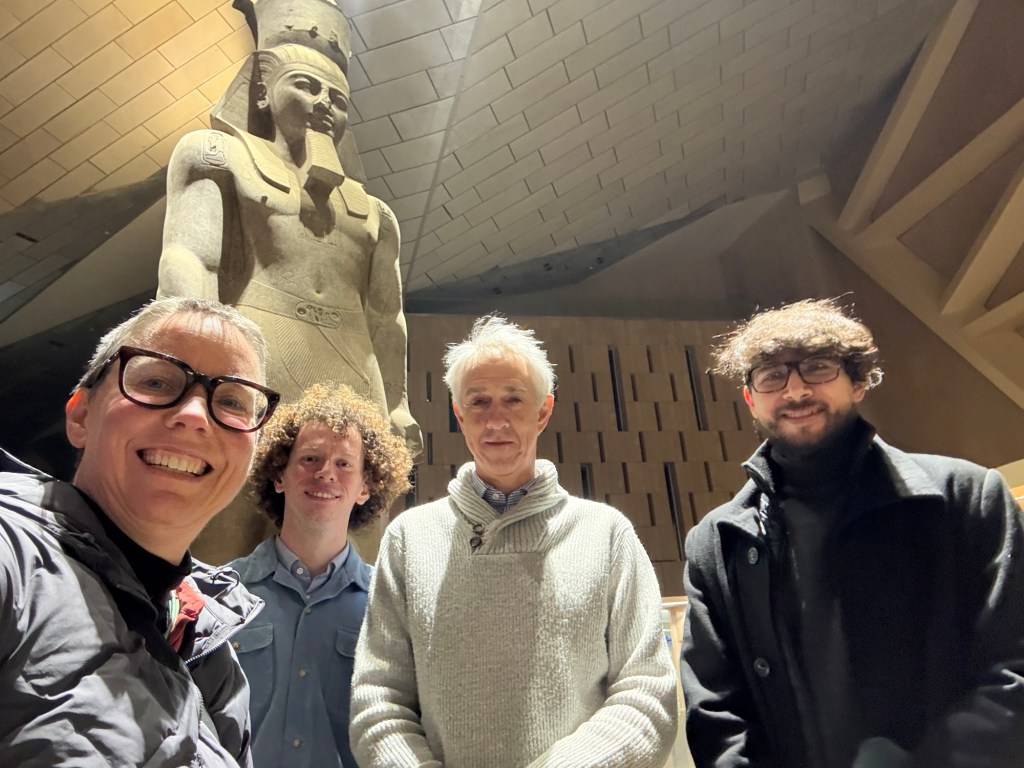
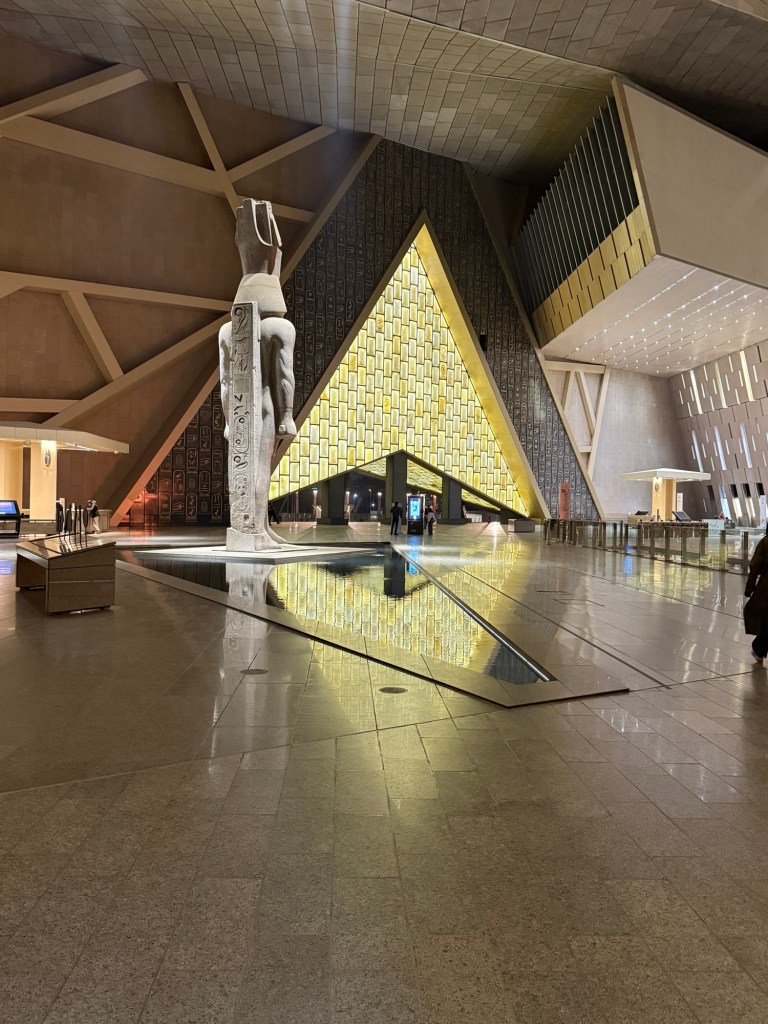
We three visitors also got a chance to tour the brand new Egyptian museum, lead by NGU’s architectural history, teacher. The experience was truly eye-opening and full of intrigue.

I look forward to a chance to visit NGU and Egypt again soon!

I have to say, none of this would’ve been possible without the Marie Curie fellowship I got to spend 2018 and 2019 working at UCL. The bonds I made with the folks at UCL in the Centre for Engineering Education have made such a difference in my and personal and professional life.

Being part of UCL has been so incredibly good for me, and good also for my employer, TU Dublin.

I am so honored to have had the chance to build an architecture program in Egypt and work with the people there who seek to build a stronger community of architects in Egypt. Thank you so much John Mitchell and Emanuela Tilley, for including me in this incredible project!

Active Learning underway!

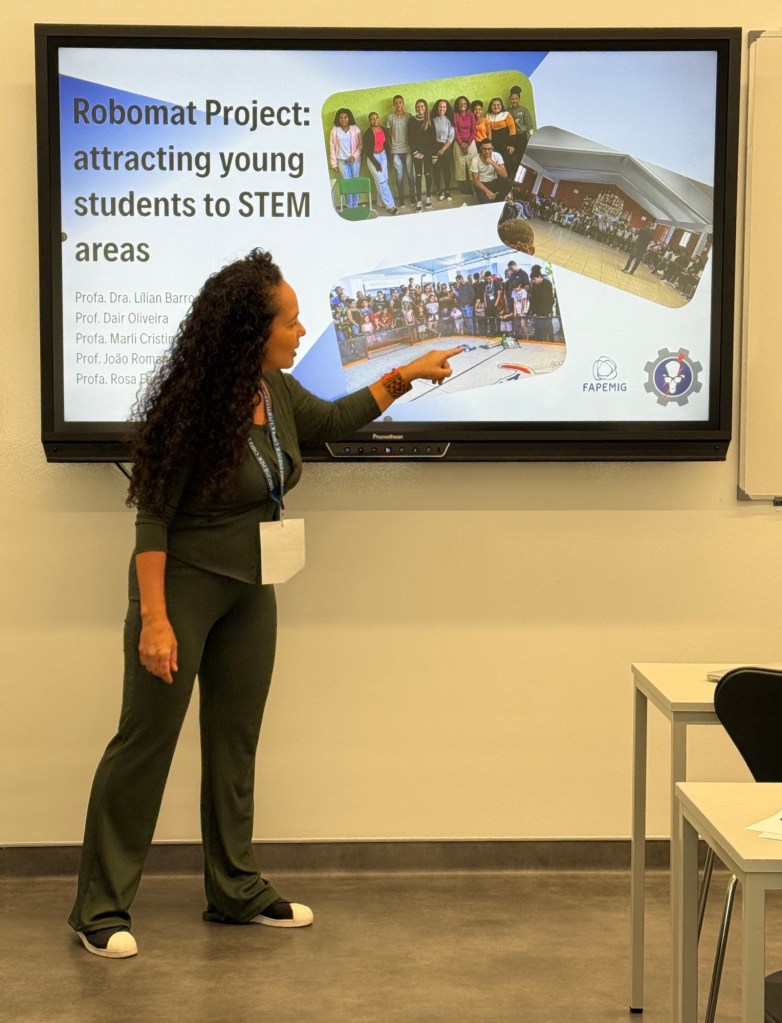
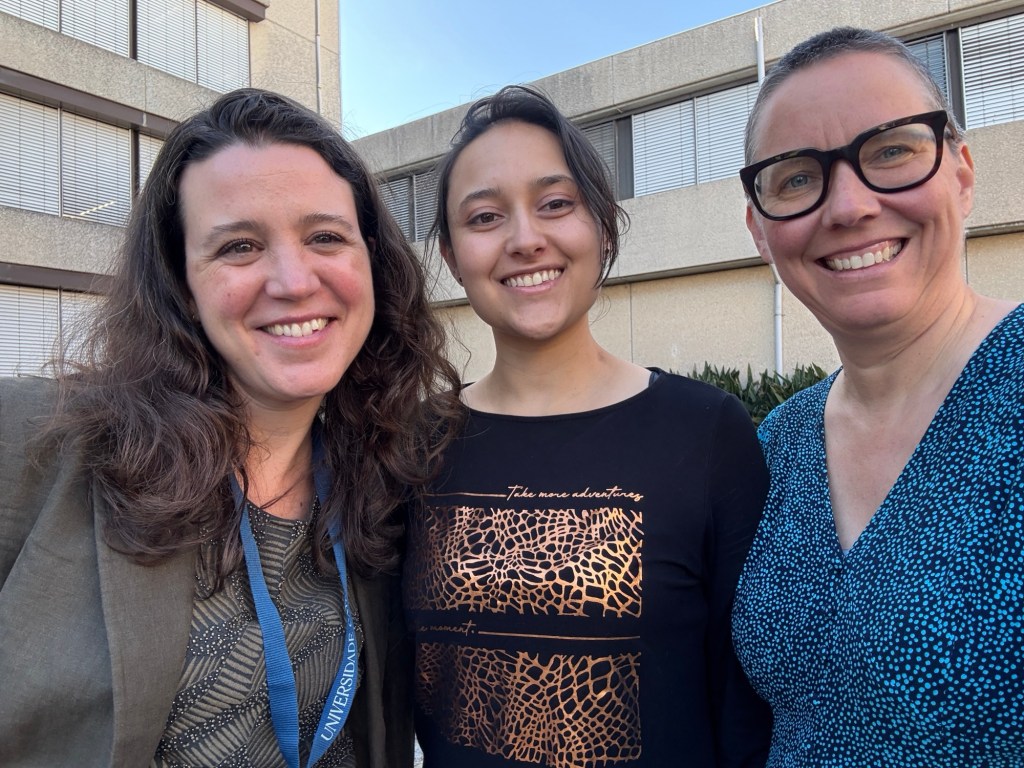
We’re about to start the third and final day of the 2025 PAEE/ALE conference in Porto, Portugal.

It’s an annual meet up of Project Approaches in Engineering Education (PAEE), which has an active community of members particularly across Portuguese and Spanish speaking parts of the world, and Active Learning in Engineering (ALE), on whose Steering Committee I serve.

I’ve attended PAEE/ALE in San Sebastián, Spain, in 2015. And in Alicante, Spain (where I was a keynote speaker), in 2023. And in San Andreas Island, Columbia, in 2024.

It’s a small and energetic gathering—just the right size for getting to know people and have deeply meaningful chats and learning sessions.

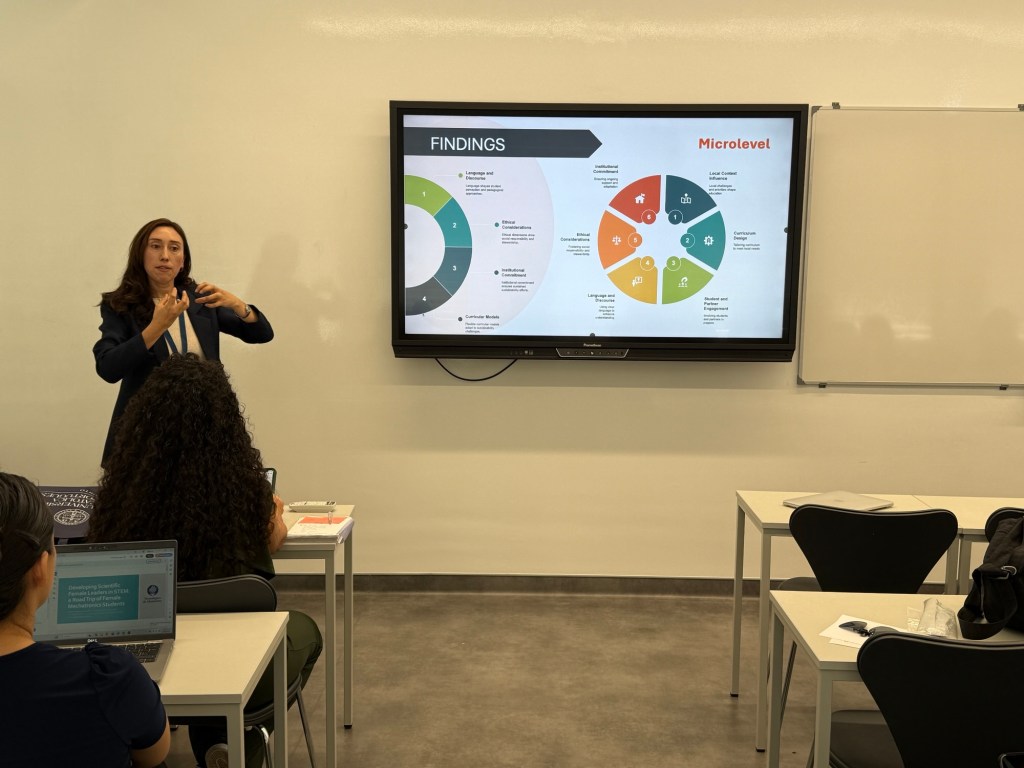
At this year’s event, I chaired a session and delivered a paper on a bingo game I developed with Mike Murphy, Celina Pinto Leão, Mircea Toboșaru, and Mary Doddy Nolan. We decided to perfect the game during a workshop I delivered at the 2025 SEFI Ethics Spring Symposium that I hosted at TU Dublin, and to publish it for others to use. I’ll post materials once they are ready for wide-spread use.

The game is designed to help engineering educators expand the ways they conceptualize integrating ethics into the courses they teach. In the workshop, we explore integrating environmental and social sustainability, EDI, ethical theories and codes.

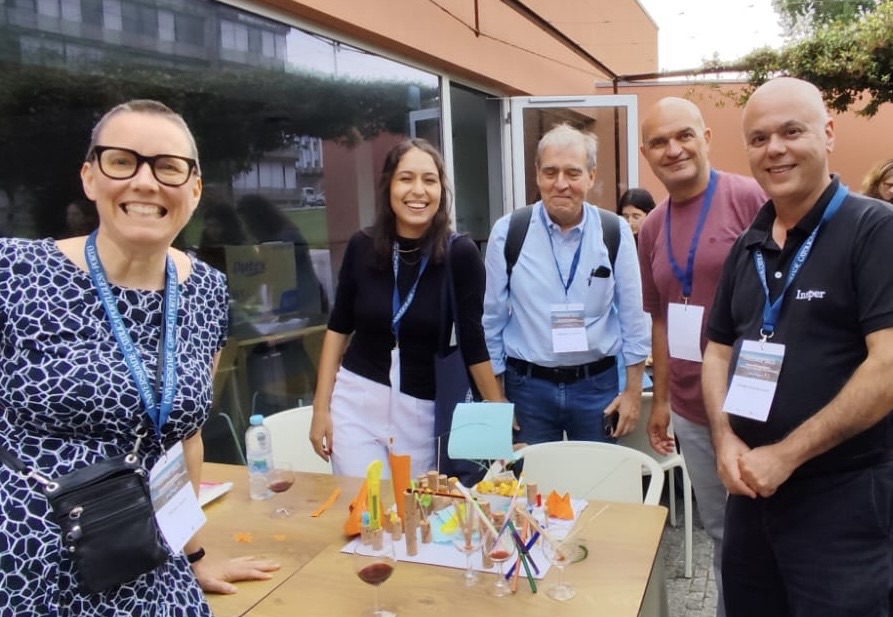
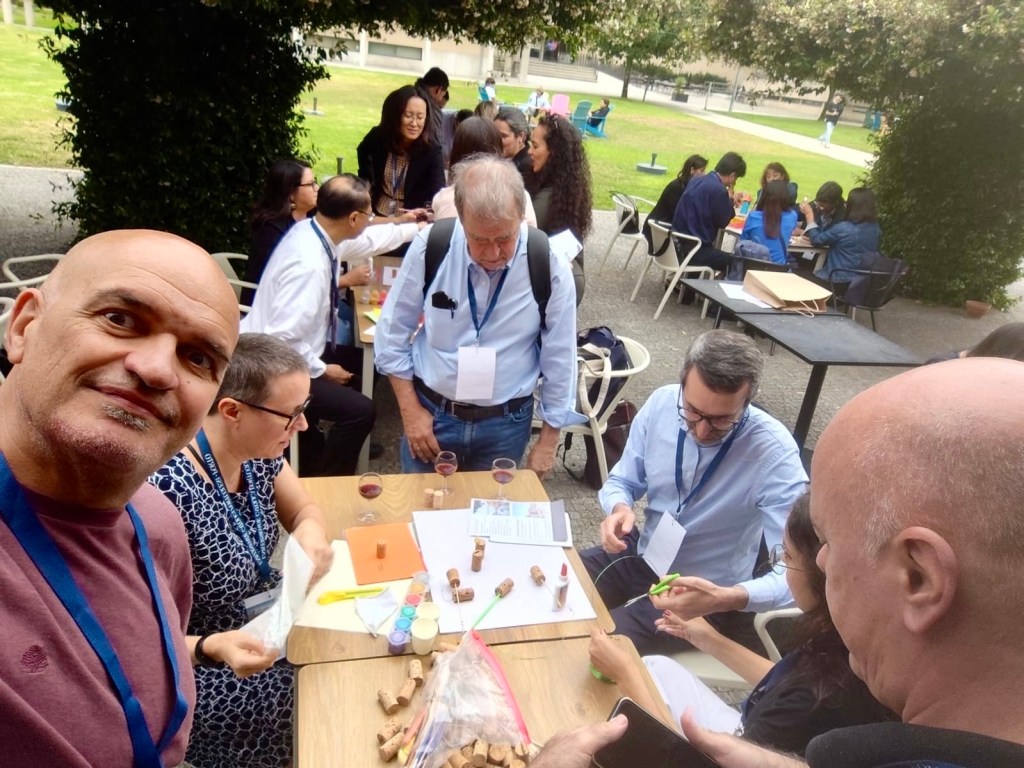
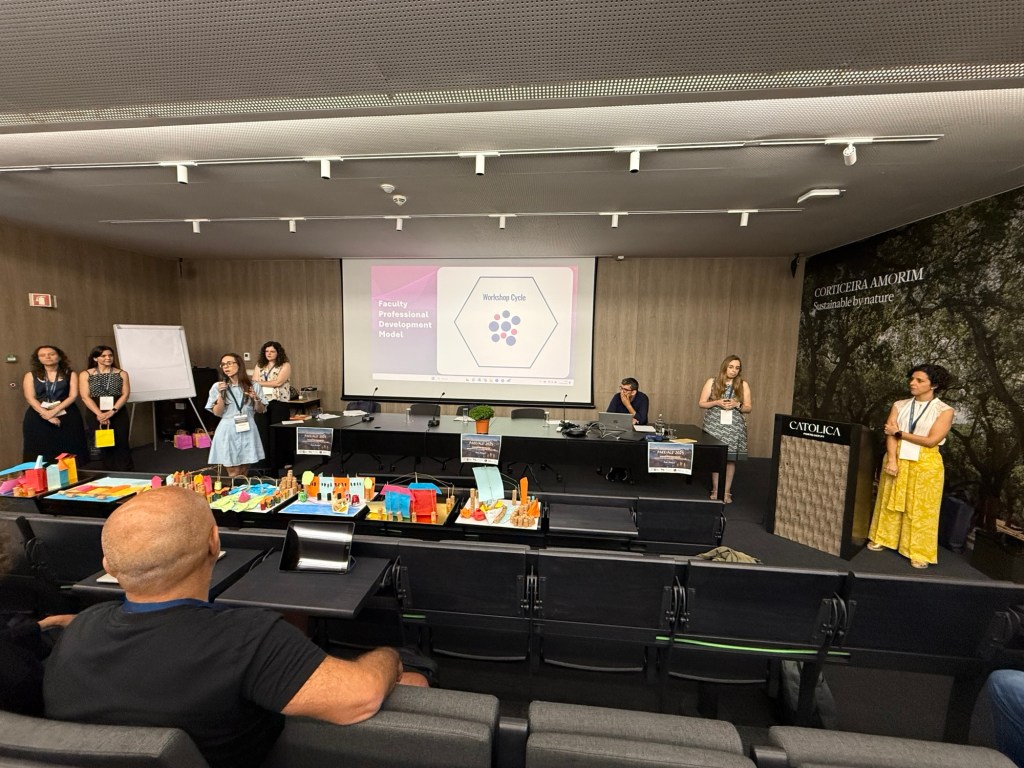
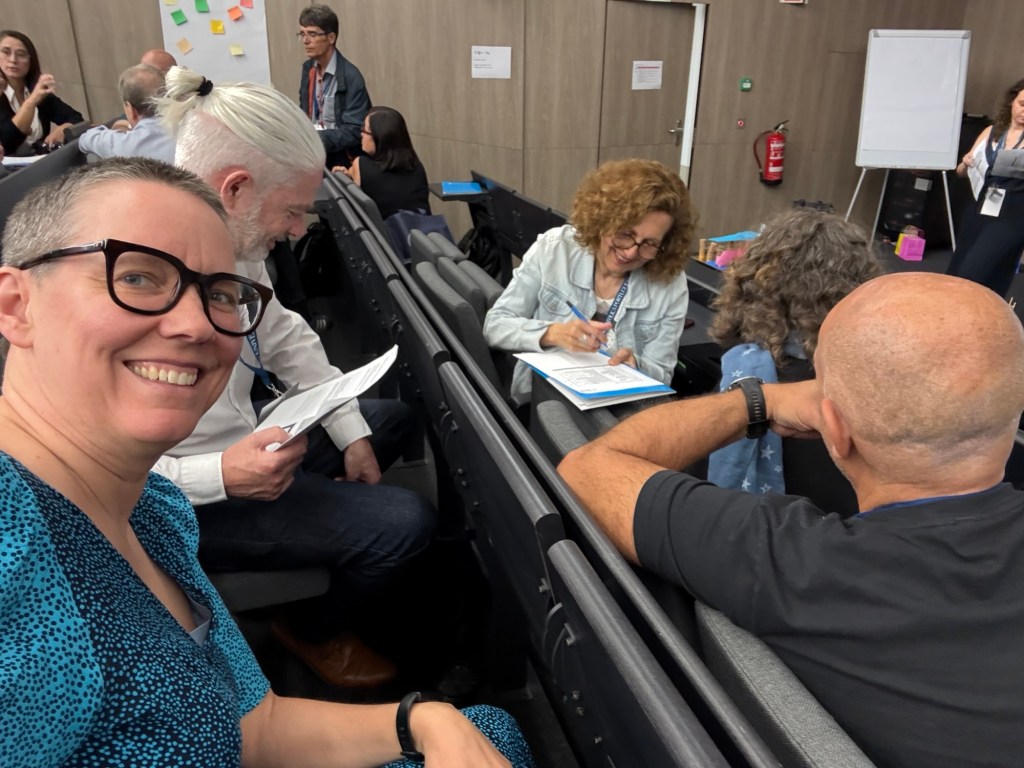
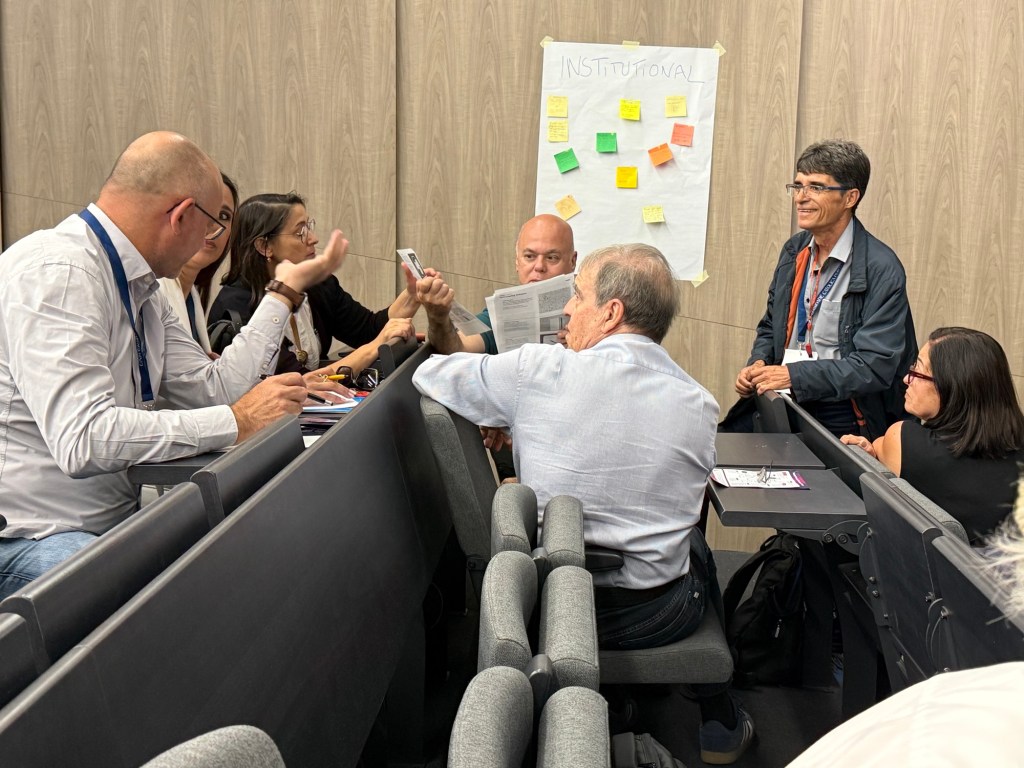
A day after the paper presentation, I ran a workshop with Inês Direito to test the game. The group shown below had such fun, and benefitted from having 90 minutes allocated to our workshop (thanks for that Diana Mesquita and team!).

Bingo! testing crew

I also had a chance to deliver, with Inês’ help, a workshop on securing international fellowships. This topic always gets a warm welcome from colleagues eager to learning about funding sources and tips for winning awards.

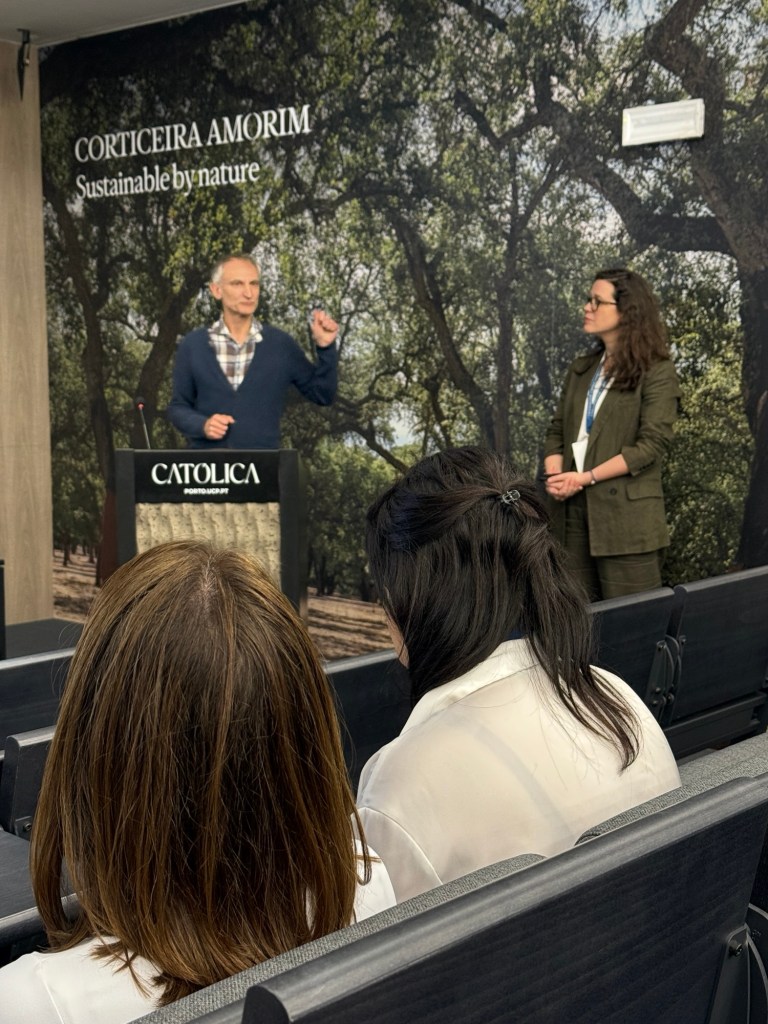
The PAEE/ALE 2025 keynotes have been outstanding (as usual with this conference)!

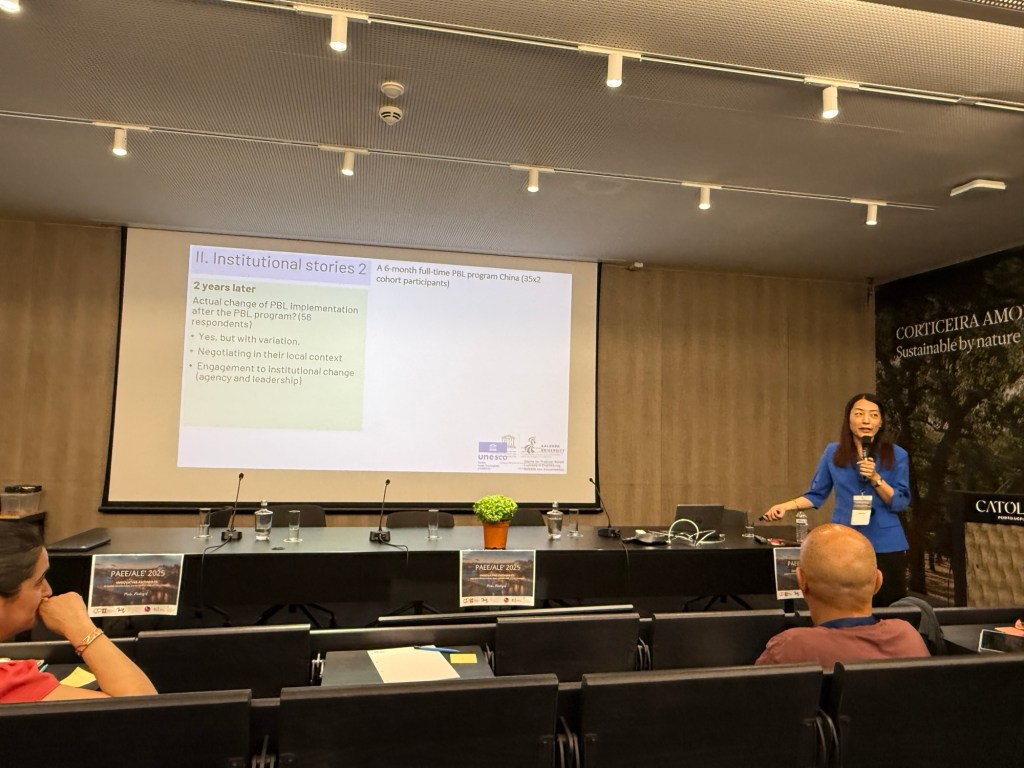
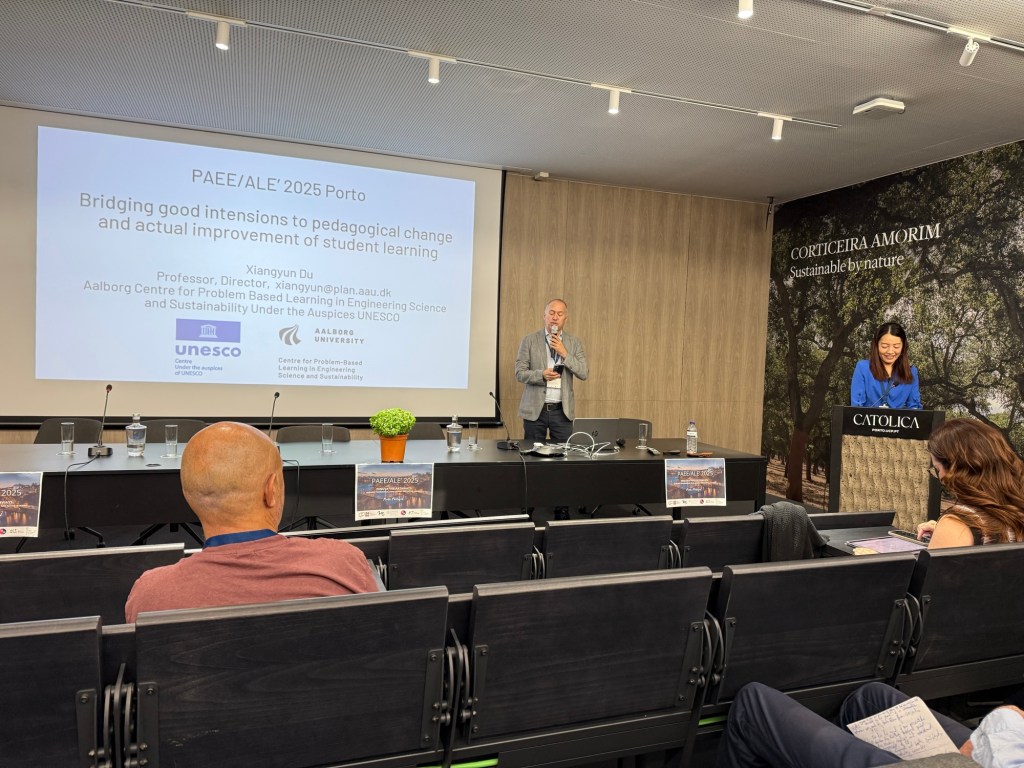
Keynote addresses by Xiangyun Du, the local teaching excellence center, and Jamie Gurganus were packed intriguing insights.

Professor Xiangyun DU’s fascinating keynote address.

Reconnecting with ALE Steering colleagues Miguel Roma, Valquiria Villas-Boas, and Jens Myrup Pedersen, (and Fernando Rodriguez and Luciano Soares who didn’t get to join us this year) is always a pleasure.

PAEE/ALE has been a highlight of my academic year the past few years.

Many, many thanks to this year’s host, the knowledgeable and vivacious Diana Mesquita, and the PAEE leadership including Rui Lima, for making the 2025 event possible.

If you’re interested in Active Learning pedagogies, consider joining us next year for the 2026 conference in Japan!

Architecture educators in India

The architecture teachers at KLE Tech are really enthusiastic about teaching and about learning to do educational research. A number of them attended the engineering education conferences held at their institution in January — the IUCEE conference on engineering teaching and REES, the Research in Engineering Education Symposium, which focuses on research about engineering teaching.

KLE Tech’s lovely Dipanwita Chakravarty was the most enthusiastic among them, delighted as she was to find an architect speaking on a panel at REES.

That architect was me! 🙂

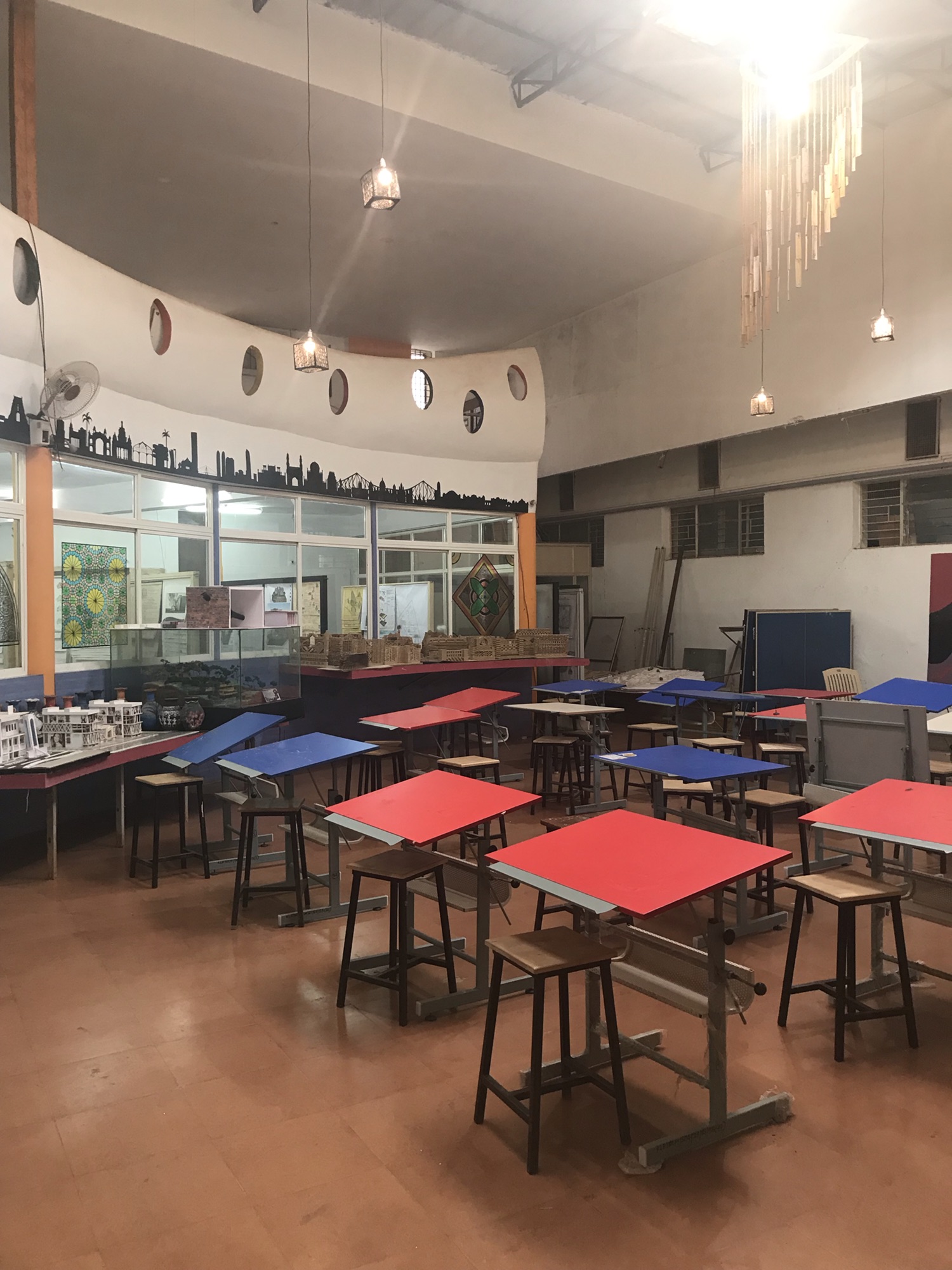
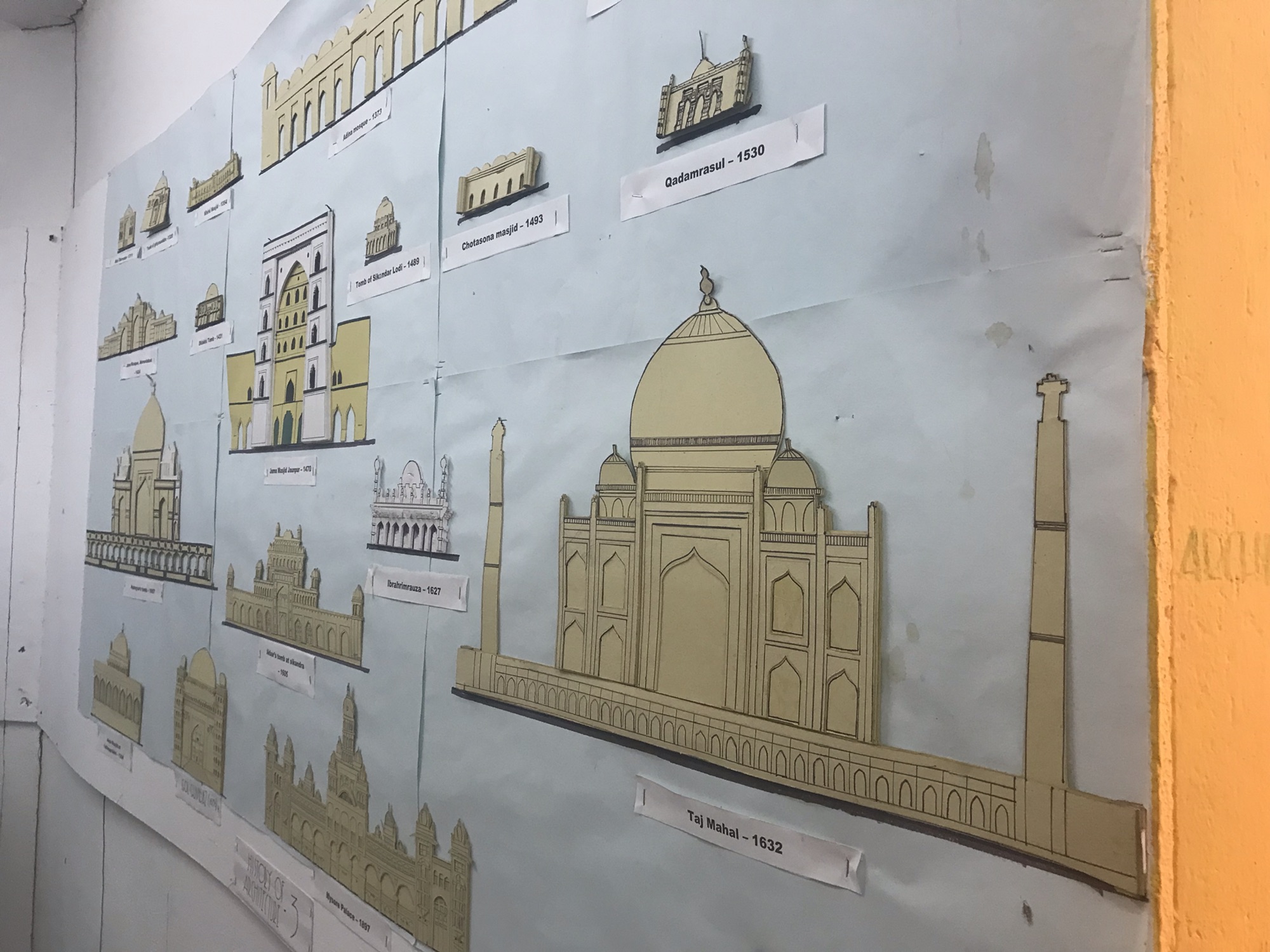
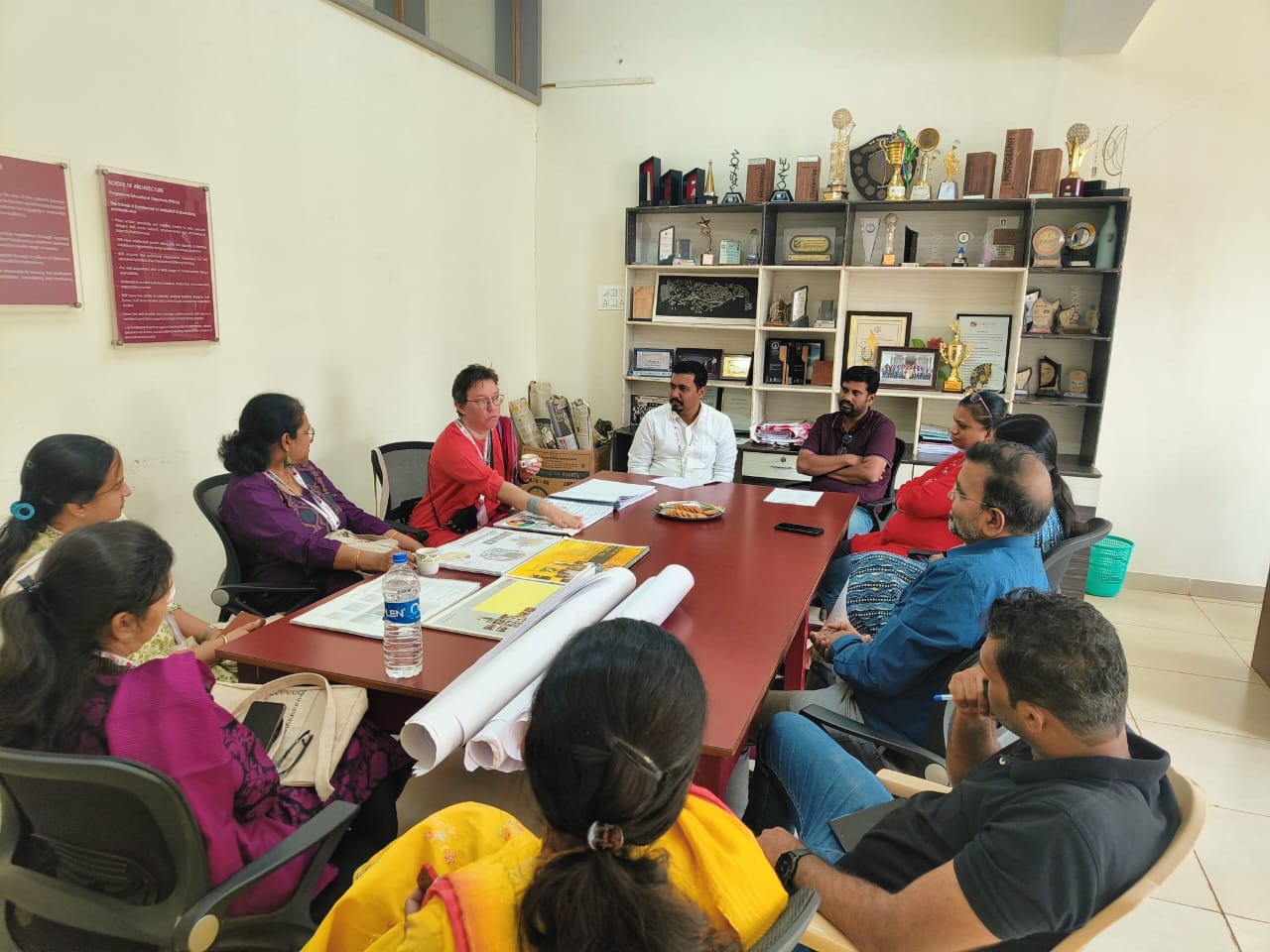
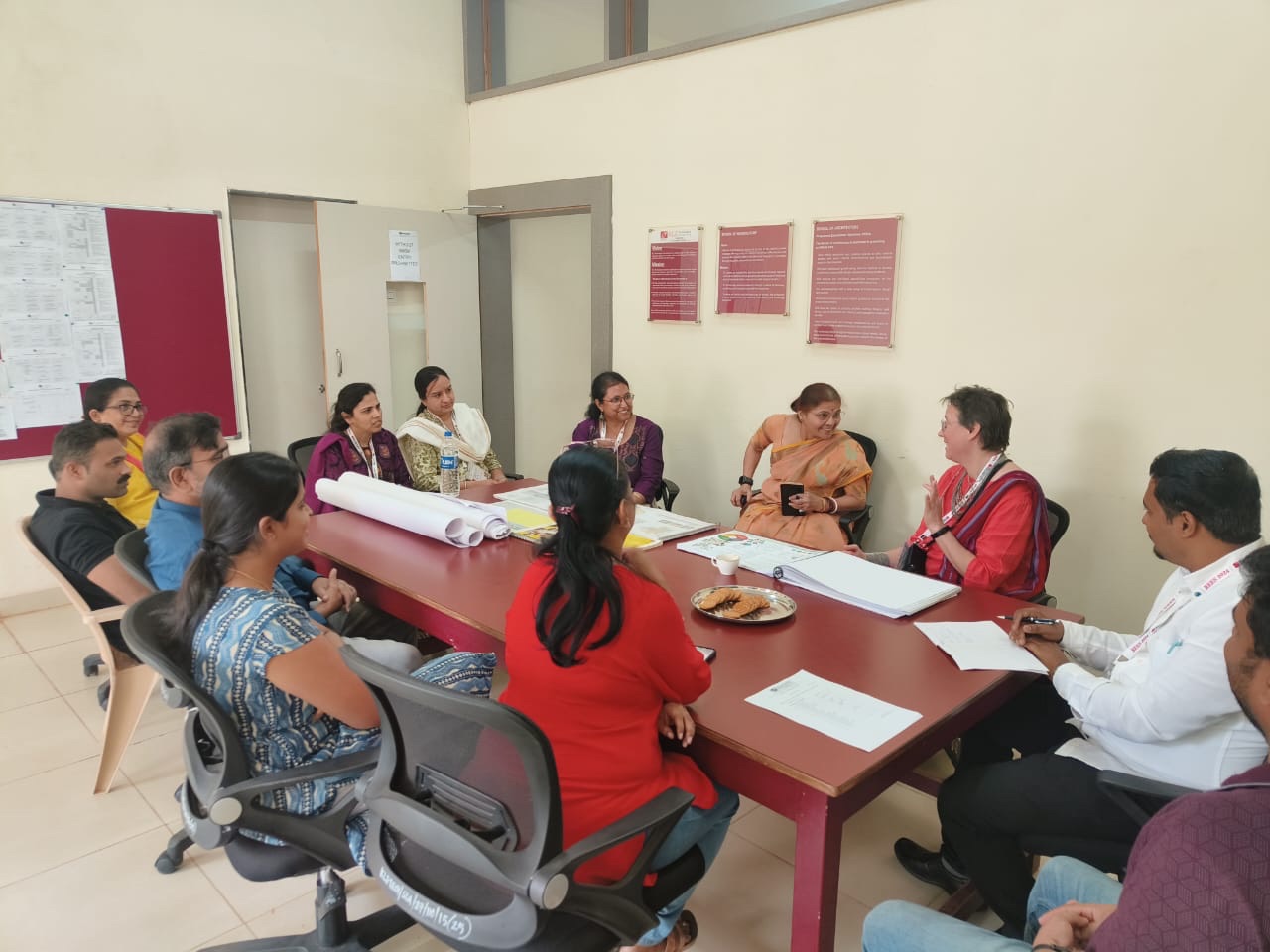
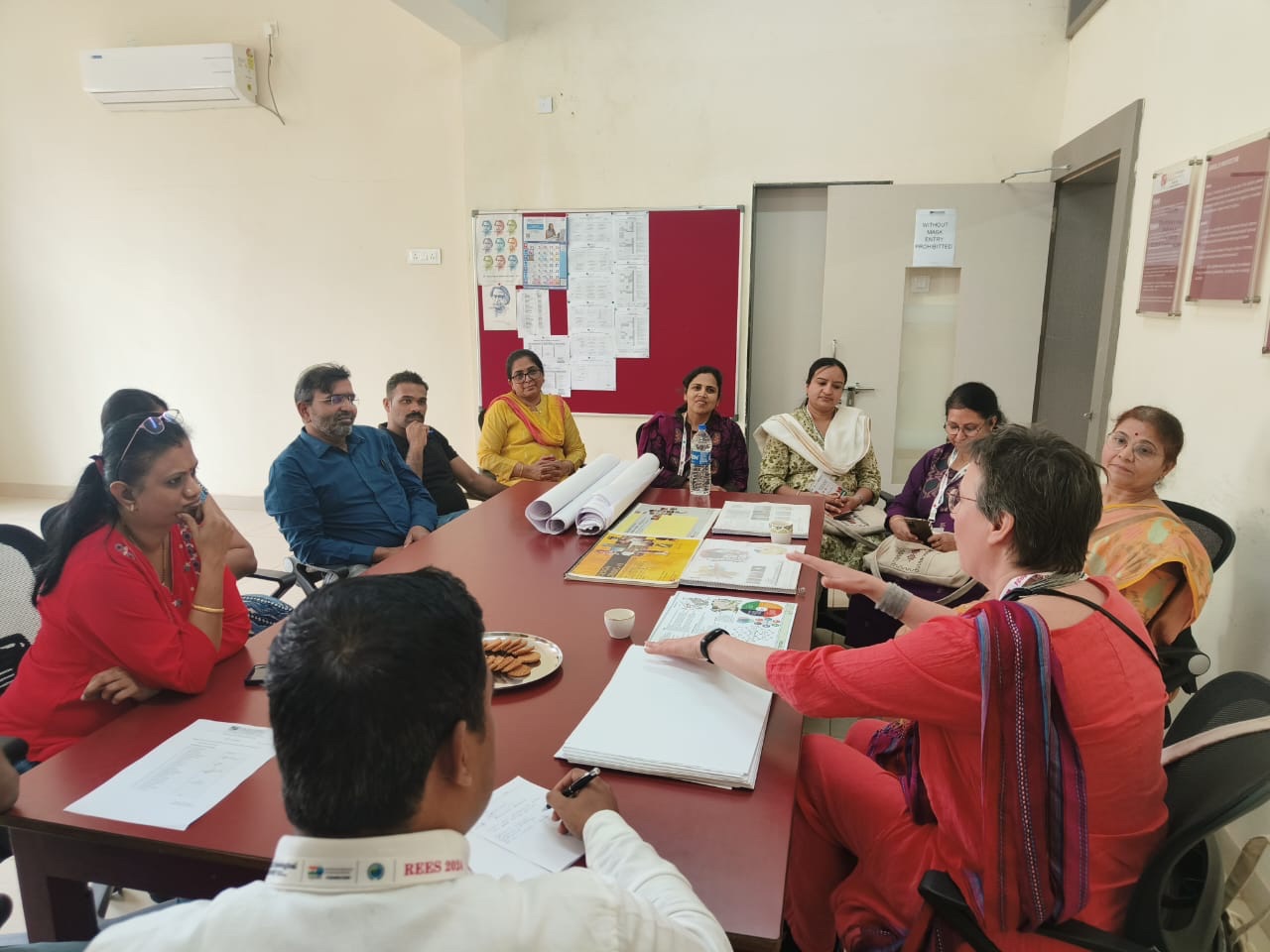
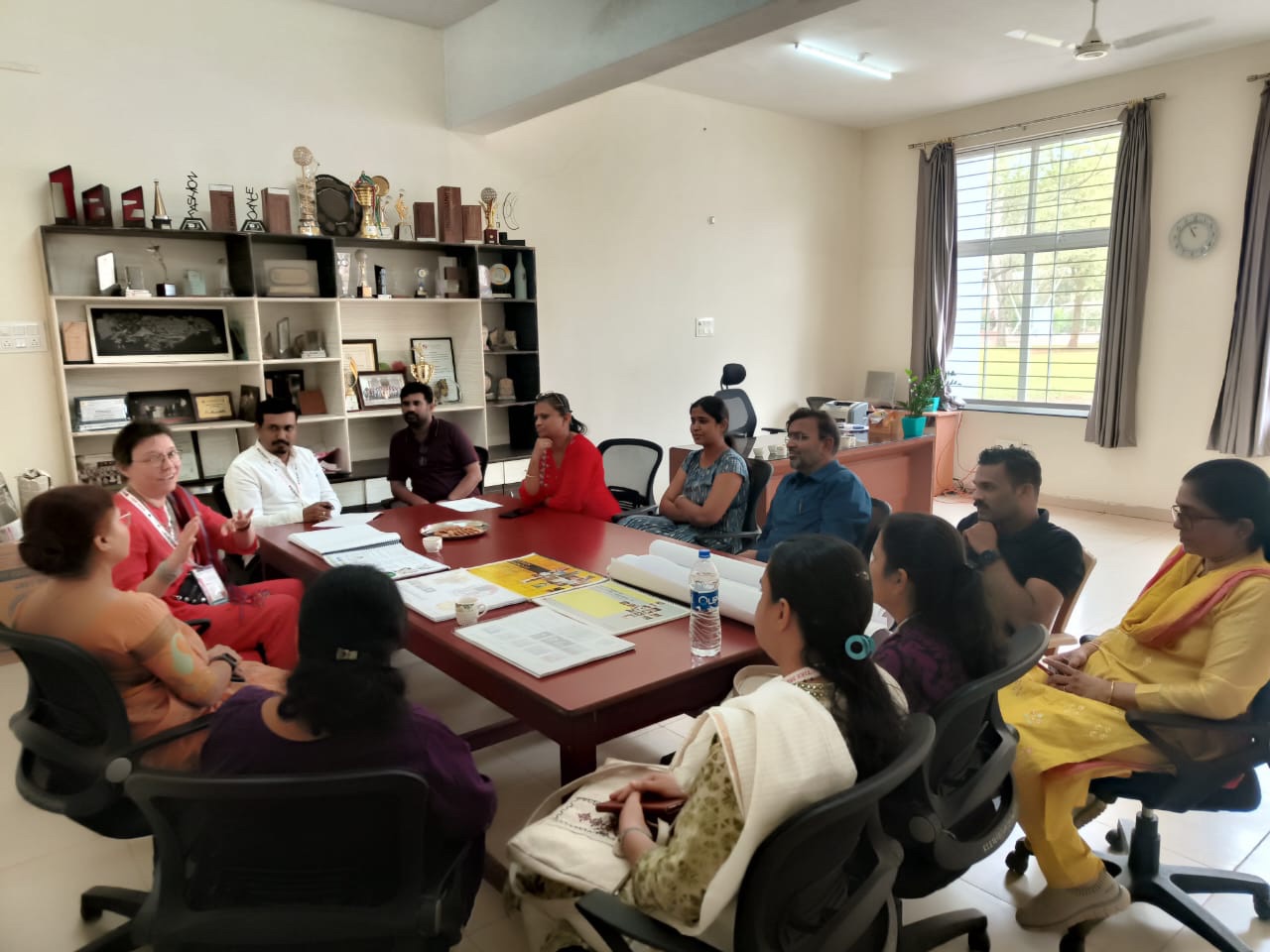
Dipanwita found me soon after I presented, asking me to meet her architecture colleagues. She spirited me away from the events at REES, to meet Deepa Mane and Rohini Mligi, tour a room archiving their architecture students’ work, and then meet even more colleagues for an animated chat about research and curriculum design. And tea! Such excellent tea!

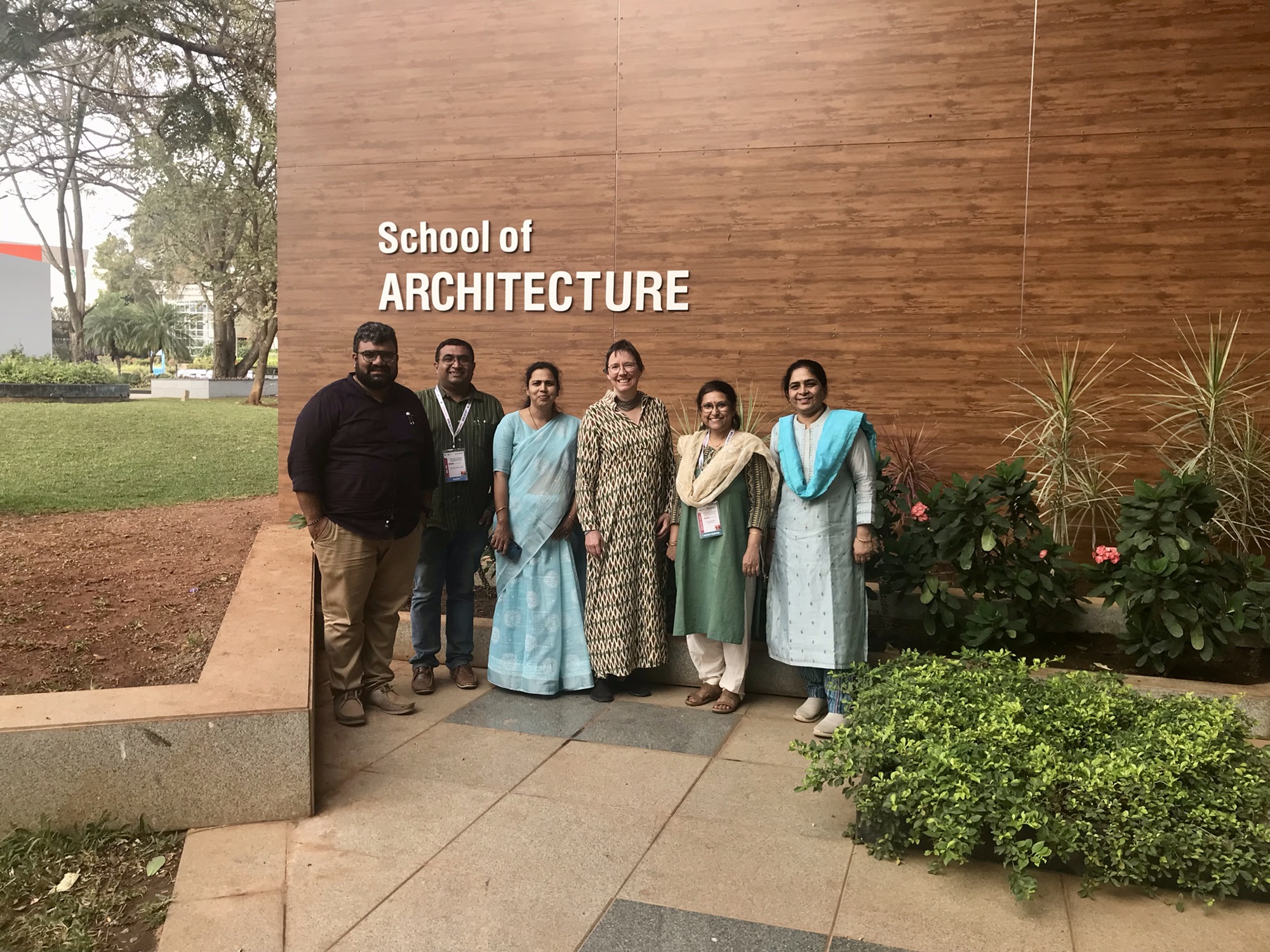
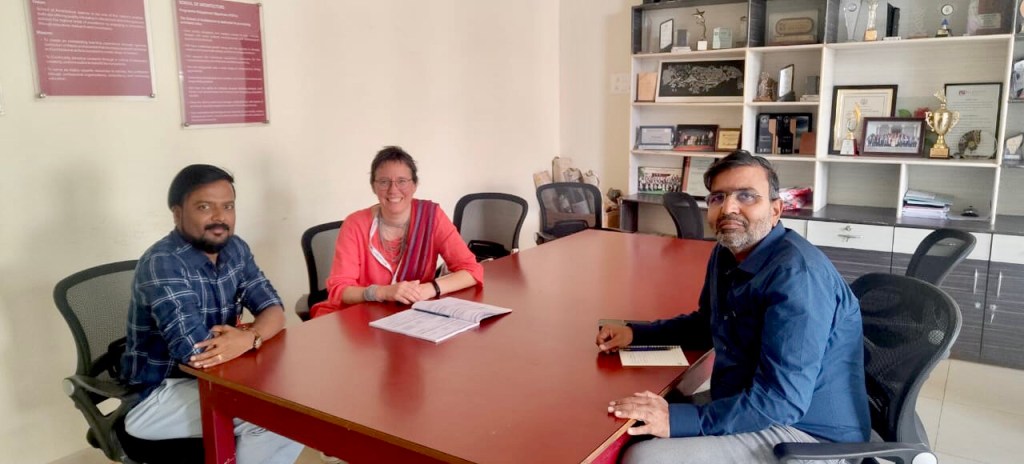
Here’s a glimpse of that afternoon’s tour and interactions:

In that initial discussion in their faculty boardroom, we talked about different types of research they are doing and their interests surrounding architectural accreditation.

They asked me to help them build momentum and capacity to do education research, as they were enjoying seeing work presented at REES but were not quite sure how this type of research would look in the context of architecture rather than engineering.

We decided we needed a group identity. We envisioned collaborating with the engineering education research center on their campus (which has its own building, as it’s the leader in this realm in India). We also envisioned becoming active members of India’s IUCEE (the corollary of ASEE or SEFI for India).

As a step forward, we asked Dr/Prof Vijayalakshmi M., one of the main organizers of IUCEE and this event, if we could start a special interest group for architecture (and design?) within IUCEE. She was supportive. She gave us the Indian head shake and said: sure, just get started, and let’s see how it grows!

Meeting with Dr/Prof Vijayalakshmi M. about setting up a special interest group in IUCEE.

It was a very satisfying exchange, and I returned to REES for the day, happy and energized. I toured KLE Tech’s building for technical engineering later that day alongside the always-smiling, always-energetic Dipanwita Chakravarty and my colleagues from near and far.

The next morning, the architecture staff spirited me away again!

They’d assembled an even larger group to discuss what education research is, how education research differs from technical research on architecture and engineering (like the work they are already doing on thermal comfort and architectural heritage conservation), and how they can get started doing this new type of research.

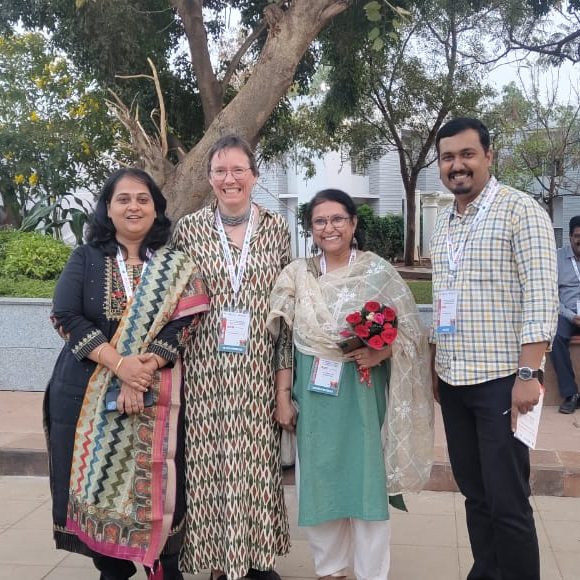
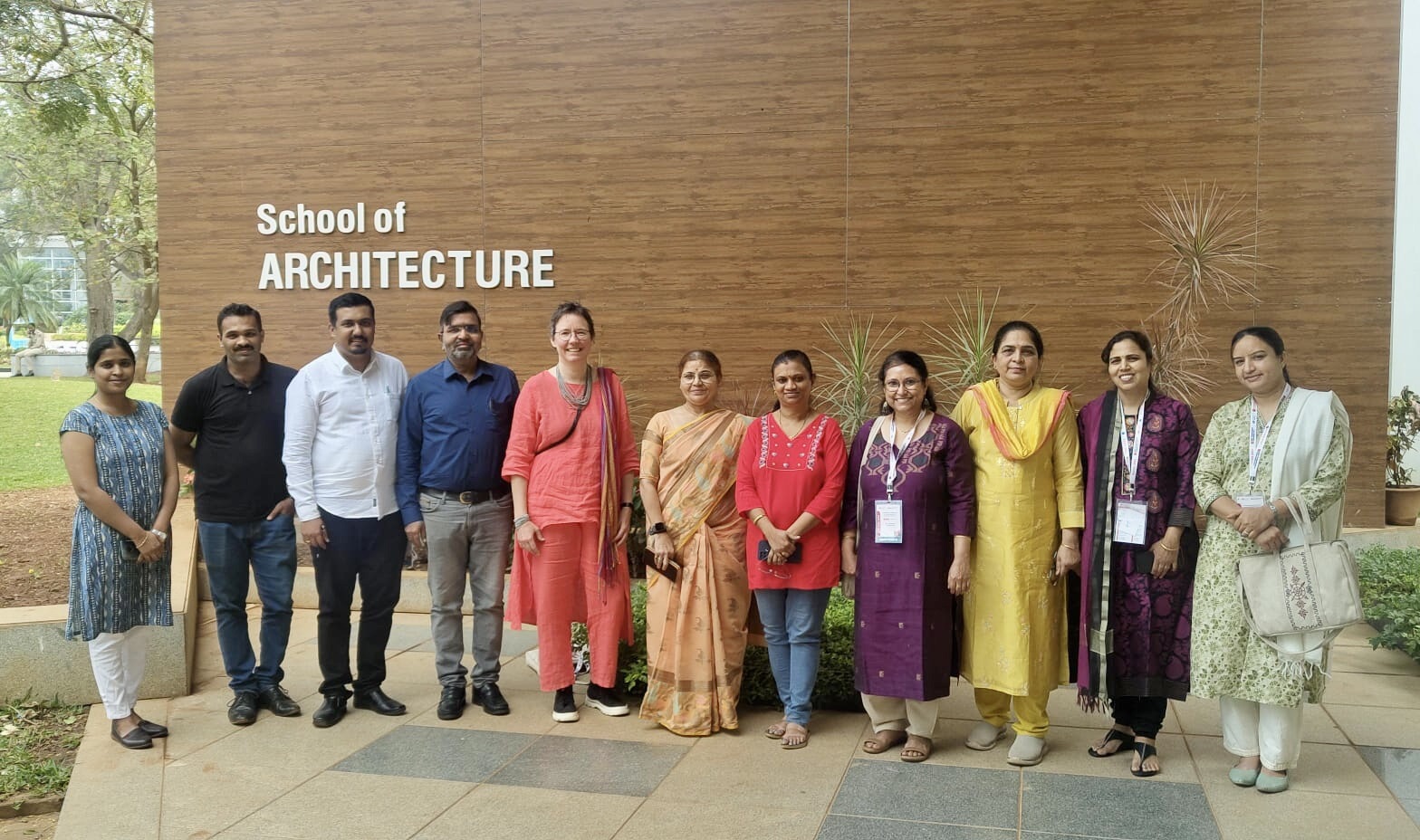
Here are the lovely photos they took of that impromptu seminar along with a photo of our whole group after that meeting.

You can see they made me feel like a rock star! The meeting was so much fun.

We’ve had a gap in communication since the conference ended, because I was on the lecture circuit (lol!) and then getting caught up back home and inducting a new cohort of BIM BSc students.

But my KLE architecture colleagues and I plan to hold online meetings in the near future to discuss examples of educational research in architectural education. I’ve agreed to help them envision, plan, and get started conducting education research.

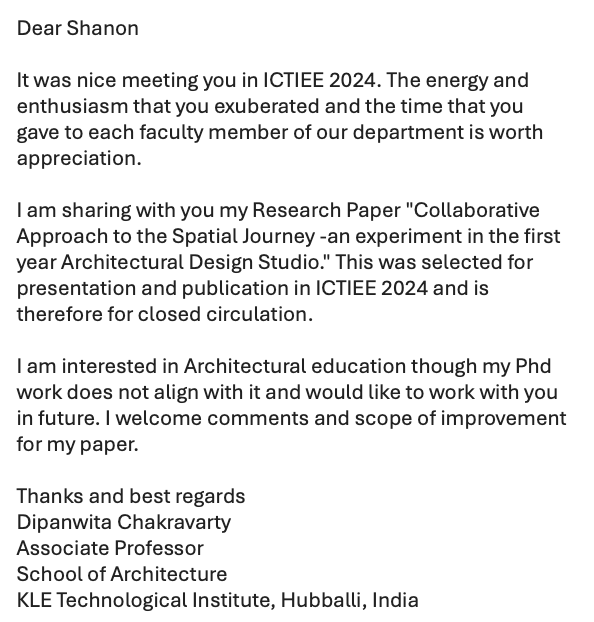
One of the architects in the group emailed me later, asking me to share my own examples.

Reflecting on this request, I fear my own examples in this realm pale in comparison to my engineering education research. Architecture teachers tend to publish conference papers showing how they taught their class, and of these, my favorite among my papers reporting what might (optimistically) be called research-informed teaching or the Scholarship of Teaching and Learning (SoTL) would probably be Writing Architecture: The Role of Process Journals in Architectural Education and Beginning with Site in Architectural Education.

However, engineering education research is more rigorous than SOTL.

Although ‘engineering education’ conferences will allow the publication of reports on ‘how I taught my class’, the ‘engineering education research’ journals want empirical research studies. You have to collect and analyze data in a rigorous way. An example of this type of work is the book chapter Designing the Identities of Engineers, for which I collected surveys and compared results statistically between ‘engineering’ and ‘engineering technology’ students. The biggest difference I found, and my team reported, was that the ‘engineering’ students envisioned themselves as designers, whereas the ‘engineering technology’ students did not.

Another worthwhile example is my conference paper, where I first reported the design of the study as the Background and Design of a Qualitative Study on Globally Responsible Decision-Making in Civil Engineering and then published the results in a few different ways. The journal article Above And Beyond: Ethics And Responsibility In Civil Engineering reports what the civil engineers I spoke with discussed about ethics, whereas Opportunities and barriers faced by early-career civil engineers enacting global responsibility provides a more holistic report of what we found overall. The official ‘industry’ report of the study is called the Global Responsibility of Engineering Report and it was published by Engineers without Borders UK.

My primary research group, the European Society for Engineering Education (SEFI), embraces architects as if they are engineers, which is a reason I identify so strongly with SEFI. Yet, SEFI doesn’t have a special interest group in architecture or architectural engineering, even though the American Society for Engineering Education (ASEE) does have an Architectural Engineering division. ASEE’s Journal of Engineering Education rarely publishes research on architecture education.

In contrast, SEFI’s European Journal of Engineering Education, for which I am Deputy Editor, has been reviewing an increasing number of articles on architecture and construction-related topics in education. I suspect that’s partially because I have the interest, capacity, and collegial networks to help support such articles’ review, refinement, and publication. But I also have amazing mentors in my Editor-in-Chief, Dr. Kristina Edström, and co-Deputy Editor, Dr. Jonte Bernhard. They are encouraging me to build capacity in this realm. And they understand that building the cadre of reviewers with expertise in this area takes time, patience, and much enthusiasm!

Our merry band of editors has ample patience and enthusiasm!

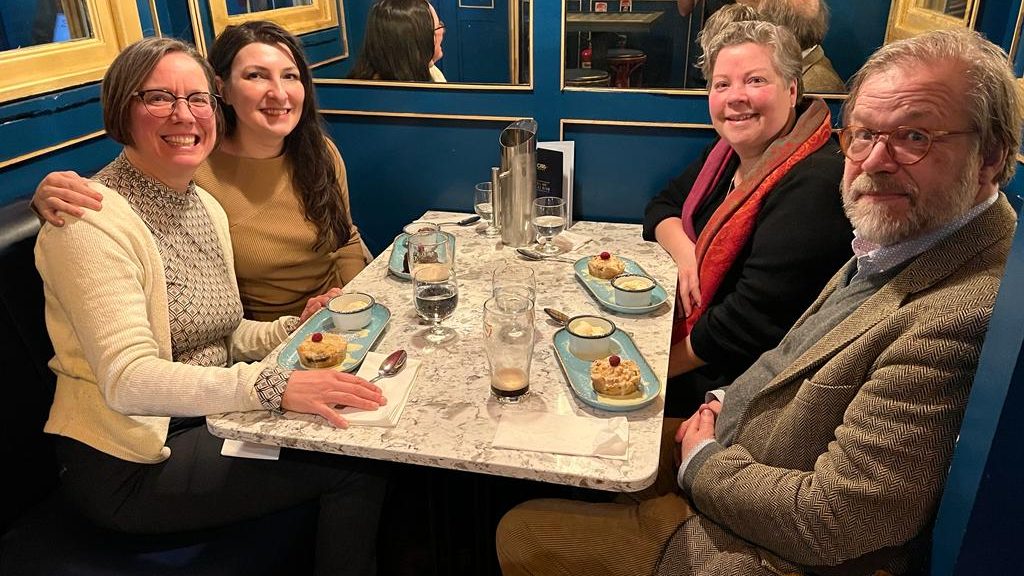
A past EJEE editors’ dinner in Dublin, with Dr. Kristina Edström and Dr. Jonte Bernhard (right), me and Diana Martin (soon to be appointed Associate Editor after impressing Kristina and Jonte!).

[Edit after posting: SEFI just launched a new journal that does publish SOTL papers, see: https://sefi-jeea.org/index.php/sefijeea/announcement/view/1! It says, “The SEFI Journal of Engineering Education Advancement offers a route to share ideas, emerging research, practice experience and innovations in the engineering education field.”]

In reflecting on what publications I have of my own that truly relate to architecture, I have identified Using Architecture Design Studio Pedagogies to Enhance Engineering Education as a favorite of mine. Unfortunately, it isn’t easy to find on search engines and the platform to download it is far from user-friendly. It doesn’t get the attention it deserves, but you can download it by clicking the title and see how you like it!

Another relevant work of which I am very proud is Comparing the meaning of ‘thesis’ and ‘final year project’ in architecture and engineering education. Yet this paper is more conceptual than empirically based and, thus, isn’t the best place to start the discussion with my colleagues at KLE Tech. I am delighted to report that it’s garnered nearly 1300 views since it was published, just 5.5 months ago.

A good place to start our discussion might actually be Comparing Grounded Theory and Phenomenology, an article I think is one of my best but has a very long and obscure title that I haven’t bored you with here!

My KLE Tech colleagues have a keen interest in architecture accreditation. These days, I am more engaged with engineering accreditation than with architecture accreditation (having uploaded a conference paper earlier today on engineering ethics accreditation, in fact). But in the past, I’ve been quite involved with the USA’s National Architectural Accrediting Board (NAAB), and my colleagues at KLE Tech are using NAAB’s guidelines to help them structure their programs. One day, they may seek affiliate designation from NAAB.

Near the end of REES, I found myself again spirited away to the now-familiar meeting room of KLE Tech’s architecture building to discuss accreditation options with Sharan Goudar and another colleague.

Discussing accreditation with Sharan Goudar (right) and colleague.

A text from Sharan encouraged me to finally craft this blog post, in fact. He responded to my recent blog Why India? Inspired by IUCEE and KLE Tech with a request for me to remember the architects:
Like Sharan, I, too, cherished the moments were shared in Hubli and I look forward to opportunities for more such moments, and a bit of hard (but fun and rewarding) research work, to boot!

My work with VIT Chennai and Dr. Nithya Venkatesan of the Internationalization Office may enable another trip to India, and I will make every effort to include a flight across to KLE Tech’s architecture department while I’m there.

These KLE architecture teachers are lovely, lovely people, and I look forward to getting to know them better and collaborating with them in both research and teaching.

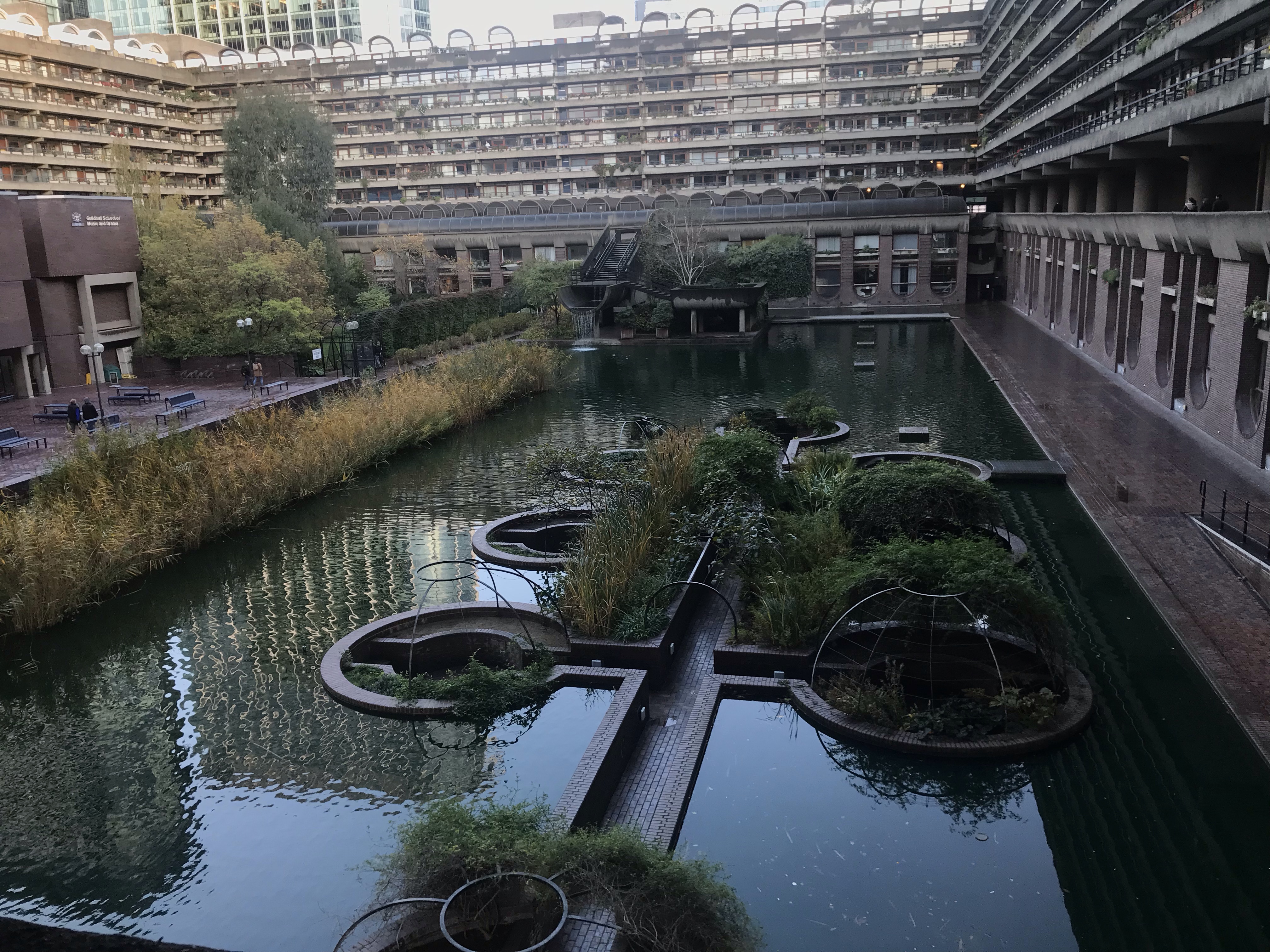
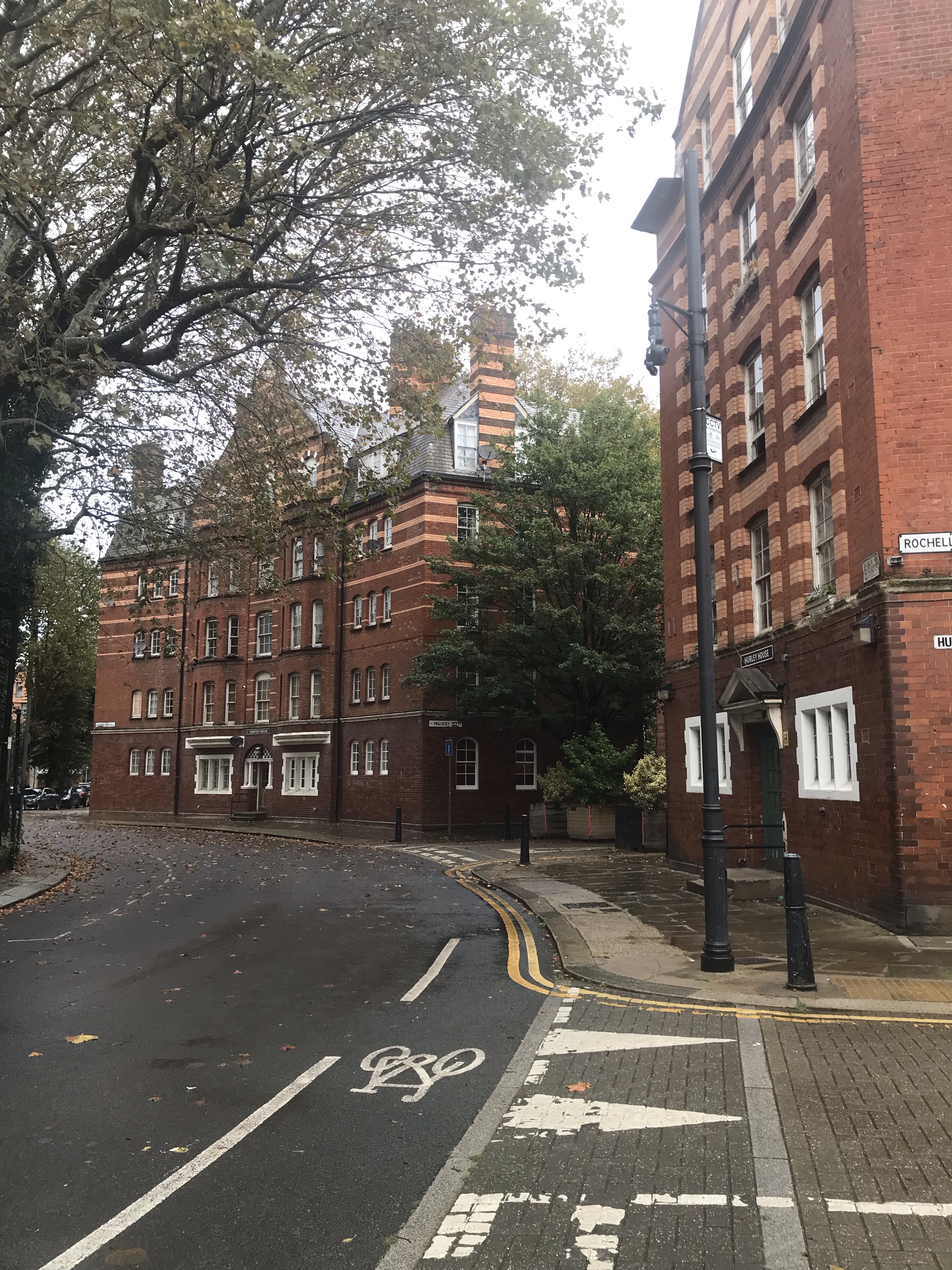
Our Great Escape to London

Although the days are short, dark, and frequently wet now that we’ve gone off daylight savings time, I’m still savoring memories of a recent week in London. As you likely know, I spent all of 2018 and 2919 on an MSCA fellowship from the European Union, working at University College London and developing fabulous new skills and an invaluable network of colleagues at UCL and around the globe. UCL is truly a magnet for talent and an ongoing source of inspiration.

The time change happened again this year while Aongus and I were in London for the October bank holiday… I often overlap a bank holiday Monday with a working visit to London since my colleagues at UCL have different days than me (at TU Dublin) and I can visit UCL without falling behind at my main job. This was my second Halloween in a row visiting UCL.

I’m fact, this Halloween I spent a full week in London, collaborating with colleagues and attending lectures including Emanuela Tilley’s inaugural professorial lecture (and reception!) and a guest lecture in one of Professor Nick Tyler’s transport engineering classes.

I worked several days at UCL’s Henry Morley building, which houses the Centre for Engineering Education. I enjoyed catching up with colleagues there, especially Drs Vivek Ramachandran, Kate Roach, and Fiona Truscott. I showed Vivek, who is new to UCL, some of my favorite places in and around campus, including the Thursday Farmers’ Market, the Life Goddess restaurant, and the Building Centre. I after work one night, I attended a comedy show at the newly renovated Bloomsbury Theater.
In the daytimes, I kept Dr Inês Direito’s old desk warm as she’s moved to the University of Aveiro in Portugal. Never fear, though, Inês and I are still in close communication, and now, my mentee Dr Diana Martin is joining CEE so I’ll still never be more than a WhatsApp away from the Center!

During the week, I attended strategic planning meetings with my two “bosses” at UCL — the two directors of the curriculum design project I’ve been working on, via a contract between UCL and TU Dublin, since 2020. They are Professors Emanuela Tilley and John Mitchell, two truly fabulous people to work with.

Thanks to the marvel of online communication, I also completed a half day training on finance software at TU Dublin while I was in London. I also attended online meetings with co-editors of the handbook I’m leading as well as co-authors on a chapter I’m contributing to the handbook.

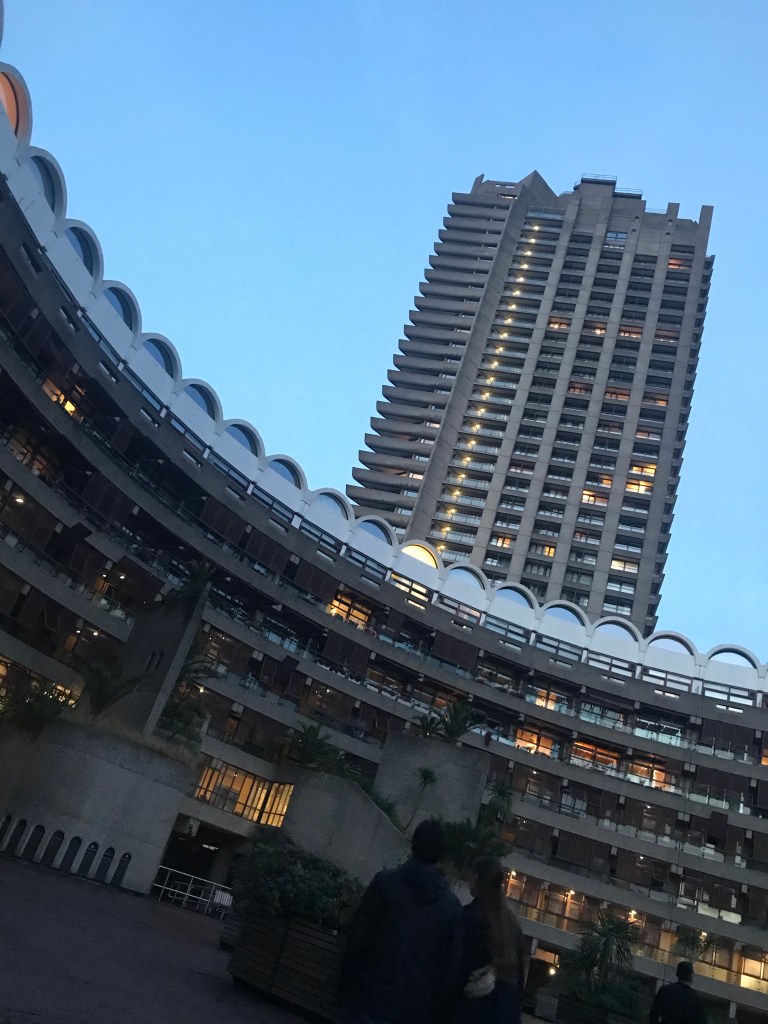
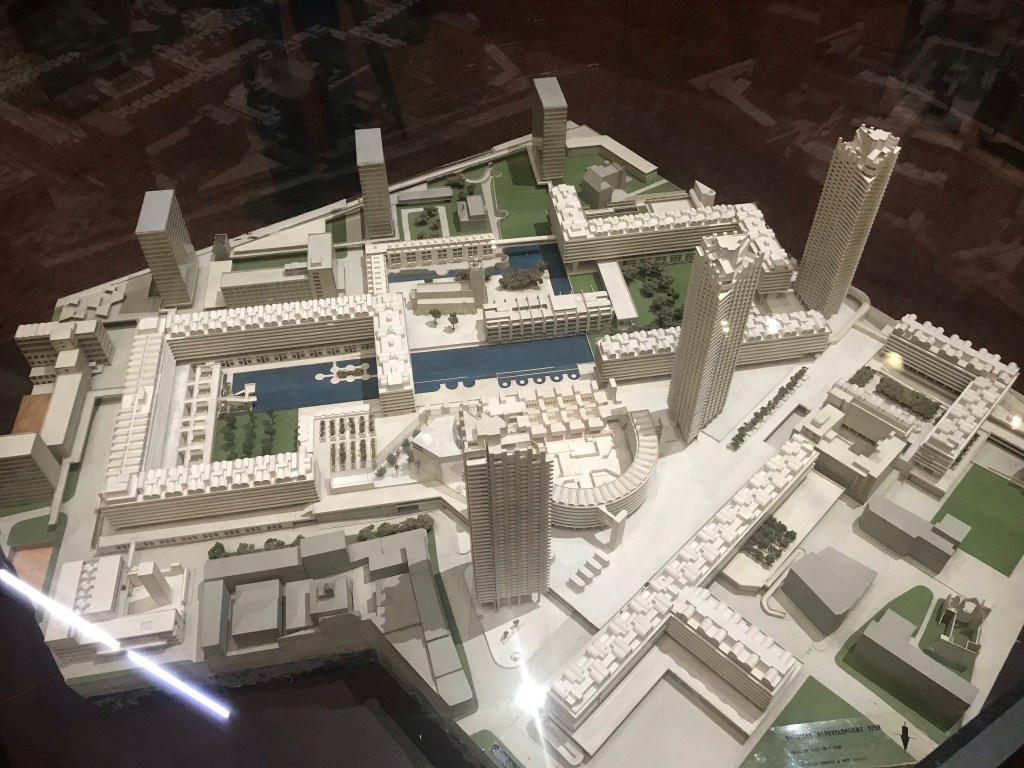
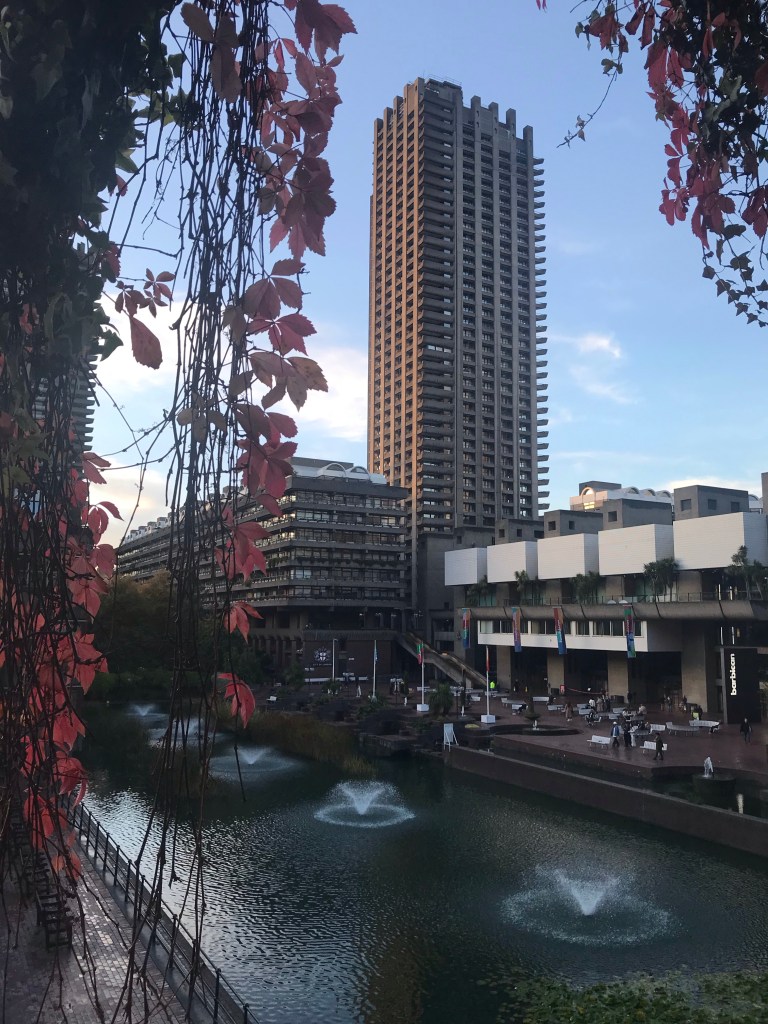
For the extended weekend, Aongus joined me in the city. We attended two musicals (the Tina Turner musical and “Crazy for You”) and an improv comedy show. We took architectural tours of the Royal Albert Hall and the Barbican complex. We visited the Royal Academy of Art , the photography museum off Oxford Street, and the Natural History Museum including its Wildlife Photography of the Year exhibition.

We also visited our favorite haunts around Shoreditch, where we previously lived for 18 months. We got to know the area around Victoria Station better. We even saw Rebecca from “Ted Lasso”, Hannah Waddingham, up close and in person as she’d attended “Crazy for You” and was in the lobby when we exited.

While in London, I also drafted text for my handbook chapter, worked on various projects, attended an improv musical called “Showstopper!”, and did loads of Spanish lessons on Duolingo in the evenings before bed.

It wasn’t supersizing, really, that I picked up a cold somewhere in London. I brought it home along with heaps of inspiration to help carry me through the long working weeks until Christmas.

Now that I’ve recovered from that nasty cold, I can say with conviction that life is good and I am blessed beyond belief.

Happy Thanksgiving to you all!

The International Handbook of Engineering Education Research (IHEER)

The brand new International Handbook of Engineering Education Research (IHEER) that I’ve been working on for the past two years has been published through the leadership of Dr. Aditya Jhordi. It has contributions from a hundred scholars from around the globe and is available digitally Open Access and entirely free of charge. (Here’s the URL if you need it: https://www.taylorfrancis.com/books/oa-edit/10.4324/9781003287483/international-handbook-engineering-education-research-aditya-johri.)

If you are attending ASEE conference in 2023, you can attend this session of the Educational Research and Methods Division (ERM), where I’ll be a panelist alongside Aditya:

M314C·Introducing the International Handbook of Engineering Education Research (IHEER) and Discussing the Future of EER

Mon. June 26, 2023, 11:00 AM to 12:30 PM (Room 308, Baltimore Convention Center)

I served as an Associate Editor for the handbook and co-authored the chapter on “Informal Learning as Opportunity for Competency Development and Broadened Engagement in Engineering”. The chapter authors, Madeline Polmear, Shannon Chance, Roger G. Hadgraft, and Corrinne Shaw made a great team. It was a pleasure writing this chapter and my first time writing with any of the three. Won’t be my last!

(You can download our chapter here, at https://www.taylorfrancis.com/chapters/oa-edit/10.4324/9781003287483-18/informal-learning-opportunity-competency-development-broadened-engagement-engineering-madeline-polmear-shannon-chance-roger-hadgraft-corrinne-shaw.)

Whether you’re new to engineering education research or a seasoned expert, you’ll find plenty to love about this new resource.

Global leadership with REEN

Reflecting professionally on my past four years, REEN is a definite bright spot.
I’m delighted with what we have accomplished since 2018 when I joined the Governing Body of the Research in Engineering Education Network (REEN), and since I took on the role of Chair for 2020 and 2021. I got to put many of the theories to work that I learned in my PhD in Higher Education Administration (Policy, Planning and Leadership).
During my term as REEN Chair, my team and I have met our existing goals of organizing a bi-annual Symposium (REES, or Research in Engineering Education Symposium), publishing a special focus journal issue from each REES, and hosting an informational website. We seek to build momentum and capacity to generate new knowledge, publish quality research, and implement research-informed teaching approaches in regions all around the globe.

We aim to host REES in geographically diverse regions, and we see this Symposium as a way of introducing new areas and communities to EER. I helped recruit and select the hosts and locations for REES 2021 in Perth Australia, and REES 2023 in Hubli, India. REES has been/will be held in:

  • 2007 – Honolulu, Hawaii, United States
  • 2008 – Davos, Switzerland
  • 2009 – Palm Cove, Queensland, Australia
  • 2011 – Madrid, Spain
  • 2013 – Kuala Lumpur, Malaysia
  • 2015 – Dublin, Ireland
  • 2017 – Bogotá, Colombia
  • 2019 – Cape Town, South Africa
  • 2021 – Perth, Australia
  • 2023 – Hubli, India

I’m delighted to notice that REES has now been held on every (inhabited) continent!

We recognize that attending REES in person involves global travel and is thus prohibitively expensive for many — as well as taxing on the environment — and we seek to make it more accessible, inclusive, and environmentally sustainable. So, the organizing team has developed multiple avenues for online participation.

We started innovating this way at the outset of the pandemic, when we organized with UCL’s Centre for Engineering Education a full-day online Engineering Education Meet Up. We co-organized a second one on International Women’s Day 2020.  People attended these online events from all over the globe and we facilitated all time zones in the first event.

We built on this success with virtual events in the design of the upcoming REES in Perth, which has a global “relay” type structure. Events will happen face-to-face in Perth but will include paper presentations in a hybrid format (with face to face + online participation). Each research paper will be discussed three times:

  • first in the afternoon in Perth (hybrid)
  • second online at a time comfortable for the Middle East westward across Europe and Africa and across the Americas, and
  • third at a report back to the Perth group the next morning.

We have a host of facilitators enlisted to carry the dialogue across the time zones during REES 2021, to support continuity. We will use collaborative tools (e.g., Padlet, Miro, Jamboards, or similar) to record and add ideas at each stage of the global relay. I’ll be facilitating two of these relay sessions, scheduling and helping the facilitation leaders prepare, and moderating the online keynote sessions. Our keynote speakers have agreed to deliver their talks twice: once to people in time zones near Perth (hybrid format), and again to the other side of the world (online only).

REEN will provide awards for the REES Best Paper and best student paper (the Duncan Frazier Award), and a sub-committee of REEN Board members is now in the process of selecting winners for 2021.

During my term as Chair, the REEN Board has developed a practice of building capacity among board members and empowering each other so that there is continuity in transition and handover over responsibilities among Board members.

In the past two years, we have expanded our Board to provide a better representation of non-Anglo regions; the prior naming and allocation of representatives previously privileged the USA and Australia, but it now provides two representatives per continent with some sub-divisions specified to ensure geographical diversity (here’s an example call for applicants). We’ll modify further soon, to make the Middle East and Russia two separate regions.

We have innovated and grown. In the past two years, we have developed many new policies and procedures (such as for recruiting candidates and conducting elections) and programs (e.g., virtual Meet Ups, hybrid conference formats, capacity-building groups, and a capacity-building workshop series that we’ll soon pilot test).

We established a new transition period, to bring the incoming Chair on board 6-12 months prior to taking the full role of Chair, and the outgoing Chair to transition out gradually over 6-12 months to provide advice and support to the incoming Chair.

We also established a new rotation cycle for elections that helps stabilize membership so that we have a consistent level of turnover each year. Our new practices for recruiting and selecting Board members provide a common and transparent approach across regions that will help REEN fill its needs for diverse skills, interests, and expereince. We developed a more balanced approach that allows seasoned and emerging researchers alike a chance to serve.

As we are a larger group, we have not had trouble recruiting people to take on new roles or expand our repertoire of offerings. These were problems encountered in the past, when sitting Chairs couldn’t find replacements, for example. In the past three years, we have had extensive competition for the Board positions we have advertised, typically with 6-10 people running for each open position.

To help ensure engagement among Board members and address a few cases of under-performance, I implemented an annual benchmarking activity wherein Board members submit a written reflection at the start of each year, summarizing what they contributed the prior year, and setting forth goals and aspirations they have for the coming year. This approach has been successful in helping build a sense of ownership and accountability. It helps us identify and build momentum around shared goals. Thankfully, it also gave individuals who were not contributing very much a chance to see that for themselves and modify their behaviour by either stepping up their efforts, better stating what they intended to contribute so they could deliver, or stepping down to allow others a chance to serve and lead.

As REEN itself does not have a bank account, we have successfully controlled costs. We moved our website to a less expensive/nearly free provider, and we upgraded the content. During my time on REEN, we have added a page on EER journals, and our team continues to cultivate and refine this list, trying to provide trustworthy and consistent information to authors to aid their selection of publication venues and help them avoid predatory publishers. We still have the annual cost of the website domain, and I’ll try to find a sponsor for that as I don’t like that obligation passing from Chair to Chair as we’ve been doing.

Over the past 24 months, we produced a special focus journal issue on ethics in engineering, published in hard copy in May 2021 via the Australasian Journal of Engineering Education. I was the Editor, supported by the Editor-in-Chief Sally Male, and Associate Editors from REEN Teresa Hattigh, Andrea Mazzurco, and Valquíria Villas-Boas.

A full list of past REEN publications is available on our website and this list is being expanded this very week to include updated content and a new page of domain-specific journals as well.

REEN also conveys news and communicates happenings via a new blog feature on our website, with a new email subscription list, in addition to a new Twitter handle, @BoardREEN and the LinkedIn Discussion Board that we have operated for years. I’ve been a major player in posting to social media, and hope to soon recruit someone to help with the job. Perhpas when we bring new Board members in, early in 2022.

The special focus issue of the Australasian Journal of Engineering Education (that I mentioned above) adds to the global body of literature on engineering ethics education. The introduction by the guest editor Shannon Chance presents the nine manuscripts and explains ties across them. Overall, the set covers ethical decision-making models and pedagogical techniques, philosophical aspects of ethics in engineering practice and education, ethics in accreditation, and the role of extra-curricular activities and gaming platforms in students’ ethical development. The set has been released digitally and will soon be published in hard copy as well. Many of the articles are open access, and a link to each is provided below.

In the special issue, authors Gwynne-Evans, Junaid and Chetty argue for a repositioning of ethics at the heart of engineering graduate attributes. Martin, Conlon and Bowe examine how “cases” (or detailed examples) are used in the teaching of engineering ethics; these authors argue for the development of immersive scenarios and active stakeholder engagement, as well for the development of local repositories and metrics of effectiveness. Stransky, Bodnar, Anastasio and Burkey explore the power of immersive environments that encourage authentic, high-level engagement by students. Sivaraman proposes a 4-tier rubric for evaluating engineering students’ ethical decision-making skills in the context of hypothetical scenarios. Lawlor offers a dissenting perspective to the teaching of engineering ethics through case studies and he recommends mirroring practices used in the education of philosophers—reading, lectures, discussion, and assessment—so that students are equipped to think critically about the profession. Hess, Miller, Higbee, Fore and Wallace explore empathy and ethical becoming, with the aim of helping Biomedical students recognize issues in practice environments. Frigo, Marthaler, Albers, Ott and Hillerbrand bring to the forefront the role of phronesis and virtues in engineering education. Advocating an authentic approach to teaching ethics, Polmear, Chau and Simmons highlight the role that informal, out-of-class, or extra-curricular activities play in the students’ ethical development. Finally, Chance, Lawlor, Direito and Mitchell assess the ramifications of traditional approaches to teaching ethics by asking civil engineers how they had learned about ethics and find that lessons of codes and professional practice were likely present in their engineering courses but completely unmemorable.

Frankly, I’m over the moon that this last article, “Above and beyond: ethics and responsibility in civil engineering“, by my own team, has already been downloaded from the publisher’s website 1371 times. It’s free to download, so please click this link to download the paper and learn what we discovered.

As REEN wants to help more regions build skills in EER and a sense of community working together, our Board members launched, in late 2019, a group we are now calling the “Engineering Education Research Network – Africa”. This group shares resources and ideas via WhatsApp and meet online to share similarly. Our Board has been working diligently to develop a series of workshops to introduce this community to EER and examples of how to do EER. We will run this workshop series in January-February 2022. I’ll meet with the group (online) later in November to launch that workshop initiative and encourage people to sign up.

Board members are hoping to extend these support activities into additional regions, eventually providing video recordings translated into local languages to help people learn EER. Our long-range plan for these EERN communities includes Latin America, the Middle East, and China.

In the role of Chair, I also developed a new logo with input from all Board members:

Our little Board is small but mighty. My wholehearted thanks go to the current Board members who made possible all the accomplishments I outlined above:

2021 (serving until the end of 2021)

  • Valquiria Villas-Boas (Central and South America)
  • Brent Jesiek (North America)
  • Shannon Chance (Europe)

2022

  • Teresa Hattingh (Africa)
  • Mahyuddin Arsat (Southeast Asia)
  • Sarah Dart (Australasia)

2023

  • Aida Guerra (Europe)
  • Cindy Finelli (North America)
  • Camilo Vieira (Central and South America)

2024

  • Jiabin (Emily) Zhu (China and Northeast Asia)
  • Xiangyun Du (Middle East and Russia)
  • Esther Matemba (Africa)

Special projects

  • Sally Male (REES 2021)
  • Mike Klassen (ad hoc)
  • John Mitchell (ad hoc)
  • Sohum Sohoni (REES 2023, Indian sub-continent)

Hot off the presses! Opportunities and barriers faced by early-career civil engineers enacting global responsibility

Taylor & Francis has just published my team’s newest article, “Opportunities and barriers faced by early-career civil engineers enacting global responsibility” in the European Journal of Engineering Education!

It’s Open Access, so you can download it for free at https://www.tandfonline.com/doi/full/10.1080/03043797.2021.1990863

I collected interviews for this project with civil engineers recruited by Engineers Without Borders UK (EWB-UK). Dr Inês Direito helped with interviews and data analysis and Professor John Mitchell helped us with editing.

This is a sister article to one published in May 2021 via the Australasian Journal of Engineering Education that was titled “Above and beyond: ethics and responsibility in civil engineering“. That article has 1,354 downloads to date! It’s also Open Access, and free to read.

We hope you’ll find the various insights revealed about the ethics and experiences of early-career engineers interesting and informative.

Call for special focus issue on Covid Leadership and Educ Planning

I’ve published in this journal before, and I even received the organization’s 2010 “Outstanding Dissertation Award”. I encourage you to considering submitting an article for their new special focus issue. The host organization is ISEP, the International Society for Educational Planning.

Special Issue: COVID-19 Leadership and Educational Planning 

Educational Planning

Issue Editors: Jodie Brinkmann and Adam Nir
The COVID-19 pandemic created a new reality for societies, schools, homes, educational infrastructures and services. It has influenced education dramatically, creating huge changes in the organization of schooling at all levels, in communication between teachers and students, and in the realization of educational processes and goals.


An immediate and main influence of Covid-19 may be evident in the introduction of uncertainty and instability, both undermining the dominating routines of public schooling.


This special issue of Educational Planning invites papers addressing the COVID-19 pandemic and its’ influence on public schools. We welcome manuscripts that focus on the implications COVID-19 has for educational administration and planning at all levels. 
Articles for this special issue:

  • May take the form of original research, conceptual pieces, theory-supported or evidence-based practical accounts
  • Must be submitted exclusively to this special issue and should not be considered by another journal 
  • May present internationally and diverse perspectives of resiliency during changing educational contexts
  • May focus on equity issues during the pandemic and strategies for mitigation 

Deadline for Manuscript Submission: The submission deadline for all papers is: April 1st, 2021Submission Guidelines:

  • Length of manuscript – 2,000 to 5,000 words including abstracts, references, tables, figures and appendixes.
  • Writing style – Adherence to APA Publication Guidelines, 7th edition.
  • Cover page – should include the manuscript title, author(s)’ name(s), official title(s), affiliation(s) and contact information.
  • The manuscript – should be submitted in a separate file to include the paper title, a 200-word abstract, the paper itself, the references, the tables, the figures and the appendixes if any. The identity of the author(s) should not be disclosed at the paper for peer review.

Review Process: All submitted manuscripts for this special issuewill be sent to the co-editors in WORD files. The manuscripts will first be screened by the editors for suitability to the themes of the special issue. They will then be sent for peer review by at least two members of the editorial review board. In consideration of the reviewers’ comments, the editors will make a decision and inform the author(s). A summary of the reviewers’ comments and recommendations on the manuscript will be shared with the author(s). The entire review process will take about four – eight weeks. All accepted manuscripts in their final publication format will be sent to the author(s) for final approval before publication. Author(s) of accepted manuscripts for publication will be asked to sign a manuscript copyright release form before publication. This special issue will be published online on the website of the Society for Educational Planning with printed hardcopies to be mailed to the authors.All materials in the Journal are the property of ISEP and are copyrighted. Permission to use material generally will be made available by the editor to students and educational institutions upon written request.

  • The Journal is assigned ISSN 1537-873X by the National Serials Data Program of the Library of Congress
  • The Journal is indexed in the H. W. Wilson Education Index.
  • The Journal with its articles is a part of EBSCO Database.
  • The Journal with its articles is a part of ERIC Database.
  • The Journal has a current 35% acceptance rate.

 Please e-mail all manuscripts to the editors of this special issue: 

Dr. Jodie Brinkmann, Virginia Tech, USA, jlbrinkmann@vt.edu 

Dr. Adam NirHebrew, University of Jerusalem, Israel, adam.nir@mail.huji.ac.il

Example SOC proposal for MSCA IF: Ethics Section

It might be helpful to other applicants in the SOC panel to see an example of the ethics section as well, so I’m providing this example from 2015. It is very important to note, however, that the rules for personal and data protection have gotten more highly defined, and so it would not be a good idea to copy paste this for your own submission. It must be updated for current GDPR regulations, as well as being tailored to your topic.

For the full suite of posts:

Abstract and Eval
• Excellence Section 1.1, 1.2, 1.3, 1.4
Notes on using tables
• Impact Section 2.1, 2.2
Implementation Section 3.1, 3.2, 3.3, 3.4
• Ethics Section (here)
Final Report from 2016 submission

6      ETHICS SELF-REVIEW           

This research study involves (1) interviewing women who are studying engineering at 3rd level and (2) conducting surveys with male and female engineering students. Because this project involves human participants, we must obtain informed consent from each participant. Informed Consent Form and Information Sheets examples are provided below. Ethics approvals will be obtained from the host institution and each partner university prior to any data collection (see Tables 2, 4, and 6). Profs. Chance and Tyler will accept responsibility for being ethical stewards of the data throughout its life cycle. This will be checked during the Milestone reviews that occur every six months, where, for instance, Dr. Chance will provide Prof. Tyler with proof that Informed Consent has been secured.

HUMAN SUBJECTS

All participants will be university undergraduates, postgraduates, or practicing professionals. They will all be volunteers, recruited with the help of their teachers (or, in the case of Poland, via the Perspektywy Education Foundation website). They will be solicited in class, during events, via list serves, and/or by email. They can withdraw their participation at any time and they will be informed of such on the Information Sheet and Informed Consent Form. Interview and survey participants will be asked three demographic questions:

  1. What is your gender?
  2. Were you born in the country where you are now studying?
  3. On which continent were you born?

Raffle prizes (such as Kindle readers or iTunes gift certificates) may be offered to encourage participation in the interviews and surveys. Prizewinners will be selected randomly, by drawing numbers from a hat.

Volunteers for surveys will be limited to students over age 18 who are studying engineering and/or architecture. The opening page of the online survey will include a concise Information Sheet and ask the participant to give informed consent before starting the survey by clicking “continue.” The content of the online survey will be generated in light of findings from the interviews and will be provided to the host institution’s Ethics Review Committee prior to commencing the survey.

Volunteers for interviews will be limited to students over age 18 who are women studying engineering and/or architecture. When they are recruited, they will receive an Information Sheet and be invited to provide their preferred form of contact (email or text number) so the researcher can contact them. The Informed Consent Form will explicitly ask if it is okay to keep the contact information on file for follow-up and will let each participant specify time limits and any other preferences/stipulations about use of her contact information, interview data, and personal data. Each interview participant will be asked to sign the Informed Consent Form before the interview starts. The content of the Information Sheet and the Informed Consent Form will be translated into Polish and Portuguese for use in those countries. These materials will undergo review by Ethics boards at UCL and our partner institutions in Ireland, Poland, Portugal, and the USA. Our primary goal with this research is to support minority students (in engineering this mans women as well as non-native born students and those belonging to groups of minority status in their country of study). We will make every effort to protect the interests of and to support the success of participants of minority status in our research, outreach, and dissemination. Prior to submitting for Ethics approval, Dr. Chance will carefully review UCL’s Data Protection guidelines, policies, and principles. She will meet with a member of the UCL Research Ethics Committee  (i.e., UCL’s data protection officers) to discuss various aspects of the proposed work. The timeline for submitting ethics applications to UCL and the various partner institutions are provided in the Gantt chart (Table 6, in Section 3.1).

Check for collection of sensitive data

Interviewees may be asked to complete an epistemological survey instrument (an updated version of one produced by Kuhn, Cheney, and Winestock from Columbia Teacher’s College12) and to provide some basic demographic information as identified above. If we decide to include an epistemological survey questionnaire along with the interviews, information about the survey tool will be incorporated into the Information Sheet and Informed Consent Form. These personal data are of fairly low sensitivity, but nevertheless, UCL’s data protection officers will be consulted to ensure compliance and to advise the researchers if any specific authorizations from the national data protection authority are necessary. The ethics application/review process will include detailed information about the collection of the demographic data identified above, as well as the epistemological survey instrument.

SOCIAL SCIENCE AND HUMANITIES RESEARCH

This research involves online surveys and audio-recorded interviews. Interviews will be conducted in English, which presents one form of bias in sampling. Recruitment will happen in designated partner institutions, so there is also a convenience sampling bias. We will use extreme-case sampling for interview participants to get the most diverse points of view. In other words, we will be attempting to secure participation from native-born and non-native students in each location. Within the participating architecture and engineering programs, we will invite all registered students to complete the online surveys, which will be translated into the native language by a native speaker (working in consultation with the primary researcher to achieve the most accurate translation possible for each language).

Minimal risk/minimal burden. Questions will involve non-sensitive topics regarding experiences in engineering education. Risks associated with participating are extremely small. It is possible that participants could experience some emotional distress in reflecting on their past experiences, but not more than would be expected in the course of normal conversation. Participants’ identities will be kept confidential and references to actual names will be removed from transcripts, as detailed below; pseudonyms will be used in reporting.

Benefits of participation to the individual participation are the opportunity to reflect on past experiences and to contribute to research about engineering education, epistemological development, and design thinking.

PERSONAL DATA

Procedures for data collection, storage, protection, retention, transfer, destruction, or re-use.Personal data to be collected in this study will be collected through face-to-face interviews and online survey questionnaires.

Online surveys. No personal identifiers will be collected during online surveys—they will be completely anonymized. As per Horizon 2020 ethics self-assessment instructions, “completely anonymized data does not fall under data privacy rules (as from the moment it has been completely anonymized).” Responses to surveys will be stored in Excel spreadsheets, and analyzed using SPSS (Statistical Package for the Social Sciences) or similar.

Face-to-face interviews. The researcher is likely to know/record the name, email address and/or telephone number, gender, continent of birth, and national/non-national status for each interview participant. Processing of interviews will involve: collection of digital audio recordings, organization and storage, use, and deleting / destruction of audio recordings following transcription. If a prize raffle is held to encourage participation, email addresses will be collected, stored temporarily, and destroyed following the award of prizes. Interview data will be collected using digital sound recording devices and stored on a password-protected computer. Interview participants can choose to have their data included only in this study, or archived for future research, conditional on the restrictions listed on the Consent Form. The list of interview participants (with name, contact information, and identifying code / pseudonym will not be stored in the same digital archive as the transcriptions and audio recordings. Audio recordings will be deleted/destroyed following transcription. Data will be analyzed using Microsoft Word, Microsoft Excel, NVivo, Scrivener, or other specialized software for qualitative data analysis. At the beginning and end of each interview the researchers will ask the participant for both verbal and written confirmation that it is acceptable to archive the interview transcript for future use. Each participant will be asked to note in writing any specific limits for use of her data. 

Use of previously processed data (secondary use). The longitudinal component of this study utilizes data collected during interviews conducted in Ireland (in 2014-15) and Poland (in 2015). Each participant has already provided written consent for archiving and ongoing use of her interview data, following the same procedure described above. These procedures were reviewed and approved by DIT’s Ethics Review Committee and by WUT’s Rector. These data have been and will be collected, stored, and processed in the ways stated above. Dr. Chance is the manager of these data, which are owned by Dr. Chance and the respective interview participant.

Privacy and data safety protection procedures. All individual information collected as part of the study will be anonymous—the identity of participants will be known only to the official research team. Data may be included in future conference presentations and publications, but at no time will it be possible to identify it as belonging to a specific individual. Information will be used solely for Dr. Chance’s research. It will be stripped of any personal identifiers and stored securely in password-protected electronic format pending possible continuation of the study. Data will be stored on two external backup hard drives and on UCL’s encrypted servers. Dr. Chance will provide Prof. Tyler with evidence that agreed-upon procedures for protection of personal data are being upheld during the Milestone reviews that occur every six months.

THIRD COUNTRIES

The only third country involved in this study is the USA. Ethical research standards and procedures are clear and well enforced in universities in the USA that will be involved in this study (Hampton University and the College of William and Mary). Procedures will follow those described above.

INFORMATION SHEET

DESIGINING ENGINEERS

Note: This is an example Information Sheet for Research Participants–the one that was actually used was updated to meet UCL specifications and all current GDPR regulations:

You are invited to participate in a research study about your experiences with project work, design, and design projects in engineering and/or architecture. The research team has received approval from your institution’s research ethics committee. Please read the following information before deciding whether or not to participate.

What are the objectives of the study? Dr. Shannon Chance is conducting this study because she wants to understand what it is like to be an engineering or architecture student, to experience project work, and to think about design and knowledge.

Why have you been asked to participate? You are engineering and/or architecture courses and you have experience of project work and/or design.

What happens if you agree to take part?

  • Information about you will be treated in strict confidence.
  • You will be asked to schedule a time for an interview at a time and place that suits you. You’ll be provided with Dr. Chance’s telephone/text number so that you can use it to make scheduling changes if necessary.
  • During the interview, we will chat about your experiences for about an hour. Before we start, you will be asked if it is okay to audio record what you say. You will be asked if you’d like a written copy of your interview for your records and/or to check for accuracy. Dr. Chance will also ask if she can keep your permanent email address and telephone number on file so that she can follow up with you in later years to talk again. (You can still participate in this study if you do not want to provide that information or if you don’t want her to keep it.)

Benefits of participating: The benefit of participation to you is the chance to talk about what you are going through in your engineering program—which can be a fun learning experience. By participating, you can also help teachers understand what it’s like to be an engineering student and how they can support students who are learning engineering and design.

Are there any risks involved in participation? There is very little risk associated with participation. In the unlikely event that talking about what you’re going through causes distress, Dr. Chance can help you locate support services or you can go directly to [TBD office or website at each university], which provides a list of support services available to students on your campus.

Participants’ rights:

  • Your participation in this research project will not influence your academic marks or your relationship with your institution in any way.
  • You may decide to stop being a part of this study at any time, and you do not need to explain why. You can omit or refuse to answer or respond to any question that is asked of you if you feel uncomfortable. If you decided to stop participating, you have the right to request that all data about be withdrawn from the study you (including the interview recordings, transcriptions, and contact information).
  • You have the right to have all your questions about the study and the research methods answered. If you have any questions as a result of reading this information sheet, please ask Dr. Chance before the study begins or email her at any time.

Confidentiality: Your identity will remain secret/anonymous. Your data may be included in future publications and conference presentations, but at no time will it be possible to identify it as yours. All information will be reported using pseudonyms (fictitious names, rather than real names). Your interview data will be stored using a code, and it will be kept separate from your actual name and contact information.

If you’d like to set any additional restrictions for use of your data and your contact information, please let Dr. Chance know now or at the end of the interview.

FOR FURTHER INFORMATION

If you want to find out more about the study or would like a summary of the results, you can contact:

Prof. Shannon Chance, [email and phone number were provided]

Prof. Nick Tyler, [email and phone number were provided]

Note: This is an example Consent Form–the one that was actually used was updated to meet UCL specifications and all current GDPR regulations:

CONSENT FORM

DESIGINING ENGINEERS

PLEASE CIRCLE YOUR RESPONSE TO EACH QUESTION

• I have read and understood the attached Information Sheet YES / NO

• I have had the opportunity to ask any questions I have about the study YES / NO

• I have received satisfactory answers to all my questions YES / NO

• I understand that my data will be used for research purposes and stored securely on a password protected device in a secure location until the end of the project, when they will be destroyed, unless I grant additional permission for their use below*. YES / NO

• I would like to receive a written copy of my interview transcript YES / NO

• I understand that I am free to withdraw from the study at any time YES / NO

without giving a reason and without this affecting my college studies

I agree to take part in the study YES / NO

You may, in addition, agree to have your interview transcript (without your name or any personal identifiers) archived for future similar research. Please read the note below and decide whether you wish to agree to this element:

I give my approval that these anonymous data concerning me may be stored or electronically processed for the purpose of scientific research and may be used in this research project, and, potentially, in other research studies in the future. (Any future use of the anonymous interview transcripts related to me would still be subject to approval by an independent ethical review body.)

Please tick        I agree [ ]          I do not agree [ ]

I make the following stipulations regarding the use of my data or length of time my data may be archived:____________________________________________________________________________________________________________________________________________________________________________________________________________________________________________________________________________________

FOR FURTHER INFORMATION

If you want to find out more about the study or would like a summary of the results, you can contact:

Prof. Shannon Chance, [email and phone number were provided]

Prof. Nick Tyler, [email and phone number were provided]

DIT Research Ethics Committee notes from prior research:

  • For persons under 18 years of age the consent of the parents or guardians must be obtained or an explanation given to the Research Ethics Committee and the assent of the child/young person should be obtained to the degree possible dependent on the age of the child/young person. (For this study, we do not intend to recruit under-age participants.)
  • In some studies, witnessed consent may be appropriate. (We do not anticipate any need for witness consent.)
  • The researcher concerned must sign the consent form after having explained the project to the subject and after having answered his/her questions about the project.