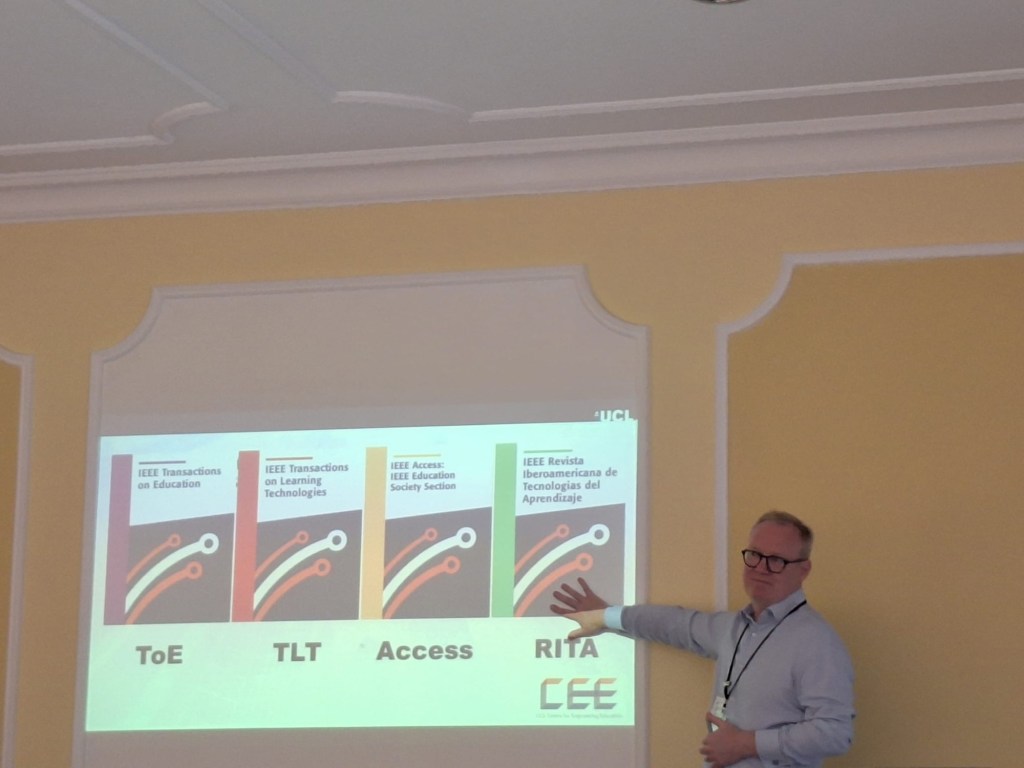
With a team of experts from four continents, I led the development of a newly published special issue of IEEE Transactions onEducation on the “Conceptual Learning of Mathematics-Intensive Concepts in Engineering.” The issue has nine articles covering three categories: assessment, instruction, and learning.
If you teach mathematics concepts to engineering students, you’ll definitely want to check it out!
I served as the organizational lead, and endeavored to support my team in learning journal-editing skills. Dr Farrah Fayyaz (working from Canada) served as the project’s conceptual lead. Dr Anita Campbell (South Africa), Dr Nicole Pitterson (USA), and Dr Sadia Nawaz (Australia) were also instrumental in producing such a high quality compilation.
As described in our guest editorial for this special issue, our leadership team implemented a range of innovative, collaborative models for capacity- and community-building while shepherding this project from conception to completion. My own focus was on cultivating these models, as mathematics education is not a primary focus of mine (although it is for the other four editors). The capacity-building model, and the recommendations for IEEE and other editors of special issues that are included in the guest editorial, were my primary contributions with this project, and a source of pride and joy for me.
I look forward to the future compilations that Farrah, Anita, Nicole, and Sadia will curate. Together, the editorial team hopes to read many more articles in this cutting-edge realm of research, and watch the ongoing success of the authors who participated in our capacity- and community-building activities.
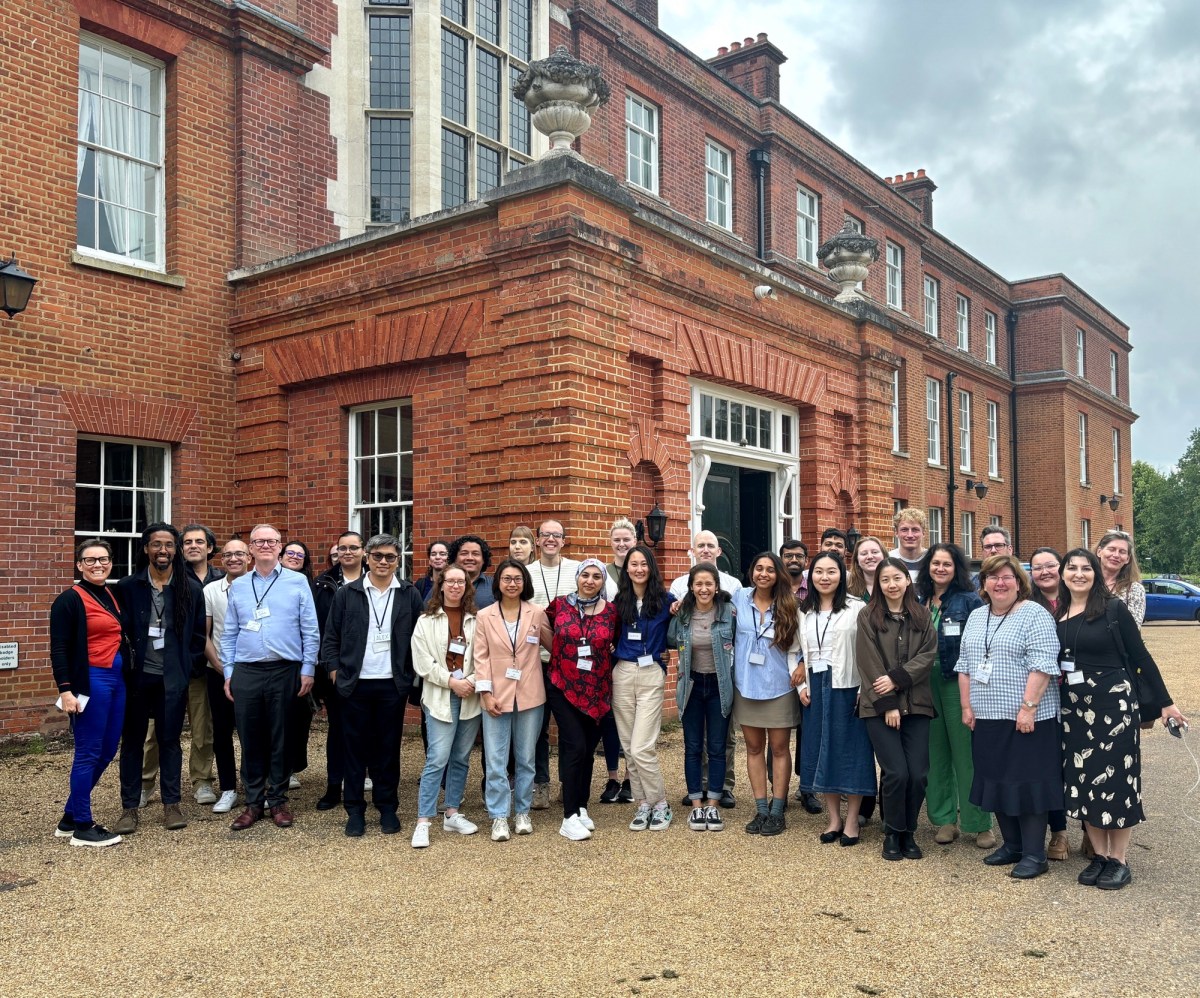
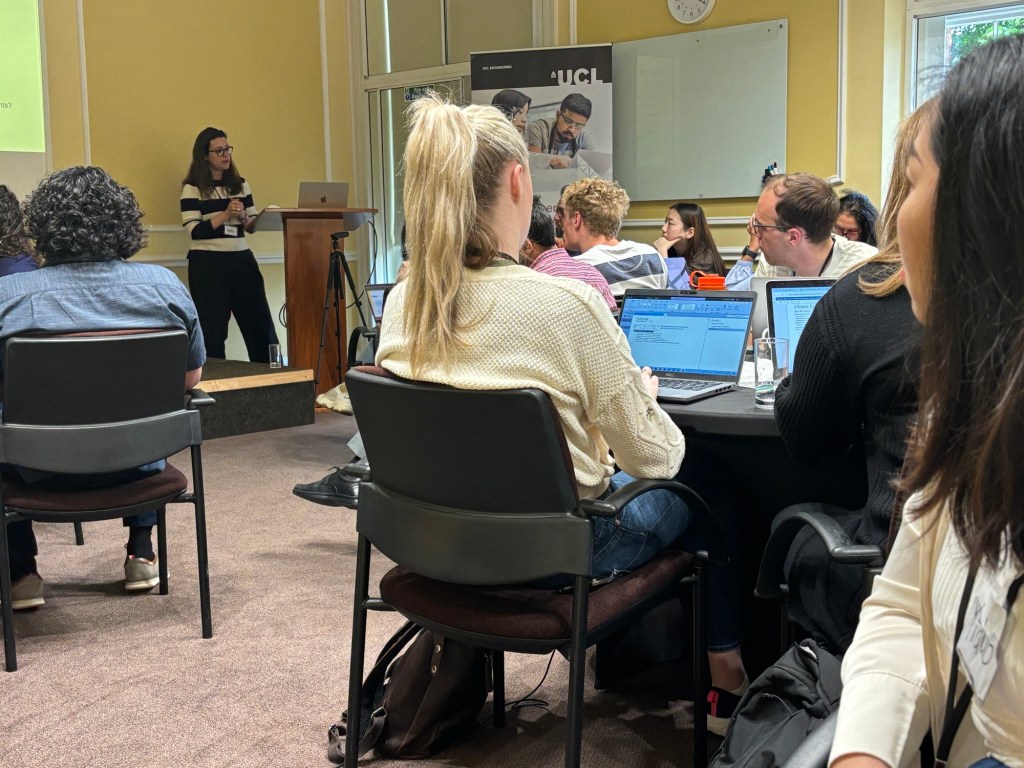
Four days of learning and laughing at Cumberland Lodge at the UK’s Great Windsor Park—the hallmarks of a great event!
The UCL Centre for Engineering Education (CEE) hosted the 2024 doctoral Summer School on engineering education research (EER). It was second doctoral Summer School delivered via SEFI, the European Society for Engineering Education. The first Summer School, held in 2022, was organized by SEFI Vice President Greet Langie, and conducted at the Irish College of KU Leuven in Belgium.
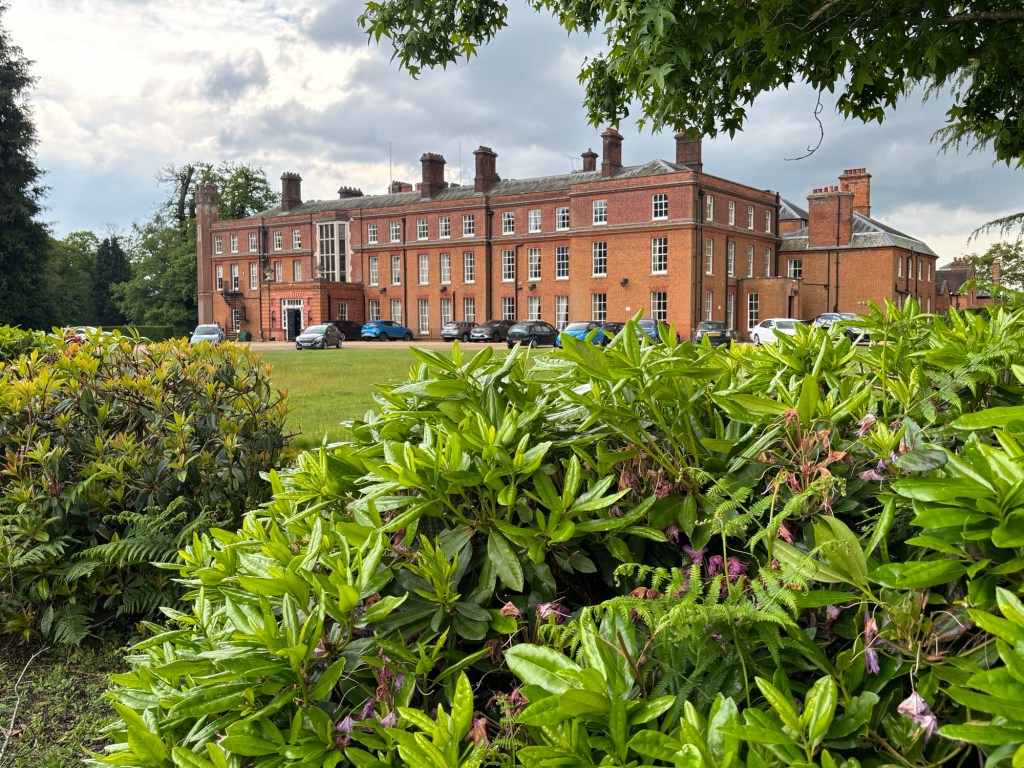
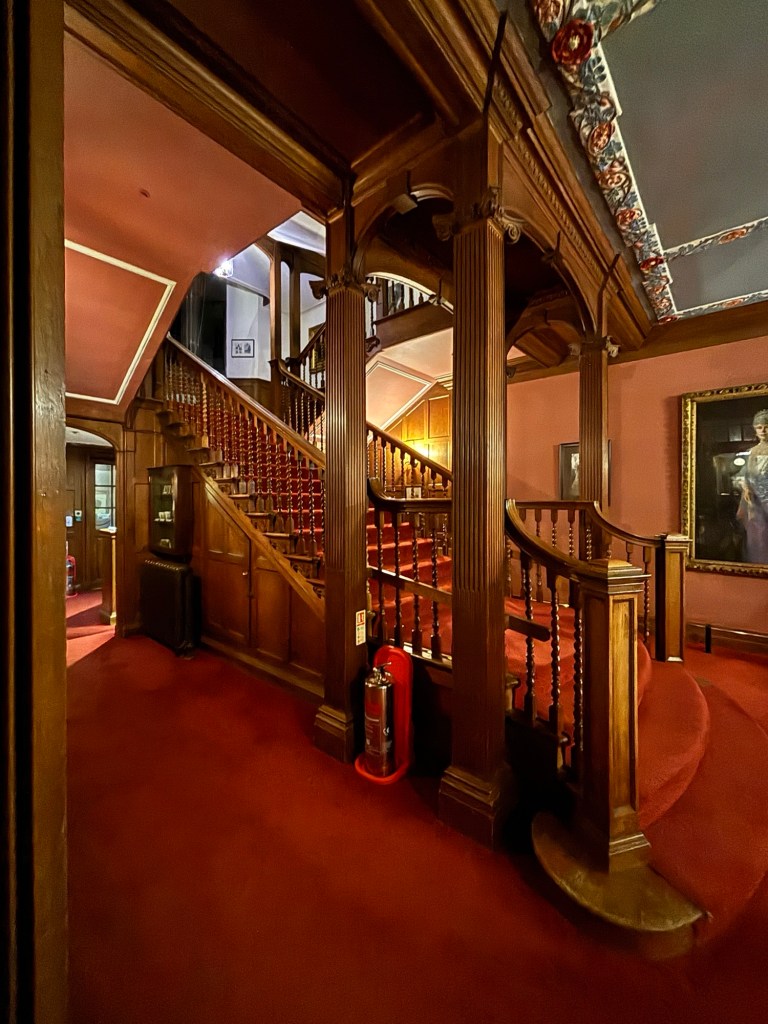
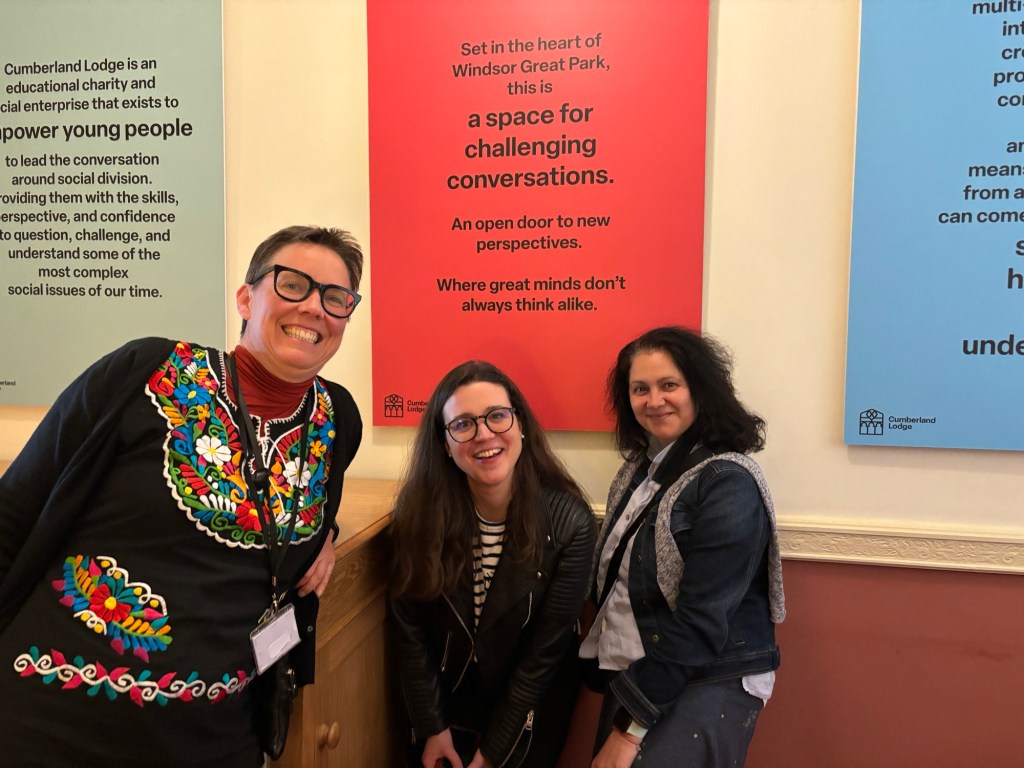
The UCL team organizing the 2024 event sought to provide a collaborative learning environment similar to 2022’s event. We selected Cumberland Lodge, a former royal residence dating back to the 17th century that is used today for educational programs for young people. The Lodge promotes discussions around ethics and social justice.
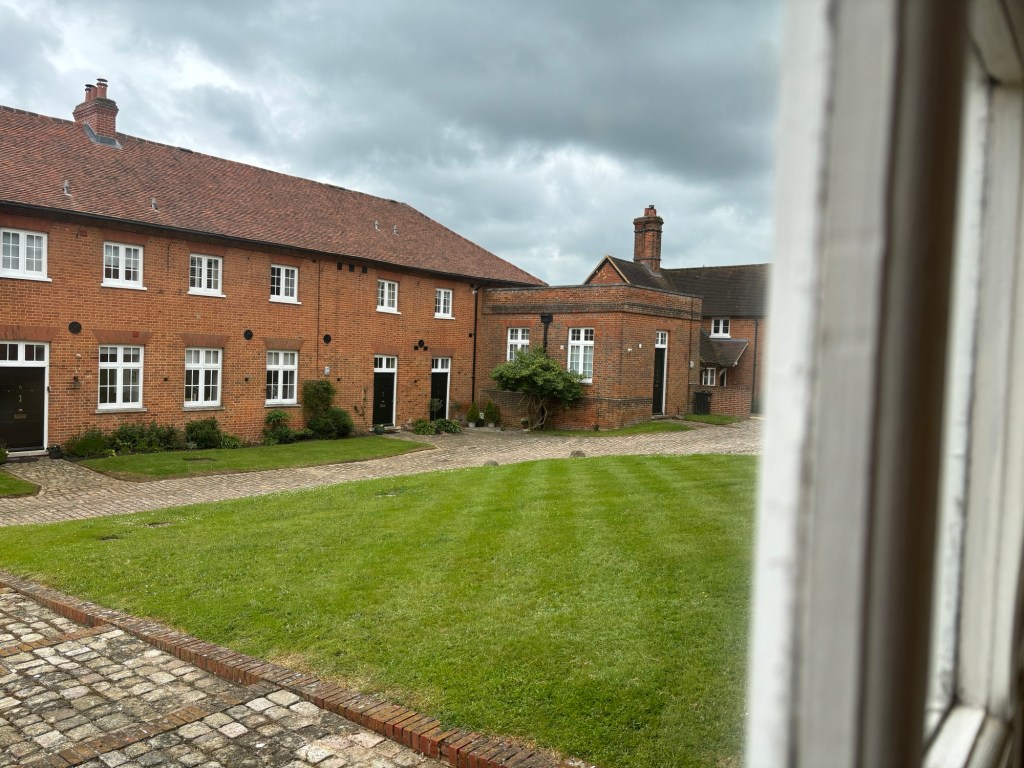
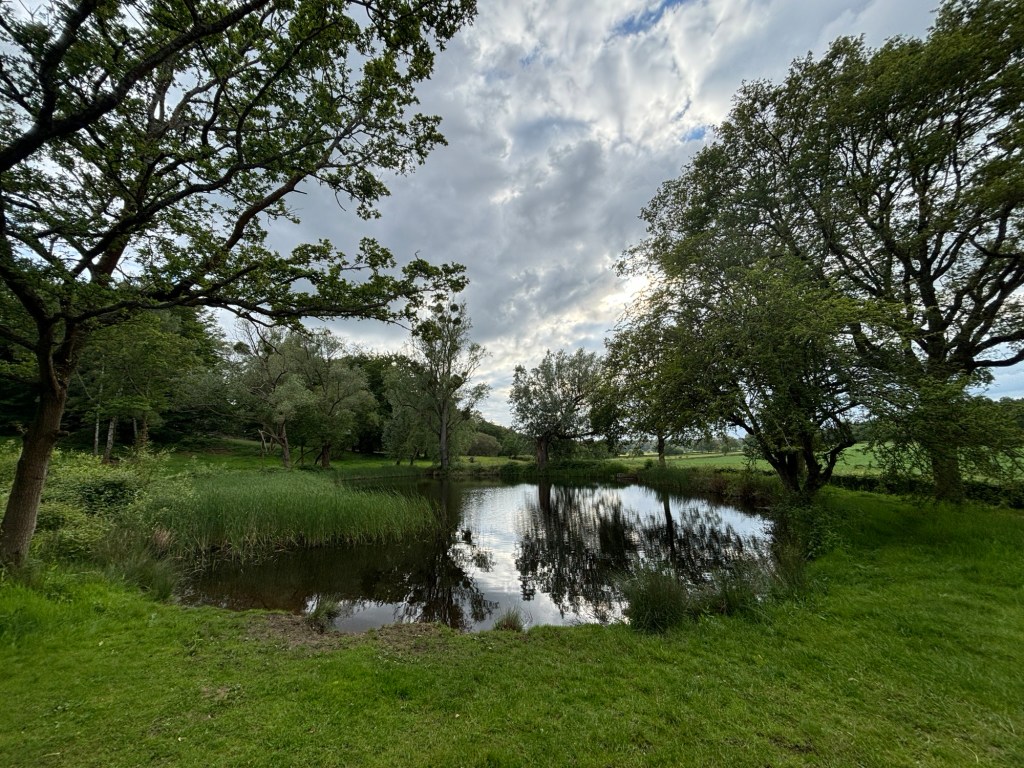
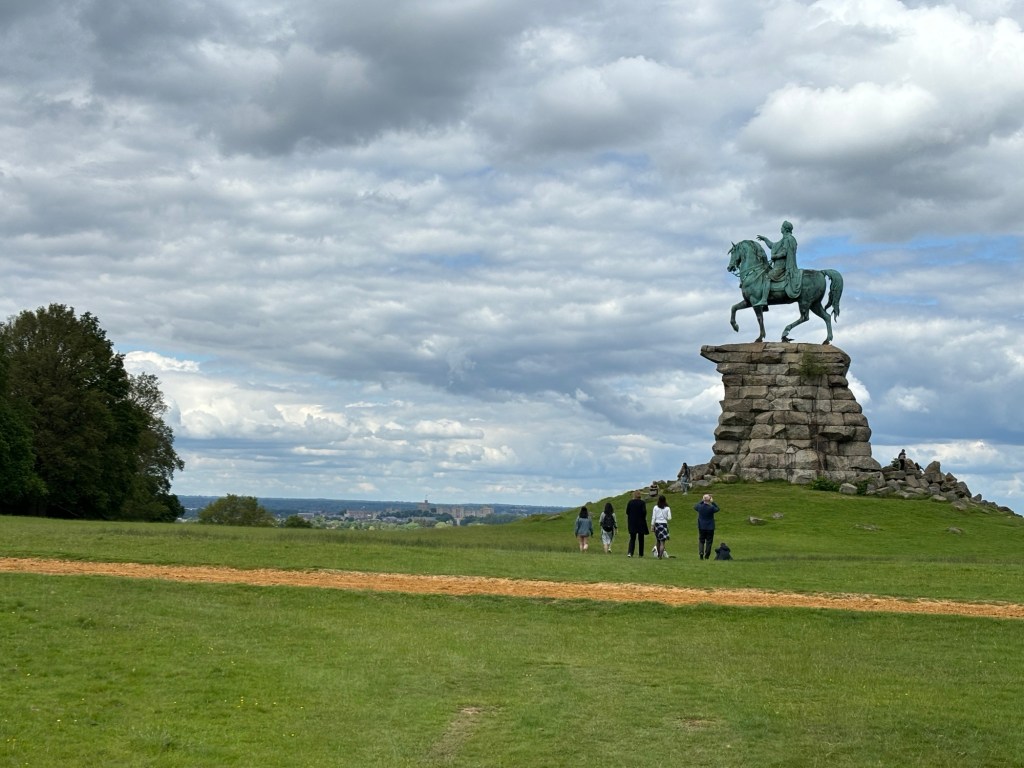
Cumberland Lodge is surrounded by the vast Windsor Great Park. Windsor Castle is located at one end of the Great Park, beside the village of Windsor. It is a spectacular place — a real joy to experience and a tranquil sanctuary just outside the borders of London.
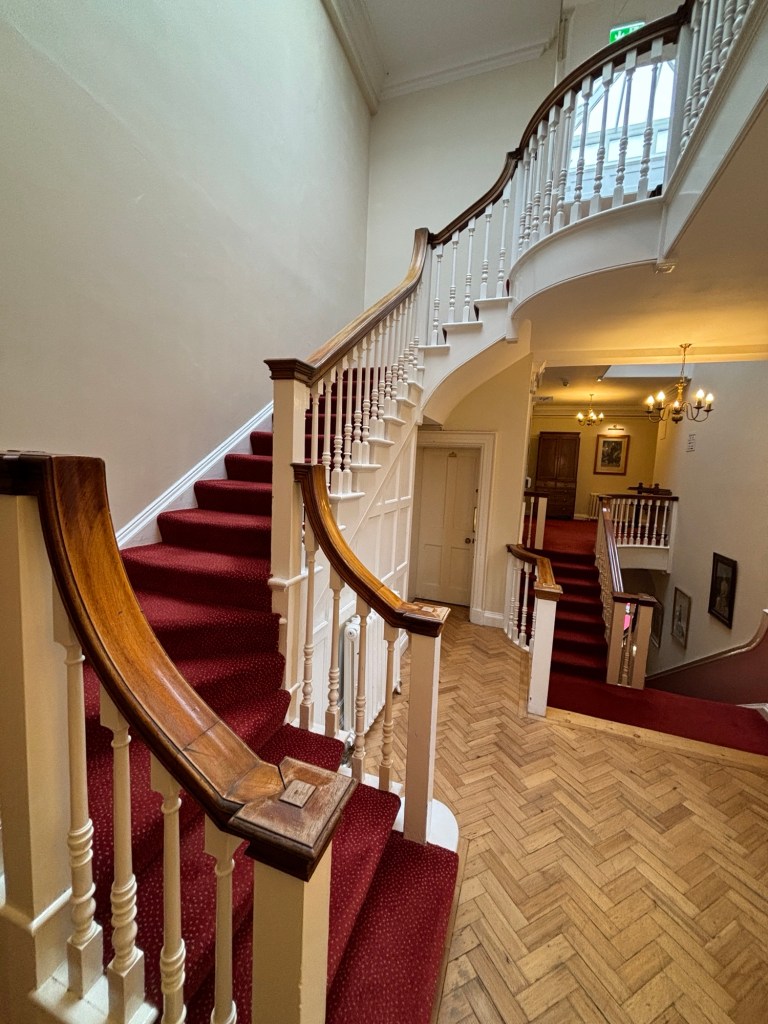
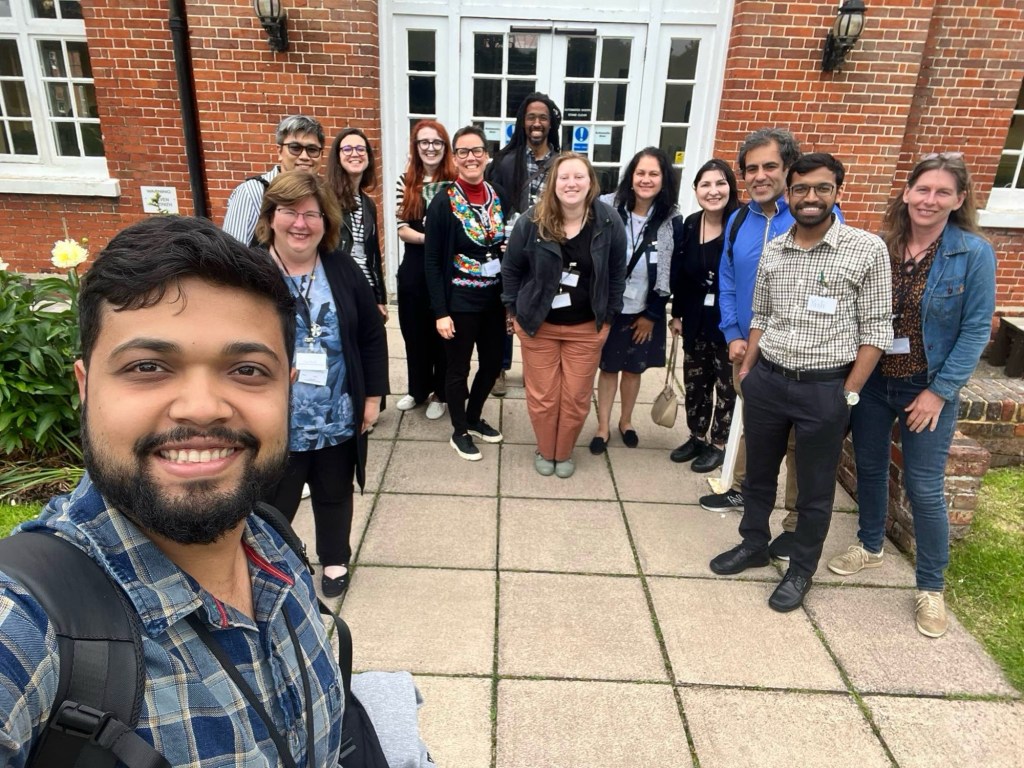
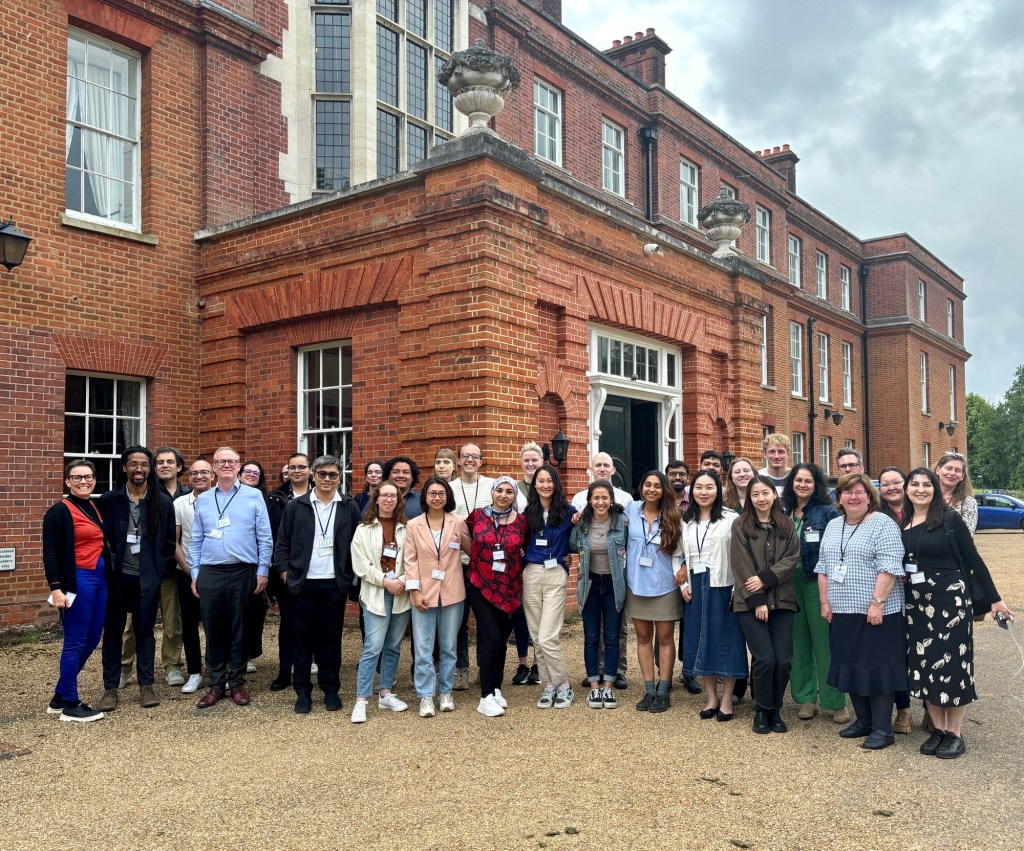
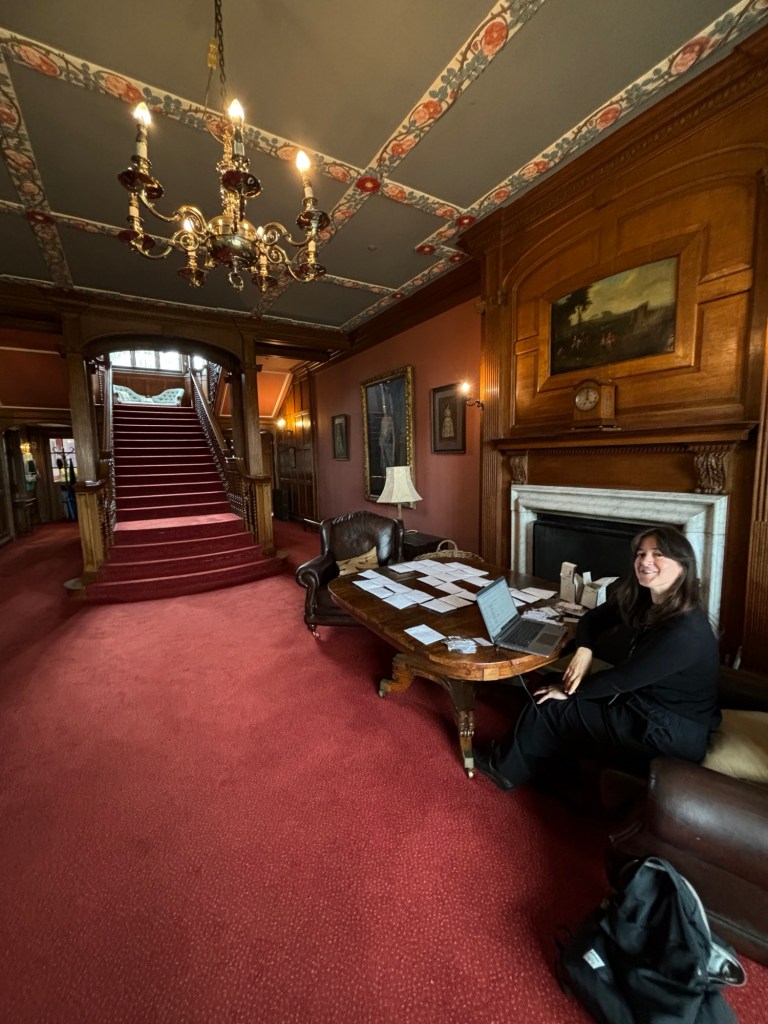
Outside Cumberland LodgeKicking off the Summer SchoolInside Cumberland LodgeCumberland Lodge is glorious!
To facilitate the 2024 School, John Mitchell of UCL brought together current and past UCL staff. He also welcomed guest experts from the US and Australia who volunteered to help. Together, our team provided structured training for this year’s 29 PhD student-participants. The students are all working on research degrees in engineering education, and they travelled to Windsor from across Europe and indeed across the globe.
In addition to representing perspectives from various corners of Europe, participants also brought experiences living and studying in South Africa, Mexico, the Philippines, Malaysia, India, Iran, the USA, and elsewhere!
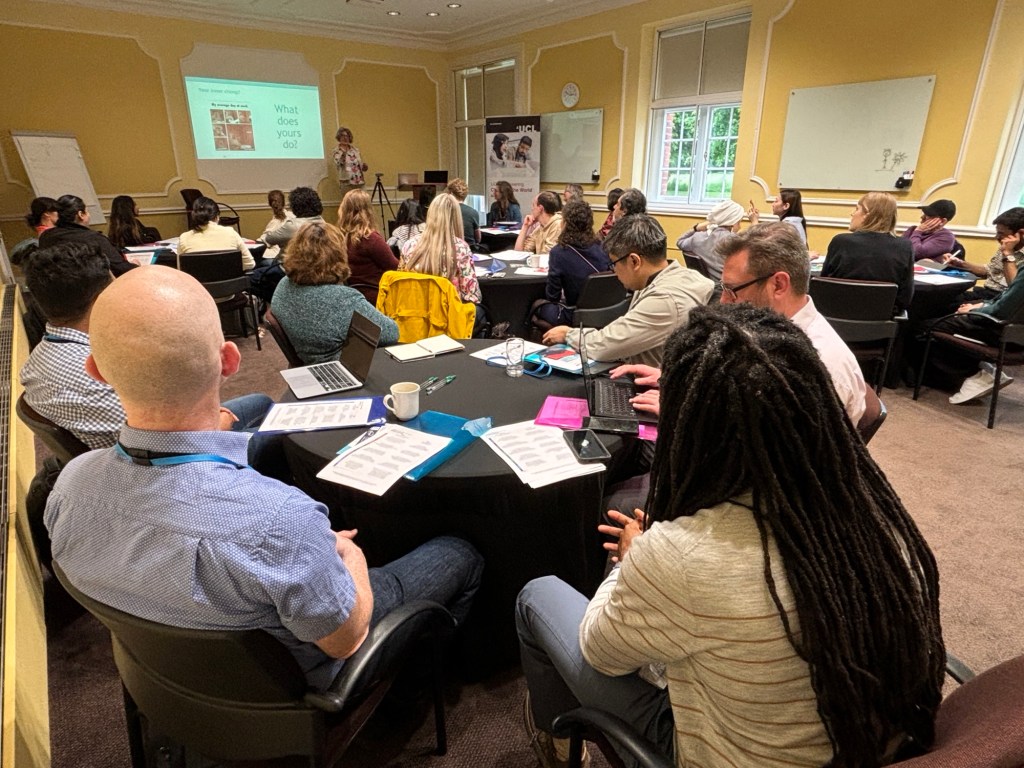
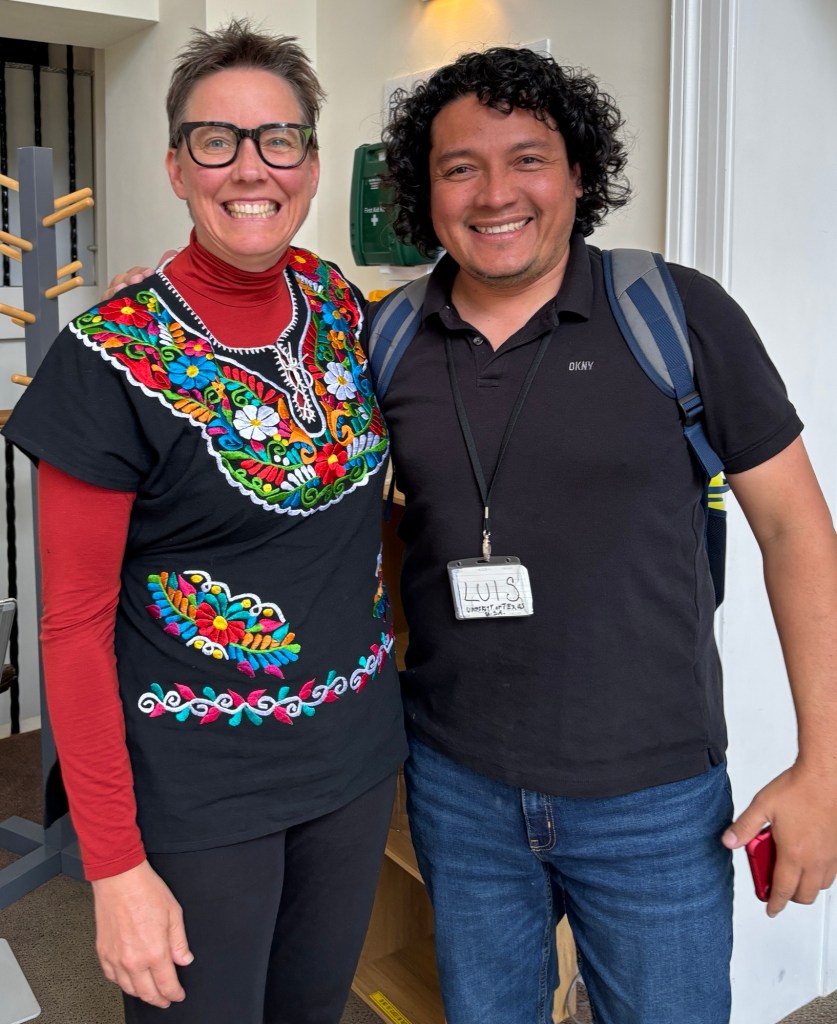
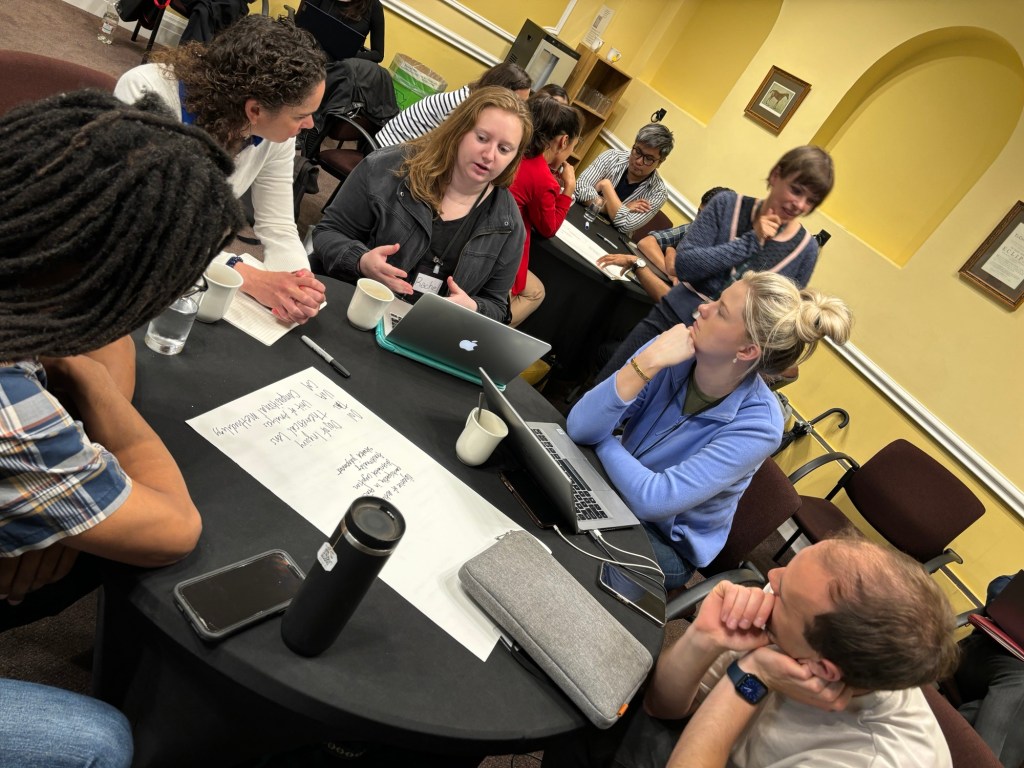
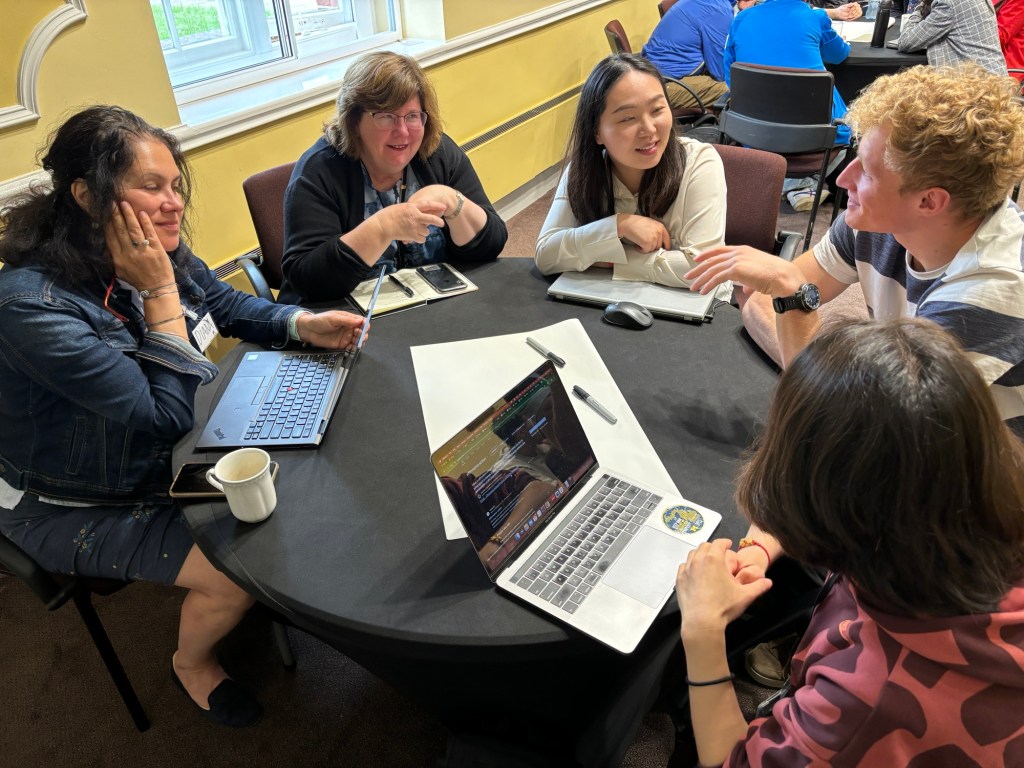
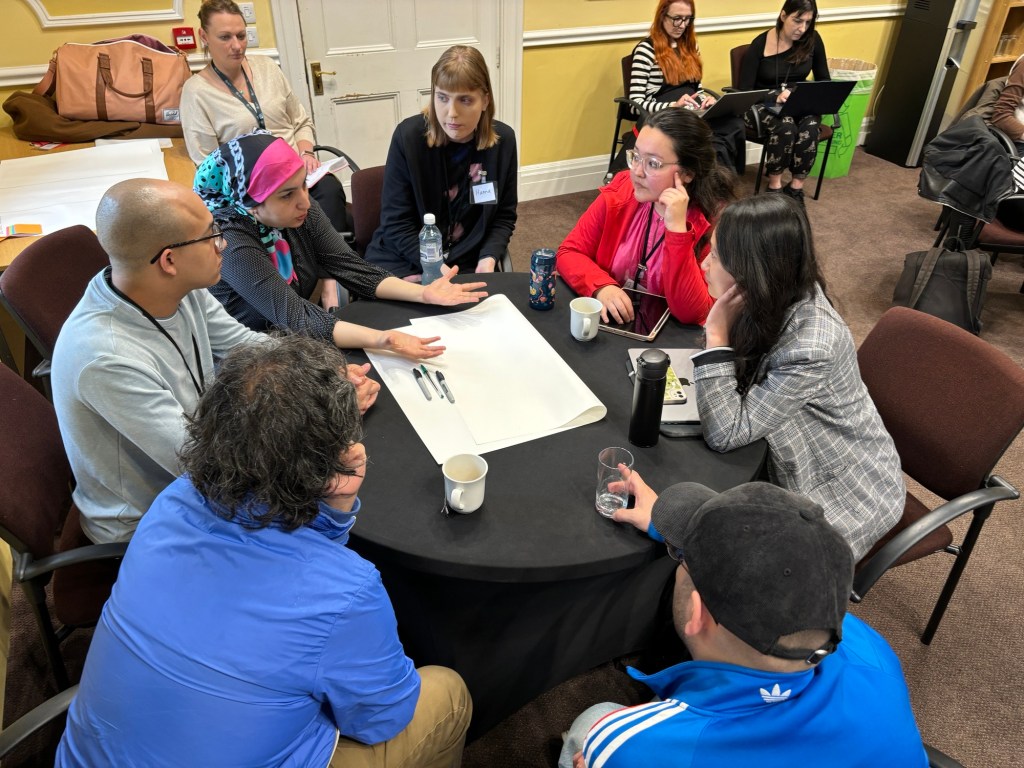
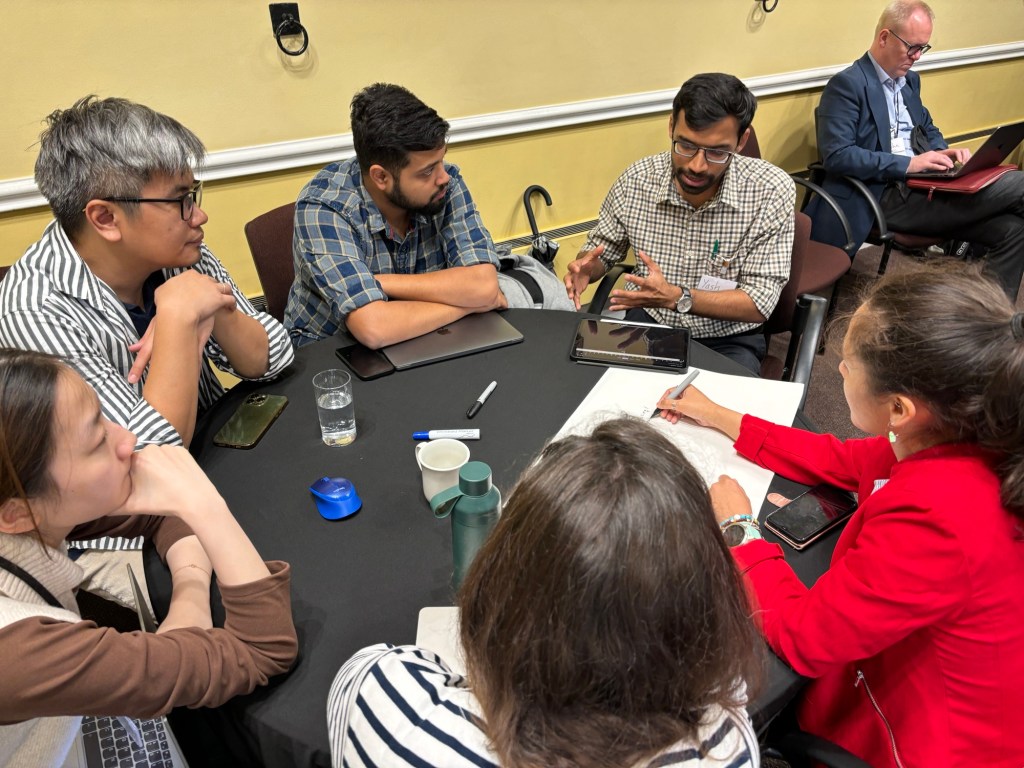
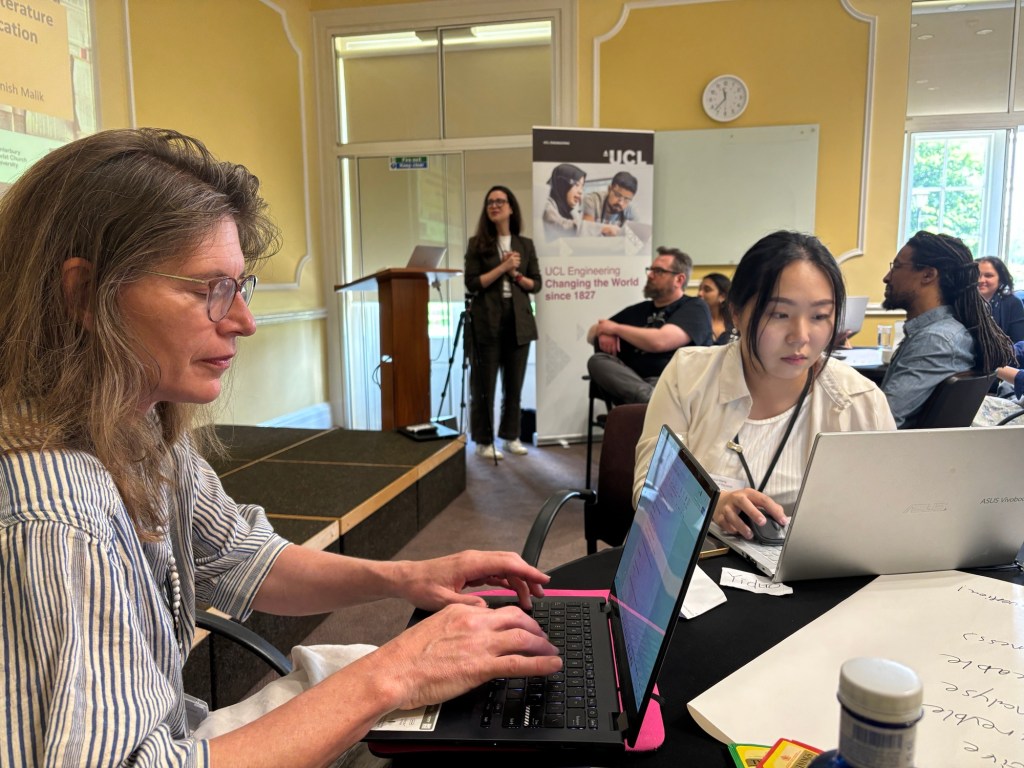
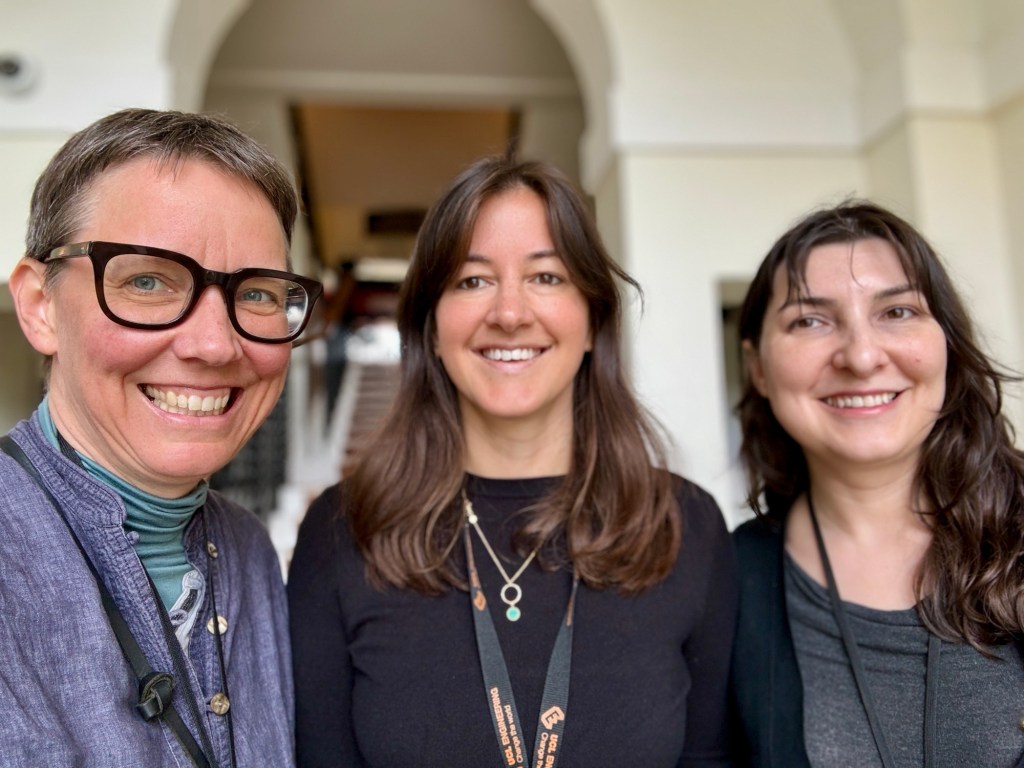
Sid and our gang at the end of the week. Shannon, Sid, Diana M, and YashLuis gave me a truly lovely shirt (I’m wearing it while writing this blog post from a train in Ireland today!)Lots of break out discussion. A breakout with Diana B and Anne Gardner.
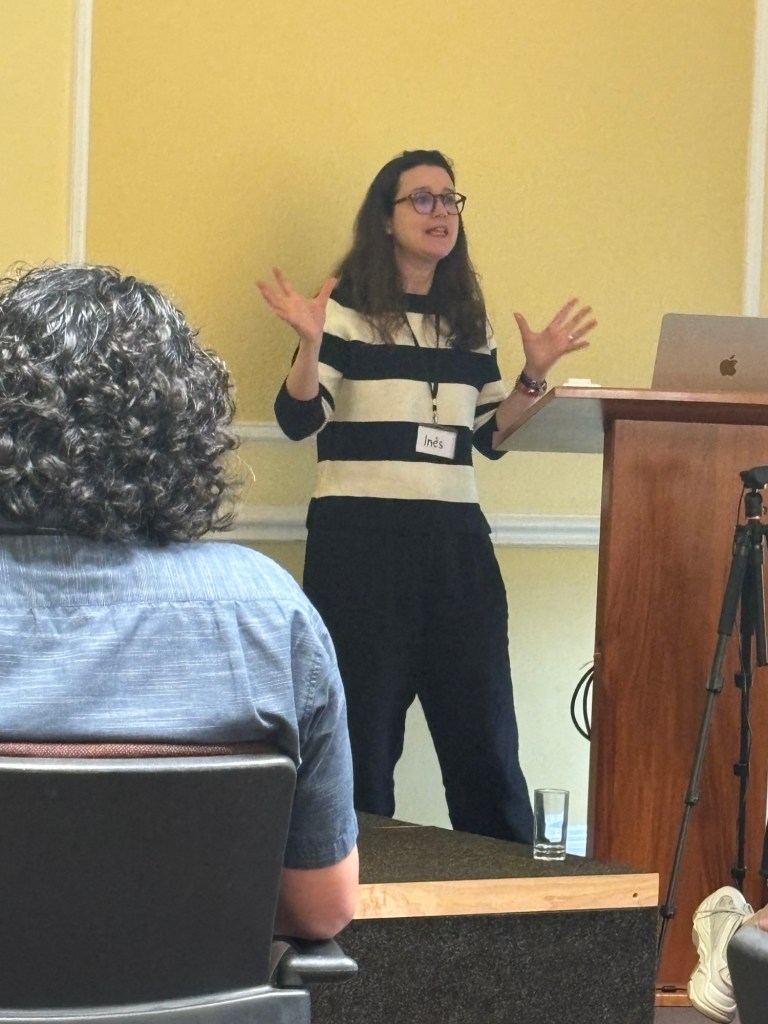
Overall, the UCL team hosting, organizing, and facilitating the 2024 Summer School included exemplars Prof. John Mitchell, Dr. Diana Adela Martin, Prof. David Guile, Dr. Natalie Wint, and our centre manager Helen Bhandri. UCL honorary appointees Dr. Inês Direito and I (Prof. Shannon Chance) also pitched in wholeheartedly, facilitating several sessions each and supporting sessions conducted by others by, for example, facilitating discussion in breakout groups. Inês is now employed at the University of Aveiro and I at TU Dublin, yet we are always treated as full member of the CEE team. John Mitchell is an incredible leader who enables us, helps keep us officially recognized as honorary (researcher and professor, respectively) and helps achieve cohesion across our team.
From beyond UCL, Prof. Greet Langie (SEFI Vice President) and Dr. Jan Peters, MBE (a consultant with Katalytick in the UK) provided informative and engaging sessions. Prof. Anne Gardner (an Associate Dean who is involved with the Australasian Association for Engineering Education, AAEE) and Dr. Diana Bairaktarova (Associate Professor at Virginia Tech) participated fully as well, and helped facilitate breakout groups throughout the week.
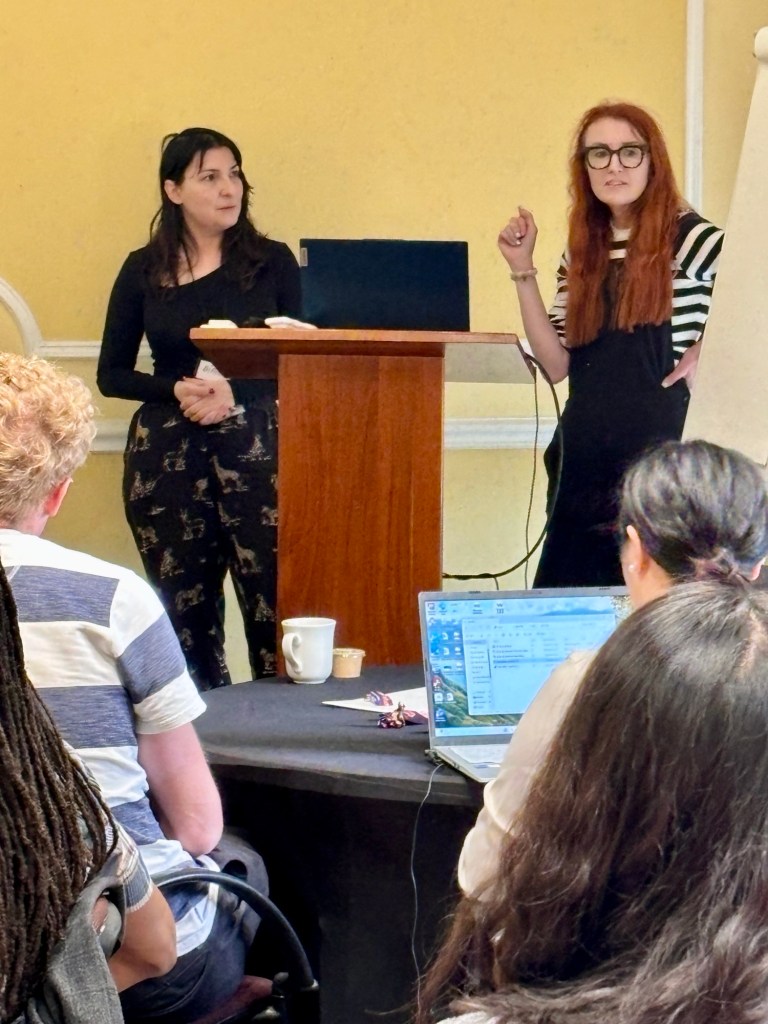
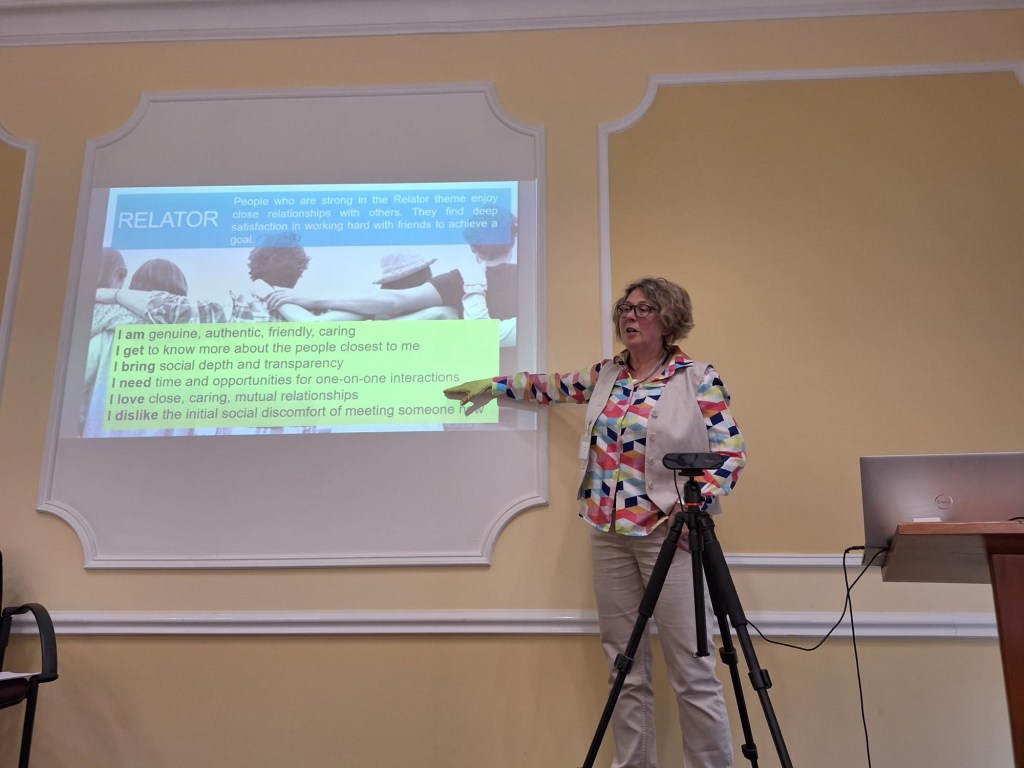
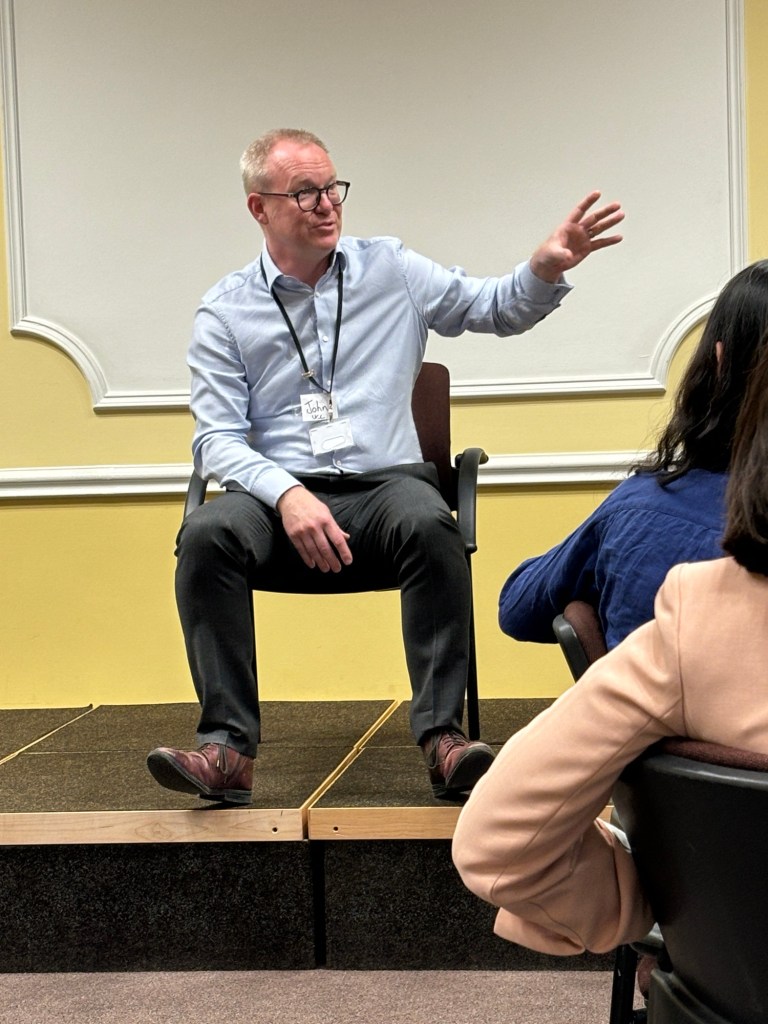
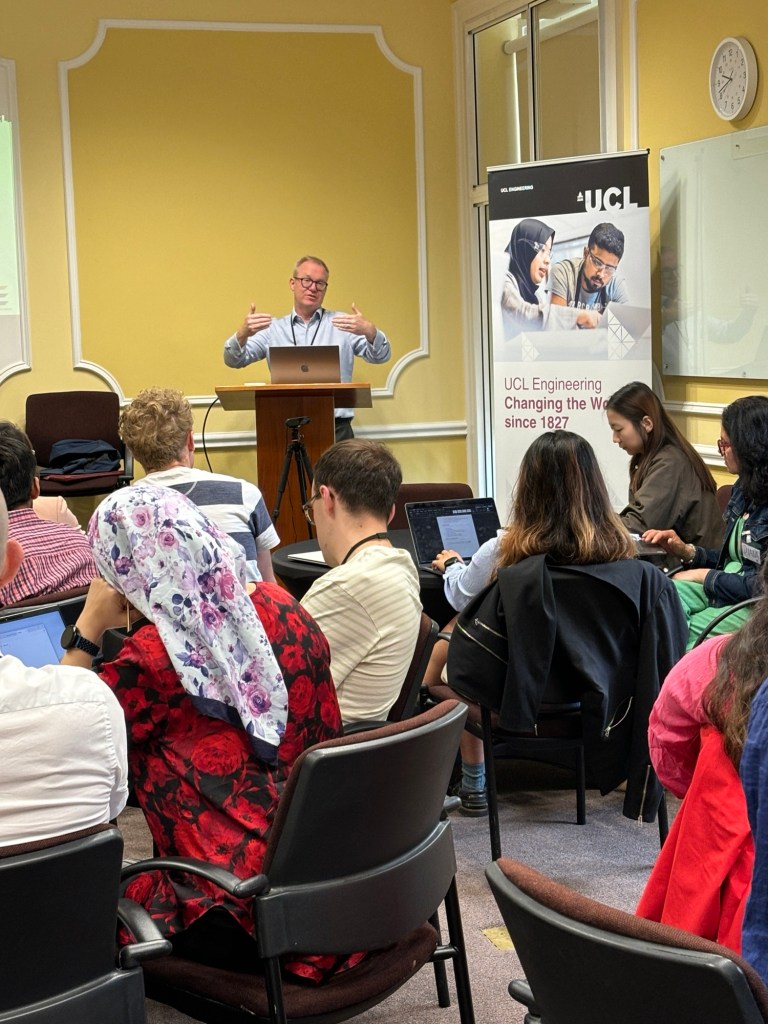
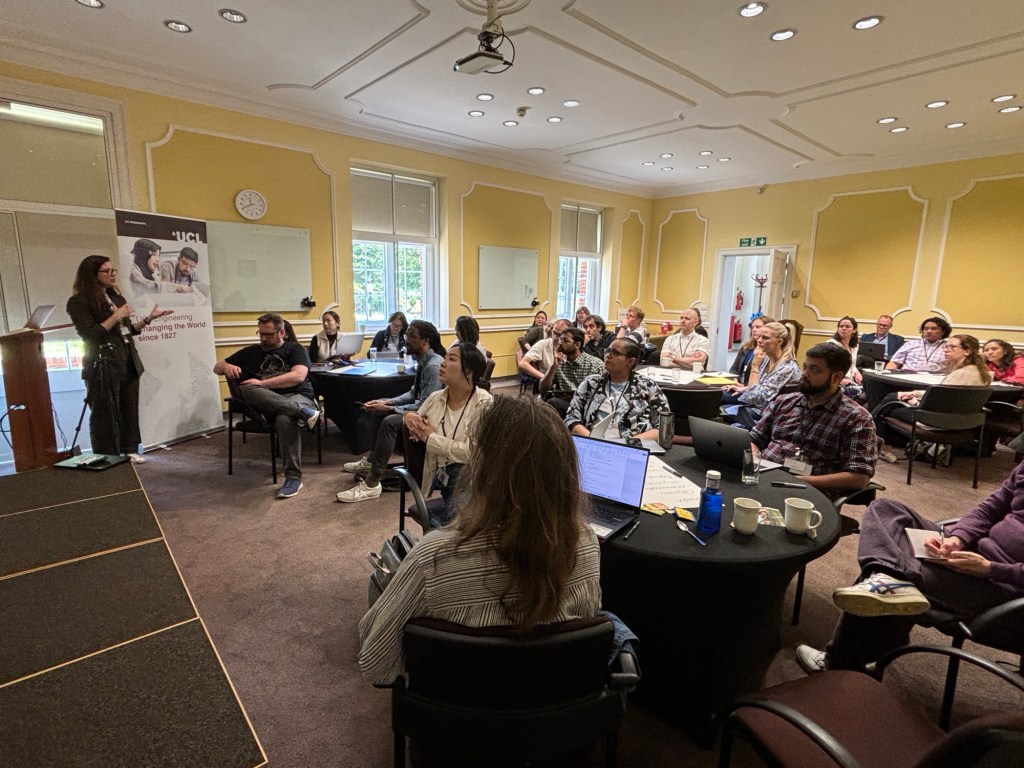
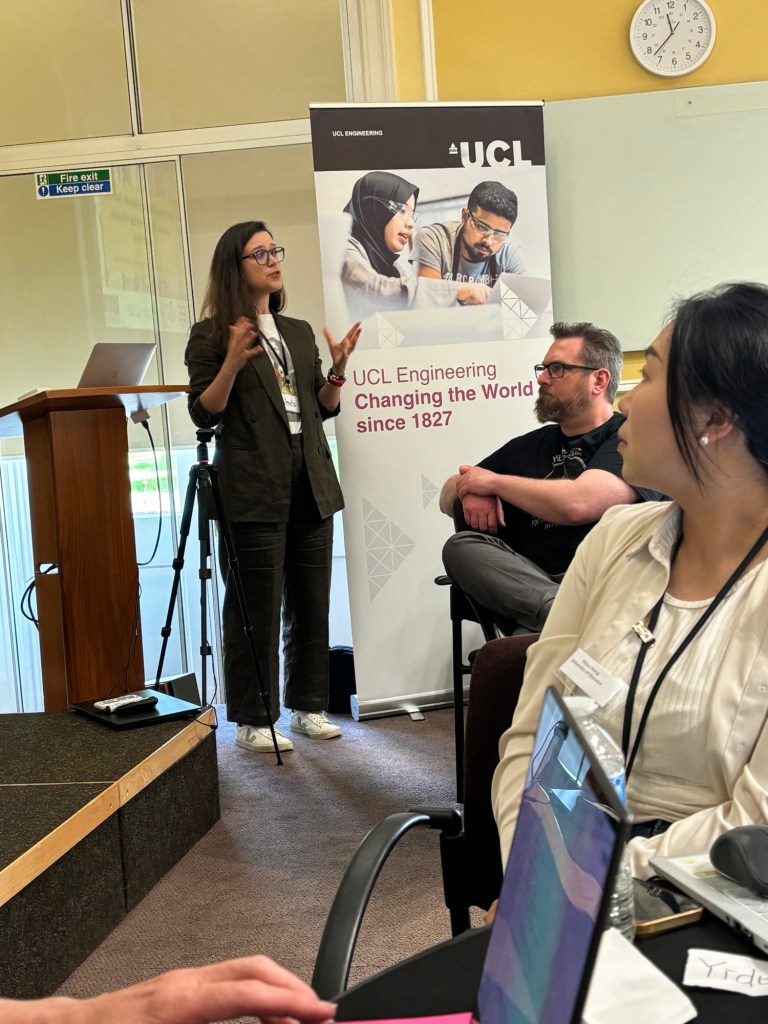
Diana M and Nat on ethics. Jan on finding your strengths.Shannon on research basics. Ethics activity with Cumberland Lodge staff. John Mitchell on EER publications. John on his career journey. Most all the 2024 Summer School participants.
Since finishing the event, the CEE team has received thank you notes from many of the participants. One came from Sid and another from Yash. They are studying at Purdue University, and I met them both at REES in India this past January.
Yash wrote to say that “As a first-year Ph.D. student and new entrant into the field, I felt warmly welcomed into the European Society of Engineering Educators and thoroughly absorbed in the program and its activities.” He praised “the design of the activities and the schedule,” which he said “offered a great balance of information and a chance to reflect and discuss with other members during the afternoon walks or even during the evening free time.”
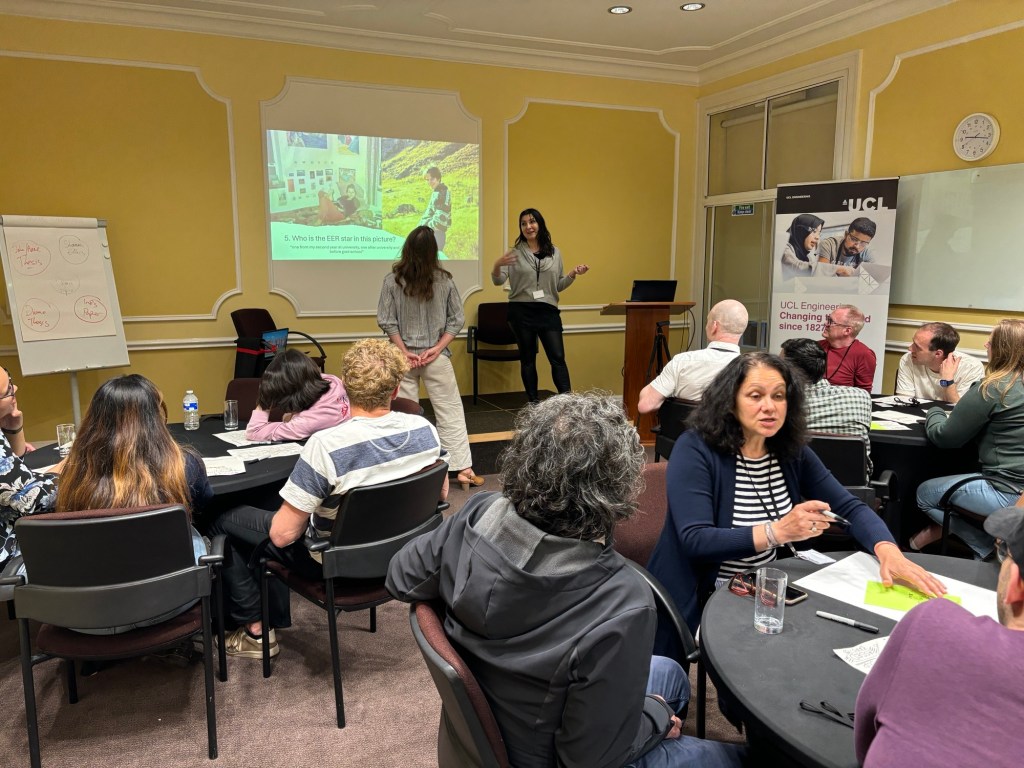
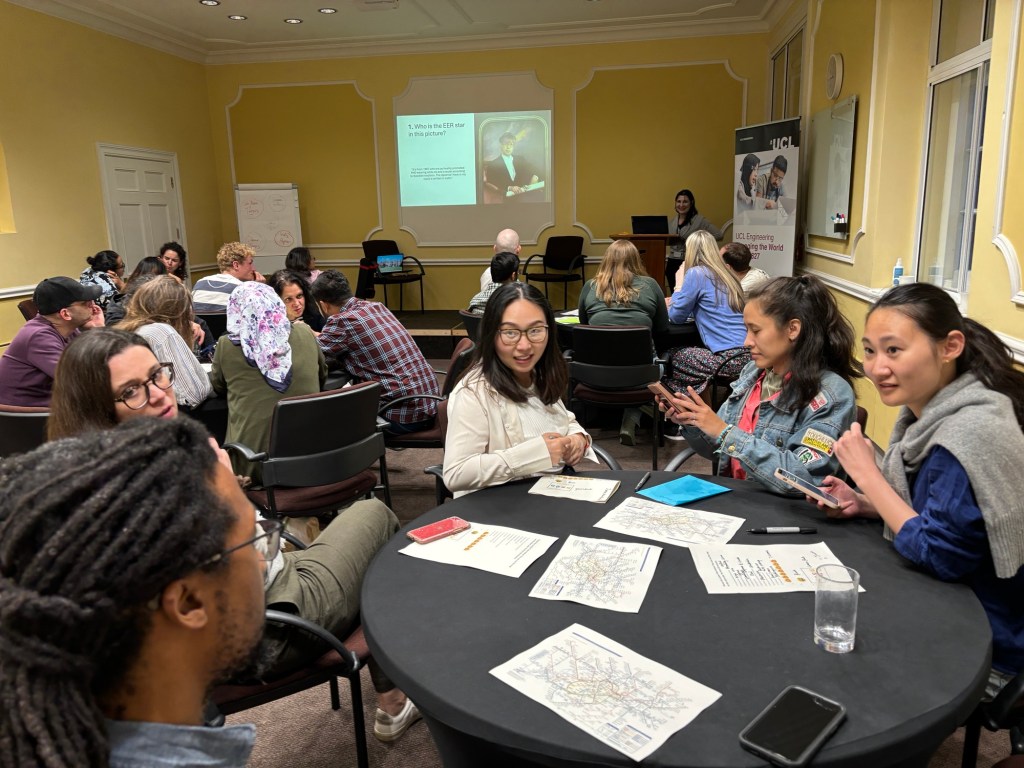
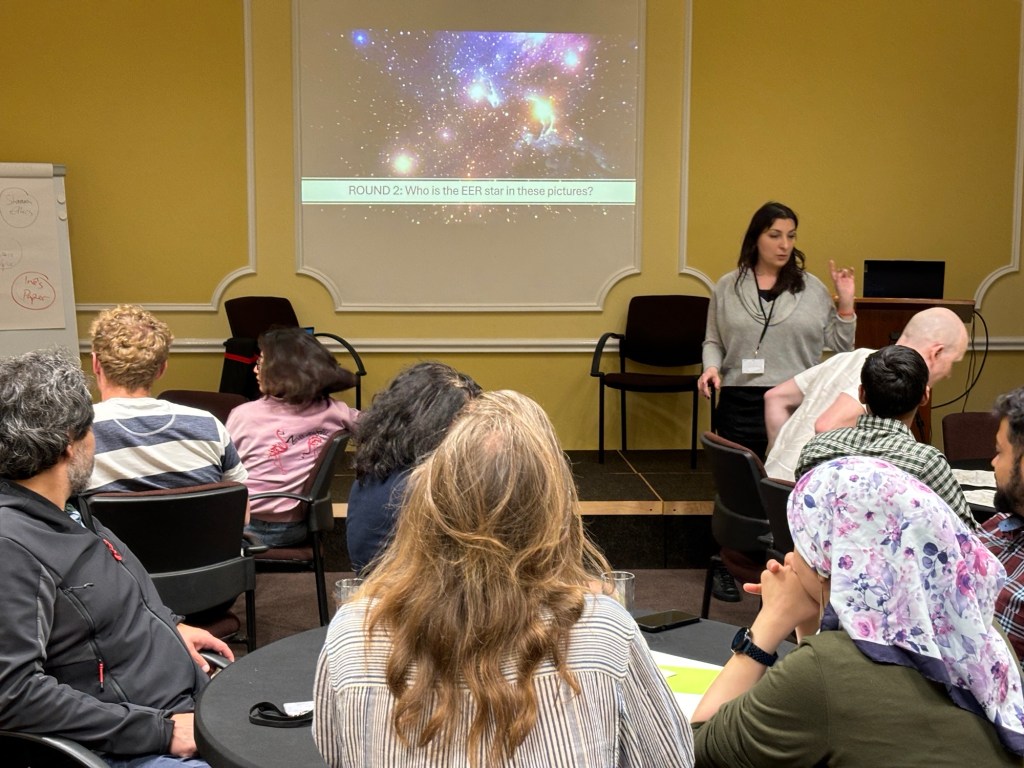
Yash also loved the evening quiz that Diana Martin facilitated. She had contacted EER superstars and requested photos from their grad school days. Guessing their identities was a hoot, and Yash said the activity “was very creative and personally valuable because it gave me an opportunity to see [these well-known scholars] when they were my age or starting their careers in research.” He praised the way Diana, “filled the room with … energy and enthusiasm made the activity come to life” and I couldn’t agree more!
Yash described the value of elements from the workshops Inês and I conducted on literature reviews and positionality statements, as well, and also the sessions on ethics by Diana Martin, Nat Wint, and Cumberland Lodge staff.
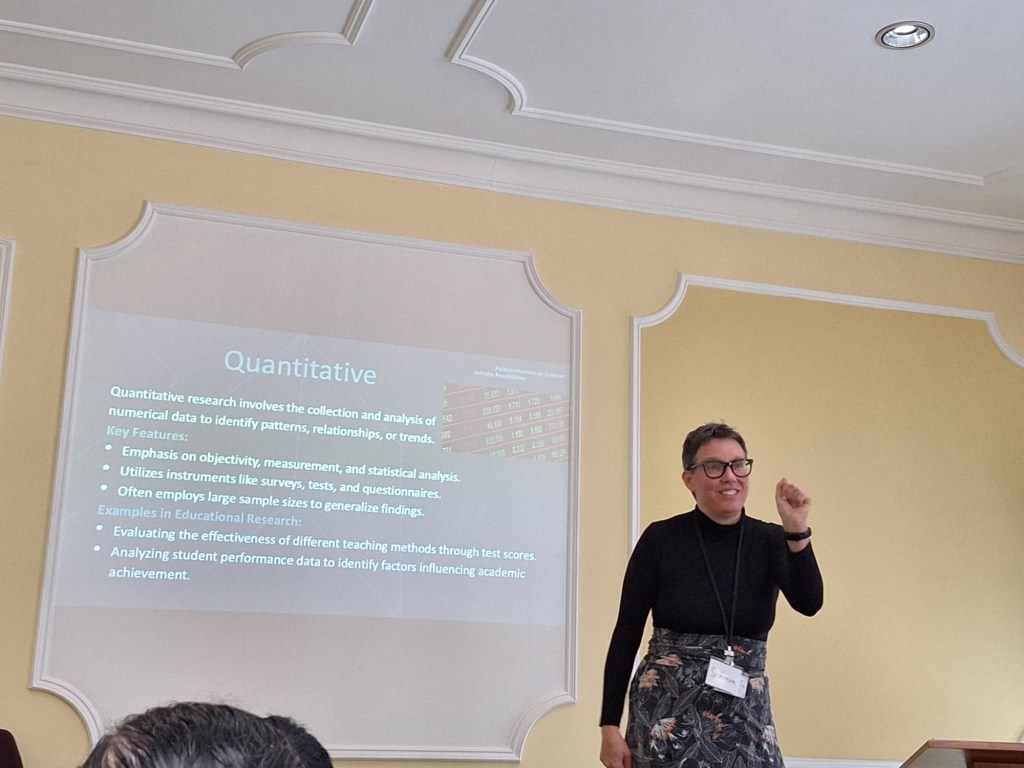
During the week, I also delivered session on the structure of dissertations, differences in the way PhD education is structured around the Western world, conceptual and theoretical frameworks, and research paradigms — and another on incorporating gender considerations in your research and teaching. The first of these two sessions included small group discussions and a debate comparing the merits of qualitative and quantitative research.
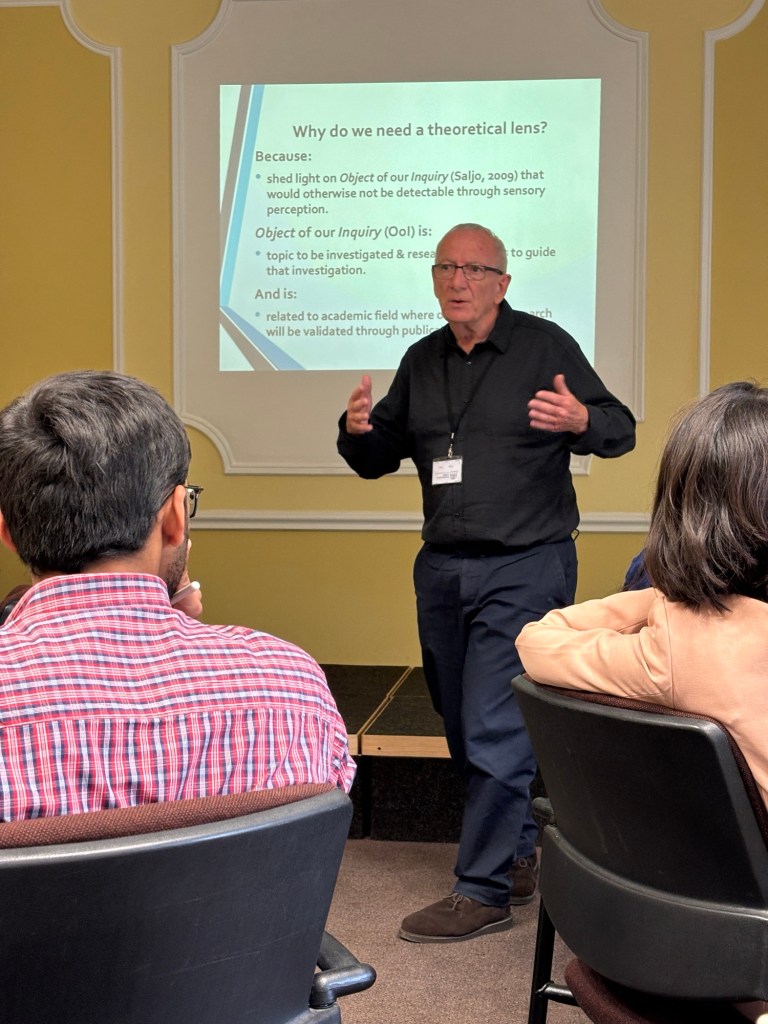
John Mitchell and the UCL team provided guidance on selecting journals to publish in, preparing articles for publication, and conducting peer reviews. David Guille delivered a highly provocative session on “assembling your theoretical lens.” Earlier in the week, Greet provided the opening welcome to the school and a brief orientation to SEFI. Jan taught us about CliftonStrengths and facilitated a race-car-building competition.
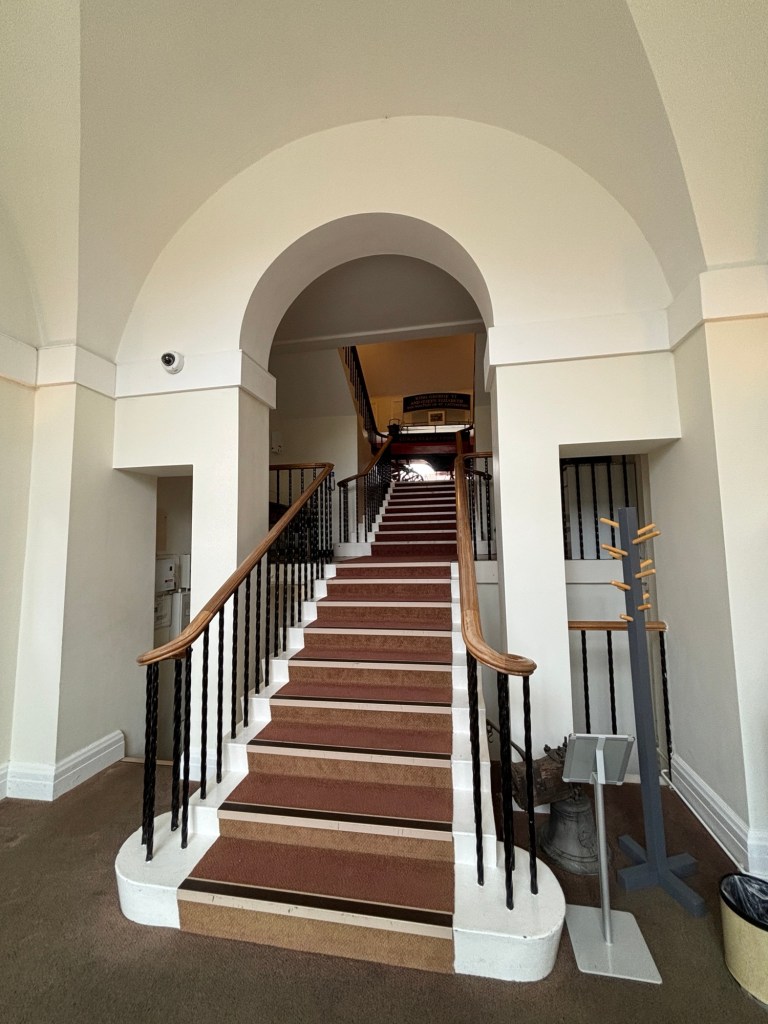
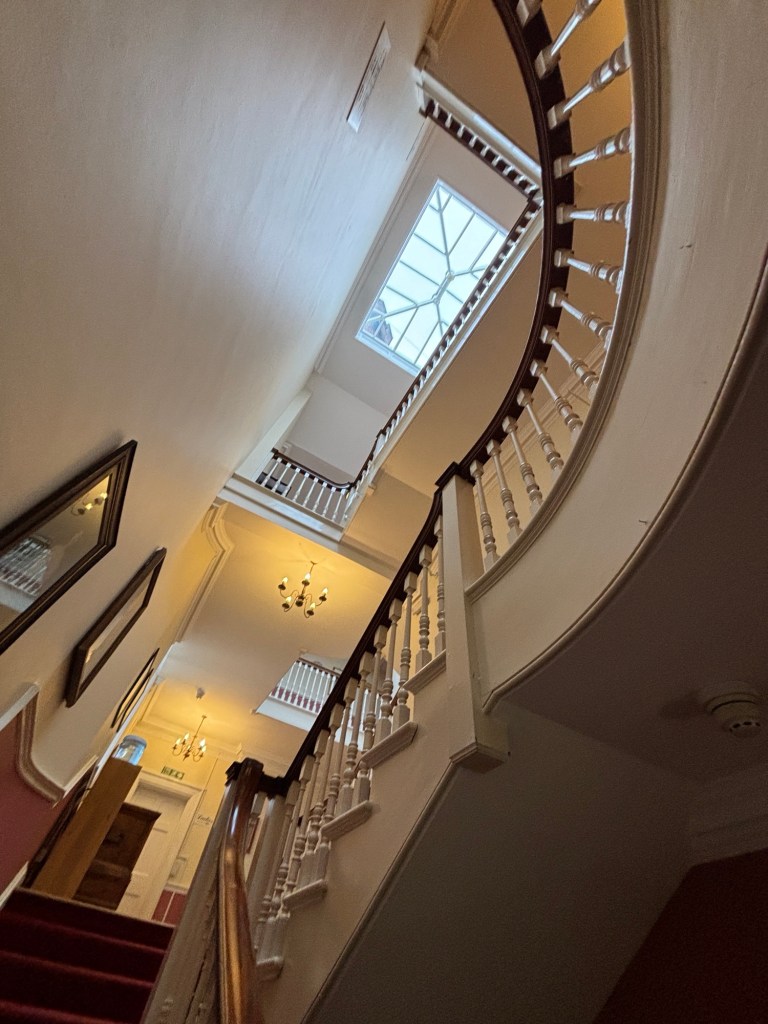
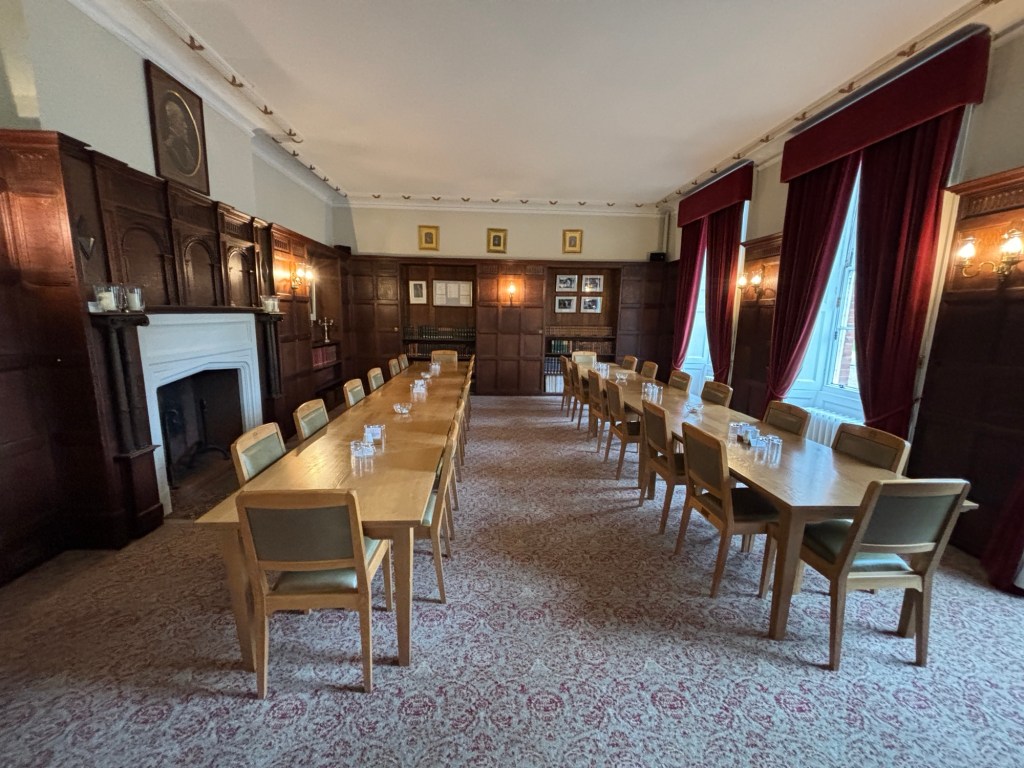
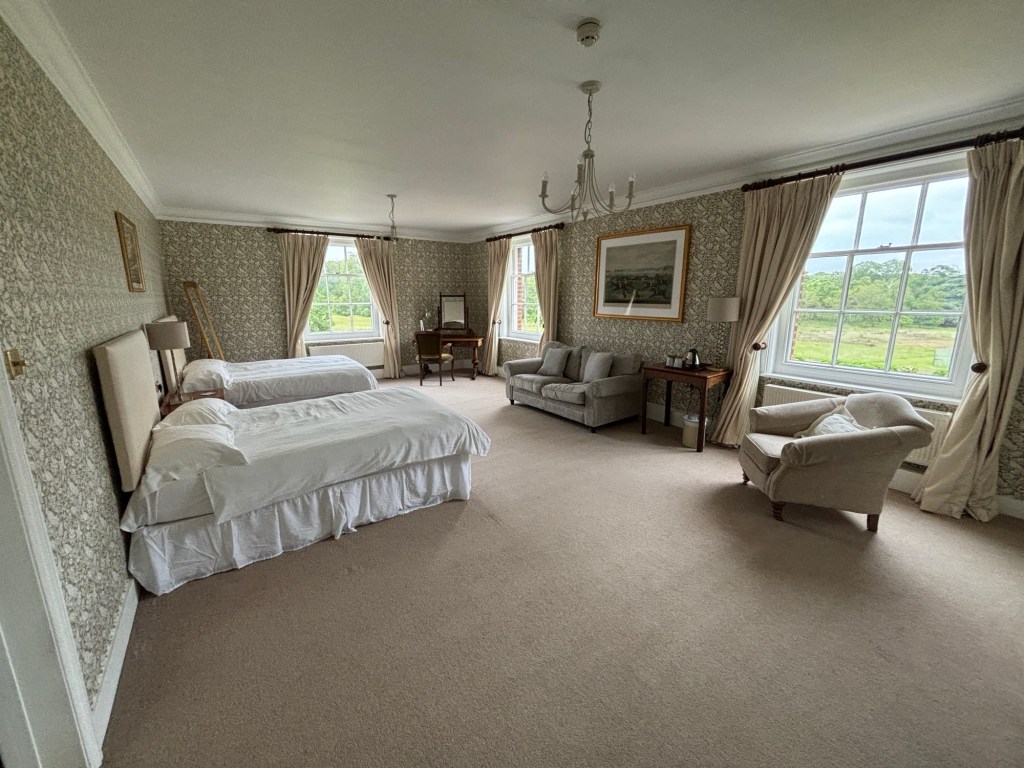
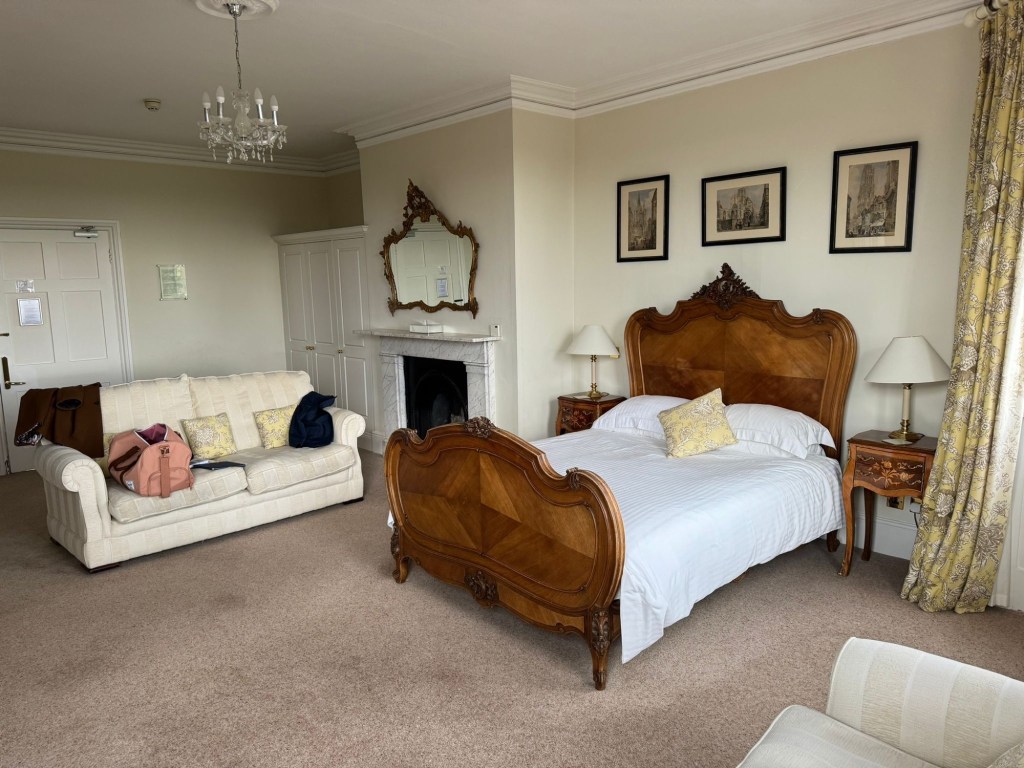
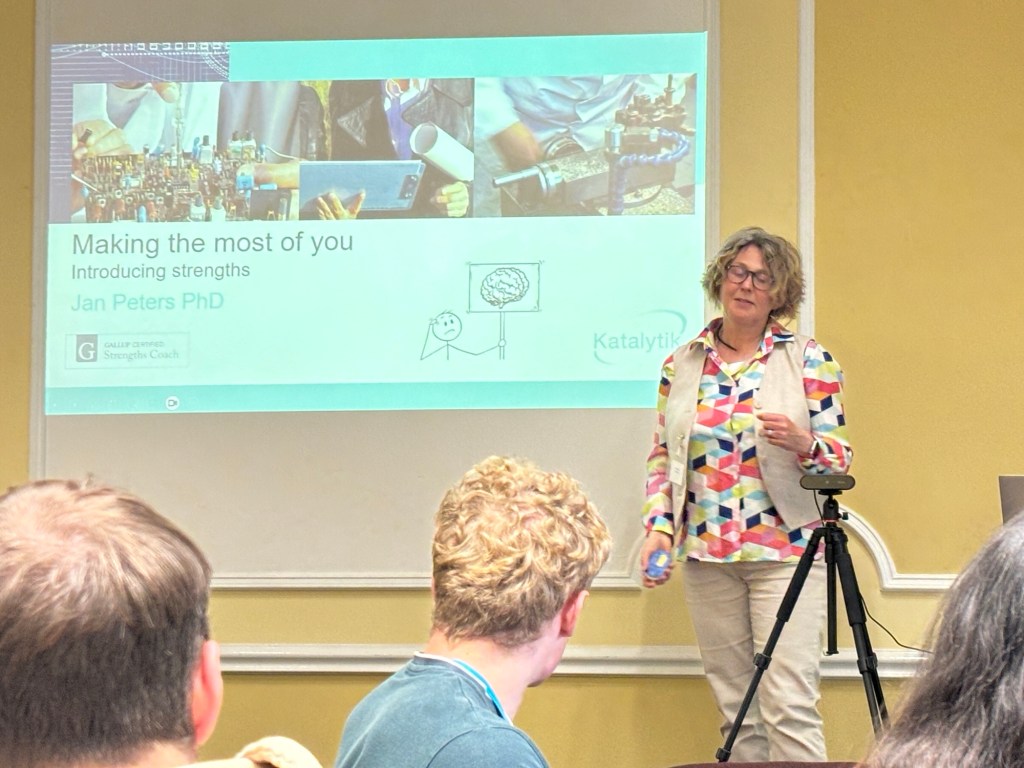
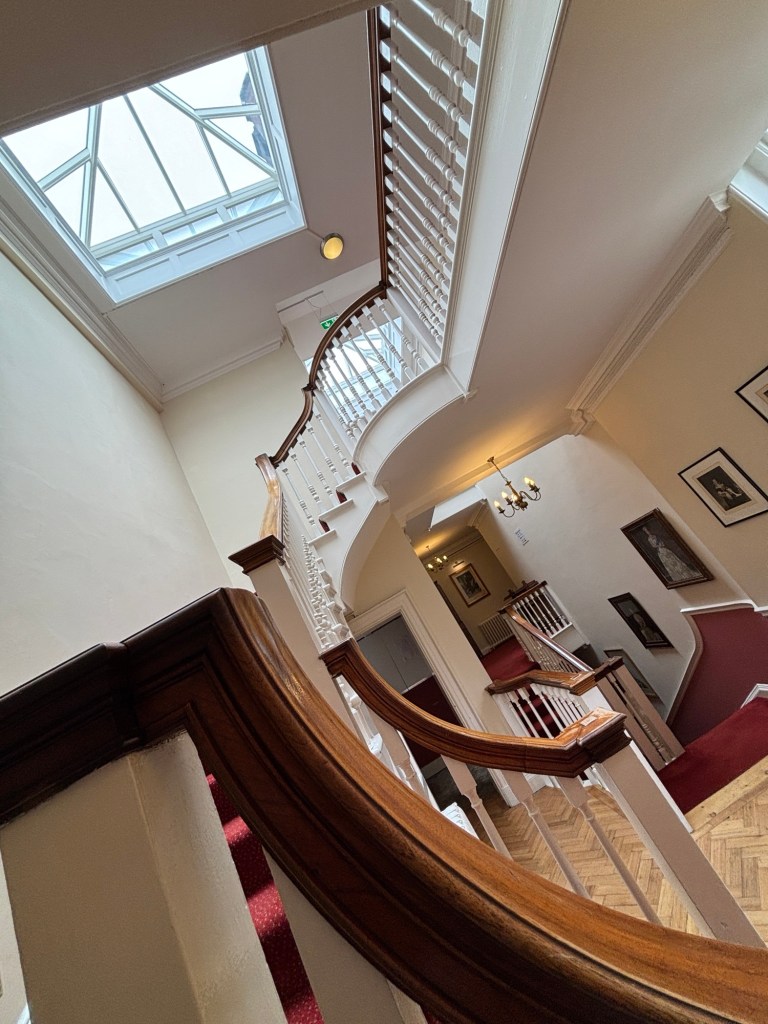
David Guile on assembling theoretical lenses. Inês on positionality. Inês on literature review. Inês on literature review.The students brought home lots of notes!Grand stair at Cumberland Lodge.Another stair at Cumberland Lodge.Dining hall at Cumberland Lodge.Example accomodations at Cumberland Lodge.Example accomodations at Cumberland Lodge.Jan Peter’s presentation.Greet Langie’s welcoming address.Shannon and Diana aside the amazing Helen B. Welcoming participants with name tags and facilities orientation, our very own Helen B.
Near the end of the week, we provided a session where “all the organizers shared their journeys into the field of engineering education,” which Yash described as “very powerful. … Such exchanges are rare and provide a chance to view the person, the human being behind the researcher. It made me feel that I belong in this field of engineering education because I, too, share similarities and seeing someone who has become successful by overcoming similar challenges is very encouraging.”
I wish we had recorded these stories because they were so rich and heartfelt. A dozen participants came to me on the day following this journey session with thanks for our openness, collegial spirit, and willingness to share what they described as valuable insight.
An example was emailed to us by Alison from the University of Cape Town: “Thank you for a magnificent four days. I so appreciated being part of a community and learning from each of you…. I am inspired and excited to consolidate what I can contribute in South African engineering education…. I also SO appreciated each one of your stories and the way in which you demonstrated a complementary and accepting team – working to one another’s strengths – with space for others to contribute. It makes for an inviting and exhilarating ecosystem for us all to grow in.” High praise, indeed, and accurate!
Yash, Sid, and Alison have attended prior engineering education events, but some newcomers to our global EER community were part of this cohort, too — like Somayeh, who is currently studying at Umeå University. You may know that I have a distinct interest in supporting women from the Middle East who study engineering in Europe because I’ve come to know many at TU Dublin.
Somayeh is from Iran, although studying in Sweden today. She wrote “It was an honor for me to have a talk with you and be in your energetic class. I have learned a lot and [the experience] made me challenge myself and rethink about different aspects of my research.”
Following the event, I was delighted to hear from Somayeh’s PhD supervisors, Johanna and Maria. They emailed thanks to our team for taking great “care of our PhD student Somayeh during the summer school. She returned home with a lot of new knowledge, but also greater self-confidence, sense of belonging to the field, and sense of legitimacy as a PhD student. We knew she’d be in the best of hands, and we’d like you to know that your hard work has made a big difference for her (and us as supervisors)!” This I feel is the highest praise possible, and written by a scholar I admire immensely.
I loved my conversations with so many of the students — Luis, Julia, Hannah — the list goes on and on. So many fabulous memories!
It was a huge honor to be part of these emerging scholars’ education and to be so well received and appreciated. It was an invigorating week, and I learned tons myself!
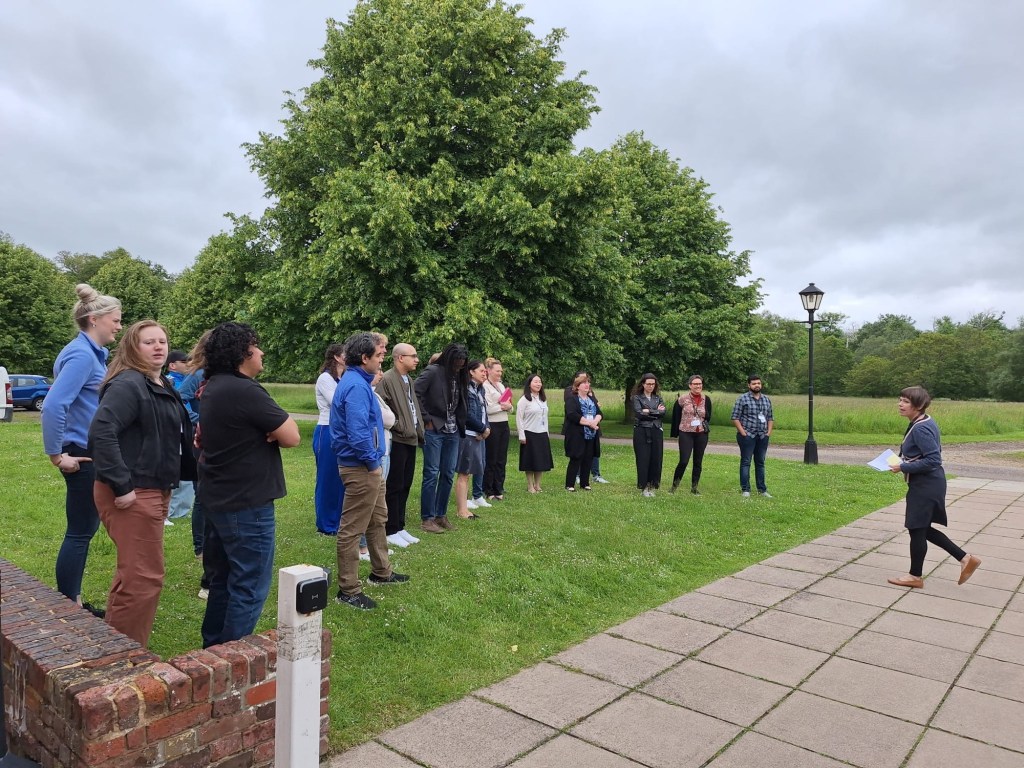
It was also healthy. I enjoyed several enchanting walks through the forest with colleagues. I particularly enjoyed a long walk with Eugene, a PhD student who teaches engineering at a community college in California and studies at Purdue University, and another long walk with the whole cohort. The scenery of this park is spectacular and the conversations were deeply intriguing.
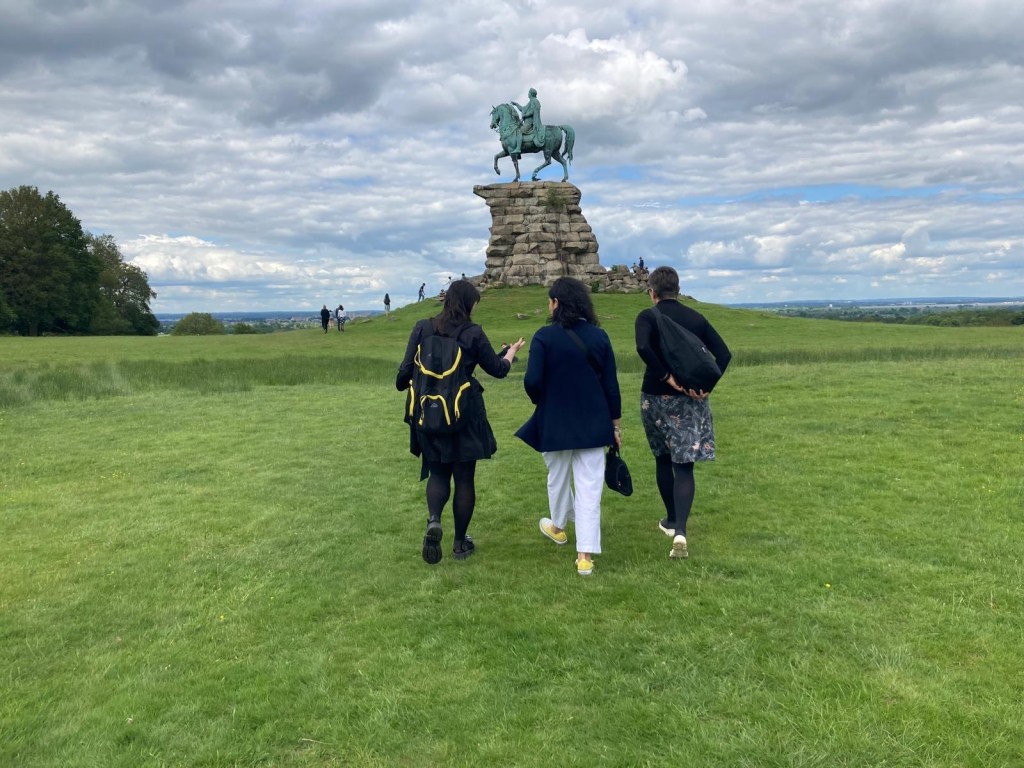
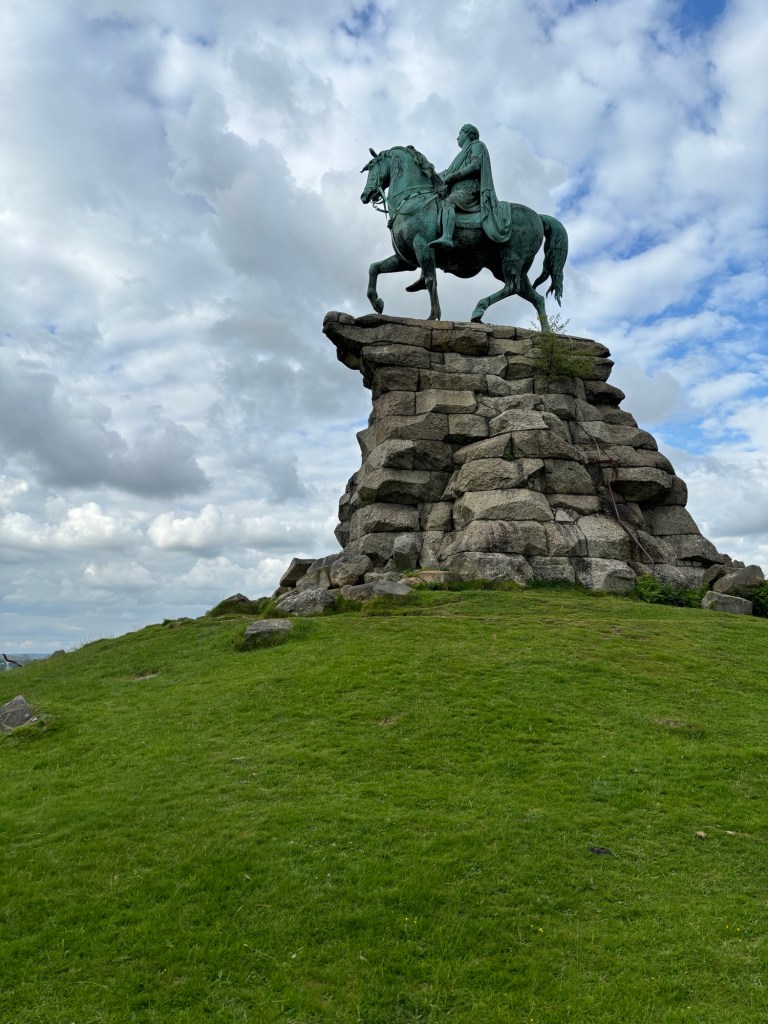
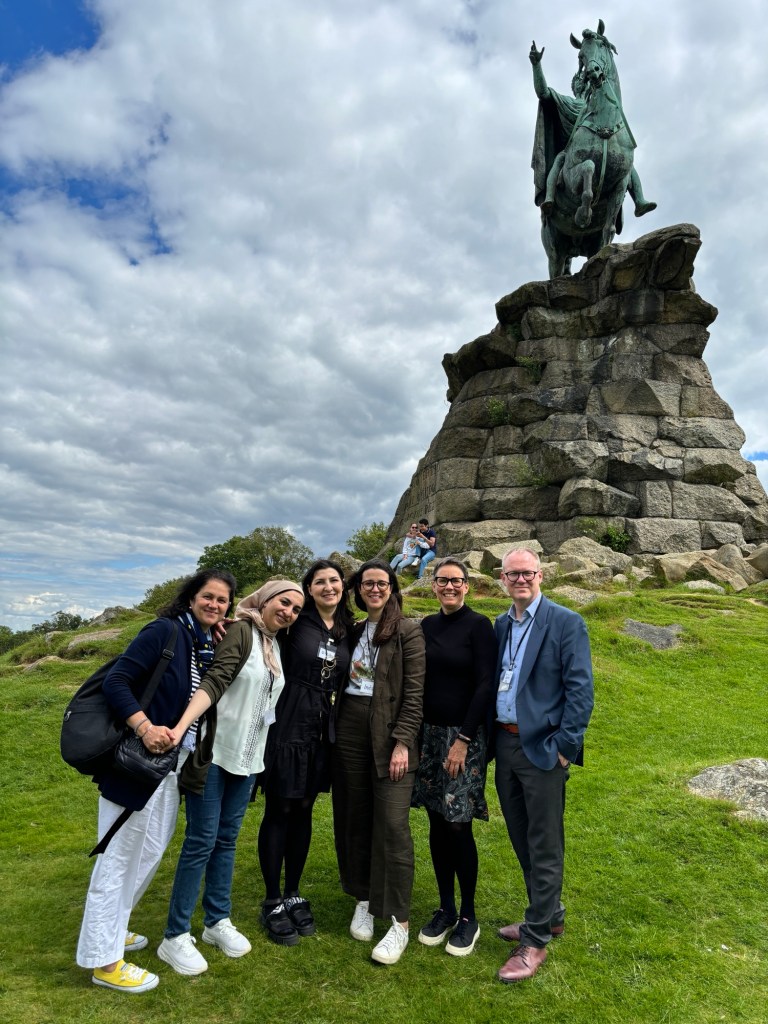
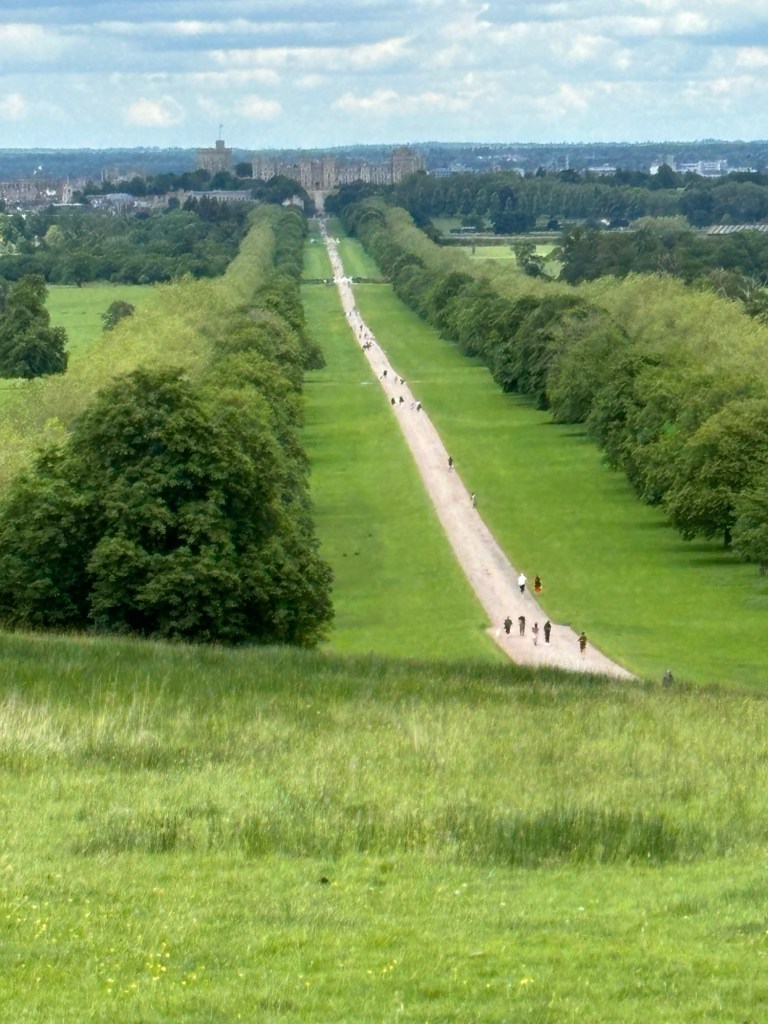
A walk and talk with Eugene. Twin smiles and shared passion for serving ‘non-traditional’ college students.Windsor Great Park. Diana, Diana, and Shannon at Windsor Great Park.Windsor Great Park.Facilitators with Somayeh.Windsor Castle in the distance. An impressive monument with astounding views.Pre-class dinner at Cumberland Lodge……with another impressive view!
The peaceful setting with fresh air, healthy food, and collegial banter brought out the best in us all. I will seek to return to this special place.
During the week, I had so much to do. I actually taught two online night classes for BIM students at TU Dublin — as part of my Research Methods module. I’m fortunate to have a knowledgeable colleague, Claire Simpson, helping me deliver the module (particularly since a storm dropped the Thursday night connection several times).
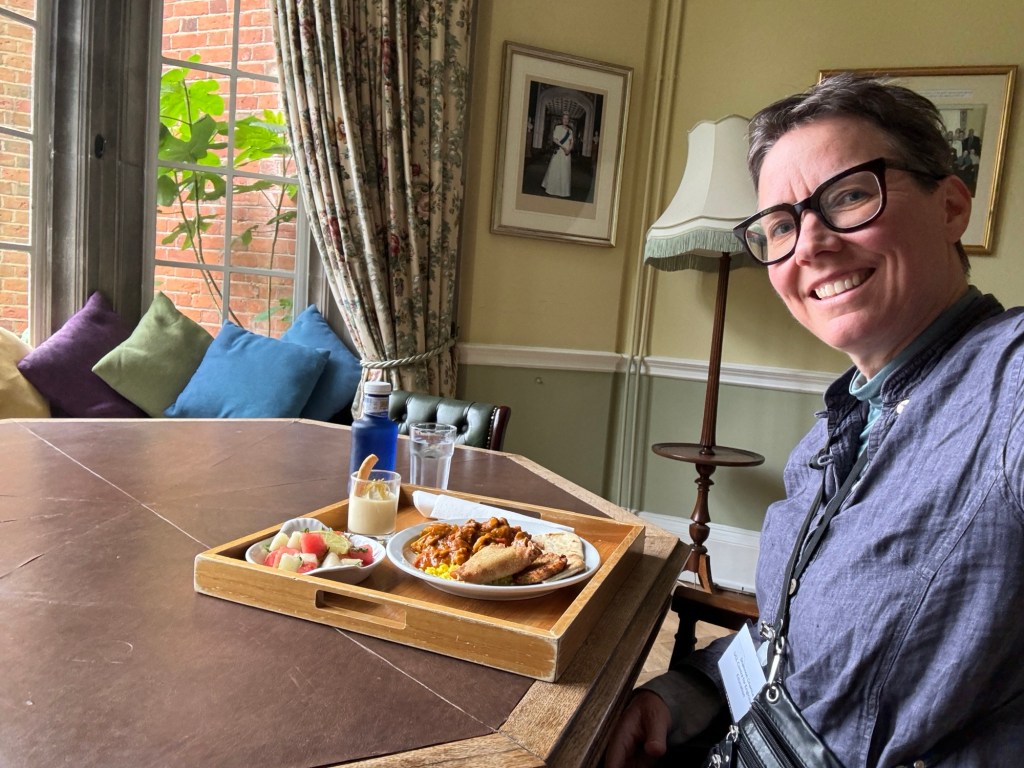
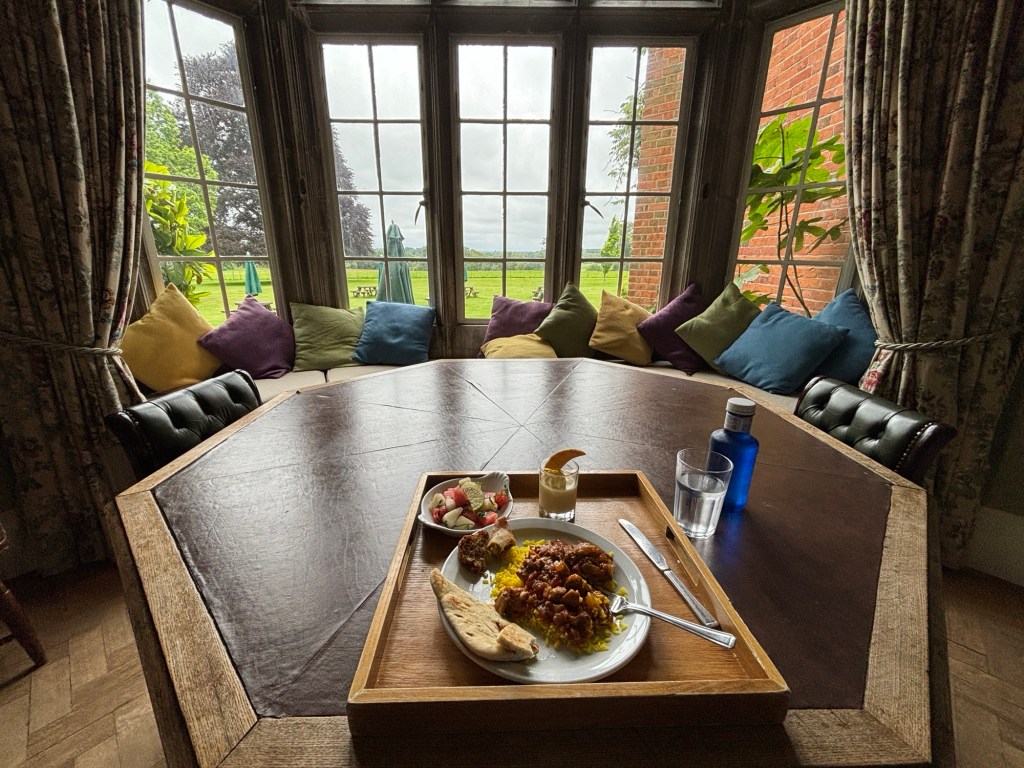
Cumberland Lodge took great care of me, preparing dinner plates Tuesday and Thursday, since my three-hour class overlapped dinner time in the Harry-Potteresque dining room.
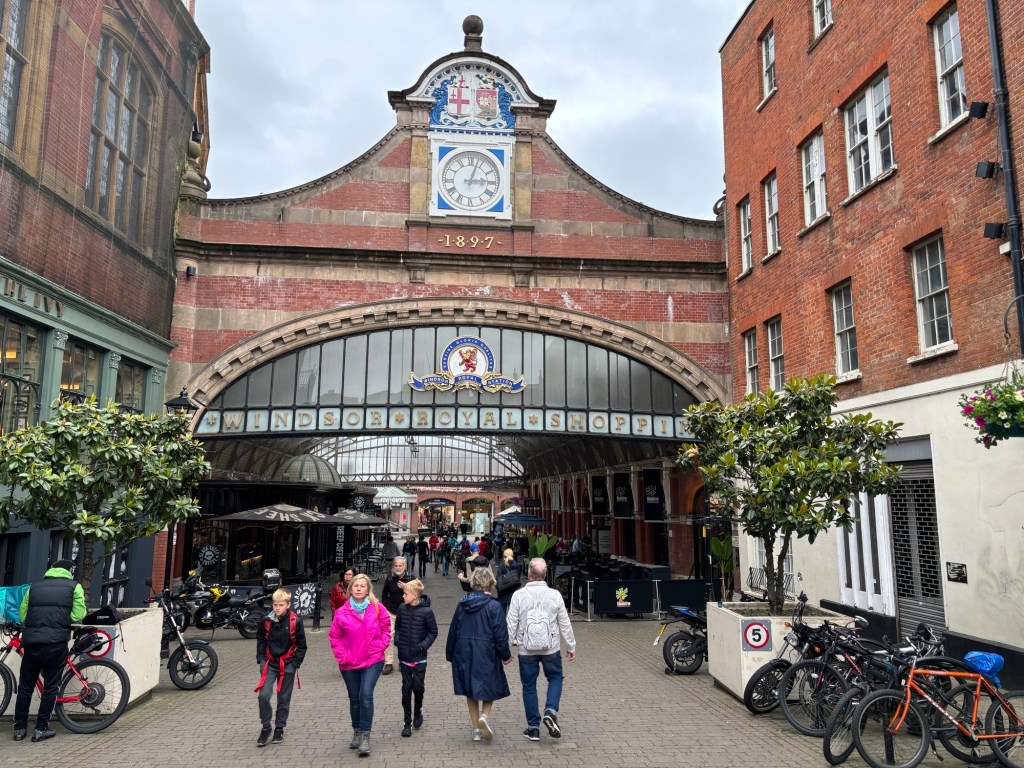
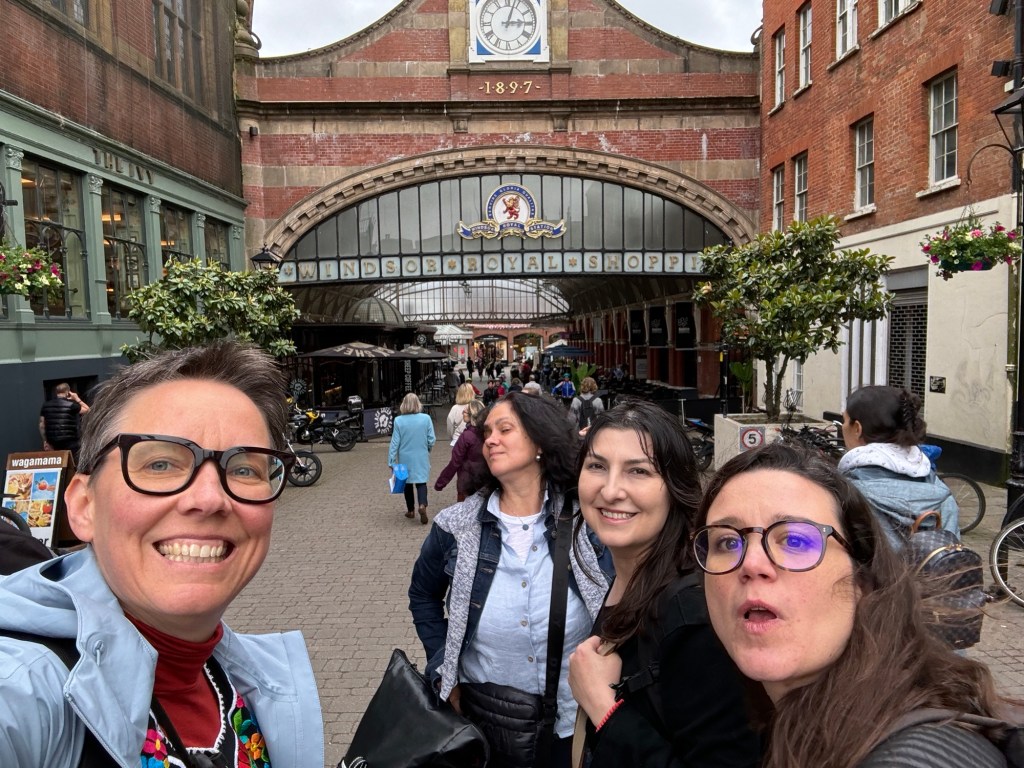
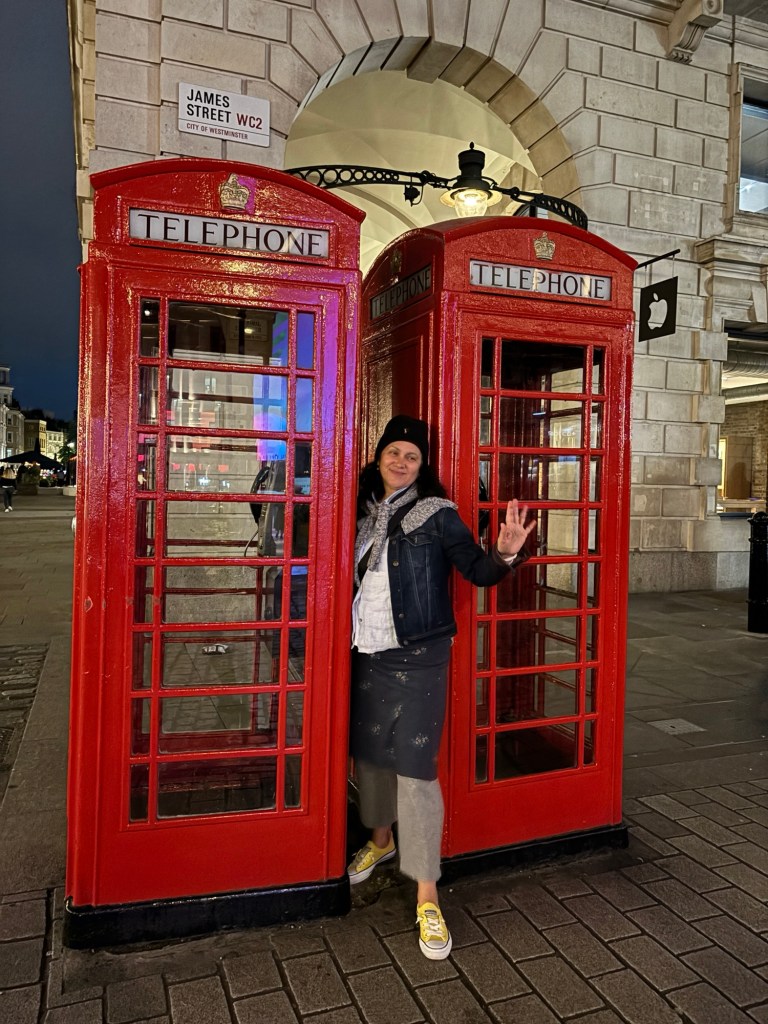
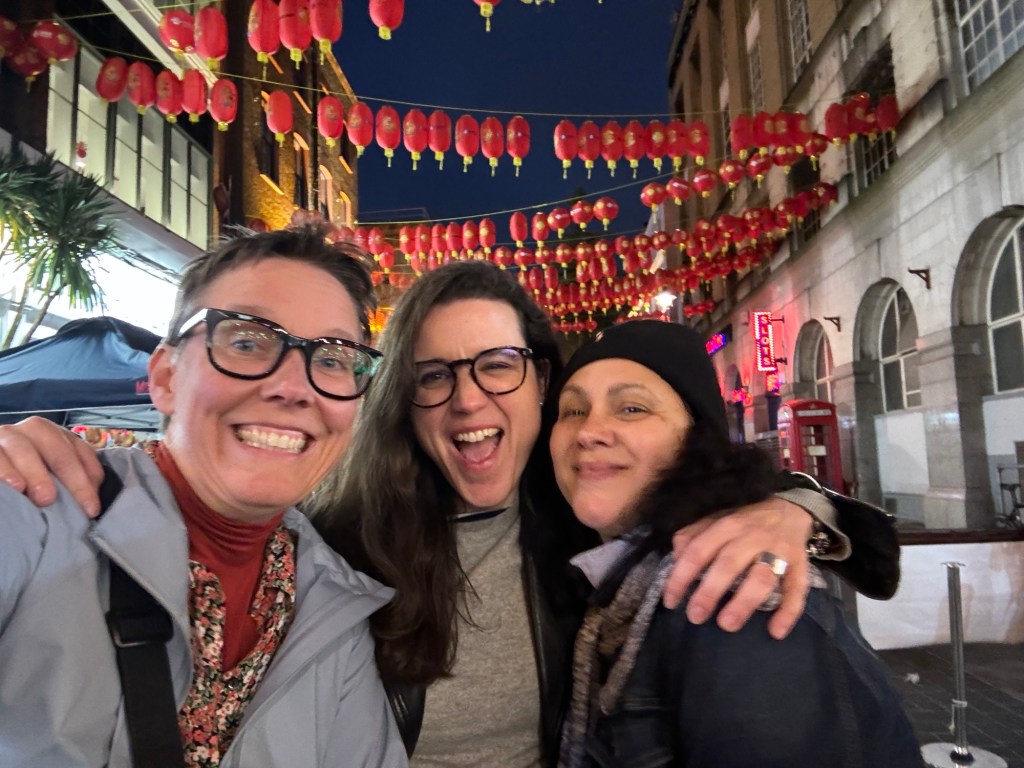
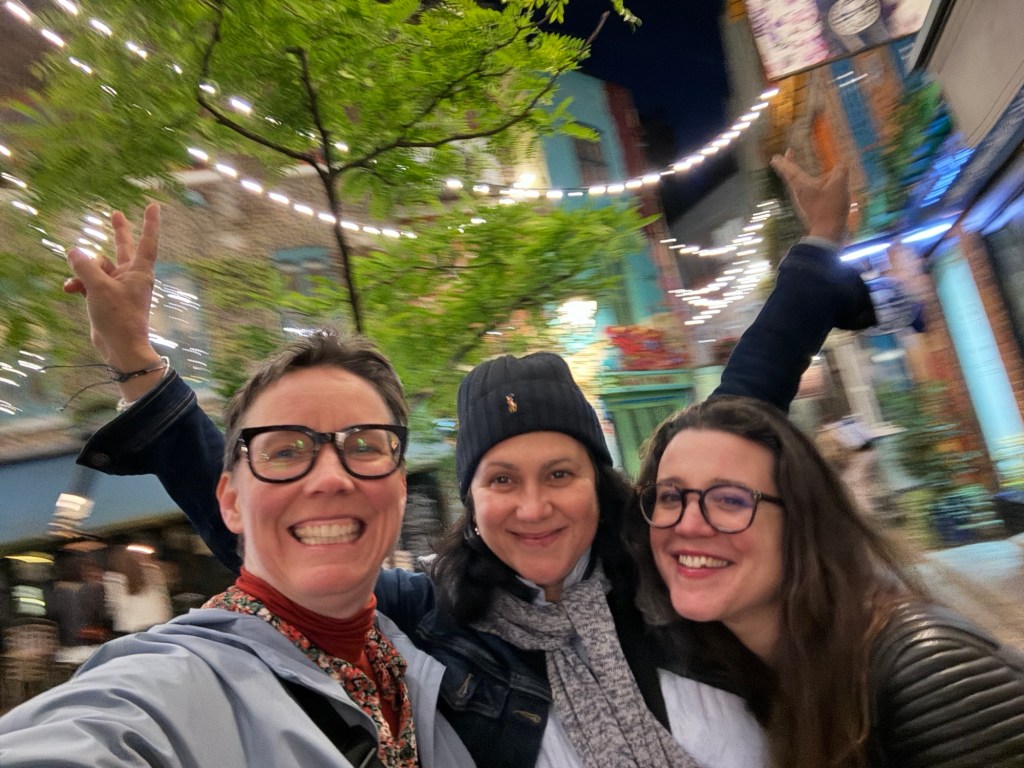
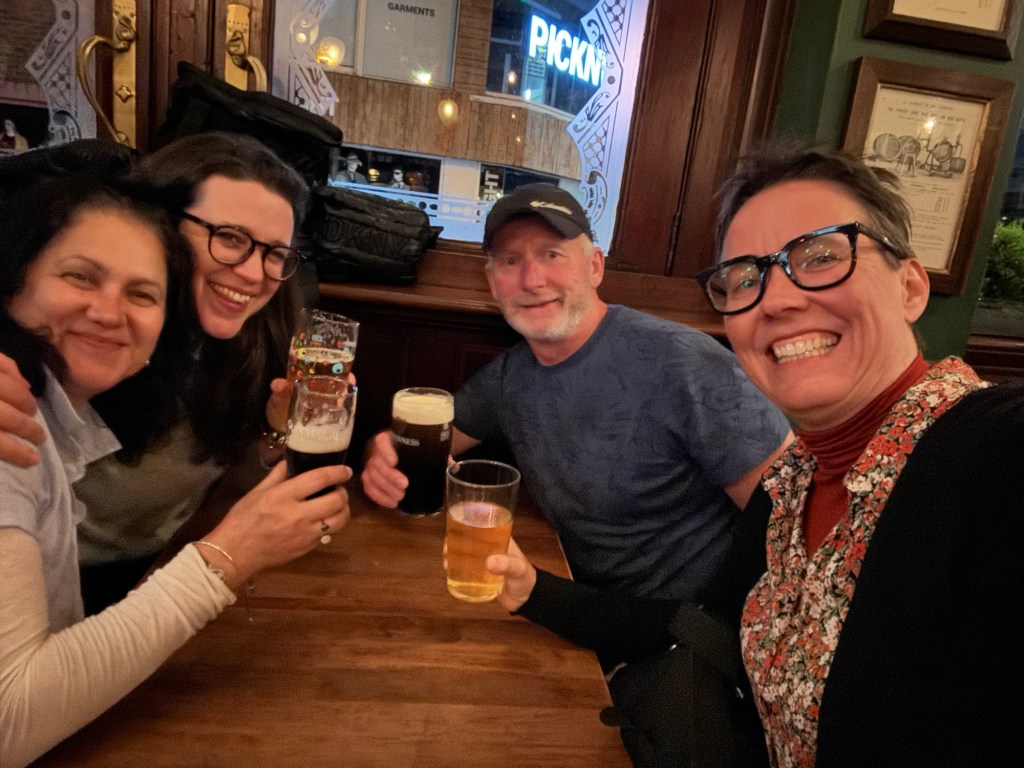
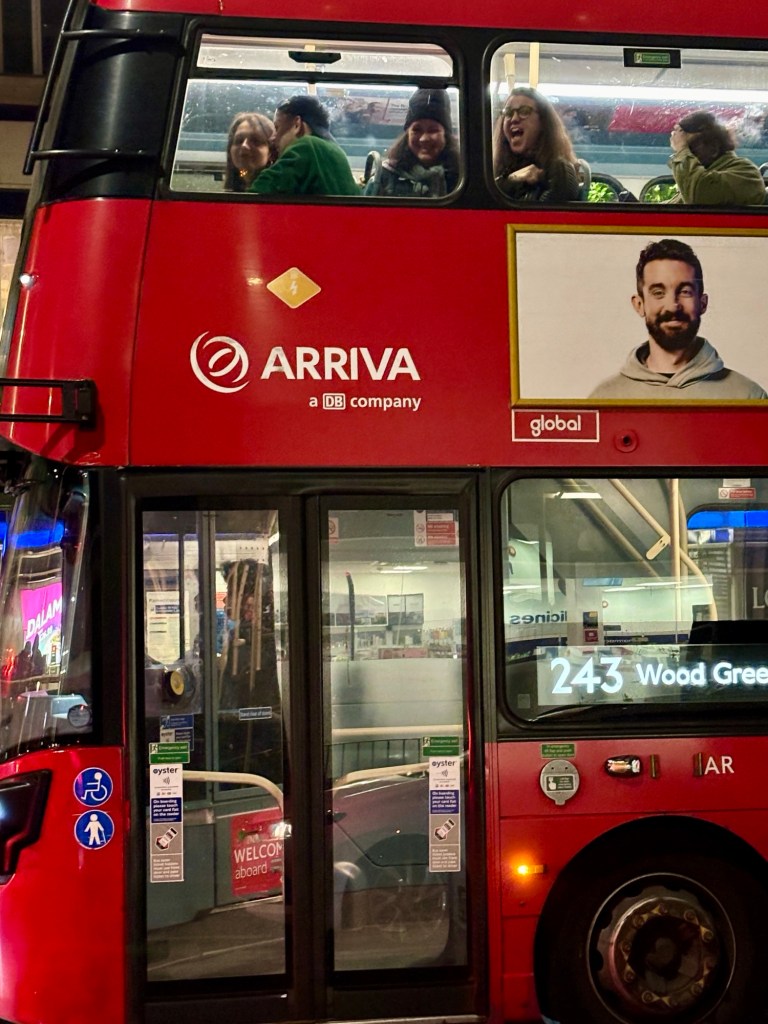
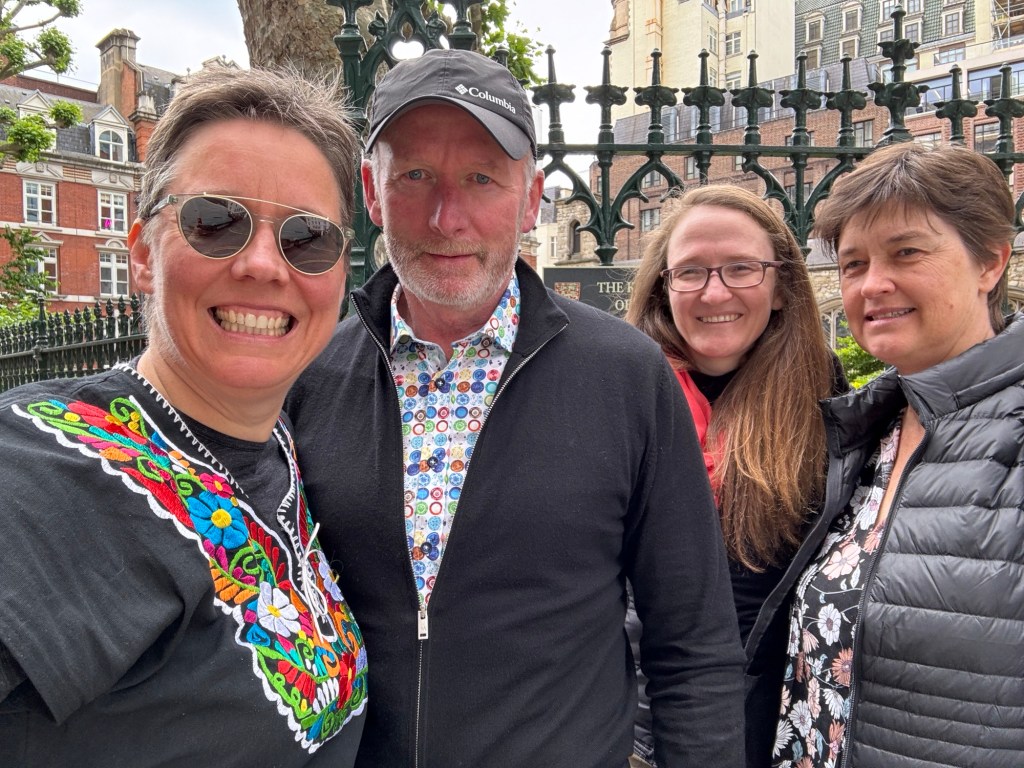
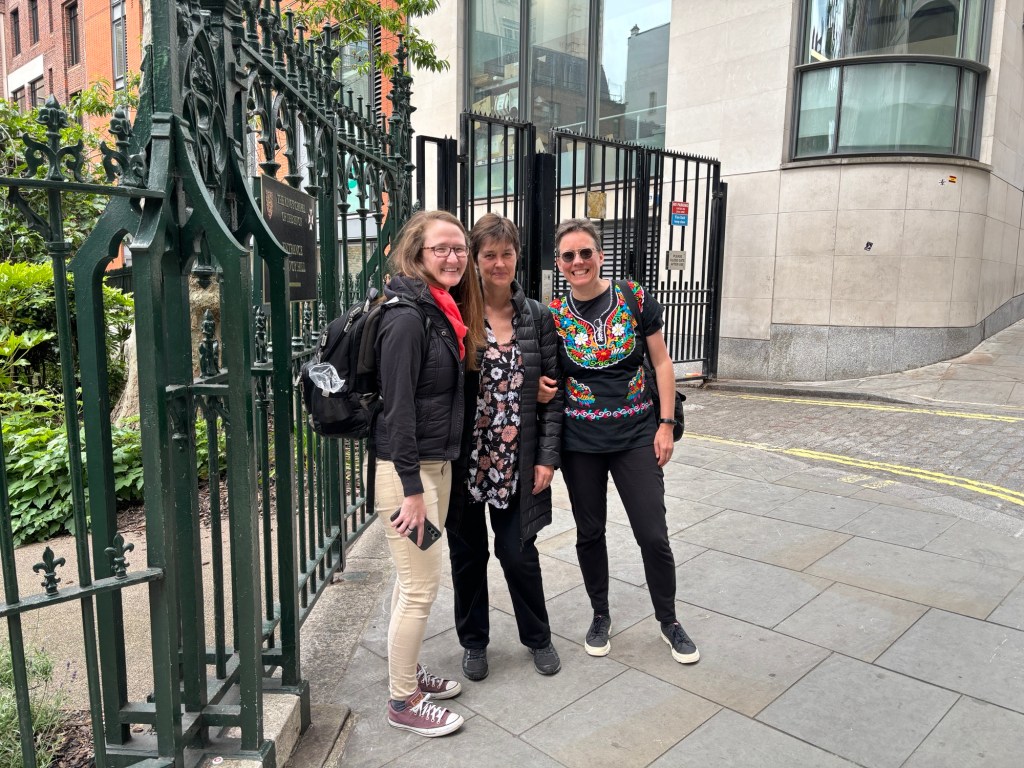
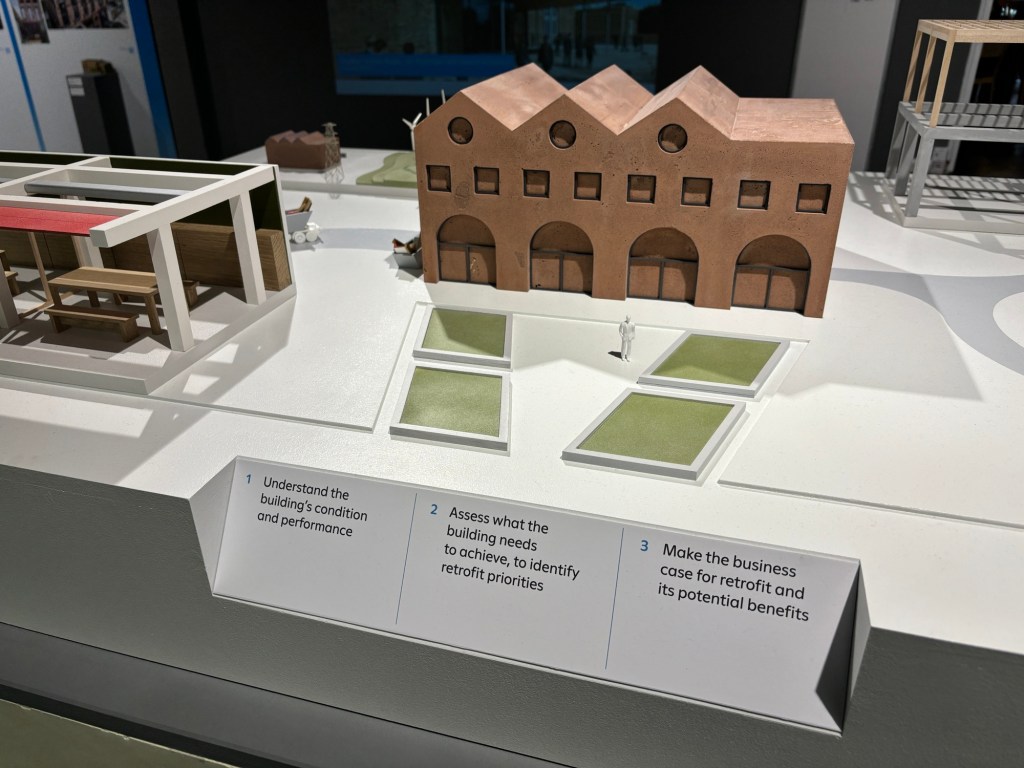
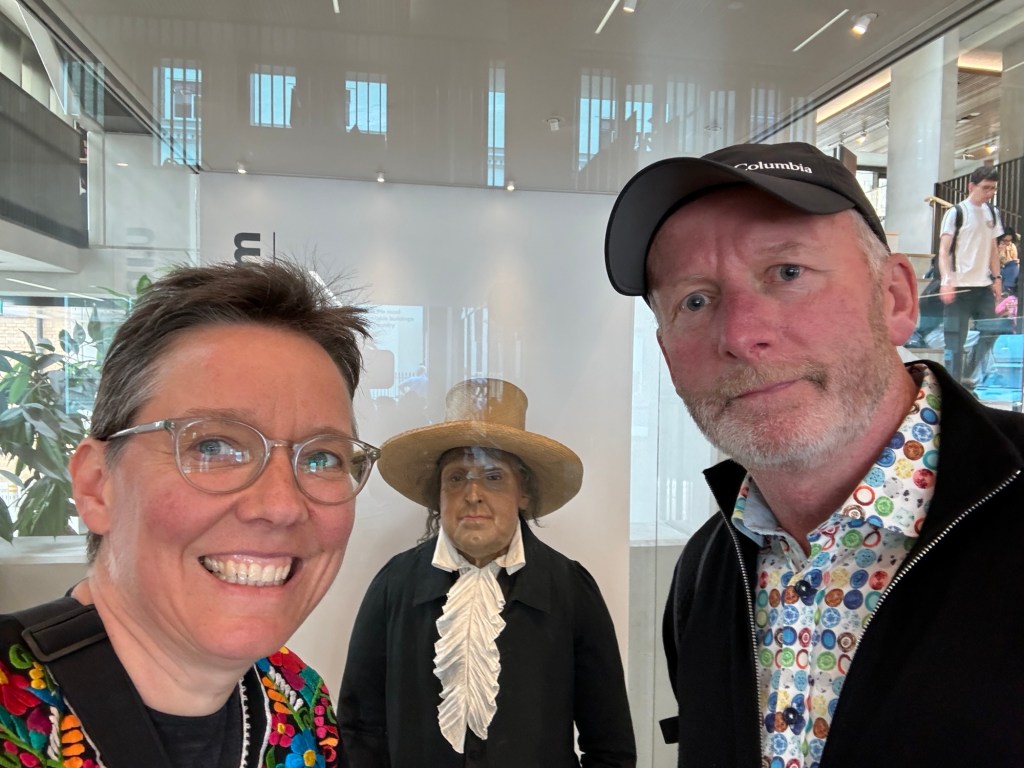
Wrapping up the School with Inês and Diana B. Leaving Windsor village. Striking a pose on our way into the Windsor train station.Diana B’s first night ever in London! Hamming it up in Soho with Inês and Diana B.Neal’s Yard with my pals.Aongus found us at the Anchor! Nothing like a double-decker — see my friends up top.Working breakfast with Lelanie and Nicky.My South African colleagues.Brushing up on LEED for retrofit at the Building Centre with Aongus. Introducing Aongus to Jeremy Bentham when leaving UCL’s campus.
It’s been nine days since the Summer School ended, and honestly, I’m still a bit worn out! I did spend some time exploring London with Inês and Diana B after the School — after all, it was Diana’s first time in London!
And my fabulous partner, Aongus Coughlan join us and also came to meet my colleagues, Dr. Lelanie Smith and Dr. Nicky Wolmarans from South Africa down near the Engineers Professors Council on Savoy Street (before their two-day symposium on integrated engineering curriculum design, also organized by UCL’s CEE). Looking forward to seeing Lelanie and Nicky in South Africa in November 2025 (yes, we plan ahead!)!
In all, the School will go down in my memory as a highlight of 2024 and I couldn’t be happier that John Mitchell included me and that I got to work with this incredible cohort and facilitation team.
The global EDUCON conference, organized by IEEE (the institution for electrical and electronics engineers) is underway on Kos island, just off the coast of Bodrum, Turkey.
Great to convene with Dr Homero Murzi of Virginia Tech and current Chair of REEN!We didn’t have time to see the sites of Kos, but WOW, this island has archeology, architecture, and medical history galore!
I’m here this week with my colleagues Inês Direito (University of Aveiro and UCL), John Mitchell and Diana Martin (UCL). Across the four of us, we’re facilitating 5 of the 16 workshops scheduled for this conference.
Pics from our engineering ethics education handbook workshop — the first session of EDUCON 2024.
We’ve been having a great time connecting with colleagues from the University of Monterey (Mexico), EPFL (Switzerland), India, Singapore, across Europe and the Americas.
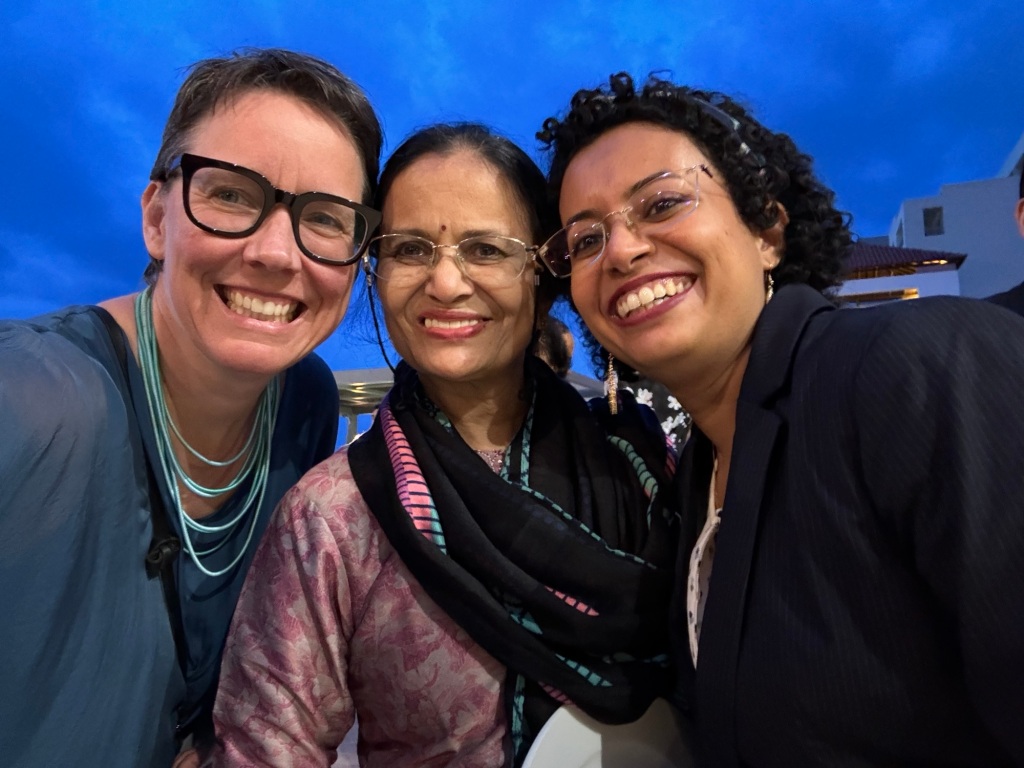
Dr Rucha Joshi, who I met in Hubli in January, and her fabulous momma! Just look at our dazzling smiles!
I had great fun interacting with participants at my grants and fellowships workshop, the systematic literature review session I delivered with Inês, the ethics handbook session I delivered with Diana, and supporting the publications and research design workshops spearheaded by John.
Snipet of the workshop on literature reviews with Dr Inês Direito.Prof John Mitchell’s session on designing an education experiment was hugely popular!A very helpful image on different ways of engaging with research to enable effective teaching, presented by John.
I’ve never attended EDUCON before and there’s a more technical bent to it than the more education research focused conferences I typically attend, so I met many new people in addition to reconnecting with friends I mead recently at REES (in India) and SEFI (locations across Europe).
One of our papers (that I co-authored with Inês and John and our colleague Dr Rob Lawlor) hit 10,000 downloads from the publisher’s website during EDUCON. Participants in the breakout group I facilitated for John’s workshop on IEEE publications were super enthusiastic about celebrating this achievement with me! They asked to take my picture—here’s our reenactment of that moment.😊😊😊😊😊
I’m headed home shortly, for end-of-academic-year wrap up and catching up on loads of tasks that have piled up while I was networking and collaboratively generating new knowledge. I’m full of inspiration and optimism!
I even met colleagues organizing the LACCEI conference I’ll attend in Costa Rica this summer, and coordinated to provide a couple extra workshops there, in addition to the papers my PhD student Sandra Cruz and I are delivering.
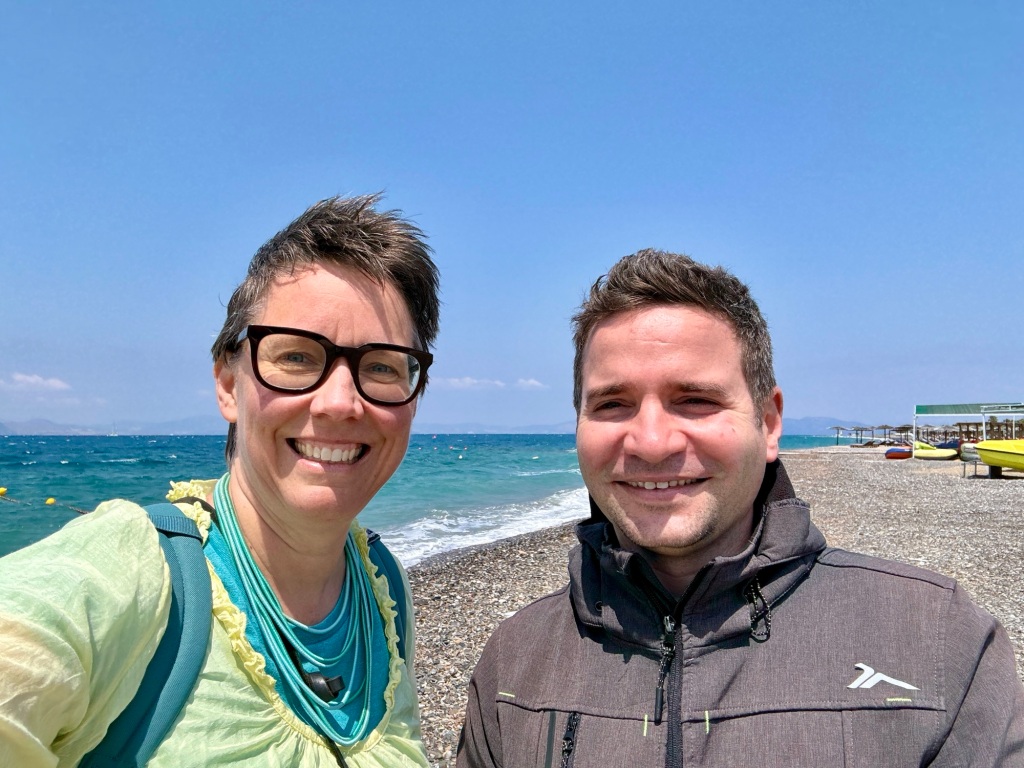
The grants and fellowships workshop was a ball—we all had good laughs.Bumping into Dr Jorge Torres Gomez (from Cuba and TU Berlin) during post-conference walk on the beach — a chance to further our discussion about bibliometrics forecasting and survey design. Farewell for now, Greece!
Portugal has vibrant networks of academics engaged in engineering education research. This week, I got to be part of that community, thanks to the generous support of the American Corner, on a four-night visit funded by the US Embassy in Portugal.
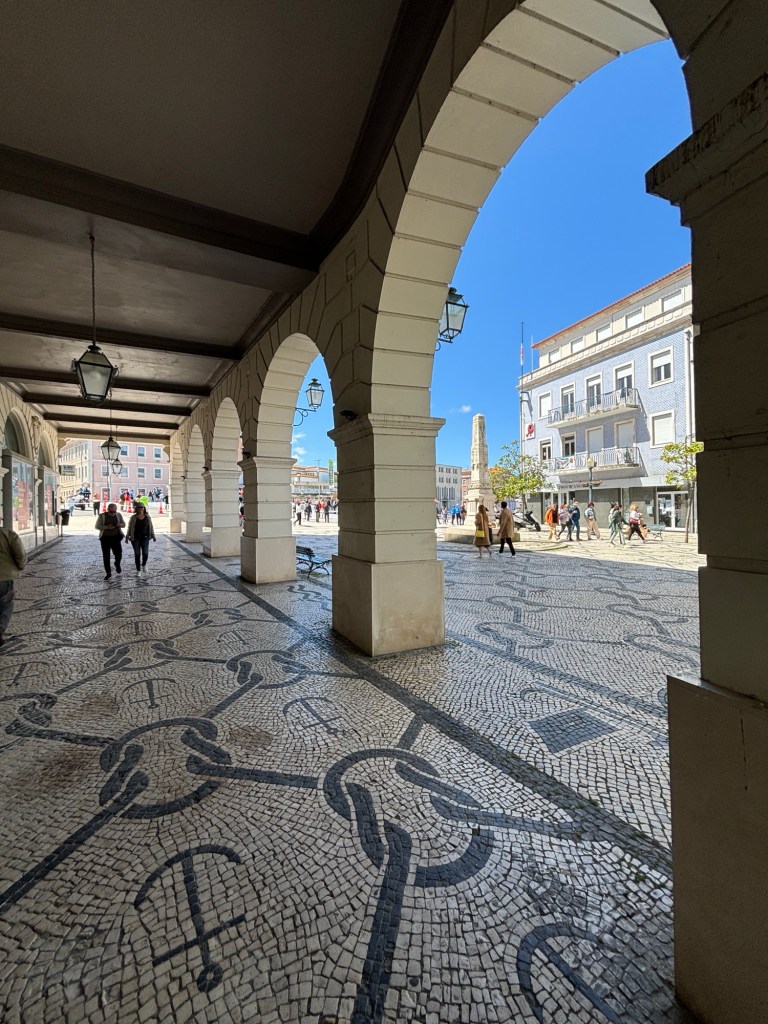
In and around the fabulous hotel, located on a canal in Aveiro’s historic center.
Flying into Portugal on Saturday morning, I settled in and toured the area over the weekend with my dear colleague (formerly of UCL) Inês Direito and her partner Gonçalo. Inês and I continually collaborate on research — and our bond grows stronger with each project and every passing year.
Snapshots of our explorations in Aveiro… Inês and Shannon always having a ball!
On Monday morning, I delivered a keynote address on “Boosting Engineering Education: How Research Can Make Engineering Education Better” and then facilitated a hands-on workshop on “Integrating Ethics, Sustainability, and Inclusion in Your Teaching.” In all this, I was the guest of honor with the Department of Mechanical Engineering at the University of Aveiro (UA).
I was impressed that 25 teachers and students participated in these morning events, as they happened during a week without classes at UA. Despite having the flexibility to work from home this week, people traveled to campus from all across the engineering disciplines at UA — and visitors traveled in from Lisbon, Porto, and Setúbal to partake as well.
Images from campus, the keynote and workshop.
After lunch Monday, the Engineering Education Research team at UA and I headed to the administration building to meet with the university’s Vice-Rector for Research and an expert from UA’s Research Support Office. We discussed grant proposals and laid the foundation for upcoming initiatives that we plan to launch at UA.
Wrapping up that exciting meeting, we skipped across campus to the sleek, modern library, designed by Alvaro Siza, where the American Corner has a recording studio. In a session moderated by Inês, a few of us (Inês, Pedro Fonseca, Anikó Costa, and I) discussed what engineering education is, and why it is crucial for solving societal challenges in the 21st century. We also considered what role interdisciplinary collaboration plays in engineering education, and how can we, in higher education institutions, can facilitate it more effectively. Finally, we chatted about how interested people can get involved in engineering education research.
On air from the American Corner with Inês Direito.
On Tuesday, the EER team and I set to work refining our plans to secure funding for our projects. We had the treat of bumping into a pair of scholars who currently hold the type of grant we aim to secure, and they agreed to share their experience and insight with us. I’m looking forward to meeting them at the end of the summer to learn more!
Reflecting on the visit from the boarding gate at Porto airport, I realized that I’d had the most marvelous time in Aveiro. Every single person I met helped make the trip special—from the driver Casimiro, to Inês and Gonçalo, the hotel staff, Sandra the librarian in charge of the American Corner, to UA’s engineering education research team, the energetic and ever-smiling Robertt, Barbara, Inês, and Carla. Colleagues Bill and Val, and Val’s spouse Frank, all traveled from the Lisbon area for research meetings while I was there, helping make the experience that much more special!
Always learning, with Val, Inês, and Bill!
I am bursting with energy for our upcoming projects, and hopeful what the future might hold for our team.
I have an exceptional PhD supervisee at TU Dublin, Sandra I. Cruz Moreno. She is an internally motivated, self-driven learner who needs little to no prompting from me. Supervising her for the past two years has been pure joy.
I am extremely pleased to report that Sandra achieved a major milestone yesterday because she very successfully “defended her Ph.D. proposal” (the term we use in the USA). Here, it’s called a confirmation examination to confirm that a student is on track and suitable to continue onward.
Sandra needed to submit an extensive report. The report is a bit more elaborate than a proposal back home, as it must include the work plan in addition to the first three chapters of the dissertation. She also included preliminary analyses of existing interview data.
TU Dublin is funding Sandra’s PhD so that she can analyze extensive interview data I collected from women studying engineering over the years since 2015. It’s such an enormous amount of data that I’ve never been able to wrap my arms around it fully. Sandra, a sociologist who has worked as a research consultant on rural development for the United Nations and similar organizations, is well-prepared to handle this large dataset. She has embraced the challenge and has made great strides forward.
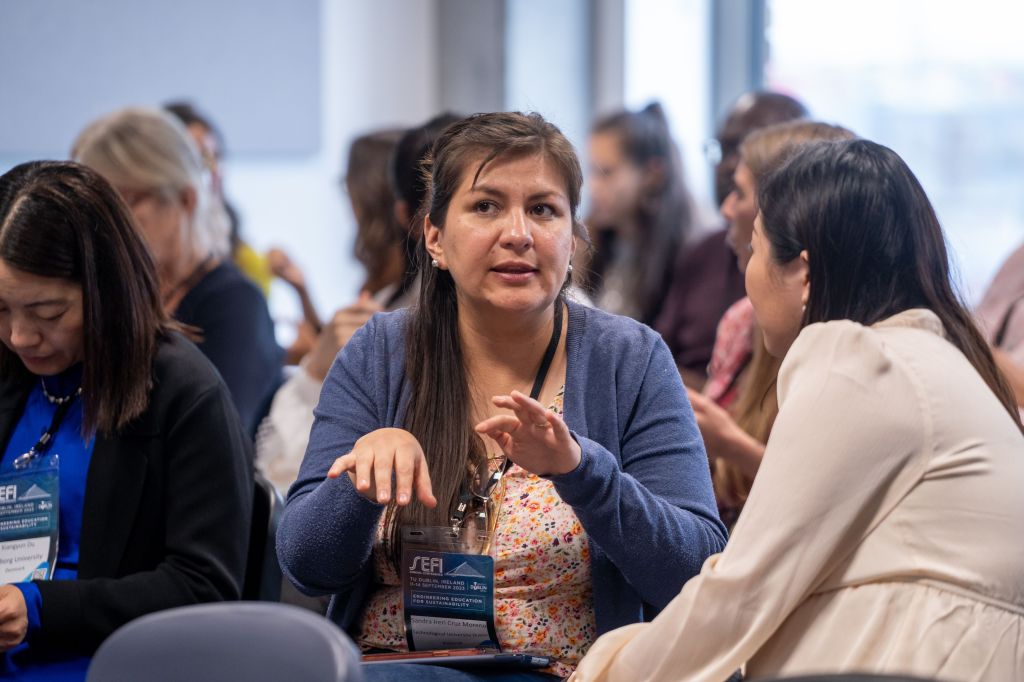
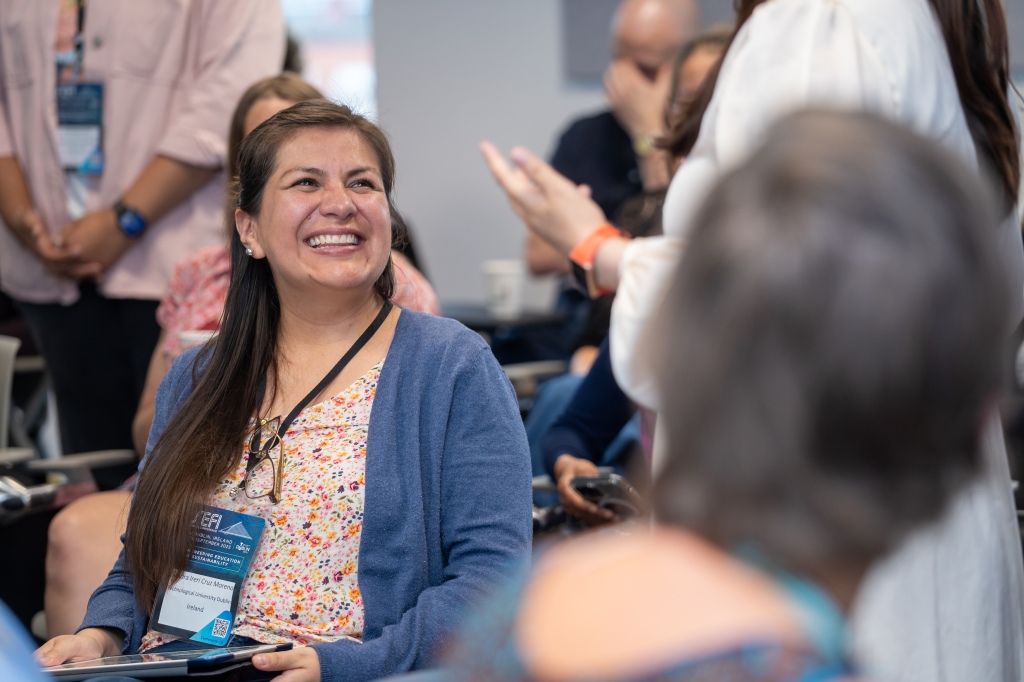
Sandra Cruz at SEFI 2023, where she presented her research (left) and engaged thoroughly in events like the pre-conference Doctoral Symposium (center and right).
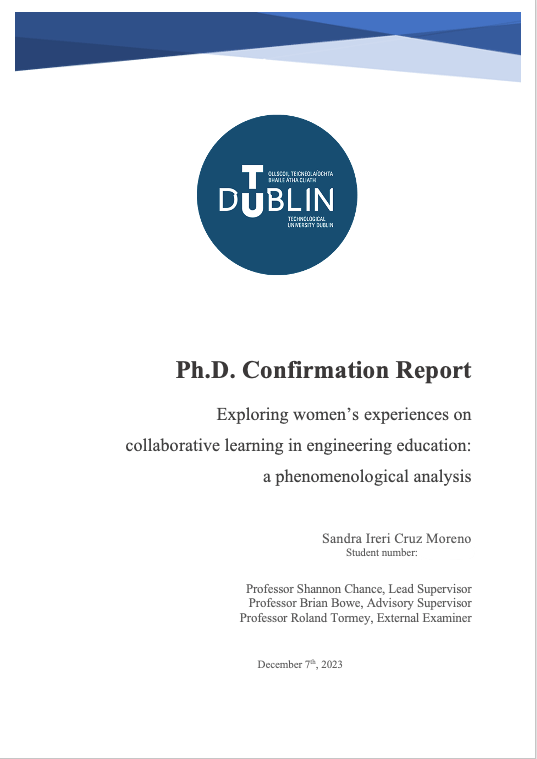
Sandra’s study is titled “Exploring Women’s Experiences on Collaborative Learning in Engineering Education: A Phenomenological Analysis.” She submitted written reports of the coursework she has done to date, as well as a five-chapter document presenting her research. Both of Sandra’s supervisors, as well as our college’s head of research and the external examiner from the Swiss Federal Institute of Technology Lausanne (EPFL), all read and critically analyzed Sandra’s submission.
The result of this review and of yesterday’s two-hour oral examination concluded that her “Proposed research and progress [are] suitable for [Sandra] to remain on the higher register” and proceed into the final stage of her doctoral research. That’s fancy talk for “It’s a go!” and “Full speed ahead!”
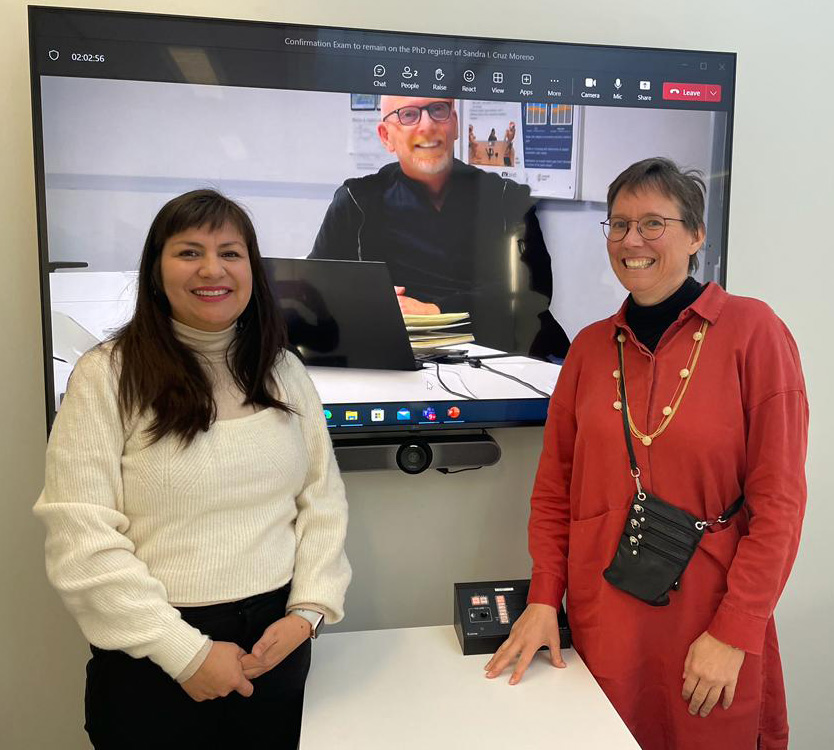
Sandra Cruz with her external examiner, Dr Roland Tormey and lead supervisor, Prof/Dr Shannon Chance, on the day of examination.
Regarding the research Sandra has produced to date, the external examiner’s evaluation states:
The report is very well structured and extremely well written. It demonstrates a high degree of scholarship in dealing with quite a few challenging concepts while, at the same time, managing to make them accessible. There is a very good balance between methodology and methods in chapter three in particular.
The data available is suitable for completing of the PhD and the initial analysis carried out shows quite a lot of promise.
-External Examiner Roland Tormey, PhD
Our advisory supervisor, Prof/Dr Brian Bowe, couldn’t attend the examination (he’s the university registrar, after all, and the end of Semester 1 is an extremely busy time of year). Nevertheless, his guidance to Sandra and me has been essential throughout the process. The advice he provides is targeted and highly applicable. Sandra and I have benefited from having him on the team.
I was delighted, but not at all surprised, to hear about the successful outcome. Congratulations, the result reflects your hard work and dedication.
–Prof/Dr Brian Bowe, Head of Academic Affairs at TU Dublin
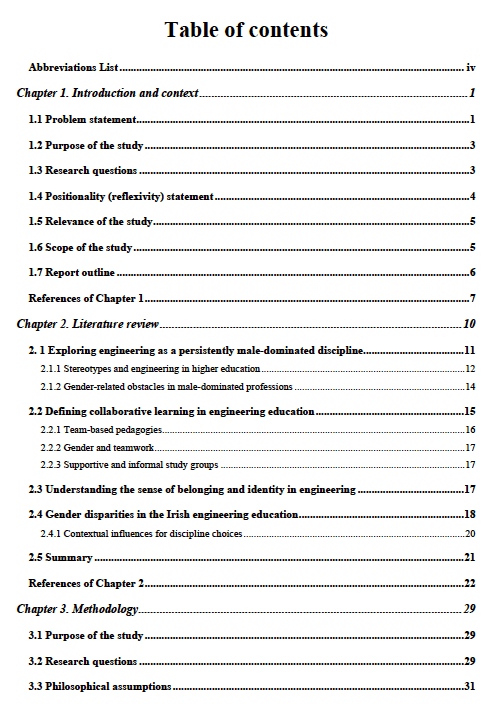
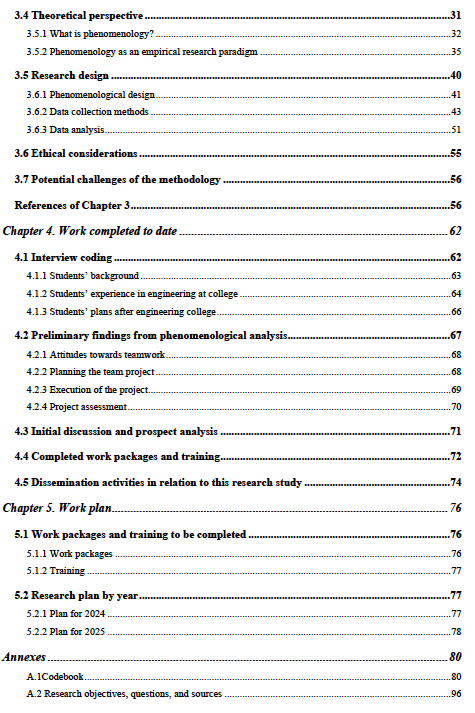
I have included the cover and table of contents of Sandra’s report so you can see the level of detail required. The report is 96 pages long. While Sandra was rehearsing for the examination, I was off in India delivering a paper she authored on policy to address gender gaps in engineering — policy at the European and Irish levels. The policy paper generated great interest and will form part of the PhD study, although it wasn’t a major component of the confirmation report. In fact, there were a number of topics she researched that didn’t need to be explained in detail at this point, such as critical feminism, which will inform her work going forward.
Working with and learning with and from Sandra is an honor and a privilege. I am grateful to TU Dublin for providing the grant to fund Sandra’s research activity. I am grateful to Brian, Roland, and Marek for the support they have lent Sandra and me. And most of all, I am grateful to Sandra for her diligence, perseverance, openness, and sincerity. I have learned so much from her and from working with her!
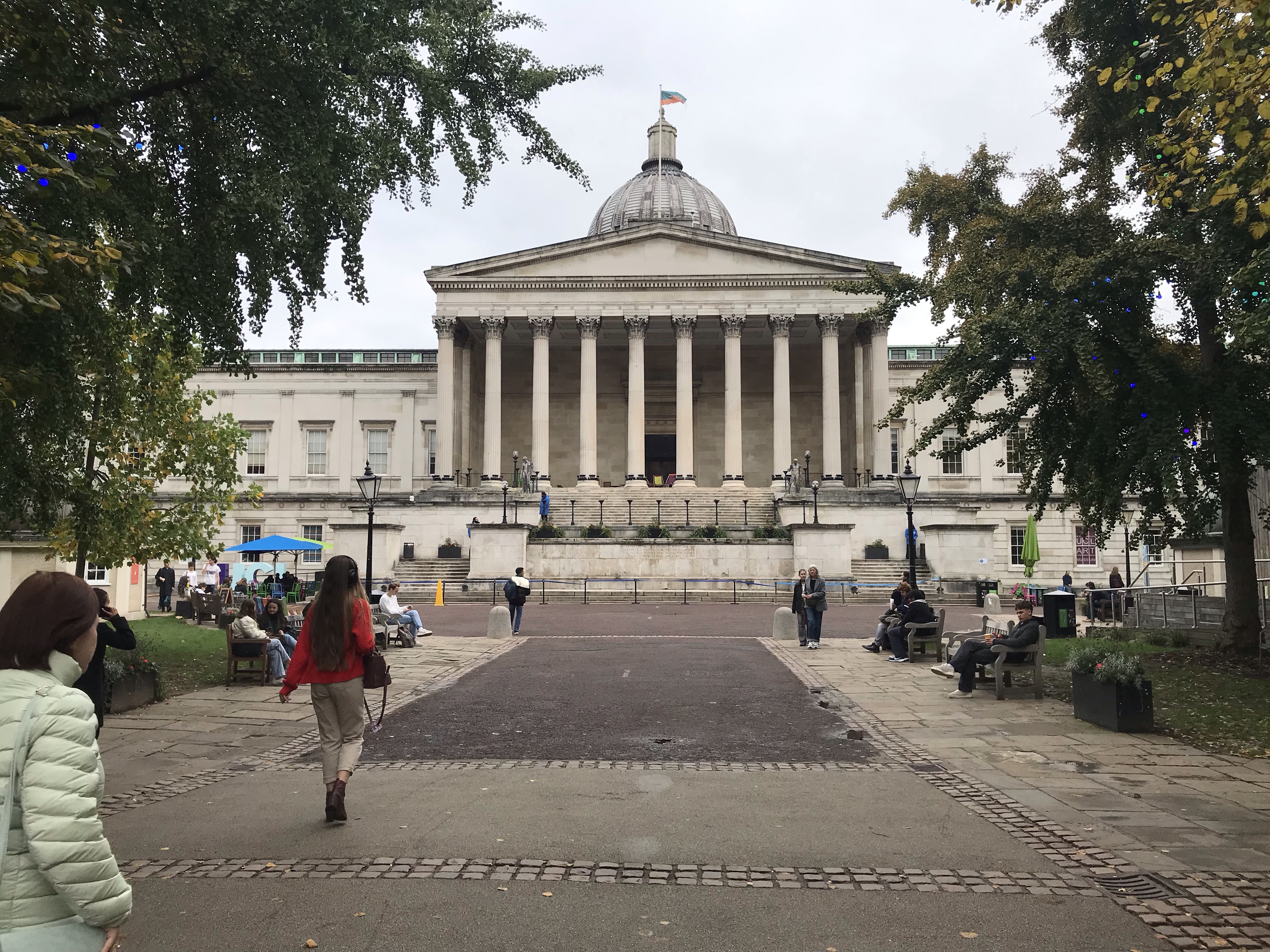
Although the days are short, dark, and frequently wet now that we’ve gone off daylight savings time, I’m still savoring memories of a recent week in London. As you likely know, I spent all of 2018 and 2919 on an MSCA fellowship from the European Union, working at University College London and developing fabulous new skills and an invaluable network of colleagues at UCL and around the globe. UCL is truly a magnet for talent and an ongoing source of inspiration.
The time change happened again this year while Aongus and I were in London for the October bank holiday… I often overlap a bank holiday Monday with a working visit to London since my colleagues at UCL have different days than me (at TU Dublin) and I can visit UCL without falling behind at my main job. This was my second Halloween in a row visiting UCL.
I’m fact, this Halloween I spent a full week in London, collaborating with colleagues and attending lectures including Emanuela Tilley’s inaugural professorial lecture (and reception!) and a guest lecture in one of Professor Nick Tyler’s transport engineering classes.
Emanuela Tilley’s Inaugural Professorial Lecture and Reception at UCL.
I worked several days at UCL’s Henry Morley building, which houses the Centre for Engineering Education. I enjoyed catching up with colleagues there, especially Drs Vivek Ramachandran, Kate Roach, and Fiona Truscott. I showed Vivek, who is new to UCL, some of my favorite places in and around campus, including the Thursday Farmers’ Market, the Life Goddess restaurant, and the Building Centre. I after work one night, I attended a comedy show at the newly renovated Bloomsbury Theater.
In the daytimes, I kept Dr Inês Direito’s old desk warm as she’s moved to the University of Aveiro in Portugal. Never fear, though, Inês and I are still in close communication, and now, my mentee Dr Diana Martin is joining CEE so I’ll still never be more than a WhatsApp away from the Center!
During the week, I attended strategic planning meetings with my two “bosses” at UCL — the two directors of the curriculum design project I’ve been working on, via a contract between UCL and TU Dublin, since 2020. They are Professors Emanuela Tilley and John Mitchell, two truly fabulous people to work with.
Thanks to the marvel of online communication, I also completed a half day training on finance software at TU Dublin while I was in London. I also attended online meetings with co-editors of the handbook I’m leading as well as co-authors on a chapter I’m contributing to the handbook.
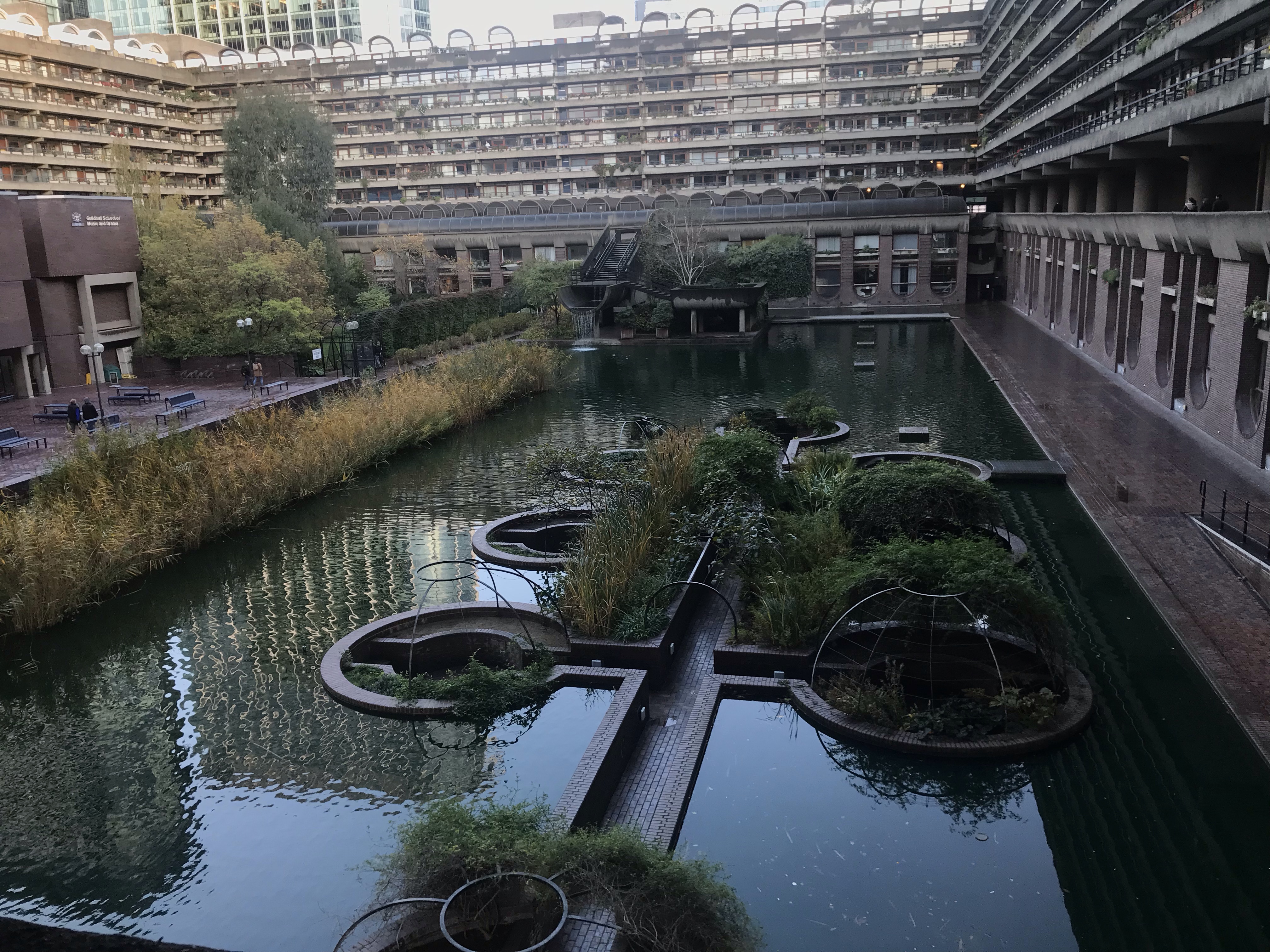
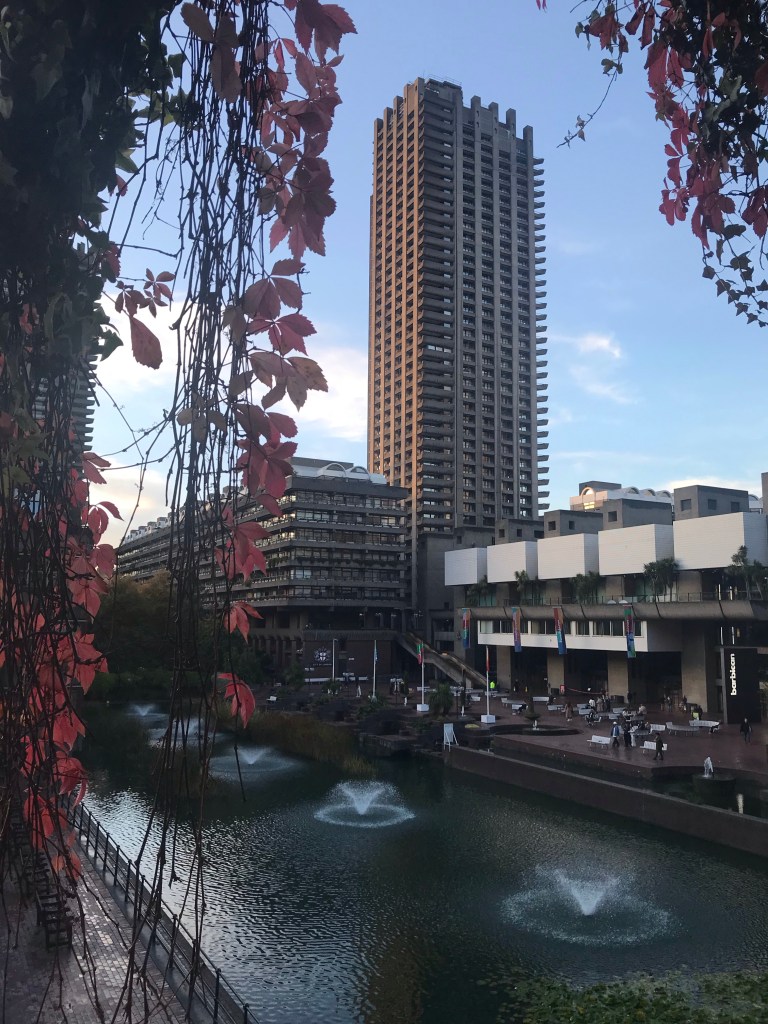
For the extended weekend, Aongus joined me in the city. We attended two musicals (the Tina Turner musical and “Crazy for You”) and an improv comedy show. We took architectural tours of the Royal Albert Hall and the Barbican complex. We visited the Royal Academy of Art , the photography museum off Oxford Street, and the Natural History Museum including its Wildlife Photography of the Year exhibition.
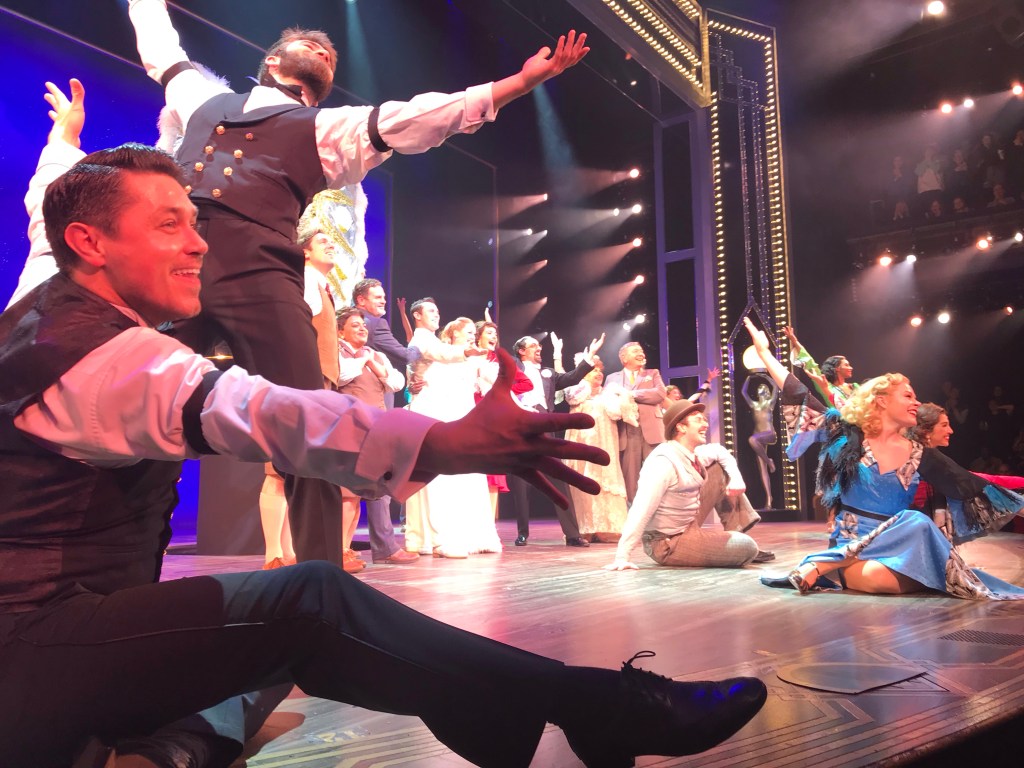
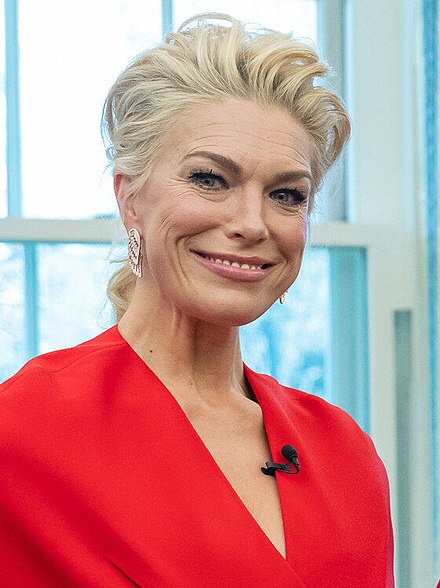
We also visited our favorite haunts around Shoreditch, where we previously lived for 18 months. We got to know the area around Victoria Station better. We even saw Rebecca from “Ted Lasso”, Hannah Waddingham, up close and in person as she’d attended “Crazy for You” and was in the lobby when we exited.
Glimpses of our adventures around the city.
While in London, I also drafted text for my handbook chapter, worked on various projects, attended an improv musical called “Showstopper!”, and did loads of Spanish lessons on Duolingo in the evenings before bed.
It wasn’t supersizing, really, that I picked up a cold somewhere in London. I brought it home along with heaps of inspiration to help carry me through the long working weeks until Christmas.
Now that I’ve recovered from that nasty cold, I can say with conviction that life is good and I am blessed beyond belief.
I was asked to recap my work in the engineering education research (EER) space in the past year.
The biggest projects I’ve been undertaking are editing the forthcoming Routledge International Handbook of Engineering Ethics Education and a special issue of IEEE Transactions on Education. I serve as a Deputy Editor of the European Journal of Engineering Education and am designing a curriculum in Architectural Engineering for NewGiza University in Egypt. I recently co-authored a paper on comparing thesis and final year project pedagogies that was published in EJEE and I’m doing research about women studying engineering with Sandra Cruz and others, and on BIM education with Barry McAuley.
Today, I am working on writing a report because I’m serving as an external examiner for a research center in South Africa. I’m also grading portfolios submitted by research students in the BIM BSc course I chair. I already prepared a report to send to the teachers who will be delivering one of the two modules I have designed for next semester at NewGiza University, who I will meet with tomorrow. I started my morning with a little fun on Duolingo, where I am learning Spanish.
If there’s time, I’ll review a chapter for the International Handbook of Engineering Ethics Education. I’ll share a snapshot of a recent meeting of the handbook editors. This is a most amazing group of collaborators and I am so fortunate to work with them.
The chapters in the theme I’m managing (accreditation of engineering ethics education) are fascinating and I can’t wait to see them published in 2024!
A typical editorial meeting of the Handbook team. Contemplating thoughtfully as always.
The global Research in Engineering Education Network (REEN), which I used to chair, has a new call out for individuals who are passionate about engineering education research and capacity building.
REEN is seeking expressions of interest for two REEN Board positions, representing (1) North American and (2) Central and South America.
Last week I taught two evening classes of Research Methods with my BSc in BIM (Digital Construction) students–and I have another starting at 6PM tonight. The students are earning “honors-level” bachelor’s degrees in just one year at TU Dublin. It’s an action-packed year, and they complete 60 ECTS (a full-time academic load, equivalent to 30 credits in the US university system) over 12 continuous months. It’s a great credential to earn and they learn so many new skills. “Honors-level” means they need to write a research paper, and I teach them the basics of that in Research Methods. So, last Tuesday, I welcomed them back from summer (where they completed their Work-Based Learning module) via an online class I taught from a hotel room in Athlone.
And just why was I in Athlone, halfway across Irland, on a school night?
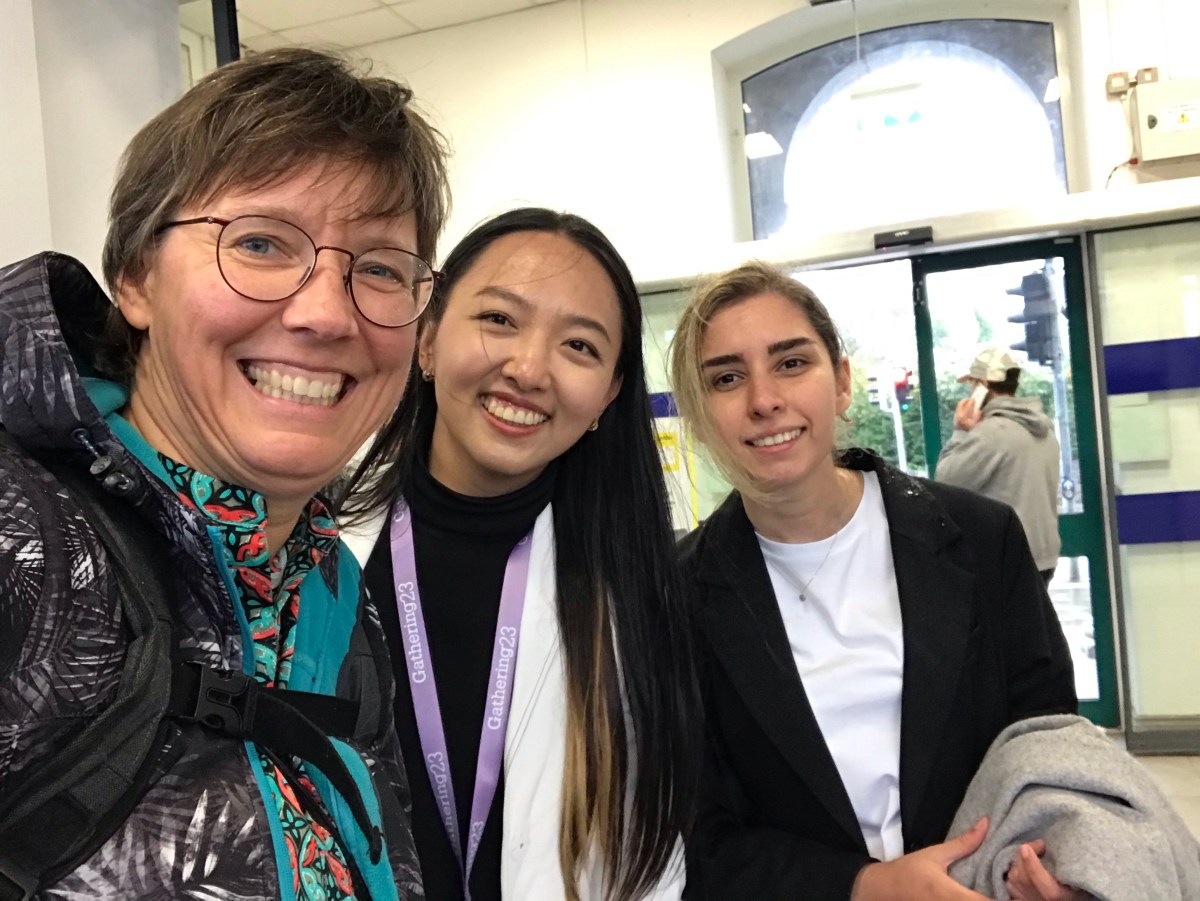
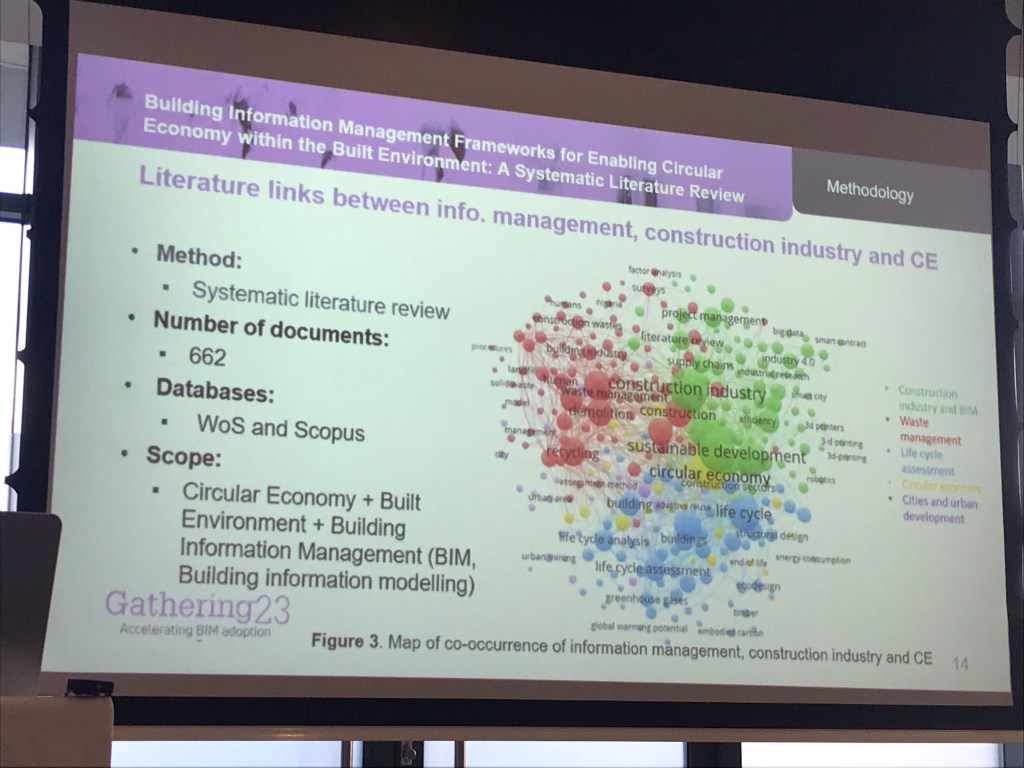
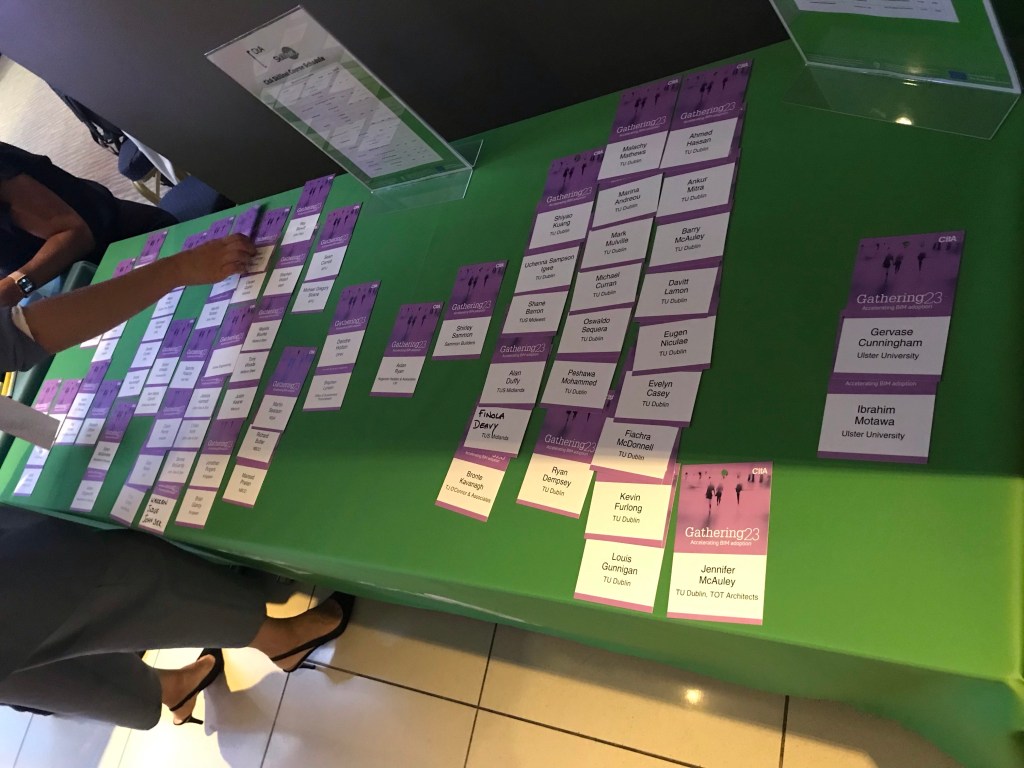
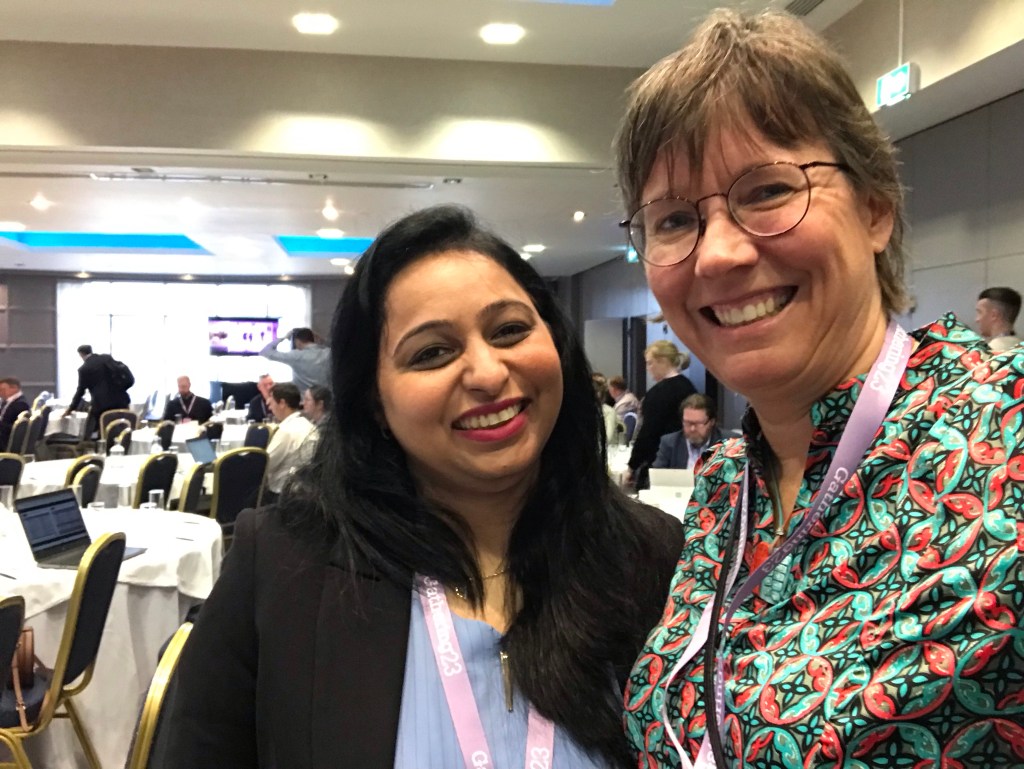
I was lucky enough to attend the 2023 CitA BIM Gathering as an observer. CitA is the Construction IT Alliance in Ireland, and its BIM Gathering is held every second year.
This year the Gathering had a great innovation. The first two days (Monday and Tuesday) were online for a manageable two hours each day. The third (Wednesday) we had a full day in person, in the midlands of Ireland, along the Shannon River.
I really appreciated CitA’s multi-type conference format as we got to hear from speakers who couldn’t travel to Athlone. This format used travel resources more wisely, and the rhythm suited me as a participant. I particularly valued the online presentations by lawyer May Winfield of Buro Happold, Lèon van Berlo from buildingSMART International, Johnthan Reinhard from TU Dublin, and Carolina Soto Oguerta from Chile.
Because I had a class to teach on Tuesday night, I bolted from home to Heusten Station as soon as the Tuesday Gathering events ended, to settle into my hotel room and make sure the wifi connection was sound.
I thoroughly enjoyed traveling with Irish Rail, and I worked on a review for the European Journal of Engineering Education on the way. Sooooo much preferable to driving!
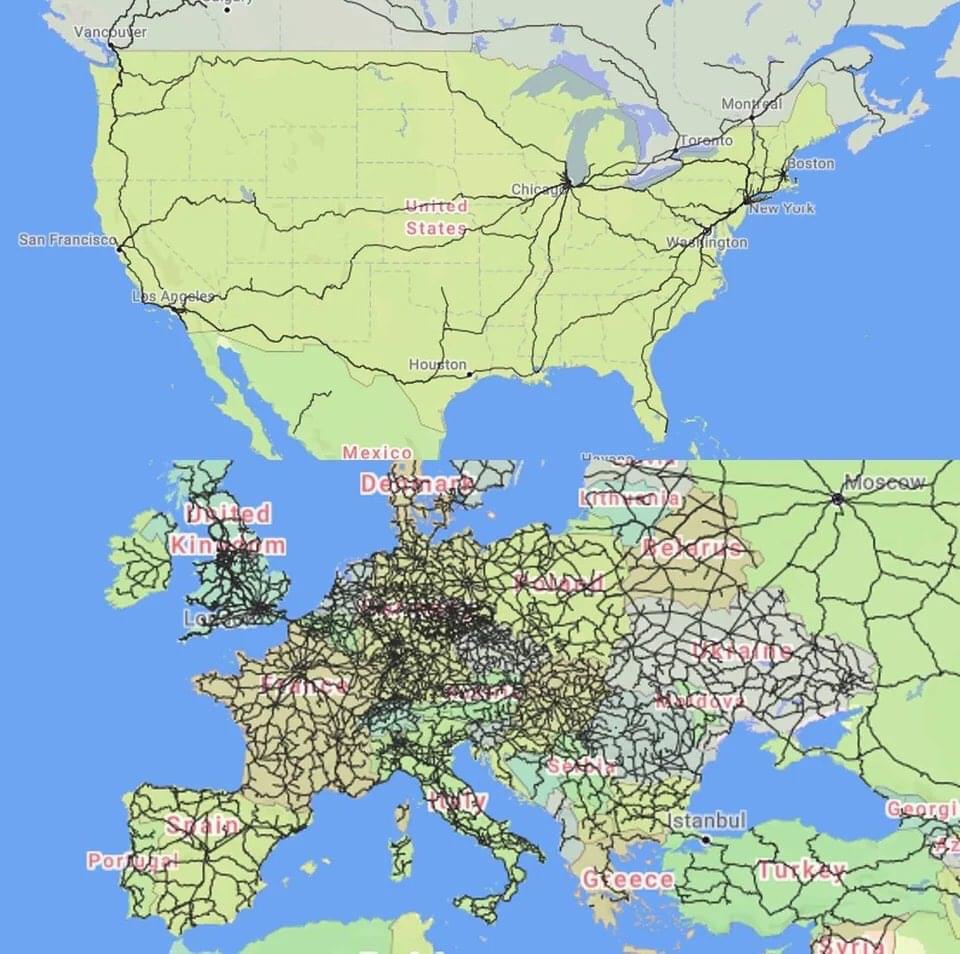
Here’s a map comparing Europe’s train network with the USA’s. Whereas I can’t get outside Ireland by rail, it’s a pleasure when I can use the train domestically.
Athlone is home to the new Technological University of the Shannon (TUS), and I am hoping this increased exposure of the name “Shannon” helps Irish people learn my name 🙂 as they never seem to understand my pronunciation of it. It just doesn’t fit many people’s schema for a woman’s first name here, and they revert to calling me Sharon shortly into almost any conversation.
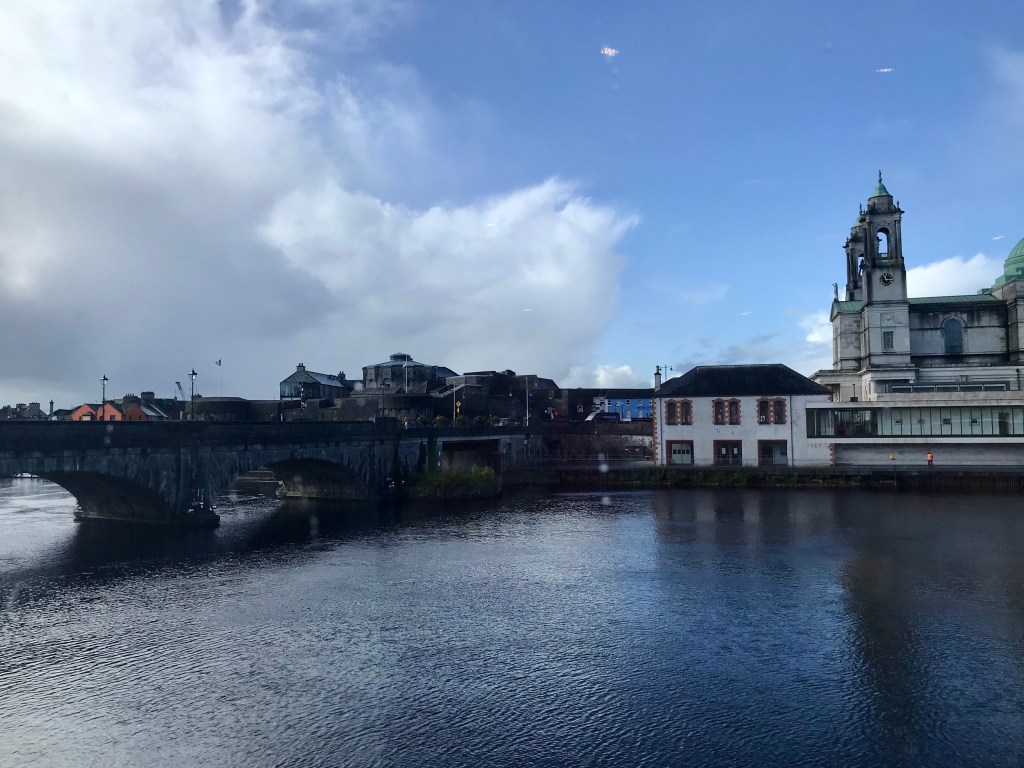
View from the conference room at the Radisson Blu in Athlone.
CitA is headed by Dr. Alan Hore, who will soon retire from TU Dublin. I’m not happy to learn that bit of news, but I am sure Alan has new plans for doing something big and meaningful!
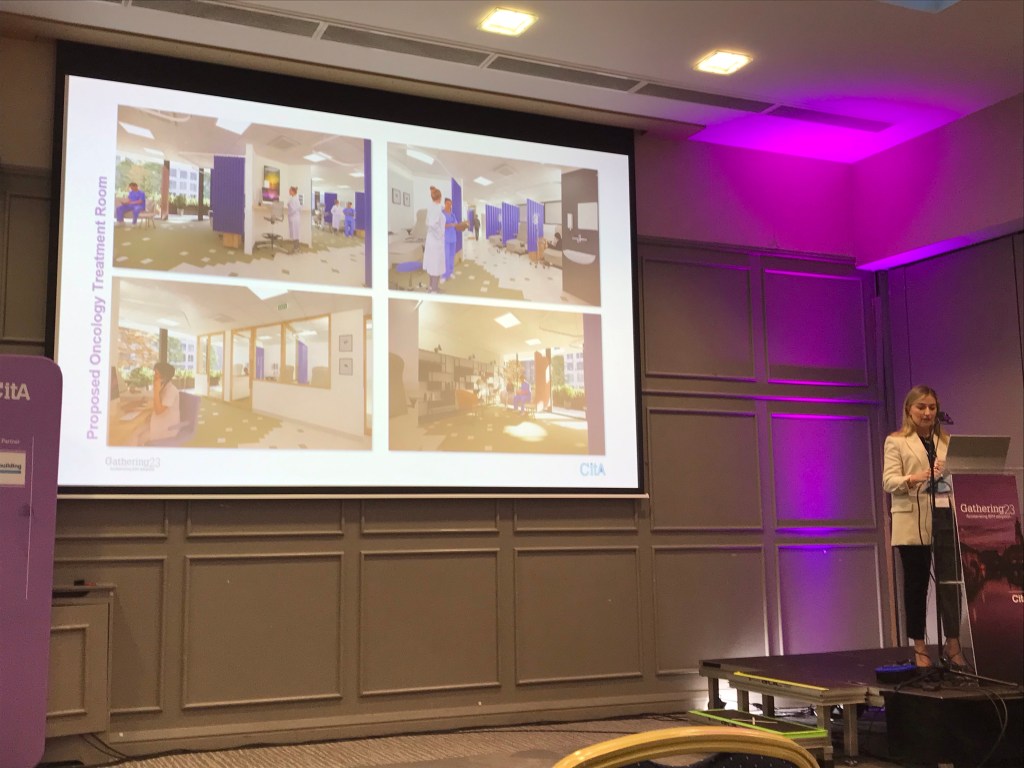
In-person attendance from TU Dublin was strong, and many students presented really impressive research during the conference. I was particularly impressed with the presentations by students, including Sadaf Dalirazar from UCD, Léa Laurent (affiliated with Munster University of Technology, but presenting on behalf of her firm O’Connell Mahon), and TU Dubin’s Peshawa Mohammed, Ryan Dempsey, and Jennifer McAuley. Sadaf was nominated for an award (at her first-ever conference, for her first-ever conference paper). Léa won for best industry paper and Jennifer won for best academic paper, so I must have picked my sessions well! I also found Ryan’s presentation–though high speed!–to be very enlightening. I applaud them all for their fabulous work.
Presentations pictured by Sadaz Dalirazar, Ryan Dempsey, Léa Laurent, and Jennifer McAuley.
I also got to chat with graduates of our BSc from the first three cohorts, Divia Chadwa and Martin King, as well as one student currently completing the course, Bronte Kavanagh, and my co-teachers from TU Dublin, Davitt Lamon, Kevin Furlong MA, MSc, Dr. Malachy Mathews, and more!
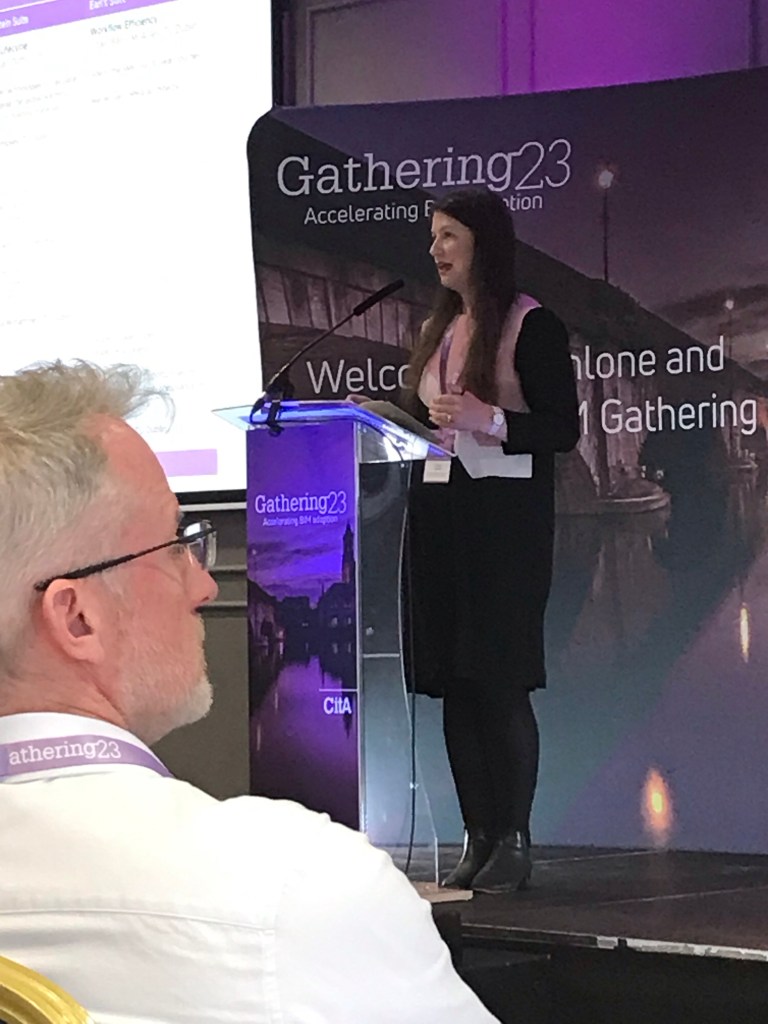
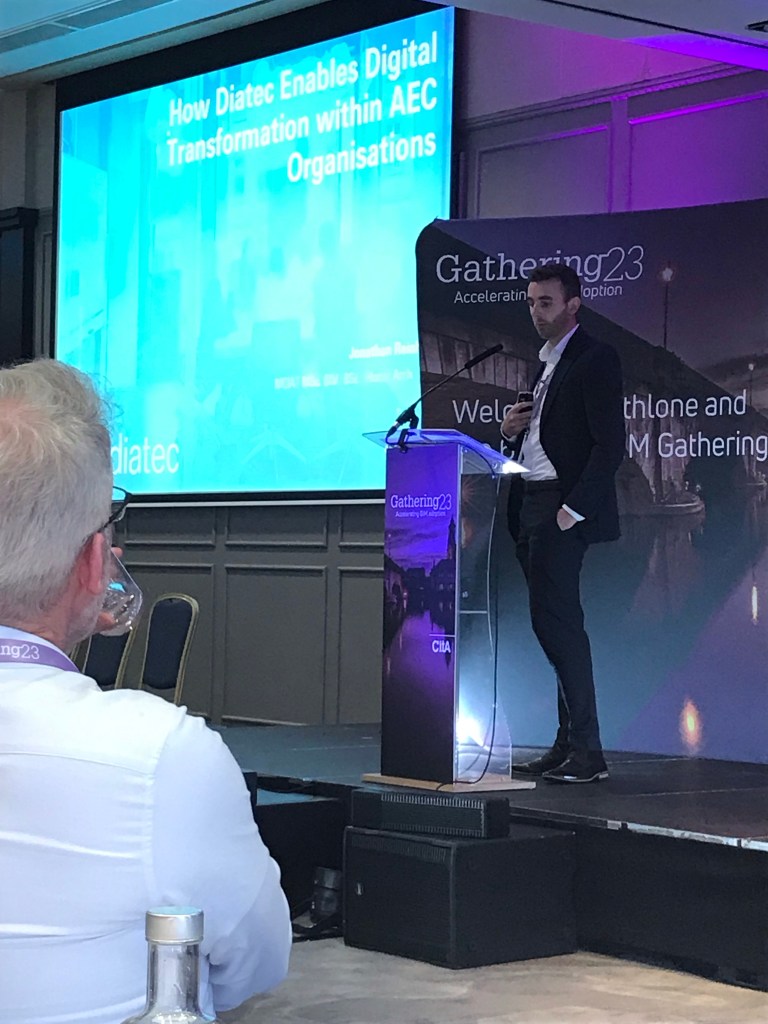
I was also happy to hear from the Mayor of Athlone, who is an architect; Louise Heavin delivered a thought-provoking address and is enhancing the sustainability and livability of her small city. David Philip‘s presentation was also very interesting, “The Unexpected Road, from Premise to Prediction”, and I had the pleasure of chatting with David over lunch.
Main stage presentations by Louise Heavin, David Philips, and Jonathan Reinhard (this time speaking on behalf of Diatec).
Following a summer of intense curriculum design, a relaxing holiday in Greece, and the Dublin Maker fair, I dove right into the new academic year, voicing my perspectives at various meetings and workshops with colleagues at TU Dublin and–last week–attending and throwing myself into the annual conference of SEFI, the European Society for Engineering Education which was held just ten minutes walk from my apartment in Dublin.
Incidentally, SEFI is an acronym for our organization’s French name, Société Européenne pour la Formation des Ingénieurs, in case that wasn’t clear….
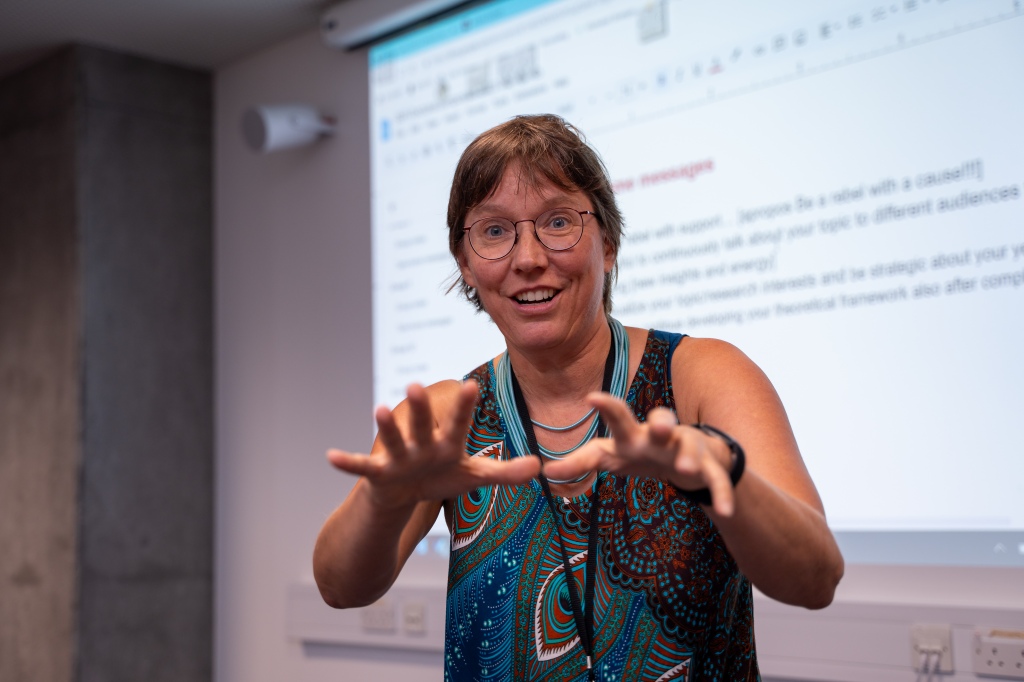
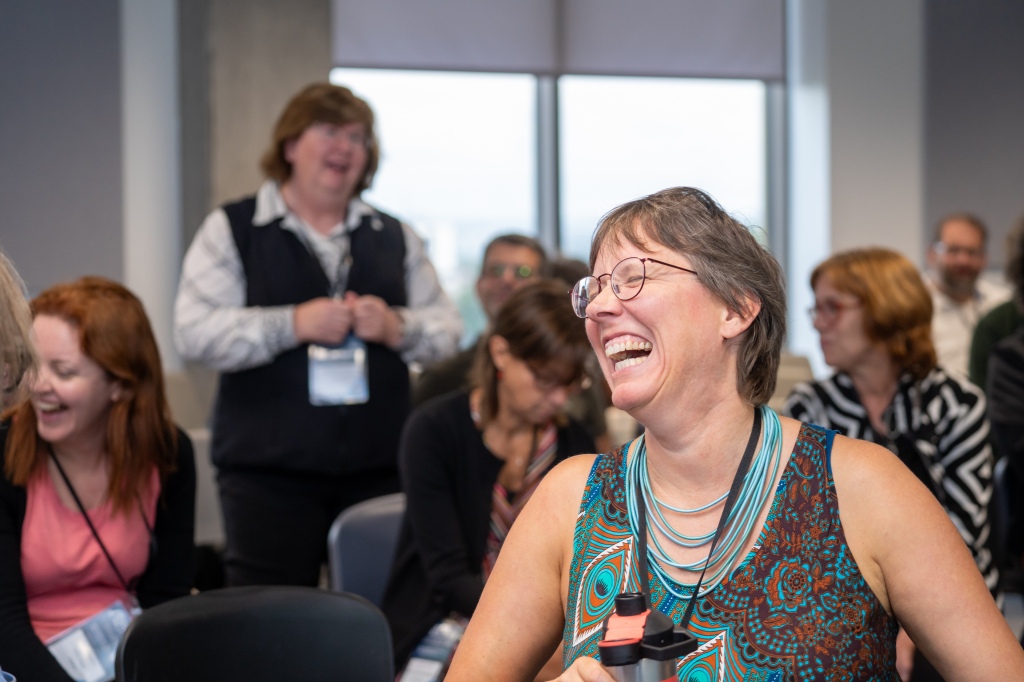
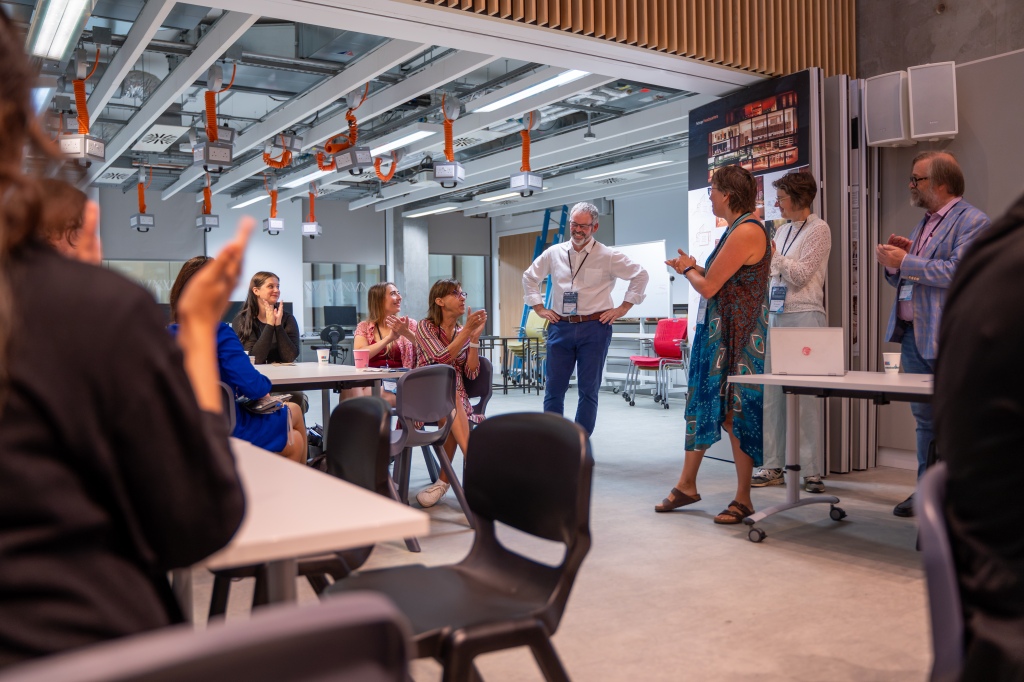
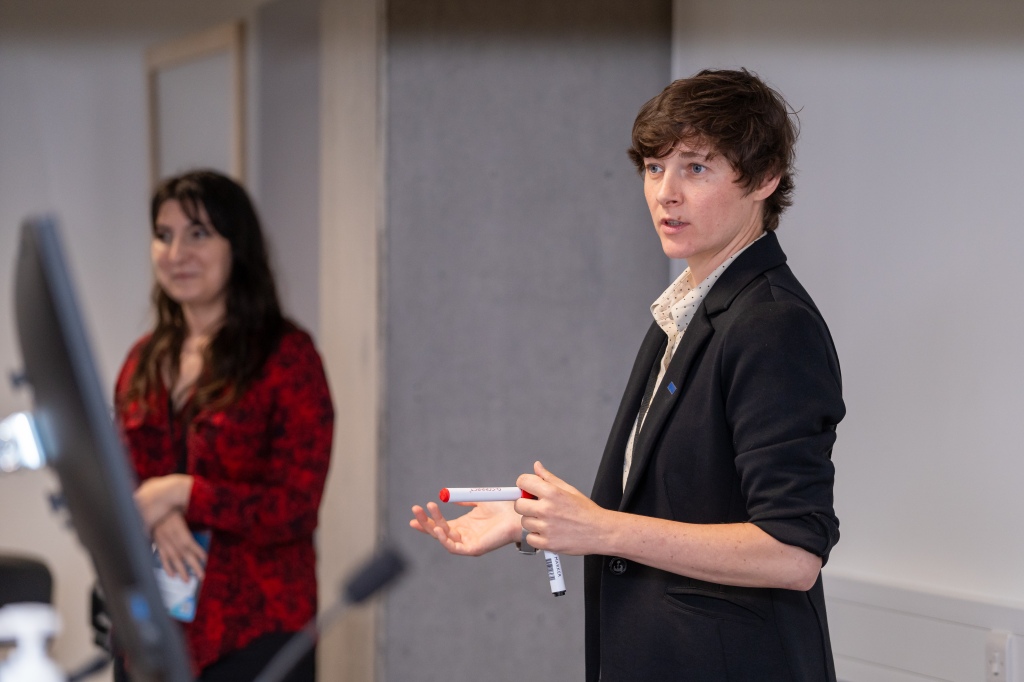
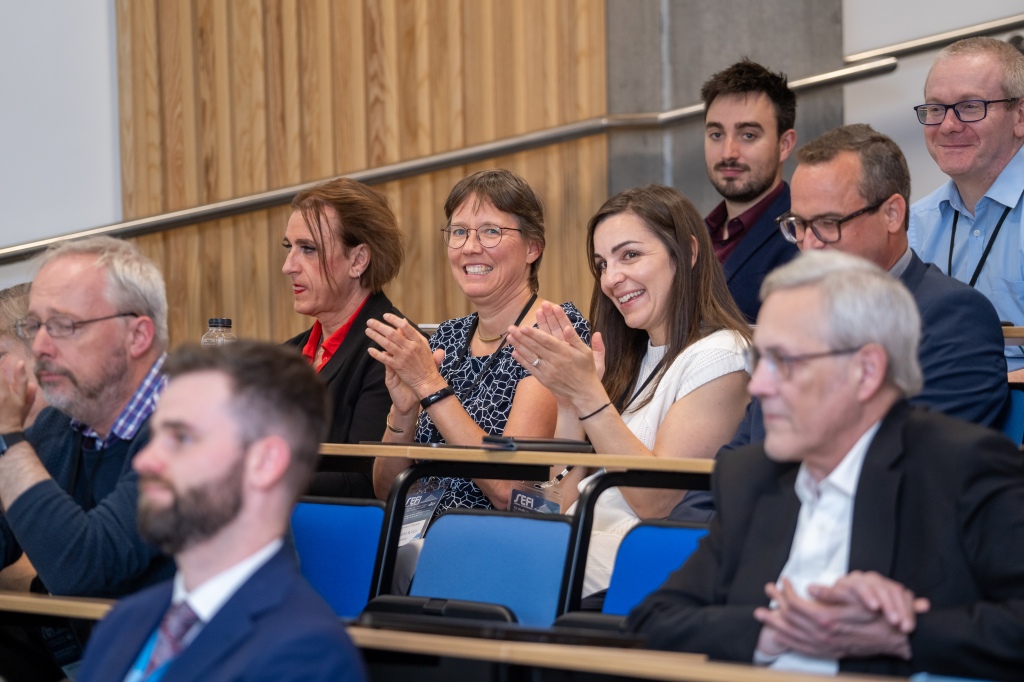
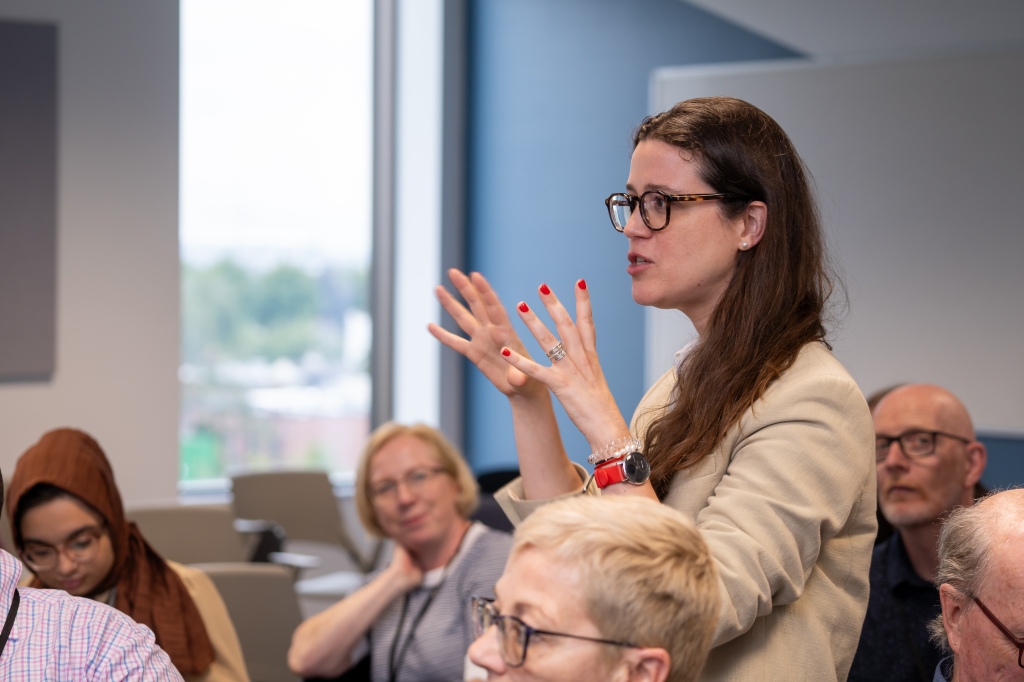
We kicked off on Sunday with a full-day pre-conference Doctoral Symposium, that I organized alongside Jonte Bernhard, Tinne De Laet, and Kristina Edström. It was, in all honesty, a highlight of the overall week, and each participant shared insights at the end of the day. “I found my village” exclaimed one of the PhD students to resounding applause. Indeed this annual symposium, where experienced researchers provide one-to-one advice to doctoral students helps bring our research community together. Everyone participating learns and grows, and we grow stronger as a group and also as individuals. With 37 students, 24 seniors, and 4 organizers present, we had plenty of others to learn from and with!
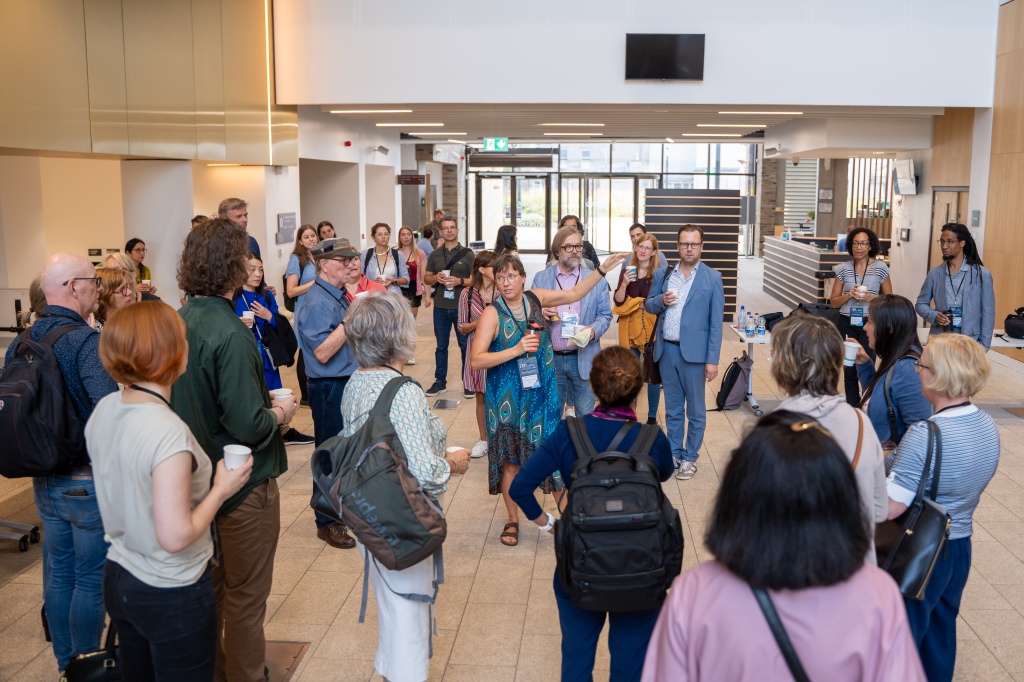
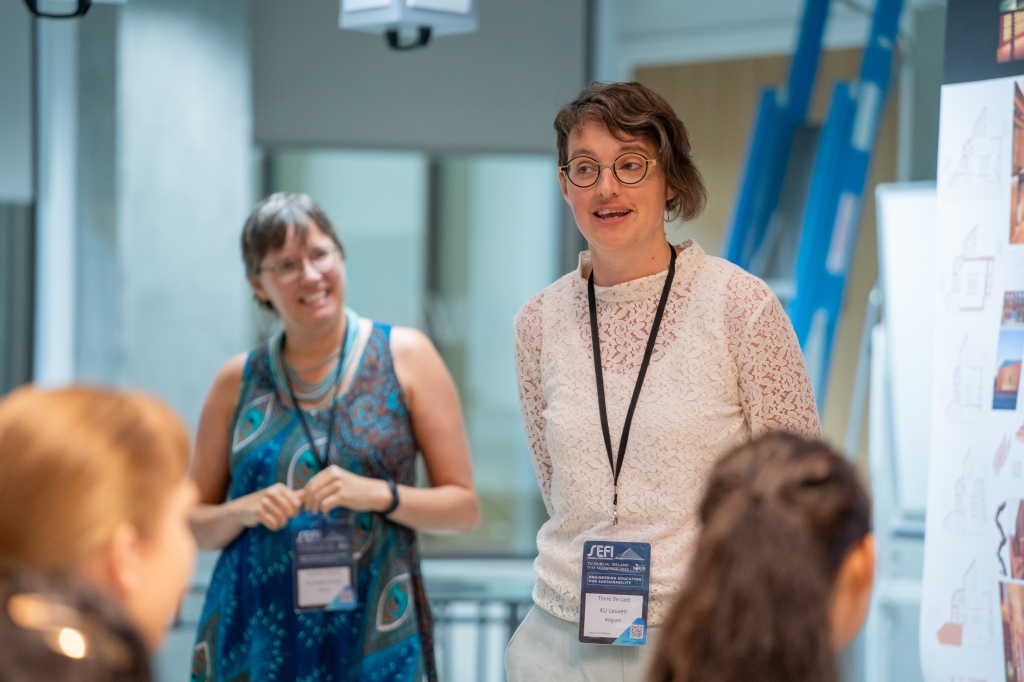
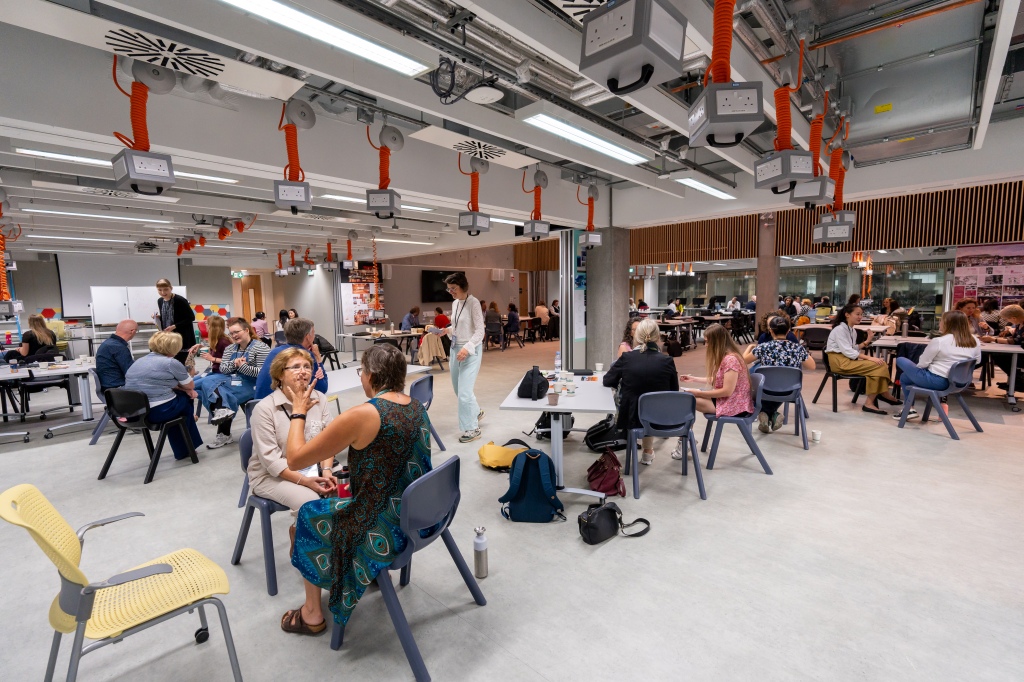
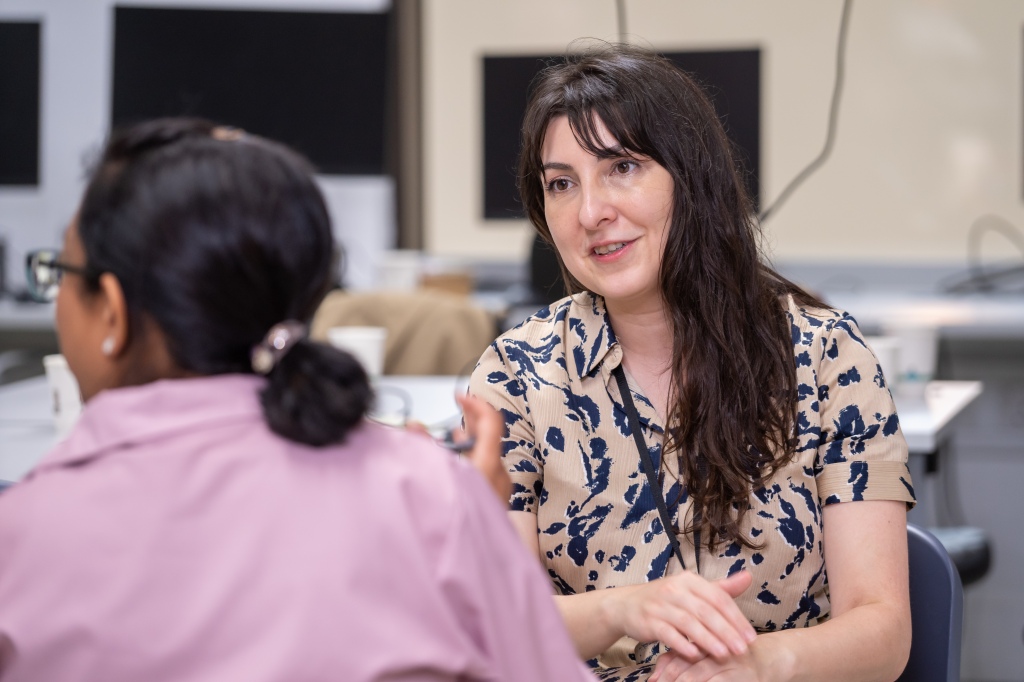
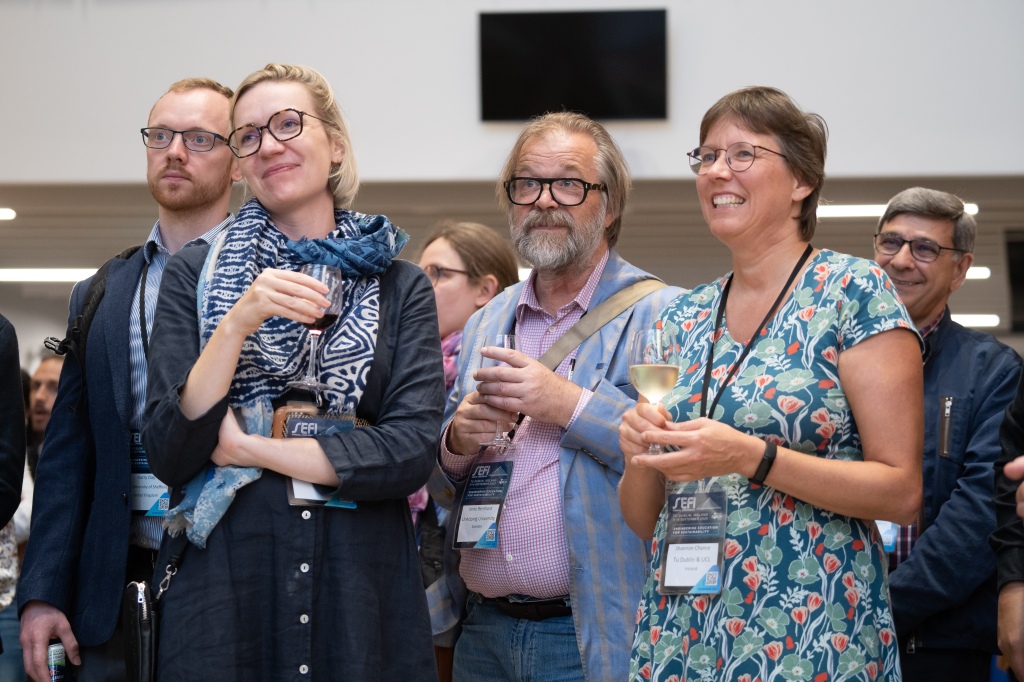
Favorite moments from the 2023 SEFI Doc Symposium include small group coaching, the extremely popular “speed dating” event, and the sharing of take-home messages.
All the photos on this post are by the talented photographer Conor Mulhern <conor@eyeon.ie>, hired to document the event.
Running straight from the Doc Symposium to Temple Bar that Sunday, I hosted my second event of the day — a new-to-SEFI pre-conference welcome for anyone feeling like they’d like a sense of community before the big event started. We had nearly 30 participants for our “Birds of a (Different) Feather” event, organized by Inês Direito, Predrag Pale, and I.
The main conference kicked off Monday morning. It was the 51st conference for SEFI, an organization that just reached 50 years of age, and a record number of people attended. Our TU Dublin East Quad was busting at the seams with 575 participants fully engaged.
I was a member of our Local Organizing Committee and I witnessed first-hand the heroic efforts and calm resolve of a truly outstanding member of our TU Dublin community, Ger Reilly, who led the cause.
Recognizing Ger Reilly for all his amazing work organizing SEFI 2023!
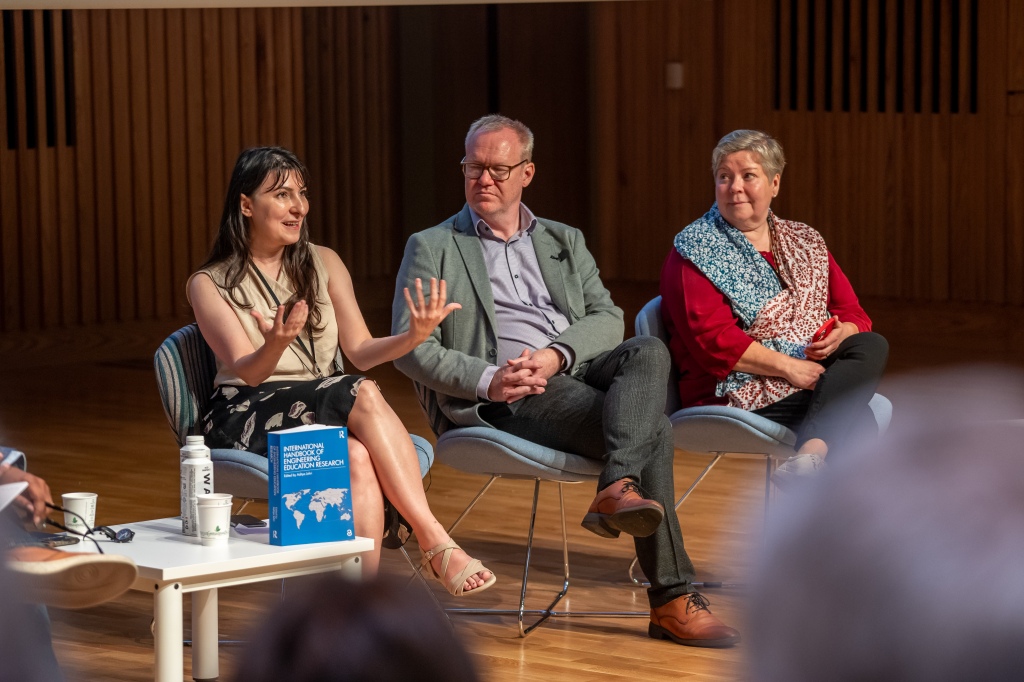
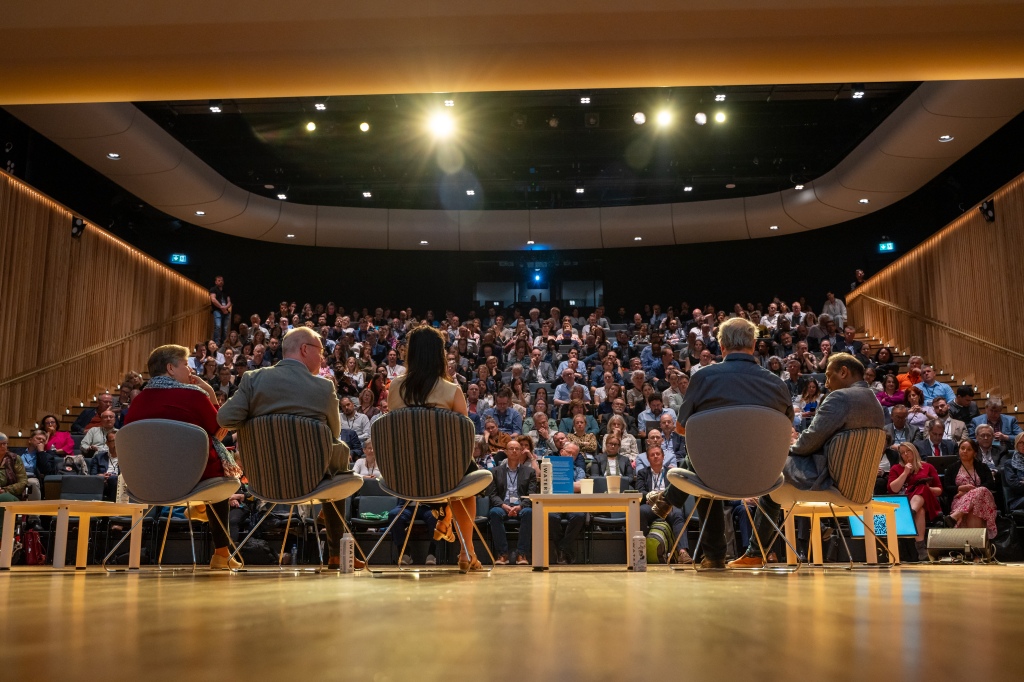
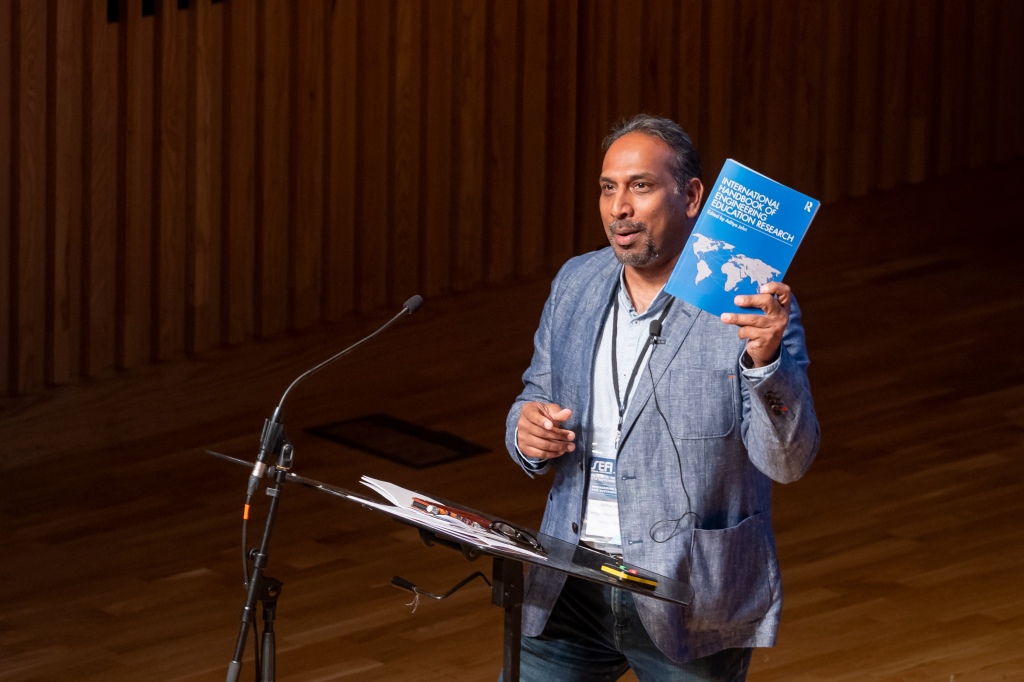
Monday morning started with a plenary on our new International Handbook of Engineering Education Research, organized by Aditya Jordi and Diana Adela Martin, with Bill Williams, Kristina Edström, John Mitchell, and Diana Adela Martin as panelists. Each panelist shared intriguing new insights on the current state of engineering education and thoughts and advice on where we’re headed as a field. I’ve worked closely with each of these scholars and feel a deep connection to each of them.
The opening plenary on the future of engineering education research. With Aditya Johri, Bill Williams, Diana Martin, John Mitchell, and Kristina Edström.
To tell the truth, I could not be prouder of Diana Adela Martin and her outstanding contributions to this year’s conference. She had asked me, when she completed her Ph.D., to mentor her (e.g., to learn about reviewing and editing for journals and books). That was just a few short years ago. And then, here she was–center stage–presenting ideas born from her work as an author and Associate Editor of our International Handbook of Engineering Education Research! At SEFI, she also led workshops, the Special Interest Group on Ethics that she co-chairs with Helena Kovacs, presented research, attended our EJEE editors’ dinner in her new capacity as Associate Editor of EJEE, and served as a senior advisor at the Doc Symposium, mingling with her new colleagues from UCL’s Centre for Engineering Education where she will soon start working as a Senior Research Associate.
Diana Martin in action (and leading an Ethics SIF workshop with Helena Kovacs, above).
After the panel, paper presentation sessions and workshop sessions swung into full gear.
My fabulous PhD supervisee, Sandra Cruz, presented a paper on one facet of her research. Her paper is titled “Exploring Women’s Teamwork Experiences in Engineering Education: A Phenomenological Analysis”.
TU Dublin Ph.D. student Sandra Cruz, a joy and an inspiration to supervise!
Just before Sandra’s presentation, I myself presented a paper co-authored with Barry McAuley of a “Preliminary mapping of bachelors’ research to enhance digital construction in Ireland”. Afterward, I joined two really fun Special Interest Group workshops (Ethics, and Engineering Education Research).
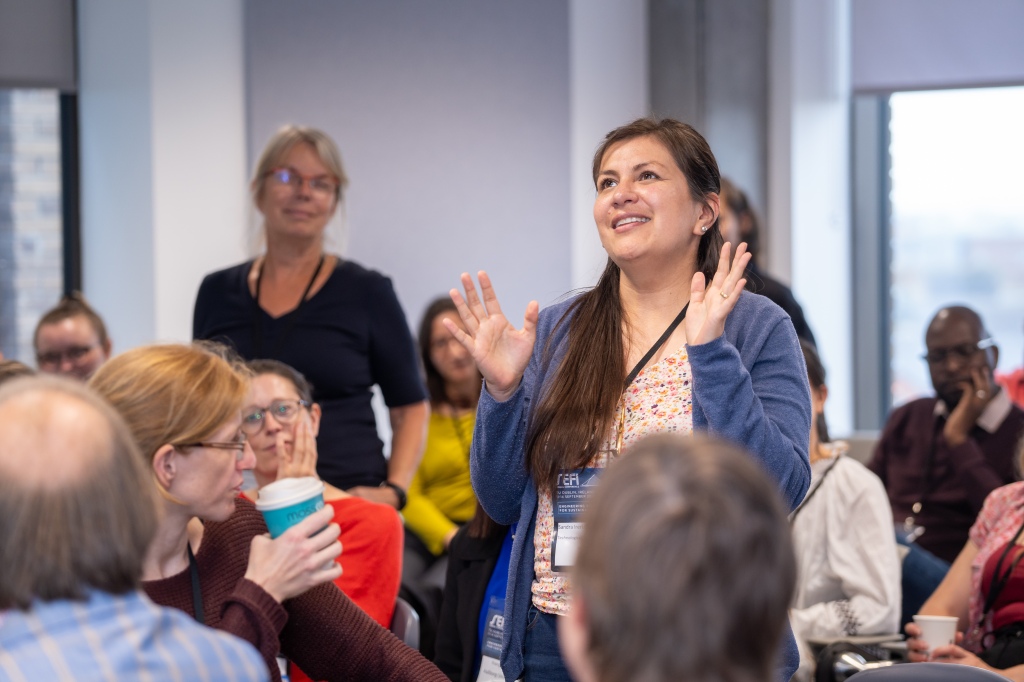
I really enjoyed the paper presentations and workshops, as evident in the photos below that Conor captured, and I helped lead two of the workshops.
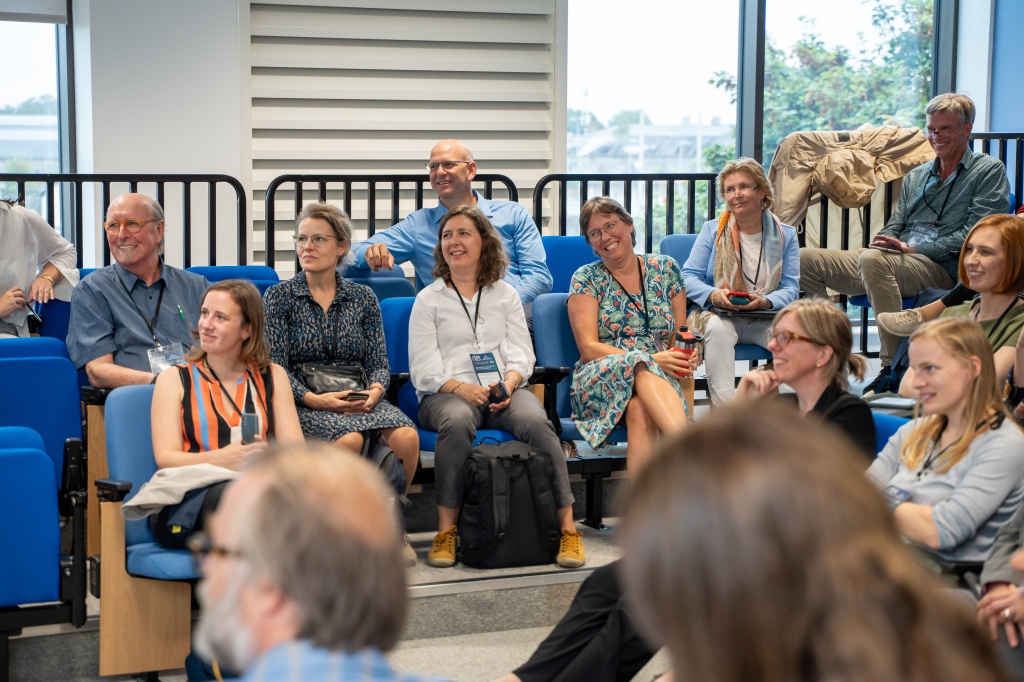
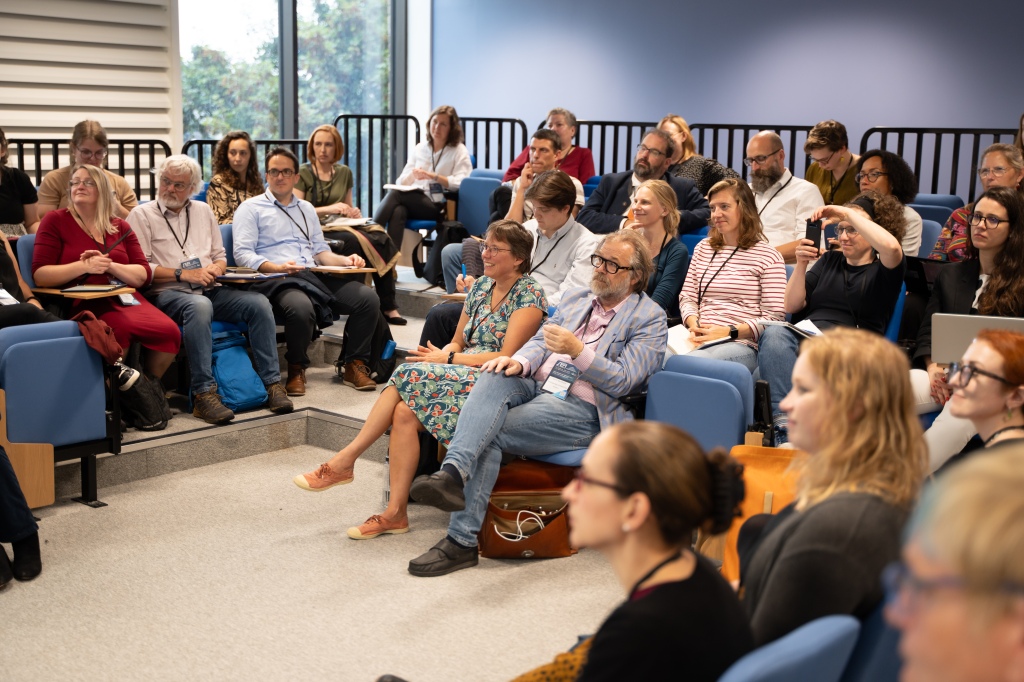
Fun at workshops and paper sessions.
During the opening reception, a number of energetic colleagues were honored: Kristina Edström, Pieter de Vries, Yolande Berbers, and Maartje van den Bogaard have given so much to SEFi over the years and it wouldn’t be the organization it is today without their efforts. They we all named Fellows of SEFI, and Maartje even thanked me for being a mentor and role model during her acceptance speech–that was a big surprise to hear!
Moments from the open reception. Here Mike Murphy congratulates Yolande Berbers following her award as SEFI Fellow.
I must acknowledge all the exceptional work done to support this conference by SEFI staff Klara Ferdova over the year we’ve been planning this event.
My dear colleagues Klara Ferdova and Jonte Bernhard.
Aongus and I joined friends at Oscar’s Cafe after the reception.
On Tuesday, afternoon, Jye Benjamin O’Sullivan presented our co-authored paper “Drawing from SEFI Ethics Knowledge to Support Eco-ethics Education within the European University of Technology”.
Jye Benjamin O’Sullivan presenting our paper. (My smartphone photo, not Conor’s, or it would be much clearer!)
During SEFI, I helped lead workshops for new authors (Tuesday) and reviewers (Wednesday). I attended breakout meetings such as the EJEE Editorial Board meeting, EERN-UK & Ireland, and a celebration of our dear friend John Heywood, and Emeritus Professor from Trinity College Dublin, who at 92 years young is still working away, publishing research.
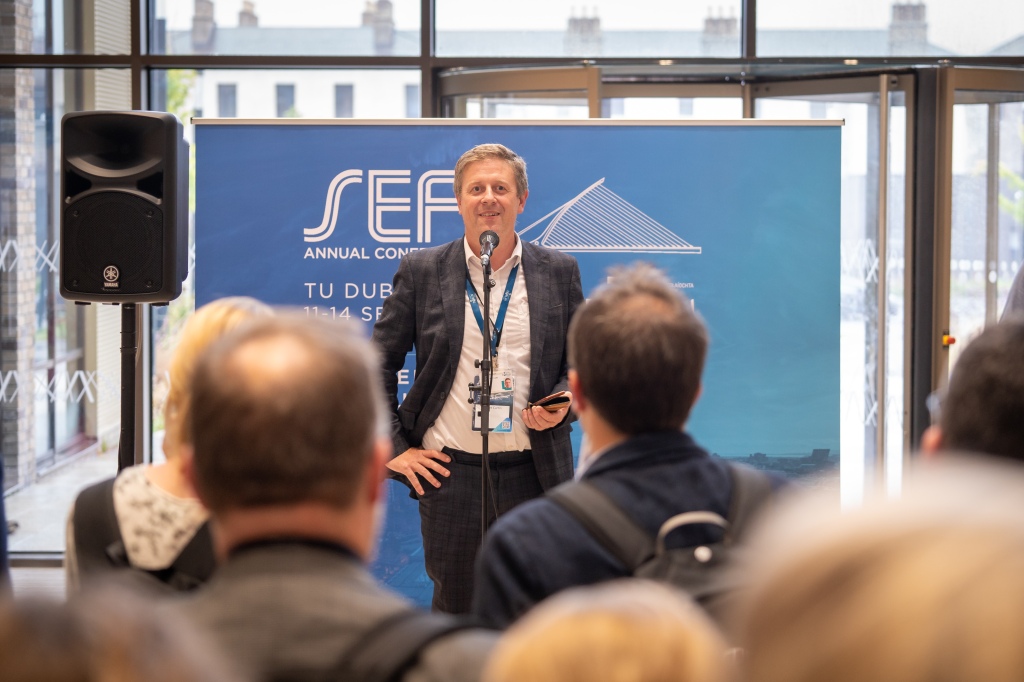
My university president, David FitzPatrick, and dean, James Curtain, and TU Dublin did a tip-top job representing our institution at this event. They’ve really grown into their roles over the past few years and their short speeches at the conference opening and closing were informative and engaging. Their support for the conference was important in so many ways, including having so many TU Dublin staff members present as volunteers and participants.
Dean Jame Curtain, President David FiztPatrick, and the amazing Ger Reilly, leaders at TU Dublin.
I attended SEFI’s General Assembly meeting to support my fabulous collaborators in taking on new leadership roles. For instance:
Emanuela Tilley was elected Vice President of SEFI for the coming two years. She and I work closely together to design a new curriculum for NewGiza University.
Emanuela Tilley in action, delivering awards and assuming the role of SEFI vice president.
Inês Direito joined the SEFI Board of Directors. She is also my mentee, and it brings such joy to my heart to see her flourish as a scholar, leader, and truly amazing friend and collaborator. I actually didn’t see much of Inês at SEFI this year… we were both so busy spreading our wings. To say I’m proud of the scholar she is and the leader she’s becoming is an understatement!
Inês Direito assumed a new role on the SEDI Board of Directors during the conference.
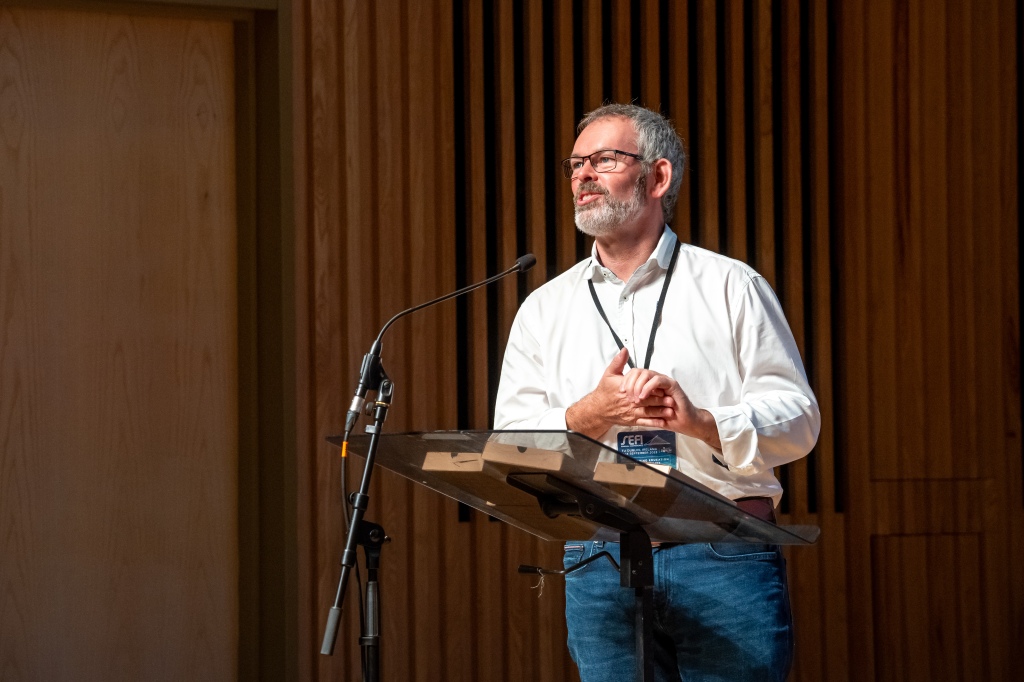
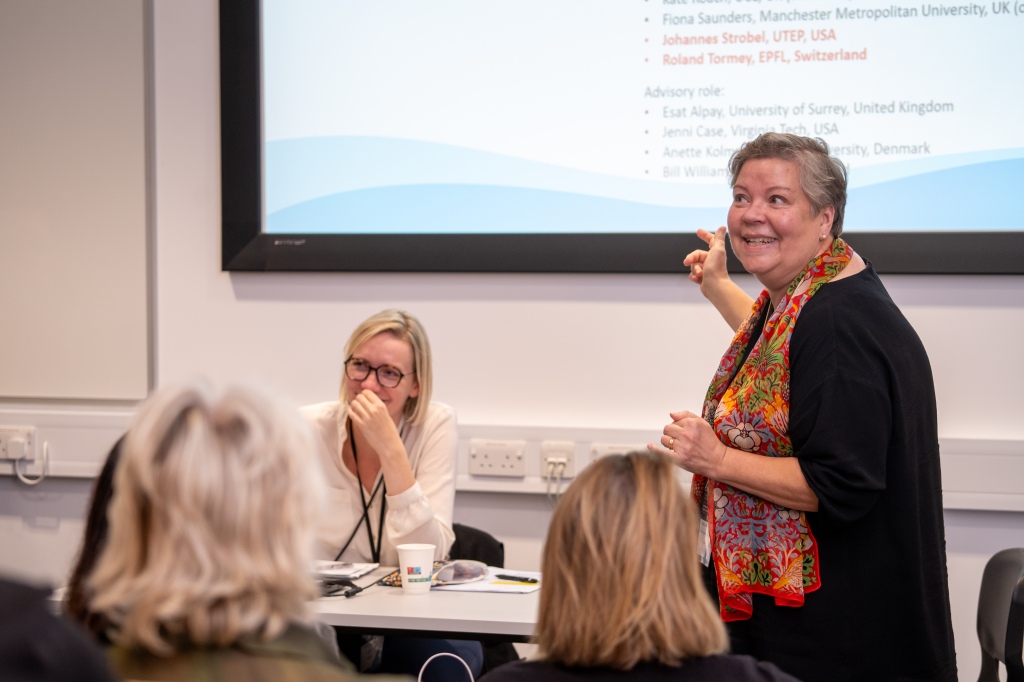
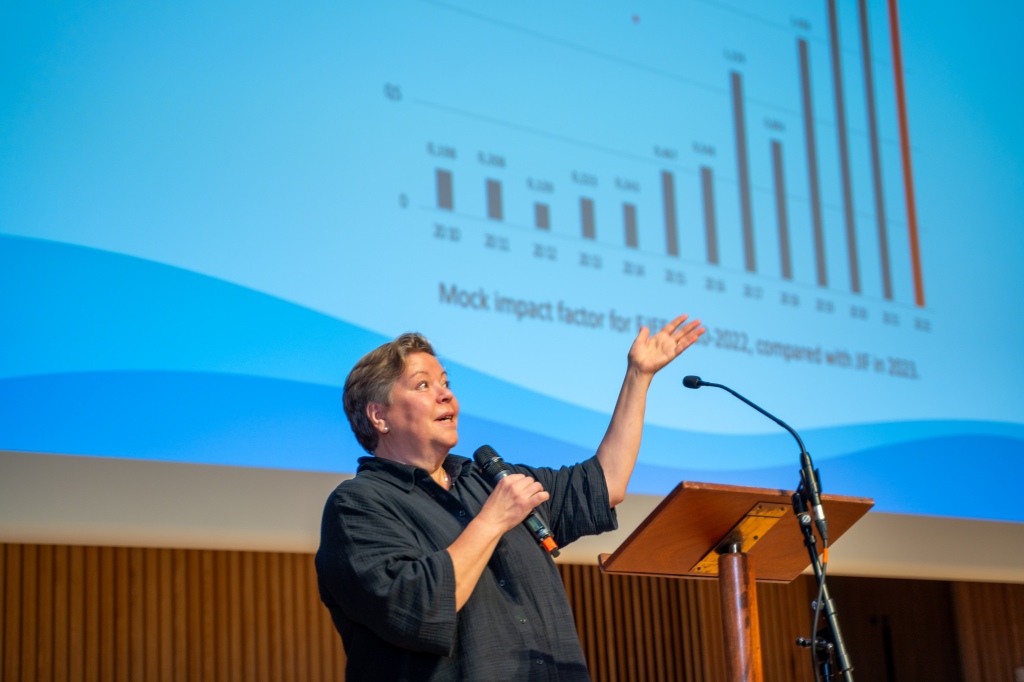
At the EJEE Editorial Board meeting, Kristina Edström, our Editor in Chief shared statistics showing that our journal is rising in stature. I’m very pleased to serve as Deputy Editor, alongside Jonte Bernhard, and look forward to helping lead this journal forward in the coming years.
Our superb leader, and EJEE editor-in-chief, Kristina Edström.
Special guests joined us from far and wide. Even though this is the annual European conference, dozens upon dozens of researchers in engineering education joined us from Africa, Australia, and North America.
Two very intriguing keynotes were delivered in the last two days of the conference, and I was delighted since our Local Organizing Committee had nominated them as keynote speakers.
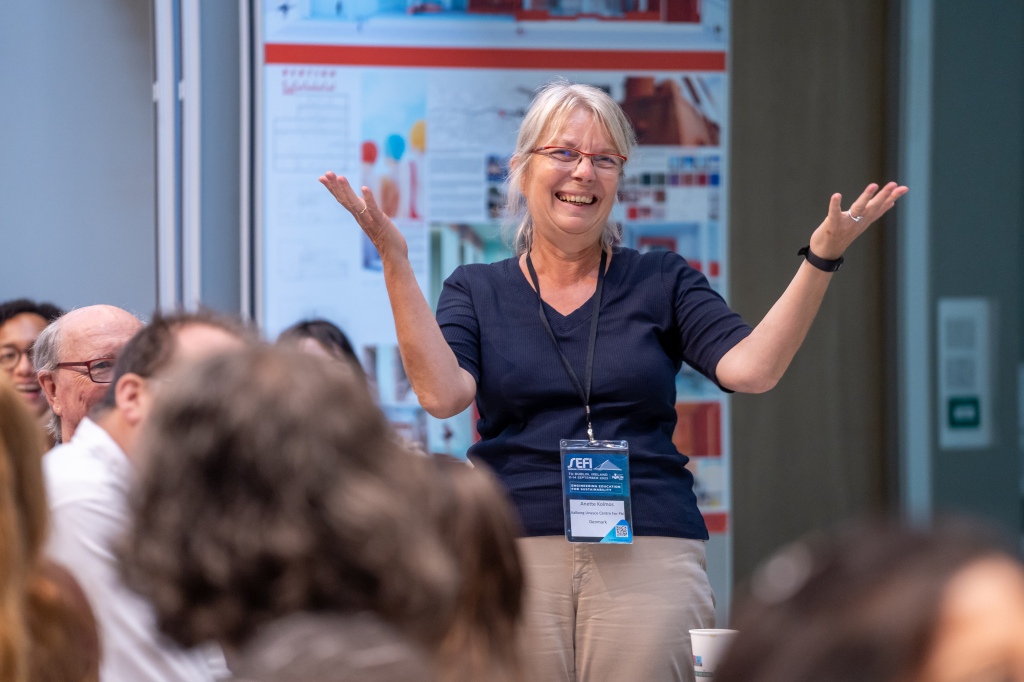
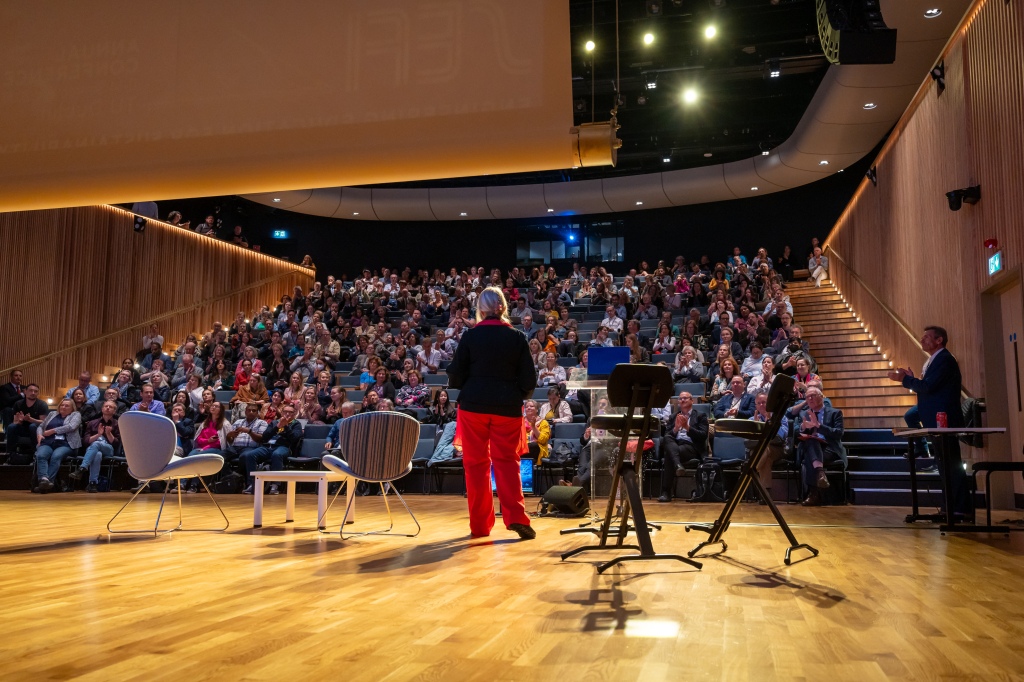
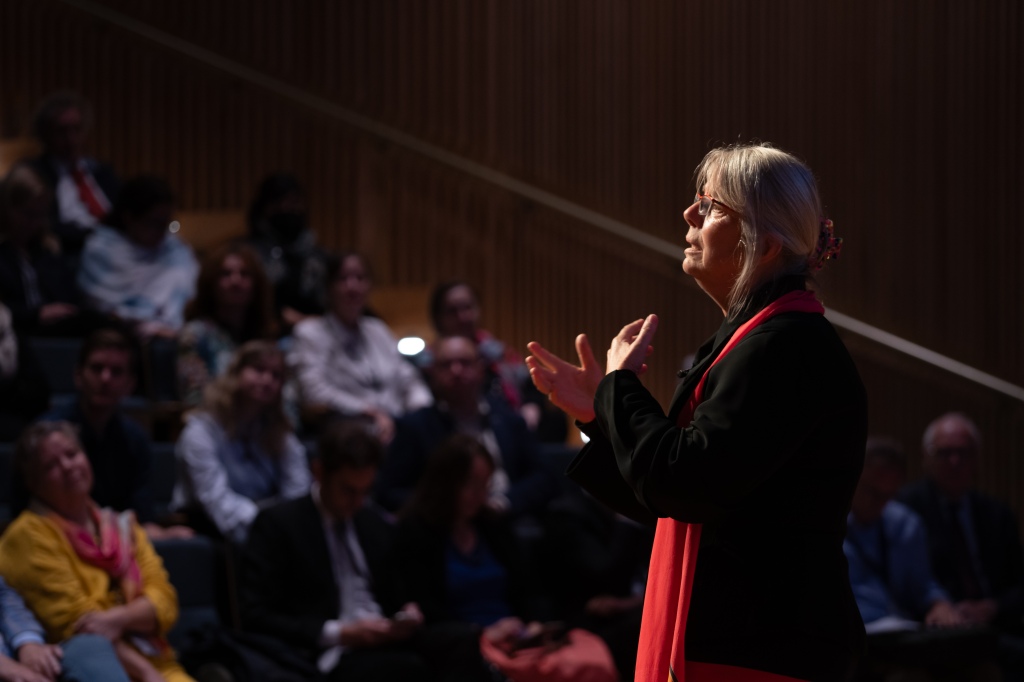
Anette Kolmos, from the Aalborg University UNESCO Center for Problem-Based Learning, put enormous energy into preparing and delivering her keynote–developing incredibly helpful new graphics and descriptions of extremely advanced concepts regarding transdisciplinary team challenge-based learning and the like. She pulled together ideas that she’s been sharing for years into an extremely effective presentation that brought these ideas to life.
Anette Kolmos’ keynote at SEFI 2023.
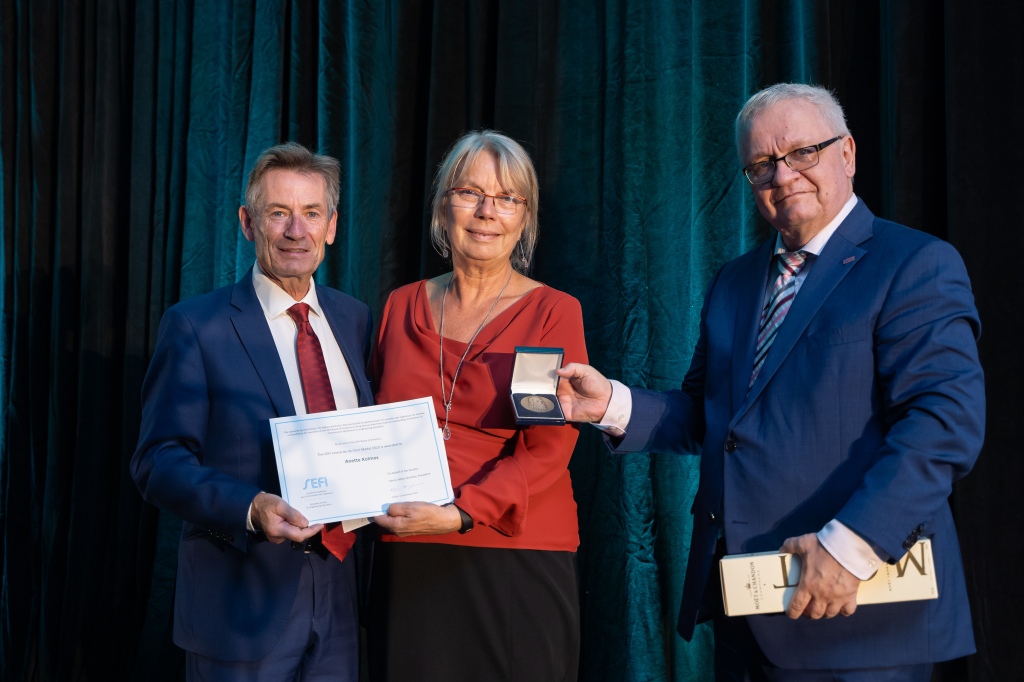
Anette also won top honors at our gala banquet on the final night, taking home SEFI’s coveted Leonardo DaVinci Award, an honor long overdue I’d say. She’s in great company as Santiago Calatrava is one of many illustrious past winners of this award.
Tinne De Laet won SEFI’s Maffioli award for all she does to support engineering students at her university—not forgetting that she also delivers the Doc Symposium each year!
Tinne De Laet coming up to accept the 2023 Maffioli awardSEFI past and current presidents awarding Anette Kolmos the 2023 Da Vinci medal.
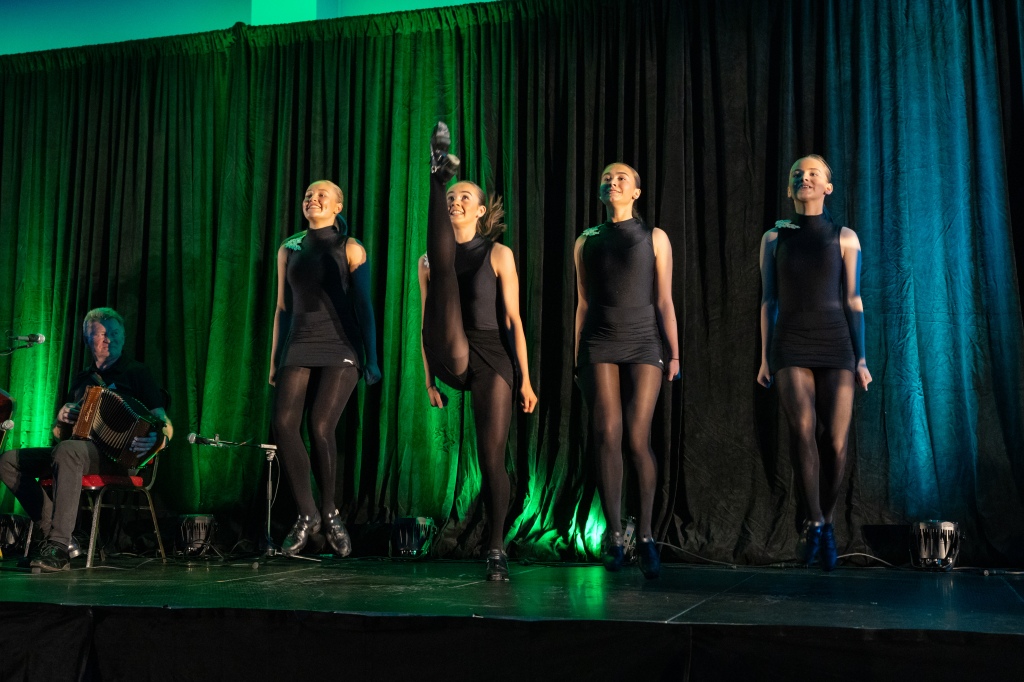
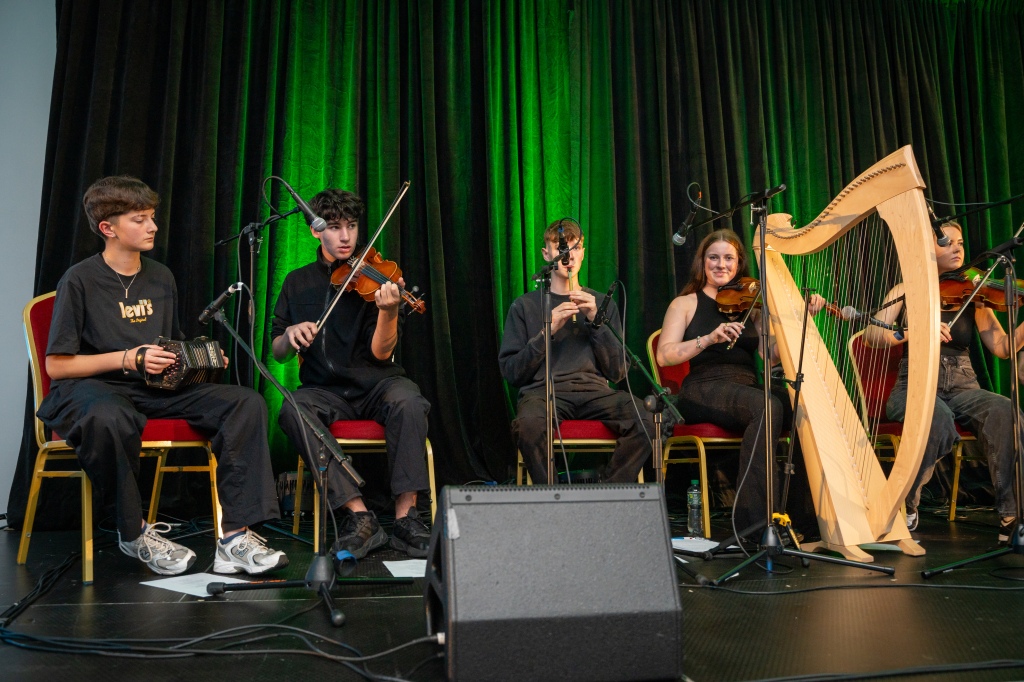
The award was given at the “gala dinner” out at a banquet hall of Dublin’s RDS. The food was lovely and I enjoyed the evening alongside my colleagues from Univesity College London, where I serve as Honorary Professor. The banquet was a hoot, our colleague Gavin Duffy‘s daughter was one of the musicians entertaining the crowd. There was also Irish Céilí dancing (think “River Dance”) on stage.
UCL’s Centre for Engineering Education enjoying the gala dinner and its entertainment.
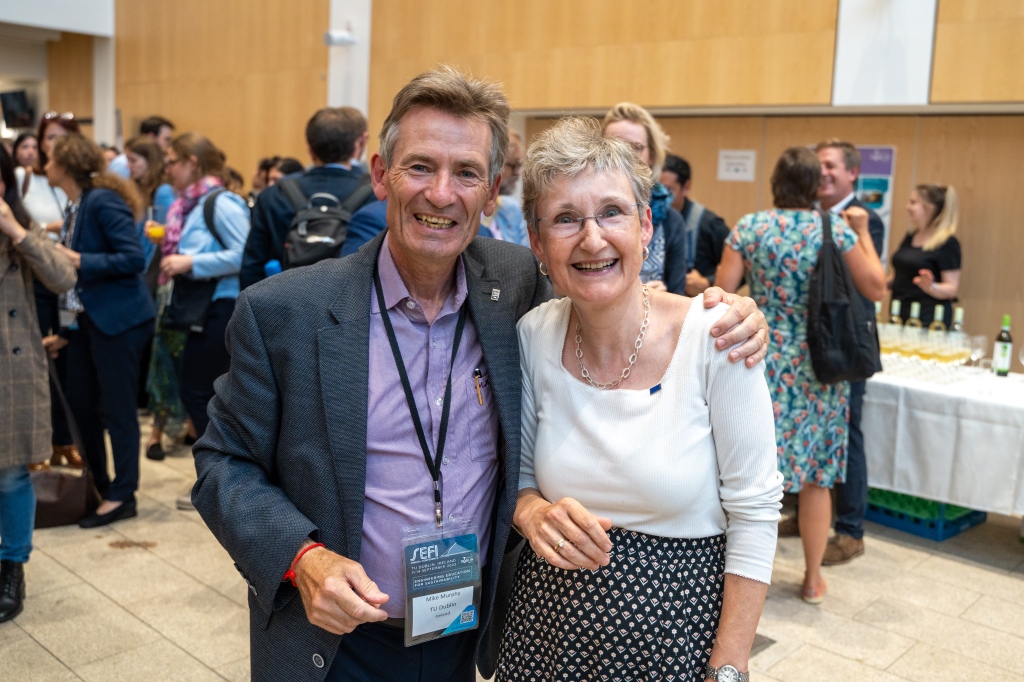
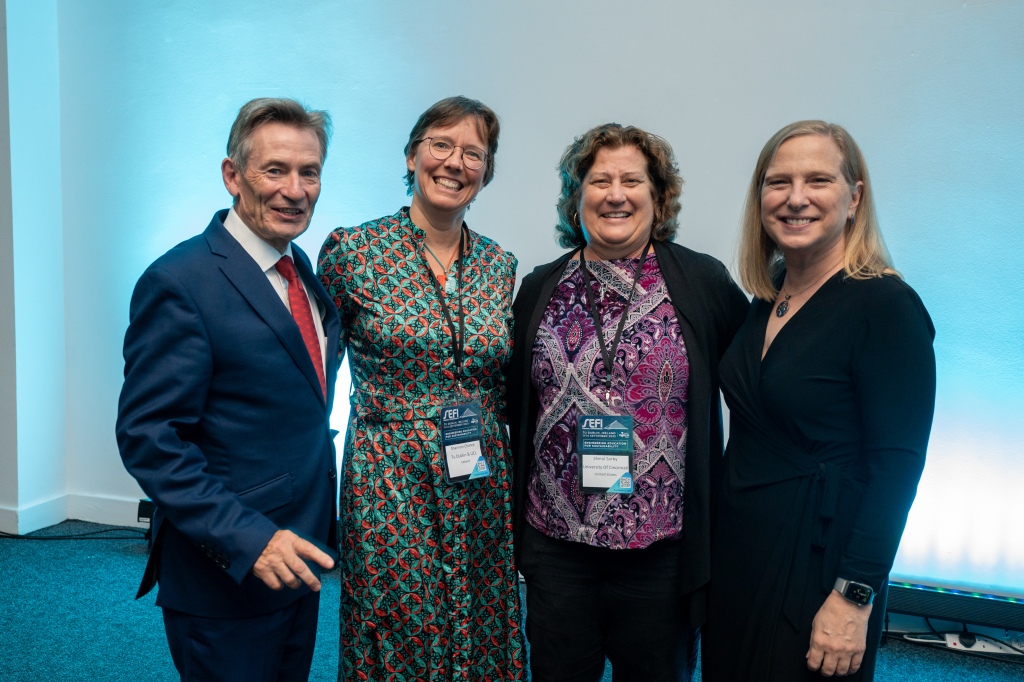
Our past SEFI president Mike Murphy even finally got a photo with the three Fulbright fellows who most recently came to TU Dublin during his tenure as Dean of Engineering and Built Environment: me (Shannon Chance), Sheryl Sorby, and Stephanie Farrell. Sheryl and Stephanie have both served as presidents of the mega-sized organization ASEE (American Society of Engineering Education), whose conference I attended in June.
Mike Murphy with his last three Fulbright scholars: Shannon Chance, Sheryl Sorby, and Stephanie Farrell.
For the final keynote of the conference, Ed Byrne, a sustainability leader from Cork, Ireland did not disappoint! I count on Ed for up-to-date reports on changes to engineering accreditation in Ireland. Like Anette, Ed had crafted a presentation chock full of cutting-edge research on educational issues and pedagogies to improve sustainability. I enjoyed his info-packed presentation, and meeting him in person afterward. I’d previously attended and presented at the Engineering Education for Sustainable Development (EESD2021) online conference he organized.
I really enjoyed the main stage events this year!
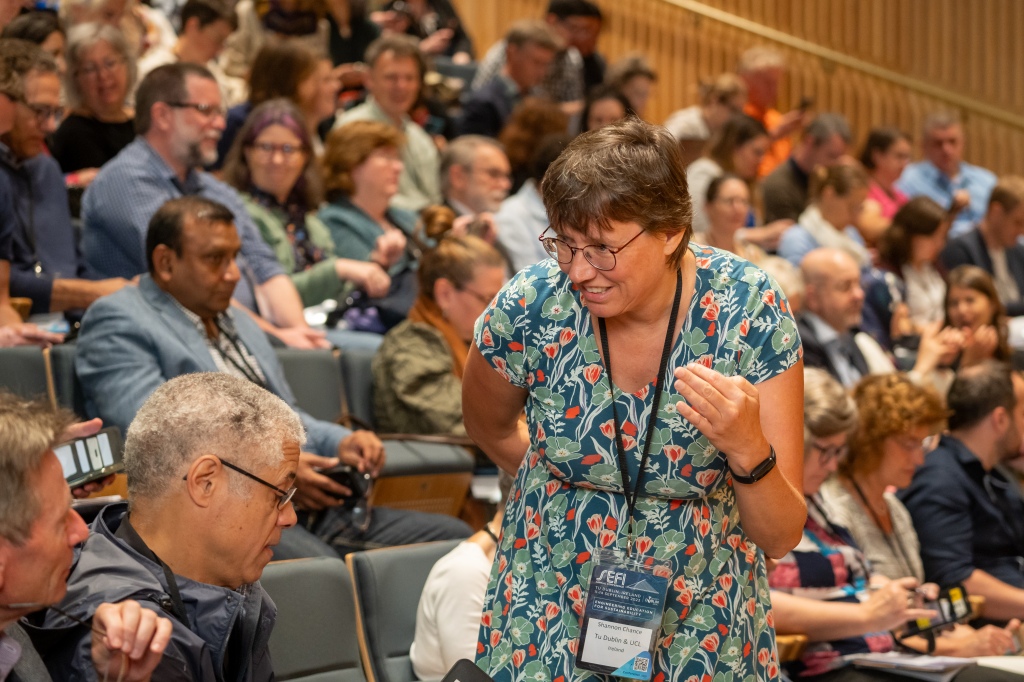
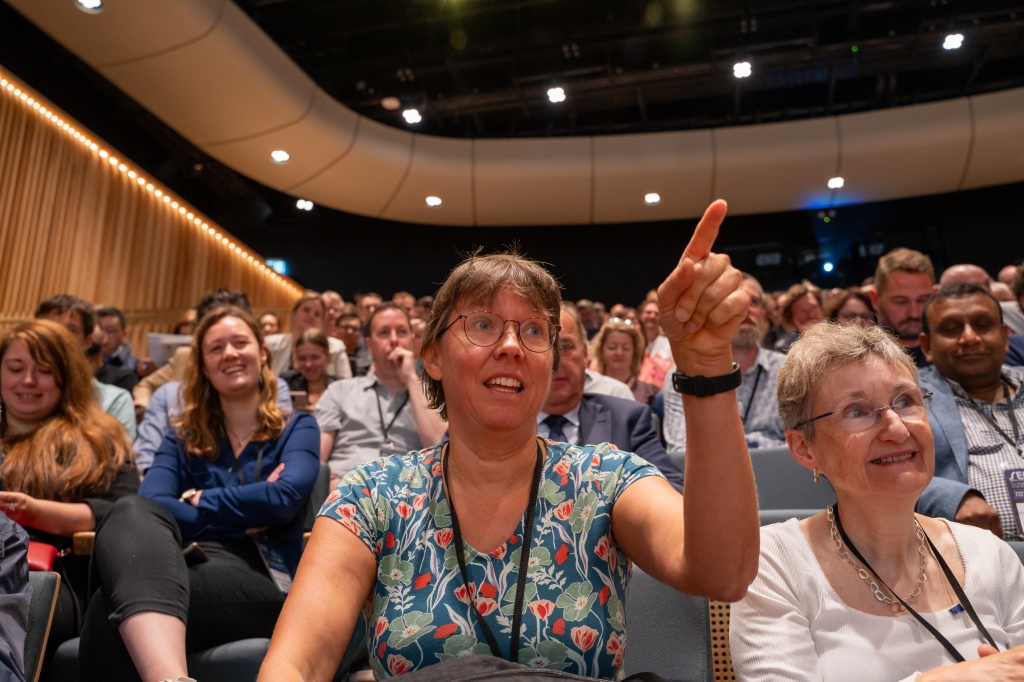
Enjoying the full house and engaging with plenary speakers. To the right, I’m sitting beside former SEFI president Yolande Berbers.
During the conference, a couple people, including Klara Kövesi, stopped me to say they follow this blog. That inspired me to get new content posted (thank you!).
All in all, it was a very satisfying week. By Friday, I’d discovered the trove of brilliant photos captured by Conor Mulhern <conor@eyeon.ie>. Conor, the official conference photographer, was with us every minute of the week. Starting at 9 AM Sunday morning and sticking it out until the very last moments Thursday afternoon. Conor seemed to be in all places at once!
Conor captured us so skillfully. I had to dash off an email:
Dear Conor,
I just got my hands on the Dropbox link, and I am stunned with your astonishing ability to capture us as individuals and as a community. Thank you so very much for being part of our event. You saw us not as outsiders but captured our hearts and souls.
Your Doc Symposium photos exude the joy I felt. I’ve not yet viewed the other folders, but I am full of pride, happiness and satisfaction, thanks to the memories you’ve so aptly captured.
Warm Regards,
Shannon
And he replied:
Hi Shannon,
Ah you’re very kind to say so!
It was my pleasure. Everyone seemed very happy to be there which made my job much easier, and even in the sessions with faces in deepest concentration, you in particular always had a smile to make a good photo! 🙂
Well done all-round on making it all happen.
All the best,
Conor
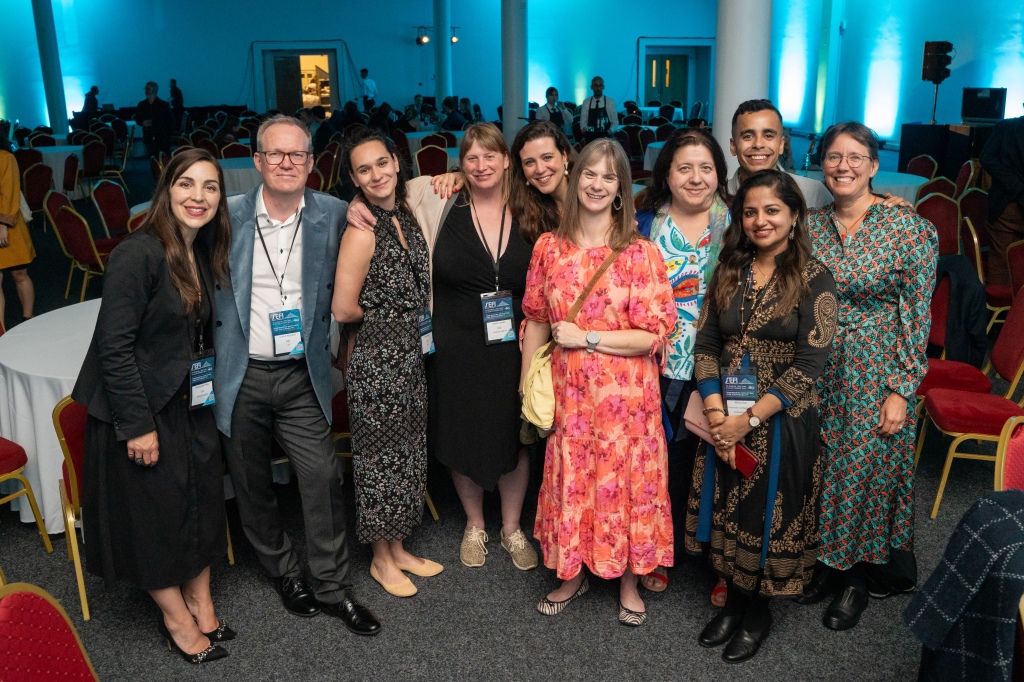
An enthusiastic round of applause for Conor, our photographer! Here are my great colleagues Emanuela Tilley, Sarah Junaid, John Mitchell, and Klara Ferdova in the front row, with Klara Kövesi in green behind them.
Ultimately, I agree with our Doc Symposium participant who said she’s found her village. I found this village in 2012, at the SEFI conference in Thessaloniki that I attended alongside Mike Murphy, Brian Bowe, and Gavin Duffy. I met new colleagues, like Bill Williams, who welcomed me warmly and with whom I collaborate frequently today. I began to cherish the SEFI community at my first conference, and I also thoroughly enjoyed my time before and after that conference exploring Thessaloniki. The city stuck in my memory long after I left. I hope SEFI 2023 and Dublin live long in the hearts of those who attended this year!











































 Ireland by Chance