In the Know on Assistive Technologies with Dr. Matteo Zallio

Dr Matteo Zallio seminar at DIT 4Assistive technologies can help us age more safely and gracefully, and live independently for much longer than we could on our own. My colleagues in engineering have been involved in growing these technologies. They’ve established the tPOT research group here at DIT to facilitate innovation in this area.

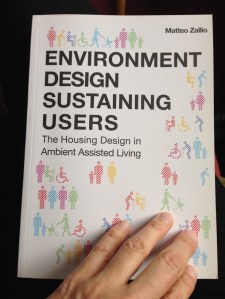
I recently attended a seminar at DIT by Dr. Matteo Zallio who has done very interesting research. Matteo is an architect with a PhD in assistive technologies and he spoke about “Environments and Smart Objects: Ambient Assisted Living for Long Lives of People.”

Matteo has developed a rating system to help people assess how well various products and places support aging. The rating system is hypothetical at this point–it’s been well-developed but not yet adopted for implementation. I’m hoping it will be soon.

I’ve researched facilities and designs to support aging in place in the past, so I had many questions and comment at the end of Matteo’s presentation. I even Skyped with him following his lecture to answer questions he had about moving to Dublin. I’m pleased to say he’ll be joining the tPOT group as a postdoctoral fellow next fall!

Pictures from his lecture, and his impressive book, are posted in this photo gallery:

A Portrait of Engineering (and Architecture) in Warsaw

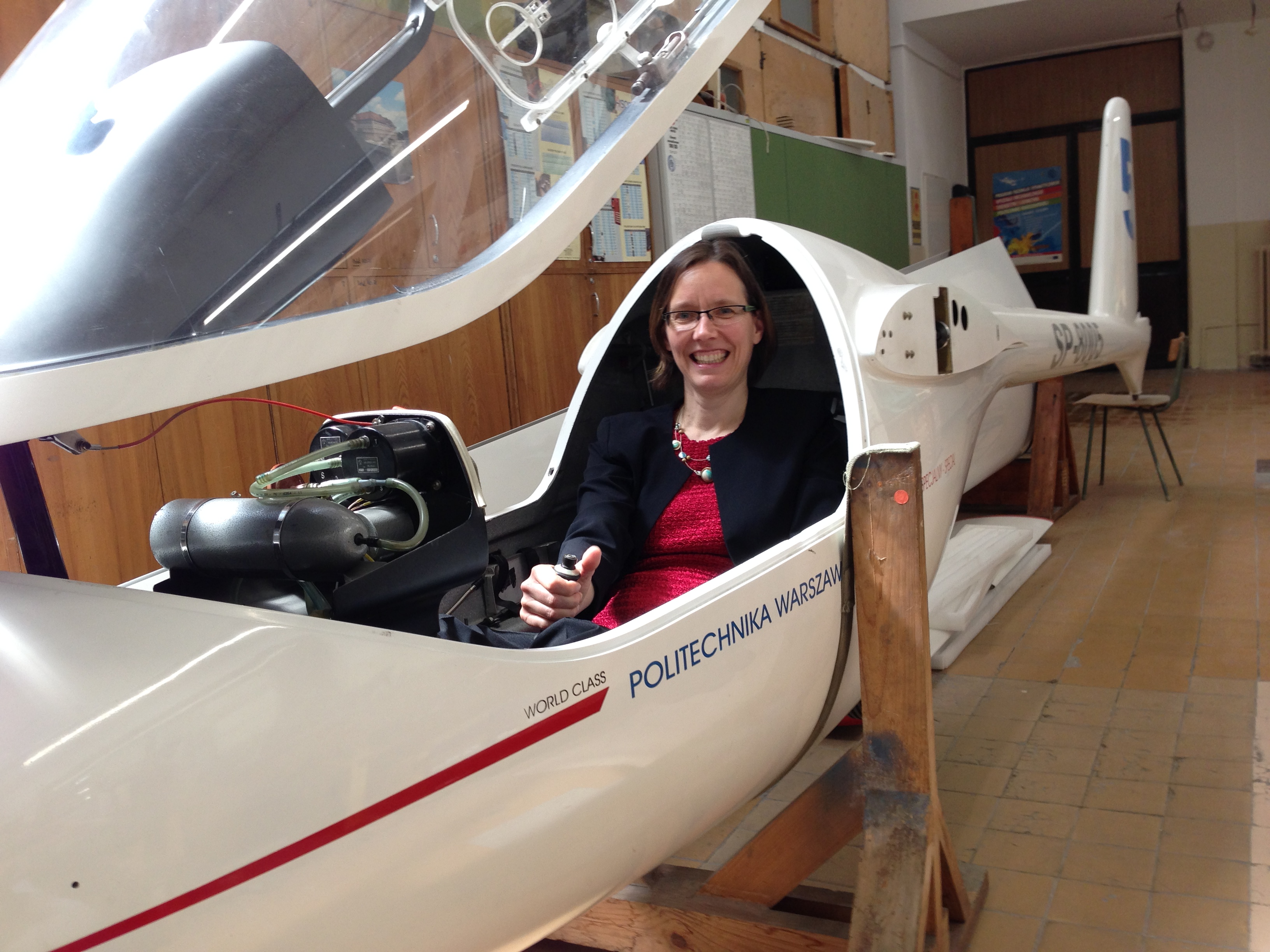
That's when dad and I were building an experimental aircraft. (that's still half done, I'm sorry to say).

Me and WUT’s PW-5.

I just spent a most unexpectedly sublime week in Warsaw. What a beautiful, walkable, and livable city! Just the right density — useful public transport, affordable bike rentals, green space at regular intervals, and architectural monuments galore.

My primary task was to conduct interviews with budding engineers. Over the course of the week, eleven Polish women (who are studying various sorts of physics and engineering) each volunteered an hour and a half to share their experiences with me. It was amazingly insightful to discover similarities and difference with the experiences of the 10 Irish and 11 foreign-born women I’ve interviewed at Dublin Institute of Technology. (I also have 11 interviews recorded with Portuguese women, but these must still be translated.)

Fortunately for me, the students in Poland can opt to take their classes in Polish, or English, or a mixture of both. These Polish women spoke English very well and were bold enough to grant me interviews in my own native tongue.

In the evening hours I had time to explore some sites, depicted in the photos below.

Loving Lively Lisbon 

Guy ambling home from work on a unicycle, paraplegic dog sporting his own wheelchair, man dancing to headphones on the boardwalk at sunset. Chamber pots on sale at the church bazaar, saxophonist sharing zydeco by the ferry terminal. So much to see, so much life to live.

I’m in the port city of Lisbon, Portugal’s capital, this week to interview women here who are studying first year engineering at the polytechnic institute. I flew in Sunday morning which gave me a chance to see some sights. 

I find a new adventure around every corner, even though I’ve been here before. 

Finding Familiar Territory in Linenhall  

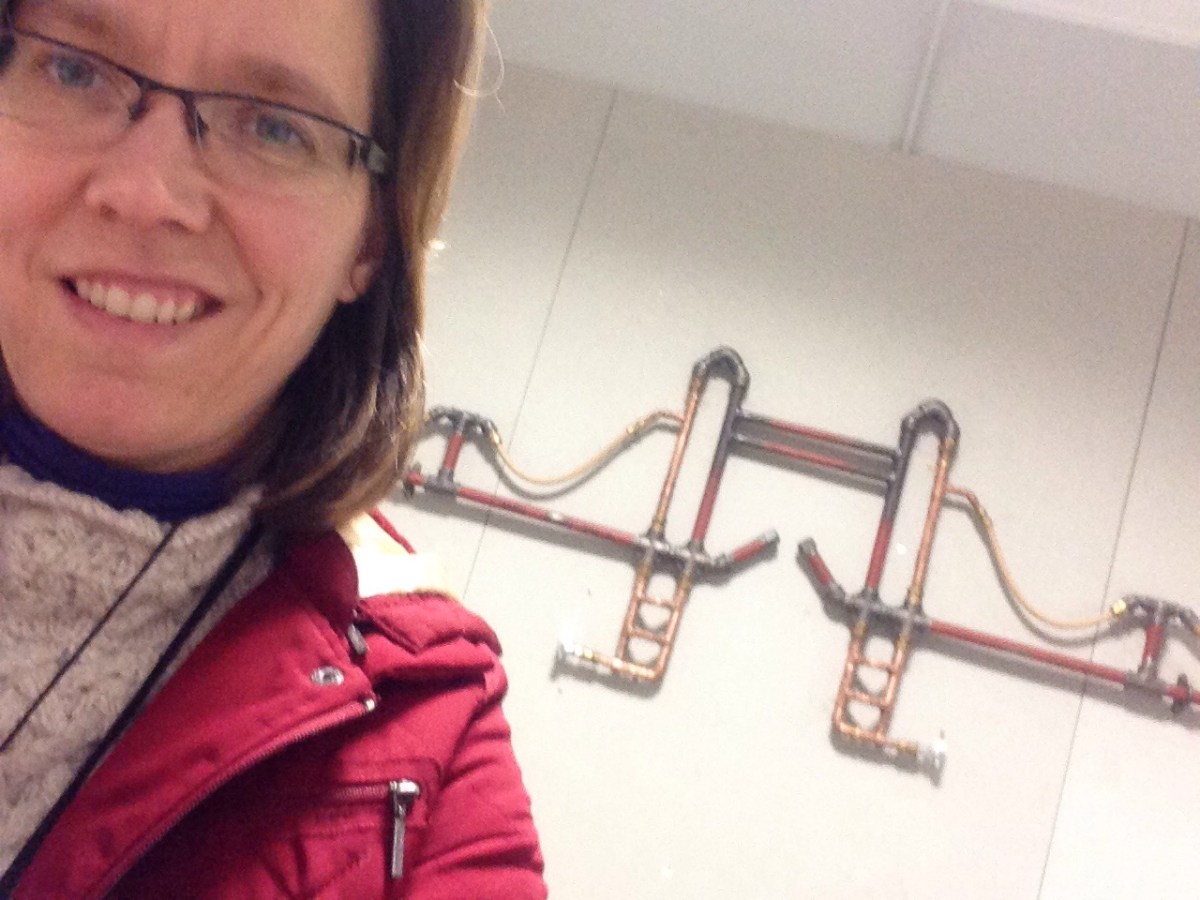
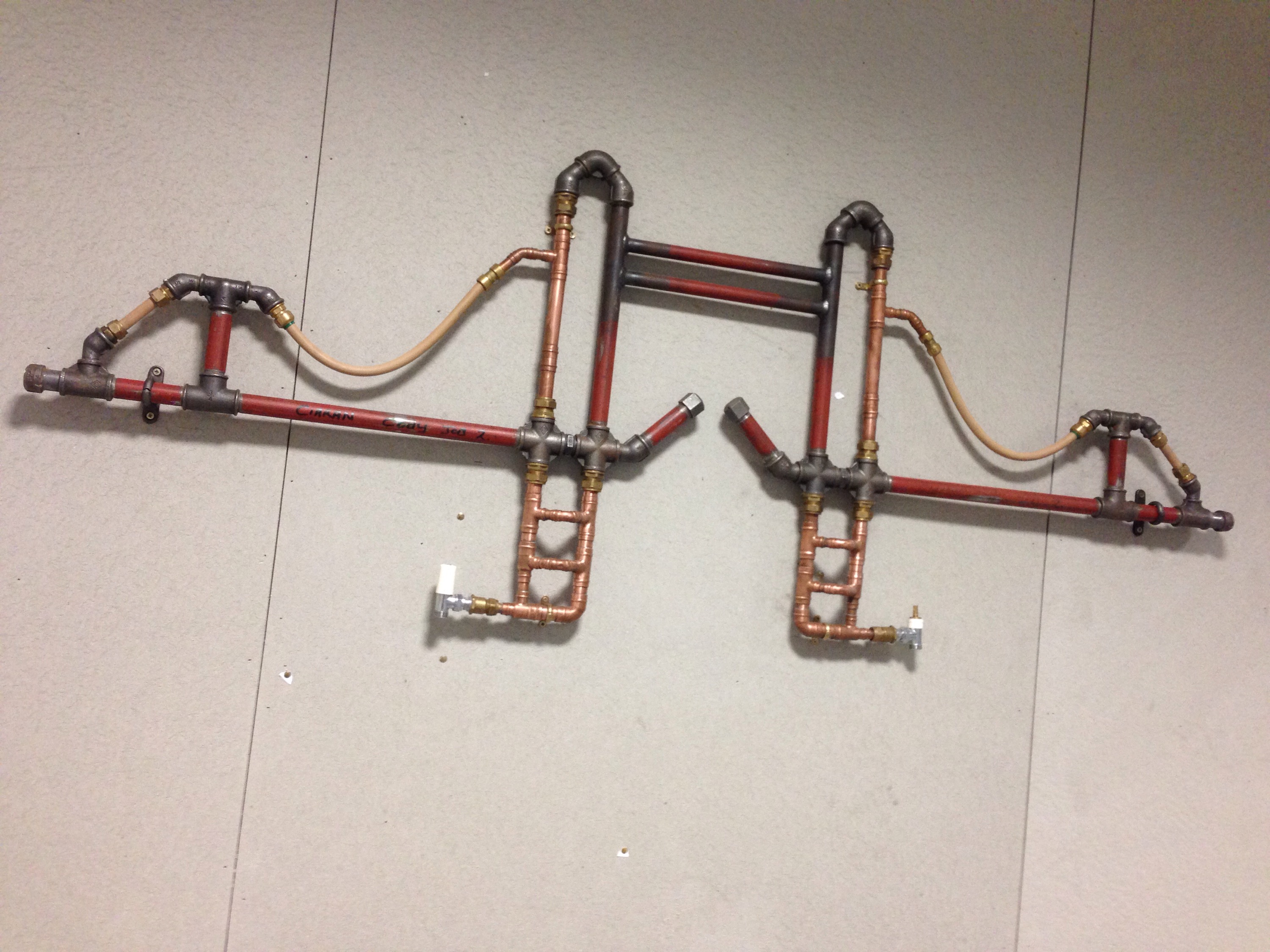
A plumbing extracaganza!

I’ve recently moved office. Whereas I previously had an individual office with an expansive view, I now share a room overlooking an alley. But, remarkably, it suits me just as well.

As I enter and exit my workspace each day, I pass through architecture crits and exhibits of student work. My new home is Linenhall, the apex of Dublin School of Architecture at DIT.

The Linenhall complex has housed the Building Trades for many years–following a proud history as a linen production factory. My friend Fergus Whelan studied bricklaying here, before growing into the labor-rights activist/history research scholar he is today.

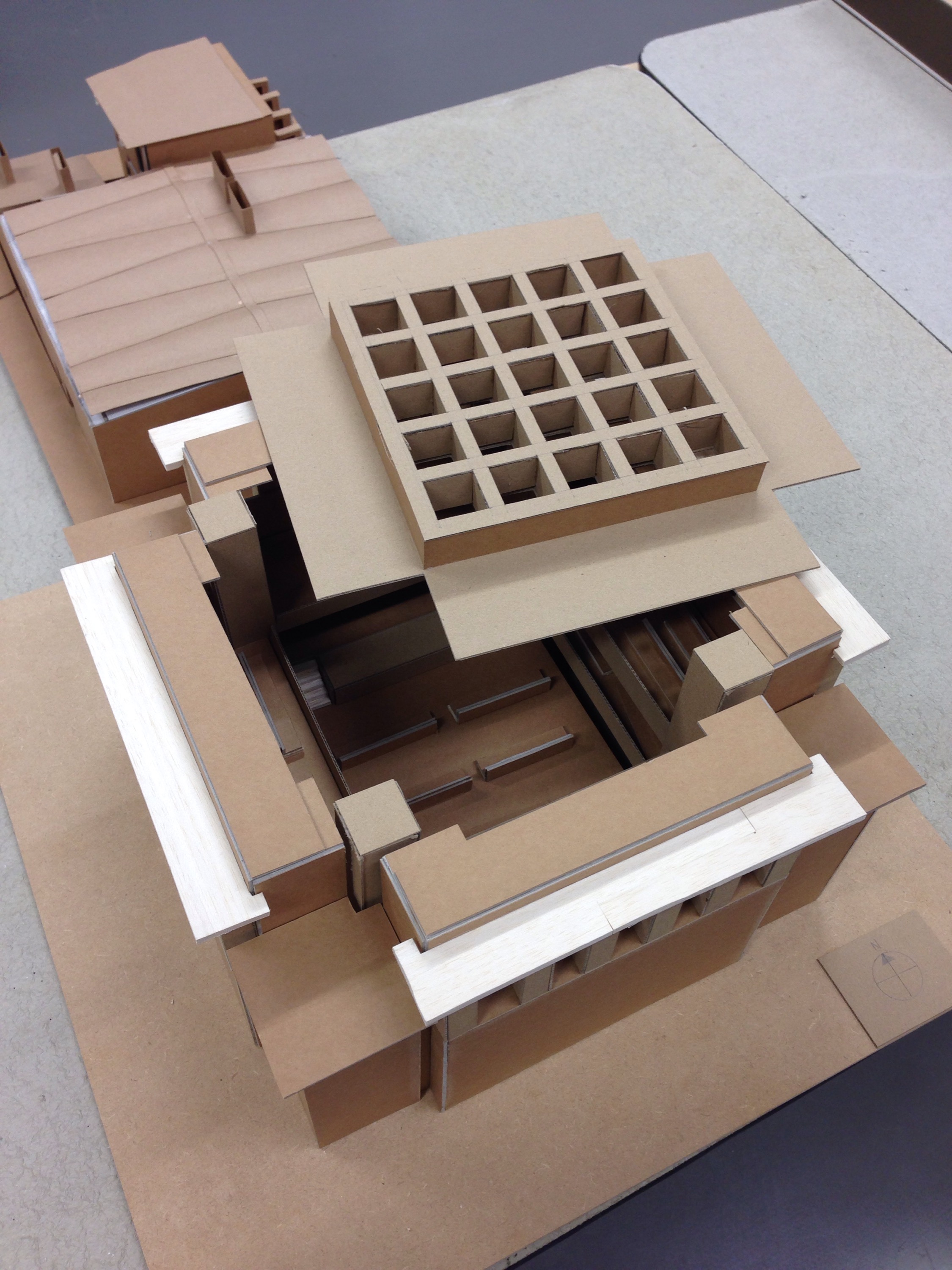
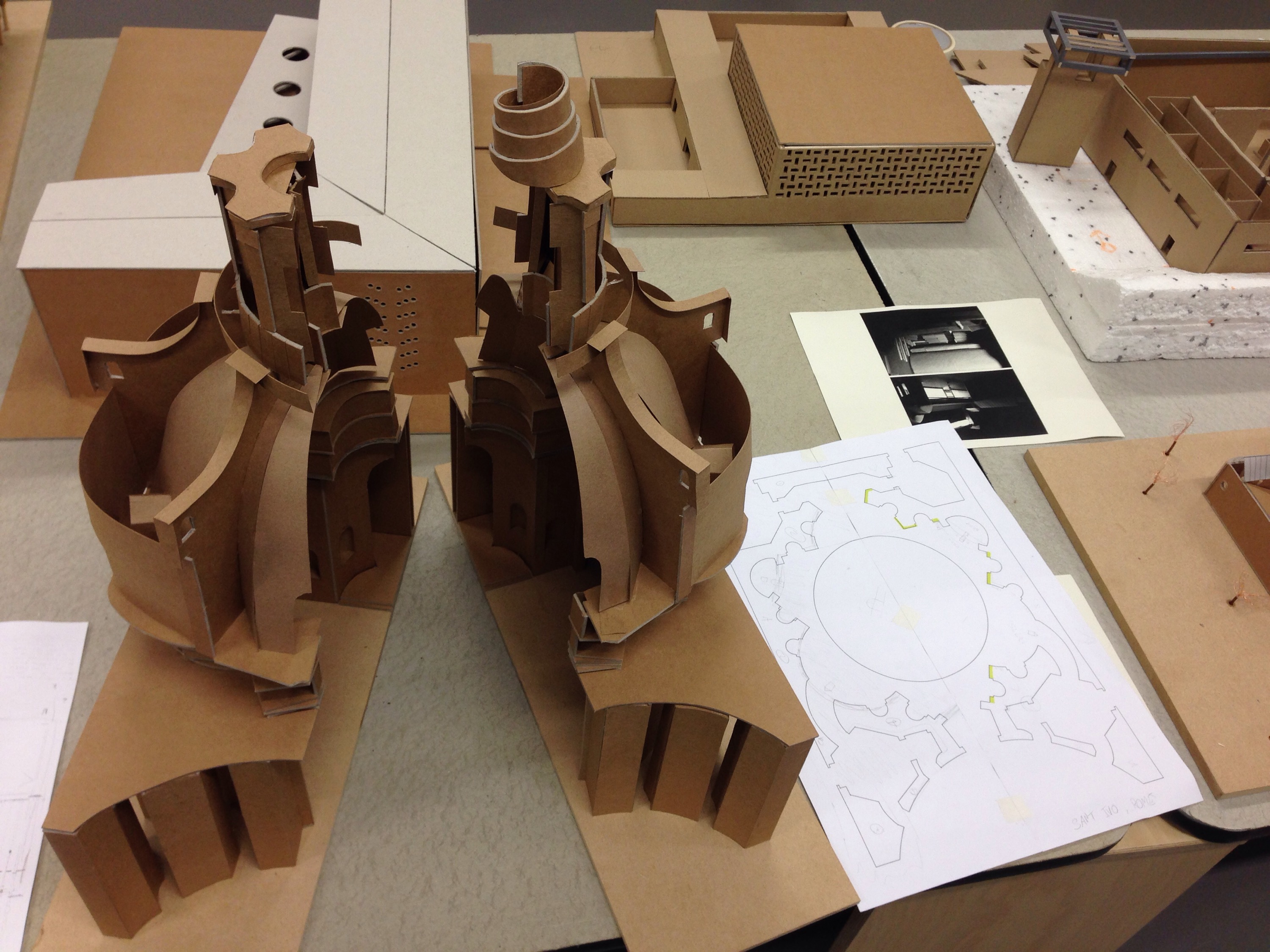
Having recently been renovated to serve architects as well, Linenhall provides me a sense of comforting familiarity. I’m surrounded by architectural explorations–models and drawings of all colors and tones.

This is the stuff of which my days have been made, from my earliest musings in college.

I’m comforted by the vocabulary of architectural models, drawings, and debates… by the buzz of activity and the creative clutter… by the occasional unnamable object of exquisite beauty.

And I’m pleased to share my work space with researchers in education and architectural technology.

Not sure what it is, but I wasn’t the only one taking selfies with it!

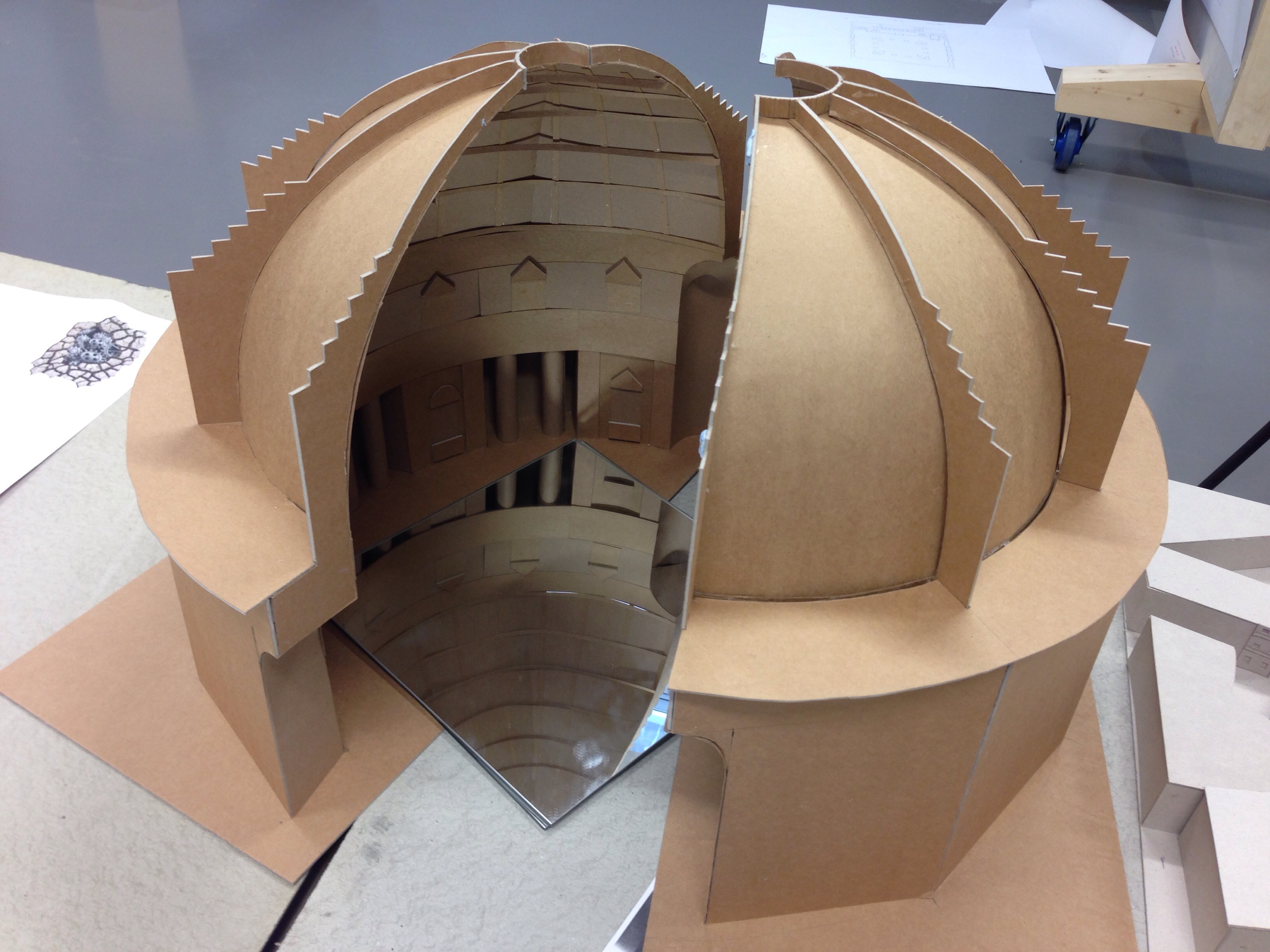
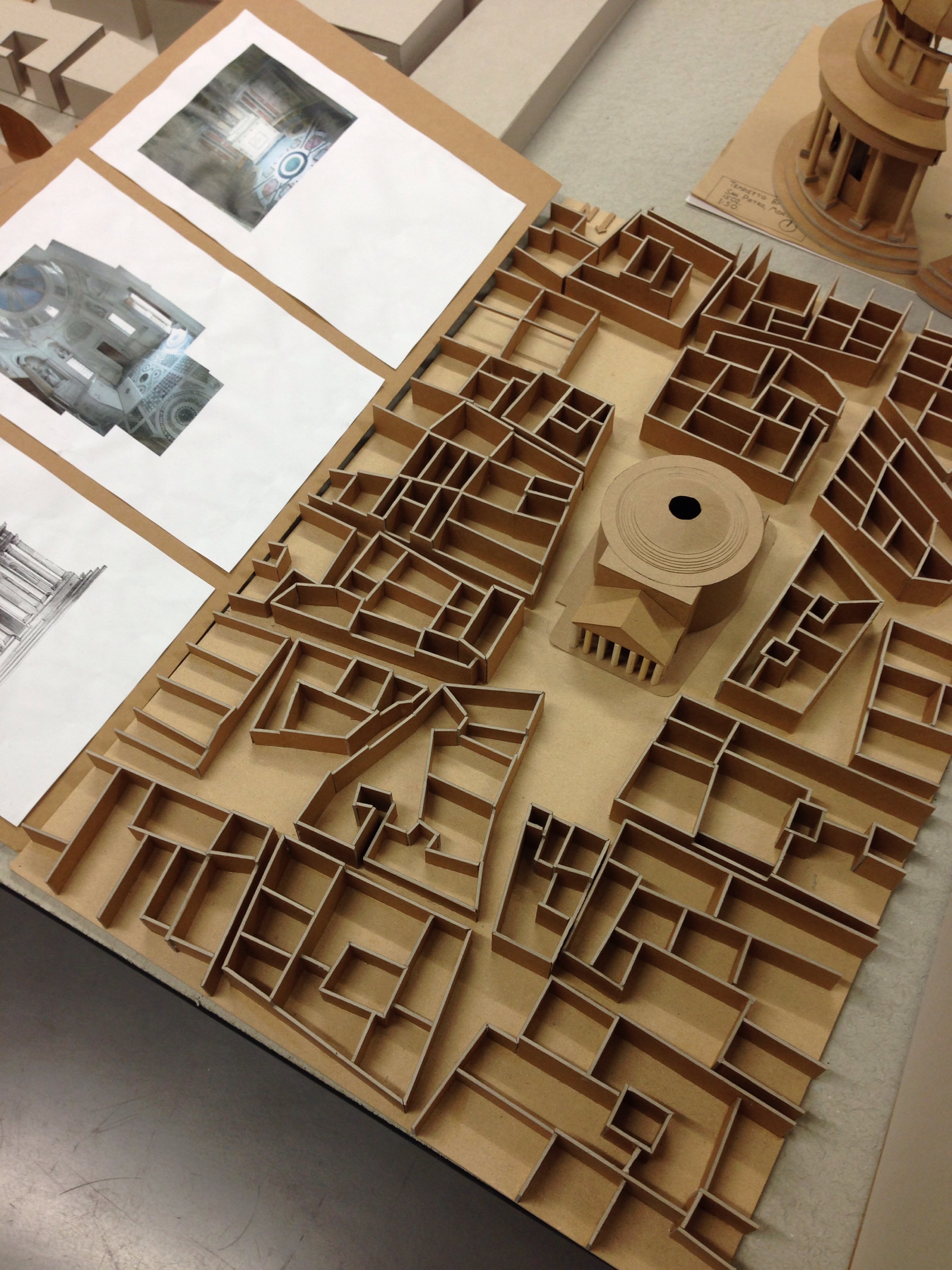
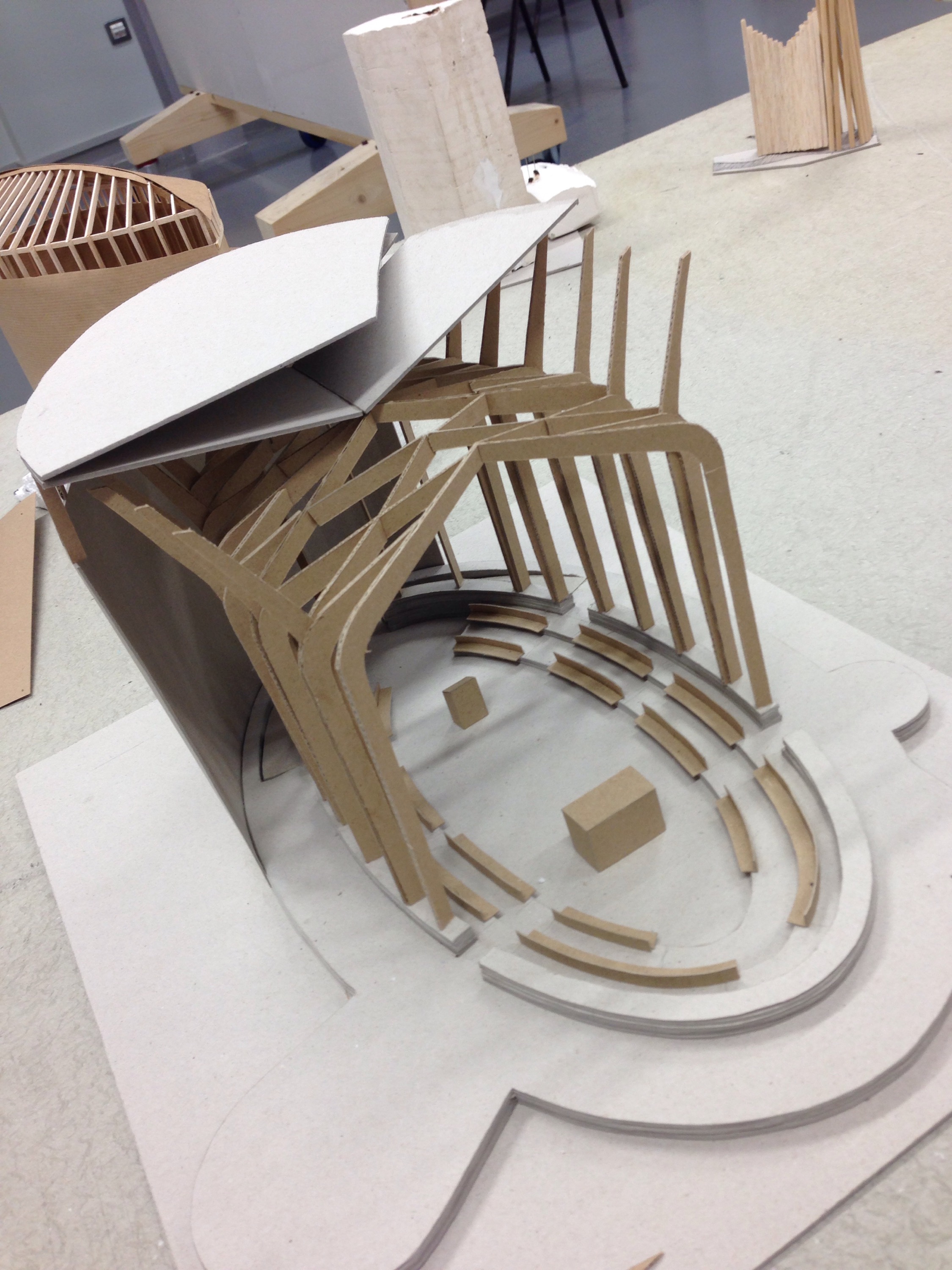
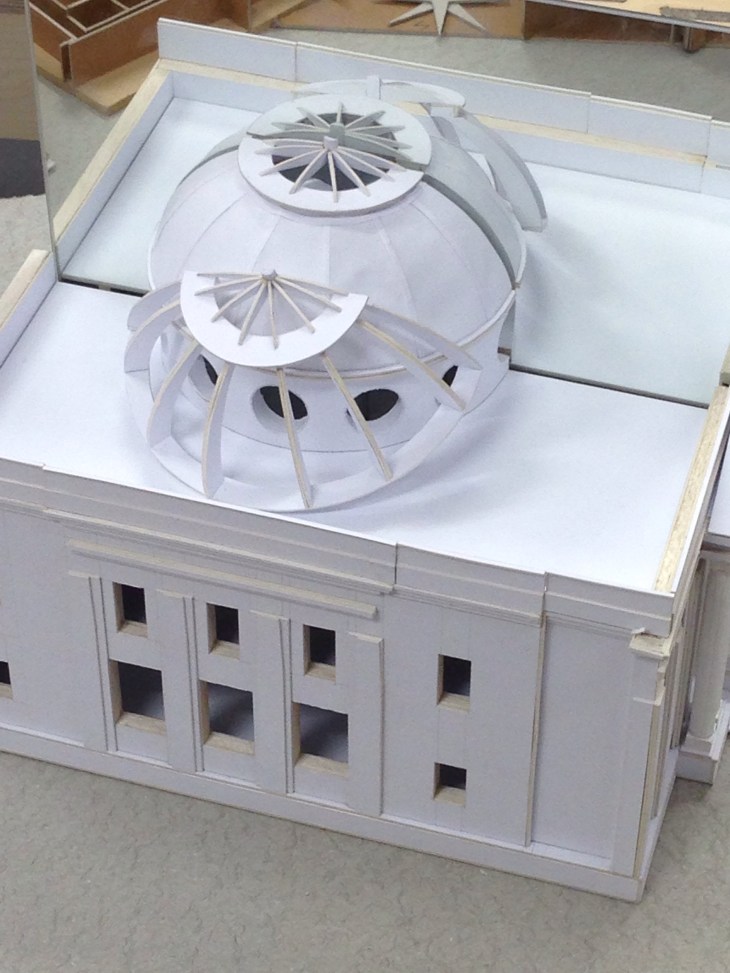
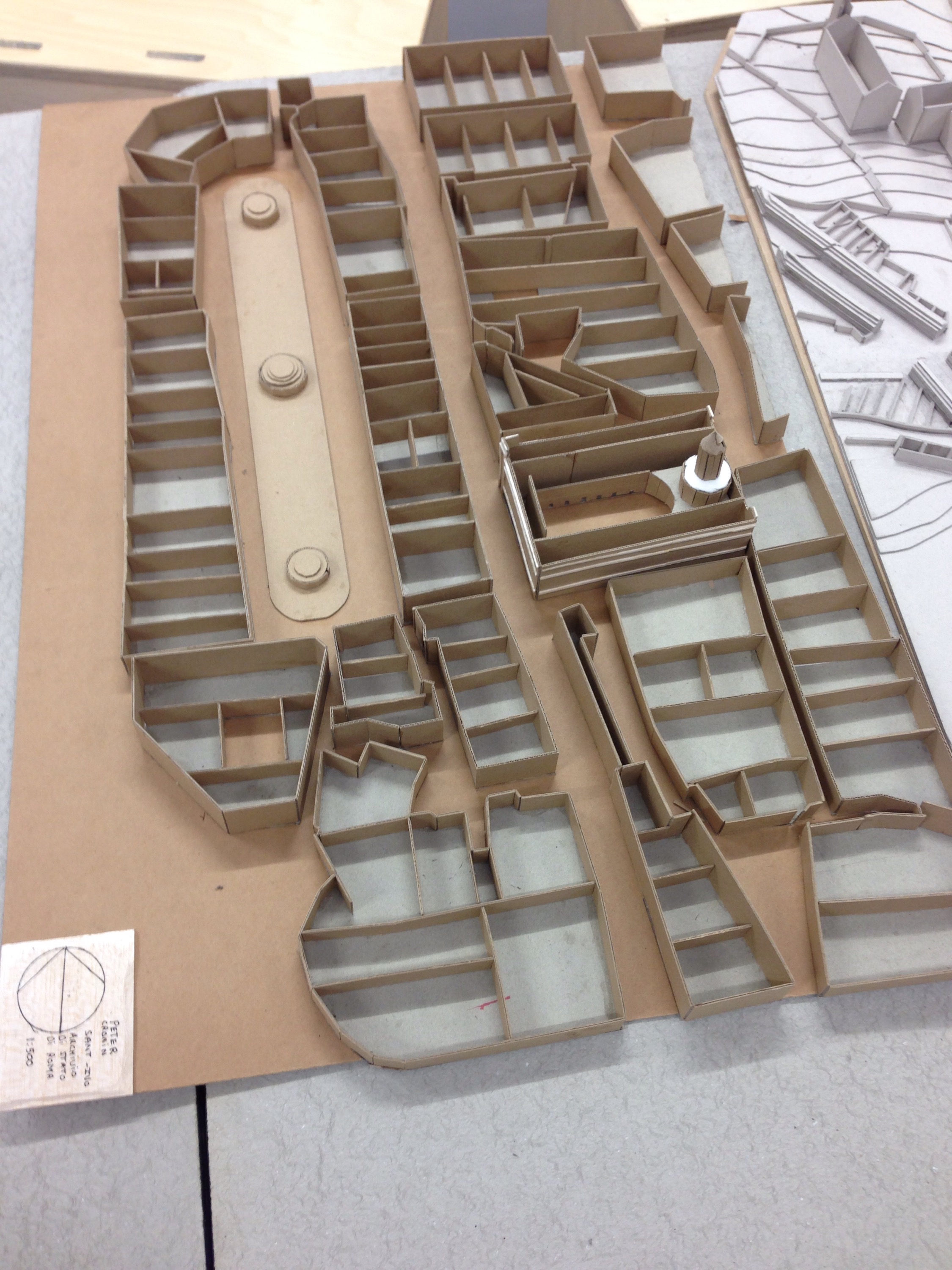
An ehhibition of precedent models.

Rome’s Pantheon and its plaza.

A chapel in Switzerland by James Turrell.

Piazza Navona and surrounds, in Rome.

San Ivo, by Borromini.

Frank Lloyd Wright’s Unity Temple in Oak Park, a suburb of Chicago.

Slipping through Smithfield’s Historic Architecture

IMG_1291

Hopping off the bus from Blanchardstown yesaterday I scurried from Manor Street to Bolton Street, reminded of the glories of Dublin’s architecture.

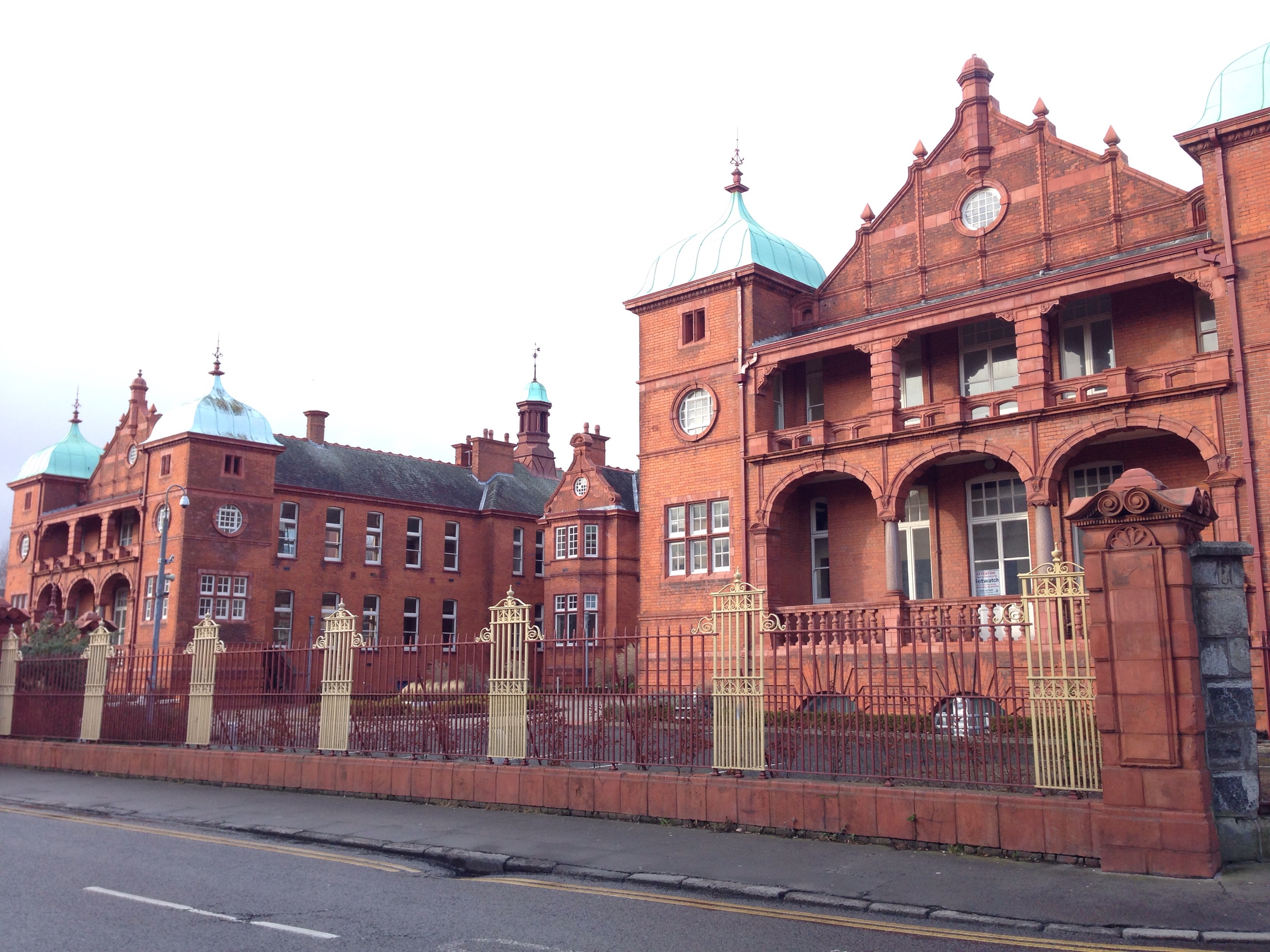
On North Brunswick Street I snapped a photo of the red brick Victorian-era building formerly housing the Richmond Surgical Hospital. I iMessaged the photo over to a Fulbright Scholar who recently arrived in Ireland, who teaches and conducts research at a medical school. The former hospital is being renovated into an educational center. It retains the ward layout common in the 1800s
as well as elegant outdoor porches for patients to recuperate in fresh air.

I darted across Church Street and up Constitution Hill, bumping into a class of DIT students learning to conduct geologic surveys as I criss-crossed the park at the Kings Inn Law School. The male carotids (the sculptures supporting the beam above with their heads) at the Deeds Office seemed frozen in action on this very cold day.

I ducked through its arcaded courtyard and continued down Henrietta Street, which is bound by regal Georgian town homes.

Passing by the historical front of DIT’s Bolton Street building, I slipped in the side entry, through the courtyard, up the stairs to the lofty top floor, and past the “crit pit” to an informal meeting with the new Assistant Head of DIT’s School of Multi-Dsiciplinary Technologies. He’s using the office space I enjoyed during the autumn — with a sweeping view across the city and toward the Wicklow mountains.

Dublin’s Green Campus at Blanchardstown

IMG_1274
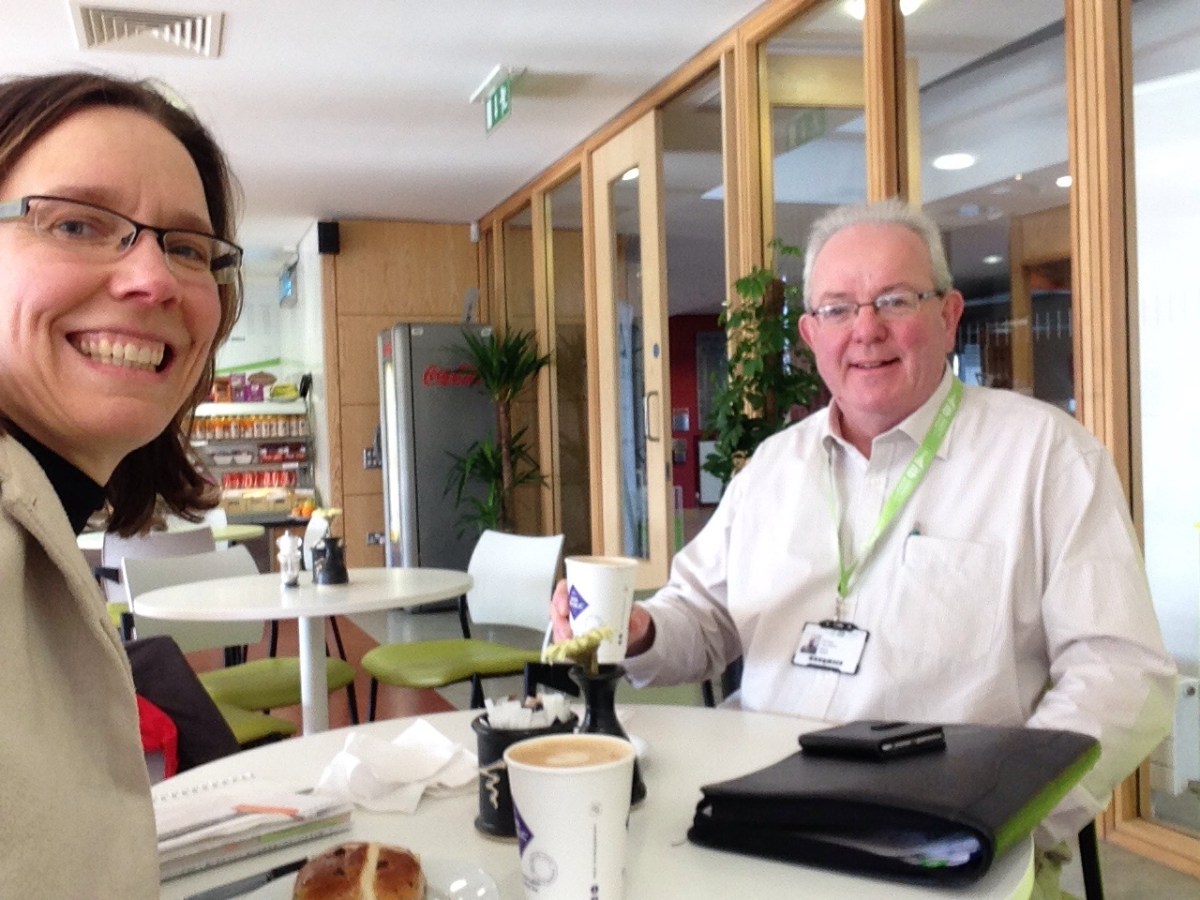
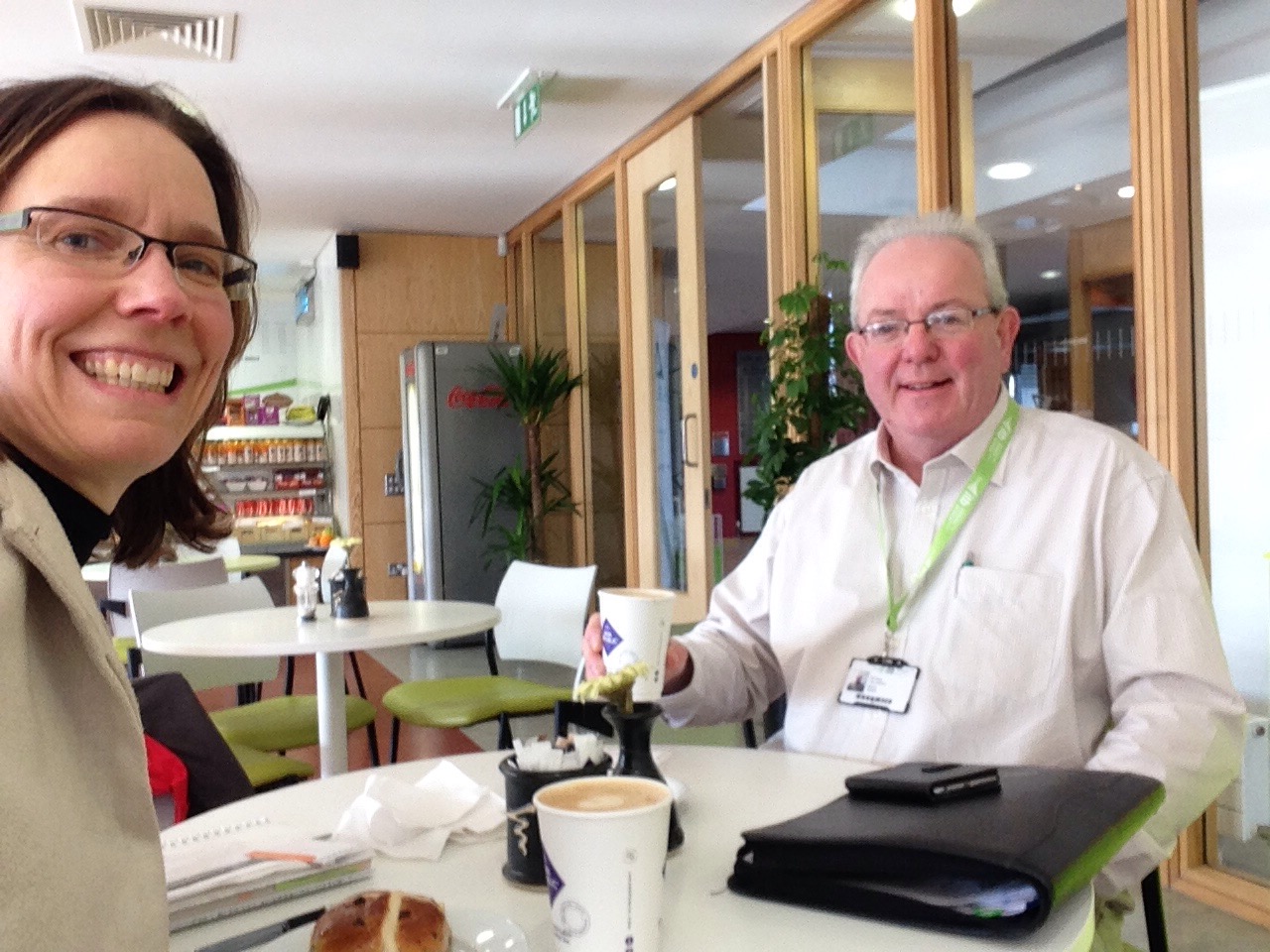
Braving Dublin’s blustery weather today (a mix of winds, snow flurries, and showers that would make my blizard-ravaged friends back in the USA weep–for joy), I made a field trip to northwest side of Dublin to visit Dr. Larry McNutt and the Institute of Technology in Blanchardstown (ITB). Larry has expertise in engineering and education–and he does sociological research to boot.

IMG_1264
ITB, DIT, and the Institute of Technology in Tallah (ITT) are in the process of merging, with the goal of becoming Ireland’s first Technological University (TU). Larry is part of the “TU4Dublin” team that’s managing the merger.

Today, Larry and I spent a couple of hours discussing ways to improve the experience for third-level learners (i.e., college students). We both aim to make higher education more interesting and effective by helping post-secondary teachers hone their skills in teaching.

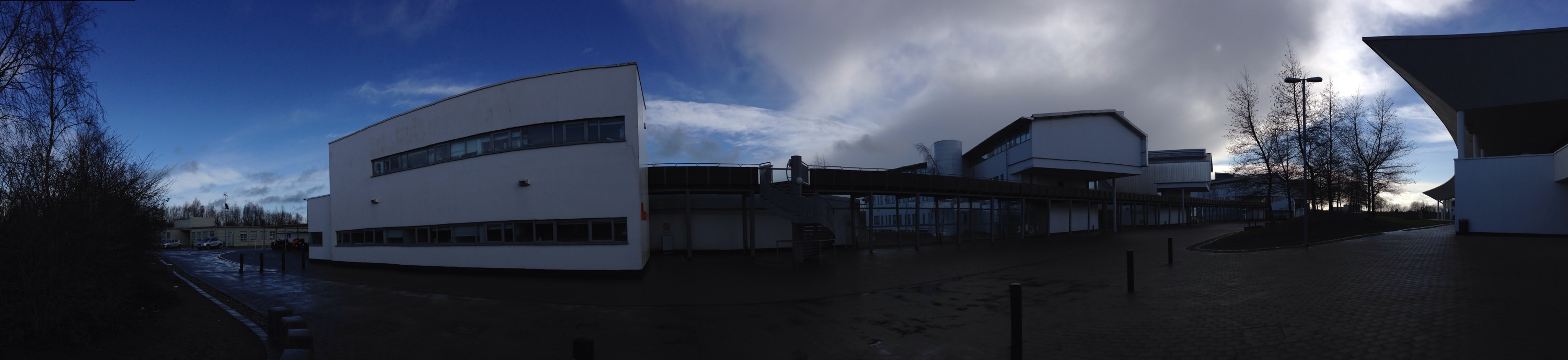
Before our meeting, Larry gave me a tour of ITB, an energy-efficient campus constructed since 1999. Because the focus of my PhD dissertation was green buildings constructed by post-secondary institutions in the USA, I was quite interested in seeing the design of the ITB campus and its individual buildings.
I also enjoyed discussing:
*educational improvement initiatives Larry is involved with.
*the design of various degree programs for teachers and for students.
*hot cross buns (I’d never seen one before today)

It’s a banner day for me when my interests in sustainable architecture, educational planning, and engineering education (plus food!?!) weave together so nicely. Imagine finding a person who can discuss all these topics with ease.

Larry McNutt is such a person. I look forward to bumping into him around TU-Dublin again soon.

Planning to Make Your School Green?

IMG_1206

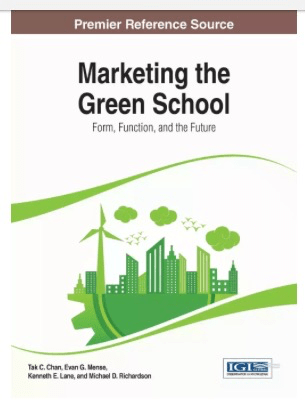
A colleague from Virginia Beach, J. Timothy Cole, and I published a chapter in the recently-released textbook called:

Marketing the Green School: Form, Function, and the Future

Our chapter is called:

Enhancing Building Performance and Environmental Learning: A Case Study of Virginia Beach City Public Schools

This abstract summarizes the article so you can tell if you’d like to read it:

“School buildings directly affect their natural and socio-cultural environments. They do this through their construction, maintenance, operation, and demolition. Most of the school buildings we have in stock today drain natural resources and inadvertently perpetuate a culture of environmental, social, and long-term economic ignorance and misuse. When approached thoughtfully, however, the design of school buildings can help inform and enrich society. Well-designed buildings can impart environmental knowledge and values. They can foster more effective behaviors among the people who learn in and from them. Effectively designed buildings can also conserve natural resources and—at their best—even help replenish the natural environment. For many school leaders today, participation in green certification programs represents one important step toward improved building and learning performance. This chapter provides a case study of successful learning approaches developed by Virginia Beach City Public Schools (VBCPS).”

Here’s the introduction:

“Aimed toward educators and school administrators, this chapter provides a broad overview of design issues related to sustainability. It proffers concrete examples drawn from Virginia Beach City Public Schools (VBCPS) to enhance performance at the level of the building, classroom, district, and region. VBCPS’s environmental approach integrates educational planning with facilities planning. Its facilities department has been driving change in school design, classroom pedagogy, purchasing, transportation, and even regional design standards.

The examples in this chapter provide a snapshot of one moment in an ongoing process. They illustrate how one innovative school system is generating and applying new knowledge for the benefit of its buildings’ users, the local public, the wider education community, and the world. Overall, VBCPS strives to provide the best possible environments for learning teaching and living. Its efforts include:

• Integrating environmental issues throughout the curriculum
• Preparing students to bring new knowledge into the community and share it with their families and employers
• Introducing new construction techniques to the region
• Encouraging architects and builders to reach for higher standards
• Monitoring the division’s environmental performance and continually seeking to improve
• Disseminating their research and techniques for broad adaption
• Monitoring its own (and its community’s) energy and waste flows
• Striving to achieve net-zero carbon emission
In this chapter, we provide rationale and theoretical underpinnings for green school design, and we share successful practices developed by VBCPS. Knowledge in the realm of environmental design and education is continually evolving. As such, any list of “best practices” is in constant flux. In writing this chapter, we seek to provide a description of some of the best practices we have discovered and/or created up to this point in time.

Most environmentalists have adopted the World Commission on Environment and Development’s (1987) definition of sustainable development as that which “meets the needs of the present without compromising the ability of future generations to meet their own needs” (p. 43). The “green building” movement fosters new strategies to help overcome outdated construction practices that require vast material resources and cause tremendous waste and pollution. Today, North America’s over-reliance on cheap energy has reached crisis proportions (Steffen, 2008; Wackernagel & Rees, 1996). All told, buildings consume 65% of the electric power used in the United States (Landsmark, 2008). They use 36% of all energy used and 30% of all raw materials. Buildings are responsible for half of greenhouse emissions from the US (Gifford, n.d.; Udall & Schendler, 2005). Educational facilities have been among the worst, although higher education buildings seem to waste more energy than K-12 because control systems are looser (Leslie & Fretwell, 1996).

Recently, VBCPS analyzed all sources of emissions within its control, using data from 2006-2010. It found that even though its overall energy consumption had steadily declined across the five-year period, its building-related activity still accounted for 65% of VBCPS’s overall emissions. Its second largest source of emissions related to transporting people and goods. Its calculations considered electricity use, combustion from paper/stationary waste, and losses related to the transmission and distribution of electrical power. School leaders are working to address the division’s primary sources of emissions, through integrated strategies that involve enhanced building performance, revised vehicle fleet policies, and more informed commuting habits of students and employees. Leaders are also creating strategies to control the 1% of its green house gas emissions that resulted from solid waste, refrigerants, chemicals, and wastewater.”
Expanding the Engineers’ Box

Fergus Whelan commented that I need to think outside this box....  Thanks to Frank Daly for the fabulous photo.
Fergus Whelan commented on this image that I need to think outside this box!  Many thanks to Frank Daly for the fabulous photo. My students, having sent his look many times before, certainly empathize with you!

In all corners of the globe today, companies are clamoring for skilled engineers. They want a larger pool of applicants who are creative, flexible thinkers prepared to address complex, emerging questions riddled with interrelated unknowns. Like industry, the sectors of healthcare, education, and government also have great need for well-rounded thinkers with strong engineering acumen.

Simply put: the world needs more people who can think across systems and see how things relate at multiple scales. We need people who can identify problems and create new solutions from the ground up. People who aren’t so closely bound to existing systems, ideas, and protocols that they can’t construct entirely new schemes for thinking and behaving.

Today, governmental organizations (like Science Foundation Ireland and the National Science Foundation in the USA) are working hard to address the shortfall in the number of engineers by generously funding education of, as well as research by, engineers and scientists. They seek better ways to teach and think about engineering and science.

The blogs I will be posting in the near future have to do with:

  • the way we think about and conceptualize engineering
  • how I think this needs to change
  • how architects and education researchers can help

Please note: I’m going to be explaining things that I’m trying to work out in my head and do this as if I’m speaking to a friend or relative who knows little about research. That means I may not be “100% right” in every explanation. But as you’ll see, that is a risk that must be taken for the sake of building knowledge. (It’s all part of this new “paradigm” for working and thinking that engineering needs to implement more widely… more on that to come!)

I do hope you’ll follow along on this research adventure, where I’m working to bring qualitative, social science research and design thinking into more facets of engineering education.  Yes, these are gutsy claims I’m making — particularly since I’m new to research and new to engineering.  Let’s see if I can live up to such promises….

Exotic Familiarity

I feared that somehow things wouldn’t seem as new and fresh on my return to Dublin as they were before.  During my Fulbright fellowship, I spent 365 days in this vibrant city — but even a vibrant city can become overtly familiar, I would have thought.

And yet, as I happily rediscovered many familiar comforts this past week (like Beef and Guinness Pie at Pieman in Temple Bar), I also uncovered a plethora of new adventures here.

On Saturday, during Fergus Whelan’s history tour, I met a researcher from Fordham University.  She said how much she’d enjoyed finding this blog while she was preparing for her trip here.  Her words encouraged me to get back to posting.  I hope you find something interesting and informative in my little picture gallery of highlights of the past week.

Well, it’s 10:20 PM and the sun has just set.  It will be up again by 5 AM or so, and I’d best get ready to hit the sack. I’ve another big week ahead!

Architects’ Pot Luck

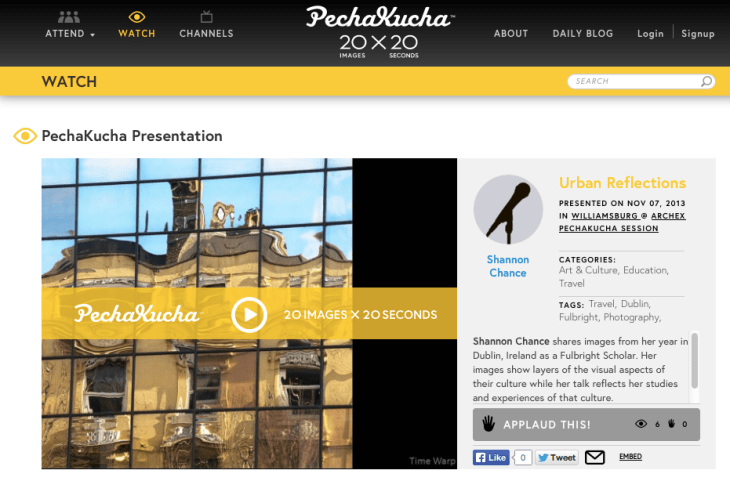
These days, wild, crazy fun among architects involves Pecha Kucha style presentations.  This is a high-speed format for sharing images and ideas.  With Pecha Kucha, each presenter selects/provides 20 images.  At the Pecha Kucha event, the slides are projected on a large screen in sequence for 20 seconds each.  The presenter talks, and the slides move on wether or not the speaker is ready.  It’s entertaining — in part because it’s actually quite difficult for the speaker to stick to the 20 second window.

This format keeps the speaker from droning on too long and it leaves time for more people to present.  It’s pot luck: everyone brings something to share and you can almost always find something you hadn’t expected but quite enjoy.

An architect from Williamsburg, Dale Weiss, organized a Pecha Kucha event at ArchExchange East last November and he has uploaded the representations to his (very elegant) website.

You can view my Pecha Kucha presentation, of urban reflections from Ireland, by clicking here.