Discovering Dublin: Last days of normal life (1/)

Something was about to change here in Dublin on the night of March 11th. I knew this, and thus felt hesitation as well as excitement for an interesting day as I headed into work on the 12th.

You see, TU Dublin had an Open Day planned to show female high school students about our apprenticeship courses. My colleagues and I had put a lot of work into planning this, although we anticipated things could change due to coronavirus. Later this day, life was to shift decisively about our world here in Dublin.

The Last Day ‘Open’ at TU Dublin
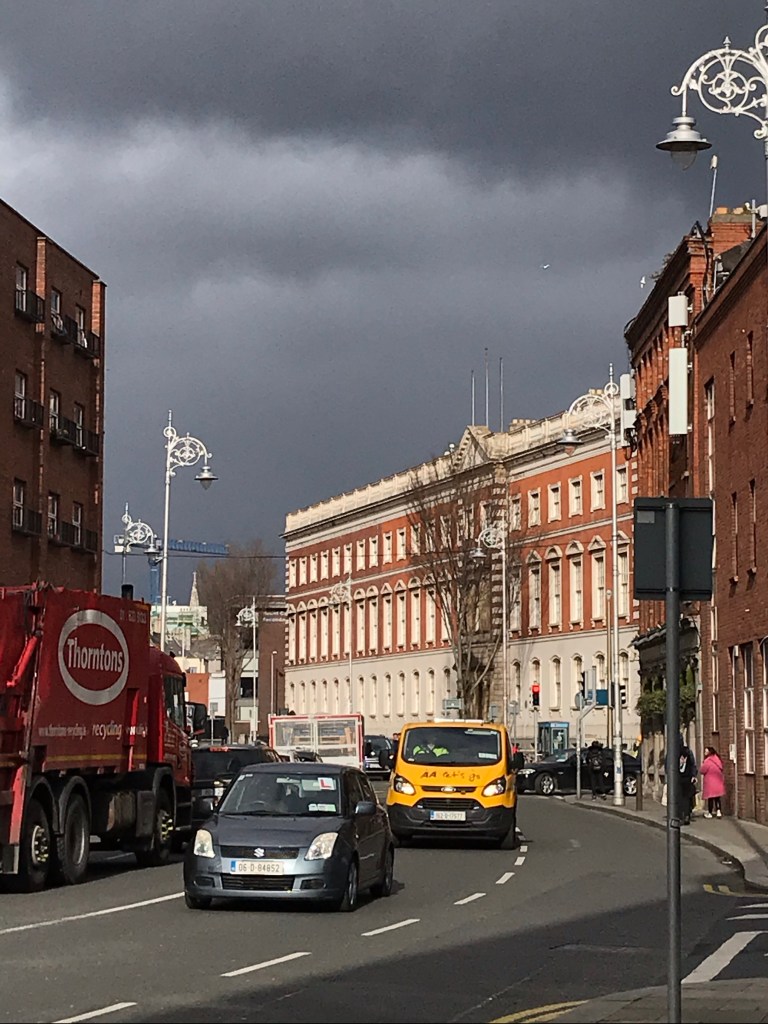
A glimpse of Bolton Street with drama in the sky.

We waited anxiously for word from the university about closures. In the meantime, we took care. Although plans went ahead and during this Open Day, the new norms of hand sanitizer and social distancing appeared. Wee conscientiously worked to hold intimate conversations about life plans at a two arm’s length–not an easy feat in a loud and active space like the lobby of Linenhall, home of the TU’s Dublin School of Architecture.

Attendance on this Open Day was higher than one would expect given the uncertainty of life, but not as high as the past year. Only a portion of those who reserved places made it to D2 that day. It was well worth my own four-block walk into work to meet girls from as far as Wicklow who’d ventured up to meet us.
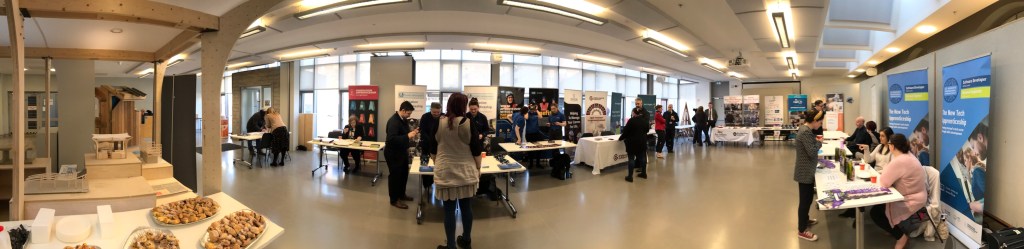
Setting up for the day.

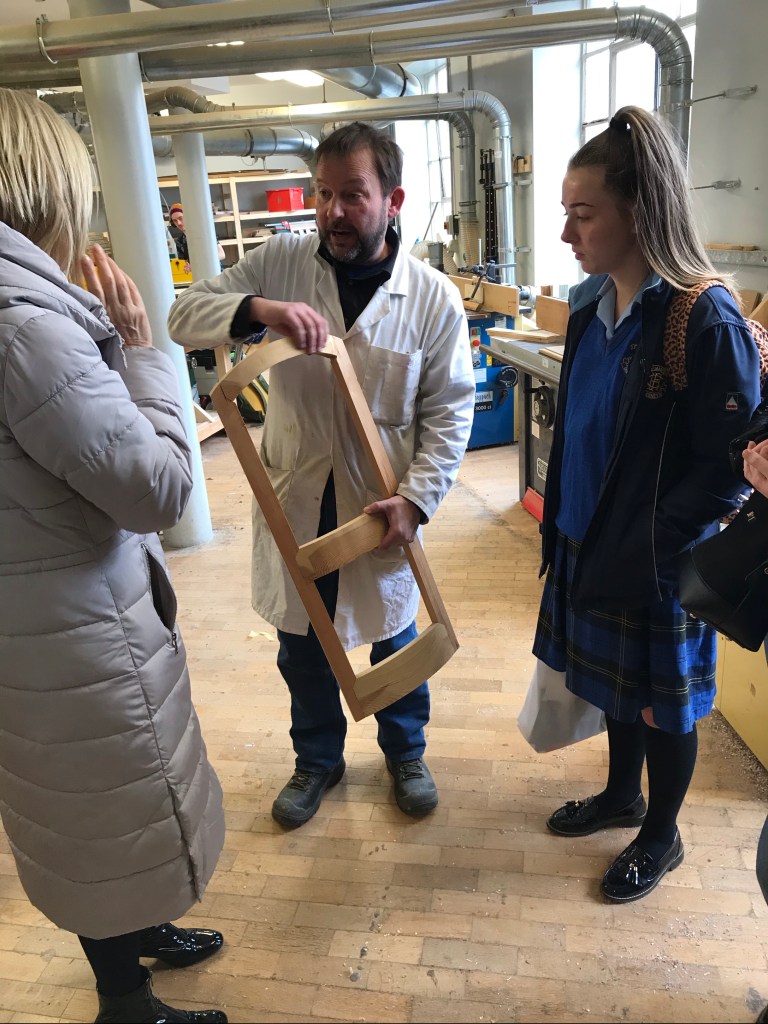
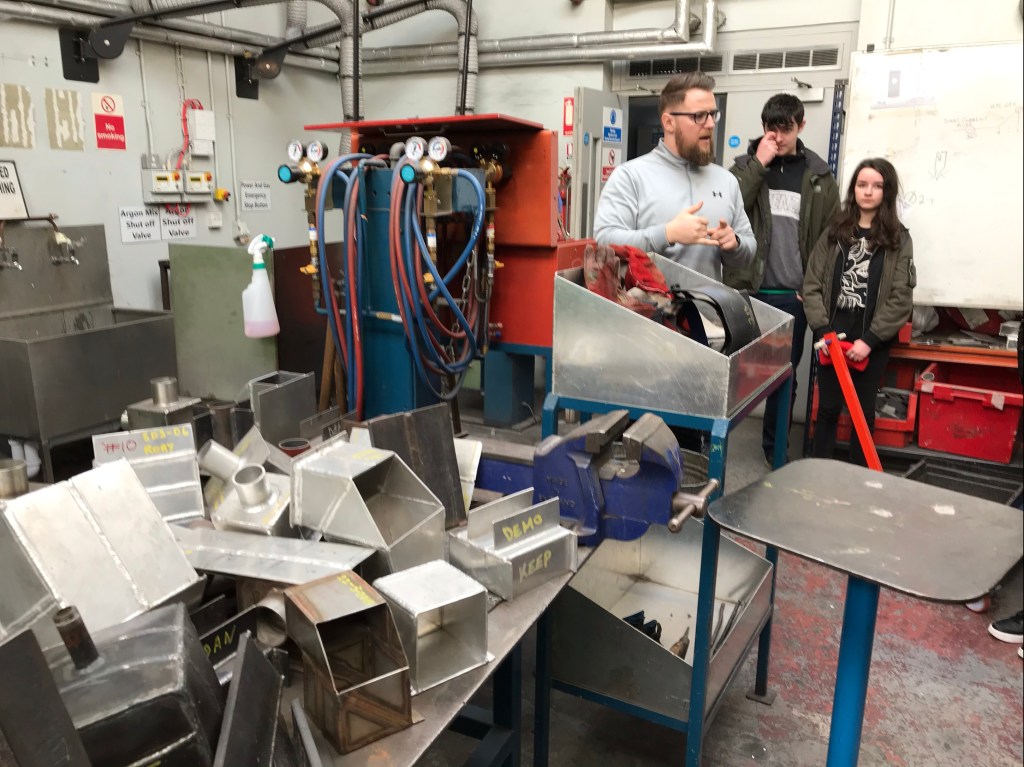
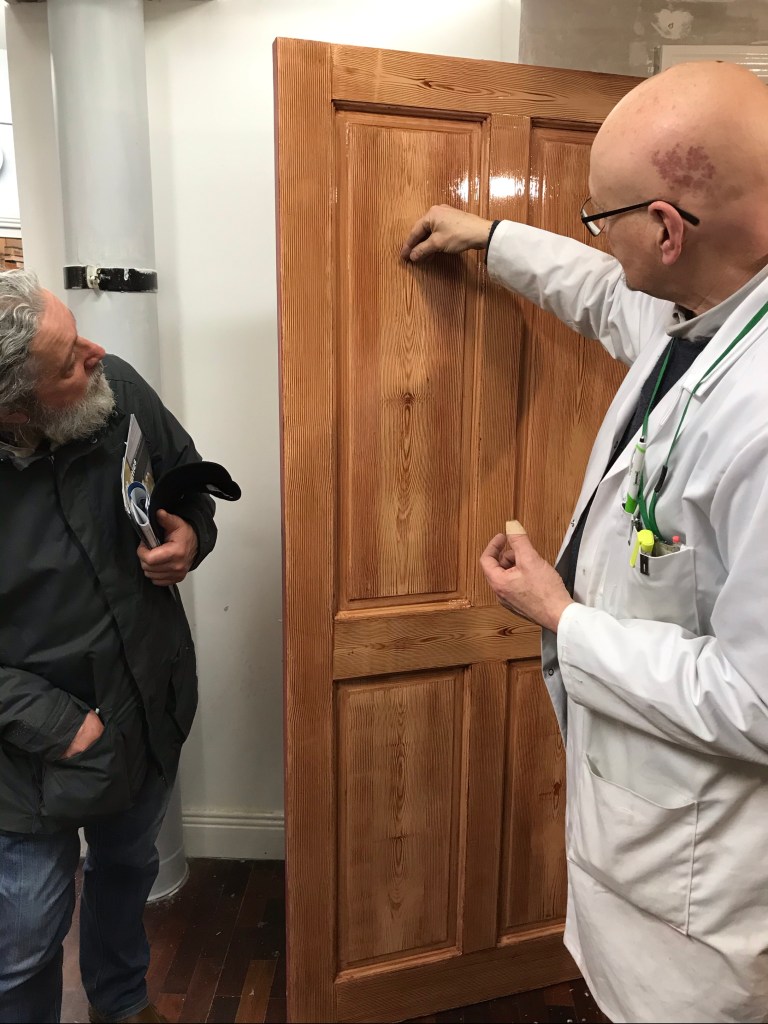
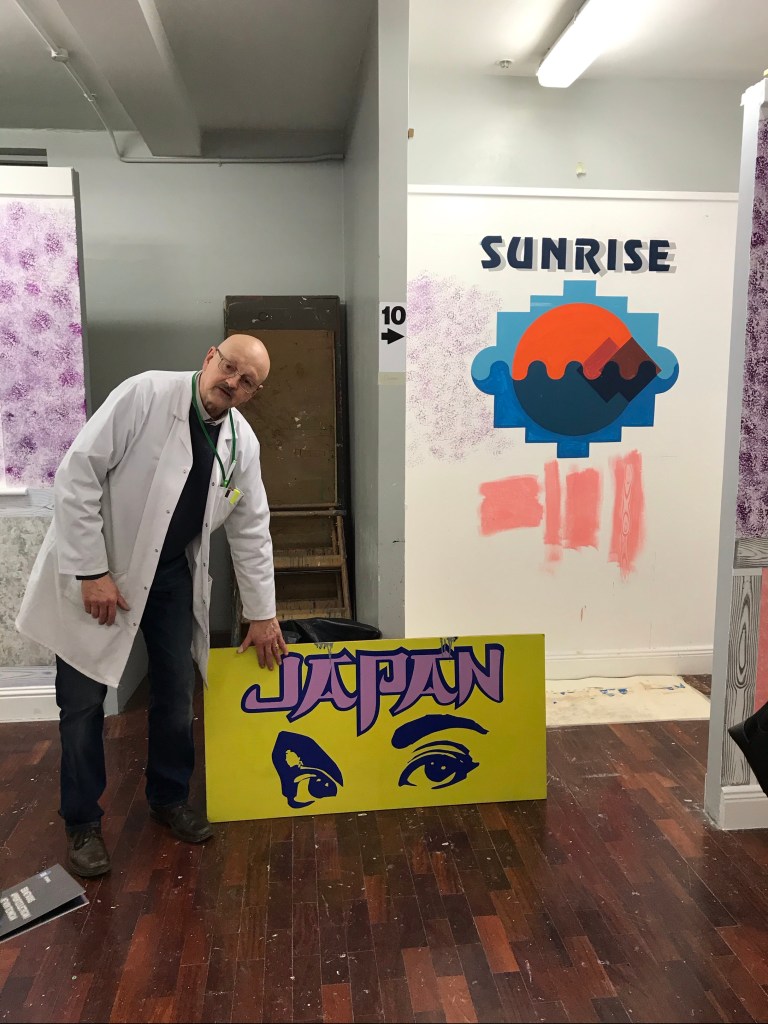
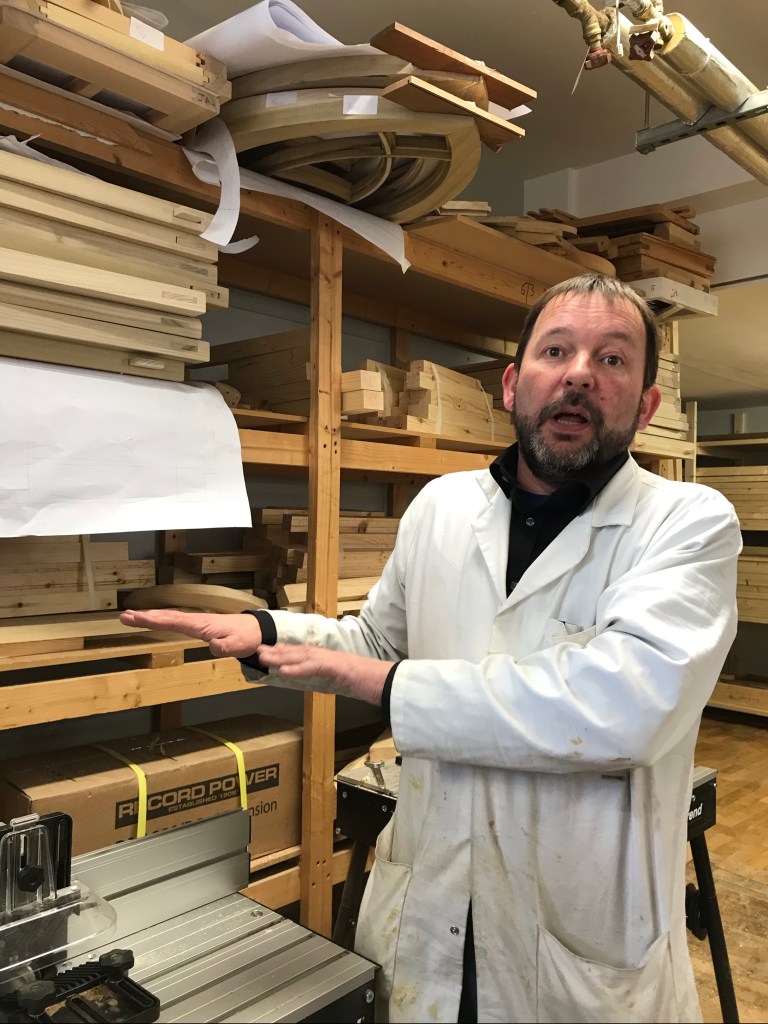
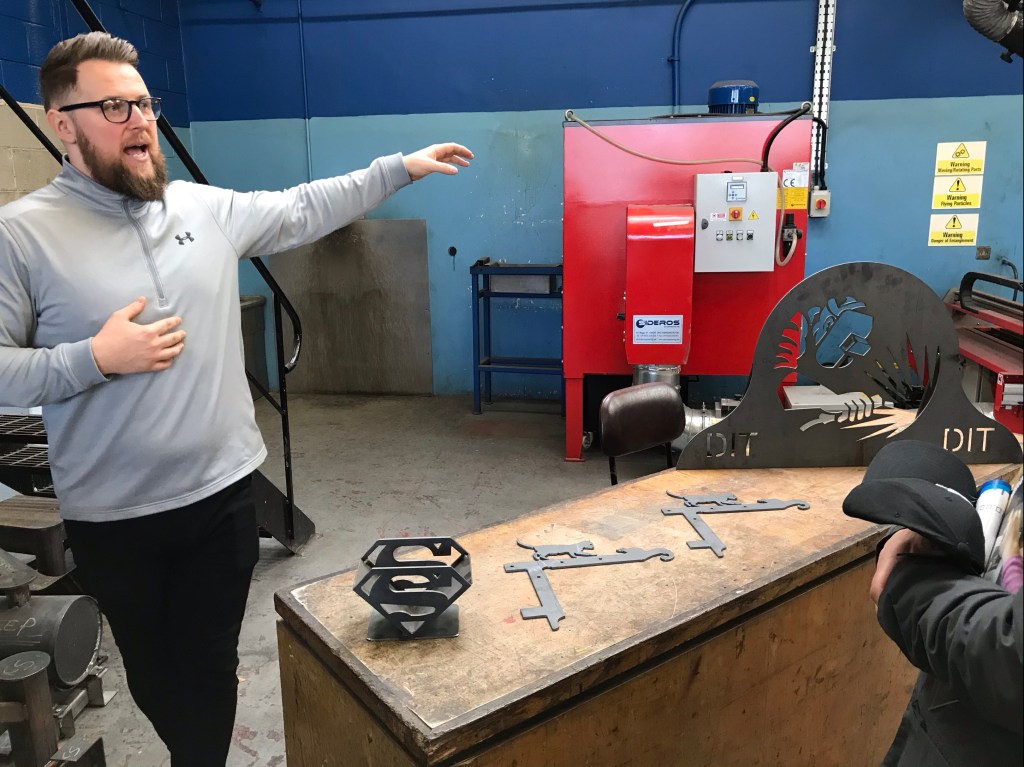
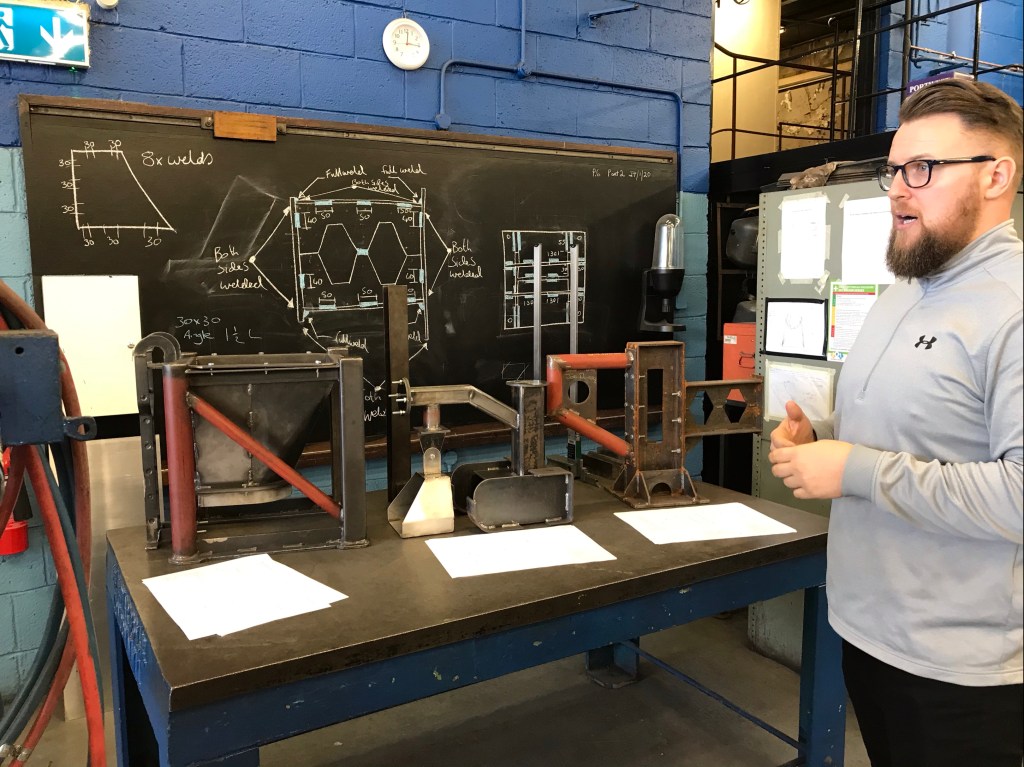
I provided tours of the facilities–bricklaying, plumbing, carpentry, metal fabrication, painting and decorating, laser cutting and 3D printing, automated fabrication–at Linenhall and Bolton Street where apprentices learn. Those taking our sampler program, “Access to Apprenticeship” get to use to all these workshops, and to complete a small project in each to help them determine which to specialize in by completing a full course.
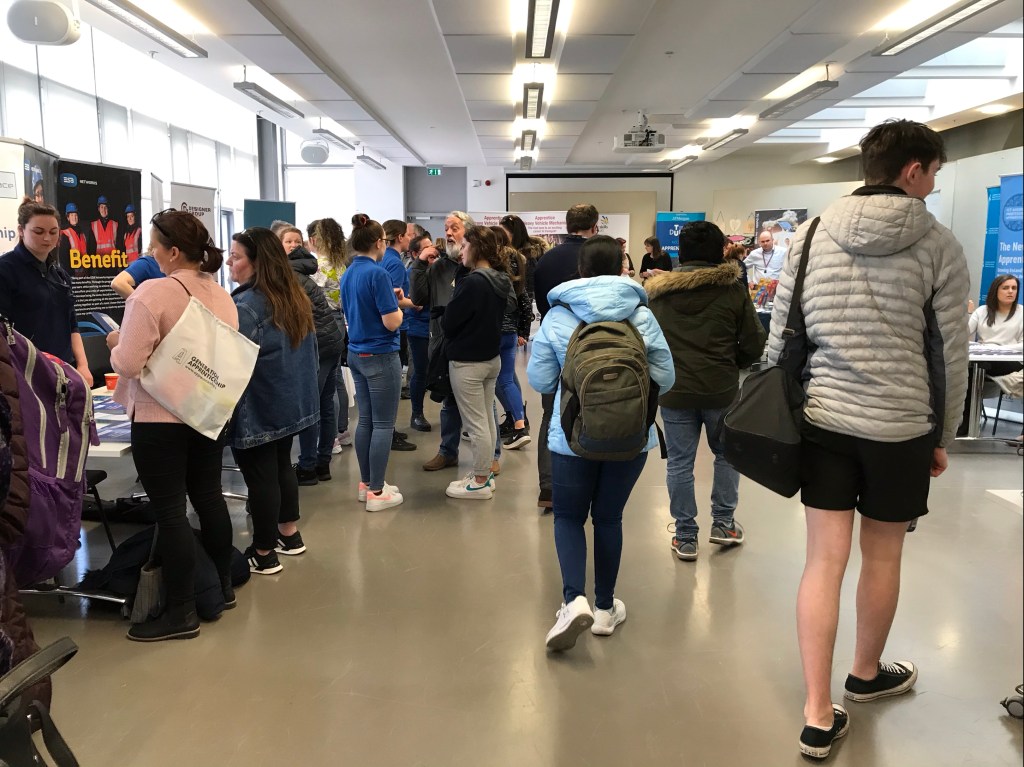
At the end of the event we heard that campus buildings would close that night at 18:00; after this, classes would meet only online.
The BIM modules we offer in my program did indeed meet that night, all online, thanks to the collaborative working platform my colleagues use to teach BIM. Kevin Furlong, Barry McAuley, and Emma Hays took it all in stride and kept on delivering! I was truly impressed.
Working it out during Covid-19

I already worked half time on research, so I actually labored from home 50% of my working hours, pre-Covid. For me, work life after the 12th of March looked pretty similar to before–lots and lots and lots of time at my laptop. There was less variety, though, and much less human contact.

I missed feeling creative. I wasn’t able to blog, as I didn’t feel reason to celebrate during a time of fer and hardship.

I got work done, but not with my normal level of zest.

The first two weekends after the campus shut down, we weren’t yet asked to isolate (we never officially ‘locked down’) but the government was asking us to keep our distance from others.

My household has one other person, Aongus, and this fact has kept me sane during isolation. I’m glad I haven’t had to go through this pandemic living alone. That said, my guy has much higher exposure to the outside world than I do, and could inadvertently drag Covid-19 home at any time.

As you probably know, Aongus and I really enjoy our weekends. We love getting out, exploring the world, getting exercise, fresh air and sunlight. In fact, not feeling pangs of guilt for taking weekend off is a major reason I moved to Europe from the USA. You’ll recall that Aongus and I made the most of every minute in London during my two-year fellowship there. We had plans to make the most of our precious weekends together in Dublin upon our return.

A Sunday at Greystones Beach

Sliding into a new normal, we had a couple weeks to adjust to freedoms and habits that were slipping away. We were still allowed to drive and explore, but were required to stay away from others. Our gym was still open during this time, as well, though we were distancing.

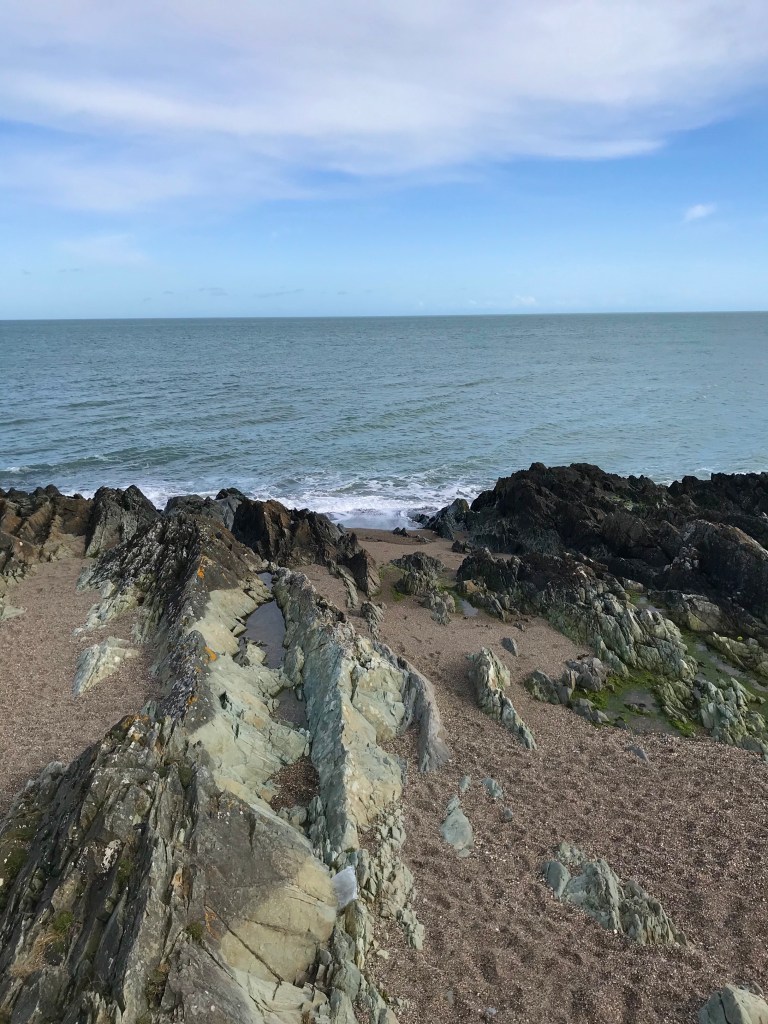
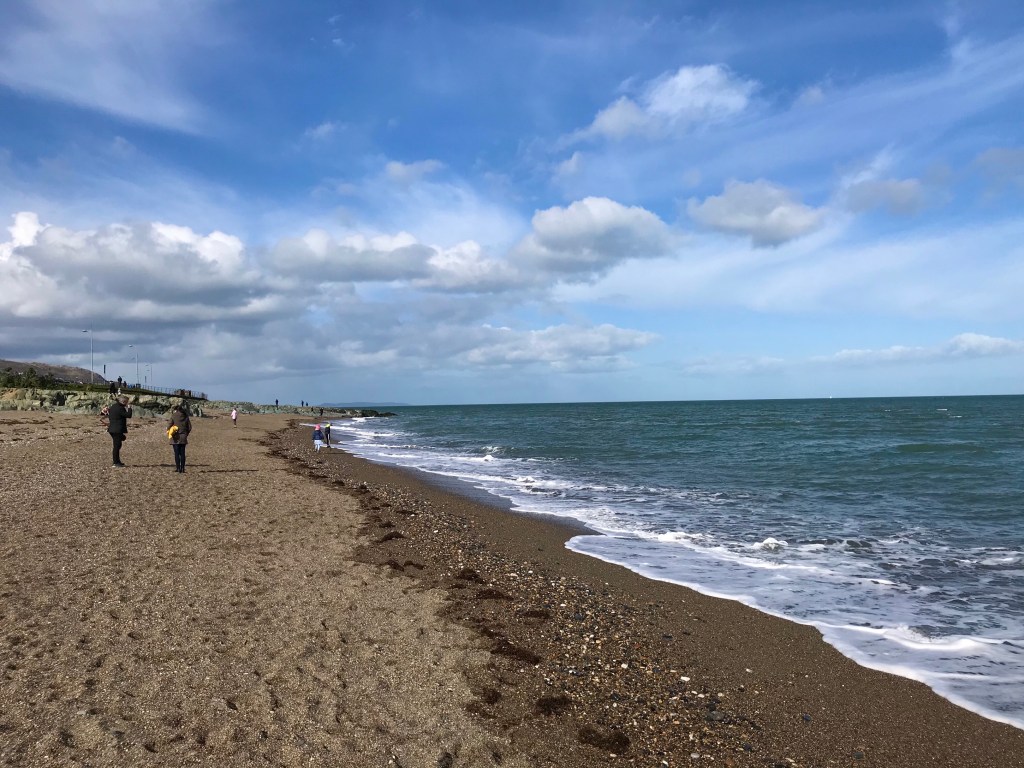
On Sunday, March 15, Aongus and I drove out to Greystones, where we were able to distant from others on the beach. We enjoyed the solitude in the cool winter breeze off the Irish Sea.
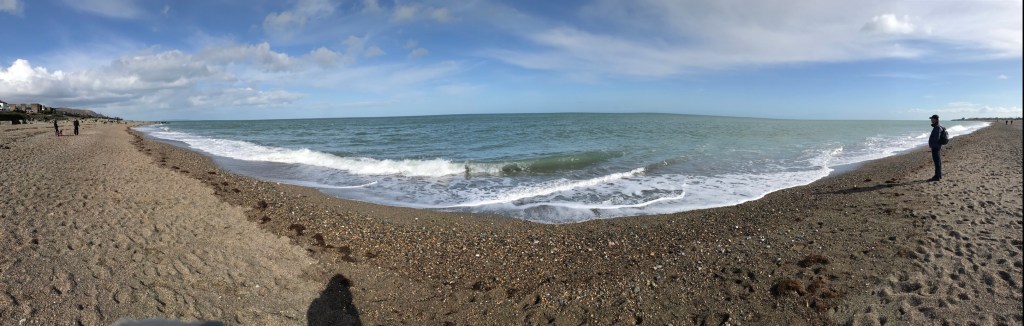
And we learned that lunches and loos were few and far between. From this day forward, we packed sandwiches whenever we ventured out, and planned ahead for long period of loo-less-ness.
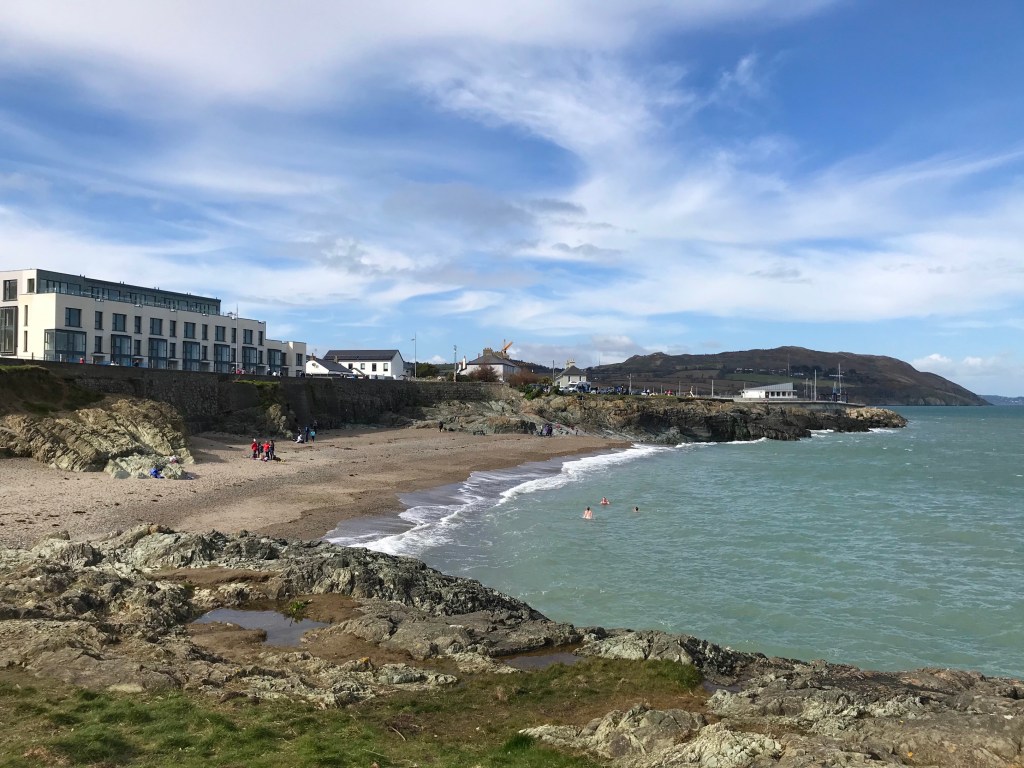
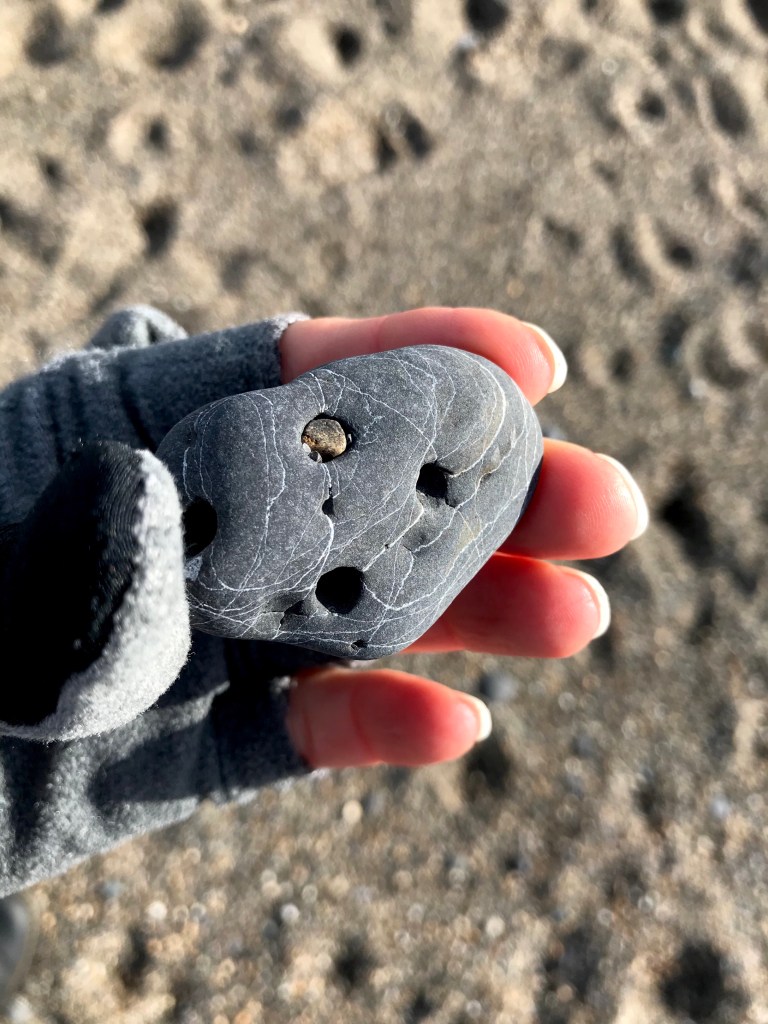
The difficulty finding these that day told me that things were going to change more radically. We drove to some favorite spots hoping for lunch, but couldn’t stop because they were packed with people.
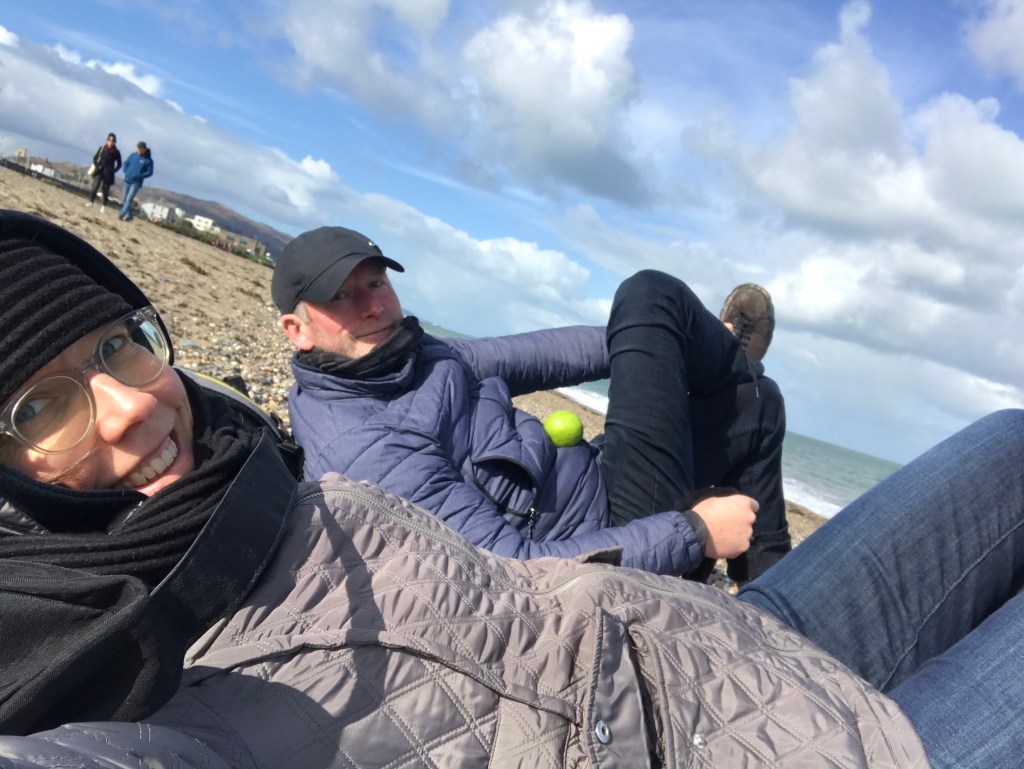
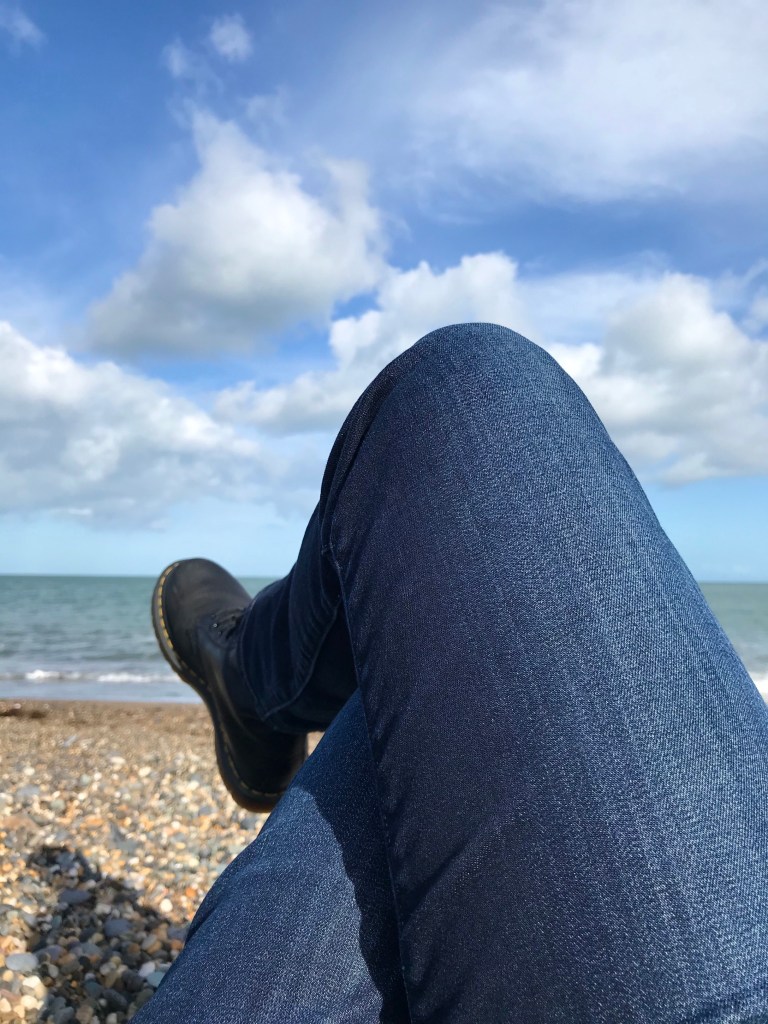
We did, however, find joy in simple pleasures: an apple, the sunshine, and loving company.

Holi-day at Bull Island Marshes & Dollymount Strand

St. Patrick’s Day was a holiday, so we made another trip trip to the sea, still pre-lockdown (to use the phrase lightly–we’ve never officially ‘locked down’ in Ireland to the degree of many other European countries).

Although Dublin’s St. Patrick’s Day Parade had been cancelled, and tourists discouraged from coming, we residents were still allowed out, but asked to keep our distance.

Aongus and I headed out to Bull Island, by car, as was typical for us before coronavirus. Walking and Dublin Bikes were our other main forms of transportation, and where they didn’t bring us, a bus or car would. “Back then”, we would never have dreamed of cycling to Bull Island or Dollymount Strand; they seemed so very far away.

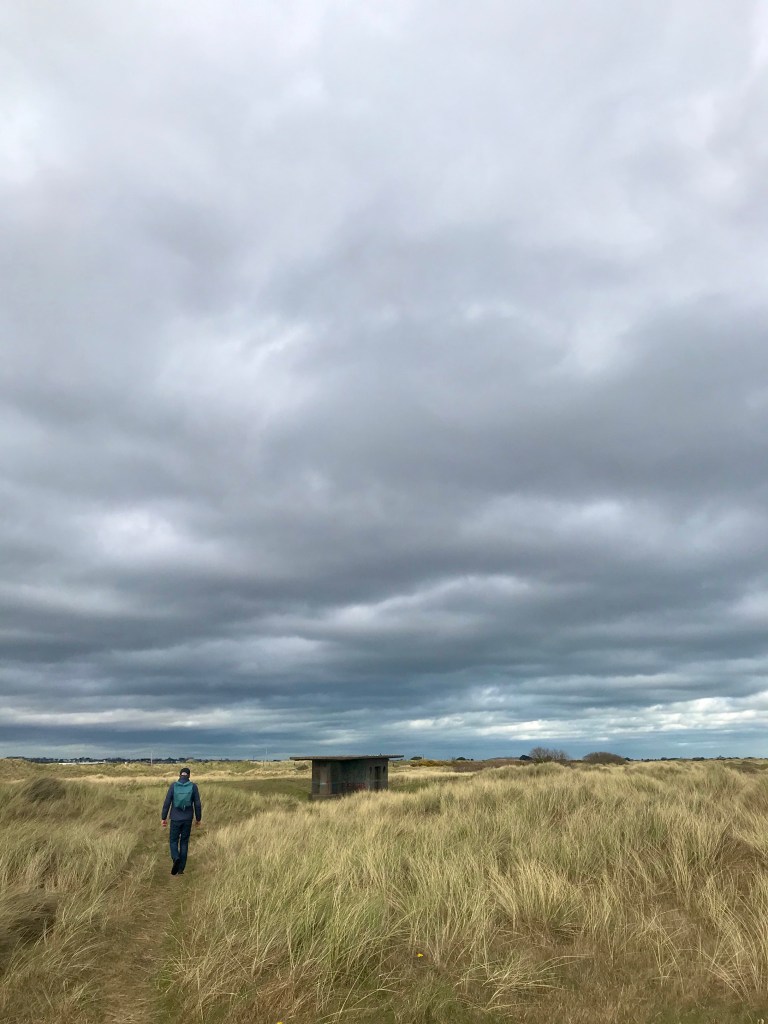
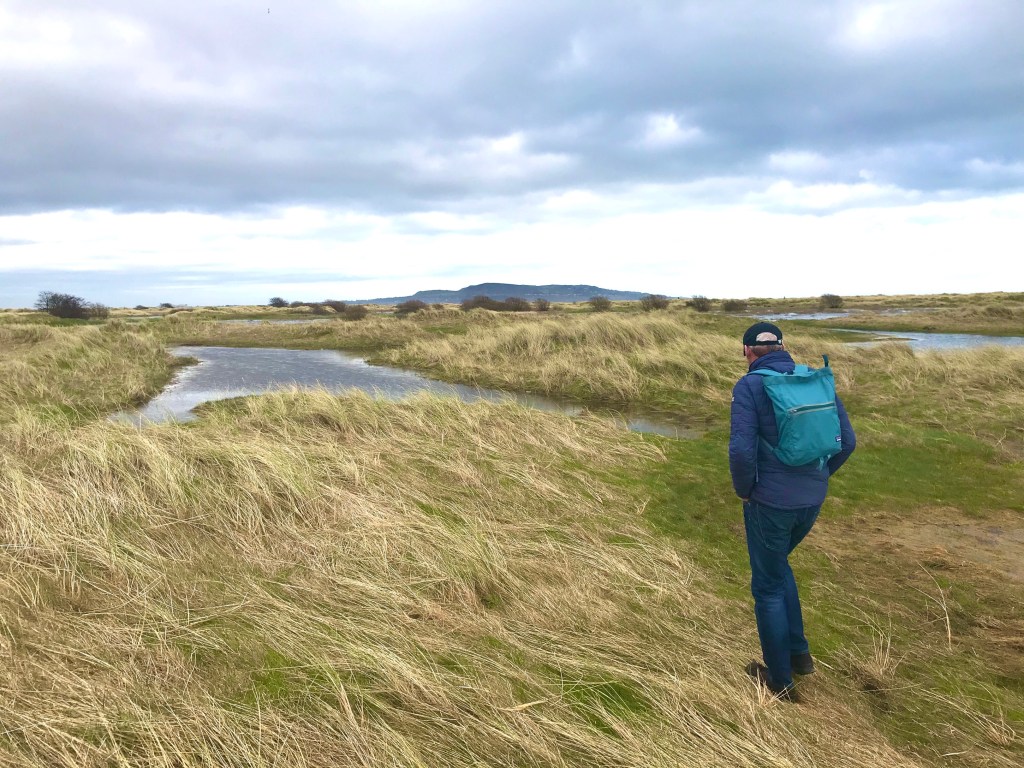
Bull Island is a favorite among Dubliners though, and when we arrived the beach looked far too crowded to allow the distance I required, so we instead explored the marshes.
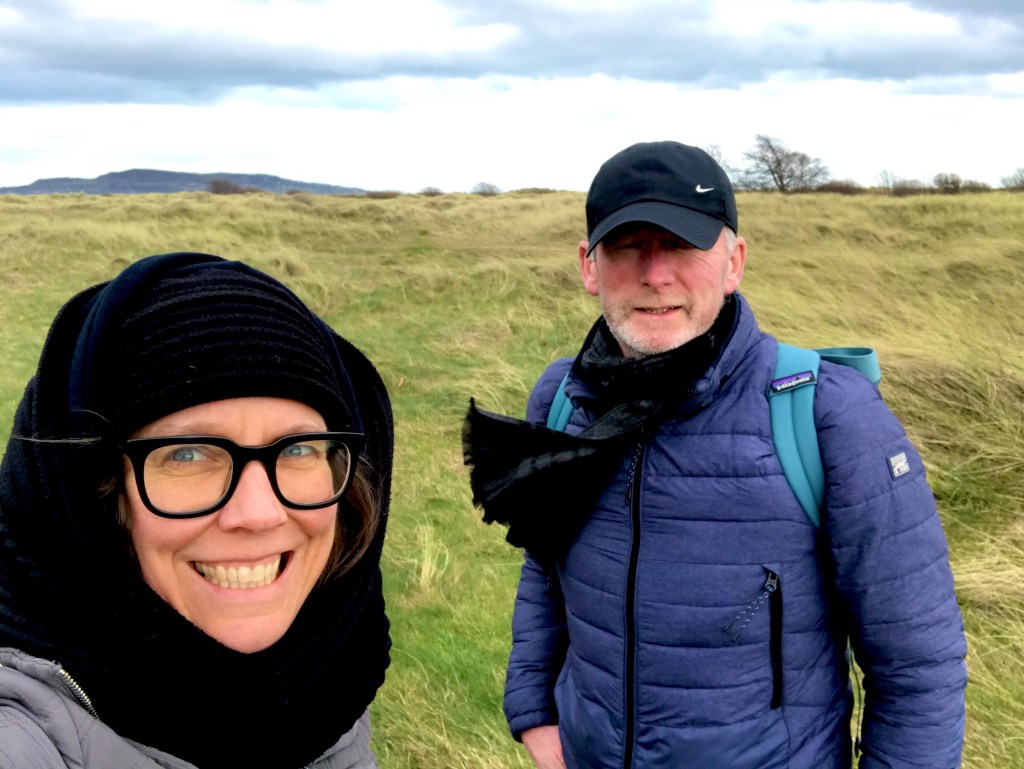
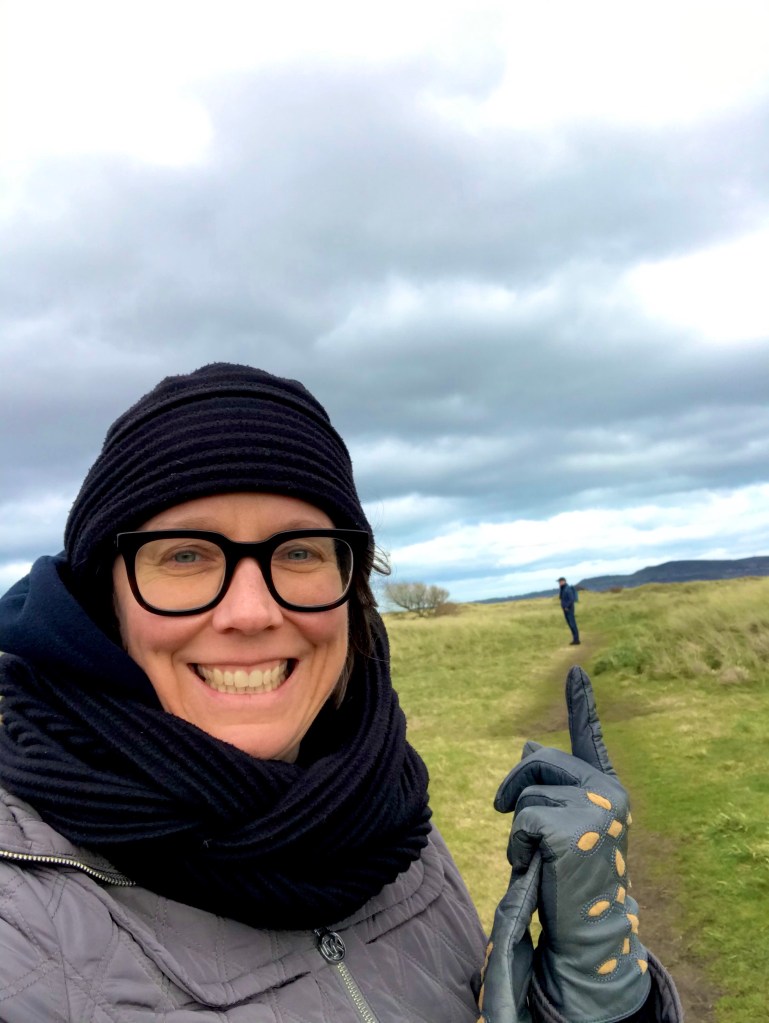
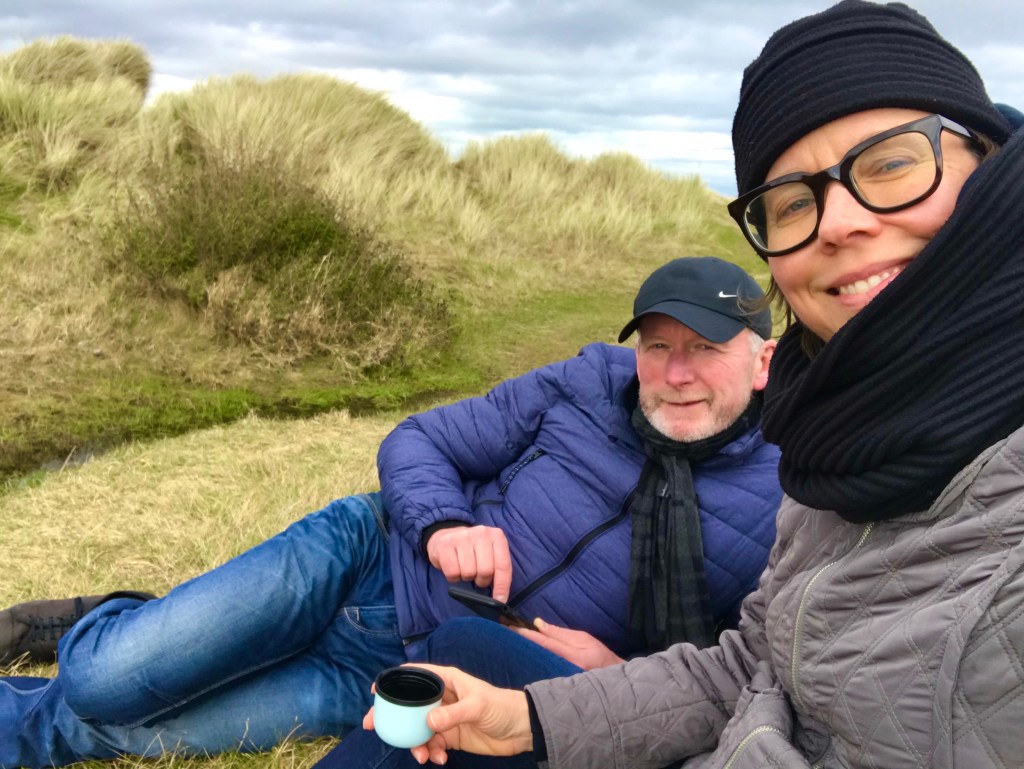
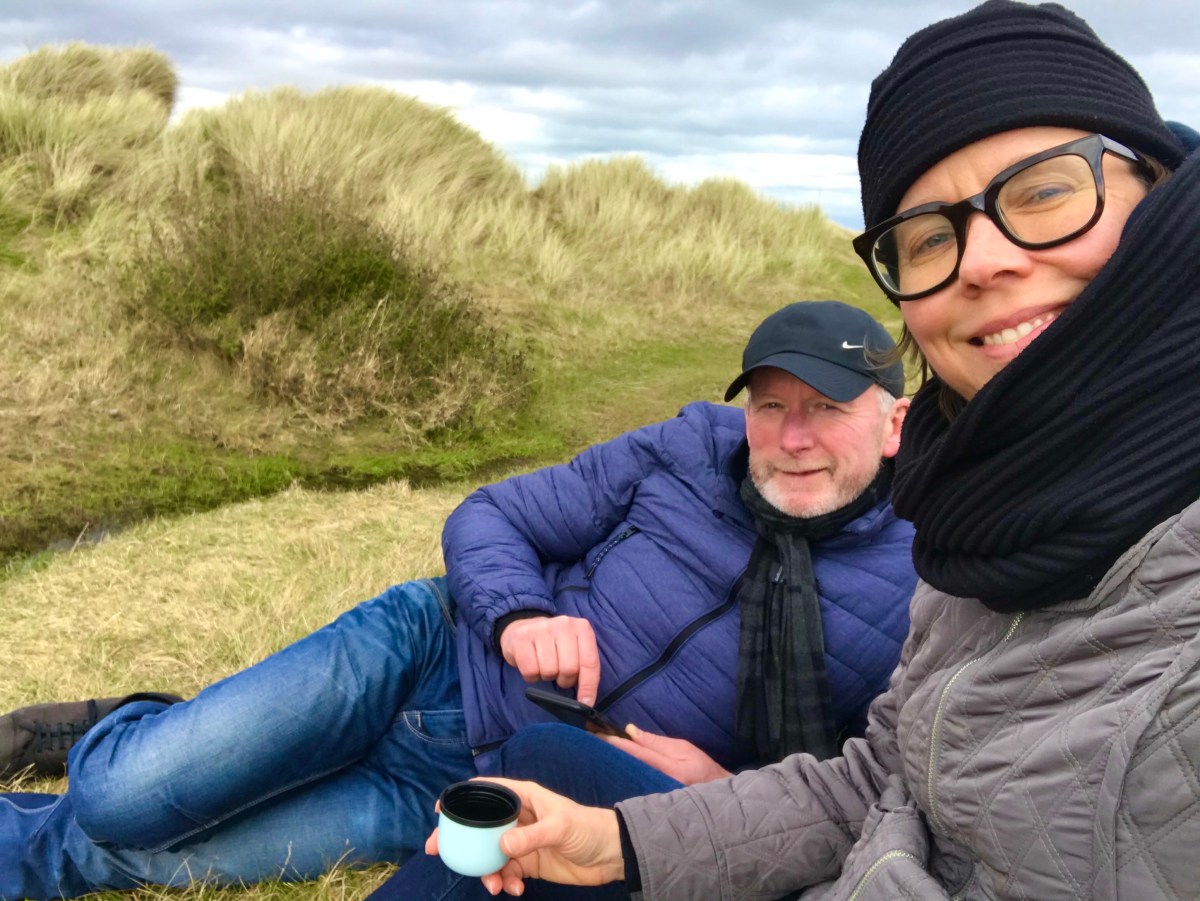
My colleague Damon Berry had recommended that I check them out, and this was the first time I latched onto the idea. Aongus and I had a nice picnic in the dunes.

Of course, we hoped to find passage across to the beach by way of the dunes, but the waterways prevented that. Nevertheless, we enjoyed discovering a tranquil strip of Bull Island where few people venture.

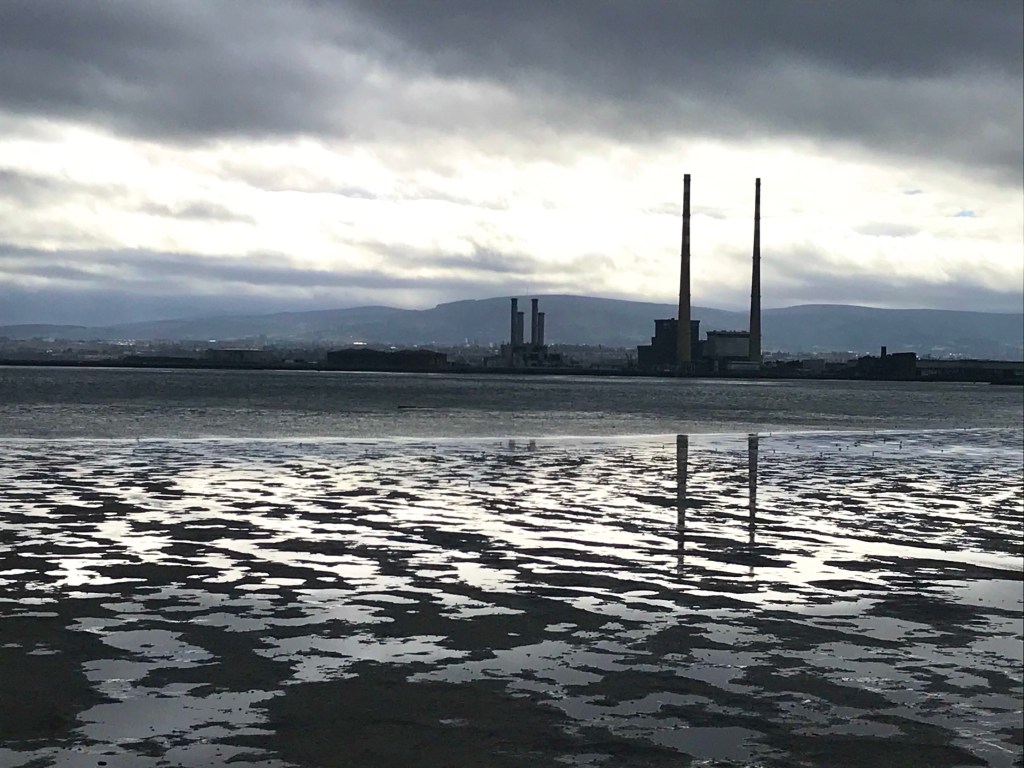
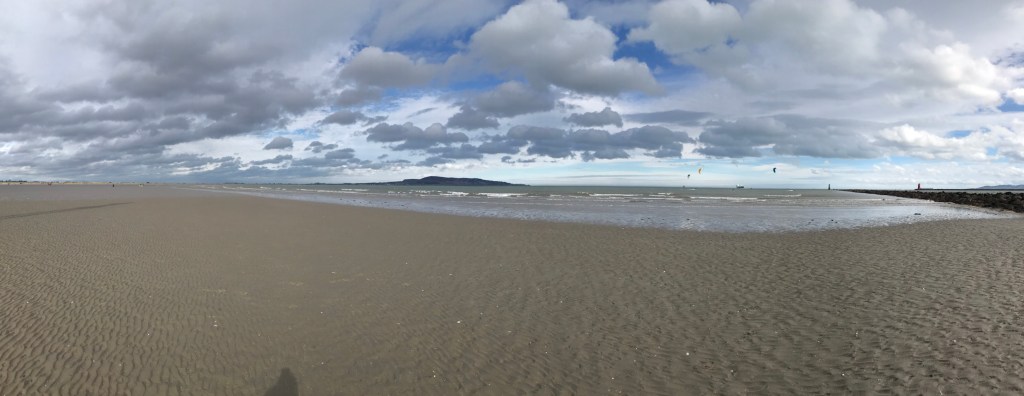
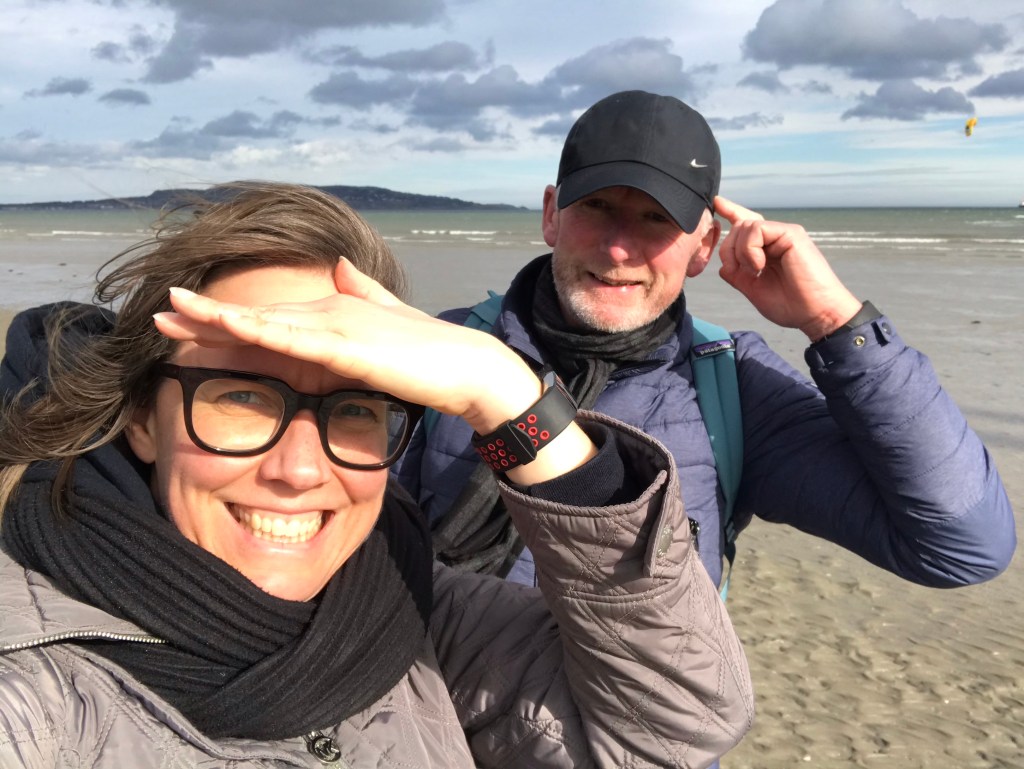
By the late afternoon, the beach had cleared out (it was the bottleneck along the wall that had presented the problem passing others) and we were able to visit the strand, which is called Dollymount.

As you can see, Dublin is quite chilly during March, but any opportunity to go outside, walk, and soak in the sunshine is prized.

Isolation begins

The lifestyle we had known was quickly sliding away. Soon after our visit to Bull Island, the period of isolation began. Aongus and I essentially hibernated for weeks. I was able to keep working from home. He, as a construction site project manager, was able to do some limited amount of work from home and was allowed on site, alone, occasionally, to do essential work, or check for security.

As we have a range of grocery stores (Fresh Market, Lidl, two Centras and a Daybreak) within 1-4 blocks of our flat and the food supply chains serving Dublin never let us down, we were able to source food easily and have learned many new recipes with what we can find in these stores.

That 2km radius we were allowed to travel from home for the purpose of exercise kept us sane, and we looked forward to weekends, hoping and praying for sunshine.

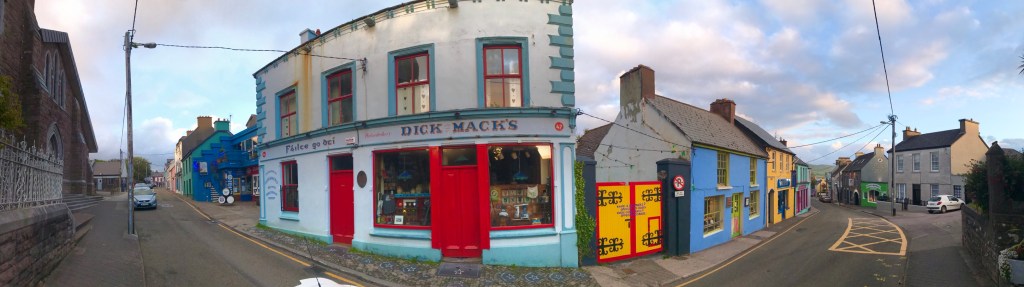
County Kerry: A day in Dingle

The Irish government has allowed domestic travel since June 29, and has been encouraging residents of the Republic to holiday inside the country to help revive the Irish tourist sector. Aongus and I were happy to oblige and we headed out for a four day weekend to the west of Ireland.

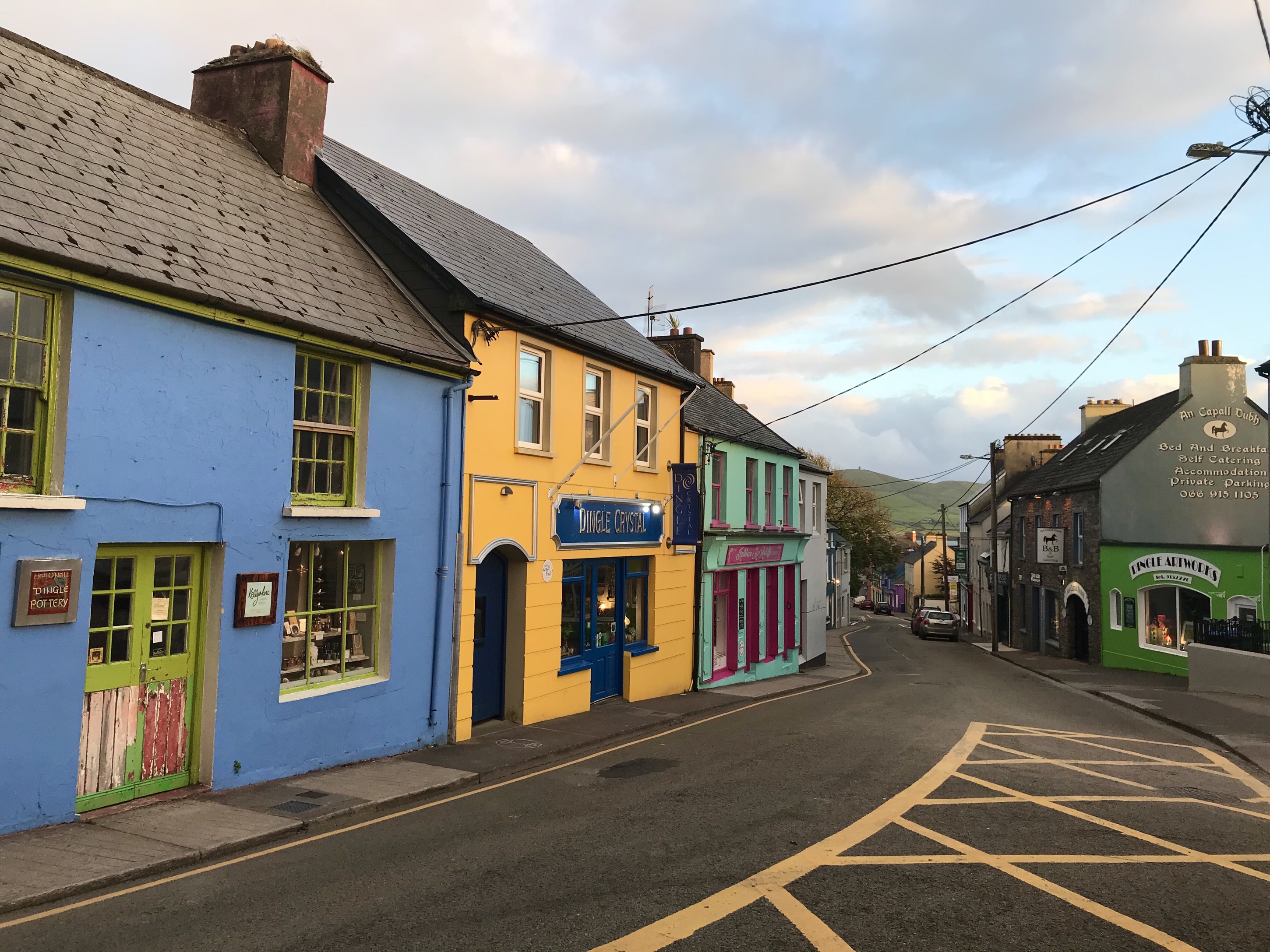
Unbelievably, my Irish man—born in Dublin and raised speaking Irish—had never been to Dingle! This rainy little fishing village is a favorite of Americans, and I’ve visited several times since my inaugural trip there in 2003.

The Fish Box is just to the left of Dick Mack’s Pub, across the street from St. Mary’s Church.

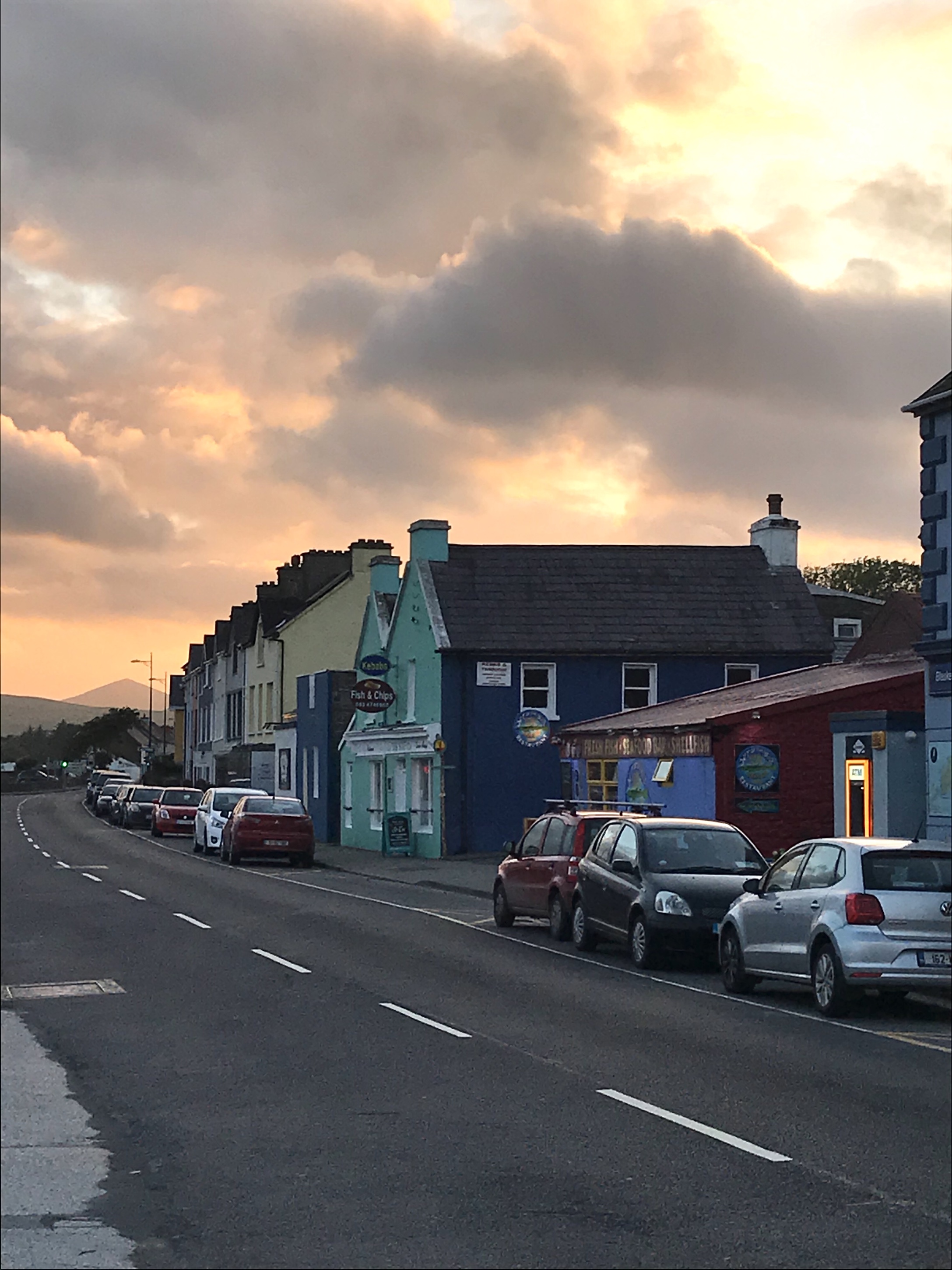
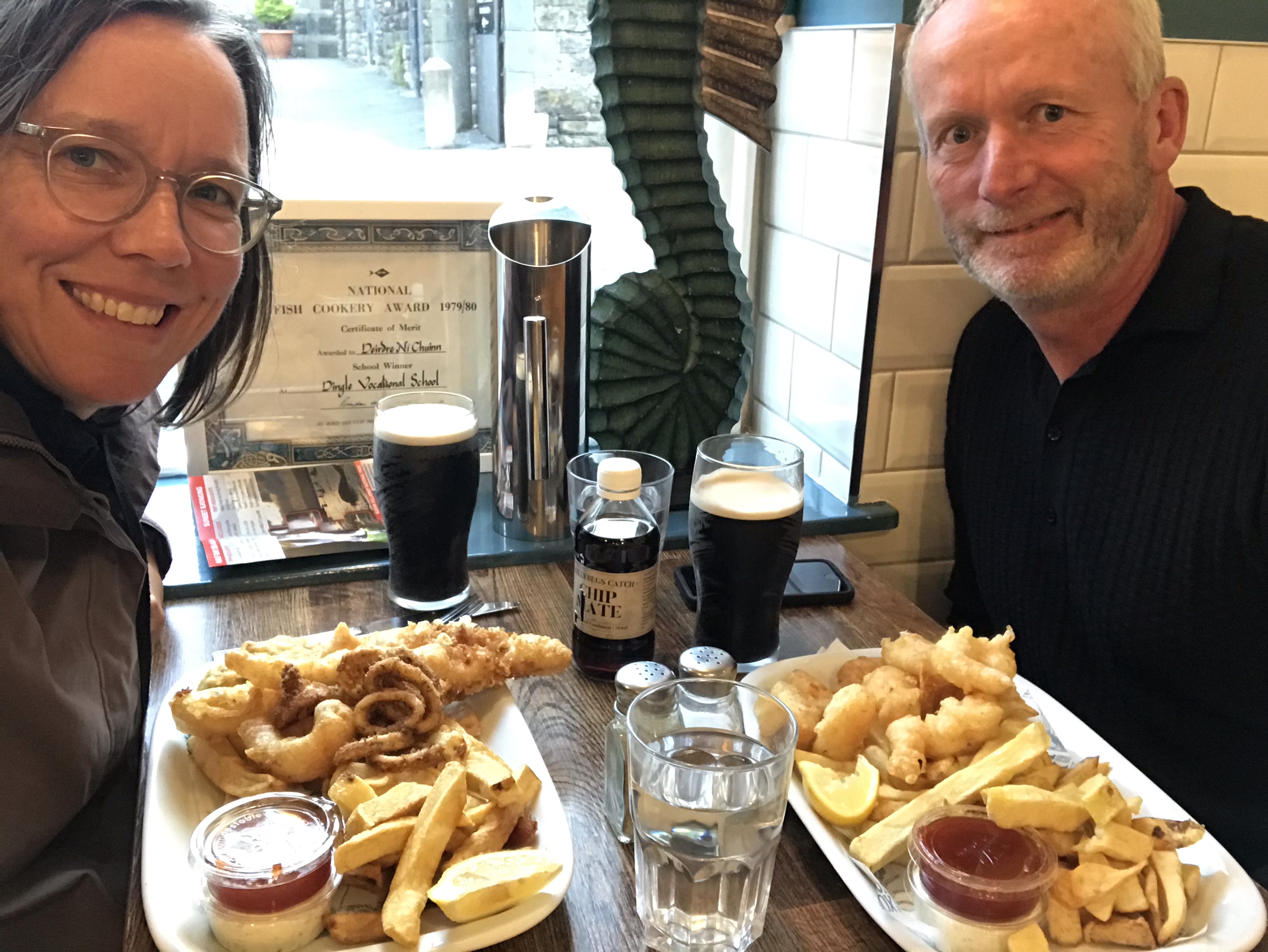
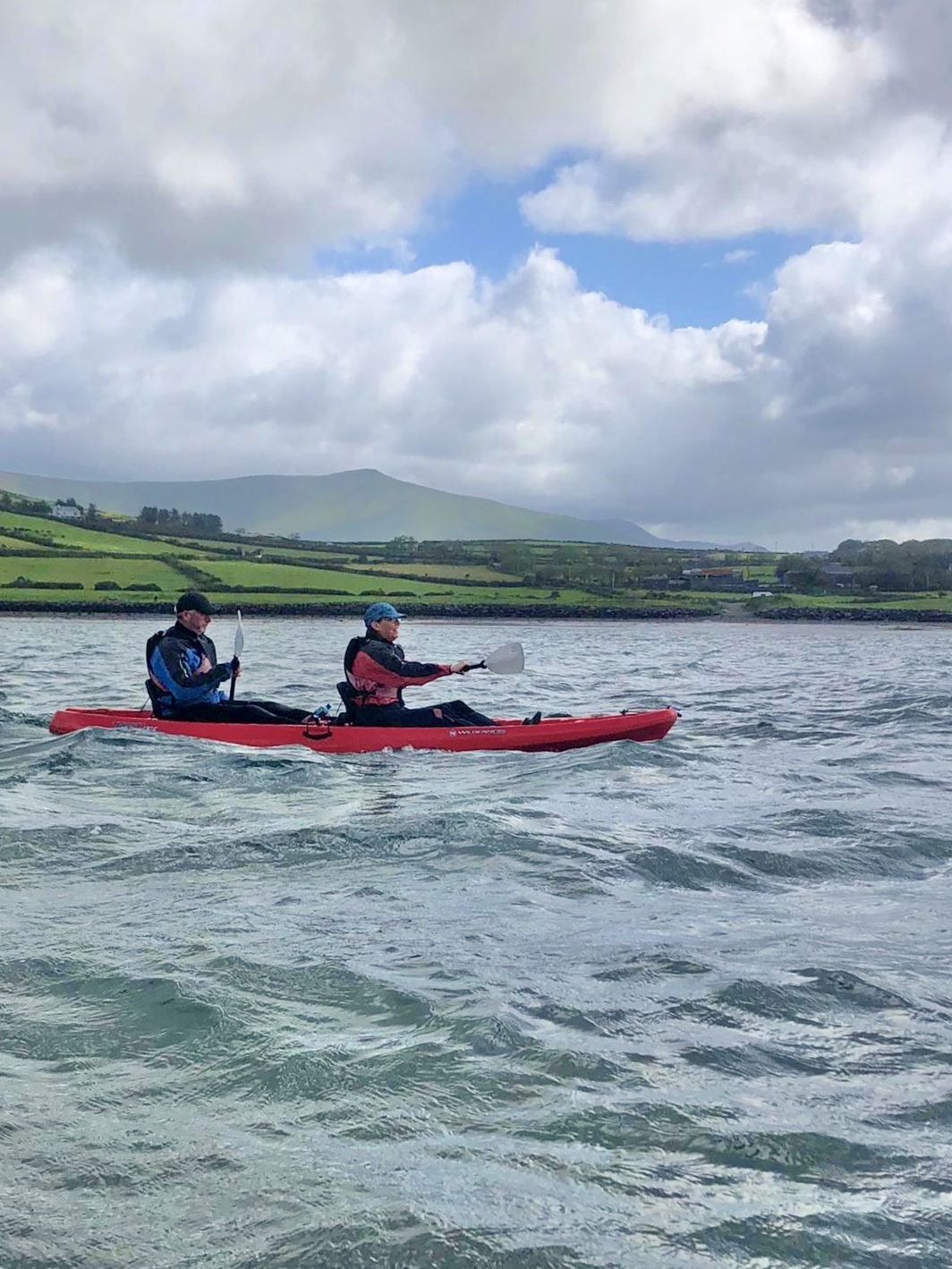
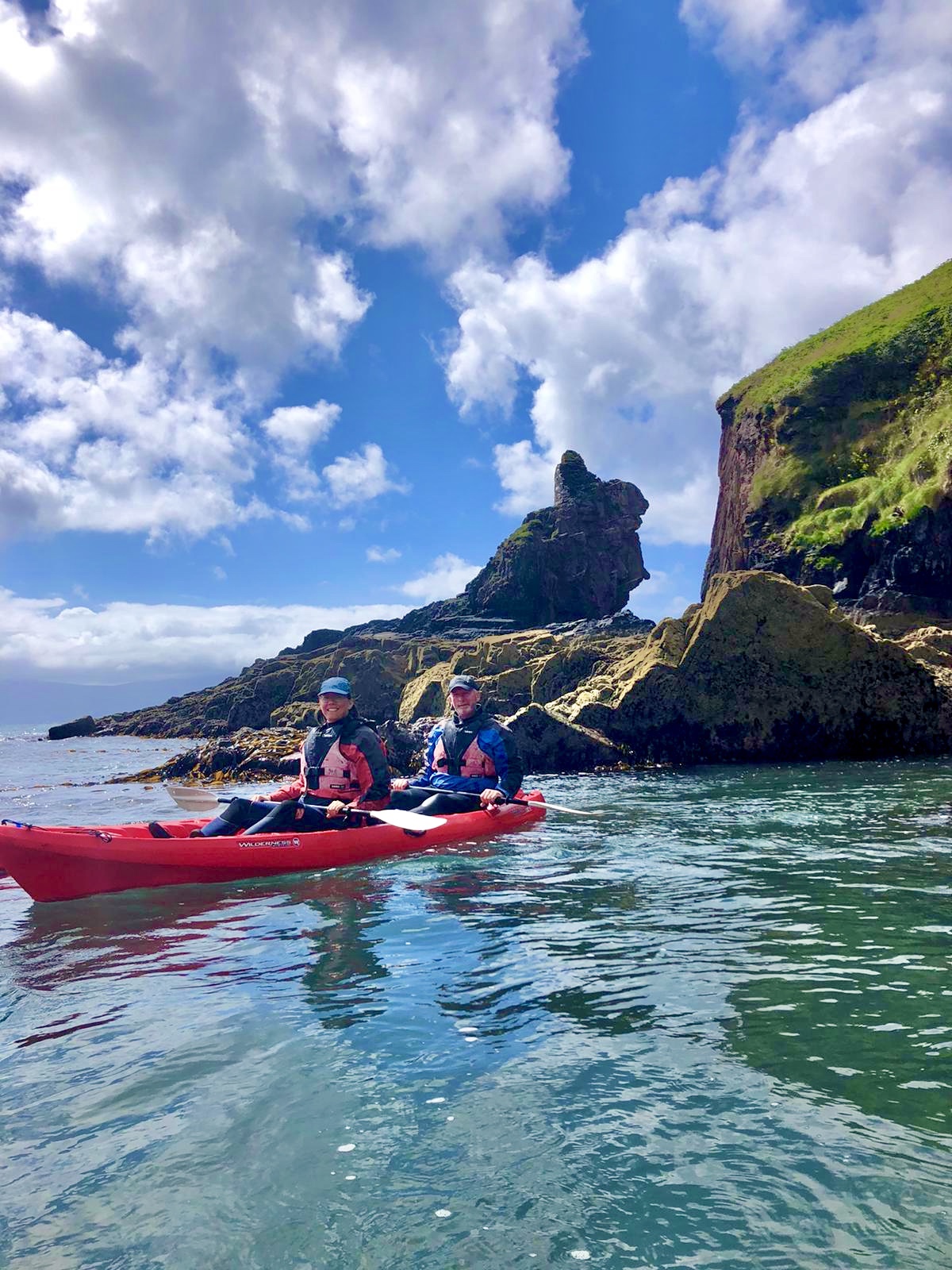
This particular overnight stay in this lovely little town included dinner at The Fish Box (amazing!), bed and breakfast at Bambury’s Guest House, and a kayaking trip guided by Irish Adventures.

And yes, we saw Fungie first hand, just 30’ or so away. Such a friendly and adventurous dolphin who has graced Dingle Bay since 1983. The tourism industry loves Fungie, with hundreds and sometimes even thousands of people boating out to visit the people-living dolphin daily.

On our kayaking trip were four learners—a couple from Cork and a mum and son from Dingle—and two instructors. A family of five got their own guide and travelled apart from us.

It was such a treat to pal around with Irish people enjoying their own home place. Truly an ideal time to visit. Especially since the seas were too rough for boating two days before and two days after our own outing. We really lucked out!

The pubs of Dingle were still closed during our visit, so there were no trad music sessions to enjoy, but we were able to do a little shopping. I picked up some exercise gear in hopes of our gym opening next week, and I also purchased a Cornwall Seasalt brand scarf to replace the one I dropped at Bonobo’s of Smithfield in February that so unkindly was never handed over to the lost and found.

Social distancing was easy in Dingle and we look forward to exploring more of Ireland as time, weather, and government guidelines permit. We were so very thankful for this one precious day of fun and glorious weather.

New-ish cap!

Special thanks to Noel of Irish Adventures for excellent instruction and leadership of the tour as well as his gift to me of an Irish Adventures baseball cap. They had actually run out of new caps, but gifted me one off their very own head! And it’s already perfectly broken in. Pop it in the wash and it’s good to go!

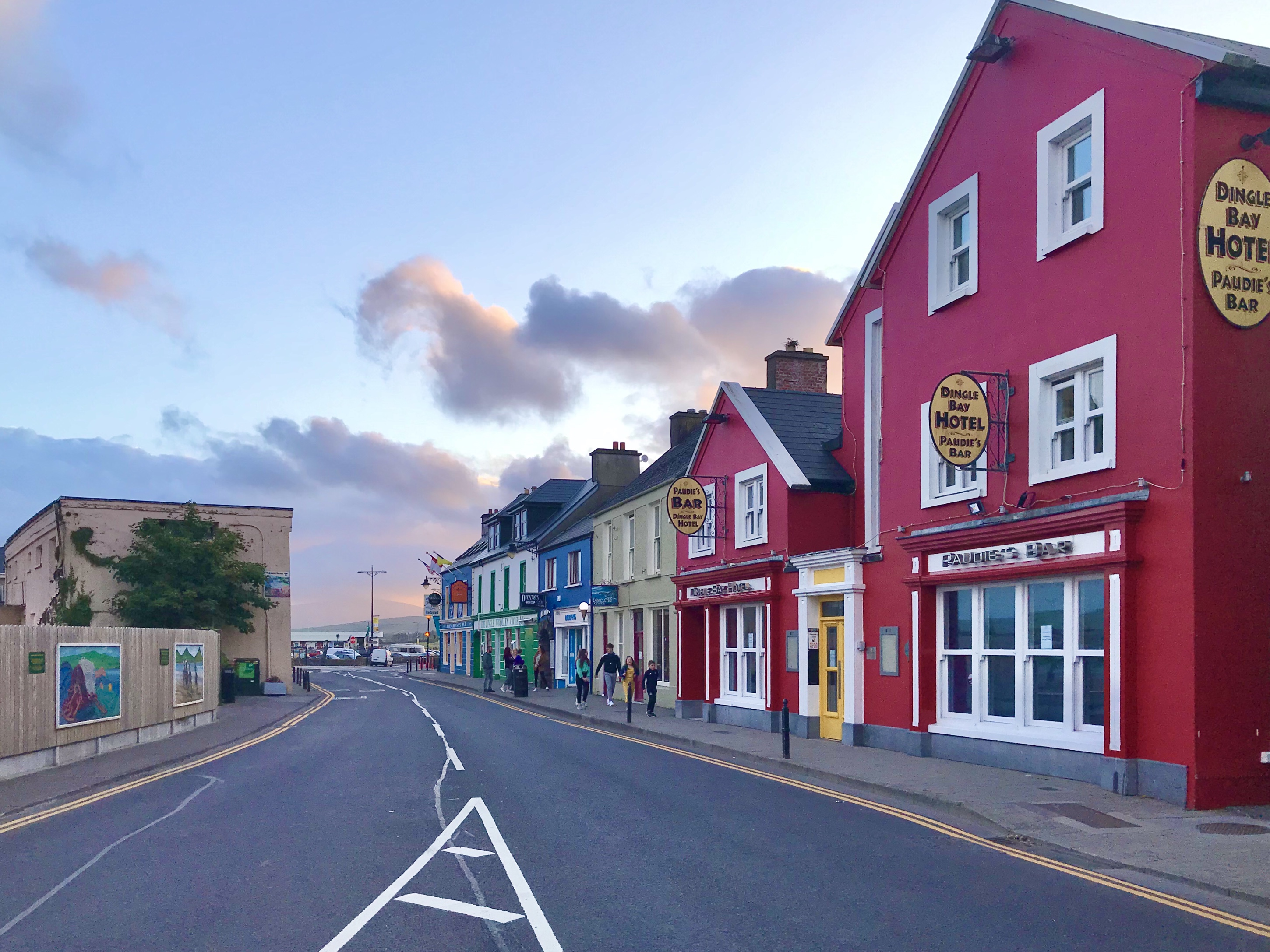
The photo gallery below shows an approach to Dingle via the Connor Pass (with new Wild Atlantic Way signage), the town of Dingle at sunset, and our morning out on the weather. Stay tuned for more pics of Kerry to come!

Ethics in Engineering: Calling for a Revolution

The platform Engineering Matters aired Podcast #59 on “Empowering Ethical Engineering” on June 25, 2020.

Bernadette Balentine is the host of Engineering Matters, and in podcast 59, she featured guests from Mott MacDonald, Canada’s Corporation of the Seven Wardens, Engineers Without Borders UK, the University of Leeds, the UK’s Institution of Engineering and Technology, and me, a Visiting Professor at UCL. You can find it at this link.

The podcast tells a fascinating story about a catastrophic bridge failure that happened in Canada, explaining how the overall engineering profession there responded by developing and adopting a strict code of ethics.

The overall podcast is 37 minutes, and I’m featured only briefly (around minute 28.5). In this post, I’ll provide a little more detail on the work I’ve been doing that led me to be included.

As you probably know, I was a Marie Curie Research Fellow at UCL for two years, and I still serve as a Visiting Professor there at UCL. I have a keen interest in the built environment and I’m also a registered architect in the States with LEED-AP credentials. My research specialty involves how people learn engineering and architecture.

During the Fellowship, Engineers without Borders UK came to me asking for help with research idea. As a result, my team and I conducted a small-scale qualitative study where we interviewed nine civil/structural engineers practicing in London about their perceptions of ethics and, specifically, of global responsibility—what it means and how they enact global responsibility in their day-to-day work. I reported this research while speaking with Bernadette for the podcast.

Bernadette asked what factors we had identified that prevent engineers from acting on ethical beliefs. Here’s some of what I said:

Even when early career engineers see opportunities to do something in a better, more ethical or responsible way, they often have trouble getting the idea accepted. Cost and time constraints limit their choices. Small and private projects nearly always prioritize cost and over environmental or social sustainability. 

Early-career engineers can influence material selection and thus carbon footprint to some degree, but many other decision are out of their scope of work. Crucial decisions were made long before they got involved. They select materials, run calculations, and make more detailed decisions, but they are often involved in a small portion of any given building or infrastructure project. Even when they see an opportunity to do better on a private project, their client usually only accepts it is the idea if it also saves money or time. 

That said, larger public projects provide more opportunity to protect the public good—and they hear about public discussions. But it’s other professionals, such as architects and planners, who often drive those discussions. On the other hand, the senior managing engineer we interviewed was quite able to affect things on a large scale; he had quite a lot of sway in decision-making and frequent opportunities to protect public Health and Safety. He took pride in doing so, and he also reached out to help mentor others to develop such skills. 

Early-career engineers told us they lack reliable tools for calculating environmental and social impacts of various options. Quite surprisingly, most don’t recall having discussions in university about sustainability. While they say ethics was probably covered in their professional practice classes, none of this was covered in a way that was “sticky” enough for them to recall it. Most learned about this after university, through CPD courses, their own research, and company induction programs on Health & Safety and anti-corruption with an implied focus on anti-bribery. 

Overall, the early career engineers in our study expressed: 

  • A lack of tools for demonstrating benefits of environmental or social action
  • Some degree of shortfall in training/preparation
  • Feelings of disempowerment due to decisions being made further up the business or by clients who didn’t value sustainability

One of the most important findings of our study was that the engineers felt empowered to act on job-site Health and Safety more than other areas. Job-site Health and Safety was the one thing, they said, that consistently trumps cost. They were also clear on company rules for reporting gifts.

This led me to wonder: Might we use the levers that facilitated sweeping change across job-site H&S and anti-bribery to facilitate quick change in other areas related to ethics—specifically environmental and social aspects of sustainability and justice? 

A helpful example was relayed by Malcolm Gladwell. In it, Korean Airlines went from having one of the world’s worst flight safety records to one of the best, and they did this by changing their own culture (with help of consultants) to allow individuals to raise concerns and challenge authority without personal retribution, without fear of reprimand.

I believe engineers need more of this type of empowerment and protection. The narrative Bernadette Ballantyne has woven on “Empowering Ethical Engineering” illustrates how Civil Engineering in Canada did precisely this.

It’s well worth a listen, regardless of whether or not you “engineer” things!

The Iron Ring worn by Canadian engineers after taking their oath to protect Health and Safety of all. Learn more at https://en.wikipedia.org/wiki/Iron_Ring and on the Engineering Matter podcast.

Meanwhile, stay tuned for more details of our study, as we prepare various findings for publication in research journals. Many thanks to my research collaborators Inês Direito, Rob Lawlor, and John Mitchell, and the Advisory Board appointed by EWB-UK to help guide our work. Financial support came from the European Commission via my Marie Curie Individual Fellowship and a grant to EWB-UK from the Royal Academy of Engineers UK.

An Irish Welcome-Home!

Welcome to the homepage of Ireland by Chance, a blog sharing the adventures of an Expat architect/urbanist/teacher/engineering education researcher who moved from the United States in 2012 to make Ireland her home.

You can view archives (2012-present) by clicking the folder icon to learn what it’s like to be Fulbright and Marie Curie Research Fellow, to teach at university in Ireland, and to explore the cities and landscapes of Ireland, the UK, and Europe.

I’ve also posted an example grant proposal for Marie Curie (individual fellowships):
Abstract and Eval
• Excellence Section 1.1, 1.2, 1.3, 1.4
Notes on using tables
• Impact Section 2.1, 2.2
Implementation Section 3.1, 3.2, 3.3, 3.4
Ethics Section
Final Report from 2016 submission

Dublin Maker here we come!

The TU Dublin RoboSlam gang is alive and kicking!

Nearly 20 of us met in February to start planning our exhibition for Dublin Maker 2020. The big event is to be held on the 27th of June in Herbert Park, on the south-side of Dublin.

Last week, a portion of our team reassembled to get different people’s parts working together in a coordinated way. I’ve created a little video of that second prep session for you to enjoy.

One thing that worries me, though, is that all the stuff my colleagues have made looks so very cool, so incredibly professional, that visitors to our Dublin Maker booth will think they BOUGHT this ready-made. Not so.

For instance, Keith Colton (in the video with the bandaid on his thumb) used a 3D printer to make the car he’s holding. He made it from scratch.

Shane Ormond combined a whole bunch of cutting-edge technologies to get a tiny camera on top of his race car to feed video into the VR headsets and TV monitors, all the while controlling the car’s behavior from a hand-held device. He’s been sending us video updates from his house and it’s been cool to watch his car speed under sofas and chairs and around his lovely home.

When I tired driving, I couldn’t control the car too well–and I’m pretty used to driving sporty cars! In this case, the car didn’t quite have the handling of my 2004 Nissan Z350. The car was racing around at top speed and the VR googles made it all seem much too real!

Note in he video how Paul Leamy’s stomach turned when his car flipped over. Seemed real! You can see on the TV monitor, but viewed through VR goggles it’s all the more gripping.

So, see for yourself!

Come on out on June 27th to see where all this leads. Our team is just at the start and we plan to build a plethora of buses, stop lights, trams, and Dublin city sites for our cars to whizz though on Dublin Maker day 2020.

Brand new Bachelors in BIM launched today at TU Dublin

It’s been a busy and exciting week here in Dublin. Monday at noon I was appointed as Programme Chair for the new BSc (Hon) in BIM (Digital Construction) at TU Dublin. We launched the programme at lunchtime today, Friday, just four days later. I had a lot of studying up to do to get up to speed to host the induction/orientation.

This course is for people who have a three-year Bachelors degree (called level 7 in Ireland–this is the standard Bachelors in Europe). They will have studied Architecture, Engineering and Construction (AEC) for their first degree and want to learn about Building Information Modelling and upgrade to a four-year Honours level Bachelors (called level 8 in Ireland, and more like the Bachelors degrees offered in the USA). In the future, we will also accept people who have level 6 (apprentice) degrees and Recognition for Prior Learning (RPL).

This link provides info on Programme Outcomes, Awards & Graduate Attributes, for example. Take a look at the amazing resources and software packages available for students to use and learn. The program includes Work Place Learning (here’s the handbook for it) as well as a research Dissertation (handbook) supported by a Research Methods module that I’ll be teaching alongside Debbie Brennan.

So, today we held induction and welcomed 24 students into our first cohort!

This time next year, successful students will walk away with a BSc (Hons) and a host of new knowledge and skills related to digital construction.

My colleagues — Dr. Avril Behan, Mr. Kevin Furlong, Dr. Barry Mcauley, Ms. Deborah Brennan and others — were involved in designing this programme, and they even got a grant (Springboard+) to cover much of the cost for the 2020 cohort. They did all this work while I was away, working in London. What a truly lovely programme they have built!

It’s really needed here in Ireland — it’s great for the people taking the course who will gain valuable new skills — and it’s great for the Irish construction industry which desperately needs people skilled in BIM. I find this to be an extremely worthwhile project and I’m delighted to be part of it and to work with such a great team.

Here’s a press release from TU Dublin:

Technological University Dublin is delighted to announce the commencement of its level 8 BSc (Hons) in BIM (Digital Construction), designed and delivered by the same team who created TU Dublin’s award-winning MSc in aBIMM suite (ICE Postgraduate Course of the Year 2019). This programme is designed to meet the Lean Construction, BIM and digital transformation upskilling needs of holders of level 6 qualifications (including craft apprenticeship) plus industry experience, and of level 7 (ordinary degree) award holders in construction-related areas.  Focussing on discipline-specific BIM modelling (architecture, construction, MEP engineering & structural engineering) and multidisciplinary co-ordination, underpinned by a Lean Construction philosophy, this programme will equip graduates with the skills necessary to take up roles as BIM Modellers, Technicians, and Coordinators with consultants, contractors, clients, and public sector bodies.  The programme is delivered in blended format with attendance required on the Bolton Street Campus for one afternoon per week (typically Fridays from 12:30) from late January to late May with additional online delivery (one  evening per week – evening tbc and depending on discipline). From September to December the programme is delivered fully online with a number of support face-to-face workshops. 

The course handbook is available at: 

https://sites.google.com/a/dit.ie/handbook-of-the-bsc-hons-in-bim-at-tu-dublin-2020/ 

TU Dublin secured 90% of the funding for places in this year’s cohort from the Irish Higher Education Authority’s Springboard+ programme. Thus, the cost to selected participants in 2020 is only €220.

The application deadline for this year has passed (it was was Monday January 13th 2020 for commencement at end of January). This first cohort will commence their coursework in January 2020 and walk away with diplomas in a highly marketable field of expertise (BIM and digital construction) in February 2020.

If you would like more info on the programme, please register your interest by emailing the School of Multidisciplinary Technologies <smdt.adm@tudublin.ie>. Our school administrator can then send additional info as we prepare for upcoming cohorts. 

Home delivery

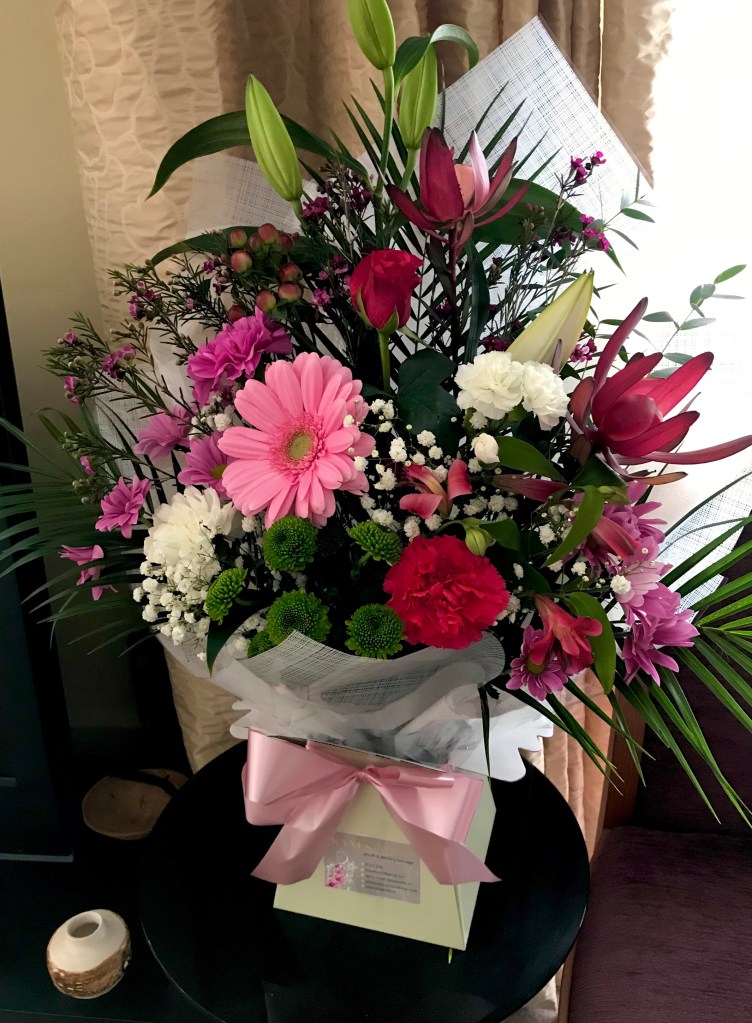
I’m happy to report that the florist delivered to my front door—no more cycling needed today!

This just in! Happy 50!

Thank you, Aongus, for the lovely birthday gift! Hope your own “welcome home to Dublin” tonight goes more smoothly than my day!

Perils of cycling in Dublin

I cycled to the post office collection point over lunch today, using Dublin Bikes, to fetch a birthday gift. My rear tire hit a wet manhole cover and slid out from under me. My body hit the ground, belly first, flying toward an oncoming car. I stopped 18” short of its tires. The driver didn’t stop or apparently even consider it.

I am a bit bruised and had quite a scare but I’m okay and I’m home now. I might stay in my home office for the rest of the week as this experience was terrifying! I’m kidding of course, but I will stay put until my afternoon research appointment.

At least I discovered I can ask the Post to convey my packages to their local office, across the street from where I work. (The intercom in my flat doesn’t work and won’t be fixed. C’est la vie.)

So it appears I’ve used up another one of my nine lives, and just one day short of my 50th birthday, I’m down to fewer than six lives now. The precise count is unclear, but I definitely squandered one in 1979 when my crazy acrobatic attempt landed me in the hospital. Hopefully the remaining number, whatever it is, will see me safely through the coming 50 years.

Cheers—here’s to a happy but purple-kneed birthday!

Discovering the new TU Dublin

It’s been a great start-of-semester and welcome-back here in Dublin. I’ve been settling back in at TU Dublin, since the first of the year. I’ve been learning to juggle a host of new job responsibilities along with my favorite existing projects. There’s so much work to be done!

In addition to teaching first-year engineering modules/courses, I have also been helping launch the new MSc in BIM, working on curriculum development (which buys out half my work time), finalizing research projects for publication, and drafting my final report for the 2018-12019 fellowship I had to UCL.

I’ve also attended a host of special events:

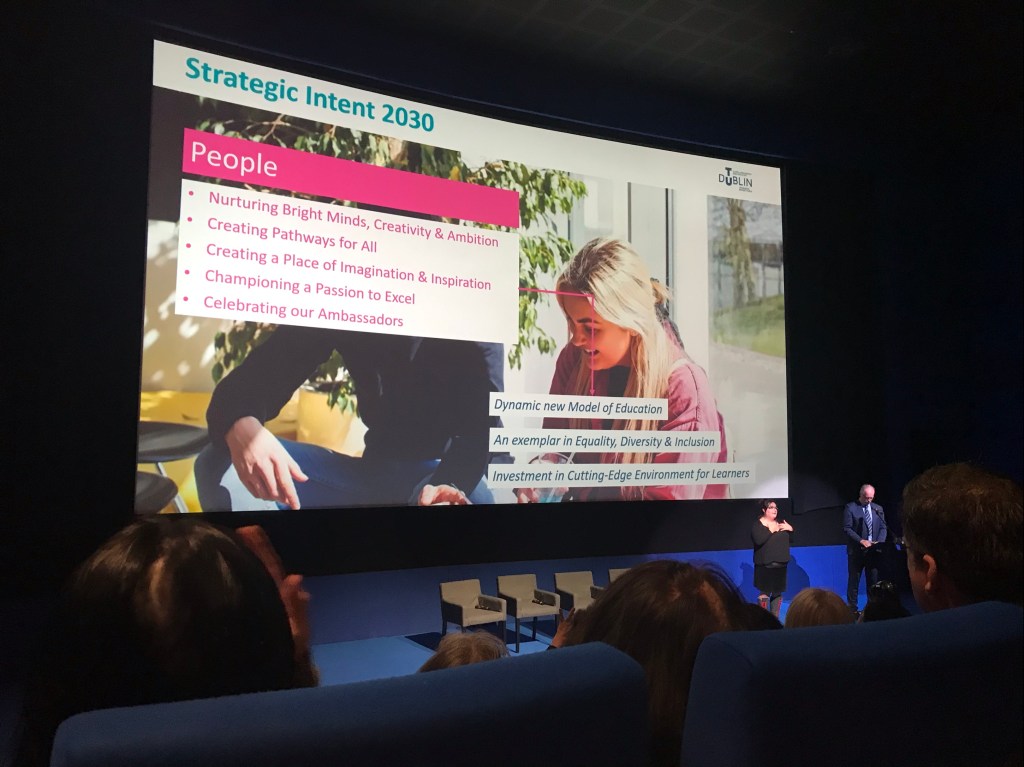
  1. The launch of TU Dublin’s new strategic plan
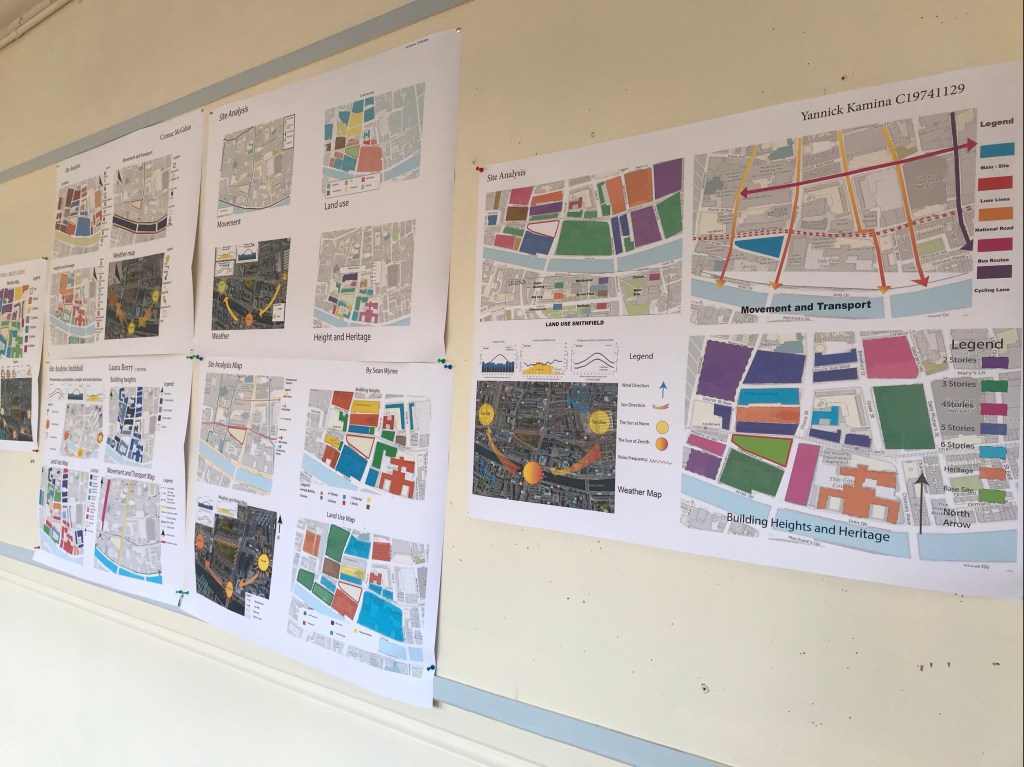
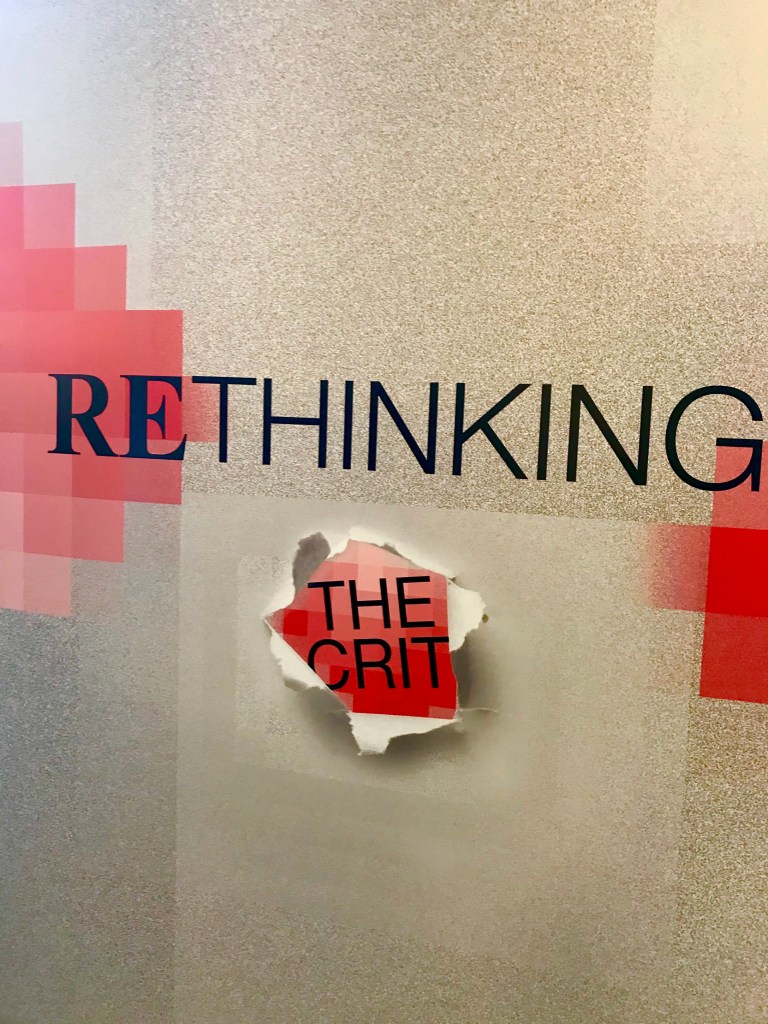
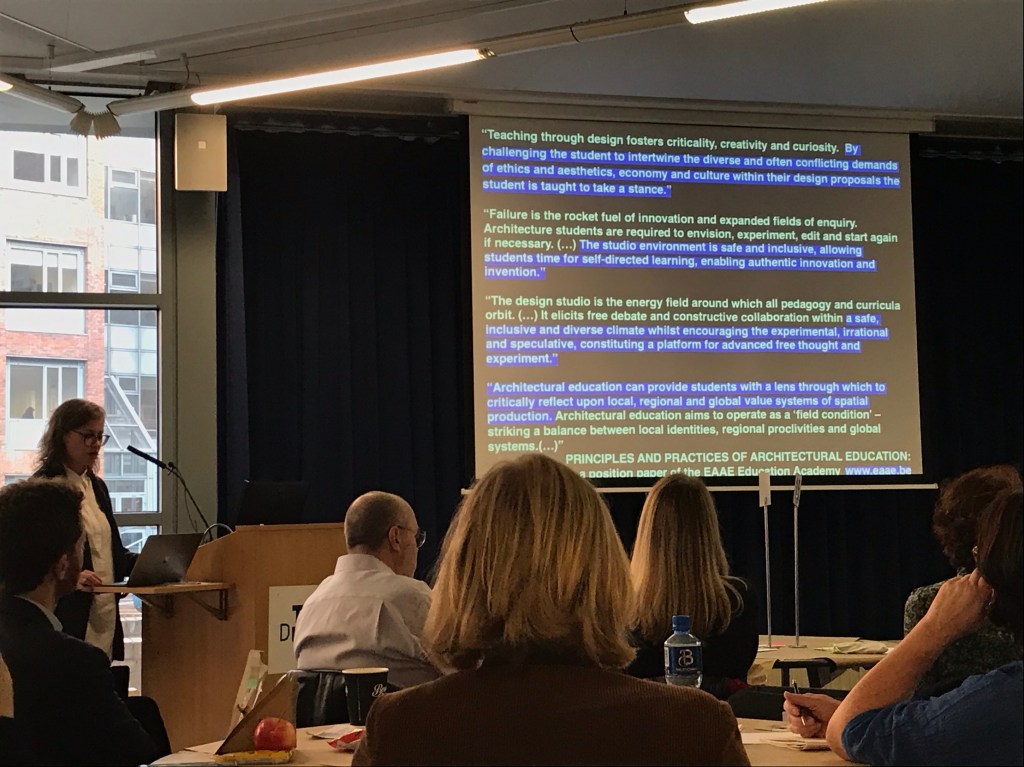
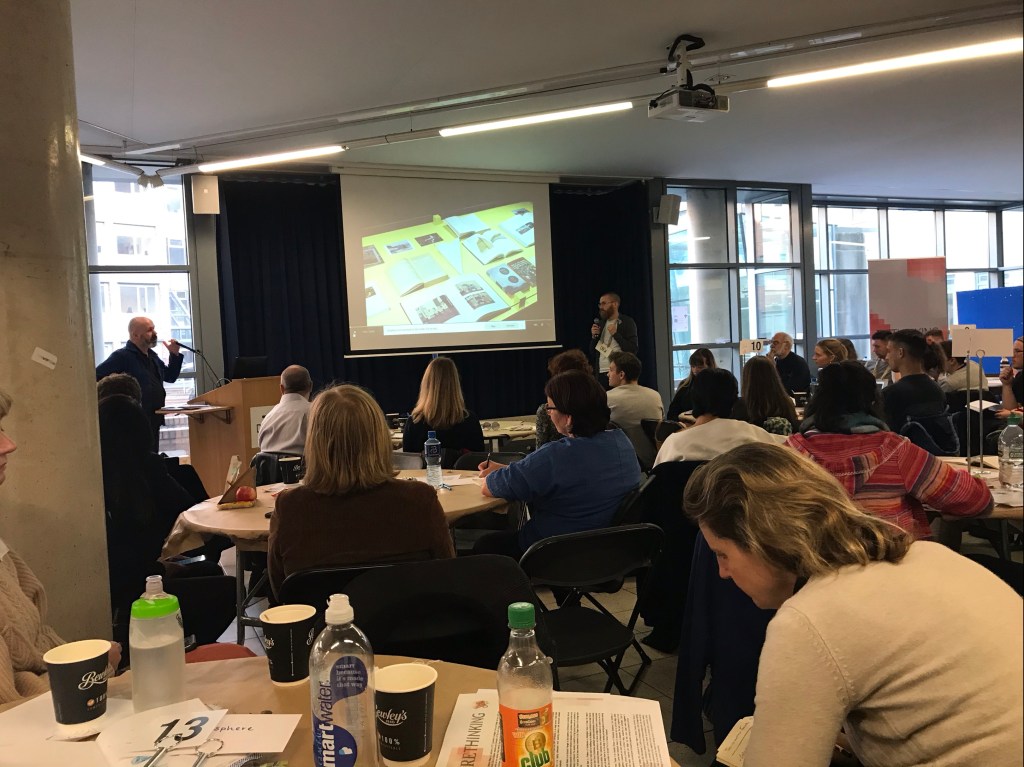
  2. A two-day conference on “Rethinking the Crit” in architecture and design education.
  3. Tech support workshops for staff on Brightspace and Agresso
  4. Personal wellbeing workshops for staff on insurance and personal finance.
  5. A planning sessions with our ever-expanding RoboSlam team preparing for Dublin Maker 2020 (June 2020) and our upcoming Engineering Your Future week (May 2020)

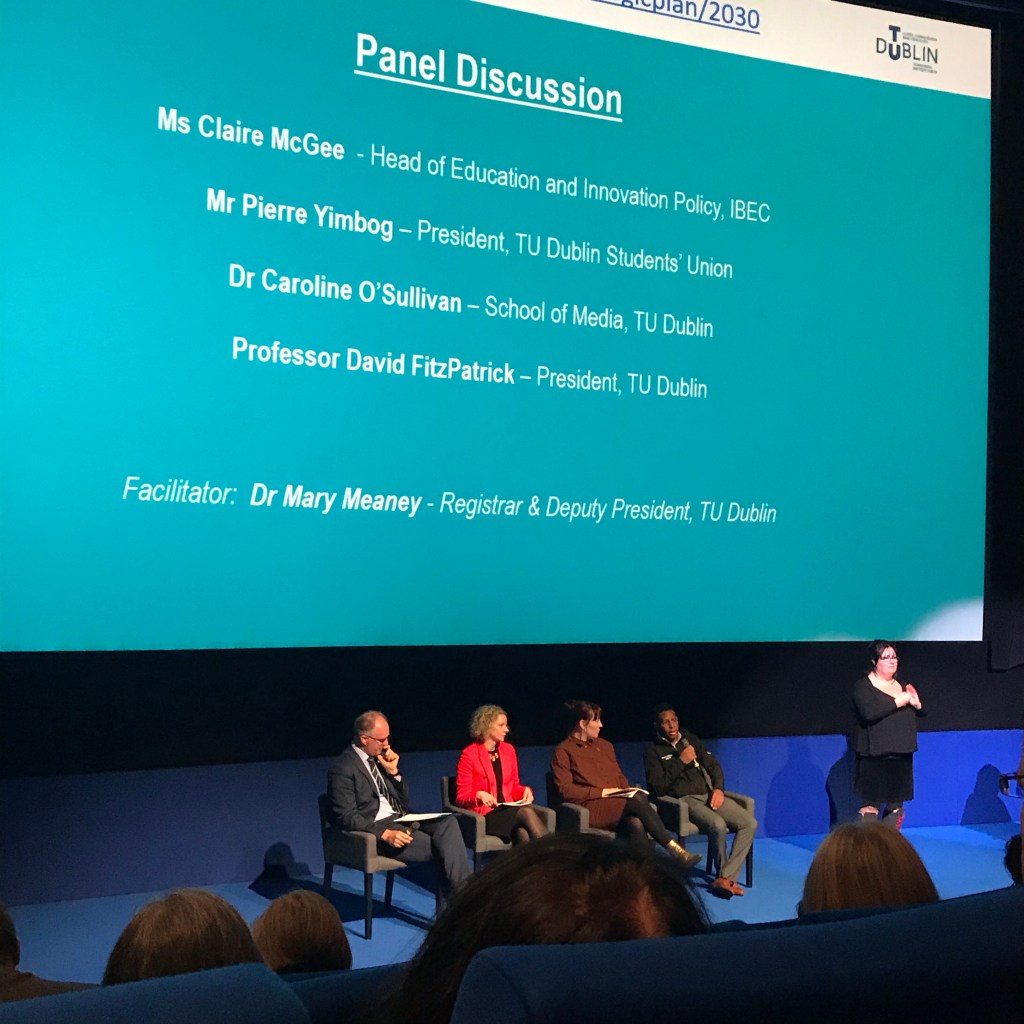
TU Dublin’s new Strategic Plan

The unveiling of the strategic plan was quite well organized and inspiring. The speakers and panelists all did a great job explaining the shared aspirations of our academic community. I hope the details are as well done as the vision they presented.

Soon, I’ll read the plan and see how it matches up against the evaluation rubric I published back during my doc studies, which you can download here.

Chance, S and Williams, B. (2009). Assessing University Strategic Plans: A Tool For ConsiderationEducational planning: the journal of the international society for educational planning, 2009, 18(1), 38-54.

The take-home message of the strategic planning launch was that TU Dublin values diversity and inclusivity. The student voice was clear, strong and impressive. The leaders were well-spoken.

TU Dublin’s workshop on “Rethinking the Crit”

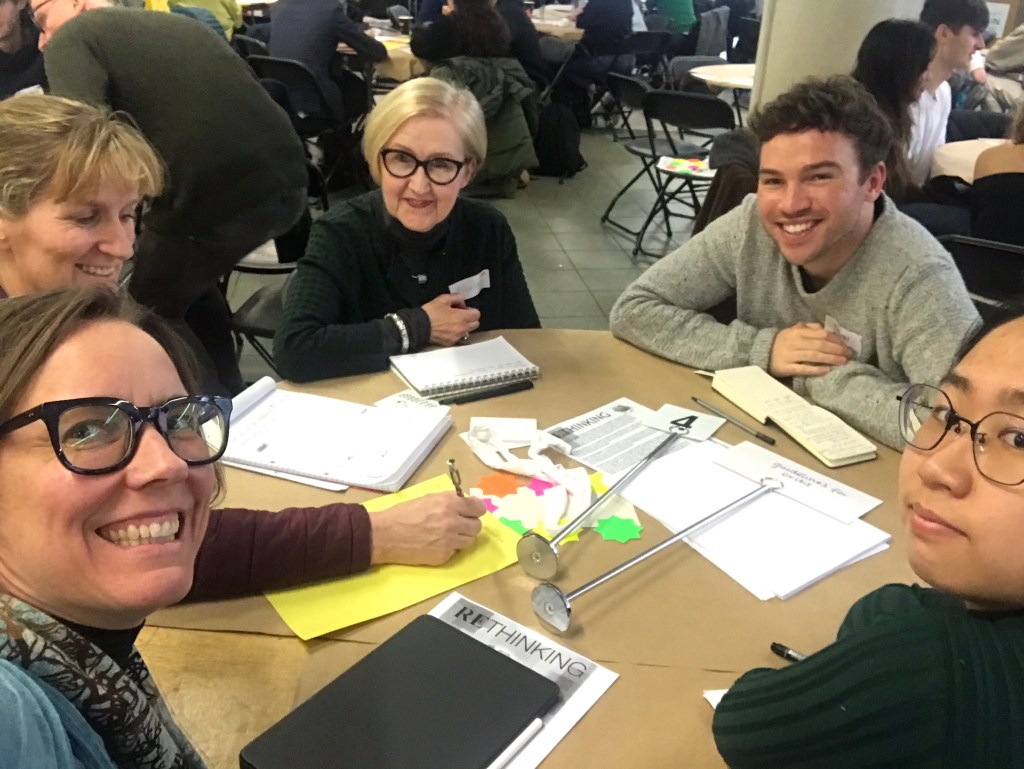
I attended a hands-on conference alongside architecture students from all over Ireland as well as teachers and critics from Ireland and abroad.

The workshop was organized by my College’s office for Learning Development, under the direction of Patrick Flynn, our Head of Learning Development. In many places, his role would be called Vice Dean for Academics, but DIT (the parent of TU Dublin) tended to do things its own unique way.

As I’m part of a team developing a brand new Architectural Engineering curriculum, this conference on how to improve the studio jury system was of great value to me. That Arch Eng course will graduate people ready for architecture licensing.

One of the presenters, Dr. Kathryn Anthony, literally wrote the book that got this conversation rolling: Design Juries on Trial. It was published in 1991 but there’s still a lot more uptake needed of her ideas across the globe. She collected data at Hampton University, where I used to teach, and at HU we used many of the techniques she proposed—with great success.

I hope to use techniques we discussed to help improve architecture education near and far.

Evaluating Grant Proposals for the European Commission

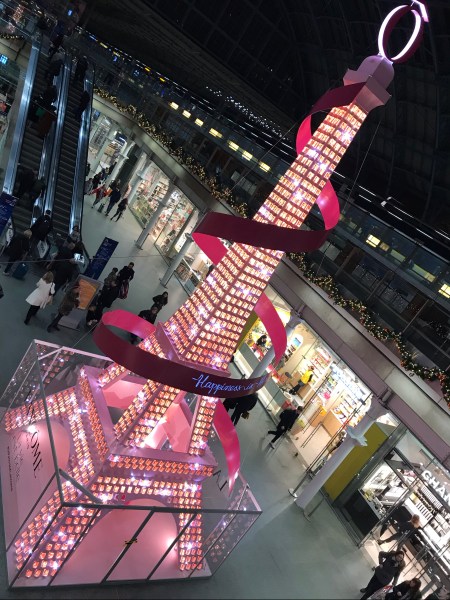
This past Sunday night, I hopped on the Eurostar from London St. Pancreas–and in just over two hours I disembarked at Midi station in Brussels. I love that Chunnel!

I’ve spent the week working alongside other experts from around Europe to evaluate projects proposed for funding. This is an activity I am doing to develop more skills with regard to grant writing and program design.

img_2058

Aongus took the underground over to St. Pancreas Sunday night, to see me off as I boarded the Eurostar.

This is a job that requires a great deal of concentration. We’ve each been working for weeks–studying 30-page proposals, 7-8 of them per expert,  and then creating very detailed individual reports, comparing and compiling these into group reports, and then meeting face-to-face on-site in Brussels to discuss each proposal in depth. The scores we assign will be used to determine which organizations will receive funds to support doctoral and post-doctoral researchers.


Through this process, the European Commission and its Research Executive Agency (REA) provide detailed, specific feedback to applicants as well as numeric scores.

Many applicants succeed and receive financial support, but I’ll admit that with the sums provided, competition is fierce.

I believe this funding is well spent. It builds the capacity of researchers to do great work and learn important new skills. It yields results that make life and systems better at the individual, organizational, national, regional, and international levels. It produces valuable research results in a vast array of fields and disciplines.

The evaluation process is extremely important. It has to be done with extreme care. It is a huge amount of work, and the experts involved take the job very seriously.

img_2069

The evaluation itself is confidential, but pictures of Brussels I can share. 🙂

Many dozen experts have been involved this week, as reviewers and quality control officers. Our purpose is to deliver accurate and reliable results.


As a scholar from the States, I particularly value the feedback given to applicants in this process. Great care is taken to keep the scoring open, transparent, and fair, and to yield consistency from year to year as well as between proposals.

It’s a tight-knit process with a demanding timetable. And we’ve done remarkably well at staying focused and on track.

Why do I see the results of this process as valuable? In the U.S., fellowship and grant applicants rarely get feedback. I suspect it’s a result of the litigious nature of “American” society that funding agencies don’t want to open themselves up to questioning, and they won’t let applicants know what was seen as weak about the proposal. They will provide only very general feedback if any at all. I’ve had this experience with at least three different funding agencies in the USA. It was exceedingly frustrating and turned me off from wanting to keep bashing my head against a rock (even though I had a relatively high level of success winning grants for educational/learning sciences!).

img_2132

The plaza next to the building where evaluations are conducted.

Working here at REA, our primary focus is on achieving accurate scores that can hold water. There’s much less paranoia on the part of the funders, in my opinion. In fact, there doesn’t seem to be the same fear of redress–in the case of any mistake, the program managers actually do want to address it in a way that is fair to the applicant. Transparency and proper channels for redress/appeal are foundational principles of the programs that REA funds.


Because REA’s process provides reliable feedback, I myself was able to improve one past proposal that wasn’t successful on its first submission. I was able to learn and to re-submit. By addressing the points raised in the first evaluation, I was able to secure funding the second time around!

In the United States, I’d have been left in the dark, making the same mistakes over and over again. In my experience (having submitted 3 unsuccessful proposals, 2 successful proposals, and one pending proposal to various  MSCA programs evaluated via REA), the European evaluation system is FAR better than the US system. A knowledgable colleague told me yesterday that the overhead costs for evaluating and managing/overseeing the quality of these MSCA programs is lower than typical of other similar programs worldwide.

img_2111

Dinner at Lyon!

I can’t say this work is pleasurable, but I do enjoy being here, working hard, and feeling satisfaction by week’s end. It’s sometimes bittersweet, though, as it is Thanskgiving and, also, yesterday would have been Dad’s 74th birthday. He died five weeks ago, right after my assignments for this job arrived. Therefore, I didn’t get to talk with him yesterday. And, since this particular review always falls on Thanksgiving week, I’m spending my fourth Thanksgiving Day in Brussels, missing turkey in the States with family yet again.


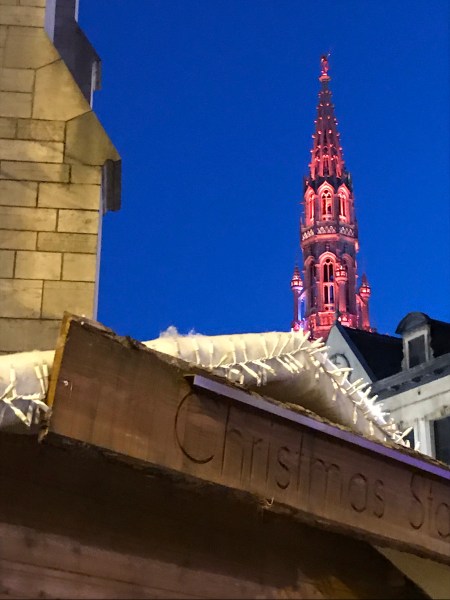
In the evenings of this evaluation week, however, I do enjoy dinner out with other experts and my walks through the city to the Grand Place and the Royal Arcade. Hopefully tonight, the Christmas Market will be up and running! It’s 6:40PM so I need to get going and pack up my things for the night.

On Monday night I went out and I got to enjoy Moules et Frites at Lyon.

If you are capable and interested in serving as an expert evaluator, you can set up a personal profile in the Participant Portal (see instructions at https://ec.europa.eu/research/participants/docs/h2020-funding-guide/experts/experts_en.htm). When REA needs your expertise, they may well send you an invitation to serve.