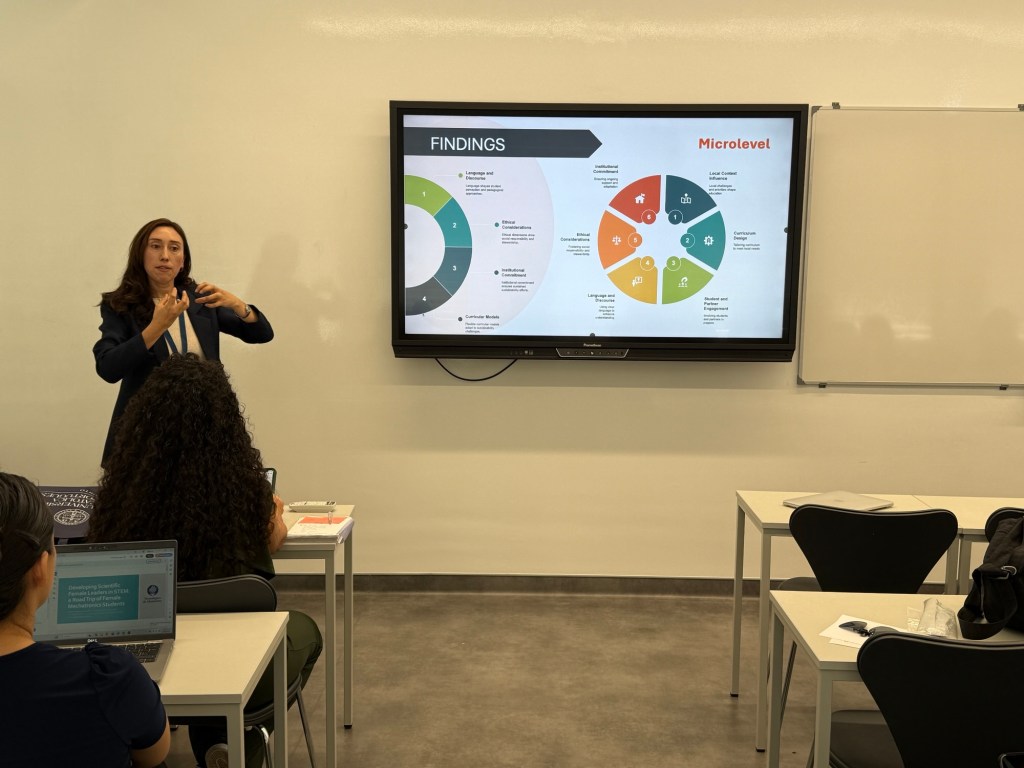
Active Learning underway!

We’re about to start the third and final day of the 2025 PAEE/ALE conference in Porto, Portugal.

It’s an annual meet up of Project Approaches in Engineering Education (PAEE), which has an active community of members particularly across Portuguese and Spanish speaking parts of the world, and Active Learning in Engineering (ALE), on whose Steering Committee I serve.

I’ve attended PAEE/ALE in San Sebastián, Spain, in 2015. And in Alicante, Spain (where I was a keynote speaker), in 2023. And in San Andreas Island, Columbia, in 2024.

It’s a small and energetic gathering—just the right size for getting to know people and have deeply meaningful chats and learning sessions.

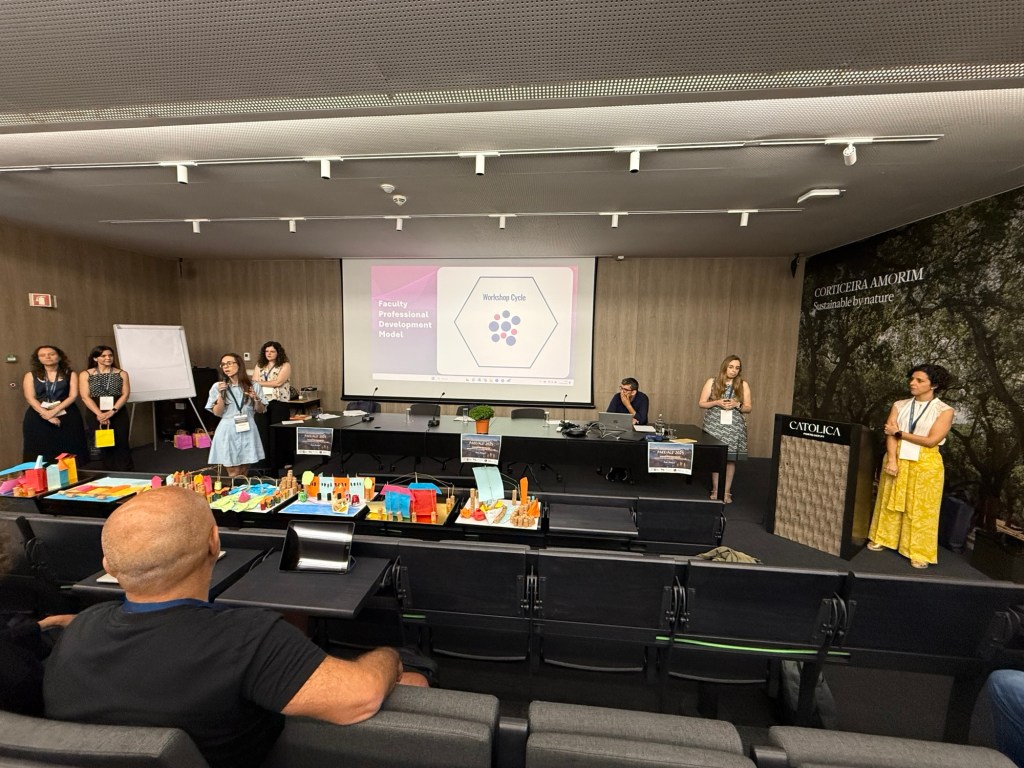
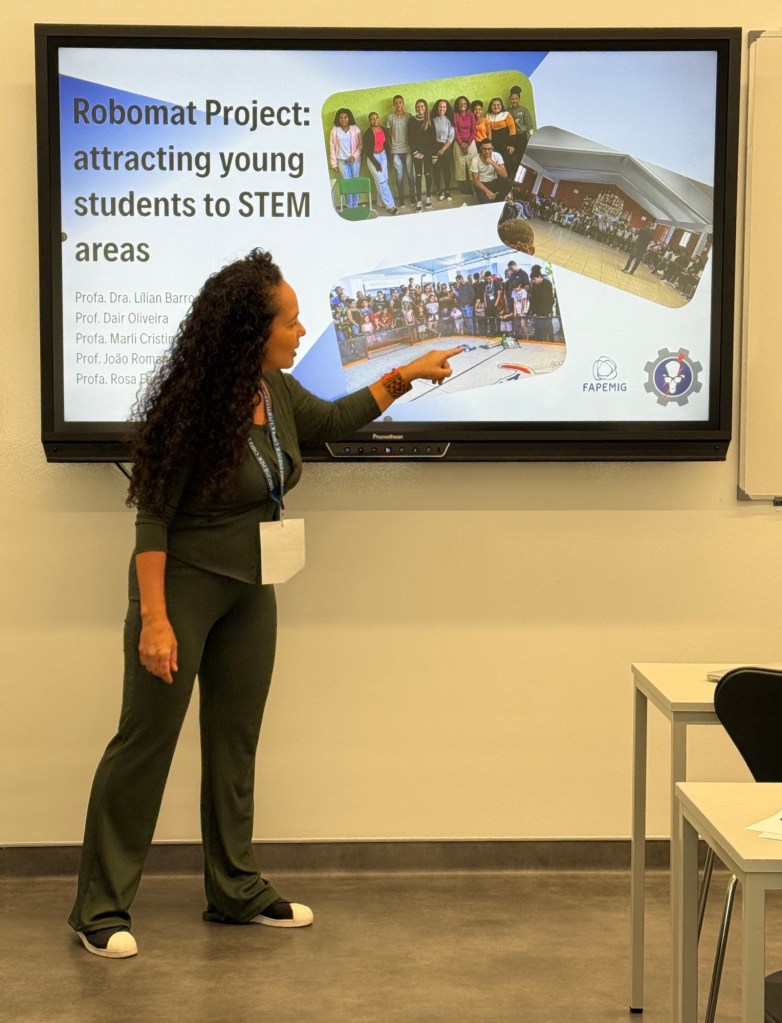
At this year’s event, I chaired a session and delivered a paper on a bingo game I developed with Mike Murphy, Celina Pinto Leão, Mircea Toboșaru, and Mary Doddy Nolan. We decided to perfect the game during a workshop I delivered at the 2025 SEFI Ethics Spring Symposium that I hosted at TU Dublin, and to publish it for others to use. I’ll post materials once they are ready for wide-spread use.

The game is designed to help engineering educators expand the ways they conceptualize integrating ethics into the courses they teach. In the workshop, we explore integrating environmental and social sustainability, EDI, ethical theories and codes.

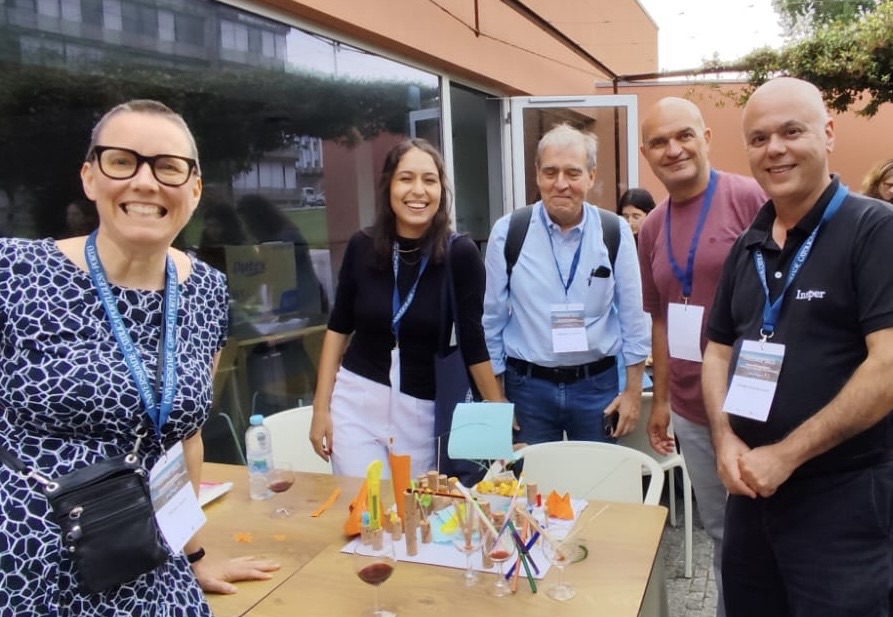
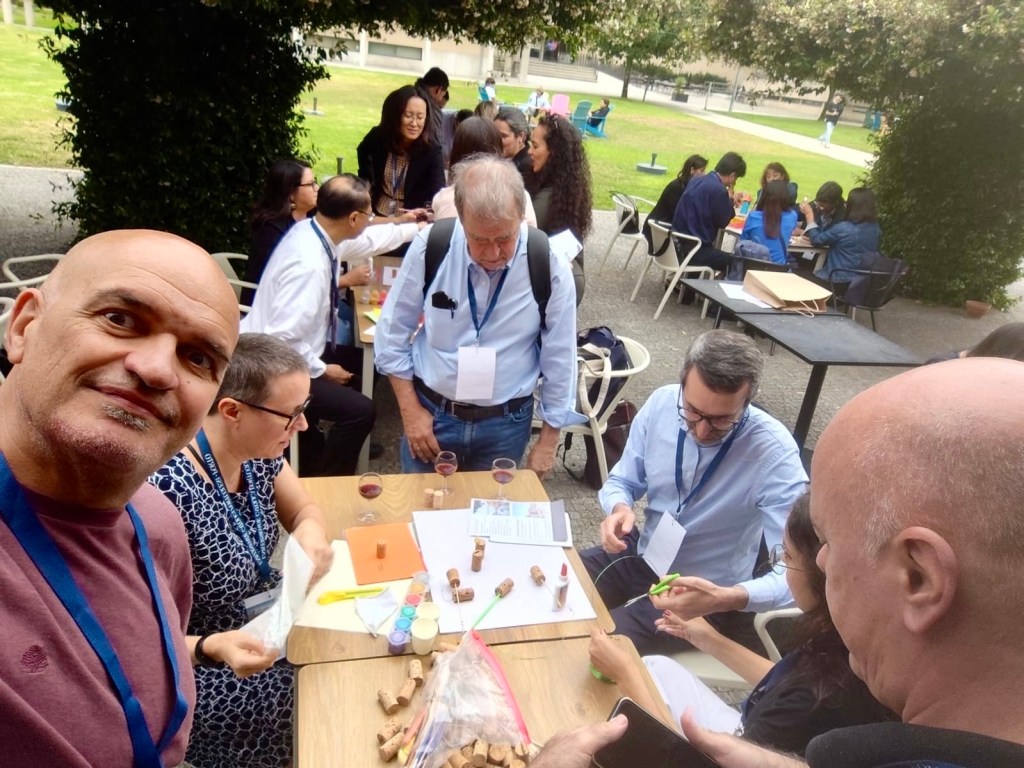
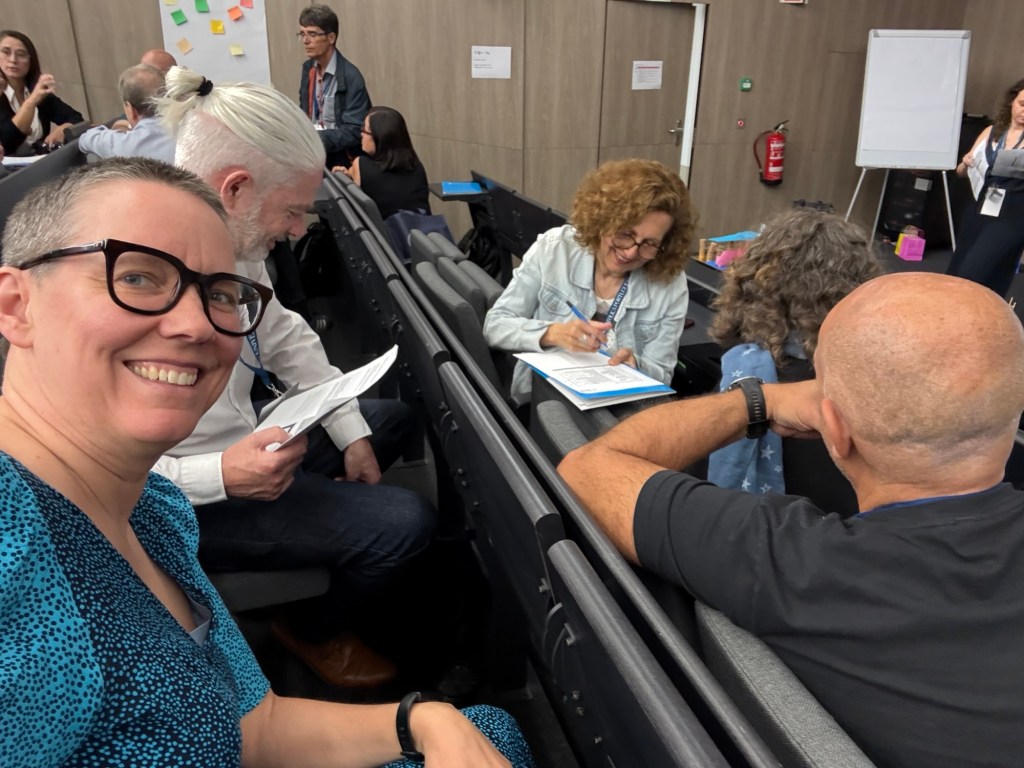
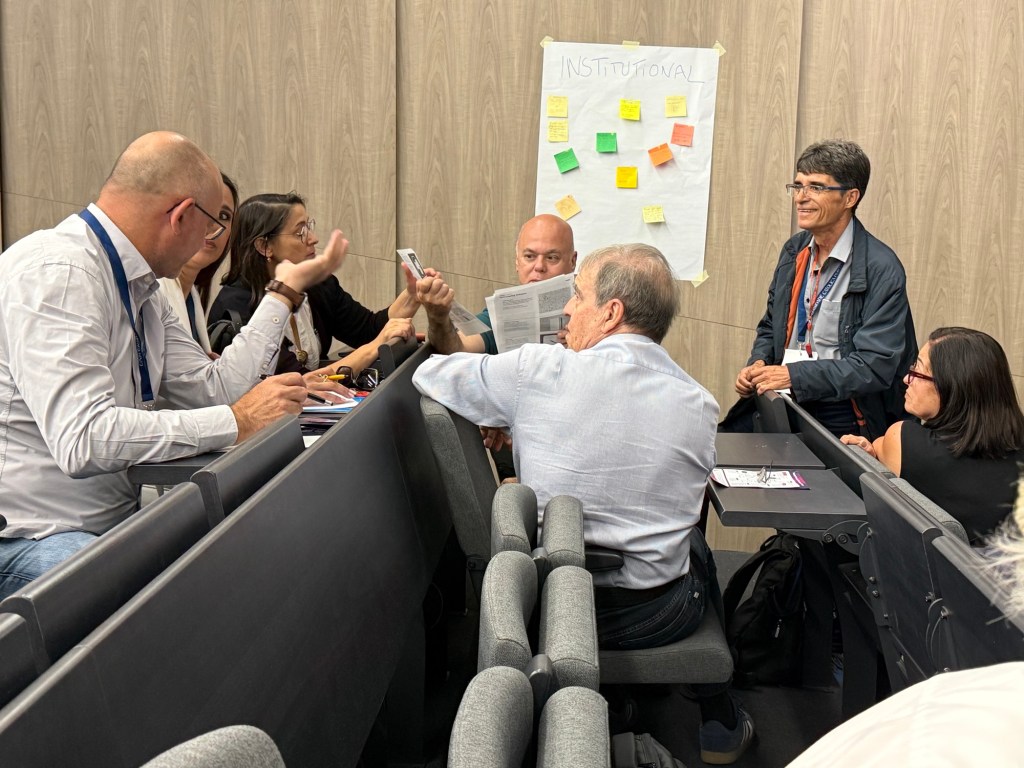
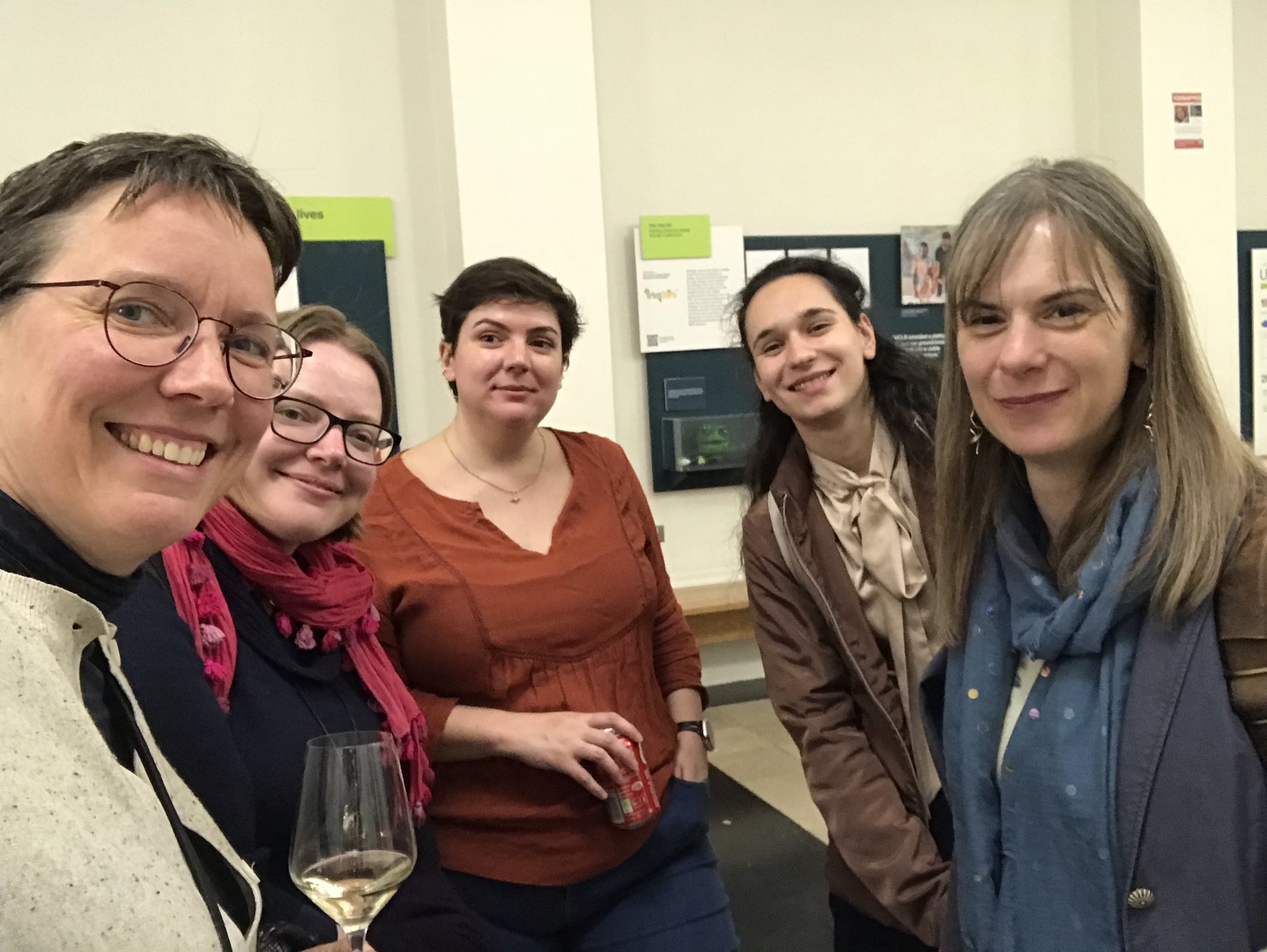
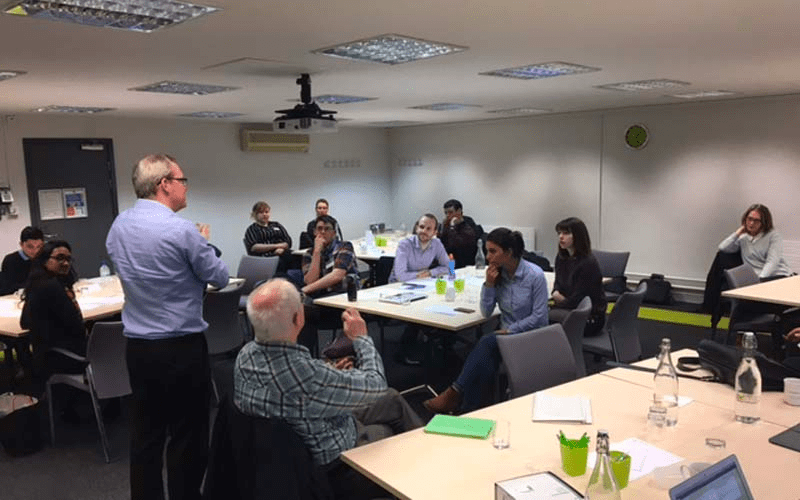
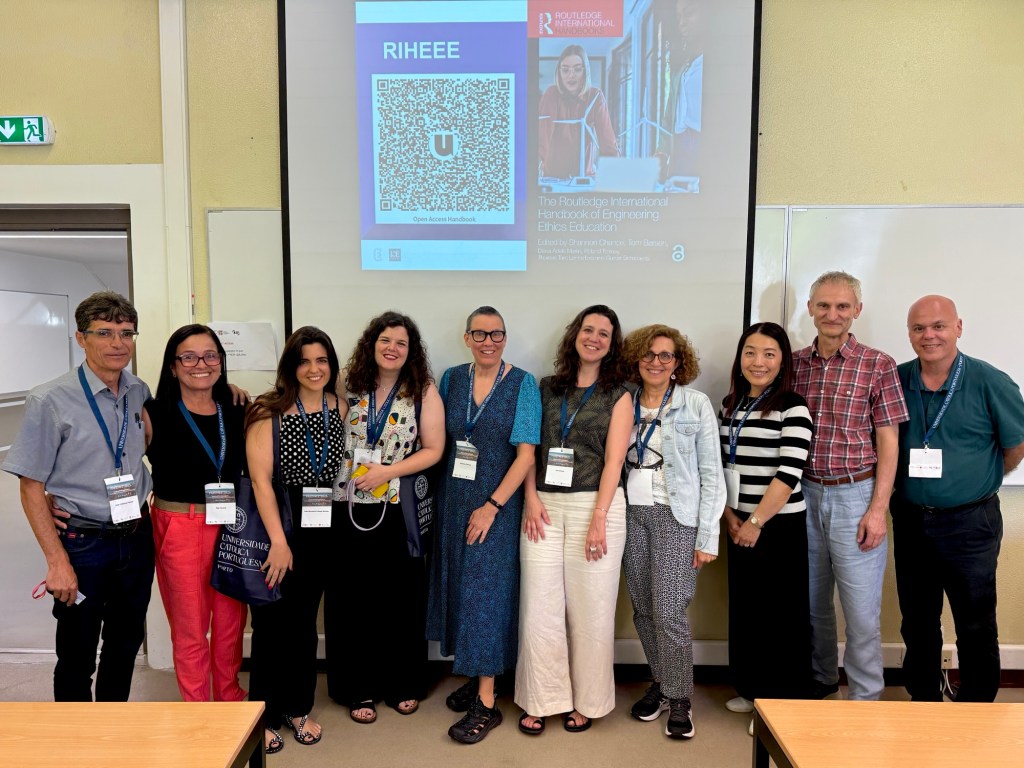
A day after the paper presentation, I ran a workshop with Inês Direito to test the game. The group shown below had such fun, and benefitted from having 90 minutes allocated to our workshop (thanks for that Diana Mesquita and team!).

Bingo! testing crew

I also had a chance to deliver, with Inês’ help, a workshop on securing international fellowships. This topic always gets a warm welcome from colleagues eager to learning about funding sources and tips for winning awards.

The PAEE/ALE 2025 keynotes have been outstanding (as usual with this conference)!

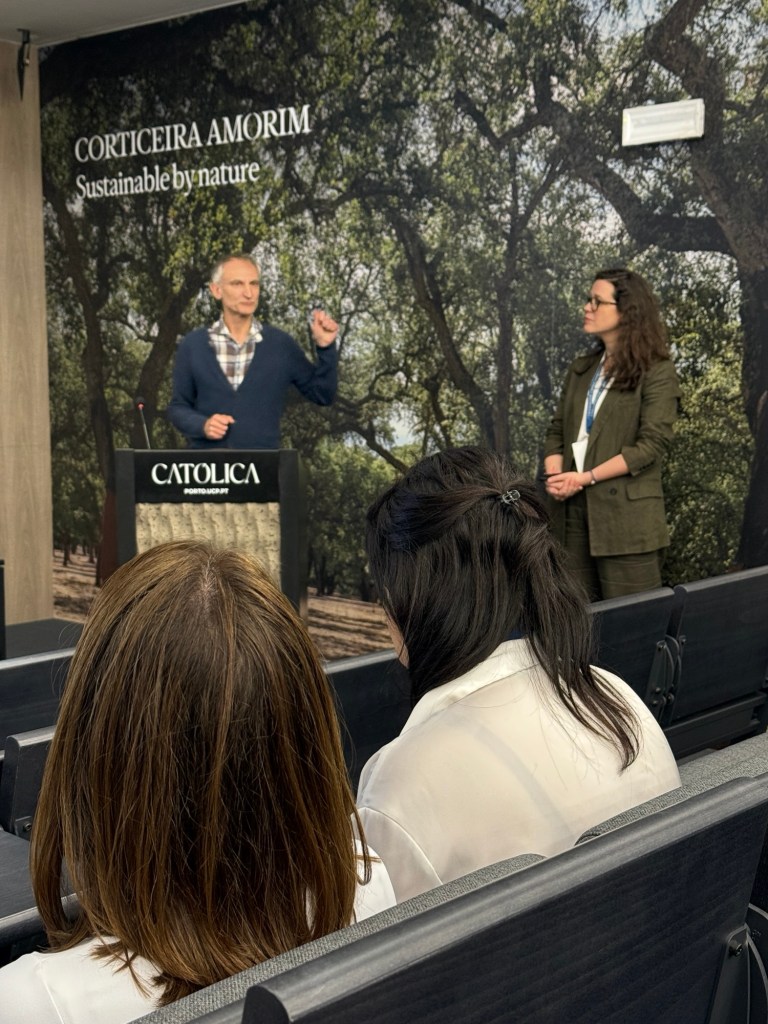
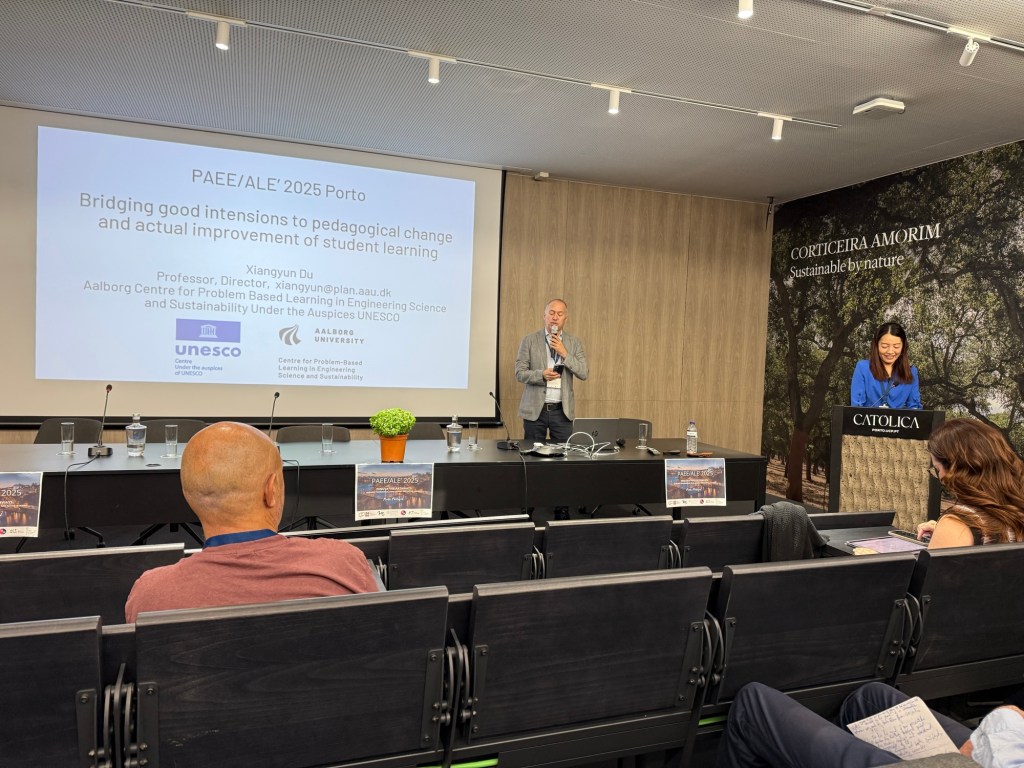
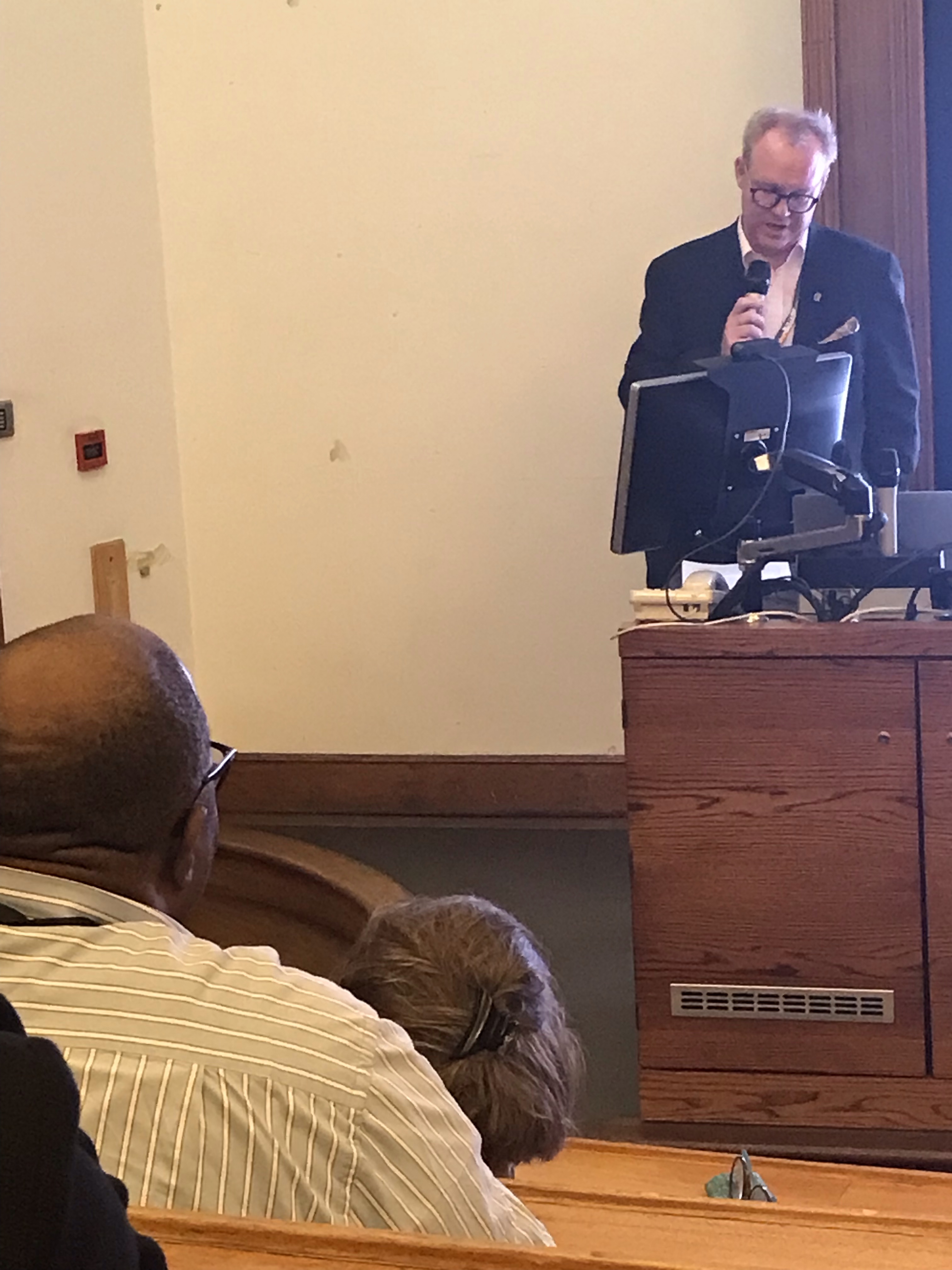
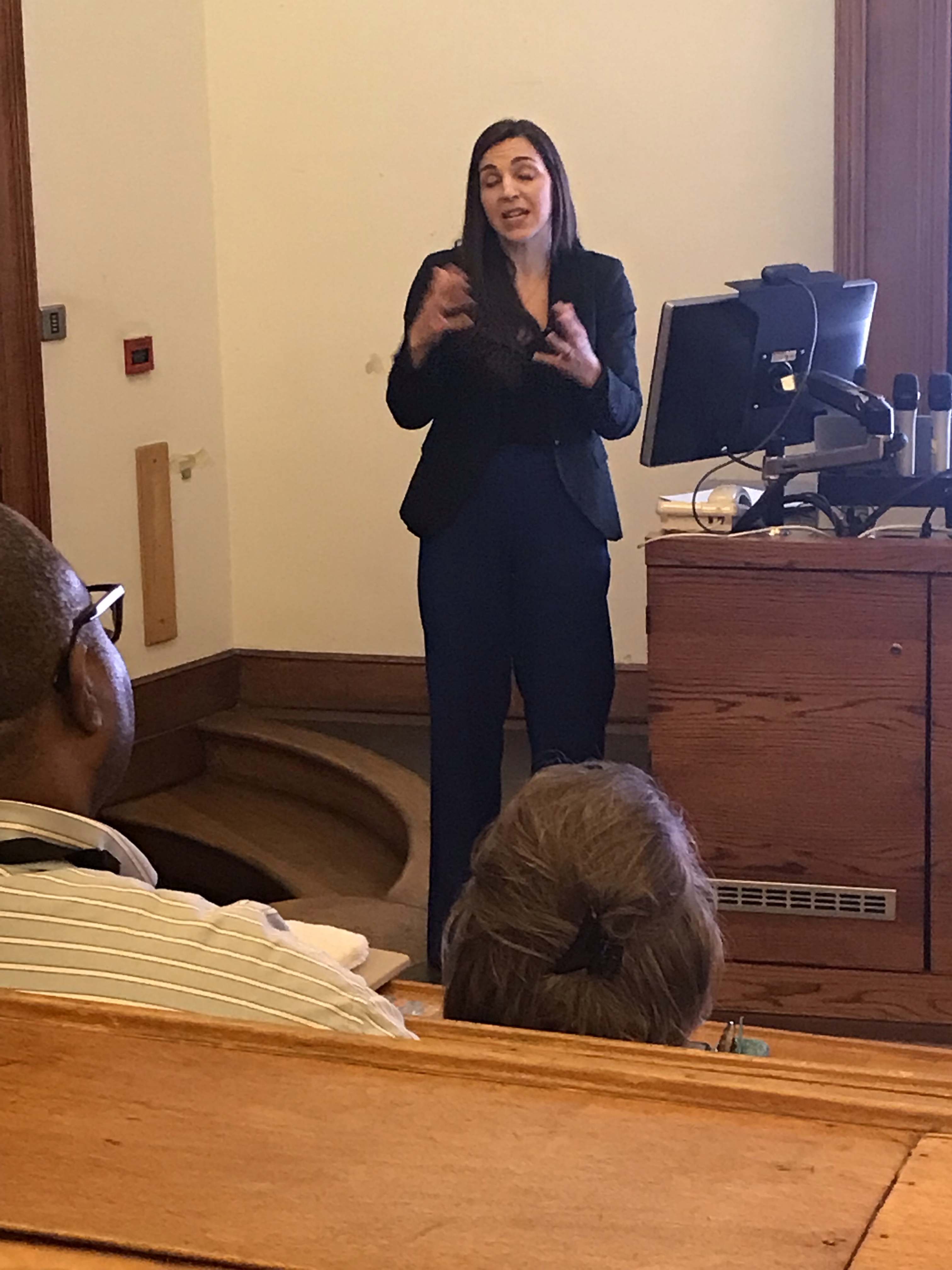
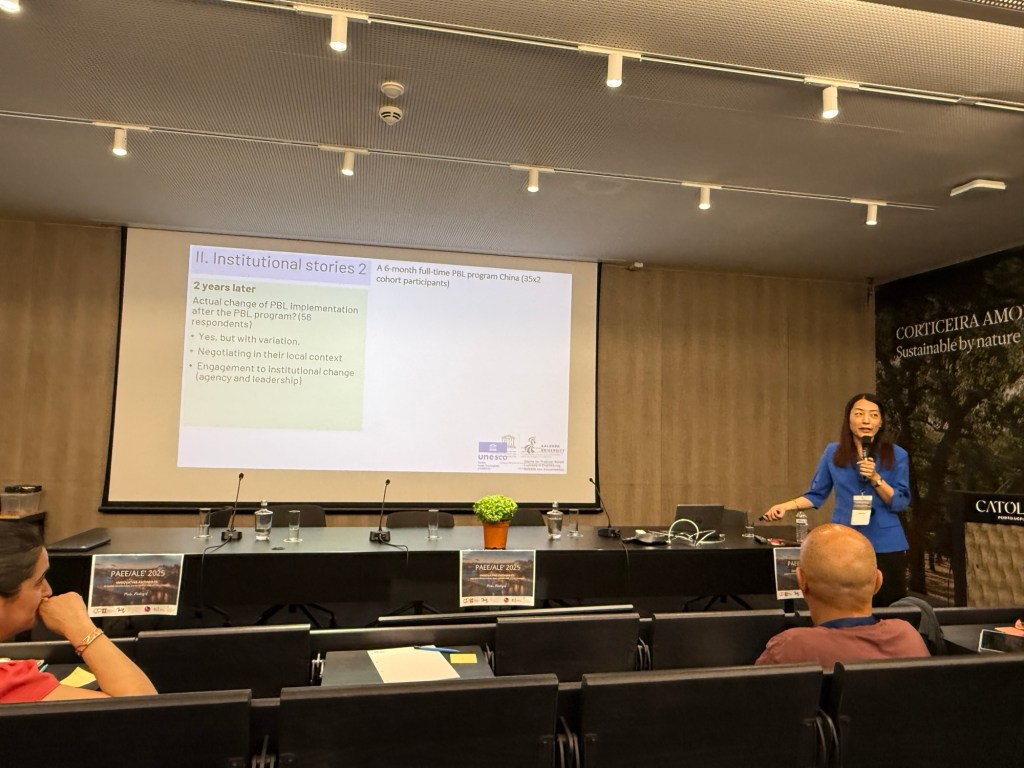
Keynote addresses by Xiangyun Du, the local teaching excellence center, and Jamie Gurganus were packed intriguing insights.

Professor Xiangyun DU’s fascinating keynote address.

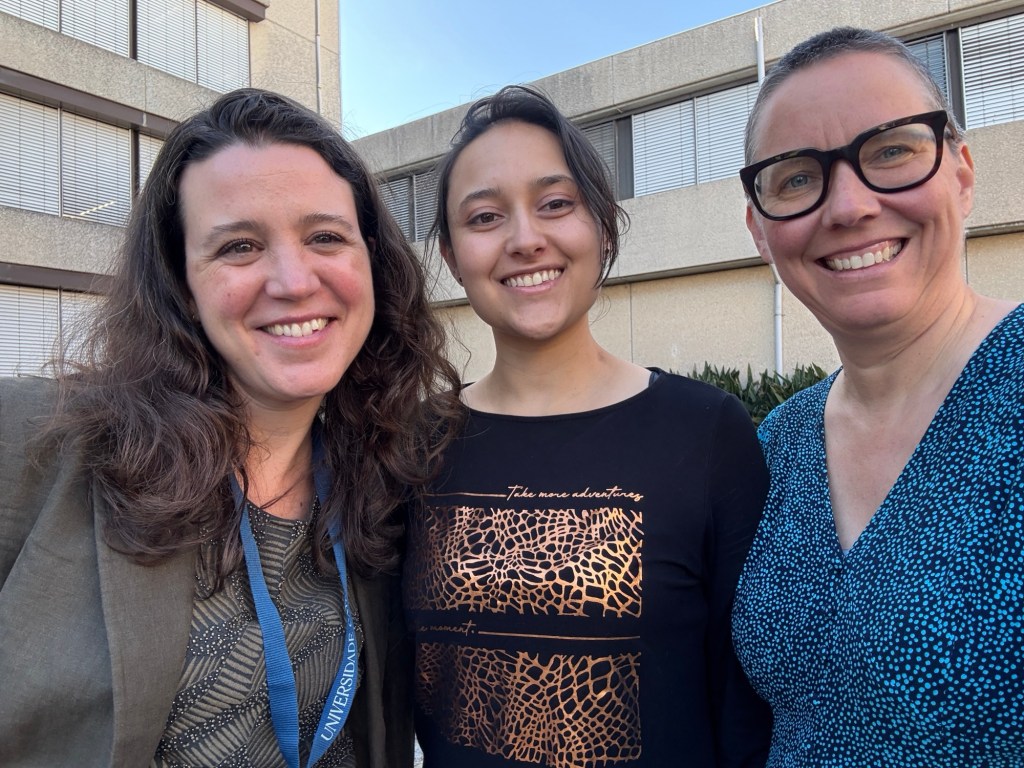
Reconnecting with ALE Steering colleagues Miguel Roma, Valquiria Villas-Boas, and Jens Myrup Pedersen, (and Fernando Rodriguez and Luciano Soares who didn’t get to join us this year) is always a pleasure.

PAEE/ALE has been a highlight of my academic year the past few years.

Many, many thanks to this year’s host, the knowledgeable and vivacious Diana Mesquita, and the PAEE leadership including Rui Lima, for making the 2025 event possible.

If you’re interested in Active Learning pedagogies, consider joining us next year for the 2026 conference in Japan!

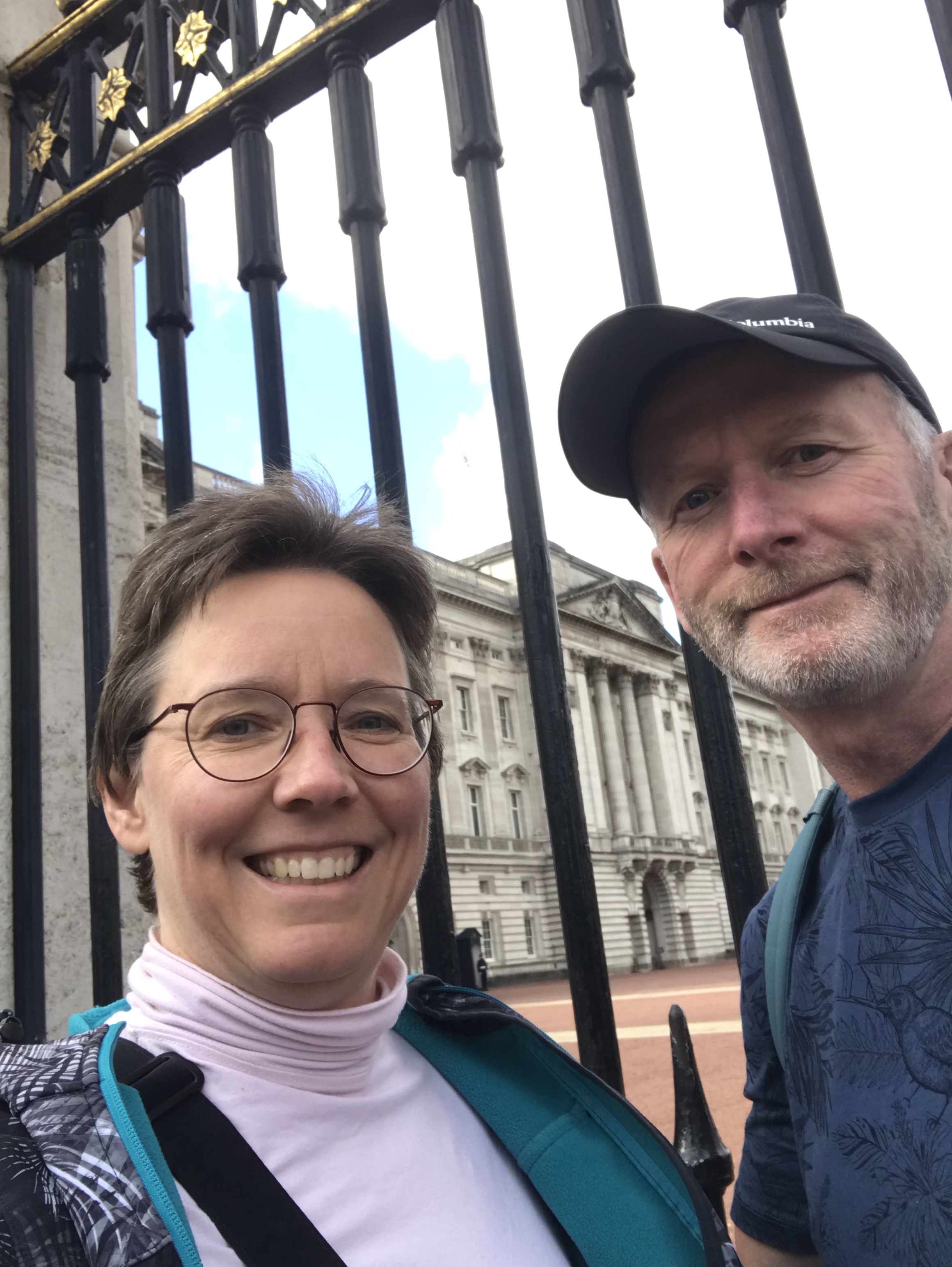
Our Great Escape to London

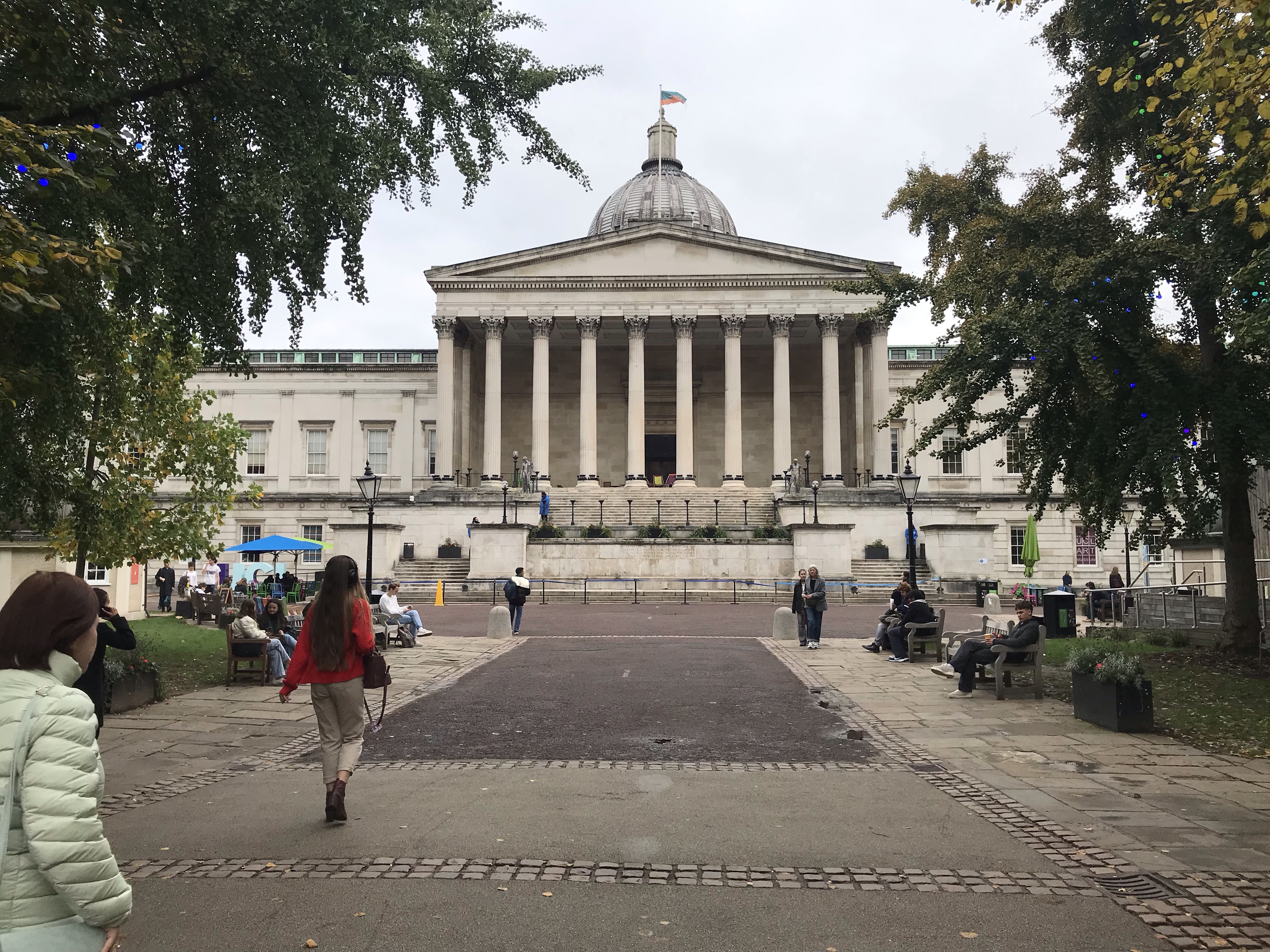
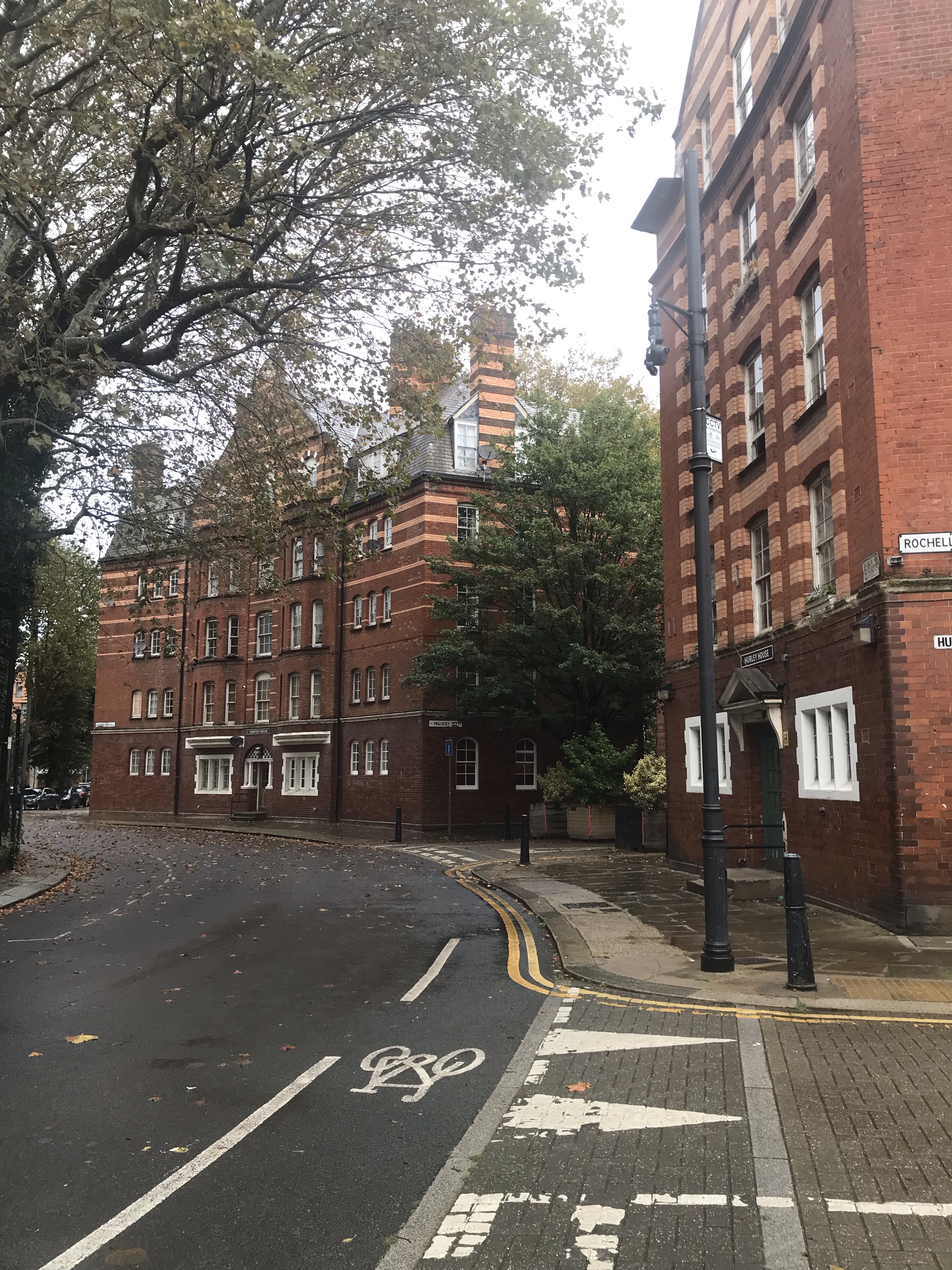
Although the days are short, dark, and frequently wet now that we’ve gone off daylight savings time, I’m still savoring memories of a recent week in London. As you likely know, I spent all of 2018 and 2919 on an MSCA fellowship from the European Union, working at University College London and developing fabulous new skills and an invaluable network of colleagues at UCL and around the globe. UCL is truly a magnet for talent and an ongoing source of inspiration.

The time change happened again this year while Aongus and I were in London for the October bank holiday… I often overlap a bank holiday Monday with a working visit to London since my colleagues at UCL have different days than me (at TU Dublin) and I can visit UCL without falling behind at my main job. This was my second Halloween in a row visiting UCL.

I’m fact, this Halloween I spent a full week in London, collaborating with colleagues and attending lectures including Emanuela Tilley’s inaugural professorial lecture (and reception!) and a guest lecture in one of Professor Nick Tyler’s transport engineering classes.

I worked several days at UCL’s Henry Morley building, which houses the Centre for Engineering Education. I enjoyed catching up with colleagues there, especially Drs Vivek Ramachandran, Kate Roach, and Fiona Truscott. I showed Vivek, who is new to UCL, some of my favorite places in and around campus, including the Thursday Farmers’ Market, the Life Goddess restaurant, and the Building Centre. I after work one night, I attended a comedy show at the newly renovated Bloomsbury Theater.

In the daytimes, I kept Dr Inês Direito’s old desk warm as she’s moved to the University of Aveiro in Portugal. Never fear, though, Inês and I are still in close communication, and now, my mentee Dr Diana Martin is joining CEE so I’ll still never be more than a WhatsApp away from the Center!

During the week, I attended strategic planning meetings with my two “bosses” at UCL — the two directors of the curriculum design project I’ve been working on, via a contract between UCL and TU Dublin, since 2020. They are Professors Emanuela Tilley and John Mitchell, two truly fabulous people to work with.

Thanks to the marvel of online communication, I also completed a half day training on finance software at TU Dublin while I was in London. I also attended online meetings with co-editors of the handbook I’m leading as well as co-authors on a chapter I’m contributing to the handbook.

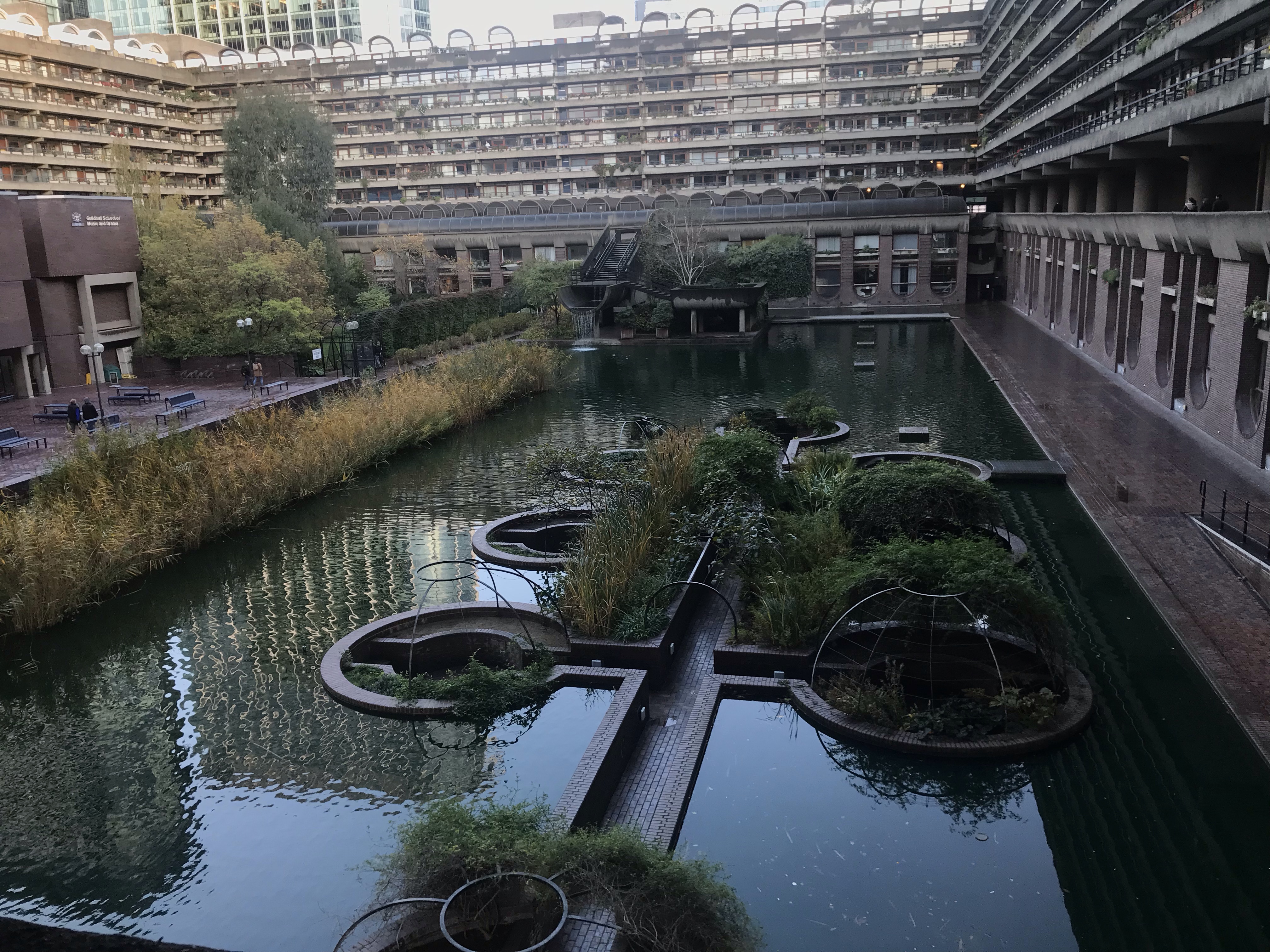
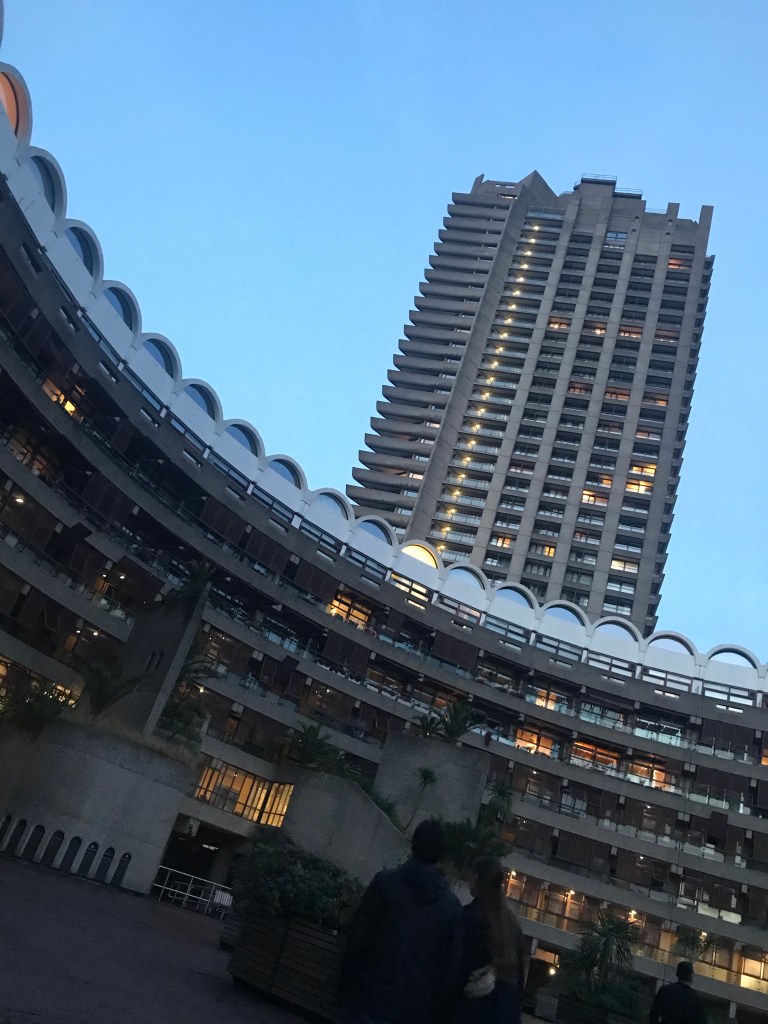
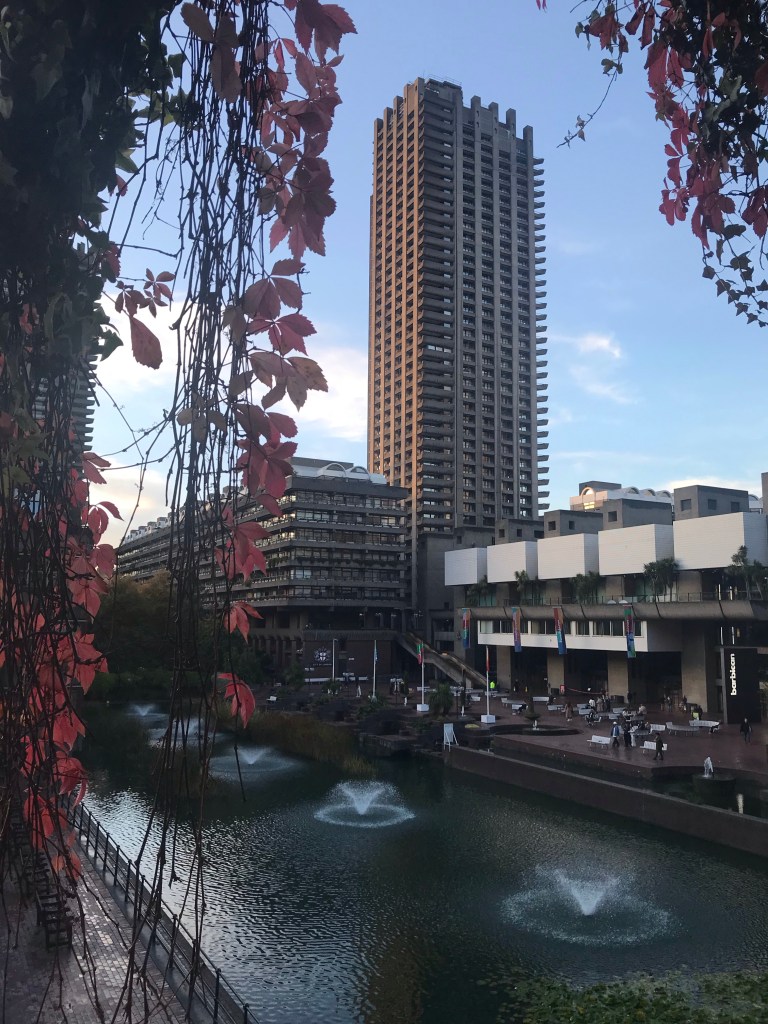
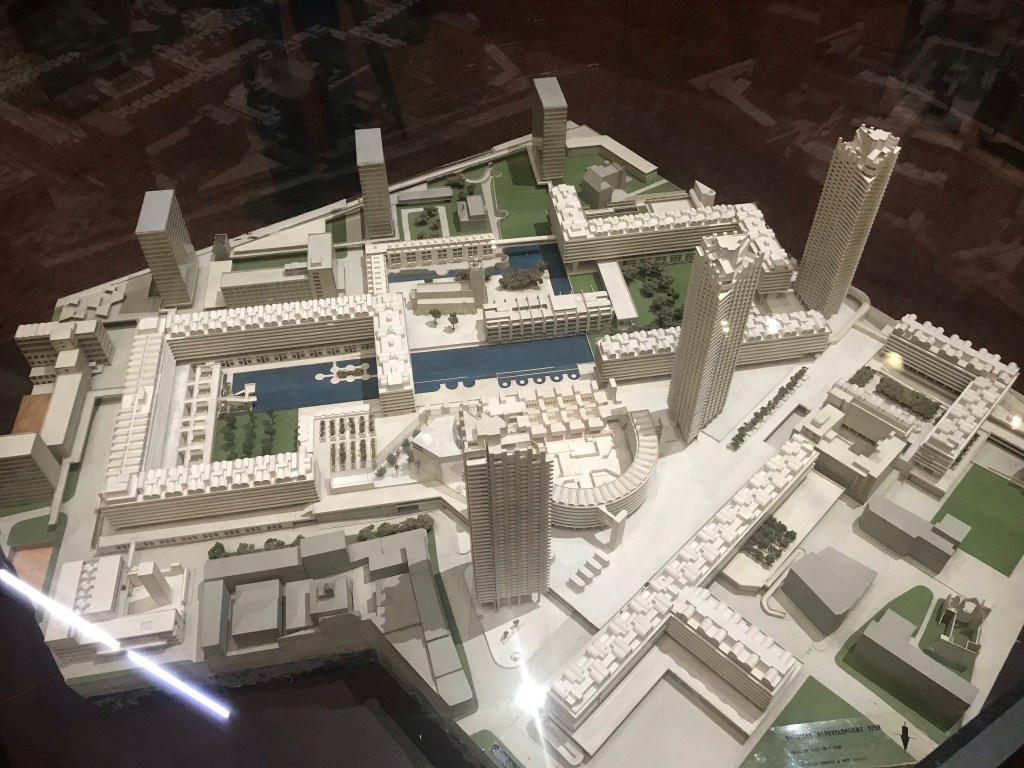
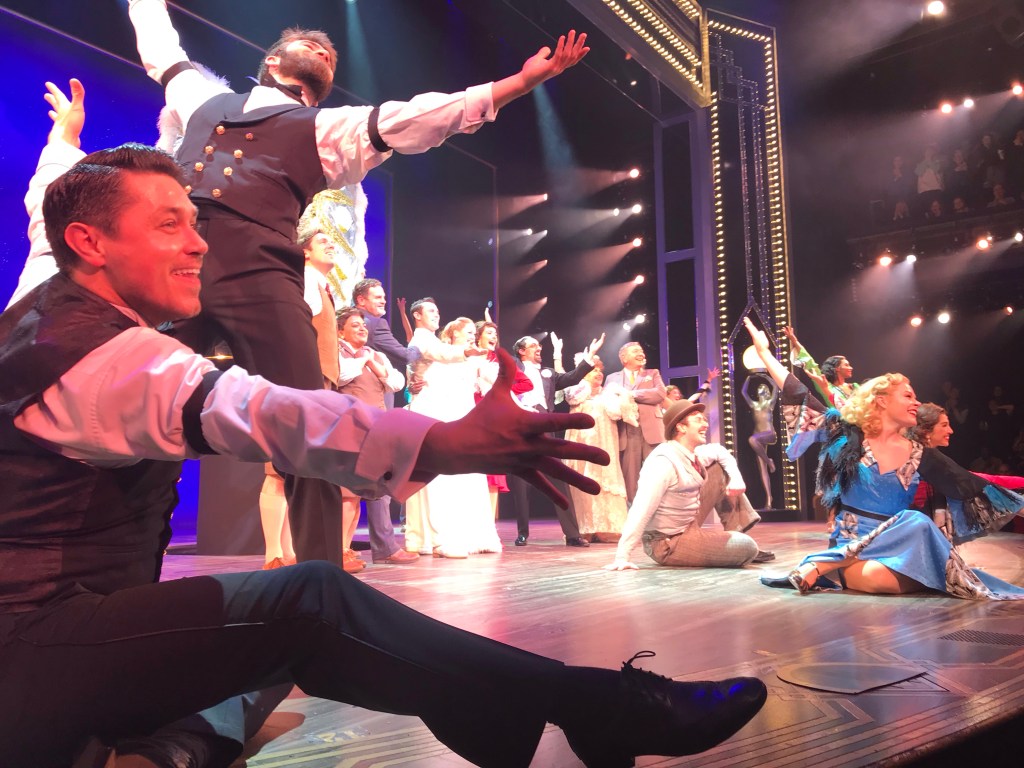
For the extended weekend, Aongus joined me in the city. We attended two musicals (the Tina Turner musical and “Crazy for You”) and an improv comedy show. We took architectural tours of the Royal Albert Hall and the Barbican complex. We visited the Royal Academy of Art , the photography museum off Oxford Street, and the Natural History Museum including its Wildlife Photography of the Year exhibition.

We also visited our favorite haunts around Shoreditch, where we previously lived for 18 months. We got to know the area around Victoria Station better. We even saw Rebecca from “Ted Lasso”, Hannah Waddingham, up close and in person as she’d attended “Crazy for You” and was in the lobby when we exited.

While in London, I also drafted text for my handbook chapter, worked on various projects, attended an improv musical called “Showstopper!”, and did loads of Spanish lessons on Duolingo in the evenings before bed.

It wasn’t supersizing, really, that I picked up a cold somewhere in London. I brought it home along with heaps of inspiration to help carry me through the long working weeks until Christmas.

Now that I’ve recovered from that nasty cold, I can say with conviction that life is good and I am blessed beyond belief.

Happy Thanksgiving to you all!

PhD and post-doc funding for UCL & Ireland

Are you interested in doing a Ph.D. in engineering education, or know someone who is? Please consider these two excellent opportunities, and please share them with anyone you think might be interested.

First, at UCL:

The University College London (UCL) Centre for Engineering Education (CEE) is offering two funded Ph.D. student scholarships (the funding covers stipend and research expenses, plus tuition at the domestic/home/UK resident rate, non-UK applicants only have to pay the difference between this and the international student tuition rate). Overseas candidates are welcome to apply.

The envisioned stipend (currently £20,622 pa) and fees at the home rate (£5,860 pa if based in Engineering, £7,580 pa if based in the Institute of Education) are for a period of 3 years. Funding to cover a 3.5 or 4-year period will be considered. The Centre will also fund consumables and travel to attend conferences during the Ph.D. period.

The recipients will start in January 2024.

The application deadline is 31 October 2023, and you can get more information on projects and person specifications here:

https://www.ucl.ac.uk/centre-for-engineering-education/support-phd-and-postdoctoral-research-applications 
At this link, there’s a list of ideas for topics that the applicant might want to research in the realm of engineering education.

Photo from https://www.ucl.ac.uk/centre-for-engineering-education/ucl-centre-engineering-education

My experiences with UCL CEE are ongoing (I currently serve there as an Honorary Professor) and have been nothing short of spectacular. It’s an amazing group of colleagues to work with and everyone has such a great “can do” attitude. I love the vibe of London and this Centre.

If the two doctoral scholarships discussed above don’t suit you, there are other routes available. You can submit an expression of interest to get help from the CEE in applying for other funding, e.g., from the British Academy Postdoctoral Fellowship Scheme or Marie Curie Individual Fellowships (which is how I went to work at the CEE for 2018 & 2019). Your expression of interest is simple enough, up to 500 words summarising what you want to study, up to 400 words on why you’ve chosen UCL, and a CV (for post-doc positions, the CV should list your publications and the date you finished your PhD). Email that to the centre’s manager Helen Bhandari, h.bhandari (at) ucl.ac.uk.

Second, in Ireland:

You’re also very welcome to propose an idea to do with me, here at TU Dublin, and seek funding from the Marie Curie Individual Fellowships scheme when they open in February-March next spring. This website has many helpful tips to help you in writing, and if you’re interested in pedagogy, learning and teaching, and student development, then we could work together. Just contact me on the form on this site or at IrelandByChance (at) gmail (dot) com.

Another possible source of funding to study and work here in Ireland with me is the Government of Ireland Postgraduate Scholarship Programme provides funding for Ph.D. studies. You can find more information at https://research.ie/funding/goipg/?f=postgraduate. The call just opened (31 August 2023) and applications are due very soon, 16:00 (Irish time) on 12 October 2023.

Applying for this requires you to team up with a prospective supervisor — the person you propose to guide you in your research. And, as I say, if you study things I’ve expertise in, I’d be happy to work with you to hone your application and subsequently supervise your work.

Morevoer, if you haven’t got time to apply this year, and want to study architecture or engineering education topics, we can start preparing now for next year. The application will be similar next year as you see posted for this year.

This scholarship is valued up to €28,000 per year, comprising:

  • A stipend of €19,000 per annum
  • A contribution to fees, including non-EU fees, up to a maximum of €5,750 per annum
  • Eligible direct research expenses of €3,250 per annum

Whereas the UCL funding doesn’t cover the extra for students coming from outside the country, Ireland’s funding does. However, the Irish Research Council (IRC) receives lots of applications, so there is heavy competition for this funding.

If you have questions about either of these, I’ll be happy to help advise or steer you to the answers.

Welcome news

I met my PhD supervisee, Sandra, online just as the sun was coming up this morning. Thankful that she’s well on track, I got down to work, whipped up a conference abstract and got it submitted for tonight’s deadline.

Then I settled in for an intense day of paper editing. I was finalizing my team’s major revisions — our big December 18 deadline will be here far too soon. And with other deadlines looming large overhead, I took the long open stretch on my schedule today to make substantial progress.

I forgot my gym class. I forgot to eat lunch.

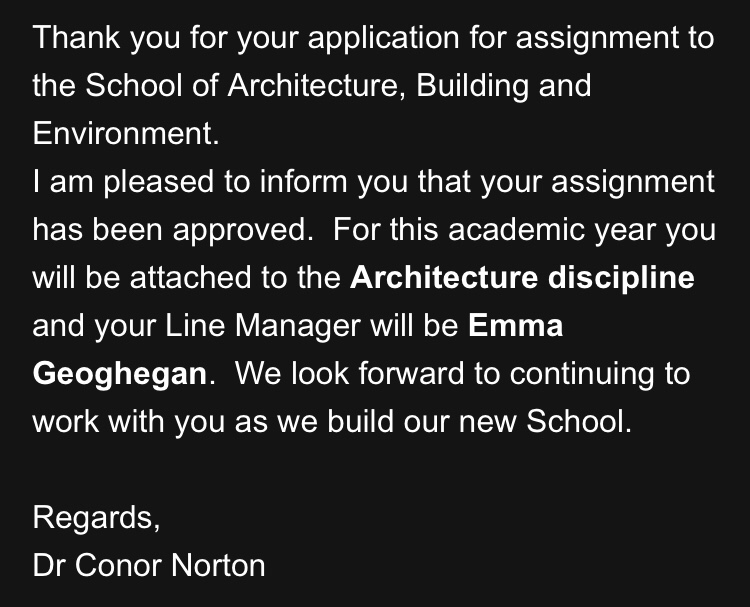
But while my head was under the sand, two very welcome emails landed in my box. The first I’ve been awaiting since last spring, but our university processes are slow. I’ve been assigned to teach in the school where my passion lies (still at TU Dublin, just in a different school as mine was dismantled).

I’ll now be teaching in the School of Architecture, Building and Environment which is great because I really love teaching students architecture. I’ll still teach BIM topics, too, of course.

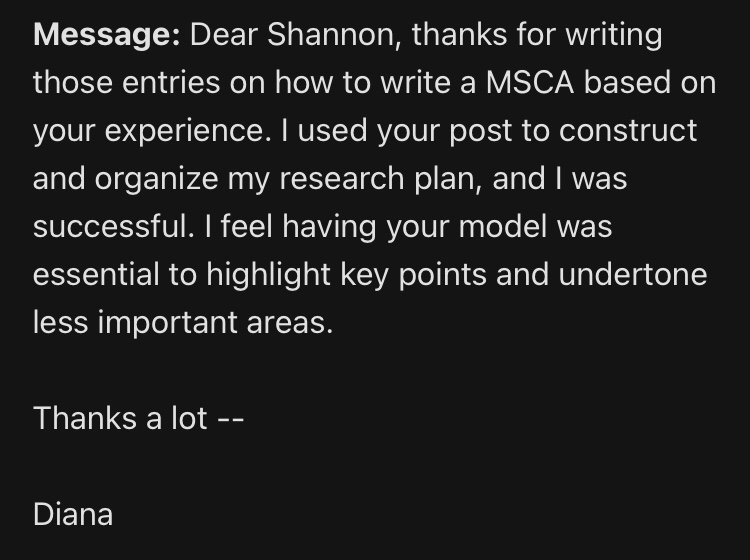
The second incoming message was a bit of thanks from a researcher who used the advice on my blog and won herself an MSCA Marie Curie fellowship this year! I couldn’t be prouder than to help make this type of difference in someone’s life.

So, goals big and small came to fruition today. These emails reported life-changing news for me and for Diana.

With no time to rest on my laurels, I had to wrap up my replies fast, and run out to buy groceries for dinner. We’re having a younger friend over to discuss financial planning, a new hobby of mine.

Life is busy, but full of interesting new challenges. Lots to fill you in on over the coming weeks!

Welcome to Ireland by Chance!

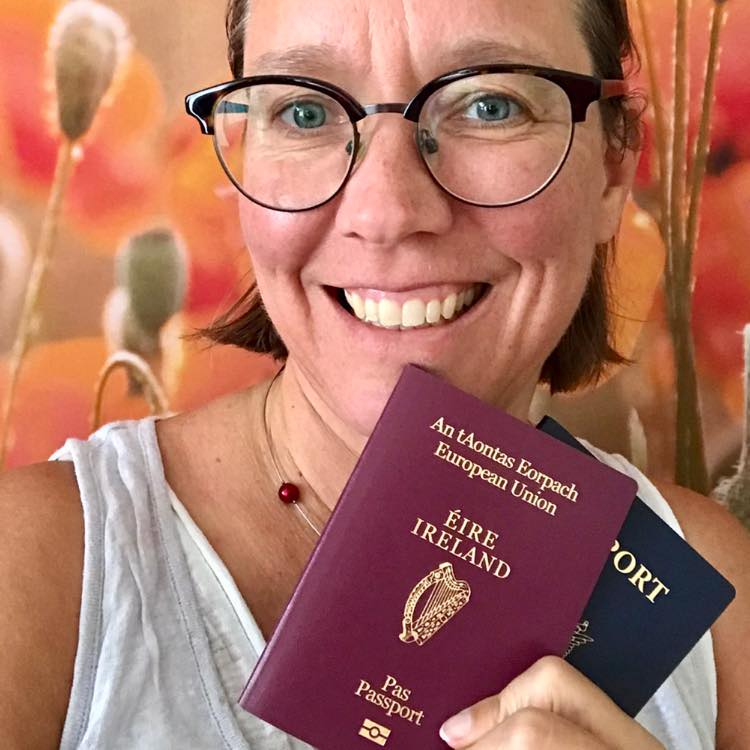
This site began as a way to share cultural experiences while I was a Fulbright Fellow in Ireland 2012-2013. I ended up falling for Ireland and I returned as a Marie Curie research fellow in 2014, and when that ended I got a full-time lecturing post at TU Dublin, although I was allowed a two-year career break to complete a second Marie Curie research fellowship, this time to University College London, in 2018 and 2019. I returned to Ireland and just recently earned Irish citizenship and an Irish passport.

Today, this website shares stories of being a “researcher on the move”, but a huge majority of visitors come to learn about the process of applying for a Marie Skłodowska-Curie Actions (MSCA) individual fellowship. I’ve posted lots of advice. You can find out more using the following links:
Abstract and Eval
• Excellence Section 1.1, 1.2, 1.3, 1.4
Notes on using tables
• Impact Section 2.1, 2.2
Implementation Section 3.1, 3.2, 3.3, 3.4
Ethics Section
Final Report (after I subsequently won the fellowship!)

A happy glowing Shannon in September 2022!

Virtually back in-person at TU Dublin

I’m finally coming out of laptop-induced hibernation. I’m ready to move between in-person and online realms, and hoping this will ensue rather seamlessly. It’s been hard to muster enthusiasm for blogging after working behind the laptop all day, every day. Maybe spending time outside will provide inspiration to blog, as it has today.

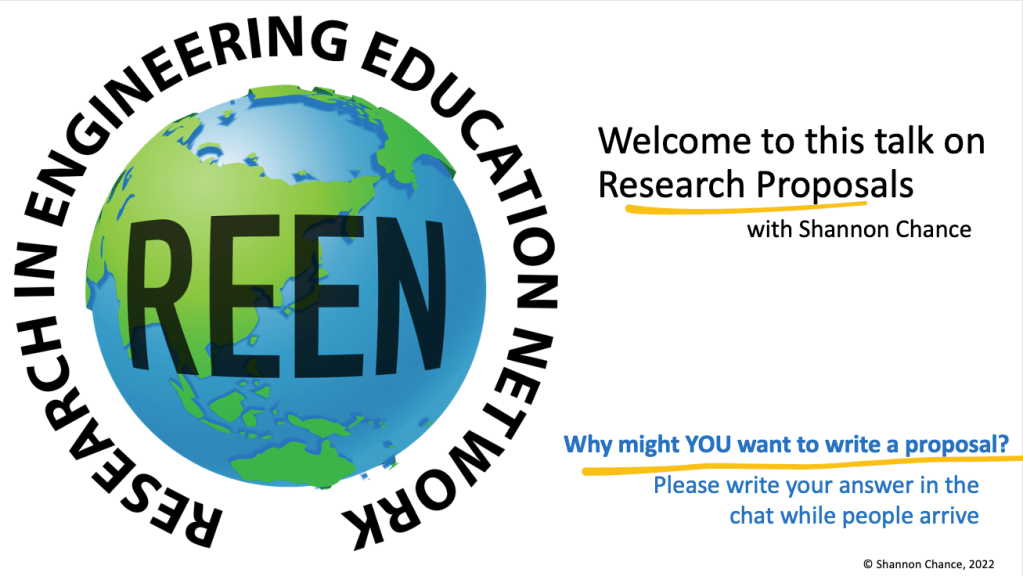
This morning, I delivered a seminar (7-8 AM) to the Center for Research on Engineering Education (CREE) at the University of Cape Town. The topic was writing research proposals for publication and securing grants and fellowships. I delivered a similar session earlier in the year as part of a workshop series conducted by the Research in Engineering Education Network (REEN), and CREE asked me to bring it to their group.

A really enthusiastic group attended and I received several follow-up emails. I really appreciate hearing what attendees valued and how we might connect more in the future. I met most of these folks in delivering Master Classes in South Africa when I was working at UCL, and also when attending the Research in Engineering Education Symposium in Cape Town in 2019. I’ve really enjoyed getting to know them better through regular meetings, online during Covid. I’m currently developing a special focus journal issue with one of them, Anita Campbell. We had a meeting about that project yesterday that was so exciting I had trouble sleeping last night!?

Cover slide for the talk I gave today, virtually in Cape Town.

Logging off the Cape Town session, I headed over to Bolton Street TU Dublin to help lead a field trip for Transition Year (high school) students to visit sites in Dublin.

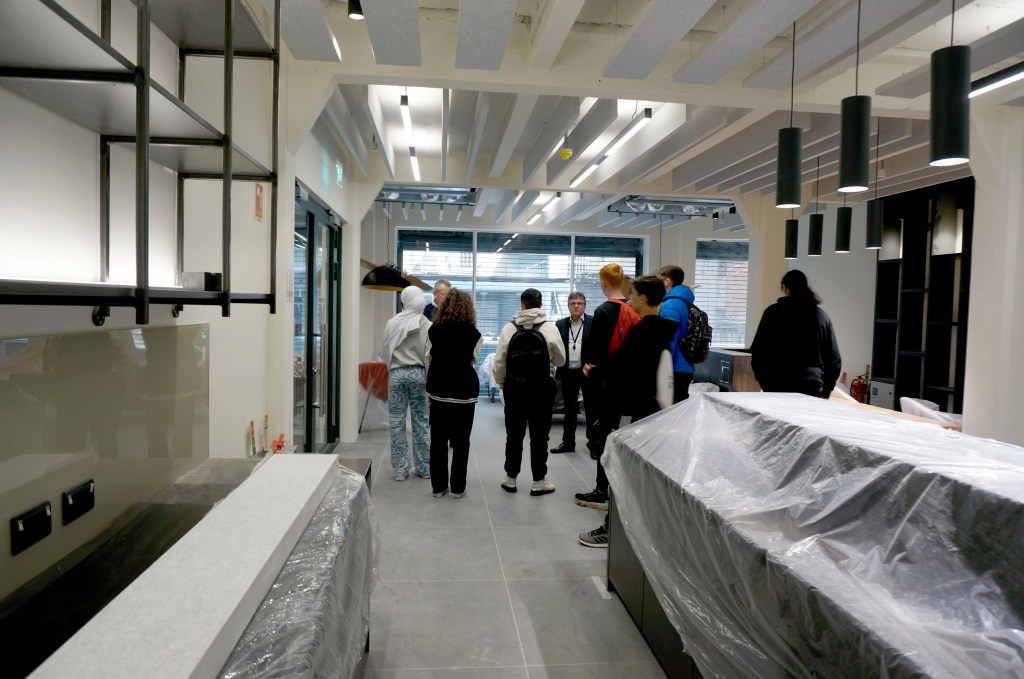
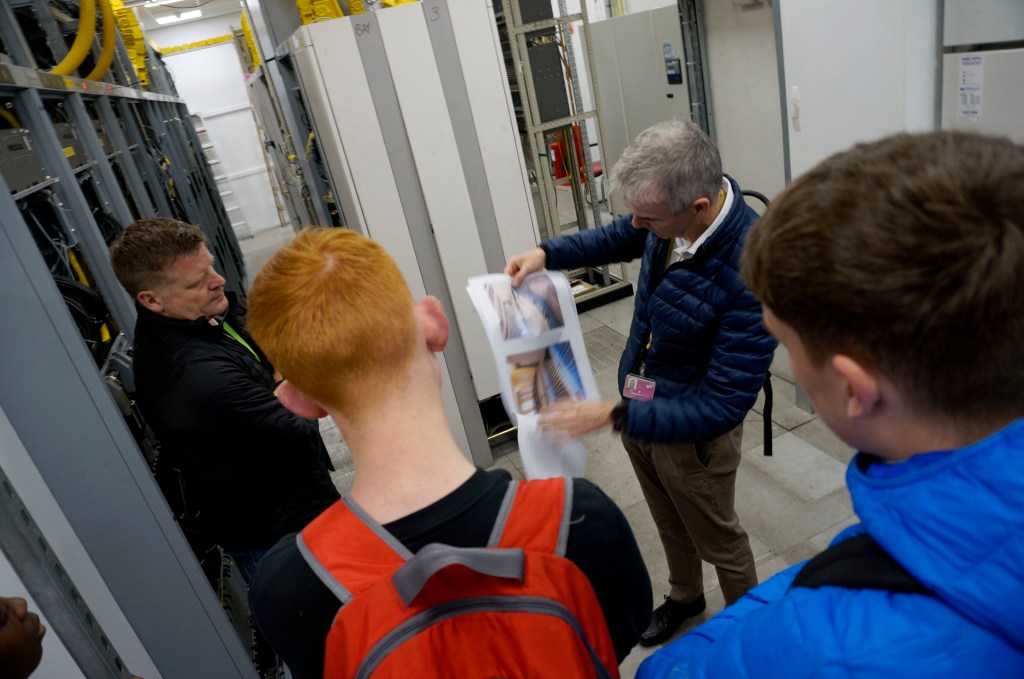
One-half of the students toured the “waste to energy” facility in Dublin (which they don’t call an incinerator, as that word seems politically incorrect here but is easy-to-envision thanks to Toy Story). The other half of the students came with Kevin Gaughan and me to see a construction site downtown. I included two photos of our site visit below, but you can see more about the visit, including a full gallery of images, at https://roboslam.wordpress.com/2022/05/12/engineering-your-future-at-tu-dublin-2022/.

While I was busy on the tour, some of my colleagues were preparing for tomorrow’s activity for the same students, a BioSlam. You can view the instructions for making little blood flow monitors on our RoboSlam site, at https://roboslam.wordpress.com/bioslam-ppg/.

A photo of the project for tomorrow. See https://roboslam.wordpress.com/bioslam-ppg/ for more.

I’ll have to step out of the BioSlam for a while to attend an online Meeting on engineering ethics — I hope earbuds do the job and I can attend from the corridor outside the electronics lab.

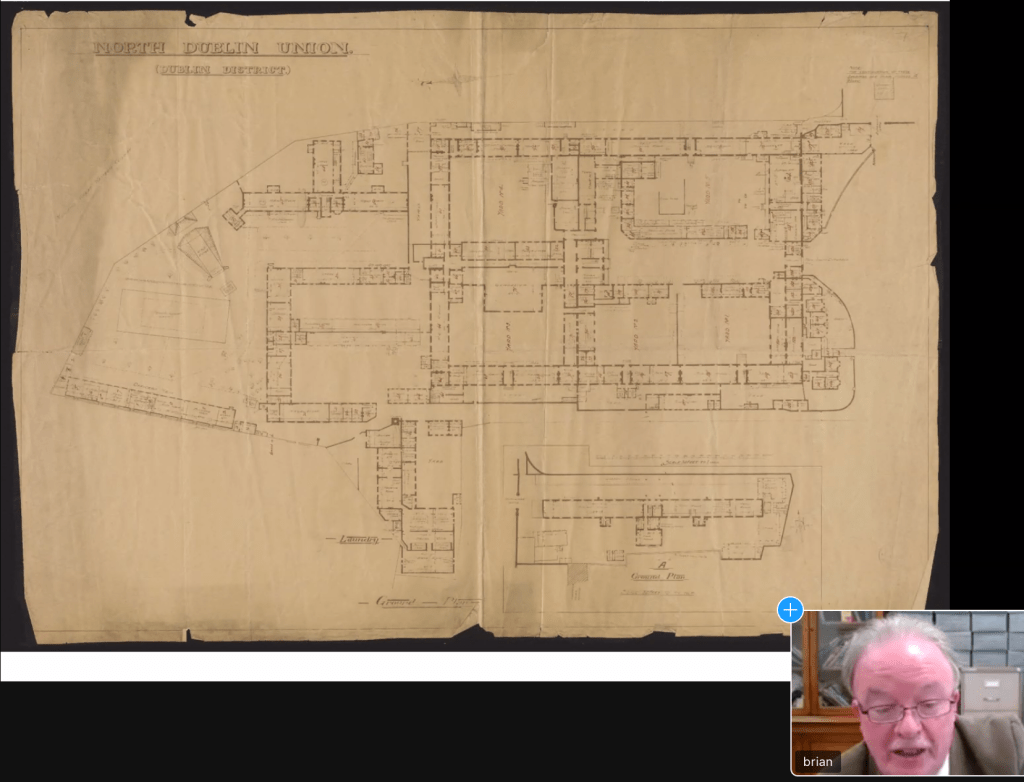
At the moment, I am taking a breather, listening to an online talk by a leading expert in the history of Grangegorman. The speaker, Brian Donnely, Senior Archivist in the National Archives, is currently talking about Richmond Surgical Hospital (a block from my flat) and as well as TU Dublin’s campus site at Grangegorman, which was used as an “insane asylum” with a prison placed between the two in the past.

And, I’m multi-tasking (a rarity for me) and posting a blog (also very rare these days).

Online lecture by Brian Donnely, Senior Archivist in the National Archives.

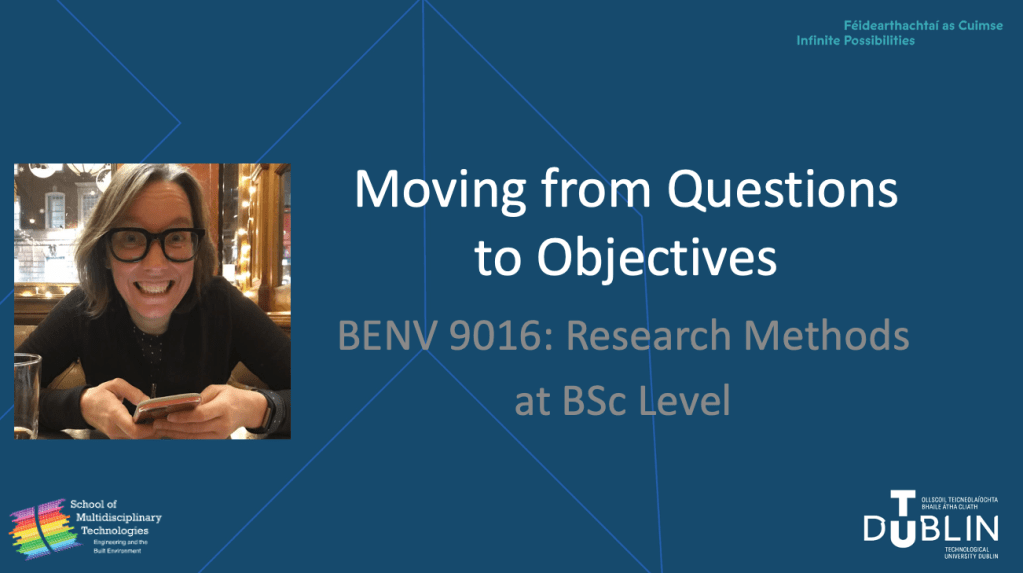
In just over two hours, I’ll be teaching an online evening class on Research Methods for my BSc students in BIM/Digital Construction. Before then, I’ll read the peer reviews I’ve just received for the European Journal for Engineering Education, so that I can recommend tomorrow to the Editor in Cheif how to move forward toward publication of the manuscript.

A slide for tonight’s Research Methods class.

Four-Year Flashback: Proudest Achievements

I haven’t been blogging much during the pandemic, as I spend far too many hours sitting in front of a computer monitor for things that must be done. Hours for hobbies like blogging just weren’t available – my eyes and thighs couldn’t take more. Moreover, since I posted advice and examples of Marie Curie final reports and applications there has been a deluge of visitors to those pages and posting more would cause those visitors confusion.

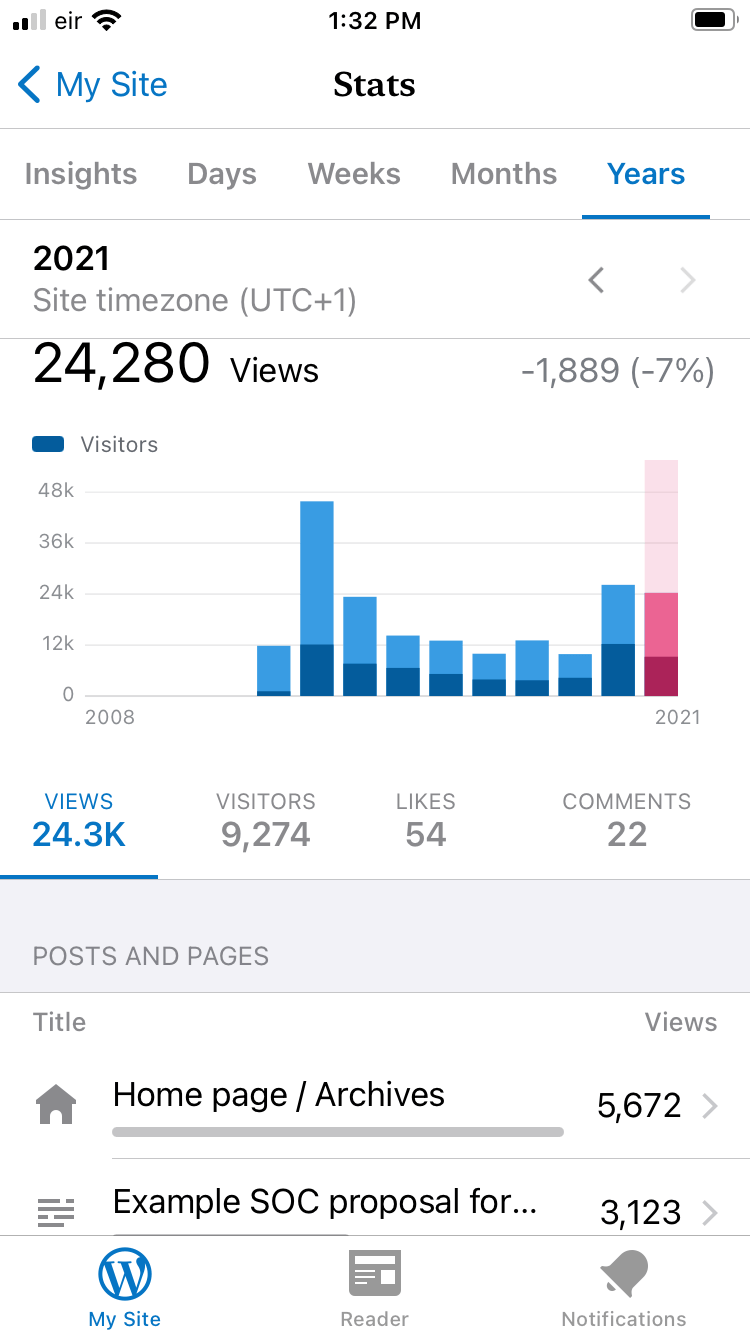
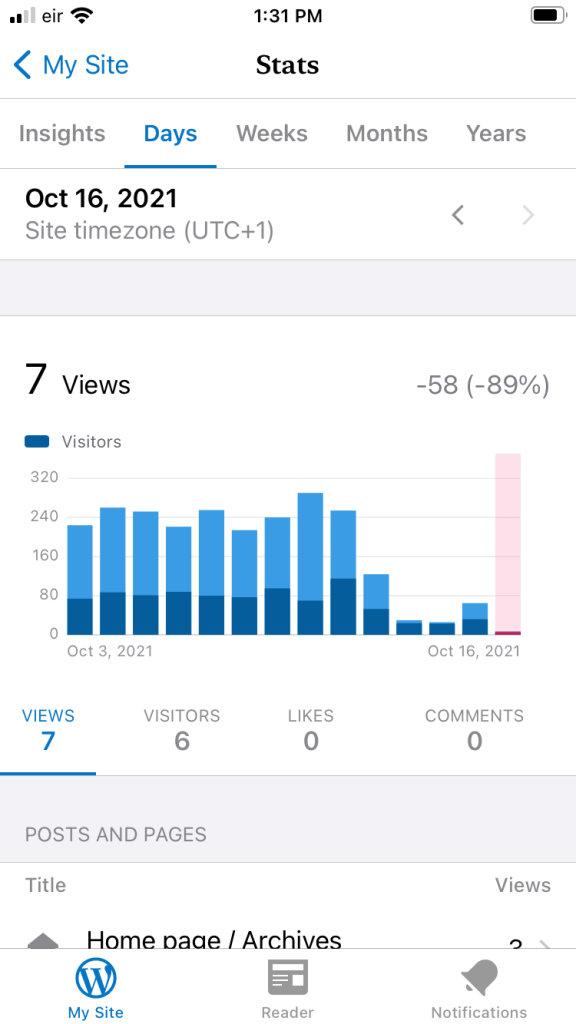
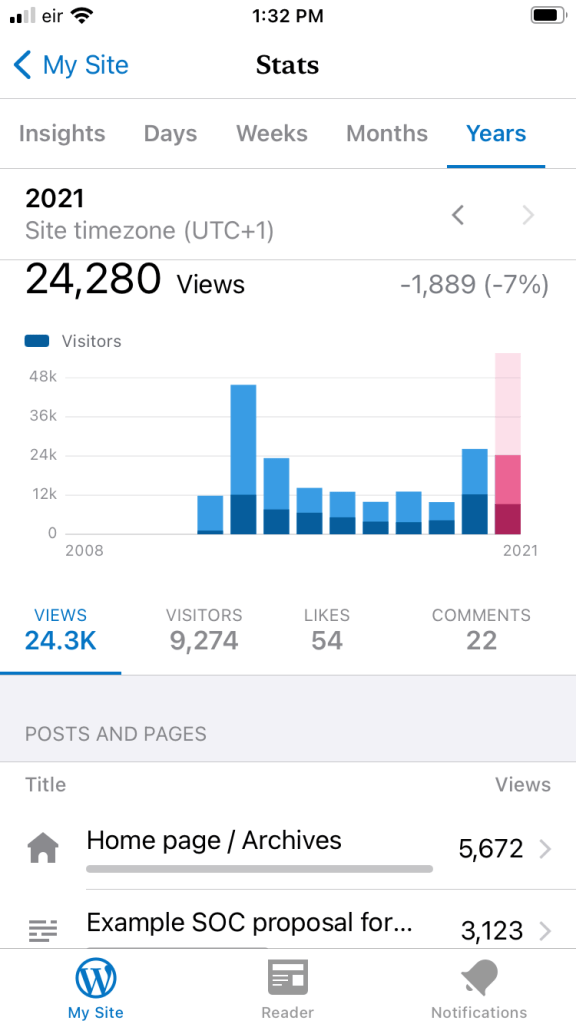
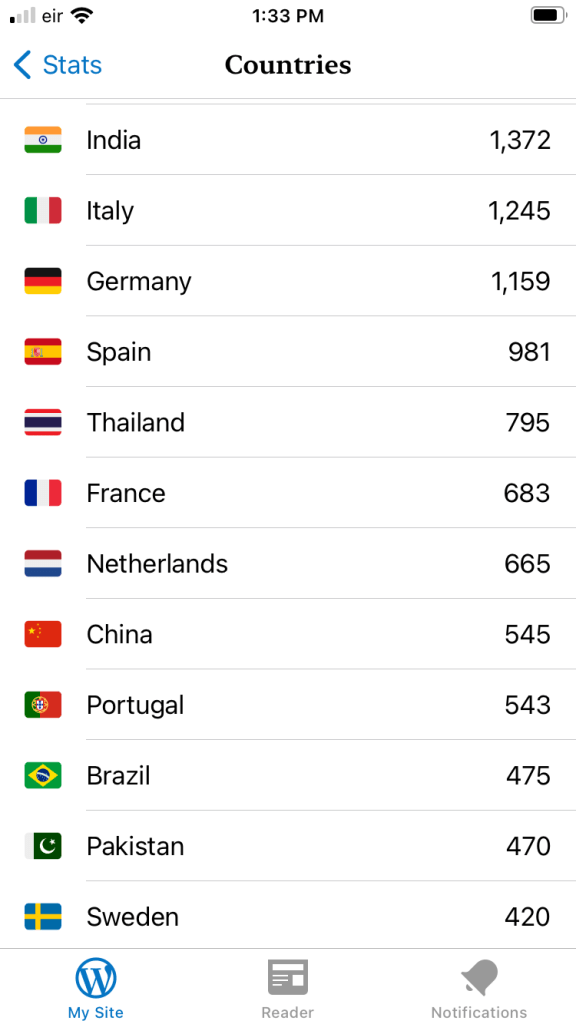
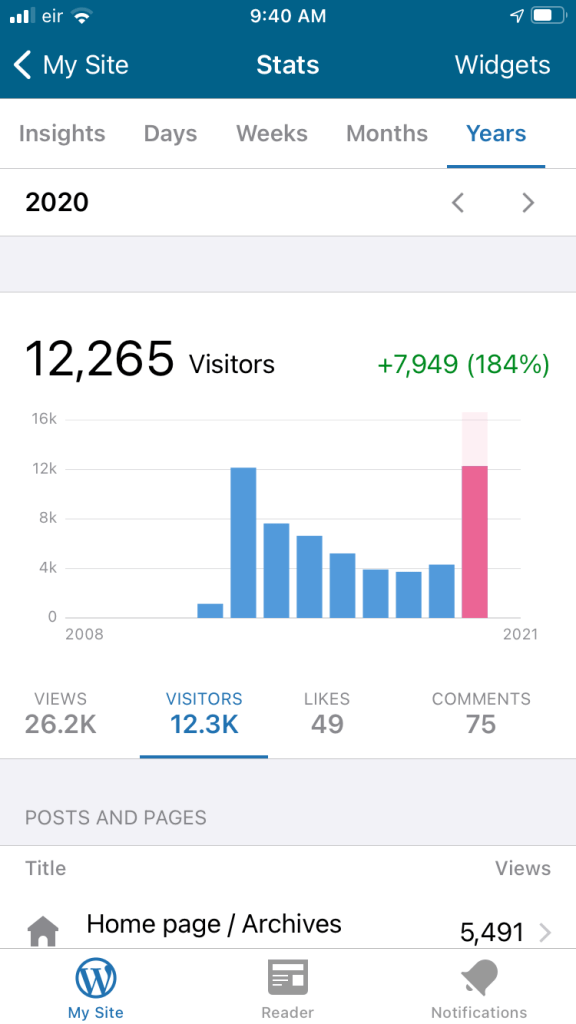
But, the traffic slowed down this year after the 2021 deadline for applications. You can see the cliff edge, where traffic dropped off, in the image to the left, below. These web materials were heavily visited in 2020 as well as 2021, as shown to the right, and I anticipate MSCA applicants will return for the 2022 application cycle.

In any case, I’m delighted with having over nine thousand visitors this year!

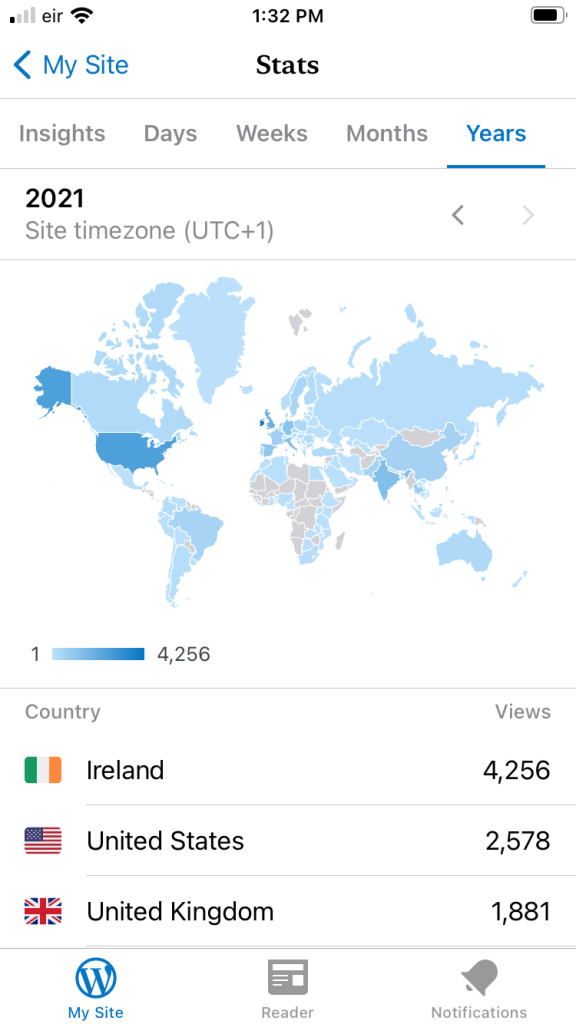
Most visitors came from my home (USA) and host (Ireland and the UK) countries, but I also reached people far away!

It’s time to update you! And, as I’m currently preparing to put my best foot forward in a local interview, it’s also a good time to reflect on what I’ve accomplished in the past four years:

  • Marie Curie Research Fellow and Visiting Professor at UCL
  • Programme Chair for the TU Dublin’s BSc (Honours) in BIM (Digital Construction)
  • Governing Body member and Chair of the Research in Engineering Education Network (REEN)
  • Guest editor for three special focus journal issues
  • Journal Associate Editor, Editorial Board member, and mentor for new reviewers
  • Author of multiple publications, having collected data for additional new publications as well
  • International speaker and workshop coordinator
  • Licensed Architect with up to date CPD
  • Supervisor and mentor for emerging researchers, appointed Senior Fellow of the (UK) Higher Education Academy
  • Blogger sharing examples to build human capacity in research and research-informed teaching
  • Manager of a portfolio of funded projects

In this post, I’ll tell you a bit about the first two items. Hopefully, I can detail other items in subsequent posts — so examples are fresh in my mind come interview time!

After successfully completing a two-year Marie Cure individual fellowship at UCL, I returned to Dublin, but I have kept my networks and collaborative activities at UCL going strong. The fellowship opened so many new doors for me — it exposed a new world of opportunities. My host institution, a global powerhouse in research and in engineering education as well as architecture education, provided an ideal place to grow new knowledge and skills. The fellowship’s generous training/travel budget, plus the exciting assignments UCL sent me on (e.g., leading two Master Classes in South Africa), helped extend my network into many new regions. Even today, nearly two years after leaving the UCL campus, I work daily with my UCL colleagues. As Visiting Professor, I attend online lectures and research sessions, provide leadership on research and gender issues, and engage in collaborative projects. Today, UCL Consultants pays half my salary, straight to TU Dublin, to provide me time to develop curricular materials for a brand-new degree programme in Architectural Engineering. This curriculum development work has been challenging, but also incredibly interesting and rewarding.

Just a month after returning to Dublin and just a month before the pandemic came crashing in, I accepted the role of Programme Chair for TU Dublin’s BSc (Honours) in BIM (Digital Construction) and launched that programme. I had an amazing Dean, but the two layers of supervisors between the Dean and me (as Programme Chair) were vacant for over half a year and so I learned quite a range of new skills. As my new line manager pointed out to me yesterday, I left my own personal stamp on the programme as it developed. Thankfully, he described this as a positive! Developing the structure and content of the “Research Methods” and “Work-Based Learning” modules for this BSc has been particularly rewarding. The “Honours” part of the programme name indicates that the students must complete a research thesis to graduate, and we’ve done an impressive job guiding the students to topics where doing research will benefit them, their careers, and the organizations where they work. We graduated our first cohort and have a second nearing completion. The tough part of this role, for me, is keeping up with technologies and standards that evolve so fast.

In upcoming posts, I look forward to reflecting on REEN, journal, and mentoring work. But for now, I’d better get back to my “To Do” list!

Above and Beyond: Ethics and Responsibility in Civil Engineering

A recent cover from the Australasian Journal of Engineering Education.

It’s been a long time coming, but a study I’ve been working on since the fall of 2018 has finally resulted in a publication–the first of several, I hope!

The article “Above and Beyond: Ethics and Responsibility in Civil Engineering” was released digitally this week, by the Australasian Journal of Engineering Education.

The publication process is often slow and suspense-ridden. I submitted the first draft of this paper at the start of March 2020, and now, just 15.75 months later, we’re nearly in print! The first step is digital release, and paper copies will come later.

Chance, S., R. Lawlor, I. Direito, and J. Mitchell. 2021. “Above and Beyond: Ethics and Responsibility in Civil Engineering.” Australasian Journal of Engineering Education. [Taylor & Francis Online]

University College London paid the Open Access publication free, so that you can download and read this article for FREE, without any special library access. My co-authors and I started this project at the request of Engineers without Borders UK, as the organization’s CEO, Katie Cresswell-Maynard, wanted to assess engineers’ perceptions and experiences related to “global responsibility”.

We prepared this specific report in response to a call for papers on ethics in engineering education and practice. To support the study of ethics, extracted data from our interviews that had to do with the topic, and studied it for patterns. As such, we’ve called this an exploratory study, on a topic where little prior research has been done.

Here’s the abstract:

This exploratory study investigates how nine London-based civil engineers have enacted ‘global responsibility’ and how their efforts involve ethics and professionalism. The study assesses moral philosophies related to ethics, as well as professional engineering bodies’ visions, accreditation standards, and requirements for continuing professional development. Regarding ethics, the study questions where the line falls between what an engineer ‘must do’ and what ‘would be good to do’. Although the term ethics did not spring to mind when participants were asked about making decisions related to global responsibility, participants’ concern for protecting the environment and making life better for people did, nonetheless, demonstrate clear ethical concern. Participants found means and mandates for protecting the health and safety of construction workers to be clearer than those for protecting society and the natural environment. Specific paths for reporting observed ethical infringements were not always clear. As such, analyses suggest that today’s shared sense of professional duty and obligation may be too limited to achieve goals set by engineering professional bodies and the United Nations. Moreover, although professional and educational accreditation standards have traditionally embedded ethics within sustainability, interviews indicate sustainability is a construct embedded within ethics.  

I want to wholeheartedly thank the research participants and the co-authors who stuck by my side and helped see this project to fruition. It was great to have an ethicist on board in authoring this paper, Dr. Rob Lawlor. It has been a joy to work with him, and with Dr. Inês Direito and Professor John Mitchell, throughout this project. We also enjoyed a helpful and astute advisory panel comprised of Professor Nick Tyler, Jon Pritchard, Dr. Rob Lawlor, and Katie Cresswell-Maynard. The study was supported financially by a Marie Sklodowska-Curie Actions fellowship from the European Union (H2020-MSCA-IF-2016, Project 747069, DesignEng), with additional support provided to Engineers without Borders UK by the Royal Academy of Engineers.

I hope you’ll enjoy reading the article and will find it helpful.

Harvest of 2020: A summary of my Engineering Education Research

So, I’m not going to lie: 2021 has been incredibly difficult for me. We’ve been on lockdown since before New Years Day here in Ireland. We are homebound and limited to a 5km travel radius from home for essential shopping and exercise (in the cold, wet weather and very short winter days). Moreover, we started the year by burying my partner Aongus’ father.

It’s been work, work, work and nearly no play. Staring at the screen has been taking its toll. Experiencing eye strain, I’ve not had the wherewithal to blog since that requires additional screen time over and above work. Sometimes it feels like I’m marking time, standing in place and making no progress forward.

But then someone asked for info that put some things back into perspective.

You may not know, but even though I am teaching Engineering and Digital Construction at TU Dublin right now, I am still actively engaged in research on engineering education. I’m part of two research centers–one here in Dublin (CREATE) and another in the UK (UCL’s Centre for Engineering Education).

The UCL Centre Coordinator, Paula Broome, is preparing the CEE’s annual report for 2020. She asked me to send a synopsis of my activities in Engineering Education Research. I dashed off the draft below for her to integrate into the report.

Writing this up took time (we’re on Spring Break here, but I can’t seem to get away from the computer). Nevertheless, it made me feel a bit better about forging ahead through 2020. And since it’s Spring Break, I can feel okay taking time away from work to blog!

Two items don’t show upon the list below that actually took a great deal of time in 2020. Hopefully, soon, I’ll be able to list two new journal articles with 2021 publication dates.

I could also have added that my blog made a difference to researchers in 2020. One thanked me on Facebook a couple days ago for providing resources that helped her win her own Marie Curie Research Fellowship in 2020. IrelandByChance.com had a record number of visitors in 2020, totalling 12,265 and beating my previous high of 12,141 visitors in 2013.

The most visited pages all involved the example Marie Curie materials I posted.

UCL CEE 2020 activities of Shannon Chance

Topic: implementing PBL pedagogies

CEE works to help engineering educators learn and implement active learning pedagogies, like problem-based learning. Shannon Chance published the following book chapter on PBL:

CHANCE, S. M. (2020). Problem-Based Learning: Use in Engineering Disciplines. In Amey, M. J. & David, M. E. (Eds.). The SAGE Encyclopedia of Higher Education, 5v. Thousand Oaks, CA: Sage. https://uk.sagepub.com/en-gb/eur/the-sage-encyclopedia-of-higher-education/book245423

In addition, this CEE-supported project was presented at a conference on PBL:

Mora, C. E., CHANCE, S. M., Direito, I., Morera-Bello, M. D., Hernández-Zamora, L., & Williams, B. (2020). INGENIA, a novel program Impacting Sustainable Development Goals locally through students’ actions. The International Research Symposium on Problem Based Learning (IRSPBL 2020) in Aalborg, Denmark.

Topic: diversity and inclusion

We believe in creating diverse and inclusive learning environments where all members feel welcome and supported—where they can be their true selves and realize their full potential. Inês Direito leads the SEFI working group on Equity, Diversity and Inclusion, and CEE’s Shannon Chance, Fiona Turscott, and Sophia Economides are frequent contributors to the group. Our team’s work includes a longitudinal, phenomenological study on Middle Eastern women’s experiences studying engineering abroad in Ireland, led by Shannon Chance, published the following Peer-Reviewed Conference Paper:

CHANCE, S. M., & Williams, B. (2020, May). Here you have to be mixing: Collaborative learning on an engineering program in Ireland as experienced by a group of Middle Eastern young women. EDUCON2020 – IEEE Global Engineering Education Conference in Porto, Portugal.https://ieeexplore.ieee.org/document/9125207

Shannon was also invited to present the work in Malaysia:

CHANCE, S., & Williams, B. (2020). Middle Eastern women’s experiences of collaborative learning in engineering in Ireland. Plenary forum Women in Engineering at the Regional Centre for Engineering Education conference (RCEE 2020) on “Engineering Education Leadership in an Uncertain World” at Universiti Teknologi Malaysia.

This Peer-Reviewed Conference Paper about Portuguese students’ experiences with Brexit also reflects our concern for Diversity and Inclusion:

Direito, I., CHANCE, S. M., & Williams, B. (2020). Exploring the impact of Brexit on UK’s engineering education sector from the perspective of European students. European Society for Engineering Education (SEFI 2020) conference in Twente, Netherlands.

Topic: ethics and sustainability

We are looking for ways to integrate the Sustainable Development Goals into our work and to infuse environmental sustainability, social justice, and ethics into our teaching and research. To understand these values are being enacted in London, our team has been conducting an exploratory study regarding UK civil engineers’ understandings and practices related to Global Responsibility (the topic of two articles we have under review with journals right now). Shannon Chance was invited to deliver a keynote speech on sustainability at a conference in China:

CHANCE, S., (2020). Equipping STEM graduates for global challenges via design thinking. Keynote speech for Chinese Society for Engineering Education’s 15th International Symposium on Science and Education Development Strategy on “Innovation of Engineering Education System under Global Challenges” held in Hangzhou, China 10-11 December 2020.

CEE members published the following Peer-Reviewed Conference Papers on sustainability in 2020:

CHANCE, S. M., Direito, I., & Mitchell, J. (2020). Challenges to global responsibility faced by London-based early-career civil engineers. European Society for Engineering Education (SEFI 2020) conference in Twente, Netherlands.

CHANCE, S. M., Direito, I., & Mitchell, J. (accepted in 2020, although the conference has been postponed until 2021). To what degree do graduate civil engineers working in London enact Global Responsibility and support UN Sustainable Development Goals? Engineering Education for Sustainable Development (EESD2020) conference in Cork, Ireland.

This paper, mentioned above under PBL, also focuses on sustainability:

Mora, C. E., CHANCE, S. M., Direito, I., Morera-Bello, M. D., Hernández-Zamora, L., & Williams, B. (2020). INGENIA, a novel program Impacting Sustainable Development Goals locally through students’ actions. The International Research Symposium on Problem Based Learning (IRSPBL 2020) in Aalborg, Denmark.

And finally, this workshop session intergated on sustainability:

CHANCE, S. M., & Villas Boa, V. (2020). Can we make future conferences greener and more equitable by providing online participation options? Breakout session of the Big EER Meet Up (online via UCL, April 2020).

Topic: Research Methods

CEE seeks to build research skills both across the members of CEE and more broadly. Shannon Chance build skill in teaching research methods by teaching a 5 ECTS module on the topic at TU Dublin in 2020. CEE members also provided the following workshops on research methods:

India

CHANCE, S., Direito, I., & Malik, M. (2020). An introduction to literature reviews in Engineering Education. Workshop for the Indo Universal Collaboration for Engineering Education (IUCEE). 22 November 2020.

Netherlands

Direito, I., CHANCE, S., & Malik, M. (2020). An introduction to systematic literature reviews and meta-analyses in Engineering Education. Workshop at the European Society for Engineering Education (SEFI) 2020 annual conference in Twente, Netherlands.

Edström, K.,Benson, L.,Mitchell, J., Bernhard, J., van den Bogaard, M., Case, J.; CHANCE, S., & Finelli, C. (2020). Best practices for reviewing manuscripts in engineering education research journals. Workshop at the European Society for Engineering Education (SEFI) 2020 annual conference in Twente, Netherlands.

Topic: global leadership in engineering education research (EER)

CEE provides leadership at the highest levels in engineering education—including both engineering education program development and engineering education research.

In April 2020, the CEE team organized and hosted the Big Engineering Education Research (EER) Meet Up, with 350 attendees worldwide. We followed this up in June 2020 with a second Meet Up for International Women in Engineering Day, that had 90 attendees. These were our primary activities for helping build academics’ capacity to conduct EER. At the start of 2020, Shannon Chance presented outcomes of the Marie Curie Research Fellowship she completed at UCL:

CHANCE, S. M. (2020). Becoming Civil: Outcomes of a Marie Curie Fellowship with CEGE and CEE. Lunch seminar for UCL’s Centre for Engineering Education in London.

Shannon Chance serves as the Chair of the global Research in Engineering Education Network (REEN). The term of Chair runs for the calendar years 2020 and 2021. As the head of the Governing Board of REEN, she has succeeded in diversifying and expanding the board to better represent the globe, helped organize REEN support for the CEE MeetUps at the outset of the pandemic, led the upgrade of the website for usability and economic sustainability, moved toward more transparent policies and procedures, and helped keep REEN operations on track.

To help grow a strong research community, we also supervise and mentor emerging researchers. In 202,0 Shannon continued to serve as a PhD supervisor and visiting processor at London South Bank University (LSBU). She has also been is highly active in UCL’s CEE and TU Dublin’s CREATE research group, helping aid communication between these two EER centers. In 2020, Shannon also reviewed conference paper submissions for the European Society for Engineering Education (SEFI) and EDUCON conferences.

Topic: global leadership in EER publishing

CEE work involves serving as top editors of the IEEE Transactions on Education, where John Mitchell is Editor-in-Chief and Shannon Chance is an Associate Editor. John and Shannon are also active contributors to the Engineering Education Research (EER) editors’ roundtables that assembles online and at the world’s top EER conferences and is creating resources to support authors and reviewers. John and Shannon are also both on the editorial board of the European Journal of Engineering Education (EJEE).

Shannon is currently the primary editor for a special focus issue on ethics in engineering education and practice, to be published in May 2021 by REEN’s Research in Engineering Education Symposium and the Australasian Journal of Engineering Education. In 2020, Shannon also served as a peer reviewer for all of the following journals:

International Journal of Qualitative Methods

Technology | Architecture + Design

Australasian Journal of Engineering Education  

IEEE Transactions on Education

European Journal of Engineering Education

Journal of Engineering Education

Topic: public engagement

Outreach to the public is important to CEE. During 2020, Shannon Chance was interviewed for UK’s “Engineering Matters” podcast #59 Empowering Ethical Engineering (https://engineeringmatters.reby.media/2020/06/25/59-empowering-ethical-engineering/).

Shannon also served as an advisor for the recent publication of a children’s book “The Architecture Scribble Book” by Usborne Publishing Ltd.(2020). This built on past success with titled “The Engineering Scribble Book” by Usborne Publishing Ltd.(2018) which she also consulted on. Shannon also hosts the educational blog IrelandByChance.com.

CHANCE, S. (2012-present). Ireland by Chance: Research Adventures in Ireland and the UK. http://www.IrelandByChance.com showcasing research and fellowship activities.

Our team communicated and promoted research we have done via public channels:

CHANCE, S., Williams, B., & Direito, I. (2020). Tackling gender inclusion of Middle East students in engineering education with Project Based Learning. SEFI Newsletter.

CHANCE, S., Williams, B., & Direito, I. (2020, December 1). Project based learning: a tool for gender inclusion and enhanced team learning. Technological University Dublin blog for Diversity Equity and Inclusion. https://sway.office.com/fjc0aQKqkWotCl2J?ref=email&loc=play

Topic: CPD

Members of the CEE stay on top of their professional credentials. In 2020, Shannon Chance refreshed her Architectural Registration (license to practice) in the Commonwealth of Virginia, USA and maintained the National Council Record she holds with the USA’s National Council of Architectural Registration Boards which enables her to gain reciprocity in any of the United States. Shannon also gained a new credential, a Postgraduate Certificate in Building Information Modeling, at the February 2020 graduation ceremony at Technological University Dublin.

Topic: curriculum development

The CEE is currently developing new engineering curricula for Newgiza University in Cairo, Egypt. Emanuela Tilley, Al Mosart Hassan, and Shannon Chance comprise the core team developing the new curriculum in Architectural Engineering.

Topic: leadership in educational evaluation

In a similar vein to developing curricula, CEE also supports Quality Assurance and Accreditation processes. In 2020, Shannon Chance served on a review panel for a Substantive Change application submitted by the University of Puerto Rico to the USA’s National Architectural Accreditation Board (NAAB). Shannon also served as an external evaluator for applications submitted to Fulbright Ireland. In 2020, Shannon was also active in Quality Assurance at TU Dublin (Ireland), where as part of her role as Programme Chair for the BSc (Hons) in BIM (Digital Construction) she chaired the Programme Committee and served on the Extended School Executive Committee.
A new doc is born: Dr. Diana Adela Martin

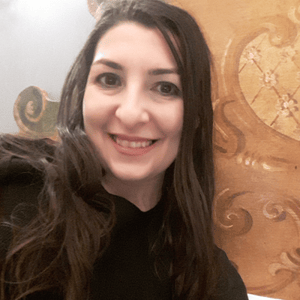
Very soon I’ll get to call my colleague Dr. Martin, instead of ‘just’ Diana. Today, she submitted the “minor corrections” requested by external examiners on her doctoral thesis during her viva.

Diana Adela Martin
Dr. Diana Adela Martin

We have different ways of speaking about all this in the States. We’d say she needed to make some minor amendments to the text following her dissertation defense. Actually, back home, as everyone makes minor adjustments after their defense, these aren’t usually considered “corrections”. They are considered fully normal!
Some days I feel like an international thesaurus, since so many terms vary from the US, to Ireland, and again to the UK. Divided by a common language, we often say over here.

In Europe, the rules and expectations for punctuation are even different than in the States! I’m constantly walking (writing on?) a tightrope. Consider that English is my first (and pretty much only) language, and that Diana has been writing, studying, and conducting empirical research in a non-native language. It makes her accomplishments all the more impressive.

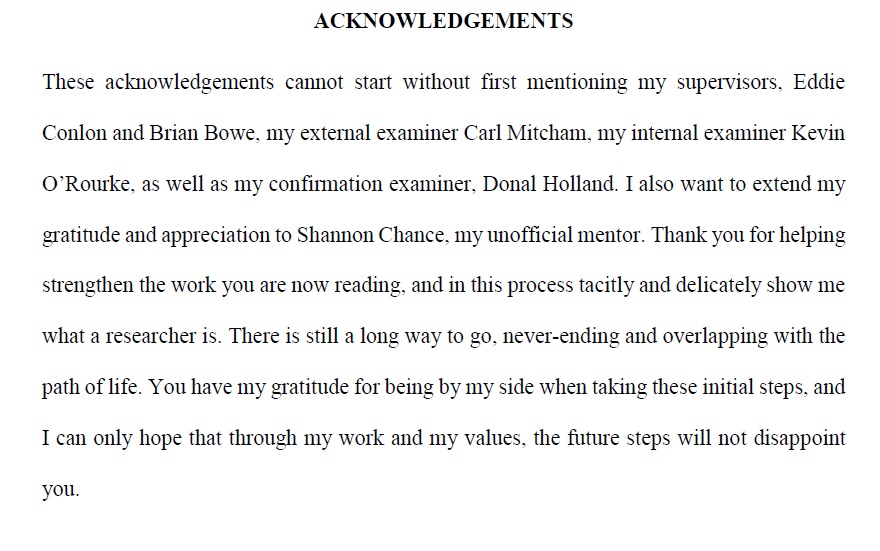
So, the deadline for Diana’s changes popped up, seemingly out of nowhere… and she delivered! I just received an email saying she’d gotten it all submitted, along with this screenshot:

I can’t really say how much it means to be mentioned in Diana’s thesis. It deeply touched me and let me know that all the hours of interaction mattered to both of us. I’m quite often the “unofficial” mentor but the lack of formal status doesn’t stop me from giving my all at it. In this case, her lead supervisor did ask me to serve as mentor when she joined our institution.

This type of work often goes undocumented, and we know it disproportionately falls to women and early career academics, who are expected to be good supports for others — empathetic and able to share freely. Too often, this expectation holds those unacknowledged mentors back from tasks that get higher recognition in institutions. Being the liaison to a student group can take a lot of time, with little to no formal reward in, for example, tenure and promotion deliberations (the US way of putting it). For me, I am glad to be at a point in life where I don’t worry too much about accolades — I’ve already earned tenure, currently hold a permanent position, and was made Full Professor back in 2014 — and I feel enabled to allocate my time to things I value.

I spend a great deal of time on diversity and inclusion, ethics, and sustainability — and on supporting early career researchers and entry-level teaching staff whenever I can. When I don’t hear from my informal mentees (Inês, Lelanie, Carlos, Canaria, and Diana) or my formal supervisee (Thomas), my week is half as alive.

Mentoring a fun and very important role, and I think we should have more mentorship programs. There is a new term emerging around the world for “promoters”, and this term is starting to grow on me. It is, in fact, what I do.

Diana’s message also evoked memory this image, which I recently shared on Facebook:

The caption for this image is: “When you see something beautiful in someone, tell them. It may take a second to say, but for them it may last a lifetime.”

I follow that advice with my mentees and supervisees, and I think it makes a world of difference.

The superstars in my own life (my own lead PhD supervisor, Prof/Dr Pamela Eddy, for one) have given this type of support to me. Indeed, Pam should have been listed as my #1 supervisor, though something slipped through the cracks.

Overall, positive attitude is important.

It’s infectious in the best of ways.

Expressing gratitude and thanks is good for everyone’s soul.

And yes, it’s also important to remain critical and reflective, and to stick up for yourself and others who are not getting the credit deserved. You’ll see this is why I pay attention to the order authors are listed on the projects where I’m involved: the final listing should accurately reflect the actual proportion of effort each person has contributed. I don’t take kindly to those with established reputations taking advantage and listing themselves ahead of those who actually delivered. Regarding such, I frequently take a stand. I see an instance where I will need to take such a stand looming on the horizon. Although I dread conflict, I know I’ll have to stand up for the emerging scholars who actually delivered, and to make sure they are not listed below any individual who left us hanging. I find it’s easier to stick up for others getting their due share of recognition than when it’s just for myself, and that I grow clearer on all this over time.

So, back to Diana’s thesis.

It looks like I need to upload the text to iPad or Kindle soon.

My friend, the late Wayne Ringer, felt compelled to read my entire dissertation when he was mentioned on my acknowledgements page. Him reading it was completely unexpected as he was a lawyer, not a higher education or green building guru who would benefit from the material. Nevertheless, he said if you’re acknowledged in a work, you should naturally read it. He and his daughter, Morgan, also attended my PhD graduation from William and Mary back in 2010. Boy, do I miss them.

So, my reading plan is clear. I’d better hit this new book of Dr. Martin’s, as soon as it’s off the presses!

Wayne will approve.

Diana’s topic is ethics in engineering, and she researched how it is handled in accreditation in Ireland. She has a number of journal articles under review that report various aspects of the study. She’s also on the steering committee of the Ethics working group for the European Society for Engineering Education (SEFI), which just today published a newsletter featuring some of my team’s work, under the title “Tackling gender inclusion of Middle East students in engineering education with Project Based Learning”.

Today, Diana is already shaping the agenda for research and practice in engineering ethics, not just following the crowd. And she’s headed to a new institution, to do a postdoc on ethics in engineering. She’s blazing new trails!

This level of leadership is impressive for what we in the USA would call a “baby doc”, a newly minted PhD!