Ethics teaching and research are core to my work — teaching, researching, designing curricula, and editing. Here’s a two-day snippet of activities….
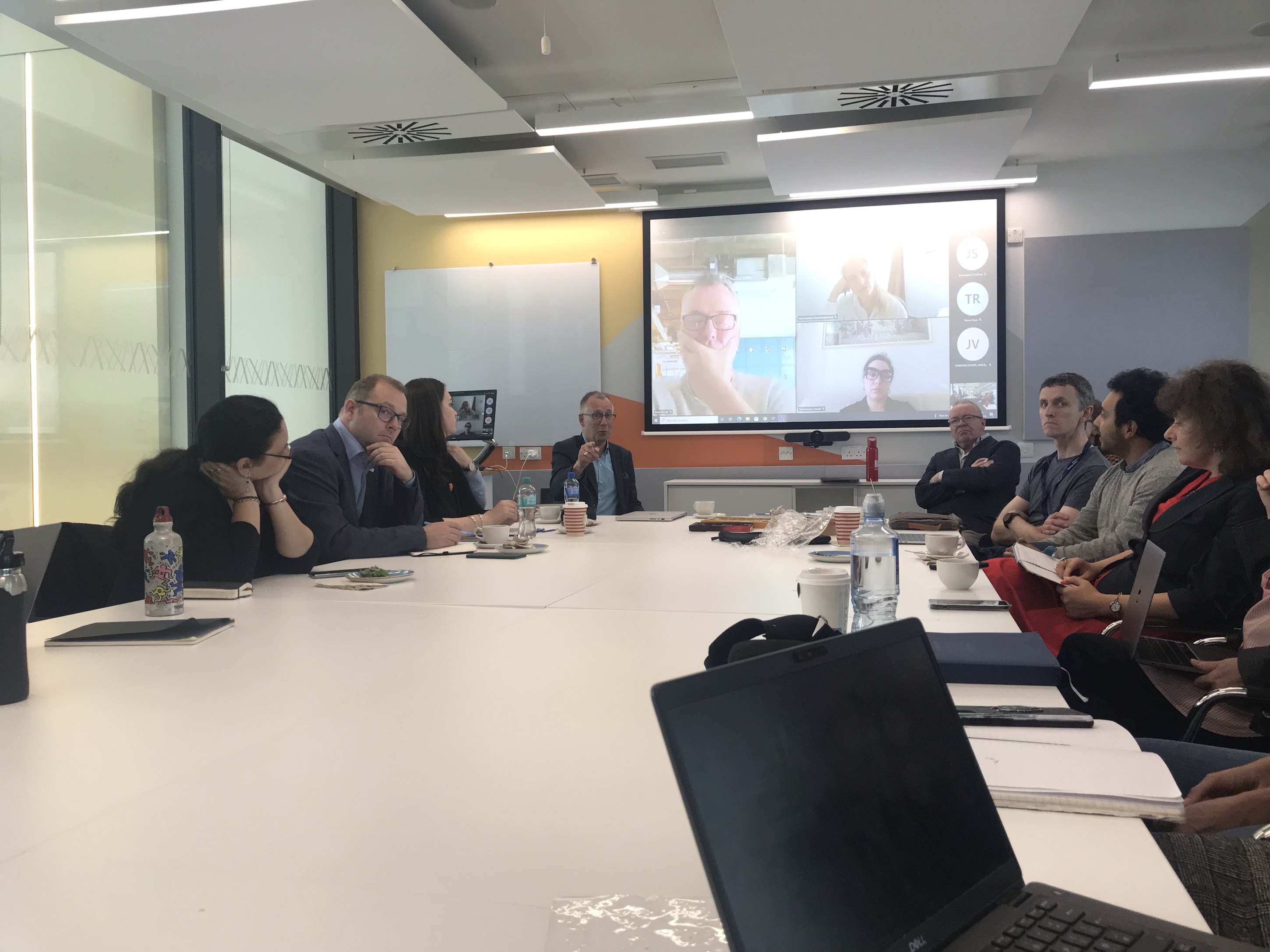
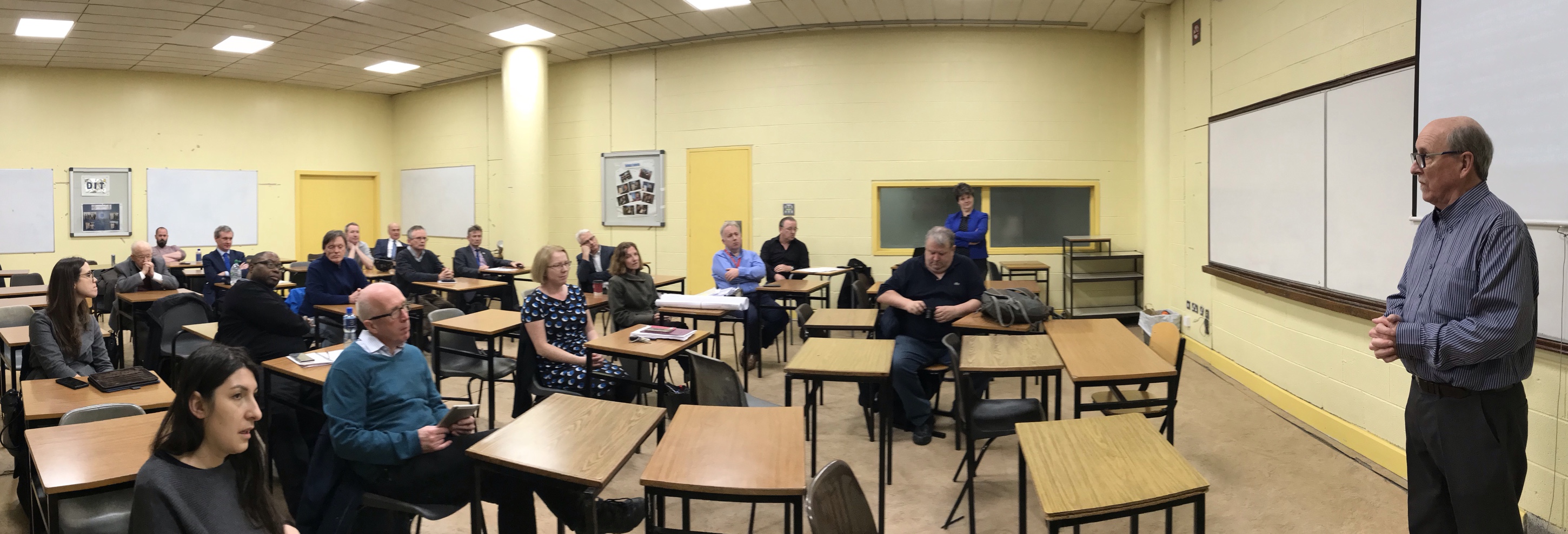
Yesterday, I attended a work session for the EthiCo project, led by TU Dublin but working in collaboration with many other technological universities. We’re considering multi-dimensional understandings of ethics. And, our group is developing tools for teaching students about ethics and teachers about how to incorporate ethics (social and environmental justice) into their classrooms. TU Dublin’s Professor Noel Fitzpatrick is leading the effort.
Just before we met, my WhatsApp thread was alive as my colleagues and I determined the theme of our upcoming Dublin Maker (July 23) booth: Reboot Arcade. Short description: Games of all sorts and art installations relating to rebooting civilization in our own unique way.
We’ll inspire those who visit our booth to envision the world we’d create if we were doing things from scratch. I’ll contribute an activity for our booth at Dublin Maker about circular economy and regenerative design.
Throughout the day, I also wrote and uploaded feedback to my BIM students in the Research Methods module.
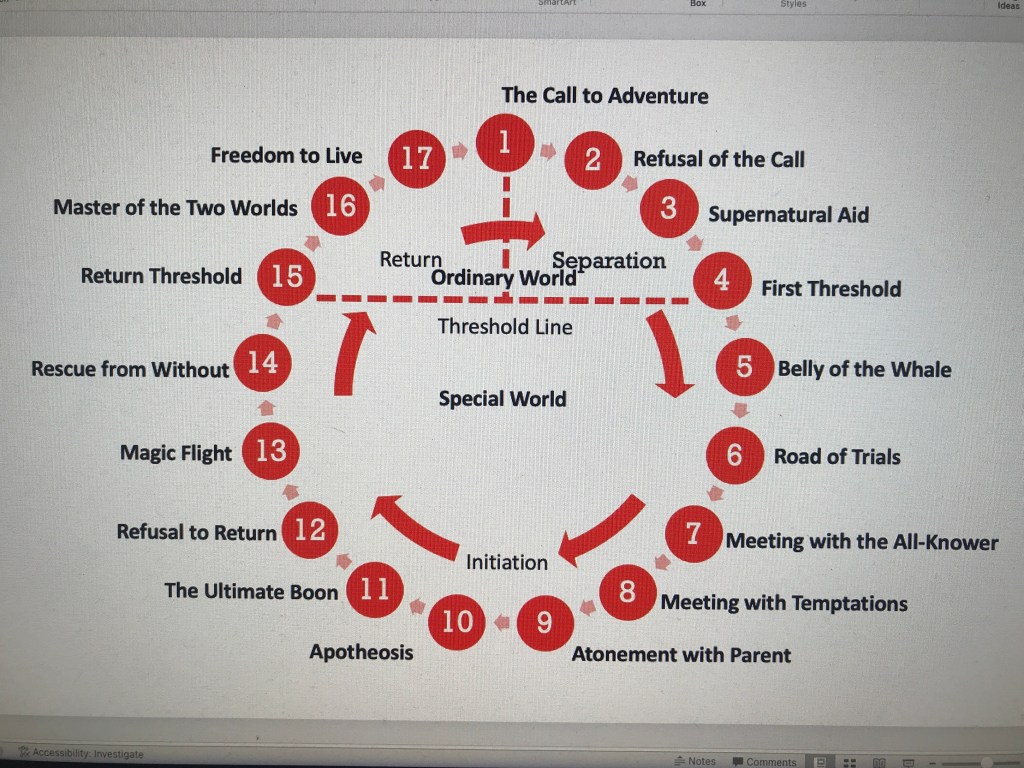
And, did quite a bit of editing on a manuscript with Inês Direito and Bill Williams using the Hero’s Journey framework. Here’s snapshot of my screen with a graphic I’ve made for that paper:
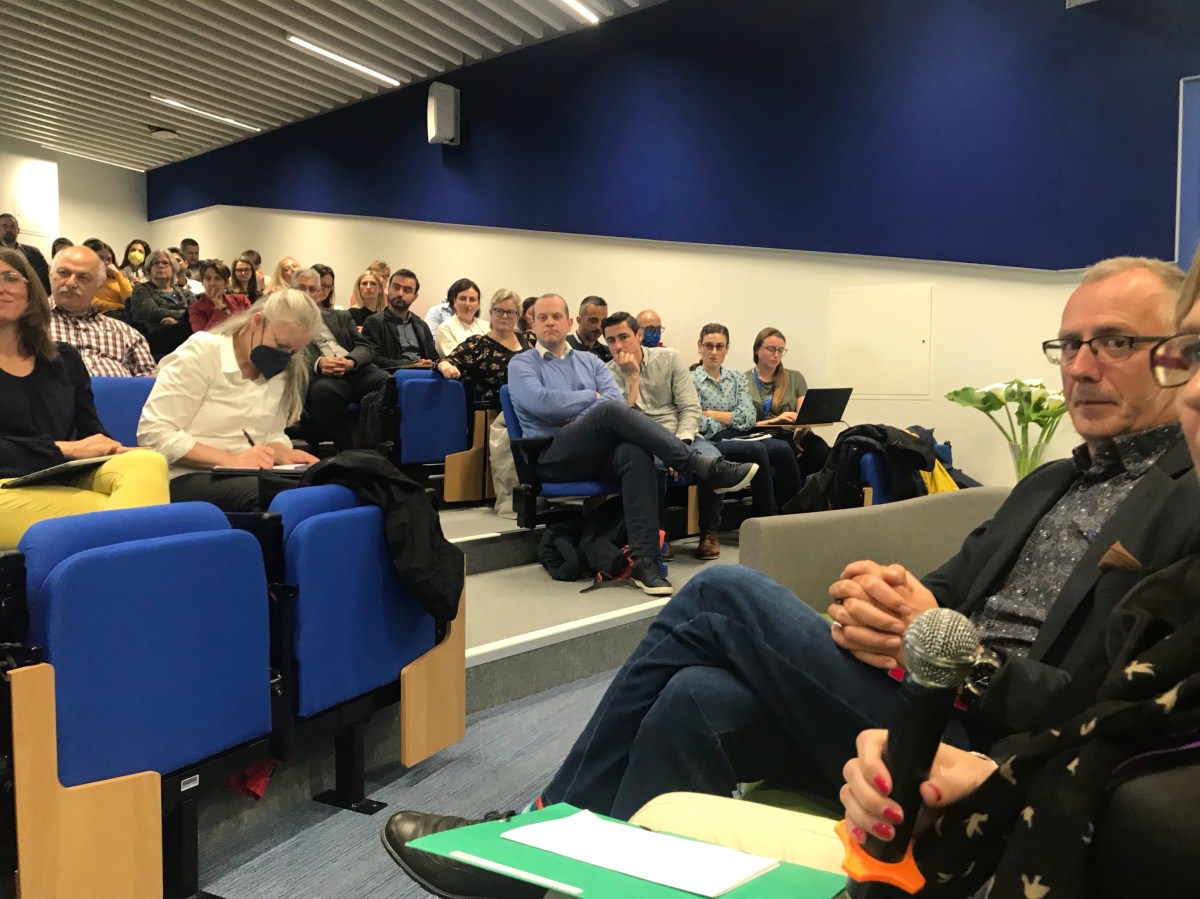
Today started with a conference of the members of the European University of Technology (EUt+). I presented ideas as part of the morning’s panel on the role of Education in the EUt+. I talked about the importance of ethics in technical education. It’s strange but exciting to be in a room with over 100 educators discussing topics passionately in person once again!
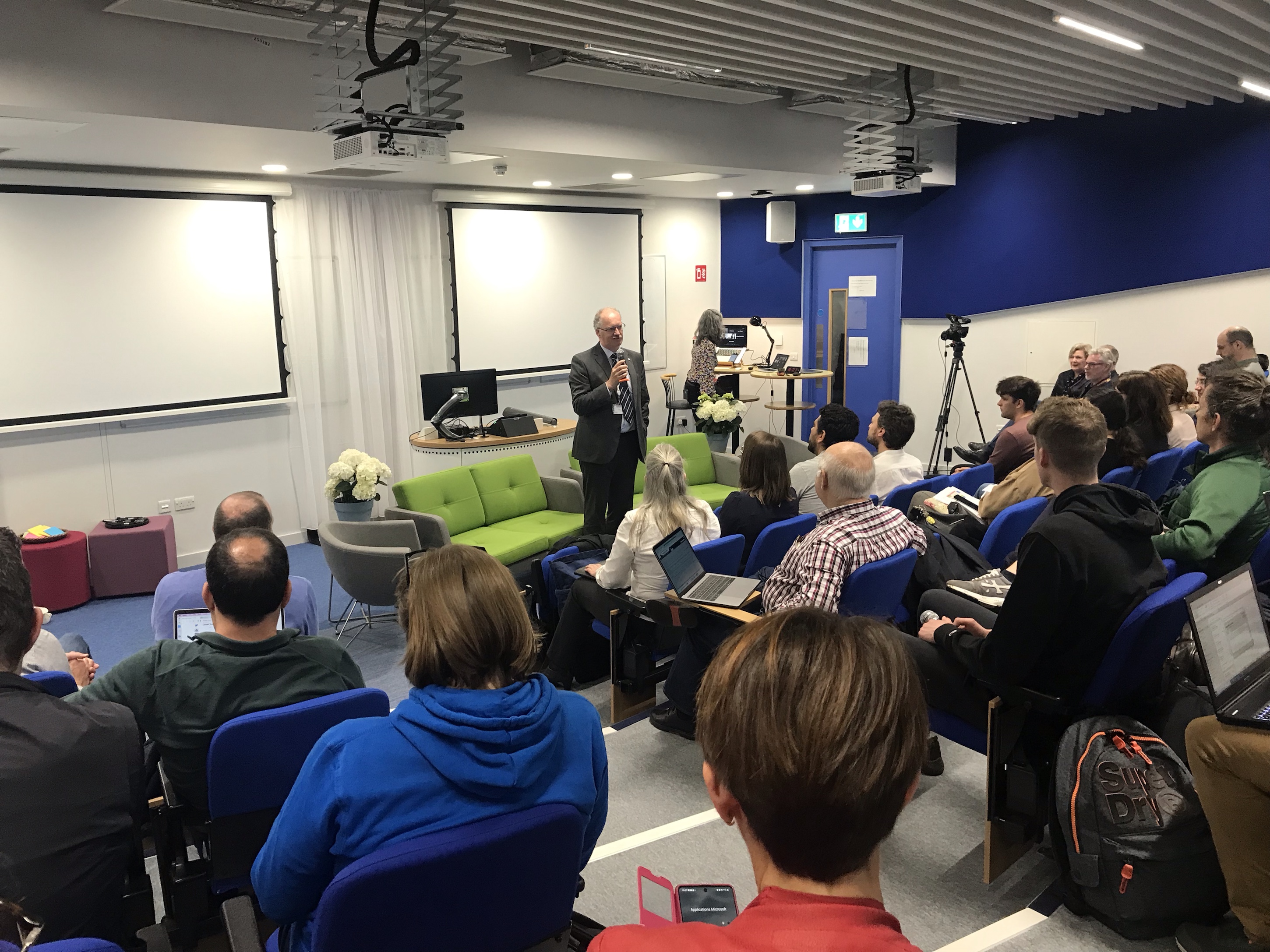
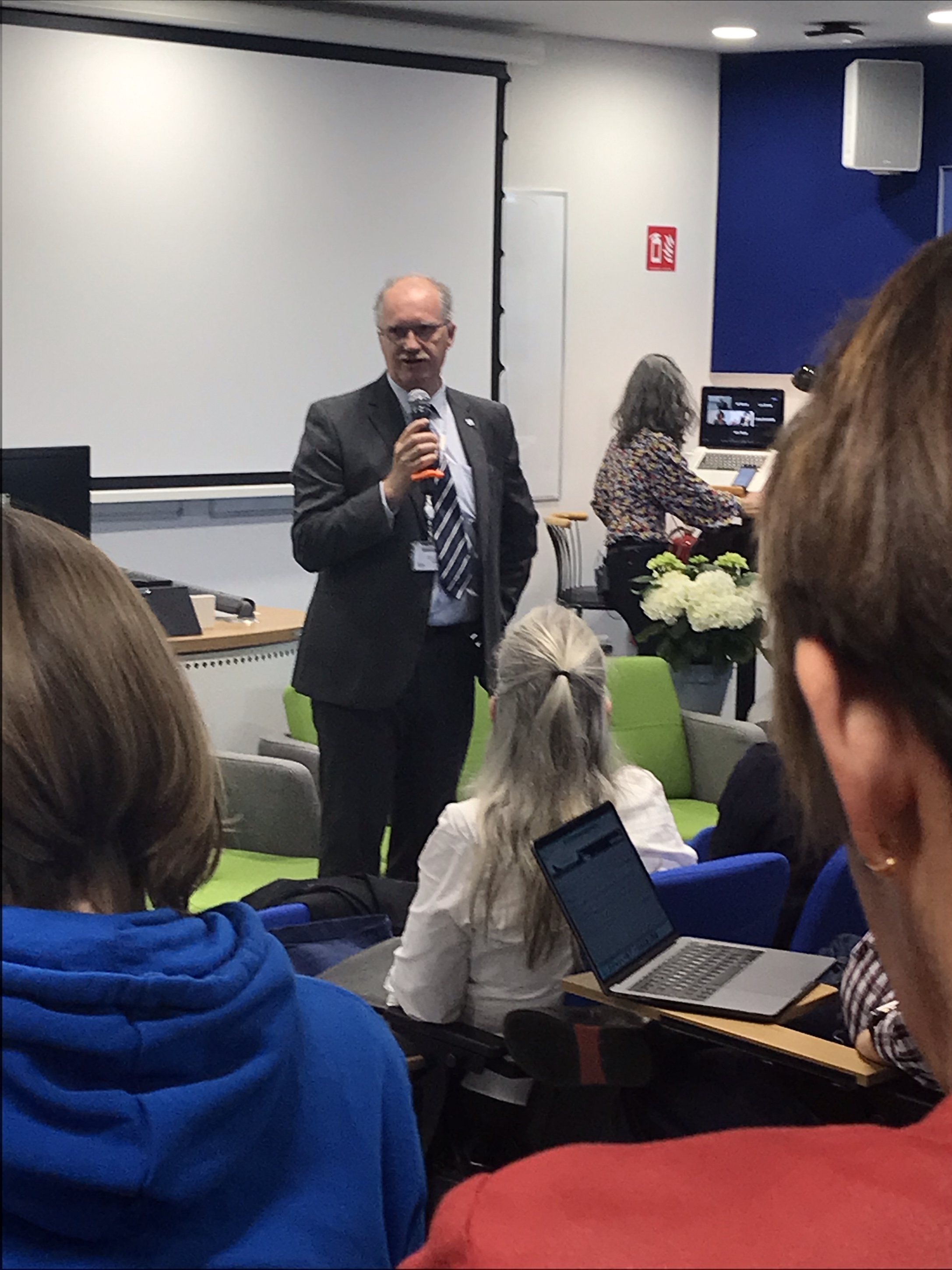
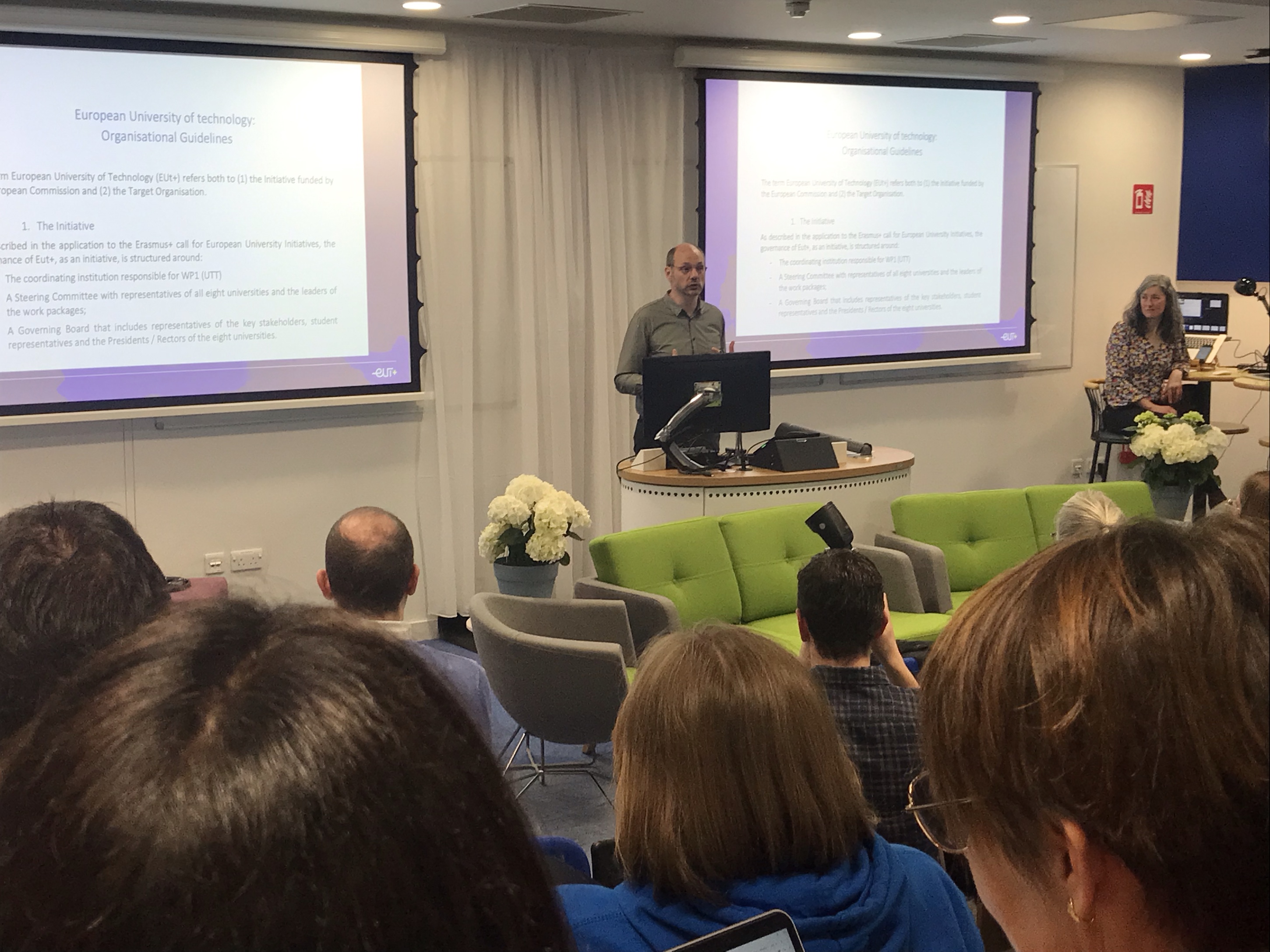
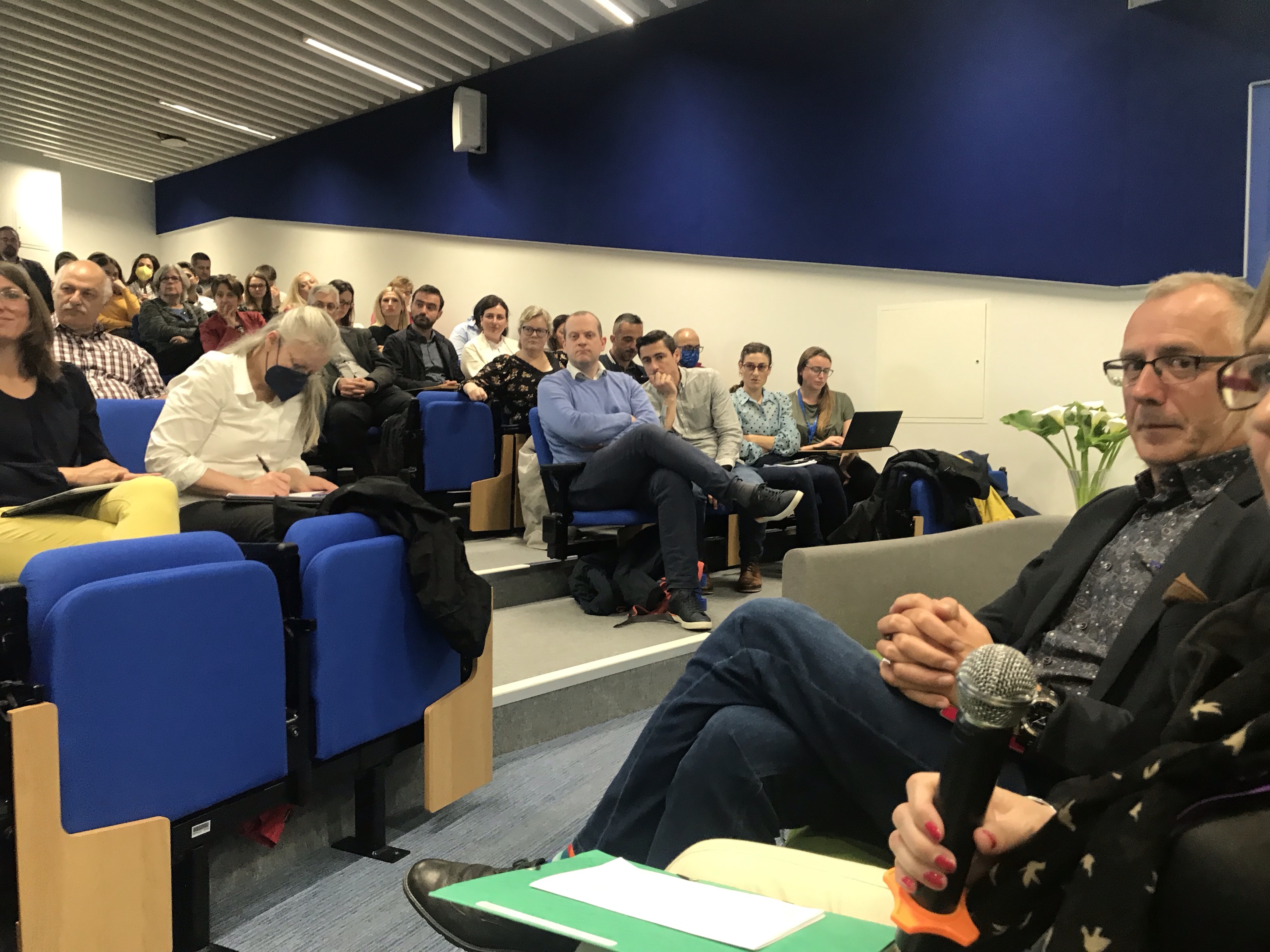
After the panel, I chatted with colleagues over coffee, and later followed up with many via email about how they can connect to SEFI and SEFI’s Ethics working group, and also the upcoming Project Approaches in Engineering Education (PAEE) conference where I’ll be delivering a keynote.
I really enjoyed hearing the speakers launch the conference (the secretary of the initiative, TU Dublin’s president, and the TU Dublin point person for the EUt+). Hearing them, I got a better idea of what’s in store for us as we join together as one big university offering more transferability of our students and of ideas and among our teachers. We’re building the future and creating our new reality.
But I couldn’t stay long. I hurried home to meet online with the editorial team for a new Handbook on Engineering Ethics Education. I zipped off emails to invite lead authors for Theme 4, on ethics accreditation.
I’ve got to get back to work now, but I’ll paste the handbook outline below, so you can see what kinds of things we’re exploring.
Outline for the Handbook on EEE
Theme 1: Foundations of engineering ethics education
Chapter 1.1: The purpose(s) of engineering ethics education
Chapter 1.2: How engineering ethics education makes use of normative ethical theories
Chapter 1.3: The individual and the collective in engineering ethics education
Chapter 1.4: Codes and professional organizations in engineering ethics education
Chapter 1.5: Reason and emotion play in engineering ethics education
Theme 2: Interdisciplinary contributions to engineering ethics education
Chapter 2.1: Philosophical and religious foundations in global perspective
Chapter 2.2: Sociological, Postcolonial and Critical Theory foundations
Chapter 2.3: Psychological foundations
Chapter 2.4: Management & Organisational studies foundations
Chapter 2.5: Engineering Design foundations
Chapter 2.6: Environmental Science foundations
Theme 3: Teaching methods in Engineering Ethics Education
Chapter 3.1: Literature review mapping the use of different teaching methods
Chapter 3.2: Case studies and dilemmas in engineering ethics education
Chapter 3.3: Project-Based Learning and Challenge Based Learning
Chapter 3.4: Value Sensitive Design and Design-Based Learning
Chapter 3.5: Field learning in engineering ethics education
Chapter 3.6. Arts-based methods in engineering ethics education
Chapter 3.7: Reflective and dialogue-centered approaches
Theme 4: Accreditation and Engineering Ethics Education
Chapter 4.1: Background history of ethics in accreditation
Chapter 4.2: Contextual mapping of ethics education and accreditation nationally and internationally
Chapter 4.3: Overview of literature and analysis of the types of research that have been published on Accreditation and EEE
Chapter 4.4: Comparative analysis of accreditation processes and implications at global and international levels
Chapter 4.5: Comparative analysis of accreditation processes and implications for ethics education at the local level
Chapter 4.6: A synthesis of the prior chapters in the section
Theme 5: Ethical issues in different engineering disciplines
Chapter 5.1: Software engineering
Chapter 5.2: Chemical engineering
Chapter 5.3: Biotechnology
Chapter 5.4: Civil engineering
Chapter 5.5: Mechanical / aerospatial engineering
Chapter 5.6: Electrical / electronic engineering
Chapter 5.7: Environmental engineering.
Theme 6: Assessment of different aspects of Engineering Ethics Education
Chapter 6.1: Course and curriculum quality
Chapter 6.2: Answering the need of industry, local communities, and other stakeholders
Chapter 6.3: Moral reasoning, ethical judgement, moral awareness, ethical sensitivity
Chapter 6.4: Views on knowledge, science, engineering
Chapter 6.5: Competencies such as critical thinking
Chapter 6.6.: Attitudes and character
Chapter 6.7: Limitations and critical perspectives on assessments














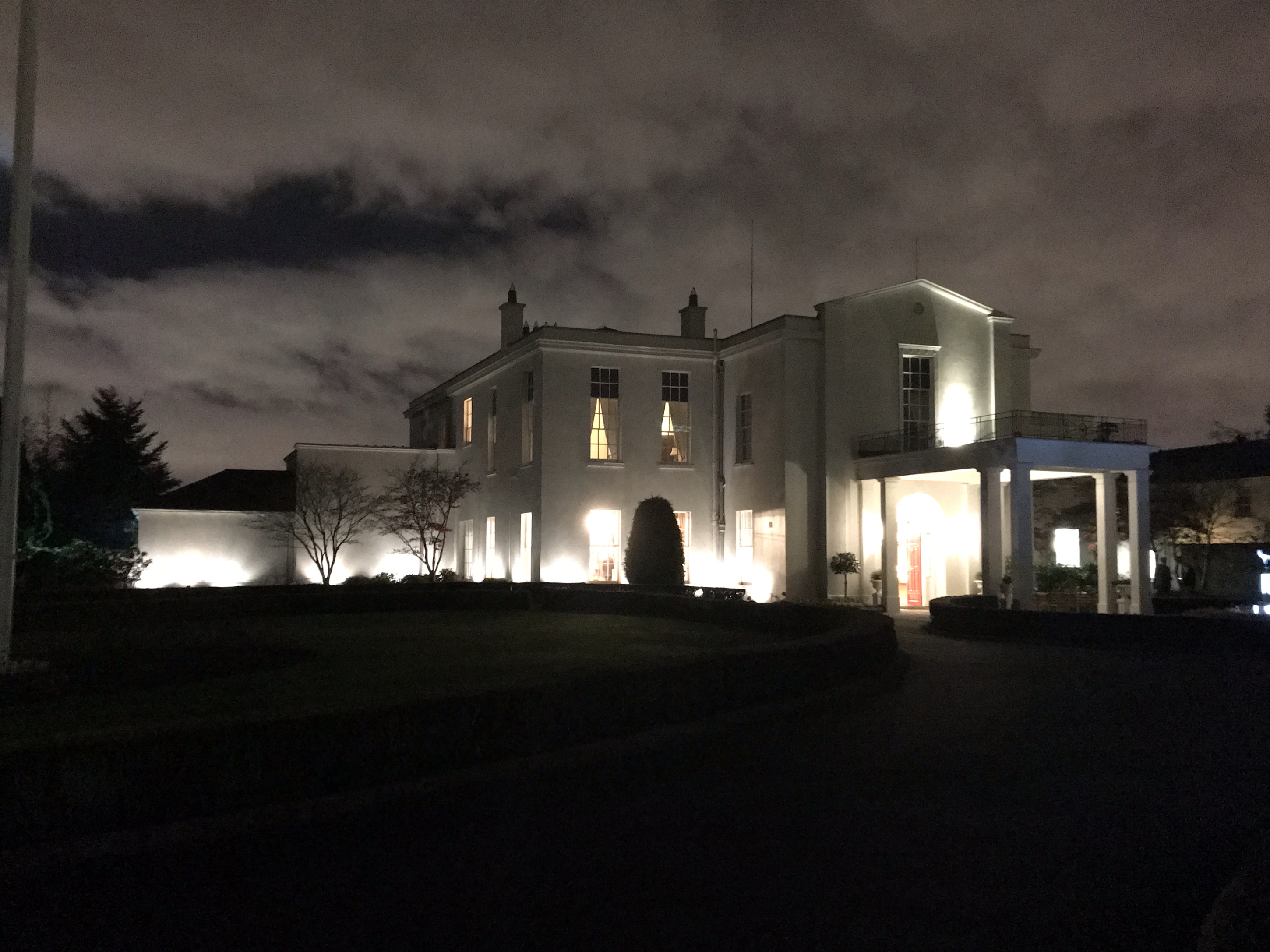


 On a night like yester–looking up, looking out–I saw the clouds rolling past. The jet stream pushing them along bound from the Atlantic along toward Scandinavia.
 I awoke this morning to the ominous political news of Brexit, the pending collapse of the UK government, and then Teresa May’s resignation.








 Similar to Heather, I was in Johannesburg this past week, facilitating a workshop for 26 engineering educators from all over South Africa.
 Shade and I were invited to teach this Master class (one of eight multi-day seminars on teaching and learning coordinated by South African engineering educators) because we are both part of UCL’s Centre for Engineering Education. Shade is a chemical engineer with a doctorate in engineering and a focus on team-based learning. She coordinates group- and problem-based learning for the Chemical Engineering Department at UCL, though she will soon move to a new university where she will contribute to the development of an innovative new curriculum in chemical engineering–from the ground up. As for me, I’m an architecture professor from the USA who uses group-based approached to teach students in architecture, engineering, and education. I’ve taught workshops on such topics to other higher ed teachers at DIT, Hampton U, and William and Mary.
 Shade and I found the 26 South African participants in our two-day workshop on facilitating teamwork in engineering education to be extremely energetic and engaged. They were passionate about teaching. They were enthusiastic about learning, sharing ideas, and creating new knowledge. We discussed ways to address the specific challenges they face and strategies to help support the range of diverse students in their classrooms. Drawing from experience teaching in many different places really helped.
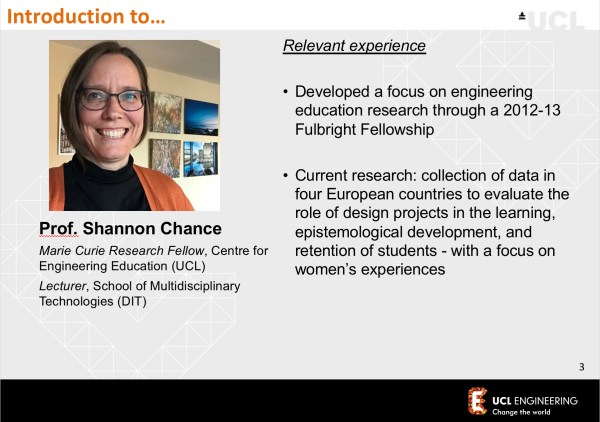 Although Shade and I had literally just met—finding each other at the airport as we departed London for Johannesburg—we made great use of the day we had before the workshop to refine our plans, get to know each other, and learn to work together.


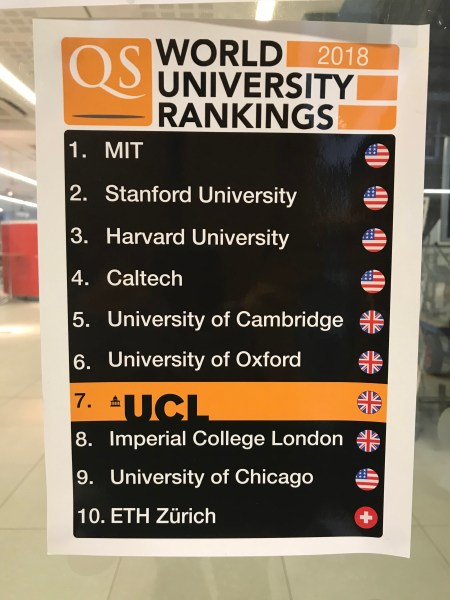 As for breaking my naïve on the reputation and standing of UCL: QS’s most recent “world university rankings” ranked this institution seventh… in the world! Up there with MIT, Oxford, Harvard, and Cambridge.


 Ireland by Chance