What an inspiring whirlwind week at the European Society for Engineering Education SEFI 2025 Annual Conference! The event was packed with meaningful presentations, deep and reflective conversations, intellectual rigor, and memorable community moments. Attending SEFI always feels like a homecoming to me, and this year’s conference certainly delivered, especially with the monumental achievements of my colleagues and students.
From Handbook to Keynote Stage
A significant highlight for me was being invited to deliver a keynote address at SEFI alongside Associate Professor Tom Børsen from Aalborg University. The address drew extensively from the Routledge International Handbook of Engineering Ethics Education, which Tom and I co-edited alongside our phenomenal team of co-editors, Diana Adela Martin, Roland Tormey, Thomas Taro Lennerfors, and Gunter Bombaerts.
Our keynote, titled “Towards socially responsible, post-normal and reflexive engineering ethics education,” (video link here) called for a bold transformation in how engineering ethics is taught. We addressed the urgent need for engineering ethics education (EEE) to move beyond traditional, individual-focused approaches to embrace collective responsibility, reflexivity, and social justice. This is particularly critical in “post-normal times,” characterized by uncertainty, high stakes, and contested values.
Among other things, Tom and I urged the community to integrate non-Western and AI ethics, foster transdisciplinary collaboration, and empower engineers to challenge power structures and cultivate an ethics of care for people and the planet.
And regarding Tom, I was thrilled to watch him receive a major honor at SEFI: the 2025 Maffiolli Award. Tom has been instrumental in advancing the field of Technological Anthropology, and this award is so very well deserved! Tom won in the individual category, and my colleagues from UCL, led by Fiona Truscott, won in the group category. A very excitig night, all around!
The awards were presented at the conference banquet – the entertainment was superb! Singing Finnish engineers – a whole choir of them – who knew?
I knew about Tom’s award, as I’d been pulling for this outcome for over a year. Yet, other outcomes of the conference were a complete surprise…
The Power of Collaborative Research: Winner of the Best Research Paper Award!
My PhD student, the incredibly talented and astute sociologist Sandra Cruz Moreno, won the BEST RESEARCH PAPER award for SEFI 2025. I serve as her supervisor and was the co-author of this paper.
The recognition for excellent research was deeply validating, especially since the paper, “EVOLVING GENDER DYNAMICS IN TEAMWORK EXPERIENCES AMONG FEMALE ENGINEERING STUDENTS IN PBL SETTINGS”, was nominated in three separate categories, each with its own panel of judges: Best Student Paper, Best Diversity and Inclusion Paper, and overall Best Research Paper.
The certificateShannon and Sandra at an emotions symposium in Portugal
The paper reports one aspect of Sandra’s doctoral research, which has been funded by a First-Time Supervisor grant to me from TU Dublin. The funding allowed us to analyze the extensive interview data I collected since 2015.
Sandra’s study is crucial for understanding inclusivity in engineering education. It employed a longitudinal, qualitative social phenomenological approach combined with an intersectionality framework. Using data from 41 interviews with 22 female engineering students from seven countries at TU Dublin, Sandra explored how diverse students navigate challenges and evolve strategies during project- and problem-based learning (PBL) teamwork across their academic journeys.
A key finding was that while students’ confidence and participation increased over time, the women persistently faced gendered biases and cultural norms that influenced their perceived roles and credibility in teams. For instance, they reported often being relegated to non-technical tasks like presenting or report writing, while feeling required to constantly prove their competence regarding hands-on skills. This analysis led Sandra to conclude that focusing solely on individual resilience is insufficient; systemic structural interventions are also needed to promote inclusive educational practices and challenge embedded norms.
I was honored to accept the award in Sandra’s absence, celebrating the resounding endorsement of her work. This recognition is truly a cherry on top of our successful 3.5 years of teamwork.
Cruz, S., & Chance, S. (Accepted/In press). EVOLVING GENDER DYNAMICS IN TEAMWORK EXPERIENCES AMONG FEMALE ENGINEERING STUDENTS IN PBL SETTINGS. Paper presented at European Society for Engineering Education (SEFI) Annual Conference 2025, Tampere, Finland.
Nurturing Community and Capacity
SEFI is always about nurturing the community, and I was pleased to contribute in several ways:
• Doctoral Symposium: I co-facilitated the full-day pre-conference Doctoral Symposium to support early-career researchers.
The 2025 Doc Symposium
• Workshops: I delivered and co-facilitated multiple workshops, including one on integrating ethics into course delivery, a session on methodological approaches in Engineering Education Research, a workshop on the ethics of care, and a peer-review workshop for journal editors and aspiring reviewers.
The workshop I facilitated on intergrating ethics into your teaching
O’Gorman, L., Gwynne-Evan, A., Ridgeway, L., Rebow, M., & Chance, S. (Accepted/In press). ACCREDITATION CONSIDERATIONS IN ENGINEERING ETHICS EDUCATION: BRIDGING GLOBAL STANDARDS AND LOCAL PRACTICES. Paper presented at European Society for Engineering Education (SEFI) Annual Conference 2025, Tampere, Finland.
• Supporting Swapneel Thite: I had the immense pleasure of facilitating the attendance of Dr Swapneel Thite, a recent PhD earner. Swapneel won the prestigious Best Paper Award for Volume 49 (2024) of SEFI’s journal, the European Journal of Engineering Education (EJEE), for which I serve as Deputy Editor. He and his PhD supervisors published the “Design of a simple rubric to peer-evaluate the teamwork skills of engineering students” with us. Since I had already paid my registration fee, I was able to offer Swapneel the free registration given to me as a keynote speaker, helping him travel to SEFI to receive his award and meet the community. His paper, recognized for its rigor and practical utility (an easy-to-use instrument for peer assessment of teamwork), is well worth reading!
Meeting Swapneel Thite with SEFI incoming president, Emanuela TilleyKristina Edstrõm presenting Swapneel’s team’s award
Post-Conference Finnish Discoveries
The conference officially wrapped up on Thursday, but the adventures continued. I attended the SEFI Board of Directors meeting, worked with colleagues on planning future SEFI events, and then headed to Helsinki.
I spent Friday exploring Aalto University and meeting colleagues there. Dr Xiaoqi Feng provided a personal tour and connected me with her colleagues—a bittersweet moment as she prepares for her new job at TU Delft.
Snapshots from my day at Aalto University — thanks Dr Xiaoqi Feng for the personalized tour!
My Finnish travels culminated on a serendipitous high note when I ran into early-career researcher Yousef Jalali at the remarkable Oodi, Helsinki’s new Central Library. Moments like this—a chance encounter in a vibrant cultural space far from home—gave Yousef and me a chance to reflect on the conference and help support each other as “researchers on the move” who have relocated ourselves far from home in the pursuit of academic excellence.
What an amazing community of inspiring educators SEFI is!
Wrapping up the day at the people-magnet library, Oodi, in central Helsinki and rurring into Dr Yousef Jalali.
From celebrating major awards and delivering keynotes to fostering the next generation of researchers and exploring expressive Finnish architecture, this SEFI was truly a testament to the powerful, collaborative community we have built in engineering education.
For me, SEFI 2025 was such a celebration of community and collaboration.
Practicing the keynoteDelivering the keynoteCelebrating our handbook authorsConferring with colleagues near and far — these two from the European University of Technology — I’ll be working with them on an event for December — stand by for news on that!
Looking forward to visiting Helsinki and Aalto University again soon!
I’m part of a truly amazing team of journal editors leading the European Journal of Engineering Education.
I’ve been serving for the past couple years as Deputy Editor of EJEE, alongside Professor/Dr Jonte Bernhard and our fabulous Editor-in-Chief, Dr Kristina Edström.
Under Kristina’s lead, the journal has truly excelled. The latest Scopus data show EJEE’s ranking increasing from 150/1469 (89th percentile) to 115/1543 (92nd percentile) in the past year. The journal’s Citescore increased in this period from 5.8 to 7.3 due to a couple of very insightful and popular articles. It will be a challenge to maintain these ranking—but, as we’re firmly about supporting authors and providing useful, scholarly publications for our community, high rankings are icing on the cake, but not our central focus.
In my time as Deputy, I have helped bring several valuable members to the editorial team, one being Dr Diana Adela Martin (who was just named one of seven star reviewers for the US-based Journal of Engineering Education for 2023) and, more recently, Dr Matheus Oliveira De Andrade. Both of these early-career scholars currently work at UCL, although Diana accepted the role of Associate Editor prior to joining UCL.
The work these two have been doing as Associate Editors for EJEE is exceptional!
Shannon, Mat (right behind me) and friends at SEFI Ethics Spring School 2024, in Berlin this past March.
Mat leads the maths education at UCL Engineering, teaching over 800 entering engineering students *at once* each year! At EJEE (and on special projects I’ve led for other journals) Mat provides extremely relevant, accurate, helpful, and high quality feedback as a peer reviewer. He’s knowledgeable about qualitative ressearch methods but he’s been absolutely crucial to moving EJEE’s quantitative (statistical) work forward. In this realm he knows many things the rest of the community needs to learn. He has insight, vision, and a passion for helping people and nurturing their success.
Yesterday, Kristina and I met with Mat to discuss training events and support materials geared toward aspiring authors, as well as editors and peer reviewers.
Three happy EJEE editors after yesterday’s meeting!
His ideas, experience, and knowledge wowed Kristian and me—again!
And as a result, Matheus Oliveira De Andrade has just been appointed Deputy Editor of EJEE!
I am elated that Mat accepted this role! I can’t wait to support the roll-out of his initiatives. (His enthusiasm is contagious, as is his smile!)
In November 2024, we will launch the online training for authors—stay tuned for details. This is an opportunity no one in engineering education research will want to miss!
Four days of learning and laughing at Cumberland Lodge at the UK’s Great Windsor Park—the hallmarks of a great event!
The UCL Centre for Engineering Education (CEE) hosted the 2024 doctoral Summer School on engineering education research (EER). It was second doctoral Summer School delivered via SEFI, the European Society for Engineering Education. The first Summer School, held in 2022, was organized by SEFI Vice President Greet Langie, and conducted at the Irish College of KU Leuven in Belgium.
The UCL team organizing the 2024 event sought to provide a collaborative learning environment similar to 2022’s event. We selected Cumberland Lodge, a former royal residence dating back to the 17th century that is used today for educational programs for young people. The Lodge promotes discussions around ethics and social justice.
Cumberland Lodge is surrounded by the vast Windsor Great Park. Windsor Castle is located at one end of the Great Park, beside the village of Windsor. It is a spectacular place — a real joy to experience and a tranquil sanctuary just outside the borders of London.
Outside Cumberland LodgeKicking off the Summer SchoolInside Cumberland LodgeCumberland Lodge is glorious!
To facilitate the 2024 School, John Mitchell of UCL brought together current and past UCL staff. He also welcomed guest experts from the US and Australia who volunteered to help. Together, our team provided structured training for this year’s 29 PhD student-participants. The students are all working on research degrees in engineering education, and they travelled to Windsor from across Europe and indeed across the globe.
In addition to representing perspectives from various corners of Europe, participants also brought experiences living and studying in South Africa, Mexico, the Philippines, Malaysia, India, Iran, the USA, and elsewhere!
Sid and our gang at the end of the week. Shannon, Sid, Diana M, and YashLuis gave me a truly lovely shirt (I’m wearing it while writing this blog post from a train in Ireland today!)Lots of break out discussion. A breakout with Diana B and Anne Gardner.
Overall, the UCL team hosting, organizing, and facilitating the 2024 Summer School included exemplars Prof. John Mitchell, Dr. Diana Adela Martin, Prof. David Guile, Dr. Natalie Wint, and our centre manager Helen Bhandri. UCL honorary appointees Dr. Inês Direito and I (Prof. Shannon Chance) also pitched in wholeheartedly, facilitating several sessions each and supporting sessions conducted by others by, for example, facilitating discussion in breakout groups. Inês is now employed at the University of Aveiro and I at TU Dublin, yet we are always treated as full member of the CEE team. John Mitchell is an incredible leader who enables us, helps keep us officially recognized as honorary (researcher and professor, respectively) and helps achieve cohesion across our team.
From beyond UCL, Prof. Greet Langie (SEFI Vice President) and Dr. Jan Peters, MBE (a consultant with Katalytick in the UK) provided informative and engaging sessions. Prof. Anne Gardner (an Associate Dean who is involved with the Australasian Association for Engineering Education, AAEE) and Dr. Diana Bairaktarova (Associate Professor at Virginia Tech) participated fully as well, and helped facilitate breakout groups throughout the week.
Diana M and Nat on ethics. Jan on finding your strengths.Shannon on research basics. Ethics activity with Cumberland Lodge staff. John Mitchell on EER publications. John on his career journey. Most all the 2024 Summer School participants.
Since finishing the event, the CEE team has received thank you notes from many of the participants. One came from Sid and another from Yash. They are studying at Purdue University, and I met them both at REES in India this past January.
Yash wrote to say that “As a first-year Ph.D. student and new entrant into the field, I felt warmly welcomed into the European Society of Engineering Educators and thoroughly absorbed in the program and its activities.” He praised “the design of the activities and the schedule,” which he said “offered a great balance of information and a chance to reflect and discuss with other members during the afternoon walks or even during the evening free time.”
Yash also loved the evening quiz that Diana Martin facilitated. She had contacted EER superstars and requested photos from their grad school days. Guessing their identities was a hoot, and Yash said the activity “was very creative and personally valuable because it gave me an opportunity to see [these well-known scholars] when they were my age or starting their careers in research.” He praised the way Diana, “filled the room with … energy and enthusiasm made the activity come to life” and I couldn’t agree more!
Yash described the value of elements from the workshops Inês and I conducted on literature reviews and positionality statements, as well, and also the sessions on ethics by Diana Martin, Nat Wint, and Cumberland Lodge staff.
During the week, I also delivered session on the structure of dissertations, differences in the way PhD education is structured around the Western world, conceptual and theoretical frameworks, and research paradigms — and another on incorporating gender considerations in your research and teaching. The first of these two sessions included small group discussions and a debate comparing the merits of qualitative and quantitative research.
John Mitchell and the UCL team provided guidance on selecting journals to publish in, preparing articles for publication, and conducting peer reviews. David Guille delivered a highly provocative session on “assembling your theoretical lens.” Earlier in the week, Greet provided the opening welcome to the school and a brief orientation to SEFI. Jan taught us about CliftonStrengths and facilitated a race-car-building competition.
David Guile on assembling theoretical lenses. Inês on positionality. Inês on literature review. Inês on literature review.The students brought home lots of notes!Grand stair at Cumberland Lodge.Another stair at Cumberland Lodge.Dining hall at Cumberland Lodge.Example accomodations at Cumberland Lodge.Example accomodations at Cumberland Lodge.Jan Peter’s presentation.Greet Langie’s welcoming address.Shannon and Diana aside the amazing Helen B. Welcoming participants with name tags and facilities orientation, our very own Helen B.
Near the end of the week, we provided a session where “all the organizers shared their journeys into the field of engineering education,” which Yash described as “very powerful. … Such exchanges are rare and provide a chance to view the person, the human being behind the researcher. It made me feel that I belong in this field of engineering education because I, too, share similarities and seeing someone who has become successful by overcoming similar challenges is very encouraging.”
I wish we had recorded these stories because they were so rich and heartfelt. A dozen participants came to me on the day following this journey session with thanks for our openness, collegial spirit, and willingness to share what they described as valuable insight.
An example was emailed to us by Alison from the University of Cape Town: “Thank you for a magnificent four days. I so appreciated being part of a community and learning from each of you…. I am inspired and excited to consolidate what I can contribute in South African engineering education…. I also SO appreciated each one of your stories and the way in which you demonstrated a complementary and accepting team – working to one another’s strengths – with space for others to contribute. It makes for an inviting and exhilarating ecosystem for us all to grow in.” High praise, indeed, and accurate!
Yash, Sid, and Alison have attended prior engineering education events, but some newcomers to our global EER community were part of this cohort, too — like Somayeh, who is currently studying at Umeå University. You may know that I have a distinct interest in supporting women from the Middle East who study engineering in Europe because I’ve come to know many at TU Dublin.
Somayeh is from Iran, although studying in Sweden today. She wrote “It was an honor for me to have a talk with you and be in your energetic class. I have learned a lot and [the experience] made me challenge myself and rethink about different aspects of my research.”
Following the event, I was delighted to hear from Somayeh’s PhD supervisors, Johanna and Maria. They emailed thanks to our team for taking great “care of our PhD student Somayeh during the summer school. She returned home with a lot of new knowledge, but also greater self-confidence, sense of belonging to the field, and sense of legitimacy as a PhD student. We knew she’d be in the best of hands, and we’d like you to know that your hard work has made a big difference for her (and us as supervisors)!” This I feel is the highest praise possible, and written by a scholar I admire immensely.
I loved my conversations with so many of the students — Luis, Julia, Hannah — the list goes on and on. So many fabulous memories!
It was a huge honor to be part of these emerging scholars’ education and to be so well received and appreciated. It was an invigorating week, and I learned tons myself!
It was also healthy. I enjoyed several enchanting walks through the forest with colleagues. I particularly enjoyed a long walk with Eugene, a PhD student who teaches engineering at a community college in California and studies at Purdue University, and another long walk with the whole cohort. The scenery of this park is spectacular and the conversations were deeply intriguing.
A walk and talk with Eugene. Twin smiles and shared passion for serving ‘non-traditional’ college students.Windsor Great Park. Diana, Diana, and Shannon at Windsor Great Park.Windsor Great Park.Facilitators with Somayeh.Windsor Castle in the distance. An impressive monument with astounding views.Pre-class dinner at Cumberland Lodge……with another impressive view!
The peaceful setting with fresh air, healthy food, and collegial banter brought out the best in us all. I will seek to return to this special place.
During the week, I had so much to do. I actually taught two online night classes for BIM students at TU Dublin — as part of my Research Methods module. I’m fortunate to have a knowledgeable colleague, Claire Simpson, helping me deliver the module (particularly since a storm dropped the Thursday night connection several times).
Cumberland Lodge took great care of me, preparing dinner plates Tuesday and Thursday, since my three-hour class overlapped dinner time in the Harry-Potteresque dining room.
Wrapping up the School with Inês and Diana B. Leaving Windsor village. Striking a pose on our way into the Windsor train station.Diana B’s first night ever in London! Hamming it up in Soho with Inês and Diana B.Neal’s Yard with my pals.Aongus found us at the Anchor! Nothing like a double-decker — see my friends up top.Working breakfast with Lelanie and Nicky.My South African colleagues.Brushing up on LEED for retrofit at the Building Centre with Aongus. Introducing Aongus to Jeremy Bentham when leaving UCL’s campus.
It’s been nine days since the Summer School ended, and honestly, I’m still a bit worn out! I did spend some time exploring London with Inês and Diana B after the School — after all, it was Diana’s first time in London!
And my fabulous partner, Aongus Coughlan join us and also came to meet my colleagues, Dr. Lelanie Smith and Dr. Nicky Wolmarans from South Africa down near the Engineers Professors Council on Savoy Street (before their two-day symposium on integrated engineering curriculum design, also organized by UCL’s CEE). Looking forward to seeing Lelanie and Nicky in South Africa in November 2025 (yes, we plan ahead!)!
In all, the School will go down in my memory as a highlight of 2024 and I couldn’t be happier that John Mitchell included me and that I got to work with this incredible cohort and facilitation team.
It was no easy feat, as the concepts in this paper are both theoretical and applied.
Rahman and I worked closely together for a year and a half, refining a manuscript he had drafted. Together, we crafted sections to link the topic of architecture education to the journal’s main readership, comprised of engineering education researchers. We had to translate many ideas to make them readily understandable to teachers of engineering and architecture alike.
We also perfected every sentence of the manuscript, seeking to communicate ideas as effectively as possible to EJEE’s broad audience.
I’m extremely proud of this work, and realized only after publishing it that we’d hit a sweet spot, as described by a scholar Deborah Gill from the UK, by helping shed light on these two terms and the types of education they imply.
I hope that many people read it, use the content in their teaching practice, and cite the article in their own future publications.
I’ve never met Rahman in person, but I am choosing to believe LinkedIn and ResearchGate that these images feature him.
Rahman Tafahomi holds a Ph.D. in Architecture and Urban Design from the University of Technology Malaysia. He works at the University of Rwanda in the Department of Architecture as an associate professor. Over the summer, he earned promotion from senior lecturer to associate professor — well deserved! Rahman’s research interests include architecture, landscape design, urban design, heritage, architecture education, teaching and learning in higher education, and behavioral patterns.
Today we received the Prof. Susanne Ihsen Award for Best Paper on Diversity and Inclusiveness!
I’m both delighted and surprised that our gender and diversity group’s work won this very high honor at the closing ceremony of SEFI, the European Society for Engineering Education, at its 2021 conference.
Before explaining what we did, I’d like to give special recognition to Dr. Inês Direito for leading this project, bringing our authoring team together, and helping ensure we got things done! It’s a pleasure watching you achieve new heights in your work as chair of the Diversity, Equality and Inclusivity Special Interest Group of SEFI!
Inês made a video introduction to the paper:
Here’s the abstract:
Significant efforts have been made to promote gender equality in higher education (HE) in Europe. Examples include the establishment of the Athena Swan Charter in the UK in 2005 and the 2019 launch of the Irène Curie Fellowship scheme by Eindhoven University of Technology. But which initiatives address broader diversity, equity, and inclusion (DEI) challenges in HE? And which are specifically focused on engineering education? This exploratory study aims to improve our understanding of the ways in which a set of European HE Institutions engaged in engineering education address DEI at an organisation level, and how this is communicated within the public domain. The analysis of online data provided by a purposive sample of institutions is guided by the following research questions (RQ): 1. How is DEI addressed and defined in institution-wide strategic frameworks? 2. How many institutions describe having an institution-wide DEI organization? 3. What specific policies around DEI are being developed, and what areas are mentioned, defined, and prioritized? 4. What structures and resources noted as part of their DEI activities are specific to engineering faculties and departments? 5. What engineering-specific DEI initiatives exist that are not available in the public domain or are not written in English? Our sample is composed of the host institutions of the authors of the paper, and represent different European countries: Belgium, Denmark, France, Ireland, Portugal, Switzerland, and the UK. The findings of this exploratory study will be used to inform the design of a large-scale survey to identify DEI practices across the SEFI community.
And the APA citation is:
Direito, I., Chance, S., Clemmensen, L., Craps, S., Economides, S., Isaac, S., Jolly, A-M., Truscott, F., & Wint, N. (2021). Diversity, equity, and inclusion in engineering education: an exploration of European higher education institutions’ strategic frameworks, resources, and initiatives. The 49th Annual Conference of the European Society for Engineering Education (SEFI 2021), 13-16 September, Berlin, Germany.
You can download the paper here, because the full proceedings will not be posted online until October.
Many thanks also to the members of Best Paper awards committees, who are tasked with reading many papers and attending all the related presentations. It’s a great deal of work and we appreciate the time and effort that these dedicated folks contribute!
Would you like four years of PhD tuition/registration fees, with a €18,500 annual stipend and annual project budget of €2,600? The goal is to research STEM education and earn a PhD at Technological University Dublin (TU Dublin), in Ireland’s capital city. Applicants for this project are required to complete an Expression of Interest and email it to both shannon.chance@tudublin.ie AND phd@tudublin.ie. The application deadline is October 14, 2021.
Specifically, TU Dublin’s Research Scholarship Programme 2021 awarded me funding to hire a PhD researcher/student to study the topic of “Supporting Diversity in STEM by Enhancing Problem-Based Learning (PBL) Practices”. EU and non-EU citizens are welcome to apply, but those coming from outside the EU will need to obtain proper visas to study and work in Ireland. Registration Fees/Tuition each year would cost €4,500 (EU full-time) or €9,000 (non-EU full-time) but are completely covered, meaning that this grant is worth €102,400-€120,400. The stipend and project costs “will be paid annually, based upon successful completion of the annual assessment by the student”.
Applicants must have obtained a minimum of a 2.1 honours degree (level 8), or equivalent, in a relevant (e.g, STEM or social science) subject. A Master’s degree and/or some prior experience in qualitative or quantitative research is desirable but not essential. The ideal candidate will be highly self-motivated, with keen interest in STEM education and theories on learning and teaching and the ability to work both independently and collaboratively. We welcome applications from candidates from diverse backgrounds and from anywhere in the world. Applicants must meet the minimum English language requirements. Non-Irish can convert thier qualifications using an online conversion calculator (e.g., the US equivalent would be a four-year bachelor’s with B+ or better GPA).
What are we studying?
Our Research Question is:What challenges do women face with collaborative, peer-to-peer and Problem Based Learning while studying engineering and other STEM courses at university, and how do they deal with these challenges?
Why are we doing this?
Across engineering in Ireland, skills shortages represent “a major concern” and “barrier” to growth, and “the continuing gender gap requires greater attention and action”[i].Addressing shortfalls and increasing diversity requires shifting the culture of science, technology, engineering, and maths (STEM) and STEM learning – it must start with understanding the experiences of the students who enrol in STEM.
The proposed mixed methods study involves phenomenological analysis of 71 existing interview transcripts, complemented by a quantitative survey of STEM students to identify patterns across TU Dublin. These longitudinal data provide a unique window into students’ experience of engineering and the active, inquiry-driven, Problem-Based Learning (PBL) used at TU Dublin.
I’ll be the lead supervisor for this PhD researcher, and the advisory supervisor will be Professor Brian Bowe. I’ve provided the Detailed Project Description in the body of this post. A brief description of the project that is being advertised by the University is provided here:
The full proposal that I submitted for funding provided details about both of the supervisors, about strategic alignment with organizational and governmental goals, and how this project will enhance research capacity. I’ve shared a few details at the bottom of the post about terms of funding. Many thanks to the people who gave input and advice on my application: Brian Bowe, Oluwasegun Seriki, Clare Eriksson, Marek Rebow and a consultant Marek secured.
In 2020, Irish firms aimed to hire 5,152 engineers but 91% of engineering leaders listed skills shortages as “a major concern” and “barrier” to growth (Engineers Ireland, 2020). In Ireland today, more students are choosing STEM studies at second level, but many don’t continue into STEM higher education and “the continuing gender gap requires greater attention and action – in Ireland and internationally” (Engineers Ireland, 2020).
‘Pipeline’ or ‘conversion’ rates – persistence to graduation and into STEM careers of students who do enrol – are an issue. Globally, half of all students starting in engineering exit the major within a year[i] and in Ireland “drop-out rates in some third-level STEM courses [are] hitting 80%”[ii]. Moreover, most who graduate in engineering are male; in Ireland, men account for over 80% of all graduates in engineering, manufacturing and construction[iii]. Today’s culture of engineering study and work is largely shaped by males, and this may discourage some prospective applicants from joining the field.
Prior research suggests experiential, Problem-Based Learning (PBL) increases student engagement and helps address reasons women avoid STEM subjects[iv], [v], [vi]. Yet, task allocation and peer evaluation in teams continue to reflect gender bias, even when students do not recognize inequity[vii], [viii]. Time and project management, group coordination, and communications often fall to women – and often go unrecognized[ix]. Such dynamics can influence students’ perception of how they fit, if they belong, and whether they should stay in engineering. Engineering culture is often described as “chilly” to those who don’t fit the engineering stereotype[x]. Women who experience an unwelcoming environment have shown less commitment to stay in STEM programs than those who feel accepted[xi]. Although women who enter STEM courses are typically high achievers with strong self-confidence, their experiences can cause significant drops in their confidence levels, especially in their first two years[xii]. A US study found female participants felt dismissed, ignored, and unacknowledged when working in small groups of men in both work and academic settings[xiii]. Profanity, semi-sexual double entendre, and violent metaphors used by male faculty and students in engineering classrooms, although typically not intended to offend, contribute to a chilly climate[xiv].
PBL, which inherently involves group work, is promoted at TU Dublin by the Learning, Teaching and Technology Centre (LTTC), and so it is important to assess how well the pedagogy is working here. This study will investigate women’s experiences with PBL and other forms of collaborative peer-to-peer learning in engineering at TU Dublin, compare and contrast this with experiences of women from other engineering schools in Europe, and assess how the PBL experience changed over time for the Dublin-based women. This will be assessed via qualitative, phenomenological analysis of existing interview data. Findings will be extended via a survey of women in STEM at TU Dublin.
Addressing shortfalls and increasing diversity requires shifting the culture of STEM and STEM learning – it must start with understanding the experiences of STEM students. The First Time Supervisor (FTS applicant) has amassed a valuable, longitudinal dataset to help answer the research question: What challenges do women face with collaborative, peer-to-peer and Problem Based Learning while studying engineering and other STEM courses at university, and how do they deal with these challenges?
Phenomenological interviews collected 2015-2019 via the applicant’s two MSCA fellowships[xv], [xvi], provide insight regarding the experiences of diverse female students (see Figure 1).
Methodologies. The proposed two-part mixed-methods study involves qualitative and quantitative components. Ethics clearance will be sought for each phase, as the second phase will be built upon findings of the first.
Composition of the dataset
In the first phase, extensive qualitative, phenomenological analysis of 71 existing interview transcripts will be conducted to assess how women have experienced PBL and other forms of collaborative learning (e.g., studying with peers in- and outside class) at TU Dublin across their four years of engineering studies and in other institutions in Portugal and Poland. The TU Dublin sample studied using formal PBL methods as part of their B.Eng. degree programs, starting from day one of their course – they include 24 of the 26 women on the inaugural cohort of TU Dublin’s common core engineering programme. These students completed their course in 2019 when the final set of interviews were conducted — analysis of these data is urgently needed. Additional interview data, collected in Poland and Portugal, provide a counterpoint to help assess the degree to which findings are localized to TU Dublin, versus representative of women’s experiences in PBL and collaborative learning more broadly. Phenomenology helps researchers investigate structures of consciousness and explore how specific phenomena are experienced from the first-person point of view. Van Manen’s interpretive, hermeneutic method will be used for analyzing interview data.[xvii] TU Dublin has expertise in this: Brian Bowe and Rob Howard have supervised theses using phenomenological methods[xviii], [xix], [xx] as well as closely related phenomenographical methods[xxi], [xxii], [xxiii]. As 33 prior doctoral theses using phenomenology in EER had sample sizes of 7-28 participants, this is an ambitious study, feasible explicitly because the qualitative data have already been collected and checked for accuracy.[xxiv]
In the second phase, a widescale survey will be conducted with women studying on four or more STEM courses that involve PBL across TU Dublin to assess the degree to which the qualitative findings hold true more broadly. Survey questions will be based on analysis from the phenomenological phase and piloted before use. Preliminary analyses conducted by the applicant indicate that many women in the engineering sample at TU Dublin had to adjust to working on teams with male students for the first time, as they came from single-sex schools. Many felt they had less preparation to start engineering than their male counterparts because their secondary schools provided limited access to physics and other engineering-related courses. The survey will provide a broader, and more current, perspective on these topics, to see if these barriers were experienced by many women in STEM at TU Dublin and assess what this might imply for Irish education policy. Specific sources of stress will be distilled from the interviews, and the follow-up survey will help assess how widespread these challenges have been. Thus, the follow-up survey will allow the PhD researcher to confirm and extend findings of the phenomenological phase.
Objectives of the studyare to:
Distil lessons from interviews and surveys to improve attraction, delivery, and retention in engineering and STEM education and employment
Assess the degree to which PBL pedagogies support women in engineering
Describe how women experience PBL in engineering at TU Dublin
Identify positive and negative aspects of the PBL experience
Make full use of the existing longitudinal interview data via in-depth analysis
Extend the value and generalizability of the findings via a quantitative survey
Assess data for gender, ethnic, and intersectional dimensions
Workplan (Figure 2). Upon arrival, the PhD researcher will be provided longitudinal data and guided in career planning, literature review, and target methodologies (Year 1) as a foundation for phenomenological analysis (Y2) and collection and analysis of survey data to achieve generalizability (Y3). The researcher will take part in the Graduate Research School’s structured PhD programme, annual Doctoral Symposia provided by the European Society for Engineering Education (SEFI), summer schools of the Australasian Association for Engineering Education (AAEE) or similar, and online workshops organized by the Research in Engineering Education Network (REEN) and other leading organizations for engineering education research (EER). The research will be disseminated via SEFI, regional symposia, and either the American Society for Engineering Education (ASEE) or REEN’s Symposium (REES) and journal articles, submitted to the European Journal of Engineering Education (EJEE) and Journal of Engineering Education (JEE).
Work Porgramme including Timetable, Ethical Considerations, Methods, and Dissemination
Feasibility, limitations and risks. The level of funding available, the existence of an extensive dataset, high-quality mentoring from the FTS applicant[xxv], [xxvi], [xxvii], and the supervising team’s track records help ensure this project can be completed on time[xxviii]. The sample size, considered large for qualitative research, will facilitate transferability but not generalizability; to address this limitation we propose rigorous methodologies and inclusion of a survey. Possible risksinclude a low return of surveys (however, ample qualitative data exist to make completion of a thesis viable) and Brian Bowe’s timetable (however, Rob Howard represents a viable backup). A primary risk is that the interview data will grow stale if they are not analyzed soon.
Originality. A longitudinal dataset of this depth is extremely rare in EER, and it presents unique opportunities. Using phenomenology is an innovative approach to study this topic[xxix] and having an extensive pre-existing dataset will allow time to extend qualitative findings via a wide-scale survey. Prior work of similar nature is US-based and quantitative in nature [iv], [xxx], tracking what happens (e.g., patterns of enrolment and retention), but failing to identify what keeps them engaged in the field or compels them to leave. The stressors they face and the why behind departures remains unclear so a deeper, more qualitative, study is needed. In early interviews, TU Dublin students reported some unique factors – a high proportion of single-sex schools, difficulty registering for physics in some schools – that warrant follow-up[xxxi], [xxxii].
[iii] Turcinovic, P. (2013). EU knowledge triangle: ‘Renaissance or ocean of papers?’ Donald School Journal of Ultrasound in Obstetrics and Gynecology, 7(3), 272-277.
[iv] Boedeker, P., Nite, S., Capraro, R. M., & Capraro, M. M. (2015, October). Women in STEM: The impact of STEM PBL implementation on performance, attrition, and course choice of women. In 2015 IEEE Frontiers in Education Conference (FIE) (pp. 1-8). IEEE.
[v] Marra, R.M., Rodgers, K.A., Shen, D., & Bogue, B. (2012). Leaving engineering: A multi-year single institution study. Journal of Engineering Education, 101(1), 6-27.
[vi] Kokkelenberg, E.C., & Sinha, E. (2010). Who succeeds in STEM studies? An analysis of Binghamton University undergraduate students. Economics Of Education Review, 29(6), 935-946.
[vii] Fowler, R. R., & Su, M. P. (2018). Gendered risks of team-based learning: A model of inequitable task allocation in Project-Based Learning. IEEE Transactions on Education, 61(4), 312-318.
[viii] Hirshfield, L. J. (2018). Equal but not equitable: Self-reported data obscures gendered differences in project teams. IEEE Transactions on Education, 61(4), 305-311.
[ix] Neumann, M. D., Lathem, S. A., & Fitzgerald-Riker, M. (2016). Resisting cultural expectations: Women remaining as civil and environment engineering majors. Journal of Women and Minorities in Science and Engineering, 22(2).
[x] Wyer, M., (2003). Intending to stay: Images of scientists, attitudes toward women, and gender as influences on persistence among science and engineering majors, J. Women Min. Sci. Eng., (9),1, 1716.
[xi] Wyer, M., (2003). Intending to stay: Images of scientists, attitudes toward women, and gender as influences on persistence among science and engineering majors, J. Women Min. Sci. Eng., (9), 1, 1716.
[xii] Brainard, S.G. and Carlin, L., (1998). A six-year longitudinal study of undergraduate women in engineering and science, J. Eng. Educ, (87),4, 369 – 375
[xiii] Wilkins-Yel, K. G., Simpson, A., & Sparks, P. D. (2019). Persisting despite the odds: Resilience and coping among women in engineering. Journal of Women and Minorities in Science and Engineering, 25(4).
[xiv] Tonso, K. (1996). “The Impact of Cultural Norms on Women,” Journal of Engineering Education, (85), 3, 217–225.
[xvi] European Commission. (2019). Designing Engineers: Harnessing the Power of Design Projects to Spur Cognitive and Epistemological Development of STEM Students. https://cordis.europa.eu/project/id/747069
[xvii] van Manen, M., Researching lived experience1997, Ontario, Canada: The Althouse Press.
[xviii] Chari, D. (2014). What is nanoscience?‘-A hermeneutic phenomenological study of nanoscience researchers’ experiences.
[xix] Sloan, A. (2015) A Phenomenological Study of Computer Science Lecturers: Lived Experiences of Curriculum Design, Doctoral Thesis, Technological University Dublin. doi:10.21427/D7QC75
[xx] Bates, E. (2011). How do Apprentice Painters and Decorators on the Irish Standards Based Apprenticeship Experience their Learning? Dissertation. Technological University Dublin.
[xxi] Beagon, U. (2021) A Phenomenographic Study of Academics Teaching on Engineering Programmes in Ireland: Conceptions of Professional Skills and Approaches to Teaching Professional Skills, Doctoral Thesis, TU Dublin, 2021, DOI:10.21427/K4MD-2571
[xxii] Irving, P. (2010). A Phenomenographic Study of Introductory Physics Students: Approaches to their Learning and Perceptions of their Learning Environment in a Physics Problem-Based Learning Environment. Doctoral Thesis.Technological University Dublin. doi:10.21427/D7K888
[xxiii] Walsh, Laura. (2009). A phenomenographic study of introductory physics students: approaches to problem solving and conceptualisation of knowledge. Technological University Dublin. doi:10.21427/D73598
[xxiv] CHANCE, S., & Direito, I. (2018). Identification and preliminary review of doctoral theses in engineering education that have used phenomenological methods. In Proceedings of the 46th SEFI Annual Conference 2018. Creativity, innovation and entrepreneurship for engineering education excellence. Societe Europeenne pour la Formation des Ingenieurs (SEFI). Copenhagen, Denmark. http://discovery.ucl.ac.uk/10062437/1/Chance_SEFI%202018-ShannonChance-final%20paper-submitted.pdf
[xxix] CHANCE, S., & Direito, I. (2018). Identification and preliminary review of doctoral theses in engineering education that have used phenomenological methods. In Proceedings of the 46th SEFI Annual Conference 2018. Creativity, innovation and entrepreneurship for engineering education excellence. Societe Europeenne pour la Formation des Ingenieurs (SEFI). Copenhagen, Denmark. http://discovery.ucl.ac.uk/10062437/1/Chance_SEFI%202018-ShannonChance-final%20paper-submitted.pdf
[xxx] LaForce, M., Noble, E., & Blackwell, C. (2017). Problem-based learning (PBL) and student interest in STEM careers: The roles of motivation and ability beliefs. Education Sciences, 7(4), 92.
[xxxi] CHANCE, S. M., Bowe, B. & Duffy, G. (2016). Policy Implications of Irish Women’s Experiences in STEM Education. Association for the Study of Higher Education (ASHE) conference in Columbus, Ohio.
[xxxii] CHANCE, S. M., Eddy, P., & Bowe, B. (2016). Implications for education policy: A comparative study of women’s experiences in engineering and physics education in Ireland and Poland. Joint conference of Irish Social Sciences Platform (ISSP) and National Economic and Social Council (NESC) in Dublin.
Some of the pertinent details from the TU Dublin Research Scholarship Programme 2021 handbook are:
Each award will provide a scholarship to support a full-time graduate research student and include a stipend of €18,500 and €2,600 for project costs. Funding is available for supervision of full-time students up to a maximum of 4 years for PhD students … and will be paid annually, based upon successful completion of the annual assessment by the student.
15. Non-EEA students must comply with all immigration regulations as determined by the Department of Justice and Law Reform.
16. Research students in receipt of funding must engage full-time in research. Although teaching, and other work, is considered a valuable experience, it should not exceed a total of 4 hours per week.
19. Expenses may include: • project materials and consumables; • project equipment; • software and hardware critical for the proposed research; • a maximum limit of €1,000 for computers or laptops applies unless required for high- performance computing and all must be in line with TU Dublin IT procurement policy; • pay-as-you-go access to national research infrastructures; • archival research costs; • reasonable and vouched travel (use of own car without prior approval of the Head of the Graduate Research School and first class or business travel will not be considered) • reasonable and vouched hotel costs • reasonable and vouched subsistence (all subsistence must be vouched and per diems will not be considered.) Subsistence claims cannot exceed and must be in line with Government rates. • registration costs for conferences/workshops/meetings directly related to the award; • normal (not emergency/express) visa costs for travel to conferences/research events; • skills training directly related to the objective(s) of the award; • publishing and write-up costs, excluding proof-reading costs; ανd • reasonable travel and refreshment costs for subjects and volunteers in studies
A recent cover from the Australasian Journal of Engineering Education.
It’s been a long time coming, but a study I’ve been working on since the fall of 2018 has finally resulted in a publication–the first of several, I hope!
The publication process is often slow and suspense-ridden. I submitted the first draft of this paper at the start of March 2020, and now, just 15.75 months later, we’re nearly in print! The first step is digital release, and paper copies will come later.
Chance, S., R. Lawlor, I. Direito, and J. Mitchell. 2021. “Above and Beyond: Ethics and Responsibility in Civil Engineering.” Australasian Journal of Engineering Education. [Taylor & Francis Online]
University College London paid the Open Access publication free, so that you can download and read this article for FREE, without any special library access. My co-authors and I started this project at the request of Engineers without Borders UK, as the organization’s CEO, Katie Cresswell-Maynard, wanted to assess engineers’ perceptions and experiences related to “global responsibility”.
We prepared this specific report in response to a call for papers on ethics in engineering education and practice. To support the study of ethics, extracted data from our interviews that had to do with the topic, and studied it for patterns. As such, we’ve called this an exploratory study, on a topic where little prior research has been done.
Here’s the abstract:
This exploratory study investigates how nine London-based civil engineers have enacted ‘global responsibility’ and how their efforts involve ethics and professionalism. The study assesses moral philosophies related to ethics, as well as professional engineering bodies’ visions, accreditation standards, and requirements for continuing professional development. Regarding ethics, the study questions where the line falls between what an engineer ‘must do’ and what ‘would be good to do’. Although the term ethics did not spring to mind when participants were asked about making decisions related to global responsibility, participants’ concern for protecting the environment and making life better for people did, nonetheless, demonstrate clear ethical concern. Participants found means and mandates for protecting the health and safety of construction workers to be clearer than those for protecting society and the natural environment. Specific paths for reporting observed ethical infringements were not always clear. As such, analyses suggest that today’s shared sense of professional duty and obligation may be too limited to achieve goals set by engineering professional bodies and the United Nations. Moreover, although professional and educational accreditation standards have traditionally embedded ethics within sustainability, interviews indicate sustainability is a construct embedded within ethics.
I want to wholeheartedly thank the research participants and the co-authors who stuck by my side and helped see this project to fruition. It was great to have an ethicist on board in authoring this paper, Dr. Rob Lawlor. It has been a joy to work with him, and with Dr. Inês Direito and Professor John Mitchell, throughout this project. We also enjoyed a helpful and astute advisory panel comprised of Professor Nick Tyler, Jon Pritchard, Dr. Rob Lawlor, and Katie Cresswell-Maynard. The study was supported financially by a Marie Sklodowska-Curie Actions fellowship from the European Union (H2020-MSCA-IF-2016, Project 747069, DesignEng), with additional support provided to Engineers without Borders UK by the Royal Academy of Engineers.
So, I’m not going to lie: 2021 has been incredibly difficult for me. We’ve been on lockdown since before New Years Day here in Ireland. We are homebound and limited to a 5km travel radius from home for essential shopping and exercise (in the cold, wet weather and very short winter days). Moreover, we started the year by burying my partner Aongus’ father.
It’s been work, work, work and nearly no play. Staring at the screen has been taking its toll. Experiencing eye strain, I’ve not had the wherewithal to blog since that requires additional screen time over and above work. Sometimes it feels like I’m marking time, standing in place and making no progress forward.
But then someone asked for info that put some things back into perspective.
You may not know, but even though I am teaching Engineering and Digital Construction at TU Dublin right now, I am still actively engaged in research on engineering education. I’m part of two research centers–one here in Dublin (CREATE) and another in the UK (UCL’s Centre for Engineering Education).
The UCL Centre Coordinator, Paula Broome, is preparing the CEE’s annual report for 2020. She asked me to send a synopsis of my activities in Engineering Education Research. I dashed off the draft below for her to integrate into the report.
Writing this up took time (we’re on Spring Break here, but I can’t seem to get away from the computer). Nevertheless, it made me feel a bit better about forging ahead through 2020. And since it’s Spring Break, I can feel okay taking time away from work to blog!
Two items don’t show upon the list below that actually took a great deal of time in 2020. Hopefully, soon, I’ll be able to list two new journal articles with 2021 publication dates.
I could also have added that my blog made a difference to researchers in 2020. One thanked me on Facebook a couple days ago for providing resources that helped her win her own Marie Curie Research Fellowship in 2020. IrelandByChance.com had a record number of visitors in 2020, totalling 12,265 and beating my previous high of 12,141 visitors in 2013.
The most visited pages all involved the example Marie Curie materials I posted.
UCL CEE 2020 activities of Shannon Chance
Topic: implementing PBL pedagogies
CEE works to help engineering educators learn and implement active learning pedagogies, like problem-based learning. Shannon Chance published the following book chapter on PBL:
In addition, this CEE-supported project was presented at a conference on PBL:
Mora, C. E., CHANCE, S. M., Direito, I., Morera-Bello, M. D., Hernández-Zamora, L., & Williams, B. (2020). INGENIA, a novel program Impacting Sustainable Development Goals locally through students’ actions. The International Research Symposium on Problem Based Learning (IRSPBL 2020) in Aalborg, Denmark.
Topic: diversity and inclusion
We believe in creating diverse and inclusive learning environments where all members feel welcome and supported—where they can be their true selves and realize their full potential. Inês Direito leads the SEFI working group on Equity, Diversity and Inclusion, and CEE’s Shannon Chance, Fiona Turscott, and Sophia Economides are frequent contributors to the group. Our team’s work includes a longitudinal, phenomenological study on Middle Eastern women’s experiences studying engineering abroad in Ireland, led by Shannon Chance, published the following Peer-Reviewed Conference Paper:
CHANCE, S. M., & Williams, B. (2020, May). Here you have to be mixing: Collaborative learning on an engineering program in Ireland as experienced by a group of Middle Eastern young women. EDUCON2020 – IEEE Global Engineering Education Conference in Porto, Portugal.https://ieeexplore.ieee.org/document/9125207
Shannon was also invited to present the work in Malaysia:
CHANCE, S., & Williams, B. (2020). Middle Eastern women’s experiences of collaborative learning in engineering in Ireland. Plenary forum Women in Engineering at the Regional Centre for Engineering Education conference (RCEE 2020) on “Engineering Education Leadership in an Uncertain World” at Universiti Teknologi Malaysia.
This Peer-Reviewed Conference Paper about Portuguese students’ experiences with Brexit also reflects our concern for Diversity and Inclusion:
Direito, I., CHANCE, S. M., & Williams, B. (2020). Exploring the impact of Brexit on UK’s engineering education sector from the perspective of European students. European Society for Engineering Education (SEFI 2020) conference in Twente, Netherlands.
Topic: ethics and sustainability
We are looking for ways to integrate the Sustainable Development Goals into our work and to infuse environmental sustainability, social justice, and ethics into our teaching and research. To understand these values are being enacted in London, our team has been conducting an exploratory study regarding UK civil engineers’ understandings and practices related to Global Responsibility (the topic of two articles we have under review with journals right now). Shannon Chance was invited to deliver a keynote speech on sustainability at a conference in China:
CHANCE, S., (2020). Equipping STEM graduates for global challenges via design thinking. Keynote speech for Chinese Society for Engineering Education’s 15th International Symposium on Science and Education Development Strategy on “Innovation of Engineering Education System under Global Challenges” held in Hangzhou, China 10-11 December 2020.
CEE members published the following Peer-Reviewed Conference Papers on sustainability in 2020:
CHANCE, S. M., Direito, I., & Mitchell, J. (2020). Challenges to global responsibility faced by London-based early-career civil engineers. European Society for Engineering Education (SEFI 2020) conference in Twente, Netherlands.
CHANCE, S. M., Direito, I., & Mitchell, J. (accepted in 2020, although the conference has been postponed until 2021). To what degree do graduate civil engineers working in London enact Global Responsibility and support UN Sustainable Development Goals? Engineering Education for Sustainable Development (EESD2020) conference in Cork, Ireland.
This paper, mentioned above under PBL, also focuses on sustainability:
Mora, C. E., CHANCE, S. M., Direito, I., Morera-Bello, M. D., Hernández-Zamora, L., & Williams, B. (2020). INGENIA, a novel program Impacting Sustainable Development Goals locally through students’ actions. The International Research Symposium on Problem Based Learning (IRSPBL 2020) in Aalborg, Denmark.
And finally, this workshop session intergated on sustainability:
CHANCE, S. M., & Villas Boa, V. (2020). Can we make future conferences greener and more equitable by providing online participation options? Breakout session of the Big EER Meet Up (online via UCL, April 2020).
Topic: Research Methods
CEE seeks to build research skills both across the members of CEE and more broadly. Shannon Chance build skill in teaching research methods by teaching a 5 ECTS module on the topic at TU Dublin in 2020. CEE members also provided the following workshops on research methods:
India
CHANCE, S., Direito, I., & Malik, M. (2020). An introduction to literature reviews in Engineering Education. Workshop for the Indo Universal Collaboration for Engineering Education (IUCEE). 22 November 2020.
Netherlands
Direito, I., CHANCE, S., & Malik, M. (2020). An introduction to systematic literature reviews and meta-analyses in Engineering Education. Workshop at the European Society for Engineering Education (SEFI) 2020 annual conference in Twente, Netherlands.
Edström, K.,Benson, L.,Mitchell, J., Bernhard, J., van den Bogaard, M., Case, J.; CHANCE, S., & Finelli, C. (2020). Best practices for reviewing manuscripts in engineering education research journals. Workshop at the European Society for Engineering Education (SEFI) 2020 annual conference in Twente, Netherlands.
Topic: global leadership in engineering education research (EER)
CEE provides leadership at the highest levels in engineering education—including both engineering education program development and engineering education research.
In April 2020, the CEE team organized and hosted the Big Engineering Education Research (EER) Meet Up, with 350 attendees worldwide. We followed this up in June 2020 with a second Meet Up for International Women in Engineering Day, that had 90 attendees. These were our primary activities for helping build academics’ capacity to conduct EER. At the start of 2020, Shannon Chance presented outcomes of the Marie Curie Research Fellowship she completed at UCL:
CHANCE, S. M. (2020). Becoming Civil: Outcomes of a Marie Curie Fellowship with CEGE and CEE. Lunch seminar for UCL’s Centre for Engineering Education in London.
Shannon Chance serves as the Chair of the global Research in Engineering Education Network (REEN). The term of Chair runs for the calendar years 2020 and 2021. As the head of the Governing Board of REEN, she has succeeded in diversifying and expanding the board to better represent the globe, helped organize REEN support for the CEE MeetUps at the outset of the pandemic, led the upgrade of the website for usability and economic sustainability, moved toward more transparent policies and procedures, and helped keep REEN operations on track.
To help grow a strong research community, we also supervise and mentor emerging researchers. In 202,0 Shannon continued to serve as a PhD supervisor and visiting processor at London South Bank University (LSBU). She has also been is highly active in UCL’s CEE and TU Dublin’s CREATE research group, helping aid communication between these two EER centers. In 2020, Shannon also reviewed conference paper submissions for the European Society for Engineering Education (SEFI) and EDUCON conferences.
Topic: global leadership in EER publishing
CEE work involves serving as top editors of the IEEE Transactions on Education, where John Mitchell is Editor-in-Chief and Shannon Chance is an Associate Editor. John and Shannon are also active contributors to the Engineering Education Research (EER) editors’ roundtables that assembles online and at the world’s top EER conferences and is creating resources to support authors and reviewers. John and Shannon are also both on the editorial board of the European Journal of Engineering Education (EJEE).
Shannon is currently the primary editor for a special focus issue on ethics in engineering education and practice, to be published in May 2021 by REEN’s Research in Engineering Education Symposium and the Australasian Journal of Engineering Education. In 2020, Shannon also served as a peer reviewer for all of the following journals:
Shannon also served as an advisor for the recent publication of a children’s book “The Architecture Scribble Book” by Usborne Publishing Ltd.(2020). This built on past success with titled “The Engineering Scribble Book” by Usborne Publishing Ltd.(2018) which she also consulted on. Shannon also hosts the educational blog IrelandByChance.com.
CHANCE, S. (2012-present). Ireland by Chance: Research Adventures in Ireland and the UK. http://www.IrelandByChance.com showcasing research and fellowship activities.
Our team communicated and promoted research we have done via public channels:
CHANCE, S., Williams, B., & Direito, I. (2020). Tackling gender inclusion of Middle East students in engineering education with Project Based Learning. SEFI Newsletter.
CHANCE, S., Williams, B., & Direito, I. (2020, December 1). Project based learning: a tool for gender inclusion and enhanced team learning. Technological University Dublin blog for Diversity Equity and Inclusion. https://sway.office.com/fjc0aQKqkWotCl2J?ref=email&loc=play
Topic: CPD
Members of the CEE stay on top of their professional credentials. In 2020, Shannon Chance refreshed her Architectural Registration (license to practice) in the Commonwealth of Virginia, USA and maintained the National Council Record she holds with the USA’s National Council of Architectural Registration Boards which enables her to gain reciprocity in any of the United States. Shannon also gained a new credential, a Postgraduate Certificate in Building Information Modeling, at the February 2020 graduation ceremony at Technological University Dublin.
Topic: curriculum development
The CEE is currently developing new engineering curricula for Newgiza University in Cairo, Egypt. Emanuela Tilley, Al Mosart Hassan, and Shannon Chance comprise the core team developing the new curriculum in Architectural Engineering.
Topic: leadership in educational evaluation
In a similar vein to developing curricula, CEE also supports Quality Assurance and Accreditation processes. In 2020, Shannon Chance served on a review panel for a Substantive Change application submitted by the University of Puerto Rico to the USA’s National Architectural Accreditation Board (NAAB). Shannon also served as an external evaluator for applications submitted to Fulbright Ireland. In 2020, Shannon was also active in Quality Assurance at TU Dublin (Ireland), where as part of her role as Programme Chair for the BSc (Hons) in BIM (Digital Construction) she chaired the Programme Committee and served on the Extended School Executive Committee.
It might be helpful to other applicants in the SOC panel to see an example of the ethics section as well, so I’m providing this example from 2015. It is very important to note, however, that the rules for personal and data protection have gotten more highly defined, and so it would not be a good idea to copy paste this for your own submission. It must be updated for current GDPR regulations, as well as being tailored to your topic.
This research study involves (1) interviewing women who are studying engineering at 3rd level and (2) conducting surveys with male and female engineering students. Because this project involves human participants, we must obtain informed consent from each participant. Informed Consent Form and Information Sheets examples are provided below. Ethics approvals will be obtained from the host institution and each partner university prior to any data collection (see Tables 2, 4, and 6). Profs. Chance and Tyler will accept responsibility for being ethical stewards of the data throughout its life cycle. This will be checked during the Milestone reviews that occur every six months, where, for instance, Dr. Chance will provide Prof. Tyler with proof that Informed Consent has been secured.
HUMAN SUBJECTS
All participants will be university undergraduates, postgraduates, or practicing professionals. They will all be volunteers, recruited with the help of their teachers (or, in the case of Poland, via the Perspektywy Education Foundation website). They will be solicited in class, during events, via list serves, and/or by email. They can withdraw their participation at any time and they will be informed of such on the Information Sheet and Informed Consent Form. Interview and survey participants will be asked three demographic questions:
What is your gender?
Were you born in the country where you are now studying?
On which continent were you born?
Raffle prizes (such as Kindle readers or iTunes gift certificates) may be offered to encourage participation in the interviews and surveys. Prizewinners will be selected randomly, by drawing numbers from a hat.
Volunteers for surveys will be limited to students over age 18 who are studying engineering and/or architecture. The opening page of the online survey will include a concise Information Sheet and ask the participant to give informed consent before starting the survey by clicking “continue.” The content of the online survey will be generated in light of findings from the interviews and will be provided to the host institution’s Ethics Review Committee prior to commencing the survey.
Volunteers for interviews will be limited to students over age 18 who are women studying engineering and/or architecture. When they are recruited, they will receive an Information Sheet and be invited to provide their preferred form of contact (email or text number) so the researcher can contact them. The Informed Consent Form will explicitly ask if it is okay to keep the contact information on file for follow-up and will let each participant specify time limits and any other preferences/stipulations about use of her contact information, interview data, and personal data. Each interview participant will be asked to sign the Informed Consent Form before the interview starts. The content of the Information Sheet and the Informed Consent Form will be translated into Polish and Portuguese for use in those countries. These materials will undergo review by Ethics boards at UCL and our partner institutions in Ireland, Poland, Portugal, and the USA. Our primary goal with this research is to support minority students (in engineering this mans women as well as non-native born students and those belonging to groups of minority status in their country of study). We will make every effort to protect the interests of and to support the success of participants of minority status in our research, outreach, and dissemination. Prior to submitting for Ethics approval, Dr. Chance will carefully review UCL’s Data Protection guidelines, policies, and principles. She will meet with a member of the UCL Research Ethics Committee (i.e., UCL’s data protection officers) to discuss various aspects of the proposed work. The timeline for submitting ethics applications to UCL and the various partner institutions are provided in the Gantt chart (Table 6, in Section 3.1).
Check for collection of sensitive data
Interviewees may be asked to complete an epistemological survey instrument (an updated version of one produced by Kuhn, Cheney, and Winestock from Columbia Teacher’s College12) and to provide some basic demographic information as identified above. If we decide to include an epistemological survey questionnaire along with the interviews, information about the survey tool will be incorporated into the Information Sheet and Informed Consent Form. These personal data are of fairly low sensitivity, but nevertheless, UCL’s data protection officers will be consulted to ensure compliance and to advise the researchers if any specific authorizations from the national data protection authority are necessary. The ethics application/review process will include detailed information about the collection of the demographic data identified above, as well as the epistemological survey instrument.
SOCIAL SCIENCE AND HUMANITIES RESEARCH
This research involves online surveys and audio-recorded interviews. Interviews will be conducted in English, which presents one form of bias in sampling. Recruitment will happen in designated partner institutions, so there is also a convenience sampling bias. We will use extreme-case sampling for interview participants to get the most diverse points of view. In other words, we will be attempting to secure participation from native-born and non-native students in each location. Within the participating architecture and engineering programs, we will invite all registered students to complete the online surveys, which will be translated into the native language by a native speaker (working in consultation with the primary researcher to achieve the most accurate translation possible for each language).
Minimal risk/minimal burden. Questions will involve non-sensitive topics regarding experiences in engineering education. Risks associated with participating are extremely small. It is possible that participants could experience some emotional distress in reflecting on their past experiences, but not more than would be expected in the course of normal conversation. Participants’ identities will be kept confidential and references to actual names will be removed from transcripts, as detailed below; pseudonyms will be used in reporting.
Benefits of participation to the individual participation are the opportunity to reflect on past experiences and to contribute to research about engineering education, epistemological development, and design thinking.
PERSONAL DATA
Procedures for data collection, storage, protection, retention, transfer, destruction, or re-use.Personal data to be collected in this study will be collected through face-to-face interviews and online survey questionnaires.
Online surveys. No personal identifiers will be collected during online surveys—they will be completely anonymized. As per Horizon 2020 ethics self-assessment instructions, “completely anonymized data does not fall under data privacy rules (as from the moment it has been completely anonymized).” Responses to surveys will be stored in Excel spreadsheets, and analyzed using SPSS (Statistical Package for the Social Sciences) or similar.
Face-to-face interviews. The researcher is likely to know/record the name, email address and/or telephone number, gender, continent of birth, and national/non-national status for each interview participant. Processing of interviews will involve: collection of digital audio recordings, organization and storage, use, and deleting / destruction of audio recordings following transcription. If a prize raffle is held to encourage participation, email addresses will be collected, stored temporarily, and destroyed following the award of prizes. Interview data will be collected using digital sound recording devices and stored on a password-protected computer. Interview participants can choose to have their data included only in this study, or archived for future research, conditional on the restrictions listed on the Consent Form. The list of interview participants (with name, contact information, and identifying code / pseudonym will not be stored in the same digital archive as the transcriptions and audio recordings. Audio recordings will be deleted/destroyed following transcription. Data will be analyzed using Microsoft Word, Microsoft Excel, NVivo, Scrivener, or other specialized software for qualitative data analysis. At the beginning and end of each interview the researchers will ask the participant for both verbal and written confirmation that it is acceptable to archive the interview transcript for future use. Each participant will be asked to note in writing any specific limits for use of her data.
Use of previously processed data (secondary use). The longitudinal component of this study utilizes data collected during interviews conducted in Ireland (in 2014-15) and Poland (in 2015). Each participant has already provided written consent for archiving and ongoing use of her interview data, following the same procedure described above. These procedures were reviewed and approved by DIT’s Ethics Review Committee and by WUT’s Rector. These data have been and will be collected, stored, and processed in the ways stated above. Dr. Chance is the manager of these data, which are owned by Dr. Chance and the respective interview participant.
Privacy and data safety protection procedures. All individual information collected as part of the study will be anonymous—the identity of participants will be known only to the official research team. Data may be included in future conference presentations and publications, but at no time will it be possible to identify it as belonging to a specific individual. Information will be used solely for Dr. Chance’s research. It will be stripped of any personal identifiers and stored securely in password-protected electronic format pending possible continuation of the study. Data will be stored on two external backup hard drives and on UCL’s encrypted servers. Dr. Chance will provide Prof. Tyler with evidence that agreed-upon procedures for protection of personal data are being upheld during the Milestone reviews that occur every six months.
THIRD COUNTRIES
The only third country involved in this study is the USA. Ethical research standards and procedures are clear and well enforced in universities in the USA that will be involved in this study (Hampton University and the College of William and Mary). Procedures will follow those described above.
INFORMATION SHEET
DESIGINING ENGINEERS
Note: This is an example Information Sheet for Research Participants–the one that was actually used was updated to meet UCL specifications and all current GDPR regulations:
You are invited to participate in a research study about your experiences with project work, design, and design projects in engineering and/or architecture. The research team has received approval from your institution’s research ethics committee. Please read the following information before deciding whether or not to participate.
What are the objectives of the study? Dr. Shannon Chance is conducting this study because she wants to understand what it is like to be an engineering or architecture student, to experience project work, and to think about design and knowledge.
Why have you been asked to participate? You are engineering and/or architecture courses and you have experience of project work and/or design.
What happens if you agree to take part?
Information about you will be treated in strict confidence.
You will be asked to schedule a time for an interview at a time and place that suits you. You’ll be provided with Dr. Chance’s telephone/text number so that you can use it to make scheduling changes if necessary.
During the interview, we will chat about your experiences for about an hour. Before we start, you will be asked if it is okay to audio record what you say. You will be asked if you’d like a written copy of your interview for your records and/or to check for accuracy. Dr. Chance will also ask if she can keep your permanent email address and telephone number on file so that she can follow up with you in later years to talk again. (You can still participate in this study if you do not want to provide that information or if you don’t want her to keep it.)
Benefits of participating: The benefit of participation to you is the chance to talk about what you are going through in your engineering program—which can be a fun learning experience. By participating, you can also help teachers understand what it’s like to be an engineering student and how they can support students who are learning engineering and design.
Are there any risks involved in participation? There is very little risk associated with participation. In the unlikely event that talking about what you’re going through causes distress, Dr. Chance can help you locate support services or you can go directly to [TBD office or website at each university], which provides a list of support services available to students on your campus.
Participants’ rights:
Your participation in this research project will not influence your academic marks or your relationship with your institution in any way.
You may decide to stop being a part of this study at any time, and you do not need to explain why. You can omit or refuse to answer or respond to any question that is asked of you if you feel uncomfortable. If you decided to stop participating, you have the right to request that all data about be withdrawn from the study you (including the interview recordings, transcriptions, and contact information).
You have the right to have all your questions about the study and the research methods answered. If you have any questions as a result of reading this information sheet, please ask Dr. Chance before the study begins or email her at any time.
Confidentiality: Your identity will remain secret/anonymous. Your data may be included in future publications and conference presentations, but at no time will it be possible to identify it as yours. All information will be reported using pseudonyms (fictitious names, rather than real names). Your interview data will be stored using a code, and it will be kept separate from your actual name and contact information.
If you’d like to set any additional restrictions for use of your data and your contact information, please let Dr. Chance know now or at the end of the interview.
FOR FURTHER INFORMATION
If you want to find out more about the study or would like a summary of the results, you can contact:
Prof. Shannon Chance, [email and phone number were provided]
Prof. Nick Tyler, [email and phone number were provided]
Note: This is an example Consent Form–the one that was actually used was updated to meet UCL specifications and all current GDPR regulations:
CONSENT FORM
DESIGINING ENGINEERS
PLEASE CIRCLE YOUR RESPONSE TO EACH QUESTION
• I have read and understood the attached Information Sheet YES / NO
• I have had the opportunity to ask any questions I have about the study YES / NO
• I have received satisfactory answers to all my questions YES / NO
• I understand that my data will be used for research purposes and stored securely on a password protected device in a secure location until the end of the project, when they will be destroyed, unless I grant additional permission for their use below*. YES / NO
• I would like to receive a written copy of my interview transcript YES / NO
• I understand that I am free to withdraw from the study at any time YES / NO
without giving a reason and without this affecting my college studies
I agree to take part in the study YES / NO
You may, in addition, agree to have your interview transcript (without your name or any personal identifiers) archived for future similar research. Please read the note below and decide whether you wish to agree to this element:
I give my approval that these anonymous data concerning me may be stored or electronically processed for the purpose of scientific research and may be used in this research project, and, potentially, in other research studies in the future. (Any future use of the anonymous interview transcripts related to me would still be subject to approval by an independent ethical review body.)
Please tick I agree [ ] I do not agree [ ]
I make the following stipulations regarding the use of my data or length of time my data may be archived:____________________________________________________________________________________________________________________________________________________________________________________________________________________________________________________________________________________
FOR FURTHER INFORMATION
If you want to find out more about the study or would like a summary of the results, you can contact:
Prof. Shannon Chance, [email and phone number were provided]
Prof. Nick Tyler, [email and phone number were provided]
DIT Research Ethics Committee notes from prior research:
For persons under 18 years of age the consent of the parents or guardians must be obtained or an explanation given to the Research Ethics Committee and the assent of the child/young person should be obtained to the degree possible dependent on the age of the child/young person. (For this study, we do not intend to recruit under-age participants.)
In some studies, witnessed consent may be appropriate. (We do not anticipate any need for witness consent.)
The researcher concerned must sign the consent form after having explained the project to the subject and after having answered his/her questions about the project.
Many applicants run out of steam before they reach the Implementation Section, but in order to score high enough to be competitive, a proposal must carefully address each and every point requested in the Guidelines for Applicants. Leave no stone unturned if you want to win an MSCA Individual Fellowship! They’re extremely competitive, with a success rate around 9-12% depending on the year.
This post shares the Implementation Section of my unsuccessful 2015 proposal. I’ve also shared the scoring rubric, that I used to get the proposal over the line the following year when I earned the funded needed to spend two years at University College London. Your host organization will need to help you prepare. Find someone in their Research Support Office to help, in addition to getting help from your supervisor and the host country’s MSCA National Contact Point (NCP). They should ALL want to help you as the EU funds will be coming into their country and will support their local economy.
If you’re wanting to come to TU Dublin, our Research Support Office is awesome. Jean Cahill has been a huge support to me in writing grant proposals, with others in the office also chipping in to help us win.
The evaluation sheet shows that I lost points in two categories for the work plan. Evaluators though it was not clear enough and I didn’t convince them I could finish everything in two years.
3 IMPLEMENTATION
3.1 Overall coherence and effectiveness of the work plan
Table 6 provides a timeline of milestones (the lowercase letters correspond to Work Package descriptions below). Country codes indicate 10-day visits for data collection, outreach, and training (also see Table 4, data collection).
Table 6: Work Plan
WP1: Qualitative studies (Q1-3). Deliverables: two conference papers and a journal article. Milestones: (a) university ethics approvals secured, (b) 60 interviews completed and professionally transcribed, (*) coding and analysis.
WP2: Mixed-methods study (Q4). Deliverables: statistical calculations, a conference paper, and a journal article. Milestones: (c) survey questionnaire developed based on results emerging from Q1-3, (d) survey approved by ethics committees, (e) survey data collected from ~500 participants, and (*) statistical analysis.
WP3: Background research and book manuscript (Q5). Deliverable: book manuscript. Milestones for sending publisher: (f) proposal with background research, (g) first draft, (h) second draft, (i) permissions and final proof.
WP4: Outreach activities will engage multiple sections of society, as detailed in Section 2.2, Tables 4 and 5. Conferences dates are estimated for (1) SEFI, (2) PAEE, (3) REES, (4) EPDE, (5) ASHE, and (6) AERA based on both recent conference dates and when research results and findings will be available to present.
WP5: Training and Transfer-of-Knowledge. Project-related milestones: (j) social science training from Prof. Tyler and CEE researchers, (k) statistical analysis training from Prof. Tyler and CRUCIBLE researchers, (m) tailored project management training from Prof. Tyler, (n) tailored grant-writing mentorship from Prof. Tyler, and (t) a likely secondment will span a 3-month period (t) and will develop transferable skills. Other training activities (to diversify Dr. Chance’s competencies and develop transferable skills) are detailed in Tables 2 and 4, and match travel.
WP6: Management activities. Milestones: (o) Career Development Plan, (p) bi-weekly meetings with Nick Tyler to monitoring the Plan and manage quality and risks, (q) formal reviews with Prof. Tyler every six months, and consultation with (r) UCL financial managers, and (s) UCL Enterprise regarding Intellectual Property management.
3.2 Appropriateness of management structure & procedures, inc. quality management & risk management
Financial management for grants at UCL is provided centrally by Research Services within Financial Services. The research division collaborates closely with the engineering Dean and CEE’s administrators about financial monitoring and grant reporting. Upon arrival, Dr. Chance will take Introduction to Managing UCL Finances and her project will receive its own account code. Prof. Tyler and Dr. Chance will have financial control for the project with support from Research Services. IPR management will be conducted via meetings with experts fromUCL Enterprise. Progress monitoring will focus on quality and timeliness of research, training, transfer-of-knowledge, dissemination, and the Career Development Plan. Prof. Tyler and Dr. Chance will meet twice monthly to evaluate each of these items and to monitor research methods and grant writing. Prof. Tyler will help ensure Dr. Chance’s full integration into UCL and CEE and will provide entrée into CRUCIBLE events. In addition, Dr. Chance will report her progress regularly to colleagues in CEE—seeking feedback, collaboration, and advice. Through daily contact and regular CEE meetings, Emanuella Tilley and Drs. Paul Greening and John Mitchell will help Dr. Chance monitor progress of R&D on new undergraduate design activities and MSc activities/modules. Dr. Chance will meet with Dr. Abel Nyamapfene and Profs. David Guile and Andrew Brown several times each, for advice on targeted social science topics (please see Capacities). Risk monitoring will occur monthly in meetings with Prof. Tyler, to address emerging issues, such as those speculated in Table 6. The management procedures for this grant, along with Professional Development and VITAE training courses (see Section 1.2), will develop Dr. Chance’s skill in administering and managing research projects.
Table 6: Risk mitigation plan
3.3 Appropriateness of the institutional environment (infrastructure) (Please see Capacities chart also.)
University College London has world-class mechanisms to support international fellows in all aspects of training, result dissemination, public engagement, and project management. UCL is a global leader in funded research—running €347M in EU-funded research since 2007, including 173 MSCA projects. The project has the Dean’s strong support and the resources offered by the host facility (CEE), the institution, and Prof. Tyler guarantee that all aspects of the proposed research will be supported at UCL. The University commits to providing a safe and supportive work environment for Dr. Chance, a stable research contract, guidance of a highly experienced supervisor, an array of Professional Development and VITAE programs, administrative and financial accounting support, access to exemplary library resources and databases, and a shared open-plan office space. The office will be equipped for the computational needs of this project with up-to-date computer equipment, external hard-drives and secure data backup systems, telephone and Internet access. UCL also provides high-performance computing capacity for researchers. It has one of the world’s largest academic supercomputers available for use in this project. Logistical support for visiting researchers is provided by the offices for HR and Accommodation Services, and by UCL’s “European Office.” Orientation programs include On-line Induction, Diversity in the Workplace, and the Provost’s welcome and staff benefits marketplace. UCL and all its engineering departments earned Athena SWAN awards.
Institutional commitment. The UK is steadfastly committed to educational excellence and these values infuse the UCL ethos (see Capacities chart). All new 3rd level teachers are mandated to earn teaching qualifications—providing a ready audience for Dr. Chance’s work and means to exploit findings and get tutors to apply them in practice. The EURAXESS Rights webpage notes the UK’s unique nation-wide research infrastructure that streamlines how 3rd level institutions earn the European Commission’s HR Excellence in Research Badge, which UCL earned in 2013. According to EURAXESS, “The UK’s approach includes ongoing national evaluation and benchmarking.” Additionally, UCL is a member of the European Charter for the Researchers and it upholds the Code of Conduct for recruitment of researchers. UCL has an impressive record of internal, international, and intra-European collaboration that facilitates teamwork and multidisciplinary exploration of scientific questions. The approximately 2,500 research staff and fellows working at UCL today enjoy a dynamic, diverse, and supportive learning environment. This well-structured research environment will provide Dr. Chance with new examples, competencies, and skills, and catapult her research career forward. The proposed work plan, the resources offered by UCL and CEE for its implementation, the peer-to-peer training with and from CEE and CRUCIBLE researchers, the active participation of international partner organizations, and Dr. Chance’s growing record of success effectively work synergistically to ensure delivery of high-quality research that can have positive, large-scale impact for society.
Participating organizations.HMH, Science|Business, and CIF and described in the Capacities charts. Partners in Poland, Portugal, Ireland, and USA previously contributed to Dr. Chance’s research. This EF grant will facilitate mobility, providing access to resources for training and audiences for data gathering, outreach, and dissemination.
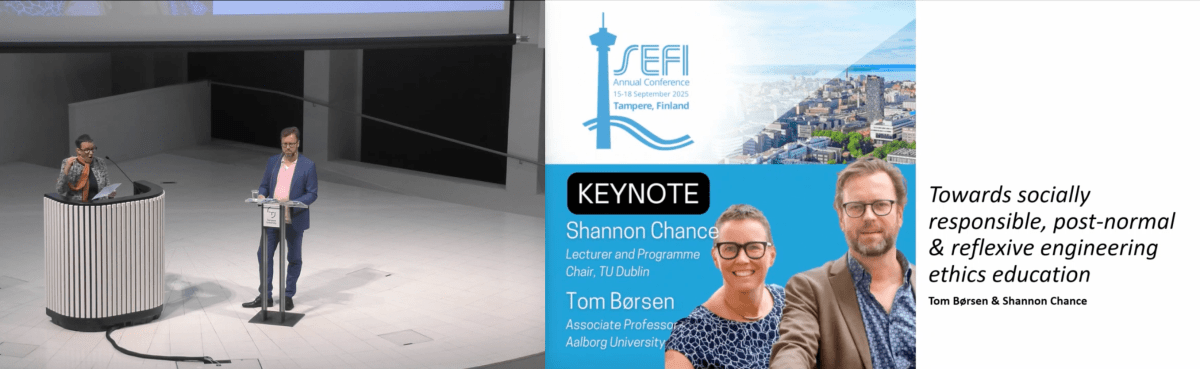
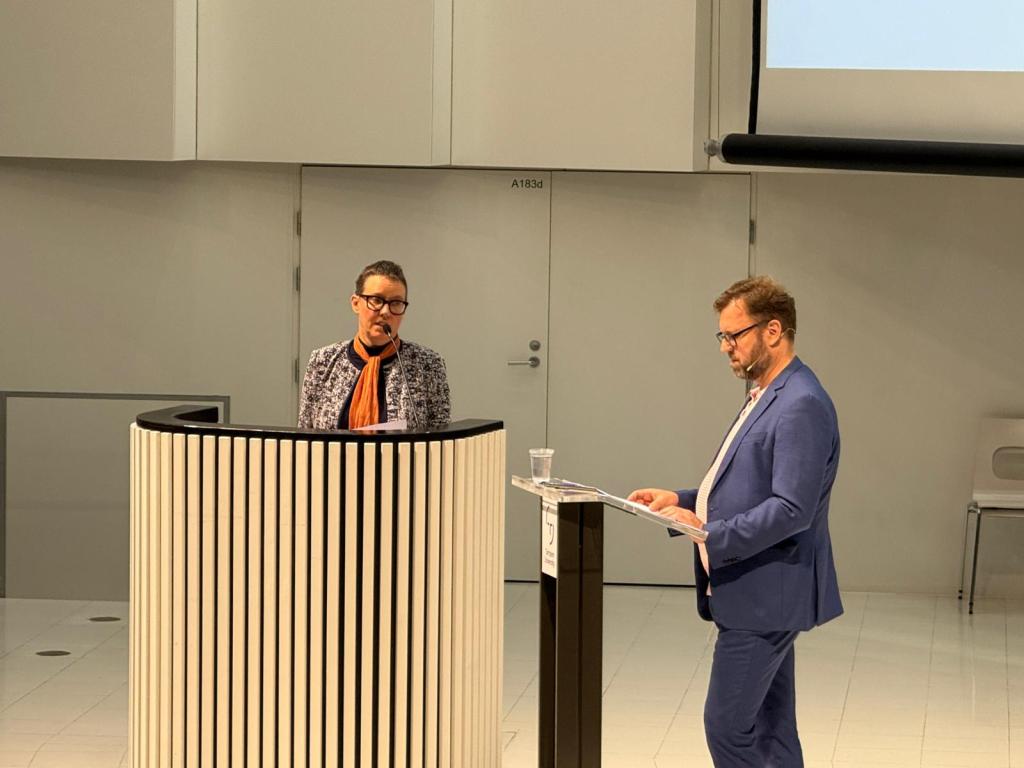
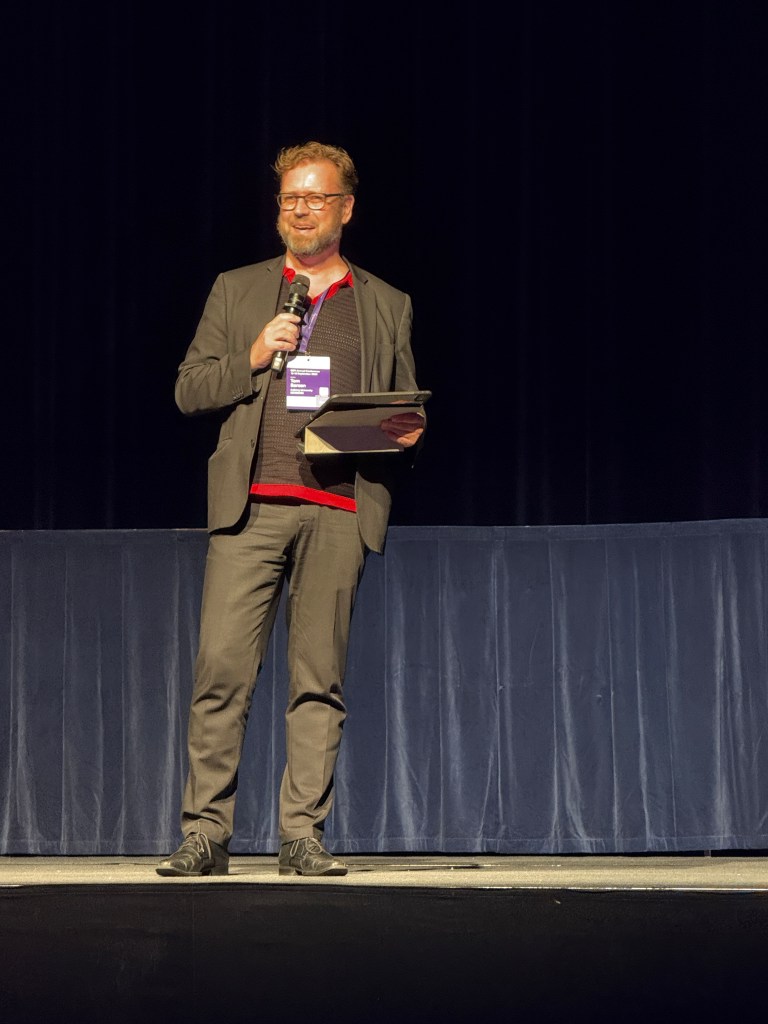
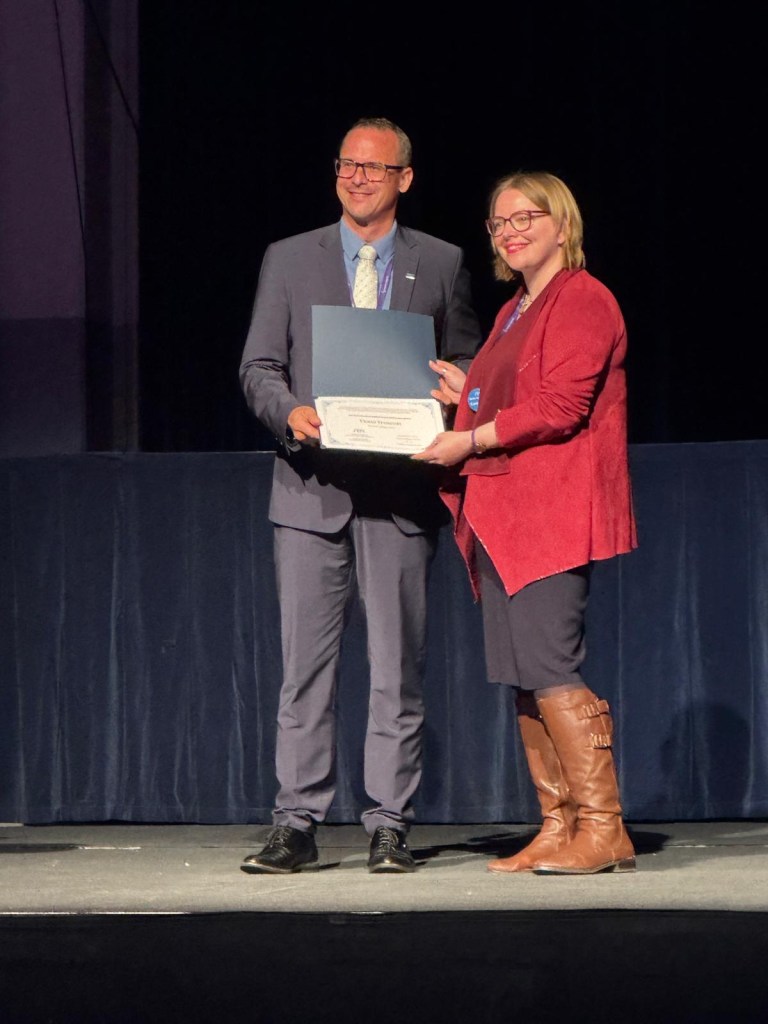
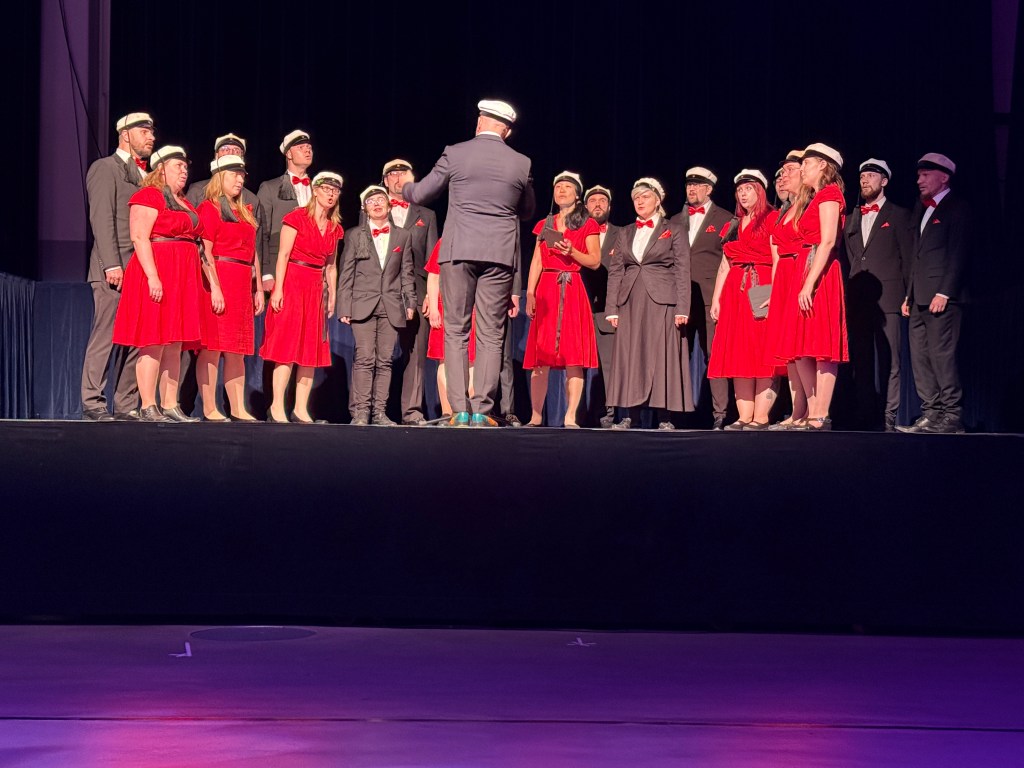
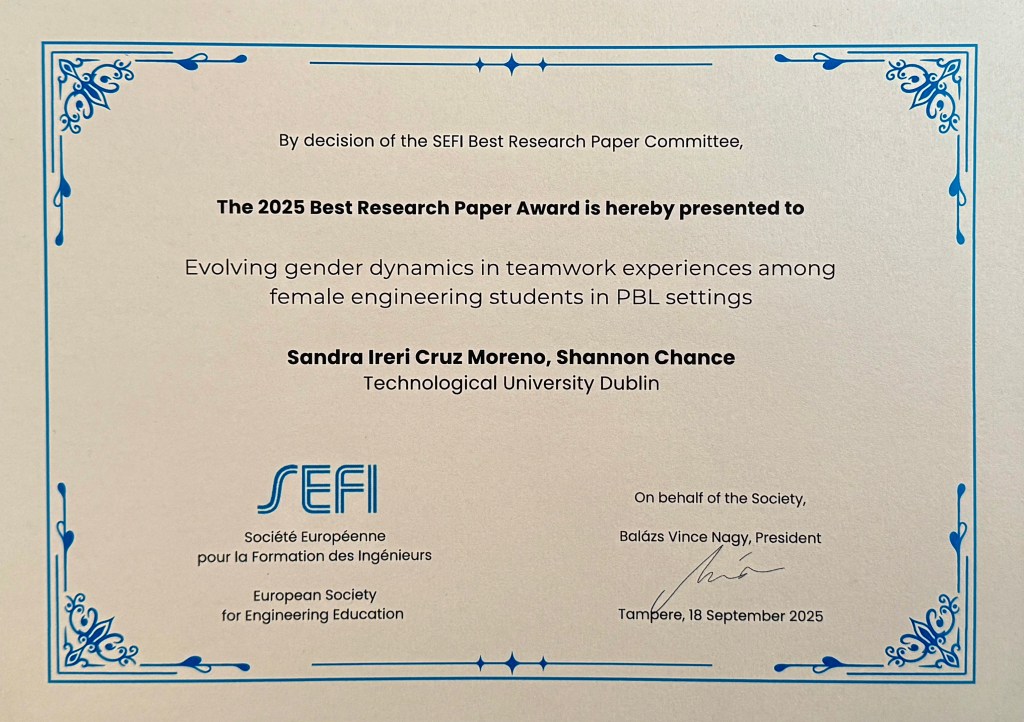

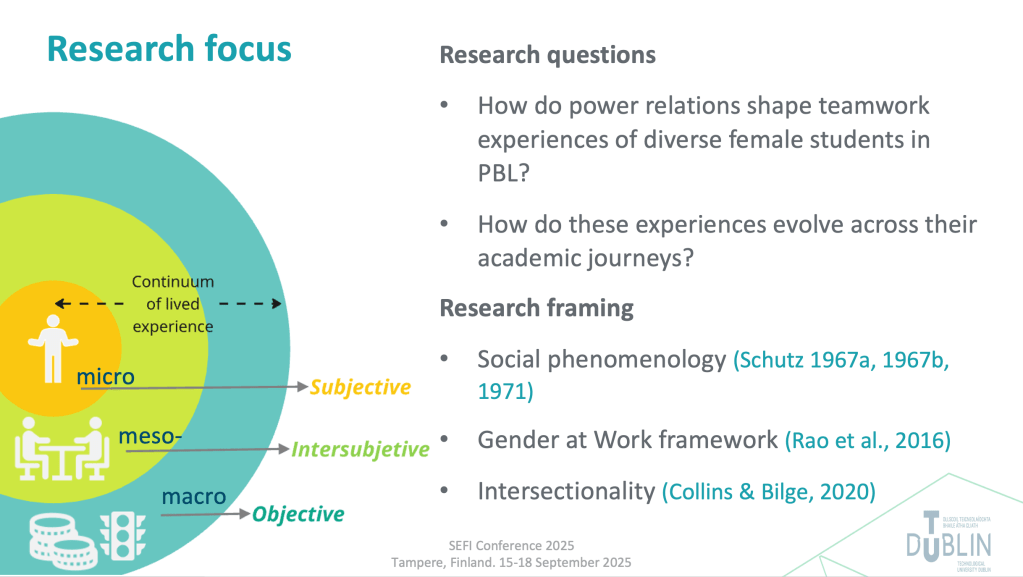
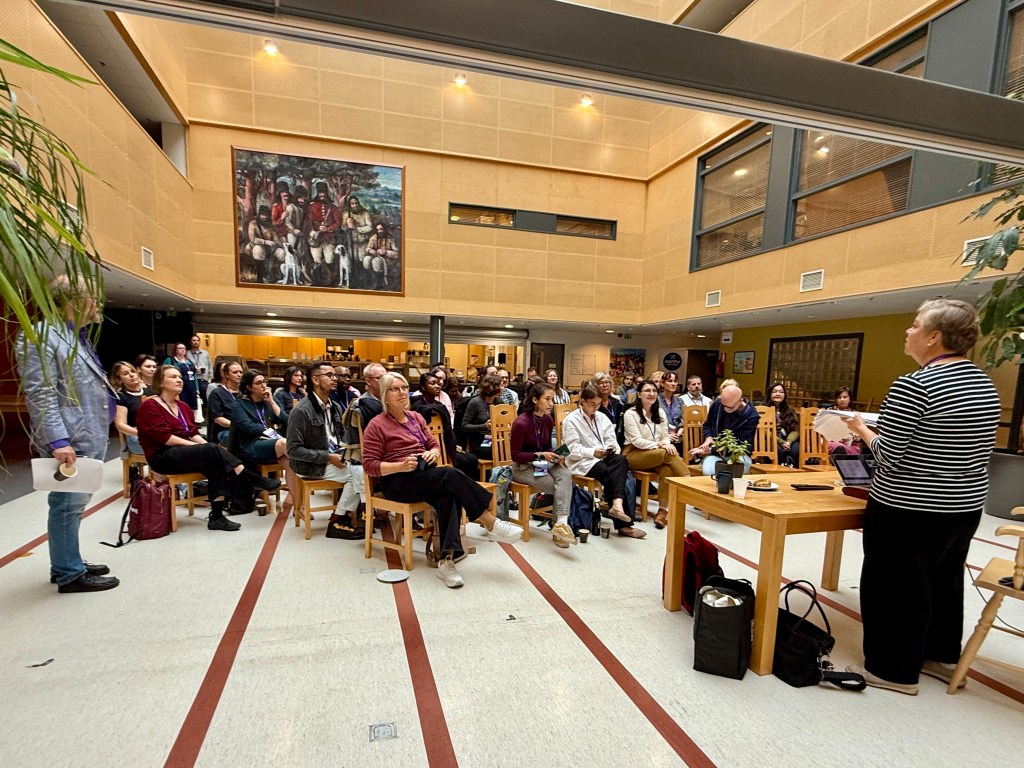
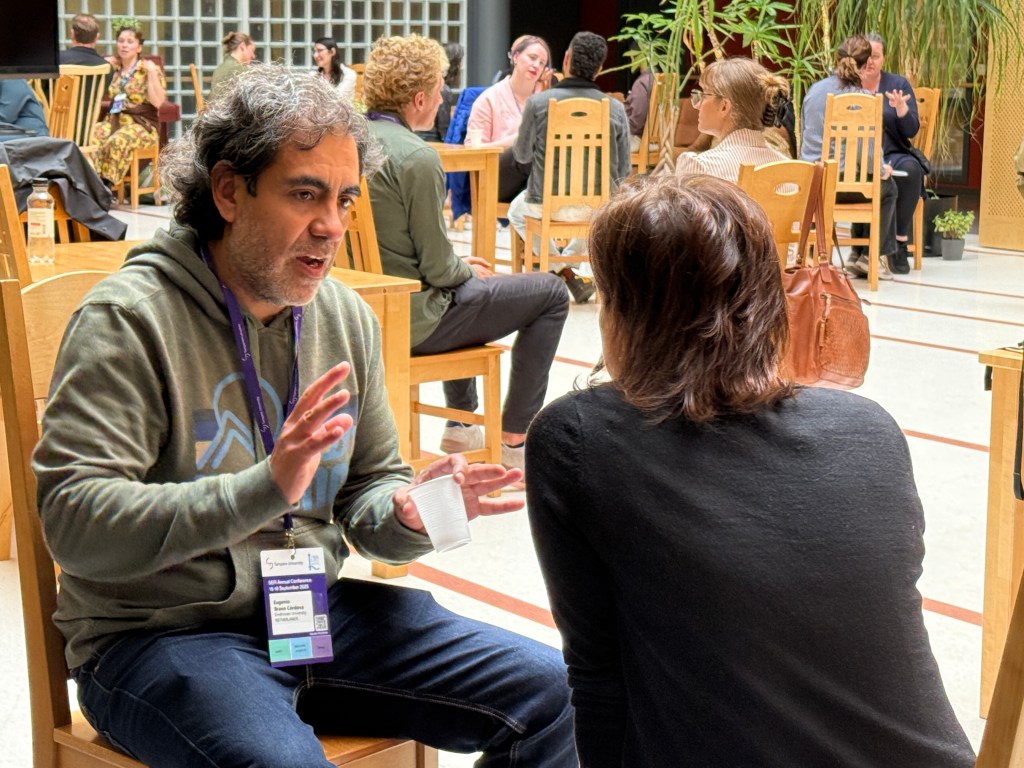
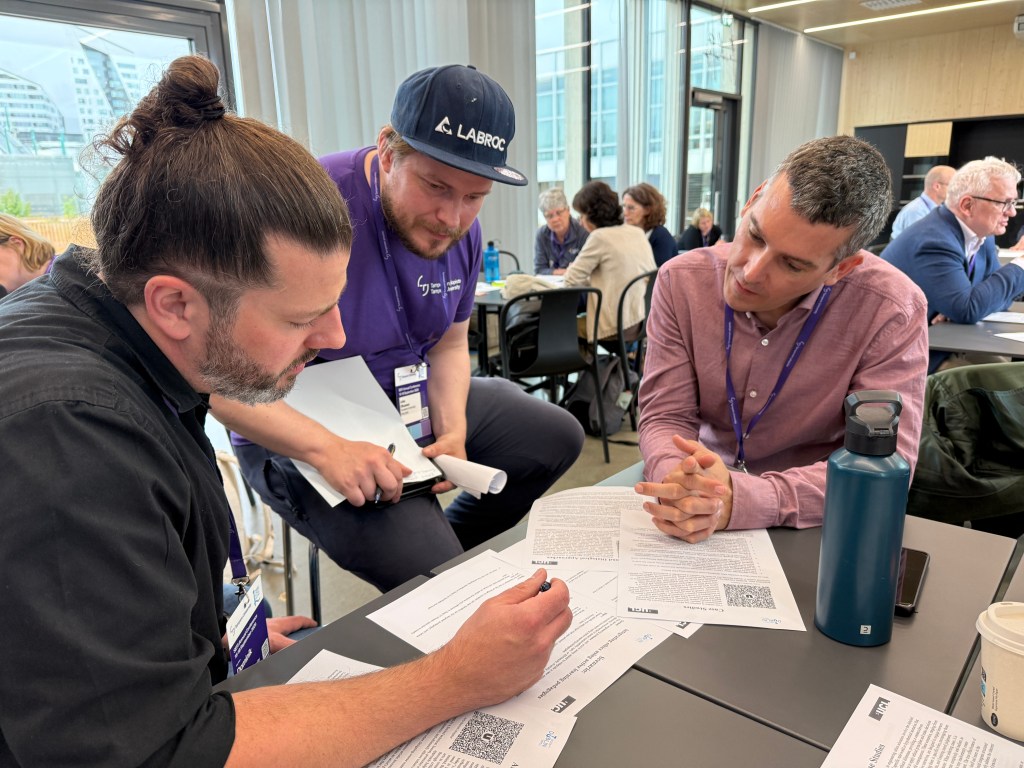
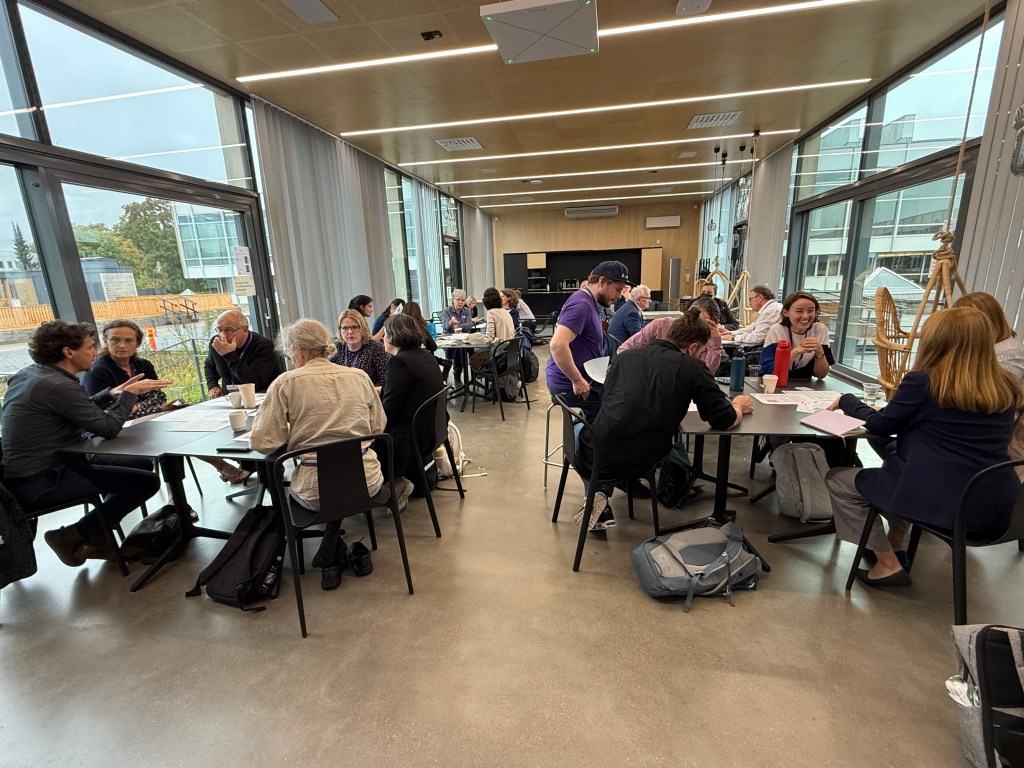
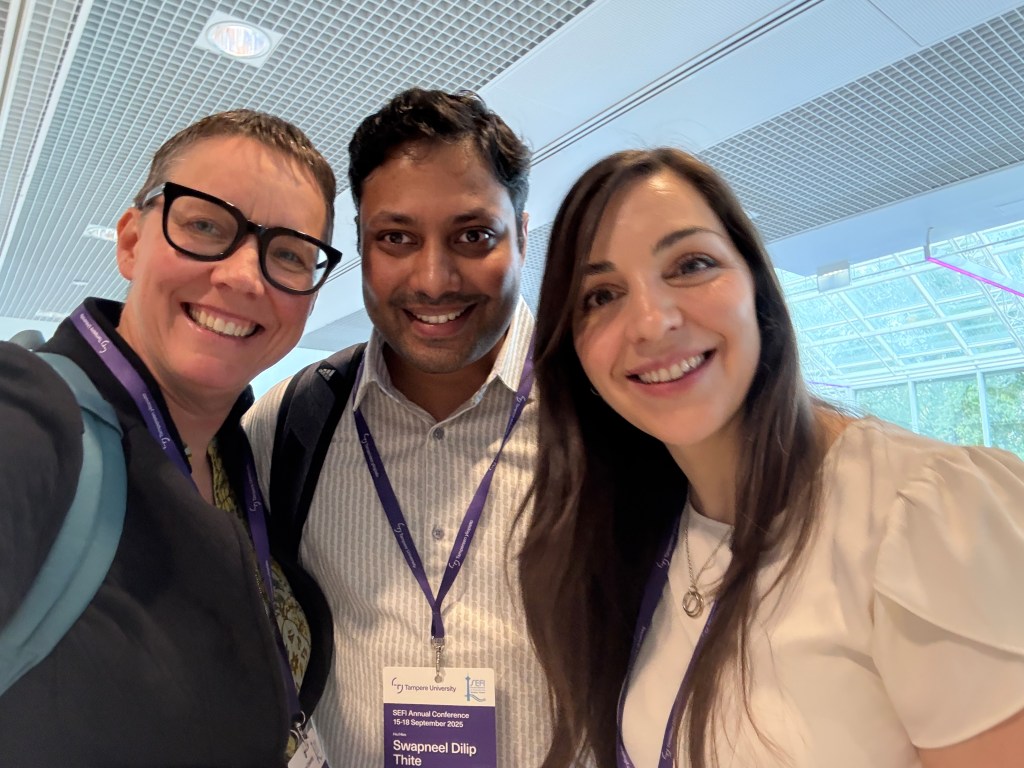
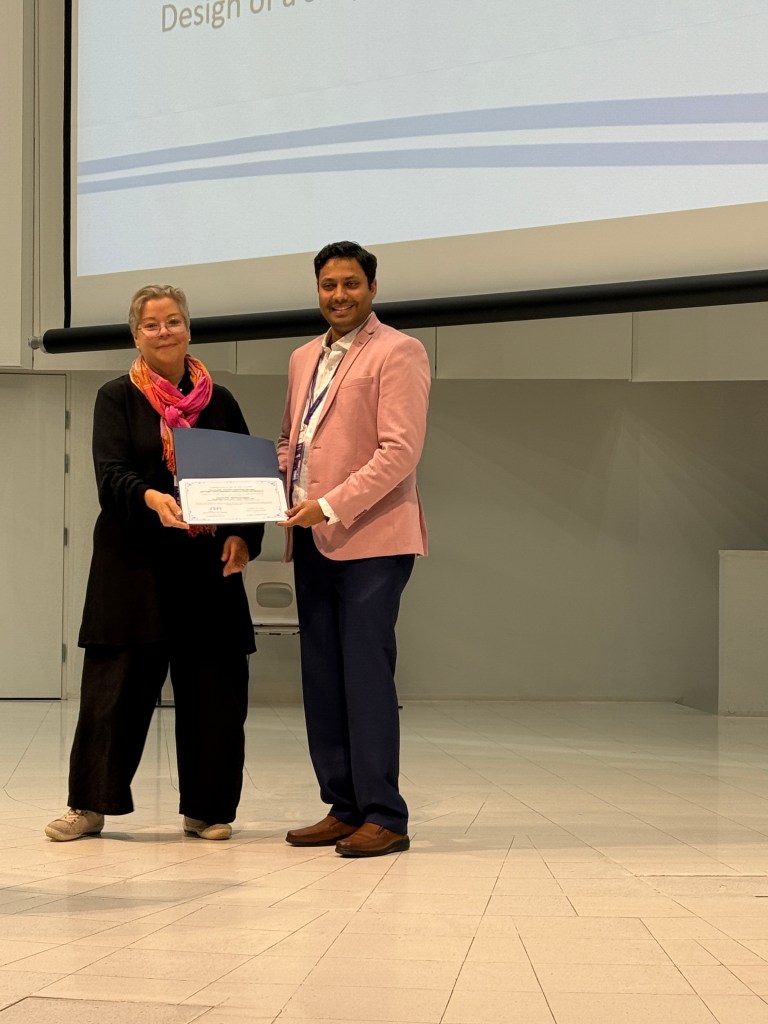
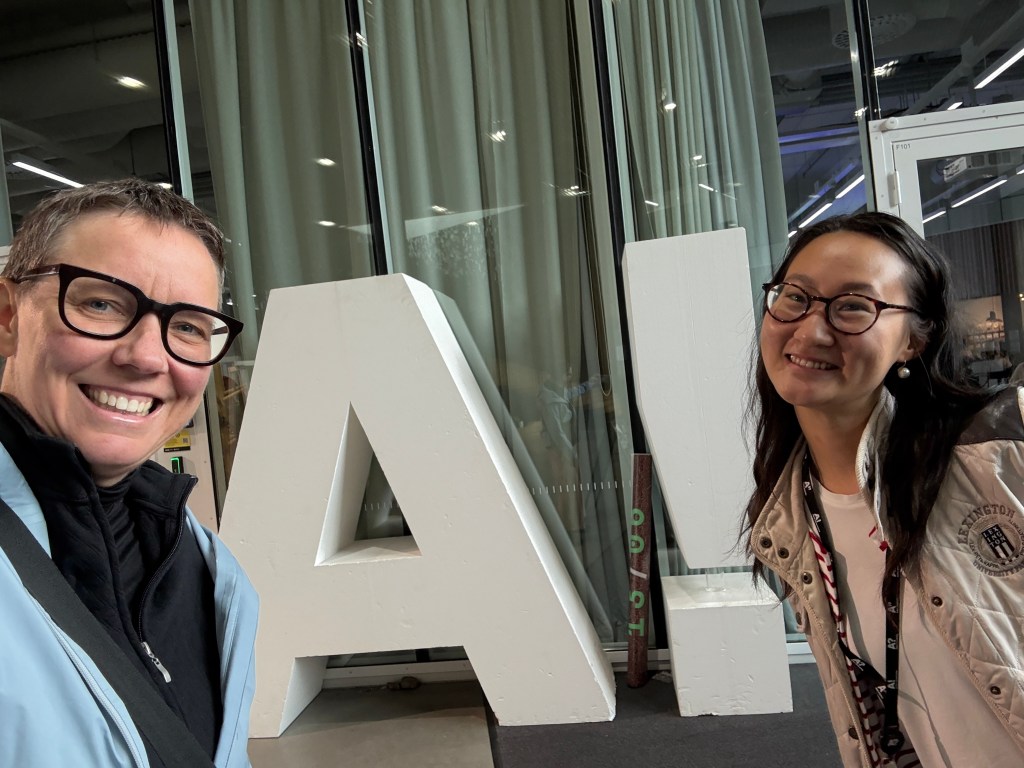
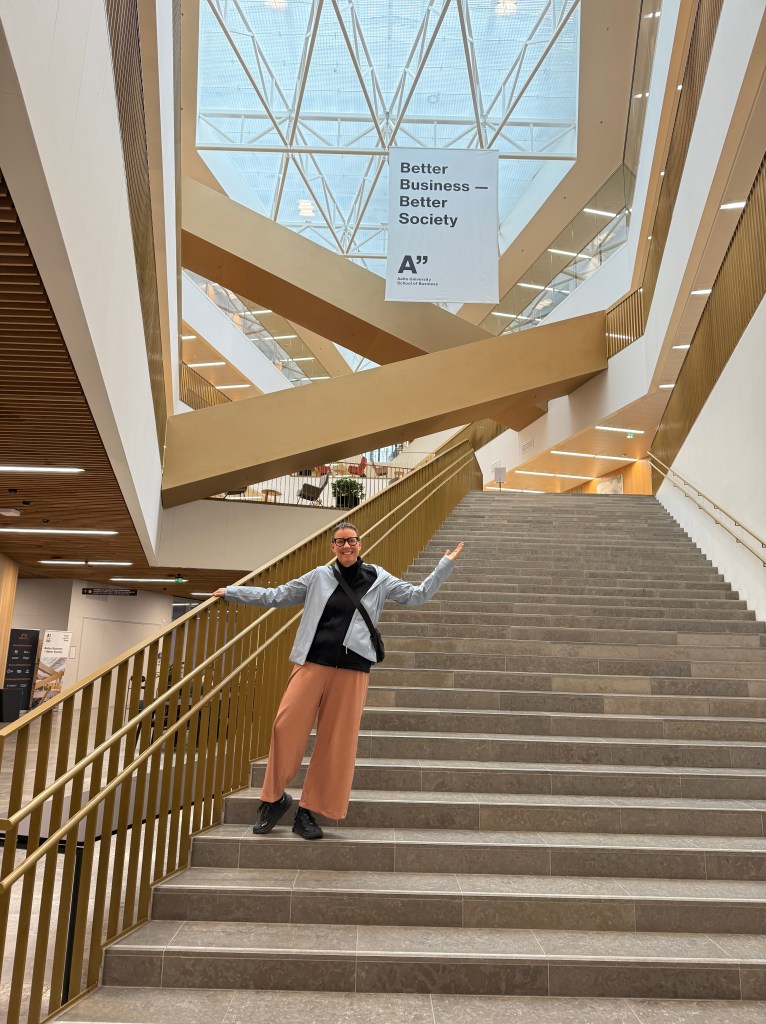
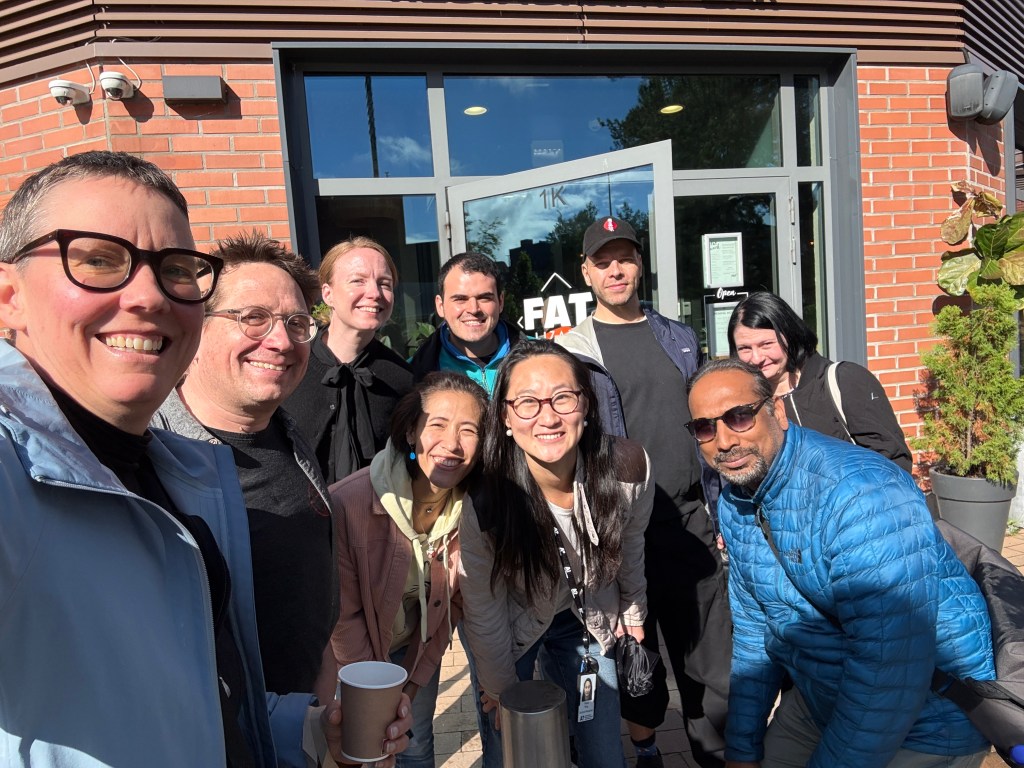
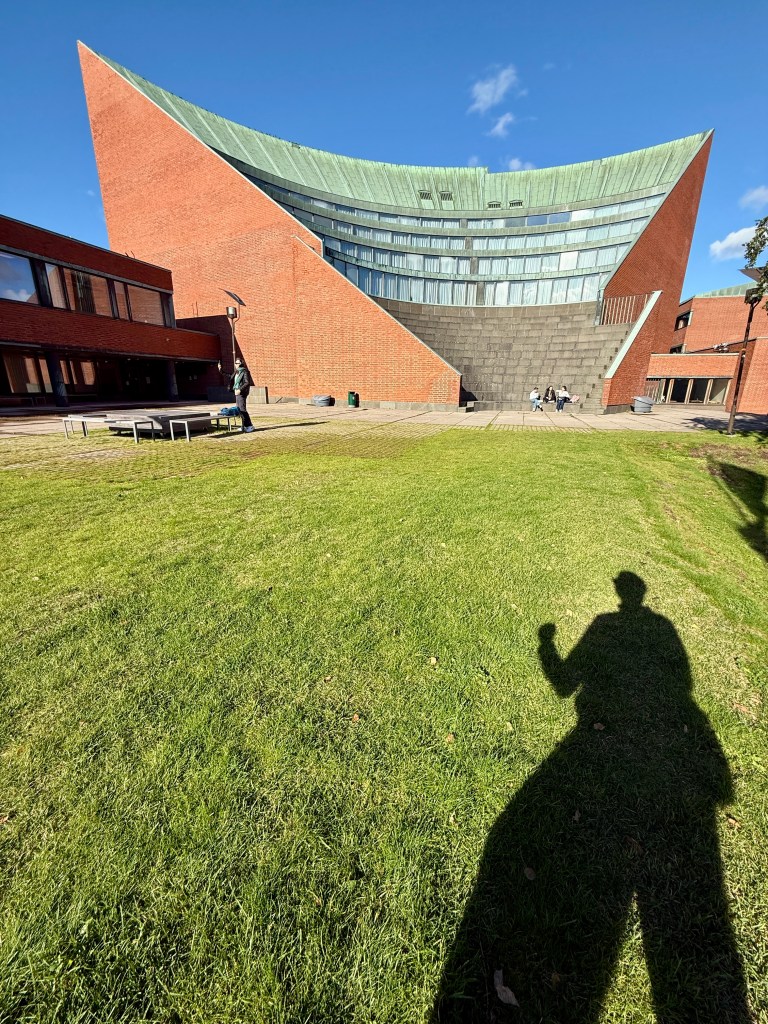
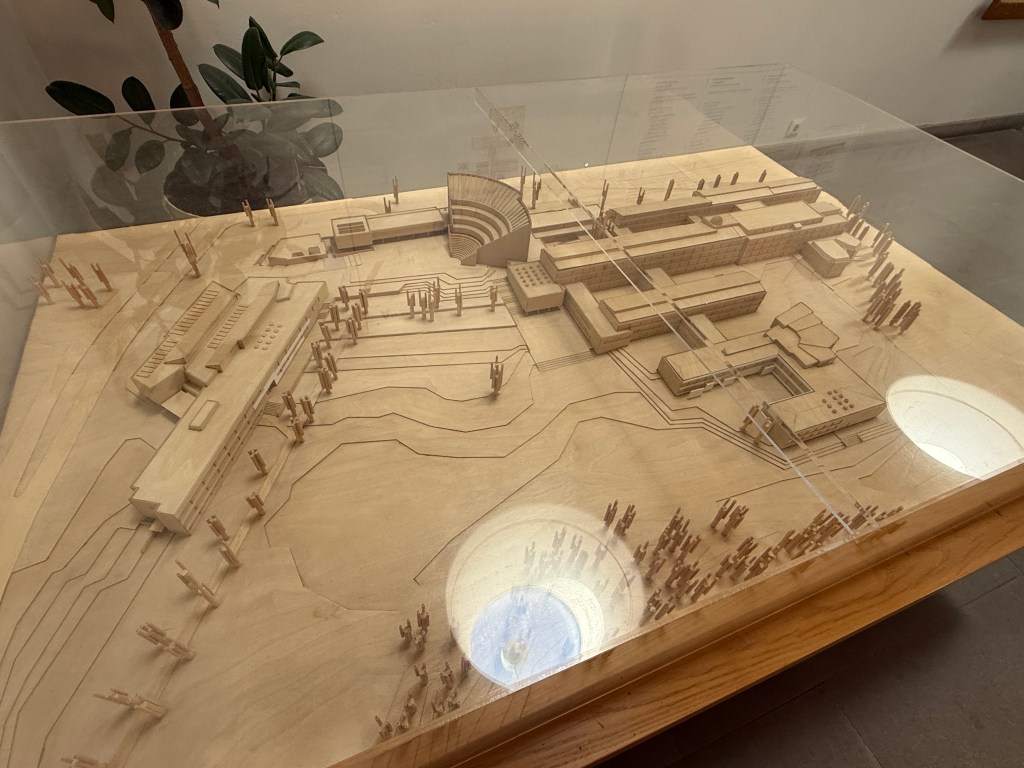
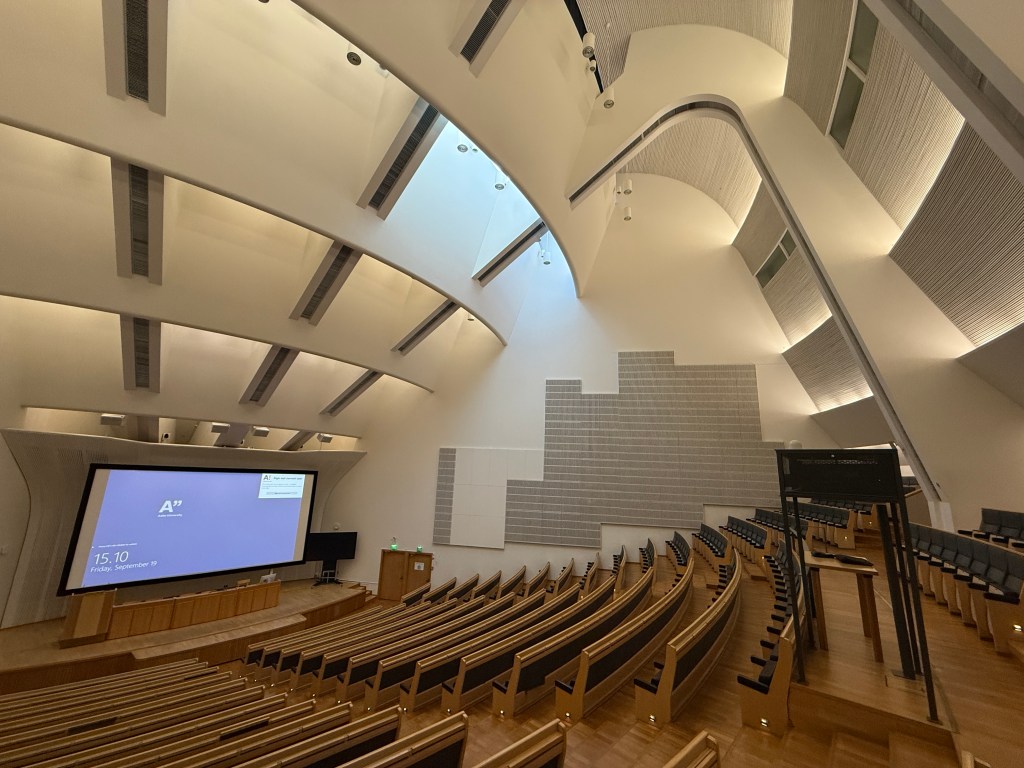
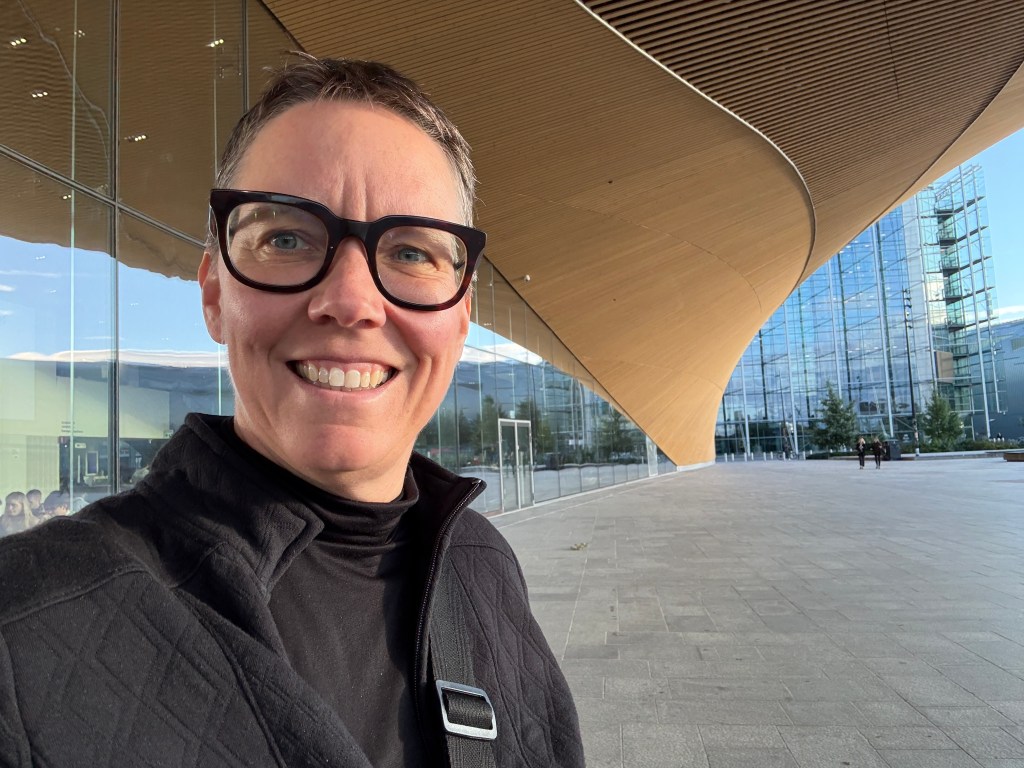
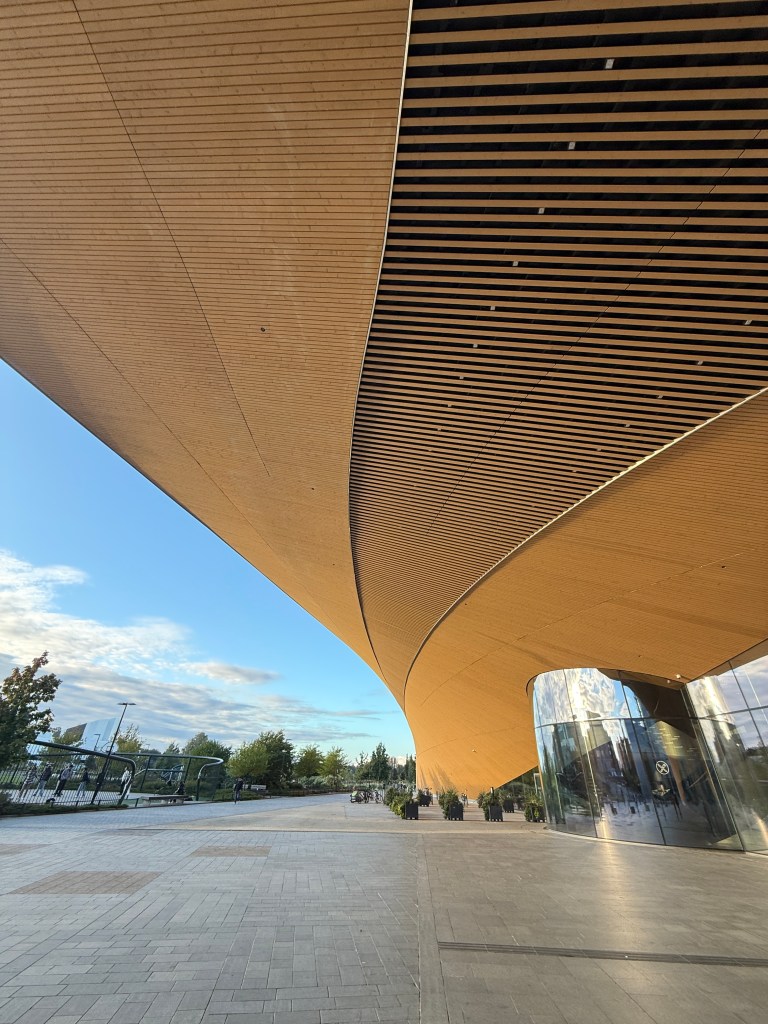
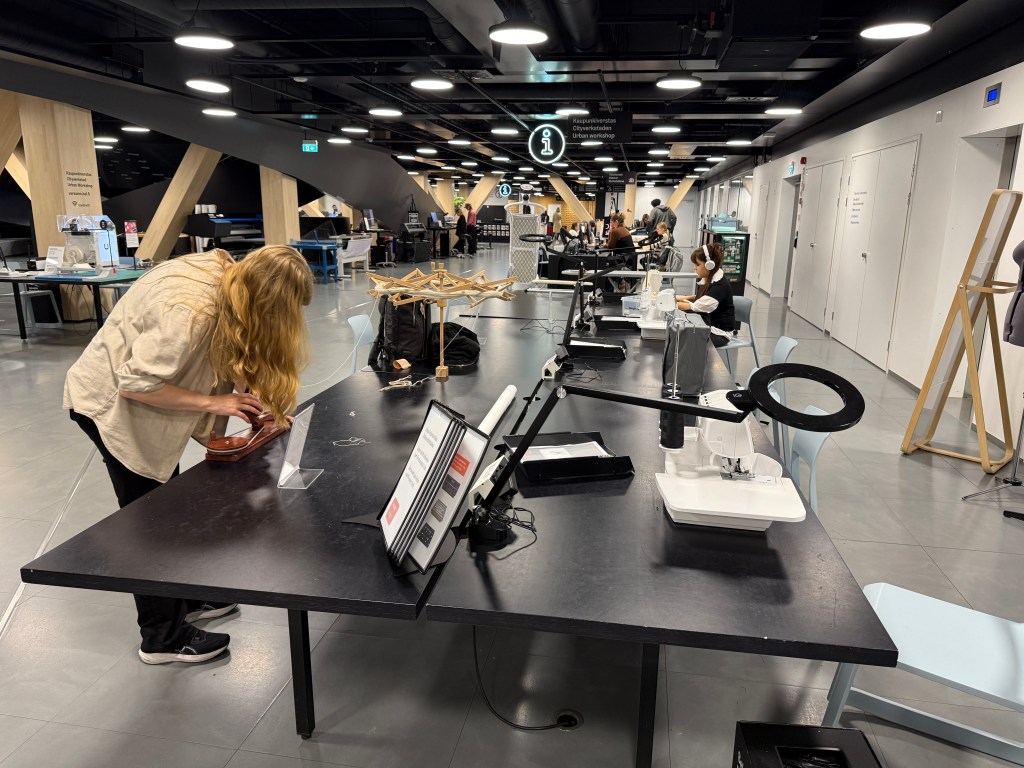
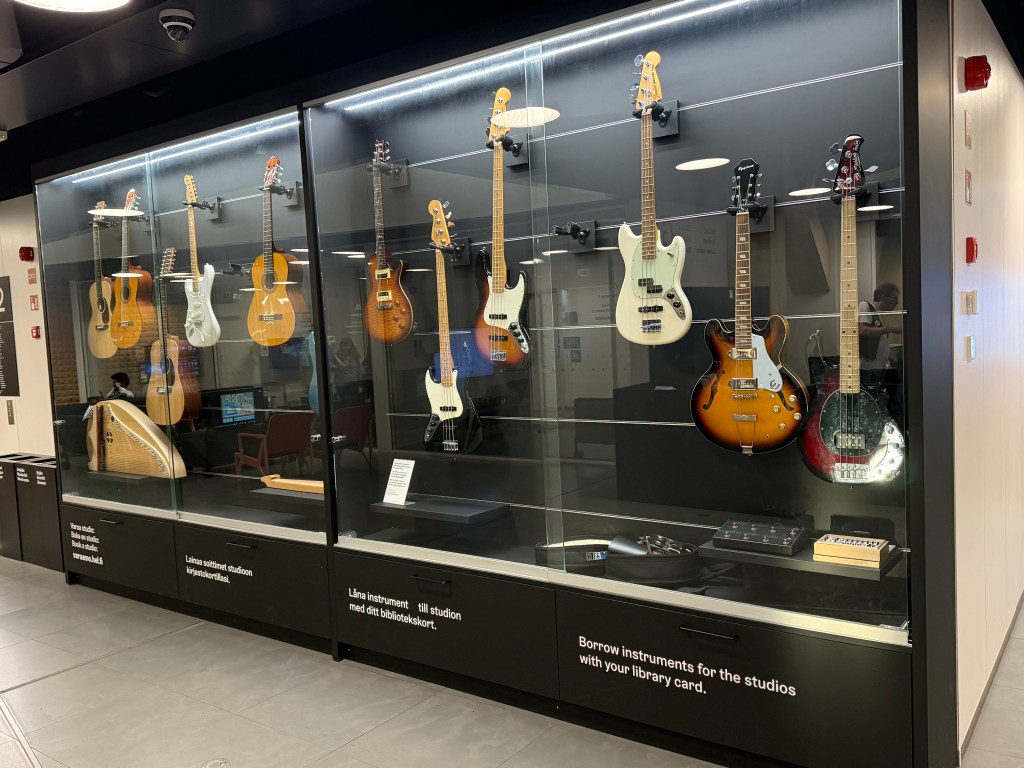
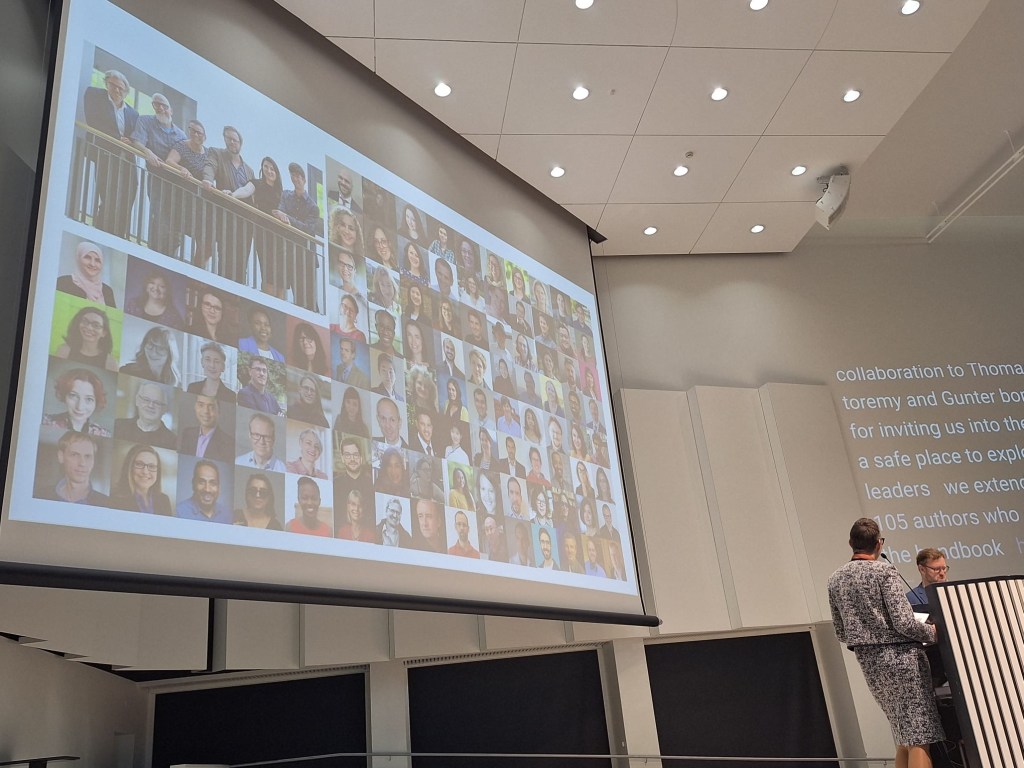
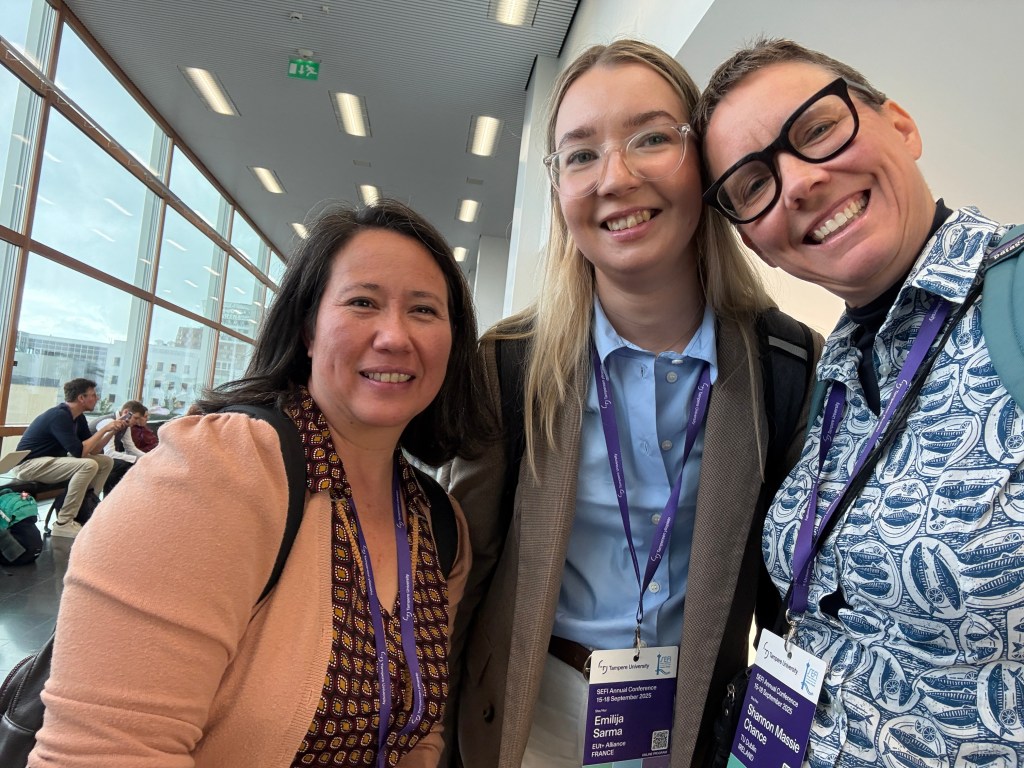
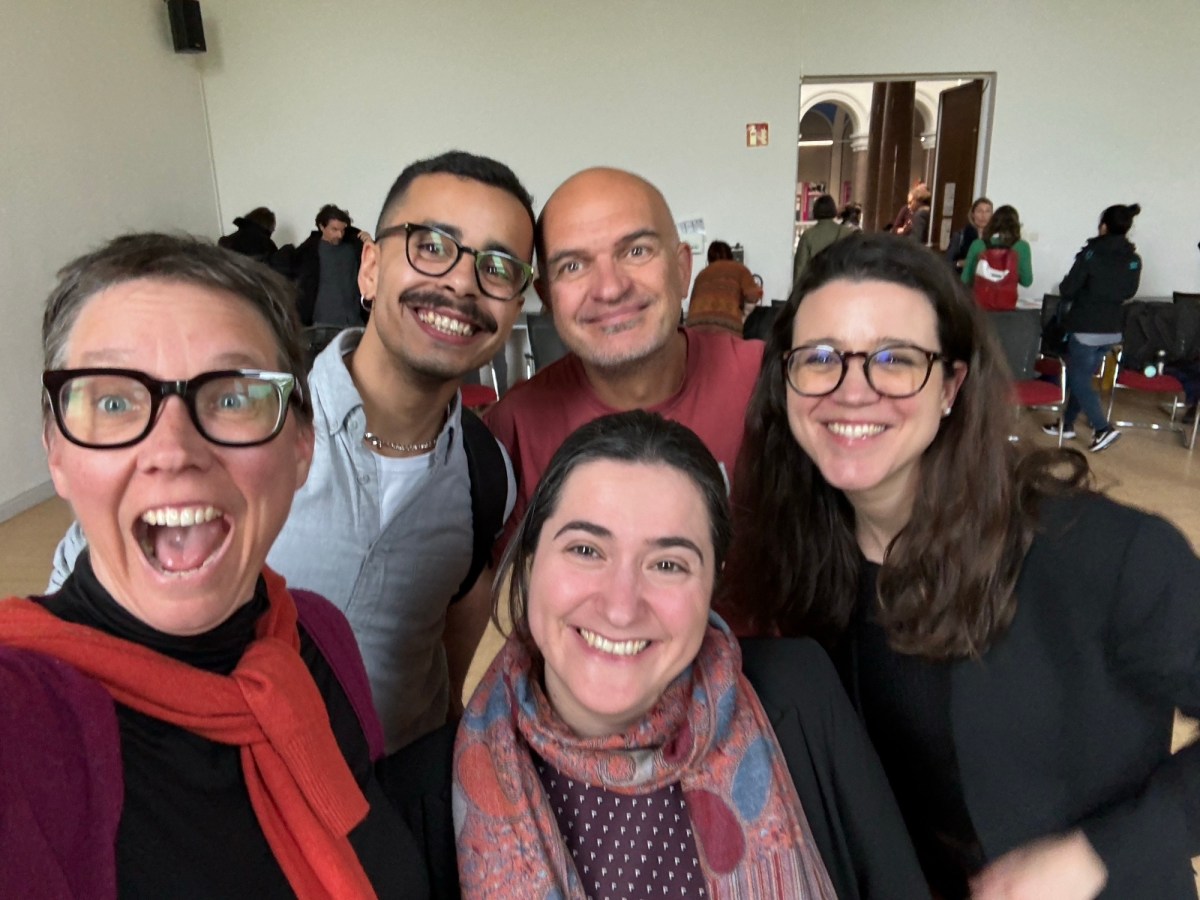
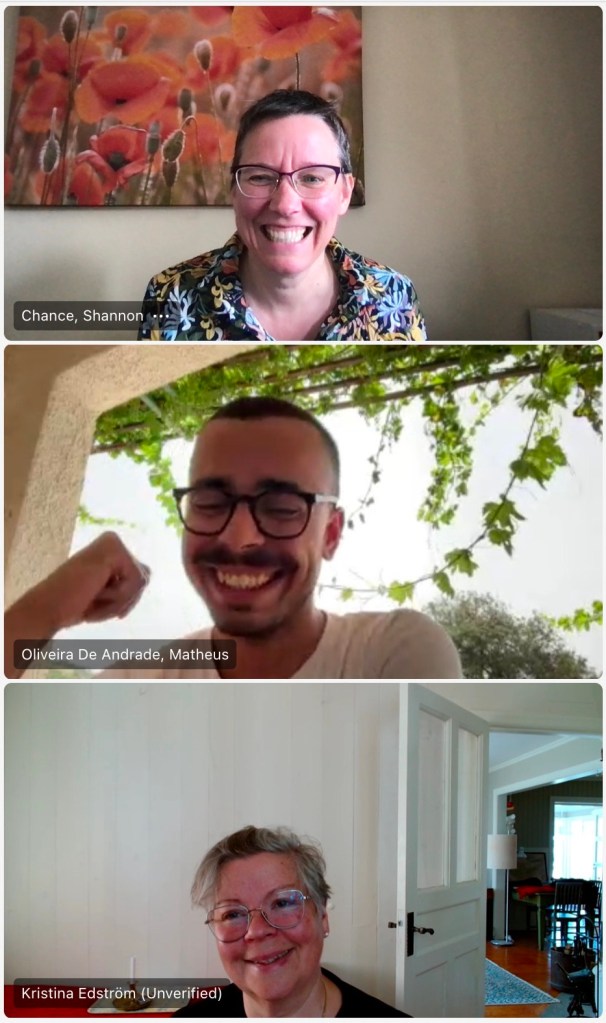
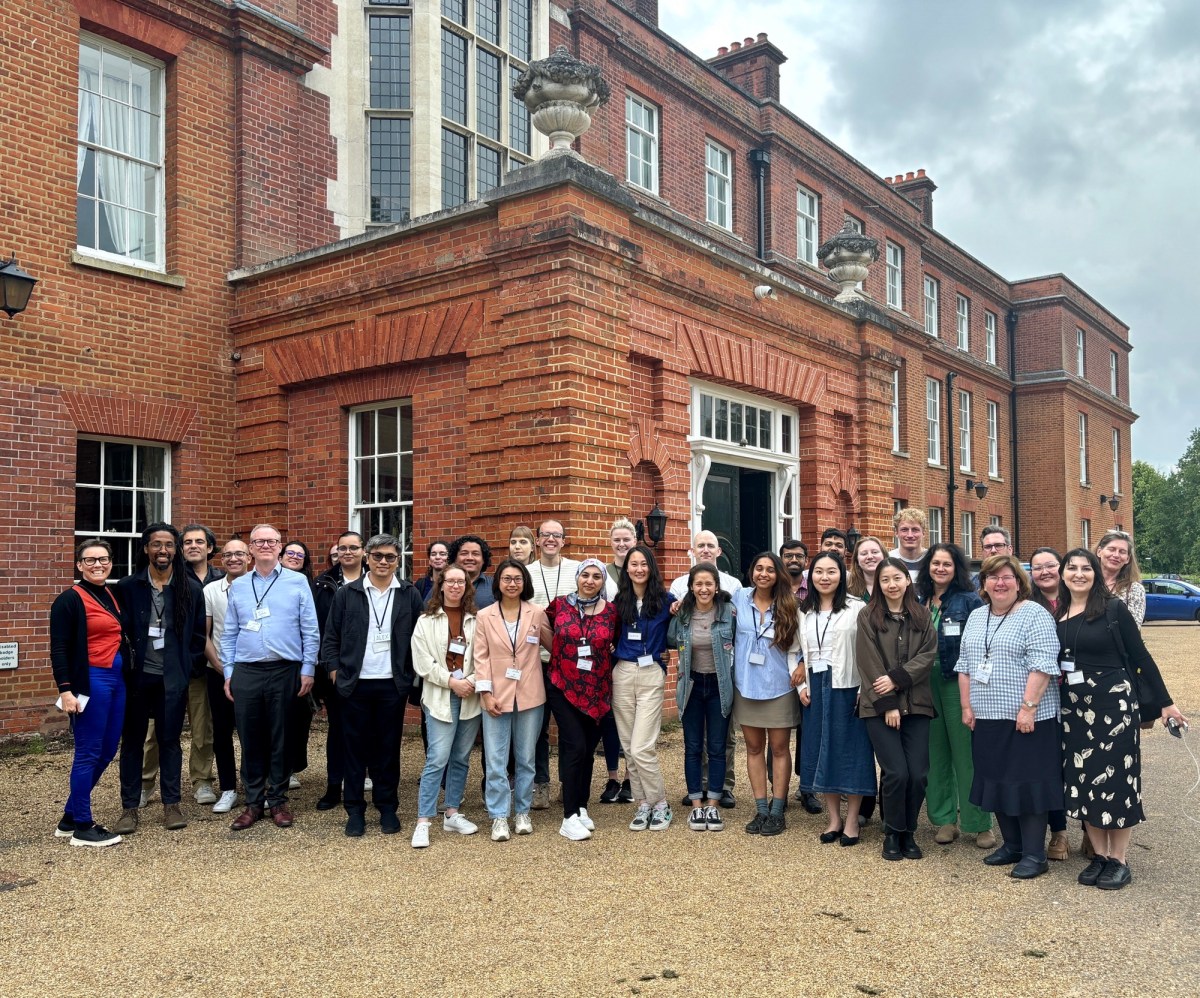
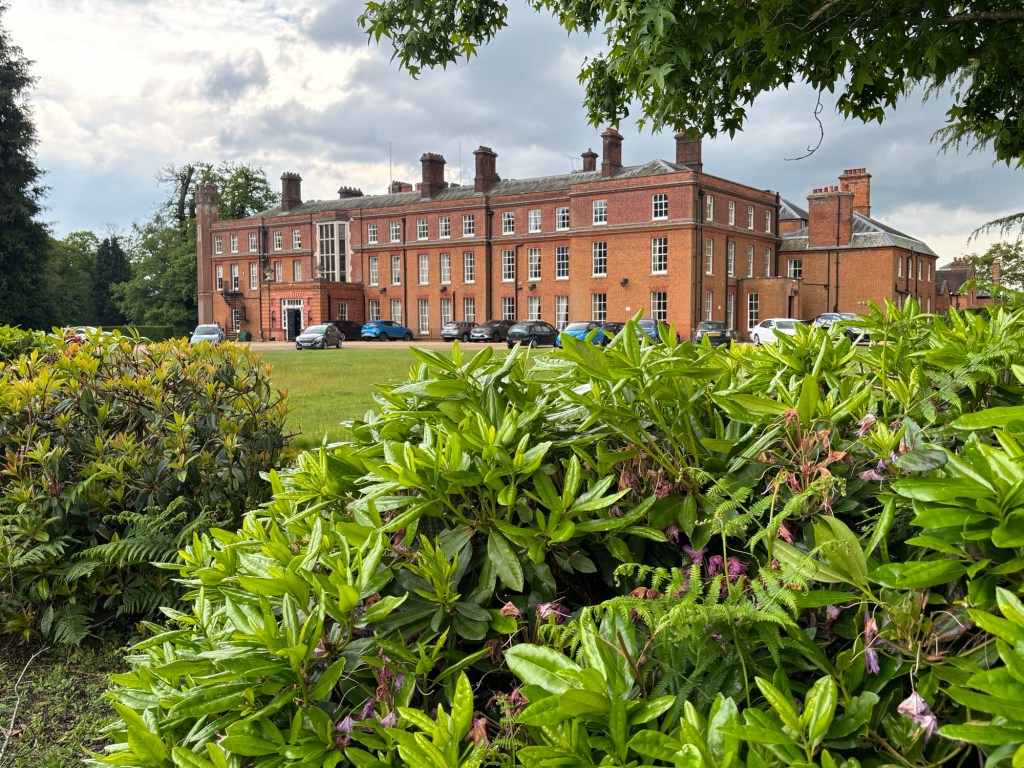
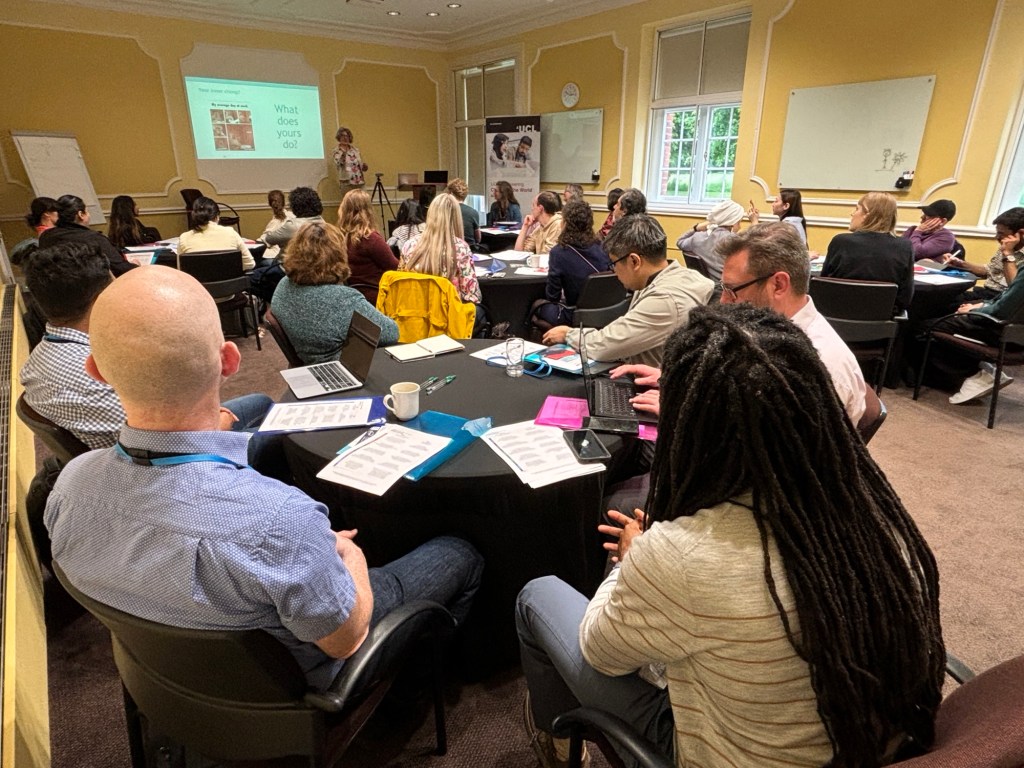
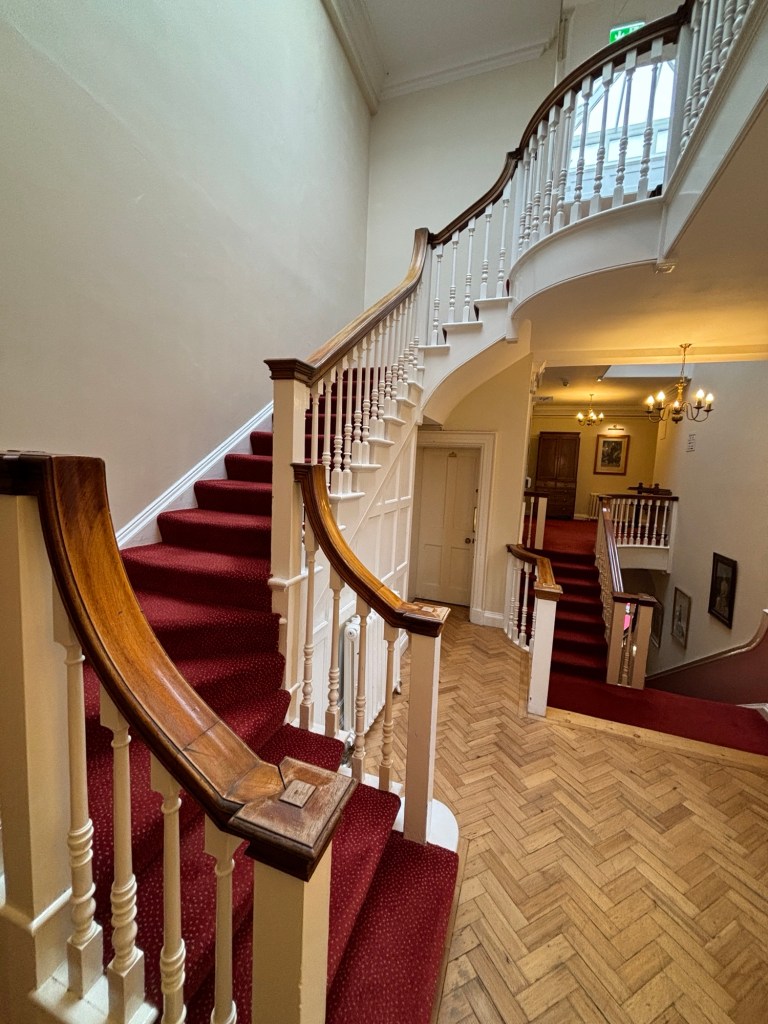
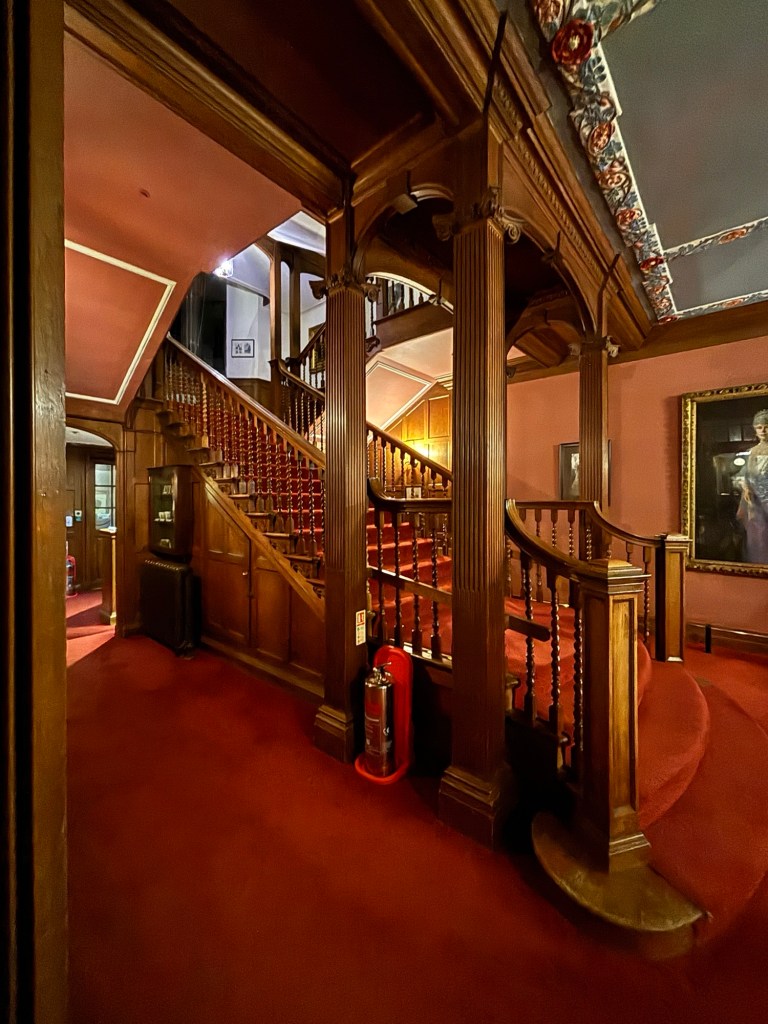
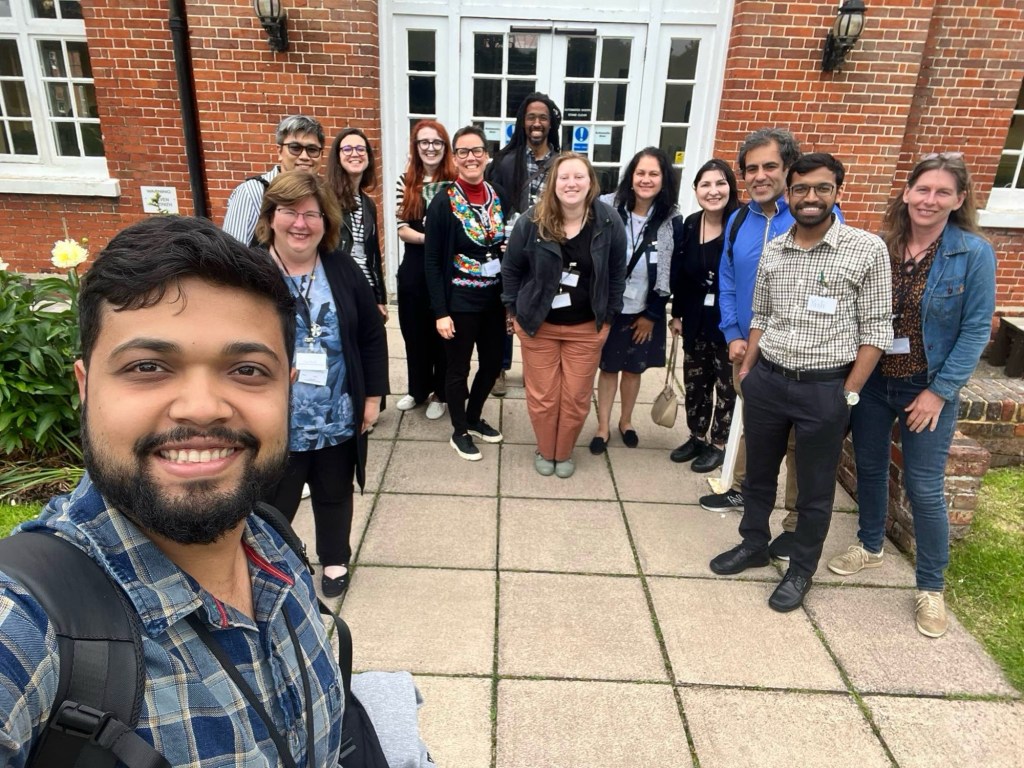

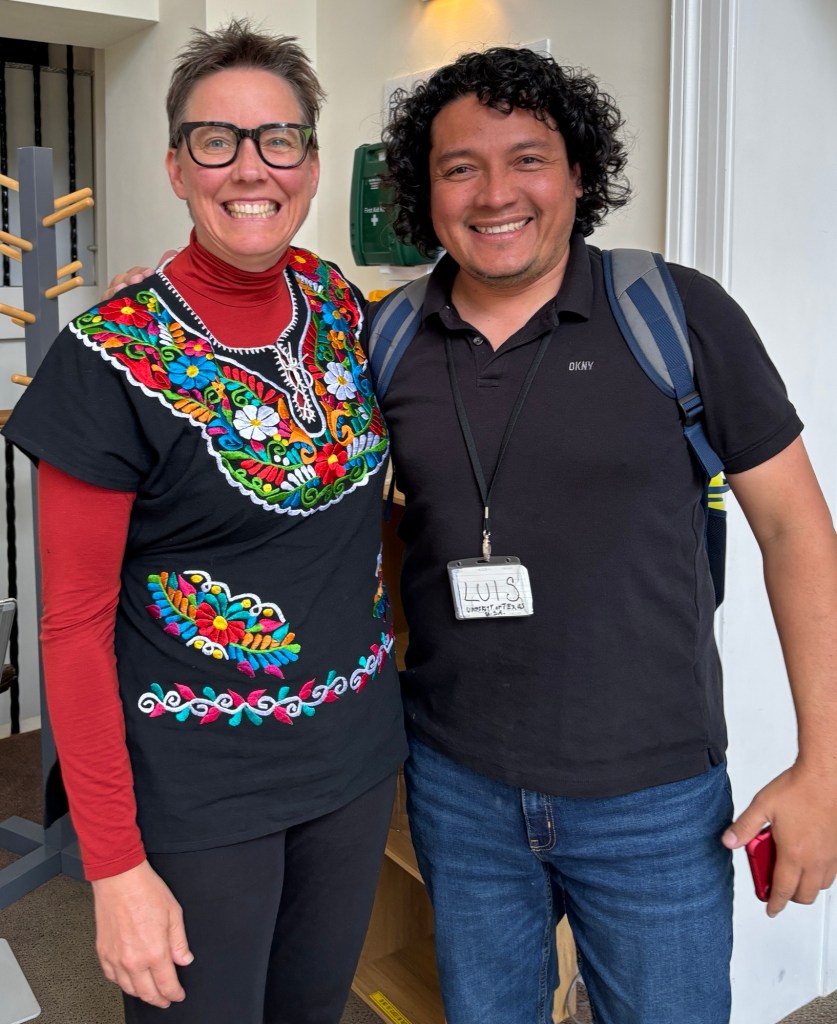
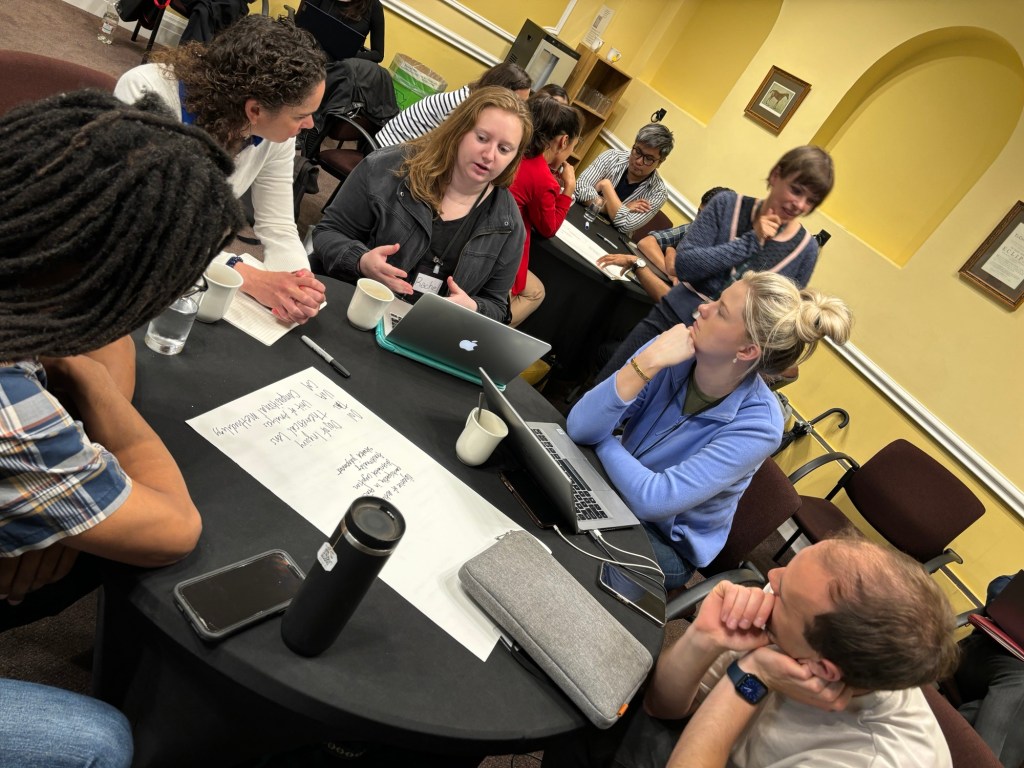

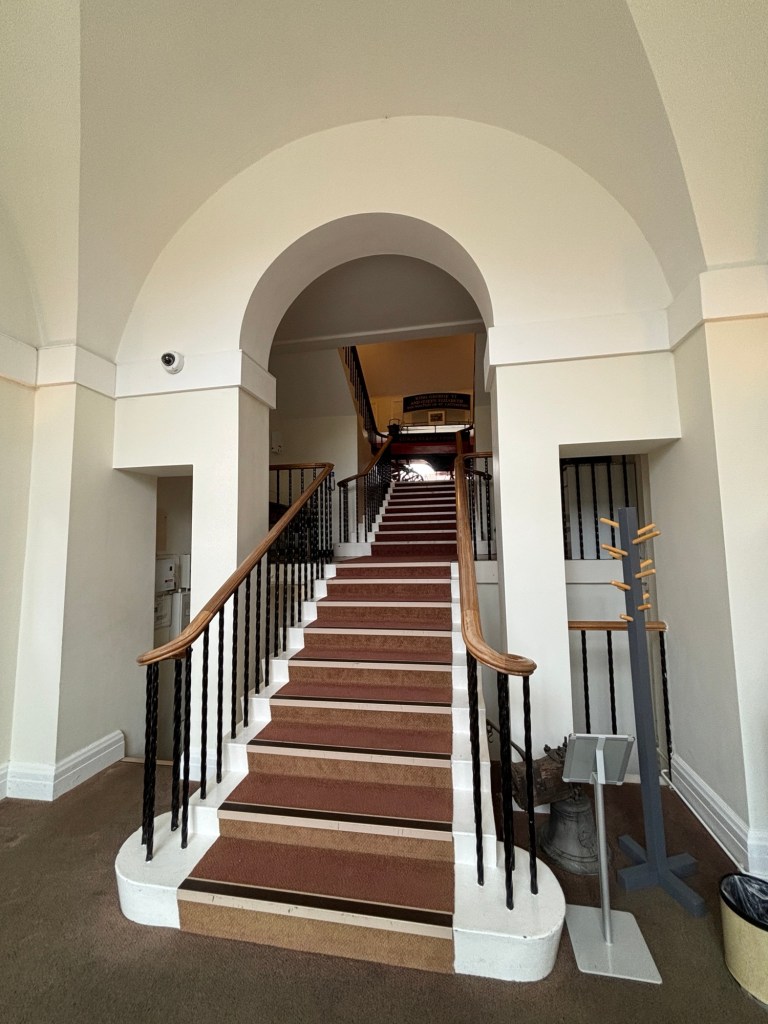
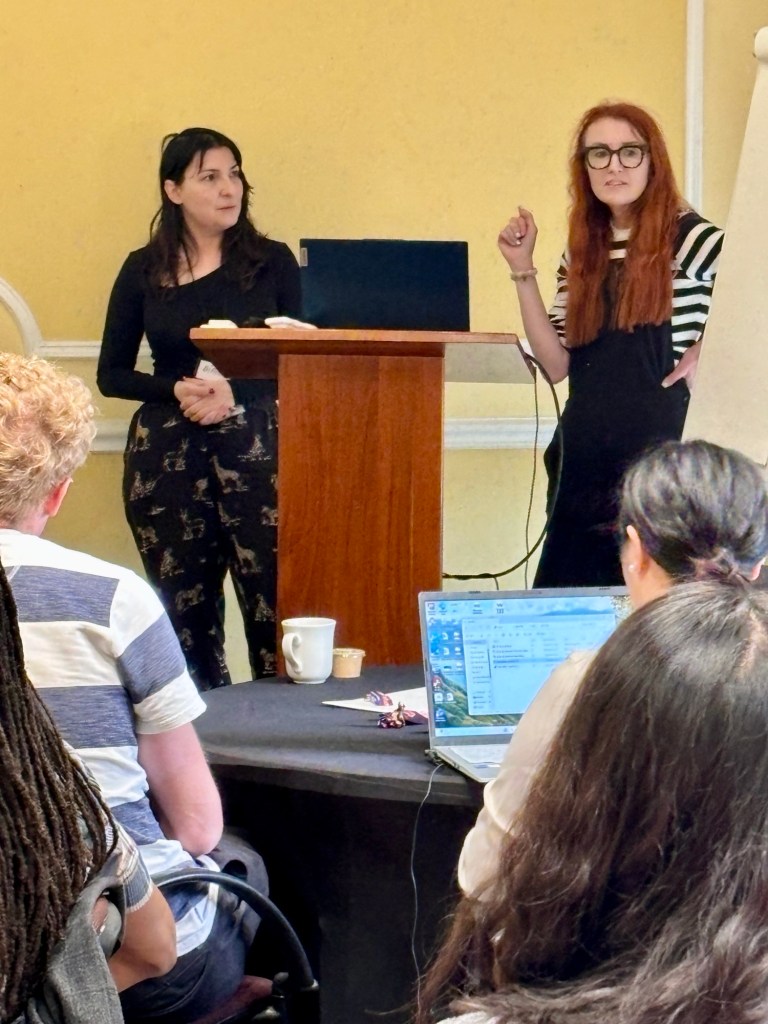
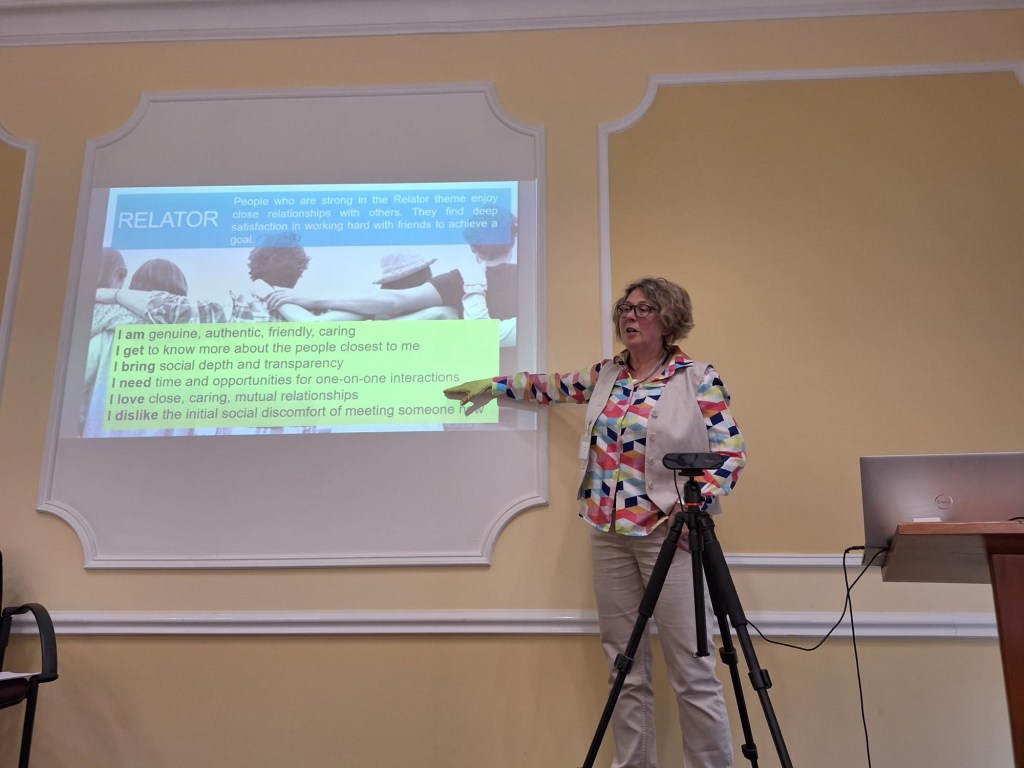
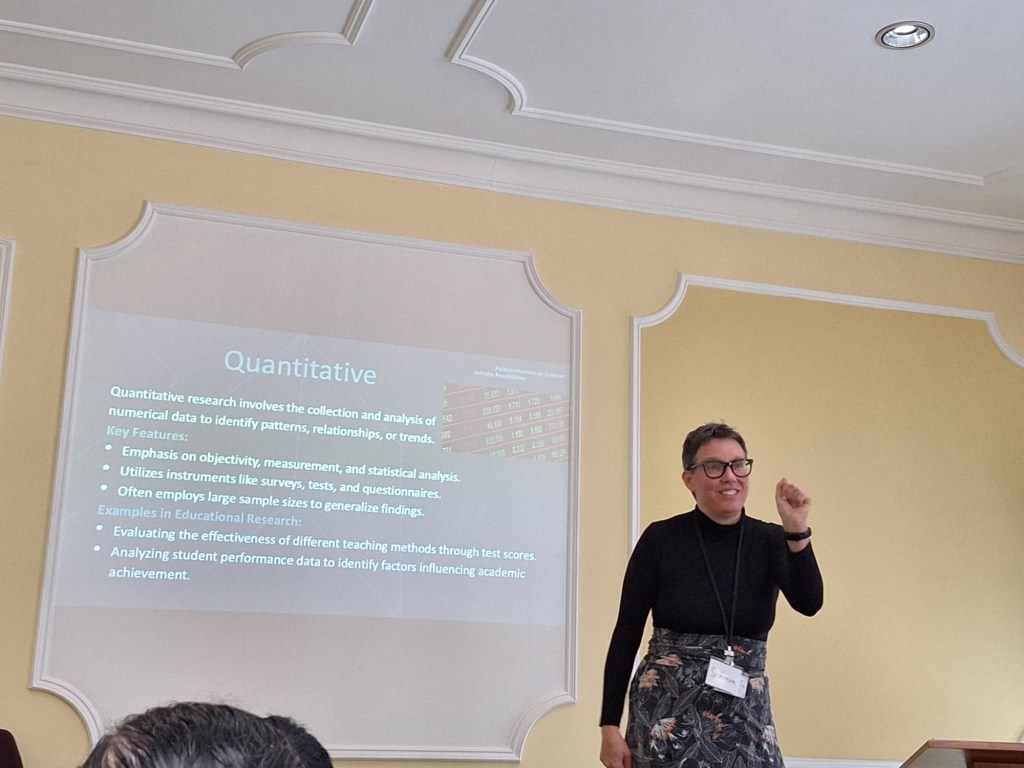
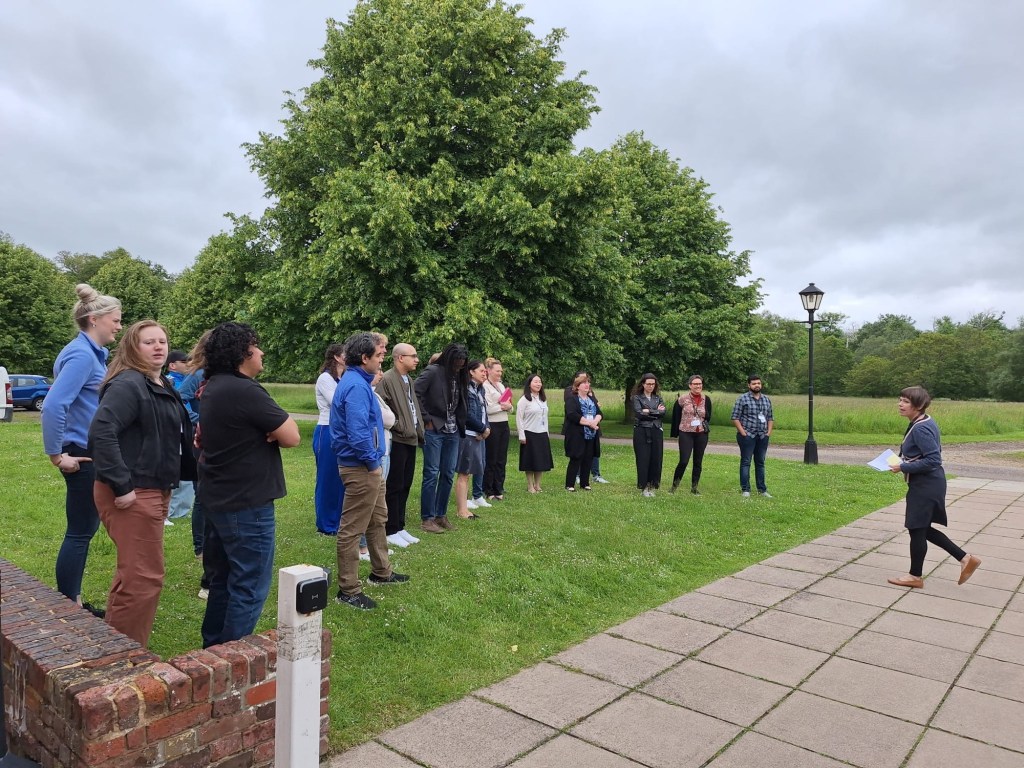
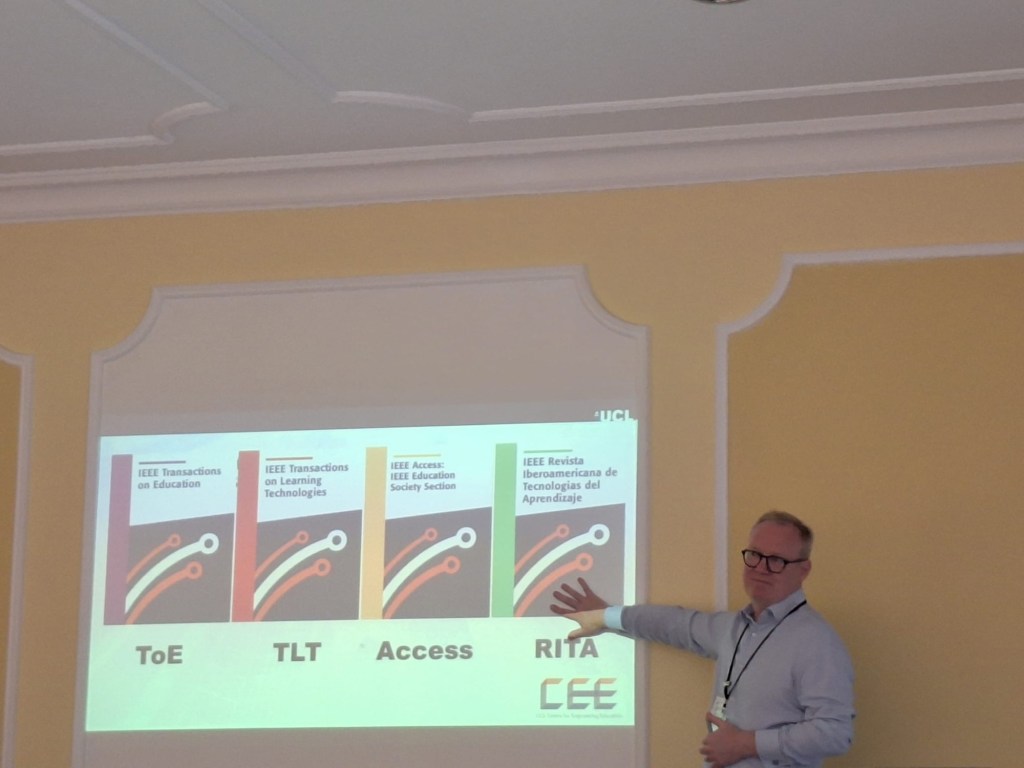
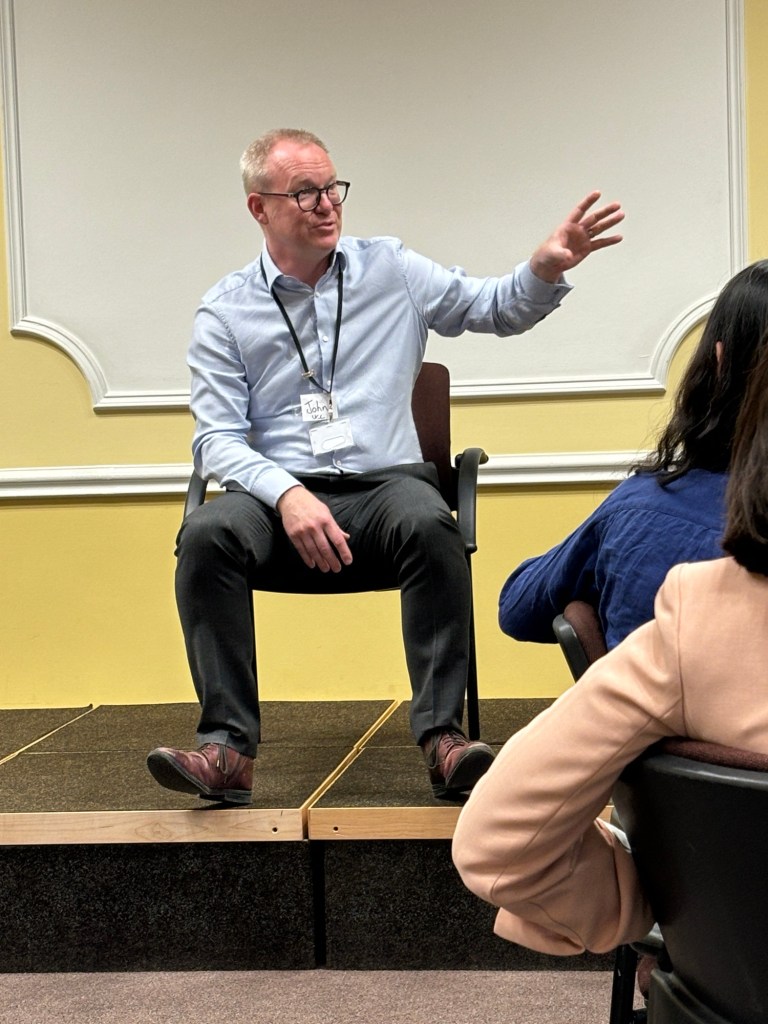
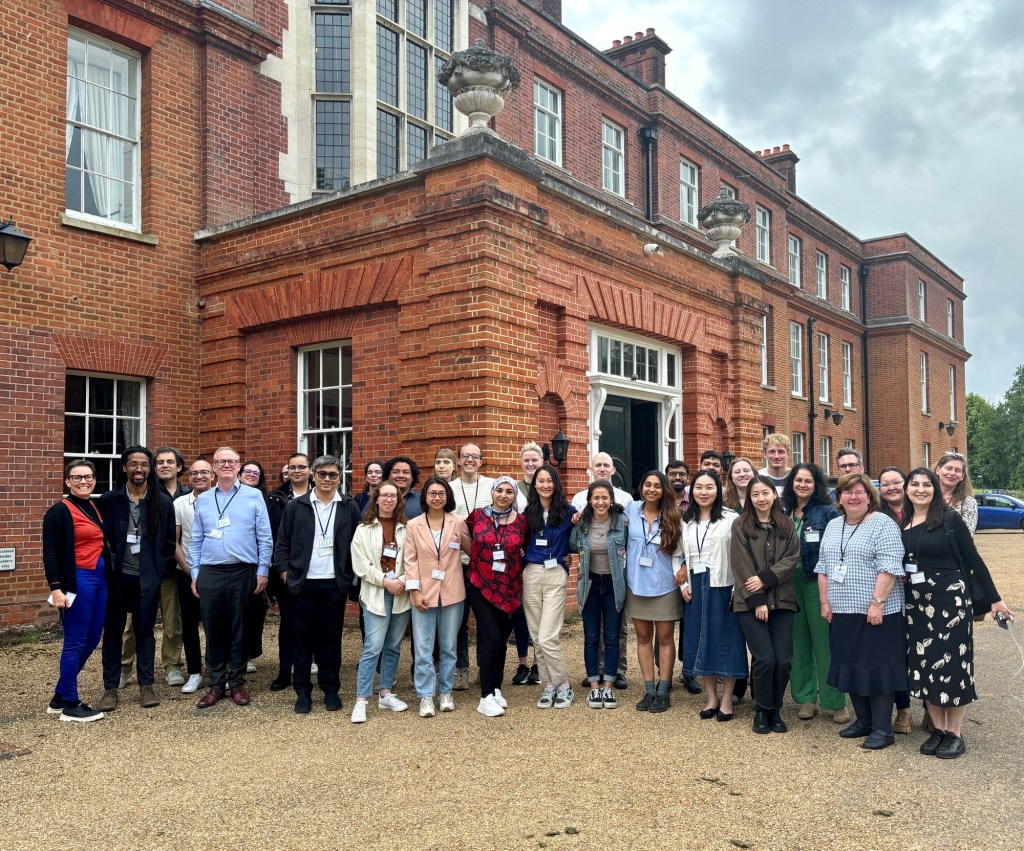
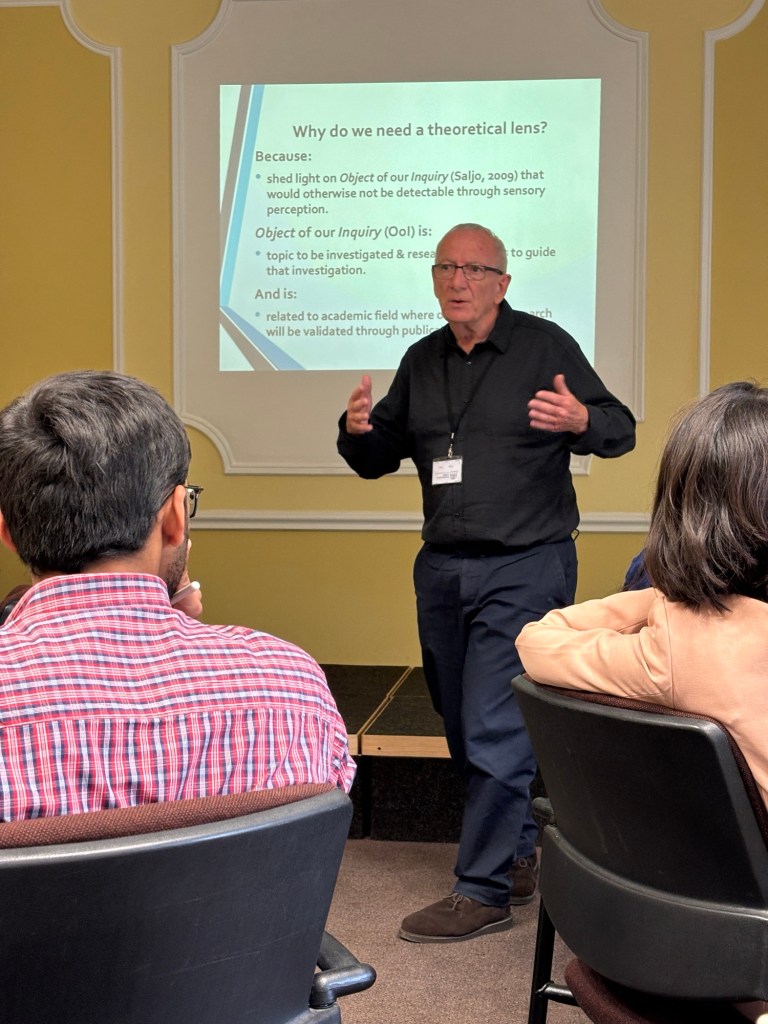
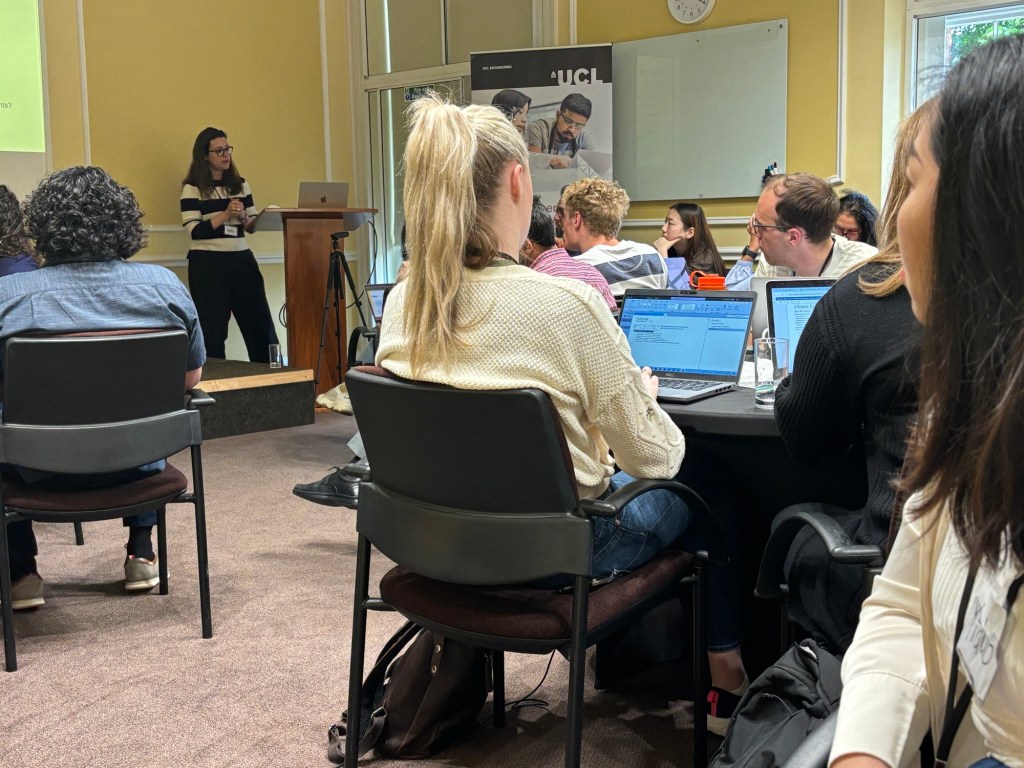
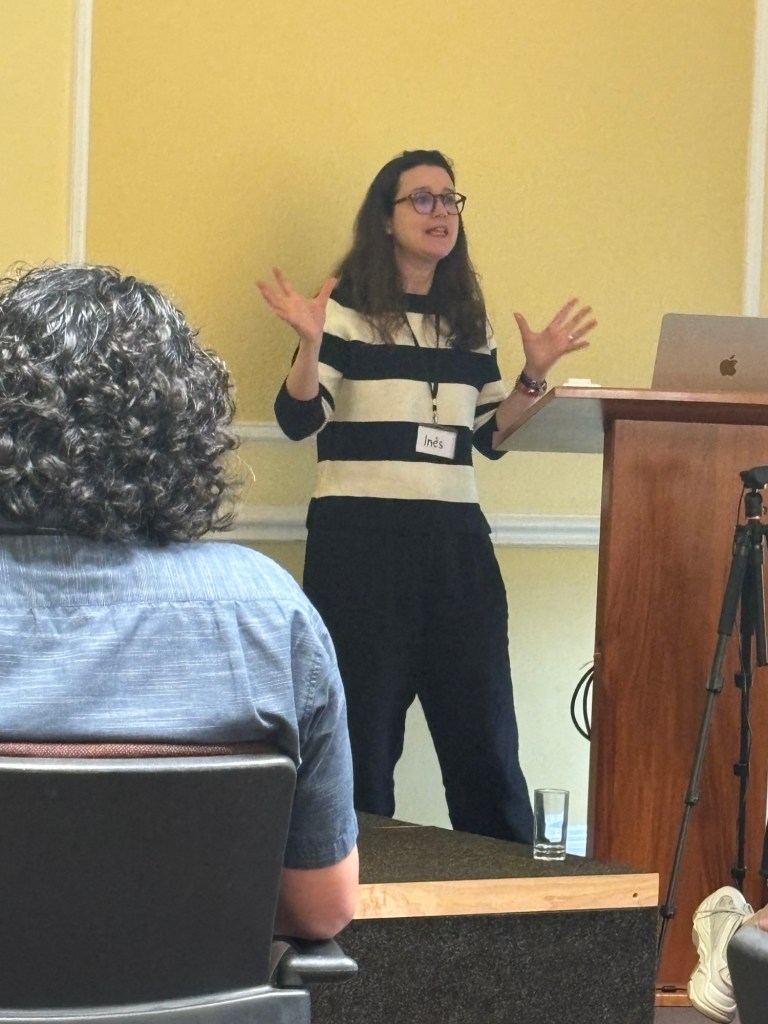
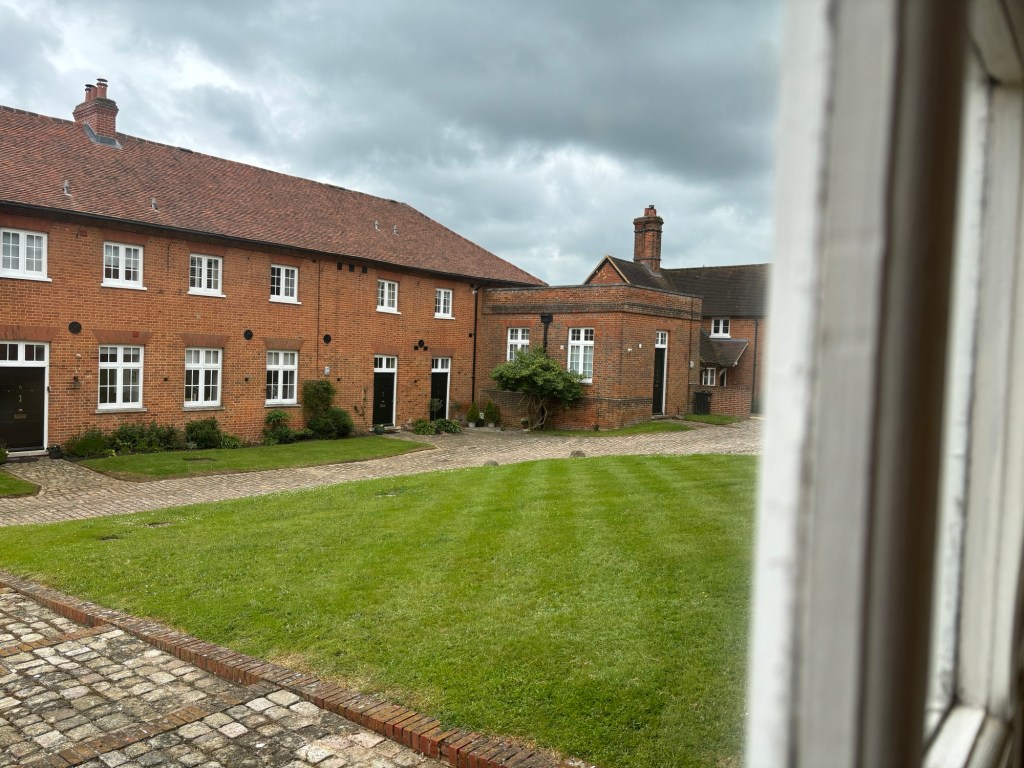
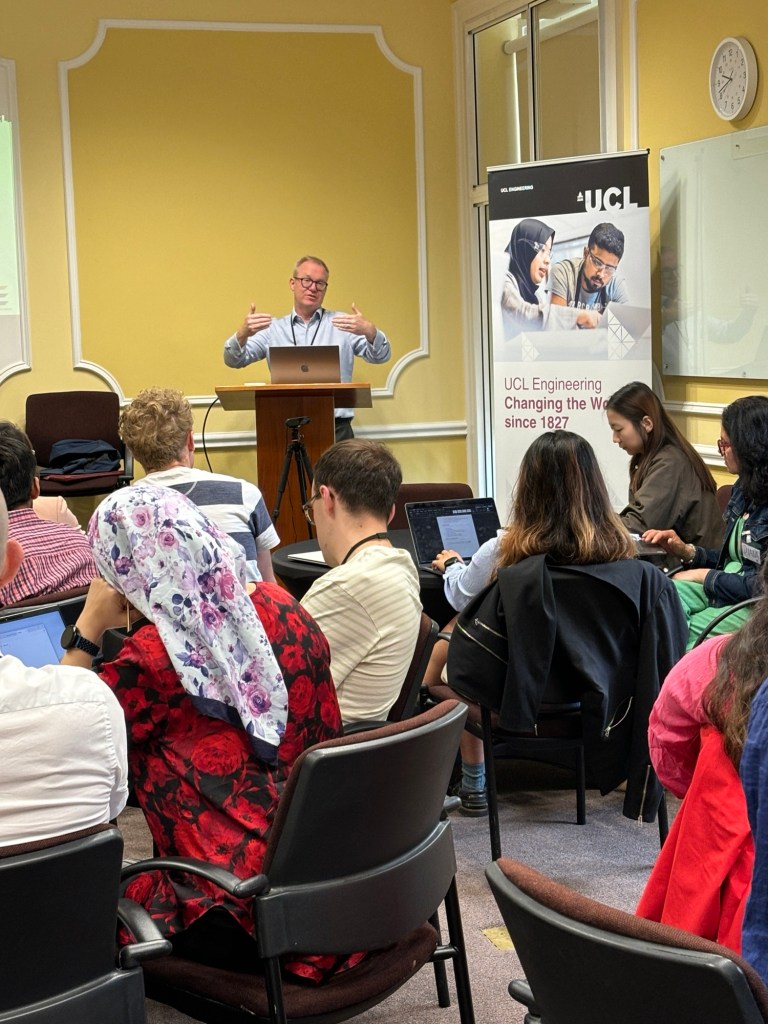

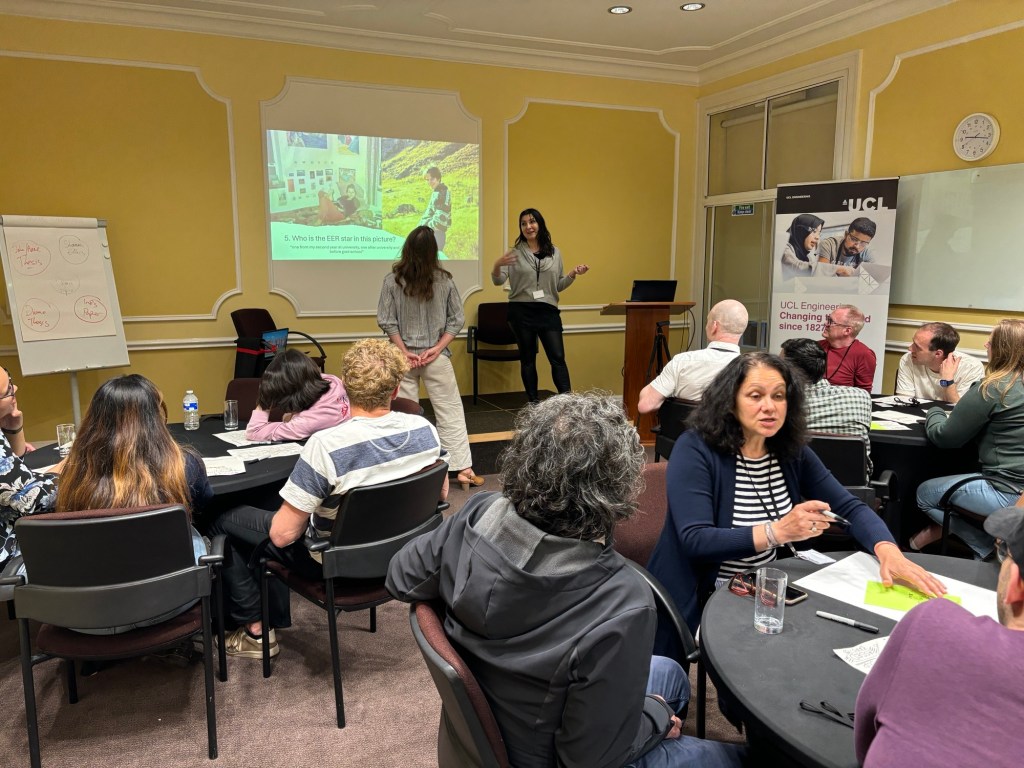
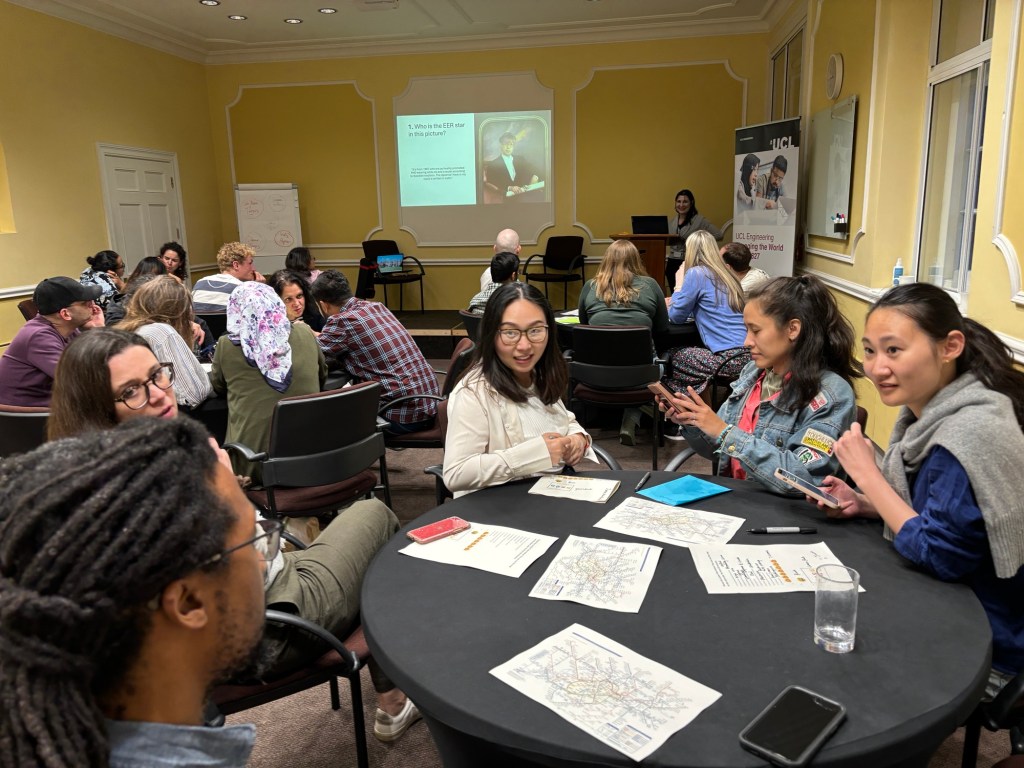
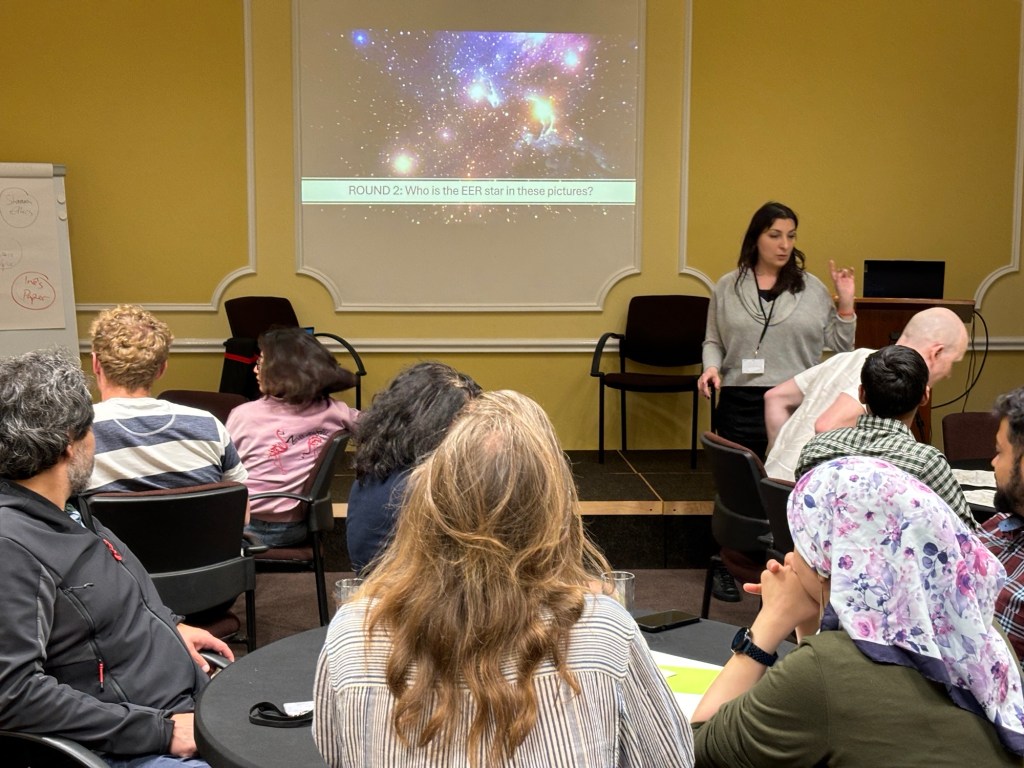
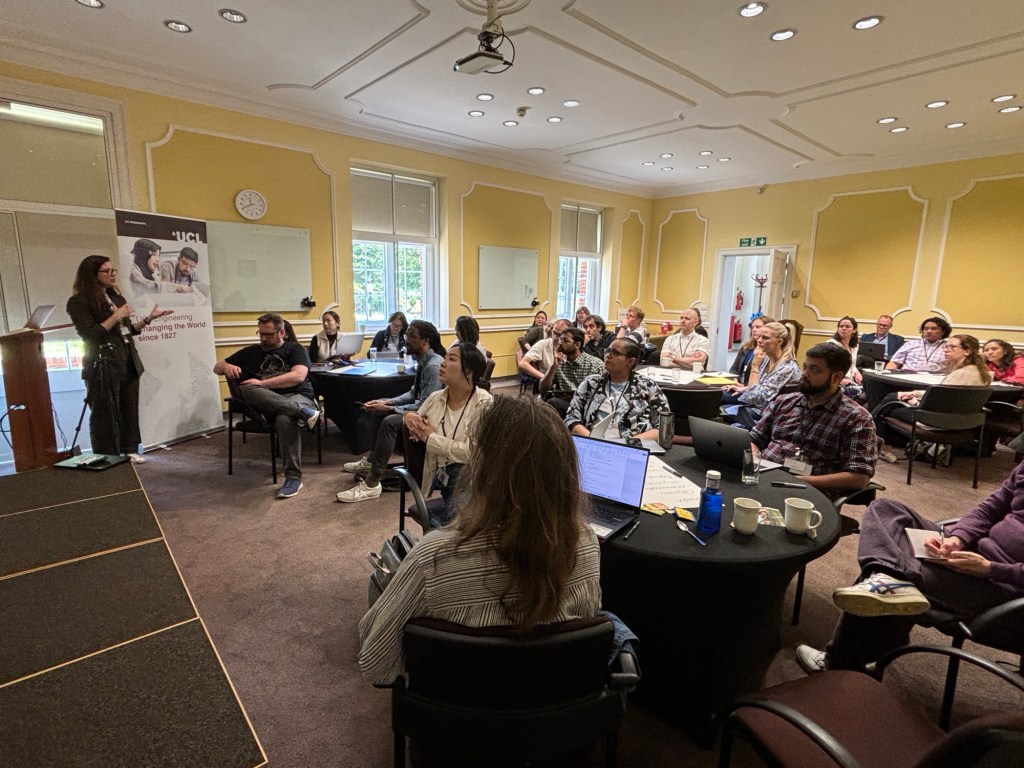
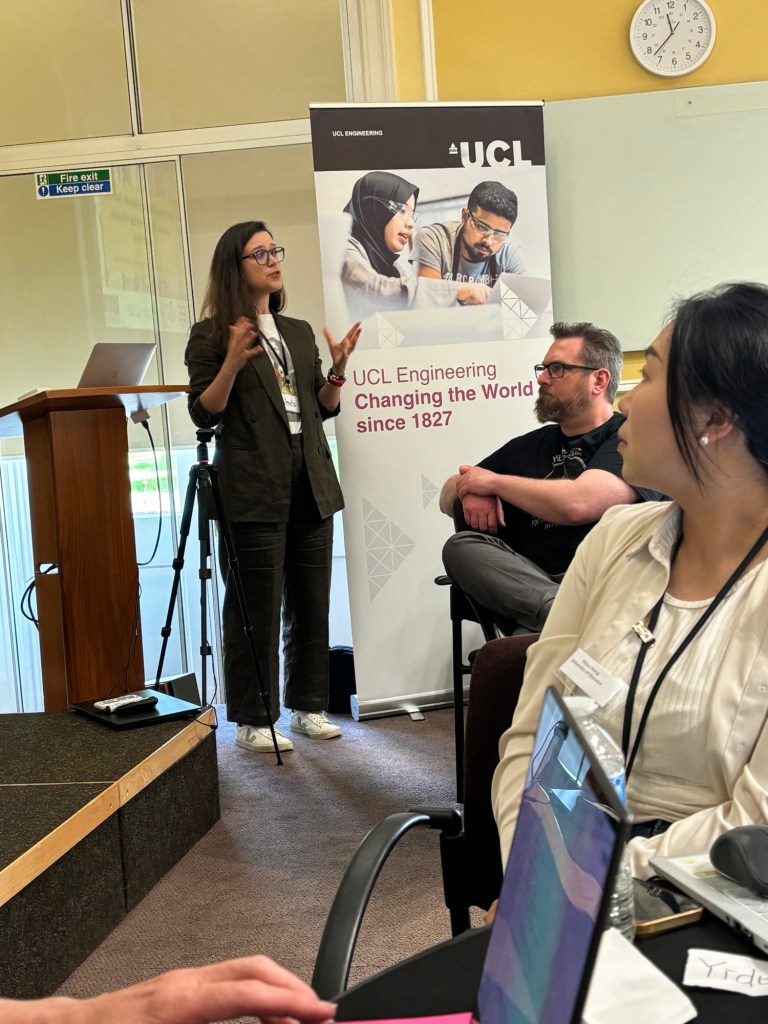

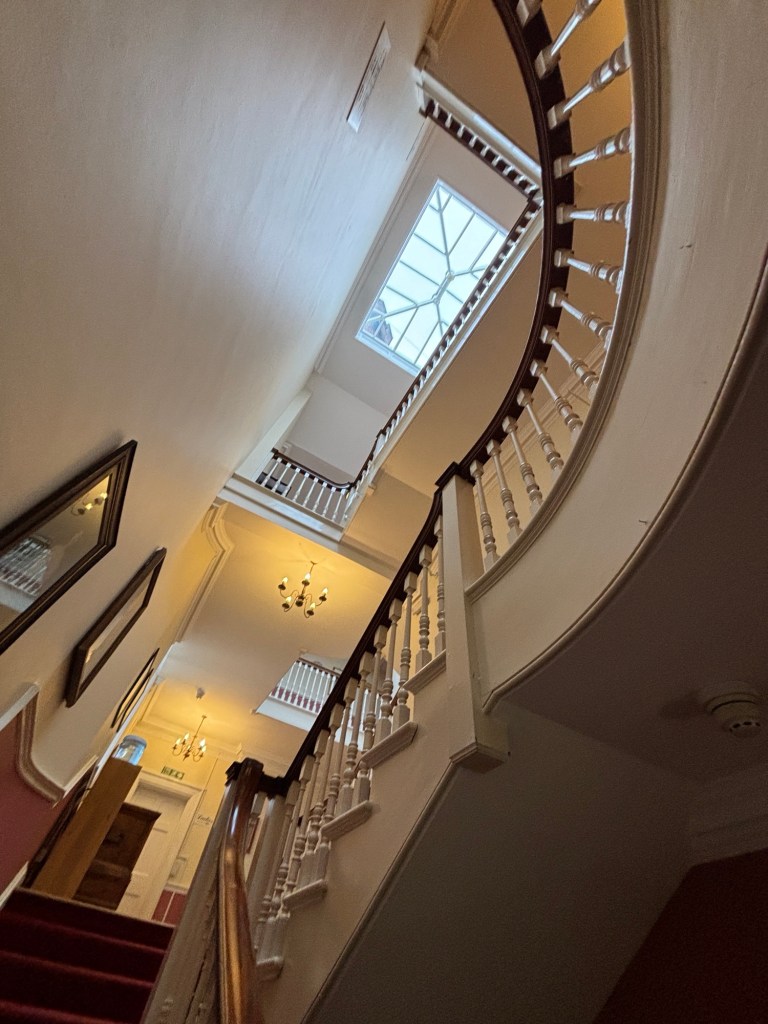
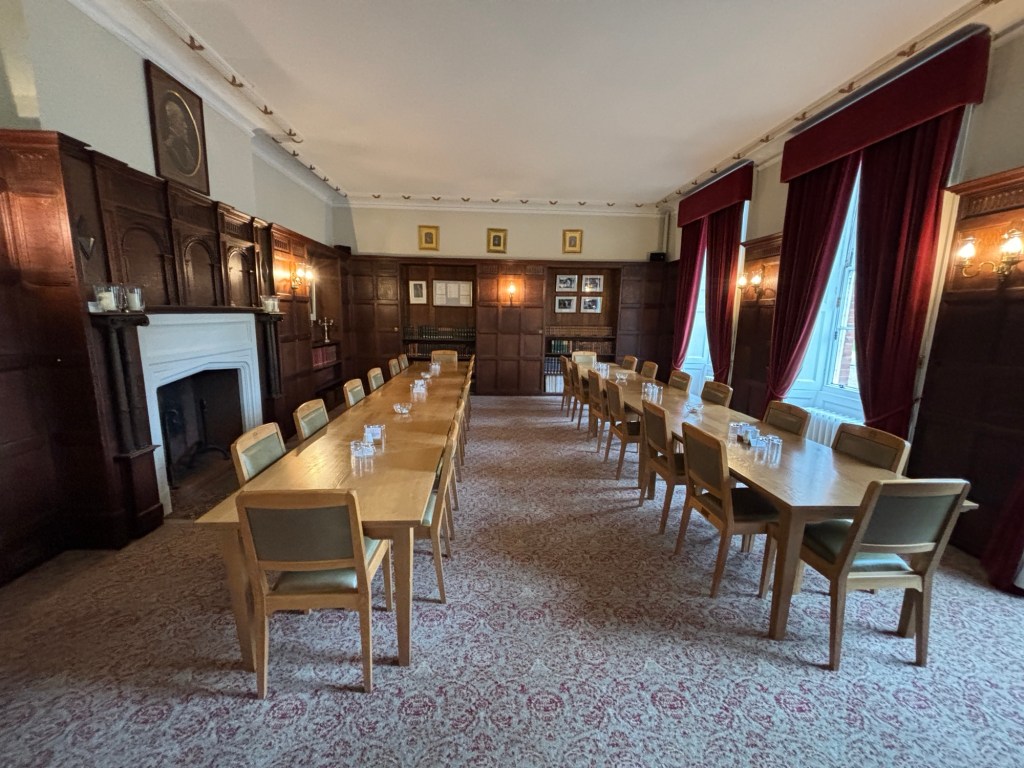
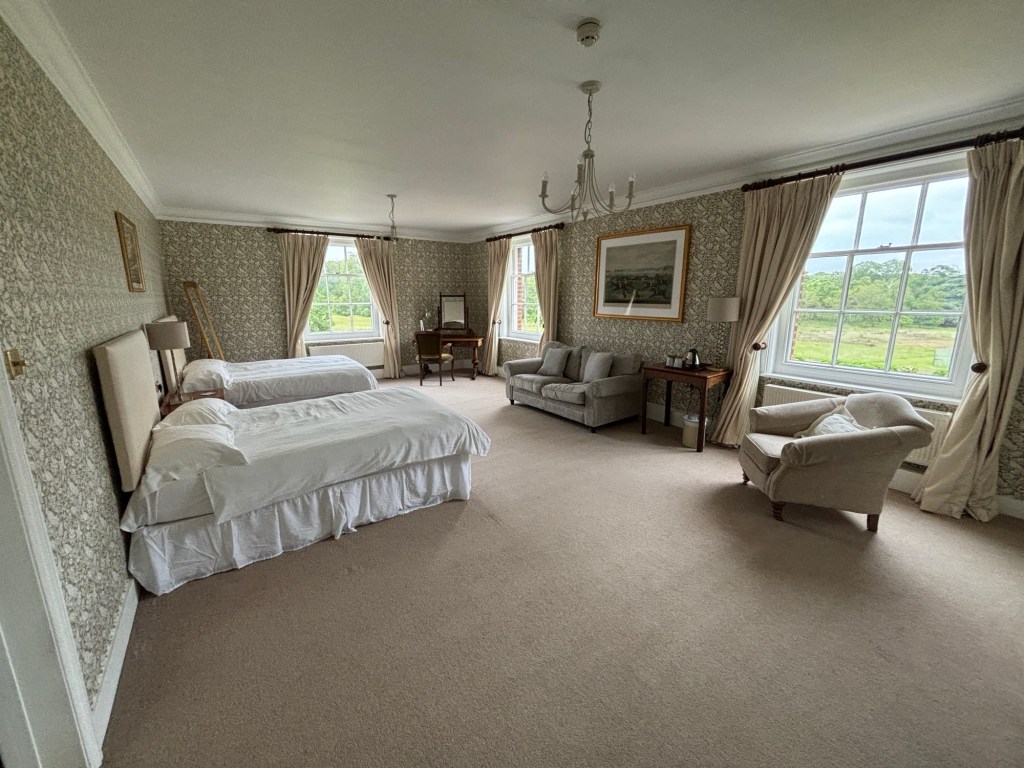
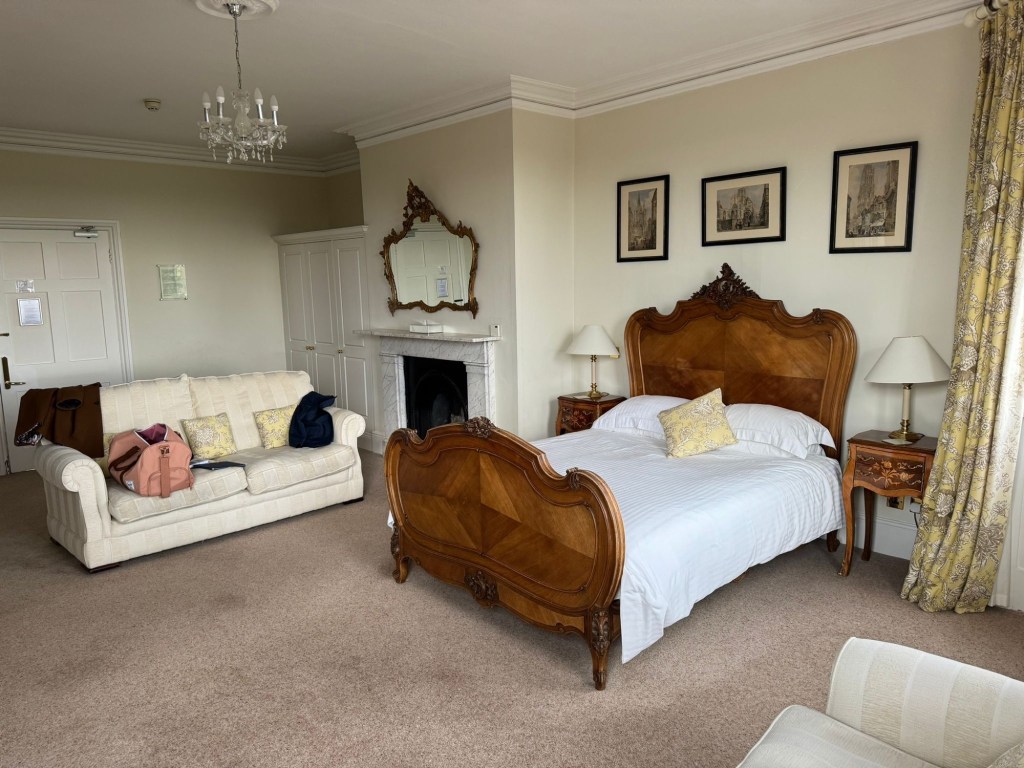
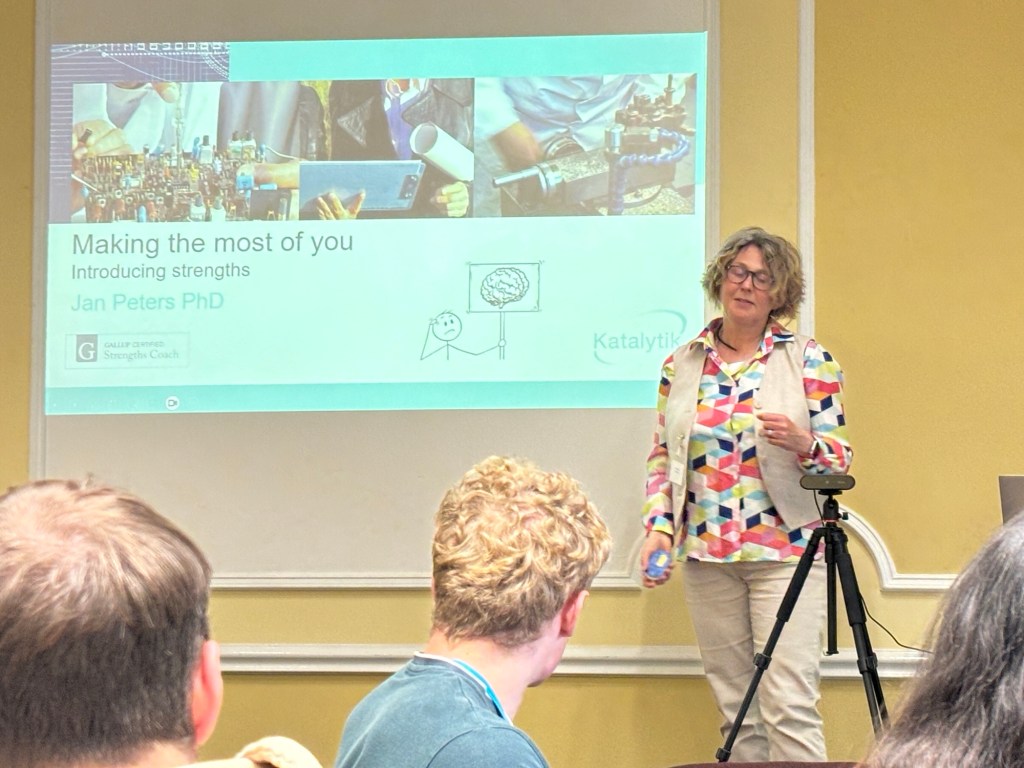
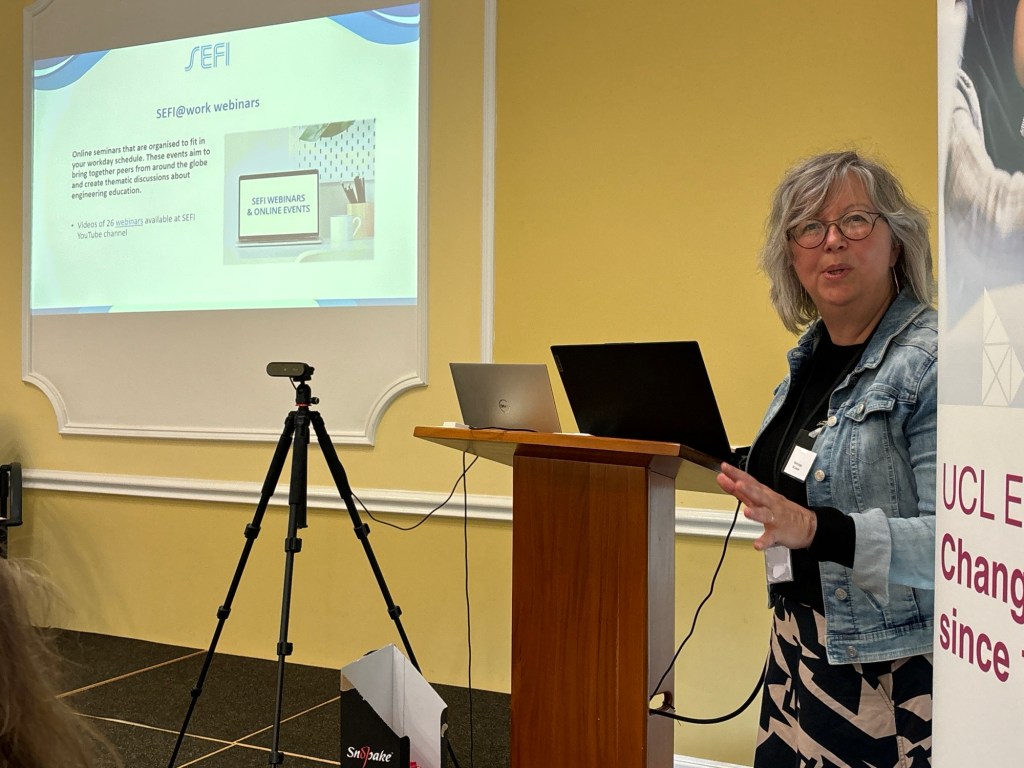
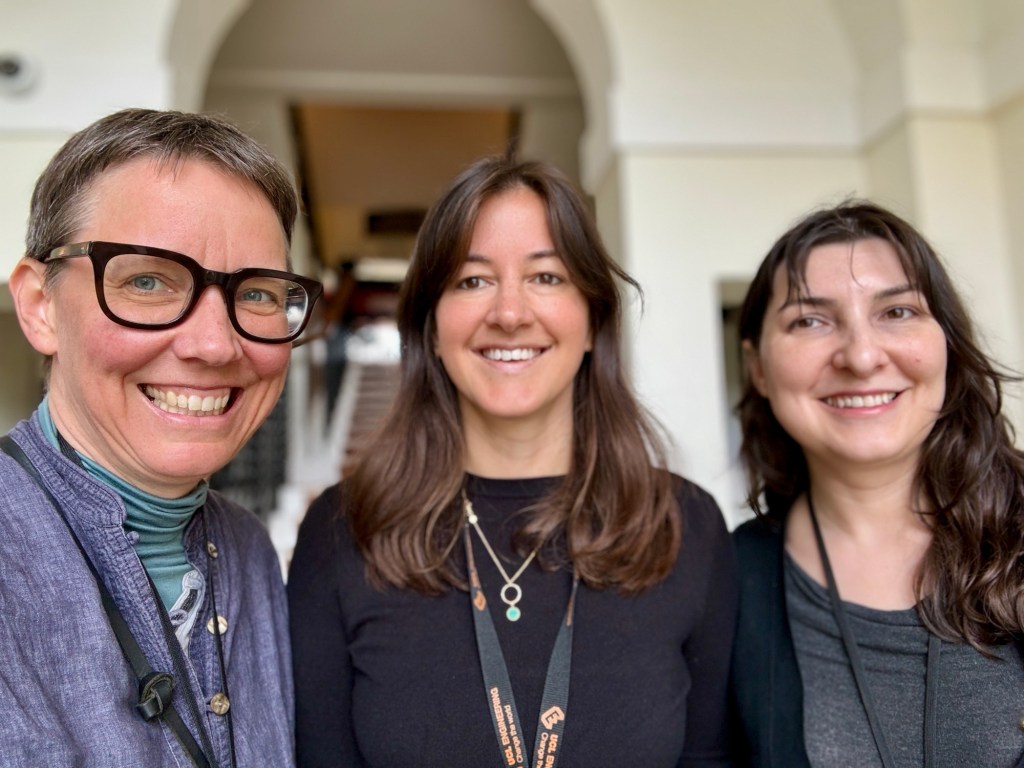
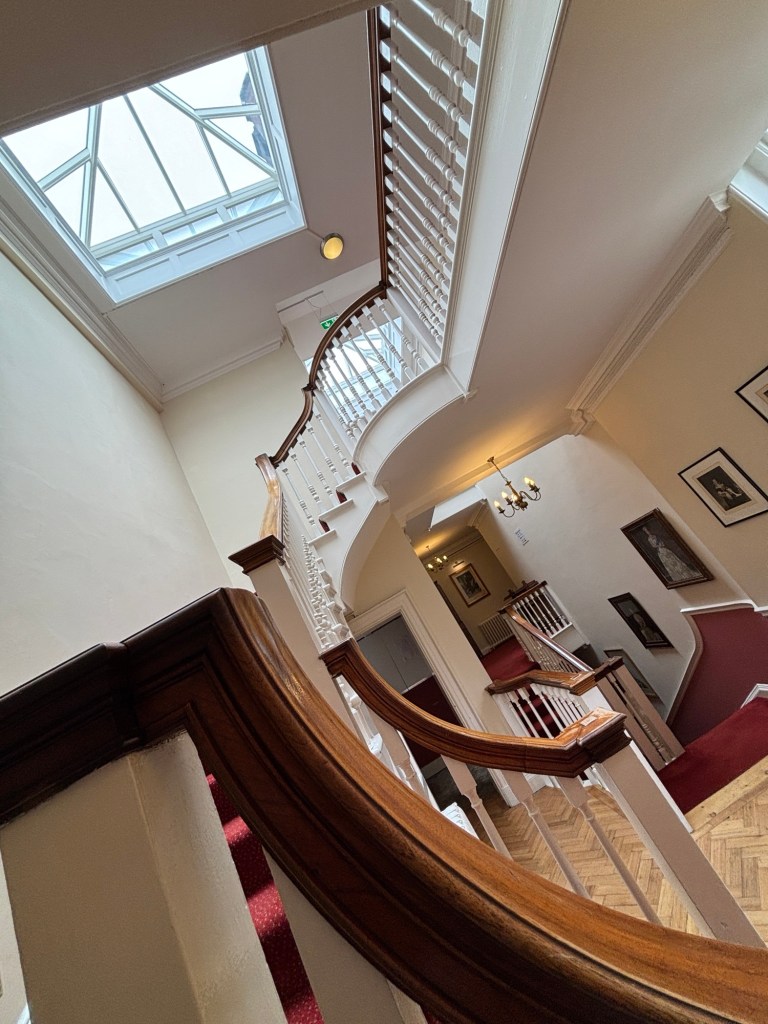
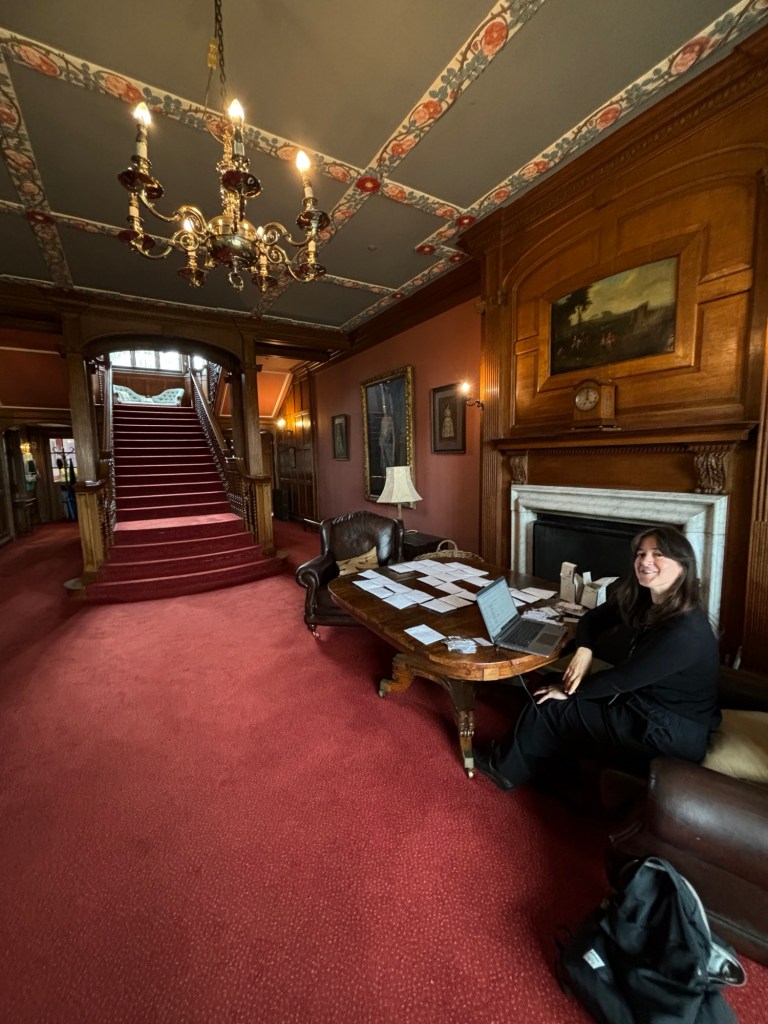

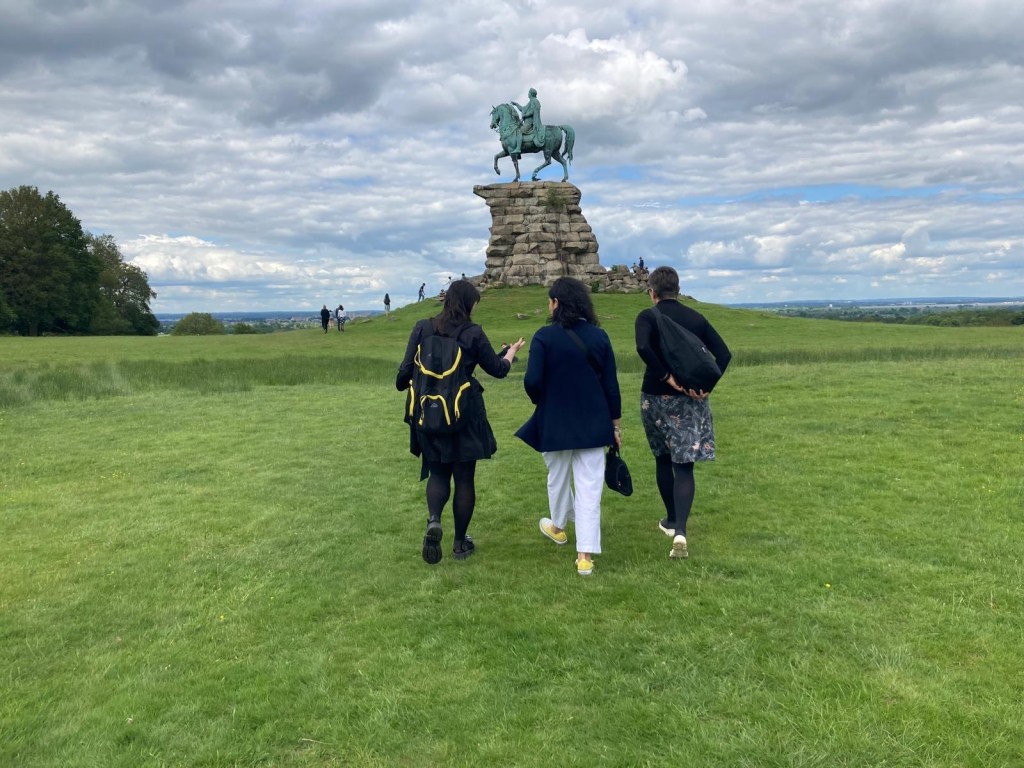

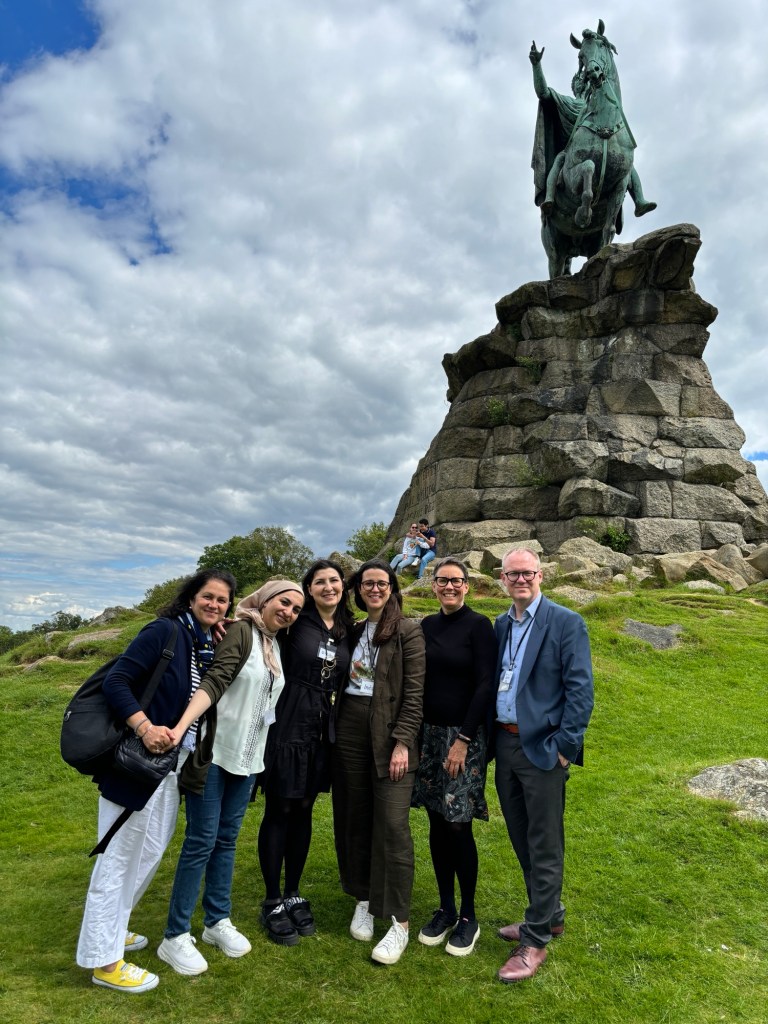

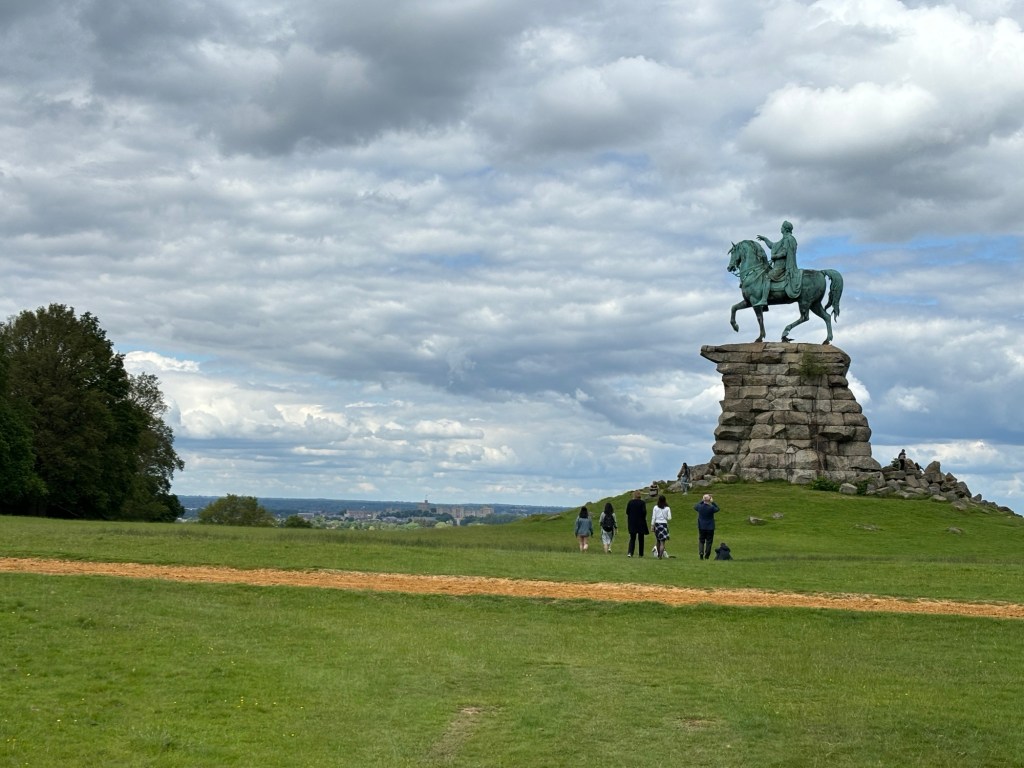
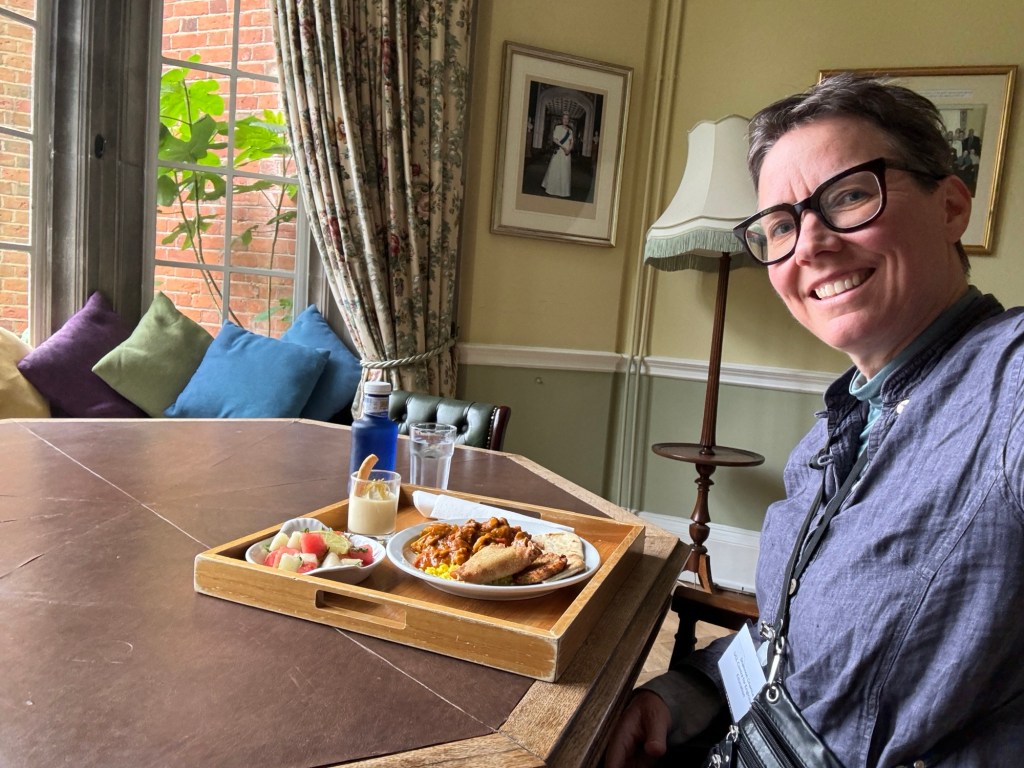
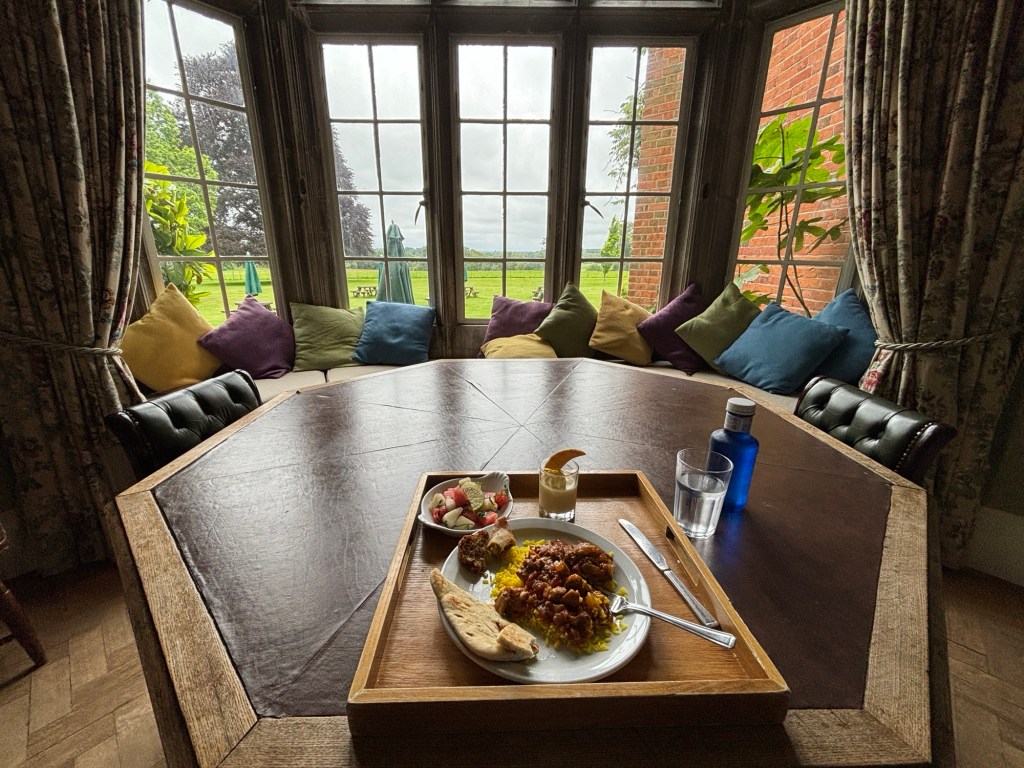
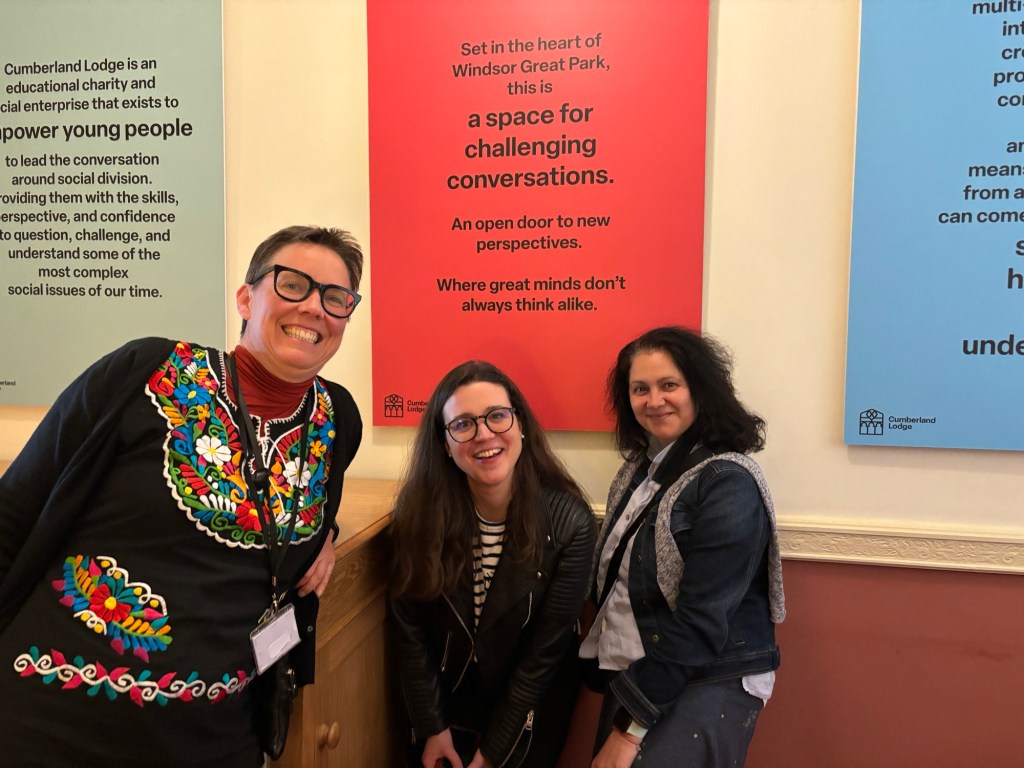
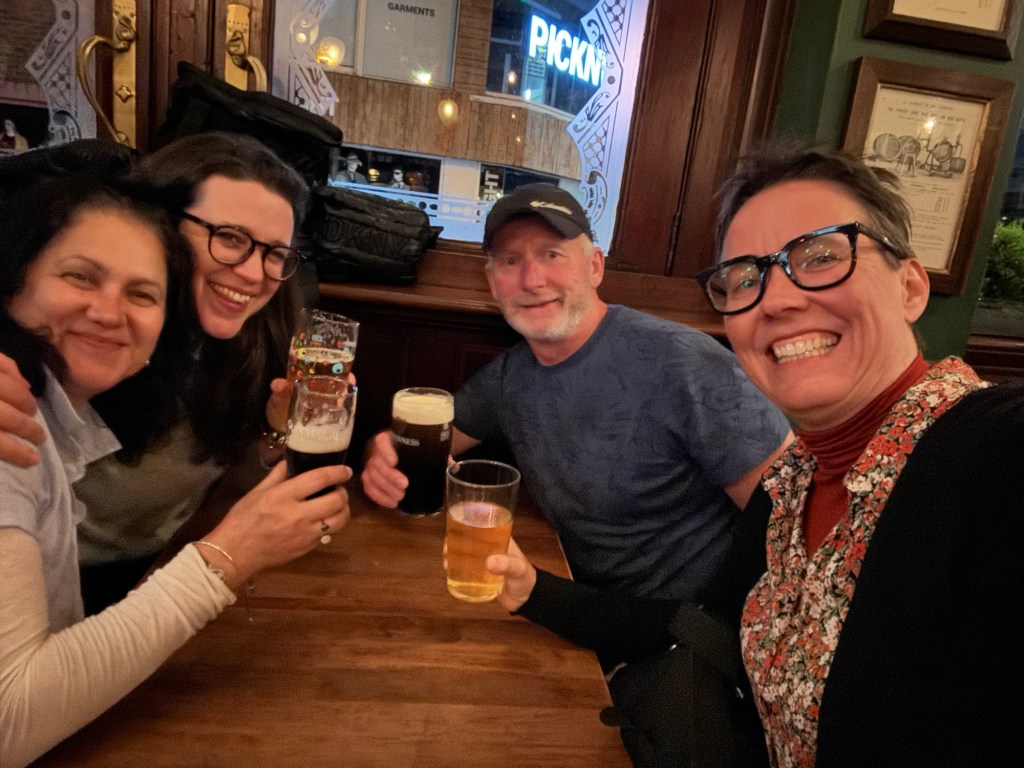
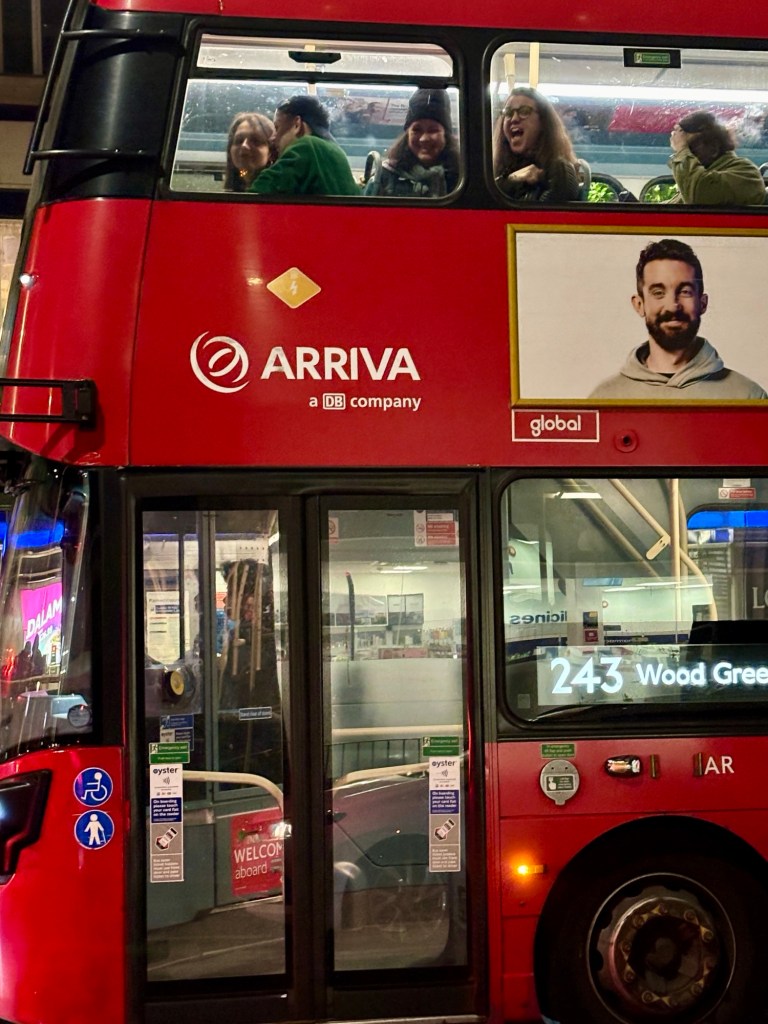
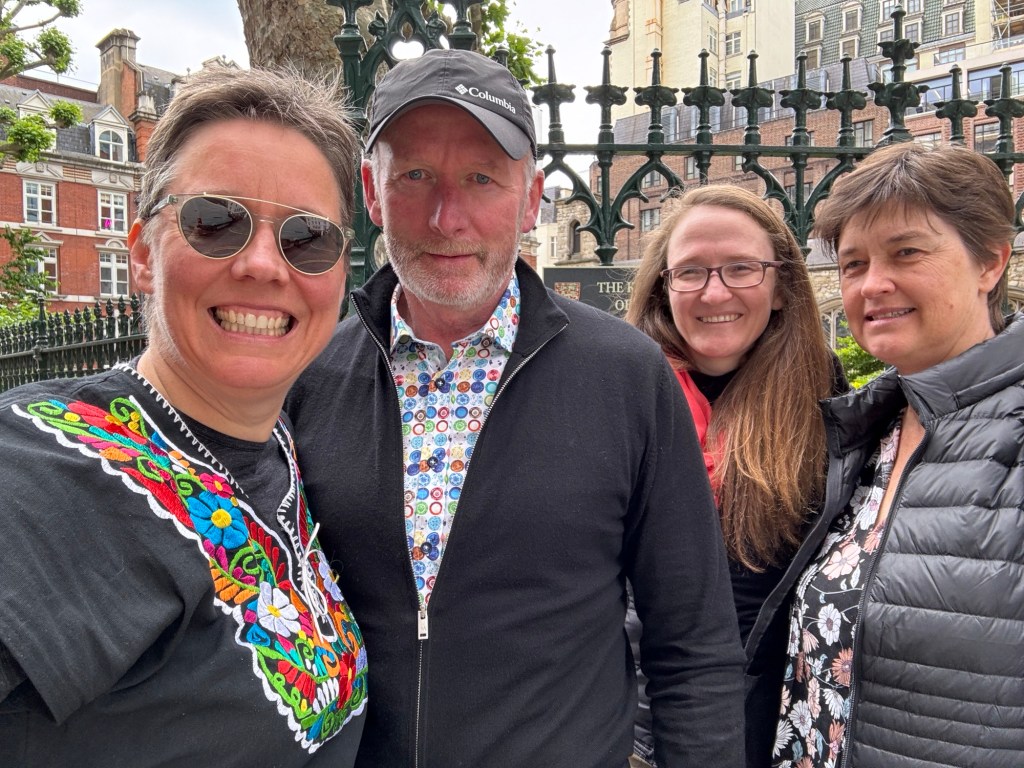
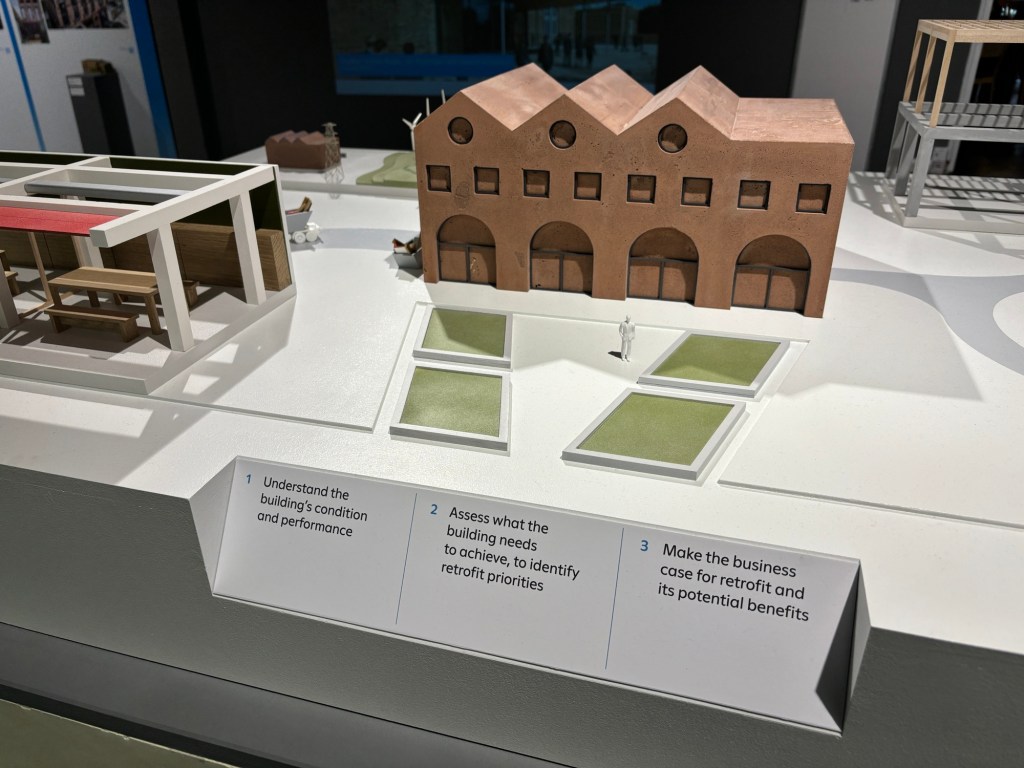
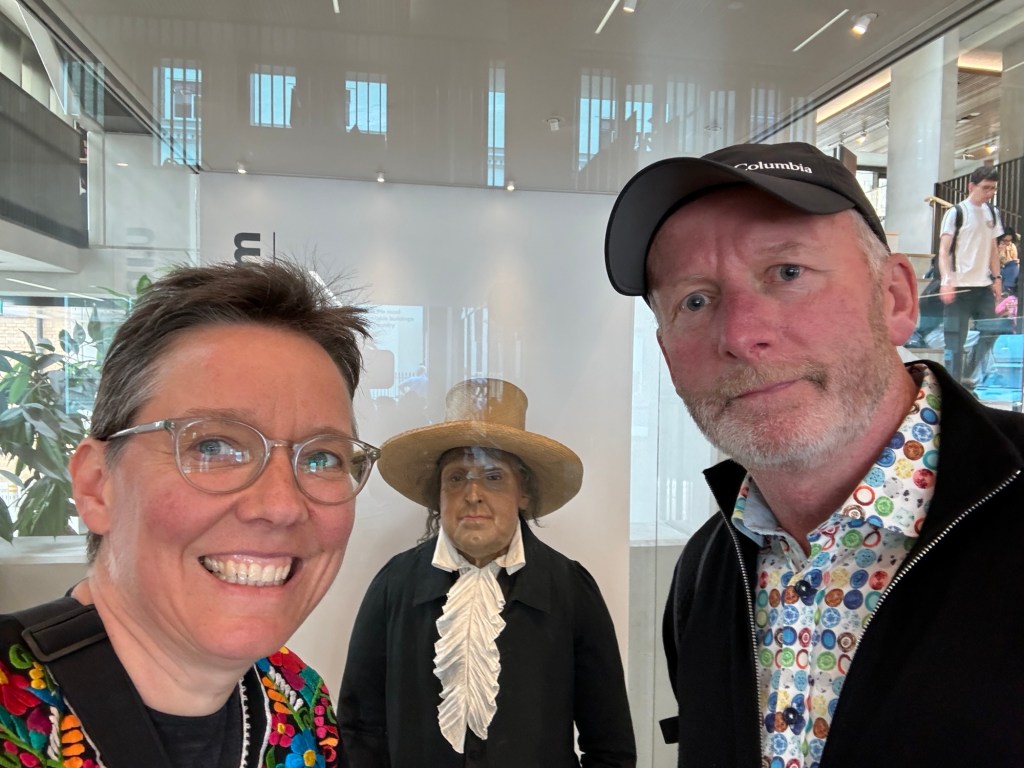


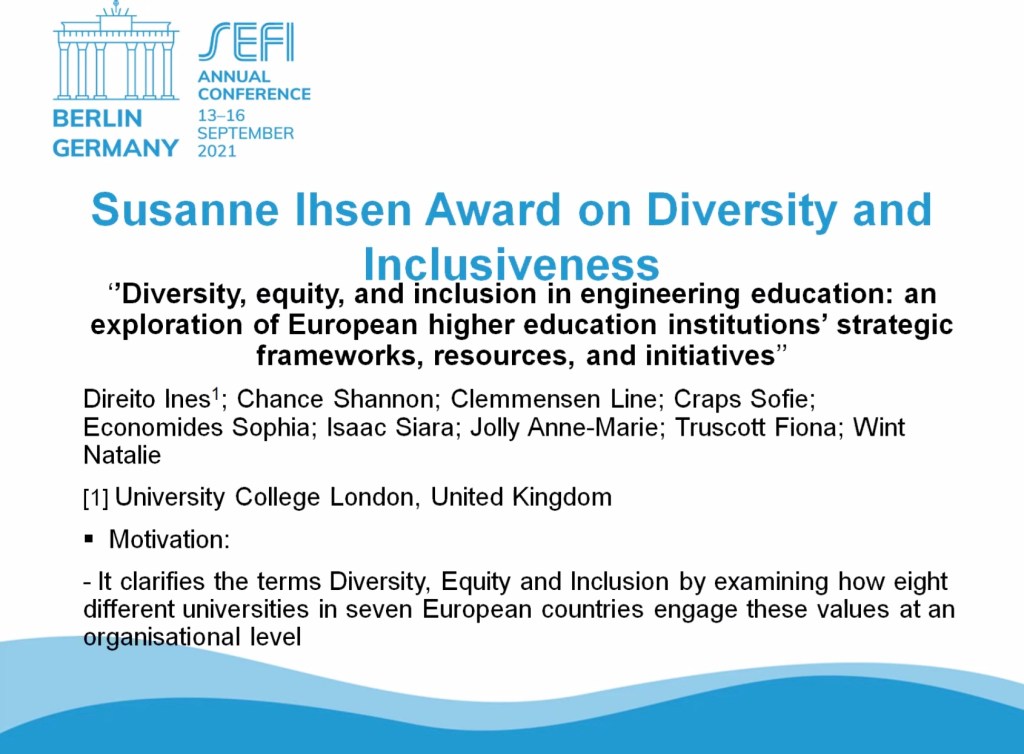


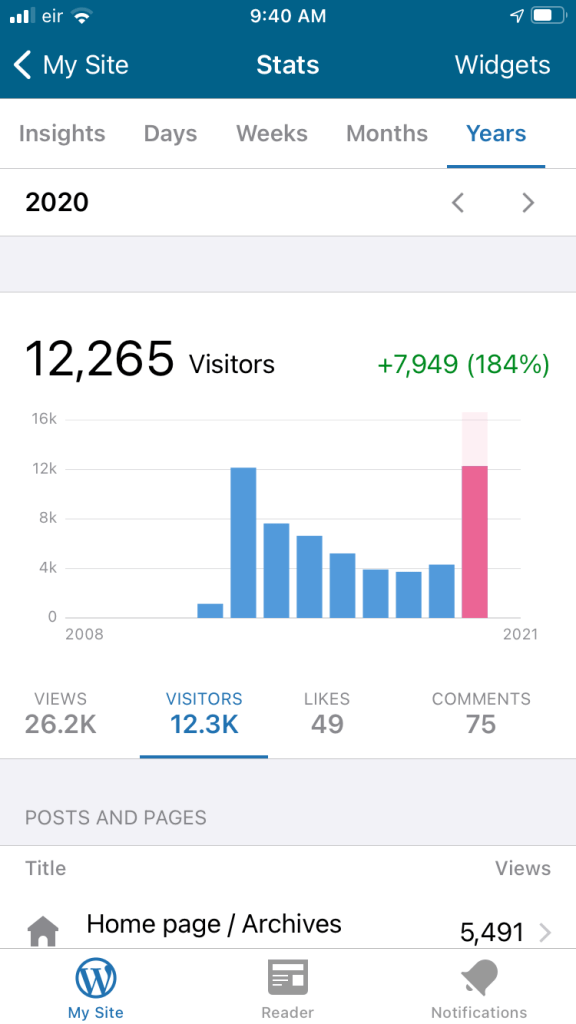


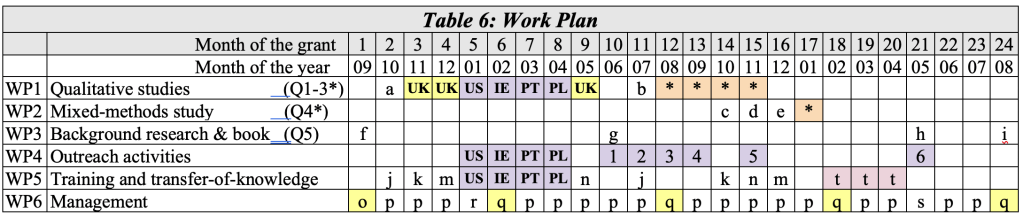

 Ireland by Chance